A Comprehensive Guide to Solar Energy Systems: With Special Focus on Photovoltaic Systems 1st Edition
Trevor M. Letcher
Visit to download the full and correct content document: https://ebookmass.com/product/a-comprehensive-guide-to-solar-energy-systems-with -special-focus-on-photovoltaic-systems-1st-edition-trevor-m-letcher/
A Comprehensive Guide to Solar Energy Systems With Special Focus on
Photovoltaic Systems
Edited by
Trevor M. Letcher
University of KwaZulu-Natal, Durban, South Africa
Vasilis M. Fthenakis
Center for Life Cycle Analysis, Columbia University, New York, NY, United States
Academic Press is an imprint of Elsevier
125 London Wall, London EC2Y 5AS, United Kingdom
525 B Street, Suite 1800, San Diego, CA 92101-4495, United States
50 Hampshire Street, 5th Floor, Cambridge, MA 02139, United States
The Boulevard, Langford Lane, Kidlington, Oxford OX5 1GB, United Kingdom
Copyright © 2018 Elsevier Inc. All rights reserved.
No part of this publication may be reproduced or transmitted in any form or by any means, electronic or mechanical, including photocopying, recording, or any information storage and retrieval system, without permission in writing from the publisher. Details on how to seek permission, further information about the Publisher’s permissions policies and our arrangements with organizations such as the Copyright Clearance Center and the Copyright Licensing Agency, can be found at our website: www.elsevier.com/permissions
This book and the individual contributions contained in it are protected under copyright by the Publisher (other than as may be noted herein).
Notices
Knowledge and best practice in this field are constantly changing. As new research and experience broaden our understanding, changes in research methods, professional practices, or medical treatment may become necessary.
Practitioners and researchers must always rely on their own experience and knowledge in evaluating and using any information, methods, compounds, or experiments described herein. In using such information or methods they should be mindful of their own safety and the safety of others, including parties for whom they have a professional responsibility.
To the fullest extent of the law, neither the Publisher nor the authors, contributors, or editors, assume any liability for any injury and/or damage to persons or property as a matter of products liability, negligence or otherwise, or from any use or operation of any methods, products, instructions, or ideas contained in the material herein.
Library of Congress Cataloging-in-Publication Data
A catalog record for this book is available from the Library of Congress
British Library Cataloguing-in-Publication Data
A catalogue record for this book is available from the British Library
ISBN: 978-0-12-811479-7
For information on all Academic Press publications visit our website at https://www.elsevier.com/books-and-journals

Publisher: Joe Hayton
Acquisition Editor: Lisa Reading
Editorial Project Manager: Serena Castelnovo
Production Project Manager: Sruthi Satheesh
Designer: Mark Rogers
Typeset by Thomson Digital
List of Contributors
Tom Baines
Stephenson Institute for Renewable Energy, The University of Liverpool, Liverpool, United Kingdom
Charles J. Barnhart
Western Washington University, Bellingham; Institute for Energy Studies, Western Washington University, Bellingham, WA, United States
Vítězslav Benda
Czech Technical University in Prague, Prague, Czech Republic
Khagendra P. Bhandari
Center for Photovoltaics Innovation and Commercialization, University of Toledo, Toledo, OH, United States
Rhys G. Charles
SPECIFIC-IKC, Swansea University, Swansea; Materials Research Centre, Swansea University, Swansea, United Kingdom
Fangliang Chen
Columbia University, New York, NY, United States
Matthew L. Davies
SPECIFIC-IKC, Swansea University, Swansea; Materials Research Centre, Swansea University, Swansea, United Kingdom
Thomas Döring
SolarPower Europe, Brussels, Belgium
Peter Douglas
Chemistry Group, Medical School, Swansea University, Swansea, United Kingdom; University of KwaZulu-Natal, Durban, South Africa
Beatrice Dower
MVGLA, Comrie, United Kingdom
Randy J. Ellingson
Center for Photovoltaics Innovation and Commercialization, University of Toledo, Toledo, OH, United States
xv
Nesimi Ertugrul
University of Adelaide, Adelaide, Australia
Vasilis M. Fthenakis
Center for Life Cycle Analysis, Columbia University, New York, NY, United States
Michael Ginsberg
Center for Life Cycle Analysis, Columbia University, New York, NY, United States
Andrés Pinto-Bello Gómez
SolarPower Europe, Brussels, Belgium
Steven M. Grodsky
University of California, Davis; Wild Energy Initiative, John Muir Institute of the Environment, Davis, CA, United States
Ajay Gupta
EROI Energy Advisors Inc., Brampton, ON, Canada
Ingrid L. Hallin
Freelance Researcher, Edmonton, AB, Canada
Ross A. Hatton
Warwick University, Coventry, United Kingdom
Xiaoping He
China Center for Energy Economics and Research, The School of Economics, Xiamen University, Xiamen, China
Rebecca R. Hernandez
University of California, Davis; Wild Energy Initiative, John Muir Institute of the Environment, Davis, CA, United States
Zicong Huang
Guangdong University of Technology, Guangzhou, P.R. China
Aruna Ivaturi
University of Strathclyde, Glasgow, United Kingdom
Trevor M. Letcher
University of KwaZulu-Natal, Durban, South Africa; Laurel House, FosseWay, Stratton on the Fosse, United Kingdom
xvi List of Contributors
Jonathan D. Major
Stephenson Institute for Renewable Energy, The University of Liverpool, Liverpool, United Kingdom
Michelle Murphy-Mariscal
Mt. San Jacinto College, Menifee, CA, United States
Frank Pao
Columbia University, New York, NY, United States
Alyssa Pek
SolarPower Europe, Brussels, Belgium
Alexandre Roesch
SolarPower Europe, Brussels, Belgium
Michael Schmela
SolarPower Europe, Brussels, Belgium
Thomas P. Shalvey
Stephenson Institute for Renewable Energy, The University of Liverpool, Liverpool, United Kingdom
Katie Shanks
Environment and Sustainability Institute (ESI), University of Exeter, Penryn, United Kingdom
Graham Stein
National Grid, Warwick, United Kingdom
Senthilarasu Sundaram
Environment and Sustainability Institute (ESI), University of Exeter, Penryn, United Kingdom
Kristina Thoring
SolarPower Europe, Brussels, Belgium
David Timmons
University of Massachusetts Boston, Boston, MA, United States
Hari Upadhyaya
Wolfson Centre for Materials Processing, Institute of Materials and Manufacturing, Department of Mechanical, Aerospace and Civil Engineering, Brunel University, London, Uxbridge, United Kingdom
List of Contributors xvii
Zhangyuan Wang
Guangdong University of Technology, Guangzhou, P.R. China
James Watson
SolarPower Europe, Brussels, Belgium
Huiming Yin
Columbia University, New York, NY, United States
Eduardo Zarza-Moya
CIEMAT-PSA, Almería, Spain
Xudong Zhao
University of Hull, Hull, United Kingdom
Siming Zheng
Guangdong University of Technology, Guangzhou, P.R. China
xviii
List of Contributors
Preface
Our book, A Comprehensive Guide to Solar Energy Systems: With Special Focus on Photovoltaic Systems is a companion volume to the recent book: Wind Energy Engineering: A Handbook for Onshore and Offshore Wind Turbines (Elsevier, 2017). It was felt that the solar energy industry like the wind turbine industry was developing so rapidly that it was now necessary to compile a collection of solar energy-related topics into one volume.
The use of renewable energy sources such as solar and wind for electricity generation is becoming commonplace in our society as we move away from fossil fuels to more sustainable forms of energy, free from carbon dioxide pollution. The move cannot come quickly enough as each month we hear that the previous month was the hottest month since records began and that CO2 levels are increasing every year and have now passed the 410 ppm level.
Our book gives an all round view of solar energy with a special focus on technical issues surrounding photovoltaic cells. The 25 chapters are divided into the following six sections: Introduction; Solar Energy Resource and Worldwide Development; Thermal Solar Energy Technology; Photovoltaic Solar Energy—Generation of Electricity; Environmental Impacts of Solar Energy; Economics, Financial Modeling, and Investment in PVs, Growth Trends, and the Future of Solar Energy. In more detail, the book includes chapters on the following areas:
• Scientific aspects (basic theory of photovoltaic solar energy, global potential for producing electricity from the sun’s energy);
• Wind energy in China, Europe, Africa, and the USA, to give a flavor of developments in very different countries but all with the same aim of reducing global warming while providing affordable, abundant, and sustainable energy;
• Thermal solar power in solar heaters, concentrated solar systems.
• Photovoltaics in all its different forms—crystalline silicon cells, cadmium telluride cells, perovskite cells, and organic cells;
• Large scale PV Integrated technologies (buildings);
• Integration into national grids;
• Small scale PV systems;
• Storing energy from PVs;
• Environmental issues and comparisons;
• Materials’ abundance, purification, and energy cost for Si, CdTe, and CIGS photovoltaics;
• Life Cycle Analysis and Energy Return on Investment;
xix
• Growth trends and the future of solar power;
• Minimizing the cost of resolving variability and energy storage.
It is hoped that the book will act as a springboard for new developments and perhaps lead to synergistic advances by linking ideas from different chapters. Another way that this book can help in serving the solar energy industry is through contact between readers and authors and to this effect addresses of the authors have been included.
Each topic is covered at the highest level with the very latest research and information, each chapter of this book has been written by an expert scientist or engineer, working in the field. Authors have been chosen for their expertise in their respective fields and come from ten countries: Australia, Belgium, Canada, Czechoslovakia, China, India, Spain, South Africa, United Kingdom, and the United States. Most of the authors come from developed countries as most of the research and development in this relatively new field is based in these countries. However, we look forward to the future when new approaches to solar energy, focusing on local conditions in emerging countries, are developed by scientists and engineers working in those countries. We are sure this new book will aid in this endeavor.
The chapters in this book can be considered as snapshots, taken in 2017, of the state of the solar PV industry. Our book goes hand in hand with four other books we have recently published: Climate Change: Observed Impacts on Planet Earth , 2nd edition, (Elsevier 2015); Storing Energy: With Special Reference to Renewable Energy Sources (Elsevier, 2016); Wind Energy Engineering: A Handbook for Onshore and Offshore Wind Turbines (Elsevier, 2017); and Electricity From Sunlight: Photovoltaics Systems Integration and Sustainability (Wiley, 2017).
For consistency and to appeal to an international audience, the International System of Units and Quantities is reflected in the book with the use of the Système International d’Unités (SI) throughout. Other units such as Imperial units are written in parenthesis. The index notation is used to remove any ambiguities; for example, billion and trillion are written as 109 and 1012 respectively. To avoid further ambiguities the concept of the quantity calculus is used. It is based on the equation: physical quantity = number × unit. To give an example: power = 200 W and hence: 200 = power/W. This is of particular importance in the headings of tables and the labeling of graph axes.
A vital concern related to development and use of renewable and sustainable forms of energy, especially solar, is the question of what can be done when it appears that politicians misunderstand or ignore, and corporations overlook the realities of climate change and the importance of renewable energy sources. The solution lies in sound scientific data and education. As educators we believe that only a sustained grassroots movement to educate citizens, politicians, and corporate leaders of the world has any hope of success. Our book is part of this aim. It gives an insight into the subject, which we hope readers will consider and discuss. The book is written not only for students, teachers, professors, and researchers into renewable energy, but also for politicians, government decision-makers, captains of industry, corporate leaders, journalists, editors, and all other interested people.
xx Preface
We wish to thank all 42 authors and coauthors for their cooperation, help, and especially, for writing their chapters. It has been a pleasure working with each and every one of the authors. Trevor thanks his wife, Valerie and Vasilis his wife Christina for their help, support, and encouragement they gave us over these long months of putting the book together. We also wish to thank Elsevier editors and staff for their professionalism and help in producing this well-presented volume.
Trevor M. Letcher
Stratton on the Fosse, Somerset
Vasilis M. Fthenakis
Columbia University, New York
Preface xxi
Why Solar Energy?
Trevor M. Letcher
UNIVERSITY OF KWAZULU-NATAL, DURBAN, SOUTH AFRICA trevor@letcher.eclipsr.co.uk
1.1 Introduction
The importance of the sun in sustaining life has probably been known to humans in all ancient societies, and many of these people, including the Babylonians, ancient Hindus, Persians, and Egyptians worshipped the sun. From written records, the ancient Greeks were the first to use passive solar designs in their homes and no doubt experimented with harnessing the sun’s energy in many different ways. There is a story that, Archimedes in the 2nd century BC reflected the sun’s rays from shiny bronze shields to a focal point and was thus able to set fire to enemy ships. The Romans continued the tradition of using the sun in their homes and introduced glass, which allowed the sun’s heat to be trapped. The Romans even introduced a law that made it an offence to obscure a neighbor’s access to sunlight.
By contrast, PV technology (the creation of a voltage by shining light on a substance) and the main focus of this book, is a very recent application. Scientists, as early as 1818, noticed that the electrical conductivity of some materials, such as selenium, increased by a few orders of magnitude when exposed to sunlight; however, it was not until the 1950s that scientists working on transistors at the Bell Telephone Laboratories showed that silicon could be used as an effective solar cell. This very soon led to the use of silicon solar cells in spacecraft; and in 1958, Vanguard 1 was the first satellite to use this new invention. This application paved the way for more research into better and cheaper solar cells. The work was further encouraged after the rapid oil price rise in the 1970s. In 1977, the US Government created the National Renewable Energy Laboratory. A further indication of the rapid rise of silicon solar cell technology was the building of the first solar park in 1982 in California, which could generate 1 MW; this was followed a year later by a larger Californian solar park, which could generate, at full capacity, 5.2 MW. The United States has now built several PV power plants in the range of 250–550 MW. It is amazing to think that just 34 years after the first solar farm was built in California, China has built a solar farm of 850 MW. Furthermore, the solar PV worldwide generating capacity, at the end of 2016, was in excess of 300 GW. To put this into perspective, 1000 MW (1 GW) is the power generated by a traditional fossil-fueled power station.
3 A Comprehensive Guide to Solar Energy Systems. http://dx.doi.org/10.1016/B978-0-12-811479-7.00001-4 Copyright © 2018 Elsevier Inc. All rights reserved.
1
In January 2017, it was reported that Chinese companies plan to spend US$1 billion building a giant solar farm (of 1 GW) on 2500 ha in the Ukraine, on the exclusion zone south of the land contaminated by the 1986 nuclear explosion.
The amount of solar energy shining on the earth (with wavelengths ranging from 0.38 to 250 µm) is vast. It heats our atmosphere and everything on the Earth and provides the energy for our climate and ecosystem. At night, much of this heat energy is radiated back into space but at different wavelengths, which are in the infrared range from 5 to 50 µm [1]. This energy heats the greenhouse gas molecules (such as carbon dioxide and methane) and water molecules in the atmosphere. The explanation is as follows. Using Co2 and H2o as examples, this heating process takes place because the radiated IR frequency is in sync (resonates) with the natural frequency of the carbon oxygen bond of Co2 and the oxygen hydrogen bond of H2o. The increased vibration of the bonds effectively heats the Co2 and H2o molecules. These heated molecules then pass the heat to the other molecules in the atmosphere (N2, o2) and this keeps the Earth at an equitable temperature. The vibrating frequencies of the o o bond in oxygen and the N N bond in nitrogen molecules are very different from these radiation frequencies and so are relatively unaffected. As there are many more water molecules than Co2 or CH4 molecules in the atmosphere, the overall contribution of the H2o molecules to the greenhouse effect is larger than the contribution by Co2 or CH4 or the other minor greenhouse gases (GHGs), such as chlorinated hydrocarbons. However, as the Co2 concentration has increased from 280 ppm (280 parts per million or 280 molecules per million molecules) before the industrial revolution, to 410 ppm (observed at Mauna Loa observatory on April 21, 2017), and as the H2o concentration in the atmosphere remains relatively constant, it is the Co2 (together with other GHGs) that is largely responsible for present-day global warming.
Sunlight can be harnessed in a number of ever-evolving and ingenious ways, which include solar heating (usually water, Chapter 6), photovoltaics (for electricity production and the main focus of this volume), concentrated solar thermal energy (Chapter 7) and also solar ponds [2], space heating [3], molten salt power plants [4], and even artificial photosynthesis. Some of these technologies have been developed only in the past 30 years as ways of mitigating climate change and the build-up of atmospheric carbon dioxide from the burning of fossil fuel. The strength of solar energy lies in its inexhaustibility and also in the wide variety of ways that it can be harnessed ranging from small scale to largescale applications.
In 2016, renewable energy supplied less than a quarter of electricity in the world. The renewable energy total of 23.7% is made up of: pumped hydroelectricity being the most prevalent, with 16.6%; wind 4%; and solar only 1.5% ( Section 1.7 ). In spite of the relatively low values for wind and solar energy, their rate of implementation is amazingly rapid and the predictions for the future are promising. As an indication of things to come, we note that on May 15, 2017 Germany received almost all of its electricity from renewable and for 4 days (May 7–10, 2017) Portugal ran on renewable energy (wind, solar, and hydro) alone [5] .
4 A CoMPREHENSIVE GUIdE To SoLAR ENERGy SySTEMS
1.2 How Much Solar Energy Falls on the Earth and How Much is Used to Make Electricity?
There are many ways of expressing how much solar energy falls on the earth. Chris Goodall writes in The Switch that the sun supplies enough power in 90 min to meet the world’s total energy needs for a year [6]. In more scientific language, the Earth receives 174 × 1015 W [174 PW (petawatts)] of incoming solar radiation (insolation) at the upper atmosphere. Approximately 30% of this is reflected back to space, while the rest is absorbed by the oceans and landmasses and things on the earth. At night this 70% absorbed energy is radiated back into space keeping the earth at a constant temperature.
The total solar energy absorbed by the Earth’s atmosphere, oceans, and land masses is approximately 3.85 × 1024 J a 1 [3.85 yJ a 1 (yottajoules per annum)] [7]. Photosynthesis captures less than 0.1% of this, approximately 3.0 × 10²¹ ZJ a 1 (zettajoules per annum), in biomass [8]. The total energy consumption in the world today is less than 0.02% of the total solar energy shining on the earth.
Most people in the world live in areas with insolation levels of 150–300 W m 2 or 3.5–7.0 kW h m–2 d–1, where d refers to day [9]. This magnitude of solar energy available makes it an appealing source of electricity. The United Nations development Programme in its 2000 World Energy Assessment found that the annual potential of solar energy was between 16 000 and 50 000 × 1018 J (16 000–50 000 EJ). This is many times larger than the total world energy consumption, which was 559.8 EJ in 2012 [10].
Solar energy supplied only 0.45% of the total primary energy consumption in 2015. This is far below traditional forms of energy or other renewable forms of energy ( Table 1.1) and reference [11]. Additionally, as mentioned earlier, solar energy produces 1.5% of all the electricity used globally. Therefore, much work has to be done to realize the suggestion of the International Energy Agency (IEA) that the sun could be the largest source of electricity by 2050, ahead of fossil fuels, wind, hydro, and nuclear. According to a recent report by IEA, solar PV systems could generate up to 16% of the world’s electricity by 2050, while solar thermal electricity (STE) from concentrated solar power (CSP) plants could provide an additional 11%; this will require an early and sustained investment in existing and future solar technologies [12].
Table 1.1 World Energy Primary Consumption, 2015, Percentages [11]
Note this table is not referring to electricity production. For the breakdown of electricity production see Table 1.3 in Section 1.7
Chapter 1 • Why Solar Energy? 5
Energy Types Percentages (%) Oil 32.9 Coal 29.2 Gas 23.9 Nuclear 4.4 Hydro 6.8 Wind 1.4 Solar 0.45
1.3 Types of Technology That Can Harness Solar Energy
There are two main types of solar power:solar thermal and solar PV.
Solar thermal includes domestic hot water systems (Chapter 6), cooking [13], solardisinfecting water [14], energy storage—molten salts [4], solar power transport [15], fuel production [16], and CSP (Chapter 7). The latter involves focusing and tracking the sun’s rays using mirrors (usually parabolic troughs or dishes) onto a working fluid, which vaporizes and expands and is used to drive a turbine. The temperature of the working fluid can reach 800oC. The great advantage of CSP is that the sun’s energy is converted into heat, which can be readily stored. This is not true for PV systems, because electricity is more difficult to store, although battery technology is rapidly improving.
It has been estimated that solar energy could be used to supply up to 70% of household hot water in the United Kingdom and in sunnier climates, providing almost all domestic hot water. Today worldwide solar water heaters are responsible for 435 GWth [17]. CSP supplies 5.01 GW electricity globally, this being less than 2% of all electricity supplied by solar energy; Spain is the CSP world leader with 2.5 GW investment followed by the United States (1.9 GW) [17].
Solar PV panels (Chapters 8 to 12) produce electricity directly and can be effective in both, direct, or diffuse cloudy solar radiation, although the systems are obviously more efficient in direct sunlight. Electricity is produced as a result of the sun’s energy striking a solar panel (at present usually pure silicon), which causes electrons to be released; these in turn then travel through wires (Chapter 8). Until recently, the only solar panels (wafers) available were made of pure silicon (99.9999 purity), which is both costly and energy-intensive to manufacture (Chapters 9 and 21). Recent research into wafer technology has produced a range of new solar wafers, which include materials, such as cadmium telluride (Chapter 10) interesting alloys of copper indium and gallium (Chapter 21) and more recently perovskites (Chapter 11). Some of these involve elements, which are in short supply; and some involve elements, which are toxic, for example, cadmium (Chapter 21). Silicon wafers have improved significantly over the past 2 decades and the efficiency is of the order of 20%. Furthermore, with mass production, the price of silicon wafers has decreased enormously.
A recent report by Fraunhofer stated that in Germany, in 1990, the price for a typical rooftop system of 10–100 kWp PV, was around 14 € (kWp) 1. At the end of 2016, such systems cost about 1.3 € (kWp) 1. This is a net-price regression of about 90% over a period of 26 years [18]. Solar panels suitable for use on roofs are now manufactured in such quantities that the electricity generated in several favorable locations, according to the World Economic Forum (WEF), has reached grid parity; that is the point where the direct, unsubsidized, cost of PV generated electricity is equal to that of fossil fuel generated power [19]. The growth in PV manufacturing has been driven by government incentives where, for example, in countries, such as the UK, Germany, Spain, and Australia the cost of electricity and technological innovation is subsidized. Under such schemes a premium tariff
6 A CoMPREHENSIVE GUIdE To SoLAR ENERGy SySTEMS
is paid for PV-generated electricity that is fed into the grid. This premium can be several times higher than the normal tariff paid for fossil-fuel-generated electricity. This has led to the establishment of a large number of wind farms, as well as many rooftop PV systems for individual houses.
In spite of its intermittent nature, solar power from PV panels has many advantages:
• The wafer panels are manufactured in modular form and can be retrofitted to roofs anywhere the sun shines.
• PV panels can be installed where the power is needed thus eliminating the need to integrate into grid systems. This is particularly important in areas, which do not have grid electricity.
• Often, particularly in hot countries, which have a high demand for air conditioning, the generation of PV electricity coincides with the greatest need for electricity during the day.
• PV electricity is useful over a wide range from the charging of mobile phones, street lighting using LEds, telecommunications [20], space vehicles, solar pumps [21], and grid electricity.
Concentrated photovoltaics (CPV) use optical lenses or curved mirrors to concentrate light onto small but highly efficient solar cells. often these systems are fitted with cooling systems because the efficiency of PV decreases with cell temperature [18].
Most (99%) of European solar cells are connected to the grid while off-grid systems are more common in Australia, South America, Africa, and South Korea [22].
PV systems are found in three marketing area: residential rooftop, commercial rooftop, and ground-mounted utility-scale systems (solar farms). In 2013, rooftop systems accounted for 60% of the global installations; this is changing rapidly with a shift toward utility-scale systems and as of 2017 utility systems in the United States have a higher installed capacity than the sum of residential and commercial. Residential systems are typically around 10 kW while commercial systems reach megawatt scale. The utility-scale power plants are in the range of 100–500 MW and moving to the 1 GW capacity, and are becoming more common especially in hot regions of the world. Three years ago, California’s 550 MW (Topaz Solar farm) was the world’s largest solar project. A year later, another large Californian solar farm (the 579 MW Star Solar farm) was built followed in 2016 by India’s 648 MW Kamuthi Solar Power Project. This was surpassed in 2017 by China’s Longyangxia dam Solar Park of 850 MW [23].
A solar farm PV system connected to the grid, consists of the solar array and additional components usually called “balance of system” (BoS), which includes power conditioning equipment, and dC to AC power converters (called inverters) (Chapter 15).
The efficiency of commercial PV modules is about 16% and the modules are expected to have a life-time of 25 years. Higher efficiencies have been recorded [24].
Chapter 1 • Why Solar Energy? 7
1.4 Why We Need to Develop Solar Energy
Fossil fuels are the largest contributor to climate change and global warming and the only hope of cutting greenhouse gas emissions is to find cleaner methods of generating electricity and powering our vehicles [25]. This is perhaps the most important reason for developing renewable forms of energy, such as solar energy [26]. The agreement to hold the increase in the global average temperature to less than 2°C compared to preindustrial levels, and to pursue efforts to remain within a 1.5°C rise, which was made at the Paris Conference of the United Nations Framework Convention on Climate Change in december 2015, was a major triumph in the quest to manage global warming and climate change. Unfortunately, emissions continue to rise, with the average concentration of Co2 in the Earth’s atmosphere now at 410 ppm. It has been estimated that the 2°C limit roughly corresponds to a concentration of 450 ppm. To avert a temperature rise of above 2°C will require the almost total decarbonization of energy supply over the coming decades. In spite of these warnings, the world continues to burn ever-greater amounts of fossil fuel annually, especially for electricity production. Much of this is due to the massive exports of coal from Australia and the United States to Japan and China [26]. Another reason for reducing our dependence on imported fossil fuel is that it improves our energy security. After the oil supply disruptions of the early 1970s, many nations have increased their dependence on foreign oil supplies instead of decreasing it. This increased dependence affects more than just national energy policies; it leads to instability in world politics and many recent wars have been fought over oil [27].
Job creation is an important issue and instead of spending money on costly fuel imports, money can be spent on local development, materials, workmanship, and investment into solar energy and other renewable technologies. Furthermore, new developments and research into solar energy and other renewable energy technologies can provide a boost to international trade.
The development of solar energy technology with its infrastructure leads to a more stable and permanent industry than the present oil industry, which will someday end. The development of a solar energy industry can be considered as a positive legacy for our children’s children as it will never run out.
With almost one-third of the world’s population (2 billion people, mainly in Asia, Pacific, and sub-Saharan Africa) living without access to grid electricity, solar energy offers great promise to improve living standards and reduce greenhouse gas emissions [28].
Solar PV is particularly suitable for remote regions in warm climates where there is usually a suitable surface for the installation of panels. With the recent development of low-cost PV panels and efficient LEd lighting, the technology can now displace traditional kerosene lamps as a cost-effective and safer alternative. There is no need to supply fuel to produce the electricity; and moreover, PV panels generate electricity that can be used on-site and there is no need for expensive transmission lines.
8 A CoMPREHENSIVE GUIdE To SoLAR ENERGy SySTEMS
In many developing countries, there is a surprisingly high level of cell/mobile phone usage, despite a limited infrastructure for recharging the battery. Solar PV panels offer an ideal way of solving the problem.
Little has been said of solar thermal energy in this chapter but it too can be used to raise the standard of living for the almost one-third of the world’s population living without electricity. Solar thermal energy offers a great way of heating water without the need for burning cow-dung (a major cause of eye disease, especially in rural India) or wood, which is often in short supply.
Although solar energy is a clean source of energy and has a much lower environmental impact than any of the conventional fossil fuels, coal, oil, and gas its replacement of fossil fuels is not going to be easy. First, the fossil fuel industry is well entrenched in our society and we have become totally dependent on it. Second, fossil fuel, in all its manifestations, is a wonderfully concentrated form of energy that packs a lot of energy into a small space, when compared to the major renewable forms of energy. The concentrated nature of fossil fuel, which has taken 2 billion years to accumulate, means the renewable forms of energy are at a significant disadvantage. However, humans are being forced to adapt, albeit slowly. There are three main driving forces for this. First, the burning of coal in huge quantities in power stations is causing major smog problems with its accompanying respiratory and other health issues (especially in China) and this is forcing governments around the world (especially Europe and China), to consider seriously reducing their reliance on coalpowered electricity generation and develop renewable energy sources. In Beijing, schools often have to close because of smog and protective masks are a common day-to-day sight.
Second, pumping oil or gas from both offshore or onshore wells is becoming more and more expensive, and this is particularly true in the case of oil wells where new sources are found only in increasingly inhospitable areas, making mining difficult, expensive, and in many cases environmentally disastrous.
Third, the price of renewable energy and, in particular, solar PV energy has decreased from $10 W 1 in 2007 to less than $1.56 W 1 for rooftop installations and $0.86 W 1 for utility solar farm installations in 2017. Solar energy is now beginning to offer competitive prices with regard to energy from coal, gas, and oil [29,30]. This rapid reduction in price over just a decade is far better than the equivalent rate of change for any other renewable source of energy. This has led many to predict that soon solar PV will be the dominant renewable form of energy. However, on a commercial basis, solar energy must do more to out-compete traditional fossil fuels. Fossil fuels with their high energy density are just too convenient and wind and solar power is variable, delivering power only when the wind blows and the sun shines. Fossil fuel can deliver power when it is needed although their extraction and combustion pollutes the environment. The saving grace of solar and wind energy in scenarios of large penetration (e.g., >30%) will be linked to their integration over large balancing zones and to the development of affordable energy storage technologies [31]. At the moment, battery technologies appear to be the most convenient storage method with the lithium-ion battery leading the way.
Chapter 1 • Why Solar Energy? 9
1.5 The Difficulties With Harnessing Solar Energy
The two main issues with harnessing solar PV energy are the following:
• Solar energy is perceived to be a dilute form of energy. As an example, in order to produce an average 1 GW of electricity (the size of a large fossil fuel power-station) from PV cells, in a hot tropical part of the world, peak mid-day sun energy level of (1200 W m 2), the solar farm would be about 20–25 km 2. This includes the solar panels, spacing between them, access roads and corridors often left for wildlife mitigation. In a temperate country, such as the United Kingdom, each solar farm would probably have to more than twice this size to achieve a power of 1 GW. Although this seems a lot of land, if we account for the area occupied from coal surface mining, the coal life cycle can use more land than photovoltaics [32] . o f course when PV are installed in roof-tops they do not use any additional land.
• It also happens that in many countries, especially in the temperate parts of the world, when the sun is shining, the public demand for electricity is low. Peak demand on some national grids is usually in the early morning and evening when the sun is either not shining or its energy is weak. It is estimated that in temperate climates on average a solar farm produces useful electricity about 20% of the time, while in regions of very strong solar irradiation (e.g., the Atacama desert in Chile, the PV capacity is in excess of 35%).
These two issues make it difficult to feed solar PV electricity into a national grid (Chapter 15). This is largely because electricity generation and electricity consumption must be in balance at all times, even over such short times as seconds. However, large PV power plants that are utility-friendly, providing reactive power and ancillary services to the grid, have been developed [33]. Nevertheless, for supporting large penetrations of solar, storage facilities will be needed. This can take many forms [31]; at the moment the less expensive energy storage systems are pumped hydro and compressed energy storage, while the price of batteries (especially Li-ion ones) are being reduced catalyzed by increasing markets for electric vehicles.
1.6 Is Harnessing Solar Energy Cost Effective?
The efficiency of solar energy systems is rated according to their performance under a standard test irradiance of 1000 W m 2, which corresponds to the maximum irradiance expected on a clear day in summer at moderate latitudes. The actual level of solar irradiance will depend on the latitude and local climatic conditions, but the annual average solar energy density lies in a range from 100 to 350 W m 2 for most locations. The capacity factor for solar collectors (actual output power/rated output dC power) therefore lies at 10%–35% depending on location. The cost of producing electricity from solar PV energy compared to the cost of producing electricity from coal has been estimated by Lazard [34] and the results are in Table 1.2.
10 A CoMPREHENSIVE GUIdE To SoLAR ENERGy SySTEMS
Table 1.2
Estimation of Electricity Production Costs by Lazard [34]: Unsubsidized Levelized Cost of Energy
Energy Form
Cost/$ (MW h) 1
Coal 60–143
Solar PV utility scale 49–61
Solar rooftop residential 138–222
Wind 32–62
Gas combined cycle 48–78
Biomass direct 77–110
Solar tower with thermal storage 119–182
Nuclear 97–136
The analysis shows that solar farming costs (estimated to be as low as $0.86 W 1 in 2017 [29]) are lower than coal (estimated to be in the range of $1.5–2.5 W 1) in the same range as gas fired power stations but rooftop residential PV (estimated to be about $1.56 W 1 in 2017 [29]) is not really economical for feed-in to national grids without government subsidies.
1.7 A Comparison of Solar PV Installed Capacity With Other Renewable Forms of Energy
At present renewable energy is responsible for nearly a quarter of global electricity production, with pumped hydroelectricity and wind energy being the most successful of the renewable forms of energy. However, with all the new advances in solar PV, together with new developments in battery technology, solar PV is rapidly closing the gap. The breakdown of electricity production, as of 2016, is given in Table 1.3.
The installed capacity for wind and solar is, as expected, higher than the actual energy produced. The breakdown of global installed capacity of the renewable forms of energy is given in Table 1.4.
To put the data from Table 1.4 into perspective, one should consider the other major nonfossil fuel form of energy: nuclear energy. In 2016, the global net capacity of nuclear power was 391 GW from 449 nuclear operable reactors [36].
1.8 The Future of Solar Energy
Solar energy is the fastest growing renewable energy source. Table 1.5 compares worldwide wind and solar PV power capacity over the past 10 years and highlights the rapid growth of solar PV. over the 5 years from 2011 to 2016, wind energy increases by about twofold, while solar PV increase over fourfold. This rate of increase is set to continue.
Chapter 1 • Why Solar Energy? 11
Table 1.3 A Breakdown of Energy Share of Global Electricity Production for 2016 [35]
Table 1.4 Total Global Installed Renewable Power Capacity in 2016 [35]
Table 1.5 Comparison of Wind and Solar Installed Capacity Over the Past 10 Years [35,37]
A Mckinsey report of November 2016 predicted that that by 2050, nonhydro renewables will account for more than a third of global power generation; a huge increase from the 2014 level of 6%. To put it another way, between now and 2050, wind and solar are expected to grow 4–5 times faster than every other source of power [38]. In 2008, Fthenakis, Mason, and Zweibel, published papers on the feasibility of solar with other renewables to provide 70% of the electricity of the United States by 2050 [39,40]. In 2011, a report by the International Energy Agency [41] predicted that just solar energy technologies, such as photovoltaics, solar hot water, and concentrated solar power could provide a third of the world’s energy by 2060 if politicians commit to limiting global warming.
China is the leading country as far as installed solar PV capacity is concerned and is followed by Germany, Japan, and the United States. The figures for 2016 are 77, 42, 36, and 30 GW, respectively. The United Kingdom was in sixth position with a capacity of 11 GW; this is amazing when considering the United Kingdom’s latitude and temperate climate ( Table 1.6 [42]).
12 A CoMPREHENSIVE GUIdE To SoLAR ENERGy SySTEMS
Energy Types Percentages (%) Nonrenewable electricity 75.5 Hydro 16.6 Wind 4 Bio power 2 Solar PV 1.5 Ocean, CSP, geothermal 0.4
Energy Types Power/(GW) Bioenergy 112 Solar PV energy 303 Wind energy 487 Hydroelectric 1243 Geothermal 13.5 CSP 4.8 Ocean 0.5
Years Power/(GW) Wind Solar PV 2006 74 6.7 2011 238 70 2016 487 303
Table 1.6 Installed Solar PV Power Capacity by Country [42]
Countries
Looking at the list in Table 1.6, one is struck by the fact that most solar installations have been in regions with relatively poor solar resources (Europe, Japan, and China) while the potential in high resource regions (Africa and Middle East) remains relatively untapped. Tax credits through Government policies have contributed to the development of the most mature solar markets (Europe and the United States). With solar power costs falling rapidly and with grid parity having been achieved in many countries, the solar PV industry is fast changing as emerging and developing nations enter the solar PV age. A start has been made in dubai with the announcement on June 5, 2017 by the dubai Electricity and Water Authority for four 200 MW installations at the newly created Mohammed bin Rashid Al Maktoum Solar Park. It will also include a 1 GW CSP tower for generating steam to produce electricity. The plan is to have a total solar PV power generating capacity of 5 GW by 2030, which is in line with dubai’s clean-energy strategy of generating 75% of its electricity needs from renewable energy by 2050 [43].
Earlier this year (February 2017), there was a report that Morocco was building a solar farm (Quarzazate Solar Complex) of 160 MW, increasing to 580 MW capacity with plans for solar developments of up to 15 GW in the future. The plan is that much of the electricity produced will be exported north to Europe and east to Mecca [44]. other countries in the Middle East (Egypt and the United Arab Emirates) are now joining with Morocco through the Middle East Solar Industry Association (MESIA) with plans for their own new solar PV developments [45].
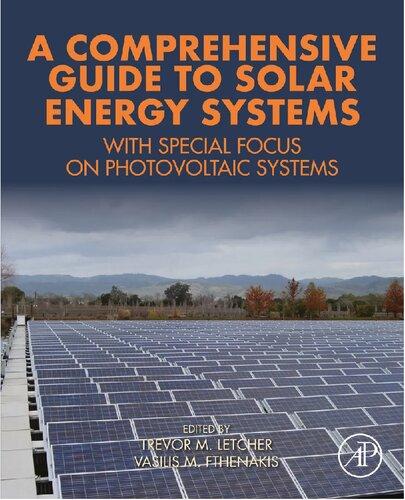
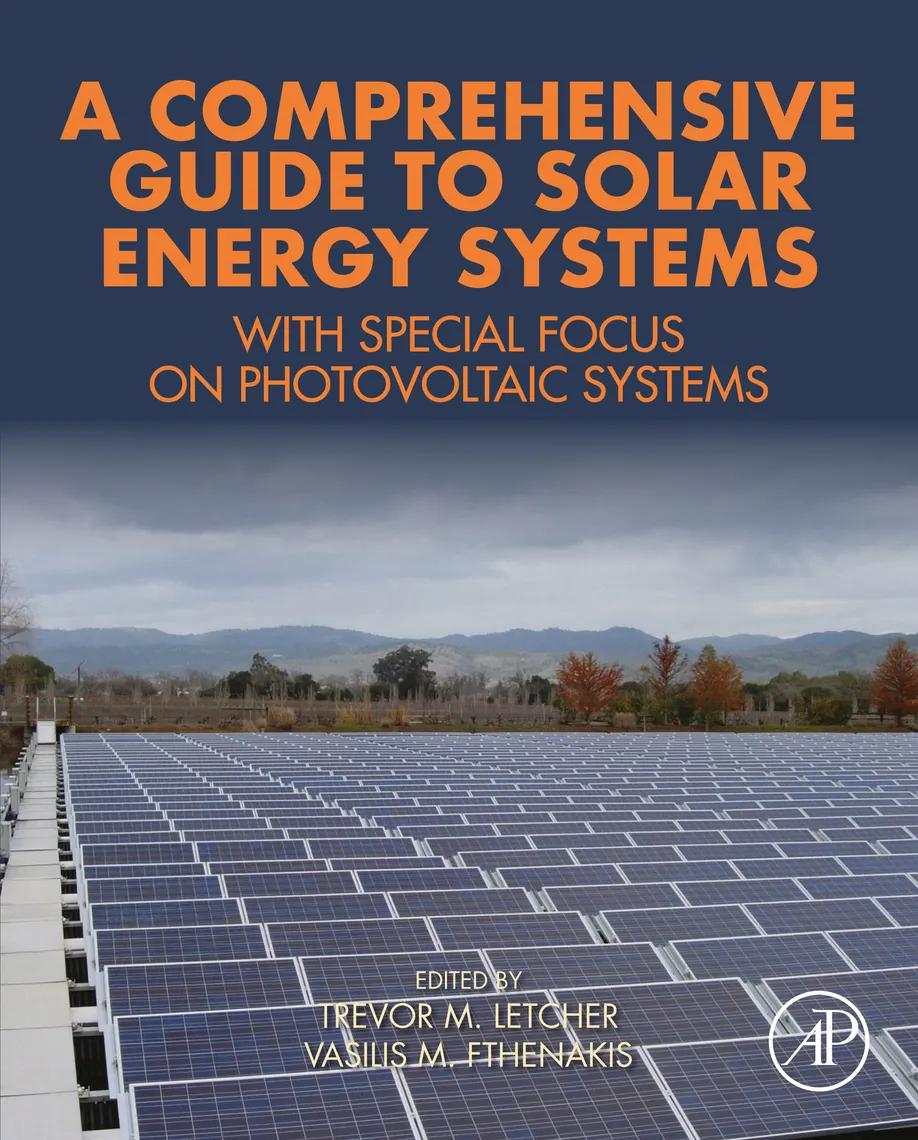
The rapid development of new and improved solar cell technologies (Chapters 9–12); the fallings cost of solar cells; and the surge in development of storing energy from renewable energy sources, will undoubtedly hasten the aforementioned predictions. one new development that could have a major impact on the future growth within the solar PV industry is the building of floating solar farms (see the cover photograph of this book). one of the world’s biggest floating solar farm is in China [46]; it is a 40 MW power plant with 160 000 panels resting on a lake. Aside from producing green energy, an added advantage to a floating solar farm is the reduction of evaporation from the lake’s surface. It is of some interest that news broke of this new development on the day that donald Trump considered pulled the United States out of the Paris Accord on climate change. A smaller floating solar farm (6.3 MW capacity) is currently being built on the Queen Elizabeth II reservoir near Heathrow airport [47]. While China remains the world’s biggest emitter of Co2, with two-third of its electricity still fuelled by coal, it is making great strides to wean itself off a fossil fuel dependency (Chapter 2).
Chapter 1 • Why Solar Energy? 13
Solar Power/(%) China 23 USA 14 Japan 14 Germany 13 Italy 6 Rest of world 30
1.9 Conclusions
In this chapter, the pros and cons of solar PV have been discussed together with its importance in the energy mix today. The development of solar PV over the past decade has been illustrated and the positive and encouraging picture of the present industry has been highlighted with references to recent developments.
Acknowledgment
My thanks to my coeditor, Vasilis Fthenakis for helpful suggestions.
References
[1] Tuckett RP: Climate change: observed impacts on planet earth. In Letcher TM, editor: 2nd ed., oxford, 2016, Elsevier [chapter 24].
[2] Valderrama C, et al: Storing energy: with special reference to renewable energy sources. In Letcher TM, editor: oxford, 2016, Elsevier [chapter 14].
[3] Cruickshank CA, Baldwin C: Storing energy: with special reference to renewable energy sources. In Letcher TM, editor: oxford, 2016, Elsevier [chapter 15].
[4] Noël JA, et al: Storing energy: with special reference to renewable energy sources. In Letcher TM, editor: oxford, 2016, Elsevier [chapter 13].
[5] Available from: https://www.theguardian.com/environment/2016/may/18/portugal-runs-for-fourdays-straight-on-renewable-energy-alone, pp. 1. [Accessed February 8, 2018].
[6] Goodall C. The switch. London, United Kingdom: Profile Books; 2016.
[7] Morton O, A New Day Dawning? Silicon Valley Sunrise, Nature 2006; 443; 19–22. doi:10.1038/443019a.
[8] Energy Conversion by photosynthesis: Food and Agriculture organization of the United Nation. Available from: http://www.fao.org/docrep/w7241e/w7241e06.htm.
[9] Available from: http://www.solar-facts.com/world-solar/world-insolation.php.
[10] United Nations development Programme, World Energy Assessment, Bureau for development Policy, one United Nations Plaza, New york, Ny 10017.
[11] World Energy resources 2016. World Energy Council 2016 report, 62-64 Cornhill, London, EC3V 3NH, UK, p. 2–6.
[12] Available from: https://www.iea.org/newsroom/news/2014/september/how-solar-energy-couldbe-the-largest-source-of-electricity-by-mid-century.html, pp. 1. [Accessed February 8, 2018].
[13] Available from: https://solar-aid.org/wp-content/uploads/2016/06/solar-cooking-pack.pdf, p. 1–10. [Accessed 8 February 2018].
[14] Chong L, Po-Chun H, Hongtao y, et al. Rapid water disinfection using vertically aligned MoS2 nanofilms and visible light. Nat Nanotechnol 2016;11:1098–1104. doi:10.1038/nnano.2016.138.
[15] Available from: http://www.wired.co.uk/article/france-solar-panel-roads, pp. 1. [Accessed February 8, 2018].
[16] Available from: www.hypersolar.com/technology.php, p. 1–3. [Accessed February 8, 2018].
[17] REN21 2016 report, REN201 Secretariat, c/o UNEP, 1 Rue Miollis Building VII, 75015 Paris, France, pp. 21, 70.
14 A CoMPREHENSIVE GUIdE To SoLAR ENERGy SySTEMS
[18] Available from: https://www.ise.fraunhofer.de/content/dam/ise/de/documents/publications/ studies/Photovoltaics-Report.pdf, pp. 9. [Accessed February 8, 2018].
[19] Available from: https://www.ecowatch.com/solar-cheaper-than-fossil-fuels-2167117599.html, p. 1–3. [Accessed February 8, 2018].
[20] Paudel S, Shrestha J N, Neto F J, Ferreira J A F, Adhikari M, optimization of Hybrid PV/Wind Power System for Remote Telecom Station, IEEE International Conference on Power and Energy Systems (ICPS), Madras; 2011. p. 22–24.
[21] Khan SI, Sarkar MR, Islam MQ: design and Analysis of low cost water pump for irrigation in Bangladesh, Journal of mechanical Engineering 43(2):98–102, 2013
[22] Available from: http://www.greenpeace.org/international/Global/international/publications/climate/2016/Solar-Thermal-Electricity-Global-outlook-2016.pdf, p. 18–114. [Accessed February 9, 2018].
[23] Available from: https://www.engadget.com/2017/03/08/the-worlds-largest-solar-farm-fromspace/, p. 1–3. [Accessed February 9, 2018].
[24] Available from: https://www.ise.fraunhofer.de/content/dam/ise/de/documents/publications/ studies/Photovoltaics-Report.pdf, pp. 7. [Accessed February 9, 2018].
[25] Letcher TM, editor. Climate change: observed impacts on planet earth. 2nd ed. Kidlington, oxford, United Kingdom: Elsevier; 2016 [33 chapters].p. 608.
[26] Letcher TM, editor. Future Energy: Improved, Sustainable and Clean options for our Planet, 2nd edition, London, United Kingdom, Elsevier, 2014, [31 chapters], 716 pages, ISBN:978-0-80994246; and Letcher TM editor. Wind Energy Engineering: A Handbook for onshore and offshore Wind Turbines.25 London Wall,EC2y 5AS Elsevier (Academic Press), [26 chapters], 600 pp., ISBN 978-0-12-809451-8.
[27] yergin d. The Prize. London, United Kingdom. Simon and Schuster Ltd; 1993, [36 chapters]. p. 887.
[28] Imperial College London Grantham Institute for Climate Change Briefing Paper No 1 June 2009. Solar energy for heat and electricity: the potential for mitigating climate change consumer retail prices.
[29] Jäger-Waldran A. Snapshot of photovoltaics—March 2017. Sustainability 2017;9:783. doi:10.3390/ su9050783.
[30] PV Insights. Available from: http://pvinsights.com/.
[31] Letcher TM, editor. Storing energy: with special reference to renewable energy sources. New york, Ny: Elsevier; 2016 [25 chapters]. p. 565.
[32] Fthenakis VM, Kim HC: Land use and electricity generation: a life cycle analysis, Renew Sustain Energ Rev 13:1465–1474, 2009.
[33] Morjaria M, Anichkov d, Chadliev V, Soni S: A grid-friendly plant the role of utility-scale photovoltaic plants in grid stability and reliability, IEEE Power Energy Mag 12:88–95, 2014.
[34] Available from: energyinnovation.org/2015/02/07/levelized-cost-of-energy/, p. 2–3. [Accessed February 9, 2018].
[35] Available from: http://www.ren21.net/wp-content/uploads/2016/06/GSR2016_Full-Report.pdf, pp. 32, Figure 3. [Accessed February 9, 2018].
[36] Available from: https://www.nei.org/Knowledge-Center/Nuclear-Statistics/World-Statistics/WorldNuclear-Generation-and-Capacity, pp. 1. [Accessed February 9, 2018].
[37] Available from: http://www.ren21.net/wp-content/uploads/2016/06/GSR_2016_Full_Report.pdf, pp. 62 figure 15; pp. 77 figure 23. [Accessed February 9, 2018].
[38] Available from: http://www.mckinsey.com/industries/oil-and-gas/our-insights/energy-2050-insights-from-the-ground-up, p. 1–6. [Accessed February 9, 2018].
[39] Zweibel K, Mason J, Fthenakis V: A solar grand plan, Sci Am 298(1):64–73, 2008.
Chapter 1 • Why Solar Energy? 15
[40] Fthenakis V, Mason J, Zweibel K: The technical, geographical and economic feasibility for solar energy to supply the energy needs of the United States, Energ Policy 37:387–399, 2009
[41] Available from: https://www.iea.org/publications/freepublications/publication/Solar_Energy_Perspectives2011.pdf, pp. 21. [Accessed February 10, 2018].
[42] World Energy resources 2016 World Energy Council Report 2016. Available from: https://www. worldenergy.org/wp-content/uploads2017/03/WEResources_Solar_2016.pdf, pp. 4 figure 2. [Accessed February 10, 2018].
[43] Available from: https://www.thenational.ae/business/dubai-set-for-world-s-cheapest-night-timesolar-power-1.35494, p. 1–3. [Accessed February 10, 2018].
[44] Available from: https://www.theguardian.com/environment/2016/feb/04/morocco-to-switch-onfirst-phase-of-worlds-largest-solar-plant: http://fortune.com/2016/11/05/moroccan-solar-plantafrica/, p. 1–3. [Accessed February 10, 2018].
[45] Available from: https://cleantechnica.com/2017/02/22/middle-east-north-africa-region-5-7-gigawatts-solar-pipeline/, p. 1–2. [Accessed February 10, 2018].
[46] Available from: https://www.smithsonianmag.com/smart-news/china-launches-largest-floatingsolar-farm-180963587/, p. 1–2. [Accessed February 10, 2018].
[47] Available from: https://www.lightsource-re.com/uk/stories/qe2/, p. 1–2. [Accessed February 10, 2018].
16 A CoMPREHENSIVE GUIdE To SoLAR ENERGy SySTEMS
Solar Power Development in China
Xiaoping He
CHINA CENTER FOR ENERGY ECONOMICS AND RESEARCH, THE SCHOOL OF ECONOMICS,
XIAMEN UNIVERSITY, XIAMEN, CHINA
xphe@xmu.edu.cn
2.1 Introduction
China is one of the fortunate countries in the world blessed with abundant solar energy. Its annual horizontal solar irradiation is equivalent to 2.4 × 10¹² t (2.4 trillion metric tonnes) of standard coal, which could correspond to the total electricity output by tens of thousands of the Three Gorges Hydropower Station [1]. In over two-thirds of China, the annual sunshine duration ranges between 2200 and 3300 h, while the solar radiation intensity varies between 5016 and 8400 MJ m 2, equivalent to 170–285 kg of standard coal per square meter [2]. Early development of solar technologies in China was driven by space applications in the 1970s, and ground applications were limited to household small systems in remote area without access to grid electricity. In 2005, there were only six photovoltaic (PV) manufacturers, producing silicon cells, with a total capacity of 40.6 MW [3]. During the pre-2013 years, more than 90% of China’s PV products were exported to Europe and North America. This was due to a lack of incentive policy and insufficient regulation in China to promote the deployment of PVs in the domestic market.
In 2013, the European Union and the United States both imposed antidumping (AD) and countervailing duties (CVDs) on imports of silicon PV modules and cells originating from China, seriously frustrating China’s PV export market resulting in an overcapacity in the Chinese PV industry. To activate the PV market at home, the Chinese government progressively put in place a number of incentive policies and special investment schemes for the development of solar power. “Opinions on promotion of healthy development of PV industry,” issued by the State Council in July 2013, specified for the first time the key polices of PV power, with regard to subsidy duration, electricity billing and settlement methods, and electricity feedback to grid. The feed-in-tariff (FiT) incentive policy for PV applications and various direct financial subsides (e.g., Golden-sun Demonstration Program) resulted in a growth of the domestic PV market (Fig. 2.1). At the end of 2015, China was the world’s leader (ahead of Germany for the first time) in terms of solar installations.
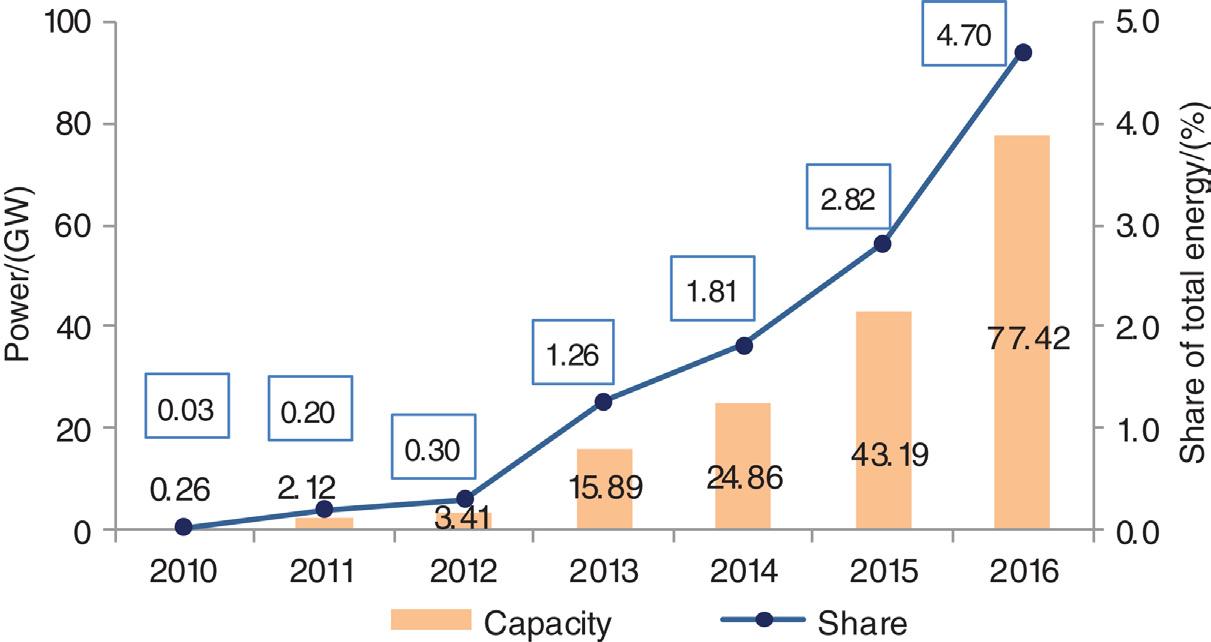
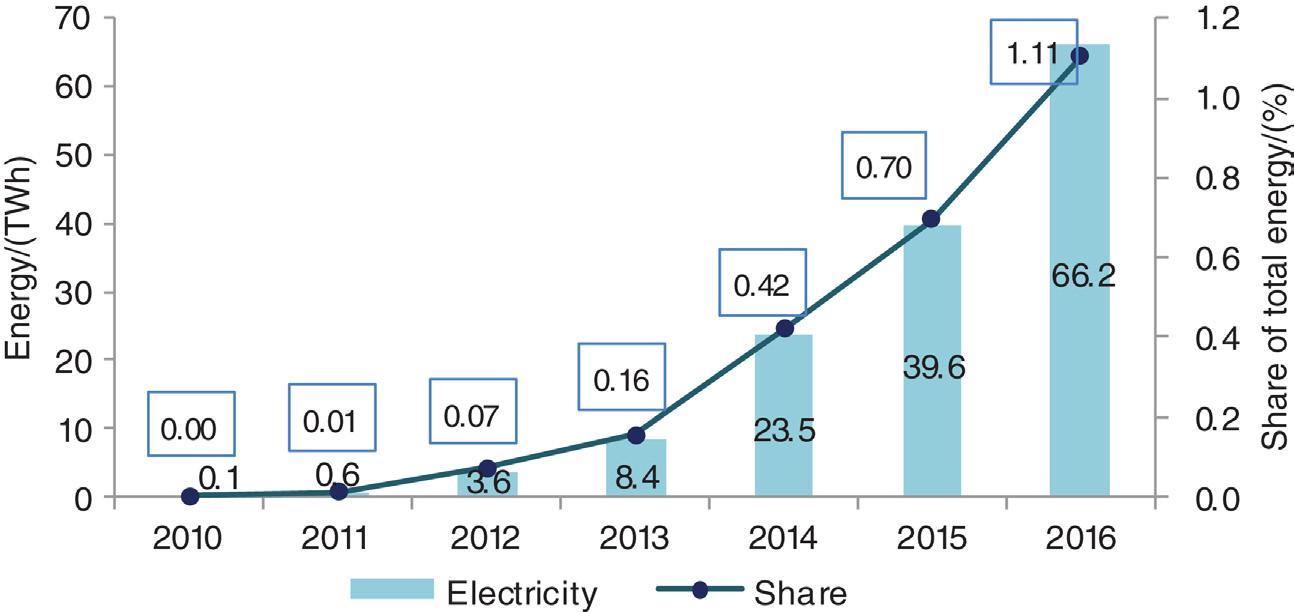
China has now, by far, the world’s largest PV industry, either in terms of PV manufacturing or application. The PV generation capacity increased from a small capacity of 0.26 GW in 2010 to 77.42 GW (including 10.32 GW distributed PV), currently accounting for 4.7% of China’s total installed capacity (Fig. 2.1) and translating into 1.1% of the total electricity produced (Fig. 2.2). Yanchi PV Power Plant in Qinghai, with a total planned capacity of
19 A Comprehensive Guide to Solar Energy Systems. http://dx.doi.org/10.1016/B978-0-12-811479-7.00002-6 Copyright © 2018 Elsevier Inc. All rights reserved.
2
2 GW, integrated into grid and put into operation in June 2016, is the largest PV power station in China and in the world.
The aim of this chapter is to provide a detailed description of solar power development in China, with regard to the present status, dynamics, as well as the policies of the Chinese Government. This chapter is organized as follows: Section 2.2 reviews the development of China’s PV manufacturing industry over the last 5 years and the achievements; Section 2.3 discusses China’s policy for solar power and the changes; Section 2.4 presents China’s development plan on solar PV industry over the next 5 years; and Section 2.5 concludes.
2.2 Photovoltaic Manufacture
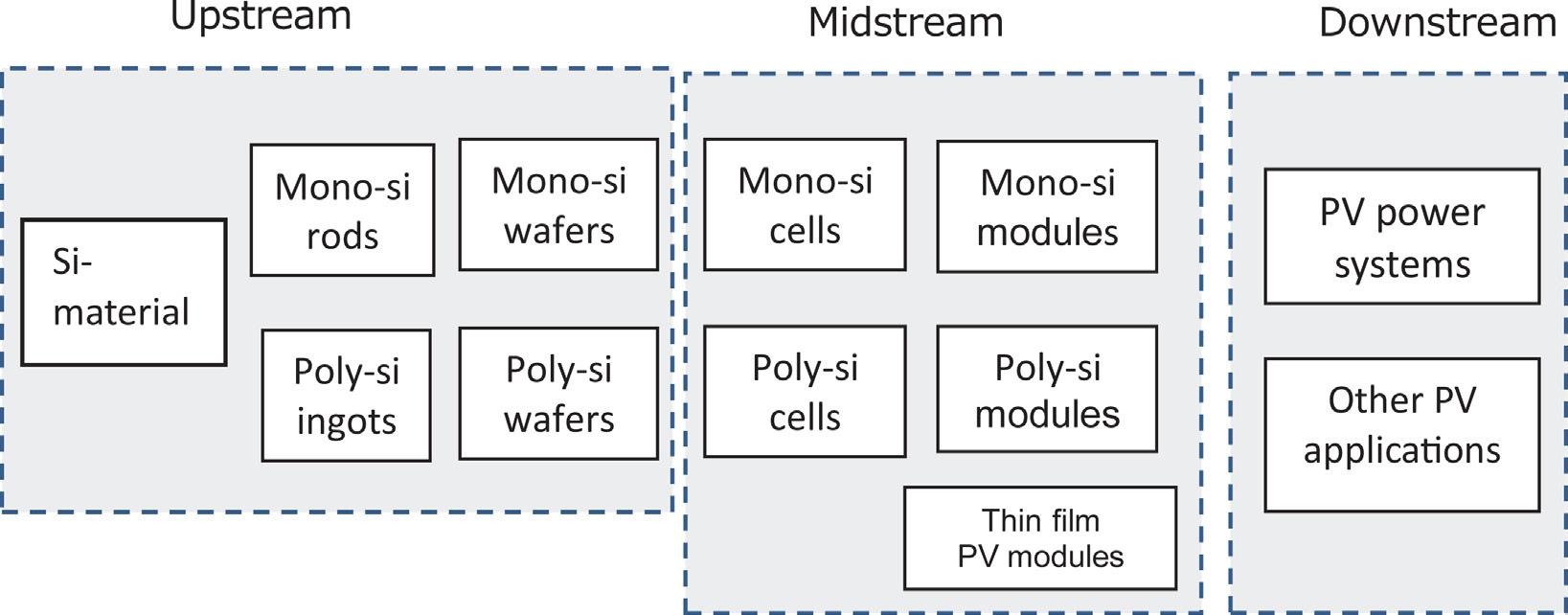
After a decade of development, a complete PV industrial chain has been established in China, composed of poly-Si materials, wafers, cells and modules, as well as various PV special equipment and application products (Fig. 2.3).
20 A COMPrEHENSIVE GUIDE TO SOlAr ENErGY SYSTEMS
FIGURE 2.2 Solar power output in China. Author’s compilation, on statistics by CEC: http://www.cec.org.cn/ guihuayutongji/tongjxinxi/
FIGURE 2.1 PV power installations and share in China total. Author’s compilation, on statistics by China Electricity Council (CEC): http://www.cec.org.cn/guihuayutongji/tongjxinxi/
China’s PV manufactures are concentrated in the east areas of the country. Production of the top 10 PV manufacturers accounts for more than 70% in its total PV product output, and the combined output of the top five accounts for more than half. In response to the ADs and CVDs following trade conflicts, major Chinese companies have established overseas production capacities in more than 20 countries, and the overseas capacity is now over 5 GW [4]. This has led, to a certain extent, to a diversification of Chinese PV production bases.
The number of the PV manufacturers in China, above a designated size, is estimated to be over 700, with a combined output value of rMB yuan 336 × 109 (336 billion) [4]. China has held the position of the world’s largest producer of PV cells and modules since 2007. In terms of product, growth has concentrated on modules and wafers; and in terms of technology, passivated emitter rear cells (PErCs), black silicon, and N-type cell have advanced the most (Fig. 2.3).
2.2.1 Production
Despite the success of PV industry in China, the industry has long been troubled by a shortage of silicon feedstock, China accounts for over 50% of the world’s total output of PV equipment. At present, the Chinese PV manufacturing is overproducing, and the average utilization rate was no more than 80% in 2016.
China has been the largest producer and consumer of polysilicon in the world for many years (Fig. 2.4). The top 10 solar-grade polysilicon producers together account for more than 90% of the total output in the country, and the top five account for over 70%. In 2016, the production of polysilicon reached to 194 000 t, accounting for 52.4% of global output. Approximately 40% of China’s domestic polysilicon consumption for solar cells was imported, mainly from Germany, Korea, and Malaysia.
The output capacity of silicon wafer in China was estimated to be over 70 GW by the end of 2016, while production reached 63 GW. The capacity of various solar cells reached 76.8 GW [7], including 49 GW of crystalline silicon cells (41 GW were poly-Si cells). The poly-Si cell capacity of China accounted for approximately 66% of the global total (Fig. 2.5).
Chapter 2 • Solar Power Development in China 21
FIGURE 2.3 PV industry chain in China. Drawn by the author, according to the development of China's PV industry.
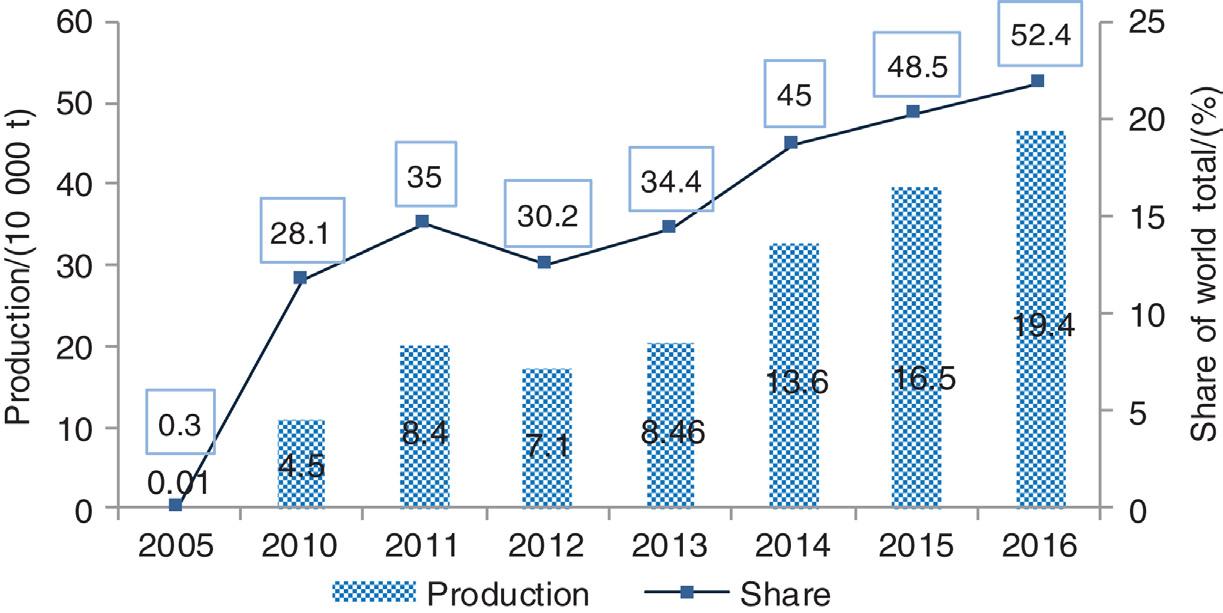
FIGURE 2.4 Polysilicon production in China. Author’s compilation, with data from MIIT. Brief report on photovoltaic industry in 2016. Available at: http://www.miit.gov.cn/n1146285/n1146352/n3054355/n3057643/n3057654/c5505791/ content.html; 2017 [accessed March 2, 2017]; IEA. National survey report of PV power applications in China 2015. IEA PVPS. Available at: http://www.iea-pvps.org/index.php?id=93 [accessed June 9, 2016]; PHEI. Yearbook of China information industry 2015(in Chinese). Beijing: PHEI; December 2015 [4–6].
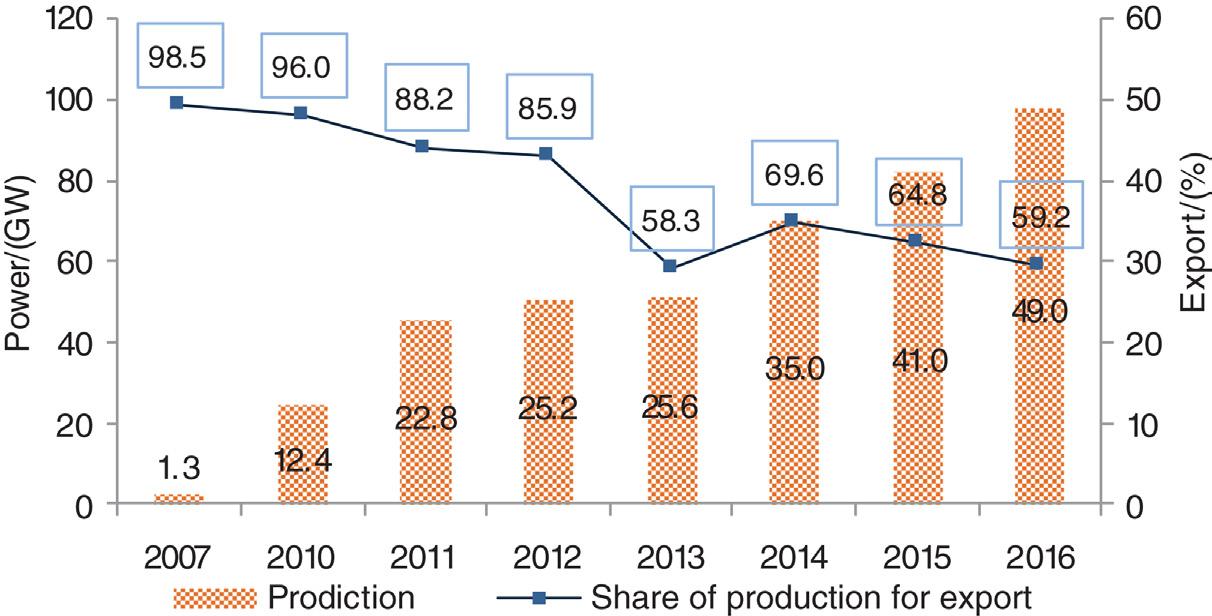
FIGURE 2.5 Production and export of poly-Si PV cells. Author’s compilation, with data from IEA. National survey report of PV power applications in China 2015. IEA PVPS. Available at: http://www.iea-pvps.org/index.php?id=93 [accessed June 9, 2016]; CPIA and CCID. The 2016 edition of the roadmap of China’s PV industry development (in Chinese). China Photovoltaic Industry Association and CCID Group; 2017 [5,8]
The capacity in China of high-efficient crystalline silicon cells, such as b-Si textured solar cell, PErC, and N-type double-sided cells, was estimated to be over 10 GW.
Crystalline silicon has long dominated the production of PV modules and cells in China, and thin film manufacturing activities remained relatively small in China. A small production of silicon-based thin film cells amounting to 420 MW was reported in 2015 [9]. Despite some production lines of a-Si cells having been established, no output in scale was reported. Other types of PV cells, in terms of material, such as polymer cell and nanocrystal cell remained at the research and development stage.
22 A COMPrEHENSIVE GUIDE TO SOlAr ENErGY SYSTEMS
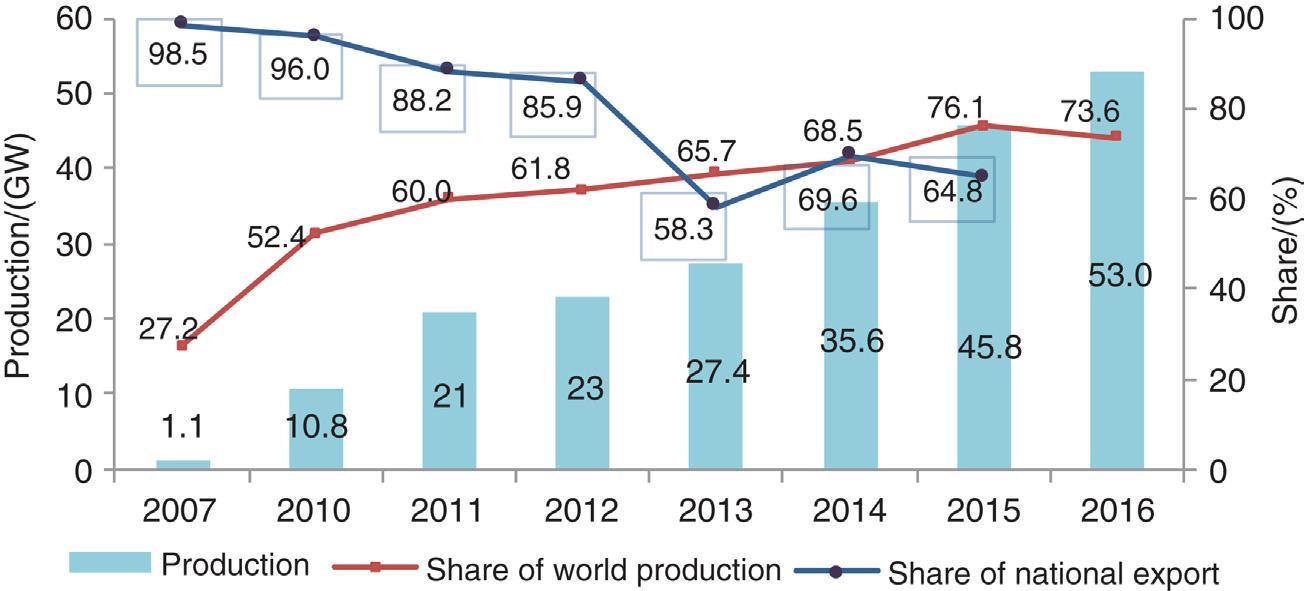
Production output of solar modules in China reached 53 GW in 2016, which implies an annual average growth of 20% in output over the period of 2011–16, and currently accounts for approximately 73.6% of the world total production (Fig. 2.6). The vast majority of module production has been silicon based, as can be inferred from the output volume of Si-based modules which amount to roughly 99% of China’s total module production.
2.2.2 Photovoltaic Technology
After a few years of following technology advancements from other countries, China’s PV industry is now able to keep pace with international advanced technology, and in some areas has gone beyond the level of its international competitors. The average efficiencies of China produced high-performance poly-Si and mono-Si cells and some certain types of thin film cells have now reached the international advanced level. Furthermore, due to the technological progress and the significant reduction in the cost of polysilicon material, the economics of PV power generation has improved significantly.
2.2.2.1 Technical Efficiency
Currently, China’s PV industry has completely mastered the key production technologies of crystalline silicon cell. In 2016, the conversion efficiency of regular monocrystal Si PV cells has, on average, approached 20.5% and polycrystal 19.1% [4]. This is equivalent to the efficiency levels of PErC solar cells produced in China in the previous year. These values were 20.5% and 19%, respectively, for mono-Si and poly-Si PErC [8,11]. This implies that in China the efficiencies of regular cells on average have gone beyond the technical efficiency standards specified by the National Energy Administration (NEA). This is significant progress, when compared with the average efficiency of 17.5% and 16.5% [11], respectively, for mono-Si and poly-Si cells in 2010. The energy consumption for production of major
Chapter 2 • Solar Power Development in China 23
FIGURE 2.6 Production of Solar modules. Author’s compilation, with data from MIIT. Brief report on photovoltaic industry in 2016. Available at: http://www.miit.gov.cn/n1146285/n1146352/n3054355/n3057643/n3057654/c5505791/ content.html; 2017 [accessed March 2, 2017]; Wang SC. China’s PV policy review and outlook. Solar Energy 2016;6:19–26 [4,10]
Source: Author’s compilation, with data from MIIT. Brief report on photovoltaic industry in 2016. Available at: http://www.miit.gov. cn/n1146285/n1146352/n3054355/n3057643/n3057654/c5505791/content.html; 2017 [accessed March 2, 2017]; CPIA. China PV industry review and outlook (report by Wang Bohua, the CPIA Secretary General). Available at: http://solar.ofweek.com/2017-02/ART260009-8420-30104440.html; 2017 [accessed February 17, 2017]; MIIT. Brief report on photovoltaic industry in 2013. Ministry of Industry and Information Technology (MIIT). Available at: http://www.miit.gov.cn/n1146312/n1146904/n1648373/c3336480/content. html; 2014 [accessed April 23, 2014][4,12,13]
poly-Si cells dropped to 80 kW h kg 1, the same as the international advanced level [4]. This recent progress has pushed China to the global frontier in cell technology ( Table 2.1)
China’s 13th Five-year Plan for Solar Energy Development set a target of conversion efficiency of 23% for advanced crystalline silicon cells produced on an industry scale by the year 2020. China has the resource advantage of developing CIGS thin film cells due to its abundance of indium and gallium. Hanergy, one of the leading manufactures of solar cells in China and globally, has acquired the intellectual property rights on CIGS and GaAs (gallium arsenide) technologies from other leading international cell players such as Solibro, MiaSolé, Global Solar Energy, and Alta Devices. The company presently produces CIGS and GaAs PVs in the laboratory with high efficiencies of 21% and 31.6%, respectively.
More than 85% of the solar cell market in China is taken up by back-surface field (BSF) PVs. This situation is expected to be maintained for many years despite BSF cells facing increased competition from other types of cells with new technology such as the PErC PVs which currently make up, roughly, 10% of the market in China.
“China Efficiency” of various types of solar inverters on average reached 98.3%. The China Efficiency is an average weighted efficiency value based on maximum power point tracking efficiency at different input voltage conditions and on the climate conditions of the location. The related technical standards were issued by the Ministry of Industry and Information Technology in March 2015. The primary types of inverters used for large utility-scale PV systems in China have been 1 MW, while 2 MW and even 3MW units are increasingly popular. The inverter equipment for distributed PV systems involves switching from 40 kW/50 kW to more advanced grades. Meanwhile, the share of microinverters in the market at home is increasing with more applications required for household PV systems and other civilian PV products. Of the total shipment of China’s inverters, roughly 15% is exported.
2.2.2.2 Economics
As the industry scale continues to grow, PV power generation in China has become more economical than before, due to technological progress and reductions in the price of PV components. Investment costs of 10 000 t-grade poly-Si production line dropped to rMB
24 A COMPrEHENSIVE GUIDE TO SOlAr ENErGY SYSTEMS
2010 2011 2012 2013 2014 2015 2016 Poly-Si 16.3–16.6 16.6–16.8 16.8–17.3 17.3–18.4 17.6–18.3 18–18.4 18.3–19.2 Mono-Si 17.8–18 18–18.5 18.5–19 19–19.3 19.1–19.5 19.3–19.8 19.8–20.8 Si-based thin film 6 NA 10 NA NA NA NA
Table 2.1 Conversion Efficiency of Conventional Crystalline Silicon Cells/(%)
Table 2.2 Changes in PV Prices (RMB yuan W 1)
RMB 1 yuan = EURs 0.136.
aFor advanced enterprises.
Source: Author’s compilation, with data from MIIT. Brief report on photovoltaic industry in 2016. Available at: http://www.miit.gov.cn/ n1146285/n1146352/n3054355/n3057643/n3057654/c5505791/content.html; 2017 [accessed March 2, 2017]; Wang SC. China’s PV policy review and outlook. Solar Energy 2016;6:19–26 [4,10]
yuan 150 × 106 per 1000 t and is expected drop further to below rMB yuan 100 × 106 per 1000 t within the next 5 years [8] ( Table 2.2).
The electricity consumption for advanced manufacturers in China to produce polysilicon has dropped to <70 kW h kg 1 [4], and the production cost of polysilicon to $10 kg 1 , by the end of 2016 [11]. Furthermore, the production cost of a PV module has dropped to below rMB yuan 2.5 W 1 for major manufacturers [4].
The financial investment per kilowatt and cost per kilowatt hour has also dropped significantly. Currently, the investment cost of PV power system is rMB yuan 7–8 W 1. For concentrated PV power systems, the construction cost has decreased by 80% compared with 2010. For the most efficient investors, the construction cost has dropped to rMB yuan 6.2 W 1. The generation cost ranges between rMB yuan 0.6 and 0.9 (kW h) 1 [9].
Since 2010 China has achieved a decrease of 60% in terms of average PV generation cost. In the areas that are rich in solar resources, the PV generation cost has dropped down to rMB yuan 0.65 (kW h) 1; this is approximately 70% higher than the national average of on-grid electricity prices.
Generally speaking, concentrated PVs in China produce a financial return rate of 10%–15%, and hence are attractive to investors. However, additional costs not directly related to the PV costs, such as land rents, taxes and fees, financing difficulty for utilityscale PV systems, and rents for roof-top PV sites, have shown an increasing trend. Assuming that these nontechnical costs can be excluded, investment cost per kilowatt is expected to further decline to rMB yuan 5 W 1 by 2020.
2.2.3 Photovolt†aic Export
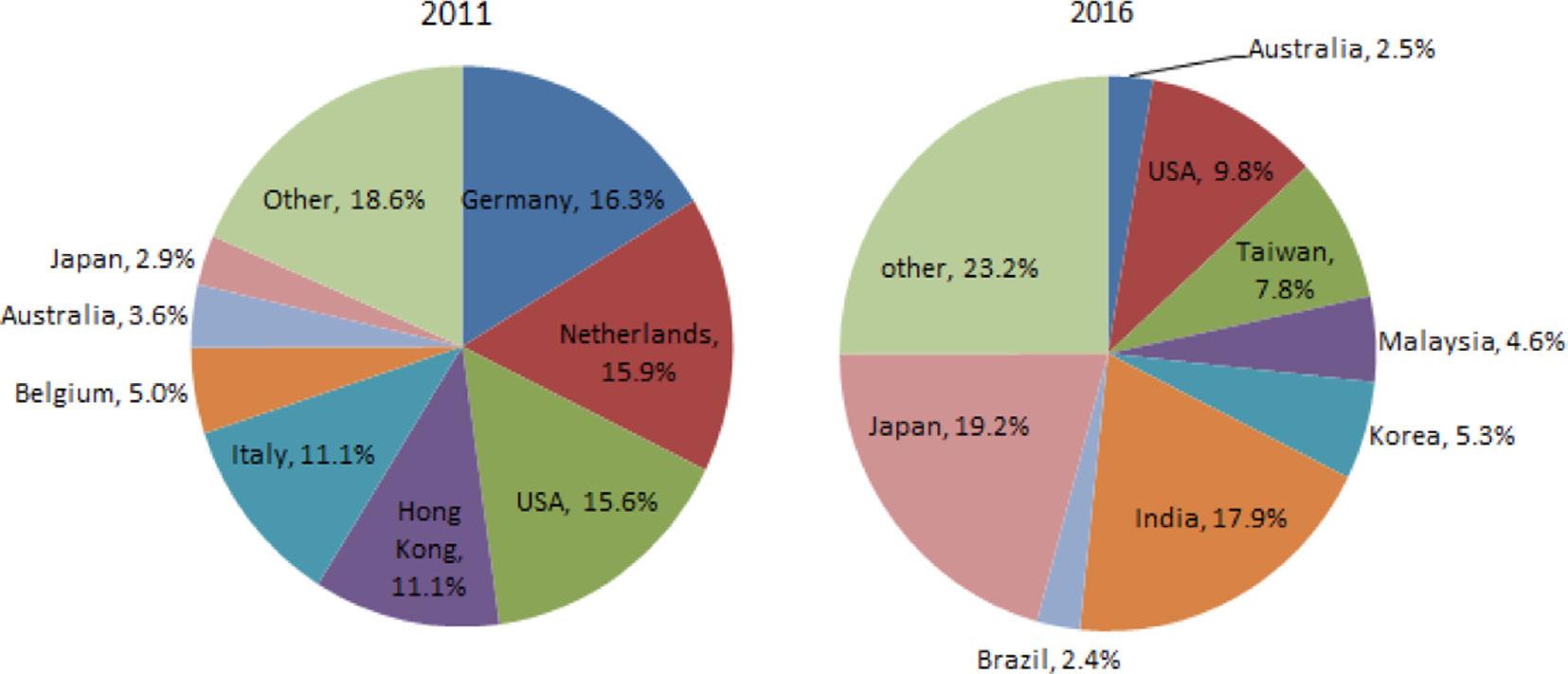
The export destination of PV equipment produced in China is shifting to emerging PV markets such as Asian and latin American countries (Fig. 2.7). China’s largest export market of PV products used to be Europe. In terms of value, Europe accounted for approximately 60% of China’s export in 2011, followed by Asia and North America; these markets represented approximately 21.2% and 16.5%, respectively, of the overseas markets. Germany was once the largest buyer of the PV products originating from China.
Chapter 2 • Solar Power Development in China 25
2010 2011 2012 2013 2014 2015 2016 Poly-Si module 13 9 4.5 4 3.8 3.6 2.5a Typical on-grid system 25 17.5 10 8.5 8.0 7.0 6.2a
Europe reductions in the subsides for solar power, combined with the AD and CVDs, have resulted in a slump in China’s export to its traditional PV markets, such as Germany, Holland, Italy, and the United States. In 2016, exports to Europe and the United States fell to below 30% of China’s total PV export. Meanwhile, exports to the emerging markets such as India, Korea, Turkey, Chile, and Pakistan have significantly improved. Japan is currently the largest overseas PV market, followed by India.
In pre-2009 years, the PV manufacturing in China was almost entirely an export industry, with over 90% of the modules and cells shipped overseas. With Chinese manufacturers establishing factories overseas, its export of silicon wafers is increasing, while exports of module and cell are decreasing. In terms of value, China’s PV cell exports had held the upper hand for a long time prior to 2015; however, its dominance has been replaced by modules. The share of module exports with regard to total PV export value increased to 75%, from a value of 6% in 2011 ( Table 2.3).
2011
2016
aHere the volume of wafers is measured by number of pieces, not by physical capacity such as GW.
Source: Author’s compilation, based on GAC statistics, and data from MIIT. Brief report on photovoltaic industry in 2016. Available at: http://www.miit.gov.cn/n1146285/n1146352/n3054355/n3057643/n3057654/c5505791/content.html; 2017 [accessed March 2, 2017] [4]
26 A COMPrEHENSIVE GUIDE TO SOlAr ENErGY SYSTEMS
FIGURE 2.7 Changes in China’s PV export destination. Author’s compilation, on statistics by General Administration of Customs (GAC).
Table 2.3
China’s PV Trade
Volume Value/($100 × 106) Volume Value/($100 × 106) Import Export Import Export Import Export Import Export Poly-Si/(1000 t) 64.6 1.25 381.4 0.475 136 205 Wafers/(109 piece) 3.45a 26.90 Cells/(GW) 226.75 2.90 8.10 Modules/(GW) 15.30 21.50 21.30 105 Total/ ($100 × 106) 358.21 140
2.3 Industrial Policy
The development path for the Chinese PV industry has been clear over the last two 5-year plans. The priority over the period of 12th five-year plan was to establish a complete industrial chain and during the 13th five-year plan, the aim is to promote technological progress, cost reduction, and diversification of application. A number of polices have been put in place to incentivize the development of solar energy and are discussed in the following subsections.
2.3.1 Laws and Regulations
The renewable Energy Act came into effect on January 1, 2006. It specified the implementation of FiT on renewable energy and full purchase of renewable energy, and the difference between the FiT and price of the electricity derived by conventional energy be apportioned among the customers with access to the grid. The Act of 2005 version placed an obligation on grid companies to purchase all the renewable energy added to the grid, regardless of the cost.
In the renewable Energy Act Amendment issued in December 2009, the provision regarding full purchase of renewable energy was modified to “guaranteed purchase of renewable energy”; hence, providing the grid companies with the justification to decline the access of renewable energy when an electricity surplus occurs or when the price of conventional energy falls.
According to the amendment, the renewable Energy Development Fund (rEDF) was established and financed by special financial funds for renewable energy and revenue from the “Electricity Surcharge Due to renewable Energy” (ESrE). The ESrE, levied on industrial and commercial users of electricity (approximately 80% of the national total consumption), has been exclusively used for the price subsidies of renewable energy and investment subsidies to projects that integrate renewable energy into the grid (including wind power, biomass power, and PV power). The special financial funds for renewable energy were used for the renewable power projects in remote unelectrified areas, and renewable energy pilot projects.
2.3.2 Government Funds Available for Solar Energy
The economic incentives for PV power have been obtained from price subsidies and direct financial subsidies of the initial investments. The investment subsidies were used for the Golden Sun Demonstration projects, and distributed PV projects such as Photovoltaic Architecture. Since 2014, the economic incentives for PV power have focused more on price rather than utility investment and favored more distributed PVs.
The ESrE, the primary revenue for the government to subsidize renewables, has been levied since August 2006. Being raised every 2 years, it has increased to rMB 1.9 cents (kW h) 1 from the initial level of 0.1 cents (kW h) 1. In the next few years, the annual revenue from the ESrE is expected to be about rMB yuan 70–90 × 109, based on the volume of industrial and commercial electricity consumption. However, the actual ESrE revenues in the past were far below the expected ( Table 2.4).
Chapter 2 • Solar Power Development in China 27