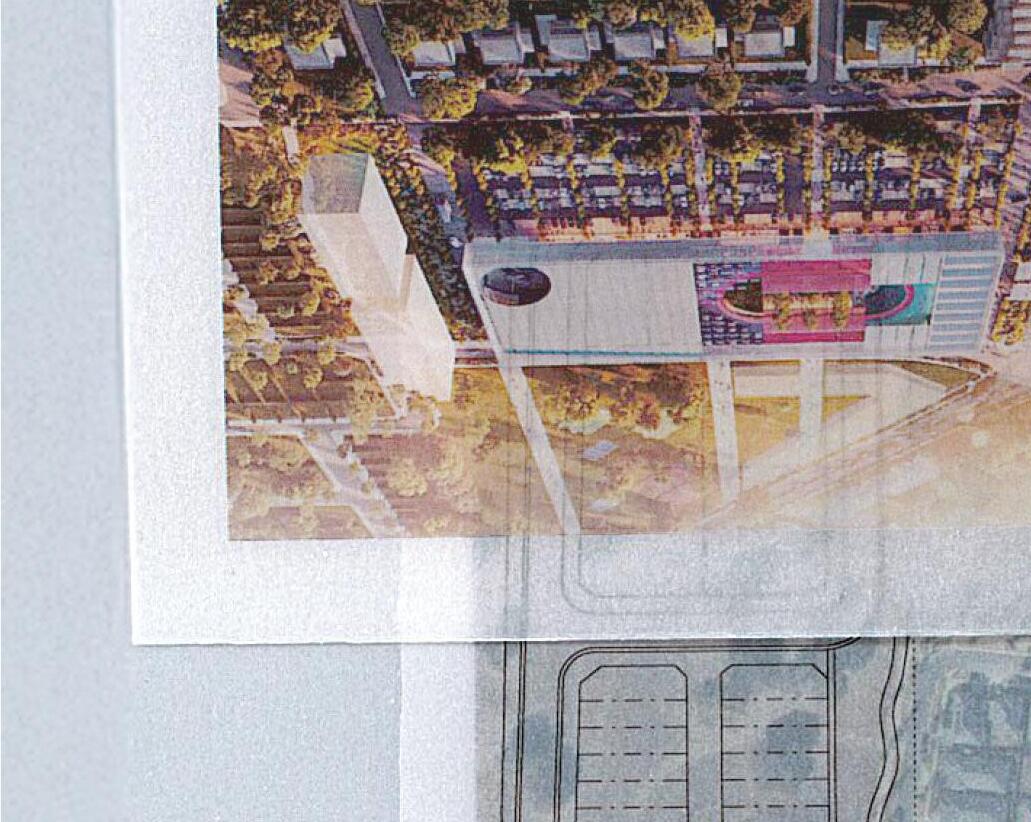
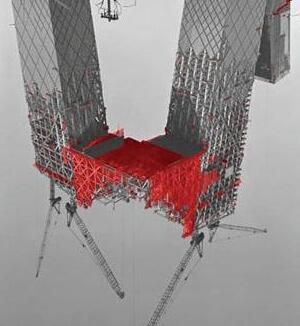
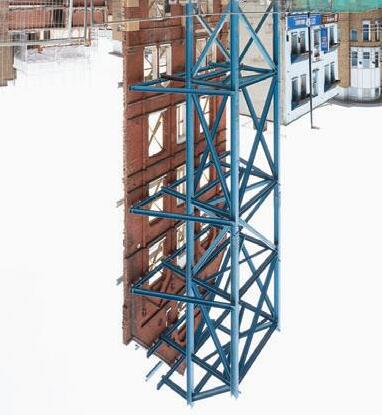
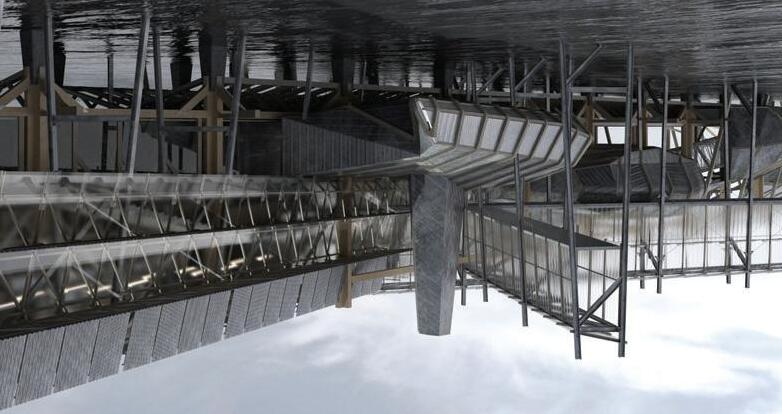
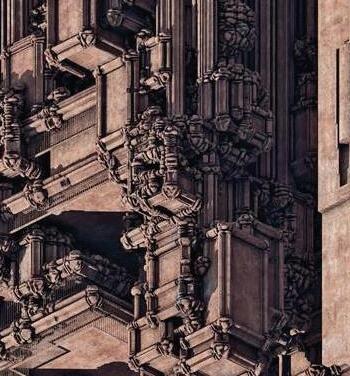
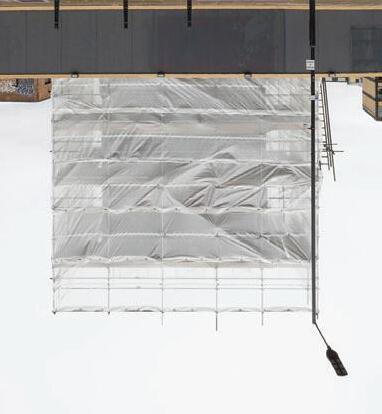
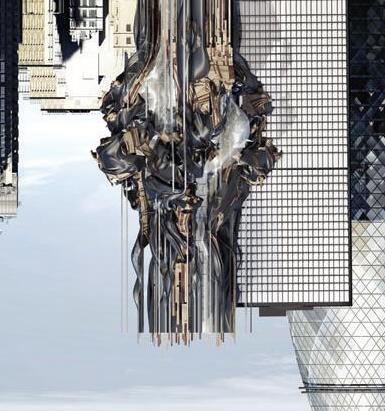
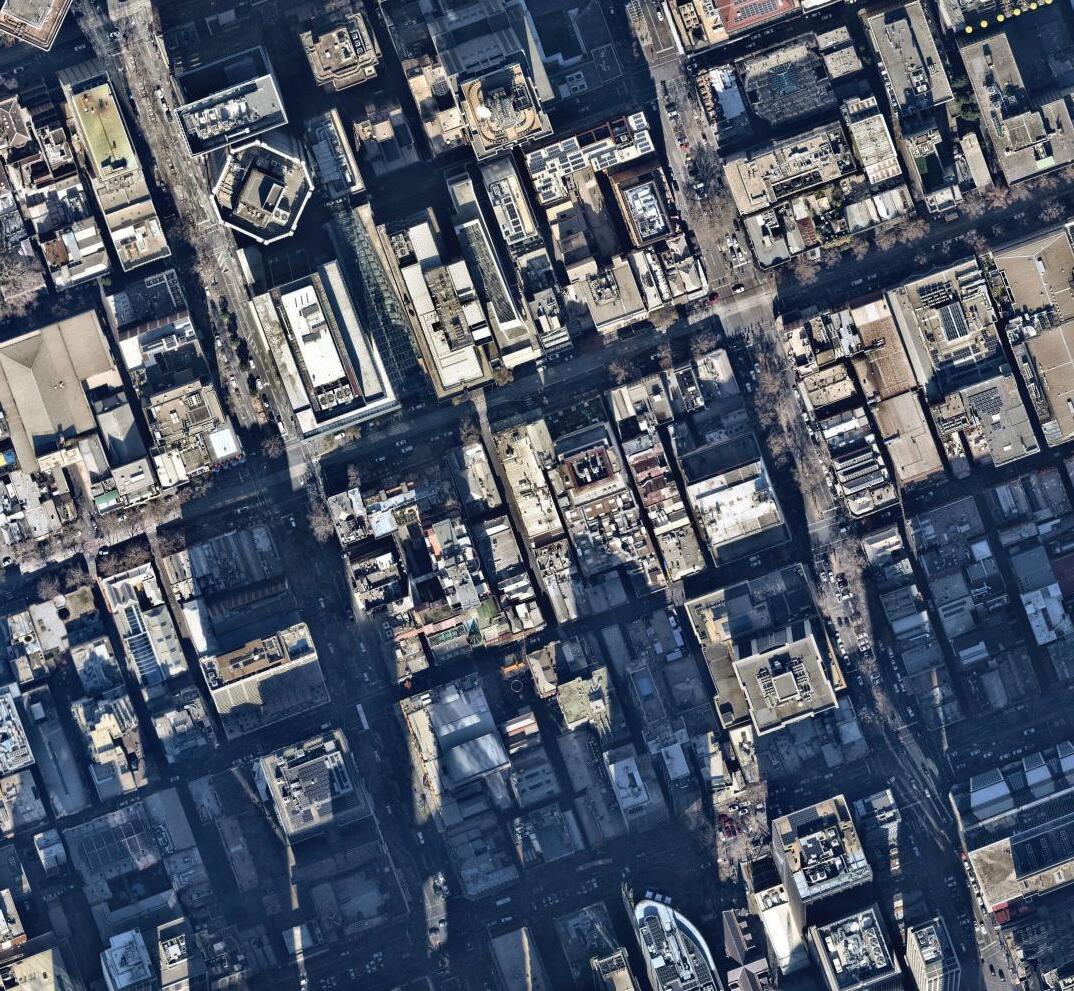
en e by caau uca se and d ef effec fec e t to cons onside de der h r how w ow w we mig miight ht h pos p poositi ti t on n arcchit it itect ct t e u urre re as a mec mechahan n hanism sm ism is fo for r comp pm l lex leexity itty t wi w thi i t n red e uc uct ct t u ive iv s space ce ces s a acro cr crorosss s sca scales es les e
Adjdjacaceacent nt t to o Vic Victor to t ia’ a’ ’ i s s f sffirirs rs s i t tB B Band a dico co icco i o ot t san sanctu tu cttuary ar ary l ,l , , low ow ow-ris r e hou ouussining e eststa st tes s e ennfor f fo ce e a m misg issg is uid uided ed sin in nsi gul u a arririty ty y o on n n ne neg eg eglec le ted ed gra grasslssland nd - to t the t deetri i tri r tr m menent t o o of e f ecol cool cology o ogy gy g , ,c c , cult t ult l ul ure r , a , ,a an nd d soc oc ocietty. y
Th T The h hese s est sttaatate te tes h s a av ave ve be becocom m ome a ea e diissttuturbirbing n ng g n no nor r or o ma m a acr c cro ro rosss s Vicictor to tororiaia, a, ia, and d arre e e expl pllorore or d i diin thihis is studi ud d o as s the sub u jeecct o t of o f bs bse bservati i tio o tion, n, unvnveil ei i illiinng ingg, d dist i u ur urb r rbbananc nc ncee, , and a d de decocon cononststr tr struct ucct t u io i ion on t thhrrou o ouugh gh ins in n ns s i ert rt ertion io ionns as cat ca cataly ly l sts
T The Th neegliglligen n g ce e of the he esstattate e mast as erp erp errpllalan an in indiir di ec ect c ct t e ly c caau ausse e es s l lef e to tov ov oveer r er sp spacess, w whichich a a h hare ren’t ’t t s suiuitab tab ta le f for fo o or r t tyyppipic ic icaal l de dev e ev v d el elo l lo o e p pmemennt nt but b m miight g t b becom m ome c e cata at t lys lyst s t ite e tess. Car Caref f fu u e l loobse bs bserva rv v vaattio tiioionns s o of f t thhe he pro p oponponeent en s a and nd d for orces ce c on th t es ese se e sp space acees s g s i iv v ve e us s suggeggesti stitioons ns f for how h to o in inter t teererven ven veene, e, a as s w we e exp xp p e ex lor or loore e e t the he e pot po e en n nttiia a al l o of f ob obser ser se v va a attiio o onn, tes testin t g g, , and d an analy ally alysis siis is to r reecon n c co f fig i u ure e th the e s stat ta taattuus s quo qu t thhrro o ouugh gh h thr h hrt ee e k key ey pr proje je jecctts ts
Thr T oug u h c crit it itica c lit l y y, spe sp s cu c cul ul ulatati a ion, on re r se sea ea searrc c ch h th throourough gh dr d dra ra r w win wiingg, , lay a ering, ng an andc d cata attalog o logguin in i g g, , the eth ru ruptu tuurrered ed e s siite te c coonondit i dit d ion is co con o sta a s t ntl n ly r y re-o -oobse bs bseserve rve v d d, , an and nd re r -a a ac -acted ed d u uppoon n n, , allllolowowing inng in fo for m r o or ore re sig signiffica ca c ic i a t nt n cha ch n nge ge as a t the m e eth et o od ododolog l gy y e evveenentua t tuuauates te e tes. A Apppl pl plyin yiin i g th thi this apprproac c oaacht h t to p o ubl l bl b ic obj j o ect ectss, , t the he h n to a o lteterna na rnna r t tiv tive e hous ou i ingng, and fi final al naal n l ly y t to o a ac c cii ivi iv c s csccal al a e p e r ro roj ojject e , a fo forerei i r g gn n arc archhi i ittec e ect c cttuure re ure e eme em r rgeges, yet et on one f effoormormeed d fr fro f o rom a ma co conte teexxt t tuual al l an and em empat pa pathe e et t h ic l len le e enns, c ce cel el e ebr b eb ati a ng g the het dorma rmmaannt t ric ri i h hn hne n ss wit w thhi i in n e essta a at t t e es s th thahat t neeg g gllecect c ct t e t th h he the e la land nd th theeyys s y st tan a an tand d o do o on. n The Th suubse bsesequ u ueennt t i int ntterrc erc er o on onnnnec c ct t e ed edndnesesss s a annd rel e re at ati ions ns nshihip i ipps s b betw e ween eeen en th the p e art rt arts, s, fo forormmed ed d by th t eir i pr prooce ce cesse ss ssess, , bec be ome om th the d ed e ire i irre t ct an ant t a iththesiesis o of t f thhe he e re r repprres essssiv iv ive e n nat a atu tu ture re e o of f t th h the e he est es ate e
Stu Studen den d ts s w wi wil il ill l ll l ea e eararn t nt n oo ool ol ols f f s or r s sp spaatia t tial o l b bs
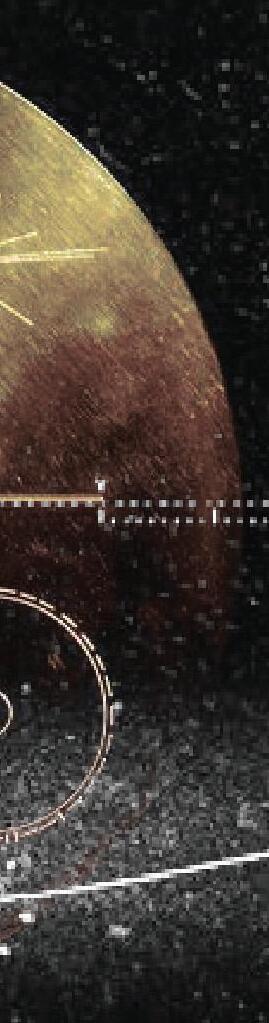
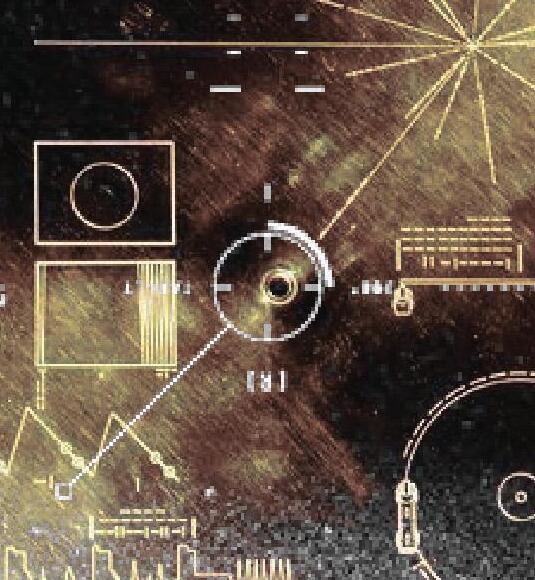
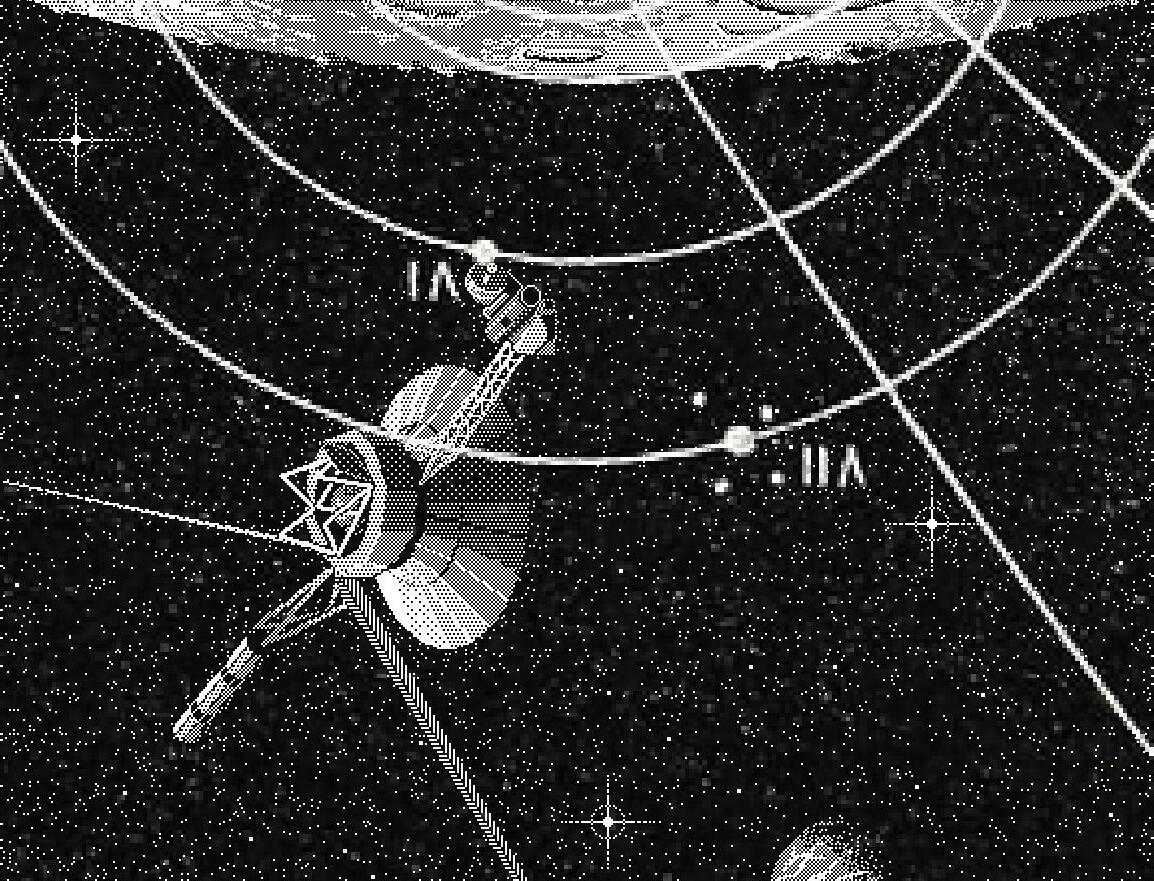
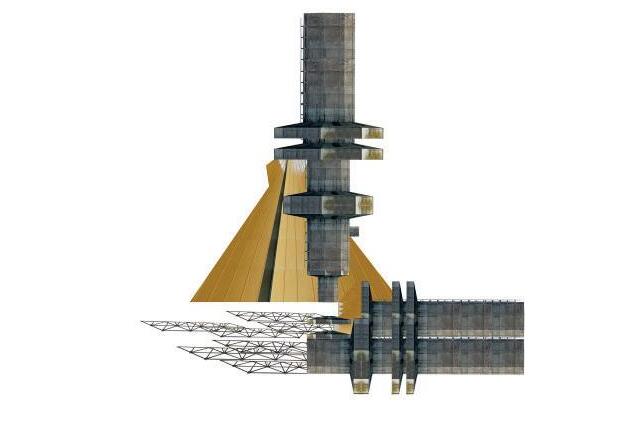
In the interlude between Kubrick’s 2001: A Space Odyssey (1968) and the Moon landing (1969), the world was suspended in a moment where cinematic spectacle and technological advancement merged into a hyperreality.
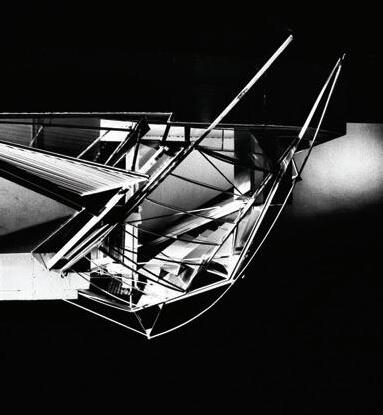
This era also gave rise to countercultural lifestyles and architectural experiments (from Stewart Brand’s Whole Earth Catalog to Japanese Metabolism and LA Deconstructivism) that began to think in planetary terms, reimagining the relationships between technology, ecology, and daily life. These projects treated buildings as infrastructural agents capable of reshaping wider cultural and environmental systems, positioning the home as a site of speculation and cultural projection beyond existing regulations, markets, or material limits.
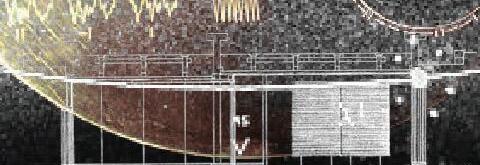
60s–70s fabrication experiments imagined
metal skins, membranes, and service-driven systems, anticipating contemporary concerns with disassembly, reuse, circular economies, and ecological accountability. The house becomes an exposed, reversible assembly, making the act of building itself a continuous infrastructural process that links the home to the wider city.
Today, circularity and design for disassembly echo these earlier visions, asserting that the tectonics of the home remain inseparable from vast infrastructural networks. The studio is correlates the “sliding doors” moment of the 60s/70s with the contemporary, exploring the making of the house as a making of the city.
This studio is interested in tectonics, building, craft, construction details, infrastructure, systems, vernacular, housing, cities, living, and working.
PROJECT I - Dwelling
instead will undertake a speculative global orbit, passing through geographically and sites and ephemera in the manner of Giovanna Borasi’s A Section of Now, and Richard Weller’s To the Ends of the Earth. The house records its encounters through form, assembly, and material, functioning as both prototype and interface, a platform for mapping and testing architectural, tectonic, and cultural strategies.
PROJECT II - Workplace
Construction techniques, material choices, and systemic tactics from the satellite-house will then be translated into a Melbourne Workplace, exploring how domestic architecture can generate knowledge that reorganises the city’s material, infrastructural, and social networks.
SATELLITE I
and Thursday 6pm—9pm
LEGLESS AND GROWLING
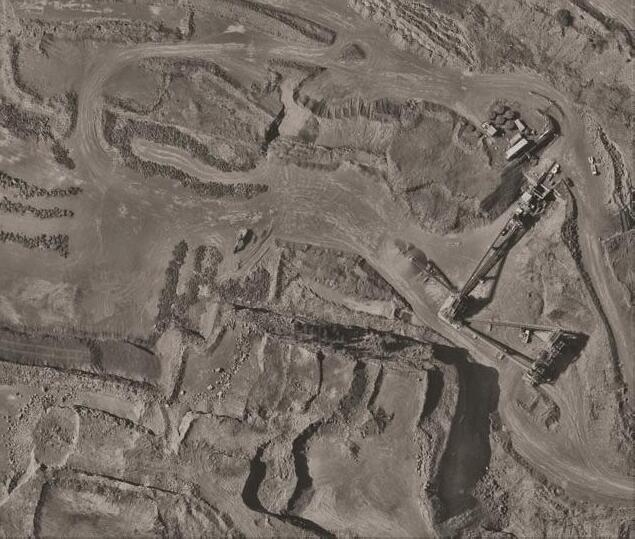
Legless and growling investigates the relationship between architecture and the ground it occupies and depends upon. Forgotten and legislated into fragmented portions, the profession’s conception of ground is thought in terms of mobility, safety, and utility. Contemporary planning has reduced this further to a binary of conservation or development, informed by the colonial understanding of wilderness and settled land, neglecting its original terraforming and custodians. The multitude of crises related to the ground - climate change, biodiversity collapse, and soil degradation - prompts a studio enquiry into the networks beneath us, both biotic and abiotic. The studio investigates current debates and tensions around land management and material provenance, and speculates on what agency of architectural work might be in shaping some of the systems we are actors within. The studio opens up the relational consequences of architecture to landscape, as an ongoing, muddied relationship of care and injury; intended and unintended.
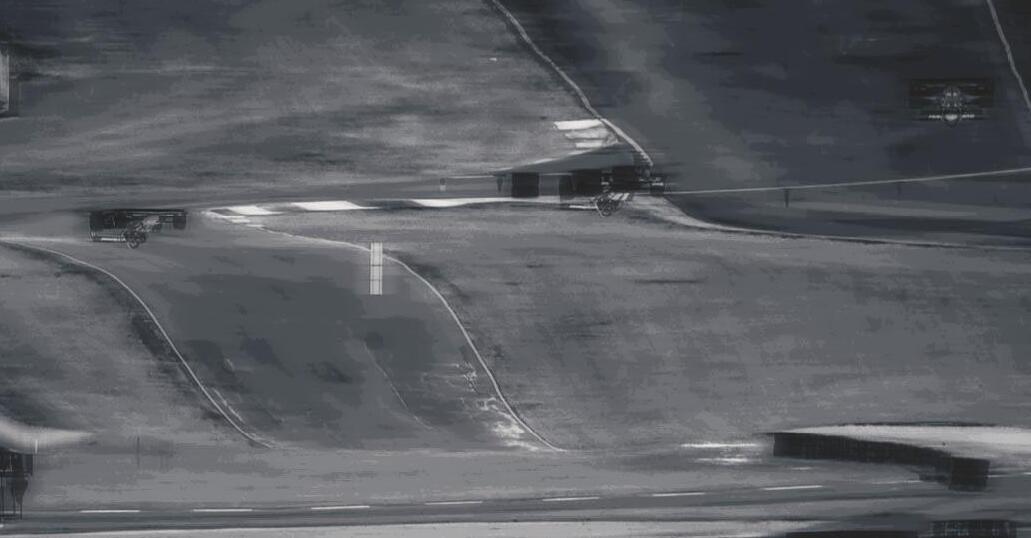
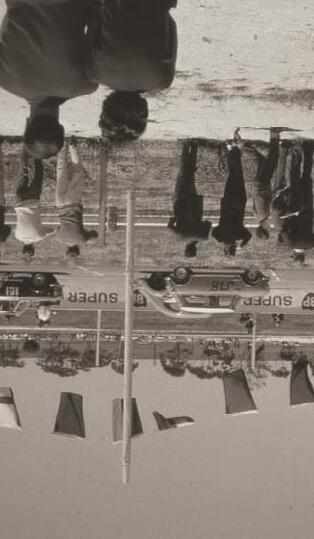
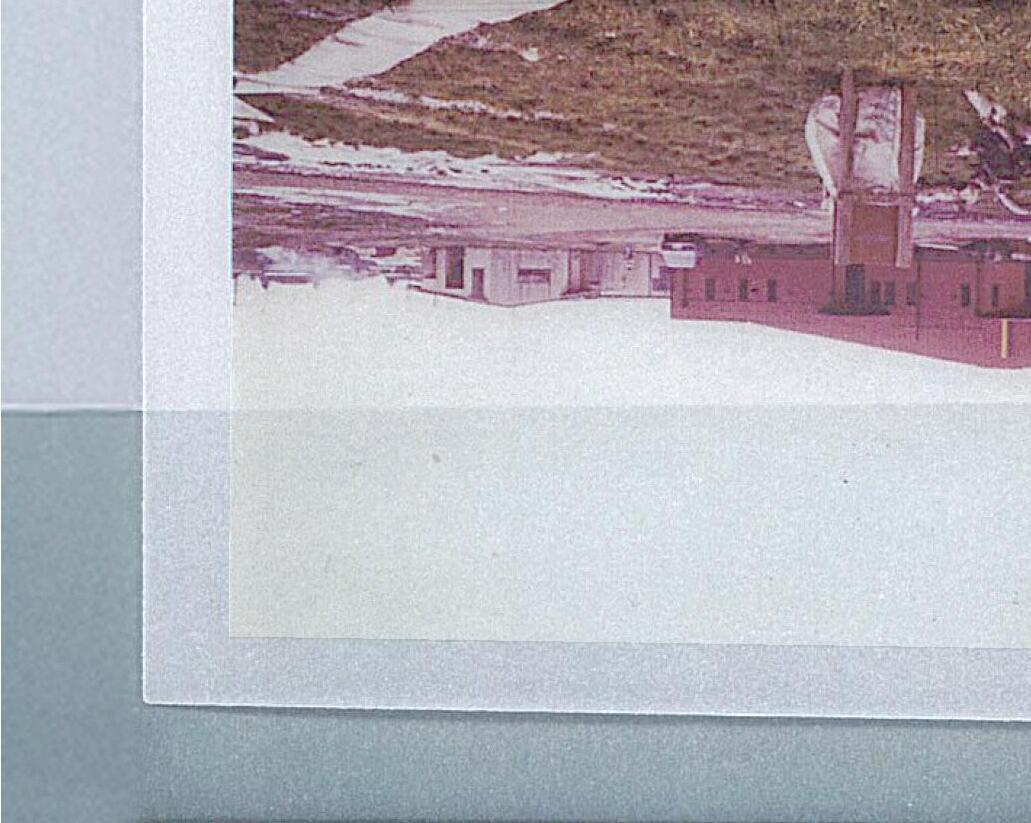
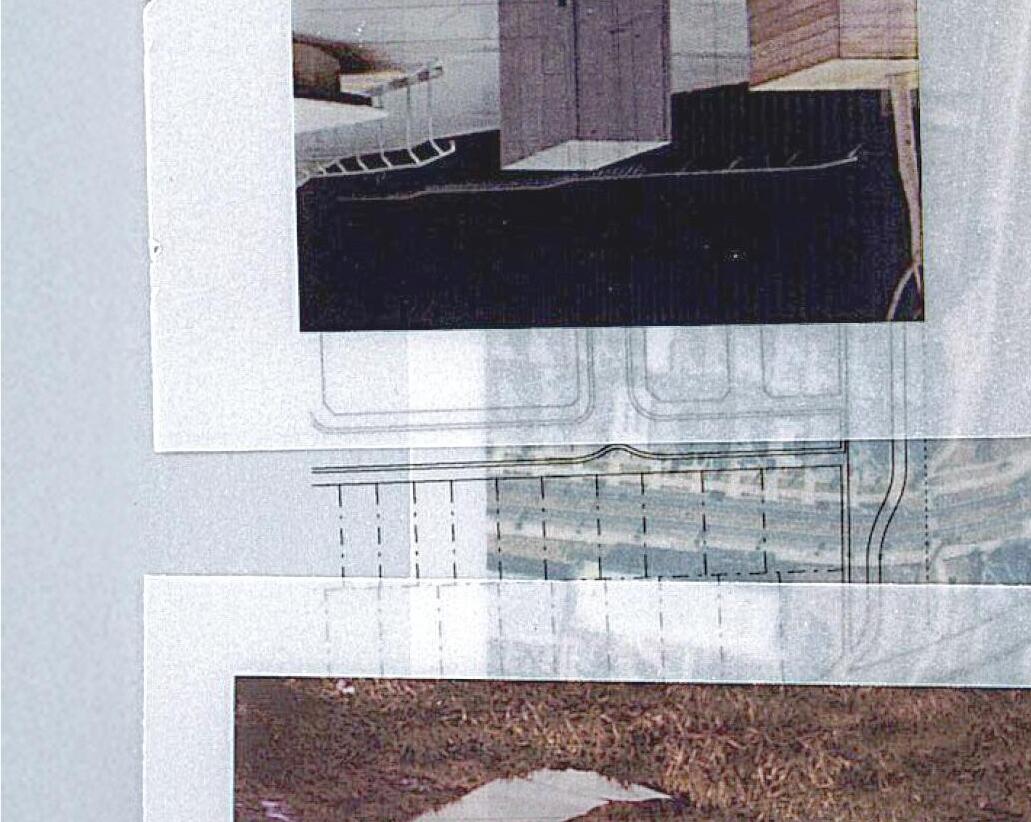
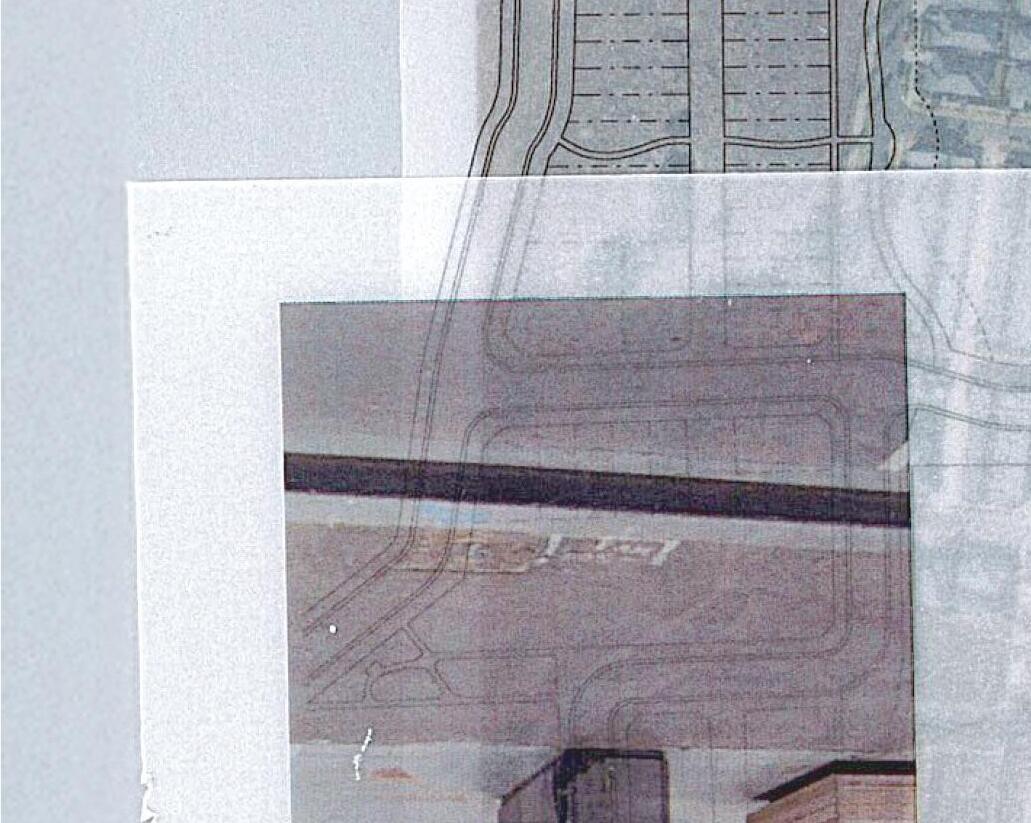
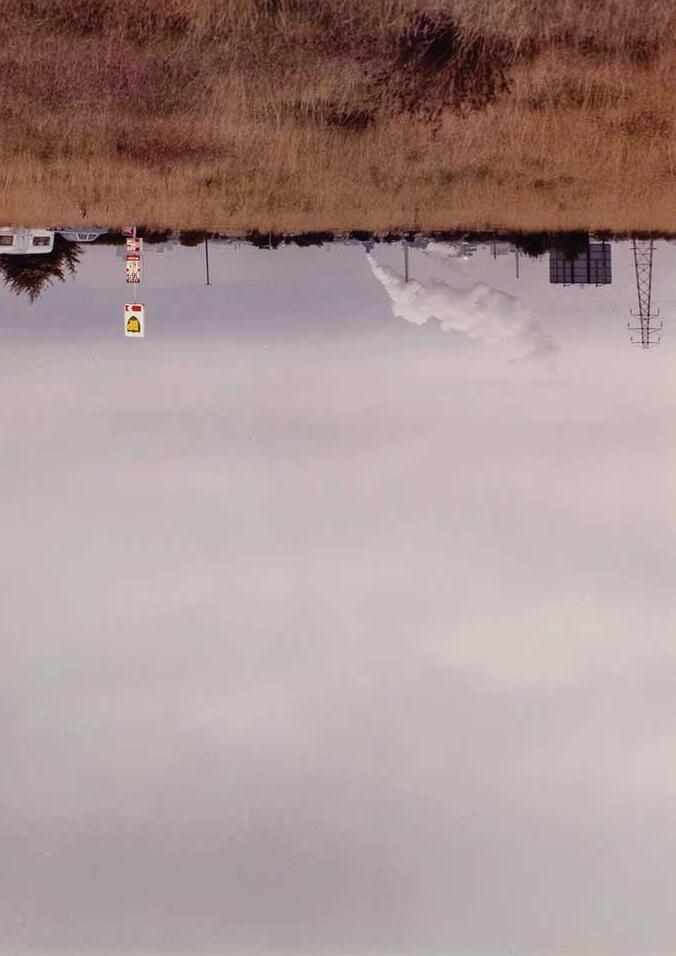
The studio’s site sits at the junction between tract housing, a national park, a freeway, and endangered grasslands, at the carbon-form raceway of Calder Park. Within the tense peri-urban condition is an opportunity to form a deeper understanding of ground and an affection for its dependents, processes and its relationship to architecture.
Architecture tells big stories. Masterplans, megastructures, speculative futures, a discipline xated on designing at god scale. It operates through precision, risk, and standardisation: details close gaps and stabilise behaviour; materials are sealed and rendered compliant, reduced to catalogued products and instruments of control rather than sites of tacit intelligence.
What has this pursuit cost us? Richness. Contingency. Connection.
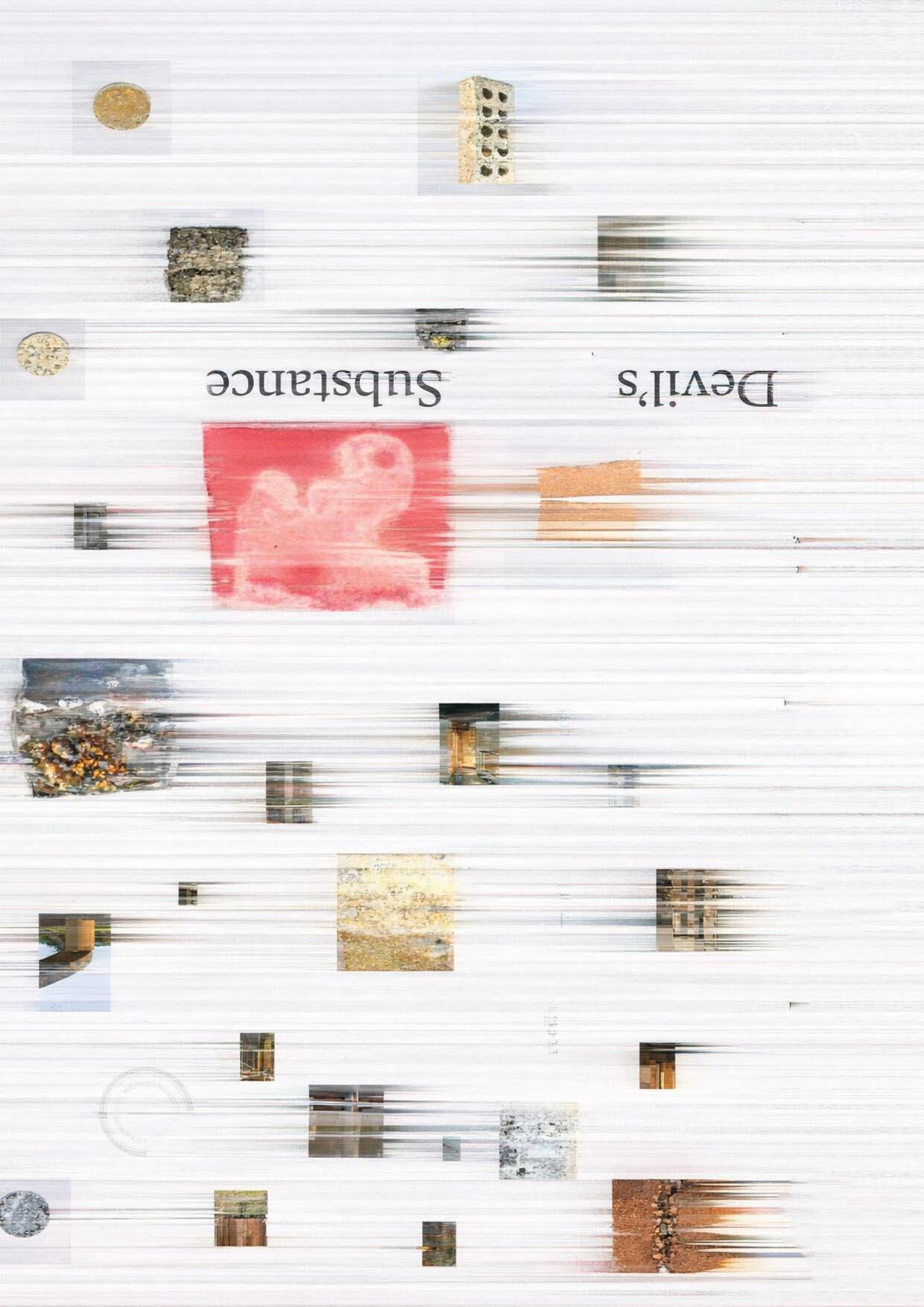
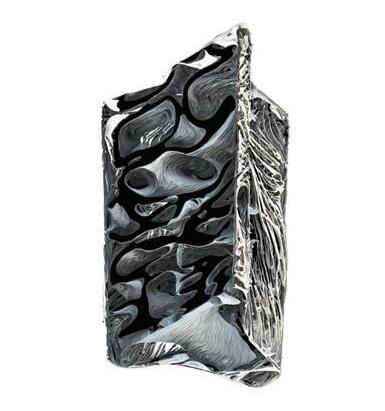
Yet in nature, materials do not submit, and human behaviour resists restraint. This studio begins with that tension. Devil’s Substance confronts the growing distance between people and the materials they inhabit, a fracture that has left the built environment detached from the very matter it is composed of. While architecture has long been in conversation with mass and form, Devil’s Substance reorients that dialogue. Here, detail is not restraint and material is not backdrop; it is origin, actant, agent, proposition.
We ask: what happens when material is no longer an afterthought but the instigator of architectural thought? When a building’s DNA is authored not by brief or program, but by the chemistry, geology, bre, or entropy of a single substance?
Students will engage in hands- on material prototyping, using detail as mechanism. Materials are to be used, misused, and assembled into provisional conditions that invite human encounter and environmental consequence. The aim is not a singular object, but a lineage of ideas emerging from process.
This studio merges the provocations of Substance and Devil in the Detail, forcing material behaviour and architectural precision into direct collision. We begin where our agency actually sits: with matter and with detail.
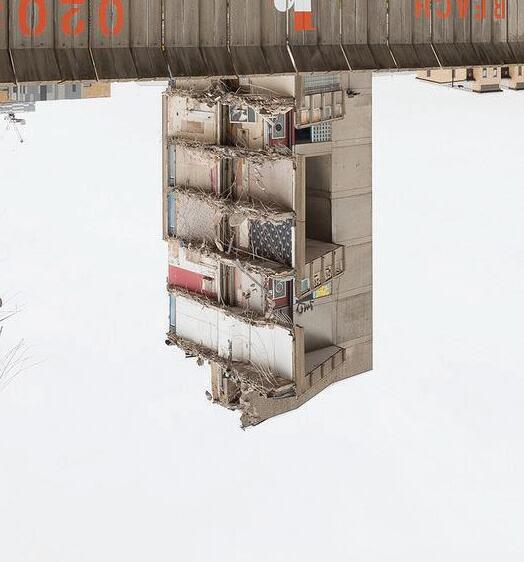
This studio explores the limits of architectural control — over heritage, over history, and over the cultural bodies it seeks to frame — proposing instead a choreography of
i
LIMITS OF CONTROL
Sacha Hickinbotham
Flores
Prats, Gordon Matta Clark, David Chipperfield, Bernard Tschumi, OMA, Rachel Whiteread, Sigurd Lewerentz, Carlo Scarpa Sverre Fehn, Assemble
PERMANENT BETA 0
The term Permanent reflects the conventional perception of architecture as static and enduring, while Beta refers to an unfinished state that can be continuously updated — a concept typically associated with software development. The juxtaposition of these two terms establishes a productive tension between architectural conventions and mutable systems, foregrounding the potential for architecture to operate as an evolving and iterative process. In this sense, Permanent Beta can be understood as a condition of being permanently in a state of iterating, developing, mutating and Incompletion.
Design for incompleteness proposes that architecture does not need to arrive at an end.
Rather than sealing form into a final, per fected state, the designer sets in motion a set of conditions—an architecture that continues to unfold, that stays porous to physical, social, and conceptual change. The work shifts from being a finished object to becoming an evolving field of latent possibilities.
Within this frame, architecture is imagined as a mutable system, one whose identity lies not in stability but in its capacity to transform. What if incompleteness were not a problem to be solved, but a productive tension.
A catalyst.
An invitation for the work to be rewritten—by time, by decaying, by weathering, by shifting desires.
The studio moves across scales, from infrastructural fabrics to the small architectural gestures, cultivating forms of indeterminacy that keep the project open-ended The intention is not to produce a singular conclusion, but to articulate the underlying logics, protocols, and internal behaviours.
Students are asked to design the architecture and the system within it to expose the generative rules, the shifting states, the multiple futures that flicker within the work. The project becomes an inquiry into transformation: how a spatial framework adapts, mutates, and resists closure.
Through advanced computational methods, students will simulate these evolving conditions, presenting architecture not as a final answer but as a sequence of moments, of transitions, of possibilities. A sustained negotiation with incompleteness itself.
And from here, the questions unfold:
What new aesthetics emerge when a building remains unfinished? What atmospheres arise at the conjunction between what is complete and what is still becoming? What opportunities does “leaving things open” create?
This studio explores how architecture can engage culturally rich contexts where form, ritual, and construction are shaped by long-standing traditions.
We question the position of modern architectural thought within such settings, and what contemporary architecture can signify in relation to local practices.
Students will engage a remote, high-altitude site in the mountainous terrain of the Garzê Tibetan Autonomous Prefecture in Sichuan, China, designing a place of solitary retreat for monks undertaking cyclical thirty-day isolation. The studio foregrounds questions of ritual, inhabitation, and physical context, alongside broader architectural concerns of cultural responsibility.
Monday & Thursday 2:30-5:30pm Semester 1, 2026
Through precedent studies, site interpretation, and iterative design, the studio situates architectural practice within debates on tradition, modernity, and agency. It offers students a framework to reflect on how architecture can respond to ritualized life, extreme environments, and culturally embedded landscapes, opening possibilities for thoughtful, contextually grounded design.
Studio Leader: Liang Hu
BEYOND BLOCKS
RMIT BACHELORS STUDIO
SEMESTER 1 - 2026
MON & THU 6:30-9:30pm
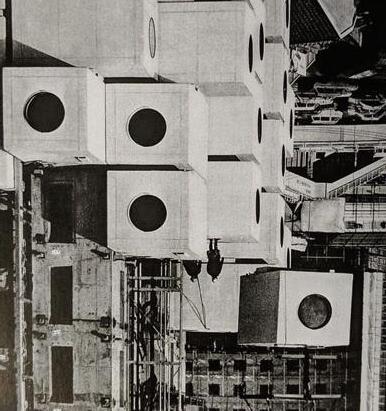
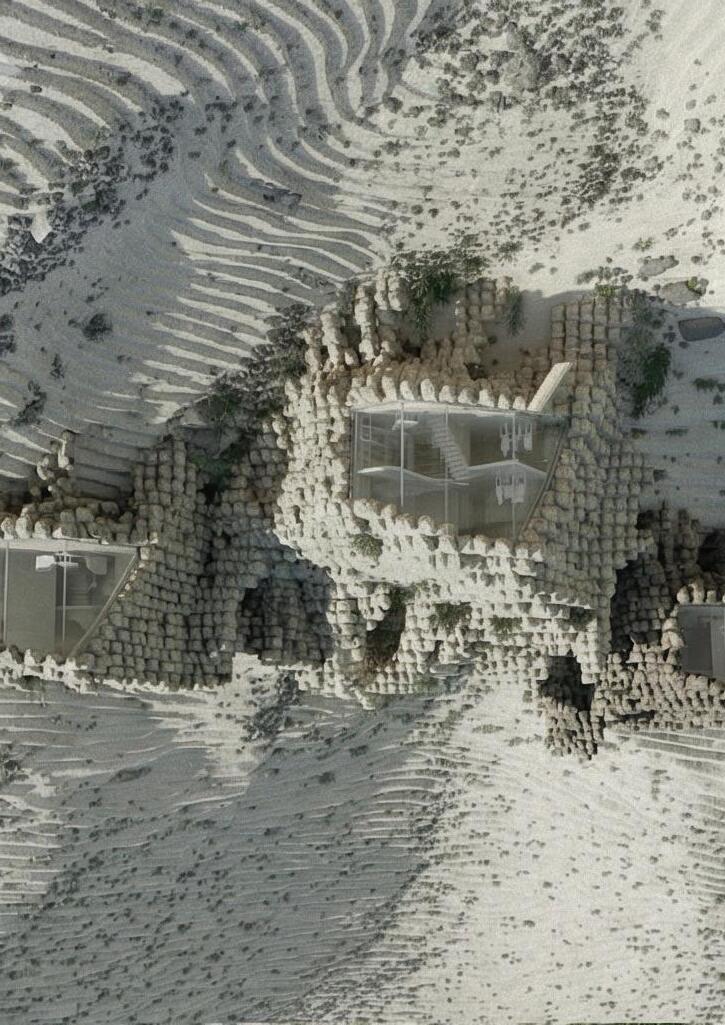
This studio will investigate architectural assemblages, aggregations and beyond as a framework for future methods of living, focusing on adaptive systems and advanced construction techniques. Students will design speculative residential typologies on generative design landscape creations.
Students will investigate integrating prefabrication, automation, and modular building systems into the residential typology.
A key focus is the exploration of aggregative tectonics, where discrete, combinable elements form complex spatial and structural systems. Students will study how these modular systems can adapt to changing environmental, social,
Tools like AI and Grasshopper will support iterative design processes, enabling the exploration of emergent forms and systemic logic.
The studio will emphasise the future of construction, including prefabricated assemblies, robotic fabrication, and Industry 4.0 technologies, challenging conventional approaches to residential design. Providing an opportunity to wrestle with basic questions of how we live, what kind of spaces we need and want, and how this affects the dynamics between architecture and social inhabitants in our future urban environments.
Students will critically analyse precedents such as Sou Fujimoto’s adaptive spaces, Moshe Safdie’s modular systems, and Jean Renaudie’s layered complexities to extract principles of aggregation and adaptability. Outcomes will include speculative designs for medium-scale residential buildings, and exploring new ways of living and working that respond to current contemporary challenges of our society.
By engaging with these topics, students will gain insight into the intersection their application in architecture. STUDIO LEADERS
MARKET FORCES
- Every epoch ... not only dreams the one to follow but, in dreaming, precipitates its awakening. It bears its end within itself and unfolds it ... by cunning.
Tutor: Arjuna Benson
Architecture: Practical
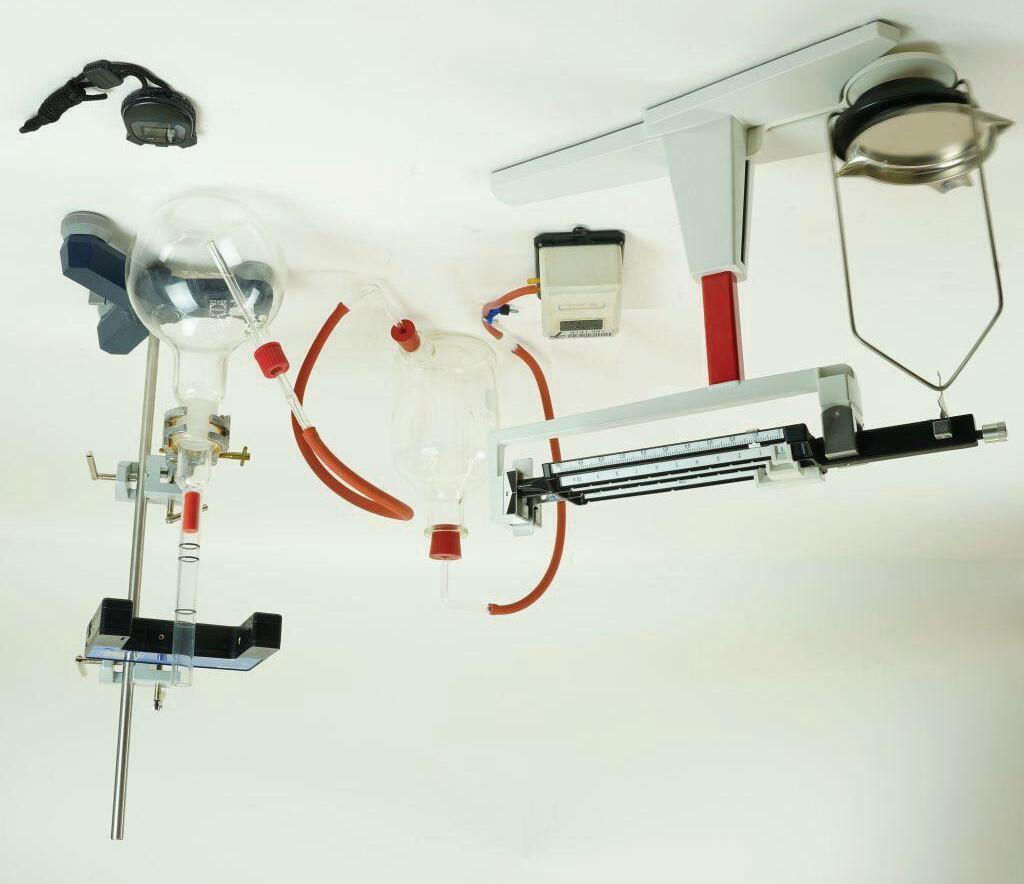
Science has found ways of engaging with the environment that prioritise invention and productivity (photovoltaics, wind turbines, hydroelectricity). Architecture, on the other hand, is trailing behind. We enthusiastically adopt scientific successes into the design of our buildings (solar panels, passive house, etc), but what are Architects inventing on their own? Is designing, inventing? Or is the practice of architecture more reactionary than revolutionary?
Using the analogy of a science prac, students will conduct experiments that conflate and orchestrate ‘the elements’ into apparatuses that demonstrate a sequence, positing architecture as a catalyst rather than a static end in itself. Pracs will be a formula for encouraging invention, efficiency, and resourcefulness
Mondays and Thursdays 6-9pm
Studio Leader: Mietta Mullaly
(cornerstones of architectural practice), Hypothesis will be a method for formulating design rationale based on material properties & behaviours, and The Lab will be a place of abstracted, non-site specific design - promoting first principles and universality as an approach to recognising potential in the world.
Abstract experiments will evolve into sited interventions as the studio explores new approaches to engaging with the environment. Not in conventional ways that position the environment as something to be protected against (architecture as shelter), but in unconventional and optimistic ways that suggest there is something to be gained.
Material costs: Students will be required to produce A3 prints for in-class pin-ups and one small physical model (approximately A3 scale). Models are expected to be made using low-cost, readily available materials such as cardboard, foamcore, or found materials.
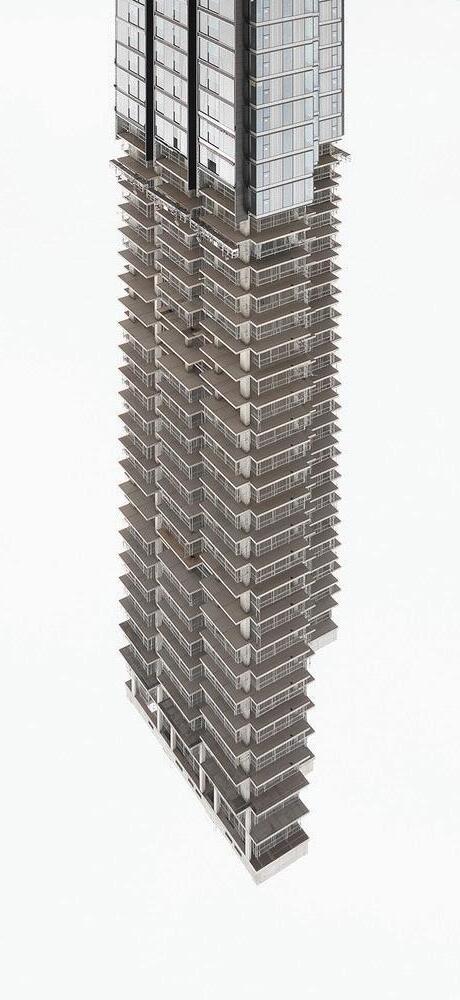
It is an upside down world where our water supply levels are rapidly declining, population growth is increasing and others are spouting that there is no such thing as climate change.
In a world where we unconsciously acknowledge the resources that are required to remove waste from our environments, water treatment becomes one of the largest pieces of infrastructure that is shrouded from our every day.
Historically water has been celebrated through civic and infrastructure interventions including step wells, fountains, and aqueducts. The treatment of wastewater becomes a fundamental way of considering how we can reduce energy consumption and provide infrastructure for our growing cities.
90% of Melbourne’s wastewater is serviced by two sewage plants located in western and eastern Greater Melbourne. These hold and process 350 billion litres of sewage per year which equates to:
200 x MCGs
264 x Melbourne CBD Hoddle Grids
3,240 x Bunnings Stores
140,000 x Olympic Swimming Pools
The design studio questions the benefits of localising water treatment plants by decentralising and integrating smaller more economic plants into our communities. The project focuses on making the infrastructure visible to bring a greater awareness and understanding of what is required for the servicing of our cities and communities. The water treatment plants would carry a civic presence providing use beyond being utilitarian. Spaces of gathering. Spaces of engagement. Spaces that service the local.
This design studio builds on the research undertaken by MUIR, Finding Infinity, the BA Design Studio PRESENT and the MA Elective WASTE NOT and will involve a tour of Melbourne’s western treatment plant.
The studio will be undertaking investigations into the memory of place and how this informs a language of place. Students will be exploring a number of design methodologies, design tools, in order to understand the formal nuances of place, context. The role of the architectural precedent will be explored rigorously understanding the various languages that come with building typologies. These methodologies will be implemented for students to design a place of civicness that challenges preconceived notions of what might be initially understood formally.
Students will be engaged with rigorous site, program and precedent analysis through research, collage and drawing, drawing, drawing. Students will be working throughout the semester on individual projects but are encouraged to support and learn via their peers.
BA ARCHITECTURE DESIGN STUDIO S1 2026
MONDAY 2.30-5.30PM THURSDAY 12-3PM
AMY MUIR
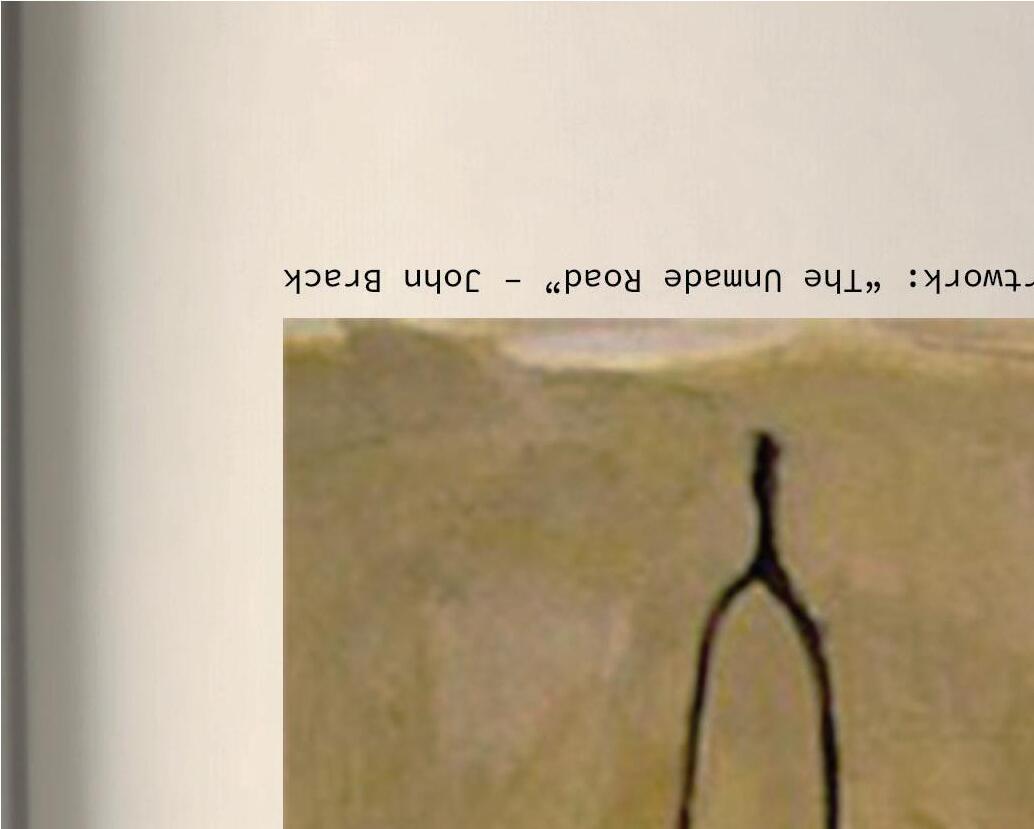
‘You Canno t T ilt The Penguin’ Jack Murray
S1 2026
Monday: 6:00-9:00pm
Thursday: 6:00-9:00pm
Typology: Civic / Cultural
Scale: M / L
This is a studio about museums, organisation, the public, and method.
“Museums are the lungs of the city—they make it breathe.” – Enzo Mari
This is a studio about what happens when architecture falls into Alice’s well.
Heritage, memory, design, architecture, culture, and whatever else.
This is a studio about what happens when the penguin cannot tilt.
When a falcon cannot hear the falconer? When the gyre is turning.
This is a studio about objects and their stories.
This is a story about architecture and it’s stories.
This is a studio about a container, or several containers.
About a room, or several rooms.
About a building, or several buildings.
About a city, or several.
This is a studio about cultural architecture.
This is a studio about what it means to use culture to make architecture.
This is a studio about what it means for culture to make architecture.
This is a studio about how you organise a culture.
An architecture.
This is a studio about organisation, and documenting that organisation.
This is a studio about documentation, heaven forbid.
This studio is interested in:
collection.
This is a studio about what it means to collect a building.
To collect a room.
To collect an object.
To design an object.
To design a room.
To design a building.
This is a commandment and a provocation.
You Cannot Tilt the Penguin
The once thriving company town of the State Electricity Commision
As each year post-settlement in Australia grinds on, how should we conceive of our place in the landscape of the continent we have claimed as our own: are we custodians, masters, brokers, servants – and what is its place in our world of thought?
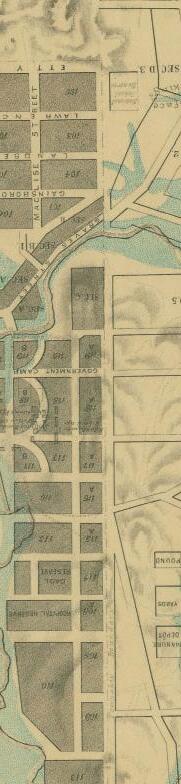
It is these questions and more that frame the agenda of this studio. As architects how should we conceive of our place in the landscape? How should we respond to it, represent it and ultimately, what should we make in it? What attitudes to the landscape do you bring and what new ones can be revealed and discovered? This studio explores the reciprocity between architecture and landscape on a site between the embankments of Forest, Barker and Campbells Creek, Castlemaine. As backdrop to this context is the campaign to win UNESCO world heritage recognition for Victoria’s goldfields landscapes and in response the project is for a visitor centre and orientation facilities to the regions heritage sites (the brief calls for a series of small civic buildings and landscape infrastructure). Upside-down Country – a term used by Djaara, to describe the environmental degradation inflicted by the goldrush on Djandak (Country) - provides a counter reading to be explored for its potential to reconsider difficult issues around histories and ecology, modes of interpretation and heritage, strategies of care and repair for the land, its cultures and ecologies.
SYLLABUS: is structured across three interconnected projects STORYMAPS: Djandak (Country) + post-mining landscape re-imagined, onsite fieldwork and archival research. Boundaries and thresholds between landscape, Country and town, below ground, inundation, sludge, site and ecological histories, surfacing the marginal, seen and unseen. HYBRIDS: drawing, diagramming, modelling and cataloguing component parts of the urban landscape – re-assembled into new landscape-architecture hybrids. DESIGNING THE SITE: design a collection of small buildings and landscape infrastructure. Collectively, these function as both memorial, new public space, historical marker and visitor/orientation/interpretation facilities to the regions UNESCO listed heritage sites promoting regeneration, tourism, civic pride, social capital, learning and education. At the completion of the semester, you will have a resolved project – one that works to embed and hold narratives of place, working through abstract and more literal design methodologies and processes of translation. You should expect to imagine the site and its relationship to the town, its landscape and territory as well as opening this to cultural and architectural references – equally immersed in the real and the imaginary. Site visits to Castlemaine (v-line train) Sunday 8 March and Sunday 15 March 2026.
Richard Black is a registered architect, Associate Professor and senior supervisor in RMIT‘s PRS AU with 15 PhD completions. His teaching, design practice and research activities explore overlaps and adjacencies between architecture, landscape/Country and urbanism. With Anna Johnson he has co-authored several publications, most notably Living in the Landscape, Urban Sanctuary, and Neeson Murcutt Neille: Setting Architecture, all by Thames and Hudson. Richard’s architectural projects and drawings have been exhibited at the Nevada Museum of Art, Reno, USA, the Venice and Rotterdam Biennales, Aedes Gallery Berlin, Architekturforum Innsbruck and Galerie-am Weissenhof Stuttgart, Perth Institute of Contemporary Art, Museum of WA and The Royal Academy of Art, London.
(Nicolas Rothwell, ‘What Lies Beyond Us’, in Quicksilver, Text Publishing: Melbourne, p133.)
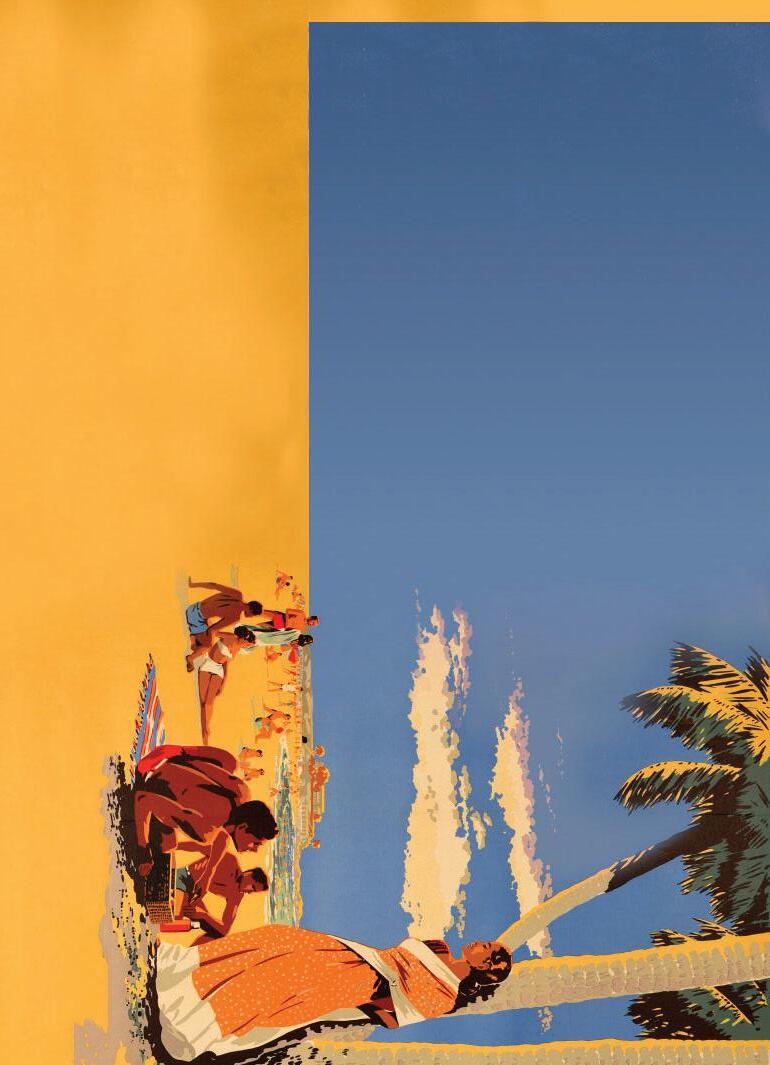
In this studio, you will be invited as an architect to Amnesia, a paradise of coconut trees and friendly smiles.
The tropical island of Amnesia sits in the Global South, somewhere between Australia, Asia and Africa, and is now open for business following a turbulent period in the country’s history.
You will: fabricate and obfuscate this history. receive a brief for a hotel resort. respond with a return brief. form a critical agenda. curate the tourist journey. evidence the architectures of consumption along the coastline. craft the aesthetics of our famous Amnesian hospitality. invent untranslatable words and their built manifestation. adopt a stylised mode of representation. face a crisis and recover. embody an architect facing questionable ethical choices.
As a profession we sometimes follow the money to our collective detriment.
How do we understand our agency as architects amidst competing interests?
In context of a larger global issue of overtourism here and elsewhere –this studio seeks to explore what architects are complicit in – and what we could enable – where vestiges along the coast begin to exist beyond the value given to them by tourists.
This studio will adopt a mixed individual-partner work approach where some studio decisions will be made collectively as a class through the semester. Assets and research will be made available to all to foster a collegiate atmosphere.
Workshops will enable you to utilise Rhino to its fullest extent through the creation of animations, custom display modes and highly stylised collages and drawings.
Handicraft and the human touch will come into play, especially where preservation of Amnesian traditions are concerned. This may incur a small material cost approximating $100 throughout the semester.
Architects are ‘courtiers of capital’ –but we needn’t be. Maybe there is a middle way.
This studio concerns itself with: architectural storytelling through touristic and local lenses. the supposed agency of an architect the lotus-eaters along the Pleasure Periphery.
The indigenous inhabitants of a fully developed Pleasure Periphery must, to a large extent, suspend the operation of their critical faculties.
The host cannot criticise the peccadilloes of his guests when they are the source of his income.
At best, the host will adopt a neutrality that tacitly condones and, at worst, he will actively incite the guest to great excesses.
THE GOLDEN HORDES – Louis Turner and John Ash
Tutor: Sandun Jayasinghe Mondays: 6-9PM
BACHELOR OF ARCHITECTURAL DESIGN DESIGN STUDIO LEADER BIOS
RMIT Bachelor of Architectural Design Program Manager
Anna Jankovic is an architect, director of Simulaa. An Associate Lecturer at RMIT Architecture, Anna teaches Design Studio, History and Professional Practice, and supervises Major Projects, alongside her research on adaptive and resilient architecture that explores cultural, historical, and timebased design.
e: anna.jankovic@rmit.edu.au
RMIT Bachelor of Architectural Design Design Studio Coordinator
Dr Michael Spooner is a Senior Lecturer in the School of Architecture & Design . He maintains a critical practice composed of teaching, writing, and speculative architectural projects. His work can be viewed at www.thexhausted.com
e: michael.spooner@rmit.edu.au
Allan Burrows is a practicing architect and sessional academic based in Melbourne (Naarm/ Birrarung-ga). His research focuses on how architecture mediates contemporary living conditions within interdisciplinary systems and institutions. Allan has previously worked at various practices in Melbourne, including Wardle, JCB Architects, and BKK Architects
Design Studio: Satellite
Leon Koutoulas is an RMIT Architecture alumnus who has maintained involvement with the RMIT School of Architecture through teaching and expert guest critiques across studio presentations. His professional experience as a Senior Designer has contributed design-focused outcomes at ARM Architecture and Architectus across a range of projects.
Design Studio: Do Not Resuscitate
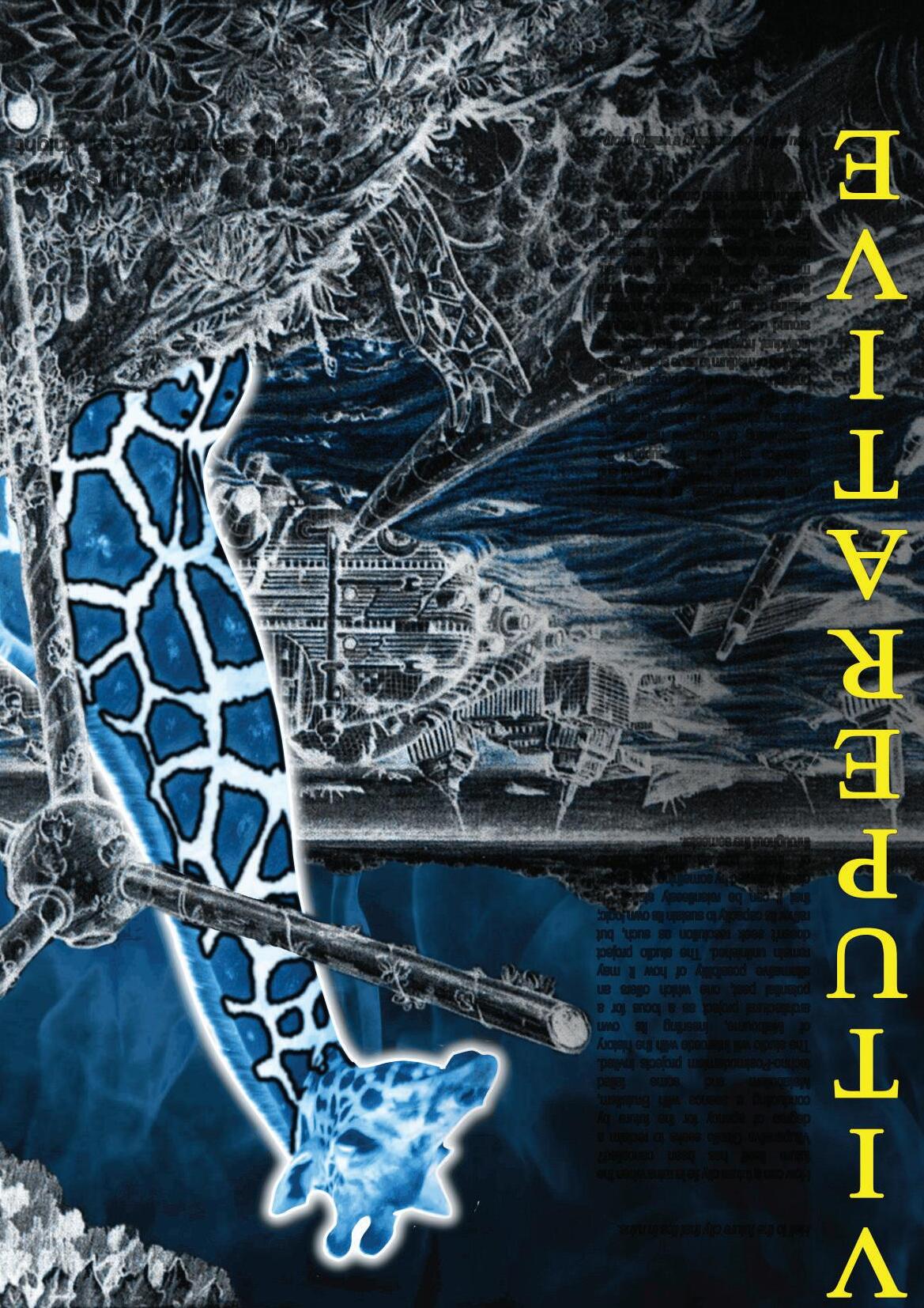
Peter Knight has taught at RMIT since 2010, across design studios, major project, tech and electives. He has worked across residential, commercial, institutional, civic and infrastructure. Currently senior digital technology specialist at Arup. Visits Mordialloc frequently.
Design Studio: Vituperative Giraffe
Charles Boman is a PhD candidate at RMIT University researching the architectural potential of 3D printed glass. His work explores computational design, robotic fabrication, and material behaviour. A graduate of RMIT’s Master of Architecture, he has worked as a research assistant and sessional teacher.
Amy Muir is director at MUIR Architecture and brings over 15 years of experience in high-end residential, commercial and public architecture. Amy holds degrees in both Interior Design, and Architecture from RMIT. Amy was the AIA Victorian Chapter President and recipient of the AIA National Emerging Architect Prize in 2016.
Design Studio: To Be Seen
Chris Buchhorn is a Registered Architect, Senior Associate at ARM Architecture and an RMIT Architecture alumnus and recipient of the Anne Butler Memorial Medal. His approach to architecture is one of optimism and opportunity. Intrigued by the ‘what-if’ that motivates architectural discovery through rigorous testing and experimentation.
Design Studio: Do Not Resuscitate
Holly Shannon is a Graduate of Architecture at Denton Corker Marshall and RMIT Architecture alumna, where her major project received the Peter Corrigan Medal. She has taught as a Design Studio Leader in the Bachelor of Architecture program since 2024, alongside Peter Knight.
Design Studio: Vituperative Giraffe
Design Studio: This Tortured Earth
Isabelle Jooste is an ARBV registered architect and sole practitioner. Her research focuses on investigating what it means to pursue craftsmanship within contemporary design practice, particularly through digital sculpting and material exploration using robotics.
Design Studio: This Tortured Earth
Nikola Sormaz is a Graduate of Architecture at NH Architecture, and sessional tutor at RMIT. Having previously taught Architecture History Introduction and C20 History, he is interested in the role of critical thought and its potential to challenge traditional notions of value, representation, and critique in Architectural design.
Design Studio: Vade Mecum
Mary Spyropoulos is an ARBV-registered architect practising at Wood Marsh Architecture, with a focus on infrastructure. Currently a PhD candidate at RMIT University, her research examines the convergence of material behaviour, robotic fabrication, and computation in the generation of architecture.
Design Studio: Beyond Blocks
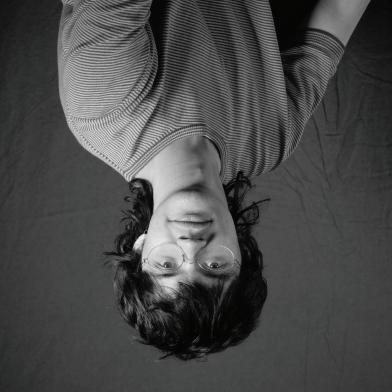
Lester Li is a Graduate of Architecture practicing in Australia and a sessional tutor at RMIT University. His practice focuses on computational design, architectural automation, and digital fabrication, exploring how computational systems and emerging technologies can augment architectural thinking, production, and pedagogy.
Design Studio: Permanent Beta
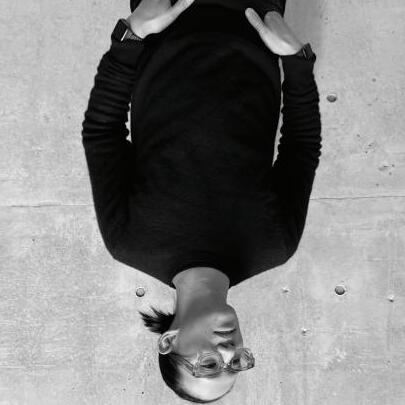
Jack Murray is a registered architect, Exhibition Design Documenter at Museums Victoria. He has previously worked for Searle x Waldron Architecture, Setting Line Theatre Consulting, and professionally in theatrical design and production. He is currently working with City of Melbourne on a public art project through ‘Test Sites’.
Design Studio: You Cannot Tilt the Penguin
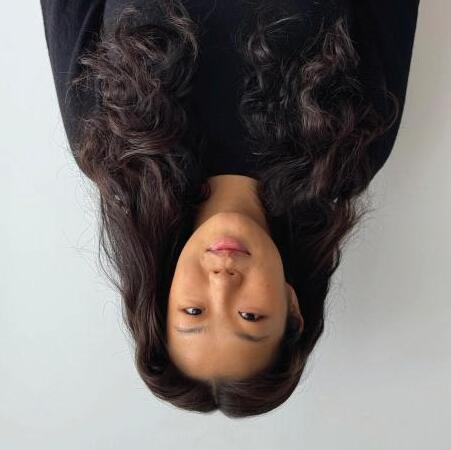
Jennifer Chen is a graduate of the RMIT Master of Architecture Program, recipient of the RMIT Leon van Schaik Medal, and a Project Professional at NH Architecture. Since 2022, she has taught into several various courses within the RMIT Architecture Program.
Design Studio: Vade Mecum
Dr Joshua Lye is a multidisciplinary practitioner working across architectural technology, academia, and practice. He has expertise in computational design, machine learning, artificial intelligence, and design strategy. He is currently a designer at Modus Forma and has held previous roles at XO Projects and Zaha Hadid Architects.
Design Studio: Beyond Blocks
Ethan Liu is a Graduate of Architecture at McBride Charles Ryan, where he contributes to large-scale civic projects. He is interested in exploring the intersections of spatial clarity, building life cycles, and emerging technologies. His work focuses on combining systematic thinking with experimental approaches to create adaptable architectural outcomes.
Design Studio: Permanent Beta
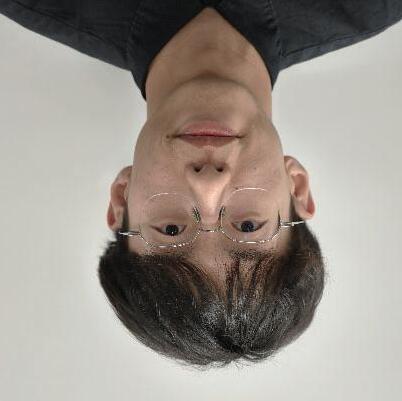
Liang Hu is co-founder of Increments Studio, a practice focused on creating places that encourage presence, reflection and a deeper connection between people and their environments. He is a registered architect in the United States and is a graduate of MSD and Yale School of Architecture.
Design Studio: Sacred Quarters
Michelle Gan is a registered architect and Design Lead at Wardle and educator exploring material-led design, tectonics, and environmental agency across practice, research, and academia.
Design Studio: Devil’s Substance
Luke Martelli is a graduate architect at LIAN Architects, and a sessional academic in the Bachelor of Architecture program across both Design Studios and History courses. His work is interested in observation and reactivity, the value of phenomenological curiosity, and finding relationships and methodologies which work to embed complexity within spaces of conformity.
Design Studio: Bandicoot
William Grosby is an Architect working at Rob Kennon Architects (RKA). He is interested in the architectural artefact and its capacity to define a social, economic, or cultural sensibility. His interests in design and detailing are complemented by experiments in furniture and object-making in addition to his architectural pursuits.
Design Studio: Above the Clouds
Mietta Mullaly is a registered Architect with experience practicing in Melbourne and abroad. She has led design studios at RMIT and has been a co-editor and contributor of architecture publications such as Major (RMIT) and Houses Magazine.
Riley Sherman is a registered architect and Design Lead at Wardle with experience in residential, educational and civic projects across Australia. His practice examines architecture as a material system, with a focus on detail, reuse and environmental mediation.
Design Studio: Devil’s Substance
Design Studio: Architecture Practica
Nick Dimitrelos is an RMIT Architecture alumnus and sessional Design Studio Leader. His work explores architecture as a responsive process, deeply rooted in memory, materiality, and social engagement, to create empathetic and meaningful design experiences. He is a past recipient of the Antonia Bruns Memorial Medal.
Design Studio: Bandicoot
Peter Stasios is an RMIT Architecture graduate and architect working across practice and education. He has over six years of teaching experience at MSD, leading master’s studios since 2017. Working across varied typologies and scales, his practice treats architecture as a means to investigate and understand the world.
Design Studio: Above the Clouds
Richard Black is a registered architect and Associate Professor at RMIT. His teaching, practice and research explore architecture’s intersections with landscape/Country and urbanism. His work has been widely exhibited and published, including Venice and Rotterdam Biennales, and he has coauthored several books with Anna Johnson.
Design Studio: Where Three Creeks Meet
Sacha Hickinbotham is an RMIT alumnus, UK-registered architect and Bartlett graduate. Drawing on experience at Studio Bright, OMA and Carmody Groarke, he leads independent architecture and design projects internationally. His work explores preservation, adaptive reuse and circularity within cities’ social and political contexts.
Design Studio: Limits of Control
Yasmin Fennessy is a Graduate of Architecture at NH Architecture, RMIT Architecture alumna, and recipient of the Peter Corrigan Medal. Her work is focused on the potential of architecture as an ecological, political and social response to peripheral urban conditions.
Sandun Jayasinghe is a recent RMIT Master of Architecture graduate and recipient of the Leon van Schaik Medal. He currently works as a Graduate at Architectus and has taught into RMIT’s Foundations and Communications courses. His interests focus on the ethical dilemmas architects face globally.
Design Studio: The Lotus Eaters
Design Studio: Legless and Growling
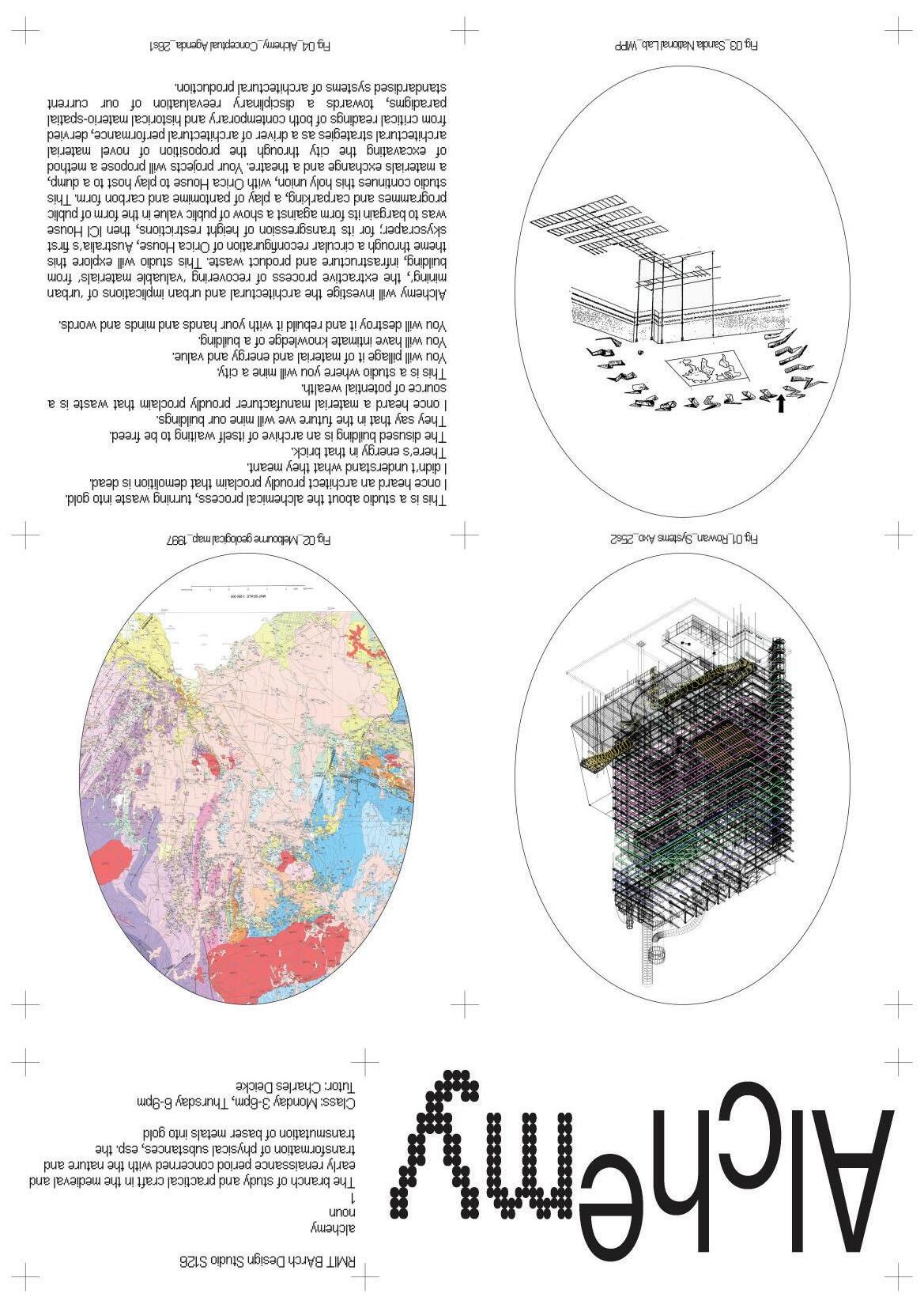
Charles Deicke is Director of the emerging architecture practice Paula. His research interests are contemporary architectural representational and aesthetic agendas, architectural and urban standardization, and the architecture of infrastructure and its relationship to urban landscapes. Previous design studios include Bland God, Sorcerer and Alchemy.
Design Studio: Alchemy
Loughlin O’Kane is a Graduate of Architecture at A22a and a sessional tutor at RMIT. He is an RMIT alumnus and has previously studied at the Glasgow School of Art, Scotland and KTH, Stockholm. His interests lie in the entanglement of architecture with material extraction and ecological systems.
Design Studio: Legless and Growling
Arjuna Benson is an RMIT alumnus, currently working at Arup in Melbourne. His work both in and out of practice is interested in how architecture reflects and acts upon the world around us at all scales, from the urban to the interior.
Design Studio: Above the Clouds
Brent Allpress is a Senior Lecturer in the School of Architecture & Urban Design at RMIT.