Heart Attack Awareness & Modern Treatment Options
A Comprehensive Guide to Symptoms, Prevention & Advanced Care


Dr. Vrishit Saraswat
Introduction: Protecting Your Heart
Cardiovascular disease remains a leading global health challenge, with heart attacks being a critical concern. This guide aims to demystify heart attacks, offering vital insights into symptoms, prevention, and the revolutionary advancements in treatment, particularly in interventional radiology. Our goal is to empower you with knowledge for better heart health.
What is a Heart Attack? Understanding the Mechanism
A heart attack, or myocardial infarction, occurs when the blood flow to a part of the heart is blocked, usually by a blood clot. Without blood, the affected heart muscle begins to die. Understanding this process is crucial for recognizing the urgency of immediate medical attention.
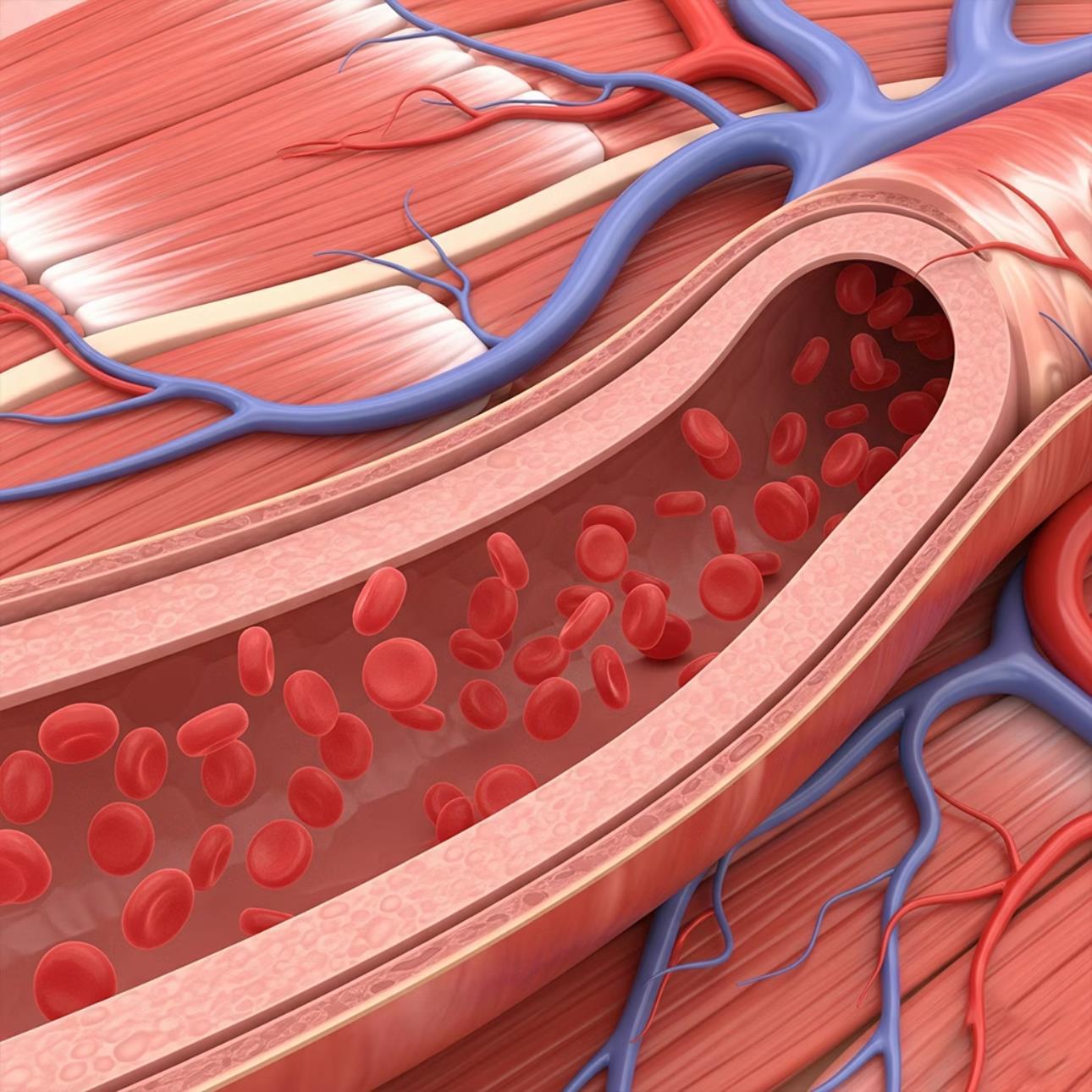
Healthy arteries allow unimpeded blood flow, nourishing the heart muscle.
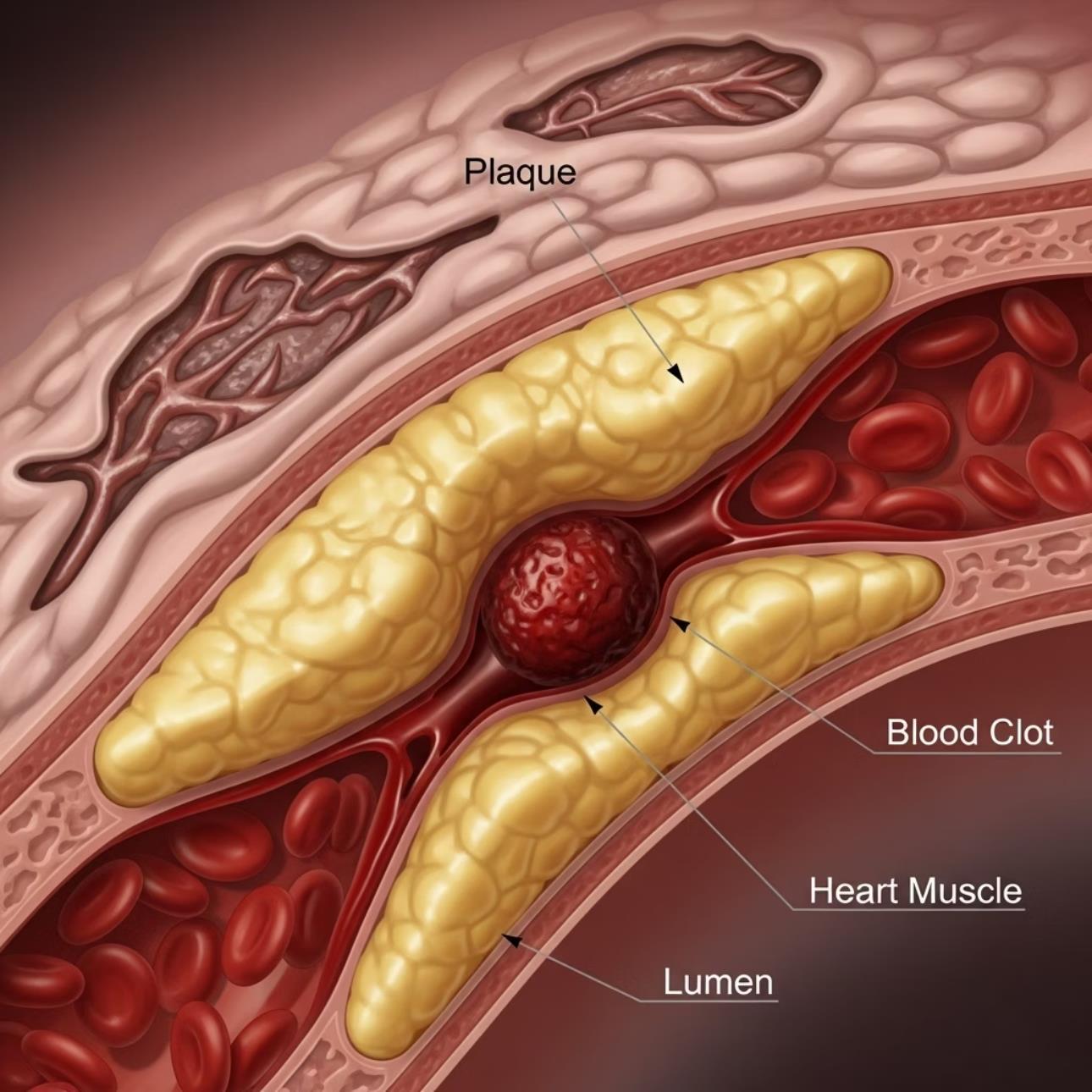
Plaque buildup can narrow arteries, leading to clots that completely obstruct blood flow and cause a heart attack.
Normal Artery
Blocked Artery
Heart Attack Statistics: A Global and Local Perspective
Cardiovascular diseases are the leading cause of death globally. The statistics highlight the pervasive impact of heart attacks and underscore the importance of awareness and timely intervention.
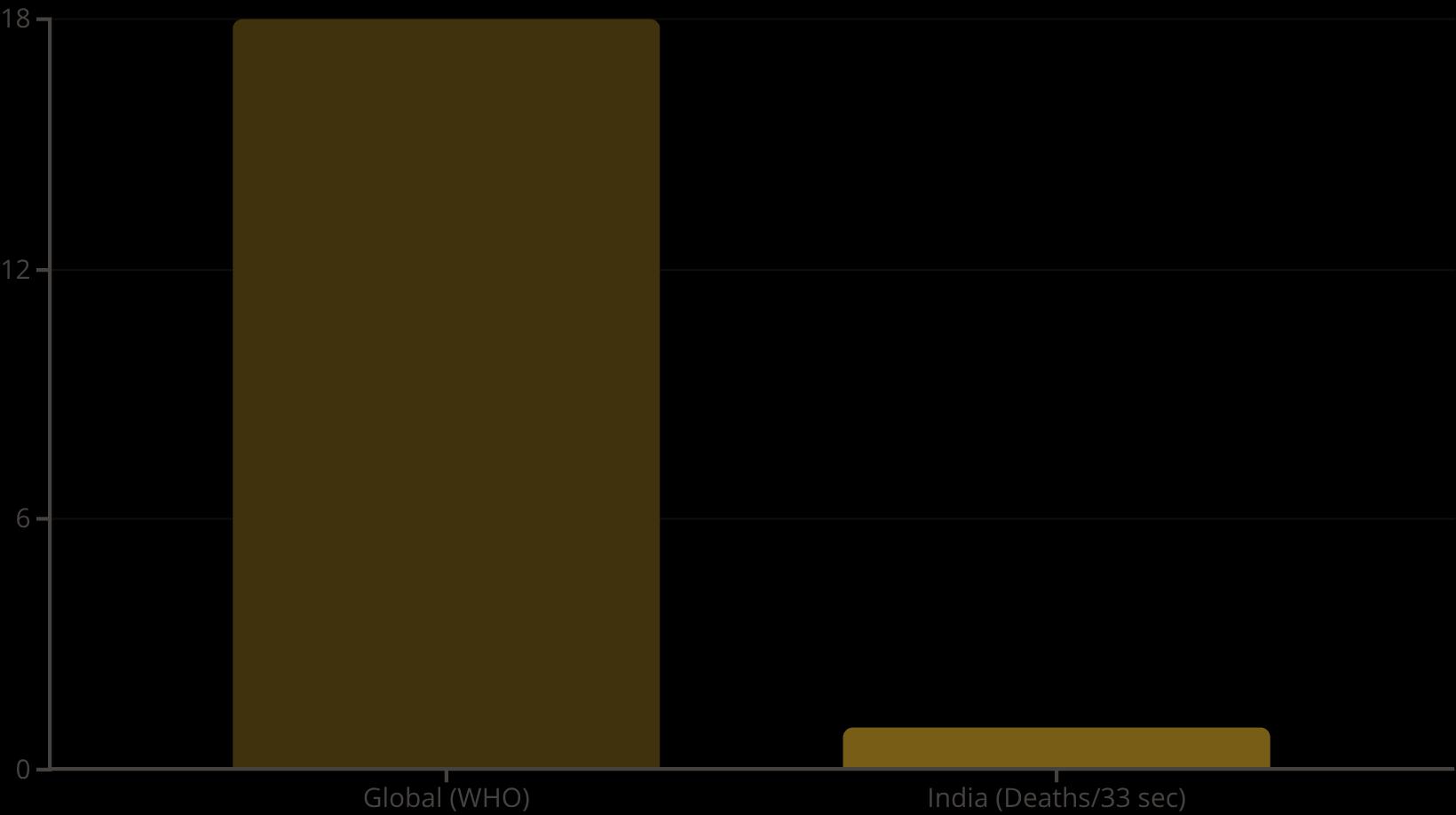

A Stark Reality
18 million global deaths annually due to heart disease. In India, one person succumbs to a heart attack every 33 seconds, underscoring the urgent need for education and preventive measures.
Symptoms You Should Never Ignore
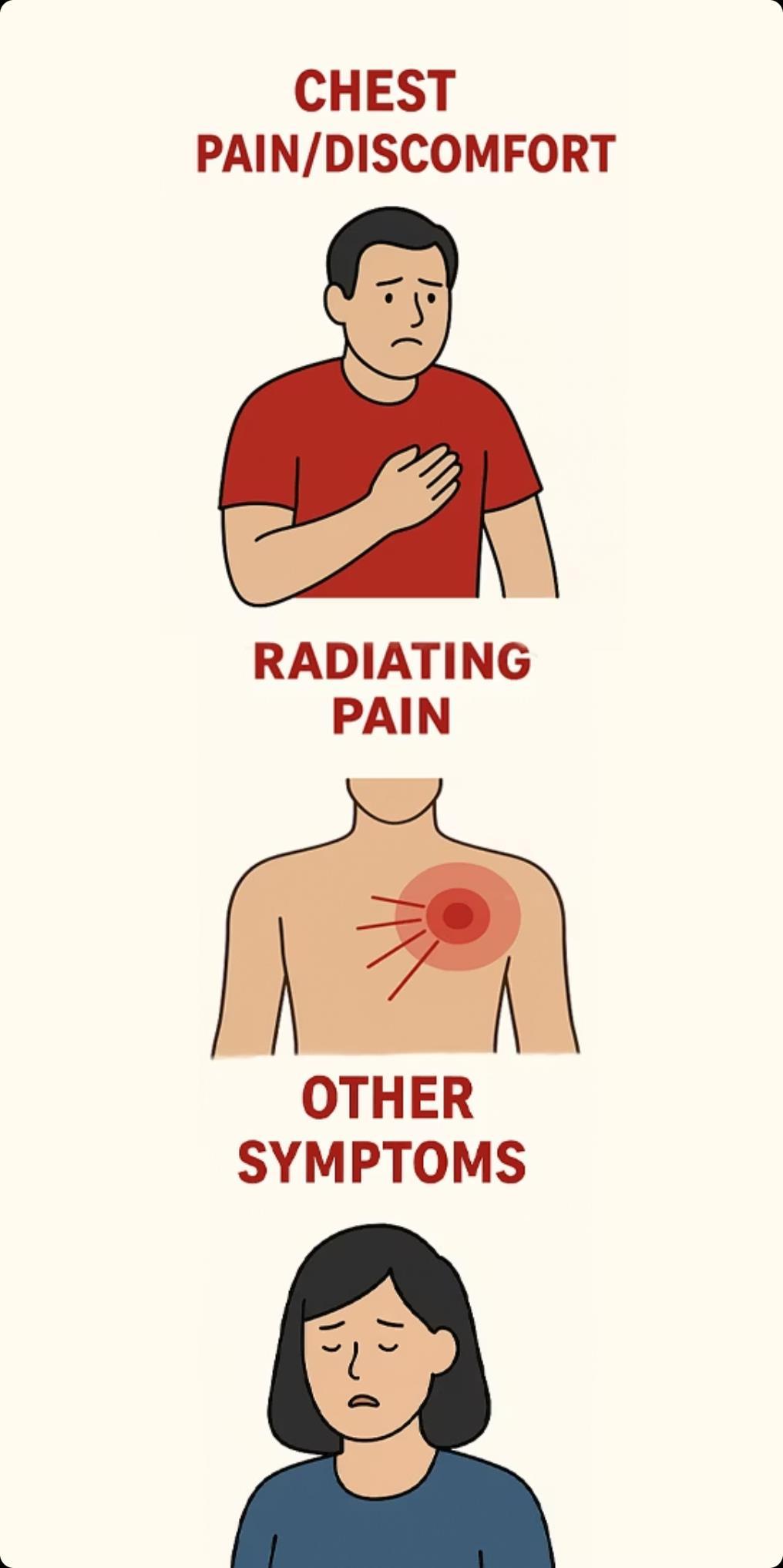
Recognizing the warning signs of a heart attack is paramount. While some symptoms are common, others can differ between men and women. Early recognition can be lifesaving.

Chest Pain/Discomfort
Pressure, tightness, or a squeezing sensation in the center of your chest.

Radiating Pain
Discomfort spreading to your shoulder, arm, back, neck, jaw, or stomach.

Other Symptoms
Shortness of breath, sweating, nausea, lightheadedness, or unusual fatigue.
Women may experience more subtle symptoms, such as unusual fatigue, sleep disturbances, or indigestion, often without chest pain.

Risk Factors: Modifiable vs. Non-Modifiable
Understanding your risk factors is the first step towards prevention. While some factors are beyond our control, many can be managed through lifestyle changes.
Modifiable Risk Factors
Non-Modifiable Risk Factors
• High Blood Pressure
• High Cholesterol
• Diabetes
• Smoking & Alcohol Abuse
• Obesity & Physical Inactivity
• Chronic Stress
• Age (Risk increases with age)
• Genetics (Family history of heart disease)
• Ethnicity
Focusing on modifiable risk factors offers the greatest opportunity for heart attack prevention.
Prevention Strategies: Your Daily Checklist
Proactive lifestyle choices are your strongest defense against heart attacks. Incorporate these habits into your daily routine for a healthier heart.
Eat Smart
Embrace a balanced diet rich in fruits, vegetables, and whole grains. Limit processed foods, unhealthy fats, and excessive salt.
Move More
Aim for at least 30 minutes of moderate-intensity exercise most days of the week. Regular physical activity strengthens your heart.
Stress Less
Practice stress-reducing techniques like yoga, meditation, or deep breathing. Chronic stress can negatively impact heart health.
Regular Check-ups
Schedule routine visits with your doctor to monitor blood pressure, cholesterol, and blood sugar levels. Early detection is key.
Emergency Checklist: What to Do During a Suspected Heart Attack
In a suspected heart attack, every second counts. Knowing these steps can significantly improve outcomes and save lives.

Call Emergency Services
Immediately dial 911 (or your local emergency number). Do not drive yourself.
Chew an Aspirin
If not allergic, chew and swallow a regular-strength aspirin (325 mg) to help prevent blood clotting.
Stay Calm & Rest
Lie down or sit in a comfortable position. Avoid any exertion. Loosen tight clothing.
Time is Muscle: The sooner medical help arrives, the more heart muscle can be saved.
Treatment Options: From Traditional to Advanced Interventional Radiology
Advances in medical science have revolutionized heart attack treatment. Beyond traditional approaches, interventional radiology offers minimally invasive solutions with significant benefits.
Procedures
Bypass surgery, clot-busting drugs
Angioplasty, stent placement, embolization
Invasiveness
Open-heart surgery (highly invasive)
Minimally invasive (catheter-based)
Recovery Time
Weeks to months
Scarring Significant
Days to weeks
Minimal or none
Hospitalization
Several days to a week+
Often shorter (1-2 days)
Interventional Radiology (IR) utilizes image-guided techniques to diagnose and treat blockages from within the blood vessels, leading to faster recovery and less discomfort.