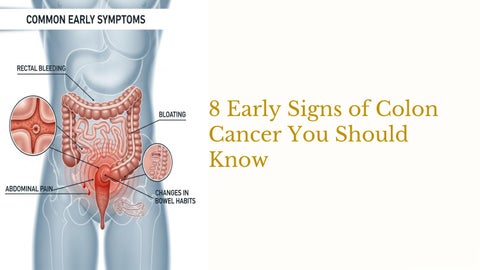
8 Early Signs of Colon Cancer You Should Know


8 Early Signs of Colon Cancer You Should Know
Expert Gastroenterologist & Interventional Radiology Advice

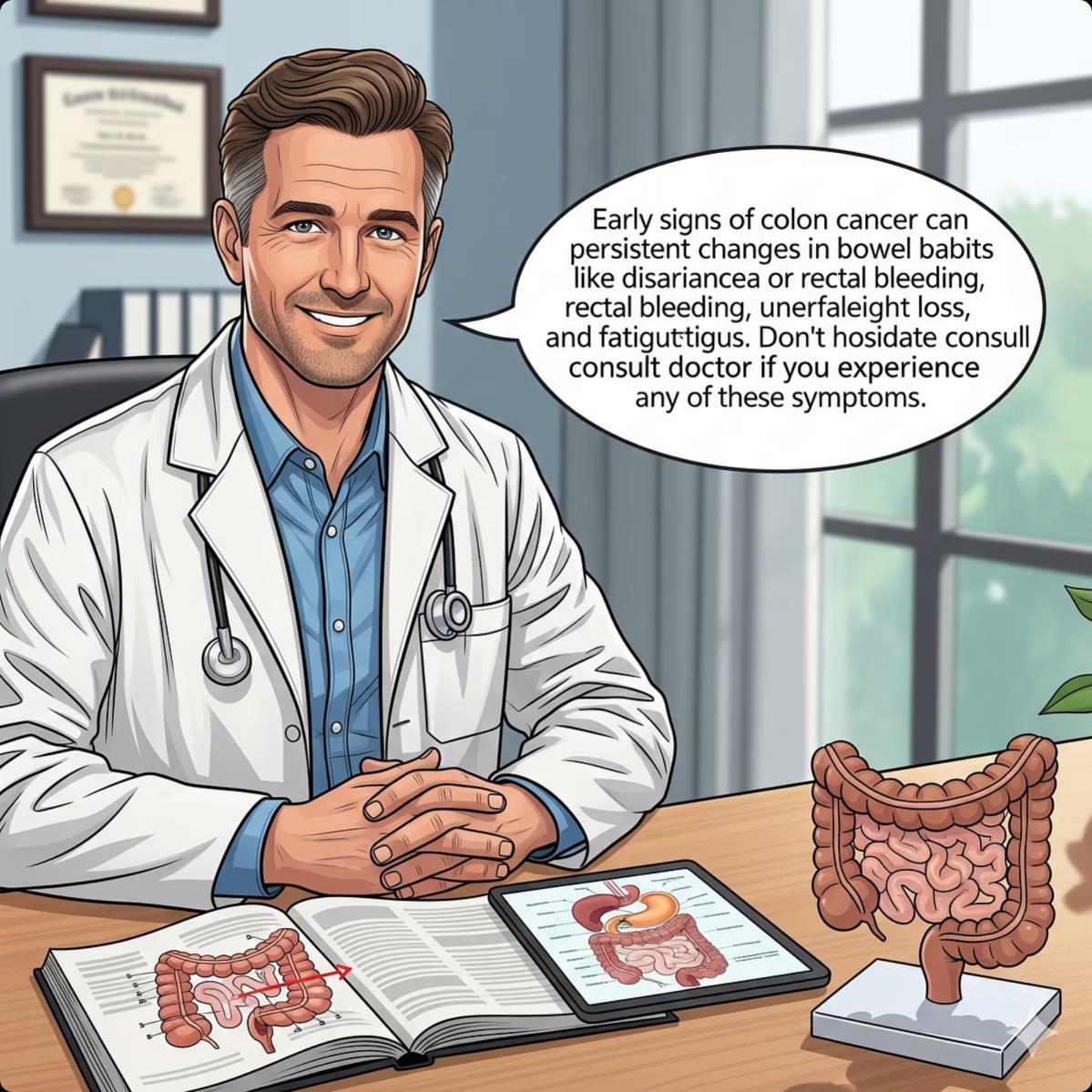
Dr. Vrishit Saraswat
Why Awareness Matters
Colon cancer is the third most common cancer worldwide, yet it’s also one of the most preventable. Recognizing early warning signs and undergoing timely screenings can save lives. This guide breaks down the top symptoms to watch for, along with practical health tips you can start today. Your proactive approach to health can make all the difference in early detection and successful treatment.
The 8 Early Signs of Colon Cancer

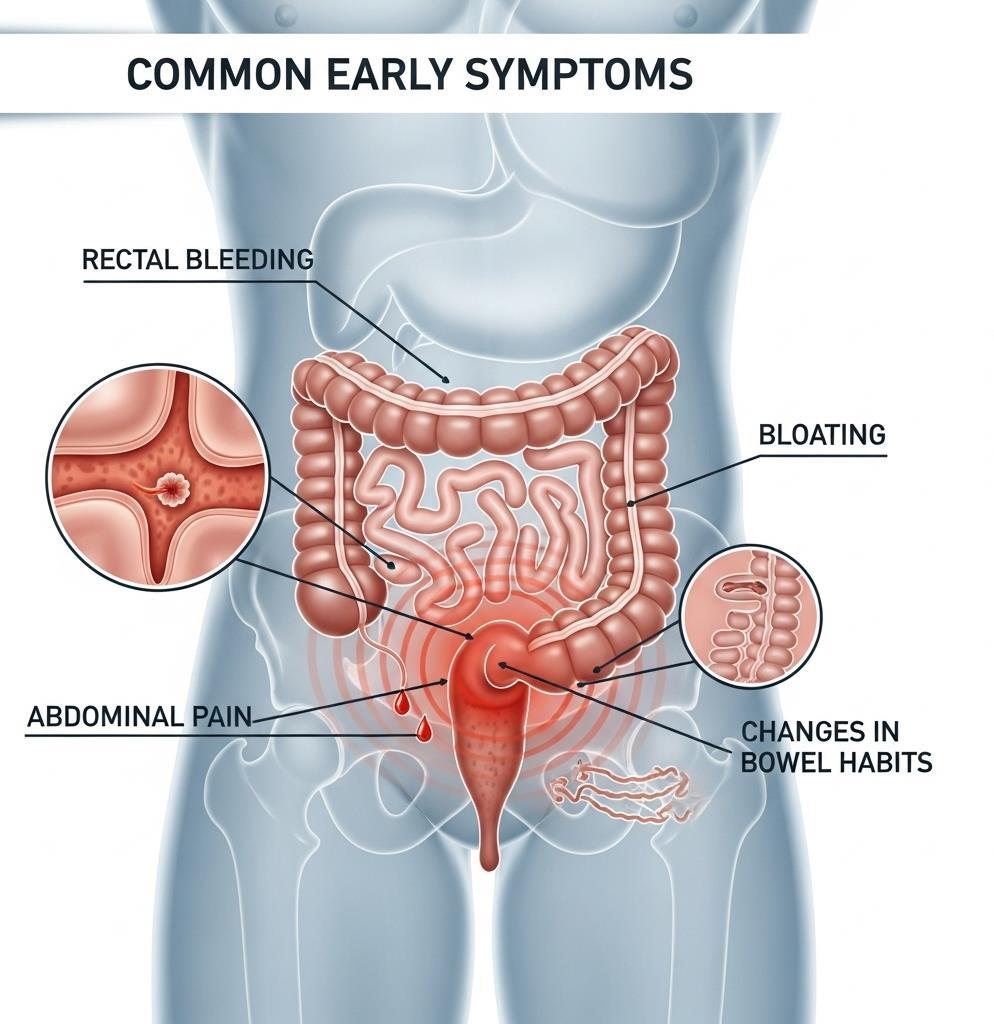
Persistent Changes in Bowel Habits
Diarrhea, constipation, or narrowed stools that last for more than a few days could be a sign. Pay attention to any new and persistent patterns.

Blood in Stool
Bright red or dark, tarry stools, or even blood mixed with stool that’s not obviously visible. This requires immediate medical attention.

Unexplained Weight Loss
A sudden, significant drop in weight without any changes to your diet or exercise routine can be a cause for concern and should be investigated.

Abdominal Discomfort
Persistent cramps, bloating, gas, or pain in the abdomen that does not resolve with time or standard remedies. These symptoms can be subtle but important.

Fatigue & Weakness
Feeling unusually tired or weak, often linked to anemia from internal bleeding that may not be apparent otherwise. Your energy levels could be a key indicator.

Feeling of Incomplete Emptying
The sensation that your bowels don’t fully clear after a bowel movement. This can indicate an obstruction or change in the rectum or lower colon.

Narrow or Ribbon-Like Stools
Consistent changes in stool shape, particularly if they become very thin, may indicate a narrowing of the colon due to a tumor. This is a crucial physical sign.

Rectal Bleeding or Pain
Persistent bleeding from the rectum, even if minor, or new rectal pain should always prompt a visit to your doctor for proper diagnosis.
Colon Cancer Prevention & Early Detection Checklist
Schedule Routine Colonoscopy
Start screening at age 45, or earlier if you have a family history of colon cancer or other risk factors. Regular screening is your best defense.
Maintain a High-Fiber Diet
Incorporate plenty of fruits, vegetables, and whole grains into your daily meals. Fiber promotes digestive health and helps prevent disease.
Exercise Regularly & Maintain a Healthy Weight
Physical activity and a healthy BMI significantly reduce your risk. Aim for at least 30 minutes of moderate exercise most days of the week.
Limit Red & Processed Meats
Reduce your intake of red meat and processed foods like sausages and hot dogs, as they have been linked to an increased risk of colon cancer.
Avoid Smoking & Excess Alcohol
Both smoking and heavy alcohol consumption are major risk factors for various cancers, including colon cancer. Quitting these habits drastically improves your health.
Watch for Persistent Changes
Be vigilant about any ongoing changes in bowel habits, abdominal discomfort, or unexplained fatigue. These subtle signs can be crucial indicators.
Don’t Ignore Blood in Stool
If you notice any blood in your stool, bright red or dark, consult a doctor immediately. It's a critical symptom that should never be overlooked.
Why Choose Minimally Invasive Care?
• Interventional Radiology (IR) offers advanced, image-guided treatments for various conditions, often as an alternative to traditional surgery.
• Experience less pain, faster recovery, and fewer complications compared to open surgery. IR procedures are designed to minimize impact on your body.
• IR plays a vital role in both diagnosis (precise biopsy and imaging) and treatment (managing tumor-related complications like blockages or bleeding).
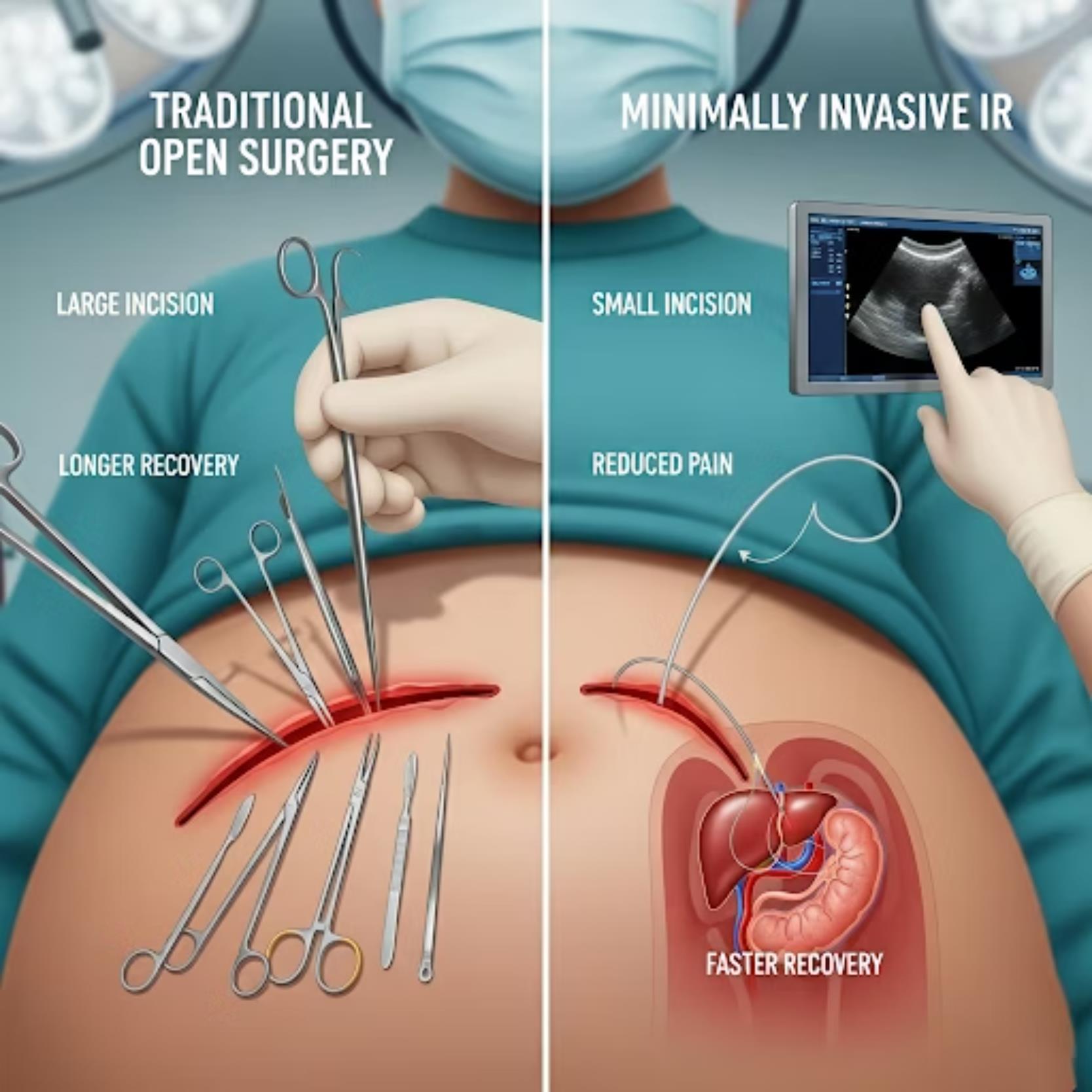
Minimally invasive approaches are transforming cancer care, offering patients effective solutions with significantly less downtime. Dr. Vrishit Saraswat specializes in these cutting-edge techniques.
"Recovery begins with the right guidance. Don’t delay screening—awareness saves lives."

www.drvrishitsaraswat.com Social Links: LinkedIn | Instagram | Facebook