
Disease Can Hijack Communication Between Brain and Fat Tissue
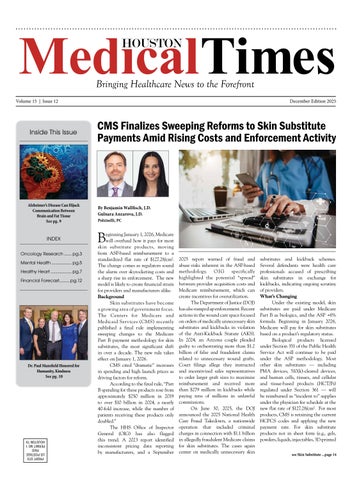
Disease Can Hijack Communication Between Brain and Fat Tissue



By Benjamin Wallfisch, J.D. Gulnara Anzarova, J.D. Polsinelli, PC
BeginningJanuary 1, 2026, Medicare will overhaul how it pays for most skin substitute products, moving from ASP-based reimbursement to a standardized flat rate of $127.28/cm². The change comes as regulators sound the alarm over skyrocketing costs and a sharp rise in enforcement. The new model is likely to create financial strain for providers and manufacturers alike.
Background
Skin substitutes have become a growing area of government focus.
The Centers for Medicare and Medicaid Services (CMS) recently published a final rule implementing sweeping changes to the Medicare Part B payment methodology for skin substitutes, the most significant shift in over a decade. The new rule takes effect on January 1, 2026.
CMS cited “dramatic” increases in spending and high launch prices as driving factors for reform.
According to the final rule, “Part B spending for these products rose from approximately $250 million in 2019 to over $10 billion in 2024, a nearly 40-fold increase, while the number of patients receiving these products only doubled.”
The HHS Office of Inspector General (OIG) has also flagged this trend. A 2023 report identified inconsistent pricing data reporting by manufacturers, and a September

2025 report warned of fraud and abuse risks inherent in the ASP-based methodology. OIG specifically highlighted the potential “spread” between provider acquisition costs and Medicare reimbursement, which can create incentives for overutilization.
The Department of Justice (DOJ) has also ramped up enforcement. Recent actions in the wound care space focused on orders of medically unnecessary skin substitutes and kickbacks in violation of the Anti-Kickback Statute (AKS).
In 2024, an Arizona couple pleaded guilty to orchestrating more than $1.2 billion of false and fraudulent claims related to unnecessary wound grafts. Court filings allege they instructed and incentivized sales representatives to order larger graft sizes to maximize reimbursement and received more than $279 million in kickbacks while paying tens of millions in unlawful commissions.
On June 30, 2025, the DOJ announced the 2025 National Health Care Fraud Takedown, a nationwide operation that included criminal charges in connection with $1.1 billion in allegedly fraudulent Medicare claims for skin substitutes. The cases again center on medically unnecessary skin
substitutes and kickback schemes. Several defendants were health care professionals accused of prescribing skin substitutes in exchange for kickbacks, indicating ongoing scrutiny of providers.
What’s Changing
Under the existing model, skin substitutes are paid under Medicare Part B as biologics, and the ASP +6% formula. Beginning in January 2026, Medicare will pay for skin substitutes based on a product’s regulatory status. Biological products licensed under Section 351 of the Public Health Service Act will continue to be paid under the ASP methodology. Most other skin substitutes — including PMA devices, 510(k)-cleared devices, and human cells, tissues, and cellular and tissue-based products (HCT/Ps) regulated under Section 361 — will be reimbursed as “incident to” supplies under the physician fee schedule at the new flat rate of $127.28/cm². For most products, CMS is retaining the current HCPCS codes and applying the new payment rate. For skin substitute products not in sheet form (e.g., gels, powders, liquids, injectables, 3D-printed









AsBy Susan Escudier , MD, FACP Regional Medical Director, Texas Oncology Gulf Coast
the year comes to a close, cancer patients face unique challenges. Here are five ways to prioritize your wellbeing and find moments of peace this season.
The holiday lights are up. Invitations are arriving. Everyone around you seems to be making plans, decorating, shopping, and celebrating. But you’re facing something much bigger than the holidays – you’re navigating cancer treatment.
How do I keep up with everything? Should I host this year? Can I handle travel? Will I have the energy for family gatherings? As the calendar fills with year-end obligations alongside your
medical appointments, the season meant for joy can feel overwhelming.
Cancer patients often carry an added burden during the holidays: the pressure to maintain normalcy for loved ones, to keep traditions alive, to be present and “festive” even when exhausted. The gap between what you think you should do and what your body can handle creates its own form of stress.
While stress affects everyone, it presents additional challenges for those who are immuno-compromised. This December, give yourself permission to prioritize your health and find peace in whatever this season looks like for you.
Here are five ways to reduce stress and protect your wellbeing as a cancer patient this season. Lean on your community.
You don’t have to carry this burden alone, especially during the holidays. The people who love you want to help – whether that’s bringing a meal, handling your holiday shopping,

or simply sitting with you when the season feels too heavy.
Your cancer care team is also part of your support system. Don’t hesitate to reach out to patient advocates, support groups, or fellow patients who understand what you’re going through. Many find that connecting with others “get it” during this emotionally charged time of year becomes a lifeline. These connections often provide comfort that even well-meaning friends and family can’t quite offer. Redefine what the season means to you.
This year doesn’t have to look like last year. Give yourself permission to simplify, scale back, or skip traditions that no longer serve you. Maybe that means ordering takeout instead of cooking a big meal. Maybe it means video calling into family gatherings instead of traveling. Maybe it means celebrating quietly at home instead of attending every party.
Focus on what truly matters to you and let go of the rest. Your new version of the holidays might be see Oncology. ...page 14


New Virtual Care Model Enhances Patient Safety, Speeds Discharges and Strengthens Bedside Teams
By Sara Parker
St. Luke’s Health-Sugar Land Hospital announced the successful launch and expansion of Virtually Integrated Care (VIC), CommonSpirit Health’s patented virtual nursing model, now live on the hospital’s Medical Surgical unit with expansion in progress. VIC pairs experienced virtual registered nurses with bedside nurses and patient care assistants via in room Virtual Care Delivery Platforms (VCDPs) to improve patient monitoring, streamline workflows and enhance family communication.
“VIC is more than technology — it’s a new way to deliver compassionate, coordinated care,” said Lyzanne Mason, MSN, RN, CCRN-CSC, Nursing Manager on the 5th Floor Medical Surgical unit. “The VIC nurses are
unburdening our staff so the bedside care team can spend their time where it matters most.”
Program impact & accomplishments
Since launching on October 13, 2025, VIC at St. Luke’s-Sugar Land has demonstrated measurable benefits across staffing, patient safety and patient experience:
Optimizing nursing workflows: Virtual RNs are available 24/7 to perform purposeful rounding, assist with charting and care planning, prepare and deliver discharge education, arrange follow up appointments and handle routine monitoring. This division of labor reduces administrative burden on bedside nurses, allowing them to focus on hands on clinical care and complex patient needs.
Enhancing safety and patient centered care: VCDPs provide
Advancing the practice of good medicine.

immediate access to virtual nursing support and continuous observation when needed. Virtual nurses proactively monitor safety factors and reinforce safety practices with bedside staff. In one example, continuous virtual monitoring after a rapid response gave a family the confidence to rest overnight, knowing an “extra layer of safety” remained in place. Improving equity and communication: VIC has helped close communication gaps for patients with special needs. In one case, virtual nursing enabled video ASL
interpretation and careful walkthrough of a three month medication plan for a deaf patient and spouse, ensuring full comprehension of a complex discharge. Supporting retention and resilience: By reducing paperwork and non clinical burdens, VIC empowers bedside nurses to practice at the top of their licenses, contributing to professional engagement and retention. Recognition
The VIC model is part of an

However you practice in today’s ever-changing healthcare environment, we’ll be there for you with expert guidance, resources, and coverage. It’s not lip service. It’s in our DNA to continually evolve and support the practice of good medicine in every way. That’s malpractice insurance without the mal. Join us at thedoctors.com Scan here for a rapid premium indication, and discover the unrivaled rewards of The Doctors Company.
receiving cell.
By Danielle Michaud
Texas A&M Health Scientists Uncover a New Target for Chronic Pain Relief By Focusing on the Body’s Cellular ‘Recycling’
Chronic pain is a daily reality for millions of Americans, interfering with their everyday activities and quality of life. An estimated 24.3% of adults in the United States experienced chronic pain in 2023, and current treatment options are not always effective. But new research from the Texas A&M University Health Science Center (Texas A&M Health) suggests the brain’s own housekeeping system could hold the key to lasting relief.
Scientists in the laboratory of Shashank M. Dravid, PhD, in the Department of Psychiatry and Behavioral Sciences at the Texas A&M University Naresh K. Vashisht College of Medicine are working to understand the link between chronic pain and autophagy, the cell’s cleanup crew. The role of the central amygdala in
Dravid’s research group focuses on understanding the communication pathways between distinct neurons within the central amygdala, a key region of the brain involved in processing emotional and sensory information. This area plays a pivotal role in modulating pain perception and affective responses. Deciphering how neurons within this network communicate offers critical insights into the mechanisms underlying chronic pain.
Neurons communicate by sending electrical and chemical signals across tiny gaps known as synapses. At these synapses, the signals are received by specialized receptor proteins on the neighboring neuron. These receptors act like molecular “gateways,” converting chemical messages back into electrical or biochemical signals within the
The brain’s ability to change and adapt, known as plasticity, depends in part on how these receptors are added to or removed from the cell’s surface. Previous research in the Dravid lab demonstrated the role of glutamate receptor delta-1 (GluD1) in chronic pain, and Dravid’s team has been expanding upon these findings.
The GluD1 protein, along with two other proteins called cerebellin-1 (Cbln1) and neurexin-1 (Nrxn1), connect to form a “bridge” across the synapse, allowing neurons to communicate. This most recent study from the Dravid group shows that the breakdown of this bridge results in the loss of autophagic flux.
“As we continue to explore the connection between autophagy in chronic pain, we learn more about the role of GluD1 as a regulating force,” said Kishore Kumar S. Narasimhan, a postdoctoral research associate in the Dravid lab and the lead author in this study.
While the GluD1-Cbln1-Nrxn1 transsynaptic bridge was reduced in the central amygdala, the researchers saw a rise in two subtypes of the AMPA receptors (short for -amino-3-hydroxy5-methyl-4-isoxazolepropionic acid) and

in the strength of their signals. These receptors act like the volume control for pain: When their activity increases, pain gets louder; when it decreases, the pain quiets down.
“There are two main types of synaptic plasticity: long-term potentiation (LTP) and long-term depression (LTD),” said Poojashree Chettiar, a PhD candidate in Dravid’s Lab and the second author who contributed the electrophysiological findings for this study. “In pain conditions, the balance shifts toward potentiation, leading to increased neuronal excitability. In contrast, long-term depression acts as a natural inhibitory mechanism that helps dampen pain signaling. Increased AMPA signal weakens the LTD, which see Mental Health. ...page 13




By Monique Sennet
Insituations where evacuation isn’t an option and every second counts, a new student-designed surgical innovation could change how emergency medicine is delivered in the field.
A team of medical engineering students from the Texas A&M University School of Engineering Medicine (EnMed) has developed the WildOR Kit, a lightweight surgical system designed to perform life-saving procedures in extreme or resource-limited environments.
The compact kit, roughly the size of a backpack, allows medical teams to operate when traditional medical evacuation or operating rooms
during procedures, giving providers enhanced precision and control—even when working alone.
“There’s a concept in trauma medicine known as the ‘golden hour,’” said Benner. “If patients receive surgical care within the first hour after major trauma, their chances of survival increase dramatically. The WildOR Kit extends that golden hour—buying critical time until a patient reaches a higher-resource setting.”
Built with affordability and portability in mind, the WildOR Kit costs a fraction of traditional field systems and can be deployed quickly without the need for a scrub team or large sterile workspace. The ART

aren’t available. It supports a range of procedures—including chest tube insertions, wound repair, damage control surgery and even limb amputations— while reducing the need for extensive equipment or personnel.
“The WildOR Kit brings the operating room anywhere,” said Dr. Neil K. Reid, an EnMed graduate who originated the project. “The modular system allows providers to deliver critical surgical care even in the harshest conditions—combat zones, disaster relief operations, or remote areas.”
One of the kit’s latest innovations is the Adjustable Retracting and Tool-holding (ART) system, collaboratively developed by EnMed students Carson Benner, Avinav Saini, Kerry Anderson, and Quinn Smith. The ART system stabilizes instruments
system, which attaches securely to the surgical pack, can be positioned and locked in place in under 30 seconds.
“This project has opened our eyes to what’s possible when you merge medical training with engineering innovation,” said Saini. “We designed this system to meet the needs of care providers who don’t have the luxury of time or resources—whether that’s in a disaster zone or rural setting.”
The WildOR Kit and ART system are currently being tested in both simulation and operational settings. Early results and feedback from medical professionals have been overwhelmingly positive. The team plans to continue refining the design for expanded use in humanitarian, military, and clinical environments.
By Dion Bart, American Heart Association
Cardiovascular disease (CVD) is the leading cause of death among women¹ in Houston and across the United States. To change that, the American Heart Association — a relentless force changing the future of health for everyone everywhere— is urging women to make their heart health a priority. Leading that charge locally is Jeanna Bamburg, chief executive officer of The Woman’s

Hospital of Texas, an affiliate of HCA Houston Healthcare, who will serve as chairperson for Houston’s 2025–26 Go Red for Women® movement. In this role, Bamburg will champion efforts to empower women to take control of their heart health and address disparities in research, education, and access to care. Go Red for Women is dedicated to helping women lead healthier lives.
“As women, our days are full and life rarely slows down – but our health cannot wait,” said Bamburg. “Go Red for Women is more than campaign; it’s a movement that reminds us that Red Means Go – go prioritize your heart, go advocate for yourself, and go support the women you love. Heart Disease has deeply impacted my life. It’s the reason I became a young widow, the reason my children lost their father far too soon, and the reason my beloved
grandmother passed away in her 50s. Two extraordinary lives, gone too early. I’m heading Go Red for Women to honor their memories, to raise awareness, and to help ensure more women recognize the signs, seek care early, and have the opportunity to live longer, healthier lives.”
Despite the ongoing threat of CVD, fewer than half of women are aware of their risk². Women also remain more likely to be underdiagnosed and undertreated. From lower rates of bystander CPR to significant gaps in care, women deserve better. Go Red for Women is dedicated to closing these gaps, creating equitable access to lifesaving resources, and building a community of support. Through education and awareness, the movement equips women with the tools to understand and reduce their risk for heart disease and stroke.

passion are inspiring a powerful ripple effect across Houston — empowering more women to protect their heart health and support one another in the process.”
“One thing women can always
Celebrate Go Red for Women’s local achievements on May 1, 2026, at the Houston Go Red for Women


By Staff
Crystal has long been synonymous with exceptional cruising and meaningful connections. Today, the award-winning brand takes that commitment further with the announcement of a fundraising initiative for the James P. Allison Institute at The University of Texas MD Anderson Cancer Center. Together, Crystal and MD Anderson will unite the worlds of luxury travel and pioneering science in a collaboration designed to inspire, educate and advance the global mission to end cancer.
MD Anderson is one of the world’s most respected institutions devoted exclusively to cancer patient care, research, education and prevention. The Allison Institute is a visionary research
and innovation hub at MD Anderson that builds upon the foundational discoveries of Nobel Laureate James P. Allison, Ph.D., to drive groundbreaking science that will bring the benefits of immunotherapy to all patients.
The collaboration will come to life through several touchpoints designed to engage guests and support MD Anderson’s mission: Philanthropy at Sea: Sail and Make a Difference
Crystal will contribute a portion of every guest booking to support cancer research at the Allison Institute. This initiative is expected to raise substantial funds in the next 15 months to accelerate progress in both patient care and scientific discovery.
Guest Opportunities
Crystal guests will also be invited

to join the cause creating a powerful, community-driven effort to support MD Anderson’s lifesaving mission to end cancer. To make a direct donation, guests may visit MDAnderson.org/ CrystalCruises.
Giving Tuesday
For bookings made on select sailings on Giving Tuesday, Dec. 2, Crystal will be donating an additional $250 per person per booking to MD Anderson.
Additionally, the brand will be hosting a special online auction featuring Dance, an evocative bronze statue by acclaimed Japanese sculptor Satoru Kitago, to raise money for various charitable initiatives. The piece, which has graced Crystal Symphony for years, will be removed during the ship’s upcoming dry dock. A
portion of the auction proceeds will be donated to MD Anderson, offering art collectors and Crystal guests alike the opportunity to acquire a remarkable work while contributing directly to the mission to end cancer.
“Philanthropy and giving back has always been woven into my family’s values and into Crystal’s legacy. This collaboration with the Allison Institute at MD Anderson gives us the opportunity to turn our passion for travel into tangible support to end cancer. It is very meaningful to me to see our guests, crew and shoreside employees come together to make a difference in the lives of others.” –Manfredi Lefebvre d’Ovidio, Co-Chairman of A&K Travel Group.
“Cancer is something that


A premier, four-story medical office building located in the heart of Upper Kirby, offering an array of movein ready suites with free initial test fits.

Houston Methodist Research Highlights Potential Link Between Neurodegeneration and Cardiovascular and Metabolic Disorders
By Staff
Arecent study from Houston Methodist sheds light on how Alzheimer’s disease may contribute to larger health issues by hijacking the body’s ability to regulate its metabolism. Researchers have discovered that along with the negative effects an Alzheimer’s diagnosis brings, the disease can also sabotage messages between nerves and blood vessels in fat tissue, which can worsen heart and metabolic conditions such as stroke, heart disease and diabetes.
research professor of computational biology and mathematics in radiology.
Utilizing three-dimensional imaging and focusing on body fat in mouse models, the study’s high-resolution images provide a groundbreaking visual perspective revealing how the disease changes the structure of nerve and blood vessel bundles. These include the sympathetic nerves and blood vessels which play a critical role in regulating fat metabolism through hormonal and neural signaling.
“By disrupting the connection between the nervous system and fat

These insights open new avenues for research into how treating or preventing autonomic dysfunction might improve overall health outcomes for people with Alzheimer’s —Stephen Wong, Ph.D., the John S. Dunn Presidential Distinguished Chair in Biomedical Engineering
The first-of-its-kind research, “Alzheimer’s disease disrupts intra-adipose neurovascular contact,” appears in the Journal of Lipid Research and highlights a previously underexplored aspect of Alzheimer’s: its potential to cause dysfunction of the autonomic (involuntary) nervous system extending beyond the brain. Led by Stephen Wong, Ph.D., the John S. Dunn Presidential Distinguished Chair in Biomedical Engineering, the study was conducted by his team at Houston Methodist, including key contributors Li Yang, Ph.D., a research associate, and Jianting Sheng, Ph.D., an assistant

tissue, the disease may impair the body’s ability to manage energy,” Li said.
This disturbance could help explain why individuals with Alzheimer’s often experience issues such as stroke, heart disease, diabetes, high blood pressure and other health troubles alongside cognitive decline.
“These insights open new avenues for research into how treating or preventing autonomic dysfunction might improve overall health outcomes for people with Alzheimer’s,” said Wong and Sheng.

Houston-West Oaks/ Energy Corridor

Located on Highway 6 South & near Westheimer Road
Prime location near major hospitals and clinics, Kroger, Walmart, Best Buy and Home Depot.
Walking distance to city bus stop, Starbucks, Olive Garden, Red Lobster, Crab Shack, McDonalds, Popeyes, Burger King, Subway, Tim Horten, etc.
Ideal for traveling nurses, and healthcare professionals.

All-inclusive cozy fully furnished studio comes with bathroom and kitchenette.
Kitchenette includes electric stove, large microwave, and a large refrigerator with freezer.
Room comes with two bedside tables with lamps, dining table with two chairs, and closet space with drawers.
GATED WITH AMPLE FREE PARKING
By Staff
PaulF. Mansfield, M.D., world-renowned surgical oncologist at The University of Texas MD Anderson Cancer Center, was lauded by family, friends and colleagues who came together October 14 to celebrate him with the 27th Annual Community Spirit Award. The dinner raised more than $230,000 for Houston Hospice.
Throughout his career in medicine, Mansfield said he has learned to “listen more closely and understand more clearly” when he interacts with his
•

15% Off Dinner with this Ad.
honorary event chair and mentee of Mansfield. “We are so grateful to him for everything.”
The evening’s festivities were chaired by Michelle and Brian Dean, with honorary chairs Jennifer and Todd Litton. Mansfield was honored by more than 200 guests at the River Oaks Country Club in support of community-based nonprofit, Houston Hospice, which has provided quality, end-of-life care to generations of families in Southeast Texas for almost 50 years.
New to the event this year was the

patients and others.
As he wove stories of some of his most memorable patients into his acceptance speech, Mansfield said laughter is the one word that comes to mind when he thinks of hospice. “Because humor is a big part of what makes us human.”
The video tribute honoring Mansfield told the tale of a beloved husband, father, doctor, friend and a “giver.” He gives of his time, friendship, expertise and kindness. He also always has a handkerchief – from his left pocket – to give to a patient facing a tough reality with his hallmark words “this one’s for you.” Unbeknownst to Mansfield, attendees “saluted” him by waving their own handkerchiefs embroidered with his special verse.
“Though every aspect of his work, Paul cares so deeply,” said Jennifer Litton, M.D., M.H.C.M.,
addition of a “High School Captains” table. A group of students from local area high schools were recruited to raise funds in support of the event. This effort was aimed at increasing awareness about hospice care and its importance in the next generation of leaders and philanthropists.
“I’ve had the privilege of walking alongside Dr. Mansfield,” said Michelle Dean, event chair and former physician assistant to Mansfield. “It’s no wonder with the compassionate care he provides to his patients that he chooses to devote his time to an organization based in compassion and we congratulate him tonight.”
Mansfield was presented with an engraved Baccarat vase followed by a standing ovation. Guests were greeted at the event with fall floral arrangements generously donated by H-E-B.


With an incredible selection of home designs from the area’s premier builders, plus special year-end pricing & incentives, now is the perfect time to make your move to ARTAVIA®. This master-planned community is ARTfully designed to bring people and nature together. Visit one of our 17 model homes to begin your move today!
Dear
No
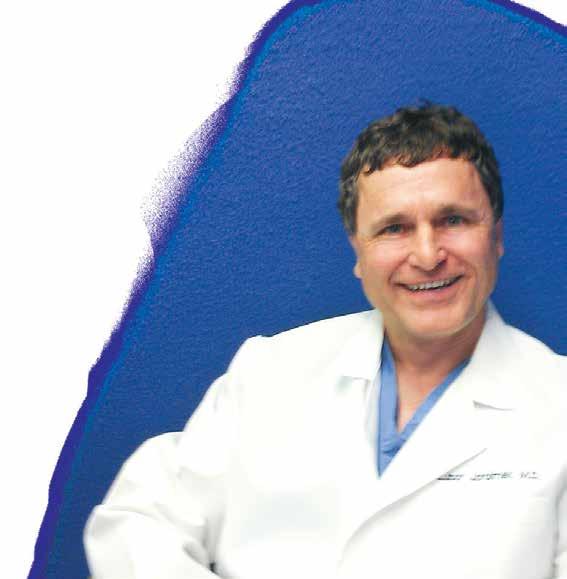
Lubor Jarolimek M.D.





By Grace S. Yung, CFP Midtown Financial Group, LLC
Why This “New” Idea Isn’t Newand What It May Mean
As home prices continue to rise nationwide, discussions around affordability have brought renewed attention to the concept of a 50-year mortgage. While it may sound unconventional, this structure has appeared multiple times throughout U.S. history - usually during periods when housing costs outpace income growth. Understanding its background, potential benefits, and risks may help individuals evaluate whether such a loan could fit into their long-term financial planning if it becomes more widely available.
A Brief History: Longer Mortgages Have Been Tried Before
slow equity growth became a concern during declining home values.
International Variations
Markets in Japan and the U.K. have tested 50-year and even 100-year mortgages, often in dense, high-cost regions. These examples illustrate how ultra-long mortgage terms typically emerge when affordability constraints become significant.
Potential Advantages of a 50-Year Mortgage
Spreading repayment over 50 years lowers the monthly payment amount. This may make homeownership feel more accessible for some buyers, especially in high-cost regions or for households managing tight budgets.
Increased Accessibility
Longer terms may help certain buyers qualify under traditional debt-to-income guidelines or maintain more flexibility for other financial priorities.
Some younger households may view a 50-year mortgage as a short-term

Before the 30-year mortgage became standard in the 1930s, lenders offered a wide range of terms, including 40- and 50-year loans. These early versions were not common, but they show that lenders have long explored longer repayment horizons to address affordability challenges.
Post-WWII Housing Boom
In the 1950s, some institutions floated extended mortgages to accommodate returning veterans and surging suburban development. Eventually, government-backed programs solidified the 30-year mortgage as the industry norm.
California’s Mid-2000s Experiment
During the rapid home-price growth of the early 2000s, several California lenders introduced 40- and 50-year mortgages to help buyers qualify for higher-priced homes. These products faded after the 2008 financial crisis, when
strategy, anticipating refinancing or moving well before the loan matures.
Potential Drawbacks of a 50-Year Mortgage
The most significant downside is long-term cost. Even modestly reduced monthly payments can result in substantially higher interest over five decades.
Because payments are stretched over a longer period, principal is paid down slowly. This can limit mobility, reduce options if housing prices soften, and delay the ability to tap home equity.
Interest-Rate Exposure
If structured as an adjustable-rate mortgage, a 50-year term increases the likelihood of experiencing multiple rate changes. Each adjustment has the potential to raise monthly payments.
Continued from page 5
Narasimhan and Chettiar said. A novel peptide approach.
breakdown in the cell’s cleanup process. What’s next.
Cleaning up the signal.
The scientists wanted to understand why AMPA receptors became more abundant and active during pain. They discovered that in pain models, autophagy decreased in the central amygdala, specifically in neurons that preferentially express GluD1.
Autophagy clears out old, damaged or redundant cell parts and recycles the materials to build new cellular components. Dravid’s team found that when GluD1-Cbln1 transsynaptic signaling was disrupted, this cleanup process slowed, and pain increased as a result.
With less cleanup happening, fewer AMPA receptors were cleared away, leading to a buildup of these receptors on the surface of the cells. This, in turn, made pain signals louder.
“We identified that GluD1 regulates autophagy, but we didn’t know the mechanism. In this paper, we identified that GluD1 directly associates with autophagic mediators such as Beclin-1 and LAMP1, and that’s how
The team has developed a novel peptide therapy designed to restore cell signaling, reactivate autophagy and ultimately reduce chronic pain.
Building on their discovery that GluD1 interacts with proteins that coordinate the cell’s autophagic cleanup, the Dravid lab realized that mimicking the GluD1 protein might jumpstart the cell’s natural cleanup process, potentially leading to reduced pain. Prior research implicated a portion of the GluD1 protein’s c-terminus as a target for regulating AMPA receptor plasticity.
“We have developed a small peptide based on the c-terminal of GluD1, which we are proposing as a drug modulator for chronic pain,” Narasimhan said.
This specially designed peptide, called Tat-HRSPN, mimics the GluD1 protein c-terminal region. When tested in an animal model of pain, Tat-HRSPN reduced pain within 48 hours and remained effective throughout the seven-day test period. Furthermore, the treatment increased autophagy and decreased AMPA receptors and their activity. By treating with this novel peptide, the Dravid research group
The Dravid group plans to build on these early results by studying how long the treatment remains effective and how it can be translated into clinical applications. Their long-term goal is to develop a targeted, non-opioid therapy that could transform pain management.
Continued from page12 helps reduce pain.”
“Current treatments for chronic pain often rely on opioids, which carry the risk of addiction and limited long-term efficacy,” Dravid said. “Our findings open the door to a new class of precision therapies that act directly on neural circuits involved in pain processing. If successful, this approach could fundamentally change how we manage chronic pain and significantly improve the quality of life for millions of patients.”
This discovery marks a pivotal step toward reimagining chronic pain therapy, shifting the focus from symptom suppression to restoring the brain’s natural repair pathways. By uncovering how synaptic communication and cellular recycling intertwine in the amygdala, the team has provided a blueprint for precision, non-opioid interventions that harness the brain’s own resilience. It’s a vision where pain


Some economists argue that extending mortgage terms does not fix affordability. Instead, it may simply allow buyers to borrow more, which can contribute to rising home prices in competitive markets.
A loan that continues well into retirement years may conflict with long-term financial goals for households seeking to reduce expenses later in life.
The 50-year mortgage is not a new concept - it is an idea that tends to resurface when affordability becomes strained. While a lower monthly payment can be attractive, the long-term cost and slower equity growth deserve careful evaluation.
If you’re considering a home purchase or want clarity on how different mortgage options may affect your long-term goals, working with a CFP professional can help you understand how these decisions fit




Continued from page 1
constructs, etc.), CMS is retaining the current coding and directing MACs to determine appropriate payment.
Implications for Stakeholders
The shift to a flat-rate payment model carries broad implications for physicians, clinics and manufacturers.
Continued from page 3
quieter, simpler, or completely different – and that’s not just okay, it’s exactly what you need right now. The freedom that comes from releasing unnecessary obligations is a gift unto itself. Trust your care team, not the internet.
During the holidays, when you have more downtime or when anxiety keeps you up at night, it’s tempting to search online for answers. But diving into internet rabbit holes often leads to more fear and confusion, especially when you’re already feeling vulnerable.
Your cancer care team knows your specific situation and can provide guidance rooted in your individual needs – not generic algorithms or worst-case scenarios. Save your questions for them. They’ll give you honest, science-based answers balanced with compassion and experience.
Continued from page 4
award winning initiative recognized by the 2025 ATA Nexus Transformational Leadership Award for advancing virtual care and reimagining care delivery. St. Luke’s Sugar Land is a key site within CommonSpirit demonstrating the
Providers, particularly those using higher-priced or complex products, may find that the new rate does not fully cover acquisition, application or overhead costs. Many will need to adjust ordering and inventory practices to avoid losses from expired or unused products. Smaller or rural clinics may face challenges maintaining access to advanced wound care treatments.
On the manufacturing side, the
Find small moments of stillness.
The holidays can feel loud and demanding, but healing happens in quiet moments too. Even five minutes of intentional breathing, gentle stretching, or simply observing the winter light through your window can help release tension.
You don’t need a perfect meditation practice or an hour-long walk. Sometimes the most profound peace comes from pausing to notice: the warmth of your coffee, the softness of a blanket, the way snow falls, or the simple rhythm of your own breath. These micro-moments of mindfulness accumulate, creating pockets of calm in an otherwise chaotic season. Honor where you are right now.
Some patients worry about being a “downer” during the holidays. Others feel guilty when they receive good news while thinking of those still fighting. The end of the year often brings up complex emotions – grief for what you’ve lost, fear about what’s ahead,
local impact of the model. VIC is also in use at Baylor St. Luke’s Medical Center.
Voices from the unit
“VIC gives time back to our nurses so they can focus on patient care,” Mason said. A VIC nurse who transitioned from nearly a decade of bedside care added, “VIC allows bedside nurses more time to spend with
new model will require companies to revisit pricing strategies in light of the new payment methodology. At the same time, continued regulatory scrutiny raises the stakes for everyone in the supply chain. With CMS, OIG and DOJ both focused on this space, manufacturers, distributors and health care providers are all potentially targets of enforcement.
unexpected sadness even when things are going well, or difficulty accepting your current reality.
Whatever you’re feeling this December, it’s valid. You don’t need to force gratitude, positivity, or holiday cheer. You’re allowed to feel however you feel. Tools like Acceptance and Commitment Therapy (ACT) can help you navigate these emotions without judgment, allowing you to acknowledge your experience while still finding moments of peace.
This season, the greatest gift you can give yourself is compassion. Your only job right now is to take care of yourself, one day at a time. Peace doesn’t mean everything is perfect –it means giving yourself grace exactly where you are.

the patients, and a second set of eyes. The collaboration and teamwork are really rewarding.”
Expansion and next steps
Following positive outcomes and staff feedback from the initial rollout on the 5th floor, VIC is actively expanding to the 4th floor and additional locations across Texas.
Continued from page 8
touches all of us in one way or another, so this collaboration holds deep meaning for me both personally and professionally,” said Cristina Levis, CEO of A&K Travel Group. “Through the funds raised, our goal is to help
provide the Allison Institute at MD Anderson with additional resources, tools and technology needed to further their groundbreaking research and, ultimately, bring us closer to a cure.”
“We are driven to conduct exceptional science that brings a deeper understanding of immunology that will enable us to bring cures to many more patients,” said James P. Allison,
Ph.D., director of the Allison Institute. “We are grateful for the support from Crystal, and we look forward to working together through this campaign to fuel more breakthroughs.”
Houston Medical Times is Published by Texas Healthcare Media Group, Inc. All content in this publication is copyrighted by Houston Medical Times and should not be reproduced in part or at whole without written consent from the Editor. Houston Medical Times reserves the right to edit all submissions and assumes no responsibility for solicited or unsolicited manuscripts. All submissions sent to Houston Medical Times are considered property and are to be distributed for publication and copyright purposes. Houston Medical Times is published every month P.O. Box 57430 Webster, TX 77598-743









•
•
•
•
•
•
•
•
•
•