







PRESIDENT
Jim Stucchi, MCH
Ahronian Landscape and Design, Inc.
Tel: (508) 429-3844
VICE PRESIDENT
Tim Hay, MCH
Bigelow Nurseries, Inc.
Tel: (508) 845-2143
SECRETARY/TREASURER
Peter Mezitt, MCH
Weston Nurseries, Inc.
Tel: (508) 435-3414
PAST PRESIDENT
Tim Lomasney
One Source Horticulture
Tel: (978) 470-1934
DIRECTORS
Chris O’Brien, MCH
Howard Designs, Inc.
Kerry Preston, MCH Wisteria & Rose, Inc.
Steve Charette Farm Family Insurance Family
David Vetelino, MCH Vetelino Landscape, Inc.
Jean Dooley, MCH
Mahoney’s Garden Centers
GOVERNMENT RELATIONS DIRECTOR
Henry Gillet
Tel: (508) 567-6288
EXECUTIVE DIRECTOR
Rena M. Sumner
Tel: (413) 369-4731

EDUCATION & RESEARCH COMMITTEE
Kathy Bergmann, MCH — Chair
Bergmann Construction
Tel: (508) 435-3414
FINANCIAL COMMITTEE (FINCOM)
Steve Corrigan, MCH — Chair
Mountain View Landscapes & Lawncare, Inc.
Tel: (413) 536-7555
Chuck Baker, MCH — Vice Chair
Strictly Pruning
Tel: (508) 429-7189
GOVERNMENT RELATIONS COMMITTEE
Chris O’Brien, MCH — Chair
Howard Designs, Inc.
Tel: (617) 244-7269
HISTORY COMMITTEE
Philip Boucher, MCH — Chair
Elysian Garden Designs
Tel: (508) 695-9630
Skott Rebello, MCH — Vice Chair
Harborside P.S.
Tel: (508) 994-9208
MAGAZINE COMMITTEE
Gaele McCully, MCH MCLP — Chair
Mahoney’s Garden Center
Tel: (781) 729-5900
MEMBERSHIP COMMITTEE
Tim Hay, MCH — Chair
Bigelow Nurseries, Inc.
Tel: (508)845-2143
David Ahronian, MCH — Vice Chair
Ahronian Landscape & Design, Inc.
Tel: (508) 429-3844
Massachusetts Nursery & Landscape Association
P.O. Box 387 Conway, MA 01341
mnlaoffice@aol.com www.mnla.com www.PlantSomethingMA.org www.mnlafoundation.org
MASSACHUSETTS CERTIFIED HORTICULTURIST BOARD (MCH)
Jack Elicone, MCH — Chair
John R. Elicone Consulting
Tel: (617) 527-5706
PRODUCTS COMMITTEE
Mark Ahronian, MCH — Chair
Ahronian Landscaping & Design, Inc.
Tel: (508) 429-3844
Peter Mezitt, MCH — Vice Chair
Weston Nurseries, Inc.
Tel: (508) 435-3414


PRESIDENT
Michelle Harvey, MCH Lakeview Nurseries
Tel: (978) 342-3770
EDUCATION COMMITTEE
Kathy Bergmann, MCH Bergmann Construction
Tel: (508) 435-3414
Tim Hay, MCH
Bigelow Nurseries, Inc.
Tel: (508) 845-2143
The Massachusetts Nursery and Landscape Association, Inc. is proud to be a founding partner of New England Grows.
ProGrowNews is published quarterly by the Massachusetts Nursery & Landscape Association (MNLA), P.O. Box 387, Conway, MA 01341, tel. (413) 369-4731. Articles do not necessarily reflect the view or position of MNLA. Editorial coverage or permission to advertise does not constitute endorsement of the company covered or of an advertiser’s products or services, nor does ProGrowNews make any claims or guarantees as to the accuracy or validity of the advertiser’s offer. (c) 2014 All rights reserved. No part of this publication may be reproduced in print or electronically without the express written permission of the MNLA.
www.mnla.com

By Jim Stucchi
elcome back! Spring is here to stay! Let’s celebrate our seasonal convergence into vernal heliotropism with one word that will help all of us get through the next nine months of preprogrammed mayhem: accountability. Webster tells us that the definition of accountability is the quality or state of being accountable, especially an obligation or willingness to accept responsibility or to account for one’s actions. This is a wide-open topic of discussion, so how do we specifically communicate real accountability to our work teams? Every person in our operation needs to know what that word means, and I personally believe the message and actions must start from the top and continue daily for the process to be successful.
Disclaimer: I love our Boston sports teams, I am proud of how far they have come and the professionalism they impart on their industry and our hometowns. However, I am not a super fan or even a micro fan. I do not spend my free time watching sports (I do believe this is why Jenn married me). I like football. I fully understand it, and I relate to it better than other sports genres. Although I never played anything beyond high school football, I view the approach to our company’s and our association’s operations the same way I did our varsity team way back when – and it’s similar to what our five-time Super Bowl champs do now.
In the professional sports world, free agents move from team to team every season. It’s the same with our industry; we see it every year; it’s part of the challenge of running a seasonal business. It is our most fundamental job as business owners, managers, and employees to hold this element high in our organizations so that we can maintain some semblance of success. In the sense of our beloved Patriots, the players have an incredibly strong sense of commitment. They have an assignment and they execute that assignment – or they get traded. For Belichick, the same goes for even the top players. This system works because the coaches have established credibility. What makes Belichick different from other coaches? He holds his players accountable for not living up to the team’s standards. It’s the applied pressure for success that makes his team perform so well. The operative word from those last sentences is standards. You must have them for this to work.
We are all moving parts in our business’s systems, and we all have our positions to play. Any coaching staff can tell a team to be at their best and to deliver. It takes a specific type of dedication and strength from a management staff to deliver the directive — specifically, by using actions that their team can emulate. There are a select few people in my present and past who are most memorable in this way. They are those who showed me that they could do whatever it took in each situation I shared with them to accomplish the objective of the day — no matter how harried the situation was. They are results driven people. This characteristic is something that can be learned, so it must be taught.
In our industry, we may not have the luxury of an unlimited pool of professionals to choose from, but we can all afford to make some slight changes to our ways to make those superstars shine in our organizations.
During our busy season, we can make the standards known while we are in the thick of it all. Remind your team of those standards daily and let them know what the organization’s goals are; do not stray from them. Praise the positives, thank them, and make sure the team knows when they have missed their mark. They will appreciate the feedback and constructive criticism. Use your key skilled players to help translate the goals to your rookies and make them accountable for their positions. Be steadfast and plan for the offseason when there are more plentiful opportunities to review the highs and lows.
We all have similar crosses to bear whether it’s misunderstanding how to reach the Millennials, the lack of qualified labor, increasing insurance costs, regulations, tier-four engine malfunctions, drought, insects, product deficiencies, or overages. The one thing we can all do this spring that will instantly return a positive change for our businesses, strengthen our bottom lines, and ensure success for the year is to impart a sense of accountability in our people. But it must first start with you.
I wish you all the success you can handle and a little bit more on top of that. s always, please feel free to contact me with any questions or comments. I appreciate the opportunity to serve as your president.
Jim Stucchi, MCH, Ahronian Landscape and Design, Inc. MNLA President

The MCH Board’s Plant ID learning booth at the Green Industry Winter Forum and Career Fair on February 7 was a hands-on demonstration with MCH board members available to talk to attendees about tips for identification of evergreens, deciduous trees and shrubs, bark samples, cones, and seeds. The program proved to be a rousing success and is an activity we will use in future forums. Thank you to all who stopped by the booth and participated in this fun event.

The Board also conducted the latest MCH certification exam. Congratulations to these new MCHs.
Eric Anderson Atlantis Hardscape
Taylor Andrews Wilkinson Ecological Design
Dan Cohen Hartney Greymont
Jill Costello Mahoney’s Garden Center
Valerie Davis Sorbello Landscaping
Ryan Develes Mount Auburn Cemetery
Anthony Erwin Boston College
Jacquelyn Hoyle Roseland Nursery
Jacquelyn Jackson Town of Brookline
Glen Lapham Boston College
Gaele McCully Mahoney’s Garden Center
Caitlin Splawski Allandale Farm
Erin Taylor Downer Brothers Landscaping
Angela Verge AV Garden Design, LLC
Denis Wagner Denis Wagner Fine Gardening
Be sure to visit the MNLA website for additional opportunities to earn MCH credits. Log into the Event Calendar tab, then scan down to see when and if MCH credits are available.
The MCH Board has instituted a mentor program, and all new MCHs have been assigned a board member as a mentor to acclimate them into the community. In the upcoming months, we will be looking for experienced MCHs to assist in this new venture.
Plan to attend the 2017 Summer Conference at Wachusett Mountain on July 19. The first hour will feature the Plant ID Challenge with one MCH credit available. We also look forward to seeing you at the upcoming Plant Geek Day at Heritage Plantation in Sandwich on August 23.
As always, if you have any questions, comments, or suggestions for the MCH committee, please email me at jackelicone@ gmail.com.
Jack Elicone, MCH
John R. Elicone Landscape Consulting Massachusetts Certified Horticulturist (MCH) Board Chair
Recognize the unsung member of your team — the “person” who approaches every day and every job with curiosity, enthusiasm, and a willingness to stay by your side to the end of the day, no matter what.
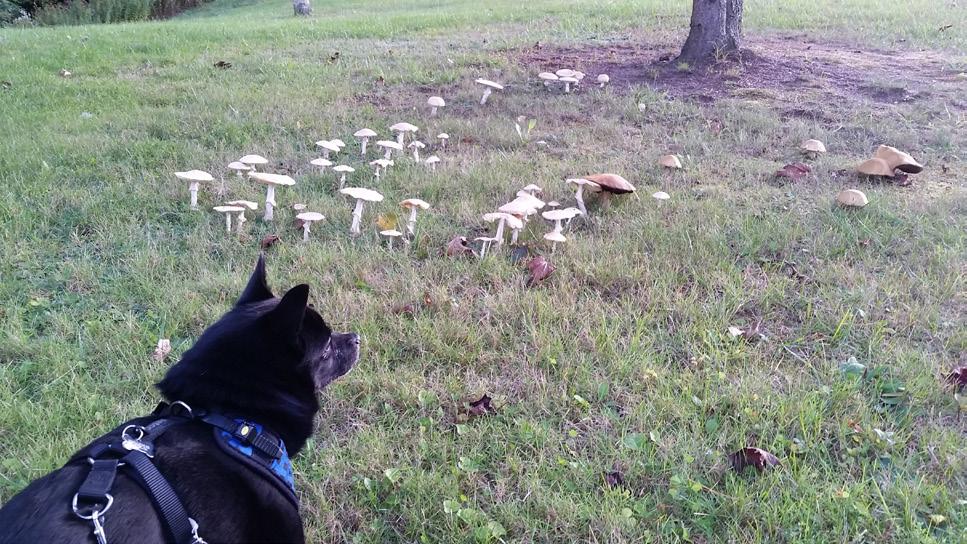
Deej is currently studying to become an MCH. He enjoys walks on nature trails throughout Massachusetts, where he recently discovered a patch of mushrooms plaguing a patch of turf in Palmer. He barked that the soil was likely excessively compacted, moist, acidic, and, at the very least, in need of a UMass soil test. Is he a plant’s best friend? Quite possibly, but most definitely mine.
Geoff Orbegoso, MCH, MCLP Weston Nurseries
Just submit a photo of your favorite canine friend in a work-related activity. All entries will be posted online, and one lucky dog will be featured in each Pro Grow News issue in 2017. The quarterly winner will receive a bag of their favorite treats.
At the end of the year, an esteemed panel of judges will select the MNLA Dog of The Year. Top dog will receive a cookie jar and a donation made in their name to their local animal shelter.
Please submit your photo and a brief introduction to your faithful companion to www.mnla.com.
New England’s most comprehensive horticultural grower and distributor. We cultivate and sustain over 250 acres of annuals, perennials and nursery stock, complemented by a premium selection of soil mixes, stone, and landscape supplies.
Our goal is to supply our customers with the best service, quality, and selection in the industry.
Afewweeks ago, I was representing our wonderful PlantSomething at MassHort’s annual School Garden Conference held at Elm Bank during February school vacation week. The speakers were excellent and the MassHort staff under the watchful eye of John Forti was, as always, perfection.

But what struck me the most were the hundred or so teachers, many of whom came to my table to chat, who understood so well the importance of opening up young minds to the garden and beyond.
Spoiler alert: All three of my children are teachers, and I can’t imagine any vocation that would make me more proud of them.
About ten years ago, before my son Andrew went on to become (ahem!) Dr. Bergmann, he spent a year in Austin, Texas, with Americorps City Year teaching music and math at an inner-city middle school to kids whose lives were often very sad and very difficult.
By the end of the school year, each teacher had to come up with a project that had nothing to do with what they were teaching the kids, thus the phone call:
“Mom, there’s nothing growing in the school courtyard but weeds. I’m sending you the dimensions.”
So here’s the woman from New England trying to figure out what grows in Texas, a million miles and six zones away with soil that wouldn’t know what to say to ours if they ran into each other at a barbeque. Luckily, the Agriculture school at UT puts out a great soft-cover book on Texas Natives, and I’d had a nice chat with a garden center
owner during one of my visits.
I designed, the nice garden center owner gave the school a great deal on the plants, and my son and his students made the front page of the Austin paper as they created the courtyard gardens.
Time passed. Andrew gained a Ph.D., a wife, a couple of kids, and a job teaching music at UT San Antonio. A couple of years ago while visiting, I decided to drive over to Austin, a little over an hour away from San Antonio and one of my favorite cities, to see what had happened to the school gardens. There they were, still thriving and still maintained by students.
Fast forward to MassHort. Here I am learning about City Sprouts and Soldiers of the Soil, discussing ideas for getting school gardens started or repaired, and seeing so many eager teachers — some in their 20s and 30s, some 40 or 50 or 60 — all wanting so much to get their students’ hands in the soil, to see those kids grow and thrive along with what they’ve planted.
And I’m thinking how lucky we in the Green Industry are to be in a position to help get these kids and their gardens up and growing, especially today as we recoil in horror at a world so riddled with hate and anger and greed.
This is our chance to help save the planet, if we want to take it. Remember that it takes a village, but it also takes a garden.
Kathy Bergmann, MCH
Bergmann Construction Education Committee Chair

With FARM FAMILY, you’ll get an agent who has the know-how and products to help you properly manage your family’s risks. An open appointment book, along with options for home, auto, life, farm and business coverage, means you can feel good that you’re getting more an ally than just an agent.
Wherever you are in Massachusetts, there’s a Farm Family agent close to you. Give us a call for more information.







Richard Blair Carver (508) 866-9150
Mark Sylvia Centerville (508) 957-2125
* Photo by Jennifer Gunn
Josh Nadeau Easthampton (413) 203-5180
Jonathan Stewart Framingham (508) 283-1456




Kevin McCarthy Marlborough (508) 485-3800 Associate Agent
Kay Spencer Middleboro (508) 747-8181
Associate Agent
Andrew Brodeur Middleboro (508) 747-8181
Kevin Sullivan Middleboro (508) 998-0512




Francis Bingham Norwood (781) 255-2002
Tim Viles South Deerfield (413) 665-8200
Diane Mason-Arnold Southwick (413) 569-2307



Eric Mason Southwick (413) 569-2307

Marc Cohen Worcester (774) 329-7067
Sean Rooney Wilbraham (413) 887-8817
Maureen O’Mara Williamstown (413) 458-5584
Thomas Carroll Worcester (508) 752-3300
Bob Sinopoli Great Barrington (413) 528-1710

Jason Charette North Andover (978) 208-4713

John Pagliaro West Springfield, MA Granby, CT (860) 653-3300

Steve Charette General Agent North Andover (978) 686-0170
Dominic Sinopoli Great Barrington (413) 207-5044
Martin West Marlborough (508) 485-3800


Richard Simonian Northborough (508) 393-9327
Jeff Pichierri Northborough (508) 393-9327


Dale Johnson Topsfield (978) 887-8304
Don Ludwig Westford (978) 467-1001
By Mandy Bayer
All areas of Massachusetts experienced some level of drought in 2016. Although the timing and severity may have differed, many plant responses were similar. To understand why plants have certain responses to water stress and to predict longer-term impacts of drought, it is important to consider some of the ways plants use water.
Plants use water in four main ways:
• Transpiration. Transpiration is the evaporation of water from plants to the atmosphere. It is the process by which plants are cooled and is dependent on humidity. Lower humidity and higher temperatures increase the rate of transpiration.
• Transport of mineral nutrients. Mineral nutrients from the soil are dissolved in water and transported from the roots through the xylem to the leaves where they are utilized in processes such as photosynthesis.
• Metabolic processes. Water is also needed for photosynthesis, as well as other metabolic reactions. The production of carbohydrates, proteins, plant hormones, and secondary metabolites can all be disrupted by water stress.
• Turgor pressure. Turgor pressure provides structure and is needed for cell elongation. Turgor pressure is needed for non-woody plants to remain upright.
Most horticultural plants have mechanisms that are utilized or developed in order to retain or obtain water during drought. These mechanisms can be plant traits that are present before drought stress occurs such as deep root systems, growing in an ecological niche, or leaf features. Deep root systems allow plants to have access to water over a greater area of the soil profile. Some plants grow in areas where drought is unlikely, or they may be an ecotype that is more tolerant of drought. Leaf features that help with drought include thick, fleshy stems and leaves that can store water; waxy coated leaves that help to reduce transpira-
tion or hairy leaves that help to reduce wind movement around leaves (reducing transpiration); light-colored foliage (silver, gray, blue, white) which reflects light (reducing heating), and narrow leaves (reducing the surface area for heating).
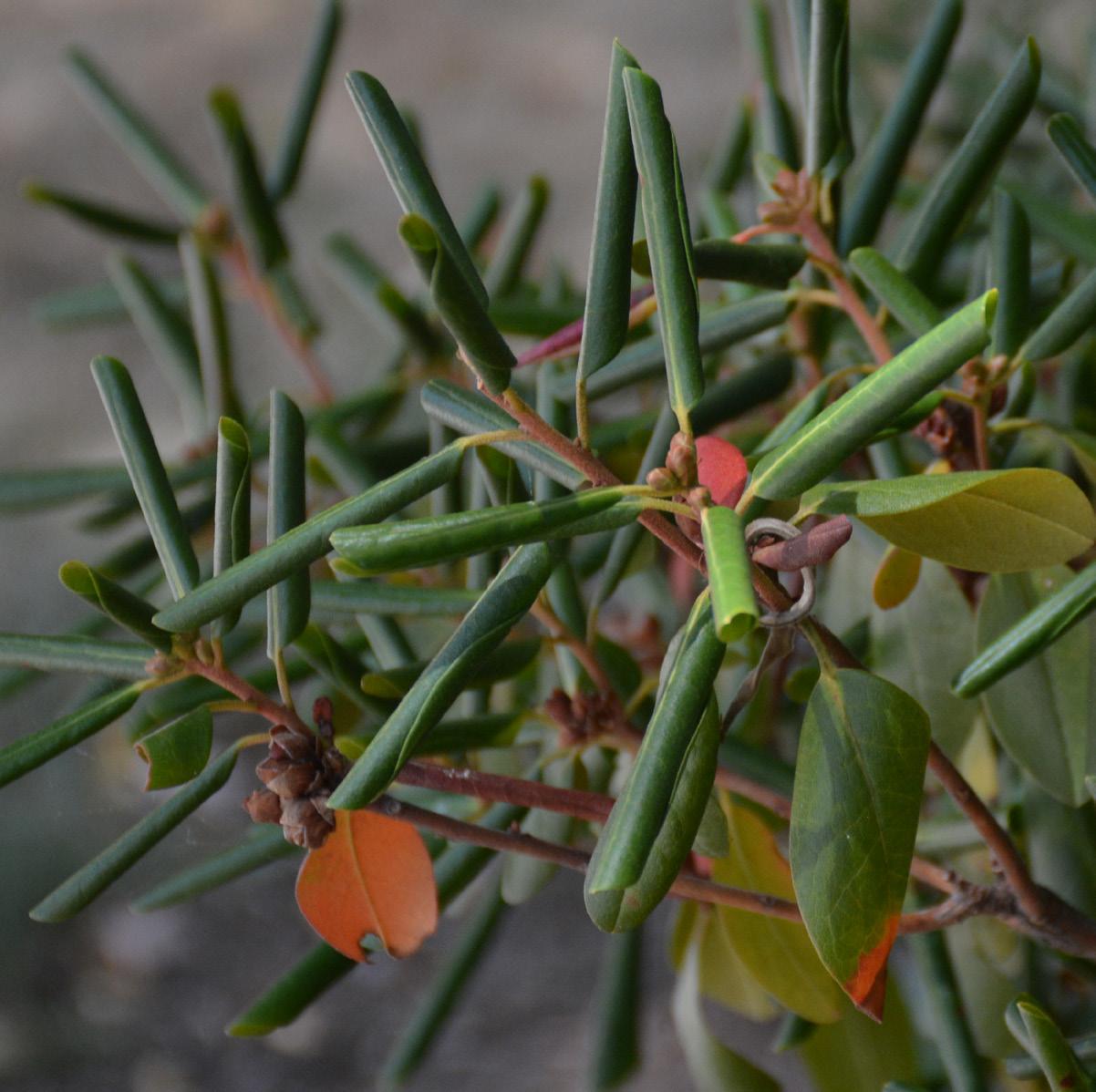
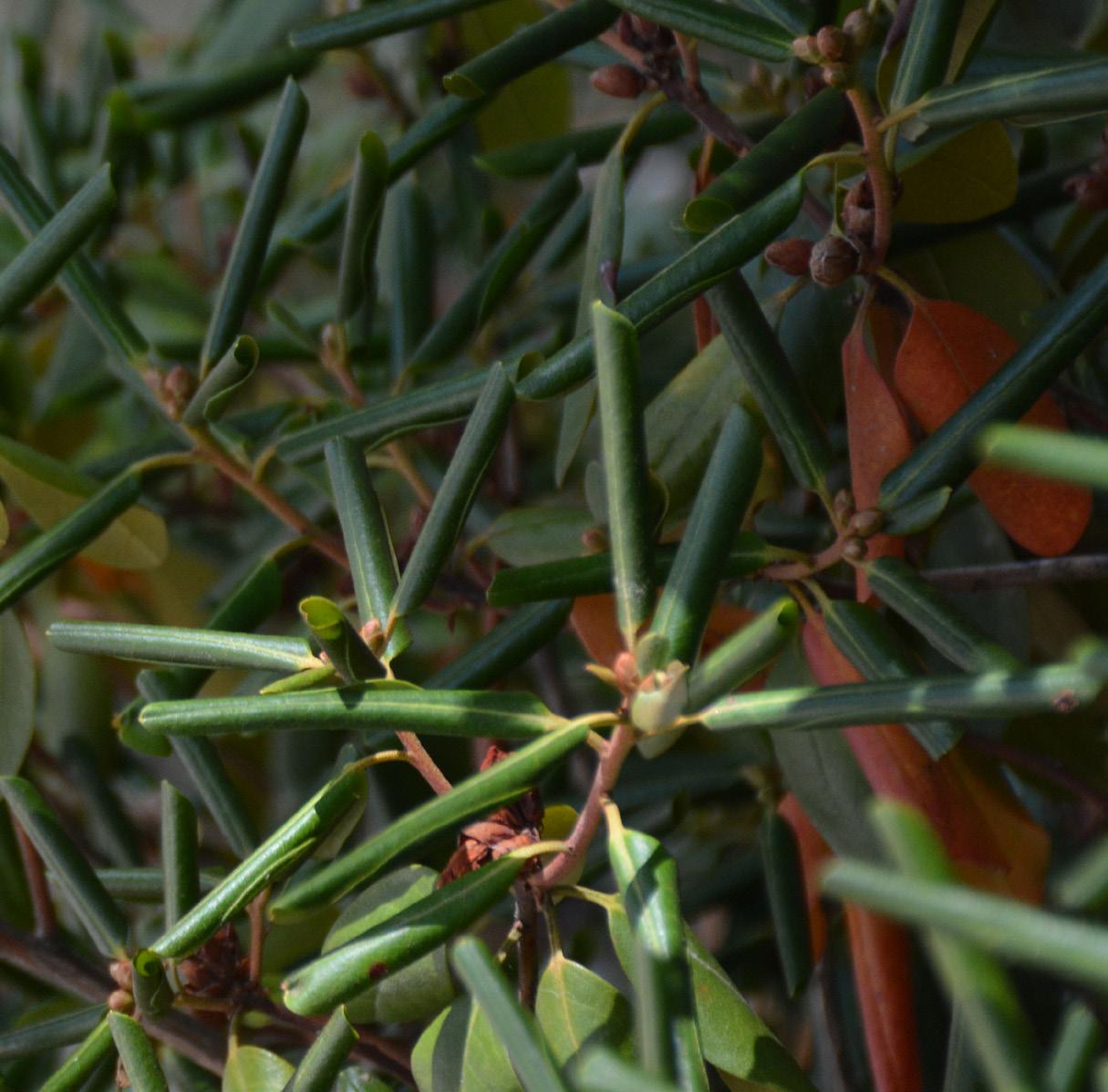
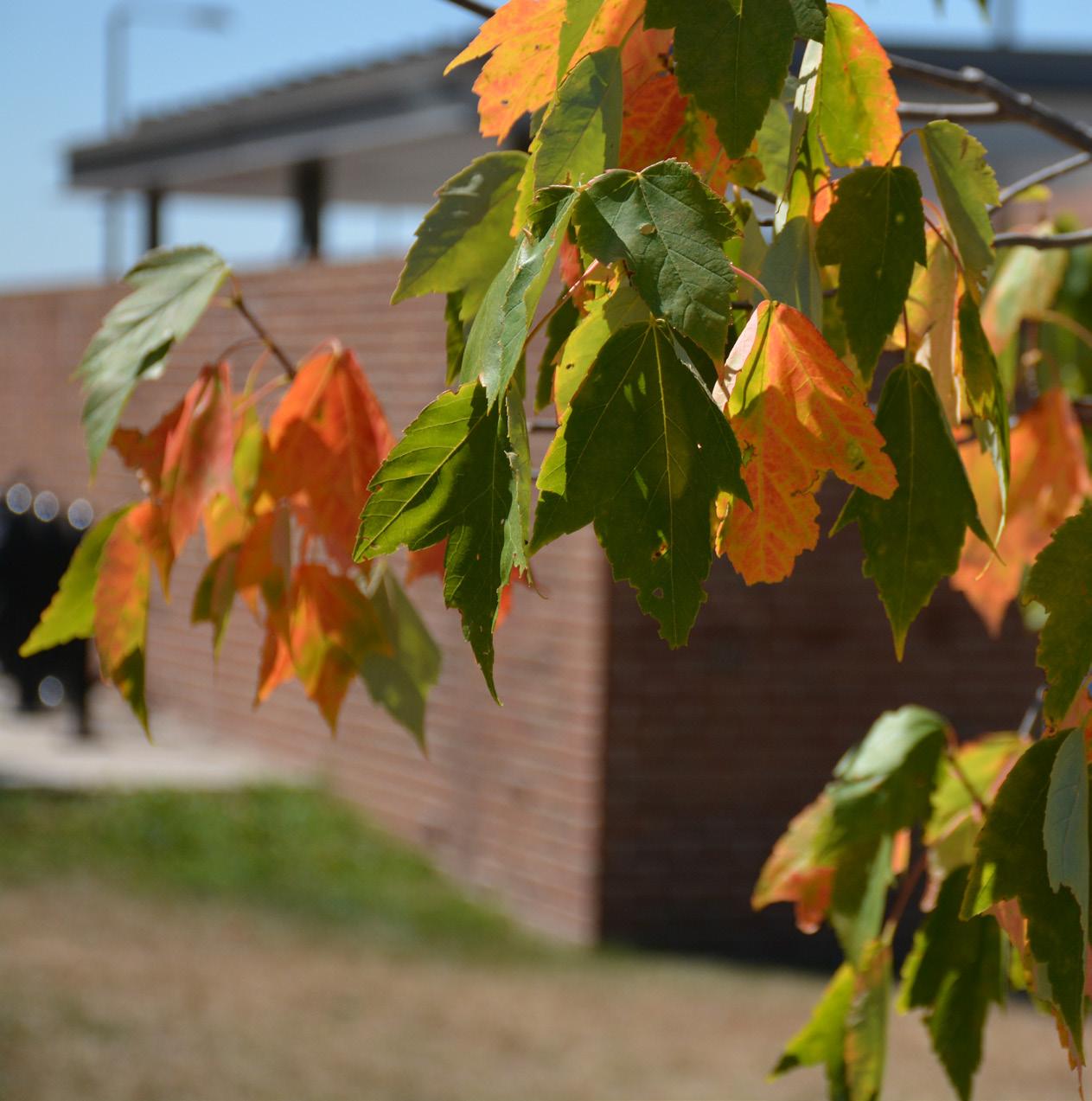
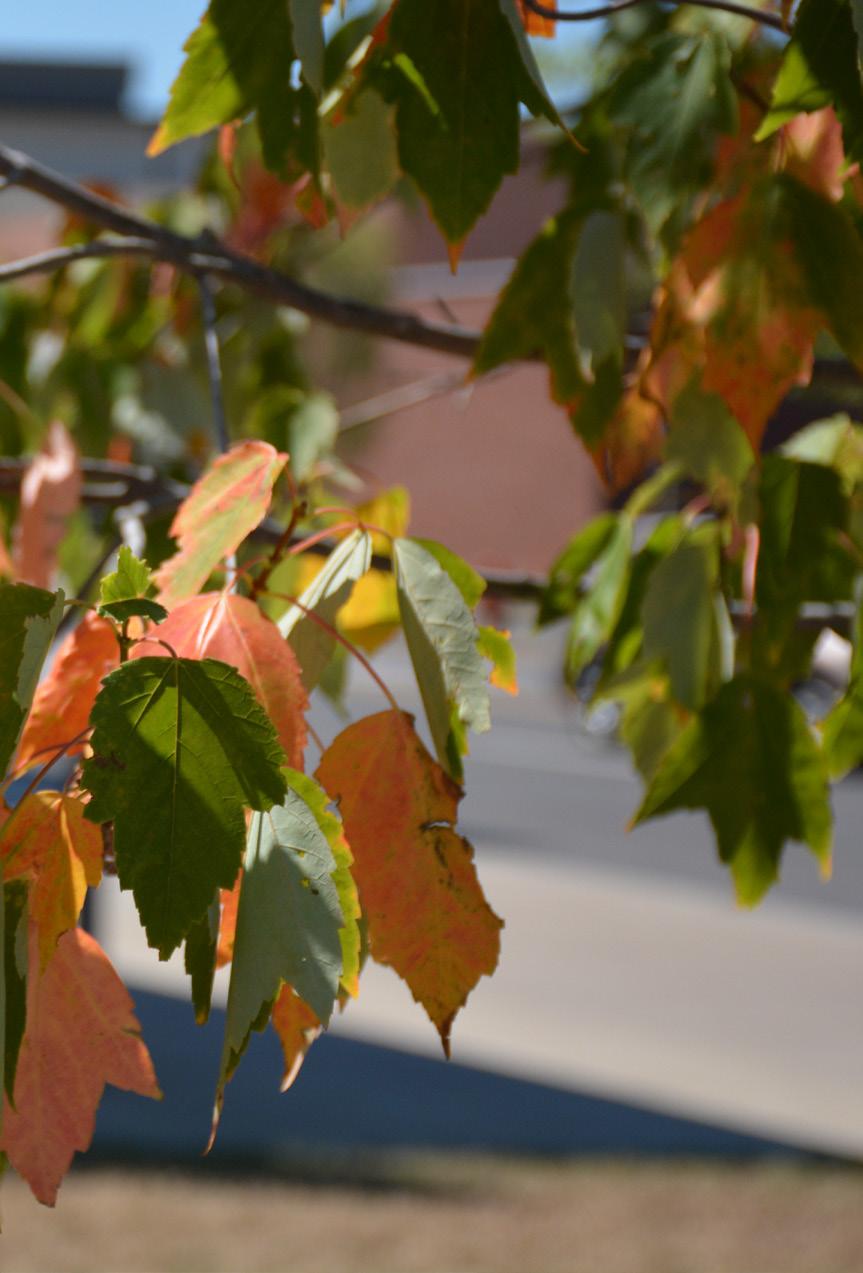
Other mechanisms are in response to drought. Plants close their stomata in response to soil drying in order to decrease transpiration. Leaf movements, including rolling, wilting, and changing orientation, can reduce heating of leaf surfaces via light and/or limit transpiration. Rolling leaves reduces the leaf areas exposed to light (therefore heating), reduces area movement along the leaf surface, and creates a high-humidity environment within the roll which reduces transpiration. In some cases, plants may even drop some or all of their leaves to reduce transpiration.
Short-term drought symptoms can include marginal leaf
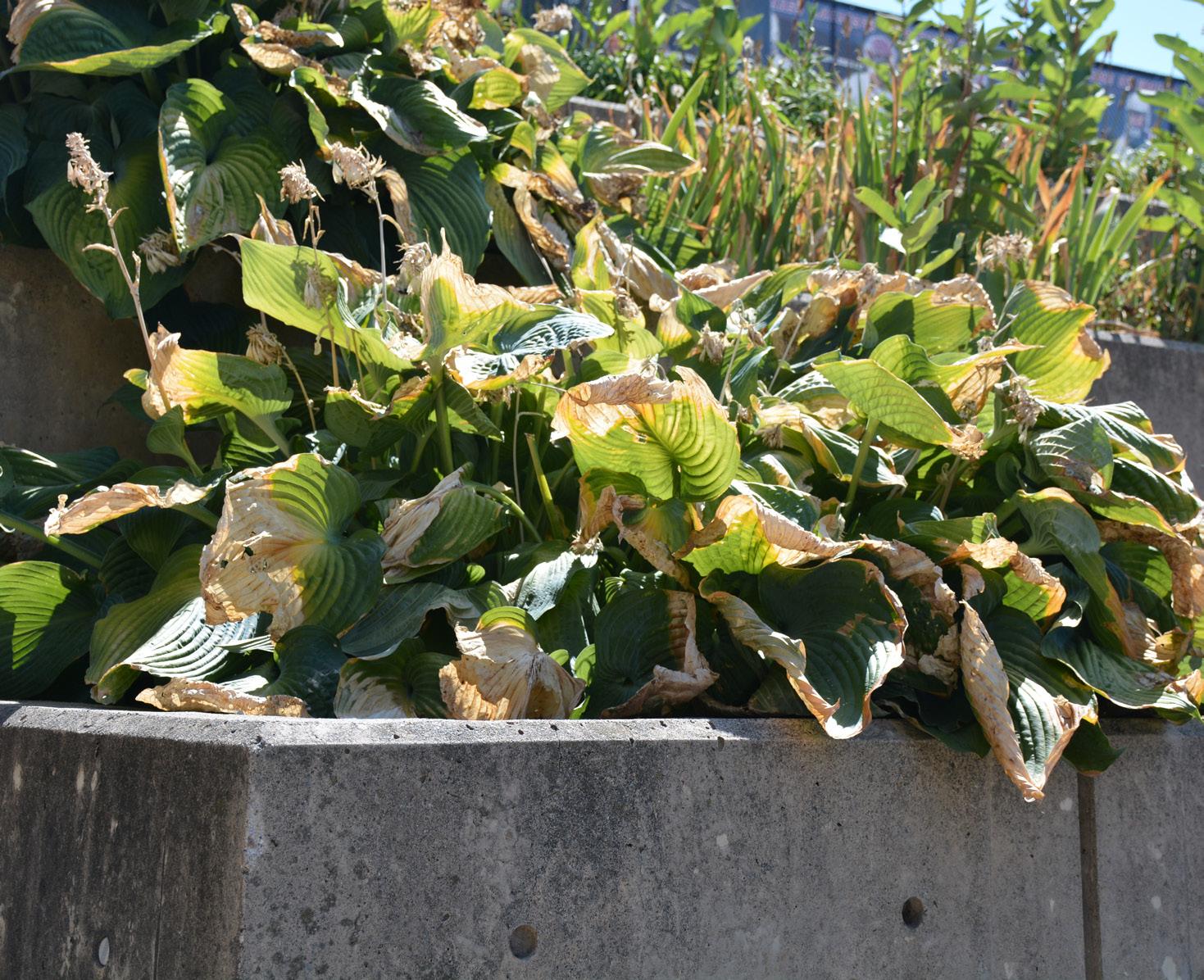
Rolled leaves are a symptom of drought stress and a mechanism for reducing

take steps to help them recover.
scorch, rolled or folded leaves, leaf drop, early fall color, wilting, off-colored or yellow leaves, twig and branch dieback, and reduced growth. These symptoms can be the result of reduced water for transpiration, nutrient deficiencies due to reduced transport, and/or reduced photosynthesis. Reduced photosynthesis can be the result of fewer leaves, closed stomata, or changes in leaf orientation. Over long periods of time, this can lead to reduced growth and reduced carbohydrate production and storage.
The extent of continued damage in 2017 will be variable depending on type of plant, extent of establishment, type of soil, the area where the plant is located, and how long the drought continues. There is a greater likelihood of damage with new
water loss through transpiration.


plants, plants with smaller root systems, plants with shallow root systems, plants with injuries, or plants with poor or damaged root systems.
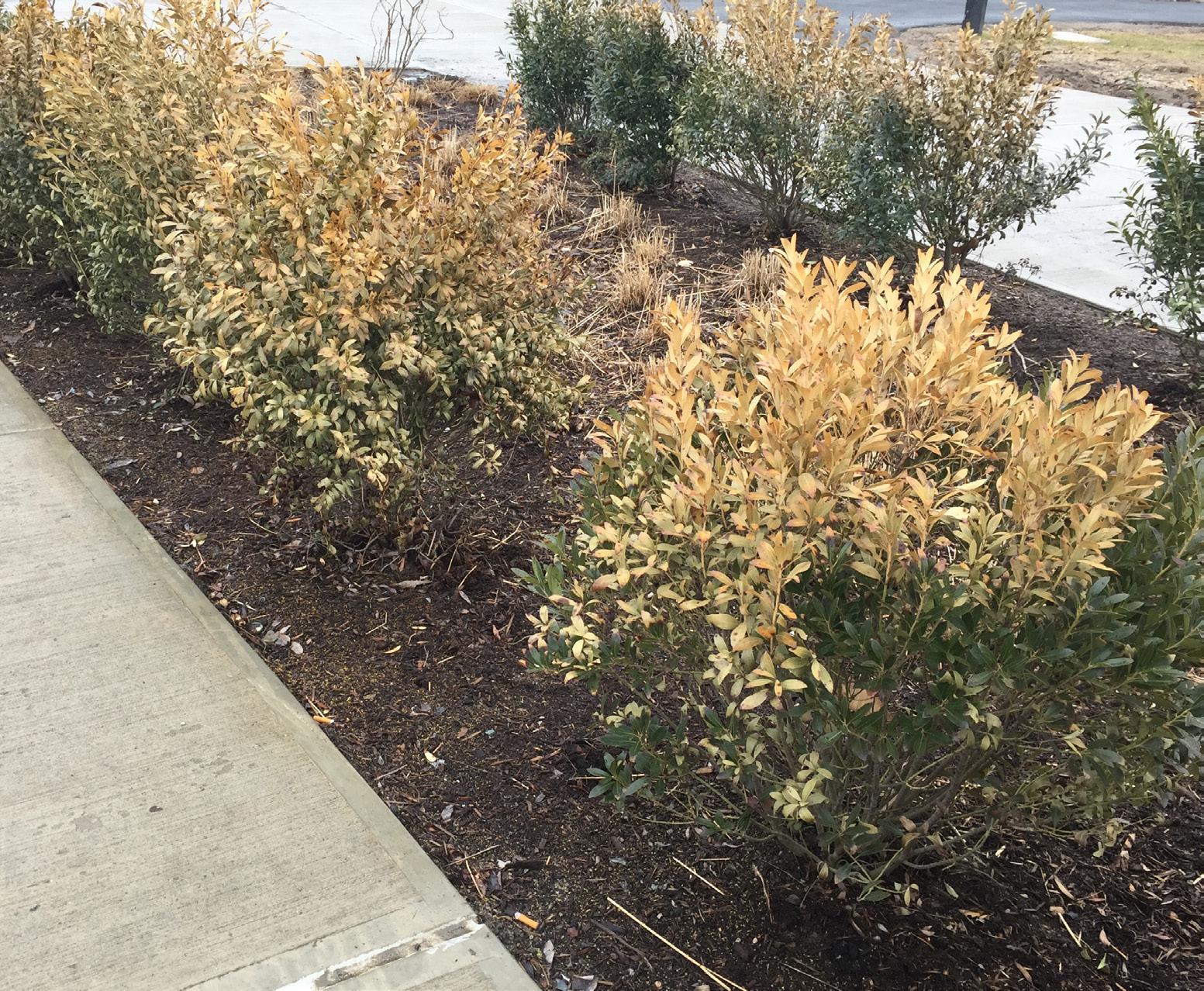
Damage caused by water stress in 2016 may become evident in ways other than drought stress symptoms. During the winter, drought stressed plants will be more likely to have weakened branches that break during storms. Drought stressed plants are also more susceptible to typical winter injuries including desiccation (especially broadleaved evergreens), sunscald, frost splitting winter burn, or dieback. Stressed plants are also more likely to have increased injury from de-icing salts, which can cause additional drought stress.
It can be challenging to identify symptoms of drought stress as many of the symptoms can be similar to those of other stressors such as nutrient deficiencies or diseases. In general, injury from drought stress usually occurs from the top of plant down and the outside in. For evergreens, needle browning occurs from the tip downward. Other symptoms can include fewer and/or smaller leaves, shorter branches, fewer flowers and/or fruit, loss of branches, heavy seed loads, and dieback.
Root hairs and feeder roots, which are generally located in the upper foot of soil, are usually the first to die during drought. These are the roots that take up the greatest amounts of water and nutrients, so even as the drought lessens, plants can still have reduced water and nutrient uptake; it can take years for root systems to be repaired. This can lead to nutrient deficiencies even when nutrients are present in the soil.
Drought-weakened plants have increased susceptibility to insects and diseases. Disruption of metabolic processes also means that that the production of protective chemicals is reduced. Plants — especially plants with physical damage such as cracks in branches — should be monitored. Root rots, cankers, wood rots, spider mites, and wood boring insects are more likely to occur in response to drought stress.
In developing new landscapes or maintaining existing landscapes, it is important to consider water conservation principles in design, installation, and maintenance to help promote more sustainable landscapes.
• Design with irrigation and plant water needs in mind. Group plants by water needs and to allow for reduced and efficient irrigation practices
• Improve or maintain soil structure to promote water conservation
• Avoid compaction
• Prevent runoff
• Improve soil organic matter (get soil tested!)
• When irrigation is possible, make sure it is efficient
• Use drip irrigation or soaker hoses
• Maintain irrigation systems to avoid water loss and improve application efficiency and uniformity
• Adjust applications according to environmental conditions and changing plant water needs

• Plants need around 1 inch of water per week, applied slowly to a depth of 8-12 inches. Frequency and duration of watering will depend on soil and weather
• Remember plants need two to three years for establishment
• Mulch to reduce evaporation from the soil
• Apply in a 2-4 inch layer, kept away from the trunk/base of plant
• Helps control fluctuating soil temperatures
• Adds organic matter to the soil
• Helps reduce weeds
• Choose the right plant for the right place (including turf). Group plants to help improve irrigation efficiency
• Appropriate maintenance
• Avoid over-fertilization; it increases growth which increases the water demand of the plant
• Control weeds to reduce water competition
• Only prune damaged or dead branches to avoid increasing the amount of stress on the plant
Remember that drought stress symptoms can be delayed as plants use up stored carbohydrates and that the effects of severe drought stress can take years for recovery. As much as possible, help reduce other stresses as plants recover.
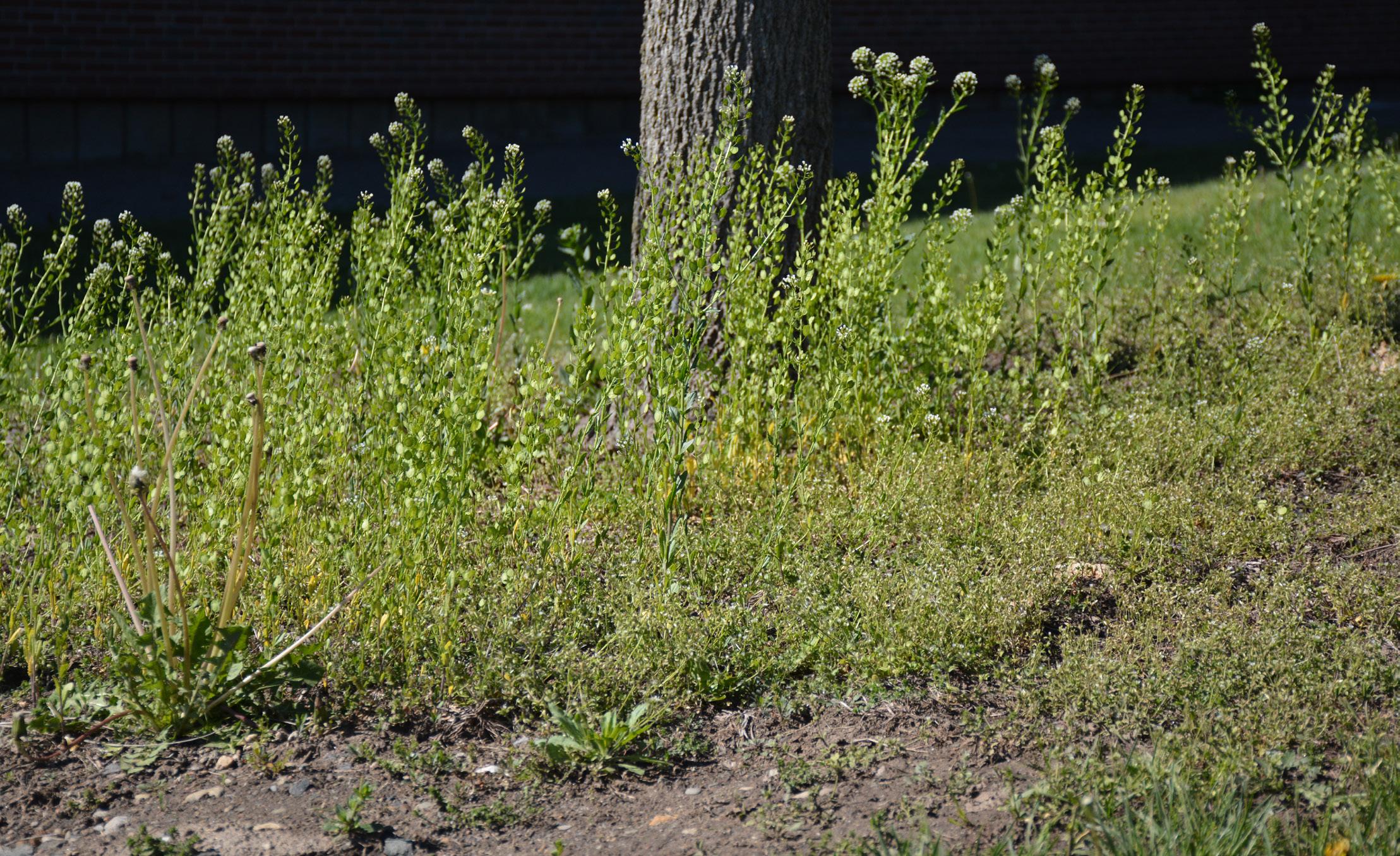
Eliminate weeds to reduce competition for available water.


References
Caldwell, Ainsley. “Drought and Urban Trees,” City of Atlanta Department of Planning & Community Development 2017
Douglas, Sharon. “Minimizing the LongTerm Effects of Drought on Trees and Shrubs,” Connecticut Agricultural Experiment Station 2002
Hopkins, William G., and Hüner, Norman P. A. “Introduction to Plant Physiology, 3rd Edition,” 2003. John Wiley & Sons Inc., Hoboken, New Jersey
Kujawski, Ron. “Long-term Drought Effects on Trees and Shrubs,” UMass Extension 2011
Seymour, R. M., and Wade, G. L. “Make Every Drop Count: Xeriscape- Seven Steps to a Water-Wise Landscape,” University of Georgia Extension
Mandy Bayer is Extension Assistant Professor of Sustainable Landscape Horticulture at University of Massachusetts, Amherst.

Use of reclaimed wastewater could help conserve potable water sources, reduce the need for fertilizer, and provide growers and plant consumers with a constant supply of water.
By David Kuack
What if the green industry had access to a limitless supply of irrigation water for nurseries, greenhouses, golf courses and green spaces? Sound like a pipe dream?
University of Florida Environmental Horticulture Professor Kimberly Moore says treated reclaimed wastewater could be the solution to having an adequate supply of clean, useable water for all segments of the green industry, including consumers. Moore says reclaimed wastewater has the potential to reduce or eliminate wateruse restrictions during periods of drought and could help to avoid conflicts between the green industry, government officials, other commercial industries, and the public.
Moore, with funding from the Horticultural Research Institute, is looking at the feasibility of using reclaimed wastewater to irrigate plants in commercial

nurseries and greenhouses. “The idea of using wastewater from sewage treatment facilities is not new,” Moore says. “The water is currently being used to irrigate golf courses, parks, and other green spaces. It is also being used for groundwater recharging and for other commercial applications.”
According to the Florida Department of Environmental Protection, of the 1.7 million gallons per day (mgd) of reclaimed wastewater produced in the state in 2012, about 725 mgd of that water was reused for beneficial purposes. DEP reports reuse of this reclaimed water is estimated to have avoided the use of over 141 billion gallons of potable quality water. Of the 725 mgd reused, 55 percent was applied to public access areas; only 10 percent was used for agricultural irrigation.
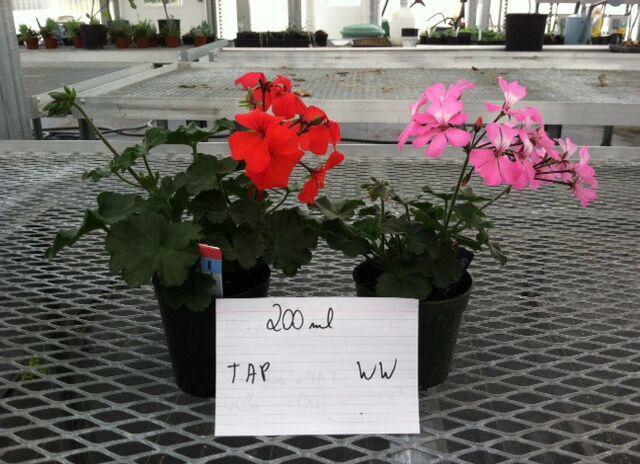
The goal of Moore’s research is to determine whether reclaimed wastewater could be used to produce ornamental plants. Moore is very encouraged by her results with the variety of plants she has grown with the wastewater.
“The wastewater can be used as is,” she says. “The water can vary in the amount
of salts it contains. In Florida, the salts level in the water can range from 1 deciSiemens per meter (dS/m) up to 6 dS/m. The level depends on the treatment process and the time of year.”
She adds that during rainy periods, the salt levels usually go down. During the drier periods of the year, when there are usually more people in the state, the salt levels generally go up. “Over the last two years, the electrical conductivity or salt level has been between 1-2 dS/m,” Moore says. “At that level, the water can be used right out of the treatment facilities. The water contains some nutrients, including nitrogen, that are beneficial to plants. The biggest issue is with chlorine and sodium.”
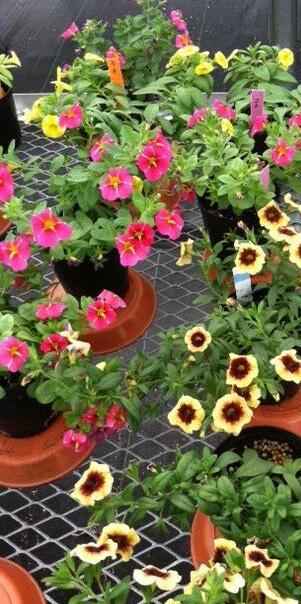
Moore has done several screenings using the wastewater to produce bedding plants, foliage plants, and woody ornamentals. “Many of the plants we trialed grew in wastewater with salt levels between 2-3 dS/m,” she says. “Above 4 dS/m, the plants started to drop their leaves. Some of the foliage plants did better at the lower salt levels. Sensitivity of bedding plants varied with species. Some bedding plants dropped their leaves, but the plants remained alive and were able to come back.”
Moore says that once the salt level sensitivity of a plant is determined, a grower would have the option of diluting the wastewater with whatever water source is available, including rain, pond, or well water. “We also found that the volume of wastewater applied could impact plant sensitivity,” she says. “We found with some plants, if more wastewater is applied, the salts could be flushed out of the substrate. Increasing the amount of leaching that is occurring by applying a higher volume of wastewater tended to be beneficial.”
Moore says she has talked to several nursery growers in south Florida who indicated they would be interested in using reclaimed wastewater to irrigate their crops. Unfortunately,
what is lacking in much of the state is the infrastructure to carry the wastewater from the treatment facilities to the nursery operations.
“Transporting the water to the growers’ operations has been the one stumbling block in this whole process,” Moore says. “When the sewage treatment plants were built, they installed purple pipes to transport the water. However, a lot of communities did not build the infrastructure to take the waste water away from the facility other than for ocean outflow. The problem has been trying to get connected to the purple pipes that run through the various cities. So the growers cannot connect to the pipes carrying the wastewater. That has been the biggest issue for the adoption of wastewater.”
Moore adds that as new sewage treatment facilities are being constructed throughout the state, the infrastructure for distributing the wastewater is also being built. “As the pipes are being laid to bring in the sewage for treatment, the purple pipes are being laid to be able to distribute the wastewater,” she says. “Tampa has been proactive to install the purple pipes. In south Florida, Miami and Fort Lauderdale were a little slow to catch on. But those cities are starting to install more of the pipes. The older treatment facilities don’t have as many purple pipes, so it is harder to connect to those facilities.”
Based on the findings of her research, Moore believes reclaimed wastewater could be used to irrigate most horticultural crops including edibles. “The large nurseries I work with would need to be able to bring the wastewater directly from the sewage treatment facilities in order to have enough water to irrigate their entire operation,” she says. “There would have to be a constant supply coming from the treatment facility to have enough water. That amount of water would be difficult to store on site.”
However, Moore says greenhouse operations could potentially store the water. “In the Caribbean, there are greenhouse operations that use large tanks to store rain water,” she says. “Some of those tanks would be perfect for storing wastewater, especially if it was going to be blended with another water source that was available on the grower’s property. Wastewater could significantly reduce the use of other water sources.
“Just as important, plants like wastewater. It contains nutrients like nitrogen. We found we don’t need to fertilize as much by applying wastewater. Using wastewater would enable a grower to cut back on the amount of fertilizer applied as well as reduce the need for other water sources resulting in cost benefits.”
Continued on page 20
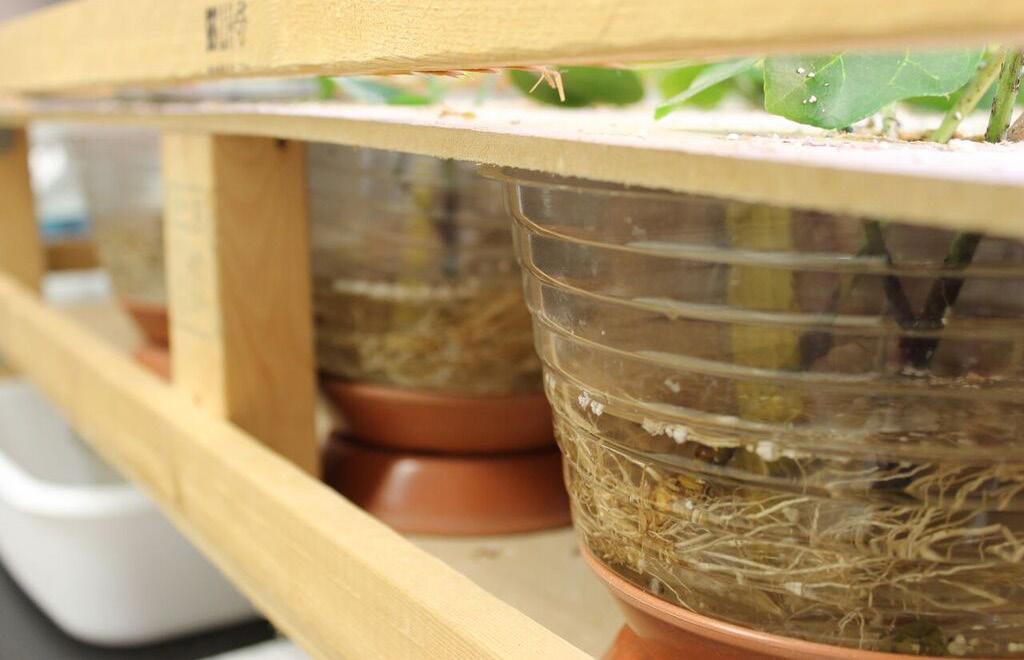











Moore says commercial and residential customers would also benefit from having access to reclaimed wastewater. “Here in Florida, there are year-round water restrictions,” she says. “If homeowners have access to wastewater, then they can water any time they want. With the nutrients in the wastewater, their lawns and landscapes always look green and lush.”
For more information, contact Kimberly Moore, University of Florida-IFAS, Department of Environmental Horticulture, Fort Lauderdale Research and Education Center; (954) 577-6328; klock@ufl.edu.
© Horticultural Research Institute, www.hriresearch.org David Kuack is an HRI freelance author. Reach him at dkuack@ gmail.com.
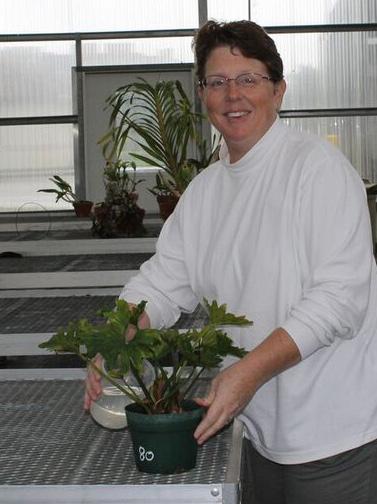



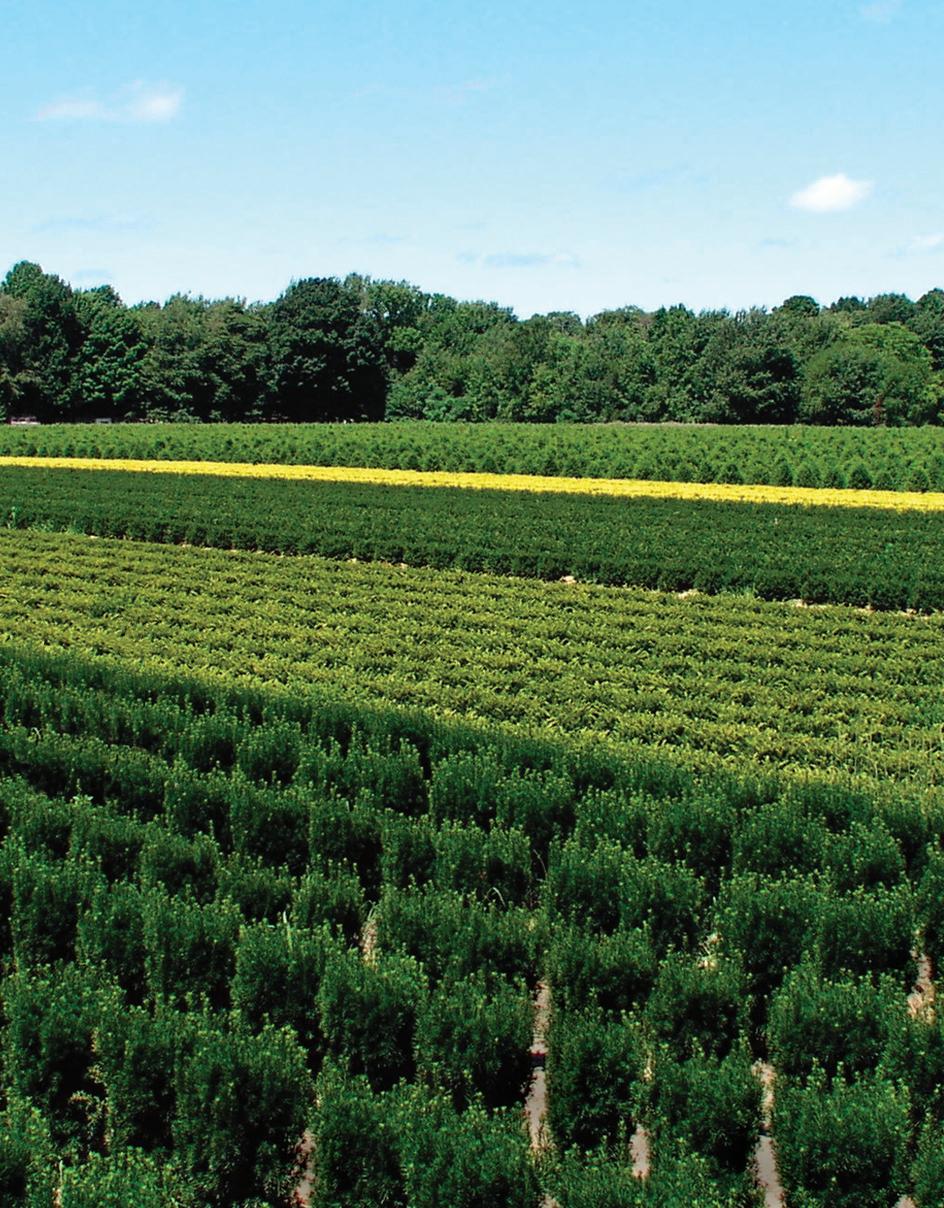
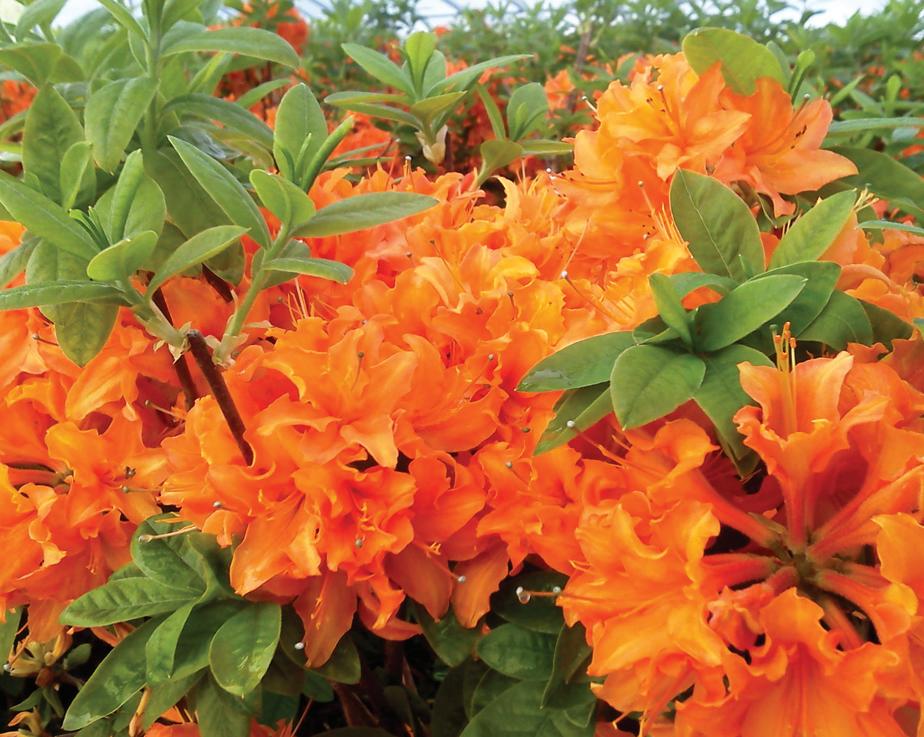
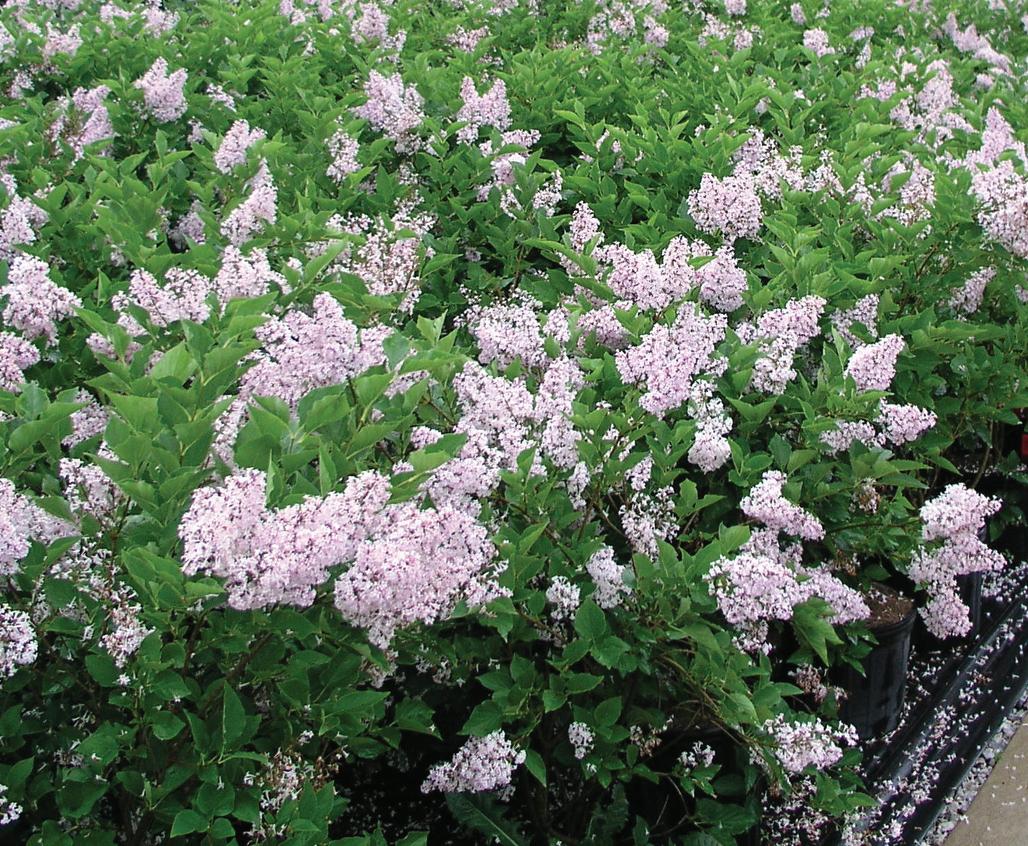
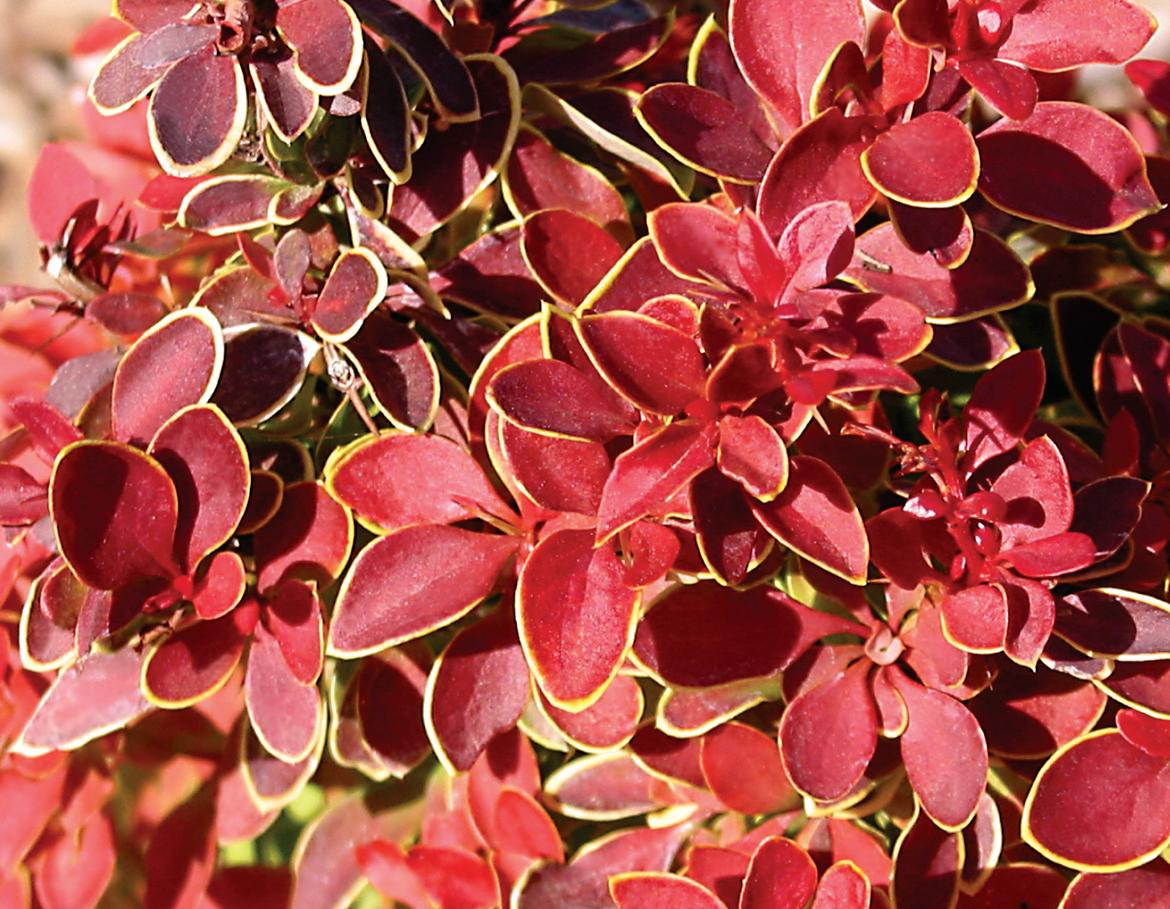
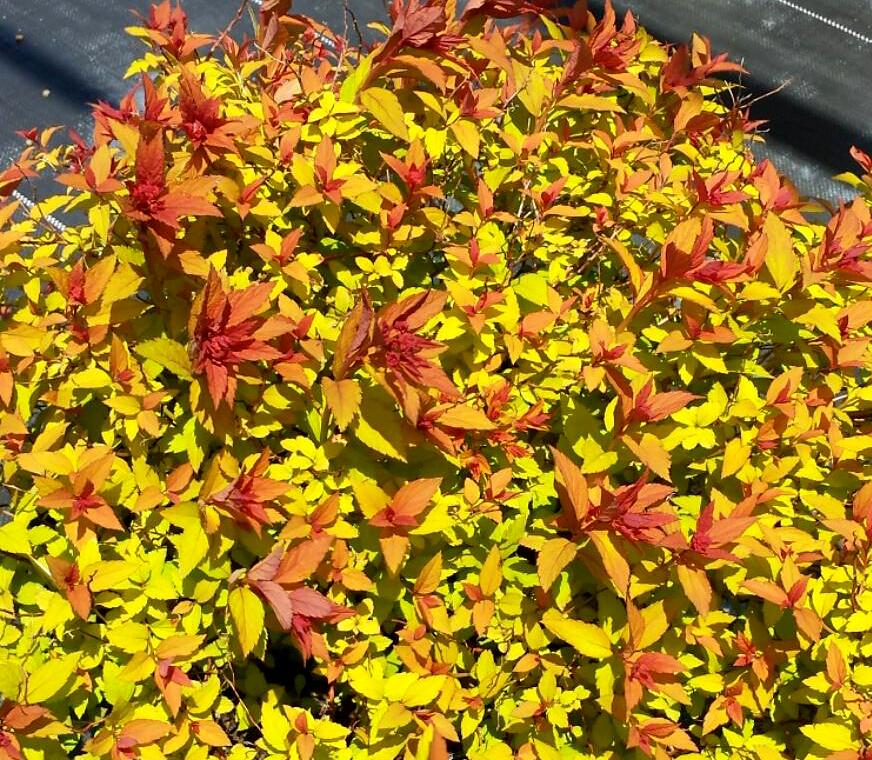
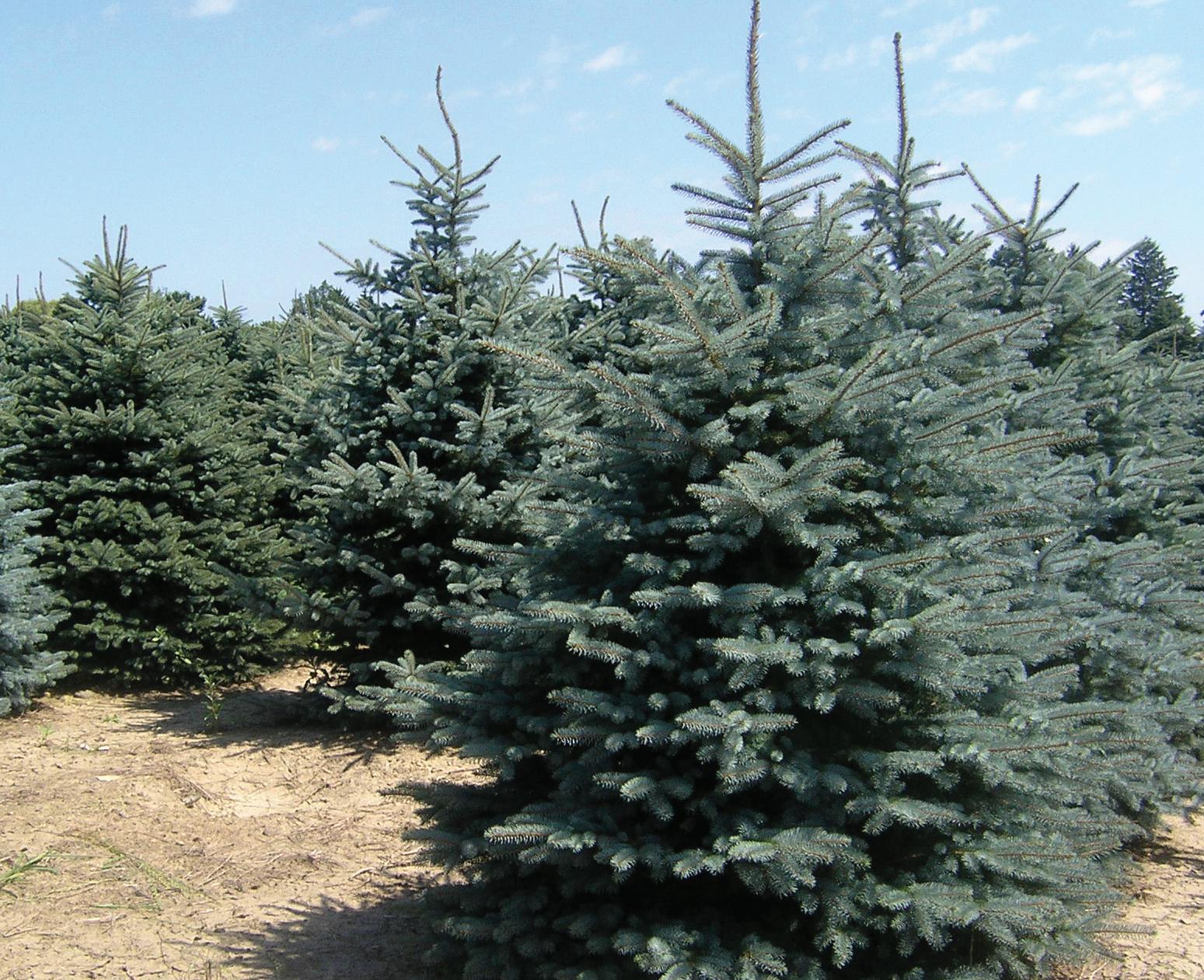
Pollinators are responsible for one out of three bites of food we take each day, and yet pollinators are at a critical point in their own survival. Many reasons contribute to their recent decline. We know for certain, however, that more nectar and pollen sources provided by more flowering plants and trees will help improve their health and numbers. Increasing the number of pollinator-friendly gardens and landscapes will help revive the health of bees, butterflies, birds, bats and other pollinators across the country.
The Horticultural Research Institute (HRI) is pleased to announce the release of “Plants Bees Like Best,” a new publication providing research-based tree and shrub recommendations for supporting bee health. This resource is the most recent addition to the ongoing pollinator-health tools provided by HRI.
Making customers feel good about their purchases has a powerful effect on buying decisions. Research shows that

cause-marketing not only catches the attention of shoppers, it encourages purchasing and turns customers into advocates for your business. Pollinator health is an increasingly important cause for consumers in all demographics, and equipping industry businesses with tools to create awareness and showcase the important role horticulture plays in pollinator health is a good example of how HRI provides value to the industry.
“The industry asked us for research-based plant recommendations for pollinator supportive plants,” says Jennifer Gray, research administrator for AmericanHort. “We’re pleased to fill the need for that information in time for spring sales.”
HRI encourages green industry businesses to use the “Plants Bees Like Best” publication to educate and motivate their customers to purchase and plant pollinator-friendly materials. Developed by leading scientists at the University of Kentucky and based on research funded by HRI, this publication can help retailers influence purchasing habits and connect their customers to a movement that benefits the environment—something the horticultural community has long strived to do.
Other resources in the toolkit include:
• Print-on-demand point-of-purchase signs, bench cards, and plant tags
• Sample communications timeline with best-practice public relations ideas
• Sample social media messages and save-and-use graphics
• Save-and-use consumer flyer
• Best management practices guide for bee health in the horticultural industry
Download a print-ready version of “Plants Trees Like Best” and other communications materials from HRI’s pollinator research website at www.GrowWise.org/ChallengeToolkit. Pollinator P.O.P. materials may be viewed and ordered directly through the Garden Center Marketing website at www.gardencentermarketing.com/page/PollinatorGarden-Challenge-Signage.
The Horticultural Research Institute (HRI), the research affiliate of AmericanHort, has provided over $7 million in funds since 1962 to research projects covering a broad range of production, environmental, and business issues important to the green industry. Over $10 million is committed to the endowment by individuals, corporations, and associations. For more information about HRI, its grant-funded research, scholarships, or programming, visit www.hriresearch.org or contact Jennifer Gray at (614) 884.1155.

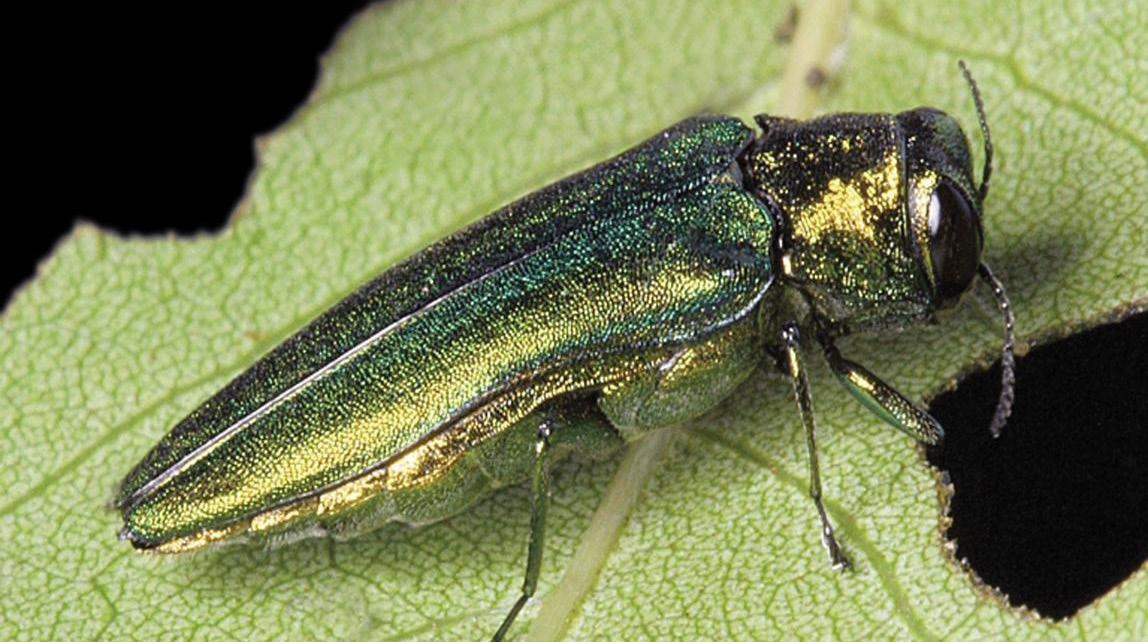
As you may or may not be aware, stone and hardscape materials shipped in wood packaging, such as crates and pallets, can serve as pathways through which invasive pests like Emerald Ash Borer (EAB) and the newly discovered Spotted Lanternfly make their way into our state. Unchecked, these pests pose a threat to our natural resources and have the potential to do millions of dollars in damages to our economy.
The Forest Pest Outreach Project, part of the Massachusetts Department of Agricultural Resources, asks for your assistance in evaluating how to better equip those who work in the landscaping and hardscaping industries with techniques to help stop these pests at their point of entry and/or prevent their potential spread. The aim of this project is to assess what strategies importers, suppliers, and distributors could adopt to mitigate the impact of these pests.
In the coming months, we will meet with local businesses to conduct quick onsite visits to discuss current industry protocols regarding invasive insects.
We would like to schedule time to visit your business to discuss the nature of stone/tile imports and distribution as it pertains to accidental pest introductions. While participation

is voluntary, your assistance will further safeguard our state against the threat of invasive species and help create resources to prevent future introductions.
To schedule a meeting or get additional information, please contact Javier Marin, Forest Pest Outreach Coordinator, Massachusetts Dept. of Agricultural Resources, at (617) 626-1738 or by email at Javier.marin@state.ma.us.
To learn more about the Forest Pest Outreach Project, visit www.massnrc.org/pests/index.htm.





by Darryl Sullivan, MCH, Mount Auburn Cemetery

1. The Amazon rainforest produces half of the world’s oxygen supply!
2. The tallest tree ever was an Australian eucalyptus- in 1872 it was measured at 435 feet tall!
3. Oak trees are struck by lightning more than any other tree!
4. Bamboo is the fastest growing woody plant in the world; it can grow 35 inches in a single day!

Winter can be a good time for landscape companies to evaluate and update their safety programs. Federal OSHA, insurance companies, and industry organizations offer sample safety programs your firm can customize, and the National Association of Landscape Professionals (NALP) recently updated its Safe Company Program Manual.
An active safety committee comprised of both employees and managers is the backbone of an effective safety program and is vital to developing a strong, company-wide safety culture. Now could be a good time to start, restructure, or make improvements to your safety committee. To function optimally, the safety committee should have rotating members representing every area of the company, and all employees should feel free to contribute ideas, concerns and suggestions.
pation by all members and are capable of facilitating meetings without dominating them or allowing others to do so.

• Clearly define the safety committee’s duties. In most companies, the safety committee: identifies risks; investigates and/or reviews incidents/accidents/close calls and jobrelated injuries/illnesses and suggests actions to prevent recurrence; establishes annual goals for reducing hazards and injuries; monitors loss trends and insurance reports; conducts jobsite and facility safety inspections/audits; recommends changes to company safety policies; conducts safety orientation for new employees; reviews and acts on employees’ safety suggestions; identifies needed safety training and implements training programs; posts all required OSHA reporting forms; and prepares an annual safety improvement plan.
• Meet all regulations related to safety committees. Although there are no Massachusetts-specific requirements or voluntary incentives for a workplace safety committee, check with your insurance carrier for any policy requirements.
• The success of your company’s safety committee depends first upon management support. A 2013 report published in the American Journal of Industrial Medicine found that committees that made meaningful impacts on workplace safety had clear and visible upper-management support.
• Provide authority, support. and/or funding for the committee to quickly address safety hazards it identifies or implement new training.
• Let workers know that the reason for your safety committee and all your safety-related actions is to ensure they go home uninjured to their families every day.
• Understand the importance of including crew members on your company’s safety committee. Frontline workers know how tasks are typically performed and can identify hazards others might overlook.
• Create a committee that’s the right size for your organization. While every employee level and every company sector should be represented, there is no set rule about how many people are needed.
• Choose effective leaders who will encourage partici-
• Hold safety committee meetings at least monthly. Rotate committee members on a predetermined schedule, with some rotation occurring at least once a year. This will bring fresh ideas to the committee and provide extra safety education and awareness to more employees.
• Periodically invite non-committee, frontline workers to participate in meetings and discuss day-to-day hazards they encounter. Make sure all employees know they are welcome to address the committee at any meeting.
• Establish measurable goals, a written agenda, a format, and a starting and ending time for each regular meeting. Give committee members specified timelines for completing assignments.
• Specify a format for the committee secretary to use when taking and distributing minutes, and ensure copies of meeting minutes are distributed to all employees.
• Have key managers meet with the safety committee to review incident records, identify trends and establish goals for the next year. Not all safety-related goals have to be tied to injury reduction. For example, goals could include increasing safety-tailgate-training participation by 10 percent or reducing the number of times crew members violate PPE rules. Make goals measurable and document in writing whether they were met. Invite employees to meetings to gather ideas for achieving goals.
The Massachusetts Department of Agricultural Resources (MDAR) is providing the opportunity to dispose of unwanted and/or unregistered pesticides at no cost to licensed pesticide applicators. As a Massachusetts Pesticide Applicator, you will have the opportunity to choose one of two locations to drop off your unwanted/unregistered pesticides. This is a limited opportunity and is on a first come, first serve basis. In order to ensure as many people as possible may participate in this program, the Department reserves the right to limit the amount of materials that can be brought in by any one participant.
In order to particapte, you must register by May 15, 2017.
This is a confidential program. Your name and materials you bring in will be kept confidential and will not be disclosed. The goal of this program is to safely dispose of unused pesticides from licensed pesticide applicators. This is not an enforcement program.
To find out more information regarding the program and how to register, you may visit the MDAR website at: www.mass.gov/agr.




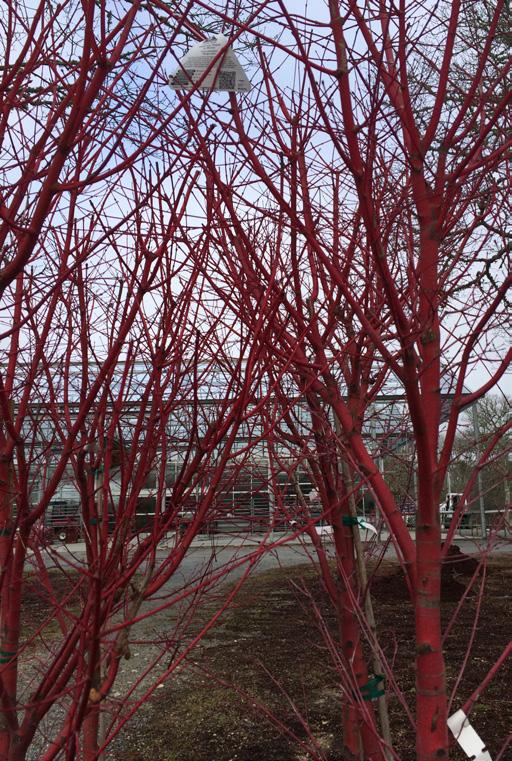
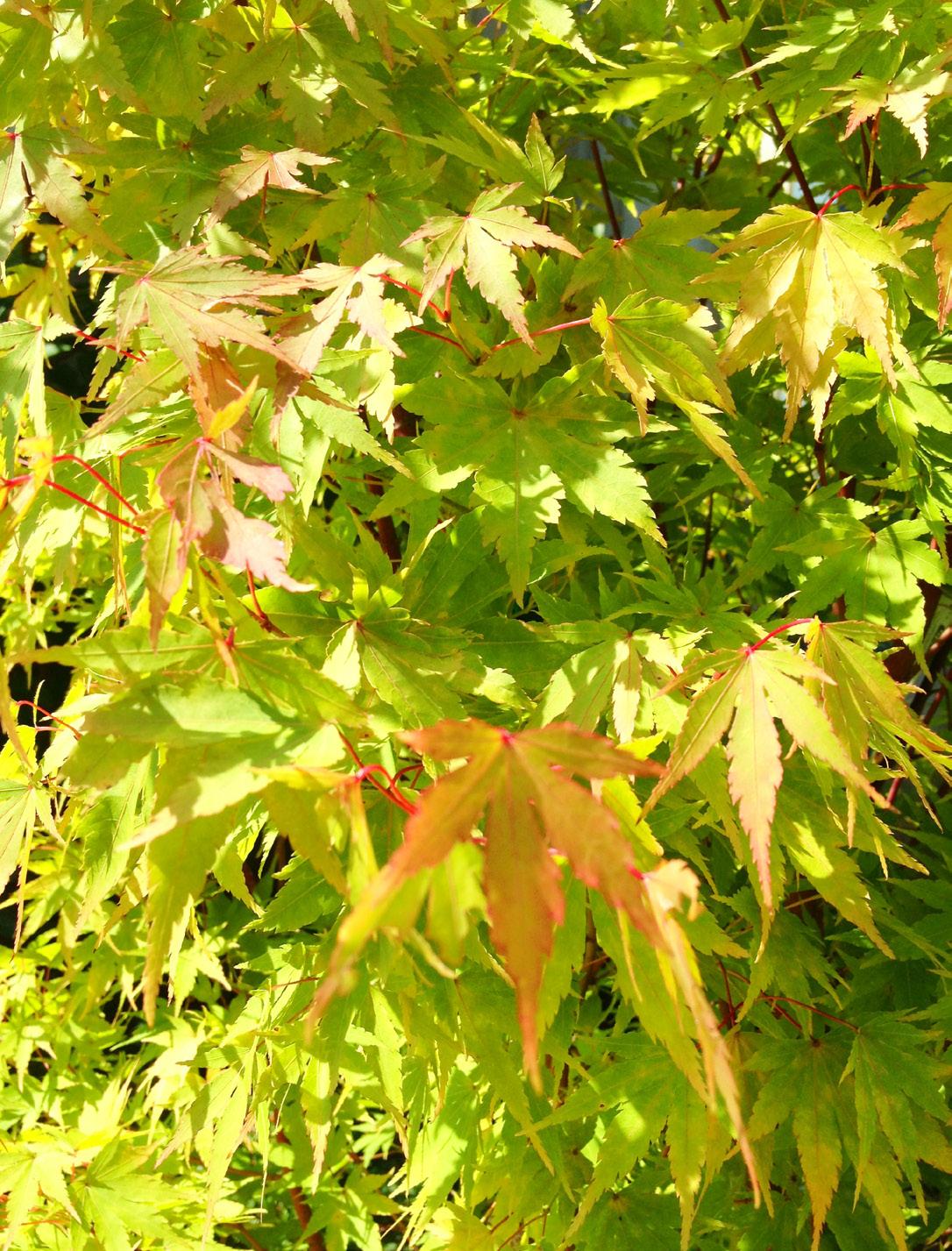
Outside my office window is a Japanese maple tree aptly named Coral Bark Maple due to its showy coral-colored bark. I often witness customers admiring it, taking photos, and asking for its name. Birds are also attracted, and I have seen multiple nests in this tree.
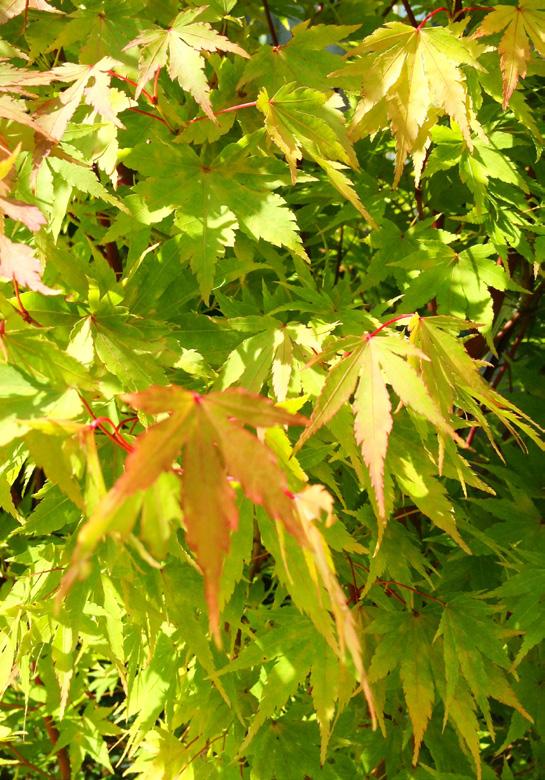
The Coral Bark maple is a small and densely branched tree growing to 15-20 feet in height and width. It offers four-season color like no other. In spring, its small reddish purple flowers are visible only on close inspection. Its delicate, palmate leaves with serrated edges flush out in yellow-orange followed by a light green throughout the summer months. In the fall, it continues to shine with a spectacular progression of color — a tinge of red on the edges of green leaves which later turn to bright gold and then orange before dropping to the ground. This is followed by the best display of its coral-red branching throughout the winter and early spring.
This specimen tree is deserving of a prominent location in any yard. It provides rewarding views from outside and inside, such as when its coral red bark stands out against a snowy landscape. This is a tree that needs no companion, but a backdrop of evergreens can add to its beauty.
The Coral Bark maple is an average grower that tolerates a large range of soils, but prefers a moist well-drained type. It prefers full sun but will tolerate partial shade, particularly in drier climates. It is listed as hardy in Zones 5-8; however, in Zone 5, it should be protected from strong winter winds. This tree is generally free from insects and diseases, although younger trees can be susceptible to the bacterial blight Pseudomonas. Planting in a location with good air circulation should help avoid this problem.
David Shea
Crocker Nurseries, Brewster, MA

The Details
Acer palmatum Sango Kaku
Coral Bark Maple
• Zone 5 - 8
• Sun to Partial Shade
• Average Soil
• Deciduous Tree
• Golden Fall Color
• 15–20 feet by 15–20 feet
• Average Growth