

pro grow news
Some Things Never Change An Unfilled Need in the Landscape Industry
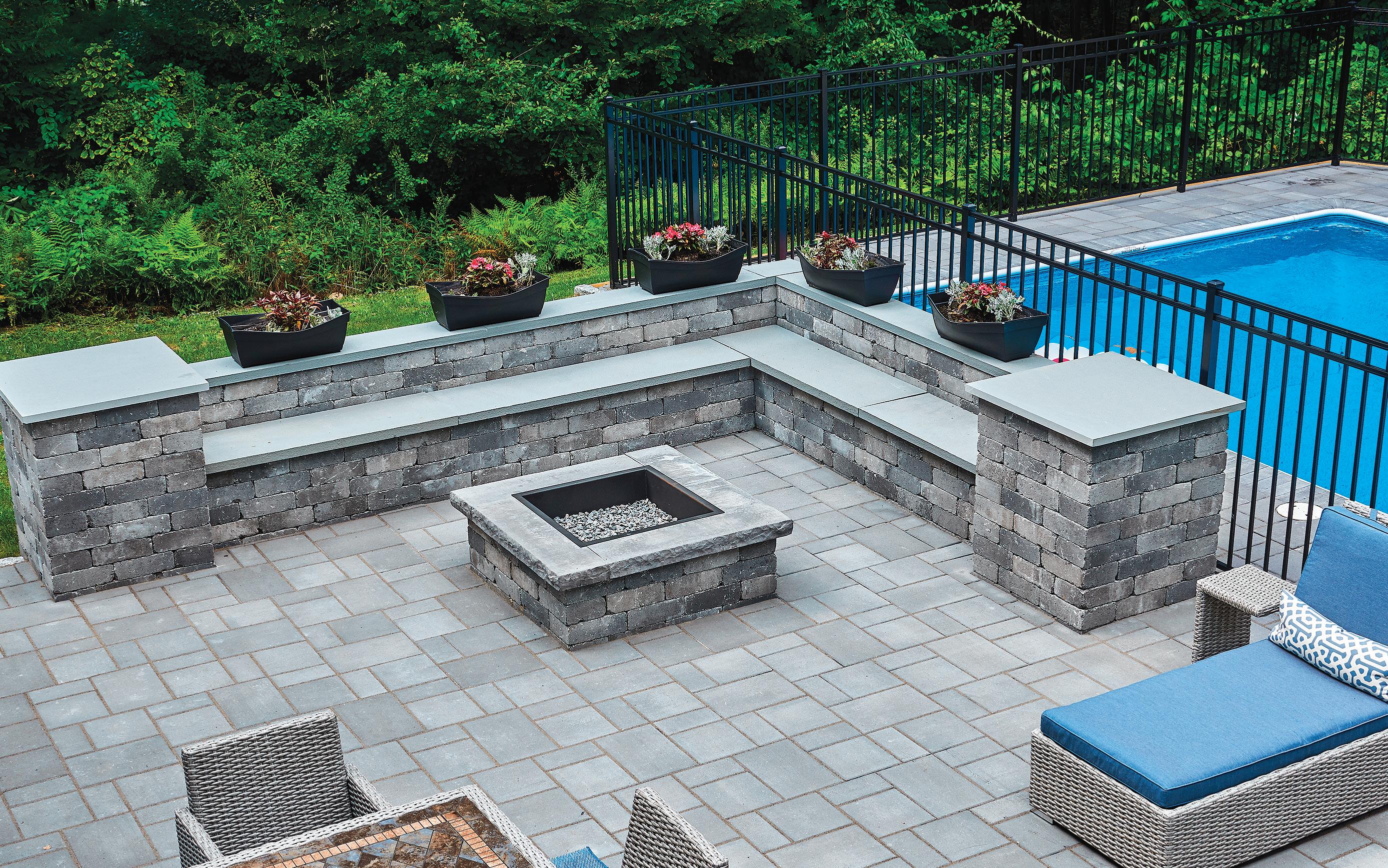
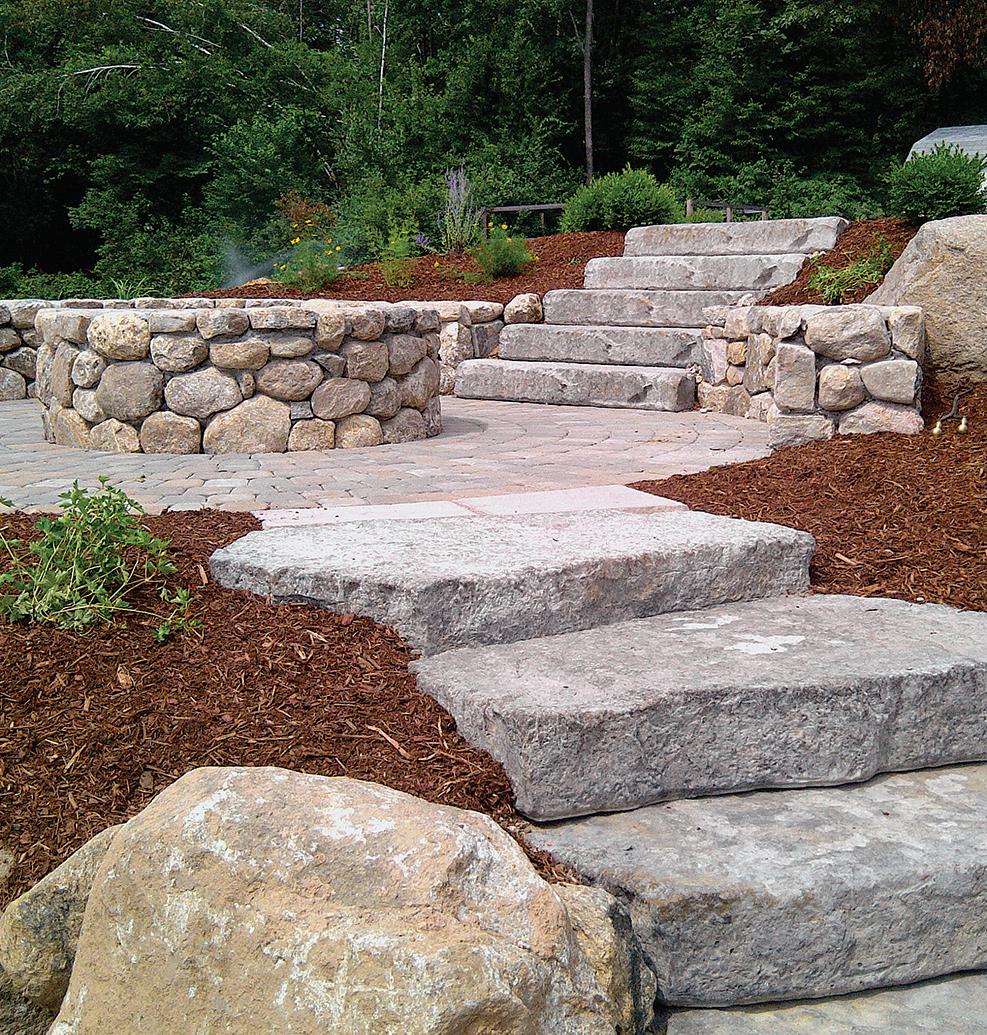
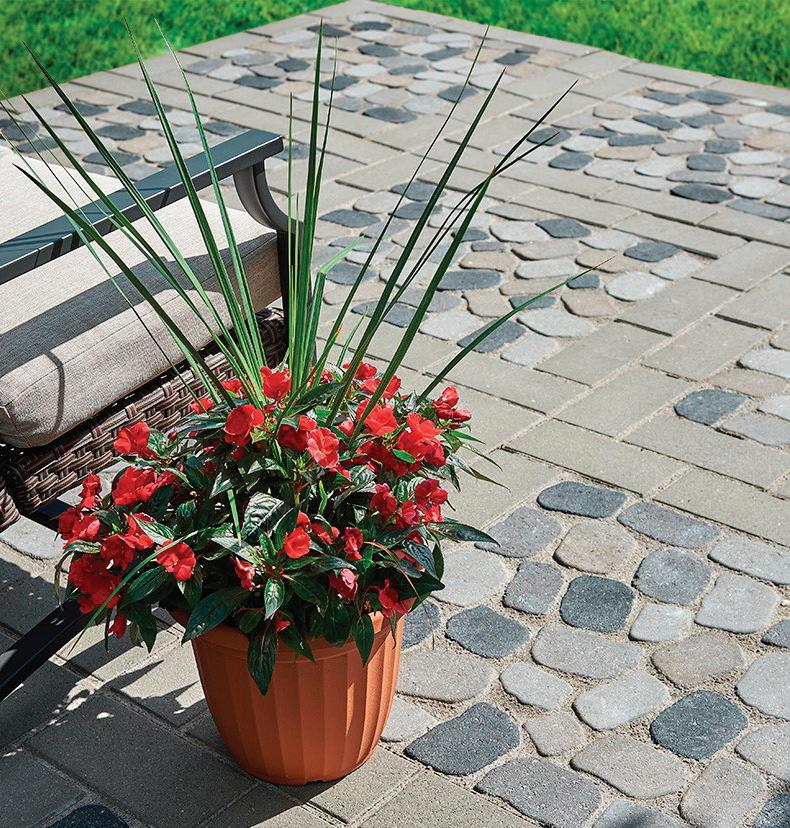
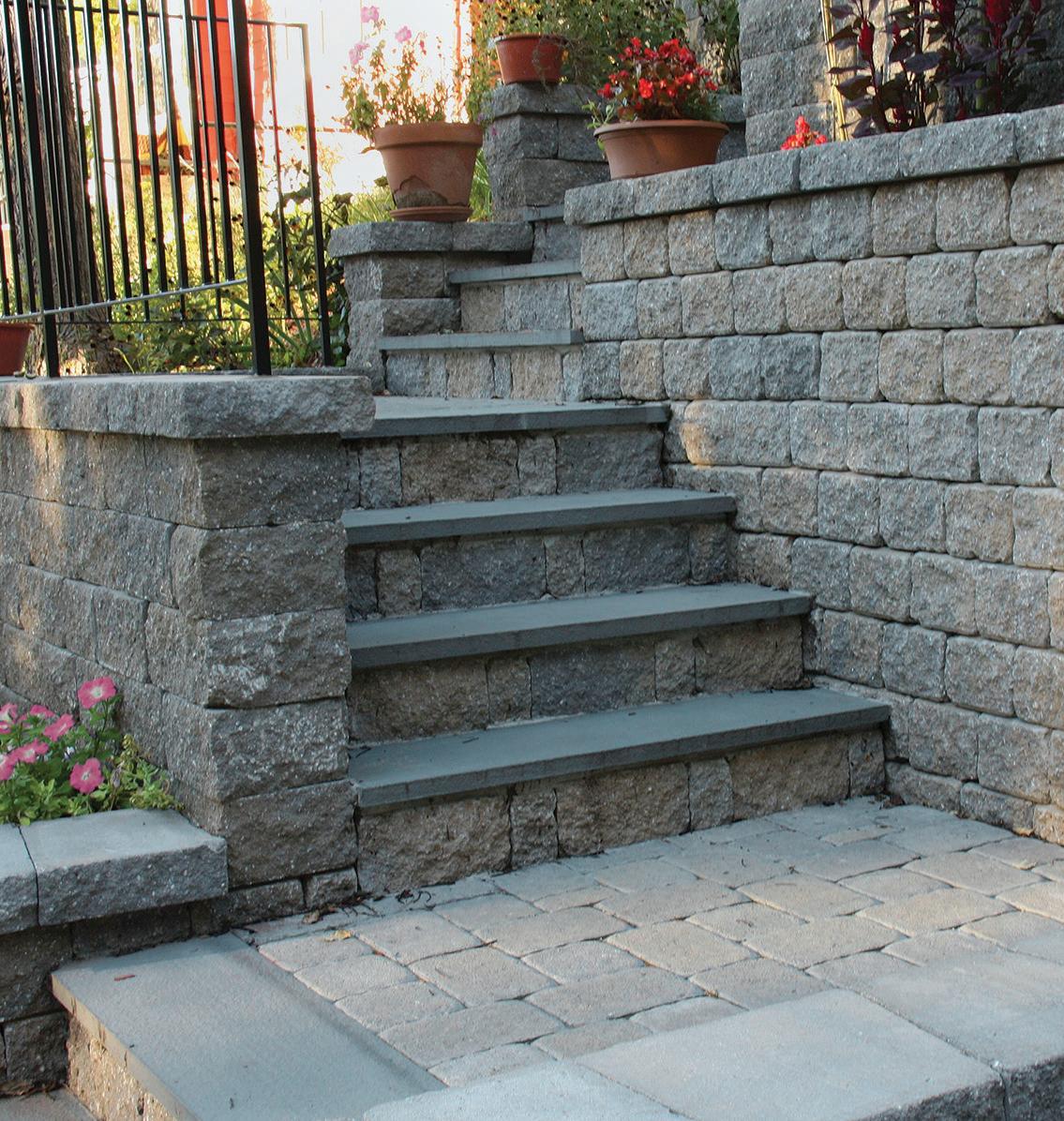
Rockport™ Steps • MillStone™ Pavers Natural Rounds Stone
Yankee Cobble™ Pavers • Ancestral™ Coping Roman Pisa® Wall & Steps • Bluestone Treads
BrookStone™ Pavers Andover 5511™ Smooth Pavers

pro grow news Winter 2020 board committees
PRESIDENT
Tim Hay, MCH
Bigelow Nurseries, Inc.
Tel: (508) 845-2143
VICE PRESIDENT
Peter Mezitt, MCH
Weston Nurseries, Inc.
Tel: (508) 435-3414
SECRETARY/TREASURER
Chris O’Brien, MCH
Howard Designs, Inc.
Tel: (617) 244-7269
PAST PRESIDENT
Jim Stucchi, MCH
Stucchi Landscape and Design, LLC
Tel: (774) 233-2151
DIRECTORS
Deborah Trickett, MCH
The Captured Garden
Kerry Preston, MCH
Wisteria & Rose, Inc.
Steve Charette
Farm Family Insurance Family
David Vetelino, MCH
Vetelino Landscape, Inc
Jean Dooley, MCH
Mahoney’s Garden Centers

EDUCATION & RESEARCH COMMITTEE
Kathy Bergmann, MCH — Chair
Bergmann Construction
Tel: (508) 596.6408
FINANCIAL COMMITTEE (FINCOM)
Steve Corrigan, MCH — Chair
Mountain View Landscapes & Lawncare, Inc.
Tel: (413) 536-7555
Chuck Baker, MCH — Vice Chair
Strictly Pruning
Tel: (508) 429-7189
GOVERNMENT RELATIONS COMMITTEE
Chris O’Brien, MCH — Chair
Howard Designs, Inc.
Tel: (617) 244-7269
HISTORY COMMITTEE
Philip Boucher, MCH — Chair
Elysian Garden Designs
Tel: (508) 695-9630
Skott Rebello, MCH — Vice Chair
Harborside P.S.
Tel: (508) 994-9208
MAGAZINE COMMITTEE
Gaele McCully, MCH MCLP — Chair
Mahoney’s Garden Center
Tel: (781) 729-5900
MASSACHUSETTS CERTIFIED HORTICULTURIST BOARD (MCH)
Jack Elicone, MCH — Chair
John R. Elicone Consulting
Tel: (617) 527-5706
PRODUCTS COMMITTEE
Peter Mezitt, MCH — Chair
Weston Nurseries, Inc.
Tel: (508) 435-3414
GOVERNMENT RELATIONS DIRECTOR
Jason Wentworth
Tel: (617) 417-4050
EXECUTIVE DIRECTOR
Rena M. Sumner
Tel: (413) 369-4731
Massachusetts Nursery & Landscape Association P.O. Box 387 Conway, MA 01341 mnlaoffice@aol.com www.mnla.com www.PlantSomethingMA.org www.mnlafoundation.org
ProGrowNews is published quarterly by the Massachusetts Nursery & Landscape Association (MNLA), P.O. Box 387, Conway, MA 01341, tel. (413) 369-4731. Articles do not necessarily reflect the view or position of MNLA. Editorial coverage or permission to advertise does not constitute endorsement of the company covered or of an advertiser’s products or services, nor does ProGrowNews make any claims or guarantees as to the accuracy or validity of the advertiser’s offer. (c) 2014 All rights reserved. No part of this publication may be reproduced in print or electronically without the express written permission of the MNLA.
www.mnla.com pro|grow|news

My Final President’s Message
ByTim Hay, MCH
By Tim Hay, MCH
As I try to put my thoughts together for this final president’s message, I look back and ask, “Where did two years go?” I could not have done it without the MNLA Board of Directors and committees, Rena and Jason, my co-workers at Bigelow Nurseries, and a very understanding spouse. You have all made the task of MNLA President easy, so thank you! With only weeks left in my term as your president, it has been a pleasure to serve. I know that as I become past-president and join that honored group out in the pasture, MNLA is in good hands for years to come.
As Jim Stucchi said in his last president’s message, “It is all about relationships …..and the Patriots.” He was right. The relationships made through MNLA — be it business or personal or both — are some of the most valuable benefits you receive when you give. I urge you to get involved, attend events, and network. The relationships you make will pay you back for years to come in ways you have never imagined. And as for the Patriots, we can always say….”There is next year.” How lucky we are to live in New England. Ah, Mother Nature and Sports.
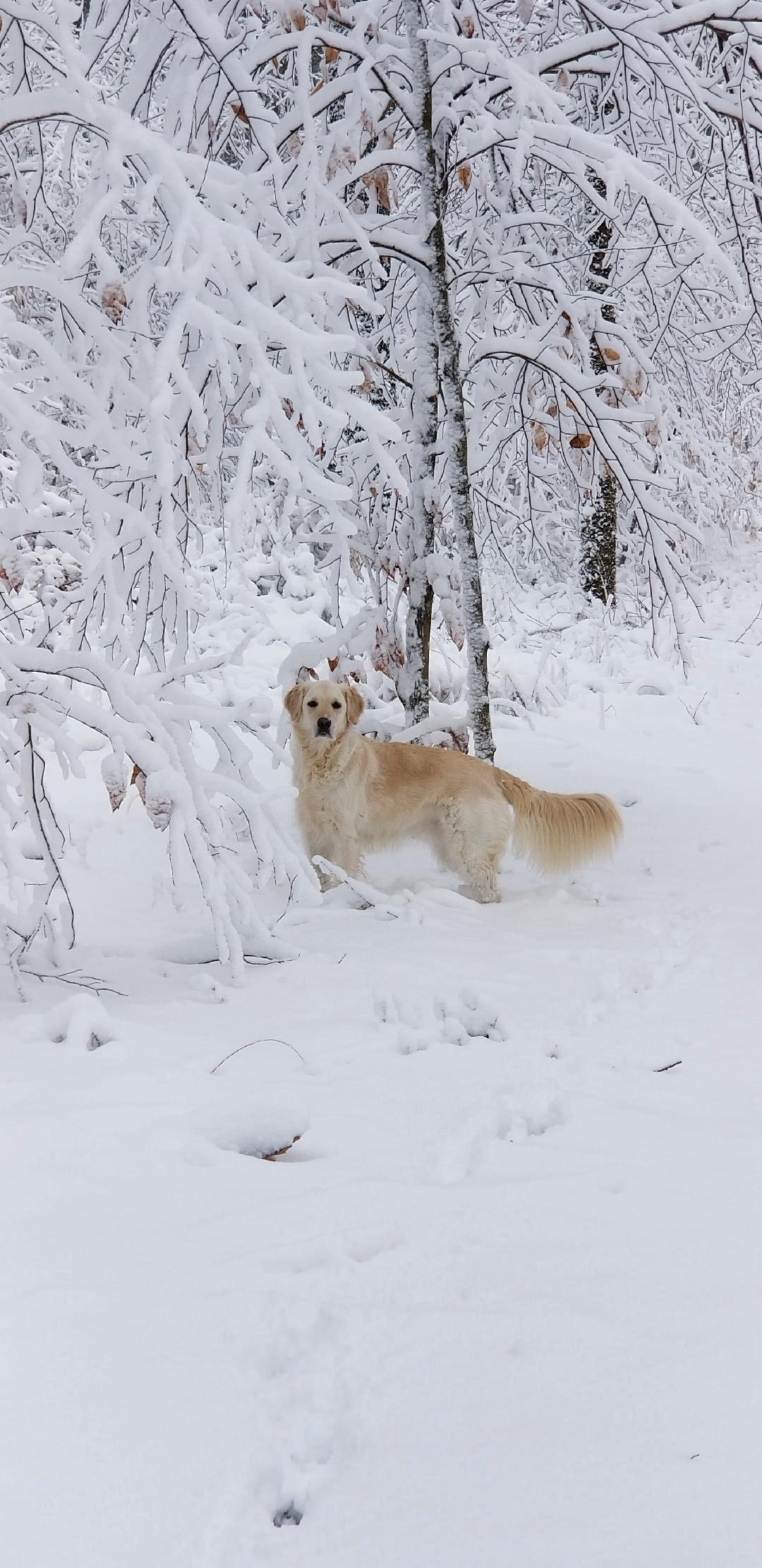
As for Mother Nature, we have gone from 30-plus inches of snow to 65-plus degrees in temperature in just a matter of a week. At my house, the dog loved the snow and the birds thought spring was here four months early. These extreme weather events are the new normal, so we might as well get used to them. It will be very interesting to see how the new plantings have fared come the real spring. I am hopeful the early snow gave enough protection to the new plantings. The plus has been that as the temps went up and the snow melted, there was water for them. There are always challenges when dealing with Mother Nature; it’s the silver lining we need to embrace.
When business challenges seem insurmountable, look to your professional organization to find the silver lining; it is the reason we exist. Let MNLA be your “Resource for Success.” This year, attend MNLA-sponsored events, participate, and get involved. The return is immeasurable.
As always, please feel free to contact me with any question, concern, or just to catch up.
Tim Hay, MCH Bigelow Nurseries, Inc. MNLA President
contributed to the delay of our winter publication. Please Watch your mail for the spring issue to follow shortly.
By Jason Wentworth


Full speed into 2020 and another annual process begins anew at the State House: the development of the state budget. Soon, the governor will release his first draft of this year’s budget bill. Fun fact: As the Legislature’s session is two years long, the first budget bill of the session is titled H1 (House Bill 1) and the second H2. We should see H2 released very soon.
With some exceptions, the governor’s budget bills tend to mirror past appropriations. Of course, the Legislative branch gets to have a go at it as well. The House will first release their version, which will be very similar to the governor’s, and the Senate will follow suit. Within the two branches of the Legislature, members will have the opportunity to file amendments that, if adopted, can add, cancel, increase, or decrease the spending for a line item. Non-budgetary policy matters can be addressed in the budget bill as well, in both the Governor’s and Legislature’s versions. It’s key that I, and my fellow advocates, keep an eye on these “outside sections” to make sure nothing untoward gets through unnoticed.
Printed out, the governor’s annual budget bill would give any coffee table book a run for its money. As a rookie legislative aide back in 2011, I marveled at its size and was more than
a little intimidated when asked to search for a few items. My reverence was tempered as I saw old veterans of the State House dropping them respectfully in recycling bins. I quickly learned that, while the Commonwealth is steeped in tradition and the transmission of the budget via print is no doubt required, the best way to search, make notations on, and work on the budget is by utilizing the online copy.
Much less labyrinthine than the printed version, a simple search on Mass.gov of the key words “budget appropriations recommendation” will not only bring up the latest year’s information, but also allow you to review historical budgets and historical spending. If you’re like me and enjoy discovering behavioral trends, that opportunity to glance at historical activity is fascinating. Additionally, the site allows the user to drill down into individual departments and the individual line items that fund them, again allowing for comparison to past years’ allocation and actual spending.
Even with the benefit of online keyword searching, it is still a very lengthy and involved process to fully review, but it’s essential in ensuring that bad policy doesn’t slip through the cracks. In addition to my own pair of eyes, we are fortunate to have astute MNLA members and friendly legislators keeping an eye out. If you’ve never checked it out for yourself, give it a try. When someone asks you where their tax dollars go, you can tell them! Just make sure you refer them to the website and not the printed tome.
Jason Wentworth, Peacefield Strategies MNLA Government Relations Director

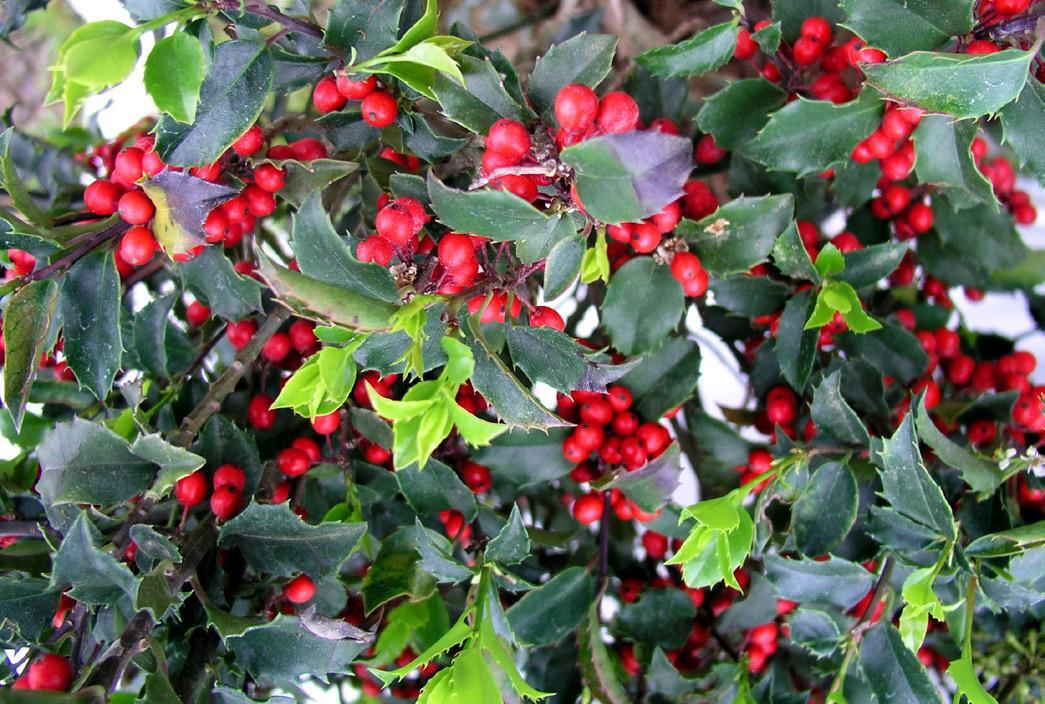
Blue Princess Holly
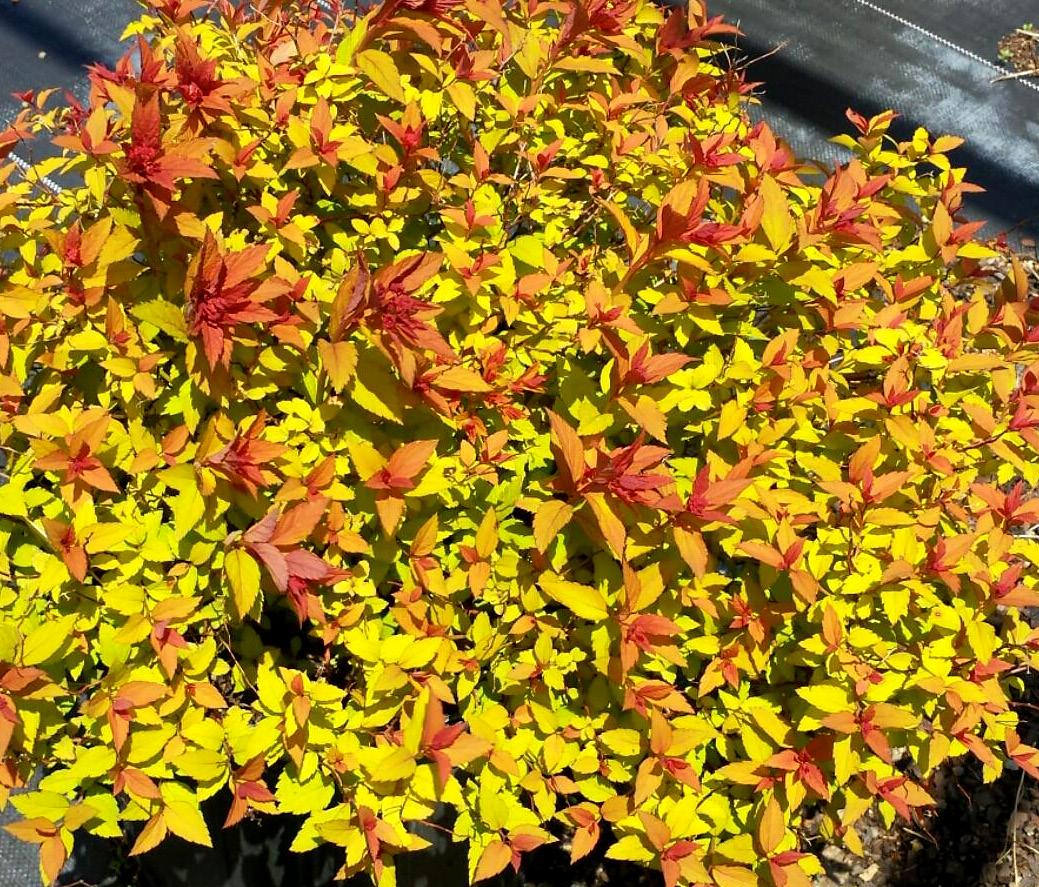
Magic Carpet Spirea
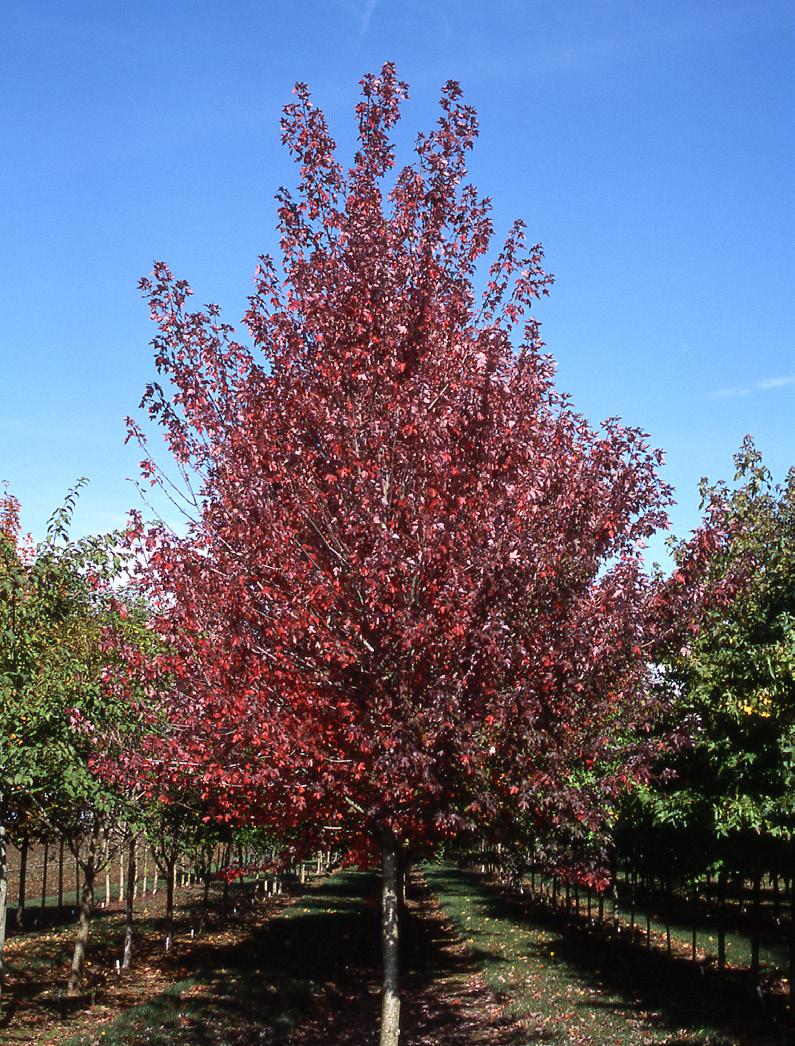
Redpointe Maple
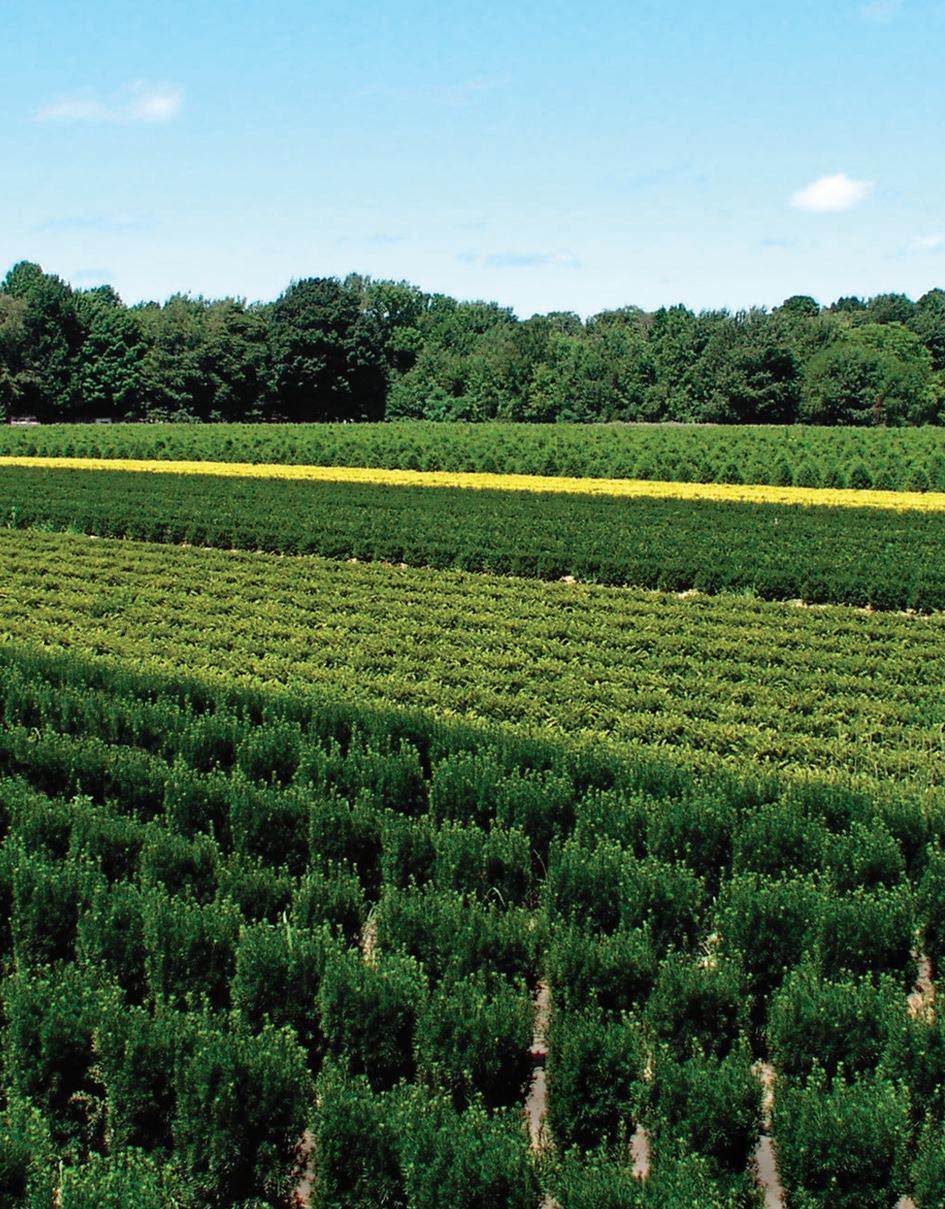
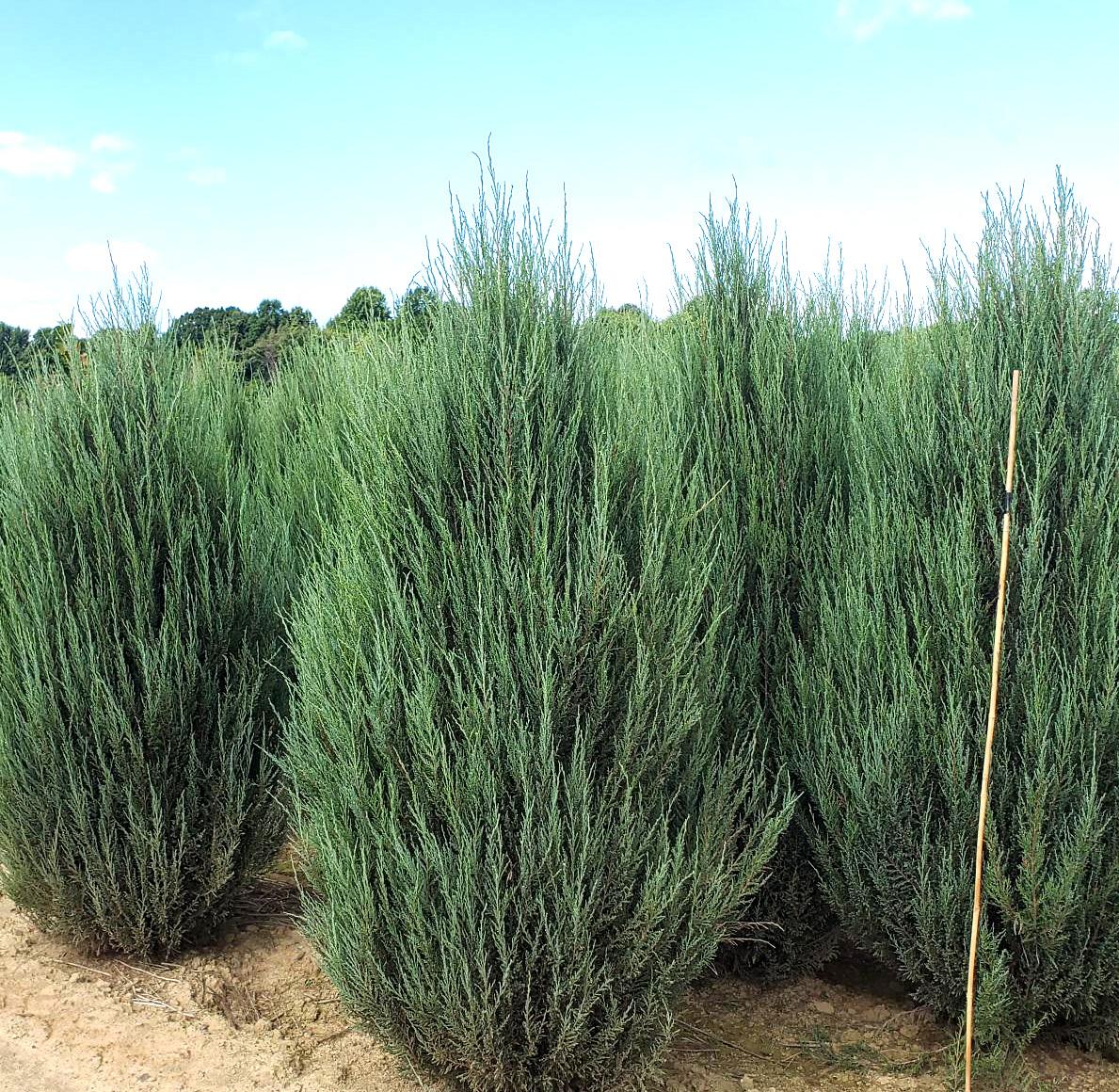
Blue Arrow Juniper
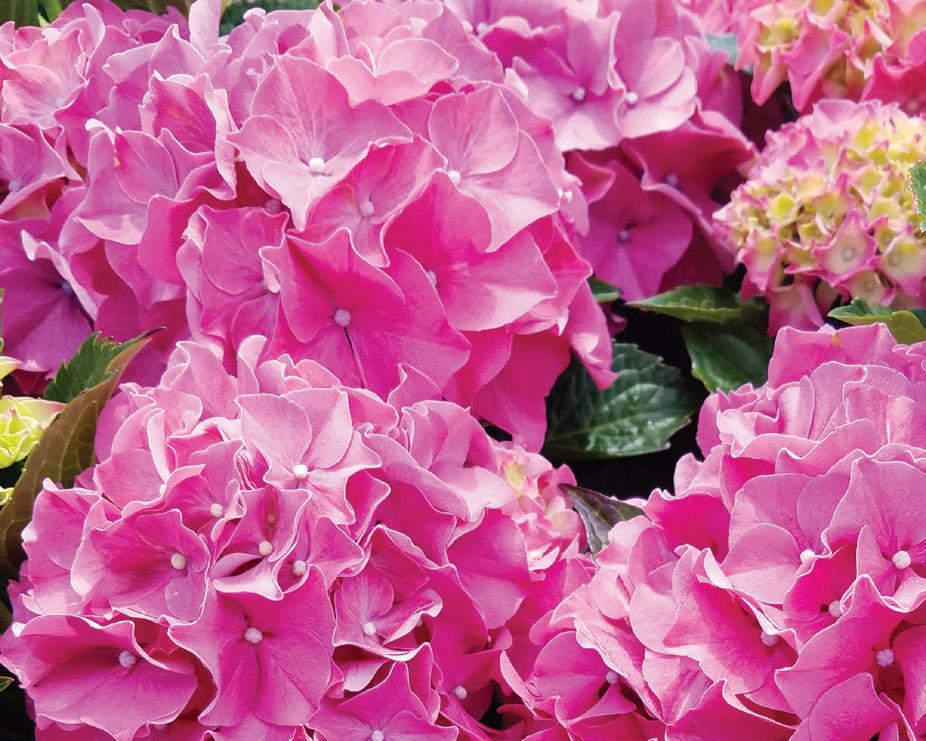
Hortense Hydrangea
Some Things Never Change
By Bobbie Schwartz
We all know that the most beautifully designed and installed garden can become the garden from hell if not properly maintained. Gone are the days of plentiful and inexpensive gardeners for hire. Thus, many of our clients ask for low-maintenance perennial gardens. Amazingly, this request is not an oxymoron. Perennial gardens, if well-designed, can be low maintenance.

One of the first considerations is the nature of the perennial you wish to use. Is it a clumper, a runner, or a seeder? If it’s a runner, how fast does it run? Epimedium, for instance, is a lovely, drought tolerant groundcover for shady areas. Although rhizomatous, it spreads very slowly. On the other hand, Helianthus ‘Lemon Queen’, a tall, stately perennial for the back of the border, will quickly overtake everything in its path.
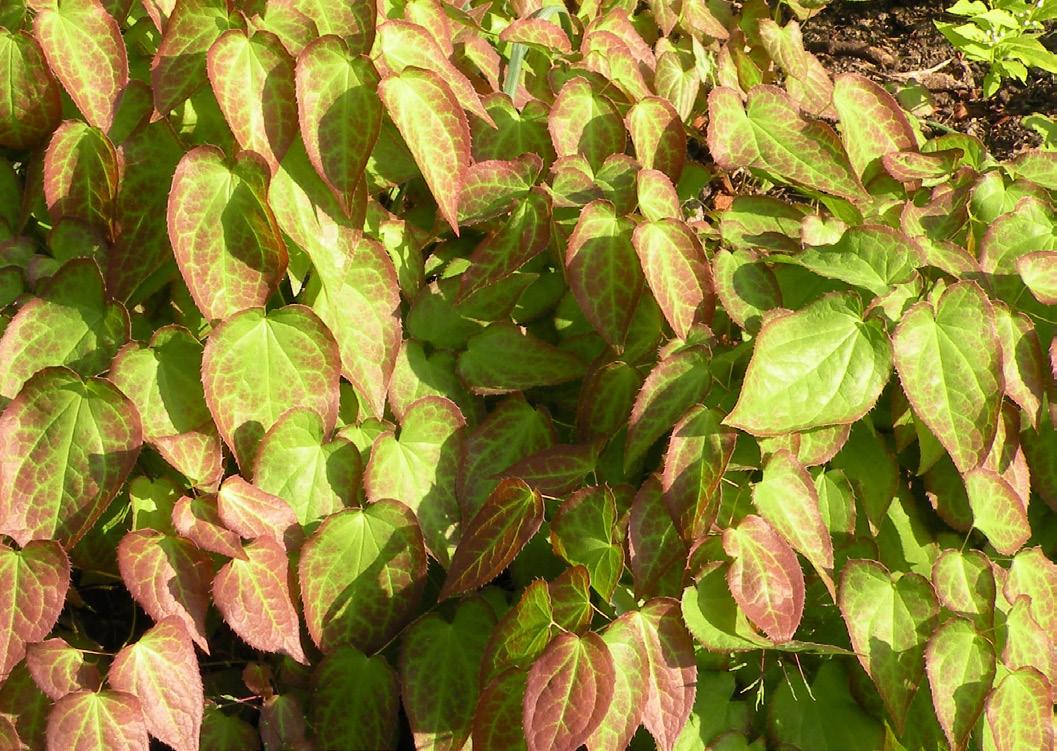
Over time, Epimedium becomes quite dense. Its spring foliage has a bronzy tinge that highlights its texture.
I love many seeders, but the most important question is whether the seedlings are easy to pull. This is known as editing. Rudbeckia ‘Goldsturm’ is widely grown because it will grow almost anywhere, but the seedlings will inundate
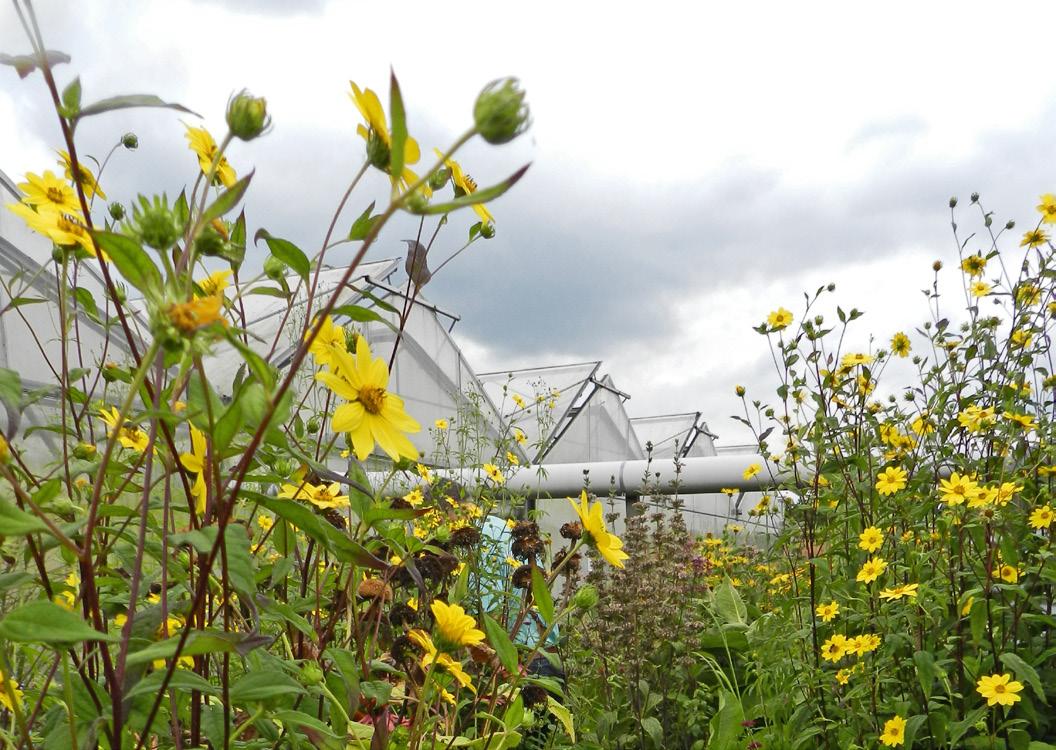
Helianthus ‘Lemon Queen’ is a great sun perennial for an area where quick coverage is desired.
a garden. Aquilegia, however, is a moderate seeder, and the seedlings are most welcome because the parent plant is often besieged with leaf miner, leaving behind unsightly plants. In order to space plants appropriately, one must also know the habit of the perennial. Is it an upright plant that will not need staking or is it a flopper that will take up more space than you had imagined? Digitalis has strong stems, but Centranthus, if grown in part shade instead of sun, will flop as it leans toward the sun and will also be only twelve inches high instead of twenty-four.
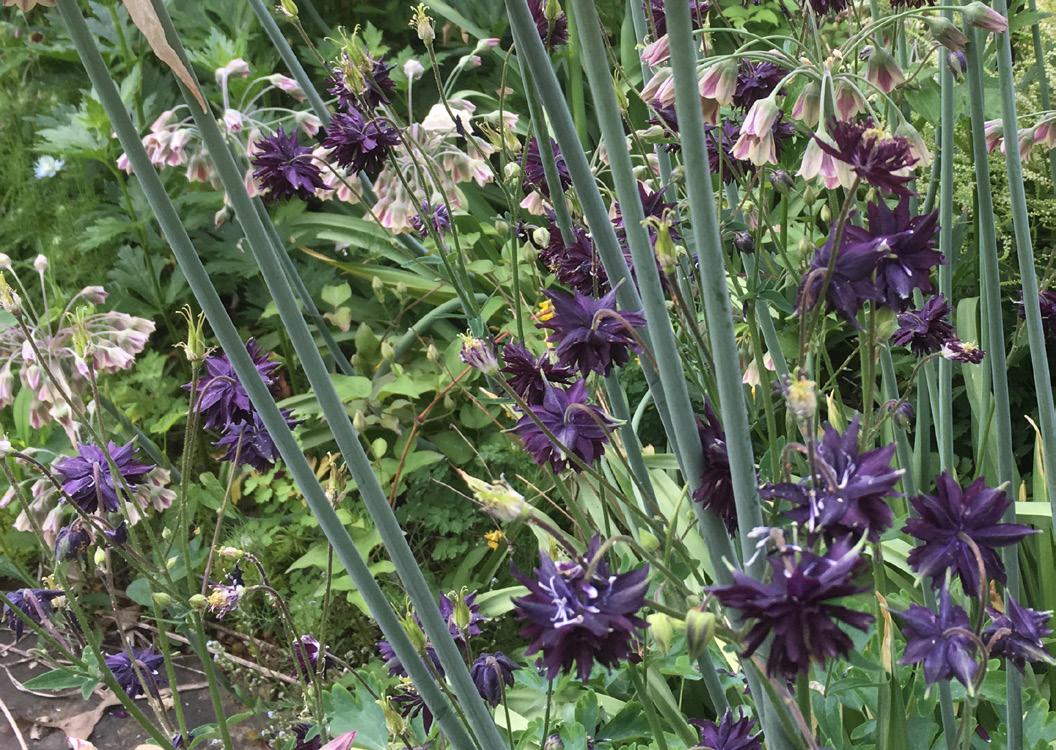
Aquilegia vulgaris double purple has seeded itself in between my Nectarascordum bulgaricum and thus created a lovely vignette.
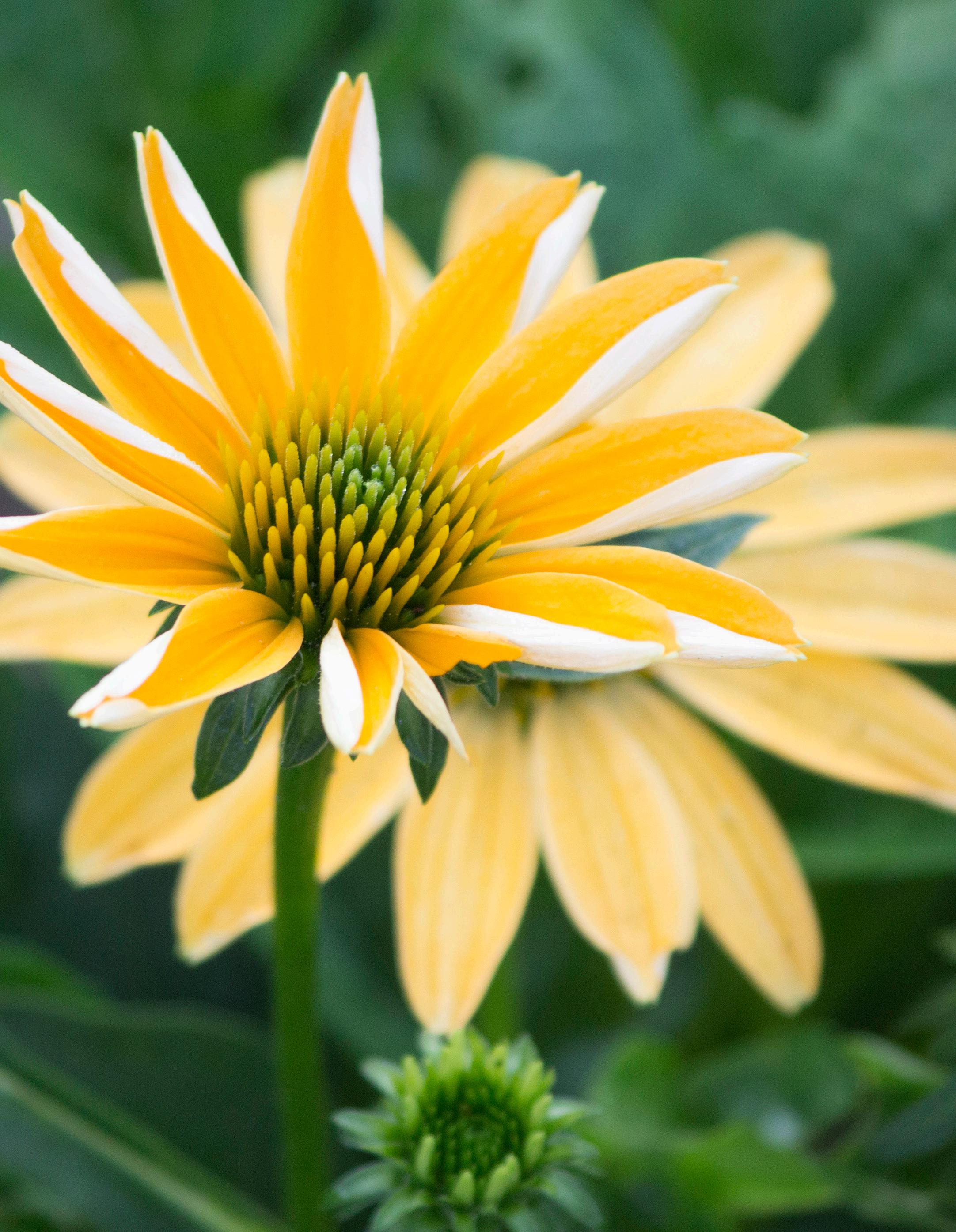
Established in 1910, Cavicchio Greenhouses is a fourth-generation New England farm working more than 250 acres in Sudbury. As a horticultural grower and landscape distributor, we cultivate and supply an extensive variety of annuals and perennials, nursery stock, stone, masonry and landscape materials. With a hard-earned reputation for service, quality, selection and sustainability, we work with professionals and garden centers throughout the area to keep our region beautiful.
Clients are not known for their patience, so newly installed gardens often look sparse. Take advantage of annuals to fill the empty spaces. If you use seeding annuals, the garden will benefit from additional color and structure
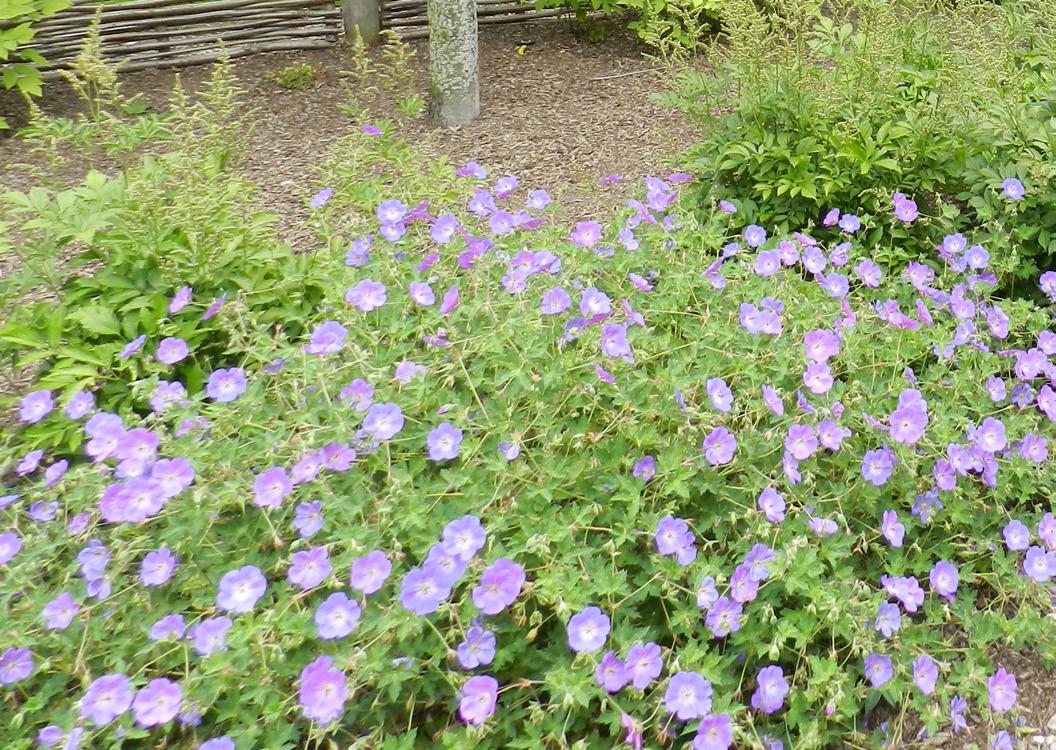
The flowers of Geranium
are self-cleaning, a boon to gardeners who have many other chores that consume their time.
Although Tracy DiSabato-Aust’s book, The Well-Tended Perennial Garden, was written over twenty years ago, it is still the best guide on this subject. In addition to the specifics for each perennial, the appendices are extremely helpful. They include lists, among others, of Lower Maintenance Perennials, Perennials That May Require Division Every 6-10 Years, and Perennials with Self-Cleaning Flowers.
Perennials such as Eupatorium purpureum (Joe Pye), Aster novae-angliae, and Cimicifuga (Actaea) make an impact but need virtually no attention. At most, they need to be cut to the ground in early spring if the stalks have not
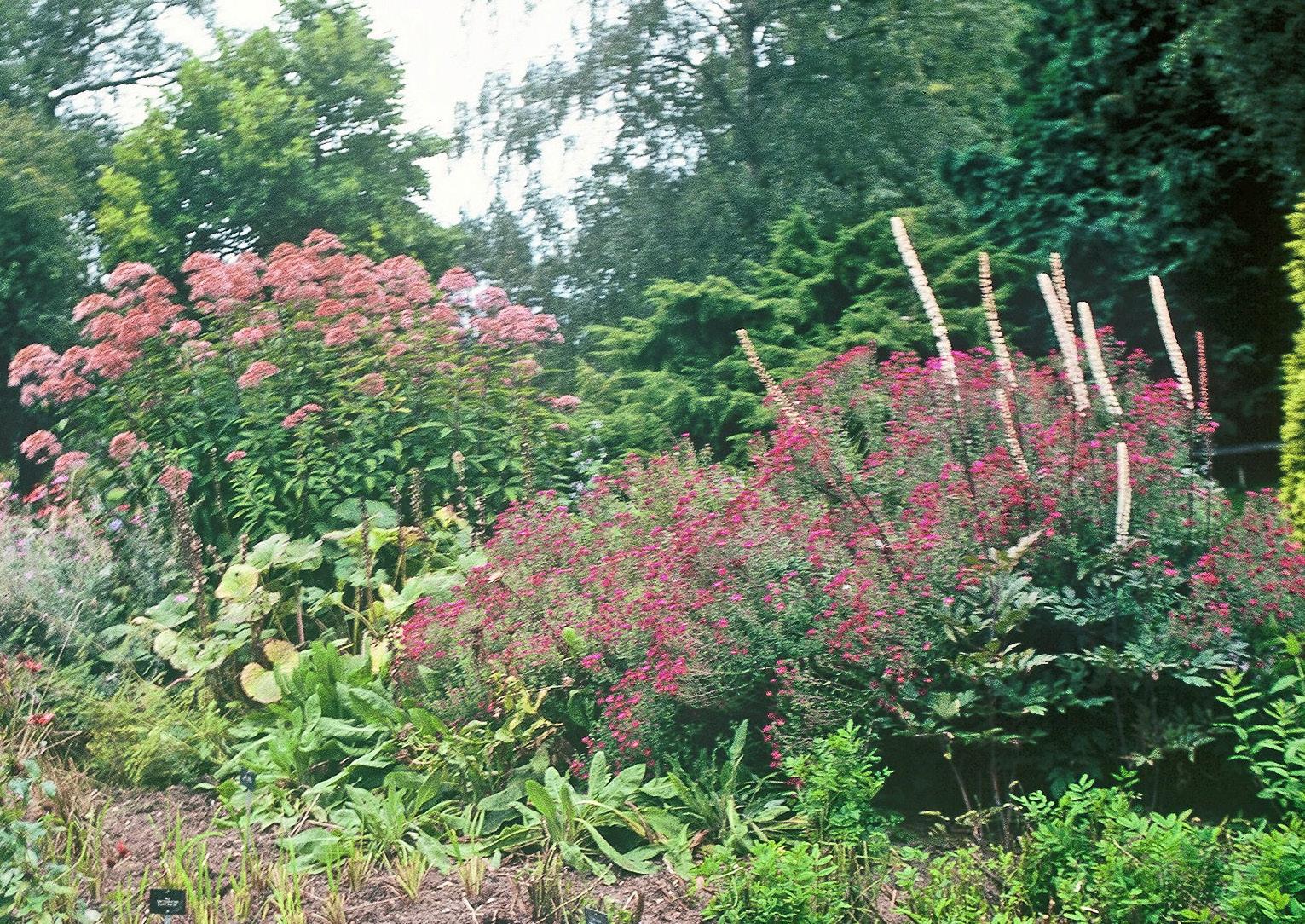
This late summer/early fall combination of Eupatorium purpureum, Aster novae-angliae ‘September Ruby’, and Cimicifuga (Actaea) racemosa needs virtually no maintenance.
already fallen to the ground. One of my favorite perennials is Baptisia. I love the leguminous foliage, its June bloom, and its green, then black pods that last through the winter. Because it has a deep tap root, it does not take kindly to division or transplanting. Just cut the stalks down in spring.
If a perennial has self-cleaning flowers, no deadheading will be required, a chore that entails time and repetitive motion that can lead to carpal tunnel syndrome. The hardy geraniums have self-cleaning flowers, a boon to all gardeners. Most are relatively short so this also means we don’t have to bend over.
There is no such thing as no maintenance. As designers, we know we can lower maintenance for our clients while still creating beautiful gardens for them using careful selection.
Bobbie Schwartz, a certified landscape designer in Shaker Heights, Ohio, is the owner of Bobbie’s Green Thumb, a fulltime business focusing on landscape design, consultation, installation and maintenance, lecturing, and writing. Most of Bobbie’s designs are for residential properties. Her landscape signature is the use of perennials, flowering shrubs, and ornamental grasses to facilitate color and interest throughout the year. An obsessed gardener for fifty years and a landscape designer for forty-two years, her extensive travels to gardens and nurseries have contributed greatly to her knowledge of design and new plants. Bobbie has received several design awards for residential, commercial, and institutional designs. She lectures locally and nationally for master gardeners, botanical gardens, and landscape associations on various aspects of design and perennial and ornamental grass gardening. She also writes extensively for various associations and magazines. Her book, Garden Renovation: Transform Your Yard into the Garden of Your Dreams, was released by Timber Press in 2017.
‘Rozanne’
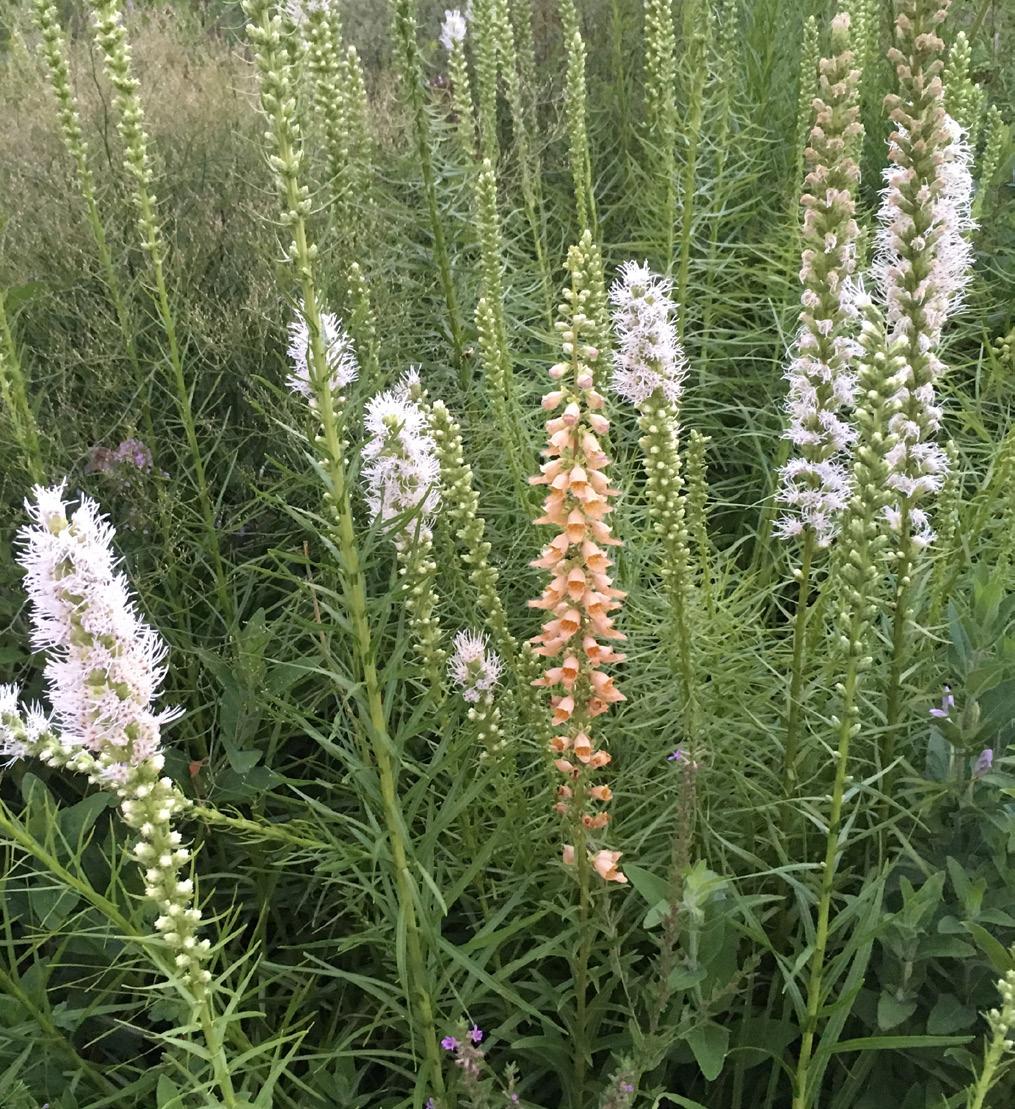
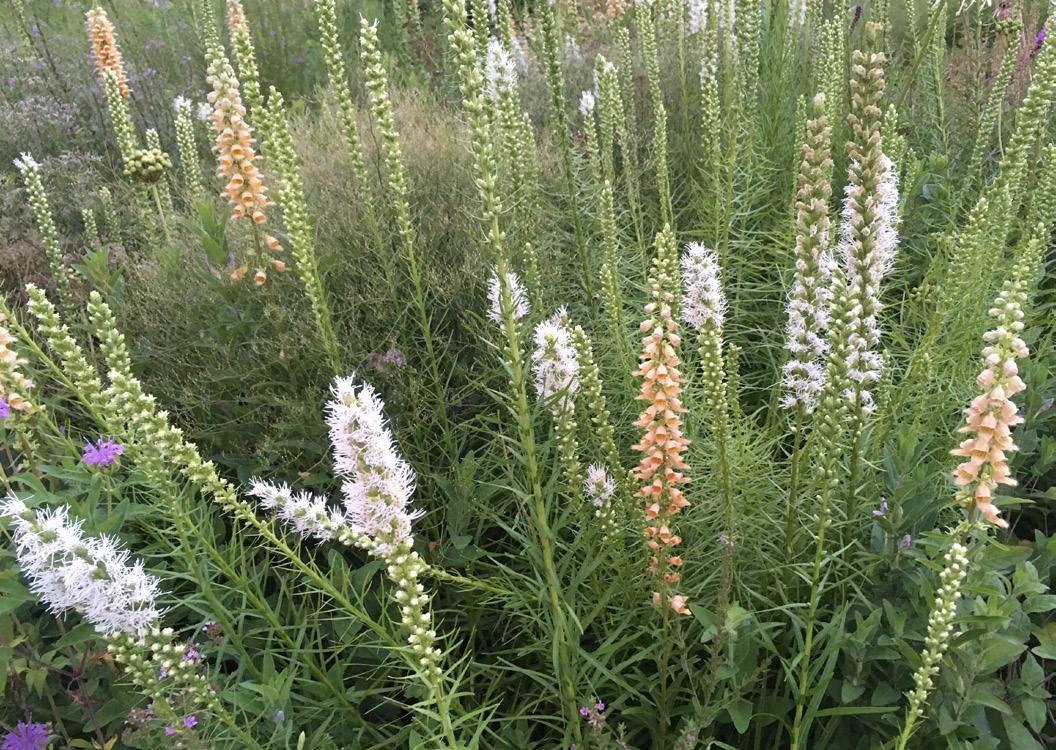
Digitalis ferruginea or Liatris pcynostachaya ‘Alba’.
MORE YOUR ALLY THAN YOUR AGENT

With AMERICAN NATIONAL, you’ll get an agent who has the know-how and products to help you properly manage your family’s risks. An open appointment book, along with options for home, auto, life, farm and business coverage, means you can feel good that you’re getting more an ally than just an agent.
Wherever you are in Massachusetts, there’s a American National agent close to you. Give us a call for more information.
























The Garden Ecologist: An Unfulfilled Need in the Landscape Industry
By Larry Weaner
WhenNew Directions in the American Landscape put on its first educational program in 1990, native plants and ecological gardening were far from the minds of the vast majority of our clients. Since then, a sea change has occurred. Practitioners searching for interested clients have been replaced by clients searching for experienced contractors.
Designers are including native

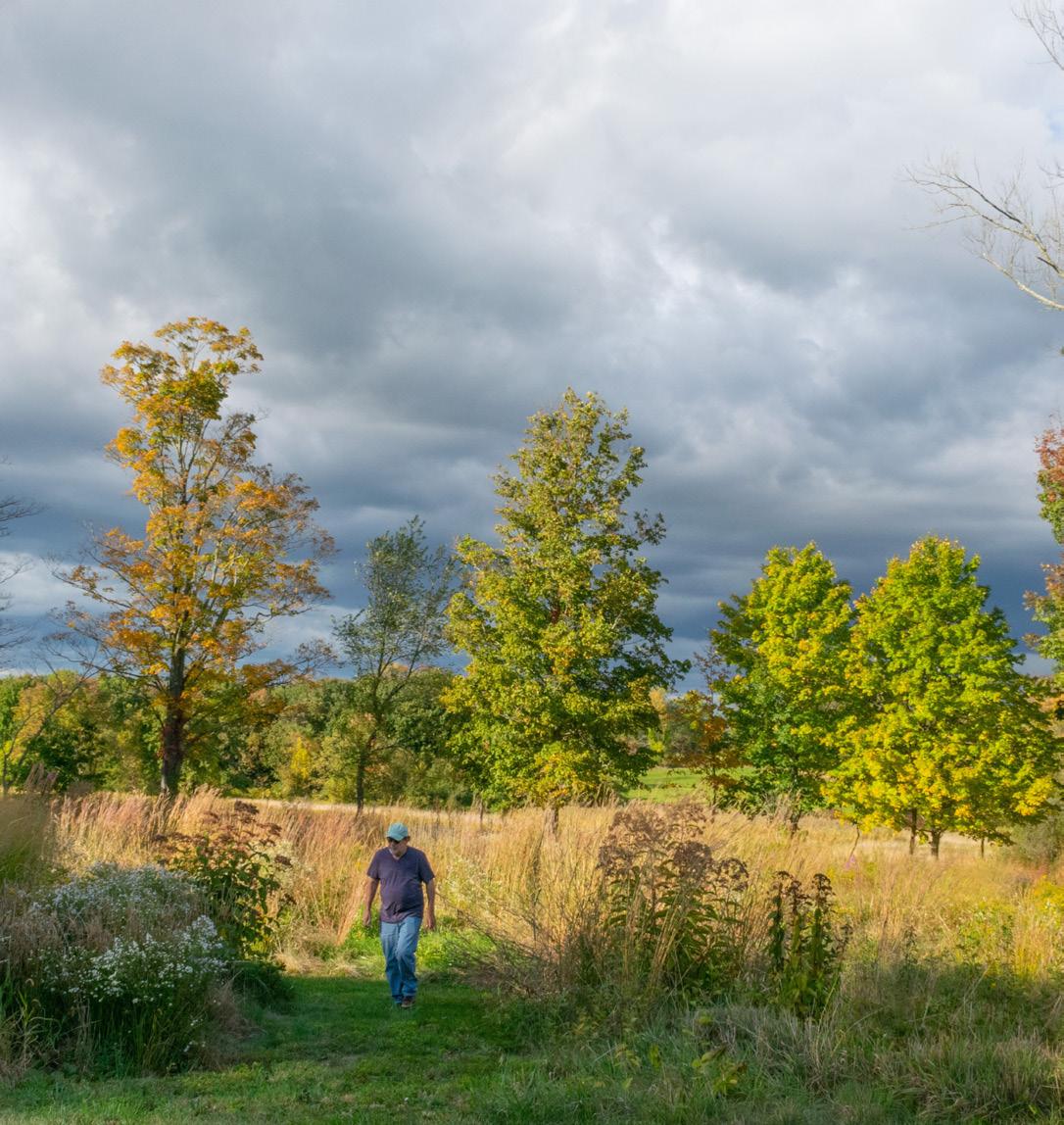
meadows as a more ecological alternative to mowed turf, not to mention the aesthetic effects of seasonal blooms and grasses swaying in the breeze. But the protocols needed to successfully establish these meadows differ dramatically from traditional turf establishment.
Winds of change
Clients are also increasingly interested in controlling the invasive species that have run amok on large portions of their properties. But the most effective protocols for their control are far more species-specific and pre-planned than what occurs in a typical garden weeding session.
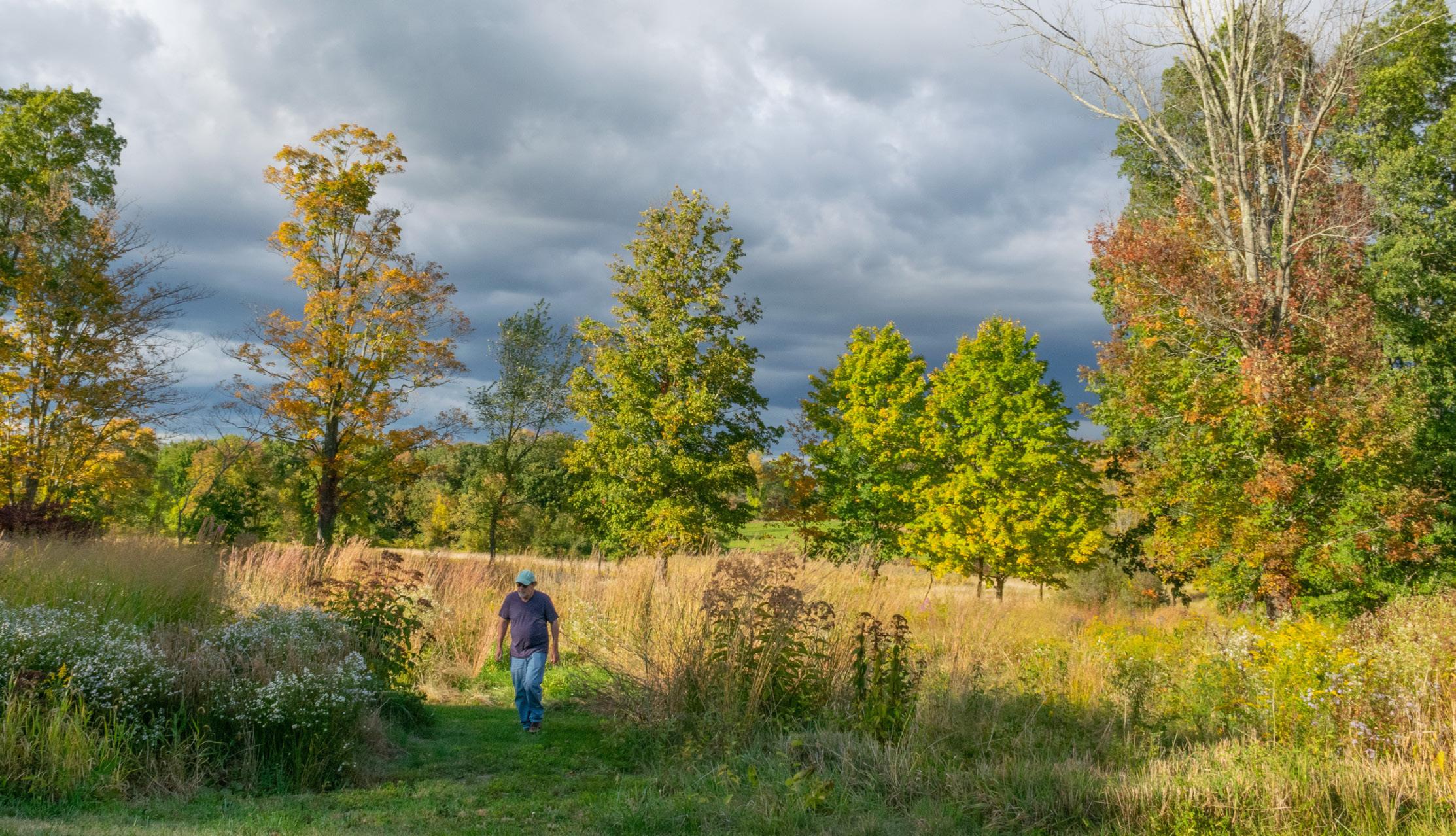
Photo courtesy Kim Sokoloff
Photo courtesy of Mark Weaner
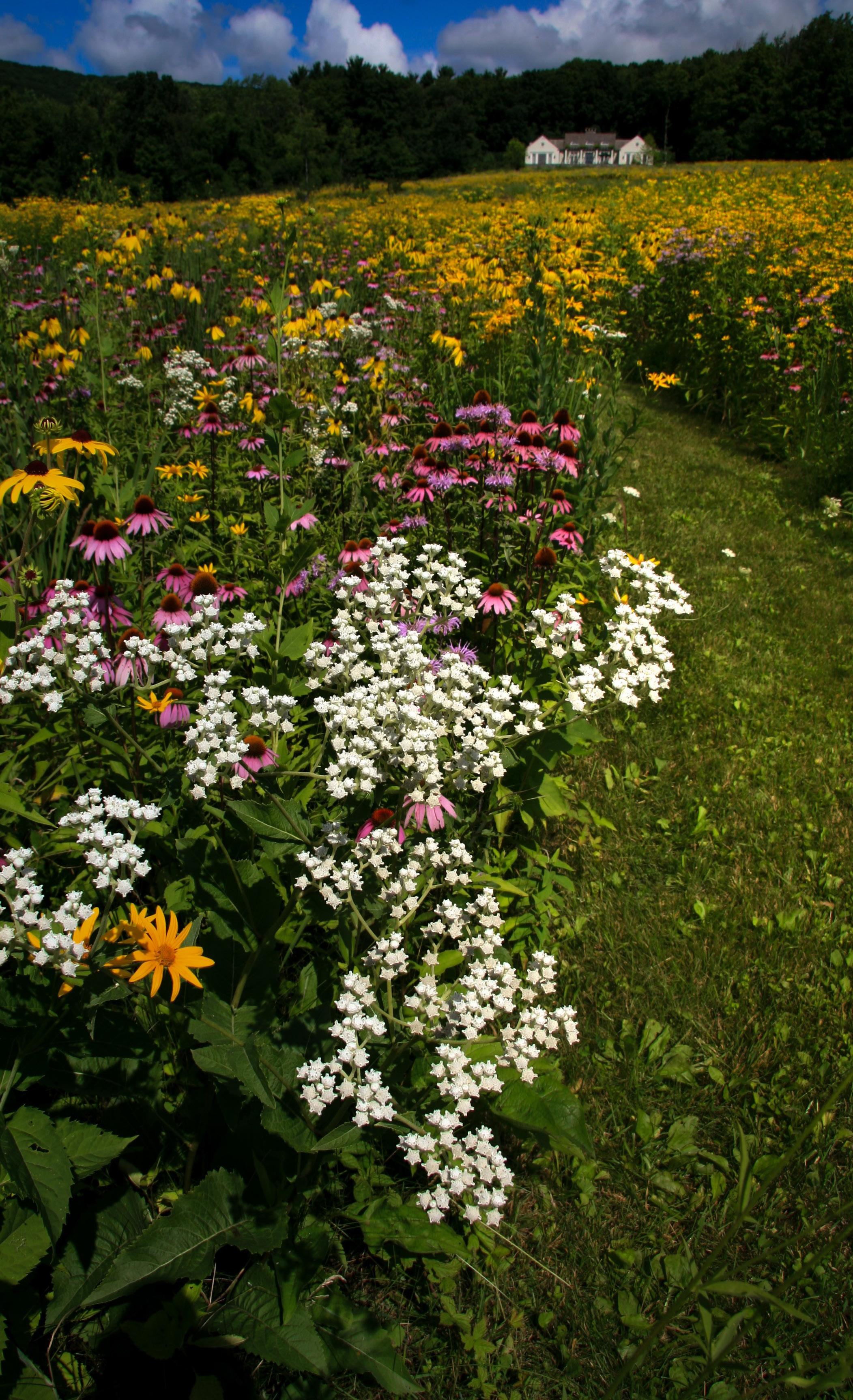
Both of these efforts require landscape practitioners to break out of the garden bed and become actively involved in a much larger portion of their client’s property. While this offers significant opportunity for an expansion of services contractors can provide, it requires a significant addition to the traditional landscape planting and maintenance toolbox.
Natural interest
In addition, clients have become increasingly interested in wildlife habitat, pollinator-friendly plantings, and the reduction or elimination of pesticide use. Each of these efforts and approaches require new techniques that recognize the altered benefits that ecologically oriented landscape plantings are expected to provide.
Those contractors who have obtained a mastery of the techniques required to consistently guide these new landscape types into fruition will have the ability to not only expand their client base, but also to distinguish themselves as competent practitioners of the fastest growing landscape approach.
While planting and managing landscapes that achieve the ecological benefits and aesthetic character clients want is paramount, the maintenance required to get there is also a major consideration. In over thirty years of working with clients, I have never entertained a request for a highmaintenance landscape, and I expect I never will.
Maintenance?
The level of maintenance any given landscape will require depends not only on the maintenance techniques that are employed, but also on the planting protocols that preceded it. Understanding ecological characteristics and processes like exhausting the weed-seed bank prior to planting and managing soil disturbance during the planting process can have a significant
Photo courtesy Larry Weaner Landscape Associates
Landscape contractors who embrace an ecological approach to planting and managing landscapes — and make the effort to familiarize themselves with the unique techniques that are associated with this approach — can expect to enhance their position in the field.
Larry Weaner is the founder of New Directions in the American Landscape and principal of Larry Weaner Landscape Associates. His firm’s design and restoration work spans more than ten states and has been profiled in many national publications. Larry has received numerous awards, including the Landscape Design Award from the New England Wildflower Society for use of native plants in “exceptional and distinctive
landscape compositions” and the Lady Bird Johnson Environmental Award from The Native Plant Center. The Garden Club of America awarded him an honorary membership in 2015. He is a frequent speaker and presenter at regional and national conferences and venues, is a founding member of Association of Professional Landscape Designers (APLD), a former member of the APLD’s Environmental Committee, and an affiliate member of the American Society of Landscape Architects (ASLA). Larry co-authored Garden Revolution: How Our Landscapes Can Be a Source of Environmental Change with Tom Christopher (Timber Press, 2016). Their book received a 2017 Book Award from the American Horticultural Society.
Meet Larry Weaner at MNLA’s Down to Earth Summer Conference and Trade Show on July 23, 2020, at Weston Nurseries, Hopkinton, Massachusetts.
We also invite you to save the date for MNLA’s one-day Garden Ecology for Landscape Contractors on November 5, 2020, at Tower Hill, Boylston, Massachusetts. For more information go to www.mnla.com.
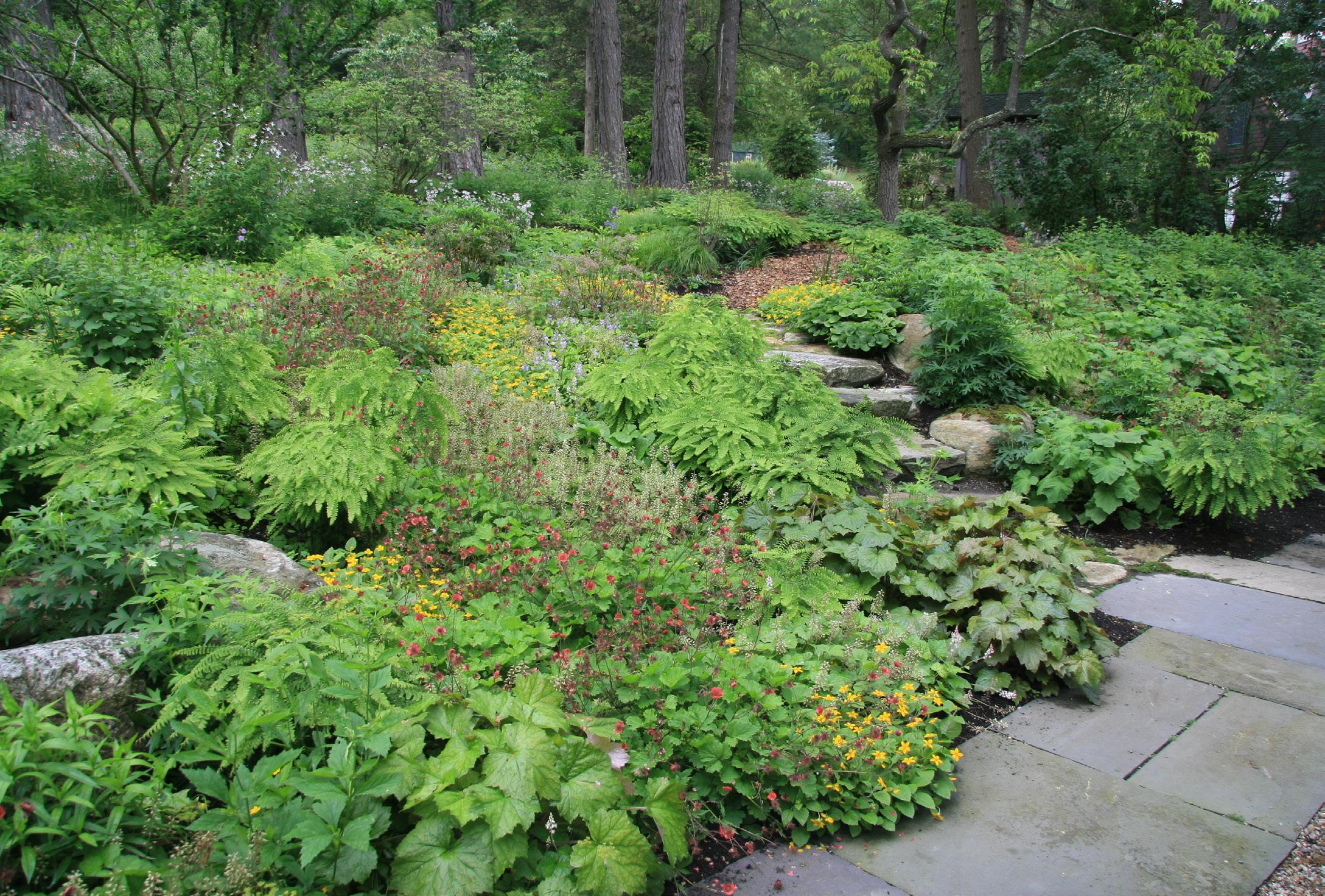
Photo courtesy Larry Weaner Landscape Associates