Spaces of Fear: Architectural Dynamics in Alien (1979)
List of Figures
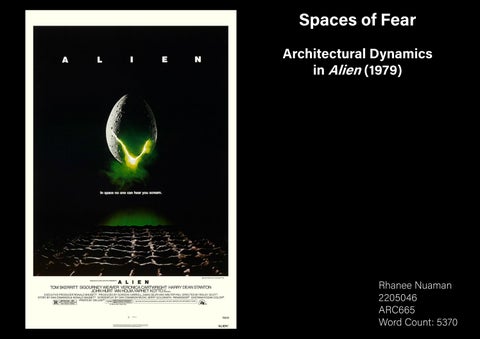
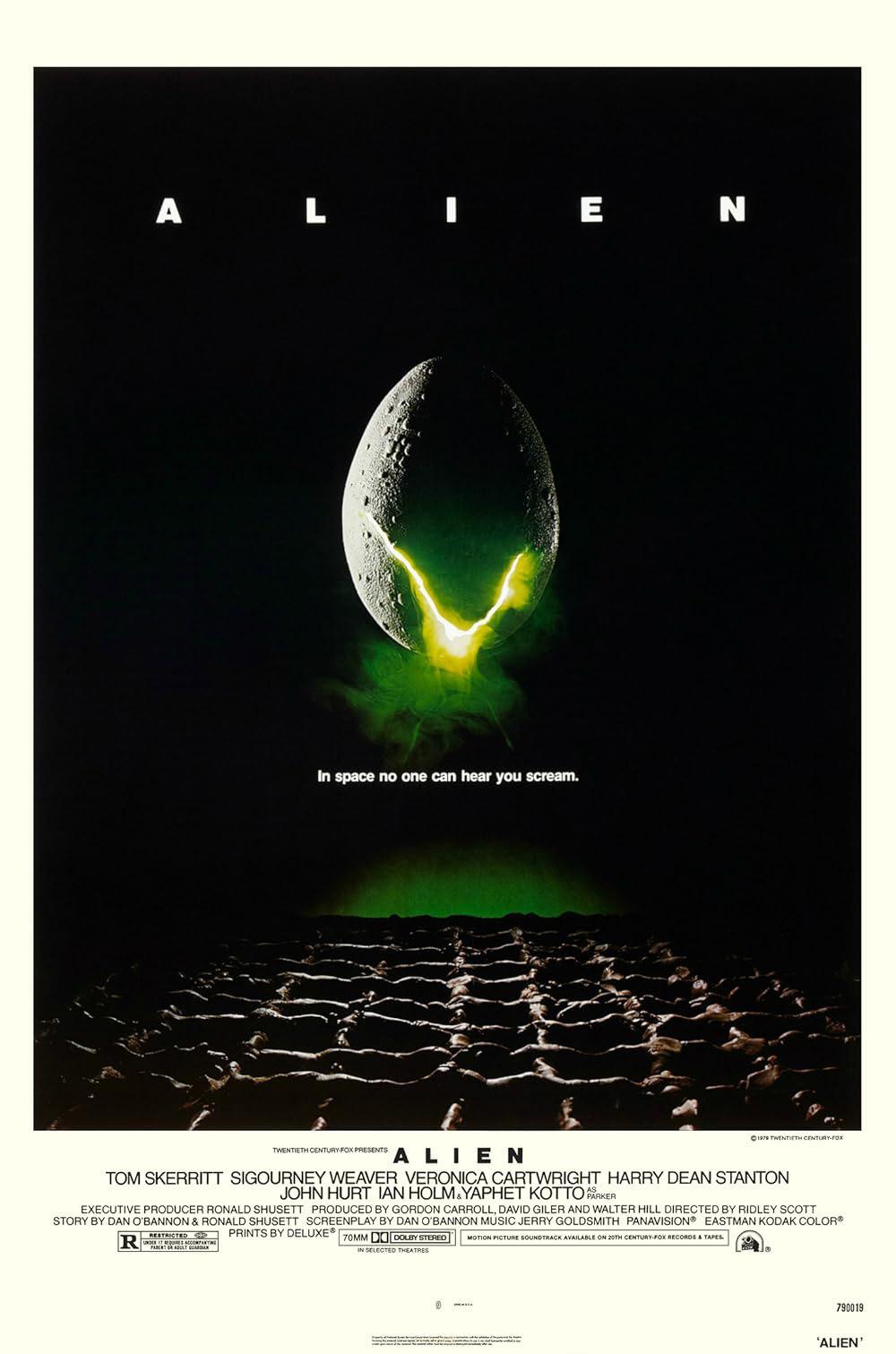
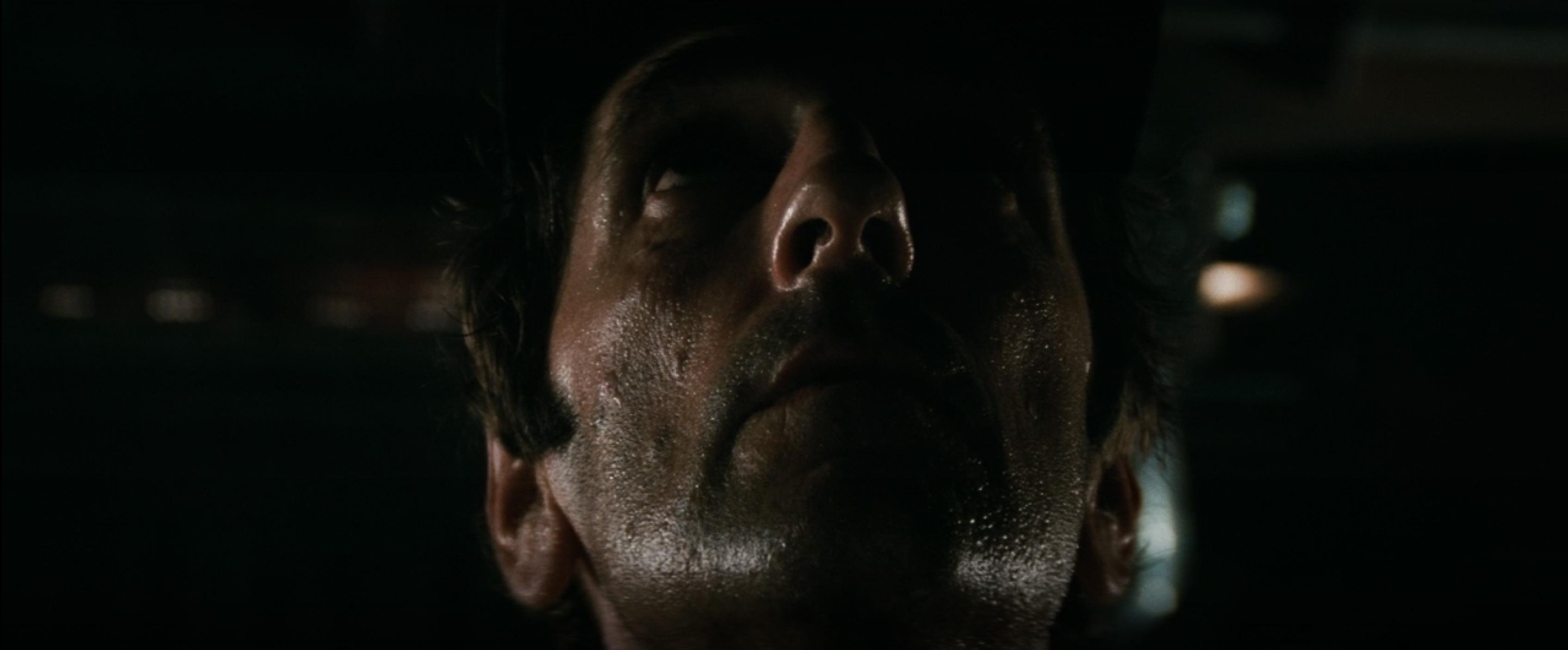
Figure. 0 - Essay cover image Alien (1979) IMDb. IMDb.com. Available at: https://www.imdb.com/title/tt0078748/ (Accessed: 26 November 2024).
Figure. 1 - The opening shot of the Nostromo Scott, R. (1979). Alien (screenshot). England. Available from: https://www.disneyplus.com/en-gb/browse/entity-ad16673a-53ed-49ba-9d56-72164797afb6. (Accessed 3 August 2024)
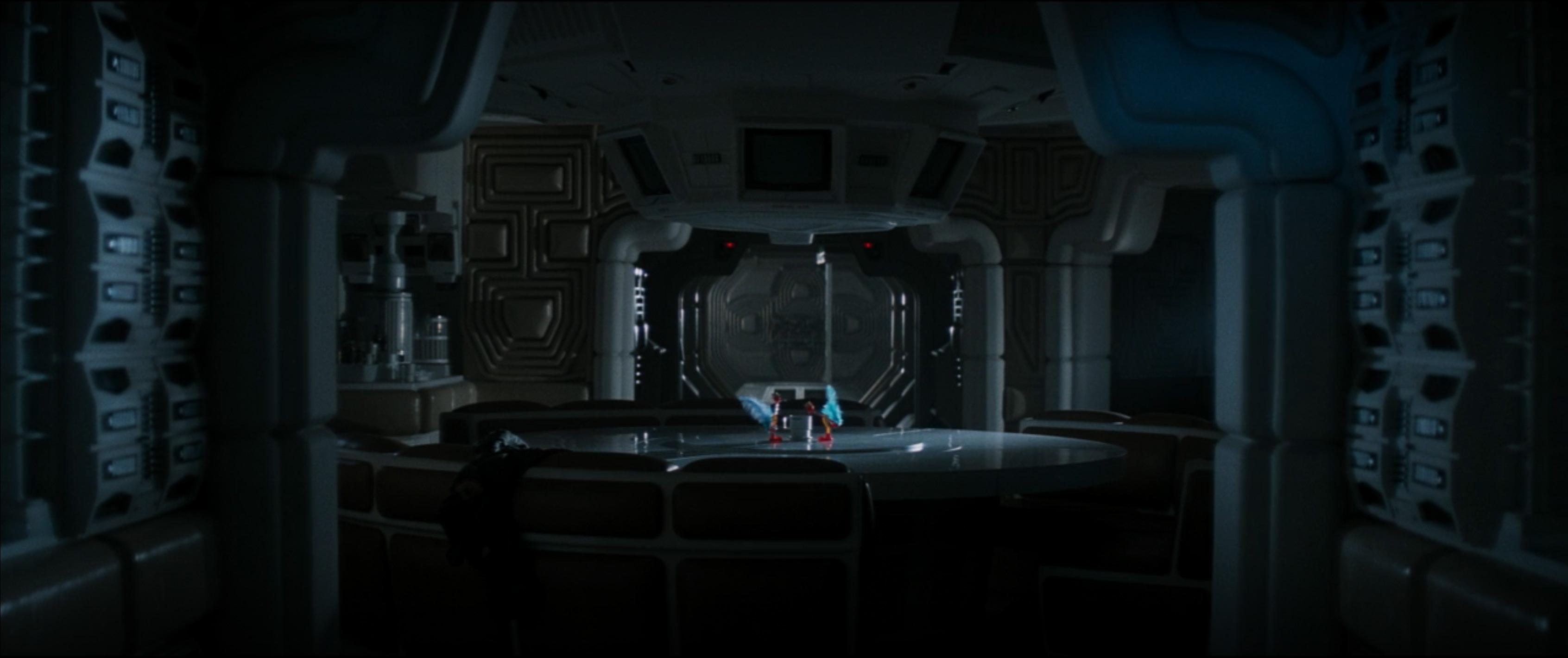
Figure. 2 - The dining area within the Nostromo Scott, R. (1979). Alien (screenshot). England. Available from: https://www.disneyplus.com/en-gb/browse/entity-ad16673a-53ed-49ba-9d56-72164797afb6. (Accessed 3 August 2024)
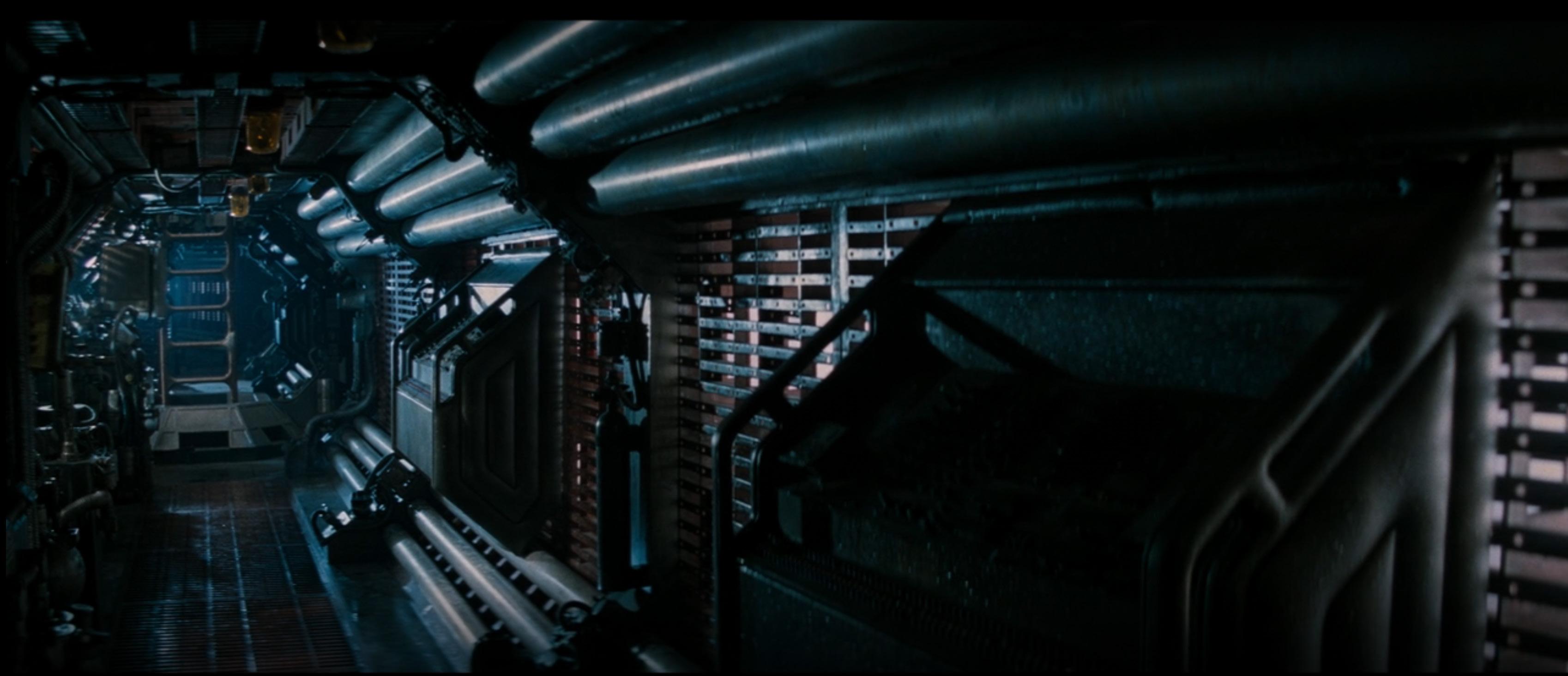
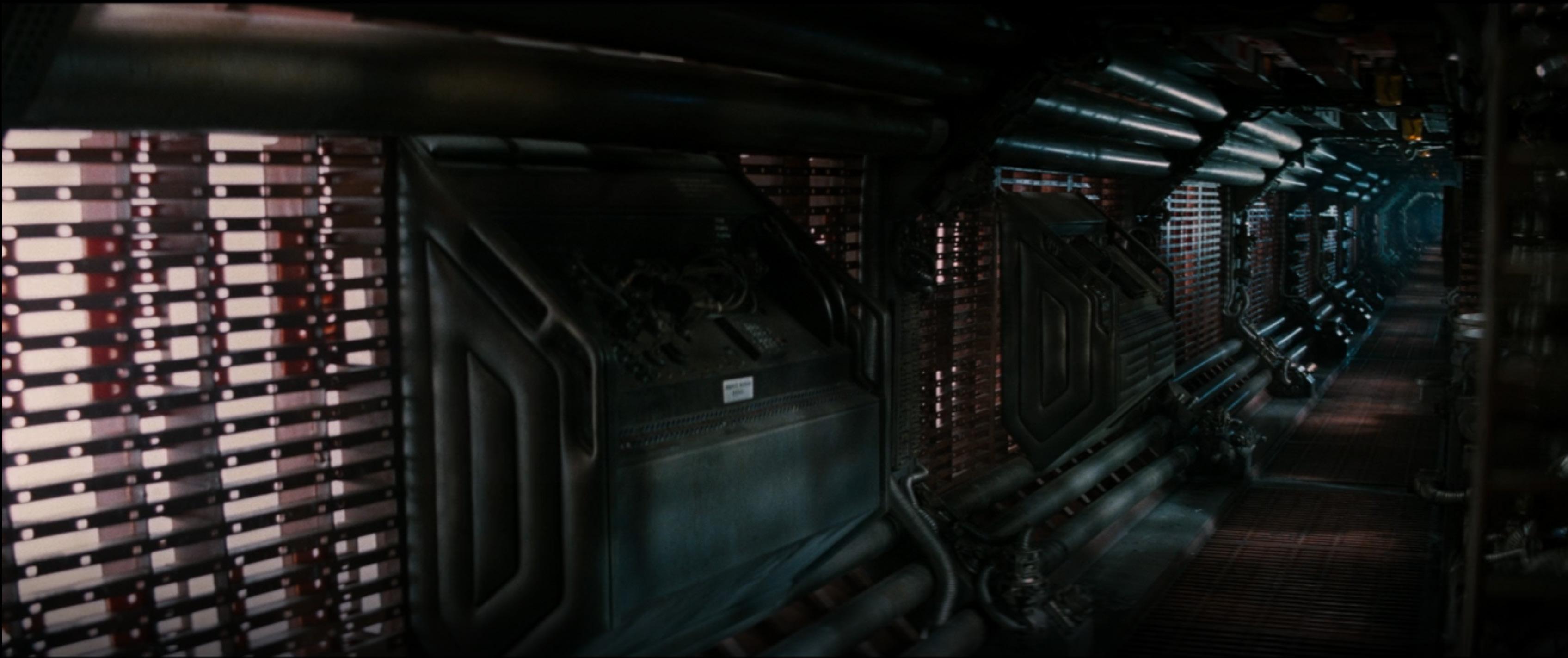
Figure. 3 - One of the first corridors introduced at the beginning of Alien. Scott, R. (1979). Alien (screenshot). England. Available from: https://www.disneyplus.com/en-gb/browse/entity-ad16673a-53ed-49ba-9d56-72164797afb6. (Accessed 3 August 2024)
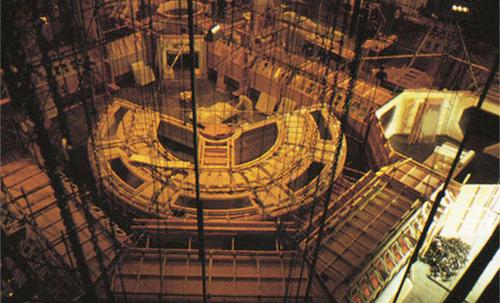
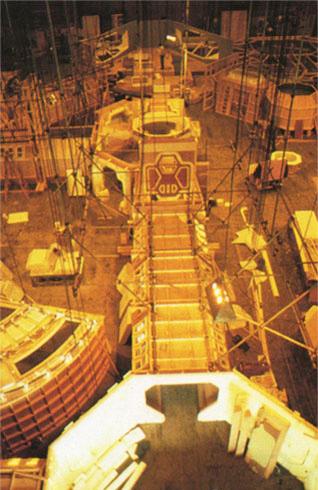
Figure. 4 - Nostromo’s Auto Dock set, viewed from above Roncobb.net (2015) RONCOBB.NET, Ron Cobb - ‘Alien’. Available at: https://www.roncobb.net/05-Alien.html (Accessed: 26 September 2024).
Figure. 5 - Nostromo’s corridors set, viewed from above Roncobb.net (2015) RONCOBB.NET, Ron Cobb - ‘Alien’. Available at: https://www.roncobb.net/05-Alien.html (Accessed: 26 September 2024).
Figure. 6 - Brett wandering, looking for Jonesy the cat Scott, R. (1979). Alien (screenshot). England. Available from: https://www.disneyplus.com/en-gb/browse/entity-ad16673a-53ed-49ba-9d56-72164797afb6. (Accessed 3 August 2024)
Figure. 7 - Brett examining a dark space in a harrowing close-up Scott, R. (1979). Alien (screenshot). England. Available from: https://www.disneyplus.com/en-gb/browse/entity-ad16673a-53ed-49ba-9d56-72164797afb6. (Accessed 3 August 2024)
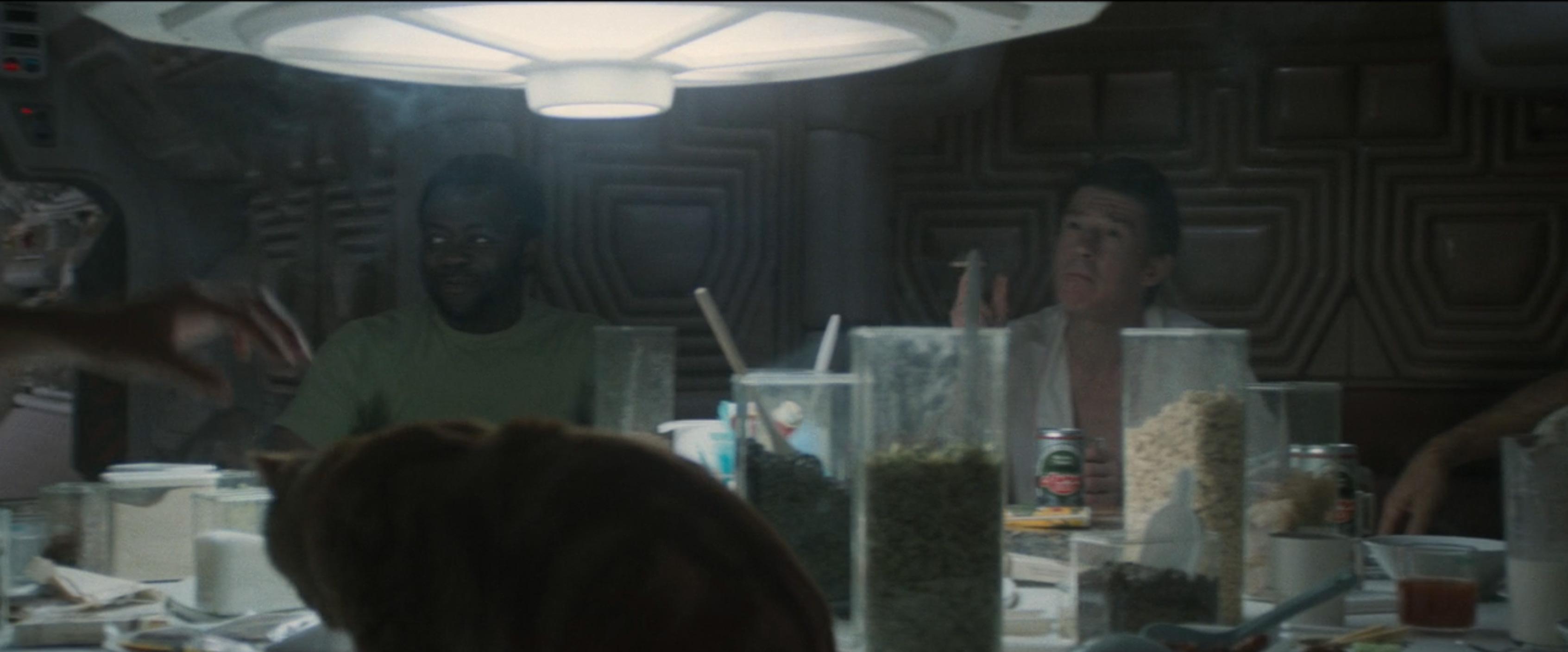
Figure. 8 - The crew eating their first meal after hypersleep Scott, R. (1979). Alien (screenshot). England. Available from: https://www.disneyplus.com/en-gb/browse/entity-ad16673a-53ed-49ba-9d56-72164797afb6. (Accessed 3 August 2024)
List of Figures
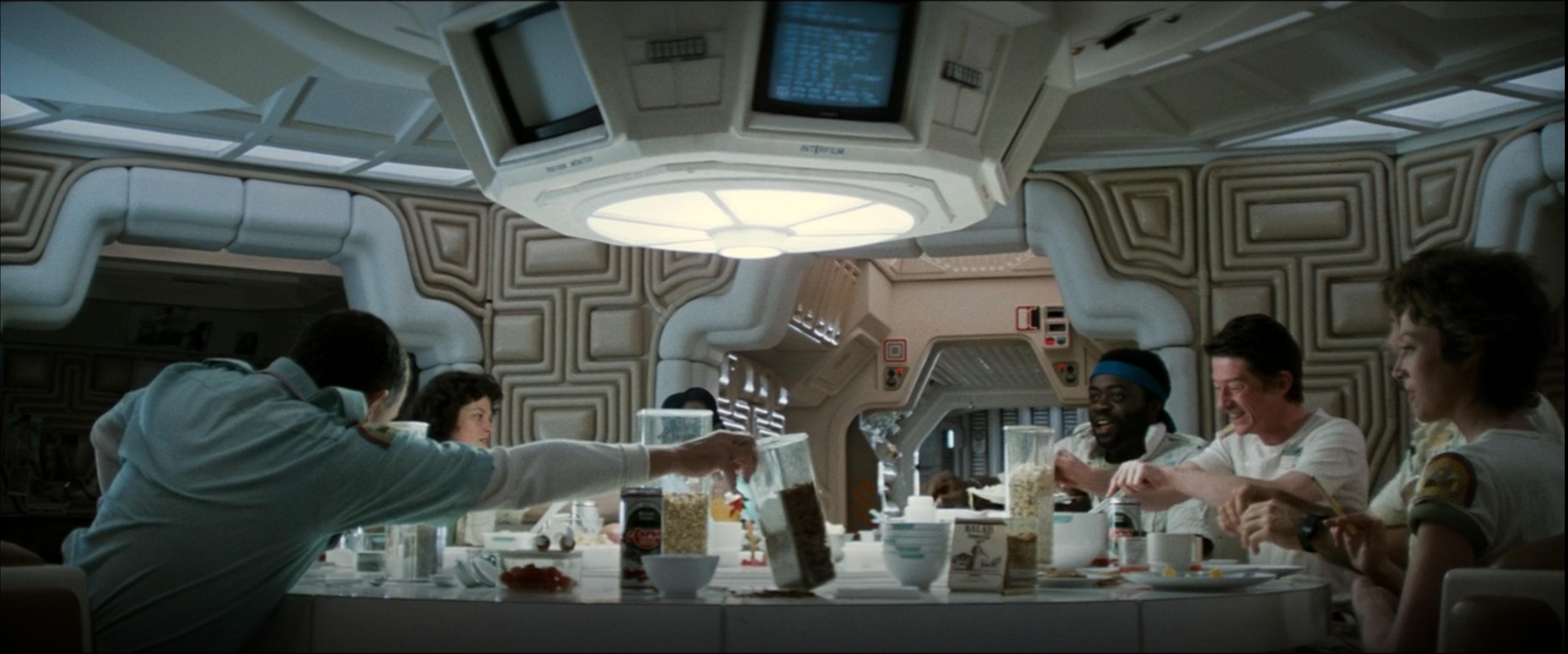
Figure. 9 - The crew eating a meal after Kane’s recovery Scott, R. (1979). Alien (screenshot). England. Available from: https://www.disneyplus.com/en-gb/browse/entity-ad16673a-53ed-49ba-9d56-72164797afb6. (Accessed 3 August 2024)
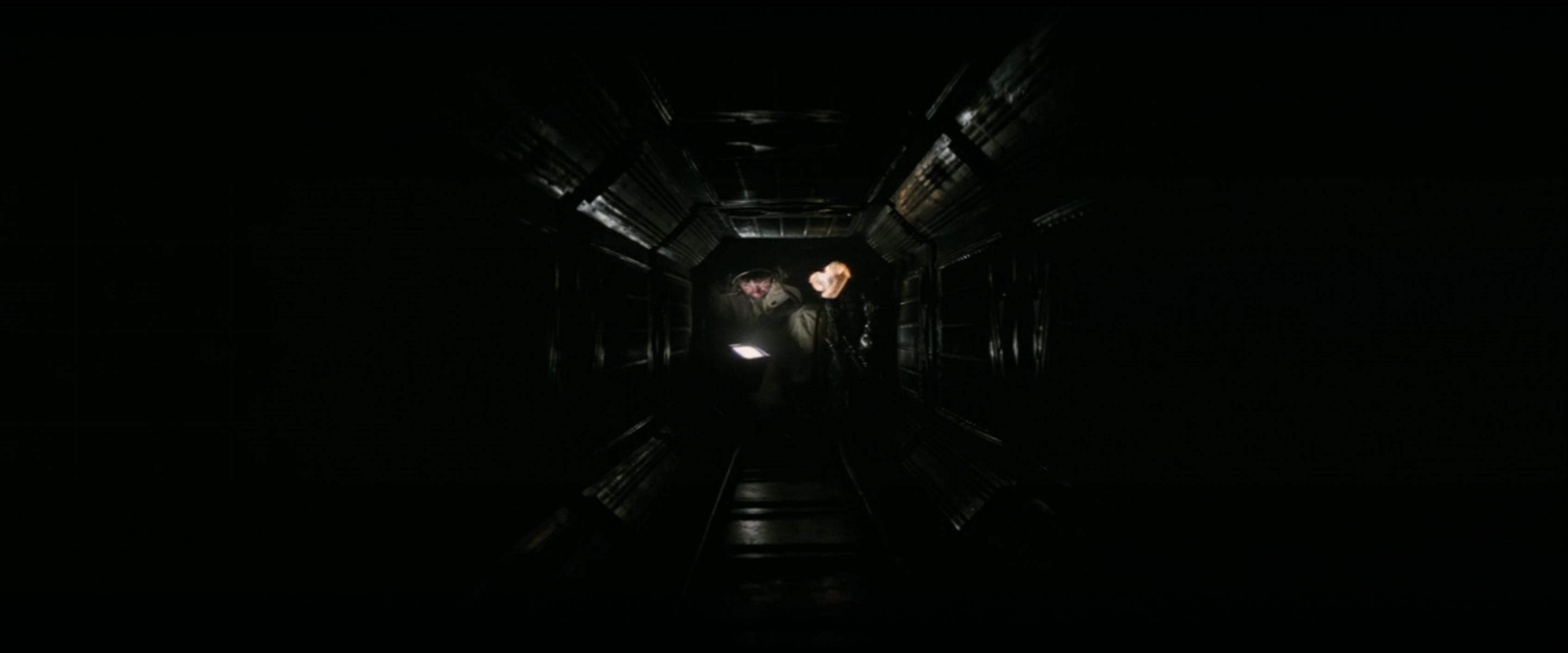
Figure. 10 - Dallas navigating the air ducts Scott, R. (1979). Alien (screenshot). England. Available from: https://www.disneyplus.com/en-gb/browse/entity-ad16673a-53ed-49ba-9d56-72164797afb6. (Accessed 3 August 2024)
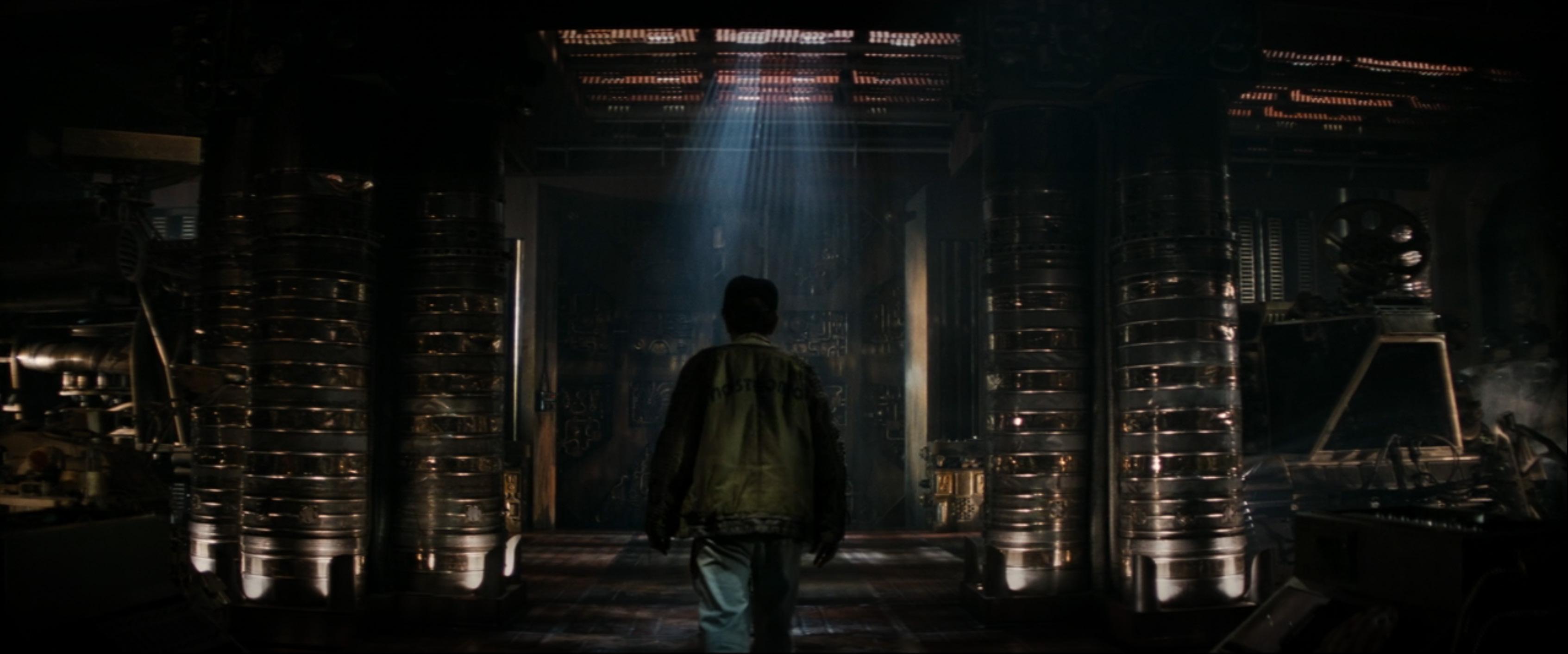
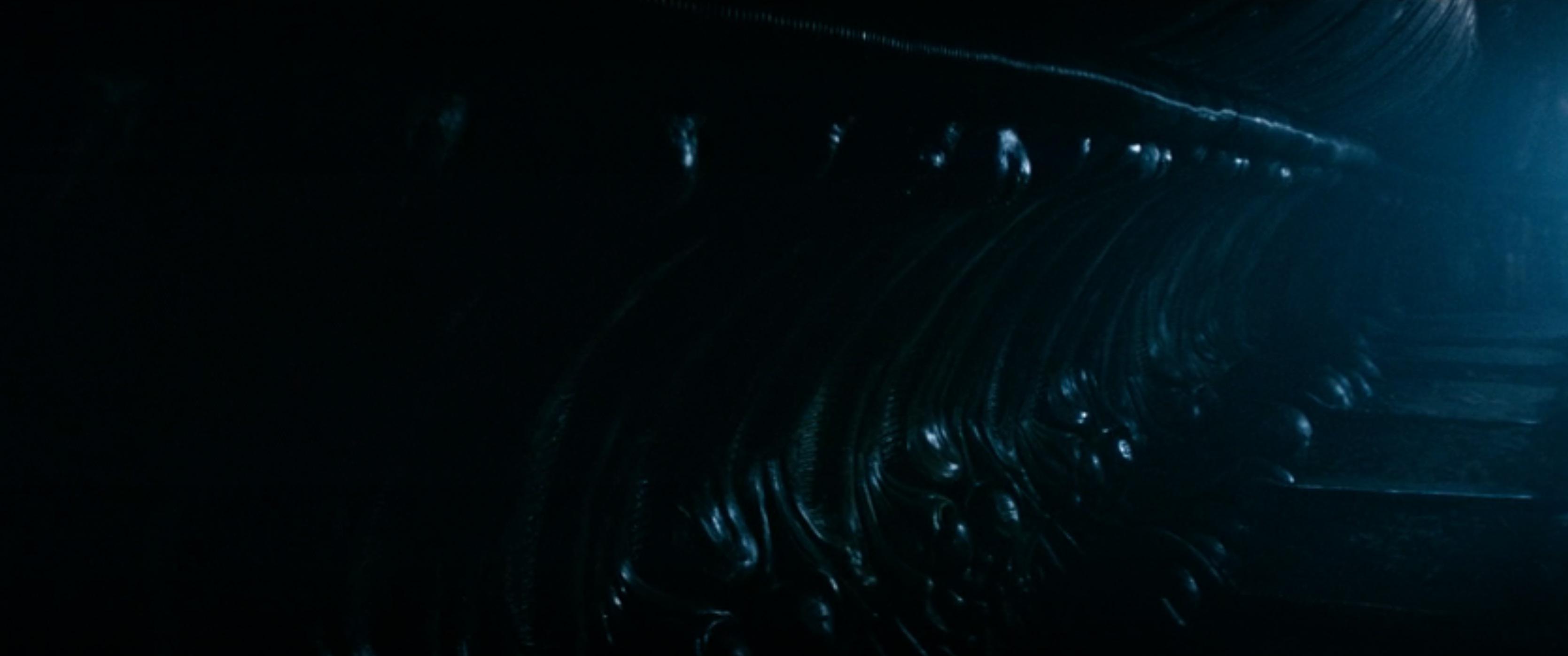
Figure. 11 - The first shot of the alien’s lair Scott, R. (1979). Alien (screenshot). England. Available from: https://www.disneyplus.com/en-gb/browse/entity-ad16673a-53ed-49ba-9d56-72164797afb6. (Accessed 3 August 2024)
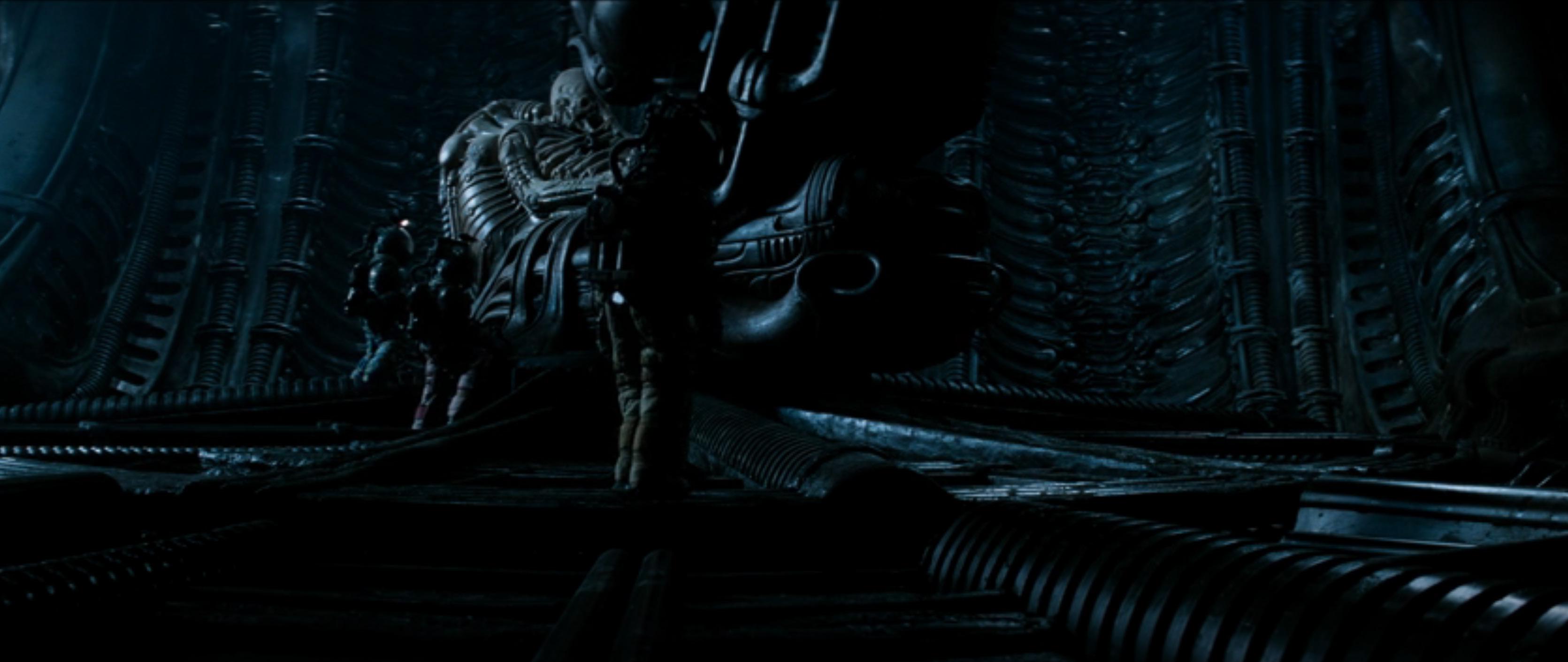
Figure. 12 - The chaotic lair of the alien Scott, R. (1979). Alien (screenshot). England. Available from: https://www.disneyplus.com/en-gb/browse/entity-ad16673a-53ed-49ba-9d56-72164797afb6. (Accessed 3 August 2024)
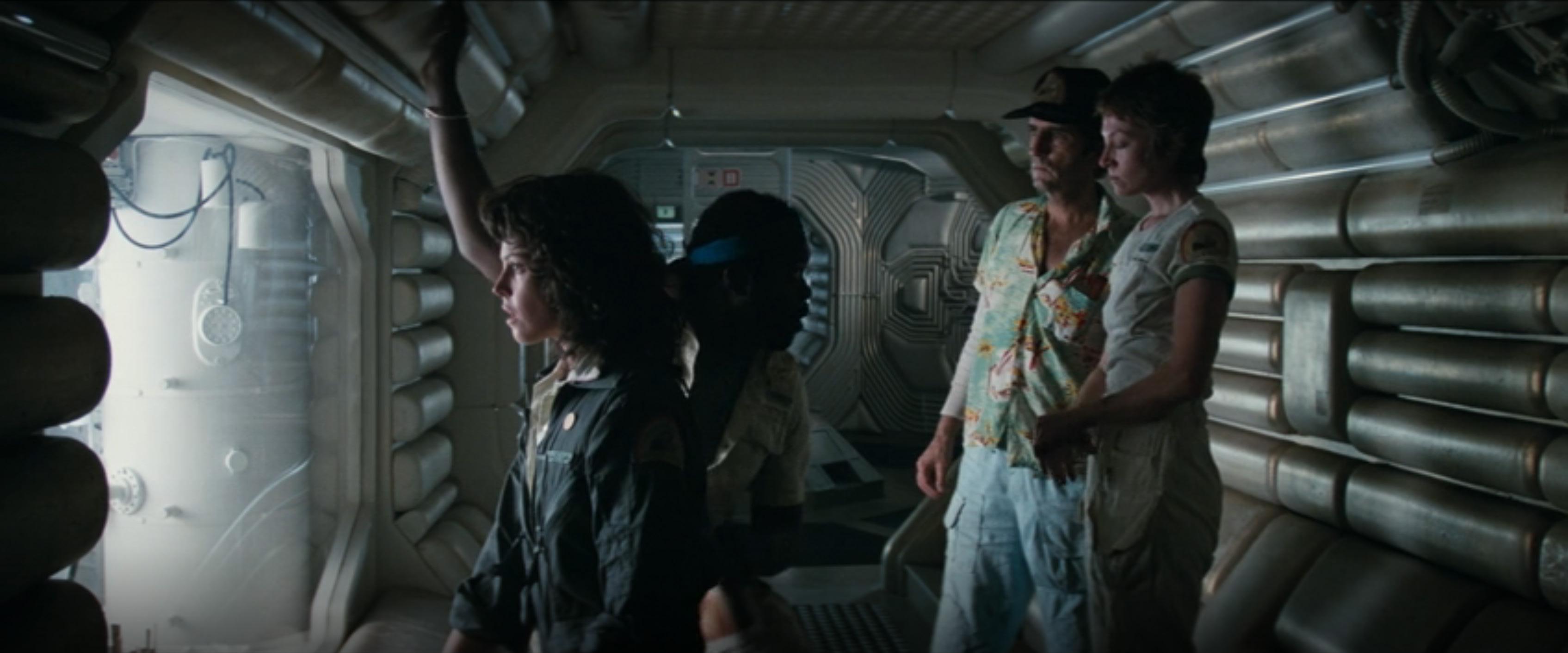
Figure. 13 - The crew outside the med bay in the corridor Scott, R. (1979). Alien (screenshot). England. Available from: https://www.disneyplus.com/en-gb/browse/entity-ad16673a-53ed-49ba-9d56-72164797afb6. (Accessed 3 August 2024)
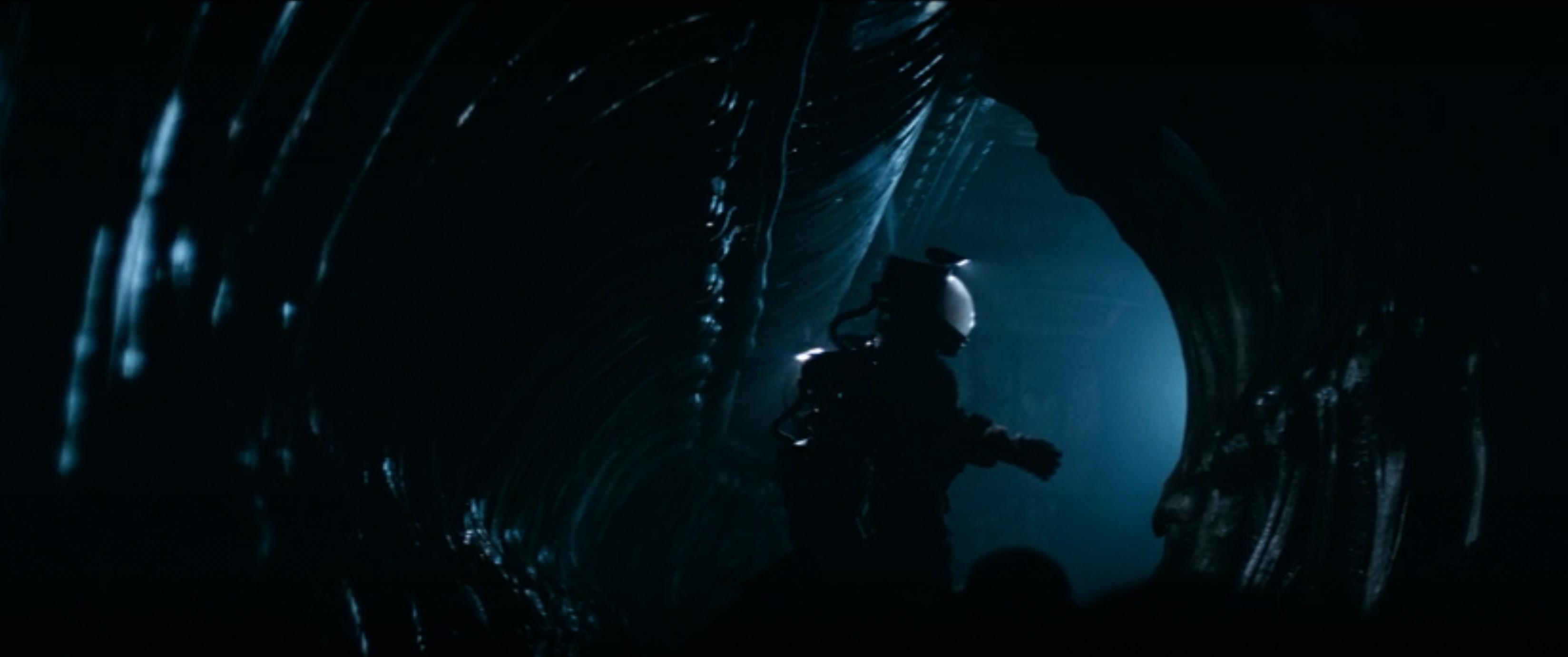
Figure. 14 - The crew navigating the dark tunnels of the alien’s lair Scott, R. (1979). Alien (screenshot). England. Available from: https://www.disneyplus.com/en-gb/browse/entity-ad16673a-53ed-49ba-9d56-72164797afb6. (Accessed 3 August 2024)
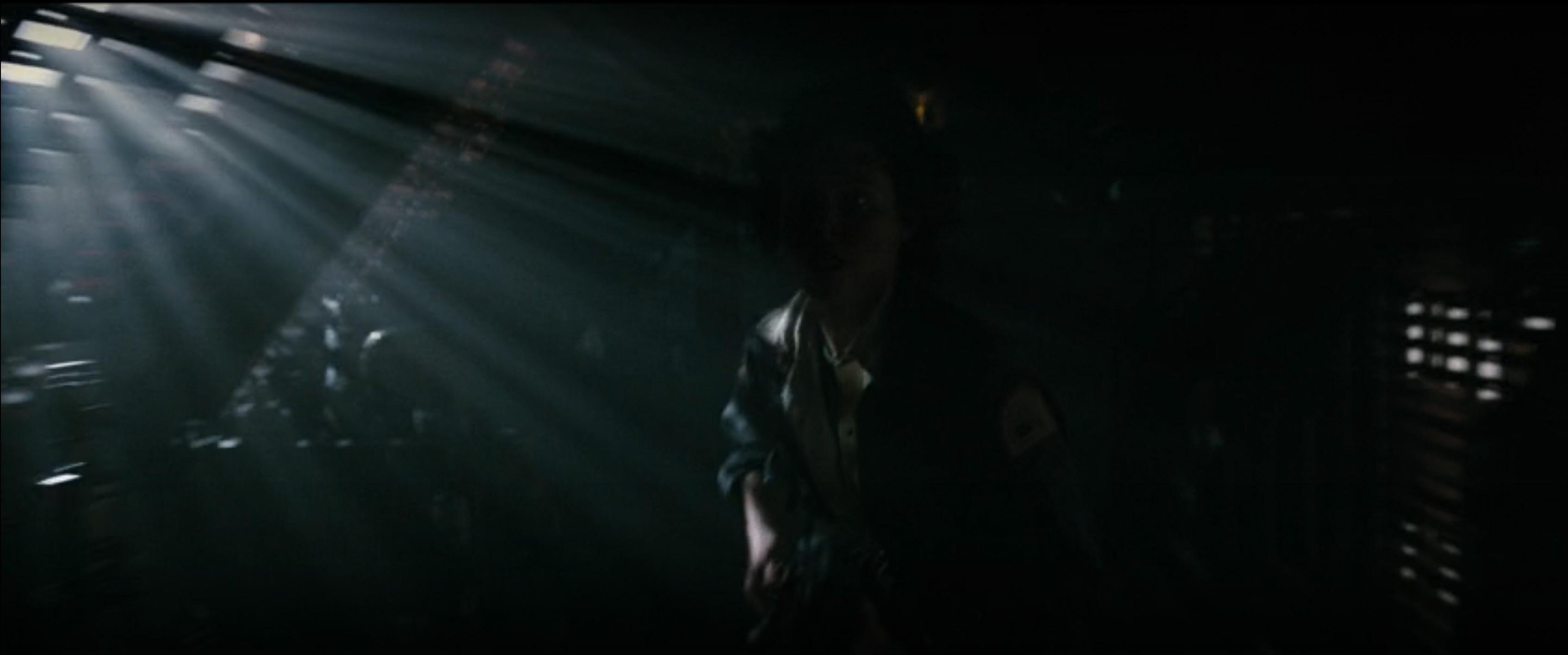
Figure. 15 - Ripley cautiously making her way through the almost pitch-black corridors of Nostromo Scott, R. (1979). Alien (screenshot). England. Available from: https://www.disneyplus.com/en-gb/browse/entity-ad16673a-53ed-49ba-9d56-72164797afb6. (Accessed 3 August 2024)
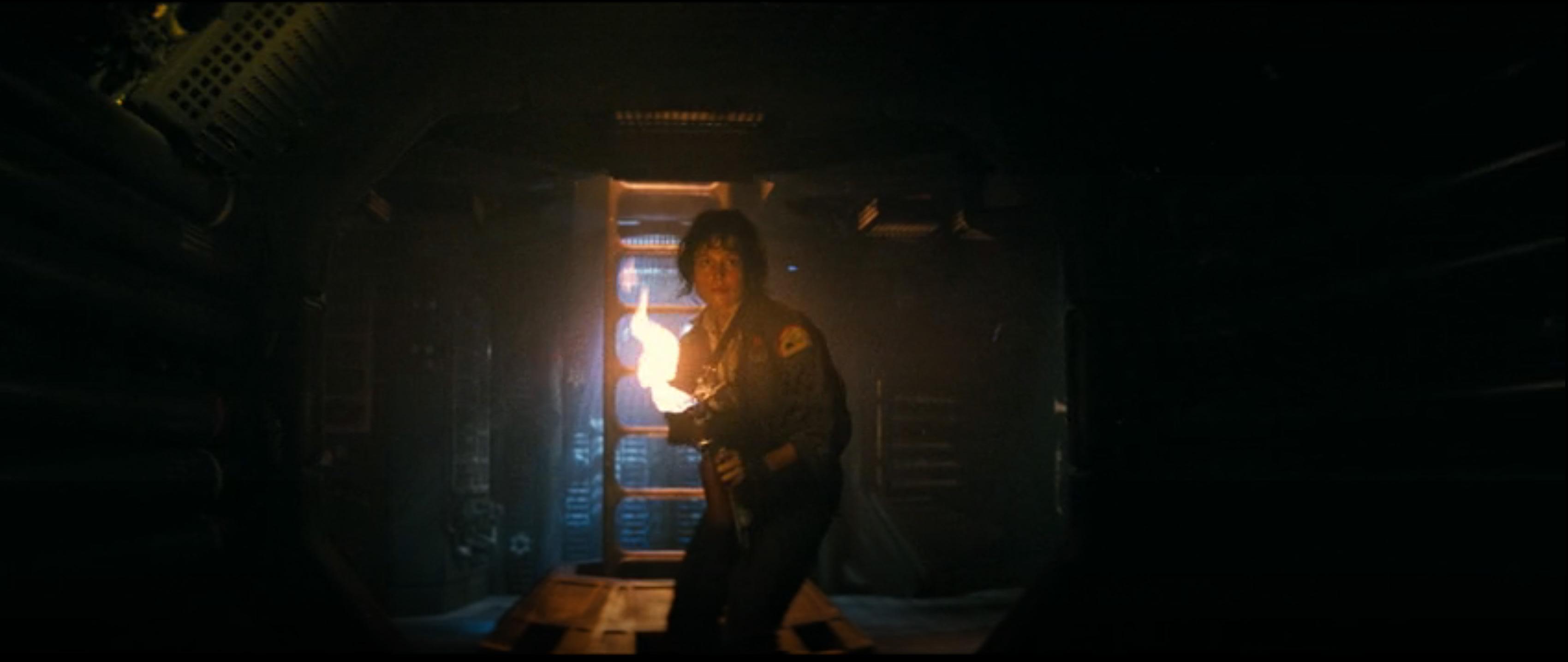
Figure. 16 - Ripley, lit only by her flamethrower, making her way to find Jonesy the cat Scott, R. (1979). Alien (screenshot). England. Available from: https://www.disneyplus.com/en-gb/browse/entity-ad16673a-53ed-49ba-9d56-72164797afb6. (Accessed 3 August 2024)
Preface
Abstracts
Introduction
Contextualisation
Literature and Source Review
Problematisation
The Nostromo
The Alien’s Architecture: Chaos and the Unknown
Architectural Juxtaposition: Order vs. Chaos
Conclusion Bibliography
Preface
In 1979, Ridley Scott, a British filmmaker well known for his advertising background and visually stunning debut feature The Duellists (1977), produced Alien , a pioneering blend of science fiction and horror. Scott’s careful commitment to visual narrative, as well as his ability to elicit anxiety through atmospheric detail, cemented his reputation as a master of cinematic technique.
Alien was a significant departure for science fiction cinema at the time, combining the genre’s futuristic aesthetics with horror’s visceral, psychological intensity. Scott’s approach to immersive world-building, as well as his association with Swiss biomechanical artist H.R. Giger, influenced this combination significantly.
Giger’s unique biomechanical style, blending organic and mechanical elements, became the defining visual language of Alien . His designs for the alien creature and its lair were informed by his earlier works, such as Necronomicon , which featured unsettling, otherworldly imagery. Giger’s work introduced an unprecedented level of terror to science fiction, with forms that evoked primal fear while remaining disturbingly familiar. Together, Scott and Giger created a cinematic environment that was both visually captivating and psychologically haunting, elevating Alien into a cultural and artistic milestone. This preface provides the context necessary to understand the film’s architectural and thematic innovations, which are at the heart of this analysis.
Alien (1979) follows the crew of a spacecraft, Nostromo, as they intercept a distress signal from a planet and set out to investigate it. However, to their horror, they are attacked by an alien, which later invades their ship. The characters we follow are Ellen Ripley (Warrant Officer), Dallas (Captain), Ash (Science Officer), Kane (Warrant Officer), Lambert (Navigator), Parker (Chief Engineer), Brett (Engineering Technician), Jones (Jonesy) the cat, and the titular character, the Alien .
In this dissertation, architecture, more particularly architecture in production and set design, will be defined as the design of space in both interior and exterior realms. Additionally, the Brutalist style is referenced, Brutalism is an architectural style characterised by bold, utilitarian forms, raw materials, and an emphasis on function over decoration, often associated with exposed concrete but not limited to it. While concrete is a hallmark of the style, brutalist designs can also incorporate brick, steel, and glass, focusing on stark, geometric shapes and a sense of monumental solidity.
Abstract
This dissertation examines the role of architecture as an active agent of horror in Ridley Scott’s Alien (1979), drawing on major ideas and concepts such as cinematic space theory, spatial semiotics, the phenomenology of space, and architecture as a psychological influence in cinema. Cinematic space theory is used to investigate how the design of the Nostromo (the main ship and setting of the film) creates claustrophobic surroundings that give viewers a psychological experience, and spatial semiotics investigates the symbolic meanings inside these locations, expressing existential dread. Furthermore, the phenomenology of space and architecture’s psychological influence frameworks are used to investigate how the ship’s oppressive architecture influences character and spectator reactions.
This topic is significant because it demonstrates how architectural space in film can transcend its passive position and become a source of tension and anxiety, especially in horror and science fiction. The Nostromo and the alien lair are selected as case studies, providing contrasting spatial contexts (order against chaos) that highlight the film’s themes of isolation and vulnerability.
The main topic motivating this research is: How does architecture in Alien work as a character of fear? Addressing this vacuum in scholarship, the study contends that Alien’s architecture heightens the horror experience by evoking ideas of control and uncertainty. The dissertation uses this technique to contribute to both film studies and architectural theory by suggesting architecture as a dynamic narrative force in cinema.
In Alien (1979), Ridley Scott employs architecture not only as a background but also as an active player in the manufacture of horror, enclosing the protagonists and heightening the film’s psychological tension. This essay investigates how the architecture of the Nostromo spaceship and the alien surroundings serve as tools of horror, with each chapter focusing on a specific architectural aspect to unpack the film’s portrayal of fear.
The first chapter examines the Nostromo’s brutalist, industrial design and how it affects both character psychology and audience perception. The Nostromo’s constricted hallways, utilitarian areas, and harsh lighting create a setting that restricts movement and instils fear, showing architecture as a tool for incarceration. This chapter also investigates how the Nostromo’s layout and construction represent the terrors of isolation, claustrophobia, and imprisonment.
The second chapter focuses on extraterrestrial surroundings, comparing the Nostromo’s regulated, human-made areas with the aliens’ organic, biomechanical construction. Inspired by H.R. Giger’s biomechanical creations, these environments defy linearity and predictability, presenting characters with the primordial, chaotic, and unknowable. This chapter examines how these spaces represent instability and existential peril, heightening the viewer’s dread through architectural design that conjures up an unexpected, predatory presence.
Finally, the third chapter looks at the architectural contrast between the Nostromo and the alien environments and how Scott uses spatial contrast to emphasise the film’s themes of horror and survival. By juxtaposing human order with extraterrestrial disorder, the film tells the story of control’s breakdown and humanity’s weakness in the face of the unknown. This chapter delves into how the film’s contrasting architectures create a layered, atmospheric terror, underscoring Alien’s central thematic tension between order and chaos.
Through these chapters, this dissertation argues that architecture in Alien is more than just a backdrop; it is a critical character in and of itself, embodying fear and emphasising humanity’s fragility and terror of the unknown.
Contextualisation
Alien (1979) arose from a complex environment of societal anxieties and cinematic transformations typical of the late 1970s. The film was released a decade after the successful Apollo 11 mission, which saw Neil Armstrong and Buzz Aldrin become the first men to step foot on the moon. Hence the 1970s saw a substantial increase in space-themed films; prominent examples include Star Wars (1977) by George Lucas, Close Encounters of the Third Kind (1977) by Steven Speilberg, and Solaris (1972) by Andrei Tarkovsky. 11 years before Alien , 2001:ASpaceOdyssey was released in 1968, directed by Stanley Kubrick. This film, alongside Star Wars and Alien , are decade and era-defining science fiction films, and each stands out for individual reasons.
Kubrick’s 2001 is a meditative investigation of humanity’s evolution, notable for pioneering practical effects and seamless space sequences, which established a gold standard for pre-CGI visual realism. Lucas’ Star Wars changed special effects using motioncontrolled cameras and immersive world-building, combining fantasy and science fiction in an approachable, fast-paced story. While atmospheric and horror-driven, Scott’s Alien relied on realistic effects and imaginative creature design (H.R. Giger’s xenomorph) to produce a visceral and claustrophobic experience that prioritised tension over spectacle. Each film’s approach to storyline and visual effects distinguished its genre and age.
Following the cultural upheavals of the 1960s, the 1970s were characterised by disillusionment, economic instability, and political scandals such as Watergate in 1972, which instilled distrust in institutions and corporate enterprises. This climate impacted Alien , in which the crew of the Nostromo is treated as employees subject to the whims of a faceless company, symbolising the era’s fear of dehumanising corporate power. The 60s, and more significantly, the 70s, saw a rise in women’s rights and role within society. In 1973, the United States saw groundbreaking legislative change following the Supreme Court case of Roe v. Wade, increasing women’s reproductive rights and legalising abortion in the United States. Additionally, Margaret Thatcher became Britain’s first female Prime Minister in 1979. This shift in attitude was represented by the casting of Sigourney Weaver as Ellen Ripley, the female solo lead in Alien .
Literature and Source Review
The main and key pieces of evidence I will be using are, the film Alien (1979) by Ridley Scott, Ridley Scott by Paul M. Sammon, a book full of interviews that showcases a behind-the-scenes account of why and how Ridley Scott makes his movies. Additionally, I will be looking at interviews from Ridley Scott very shortly after the movie was released, as well as some interviews from Sigourney Weaver (Ellen Ripley) and Tom Skerritt (Dallas). A blog by Ron Cobb, a concept artist on the film, will also provide insight on the design and making of the film’s sets and scenes. Jaquelin Elliott, Caetlin Benson-Allott, and Oana Andreea Caplescu will provide educational and professional takes and cases on architecture in science fiction films, or in the film itself.
The primary focus of this examination is Ridley Scott’s Alien (1979), which provides direct evidence of the film’s architectural contrasts and thematic implications. The Nostromo’s transition from functional order to obscure disorder, as well as the alien environment’s persistent hostility, provide a solid framework for investigating the relationship between order and chaos.
Paul M. Sammon’s Ridley Scott provides key behind-the-scenes details, including the director’s creative choices, such as the use of ceilings to increase claustrophobia. These practical aspects provide context for the architectural design’s role in mirroring the film’s psychological and narrative strain. Interviews with Ridley Scott, Sigourney Weaver, and Tom Skerritt reveal firsthand accounts of the physical and emotional impact of the film’s settings. These stories shed light on how the architecture affected performances and enhanced the audience’s perception of fear and confinement. Ron Cobb’s blog delves into the design process for the film’s environments, providing first-hand insights into the film’s artistic concepts and designs. While Jaquelin Elliott’s paper, The Leviathan and The Cyborg: The Influence of Moby-Dick in Sci-Fi Horror Films, looks into the influence of Moby Dick in sci-fi horror films, it examines the interaction of light, shadow, and perspective to demonstrate how Alien manipulates spectator perception through architectural design. This viewpoint expands the knowledge of how space increases the film’s dread.
In Dreadful Architecture: Zones of Horror in Alien and Lee Bontecou’s Wall Sculptures, Caetlin Benson-Allott examines the interaction of light, shadow, and perspective to demonstrate how Alien manipulates spectator perception through architectural design. This viewpoint expands the knowledge of how space increases the film’s dread. Oana Andreea Caplescu places Alien in the larger context of science fiction cinema in her conference proceedings, Architecture in Science-Fiction Movies, emphasising how the use of architecture is utilised in sci-fi cinema. Her study offers a comparative framework for analysing the film’s importance.
These sources offer a mix of practical insights, theoretical depth, and cultural awareness, laying the groundwork for a comprehensive examination of Alien’s architectural juxtapositions.
Problematisation
The role of architecture as a dynamic character in horror cinema has received little academic attention, notably in relation to Ridley Scott’s Alien (1979). While the film’s themes of corporate dehumanisation, survival horror, and psychosexual tension have been extensively discussed, the role of spatial design in its narrative and emotional impact has gotten very little consideration. This oversight creates a significant gap in comprehending how Alien uses architectural components as active agents of dread, reinforcing the film’s pervasive sense of isolation, vulnerability, and imprisonment.
Existing Alien research frequently classifies the Nostromo’s corridors, rooms, and air ducts as purely aesthetic or useful settings for the story’s narrative. For example, arguments frequently centre on the ship’s utilitarian architecture as an expression of business pragmatism or as a backdrop for the alien’s dread. However, few research studies have looked into how these places actively elicit anxiety by confounding the actors and audience. Similarly, the alien world, with its hideous, biomechanical architecture, is often studied for its aesthetic appeal rather than its function as an architectural counterpart to the Nostromo’s hard framework. This vacuum in scholarship hampers our ability to gain a better grasp of the relationship between architecture and psychological horror.
Furthermore, whereas film studies frequently discuss architecture as a visual or thematic device, they rarely consider its ability to operate as an active narrative force. In Alien , the Nostromo’s spatial architecture develops from a practical workplace to a claustrophobic maze, heightening the sensation of dread as characters are gradually isolated. Cramped rooms, poorly lit corridors, and labyrinthine ducts are more than just locations; they are intended to create psychological uneasiness by limiting mobility and visibility. The current lack of emphasis on these spatial features ignores how architecture may affect emotional responses and propel the film’s themes of chaos and survival.
This dissertation addresses these gaps through a cross-disciplinary approach that connects architecture and film studies. Using Alien as a case study, it investigates how built surroundings influence narrative tension and emotional experience in movies. This study stresses the relevance of spatial aspects as vital components of horror storytelling by focusing on the Nostromo’s changing mood and its juxtaposition with the alien lair’s hostile design. This viewpoint not only improves the study of Alien , but it also broadens the purview of how architecture is interpreted in the context of cinematic horror.
The Nostromo
The Nostromo, Alien’s primary location, is constructed with a severe, utilitarian appearance that prioritises functionality above comfort, reflecting brutalist architectural principles (Fig.1). This industrial setting, complete with exposed pipes, metal grates, and harsh lighting, creates an uncomfortable environment that isolates its occupants. Furthermore, by adopting this utilitarian design, it makes it hard to distinguish where the characters are; each hallway or corridor seems alike to all the others, with only spaces such as the Med Bay (medical room) and the dining area acting as notable and distinguishable points of interest. Ridley Scott’s choice to depict the Nostromo as a frigid, uninviting space ignites the film’s themes of vulnerability and isolation. Ron Cobb, a concept artist on the film, adds, “If I’m to arrive at a cinematic spacecraft design that seamlessly preserves, as in this case, the drama of the script, the audience has to experience it as something impressive and believable.” (Cobb, 2015). This shows the intent to create a space that, whilst unfamiliar and unrelatable to the viewer, is also realistic and immersive, further engaging the audience into a space that later goes on to become a home of horror.
One of Nostromo’s defining architectural traits is its brutalist design, which has a raw, mechanical appearance that removes all humanising elements. Brutalism, an architectural style that emerged in the mid-twentieth century, emphasises raw, exposed materials, frequently producing a sense of mass and heaviness that can convey fear and authority. In Alien , this design is used to create a frightening mood within the Nostromo, representing a world that is efficient but oppressive (Fig. 2). The Nostromo’s architectural style reflects these ideas of isolation, with corridors lined with harsh steel structures and gloomy lighting that heighten the sense of imprisonment (Fig.3). These design choices confine the protagonists and create a sense of vulnerability as if the environment itself is holding them hostage and foreshadowing the perils they will face.
The Nostromo’s industrial brutalism has a psychological influence as well, manipulating the crew’s mental and emotional state, adding to their vulnerability. As they cross the cold, impersonal surroundings, each crew member feels an increasing sense of isolation and fear. The spaces they occupy lack comfort and safety, heightening the horror caused by the alien’s presence. By depicting the ship in cold steel and artificial light, Scott creates a world in which practical sets and architectural design complement the film’s thematic study of existential dread, confronting the characters with an uncaring and unfriendly atmosphere.
The Nostromo
Fig.1 The opening shot of the Nostromo
Fig.2 The dining area within the Nostromo
Fig. 3 One of the first corridors introduced at the beginning of Alien.
The Nostromo
Furthermore, Sigourney Weaver spoke of Scott’s ability to evoke a sense of fear in not just the audience of the film but to the cast members too (The Bobbie Wygant Archive, 2020). The set of the Nostromo was designed on a sound stage, with each corridor and room being linked to each other on the set itself (Fig.4 + Fig.5). This meant that when filming, the cast themselves were embedded and trapped within the corridors and rooms, amplifying the fear and horror the characters experience during the film.
The ship’s layout further contributes substantially to suspense and fear. The lengthy, winding hallways of the Nostromo, as well as the enormous network of air ducts that snake around the ship, create environments with restricted vision and suspicious safety. The crew’s travels through the dim halls increase the audience’s fear, as each bend and shadow could conceal a lurking threat. In the case of the Nostromo, this immersive design confines viewers to the ship’s complex structure with the characters. Camera angles and close-up shots heighten the sense of confinement, for example, with Brett, the engineering technician (Fig.6 + Fig.7), making these enclosed rooms feel even smaller and tightening Scott’s psychological grip on the viewer.
In Alien , spaces are not static but shift in the atmosphere through lighting, reflecting characters’ psychological states and hinting at the unfolding dread. The dining area aboard the Nostromo is a key architectural location, with subtle lighting changes reinforcing emotional swings and reflecting the film’s evolving tension. As the crew recovers from hypersleep, the area is dimly illuminated (Fig.8), creating a muted and eerie stillness in the setting. The subdued lighting creates a sense of confinement and bewilderment, mirroring the crew’s groggy state and establishing a baseline of ambiguity that unnerves the audience. However, following Kane’s horrifying experience with the alien parasite, where the crew believes all is well and safe, the dining room gets noticeably brighter (Fig. 9). This change in illumination could indicate a momentary attempt to recapture normality as the crew gathers in a seemingly safe, familiar environment. Yet, the well-lit scene heightens the sensation of vulnerability, contrasting with the darker spaces where the alien hides later on. The lighting shift represents the psychological strain as the characters alternate between denial and fear, resulting in a striking contrast between imagined safety and impending peril. This lighting choice also represents the crew’s misplaced hope, as the darker tones foreshadow the terror that will shatter any sense of safety. The dining area transforms from a place of routine to one filled with a false sense of security, representing the dynamic emotional environment that defines the Nostromo’s architecture as a source of fear.
The Nostromo
Fig. 4 Nostromo’s Auto Dock set, viewed from above
Fig. 5 Nostromo’s corridors set, viewed from above
Fig. 6 Brett wandering, looking for Jonesy the cat
Fig.7 Brett examining a dark space in a harrowing close-up
Fig. 8 The crew eating their first meal after hypersleep
Fig. 9 The crew eating a meal after Kane’s recovery
The Nostromo
One of the film’s most memorable scenes—a critical moment in which Dallas, the captain, navigates through the air ducts in search of the alien (Fig. 10)—shows how the Nostromo’s architecture becomes an accomplice to the horror that unfolds. In this scene, small pathways and harsh lighting create a claustrophobic atmosphere that reflects Dallas’ increasing desperation and terror. The air ducts become a place of entrapment, with the camera’s limited movement and claustrophobic framing transforming the ship into a perilous maze, exposing both the characters and the audience to a sense of impending disaster. The architecture of the Nostromo works against Dallas, making his surroundings a trap rather than a place of safety, emphasising the idea of architecture as a force of fear and control.
Ultimately, the Nostromo represents the film’s fundamental themes of fear and existential terror, transforming into a figure that interacts directly with the crew’s psychological state. The ship’s architecture reflects and increases the terror of the alien’s presence, changing the space from a backdrop to an antagonist in its own right. The design decisions, ranging from brutalist materials to labyrinthine passages, allow the architecture to exercise psychological power over the characters, making the Nostromo a symbol of captivity and dread. The physical and human design of the Nostromo establishes the home base of the film, a space loaded with dark corridors and looming circumstances, and contrasts in design to the extraterrestrial nature of the alien’s lair.
The Nostromo
Fig.10 Dallas navigating the air ducts
The Alien’s Architecture: Chaos and the Unknown
The alien’s lair exemplifies an alien aesthetic that confuses and disturbs. Per Benson-Allott (2015), the extraterrestrial spaceship destabilises borders by including recognised biological forms within its design. Rib-like beams, cylindrical ducts, and rectilinear panels all have a black metallic sheen (Fig. 11), which creates a hideous and abject appearance. This frightening design exemplifies what Benson-Allott (2015, p. 273) refers to as “grotesque art nouveau”, which combines industrial elements with organic forms to create an utterly alien world.
According to Caplescu, H.R. Giger’s biomechanical designs were inspired by Antoni Gaudí’s architecture and dominated the extraterrestrial atmosphere with a dark, nightmarish twist. Caplescu (2015, p.7) refers to this visual approach as “biomechanical”, citing architectural antecedents while emphasising Giger’s distinctive, terrifying interpretation. The combination of biological and mechanical shapes results in an unpleasant visual language that sets the tone for the film’s existential concerns.
The alien’s lair is full of symbolism, representing chaos, primal fear, and the unknown. Its architecture challenges human concepts of order and control by rejecting predictability (Fig. 12). According to Benson-Allott (2015, p. 273), the sets for the alien spacecraft, with their distinct colours and textures, “anticipate the bio-mechanical alien that will drive the film’s subsequent narrative.” This architectural foreshadowing connects the alien’s environment to its life cycle, underlining the film’s themes of invasion and terror to come.
The lair’s design also emphasises a larger thematic contradiction between nature and technology. The Nostromo’s clean lines and industrial corridors (Fig. 13) signify human creativity and order, but the alien’s lair represents a force beyond human comprehension and control. The organic forms in the lair imply that nature’s raw, chaotic power renders human creations ineffective. In this way, the lair serves as an extension of the alien, representing its primitive instincts and predatory domination. The audience’s sensation of discomfort is heightened by the alien’s lair’s confusing and oppressive spatial dynamics (Fig. 14). The crew is trapped and isolated by its maze-like structure, which lacks distinct borders. “The alien spacecraft sets may revolt or arouse the viewer, but they bear a different relation to Alien’s narrative than do the Nostromo’s infinite corridors,” underlines Benson-Allott (2015, p. 25). This difference illustrates how the lair serves as the alien’s territory, a chaotic area where it has the upper hand.
The Alien’s Architecture: Chaos and the Unknown
Fig. 11 The first shot of the alien’s lair
Fig. 12 The chaotic lair of the alien
Fig. 14 The crew navigating the dark tunnels of the alien’s lair
Fig. 13 The crew outside the Med Bay in the corridor
The Alien’s Architecture: Chaos and the Unknown
In contrast, the Nostromo’s corridors provide a feeling of navigability despite being cold and utilitarian. The crew’s vulnerability when they depart the shelter of their ship is highlighted by the extreme contrast between the two locations. This suspense is increased by the fluid and organic shapes of the alien lair, which forces the characters to face a dangerous and alive world.
Scott uses a variety of cinematic devices to heighten the alien’s lair’s eerie atmosphere. Lighting is crucial; subtle lighting creates deep shadows that blur the boundaries of the surroundings. The audience’s terror of the unknown is increased by this interplay of light and darkness, which gives the impression of infinite depth.
The biomechanical aesthetic is further reinforced by sound design. Dripping liquids, hums, and distant reverberations fill the lair, fusing mechanical and organic sounds into a seamless whole. The audience is transported to the alien setting by these soundscapes, which give it a sense of dread and life.
Scott highlights the grotesque aspects of the lair with his cinematography. The audience is invited to take in the unnerving combination of industrial and biological aspects as close-ups linger on textured surfaces and rib-like beams (Fig. 11). In addition to adding to the lair’s otherworldly feel, this visual language reflects the fearful tension that permeates the whole movie.
The alien’s lair in Alien is a brilliant representation of architecture as a character of fear and narrative; its grotesque biomechanical design represents chaos and instinctual terror. In stark contrast to the Nostromo’s stiff and well-organised hallways, the lair blurs the lines between organic and industrial forms. Humanity’s vulnerability to an unfathomable alien entity is shown by this juxtaposition. Through its cinematic depiction, symbolic resonance, and spatial dynamics, the lair intensifies the film’s main themes of survival and horror. In the following chapter, this juxtaposition will be examined in more detail, with an emphasis on how the tension and resolution of the story are shaped by these architectural contrasts.
Architectural Juxtaposition: Order vs. Chaos
Alien establishes the Nostromo as a practical, industrial space from the start, with well-organised passageways. The camera glides around the ship’s convoluted passageways, making everything appear ordered and predictable at first. As Elliott (2012, p.5) puts it: “The opening shots of Ridley Scott’s 1979 classic Alien draw the viewer through the winding, labyrinthine hallways of the commercial mining vessel Nostromo.” Even in these early moments, the ship’s unsettling design—complete with low ceilings, cramped quarters, and sharp turns—suggests a lurking danger.
This tension grows as the film progresses, with lighting and shadows altering the ship’s mood. Initially, the Nostromo is well-lit, with open and visible places. However, as the alien menace grows, the sunlight dims, creating long shadows and masking the ship’s borders (Fig. 15). The shift from light to darkness reflects the increasing turmoil, linking the Nostromo with the alien lair’s terrible atmosphere. According to Benson-Allott (2015, p. 272), “Scott had observed that the ceilings were never visible on spaceship sets, so [he] built them deliberately low to induce nervous claustrophobia in the viewer”. This fluctuating mood distinguishes the Nostromo as a dynamic space, transitioning from a human-controlled environment to one that undermines the crew’s sense of safety.
The juxtaposition between the Nostromo’s industrial design and the alien’s chaotic architecture reflects the film’s broader exploration of order versus chaos. The Nostromo’s corridors, with their clean lines and repetitive patterns, symbolise humanity’s desire for control and predictability. Yet these very qualities take on an ominous tone. As Benson-Allott (2015, p. 272) explains, “The Nostromo’s corridors threaten their spectators’ agency by luring them visually into spaces they cannot master, spaces that elude their powers of perception and reveal their limited agency.” The ship’s forced perspectives and vanishing points draw the viewer into a seemingly endless labyrinth, creating a sense of entrapment that mirrors the crew’s experience. Lighting plays a substantial function in emphasising these notions. After the crew has returned from their planetary expedition, the ship’s bright, sterile light emphasises its industrial purpose. However, as the story slides into chaos, the shadows lengthen, hiding previously recognised areas (Fig. 16). This evolution highlights the Nostromo’s vulnerability, as well-lit hallways turn into murky mazes that appear to betray its human occupants.
Architectural Juxtaposition: Order vs. Chaos
Fig. 15 Ripley cautiously making her way through the almost pitch-black corridors of Nostromo
Fig. 16 Ripley, lit only by her flamethrower, making her way to find Jonesy the cat
Architectural Juxtaposition: Order vs. Chaos
In contrast, the alien lair rejects the concepts of structure and predictability. Its architectural and design styles and properties are beyond human comprehension. Benson-Allott (2015, p. 269) observes that its “recesses engulf the eye with a blackness that confronts the viewer with his or her human triviality and threatens human subjectivity.” This atmosphere, unlike the Nostromo, provides no sense of control or security. Its continuous blackness and monstrous forms represent chaos and the unknown, enhancing the film’s suspense. Together, these venues represent cultural concerns about control and vulnerability. The Nostromo portrays humanity’s attempts to bring order to a hostile universe, whereas the alien stronghold serves as a reminder of the natural world’s raw, unbridled strength. The Nostromo’s atmosphere transitions from bright and functional to dark and scary, bridging the gap between these conflicting forces and coinciding with the alien’s chaotic domain.
The shifting architectural dynamics of the Nostromo, combined with the alien environment’s unpredictable hostility, have a dramatic impact on the protagonists’ reactions and the audience’s emotional engagement. The Nostromo starts as a useful, utilitarian facility, but as the film proceeds and the illumination dims, the spacecraft evolves into a maze of horror, symbolising the crew’s spiral into paranoia and despair. Sigourney Weaver, who played Ripley, recounted the physical and psychological toll of filming in such a restricted and terrifying environment: “To try to run through CO2, which absorbs all of the oxygen, through corridor after corridor, day after day, was just exhausting...and I was bruised.” (The Bobbie Wygant Archive, 2020). This physicality emphasises the characters and the audience’s feelings of vulnerability and entrapment.
The Nostromo’s cramped quarters exacerbate the crew’s anxiety as they become more aware of the alien’s presence. Tom Skerritt, who played Dallas, also noted how the fear of the unknown heightened the audience’s tension: “You don’t see this awful, horrible person, but you just know he’s there. What will he do? Who will he take? What is happening here?” (The Bobbie Wygant Archive, 2020). This decision is consistent with Scott’s approach to horror, in which “less is usually better” (The Bobbie Wygant Archive, 2020). By keeping the alien’s presence modest but impactful, the picture forces the audience to use their imaginations, creating a psychological horror atmosphere. Scott elaborates, “They think they’ve seen, and they think they’ve heard, and they think they’ve witnessed,” but much of the horror exists in the viewer’s mind (The Bobbie Wygant Archive, 2020).
Architectural Juxtaposition: Order vs. Chaos
In contrast, the alien’s territory is a constant source of fear, loading the characters with turmoil and uncertainty. The alien’s power over its territory leaves the crew with little sense of control or refuge. Weaver, reflecting on her experience, said, “There were awful things that really did frighten me. It’s the terror of the unknown that, to me, was the way I plugged into it” (The Bobbie Wygant Archive, 2020). This sense of dread transcends the characters’ perspectives and directly immerses the audience in the film’s escalating horror. For the audience, the juxtaposition of the two environments stimulates the experience. The Nostromo’s transformation reflects the crew’s psychological unravelling. Scott noted the deliberate use of sound to evoke fear, stating, “The sound is very important...it evokes certain fears in the audience” (The Bobbie Wygant Archive, 2020). This audio design, along with oppressive imagery, immerses the viewer in the claustrophobic atmosphere. Weaver summarised: “Ridley always seems to come up with things that would really frighten you” (The Bobbie Wygant Archive, 2020). Early sequences include the buzz of industry and the rhythmic wobbling of a dipping bird, which Benson-Allott (2015, p. 271) describes as “suggesting the passage of time and transcending it.” As the video unfolds, the ship’s sounds become quieter, replaced by the alien’s guttural hisses and disturbing echoes from its movements. This auditory change parallels the visual movement from light to darkness, engaging the listener in the developing conflict between order and chaos. The film heightens the terror of the unknown by leveraging architectural contrasts and exercising discretion while depicting gore. Scott stated, “Gore really becomes in the mind of the audience... we set out to do a thriller” (The Bobbie Wygant Archive, 2020). This strategy ensures that the audience’s dread remains psychological, based on anticipation and imagination. The progressive shift in the Nostromo’s atmosphere, mixed with the alien lair’s ceaseless chaos, heightens the effect, resulting in a spatial experience that connects with both characters and viewers. The architectural juxtaposition in Alien is a significant narrative and thematic technique, contrasting the Nostromo’s various moods with the alien environment’s constant chaos. The Nostromo’s journey from light to darkness symbolises humanity’s struggle to keep control in the face of overwhelming forces. The film immerses the spectator in these shifting atmospheres using dynamic lighting, sound design, and spatial composition, increasing its examination of dread and vulnerability. This architectural interplay cements Alien’s status as a landmark in horror and science fiction film since it employs space not only as a location but also as an active participant in the story.
Architectural Juxtaposition: Order vs. Chaos
Conclusion
This dissertation addresses these gaps through a cross-disciplinary approach that connects architecture and film studies. Using Alien as a case study, it investigates how built surroundings influence narrative tension and emotional experience in films. This study stresses the relevance of spatial aspects as vital components of horror storytelling by focusing on the Nostromo’s changing environment and atmosphere and its juxtaposition with the alien lair’s hostile design. This viewpoint not only improves the study of Alien but also broadens the scope of how architecture is interpreted in the context of cinematic horror. By combining concepts from architecture and cinematic research, this study demonstrates how Alien’s constructed environments work as dynamic agents of horror, impacting audience perception and character behaviour. The contrast between the Nostromo’s ordered design and the alien lair’s chaotic unpredictability emphasises the film’s primary tension between order and chaos, resulting in a layered, immersive experience that is meaningful on both visual and psychological levels.
This method not only improves the study of Alien but also broadens the conversation about architecture in film, demonstrating its potential as a narrative force. Alien serves as a case study for how architectural features influence ambience, emotional effect, and thematic depth, providing useful insights for both film studies and architectural scholarship.
Bibliography
Ainley, R.W. (2023) The Alphabet Tax. Brighton: grandIOTA. Alien (film) (2024) Wikipedia. Wikimedia Foundation. Available at: https://en.wikipedia.org/wiki/Alien_(film) (Accessed: 2 October 2024).
Allen, A. (2019) 40 Years Later: Analyzing the Origins and Inspirations behind ‘Alien’ -, mxdwn Movies. Available at: https://movies. mxdwn.com/feature/40-years-later-analyzing-the-origins-and-inspirations-behind-alien/ (Accessed: 10 November 2024).
Benson-Allott, C. (2015) ‘Dreadful architecture: Zones of horror in Alien and Lee Bontecou’s wall sculptures’, Journal of Visual Culture, 14(3), pp. 267–278.
Borden, I. and Ray, K. (2014) The dissertation: A guide for architecture students. London: Routledge.
Buckle, A. (2011) Critical Analysis: Alien (Ridley Scott, 1979). Available at: https://thefilmemporium.blogspot.com/2011/03/criticalanalysis-alien-ridley-scott.html (Accessed: 23 September 2024).
Canfield, D. (2024) The Architect of Ridley Scott’s Most Celebrated Epics, Vanity Fair. Available at: https://www.vanityfair.com/ hollywood/arthur-max-napoleon-ridley-scott-highlight-reel-awards-insider (Accessed: 7 October 2024).
Caplescu, O.A. (no date) ‘International Conference on Architectural Research ’, in Architecture in Science Fiction Movies. Bucharest, pp. 1–10.
Cobb, R. (2015) “Alien Nostromo” The story behind the design. (online). Available from: https://www.roncobb.net/05-Alien_Nostromo. html [Accessed 26 September 2024].
Bibliography
Editors, Z. (2011) ‘Building Better Worlds’: the production design of Alien: Zouch Magazine, Zouch Magazine and Miscellany. Available at: https://zouchmagazine.com/building-better-worlds-the-production-design-of-alien/ (Accessed: 29 October 2024).
Elliott, J. (2012) The Leviathan and The Cyborg: The Influence of Moby-Dick in Sci-Fi Horror Films. dissertation.
Failes, I. (2020) The Nostromo was originally yellow, and other stories from ‘Alien’s’ secret, befores & afters. Available at: https:// beforesandafters.com/2019/04/17/the-nostromo-was-originally-yellow-and-other-stories-from-aliens-secret-documentarian/ (Accessed: 12 October 2024).
Giger, H.R. (1996) HR Giger’s film design. London: Titan Books.
Graham-Dixon, C. (2019) Alien at 40: in space no one can hear your plea for workers’ rights, BFI. BFI. Available at: https://www.bfi.org. uk/features/alien-40-ridley-scott-sigourney-weaver (Accessed: 4 October 2024).
Guild, J. (2020) How Ridley Scott Built His Alien World, Cinema & Sambal. Cinema & Sambal. Available at: https://jamesjguild.com/ blog/2020/11/12/how-ridley-scott-built-his-alien-world (Accessed: 26 October 2024).
Jain, B. (2023) The architecture of Science fiction - RTF: Rethinking The Future, RTF | Rethinking The Future. Available at: https://www. re-thinkingthefuture.com/rtf-fresh-perspectives/a1432-the-architecture-of-science-fiction/ (Accessed: 4 November 2024).
Kuhn, A. (ed.) (1999) Alien zone II: The spaces of science-fiction cinema. London: Verso.
Bibliography
Kumar, A. R. (2023) How can architecture in Sci-fi movies inspires today’s architects - RTF: Rethinking The Future, RTF | Rethinking The Future. Available at: https://www.re-thinkingthefuture.com/fun-architecture/a4477-how-can-architecture-in-sci-fi-moviesinspires-todays-architects/ (Accessed: 5 November 2024).
Leatham, T. (2024) The movie design Ridley Scott said ‘influenced everybody’, Far Out Magazine. Available at: https://faroutmagazine. co.uk/movie-ridley-scott-called-threshold-filmmaking/ (Accessed: 12 October 2024).
Luckhurst, R. (2014) Alien. London, NY: BFI, A BFI Book published by Palgrave Macmillan ; Palgrave Macmillan.
Magazine, C. (2024) Beyond the Biosphere: Alien (1979) Set Design - Coeval Magazine, COEVAL. COEVAL. Available at: https://www. coeval-magazine.com/coeval/beyond-the-biosphere-alien-1979-set-design (Accessed: 14 October 2024).
Mirea, A. (2020) Architecture & Fear - Brasilia Downtownn - RTF: Rethinking The Future, RTF | Rethinking The Future. Available at: https://www.re-thinkingthefuture.com/rtf-fresh-perspectives/a324-architecture-fear-brasilia-downtownn/ (Accessed: 11 October 2024).
Raz, M. (2021) Architecture in Science Fiction, architerrax. architerrax. Available at: https://www.architerrax.com/post/architecture-inscience-fiction (Accessed: 17 October 2024).
Samples (2021) Important Events in the 1970s, Historic Newspapers. Available at: https://www.historic-newspapers.co.uk/blog/1970sevents/?srsltid=AfmBOor2viEr7cK3oqr72WMxKCvfwv-5upn0rWnGkixAD2q2SSco2CUH (Accessed: 26 October 2024).
Scharmen, F. (2019) The Form and Function of Science Fiction, Frank Lloyd Wright Foundation. Available at: https://franklloydwright. org/the-form-and-function-of-science-fiction/ (Accessed: 9 November 2024).
Bibliography
Scott, R. (1979). Alien (screenshot). England. Available from: https://www.disneyplus.com/en-gb/browse/entity-ad16673a-53ed-49ba9d56-72164797afb6. (Accessed 3 August 2024)
Space Truckin’ – the Nostromo (2012) Strange Shapes. Available at: https://alienseries.wordpress.com/2012/10/23/space-truckin-thenostromo/ (Accessed: 7 November 2024).
Staff, A. (2023) Behind the Scenes of Alien, The American Society of Cinematographers. The American Society of Cinematographers. Available at: https://theasc.com/articles/behind-the-scenes-of-alien (Accessed: 13 October 2024).
Strick, P. (2019) Alien archive review: ‘a spectacularly British xenophobia’, BFI. BFI. Available at: https://www.bfi.org.uk/sight-andsound/reviews/alien-archive-review-spectacularly-british-xenophobia (Accessed: 13 October 2024).
The Anomalous Host (2021) Alien (1979) analysis, The Anomalous Host. Available at: https://theanomaloushost.org/2021/03/14/alien1979-analysis/ (Accessed: 5 October 2024).
The Bobbie Wygant Archive. (2020). Sigourney Weaver “Alien” 1979 - Bobbie Wygant Archive. Youtube (online). Available from: https:// www.youtube.com/watch?v=SNVy9Woniqk [Accessed 14 November 2022].
The Bobbie Wygant Archive. (2020). Ridley Scott “Alien” 1979 - Bobbie Wygant Archive. Youtube (online). Available from: https://www. youtube.com/watch?v=JzrIZAQ8Ycw [Accessed 14 November 2022].
The Bobbie Wygant Archive. (2020). Tom Skerritt “Alien” 1979 - Bobbie Wygant Archive. Youtube (online). Available from: https://www. youtube.com/watch?v=p-7xAJmLpvQ [Accessed 14 November 2022].