
Silodam: Reflecting the Urban Essence and Cultural Tapestry of Amsterdam
Introduction
This essay seeks to answer the question of how MVRDV's Silodam reflects Amsterdam's urban and cultural aspects through its exterior and interior design, as well as its approach to communal living. Density in housing can be defined as the number of housing units (such as houses or apartments) per unit of area. It is a fundamental concept in urban planning and development that influences the overall livability and sustainability of a city or region. There are numerous typologies within architecture, where buildings are classified based on their characteristics, such as the high rise tower, single-family home, duplex, or townhouse, as well as structural forms such as the tower, slab, block, and urban villa.
Building on the outskirts of a city presents several challenges. These are particularly important in the context of modern British housing and the surrounding areas of Bournemouth and Poole. It necessitates the development of roads, utilities, and public services, and any expansion is linked to infrastructure strain and may place additional strain on already limited resources. Longer commutes cause traffic jams and a greater reliance on private automobiles, undermining the concept of sustainable transportation. Outer-city development has also been linked to environmental issues such as habitat loss, deforestation, and ecosystem disruption.
The social consequences of suburban living include the possibility of social isolation. This problem has become more and more relevant as urban design places a greater focus on mental health and community harmony. Housing affordability becomes a critical issue as demand rises and raises real estate values. Due to the coastal and natural form of Bournemouth and Poole, environmental sensitivity is essential. Responsible development becomes essential for protecting ecosystems and retaining the area's appeal to tourists and locals. Coastal regions have little land available, which increases complexity and requires strategic land use arrangements. Furthermore, resilience to climate change is essential given that coastal areas are exposed to extreme weather events and rising sea levels. The issue of constructing on the edge is crucial in the current housing landscape in Britain, necessitating a careful balancing act between maintaining affordability, protecting the environment, meeting housing demands, and nurturing adaptable and sustainable urban development.
Context
By 2002, MVRDV, an architectural studio founded in Rotterdam in 1993 by Winy Maas, Jacob van Rijs, and Nathalie de Vries, had gained acclaim for its innovative approach to modern architecture. Silodam, a notable project, exemplifies its design philosophy, which is distinguished by bold innovation and a dedication to sustainability While each MVRDV project has its own personality, Silodam shares similarities with the rest of its portfolio. For example, their work on the Dutch Pavilion at Expo 2000 in Hanover (Fig.1) demonstrated their versatility and creative prowess in dealing with various scales and typologies.
Silodam is a prime example of the creative mixed-use typology found in modern architecture. Finished in 2003, old grain silos were converted into a vibrant urban setting. By combining residential, commercial, and cultural uses into a single structure (Fig.2), MVRDV's design challenges notions about what defines an urban area. Built within the hub of the city, Silodam sits on the western part of the Amsterdam harbour (Fig.3), and like the surrounding buildings and the shape of the harbour, Silodam presents itself in a slab form, allowing for a complete and compact unit, ideal for dealing with the issue of density The Netherlands possesses a higher ‘lived density’, with 546 people per km², compared to 531 for England, 204 for Wales, 200 for Scotland and 160 for Northern Ireland as of 2011. It also sits above countries such as Spain and much smaller states such as Monaco and Andorra. This living density combined with the historical pattern of house prices in Amsterdam (Fig.4) was discussed by MVRDV (MVRDV (no date)),
The problem of a fast-changing housing market was approached with a series of different housing types. The demand for a wide variety of living spaces on the one hand led to different typologies but on the other hand, as a counterbalance to the increasing individuality A mixed program of 157 houses, offices, workspaces, commercial spaces and public spaces had to be arranged in a 20-meter-deep and ten-story-high urban envelope. The apartments differ in size, cost and organization To accommodate this process in time, a series of neighbourhoods of 8 to 12 apartments were created.
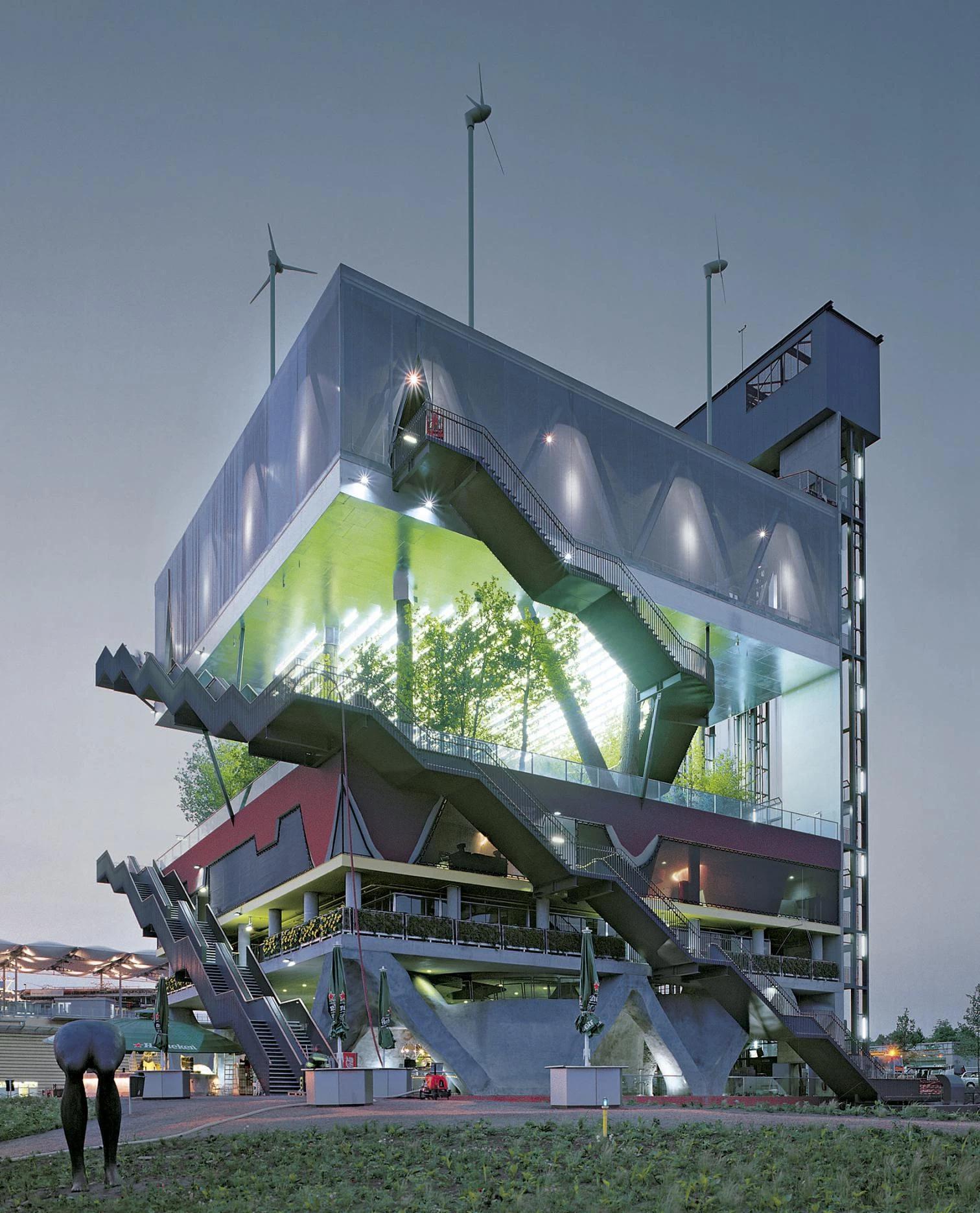
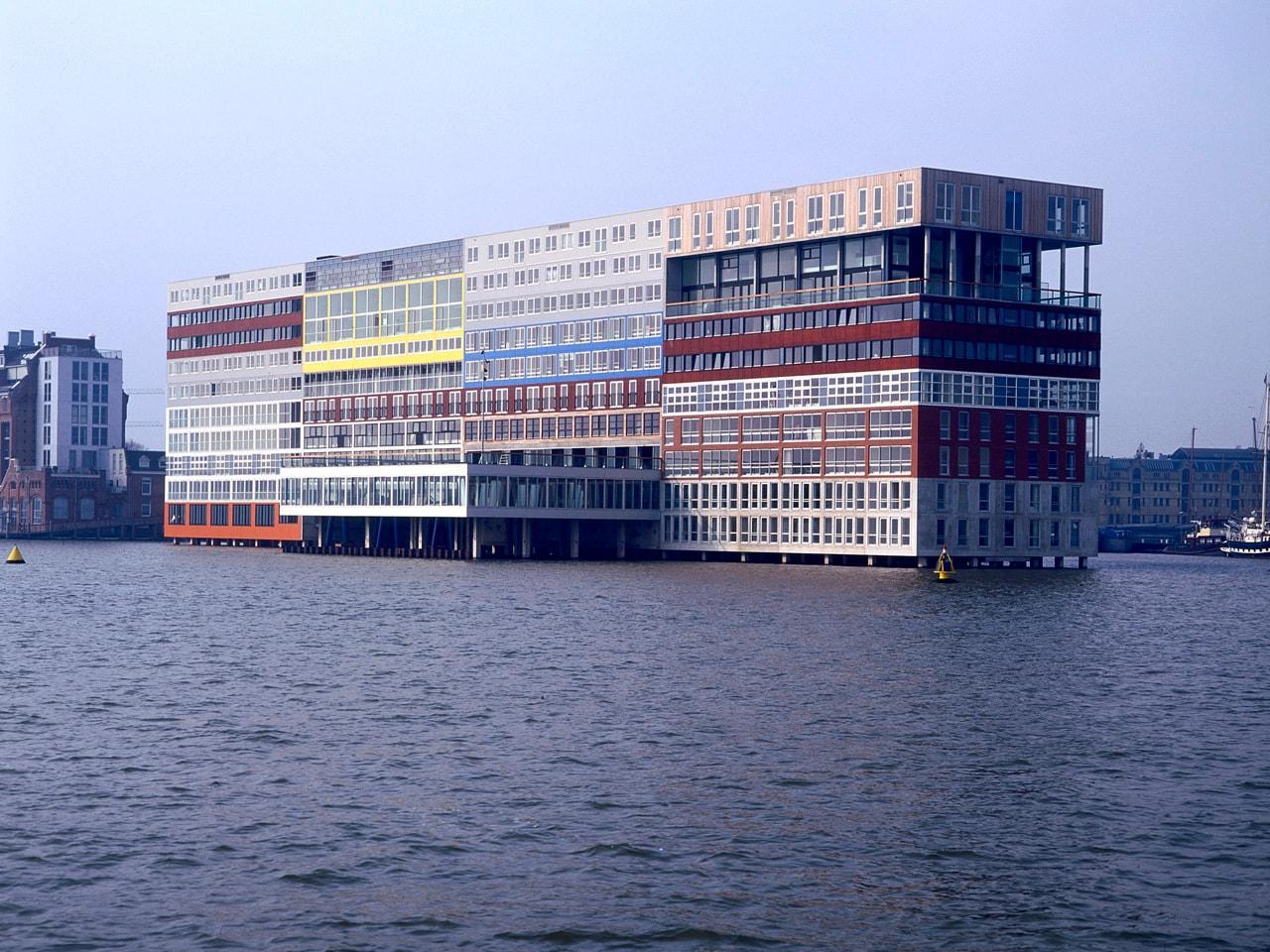
Fig.1 Hannover Expo (Christian Richters)
Fig.2 Silodam (Rob 'T Hart)
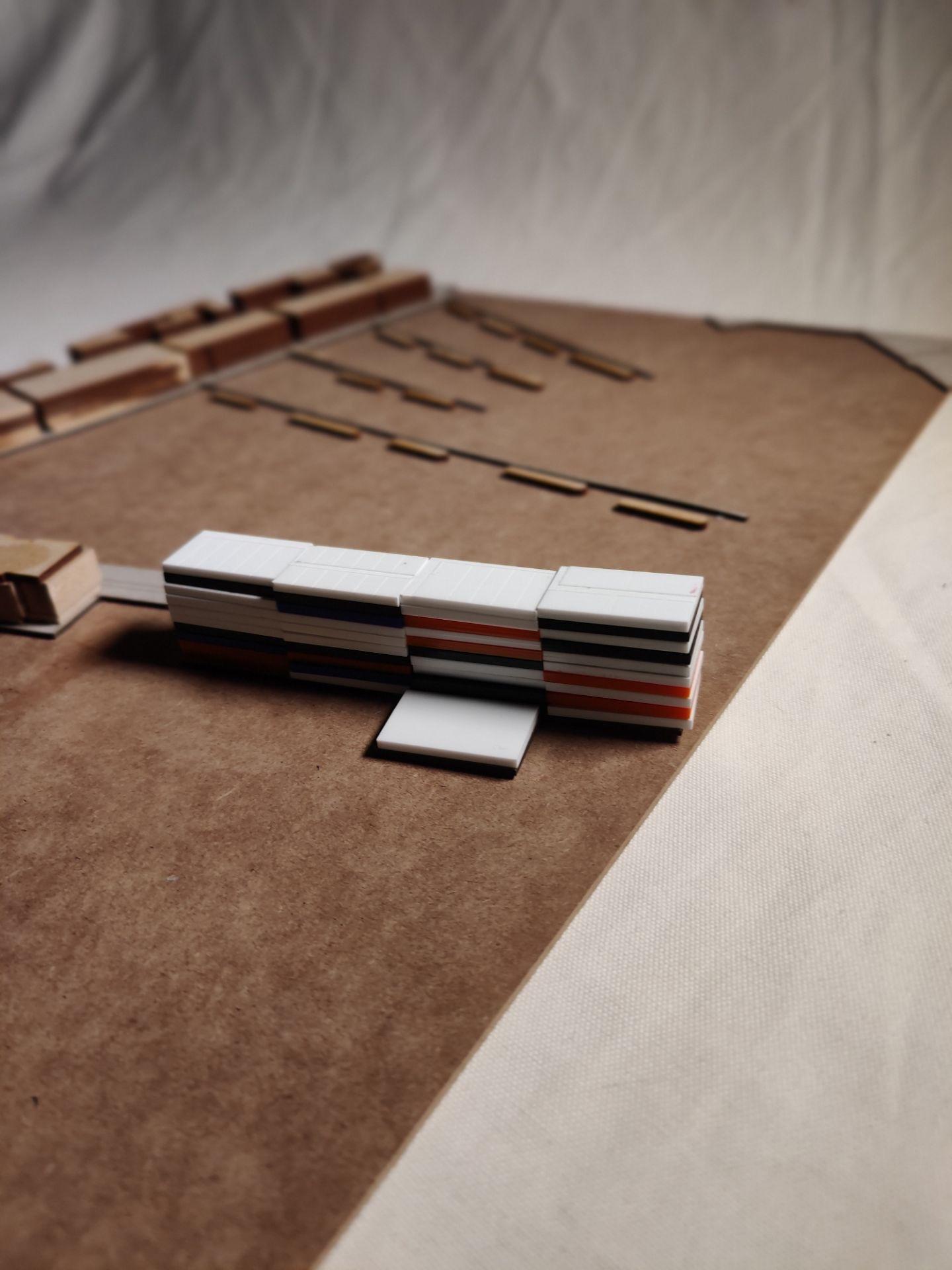
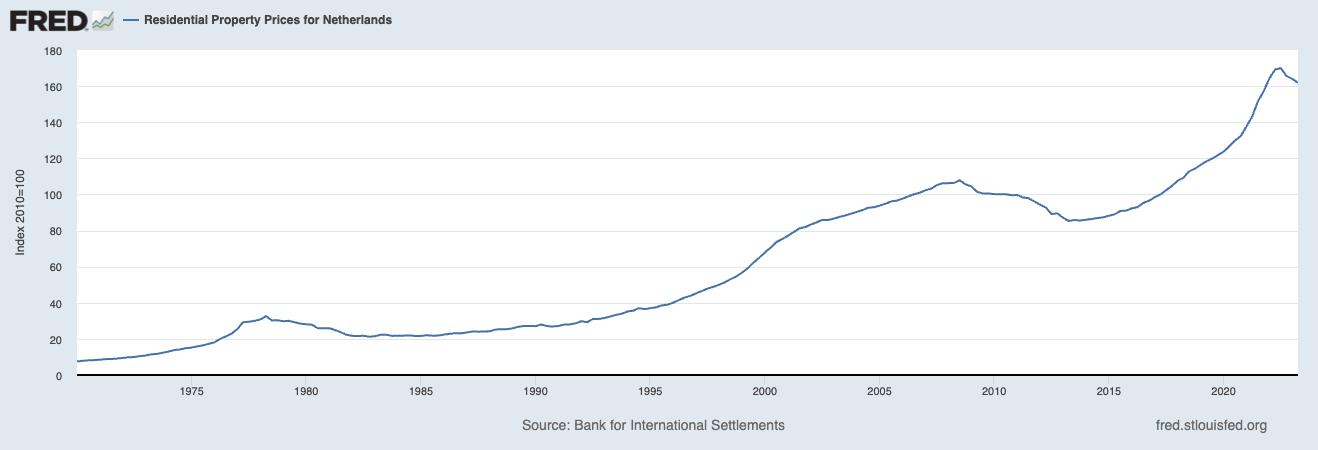
Fig.3 Silodam 1:1000 Site Context Model
Fig.4 Netherlands Housing Market Index 1970 - Present
Silodam's former use as a grain storage silo serves as a deliberate tribute to Amsterdam's flexible urban design. The transformation of Silodam from an industrial site to a residential community is a poignant example of how the city has historically adjusted to changing conditions. Beyond the obvious architectural changes, Amsterdam's dedication to maintaining its cultural legacy is embodied in Silodam's adaptive reuse. Repurposing buildings such as Silodam guarantees that the city's history is a vital component of its present and future.
MVRDV discusses the design idea of Silodam and demonstrates the clear vision they set out to achieve (Ruby & Ruby, 2012).
We were interested in how to combine things, how to identify, how to multiply, how to put things on top of each other, how to make cities more compact
Urban Vision
Silodam seamlessly integrates contemporary design into Amsterdam's rich historical tapestry. The building plans reflect an organised dedication to urban connectivity, with access points strategically placed to connect the complex to the surrounding neighbourhood. Residents benefit from the thoughtful distribution of amenities and services. Carefully integrated communal spaces serve as vibrant hubs for community interaction, fostering a sense of social interconnectedness within the complex.
Going beyond residential spaces, Silodam incorporates offices, a library, and a gymnasium. The addition of offices caters to those looking for a work-life balance, fostering a dynamic lifestyle within the complex. A library encourages educational exploration and a well-rounded lifestyle. Silodam is transformed into a microcosm of urban living, where work, leisure, and well-being seamlessly intertwine, resulting in a holistic and enriching environment for its diverse community Silodam's borders are purposefully fluid allowing for seamless integration with the surrounding community rather than imposing a distinct separation. Silodam's scenic waterfront location along the IJ River offers residents panoramic views while evoking a connection to Amsterdam's maritime heritage.
Silodam achieves density management through careful volumetric configuration. Building sections are strategically placed to maximise space utilisation while maintaining openness. The various sections are arranged in close proximity to achieve a balance between high-density living and spatial openness. This meticulous planning not only maximises living space within the complex but also ensures visual access and ventilation.
Programmatic Vision
Silodam is well-organized in terms of vertical and horizontal circulation, ensuring a smooth flow within the complex. Galleries, halls, and corridors run horizontally, forming a network of interconnected pathways. This design not only improves accessibility but also fosters a sense of connectivity, allowing residents to easily navigate the space. Silodam's intricate network of numerous staircases and walkways is critical to improving both vertical and horizontal circulation throughout the complex. The variety of access points ensures a dynamic and interconnected flow within the building. Vertical circulation is aided by the numerous staircases strategically placed throughout the structure, which provide residents with convenient alternatives to lifts. This approach not only encourages physical activity but also fosters a sense of community as residents interact along these pathways. The abundance of walkways and access points on the horizontal plane creates an array of interconnected routes that connect different parts of Silodam. Residents can navigate the complex via a number of pathways, encouraging exploration and facilitating spontaneous interactions. This design choice not only optimises space utilisation but also contributes to a vibrant and engaging living environment, as well as easy access to communal spaces.
In tackling the question of density, Silodam embraces a diverse array of apartment types. The array of apartment types includes; apartments with a panoramic view, with views on both sides, double-height apartments, apartments with a patio, and apartments with a view to the harbour This variety is a strategic response to the community's diverse household compositions and lifestyles. The deliberate regrouping of certain unit types, forming identifiable clusters within the building, is notable. This deliberate grouping fosters a sense of community and shared identity among residents. This grouping is translated in the elevation design (Fig.5), where the facade becomes a visual representation of the complex's diversity. Silodam's elevation is more than just an architectural statement; it exemplifies the inclusivity and adaptability ingrained in the company's design philosophy.
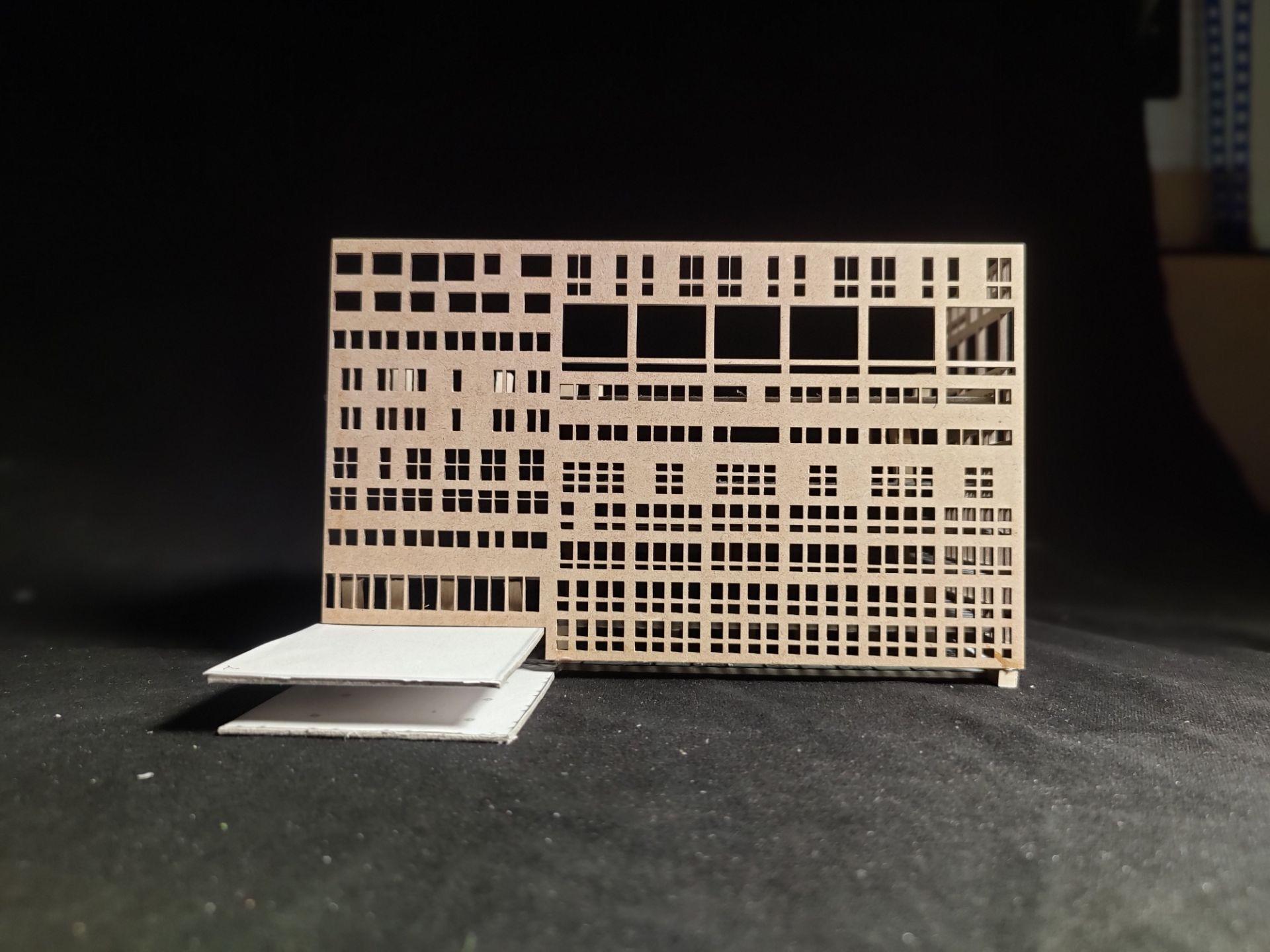
Silodam's circulation design and density approach, in essence, reflect a holistic understanding of urban living. The intentional organisation of vertical and horizontal pathways creates a dynamic and interconnected environment. Simultaneously, the variety of flat types and their strategic grouping contribute to a rich and diverse community experience. Silodam emerges as a microcosm of urban living, where circulation and density are harmoniously orchestrated to create a vibrant and inclusive residential space, thanks to its thoughtful design.
Silodam's numerous staircases and walkways, in short, serve as more than just functional elements; they are integral components of the architectural language that defines vertical and horizontal circulation. The intentional abundance of walkways and staircases not only improves mobility but also pays homage to Amsterdam's iconic bridges, adding a layer of cultural and symbolic richness to the urban living experience within Silodam.
Spatial Vision
Versatility is incorporated into its design by introducing flexible spaces and rooms that can accommodate multiple functions. Some areas within units are purposefully left unassigned, encouraging residents to adapt these spaces to their needs. This adaptable approach includes provisions for workspaces or studios within or near the units.
Fig.5 1:200 Sildoam Model
Silodam manages density in its units by providing a variety of living spaces to accommodate different household sizes and lifestyles. Each unit is thoughtfully designed to maximise available space with well-planned living areas, kitchens, bedrooms, and storage (Fig.6). The rooms are designed to be adaptable, allowing residents to use them for a variety of purposes. Silodam arranges the rooms to achieve a balance of openness and privacy, giving each unit a sense of spaciousness. Ample storage solutions aid in keeping things organised. Overall, Silodam's approach to density is focused on providing options and making the best use of available space, allowing residents to tailor their living spaces to their specific needs.
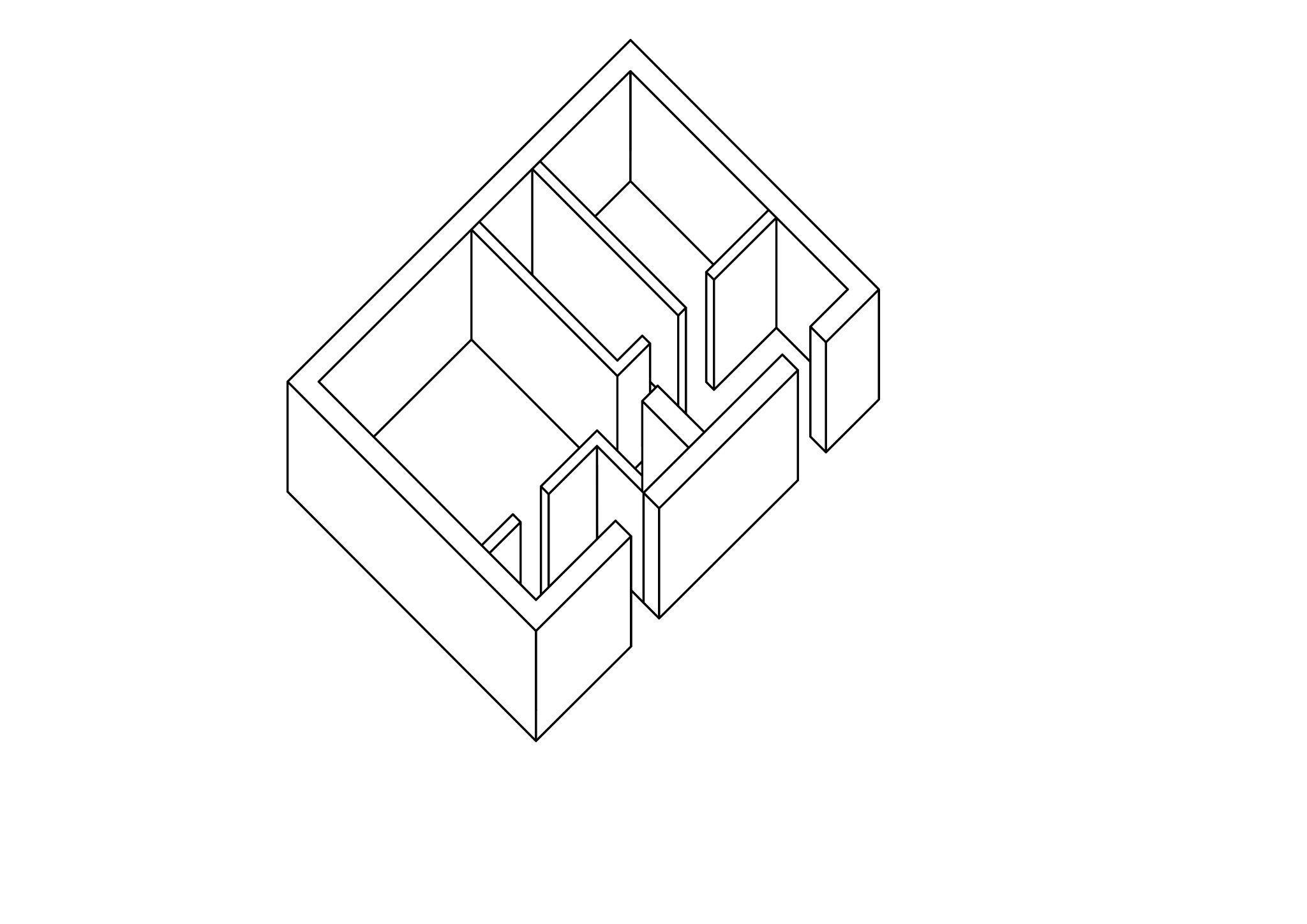
Different uses are thoughtfully organised within the units to correspond to various aspects of daily life. The design takes into account different times of day to accommodate the various routines of residents. Spaces are designed to meet the needs of various household members, fostering a balance of formal and informal functions. This deliberate organisation reflects a dedication to creating living environments that can adapt to the changing lifestyles of its residents.
Silodam's unit types each promote a distinct way of life. Whether it's a small unit for a minimalist lifestyle or a larger one for a family, architectural design contributes to the creation of distinct living environments. The variety of unit types allows residents to select a space that matches their lifestyle preferences, contributing to the complex's diverse and inclusive community. Overall, Silodam's design philosophy embraces adaptability, catering to its residents' changing needs and preferences while cultivating a sense of community through intentional spatial arrangements.
Fig.6 Axonometric drawing of a Silodam unit
Discussion
The final design expertly navigates the complexities of the project brief. MVRDV successfully integrated historical elements with contemporary functionality by transforming a disused grain storage silo into a multifunctional space. This seamless integration not only pays homage to Amsterdam's architectural and cultural legacy but also demonstrates the adaptability of urban spaces.
Silodam has received overwhelmingly positive feedback from users. Residents appreciate the variety of unit types, which promote inclusivity and cater to a variety of lifestyles. Ine Reijnen, a Silodam resident compliments the project by saying “The columns are great, the colours are great, we can see the clouds and we can see the sun” (MVRDV, 2021). The intentional placement of communal spaces fosters a sense of community while also meeting the changing needs of modern city dwellers. Reijnen’s interview solidifies this point, saying “We meet our neighbours a lot of times, we also have some central points in the building where we meet each other” (MVRDV, 2021)
There have been some mixed opinions on Silodam and the execution of MVRDV’s vision, van Gameren and co suggest that the designs may prioritise a visible display of diversity through architectural typologies over truly integrating or accommodating the residents' diverse needs and lifestyles. It essentially asks whether the emphasis is on the appearance of diversity rather than the functional and meaningful incorporation of diverse living arrangements within the designed spaces. (van Gameren et al., 2011). This contrasts with residents like Reijnen’s account of Silodam, and in this particular case, the occupant's take may be a more reliable and reflective outlook on Silodam. In an interview within a journal article, Frits van Dongen recounts a lecture by Herman Hertzberger, (van Gameren et al., 2011).
“ He argued that the image projected by Silodam created the impression of a rich assortment of varying worlds, that behind such a variety of façades, you’d expect to find an equally wide variety of people and living situations Yet nothing could be further from the truth All this apparent variety actually turns out to be housing just one kind of person – the yuppie.”
Van Dongen's opinion seems rather ignorant and naive. By simply looking into books published on MVRDV and Silodam and MVRDV’s own website, it is clear that the idea of only ‘yuppies’ (fashionable young middle-class individuals with well-paying jobs) is far from the truth.
Silodam's success is based on its ability to balance density without sacrificing livability. The different flat types and strategic organisation within each unit contribute to a sense of spaciousness, mitigating the potential challenges of high-density living. The
deliberate porousness of boundaries, both within the complex and with its surroundings, enhances the urban experience, making Silodam an integral part of the larger neighbourhood. However since Silodam is situated at the end of its street, it allows for “more social control and less traffic noise” (Ruby & Ruby, 2012)
Building on the outskirts presents unique challenges, particularly in light of the UK's current housing shortage. One prominent issue is the delicate balance between urban expansion and natural space preservation, and this is relevant to Dorset too. As cities grow to accommodate growing populations, there is an urgent need to address housing needs while maintaining environmental sustainability. This challenge is heightened in the United Kingdom, where green belt preservation and scenic landscape protection are critical considerations. Striking a balance between development and environmental conservation becomes paramount.
Density, a key consideration in contemporary urban planning, has a direct connection to the UK's housing crisis. To accommodate a growing population while avoiding urban sprawl, the growing demand for housing in metropolitan areas necessitates a nuanced approach. It is critical to strike a balance between high-density housing and the preservation of community well-being and green spaces. Effective density management entails not only optimising land use but also addressing social and environmental issues, ensuring that increased housing does not jeopardise residents' quality of life. Innovative solutions that prioritise sustainable, high-density living are critical in the UK, where space can be limited. This necessitates a comprehensive understanding of density that goes beyond numerical metrics and includes the social, cultural, and environmental dimensions of urban life.
Canford Heath and Silodam are distinct geographically and architecturally. Canford Heath is distinguished by its suburban setting and emphasises the preservation of natural landscapes. Silodam, on the other hand, is an urban development with a distinct industrial history that has been repurposed for modern living. Silodam's large size does not correspond to the housing demographic of Canford Heath's natural context (Fig.7), as residential homes and buildings are typically 2-3 stories tall (Fig.8). The physical execution of Silodam would not be appropriate for Canford Heath (Fig.9), but the concept and vision of mixed-type homes and a mixed-use typology are feasible if a cluster of blocks of flats were spread around the heath to incorporate the various views. (Fig.10).
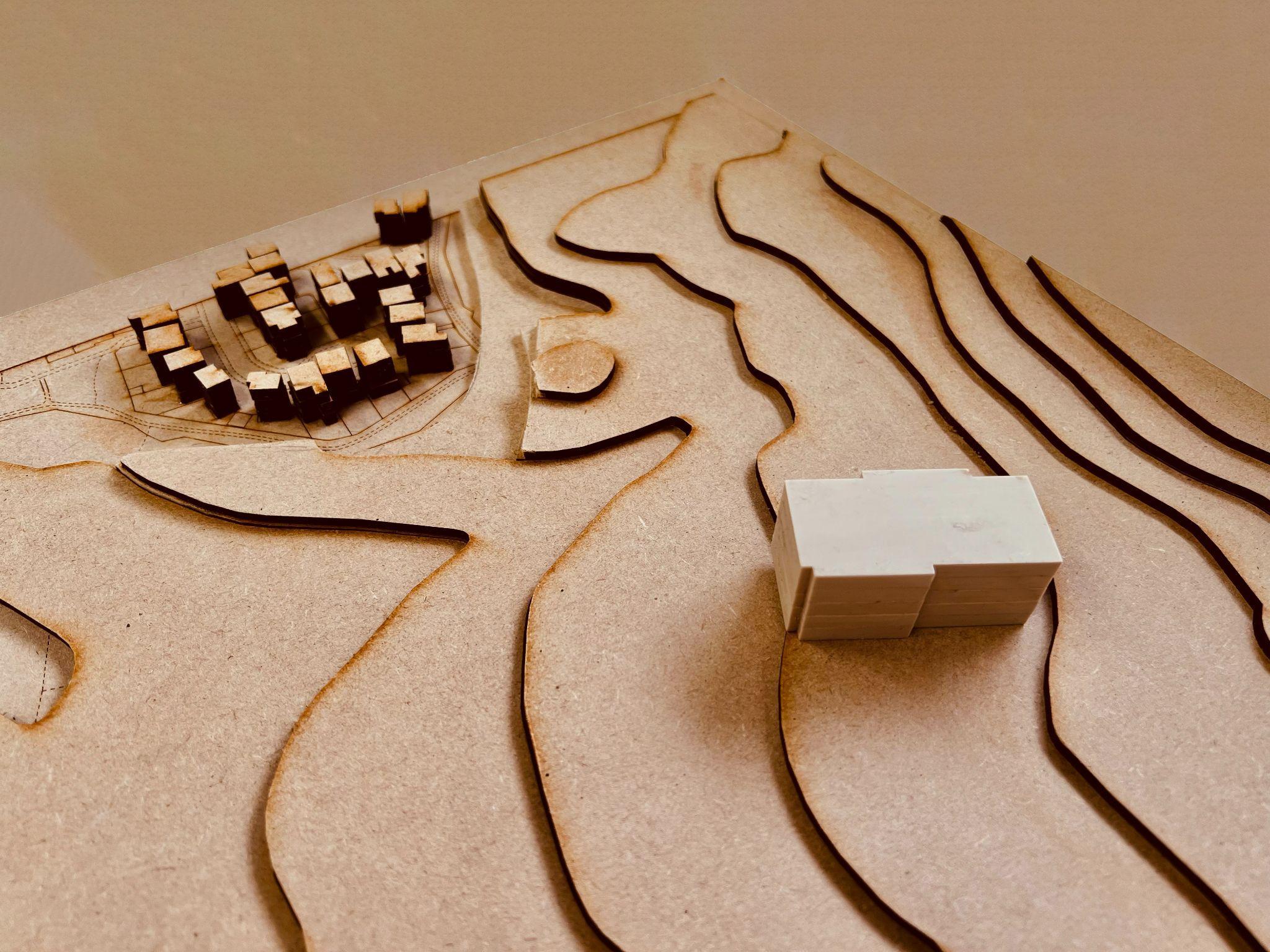
A housing project of the same height of Silodam could be possible (Fig.11), however, I believe that in order to be in line with the housing context and to allow for surrounding homes to receive the same quality of sunlight, this may not be ideal. In line with Le
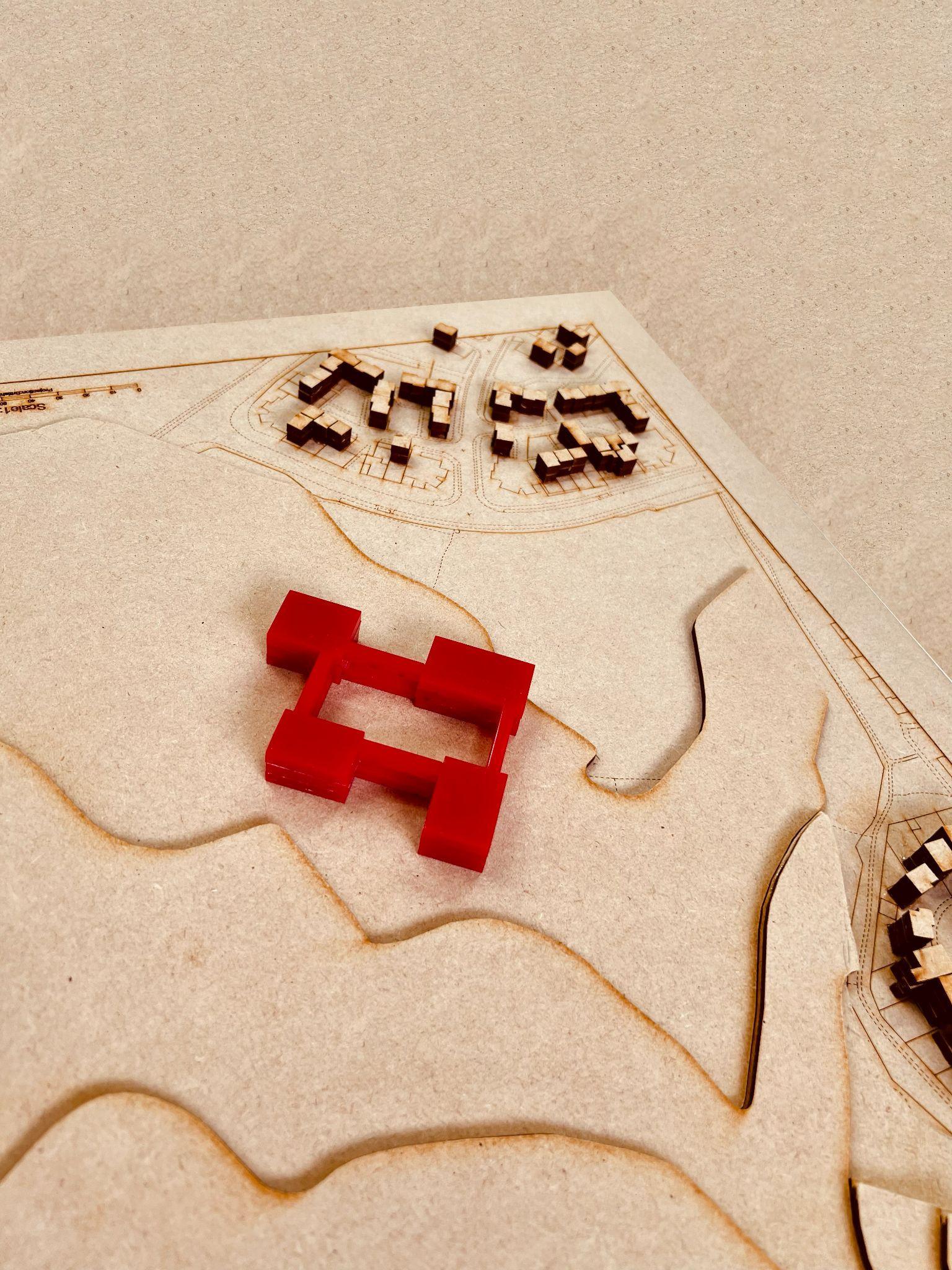
Corbusier’s idea of pilotis, an elevated housing complex of 4-5 stories could work, the element of pilotis or raised living would allow for an appreciation of Canford Heath’s nature and an ideology of co-living between man and nature (Fig.12). The use of internal communal walkways from Silodam could be used externally on Canford Heath, being used to connect different buildings, with the internal space between them acting as a communal courtyard.
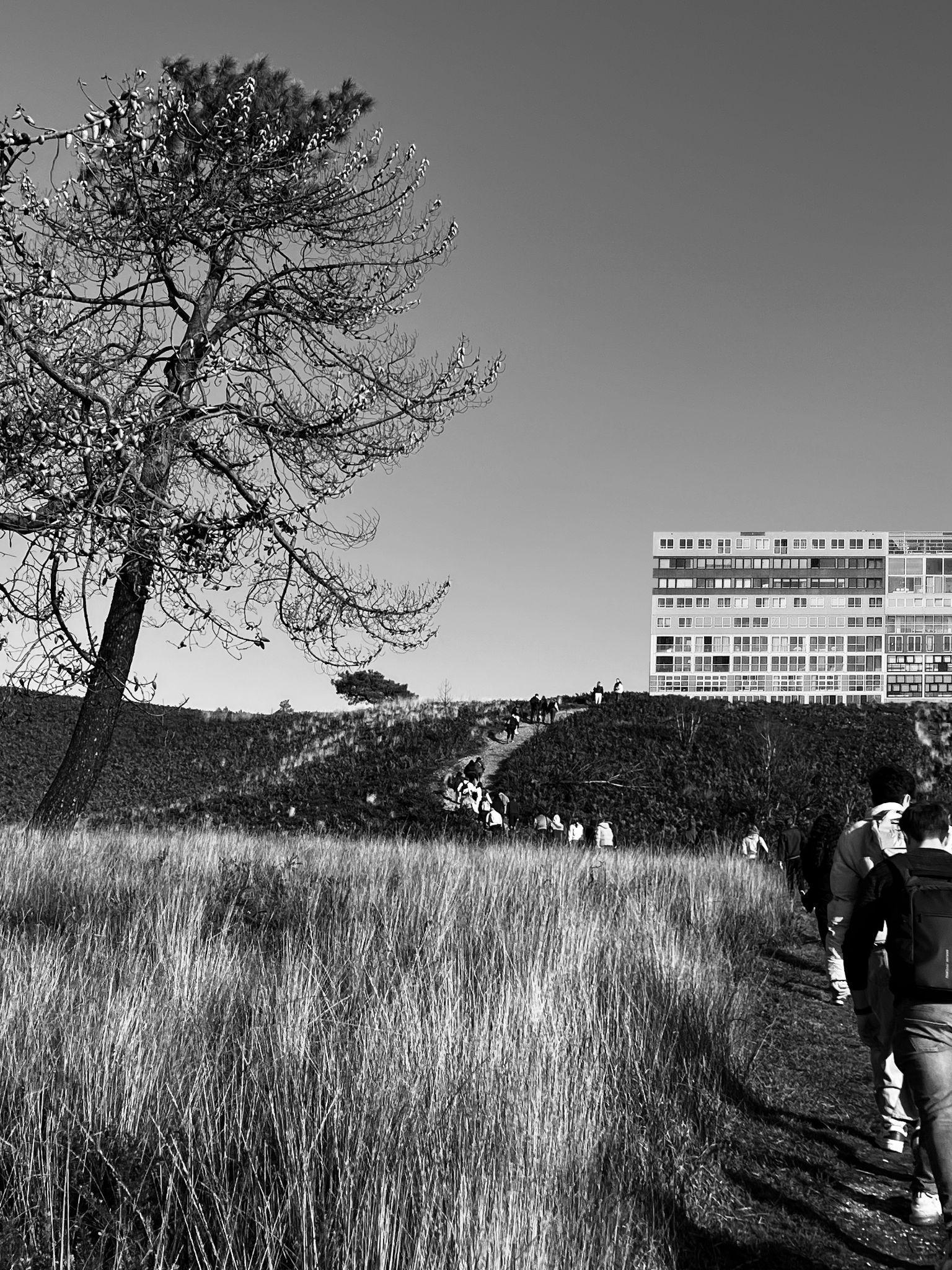
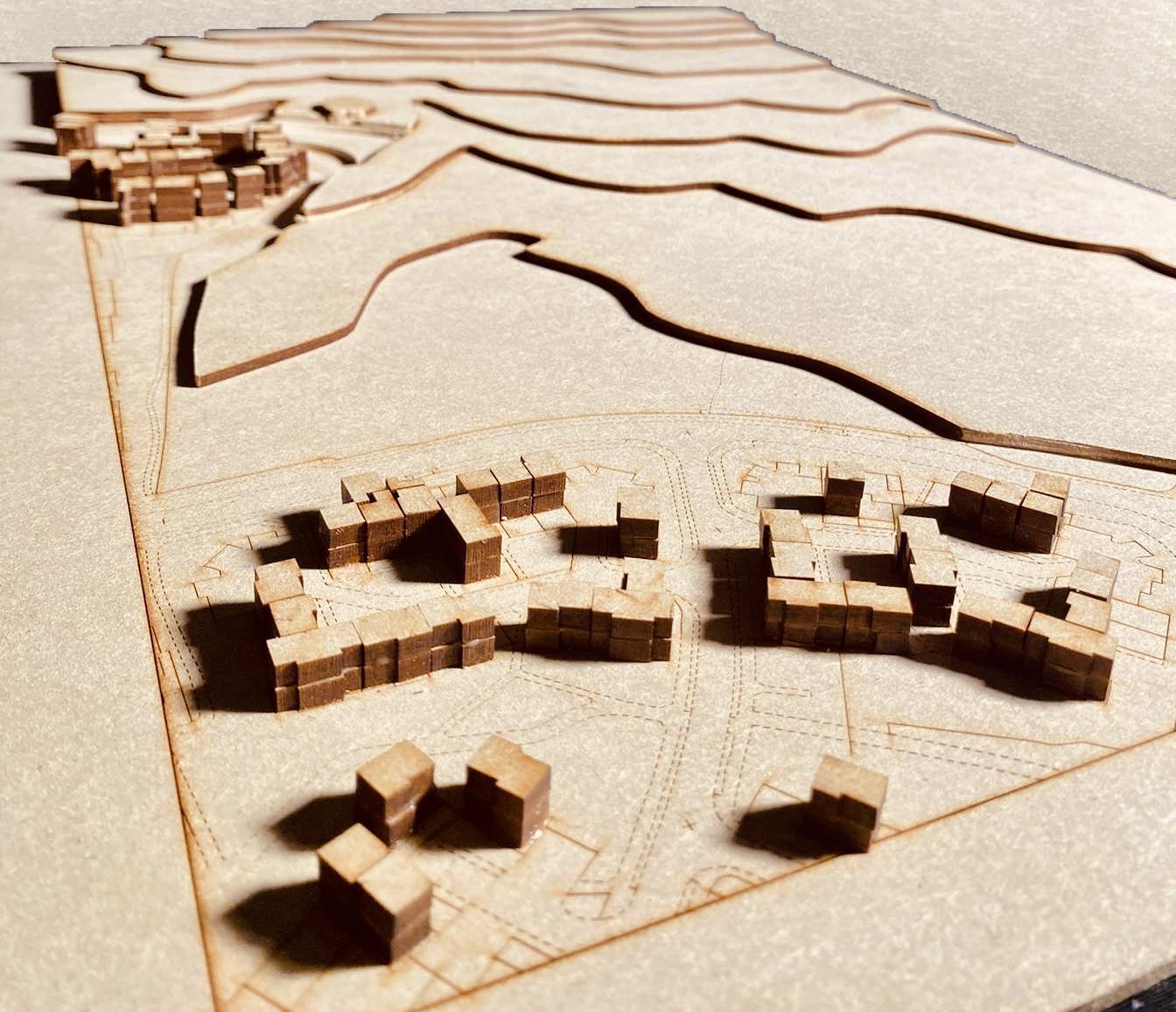
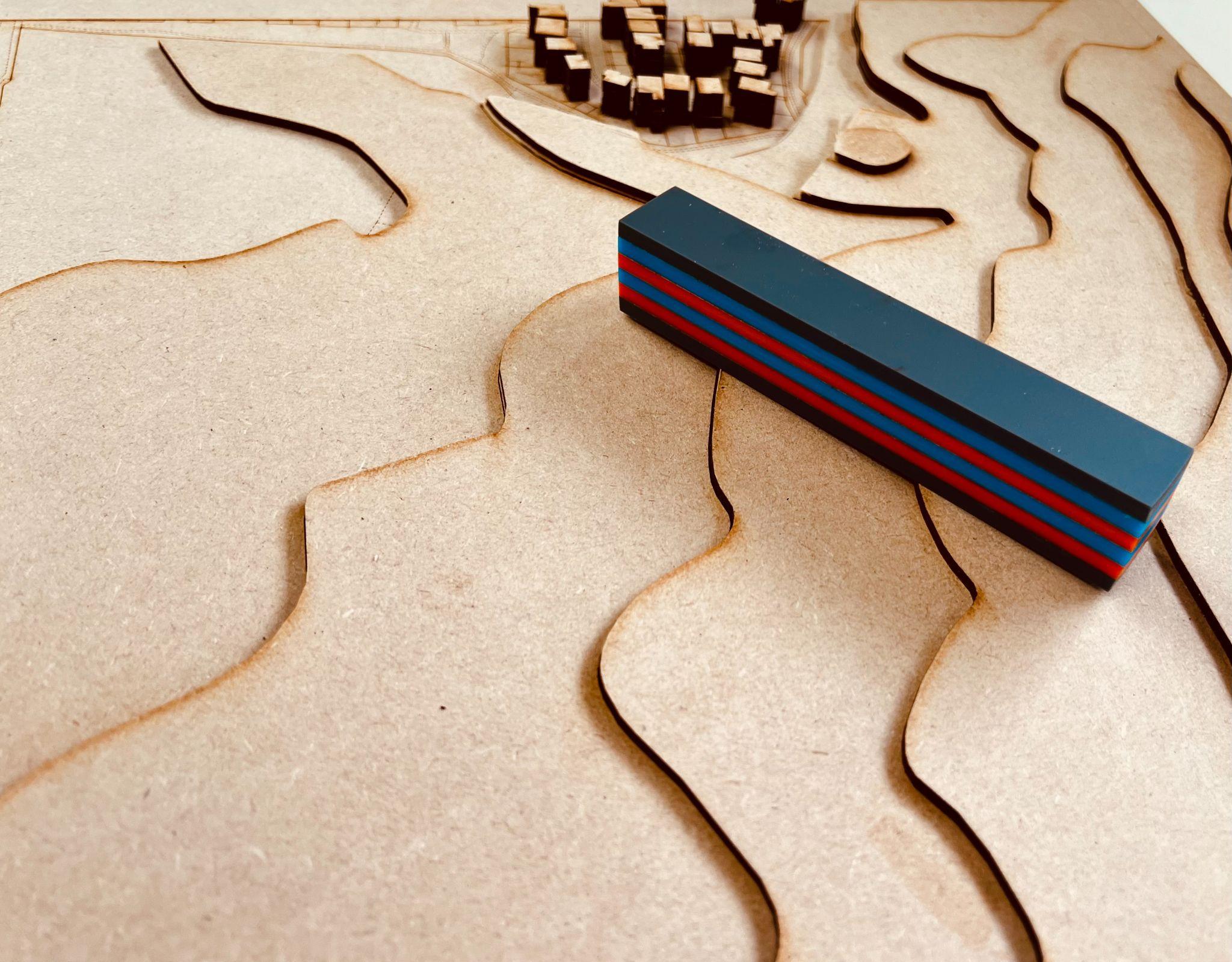
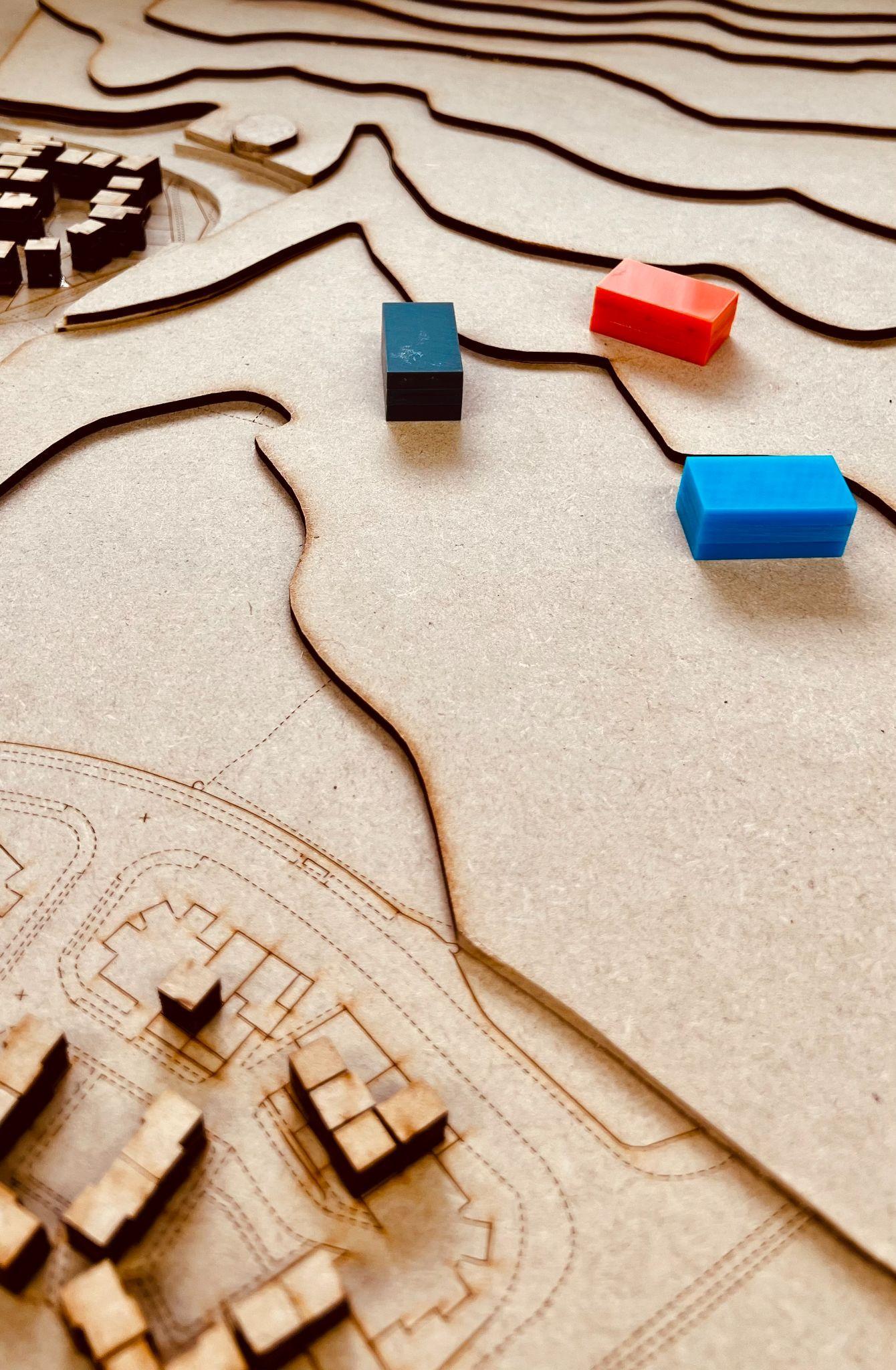
Fig.7 Collage of Canford Heath and Silodam
Fig.8 1:1000 Canford Heath model
Fig.9 Silodam model on Canford Heath model
Fig.10 Transformation Model 1
The current social context and construction market conditions differ significantly between Silodam's historical development and Canford Heath's contemporary landscape. Silodam was created in response to the need for innovative urban housing, which reflected the shift towards mixed-use developments and increased urbanisation. Canford Heath now faces the challenges of suburban development, balancing housing demand with the preservation of natural spaces.
Conclusion
The success of the Silodam project can be measured using a variety of criteria. Silodam has been largely successful in terms of implementation. The transformation of an industrial silo into a mixed-use residential and commercial space is an example of creative repurposing. The integration of various functions, such as housing, offices, restaurants, and a library, demonstrates adaptability and reflects innovative urban design.
In terms of positioning myself with regard to the project's main design idea and premises, I value the project's commitment to adaptive reuse and mixed-use development. The emphasis on flexibility, communal spaces, and a diverse range of unit types corresponds to current urban living trends. Silodam's design fosters a sense of community, embraces diversity, and maximises space utility, all of which are admirable characteristics.
Conditions must be carefully considered before transplanting this vision to Poole's 'edge' situation. Poole's suburban context, with a focus on preserving natural
Fig.11 Transformation Model 2
Fig.12 Transformation Model 3
landscapes, necessitates a nuanced approach. While Silodam's principles of adaptability and mixed-use development are valuable, modifications are required to fit in with the suburban character. Integrating more traditional architectural elements and improving connectivity with green spaces could be critical for transplantation success.
The conditions for bringing Silodam's vision to Poole's outskirts include working with local communities, authorities, and environmental concerns. The design must respect and enhance Poole's unique qualities, while also promoting sustainability and maintaining a delicate balance between urban development and natural landscape preservation. My end conclusion is that an ideological implementation of Silodam in Canford Heath is certainly possible, but the manner of the Silodam’s physical nature would not be appropriate in Canford Heath’s context.
List of Figures
Figure 1: Hannover Expo (Christian Richters)
Silodam (no date) MVRDV Available at: https://wwwmvrdvcom/projects/163/silodam (Accessed: 10 October 2023)
Figure 2: Silodam (Rob 'T Hart)
Silodam (no date) MVRDV Available at: https://wwwmvrdvcom/projects/163/silodam (Accessed: 10 October 2023).
Figure 3: Silodam 1:1000 Site Context Model
Nuaman, R (2023) Silodam 1:1000 Site Context Model [photograph] In possession of: the author
Figure 4: Netherlands Housing Market Index 1970 - Present
Residential Property Prices for Netherlands (2023) FRED Available at: https://fred stlouisfed org/series/QNLN628BIS (Accessed: 17 October 2023)
Figure 5: 1:200 Sildoam Model
Nuaman, R. (2023). Silodam 1:200 Model [photograph]. In possession of: the author.
Figure 6: Axonometric drawing of a Silodam unit
Nuaman, R (2023) Axonometric Silodam Unit Drawing [photograph] In possession of: the author
Figure 7: Collage of Canford Heath and Silodam Nuaman, R (2023) Photoshop collage of Silodam on Canford Heath [photograph] In possession of: the author
Figure 8: 1:1000 Canford Heath Site model
Nuaman, R (2023) 1:1000 model of Canford Heath and surrounding area [photograph] In possession of: the author
Figure 9: Silodam model on Canford Heath model
Nuaman, R. (2023). Silodam model on Canford Heah model [photograph]. In possession of: the author.
Figure 10: Transformation Model 1
Nuaman, R (2023) Transformation model 1 on Canford Heath model [photograph] In possession of: the author
Figure 11: Transformation Model 2
Nuaman, R (2023) Transformation model 2 on Canford Heath model [photograph] In possession of: the author
Figure 12: Transformation Model 3
Nuaman, R. (2023). Transformation model 1 on Canford Heath model [photograph]. In possession of: the author.
Bibliography
Arquitectura Viva (2021) 157 Silodam Housing, Amsterdam - MVRDV , Arquitectura Viva
Arquitectura Viva. Available at: https://arquitecturaviva.com/works/viviendas-silodam-10 (Accessed: 14 October 2023).
Bizley, G. (2008) Architecture in detail. Amsterdam: Elsevier/Architectural Press.
Bizley, G. (2010) Architecture in detail II. London: Routledge.
Canford Heath (2023) Wikipedia. Wikimedia Foundation. Available at: https://en.m.wikipedia.org/wiki/Canford_Heath#:~:text=Canford%20Heath%20was%20common%20l and,Heath%20had%20many%20different%20uses. (Accessed: 17 October 2023).
Canford Heath: Fire crews put out third heath fire in month (2022) BBC News. BBC. Available at: https://www.bbc.co.uk/news/uk-england-dorset-61549710 (Accessed: 15 November 2023).
Canford Heath fire: Snakes and lizards found dead (2022) BBC News. BBC. Available at: https://www.bbc.co.uk/news/uk-england-dorset-61264657 (Accessed: 15 November 2023).
Corbusier, L. (1987) Towards a new architecture. London: Architectural Press.
Ebner, P (2010) Typology +: Innovative residential architecture. Basel: Birkhäuser
Frearson, A. (no date) MVRDV’s Silodam block contains a cross-section of Amsterdam society says Nathalie de Vries, MVRDV’s Silodam combined housing typologies says de Vries Available at: https://www.dezeen.com/2015/07/28/silodam-mvrdv-housing-amsterdam-harbour-movie-nathalie-devries/amp/ (Accessed: 11 October 2023).
French, H. and French, H. (2008) Key urban housing of the twentieth century: Plans, sections and elevations. London: King Publishing.
Keuning, D. and Olthuis, K. (2011) Float!: Building on water to combat urban congestion and climate change. Amsterdam: Frame.
Leupen, B. et al. (2022) Housing design: A Manual. Rotterdam: NAi Publishers.
MVRDV | Silodam | 2003 (2021) YouTube. YouTube. Available at: https://www.youtube.com/watch?v=KOzHyoxUYgc&t=25s (Accessed: 10 November 2023).
Preview of an architectural discussion by Drs Kaldenbach, of Silodam Island in Amsterdam. (2016) YouTube. YouTube. Available at: https://www.youtube.com/watch?v=U3abwmdQlpw (Accessed: 22 November 2023).
Renard, A. (no date) MVRDV’s Silodam block contains a cross-section of Amsterdam society says Nathalie de Vries, MVRDV’s Silodam combined housing typologies says de Vries. Available at: https://www.dezeen.com/2015/07/28/silodam-mvrdv-housing-amsterdam-harbour-movie-nathalie-devries/amp/ (Accessed: 11 October 2023).
Residential Property Prices for Netherlands (2023) FRED. Available at: https://fred.stlouisfed.org/series/QNLN628BIS (Accessed: 17 October 2023).
Ruby, I. and Ruby, A. (2012) MVRDV buildings. Rotterdam: NAi010 Publishers, pp. 68–85.
Samuel, F. (2010) Le Corbusier and the Architectural Promenade. Basel: Birkhäuser.
Schittich, C. and Ebner, P (2007) In detail: Housing for people of all ages: Flexible, unrestricted, senior-friendly München: Edition DETAIL, Institut für Internationale Architektur-Dokumentation GmbH.
Schneider, T and Till, J. (2007) Flexible housing. Amsterdam: Elsevier/Architectural Press.
Silodam (2023) Wikipedia. Wikimedia Foundation. Available at: https://en.m.wikipedia.org/wiki/Silodam (Accessed: 11 October 2023).
Silodam (no date) MVRDV Available at: https://www.mvrdv.com/projects/163/silodam (Accessed: 10 October 2023).
Silodam (2021) Arquitectura Viva. Arquitectura Viva. Available at: https://arquitecturaviva.com/works/viviendas-silodam-10 (Accessed: 14 October 2023).
SILODAM - MVRDV - Amsterdam - WikiArquitectura_03 (no date) WikiArquitectura. Available at: https://wikiarchitektur.com/silodam-mvrdv-amsterdam-wikiarquitectura_03-2/ (Accessed: 13 October 2023).
van Gameren, D., van Andel, F and Klijn, O. (2011) No. 04 (2011): The Residential Floor Plan: Standard and ideal [Preprint]. Doi:10.7480.