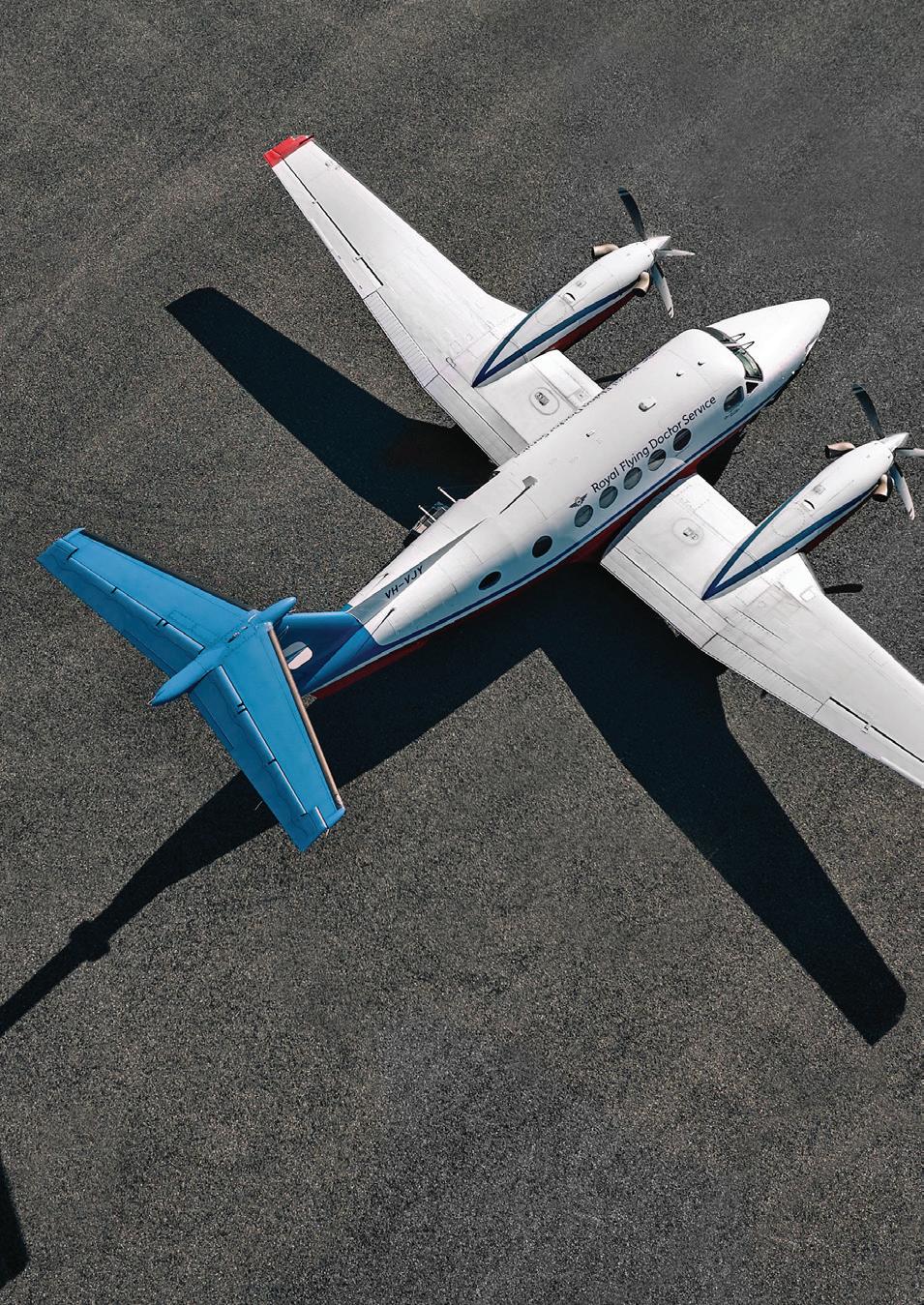
RFDS (QUEENSLAND SECTION)
RFDS (QUEENSLAND SECTION)
Our story began with one man’s dream to create a ‘mantle of safety’ for people in the outback. In response to the tragic loss of lives in remote Australia, Reverend John Flynn envisioned an aerial medical service that could reach those isolated by distance.
His vision became reality in 1928, when pilot Arthur Affleck took off in a single-engine de Havilland 50 biplane named Victory, launching what would become the Australian Inland Mission Aerial Medical Service.
Support from long-time advocate Hugh Victor McKay, who left a Gift in Will for an ‘aerial experiment’, helped bring Flynn’s idea to life. Just a year later, engineer Alfred Traeger’s invention of the pedal-operated radio revolutionised communication, allowing remote communities to call for help and overcome isolation.
By the 1930s, a network of bases had been established, and the organisation evolved into the Royal Flying Doctor Service of Australia. From our first flight between Cloncurry and Julia Creek, we’ve grown to become one of the largest and most trusted aeromedical organisations in the world.
Today, the Royal Flying Doctor Service (Queensland Section) (RFDS) operates from nine strategically located Queensland bases—Brisbane, Bundaberg, Cairns, Charleville, Longreach, Mount Isa, Rockhampton, Roma and Townsville—delivering more than 200 occasions of care each day. Our services now extend beyond aeromedical retrievals to include inter-facility patient transfers, primary health care, mental health, telehealth, medical chests, and oral health services.
As a not-for-profit organisation, our future relies on the continued support of our community, partners, donors and fundraisers. Together, we enable people to live, work and travel safely across Queensland, no matter the postcode.
Approaching our centenary, we remain committed to evolving through our Towards 100 Strategy, which focuses on five key pillars: our people, community, service delivery, innovation and organisation. These priorities guide our growth and ensure we continue to meet the changing needs of those we serve.
We live our brand promise every day—delivering the finest care to the furthest corners of Queensland and making a real difference in the lives of people in regional, rural, and remote communities.


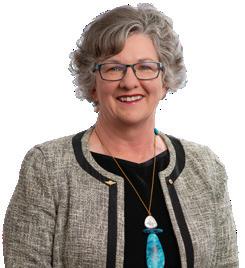
The RFDS (Queensland Section) Annual Report 2024/25 offers a clear and comprehensive reflection of a year defined by meaningful progress, strategic investment and an unwavering commitment to delivering high-quality healthcare across Queensland.
As Chair, I am immensely proud of what has been achieved by our organisation. This report captures the tangible outcomes of our work, driven by the dedication of our teams and the trust of the communities we serve, as we look ahead to our centenary in 2028.
Our continued success is driven by thoughtful and purposeful growth, anchored by our Towards 100 Strategy, which focuses on five strategic pillars: growth in our people, our community, our service delivery, our innovation and our organisation. These pillars not only shape our current direction, but they are also the foundation upon which we are building our future.
Throughout the year, we made significant strides across several key strategic initiatives. From expanding mental health and telehealth services to strengthening partnerships with local health services and investing in next-generation aircraft and digital capability, our efforts have enhanced both the reach and quality of our care. These achievements reflect our commitment to innovation and collaboration, ensuring we continue to meet the evolving needs of regional, rural and remote communities across the state.
Of course, none of this progress would be possible without continued support from the Commonwealth and State governments and councils, along with the generosity of our supporters, donors, volunteers, corporate partners and local communities, who continue to champion our mission with passion and commitment.
I would especially like to acknowledge our Principal Partners, Ergon Energy Retail, Hancock Prospecting & Rinehart Medical Foundation, Brisbane Airport Corporation, QCoal, Woolworths and Rio Tinto. Your enduring support has been a cornerstone of our growth.
To my fellow directors and committee members, thank you for your governance, stewardship and strategic insight. Your dedication and expertise have been invaluable in guiding the RFDS through another successful year.
I also extend my sincere appreciation to our Chief Executive Officer, Meredith Staib. Her leadership and operational excellence have been instrumental in strengthening our impact across Queensland.
As we approach our 100th year, we remain inspired by every community we serve. For us, growth is not merely about scale; it’s about deepening our connections, strengthening our services and delivering care that truly matters.
Thank you for being part of this journey. Your support ensures the RFDS continues to connect those in regional, rural and remote areas of the state with the finest healthcare and aeromedical services, today, and for generations to come.
Georgie Somerset AM Chair RFDS (Queensland Section)
Over the past year, the RFDS has continued to deliver critical healthcare services to those in regional, rural and remote Queensland.
I am privileged to lead a team whose dedication, resilience and compassion ensure that every Queenslander has access to the finest healthcare and aeromedical services. I would like to sincerely thank the Board, Executive Leadership Team and all our staff for their commitment in ensuring we can continue to serve communities across the state.
This year, we expanded services, embraced innovation, and maintained high standards. With strong support from staff and leadership, we balanced growth with operational excellence to ensure reliable, compassionate care reaches every corner of the state.
I am proud to look back on a year that has been marked by strong collaboration with partners, resilience in the face of challenges, and a continued focus on future readiness. As we reflect on our achievements, we remain committed to delivering on our Towards 100 Strategy, supported by five key areas of growth: our people, community, service delivery, innovation and organisation.
We have seen this strategy brought to life through major infrastructure projects across the state. From redeveloped patient transfer facilities to critical base upgrades, these investments are designed to meet the evolving needs of both our teams and the communities we serve.
Through the implementation of the Fleet Strategy, the team took significant steps toward modernising our fleet to meet the evolving demands of aeromedical care. This marks an investment in next-generation capability, delivering greater reliability, efficiency and clinical functionality.
Our services continue to expand in both reach and impact, delivering vital care across rural and remote communities. From thousands of aeromedical retrievals and telehealth calls to conducting oral and mental health consultations and primary health care clinics, the RFDS remains a crucial lifeline for those living, working and travelling throughout the state’s most isolated regions.
Strengthening our connection with communities across the state, the aeromedical simulator has once again toured regional, rural and remote areas, offering valuable educational experiences to students. This important outreach is proudly supported through our national partnership with Isuzu UTE Australia.
Our ambassadors continue to raise awareness and build meaningful connections within communities. By sharing the stories of those we serve, and those who serve, they help deepen engagement and broaden understanding of our services, strengthening support across Queensland.
Fundraising plays a crucial role in supporting our organisation’s work, and over the past year, we have successfully implemented new initiatives to reach the fundraising target. These innovative approaches have helped sustain essential projects and supported ongoing growth across all areas of our service.
Our workforce continues to be strengthened, with a focus on attracting and retaining exceptional talent. This year, we expanded our pilot cohort and launched a targeted medical officer recruitment campaign, Real Flying Doctors, enabling us to attract high-calibre talent.
At the same time, we’ve taken steps to future-proof the organisation. This has included reviewing and evolving the executive leadership structure to ensure we are best positioned to meet the changing needs of the communities and to sustain excellence in service delivery well into the future.
As we reflect on a year of progress and purpose, our focus remains firmly on the years ahead. I extend my heartfelt thanks to all our supporters, partners and staff who enable us to do the work that we do.

Meredith Staib Chief Executive Officer RFDS (Queensland Section)
Supporting the future growth of the RFDS (Queensland Section) is central to the Foundation Board’s mission. Our priority is to ensure the long-term sustainability and strength of this vital service for generations to come.
Every donation helps equip our dedicated teams with the tools, technology and resources needed to deliver world-class healthcare to some of Queensland’s most remote and vulnerable communities. From state-of-theart medical equipment to cutting-edge data solutions, donor support plays a crucial role in future-proofing the organisation.
Since the RFDS Foundation’s establishment in 2018, we have consistently invested in forward-thinking projects that create lasting impact. These initiatives not only address the changing needs of rural and remote Queenslanders but also uphold the spirit of innovation and service that has defined the RFDS for nearly a century.
In the 2024/25 financial year, we proudly supported the continued delivery of the Horse Wisdom Equine Assisted Learning Program, a unique initiative providing mental health and wellbeing support in Cape York.
We also funded the development of a Spatial Map prototype, a new tool that brings together multiple data sets to provide an integrated view of RFDS services across local, state and federal government levels. This project will continue to evolve throughout 2025/26, strengthening the evidence base for better healthcare delivery across Queensland.
These outcomes are made possible thanks to the generosity of those who give to the RFDS. Your support, whether through donations, fundraising events or bequests, has a tangible and lasting impact on the communities we serve.
Gifts in Wills are particularly powerful; they ensure that the Flying Doctor will continue to serve future generations with the same unwavering commitment we show today. We are deeply grateful to those who have included the RFDS in their estate planning. Their foresight helps safeguard the future of rural and remote healthcare in Queensland. After all, it was a gift in Will that saw the Flying Doctor off the ground and now, it helps deliver hundreds of occasions of care every single day.
To my fellow directors, thank you for your continued dedication, leadership and support. Together, we are helping to ensure that critical funding reaches the programs, services and communities where it is needed most.
It is a privilege to serve an organisation so widely trusted and respected across Queensland. As we look to the future, our focus remains clear: to strengthen the Flying Doctor’s legacy and ensure this essential service continues to support those who need it most.
Nigel Alexander
Nigel Alexander Chair RFDS Foundation
Growing up in a compassionate family, Paula learned the importance of helping others at an early age. Her parents’ example of giving to charity left a lasting impression, and while teaching in Queensland’s rural towns, she came to value the vital work of the Flying Doctor.
Alongside her husband Pete, also a teacher familiar with the RFDS through his time in Thargomindah and Cheepie, Paula raised two children and now enjoys an active retirement. However, she never forgets the challenges remote communities face in accessing healthcare.
Inspired by their friendships with RFDS staff and admiration for the Service, Paula and Pete decided to leave a gift in their Will.
“The Flying Doctor depends on people like us, enabling them to keep showing up in emergencies for years to come,” Paula says.
“We haven’t got a lot, but we’ve got enough to share.”
A gift of any size will have an impact in helping us continue to deliver the finest care to the furthest corner for generations to come.
JULY
Mount Isa Base sod turned
AUGUST
20,000th dental patient
Brisbane Aeromedical Hub sod turned
MediaValet Budding Star Award
OCTOBER
Launched RFDS Snake Bite + Burns Kit and Pet First Aid Kit
Aeromedical Training Academy opened and certification of the simulator for all aircraft variants achieved
DECEMBER
Dental Virtual Health Trial commenced
SEPTEMBER
Mount Isa Hangar Ball – in celebration of 60-year anniversary Launched RFDS Radio
NOVEMBER
First Plane Pull in Bundaberg 15-years of partnership with Brisbane Airport Corporation
FEBRUARY
Fundraising Institute of Australia Awards – Fundraising team of the year
APRIL
Inaugural Giving Day held
JUNE
Brisbane Base 30-year anniversary headspace Cairns – 10 years since the RFDS received funding under a Deed of Transfer by National Youth Mental headspace Foundation
MAY
Real Flying Doctors Medical Officer recruitment campaign commenced Australasian Reporting Awards – Bronze Aeromedical Nurse Practitioner role extended
This five-year growth strategy represents the next stage of our Towards 100 journey.
Now well underway, we are delivering meaningful impact across Queensland—enhancing service delivery, deepening connections with the communities we serve, and driving innovation to meet future needs.
We’re also investing in our people and strengthening the foundations of our organisation— ensuring we’re equipped, supported and prepared as we move towards our centenary.
Partnerships and collaboration
Patients, families and community
Create
Safety and sustainability
Strengthen our presence, reputation and support at the heart of the communities we serve.
Our promise
The furthest corner. The finest care.
Support the health and wellbeing of our communities anywhere, anytime.
Embrace our culture of innovation to drive growth, create value and lead the future of virtual health delivery.
Equity, culture and diversity
Growth has always been an important part of the RFDS story. Together, we will keep doing what we do best while finding new and innovative ways to go further for our regional, rural and remote communities.
To ensure we continue to deliver on our Towards 100 Strategy, there are five key principles which guide our actions and decisions:
Everything starts with our promise
Partnership and collaboration
Working hand in hand
Patients, families and community
Patient and family-centred care at the heart
Pursuing our purpose into the future
Equity, culture and diversity
Celebrating our unique culture and individual differences
2024/25
The RFDS continues to provide vital emergency medical and primary health care services to regional, rural and remote communities across Queensland.
200 MORE THAN
occasions of care across Queensland each day
1,300 2,100 12,300
medical chests in rural and remote locations immunisations administered consultations conducted by RFDS mental health clinicians and headspace Cairns
18,800
13,000 2,300 24,750
remote consultation calls through our telehealth service patients transferred consultations by our RFDS Dental Service consultations were conducted at RFDS GP and nurse clinics
In the 2024/25 financial year, the RFDS undertook a strategic executive leadership restructure.
The restructure focused on realigning cohorts and refining operational oversight to foster greater responsiveness, efficiency and collaboration. Initial changes were implemented across several key streams during this year.
The RFDS comprises seven legal entities operating across Australia under a federated structure, working together through a joint venture agreement. Each entity is independent, financially and operationally, with its own board and management.
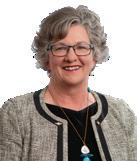
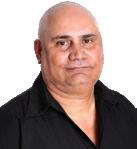
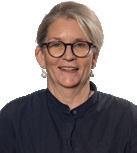
The RFDS (Queensland Section) Board of Directors serves as the governing body for the organisation in Queensland and is accountable to stakeholders for ensuring strong governance. Board members contribute extensive experience, knowledge and skills, guiding the organisation to ensure regional, rural and remote communities remain connected to world-class healthcare and aeromedical services.
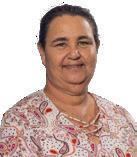
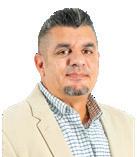
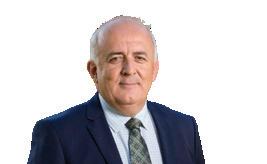
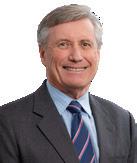
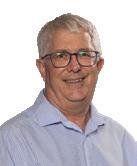
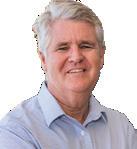
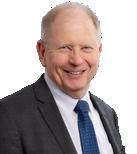
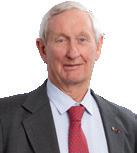
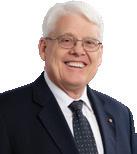
Effective governance is critical to the safe and sustainable delivery of our services across Queensland.
As a complex organisation operating in remote environments with a diverse and mobile workforce, we continue to evolve our governance frameworks to meet changing challenges.
Our governance practices underpin every aspect of our work, ensuring we protect our people, uphold our reputation, and deliver the finest care to the furthest corners of Queensland.
As an organisation with a large FIFO and fractional workforce, we recognise the psychosocial risks that need to be monitored and supported.
To help mitigate safety concerns while our staff work remotely, we use Duress™ applications, which allow workers to activate an alert even in areas with low or non-cellular coverage. With automated check-in and check-out functions, leaders have the reassurance that their staff arrived safely in communities. This system has been in place for more than three years, with 235 workers connected, 20 spot satellite devices issued and 31 vehicle track devices installed.
Working in the healthcare sector, many of our staff are focused on caring for others, but it is equally important that they check in with themselves and with their colleagues. To support this, we partnered with the R U OK? Conversation Convoy to visit several of our bases and offices across the state, encouraging open conversations. In addition, we have established a dedicated R U OK? Committee to lead and develop initiatives that promote the message of asking “Are you OK?” any day.
Our commitment to safety, quality and continuous improvement is demonstrated through international certifications, ongoing reporting and accreditation achievements.
The RFDS holds three ISO certifications, reinforcing our focus on structure, stability and growth: ISO 45001 for occupational health and safety management, ISO 9001 for quality management, and ISO 14001 for environmental management. Together, these certifications ensure we meet international standards in protecting our people, delivering quality outcomes and reducing environmental impact.
Our workplace health and safety (WHS) reporting supports our ISO 45001 certification by providing transparency on incidents, risks and identifying preventive actions across all operations. While manual handling and musculoskeletal injuries remain our most significant WHS concern, our incident rates remain well below industry standards. The unpredictable nature of our operational crews’ work presents ongoing challenges but also highlights the importance of our proactive safety approach.
The RFDS is accredited with the Australian General Practice Accreditation Limited (AGPAL) for our primary health care services. Earlier this year, our Mount Isa, Cairns, and Charleville bases successfully achieved accreditation, recognising the safe, high-quality primary health care services we deliver.

Additionally, we hold accreditation against the National Safety and Quality Health Service (NSQHS) Standards, with renewal for our aeromedical, dental, telehealth and mental health services scheduled for November 2025. Collectively, our accreditations reflect our commitment to patient safety, excellence in care and supporting continuous improvement.
Our team works diligently to protect the RFDS from cyber threats, ensuring minimal disruption to essential services. Over the past financial year, we have strengthened our cybersecurity and digital resilience through staff training, data protection measures and robust security frameworks.
The Australian Signals Directorate’s Essential Eight framework is the national benchmark for cyber resilience. It covers eight key controls, from system patching to multi-factor authentication and data backups. This year, we proudly achieved Maturity Level 1, demonstrating effective protection against cyber threats. We are now working towards Maturity Level 2, to further strengthen our ability to prevent, detect and recover from sophisticated cyber threats, safeguarding our organisation and the communities we serve.
Over the past 18 months, staff have completed concise, interactive training modules designed to enhance vigilance in everyday tasks such as password management, recognising suspicious emails and reporting threats. To reinforce the training, unannounced phishing simulations have been conducted, with annual reporting used to monitor behaviours and pinpoint areas for improvement.
We also launched a Privacy 101 module to improve staff awareness of privacy matters, including recognising sensitive information, understanding key terminology, and applying best practices to safeguard privacy. This awareness training directly supports our Data Loss Prevention (DLP) system, which protects sensitive information in outgoing communications. By prompting staff to verify recipients and automatically encrypting sensitive data, DLP combines technology with staff vigilance to reduce the risk of data breaches while ensuring seamless care. Together, our staff and security systems safeguard patients’ trust and uphold the highest security standards.
The RFDS has developed a comprehensive AI framework to guide the safe and ethical use of artificial intelligence, particularly within healthcare. The framework sets clear policies, ensures safe integration into clinical workflows, and provides tailored ethical guidelines for patient engagement. This approach ensures AI enhances, rather than replaces, our human-centric care safely and securely.
“Cybersecurity is not just a technical challenge—it’s a shared responsibility. When people, processes, and technology work together, we build a culture of trust, vigilance, and resilience.”
ADAM CAREY CYBER SECURITY GOVERNANCE MANAGER (NATIONAL)

WEARY
BAY COOK SHIRE
We deeply appreciate the commitment and unwavering support of our people in ensuring RFDS (Queensland Section) can deliver on our mission.
As we continue to be guided by our Towards 100 Strategy, we aim to create the best, future-ready workplace and culture for our people to grow.
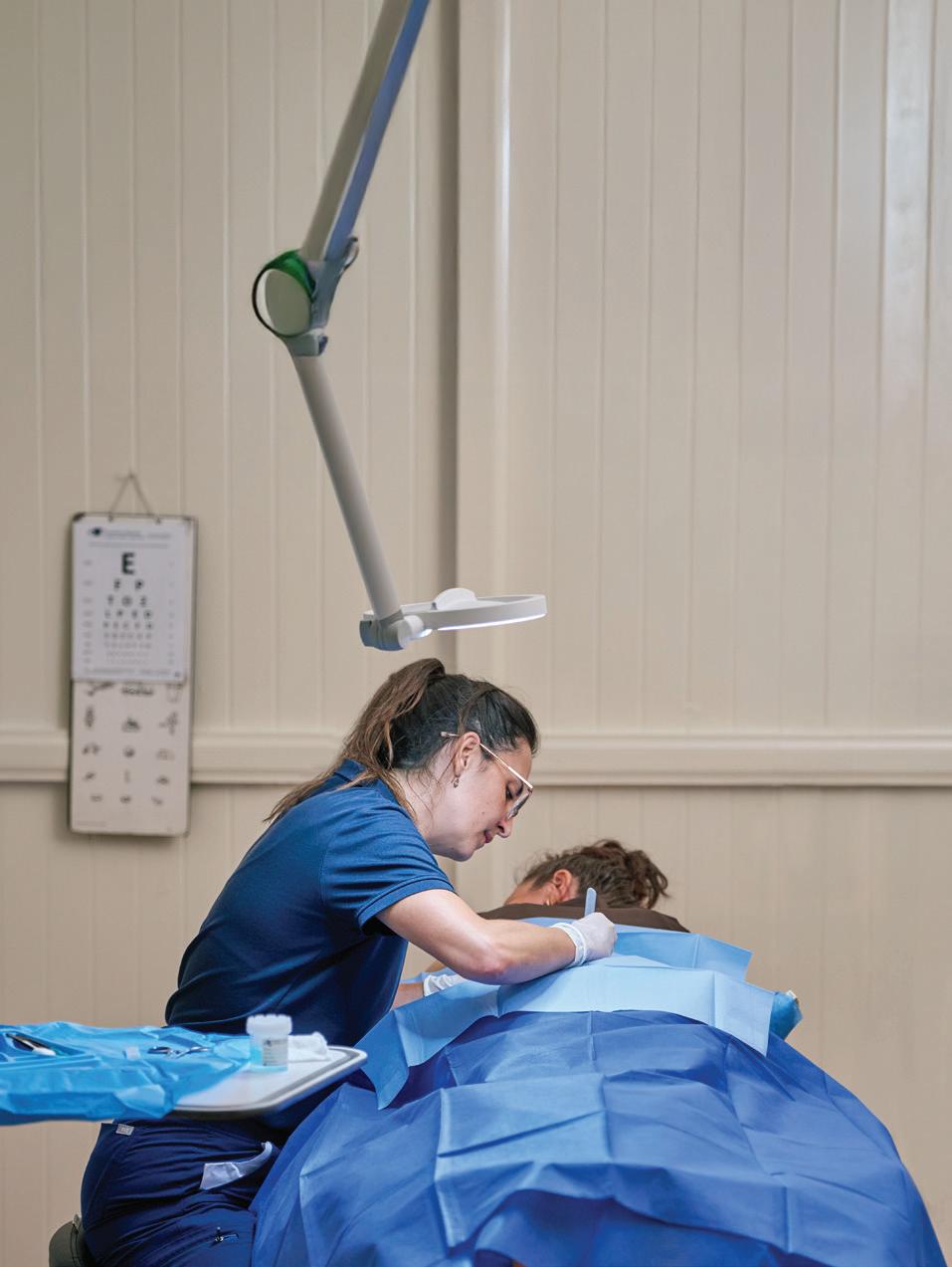
The RFDS Spirit Award celebrates individuals who consistently embody our values and make a meaningful impact. Forty-three nominations were received across three categories, highlighting the dedication of our people. We proudly congratulate our 2024 winners:
Delivering excellence in healthcare
Donna Ross, Manager – Central West and Outback Mental Health
For going above and beyond for both the team and the community, consistently enhancing the quality of care provided by the RFDS and making a significant impact on those around her.
Margaret Lees, Clinical Resources Support Officer
For her enthusiasm and proactivity in supporting the Cairns and Mount Isa teams by implementing several improvements that enable the teams to perform at their best.
Leading through our values
Nick Warwick, General Manager Data & Integration
For his dedication to supporting the RFDS mission and embodying its values in everything he does, especially in how he supports his team and the wider organisation.
Winners were recognised locally and received a travel voucher in appreciation of their outstanding contributions.
As part of our One Promise – One Team culture program, we conducted our Employee Engagement Survey for the third consecutive year. Our engagement score was 64 per cent, a five per cent increase from the previous year.
Engagement is measured by what our people say about the RFDS, their commitment to stay and their willingness to strive for our organisation.
This year, we introduced PeopleSense by Altius as our new Employee Assistance Program (EAP) provider—continuing our commitment to supporting the wellbeing of our people.
The program offers free professional and confidential counselling services to all RFDS employees and their immediate family members. It also provides access to additional health and wellbeing support services, such as the Manager Assist Program, nutrition, legal and financial coaching.
We also launched Fitness Passport, a discounted workplace health and fitness program that gives our people access to multiple gyms, pools and fitness facilities across Queensland under one membership.
As we grow as an organisation, a strong, sustainable workforce is fundamental to our success. In the 2024/25 financial year, we have offered a range of employee benefits to attract the best people and support them with flexibility, hybrid working environments and growth opportunities.
RemServ Salary Packaging
> Continued our salary packaging and novated leasing offering with RemServ to help employees with their life expenses.
Remote Area Packages
> Attracted quality employees to reside in rural and remote Queensland with our Remote Area Package, which includes competitive:
> Gratuity payments
> Rental/mortgage assistance.
Leave entitlements
> Paid Parental Leave: 14 weeks of paid parental leave for the primary caregiver. Two weeks paid parental leave for the secondary caregiver.
Employee discounts
> 25 per cent off LSKD
> Flight Centre Corporate Benefits
> 20 per cent off Lenovo
> 30 per cent off Rescue Swag and RFDS merchandise.
As part of our Towards 100 Strategy, we have continued to work closely with teams at all levels to celebrate success and find new ways to help our people thrive.
This year, we continued to allocate budget to support employees through training programs and study leave to enable employees to attend conferences, courses, programs, seminars, workshops and other professional development programs that were appropriate to their role at the RFDS.
Dr Laurie Cowled AM has been a valued supporter of the RFDS for many years, inspired by her late husband, a recreational pilot with a dream of becoming a doctor.
Driven by her passion for education, Laurie has generously funded the Laurie Cowled Leadership Program for the past five years.
This two-day course develops leadership skills aligned with RFDS values and provides participants with practical tools they can apply immediately to create a positive impact across the organisation.
The program brings together leaders from across the RFDS to build self-awareness, strengthen communication, and foster stronger team and community relationships. To date, nearly 100 leaders have taken part, with more to follow in the next year.
“It has given me the tools, confidence and perspective to grow, helping me strengthen my communication and decision-making skills and increasing my ability to support my team. As a new leader at the RFDS, attending this program has been invaluable in assisting me on this journey.”
JAMIE-LEE MCCALL NURSE MANAGER – AEROMEDICAL
Pilot Frank Hoare is lucky to be alive after his helicopter crashed at a remote cattle station near Normanton in the Gulf of Carpentaria.
Frank was mustering cattle when his chopper struck a power line and plummeted 12 metres to the ground.
“It was a straightforward day, and we were about an hour or so off finishing the job,” Frank said.
“I’d been aware of power lines all day, but I had my eye out of the door on the animals, and lost sight of them.
“The next thing I knew, I hit the lines, my tail ripped off, and my chopper started spinning out of control. Then I passed out.”
With the power lines down and no cell reception available, one of the cattle musterers who witnessed the crash raced back to the station on his motorbike to contact the Flying Doctor.
In under an hour, the RFDS Mount Isa team landed at the nearest airstrip, loaded a ute with medical equipment, and drove to retrieve Frank from the crash site at Neumayer Valley.
“I don’t know how long I was out for, but when I woke up, Richard, the Station Manager, was with me,” Frank said.
“I tried to get up, but I couldn’t move my leg.”
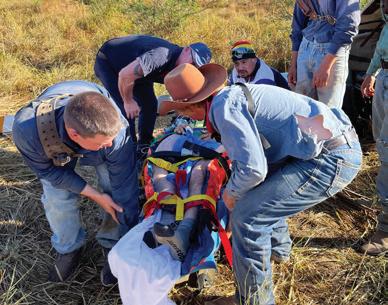
RFDS Nurse Manager – Aeromedical, Jamie-Lee McCall, was tasked to retrieve Frank and remembers him lying on the ground in excruciating pain amongst debris.
“We were concerned that Frank was still in the cockpit because there was a risk of the helicopter igniting or the paddock setting alight from the fallen power lines,” Jamie-Lee said.
“The angle of his leg indicated it was badly broken, and we thought head, spinal and leg injuries were likely too.
“We needed to stabilise him before we could move him to safety.”
Jamie-Lee said the team was able to use a portable ultrasound to scan Frank’s leg and identify the exact spot to inject a nerve-blocker to numb the pain.
A pelvic binder was used to support his body to try and prevent internal bleeding.
This was the first accident Frank had faced in his 23 years of flying.
The news shook his wife Sarah and the local community when it first broke on social media.
“When Frank crashed, I was working for a small animal clinic in Charters Towers, and a colleague asked me, ‘Where’s Frank at today?’” Sarah said.
“When I told her that it was near Normanton, her face dropped and she said, ‘There’s been a helicopter accident up there’.”
Sarah immediately thought to herself, ‘it couldn’t be Frank,’ but when she saw the Facebook post with the pin drop on Neumayer Valley, she began to worry.
Sarah tried Frank’s mobile, and there was no answer due to the power outage from the accident.
She tried his colleagues’ mobiles, and no answer.
She finally got through to someone at the cattle station, who confirmed her worst fears.
It was Frank, and although they didn’t know much more, he’d survived.
“For me, not knowing if he was going to live or die was the worst thing,” Sarah said.
After Frank was stable, the RFDS gave him a mobile phone so that he could speak to Sarah and his three children to reassure them he was ok.
“I could tell by his voice he was very shaken up about it,” Sarah said.
“It was such a relief to speak to the RFDS nurse and know he was with the Flying Doctor.”
Frank was flown to Townsville for emergency surgery on his broken femur.
After nine weeks of recovery, Frank is now back at work, mustering from the air again.
“It was such a relief to speak to the RFDS nurse and know he was with the Flying Doctor.”
“We are forever grateful for the RFDS,” Sarah said.
“Having medical professionals able to arrive at a crash scene in the middle of nowhere is vital.
“If we won the lottery, we would donate millions of dollars to the RFDS.”
This story was featured in our 2025 Tax Appeal and raised $1,266,844. The appeal asked supporters to help fund the fit-out of the Mount Isa Base storeroom, filling the new base with essential equipment and consumables to help patients like Frank.
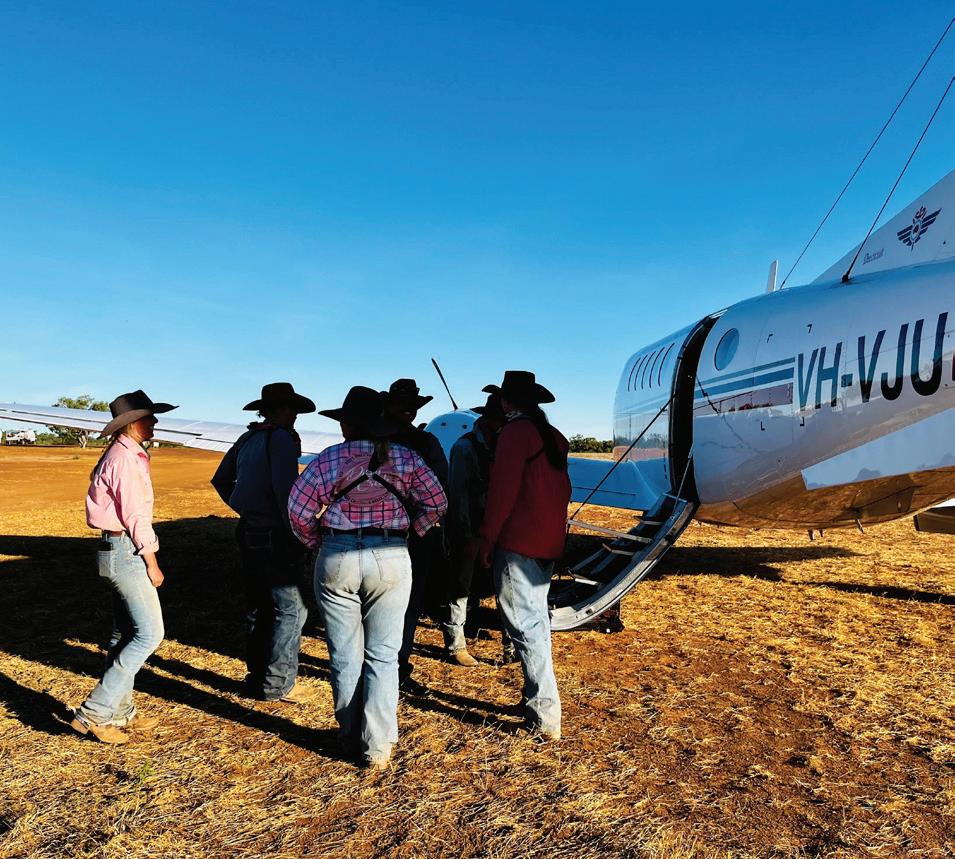

Better health access and outcomes for regional, rural and remote communities.
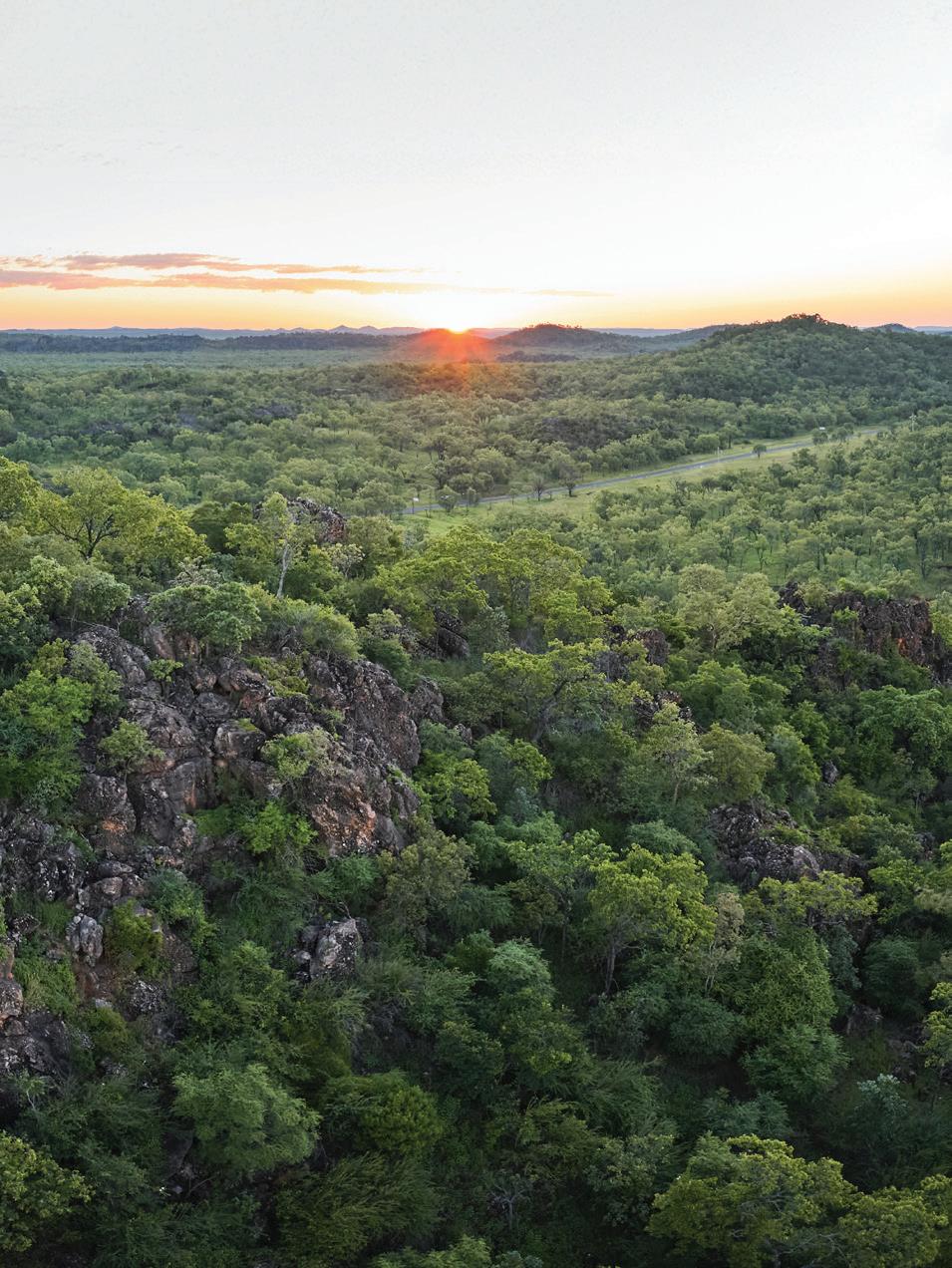
Under the Growth in our People pillar of our Towards 100 Strategy, we are committed to creating the best, future-ready workplace and culture where our people can thrive. This commitment goes beyond traditional workforce development—it’s about futureproofing our workplace models, attracting and retaining expert talent, and cultivating a culture of continuous growth and adaptability.
In response to the global pilot shortage—driven by a maturing workforce, lengthy training pipelines, post-COVID impacts, and increased competition from commercial carriers—the RFDS established a dedicated taskforce to assess current efforts and identify new strategies.
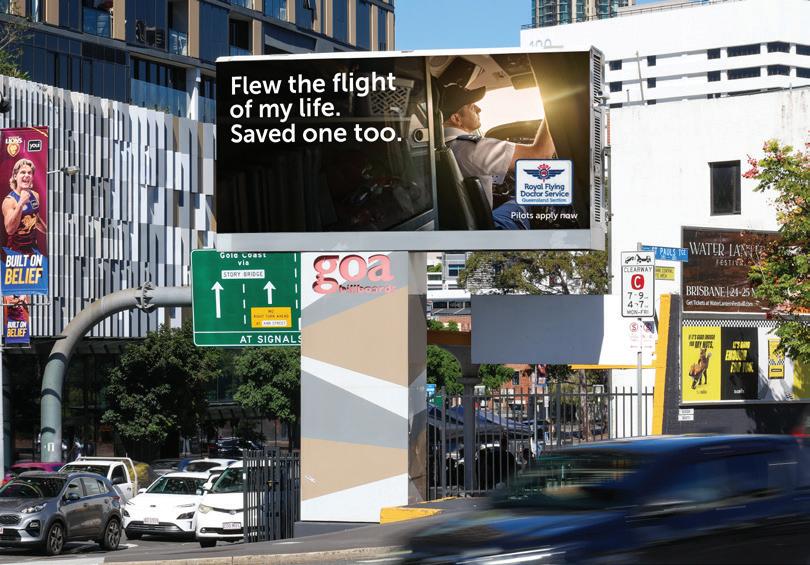
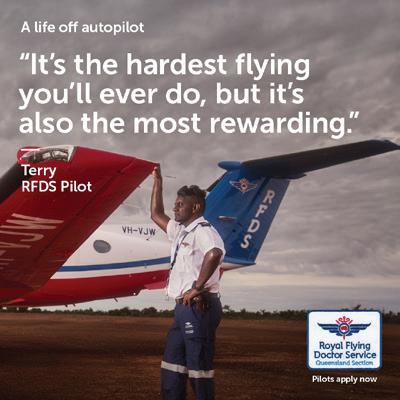
This led to the creation of Life Off Autopilot, a humancentred recruitment campaign, positioning the RFDS as the pinnacle of piloting. The campaign reframed pilot recruitment as a values-led brand initiative, connecting with pilots as purpose-driven professionals seeking meaningful careers. Its aim was to highlight the uniqueness of a RFDS career as the most challenging and rewarding job in the sky. Through storytelling, cinematic visuals, and real pilot experiences, the campaign inspired aviators seeking more than routine.
As the first RFDS recruitment initiative approached as a brand campaign, Life Off Autopilot was rolled out across digital, social, and outdoor channels and far exceeded expectations. The campaign received more than 130 applications in three days and 389 in total over six weeks. This initiative reaffirmed our position as a values-driven leader in both aviation and health, reshaping how we tell our story, inspire individuals, and connect with the communities we serve.
Recognising this impact, the Life Off Autopilot was named Brand or Marketing Campaign of the Year in the 2025 Australian Aviation Awards and a finalist in the Australian Marketing Institute Excellence Awards for the Not-for-Profit category.
The Real Flying Doctors campaign was launched in 2025 to address the national shortage of rural General Practitioners (GPs) and to help develop a pipeline of applicants to support the sustainability of our medical services recruitment strategy. Targeting aeromedical and primary health care doctors, the campaign positioned the RFDS as the epitome of medical excellence, where doctors can apply their expertise in some of the most unique clinical environments in Australia.
Like Life Off Autopilot, this was a values-led campaign that emphasised RFDS’s patient-focused approach to medicine and continuity of care. Through emotive storytelling, it highlighted the breadth of clinical experience and the impact our doctors have on regional, rural and remote communities.
This integrated marketing campaign delivered strong outcomes for the business, reaching over 128,000 industry-aligned professionals and generating high-quality candidate applications, helping to address the organisation’s immediate workforce needs while also strengthening the long-term candidate pipeline.
In partnership with North West Hospital and Health Service (NWHHS), the RFDS has launched an innovative initiative to address the shortage of GPs in rural and remote north-west Queensland. The Shared Medical Workforce Model, launched in 2024, allows GP trainees to gain a richer clinical experience by working across hospital services and RFDS operations.
This initiative demonstrates how the RFDS can, through strong partnerships, help grow the rural medical workforce and ultimately increase access to healthcare in rural and remote communities.
By rotating every two weeks between RFDS and Queensland Health, GP trainees gain diverse experiences across both organisations, with the aim that some will choose to return to RFDS or the local area as GPs at the completion of their training.
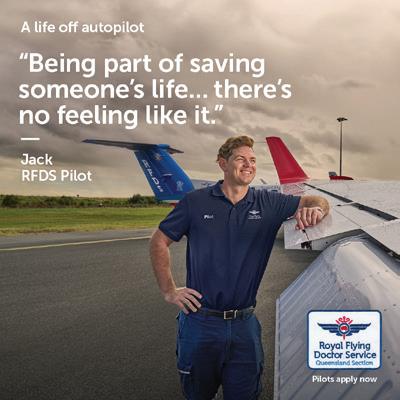
It’s the drive to make a positive difference that has kept Flight Standards Pilot, Marty Cram, flying for the RFDS for over 20 years.
His career, built on challenging his skills, drew him to the unpredictability of being an RFDS pilot.
“The day-to-day operations are never routine,” Marty said.
“Things can change very quickly in this role, and that was a big draw card for me.”
Prior to the RFDS, Marty flew with the Royal Australian Air Force (RAAF) Roulettes, a highly skilled aerobatic display team. The precision required for that role continues to support his career today.
“The skills are very similar; it’s just adjusting and learning to use them for the different operational demands required of the RFDS,” he said.
“Being able to use those skills to assist someone in a time of need is incredibly rewarding.”
Over two decades, Marty has spent his fair share in the sky assisting in the delivery of essential healthcare across regional, rural and remote Queensland.
While he says no single event stands out above the rest, the shared values and dedication across the team have had the most impact.
“It’s the esprit de corps, the professionalism, and sense of purpose amongst all the people I have worked alongside,” he said.
Marty began his career at the RFDS as a line pilot before stepping into his current role training our pilot cohort.
“I hope the knowledge I pass on will benefit those new to the organisation in the same way those in my role mentored me,” he said.
For Marty, one of the best parts of his job is seeing new pilots, from all backgrounds, grow in both confidence and capability, eventually becoming seasoned aeromedical pilots themselves.
Marty’s advice to aspiring RFDS pilots is to simply give it a go.
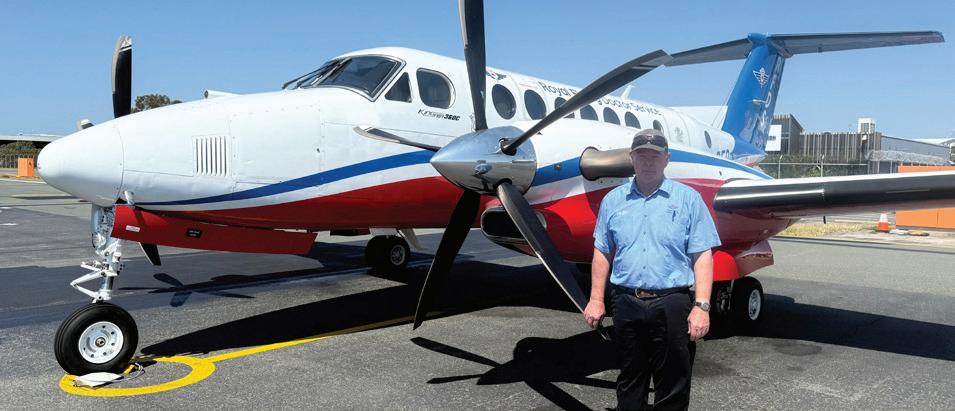
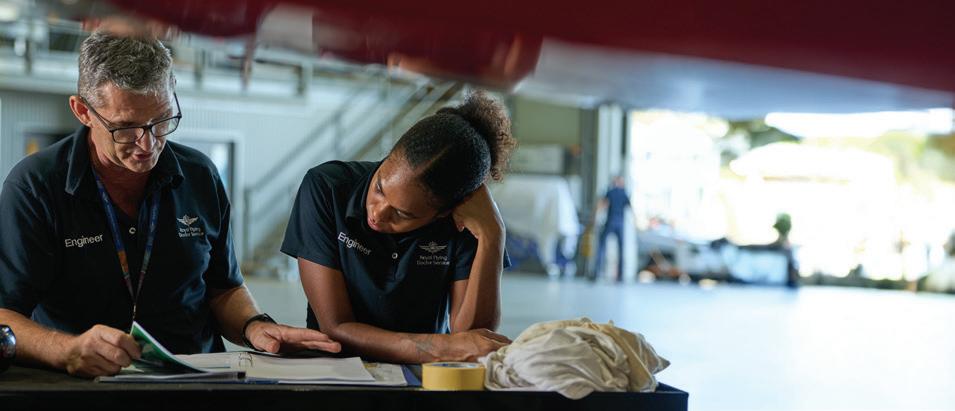
Brisbane-based Aircraft Maintenance Engineer, Cate Dows, and Cairns-based Aircraft Maintenance Engineer, Garvina Lui, live at opposite ends of the state, but these two women share the same dream.
They both joined the RFDS as apprentices in their early 20s to gain more hands-on experience in their engineering trade.
And now, after training alongside the Flying Doctor’s engineering team, they have been accepted into the Licensed Engineer Aviation Program (LEAP) as aircraft maintenance engineers (AMEs) and are forging ahead in their careers.
LEAP was launched by the RFDS in 2023, with support from donors and the RFDS Foundation to create a pathway for emerging engineers to become licensed aircraft maintenance engineers (LAMEs).
With many in the industry nearing retirement, the RFDS established the program to ensure decades of hard-earned knowledge are passed down to the next generation and to build a robust and sustainable pipeline of engineers to meet future workforce needs.
“I don’t think I would have gotten the experience I needed without support from the RFDS,” Garvina said.
“Every aircraft is different, and all the engineers here have been maintaining and repairing these aircraft for 20–30 years and have these machines down to a fine art.
“Right now, is the time to learn everything we can from the greats.”
In Queensland, the RFDS proudly supports five apprentices, eight AMEs (five are in LEAP), and 22 LAMEs across the state at our Brisbane, Bundaberg, Cairns, Charleville, Mount Isa, Rockhampton and Townsville bases.
“Now I can work towards my dream of becoming a licensed aircraft maintenance engineer.”
CATE DOWS AIRCRAFT MAINTENANCE
ENGINEER
The team manages a fleet of 26 aircraft, which includes Beechcraft King Air B200s, B350s and B360s that service regional, rural and remote communities.
“I would highly recommend other women, who have a passion for engineering, to join the RFDS because the team is like a family,” Cate said.
“The variation of work that comes through the hangar has given me the practical skills needed to make it to LEAP.
“Now I can work towards my dream of becoming a licensed aircraft maintenance engineer.”
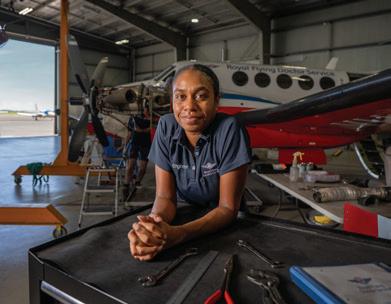
For Cate and Garvina, LEAP is more than a career opportunity—it’s a chance to keep the Flying Doctor flying 24 hours a day, seven days a week.
As a proud Torres Strait Islander woman, Garvina understands the importance of the Flying Doctor providing care to remote communities.
“It was in my first couple of weeks of working here, a family member actually came in on an aircraft from Darnley Island,” Garvina said.
“It fills my heart knowing I can play a part in connecting people to the best possible healthcare.”
As part of our Towards 100 Strategy, the Growth in Community pillar reflects our commitment to strengthening our presence, reputation and support at the heart of the communities we serve. One way this commitment is brought to life is through our Fundraising and Foundation Growth Strategy, which enables us to connect with more people, respond to emerging needs and create new opportunities for community-led impact.
At the centre of this work are the individuals, partners, and organisations who share our vision and make this progress possible. Their support ensures we can continue to deliver vital services today, while building sustainable, meaningful connections for the future.
Bundaberg pulls together
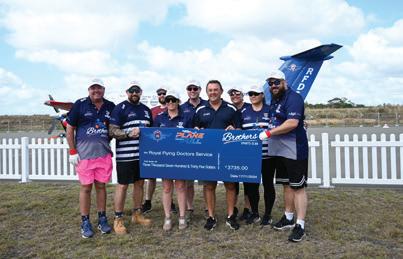
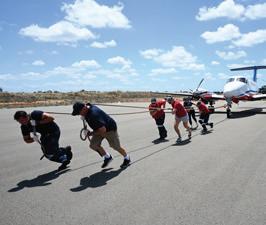
Bundaberg hosted our first RFDS Plane Pull on Sunday 17 November 2024, challenging 10 teams to pull one aircraft 24 metres across the tarmac as fast as possible. Every team was successful in pulling the aircraft, with the fastest team completing the challenge in just 13 seconds. The event combined fun and friendly competition with fundraising, raising over $20,000 and boosting local awareness of the Flying Doctor’s essential role.
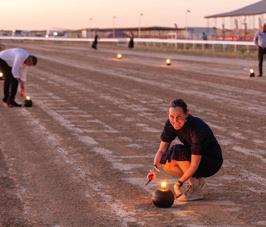
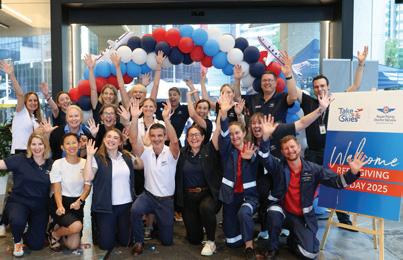
On Wednesday 2 April 2025, our inaugural Giving Day, Take to the Skies, soared beyond expectations, raising over $360,000 in just 24 hours. Thanks to the generosity of our major Matching Partners Hancock Prospecting, McCullough Robertson and Brisbane Airport Corporation, and our Flying High partners, each donation was doubled, amplifying its impact. This was an incredible show of community spirit that will support the delivery of our services across the state.
Change the Game brings a fresh approach to fundraising, engaging a new audience through livestream gaming. This proof-of-concept initiative exceeded key performance indicators, with 22 streamers and content creators raising over $10,000 proving the potential of gaming-based fundraising to attract new supporters, diversify income streams and help keep the Flying Doctor flying.
Our first ‘Thank-a-thon’ pilot was launched in April 2025 as a heartfelt, two-week initiative to recognise and thank our supporters across Queensland, with over 55,000 touch points made with our donors to thank them for their support across mail, email, SMS text and phone. We sent 31,340 postcards and 2,000 handstamped greeting cards to our supporter base, followed by 25,913 emails featuring a warm thank-you message and a special video from our fundraising team and frontline crews.
The video was viewed 2,063 times and prompted more than 60 personal replies from supporters expressing their appreciation.
Over the fortnight, the Fundraising & Philanthropy team also personally completed more than 500 outbound thank-you calls and messages, strengthening supporter relationships and reminding them how much their generosity means.
We also received support from Cornucopia PO who donated 1,000 outbound thank-you calls from their professional callers, to support the campaign.
Attracting new supporters—especially ‘Support Crew’ members who give monthly—is crucial for ensuring reliable funds and our long-term sustainability. This year, we were delighted to welcome 6,436 new Support Crew members and 4,627 new donors.
Our supporters in a snapshot

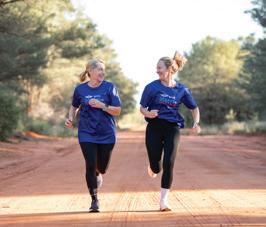
Engaging with those who mean the most
Community connection is at the heart of everything we do. For almost a century, we’ve grown and evolved our services to meet the needs of communities. To ensure we remain of service, it is critical that we continue to advance our efforts, stay relevant and reinforce our place in the hearts and minds of regional, rural and remote Queenslanders. Two ways we are achieving this are through the RFDS Schools and Ambassador programs.
In 2024/25, the Community Engagement team reached almost 80,000 Queenslanders through more than 130 community events and school visits, strengthening awareness of our services, educating youth on future career pathways and deepening our connection with communities.
A standout feature of these efforts is the RFDS Schools Program, supported by Isuzu UTE Australia.
This multi-year national collaboration helps raise awareness of the vital work of the Flying Doctor. Throughout the year, Community Engagement Coordinators John and Kym Warner hitch ‘the sim’—a full-size replica of a King Air B200 aircraft, to an Isuzu D-MAX and tow it to the furthest corners of Queensland.
The King Air B200 aeromedical simulator continues to be a powerful tool in our engagement efforts, offering an immersive experience that brings the work of the Flying Doctor to life. Beyond its appeal, the simulator plays a strategic role in raising awareness of our contemporary aeromedical and primary health services, supporting health literacy and inspiring future health professionals.
By engaging students, families and broader communities in a hands-on educational setting, we’re not only strengthening understanding of our impact, but also fostering meaningful connections and planting the seeds for future workforce pathways in regional, rural and remote Queensland.
Through our RFDS Ambassador Program, we’ve welcomed individuals and organisations who share our passion for community and service. By lending their voice, expertise and time, our ambassadors help amplify our message, champion our supporters and extend our reach across Queensland.
Our ambassadors around Queensland
Location Ambassador
Birdsville
Don and Lyn Rowlands
Brisbane Ian and Jane Campbell
Brisbane
Brisbane
Ben Dobbin
Sam Hughes
Brisbane Russell Postle AM
Brisbane
Brisbane
Brisbane
Bundaberg
Bundaberg
Cairns
Cairns
Charleville
Durong
Longreach
Mount Isa
Noosa
Roma
Townsville
Townsville
Winton
Emeritus Professor Robert
Stable AM
Dalene Wray AM
The Hon Pat Weir MP
Prudence Barwick
Tanya O’Shea
Daniel Easton
Wudarabin Snider
Kylee Tindale-Smith
Georgie Somerset AM
Dan Walker
Tony “TONKA” Toholke
Meg Devery
The Hon. Bruce Scott AM
Georgie Arnold
Steve Price OAM
Sandy Gillies
Wolverton Station (Cape York) Emma Jackson
392
Community engagements
5,964
Students engaged
51
School visits
61
Locations visited
As a key initiative to increase awareness of the RFDS within Queensland communities, we explored a new event model, aimed at engaging with these communities and boosting awareness of our services.
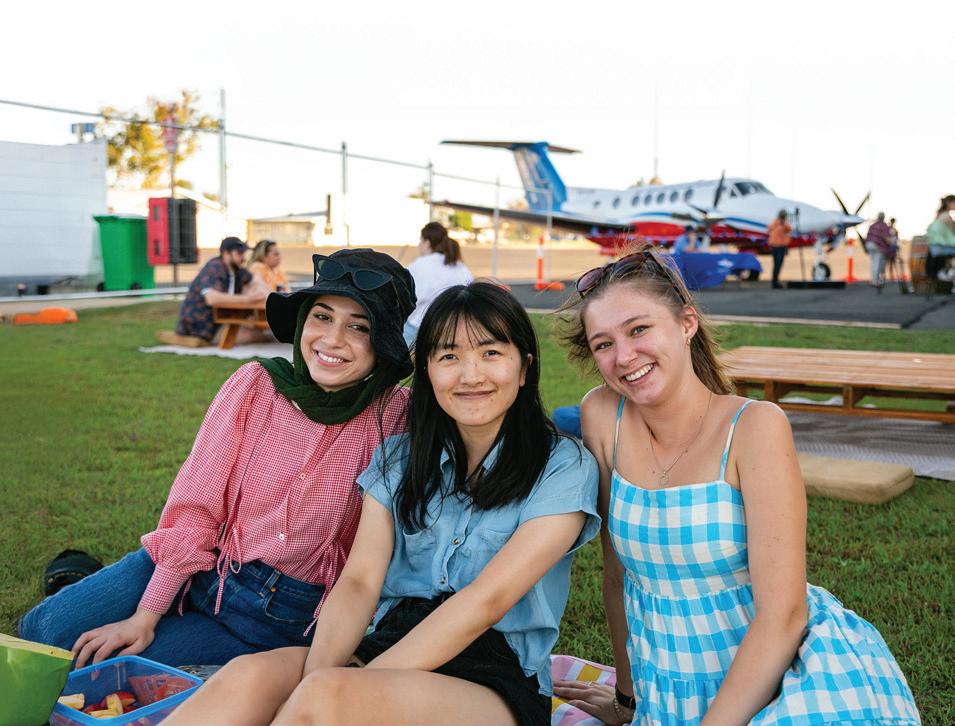
In the 2024/25 financial year, we launched the RFDS Picnic with the Planes (PWTP) event series, hosting four successful events across our regional bases in Roma, Bundaberg, Townsville and Rockhampton.
With its relaxed atmosphere, affordable ticketing, and family-friendly programming, PWTP has quickly established itself as a welcoming event series that brings communities together.
Designed to be accessible to all, each event offers a space where people of all ages and backgrounds can connect with the RFDS, learn about our services, and celebrate the unique role we play in regional healthcare.
The consistent event format has helped build a recognisable and trusted brand, while the communityrich environment ensures every activation strengthens local relationships and deepens public understanding of the RFDS.
We look forward to growing this initiative each year by exploring ways to keep each event fresh and exciting, while also strengthening the connection between the community and the RFDS.
Thank you to our Roma presenting partner, Senex; and our Bundaberg, Townsville and Rockhampton presenting partner, Textron Aviation and all of our sponsors who made these events possible.
Tickets sold
2,508 Reported event experience as excellent or good 89%
To strengthen our relevance and connection with patients, partners and supporters, we’ve continued to invest in building a strong, visible, and trusted brand. Under the Growth in Community pillar of our Towards 100 Strategy, we are increasing awareness of the RFDS through targeted media engagement, a refreshed brand identity and strategic community partnerships, ensuring our mission remains front of mind across Queensland and beyond.
The RFDS has achieved significant media exposure across television, radio, print and digital platforms, helping amplify our mission and stories.
In total, we reached an estimated audience of over 45 million. Coverage highlights included the Today Show weather crosses in June, the Birtles and the Bean drive from London to Melbourne, which came through Queensland, and statewide coverage of our inaugural Giving Day, which showcased our service and its importance for regional, rural and remote communities. This increased visibility continues to strengthen public awareness, support and trust in our services.
We reached 45,424,229 people, with radio the most effective channel, accounting for 19,590,970 of that audience, while print accounted for 10,939,000, followed by online and then TV.
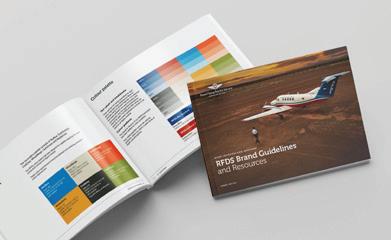
This year, RFDS introduced refreshed brand guidelines to modernise our identity, strengthen our connection with the community, and reflect the vital role we play across Queensland.
The updated framework ensures our brand is consistently and professionally represented at every touchpoint, from aircraft and uniforms to social media and signage, helping the community instantly recognise and trust the RFDS.
While the new guidelines also support internal consistency and make it easier for staff to communicate clearly, the heart of this work is about reinforcing our presence in the communities we serve. A suite of easyto-use templates and tools empowers teams to share stories, updates and information in a way that’s aligned, accessible and unmistakably RFDS.
Our community partnerships continue to play a vital role in extending the reach and awareness of RFDS. This year, we strengthened our partnership with Elders, working closely to share stories from the bush and promote rural health through joint campaigns and community engagement activities, such as the Outback Explorer Competition and FarmFest.
We were also proud to be a charity partner of the Brisbane Broncos during their 2025 season. This opportunity connected our brand with new audiences and showcased our mission to fans across the country but particularly to metropolitan areas where the RFDS is less known.
A continued commitment to reconciliation
The RFDS remains deeply committed to working alongside Aboriginal and Torres Strait Islander peoples on our reconciliation journey. We continue to collaborate closely with communities, fostering meaningful relationships and deepening our understanding of First Nations cultures, histories and perspectives.
In 2024/25, our Indigenous Engagement Strategy was endorsed to strengthen our reconciliation efforts and align with our Reconciliation Action Plan (RAP). This strategy provides a clear framework to guide our actions, build strong partnerships and embed meaningful engagement with Aboriginal and Torres Strait Islander communities across the organisation.
“Our partnership with Queensland Cricket in Cairns has been a standout example, with potential to replicate the successful event model across the state.”
Chair of the RAP (Queensland Section) Working Group, Carole Tokody, emphasised the importance of collaboration in enhancing impact and creating inclusive opportunities.
During NAIDOC Week, we proudly shared stories that highlighted the role the RFDS plays in strengthening communities, not only through healthcare, but by fostering wellbeing and supporting future generations. With strong representation on our Board and ongoing engagement with like-minded organisations, we are embedding reconciliation into many aspects of our work.
We are currently renewing our RAP with Reconciliation Australia, ensuring our future actions remain inclusive and shaped through genuine partnership with Aboriginal and Torres Strait Islander peoples.
53
335,900 353
9,732
Our mission
Connecting regional, rural and remote communities to the finest healthcare and aeromedical services.
Through a variety of key strategic initiatives, we are innovatively enhancing our service delivery across all areas of our organisation so that Queenslanders have access to essential healthcare, no matter where they live, work or travel.
In May 2023, the RFDS established a two-year aeromedical nurse practitioner trial to enhance operational capabilities.
This model enables the RFDS to respond to aeromedical retrieval requests with a nurse practitioner and flight nurse on board.
The nurse practitioner provides advanced clinical support when appropriate, allowing doctors to be more readily available and able to respond to the most critical cases.
The trial has progressed, with three RFDS nurse practitioners continuing to deliver the model.
As the nerve centre of our aeromedical operations, the Operations Control Centre (OCC) has been made possible thanks to RFDS supporters, partners, and donors. The OCC plays a critical role in coordinating aircraft movements, clinical logistics and crew communications, ensuring safe, high-quality service delivery.
This year, our Digital & Technology team successfully delivered the OCC 2.0 platform upgrade to enhance our current systems and organisational capability.
The OCC 2.0 improves the way we capture and share data, will reduce duplication and minimise transcription errors, while also providing a significantly improved user experience. The platform also streamlines processes by reducing data entry time for OCC staff.
Additionally, a new VHF radio installed in the OCC has enhanced real-time communication with flight crews. This allows crews to connect with the OCC during flight, while taxiing at Brisbane for parking allocation, provide updates such as ETAs or maintenance requirements, and request clinical support on the ramp.
These advancements demonstrate our commitment to supporting safe, high-quality, and efficient service delivery 24/7.
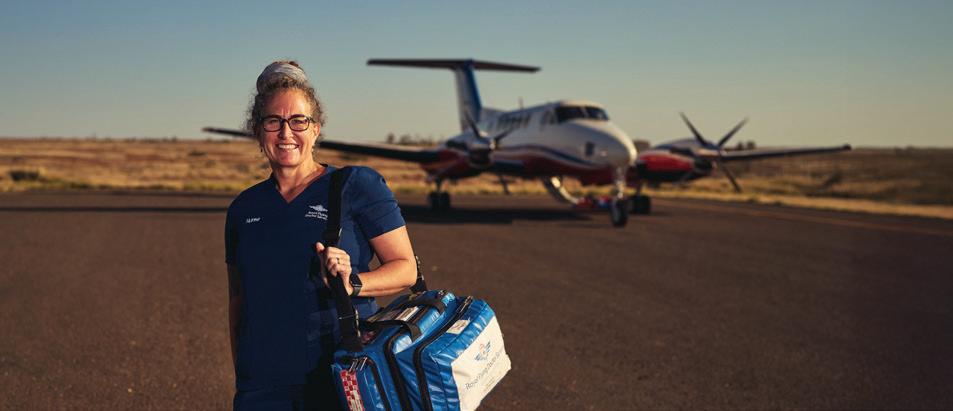
New technologies are creating exciting opportunities to improve healthcare access in regional, rural and remote communities via telehealth and virtual care models.
With additional funding from the Western Queensland Primary Health Network and Northern Queensland Primary Health Network, the RFDS has expanded its telehealth services to include on-demand afterhours urgent care, scheduled primary health care appointments, and a Virtual Health and Wellbeing Hub through the Healthy Outback Communities Alliance.
By augmenting in-person clinic delivery with highquality virtual care, we are improving access to services, enhancing continuity of care and supporting chronic disease management and wellbeing.
RFDS also plans to extend our RFDS Medical Chest capabilities to further support isolated communities and continue to ensure guided access to pharmaceuticals and first aid products. This will further enable our clinicians to manage acute pain, treat patients virtually, or manage an emergency while an aeromedical retrieval is organised.
By expanding on the provision of virtual health, we continue to advance health equity and improve wellness for those in isolated areas.
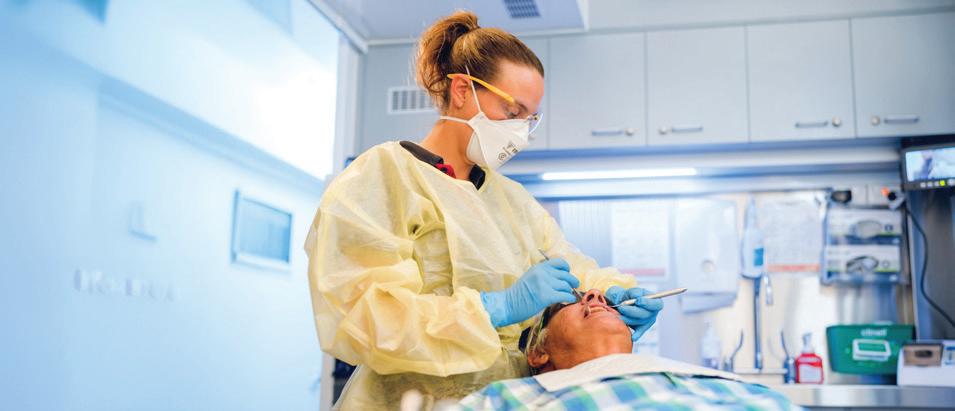
In July 2024, the RFDS dental team celebrated their 20,000th patient while visiting Camooweal, a remote town near the Northern Territory border.
This significant milestone highlights the success of the RFDS Mobile Dental Unit, a fully-equipped mobile dental surgery that delivers vital oral health services including X-rays, extractions, treatment for acute or existing conditions, gum disease treatment, and referrals to specialist dental services.
In the 2024/25 financial year, the team delivered essential dental care to 16 rural and remote communities across Queensland, treating 2,551 patients; 77 per cent adults and 23 per cent children.
The Flying Doctor acknowledges the support of QCoal Group, QCoal Foundation and the Australian Government in establishing the RFDS Dental Service in 2013.
“For our patients, it’s a vital health service they simply can’t do without.”
LEE POOLE
EXECUTIVE
GENERAL MANAGER NURSING AND CLINICAL SERVICES
Our presence and reach in rural and remote communities positions us to support natural disaster preparation and responses. The Service is equipped to support community resilience and ensure wellbeing during and after natural disasters, using our network to ensure a coordinated service delivery with local service providers.
The record-breaking floods in western Queensland marked the latest weather emergency to unfold across the state, forcing residents from Thargomindah, Adavale, and Jundah to relocate to Charleville and Longreach.
The scale of the disaster was devastating, with more than 140,000 head of livestock lost, and thousands of homes, businesses, and schools across western and south-west Queensland inundated by flood waters.
Amid the widespread power outages, disrupted telecommunications, and reduced access to healthcare services, the Flying Doctor played a crucial role in keeping Queenslanders safe.
Working in close collaboration with Queensland Health, we identified vulnerable patients within impacted communities to ensure they received continuity of care.
This involved providing primary health care services at airports, hospitals and evacuation centres; offering antenatal care to expectant mothers; and transporting essential hygiene products to isolated families.
RFDS mental health clinicians were also deployed to Longreach to deliver psychological first aid and free mental health consultations to evacuated families.
While Queenslanders are known for their resilience, the cumulative toll of multiple severe weather events across almost every region in a single year has left profound and lasting impacts on communities.
Through it all, the RFDS remains present, helping communities to recover, reconnect and rebuild.
Stranded communities rely on the RFDS Medical Chest
Outback residents impacted by the flooding in western Queensland relied on locally registered RFDS medical chests for essential medications and medical supplies.
RFDS Medical Chest Service Manager, Elizabeth Doran, said the chests were a lifeline to communities that were isolated from their homes, primary health care clinics and pharmacies.
“In response to the emergency, the RFDS provided clinical advice to residents on using medical chest contents to offer a continuation of care for patients who had run out of their usual medicines during the floods,” Elizabeth said.
“Supplies were reordered and dispatched as normal; however, due to concerns with mail plane route access, we had to restock centrally located chests in communities where possible.
“This was a contingency measure to ensure patients could receive the medical care they needed.
“Proactively managing access to specialised treatments is a key part of how medical chests support remote Queenslanders during natural disasters and significant events.”
Recent events supported by the RFDS
DECEMBER 2023
Ex-Tropical Cyclone Jasper
Ex-Tropical Cyclone Kirrily
MARCH 2025 JANUARY 2024
Ex-Tropical Cyclone Alfred
MARCH–MAY 2025
Flood emergency in western Queensland
New mum Elle-Jay and her husband Mack were relieved to hear from the RFDS when their cattle station near Thargomindah was flooded in, just weeks before their due date.
Elle-Jay was 37 weeks pregnant at the time and had been receiving regular antenatal care from RFDS Nurse Manager, Jo Mahony, at the Thargomindah Community Clinic.
To ensure people like Elle-Jay were safe, we worked in collaboration with the Bulloo Shire Council to evacuate vulnerable patients from Thargomindah to Charleville so they could access essential medical services.
Bulloo Shire Council Mayor John Ferguson said the recent flood left many members of the community completely isolated.
“Without swift intervention, people like Elle-Jay would have been at serious risk,” he said.
“Council’s collaboration with the RFDS was critical in ensuring that those most in need received urgent support during this time.”
The soon-to-be parents had everything sorted, from the nursery to the birthing plan, but nothing could have prepared them for this.
“I can remember the Bulloo Shire Council called me and said they had a plane evacuating anyone for medical purposes,” Elle-Jay said.
“Then the RFDS called me straight after and said it was a good idea for me to get on that flight.”
Luckily, Elle-Jay’s brother-in-law was a helicopter pilot and flew her from the station into town to be evacuated.
While it was difficult for her to leave Mack behind to look after the animals and their house, she said it was a relief to know she could have access to medical support if she went into early labour.
When Elle-Jay arrived in Charleville, Jo noticed she had missed her latest antenatal appointment and organised an essential check-up, along with an iron infusion.
“Without the RFDS, I would have had to drive 10 hours to Toowoomba for all of my antenatal check-ups and scans,” she said.
“It only took me one hour to drive to the Thargomindah Community Clinic.
“I was a little bit worried about raising a family on the station, but the RFDS has always been there for us and is always ready to help. They give us the confidence to live out here.”
Her dream has always been to raise her children on the land, and with help from the RFDS, this is possible.
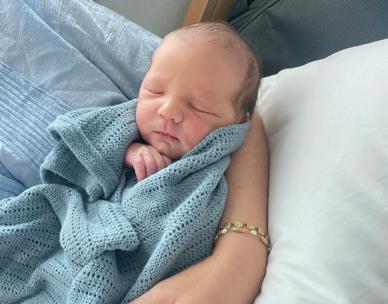
On 30 April, 2025, Elle-Jay and Mack welcomed their healthy baby boy, Lachlan, to the world and returned home just in time for Mother’s Day.
As we continue to evolve, so does our fleet, ensuring we meet the needs of the communities we serve.
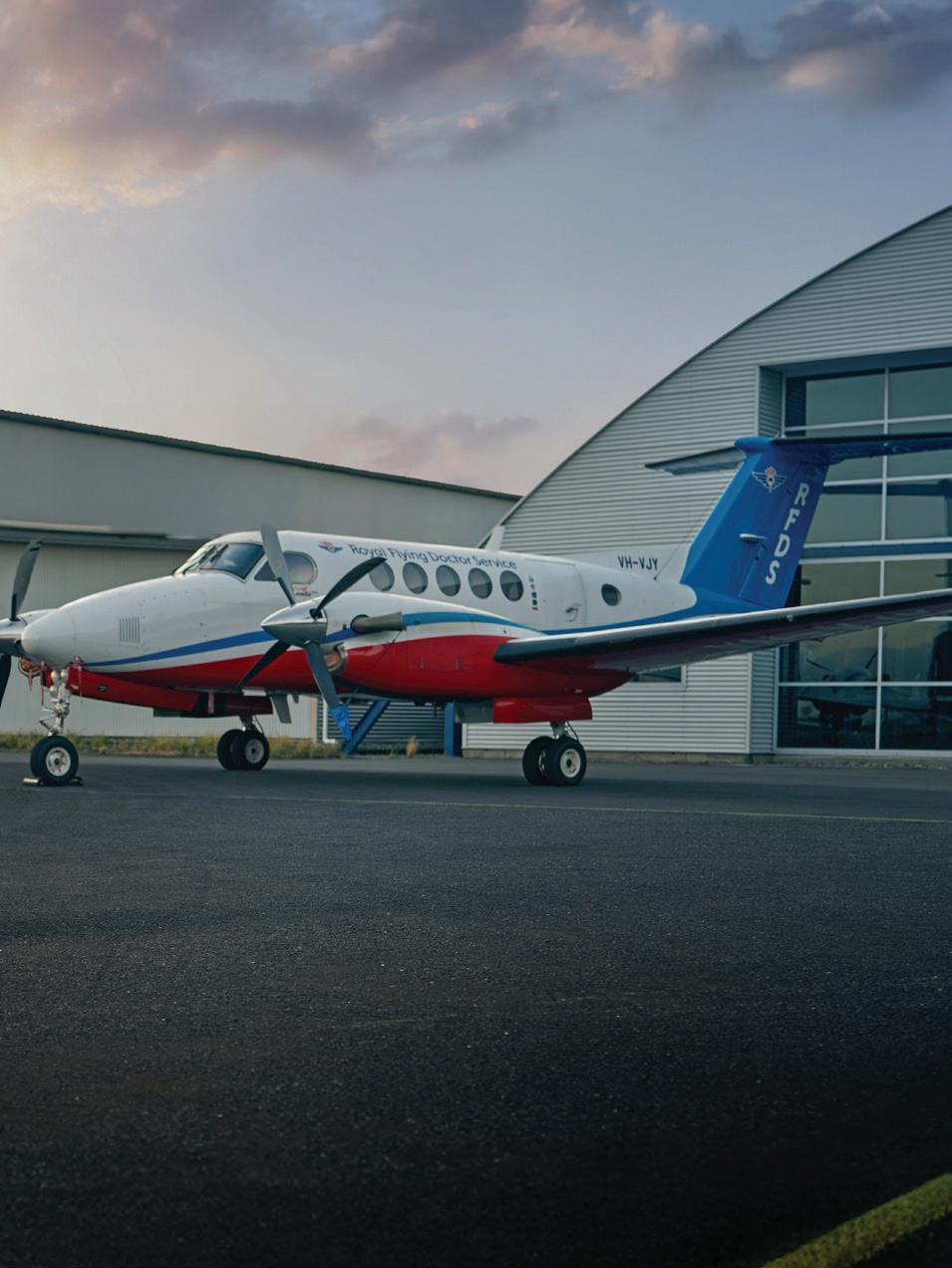
The RFDS currently operates a mixed fleet of Beechcraft King Air B200, B350 and B360 aircraft. While the B360 aircraft are well-suited for longer distances, their weight restricts access to shorter more remote airstrips, necessitating a lighter alternative.
In the past financial year, our 10-year Fleet Strategy was reviewed, and the KA260C has been identified as the optimal replacement for our aging B200 aircraft, meeting operational requirements while allowing continued remote access.
As a result, our planned seventh Beechcraft King Air B360 that was on order has been switched to two new KA260C aircraft arriving in 2027. Over the next five years, we will acquire further KA260C aircraft to replace the B200s as they retire.
By committing to the KA260C, the RFDS can deliver efficiency in aircraft maintenance processes, consistency in pilot training and optimise the supply chain.
Registration Description
VH-FDZ
VH-VJU
VH-VQD
VH-VOQ
VH-VAQ
VH-FDT
VH-FDG
VH-FDS
VH-FDM
Year of manufacture Date acquired Dedications
Beechcraft King Air B200 2004 December 2004
Beechcraft King Air B200 2004 December 2004
Beechcraft King Air B200 2004 December 2004
Beechcraft King Air B200 2007 April 2007
Beechcraft King Air B200 2007 July 2007
Beechcraft King Air B200 2007 October 2007
Beechcraft King Air B200 2009 July 2009
Beechcraft King Air B200C 2010 September 2010 Drover – named through public vote by Brisbane Airport Corporation
Beechcraft King Air B200C 2010 November 2010
VH-FDI Beechcraft King Air B200C 2010 November 2010
VH-FDL Beechcraft King Air B200 2014 July 2014
VH-FDO Beechcraft King Air B200 2014 July 2014 Cooee – named by Ergon Energy Retail
VH-FDN Beechcraft King Air B350C 2014 March 2015
VH-FDF Beechcraft King Air B350C 2015 August 2015 Roderick J Bowe, John D Bowe and Anne J Carne
VH-FDC Beechcraft King Air B350C 2016 August 2016 Ray Grace
VH-FDD Beechcraft King Air B350C 2017 July 2017 Outback Angel – unveiled by HRH Prince Charles, now King Charles
VH-VJZ Beechcraft King Air B200 2006 January 2019 Geoffrey Carrick
VH-VJX Beechcraft King Air B200 2006 January 2019 Bevan Jibson
VH-VJW Beechcraft King Air B200 2006 February 2019
VH-VJY Beechcraft King Air B200 2006 February 2019
VH-FDW Beechcraft King Air B360C 2021 December 2021 Charles Goode AC
VH-FDA Beechcraft King Air B360C 2022 September 2022 John and Vicki Williams
VH-FDB Beechcraft King Air B360C 2022 December 2022 Hancock Prospecting and Rinehart Medical Foundation
VH-FDR Beechcraft King Air B360C 2021 July 2023 Clive Berghofer
VH-8FQ Beechcraft King Air B360C 2023 October 2023
VH-8FD Beechcraft King Air B360C 2023 March 2024 Cornelia Goode
In June, we celebrated 10 years as the lead agency of headspace Cairns, an organisation that provides vital mental health and counselling services to youth across Far North Queensland.
The service supports young people aged 12 to 25 through a broad range of services, including mental health, physical and sexual health, alcohol and other drug services, and work and study support.
This year, headspace Cairns continues its bilateral funding agreement with Queensland Health. This agreement aligns with the headspace National ‘Clinical In-Reach to headspace Centres’ initiative, aimed at optimising the system for greater collaboration and enhanced care for our young people.
Some Primary Health Network (PHN)-funded programs that operate from headspace Cairns include a Dialectical Behaviour Therapy Program, a Suicide Self-Harm Response Service, and a clinical outreach service supporting young people living in the Cairns Hinterland.
Over the past 10 years, headspace Cairns has delivered almost
60,000
occasions of care to nearly 7,500 young people.
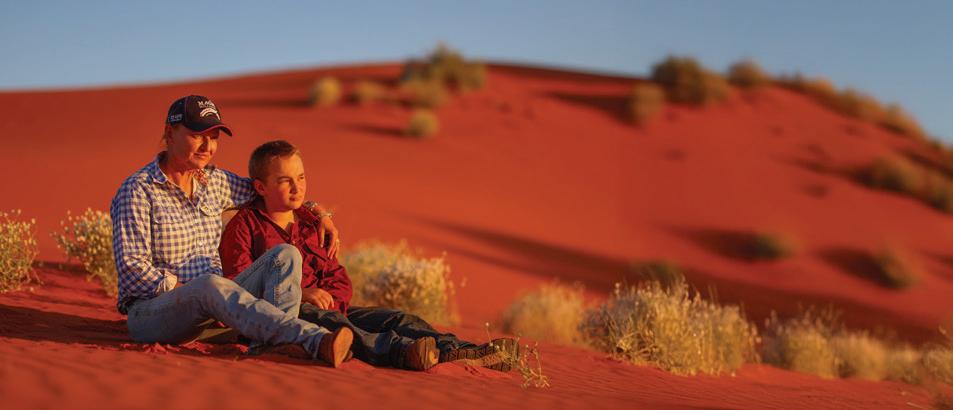
The Traeger Innovation Hub exemplifies and drives the innovative spirit that founded our organisation. Since its launch in 2022, the program has received over 25 staff submissions. Of these, 11 ideas have been adopted and are either already implemented or currently in trial stages, demonstrating our commitment to continuous innovation.
Completed initiatives include:
1. Emergency kits in vehicles
2. Aircraft cabin cooling
3. VHF radio in the OCC
4. RFDS Radio Queensland
5. iPads for WHS compliance checks
6. Cairns warehouse rebuild
7. In Air Distraction Therapy
8. Patient care kits
9. Drug label sticker books
Work in progress:
10. Digital Wings – mixed reality app
11. Instructional flip cards
After the initial trial involving 50 patients across the Charleville and Townsville bases, we have seen positive results with 95 per cent of participants reporting some benefit to their experience. We are now eager to validate these outcomes through a formal research study.
This initiative introduces branded patient bags and optional care packs to improve the dignity, comfort and overall experience of patients transferred by RFDS. After overwhelmingly positive feedback, the kits have now been approved for rollout in the new financial year.
We have redesigned the sticker book system to improve the storage of drug labels and reduce cognitive load for our nursing staff. The final design has been approved with rollout set to commence in the next financial year.
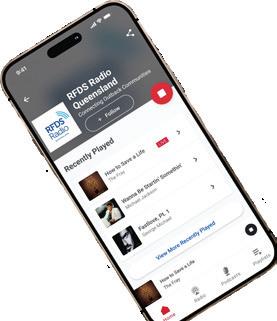
Launched in September 2024 as a Traeger Innovation Hub initiative, RFDS Radio Queensland uses AI voice technology to bring the RFDS voice to life. Our host, AI Joe, offers news and weather updates, keeping listeners connected 24/7.
Over its first six months on air, monthly listenership grew to 695, with nearly 1,200 streams.
RFDS Radio Queensland has introduced a new and engaging way to reach our audience, and with the support of Local Sounds Radio, we are eager to continue exploring innovative ways to connect with our communities.
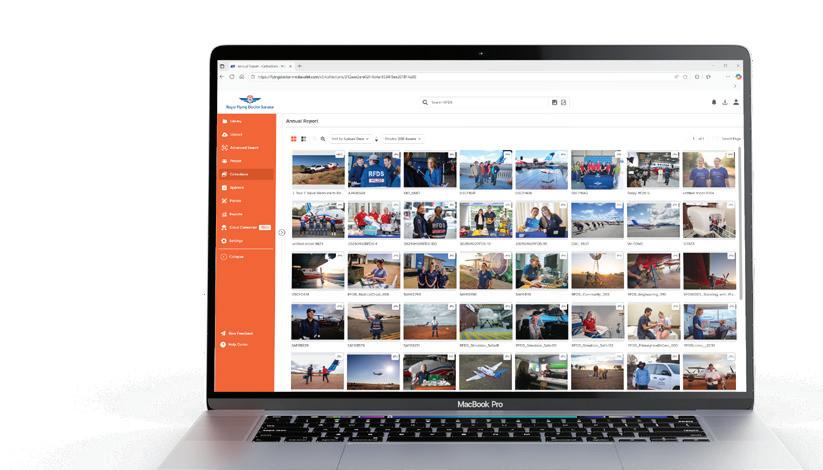
To support a more agile, brand-consistent and collaborative approach to content, RFDS adopted MediaValet’s Digital Asset Management (DAM) system. The new platform has enhanced how images and videos are accessed, organised and shared, with advanced AI-powered search functionality, detailed metadata and face recognition.
Since implementation, more than 85,000 assets have been uploaded, improving accessibility across the organisation. The platform has also supported campaign development, event promotion and measuring asset engagement.
MediaValet recognised our progress with its Budding Star Award, celebrating our achievements as a new user. We are already seeing system success and anticipate even greater efficiency as the system is adopted more widely.
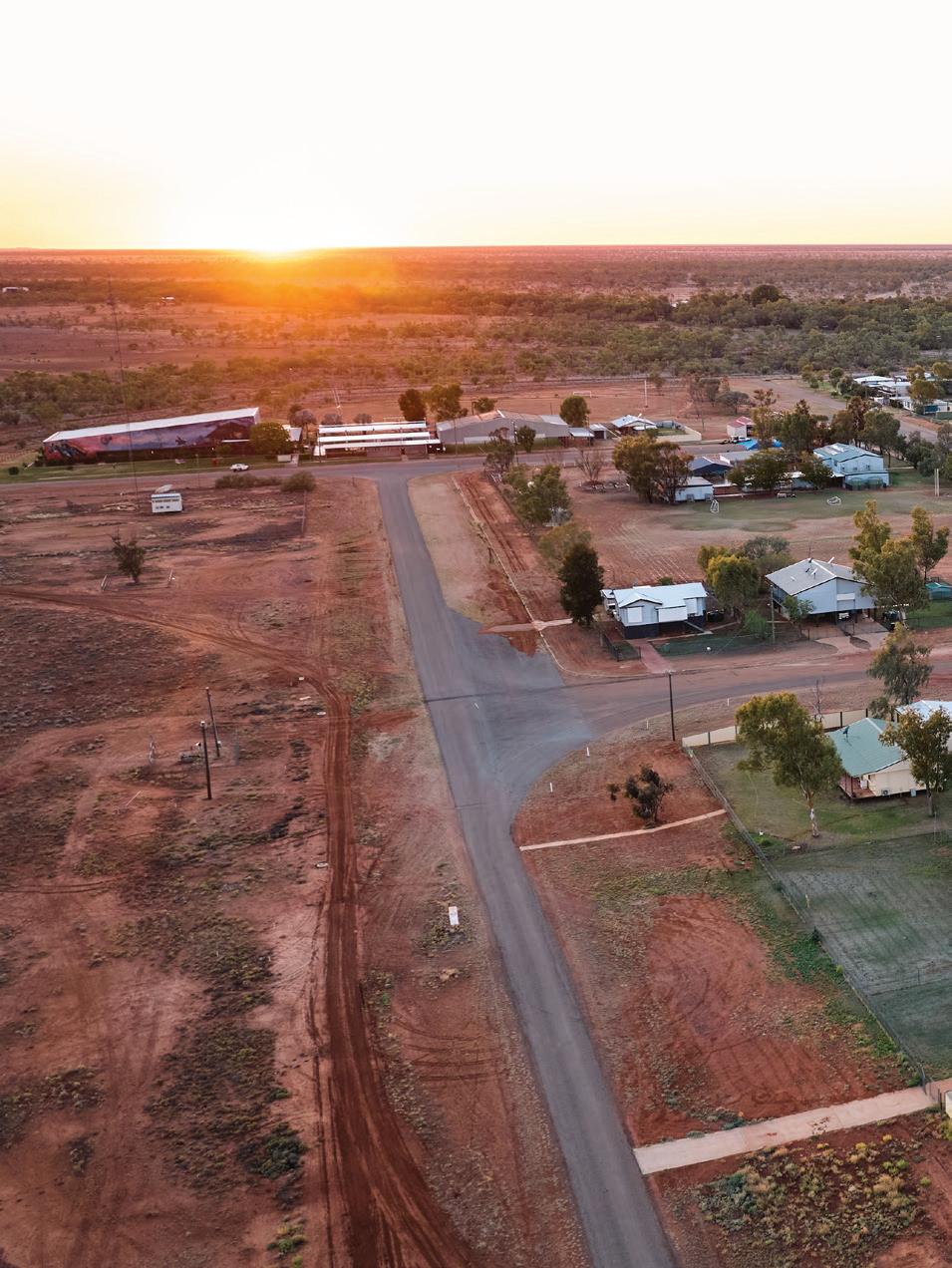
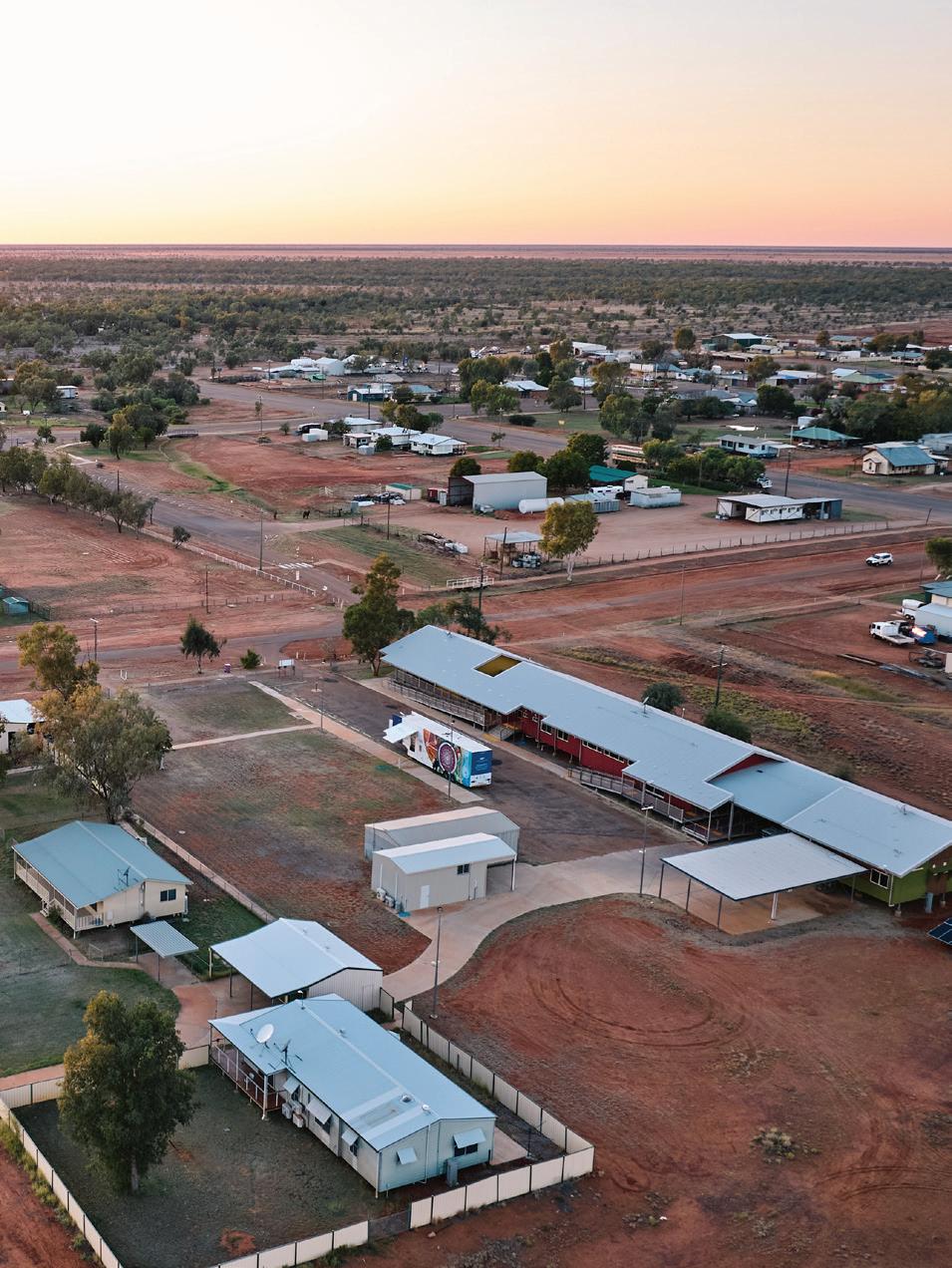
As a leading healthcare provider, we continue to invest in infrastructure through the planning and development of new aeromedical bases and transfer facilities across the state.
As we approach 100 years of operation, our Infrastructure Strategy ensures we build strong foundations to support the delivery of the finest care to the furthest corner, now and in the future.
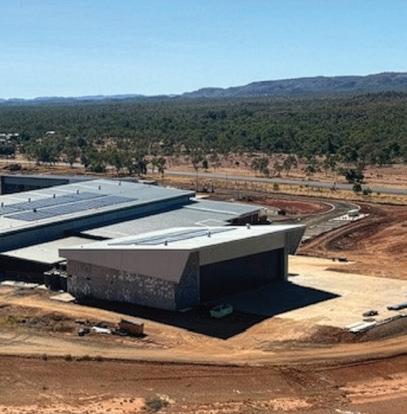
The redevelopment of the Mount Isa Base is nearing completion, marking a major step forward in delivering improved patient outcomes and streamlined aeromedical services for communities across western Queensland.
This is a joint project that will enable the RFDS and LifeFlight Australia to operate cohesively from the same location, strengthening collaboration and ensuring faster, more efficient responses to patients in need. Practical completion is expected in late 2025.
For RFDS, the new facility will include three dedicated hangar bays, enhanced maintenance areas and improved patient transfer facilities.
It will also feature a new Visitor Experience Centre for guests to learn about the Service’s rich history and the vital impact of the RFDS in remote western Queensland and beyond.
The new RFDS facility is funded with significant contributions from the Queensland Government, in partnership with participating mineral resources industry parties, the Queensland Resources Council and its members ($6.9 million), the Australian Government ($6.8 million) and additional funding from Queensland Airports Limited (QAL – $600,000), owner and operator of Mount Isa Airport.
We are also grateful for an additional 11 million contributed by donors and the community, with a special thanks to the North Australian Pastoral Company (NAPCo) and Stanbroke.
In August 2024, we celebrated a significant milestone with a sod turning at the new Brisbane Aeromedical Hub.
Funded by the Queensland Government, this state-ofthe-art facility will feature modern hangars, a new patient transfer facility, and administration spaces that will bring all Brisbane operational and support teams under one roof.
The hub will also be home to Retrieval Services Queensland (RSQ), LifeFlight Australia and Queensland Police Service Aviation Capability Group. The project is expected to be completed in early 2027.
The rebuild of the Cairns Base is nearing completion after the base was affected by significant flooding following ex-Tropical Cyclone Jasper.
During the repairs, operational staff worked temporarily from the hangar and portable offices, while administration staff relocated to the Cairns Domestic Terminal.
The team looks forward to moving back into the refurbished administration area in September to join the operations team that moved back in April.
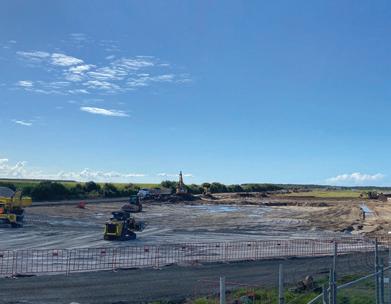
Emerald Airport will soon celebrate a major upgrade with the construction of a new RFDS Patient Transfer Facility, scheduled for completion in 2026.
Funding has been secured from the Queensland Government, in partnership with participating mineral resources industry parties, the Queensland Resources Council and its members ($695,000) with additional funding support from the Central Highlands Regional Council, Suncorp Bank and fundraising from the Rotary Club of Emerald.
Designed to strengthen Emerald’s capability as a crucial hub for patient transfers, the new facility will feature an aircraft drive-through shelter where RFDS medical officers and flight nurses can transfer patients from the aircraft to an ambulance undercover, regardless of weather conditions.
The Townsville Base redevelopment will provide a welcome upgrade to our current facilities. This includes new state-of-the-art training facilities and a new patient transfer area with direct access to an undercover hangar, ensuring that exposure to the elements for patients is limited.
The RFDS (Queensland Section) will receive $15 million in Australian Government funding, which has been matched by $15 million from the Queensland Government.
A location for the Townsville Base has been selected, and the site plans are underway.
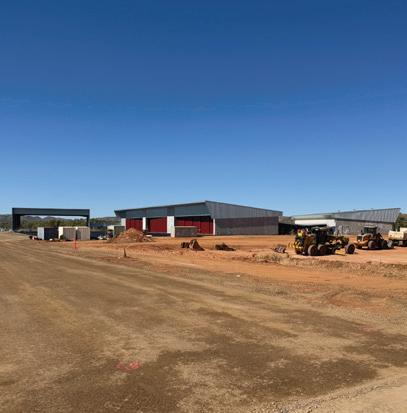
As part of our strategic commitments, the RFDS remains committed to minimising our environmental impact and advancing sustainability across our operations.
In 2024/25, RFDS experienced a slight increase in overall emissions compared to the 2023/24 financial year, primarily due to emissions associated with our increased investment in infrastructure and new aircraft to support long-term service delivery.
Offsetting this, reductions were achieved in emissions from business travel and employee commuting.
Our sustainability initiatives are structured around four strategic pillars, with key activities from 2024/25 outlined below:
1. Sustainability governance
> Executive Leadership Team member appointed to champion sustainability.
> Ongoing implementation of recommendations from our three guiding sustainability documents.
> Environmental Committee established to meet bimonthly to circulate and progress key sustainability initiatives, ideas and address challenges.
2. Sustainability strategy
> RFDS Decarbonisation Action Plan developed, focusing on electricity use, aviation, vehicles, water use, waste management, buildings, purchasing and health system effectiveness.
> Participation in National Safety and Quality Health Service (NSQHS) Standards pilot program for the upcoming ‘Sustainability in Healthcare’ accreditation module.
3. Sustainability risk management
> Climate Risk incorporated into our enterprise material risk register.
> High-level Climate Opportunities and Risk Assessment (CORA) Project completed, including a risk assessment of each RFDS base and its potential physical impacts of climate change.
> ISO14001 (Environmental Management) audit successfully completed, which is now inclusive of climate considerations.
4. Sustainability metrics and targets
> Development of Environmental, Social and Governance (ESG) metrics and targets are underway.
> Carbon footprint data collection continues to improve each year.

Longreach
In October 2024, the RFDS celebrated the opening of its Aeromedical Training Academy in Bundaberg.
The $28.8 million facility is located adjacent to the RFDS Bundaberg Base and houses the only Beechcraft King Air Pro-Line Fusion Full-Flight Simulator (FFS) in Australia.
Since achieving Civil Aviation Safety Authority (CASA) certification in October, the simulator has become a destination for aviation training, enhancing pilot proficiency in flying Beechcraft King Air 260, B350, 360 and 360Q aircraft. To date, 38 RFDS pilots have completed more than 240 training sessions.
In addition to enhancing internal training capability, the academy has proven to be a substantial commercial venture, enabling external clients to access the simulator for their training requirements.
We are pleased to have secured agreements with the Queensland Police Service, Toll Aviation and the RFDS (South Eastern Section), with further interest from other external parties.
The academy was supported by $14.9 million in funding from the Australian Government, $3 million from QCoal Foundation, and the remainder from generous corporate and philanthropic donations.
We extend our thanks to John Santalucia for his significant support, and to the Bundaberg Regional Council for donating the land on which the facility is built.
“This particular simulator is the only one of its kind in the southern hemisphere; it allows us to configure into four different models of aircraft, giving us greater flexibility in training courses and a bigger commercial market to tap into.”
SHANE LAWREY GENERAL MANAGER – AVIATION TRAINING AND STANDARDS
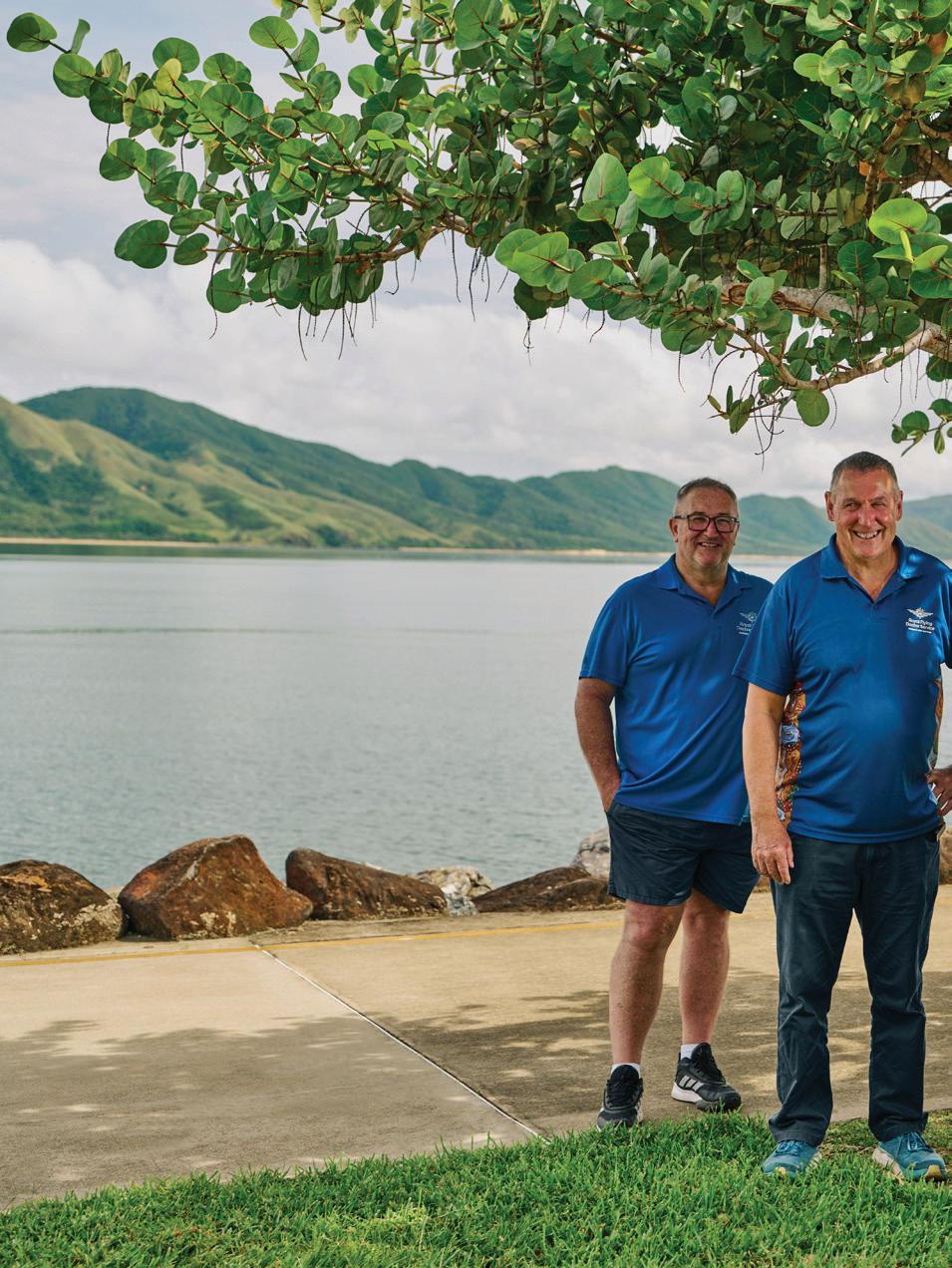
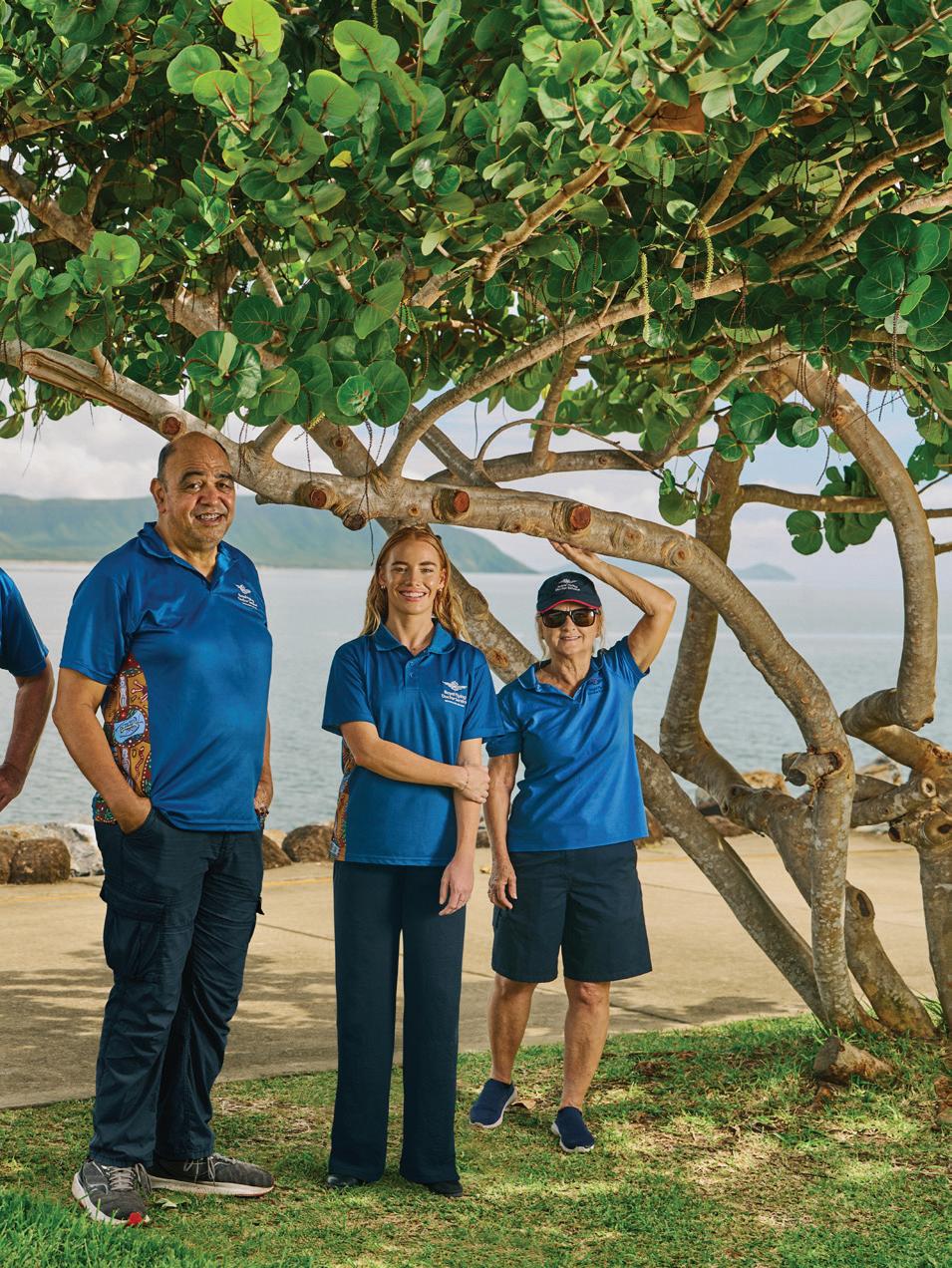
To our staff
Thank you to our dedicated staff whose commitment and care continue to fly us forward every day.
The RFDS acknowledges our strong working relationships with health service providers and communities. These partnerships are essential in providing the finest care to the furthest corner. Working with key partners in the communities ensures the Flying Doctor can provide quality aeromedical retrieval services, as well as essential primary and preventative healthcare to regional, rural and remote communities.
Cairns and Hinterland Hospital and Health Service
Central Queensland Hospital and Health Service
Central West Hospital and Health Service
Children’s Health Queensland Hospital and Service
Darling Downs Hospital and Health Service
Gold Coast Hospital and Health Service
Mackay Hospital and Health Service
Metro North Hospital and Health Service
Metro South Hospital and Health Service
North West Hospital and Health Service
South West Queensland Hospital and Health Service
Sunshine Coast Hospital and Health Service
Torres and Cape Hospital and Health Service
Townsville Hospital and Health Service
West Moreton Hospital and Health Service
Wide Bay Hospital and Health Service
Brisbane North
Brisbane South
Country to Coast, QLD
Darling Downs and West Moreton
Gold Coast
Northern Queensland
Western Queensland
Government Partners
Queensland Local Governments
Apunipima Cape York Health Council
Department of Treaty, Aboriginal and Torres Strait Islander Partnerships, Communities and the Arts
Gidgee Healing
Department of Social Services
CheckUP
Department of Defence
headspace National Youth Mental Health Foundation Ltd
RHealth
Australian Catholic University Ltd
Bond University
Charles Darwin University
Charles Sturt University
Griffith University
James Cook University
Queensland University of Technology
Southern Cross Queensland University
TAFE Queensland
The University of Queensland
University of South Queensland

The RFDS of Australia is supported with funding from the Australian Government Department of Health, Disability and Ageing.
Thanks to our passionate and committed partners the RFDS (Queensland Section) can provide the finest care to the furthest corner.
Principal Partners

Major Corporate Supporters Corporate Supporters

Community Partners

Major National Partners



2024/25 Supporters
The RFDS (Queensland Section) would like to thank some of our most significant supporters in 2024/ 25.
Clive Berghofer AM
Charles Goode AC & Cornelia Goode
National Partners

John Santalucia
Tim Fairfax AC & Gina
Fairfax AC
Major Trust and Foundation Supporters
APS Foundation
Black Dog Ride Australia
Collier Charitable Fund
The E Robert Hayles & Alison L Hayles Charitable Trust
Gambling Community Benefit Fund
Goldburg Family Foundation
James Frizelle Charitable Foundation
The John Waller Foundation
The Kinghorn Foundation
Mazda Foundation
RP Medical Fund
Stanwell Community Partnership Fund
St John’s Grace Fund
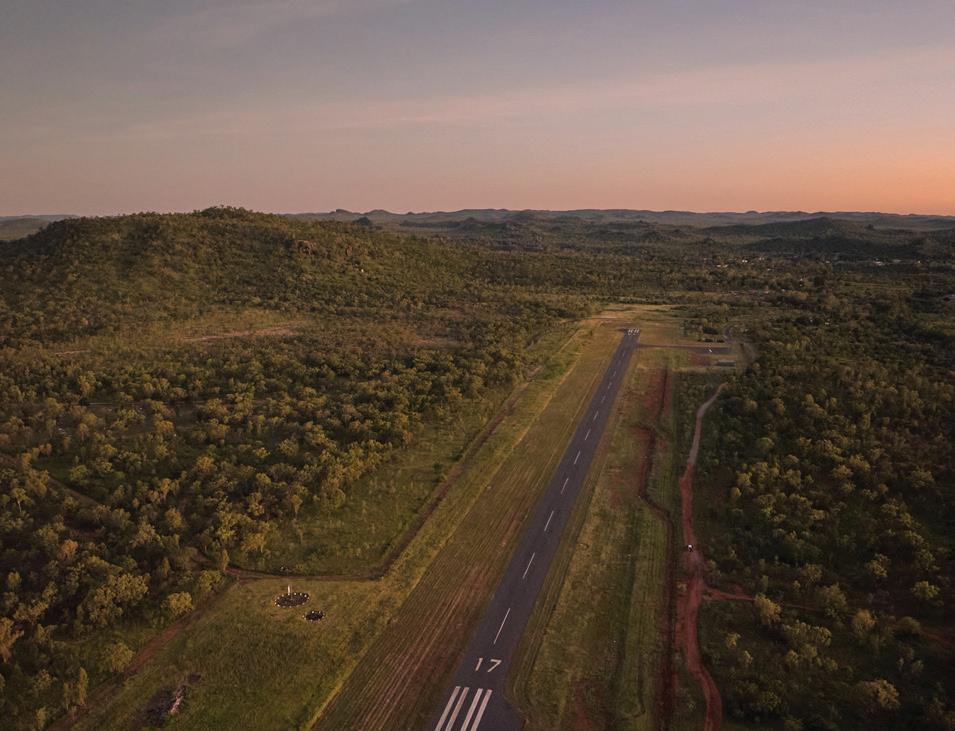
Royal Flying Doctor Service of Australia (Queensland Section)
ABN
The RFDS is dedicated to providing vital health care to everyone living, travelling, or working in regional, rural and remote Queensland.
The Commonwealth Government provides funding to support our services across emergency retrievals, primary health care and the Mobile Dental Unit; while the Queensland Government supports the inter-facility transfer service and some individual primary health care programs. The funding we receive is essential to the delivery of these services.
In addition to the substantial funding from the State and Federal Governments to deliver our services, we heavily rely on fundraising initiatives and donations from individuals, organisations and the community to provide sufficient funding to meet operational costs as well as to purchase and fit out our aircraft, purchase vital medical equipment and invest in our operational facilities.
We are grateful to receive support from the community to help us continue providing the finest care to the furthest corner of the state.
In the year ended 30 June 2025, total donations and bequests to the RFDS (Queensland Section) amounted to $32.6 million; these funds are crucial to our continued operations and asset acquisition.
The following financials incorporate the Royal Flying Doctor Service of Australia (Queensland Section), RFDS (QLD) Services Limited and RFDS Foundation Limited (the Consolidated Service), for the financial year ended 30 June 2025.
The Consolidated operating result for the year was an operating deficit of $17.5 million, as our service delivery operating costs exceeded the revenue (including grants) by this amount. The overall Consolidated surplus for the year was $21.4 million after accounting for non-operational funding including donations and bequests of $32.6 million. Capital grant and capital donation revenue of $13.8 million is shown separately because we have received these funds for future investment in our assets – aircraft, medical equipment and infrastructure.
Whilst the Consolidated Service produced an overall surplus for the financial year, this surplus, along with borrowed funds, will be utilised to fund the significant forecast capital commitments required in coming years. We have committed to aircraft replacement purchases of $87.405 million as we replace ageing aeromedical aircraft in coming years, and we have committed to base development costs of $3.667 million which relate to the completion of our new Mount Isa base.
Thank you again to our supporters, without your support, the RFDS would not be able to provide, advocate and facilitate equitable access to comprehensive quality health care for regional, rural and remote Queensland.
Georgina Somerset AM Chair RFDS (Queensland Section)
The directors present their report together with the financial report of The Royal Flying Doctor Service of Australia (Queensland Section) and its controlled entities, RFDS (QLD) Services Limited and RFDS Foundation Limited (the Consolidated Service), for the financial year ended 30 June 2025 and the auditor’s report thereon.
The directors of the Consolidated Service at any time during or since the end of the financial year are:
Directors
Mrs Georgina Somerset AM (Chair) FAICD
Ms Jane Williams (Deputy Chair)
Mr Adrian Carson AM
Associate Professor Catrina Felton-Busch BA, MPH, Grad Cert PHC Res, PHD (candidate), ARLF
Mr Edward Fewings
Adjunct A/Professor Ivan Frkovic BSW, MSWAP
Mr Mark Gray D. Univ, BEcon (Hons), FAICD
Mr Michael Hockin BE (Hons), MIEAust, FRAeS, GAICD
Mr Cameron MacMillan BBus (USQ), MBA (UQ), GAICD
Adjunct Professor Sarah Pearson DPhil(Oxon), GAICD, FTSE
Mr Russell Postle AM FCA, CTA, MAICD
The Hon. Bruce Scott AM
Dr Sarah Jane Springer B.Med, DCH, RACGP, FARGP, Ad. DRANZCOG, FACRRM, GradDipClinEd, GAICD, MHA
Emeritus Professor Robert Stable AM MBBS DUniv (QUT), MHP, FRACGP, FCHSM, FAICD
Mr John Stevenson FCA, GAICD, FGIA, BBus
Company Secretary
Ms Katherine Fleming LLB (Hons 2B), MBus (Comms), GDip ACG, MGIA, MAICD
Mr Matthew Wedmaier SF FIN, GAICD, MAppFin, MBA, CA, GradDipAppFin, BBus
Appointed date
Appointed July 2016
Appointed January 2024
Appointed August 2025
Appointed January 2023
Appointed October 2020
Appointed June 2023
Appointed August 2015
Appointed January 2024
Appointed August 2025
Appointed January 2023 Resigned March 2025
Appointed October 1994
Appointed June 2016
Appointed January 2023 Resigned March 2025
Appointed November 2012
Appointed March 2024 Resigned November 2024
Appointed March 2025
Appointed May 2024 Resigned March 2025
For the year ended 30 June 2025
The number of Directors’ meetings (including meetings of committees of Directors) and number of meetings attended by each of the Directors and committee members of the Consolidated Service during the financial year are:
A Number of meetings attended
B Number of meetings held during the time the director held office during the year
(1) Dr Sarah Jane Springer was granted a leave of absence from the Board from 27 June 2024 to 28 January 2025.
For the year ended 30 June 2025
The principal activity of the Consolidated Service during the course of this financial year was the provision of health care services, primarily to regional, rural and remote parts of Queensland.
There were no significant changes in the nature of the activities of the Consolidated Service during the year.
The strategic plan of the Consolidated Service, which is consistent with the RFDS Federation strategic plan, aims to ensure that the Consolidated Service is delivering excellence in health care, whilst also working to diversify and expand its range of primary health care and aeromedical services.
The strategic plan includes information about our vision, what the organisation would like to achieve, as well as an outline of both the immediate and long term programs of work that will allow us to reach this vision.
The Consolidated Services’ long term objectives are covered by the Consolidated Services’ vision that we will provide, advocate and facilitate equitable access to comprehensive quality health care for regional, rural and remote Queensland. During the past year, operations have been maintained, providing a mantle of safety.
The Consolidated Service aims to achieve this through:
> Innovative services and methods of delivery which earn the Consolidated Service a reputation for world class quality, safety and efficiency.
> Continually developing our people within a culturally safe environment, so that their satisfaction in their roles is only exceeded by the community respect they have as Service employees.
> Being the leading health organisation governments and non-government organisations rely on for the appropriate provision of comprehensive health care services to regional, rural and remote Queensland.
The Consolidated Service’s strategic objectives could not be achieved without the RFDS undertaking its principal activities of the provision of aeromedical, primary health care, mental health and dental services.
The Consolidated Service measures its performance via an analysis of the key patient, aviation and financial statistics contained in the back of this report.
The consolidated operating result for the year was an operating deficit of $17.451 million (2024: deficit $19.518 million). The overall consolidated surplus for year was $21.431 million (2024: $18.841 million) after accounting for non-operational funding. No income tax is payable as the Consolidated Service is exempt under Australian taxation legislation.
During the year the Consolidated Service received $32.597 million in donations and bequests (2024: $34.781 million) that are used to meet operational requirements for the Consolidated Service. In addition to this, the Consolidated Service received $13.848 million (2024: $11.669 million) in non-operational grant revenue and donations to fund its capital infrastructure programs.
The Consolidated Service will embark on a significant capital acquisition program in coming years due to the requirement to replace ageing aircraft in the current fleet. This is reflected in the commitment of future aircraft purchases of $87.405 million which are expected to be brought into service by the end of the 2031 financial year.
Planning for these aircraft purchases is reflected in the balance sheet of the Consolidated Service at 30 June 2025. The cash and cash equivalents balance at 30 June 2025 is $20.347 million which is $21.836 million lower than the 30 June 2024 balance of $42.183 million. This reduction in cash and cash equivalents is partly explained through the creation of a new capital investment vehicle of $16.134 million as the Consolidated Service sets aside funds to support future aircraft acquisitions. The balance of funds in this capital investment vehicle is expected to grow over the course of the 2026 financial year.
The reduction in the cash and cash equivalents balance is also attributable to the construction of the new base at Mount Isa. The Mount Isa Base is expected to be completed before the end of the 2025 calendar year, and the Consolidated Service investment is disclosed as capital works in progress in the property, plant and equipment note.
The Consolidated Service did not access any borrowed funds during the year with nil drawdowns for year ended 30 June 2025 (2024: $26.666 million). These funds have been used in the prior period to support the cost of the acquisition of aircraft and the RFDS capital infrastructure program.
In order to assist with managing capital related expenditure and short term cash flow fluctuations, the Consolidated Service has established three loan facilities with the ANZ that have combined limits of $55 million. $29.895 million (2024: $32.166 million) of these loan facilities had been drawn at 30 June 2025. These loan facilities have lending covenants in relation to Interest Cover Ratio and a Minimum Cash and Investment holdings. Compliance with these covenants is continually tested, monitored and forecasted and the Consolidated Service has always been compliant with these covenants over the course of the 2025 financial year.
Further information about likely developments in the operations of the Consolidated Service and the expected results of those operations in future financial years has not been included in this report because disclosure of the information would be likely to result in unreasonable prejudice to the Consolidated Service.
In the opinion of the Directors there were no significant changes in the state of affairs of the Consolidated Service that occurred during the financial year under review.
There has not arisen in the interval between the end of the financial year and the date of this report any item, transaction or event of a material and unusual nature likely, in the opinion of the directors of the Service, to affect significantly the operations of the Consolidated Service, the results of those operations, or the state of affairs of the Consolidated Service, in future financial years.
The Royal Flying Doctor Service of Australia (Queensland Section) is incorporated under the Corporations Act 2001 as a company limited by guarantee. In the event of the Consolidated Service being wound up, the liability of each of the Members is limited to two dollars. As at 30 June 2025 the total liability for membership in the event that the Consolidated Service is wound up would be $100.
The auditor’s independence declaration is set out on page 85 and forms part of the directors’ report for the financial year ended 30 June 2025.
The Company is of a kind referred to in ASIC Corporations Instrument 2016/191 and in accordance with that Instrument, amounts in the financial report and directors’ report have been rounded off to the nearest thousand dollars, unless otherwise stated.
This report is made out in accordance with a resolution of the directors:
Georgina Somerset AM Chair
Mark Gray Chair Finance, Risk and Audit Committee
Dated at Brisbane this 25th day of September 2025.
As at 30 June 2025
The notes on pages 62 to 81 are an integral part of these financial statements.
For the year ended 30 June 2025
The notes on pages 62 to 81 are an integral part of these financial statements.
For the year ended 30 June 2025
Parent Entity
The notes on pages 62 to 81 are an integral part of these financial statements.
For the year ended 30 June 2025
The notes on pages 62 to 81 are an integral part of these financial statements.
The Royal Flying Doctor Service of Australia (Queensland Section) (“the Service”) is a not-for-profit company limited by guarantee incorporated and domiciled in Australia. The address of the Consolidated Service’s registered office is 12 Casuarina Street, Brisbane Airport, QLD, 4008. The consolidated financial statements of the Service is at, and for the year ended 30 June 2025 and comprise the Service and its controlled entities (together referred to as the Consolidated Service).
These financial statements are general purpose financial statements and comply with the recognition and measurement requirements in Australian Accounting Standards, the presentation requirements in those Standards as modified by AASB 1060 General Purpose Financial Statements – Simplified Disclosures or For-Profit and Not-for-Profit Entities and the Australian Charities and Not-for-profit Commission Act 2012. They have been prepared in accordance with Australian Accounting Standards – Simplified Disclosures made by Australian Accounting Standards Board.
As the Consolidated Service is a not-for-profit entity, the terms ‘profit‘ and ‘loss‘ do not correctly describe the nature of the Consolidated Service’s activities. Accordingly, the words ‘operating surplus/(deficit)’ have been substituted for the terms ‘profit/(loss)’ prescribed in Accounting Standard AASB 101.
At 30 June 2025, the Consolidated Service has net current assets of $12.464 million (2024: $14.248 million). During the year ended 30 June 2025, the Consolidated Service has invested $16.000 million in short term deposits which are held in the RFDS Foundation Limited (the Foundation) to support upcoming aeromedical aircraft purchases. These deposits are accessible within 12 months and classified as a current asset in the Foundation. The Foundation was established in January 2018 with the purpose of developing a long-term investment strategy that encourages social investment and since inception, all funds bequeathed to the Royal Flying Doctor Service in Queensland, unless nominated for a specific capital purpose, are invested in the Foundation. The Foundation subsequently invests the funds to support the long-term strategic initiatives of the Consolidated Service.
The result of this $16.000 million investment in short-term deposits in the Foundation is a current asset deficiency in the Parent entity of $10.140 million (2024: net current assets of $4.148 million).
At 30 June 2025, the Parent entity had net assets of $158.145 million (2024: net assets of $145.991 million) and generated a surplus of $11.872 million and net operating cash inflows of $14.725 million for the year ended 30 June 2025 (2024: surplus of $11.641 million and net operating cash inflows of $29.945 million).
As the Parent entity controls the Foundation, if required, the Foundation will provide the Parent entity access to these short-term deposits to meet its debts as and when they fall due.
The Directors have prepared the financial statements of the Parent entity and the Consolidated Service on a going concern basis, which contemplates continuity of normal business activities and the realisation of assets and the settlement of liabilities in the ordinary course of business
They were authorised for issue by the Board of Directors on 25 September 2025. Details of the Service’s accounting policies, including changes during the year, are included in Note 28.
These financial statements are presented in Australian dollars, which is the Service’s functional currency.
The company is of a kind referred to in ASIC Corporations Instrument 2016/191 and in accordance with that Instrument, all financial information presented in Australian dollars has been rounded to the nearest thousand unless otherwise stated.
For the year ended 30 June 2025
In preparing these financial statements in conformity with Australian Accounting Standards – Reduced Disclosure Requirements, management has made judgements, estimates and assumptions that affect the application of accounting policies and the reported amounts of assets, liabilities, income and expenses. Actual results may differ from these estimates.
Estimates and underlying assumptions are reviewed on an ongoing basis. Revisions to accounting estimates are recognised prospectively.
Information about critical judgements in applying accounting policies that have the most significant effect on the amounts recognised in the consolidated financial statements is included in the following notes:
> Note 28 (e) Capital investments at fair value
> Note 28 (d) Property, plant and equipment – depreciation of aircraft and aircraft engines
> Note 28 (h) Impairment
> Note 28 (l) Revenue and income.
During the year, the Service received $32.597 million in donations and bequests that are used to meet operational requirements for the Service.
Revenue recognised under AASB 1058 Income of NFP entities
grants and donations were received to fund current and future base and infrastructure projects in Bundaberg and Mount Isa.
For the year ended 30 June 2025 continued
The RFDS (Queensland Section) provides services under contract with the Commonwealth and State Governments generally. There was a consolidated operating deficit for the year end 2025 of $17.451 million (2024: $19.518 million), parent entity operating deficit of $17.397 million (2024: $18.653 million). This deficit has been funded via nonoperational funding such as general donations, bequests and financial revenue. Capital funding and capital donations are used to enhance and acquire assets for service delivery.
The consolidated surplus generated for the year end 2025 was $21.431 million (2024: $18.841 million). Parent entity $11.872 million (2024: $11.641 million).
The following are included in operating expenses:
Personnel expenses are included in health, administration and fundraising expenses.
For the year ended 30 June 2025
*The RFDS has entered into an agreement to sublease a new aeromedical facility situated at Brisbane Airport from Brisbane Airport Corporation (BAC). BAC will construct the new facility which will be leased to RFDS once the construction of those facilities has been completed.
Upon the completion of those facilities, the terms of the agreement to sublease requires RFDS to pay BAC $5 million residual representing rent in advance for the term of the lease. The Queensland State Government has provided RFDS with $25 million in
for the upfront rental payment of which $20 million has been previously remitted to BAC.
as follows:
in the statement of
The Consolidated Service aims to maintain a cash reserve of approximately $10 million to cover working capital commitments. In addition to this, The Consolidated Service had $91.073 million in capital commitments at 30 June 2025 (2024: $42.580 million) that had not been expended. These commitments relate to legally committed aircraft purchases of $87.405 million and base development costs of $3.667 million which are expected to be fulfilled in the 2025/2026 to 2028/2029 financial years.
In addition to these contractual commitments, there is a further $3.731 million in expected capital expenditure relating to aviation engineering equipment as well as medical equipment acquisitions. The commitments will be funded via existing cash and cash equivalent balances, future cash flows, contracted funding arrangements, fundraising and where necessary, external borrowings.
For the year ended 30 June 2025 continued
The investment was created during the course of the financial year by the Consolidated Service and represents shortterm investments to assist in meeting upcoming aeromedical aircraft purchases. The Consolidated Service uses an experienced fund manager to manage this investment with performance reviewed regularly by the Board of the Parent Entity and the RFDS Foundation Board.
All transactions are carried out within the Consolidated Service’s Investment Policy Guidelines set by the Finance, Risk and Audit Committee and the Investment Committee of RFDS Foundation.
Capital investments represent long-term investments held by the Consolidated Service to assist in funding long term capital expenditure programs. Significant expenditure will be required to maintain the Consolidated Service’s commitment to the delivery of health services including aircraft and other operational assets. In accordance with the long-term operational plans of the Consolidated Service, over the next five years, the income earned from these investments will be used to assist in meeting these capital expenditure requirements and to provide an income stream to fund health services.
Equity price risk arises from equity securities held by the Consolidated Service in listed equity investments and managed investment schemes. The Consolidated Service uses experienced fund managers to manage the market risk associated with movements in equity prices. The performance of the fund manager is reviewed regularly by the Board of the Parent Entity and the RFDS Foundation Board.
All transactions associated with the Consolidated Service’s capital investments are carried out within the Consolidated Service’s Investment Policy Guidelines set by the Finance, Risk and Audit Committee and the Investment Committee of RFDS Foundation.
For the year ended 30 June 2025
Reconciliation of carrying amount
For the year ended 30 June 2025
continued
Reconciliation of carrying amount
Reconciliation of movement in capital and reserves
Consolidated
The Consolidated Service holds all donations and legacies received with a specific purpose nominated, in separate bank accounts or investments until the funds are required for the nominated purpose. Where specific purpose donations are received during the year, these amounts are transferred from accumulated funds to reserves. Where payments are made during the financial year from specific purpose donations received for a nominated purpose, this amount is transferred from reserves to accumulated funds.
The unrealised gain reserve includes the cumulative net change in the fair value of assets previously recognised as available for sale. Since adoption of AASB 9 Financials Instruments investments are no longer classified as available for sale, the Consolidated Service has classified these investments as fair value through profit and loss (FVPL). On adoption of AASB 9 gains and losses on financial assets previously recognised in other comprehensive income are not transferred to profit and loss.
The hedging reserve comprises the effective portion of the cumulative net change in fair value of hedging instruments used in cash flow hedges pending subsequent recognition in profit or loss or directly included in the initial cost or other carrying amount of a non-financial asset or non-financial liability.
For the year ended 30 June 2025 continued
The Consolidated Service has established three loan facilities with ANZ comprising limits of $10.000, $5.000 and $40.000 million each. These facilities have a term of three years each and with interest rates of BBSY +0.4%. BBSY + 0.6% and BBSY + 1.3% respectively. As at 30 June 2025, $29.895 million had been drawn down on these facilities.
As at 30 June 2025, the Group had bank borrowings of $29.895 million (2024: $32.166 million) repayable on 1 September 2026 and is classified as non-current. Under the terms of the loan agreement, the Group is required to comply with financial covenants. The first being an Interest Cover Ratio requirement where EBITDA is not to be less than two times interest expense for any 12-month period ending on a compliance date and secondly, a requirement that minimum cash holdings and investments are not to be less than $15.000 million at all times.
These covenants are required to be tested on 30 June and 31 December each year. The Group was in compliance with all covenants at the testing dates.
The amounts recognised in the statement of profit and loss and other comprehensive income relating to leases where the Consolidated Service is a lessee are shown below.
in Note 7
The Consolidated Service leases a number of buildings and hangars under operating leases. The leases run for a period of one to 15 years, with an option to renew the lease after that date. None of these leases include contingent rentals.
The Consolidated Service had $91.073 million in future capital commitments at 30 June 2025 (2024: $42.580 million). These commitments relate to legally committed aircraft purchases of $87.405 million and base development costs of $3.667 million which are expected to be fulfilled by the end of the 2031 financial year.
The commitments will be funded via existing cash and cash equivalent balances, future cash flows, contracted funding arrangements, fundraising, investments and where necessary, external borrowings.
In addition to these contractual commitments, it is expected that there will be a further $3.731 million outlay over the next 12 months in expected but not contractually committed capital expenditure relating to aviation engineering and medical equipment.
For the year ended 30 June 2025
24. Related party disclosures
a) Parent entity
The parent entity within the group is Royal Flying Doctor Service of Australia (Queensland Section).
b) Controlled entities
Ownership interest in controlled entities are set out in Note 26.
c) Interests in joint venture entities
The parent entity has a 50% interest (2024: 50%) in Mediflite Limited, a joint venture in conjunction with LifeFlight Australia Limited. The joint venture entity is not operating and has no net assets.
The parent entity has a 50% interest (2024: 50%) in Royal Flying Doctor Service (Eastern Operations) Limited, a joint venture in conjunction with Royal Flying Doctor Service (South Eastern Section). The joint venture entity is not operating and has no net assets.
d) Key management personnel compensation
The key management personnel compensation was $3,789,304 for the year ended 30 June 2025 (2024: $4,018,297).
For the year ended 30 June 2025 continued
Rental income for the year charged by Royal Flying Doctor Service of Australia (Queensland Section) in relation to RFDS (QLD) Services Limited renting the Mobile Dental Unit (216,000) (216,000)
Balance outstanding at year end in relation to intercompany loan to (from) RFDS (QLD) Services Limited
Aircraft maintenance charged to Royal Flying Doctor Service of Australia (Queensland Section) from RFDS (QLD) Services Limited
Amount paid to Royal Flying Doctor Service of Australia (Queensland Section) for Management and Board support from RFDS (QLD) Services Limited (678,000) (678,000)
Balance of loan owing from Royal Flying Doctor Service of Australia (Queensland Section) to RFDS Foundation Limited* (16,693,927) (22,608,333)
Interest paid on loan owing from Royal Flying Doctor Service of Australia (Queensland Section) to RFDS Foundation Limited*
Management fee charged by Royal Flying Doctor Service of Australia (Queensland Section) to RFDS Foundation Limited (42,567) (39,000)
Bequest payable to RFDS Foundation Limited from Royal Flying Doctor Service of Australia (Queensland Section) (695,384) (130,050)
Amount distributed to Royal Flying Doctor Service of Australia (Queensland Section) from RFDS Foundation Limited under current spending policy (2,866,819) (2,475,000)
*On 7 December 2021, RFDS Foundation Limited entered into two loan facility agreements for $20,000,000 each with RFDS (Queensland Section) to support the ongoing capital commitments of the latter. These facilities are unsecured with a term of 5 and 10 years and with fixed interest rates of 1.4% and 2.08%, respectively. $0 had been drawn down during the 2024/25 financial year on the 5-year loan (2024: $4,858,000), with $4,971,751 (2024: $4,811,000) being repaid during the year. $0 has been drawdown on the 10-year loan (2024: $5,141,000) during the 2024/25 financial year with $942,656 (2024: $1,318,000) repaid during the year.
f) Transactions with Director related entities
During the year, $34,724 (2024: $103,473) was paid to BDO a firm of which Mr Russell Postle (Director) is a consultant. Fees charged on an arm’s length basis for providing of consulting and corporate advisory services.
25. Subsequent events
There has not arisen in the interval between the end of the financial year and date of this report any item, transaction or event of a material and unusual nature likely, in the opinion of the directors of the Service, to affect significantly the operations of the Consolidated Service, the results of those operations, or the state of affairs of the Consolidated Service, in future financial years.
26. Group Entities
27. Auditors Remuneration
28. Material accounting policies
The material accounting policies set out below have been consistently applied by the Consolidated Service to all periods presented in these Consolidated Financial Statements.
The Consolidated Financial Statements have been prepared on the historical cost basis except for equities and managed funds which are measured at fair value through profit or loss.
b) Basis of consolidation
Subsidiaries
The Consolidated Service controls an entity when it is exposed to or has rights to variable returns from its involvement with the entity and has the ability to affect those returns through its power over the entity.
Controlled entities are consolidated from the date on which control commences until the date control ceases.
Intercompany transactions, balances and unrealised gains or losses on transactions between Consolidated Service entities are eliminated in preparing the consolidated financial statements. Accounting policies of subsidiaries have been changed where necessary to ensure consistency with the policies adopted by the Consolidated Service.
c)
Transactions in foreign currencies are translated at the foreign exchange rate ruling at the date of the transaction. Monetary assets and liabilities denominated in foreign currencies at the balance sheet date are translated to Australian dollars at the foreign exchange rate ruling at that date. Foreign exchange differences arising on translation are recognised in the surplus or deficit. Non-monetary assets and liabilities that are measured in terms of historical cost in a foreign currency are translated using the exchange rate at the date of the transaction..
d) Property, plant and equipment
Owned assets
Items of property, plant and equipment are stated at cost less accumulated depreciation (see below) and impairment losses.
Where parts of an item of property, plant and equipment have different useful lives, they are accounted for as separate items of property, plant and equipment.
Subsequent costs
The Consolidated Service recognises in the carrying amount of an item of property, plant and equipment the cost of replacing part of such an item when that cost is incurred if it is probable that the future economic benefits embodied within the item will flow to the Consolidated Service and the cost of the item can be measured reliably. All other costs are recognised in the surplus or deficit as incurred.
With the exception of freehold land, depreciation is charged on a straight line or units of use method over the estimated useful lives of each part of an item of property, plant and equipment. Land is not depreciated. Expenditure on the major overhaul of aircraft engines is capitalised and depreciated over the estimated effective useful life of the engine.
Depreciation rates used in the current and prior year are as follows:
For the year ended 30 June 2025 continued
Recognition and initial measurement
Trade receivables and other receivables issued are initially recognised when they are originated. All other financial assets and financial liabilities are initially recognised when the Consolidated Service becomes a party to contractual provisions of the instrument.
A financial asset (unless it is a trade receivable without a significant financing component) or financial liability is initially measured at fair value plus, for an item not at fair value through profit and loss (FVTPL) transaction costs that are directly attributable to its acquisition or issue. A trade receivable without a significant financing component is initially measured at the transaction price.
(i) Classification and subsequent measurement
On initial recognition, a financial asset is classified and measured at: amortised cost; fair value through other comprehensive income (FVOCI) – debt investment; FVOCI – equity investment; or FVTPL.
Financial assets are not reclassified subsequently from their initial recognition unless the Consolidated Service changes its business model for managing financial assets, in which case all affected financial assets are reclassified on the first day of the first reporting period following the change in the business model.
A financial asset is measured at amortised cost if it meets both of the following conditions and is not designated as at FVTPL:
> It is held within a business model whose objective is to hold assets to collect contractual cash flows; and
> Its contractual terms give rise on specified dates to cash flows that are solely payments of principal and interest on the principal amount outstanding.
A debt investment is measured at FVOCI if it meets both of the following conditions and is not designated as FVTPL:
> It is held within a business model whose objective is to hold assets to collect contractual cash flow and selling financial assets; and
> Its contractual terms give rise on specified dates to cash flows that are solely payments of principal and interest on the principal amount outstanding.
On initial recognition of an equity investment that is not held for trading, the Consolidated Service may irrevocably elect to present subsequent changes in the investment’s fair value in OCI. This election is made on an investment-byinvestment basis.
All financial assets not classified as measured at amortised cost or FVOCI as described above are measured at FVTPL. This includes all derivative financial assets. On initial recognition, the Consolidated Service may irrevocably designate a financial asset that otherwise meets the requirements to be measured at amortised cost or at FVOCI as at FVTPL if doing so eliminates or significantly reduces an accounting mismatch that would otherwise arise.
The Consolidated Service makes an assessment of the objective of the business model in which a financial asset is held at a portfolio level because this best reflects the way the business is managed and information is provided to management. The information considered includes:
> the stated policies and objectives for the portfolio and the operation of those policies in practice. These include whether management’s strategy focuses on earning contractual interest income, maintaining a particular interest rate profile, matching the duration of the financial assets to the duration of any related liabilities or expected cash outflows or realising cash flows through the sale of the assets:
> how the performance of the portfolio is evaluated and reported to the Consolidated Service’s management;
the year ended 30 June 2025
(ii) Financial assets — Business model assessment (continued)
> the risks that affect the performance of the business model (and the financial assets held within that business model) and how those risks are managed; and
> the frequency, volume and timing of sales of financial assets, the reasons for such sales and expectations about future sales activity.
Financial assets that are held for trading or are managed and whose performance is evaluated on a fair value basis are measured at FVTPL.
(iii) Financial assets — Assessment whether contractual cash flows are solely payments of principal and interest
For the purposes of this assessment, ‘principal’ is defined as the fair value of the financial asset on initial recognition. ‘Interest’ is defined as consideration for the time value of money and for the credit risk associated with the principal amount outstanding during a particular period of time and for other basic lending risks and costs (e.g. liquidity risk and administrative costs), as well as a profit margin.
In assessing whether the contractual cash flows are solely payments of principal and interest, the Consolidated Service considers the contractual terms of the instrument. This includes assessing whether the financial asset contains a contractual term that could change the timing or amount of contractual cash flows such that it would not meet this condition. In making this assessment, the Consolidated Service considers:
> contingent events that would change the amount or timing of cash flows;
> terms that may adjust the contractual coupon rate, including variable-rate features;
> prepayment and extension features; and
> terms that limit the Consolidated Service’s claim to cash flows from specified assets (e.g. non-recourse features).
Subsequent measurement and gains and losses
(iv) Financial assets at FVTPL
These assets are subsequently measured at fair value. Net gains and losses, including interest or dividend income, are recognised in profit or loss.
(v) Financial assets at amortised cost
These assets are subsequently measured at amortised cost using the effective interest method. The amortised cost is reduced by impairment losses. Interest income, foreign exchange gains and losses and impairment are recognised in profit or loss. Any gain or loss on derecognition is recognised in profit or loss.
(vi) Debt investment at FVOCI
These assets are subsequently measured at fair value. Interest income calculated using the effective interest method, foreign exchange gains and losses and impairments are recognised in profit or loss. Other net gains and losses are recognised in OCI. On derecognition, gains and losses accumulated in OCI are reclassified to profit or loss.
(vii) Equity investment at FVOCI
These assets are subsequently measured at fair value. Dividends are recognised as income in profit or loss unless the dividend clearly represents a recovery of part of the cost of the investment. Other net gains and losses are recognised in OCI and are never reclassified to profit or loss.
(viii) Derecognition
The Consolidated Service derecognises a financial asset when the contractual rights to the cash flows from the financial asset expire, or it transfers the rights to receive the contractual cash flows in a transaction in which substantially all of the risks and rewards of ownership of the financial asset are transferred or in which the Consolidated Service neither transfers nor retains substantially all of the risks and rewards of ownership and it does not retain control of the financial asset.
For the year ended 30 June 2025 continued
Inventories are stated at the lower of cost and current replacement cost. Current replacement cost is the cost the Consolidated Service would incur to acquire the asset on the reporting date.
Costs are assigned on a first-in first-out principle and include expenditure incurred in acquiring the inventories and bringing them to their existing location and condition.
Cash and cash equivalents comprise cash balances, short term bills and call deposits held for less than three months. Bank overdrafts that are repayable on demand and form an integral part of the Consolidated Service’s cash management are included as a component of cash and cash equivalents for the purpose of the statement of cash flows.
(i) Financial assets
The Consolidated Service recognises loss allowances for Expected Credit Losses (ECLs) on:
> financial assets measured at amortised cost; and
> debt investments measured at FVOCI.
The Consolidated Service measures loss allowances at an amount equal to lifetime ECLs, except for the following, which are measured at 12-month ECLs:
> debt securities that are determined to have low credit risk at the reporting date; and
> other debt securities and bank balances for which credit risk (i.e. the risk of default occurring over the expected life of the financial instrument) has not increased significantly since initial recognition.
Loss allowances for trade receivables are always measured at an amount equal to lifetime ECLs. When determining whether the credit risk of a financial asset has increased significantly since initial recognition and when estimating ECLs, the Consolidated Service considers reasonable and supportable information that is relevant and available without undue cost or effort. This includes both quantitative and qualitative information and analysis, based on the Consolidated Service’s historical experience and informed credit assessment and including forwardlooking information.
The Consolidated Service assumes that the credit risk on a financial asset has increased significantly if it is more than 180 days past due. The maximum period considered when estimating ECLs is the maximum contractual period over which the Consolidated Service is exposed to credit risk.
Measurement of ECLs
ECLs are a probability-weighted estimate of credit losses. Credit losses are measured as the present value of all cash shortfalls (i.e. the difference between the cash flows due to the entity in accordance with the contract and the cash flows that the Consolidated Service expects to receive).
ECLs are discounted at the effective interest rate of the financial asset.
Presentation of allowance for ECL in the statement of financial position
Loss allowances for financial assets measured at amortised cost are deducted from the gross carrying amount of the assets.
At each reporting date, the Consolidated Services reviews the carrying amounts of its non-financial assets (other than inventories and contract assets) to determine whether there is any indication of impairment. If any such indication exists, then the asset’s recoverable amount is estimated.
For impairment testing, assets are grouped together into the smallest group of assets that generates cash inflows from continuing use that are largely independent of the cash inflows of other assets or CGUs.
The recoverable amount of an asset or CGU is the greater of its value in use and its fair value less costs to sell. Vale in use is based on the estimated future cash flows, discounted to their present value using a pre-tax discount rate that reflects current market assessments of the time value of money and the risks specific to the asset of CGU.
An impairment loss is recognised if the carrying amount of an asset or CGU exceeds its recoverable amount.
Impairment losses are recognised in profit or loss. They are allocated first to reduce the carrying amount of any goodwill allocated to the CGU, and then to reduce the carrying amounts of the other assets in the CGU on a pro rata basis.
Defined contribution superannuation funds
Obligations for contributions to defined contribution superannuation funds are recognised as an expense as incurred.
The Consolidated Service’s net obligation in respect of long-term service benefits is the amount of future benefit that employees have earned in return for their service in the current and prior periods. The obligation is calculated using expected future increases in wage and salary rates including related on-costs and expected settlement dates, and is discounted using the rates attached to Corporate Bonds at reporting date which have maturity dates approximating to the terms of the Consolidated Service’s obligations.
Liabilities for employee benefits for wages, salaries and annual leave that are expected to be settled within 12 months of the reporting date represent present obligations resulting from employees’ services provided to reporting date, are calculated at undiscounted amounts based on wage and salary rates that the Consolidated Service expects to pay as at reporting date including related on-costs, such as workers compensation insurance and superannuation.
Trade and other payables are stated at their amortised cost. Trade payables are non-interest bearing and are normally settled on 30 day terms.
Loans and borrowings are recognised initially at fair value plus any directly attributable transaction costs. Subsequent to initial recognition, the financial liabilities are measured at amortised cost using the effective interest rate method.
For the year ended 30 June 2025 continued
Revenue recognition policy for revenue from contracts with customers (AASB 15)
AASB 15 requires revenue to be recognised when control of a promised good or service is passed to the customer at an amount which reflects the expected consideration.
The customer for these contracts is the funding provider.
Revenue is recognised by applying a five-step model as follows:
1. Identify the contract with the customer
2. Identify the performance obligations
3. Determine the transaction price
4. Allocate the transaction price
5. Recognise revenue.
Generally, the timing of the payment for sale of goods and rendering of services corresponds closely to the timing of satisfaction of the performance obligations, however where there is a difference, it will result in the recognition of a receivable, contract asset or contract liability.
None of the revenue streams of the Consolidated Service have any significant financing terms as there is less than 12 months between receipt of funds and satisfaction of performance obligations.
Services rendered
Revenue for providing medical services and transportation of patients consists of a fixed and variable component (number of flying hours). The revenue is recognised when the service is provided.
Grant income
Grant income arising from an agreement which contains enforceable and sufficiently specific performance obligations is recognised when control of each performance obligations is satisfied.
The performance obligations are varied based on the agreement. Payment terms vary depending on the terms of the grant, cash is received upfront for some grants and on the achievement of certain payment milestones for others.
Each performance obligation is considered to ensure that the revenue recognition reflects the transfer of control and within grant agreements there may be some performance obligations where control transfers at a point in time and others which have continuous transfer of control over the life of the contract.
Where control is transferred over time, generally the input method being costs, time or flying hours incurred are deemed the to be the most appropriate methods to reflect the transfer of benefit.
Revenue from the sale of goods is recognised when the control of goods passes to the customer, which is at the time that the goods are physically transferred.
None of the items sold have any warranty attached to them.
Revenue recognition policy for income of NFP entities (AASB 1058)
Grant income
Assets arising from grants in the scope of AASB 1058 are recognised at their fair value when the asset Assets arising from grants in the scope of AASB 1058 are recognised at their fair value when the asset is received. These assets are generally cash but may be property which has been donated or sold to the Consolidated Service at significantly below its fair value.
The Consolidated Service considers whether there are any related liability or equity items associated with the asset which are recognised in accordance with the relevant accounting standard.
Once the assets and liabilities have been recognised then income is recognised for any difference between the recorded asset and liability.
Donations collected, including cash and goods for resale, are recognised as revenue when the Consolidated Service gains control of the asset.
Bequests are recognised when the company is notified of an impending distribution or the bequest is received, whichever occurs earlier.
Bequests of shares or other assets are recognised at fair value, being the market value of the shares or asset at the date the Consolidated Service becomes legally entitled to the shares or asset.
For many of the grant agreements received, the determination of whether the contract includes sufficiently specific performance obligations was a significant judgement involving discussions with several parties at the Consolidated Service, review of the proposal documents prepared during the grant application phase and consideration of the terms and conditions.
Grants received by the Consolidated Service have been accounted for under both AASB 15 and AASB 1058 depending on the terms and conditions and decisions made.
Net financing income comprises interest receivable on funds invested, dividend and distribution income, changes in fair value of financial assets at fair value through profit or loss income and foreign exchange gains and losses.
Interest income is recognised as it accrues, using the effective interest method. Dividend and distribution income is recognised on the date the Consolidated Service’s right to receive payment is established which in the case of quoted securities is ex-dividend date.
All expenditure is accounted for on an accrual basis.
Health costs are those costs directly incurred to provide care to patients.
Program costs are those costs directly incurred in providing programs to support the objectives of the Consolidated Service other than those specified.
Administration costs are those incurred in connection with administration of the Consolidated Service and compliance with constitutional and statutory requirements.
The Royal Flying Doctor Service of Australia (Queensland Section), due to the nature of its activities, has been granted an exemption from the payment of income tax under Section 50 of the Income Tax Assessment Act 1997.
Revenue, expenses and assets are recognised net of the amount of goods and services tax (GST), except where the amount of GST incurred is not recoverable from the Australian Taxation Office. In these circumstances, the GST is recognised as part of the cost of acquisition of the asset or as part of the expense.
Receivables and payables are stated with the amount of GST included. The net amount of GST recoverable from, or payable to, the ATO is included as a current asset or liability in the balance sheet.
Cash flows are included in the statement of cash flows on a gross basis. The GST components of cash flows arising from investing and financing activities which are recoverable from, or payable to, the ATO are classified as operating cash flows.
For the year ended 30 June 2025 continued
The Consolidated Service uses derivative financial instruments such as forward foreign currency contracts to hedge its risks associated with the forward purchase of aircraft in USD. Derivative financial instruments are recognised initially at fair value and remeasured at each balance date. The gain or loss on re-measurement to fair value is recognised in profit or loss.
At inception of a contract, the Consolidated Service assesses whether a lease exists – i.e. does the contract convey the right to control the use of an identified asset for a period of time in exchange for consideration.
This involves an assessment of whether:
> The contract involves the use of an identified asset – this may be explicitly or implicitly identified within the agreement. If the supplier has a substantive substitution right, then there is no identified asset.
> The Consolidated Service has the right to obtain substantially all of the economic benefits from the use of the asset throughout the period of use.
> The Consolidated Service has the right to direct the use of the asset i.e. decision-making rights in relation to changing how and for what purpose the asset is used.
The Consolidated Service has elected not to separate non-lease components from lease components have accounted for all leases as a single component.
At the lease commencement, the Consolidated Service recognises a right-of-use asset and associated lease liability for the lease term. The lease term includes extension periods where the Consolidated Service believes it is reasonably certain that the option will be exercised.
The right-of-use asset is measured using the cost model where cost on initial recognition comprises of the lease liability, initial direct costs, prepaid lease payments, estimated cost of removal and restoration less any lease incentives.
The right-of-use asset is depreciated over the lease term on a straight-line basis and assessed for impairment in accordance with the impairment of assets accounting policy. The right-of-use asset is assessed for impairment indicators at each reporting date.
The lease liability is initially measured at the present value of the remaining lease payments at the commencement of the lease. The discount rate is the rate implicit in the lease, however where this cannot be readily determined then the Consolidated Service’s incremental borrowing rate is used.
Subsequent to initial recognition, the lease liability is measured at amortised cost using the effective interest rate method. The lease liability is remeasured when there is a lease modification, change in estimate of the lease term or index upon which the lease payments are based (e.g. CPI) or a change in the Consolidated Service’s assessment of lease term.
Where the lease liability is remeasured, the right-of-use asset is adjusted to reflect the remeasurement or is recorded in profit or loss if the carrying amount of the right-of-use asset has been reduced to zero.
The Consolidated Service has elected to apply the exceptions to lease accounting for leases of low-value assets. For these leases, the Consolidated Service recognises the payments associated with these leases as an expense on a straight-line basis over the lease term.
the year ended 30 June 2025
Details of leasing arrangements
1. Properties
The Consolidated Service leases hangars and office buildings throughout the state for operational purposes, these leases have varying terms dependent on the location from three to 15 years.
2. Vehicles
The Consolidated Service leases vehicles which are used by medical staff to visit patients in regional areas, the lease terms vary from two to five years and the lease payments are fixed during the lease term.
Lease payments for operating leases, where substantially all the risks and benefits remain with the lessor are charged to profit or loss on a straight-line basis over the period of the lease.
r) Members’ liability
The Royal Flying Doctor Service of Australia (Queensland Section) is incorporated under the Corporations Act 2001 as a Consolidated Service limited by guarantee. In the event of the Consolidated Service being wound up, the liability of each of the members is limited to two dollars.
s) New standards and interpretations issued
The Consolidated Service has consistently applied the accounting policies set out in Note 28 to all periods presented in these financial statements.
The Group has adopted amendments to AASB 1060 relating to the Classification of Liabilities as Current or NonCurrent and Non-Current Liabilities with Covenants. The amendments apply retrospectively. They clarify certain requirements for determining whether a liability should be classified as current or non-current and require new disclosures for loan liabilities that are subject to covenants within 12 months after the reporting period. Despite the change in policy, there is no retrospective impact on the comparative statement of financial position.
t) New standards and interpretations issued but not yet effective
The Australian Accounting Standards and Interpretations that have recently been issued or amended but are not mandatory, have not been early adopted by the Consolidated Service for the annual reporting period ended 30 June 2025. The Consolidated Service has not yet assessed the impact of these new or amended Accounting Standards and Interpretations.
In the opinion of the directors of the Royal Flying Doctor Service of Australia (Queensland Section) (‘the Service’):
(a) the Service is not publicly accountable in accordance with Australian Accounting Standards.
(b) the financial statements and notes that are set out on pages 58 to 81 are in accordance with the Australian Charities and Not-for-profits Commission Act 2012, including:
(i) giving a true and fair view of the Consolidated Service’s and the parent entities financial position as at 30 June 2025, and of their performance, for the financial year ended on that date; and
(ii) complying with Australian Accounting Standards – Simplified Disclosures and the Australian Charities and Not-for-profits Commission Regulations 2022; and
(c) there are reasonable grounds to believe that the Consolidated Service will be able to pay its debts as and when they become due and payable.
Signed in accordance with a resolution of the directors:
Dated at Brisbane 25th day of September 2025.
Georgina Somerset AM Chair
Mark Gray Chair Finance, Risk and Audit Committee
To the members of Royal Flying Doctor Service of Australia (Queensland Section) Opinion
We have audited the Consolidated Financial Report of Royal Flying Doctor Service of Australia (Queensland Section) (the Consolidated Service Financial Report). We have also audited the Financial Report of Royal Flying Doctor Service of Australia (Queensland Section) (the Service Financial Report).
We have audited the Consolidated Financial Report of Royal Flying Doctor Service of Australia (Queensland Section) (the Consolidated Service Financial Report). We have also audited the Financial Report of Royal Flying Doctor Service of Australia (Queensland Section) (the Service Financial Report).
In our opinion, each of the accompanying Consolidated Service Financial Report and the Service Financial Report of Royal Flying Doctor Service of Australia (Queensland Section) are in accordance with Division 60 of the Australian Charities and Not-for-profits Commission (ACNC) Act 2012, including:
i. giving a true and fair view of the Consolidated Service’s and of the Service’s financial position as at 30 June 2025, and of their financial performance and their cash flows for the year ended on that date; and
ii. complying with Australian Accounting Standards – Simplified Disclosures Framework and Division 60 of the Australian Charities and Not-for-profits Commission Regulations 2022 (ACNCR)
The Financial Reports of the Consolidated Service and the Service comprise:
i. Statements of financial position as at 30 June 2025;
ii. Statements of profit or loss and other comprehensive income, Statements of changes in equity, and Statements of cash flows for the year then ended;
iii. Notes, including material accounting policies.
iv. Directors’ declaration.
The Consolidated Service consists of Royal Flying Doctor Service of Australia (Queensland Section) (the Service) and the entities it controlled at the year end or from time to time during the financial year.
We conducted our audits in accordance with Australian Auditing Standards. We believe that the audit evidence we have obtained is sufficient and appropriate to provide a basis for our opinions.
Our responsibilities under those standards are further described in the Auditor’s responsibilities for the audits of the Financial Reports section of our report.
We are independent of the Service in accordance with the auditor independence requirements of the ACNC Act 2012 and the ethical requirements of the Accounting Professional and Ethical Standards Board’s APES 110 Code of Ethics for Professional Accountants (including Independence Standards) (the Code) that are relevant to our audits of the Financial Reports in Australia. We have fulfilled our other ethical responsibilities in accordance with these requirements.
Other Information is financial and non-financial information in Royal Flying Doctor Service of Australia (Queensland Section’s) annual report which is provided in addition to the Financial Reports and the Auditor’s Report. The Directors are responsible for the Other Information.
Our opinion on the Financial Reports does not cover the Other Information and, accordingly, we do not express an audit opinion or any form of assurance conclusion thereon.
In connection with our audits of the Financial Reports, our responsibility is to read the Other Information. In doing so, we consider whether the Other Information is materially inconsistent with the Financial Reports or our knowledge obtained in the audits, or otherwise appears to be materially misstated.
We are required to report if we conclude that there is a material misstatement of this Other Information, and based on the work we have performed on the Other Information that we obtained prior to the date of this Auditor’s Report we have nothing to report.
The Directors are responsible for:
i. Preparing the Financial Reports that give a true and fair view in accordance with Australian Accounting Standards –Simplified Disclosures Framework and the ACNC and ACNCR.
ii. Implementing necessary internal control to enable the preparation of the Financial Reports that give a true and fair view and are free from material misstatement, whether due to fraud or error.
iii. Assessing the Consolidated Service’s and the Service’s ability to continue as a going concern and whether the use of the going concern basis of accounting is appropriate. This includes disclosing, as applicable, matters related to going concern and using the going concern basis of accounting unless they either intend to liquidate the Service or to cease operations, or have no realistic alternative but to do so.
Our objective is:
i. to obtain reasonable assurance about whether the Financial Reports as a whole are free from material misstatement, whether due to fraud or error; and
ii. to issue an Auditor’s Report that includes our opinions.
Reasonable assurance is a high level of assurance, but is not a guarantee that an audit conducted in accordance with Australian Auditing Standards will always detect a material misstatement when it exists.
Misstatements can arise from fraud or error. They are considered material if, individually or in the aggregate, they could reasonably be expected to influence the economic decisions of users taken on the basis of the Financial Reports.
As part of an audit in accordance with Australian Auditing Standards, we exercise professional judgement and maintain professional scepticism throughout the audits.
We also:
i. Identify and assess the risks of material misstatement of the Financial Reports, whether due to fraud or error, design and perform audit procedures responsive to those risks, and obtain audit evidence that is sufficient and appropriate to provide a basis for our opinions. The risk of not detecting a material misstatement resulting from fraud is higher than for one resulting from error, as fraud may involve collusion, forgery, intentional omissions, misrepresentations, or the override of internal control.
ii. Obtain an understanding of internal control relevant to the audits in order to design audit procedures that are appropriate in the circumstances, but not for the purpose of expressing an opinion on the effectiveness of the registered Consolidated Service’s and the Service’s internal control.
iii. Evaluate the appropriateness of accounting policies used and the reasonableness of accounting estimates and related disclosures made by the Directors.
iv. Conclude on the appropriateness of the Director’s use of the going concern basis of accounting and, based on the audit evidence obtained, whether a material uncertainty exists related to events or conditions that may cast significant doubt on the Consolidated Service’s and the Service’s ability to continue as a going concern. If we conclude that a material uncertainty exists, we are required to draw attention in our Auditor’s Report to the related disclosures in the Financial Reports or, if such disclosures are inadequate, to modify our opinions. Our conclusions are based on the audit evidence obtained up to the date of our Auditor’s Report. However, future events or conditions may cause the Consolidated Service and the Service to cease to continue as a going concern.
v. Evaluate the overall presentation, structure and content of the Financial Reports, including the disclosures, and whether the Financial Reports represent the underlying transactions and events in a manner that achieves fair presentation.
vi. Plan and perform the group audit to obtain sufficient appropriate audit evidence regarding the financial information of the entities or business units within the Consolidated Service as a basis for forming an opinion on the group financial report. We are responsible for the direction, supervision and review of the audit work performed for the purposes of the group audit. We remain solely responsible for our audit opinion.
We communicate with the Directors of the Consolidated Service and the Service regarding, among other matters, the planned scope and timing of the audit and significant audit findings, including any significant deficiencies in internal control that we identify during our audits.
To the Directors of the Royal Flying Doctor Service of Australia (Queensland Section)
I declare that, to the best of my knowledge and belief, in relation to the audit of Royal Flying Doctor Service of Australia (Queensland Section) for the financial year ended 30 June 2025 there have been:
i. no contraventions of the auditor independence requirements as set out in the Australian Charities and Not-for-profits Commission Act 2012 in relation to the audit; and
ii. no contraventions of any applicable code of professional conduct in relation to the audit.
KPMG
Simon Crane Partner
Brisbane 26 September 2025