Designing Effective Onboarding Programs That Scale With Growth
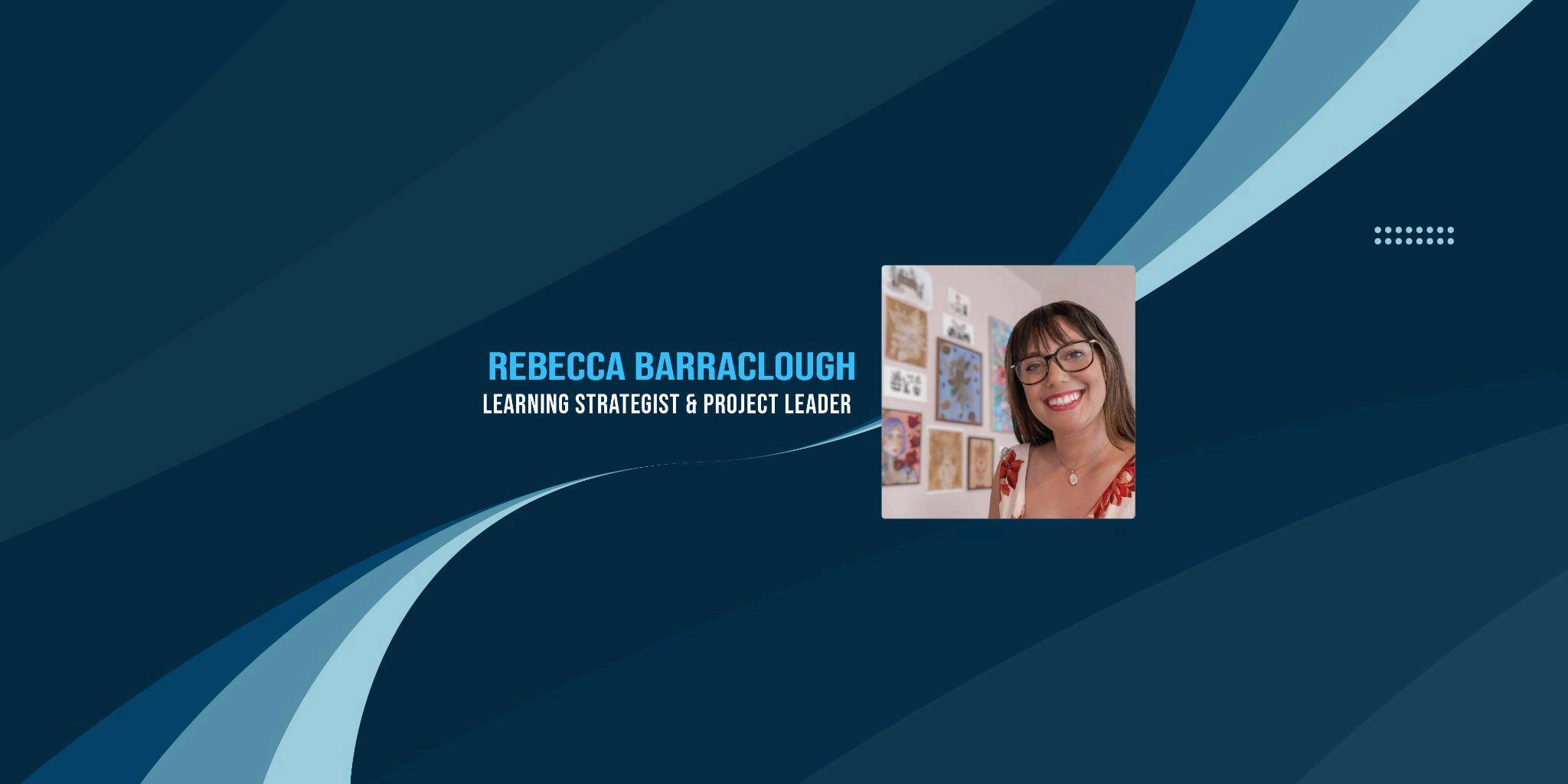
As believed by Rebecca Barraclough, as organizations expand, maintaining a consistent and engaging onboarding experience becomes increasingly challenging. A well-designed onboarding program not only integrates new employees into the company culture but also sets them up for long-term success. To create onboarding programs that scale with growth, businesses must focus on structure, technology, and adaptability
The foundation of an effective onboarding process lies in its structure. Companies should start by clearly defining the goals of onboarding—whether it’s accelerating time to productivity, improving retention, or ensuring cultural alignment. Establishing standardized workflows ensures every new hire, regardless of role or location, receives the same essential information. This consistency reduces confusion and maintains brand identity even as teams expand. Yet, flexibility within the framework allows managers to tailor experiences based on departmental needs or job levels.
Leveraging technology is essential to scalability. Digital onboarding platforms can automate repetitive tasks such as paperwork, compliance training, and introductions to company policies. These systems enable HR teams to manage larger groups of new hires efficiently while still offering personalized experiences. Incorporating learning management systems (LMS) or virtual mentorship tools helps reinforce engagement through interactive content and continuous feedback. Automation
doesn’t replace the human touch—it frees up HR professionals to focus on meaningful connections and coaching opportunities.
Another critical component is data-driven improvement. Regularly collecting feedback from new hires allows organizations to identify bottlenecks and measure success over time. Metrics such as new-hire satisfaction, time to proficiency, and early turnover rates provide valuable insights. Companies that analyze and act on these data points can continuously refine their onboarding programs to better support evolving workforce needs.
Ultimately, building a scalable employee onboarding strategy means striking the right balance between structure, personalization, and technology. Companies that invest in digital onboarding solutions, automated HR systems, and continuous learning programs can seamlessly adapt to rapid business growth By emphasizing employee engagement, culture integration, and performance enablement, organizations create a powerful onboarding experience that drives productivity, retention, and loyalty. Scalable onboarding isn’t just about welcoming new hires—it’s about building a strong, future-ready workforce that grows with the company’s vision and success.