Architectural Portfolio
Rajni Kathiriya
Rajni Kathiriya
I am a highly motivated architecture student with over 4.5 years of hands-on experience in both commercial and residential design, dedicated to shaping sustainable, transformative environments. Currently serving as a Design Intern Architect in New York, I am acquiring in-depth expertise in DOB codes, residential renovations, and building inspections. My passion lies in seamlessly merging technology with design, harnessing advanced digital tools to drive innovation and sustainability. As a resourceful and collaborative learner, I am constantly expanding my knowledge of construction processes and regulatory frameworks. I am eager to bring fresh, visionary ideas, creative problem-solving, and a dynamic approach to high-impact design teams.
Email: rajnikathiriya24@gmail.com
Contact: 929-235-5262
Portfolio link: https://issuu.com/rajnikathiriya/docs/graduate_portfolio_
Linkedin : www.linkedin.com/in/rajni-kathiriya
INTERN ARCHITECT
MAY 2024 – PRESENT
Project tactical solutions I New York
• Drafted detailed roof & floor plans, elevations, and wall sections for multiple renovation projects.
• Conducted building inspections, documented conditions, and ensured DOB compliance
• Collaborated with design managers to develop proposals and oversee contractor site visits.
JUNIOR ARCHITECT
APRIL 2023 – AUG 2023
Innovatique Architects I India
• Designed efficient and functional residential projects with working drawings and elevations.
• Developed building sections and conducted site visits for accuracy verification.
• Produced detailed sketches and collaborated with architects to ensure regulatory compliance.
JUNIOR ARCHITECT
JUN 2018 – FEB 2022
Raghuvir Builders & Developers I India
• Assisted in multiple residential, commercial, interior, and façade design projects.
• Developed 2D and 3D drawings to support new proposals and presentation visuals.
• Applied knowledge of building codes and materials for finalizing designs
INTERN ARCHITECT
JUN 2017 – JUN 2017
Kuke associates I India
• Produced working drawings and conceptualized interiors/exteriors for residential projects.
• Conducted site visits and assisted with material selection for design accuracy.
SKILLS
ABILITIES
Teamwork/Interpersonal skills
Physical model making
Hnad drawn illistrations
3d modelling / Rendering
Organized and detail oriented
MY INTEREST
Travelling
Styling
Doodling
Photography
01 Adaptive Reuse As a catalyst for urban agriculture
Gradaute 4th sem spring 2025 (current semester going project)
02 Green horizonhousing for future
Gradaute 3rd sem fall 2024
03 Vertical podsfacade proposal Gradaute 3rd sem fall 2024
05 The elevated passage - Football stadium Undergrade 9th sem fall 2018
04 Sciscape - science park Undergrade - thesis 10th sem spring 2018
06 Internship projectResidential working drawing New york spring 2025
Graduate thesis - Masters Of architecture studio
Adaptive Reuse As a catalyst for Urban Agriculture
reclaiMinG saO cristOvaO’s aGrarian leGacy
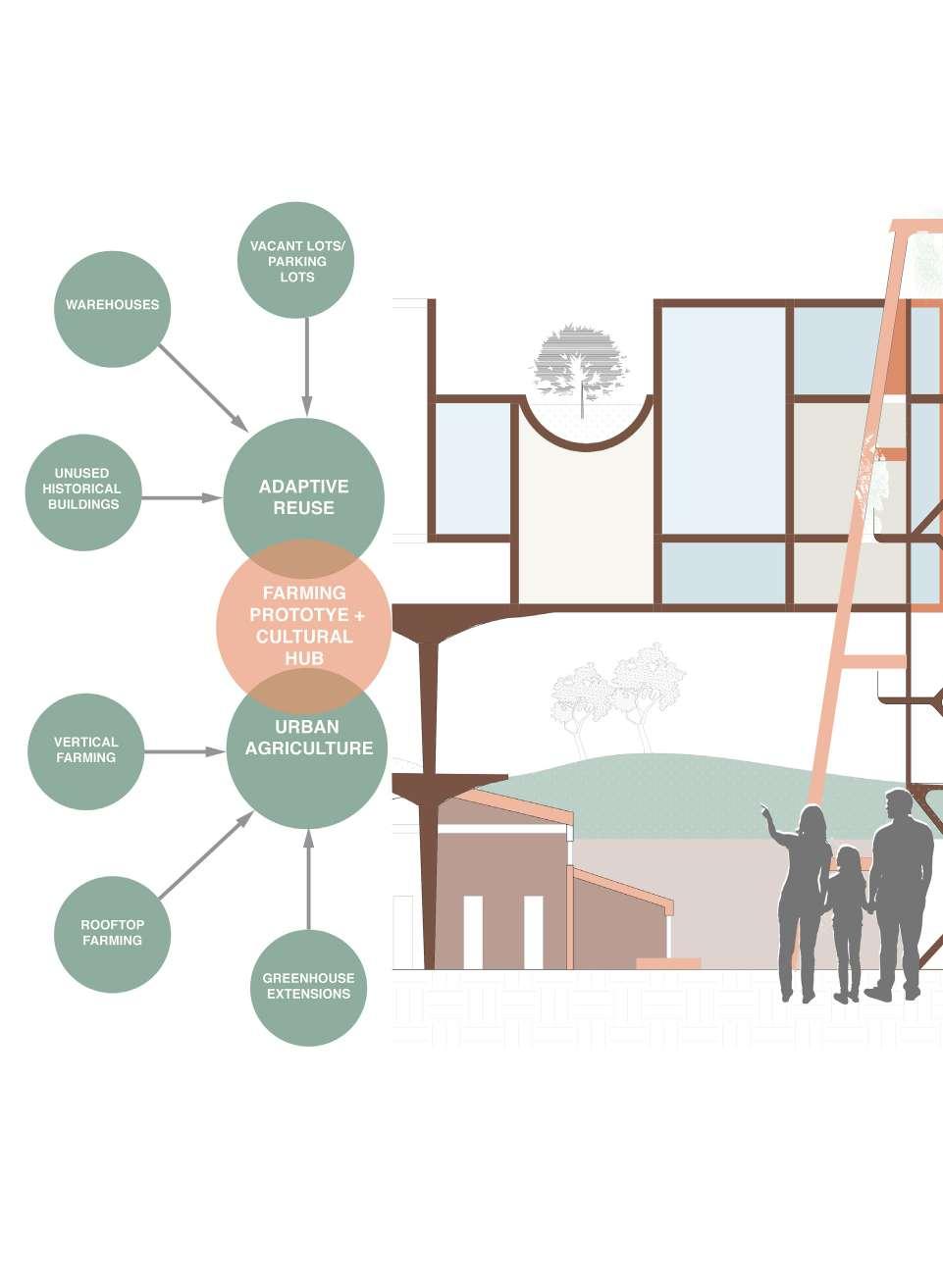
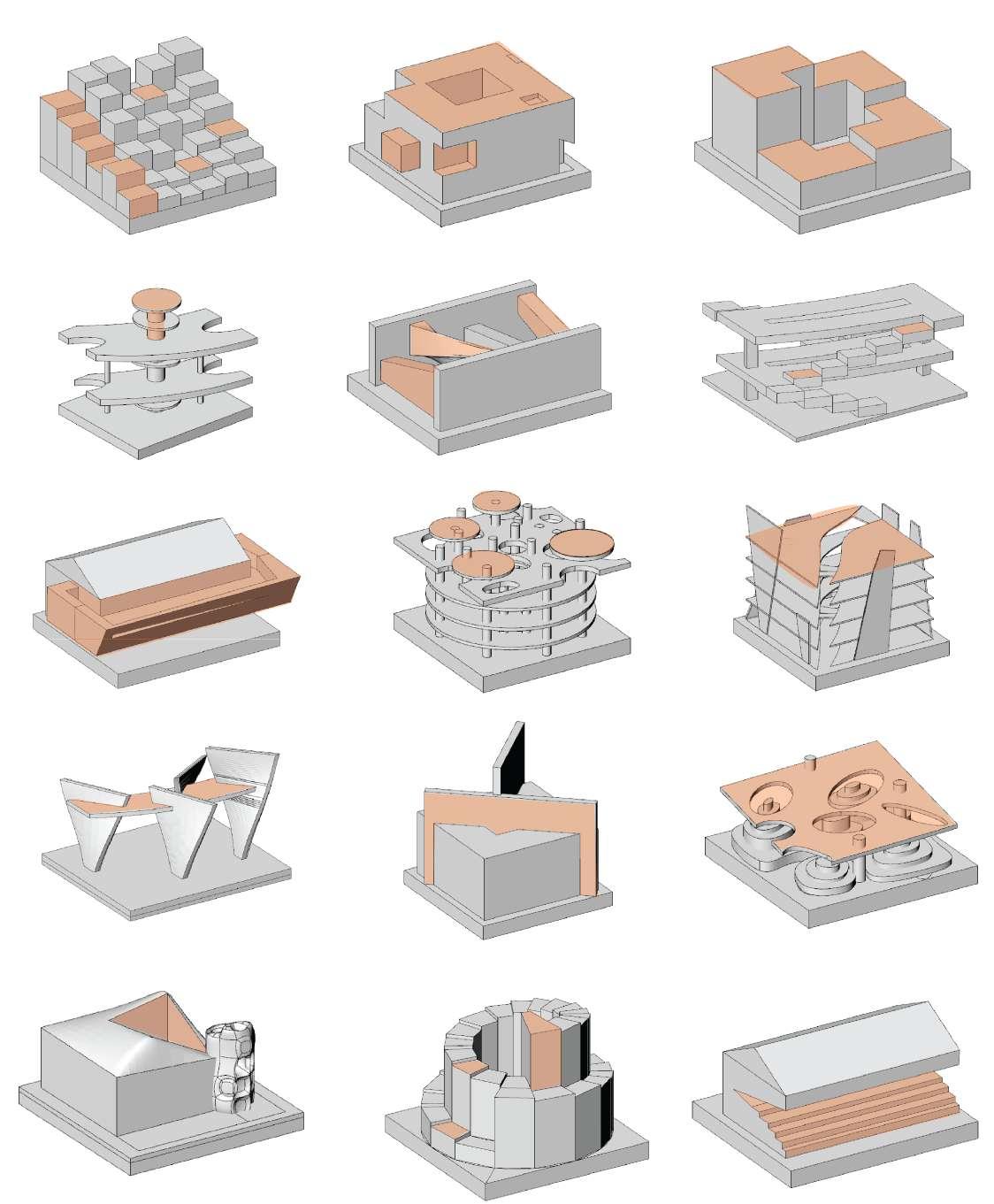
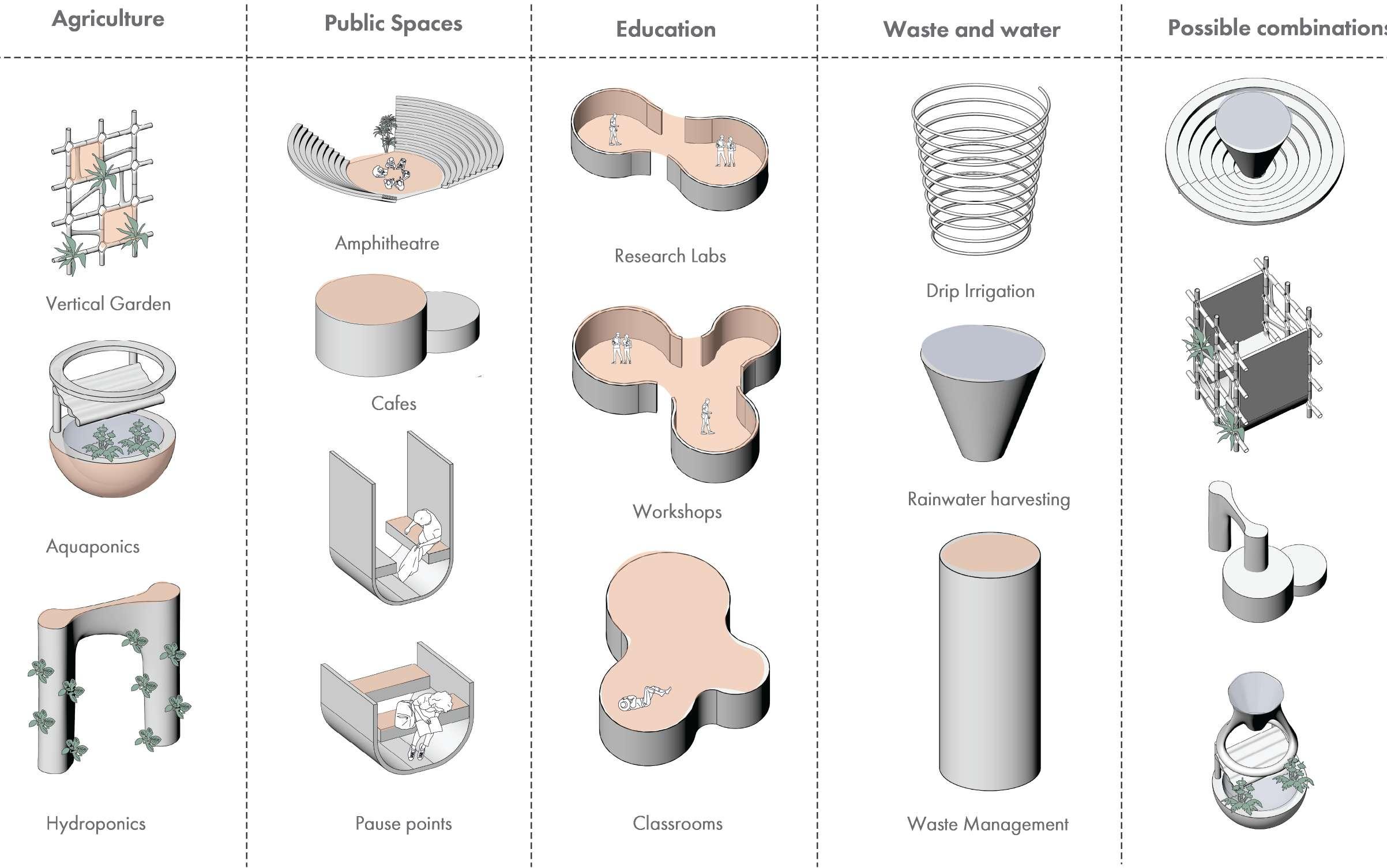
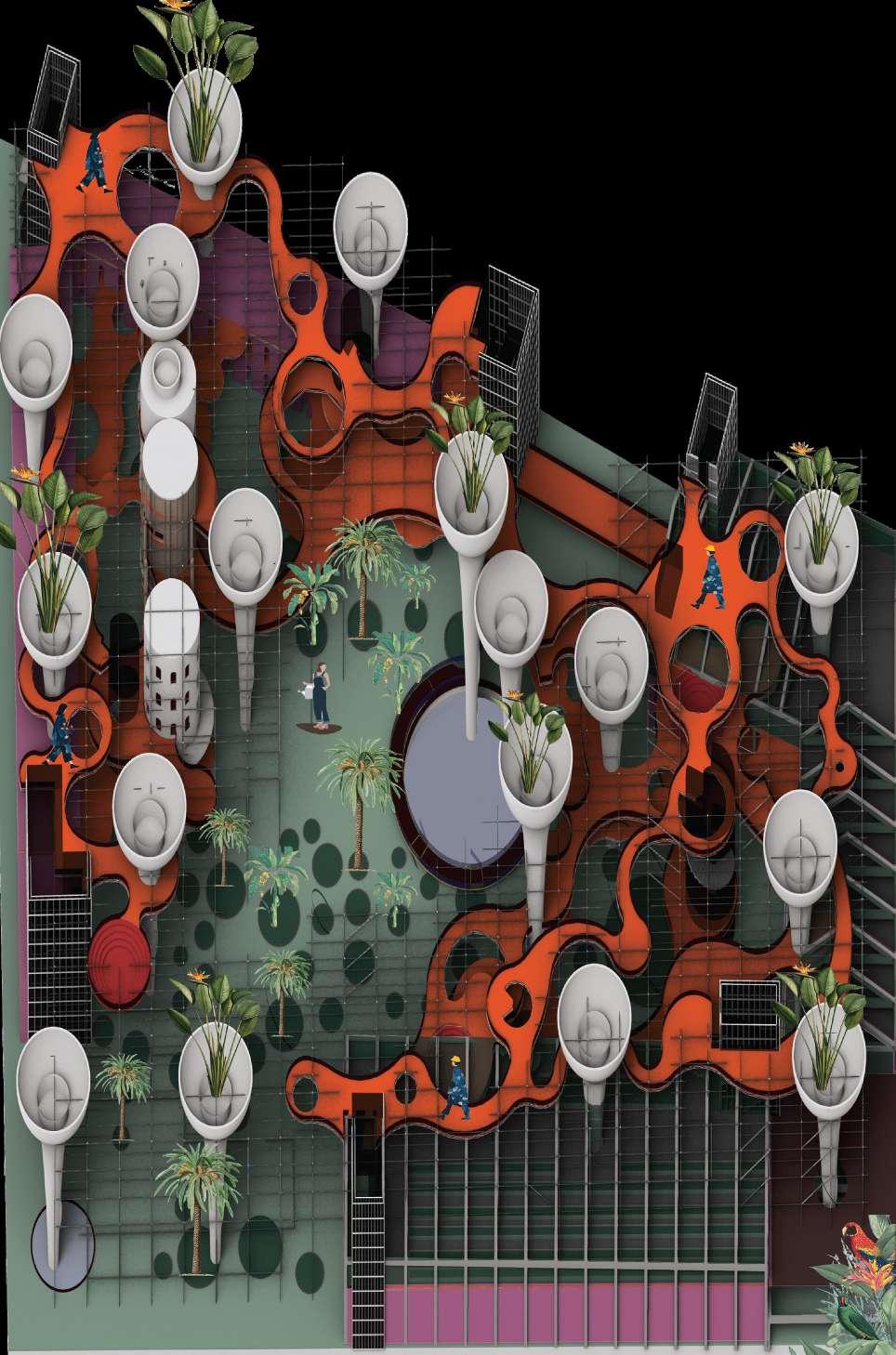
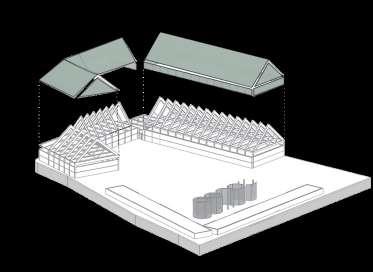
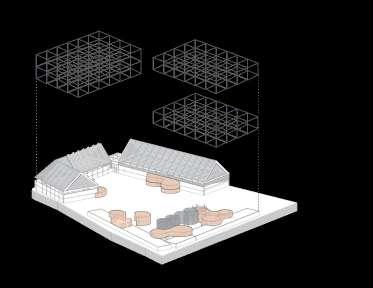
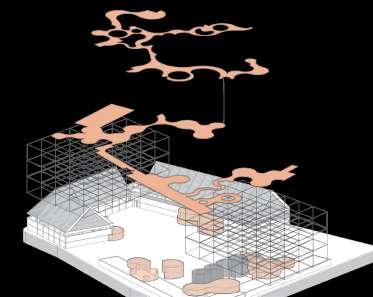
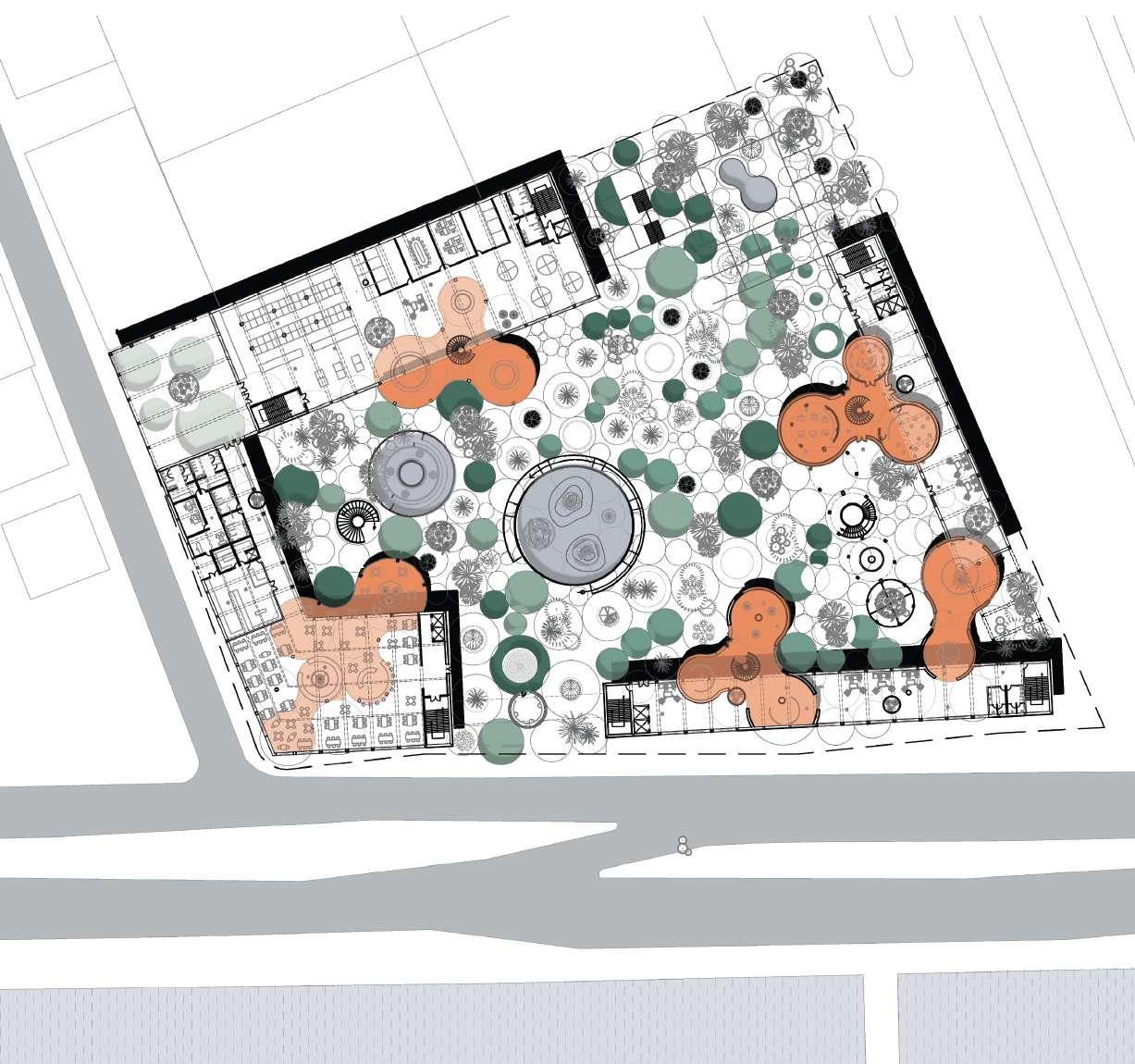
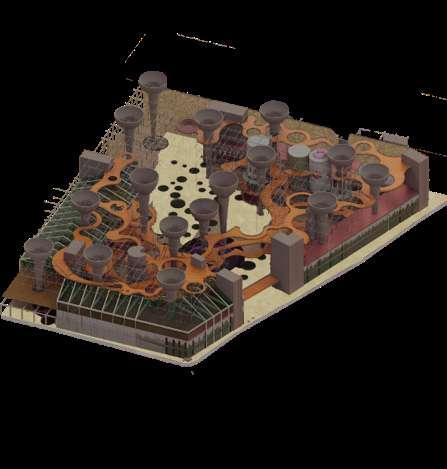
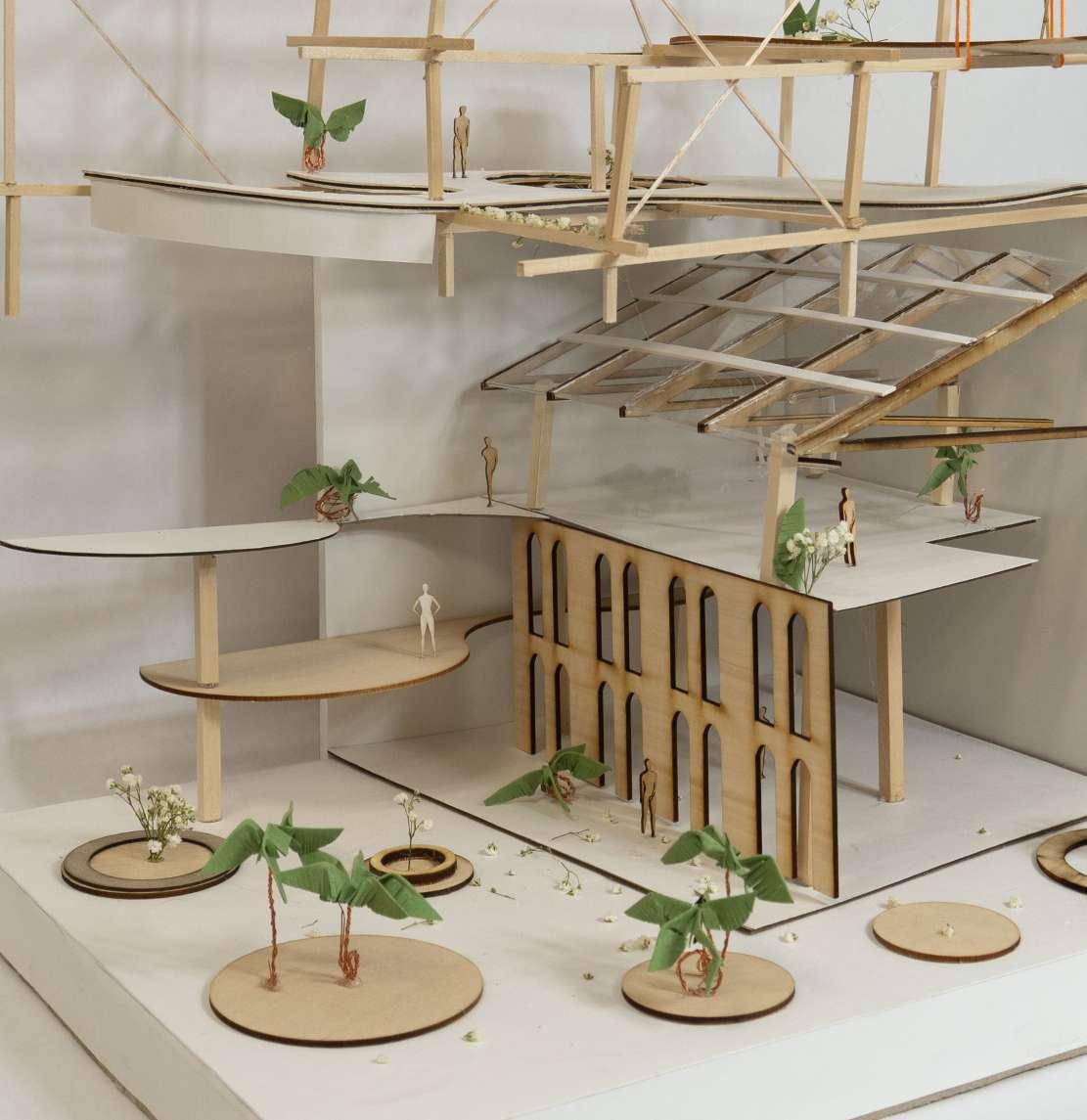
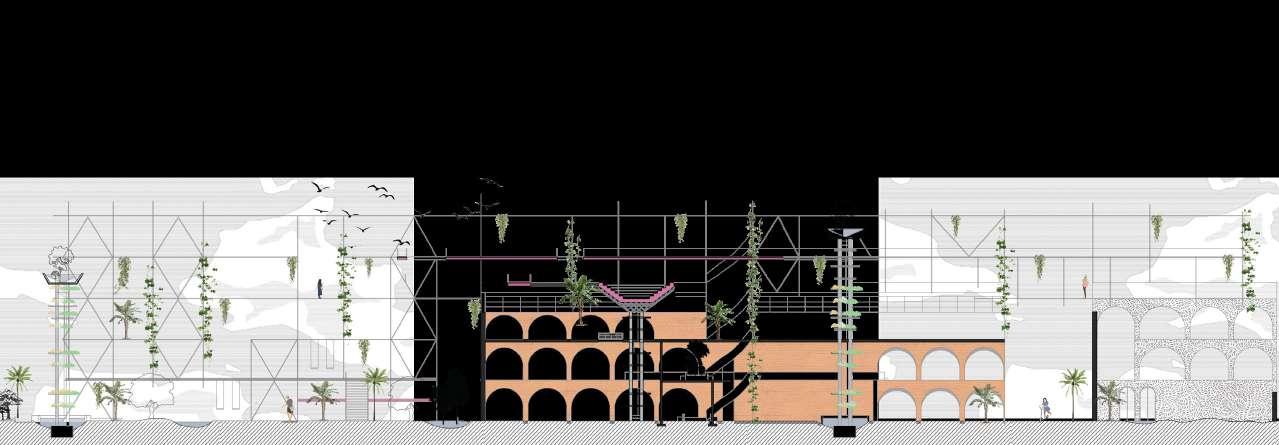
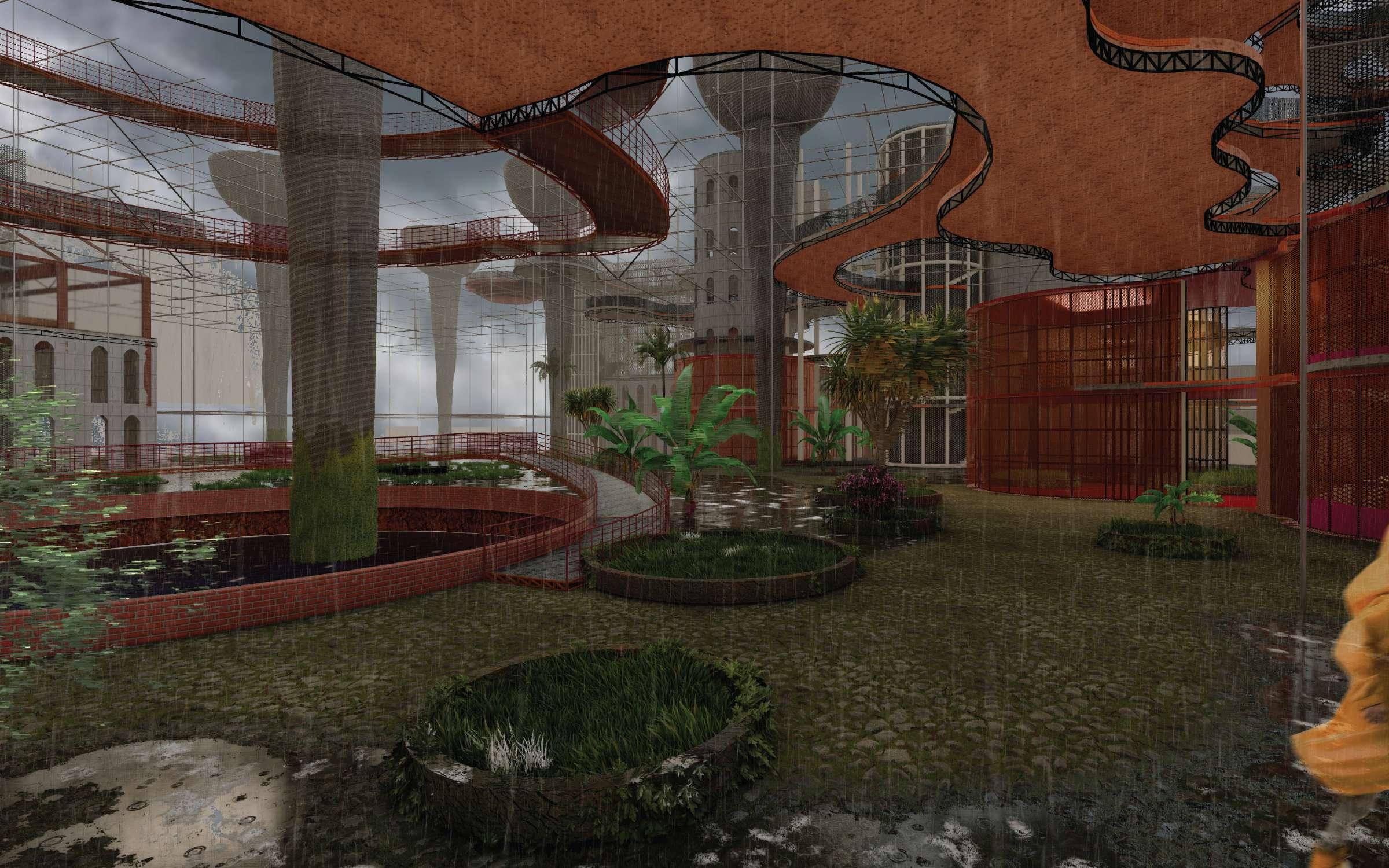
The idea behind this thesis is to explore the adaptive reuse of historical buildings in São Cristóvão, Brazil, by integrating urban agriculture to reconnect the city with its agrarian past. This project proposes repurposing heritage structures into self-sustaining cultural hubs, creating a model for food security and community engagement. By reimagining the relationship between heritage and productivity, the project hypothesizes that embedding productive landscapes within historic architecture can foster urban resilience. The goal is to establish a new paradigm that bridges tradition with contemporary sustainability, supporting an economy rooted in both cultural heritage and food sovereignty. Through innovative spatial interventions, this thesis aims to show how adaptive reuse can revitalize urban spaces while promoting sustainability, inclusivity, and community development.
4th sem, Spring 2025
Sao cristovao, rio de janeiro, Brazil
Group work with Aneesha muthuraj
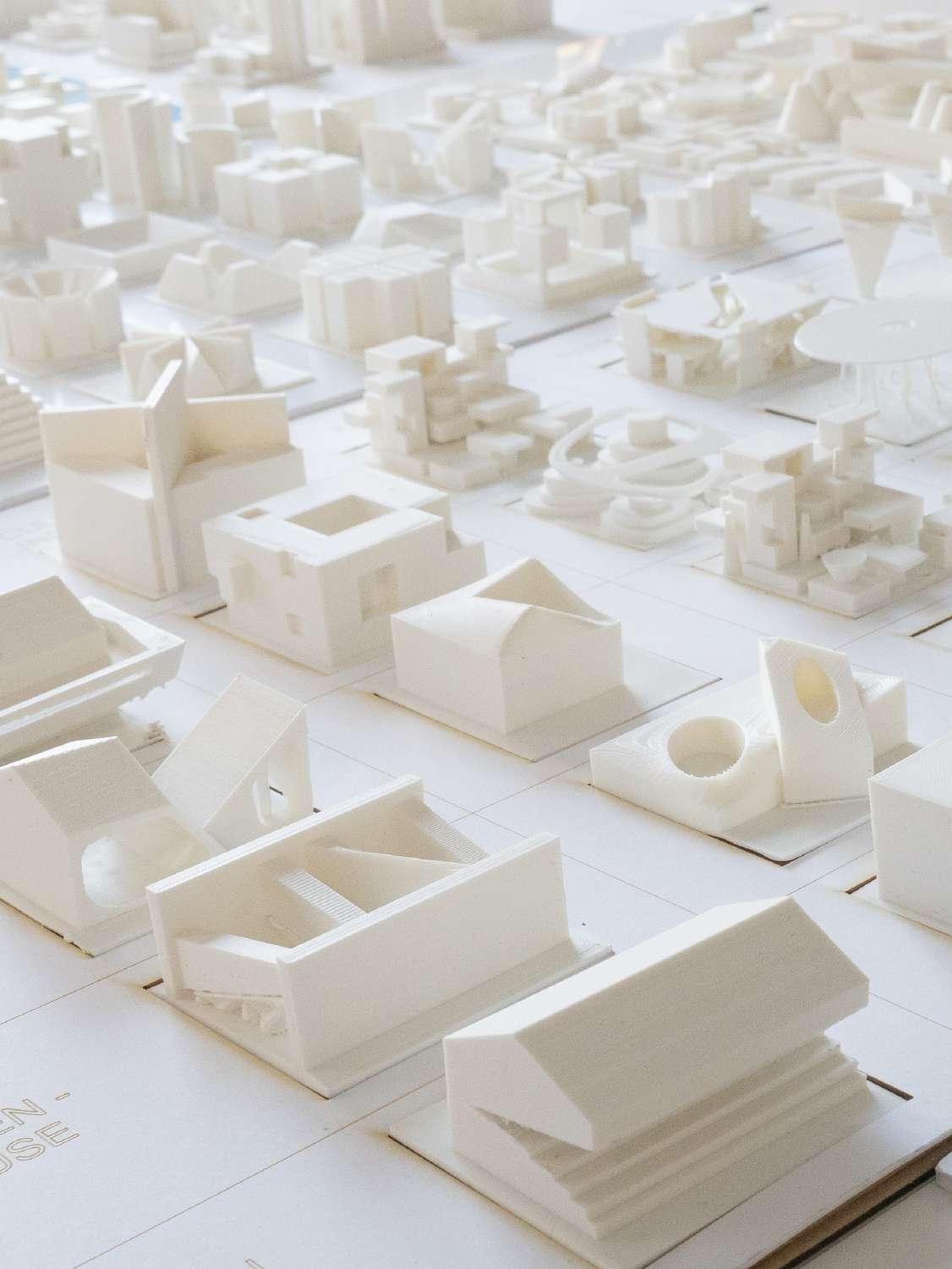
Physical models
oblique section/conceptual diagrams/ ground floor plan
Masters Of architecture studio
GREEN HORION -Housing for the future
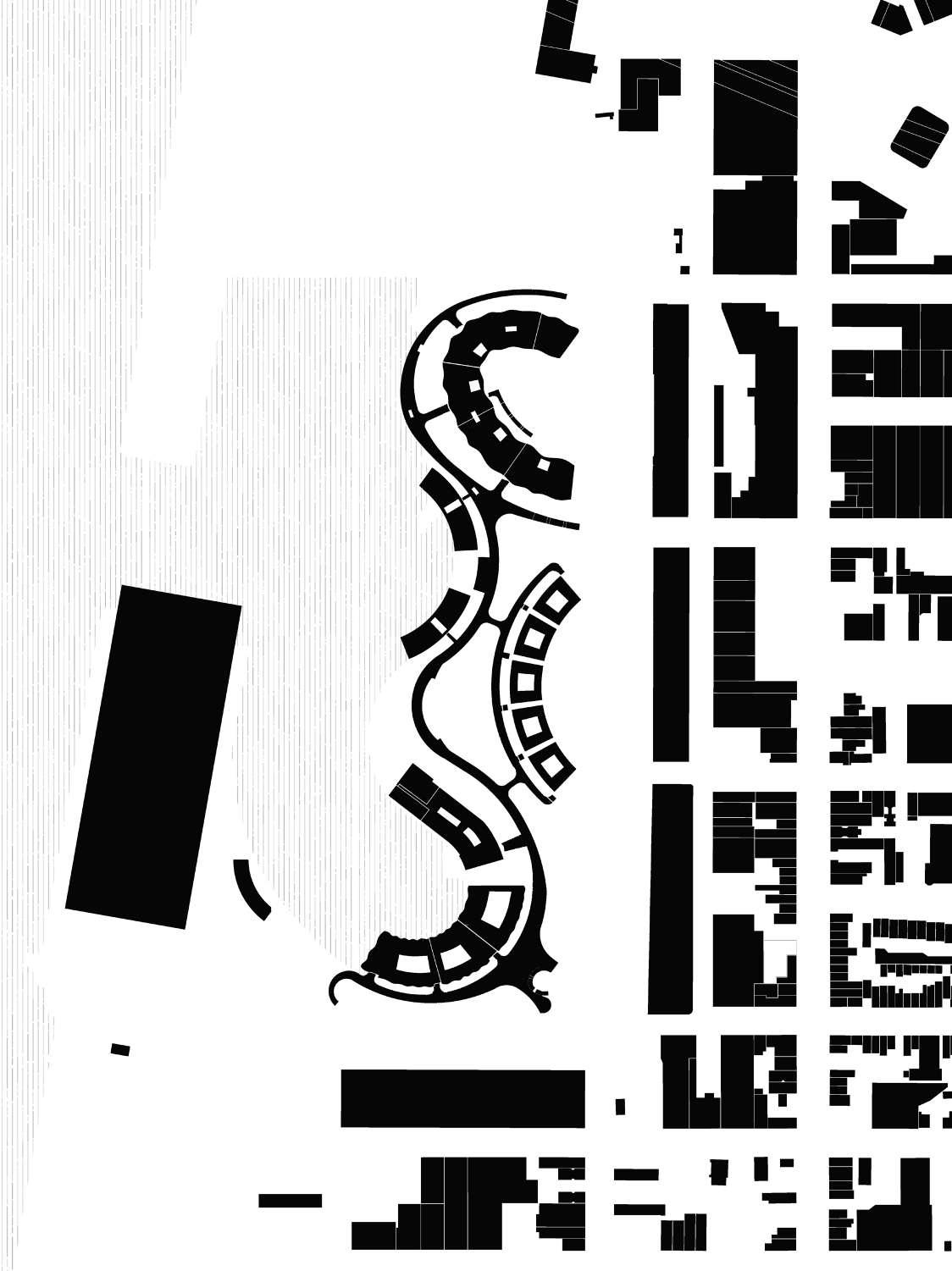
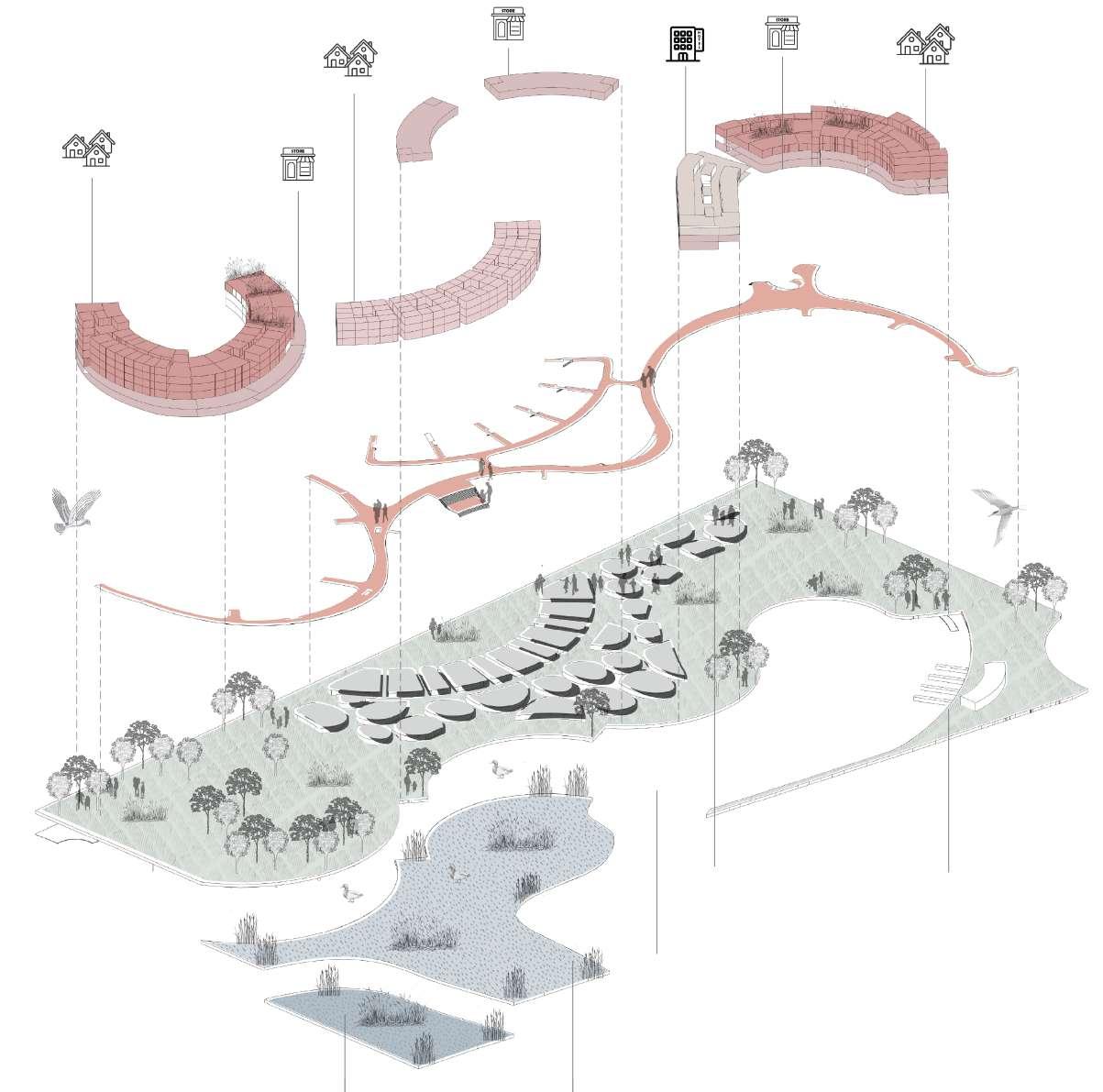
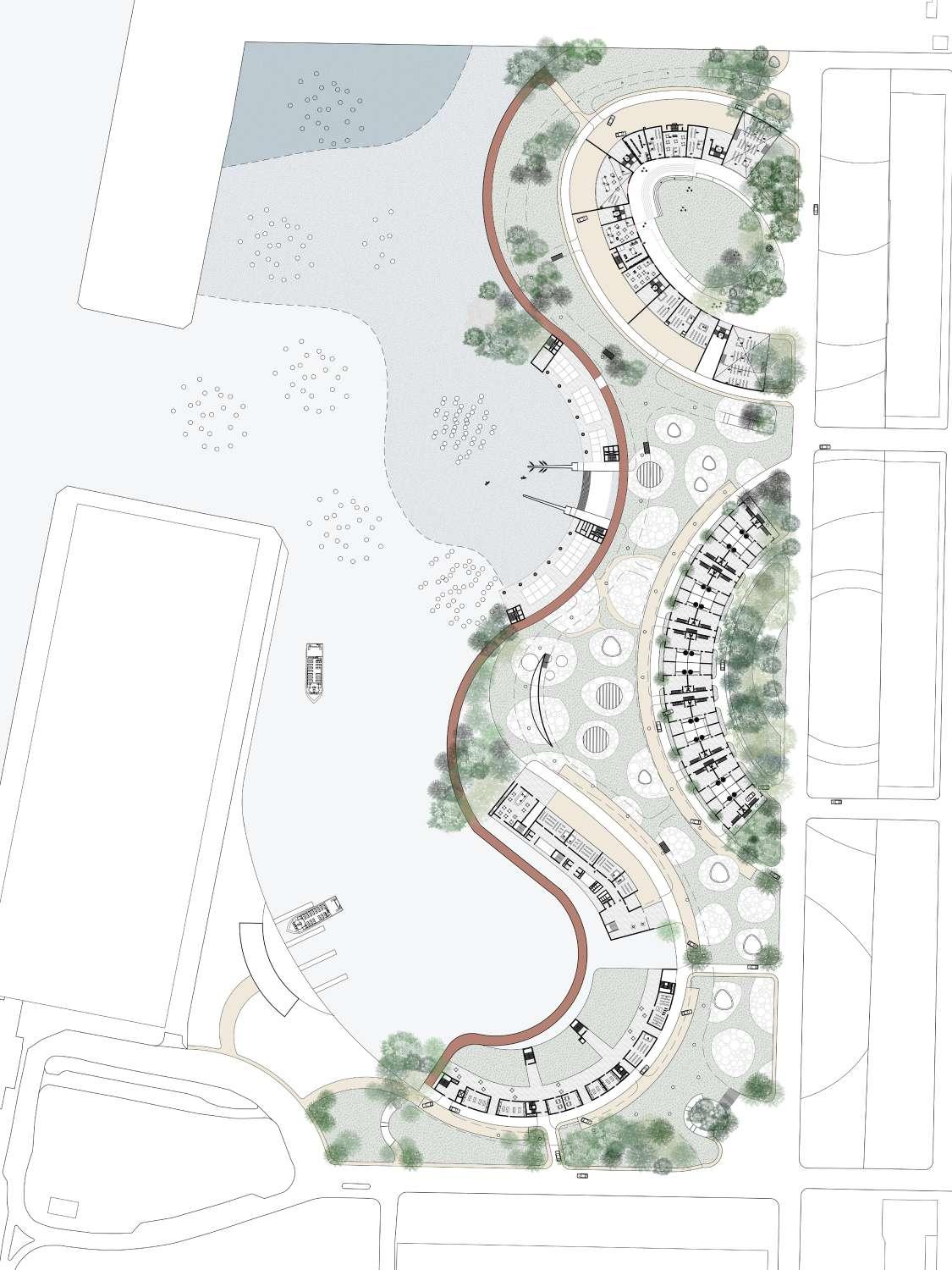
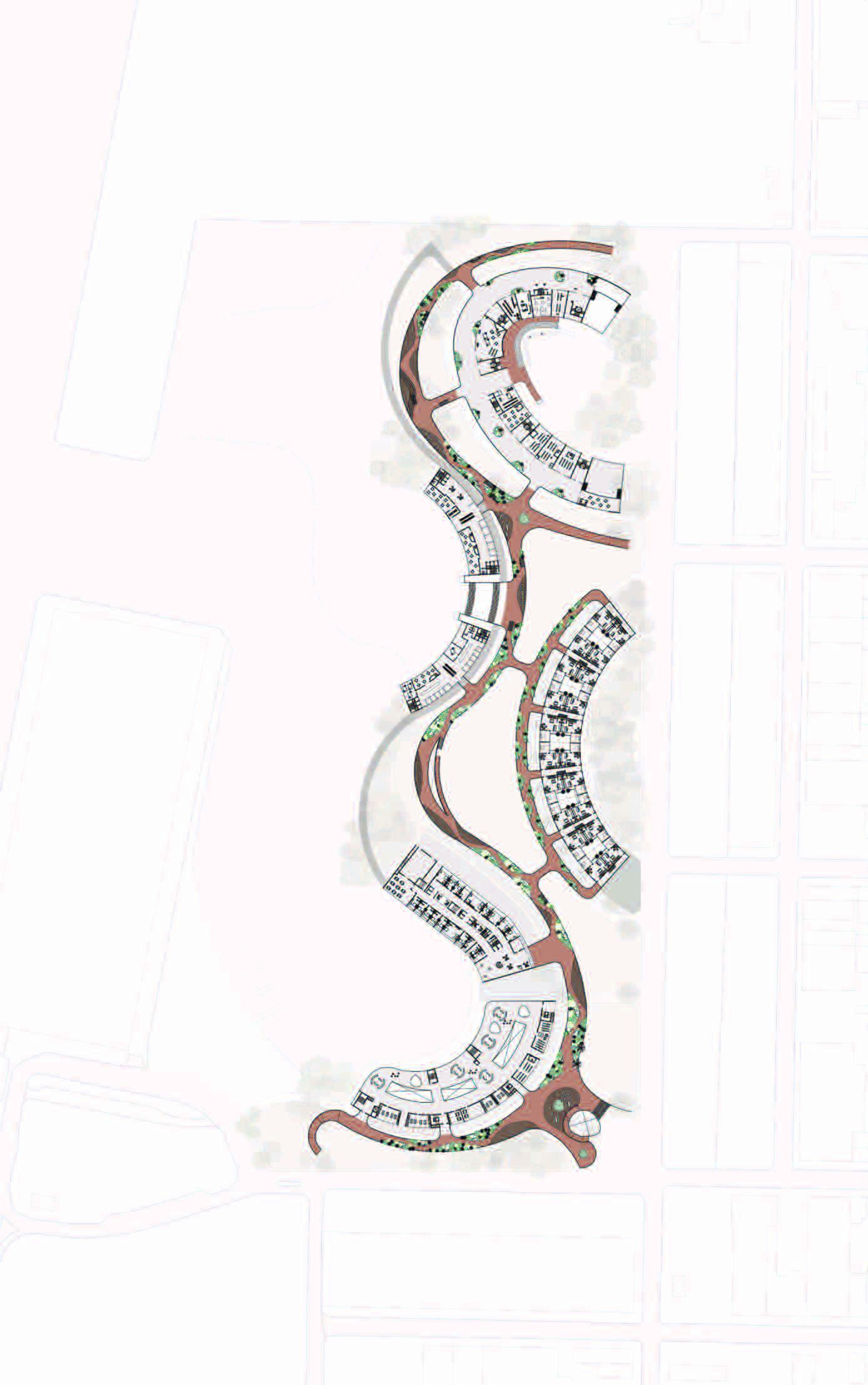
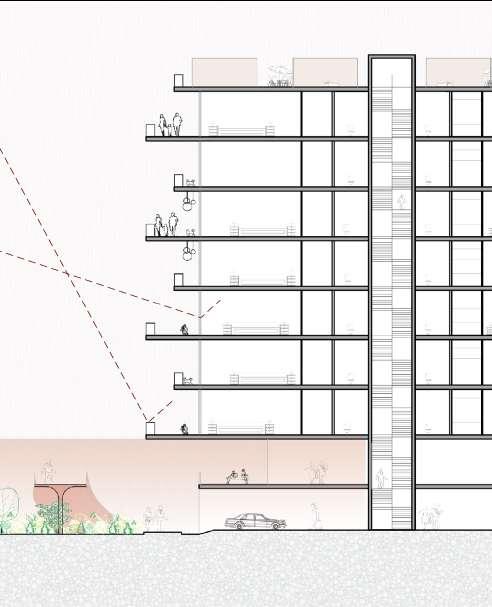
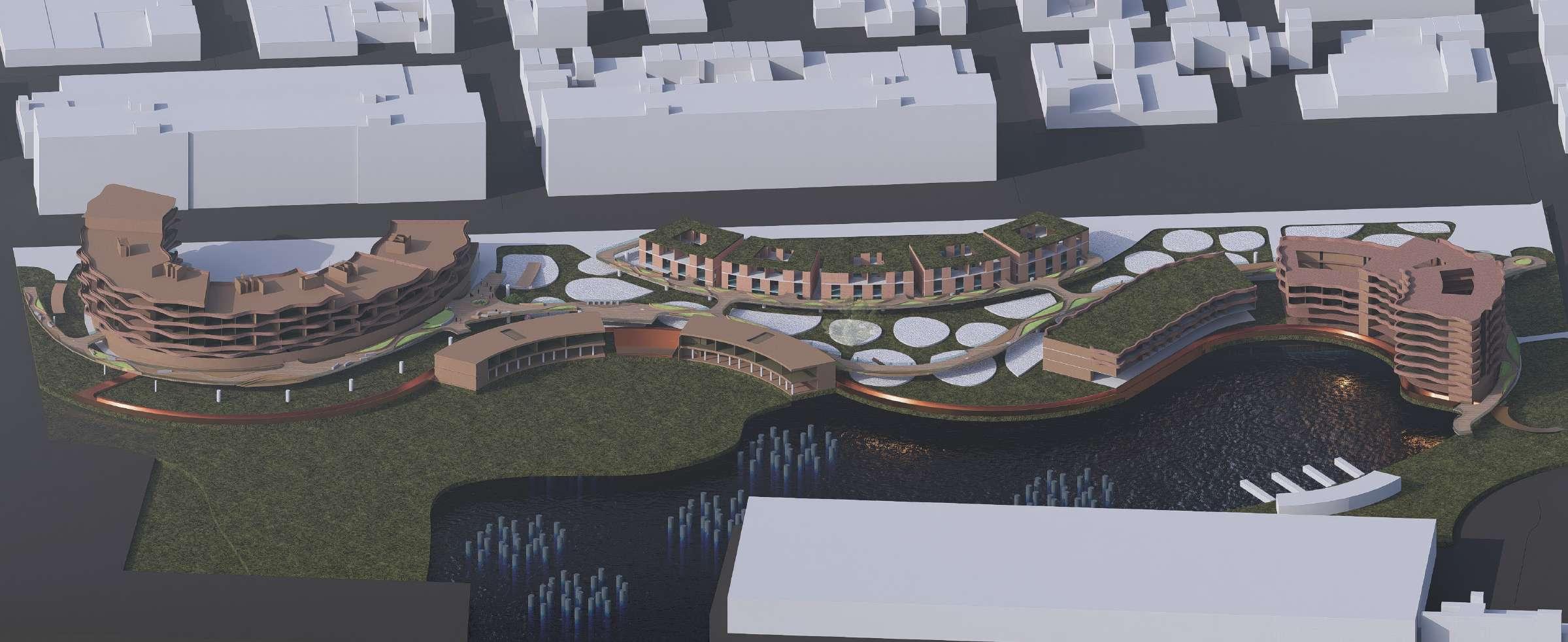
This studio project focuses on affordable housing in Red hook, Brooklyn, by integrating sustainable design with the neighborhood’s industrial history. The design elevates the housing on a steel platform to mitigate flood risks while freeing up ground space for public areas. Mixed-use spaces, such as local businesses, co-working hubs, and community centers, foster economic growth and social interaction. The project incorporates sponge landscapes and oyster farming to enhance environmental resilience. Green spaces throughout the site promote well-being and ecological balance. Buildings are strategically placed to connect the street and waterfront, revitalizing urban engagement. Ultimately, the project creates a vibrant, inclusive community that balances sustainability, heritage, and climate resilience.
3rd sem, Fall 2024
Red hook, brooklyn, New york
Group work with Aneesha muthuraj
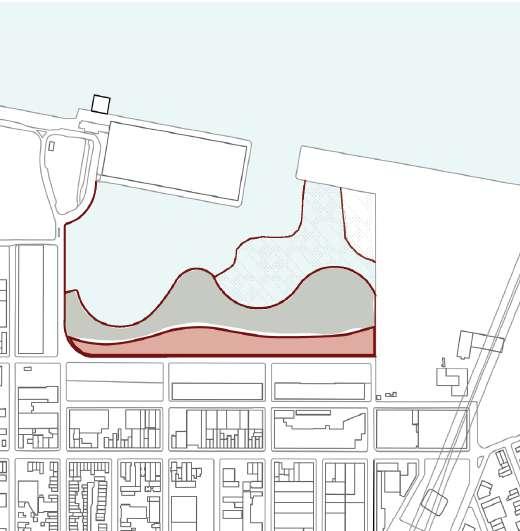
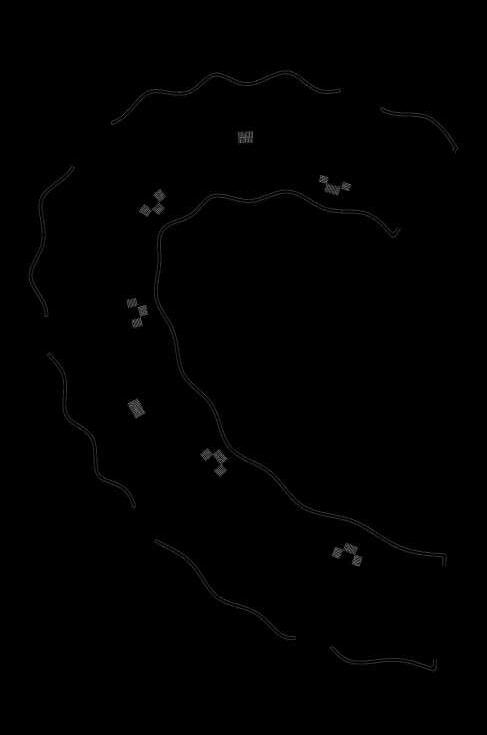
Dividing the site into 3 parts - Hardscape, sponge landscape, marshlands
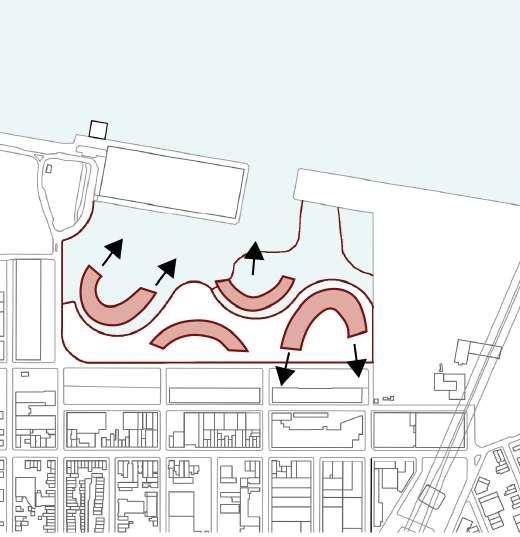
Orienting the building based on the sun and wind analysis and maximizing the views to the waterfront
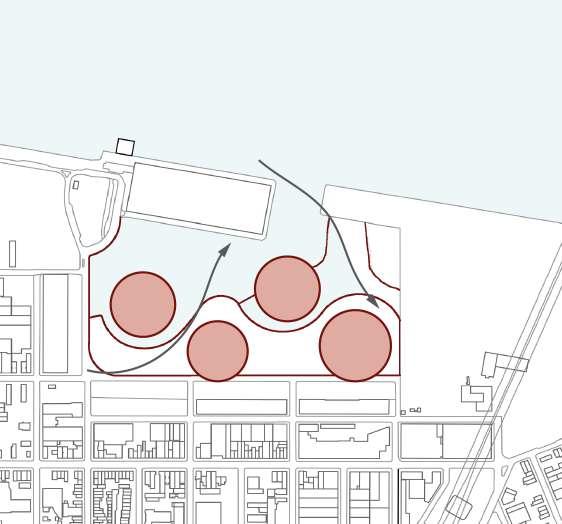
Circular buildings inspired from grain silos that were found in Industrial Redhook. Staggered to maintain the connection to waterfront.
Raising the building above the flood zone and connecting them with a platform that serves as the new public realm
Planned wetlands
Wetlands with viewing deck
Proposed oyster farms for stromwater mitigation Raised platform for urban activities
Increased permeability between built and unbuilt spaces
Site section
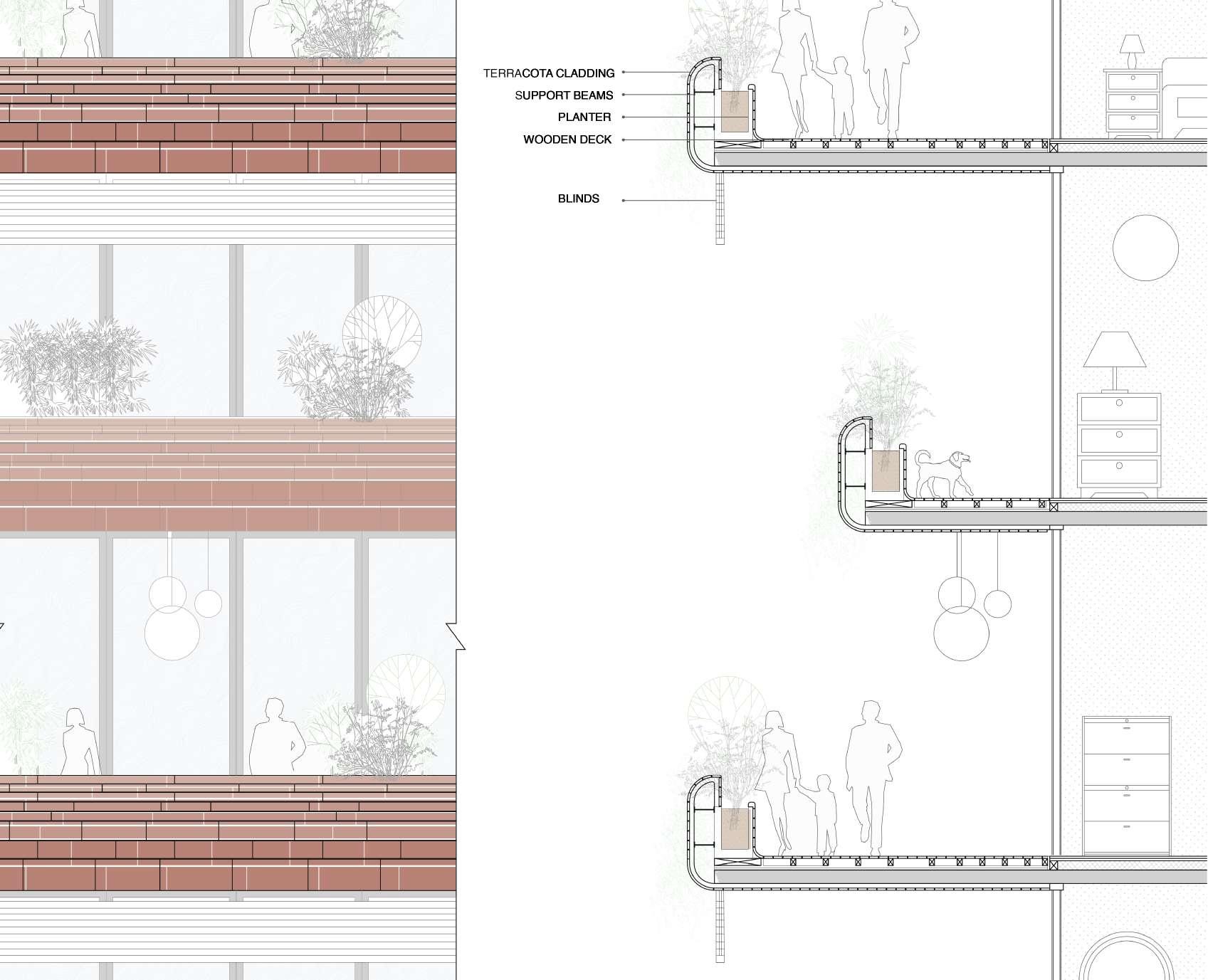
Building section of residential unit
Building floor plan of residential unit
Social spaces near the core encourages social interactions
Reusing the materials from demolished buildings
Flexible open space that exchanges community development ans encourages social interaction
Using
townhouses
Masters Of architecture - Building system
GREENSCAPE PODS
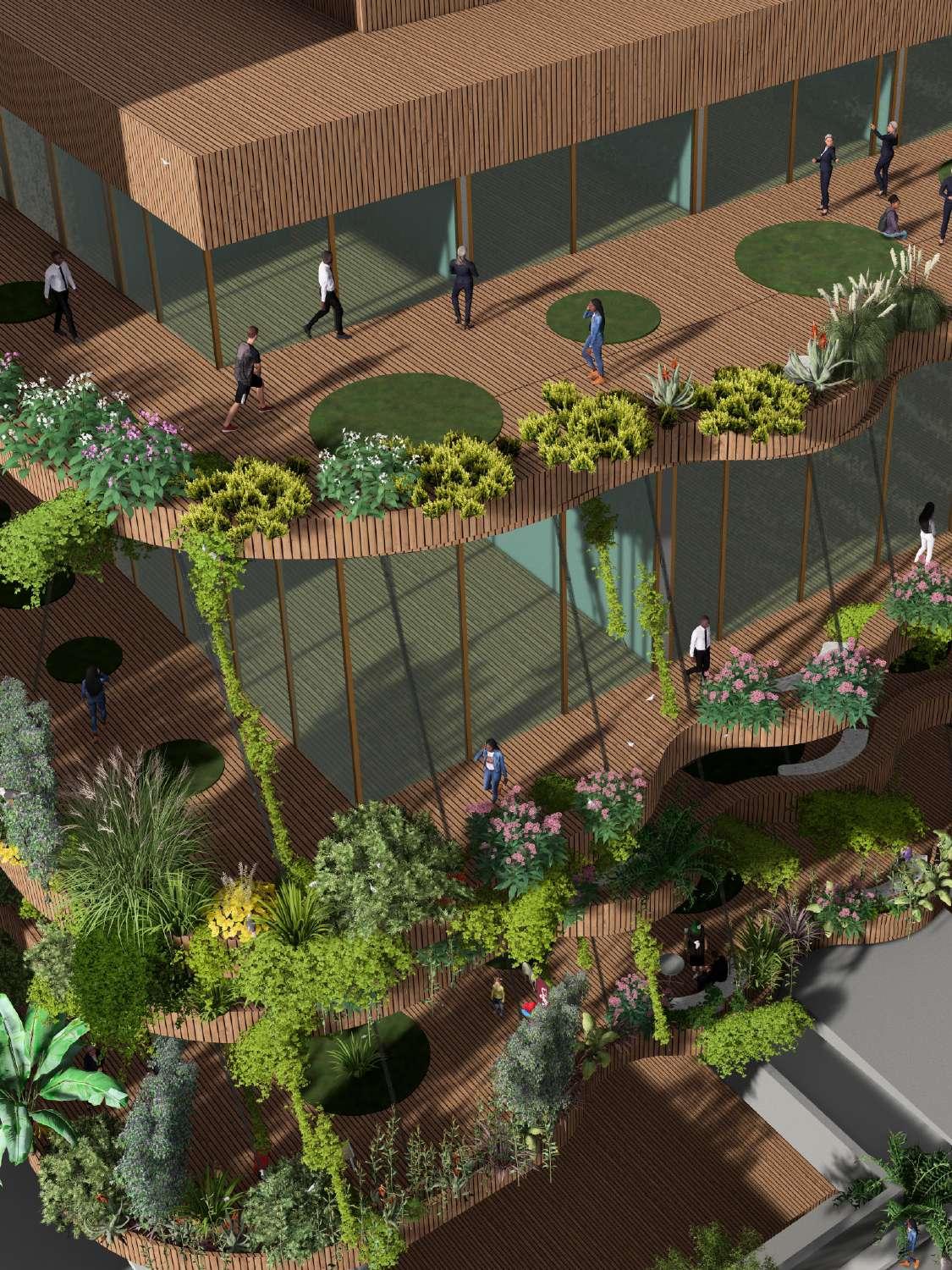
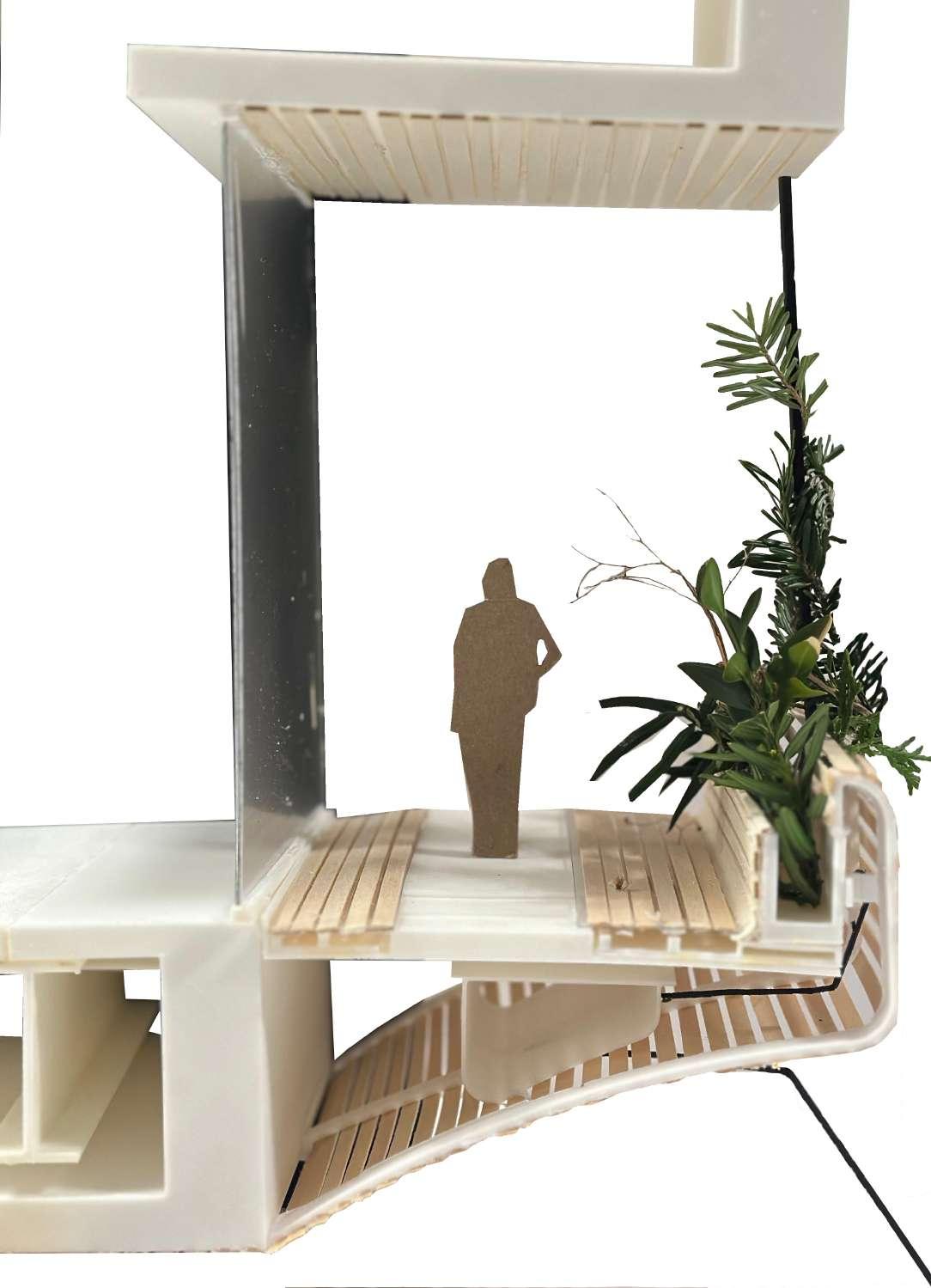
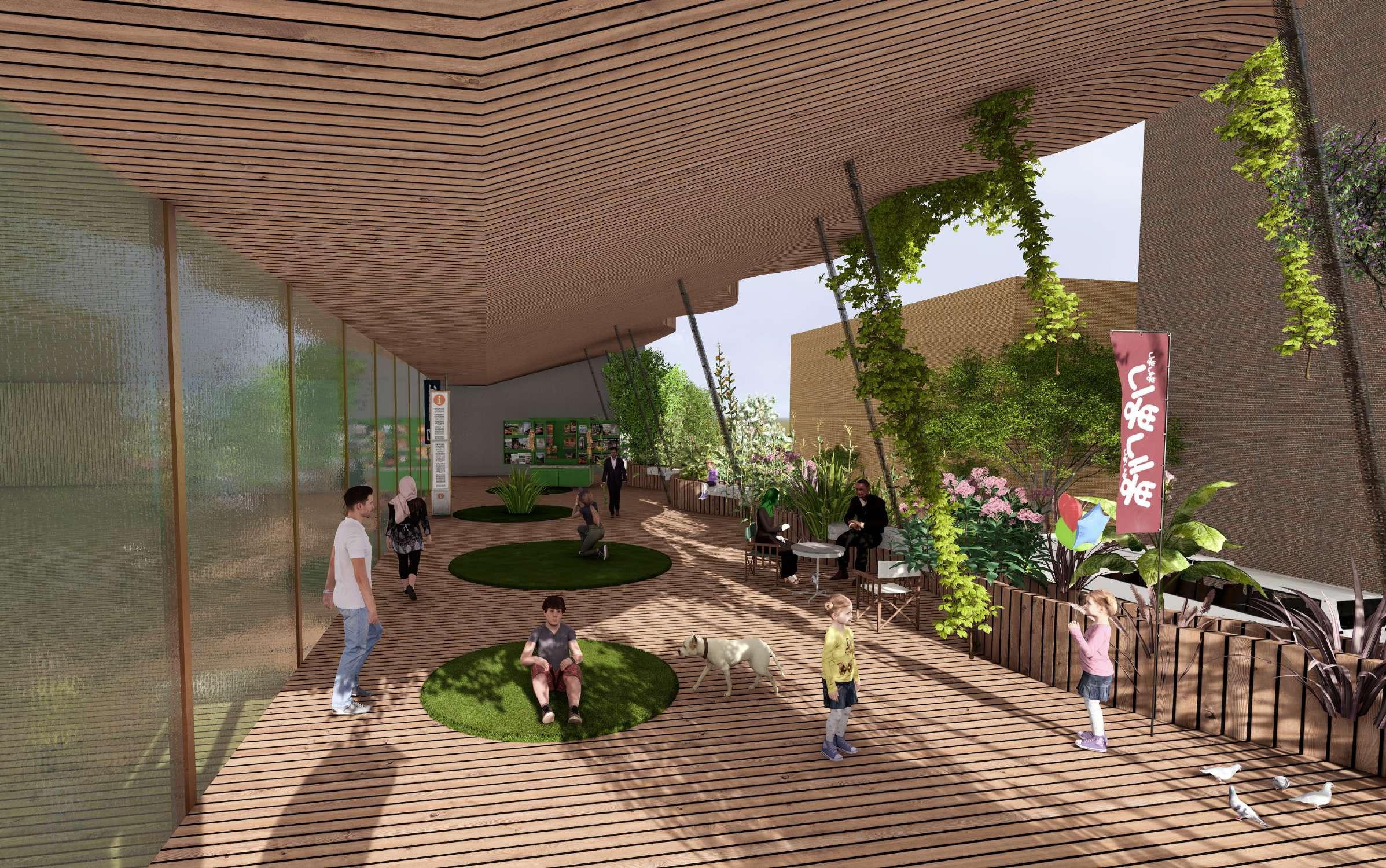
The proposed façade design for the Whitney Museum draws inspiration from the surrounding neighborhood’s artistic and architectural diversity, aiming to create a climate-responsive, visually dynamic, and sustainable structure. Expansive glass panels replace traditional exterior walls, enhancing transparency, natural light, and a connection to the environment. A multifunctional platform serves as a recreational space, while vertical green facades allow for seasonal transformation, offering a living, evolving aesthetic. The use of wood and Corten steel adds tactile contrast, enriching the building’s visual appeal. Rainwater harvesting on the platform sustains the green facades, contributing to environmental sustainability. This design seeks to blend artistic expression with functionality and ecological responsibility, enriching both the architectural experience and the urban landscape.
3rd sem, Fall 2024
Madison ave, New york (Proposal for whitney museum facade) Group work with Devangi hinglokwala
Wooden/ corten steel cladding
Wooden/ corten steel cladding
planters
Glass panel
underground study thesis project
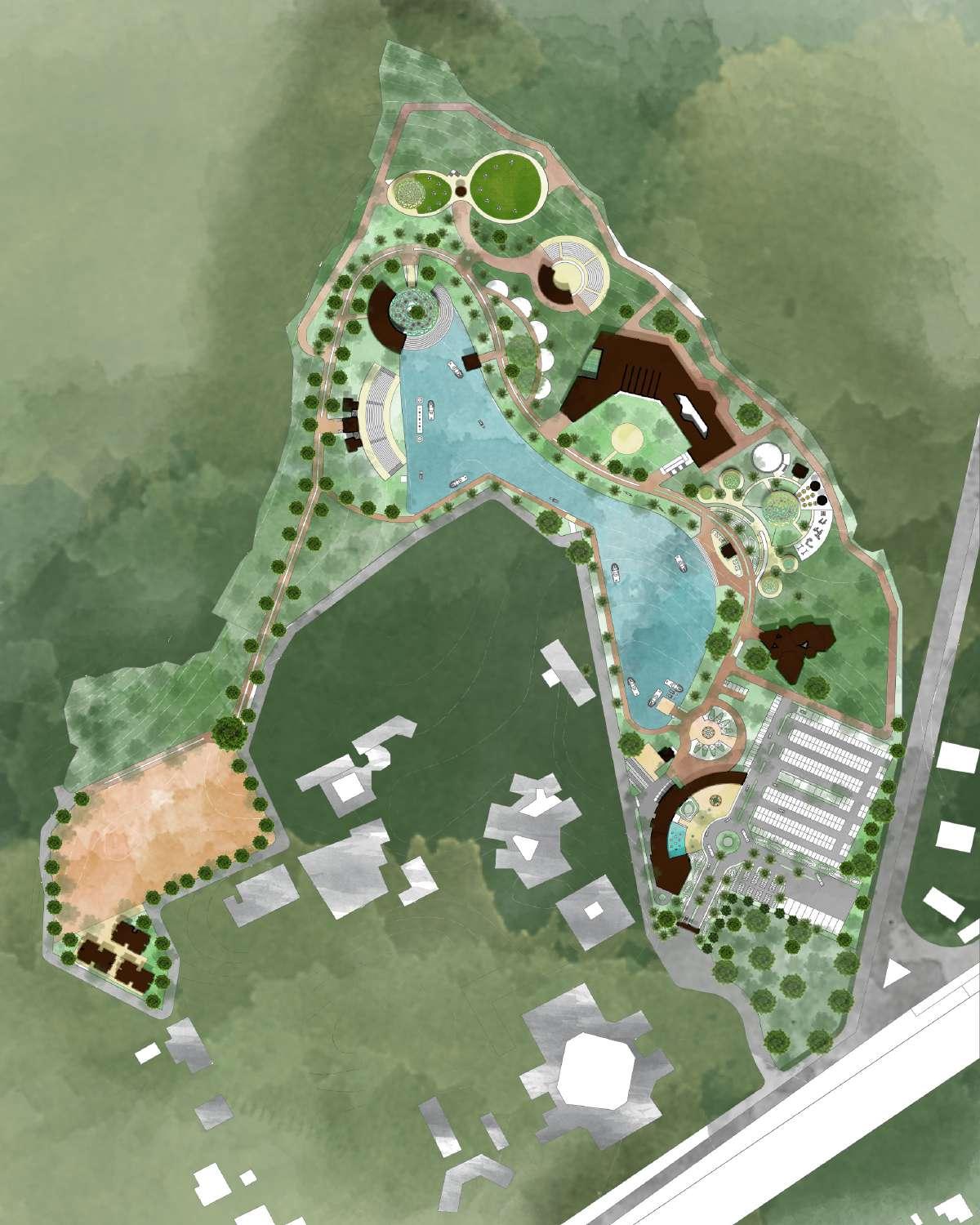
Sciscape - science park
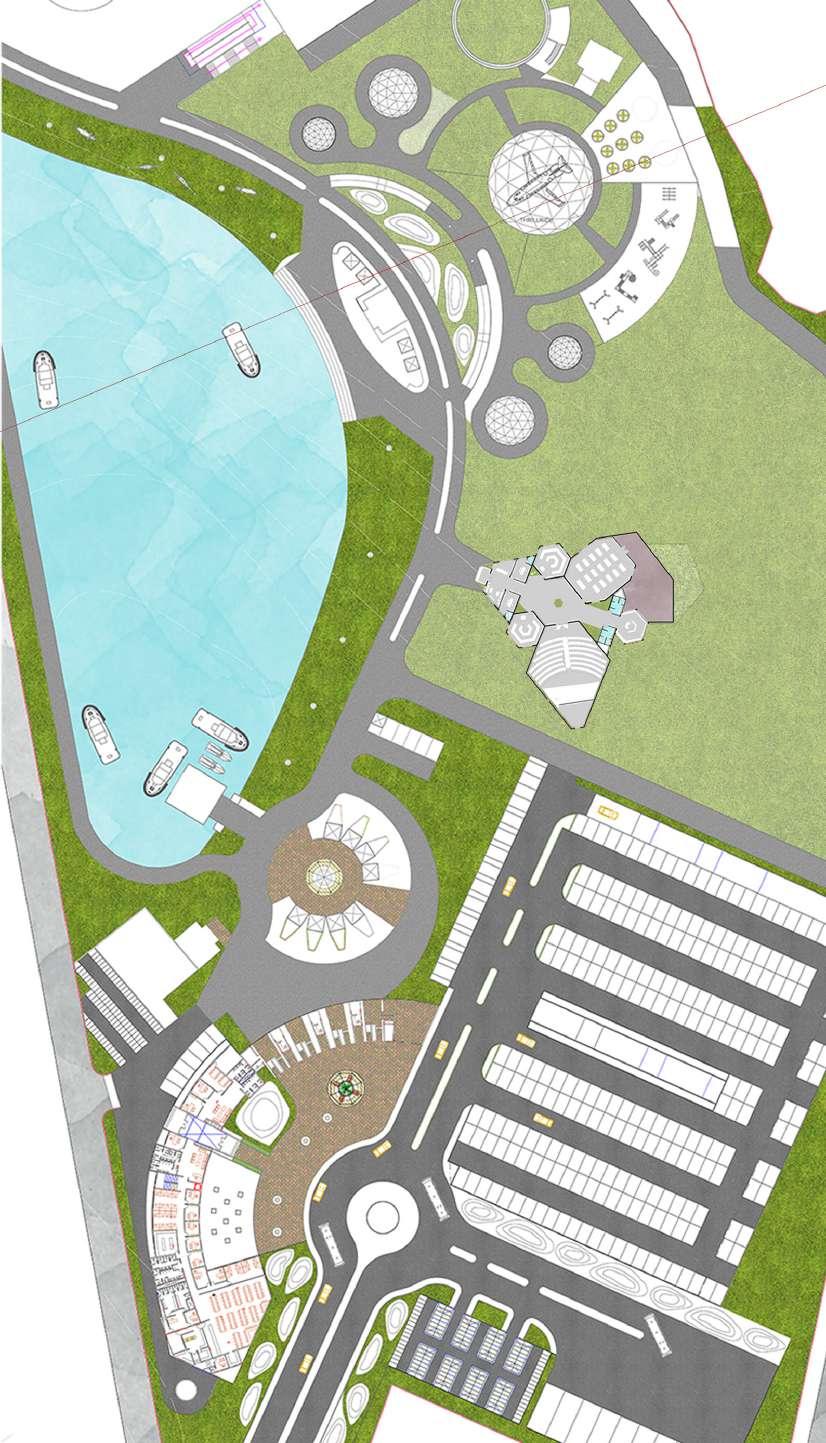
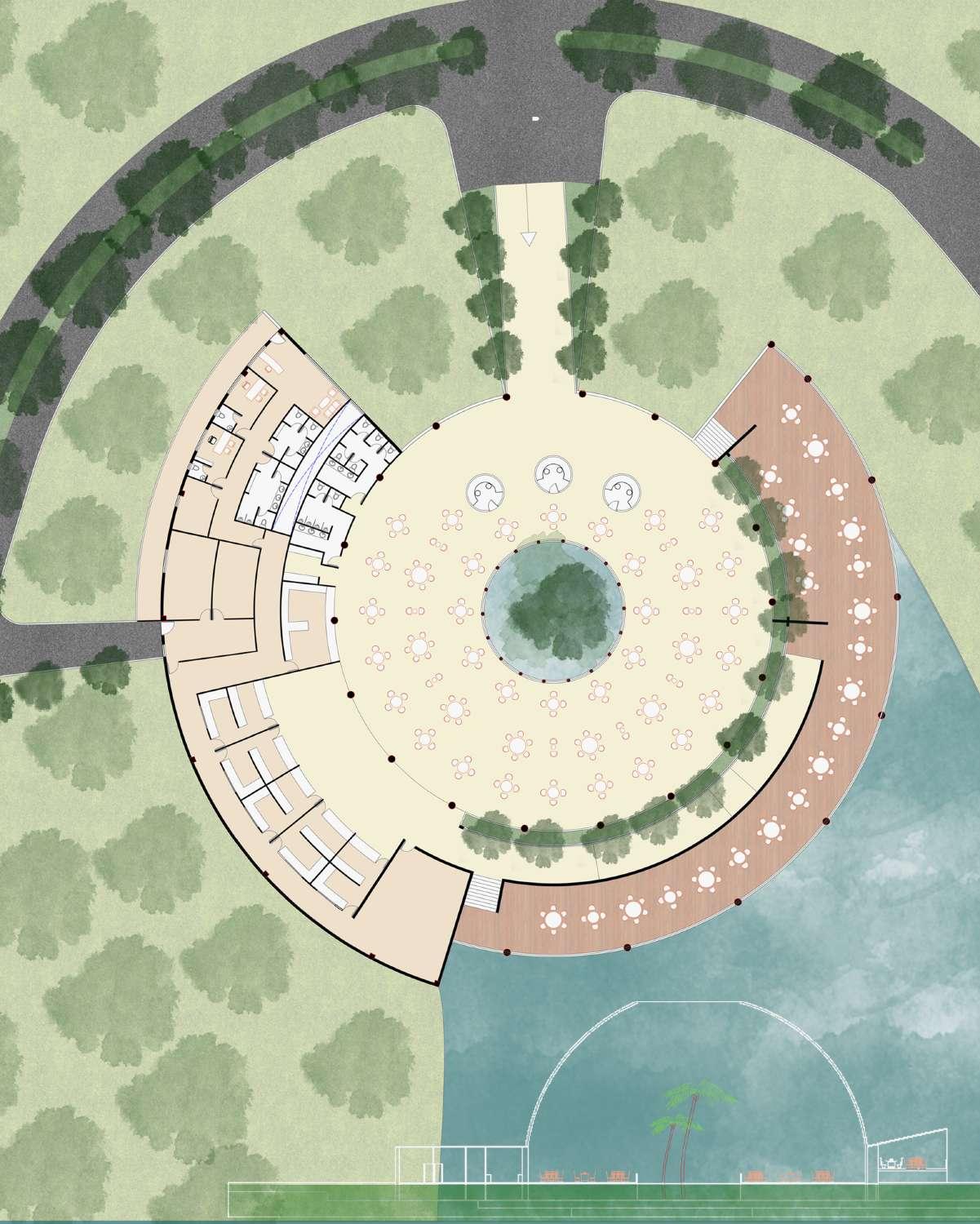
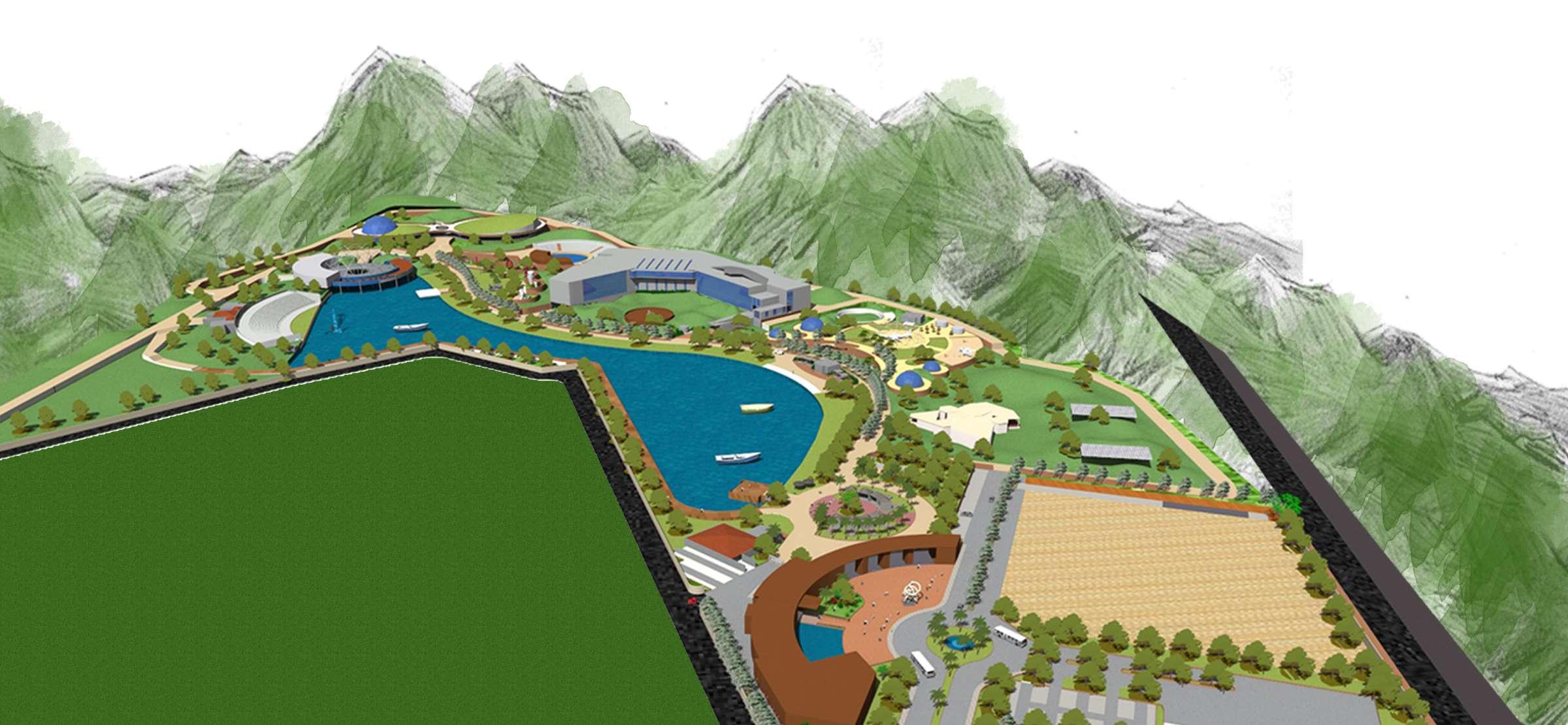
Set amidst the scenic Kharghar Hills, this thesis explores the potential of creating a Science Park as a multi-generational learning and recreational space. Guided by the question, “Can all age groups enjoy and learn together in one space?”, the design seeks to break age barriers by fostering curiosity, discovery, and interaction across generations.
The park is envisioned as an outdoor learning landscape, where education meets environment. Carefully placed structures respond to the site’s natural contours, offering stunning views year-round—especially during the monsoon season, when the landscape transforms. The project includes interactive exhibits, workshops, and activity zones, creating a self-sustaining educational hub that attracts schools and the wider public alike. Here, science becomes an experience—not limited by age, but amplified by environment.
10th sem,spring 2018
Mumbai,India
ungerground study studio project
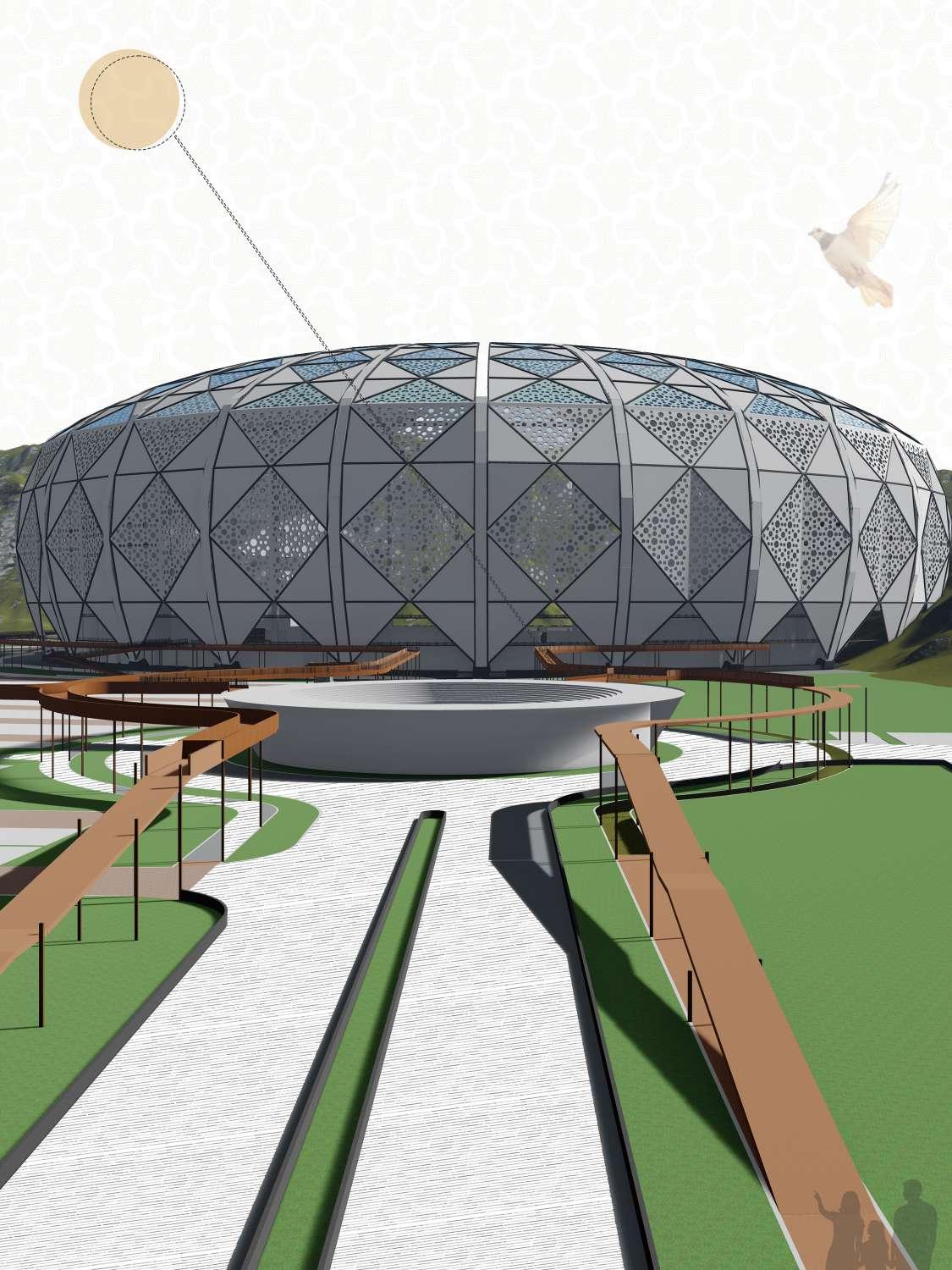
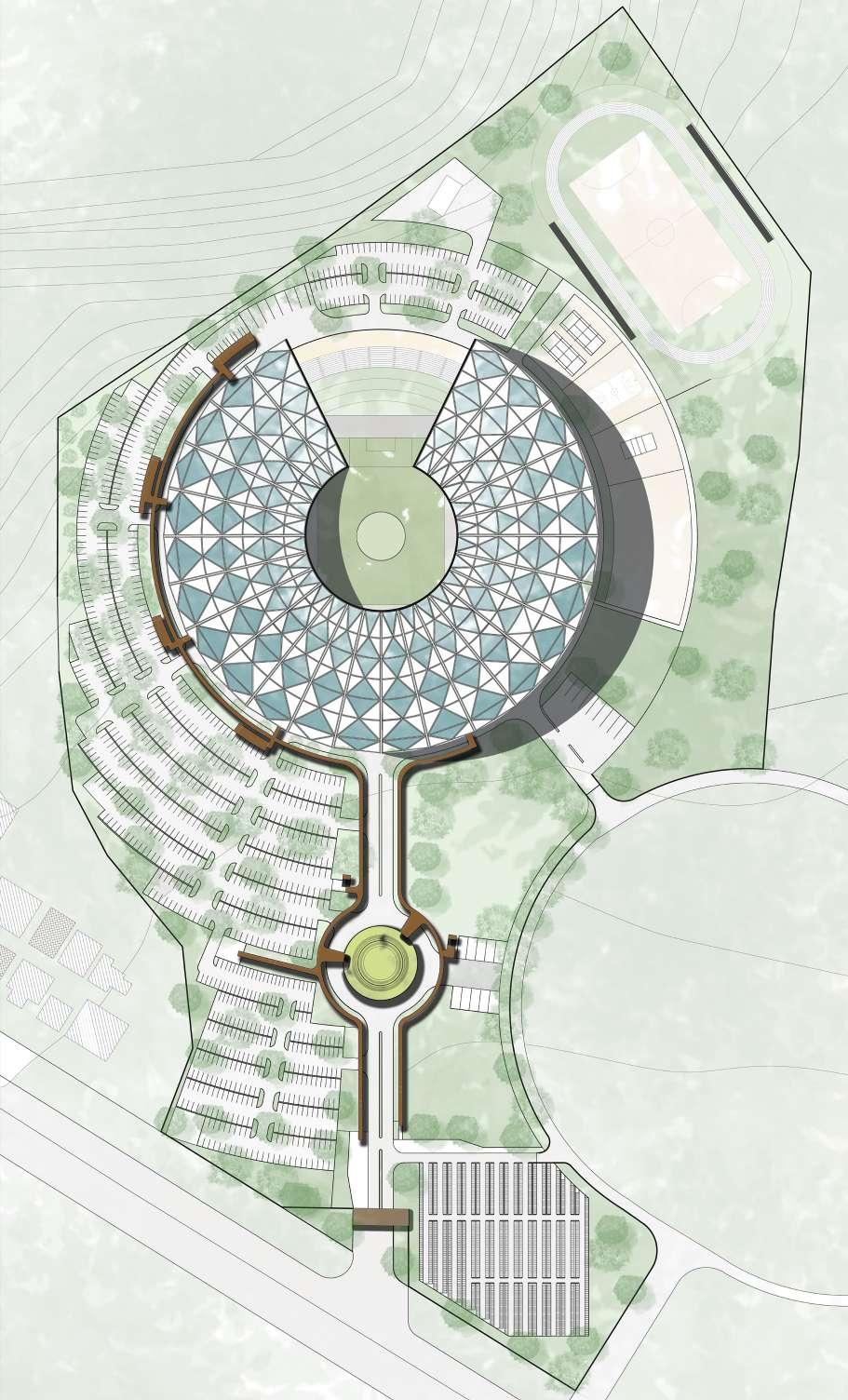
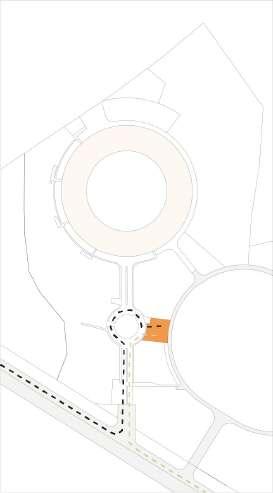
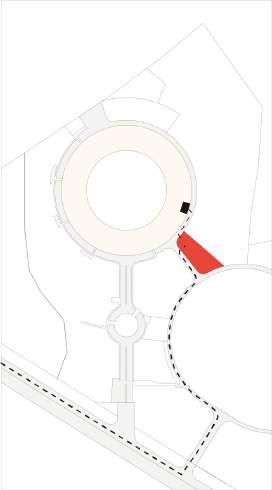
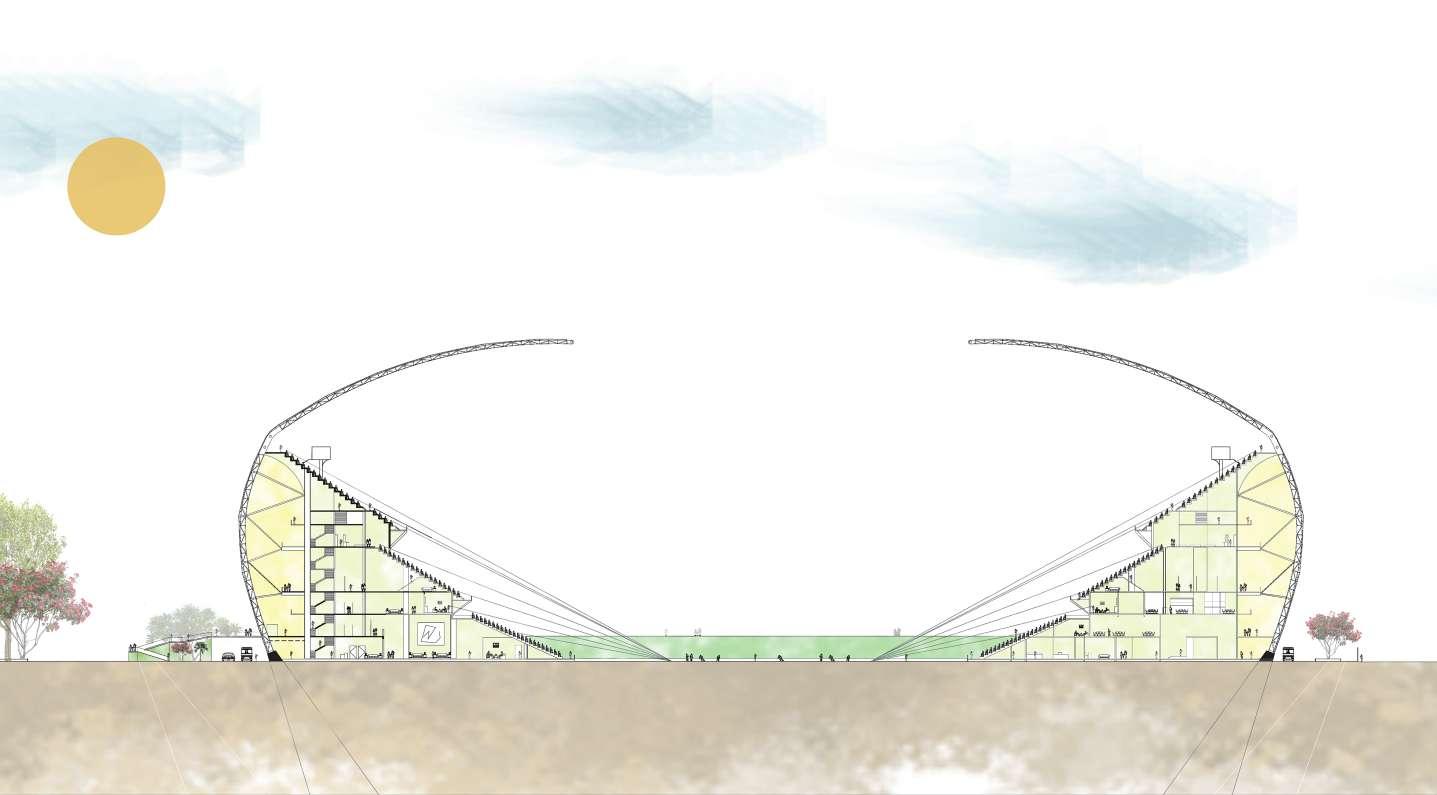
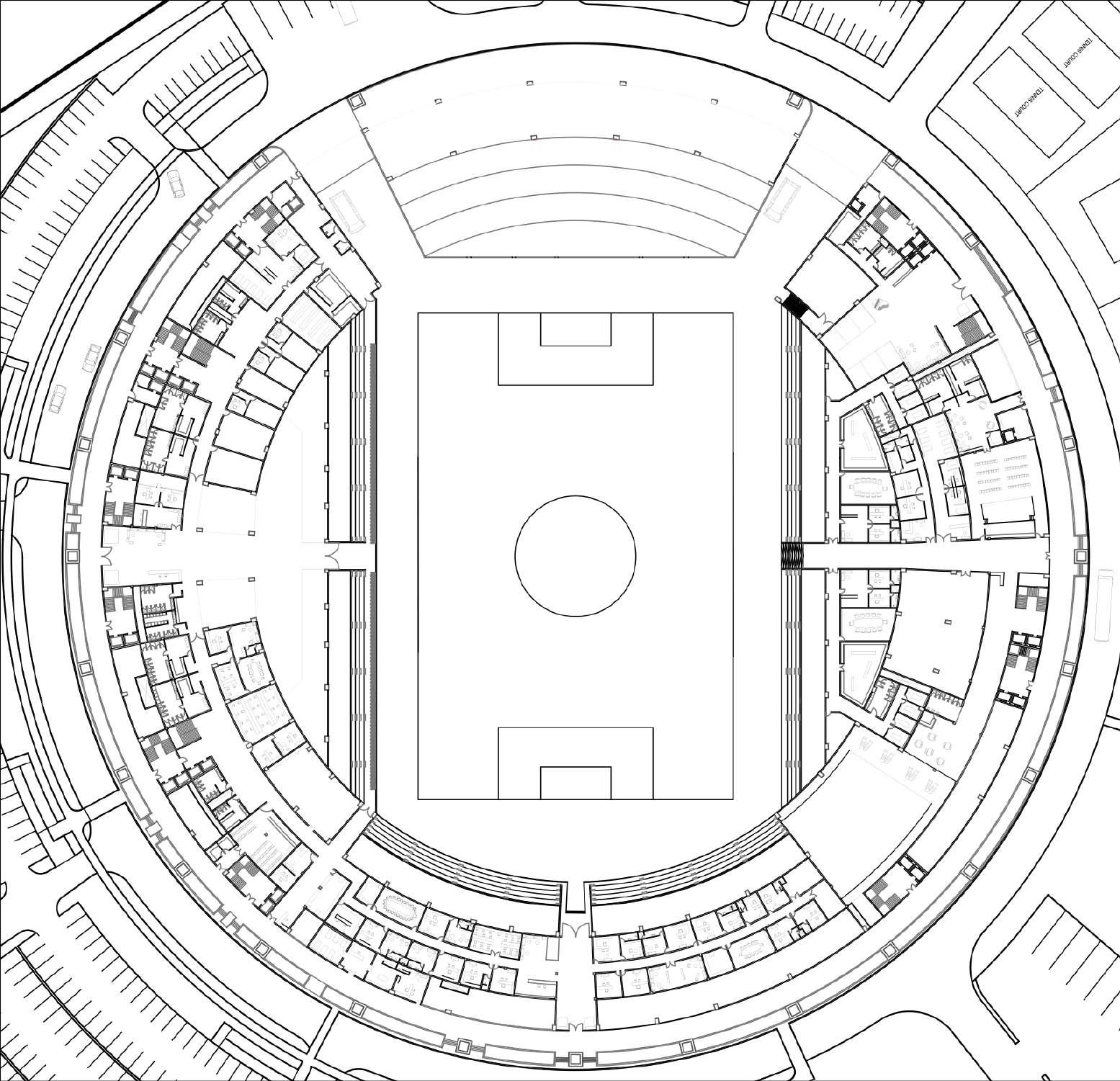
The elevated passage - Football stadium
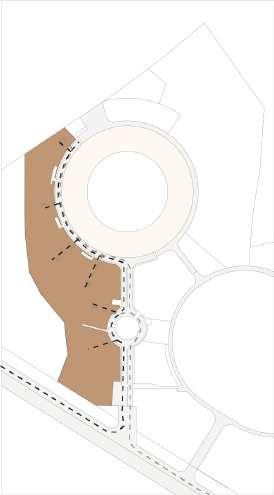
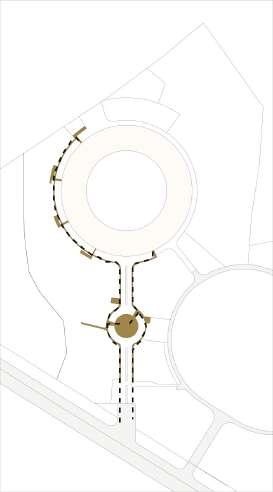
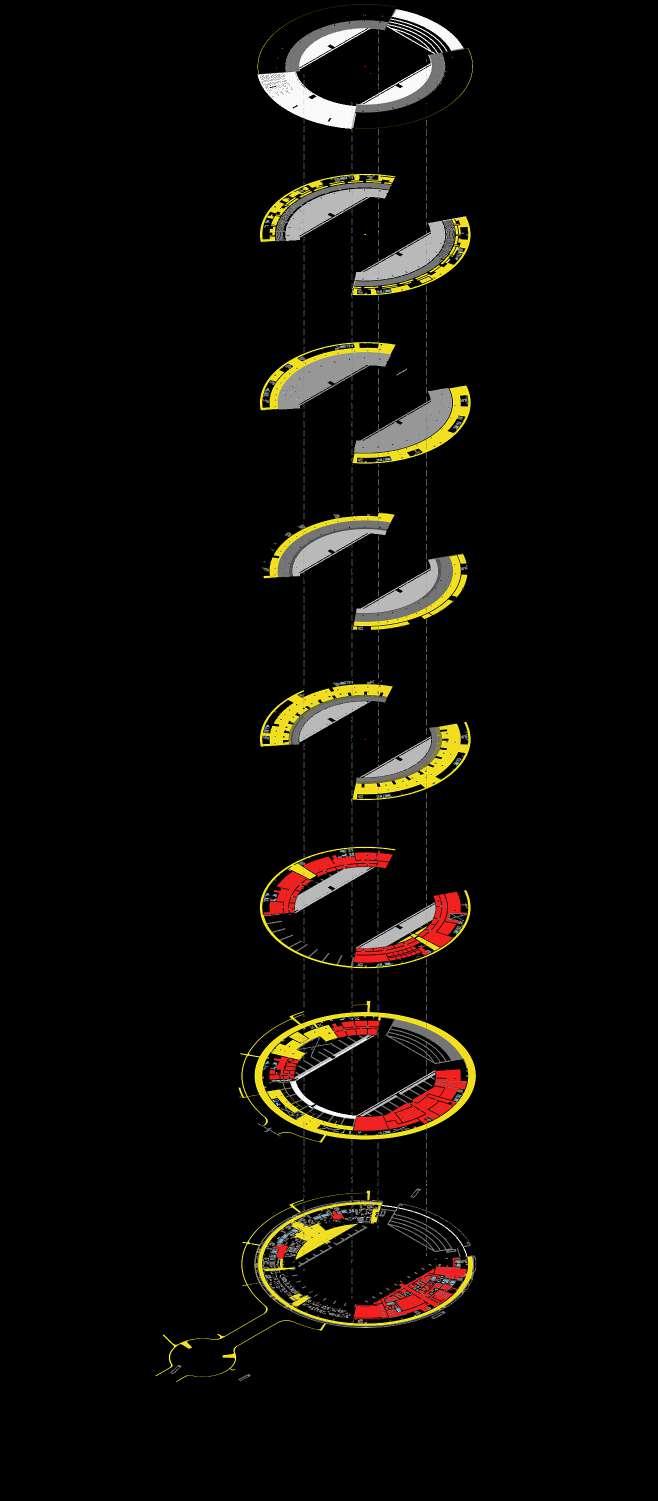
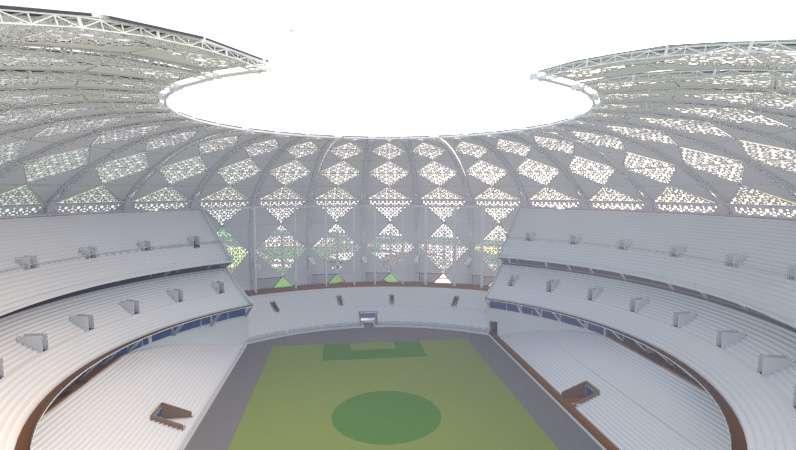
Set in the culturally rich city of Udaipur, Rajasthan, this stadium design studio explores how architecture can manage crowd flow while celebrating vernacular identity. The core idea centers on a bridge system that seamlessly connects pedestrian and parking areas to the stadium, helping to reduce road congestion and improve crowd control during events. This elevated pathway ensures that the surrounding roads remain accessible for emergency vehicles, VIPs, and ADA users. Rooted in the principles of vernacular architecture, the design blends traditional materials, forms, and strategies with contemporary infrastructural needs to create a culturally resonant and functional public space.
9th sem,fall 2018
Udaipur,India
Site section
Spring 2025 Brooklyn, New york