Prospect and Partner Magazine - NHS Version (RH533) ISSUE Interactive
PARTNERING
FOR SMARTER PATIENT SAFETY
Our mission:
To make a real difference in healthcare. Committed to true partnership, our integrated risk, quality, and compliance software exists to deliver the best possible outcomes in safety for all health and social care organisations.
Welcome to RH Insights - our magazine designed to spotlight the impactful work of our community, share product innovations, and explore the future of healthcare technology.
CONTENTS
Discover thought-provoking articles, inspiring stories, and updates from our team.
P4: Impact Recap
Radar Healthcare
Stats and Overview
P6: How Radar Healthcare is Innovating UK Health and Social Care Through Global Partnerships and Acquisitions
With Paul Johnson, CEO and Co-Founder of Radar Healthcare
P10: Celebrating a Year of Success
With Our Partners
P12: Putting People First: Why Partnership is the Future of Health and Social Care
With Rhian Bulmer, Chief Partnerships Officer at Radar Healthcare
P14: Customers Making a Difference With Radar Healthcare
P16: Connection and Collaboration
P18: What the HealthTech? Uncovering Health and Social Care’s Biggest Trends and Insights
P24: People First, Technology Second: How Ramsay Health Care UK is Transforming Patient Safety
P26: Leading With Lived Experience Insights from Simon Qasir, Chief Revenue Officer at Radar Healthcare
P34: Get in Touch and Learn More
Looking Ahead: The Future of Health and Social Care
As we look ahead toward the future, we reflect on the journey that has led Radar Healthcare to where it is today—a journey that began around a dining room table in 2012 with a simple yet powerful vision: to make a real difference in the health and social care industry. Over the years, we have grown from that initial conversation into a global force, developing a system that is now widely adopted by health and care services across the world.
Our success is a testament to the incredible support and dedication of our team here at Radar Healthcare. Every milestone we’ve reached is the result of the collective effort, passion, and expertise of our people. But our journey is far from over.
We have some truly exciting plans on the horizon that will shape the future of our industry. Achieving these ambitious goals will require us to continue growing, developing, and recruiting.
For us, it’s not just about expanding our customer base—it’s about fostering strong relationships, working collaboratively, and empowering both our team and our customers with the resources, environment, and opportunities they need to reach their full potential and drive meaningful impact for the people they support every day.
Together with our partners, we will continue to innovate, grow, and make an even greater impact on health and social care. We’re excited for the future and what we can achieve together.
Inside, you’ll find customer stories, practical insights, and thought leadership from Radar Healthcare and across the health and social care sector.
Paul Johnson & Lee Williams, Co-Founders of Radar Healthcare
HOW RADAR HEALTHCARE IS INNOVATING UK HEALTH AND SOCIAL CARE THROUGH GLOBAL PARTNERSHIPS AND ACQUISITIONS
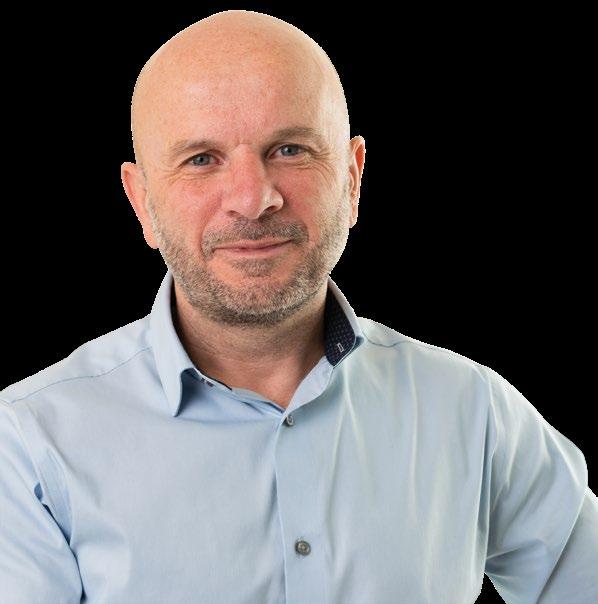
PAUL JOHNSON
In this exclusive interview, Paul Johnson, CEO and Co-Founder of Radar Healthcare, discusses the company’s latest developments, including its global expansion through the Marlin Equity Partnership, the acquisition of EIDO Healthcare, and how technology is reshaping health and social care to create person-led, safe, and efficient systems.
Q: Radar Healthcare has established itself as a leader in health and social care technology. How does your recent investment from Marlin Equity Partners impact your mission?
Our investment from Marlin Equity Partners marks a significant milestone, providing us with the resources to scale our efforts while staying true to our core mission: enabling and equipping health and social care providers with the right tools to make a real difference and provide the best outcomes for the people they support.
While Marlin operates globally, Radar Healthcare remains deeply committed to the UK’s health and social care sector and the values that have shaped us - partnership, innovation, and a relentless focus on customer success. Our partners value us for our dedication to collaboration, exceptional customer support, and a deep understanding of the challenges they face.
Although we are actively growing as a company and supporting partners in the US and Middle East, we remain committed to what truly makes us what we are. Our expansion will not compromise our promise to provide the best possible solutions and the high standard of support that our partners trust us for.
We are still founder-led, and Lee Williams, Chief Operating Officer and Co-Founder, and I remain at the heart of strategic decision-making, ensuring that our vision remains aligned with the needs of our customers. Working with Marlin strengthens our ability to meet these needs by providing access to additional expertise, investment, and resources that will help us continue to develop cutting-edge technology and expand our team - without compromising our hands-on, partner-driven
Additionally, having access to Marlin’s global network enables us to explore new innovations in health and social care technology, learning from best practices worldwide while applying them to the specific needs of
We are always listening, always learning - because nobody is perfect. But by working closely with our partners and leveraging the insights gained from our expansion, we will continue to innovate alongside them, ensuring that Radar Healthcare remains a leader in driving meaningful change in health and social care.
Q: You recently acquired EIDO Healthcare, marking Radar Healthcare’s first acquisition. How does this enhance your offerings?
One of our most exciting advancements has been our partnership with EIDO Healthcare, which further solidifies our role within the NHS and the wider healthcare system. EIDO is a leading provider of digital consent and patient
information solutions. By integrating EIDO’s patient information solutions, we can provide a more seamless and informed care journey across both health and social care settings.
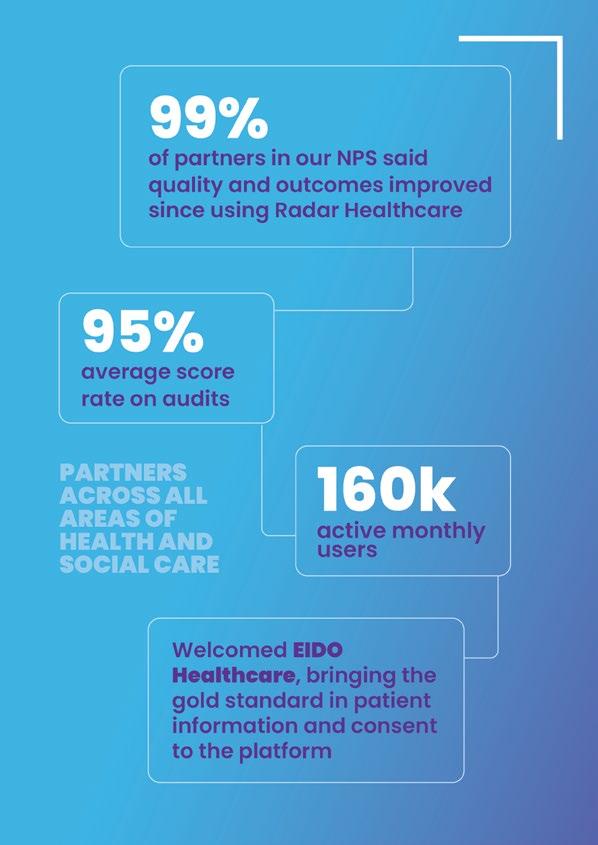
Healthcare is a complex system, and ensuring that patients receive safe, high-quality care requires a more connected approach. With EIDO, we’re bringing the ‘gold standard’ in patient information, strengthening risk management, and enhancing the efficiency of care providers.
We’re also developing ways to make patient consent processes more transparent and accessible. Digital consent solutions help healthcare professionals streamline decision-making, reduce errors, and build trust with patients.
This is an exciting new chapter for Radar Healthcare. Both organisations share a deep passion for improving healthcare, and together, we can address new challenges while continuing to deliver exceptional service and innovation to our customers.
We welcome future collaborations with like-minded organisations to drive innovation and positive change.
Q: The UK’s social care sector is currently facing numerous challenges, including fragmentation, funding shortages, and increasing demand. How does Radar Healthcare address these issues to support and enhance the sector?
The UK’s social care sector is indeed navigating a complex landscape marked by fragmentation, financial constraints, and a growing need for services. The latest data from LaingBuisson highlights that annually £46 billion is allocated to formal care services, supporting approximately 1.3 million individuals. Despite this substantial investment, the market remains highly fragmented, with the top four providers accounting for just 10.8% of the market share. Moreover, the demand for care home beds for older people is projected to rise from 407,600 in 2024 to 435,000 by 2034 - a 6.7% increase over the next decade.
Fragmentation creates challenges for stability and long-term planning, making sector-wide improvements difficult. At Radar Healthcare, we believe technology can be a unifying force to connect providers, streamline operations, and ultimately improve the quality of care.
Our platform enhances integration and communication, enabling seamless information-sharing across different care settings. This reduces the impact of fragmentation by improving coordination and ensuring individuals receive consistent, high-quality support.
Data-driven decision-making is key. Our advanced analytics empower care providers to identify trends, predict risks, and take proactive steps to improve outcomes. By shifting from reactive to preventative care, organisations can enhance both safety and efficiency.
We also support compliance and quality standards. Our tools simplify regulatory processes, allowing caregivers to focus on delivering personalised care. Our ISO 9001 and ISO 27001 certifications reinforce our commitment to ethical practices, data security, and high standardsunlocking new opportunities for growth and reinforcing trust with our customers.
Scalability is another critical factor. As demand for care services grows, our solutions evolve to meet the sector’s expanding needs without compromising quality or efficiency.
Incident reporting and management is at the core of what we do. For example, one partner logged over 20,500 incidents in FY24 - a 64% increase from FY23. This rise reflects how our platform streamlines reporting, automates processes, and enables staff to capture more comprehensive data, ultimately improving care quality.
Additionally, our system fosters a culture of continuous learning by collecting real-time feedback. One partner saw patient feedback submissions increase from 14 to 82 in just one month - and now consistently averages 500 per month, a 3,000% increase. This demonstrates how our platform empowers organisations to listen, learn, and enhance care quality.
At its core, Radar Healthcare helps automate processes, provide live insights, and equip staff with the right tools to be more proactive rather than reactive so they can spend more of their time caring for the people they support rather than completing paperwork.
Q: Person-centred care has been a very hot topic within the industry for some time. But now we have seen a shift to more person-led care. How does Radar Healthcare support this transition?
At recent industry events, we’ve seen a clear trend: the shift from person-centred to person-led care. This is a positive and necessary evolution - one that truly places individuals at the heart of their own care. Rather than simply tailoring services to fit within predefined structures, person-led care hands control back to individuals, ensuring their unique preferences, needs, and aspirations shape the support they receive.
However, this transition isn’t without challenges. Striking the right balance between personalisation, safety, and regulatory assurance is crucial. That’s where Radar Healthcare plays a pivotal role. Our platform seamlessly integrates incident and risk management, compliance, workforce engagement, and learning - giving providers the tools and information they need to empower both caregivers and the people they support.
By leveraging data and analytics, organisations can ensure that the right people can access to the right insights at the right time, leading to more informed decision-making and better outcomes for individuals.
One of the most exciting developments in person-led care is the integration of Internet of Things (IoT) devices. Wearable fall detection, smart medication dispensers, and predictive analytics powered by IoT data help bridge the gap between independence and support.
Through our work with Innovate UK, we recently explored how connected devices and wearables can enhance safety, independence, and well-being - giving individuals greater control over their health while providing care teams with vital real-time insights.
When IoT devices are fully integrated with systems like ours, they bridge the gap between autonomy and support, enabling a model of care that is not only person-led but also more responsive, anticipatory, and empowering. Individuals gain more independence and confidence in
managing their own care, while care providers can shift towards a proactive approach that improves outcomes and enhances quality of life.
As we continue working alongside health and social care organisations and technology partners, our focus remains on delivering solutions that support the very best care, including person-led care. The future of care is not just about meeting needs; it’s about supporting people to lead healthier, more independent lives with technology as a trusted enabler.
Q: What does the future of care technology look like, and how does Radar Healthcare fit into it?
The future of care technology is about creating a smarter, more connected system that prioritises individuals, enhances efficiency, and fosters meaningful human connections. As care shifts from reactive to proactive, technology must support personalised, datadriven, and seamless experiences.
Data and analytics are central to this evolution, enabling care providers to anticipate risks, personalise care plans, and make informed decisions that lead to better outcomes. Instead of simply reporting past events, predictive analytics identify trends and flag concerns before they escalate.
Achieving this vision requires seamless integration across electronic records, incident management, IoT devices, and workforce planning tools. Many providers struggle with fragmented systems, but Radar Healthcare ensures data flows effortlessly, reducing duplication, improving response times, and delivering coordinated, holistic care.
AI and automation are also reducing administrative burdens, allowing care teams to focus more on delivering quality care. From streamlining compliance tracking to automating risk management, AI-powered tools improve efficiency.
While technology is transforming care, human connection remains at its core. The right digital tools should empower caregivers, strengthening - not replacing - human interactions. Effective communication and collaboration help care teams coordinate, keep families informed, and give individuals greater control over their own care.
At Radar Healthcare, we are dedicated to staying ahead of the sector’s evolving needs, continually enhancing our solutions in response to industry insights, regulatory developments, and direct feedback from our partners. Our commitment ensures that we remain a highly reliable, forward-thinking system that empowers care providers to deliver safer, more efficient, and better care.
Q: To conclude, what is Radar Healthcare’s long-term commitment to health and social care in the UK?
Radar Healthcare remains deeply committed to the UK’s care sector. Our mission is to ensure that health and social care organisations, their staff, and the individuals they care for all benefit from smarter, more connected solutions. By continuing to innovate and collaborate, we believe we can drive meaningful improvements across the entire health and social care system.
Developed by clinicians for clinicians, EIDO Healthcare is the gold standard in patient information and consent.
Alongside the Radar Healthcare platform, these tools streamline the consent process, improve clinical workflows, reduce litigation risk, and raise the standard of patient care.
“
These [EIDO] documents are now, technically speaking, our best defence to consent claims.”
Download our latest consent review to find out more.
Martin Heywood Legal Services Manager
Queen Elizabeth Hospital King’s Lynn NHS Trust
North Bristol NHS Trust Partners with Radar Healthcare: Revolutionising Quality Governance
North Bristol NHS Trust is a leading centre of excellence for healthcare in the South West across various specialties and ranks among the largest hospital trusts in the UK.
North Bristol NHS Trust (NBT) has partnered with Radar Healthcare to centralise quality governance, replacing siloed systems and spreadsheets with an integrated platform. This solution streamlines audits, incidents, complaints, and learning opportunities, enabling a unified approach to risk, quality, and governance activities.
Summary of Success:
• Increased Audit Completion and Compliance: Audit completion now reaches nearly 90% monthly, with compliance improving from 55-60% to 80%. “Both completion and compliance have increased significantly.”
“ IT HELPS US DEVELOP A CULTURE OF SAFETY, IT HELPS US IN REAL TIME GETTING DATA TO LEARN LESSONS IN QUICK CYCLES AND BUILD UP A STORY OF PROOF.”
• Enhanced Quality Audits: Greater visibility into audits, action plans, and feedback drives improvement. “If we’ve got insight, we can focus on improvement.”
• Consolidated Systems: Integrating multiple governance activities into one platform delivers actionable insights.
• Real-Time Learning: Faster learning cycles support continuous improvement and safety. “It helps us in real time to learn lessons in quick cycles.”
• Better Accountability: Transparency fosters trust in care provision. “The system helps us answer: ‘Are we providing good care?”
• Time Savings: Streamlined processes simplify tracking and improve care quality. “It’s such a timesaver and opportunity to improve quality of care.”
• Sustainability Through Paperless Learning: Digital innovation enhances responsiveness and accuracy. “We must learn in a paperless manner for sustainability.”
• Benchmarking: Participation in Radar Healthcare’s Community Forum supports best practice sharing.
ELEBRATING A YEAR OF SUCCESS WITH OUR PARTNERS
Sanjoy Shah, Deputy Chief Medical Officer, North Bristol NHS Trust
Celebrating a Year of Success With Our Partners
Midlands Air Ambulance Charity: Enhances Patient Care and Operational Efficiency
Midlands Air Ambulance Charity (MAAC) operates three air ambulances and three critical care cars covering six Midlands counties, including Gloucestershire, Herefordshire, Shropshire, Staffordshire, Worcestershire, and the West Midlands.
MAAC’s purpose is to provide patients with outstanding pre-hospital care and lifesaving intervention through the operation of helicopterled emergency medical services – and its vision is “Saving Lives by Saving Time, today, tomorrow and in the future.”
We recently chatted with Darren Davies, Head of Quality and Compliance and CQC Registered Manager from MAAC to discuss the team’s experience of Radar Healthcare after 12 months of using it.
Summary of success
• 75% More Streamlined: Innovation proposals with Radar Healthcare are 75% more streamlined with increased automation compared to the original process.
• Accurate Data-Driven Decisions: Radar Healthcare’s innovative, AI powered analytics allows Darren and the team to make more accurate data-driven decisions.
• One Easy to Use Platform: A new user-friendly innovation process was implemented enabling staff to provide feedback, resulting in several suggestions that enhanced patient safety.
• Rated Outstanding by the CQC: Rated Outstanding by the CQC at two locations due to collecting, tracking, evidence and sharing feedback to inspectors.
“ IT’S ABOUT THE PATIENTS, ENHANCING THEIR CARE, AND ENSURING THEIR SAFETY, AND RADAR HEALTHCARE ENABLES ME TO INFLUENCE THIS.”
Putting People First: Why Partnership is the Future of Health and Social Care
In health and social care, every moment matters. But when you’re operating under pressure, navigating increasing complexity, and facing higher expectations than ever, how can you ensure that care remains exactly where it should be - at the heart of everything?
At Radar Healthcare, we believe the answer lies in people. Not just the people receiving care, but the people delivering it - and crucially, how they’re supported through partnership and technology that truly works for them.
“Health and social care is always going to be about people connecting with people, but we must work smarter. The demand for care, as we know, is increasing year on year and the number of people to deliver it is not growing at the same pace. So, we must consider the smart use of technology and how to solve issues without being afraid. We need to move forward gently and help everyone understand what can be achieved.” - Radar Healthcare Care Group Partner
A Partnership That Puts People First
Radar Healthcare was never meant to be “just” a system. From the beginning, we’ve been about building relationships - not just software.
That’s because we understand that social care isn’t driven by data or dashboards alone. It’s driven by people working together. And when those connections are supported in the right way, the impact can be significant.
What sets us apart isn’t just what we do - it’s how we do it. We work closely with care organisations of all sizes, as a hands-on partner in quality improvement. We don’t stand at arm’s length - we listen, adapt, and evolve alongside the people we support.
We understand that adopting new technology can be daunting. That’s why we offer more than implementation - we offer support, reassurance, and ongoing collaboration. We help teams build confidence in their data, in their decisions, and in themselves.
“The support, patience and expertise that I have had from the Radar Healthcare team has been great and always professional and helpful. Weekly meetings, response to emails, availability to assist have all helped to makes this experience a good one.”Capterra Review (Radar Healthcare Partner)
Co-Creation, Not Just Configuration
When we say “partnership,” we also mean co-
creation. Our system is built with our customers - not just for them. From the very first conversation, we ask the right questions: What are your pressures right now? Where do you feel unsupported? How does the technology you’re using serve - or hinder - your teams on the floor? These insights directly inform how we can not only offer you better support but also develop and evolve our platform.
“The Radar Healthcare Team has been very responsive to our product development suggestions and it’s great to be working collaboratively to help develop the Audits module for both our needs and those of the wider health community.” - Lakeside Healthcare
Our Community is just one of the many ways we gather customer feedback. We have a comprehensive ecosystem of support, including a skilled and well-rounded team in partnerships, customer support, and professional services, all dedicated to helping our partners achieve their goals.
“The customer service has been brilliant. From our first conversation about Radar Healthcare to our regular catchups with our Project Manager, we have been listened to and supported. Everyone we have spoken to has been very dedicated and passionate about helping us get the most out of the system.”Kisimul Group
Technology That Doesn’t Get in the Way
Let’s be honest, introducing new technology in care can often feel overwhelming. With so many options on the market, it’s hard to know what truly works or what’s right for your organisation. And too often, technology adds extra steps to already busy, timepressured routines instead of making things easier.
That’s why Radar Healthcare focuses on reducing admin, simplifying processes, and giving providers confidence that everything they need is at their fingertips.
When I talk to our partners, the word I hear most is “clarity.” Whether it’s a frontline carer logging an incident or a head of governance preparing for an inspection, Radar Healthcare gives everyone the same clear, real-time view of what’s happening.
And that clarity translates into confidence. No more
panicking when inspectors knock on the door. No more chasing paper trails. Just smart, intuitive tools that support the people delivering care to do what they do best.
“Another game-changer has been Radar Healthcare’s bespoke dashboards. Before, we were extracting data into spreadsheets - it was just numbers on a page. Now, the dashboards bring that data alive, making it easier to analyse trends, benchmark performance, and even prevent issues before they happen. Managers who once had to sift through spreadsheets now have clear, actionable insights at a glance.” - Radar Healthcare Care Group Partner and Care Home Manager
The Human Side of Digital Transformation
Digital transformation in healthcare shouldn’t be a top-down directive - it should be a collaborative journey involving everyone it affects. That means not only working closely with tech suppliers, but also listening to frontline voices, building confidence in change, and ensuring the technology is there to support professional expertise.
In a recent episode of our podcast, we spoke with Jo Dickson, Chief Clinical and Quality Officer at Ramsay Health Care UK, who shared powerful insights into how they’re delivering exactly that – a successful “People First, Tech Second” approach.
Since this shift in attitude towards tech, they’ve experienced improvements in compliance and quality but also seen better staff engagement and wellbeing.
As I often say: “Technology should always be secondary and complementary to your business needs and goals. It’s there to support you, solve problems, and serve as a tool tailored to operational demands - not chosen before you’ve considered its purpose. It’s not about implementing the latest tech; it’s about implementing the right tech. Otherwise; it just becomes another forgotten login.”
Real-World Impact
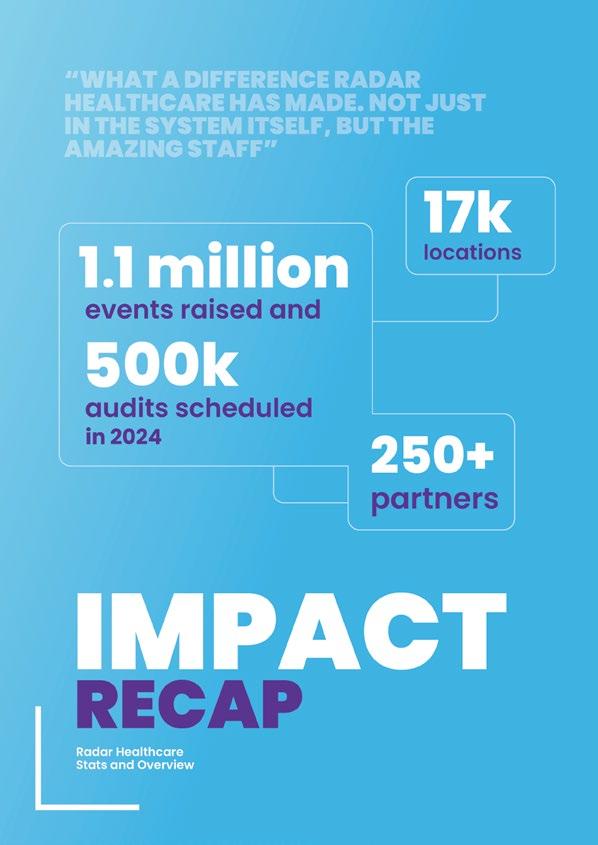
Across our global customer base - now spanning 17,000+ locations and 250+ organisations - we’re supporting over 160,000 monthly users to embed quality improvement into everyday practice. Over the past year, we’ve seen some powerful results come directly from that partnership-led approach:
One partner saw over 20,500 incidents logged in FY24 - a 64% increase from the previous year - after streamlining their reporting processes with Radar Healthcare.
Another reported an 81% reduction in behavioural incidents, with tailored interventions cutting one individual’s incidents from nine to two per week.
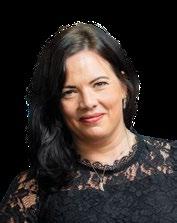
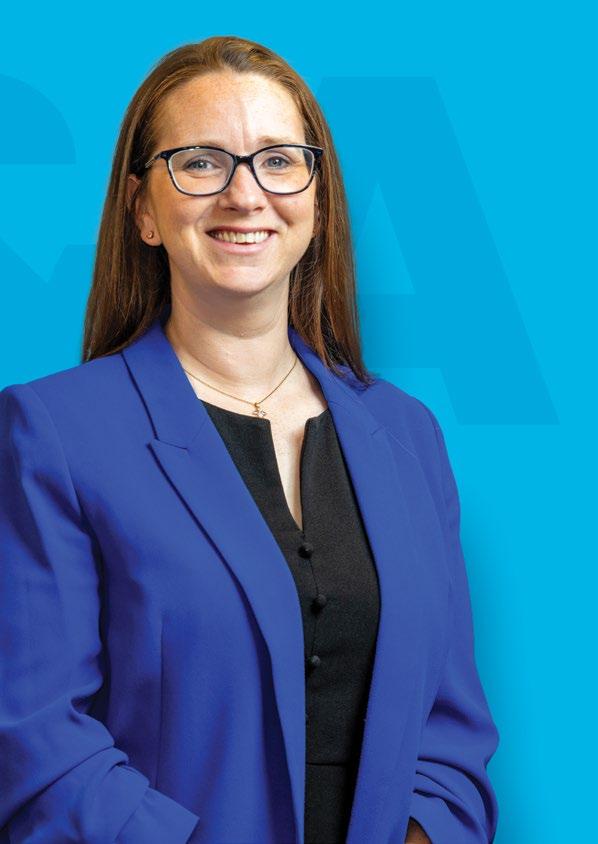
Q&A, Rhian Bulmer
Every month, the platform facilitates more than 91,500 incident reports and 41,500 audits, giving providers timely insights and oversight at scale.
This isn’t about ticking boxes or automating care - it’s about giving teams what they need to make decisions, act early, and stay focused on the work that matters.
As one customer recently told us during a user group session: “Radar Healthcare’s biggest value isn’t just the platform - it’s the space it gives us to collaborate, share, and shape solutions together.”
That’s what sets our approach apart. From user groups and community forums to joint roadmap planning, our customers aren’t just users - they’re active participants in shaping what comes next.
“Our partnership with Radar Healthcare offers us an opportunity to enhance our offering to patients across the UK. The platform is renowned for its depth of insight and ease of use. We want to equip our staff with the very best technology to allow them to do what they do best – care for patients.” - Circle Health Group
Looking Forward, Together
The future of care holds huge potential - if we continue to work together. To thrive, we must continue to collaborate. That means embracing technology not as a replacement for human interaction, but as a tool to enhance it.
At Radar Healthcare, we’re proud to stand shoulder to shoulder with providers across the globe, building solutions that work in the real world. Our partnershipfirst approach isn’t just a unique selling point - it’s our promise.
Customers Making a Difference
Innovating Health and Safety:
How Lifeways Group use Positive Behaviour Support (PBS)
In supporting individuals with learning disabilities and autism, Lifeways Group, the UK’s largest supported living specialist, has embraced Positive Behaviour Support (PBS) as a holistic framework to foster long-term assistance and minimise challenging behaviours. By combining PBS with cutting-edge technology from Radar Healthcare, Lifeways has achieved transformative results in safety and wellbeing.
“ RADAR HEALTHCARE HAS BEEN INSTRUMENTAL IN OUR SUCCESS. IT PROVIDES REAL-TIME DATA ANALYSIS, ALLOWING US TO IDENTIFY PATTERNS, ASSESS THE EFFECTIVENESS OF INTERVENTIONS, AND MAKE NECESSARY ADJUSTMENTS SWIFTLY.”
Key Achievements
• Significant Reductions in Incidents: Since 2021, Lifeways has achieved:
- A 48% reduction in physical assault events.
- A 65% decrease in accidents and incidents notifiable to insurers.
• At the LaingBuisson Awards Lifeways won the Specialist Care award for their exceptional ability to navigate the complexities of social care with expertise. The judges described their approach as “exemplifying excellence.” They were also named winners in Supported Living for their innovative staff development programme and effective use of Radar Healthcare.
• Data-Driven Person-Centered Care: Leveraging Radar Healthcare, teams have gained actionable insights, enabling early interventions and tailored PBS plans that address individual needs.
• Award-Winning Use of Health and Safety Data: At the Safety & Health Excellence (SHE) Awards 2024, Lifeways’ Health and Safety and PBS teams were honoured with the Best Use of Health & Safety Data to Lower Incident Rates.
This partnership exemplifies how combining compassionate frameworks like PBS with advanced technology fosters safer environments, reduces incidents, and transforms the lives of individuals receiving care.
Smarter Audits, Safer Services
How GenesisCare Streamlined
Governance with Radar Healthcare
GenesisCare UK, a leading oncology provider with all services rated Good or Outstanding by the CQC, partnered with Radar Healthcare to strengthen clinical safety, improve audit processes, and streamline governance. Their previous system, based on scanned paper documents and siloed access, made data collection and action planning difficult.
With Radar Healthcare’s Audit Management module, teams can now conduct internal and external audits more efficiently, with all data stored in one central system. This means quicker access to insights, better visibility of risks, and faster action planning - helping to drive continuous improvement and support CQC readiness.
“
RADAR HEALTHCARE ENABLES US TO MONITOR
ACTIONS IN REAL-TIME DURING AUDITS. THIS ALLOWS US TO IDENTIFY TRENDS, ERRORS, AND CRITICAL POINTS WHERE INCREASED ACTION IS REQUIRED.”
Now, audit data is centrally accessible, allowing teams to identify performance trends and potential risks much faster. Real-time analytics and intuitive dashboards help leaders implement improvements quickly, assign actions, and ensure regulatory compliance across the organisation.
What once felt like a manual, time-consuming process is now a dynamic and collaborative quality improvement cycle - empowering teams from audit to action.
Customers Making a Difference with Radar Healthcare
Innovators Making a Difference with Radar Healthcare
How Guy’s and St Thomas’ NHS Foundation Trust Drive Patient Safety: With LFPSE and Radar Healthcare
Charles Martin, Head of Risk and Quality Assurance at Guy’s and St Thomas’ NHS Trust shared their transformative journey with Learning From Patient Safety Events (LFPSE). He detailed how they integrated LFPSE into their incident reporting and management processes, utilising Radar Healthcare as the engine to drive those changes whilst always maintaining a user-centric approach.
“ I BELIEVE THE KEY TO SUCCESS LIES IN ALIGNING OUR DESIRED OUTCOMES WITH INITIAL USABILITY AND USERFRIENDLINESS. THIS APPROACH IS CRUCIAL FROM THE OUTSET OF ANY FRAMEWORK OR PROCESS IMPLEMENTATION, INCLUDING LFPSE.”
By focusing on the end-user’s experience and needs, Guy’s & St Thomas’ ensured that LFPSE became a meaningful move towards safer patient care rather than just another tick-box exercise. Their story highlights the importance of collaboration, strategic planning, and goal setting in achieving significant improvements in patient safety:
“We had a fantastic reporting team that greatly contributed to the successful implementation of Radar Healthcare and LFPSE. Sarah Adams from Radar Healthcare served as our Project Manager and maintained constant communication with us. She fostered a strong relationship with our team, making it easier to progress and align with our internal goals, as well as align with national directives like LFPSE and PSIRF.”
Are you using Radar Healthcare in an innovative and impactful way?
Let’s collaborate! Get in touch with: marketing@radarhealthcare.com.
Somerset NHS Trust’s Journey: A Spotlight on Governance and Data Management Excellence
In 2020, Somerset NHS Foundation Trust partnered with Radar Healthcare to enhance governance and data management through its risk, quality, and compliance software. This collaboration grew with a second merger in 2023, positioning Somerset as one of England’s largest healthcare systems, covering acute, community, mental health, and primary care services. A recent webinar with Somerset and Radar Healthcare highlighted key insights on managing this complex system, focusing on data-driven decision-making, staff empowerment, and innovations like dashboards, Freedom to Speak Up, and Learning From Patient Safety Events (LFPSE).
“We developed a service group overview dashboard, so we were looking at all the different event types on there - incidents, excellence reporting, PALS, complaints - and how many are waiting for reviews. Another tool that one of our analysts developed is a dashboard status report, which is great because it’s also set up with a pulse alert.
We’ve also developed a document status dashboard which is brilliant for service groups across the organisation. They now have an overall trust-wide view of policies and documents, how many are in date, and all you need for our KPIs. But you can also drill down through service groups to have a look at your own.
Moreover, another specialised dashboard is the Claims Dashboard, which provides high-level reporting on legal claims across the organisation. It looks at high-level numbers and things for reporting. It’s another example of how we’re using dashboards in a more specific way.”
“
WE’RE
ACTUALLY AHEAD OF THE GAME WITH RADAR HEALTHCARE.”
99% OF RADAR HEALTHCARE PARTNERS SAID QUALITY HAS IMPROVED SINCE IMPLEMENTING THE SYSTEM
SUPPORTING YOU WITH THE PSIRF HOW RADAR HEALTHCARE HELPS
The importance of reliable and effective tools is vital in successfully implementing the Patient Safety Incident Response Framework (PSIRF), which is why Radar Healthcare’s solution is ideal.
Intuitive and User-Friendly Design
Ensures healthcare professionals can manage incident reporting, investigation, and analysis effortlessly, streamlining workflows and encouraging staff engagement and compliance.
Jo Dickson,
Chief
Clinical and Quality
Officer,
Ramsay Health Care UK “ RADAR HEALTHCARE HAS BEEN INVALUABLE IN HELPING US LEARN. THE ABILITY TO QUICKLY SHARE INSIGHTS ACROSS OUR HOSPITALS MEANS WE CAN IMPLEMENT IMPROVEMENTS ALMOST IMMEDIATELY, ENHANCING PATIENT SAFETY ACROSS THE BOARD.”
Advanced Analytics Capabilities
Tracks and manages incidents, identifies patterns and causes, and supports informed decision-making to improve patient safety through visual insights.
Customisable to Your Needs
Fully adaptable to your organisation’s processes, workflows, and evolving patient safety goals.
What
the
HealthTech?:
Uncovering Health and Social Care’s Biggest Trends and Insights
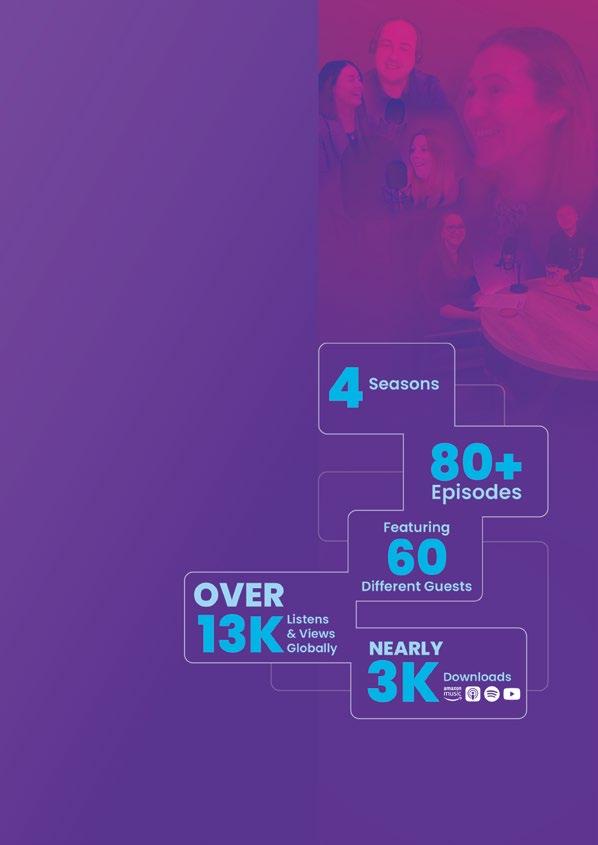
What the HealthTech? started as a passion project back in 2022, aimed at providing industry professionals with an accessible, on-the-go resource for the latest trends and insights.
But over the past couple of years, it’s evolved into something much bigger – a thriving community. It has become a platform where voices are heard, collaborations are sparked, and knowledge is shared.
So far, we’ve brought together some of the brightest minds, healthcare professionals, and thought leaders to tackle the industry’s most pressing challenges on a bi-weekly basis. Here are some of the highlights...
Please
Season 3:
EP 005: LFPSE V6: Insights from Radar Healthcare and NHSE
Season 3:
EP 004: Social Media Masterclass for Health and Social Care Organisations
Season 1:
EP 040: Prioritising Patient Safety, with Helen Hughes
Season 3:
EP 008: Appreciative Governance: Transforming Outcomes in Health and Care with Appreciative Inquiry
Season 2:
Season 4:
EP 005: Ramsay Health Care’s People-First Tech Approach to Patient Safety
PSIRF CULTURE
Season 2:
EP 008: Empowering Voices: Ian Paterson Survivor’s Battle and Triumph
What the HealthTech? Scan the code to see all our
EP 009: Innovation in Healthcare: Data Driven Event Triggers, Interoperable Systems, and Beyond
Season 3:
MENTAL HEALTH DATA INSIGHTS
EP 007: The Power of Partnerships: Insights from Our New Account Director
Season 2:
EP 006: Governance in Healthcare: Safe Decisions with Circle Health Group
Oversight Dashboard
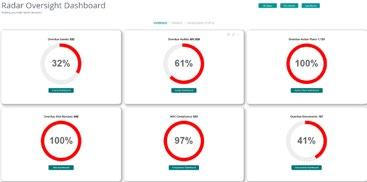
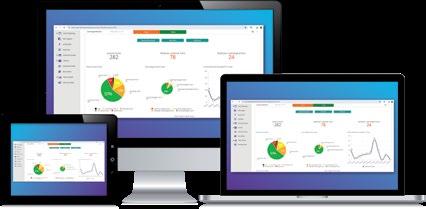
Radar Healthcare’s Oversight Dashboard is designed to provide an instant snapshot of your organisation’s performance across all modules, this standard analytics dashboard is the go-to tool for streamlined management and actionable insights.
Why Use the Oversight Dashboard?
The Oversight Dashboard consolidates key metrics into one easy-to-use platform, giving you a comprehensive, at-a-glance view of your system. Whether you’re monitoring compliance, tracking trends, or identifying areas for improvement, this tool ensures you’re always informed and ready to take action.
How Can This Help You?
The Radar Healthcare Oversight Dashboard empowers teams to quickly identify trends, address gaps, and celebrate successes. By visualising your data in real time, it makes it easier than ever to align your organisation’s efforts with strategic goals. Whether you’re looking to improve audit outcomes, boost compliance, or streamline action plans, the dashboard puts the tools you need right at your fingertips.
Key Features:
• Top-Level Overview: See essential data across your modules, including:
- Total Events
- Overdue Audits
- Action Plans
- Workforce Compliance
- Documents and Notices
- System Usage Metrics (e.g., user logins)
• Trends Tab: Dive deeper into your data with instant trend lines that showcase:
- Audit Scores
- Action Plans Created
- Risks Identified
- Document Downloads
- And much more...
• Categories (Top 5) Tab: Gain focused insights into your organisation’s priorities with a view of your:
- Top 5 Action Plans
- Top 5 Outstanding Risk Categories
- Compliance and Non-Compliance Patterns
- Most Accessed Documents
Ready to Explore the Oversight Dashboard?
Discover how we can help drive better outcomes across your organisation. To learn more, speak to our team or visit radarhealthcare.com.
The Oversight Dashboard is just one example of how Radar Healthcare helps organisations improve safety, quality, and performance - with the tools that make it possible.
Care Quality Commission (CQC) Dashboard
We launched our new feedback and observation event dashboards earlier this year.
As part of the Events Module, this innovative update is designed to give health and social care organisations a robust mechanism to capture and evidence everything that the Care Quality Commission (CQC) requires within its framework.
Achieving a good or outstanding regulation rating leads to a better reputation, increased demand, reassurance for families, staff retention, and ultimately the ability to offer the highest quality of life for those supported daily. The latest observation and feedback events and dashboards from Radar Healthcare are designed with these benefits in mind, providing health and social care organisations with an instant way to capture and evidence feedback, learn from it, and present it to regulators with just a few clicks.
Unlike other products on the market, these specific event dashboards underpin a health and social care organisation’s ability to demonstrate performance to regulators and stakeholders. By understanding their current status and identifying areas for improvement, organisations can focus efforts precisely where needed, resulting in enhanced care and improved CQC scores.
“The main opportunities lie in capturing feedback, managing observations, and ensuring evidence is easily accessible,” said Mark Fewster, Chief Product Officer at Radar Healthcare. Mark continues: “For our users, this means having data sets available with just a couple of clicks. We believe that it’s essential to keep the customer at the heart of product design, not just for the new CQC dashboards, but for all our projects.”
“ THE MAIN OPPORTUNITIES LIE IN CAPTURING FEEDBACK, MANAGING OBSERVATIONS, AND ENSURING EVIDENCE IS EASILY ACCESSIBLE.”
Mark Fewster Chief Product Officer, Radar Healthcare
The Power of Appreciative Inquiry in Healthcare
With the growing focus on patient safety, staff wellbeing, and overall care quality, healthcare leaders are increasingly exploring innovative approaches to drive positive outcomes.
One such approach is Appreciative Inquiry – a powerful, strengths-based model that shifts the focus from problem-solving to envisioning possibilities and building on successes.
Unlocking Positive Change in Healthcare Through Appreciative Inquiry
In a What the HealthTech? podcast episode, “Appreciative Governance: Transforming Outcomes in Health and Care with Appreciative Inquiry,” Katy Fisher and Kayleigh Barnett explore how Appreciative Inquiry can revolutionise healthcare, enhancing both patient care and staff experience. Katy, a Senior Nurse for Quality and Improvement across the Greater Manchester Region, and Kayleigh, an advanced Appreciative Inquiry practitioner and co-author of Appreciating Health and Care, co-host the Caring Corner podcast where they champion AI as a tool for cultivating a collaborative healthcare environment.
What is Appreciative Inquiry?
Appreciative Inquiry is a strengths-based, collaborative approach focused on identifying what works well within an organisation and envisioning ways to build on these successes. Unlike traditional problem-solving approaches, which often concentrate on identifying and addressing problems, Appreciative Inquiry shifts the focus to understanding and amplifying the factors that contribute to positive outcomes.
In healthcare, this approach can be transformative, helping organisations shift from a reactive, problemfocused culture to a proactive, strengths-oriented one that emphasises learning, collaboration, and improvement.
What are the Five Stages of Appreciative Inquiry?
Definition – Determine the central topic or question for the process.
Discovery – Identifying strengths, successes, and what’s working well.
Dream – Imagining an ideal future and exploring new possibilities.
Design – Developing actionable plans and processes to move towards that ideal vision.
Destiny – Implementing changes and empowering teams to sustain positive outcomes.
Benefits for Patients and Staff
Enhanced Patient Safety and Quality of Care: Appreciative Inquiry can help healthcare teams identify best practices, replicate successful strategies and foster an environment where excellence is continuously pursued,. When applied to safety frameworks like PSIRF, learning from what went right can be just as valuable as learning from what went wrong.
Kayleigh notes, “While patient safety data highlights when things go wrong, which is about 0.08% of interactions, that focus alone means we’re missing out on learning from the remaining 99.92% of cases where things go right. By not sharing and celebrating these successes, we’re doing ourselves and the healthcare system a disservice, overlooking valuable insights that could enhance our work and patient care.”
Increased Staff Engagement and Well-being: Working in high-stress environments can take a toll on the
Watch the full What the HealthTech? episode here:
mental and emotional well-being of healthcare workers. By celebrating accomplishments and recognising the positive contributions of each team member, Appreciative Inquiry fosters a sense of pride and belonging that can be instrumental in reducing burnout and improving morale.
Katy continues, “Recognising and celebrating what goes well allows us to see the ‘joy in work’ and reveals the exceptional, often innovative, ways that staff achieve outstanding outcomes. This focus, known as ‘positive deviance,’ identifies individuals who, by taking different approaches, achieve better results. Appreciating staff for their strengths not only boosts morale but also acknowledges the dedication of those who face difficult situations and still come in each day to deliver exceptional care.”
Building Stronger Patient-Provider Relationships: When healthcare professionals are encouraged to adopt a strengths-based approach, they naturally bring a more positive and supportive presence to their interactions with patients. This approach builds trust and compassion, leading to better patient outcomes. Patients who feel respected, listened to, and cared for are more likely to engage in their treatment, improving adherence to care plans and overall satisfaction.
As Katy explains, “There are countless examples where this approach has led to real improvements in patient outcomes: patients discharged sooner, engagement in therapeutic activities, and a collective effort across teams. This aligns perfectly with Appreciative Inquiry’s ‘wholeness principle,’ where every team member contributes to patient care, creating a collaborative, strengths-focused environment that benefits both patients and staff. “
How Can the Right Technology Help?
The right technology can be a game-changer in fostering positive change within healthcare settings, providing a balanced, comprehensive view that highlights both strengths and areas for improvement. Radar Healthcare’s risk, quality, and compliance software, for instance, captures a wide range of event types and feedback, including compliments, giving organisations a more rounded perspective on performance within their governance and compliance systems.
Designed to support key frameworks, our platform’s advanced analytics offer a holistic view into both successes and opportunities for growth. This balanced approach not only aids in preparing for inspections and meeting regulatory requirements but also enables organisations to internally celebrate achievements, fostering a positive, strengths-focused culture that benefits both staff and patients.
Appreciative Inquiry as a Catalyst for Change
Appreciative Inquiry offers a unique framework for creating a more positive, inclusive, and effective healthcare environment. By celebrating what works well, empowering staff, and focusing on shared successes, Appreciative Inquiry can foster a culture of continuous improvement that directly benefits both patients and providers.
Katy adds, “Appreciative Governance isn’t just about policy; it’s about setting up an environment where every decision reflects a commitment to empowering staff and providing the best care possible.”
People First, Technology Second: How Ramsay Health Care UK is Transforming Patient Safety
Jo Dickson, Chief Clinical and Quality Officer, Ramsay Health Care UK, shares invaluable insights on the importance of prioritising people and processes before implementing technology. A key part of this strategy has been Radar Healthcare’s risk, quality, and compliance software, which has helped Ramsay drive patient safety, transparency, and efficiency.
Enhancing Patient Safety Across 34 Hospitals
With 34 hospitals across England, Ramsay Health Care UK is responsible for providing high-quality, safe, and effective patient care at scale. Managing clinical safety, operational efficiency, and patient experience across such a vast network requires a robust, datadriven, and people-focused approach.
For Jo Dickson, Chief Clinical and Quality Officer at Ramsay Health Care UK, ensuring consistent patient safety is a top priority – but she knows that technology alone isn’t the answer: “My job in being responsible for 34 hospitals is made so much easier by technology. If I was doing it without technology, I would be having to go to every one of those hospitals regularly. Whereas because of the great technology that we’ve got in use, I can remotely do quite a lot of the things that I used to have to do in person.”
Jo continues: “When teams can easily share learnings across multiple hospitals, it accelerates improvement and helps us prevent issues before they happen… We’re creating a shared language around patient safety, so no matter where you are in the organisation, you’re working towards the same goal with the same understanding.”
Despite the advantages of digital transformation, Ramsay Health Care recognised that introducing new technology without first reviewing processes and engaging staff could create barriers rather than solutions. Their mission was clear:
• Empower staff to improve safety processes before integrating technology
• Ensure that AI and automation enhance, not replace, human decision-making
• Use real-time insights to drive immediate improvements in patient safety
A People-First Approach to Technology
Ramsay Health Care adopted a “People First, Tech Second” strategy to digital transformation, ensuring that every technological tool was designed to support and empower clinicians, not replace their expertise.
Jo says: “The thing that I learned most during the time working on clinical technology projects and that I absolutely use every time is that it is people first and technology second… You must change the processes before you change the technology. Otherwise, everyone will think the problem is the tech – but it’s almost always about the people and the process.”
Rather than simply layering technology onto existing workflows, the team prioritised understanding staff challenges, refining processes, and embedding a culture of safety and transparency.
Jo states: “We don’t just want tech-savvy staff involved in implementation. We need to include those who might be hesitant or less digital-literate because they are the ones who will ultimately be using the system.”
Ramsay Health Care worked closely with both their internal stakeholders and the team at Radar Healthcare to ensure the successful rollout of the software – maximising its impact, reducing the risk of additional challenges, and ensuring it was wellreceived by staff. By prioritising collaboration, open communication, and shared goals, the implementation process became more than just a software deployment; it became a true transformation in how patient safety, risk, and compliance are managed.
Key Steps in Ramsay’s Approach:
• Reviewing current processes before adding technology: Empowering staff to speak up for safety: Encouraging every team member, from junior staff to senior consultants, to flag concerns without fear of blame.
• Using AI-driven insights: Leveraging real-time data analytics to identify trends, improve decisionmaking, and enhance patient care.
• Fostering a Just Culture: Moving away from blamebased investigations to a learning-based incident response framework.
The Impact: Real-Time Learning and Safer Care
Ramsay Health Care has seen significant improvements in patient safety and staff engagement by embedding technology into their people-first strategy.
Faster Incident Response
By implementing the Patient Safety Incident Response Framework (PSIRF) into Radar Healthcare, Ramsay Health Care has shifted from reactive, months-long investigations to real-time learning and action.
Jo says: “It used to be that you’d get information about an incident 3 to 6 months after it happened. With root cause analysis, it would take 90 days, and then the report would go through several committees before frontline staff even saw the learnings. That’s not the case anymore. With PSIRF framework in Radar Healthcare, we are in a better position to adopt a much more proactive model.”
Now, incidents are reviewed immediately with hot debriefs and after-action reviews, allowing for instant process improvements that impact patient care the very next day.
Jo continues: “With PSIRF, the learning is real-time. We can implement new processes immediately so that the next patient is safer than the last one.”
“ RADAR HEALTHCARE HAS BEEN INVALUABLE IN HELPING US LEARN FROM INCIDENTS IN REAL TIME. THE ABILITY TO QUICKLY SHARE INSIGHTS ACROSS OUR HOSPITALS MEANS WE CAN IMPLEMENT IMPROVEMENTS ALMOST IMMEDIATELY, ENHANCING
PATIENT SAFETY ACROSS THE BOARD.”
Empowering a Just Culture
To create a culture where staff feel safe speaking up, Ramsay Health Care implemented “Speaking Up for Safety”, ensuring that every team member, regardless of seniority, has a voice in patient safety. Jo says: “It doesn’t matter what your role is within that setting – you are empowered to speak up and say, ‘I want everyone to be aware of this.’ That’s the basis for a truly just culture.”
By fostering an open, transparent environment, the team has moved away from a blame-focused approach to collaborative learning and continuous improvement.
Jo states: “A lot of healthcare organisations had and still have a blame culture. Moving to a ‘Just Culture’ is incredibly difficult, but essential for safer care.”
“
WE USE
RADAR
HEALTHCARE
NOT JUST FOR PATIENT SAFETY EVENTS AND RISK MANAGEMENT BUT ALSO TO TRACK COMPLIMENTS. THE ABILITY TO ANALYSE TRENDS IN BOTH COMPLAINTS AND POSITIVE FEEDBACK HELPS US IDENTIFY ‘ALWAYS EVENTS’ - THOSE KEY MOMENTS THAT TRULY MATTER TO OUR PATIENTS.”
AI and Data for Smarter Decision-Making
By using AI-driven trend analysis, Ramsay Health Care can identify risks, improve efficiency, and enhance patient experiences – without losing the human touch. “I use AI, but only for the first step. Human validation is key”, says Jo.
One powerful example is how Ramsay is using AI to analyse patient compliments alongside complaints: “We talk a lot about ‘never events’ in healthcare. But I’m actually much more interested in ‘always events’ – what should patients always experience? We use AI to analyse our compliments and identify what’s really working well.”
By understanding what works well, Ramsay can replicate and scale best practices across its hospitals.
Creating a workplace culture that values both positive feedback and constructive discussions helps drive growth and innovation. This approach encourages employees to develop their skills, work collaboratively, and continuously learn. It also helps shift the focus away from blame, promoting problem-solving and ultimately leading to a more supportive and effective workplace.
The Future of Tech in Healthcare
As Ramsay Health Care continues to advance its digital strategy, the focus remains on keeping people at the heart of every innovation.
By prioritising people while strategically leveraging technology, Ramsay Health Care UK has created a safer, more transparent, and collaborative healthcare environment. Their “People First, Tech Second” approach is proof that the best digital transformation starts with understanding people, refining processes, and using technology as an enabler – not a replacement.
Ramsay Health Care is proving that when people and technology work together, the result is safer, smarter healthcare for all.
Connection and Collaboration
Customer Webinars
Our Customer Webinar series is a new initiative designed to bring our community together and foster deeper connections with our partners. Recently we’ve featured esteemed organisations such as Guy’s and St Thomas’ NHS FT, Somerset NHS FT, and others. Topics ranged from LFPSE and CQC updates to our product roadmap and feature developments, creating a platform for valuable insights and collaboration.
Events
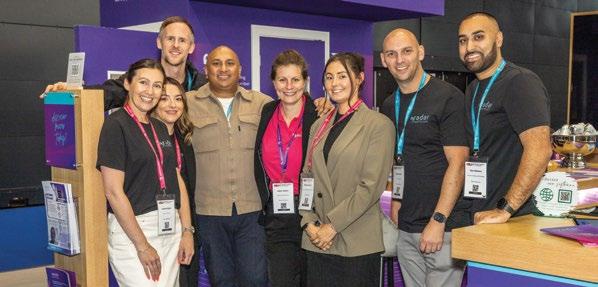
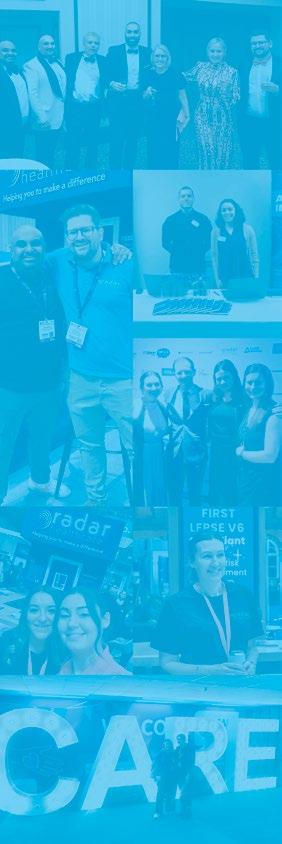
From The Care Show to Nursing Times’s Digital Nursing Conference and the Patient Safety Congress, we regularly take part in key industry events across the UK. These gatherings offer incredible opportunities to connect with our providers, showcase our latest developments, and stay at the forefront of health and social care innovation.
Awards
Celebrating industry excellence is something we’re incredibly proud of. We regularly support our partners with their annual awards to celebrate staff success as well as industry wide events.
Roundtables
Bringing together our partners across different sectors is incredibly powerful. Our roundtables help with collaboration and offer the opportunity to relax, network and share innovation.
A huge thank you to everyone who joined us at an event, webinar, or awards evening this year. We’re excited for what’s ahead - stay tuned for more opportunities to connect and collaborate!
For more information on where we are next, email us: marketing@radarhealthcare.com
“ AS A TECH PROVIDER WORKING ACROSS THE WHOLE HEALTH AND SOCIAL CARE CONTINUUM, WE ARE DEDICATED TO SUPPORTING AND HIGHLIGHTING OUR PARTNERS AND FELLOW INDUSTRY PROFESSIONAL’S ACHIEVEMENTS AS OFTEN AS WE CAN. RECOGNISING ACCOMPLISHMENTS IS VITAL FOR FOSTERING POSITIVITY AND RETAINING TALENT IN THE INDUSTRY.”
Simon Qasir Chief Revenue Officer, Radar Healthcare
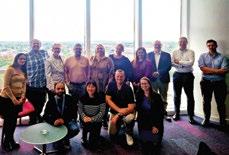
Radar Healthcare team at Patient Safety Congress
Fostering Collaboration Through User Groups
At Radar Healthcare, we’re committed to fostering collaboration and innovation among our customers. In response to customer feedback, we’ve launched specialist user groups tailored to specific sectors: NHS, Independent Sector, Care, Ambulance, and Hospice. Meeting monthly online, these groups provide a dynamic space for customers to share best practices, address challenges, and develop solutions together.
Why join our user groups?
Our user groups offer a unique opportunity to connect with peers facing similar challenges in your sector. From improving audit practices to exploring innovative approaches, these sessions have already sparked meaningful discussions and tangible outcomes. They’re about more than sharing ideas – they’re about driving collective success.
Collaboration and partnership
Each group is led by experienced professionals within that specific sector who bring valuable knowledge and insights. Alongside Radar Healthcare’s Partnership Managers, each group chair guides discussions, topics to cover and helps to translate ideas into actionable improvements. The feedback we’ve had so far has been extremely encouraging with partners reporting the collaboration between organisations has been beneficial and helped them to implement things they might not have considered or thought about in their own organisations. We’re really passionate about bringing our partners together to share their own best practice.
“
RADAR HEALTHCARE ARE EXCELLENT AT FACILITATING RELATIONSHIPS WITH OTHER ORGANISATIONS, ALLOWING SHARED LEARNING.”
EMPOWER & COLLABORATE
Introducing Radar Healthcare’s Enhanced Risk Register: Features and Benefits
A Q&A with expert, Ellie Jordan on Radar Healthcare’s Enhanced Risk Register. Effective risk management is crucial for ensuring patient safety and maintaining high standards of care. To shed light on our latest advancements in this field, we spoke with Ellie Jordan, Account Director and project lead for Radar Healthcare’s Enhanced Risk Register.
Q. Firstly, Ellie, can you please introduce yourself and your role in this project?
A. Hi, I’m Ellie Jordan, the Account Director, former Product Owner, and project lead for the Enhanced Risk Register at Radar Healthcare. My role as the project lead involved overseeing the development and implementation of our risk management solution to ensure they meet the needs of our partners and the health and social care industry.
Q. Why is reporting on and recognising risks within health and social care important and how can digital tech add value?
A. Reporting on and recognising risks within health and social care is crucial because it directly impacts the safety and quality of care provided to patients and residents. Identifying risks early allows for timely interventions that can prevent harm. Digital technology adds significant value by enabling real-time risk identification, streamlined reporting processes, and comprehensive data analysis. This enhances decision-making and helps in creating safer healthcare environments.
Q. Can you introduce the new module and its impact on our partners when reporting risk?
A. Yes! Our new Enhanced Risk Register module is designed to provide our partners with a more robust and intuitive platform for managing risks.
It allows for better tracking, analysis, and reporting of risks within their organisations. So far, the impact on our partners has been very positive, allowing for more efficient risk management processes, ensuring that potential issues are addressed proactively and effectively.
“Since moving to Radar and introducing the Risk Register module, we have been able to have a much clearer handle on the management of our risks – utilising the analytics to provide oversights and also identifying our response to risk. The risk review process is thorough but not time consuming and the ability to link risks to Events within this system provides a great method of triangulation to support future risk reviews and help to inform whether risk scores and/or responses should be changed.
Some of the recent updates to the module have been helpful in supporting staff on the shop floor with understanding the requirements when logging risks and we’re looking forward to utilising upcoming changes to continue strengthening our management of risk across the organisation.”
Simon Geoghegan, Head of Clinical Data Reporting and Governance Systems at Circle Health Group
PRODUCT SPOTLIGHT:
PRODUCT SPOTLIGHT:
Q. What are the primary objectives of the enhancements? What are the key changes or new features being introduced in the enhanced risk register?
A. The primary objectives of the enhancements are to improve user experience, increase the accuracy and efficiency of risk reporting, and provide more actionable insights. Key changes and new features include:
Updates to Controls: We’ve focused on making it simpler and more efficient to add controls to risks. Previously, the process involved several steps, but now, with a streamlined approach, users can add controls seamlessly, saving time and clicks.
Enhancements to Assurance: Formerly known as the “Board Assurance Step,” we’ve renamed it to just “Assurance” for broader applicability. Additionally, various updates have been made to this step, enhancing its functionality and relevance across different organisational contexts.
New Approval Step: Introducing a brand-new approval step, providing users with the ability to approve risks directly within the register. This adds an extra layer of safeguarding and ensures that risks are thoroughly reviewed before proceeding.
Analytics: We are enhancing our analytics dashboards to provide better visibility and deeper insights into organisational risks. This update will enable tracking of various operational aspects, such as overdue risks,
uncontrolled risks, and the responsibility and accountability of risks. Additionally, it will offer insights into risk escalation and de-escalation, trends over time, and comparisons of target versus actual scores.
Q. Which features have our customers been most impressed with?
A. Our customers have been most impressed with the enhanced reporting tools, real-time alerts, and the intuitive user interface. These features have significantly streamlined their risk management processes and provided them with better control over risk identification and mitigation.
Q. What are the top 3 benefits to our partners?
Improved Efficiency: Small changes, such as the streamlined process for adding controls, translate into significant time savings for users. By reducing the number of clicks and making the interface more intuitive, we’ve enhanced overall efficiency
Customisability: Recognising that risk management practices vary widely, especially within the NHS, we’ve built in flexibility and customisation options. This ensures that the Risk Register can be tailored to suit individual preferences and organisational requirements.
Enhanced Oversight: The addition of the approval step along with new dashboards, including those for escalated risks, provides partners with improved visibility and oversight.
Q. How have we identified the needs and expectations of our customers regarding the risk register?
A. We have conducted extensive consultations with our customers, gathering feedback through surveys, interviews, and focus groups. Additionally, we’ve analysed usage data and industry trends to understand their needs and expectations better. This customer-centric approach has guided the development of our enhanced risk register.
Key stakeholders involved in these enhancements include our existing customers, such as Milton Keynes University Hospital NHS Foundation Trust, NHS South West London Integrated Care Board, North West Surrey Integrated Care Services, Guy’s and St Thomas’ NHS Foundation Trust and more. Their feedback and collaboration have been invaluable in shaping the new features and improvements.
Moving forward, we will ensure that the risk register remains aligned with evolving customer needs and industry standards by maintaining an ongoing dialogue with our customers, continuously monitoring industry developments, and regularly updating our software to incorporate the latest best practices and regulatory requirements.
“It is important that the risk register module is easy to use for staff and provides the organisation with information for monitoring assurance purposes. We have used this module for 2 years now and the changes made by the Beta group have helped provide more robust information. Staff find the module easy to use, and particularly the ability to easily record controls and confirm if they are implemented. We look forward to future developments to this module.”
NICS - North West Surrey Integrated Care Services
Q. Finally, what sets Radar Healthcare apart from other solutions on the market?
A. Radar Healthcare stands out from other solutions on the market due to our comprehensive, all-in-one compliance solution. We offer a wide range of features that not only address risk management but also encompass other critical areas such as incident management, audits, and compliance tracking. Our user-centric design, advanced analytics, and commitment to continuous improvement make us a preferred choice for health and social care providers.
“ SO FAR, THE IMPACT ON OUR PARTNERS HAS BEEN VERY POSITIVE, ALLOWING FOR MORE EFFICIENT RISK MANAGEMENT PROCESSES, ENSURING THAT POTENTIAL ISSUES ARE ADDRESSED PROACTIVELY AND EFFECTIVELY.”
Leading With Lived Experience
Insights from Radar Healthcare’s Chief Revenue
Officer
Radar Healthcare’s CRO, Simon Qasir, has a deep understanding of the care sector, shaped by his own experience as a care home owner. In this interview, we chat to Simon about his thoughts on the state of the sector and the role lived experience plays in driving meaningful change. Here’s what he had to say.
Q&A
Leading with Lived Experience
CARE Q&A
Having been a care home owner myself, I know firsthand how demanding the day-to-day reality of care delivery can be. That experience continues to shape how I lead at Radar Healthcare. My perspective is always rooted in the people on the front line and how we can better support them.
“
WHEN YOU’VE BEEN IN THE SHOES OF A CARE HOME PROVIDER, IT COMPLETELY SHAPES HOW YOU THINK ABOUT SUPPORTING OTHERS.”
Our sector has faced significant transformation. Further changes in regulatory frameworks, more choices than ever with care technology, and a growing focus on transparency and person-centred care are reshaping how we operate. Feedback-led, proactive approaches are pushing us towards a more holistic view of care - one that prioritises not just compliance but the well-being and voices of those we support.
A key trend we’ve observed recently is the growing importance of feedback. When asked for advice on gathering and utilising feedback for regulatory evidence, my recommendation is to embrace these changes and leverage technology to streamline the process. Digital transformation may seem daunting, but the rewards are substantial.
While technology is a powerful enabler, cultural change within an organisation is driven by leadership, not by the tools we use. Truly well-led teams aren’t built by systems, but by empowering those we lead.
Explore more insights from Simon on What The HealthTech?
The holy grail is when teams say, ‘look what WE have done’ - when the collective feels they’ve made the difference, not just one individual.
Collaboration is more important now than ever. Whether you’re a care provider, regulator, or part of the wider health and social care ecosystem, working together to tackle these challenges will define the future of the sector. While technology streamlines processes and improves outcomes, real progress comes from partnerships, teamwork, and a shared vision.
This is where technology can play a vital role – not as a replacement for people, but as an enabler for better care. At Radar Healthcare, we see the power of real-time feedback, user-generated insight, and partnership-led development in helping providers navigate these demands. But digital transformation isn’t just about adopting new tools – it’s about shaping your future with purpose.
At Radar Healthcare, we’ve made great strides in co-developing technology that reflects what our partners truly need. From our CQC-aligned dashboards to our bespoke user groups and the growing community around them, it all comes back to collaboration.
“
AT THE HEART OF EVERYTHING WE DO IS A BELIEF IN PARTNERSHIP.”
For us, that means listening, learning, and building together with our customers.
Simon Qasir
Chief Revenue Officer Radar Healthcare
THANK YOU FOR EXPLORING THIS EDITION OF RH INSIGHTS
We’re proud to celebrate the achievements of our partners and the innovations driving safer, smarter care across the health and social care sector. Every story shared reflects the power of collaboration, insight, and technology to make meaningful change.
If you’d like to find out more about Radar Healthcare and how we can help you improve safety, strengthen compliance, and drive continuous quality improvement, we’d love to hear from you.
Let’s work together to create lasting impact - for your teams, your organisation, and the people you support every day.