• ivakqIgq qOr 'qy kimAUintI pOp-awp smfgmF 'qy hor jfxo.
srvyKx krn leI koz nUM
skYn kro. srvyKx dI aMqm
qfrIK: PrvrI 8, 2026
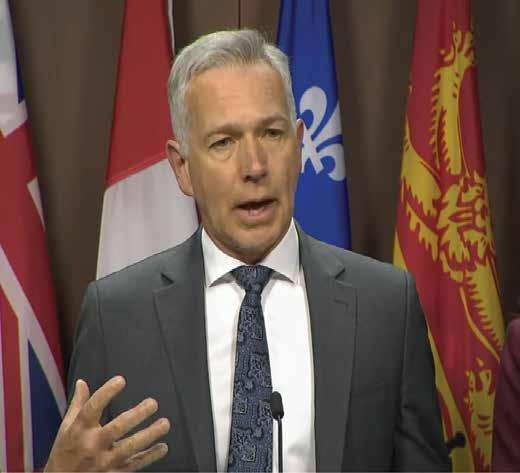
Abbotsford Mayor and Semá:th First Nation Chief Bring Sumas Prairie Flood Concerns to Ottawa
Abbotsford Mayor Ross Siemens and Semá:th First Nation Chief Dalton Silver travelled to Ottawa this week to urge the federal government to take a stronger role in addressing flood risks in the Sumas Prairie, an area they say is critical to British Columbia and the country as a whole.
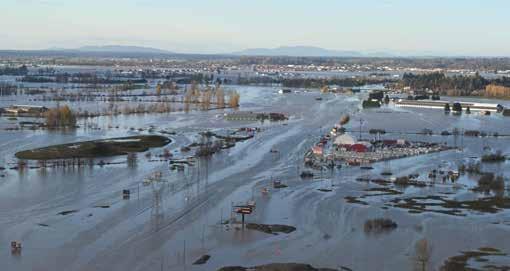
The visit was intended to draw national attention to the long-standing vulnerability of the Sumas Prairie, a low-lying agricultural region near the Canada–U.S. border that has experienced repeated flooding. The area was heavily damaged during the widespread floods of November 2021 and was again affected by severe flooding in December 2025.
Siemens emphasized that the Sumas Prairie supports major agricultural production and key transportation routes,
including Highway 1, and that damage to the area has impacts that extend well beyond Abbotsford. He has argued that while local and provincial governments have taken steps to reduce flood risk, federal involvement is necessary for large-scale, long-term solutions.
Chief Dalton Silver highlighted the impacts flooding has had on Semá:th First Nation lands and community members. He has called for collaboration between Indigenous communities and all levels of government to ensure flood mitigation planning addresses both safety and long-term resilience.
British Columbia’s Minister of Emergency Management and Climate Readiness, Kelly Greene, accompanied Siemens and Silver to Ottawa in support of their request. The province has invested significant funding in
PUNJABI PATRIK A STAFF pMjfbI pwiqRkf stfP
flood recovery, preparedness, and mitigation efforts in the region since the 2021 floods, including watershedbased planning initiatives focused on the Sumas area.
The Sumas Prairie is particularly susceptible to flooding due to its location on the former bed of Sumas Lake and its connection to cross-border waterways such as Washington State’s Nooksack River. Extreme rainfall events can quickly overwhelm existing
flood infrastructure, increasing risks to farms, homes, and communities.
Siemens and Silver said the purpose of their meetings in Ottawa was to encourage federal investment and coordination on flood mitigation, especially as climate change increases the likelihood of severe weather events. They are seeking long-term infrastructure solutions and stronger partnerships to better protect the region in the future.
Chief Editor/Publisher : Dr. Andy Sidhu | General Manager : Dave Sidhu | Administration Executive : Ronnie Sidhu muwK aYzItr/ pbilsLr zf aYNzI iswDU jnrl mYnyjr dyv iswDU aYziminstRysLn mYnyjr rOnI iswDU
srHoN df qyl idl dI cMgI ishq leI bhuq PfiedymMd huMdf hY. ies ivwc BrpUr mfqrf ivwc monoansYcuryitz PYtI aYisz (MUFA) mOjUd huMdy hn, jo idl dI ishq leI cMgy mMny jFdy hn. ies nUM roËfnf Kurfk ivwc Èfml krn nfl blwz pRYÈr aqy blwz ÈUgr dy pwDr nUM GtfAux ivwc mdd imldI hY. ies dy nfl hI, ieh srIr ivwc cMgy kolystRol (HDL) nUM vDfAuNdf hY aqy mfVy kolystRol (LDL) nUM GtfAux ivwc mdd krdf hY. ies nfl idl dIaF ibmfrIaF df Éqrf Gwt huMdf hY. hflFik, idl dI ishq 'qy srHoN dy qyl dy pRBfv nUM pUrI qrHF smJx leI ajy hor Koj dI loV hY.
2) sikn qy vflF leI vDIaf srHoN df qyl sikn qy vflF dovF leI iksy vrdfn qoN Gwt nhIN hY. ies dI vrqoN aksr dfdI-nfnI Coty bwicaF dy srIr dI mfilÈ leI krdIaF hn. ieh sikn nUM nmI (Miostuirze) idMdf hY aqy KuÈkI nUM GtfAuNdf hY.nfl hI, ieh PtIaF awzIaF nUM TIk krn df iek
vDIaf qrIkf hY. srHoN dy qyl ivwc QoVHI ijhI mom imlf ky qusIN ruwKIaF aqy PtIaF awzIaF nUM afsfnI nfl TIk kr skdy ho. ieMnf hI nhIN, ieh JurVIaF, PfeIn lfeInË qy vflF dy vDIaf vfDy leI vI PfiedymMd huMdf hY. ies df koeI sfeIz iePYkt nf hovy, ies leI vrqoN qoN pihlF pYc tYst (Patch Test) ËrUr kro.
3) kYNsr df Éqrf Gtfey
kI qusIN jfxdy ho ik Kfxy 'c vriqaf jfx vflf srHoN df qyl kYNsr dy Éqry nUM GtfAux ivwc vI mddgfr ho skdf hY? kuJ KojF ivwc pfieaf igaf hY ik ieh keI qrHF dy kYNsr sYwlF dy vfDy nUM GtfAuNdf hY. iek aiDaYn dOrfn pfieaf igaf ik mwkI dy qyl jF iPÈ afiel dy mukfbly srHoN df qyl cUihaF 'c koln kYNsr dy Éqry nUM GtfAux ivwc iËafdf pRBfvÈflI sfbq hoieaf.
jfnvrF 'qy kIqy gey iek hor aiDaYn qoN pqf lwgf hY ik ies ivc mOjUd aYill blYzr kYNsr dy vfDy nUM lgpg 35% qk Gtf skdf hY. hflFik, iensfnF 'qy ies dy pRBfv nUM pUrI qrHF smJx leI ajy hor ivigafnk Koj dI loV hY.
izsklymr: lyK ivwc idwqIaF geIaF slfhF qy suJfa isrÌ afm jfxkfrI dy AudyÈ leI hn. ienHF nUM pyÈyvr zfktrI slfh vjoN nhIN ilaf jfxf cfhIdf. koeI vI svfl jF smwisaf hox 'qy hmyÈf afpxy zfktr nfl slfh kro.
The Patrika
2026 Chevrolet Equinox EV: Electric SUV Offers Value for Money!
Review by Veeno Dewan.
ABBOTSFORD DENTAL CENTRE
The 2026 Chevrolet Equinox EV is part of the new range of General Motors impressive portfolio of new All Electric vehicles that are rapidly winning buyers and critics approval across the board. For the 2025, the Equinox comes with a sleek new redesign and an aggressive racy look with both two wheel and all-wheel-drive versions.
reduces that to 5.9 hours. The more powerful 19.2-kW charger drops that to 5.9 hours.
Entry level Equinox EV models start with 220 horsepower ( up from7 hp) and 243 lb-ft of torque single electric 164 kWh motor version that drives the front wheels. The motor is paired with an 85-kWh battery that provides a 0- 100 km/h sprint in 7.9 seconds. The AWD models use two electric motors and the same battery to produce 300 hp, which is up 12 hp from last year, and churns out 355 lb-ft of torque (Up 22 lb-ft). There is also a faster 0-100 km/h time of six seconds. The front wheel -drive Equinox has a driving range of 513-km; the AWD version delivers 494-km. The Equinox EV is rated to tow up to 680-kg.
In terms of charging, at 150-kW, a DC fast charger puts 123-km of range into the battery in 10 minutes. According to the NRCan, when plugged into a Level 2 charger the 11.5-kW charger takes 9.5 hours to fully charge the battery. The more powerful 19.2-kW charger
The 2026 Chevrolet Equinox EV model comes in 4 trim levels in Canada, with pricing ranging from $44,999 to $53,499. The price for the mid-range 2LT AWD trim is $48,499. The fully loaded twin motor 2RS AWD is priced at $53,499. Freight and PDI is $2,600. Aside from the usual bevy of comfort and convenience features, the Equinox EV comes as standard with a centrally placed 17.7-inch touchscreen for the infotainment system. Meanwhile, a driver centered 11-inch digital instrument cluster offers five different configurations options, including single gauge, dual gauge, driver assistance, map, and clean mode.
Option packages offer things like: 8-way power driver’s seat, heated and cooled front seats, heated rear seat, heated steering head-up display, , ambient lighting, LED lights all around, HD Surround Vision backup camera, and traffic sign recognition.
Interior wise - The Equinox EV’s interior is modern and comfortable, buyers gain Evotex two-tone faux leather seats with contrast stitching and various soft touch plastics, The design
is sporty and high class. The huge 17.7” touchscreen is a high point in this modestly priced SUV for sure. Unfortunately, Apple CarPlay and Android Auto is not available. However, you can use built-in apps like Bluetooth, Wi-Fi hotspot, Google built-in with maps and navigation system, Spotify, Alexa, Waze, and the MyChevrolet app which are included.
The Equinox cabin is amongst the most spacious in its class and well finished. Moving to the back seat, there is a decent amount of leg room and good headroom, and it has USB sockets, air vents, and a 110-volt power outlet. The rear cargo space measures 748L with the rear seat upright and 1,620- with the seats folded flat.
On the safety front, you get automatic emergency braking, forward collision alert, front pedestrian and bicycle braking, safety alert seat, rear cross traffic alert, blind spot monitoring, reverse automatic braking, adaptive cruise control, and automatic intersection braking.
On the road, the Equinox EV delivers a comfortable ride and smooth operation. There is one-pedal drive with standard and high settings. There’s also an On-Demand paddle that’s used to modulate the amount of regen manually. It works on its own or in conjunction with the one-pedal feature. The base FWD model›s ac-
celeration is modest compared with the more powerful AWD version that provides a more fulfilling and sporty experience. Steering is well-weighted, and the chassis provides good body roll control. Handling is nimble and well balanced and both urban and highway performance is good. The available Super Cruise system allows for hands-free driving on pre-mapped highways and includes automatic lane changes. A small camera on the steering wheel monitors your eyes to make sure you are engaged, and if not, you get a verbal warning.
High points include, the spacious and comfortable interior, impressive electric range, quiet and smooth highway ride and the advanced technology options like Super Cruise. Negatives are few, and include a lack of small cubby holes and storage space up front and the unavailability of Apple CarPlay and Android connectivity. The Equinox is well worth considering for its competitive pricing and is impressively roomier than most of its competition. It is extremely stylish, and it drives very nicely. It is also exceptional value for the money. Highly recommended.
2026 Chevrolet Equinox – Priced from $44,999 to $53,499.plus destination and taxes.
More info at: www.chevrolet.ca
Simon Ave
#100A - 2860 Trethewey St., Abbotsford, V2T 4X5
DGB HOME RENOVATION
We do all types of Renovations
asIN hr qrF dI rYnovysLn krdy hF:
• Laminate • Tiles
• Painting
• Framing
• Drywall Finishing
• Kitchen Cabinets
• Stone Works
• lYmInyt
• pyNitMg
• tfeIlF
• PRyimMg
• zrfeIvfl iPinisLMg
• ikcn kYbints
• ston vrk
• Plumbing • plMibMgL
You will get the best quality work at DGB home renovation
knyzf, amrIkf qy hor bfhrly dyÈF ivwc rihx vfÜy gdr pfrtI dy XoDy dyÈ dI afËfdI leI AudoN hiQafr cuwk ky lVy sn jdoN sfry df sfrf ihMdusqfn gulfmI dIaF
ËMjIrF nUM CfqI nfÜ lfeI GUk suwqf ipaf sI qy Aus dy vwzy vwzy nyqf inwikaF inwikaF suDfrF leI agryË qON BIK mMgdy iPrdy sn. hiQafr cuwk ky lVnf qf dUr dI gwl rhI, Auh dyÈ leI afËfdI mMgx df hOslf qwk nhIN sI kr skdy. Auh isrP ‘aMdrUnI KudmuKiqafrI’ (Dominion ÈtAtus) mMgdy sn, Auh vI zridaF zridaF.
OPEN MONDAY TO FRIDAY 8 AM TO 6PM & SATURDAY 9AM TO 1 PM
dyÈ dI afËfdI leI hiQafrbMd sMGrÈ krn vfÜI gdr pfrtI ivc ies qrHF dy XoDy vI hoey ny ijnHF df koeI nF qwk nhIN jfxdf. ies qrHF df hI iek gdrI XoDf ‘bVy ipMz’ df bsfvf isMG hoieaf hY. hor qF hor, ‘bVy ipMz’ dy lokF nUM vI nhIN pqf ik AunHF dy ipMz df bsfvf isMG nF df koeI gdrI vI hoieaf hY ijs ny dyÈ dI afËfdI leI afpxI jfn vfrI sI. ies leI lokF nUM iËMmyvfr nhIN Tihrfieaf jf skdf. lokF nUM qF ieh dwisaf hI nhIN igaf ik igaf ik afËfdI isrP ÈFqmeI qRIikaF nfÜ hI nhIN imÜ geI, isr dyxy pey ny ies leI, isr! ksUr lokF df nhIN, srkfrF df hY jF zrU qy mOkf-pRsq ieiqhfskfrF df hY. PgvfVy qoN pMdrF-soÜF iklomItr dwKx vwl, gurfieaf nyVy iËlHf jlMDr df mÈhUr ipMz ‘bVf ipMz’ hY. ies ipMz ivc bhuigxqI shoqf goq dy jwtF dI hY. ies ipMz dy lokF hr Kyqr ivwc vwzIaF mwlF mfrIaF hn (myry iswK nYÈnl kflj bMgf ivc pVHn smyN kflj dy pirMsIpl jgjIq isMG ‘rFJf’ bVy ipMz dy hI sn). bsfvf isMG df jnm vI ‘bVy ipMz’ ivwc hI hoieaf sI. bsfvf isMG df bfp JMzf isMG shoqf QoVHI ËmIn vfÜf grIb iksfn sI. Gr df guËfrf bVI muÈikl nfÜ cwldf sI. aMgryË srkfr dI nIqI kfrn Aus Ëmfny ‘c ipMzF dy afm muMizaF leI POj hI nOkrI df iewko iewk vsIlf huMdf sI. grIbI krky bsfvf isMG POj ivwc BrqI ho gey. afp ny kuwJ sfl 92vIN pMjfb rjmYNtivwc grMQI vjoN syvfvF inBfeIaF.
BfeI bsfvf iswK sn, gurU sfihb dy aslI isK jo hwk-swc leI KVHnf, lVnf qy mrnf jfxdy sn. Auh ieh gwl BlI BFq smJdy sn ik aMgryËF ny iswKF qoN AunHF df rfj
DoKy nfÜ Koihaf sI. Auh iswK ‘srdfrF’ vwloN kIqI gdfrI nUM vI smJdy sn. Auh jfxdy sn ik bhuqy iswK ‘srdfrF’ nUM iswKI nfÜoN, lokF nfÜoN, iswK rfj nfloN afpxIaF jfgIrF iËafdf ipafrIaF sn. Auh srdfr ajIq isMG (ÈhId Bgq isMG df cfcf) horF vwloN clfeI 1907 vfÜI ‘pgVI sMBfl jwtf’ lihr qoN vI bhuq pRBfivq sn. Auh aMgryËI rfj nUM nPrq krdy sn. Auh POj dy jvfnF ivc aMgryËI rfj ivruwD pRcfr kiraf krdy sn. afp POj dy jvfnF nUM dwisaf krdy sn ik aMgryË srkfr ‘pfVo qy rfj kro’ dI nIqI ‘qy cwl rhI sI. Auh iswKF nUM muslmfnF ivruwD lVf rhI sI qy muslmfnF nUM iswKF qy ihMdUaF ivruwD. afp POj dy jvfnF nUM ieh vI dwsdy sn ik bfhrly mulkF dy lok iswKF nUM gulfmI dI plyg PYlfAux vfÜy cUhy swddy sn ikAuNik AunHF ny bhuq sfry mulkF nUM aMgryËF dy gulfm bxfieaf sI. afp ienHF jvfnF nUM kihMdy ik gurU sfihb ny Kflsf sfijaf qF grIbF, mËlUmF qy inhwiQaF dI mwdd krn leI qy ËflmF df nfÈ krn leI sI:
“Kflsf so jo inrDn ko pflY Kflsf so jo duÈt ko gflY.” ies leI aMgryËF vfsqy lVnf iswKI asUlF dy ivruwD sI. BfeI bsfvf isMG vwloN kIqy jFdy ies pRcfr df pqf lwgx ‘qy aMgryË aPsrF ny afp nUM POj ivwcoN kwZ idwqf. POj ‘coN kwZy jfx bfad Auh AuwqrI isafm (QfeIlYNz) ivc icMgmeI dy gurduafry dy grMQI bx ky gey.
knyzf-amrIkf dy ihMdusqfnIaf ny hiQafrF dy Ëor aMgryËF nUM ihMdusqfn coN ‘kwZ ky dyÈ leI afËfdI pRfpq krn dy ierfdy nfÜ 2 jUn 1913 nUM gdr pfrtI bxfeI sI aqy pihlI nvMbr 1913 qoN sfnPrFissko qoN ‘gdr’ aKbfr kwZxf ÈurU kIqf sI. BfeI bsfvf isMG sfnPrFissko qoN ieh aKbfr mMgvfieaf krdy sn qy icMgmeI dy gurduafry sMgqF nUM pVHky suxfieaf krdy sn. BfeI bsfvf isMG dy XqnF sdkf icMgmeI ivc gdr pfrtI dI brFc kfiem ho cuwkI sI qy afp ies dy lIzr sn. gdr pfrtI dI mwdd leI afp lokF qoN PMz vI iekwTf kiraf krdy sn.
4 agsq 1914 nUM sMsfr XuwD sUrU ho igaf sI. gdr pfrtI nUM bixaF hflF isrP cOdF
mhIny hoey sn qy gdr aKbfr inkÜdy nUM nON mhIny. gdr pfrtI dIaF gdr krn leI hflF iqafrIaF mukMml nhIN sn. pr duÈmx ksUqf Pisaf dyK gdr pfrtI ny gdr mcfAux df aYlfn kr idwqf.
“duÈmx sfzf XUrp dy ivwc Pisaf PfhI zfZI hY.
jrmn Èyr KVHf hY GyrI hux qF iZwl asfzI hY.
hwQo-hwQI PV lE Èyro vylf iZwl nf lfvn df.
afE Èyro gdr mcfeIey mOkf nhIN KuMjfvn df.”
gdr pfrtI dy swdy ‘qy knyzf, amrIkf qy hor bfhrly dyÈF qoN hËfrF gdrI dyÈ afËfd krvfAux leI ihMdusqfn phuMcy.
gdr pfrtI dI brmf-isafm plYn: ies plYn anusfr isafm qy Dur-pUrb (ZAr EAst) dy dyÈF ivc rihMdy gdr pfrtI dy hmdrd ihMdusqfnIaf nUM isafm ivc iekwTy kIqf jfxf sI. isafm ivc, jrmn ryl gwzI dI lfeIn kwZ rhy sn. jrmn POjI aPsrF ny ienHF ihMdusqfnIaF nUM lVfeI dI tryinMg dyxI sI. jrmnI vwloN splfeI kIqy hiQafrF nfÜ ienHF gdrIaF nUM hiQafrbMd kIqf jfxf sI. isafm ivc POjI iswiKaf prfpq krky ienHF gdrIaF ny brmf ‘qy hmlf krnf sI. brmf AudoN aMgryËF ny pRbMDkI sOK leI ihMdusqfn nfÜ imÜfieaf hoieaf sI. AuwQoN bhuqIaF POjF lVfeI ivc ihwsf lYx leI XUrp nUM jf cuwkIaF sn. brmf ivc pMdrF hËfr puls sI ijs ivc pMjfb dy jwt BrqI kIqy hoey sn jo mËhboN iswK jF muslmfn sn. aMgryËF ny AuwQy afpxf db-dbfa kfiem rwKx leI ienHF jwtF nUM POjI hiQafr dy ky imltrI puils bxfieaf hoieaf sI. gdrI lIzrF ny brmf dI ies imltrI puils ivc pRcfr krky Aus nUM afpxy nfÜ gMZxf sI aqy ieh XkInI bxfAuxf sI ik Auh isafm ‘coN brmf qy hmlf krn vfÜI gdrI POj df sfQ dyvy. ies qrF isafm ivclI gdrI POj aqy brmf dI imltrI puils dI mwdd nfÜ brmf ‘qy kbËf kIqf jfxf sI. brmf nUM awzf bxf ky Pyr awgy ihMdusqfn ‘qy hmlf krnf sI.
gdr pfrtI dI isafm-brmf plYn dI kmFz amrIkf qoN gey sohx lfl pfTk, bfbU hrnfm isMG sfhrI aqy BfeI sMqoK isMG DridE vrgy gdrI lIzrF dy hwQ sI (amrIkf dy gdrIaF bfry vyrvy nfÜ jfnx leI lyKk dI Cp rhI ikqfb ‘amrIkf dy gdrI XoDy’ pVoH). mfrc (1915) dy ÈurU ivc sohx lfl pfTk aqy bfbU hrnfm isMG
sfhrI srhwd pfr krky isafm qoN brmf ivc rMgUn puwj gey. ies qoN ËldI bfad gdr pfrtI dy jnrl skwqr BfeI sMqoK isMG DridE vI afp koÜ rMgUn puwj gey.
rMgUn ivc gdr pfrtI dI brFc nUM srgrm qy mËbUq bxf ky pMzq sohx lfl pfTk, bfbU hrnfm isMG sfhrI aqy BfeI
kuJ idnF bfad nrYx isMG vI myimE dy iewk Zfby qoN PiVaf igaf.
inrMjn isMG sMgqpurf qy AunHF dy imwqr
pflf isMG ny lwgI izAUtI anusfr ipafbvy jf ky kflf isMG nYk qy skUl mfstr
prqfp isMG vrgy keI bMidaF nUM gdr
pfrtI nfl joV ilaf sI qy AunHF nUM ipsqOl, goÜIaF, zfeInfmfeIt, bMb bxfAux dy nusKy aqy bhuq sfrf gdrI sfihq idqf sI. pr aYny nUM sohx lfl aqy AunHF df sfQI PVy jfx dI Kbr af geI. inrMjn isMG sMgqpurf aqy pflf isMG brmf qoN isafm nUM cly gey. lCmx isMG gwzI iNvwc brmf
qoN isafm nUM jFdf srhwd twpx qo pihlF hI PiVaf igaf. lCmx isMG ‘qy qÈwdd krky puils ny Aus nUM vfadf mfP gvfh
bxf ilaf. lCmx isMG qoN Byq lY ky puils
ny bhuq sfry gdrI brmf aqy isafm ivc
PV ley. puils ny icMgmeI dy gurduafry jf ky BfeI bsfvf isMG nUM vI PV ilaf. isafm ivc PVy gdrIaF nUM srhwd ‘qy ilaf ky brmf dI puils dy hvfly kIqf igaf ( brqfnIaf AudoN ‘supr pfvr’ huMdf sI. brqfnIaf df ‘dbkf’ sfrI dunIaf ‘qy cwldf sI. vYnkUvr gurduafry dy grMQI sfihbfn BfeI blvMq isMG Kurdpur nUM vI isafmI srkfr ny aMgryËF dI ‘GurkI’ qoN
zridaF hI, ieMtrnYÈnl kfnUMn dI prvfh nf kridaF hspqfl ‘c ibmfr pey nUM PV ky aMgryËF hvfly kIqf sI). isafm aqy brmf ivwwwwwwcoN PVy gdrIaF Awuqy mFzly ivc izPYNs afP ieMzIaf aYkt aDIn ‘The King Emperor VÈ HArnAm Èingh And 16 others’ nF df mukwdmf clfieaf igaf. ies mukwdmy nUM ieiqhfs ivc afm qOr ‘qy ‘Pst brmf kFspIrysI kys’ jF ‘mFzly kFspIrysI kys 1’ afiKaf jFdf hY. lfhOr kFspIrysI kys (srfBy horF vfÜf vwzf mukwdmf) dI kfrbn kfpI sI ieh mukwwwwwwwdmf. ies mukwdmy df PYslf 17 julfeI 1916 nUM suxfieaf igaf. BfeI bsfvf isMG horF nUNM PFsI df hukm suxfieaf igaf. ies qrHF ‘bVy ipMz’ df BfeI bsfvf isMG dyÈ dI afËfdI leI PFsI cVHky ÈhIdI pf igaf. ( BfeI bsfvf isMG vloN isafm ’coN sohx lfl pfTk nfl brmf nUM Byjy pMj gdrIaF coN BfeI inrMjn isMG sMgqpurf, BfeI pflf isMG Èyrpur aqy BfeI nrYx isMG bflo nUM PFsI df hukm hoieaf aqy jIvn isMG nUM Aumr kYd).
Ranbir
954-6748
LIFECARE HOMEOPATHY
#1, 32056 SOUTH FRASERWAY
(ABOVE MEDICAL CLINIC) CALL DR. SHVETA SAINI MBBS, MD, DHMHS (ONTARIO) PRACTICE SINCE 15 YEARS 604-304-2236
anykF bImfrIafˆ dy shI ielfj leI hux sfzy koloˆ nvIˆ Koj nfl iqafr kIqIafˆ dvfeIafˆ lY skogy.
* AudfsI aqy Gbrfht rog * cmVI dy rog * ikwl muhfsy, iÌnsIafˆ afid * Qfierfz aqy anykF hor bImfrIaF
A new CAO with a wealth of experience is appointed
The City is pleased to announce the appointment of Barclay Pitkethly as the new Chief Administrative Officer. Pitkethly has a wealth of experience and expertise in public administration and a deep commitment to community service and organizational excellence.
“In 2019, Mission was fortunate to recruit Mr. Pitkethly as Deputy Chief Administrative Officer with succession in mind. He has played a key role in guiding strategy and innovation here and he has built deep organizational knowledge and strong relationships that will complement his readiness to bring fresh ideas forward. Mr. Younie set a high standard, and Council is confident that our progress will continue under Mr. Pitkethly’s leadership. We could not be more grateful to both of these leaders.”
With an MBA and a wealth of knowledge in community planning, Pitkethly brings experience and expertise from decades of leadership in local government, including at the City of Mission,
the Fraser Valley Regional District, and the City of Surrey.
“I would like to extend my sincere appreciation to outgoing CAO Mike Younie for his leadership, guidance, and commitment to the City of Mission,” said Mr. Pitkethly. “Mike has established a strong foundation for the organization, and I am grateful for the opportunity to have worked alongside him during his tenure. I would also like to thank Mayor Horn and Council for their confidence in appointing me as Chief Administrative Officer. I am excited to work collaboratively with Council and the City's talented and dedicated staff to deliver on Council’s priorities while continuing to support a strong, effective, and efficient organization.”
City Council and staff extend their sincere gratitude to Mike Younie for his exemplary service during his tenure at the City of Mission and share a hearty congratulations to Barclay Pitkethly on his new post.
A CAO retires after two decades of dedicated service
After 20 years of dedicated service, Mike Younie, Chief Administrative Officer, has decided to retire this spring. Younie has been instrumental in his leadership and has guided the City through significant growth, change, and strategic initiatives.
“We are deeply grateful to Mike for his service to Mission,” said Mayor Paul Horn. “He strengthened the way we work together and leaves us with an enduring and constructive legacy. Using his steady and humble approach, he built a cohesive leadership team and a culture that brings out the best in people. He unselfishly committed countless hours outside of a normal work schedule, with his integrity and caring shown in every interaction. He has more than earned a peaceful retirement.”
Younie began his career at the City of Mission in 2006 as the City’s first Manager of Environmental Services. He served as both Deputy Director of Engineering and the Director of Development Services before becoming the Deputy CAO in 2015
and then CAO in December 2018. Before joining the City of Mission, Younie served in the Government of British Columbia at the Ministry of Environment.
“I am forever grateful for the opportunity to work for the City of Mission in several different capacities over the last 20 years,” said Younie. “It has been a fascinating journey learning what goes into running a city and the services that we all come to rely on so much. The support of staff, various Councils and community partners is greatly appreciated. Mission has been very good to my family and I and it has been gratifying to be able to work to improve my home community. I am pleased to be able to pass the torch to Mr. Pitkethly who has excelled as Deputy CAO for the last 6 years. I have full confidence that Mr. Pitkethly is ready and well-prepared to continue the good work being done at the City and, along with Council, will carry the organization forward to accomplish even greater things in the coming years. Thank you all.”
Province, communities seeking federal partnership on flood management
The Province continues to advocate for federal support for flood resilience on Sumas Prairie.
“Sumas Prairie is a vital economic, agricultural and transportation corridor for B.C. and for Canada,” said Kelly Greene, Minister of Emergency Management and Climate Readiness. “I’m optimistic that our federal government shares our concern for the people and businesses in this area of national importance, and will join us in our work to develop a long-term resilience strategy.”
The mission, Feb. 4-5, 2026, will include meetings with senior members of the federal cabinet to discuss crucial floodreduction infrastructure projects and emergency preparedness in British Columbia. Action to protect homes, businesses, farms, fish habitat, transportation routes and infrastructure is vitally important to the province.
“Sumas Prairie is home to families, farms and businesses vital to our economy and food security,” said Ross Siemens, mayor of Abbotsford. “Abbotsford farms gener-
ate $3.8 billion in annual economic activity, and protecting the people who live and work here, along with the critical trade and energy infrastructure running through the prairie, is essential. In 2021, the federal government promised to help safeguard our community against flooding disasters, and we are optimistic this government will deliver the funding needed to protect our region and nation.”
Partnership key to safeguarding Sumas Prairie. Sumas Prairie in southwestern B.C. is susceptible to flooding from the Sumas and Nooksack rivers.
The region has been hard hit by successive floods for decades, most recently in December 2025 and November 2021.
The Sumas River Watershed Flood Mitigation Planning Initiative was formed in April 2023 in response to catastrophic flooding in 2021 with the goal of improving flood resilience for Sumas Prairie.
The Province has provided approximately $220 million in recovery, preparedness and mitigation funding for Abbotsford and Sumas Prairie since 2021.
jy qUM cfr awKr pVHky kuwJ bx igaf qF kI hoieaf? asIN sfry zMgr Zor qF nI| qYnMU jMimaf pfilaf, iehnF gwlF krky nhIN beI qUM sfzI suxygf hI nhI| byby myry ‘qy kcUc hoeI bYTI sI guwsy ‘c| jy BlI cfhuMnf qF vhutI nUM lY ky nfH ky afAu qIrQ ‘qy, sfl bfad afAudf, nfly kudrqI Zoa mylf juiVaf qYnMU CuwtIaF aY, vy kmilaf puwqf AuWQy sLnfn krky nO inDF bfrF isDF huMdIaF| sfrI Klkq kmlI nI ijhVI vhIrF GwqI jFdI, AuwQy qlfa ‘c nHfky krjf lih jFdf| myry hwz gozy jvfb dy gey hux BfeI bloN hfr geI| hux nhIN qF qyrIaF lylVIaF kfhqoN kwZdI bFdr dIaF| mYN qy qyrf ipAu ibnF nfgf hr sfl cONkI Brdy sI qy mF guwsy ‘c lohI lfKI hoeI sfzy koloN AuWTky aMdr nUM qur peI| ikAuN mF aYvyN BrmF ‘c peI aYN, hfl mYN eynf hI ikhf sI ik qfm qVUk hoeI byby ny ivcoN hI tok idwqf| jbHf nf clf bhuqI, mUMhoN kuJ puwTf iswDf kwZyNgf aYzy
Drm bfry qy mMjy ‘qy mUMh Zk ky pY geI| rfq nUM myrI pqnI ny mYnUM ikhf “byby jI df idl rwKx leI hI shI afpF jf afAuny, Kbry ivcfrI ikMny idn dI pRfhuxI Pyr qusIN pCqfeI jfxf| bfpU jI qF pihlF hI qur gey| nfly Drm krm nfly iPr qur afvFgy|
nfly puMn nfly PlIaF, awgy vI qF qusIN byby jI df ikhf BuMjy nI pYx idMdy| awgy QozI mrjI| cMgf pr mYN iehnF ZkbMjF nUM nhIN mMndf mYN jvfb idwqf| ”swc nfly mnjIq BYx jI vI iqafr aYN, afpxI gvFZx |” mYN axmMny mn nfl hfmI Br idwqI| mYnUM kwlH vFg Xfd aY mF qy bfpU ies sQfn ‘qy hr sfl nhfAux jFdy beI AuhnF isroN krjLf lih jfAu| ijhVf kdy nf lWQf myry nOkrI qy lwgx qwk, jo myry mfipaF dI krVI muswkq kfrn mYN AuWc ividwaf pUrI kIqI qy iewk cMgI nOkrI hfsl kr sikaf, qy myrI supqnI vI cMgI nOkrI ‘qy lWgI hoeI sI| byby df mMnxf sI ik ieh sB kuJ Aus Dfm ‘qy BIKF (cONkIaF) Brn krky hoieaf|
mYN mfipaF df kwlf kfhrf puwq qy awj ipMz dy srdy pujdy pirvfrF ivwcoN sI| Aus idn asIN dovy jIa qVky sdyhF AuWT KVyH. nhf Doky iqafr hoey, gvFZx vI iqafr sI| myrf bytf bytI hfeI skUl pVHdy sI| AuhnF nUM asIN rfq hI pRogrfm bfry dws idwqf sI| do bYgF ivwc kwpVy lwqy pfe, AuQy jgfAux leI dIvy , bwqIaF, sroN df qyl. grIb gurby ‘c vMzx leI kwpVy kMbl qy pYsf tkf| bws awzy qoN bws PVI qy asIN luiDafxy phuMc gey| qurn vyly mYN vyiKaf mF dy ichry ‘qy KusLI qy srDf dy rlyL imlLy Bfv sI| hr bws dy borz ‘qy iliKaf sI mylf qy Aus sQfn df nF ijsnUM byby sLrDf
mlkIq isMG igwl
nfl vwzf Dfm kihMdI sI, pr iksy vI bws dy borz ‘qy Dfm nhIN iliKaf sI| mYN bws ‘c bYTf socI jfvF Dfm jF mylf clo kuJ hoieaf mfqf KusL qF rwb vI KusL smJo| nfly gMgf nhfAux nfly muMJ bMgV df vpfr vflI gwl| idn ZlLdy nUM asIN itkfxy ‘qy puwj gey| ihwk nfl ihwk KihMdI sI, ijvyN sfrf pMjfb hI AuQy Zuwikaf hovy| irhfiesL leI qMbU lwgy sI, asIN vI iewk qMbU lY ky irhfiesL df pRbMD kIqf| mwGr df mhInf cVHn vflf, TMZ AuWqr afeI sI| smfn qMbU ‘c sMBfl asIN bfhr inkly ijwDr ingfh jFdI bMidaF dy isr hI isr idsdy| aMnIH nUM bolf GVIsI iPrdf sI| ikDry cMzolF, ikqy srks rMg qmfsLy qrFH qrFH dy iblkul purfxy pyzU myly vflLf mhOl| acfnk myrI pqnI bolI ruko, ahu Blf afpxf drsLn afAuNdf nI| drsLn Auhdf BqIjf sI, hF AuhI hY mYN hfmI BrI| Auhdy BqIjy ny vI sfnUM vyK ilaf sI, suwK sFd puwCx qoN bfad drsLn ny dwisaf beI Auh swq BIKF Brdy hr sfl, aYqkIN vI kfPLI sMg sfQ hY sfzy ipMz df| trwk Brky ilafey aF ipMzoN | Auh ipMz df nMbrdfr vI sI| ieWQy qF PuwPV jI jo suwKxf suwKI jfvy pUrI huMdI bws sLrDf hovy| bfbf hwQ ‘qy sroH jmfANdf Auh gwlF krI jFdf sI| pr BUaf ijwdx df afieaf hF itkf nI imMt vI| ikANu vy aYQy qUM kI ibMzI pY geI myry GroN bolI| aYQy afky qF BfeI sLFqI imlxI cfhIdI | BUaf ijs idn iewQy afey pihlI rfq pflf amlI sLrfbI hoieaf puils dy aiVwky af igaf| sfrI rfq inkl geI Auhdf KihVf
Cuzfieaf, msF lY dy ky| qy kwl BUaf nwQU hurIN jUaf Kyzdy puils ny cwk ley, mYN qy myry GroN hYrfn vy aYQy jUaf sLrfb Auh bolI| bws BUaf puwCx vflI gwl nI eIsgbol kuwJ nf Pol vflI gwl aY| awj sfzy gvFZI sMqy ny iksy dI qIvIN nUM puwTf iswDf bol idwqf, pihlF mMzIr ny sMqy dI KfqrdfrI kIqI qy Pyr puils nUM PLVf idwqf kwl nUM AuhdI jmfnq krfAuxI aY| mYnUM hfsf vI afvy qy guwsf vI byby qF dwsdI huMdI sI beI ies jgHf qoN do do mIl sLrfb nI imldI mY socI jfvF, nfly PuwPV jI pYsf tkf sMBfl ky rwiKAu kul jhfn dy jyb kqry kwTy huMdy ies nhfAux qy, drsLn ny mYnMU sfvDfn krdy ikhf| koeI nI mYN ikhf asIN afpxf pqf itkfxf dws vwK hovy|
mYN GrvflI vwl vyKky muskfieaf| Auh pihlF KfmosL rhI qy iPr bolI, vyKo jI ijho ijhI iksy dI soc AuhnUM AuhI kuwJ imldf aY sfnUM kI jo krU so BrU afpF qF sLrDf nfl afey jF bws| sUrj iCp irhf sI asIN qMbU ivwc muV afey| hnyrf psrx lwgf, pr cfry pfsy ibjlI dy blb idn cVHfeI bYTy sI| afpF vI dIvy jgf afeIey Pyr BIV hojU sfzI gvFZx
ny myrI pqnI nUM ikhf, dohF ny dIvy qyl, dfn krn vflf kwpVf lIVf pYsy ley| ijQy qlfb qy dIvy jgfey jFdy AuQy lokF dI BfrI BIV sI| pr lok Dwkf mwukI hoeI jFdy| syvf krn vfly zfgF cwkI KVHy sI puils df vwKrf pRbMD qF ik hr sLrDflU Aus jgfh ‘qy isjdf kr sky qy cVHfvf cVHf sky| dohF nUM lfeInF ‘c lf ky mYN pfsy KVH igaf| myry kol KVHf iewk bfbU jI boilaf, bVI mfieaf cVHdI kwqy dy nhfAux qy hr sfl, sfry Drm dy lokF dI afsQf jo juVI aY. qusIN vI dUroN afey lwgdy ho. jI hF mYN Auhdf jvfb idwqf| qusIN vyKlo aMdr pUjf vflLI QF ‘qy rwKI golk ‘c not nI JwldI. do syvfdfr lohy dIaF pwqIaF nfl golk ‘c not TUsx ‘qy lwgy aY| Auh bolI jFdf mYN lokl hF ieQoN df| ies sQfn dI kmytI myly dy idnF ‘c ies jgfH nUM Tyky ‘qy cfVH idMdI aY| ies ielfky df nfmI grfmI guMzf hI lYNdf Tykf hr sfl, hor iksy nUM kuskx nIN idMdf. iqafr bQyry vwD Tykf dyx leIN rfj BfvyN iksy df vI hovy qUqI Ausy guMzy dI boldI hY| rfj Bfg vfly ihwsf pwqI lY lYNdy| mYN bws bybws ijhf isr iswtky sB kuwJ sux irhf sI| mYN KVHf socF ‘c zuwb igaf, kdoN lok ies mwkV jfl ‘coN inklxgy| kdy vI nhIN mYN inrfsLf ‘c afp hI isr mfiraf| mYN vI qF iehnF ‘coN iewk hF| ieh vI ieiqhfsk swcfeI hY rfjf, pujfrI, jgIrdfr lokF nMU Drm qy afsQf dy nF qy buwDU bxfAudy rhy. bxfAuNdy hn qy bxfAuNdy rihxgy. koeI cmqkfr hI lokF dIaF awKF qNo prdf cwk skdf. acfnk myrf iDafn sVk dy dohIN pfsI BIK mMgdy gLrIb lokF qy igaf. Auh iewk dUjy qo mUhry ho sLrDflUaF qo rotI, kwpVy, pYsy lY rhy sI, pr bFdrf ‘c iKwlF vflI gwl, mMg kI Jpt rhy sI. mfVy qoN qkVf Koh irhf sI. swc iewQy vI mMUh twzI KVHf sI, qkVy df swqIN vIhIN sO. mMgx vfilaF dI BIV ‘c iek ibrD mfqf sI.
Auhdy glL kMj vrgy pqly lIVy pftI mYlI kucYlI cuMnI, Auh kMugVI bYTI sI TMZ kfrn. Auh vI hwQ twz twz BIK leI qrly kr rhI sI. pr bybws dUjy mMgqy AusdI pysL nhIN sI jfx idMdy. sfry AuhnMU lqV lqV lMGI jFdy. mYN lfeIn ‘c lwgI affpxI pqnI kol igaf qy AusnMU afpxy nfl cwlx leI ikhf qy afpxI guaFZx nMU ikhf BfeI sfnMU qF dfn krn dI jgHf iml geI asIN qF sB kuJ AuWQy dy dyxf jy qYnMU TIk lwgy qMU vI cwl. nhIN vIr jI mYN qF ijs nimwq ilafeI hF AuWQy hI mwQf tykFgI . TIk hY kih asIN dovy jIa kih mfqf kol af gey qy dovyN pYrF Bfr Aus dy mUhry bYT gey qy GroN dfn leI ilaFdf lIVf lwqf, pYsf Aus mfeI dI JolI ‘c pf idwqf. GroN byby dy Gr df buixaf Kys bYg ‘co kwZ Aus mfqf dy
svfrky dy idwqf. Auh mfqf hwQ bMnHI bYTI sI myry GrvflLI ny bYg ‘coN GroN bxfky ilaFdy prONTy qy suwkI sbjLI Aus mfeI nMU Kfx leI idwqy. Auh KfeI vI jfvy qy sfnMU asIsF dI JVI vI lfeI jfvy. pqf nI mYnMU ikAuN ieAuN hox lwgf ijvyN mYN CotI ijhI Aumr df hF, qy mF dupihry kpfh cugdI rotI KFdI hovy qy mYN Auhdy mUhry bYTf hovF qy mF mmqf BrIaF njLrF nfl inhfr rhI hovy. pqf nI sfzI gvFZx dy mn ‘c kI afieaf Ausny vI GroN ilaFdf sB kuJ Aus mF dI JolLI pf idwqf. sLfied Auh lfeIn ‘c KVHI ny sfnMU vyK mn bdl ilaf. asIN qMbU vwl qur pey, qury jFdy mYN dohF nMU pwkf kIqf ik ies gwl dI BfPL mF kol nf kwZx nhIN qF Auh myry nfl kuwqy KfxI krU. mYN GrvflLI nMU smJfieaf mYN qF byby df idl rwKx mfrf afieaf hF. Auhdf mn nf tuwtjy jy AuhnMU pqf lwg igaf ik afpF ikwQy mwQf tyk afey. Auh inrfs ho jfvygI qy guwsy vI. qVky iqMn ku vjy AuWT guaFZx qy myrI pqnI qlfa ‘c nhf afeIaF qy asIN bws PV ipMz nMU muV pey. idn iCpdy Gr phuMc gey. byby dy ichry ‘qy KusLI df itkfxf nhIN sI. asIN dovyN jI Auhdy mMjy dy dovyN pfsIN bYT gey. Auh sfzIaF kMzF plosI jfvy ipafr nfl. bfhlf cMgf kIqf qusIN pwuq myrIaF aFdrf TMZIaF ho geIaF Qozy nhfky afAux qy.
Auh gd-gd hoeI bYTI sI. acfnk byby kihx lwgI vy puwq bcn, rfq nf mYN sdyhF sO geI Kf pI ky pqf hI nf lwgf kdoN nINd df TONkf lwg igaf. mYnMU nf bcn avwlf ijhf supnf afieaf, jfxI nf qMU mYnMU afpxy hwQIM rotI KvfeI jfnf cMgI BlI nMU. AudoN hI myrI awK KuwlH geI. mYN afpxy mMjy ‘qy peI sI . hY nf hYrfnI vflLf supnf qy Auhdy ichry ‘qy muskrfht af geI qy AuhnY mYnMU glvwkVI ‘c lY ilaf. mYN vI mF nMU glvwkVI pf leI myrIaF awKF Br afeIaF qy sfrI gwl dws idwqI ik GroN Aus sQfn ‘qy cVHfAux leI iql Puwl iewk buwZI inqfxI mF nMU cVHf afey hF. byby mYN afpxy afp nMU rok nhI sikaf. qMU mYnMU Auhdy ‘c idsI qy mYN awKr awKr mF nMU dws idwqf jo AuWQy myry nfl bIiqaf. hux byby qUM BfvyN iCwqr mfr lY myry, qy mYN cwup ho igaf. vy puwq qMU qF bfhlf cMgf kIqf. qMU qF mYnMU vI eyQY bYTI nMU qIrQ krf idwqf. myrI hfjLrI vI lvf idwqI AuWQy. Auh afsQf ‘c zuwbI bol rhI sI. nfly sfzy gurU df Purmfx aY beI gLrIb df mUMh myrI golk. agFh nMU ikqy jfx dI loV nI bws loVvMd dI bFh PiVaf kro Gry bYTy Dfm aY.
Bfrq vrgy dyÈF ivc ijwQy iek vwzI afbfdI imafrI ishq syvfvF qoN dUr hY, AuwQy dvfeI-roDk ienPYkÈn df joÉm ikqy iËafdf hY. WHO df kihxf hY ik dwKx aqy pUrbI eyÈIaf ‘c aYNtIbfieEitk rYËIstYNs ivÈvivafpI aOsq dy mukfbly lgpg duwgxf ho cuwkf hY.
aYNtIbfieEitks dvfeIaF dy asr qoN mukq Éqrnfk iksm dy ienPYkÈn ‘c byqhfÈf vfDf ho irhf hY. mfihrF anusfr, qyËI nfl vD irhf aYNtIbfieEitk rYiËstYNs (Antibiotic Resistance) afDuink icikqsf ivigafn dy BivwK leI Éqrf bx cuwkf hY. Bfrq vrgy dyÈF ivc ijwQy iek vwzI afbfdI imafrI ishq syvfvF qoN dUr hY, AuwQy dvfeI-roDk ienPYkÈn df joÉm ikqy iËafdf hY. ivÈv ishq sMgTn (WHO) df kihxf hY ik dwKx aqy pUrbI eyÈIaf ‘c aYNtIbfieEitk rYËIstYNs ivÈvivafpI aOsq dy mukfbly lgpg duwgxf ho cuwkf hY. ivÈv ishq sMgTn dI nvIN irport anusfr, aYNtIbfieEitk rYËIstYNs ivwc hr sfl 15 PIsdI df vfDf ho irhf hY.
dy dyÈF ‘c 3 ivwcoN iek ienPYkÈn aYNtIbfieEitks dy pRqI roDk (Resistant) huMdf hY. ieh aMkVf ivÈvivafpI aOsq nfloN duwgxf aqy XUrp dy mukfbly iqMn guxf iËafdf hY.
Gwt afmdn vfly dyÈF sfhmxy gMBIr cuxOqI
Gwt aqy drimafnI afmdn vfly dyÈF ivc
rYiËstYNs (dvfeIaF dy byasr hox) dI smwisaf qulnfqmk qOr ‘qy bhuq gMBIr hY. ies df vwzf kfrn ieh hY ik ienHF dyÈF ivc ishq sMBfl df ZFcf kmËor hY, ijs kfrn ibmfrI dI pCfx krn, bcfa aqy ielfj krn ivc kfÌI muÈklF afAuNdIaF hn.
afriQk pRBfv: AMR (aYNtI-mfeIkRobIal rYËIstYNs) dy clidaF 2050 qk
ivÈvivafpI Auqpfdn (Global Output)
‘c 1[3 Krb zflr dI kmI af skdI hY. ies nfl ijwQy ielfj dy Krcy vDxgy, AuwQy hI lokF dI kMm krn dI smrwQf (Productivtiy) ivwc vI igrfvt afvygI.
mOqF df ÉdÈf: ‘lFsYwt’ dy iek aiDaYn muqfbk, agly 25 sflF ivwc dunIaf Br ‘c dvfeI-roDk ienPYkÈn kfrn 3[9 kroV lokF dI mOq ho skdI hY.
Areas of Practice
Family Law
Immigration Law
Criminal Law
Real Estate Law
Notary Services
(Provide all kinds of Notary Services)
PYmlI lfa
iemIgRysLn lfa
ikRmInl lfa
rIal astyt lfa
notrI syvfvF (hr qrF
dIaF notrI syvfvF
AuplbD hn)
WHO dI pihl: 2015 ivwc ÈurU kIqy gey
WHO dy aYNtI-mfeIkRobIal rYËIstYNs
srvIlYNs isstm nfl hux qwk 140 dyÈ juV cuwky hn.
byasr dvfeIaF: vrqoN ivwc afAux
vflIaF 40 pRqIÈq afm aYNtIbfieEitk dvfeIaF hux ienPYkÈn dy ielfj ivwc byasr ho cuwkIaF hn.
bcfa dy kfrgr qrIky
sPfeI: sPfeI dI afdq pfE, qF jo qusIN iksy vI qrHF dy ienPYkÈn df iÈkfr nf bxo.
zfktrI slfh: ËrUrq hox ‘qy hI aqy isrP zfktr dI slfh (Consultation) ‘qy aYNtIbfieEitk dI vrqoN kro.
tIkfkrn: zfktr dI slfh anusfr loVINdf tIkfkrn (Vaccination) ËrUr krvfE.
drd invfrk dvfeIaF vI hn iËMmyvfr !
iek irport dI mMnIey qF drd invfrk dvfeIaF vI aYNtIbfieEitk rYËIstYNs (dvfeIaF dy byasr hox) dy vfDy df kfrn bx skdIaF hn. irsrc jrnl ‘NPJ’ muqfbk, afeIbUpRoPyn (Ibuprofen) aqy aYsItfimnoPyn (Acetaminophen) eI[kolfeI (E[coil) bYktIrIaf ‘c ‘imAUtyÈn’ (bdlfa) nUM vDfAuNdy hn. ies nfl afm bYktIrIaf, aYNtIbfieEitk dvfeI ‘isproPloksfisn’ (iCprofloxaicn) dy pRqI vDyry roDk ho jFdy hn. ies aiDaYn qoN spwÈt hY ik keI sfrIaF dvfeIaF dy iekwTy iesqymfl nfl joÉm vDdf hY. vDyry Aumr dy lokF nUM iewko smyN drd, nINd jF blwz pRYÈr leI idwqIaF jfx vflIaF dvfeIaF vI aMqVIaF dy bYktIrIaf nUM aYNtIbfieEitk dy pRqI roDk bxfAuNdIaF hn. eI[kolfeI bYktIrIaf nfl aMqVIaF aqy ipÈfb pRxflI (Urinary Tract) dy ienPYkÈn ho skdy hn. aijhI hflq ‘c pqly dsq lwg skdy hn (jo kdy-kdy KUnI vI huMdy hn). jIa kwcf hoxf (mqlI) aqy AultIaF afAuxf. pyt ‘c drd aqy mroV AuwTxf.
Launching mental-health screening tool to support people in crisis
Police agencies, health-care providers and people in crisis on South Vancouver Island will benefit from the launch of HealthIM, a digital public-safety tool to support officers’ responses to people in crisis.
“HealthIM has proven to be a valuable asset to help police officers safely and effectively de-escalate complex situations by promoting safer interactions with people in crisis,” said Nina Krieger, Minister of Public Safety and Solicitor General. “Our government will continue to make meaningful investments to support law enforcement in responding to a mental-health or substance-use emergency. I am pleased to see this initiative being implemented in police departments across South Vancouver Island.”
Strengthening mental-health police response
HealthIM is a digital public-safety system to improve emergency police response in mental-health and addiction crisis situations, increasing safety for first responders, health-care providers and the person in crisis. By facilitating better communication, HealthIM aims to help officers gain insight into the factors behind a person’s behaviour, leading to more informed and compas-
sionate interactions.
“When someone is in crisis, being met with understanding and compassion can make a big difference,” said Josie Osborne, Minister of Health. “HealthIM is a collaborative and coordinated approach that helps police officers work with health-care professionals to make assessments and respond faster with more information to better support a person in need. This innovative tool will save lives and is an important step to building a more compassionate, responsive and integrated mental-health and substance-use care system.”
Benefits of HealthIM
The responding officer is guided through a series of questions using HealthIM to help facilitate a better assessment of the person in crisis. The system also improves communication with health-
care partners by using consistent clinical language and provides critical information to doctors and nurses immediately. Other benefits include:
the assessment of risk of harm to self or others, which helps determine the best way that person can receive help provides specific safety and de-escalation information about the person to facilitate a trauma-informed response, leading to better outcomes
alerts health-care partners to incoming people escorted by emergency responders and flags instances of weapon possession and/or violent behaviour
a risk of harm-analysis history can be developed over time, providing insight into how to assist those with previous police interactions
Working with community partners
As part of its commitment to building safer communities, the B.C. government provides $2 million annually to the BC Association of Chiefs of Police to support the rollout of HealthIM in municipal police departments and RCMP detachments throughout the province. In partnership with Victoria General and Royal Jubilee hospitals, HealthIM launched in Central Saanich, Oak Bay, Saanich and Victoria on Dec. 16, 2025, and will be available to surrounding RCMP detachments in the coming months, ensuring that individuals in crisis receive timely and appropriate care.
“HealthIM is changing how British Columbia responds to mental-health crises,” said Deputy Chief Andrew Chan, president, BC Association of Chiefs of Police. “The south Island launch marks a critical step toward a co-ordinated, provincewide system where police and health care operate from the same information in real time. This shared approach strengthens public safety, reduces system strain and ensures people in crisis are connected to the right care more quickly and consistently across the province.”
How northern families put food on the table
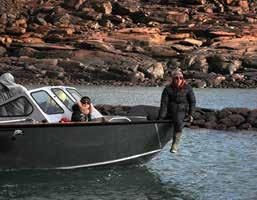
In the North, every meal often tells two stories. A plate might include store-bought frozen vegetables alongside caribou stew. Bannock made with subsidized milk. Arctic char served with rice. It’s a pattern that reflects two interconnected food systems that northern families rely on.
Food from the store
In isolated northern communities, groceries arrive by plane or on seasonally accessible roads. This makes food expensive and sometimes unreliable. Retail subsidies help lower the cost of nutritious staples like milk, bread and fresh produce, making them easier to afford.
Food from the land
Northern families also depend on country food, such as foods that are hunted, fished, gathered, shared and taught through local traditions. Caribou, fish, berries and wild game are more than food. They play an important role in Indigenous and northern cultures, identities and well-being. Through initiatives like the Harvesters Support Grant and Community Food Programs Fund, communities are strengthening harvesting programs, stocking community freezers, supporting youth and Elder knowledge transfer and sharing harvests with families who need them.
Seasonal rhythms
Families move between these systems depending on the season, weather, availability, affordability and tradition.
When harvesting conditions are strong, country food fills freezers and brings people together. When weather or wildlife conditions make harvesting difficult, store-bought food helps fill the gap.
Why this balance matters
Together, these systems support both nutrition and culture. Cost-reduction measures help families access healthy market foods, while community-led harvesting and sharing strengthen knowledge, connection to the land and self-determination.
Understanding this balance helps explain why food in the North looks different, and why both systems are essential to how northern families eat, share and thrive. You can learn about food security and sovereignty in the North at canada.ca/nutrition-north.
$20,000 Abbotsford Community Foundation Grant Honours South Asian Community’s Role During Abbotsford Floods
In recognition of the vital role played by the South Asian community during the recent Abbotsford floods, Abbotsford School Trustee Arsh Kaler secured a $20,000 grant from the Abbotsford Community Foundation to acknowledge and support communityled relief efforts.
The grant was awarded in appreciation of the swift humanitarian response provided by local religious and cultural organizations, which offered shelter, food, and assistance to affected residents during the natural disaster. The funds were divided equally and distributed among key community
institutions that played an active role during the crisis.
The beneficiary organizations include:
Gurdwara Baba Banda Singh Bahadar
Sikh Society
Kalgidhar Darbar Sahib Society
Khalsa Diwan Society
Fraser Valley Hindu Cultural Society
Each organization received $5,000. The grant presentation ceremony was attended by Areni Kelleppan, Executive Director of the Abbotsford Community Foundation, along with com-
munity leaders, committee members, and volunteers from the participating organizations.
Several team members were also present to support the initiative, including Abhiteg S. Hans, Harshdeep S. Brar, Balneet K. Toor, Arjun S. Dhaliwal, Janandeep S. Grewal, and Gurbir S. Mann. Presidents, vice presidents, and committee members from all three gurdwaras and the Hindu mandir also attended the event.
Speaking on the occasion, community representatives highlighted the importance of unity, service, and collective responsibility during times of crisis.
The Abbotsford Community Foundation emphasized that the grant reflects the city’s appreciation for grassroots efforts that strengthen resilience and compassion across communities. The initiative stands as a testament to Abbotsford’s diverse communities working together in times of need and reinforces the impact of faith-based organizations in emergency response and community welfare.
Training Close to Home: What SFU’s New Medical School Could Mean for Families in the Fraser Region
If you ask families in Surrey, Delta, Langley, or Abbotsford what they want most from the health system, many will say the same thing: a family doctor who knows them. Someone they can see more than once. Someone who understands their history and how health fits into daily life. One way to move closer to that goal is to train future doctors in the same neighbourhood clinics where patients already receive care.
That is the approach behind Simon Fraser University’s new School of Medicine, based in Surrey B.C., with a three-year MD program connected to community clinics across the Fraser region. Instead of keeping medical training mostly in lecture halls or large hospitals, the program is built around primary care and long-term placements in real clinics. Students learn where blood pressure is checked, new diagnoses are explained, and chronic conditions are managed over time.
Learning this way changes how medicine is taught. Students return to the same clinics again and again, rather than rotating quickly through unfamiliar settings. They see what follow-up looks like. They learn how plans change when medications do not work, when family stress affects health, or when life simply gets in the way. They also learn alongside nurses, pharmacists, social workers, counsellors, and community partners, because that is how primary care actually works day to day.
I grew up in Abbotsford and I am finishing medical school in Ireland as an international graduate. I plan to return to the Lower Mainland for residency. From my own training, I have seen how much continuity matters. When learners spend months in the same clinic, they begin to understand patients as people, not just as
problems to solve. Models like this also make it easier for graduates to picture themselves staying in the communities where they train, which is exactly what British Columbia needs.
For South Asian families, this matters in very practical ways. Care lands better when it fits the home kitchen, the words used at the dinner table, and the way decisions are made with parents and grandparents. A student who sits in on many appointments at the same clinic hears how aunties talk about knee pain, watches how insulin is timed around shift work, and learns which suggestions are realistic for that household. Over time those habits turn into culturally safe practice, not as a slogan but as part of everyday care.
Students will spend time in real clinics early and keep going back to the same places, learning alongside family doctors and community teams. SFU says students will learn in small case-based groups, start clinical time early and return to the same sites over many months, with added practice in simulation labs and community-engaged projects, an approach meant to mirror day-to-day primary care in the Fraser region. That kind of steady presence helps learners understand how families actually manage blood pressure, diabetes, injuries, and medications over time. It also builds relationships with local mentors and services, which makes care feel more coordinated for patients.
Dr. Meera Anand, Assistant Dean at SFU’s School of Medicine, put the plan this way: “The SFU School of Medicine will intentionally train students in communities, providing them meaningful opportunities to form longitudinal relationships with preceptors, patients and the broader population. Throughout their
three-year MD program, they will learn and engage with patients in family medicine clinics and via community health organizations, ensuring they have the opportunity to apply their knowledge in realworld medical situations. By embedding medical students directly in communities, they will experience diverse cultures and health care needs, enabling them to appreciate and consider how primary care can better serve a variety of community members in a culturally safe manner.”
What might patients notice as this takes shape? From time to time a learner may be present during your visit. You will be asked before anyone joins. If you agree, the appointment can feel a touch more thorough. Students often help gather a full medication list, check home readings, or write down questions for the doctor. That extra set of hands and eyes can make it easier to spot small issues early and to connect people with local programs for diabetes teaching, seniors’ exercise, or newcomer support.
Another benefit is how this model strengthens team-based care. Many elders live with high blood pressure, diabetes, and joint pain all at once. No single clinician can carry all of that well. Training students alongside nurses, pharmacists, and social workers mirrors how modern clinics work. For families, that can mean a pharmacist reviews medicines while a nurse updates vaccines and the physician focuses on the main concern. The goal is not more appointments. The goal is coordinated
care that wastes less time and answers the questions that matter most.
There is a long-term effect as well. Where students train often guides where they later practise. If learning happens in the Fraser region, with local mentors and local patients, more graduates will choose to stay. That will not fix the shortage overnight, but it is a steady way to grow primary care where people live.
None of this arrives in a single step. Building a school, welcoming a first class, and setting up community sites takes time. But families may soon notice small changes: a student in the exam room, clearer links to nearby services, and a slow increase in locally trained physicians who know the area well. If you are offered the chance to have a learner sit in, consider saying yes. You will be helping teach the next generation, and you may find the visit leaves a bit more space for what matters to you.
Dr. Meera Anand Assistant Dean, Faculty and Physician Engagement and Support SFU School of Medicine
juVyL KLqiraF dy sfhmxy 1,65,000 lokF leI pfxI syvf BrosymMd aqy surwiKaq bxfeI jf sky|
aYmrjNYsI pRbMDn aqy jlvfXU qbdIlI dI
iqafrI mMqrfly dy ‘izjLfstr PLfienYsLl aisstYNs pRogrfm’ rfhIN aYbtsPLorz dy Gr
mflkF, ikrfeydfrF, Coty kfrobfrF, cYirtybl
sMsQfvF aqy PfrmF leI $13[2 imlIan dI shfieqf|
sUmfs pRyarI ivwc hVH rokQfm leI sUbf srkfr vwloN
$3[3 imlIan dI ivwqI shfieqf
sUbf sUmfs pRyarI ivwc hVHF pRqI surwiKaf leI afpxf sihXog jfrI rwK irhf hY aqy aihm izjfien aqy mulFkx kMmF nUM awgy vDfAux leI $3[3 imlIan mhuweIaf kr irhf hY. ieh kMm, BivwK dy ZFcfgq aqy punrsQfpnf pRojYktF leI rfh iqafr krngy, jo lokF aqy BfeIcfiraF dI surwiKaf vDfAuxgy, mwCIaF dy afvfs suDfrxgy aqy kYnyzf dI afriQkqf aqy mhwqvpUrn splfeI cynF dI surwiKaf krngy|
“ sumfs Kyqr ivwc dsMbr dy hVHF ny spwst qOr ‘qy idKfieaf hY ik ieh aihm rfsLtrI afriQk aqy afvfjfeI rsqf BfrI mINh dOrfn pfxI bhuq pRBfvq ho skdf hY,”
aYmrjYNsI pRbSDn aqy jlvfXU qbdIlI dI iqafrI mMqrI, kYlI gRIn ny ikhf| “ ieh ivwqI shfieqf ‘sUmfs irvr vftrsYz Plwz imtIgysLn plYinMg ienIsLIeyitv’ nUM kIqI qrwkI ’qy awgy vDx aqy hVHF qoN rokQfm dI kfrjnIqI dy jrUrI ihwsy muMkml krn ivwc shfihqf idMdI hY|”
ieh ivwqI shfieqf, jo 3 dsMbr 2025 nUM grmIaF dy mOsm dOrfn kIqI ivsiqRq XojnfbMdI qoN bfad AuplbD kIqI geI, aihm buinafdI aiDaYnF nUM awgy vDfAux Xog
bxfAuNdI hY, ijs nfl Kyqr leI lMby smyN dI
hVHF dI rokQfm Xojnf hor mjLbUq bxdI hY.
kynyzf ‘c ikrfeydfr aMgryjx bxI kroVpqI
aYbtsPorz (gurdIp isMG gryvfl) kYnyzf dy sLihr ikAUibk invfsI ikrfey dy mkfn ivc rih rhI aMgryjx krIn srEs df kihxf hY ik Aus ny ijLMdgI ivc ieh kdy nhIN soicaf sI ik Auh iek idn kroVpqI bx jfvygI qy Aus df afpxf mkfn hovygf. pr lftrI ny Aus dI iksmq bdl idwqI hY. krIn dI 14 imlIan zflr Bfv qkrIbn
93 kroV rupey dI lftrI inklI hY. krIn ny loto ikAUibk lftrI dI itkt afnlfeIn
KrIdI sI jdoN Aus ny itkt cYWk kIqI qF
Aus nUM ivsLvfsL hI nhIN hoieaf ik Auh ieMnI vwzI rkm ijwq cuwkI hY. krIn df kihxf
iesy qrHF ipMz dI iek kuVI ruws ky bYT geI sI. ipMz ‘c bVI crcf hoeI. lok kMmF-kfrF qo ivhly ho ky jdoN swQ ‘c bYTy qF ies Gtnf bfry gwlF cwl peIaF. hr koeI cVHdI gwl suxfAuNdf sI. lok suafd lY rhy sn. gwjx ny kMn ‘qy hwQ rwK ilaf. awKF mIc leIaF qy bolI pfAuxI sLurU kIqI: qfvy,qfvy,qfvy.
ipMz dI DI ruws gI, jdoN qurn lwgI muklfvy.
dfj ivc Gotxf nhIN, Jorf AuhidaF hwzF nMU Kfvy. ‘dyKI bfpU qor dmyN, ivc Dr ky mMjy dy pfvy.’
inMm idaf Gotixaf, qyrI isPLq krI nf jfvyN.
inMm idaf Gotixaf[[[.
iksLnf qrKfx bolI sux ky JUm AuiTaf. Auhny AuT ky muMzy nMU QfpI idwqI qy qyV pfeI Kwdr dI sfPI lVoN KolH ky rupeIaf AuhnMU PVf idwqf. lok hor vI KusL hoey.
iksLny qrKfx dI ijMLdgI inwky-inwky hfisaF, roisaF ‘co lMG rhI sI. AuhdI ijMLdgI pfxI ‘c qrdI Aus iksLqI vFg sI ijhnMU pfxI ‘c
AuTdIaF CotIaF-CotIaF lihrF zobx df dihl dyx dI QF iewk hulfrf ijhf dy jfx pr iewk idn iksLny nMU afpxI ijMLdgI dI iksLqI zfvFzol huMdI lwgI. Auhdy GrvflI acfnk ibmfr ho geI. Auhny Aus dy ielfj ‘c koeI ksr nf CwzI. Auh idn rfq AusdI syvf krdf irhf pr iewk idn Auh iksLny nMU aYzI lMmI cOVI dunIaF ‘c iekwlf Cwz ky qurdI hoeI. iksLny ny iesnMU rwb df Bfxf smiJaf qy duwK aMdr hI aMdr pI igaf. ruJyvF AuhdI ijMLdgI ‘c Pyr af igaf. Auh afpxy kMm ‘c mgn rihx lwg ipaf.
iksLny dy juafeI ny pfsf prq ilaf. bfhr Pyr Twk-Twk dI afvfjL hoeI. Auh KusL hI qF ho igaf ! Auhdf shurf sLrfb dI boql lY ky af igaf sI sLfied. qy Auh drvfjLf KVkf irhf sI. Auhny AuWT ky iekdm drvfjLf KoilHaf.
awDf cmc mulwTI pfAUzr lE. Aus ivwc iewk cmc ÈuwD Èihd imlfE. ies imÈrx nUM idn ivwc 1 qoN 2 vfr lE. vDIaf nqIijaF leI svyry KflI pyt jF rfq nUM sOx qoN pihlF ies df syvn kro. qusIN mulwTI dI zMzI nUM pfxI ivwc Aubfl ky kfVHf bxf ky vI Aus ivwc Èihd imlf ky pI skdy ho.
When people talk about food in the North, the conversation often focuses on cost. How expensive groceries are, how far food has to travel and how difficult it can be to keep healthy food affordable.
But the conversation is slowly shifting toward ideas of food sovereignty, and how communities can shape their own food systems.
Food sovereignty is about control and choice. It means communities deciding how food is grown, harvested, shared and sustained over time. It’s rooted in culture and built to last for generations.
What stands in the way
Food sovereignty exists along a spectrum, and can look different depending on the community. Many northern communities are strengthening local food systems while still relying on food shipped in from far away. Long supply chains and high transportation costs can limit how much control communities have over what food
What is food sovereignty?
is available, when it arrives and how much it costs.
Producing food locally isn’t always easy. Limited infrastructure, short growing seasons and the high cost of energy and materials can be barriers. Traditional harvesting is also affected by changing wildlife patterns, climate change and the rising cost of fuel and gear.
What it takes to build food sovereignty
There’s no single path to food sovereignty. Communities need greenhouses, freezers, storage and local businesses to produce and distribute food. Innovative approaches like indoor growing and hydroponics help reduce reliance on long supply chains and increase local control.
Food sovereignty is also rooted in traditional practices. Hunting, fishing, gathering and sharing country foods remain central to culture and well-being. Teaching youth on the land, passing on knowledge from Elders and maintaining food-sharing
networks keeps these traditions alive for generations to come.
Supporting community leadership
Programs like Nutrition North Canada support this work by removing barriers and strengthening local skills and resources. Funding helps cover the costs of equipment, fuel and safety gear, making it easier for communities to harvest and share country foods while supporting land-based learning. Other community food funding supports freezers, food-sharing programs, gardens and greenhouses, so food can be stored safely and fresh food can be grown closer to home.
Together, these programs do more than improve access to food. They support local
decision-making, strengthen communityled food systems and help make sure food practices can continue and grow over time. By investing in facilities, skills and leadership, programs help communities build food systems that reflect their culture, support their people and move closer to long-term food sovereignty. You can learn more at canada.ca/nutrition-north.
Why groceries cost more in the North
Did you know that without a subsidy, a four-litre jug of milk that costs about $7.50 in southern Canada can cost over $50 in a northern grocery store? For many northern families, higher grocery prices are part of everyday life, and they reflect realities most Canadians never experience.
When roads don’t lead to the grocery store
Many northern communities aren’t connected to the rest of Canada by permanent roads. Groceries can’t be delivered by truck or train year-round, like they are in most southern communities.
As a result, most food is flown to communities. For some communities with water access, non-perishable food can be delivered by ship during the summer when the ice has melted, and waterways are open. In the winter, non-perishable food can be shipped for short periods by
What will food look like in the North 10 or 20 years from now? The future of northern food isn’t imported. It’s locally led, culturally rooted and built by communities themselves.
Across the North, communities are imagining and actively building a new future: one where healthy food is harvested, grown, shared and governed locally, guided by their knowledge, culture and
ice roads, which is more affordable than air transport.
Air delivery is essential, especially for fresh food, but it isn’t always reliable. Flights are often delayed or cancelled because of storms, strong winds, poor visibility or extreme cold. When planes can’t land, fresh food doesn’t arrive.
Fewer options mean higher prices
Transportation challenges are only part of the story. Many northern communities have just one or two grocery stores, with limited competition and smaller customer bases.
The cost of shipping, storing and keeping food fresh, especially fruits and vegetables, is shared across fewer shoppers. As a result, nutritious foods are often the most expensive and the least consistently available.
What makes groceries more affordable
There are supports that help reduce the cost of groceries in the North and improve access to affordable food. One example is Nutrition North Canada, which currently helps 124 isolated northern communities through a retail subsidy.
The highest subsidy is applied to essential foods such as frozen produce, milk, and infant formula. For example, a grocery cart of bagged milk, bananas, eggs and flour that costs $140 before the subsidy can be reduced to $30, saving families $110.
Even with these measures, the cost of living is very high in the North, particularly
The future of food in the North
priorities. This reflects a growing focus on food sovereignty: communities’ ability to decide how their food systems work and how they’re sustained over time.
What this looks like on the ground
The work is already visible. Across the North, people are producing food closer to home by growing herbs and vegetables in greenhouses, raising chickens and sharing
food through local harvesting. Community freezers are being stocked through local hunts and shared harvests, helping to feed families throughout the year. Communities are also leading research on food affordability, local food systems and cultural food practices, so future solutions reflect northern knowledge, experiences and ways of life.
Supporting food sovereignty
for people living on fixed or low incomes. Improving food affordability over time depends on continued collaboration between communities, governments and partners to strengthen local food systems and infrastructure.
Programs that support food sovereignty are helping move this vision forward by strengthening long-term food infrastructure and local capacity. One example is Nutrition North Canada, which supports community-led harvesting, food sharing and local food projects. It does this through grants that help fund equipment, safety gear, community freezers and food education initiatives designed and delivered by communities themselves.
4 reasons why Indigenous businesses are growing in Canada
Canada is seeing a real shift in the business landscape. Historically, Indigenous businesses faced challenges that made it difficult to fully participate in the economy. Today, several factors are helping level the playing field, creating meaningful opportunities for First Nations, Inuit and Métis businesses to grow:
Improved access to technology
Better broadband internet access is making it easier for Indigenous entrepreneurs to reach customers both locally and nationally. It’s given small businesses in remote or isolated communities better access to a wider customer base. Increased connectivity also lets startups leverage social media, e-commerce platforms and digital marketing, helping them thrive in a competitive market.
Growing consumer appetite
As Canada works to strengthen its relationship with Indigenous Peoples, Indigenous-owned businesses are seeing a growing demand for their goods, services and expertise. From arts and crafts to food products, training services and technology solutions, there’s a rising interest in Indigenous-owned enterprises and the unique and innovative perspectives they offer.
Supportive strategies
Initiatives like the Procurement Strategy for Indigenous Businesses are ways to help improve economic opportunities for First Nations, Inuit and Métis. One aspect of the initiative is a requirement for Canada to award at least five per cent of the total value of its contracts to Indigenous-owned businesses. The results are measurable: in
2023 to 2024, these companies received 6.1 per cent of all eligible federal contracts.
An easier time finding business
Free tools like the Indigenous Business Directory help clients find businesses that are at least 51 per cent owned and controlled by Indigenous people. Being listed in the directory increases visibility and can help businesses connect with new opportunities and partnerships.
Together, these factors are helping these businesses thrive and contribute to a more inclusive and prosperous Canadian econo-
Why Indigenous businesses are important to Canada
First Nations, Inuit and Métis businesses are a growing force in Canada’s economy and cultural landscape. They support the local community, the national economy and projects across the country.
The numbers reflect the growing impact and reach these entrepreneurs are having—the Government of Canada awarded Indigenous businesses over $1.24 billion in contracts in 2023 to 2024 alone. Here are just some ways these businesses contribute to Canada’s economy:
They strengthen communities. Local Indigenous businesses create jobs, offer essential services and keep money circulating close to home. By reducing the need to travel or relocate for work or basic needs, they help families stay connected to their communities and culture. Many also put money back into their communities to support youth programs, cultural activities
and shared spaces, like community centres or recreation facilities.
They support economic growth. Across Canada, Indigenous companies work in every sector, from construction and natural resources to technology, consulting and the arts. Their contributions help fuel innovation and support economic diversity. As these businesses grow, they create employment opportunities, which helps drive economic growth across regions and nationwide.
They bring unique knowledge and perspectives. Indigenous businesses bring local knowledge, cultural insight and fresh ideas to their work. They offer perspectives shaped by deep connections to the land and community. For example, some apply approaches to caring for the land in environmental or development projects.
Others, such as tourist businesses, draw on lived experience to create services
that reflect local culture and community priorities.
Collaboration advances reconciliation. Supporting Indigenous businesses is one way to put reconciliation into action. Creating fair and equitable opportunities can help address long-standing barriers and support local entrepreneurs as they build and grow their businesses on their own terms. Economic participation strengthens First Nations, Inuit and Métis self-determination, and contributes to building a more inclusive and equitable future for all Canadians.
These businesses play a critical role, which is why initiatives like the Procurement Strategy for Indigenous Business were launched: to improve access to federal
contracts nationwide. It supports Indigenous Peoples by growing their businesses and helps bring their knowledge and skills into national projects, which contributes to economic prosperity through meaningful partnerships.
3 simple ways you can support reconciliation
Reconciliation means repairing relationships and building a future where First Nations, Inuit and Métis can fully thrive. It’s a big idea, but starts with simple, everyday actions. You don’t need to be an expert or have all the answers to make a difference. Here are some ways you can start advancing reconciliation:
Broaden your knowledge
Making efforts to learn about the history, cultures and experiences of First Nations, Inuit and Métis in Canada is an important
first step. You can read books, watch documentaries, listen to webinars or podcasts or explore online resources about Indigenous histories and experiences.
Listen to Indigenous voices
Listening means learning directly from Indigenous people and Indigenous-led sources. This can include engaging with the work of authors, journalists and content creators, attending talks or events or engaging with Indigenous media. These perspectives offer insight into lived ex-
periences and current realities, helping Canadians better understand Indigenous viewpoints and contexts.
Support Indigenous businesses
For many years, these businesses faced challenges that made it difficult to fully participate in Canada’s economy. Efforts like the Procurement Strategy for Indigenous Business help remove some of these barriers by opening up access to federal government contracts. These efforts help Indigenous people grow their businesses
and bring their skills and knowledge into government projects. Strategies like these contribute to self-determination through stronger, more equitable partnerships.
Individuals also have a part to play. Whether by choosing Indigenous-owned businesses, using their services or supporting inclusive opportunities in the workplace, these actions help strengthen communities and build a more equitable future for all.
my that fosters innovation and strengthens communities.
mIn : ishq ivc KrfbI, pyt dI KrfbI vfXU rog, iesqrI suwK, Dn lfB, siQr sMpqI lfB, sMqfn pwKoN suwK lfB, kfrobfr sbMDI suDfr. dsMbr 15,16,25,26, jnvrI 2,3,11,12,13 asLuB.
Be cautious about what you bring to an end or the way in which you go about winding something up, especially if you think it will open up more choices. The situation will have to be revisited mid April next year. Other things would have changed by then. It might be wiser to let things take their own course right now.
Something that started off as a small thing when it comes to helping out somebody else that seems to keep on growing would be best dealt with now, especially if it is turning into a habit or interfering with your regular routines. It has probably taught you to take more notice of what is important to you, rather than getting distracted..
You can have success in getting something out of the way that has been on your mind for a while but the energy just hasn’t been there. Not that you will feel overly energised just yet. It is more a realisation that time is running out. You know you will feel a lot better once this is done, especially if others have a good view of it.
Something needs to be put into place once and for all so that you know what needs to be spent rather than other things coming up all the time. Whatever you do now can create changes that may not be fully implemented until next year, between January and April. You need to be straightforward and practical with any discussions.
New possibilities in the long term can begin to feel more probable or realistic. This could leave behind a level of personal doubt or insecurity. This can be tied to you becoming more aware of what has been important for a long time but needs to be modified in some way for the future. The second stage can occur January to April next year. rfsLIPl mhInf mfG
New directions involving other people can be smooth running if things are done their way. While there might be a lot in common, their determination might clash with yours. If you have been attempting to come to an agreement, this might need to be left for now and revisited mid April as things will likely have changed by then.
Something is winding up on a personal level perhaps in ways you were not expecting that is generating thought of all sorts of possibilities in the long term. Someone can play a powerful role here. However it is to eventually settle will not become evident until January to April next year. Meanwhile just go with the flow.
There can be a willingness to let something go that has been a personal priority but doesn’t fit well with someone else. It will be more important to establish underlying stability in situations involving others. This can be temporary as other opportunities to focus on your wishes will arise next year from January to April. Patience can pay off.
The New Moon this week occurs in your sign providing you with the opportunity to generate changed directions on a personal level. Anything that has not been heading in the direction you had hoped might be better let go right now. Becoming more practical can appeal to you, especially when it comes to stability with finances.
There can be new directions building up in the background that will provide the opportunity to put a stable foundation in place. This is likely tied into the decisions of somebody else and something may need to wind up so they can take the next step. There could be more than one stage of development attached to this as well.
Changes in somebody else’s life may make you realise things are moving on and it will not be the same for you. This is encouraging you to think about what is important to you. It can actually be freeing you up to do so. This is a first stage. New people can come into your life, especially from January to April next year.
It might be time to develop a new attitude when it comes to commitments or obligations in your life, especially if they affect your finances. If you have accepted things without thinking, you could recognise this has to stop. This can only happen when you take the time to analyse what you can realistically manage and follow through.
5’8” vfsqy kYnyzf rih rhI pVHI ilKI lVkI dI loV hY. lVky df bfkI pirvfr kYnyzf ‘c vYl sYtlz hY.
jfxkfrI leI Pon: 289-541-9891
Amritdhari, Jat Sikh, female 33 year old. Born & Raised in BC, Canada. Height 5’ 8” . Works as a HR Specialist in a large international company. Looking for a Jat Sikh, Amritdhari, born and raised in Canada, must be well educated.
Amritdhari, Jat sikh, female Doctor, Canadian born, age 35, Height 5’8. Looking a Jat Sikh, Amritdhari,born or Raised in Canada , well educated.
4 things to know about essential oils
Canadians are increasingly exposed to products containing “essential oils.” The name itself can be a bit misleading, and there isn’t wide understanding of their potential health risks. Here are four things you should know about essential oils:
They’re not essential
The name “essential oils” comes from the fact that they contain the essence of the plant’s fragrance, not that they are in any way essential to your health.
They’re in a lot of products
Essential oils are found in a wide range of household products including makeup, massage oil, body cleansers and moisturizers, non-prescription drugs, cleaning products and sunscreen. Some, including jasmine, tar-
ragon and bay oils, are sold on their own at concentrations up to 100 per cent for consumers to use as a DIY ingredient.
They could be toxic
Health Canada has completed a chemical risk assessment of essential oils and has determined that some may pose health risks. The evaluations of these potential risks are continuing in order to determine what actions the government should take to protect your health. Further assessments are underway to determine if other essential oil exposures and uses may also pose a risk.
It’s important to read the label
Being an informed consumer can help you stay safer. Read the labels on cosmetics, non-prescription drugs and natural health products, and look for essential oils in product ingredients.
Free court services help available through online platform
People in B.C. can remotely access court registry services through new online service
People can receive free, convenient help and advice navigating the court system from anywhere in the province with the launch of the new virtualcounter service.
The virtual counter connects people with court registry staff remotely by video or phone for help with general inquiries, court forms and other topics related to Provincial and Supreme Court processes.
“Navigating the justice system can be challenging, especially for people who face barriers accessing in-person services,” said Niki Sharma, Attorney General. “People need support that adapts to their circumstances and remote access through the new virtual counter transforms the way we help people. Anyone in British Columbia can now conveniently access these
critical services from the comfort of their homes.”
Expert court registry staff can answer questions in real time, share court forms and links, and arrange followup calls. People can choose to connect by video or phone. Confirmations are sent by e-mail and, if a mobile number is provided, by text. In-person services remain available at court registries.
Convenient, centralized service
The virtual counter operates through a single provincewide queue, so people receive the same level of service no matter where they live. Staff can draw on regional expertise as needed, improving access to the court system for people throughout the province, especially those who face barriers to access in-person services.
“The virtual counter marks a major step forward in modernizing how people receive court services,” said Lain Nicoll, registry technician, Court Registries. “Virtual counter helps replace overloaded phone lines with a system that is clearer, faster and more inclusive for everyone in our province.”
How the virtual counter helps people
The virtual counter supports user with a variety of Provincial and Supreme Court (civil and criminal) processes.
Assistance through the virtual counter can include help with:
explaining steps in a family, civil, small claims or criminal matter
clarifying next steps after receiving a court order, notice or registry correspondence
directing people to the right registry, online service or resource understanding which forms are needed and how to complete them
using electronic court systems to confirm existing information, such as remand days, chambers schedules or small claims sittings
Operators can support with understanding court processes, but cannot provide legal advice, help people complete forms or set court dates.
The virtual counter is part of the Province’s work to enhance the convenience and efficiency of court processes of B.C.’s court services to meet the needs of people in B.C.
7 questions to guide your health this year
As a new year begins, many people finishing treatment for early-stage breast cancer find themselves navigating both relief and uncertainty. This period can be a meaningful opportunity to check in with your healthcare team, review your long-term care plan and reflect on the next steps in your recovery.
Here are some important questions to ask your healthcare team following treatment for early breast cancer: Is my breast cancer gone for good? Not necessarily—cancer can come back in some cases. For example, hormone receptor-positive, human epidermal growth factor receptor 2-negative (HR+/HER2-) early breast cancer, which is the most common type of breast cancer, carries a high risk of recurrence. In fact, more than half of recurrences happen five years after finishing treatment. Knowing and managing your risk factors and available treatment options can lessen the risk of cancer returning.
What’s my personal risk of recurrence?
Risk varies from person to person, depending on tumour size, lymph node involvement (nodal status), age (preor post-menopausal) and other biological markers. Knowing your individual risk can help guide your follow-up care and treatment decisions.
Should I still be on hormone therapy?
Medications that block the hormones that feed cancer cells are often prescribed for five to 10 years. Adherence to treatment is important to help reduce the risk of breast cancer returning as metastatic, incurable disease. Ask your healthcare team whether continuing, restarting or switching your therapy is appropriate based on your current risk.
What does long-term follow-up care look like for me?
Follow-up plans can vary. Ask how often you should be seen, what tests or scans (if any) are recommended and what symptoms to watch for.
How can I support my mental and emotional health?
Anxiety is common, especially around the possibility of recurrence. Ask what resources— like counseling, peer support or survivorship programs—are available to you. What symptoms should I report right away?
What’s next in breast cancer research and treatment?
Understanding which physical signs could signal a recurrence can help you stay proactive and catch changes early. Ask how to stay informed, track symptoms and speak up if something doesn’t feel right.
Science is always evolving. New treatment options are available to help reduce the risk of cancer returning after stage 2 or 3 breast cancer, and regardless of nodal or menopausal status. Tell your doctor if you want to explore your options and new advances that might benefit you.
Valentine’s recipes worth staying in for
Whether you’re planning a cozy night in, cooking for someone special or treating yourself, these recipes can turn Valentine’s Day into something warm, indulgent and memorable. From chocolate desserts to comforting bakes and flavour-forward dinners, each dish brings a little extra love to the table. An elegant dinner that feels thoughtfully made Grilled salmon with prune chutney is proof that nourishing meals can still feel indulgent. With rich flavour, beautiful presentation and a balance of sweet and savoury, this dish sets the tone for a relaxed yet refined Valentine’s evening.
Grilled Salmon with Prune Chutney
Prep time: 10 minutes
Cook time: 1 hour
Servings: 4 portions
Ingredients:
4 skin-on salmon fillets (675 g/1.5 lbs total)
2 tbsp (30 ml) extra virgin olive oil, divided
1 onion, chopped
2 tbsp (30 ml) brown sugar
¼ cup (60 ml) wine vinegar
3 tbsp (45 ml) orange juice
1 apple, peeled, cored and finely diced
1 cup (250 ml) California prunes, chopped
1 tbsp (15 ml) fresh grated ginger
½ tsp (2.5 ml) cinnamon
1/8 tsp (0.75 ml) nutmeg
1 cup (250 ml) water
Pinch salt
Pinch black pepper
Directions:
For the chutney:
Add 1 tbsp (15 ml) olive oil to a pan set over medium heat. Add onion and cook until softened, about 5 minutes. Add brown sugar, vinegar and orange juice. Simmer for 5 minutes. Add apple, prunes, ginger, cinnamon and nutmeg. Cook on low heat for about 30 minutes, stirring often. Add water as needed, using ¼ cup at a time so chutney stays jammy and moist. Set aside.
For the salmon:
Sprinkle flesh side of salmon with salt and pepper. In a large nonstick skillet, heat remaining 1 tbsp (15 ml) oil over medium heat. Cook salmon skin side down, about 10 minutes, or until skin is crisp. Turn and cook until fish flakes easily with a fork, about 3-4 minutes (total cooking time is 10 minutes per inch of thickness). Add 1 to 2 tablespoons of prune chutney to each salmon fillet and serve. Save extra chutney in the refrigerator.
Valentine’s Day: More Than Roses, A Reminder to Care
Every year on February 14, Valentine’s Day arrives wrapped in red roses, heart-shaped balloons, and promises of love. For some, it is a day of grand romantic gestures; for others, a simple moment to pause and reflect. Beyond the commercial glitter, Valentine’s Day carries a deeper message that often gets overlooked — the importance of love, care, and human connection in our everyday lives.
ing this season, offering special deals, themed events, and gift options. While this commercialization adds excitement, it also raises awareness about mindful spending and emotional expectations. Love, after all, cannot be measured by the price of a gift but by sincerity and effort.
Traditionally associated with romantic partners, Valentine’s Day has evolved into a broader celebration of affection. In today’s fast-paced world, where digital communication often replaces face-to-face interaction, this day serves as a reminder to reconnect — not only with partners, but also with family, friends, and even oneself. A thoughtful message, a phone call to an old friend, or quality time spent with loved ones can be just as meaningful as expensive gifts.
For young people, Valentine’s Day has become a symbol of emotional expression and confidence. It encourages open conversations about feelings, respect, and relationships. However, experts also stress the importance of understanding that love is not limited to a single day. Healthy relationships are built on trust, empathy, and mutual respect throughout the year, not just on February 14.
Businesses, restaurants, and online platforms see a noticeable boost dur-
Valentine’s Day also holds significance for those who choose to spend it alone. Self-love and mental well-being are gaining recognition, and many people now use the day to focus on personal growth, hobbies, or acts of kindness. Volunteering, helping someone in need, or simply taking time to rest can make the day fulfilling in its own way.
In recent years, the idea of celebrating love in all its forms has gained momentum. Schools and communities are promoting values of kindness, inclusivity, and compassion, reminding us that love extends beyond romance — it is present in friendship, care for elders, and support for society at large.
As Valentine’s Day is celebrated across the world, its true spirit lies not in perfect dates or picture-perfect moments, but in genuine human connection. Whether shared with a partner, a friend, family, or oneself, the day ultimately reminds us of something timeless — love, in its simplest form, has the power to make life kinder and more meaningful.
A record-breaking year for organ transplants in BC, made possible by 232 donors
A record 575 people in British Columbia received the gift of life in 2025, thanks to the incredible generosity of 232 organ donors, including 146 deceased donors and their families and 86 living donors. This is the highest number of organ transplants ever performed in the province in a single year. (Full annual summary available here)
“We extend our deepest gratitude to deceased donors and their families, who chose compassion in moments of profound loss,” said Josie Osborne, Minister of Health. “We also recognize the extraordinary commitment of living donors, whose courage and altruism are exceptional. Every donor leaves a lasting legacy of hope.”
That legacy is deeply personal for the family of Kip McLeod. Kip registered as an organ donor after his mother Kathleen received a heart transplant
in 2016. When Kip suddenly passed away in March 2025, less than a year after his mother’s death, his family was determined to honour his final wish.
“It is surreal to be on the other side of the story, and I hope the three people who received my brother’s gifts of life are having as much joy as we did when my mom received her transplant,” said Heather Hennan, Kip’s sister. “Kip would be so proud to know he has made such a meaningful difference for three other families.”
The 575 organ transplants performed in BC in 2025 include 357 kidney transplants (a new record), 107 liver transplants, 66 double-lung transplants, 30 heart transplants and 25 pancreas and islet transplants (a new record). These figures include multi-organ transplants, comprising eight kidney-pancreas transplants,
one kidney-liver transplant and one kidney-heart transplant.
BC Transplant is also recognizing an historic milestone: more than 8,000 kidney transplants have now been performed in British Columbia since the province’s first kidney transplant in 1968.
“This milestone of 8,083 represents far more than a number,” said Eric Lun, Executive Director at BC Transplant.
“Each kidney transplant, along with thousands of other transplants, has had a profound impact, extending beyond patients and their families, strengthening communities across the province and improving the healthcare system for all.”
Kelowna resident Troy Chapman is one of the 357 people in BC to receive a kidney transplant in 2025. He is
already back at work and exercising regularly, just three months after his kidney transplant at St. Paul’s Hospital.
“I am so thankful to the donor family. They had a big loss. It has given me a new lease on life and I am so appreciative,” said Troy. “I am trying to do as much as I can and not waste this gift.”
BC Transplant also acknowledges the many health care teams around the province — including ICU teams, surgeons, nurses, physicians, allied health professionals, laboratory staff, and support teams — whose expertise and compassion make donation and transplantation possible.
Are you a registered organ donor? It only takes two minutes and your Personal Health Number. Visit registeryourdecision.ca.
vloN dyv cOhfn df snmfn kIqf igaf. pRbMDkF, syvfdfrF aqy sMgq ny AuhnF dy
nfl lMgr df afnMd mfixaf. dfs (blvMq isMG sMGyVf) ny kmytI aqy sMgq vloN dyv df inwGf svfgq kIqf aqy AuhnF dI pRfpqI leI AuhnF nUM vDfeI idwqI. ies dy nfl hI AuhnF dI hr vyly gurdvfrf sfihb dI ibhqrI aqy surwiKaf df iKafl rwKx leI DMnvfd kIqf. gurdvfrf susfietI dy cyarprsn bIbI kÈmIr kor jOhl ny gurdvfrf sfihb dI pRbMDk kmytI aqy sMgq vloN dyv nUM iek plyk idwqf. dyv ny ies snmfn leI pRbMDk kmytI df DMnvfd kIqf. ies dy nfl hI AuhnF ny sfzI kimAUintI ivc kuJ ho rhIaF gqIivDIaF vfry BI sFJ pfeI. sfzI vfihgurU awg yieh ardfs hY ik Auh dyv cOhfn dy isr Auwpr hr vyly afpxf imhr Biraf hwQ rwKy.
Huma shares her 'best beauty hack' SHRIYA rejects labels
Actor Shriya Saran has never believed in being con- fined to neatly defined boxes. In a candid conversation, she spoke about why labels, especially being termed a 'South star', do not define her identity, even as she deeply values the love and acceptance she has re- ceived from Southern cinema. Tracing her journey, Shriya reflected on growing up in Harid- war before moving to Delhi to train in Kathak under Shovana Narayan. Each transition, she said, pushed her beyond comfort zones and shaped her outlook. Starting her acting career at just 17 was another unconventional choice, especially given her family's academic background, but one that reinforced her be- lief in charting her own path. Often asso- ciated with Telugu and Tamil cinema due to her ex- tensive body of work, Shriya acknowledges the affection she enjoys in the South, even saying her heart feels deeply connected there. However, she firmly believes labels stem from perception rather than limitation. Accord- ing to her, an actor becomes boxed only when they internal- ise how others see them. Shriya views such categori- sation as a byproduct of visibil- ity and success. For her, being labelled is not a barrier but a temporary identity others project. Growth, she believes, comes from learning, evolving and allowing life to redefine you beyond tags.
Bollywood actress Huma Qureshi has shared what she calls her "best beauty hack," and it has nothing to do with makeup or skin-care. The actress believes that laughter is the simplest and most effective way to glow from within. Taking to Instagram, Huma shared a string of monochrome pictures of herself, accompanied by the caption, "Laughter is the best beauty hack." The actress is all set to be seen in Yash-starrer Toxic: A Fairytale for Grown-Ups. The makers had earlier unveiled the looks of Yash, Kiara Advani, Nayanthara, Rukmini Vasanth, and Tara Sutaria of the film. Written by Yash and Geetu Mohandas and directed by Geetu Mohandas, the film has been simultaneously shot in Kannada and English, with dubbed versions planned in Hindi, Telugu, Tamil, Malayalam, and several other languages. Toxic: A Fairy Tale for GrownUps is reportedly a gripping tale of crime and deception set in 1980s Goa, where a powerful drug cartel manipulates lives behind the state's picturesque beaches and vibrant culture. The film features a formidable technical lineup, including National Award-winning cinematographer Rajeev Ravi, music by Ravi Basrur, editing by Ujwal Kulkarni, and production design by TP Abid.
Sara Arjun is basking in widespread appreciation after the success of Dhurandhar. The 20year-old actor, who played Yalina Jamali opposite Ranveer Singh, has been praised for her poise and emotional depth. Even as the film con- tinues to dominate conversations, Sara has turned her attention to promoting her upcoming Telugu film Euphoria, directed by Gunashekhar. In a recent inter- view, Sara revealed what she calls the most 'euphoric' day of her life. The actress shared. that it was the moment her parents watched her performance in Dhurandhar and were overwhelmed with emotion. See- ing both her par- ents cry tears of joy, she said, was deeply meaningful and remains her most cherished memory. When asked if the moment was related to aca- demics, Sara de- nied it, later con- firming it was indeed connected to Dhu- randhar. The interview clip has since gone viral on social media. Sara also reflected on her career jour- ney,
revealing she once planned to study film and acting abroad after boarding school. However, projects like Magic, Eu- phoria and eventually Dhurandhar altered her path. Sara will next ap- pear in Euphoria, featuring Gautham Menon, Nassar and others, releasing February 6, 2026. A se- quel is already confirmed.
Sharvari's double shift survival pack
Hustling through long work hours, Bollywood actress Sharvari shared a glimpse of her "doubleshift survival pack", hinting at the hard work powering her busy day.Sharvari took to her Instagram stories, where she shared a collage of pictures featuring her, a tiffin box, a coffee mug and her crew mem- bers.She captioned: "A smile, protein laddoo, strong coffee and best team. Double shift survival pack."
The actress is currently busy shooting for filmmaker Imtiaz Ali's next with Diljit Dosanjh, Vedang Raina, Sharvari, and Naseeruddin Shah. It is slated to hit the screens on June 12.Unveiling the release date
on social media, the makers on Janu- ary 29 wrote, "Imtiaz Ali's next, a charming story of love and longing to release in cinemas on 12th June, 2026. Applause Entertainment Pre- sents, A Window Seat Films Produc- tion. Starring: Diljit Dosanjh, Vedang Raina, Sharvari, Naseeruddin Shah Directed by Imtiaz Ali Music by A.R. Rah- man Lyrics by Irshad Kamil Produced by: Applause Entertainment, Window Seat Films, Mohit Choudhary. (sic)." Backed by Applause Entertain- ment, Window Seat Films, and Mohit Choudhary, the project enjoys a contemporary and witty narrative that explores the depth of human connec- tion.The film also brings back the legendary trio of A.R. Rahman, Irshad Kamil, and Imtiaz Ali.
Ranveer lands in soup
The Karnataka Police have lodged an FIR against Bollywood actor Ranveer Singh for allegedly insulting the gods and sacrosanct Daiva traditions at the International Film Festival of India (IFFI), of ficials said Thursday. The High Grounds police in Bengaluru have filed the FIR following the com- plaint in this regard by law practitioner Prashanth Methal. Ranveer Singh has been booked under Sections 196 (threat to pub- lic order and social cohesion), 299 (de- liberate and malicious acts intended to outrage the religious feelings of any class by in-sulting its religion or beliefs) and 302 (deliberate, intentional wounding of religious feelings. It applies to anyone who speaks words, makes sounds, ges- tures, or places objects with the intent to offend) of the Bharatiya Nyay Sanhita (BNS) Act. The complainant charged that the act of the accused actor was de- liberate, intentional and malicious,
intended to outrage religious feel- ings, not only his, but also millions of Hindu devotees promting enimi- ty, hatred and disharmony between different groups based on religion in society, and insult his religious beliefs towards 'Chavundi Daiva', thereby promoting disrespect to- wards a sacred tradition and dis- turbing communal harmony. It is also alleged that the accused actor en- acted the emotional 'Chavundi Daiva' scene from Kantara: Chapter 1 despite an alleged request not to perform the 'Daiva' act.
vfihgurU jI kf Kflsf vfihgurU jI kI Piqh] Kflsf dIvfn susfietI aYbtsPorz vwloN sfrIaF sMgqF nUM spwÈt kIqf jFdf hY ik ieh ngr kIrqn sMbMDI post JUTI aqy glq hY. ieh post Kflsf dIvfn susfietI vwloN jfrI nhIN kIqI geI aqy ieh axaiDkfrq hY.
iksy axpCfqy ivakqI vwloN glq jfxkfrI PYlfeI geI hY. sMgqF nUM bynqI hY ik kyvl Kflsf dIvfn susfietI aYbtsPorz dy aiDkfrq sroqF qoN hI jfxkfrI pRfpq krn.
We’re
orist
owers in Abbotsford. We pride ourselves in an inviting shop. Our experienced designers can create oral arrangements that will complement any occasion and meet your budget and style expectations as well. We also o er daily delivery to all local funeral homes and hospitals.