
Eminence in Action 2025 ANNUAL REPORT


Dear College of Medicine community,
It is with immense pride that I present the 2024-2025 Annual Report, Eminence in Action – a reflection of our distinctive achievements and the vision that unites us. Across research, education and clinical innovation, our esteemed faculty, staff, learners and partners embody what it means to be eminent in purpose, turning discovery into action and impact.
This past year, our community demonstrated exceptional leadership by securing record levels of research funding, while translating breakthrough science into innovations that improve lives. Our distinguished educators are shaping the next generation of health leaders, instilling humanistic values and preparing clinicians, scientists and innovators who will serve diverse communities with humility and compassion.
What sets Penn State College of Medicine apart is not only the pursuit of excellence, but the practice of eminence in action: discoveries that move from bench to bedside, innovations that transform health and partnerships that uplift the communities we serve.
I am deeply grateful for the resilience, creativity and dedication that define our College of Medicine. Together, as an integrated academic health system, we will continue to push boundaries, transform health and fulfill our land-grant mission with lasting impact.
With gratitude,
Karen E. Kim, MD, MS Dean
Dorothy Foehr Huck and J. Lloyd Huck Chair in Rural Health Research Penn State College of Medicine
A Sweet History 1963
Penn State College of Medicine was founded through the vision and generosity of chocolate magnate Milton S. Hershey. In 1963, the M.S. Hershey Foundation provided a transformative $50 million gift – one of the largest donations to medical education at the time – along with land in Hershey, Pennsylvania, to establish a medical school and teaching hospital. This gift led to the creation of Penn State College of Medicine and the Milton S. Hershey Medical Center, which welcomed its first medical students in 1967. Hershey’s legacy continues to shape the College today, anchoring its mission in advancing medical education, research and patient care for the community and beyond.



offer more than 20
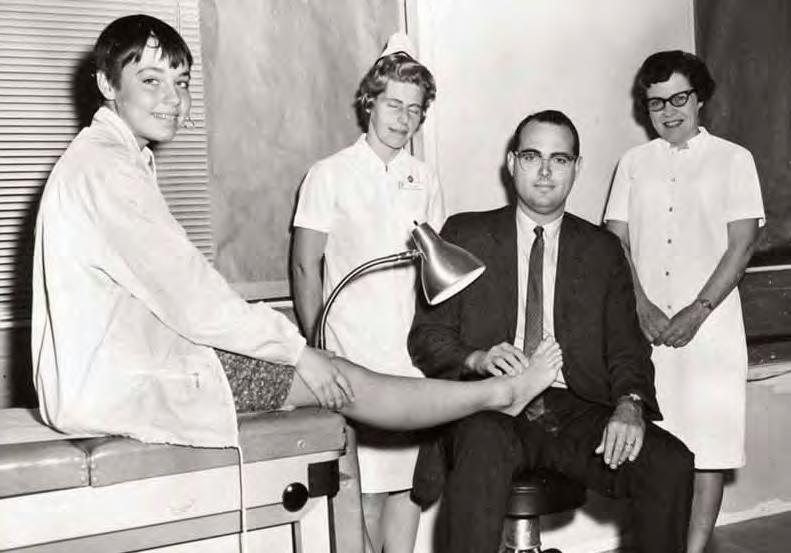
The $50 million phone call.
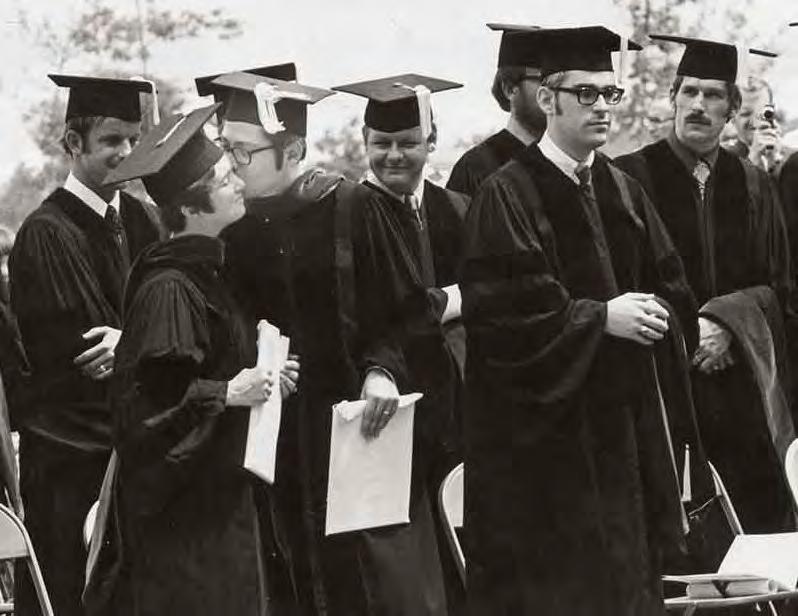
The College of Medicine welcomes its first medical students in 1967.
The College of Medicine was the first in the nation to have a dedicated Department of Humanities and a Department of Family and Community Medicine.
Founding dean and CEO George Harrell, MD, becomes first to found two university medical schools.
The Medical Center accepted its first patients in 1970.
Today, we
degree programs in medical education, physician assistant education, graduate education and public health.
A Vibrant Future
Penn State College of Medicine exemplifies the University’s land-grant promise of advancing knowledge in service to society, with a distinct focus on improving health in rural and underserved communities.
Our eminence is not theoretical; it is action.
We harness artificial intelligence to push the boundaries of discovery, while our pioneering work in humanities provides the ethical and humanistic foundation guiding our progress.
202
We transform discovery into practice, expand access to care through innovation and lead bold initiatives to reduce health disparities across Pennsylvania and beyond. and beyond >>>
5 College of Medicine and Medical Center faculty and physicians continue to integrate the latest biomedical knowledge and technology with compassionate care of patients, while educating the next generation of scientists and physicians.

Our Mission
At Penn State College of Medicine, we create interdisciplinary solutions for the most pressing health care challenges. By training the next generation of compassionate healers, scholars and leaders in biomedical sciences, advancing field defining research and partnership with Penn State Health to deliver trusted care, we are shaping a healthier future for our communities – together.

“No medical school has a more powerful origin story, one rooted in compassion, community and the belief that we are here to make life better for others.”
– Dean Karen Kim, MD, MS

Penn State College of Medicine

1,500+ faculty 1,700 staff 1,300 students 700 residents & fellows
100+ student interest groups 30% of trainees stay with Penn State Health 40% of graduates remain in PA
+ Discover more at med.psu.edu/about
RESEARCH
New College Leadership
It is a privilege to share our new departmental chairs and executive leaders at the Penn State College of Medicine. These distinguished leaders bring visionary scholarship, interdisciplinary expertise, educational excellence and a proven track record of outcome driven performance.
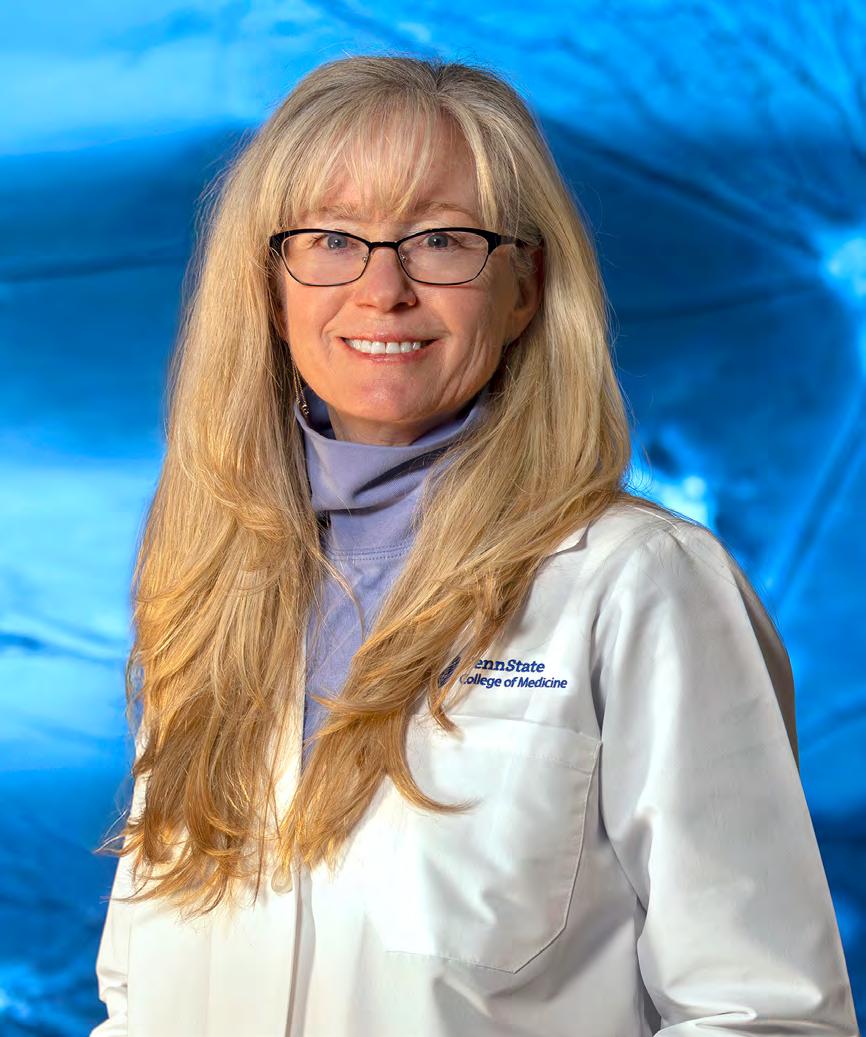

Patricia “Sue” Grigson, PhD
Professor and Chair
Department of Neuroscience and Experimental Therapeutics
Director, Penn State Addiction Center for Translation (PS ACT)
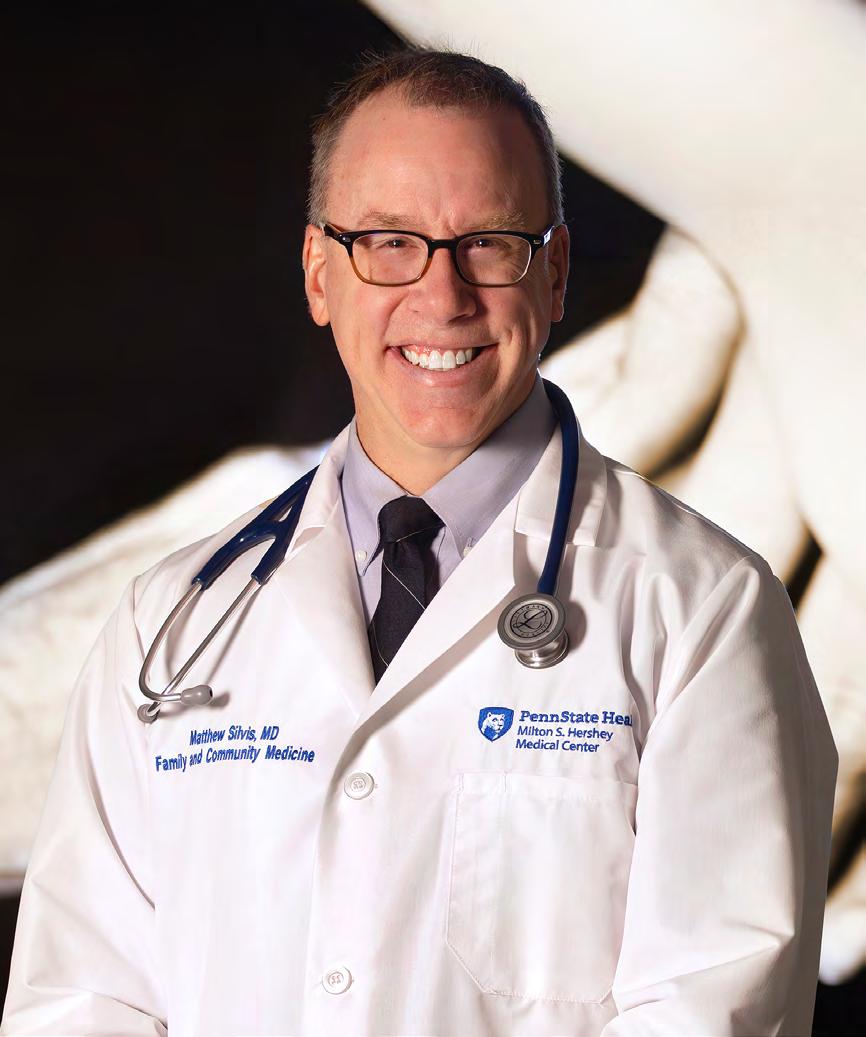
Matthew Silvis, MD, FAMSSM (‘02)
Hershey Company Professor and Chair, Department of Family and Community Medicine
Professor, Departments of Family and Community Medicine and Orthopaedics and Therapy Services
Physician Lead, Value Based Care and Population Health, Penn State Health
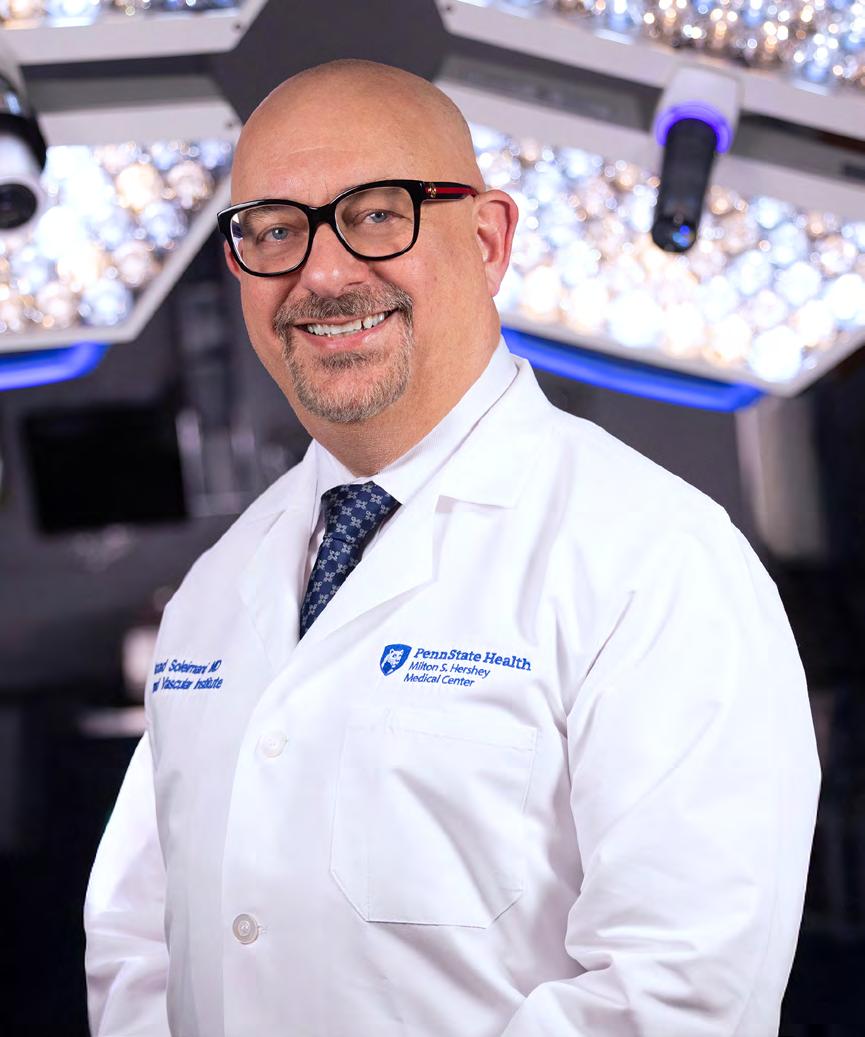
Chairman and Professor, Department of Surgery
John A. and Marian T. Waldhausen
Endowed Chair in Surgery
Vice President, Penn State Health
Cardiovascular Service Line
Director, Penn State Heart & Vascular Institute
Behzad Soleimani, MD, MRCP, FRCS(C-Th)
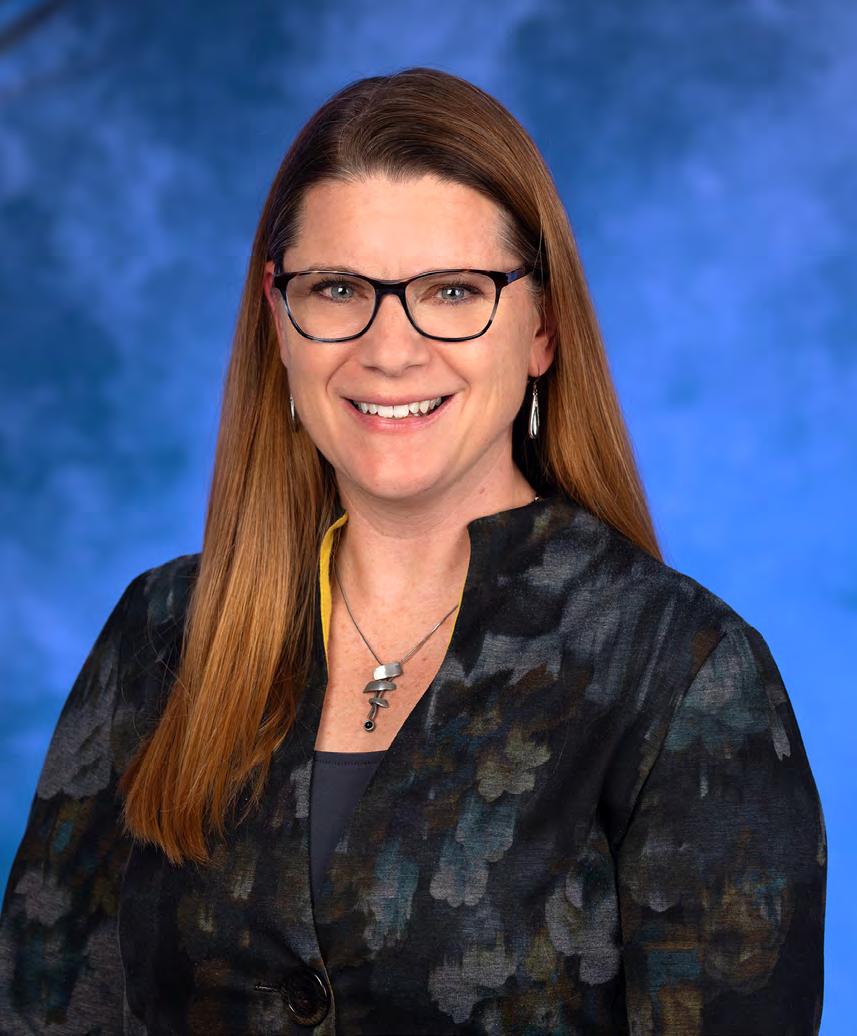
Erika Swift, MBA, MHA
Executive Director Center for Medical Innovation Professor of Practice
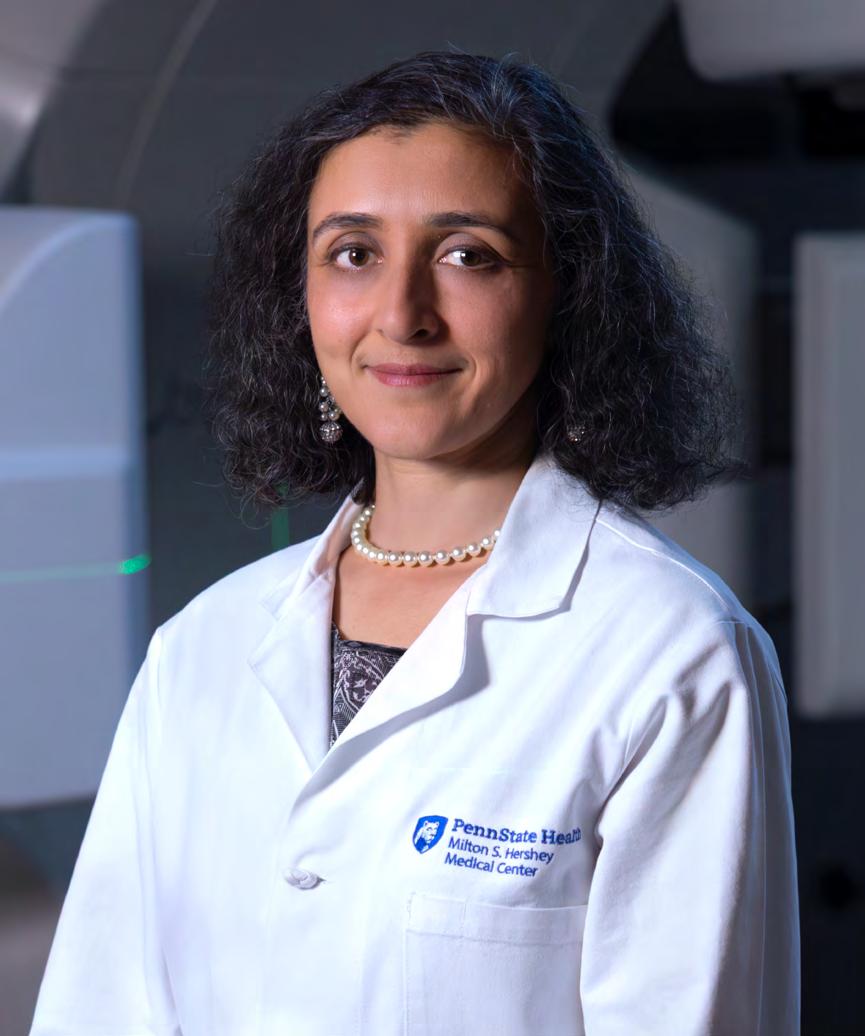
Vinita Takiar, MD, PhD
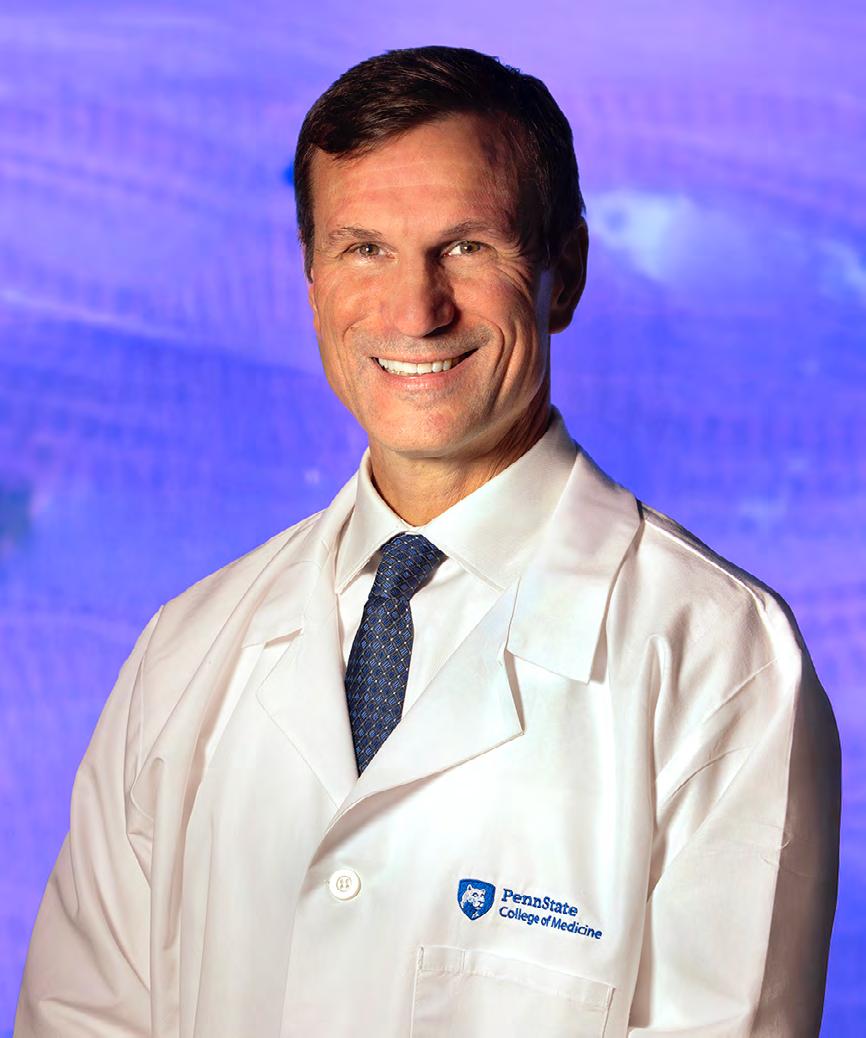
Christopher Yengo, MS, PhD

Miriam Beckner Professor of Radiation Oncology Chair, Department of Radiation Oncology, Penn State Health Milton S. Hershey Medical Center Vice President, Radiation Oncology, Penn State Health
Leonard “Jim” Jefferson, PhD Professor in Cell and Biological Systems and Chair Department of Cell and Biological Systems
Strategic Priorities in Action

Transforming health through academic and clinical synergy.
Through our integrated academic health system, Penn State College of Medicine and Penn State Health drive advancements in state-of-the-art patient care, medical education and research to serve our region, the commonwealth and society in unparalleled ways.
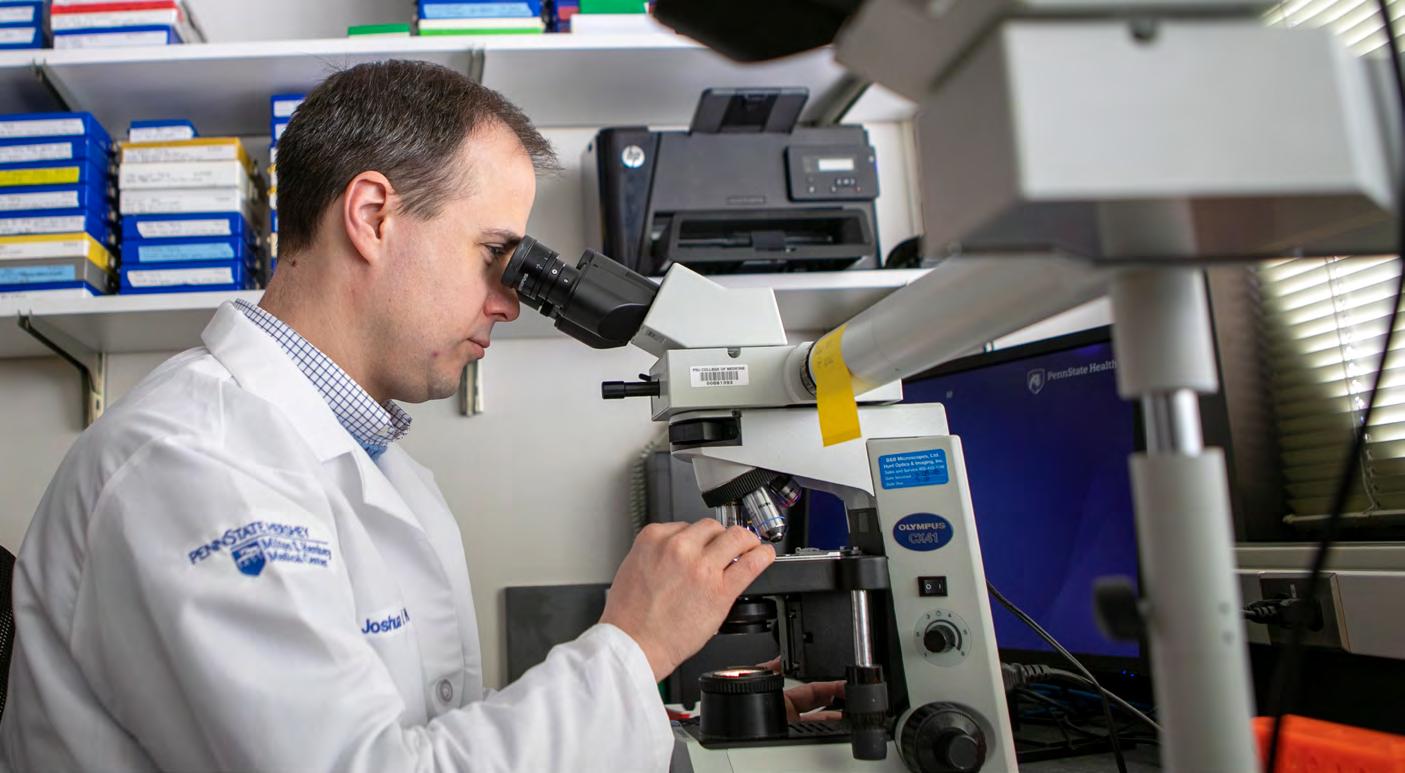
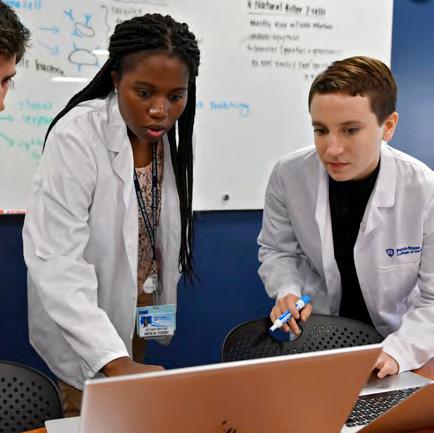
Creating a culture where students can thrive, that supports their well-being, promotes professional growth and ensures they develop into competent and compassionate health care providers and scientists.

Understanding the complex interaction of genetics, biological processes and socioeconomic determinants allows us to improve human health.
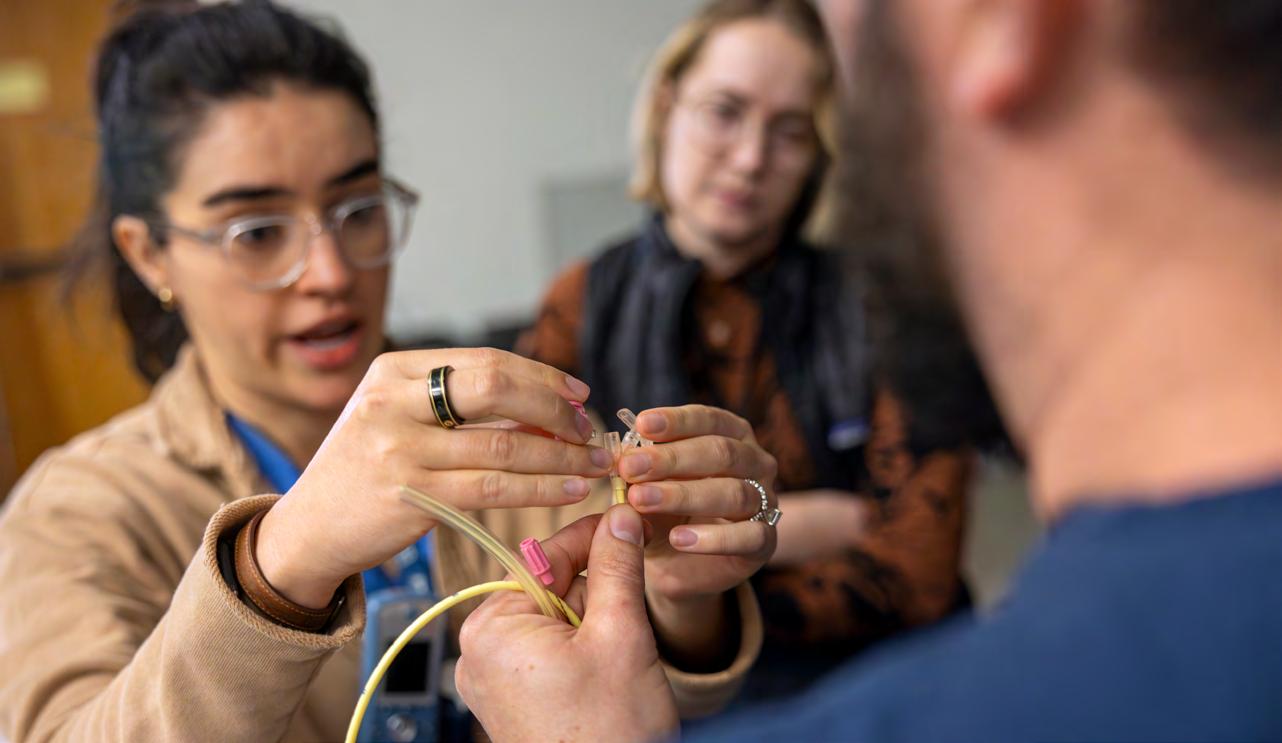




Applying Artificial Intelligence and Bioinformatics
ACADEMIC

and CLINICAL SYNERGY
Use of AI and advanced tools allows the College of Medicine to amplify impact in research, education and clinical care.

Learning and Applying Health Systems Science

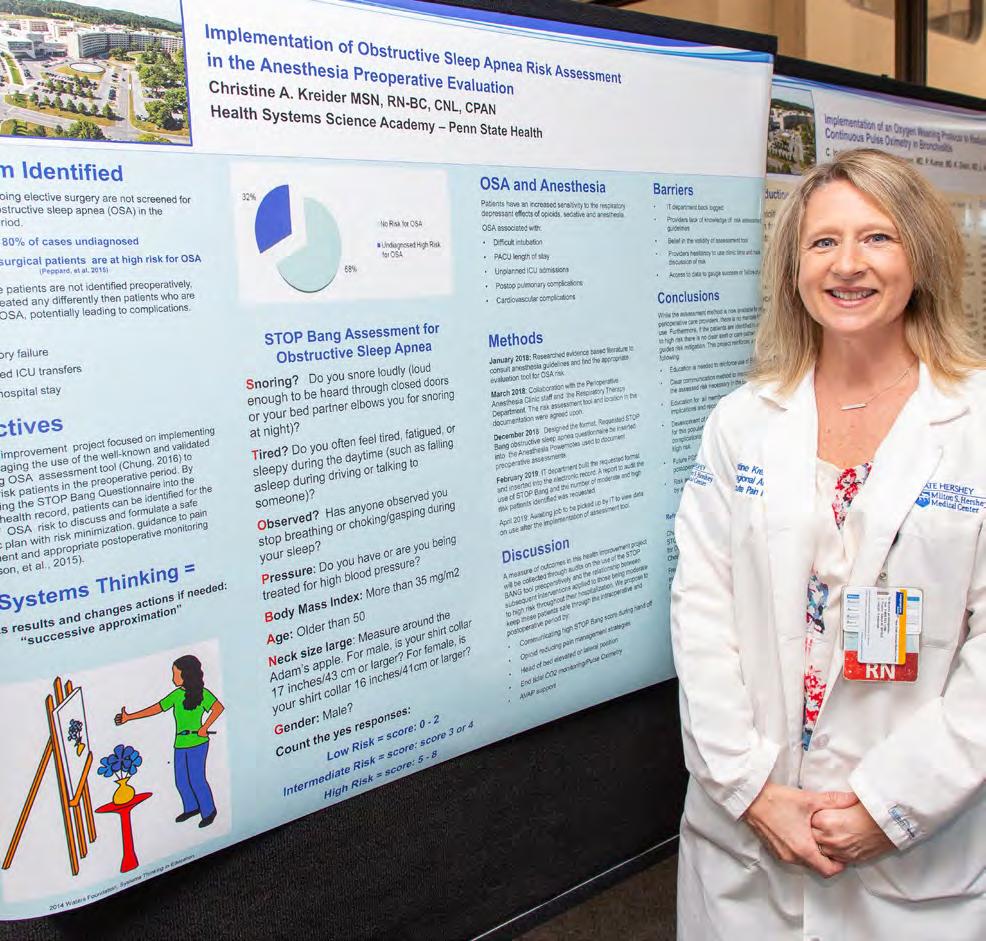
Enhancing our Culture of Excellence
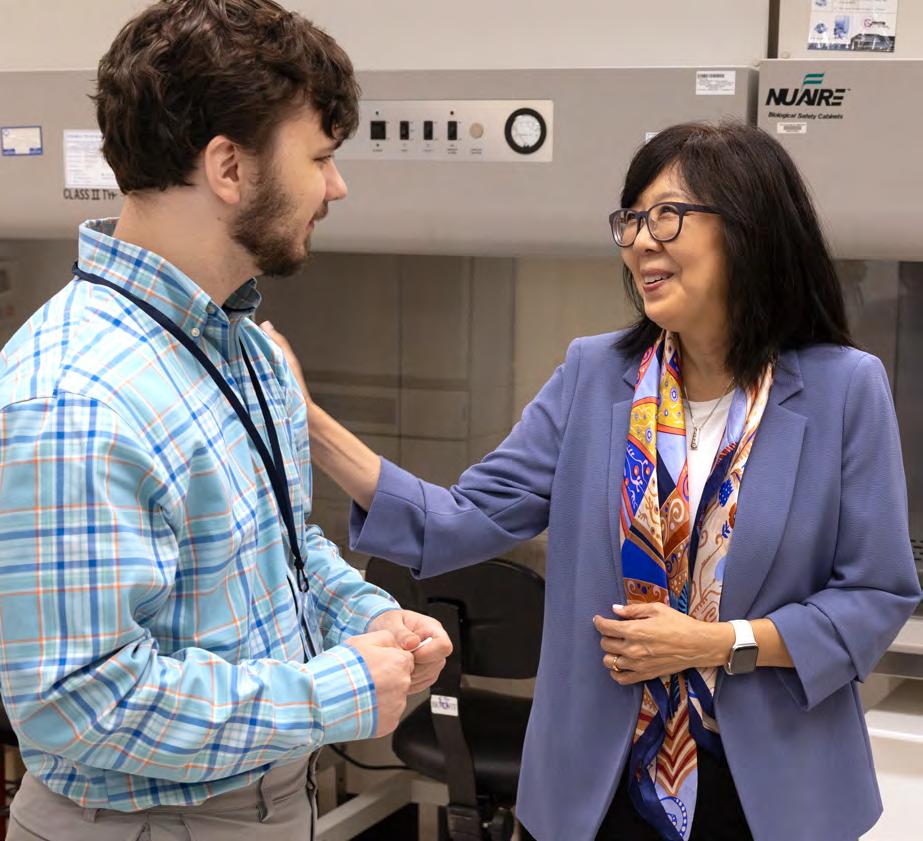
Develop future health care professionals and scientists who can navigate complex health systems and improve outcomes that benefit the community.
A culture that is safe, respectful and supports the wellbeing and professional development of learners, staff and faculty.
STRATEGIC PRIORITIES IN ACTION
Innovation and Discovery

Our eminence comes to life through the Center for Medical Innovation (CMI) , where discoveries move from the bench to the bedside with the power to change lives. By accelerating the journey from idea to impact, CMI ensures that promising research becomes real-world solutions by advancing new therapies, devices and technologies that redefine what is possible.
We turn research into reality, moving breakthroughs into better outcomes.
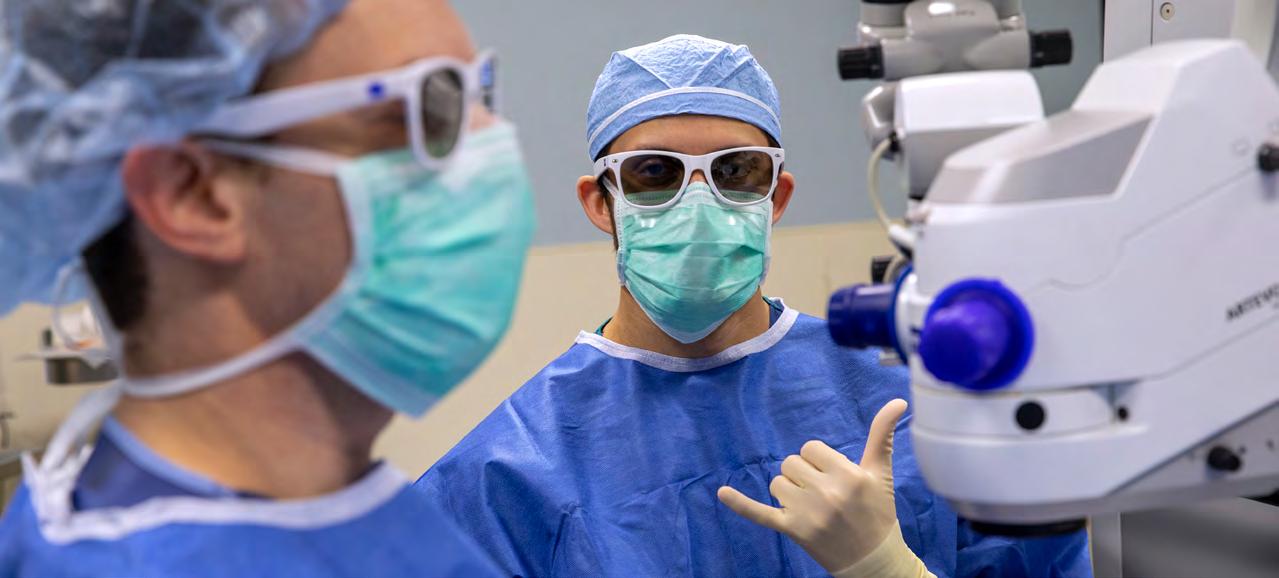
Drop-less Eye Surgery
Penn State College of Medicine innovators are replacing weeks of cumbersome eye drops after cataract surgery with a tiny biodegradable implant that delivers medication for 30 days. Backed by the Center for Medical Innovation, this breakthrough is transforming recovery and improving outcomes for millions.
Seth Pantanelli, MD, professor, Department of Ophthalmology
Su Yan, PhD, assistant research professor, Department of Biomedical Engineering
Osteoarthritis Breakthrough
More than 30 million Americans live with osteoarthritis, a leading cause of disability. Penn State College of Medicine physicianscientists are developing a first-in-class injectable that relieves pain, prevents joint damage and promotes healing. Funded by the Center for Medical Innovation, this disease-modifying therapy could transform quality of life for millions.
Fadia Kamal, PharmD, PhD, associate professor, Department of Orthopaedics and Rehabilitation, associate professor, Department of Cell and Biological Systems
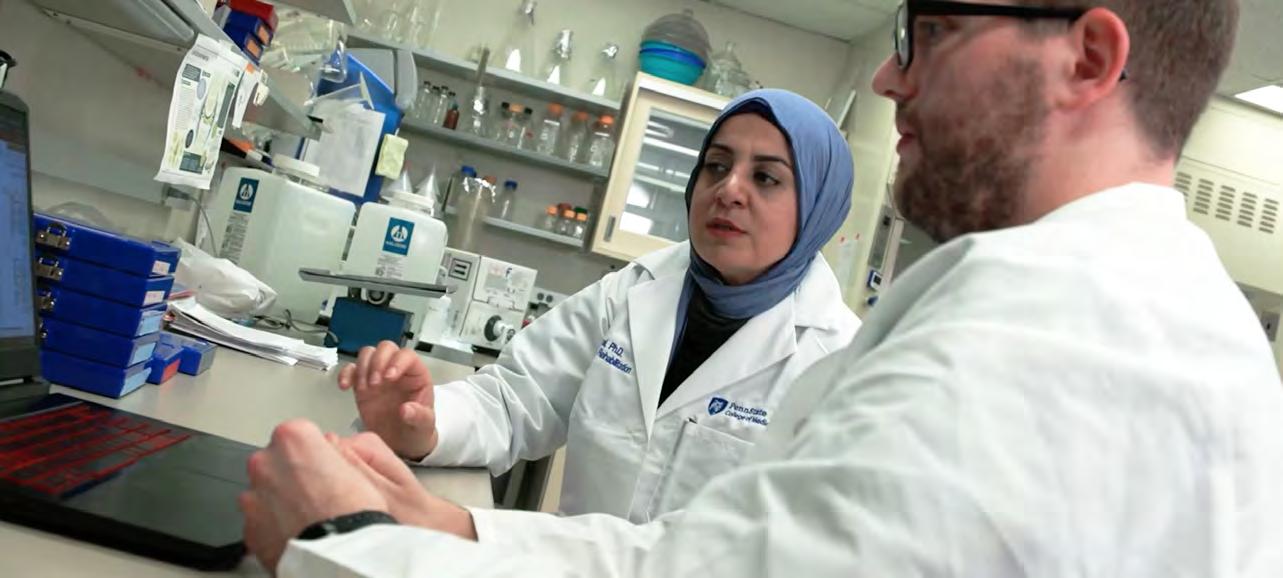

THRIVING
not just surviving
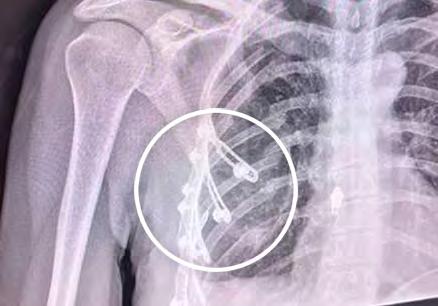
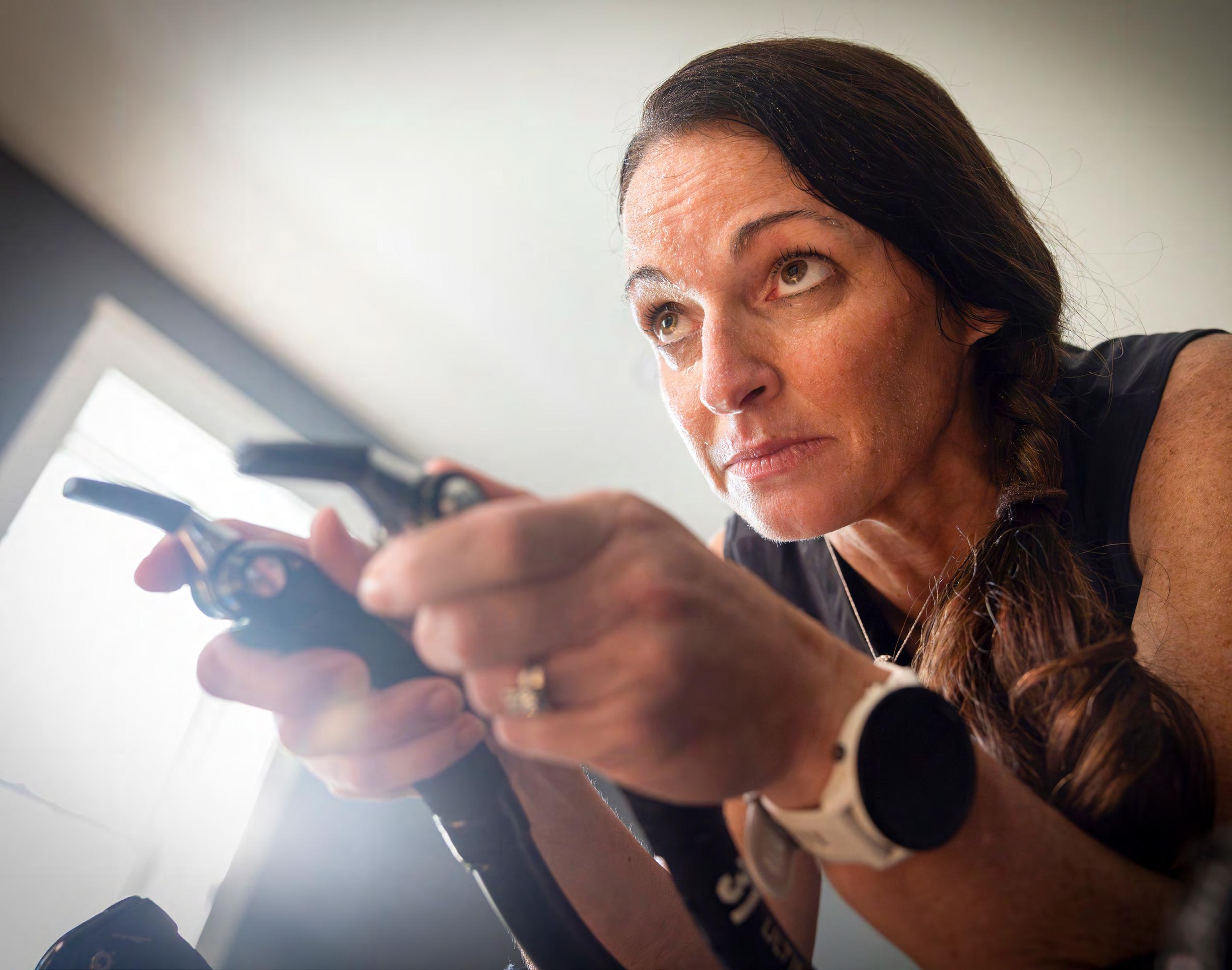
After a devastating cycling accident, elite triathlete Nancy Rehm avoided invasive surgery thanks to RibFix Advantage, a Penn State College of Medicine innovation that stabilizes ribs, reduces pain and speeds healing. Nine months later, she competed for Team USA. Once a research question, the RibFix Advantage System is the first FDA-cleared intrathoracic rib fixation system for less invasive rib repair and is now transforming trauma care worldwide.
Randy Haluck, MD, professor and vice chair for technology, Department of Surgery at Penn State Health Milton S. Hershey Medical Center
Peter Dillon, MD, former chair of the Department of Surgery and vice dean for clinical affairs at Penn State College of Medicine, and executive vice president and chief clinical officer at Penn State Health
Barry Fell, biomedical engineer at Penn State College of Medicine
Donald Mackay, MD, former interim chair of surgery at Penn State Health Milton S. Hershey Medical Center

EXPERIENCE
Nancy’s story >
STRATEGIC PRIORITIES IN ACTION
Artificial Intelligence in Practice

“Penn State College of Medicine is leading nationally by advancing artificial intelligence research, rethinking operations and setting a new standard for how technology and human expertise shape the future of humanistic medicine.”
– Dean Karen Kim, MD, MS
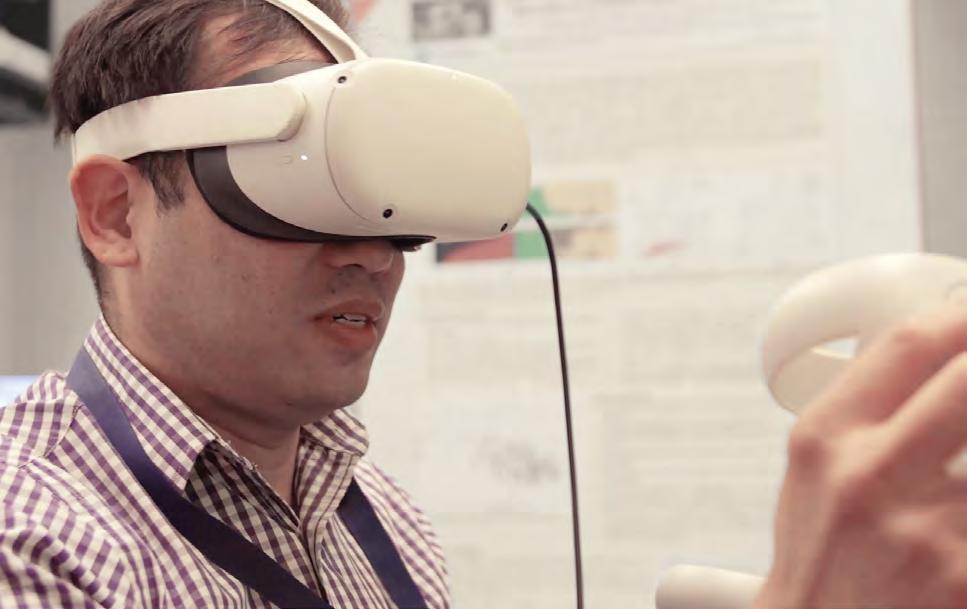
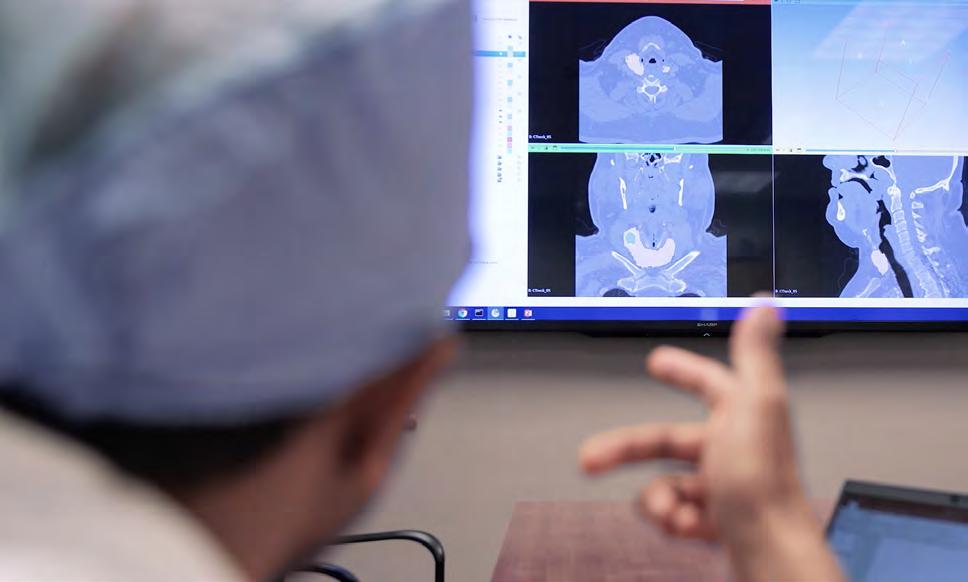
”We are among the first medical schools in the nation to revolutionize our admissions process by integrating artificial intelligence.
Driving Discovery and Efficiency
At Penn State College of Medicine, artificial intelligence (AI) is more than a research tool; it is transforming how we work and learn.
Our AI-assisted approach enhances efficiency, transparency and equity by helping reviewers identify patterns and insights that streamline and scale the medical school admissions process while keeping human judgment at the center.
The results speak for themselves: the initial investment in our AI strategy has already produced a 45-fold return within its first year, yielding millions in annual savings for the College of Medicine and a 25% increase in
National Institutes of Health funding related to AI and data science.
By pairing world-class expertise with cuttingedge technology, Penn State College of Medicine ensures that operational practices reflect the same innovation that drives our research and education. We are at the forefront of demonstrating how AI can scale efficiency, strengthen fairness and transform the future of medicine.
> 98.5% accuracy for AI systems used in application screening

AI in Medicine
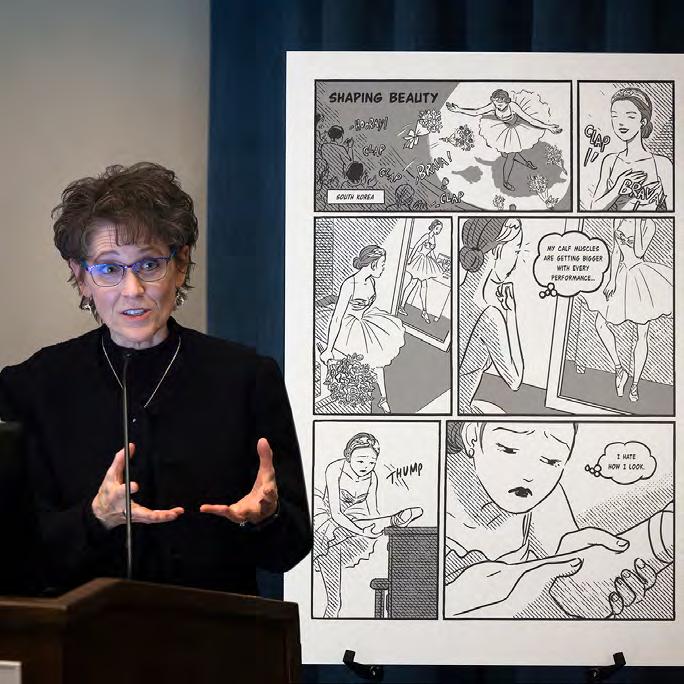
The Humanistic Approach
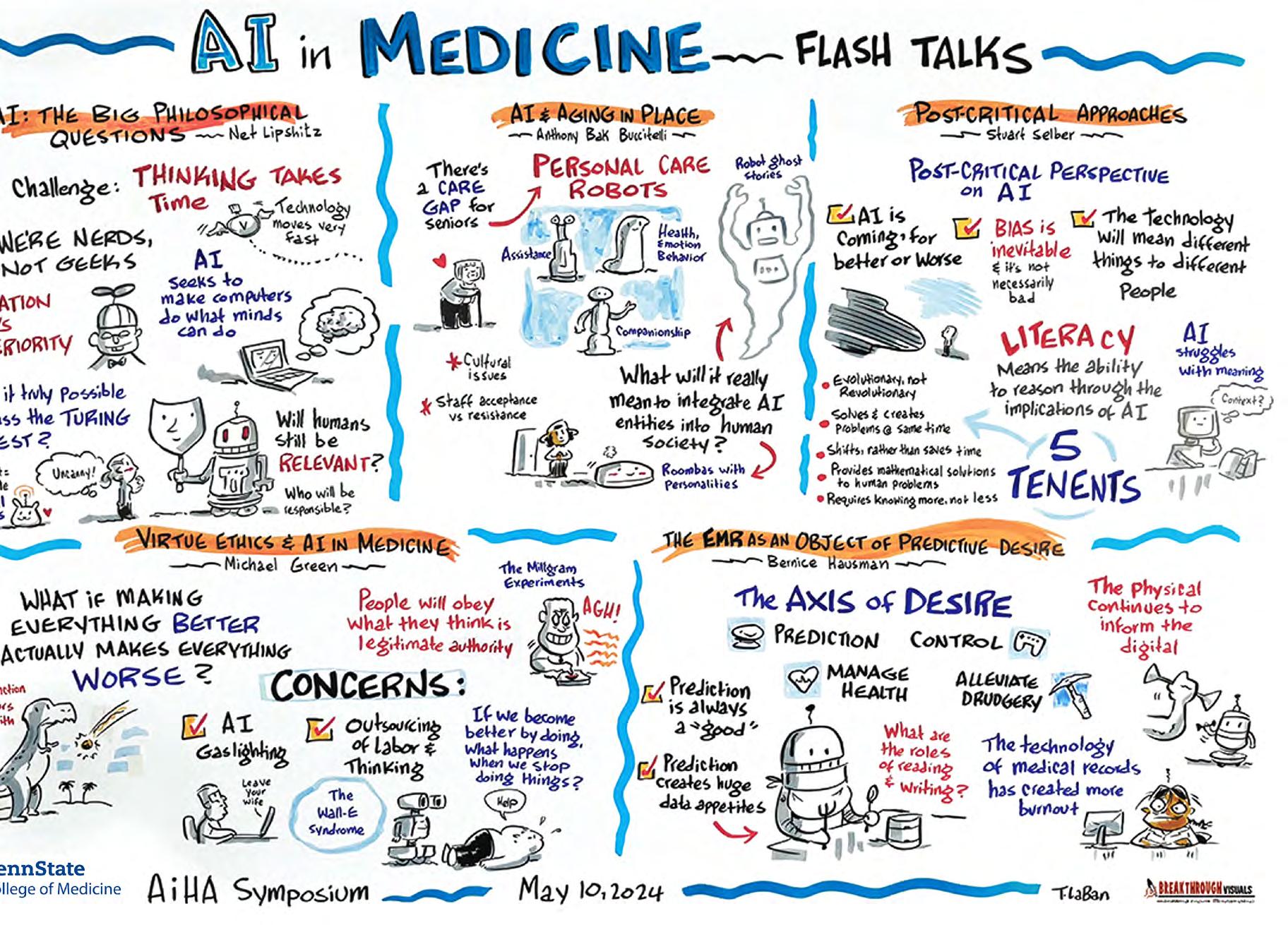


As pioneers of teaching humanistic medicine, we are advancing artificial intelligence that is powerful, purposeful and profoundly human, ensuring that the future of medicine is one where innovation and compassion work hand in hand.
Our distinction lies in our ability to enhance technology that is human-centered to provide the highest quality health care, meaningful discovery and innovative education.

Home to the nation’s first Department of Humanities
within a college of medicine, we are leaders in integrating the art of humanities into medical education and practice. Our renowned, luminary scholars shape national best practices in patientcentered health care and drive innovation at the intersection of medicine and the human experience.
Integrated Academic Health System

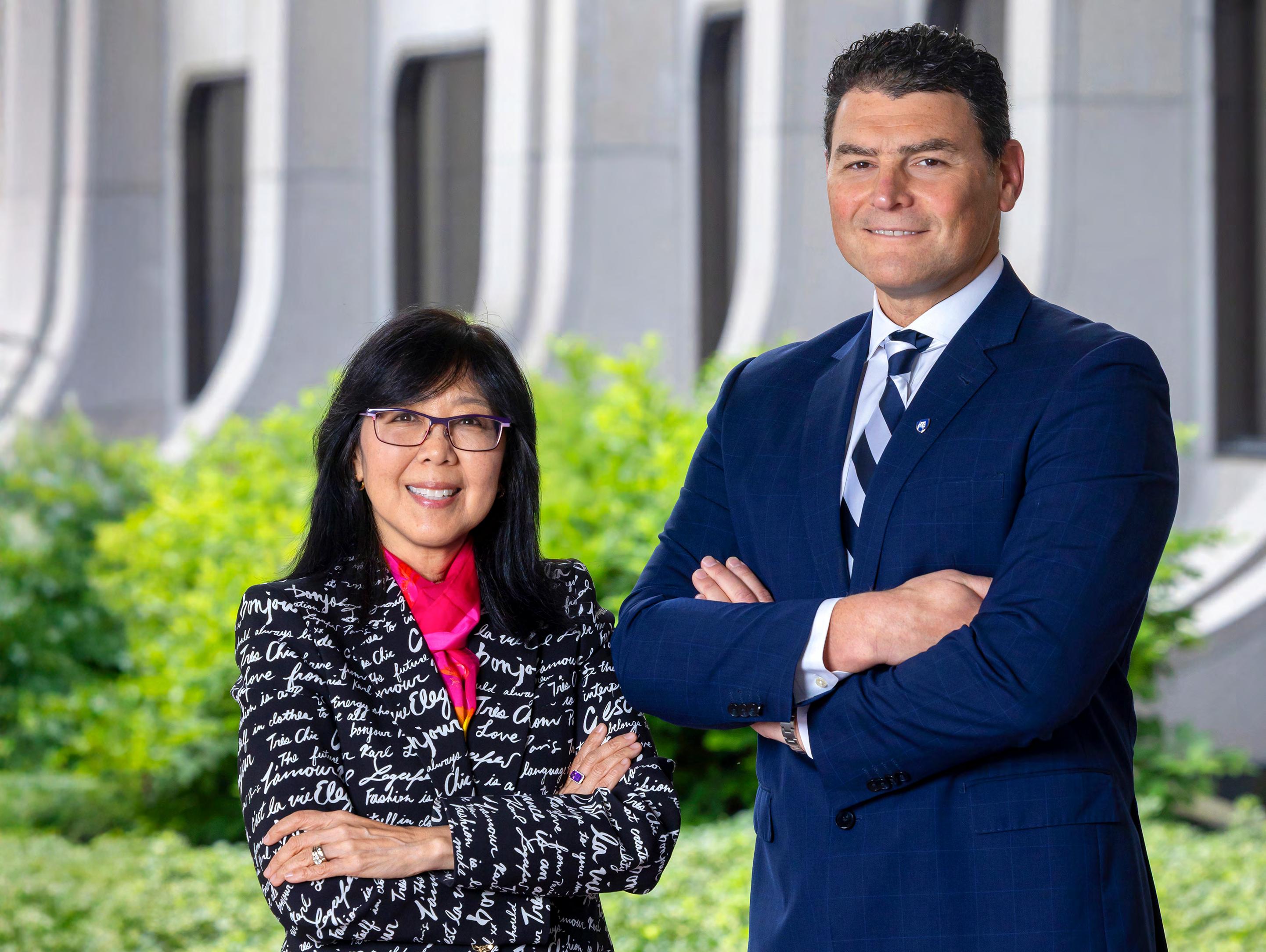
College of Medicine
Dean Karen Kim, MD
(left) and Penn State
Health CEO Michael Kupferman, MD
Working in close partnership with Karen Kim, MD, dean of Penn State College of Medicine, the arrival of Michael Kupferman, MD, chief executive officer of Penn State Health, a nationally recognized surgeon and health system executive, now marks a defining moment in the evolution of Penn State’s academic health enterprise.
OUR SHARED VISION:
To advance health and transform lives across Pennsylvania and beyond.

Together, Drs. Kim and Kupferman embody the promise of an integrated academic health system where patient care, research and education are fully interwoven to serve communities, fuel discovery and prepare the next generation of healers and innovators. This transition reflects Penn State’s bold commitment for a shared vision across Pennsylvania and beyond.
With this esteemed leadership team in place, Penn State is positioned to redefine what it means to be an integrated academic health system transforming health through clinical and academic synergy – anchored in excellence, powered by discovery and driven by service to society.
Research Eminence in Action
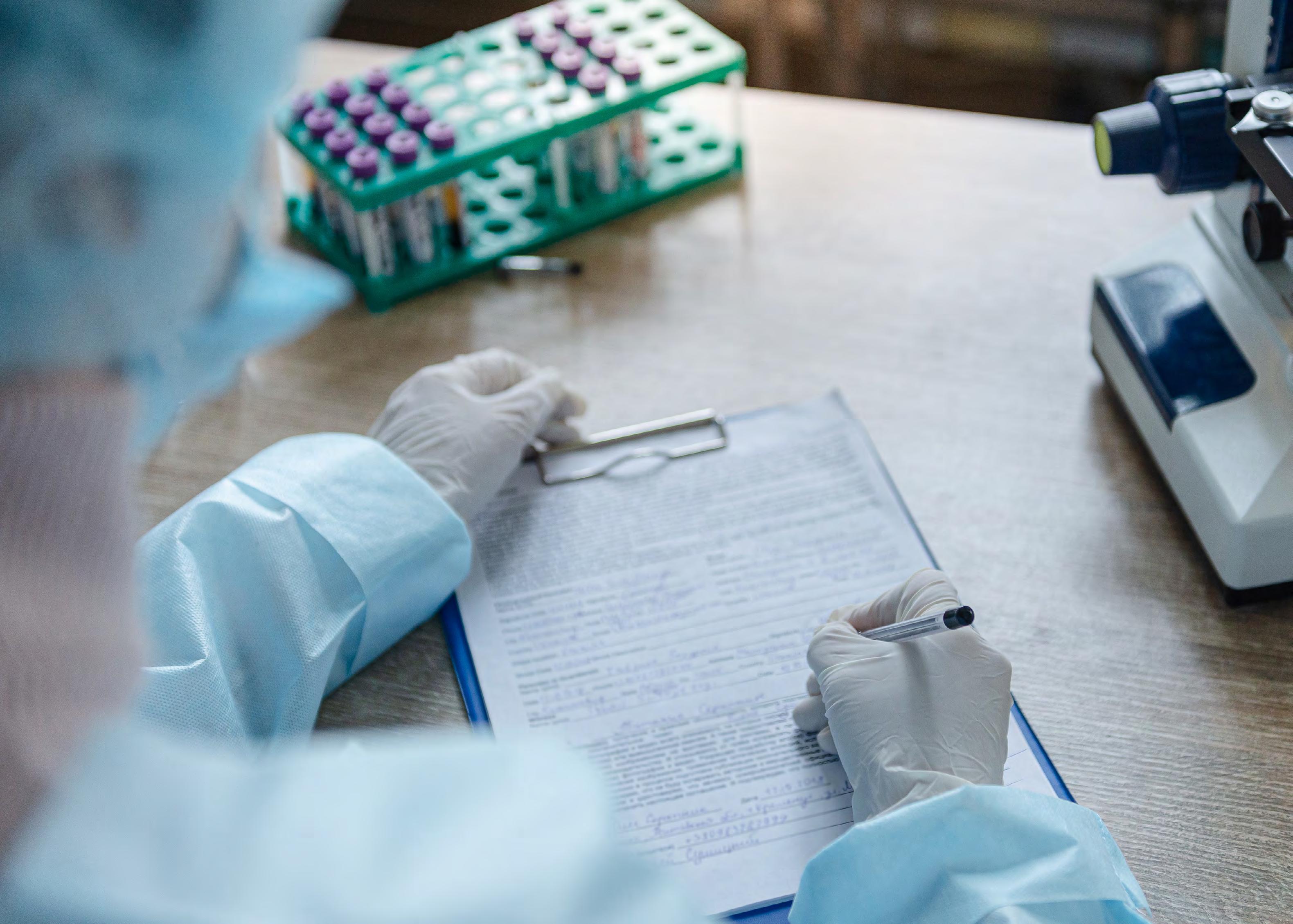
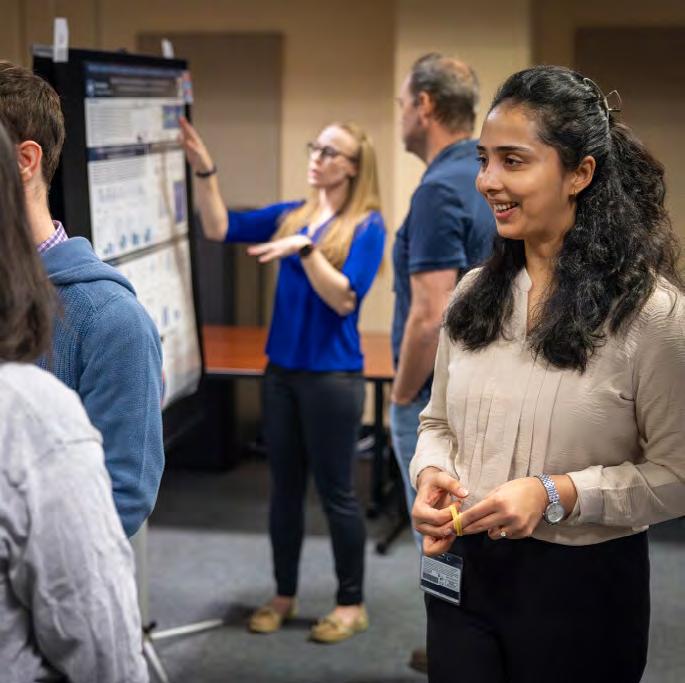
Research in the basic, translational and clinical sciences is the foundation of our College of Medicine, driving the discovery and implementation of new knowledge that shapes the future of health.
By interrogating fundamental biological mechanisms and exploring novel hypotheses, our researchers push the boundaries of what is known, enabling transformative innovations in diagnostics, therapeutics and disease prevention.

Embracing our legacy by leading the way in heart health
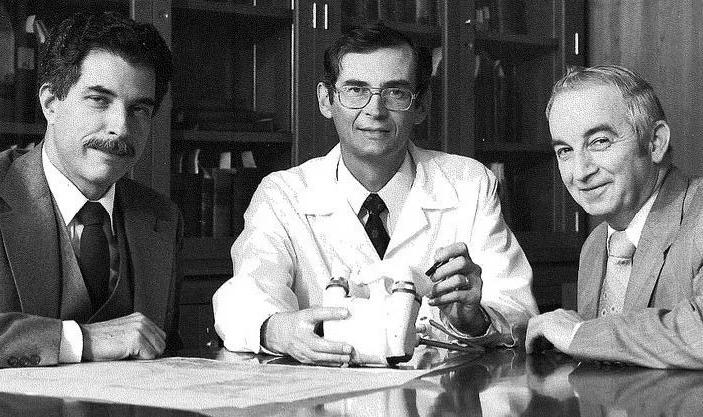
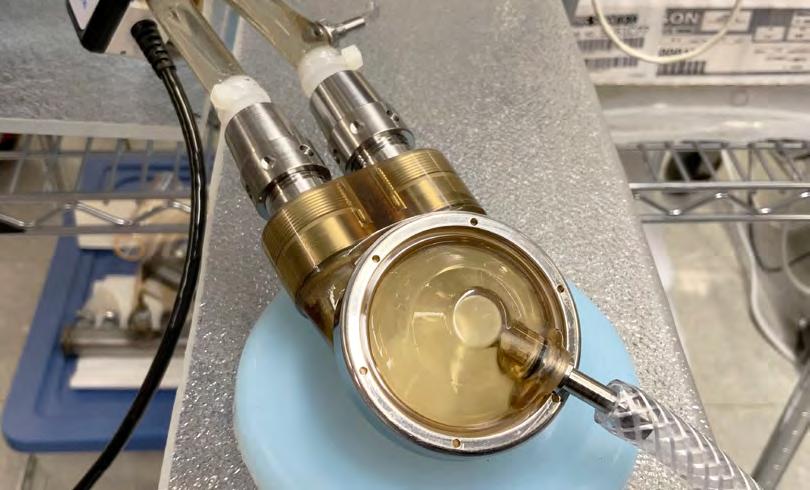
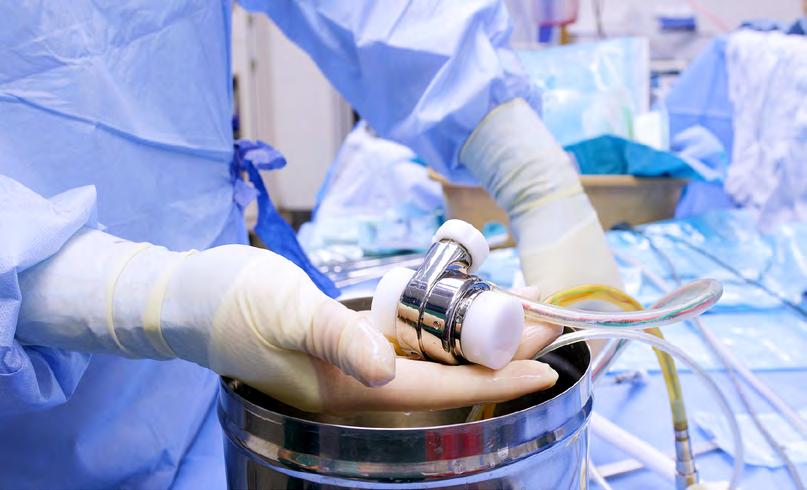
Penn State College of Medicine Heart and Vascular Institute represents a legacy of discovery, clinical excellence and innovation that continues to shape the field worldwide. From pioneering one of the first artificial heart implants to advancing minimally invasive techniques, our physician-scientists and biomedical engineers have been trailblazers in the treatment of cardiovascular disease.
1970s
Division of Cardiothoracic Surgery is established; Dr. William S. Pierce begins developing mechanical circulatory support devices, including the Penn State Heart-Assist Pump.
1984
Launch of the heart transplant program at Hershey.
1990
The Pierce-Donachy (Penn State) heart-assist pump is designated by ASME as an International Historic Mechanical Engineering Landmark.
2001
Penn State develops the LionHeart left ventricular assist device (LVAD), a fully implantable assist system, in a phase I study.
2008
The ventricular assist device (VAD) program earns the Joint Commission Gold Seal of Approval for destination therapy in advanced heart failure.
2024
Celebrated 40 years of heart transplant program (since 1984), having performed more than 575 heart transplants.
1976
First use of the Penn State Heart-Assist Pump in a patient who could not be weaned from the heart-lung machine; patient recovered enough to go home.
1985
The Penn State Heart-Assist Pump was in widespread use as “bridge” support for patients awaiting heart transplant.
Early 2000s
Research developments in artificial heart devices and assist pumps continue; outpatient and surgery programs expanded.
2005
Formal founding of the Penn State Heart & Vascular Institute as a unified program.
2015
FIRST U.S. implant of the 50cc SynCardia Total Artificial Heart during investigational device trial at Penn State College of Medicine.
2025
Reached 600th heart transplant.
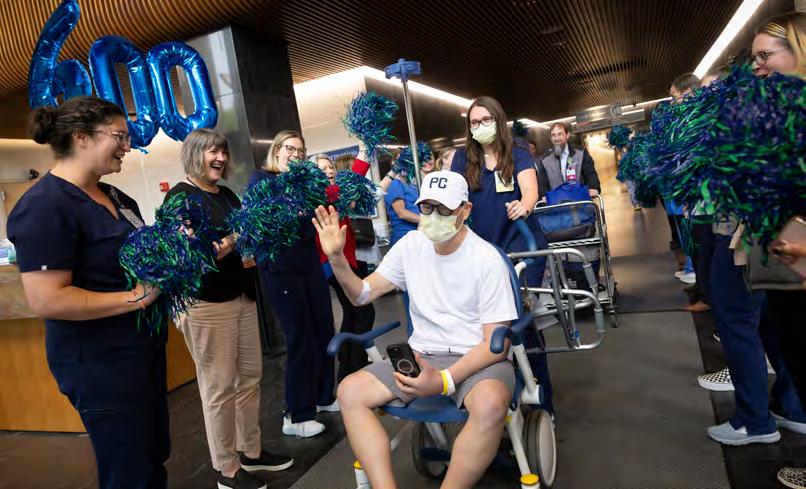
College of Medicine Faculty are Addressing Heart Health Across the Life Span
Understanding Heart Health After Preeclampsia
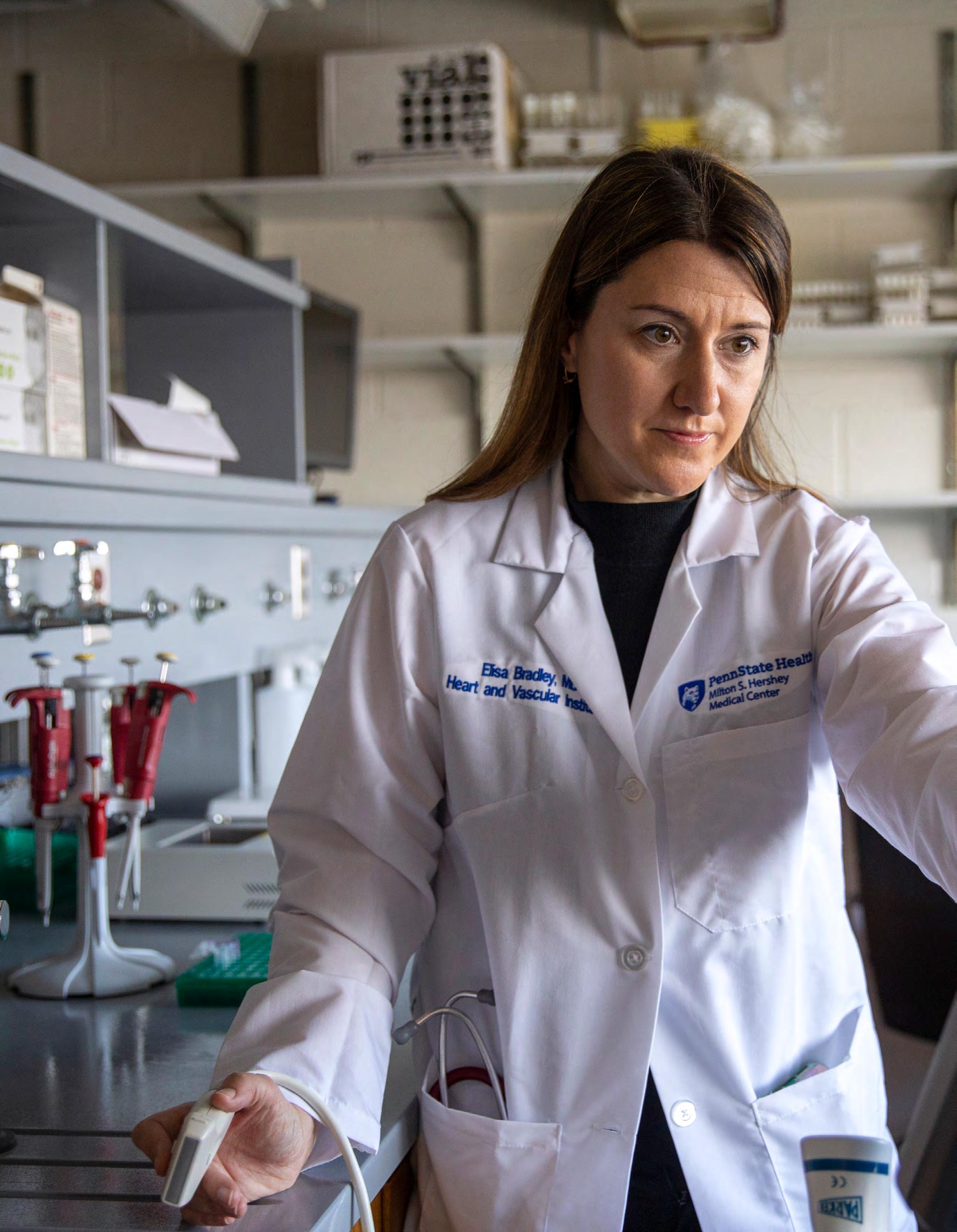
A project team led by the College of Medicine researchers received $6.1 million from the National Heart, Lung and Blood Institute to study genetic profiles among diverse racial subgroups who experienced severe preeclampsia.
Elisa Bradley, MD, (PI), associate professor, Department of Medicine and Department of Cell and Biological Systems
Amanda Cai, MD, assistant professor, Department of Medicine
Martin Johnson, MD/PhD candidate, Medical Scientist Training Program
$6.1 MILLION
“This project holds the potential to revolutionize our understanding of cardiovascular health in women who have experienced severe preeclampsia.”
– Elisa Bradley, MD

Rethinking Ventilation with TAV
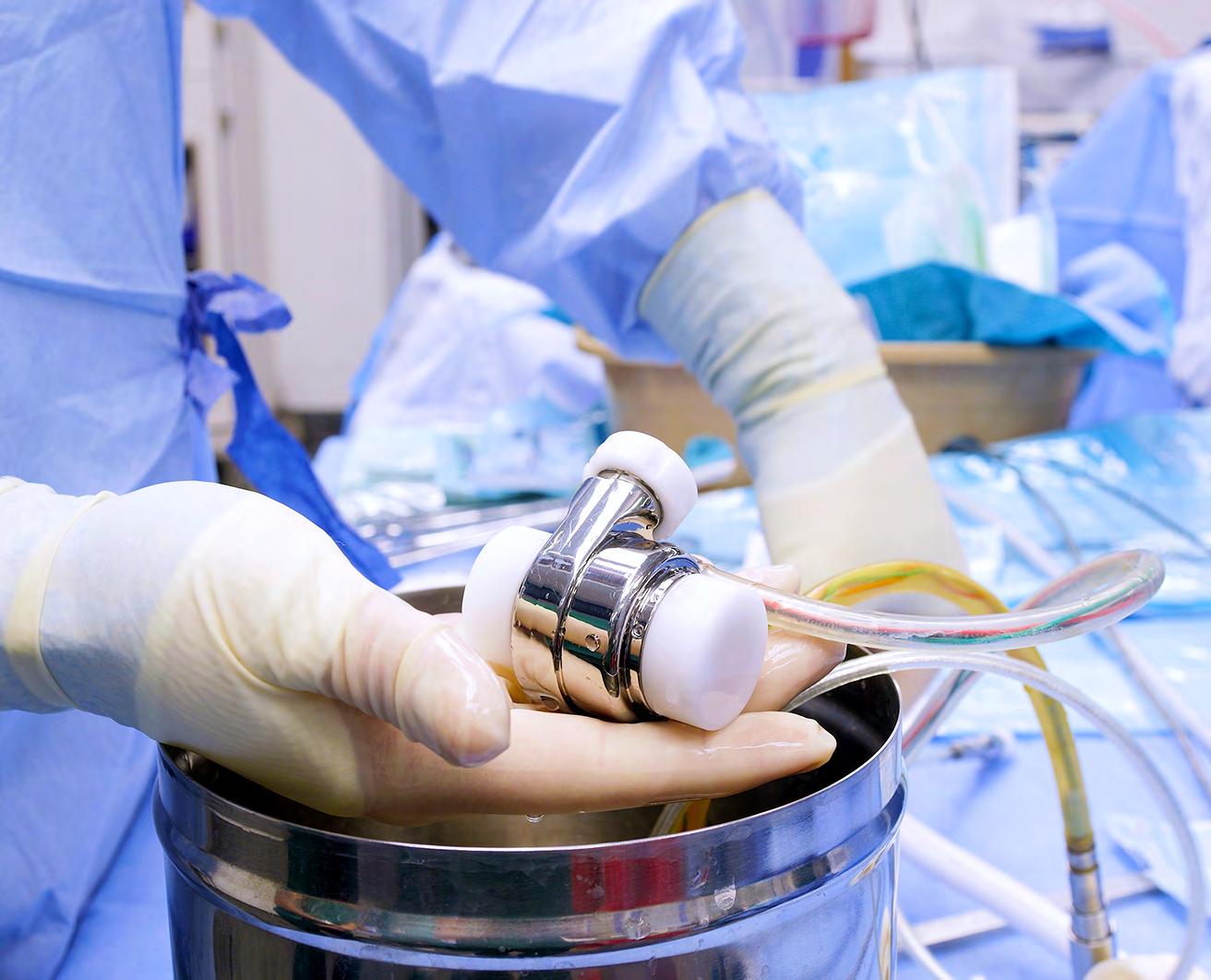
College of Medicine inventors, biomedical engineers and clinical faculty have teamed up to develop the Torso Assist Ventilation (TAV), a vest-like device that supports breathing by mimicking the body’s natural mechanics. Unlike conventional mechanical ventilation, TAV provides gentler, more physiologic support delaying or reducing the need for invasive ventilation and improving outcomes across newborn to adult patients.
William Weiss, PhD, C. McCollister Evarts, MD, Professor in Artificial Organs, Department of Surgery, professor, Biomedical Engineering
Charles Palmer, MD, professor emeritus, former professor of pediatrics and chief of the Division of Newborn Medicine at Penn State Milton S. Hershey Medical Center
Branka Lukic, MS, researcher, biomedical devices
Karl Bohnenberger, MS, researcher, biomedical devices
Kirby Bletcher, fabrication specialist
Ann Donnelly, respiratory therapist
Hormone Therapy and Menopausal Heart Health
Findings from a multi-institutional team led by Penn State College of Medicine and funded as part of the Early-Stage Investigator Training Program (KL2) were published in the journal Obstetrics & Gynecology, suggesting that estrogen-based hormone therapy during menopause may improve cardiovascular biomarkers. The results provide critical insights into the potential role of hormone therapy in supporting women’s cardiovascular health.
Matthew Nudy, MD, (PI), assistant professor, Department of Medicine and Department of Public Health Sciences
Cynthia H. Chuang, MD, professor, Department of Medicine, Department of Public Health Sciences, Department of Obstetrics and Gynecology
Adolescent Sleep and Heart Health
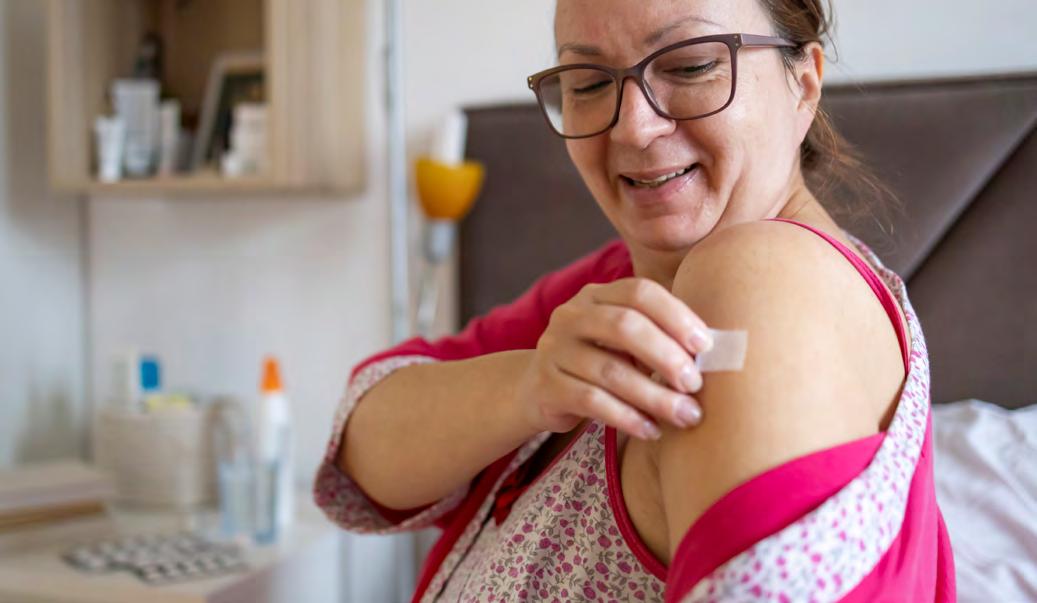
Published in SLEEP, College of Medicine researchers discovered that irregular sleep schedules and late bedtimes may heighten heart risks in teens. Findings show that when young people sleep is just as important as how long they sleep for long-term cardiac health. Nearly $5 million in funding from the National Heart, Lung, and Blood Institute, the National Institute of Mental Health and the National Center for Advancing Translational Sciences of the National Institutes of Health along with the American Heart Association supported this work.
Julio Fernandez-Mendoza, PhD, (PI), Edward O. Bixler, PhD Professor in Psychiatry, Department of Psychiatry and Behavioral Health, professor, Department of Public Health Sciences and Department of Neurosciences and Experimental Therapeutics
Susan Calhoun, PhD, associate professor, Department of Psychiatry and Behavioral Health
Alexandros Vgontzas, MD, professor and Anthony Kales, MD, University Chair in Sleep Disorders
Medicine, Department of Psychiatry and Behavioral Health
Jiangang “Jason” Liao, PhD, professor, Department of Public Health Sciences

RESEARCH
UNLOCKING MINDS: Advancing Neuroscience and Fighting Addiction

From Parkinson’s and Alzheimer’s to healthy aging and neural mapping, our researchers are uncovering the brain’s complexities. Interdisciplinary teams span lab to clinic, driving discoveries that improve understanding, prevention and treatment.
This same spirit fuels breakthroughs in substance use and addiction research, where faculty are revealing biological and behavioral roots and creating new strategies for healthier communities.

Illuminating the brain
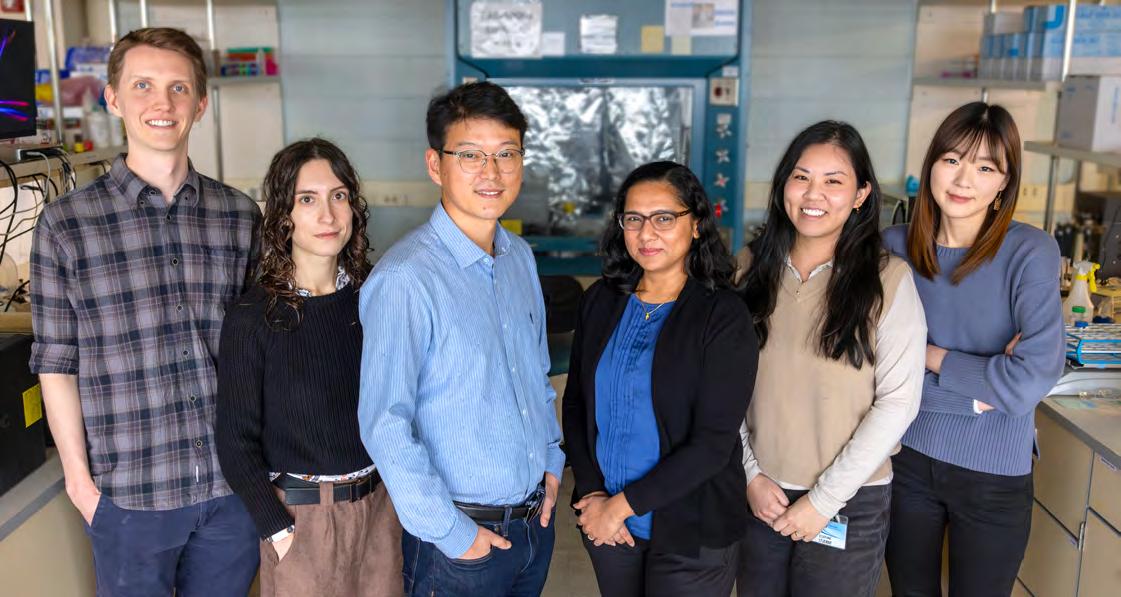
Penn State College of Medicine is leading national research efforts to unravel the biological pathways that drive neurodevelopmental and psychiatric disorders such as autism and attention deficit hyperactivity disorder (ADHD).
Yongsoo Kim, PhD, (PI), professor, Department of Neuroscience and Experimental Therapeutics
Anirban Paul, PhD, associate professor, Department of Neuroscience and Experimental Therapeutics
Santhosh Girirajan, T. Ming Chu Professor of Genomics and head of the Department of Biochemistry and Molecular Biology at Penn State Yingwei Mao, professor, Department of Biology
Backed by a prestigious five-year, $17.9 million grant from the National Institute of Mental Health, researchers will pursue discoveries that could transform future diagnostics and therapies.
$17.9 MILLION
to illuminate key biological pathways that underlie neurodevelopmental and psychiatric disorders
“This grant underscores Penn State’s strength and leadership in neuroscience. We are proud to advance critical research that has the potential to change lives.”
– Yongsoo Kim, PhD
Everyday movement boosts brainpower
Exercise has long been linked to brain health, but new research from Penn State College of Medicine and supported by $6 million in funding by the National Institute on Aging of the National Institutes of Health shows that benefits begin immediately.
Middle-aged adults who engaged in daily activities, from walking the dog to jogging, demonstrated faster cognitive processing speed, performing as if they were four
professor, Department of Neurology and Department of Public Health Sciences, associate professor, Department of Psychology, College of the Liberal Arts
years younger.
Published in Annals of Behavioral
Medicine, the findings underscore that all movement matters whether high or low intensity. Unlike most studies that focus on long-term exercise patterns, this research highlights the short-term cognitive gains of simply moving more each day.

Jonathan George Hakun, PhD, (PI), associate
Tian Qiu, MPH, doctoral student, department of public health sciences
Martin J Sliwinski, PhD, professor, Human Development and Family Studies
Daniel Elbich, PhD, data scientist, Penn State College of Medicine $6 MILLION
AI and Bioinformatics in Research
Penn State College of Medicine is field-defining in its use of artificial intelligence, harnessing data-driven discovery to improve health outcomes and set national research agendas.
We are leading the advancement of the science of AI while ensuring that innovations remain purposeful, ethical and human-centered.
Predicting Stroke Outcomes with Machine Learning
College of Medicine investigators are applying cutting-edge informatics to predict one-year mortality and recurrence after ischemic stroke using enriched, multi-institutional electronic health record (EHR) data. By utilizing $2.5 million in funding from the National Institute of Neurological Disorders and Stroke, researchers are integrating EHR with health impacts; the project advances precision prevention and showcases innovation in improving patient outcomes.
Vida Abedi, PhD, MS, (PI), associate professor, Department of Public Health Services
Ramin Zand, MD, MPH, professor, Department of Neurology, Penn State Neuroscience Institute
individual datasets analyzed
1k disease outcomes predicted
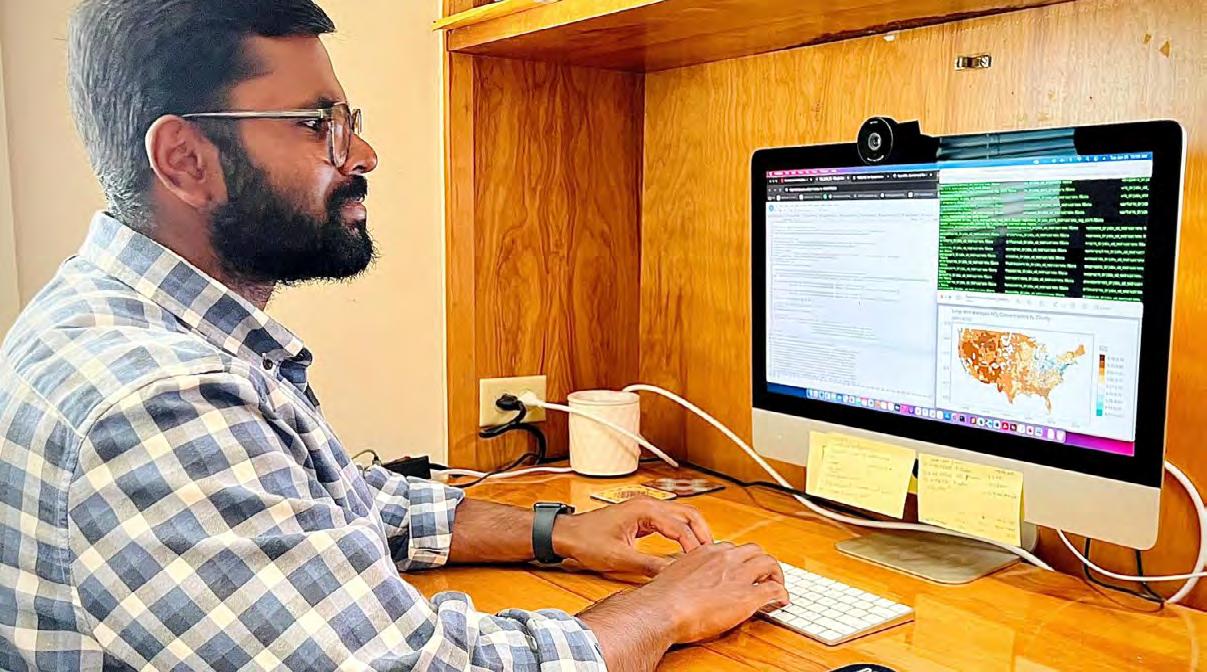

Developing novel model for disease risk
Researchers1 have developed a novel model to separate genetic and environmental contributions to disease risk. Published in Nature Communications and supported by more than $3.5 million in National Institutes of Health funding and a College of Medicine AI and biomedical informatics pilot grant, the new model is advancing opportunities for prevention and improved public health.
Bibo Jiang, PhD, MA, (PI), assistant professor, Department of Public Health Sciences
Dajiang Liu, PhD, MA, Distinguished Professor and vice chair for research, Department of Public Health Sciences, director of artificial intelligence and biomedical informatics
Laura Carrel, PhD, professor, Department of Molecular and Precision Medicine
Nancy Olsen, MD, H. Thomas and Dorothy Willits Hallowell Chair in Rheumatology, Department of Medicine
Galen Foulke, MD, associate professor, Department of Dermatology 50 MILLION
Lida Wang, a doctoral student in the biostatistics program, and Chachrit Khunsriraksakul, who earned a doctorate in bioinformatics and geonomics in 2022 and his medical degree in May from Penn State, co-led the study. Other Penn State College of Medicine authors on the paper include: Havell Markus, who is pursuing a doctorate and a medical degree; Dieyi Chen, doctoral candidate; Fan Zhang, graduate student; and Fang Chen, postdoctoral scholar.

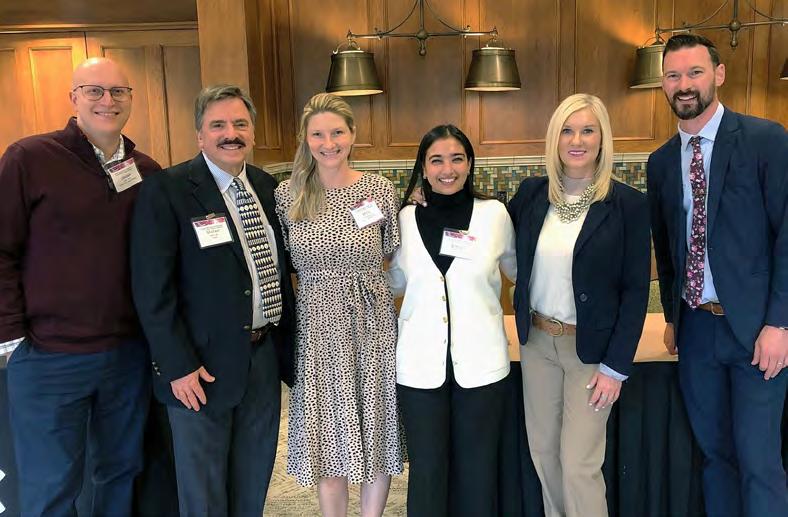
“When we talk about underrepresented populations, it’s not just about race. It could also be a group of patients that are under-studied in the medical literature because they comprise only a small portion of typical data sets. AI and transfer learning can help us study these populations and help reduce health disparities.”
– Dajiang Liu, PhD, MA

Fighting Cancer with Innovation, Compassion and Hope
From understanding cancer cell behavior to piloting exercise therapy and clinical trials, scientists and physicians at the College of Medicine take a multifaceted approach to achieving comprehensive cancer discoveries, for the shared purpose of decreasing the impact of cancer in central Pennsylvania and beyond.
Advancing Pediatric Oncology
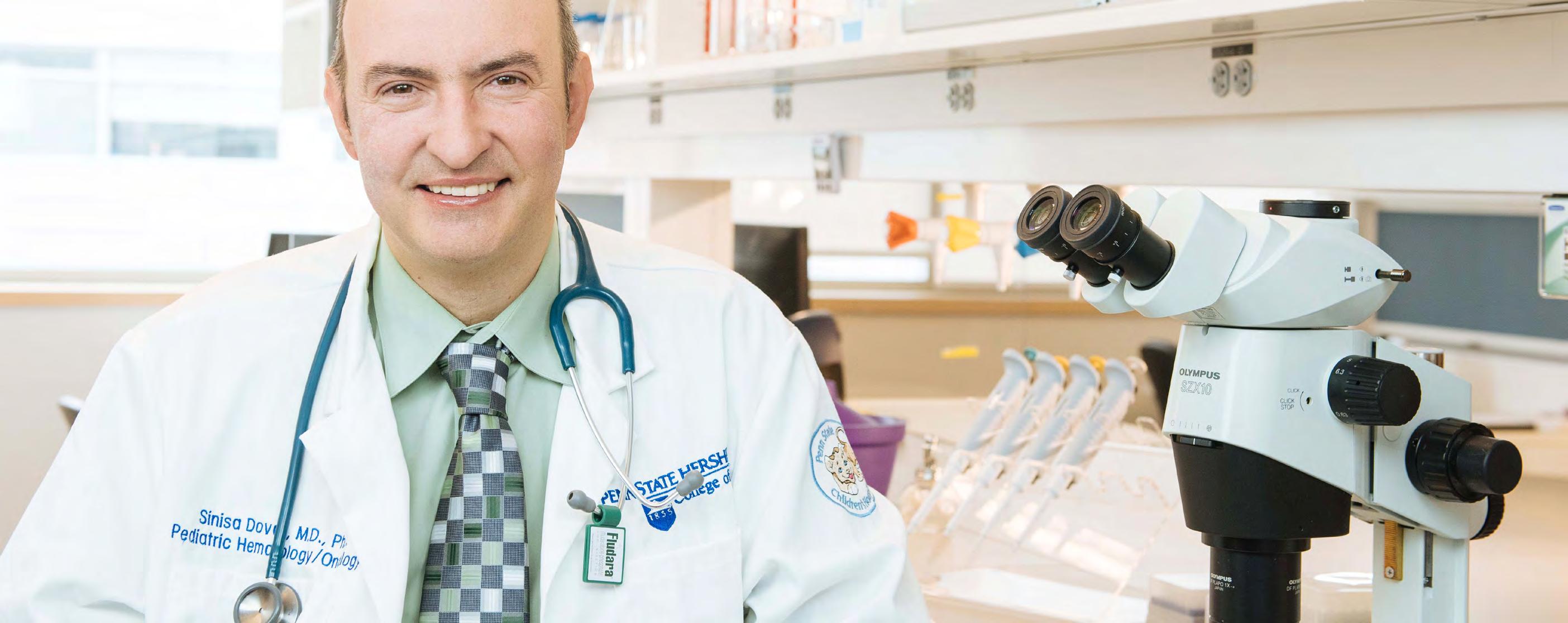
We are pioneering approaches in pediatric cancer treatment. Funded by a $4 million Pennsylvania Department of Health’s Tobacco Settlement Fund Commonwealth Universal Research Enhancement (CURE) program grant, Penn State College of Medicine researchers are developing targeted therapies to overcome chemotherapy resistance in children with cancer.
“Every breakthrough stands upon the foundation of research — the disciplined curiosity that fuels discovery and propels science toward cures that change lives.”
–
Dean Karen Kim, MD, MS

Sinisa Dovat, PhD, MD, (PI), professor and vice chair for basic science research, Department of Pediatrics, professor, Department of Molecular and Precision Medicine
Targeting Leukemia-Associated Virus
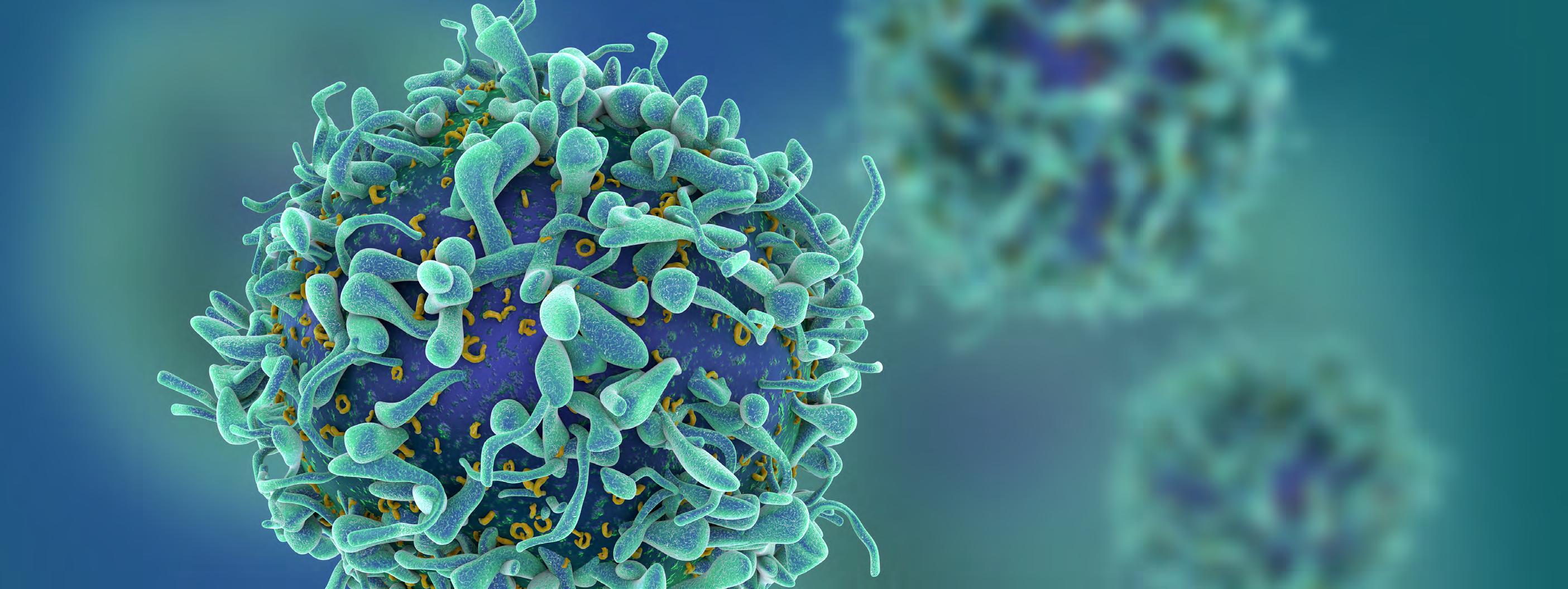
Our researchers are driving therapeutic innovation in cancer care by uncovering a novel drug target for diseases associated with the leukemia-causing virus HTLV-1. Funding from the National Institute of Allergy and Infectious Diseases supported this work.

20M
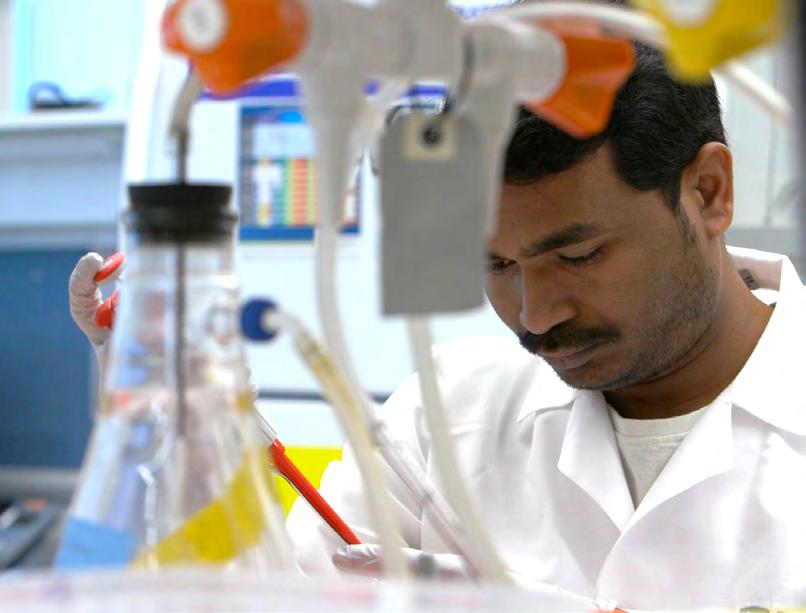
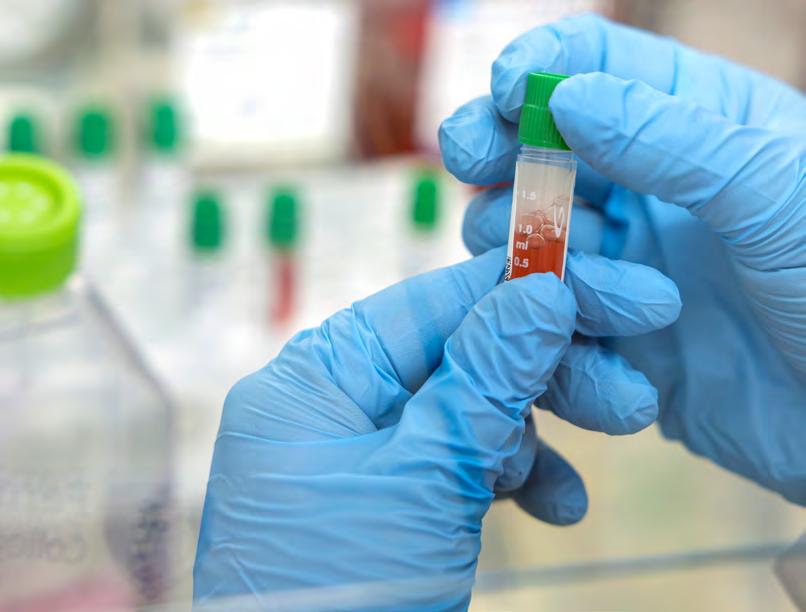
Penn State College of Medicine researchers are working to eliminate human T-cell leukemia virus type 1 (HTLV-1), a retrovirus that infects up to 20 million people worldwide. Approximately 10% of those infected will go on to develop adult T-cell leukemia/lymphoma.
Edward Harhaj, PhD ’99, (PI), professor, Department of Cell and Biological Systems
Championing Rural Health through Innovation and Care
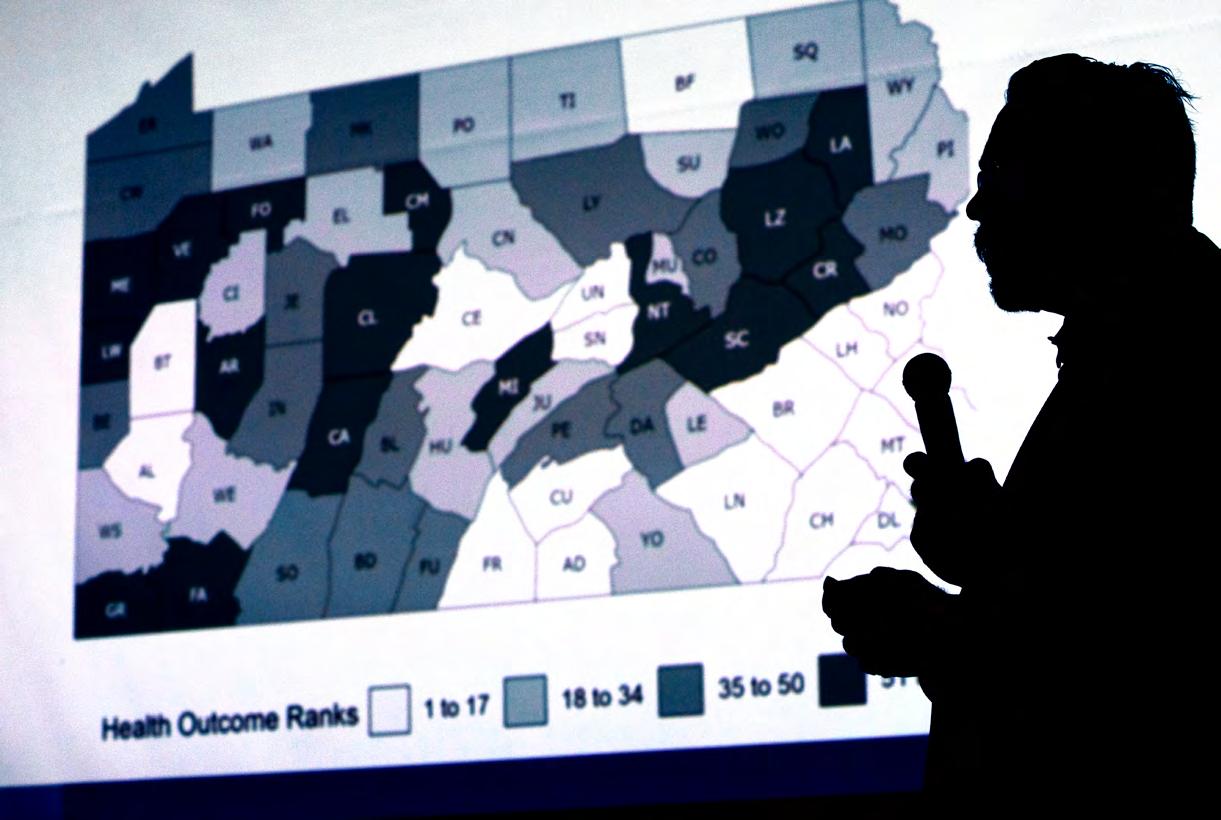
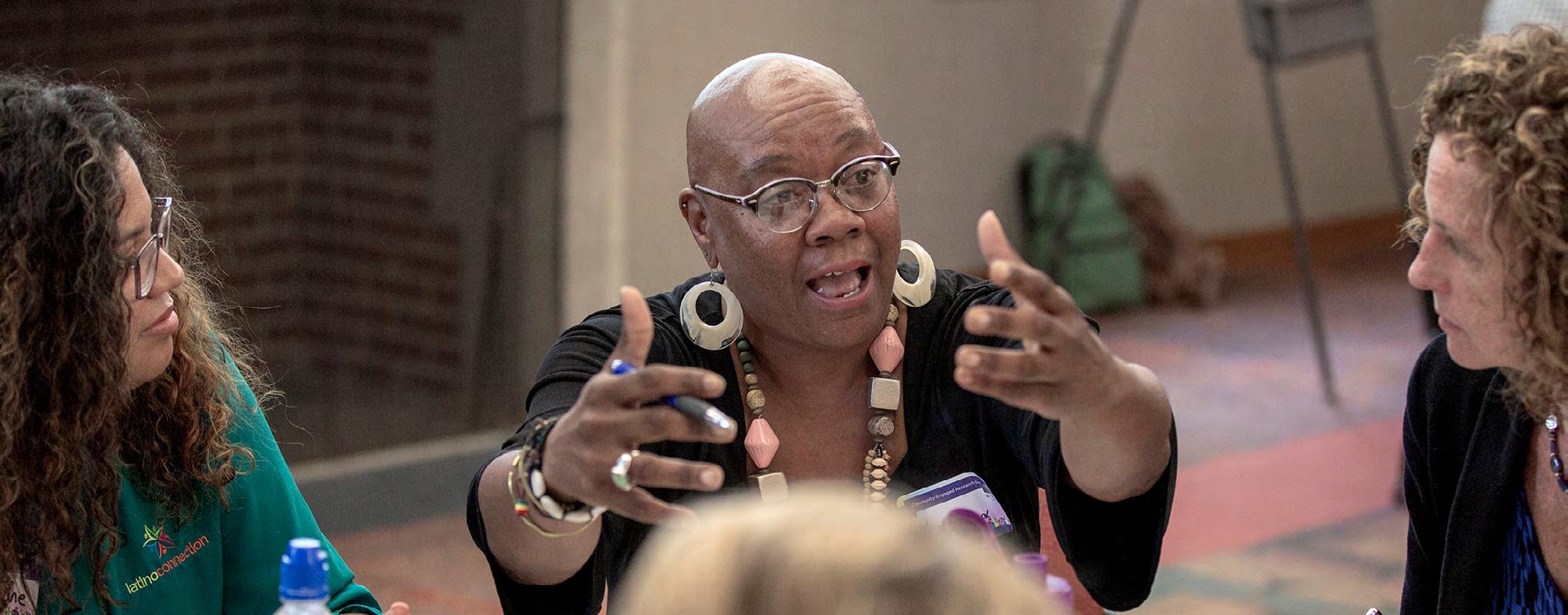
As Pennsylvania’s only land-grant university, the College of Medicine is committed to improving the health and well-being of communities throughout Pennsylvania with a special focus on rural health. Researchers tackle issues impacting our communities across the state, such as rare cancers, health disparities and substance use disorders. We are deploying evidence-based, culturally tailored interventions using implementation science to address the needs of our community members and beyond.
Community Driven Discovery
Penn State Clinical and Translational Science Institute (CTSI) puts research into motion by connecting discovery to community needs. As part of the NIH Clinical and Translational Science Award Network, CTSI accelerates innovation, strengthens rural health partnerships and expands health care access.
The impact is clear. CTSI is turning ideas into healthier futures in Pennsylvania and beyond.
Impact Since 2021
CTSI-supported pilot awards rurally focused 90%
of Penn State’s total NIH funding links to CTSI 65% clinical trials conducted 1,000+
CTSICTSI CTSI
Jennifer Kraschnewski, MD, MPH, (PI), professor and vice chair for research, Department of Medicine, professor, Department of Public Health Sciences, Department of Pediatrics, director, CTSI
Deepa Sekhar, MD, professor, Department of Pediatrics
Aleksandra Zgierska, MD, PhD, Jeanne L. and Thomas L. Leaman, MD, Endowed professor and vice chair for research, Department of Family and Community Medicine, professor, Department of Public Health Sciences, Department of Anesthesiology and Perioperative Medicine
Project ECHO moves knowledge, not patients
Pennsylvania counties face primary care shortages
Project ECHO (Extension for Community Healthcare Outcomes) at Penn State College of Medicine is strengthening rural health care across Pennsylvania by using a tele-mentoring model to connect providers in underserved areas. With primary care shortages in 63 of 67 counties, the program equips local providers with tools, peer support, and specialist knowledge—without removing care from their communities.
Building on this foundation, the College of Medicine launched the “Nese Project ECHO: Empowering rural primary care through online collaboration” to address the specific challenges of rural primary care providers. The program combines timely clinical education with peer connection, responding to provider feedback for practical, just-in-time, case-based training.
Additionally, in response to a major environmental incident, Penn State launched the Environmental Determinants of Health (EDoH) series to address rural communities’ unique vulnerabilities to hazards like poor air quality, limited water access and extreme weather.
“I underestimated how much Project ECHO would fuel my growth and inspire me through connections with peers caring for patients in their communities.”
– Linda Thomas-Hemak, MD, FACP, FAAP CEO, The Wright Center
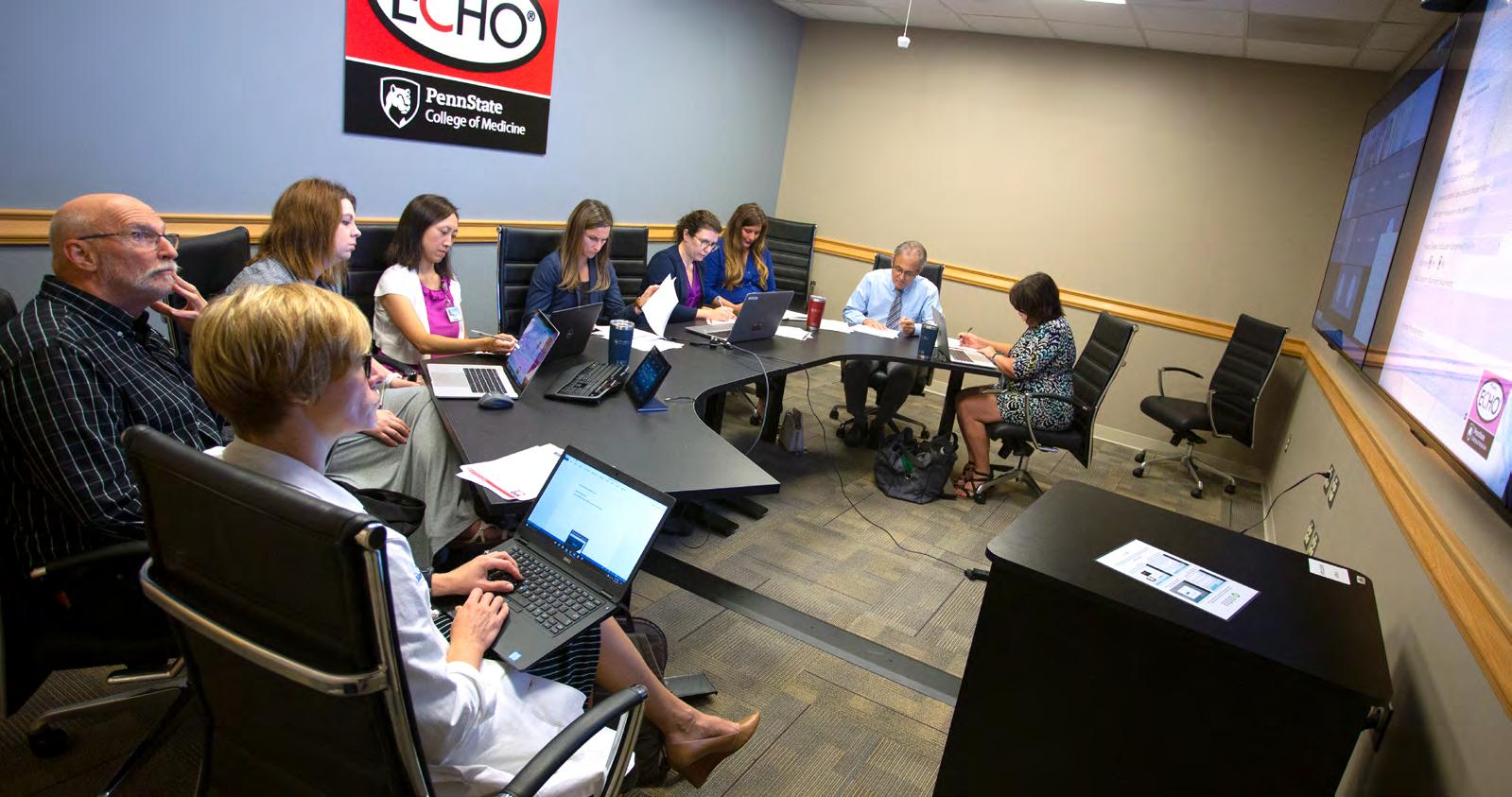
Together, these initiatives demonstrate how Project ECHO at Penn State strengthens the health workforce, reduces disparities and builds sustainable provider networks across Pennsylvania’s most under-resourced communities.

”Driving Global Health Solutions
Researchers at the College of Medicine identified a 9% annual rise in tick-borne parasitic disease cases nationwide. Their findings published in Open Forum Infectious Diseases provide critical evidence to inform prevention strategies and global health interventions.
Paddy Ssentongo, MD, PhD (’17, ’21), (PI), assistant professor, Department of Public Health Sciences, Division of Epidemiology
Vernon Chinchilli, PhD, distinguished professor, Department of Public Health Sciences
Djibril Ba, MPH, PhD, assistant professor, Department of Public Health Sciences
RESEARCH EMINENCE IN ACTION
Advanced Imaging – Seeing is Believing
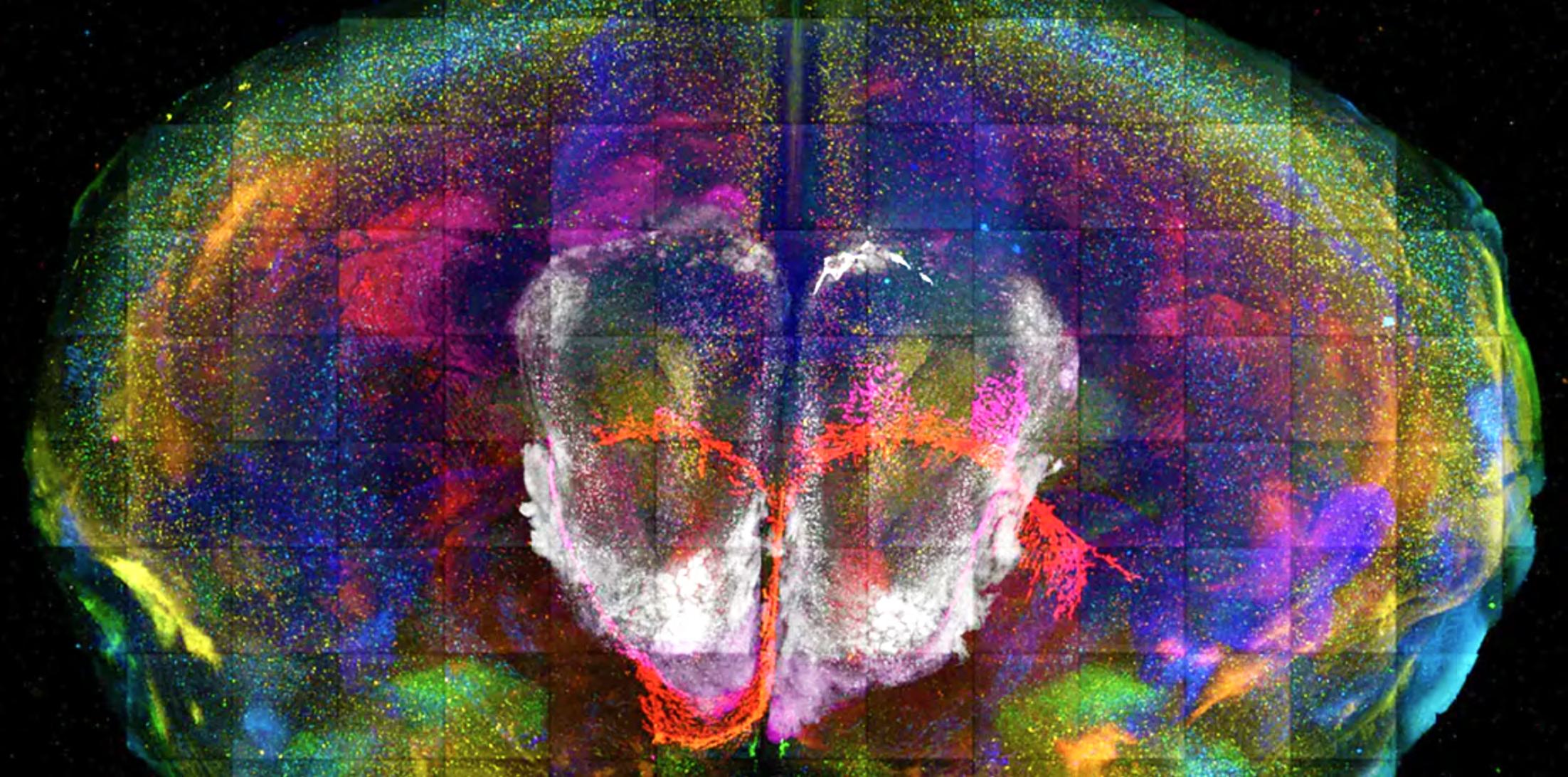
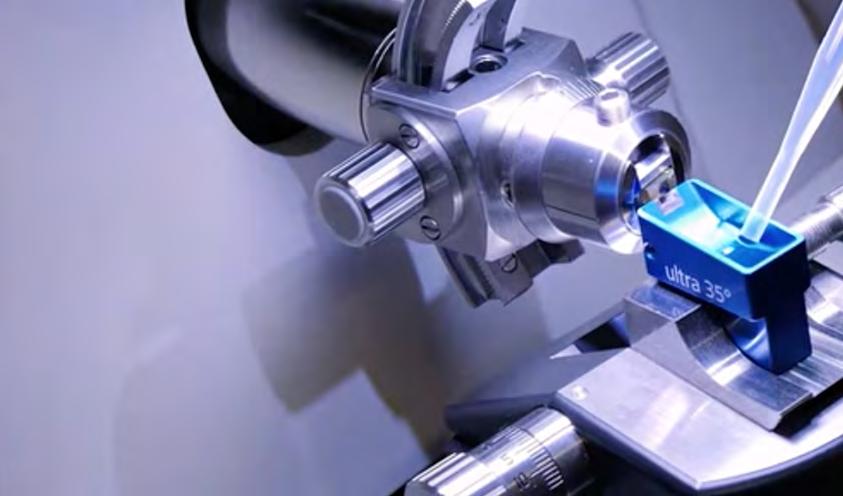
Advanced imaging technologies are essential to research and innovation at Penn State College of Medicine, enabling high-resolution visualization of complex biological systems. Our industry leading capabilities accelerate discovery, advance translational science and reinforce the College’s leadership in biomedical innovation.
A Novel Atlas for Neurodevelopment
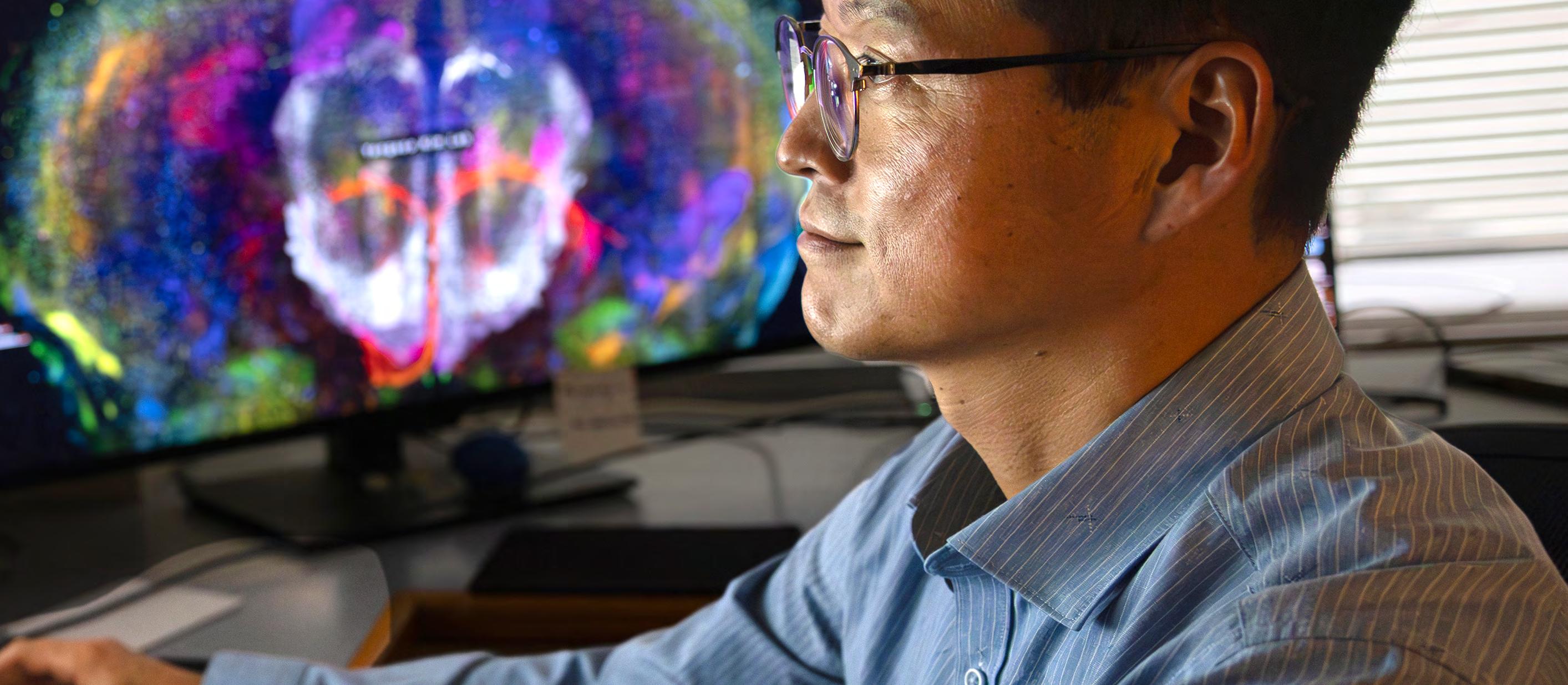
College of Medicine researchers1 led a team comprised of five institutions to create the first high-resolution 3D atlas of the developing mammalian brain, advancing foundational tools to study neurodevelopment and brain disorders. Grants totaling more than $3.5 million from the National Institutes of Health, including the Brain Research through Advancing Innovative Neurotechnologies (BRAIN) Initiative, supported this work.
Yongsoo Kim, PhD, (PI), professor, Department of Neuroscience and Experimental Therapeutics
Keith Cheng, MD, PhD, distinguished professor, Department of Pathology and Laboratory Medicine, Department of Molecular and Precision Medicine
“We’re bringing the brightest minds from multiple scientific disciplines together to answer fundamental questions about how living cells function at the molecular level. Our faculty, staff and trainees are making discoveries that will shape the future of medicine.”
– Leslie Parent, MD, vice dean for research and graduate studies
Additional authors include Fae Kronman, joint degree student in the MD/PhD Medical Scientist Training Program; Josephine Liwang, doctoral student; Rebecca Betty, research technologist; Daniel Vanselow, research project manager; Steffy Manjila, postdoctoral scholar; Jennifer Minteer, research technologist; Donghui Shin, research technologist; Rohan Patil, student;.
Bioprinting Breakthrough
Published in Nature Communications and funded by National institute of Biomedical Imaging and Bioengineering and the National Institute of Dental and Craniofacial Research, our interdisciplinary research team developed a novel bioprinting technique that fabricates tissue 10 times faster than existing models, advancing regenerative medicine and the creation of functional human tissues and organs.
Ibrahim Tarik Ozbolat, PhD, (PI), professor, Department of Neurosurgery, professor, Engineering Science and Mechanics
Setting new standards in health discoveries
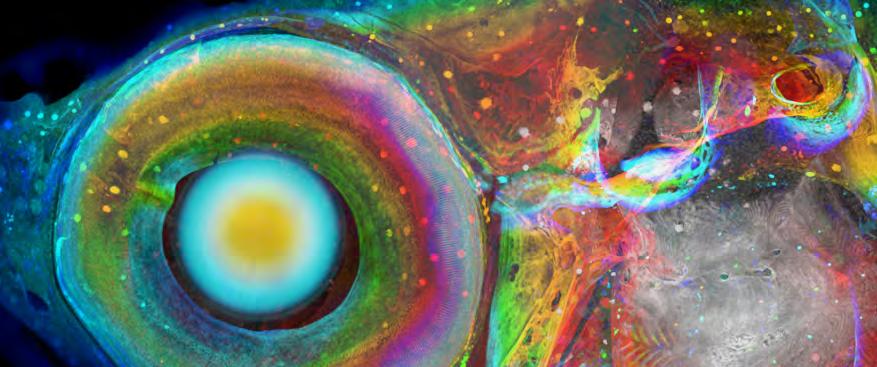
Penn State College of Medicine has been awarded a $3.5 million NIH grant to develop the nation’s first open-access 3D zebrafish atlas, integrating advanced imaging with gene expression data. The project, designed with input from the global research community, will provide scientists with a powerful, dynamic tool to accelerate discoveries in human health and disease.
$3.5 MILLION
By uniting high-resolution imaging and cutting-edge genomics, Penn State College of Medicine is setting a national standard in biomedical innovation.
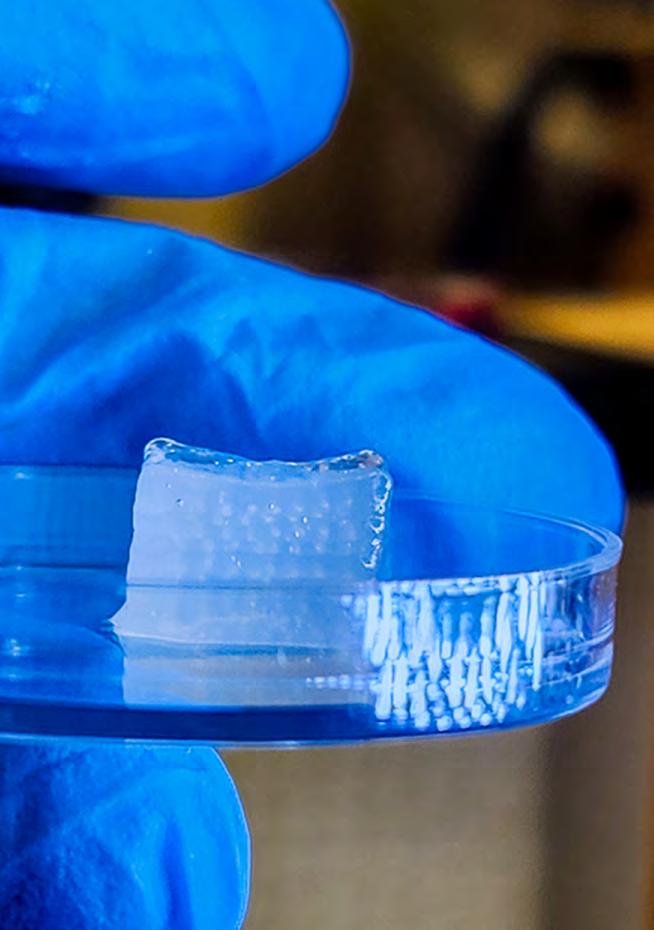
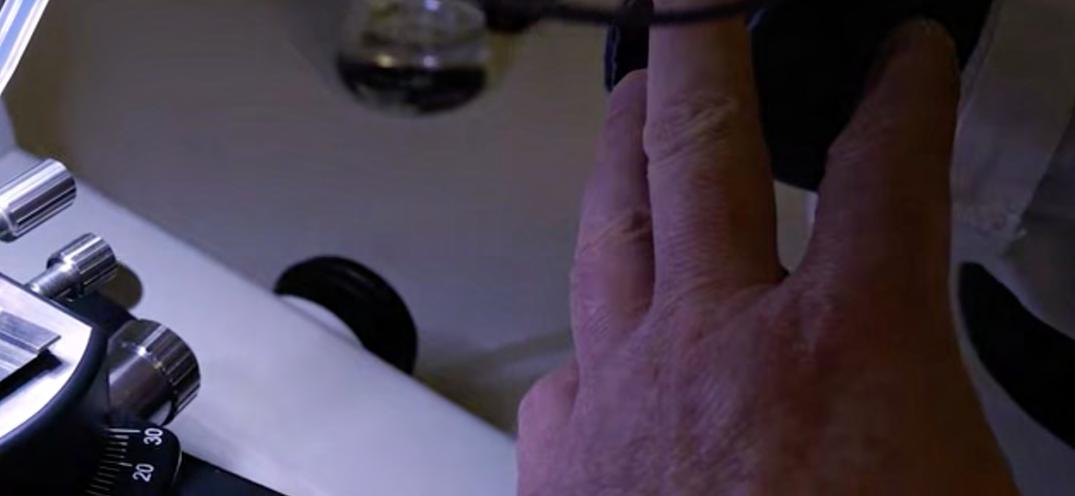
“This is a significant advancement. It enables the bioprinting of tissues at a speed much faster than existing techniques with high cell viability.”
– Ibrahim T. Ozbolat, PhD
Khai C. Ang, PhD, (PI), assistant professor, Department of Pathology and Laboratory Medicine, scientific director, Penn State Zebrafish Functional Genomics Facility
Keith Cheng, MD, PhD, distinguished professor, Department of Pathology and Laboratory Medicine, Department of Molecular and Precision Medicine
Emeritus Faculty Organization in Action
Our emeritus faculty remain vital contributors to Penn State College of Medicine’s mission by supporting scholarship, guiding medical education and shaping the next generation of physicians and scientists. Many continue to serve on admissions committees, mentor learners and junior faculty and engage in teaching, research and community service. Through their leadership and continued engagement, our emeritus faculty ensure that the College’s legacy of discovery and human-centered education endures for generations to come.
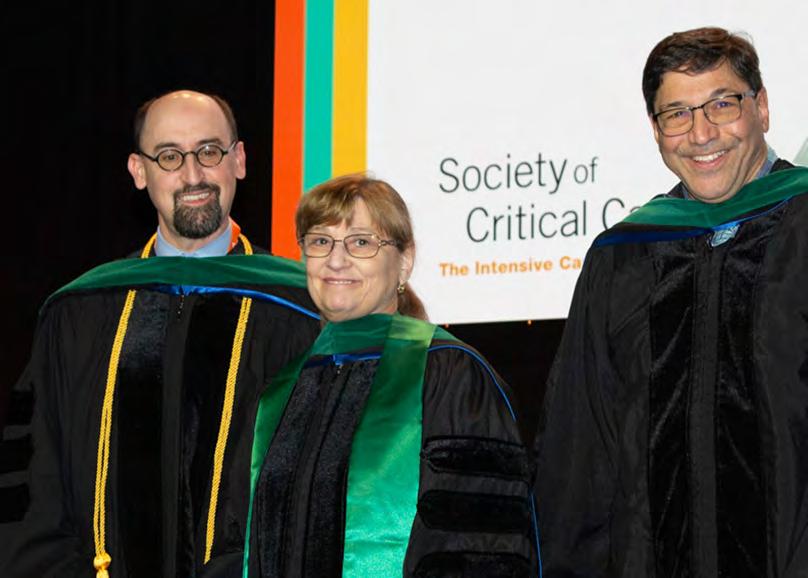
Sandralee Blosser, MD, MCCM
Awarded the Master of Critical Care Medicine from the American College of Critical Care Medicine for international leadership, clinical eminence and contributions to research and education.
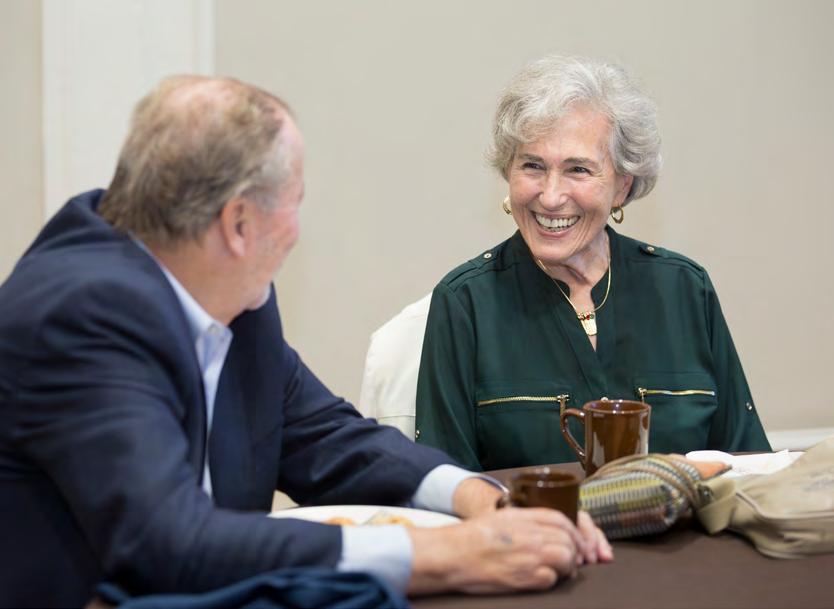
Judith S. Bond, PhD
Elected Fellow of the American Society for Biochemistry & Molecular Biology in 2025. Member of Penn State’s Hetzel Circle of the President’s Club (2022–23).
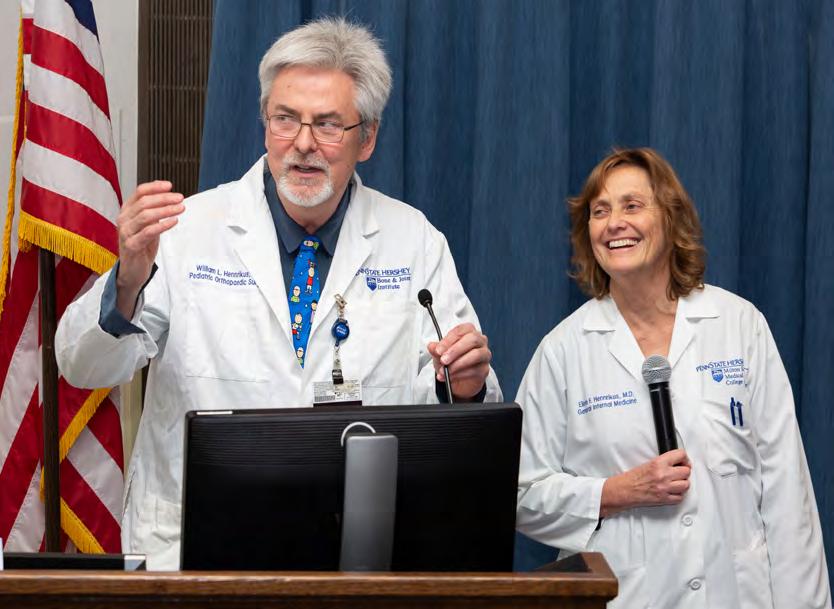
Drs. William & Eileen Hennrikus Led global health trips to the Philippines, Egypt, Cuba, Ecuador and Australia.
The Emeritus Faculty Organization provides a forum for continued involvement of faculty who have been awarded emeritus status. Learn more >> (PSU login required)
Alumni in Action
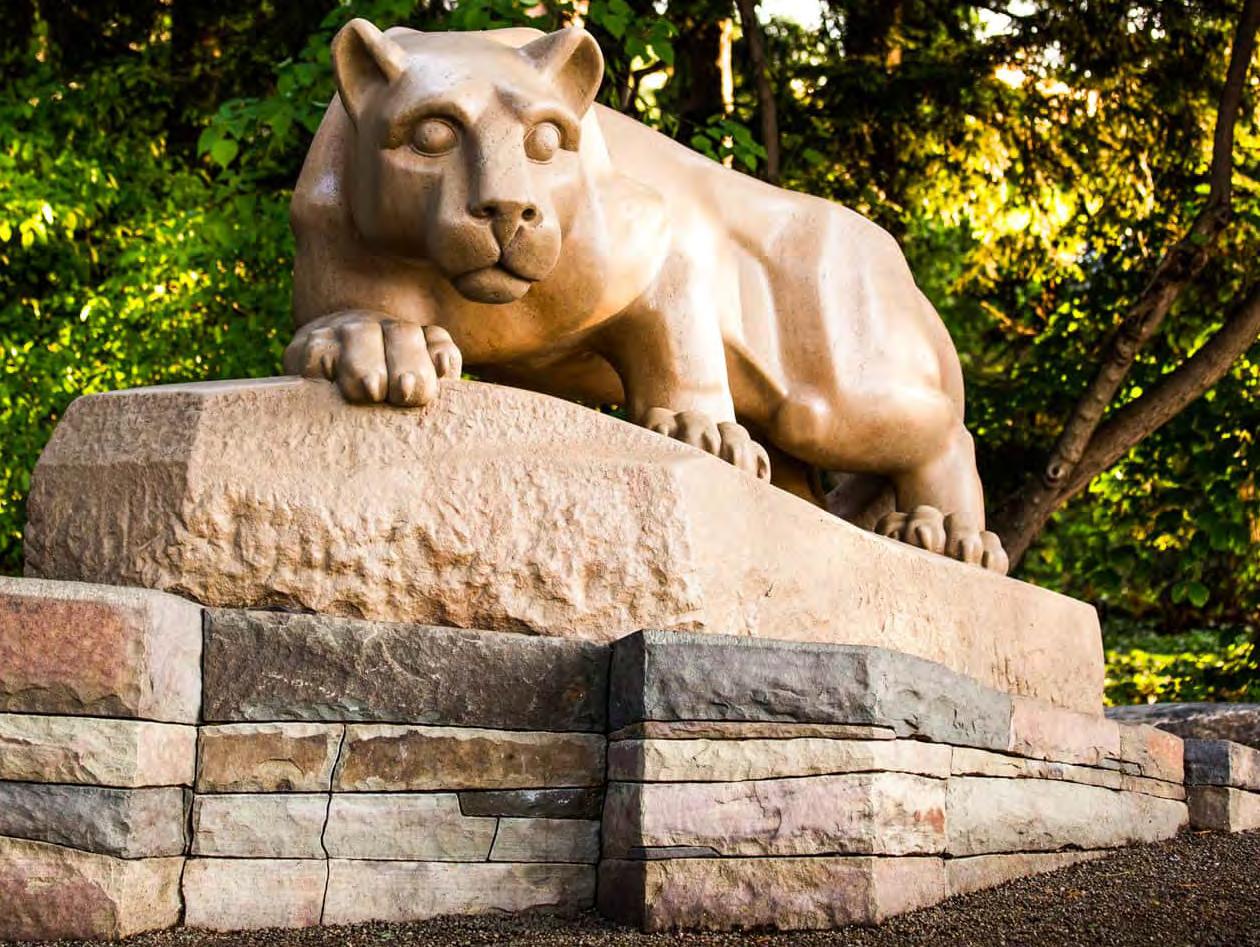
We invite you to celebrate success, connect with fellow graduates and share your story as we continue Penn State College of Medicine’s legacy of innovation, service and discovery.
This year, the College of Medicine had three alumnae award recipients honored by the Penn State Alumni Association. Each recipient exemplifies Eminence in Action through their lasting impact on medicine by advancing patient care, pioneering research and mentoring the next generation of health professionals. Together, these alumni reflect the strength and purpose of the Penn State College of Medicine community in improving health across the Commonwealth and beyond.
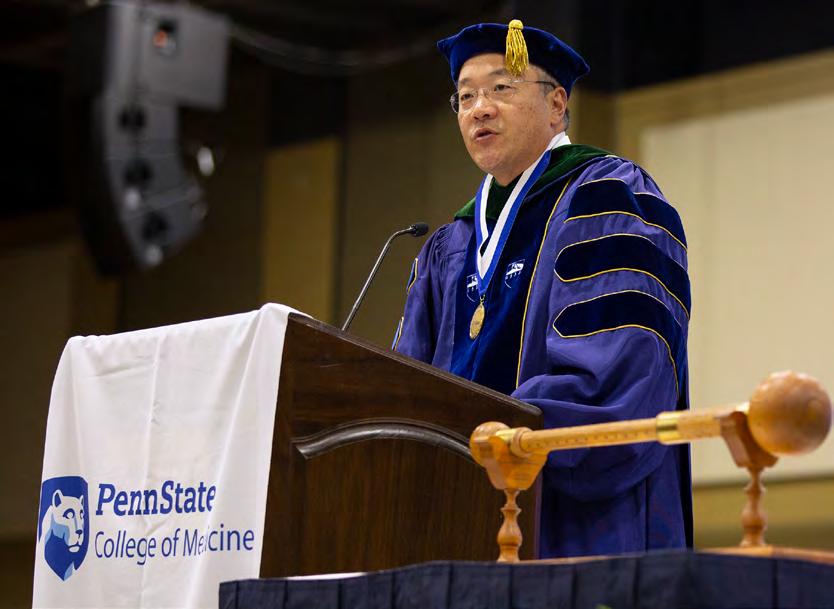
David Han, MD, MS ’05
Recipient of the 2025 Distinguished Alumni Award
Dr. Han, professor emeritus of surgery, radiology and engineering design, was recognized for his transformative contributions to surgical education, innovation and leadership at Penn State and nationally. A Distinguished Educator and past president of the Penn State Alumni Association, Han has advanced academic medicine through pioneering research, national accreditation leadership and mentorship embodying excellence, integrity and lifelong service to the profession.
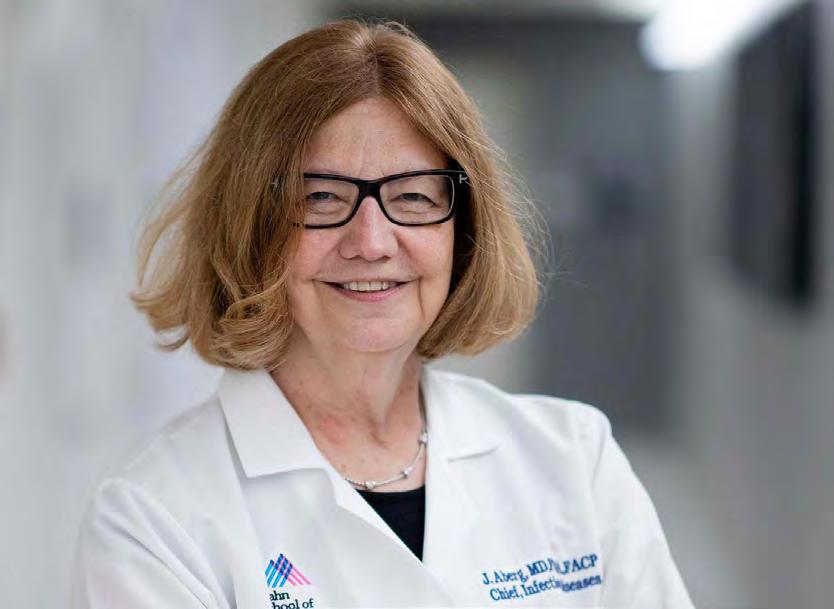
Judith Aberg, MD ’90
Recipient of the 2025 Alumni Fellow Award
Dr. Aberg, an internationally recognized leader in HIV and infectious diseases, was honored for her transformative impact on patient care, research and advocacy. A Penn State College of Medicine alumna, she has shaped national guidelines for HIV and COVID-19 treatment, advanced understanding of aging and inflammation in HIV and exemplified compassionate leadership in improving health outcomes worldwide.
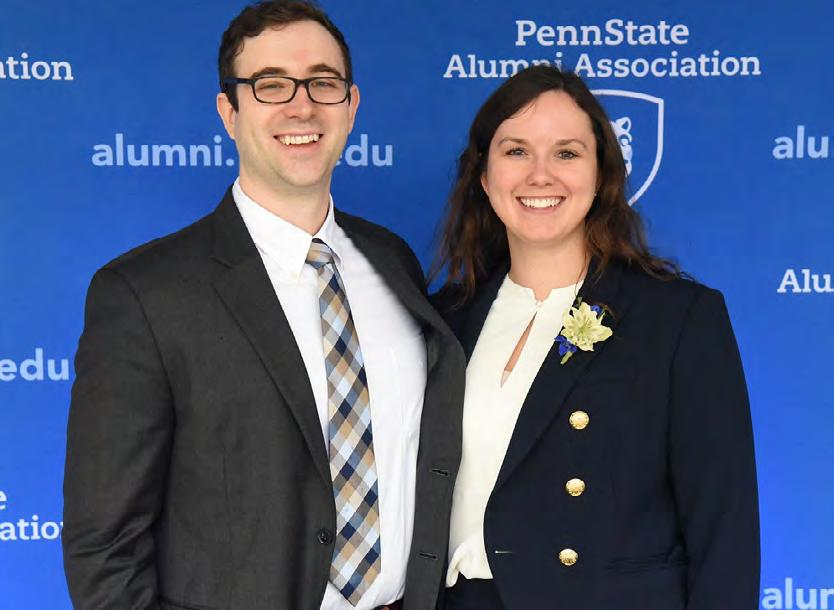
Victoria Heasley, MD ’18
Recipient of the 2025 Alumni Achievement Award
Dr. Heasley is recognized for her leadership in adaptive sports medicine and her commitment to advancing inclusive care for athletes and individuals of all abilities.
As a physician, educator and founder of The Bridge Adaptive Sports & Recreation, she exemplifies the Penn State College of Medicine spirit of innovation and service, empowering patients to return to the activities they love and expanding access to adaptive recreation in her community.
Community Engagement in Action
Partnerships to transform rural health
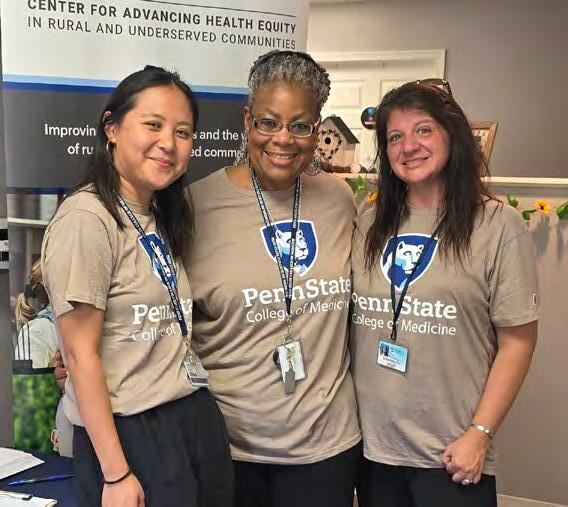
The Center for Advancing Health Equity in Rural and Underserved Communities
(CAHE-RUC) at Penn State College of Medicine was established to study, address and eliminate health disparities that affect rural and underserved communities.
CAHE-RUC uses multi-level data analysis (below) and builds partnerships between academic-research institutions and national non-profit organizations, that pairs effective evidence-based practices with a broad coalition of community-level expertise.
CAHE-RUC combines traditional community outreach methods to bring College of Medicine faculty members to the rural and underserved communities in central
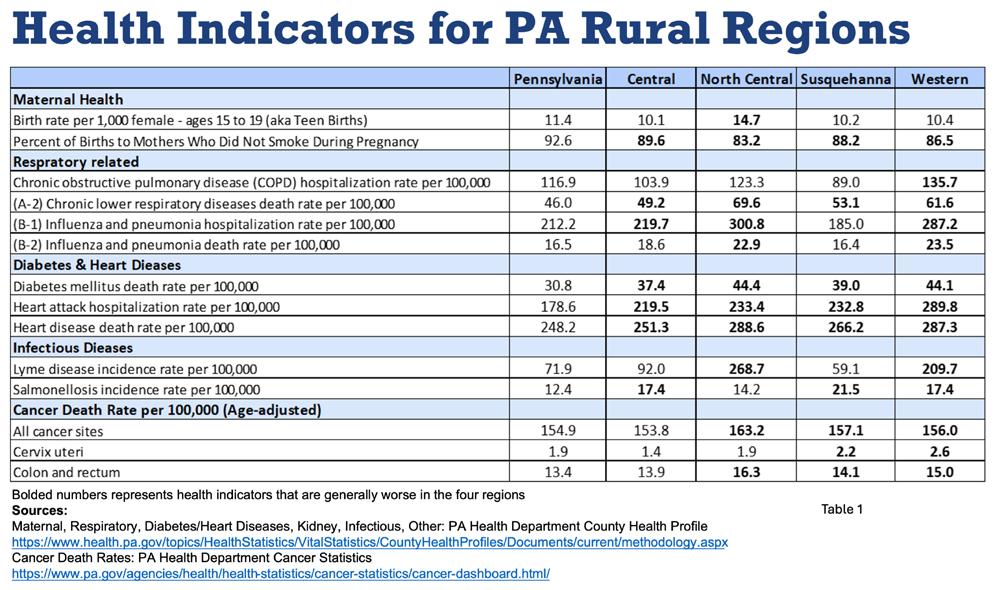
Pennsylvania. In just under 2 years of existence, CAHE-RUC programs cover more than 17 counties, working with 38 clinics, serving more than 172,000 patients through an integrated model with the College of Medicine to deliver much needed primary and specialty care services.
CAHE-RUC’s diverse programmatic portfolio includes cancer screening and prevention, chronic and infectious disease prevention, behavioral and mental health engagement, recruitment of populations historically under-represented in research, language access evaluation, health related data disaggregation and clinical trial research.



PA’s first colorectal cancer screening program
Penn State College of Medicine has secured Pennsylvania’s first Center for Disease Control and Prevention (CDC) Colorectal Cancer Control Program to address high rates of colorectal cancer in rural Pennsylvania (PA). Through CAHE-RUC, the PA Colorectal Cancer Alliance to Reduce Mortality and
First PA’s
Enhance Screening (PA-CARES) program will partner with community health centers and community-based organizations to increase colorectal cancer screening and prevention among PA’s most vulnerable rural communities.
Fornessa Randal, EdD, MCRP, (PI), associate professor, Department of Medicine
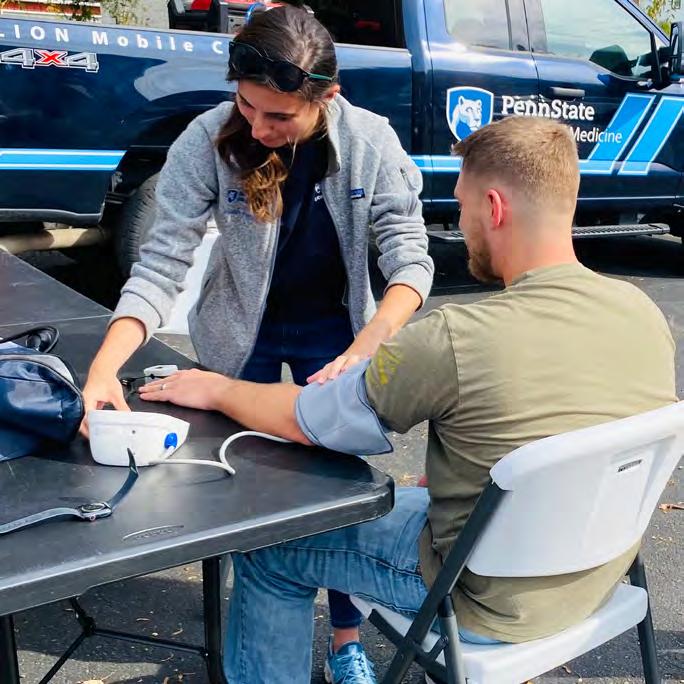
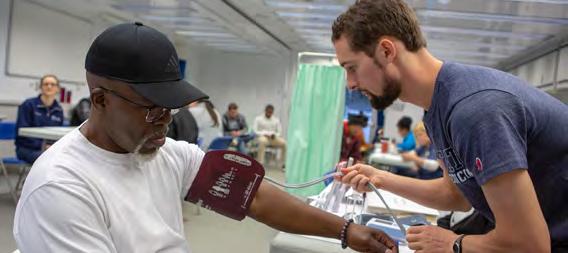
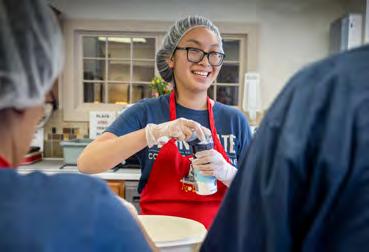
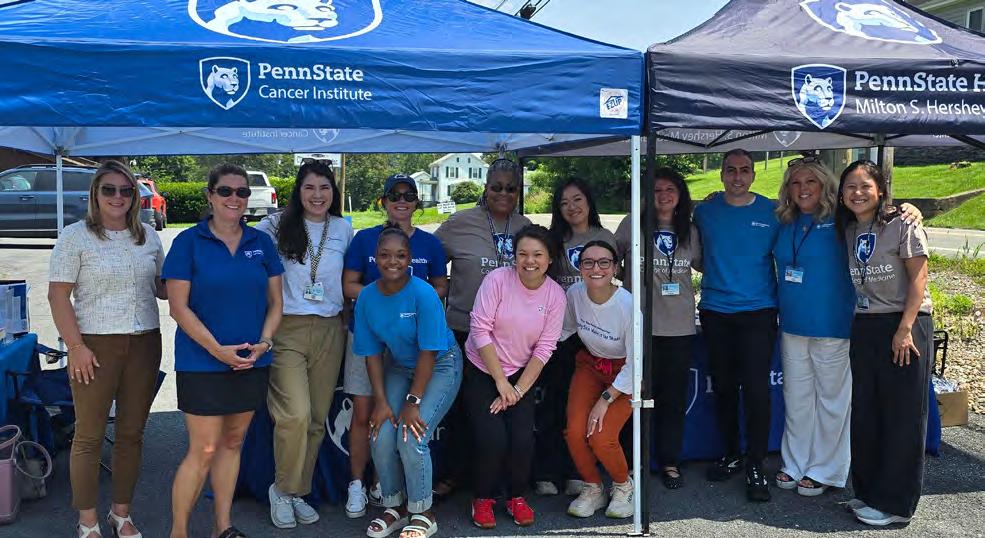
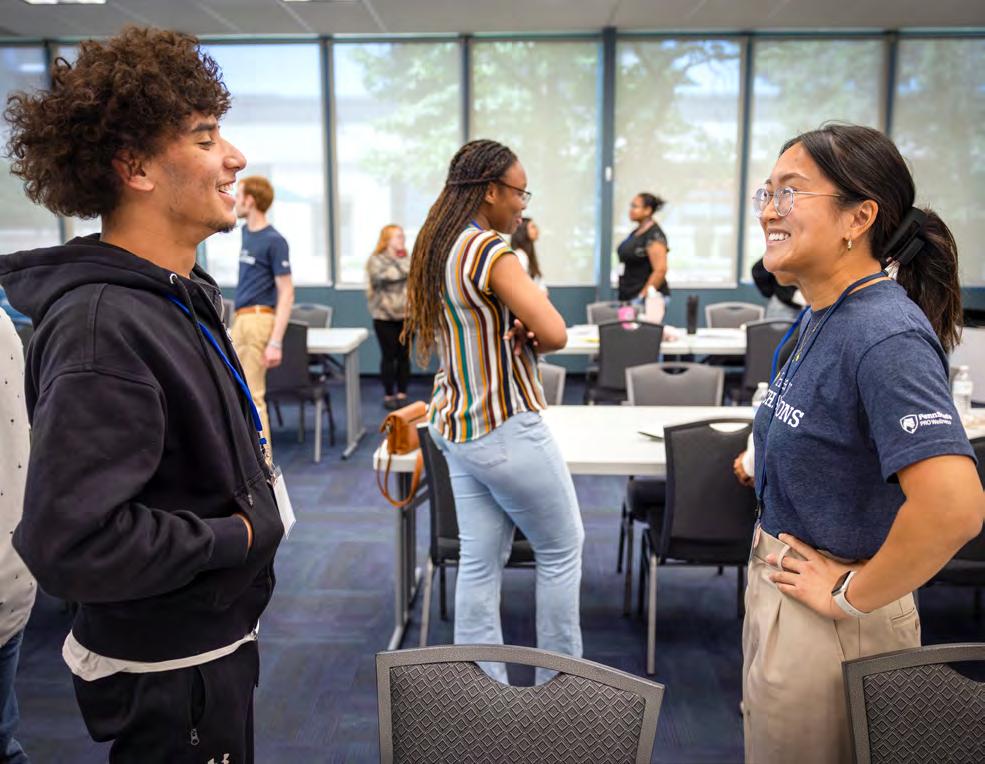
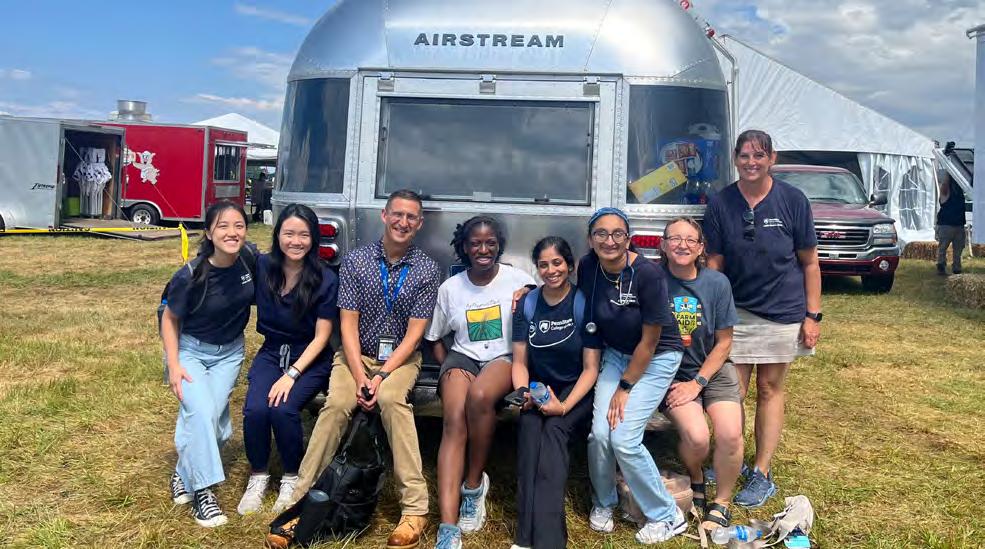
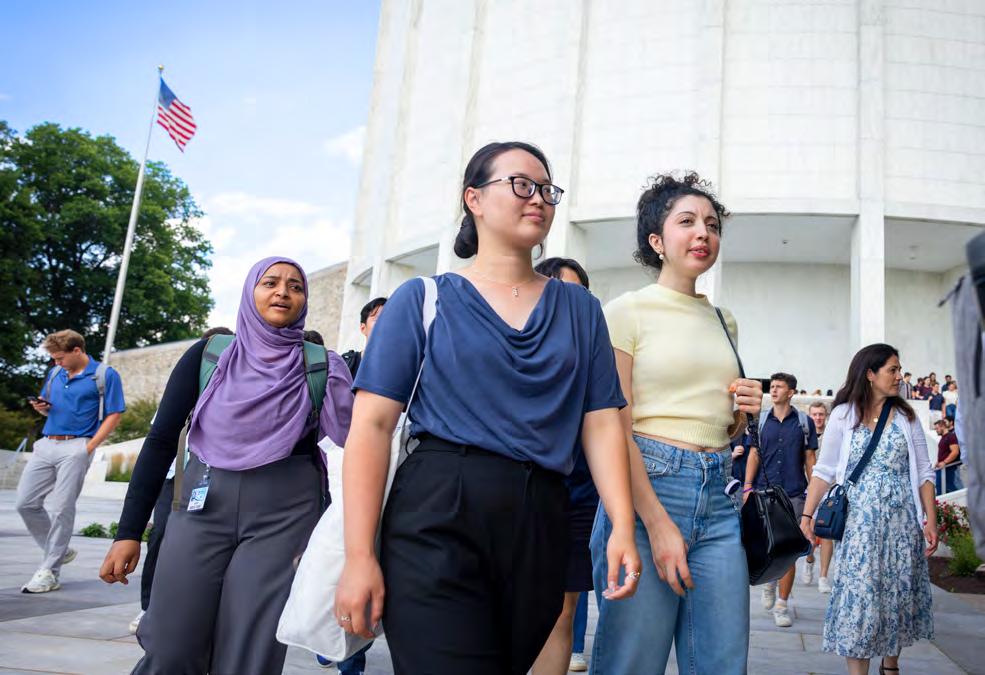
(1) Penn State College of Medicine (COM) PRO Wellness and The GIANT Company partner in Healthy Champions program, helping schools promote children’s health and well-being through education, activities and family engagement. (2) Fornessa Randal, EdD, MCRP, (center) with members of the CAHE-RUC team. (3) COM students honor Milton Hershey’s legacy during weeklong community give-back events in celebration of his birthday. (4) COM students gain first-hand health care experience with community members in the LionReach Mobile Training and Evaluation Center. (5) COM faculty encourage students to get active during a Move It Outside event to promote physical activity, connection with nature and total health. (6) COM team members provide health screenings and share preventive care practices during community events, advancing local health and wellness. (7) Pathway programs are a key priority for the COM, creating and sustaining a pipeline for future scientists and health professionals while inspiring students to explore careers in science and medicine. (8) COM LION Mobile Clinic members participate in rural health care events, providing skin cancer screenings and promoting early detection and preventive care in underserved communities. (9) First-year medical and physician assistant students visit Milton Hershey School during orientation week to learn about Milton Hershey’s legacy, his lasting impact at the COM and how the College continues to honor his mission of services and opportunity.
From classroom to community
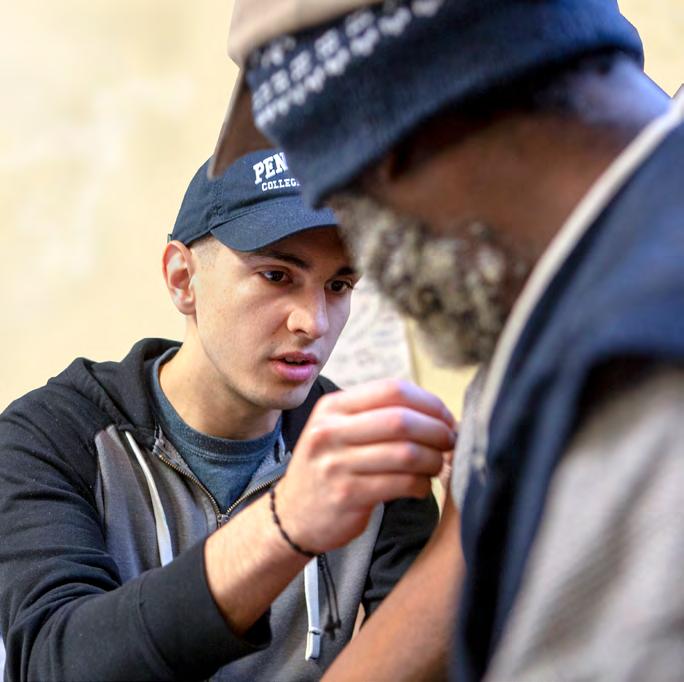
LionCare, Penn State College of Medicine’s student run free clinic, turns eminence into action by delivering no-cost, high-quality care to our vulnerable neighbors while shaping the next generation of humanistic physicians. Each week, interdisciplinary teams step beyond the classroom to deliver primary and specialty care while linking patients to essential social services influencing their health outcomes. By uniting education with service, LionCare empowers the next generation of providers to lead with compassion and learn through active engagement to improve the health of our communities.

Philanthropy in Action
$75.5 MILLION
2025 marks largest one-year fundraising total to date
Donors generosity fueled unprecedented impact this year, with Penn State College of Medicine and Penn State Health achieving a record-setting $75.5 million in commitments, our largest one-year fundraising total to date. This remarkable support is advancing scholarships that open doors for students, endowing
Dean’s Scholarship Challenge
funds that empower faculty excellence and fueling research that drives discovery. Philanthropy drives breakthroughs, supports the next generation and improves health for patients, their families and communities everywhere.
College of Medicine Dean Karen Kim and her husband, Dr. Randy Chang, an anesthesiologist with Penn State Health Medical Group, committed to giving $250,000 over the next five years to establish an endowed scholarship as well as a challenge gift fund to encourage additional donors to follow their lead.
16 new medical school scholarships established
$1.225 MILLION with commitments totaling
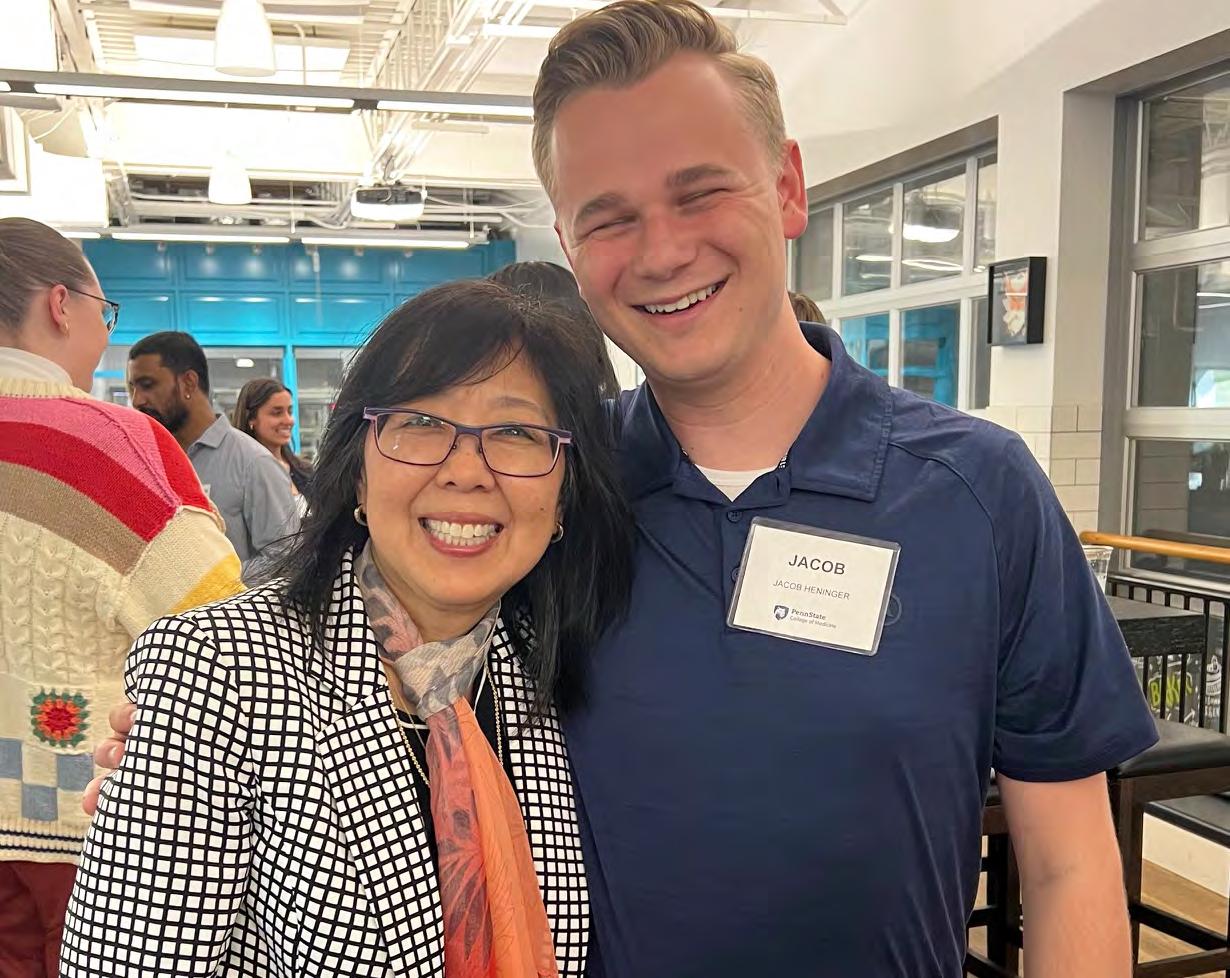
Dean Karen Kim with scholarship recipient Jacob Heninger, a first year medical student.
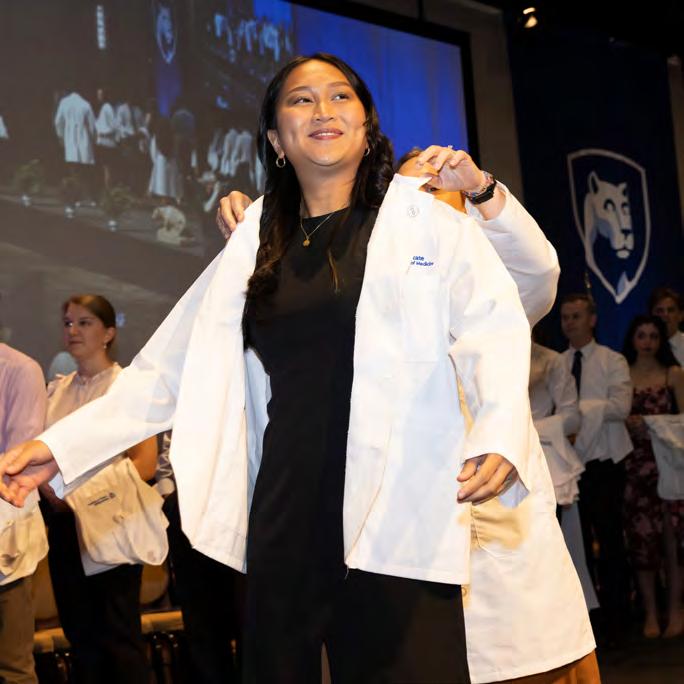
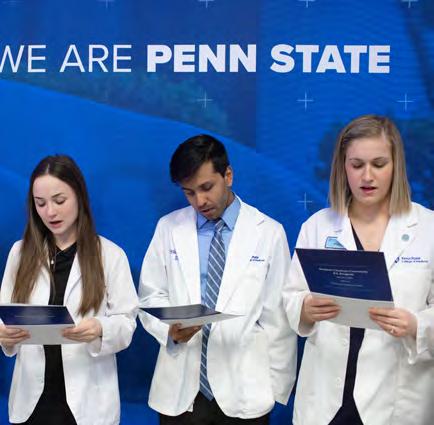
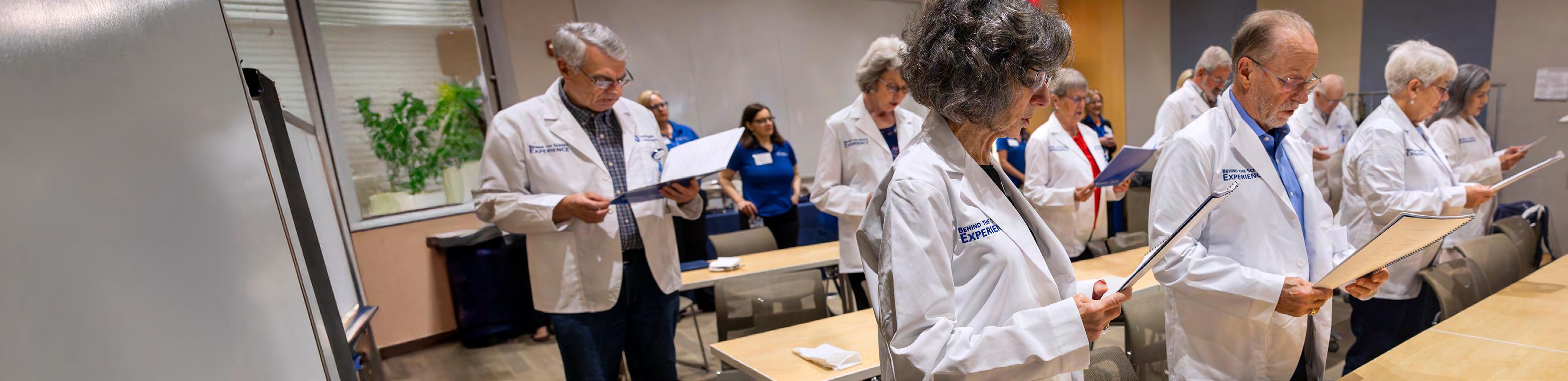
Donors and prospects receive their white coats and recite the medical student oath during the Behind the Scenes Experience.
A Healthier Commonwealth through Philanthropy and Rural Medicine
Philanthropy is fueling a healthier future for rural Pennsylvania. At Penn State College of Medicine, generous supporters have invested more than $4.5 million to expand rural health initiatives and train the next generation of providers committed to serving underserved communities.
Through the Nese Rural Health Scholars Pathway Endowment and other donors, students gain immersive experiences in rural primary care while learning to deliver equitable, communitycentered care.
“Opportunities should never be limited by circumstance and the generosity of our donors brings us closer to realizing this vision.”
– Dean Karen Kim, MD, MS
$4.5 MILLION
to expand rural health initiatives and train the next generation of providers committed to serving underserved communities
Four Diamonds | Fueling Pediatric Cancer Research and Care
Penn State THON™, the world’s largest student-run philanthropy, shattered records by raising $17.7 million to benefit Four Diamonds. As a direct recipient, Penn State College of Medicine drives these dollars into action by accelerating cutting-edge cancer research and advancing

$17.7 MILLION
raised in 2025 to fuel pediatric cancer research
patient care at Penn State Health Children’s Hospital. From lab discoveries to life-saving treatments, THON empowers our scientists and clinicians to fight pediatric cancer on a global scale and bring hope to children and families everywhere.


Turning THON™ fundraising into lifesaving medical treatments
Chandrika Behura, MD, associate professor of pediatrics at the Penn State College of Medicine, is one of the physicianscientists whose research on pediatric cancer is supported by Four Diamonds and the funds raised during THON.
Dr. Behura has opened a phase 1 clinical trial for pediatric patients with solid tumors, which account for nearly 60% of pediatric cancers.
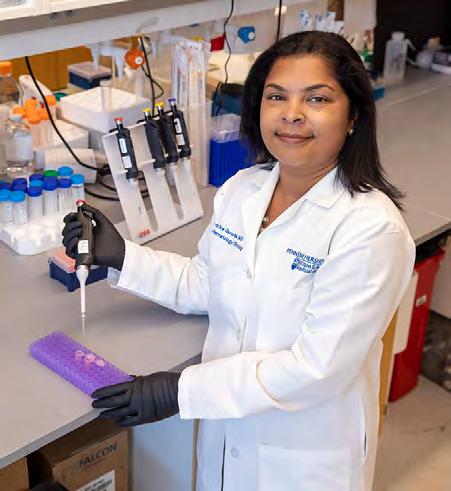
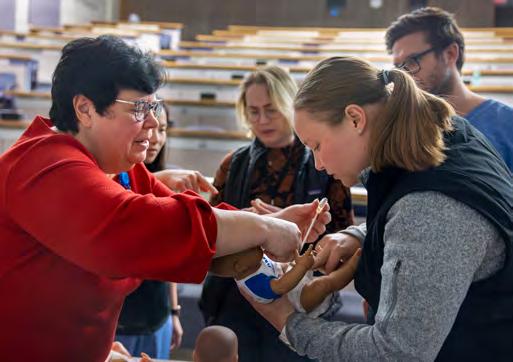
Medical Education in Action
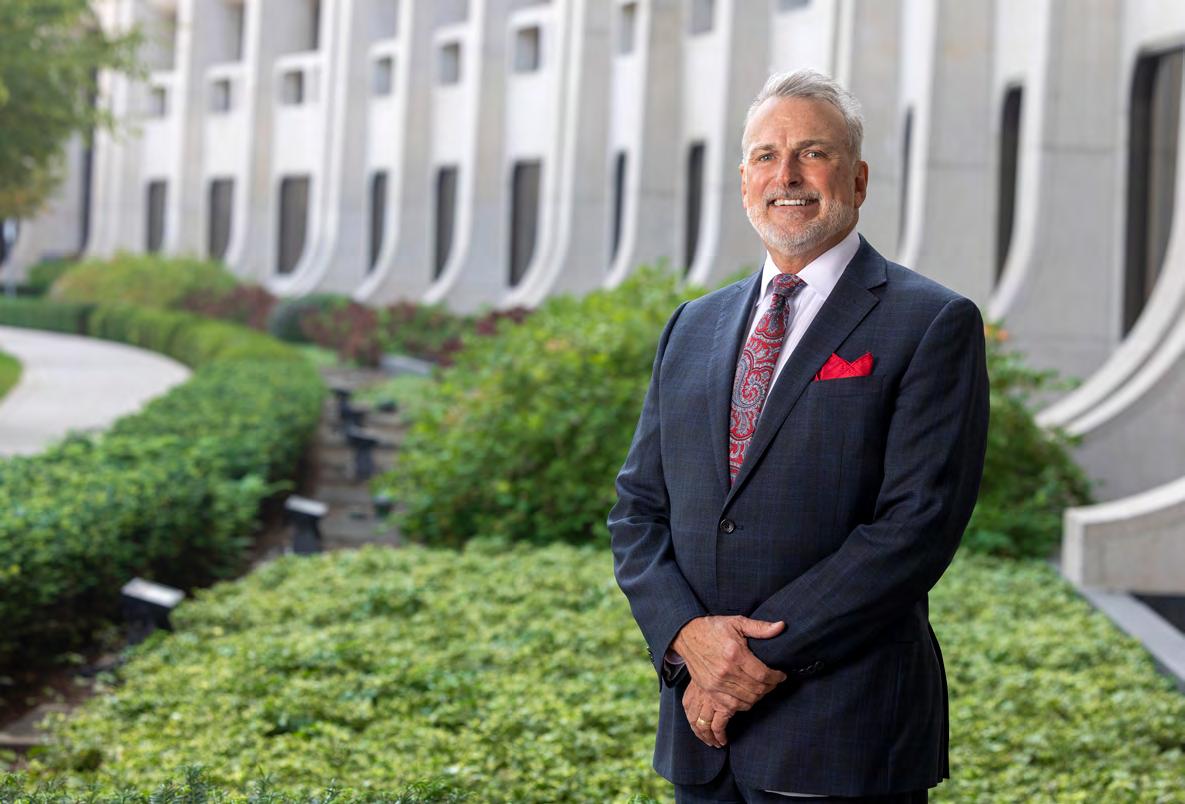
Penn State’s Kent Vrana named one of AAMC’s four national distinguished teachers
Kent Vrana, PhD, the Elliot S. Vesell Professor and emeritus chair of Pharmacology at Penn State College of Medicine, has been honored with the prestigious 2024 Alpha Omega Alpha Robert J. Glaser Distinguished Teacher Award by the Association of American Medical Colleges—one of only four recipients nationally— recognizing his transformative 35+-year career in molecular neuropharmacology, pioneering pedagogical leadership and mentorship that spans medical students to faculty.
Faculty, staff and students at Penn State College of Medicine are consistently recognized by peers and professional institutions for their innovation, impact and excellence. Their achievements reflect a deep commitment to advancing teaching, learning and mentorship across the academic and clinical continuum. This recognition is a testament to how their leadership and creativity leave a lasting impact on the future of medicine.
Santos joins esteemed Master Surgeon Educators
Mary Catherine Santos, MD, MS, a pediatric surgeon and professor at Penn State College of Medicine, was inducted into the American College of Surgeons (ACS) Academy of Master Surgeon Educators in 2024.
Kurapati named Student Innovator of the Year
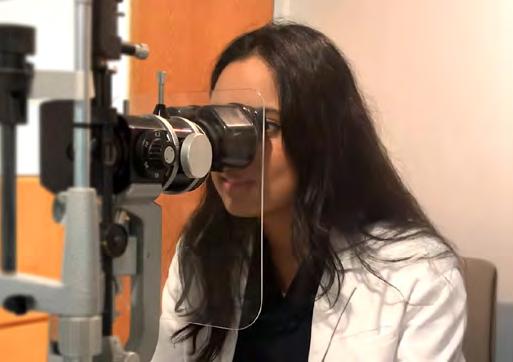
Sai Kurapati, MD student class of 2026 and Center for Medical Innovation Fellow, was named Student Innovator of the Year for her work advancing ophthalmic care through translational research.
Whitney to serve as ARC-PA commissioner
Larissa Whitney, DBA, MHS, PA-C, assistant dean and program director of the Physician Assistant (PA) Program and assistant professor, Department of Emergency Medicine, has been selected to serve a three-year term as a commissioner with the Accreditation Review Commission on Education for the Physician Assistant (ARC-PA).
Armstrong elected president of ASES
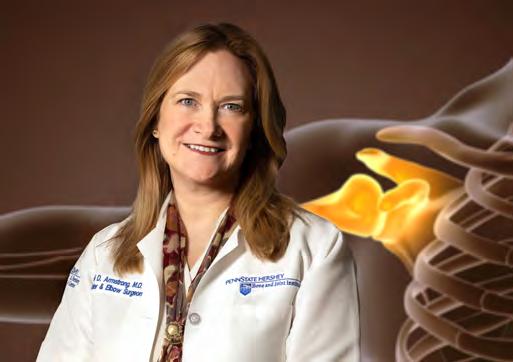
April Armstrong, BSc(PT), MSc, MD, FRCSC, FAOA, C. McCollister Evarts Professor and Chair of the Department of Orthopaedics and Therapy Services, has been named president elect for the American Shoulder and Elbow Surgeons (ASES).
97% of medical students participate in research with a faculty member.
medical school in the nation with a Department of Humanities and Department of Family & Community Medicine.
100%
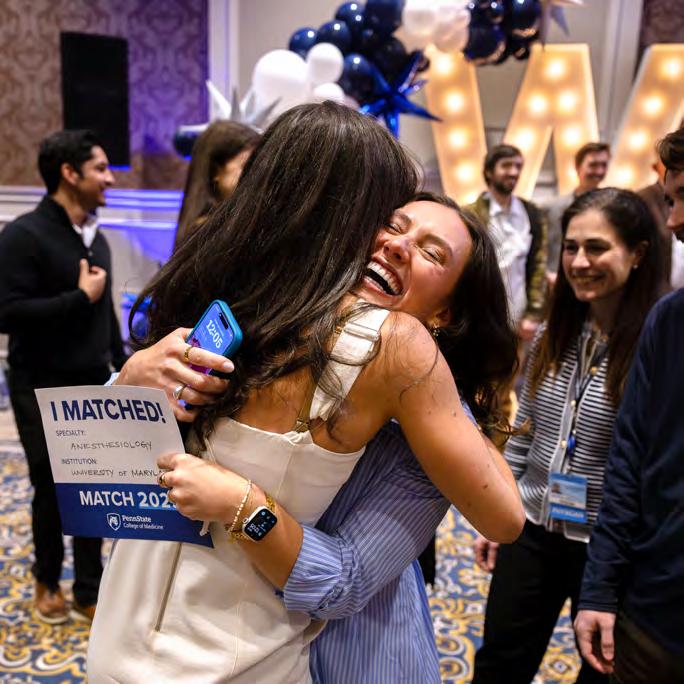
Match rate for MD students and Board pass rate for our Physician Assistant Program.
Only medical school in the nation with a
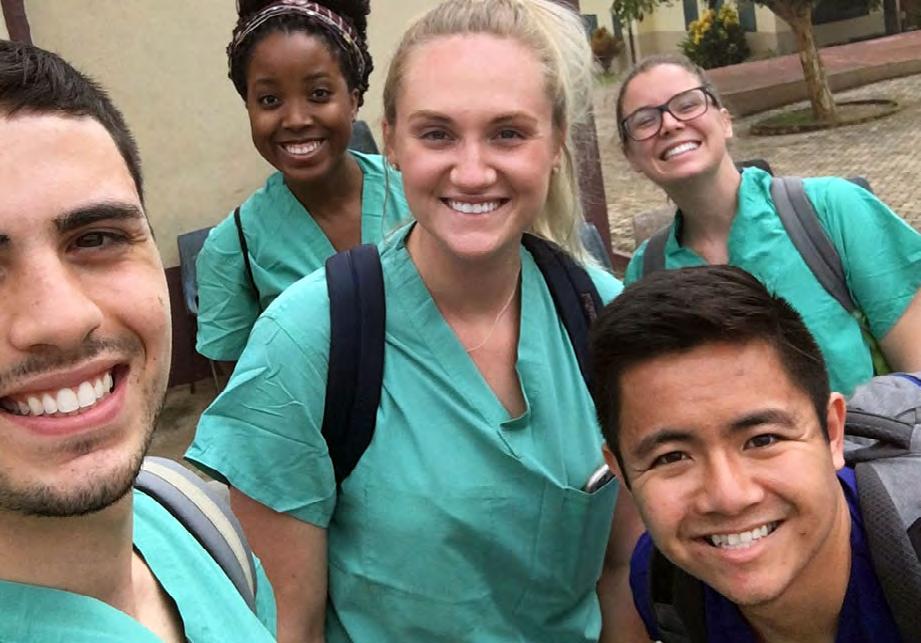
Global Health Program. 4-year

The Future of Medicine Starts Here.
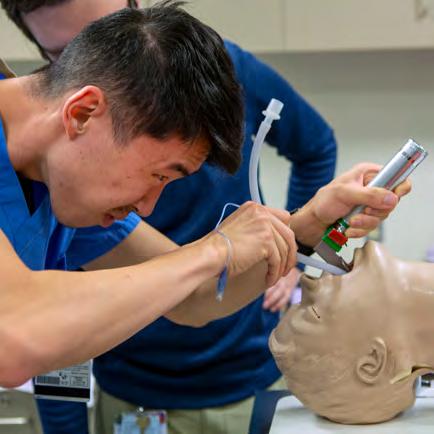
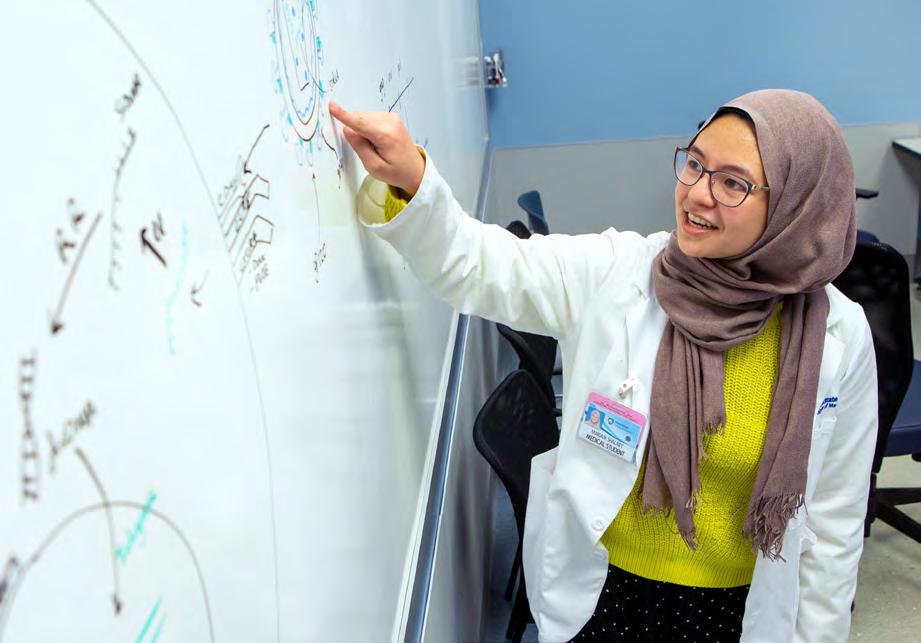
Penn State College of Medicine is committed to shaping the future of health care by advancing innovative, equitable solutions to transform health. Through forward-looking education and pioneering initiatives, we aim to bridge health care gaps, enhance accessibility and promote health equity locally and beyond.
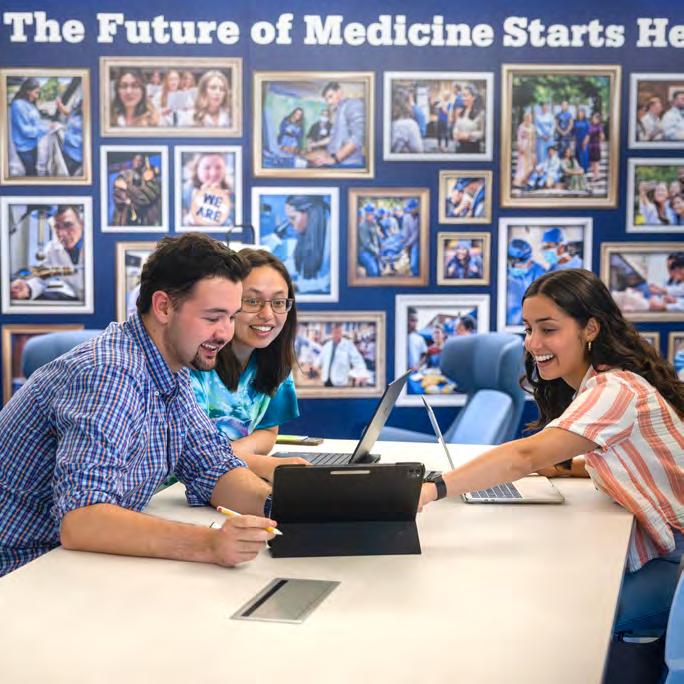
Guided by esteemed faculty dedicated to academic excellence and rooted in our Hershey legacy, the College prepares graduates to lead with compassion, drive impactful change and foster humanized, comprehensive care in an ever-evolving global and rural health landscape. Caring for the underserved LionCare Student Clinic New study and relaxation spaces Hanging out together Penn State Health Growing our network