Have you seen

AUGUST 2019
BY STEVEN J. MOSS
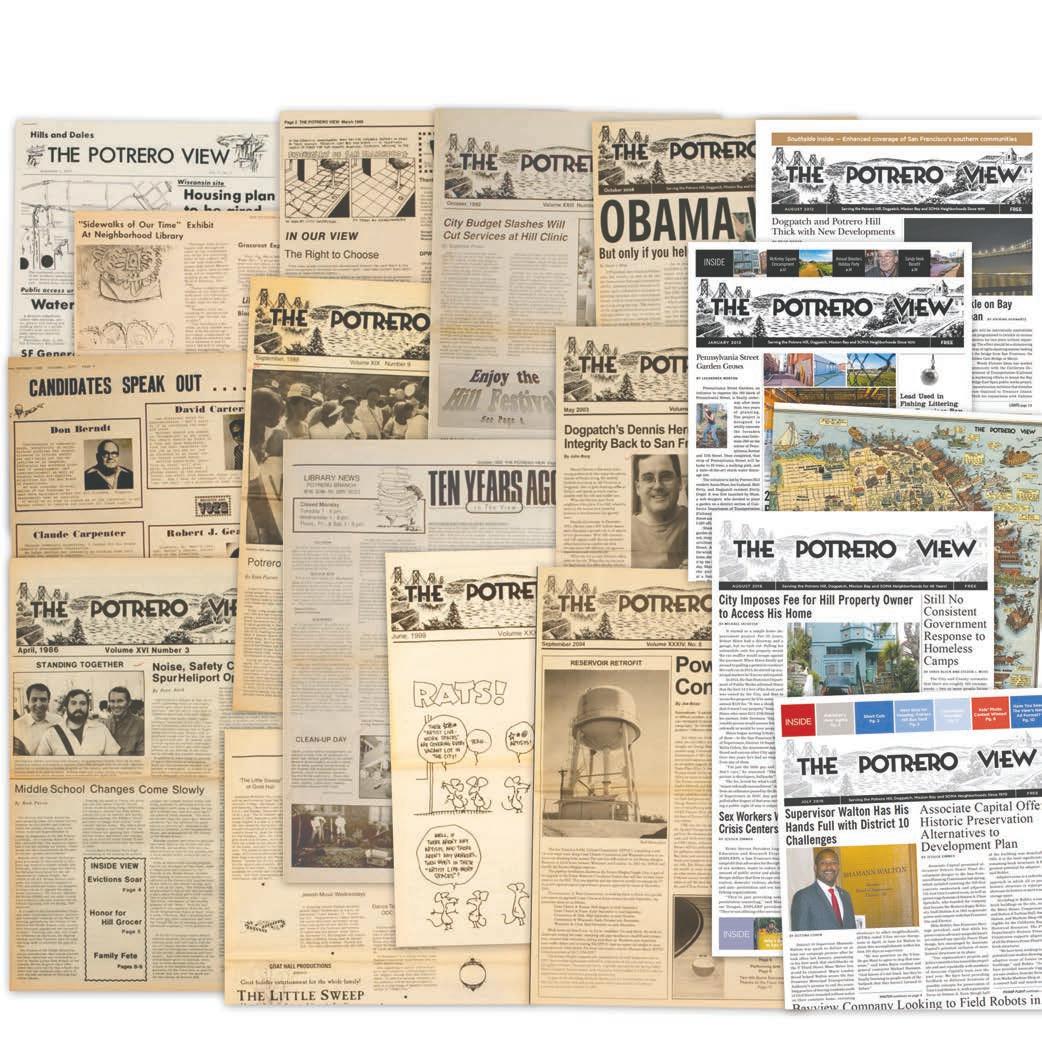
The View turns 49 years old this month. It’s an astonishing accomplishment: almost 600 issues produced, perhaps 15,000 pages, by an un- or poorly paid crew dedicated to civic journalism. By all accounts the monthly is a beloved community institution, a colorful, informative, thread in the fabric of our neighborhoods. It’s a place – now pretty much the only place – where children can see their photographs and accomplishments printed on paper suitable as a keepsake; in which such essential topics as the loss of parking spaces, the unknown fame of a neighbor, and impending changes to parks and schools, among other subjects, are regularly covered.
The paper wouldn’t exist today except for the willingness of its staff to volunteer much of their efforts, and the steadfast support of a double-handful of awe some advertisers, The Good Life Grocery and Compass realtor Tim Johnson , chief among them. Zephyr realtors Melinda Lee , Susan Olk , Wendy Watkins and Wes Freas , Sotheby’s realtor Mary Lace , St. Teresa of Avila Church , Rickshaw Bagworks, Kaiser Permanente, Scheffel Foundation, and Farley’s have been essential patrons. And the paper would be less robust without ads placed by Frames on 3rd Kitchen, Museum of Craft and Design Fire Theater, NOVY, Compass realtor Claudia Siegel, Primi Residential Mortgage, Inc among others.
View staff are dedicated to keeping the paper least our 50th anniversary, August 2020. Whether or not we live on to celebrate our 51st birthday, or hold a funeral next year, is up to you.
1970
Wall Street Journal. Like respectful civic engagement and healthy eco-systems, journalism, at least of the kind practiced throughout the 20th Century, is an
Over the past half-decade there’s been a steady decline in advertising revenue, forcing the View to shrink from a peak of 40 pages a month to as few as a barely viable one-dozen. The publication is far from alone in grappling with drastic reductions in its income; every newspaper in the country faces the same sour challenge, apart perhaps from such heavy hitters as The New York Times and
, with an average of 24-pages a month, and modestly paid writers, editors, and production personnel, costs roughly $215,000 a year, or the equivalent in volunteer labor, to maintain. Our current advertisers, subscribers, helpers and supporters contribute roughly half that amount, in cash or in-kind. We need your assistance to secure the rest and are quite open to creative ideas on how to do so.
Direct donations – which are tax deductible if made through SF Community Power – are certainly welcome. So too are innovative collaborations – perhaps a business or nonprofit could sponsor all or part of a monthly issue – community ownership ideas – such as selling shares in the View –assistance with marketing and fundraisers, and volunteering to write, photograph, or edit. We welcome all assistance and advice as to how the paper can reestablish its financial sustainability and continue to serve our neighborhoods for a long time to come. Or at least into the next U.S. president’s first term. It’s possible that the View has achieved its purpose, fulfilled the dreams of its 1970s-era founders to contribute to community cohesiveness and offer engaging, actionable, information to an oft-neglected part of the City. Maybe , assuming it continues to exist into the future, are enough now. I’m guessing, though, that if next September readers wander to their favorite distribution spot and the paper isn’t there, never to return, it will be felt as a profound, and unnecessary, loss.
Please do what you can to help, in whatever form that takes: 1459 18th Street, Number 214, San Francisco, California 94107, editor@potreroview.net, 415.643.9578.
Efforts Continue to Improve Mission Bay Mobility in the Face of New Demands
BY BETTINA COHEN
More than 18,000 fans will attend each of ten concerts taking place in September at Chase Center, the gleaming new sports and entertainment complex located near the Bay’s edge. Given limited parking, City officials hope that patrons streaming in from around the San Francisco Bay Area will mostly rely on public transportation to get to their seats.
The Golden State Warriors (GSW) have invested $29 million upfront in municipal transportation and infrastructure improvements to expand public transit access to the Chase Center.
Additionally, $14 million will go to transit improvements and infrastructure for the neighborhood — annually — that will include Parking Control Officers (PCOs) at key intersections to keep traffic modes flowing during game days and large events..
“Public transportation is our mantra,” said GSW spokesperson PJ Johnston. With 950 underground parking spaces onsite, and 2,000 on streets or in garages within a 10-minute walking radius, he noted, “Driving is not going to be the easiest way to travel that last mile to the Chase Center.”
To better move large crowds, the San Francisco Municipal Transporta-
tion Authority (SFMTA) has upgraded the T-Third Muni Metro line platform that’s directly across Third Street from the Chase Center. A center island boarding stage now extends from 16th Street north to Warriors Way – formerly South Street, a single block that connects Third and Terry Francois Boulevard – replacing separate inand outbound platforms that’ve been demolished. The upgraded platform enables four, two-car trains to load simultaneously, and allows trains to depart inbound from both sides, carrying riders to Bay Area Rapid Transit stations, the Fourth and King Caltrain station, and, eventually, the Central TRANSPORTATION continues on page 8
Subway. Additional streetcars will be staged on the Mission Bay Loop located at Illinois between 18th and 19th streets, once it’s completed next month. The Central Subway, which was supposed to be operational in 2018, could open at the end of this year, or even later, possibly not until the spring of 2020, according to SFMTA’s Project Monitoring Oversight Committee report. The report cited a breakdown in the relationship between SFMTA and Tutor Perini Corporation, the contractor building the subway; possible cost overruns; groundwater leaks
FREE Serving
Potrero
Dogpatch, Mission
the
Hill,
Bay and SOMA Neighborhoods Since
Parks Grapple with Waste Pg. 3 Nonprofit Aids Homeless Pg. 2
Southside
The View’s NEW Ad Format? Pg. 10 Food: Besharam Relaunch Pg. 4 Community Calendar Pg. 6
INSIDE
Kids’
Photo Contest: Four-way Tie! Pg. 11
Nonprofits Aid Southside’s Homeless Youth and Families
BY JESSICA ZIMMER
Southside nonprofit organizations are engaging in diverse efforts to help and house the area’s homeless population, especially youth and families. Their work includes assessing families for placement in permanent housing, distributing food, and working with landlords to accept homeless families as tenants. Catholic Charities, Homeless Prenatal Program, Potrero Hill Neighborhood House, San FranciscoMarin Food Bank, YMCA, among others, collaborate with the Department of Homelessness and Supportive Housing (HSH) and public schools to offer services.
Bayview Access Point, located at 1641 LaSalle Avenue, is an “access point” for families and individuals experiencing homelessness. At access points, City-contracted nonprofits determine whether clients are eligible for shelter and make housing referrals.
Bayview Access Point, opened in 2017, is one of three that serve families, along with Mission Access Point and Central City Access Point in the Tenderloin. Unsheltered families that come to an access point are immediately offered temporary housing at a third-party shelter not run by Catholic Charities.
“Our goal is to help at least 70 percent of the families that come to
us,” said Rob Strahan, program manager for Catholic Charities’ Bayview Access Point.
Strahan explained that 70 percent of BAP’s clients are at risk of becoming homeless; Catholic Charities helps them stay in their home. The remaining 30 percent are homeless, living in vehicles, tents, and abandoned buildings, who are referred elsewhere for assistance to secure permanent housing, private room shelters, or temporary or permanent relocation outside the City.
HSH’s 2019 point-in-time count found that there are 8,011 people without housing in San Francisco. Catholic Charities estimates that there are currently 600 families at various stages of homelessness working with Access Points.
“The actual number is hard to determine. Parents are cautious. Some families are hesitant to come to the Access Point or disclose they have children during outreach due to their fear of legal repercussions. They think we are Child Protective Services, law enforcement, or Immigration and Customs Enforcement,” said Strahan.
According to Strahan, some homeless families have at least one member who is undocumented. “In order for families to (get into) congregate bed or individual room shelters, they need picture identification for all adults and


birth certificates for children,” he said.
“One of the challenges we face with undocumented families is adequate identification. We work with families to obtain passport or birth certificate information, often with the assistance of the appropriate consulate.”
A congregate shelter has several rooms with bunk beds – along with showers, provision of three daily meals, and a place to store belongs – where one
to three families are housed together in a room for up to 60 days.
BAP follows HSH’s Family Coordinated Entry guidelines, a process that assesses, prioritizes, and matches families experiencing homelessness to shelter and other services. The first step is triage, which “…starts with a conversation regarding the family’s geo -
HOMELESS continues on page 4
Industrial Plant
Potrero Hill’s northern neighbor, the Design District, is host to both an increasing concentration of high-end condominiums and specialized manufacturing. Not long ago, Tempo Automation opened on Alabama Street, producing prototype circuit boards. The future is unfolding right before our eyes. Blink once, and family-owned pharmacies and soda fountains are gone; blink twice, and robots are rolling down the streets delivering hydroponically-grown meals freshly made by other robots; blink three times, and, what, we’ll finally get those hovercrafts we’ve been promised, to skip-fly over land freshly inundated by rising seas..?
Hypocritical, Much?
Two recent headlines from 48hills: TOBACCO INDUSTRY FREAKS
OUT ABOUT VAPING BAN IN SF
The critics are missing the point; the ban is all about protecting kids from an industry that aggressively sought to hook them on nicotine.
PUFF: LIGHT UP, IT’S PRIDE TIME
A colorful clutch of cannabis goodies to help you float over the rainbow
Got it, nicotine vaping bad, CBDTHC ingestion, good. Has anyone from 48hills talked to a high school student lately, or looked at data that suggests that the only drug experiencing significant increases in youth consumption is cannabis? Apparently festive marijuana, within easy reach of children, is good for growing brains… Vaping is epidemic at our schools, though the behavior may have already peaked, perhaps defeated by adults enthusiastically pushing CBD, THC, or those caffeinated milkshakes vended at Starbucks…




2 THE POTRERO VIEW AUGUST 2019 THE VIEW IS PRINTED ON RECYCLED NEWSPRINT WITH SOY-BASED INK. PUBLISHER Steven J. Moss ACCOUNTING MANAGER Catie Magee PRODUCTION MANAGER Helena Chiu THIS MONTH’S CONTRIBUTORS Copyright 2019 by The Potrero View. All rights reserved. Any reproduction without written permission from the publishers is prohibited. Editorial and policy decisions are made by the staff. Published monthly. Address all correspondence to: THE POTRERO VIEW, 1459 18th Street, Number 214, San Francisco, CA 94107 415.643.9578 • E-mail: editor@potreroview.net • production@potreroview.net (for advertising)
CUTS Bettina Cohen, Michael Iacuessa, Rebekah Moan, Steven J. Moss, Jessica Zimmer
SHORT
Excellence
Integrity Claudia Siegel Realtor®—CRS 415.816.2811 claudia.siegel@compass.com claudia.siegel.com @claudiasiegelsf DRE 01440745 Compass is a licensed real estate broker and abides by Equal Housing Opportunity laws. All material presented herein is intended for informational purposes only. Information is compiled from sources deemed reliable but is subject to errors, omissions, changes in price, condition, sale, or withdraw without notice. No statement is made as to accuracy of any description. All measurements and square footages are approximate. Exact dimensions can be obtained by retaining the services of an architect or engineer. This is not intended to solicit property already listed. If you’re looking for proven results – look no further. Claudia is your best advocate, she works tirelessly, with dedication and integrity to exceed your desired results and expectations. Check her out on Yelp! SOLD | 1387 De Haro St | $1,400 per Sq Ft! | South Slope, Potrero Hill
Creating
With
Southside Parks Grapple with Waste, Artificial Turf
BY MICHAEL IACUESSA
Franklin Square
A Pit Stop toilet may be coming to Franklin Square soon, to help relieve the rising homeless population in and around the park. During the first six months of the year, the City’s 311 hotline fielded 654 calls regarding encampments within a one block radius of Franklin Square. At a summer meeting with municipal officials, neighbors complained about increased trash, feces and hypodermic needles in the area, prompting District 9 Supervisor Hillary Ronen and District 10 Supervisor Shamann Walton to ask the Department of Public Works to install a Pit Stop.
The staffed mobile units offer toilets, sinks, used needle receptacles and a dog waste station. Ronen’s chief of staff, Carolyn Goossen, couldn’t provide a date when the facility will be installed, but commented, “We stressed to Public Works that it is something we want to see quickly.”
The Pit Stop program was launched in the Tenderloin in 2014; since then its expanded to 25 locations in 13 neighborhoods. Fourteen of those aren’t mobile units but involve either supplying an attendant to JCDecaux, the company that operates the semi-permanent large green public toilets or staffing a park bathroom. Attendants are hired by San Francisco Clean City Coalition, which provides transitional employment opportunities to low-income individuals.
The program averages just below 50,000 flushes a month citywide. It’s
been recognized for innovation by the Harvard Kennedy School and served as a model for similar efforts in Los Angeles, Miami, Denver and Sacramento.
A prolonged construction project to redo Franklin Square’s north side pathway that’s a year past its originally scheduled completion date is also frustrating park-goers. “Part of the park has been fenced off. It hasn’t helped with people camping and leaving trash around,” said Mary Haywood Sheeter, a Friends of Franklin Square volunteer.
Jackson Park
Inspired by the Pit Stop program’s success, San Francisco Recreation and Park Department launched its own restroom monitor initiative, Park Stop, which by last winter had expanded to eight locations, including Jackson Park. Park Stop restrooms were chosen based on the number of 311 calls and maintenance and vandalism issues. Jackson Park’s bathrooms had allegedly been providing cover for drug use and prostitution.
“Many of our previous concerns were resolved with the introduction of the Park Stop program,” reported Briony Doyle, a Friends of Jackson Park board member. “The park is now much cleaner, and it has discouraged illegal activities in the bathrooms, which was one of the biggest concerns the community raised with us.”
Esprit Park
An altogether different issue has
arisen at Esprit Park, which is slated for a $7.7 million renovation. Since the University of California, San Francisco donated $5 million toward park improvements in 2017, as part of its effort to cushion impacts of new development in the community, discussions have centered around using the funds to create areas for fitness, dogs and children. Tree maintenance and drainage also need to be addressed. Since then, another $2.7 million in development impact fees has been set aside for the effort.
Delineating specific park uses, however, is bucking up against Esprit’s history of being an open multi-use meadow. At a May meeting of the Esprit Park Community Advisory Group, a Rec and Park Department proposal to install artificial turf for an off-leash dog area was met with howls. Under the Department’s concept, a plastic lawn would be cordoned off by a splitrail fence, dense planting and retaining walls. Dogpatch residents believe that use of the material and erection of barriers would stray from the park’s original intent.
Gaynor Strachan Chun, a dog owner herself and longtime park user who has organized garden parties at Esprit for years, believes that the 1.8acre commons, currently Dogpatch’s largest green space, should be kept as a single meadow that people can enjoy as they please. “The way the park is used now it is multi-use,” she said. “If a kid is having a birthday party at one end of the park, then dog users move to the other end.”
While allowing dogs off-leash is il-
legal at Esprit, like most open spaces in San Francisco canines are often given free reign. Some pooch people want a designated area for their animals; others like the park as it is. Toes and Paws for Green Space, which advocates in Dogpatch and the Hill for dog owners, supports a designated off-leash area but prefers minimal fencing.
Rec and Park fielded two proposals for the artificial turf area: 10,200-square feet on the western portion of the south meadow; and 19,400-square feet on the north meadow. The enclosure would feature decorative large stones and logs, as well as picnic tables. According to Rec and Park, a plastic lawn would require less expensive, less frequent and less time-consuming maintenance.
A public dog play area recently opened across the street, courtesy of the Avalon apartment complex, at 800 Indiana Street.
According to Tamara Barak Aparton, Rec and Park spokesperson, public outreach will continue through the summer with a proposed plan likely to go before the Rec and Park Commission by the end of the year. Construction could begin next summer with anticipated completion by mid-2022.


3 THE POTRERO VIEW AUGUST 2019
Zephyr Real Estate | 4040 24th Street | San Francisco, CA 94114 MELINDA LEE Your Agent for Good. e-Pro, SRES 415.336.0754 | melinda@melindalee.realtor Lic. #01344377 | melindalee.realtor Single Family Homes SOLD: 20 Median Sales Price: $1,968,750 Avg over List Price: 9.96% Avg Days on Market: 28 2-Unit Buildings SOLD: 7 Median Sales Price: $2,260,000 Avg over List Price: 10.4% Avg Days on Market: 41 Condominiums & TICs SOLD: 46 Median Sales Price: $1,235,000 Avg over List Price: 4.09% Avg Days on Market: 34 Multiple o ers and climbing prices remain the trend, and we're already gearing up for an early Fall market. This is planning time, so please call me NOW to talk about a way to capitalize on this incredibly hot market! Track record on the Hill so far this year? • SUPPORT LOCAL JOURNALISM • Advertise in the View ! www.potreroview.net/advertise/ 415.643.9578; editor@potreroview.net advertising@potreroview.net
Chef Heena Patel Embodies “Besharam” With Restaurant Relaunch
BY REBEKAH MOAN
Opening her own brick and mortar restaurant wasn’t something Chef Heena Patel was looking to do at nearly 54 years old. Yet earlier this summer that’s precisely what she did, with the relaunch of Besharam, an Urdu word that means “shameless,” at the Minnesota Street Project.
Besharam is often used in South Asian culture as an insult, a label for a woman who dares to do things not considered “respectful” or “appropriate.” Patel is reclaiming the word for herself, her daughter, and those like her who grew up being called it by parents and others whenever they spoke up, spoke too loud or said “no” to patriarchy.
The besharam concept is embodied throughout Patel’s restaurant, which features an expansive mural and cheeky plate ware designed by HateCopy’s Maria Qamar. A slogan on one of the dishes is “Hot chai cold revenge;” another is “That’s MISS Besharam to you!”
Patel had no intention of becoming a chef when she moved to San Rafael almost 30 years ago, ultimately settling in Vallejo. But she missed the food she ate growing up in her native Gujarat, India.
“I never had opportunities to go out and eat Gujarati food,” she said. “Maybe now, but not in 1992. I missed those items and started cooking more and more with my children. It helped
me miss my family less and took me back to my childhood memories and made me happy.”
She started preparing things such as khichdi , a dish containing rice and lentils, introducing items to family friends, her children’s friends, and their families. Along the way she discovered her aptitude for serving large groups of people.
“Everybody asked me to host a party,” she said. “I felt more comfortable cooking for people and approached La Cocina about making the food I cook at home more professional.”
La Cocina is a Mission-based nonprofit that supports low-income women of color and immigrant food entrepreneurs as they formalize and grow their business. Patel joined La Cocina’s incubator in 2013, planning to start a food truck because it seemed less bodily taxing and complex than a full-blown restaurant.
“As a chef, it’s such a physical thing; you’re on your legs the whole time,” she said. “Something inside me has me stay with it, even with the physical challenges, because I’m feeding my guests the food I grew up with. My whole cuisine, my childhood, my memories, it makes me forget my age. It makes me happy.”
During her time with La Cocina, Patel’s confidence grew, her dream got bigger and she wanted more for her cuisine. She started doing popups, such as at State Bird, which made her realize
she could make her food better, plate it nicer in a fine-dining way.
“I never grew up with fine dining, but I took it at a challenge,” she said. “I realized I like to plate the food, but with a food truck, it’s only dishes people can eat outside on the road side.”
Enter Daniel Patterson, from the Alta restaurant group, who was looking for a chef to operate a restaurant at the Minnesota Project. Patel was the right fit.
“When I came here [to Minnesota Street], I loved the location. It was shiny, new, and attracted me,” Patel said.
The two collaborated on Besharam, which opened last summer. After nearly a year of co-owning the space with Patterson, Patel decided to helm the restaurant by herself.
“Owning a restaurant is a complex thing,” she said. “I decided it was better to not have a partner.”
She relaunched Besharam with a new menu in July during a multiday celebration that featured a panel discussion, private dinner, and open house.
“My restaurant is a community restaurant,” she said. I’m part of this neighborhood and the relaunch is just the beginning. I want the community to have meetings here in the afternoon where I’ll welcome them with a warm chai. I want to feel like a part of the family because Besharam is more than a restaurant. It’s a space where
hospitality and warmth are so much more important. I want everyone to feel like they’re coming into my house.”
Besharam comfortably seats 60 inside the restaurant; 40 in the private lounge. It’s open for lunch and dinner Tuesday through Saturday. Brunch is served on Saturdays and Sundays. For more information, www.besharamrestaurant.com
HOMELESS from page 2
graphic location, family composition, and current living situation…enables staff to determine whether the family resides in San Francisco or is coming from another jurisdiction. In that case, staff (refers) the family to the appropriate agency in their county or state,” said Strahan.
If a family prefers to stay in the City and needs immediate shelter they’re referred to an emergency placement, then transferred to a congregate or individual room shelter. “The stress of not knowing where they are going each night is alleviated,” said Strahan.
BAP staff work with San Francisco Unified School District social workers at Southside schools, including San Francisco International High School and Daniel Webster and Starr King elementary schools.
Buena Vista Horace Mann, 3351
HOMELESS continues on next page




4 THE POTRERO VIEW AUGUST 2019
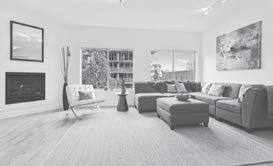
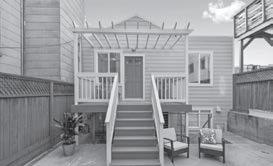
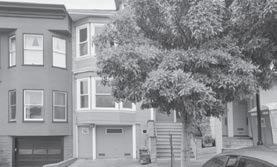
Susan Olk #1 Potrero Hill Agent for Over 25 Years Susan Olk, Top Producer, CRS, CLHMS BRE# 00788097 415.279.8835 SusanOlk@ZephyrSF.com www.susanolk.com • Over 35 years of experience selling real estate in San Francisco • Over $350,000,000 in sales in San Francisco • Top Producer at Zephyr since 1997 • Certified Residential Specialist and Certified Luxury Home Marketing Specialist • Member, Million Dollar Guild • Member, Mayfair International From one of her many satisfied clients: “Susan Olk is one of the nicest and hardest working San Francisco real estate agents in the city. It is no wonder that she was one of the top 20 Real estate agents in the country and Susan could not be nicer. She has my vote for the top producer or SF Real Estate agents in the market based on her knowledge and experience working with buyers and sellers!!!!” Recently Sold: 638 19th Street #15952A De Haro Street325–327 Missouri Street
HOMELESS from previous page
23rd Street, will offer family housing in its gymnasium until at least this fall. The Stay Over Program, operated by Dolores Street Community Services, was initially setup to host up to 20 students and families, or 60 people, from the school. When the program attracted only seven families last year, the school principal recommended opening it to families throughout the District. HSH funds the program, which costs about $40,000 a month.
According to Strahan, many BAP employees were once homeless themselves. “Having staff who have experienced homelessness firsthand brings a unique perspective and compassion to a family…sitting across the desk from them…may not have a degree, but they have empathy and understanding. We find those qualities very helpful in assisting homeless families,” he said.
Bayview Access Point provides homeless families living in cars, campers, tents, and abandoned buildings with grocery gift cards, food, clothing, diapers, hygiene kits, and other items. BAP also makes referrals to food pantries, storage facilities and showers, as well as laundry, legal, credit repair, immigration, health care, and mental health services. In addition to its access point facility, BAP fields a Mobile Outreach Team Monday through Friday, which offers wellness checks and community education.
According to Malea Chavez, deputy director of the Homeless Prenatal Program (HPP), located at 2500 18th Street, HPP offers a leg up in the search for permanent housing. “We serve about
3,500 families with children under 18 a year. Our housing programs are accessible after they have gone to one of the City’s Coordinated Entry Access Points, such as the Bayview Access Point, Mission Access Point, or the Central City Access Point…completed the coordinated entry housing assessment. We have a contract with HSH to oversee two housing programs,” she said.
HSH funds SHARE, which requires a documented need to remain in the City, such as a medical necessity or restriction involving court-ordered probation, and Housing Plus, a U.S. Housing and Urban Developmentfunded program catering to families who have at least one member with a disability and who have experienced chronic homelessness. The City’s Human Services Agency pays for Bringing Families Home, which handles Child Protective Services referrals.
“When we are able to place a family with funding from one of these programs, we work on relationships with private market housing throughout the City. We get them work with and to accept homeless families. Landlords are more likely to be willing to rent to homeless families when the families are participants in one of the programs,” said Chavez.
Chavez said HPP informs homeless families about wellness services and helps them access care. “We’d like to do more. SHARE offers 40 subsidies annually. Housing Plus offers 10. Bringing Families Home offers 40. We’re advocating to the City to continue to increase the number of subsidies. We’ve seen a 25 percent increase this year in the number of unsheltered families that
come to us for help,” said Chavez.
Edward Hatter, executive director of the Potrero Hill Neighborhood House, located at 953 De Haro Street, said the Nabe helps prevent homelessness by counseling families of teenagers who are aging out of the Potrero Annex-Terrace housing complex, deploying a case manager funded by an $85,000 grant from the Mayor’s Office of Housing and Community Development.
“We have a case manager who assesses the needs of Transition Age Youth between the ages of 16 and 24 to determine what they will do next. We have helped a lot of young adults reconnect with their families so that they are added to the family’s lease. If the parents did not add them, they would be at risk of becoming homeless. The case manager also helps young adults who grew up in Potrero Hill public housing and who have or are expecting children get on the list for their own unit,” said Hatter.
According to Hatter, it’s challenging to convince parents to add young adults onto an existing lease. “The San Francisco Housing Authority used to declare an individual ineligible for public housing if that person was involved in a criminal incident on public housing property. Now the incident could occur anywhere. If a young adult has an issue with the police, everyone in the family could be evicted from their unit,” said Hatter.
The Nabe offers two food pantries, one biweekly for people who are 65 and older or have disabilities, the other weekly that’s open to the public with no age or ability requirements. “The food comes from the San FranciscoMarin Food Bank and Food Runners

San Francisco. Food Runners is a nonprofit that picks up extra food from stores, restaurants, and catering venues. We get three Food Runner deliveries a week,” said Hatter.
Food is critical to helping prevent youth and family homelessness, said Ashley Wong, program coordinator at the San Francisco-Marin Food Bank, located at 900 Pennsylvania Avenue. “Our team of program coordinators works with several food pantries on the Southside, including the Nabe, St. Gregory’s, and the Potrero Hill Family Resource Center, which is a closed pantry for public housing residents. We also supply food for weekly pantries at Starr King Elementary School, Daniel Webster Elementary School, and Bryant Elementary School In addition, we provide food for the Food Pharmacy at Zuckerberg-San Francisco General Hospital,” said Wong.
The Food Pharmacy features fresh, healthy food for people with specific medical needs, such as hypertension and pre-diabetes.
St. Gregory’s is the Hill’s largest food pantry, serving two groups of 400 on alternating weeks. The Potrero Hill Family Resource Center, run by Urban YMCA staff, helps between 50 and 60 people a week. The three school pantries, run by school employees and volunteers, aid 130 families between them.
Wong said the Food Bank provides healthy food to approximately 700 households in Dogpatch and Potrero Hill every week. “Participants in our food pantries can then use their income for other expenses, including housing,” said Wong. “The food pantry is a warm, welcoming environment. Volunteers
HOMELESS continues on page 10
5 THE POTRERO VIEW AUGUST 2019
Wes Freas REALTOR® LIC# 013122854 415.518.6538 WesFreas@ZephyrSF.com We love calling Potrero Hill our home. Over the past decade-plus, we’ve helped dozens of clients find their perfect spot on the Hill. It’s easy to sell the virtues of our beloved neighborhood, having lived and worked here ourselves for more than 20 years. POTRERO HILL’S #1 TOP PRODUCING TEAM Wendy Watkins REALTOR® LIC# 01854549 415.367.5997 WendyWatkins@ZephyrSF.com WesandWendyHomes.com WENDY WATKINS WES FREAS Thank You for our Continued Success on the Hill! Call Us if You're Thinking of Buying or Selling!
COMMUNITY | AUGUST
Now through 8/25 Sunday
Theater: Innovators Showcase
The inaugural Innovators Showcase features 25 performances and staged readings of creative new theatre by the 2019 class of PlayGround’s Innovator Incubator. Production tickets are $26.50 to $41.50; workin-progress presentations are free/ suggested donation Potrero Stage members receive half-off all tickets. Potrero Stage, 1695 18th Street. For more information or to purchase tickets: 415.992.6677 or https://bit. ly/32C2v1b
8/2 Friday through 8/4 Sunday
Art: American Craft Show
Learn about the process of making, get inspired, meet and shop more than 250 jewelry, clothing, furniture, and home décor artists from across the country. Enjoy an artisanal food and beverage marketplace and ‘Power of Scent’ interactive installation. 8/2 Friday and 8/3 Saturday: 10 a.m. to 6 p.m. 8/4 Sunday: 11 a.m. to 5 p.m. $12 to $50. Fort Mason Center, 2 Marina Boulevard. For tickets and more information: https://bit.ly/2uMWCR3
3 sat
Art: MakeArt Family Day
Designed for visitors of all ages, featuring guided activities for kids and in-gallery hands-on opportunities for the whole family. Museum of Craft and Design celebrates its new exhibition “Interior/Exterior” with a family day focused on structures and place. Explore building composition by constructing a three-dimensional mini
brick structure inspired by Benjamin Armas and Ori Carino. Combine simple stamped shapes into complex architectural forms. Upgrade your personal space with bedroom banners and hanging elements based on Kathy Sirico’s art. Design an indoor ring-toss game featuring materials and imagery found in Julie Alpert’s whimsical installation. 11 a.m. to 3 p.m. Free with $8 general admission; free for children 12 and under. Museum of Craft and Design, 2569 Third Street. For more information: https://bit.ly/2SpsYKo
Food: Dappled: Baking Recipes for Fruit Lovers Nicole Rucker is responsible for some of the most raved-about and Instagrammed pastries and baked goods in Los Angeles, first as the pastry chef at the hotspots Gjelina Take Away and Gjusta, then through her pie company Rucker’s Pie and restaurant Fiona. In her debut cookbook, Rucker shares her obsession and recipes with readers to help them achieve the same kind of magical alchemy she’s perfected in fruit desserts. 3 to 4 p.m. Free. Omnivore’s Books, 3885a Cesar Chavez Street. For more information: https://bit.ly/2Z3xXTI
4 sun
Benefit: Potrero Hill Democratic Club “Shop Local” Silent Auction and Party Snag goods and services from more than 60 local merchants and businesses while supporting Potrero Hill Democratic Club. Mingle, enjoy appetizers with your neighbors.
Free to attend. 5 to 8 p.m. Dogpatch Saloon, 2496 Third Street. To RSVP: https://bit.ly/30M47ng
9 fri
Comedy: MC Sergio Novoa
Standup comedy by MC Sergio Novoa. Free. 7 to 8:30 p.m. Farley’s, 1315 18th Street.
Music: Caitlin Jemma, Live Oaks, Tay and the JangLahDahs, Rabbit Hole Orchestra
Symphonic psychedelic rock – The Rabbit Hole Orchestra – ecclectic orchestral psych folk –Tay and the Janglahdahs – Americana country rock – The Live Oaks –Americana country soul; Caitlin Jemma. $10 advance/$12 at the door. 8 p.m. to 12 a.m. Bottom of the Hill, 1233 17th Street. For more information: https://bit.ly/2Y4Ycrm
10 sat
Flight: Presidio Kite Festival
Let your imagination soar at this colorful, family-friendly festival featuring all things kite. Featuring a free “build your own kite” booth, hands-on learning from kite experts, a kite art exhibition, giant kites, mega team flying, Taiko drummers, and food trucks. Offered in partnership with Highline Kites. 11 a.m. to 4 p.m. Free. RSVP appreciated, but not required. Presidio Parade Grounds, 103 Montgomery Street, The Presidio. For more information: https://bit. ly/2St7tZt
Stuff: Bernal Heights Hillwide Garage Sale
A Bernal Heights tradition and arguably San Francisco’s largest single day garage sale. 9 a.m. to 2 p.m. For more information: https://bit. ly/2uBwELF
13 tues
Garden: San Francisco Botanical Garden
The San Francisco Botanical Garden is always free for San Francisco residents; visitors can enjoy this treasure for free on the second Tuesday of every month. A unique urban oasis, the Garden is a living museum within Golden Gate Park, offering 55 acres showcasing more than 8,500 different kinds of plants from around the world. San Francisco Botanical Garden, 1199 Ninth Avenue. For more information: https://bit. ly/2xXUB47
14 wed
Art: Case Sandberg
Art opening for local artist Case Sandberg. 6:30 to 8:30 p.m. Free. Farley’s, 1315 18th Street.
15 thur
Music: Ben Barnes
A fiddle player, singer, songwriter. 7:30 to 8:30 p.m. Free. Farley’s, 1315 18th Street.
Art: MAKE
It’s a heavy metal summer at the Museum of Craft and Design! View “Dead Nuts: a search for the ultimate machined object” and explore the materials and exhibition concepts through in-gallery activities. Hammer out your creativity with custom metalstamped jewelry, design a hanging mobile from found objects, and more. 6 to 9 p.m. Free with $8 general admission. Museum of Craft and
Design, 2569 Third Street. For more information: https://bit.ly/2y0EuCE
18 sun
Theater: San Francisco Mime
Troupe’s “Treasure Island”
The Tony Award-winning San Francisco Mime Troupe celebrates its 60th season with free and lively performances in park settings around the Bay Area with their 2019 production “Treasure Island The Musical: A Toxic Tale of Corporate Corsairs, Swashbuckling Swindlers, and Big Buck Buccaneers on the Bay.” 2 p.m. Free. Potrero del Sol Park, 25th Street and San Bruno Avenue. For more information: https://bit. ly/1PIm62C
Community: Sunday Streets
A sorta-monthly roving neighborhood celebration and five-hour party where the streets are closed to vehicles; pedestrians, roller skaters, bicyclists, and yogis take over the streets for an afternoon. 11 a.m. to 4 p.m. Free. Essex Street and 10th Street. For more information: https://bit.ly/2XVCoDy
22 thur
Music: James Everett
Live music by James Everett, rhythm and blues, jazz and pop singer and performer. Free. 7:30 to 8:30 p.m. Farley’s, 1315 18th Street.
24 sat
Music: Frances Ancheta
Live music by singer songwriter
Frances Ancheta, with pop, folk, indie rock, new wave, and world/tropical influences. Free. 7 to 8:30 p.m. Farley’s, 1315 18th Street.
8/24 Saturday to 8/25 Sunday
Art: San Francisco Vintage Paper Fair California’s finest selection of postcards, photography, labels, brochures, Victorian, transportation and sports memorabilia, and all manner of curious, beautiful and interesting old paper. Free appraisal. Saturday: 10 a.m. to 6 p.m. Sunday: 11 a.m. to 5 p.m. Free admission. County Fair Building, Ninth Avenue and Lincoln Way. For more information: https://bit.ly/2BPNvOL
25 sun
Music: KUSF Rock ‘n’ Swap Record Fair
Dealers and vendors come from all over to sell music-related items along with hard-to-find rarities including a huge amount of vinyl and memorabilia in a 6,000+ square-foot venue. 10 a.m. to 3 p.m. Early bird admission, 7 to 10 a.m.: $7; general admission, 10 a.m. to 3 p.m.: $3; University of San Francisco student: free. University of San Francisco, McClaren Center, 2130 Fulton Street. For more information: https://bit.ly/2SsAep2
30 fri
Music: Oracle Park Free
Summer Concert: 80s Tribute Band “Tainted Love”
Free concert series before every Friday summer home game. 5 to 7 p.m. No game ticket required. Seals Plaza, located behind center field, Oracle Park, 24 Willie Mays Plaza. For more information: https://atmlb. com/32PUtlo
6 THE POTRERO VIEW AUGUST 2019
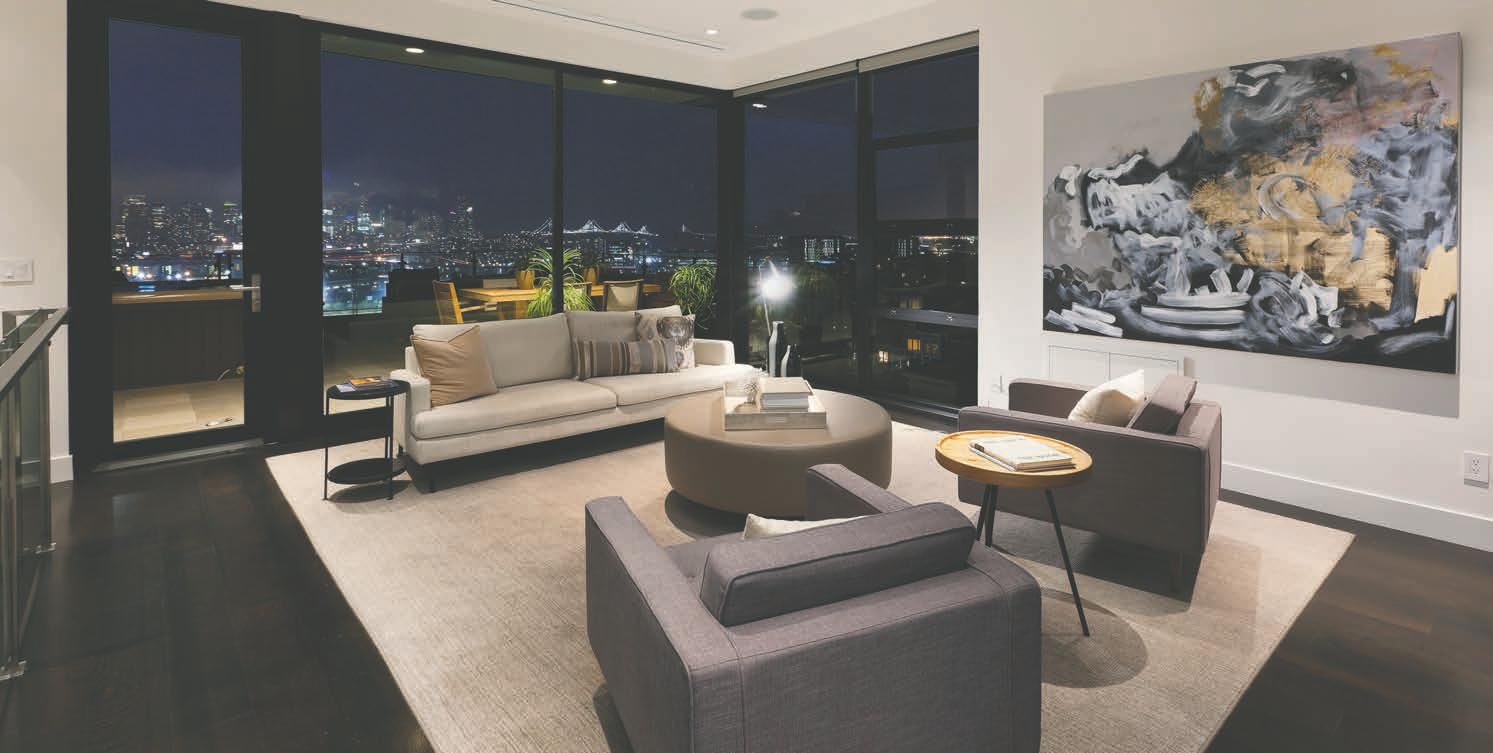
Low interest rates and powerful demand have continued to keep the Potrero Hill market strong. Many homes have attracted multiple offers after short periods on the market.
If you have been thinking of selling your home, now may be an excellent time to take advantage of strong demand from buyers.
7 THE POTRERO VIEW AUGUST 2019
Johnson 415.710.9000
DRE 01476421
Tim
tim@timjohnsonSF.com www.timjohnsonSF.com
Sales Prices for All Potrero Hill Homes Sold in 2019*
average sales price for a home on Potrero Hill this year has been $2,185,925. If you’d like a free report on the value of your home, call Tim Johnson at 415-710-9000. *Sales information as of July 17, 2019 1928 18th St ....................................$4,700,000 1938 18th St ....................................$4,595,000
Arkansas St ...........................$2,230,000 600 Arkansas St ............................$1,580,000 800 Carolina St ............................$2,200,000 1056 Carolina St ............................$1,280,000 266 Connecticut St .....................$1,456,000 455 Connecticut ..........................$2,000,000 860 De Haro St ..............................$3,150,000 1152 De Haro St..............................$1,780,000 1387 De Haro St ...............................$1,110,000 870 Kansas St................................$2,450,000 15 Littlefield Ter .............................$1,075,000 1052 Rhode Island St .................$2,300,000 1126 Rhode Island St .....................$1,937,500 1458 Rhode Island St ..................$1,200,000 249 Texas St ..................................$1,600,000 333 Texas St ..................................$1,800,000 765 Vermont St .............................$3,050,000 862 Wisconsin St $2,225,000 What’s Happening
Real
Potrero Hill?
The
383
with
Estate on
TRANSPORTATION from front page
at the Yerba Buena / Moscone Center station; and worker shortages as factors contributing to delays.
The T will ultimately cross King at Fourth Street and go underground at Bryant Street, reducing travel time by about 12 minutes compared to buses from Caltrain to Market Street, running every four to six minutes during peak commute times. After the final aboveground stop at Brannan Street, there’ll be subway stations at Yerba Buena/Moscone Center and Market Street/Union Square, where riders can transfer to BART and other Muni lines at Powell Street, and another stop in Chinatown.
“It will be a bigger deal next year when the Central Subway opens,” Johnston said of the new boarding platform serving Chase Center and nearby University of California, San Francisco.
SFMTA is planning to augment N-line service along the Embarcadero once the T is relocated to the Central Subway, SFMTA Transportation Planner Jessica Garcia told the South Beach Rincon Mission Bay Neighborhood Association in July. Meeting attendees said they’re frequently heading south to Dogpatch to dine or shop, and want a bus to replace the T along the Embarcadero south of Caltrain.
Daily commuters will potentially reap the greatest benefits from ground and water transit infrastructure improvements. San Francisco Mobility Trends Report 2018 data shows that vehicular traffic entering the City has returned to 2001 levels. After dipping to 360,000 incoming vehicles daily during the 2009/10 economic downtown, the flow has bounced back to more
than 456,000 daily vehicles in 2017. The resurgence is attributed to more workers commuting to jobs in the City, and an influx of private vehicles associated with Transportation Network Companies (TNC) apps.
According to the Mobility Trends Report, automobile use and congestion has grown at a faster pace than the City’s population since 2010, even though San Franciscans are driving their own cars less. While traffic from the Peninsula and Marin County has remained relatively stable over the last two decades, the number of cars crossing the Bay Bridge into South-ofMarket has exploded.
Last month, the $2.2 billion Salesforce Transit Center reopened after two cracked steel beams were repaired, with resumed Muni and Golden Gate Transit bus service. AC Transit will restart use of the regional bus terminal this month.
Also last month, the Port wrapped up design and the entitlement phase to build the Mission Bay Ferry Landing on Terry Francois Boulevard at 16th Street; environmental permits are expected to be issued this fall, according to Randy Quezada, the Port’s communications director. “The Port plans to start the construction bid process to support a construction start in June 2020, targeting completion by the end of 2021,” he stated in an email. “In the meantime, the Port is working with the Water Emergency Transportation Authority and Golden Gate Transit for an interim ferry at Pier 48½ with service expected to begin this fall and run until the Mission Bay Ferry Landing is complete.”
Golden Gate Ferry will provide service to and from evening Warriors games and special events at
the Chase Center, departing from the Larkspur Ferry Terminal, docking at Pier 48½. A one-way ticket will cost $14, the same price as Golden Gate’s Giants/Oracle Park one-way special event fare.
“We will only provide evening special event service to interim Pier 48½,” said Paolo Cosulich-Schwartz, public affairs manager for Golden Gate Bridge, Highway & Transportation District. “Late-evening commuters could ride these ferries, but the service is primarily intended to provide event attendees a comfortable and convenient alternative to driving to the arena. Our existing special event ferry service is very popular and often sells out, so we require advance ticket purchase to ensure everyone gets a seat.”
The Mission Bay Ferry Landing will include a dock area for small vessels. Tideline, a private company that receives no subsidies, has been providing commuter ferry service from the Berkeley Marina to San Francisco’s Pier 1½, next to the Ferry Building, since 2016. Tideline added Pier 52 – a short walk to the T and a Muni bus stop on Mission Bay Boulevard South – to its commuter routes last spring.
“Because we are private, we can respond to the transit needs of communities and businesses and script a service for them,” said Danielle Weerth, Business Development, Partner Manager for Tideline. Boats feature Wifi, restrooms, flat screen television, and evening beer and wine service. Vessel capacity is 42 people, with no extra charge for bikes. Tideline offers four daily trips, two in each direction, averaging 30 passengers per trip. Crossing from Pier 1½ to Berkeley takes 30 to 35 minutes; it’s another 20 minutes to travel between Pier 1½ and Pier 52.
“We accept all commuter benefit cards, including WageWorks, Navia, Edenred,” Weerth said. Tickets are $10 each way between Berkeley and Pier 1½; $12.50 each way between Berkeley and Pier 52. There’s a $3 charge for morning- and evening-only service between Pier 1½ and Pier 52.
Monthly passes that save $2 per trip are available.
Work continues on SFMTA’s 16th Street Improvement Project. Phase 1 construction from Potrero Avenue to Third Street began in March and should be completed by year’s end. Pedestrian amenities being added include transit bulbs on the north sides of Potrero Avenue and Wisconsin Street, as well as on the south side of Missouri Street; traffic signals at San Bruno Avenue and Wisconsin, Connecticut and Missouri streets; and a pedestrian bulb on the west side of Connecticut Street.
SFMTA won’t proceed with overhead wires between Kansas and Seventh streets, instead shifting to new electric buses on this route. Overhead wires will be installed just past the Caltrain tracks along 16th Street, running north into Mission Bay along Third Street to power the 22 Fillmore trolley buses.
Red transit-only lanes in both directions from Bryant to Third Street are being installed for use by Muni and Golden Gate Transit. Also known as “red-carpet lanes,” those slated for 16th Street have been opposed by Mission District community groups concerned that they hurt merchants and encourage gentrification. Rapid bus routes have generally experienced significant ridership growth from 2015 to 2018, including a 38 percent increase on the 9R San Bruno. The 38R Geary, 28R 19th Avenue, 14R Mission, and 5R Fulton all saw double-digit passenger growth rates.
The 22 Fillmore and the 55 16th Street bus lines will be re-routed by late spring 2020. Instead of turning south at Kansas Street toward 20th and Third streets, the 22 will continue along 16th Street to Third Street and turn north into Mission Bay. The route will end where the 55 presently terminates on Mission Bay Boulevard North at Third Street. The first outbound stop will remain on Mission Bay Boulevard South at Fourth Street. These stops connect to UCSF, the Chase Center, and T-line.
TRANSPORTATION continues on next page

Jeffrey
San
CA 94111
Website: www.sfport.com
Direct
Main
Efax (415)
Email
8 THE POTRERO VIEW AUGUST 2019
Warehouse, and Land Available for Lease. Call or email for vacancies
Office,
A. Bauer
Leasing Manager Port of San Francisco Pier 1
Senior
Francisco,
(415) 274-0514
(415) 274-0400
544-1714
C��� �� ���� �� � ���������� ����� I�������� F���� C�������� ST. TERESA OF AVILA CATHOLIC CHURCH S����� �� ��� C��������� ���� ���� S����� ��� C���������� S������ ������ ������ Saturday Vigil 4:15 pm Sunday 8:30 am 10:00 am ������� ������ Tuesday 8:30 am Friday 8:30 am ������ ������ 390 Missouri St 415.285.5272 StTeresaSF.org F���� F�������� New classes begin in September. We accept children Pre‐K—9th Grade. �or in�orma�on� email �����������������.��� or call the Parish Office
jeff.bauer@sfport.com
TRANSPORTATION from previous page
The renamed 55 Dogpatch includes a new extension south of 16th Street, turning onto Connecticut Street, traversing steep hills to connect with the 18th and 20th streets business corridors and 22nd Street Caltrain Station. The rerouting was favored by 52 percent of 1,285 community members who voted on three route options as part of surveys and presentations conducted by SFMTA last year. It could trigger the loss of 20 parking spaces to make room for bus stops and adequate turning areas: four at 20th and Connecticut; nine at 20th and Missouri, where two carshare spaces will relocate to Texas Street; two at 20th and Pennsylvania; three at 22nd and Pennsylvania; one each at 22nd and Minnesota and 20th and Tennessee. SFMTA will restore parking in the vacated bus zones on the 22 Fillmore route south of 16th Street; the number and locations of reinstated spots wasn’t available.
“Routing the 55 to 20th Street and into Dogpatch provides a direct connection between Potrero Hill, Dogpatch, and the businesses and services along 20th Street. Businesses have some trepidation about the extent of the parking removals,” said JR Eppler, Potrero Boosters president and Potrero Dogpatch Merchants Association board member. Both groups “have been working with the SFMTA to reduce the parking impact. This has already resulted in the addition of several parking spaces along Missouri, and we are continuing to advocate for the outbound stop at 20th and Missouri to be a flag stop, rather than a pull-in stop, to preserve the parking at that location.”
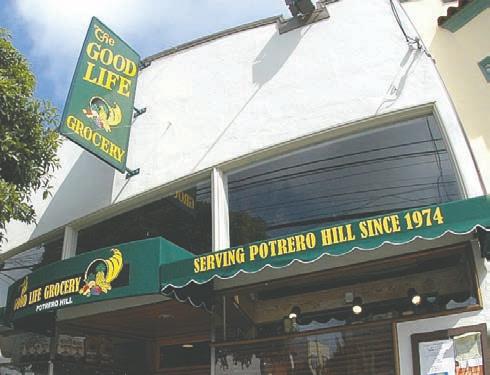
Kayren Hudiburgh, co-owner of
The Good Life Grocery at 1524 20th Street, testified at a City Hall hearing that SFMTA needs to consider public safety on the block. “Customers and neighbors have been coming to The Good Life Grocery concerned about this new bus route that runs up and down 20th Street and takes away nine parking spaces. Traffic congestion is already a problem on 20th Street,” Hudiburgh said. “The Good Life Grocery receives between 30 and 40 deliveries each day, essentially making 20th Street a one-lane street. We are a grocery store; we must have deliveries.
The trucks have nowhere to park, so of course, they double-park. Mediumsized trucks are coming and going all morning, along with parents who are dropping children off at either Daniel Webster or Little Lync, and they are double-parked too. We certainly appreciate that we may get even more customers from Dogpatch to come via Muni to our little store and make no mistake, we do need the business. But taking parking spaces away hurts our business, and we ask that SFMTA not make it even harder to run a small business in San Francisco. Let’s work on parking management, not parking elimination.”
SFMTA held an open house in July at Recology’s Seventh Street facility to garner public feedback on a leg of the Seventh Street Safety Project in which protected green bike-only lanes would be added to both sides of Seventh between 16th and Townsend streets. It’s one of 15 “quick build” projects SFMTA approved last spring, at the direction of Mayor London Breed, to make transportation safety improvements by the end of the year.
Changes could include recon -
figuring the street to provide two consistent northbound vehicle travel lanes between Townsend and Irwin streets – one southbound lane would be maintained – high visibility pedestrian crosswalks, signal timing modifications, and on-street parking removal on the west side of Seventh between Townsend and 16th streets. The parking elimination on the east side of Seventh along this stretch, approved by SFMTA in 2017, hasn’t yet been implemented because of construction in the area. A protected bike lane is proposed for the stretch of Seventh Street between Townsend and Folsom streets in a subsequent phase.
Other quick build projects include Townsend Street from Third to Eighth streets; Brannan Street from the Embarcadero to Ninth Street; Howard Street from the Embarcadero to Third Street, and to Sixth Street; Fifth Street from Market to Townsend Streets; Sixth Street from Market to Folsom Street; Terry Francois Boulevard from Mariposa Street to Mission Bay Boulevard; and Indiana Street from 24th to Cesar Chavez Street. Some quick build projects will contain pedestrian safety elements; others focus on bicyclists. The effort was prompted by a bicyclist and series of pedestrian fatalities on City streets this year that’ve marred Vision Zero SF’s goal of getting to no traffic deaths by 2024.
Green bike-only lanes, some protected, others not, are favored by bicycle advocates, but less popular with motorists. Protected bike lanes are separated from vehicle traffic with physical barriers, such as flexible posts or concrete walls. Since a lane was installed on Folsom Street last year bicycle counts have increased by more
20 percent during peak hours without a decline in bike traffic from nearby Market Street.
SFMTA’s Mobility Trends Report indicates a decline in bicycling commuting since 2015, though biking appears to be becoming more popular as a first/last-mile trip to transit. The Chase Center will offer 300 free onsite bicycle valet parking spots for eventgoers, operated by the San Francisco Bicycle Coalition. “We do not want the valet spaces to capture bike-share bikes because we want these spaces available for the public’s use,” Johnston said. Bikeshare stations are available within a block of Chase Center, he added. ”We are working with SFMTA, the Port, and the San Francisco Bicycle Coalition to locate additional bicycle share stations in the vicinity of the arena.”
The Mission Bay Shuttle is operated by Mission Bay Transportation Management Association (TMA), a nonprofit organization committed to maximizing mobility and reducing single-occupancy vehicle trips. The white buses have connected commuters within Mission Bay, and to and from Market Street BART stations, since 2010.
TMA started with two buses serving a single route, altering and expanding routes as new roads and buildings have opened in the area, and construction sites, streetscape and other infrastructure projects have slowed surface transit through South-of-Market to a tortoise-paced crawl during Bay Bridge traffic peaks. It now has four routes: East, West, Transbay, and California College of Arts.
“We’re part of the Shuttle Permit Program. As such, SFMTA approves
TRANSPORTATION continues on page 10

9 THE POTRERO VIEW AUGUST 2019
CLASSIFIED ADS
Legal Notices
The View now accepts legal notices. Please contact: production@potreroview.net; 415.643.9578.
Housekeeping
Cleaning professional since 1986. Offices, apartments, homes, and buildings. Roger Miller 415.794.4411 References given with bid.
Writer's Companion
View editor available to work with writers at all levels. Groups also available. $50/hour. Editor@ potreroview.net; 415.643.9578.
Got something you need to sell?
Have a service you provide?
Advertise in our Classified Section. Cost: Each classified ad is $25 for up to 200 characters, including spaces. Find more information at www.potreroview.net/advertise
HOMELESS from page 5
who run the food pantries can also refer participants to other services like CalFresh and home-delivered groceries. Anyone who is in search for a community pantry can use the Food Locator tool on our website at https://www.sfmfoodbank.org/ find-food to locate a pantry in their neighborhood.”
According to Chavez, all types of assistance – food, clothing, and social services – play a part in preventing youth and family homelessness. “Families do everything they can not to be visible. Parents do not want to lose their children. Everything we do to help makes a huge difference,” said Chavez.
Chavez said HPP and other nonprofits share the goal of preventing consecutive generations from becoming homeless. “Later in life, children of homeless parents often run a higher risk of becoming homeless themselves. Our mission is to break the cycle of childhood poverty,” said Chavez.
Hatter added that the City’s struggle to feed and house youth and fami-
Muir Beach Vacation Home
Walking distance to the beach, with the crashing waves visible and audible from the place. Three bedrooms, two baths, with a lovely deck. Minimum two nights: $350, plus cleaning fee. Editor@potreroview.net; 415.643.9578.
Muir Beach Vacation Studio
Walking distance to the beach, with the crashing waves visible and audible from the place. Includes kitchenette and lovely patio. $175 plus cleaning fee, two-day minimum. Editor@ potreroview.net; 415.643.9578.
Freelance Writers Wanted
Modest pay, interesting assignments. Contact: editor@potreroview.net
lies, particularly in low-income neighborhoods, suggests that San Francisco needs to decide on its priorities. “We need to determine whether we want a rich metropolis or a community of families,” said Hatter.
TRANSPORTATION from page 9
our stops, our GPS reports to them, and we must meet other criteria that recognizes a ‘Muni first’ policy,” Silvani said. “We work with SFMTA in routing and stop locations.”
Weekday service only is provided, from 6:30 a.m. to 10 a.m., resuming mid-afternoon through about 8 p.m. Passengers don’t pay to board the shuttle. Funding is provided by Mission Bay market rate residential and commercial property owners. TMA participation is required by Mission Bay’s original development agreement.
Silvani seeks input from shuttle riders prior to making changes, sending online surveys to community groups and homeowner associations.
“We incorporate customer input from

NEIGHBORHOOD BUSINESSES
NEW
AD FORMAT FROM THE VIEW !
Let your neighbors know what you have to offer!
PREPAY: 2” x 2” 2” x 4”
6 months $345. $690. 12 months $555. $1,110.
ongoing communications, surveys, outreach meetings and focus groups when making changes,” she said.
Only 11 percent of the largely biotechnology employees and 20 percent of residents of buildings and companies within Mission Bay were interested in a connection between Mission Bay and Potrero Hill, according to TMA’s 2018 survey. However, to provide another commuter option to private cars, “We’ll have a new stop at the Chase Center and in 2020, a new South route will serve this quadrant of Mission Bay. We’re also working with the Warriors to provide service for some events above and beyond normal service, under separate agreement,” Silvani said. “I am optimistic that traffic will be well-managed because the Warriors have made significant commitments to work with the community and transportation resources.”
“We want to be the best neighbors we can, and do everything to make it a positive experience,” Johnson said. He noted that in 2011, Salesforce purchased the site before deciding to

Green Benefit District
Please contact: 415.643.9578 marketing @ potreroview.net production @ potreroview.net

develop its South-of-Market tower, selling the parcel to the Warriors in 2014. Had Salesforce stuck to its plan, “You would have had a large office campus with people working there by day, coming in and out,” he said. “Mission Bay has been filling in since 1998. Keeping traffic circulating is absolutely a challenge. The Warriors are trying to be a solution, contributing to Muni and funding PCOs to prioritize circulation and keep things moving. One of the beauties of having a big event venue in an urban setting, in a residential neighborhood, is the last mile is so convenient, compared to the old Oracle Arena or Candlestick Park that were surrounded by vast parking fields, but isolated from where people lived and worked, and from transit. This is close enough to Downtown that people coming from work will be able to combine walking, bicycling, and public transit to evening games. There are going to be so many options in the mix that it will be more attractive than an isolated arena out by the airport.”

The GBD is organizing neighbors in a biodiversity/natural habitat effort to survey, improve and expand bird and pollinator habitat in the district. To find out more or to get involved, contact us at Info@GreenBenefit.org
Members of the public are invited to attend the GBD Board meetings on the 3rd Wednesday of each month at 6:30 p.m. at 654 Minnesota St, 3rd Fl. Check GreenBenefit.org for agendas and more information.
First Saturdays in Dogpatch: A neighborhood-wide event held monthly, rain or shine
• Explore neighborhood shops 11 a.m. to 7 p.m.
• Enjoy great food and drink 11 a.m. to 11 p.m.
• Discover maker market at Center Hardware and 1234 Indiana Street, 11 a.m. to 4 p.m.
• Be inspired at gallery openings at Minnesota Street Project, 6 to 8 p.m.
• See all the details at LoveDogpatch.com
Bay Area makers, small businesses and food trucks: Pop-up in Dogpatch the first Saturday of every month. Find out more at https://bit.ly/2Lo5ekM
Potrero Boosters Neighborhood Association
Be in the know. Meet your neighbors. Make the Potrero a better place. Monthly meeting: last Tuesday of the month, 7 p.m. at the Potrero Hill Neighborhood House. 953 De Haro @ Southern Heights.
10 THE POTRERO VIEW AUGUST 2019
For a $200 annual fee your organization can be listed in Getting Involved. Contact production@potreroview.net




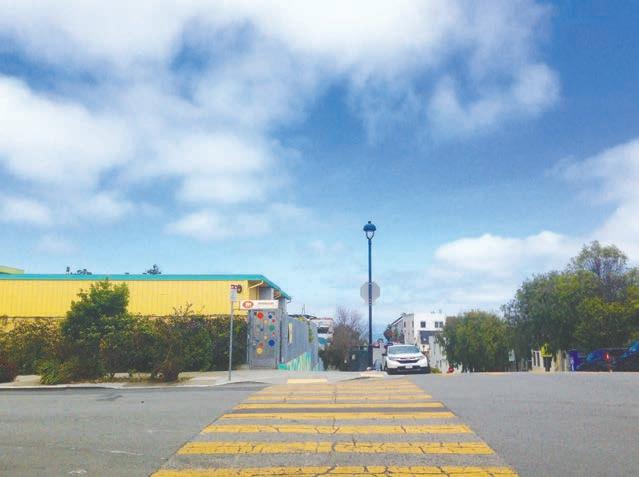
Kansas Street resident Blaise Banks, 10 years-old and a rising fifth grader at Brightworks School, took this photograph of his dog, Geddy, at McKinley Square. He thinks the image “...is cool because it looks like Sutro Tower is coming out of my dog’s head, and also because I caught the fog rolling in.”









































11 THE POTRERO VIEW AUGUST 2019 CONTEST PHOTO CONTEST! Kids 12 years and younger can submit a photo once a month, before the 20th, with the winning image receiving $35. Teenagers 13 to 17 years old are eligible for a $50 prize. Please send submissions to editor@potreroview.net
Vermont Street resident, West Raade, seven, snapped this photograph of himself posing in his dance costume using a timer. He’s entering second grade at Sunnyside Elementary this month.
Bruno Passaro, a 13 year-old Texas Street resident, captured this “... picture of PKDW, which is where I went to preschool. I like this photograph because the school is a big part of our community.”
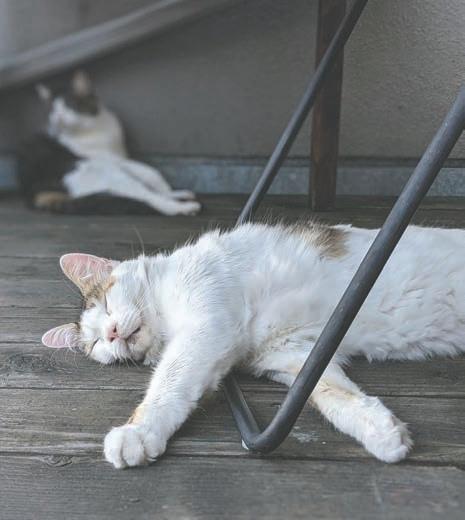
Avery Fringer, 13, lives on Missouri Street. She captured this image of two of her three cats: Bacon (front) is enjoying summer weather on the front balcony; Egg (back) loves to watch birds fly by.
Tabulator:3 2018-05-08Tuesday04:43P OFFICIA BALLOTGeneral States /sfelections (415) 554-4375 sfelections.org DEPARTMENTOFELECTIONS More rankings in ranked-choice voting contests More intuitive ballot marking Ballot-Marking Devices with improved accessible features Ballot-Scanning Machines that enhance election transparency The system features: in the November 5, 2019 election! System San Francisco, Meet Your New Voting








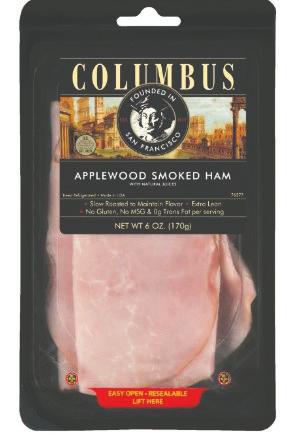

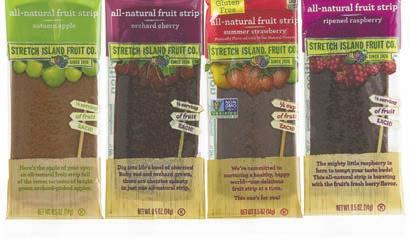






12 THE POTRERO VIEW AUGUST 2019 Sale Prices effective August 1-18, 2019 Super Friday Discount Save 15% On The Last Friday Of The Month *Valid 7/30/19 *Potrero Location Only *Can Not Be Combined With Other Offers *Excludes All Sales Items Humphry’s Slocombe Ice Cream 16 oz -reg 8.29 $7.99 The Hummus Guy Hummus oz -reg 4.69 $3.79 Chobani Yogurt 5.3 oz -reg 1.89 2/$3 Stretch Island Fruit Leather .5-.7 oz -reg .65 2/$1 Kettle Brand Potato Chips 1.5 oz -reg 1.29 99¢ Columbus Ham & Turkey oz -reg 5.99 $4.99 Oroweat 100% Whole Wheat 24 oz -reg 5.29 $3.29 Honest Tea 16 oz -reg 1.99 2/$3 Annie’s Homemade Mac & Cheese oz -reg 2.79 2/$5 Califia Farms Almond Milk 48 oz -reg 4.79 $3.99 Open Every Day! 8 AM to 8:30 PM - 1524 Twentieth Street - Potrero Hill - San Francisco - 415-282-9204 ©2019
