


Four and a half years ago, Pierce County Council passed Sustainability 2030: the County’s Greenhouse Gas Reduction Plan, committing Pierce County to achieving a 45% reduction in both communitywide and internal operational greenhouse gas (GHG) emissions. We’ve reached the midpoint to 2030 and 2025 has been a pivotal year for the Sustainability 2030 Plan.
2025 marked a year of building partnerships, growing community connections, and engaging our County in climate action. In addition to moving Sustainability 2030 Plan actions forward, staff engaged with community members and partners to complete the biennial Plan update, refreshing actions and confirming community priorities.
This year also brought strategic internal growth with departmental reorganization and fresh direction from our new Executive. Early this year, the former Sustainable Resources division was split into the Office of Resilience and Climate Action (ORCA) and Solid Waste divisions. ORCA gained a new team focused on conserving farms, forests, and fish which will help Pierce County collaborate across departments on our land conservation goals. New staff positions and department realignment will help us accelerate community priority actions in the new year.
As of September 2025, 24 Plan actions have been completed. 34 of the remaining actions are in-progress and 5 are not yet started.
Many of these actions will be carried forward into 2026-2027 while others have been removed because they are no longer relevant or feasible in the short-term. For more information about the proposed 2025 Update that will guide 2026-2027 work, visit PierceCountyWa.gov/Sustainability2030Update.





This icon indicates community priority actions, identified through engagement events and interviews with community partners during the 2023 Plan Update process. Equity assessments for the 14 original Community Priority Actions are complete; summaries can be found in Appendix A

Several Pierce County Sustainability 2030 projects this year were supported with funding from Washington’s Climate Commitment Act. CCA supports Washington’s climate action efforts by putting cap-and-invest dollars to work reducing climate pollution, creating jobs, and improving public health. Information about the CCA is available at climate.wa.gov. Look for the icon for CCA-funded projects.


4520 attendees at community education classes and events
59 energy efficient heat-pumps installed in low-income homes with HEAR funding
18 PPW fleet EV chargers installed with WAEVCP grant
Over $13.3M in approved CPACER project financing
26 partner organizations contributed to the new Pierce County Land Conservation Plan
Over $13.3M in approved C-PACER project financing
26 partner organizations contributed to the new Pierce County Land Conservation Plan
26 partner organizations contributed to the new Pierce County Land Conservation Plan
45 partner organizations involved in the 2025 Update to the Sustainability 2030 Plan
33 County buildings assessed for solar feasibility
45 partner organizations involved in the 2025 Update to the Sustainability 2030 Plan
45 partner organizations involved in the 2025 Update to the Sustainability 2030 Plan
7036 of acres land conserved through Conservation Futures v
45 partner organizations involved in the Sustainability 2030 Plan 2025 Update
33 County buildings assessed for solar feasibility
33 County buildings assessed for solar feasibility
33 County buildings assessed for solar feasibility
7036 of acres land conserved through Conservation Futures v
7036 of acres land conserved through Conservation Futures v
33 County buildings assessed for solar feasibility
7036 of acres land conserved through Conservation Futures v
7036 of acres land conserved through Conservation Futures v
138 acres purchased through Conservation Futures for a total of 7,036 acres conserved

Encourage decarbonization of existing buildings, increase renewable and distributed energy resources and promote carbon-neutral construction of new buildings.
Energize will provide heat pumps and other weatherization and efficiency upgrades across King, Kitsap, Pierce, and Snohomish counties. Funded through a U.S. Environmental Protection Agency Climate Pollution Reduction Grant, it offers free technical assistance services, equipment, and installations to owners and operators of Adult Family Homes, Family Home Child Cares, Multifamily Homes, and Community Spaces. Running through September 2029, Energize creates healthier indoor spaces, increases access to green jobs, and reduces greenhouse gas emissions.
Pierce County was selected as a host for the Washington Department of Commerce’s Building Efficiency and Clean Operations Network (BEACON) Fellowship Project! BEACON Fellows help owners/operators of large commercial and multifamily buildings achieve energy savings and compliance with state Clean Buildings Performance Standards. Pierce County’s Fellow, Paige, is serving our community June 2025 to March 2026. So far, she’s built a resource website for building owners/operators and continues to provide customized assistance through meetings and site visits. Thank you, Paige!
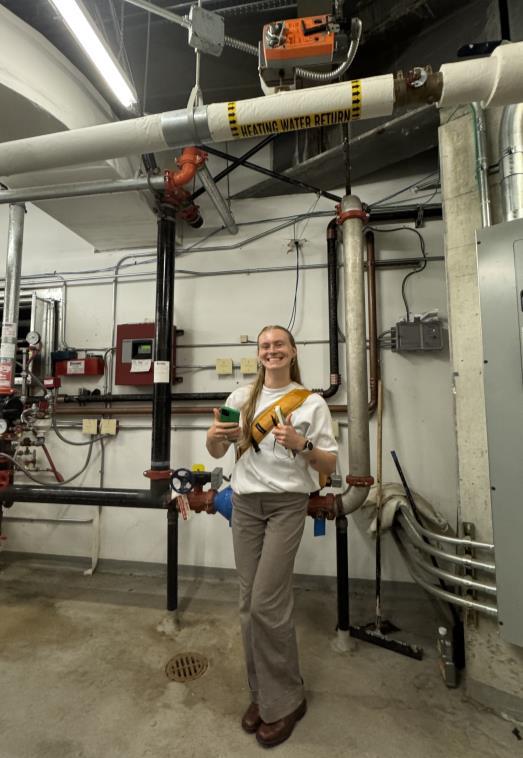

Pierce County’s Commercial Property Assessed Clean Energy + Resiliency (C-PACER) program closed nearly $13.3 million in improvements in 2025, enabling a 33.5% reduction in energy use and a 24.4% reduction in water use. That translates to 172,000 kWh of electricity and 1.4 million gallons of fresh water saved per year. Most importantly, greenhouse gas emissions will be reduced by 151 metric tons per year for the next 30 years!
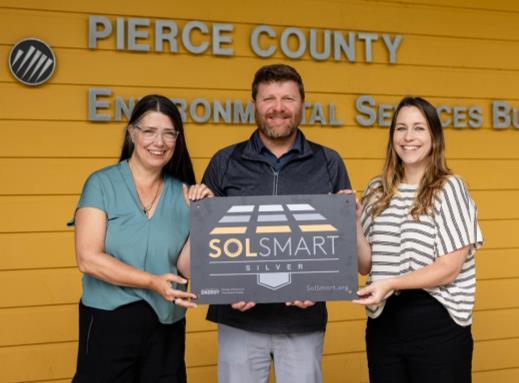
Last spring, Pierce County received a Silver designation from the national SolSmart program thanks to the efforts of the Planning & Public Works Department's Development Services and Long Range Planning teams. By eliminating barriers to the installation of renewable energy projects, the County is helping shift energy generation to clean, local sources - saving money, reducing pollution, and increasing community resilience! In 2026 and beyond the ORCA team will continue exploring opportunities to make it faster, easier, and more affordable for local residents, businesses, and nonprofit organizations to install solar in our community.
In 2025, Pierce County’s Human Services Community Actions Programs Division leveraged funds from the State Home Electrification and Appliance Rebates (HEAR) Program to install highly efficient electric heat pumps in 18 low-income homes. The ORCA team also supported local utility programs funded by HEAR: Tacoma Public Utilities installed heat pumps in 23 low-income homes, and Puget Sound Energy supported the conversion of inefficient home heating systems to heat pumps by providing $5,000 rebates to 18 moderate income households. HEAR funding will continue through June 2026.

“Thank you for making my life right! I won’t have to worry about wood and heat this winter. I can stay here until I am 100.”

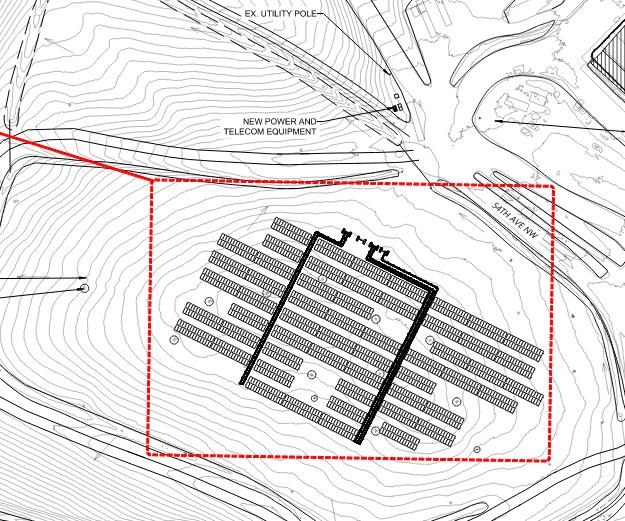
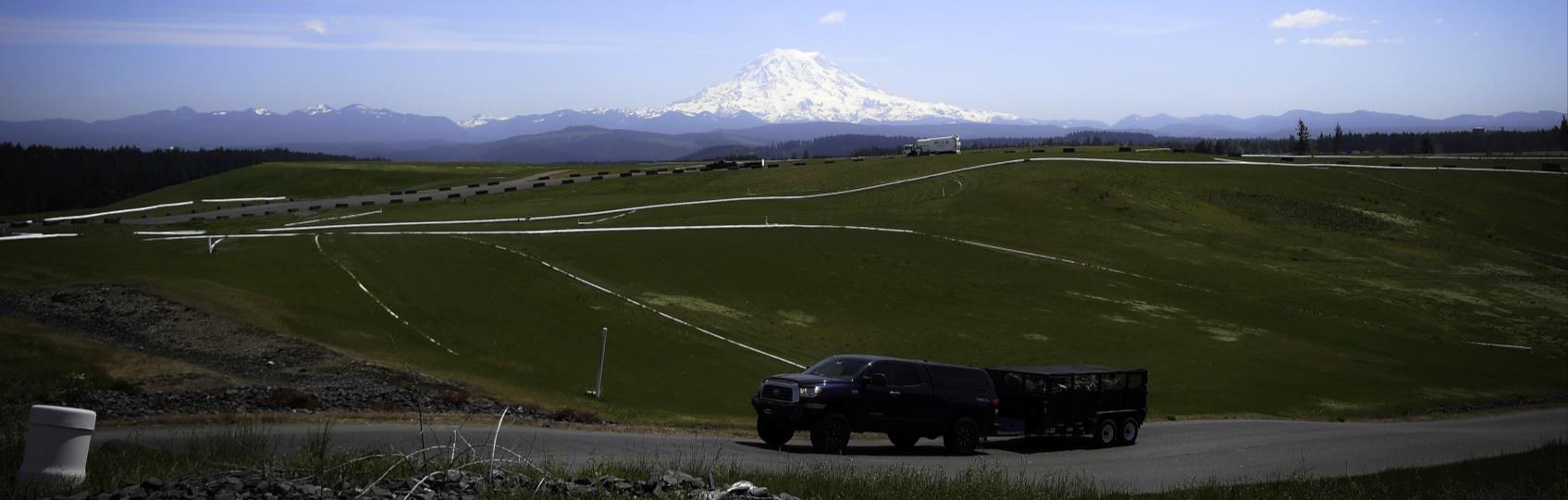
In June, the Planning & Public Works Solid Waste Division selected a contractor for the solar innovation project planned at the closed Purdy Landfill site. Spanning an area the size of two football fields, this nearly one-megawatt solar array will generate clean energy while supporting energy assistance and efficiency projects benefitting low-income residents on Key Peninsula. The array is expected to generate more than 1,000,000 kWh/Year of clean energy enough to power approximately 100 homes or to drive an electric car around the planet 120 times!
Reduce vehicle miles traveled, shift travel to public transit and decarbonize powered transportation.
The new Transportation Element of Pierce County’s Comprehensive Plan, adopted in February, includes a detailed analysis of Pierce County’s existing active transportation resources. The Transportation Element (Chapter 12) identifies gaps, priority projects, and maps necessary to build a more equitable and accessible walking and biking network, connecting urban unincorporated areas to cities and trails.
In 2024, 27.24 miles of sidewalk were built, up from 19.85 miles over the previous two years.
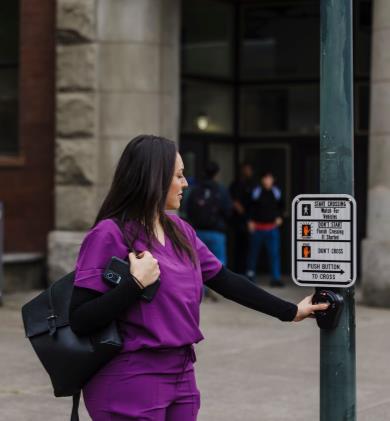
ORCA’s Environmental Education team promoted active and safe transportation by encouraging Eco Camp families to use bus routes and sharing active transport options at a middle school back-to-school night in Parkland. They also guided Washington High School students in identifying unsafe walking routes and creating a video on commuting risks, mentoring the next generation of sustainable transportation advocates and planners!
In April, Pierce County adopted the Vision Zero Action Plan. Based on the celebrated global framework, Vision Zero sets a goal of zero traffic fatalities or serious injuries on roadways by 2035. Vision Zero’s proven strategies improve traffic safety for all road users, including drivers, pedestrians, bicyclists, and transit riders. Safe, accessible sidewalks, bike lanes, and bus stops allow residents to make alternative transportation choices whenever possible, reducing vehicle miles traveled and therefore reducing air pollution from gas engines.

This year, Pierce County took multiple steps toward making electric vehicle charging more available. ORCA staff participated in a technical assistance cohort to identify ways of improving our community’s electric vehicle (EV) readiness. Charging Smart helps local governments become leaders in EV deployment, potentially earning national recognition as EV-friendly communities. In June, a county code update set guidelines for EV charging in infrastructure at new developments, to ensure residents have access to EV chargers when and where they need them.

ORCA staff have been working to understand and seek solutions for transportation access issues affecting residents of rural Key Peninsula, a Tacoma-Pierce County Health Department Community of Focus. After years of sharing ideas and potential opportunities with community-based partners, the ORCA team was excited to support the Key Peninsula Partnership in their successful grant application to implement a unique carshare program through the Washington State Department of Transportation’s Zero-emissions Access Program (ZAP). The group was awarded nearly $200,000 to purchase an electric vehicle, install charging infrastructure, and design, launch, and operate a membership-based carshare program that will also utilize volunteer drivers to help rural residents access essential resources such as food, healthcare, education, and employment opportunities.

Protect, connect, and restore ecosystems; promote sustainable land and water management; expand urban green spaces; and integrate human and environmental well-being.
In 2024, Pierce County convened a committee of land conservation practitioners and experts to develop a toolkit for both the County and partners to coordinate conservation efforts. The resulting Land Conservation Plan was adopted by County Council in June 2025. And in November, the cross-departmental team that contributed to developing the Land Conservation Plan is receiving a Standing Ovation Award to recognize their outstanding work advancing the County’s Strategic Goals! The Case for Conserving Land in Pierce County StoryMap offers a comprehensive look at the importance of this work to and for our community.

The Conservation Futures Program webpage now includes an interactive map of funded projects and will host submitted applications starting this year. These updates are part of a wider initiative following the realignment of open space and conservation incentive programs.

In May, The Alliance for Sustainable Climate Action (ASCA), a network of elected officials across Pierce County aiming to increase collaboration and regional alignment on climate action, held their first deep dive workshop on urban forestry planning, best practices, and hurdles. Pierce County staff provide meeting organizing and facilitation to this group and will continue to organize additional workshops. The next workshop, being planned for early next year will explore wildfire and smoke preparedness.

In 2025, Pierce County Parks and Planning and Public Works worked with Tacoma Tree Foundation, City of Tacoma, and Tacoma Power to help residents plant more trees than ever before!
As of October 2025, 1224 free trees were directly distributed and 1,372 trees were purchased by residents through the tree coupon program. Another 325 trees are expected to be distributed at up-coming tree giveaway events through the end of the year.
With our new Urban Forestry and Green Stormwater Infrastructure Planner just hired, we are gearing up for urban forest management planning and more tree plantings in 2026.
Pierce County and WA Department of Natural Resources are partnering to complete the first comprehensive assessment of eelgrass habitat in the Gig Harbor & Key Peninsula watershed marine areas since 2003. By the end of October 2025, half the project area, 90 of 180 total sites will be mapped. This project will continue in 2026. In more than 90% of the project area, eelgrass habitat has not been previously monitored. We are looking forward to having this new data set for shoreline management planning!
Pierce County received the Excellence in County Planning award for the 2024 Comprehensive Plan periodic update from Futurewise, a statewide organization that encourages healthy, equitable, opportunity-rich communities that protect valuable resources through wise land use policies and practices.
The adopted plan prioritizes creating safe and prosperous communities, while addressing climate hazards through policies that conserve natural lands, increase urban tree canopy, expand multimodal and active transportation infrastructure, and reduce greenhouse gas emissions.


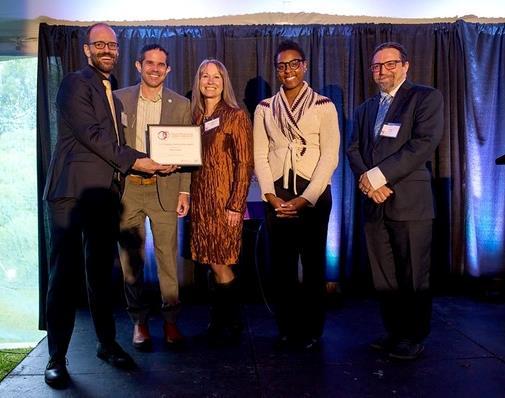
County elected officials and staff accept the Excellence in County Planning Award from Futurewise.


Reduce waste generation, support waste diversion and decarbonize waste operations.
Pierce County partnered with the City of Tacoma and the Tacoma-Pierce County Health Department to develop countywide guidance and signage on how schools can set up School Food Share tables to help divert food waste. During the 2024–2025 school year, Pierce County Solid Waste developed an instructional guide for schools about how organics management laws affect them and how to start food waste collection service. The county can now provide schools (outside the City of Tacoma) with internal collection bins and posters for a cafeteria waste station and kitchen waste. At the beginning of the 2025–2026 school year, Pierce County Solid Waste coordinated the delivery of these materials to a private high school in Pierce County, one of the first schools we know of to start a food waste collection program.
Washington State recently passed the Recycling Reform Act (RRA) which will require companies that make paper and packaging items to help cover the cost of recycling them. Recycling rules will be changing and by 2030 Washington will have one standardized recycling list. Pierce County will work with our solid waste system partners to support the legislation and ensure compliance with this new state law.

Strengthen youth, community, and employee engagement in meaningful climate action.
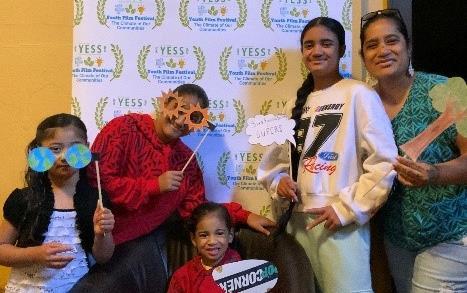
Planned by young people passionate about making change, the second annual YESS Youth Film Festival was held on June 1 at The Grand Cinema in Tacoma. This year, we had 7 submissions, which are available to view on the YESS website.
In partnership with EarthGen, the inaugural Youth Climate Summit was held on April 24, 2025. Middle and high school students and their teachers learned about climate change and how to inspire action in their communities.
More opportunities for youth are in development and coming next year: green career exploration, community climate action for college students, and a leadership camp for high school students.
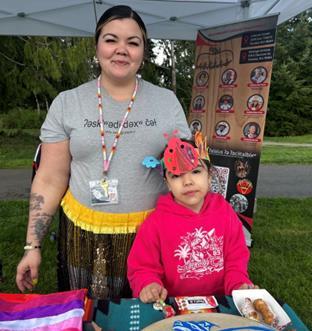
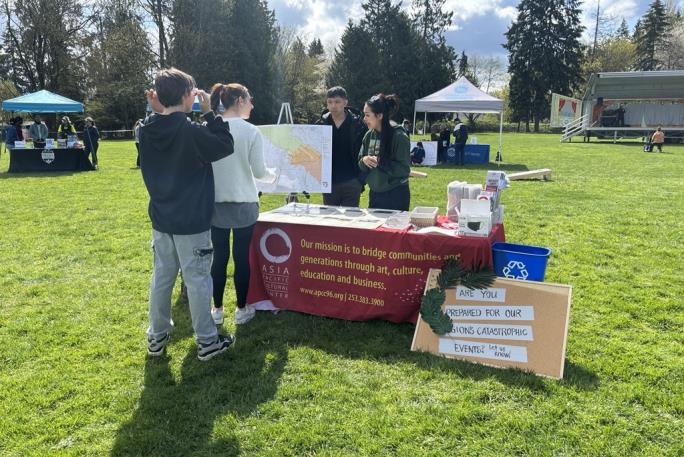
The ORCA team partnered with the Parks department for a second year in a row to host an Earth Day Celebration at Meridian Habitat Park.
The event featured stage performances and 24 participating organizations including the Puyallup Tribe Culture Department, Asia Pacific Cultural Center, Bates Technical College, Clover Park Technical College, Tacoma Public Utilities, and many more.
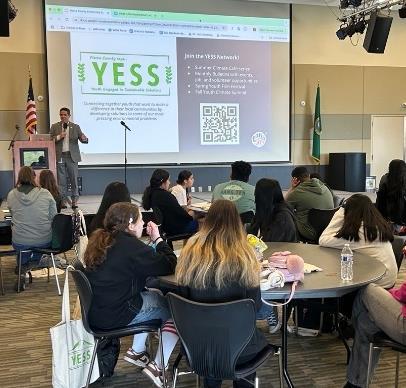


Highlights of Pierce County’s robust Environmental Education (EE) programs for both youth and adults included: Climate Cafés for teens at 12 libraries, Earth Matters classes for adults, professional development for 156 teachers, and lessons for over 450 students on food systems, greenhouse gas emissions, and local climate impacts. These thoughtfully designed classes combine education and hands-on action to spark inspiration and empowerment for participants.
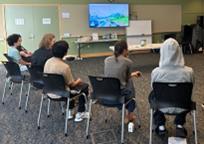

The EE team offered two new professional development workshops for Pierce County teachers during the summer of 2025. The Outdoor Learning workshop introduced teachers to our web-based Outdoor Learning Tool and helped them to design outdoor learning curricula for their students. Teachers also attended the Education for Sustainable Development workshop, where they designed student-led sustainability projects to implement during the 25/26 academic year.


Promote collaboration, invest in community leaders, support local partners and businesses, and strengthen tribal partnerships.
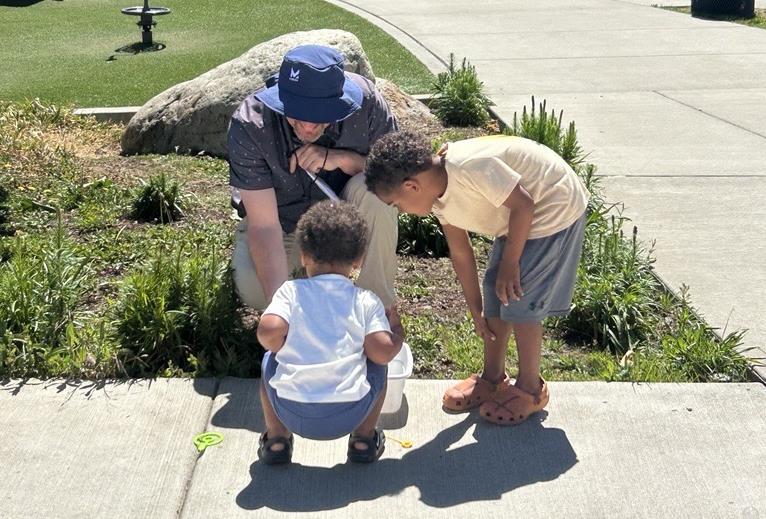
Many ongoing programs have incorporated more intentional opportunities for community members to connect with nature. The Earth Matters series has hosted nature walks, and the YESS program developed a naturethemed Climate Café held at the Red Barn Youth Center in Key Peninsula.
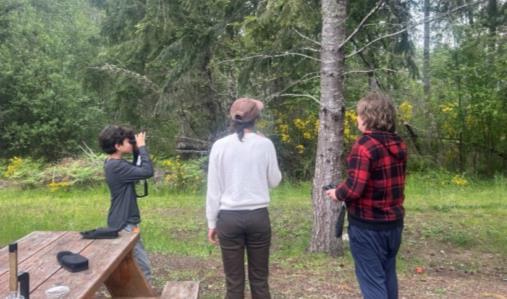

Pierce County’s Department of Emergency Management completed an update to the Hazard Mitigation Plan this year, integrating preparation for climate change impacts With these changes in places, aligning with state requirements, the plan has been submitted to FEMA for review.
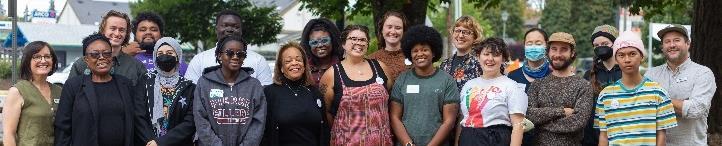
The 2025 Tacoma-Pierce County Climate Leadership program kicked off in September, marking Pierce County’s second year of participation. Participants learned about local climate impacts, emissions sources, civic engagement strategies, and solutions through a social justice lens. Half of this year’s participants are Pierce County residents living outside the City of Tacoma.
Reduce County operational GHG emissions 45% by 2030 based on 2015 baseline.
Pierce County greenhouse gas (GHG) emissions from the Equipment Services Section (ESS) and Finance Fleets* were down 21.44% from a 2015 baseline at the end of 2024. This represents important progress toward reducing emissions 45% by 2030.
* Fleet emissions come from gasoline and diesel consumed by internal combustion engine vehicles and equipment, but do not include emissions associated with electricity used to power electric vehicles.
Pierce County emissions from ferry operations have generally trended upward, showing a 21.16% increase since 2015.
Municipal Buildings GHG Emissions (MTCO2e) 6.77% Reduction from 2015
One sector that has already met our 2030 target is emissions associated with Pierce County employees commuting to work.
The County has reduced emissions by allowing remote, hybrid, and alternative work schedules for staff whenever feasible. Annual avoided emissions are equivalent to, at least:
• 800 gasoline-powered passenger vehicles driven for one year
• 9,000,000 miles driven by an average gasoline-powered passenger vehicle
• 47 tanker trucks’ worth of gasoline
Pierce County operational greenhouse gas emissions from buildings* also showed an increase over 2023, and although reductions have been made, this sector will require significant effort to meet the 45% reduction goal by 2030.
*Sources of operational buildings emissions include natural gas, electricity, diesel, and small quantities of propane.
Employee Commute Trip GHG Emissions (MTCO2e) 49.88% Reduction from 2015
The Sustainability 2030 Plan and many departments, divisions, and individuals across Pierce County deserve recognition and credit for accomplishing significant emissions reductions while providing services to a growing number of County residents – our population has increased by more than 11% over the last decade! Even though emissions from fleet and buildings have a long way to go, they’re moving in the right direction. And it’s important to note, our goal is to reduce emissions 45% across all county operations, not sector by sector. This means our emissions reductions from employee commute trips can help offset slower progress on sectors more difficult and expensive to decarbonize, like ferry operations.
The Pierce County Solar Feasibility Study, funded by a grant from the Department of Commerce, evaluated 33 County-owned facilities to identify the top five sites for rooftop solar installations based on technical, financial, and environmental criteria. The results will help the County plan, budget, and apply for grants for future solar energy projects. Future solar installations will help offset electricity costs related to electrifying building HVAC equipment.
Energy audits, funded by grants from the Department of Commerce, were completed at 4 buildings (Annex West, 1501 Market, Remann Hall, Tacoma-Pierce County Health Department) required to comply with the WA Clean Buildings Performance Standard. Included in the energy audits are recommendations for replacing natural gas equipment with electric. The results are helping the County plan and budget for future energy efficiency and electrification projects.
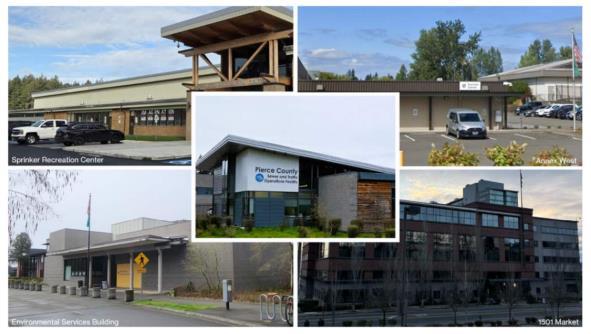
Planning & Public Works Equipment Services team is now using Renewable-99 diesel fuel (R99) at three maintenance facilities from March to November. The fuel is used in 137 pieces of equipment and 105 vehicles! This sustainable alternative burns cleaner than both conventional diesel and biodiesel, improves fuel mileage, and lowers maintenance needs, like fuel filter changes. R99 is made from renewable materials such as used cooking oil and rendered animal fats, as well as domestically produced plants and plant matter. Using R99 instead of regular diesel reduces greenhouse gas emissions by 60–80%, depending on the materials used. Switching to R99 in 2025 will reduce operational emissions by more than 1,000 metric tons: the equivalent of taking more than 200 passenger vehicles off the road for one full year!
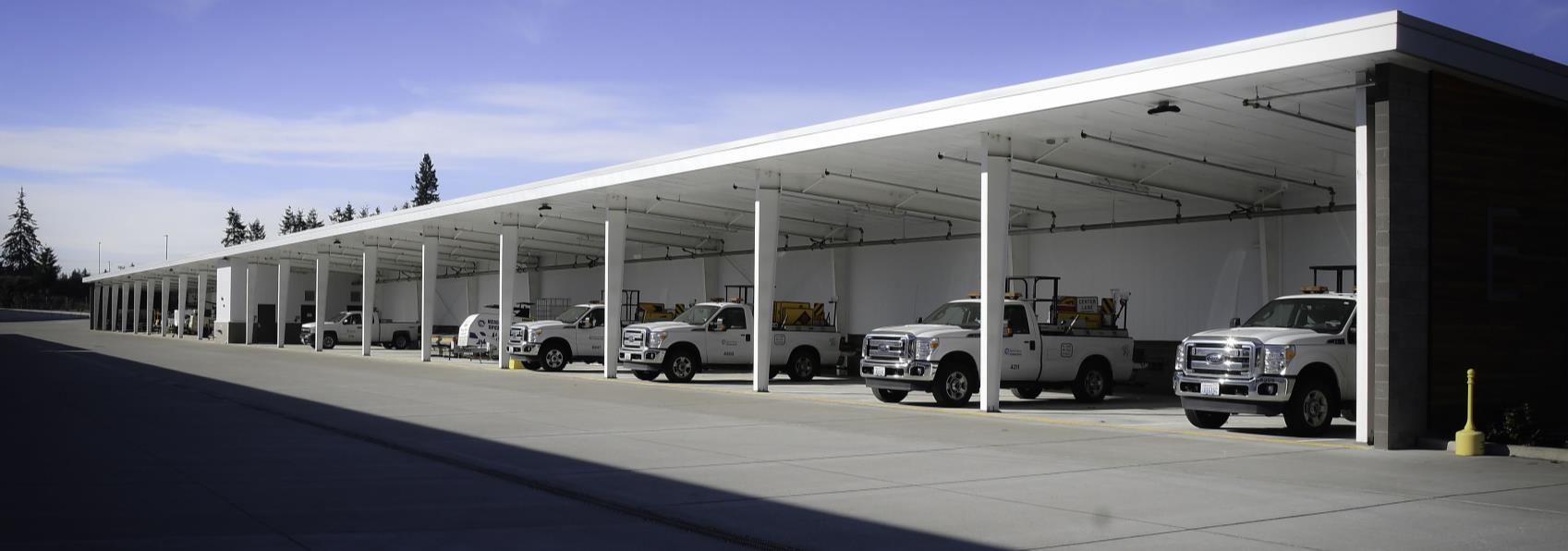
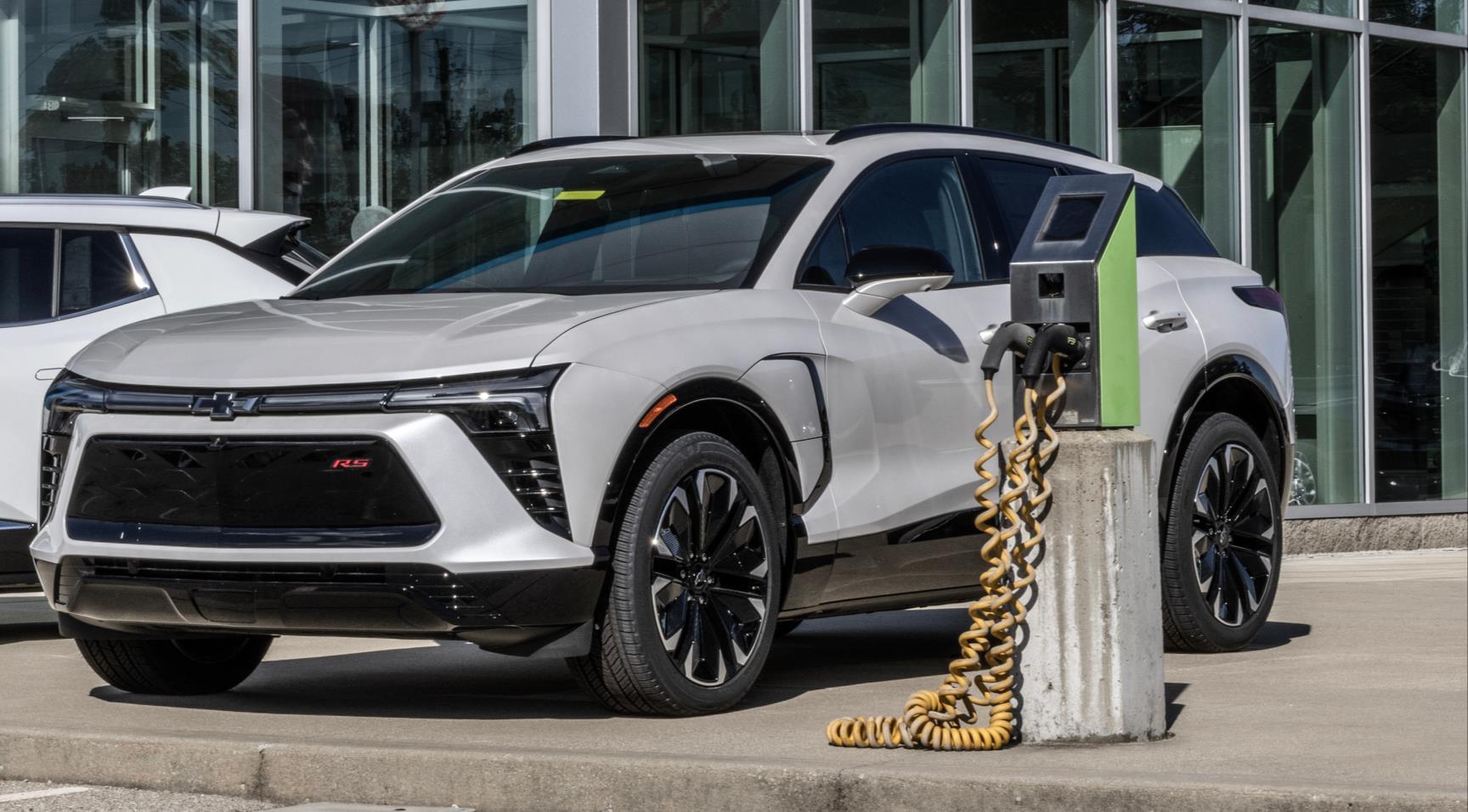
Planning & Public Works (PPW) placed nine electric vehicle charging stations at two maintenance facilities and one County building in April, thanks to a grant from the Washington Electric Vehicle Charging Program. Each station has two ports, allowing 18 fleet and employee vehicles to be charged at the same time. PPW is strategically planning for future charging station needs to make sure infrastructure is in place as we transition to electric alternatives per the County’s Electric First Policy.
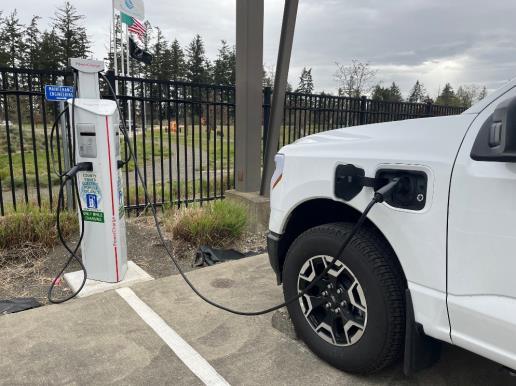

A County workgroup focused on Electric Vehicle Supply Equipment (EVSE) was convened in 2025 and meets quarterly. Staff from various department including Facilities, Finance, PPW, and Parks are problem solving and planning solutions for both fleet and public EV charging across Pierce County work sites and public facilities.
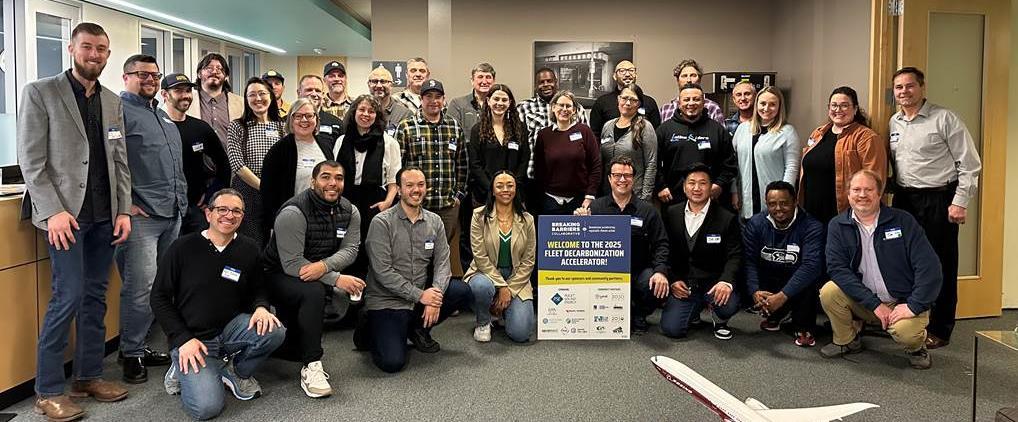
Facilities, Finance, Equipment Services, and Sustainability 2030 staff participated in a 12-week learning cohort to initiate an organization-wide fleet decarbonization plan. Many state and local government agencies as well as private businesses and even school bus fleets have taken part in the Breaking Barriers Fleet Electrification Accelerator; aside from tools and insights, Pierce County gained access to a network of peers with similar fleet electrification goals.
In 2026 and 2027, the Sustainability 2030 Plan will continue to focus on actions that meet community needs while reducing greenhouse gas emissions, like making homes more energy efficient and building out active transportation options. During the 2025 Plan Update process, engagement with Pierce County residents and community partners reaffirmed that Plan actions should continue to:
• Reduce home energy burden
• Provide opportunities for community involvement and education
• Address concerns about wildfire, smoke, extreme heat, and flooding
• Increase access to parks and recreation
• Improve transit access and active transportation infrastructure
• Help community-based organizations increase capacity and funding.
With more staff capacity and a new directive to incorporate climate resilience in our work, there will also be more emphasis on:
• Preparing for extreme events in a changing climate
• Conserving rural agricultural and forest lands
• Planting and protecting urban trees and green spaces
• Restoring salmon habitat
• Growing our green economy and green job pathways
• Expanding relationships with partners.
Pierce County's capacity to respond to climate change has increased dramatically in the past four years, as have opportunities for regional collaboration. ORCA is excited to embark on this next phase of the Sustainability 2030 Plan, integrating climate resilience and equity throughout County-wide implementation.
Community Dialogues, or conversations with community partners for the 2025 Plan update, were an effective strategy for integrating community needs and priorities in the Sustainability 2030 Plan. These conversations guided the development of new actions that directly address the challenges our communities are facing.


The equity assessment process identifies desired equity outcomes and the tangible next steps to work towards them. The ORCA team committed to completing equity assessments for all Community Priority Actions. A summary table can be found below. This preliminary analysis is not an exhaustive list and should be considered an iterative process that is revisited as progress is made. ORCA staff will continue working on equity assessments, prioritizing additional Community Priority Actions identified in the 2025 update to the Sustainability 2030 Plan.
An initial identification of key groups impacted by an issue and who should be prioritized in action development and implementation.
Significant and persistent disparities that are disproportionately experienced by differing groups. These gaps can be identified with tools such as the Pierce County Equity Index and Washington State Health Disparities map.
Suggestions relevant to the action that address the identified equity gaps and maximize equitable outcomes. A brief description of improved future conditions.
Community Solar: Prioritize opportunities for community solar projects that serve as demonstration projects (Purdy Landfill, Chambers Bay) and/or reduce energy burden in priority communities.
Residents with high energy burden (household energy costs relative to income); Residents living adjacent to/near any proposed community solar project, especially low- and moderate-income households, renters, and those experiencing environmental health disparities. For the Purdy Solar Project, the adjacent prioritized group is the Key Peninsula community.
Data shows that groups experiencing disproportionately high energy burdens include Black, Hispanic, Native American, and older adult households, as well as families residing in lowincome multifamily housing, manufactured housing, and older buildings.
Design the Purdy Solar Community Benefit Program, and other similar projects, so that priority groups benefit (reduced energy costs, increased energy independence, etc.) from the solar revenue. Work with Key Peninsula communitybased organizations like the Mustard Seed Project and the Red Barn Youth Center to understand resident needs & concerns, and to design solutions that will work for their unique circumstances
Frontline communities are prioritized for and involved in decisionmaking regarding clean energy investments.
Weatherization Assistance: Seek new funding and improve contracting processes to expand the capacity of Pierce County's weatherization program to serve more lowincome residents.
Residents with high energy burden (household energy costs relative to income)
English as a second language (ESL) or limited English proficiency (LEP) residents
Residents served by utilities lacking robust weatherization and/or efficient appliance incentive programs. Residents whose living spaces are heated and/or cooled with aging and inefficient appliances or systems.
Data shows that groups experiencing disproportionately high energy burdens include Black, Hispanic, Native American, and older adult households, as well as families residing in lowincome multifamily housing, manufactured housing, and older buildings. Housing units in historically underserved neighborhoods are often older/of poorer quality and require other actions before weatherization can proceed, which could incur more costs.
Weatherization improvements for rental housing units are subject to a split incentive problem where landlords may have little motivation to invest in upgrades that primarily benefit tenants who pay their own utility bills, or landlords do perform upgrades but raise rents –reducing the quantity of affordable housing in an area. Renters may also lose out on the benefits of weatherization when long program wait times exceed the term of their tenancy. Program awareness and accessibility for ESL and LEP residents is another common barrier for weatherization program uptake.
Connect residents to alternate programs, resources, and funding to address repairs that must occur before weatherization needs can be addressed. Target weatherization in underserved and high-need areas Seek opportunities to benefit and protect the interests of both landlords and tenants when weatherization upgrades occur. Use demographic and location data to guide funding and service priorities. Expand multilingual and community-based outreach.
Programs that improve buildings and our energy system do not negatively impact housing affordability and attainment, and instead, promote affordability and keep people in healthy homes.
Active Transportation Plan: Evaluate Pierce County's active transportation network in the urban unincorporated area and create an active transportation plan.
Transportation Planning: Implement land use and transportation strategies, including multi-modal transportation investments, that reduce vehicle miles traveled and advance equitable outcomes for underserved and historically disadvantaged communities.
Accessible Walking and Biking: Significantly increase amount of bicycle and pedestrian infrastructure with a focus on creating accessibility in the urban area and connections to cities and trails.
Multi-modal Safety: Evaluate County roads for safety and compatibility with walking, biking, and transit.
Groups to Prioritize Equity Gaps
Those who cannot drive or for which driving/car ownership is too expensive (youth, elderly, living with a disability, suspended license, low income). Those lacking access to outdoor recreation/parks. Community members living in urban neighborhoods that currently lack transit.
A disproportionate number of fatal car crashes happen in disadvantaged and rural communities of Pierce County. Lack of equitable access to public amenities (parks, trails, community centers). Lowincome residents, those living with a disability, youth, and others who cannot drive are most disadvantaged by a lack of alternatives to driving. Youth have expressed specific concerns about safe routes and access to transit.
Address Equity Gaps Desired Equity Outcomes
Gap analysis of existing and planned active transportation and trail projects. Evaluate level of stress for roadways. Prioritize network connections, traffic calming, and other transit improvements in underserved communities with input from those communities.
All urban communities have access to safe, accessible alternatives to driving alone. All students have access to safe routes to school. All communities are free from traffic fatalities and serious injuries. Historically disadvantaged communities benefit first and most from transportation improvements. Transportation improvements provide benefits to health and economy without causing gentrification.
Transit Education: Reach out to students about youth ORCA card, low carbon transportation options, and how to utilize them.
Groups to Prioritize Equity Gaps
Youth and their parents/guardians, secondary schools & school districts
Limited transit routes, rural Pierce County not served by transit Some schools may not have the capacity to share about the ORCA card and other transportation options. Youth have expressed specific safety concerns about getting
Address Equity Gaps Desired Equity Outcomes
Create different outreach strategies for urban and rural communities e.g., focus on carpooling education and incentives in rural communities. Work with Pierce Transit to prioritize which
Pierce County youth encounter zero barriers to transportation and can take full advantage of the free ORCA card youth program.
to transit stops, waiting for transit, and safety on-board.
schools receive more hands-on outreach.
Land Conservation Plan: Create and adopt a county land conservation plan that identifies potential lands and strategies for carbon sequestration and ecosystem services.
Groups to Prioritize Equity Gaps
People who lack access to green space, people who experience disproportional climate impact vulnerability and environmental health impacts; those who rely on local food or resource harvesting for cultural and economic reasons; rural communities being threatened by sprawl; those living along riparian corridors; farmers
Access to public green space is not equally distributed across the county. Land conservation has historically restricted tribes from exercising treaty rights on public lands. Development pressure and incentive to convert working lands is changing rural character and rural lifeways. People experience disproportionate impacts of climate change because of lack of ecosystem services.
Address Equity Gaps Desired Equity Outcomes
Plan and build public green space in areas that need it most. Include tribal access in all conservation planning. Create policies and incentives that conserve farms and forests and preserve rural character. Incorporate climate resilience strategies when planning for future development that appropriately value ecosystem services.
Rural communities are supported by the conservation of natural resource lands and sustainable jobs in forestry and agriculture. Conserved land includes green space that directly benefits frontline community members. Tribes can exercise treaty rights on conserved lands that are healthy and abundant.
Urban Forestry: Create an urban forestry plan for unincorporated Pierce County that sets a tree canopy and planting goal with strategies for tree protection that will reduce urban heat.
Communities with the lowest tree canopy cover, who are most impacted by urban heat island effect.
Areas with less tree canopy cover and areas with industrial land uses, disproportionate amounts of impervious surfaces, and warehouses, experience higher temperatures. These areas include Sumner, Fife, South Hill, and Puyallup.
Analyze urban heat island data with health disparities and tree equity data to prioritize tree and vegetation plantings in areas experiencing higher rates of urban heat island effect. Include green jobs programs focused on local employment opportunities. Involve those directly impacted by urban heat and living in hot spots in the development of the Urban Forestry Plan.
Neighborhoods that have been burdened by urban heat fully experience the benefits of tree and vegetation planting and are no longer impacted by the urban heat island effect. Urban greening and forestry positively impact people’s lives and do not drive displacement due to potential increased real estate values.
Food Waste Reduction: Determine options and recommendations, including GHG analysis, for residential and commercial food waste subsidies, fees, and disposal (SHWMP, O1).
Groups to Prioritize Equity Gaps
Multifamily properties; schools & school districts
Most multifamily properties do not subscribe to food waste collection service, yet their solid waste payments help subsidize the cost to divert food waste from the landfill and make compost. Schools are asked to bear the cost of adding food waste collection service to comply with new organics diversion laws.
Address Equity Gaps Desired Equity Outcomes
Work with haulers to create a plan for more widespread adoption of food waste collection service in multifamily properties throughout the County. Work with schools to support implementation of food waste collection.
Residents in multifamily properties have access to recycling and food waste collection service at their home. Schools are collecting food waste and have right sized their waste collection to balance out additional expenses for food waste collection.
Climate Education: Provide local climate change educational workshops, activities and engagement opportunities that are meaningful and culturally relevant.
Groups to Prioritize Equity Gaps
Frontline community members living in Communities of Focus, areas scoring high on the Environmental Health Disparities Map, members served by community partners
Virtual classes will only be available to those with access to a device. Inperson will require transportation. May only appeal to people who know about climate change. Classes and workshops are currently only held in English.
Address Equity Gaps Desired Equity Outcomes
Offer hybrid options, ensure in-person classes are held in an easily accessible (transit) locations, offer interpretation and translated materials. Curriculum should reflect and connect to existing community priorities. Contract and/or partner with language services provider to offer classes and workshops in various languages.
Community workshops are influenced by community priorities. Frontline communities are meaningfully involved in the development, facilitation, and participation of these workshops.
Youth in Climate Action: Support and amplify youth voices in sustainability planning and decision-making processes.
Groups to Prioritize Equity Gaps
Address Equity Gaps Desired Equity Outcomes
Unhoused youth, youth with a high transportation expense, youth living in areas with a high Environmental Health Disparities ranking, native youth
Youth have been traditionally left out of planning processes yet are affected by climate change as they are inheriting the environment.
Get feedback directly from youth, attend Pierce County Coalition to End Homelessness meetings, connect with appropriate Human Services staff and other youth serving organizations
Marginalized youth have what they need to be meaningfully involved in programs that address climate change and mental health.
Leadership Development: Support the Climate Leaders Cohort with partners to open sustainability leadership trainings to Pierce County residents.
Groups to Prioritize
Frontline community members living in Communities of Focus, residents living in areas scoring high on the Environmental Health Disparities map
The Climate Leaders Cohort is in-person, which requires transportation. May only appeal to people who know about climate change. This program was originally only intended for City of Tacoma residents.
Offer a hybrid option, ensure program is held in an easily accessible (transit) location, offer interpretation and translated materials. Curriculum should reflect and connect to existing community priorities. Tailor outreach strategies that are relevant to the unique needs of Pierce County residents.
Frontline community members have what they need and are empowered to partake in climate action and create and contribute to climate solutions.
: Provide and support programming that reconnects community members of all ages to nature to improve mental health and help restore relationships to the land.
Groups
Community members living in areas with high environmental health disparities and/or Communities of Focus, especially youth, who don’t have easy access to nature or don’t live in a 10-minute walk radius to a park; community members who are isolated; those struggling with mental health; native peoples
Much of Park's programming has a participation cost.
Those who don’t live in a 10minute walk to a park are those living with a lower income. Parkland, Midland, parts of Tacoma, Spanaway, Frederickson, Springbrook, Lakewood (mostly unincorporated Pierce County) have low tree equity scores.
Support organizations already working in this space to expand programming in frontline communities and communities with high environmental health disparities. Build actions into the Land Conservation Plan that call for trees and green spaces with a low tree equity score and experiencing high urban heat.
Everyone is able to build a connection to nature and experiences the associated health, wellbeing, and peace.