Steady Under Fire: How Strong Leaders Stay Calm and Effective in High-Pressure Moments by Philip Raymond Baquie
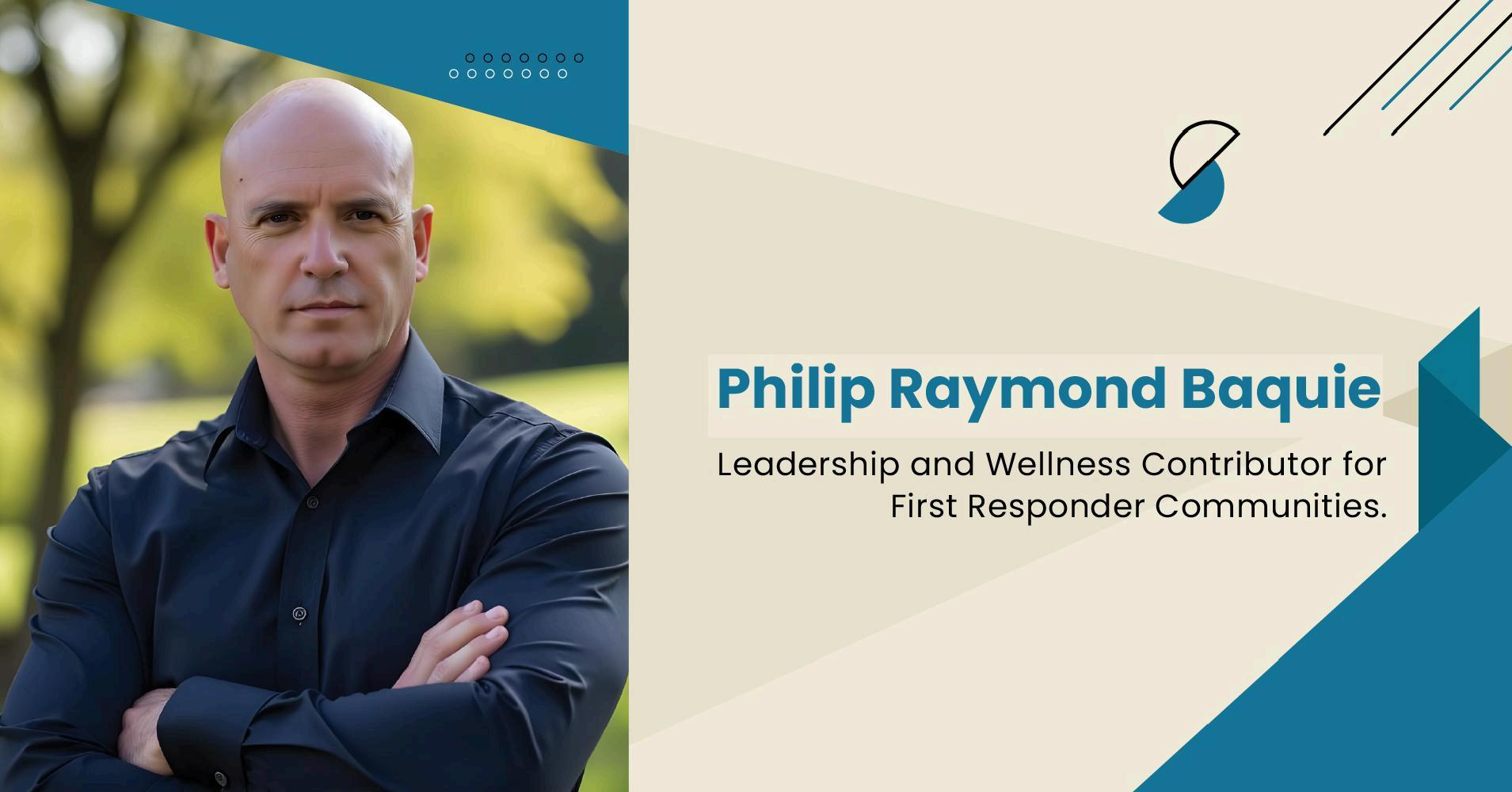
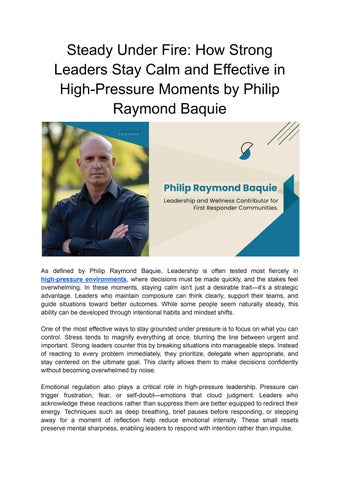
As defined by Philip Raymond Baquie, Leadership is often tested most fiercely in high-pressure environments, where decisions must be made quickly, and the stakes feel overwhelming In these moments, staying calm isn’t just a desirable trait it’s a strategic advantage. Leaders who maintain composure can think clearly, support their teams, and guide situations toward better outcomes While some people seem naturally steady, this ability can be developed through intentional habits and mindset shifts
One of the most effective ways to stay grounded under pressure is to focus on what you can control Stress tends to magnify everything at once, blurring the line between urgent and important Strong leaders counter this by breaking situations into manageable steps Instead of reacting to every problem immediately, they prioritize, delegate when appropriate, and stay centered on the ultimate goal This clarity allows them to make decisions confidently without becoming overwhelmed by noise
Emotional regulation also plays a critical role in high-pressure leadership. Pressure can trigger frustration, fear, or self-doubt emotions that cloud judgment Leaders who acknowledge these reactions rather than suppress them are better equipped to redirect their energy. Techniques such as deep breathing, brief pauses before responding, or stepping away for a moment of reflection help reduce emotional intensity. These small resets preserve mental sharpness, enabling leaders to respond with intention rather than impulse
Communication becomes even more important when the environment is tense Teams look to leaders for cues on how to react. When a leader speaks clearly, listens actively, and maintains steady body language, the entire group feels more secure. This sense of stability encourages collaboration, reduces panic, and fosters problem-solving Leaders who communicate with calm authority help their teams focus on solutions rather than stress
Another vital strategy is preparation Leaders who invest time in learning, planning, and developing contingency strategies feel more confident when challenges arise Preparation doesn’t eliminate uncertainty, but it builds resilience Combined with experience, it allows leaders to draw from a toolbox of approaches when navigating difficult situations.
Ultimately, mastering leadership in high-pressure environments is not about eliminating stress it’s about managing it wisely. Calmness, clarity, and emotional steadiness create the foundation for effective leadership when it matters most By developing these skills, leaders not only strengthen their own performance but also inspire confidence in the people they lead Over time, these habits transform pressure-filled moments into opportunities to demonstrate strength, focus, and purposeful leadership.