List of Works Label information Prices
All the framed prints in the exhibition are available for purchase. Collection: from Monday, 22 December 2025
You can collect your purchased prints once the exhibition has closed, making them a perfect Christmas gift.
For more information please ask at the Welcome Desk From Our Exhibition To Your Home
Where the Light Falls
Winifred Joseph’s Rural Archive
30 September - 20 December 2025
The exhibition features over seventy exhibition prints taken from recently rediscovered negatives belonging to Winifred Joseph (1894—1966), an avid photographer.
There are a total of sixteen negative albums, dating from 1917 to 1965, which form part of the Petersfield Museum and Art Gallery collection. Each album contains approximately 100 negatives. Together, they create a unique chronicle of life in the early 20th century. This exhibition features images taken between 1917 and 1941.
Primarily taken at Oakshott Hanger, the cherished country home of East End-based Dr. Harry Roberts, these photographs capture the close bonds and playful antics of the people who gathered there. The collection also features a host of beloved animals, as well as scenes from domestic spaces, gardens, local events and various travels.
During the 1920s and 1930s, the rise of "Kodaking," the popular practice of amateur photography, revolutionised how people captured their everyday lives. Unlike the formal studio photography of the past, the simplicity and affordability of the Kodak camera empowered people to document their lives effortlessly. This shift not only made photography more accessible but also transformed how people, especially women, recorded their lives.
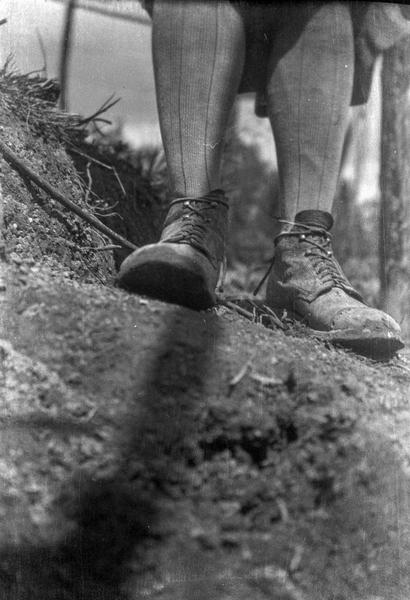
Bas’s Feet , 1923
2025.09.73
Framed A3 £75
Framed A4 £50
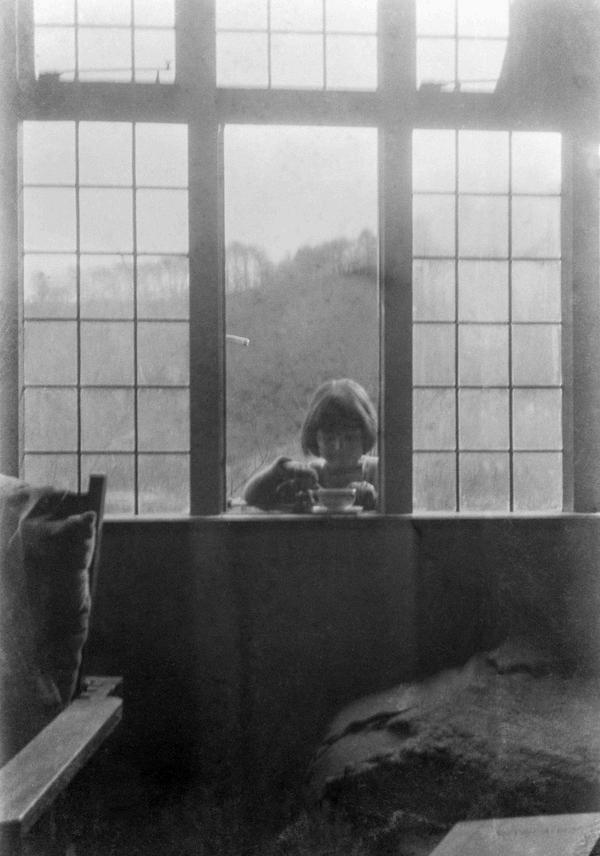
Heather in the Window, Oakshott 1918
Heather Vera Roberts
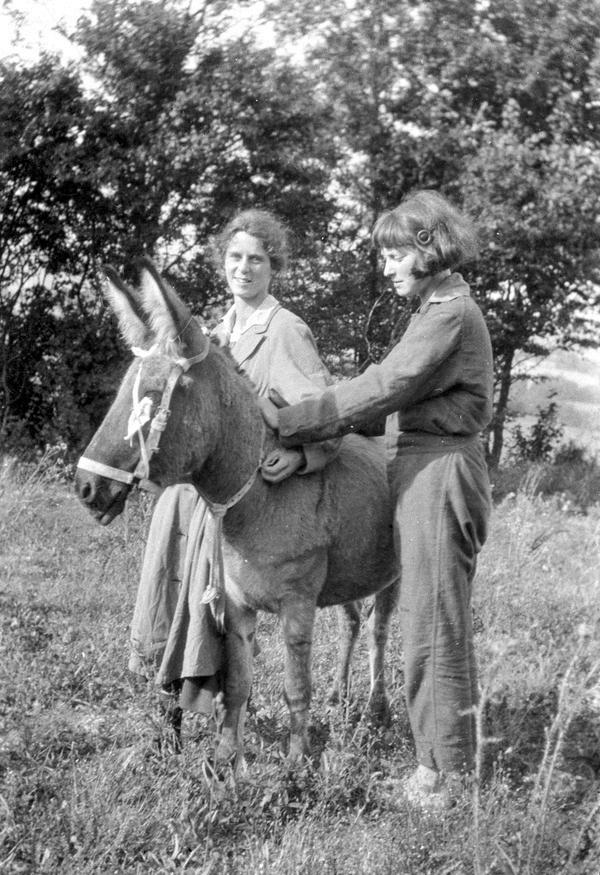
Waggles, Twort and Sooty 1917
Left to right:
Hester Wagstaff, Flora Twort and Sooty the donkey
May 1935
Winifred Joseph
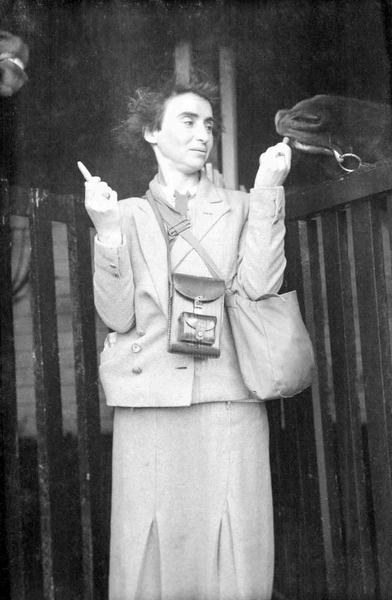
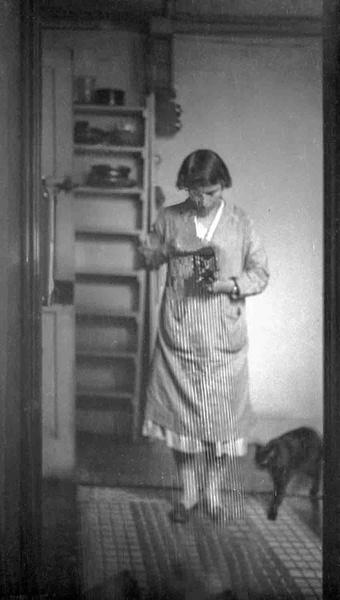
Winifred Joseph, an avid photographer, meticulously documented her world. In the Petersfield Museum and Art Gallery’s collection, there are 16 of her negative albums, each containing around 100 negatives. Taken with her cherished Kodak No. 2 Folding
Autographic Brownie that was always to hand in its leather case, these images capture the lives of her circle of friends.
June 1934
Winifred Joseph
Me Giving Carrots to Ponies
Me in Mirror
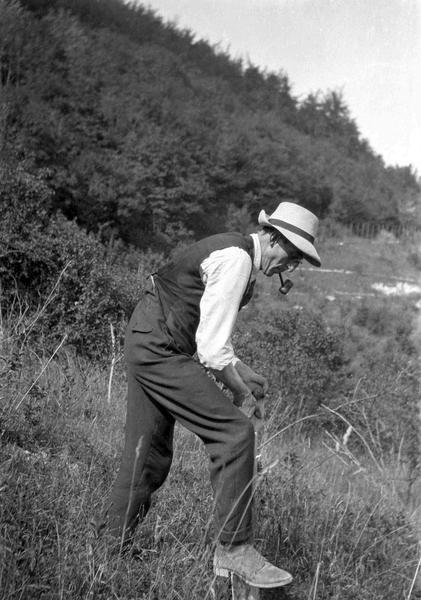
Harry Digging
August 1921
2025.11.28
Framed A3 £75
Dr. Harry Roberts (1871-1946) qualified as a doctor in 1895 and began his medical career in Hayle, Cornwall. By 1904, he had moved, along with his wife, Jessie Roberts and their children, Hazel (born 1892) and Denys (born 1903), back to London. His socialist concerns led him to take on a practice in Stepney, in the East End of London.
While Jessie and Denys remained in Bayswater, Roberts, accompanied by his daughter and Winifred Stamp, settled in Stepney. Seeking respite from the demands of his urban practice, Roberts purchased 34 acres of woodland north of Petersfield in 1908. Here, he built Oakshott Hanger, affectionately known as Oaks, a cherished country retreat that served as his home for nearly four decades and a haven for many others.
Roberts’s passion for plants began in his childhood. When he moved to Cornwall, he wrote a series of gardening essays, later compiled into his 1901 book, ‘The Chronicle of a Cornish Garden’. This work, organised by month, detailed his observations on diverse topics, including border plants, rock gardens and beekeeping.
Roberts set out his approach: "I like to be my own gardener, and I take an interest in my plants as individual living things… I like to see a plant grow and develop, to study its distinctive features… and to read about it." Despite the challenges of gardening at Oakshott, he was always most content when digging amongst his plants.
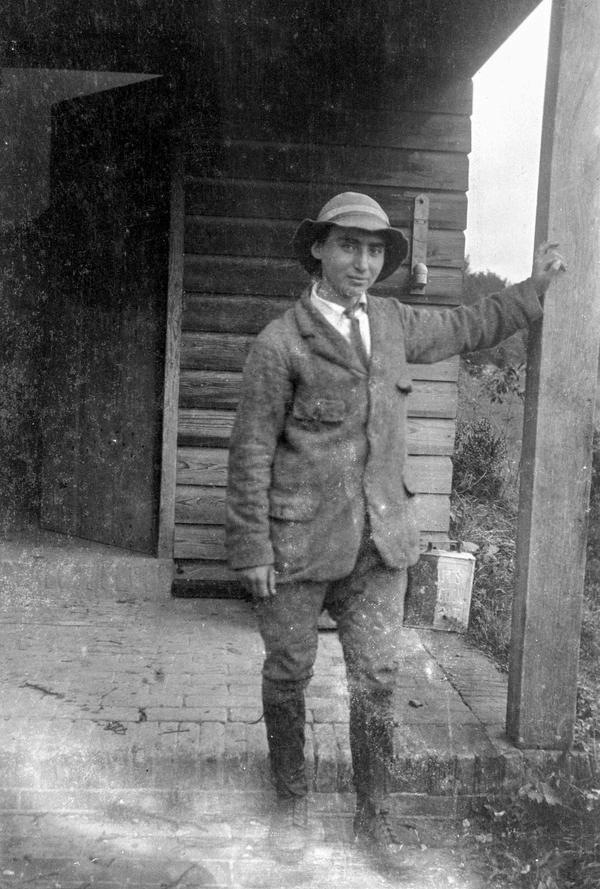
Framed A3 £75
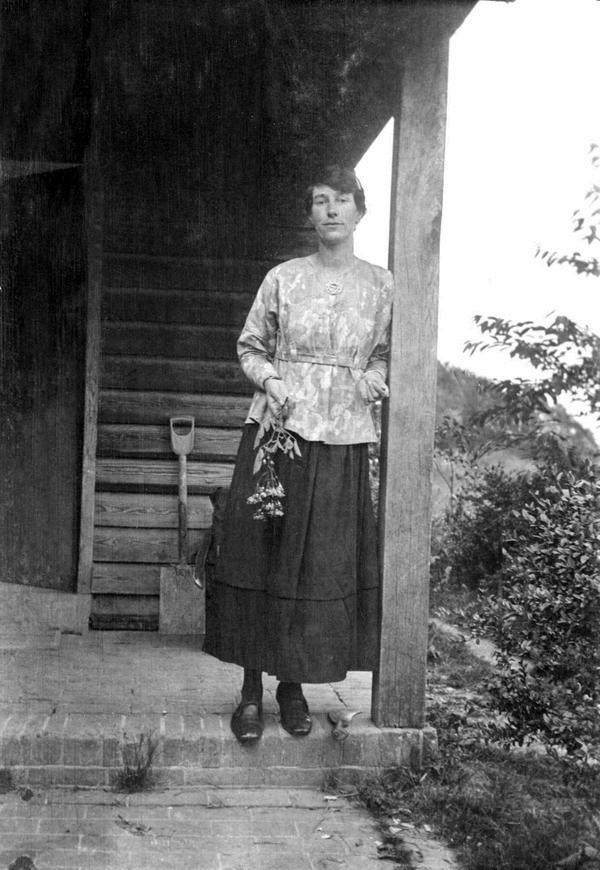
Winifred Joseph (1894–1966) was a dispenser at Dr. Harry Roberts’s medical practice in Stepney. The surgery, located in a two-story house at 63 Harford Street just off the Mile End Road, was later extended by Roberts to include the adjoining properties from 55 to 63 Harford Street. As her photographs show, Joseph was a frequent visitor to Oakshott by 1917, suggesting she joined the practice around that time, if not slightly earlier. Through her pictures, she captured both carefully composed portraits reflecting close bonds and spontaneous moments. Joseph deliberately selected her subjects, using photography to construct her own identity and document the modern life she shared with her circle of friends.
Winifred Stamp (1881–1948), a former Design student and later teacher at the Regent Street Polytechnic, likely met Dr. Harry Roberts through mutual friends Spencer Pryse and Arthur Watts. She became a lifelong companion to Roberts, accompanying him when he opened his practice in Stepney and creating a home at Oakshott in Hampshire. Census records offer glimpses into their evolving living arrangements and Stamp's identity. In the 1911 census, she is listed as Winifred Roberts, sister to Dr. Roberts and residing at 63 Harford Street, Stepney. By 1921, she is recorded under Winifred Stamp, living with her widowed mother. The 1939 census shows Winifred Stamp, by then using the hyphenated surname Stamp-Roberts, residing at Oakshott Hanger with the widowed Dr. Roberts and her single status was recorded.
Winifred Joseph at Oakshott 1917
Winifred Stamp at Oakshott 1918
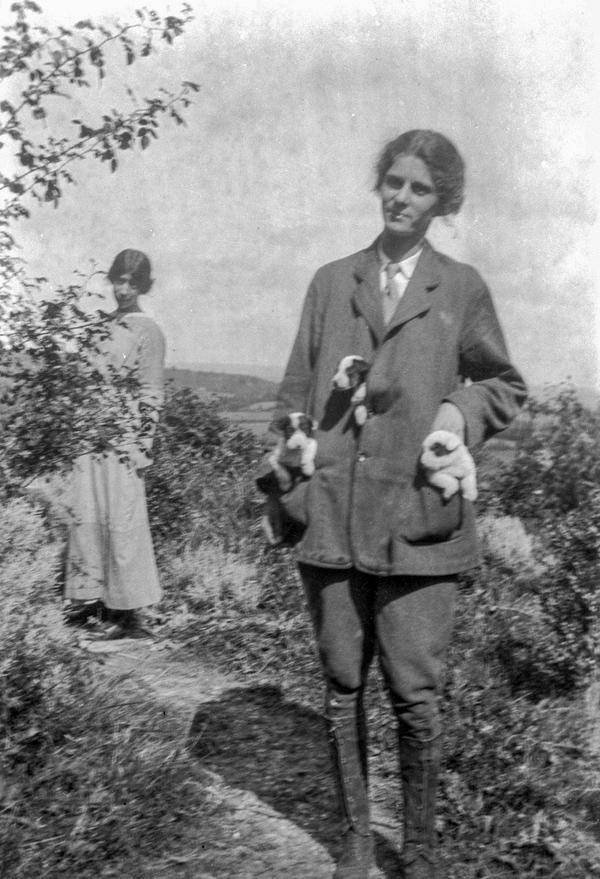
Hester Wagstaff (1892–1953), known as 'Waggles', was a talented artist and friend of Winifred Stamp from their time at Regent Street Polytechnic. Her artistic talents were recognised early: in 1913, a decorated wooden box she made was selected by Queen Mary and remains in the Royal Collection. Wagstaff became a successful author and illustrator of children's books and created a charming and playful map of Petersfield.
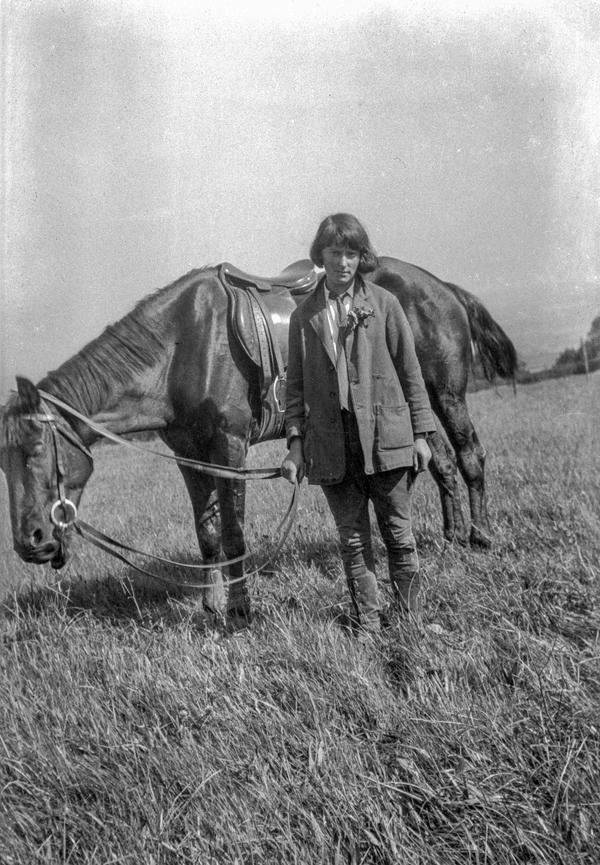
1917
Flora Twort (1893–1985) joined the circle at Oakshott in 1917, introduced by her friend Hester Wagstaff, whom she had met at Regent Street Polytechnic. She quickly became part of what Winifred Stamp called the 'synthetic family'. In 1920, Twort enrolled at the prestigious Slade School of Fine Art. There, under the guidance of influential teacher Henry Tonks, she honed her skills in life drawing and the observation of the human figure, principles that shaped her artistic practice throughout her career.
Waggles with Pups in Pockets, with Hilda Moto 1917
Twort and Gunner
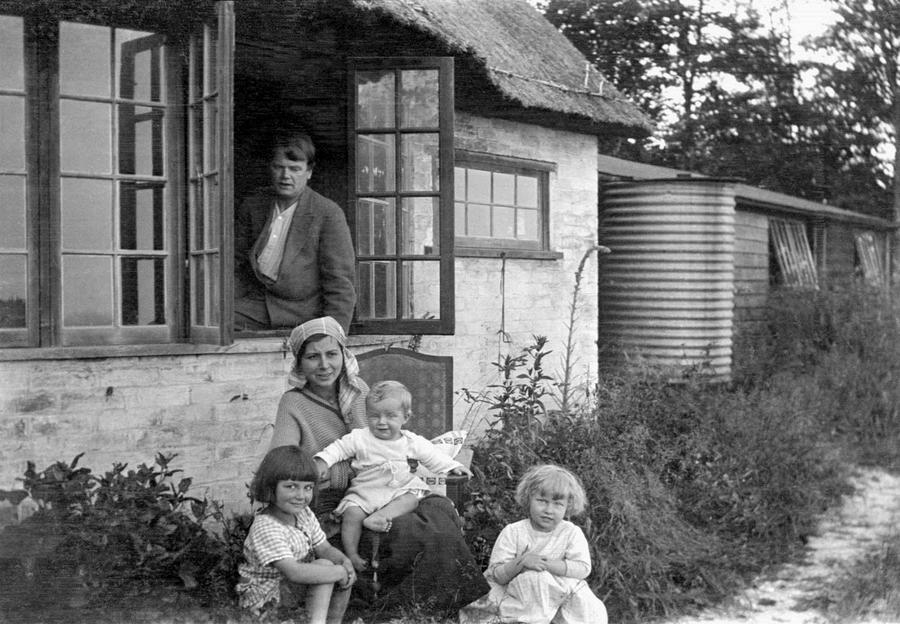
Framed A3 £75
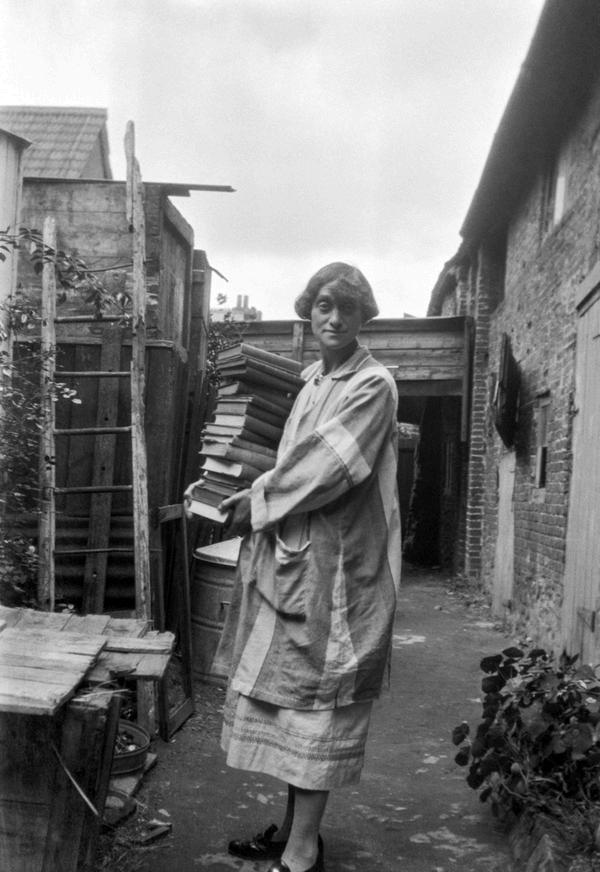
Hazel, Muffin & Children at Oakshott 1918
Hazel Vera Roberts (1892–1979), the daughter of Dr. Harry Roberts, married George Marston (1882–1940) in 1913. They had two children, Heather Marston (1913–1952) and Bevis Marston (1917–1984). Known as Muffin, Marston was a student friend of Winifred Stamp. He met Hazel after visiting Harford Street to tell them about his travels to Antarctica (1907-1909) with Sir Ernest Shackleton. Marston accompanied Shackleton on a second expedition in 1914.
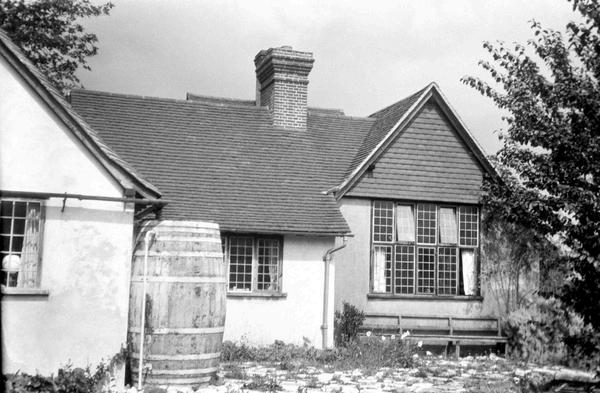
Bas with Books 1918
Marie Brahms (1881–1948), known as Bas, a shortening of ‘The Bas-relief’, due, according to Winifred Stamp, to her profile’s resemblance to figures on ancient friezes. Brahms was an aunt to Winifred Joseph, being the sister of Joseph’s mother, Annie Abrahams. She worked as a secretary to Dr. Harry Roberts in both Stepney and Oakshott. Later, in 1933, Brahms, who ran a small Dramatic Society, was instrumental in raising awareness for the need for a dedicated town hall in Petersfield.
Oakshott Hanger 1924
In June 1908, Dr. Harry Roberts and Winifred Stamp, on seeing an ad in the newspaper for a plot of 34 acres of woodland near Petersfield, decided to go and view it. After arriving at the station, they were driven in an old-fashioned horse and trap out into the countryside. This landscape immediately appealed to them as an antidote to their urban London existence. In the early years, Roberts and Stamp, visited Oakshott on weekends, arriving on the last train from Waterloo after Saturday surgeries. Initially, they camped in a tent, but later raised funds to construct a house. The builder, having been asked to use only the best materials, asked nearby Arts and Crafts architect and craftsman Geoffrey Lupton to make the large oak front door.
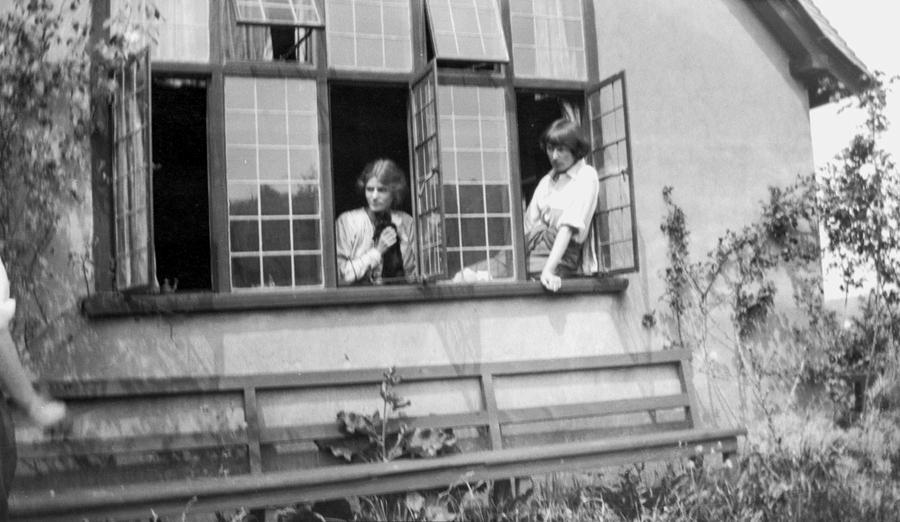
and Twort in Window at Oakshott 1918
Waggles
Left to right: Hester Wagstaff and Flora Twort
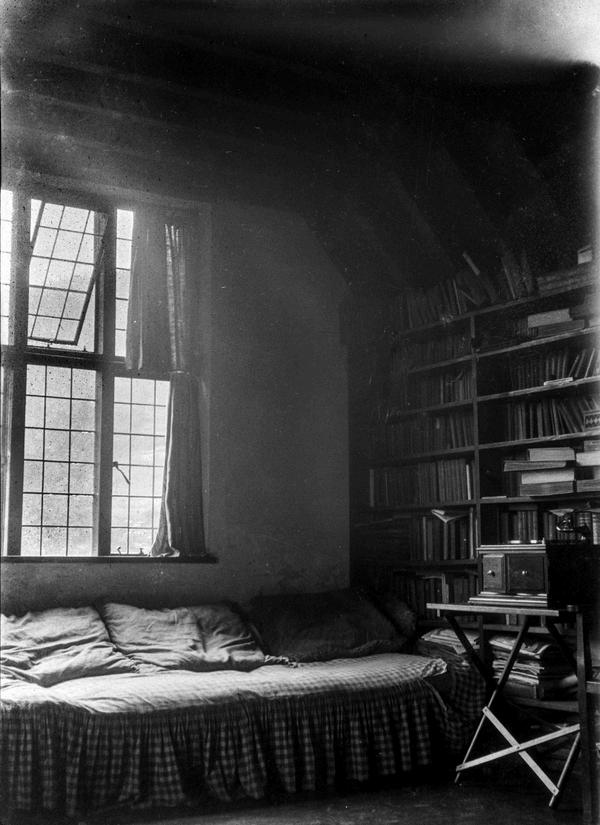
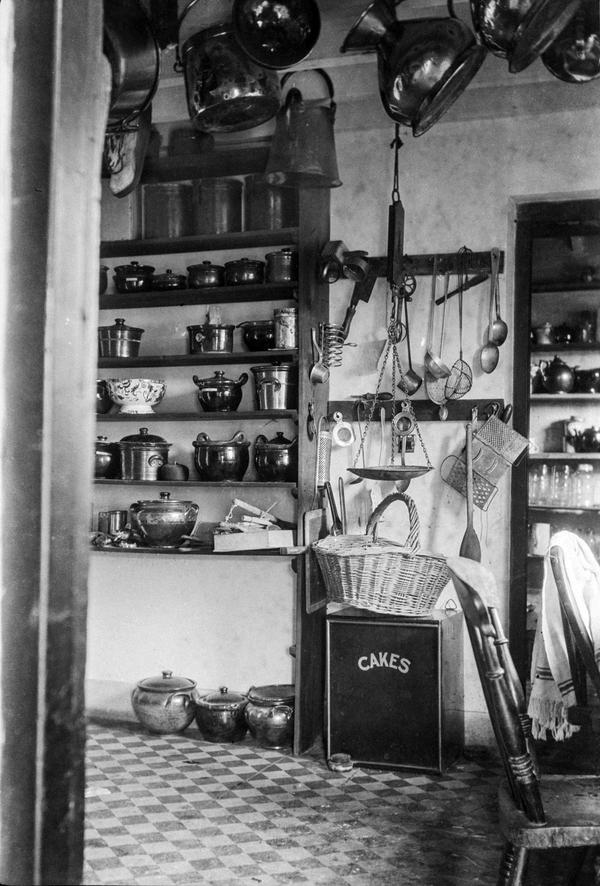
Roberts and Stamp hired a local architect to design their home, envisioning a simple, uncluttered space unlike their cramped London rooms or formal Edwardian houses. It featured a large central room, a minimal kitchen and two small bedrooms above. Furnishings were thoughtfully chosen: a long table, a dresser with cupboards and drawers and a rather extravagant carpet. Books covered every available space, which added colour and the curtains were plain natural linen.
Corner of Big Room, Oakshott 1917
Kitchen at Oakshott 1917
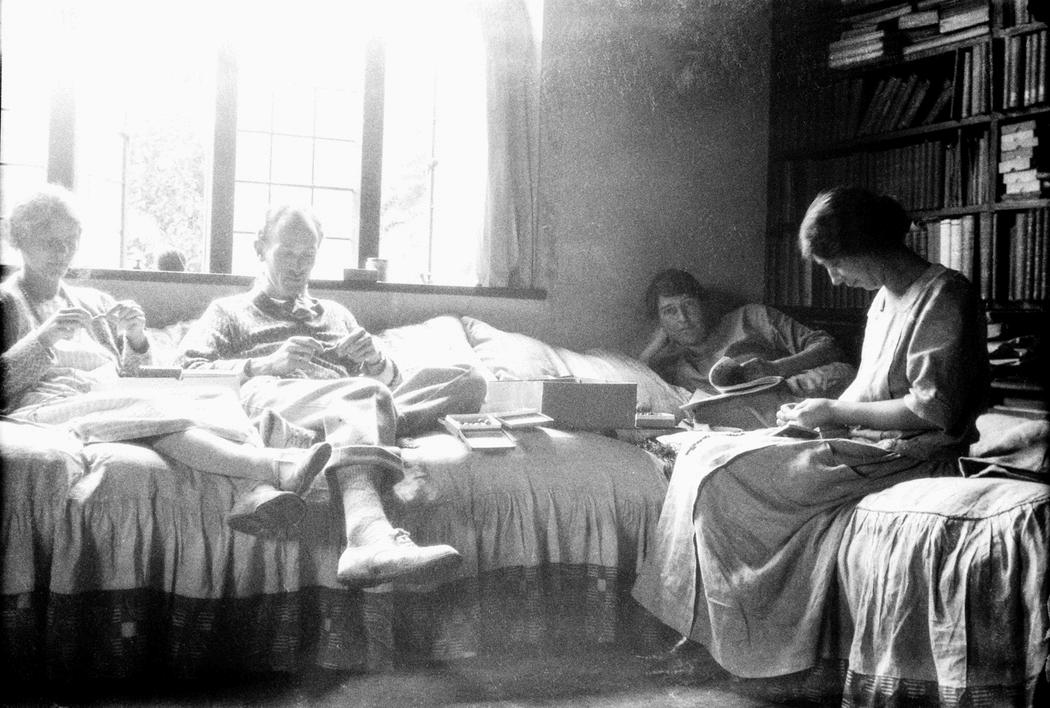
Bead-weaving, Waggles, Longley, Winnie and Moto
Left to right: Hester Wagstaff, Longley, Winifred Stamp and Hilda Moto
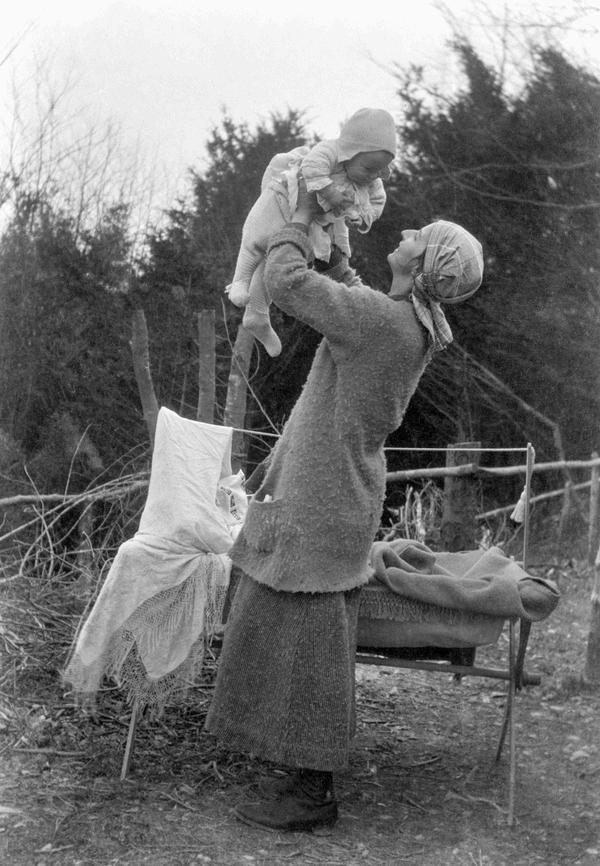
Framed A4 £50
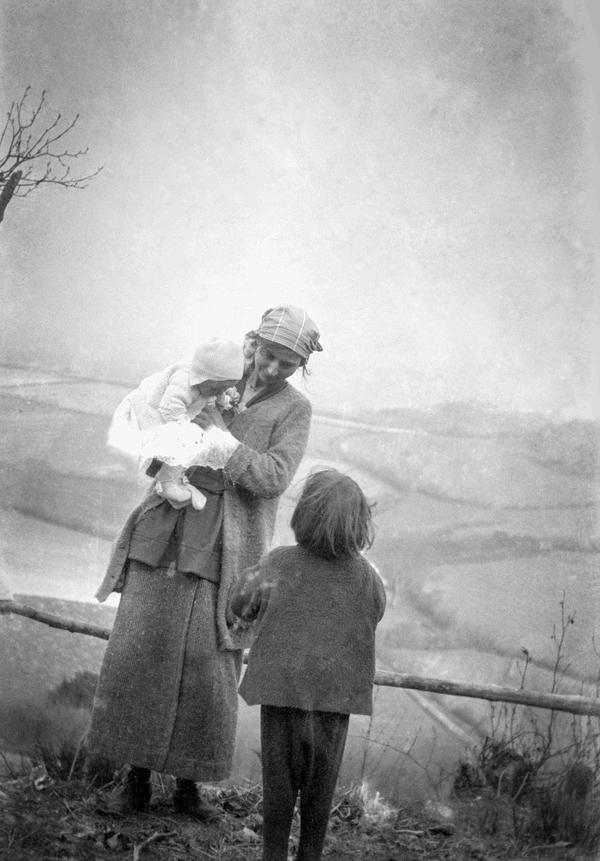
Hazel with children, Heather and Bevis 1918
Hazel Vera Roberts, Heather (aged 5) and Bevis (aged 6 months)
Hazel Holding up Bevis 1918
Hazel Vera Roberts and Bevis (aged 6 months)
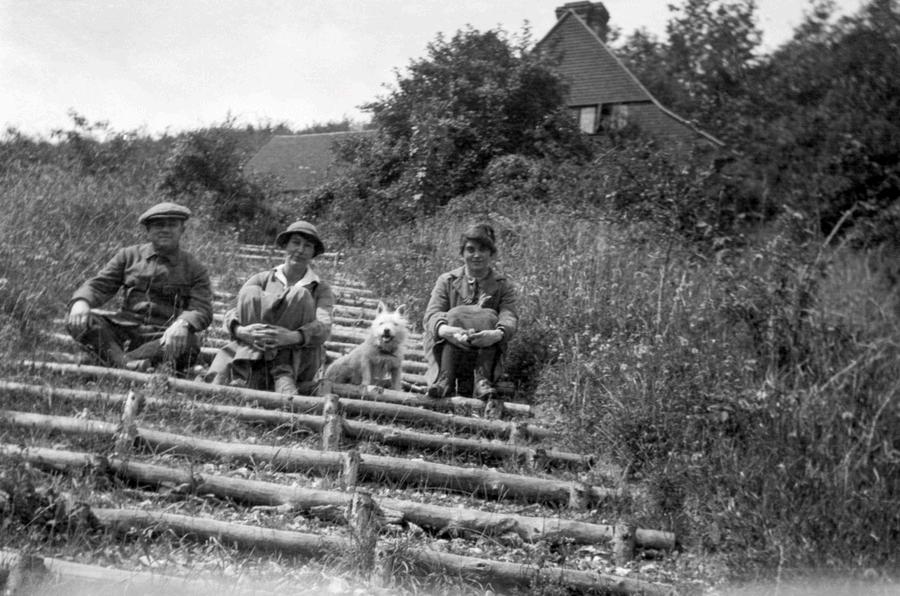
Gladys, Bertie and Winnie 1920
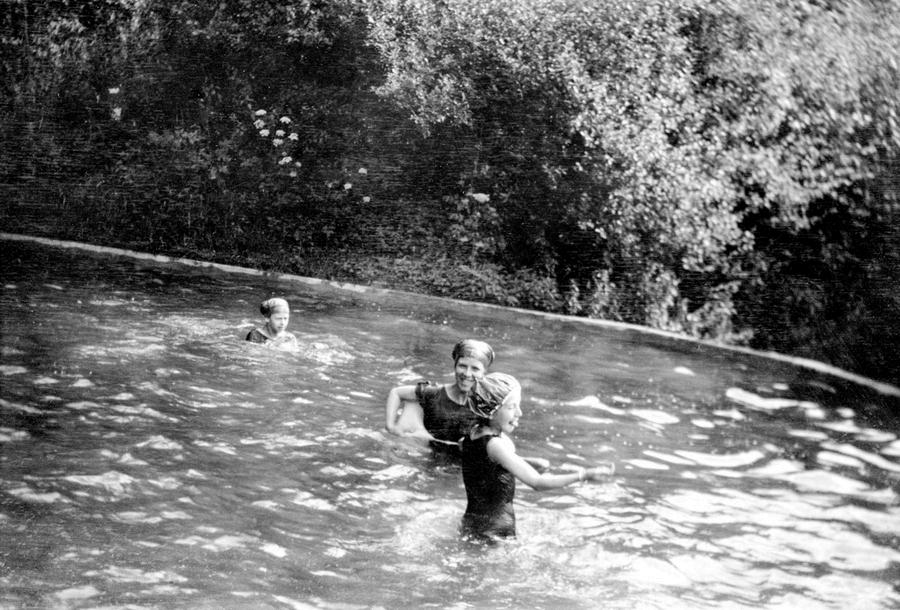
It was the beauty of the surrounding landscape that had captivated Roberts and Stamp when they first visited Oakshott. The upper two-thirds of their property was a steep woodland of beech, ash, whitebeam and yew. Below, the cleared ground was a wild carpet of strawberries, thyme, marjoram and milkwort. A keen botanist and gardener, Roberts embarked on creating a garden. He had a set of nearly 300 steps cut into the steep woodland leading up to the house and there was a bathing pool by the stream.
Tweek Family in the Pool 1920
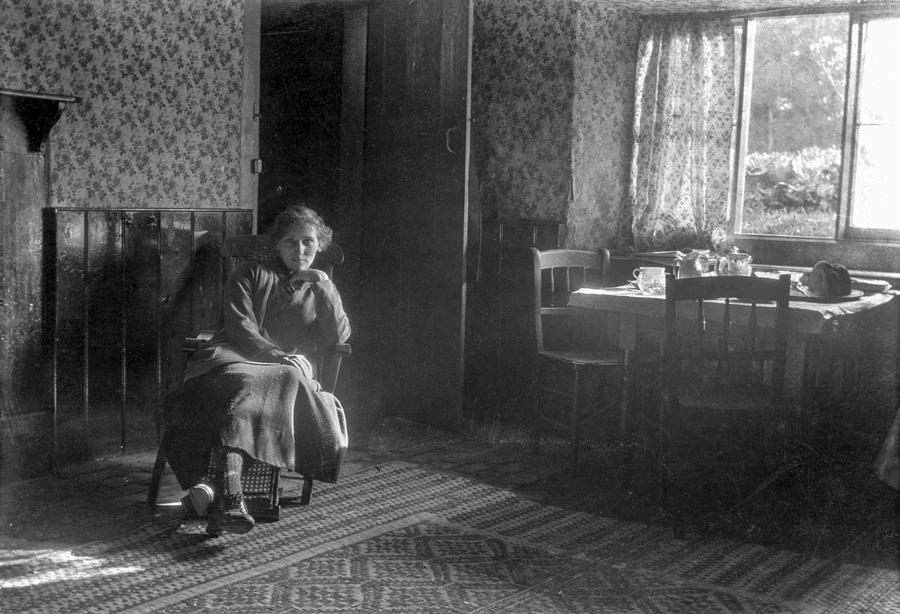
Pocock’s Cottage Interior 1917
Winifred Joseph photographed her friends and neighbours’ cottages and revealed the quiet beauty of everyday life. Her images reveal how homeware, patterned wallpaper and fresh garden flowers come together to create unique and inviting domestic spaces.
Cottage Interior 1918
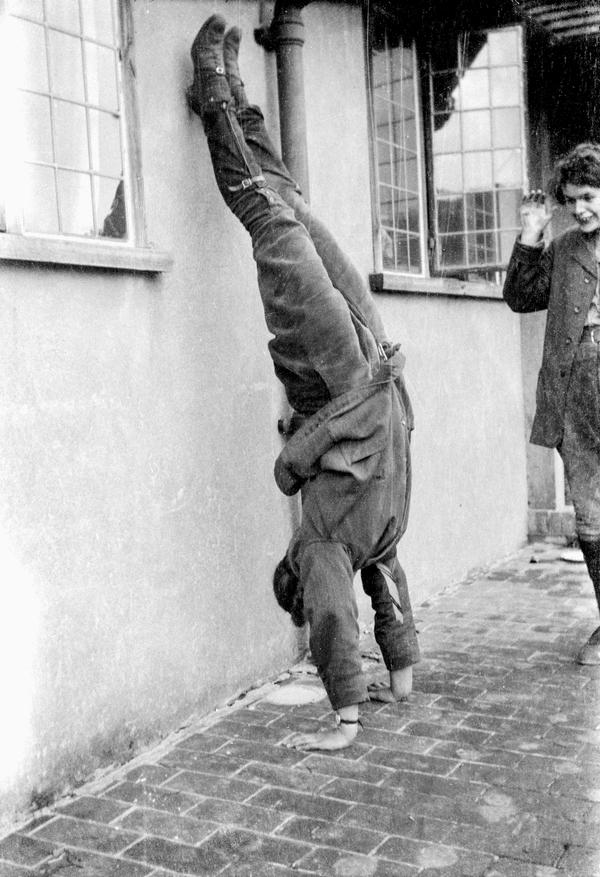
Bar Standing on Head 1917
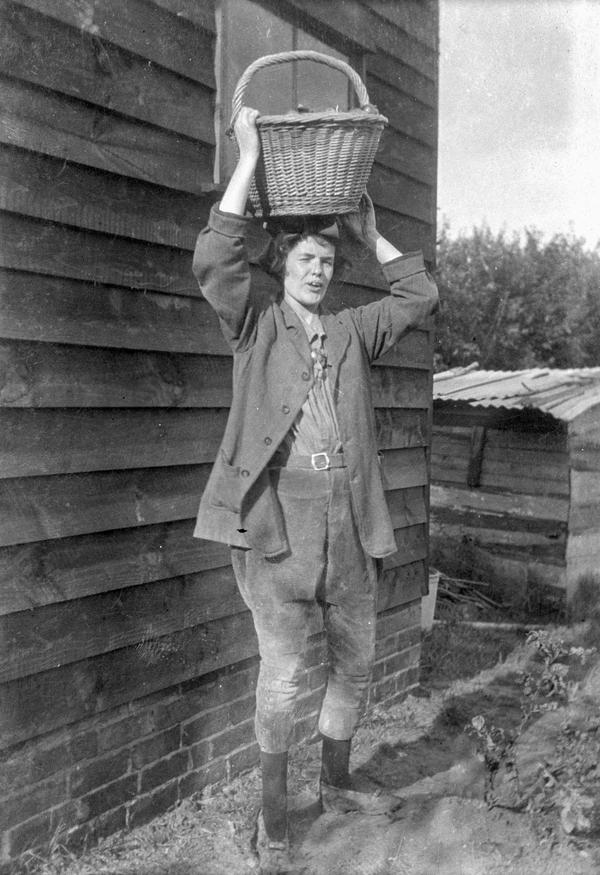
Berg with Basket 1917
Framed A3 £75
Bas’s Feet
1923
Marie Brahms
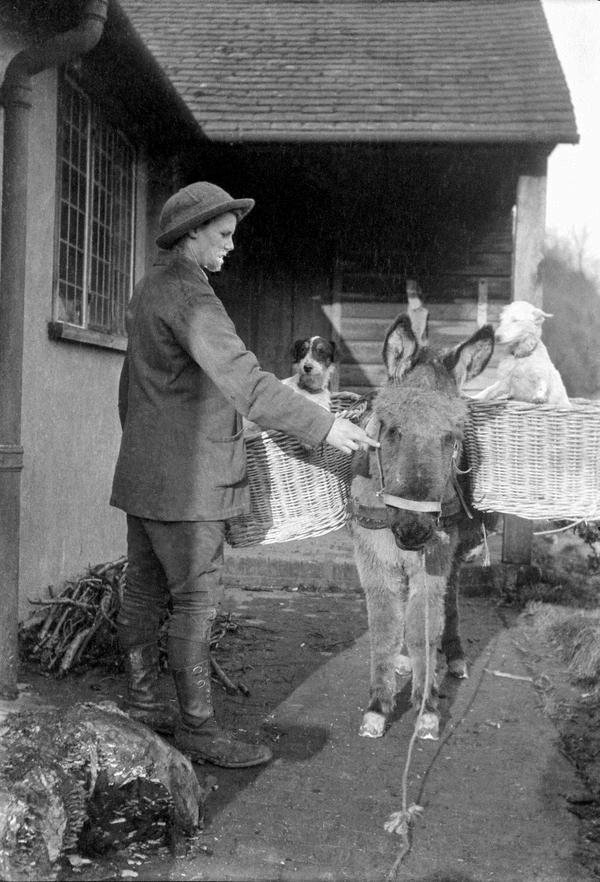
Bar with Sooty and Dogs in Panniers
1917 2025.09.31
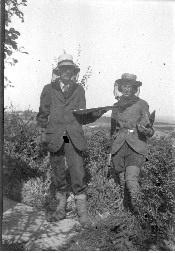
Harry & Twort 1918
Dr Harry Roberts and Flora Twort
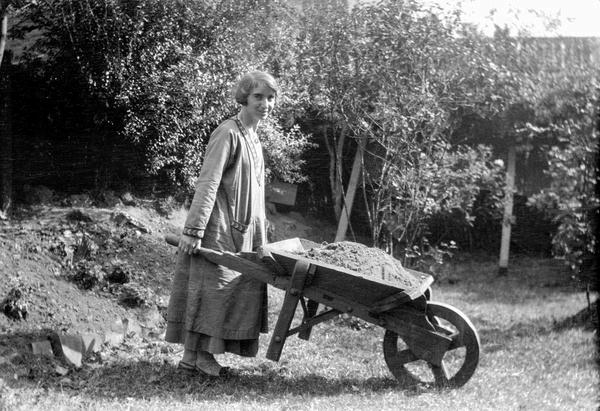
Winifred Joseph with Wheelbarrow August 1923
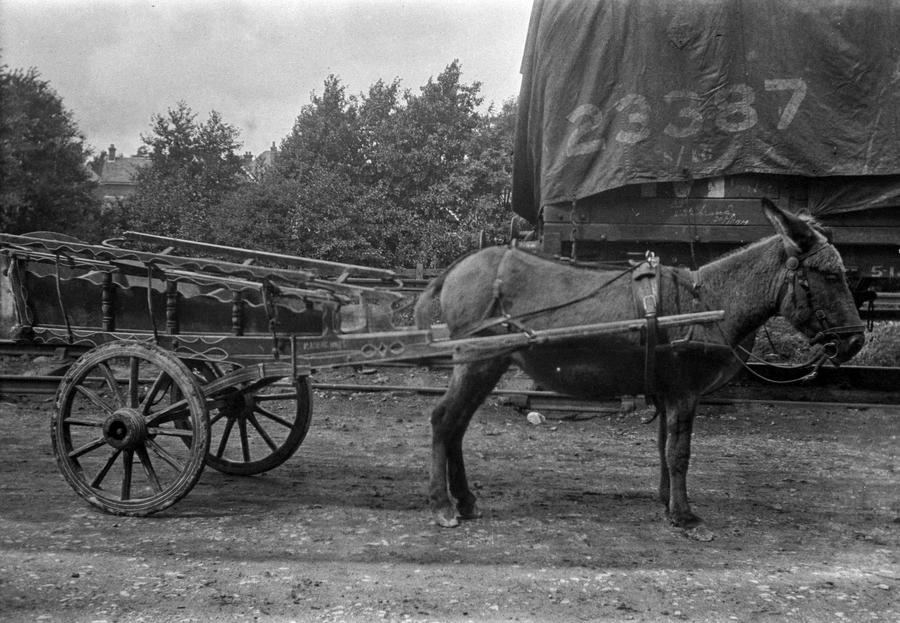
Sooty with Cart 1917
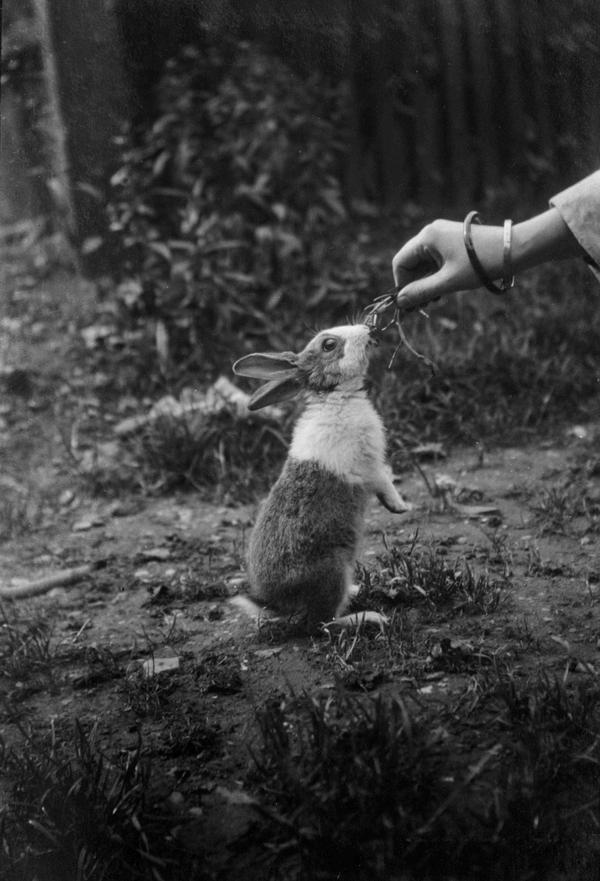
Jimmy Sitting Up 1920
2025.09.54
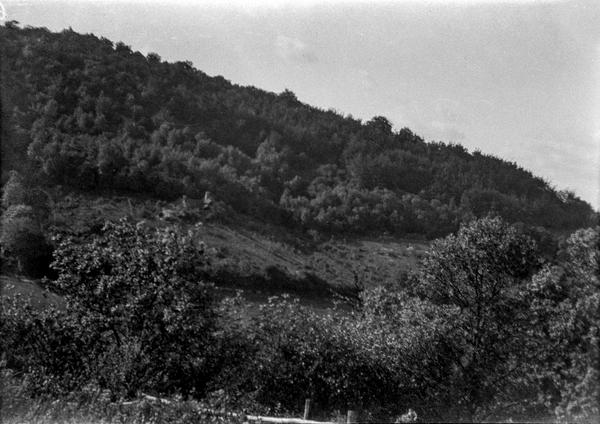
Oakshott from Wheatham Hill
August 1922
Wheatham Hill is one of the highest hills in Hampshire and where Winifred Joseph and friends regularly picnicked. William Cobbett (1763–1835), a favourite author of Roberts, wrote in his book, ‘Rural Rides’, ‘out we came, all in a moment, at the very edge of the hanger! And never, in all my life, was I so surprised and so delighted! I pulled up my horse, and sat and looked; and it was like looking from the top of a castle down into the sea; except that the valley was land not water.’
August 1926 2025.11.63
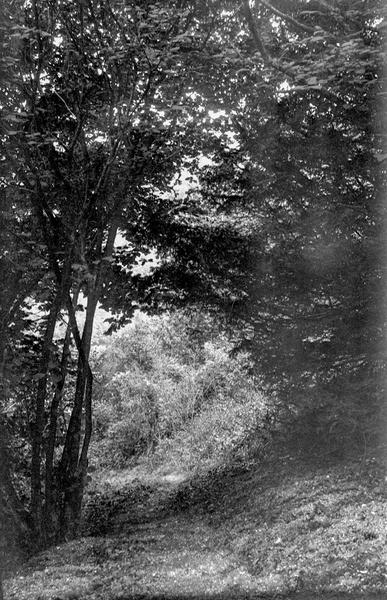
Path in the Woods
2025.14.95
Framed A3 £75
Framed A3 £75
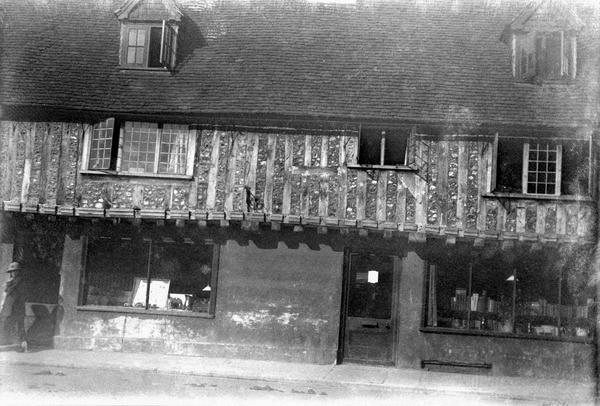
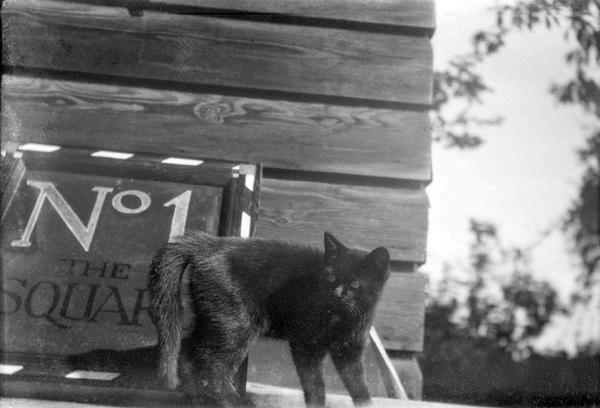
In 1918, Harry Roberts, with Flora Twort’s encouragement, bought two empty shops situated at the corner of the Square. The rent was low and Roberts agreed to a lease for twenty-eight years. The ground-floor space was converted into a single bookshop and gallery, while upstairs, the original attic rooms were transformed into a studio for Twort. The Shop, as it was affectionately called was managed by Twort, Hester Wagstaff and Marie Brahms. They sourced books, china, glass and embroideries from London markets. Winifred Stamp recalled, ‘the only rule we ever made in buying was never purchase anything which we should not have bought for our use or pleasure.’
Outside No. 1 and No. 2 The Square 1924
No. 1 The Square 1924
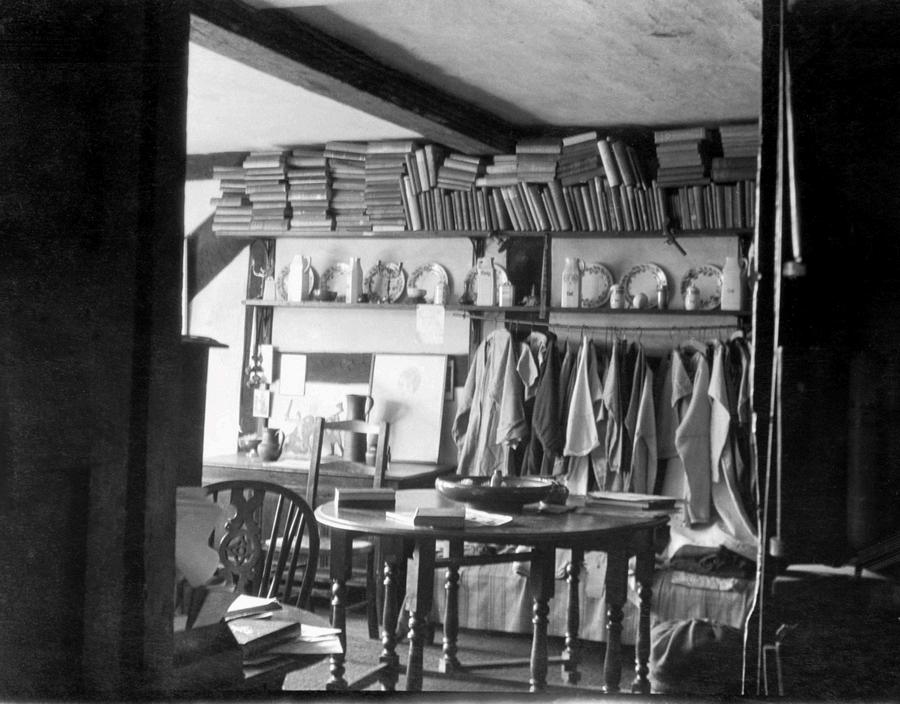
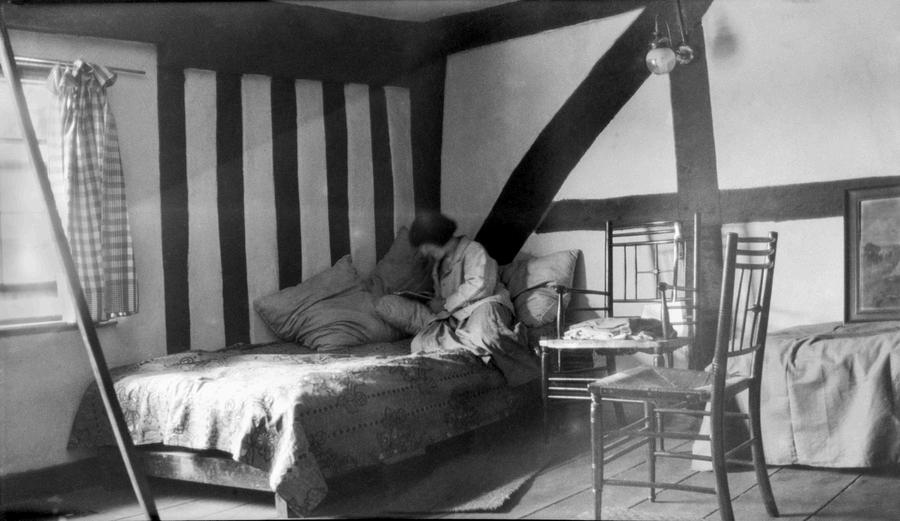
Twort’s Room at The Shop 1918
Flora Twort studied at the London School of Art, London Polytechnic and in 1920, the Slade School of Fine Art. During her career, she became renowned for her watercolours that captured life in Petersfield, as well as many commissioned pastel portraits, with sittings taking place in her studio. Twort befriended the artist Stanley Spencer, who, in the summer of 1921, had been invited by the artist Muirhead Bone to stay at his home in Steep. When Spencer moved from Steep in 1922, he briefly rented Twort’s studio before moving to 25 The Square and later to 19 High Street.
The Shop, No. 1 The Square August 1921
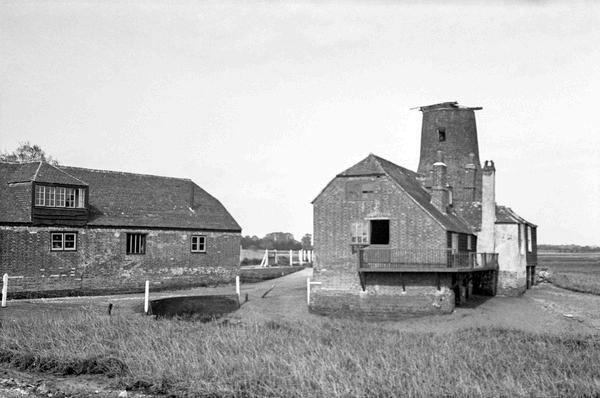
Langstone Mill May 1932
In 1932, Twort established a new home at Langstone Mill, which included the mill cottage, granary and old windmill. Twort converted the granary into a studio and the tower was restored based on designs by architect Ernst Freud. He had recently emigrated from Berlin to live in St John’s Wood in North London. The adjacent watermill was acquired and converted by Winifred Stamp. Langstone Mill became a lively gathering place for Twort and her friends, including Marie Brahms, Winifred Stamp, Ida Henstock and Winifred Joseph. They spent countless hours here, painting, taking photographs and entertaining friends. For a brief period in late 1939, Twort’s friend, the author and aeronautical engineer Nevil Shute, moved into the tower to escape the possibility of bombing raids on his home in Southsea.
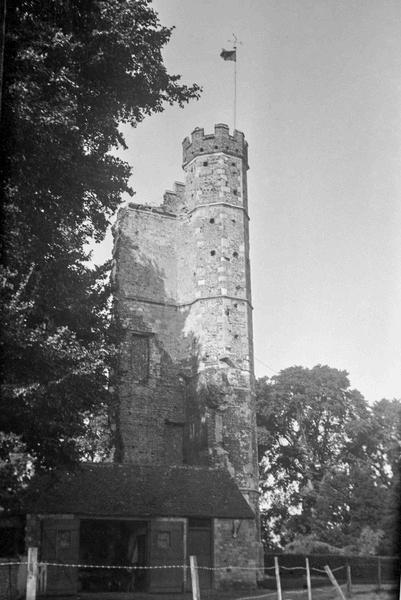
Warblington Castle September 1932
This single gate tower, the ruins of a moated manor that was destroyed during the English Civil War, is a distinctive feature in Langstone and part of a private property located close to Langstone Mill, which Twort acquired in 1932. In 1934, Peggy Guggenheim rented Warblington Castle for the summer, inviting friends and family to stay. Following her stay, Guggenheim moved to Yew Tree Cottage in Hurst, between South Harting and Petersfield, where she lived until 1939.
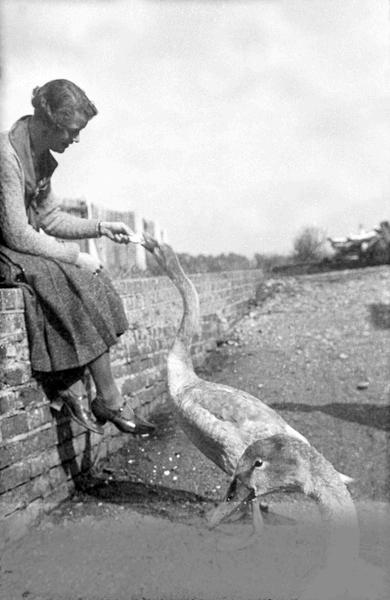
Framed A4 £50
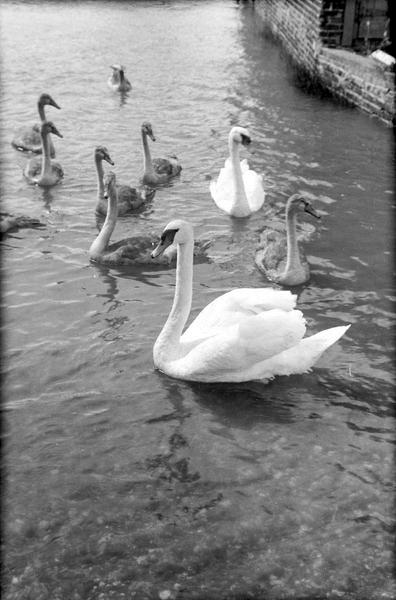
Ida Henstock (1896-1982), a distinguished calligrapher and illuminator, was a key figure in the artistic circle around Oakshott. She collaborated with Graily Hewitt on the illumination of the House of Lords' First World War Memorial Book, later producing the Second World War equivalent. In 1934, Henstock, alongside Flora Twort and Hester Wagstaff was a founding member of the Petersfield Arts and Craft Society.
Ida Henstock and Cygnets September 1932
Swans, Langstone September 1936
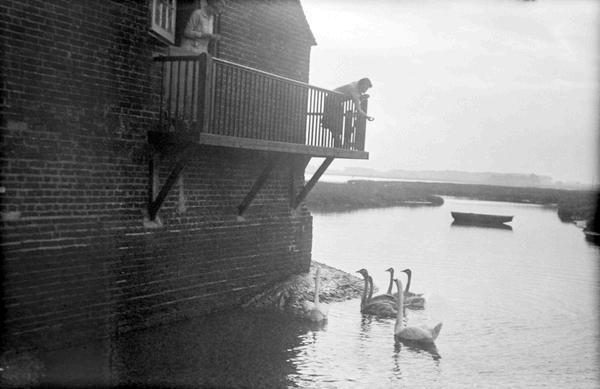
Bas Feeding Swans from Balcony of Langstone Mill
September 1932
September 1932
Marie Brahms
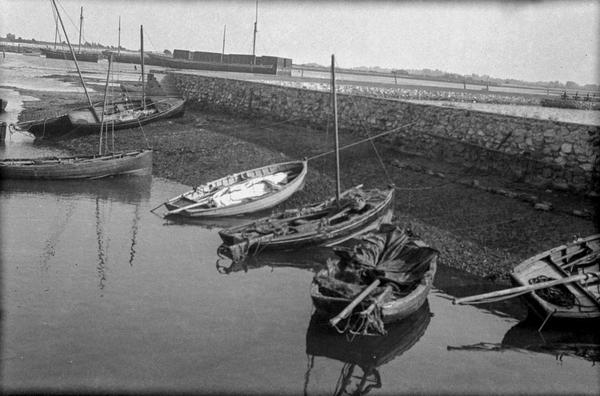
Emsworth Harbour
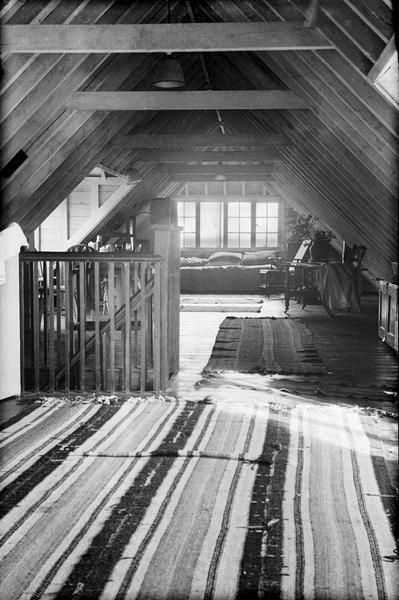
October 1933
Framed A3 £75
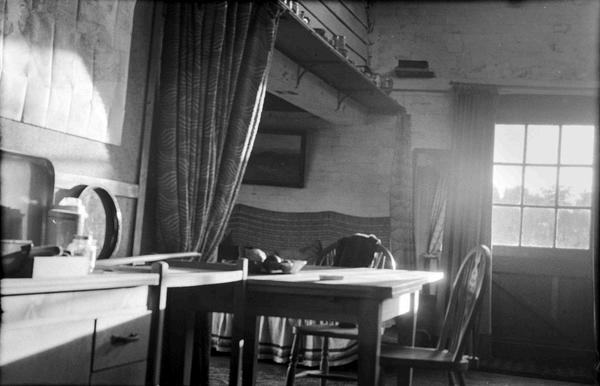
Framed A3 £75
September 1936
Flora Twort’s Studio, Langstone
Winnie’s Room, Langstone
Winifred Stamp
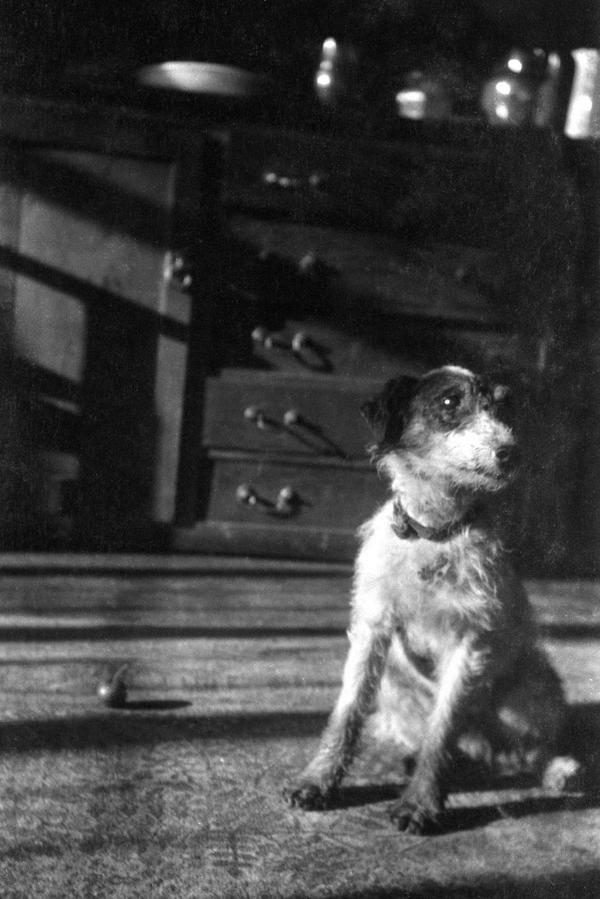
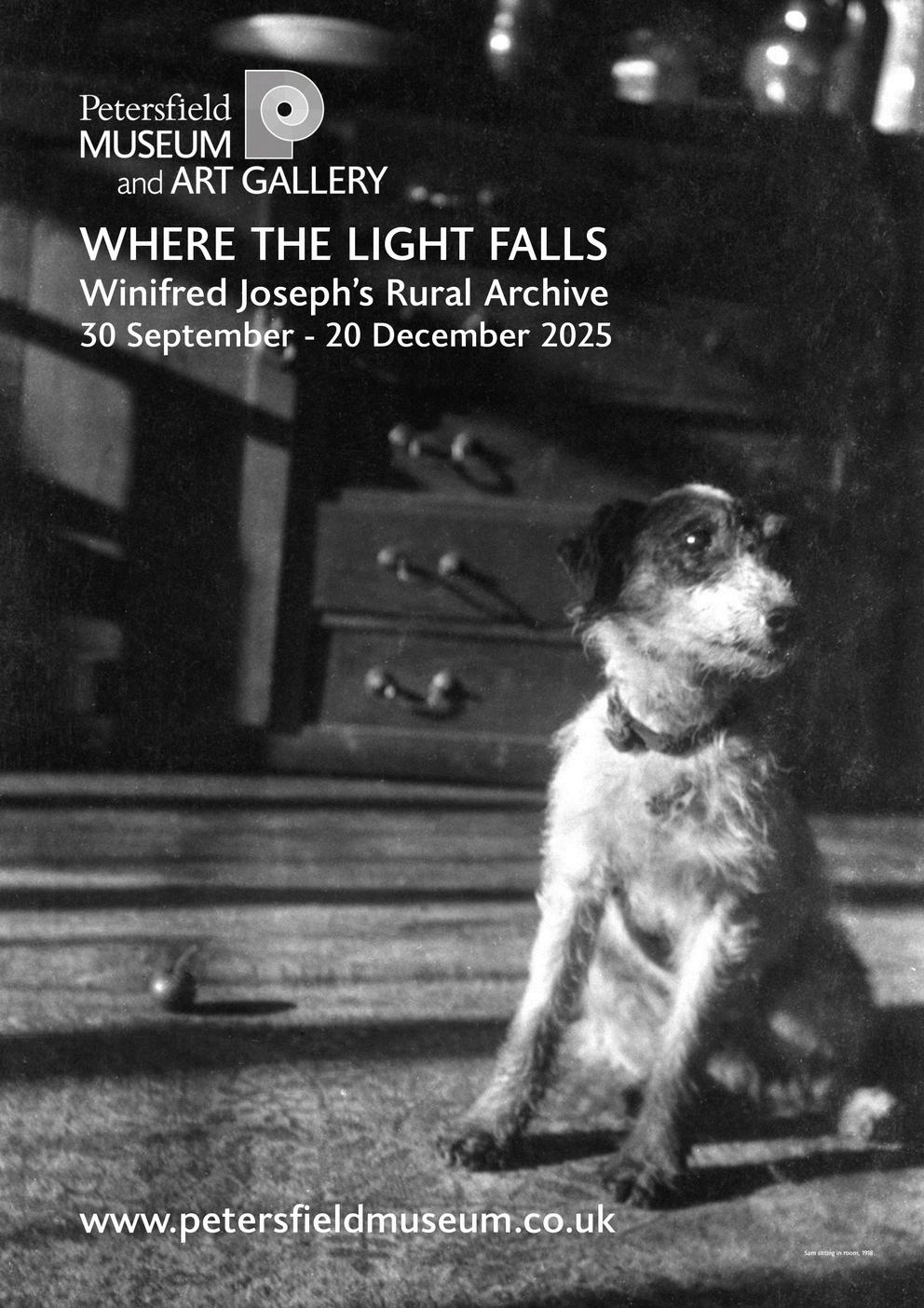
Sam Sitting in Room 1918
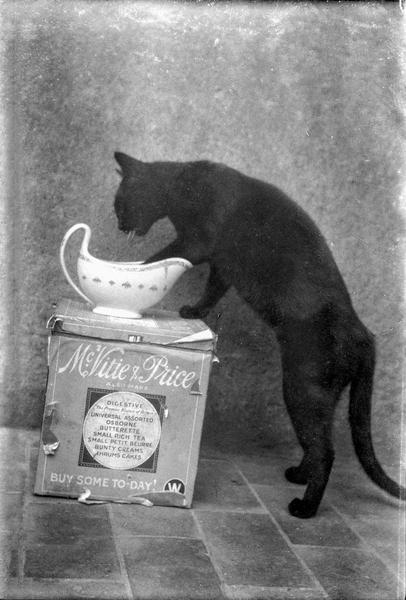
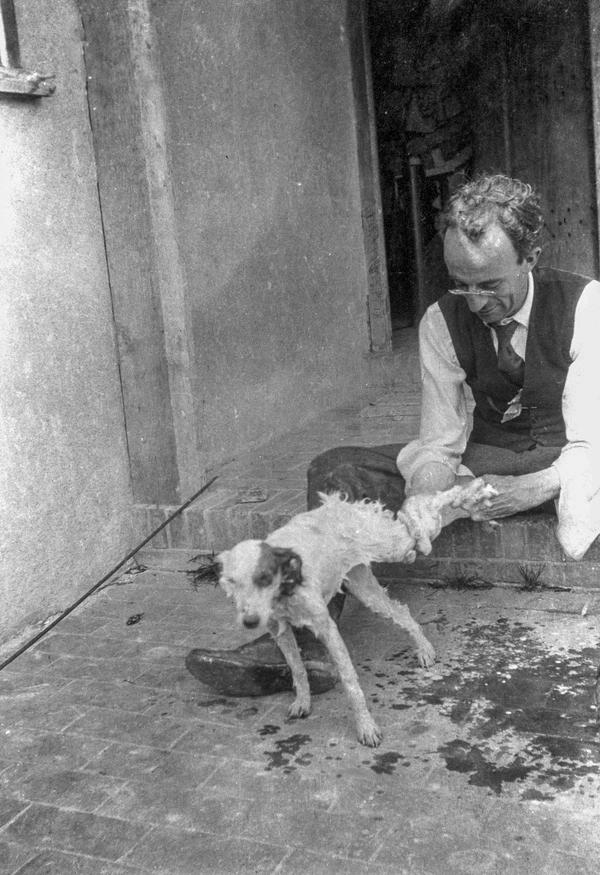
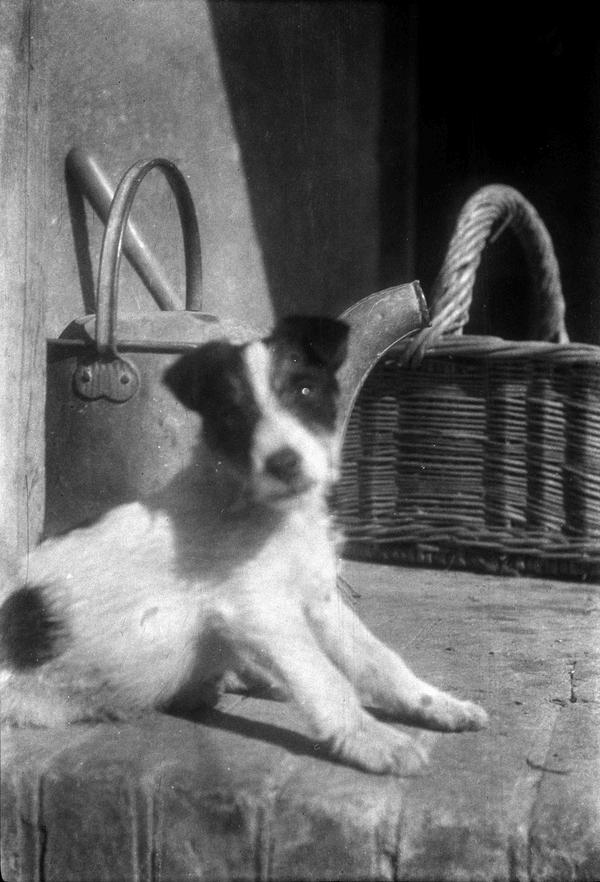
The carefully recorded descriptions for each negative in Winifred Joseph’s negative albums are a remarkable source of information about various people, places and animals. Her detailed lists include the names of over 30 dogs, such as Sam, Pudding, Tibbie, and Pax, as well as a similar number of cats, including Sylph, Kipps, and Nugget. Among the 20 horses were early favourites Brownie and Sally, accompanied by their hardworking donkey, Sooty. The records also note rabbits, ducks and even a peacock named Kit. Joseph often captured humorous moments as well as the close bond they all had with the animals.
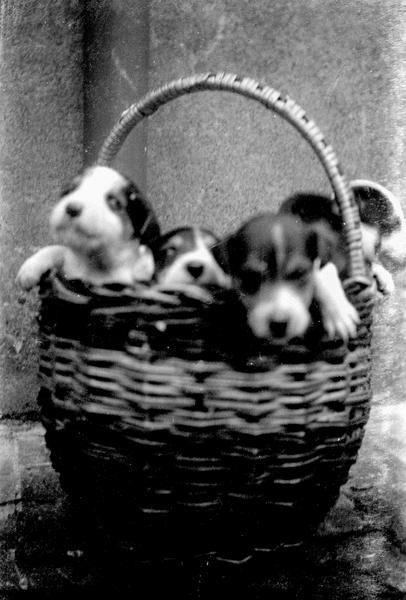
Basket of Chris’s Pups August 1924
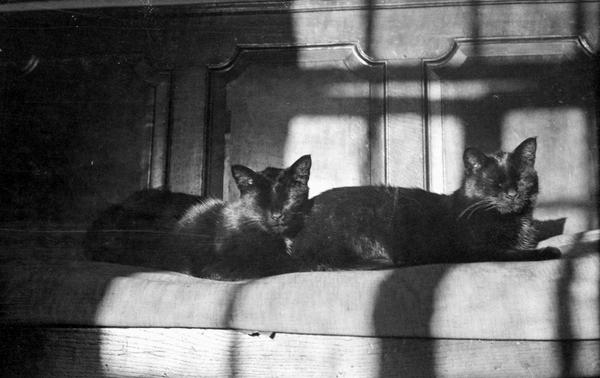
July 1924
Tim and Cofy on the Settee May 1935
Sylph Dipping Paw in Jug
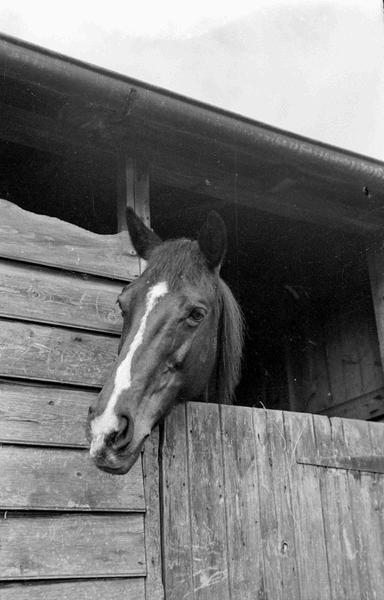
Sally Looking Over Stable Door June 1931
Harry Washing Wendy 1917
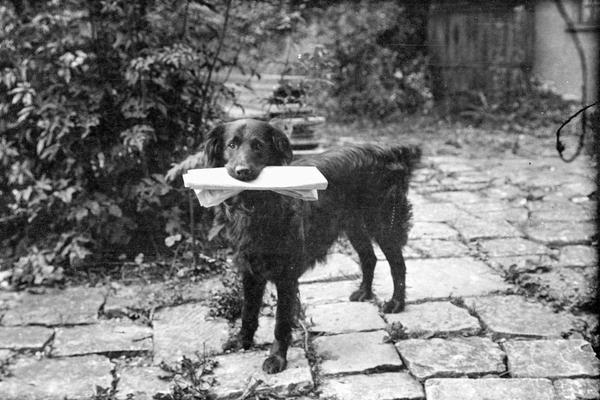
Pax Carrying Paper August 1932
Pudding Sitting on Step 1917
2025.13.55
Framed A3 £75
Framed A3 £75
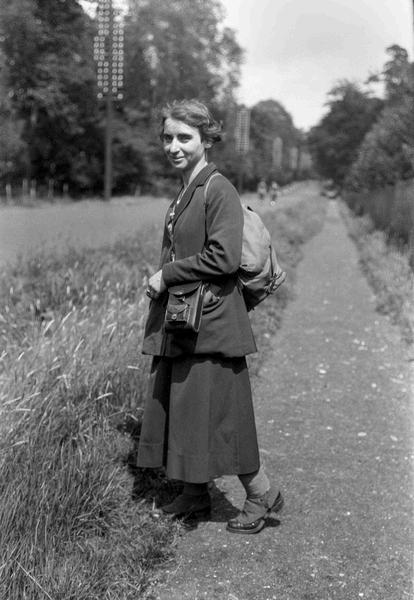
Winifred Joseph on a Walking Tour May 1925
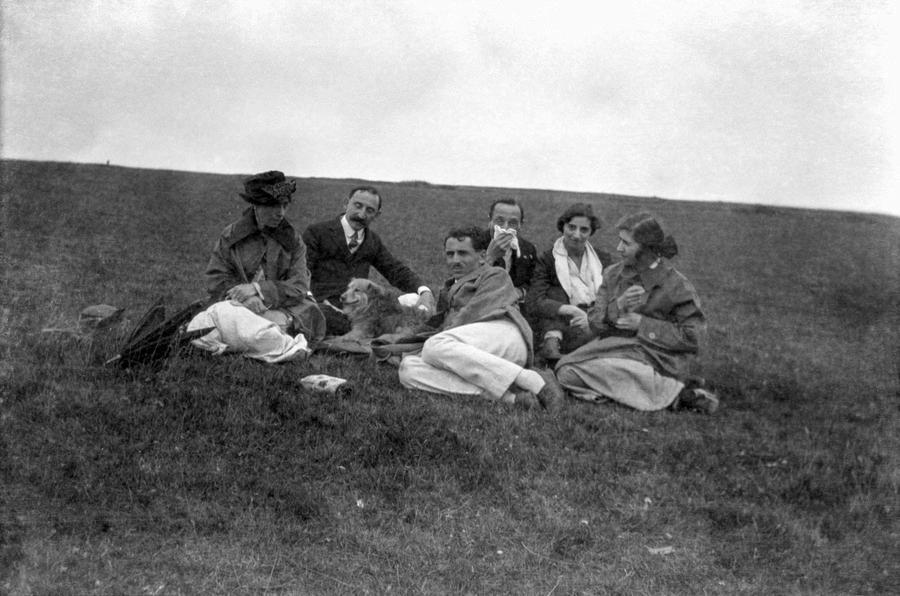
Winifred Joseph embraced the country life, which saw her having picnics on the South Downs and taking trips to West Wittering and Eastbourne in East Sussex. Joseph also travelled further afield, being part of a growing number of people who enjoyed walking tours in Switzerland, Northern Italy and France.
Family Group at Eastbourne September 1920
Framed A4 £50
1917
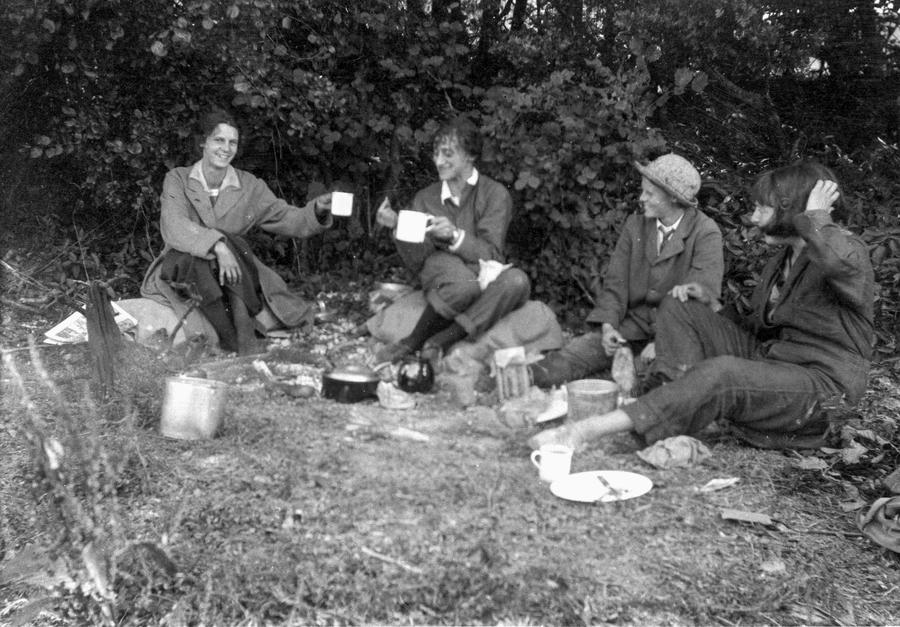
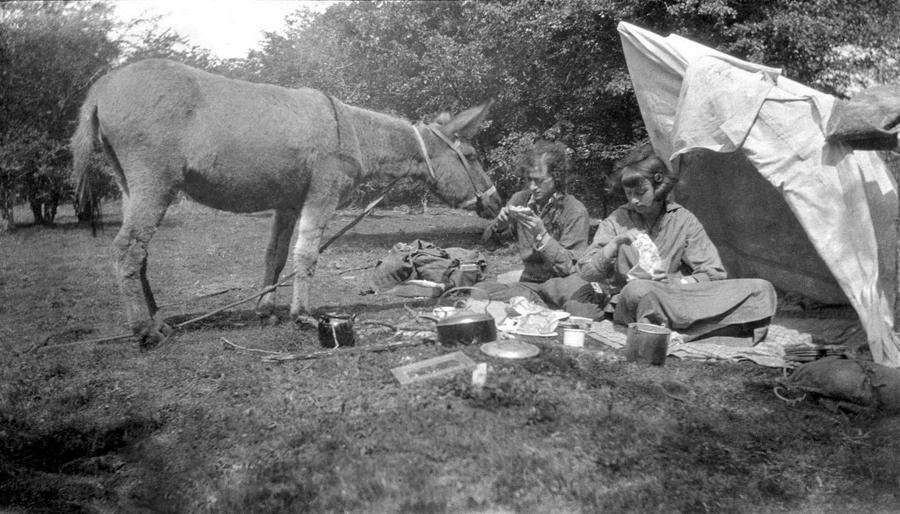
Camping at Eastbourne August 1920
Left to right:
Marie Brahms and Flora Twort
Campers Party, Buriton
Left to right:
Winifred Stamp, Marie Brahms, Bar and Flora Twort
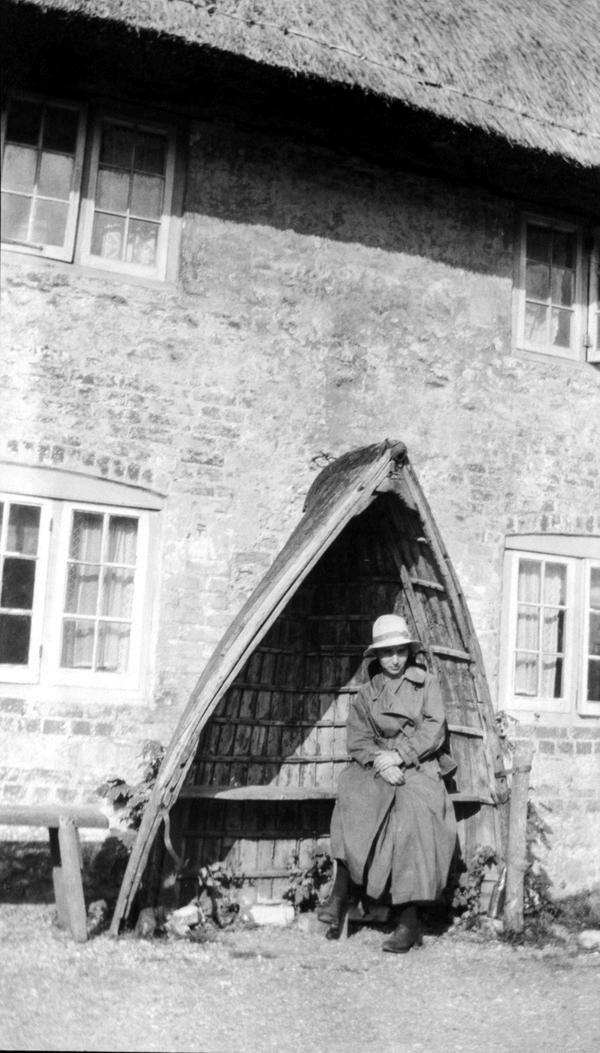
Winifred Joseph in Boat Shelter, West Wittering 1919
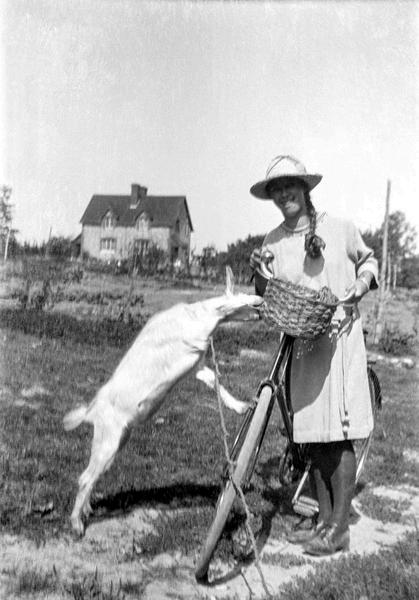
Nancy with Goat August 1921
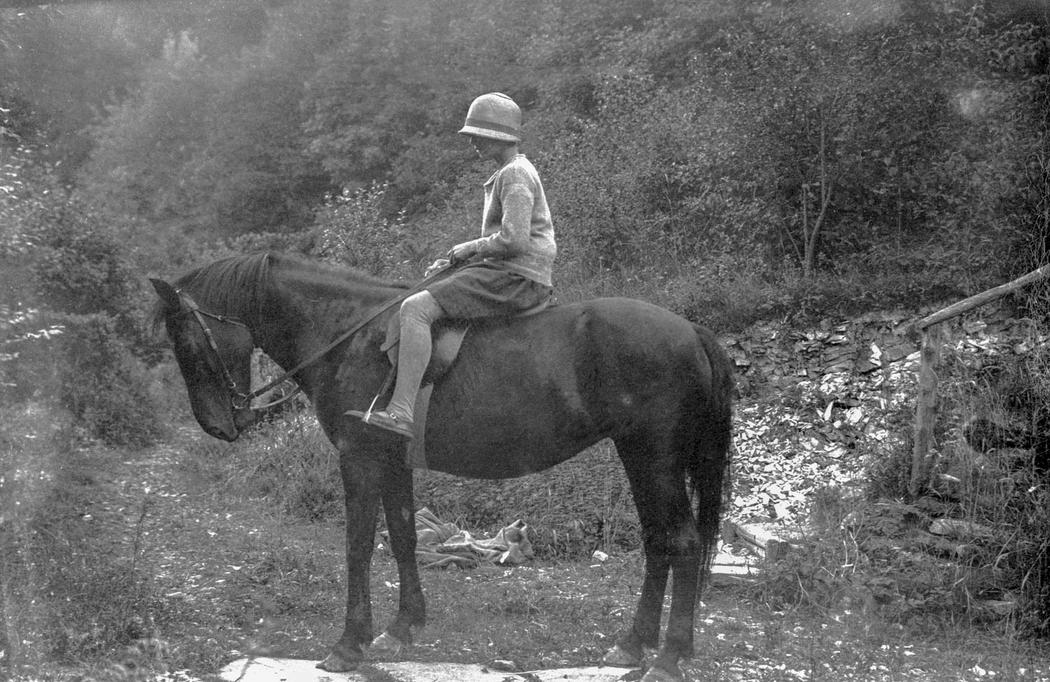
Heather on Pearly Queen
July 1926
Heather Marston
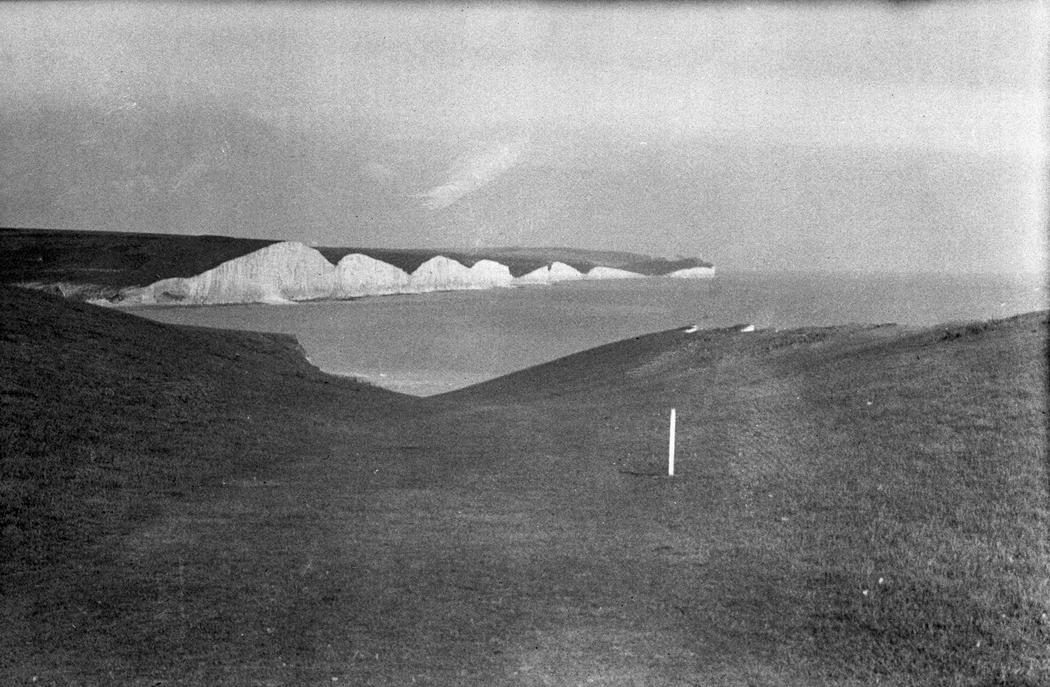
Seven Sisters, East Sussex
July 1935
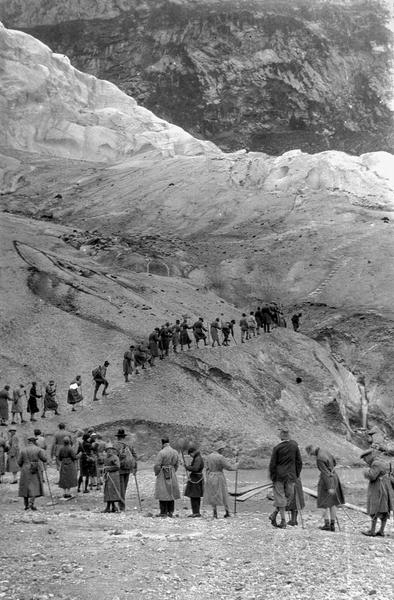
Climbers on Glacier
Grindelwald Glacier, Switzerland
August 1927
Grindelwald is a world-famous village in the Bernese Oberland region of Switzerland, nestled at the foot of the iconic Eiger North Face and Wetterhorn peaks. It has been a famous tourist destination since the late 18th century and gained significant popularity with British visitors in the 19th century, particularly for mountaineering. By the 1920s, it had become a wellestablished alpine resort, as walking and exploring the mountains had become more accessible.
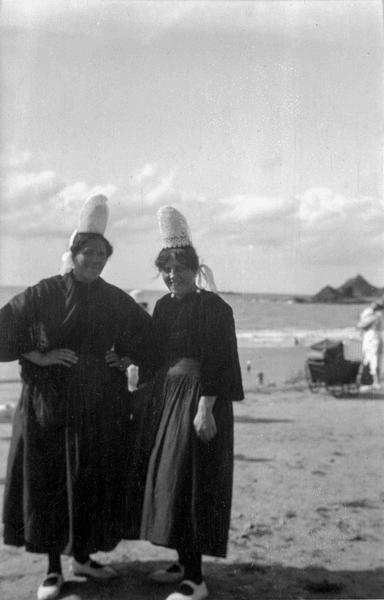
Peasant Women, Dinard, France
August 1928
Dinard in the 1920s, often referred to as the ‘Cannes of the North’, was a fashionable and elegant seaside resort. In August 1928, Joseph travelled by ferry from Southampton to St. Malo then on to Dinard. Travelling with her father, they then went to Cap Fréhel before returning via Mont Saint-Michel Abbey, a magnificent Benedictine abbey on the island commune of MontSaint-Michel in Normandy.
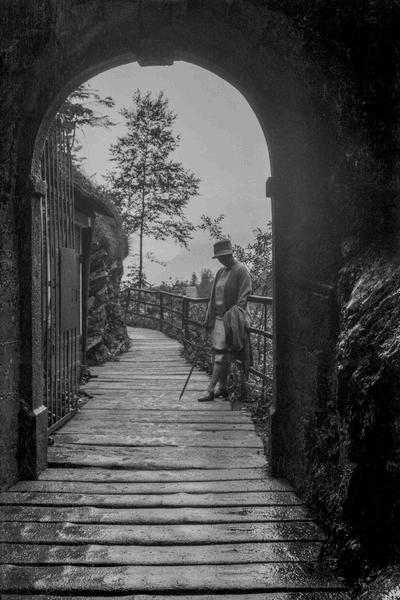
Framed A3 £75
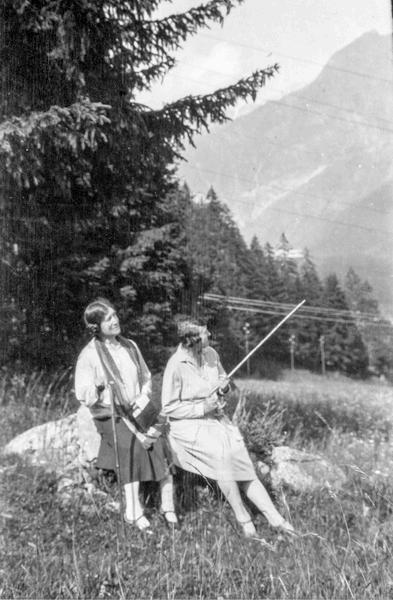
Mrs G and Rita, Chamonix
Framed A3 £75
August
June 1929
In June 1929, Winifred Joseph with two companions undertook an extended trip through Switzerland, Italy and France. Starting in St. Moritz they travelled down to Monte Brè near Lugano, taking the Monte Brè funicular, which has been running since 1912. Then across to Milan, Italy and on to Lombardy. They then returned to Morcote in Switzerland and up to Lake Como. They then travelled to Chamonix, in the French Alps, visiting Mont Blanc and the Aiguille du Midi, enjoying the dramatic Cascade du Dard waterfall, the Planpraz cable car, which had only opened the year before and the Bossons Glacier.
Aare Gorge Bridge in Switzerland with Rita
1927
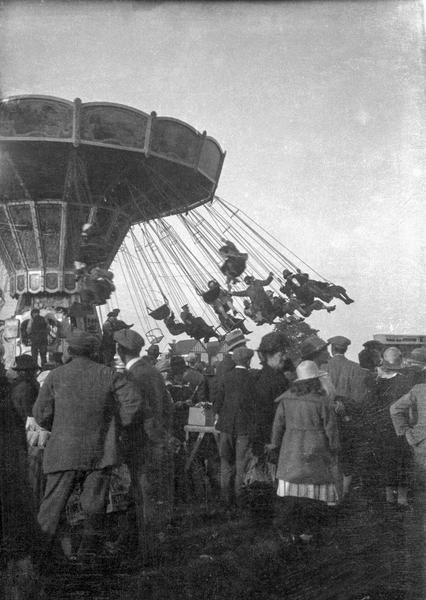
Chair-o-planes at the Fair
October 1925
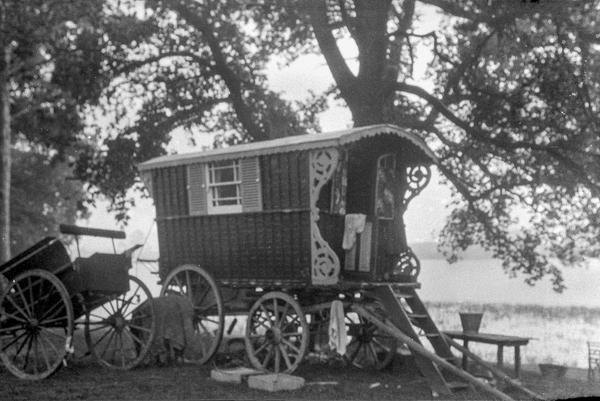
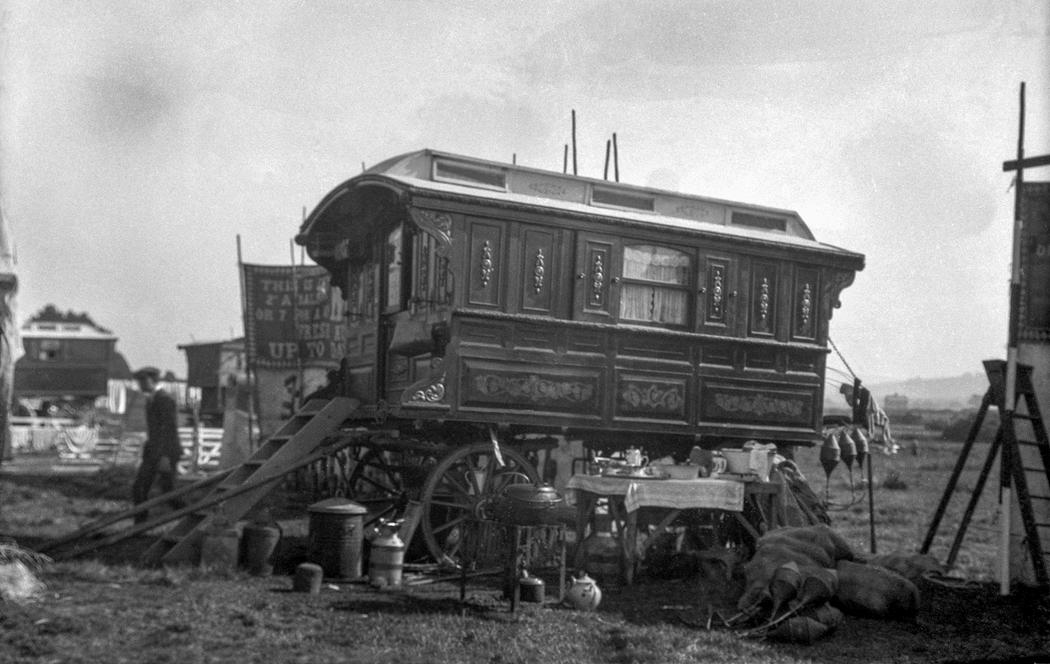
The Taro Fair, held annually on Petersfield Heath, has a rich history dating back to 1820. Traditionally taking place on October 6th, it began as a bustling livestock market where traders sold cattle, sheep and horses. This tradition continued until the final livestock sale in 1953. As the agricultural focus waned, the fair evolved. Side stalls and fairground rides, like the flying chairs that arrived in Britain in the 1920s, became increasingly popular. The vibrant atmosphere of the Taro Fair and the presence of Gypsy, Roma and Traveller people were the subject of many drawings and paintings by Flora Twort as well as Winifred Joseph’s photographs.
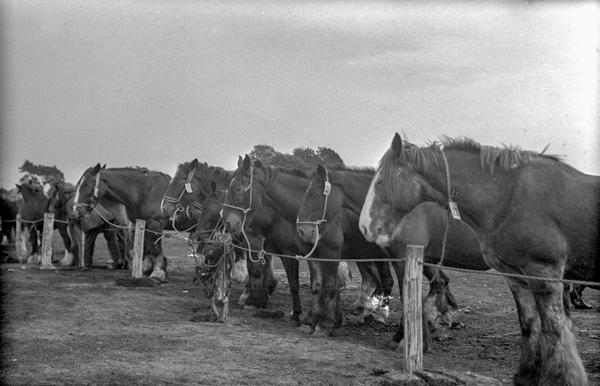
October 1933
Horses for Sale, Heath Fair
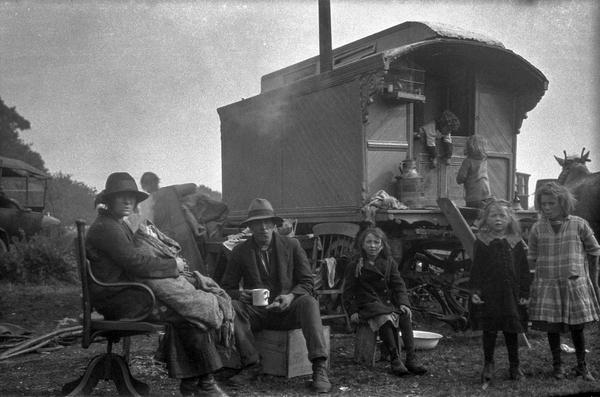
Family Group, Heath Fair
October 1927
October 1927
Caravan under the Trees
1925
Caravan with Table, Heath Fair October
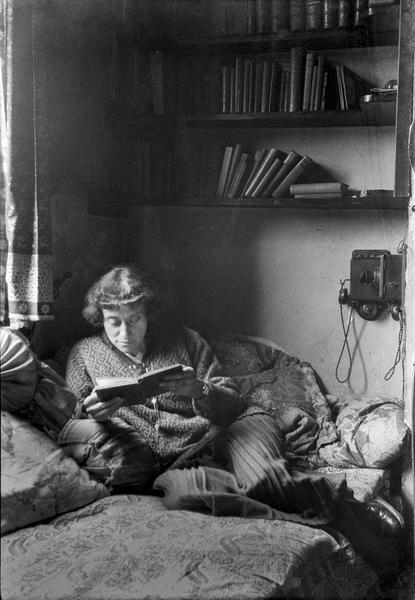
Bas at 63 Harford Street
April 1925
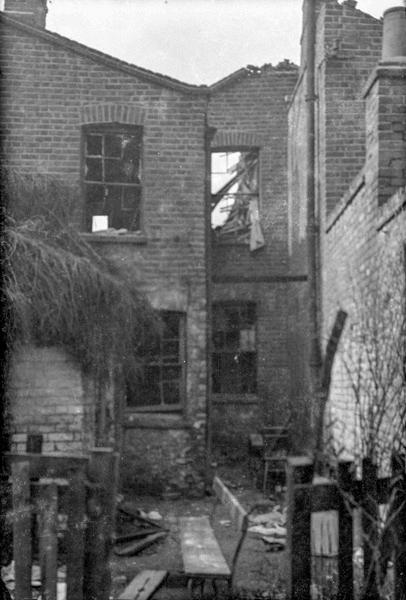
63 Harford Street was the address of Dr. Harry Roberts’s medical practice in Stepney, East London where Marie Brahms worked as a secretary. Initially, the surgery was one of a block of two-storied houses, built in 1820. It had a narrow dispensary in the waiting room and a small consulting room behind it. There was also a garden at the back, with a small sycamore tree. Later, Roberts bought the leases of the four houses adjoining the Harford Street surgery and began a series of expansions of the premises. The surgery provided a vital service to its community for decades until it was demolished by an explosion in March 1941.
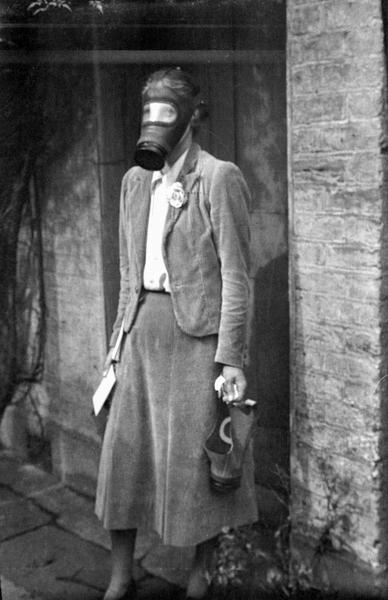
in Gas Mask Harford Street London
September 1938 Hester Wagstaff
Waggles