









































By Chris Azzopardi


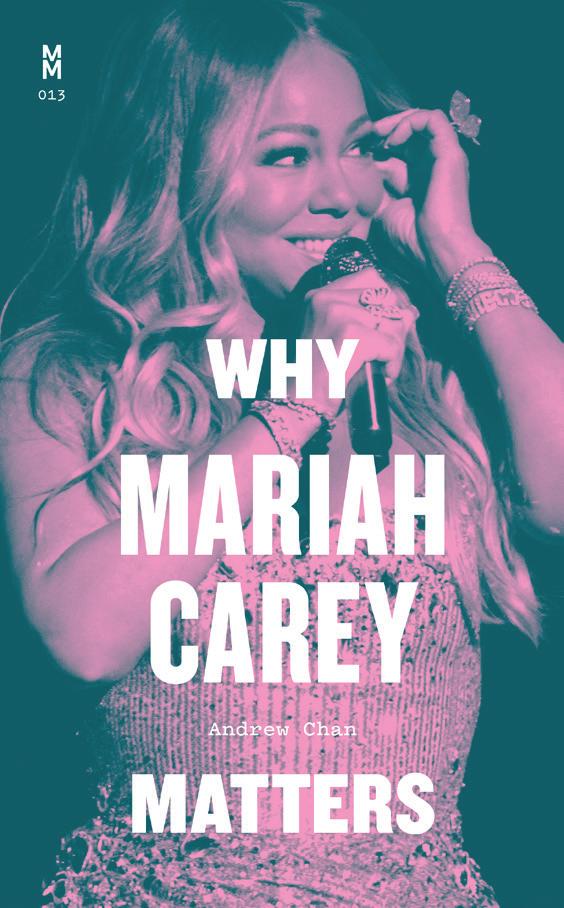
Mariah

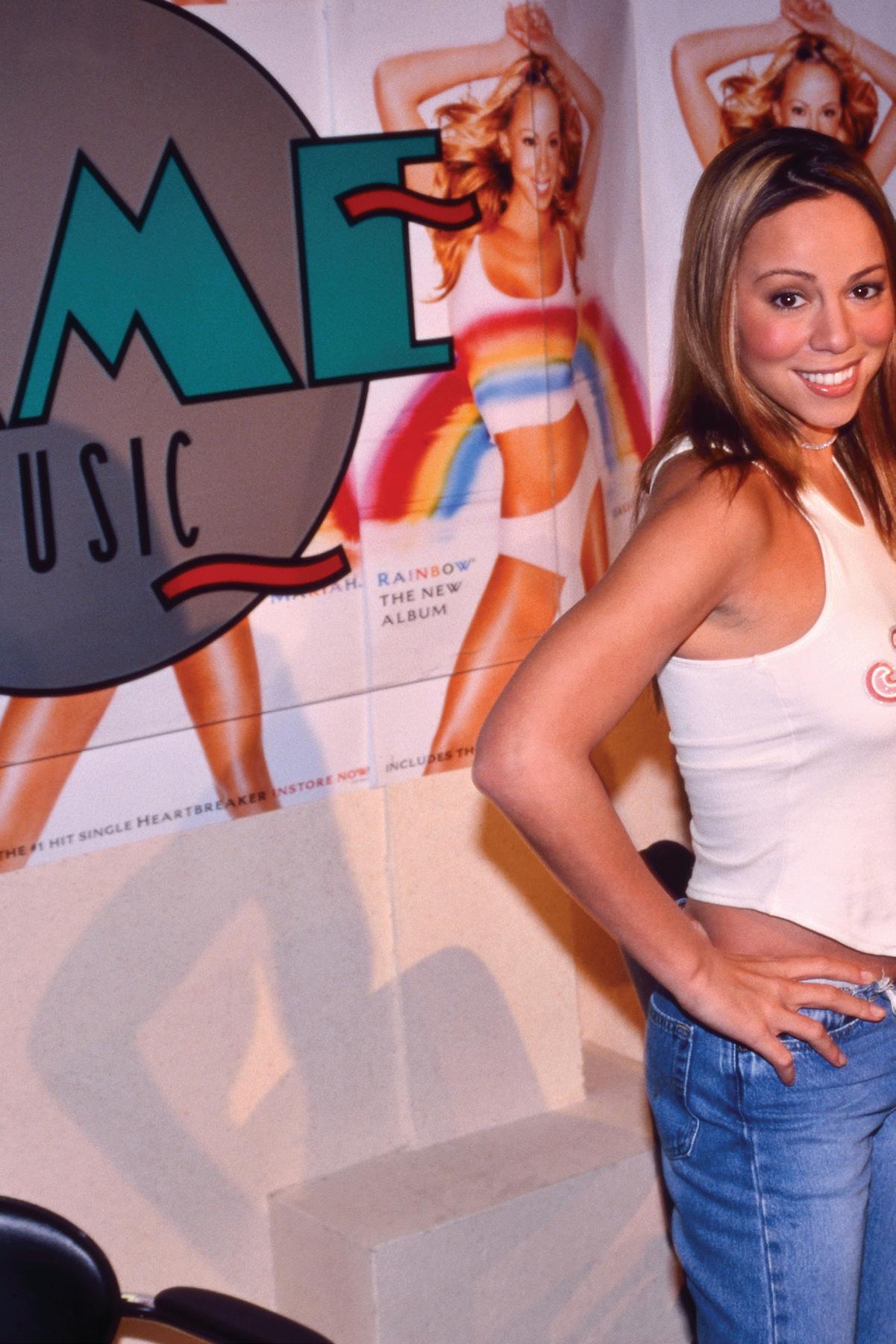
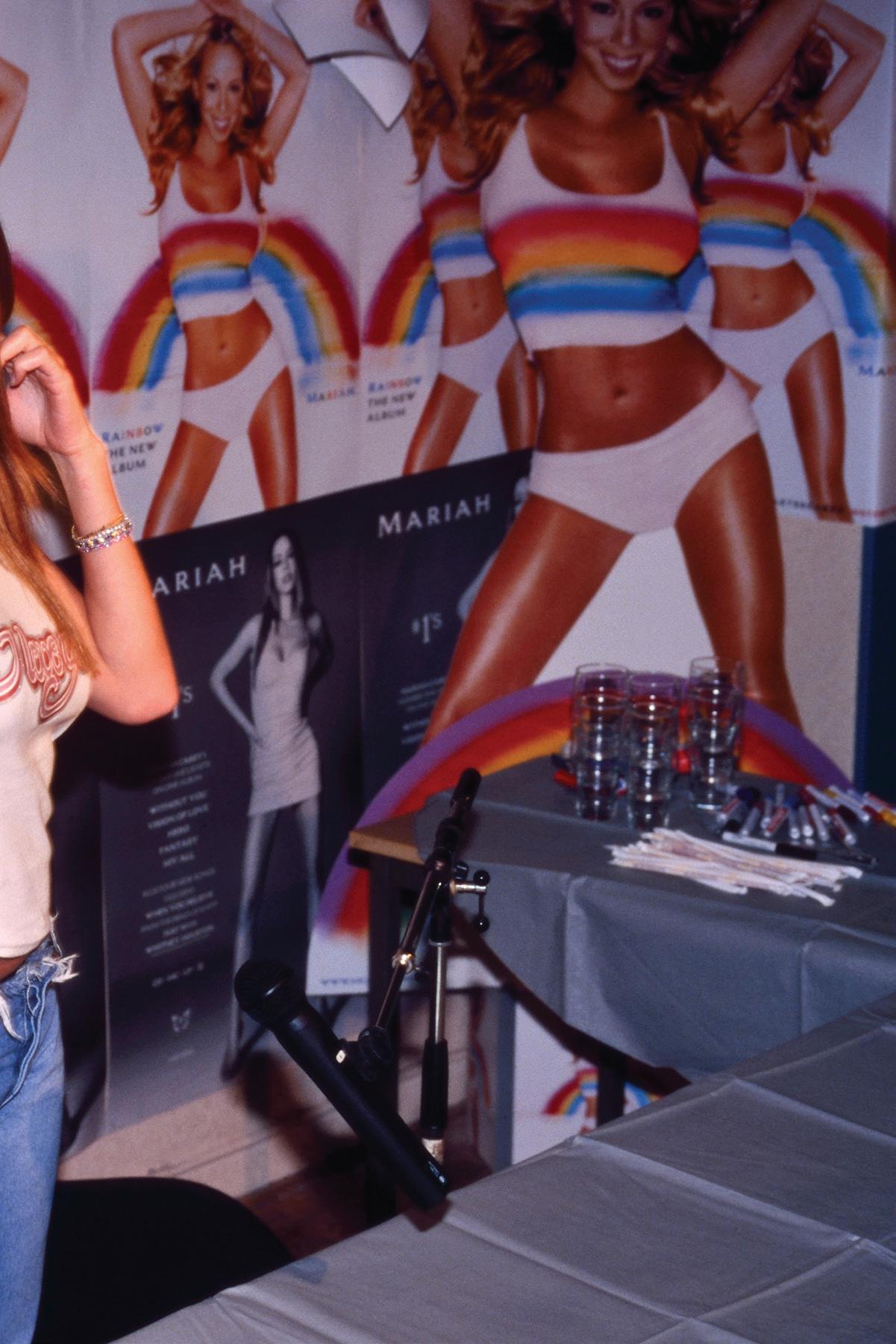
Carey is in sharp focus as a pop music innovator and gay icon in some of the best-written commentary on her artistry and what she means to queer fans, thanks to writer Andrew Chan’s remarkably studied new book “Why Mariah Carey Matters.” The book plumbs the depths of Mariah’s voice, songwriting and production savviness since making her debut in 1990.
Chan, who wrote about her previously for NPR, writes with a window into his own deeply personal devotion to Carey as a gay Chinese-American man. In the 1990s, when Chan was first drawn to her, his connection to her music was “intimate and private,” he writes just a few pages into the book. Here, Chan is summarizing his feelings on “Outside,” a song revered by many of Mariah’s queer lambs, her name for her most loyal fans, for understanding that once an outcast, always an outcast.

“The too-muchness of the vocal was an accurate description of everything I felt but couldn’t say,” he writes before adding, “Mariah’s vocals seemed to be saying that the ultimate voice could also be the one that resonated on the queerest frequency. The most beloved voice could be the most freakish.”
my defense of her was really an extension of me defending myself as a queer person? I was seeing parts of my own story on these pages, told by someone else who, at one point, also needed, as he puts it, “a glamorous, hetero-feminine idol.”
When I wrote my essay on Mariah for The New York Times, I was having this moment where I was craving the comfort of home during the first year of the pandemic. When that need kicks in, I find that feeling in so many of the Mariah songs that have been healing since I was an adolescent, so “Through the Rain,” “Hero” and “Can’t Take That Away.” For you, at what point during the pandemic did you realize that you needed to write this book for yourself?

At 40, it’s hard to imagine I don’t already fully understand why Mariah matters to me — like Chan, my foundation for perseverance, enduring those tough gay teen years, was built on her own survival, her own outsiderness. To that end, I wrote how extensive my connection to her music is in an essay for The New York Times in 2020, coincidentally around the same time Chan began writing “Why Mariah Carey Matters.” Few people in my life fully understand how deep it goes, exactly. On some level, my mother does; after all, she saw me struggle the most as a queer kid, and she saw Mariah’s music keep me afloat throughout that period of time.
And yet, after reading Chan’s careful analysis — in one part, he recognizes how she entered Black gay club culture in the 1990s by flipping her hits into house mixes — alongside his own personal introspection, I found myself catching my breath several times. Though I didn’t think it possible, I felt like I was graduating to the next level of understanding my own connection to Mariah. I even called my mom to read her some of his best passages — could it be that

It was after the NPR piece, and there was kind of just an itch. I think there’s a deeper reason, but I think the more superficial reason was I was a little bored and I needed a project. The deeper reason was I knew that tapping into her as a subject was going to allow me to explore a lot of other themes. As much as this is a tribute specifically to her and giving her her flowers as an artist, it also opens out onto bigger subject matter that I think will resonate with people who don’t even know her music: the subject of the voice and how we connect with singing voices. During the pandemic, I too had that craving for home, the familiar. I think maybe there’s not enough writing about what it means to return again and again to the same music and how that can be profound.
A song like “Anytime you Need a Friend,” I was just listening to it this morning. I’ve heard that hundreds, thousands of times in my life and it pierces my soul every time. That’s such a magical, profound thing. I mean, even as I’m talking about it, I’m getting emotional because I think the pandemic also revealed something about our fundamental needs as human beings and also the cyclical nature of what makes us tick and what hurts us, and those wounds from early in our lives never really go away.

In the book, you examine how many Mariah songs look at adversity and emotional pain as things that can be life-long struggles. “Outside,” “Close My Eyes,” “Petals” and “Portrait” are all examples of this. For many who are queer, that feeling of being marginalized and oppressed doesn’t ever completely wane.

That’s something that really sets her apart. Sometimes I get sick of comparing her to the other major diva singers of the ’90s who we love. I love Whitney; I love Celine. But I think the clarity of Mariah’s worldview, when it comes to that kind of pain, which is often why we make music in the first place and listen to it in the first place, especially as queer people, we turn to it as a lifeline. She gets that on just a really instinctual level.
What is so moving about “Outside,” “Petals” and “Close My Eyes” is that they’re very specific songs. They’re written from inside the particularities of her experience as a mixed-race woman, as someone who had the family dysfunction that she had. To me, what’s kind of most moving and miraculous about our relationship to those songs as queer listeners is that she doesn’t identify as queer and you can’t really conflate the experience of being mixed race with being queer. They are two very different things, and yet she’s speaking to us across this great divide, and we’re finding a commonality there that we’re connecting with, which was so important at a time when there were so few images of us in the media. The fact that I could connect with her songs at such a young age and not even really know what she was talking about in terms of the mixedrace themes of those songs — even if you set aside the words, I could feel in her voice that she knew something about what I was feeling.
I really moved through life like Mariah did in some ways. Her triumphs over adversity became my mantra for my own hardships
It’s interesting because we don’t personally know her, but we don’t have to. I mean, I am kind of wary of stardom in a way. I think there’s something really toxic about fame, and so part of me, as a critic, is scared to touch that. My comfort zone is listening and really getting deep into the sound and the aesthetics of the music, but you can’t deny that the reason we’re able to connect with her in that way over the decades is because of the machinery of stardom. And I think there’s something really deep and intimate being shared, even with the whole corporate structure of how stars are made. It is kind of magical how something really human can be transmitted even through the veils and the smoke and mirrors of the star machinery.
From a writing standpoint, I’m wondering how early you started investigating Mariah through your writing.
I actually had never written about her until the NPR piece, which really surprised me. I feel like there had been so little serious writing about her, and maybe it was easier for me to go to the classic soul people like Aretha Franklin, Marvin Gaye and Otis Redding. Mariah was a gateway to that music for me. I don’t think I would really know or care about that music without having first heard the influence of those singers in her.
But yeah, I think in those pieces I was working up to, I was preparing to write this subconsciously. And when I started writing it, I realized that actually there’s no other artist I could have written a book about like this. I mean, there’s so many books on Aretha Franklin. I needed to find an artist for whom there was a void in the writing, and I needed to feel like there was something unique about what I could bring to the table in terms of how I listened to her music. So I think there’s no one else that I could have done this with for a first book.
After reading your book, I’m listening to her music with fresh ears, newly appreciating, for example, the layered complexities and the harmonies on the “Butterfly” album.
I am kind of adamant that this is very much a work of criticism, and that’s what’s different about what I’ve written and other books that have been published on her before that are more celebrity profiles. And criticism, I want to emphasize with people who maybe don’t read it a lot that this is the point of it — the writer writes it in order to hear something that they have maybe heard hundreds of times anew. Because through the writing, you’re creating a new encounter, and then with the sharing with the reader, you’re multiplying it, and you’re able to hear these songs that are so ingrained in you, almost like for the first time. So, for me, the experience of writing is almost, at times, less about the writing and just about the listening that is required to do the writing. I want to be able to hear deeply again.
I wanted to talk about Mariah’s most prolific period of dance remixes, which was the 1990s. What I didn’t fully consider until I read your book was how she was creating these remixes because it was
the music authentic to her as a person and artist, whereas her ex-husband and label head Tommy Mottola controlled the sound of her earliest albums. But those mixes, many of which were house music played in gay clubs, ended up reaching the queer community almost exclusively. I don’t know how much she even knows that or how aware she is that what she was creating was being played in those clubs. Considering that connection, do you think that Mariah was as aware of herself being a gay icon then as she is now?
I am guessing it was a gradual awareness. I mean, she even says in the memoir that she didn’t even know how many fans she had or how famous she was until “Music Box” [in 1993]. You can take that with a grain of salt, but I think she’s probably being sincere in that she was so cocooned and famous, so I’m sure such a weird experience that you kind of dissociate. I’m not sure she really knew what to make of her relationship with her listeners, let alone a segment of her listeners, the LGBT audience. But I think she had to have known that house music was creating a connection, that releasing this kind of really attentively, carefully, passionately made house music was going to foster a relationship with this particular community. And also you have David Cole as this really key collaborator, a gay man. So I think she couldn’t have been completely unaware of it.
This is what’s kind of interesting to me, and I don’t really say this, maybe I should have said this in the book, but I do focus a lot on me experiencing her from the outside of her own experience. She’s a Black woman, a mixedrace woman; I’m this Chinese-American gay man, and so I don’t really belong to the specificity of her world. But, also, she is creating in our world too, as someone who’s not queer, but making music, incredible music in kind of a queer idiom. And so it’s almost like this becomes this common ground for us to meet at.
Not to say that divas hadn’t been singing on house tracks forever. Black women are pioneers of house music. But I think the specificity of the address in those remixes is really powerful, and it’s kind of exciting to know that she found this freedom in that format, in that genre.
In the book, you write, “By sticking up for our beloved diva, are we trying to protect something from our childhoods — something that feels even more precious for having been at times as uncool as we ourselves may have once been?” This passage hit me hard. I hadn’t thought about my connection to her on that level, exactly.
Just as we need to remember being in the closet and the shame and the fear we experienced in it, memories of how uncool Mariah was at that time if we were part of that generation are tied up in that because she became such a signifier, especially if you were a cis, male, gay child and you were closeted and you didn’t want to be found out.
Admitting that you love Mariah’s music was going to be the tip-off. Now a lot of people are jumping on the bandwagon and they’re more than welcome because it’s a big tent [laughs], but we remember a time when she was uncool and uncool had a lot to do with homophobia toward her fan base as well as misogyny and racism toward her.
I wrote this with lambs and people like me in mind, but I was also thinking about friends of mine who come from a completely different experience, and sometimes I think this is common in friendships between straight men and queer men: As much love as there can be in those friendships, it can feel like there’s such a wide chasm culturally and emotionally in the way we express ourselves that is so hard to communicate across. I do think this is a way of offering something of my interior life to friends of mine who don’t share this experience, and even though this book is not my memoir and it’s pretty minimal about the personal stuff, it’s about how I listen. Implicitly, I’m saying I’m listening to this as a gay Chinese-American man, and I have been really moved by their response to the book.
Representation was so different in the ’90s for LGBTQ+ people who were growing up. We didn’t have a lot of examples of what it looked like to feel and be different, and that we could be OK despite our differences. How do you think queer people of this current generation will feel the impact differently of what we got to experience in the moment with songs “Outside” or “Close My Eyes,” or these remixes, and what Mariah represented to us then?
I think this is such a great question, and I am always constantly thinking about this intergenerational aspect of queer life, because even as I say in that chapter on house, I was a little too young to really be engaging with house music in the ’90s like that. So I am almost experiencing those remixes as a portal to an earlier era of queer culture that I don’t have access to. I am also wondering what this music will mean to young queer people now. But I think as far as we’ve come, we also know how much homophobia and transphobia exists today, particularly with the really violent backlash against trans people in recent years. I think what I was trying to convey with the book, when I was saying that I see her almost as an antidote to the “it gets better”
rhetoric of queer positivity, which has its place, and I’m not knocking it just to be a contrarian, but I think we’ve gotten to a point where Pride has been co-opted by corporations, and it’s been mainstreamed in this way that I fear sometimes that we’ve forgotten what it meant to really be in the closet and the shame, and what that did to our spirits and the after-effects of that over years and years. Even as our lives go on, we flourish and thrive. Where’s the space for that conversation?
Songs like “Outside” and “Close My Eyes” and the memories of experiencing them when we were kids, at least I can speak for myself, bring me back to that time. And I don’t want to fetishize the trauma and the pain. I’m just saying that the after-effects exist, and listening to the music is a way to re-encounter and find a way to face a lot of things that, for myself, because I knew I was queer from a very young age, never really got processed or reconciled. So the music is a framework in which to do that.
Chris Azzopardi is the Editorial Director of Pride Source Media Group and Q Syndicate, the national LGBTQ+ wire service. He has interviewed a multitude of superstars, including Cher, Meryl Streep, Mariah Carey and Beyoncé. His work has also appeared in The New York Times, Vanity Fair, GQ and Billboard. Reach him via Twitter @ chrisazzopardi.
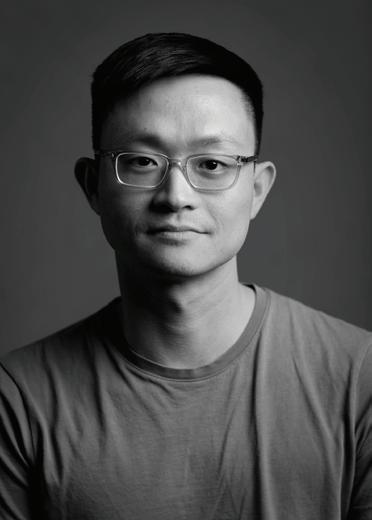
Author Andrew Chan



By Mikkel Hyldebrandt
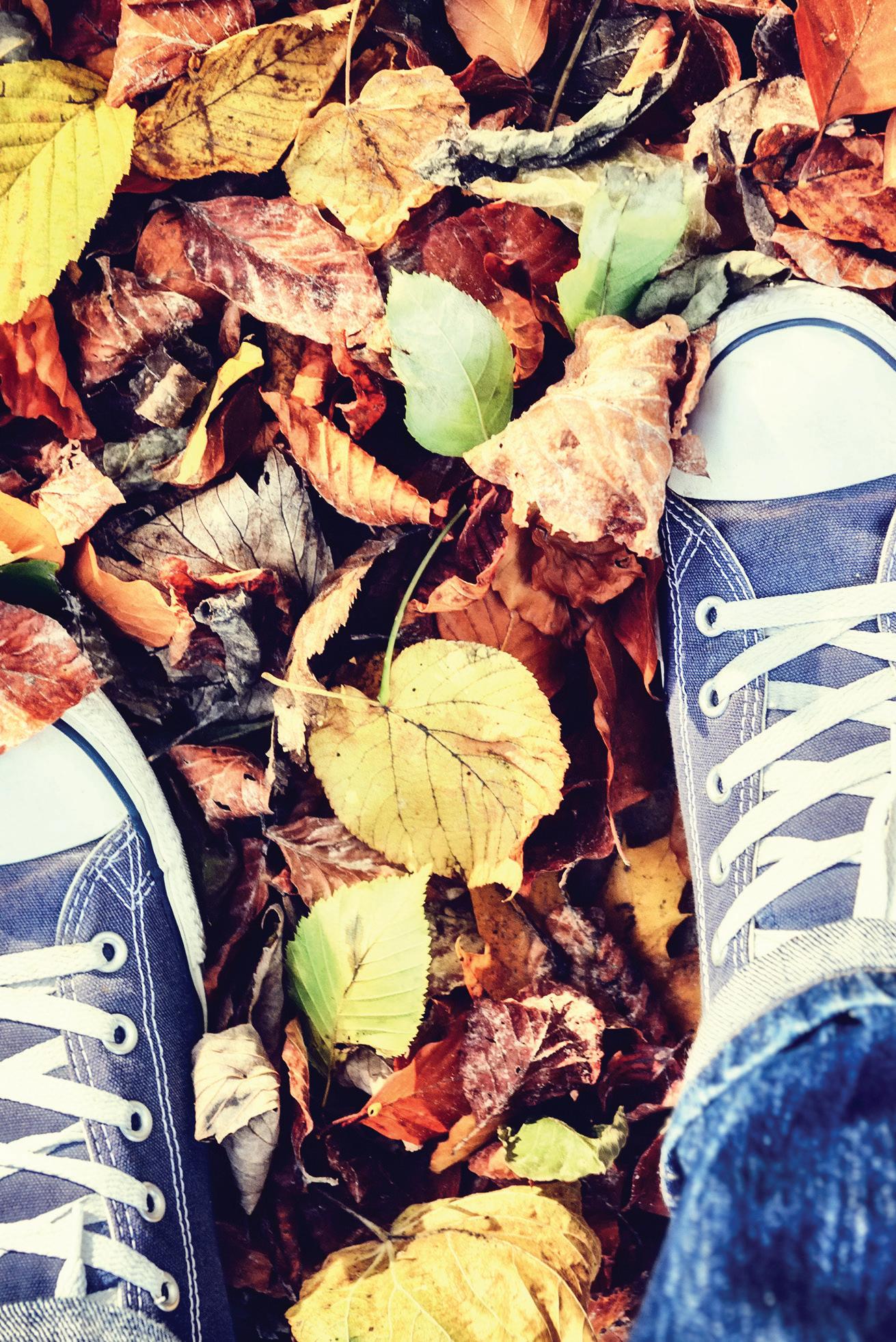
As the leaves turn vibrant shades of red and gold and the temperatures begin to dip, there’s no better time to plan a cozy autumn escape from the hustle and bustle of Atlanta. Fall is a magical season in Georgia, and here are five fantastic weekend getaway options that offer a perfect blend of sights, accommodations, and that special autumn charm.
Nestled in the North Georgia mountains, Blue Ridge is a picturesque town that comes alive with fall foliage. Take a scenic drive along the Blue Ridge Parkway, hike the stunning trails of the Chattahoochee National Forest, or embark on a relaxing train ride on the Blue Ridge Scenic Railway.
Blue Ridge offers an array of cozy cabins and cottages, allowing you to experience the true essence of a mountain retreat. Enjoy a hot tub soak with mountain views or gather around a crackling firepit.
Blue Ridge captures the essence of fall with its stunning natural beauty and the opportunity to immerse yourself in the great outdoors while staying in charming accommodations.
Savannah’s historic district is a dreamy destination any time of year, but fall adds a layer of magic to its cobblestone streets and oak-lined squares. Take a leisurely stroll through Forsyth Park, tour historic homes, and savor fresh seafood at River Street restaurants.
Choose from elegant historic inns or boutique hotels that offer southern hospitality at its finest. Many accommodations feature charming courtyards and verandas where you can enjoy the mild fall weather.
Savannah’s romantic ambiance, rich history, and coastal charm make it an ideal fall weekend getaway for couples or anyone seeking a taste of Southern culture.
Helen transforms into a Bavarian-inspired village during the fall season. Explore its charming streets, adorned with colorful fall decorations, and indulge in Oktoberfest
celebrations. The Chattahoochee River offers tubing adventures amidst the stunning fall foliage.Stay in Alpine-style chalets or cabins surrounded by nature, giving you the feel of a European getaway. Enjoy mountain views and easy access to local attractions.
Helen’s unique atmosphere and fall festivals create a festive getaway, allowing you to experience a touch of Germany without leaving Georgia.
Athens is not just a college town; it’s a vibrant cultural hub with a thriving arts scene. Explore the historic campus of the University of Georgia, visit the Georgia Museum of Art, and take a walk through the State Botanical Garden.
Athens offers a variety of boutique hotels and charming bed-and-breakfasts, allowing you to immerse yourself in the town’s artsy and historic ambiance.
Athens provides a unique blend of culture and relaxation. Enjoy crisp fall days exploring the town’s cultural offerings, followed by evenings in cozy accommodations.
Dahlonega is Georgia’s wine country, and fall is an ideal time to visit its vineyards and wineries. Take a wine tour, sample local vintages, and enjoy the stunning vineyard views amidst autumn colors.
Dahlonega offers charming inns and lodges with a rustic feel. Wake up to breathtaking mountain and vineyard vistas.
Dahlonega’s combination of wine tasting, natural beauty, and cozy accommodations make it a delightful fall weekend escape for wine enthusiasts and couples.
21 Peachtree Place NW, Atlanta, GA 30309 á (404) 872-4897
www.macsbeerandwine.com
Proudly serving Midtown Atlanta since 1987! Located in the heart of Midtown at the corner of West Peachtree Street and Peachtree Place, Mac’s is a quick 5 minute walk from the Pride Parade route and close to all other Pride Celebra�ons. We are fully stocked with all the Beer, Wine and Liquor, and any sodas/mixers/cups you need to celebrate Atlanta Pride! Free parking is available in our parking lot while you shop, and online ordering with instore pickup and limited local delivery now available.
Store Hours
Monday-Wednesday
10:00AM-10:00PM Thursday
10:00AM-11:00PM Friday-Saturday 9:00AM-11:00PM Sunday
11:00AM-8:00PM



By Bill Malcolm*
Beaches, great food, a friendly welcoming culture, and lots to see and do in a city founded five hundred years ago make San Juan, Puerto Rico perfect for a holiday. Best of all, it’s so easy: no passport needed, your phone and phone plan work, and everyone speaks English as well as Spanish. Did I mention the good coffee and rum?
I was in town for the 40th Anniversary Convention of the IGBTQ+ Travel Association along with almost seven hundred other travel professionals. Among the many panels, one discussed how to make the other Caribbean islands as welcoming to the LGBTQ+ community in Puerto Rico. Details at iglta.org.
I took Southwest to San Juan (SJU) via Fort Lauderdale on the way there and Orlando on the way back. I paid just $317 round trip from Indianapolis and hopped on an earlier flight on the way back thanks to their new free stand by policy. Spirit and Jet Blue are also extremely popular choices to get to the island.
tel which sits right on the beach. The Miramar neighborhood includes the Dan Rafa Boutique Hotel (601 Avenida Miramar) which has a nice bar in the lobby and is in a cute neighborhood with a lot of shops. The Fairmont in Isle Verde near the airport also features a casino, several pools, and a fun bar. Be sure and be on the lookout for about resort fees and other sneaky junk charges (aka destination fees, property fees, etc.). They vary widely but many hotels now have them and not just here.
I stayed at the Coqui Del Mar Guest House in Ocean Beach (2218 Calle General Del Valle). The lodge features a great cooked to order breakfast with a side of fresh local fruit (and fresh tropical juices),as well as Puerto Rican coffee which is quite strong. A pool and hot tub, free use of several bicycles also makes for a great visit. On weekends they serve brunch which was home made paella the Saturday I was there They offer tours of Old Town as well as of the Yonqui rain forest You can walk or bike to nearby Ocean Beach. Details at coquidelmar. com. The property also has VRBO rentals nearby.
Other lodging options include the chain hotels in the Condado district including the LGBTQ friendly Tryst Ho-
San Juan is a city of historic, interesting, and colorful safe neighborhoods and I explored many of them. The Condado neighborhood is right on the beach and has interesting shops and many higher end hotels. The beach is beautiful and features a gay section (Atlantic Beach). You can rent chairs right on the beach. Plan on a day at the beach.
The nearby Santurce neighborhood is up and coming. Stoll down Calle Loiza for the most popular cafes, galleries, and murals. The Santurce Mercardo is a farmer’s market in this up and coming arts district of Santtucre which is known for a lot of murals. Buy a Puerto Rican hat at the hat store.
Old San Juan is the highlight of my entire trip and focuses on this area founded in 1508 by Ponce de Leon. I took a walking tour of the gay monuments of Puerto Rico Gay Tours (www. PuertoRicoGayTours.com) which focused on historic Old San Juan.
You will also want to visit Fort Morro (Castillo San Felipe del Morro) in Old San Juan now run by the National Park Service. Built in 1539 by the Spaniards to fortify San Juan, they needed the Island for supplies for ships en route to the America’s from Europe and Africa. El Morro was built to protect San Juan Bay’s deep harbor from attack by
the sea and sits at the end of the city which also had a wall built around it. The Spaniards ruled until 1898 when Puerto Rico became a U.S. Territory.
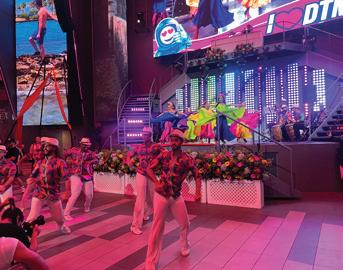
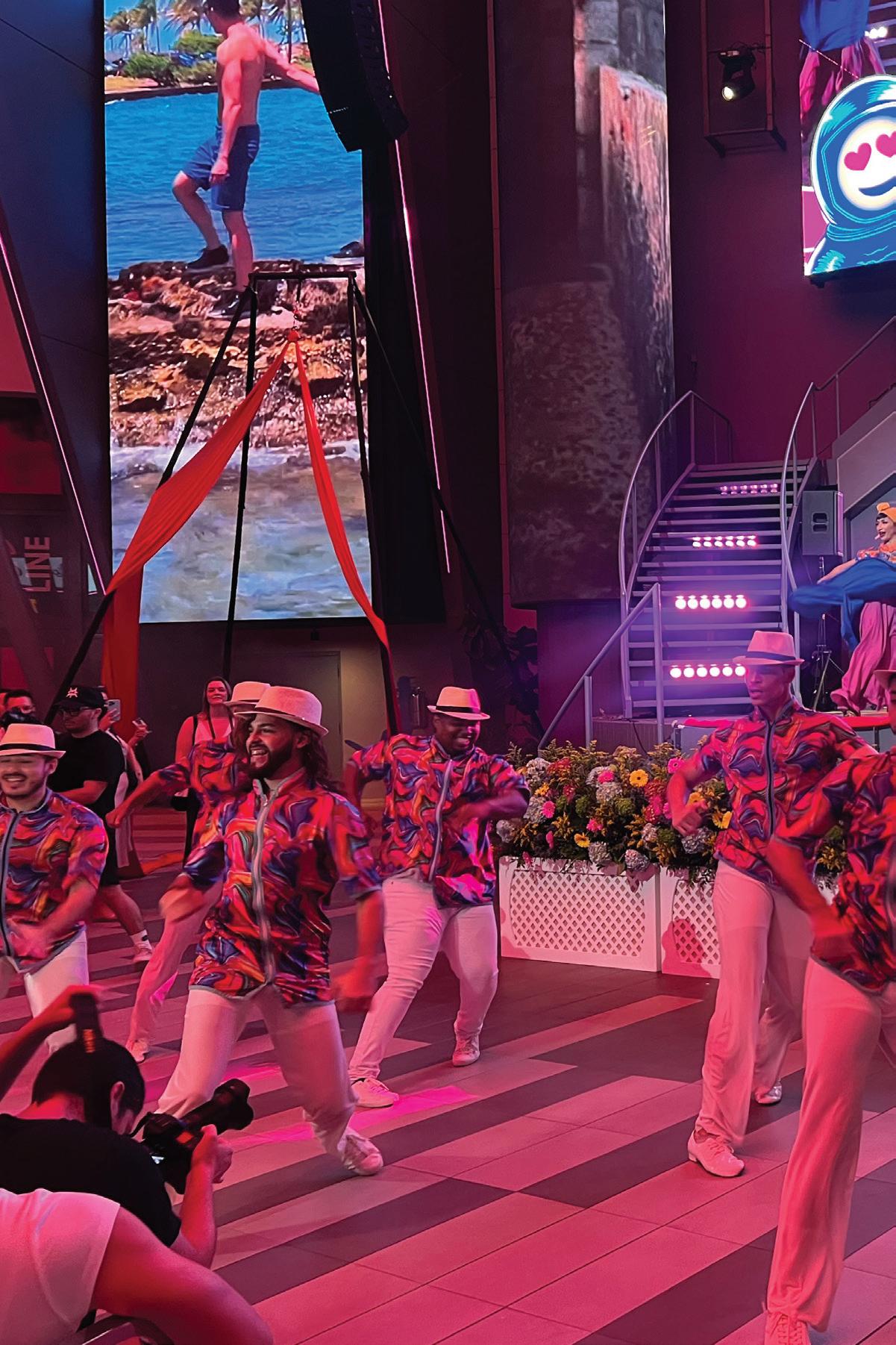
The Distrito T Mobile near the Convention Center is the new entertainment and dining destination. They had La Bamba dancers at the opening night of ILGLTA when I was there. (LaBamba is a dance native to Puerto Rico.)
Rio Piedras is another neighborhood to visit. I took the Tren Urbano (metro or subway) to the Rio Piedras neighborhood for lunch at the Plaza del Mercardo (farmers market) and had a fresh juice smoothie (papaya, guava, pineapple, coconut) and a meat roll from the Dominican Republic. A local band played while a dancer accompanied them at the Plaza.
Nearby is the beautiful University of Puerto Rico campus which features Spanish architecture and lots of tropical trees. The Spanish architecture reminded me of the Stanford University Campus in California.
I then took the Train (Tren Urbano) out to the last station, Bayamon, and walked around this historic suburban city which is over 250 years old. Have something to eat or drink at the food trucks which are parked in shipping containers. There are two small museums in the small suburban village which is very walkable. The train system is safe, modern and graffiti free. Take an Uber to the Sagrado Corazon station to catch it as it does not run into the popular neighborhoods nor the airport, convention center, nor Old Town. Day passes are just $5. It is a perfect way to explore the area.
lots of local spices.
For a splurge, Marmalade Restaurant in Old San Juan features fourteen course meals . The beef tenderloin was excellent. Nearby I also had a rum cocktail at La Factoria (148 Calle San Sebastian).
While in Puerto Rico, enjoy the local fruits (mango, papaya, pineapple, coconut). The bread is particularly good. Rice and beans are a staple. Many restaurants also feature paella (the Spanish rice dish with seafood and vegetables). Expect alof of Island spices including cilantro in many dishes.
Bacardi makes rum right on the Island and the Pina Collada was invented here. Rum is produced from sugar cane which is produced on the island.
San Juan has the best nightlife in the Caribbean. Tia Maria’s in the Santurce neighborhood is a lot of fun and features a friendly local crowd. Oasis is close to the gay beach in the Condado neighborhood right on the beach. Head to La Placita, the Santruce fruit market by days but is packed on weekends. The Circo Bar is popular as is Kweens Klub with its huge dance floor.
Lots of food options with interesting dishes define this city The food uses
For a snack, try the local candies like the coconut ginger bar.
This is a Spanish speaking island although most people also know English. Street signs are in Spanish. They use the metric system (gas is $1.00 a liter) but the speed limits are in miles per hour.
Skip the rent a car and take Uber. It’s fast and cheap.
Although it sometimes does not feel like it, you are in the U.S. Which is why I liked to ‘Live Boricua” (live Puerto Rican) referring to the spirit, flavor, and rhythm you will feel in every part of the island. The locals are a proud and happy people living on a wonderful island. This was my first visit to the commonwealth, but it won’t be my last. This is an easy to visit,LGBTQ+ welcoming tropical paradise that has not been over-run with tourists like Puerto Vallarta and other destinations have.

The Discover Puerto Rico website features a LGBTQ section full of travel tips including nightlife ideas.
You owe it to yourself to visit, especially given you don’t need a passport and the airfares are so cheap. Live Boricua!
*Bill Malcolm is North America’s only syndicated LGBTQ+ value travel columnist.























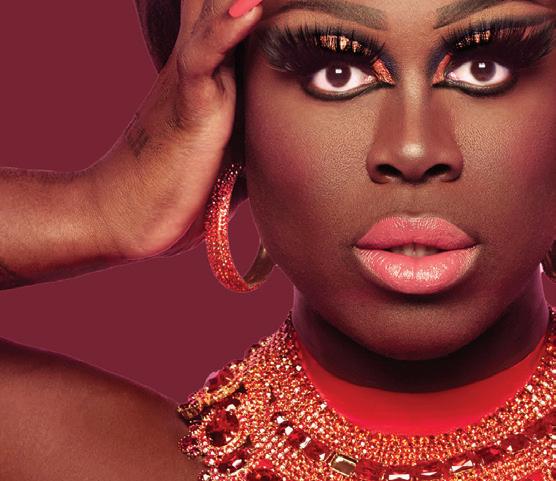

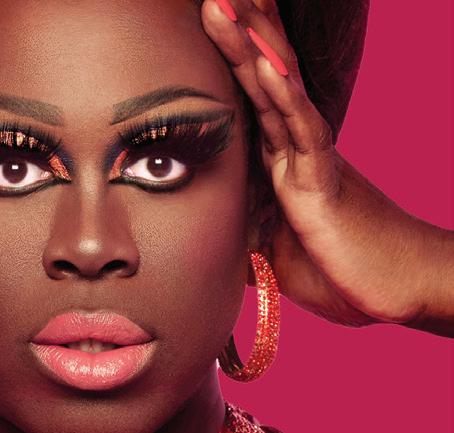
























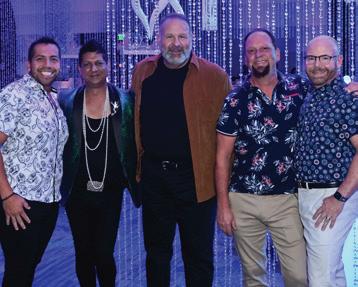
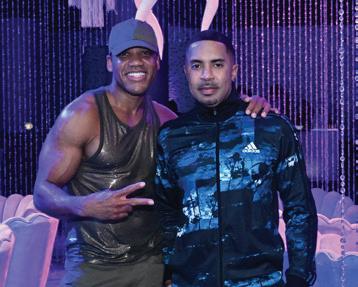
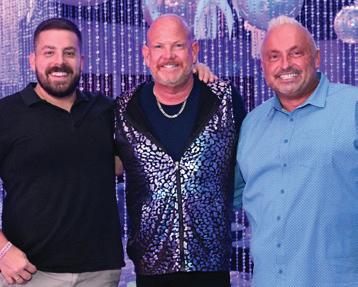
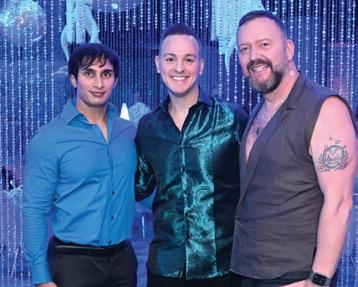
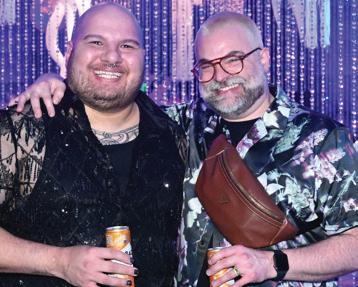
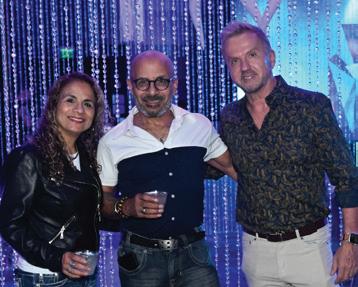
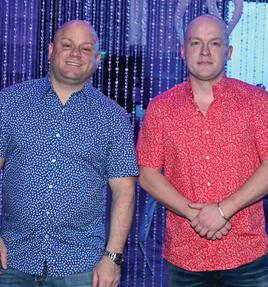
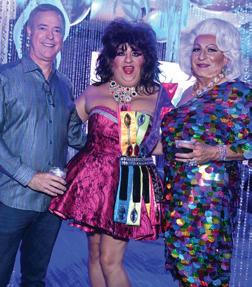
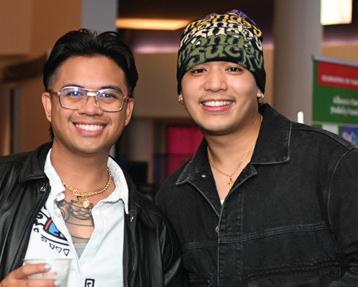
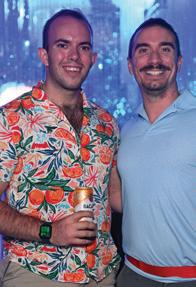











































































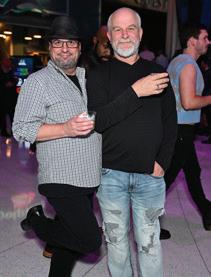
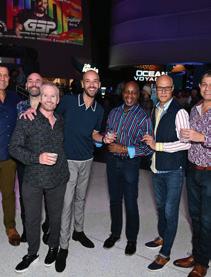
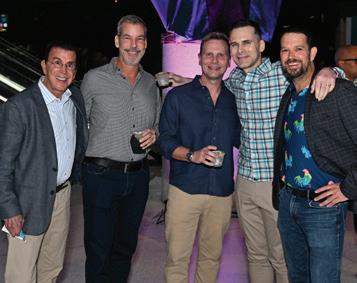
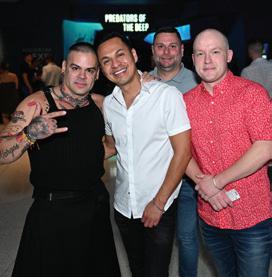
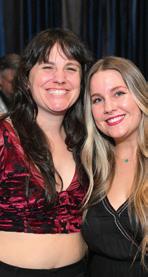
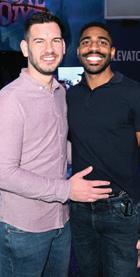
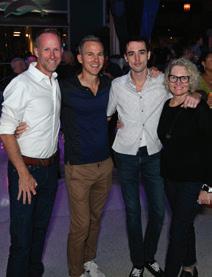
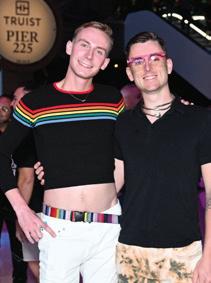
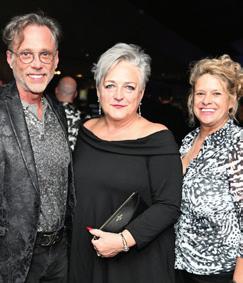
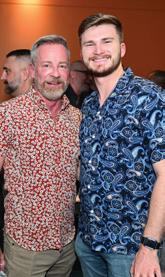
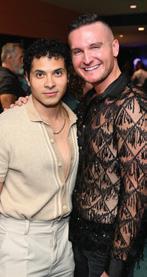
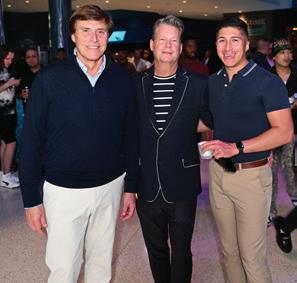
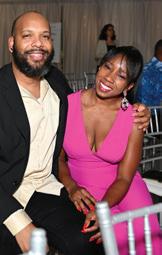
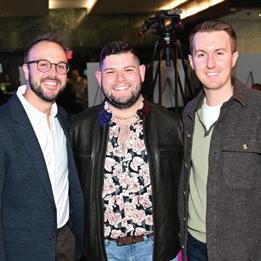
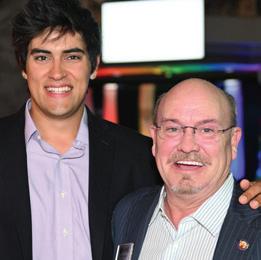
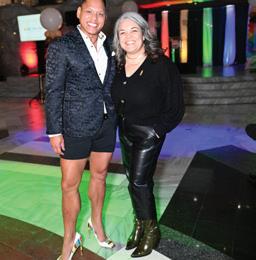






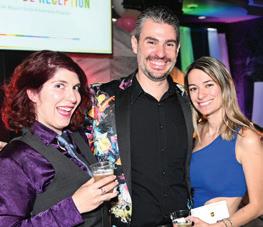
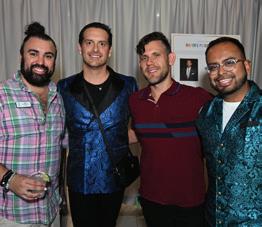
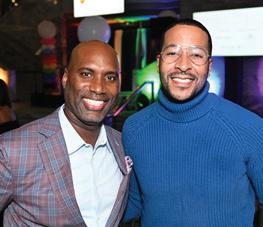
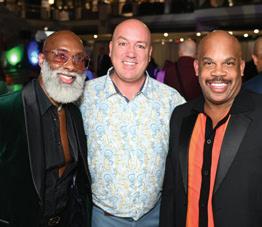
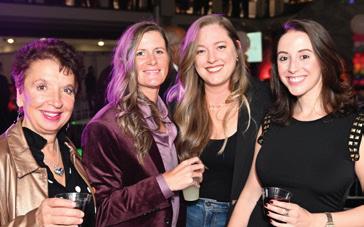
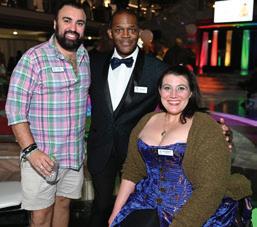
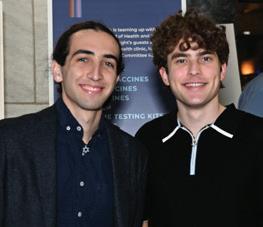
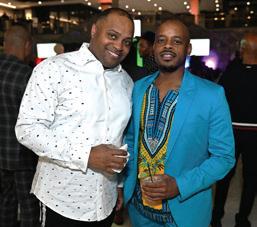
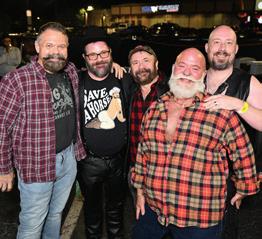
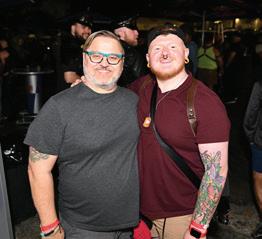
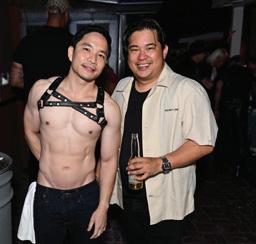
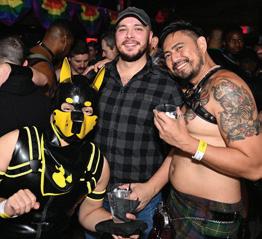
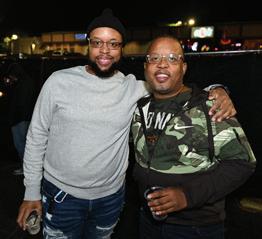
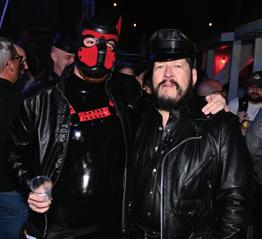
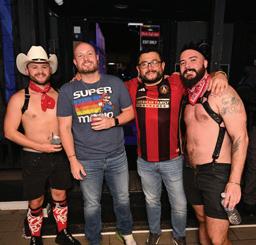
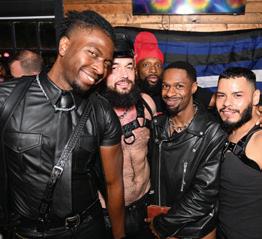
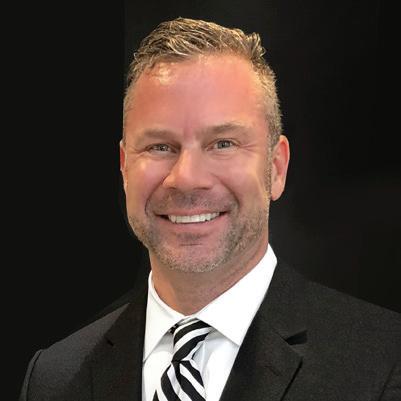
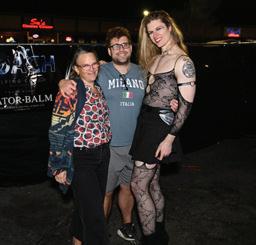
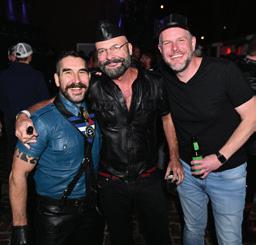
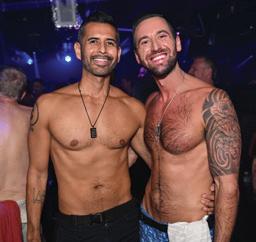
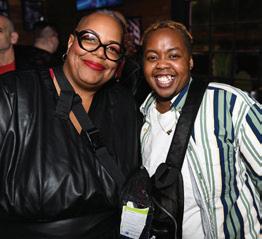
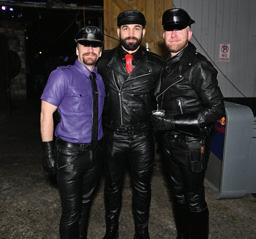


Russ Bowen-Youngblood














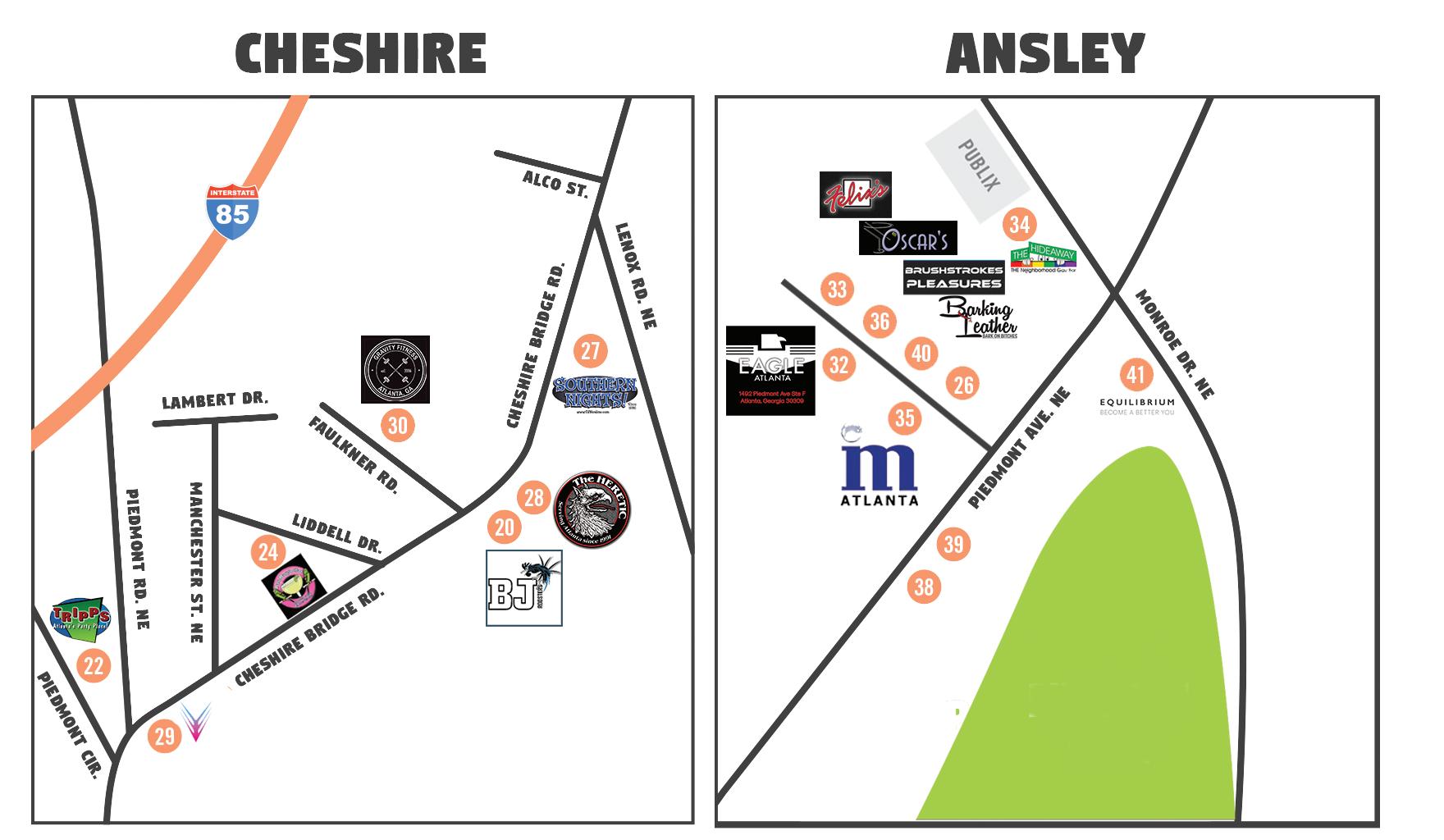


BARS & CLUBS
MIDTOWN
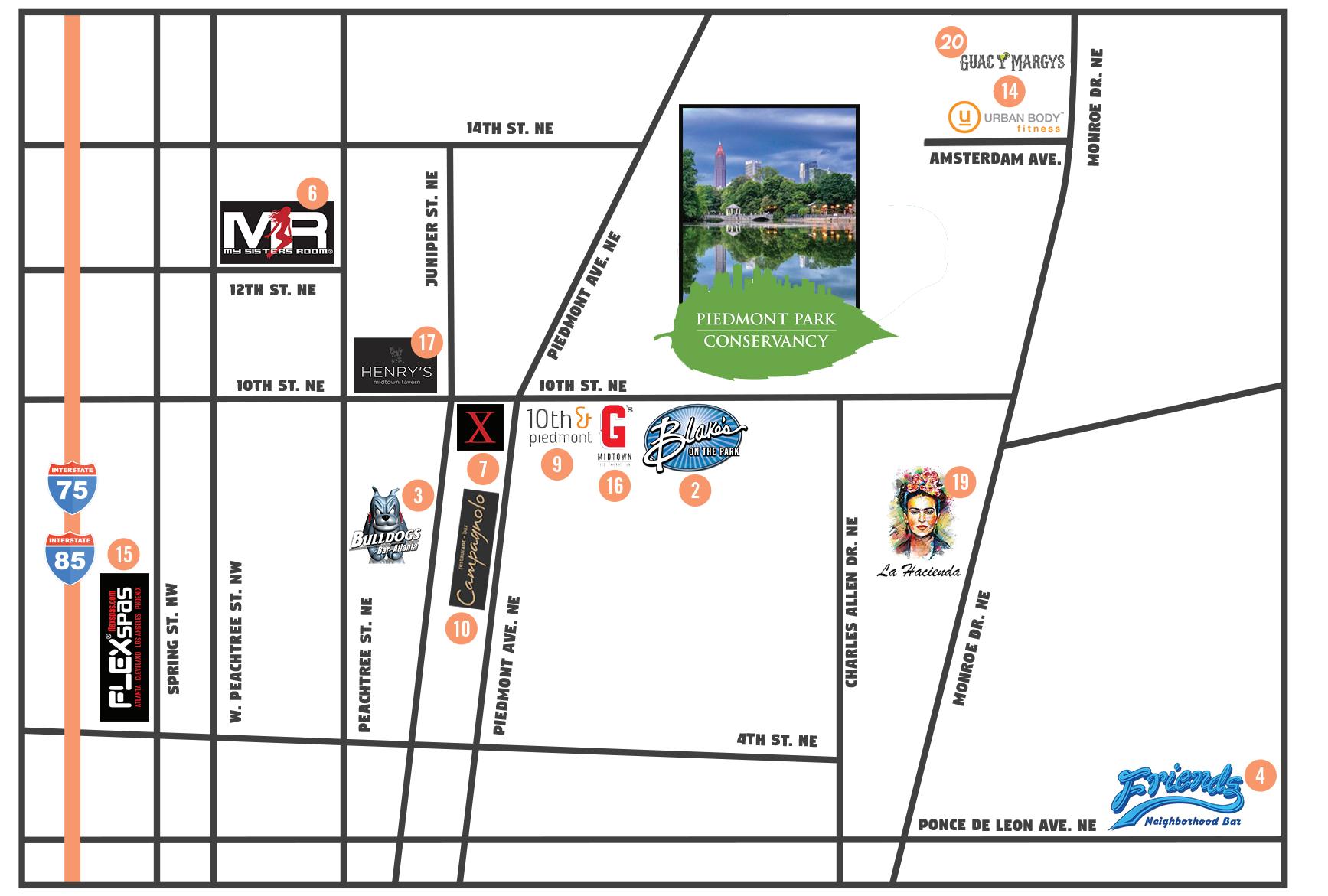
BLAKE’S ON THE PARK blakesontheparkatlanta.com 227 10th St NE
BULLDOGS 893 Peachtree St NE
FRIENDS NEIGHBORHOOD BAR friendsonponce-atl.com 736 Ponce De Leon Ave NE
MY SISTER’S ROOM mysistersroom.com 66 12th St NE
X MIDTOWN xmidtown.com 990 Piedmont Ave NE
THE T modeltatlanta.com 465 Boulevard SE
CHESHIRE
HERETIC hereticatlanta.com 2069 Cheshire Bridge Road
BJ ROOSTERS bjroosters.com 2043 Cheshire Bridge Road NE
WESTSIDE
MARQUETTE
868 Joseph E. Boone Blvd NW
840ATL 840 Joseph E. Boone Blvd NW
ANSLEY
ATLANTA EAGLE 1492 Piedmont Ave NE
FELIX’S 1510 Piedmont Ave NE
THE HIDEAWAY 1544 Piedmont Ave NE
MIXX mixxatlanta.com 1492 Piedmont Ave NE
OSCAR’S oscarsatlanta.com 1510 Piedmont Ave NE
WOOFS woofsatlanta.com 494 Plasters Ave NE
EAST ATLANTA, GRANT PARK & EDGEWOOD
MARY’S marysatlanta.com 1287 Glenwood Ave SE
SISTER LOUISA’S CHURCH sisterlouisaschurch. com 466 Edgewood Ave SE DINING MIDTOWN
CASA ALMENARA 991 Piedmont Ave NE casa-almenara.com
HENRY’S henrysatl.com
132 10th St NE
LA HACIENDA lahaciendamidtown. com 900 Monroe Dr NE
TUK TUK THAI FOOD LOFT TUKTUKATL.COM 1745 Peachtree Rd NW
DEKALB
LIPS ATLANTA atldragshow.com 3011 Buford Hwy NE
RETAIL
MIDTOWN
BARKING LEATHER AFTER DARK barkingleather.com 1510 Piedmont Ave NE
CHESHIRE
SOUTHERN NIGHTS VIDEO 2205 Cheshire Bridge Rd NE
ANSLEY
BOY NEXT DOOR MENSWEAR boynextdoormenswear.com 1000 Piedmont Ave NE, Ste A
GCB & PLEASURES brushstrokesatlanta. com 1510-D Piedmont Ave. NE FITNESS
MIDTOWN
URBAN BODY FIT-
NESS urbanbody tness. com
500 Amsterdam Ave N
CHESHIRE
GRAVITEE FITNESS graviteeatl.com
2201 Faulkner Rd NE
SPAS/BATHS
ADULT
FLEX SPA exspas.com 76 4th St NW

We all have those moments of ‘wait, did they just say that?’ Lucky for you, we compile the best of the best right here on this page. Want to join in on the b*tch session? Submit your own nuggets to info@davidatlanta.com.
If a hotdog is not a sandwich, it must be a taco. Fight me. By the amount that you curse, you must have a black belt in witchcraft.
I hate when people ask what I do for fun, because thereʼs no classy way of saying binge drink.
How can your pet set up its own Insta and spell every word wrong?

Do y’all ever get pre-annoyed? Like you already know someone is about to piss you off.
How are birds named stuff like Hotbreasted Milf, and no one does anything about it?
The one thing gays and conservatives have in common is that we can't stand gay people.