ABLEISM AFFECTS OLDER ADULTS AND PEOPLE WITH DISABILITIES
Philadelphia Corporation for Aging (PCA) is the Area Agency on Aging for Philadelphia County and is dedicated to serving Philadelphia’s older adults and adults with disabilities.
PCA publishes Milestones and offers:
• Care in the home
• Caregiver & grandparent support
• Employment & volunteer programs
• Health education
• Home-delivered meals
• Home repairs & modifications
• Information & referral
• Legal services
• Ombudsman services
• Protective services
• Senior centers
• Transportation
• Veteran-directed care
Report suspected elder abuse 24/7 to the PCA Helpline: 215-765-9040.
For general inquiries about PCA or aging services, email AskHelpline@pcaCares.org or call 215-765-9040.
Published by Philadelphia Corporation for Aging
Najja R. Orr, DBA, FCPP
President and CEO
PCA Board of Directors 2025
Glenn D. Bryan, Chair
Louis G. Colbert, Co-Chair
Jaqueline S. Zinn, Ph.D., Secretary
Denise Adamucci, Treasurer
Satya B. Verma, O.D., Immediate Past Chair
Cheryl Croxton
Patricia Canela-Duckett
Sandra McNally
Norma D. Thomas, DSW
Sharlene Waller
Milestones is published monthly and distributed at more than 800 locations throughout Philadelphia.
Check us out online: pcaCares.org
Editorial & Distribution: Alicia M. Colombo 267-507-2168 MilestonesNews@pcaCares.org
Advertising: Kristin Long 215-606-7310 Kristin.Long@pcaCares.org
Subscriptions: Home delivery: $12/year MilestonesNews@pcaCares.org
The views expressed in Milestones are not necessarily those of Philadelphia Corporation for Aging (PCA). Milestones will not knowingly accept or publish fraudulent or misleading advertising. Milestones reserves the right to edit, revise or reject ads. Milestones assumes no responsibility for errors, misprints, omissions or misinformation; for failure to publish an ad; or for any damages of any kind. Neither the publisher nor any other party is rendering expert advice in this publication. No part of this newspaper may be reproduced without the permission of PCA.
Look out for loved ones, neighbors this holiday season
By Najja R. Orr, DBA, FCPP PCA President & CEO
As the year comes to a close, the holiday season reminds us of what matters most: connection, compassion and community. It’s a time to gather with loved ones, reflect on the moments that shaped us, and extend kindness to those who may need it most. This season is also a time to remember those who may be feeling alone or facing hardships. A phone call, a knock on the door or even a warm smile can be a simple yet powerful way to let someone know they are not alone.
This season, your support can extend that kindness even further. When you make a gift to Philadelphia Corporation for Aging (PCA), you help provide essential services that protect the dignity, independence and well-being of older adults in our community. Your generosity fuels critical programs that improve the quality of life for older Philadelphians and adults with disabilities in Philadelphia. These programs assist them in achieving their maximum level of health, independence and productivity.
A gift to PCA ensures that:
• Nutritious meals are delivered.
• Caregivers receive guidance and support.
• Programs that brighten days and strengthen community continue to make an impact.
Together, we can continue to build a Philadelphia where older adults are valued, supported and seen.
At the same time, let’s remember to take good care of ourselves. The holidays can be joyful but also feel overwhelming. Amid giving to others, it’s important to pause and give yourself permission to recharge. Make time to rest, focus on what brings you happiness and appreciate those who make your days brighter.
From everyone at PCA, warmest holiday wishes for a healthy, peaceful and joyful season. Thank you for all that you do to make our community stronger and more caring.
To learn more about PCA, or make a donation, call the PCA Helpline at 215-7659040 or visit pcaCares.org/support-pca.
There’s still time to Make Your Voices Heard!
PCA wants to hear from you! If you are invested in Philadelphia’s future of aging services and supports, please take our survey at www.pcaCares. org/voices. See page 14 for more information.
Senior companions help aging adults combat loneliness with friendship and support
By Bill Conallen
In Philadelphia, many older adults want to remain in their own homes as they age. They know their neighbors.They have favorite shops and doctors. Home feels safe. But aging at home can also mean spending long hours alone. Philadelphia Corporation for Aging’s (PCA’s) Senior Companion Program can make a difference. PCA matches volunteers, who are 55 and older, with older adults who may be homebound, isolated, or living with health conditions and disabilities. Companions visit on a regular schedule. They bring conversation, encouragement and a helping hand. Companions might prepare a light meal, help organize mail, or ac-
change from week to week. But the message is the same: No one has to face the day alone. As Dennis likes to say, the program helps people feel as though they still count, are still important and are still relevant.
Loneliness and isolation are more than sad feelings. Research shows that it can raise the risk of depression, memory problems and heart disease. The Senior Companion Program model fights those risks with consistent social connection. Over time, steady support can also help older adults keep doctor appointments, eat regular meals and stay active in small but meaningful ways.
the same days each week, which builds trust. That predictability also gives family members and other caregivers a short break to rest, run errands or schedule their own appointments.
Senior Companion volunteers receive strong support for their service. Companions earn an hourly tax-free stipend, plus reimbursement for travel and meals. They receive paid holiday, sick and vacation time. Pre-service training and monthly ongoing training is also provided. To become a Senior Companion, volunteers must:
• Be 55 or older.
• Meet income guidelines.
company an older adult to a medical appointment. They can also help plan small outings. This may include seeing a movie, getting a haircut, taking a short walk in the neighborhood, or having lunch at a favorite restaurant. The goal of the program is to make daily life easier and friendlier so older adults can stay strong at home.
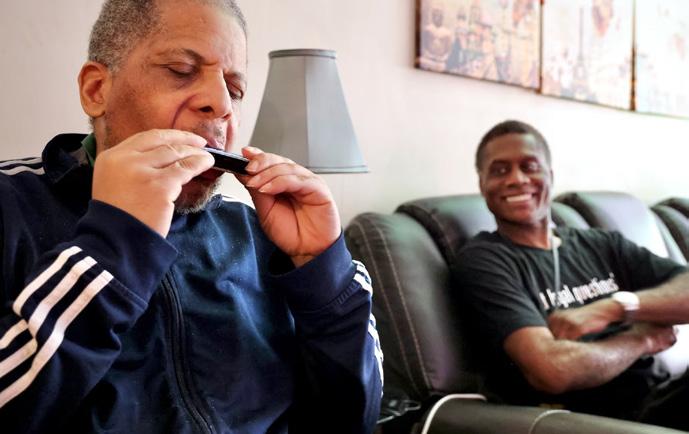
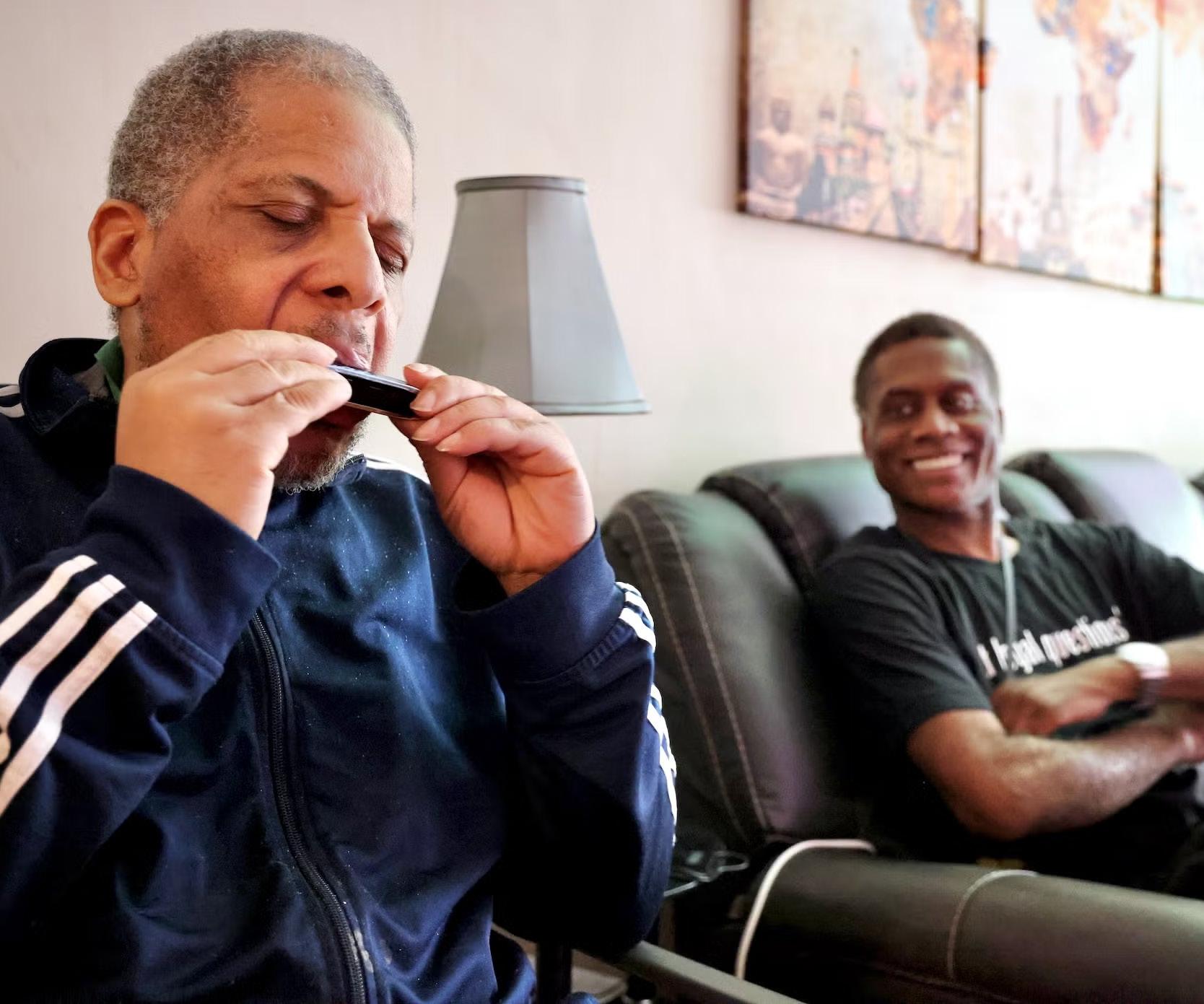
Joseph Dennis is a dedicated Senior Companion Program volunteer. Dennis is matched with James Henry, who lives with visual impairment. The two men have built a routine that fits their unique interests and needs. Some days they listen to music or talk about the news. Other days they plan a trip across town, share a meal or run some errands. The details may
Andrea DeLoatch, manager of PCA’s Senior Companion Program, sees the change up close. “Companionship is the heart of what we do,” she says. “Our volunteers bring dignity, joy and practical help right into someone’s living room. A short walk, a ride to the doctor, or an hour of easy conversation can turn a hard day into a hopeful one. When that happens again and again, it can transform a life.”
The program is supported by AmeriCorps Seniors, a federal service network that helps communities across the country. In fiscal year 2024, PCA’s Senior Companion Program served 63 older Philadelphians and has more than 40 active volunteers. Matches are made with care. PCA first introduces companions and participants to see if they are a good fit. Once matched, most pairs meet
• Be able to serve 20 hours per week.
• Pass a criminal background check.
The standards are clear because the work matters. Older adults open their homes and share their stories; PCA makes sure companions are ready and prepared.
Dennis says the program also gives volunteers a sense of purpose. After retiring from his job, he had time on his hands and wanted to do more than stay home. The Senior Companion Program gave him structure and a reason to go out in the city. He looks forward to each week and to the conversations, music and small victories. These include planning the next lunch spot, finding a new radio show to enjoy or ensuring a doctor visit goes smoothly. “The pleasure
(Continue on page 5)
James Henry (left) plays the harmonica for Joseph Dennis, a dedicated Senior Companion Program volunteer.
(Continue from page 4)
of helping and bringing joy to someone’s life — that’s the big benefit,” Dennis says.
DeLoatch hopes more Philadelphians will join the program. The city’s older population is growing, and the need for social connection is real. “If you’re 55 or older and have a caring spirit, we’ll prepare you, support you and match you with someone who will be genuinely glad to see you each week,” she says. “You don’t have to fix everything. You just have to show up and keep showing up.”
Active, older adults who want to make a difference can call 215-422-4888 or visit pcaCares.org/senior-companion-program to learn more and apply. Volunteers receive training, a modest stipend and ongoing support. Most of all, they gain a new friend — and help a neighbor stay strong at home.
Who does the Senior Companion Program serve?
Criteria for receiving Senior Companion services in Philadelphia County:
• Must be 60 or older.
• Philadelphia resident.
• Intact cognition, or a diagnosis of mild to moderate dementia.
• Willing to accept Senior Companion services for a minimum of 10 hours each week at a duration of at least three hours each day.
• Does not live in a nursing facility or personal care facility long-term.
• No major decline in health.
• Able to socialize with a Senior Companion.
• Consumer and volunteer Senior Companion match is mutually agreeable.
For more information about PCA’s Senior Companion Program, call the PCA Helpline at 215-765-9040 or visit www.pcaCares.org/senior-companion.
We were all ears.
The primary care you’ve been waiting for is almost here. Whether it’s more time with your doctor or a schedule of fun activities to keep you moving like Zumba and karaoke, we’re constantly asking our members how we can improve the care we provide—and then acting on it.
Are you looking for a primary care provider that dares to care more about you as a patient?
Bill Conallen is the public relations specialist at Philadelphia Corporation for Aging.
Ableism: What it is and why it matters for older adults and people with disabilities
By Sarah Greer
Most of us are familiar with the words racism or sexism. But ableism is less known, even though it affects millions of people every day.
Ableism is the idea that people without disabilities are “better” or more capable than people who have them. It can show up in how people think, talk and act. Ableism can also appear in rules or systems that leave people with disabilities out.
Sometimes, ableism is easy to see. For example, not hiring someone because they use a wheelchair. Other times, it is harder to notice. For instance, thinking that older adults who move slowly cannot take care of themselves. Ableism can be quiet but still harmful. For older adults, ableism often mixes with ageism, which is unfair treatment based on age. When ageism and ableism happen together, older adults with disabilities face
in life. It can stop someone from asking for help or using accommodations. Communities also lose out when older adults and people with disabilities cannot share their ideas, skills or experiences.
Ableism sends the message that a person’s abilities or experiences are less valuable. This is unfair and can hurt a person’s confidence and independence.
How we can do better
We can fight ableism by paying attention, listening and acting with respect. Here are some examples:
wide doors, space between tables and clear information.
• Listen to people with disabilities and older adults. Let them help shape programs and services.
• Celebrate differences. Aging and disability are natural parts of life. They are not problems. They are just part of being human.
extra challenges. They may have trouble accessing programs, finding work or joining community activities. This can make people feel left out or invisible.
Everyday examples of ableism:
• Buildings, events or websites that are hard to use or inaccessible for people with disabilities.
• Talking to a caregiver instead of speaking directly to the person.
• Thinking people with disabilities are always unhappy or need to be “fixed.”
• Treating normal changes that come with age, like hearing loss or slower movement, as a problem.
• Not including accessibility needs when planning programs or events.
Why ableism hurts
Ableism isolates people and limits their chances to take part
• Use clear and respectful language. Say “uses a wheelchair” instead of “confined to a wheelchair.”
• Ask before helping. Independence looks different for everyone.
• Make spaces and programs accessible. Include ramps,
By noticing and stopping ableism, we can build a community that respects and values everyone. Every person deserves to live with dignity, no matter their age or ability.
(See page 15 for crossword)
Sarah Greer is the Communications Manager at Philadelphia Corporation for Aging.
Center for Advocacy for the Rights and Interests of Elders (CARIE) has closed
By Jay Nachman
For nearly 50 years, CARIE has advocated on behalf of older adults. The agency has administered many programs and services across the city of Philadelphia, the Commonwealth of Pennsylvania, and the country to provide direct assistance to vulnerable older adults and their caregivers. CARIE’s work to empower residents of long-term care facilities, address complex questions on aging services and resources through its CARIE LINE, educate consumers about their health insurance options, and advocacy to improve the system to better serve vulnerable older adults, comes at a significant cost.
The combination of recent circumstances, including rising costs, reduced government funding, and decreased charitable support for organizations serving older adults, has made the funding gap too large to overcome.
CARIE’s last day of service to older adults was Nov. 26. In a public statement announcing the agency’s closure, the CARIE Board of Directors thanked all those who have supported CARIE over the past almost 50 years, particularly the staff and volunteers who made an impact to
better the lives of older Americans. Philadelphia Corporation for Aging (PCA) contracted with CARIE for many years as a provider for:
• Ombudsman services, which give people living in longterm care settings a voice in their own care.
• PA MEDI, a program that provides free health insurance counseling to people with Medicare.
PCA thanks CARIE for all that they’ve done to advocate for older adults since 1977. The agency provided services to more than 22,000 older adults in Philadelphia and Montgomery counties each year. In addition to the services mentioned, CARIE’s Senior Medical Patrol reduced health care fraud, errors and abuse through counseling and education. The Providing Advocacy for Victimized Elders (PAVE) program worked with police and the district attorney’s office meet victims’ needs.
For information and referral to community resources and services that remain available to older adults, contact PCA at 215-7659040 or www.pcaCares.org
Learn about our services or request assistance online: www.pcaCares.org
Milestones e-news: Receive Milestones newspaper by email for free!
Email MilestonesNews@pcaCares.org to sign up for the e-news or to share ideas for Milestones.
Jay Nachman is a freelance writer in Philadelphia who tells stories for a variety of clients.
Events
December 2025
THIS MONTH:
• Identity Theft Prevention & Awareness Month
• DEC. 3: International Day of Persons with Disabilities
• DEC. 14-22: Hanukkah
• DEC. 25: Christmas
• DEC. 26-JAN. 1: Kwanzaa
• DEC. 31: New Year’s Eve
DECEMBER 3
GOLDEN VOICES FESTIVAL
Listen to choirs from senior center community centers from across the city. 10 a.m. to 12 p.m. KleinLife: Northeast Philadelphia. 215-698-7300 | Free
DECEMBER 4
AMERICAN SIGN LANGUAGE CLASS
Friendly, beginner-focused instruction for older adults to build practical communication skills while boosting memory, confidence & connection. 9:30 a.m. Martin Luther King Older Adult Center. 215-685-2715 | Free
DECEMBER 5
Send your calendar items two months in advance to: MilestonesNews@pcaCares.org Questions? Call 267-507-2168.
ENHANCED FITNESS CLASS
Fun, evidence-based exercise program of dynamic cardiovascular exercise. 9:30 a.m. Lutheran Settlement House. 215-426-8610 | Free
DECEMBER 8
MEDICARE MONDAYS
Learn how Medicare works & how it can work for you. 10 a.m. Parkway Central Library. 215-686-5331 | Free
DECEMBER 9
COOKING CLASS
Learn to cook a new healthy dish, try it & take home the recipe. 10 a.m. Lutheran Settlement House. 215-426-8610 | Free
DECEMBER 10
BINGO
Test your luck, enjoy friendly competition & connect with others in a lively atmosphere. 12:30 p.m. Philadelphia Senior Center – Avenue of the Arts. 215-546-5879 | Free
DECEMBER 12
POTTERY CLASS
Learn essential pottery techniques: shaping, molding, glazing & firing. 11 a.m. Center in the Park. 215-848-7722 | Free
DECEMBER 14
HOLIDAY BAZAAR
Enjoy last-minute holiday shopping & festive fun. 10 a.m. Philadelphia Senior Center – Avenue of the Arts. 215-546-5879 | Free
DECEMBER 15
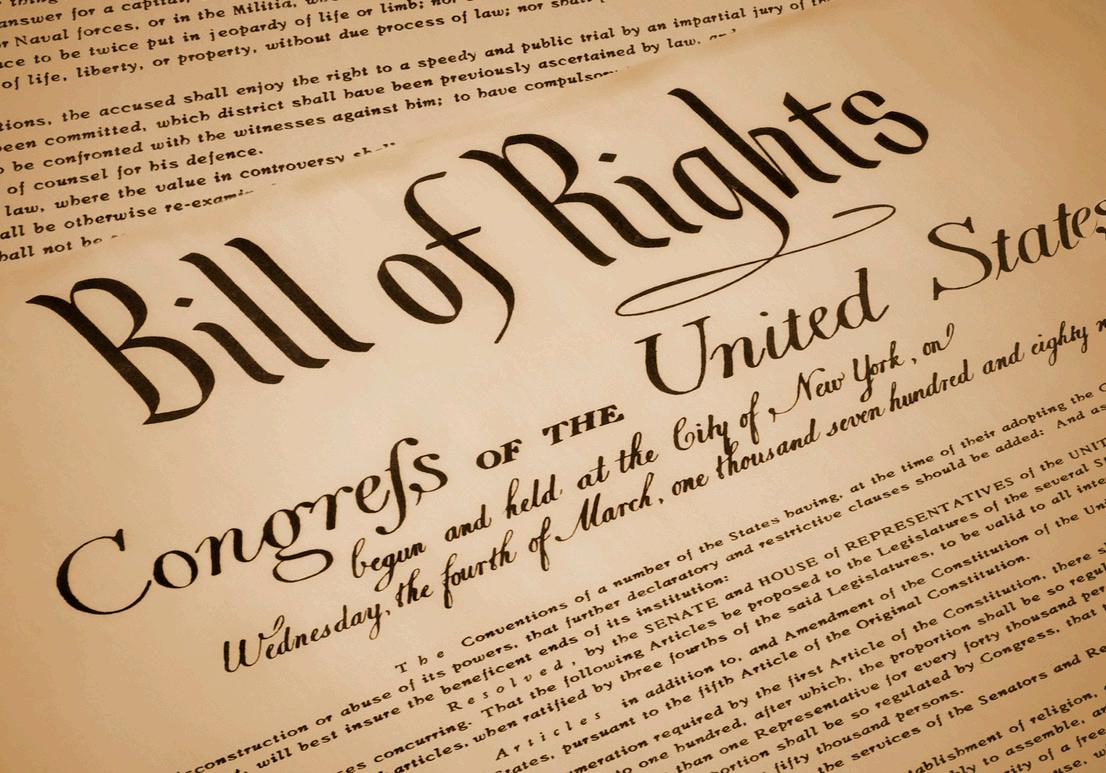
BILL OF RIGHTS DAY
Celebrate 231 years of the Bill of Rights. View a copy of the historic document & learn about its first 10 amendments. 10 a.m. to 5 p.m. National Constitution Center. 215409-6600 | Free
DECEMBER 16
SENIOR HOLIDAY GALA
Kick off the season with music, dancing & a resource expo. 12-5 p.m. Live! Casino Philadelphia. Presented by Philadelphia Parks & Recreation Older Adult Services. Tickets can be purchased at these senior centers: Martin Luther King Older Adult Center (215685-2715), West Oak Lane Senior Center (215 685-3513), South Philadelphia Older Adult Center (215-685-1697), Juniata Park Older Adult Center (215 685-1490), Mann Older Adult Center (215-531-1983) & Northeast Older Adult Center (215 685-0576). | $50 (includes $10 free play)
DECEMBER 17
ZUMBA
Popular fitness program of cardio of Latin-inspired dance. 9:30 a.m. Lutheran Settlement House. 215-426-8610 | Free
DECEMBER 19
LINE DANCE
Step into the rhythm. This fun, upbeat class teaches popular line dance routines in an easy-to-follow format. 1 p.m. Center in the Park. 215-848-7722 | Free
DECEMBER 20
BINGO
Test your luck & enjoy friendly competition. Noon. Martin Luther King Older Adult Center. 215-685-2715 | Free
DECEMBER 22
SING-ALONG
Share the joy of music & sing your favorite songs with others. 10 a.m. Center in the Park. 215-848-7722 | Free
DECEMBER 26
PINOCHLE
A relaxed, all-levels game with friendly competition, support for newcomers & fun. 9:30 a.m. Martin Luther King Older Adult Center. 215-685-2715 | Free
DECEMBER 30
POTTERY CLASS
Learn to create unique, hand-made objects & explore a variety of molds. 10 a.m. Philadelphia Senior Center – Allegheny. 267286-1455 | $3
DECEMBER 31
FIREWORKS ON THE WATERFRONT
End the year with a bang. Two shows: 6 p.m. & 12 a.m. Blue Cross River Rink. 215925-7465 | Free
Age better with senior community centers and BetterAge
BetterAge guides older adults through a free, self-assessment of their health and well-being. This includes wellness priorities and barriers to improvement. After completing a quick assessment online, you will receive personalized recommendations and an action planning template. This information will help you work towards your selected wellness goals. Your information will remain confidential. The feedback received will provide participating senior community centers with valuable information for programming to meet the ever-changing needs of older Philadelphians.
Take just 10 minutes to prioritize your health and start aging better today! Complete the health and well-being survey by Wednesday, Dec. 31.
To participate, contact any of the following locations:
• Center in the Park: 5818 Germantown Ave. | 215-848-7722, ext. 304
• West Philadelphia Senior Community Center: 1016 N. 41st St. | 215-386-0379 | https://wpscc.health-wellbeing.betterage.net
Pulmonary hypertension is serious, but treatment is available
By Jay Nachman
You are probably familiar with the term hypertension, which means high blood pressure. Pulmonary is a lesser-known term. It refers to the arteries that carry blood from the right side of the heart to the lungs. A serious health condition, called pulmonary hypertension, is elevated blood pressure in the arteries of the lungs.
Pulmonary hypertension is often undiagnosed because its symptoms are similar to those of many more common conditions. These symptoms include shortness of breath, lightheadedness, chest pain and leg swelling.
“The key to a successful outcome is to recognize (pulmonary hypertension) symptoms early, so they can (begin a) course of treat-
ease under control.
For example, limiting salt (also called sodium) is crucial. Salt causes the body to retain fluid and can make leg swelling worse, according to Dr. Sadek.
Being sedentary is also a risk factor. Long periods of sitting or inactivity can increase the risk of clots in the legs. These clots can travel to the lungs.
Smoking can also lead to lung disease, which may then lead to pulmonary hypertension, Dr. Sadek said.
duces shortness of breath, fatigue and chest pain.
Pulmonary thromboendarterectomy (PTE) places the patient on a heart-lung machine to temporarily stop blood circulation. Surgeons can then remove blood clots and scar tissue that has formed in the pulmonary arteries.
There are some cases that can only be treated by PTE surgery, while others can only be treated by catheters with BPA. Some patients can be treated by both.
ment,” said Dr. Ahmed S. Sadek, pulmonary hypertension specialist at Temple Health’s Heart and Vascular Institute.
Unlike high blood pressure throughout the body, pulmonary hypertension involves only the pulmonary arteries. It can lead to right-side heart failure over time.
An ultrasound of the heart, called an echocardiogram, can detect signs of pulmonary hypertension. Certain forms of pulmonary hypertension may be caused by blood clots and can eventually lead to strain on the right side of the heart.
The current standard in cardiology care is to “prevent bad outcomes before they happen,” Dr. Sadek said. So, while some heart disease may be genetic, preventive actions can help keep the dis-
If a blood clot is caught early, blood thinners are a practical treatment. However, if a clot is identified too late, scar tissue can form in the arteries. When this happens, pulmonary hypertension can become a chronic problem. In this situation blood thinners will prevent new clots from forming. But it cannot reverse the scar tissue that has formed.
There are two effective treatments for the condition called chronic thromboembolic pulmonary hypertension: balloon pulmonary angioplasty and pulmonary thromboendarterectomy. Both procedures are specialties of Temple Health’s Heart and Vascular Institute, which has performed a combined 1,000 procedures.
Balloon pulmonary angioplasty (BPA) uses a small tube, called a catheter, inserted in a blood vessel in the arm or leg. When the tube is inflated, a small balloon slowly opens blood vessels that have been chronically blocked. This restores blood flow to the lungs, which re-
“It’s nice to have the option to do a less invasive procedure when it’s medically appropriate,” Dr. Sadek said.
Following surgery, patients are told to temporarily avoid heavy lifting, which might tug and pull on the chest that is healing. After one or two months, generally speaking, restrictions can be removed.
“The majority of patients are amazed by how much better they feel after surgery,” Dr. Sadek said. “They tend to be thankful for the functional improvements, and the things that they’ve been able to go back to doing. These are the things that they enjoyed in their everyday life before the clots started to develop.”
Several patients in their 70s and 80s have undergone successful procedures. Dr. Sadek said, “Just because they are older adults doesn’t mean we write them off for these procedures. It’s all individualized based on the patient.”
Jay Nachman is a freelance writer in Philadelphia who tells stories for a variety of clients.
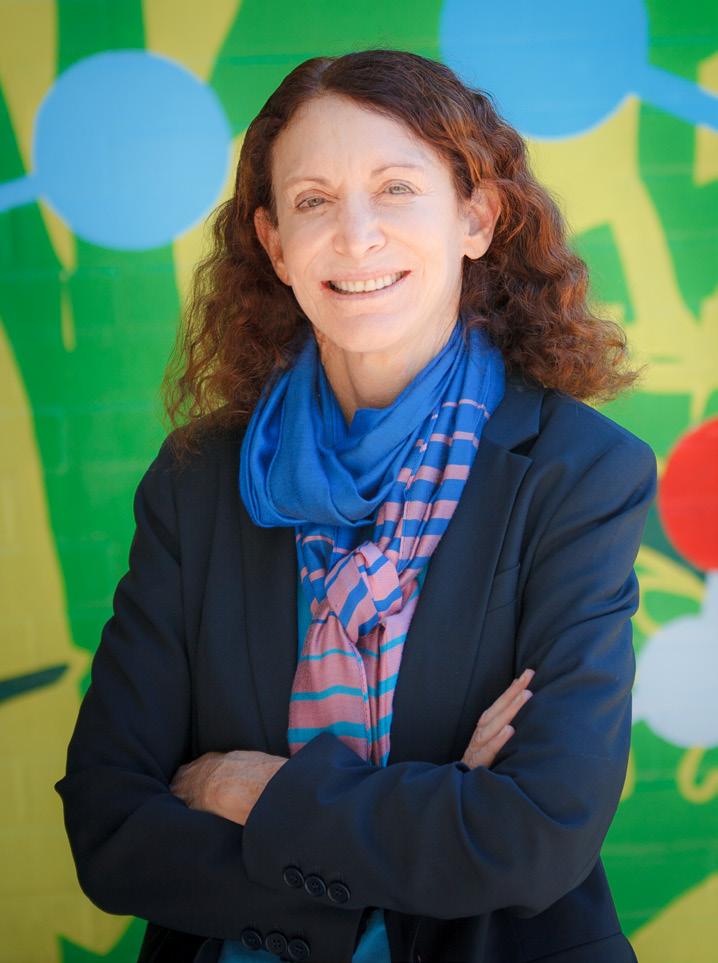
Mural Arts Philadelphia founder Jane Golden prepares for retirement
By Jay Nachman
Under the direction of Jane Golden, Mural Arts Philadelphia has grown from a small city agen-
cy into the nation’s largest public art program.
Her accomplishments go beyond creating public art, and beyond the city limits. Well beyond.
In 2008, Golden was part of a Ford Foundation-invited group that went to Hanoi, Vietnam. With a team of artists and journalists, she helped create a three-milelong mural depicting Hanoi’s 1,000-year history.
Mural Arts Philadelphia has created more than 4,000 works of public art in the city. Through innovative collaborations, its art footprint extends throughout the U.S. and worldwide. Golden, now in her early 70s, is set to retire in June after nearly 30 years at the helm of Mural Arts Philadelphia.
She recently reflected on her accomplishments and that of the organization she founded.
Raised in Margate, N.J., Golden went to Stanford University in California. After graduating with a double major in political science and fine arts, she moved to Los Angeles. For the city of Santa Monica, she created a 20-foot long, 100-feet high mural commemorating a pier the city had torn down. Neighborhood resident Jane Fonda dedicated the mural.
The experience was transformative for Golden. “I got to feel the power of murals first-hand and how murals make art accessible to everybody,” she says.
After moving to Philadelphia, Golden was hired in 1984 by for-
mer Mayor Wilson Goode to address Philadelphia’s widespread graffiti issue through the Philadelphia Anti-Graffiti Network. She worked with graffiti writers to create murals in neighborhoods that had been neglected. She only stopped painting murals in 2002 to concentrate on leading Mural Arts Philadelphia.
The agency connects the process of muralism to a multitude of community and public outcomes. The program has created public art that reimagines the intersection of art and public space and addresses societal challenges.
Over time, Mural Arts Philadelphia transformed the urban
(Continue on page 12)
We listen first, then bring the right care to you. We help seniors stay safe and independent, all while receiving medical and social support services at our wellness center. At Mercy LIFE, empathy leads the way and experience gets you where you want to be.
us to learn if you or a loved one qualifies.
(Continued from page 11)
environment. It tapped into what Golden calls the “power of the imagination.” Groundbreaking programs transformed practice and policies related to youth education, restorative justice, environmental issues and behavioral health.
“As people started to see the changes and how art can become a lifeline, people really started to believe,” Golden says “I think that’s a really important part of the work that I feel so grateful for. We’ve seen change on several levels. There’s been individual change, community change, and by extension civic change. Citywide change because we’ve turned our city into an outdoor museum, but one that has real meaning and res-
onance for citizens who live here.”
Golden, a Spring Garden resident, is a world-renowned expert on urban transformation through art. She has received numerous awards for her work. Among them are the Philadelphia Award, the Hepburn Medal from Bryn Mawr College, the Visionary Woman Award from Moore College of Art, the 2012 Governor’s Award for Innovation in the Arts, and a 2025 Governor’s Keystone Award. She has also co-authored two books about murals in Philadelphia and co-edited a third.
“I feel an accomplishment is that we were able to get the city to really appreciate and have an appetite for art outdoors,” Golden says “People went from, ‘Oh,
a mural. How interesting,’ to feeling a sense of ownership about the work, to now we’re known internationally as the city of murals.
“People here feel so proud, and we have a giant waiting list of people who want work. We employ hundreds of artists every year, something else I’m very proud of. We’ve literally supported thousands of artists since we became the Mural Arts program in 1997.”
Golden says she will miss the creative opportunities and meaningful moments that she has enjoyed. She will also miss her wonderful staff and the artists she gets to interact with.
In retirement, Golden plans to paint and to teach painting at the Maryland Institute College of Art,
where she has taught since 2022. She earned a Master of Fine Arts from the Mason Gross School of the Arts at Rutgers University in 1995.
She also plans to consult and engage in worthy projects. “I want to keep working and more importantly, I’ll keep contributing to our city,” Golden says. “It’s been a fascinating journey and one I’ll always be grateful for.”
Jay Nachman is a freelance writer in Philadelphia who tells stories for a variety of clients.
PCA 2.0 - Mission Matters
Please help older adults in Philadelphia stay warm this winter!
John C* and his wife both worked two jobs while raising their three children. With her passing and his kids out of town, he is financially vulnerable at 83 years old.
Last month, Mr. C had a surgical procedure and now he is paying off those medical bills, which has wiped out most of his savings. Along with the temperatures, the gauge on his oil tank is quickly dropping and he doesn’t know how he’s going to pay for an oil delivery in the coming weeks.
Unfortunately, Mr. C is not alone. Approximately 100,000 older Philadelphians have to make difficult decisions every day about buying food, medication, or paying their bills.
The Emergency Fund for Older Philadelphians was created in 1981 for this type of predicament. It reduces suffering by providing small grants to older individuals in dire situations. Anyone 60+, on a fixed income, facing a crisis, and meeting the eligibility requirements, can request 100 gallons of heating oil or up to $150 for other immediate needs once a year. Funds can be used for food, vital medications, clothing to stay warm, urgent repairs to keep their home safe, to avoid a utility shut-off, or other life-sustaining expenses.
In Mr. C’s case, the Emergency Fund delivered 100 gallons of heating oil so he would be warm in his home over the winter.
*Name and image have been changed to protect privacy.
Yes, I want to help older adults to stay nourished and warm this winter. Please return this coupon with your check or make your donation online at pcaCares.org/emergencyfund
$1,000 will provide seasonal clothing for 10 older Philadelphians Gift amount:
$500 provides $50 worth of food to 10 older adults o $1,000 o $500
$300 provides 60 gallons of home heating oil o $300 o $100
$100 helps prevent a utility shutoff o $50 o Other: $__________
Payment:
o Enclosed is my check payable to: The Emergency Fund, PCA, Planning Dept., 642 N. Broad St., Philadelphia PA 19130
o Charge my o VISA o MC o AMEX o DISCOVER
Card Number ____________________________________________________________________________________________
Security code _________________________ Exp. Date ___________________________________________________________
Typical green bean casseroles bathe ingredients in a heavy cream sauce. This healthy version has fewer calories and fat, thanks to a homemade roux.
Ingredients:
• 2½ lbs. (about 8 cups) fresh green beans, trimmed and cut into 1-inch pieces
• 2-3 tbsp. extra-virgin olive oil
• 1 medium onion, thinly sliced
• 3 tbsp. all-purpose flour
• ¾ tsp. salt
• ¼ tsp. white or black pepper
• 2½ cups low-fat milk
• 1½ fresh whole-wheat breadcrumbs
Directions:
Position racks in upper and lower third of oven; preheat to 425°F.
Toss green beans in a large bowl with a tablespoon of oil until well coated. Divide between 2 large-rimmed baking sheets and spread in an even layer. Roast, stirring once and rotating the baking sheets about halfway through, until tender and beginning to brown, 20 to 25 minutes.
Meanwhile, heat a tablespoon of oil in a large saucepan over medium heat. Add onion and cook, stirring frequently, until very soft and golden brown, 5 to 8 minutes. Add flour, salt and pepper. Cook, stirring, for 1 minute more. Add milk and continue to stir, scraping up any browned bits. Cook, stirring, until the sauce bubbles and thickens enough to coat the back of a spoon, about 4 minutes. Remove from the heat. To add extra flavor to the cream sauce, stir in a tablespoon of chopped fresh herbs, such as thyme, sage or parsley.
When the green beans are done, remove from the oven. Preheat the broiler.
Transfer half the green beans to a 2-quart broiler-safe baking dish. Spread half the sauce over the green beans. Add the remaining green beans and top with the remaining sauce.
Combine breadcrumbs and a tablespoon of oil in a small bowl.
Sprinkle the breadcrumb mixture over the gratin. Place under the broiler, watching closely, until the gratin is bubbling and beginning to brown on top, 1 to 5 minutes. Let stand for 10 minutes before serving.
Source: EatingWell
There’s
still time to Make Your Voices Heard!
Philadelphia Corporation for Aging (PCA) wants to hear from you! Let us know what services and resources could help you live better. To help us plan for the future, we’re gathering feedback through PCA 2.0: Make Your Voices Heard. This includes a short survey and a series of community listening sessions through December. Your answers will help us understand what’s working and what needs to be improved in your community. The information you share will guide PCA’s work, from advocacy to strategic planning. We’re so excited to engage with you!
Beat the ‘winter blues’ (seasonal depression) Entertainment
By Janai Johnson
Winter brings shorter days, colder weather and less sunlight. This can affect our mood, energy and sleep. Some people notice a drop in their mood following daylight saving time. This common feeling is called the “winter blues.” Small changes can make a big difference in your mood.
Spending time in natural light can lift your mood and energy. Try to get outside during the day, even for a short walk or a few minutes on the porch. If going outside is hard, open the blinds or sit near a bright window to let in as much daylight as possible.
Moving your body is another way to improve your mood and energy. Gentle activities can help with balance, strength and overall health. You don’t need a gym to stay active. Simple exercises at home will keep you moving. Light exercise can include walking around, standing up and stretching, or doing light chores.
Sometimes, seasonal changes may trigger a more serious con-
dition that affects daily life. Seasonal Affective Disorder (SAD) is a type of depression that occurs at specific times of the year, most commonly in fall and winter. It’s important to speak with a health care professional if you suspect you might be experiencing SAD. Tips that may help, along with professional guidance, include:
• Get natural light by spending time outside. A health care professional may recommend using a light therapy box.
• Keep a regular sleep schedule.
• Stay active.
• Connect with others who lighten your spirits.
Eating well and following a daily routine also supports mood and energy. Try to eat balanced meals and drink plenty of water. Reducing caffeine and sugar can help prevent mood swings and tiredness.
Staying connected is important in colder months. Call a friend or family member, join a senior center, and/ or take part in community activities. Sharing with others can reduce loneliness and provide support. Try mindful habits, like deep breathing, journaling or taking time to relax. Notice small joys, like listening to music, enjoying tea or chatting with a neighbor. Activity, connection and mindfulness can help to protect your mood and allow you to enjoy the season.
Janai Johnson is the multimedia communications specialist at Philadelphia Corporation for Aging.