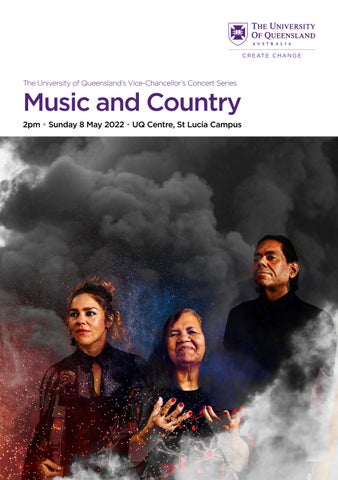
The University of Queensland’s Vice-Chancellor’s Concert Series
Music and Country
2pm • Sunday 8 May 2022 • UQ Centre, St Lucia Campus
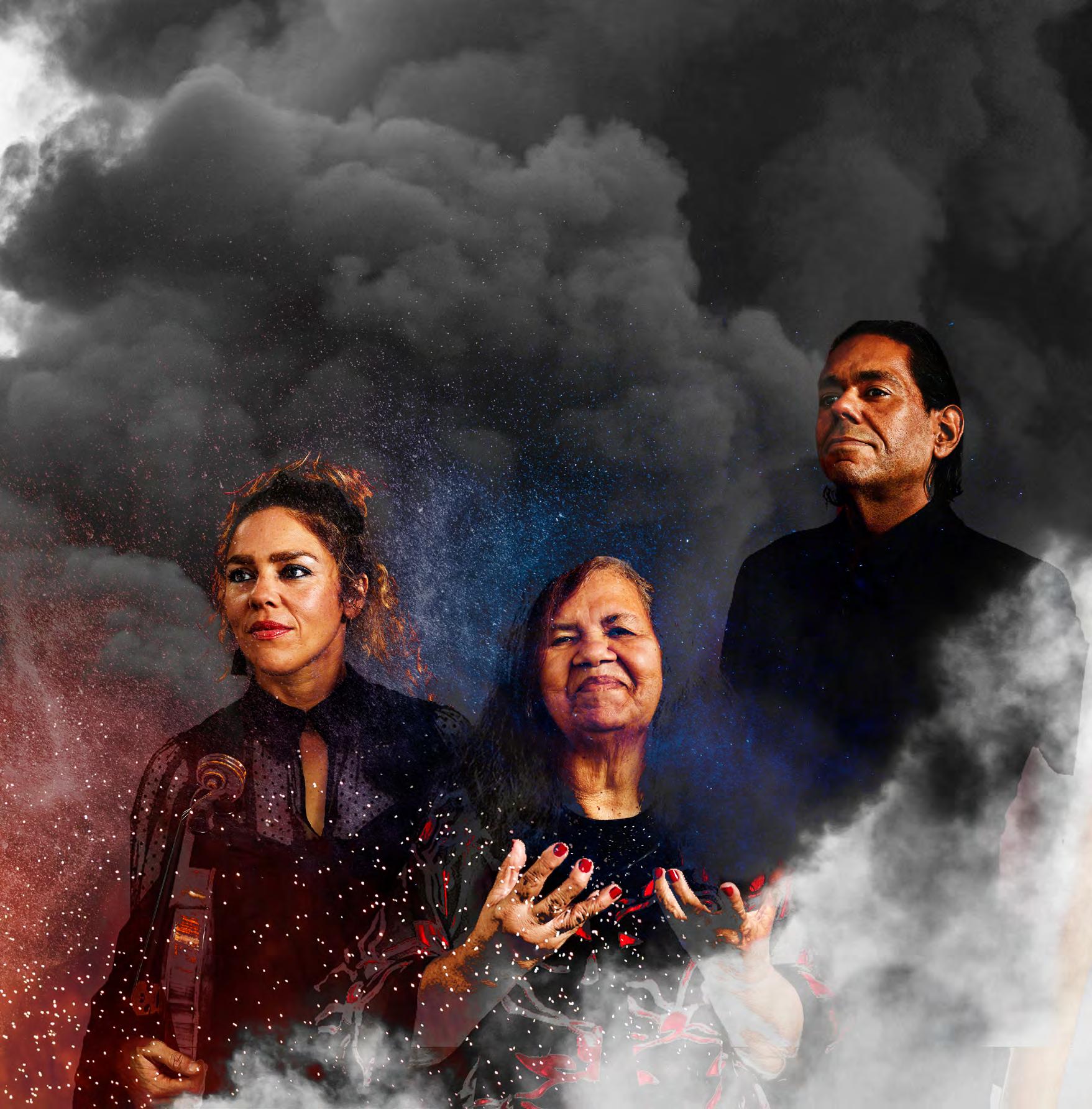
Message from the Head of School
The UQ School of Music is thrilled to welcome to you to Music and Country. We are honoured and privileged to be joined by William Barton, Aunty Delmae Barton, and Véronique Serret. These distinguished musicians are today making contributions as performers, composers, and cultural leaders, drawing our attention to urgent questions about our relationship to the land we live on. Aunty Delmae Barton has been working with our new contemporary music ensemble Sketch and Senior Lecturer in Composition Dr Robert Davidson, to create a musical Acknowledgment of Country featuring Delmae’s own poetic reflections on music across time and across this land. This will be followed by Dance Gundah, composed in 1998 for William himself, by former Head of the UQ School of Music, Emeritus Professor Phillip Bračanin. Bush{fire} Requiem, a new work co-composed by William and Véronique follows. First performed as a chamber work in 2021, Erik Griswold has now arranged Barton and Serret’s requiem for full symphony orchestra and soloists, commissioned by the UQ School of Music. Finally, the program showcases the UQSO under the baton of Dane Lam in Dvořák’s Ninth Symphony.
Together, each of these works reflect on the relationship between music and country in different ways. The opportunity to collaborate with Aunty Delmae Barton and create a musical Acknowledgement of Country adds new dimensions of meaning and emotion to this important cultural practice. Connecting with UQ’s history through re-visiting the almost 25-year-old collaboration between
William Barton and Phillip Bračanin acknowledges our own place’s past and highlights the journey we’ve been on and must continue to invest in. Bush{fire} Requiem creates an arc of expression, mirroring the beauty and terror that coexists in the natural world. While Dvořák’s symphony “From the New World” speaks to a completely different time and place, it resonates with the other works on the program in its expression of the human yearning for connection with country.
It has been an honour to have William Barton in the School of Music at UQ this week as the Kinnane Musician-inResidence. As well giving a powerful lecture last Tuesday, he was special guest at a lunch in the Aboriginal and Torres Strait Islander Studies Unit, and met and worked with large numbers of students while on campus. We thank him, and Aunty Delmae and Véronique for their valuable contributions. I would also like to thank the cast of thousands that made today possible, with particular acknowledgment of the student and staff performers and support crew.
Professor Liam Viney Head of School School of Music
Music and Country
Acknowledgement of Country
Performed by Aunty Delmae Barton, William Barton, and Sketch
Dance Gundah, for didjeridu and symphony orchestra (first movement) (1998)
Composed by Phillip Bračanin
Performed by William Barton and UQ Symphony Orchestra
Conducted by Dane Lam
Bush{fire} Requiem (2021, arranged 2022)
Composed by William Barton and Véronique Serret
Arranged for symphony orchestra by Erik Griswold
Performed by William Barton, Véronique Serret, and UQ Symphony Orchestra
Conducted by Dane Lam
Symphony No. 9 in E minor, op. 95 (“From the New World”) (1893)
Composed by Antonín Dvořák
Performed by UQ Symphony Orchestra
Conducted by Dane Lam
Acknowledgment of Country
Aunty Delmae Barton • Sketch
Sketch accompanies Aunty Delmae Barton and William Barton in a musical Acknowledgement of Country. Aunty Delmae was born in Emerald to a Bidjara mother, and developed her unique musical style by listening intensely to birdsong as a young girl. This Acknowledgement of Country is based in Aunty Delmae’s meditative musical creative work, and from her long experience as a writer. The ensemble plays music from a combination of improvisation and prepared musical ideas.
Aunty Delmae and her son William lived downstairs from me until quite recently; we all lived in the 1936 heritagelisted Cliffside apartments overlooking the Brisbane River at Kangaroo Point. Many evenings we’ve dined together, inevitably followed by spontaneous music making, with long discussions of Aunty Delmae’s insightful perspectives on life and spirituality. Some of that spontaneity enters today’s Acknowledgement, and it is a great joy to perform together.
Dr Robert Davidson
Dance Gundah, for didjeridu and symphony orchestra (1998)
Philip Bračanin
Dance Gundah is a concerto wherein cultures combine. It brings together the wide sonic palette of the didjeridu, first developed over 1500 years ago, and the multiple instrumental timbres of the symphony orchestra, founded only some 240 years ago. Recently, the didjeridu’s traditional role as an accompanying instrument for singers and dancers in sacred and secret ceremonies has been extended into the popular music arena. Dance Gundah propels it into coexistence with classical music in partnership with the symphony orchestra. Its many voiced sounds and attendant emotional states are blended within the orchestra and contrasted with it, in much the same way as a solo instrument in a typical concerto.
In composing this concerto, I was mindful not to compromise the dignity or integrity of the two musical cultures. Rather, my aim was to create a viable synthesis of them and, in so doing, bridge and reconcile their musico-cultural divide in the making of a work that is truly multicultural. When I composed the concerto, Yothu Yindi had recently formed - a great band with a worthy political message, with Yolngu and Anglo-Celtic members, blending music from both backgrounds, and highlighting the didjeridu (yidaki) as a lead and rhythm instrument. My aim with Dance Gundah was to affect a fusion wherein Aboriginal Australian and European Australian musics resonate in music of international goodwill,
preserving both the spiritual expression of the didjeridu and the cultural associations of the polish and precision of the symphony orchestra. Cast in the Western tradition of a three-movement concerto (fast, slow, fast)*, Dance Gundah occupies a unique position in the history of both Western and Australian Indigenous music.
Emeritus Professor Philip Bračanin
*This performance features the first movement only.
Bush{fire} Requiem
(2021, arranged 2022)
Willam Barton • Véronique Serret
A new work that encapsulates the very essence of the Australian landscape where we all draw inspiration from and come together in recognition of the elements of the earth and how we must as a humanity look after our country and our people. Telling the story of our creatures of the earth, trees, the rivers, the replenishing and renewal of country. Song lines mother country. Our ways of our cultural heritage and language as an identity for all Australians moving forward together as one people.
William Barton
Symphony No. 9 in E minor, op. 95 (“From the New World”) (1893)
Antonín Dvořák
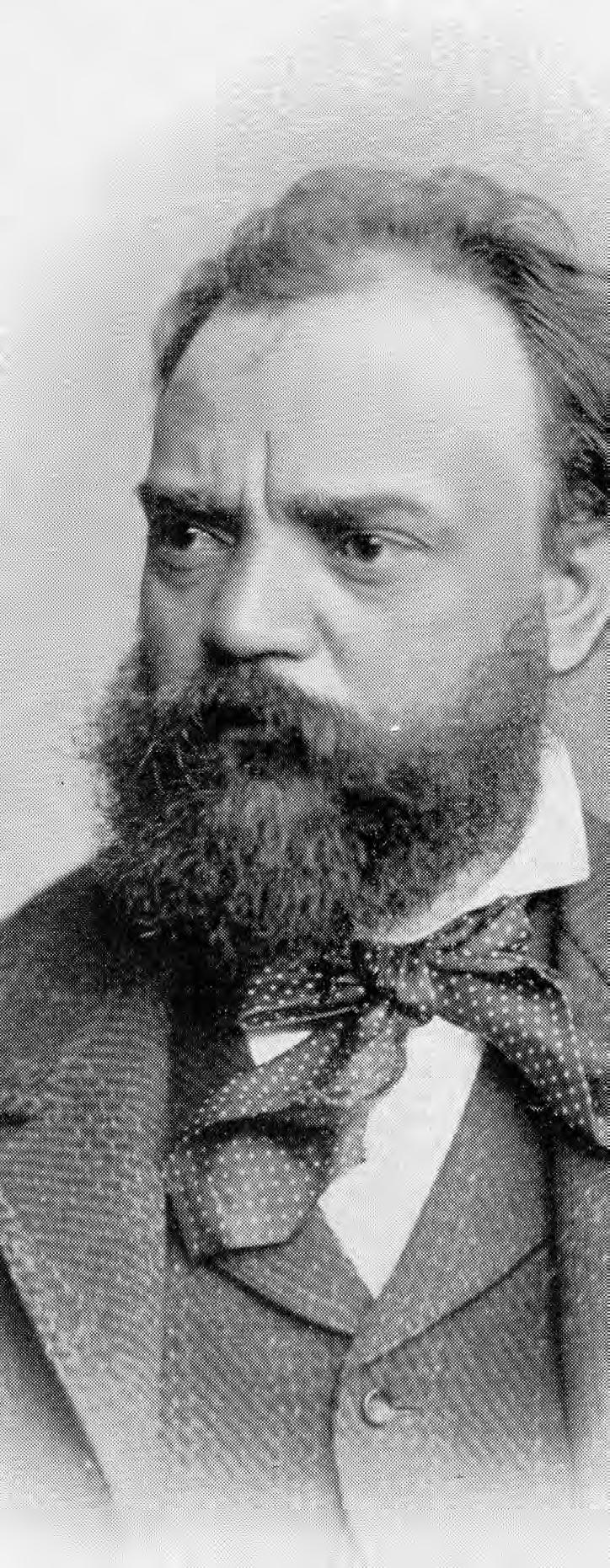
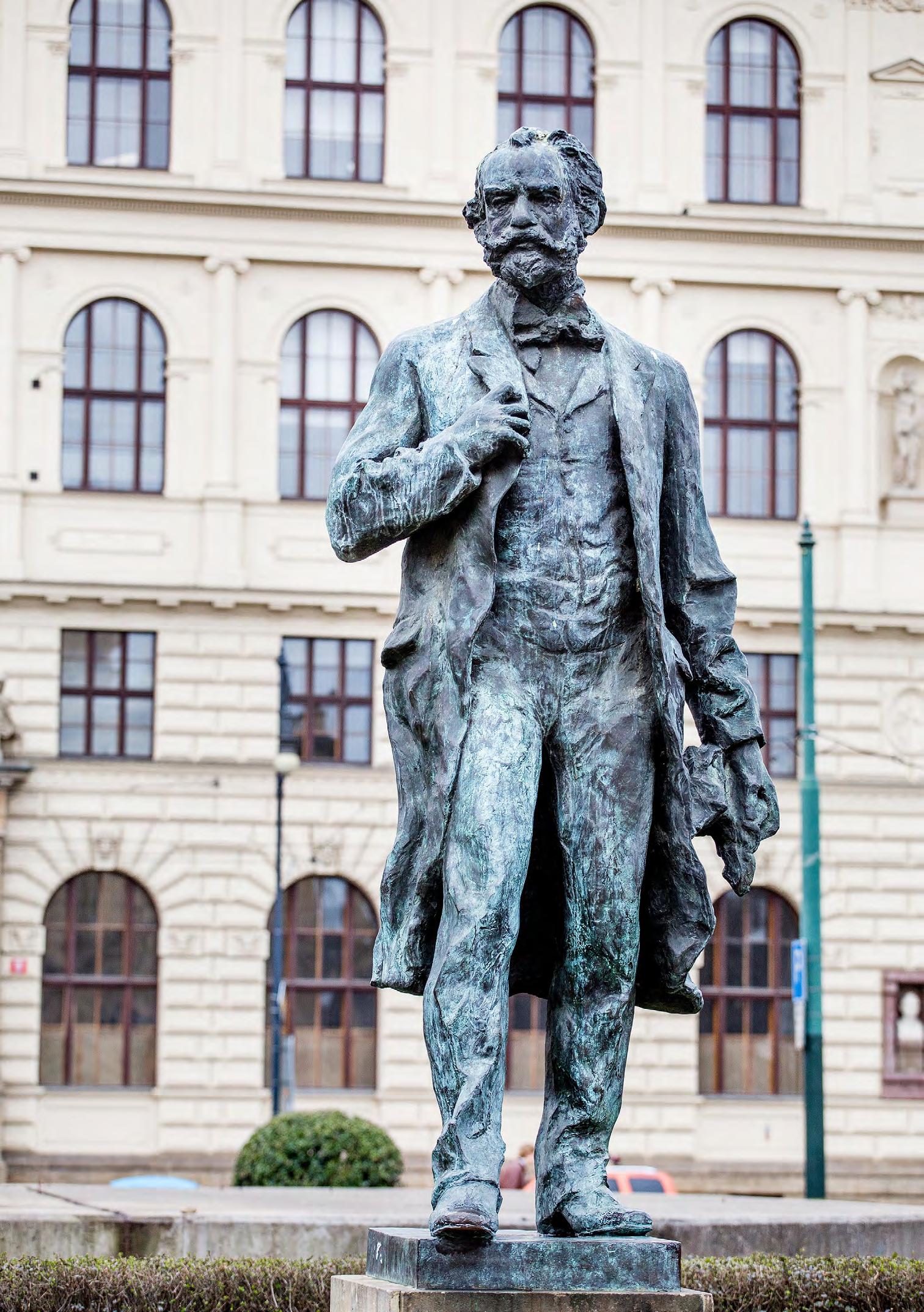
Antonín Dvořák’s final symphony hardly needs any introduction. Since its rapturous American premiere on 16 December 1893 in Carnegie Hall, it has been one of the most frequently performed and recognisable pieces of Western art music ever written. If success can be measured by having a tune leap zoonotically from the biome of classical music permanently into the realm of popular culture, then this might be the most successful symphony ever written, so ubiquitous has the main theme of its second movement (aka “Goin’ home”) become. And the story of its composition as a generous demonstration to America of “how to do nationalism” in music has entered the realm of myth.
The whole question of nationalism in this work is inescapable, irrespective of its specific musical qualities, and deserves some unpacking. Dvořák was born on 8 September in 1841, in what was then Bohemia, the Czech speaking part of the Austrian (later Austro-Hungarian) Empire. This was a time when autochthonous self-awareness and an associated awakening of literate cultures in the “minority” languages of central Europe (drawing often on ancient oral traditions) was coalescing with a political impetus toward self-determination. Music played no less a part in this yearning of Romantic nationalism than did literature, and this was particularly strong in the Czech speaking part of the Empire where, in the 1860s, Bedřich Smetana (1824–84) led the nationalist charge as director of the Bohemian Provisional Theatre, an institution dedicated to the production of
theatrical drama (both plays and opera) in the Czech language. Dvořák was a violist in the orchestra for the Provisional Theatre from 1862 until 1871, at a formative time in his career, coming under the direct influence of Smetana. The older composer’s ultimate gift to the cause was his set of six symphonic poems, Má vlast (My country), an amalgam of the modern innovations in orchestral form of the Lisztian “New German School,” patriotic programmes and nature painting, and evocative pastiches (and very occasional quotations) of folk song and dance. So powerfully did Smetana’s final works become connected to the idea of a Czech national style in music that it could almost be said he invented it.
Dvořák ultimately followed a somewhat different path to that of Smetana, becoming closely associated in the late 1870s with figures of the more conservative Viennese musical establishment, such as the violinist Joseph Joachim, the critic Eduard Hanslick and, above all, the composer Johannes Brahms. In this sphere, the highest form of musical achievement was in the realm of the symphony, held up as a bastion of purely musical values (“moving forms in sound” in Hanslick’s words) and devoid of “extra-musical” associative meanings. While Dvořák sustained his international reputation as a composer primarily in this realm, he remained a modest, provincial character, by all accounts, still deeply connected to his relatively humble origins and his Bohemian heritage. What is all the more remarkable, then, is how Dvořák managed to navigate these different worlds and forge a style that seemed to embrace both. When he was invited to become the Director of the National Conservatory of Music in New York, in 1892, it was primarily because of his international reputation as a symphonist
“second” only to Brahms. What he brought to the institution during his time there was, amongst other things, sympathy for an emergent culture and a feeling for how it might strive for self-assertion.
The National Conservatory, founded in 1885 on the enlightened generosity of the philanthropist Jeanette Thurber (1850–1946) and shaped by her progressive agenda was, for about four decades, the leading public institution for higher music education in the United States. It was remarkable in its time, for not only admitting, but actively seeking out enrolments of women and minority candidates. One of its explicit aims was to produce an identifiably American high-art musical culture. The Conservatory went into a slow decline from around 1900, but its achievements were considerable, and it set the stage for later, rival institutions to emerge on solid ground, most notably the Institute of Musical Art of the City of New York (now the Julliard School).
Dvořák was the National Conservatory’s most famous director. For his services, he was paid the extraordinary annual sum of $15,000 (easily a large six-figure salary in today’s terms). As Michael Beckerman has pointed out, it is often assumed that Dvořák took this job simply for the money, and that his short stay in New York is evidence of the fact that his heart was not really in it. However, as Beckerman goes on to suggest, Dvořák’s reasons for coming to America were almost certainly more complex and, amongst a range of possible causes, an escape from the tensions of the diverse conservative, progressive and nationalist agenda fulminating at home—all tugging at him, seeking a champion—was quite likely high in his consideration.
Dvořák, of course, experienced a degree of cultural loneliness in New York, and frequently sought the company of the
Czech immigrant community of Spillville, Iowa, where he holidayed for an entire summer in 1893. But he was also highly curious and took a genuine interest in music of non-European heritage, especially that of native Americans and the descendants of African slaves. In fact, it is singular that he specifically identified these traditions as the best source for a distinctively American music, at the expense, seemingly, of “whiter” ones such as that of the Anglo-Celtic folkmusic (strathspeys, hornpipes and so on) which had been around for at least as long in North America as the tradition of the spiritual. One senses a sympathetic political leaning towards the repressed, towards a subjugated identity, which is hardly surprising. We can, therefore, perhaps forgive him what would surely be seen today as a highly tone-deaf gaffe in saying how “remarkably similar” Indigenous and African musical styles were, in as much as both drew heavily on the pentatonic scale (something they would hardly be alone in). Nor, similarly, should we judge harshly his idea of creating an opera based on Longfellow’s Hiawatha as an act of paternalistic cultural appropriation. The slow movement of the Ninth Symphony, with its famous main theme, was apparently derived from materials destined originally for this unrealised project. As it turned out, the culmination of his creative work in America was this symphony, whose subtitle was suggested by Jeanette Thurber herself. If Dvořák was trying to show Americans “how to be yourself” in music, then this work is nothing less than an outstanding, and outstandingly ironic, exemplar. Far more than a bold experiment in cultural appropriation, it sounds like a powerful cry to the central European heartland. Within six months of the symphony’s first performance in New York, its composer was back in the “old world”—for good.
I. Adagio—Allegro molto
The first movement commences with a substantial slow introduction, suggestive of a gathering of forces. Hushed, ominous motivic fragments lead to a sudden outburst followed by hints of the movement’s main theme in the strings, against chattering woodwinds. This main theme appears in its definitive form at the outset of the Allegro molto, a bold arpeggio in the horns coupled to a new rhythmic gesture in the winds. Considerable momentum is derived from combinations of this material before a quietening down and the introduction of the first of two secondary themes. This appears, initially, as a folk-like, modally tinged tune in the flutes and oboes, in G minor (remote from the movement’s home key of E minor, but relatable as the parallel to G major, the usual relative major home for minor key second subjects). Soon enough, it evolves into the sunnier (and formally expected) major modality, and is followed by an additional secondary theme, first heard in flutes. This is rhythmically not dissimilar to the main theme but, where that was heroic, this is calm and peaceful, before capping the exposition off in a more emphatic statement.
The development is straightforward, largely involving rapidly modulating sequences based on the theme just heard at the end of the exposition. What soon seems like the recapitulation of the main theme proves premature, as the material continues to work through several modulations before the genuine moment of reprise, where the main idea appears in its original orchestral clothing. For the secondary themes, Dvořák choses to ignore convention and presents them in the even more remote key of G-sharp minor (and its parallel, A-flat major). This necessitates additional modulatory
upheaval at the end of the movement in order to restore the home key and provide an emphatic, if somewhat hard earned, closure with the main idea.
II. Largo
The slow movement, Largo, contains one of the most recognisable melodies of the entire Western art-music repertoire. Later given words and the ubiquitous sobriquet of “Goin’ home,” it is the theme of this symphony invariably given as exhibit A in the case for Dvořák’s absorption of the idiom of the spiritual. Nonetheless, it is an original tune. It is first heard in the nostalgic timbre of the English horn (cor anglaise), a deeper throated relative of the oboe. The melody is a marvel of the genius of simplicity and, like all such things, hearing it in its original form, stripped of all later appropriations and additions of words, serves to remind us of its genuine greatness. Before we can get to this theme, however, Dvořák has a bit of work to do in order to get from the first movement’s E minor to the key of this movement, D-flat major. This he does by means of a low chorale for brass, in a bold sequence of harmonic strokes, that serves as a frame for the main theme.
While I can offer no concrete evidence for it, it is not hard to hear a kind of seasonal program in this movement. The glowing warmth of the main theme in D-flat eventually gives way to the chill of C-sharp minor. The mellow cor anglaise yields to the thinner toned oboe, and shivering tremolo strings auger the onset of winter, accompanying a new, melancholic theme. Eventually, the sun peeks through and the orchestra shifts into an unfolding dawn chorus; spring has arrived. Before the full warmth of D-flat can return, however, a brief but fateful warning sounds, as the main theme of the first movement
bursts through the chatter. Soon enough, however, the opening theme and the cor anglais return, closing the movement in the warm strains in which it began.
III. Scherzo. Molto vivace
The scherzo is in a large-scale ternary form. Its main theme is a vigorous idea in E minor. It develops over several pages of score which introduce one of Dvořák’s favoured compositional moves—an overlay of triple and duple meters which places turbulent rhythmic cross currents beneath theme. When a new idea in E major arrives, slightly slower and graceful, it’s tempting to think we are in the “B” section. But the original idea reasserts itself quite soon, quietly at first, then more forcefully. The real middle section only appears after a transition featuring fragments of the main theme from the opening movement. The final three notes of this become a gently rocking accompaniment pattern in the strings beneath a bucolic dance theme in the winds, sounding every bit as “Bohemian” as anything Dvořák ever wrote—perhaps redolent of the music played by local musicians amongst the Czech community of Spillville. A short increase in momentum then returns us to the main themes of the outer scherzo, which are capped off by a coda featuring the first movement theme once again, dying slowly away to nothingness, before a crashing orchestral hit brings the curtain down on the movement.
IV. Allegro con fuoco
The main theme of the finale, heard initially in the horns after a short, vigorous introduction, returns us to the tragicheroic tones of the first movement. A climactic tutti orchestral statement of this theme leads to a rollicking transition of triplets over a vamping folk-dance
accompaniment before the first of two secondary themes emerges—a passionate melody in the clarinet with a rhythmic response in the cellos (anticipated in the transition material). The climax of this theme in the orchestra moves directly into the next secondary theme, a curious combination of an intense opening gesture followed by a kind of stomping dance rhythm and three-note closure (which Donald Tovey reminds us sounds like “Three Blind Mice”). This simple appendage then begins to take over proceedings, drawing the exposition to a close.
As the movement progresses into the development, Dvořák draws on our memory of the preceding Largo and Scherzo movements, as well as compressed fragments of the main theme. This latter is restored in the recapitulation in a moment of tragic climax, punctuated by off-beat orchestral blasts before falling into a subdued state, and yielding to the secondary materials, the second of which has become serene and removed of its thrice-mice codetta. Towards the end of the movement, the tumult increases again, leading to a passage of almost violent expression, featuring the main theme of the first movement. Further subsidence recalls the main theme of this movement in dying, tragic tones, before a final, almost forced, reassertion through the whole orchestra provides an emphatic, but hardly triumphant, close in E major.
Dr Simon Perry
References
Beckerman, Michael J. New Worlds of Dvořák: Searching in America for the Composer’s Inner Life. New York: Norton, 2003.
Tovey, Donald Francis. Essays in Musical Analysis. Vol. 2. London: Oxford University Press, 1935.
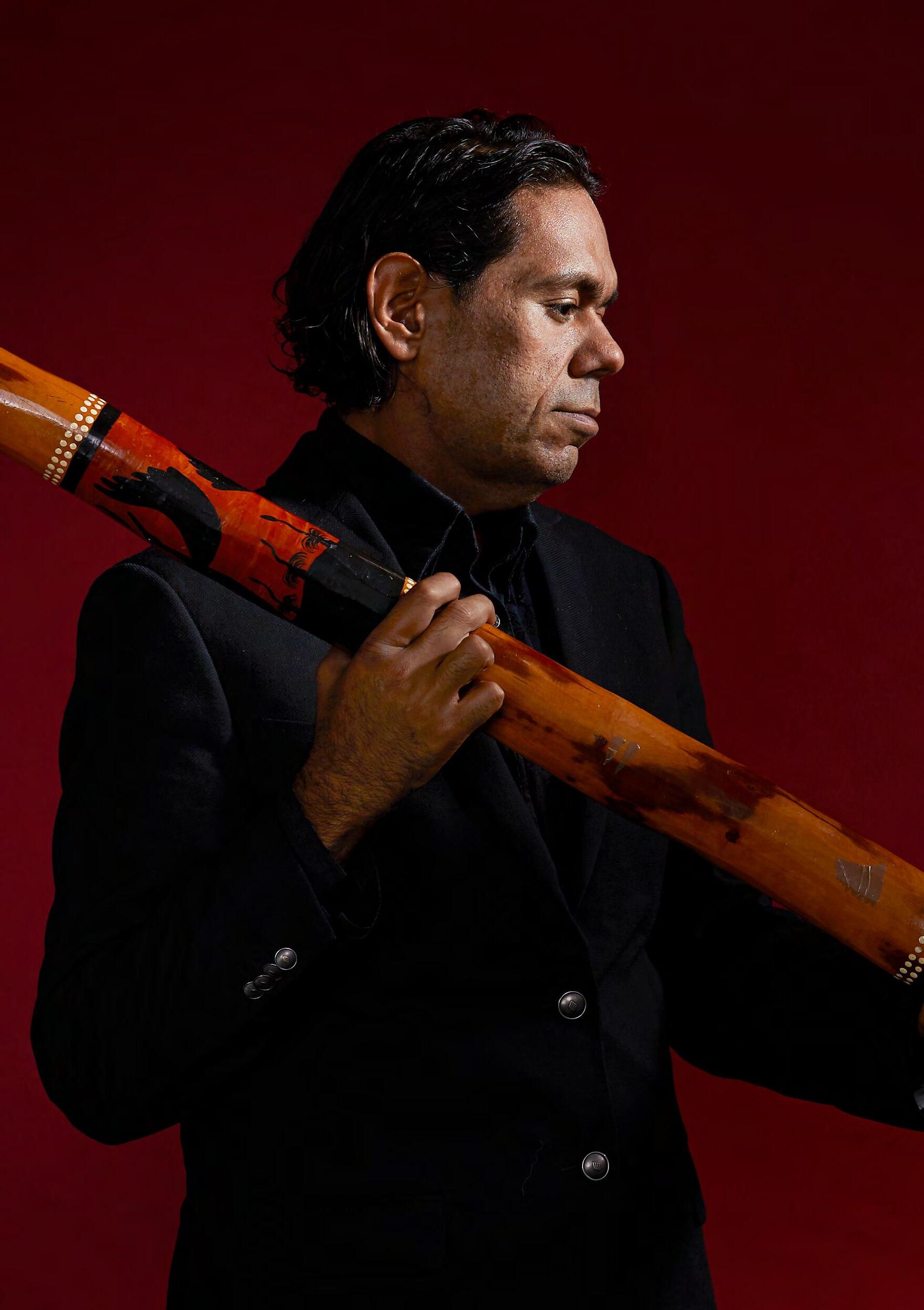
William Barton
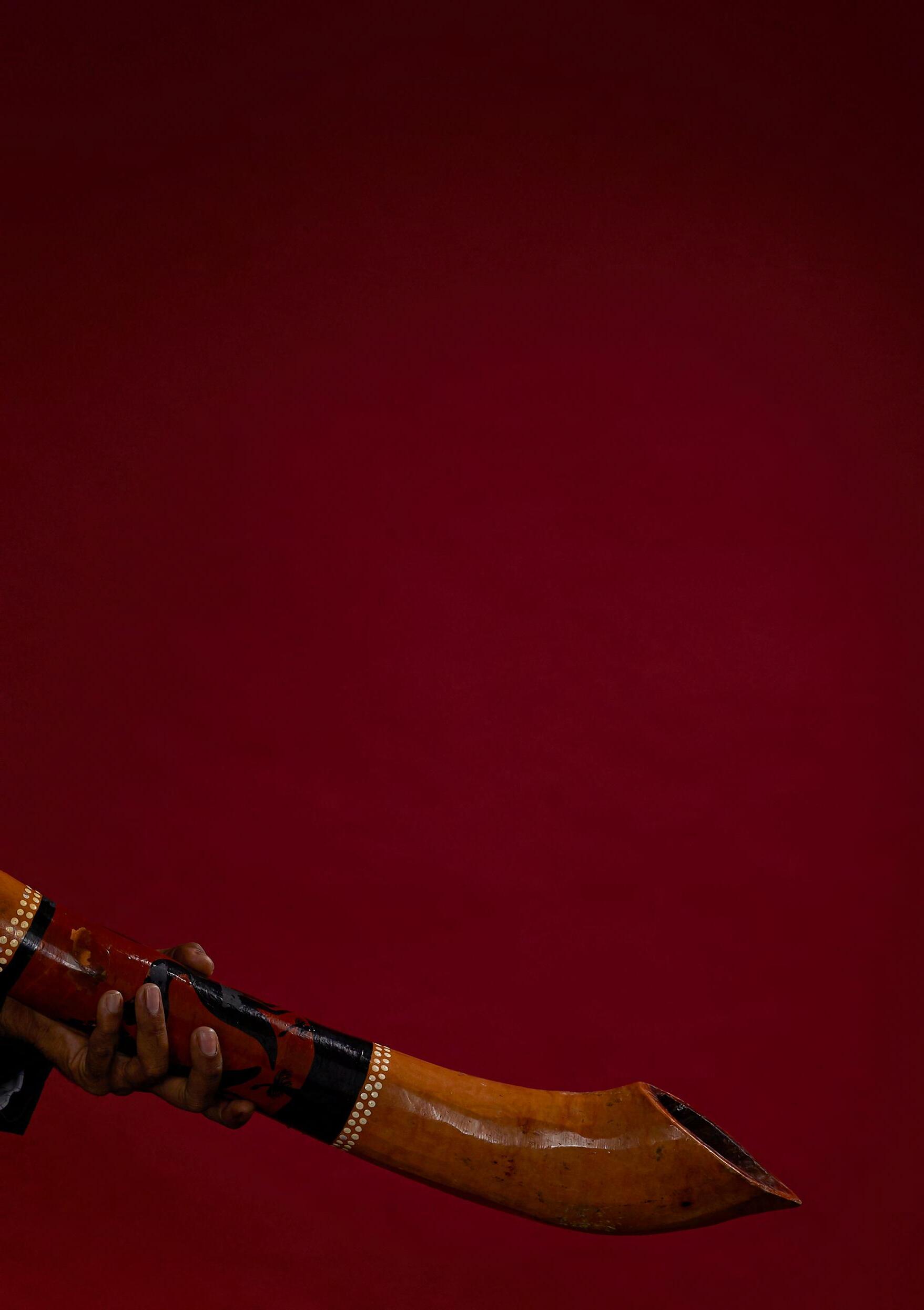
Didgeridoo
For two decades, William Barton has forged a peerless profile as a performer and composer in the classical musical world, from the Philharmonic Orchestras of London and Berlin to historic events at Westminster Abbey for Commonwealth Day 2019, Anzac Cove and the Beijing Olympics. His awards include Winner of Best Original Score for a Mainstage Production at the 2018 Sydney Theatre Awards and Winner of Best Classical Album with ARIA for Birdsong At Dusk in 2012. With his prodigious musicality and the quiet conviction of his Kalkadunga heritage, he has vastly expanded the horizons of the didgeridoo — and the culture and landscape that it represents.
At 17, William realised a lifelong dream when he was invited to perform with the Queensland Symphony Orchestra. But the full, rapturous embrace of the classical music world came in 2004, when Tasmanian composer Peter Sculthorpe unveiled his Requiem with the Adelaide Symphony Orchestra and guest soloist, William Barton.
That night, William was invited to join the orchestra in Japan, to perform Sculthorpe compositions
Earth Cry and Mangrove. Tours to the USA and New Zealand followed, and the composer and didgeridoo artist cemented a firm creative partnership.
“William offered me a new direction,” the late composer has said, praising his instinctive musicality and skill as an improviser.
Often in the company of Delmae, with whom he has an indelible creative bond, William was soon performing on classical stages from the Vatican to the royal court of Spain. As a wildly passionate electric guitarist and jazz-fusion enthusiast, he has appeared alongside Iva Davies’ Icehouse at the Sydney Cricket Ground, and in conservatorium recital with concert pianist Simon Tedeschi.
By the mid 2010s, despite a bare minimum of formal musical education, William had won an ARIA Award for his classical album Kalkadungu, composed a world premiere work for members of the Berlin Philharmonic at Sydney Opera House, and unveiled his first string quartet, Birdsong at Dusk, with the Kurilpa String Quartet and Delmae on vocals. In a recent prestigious event that was broadcast live on BBC One, he premiered his composition Kalkadungu’s Journey at Westminster Abbey for Her Majesty The Queen, Head of the Commonwealth, and the Royal Family, at the Commonwealth Service to commemorate Commonwealth Day 2019.
Véronique Serret
Violin
One of Australia’s most versatile musicians, Véronique is equally at home on the concert hall platform and the rock n roll stage. The ‘Girl from Guildford’ carving a niche for herself directing string sections for rock bands, indie artists, feature films and studio sessions.
A soloist and collaborative artist, Véronique has deep gratitude for her early rigorous classical training and her many teachers and mentors along the way. Over many decades she has been fortunate to work extensively with Bangarra Dance Theatre, Australian Chamber Orchestra, Sydney Dance Company and as concertmaster of the Darwin Symphony. She has directed live string sections for the likes of Gurrumul, Jonsi, Fleet Foxes, Neil Finn, Sarah Blasko, Amanda Palmer, Cinematic Orchestra, Neil Gaiman, Damon Albarn, Kate Miller-Heidke, Ed Kuepper, Martha Marlow, Mike Patton, and Tim Minchin.
She has played in bands with Indigenous songman Archie Roach, been in residence with Laurie Anderson, performed at major festivals including Barunga, Garma, MoFo, WoMad and Woodford, appeared as soloist with the Sydney Symphony Orchestra performing Arvo Part’s Tabula Rasa at the Sydney Opera House, and toured Europe and South America with Sydney Dance Company performing Bach’s Partita No.2 in D minor to critical acclaim. This was also her debut album release. In the late 1990’s Véronique co-founded the band CODA and since 2010 she has been a member of Joanna Newsom’s international touring band as a multi-instrumentalist and backing vocalist.

Véronique is now dedicated to the creation of new music and the exploration of sound through diverse collaborations. She is a member of art music group Ensemble Offspring and has her own duo project with didgeridoo legend William Barton. Together their recent compositions include Bush{fire} Requiem (2020), commissioned by Artology for Sydney Festival, Songlines of our Universe (2021) written whilst in residence at the Sydney Observatory, Heartland (2019) commissioned by Canberra International Festival of Music, and Kalkani (2020) commissioned by the ABC. This work features in the beautiful award winning dance film ‘Urritjara’ by Tim Georgeson.
In 2020 Véronique was fortunate to spend time in residence at the Peggy Glanville Hicks house in Sydney’s Paddington where she developed her own unique compositional voice. She was awarded a Career Development Grant (2019) by the Australia Council for the Arts.
Véronique’s own language is activated by the raw sounds of the Australian bush, the island vibes of her native Mauritius sprinkled with scenes from a life on the road, her love of solo trekking and deep listening. All unite to generate a contemporary, sonic force field.
Aunty Delmae Barton
William’s mother was born in Emerald, Central Queensland and is a descendant of the Bidjara tribe on her mother’s side.
Delmae has been involved with a number of education faculties over the years and in 2005 was appointed Elder in Residence at Griffith University in Brisbane as cultural advisor for students and members of Griffith University.
Delmae is part of the Murri Court Justice system in Queensland and attends court hearings regularly in her capacity as Elder in residence with Griffith University.
She has performed at numerous festivals and has collaborated with people from various music genres, including with Sean O’Boyle for the Queensland Orchestra’s education concerts in 2005, the Brisbane Energex River Festival’s River Symphony in 2000, Millennium Eve Rhythm festival and televised world link up at Woodford Folk Festival from 1999-2000, Goanna Band reunion at the Melbourne International Festival of the Arts in 1998 and The International Cultural Festival, LauraCape York. During the 2004 Brisbane International Film Festival Delmae was a guest judge on the interfaith jury panel for the films. She has also collaborated in prestigious performances with the Queensland Ballet Company for their International Gala at the Brisbane Optus Playhouse and on the Gold Coast.
A highlight of 2004 was the release of her album Spirit Song supported by fashion designer Liz Davenport at her Brisbane store. Liz Davenport also made a special creation for Delmae to wear at the Beijing Olympics in 2008. Other performances
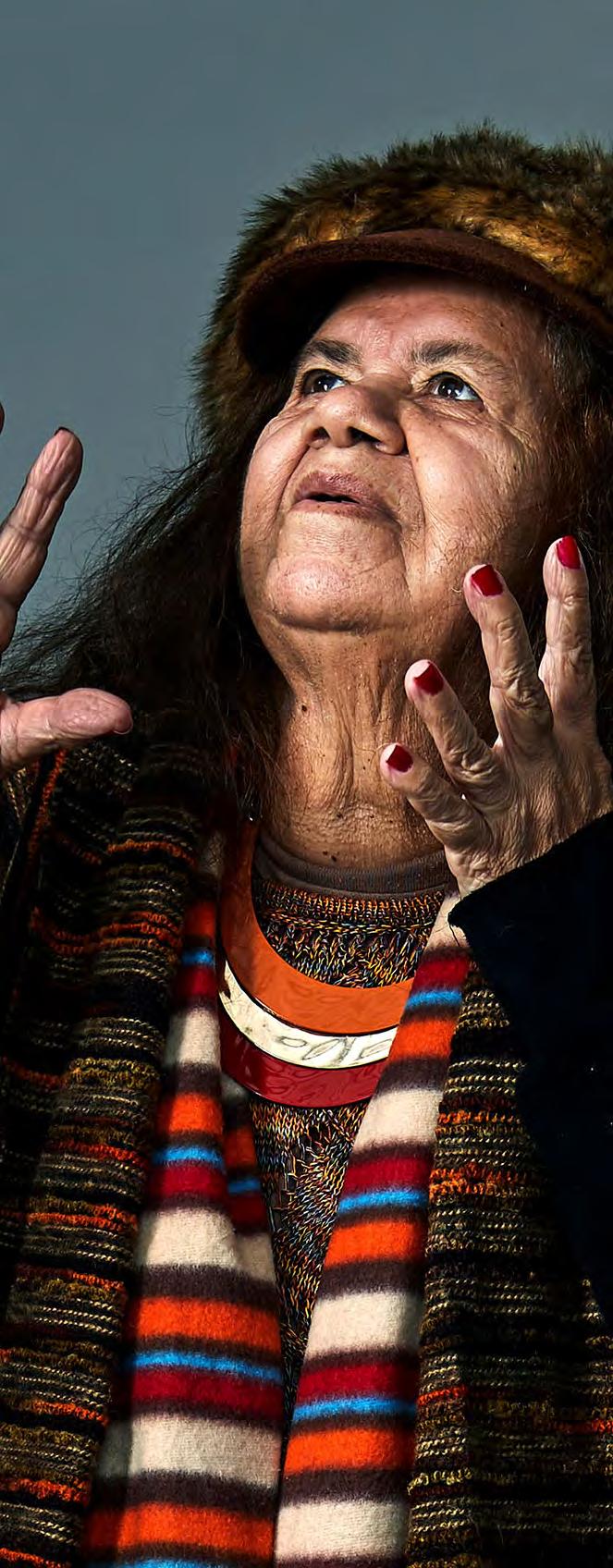
and collaborations have included working with her son William Barton, concerts at the Canberra International Music Festival, Canberra Folk Festival and concerts with classical guitarist Anthony Garcia. In 2002 Delmae represented Australia and New Zealand as guest artist at the World Indigenous People Conference on Higher Education in Canada.
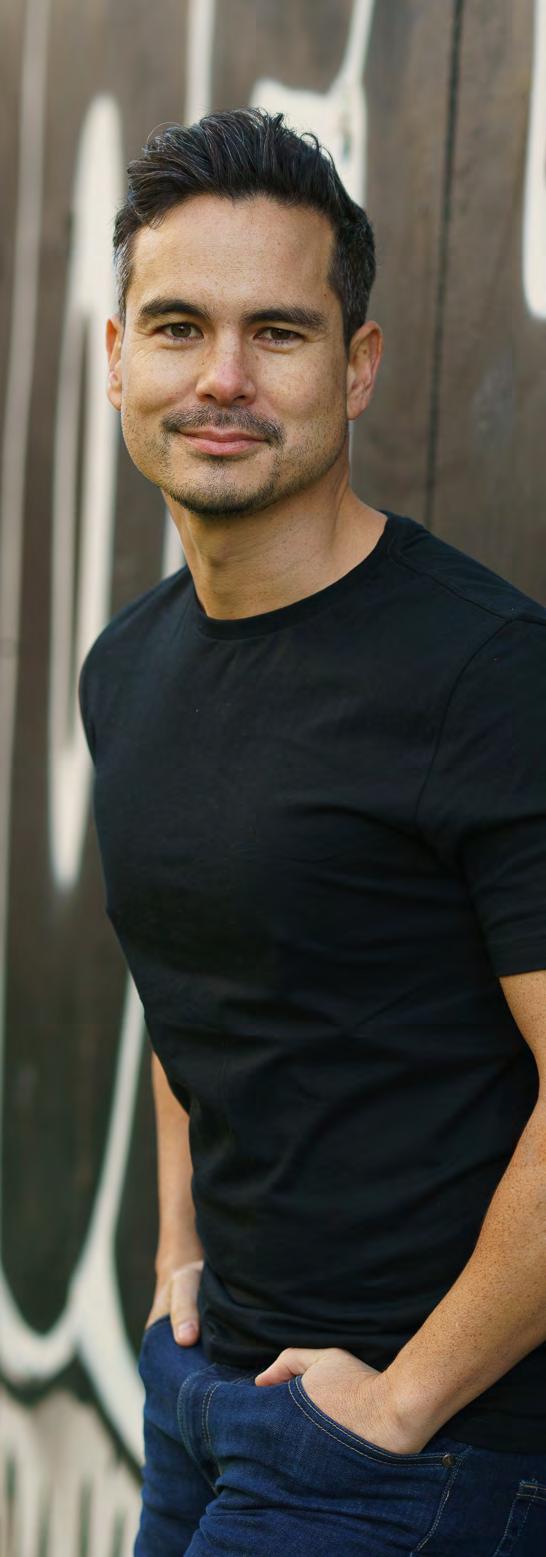
Dane Lam Conductor
Australian-Chinese conductor Dane Lam was appointed Associate Music Director and Resident Conductor at Opera Queensland in December 2020, a position created for him specifically and the first of its kind in the company’s history. He is also Principal Conductor and Artistic Director of China’s Xi’an Symphony Orchestra (XSO). Dane has been leading the orchestral revival in Australia following the COVID-19 lockdown and has conducted the first performances in front of live audiences for Opera Queensland, Queensland Symphony Orchestra, Adelaide Symphony Orchestra and Melbourne Symphony Orchestra. As well as Opera Queensland’s production of Le nozze di Figaro, his 2021 highlights included the inaugural production of the National Opera in Canberra, La clemenza di Tito, concerts with the Sydney and Queensland Symphony Orchestras, and a Martha Argerich and friends festival with the Xi’an Symphony Orchestra. Elsewhere, Dane has appeared with Opera Australia, Scottish Opera, Opera Holland Park, the Canberra, Western Australia, Dunedin, Beijing, Suzhou, Kunming and Shandong Symphony Orchestras, Munich Radio Orchestra, Het Residentie Orkest, City of London Sinfonia, Manchester Camerata, Southbank Sinfonia, RTÉ Concert Orchestra, Beethoven Orchester Bonn and the Verbier Festival Orchestra.
Since Dane assumed the post of Principal Conductor in Xi’an in 2014, XSO’s classical subscription offering has almost doubled while attendance
has increased commensurately. He led the very first staged, professional opera in this 3000-year-old city with Tosca in 2015, followed by Le nozze di Figaro, La traviata and Candide, raising the artistic standard and profile of the orchestra to attract such artists as Jose Carreras, Sumi Jo, Midori Goto, Barry Douglas, Angela Hewitt, Stephen Hough, Ning Feng, Kirill Gerstein and Yundi Li. Dane conducted the XSO at the 2016 CCTV1 Mid-Autumn Festival Gala which was televised live around China and internationally to an audience exceeding one billion viewers. Moreover, Xi’an has seen important premieres during Dane’s tenure, including Beethoven and Brahms Symphony Cycles, and a Mahler Symphony Cycle in partnership with The University of Queensland. Following his 2019 company debut conducting La bohème for Opera Australia, he was immediately invited back to conduct Don Giovanni the following year. Other recent highlights include Carl Davis’ A Christmas Carol with Het Residentie Orkest in The Hague, Orpheus et Eurydie with Opera Queensland and Cilea’s L’arlesiana at Opera Holland Park, with whom Dane has a close relationship that has also seen him conduct Il barbiere di Siviglia, Don Giovanni, Aida, Norma, Mascagni’s Iris, Will Todd’s Alice’s Adventures in Wonderland, and a new production of Così fan tutte
Born in Brisbane, Australia to an Australian mother and a SingaporeanChinese father, Dane played piano, clarinet, and saxophone as a child, and studied conducting under
Gwyn Roberts at The University of Queensland. Following an assistantship and three years of study with Gianluigi Gelmetti, then Chief Conductor of the Sydney Symphony and Teatro dell’Opera di Roma, Dane attained his Masters from The Juilliard School on a full scholarship under James DePreist before undertaking a Junior Fellowship in Conducting at the Royal Northern College of Music under Sir Mark Elder, Clark Rundell and Mark Heron. A protégé of the late Kurt Masur, Dane held the post as his Assistant Conductor at the Orchestre National de France. As well as a former Principal Conductor of the Liverpool Philharmonic Youth Orchestra and Associate Conductor with Opera Holland Park, Dane is an International Ambassador of the Royal Northern College of Music. In 2021, he was appointed an Associate Lecturer at The University of Queensland, where he is directing the UQ Symphony Orchestra in new and exciting directions within and outside the University community and has been tasked with establishing an elite conducting program. Dane currently divides his time between London, Xi’an, and Brisbane.
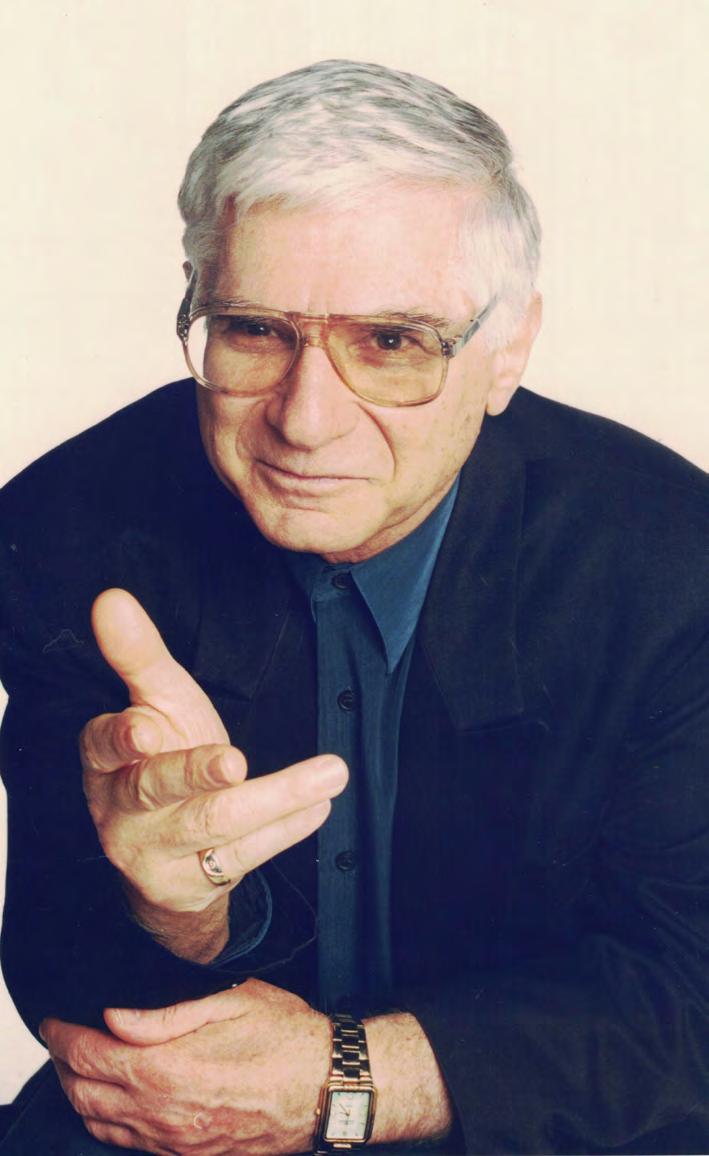
Philip Bračanin Composer
Philip Bračanin is an Australian of Croatian parentage. From the age of six, he received piano lessons, and subsequently studied music and mathematics at the University of Western Australia, where he was awarded MA and PhD degrees for analytical studies of contemporary music. Emeritus Professor Bračanin retired in 2008 from The University of Queensland, where for nine years he was the Dean of the Faculty of Music, and for ten years, Head of the School of Music.
Included amongst his works are numerous chamber pieces (including three string quartets), solo song cycles with both piano and orchestral accompaniments, choral works, concerti for piano, violin, viola, cello, oboe, clarinet, trombone, guitar, two double concertos, one for guitar and oboe, and the other for guitar and vibraphone/ marimba and two for orchestra. He has also written eleven symphonies, including a choral symphony (Symphony No. 2), which is included in the ABC’s The Classic 100 Symphony set of Australia’s favourite symphonies.
In 1988 Bračanin was composer in residence at the Anglo-Australian Music Festival in Birmingham, England. In 1991, he fulfilled a similar role at the Bournemouth International Festival, at which two of his works were performed, including a festival commission. In May 1995, his first Symphony was premiered by the Pusan Philharmonic Orchestra in Pusan, Korea, and in September his Choral Symphony (Symphony No. 2) was premiered. Additionally, in 1995
his Guitar Concerto won the APRA Award for the best Australian Classical Composition. In 2014 he was composer in residence at the Rottingdean Spring Music Festival, Brighton, England where three works were performed and his oboe concerto Shades of Autumn, was premiered.
His music has been recorded in Australia, Germany, Finland, and the former Yugoslavia, and performed in Australia, Europe, Korea, Malaysia, Canada and the USA.
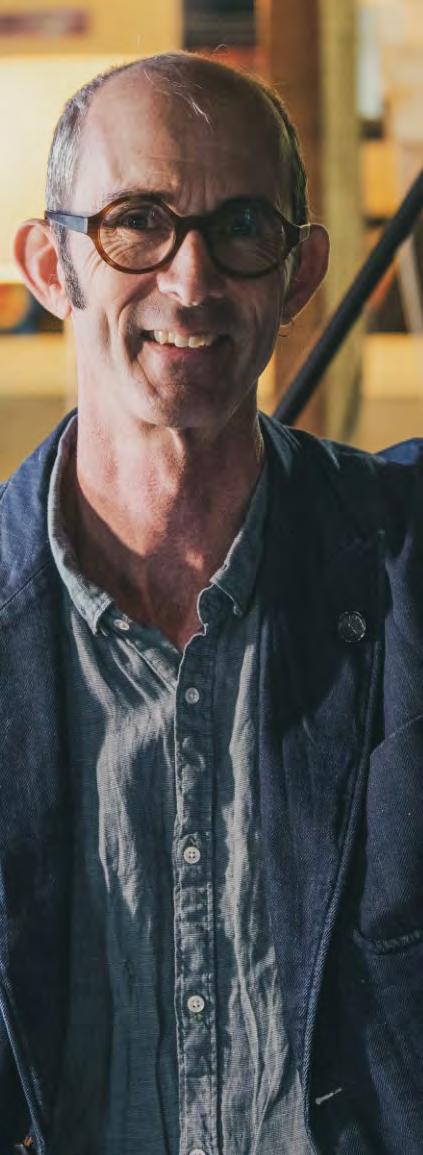
Erik Griswold Composer
Erik Griswold is a composer and pianist working in contemporary classical, improvised, and experimental forms. Particular interests include prepared piano, percussion, environmental music and music of Sichuan province. Originally from San Diego, and now residing in Brisbane, he composes for adventurous musicians, performs as a soloist and in Clocked Out, and collaborates with musicians, artists, dancers and poets.
His music has been performed at Carnegie Hall, Sydney Opera House, Cafe Oto, Chengdu Arts Centre, Melbourne Festival, OzAsia Festival, and Brisbane Festival, among others. He is a recipient of an Australia Council Fellowship in Music, a Civitella Ranieri Fellowship and numerous individual grants. He has collaborated with musicians Steven Schick, Margaret Leng Tan, the Australian Art Orchestra, Decibel Ensemble, Zephyr String Quartet, Ensemble Offspring and many others. His music can be heard on Mode Records, Innova, Room40, Move, Clocked Out and Immediata.
Together with Vanessa Tomlinson, Griswold directs Clocked Out, who create original music for prepared piano, percussion, found objects and toys. Their albums include Time Crystals, Foreign Objects, Water Pushes Sand, and Every night the same dream. Clocked Out also produces innovative concert series, events and tours, for which they have received the APRA-AMCOS Award for Excellence by an Organisation (2011) and two Green Room Awards (2000).
“...Through their vibrant performances, our musicians entertain us, challenge us, and enrich the quality of life for our community. The Series highlights the School of Music as a world-leading institution for teaching, research, and performance.”
Professor Deborah Terry AO Vice-Chancellor and President The University of Queensland
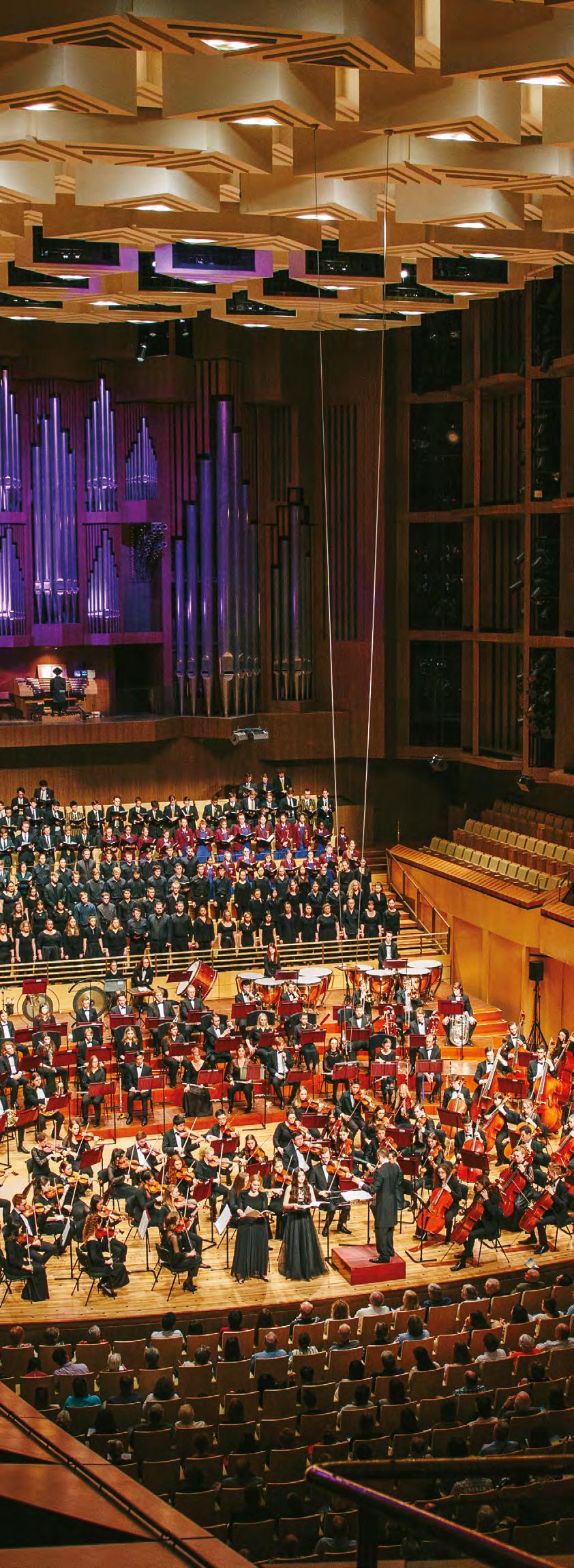
UQ Symphony Orchestra
Directed by Dane Lam
The University of Queensland Symphony Orchestra (UQSO) is one of the southern hemisphere’s leading youth ensembles. It is comprised mainly of students from the Bachelor of Music (Honours) program and includes performers from other schools within the University, making the orchestra a truly collaborative ensemble.
The orchestra’s repertoire includes full symphonic works, concertos with students, staff or guest soloists, compositions by students of the School, and repertoire related to conducting workshops. Combined choral/orchestral performances take place together with UQ vocal ensembles and invited secondary school performance partners.
UQSO has an important orchestral heritage in Queensland. In September 1939, prominent Brisbane musician Dr Robert Dalley-Scarlett combined his community orchestra with UQ student musicians to perform at a University Revue. One of the student members who performed that night, Joan Osborn, recalled that newsboys were shouting “Germany invades Poland” on the night. In the 1950s, medical student Ralph Schureck formed a University Orchestra. Later the orchestra was bequeathed to the care of Hugh Brandon and Gordon Spearritt. The foundations for the current Orchestra at the School of Music were laid in the early 1970s under Professor Noel Nickson. Previous UQSO recordings can be downloaded via the School of Music’s SoundCloud page: soundcloud.com/uq-music
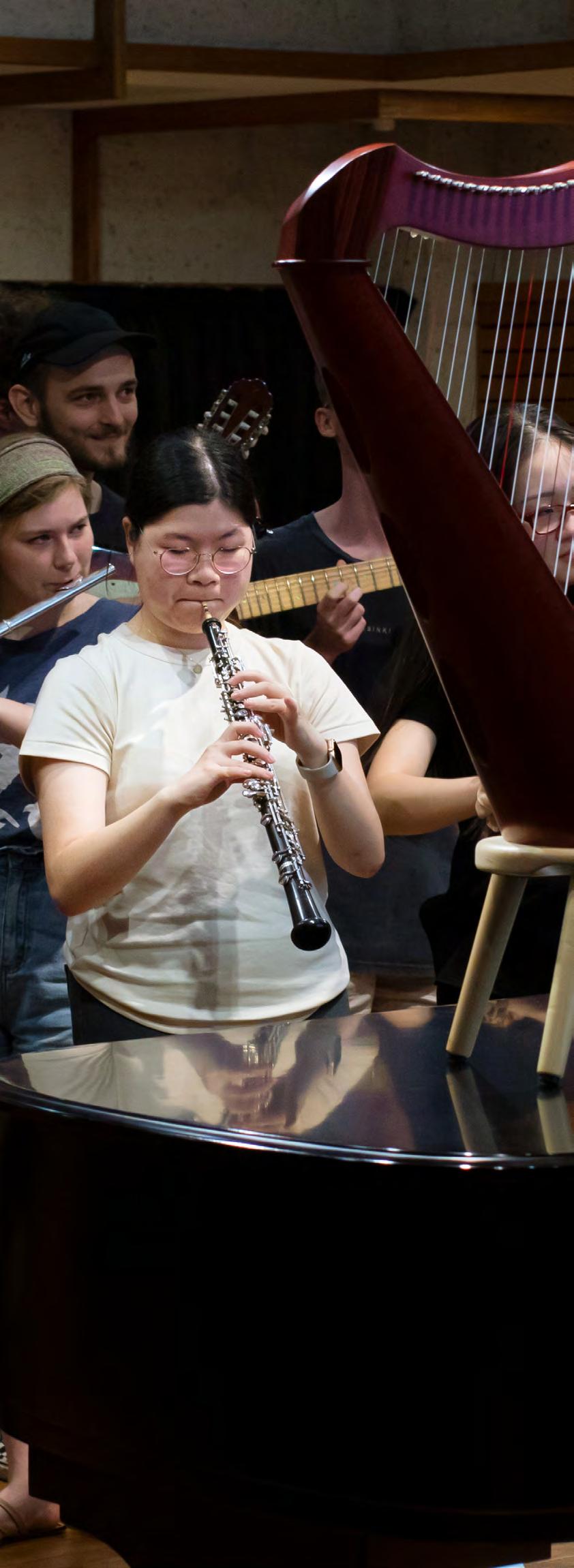
Sketch
Directed by Robert Davidson
Sketch ensemble features oboe, trumpet, voice, trombone, string quartet, piano and double bass. It was formed in 2021, and has a focus on creating new works by its members. Since forming, the ensemble has given many premieres of music composed by its members, along with new arrangements of Japanese animation and game music, innovative work with Marike van Dijk involving dynamic, animated music notation, music for silent film screening, and music focused on responses to and interpretations of specific natural environments. Sketch is directed by Robert Davidson, using insights from his 25 years as artistic director of the awardwinning ensemble Topology.
The University of Queensland Symphony Orchestra
Conductor Dane Lam
VIOLIN 1
Adam Chalabi*^
Courtenay Cleary+
Jasmine Milton
Ann Carew~@
In Yi Chae
Ingram Fan
Hanah Lee
Lili Stephens
Issy Young~@
Nathan Shan
VIOLIN 2
Isabelle Watson^
Lauren Yao
Fan Yang
Abigail Lui
Chun Stephen Chan
Ian Ng
Johanna Hyslop
Ashlyn Keiler
Sijin Bai
VIOLA
Nicole Greentree^
Liam Mallinson
Helena Burns
Daniel Casey
Allan Lu
Kaitlyn Bowen
Emilia Siedlecki
Sophia Mackson
CELLO
Patrick Murphy^
Ting Yan Lai
Stacey Weir
Emily Winter
Hannah Harley~@
Sarah Lone
Nathan Qiu
Andrew Ruh
DOUBLE BASS
Phoebe Russell^~
Alexandra Elvin
Jemima Shepherd~
Sophia Buchanan
FLUTE
Ella Kay-Butterworth^
Dvořák
Seoyoung Kim
Dvořák
Belinda Wong^
Bračanin
Isabella Weiss
Bračanin
Eline van Bruggen^
Barton/Serret/Griswold
Amanda Wong
Barton/Serret/Griswold
ALTO FLUTE
Tayla Whateley
Barton/Serret/Griswold
KEY
* Concertmaster
+ Associate Concertmaster
^ Section Principal
~ Guest
@ UQ Alumnus
PICCOLO
Corina Palafox
Barton/Serret/Griswold
OBOE
Clint Fox^
1st: Dvořák
Laura Hall^
1st: Bračanin and Barton/ Serret/Griswold
COR ANGLAIS
Vivienne Brooke^~
CLARINET
Rianne Wilschut^~
Nathan Christen
Bračanin and Barton/ Serret/Griswold
Alexander Lord
Dvořák
BASSOON
Claire Ramuscak^
Harry Wilkes
1st: Bračanin
CONTRABASSOON
Claire Ramuscak
Bračanin
FRENCH HORN
Oscar Schmidt^
2nd Horn: Bračanin
Max Dielkens
Thomas Ferreira-Montague
1st Horn: Bračanin
Emma Rolfe
TRUMPETS
Mark Bremner^
Caleb Hodgkinson
TROMBONES
Zhao Ming Liu^~@
Max Fitzgerald
Spencer Coomber-Tomkinson
TUBA
Sean Burke~@
TIMPANI
William Elvin^
PERCUSSION
Ella Hicks
Dean Burton
Bianca Dwyer
HARP
Jaclyn Miles
Sketch
Director Dr Robert Davidson
DIDGERIDOO
William Barton~
LEAD VOCAL
Aunty Delmae Barton
BACKING VOCAL
Demetra Politakis
OBOE
Alexandra Dunk
TRUMPET
Caleb Hodgkinson
TROMBONE
Max Fitzgerald
VIOLIN
Kaitlyn Bowen
Abigail Lui
VIOLA
Sophia Mackson
CELLO
Emily Winter
DOUBLE BASS
Robert Davidson
KEYBOARD
Alexandra Mison
Natalia Carter
Study Music at UQ
Our School’s motto is “Music AND...”. UQ is the place where students who excel at music can focus on their craft while broadening their horizons, capitalising on UQ’s rich academic environment. We believe that studying music at a World Top50 university gives our graduates options in an era of employment uncertainty.
Our flagship Bachelor of Music (Honours) and Bachelor of Arts music programs are designed to build practical depth and intellectual breadth, and each of these degrees can be taken in a variety of dual degree combinations, including Science and Education.
Employability and Work-IntegratedLearning experiences are central to the ethos of the School of Music. Learn alongside and perform with our industry partners, through internship and mentoring partnerships with major Queensland performing arts organisations.
The Bachelor of Music (Honours) is a four-year degree that supports you in developing your creative potential as a professional musician, giving you a solid foundation in music history, practical skills and theory. In the first three years you complete courses in performance studies, musicianship, musicology, and music research methods, alongside your choice of a range of elective music courses in ensemble performance, music education, popular music, music technology and the psychology of music.
You receive weekly principal study lessons with your teacher, many of whom are international performers. After three semesters of performance studies, composition and conducting
become options for those of you who are interested in honing your craft in creating original works or leading ensembles.
A research project in fourth year develops your employability by developing your ability to articulate musical ideas in sophisticated and complex ways.
The Bachelor of Arts (BA) includes majors in Music, Popular Music and Technology, and a minor in Music Psychology.
The Music major expands your understanding in musicianship, music history, music pedagogy, and practical music-making. Learn how sonic materials are organised, develop literacy in music notations, composing and improvising, explore different genres, and improve your critical appreciation and historical knowledge of music.
The Popular Music and Technology major explores popular music and media technologies in flexible and creative ways that strengthen your career prospects in the arts, government, business, education, and the science and technology sectors. Learn vital future workforce skills in collaboration, critical thinking, design thinking, computational thinking, transdisciplinary and social intelligence.
The Music Psychology minor examines how people think, feel, and behave in relation to music. Learn how music and related psychological processes operate in larger sociocultural contexts, connecting with the world around you, and how to apply your knowledge and skills in music practice, educational, therapeutic, and organisational contexts.
The Master of Music incorporates contemporary theory and practice across an 18-month postgraduate program that provides you with a variety of pathways to professional leadership opportunities. With a flexible study program that can be customised to individual career goals, you can diversify and extend your professional practice. Select courses according to your interests as you deepen and broaden your learning in areas such as performance, conducting and music theory, education, technology, and composition.
The School of Music also provides opportunities for individual postgraduate students to undertake Doctor of Philosophy and Master of Philosophy research projects, producing new knowledge and gaining expertise in various fields, including music performance, composition, musicology, popular music and technology, music psychology, and music education.
Make a gift to support students through this QR Code
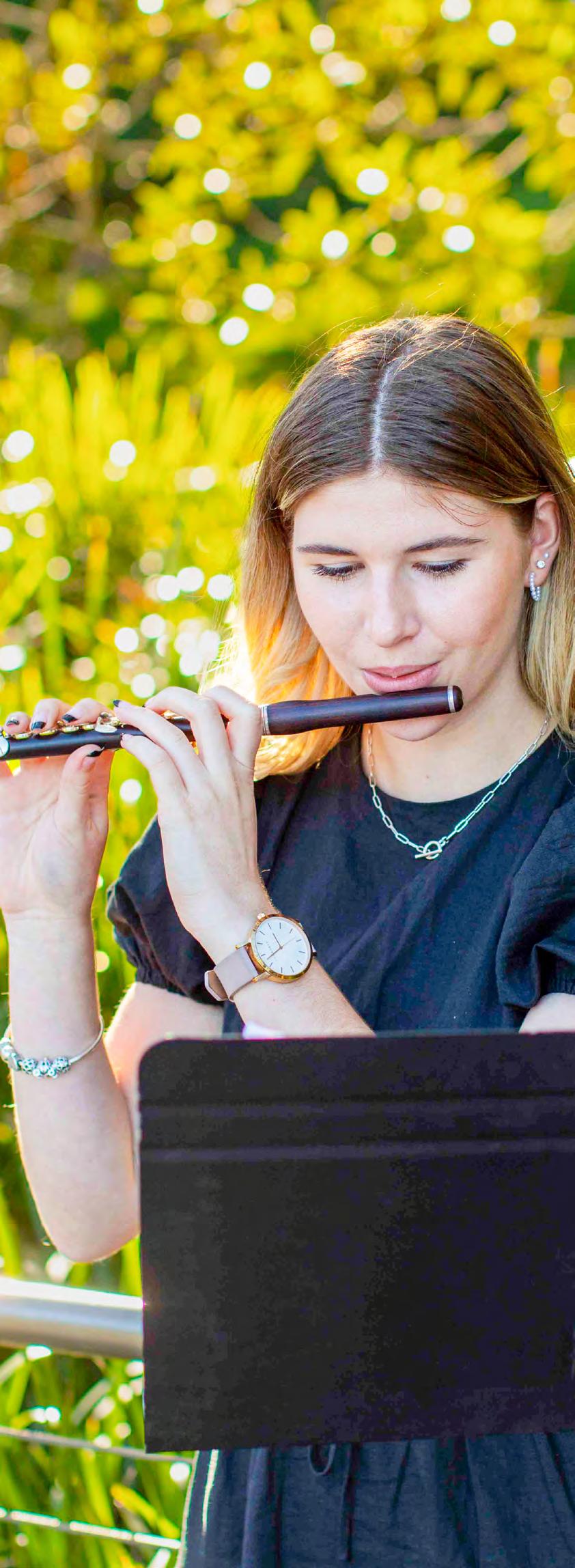
Thank you for attending Music and Country. The University of Queensland’s School of Music looks forward to seeing you at our second Vice Chancellor’s Concert at QPAC on 4 September 2022. Join the UQ Symphony Orchestra and UQ Chorus as they perform Verdi’s Requiem.
The University of Queensland Symphony Orchestra Conductor Dane Lam

For more information on the UQ School of Music:
Virtual Concerts bit.ly/UQVirtualConcertSeries
Facebook facebook.com/UQSchoolofMusic
SoundCloud soundcloud.com/uq-music
YouTube bit.ly/UQMusicYouTube
Email music@uq.edu.au
Phone
(07) 3365 4949
Web music.uq.edu.au
Presented by: