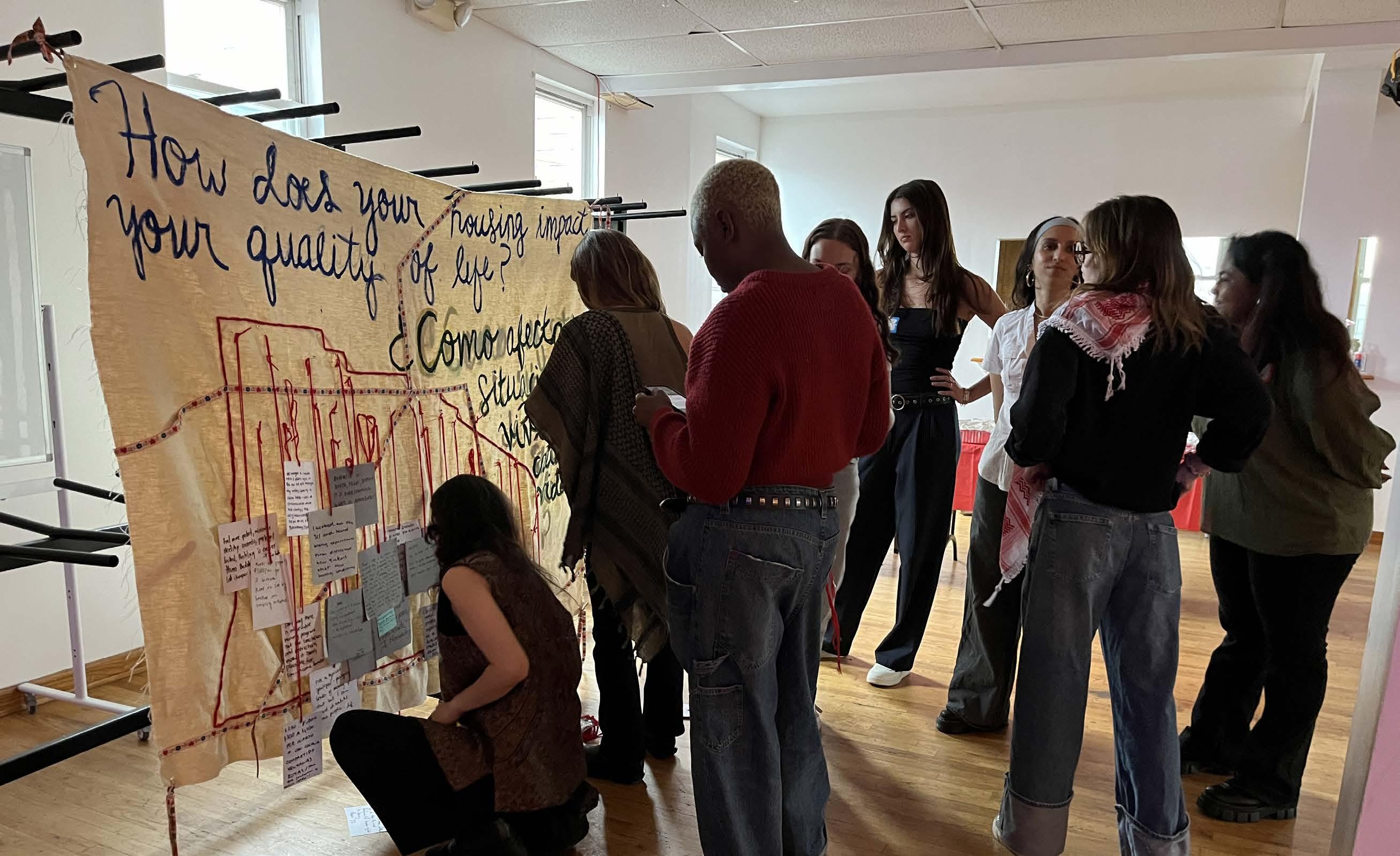
The master’s in Design and Urban Ecologies takes a design-led, justice-centered approach to understanding and transforming cities and urbanization processes. By integrating design, planning, policy, and community advocacy, the program prepares students with the skills and experience needed to tackle today’s urban challenges. Inspired by The New School’s commitment to environmental and social justice, students from diverse backgrounds work closely with community partners to develop plans, strategies, initiatives, and policy platforms leading to meaningful urban change.
The program bridges public policy, urban planning, community advocacy and other disciplines through a design-led approach to understand and shape the forces and agents at play in urban growth, restructuring, and development. Students work alongside grassroots organizations, policymakers, and affected communities to co-create new forms of urban intervention that prioritize equity, resilience, and sustainability. From confronting housing insecurity and environmental degradation to responding to mass migration, racial injustice, and public health crises, students apply participatory research methodologies and hands-on design practices that center the needs and aspirations of marginalized communities.
Our program’s studios and seminars are guided by real-world engagements in New York campaigns that challenge systemic inequalities and support long-term transformation. Emphasizing collaborative processes over topdown solutions, the program prepares students to navigate and influence the complexities of urban development with critical insight and creative agency.
By bridging theory and practice, and fostering deep connections between people, place, and policy, the Design and Urban Ecologies program positions students to become changemakers in the fields of planning, advocacy, design, and urban governance. Graduates emerge prepared to lead and support bold, systemic interventions that help cities become more just, inclusive, and livable for all.
Gabriela Rendón
Associate Professor of Urban Planning and Community Development Program Director, MS Design and Urban Ecologies Program
INTRODUCTION
As the globe spins into senselessness, and in spite of every kind of information at our fingertips, we struggle to piece together all that is unfolding. There is a shared understanding, however, that each of us, no matter where we are from, is yearning for a vision for a future that is rooted in history, hope and resistance. In War Talk, Arundhati Roy prophetizes, “The corporate revolution will collapse if we refuse to buy what they are selling— their ideas, their version of history, their wars, their weapons, their notion of inevitability. Another world is not only possible, she is on her way. On a quiet day, I can hear her breathing.”
Our Design and Urban Ecologies cohort of 2025 has worked against all odds to show us a glimpse of what this sense of possibility, this other world might look like if our responses to radical violence were crafted with radical love and in relationship with each other. Over the last year, students have redefined the ways in which academic outcomes are expected and produced research and proposals that challenge us to resist anguish and embrace our urgent responsibility to reimagine alternative ways to move through the political, social, cultural, environmental and economic realities of our everyday lives. While being firmly rooted to the ground, they have branched out into visions that will hopefully bear fruits and benefit many for years to come. To invoke Audrey Lorde, as we continue experimenting with these journeys where classrooms become political spaces teeming with creativity, “To refuse to participate in the shaping of our future is to give it up. Do not be misled into passivity either by false security (they don’t mean me) or by despair (there’s nothing we can do). Each of us must find our work and do it.”
Soraya Barar’s People’s Kitchen: Advocating for New Public Infrastructure through Cooperative Cooking Practices reimagines the kitchen as a radical site of public care, resistance, and community power in the
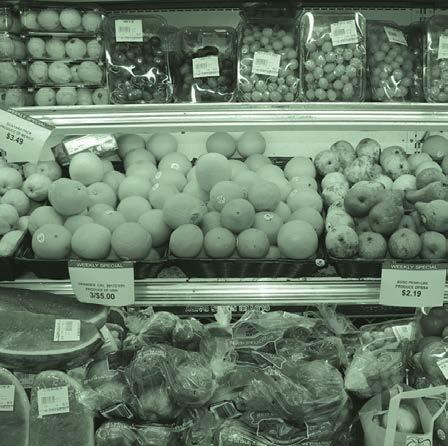
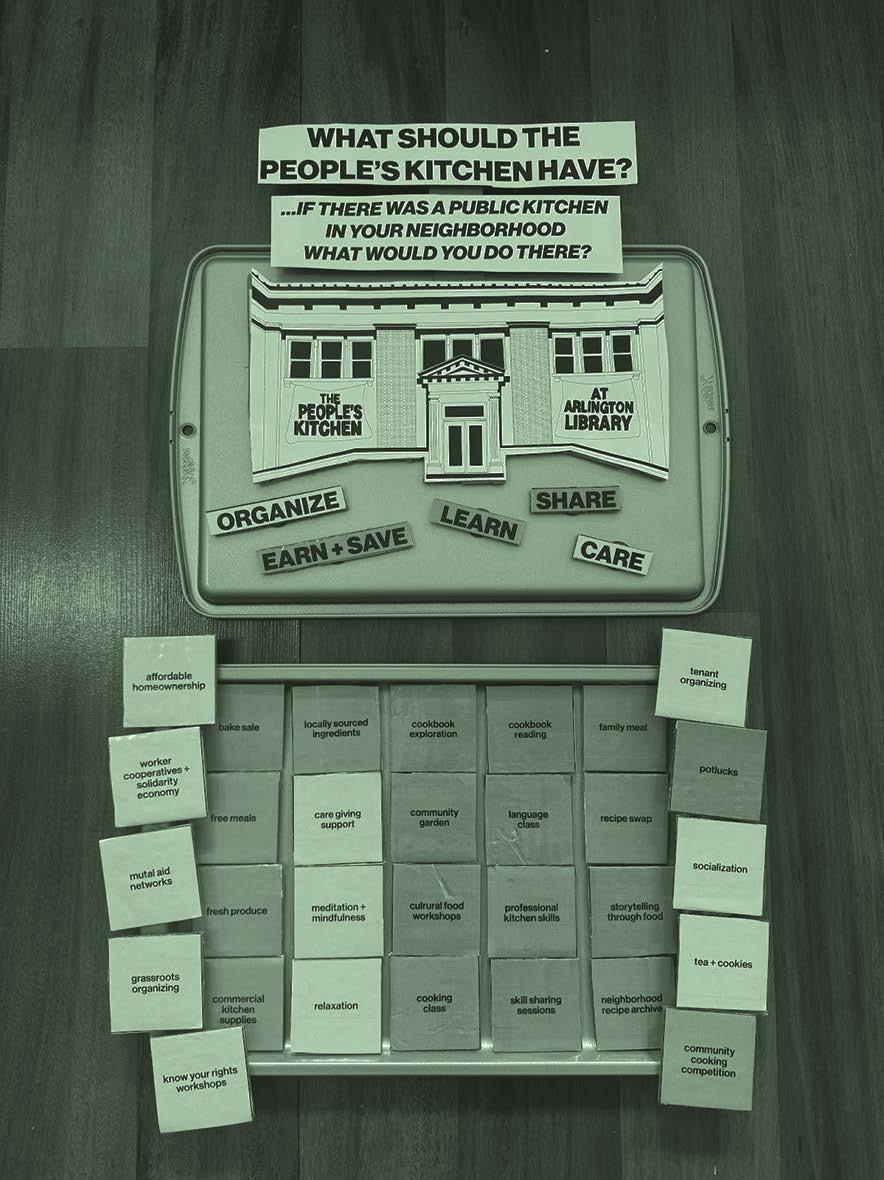
face of food apartheid, housing insecurity, and systemic violence. Against the backdrop of racialized food access, immigration struggles, and failing infrastructure, her thesis projectproposes the People’s Kitchen—a public, cooperative cooking space grounded in mutual aid and prefigurative politics. Anchored in East New York, a neighborhood shaped by disinvestment and resilience, the project culminates in a facilitation guide for launching community-run kitchens inside public spaces like libraries. Through mapping, interviews, and case studies, the thesis uncovers how collective cooking can address health disparities, decentralize care, and reclaim public space. More than a meal, the People’s Kitchen models a future where nourishment becomes an act of dissent and joy—a blueprint for building inclusive, people-powered infrastructure from the ground up.
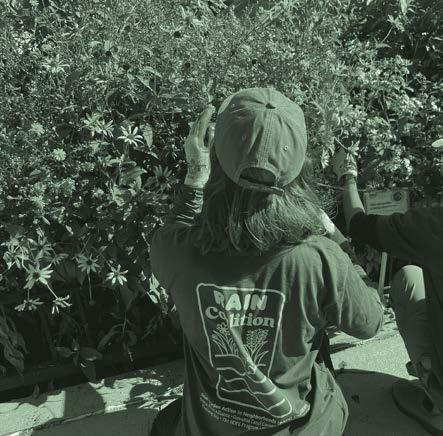
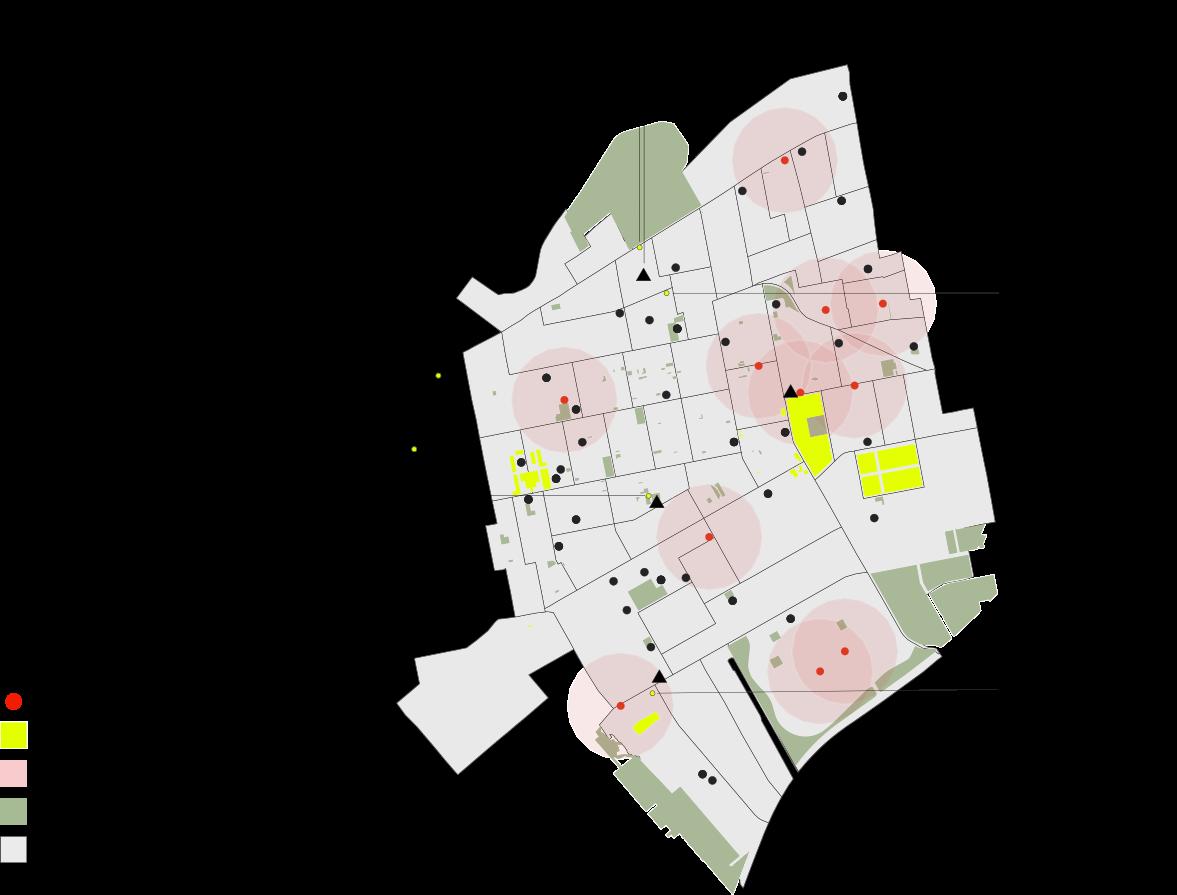
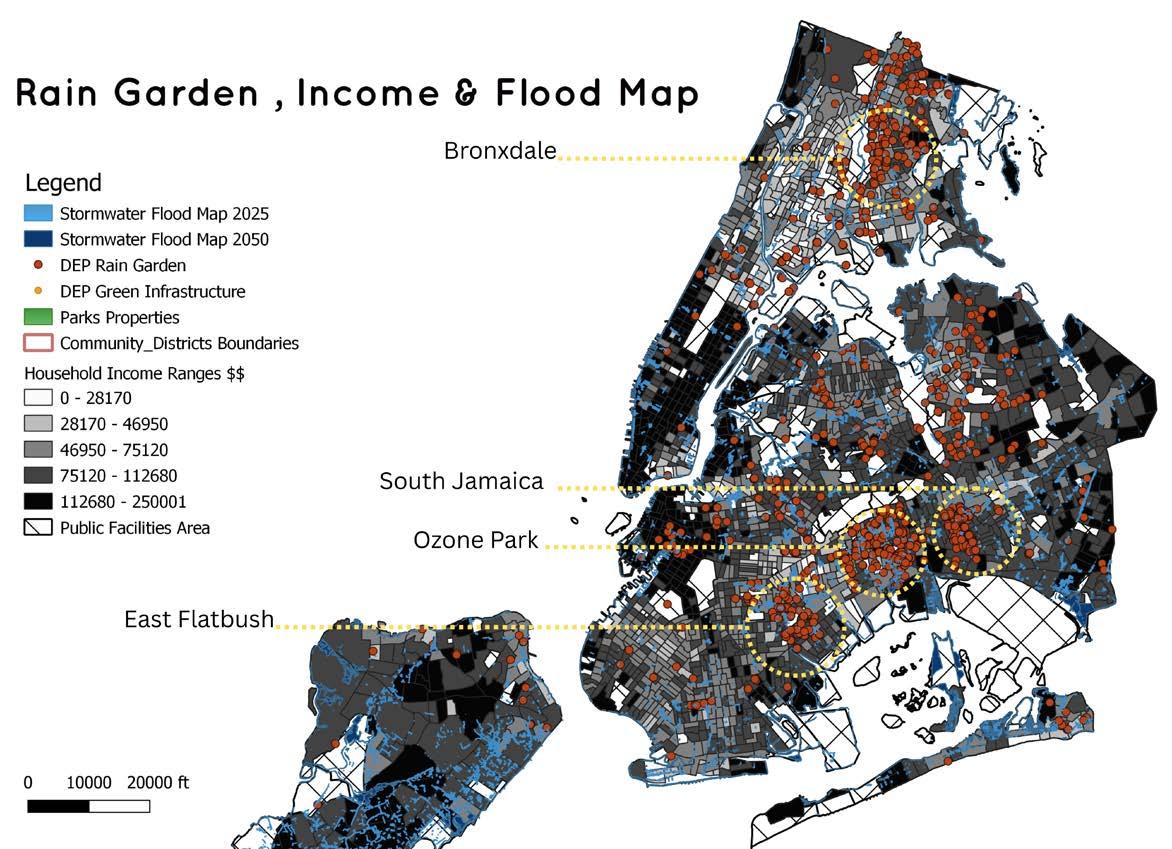
Socheata Chey’s Stormwater, Stewardship & Systemic Challenges examines New York City’s green infrastructure strategy—particularly rain gardens—as a solution to urban flooding, revealing major gaps in maintenance, equity, and public engagement. While rain gardens offer environmental and aesthetic benefits, the NYC Department of Environmental Protection struggles to manage over 2,500 of them due to limited staffing, lack of centralized oversight, and no real-time monitoring. Many of these gardens are concentrated in low-income, flood-prone neighborhoods, yet fail to meet city standards, raising concerns about the true effectiveness of the city’s flood resiliency efforts. Through spatial analysis and case studies, the research proposes three-pronged solutions: a centralized digital platform to track maintenance, educational programs to raise community awareness, and incentivebased stewardship models. By integrating technology, education, and compensation, the study calls for a more sustainable and equitable approach to managing green infrastructure— empowering local residents while enhancing
city’s climate resilience.
Avery Crower’s The Right to Disconnect: Reclaiming Power, Privacy, and Protection in the Digital World reimagines digital equity as more than just access, emphasizing the need for transparency, autonomy, and collective governance. As digital infrastructure spreads across urban systems, her thesis challenges the idea that “inclusion” is inherently empowering—arguing instead that it can reproduce surveillance and systemic control. Anchored by a Technology Vulnerability Index (TVI) for NYC and a partnership with Community Tech Lab NY, the project maps digital inequities and develops a Digital Privacy Toolkit —Understanding Your Digital Self. Framed through parts of the body to make abstract concepts tangible, the toolkit helps communities protect and reclaim their digital lives. Through research, workshops, and community engagement, the thesis highlights how marginalized groups are most affected by digital vulnerability and least protected. It calls for a future where connection is inseparable from protection, and where digital resilience is rooted in networks of care, resistance, and collective empowerment.
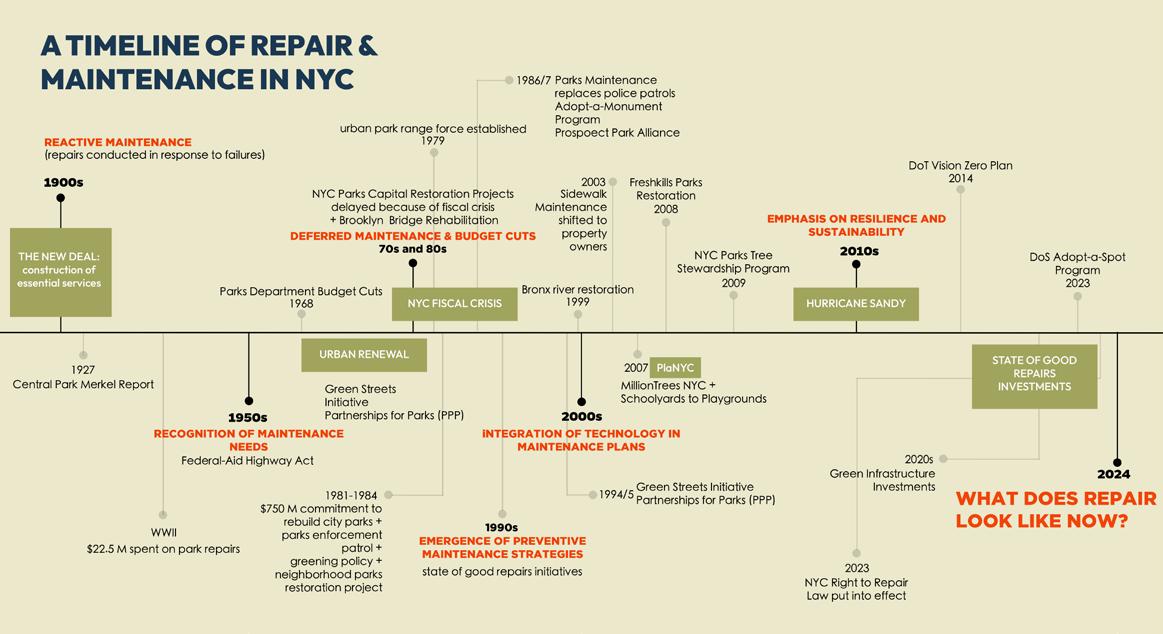
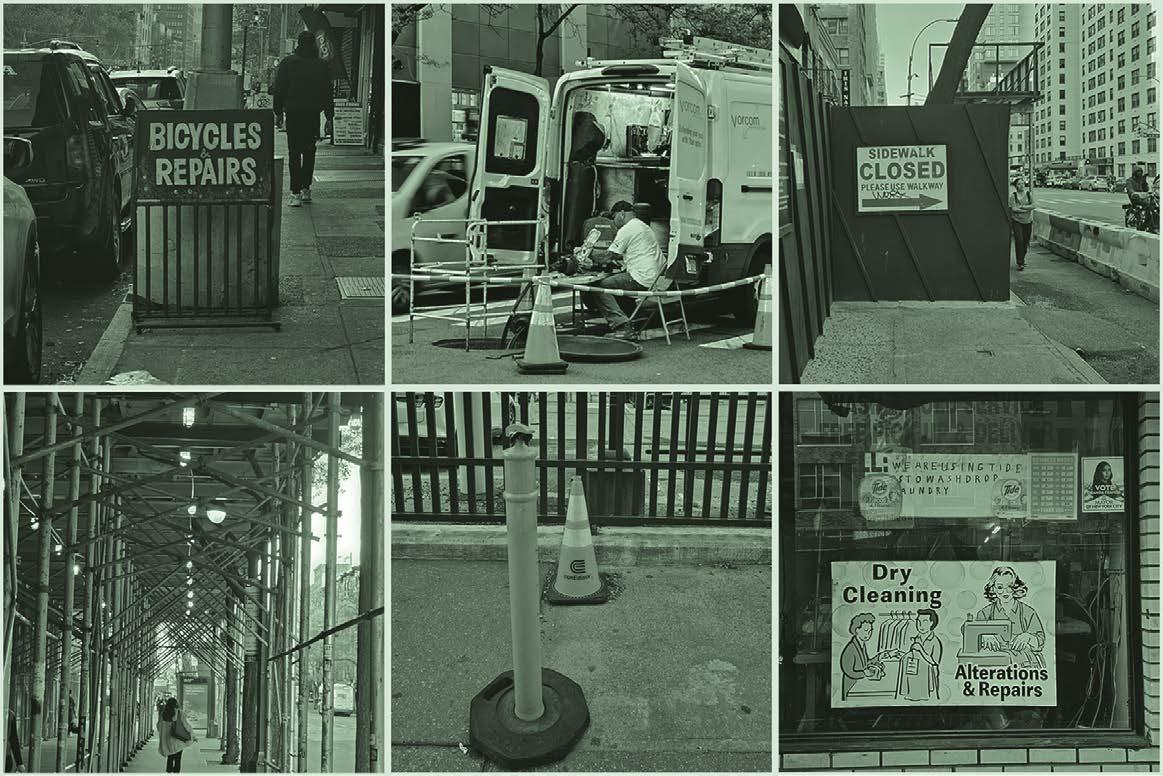
Aqdas Fatima’s Towards a Radical Practice of Repair: Codesigned Approaches to Caring for Public Infrastructure repositions urban repair as a critical and proactive practice essential to creating equitable, resilient cities. In a context of accelerating climate change, systemic disinvestment, and deepening inequality, it focuses on how repair—often carried out informally by marginalized communities in New York City—is both overlooked and undervalued. Drawing from fieldwork, interviews, and critical theory, the study highlights the social, spatial, and political dimensions of repair, revealing its role in sustaining urban life. Three tools emerged from her research: a participatory digital map that documents local repair efforts and needs, a community repair toolkit to support grassroots maintenance initiatives, and a workshop facilitation guide for learning about local repair needs and co-designing solutions. These resources, co-developed with local organizations, aim to embed repair-thinking into urban design, policy, and education. By integrating concepts like social reproduction,
right to the city, and ecological care, the project challenges growth-driven planning models and advocates for a more just, collaborative approach to maintaining and reimagining our shared urban environments.
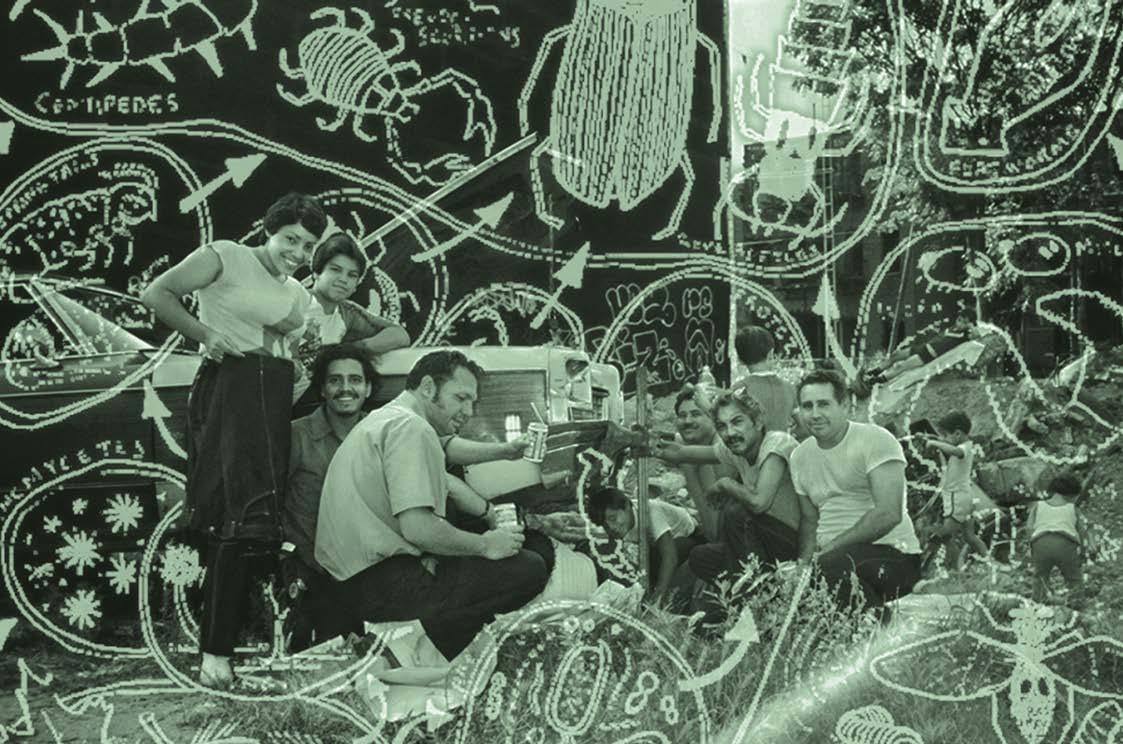
Isabelle Groenewegen’s Bridging the NatureCulture Divide: A Personal Journey Towards Socio-Ecological Praxis is a project rooted in her personal experience, reframing Western views of nature through intimate engagement with urban ecologies. Set in Lenapehoking (New York City), it explores soil as both a record of colonial violence and a living force that nurtures life and resists boundaries between human and more-than-human. Drawing on Bruno Latour, Anna Tsing, and Robin Wall Kimmerer, the thesis challenges the natureculture divide and proposes a socio-ecological praxis—a creative, justice-driven approach that includes ecosystems as collaborators in social practice. This thesis proposal activates a creative, community-rooted project in Bushwick, Brooklyn, bridging art and ecology through collaboration with No North Brooklyn Pipeline on Living Soils Rising. Centered around healing the contaminated land near the National Grid Liquid Gas Facility by Newtown Creek, the project raises awareness of environmental justice efforts impacting nearby NYCHA residents. Rooted in the rich cultural history of Bushwick and the ecological legacy of Lenapehoking, her project reflects a broader curatorial vision: to foster deeper connections between people and more-thanhuman ecosystems, and to reimagine the urban commons through care, resistance, and creative action.
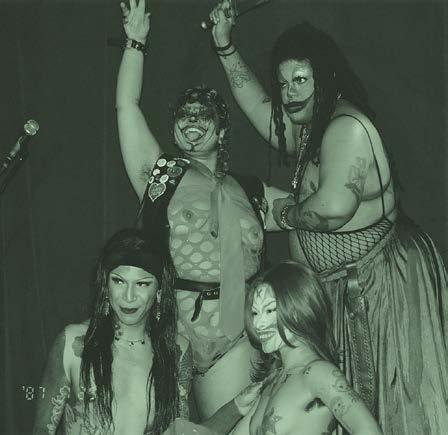
Rhay Lloyd’s Kinship and Community; Exploring Queer Socio-Spatial Networks through Black Kinship Ties explores how Black kinship networks—rooted in African traditions and shaped by slavery, Reconstruction, and the Great Migration—have evolved into powerful systems of care within BIPOC queer urban communities. Challenging the isolating white nuclear family model, these expansive kinship ties offer socialization, social control, and social security to entire neighborhoods, creating communal resilience in the face of capitalism, segregation, and displacement. Grounded in Black Marxist thought, the work critiques the racial blind spots of traditional Marxism and
situates urban exploitation within a longer history of colonial extraction. Focusing on New York City, the project traces how Southern kinship traditions gave rise to ballroom culture, rent parties, and other queer social formations that defy capitalist and bureaucratic constraints. Ultimately, this thesis reimagines community and space-making through the radical, anti-capitalist lens of Black queer kinship—a model of mutual aid and solidarity that continues to sustain life where systemic neglect persists.
Leah Roy’s (Re)Imagining Public Space
Through the Lens of South Asian Women challenges the myth of public space as universally inclusive, focusing on the lived experiences of South Asian immigrant women in New York City. It reveals how public spaces—shaped by histories of exclusion and dominant norms—often marginalize women of color through over-policing, lack of cultural infrastructure, and everyday microaggressions. Through interviews, storytelling workshops, and community-centered design, the project surfaces narratives of resilience and resistance, illustrating how women adapt and reclaim space despite systemic barriers. Participants in her project co-created modular, culturally resonant urban interventions, reimagining spaces like Jackson Heights and Harlem with shaded seating, designated food vendor zones, and areas for intergenerational gathering and connection. Her thesis calls for a shift from top-down planning to participatory design, positioning marginalized communities as cocreators of urban futures. By centering care, culture, and lived experience, this work offers a blueprint for more equitable, just, and inclusive public spaces.
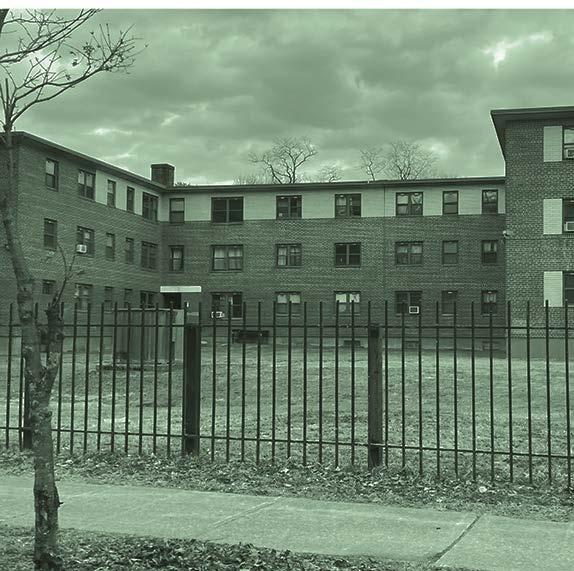
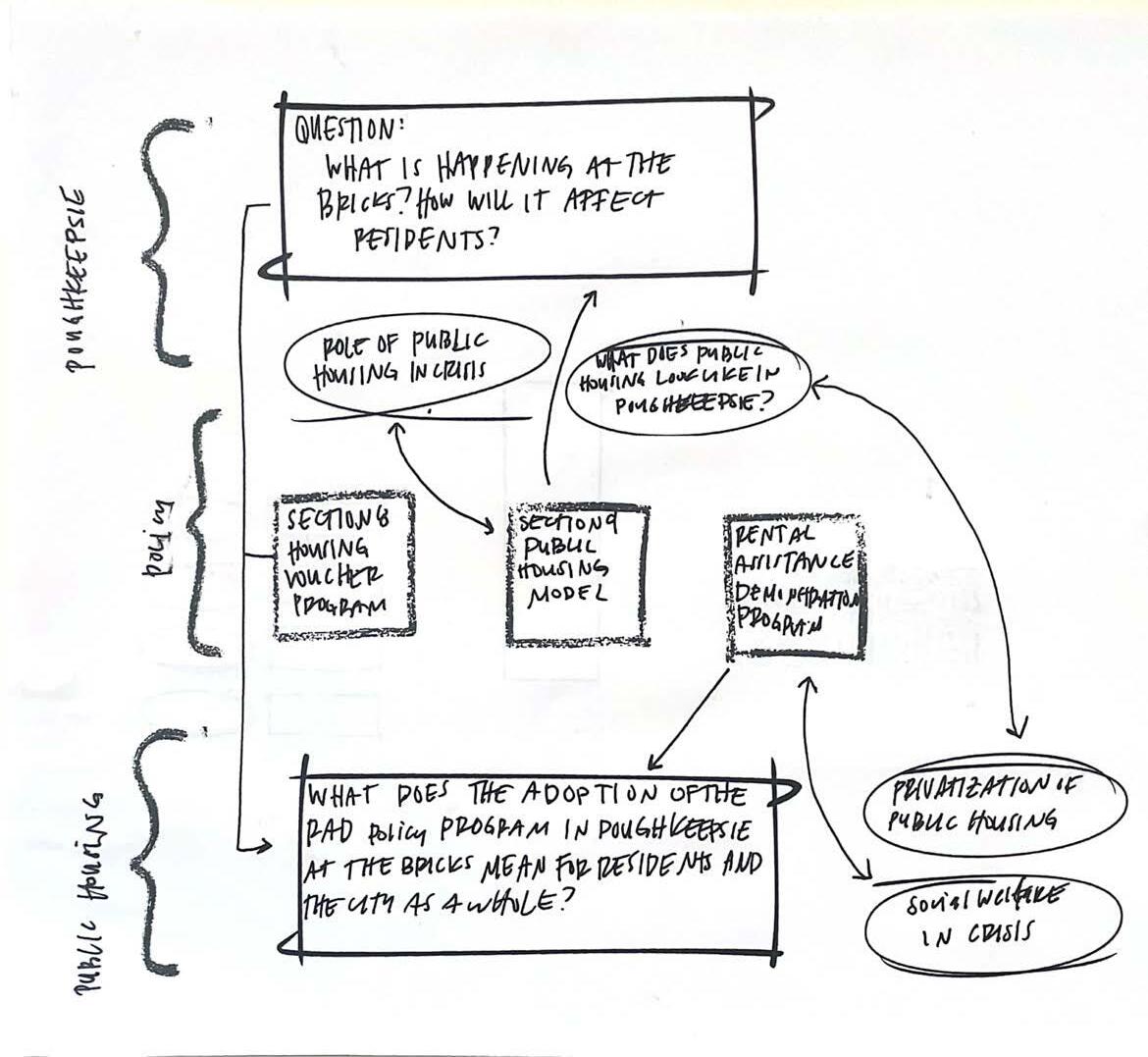
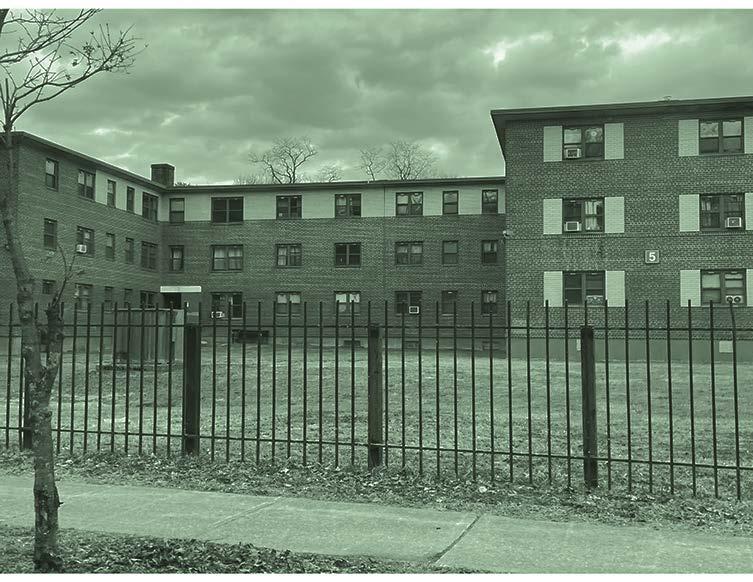
Lauren Leiker’s Brick by Brick: Poughkeepsie, Privatization, and Public Housing investigates the shift from public to privatized housing in the U.S., focusing on the Rental Assistance Demonstration (RAD) program—a federal initiative that encourages local housing authorities to transfer public housing to private management. Through a case study in Poughkeepsie, New York, her thesis examines how RAD reflects broader neoliberal trends that dismantle public responsibility for affordable housing amid a national cost-of-living crisis. Drawing on interviews with residents and
housing workers, her study reveals how policies made at the federal level deeply impact local communities. In response, the project includes a tenant rights booklet distributed through local family centers, aiming to empower residents with critical housing knowledge. Grounded in theories of spatial justice and urbanism, this work situates Poughkeepsie’s experience within global patterns of housing policy transformation, calling for more equitable, community-centered solutions to the housing crisis.
Natalie Temple’s Reframing the Narrative: Centering Women in Carceral Discourse challenges the dominant, malecentered narrative of mass incarceration by foregrounding the rapidly growing—and deeply neglected—experiences of women and gender expansive individuals under carceral control. Her work examines how despite making up a smaller share of the incarcerated population, women face unique, systemic failures that the criminal legal system was never designed to address. Drawing on Pathways Theory, Data Feminism, and Narrative Power, this research combines data analysis, spatial inquiry, and interviews to expose how gender-blind policies—from sentencing to reentry—routinely marginalize women’s needs. Her thesis responds with an actionable intervention: Shifting Visibility, a visual primer for law students, designed to reframe how future legal practitioners engage with incarceration. By integrating storytelling and trauma-informed perspectives, the project aims to shift legal education toward gender-responsive practice, empowering a new generation to center women’s lived experiences in efforts toward decarceration and systemic reform.
Lauren
May 13, 2025
Masoom Moitra,
Hudson, Miodrag Mitrasinovic, Gabriela Rendón, Miguel Robles-Durán and Evren Uzer.
(Re)imagining Public Space through the Lens of South Asian Women
People’s Kitchen: Advocating for New Public Infrastructure through Cooperative Cooking Practices
Bridging the NatureCulture Divide: A Personal Journey Towards SocioEcological Praxis
The Right to Disconnect: Reclaiming Power, Privacy, & Protection in the Digital World
Kinship and Community: Exploring Queer Socio-Spatial Networks through Black Kinship Ties
LEAH ROY
RHAY LLOYD
Reframing the Narrative: Centering Women in Carceral Discourse
Brick by Brick: Poughkeepsie, Privatization, and Public Housing
Towards a Radical Practice of Repair : Codesigned Approaches to Caring for Public Infrastructure
Stormwater, Stewardship and Systemic Challenges. A Study of Flood Equity and Rain Garden Maintenance in New York City
SOCHEATA CHEY
People’s Kitchen: Advocating for New Public Infrastructure through Cooperative Cooking Practices
SORAYA BARAR
This thesis exists in the context of the food apartheid system where the color of your skin and how much money you make determines what groceries you have access to and how much they cost (Alaimo, Packneet, & Farley, 2021), a racialized public health crisis, an immigration crisis where asylum seekers are left hungry and tired with meager meals from shelters (Gelardi, 2024) and police harassment in the streets leaving them with few ways to feed themselves (Garsd, 2023), and a housing crisis where entire families are relegated to single rooms (Stein & Mironova, 2022). Cooking and feeding oneself or family has become an inaccessible and sometimes impossible burden through processes of displacement, gentrification and systemic violence. Simultaneously, public infrastructure, often positioned as a solution to such crises, is largely designed to increase the efficiency of capitalism, perpetuating inequity and violence (Harvey, 1985).
This thesis asks how prefigurative spaces and mutual aid can be used as a model for the creation of a public kitchen as a point of entrance to advocate for new public infrastructures. The kitchen will engage community in cooperative cooking and procurement practices that connect and fill gaps in our local food systems, address the effects of a racialized health crisis, redistribute care practices outside of the nuclear family, prefigure new ways of being public, and circumvent the over-commodification of our daily lives.
Grounded in prefigurative politics (Yates, 2015) this thesis reimagines public infrastructures through the People’s Kitchen, drawing from frameworks including Black food geographies (Reese, 2019), the right to the city (Lefebvre, 1968), desirecentered research (Tuck, 2009), and collective care (Trail et al., 2024). It engages care redistribution (Fraser, 2016), practices of refusal, and collective self-reliance to counter food apartheid and reframe cooking as an act of public dissent, and kitchens as a site of political agency and power (Williams-Forson, 2007).
In order to build the working principles and better understand the context in which the People’s Kitchen exists, this thesis employs mapping practices, case study analysis and interviews with residents, community leaders, non-profit organizations, and public service workers. Through these research practices, a series of actionable insights were discovered, including overlapping vulnerabilities, spatial inequities in food access, political engagement through food, low-cost prototyping enabling flexibility, and the role and trust of public infrastructure in daily life. Research led to East New York (ENY), a neighborhood deeply impacted by food apartheid and speculative
development, with a history of systemic neglect and disinvestment. Through conversations with community leaders, East New York Community Land Trust (ENY CLT), the Arlington Branch at Brooklyn Public Library, and mutual aid groups, the People’s Kitchen in East York was envisioned inside Arlington Library.
The People’s Kitchen is designed to reflect the diverse, largely BIPOC, historically socially and economically marginalized community of ENY (American Community Survey, 2022).
Programming will cater to the library’s patrons, including asylum seekers, houseless individuals and families, and housed residents who rely on the library for essential services like childcare, internet, job searching, and community connection.
Situating the People’s Kitchen within the Arlington Library, a trusted community resource, expands the library’s already prefigurative role.
The initial programming at Arlington Library will also serve as an exploratory model for East Brooklyn Mutual Aid and ENY CLT’s Black Radish Food Hub, part of the Sackman Street development in the East Brooklyn Industrial Zone (IBZ). Beyond modeling what a communityled kitchen space could look like in ENY, the People’s Kitchen seeks to mobilize residents against speculation, uneven development, and displacement, while deepening engagement with ENY CLT. It offers a replicable and evolving model for community-controlled public infrastructure that can be adapted across different urban contexts.
The material outcome of this thesis is a People’s Kitchen facilitation guide, developed through public engagement to support the implementation in Summer 2025. The facilitation guide functions as a practical tool for cooperative cooking practices and organizing, but it also exists as a theoretical extension of the project’s broader argument: that prefigurative spaces and mutual aid can serve as a model for new public infrastructures. The guide is designed as a living document able to be adapted, expanded, and reinterpreted both through People’s Kitchen at Arlington Library as well as by future facilitators, community members and leaders – carrying forward a vision of kitchens not only as spaces of survival, but as spaces of collective joy, care, resistance, power, and possibility.
Bridging the Nature-Culture Divide: A Personal Journey Towards SocioEcological Praxis
ISABELLE GROENEWEGEN
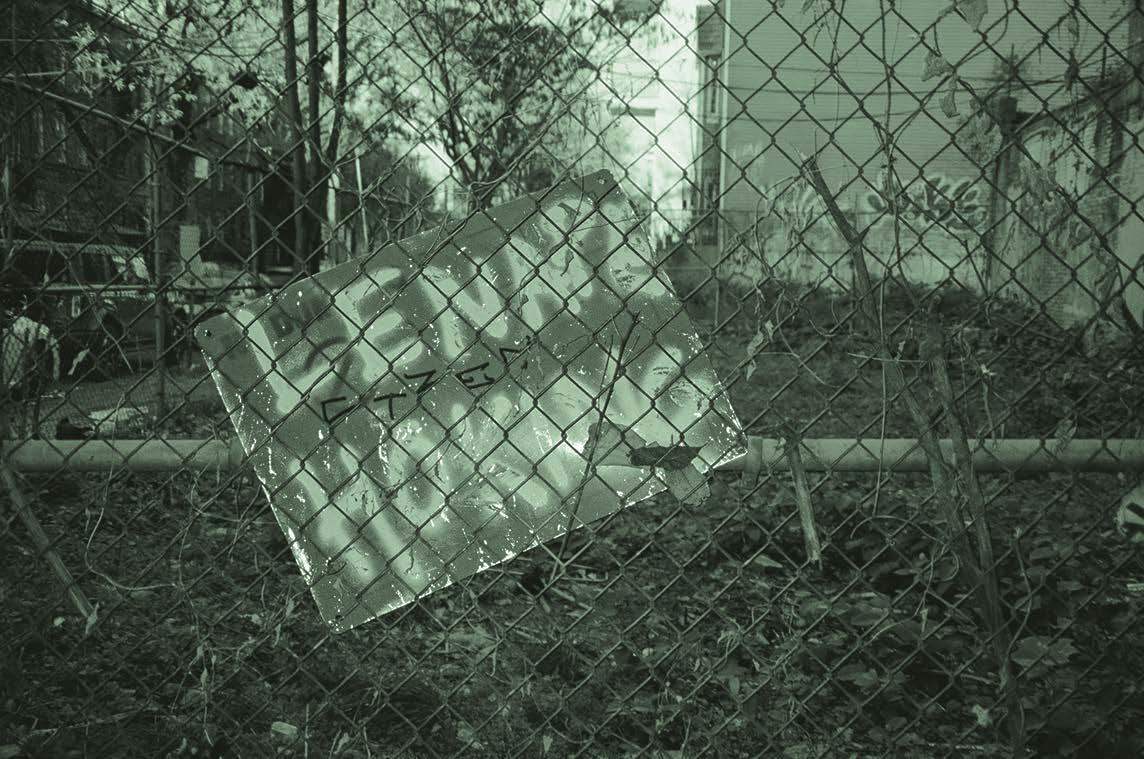
Entangling - as an overarching thesis topic and the title of a community-oriented art project proposal - emphasizes the relevance of human and the more-than-human relationships to local environmental justice efforts. The verb entangling hints at the interconnected and dynamic reality of life with earth and speaks to a layered research approach; intertwining the personal, the theoretical, and the practical. Entangling is explored within Lenapehoking, the traditional and unceded homeland of the Lenape, known as New York City. The contemporary landmass of the city is physically shaped by soil, concrete, war rubble, and other detritus from around the world. The soils absorb and digest material traces of the city, revealing a storied and violent history. Yet they also protect us from extreme heat, mitigate flooding, and grow an abundance of life. The diverse materiality of New York’s soil and the life that grows from it, upend notions of bordersbetween nations, between private and public space, between humans and nature.
The theoretical framework of Entangling builds upon Bruno Latour’s ‘nature-culture divide’ and Anna Tsing’s identification of feral ecologies as “the ecological worlds created when nonhuman entities become tangled up with human infrastructure projects”. I draw inspiration from urban ecosystems in sites of apparent neglect to challenge dominant conceptions of the urban, the societal, and - ultimately - the human as distinct from nature. In evoking a multispecies future, I use more-than-human to encompass the mystery and expansiveness of life that nature through its historical context and current usage fails to capture.
By integrating a personal narrative into the research, I refuse the specious objectivity that is intrinsic to capitalism and that encourages ‘nature’ as a distinct, and thus an exploitable entity paradoxically in need of our saving. My research is motivated by a personal history of climate anxiety and OCD-driven contamination fears. It is partially an exposure therapy, where intimacy with the ferality of our ecosystems slowly decomposes my Western conception of nature as a pristine place to visit - so I can act from a place of acceptance, rather than grief and fear.
Activation is central to Entangling and is enacted through what I define as socio-ecological praxis. Building on Pablo Helguera’s definition of social practice as bringing “people often excluded from regular art circles into a creative dynamic,” this term extends the invitation beyond people to the more-than-human ecosystem, drawing on Robin
Wall Kimmerer’s call for multi-species kinship. I engage primarily with soil microorganisms and urban flora—the dirty, the invasive, the invisible. Through socio-ecological praxis, these life forms become under-recognized entry points for understanding and creatively highlighting the significance of ‘vacant’ land and private property in relation to gentrification, displacement, and environmental injustice at both local and global scales.
The Entangling proposal will be activated in the gentrifying neighborhood of Bushwick, Brooklyn. Once designated an industrial ‘wasteland’, it is increasingly known as an arts hub. However, gentrification exacerbates the disproportionate impact of environmental racism experienced by long-term residents, who are simultaneously deprived of the arts opportunities available to more recent and economically privileged demographics. This is despite there being a rich history of cultural production and creative community organizing by these residents, who are primarily low-income, Latine, and people of color. Going further back, the area was once a forest fringed by wetland, extending from what is now called Newtown Creek, an EPA superfund site. Where the nature-culture divide separates art and ecology, I bridge them through the creative and communal activation of feral ecosystems in Lenapehoking.
It is in this context that I am collaborating with direct action group No North Brooklyn Pipeline, eco-artist Marina ‘heron’ Tsaplina, and others on Living Soils Rising, a participatory event inviting us to heal with the contaminated soils surrounding the privately-owned National Grid Liquid Gas Facility on the bank of Newtown Creek. This is a creative, community-oriented project, raising awareness of No North Brooklyn Pipeline’s effort to shut down the facility, which worsens the toxicity of the superfund site, next door to 1,753 residents living in the Cooper Park Houses NYCHA development.
I integrate my ongoing reflections on the intention behind Living Soils Rising and my role in its organizing ecosystem to deepen the cultural relevance and social impact of the Entangling proposal. While it will likely transform as it evolves from conception to enactment; it is an expression of my broader artistic and curatorial approach; deepening human relationality to more-than-human ecosystems in urban settings. These ecosystems are increasingly vulnerable to the nebulous yet very real threat of capitalism-induced crises, yet hold the resilience, wisdom, and creativity to reimagine an entangled urban commons.
(Re)imagining Public Space through the Lens of South Asian Women
LEAH ROY
Public spaces are often celebrated in urban discourse as inherently democratic and inclusive—sites where citizenship is enacted and communities are formed through shared access and presence. Yet in cities like New York, the everyday realities of public space reveal a more complicated picture. These spaces are shaped by longstanding systems of power, exclusion, and normative spatial practices. Far from neutral, public spaces have historically been designed and governed by a narrow demographic—predominantly white, cisgender, male professionals in architecture, planning, and policymaking. This has led to urban environments that privilege certain bodies and behaviors while marginalizing others.
Immigrant communities and women of color, for instance, frequently encounter public spaces as sites of exclusion—through over-policing, limited access to culturally relevant infrastructure, gendered surveillance, and unspoken social codes that render them out of place. This thesis critically examines the spatial experiences of South Asian immigrant women in New York City, situating their everyday negotiations within broader frameworks of urban justice, feminist urbanism, and postcolonial theory. Rather than framing these women as passive victims of exclusion, the project understands them as active producers of alternative spatial practices, counter-publics, and insurgent imaginaries.
Drawing from Henri Lefebvre’s “Right to the City,” David Harvey’s “Spatial Justice,” and intersectional feminist scholars like Dolores Hayden and Kimberlé Crenshaw, this research interrogates how South Asian immigrant women access, experience, and contest public space—and how their insights can shape more inclusive, equitable, and culturally resonant urban design. The study deploys a community-centered, mixed-methods approach, including spatial and sensory mapping, semistructured interviews, storytelling workshops, and participatory design prototyping.
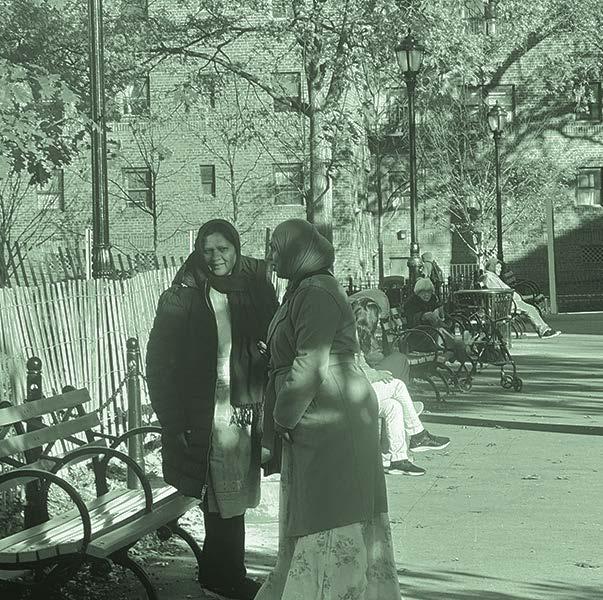
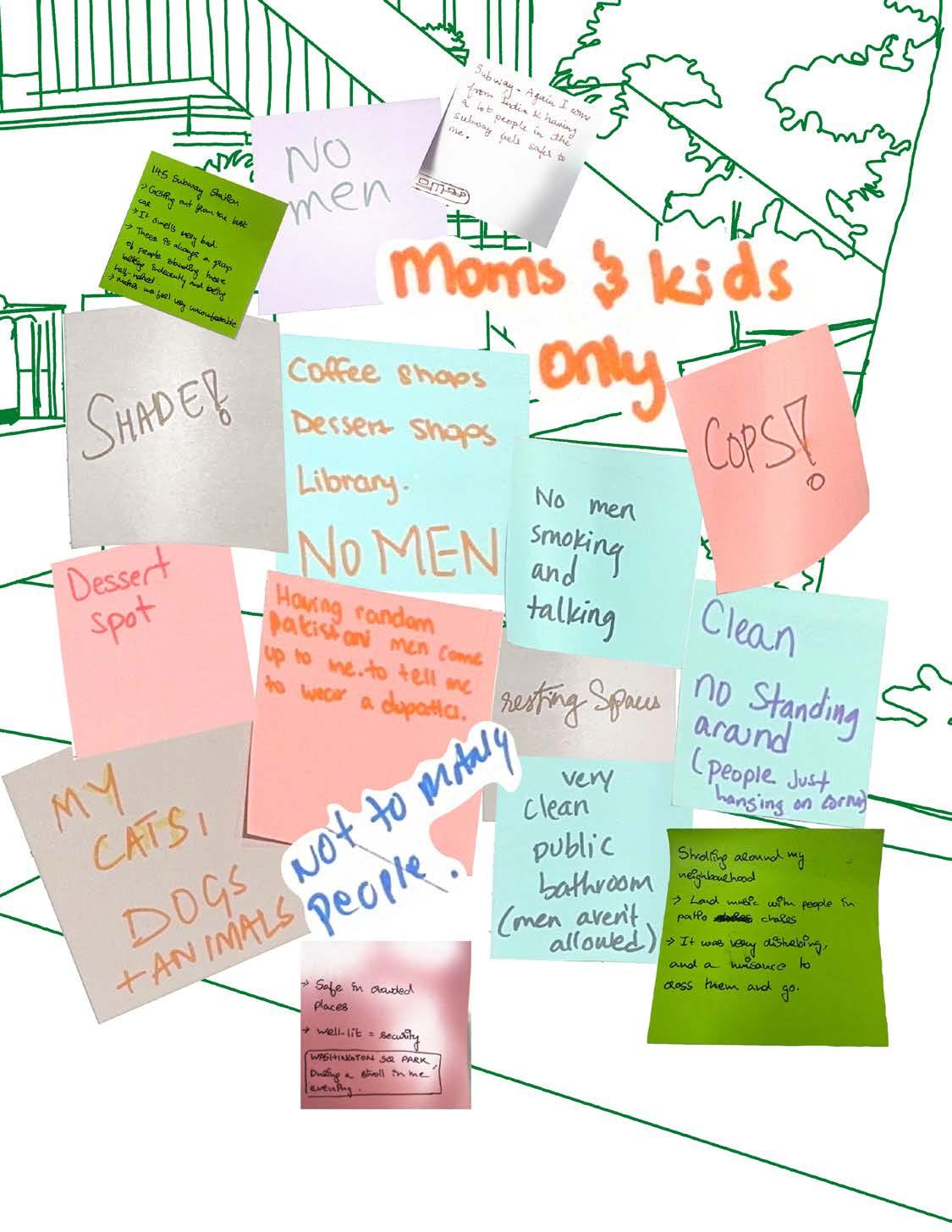
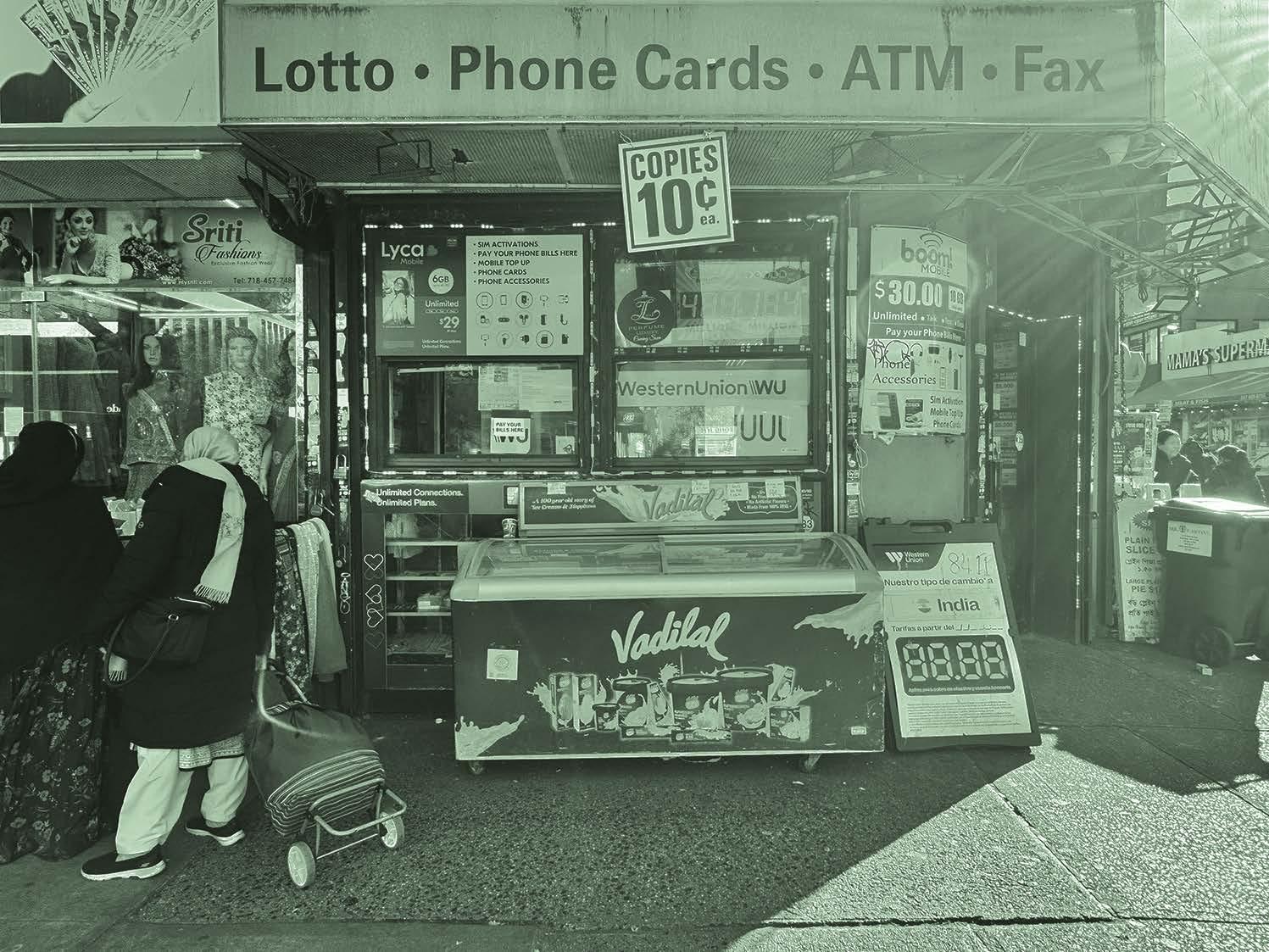
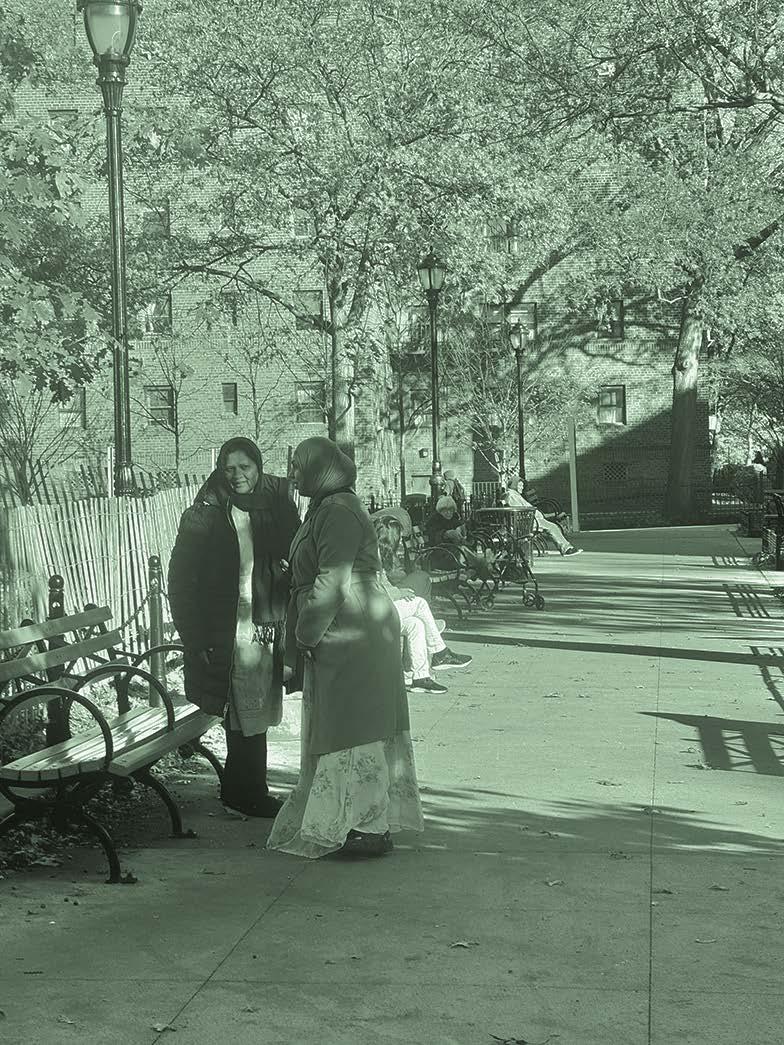
Initial fieldwork involved storytelling workshops with South Asian women, where participants articulated layered experiences of exclusion, adaptation, and resilience. Many shared how public spaces—especially parks, plazas, and transit hubs—were often sites of discomfort, harassment, and hyper-surveillance. Even within ethnic enclaves like Jackson Heights, participants faced language barriers, a lack of shaded seating, inaccessible infrastructure, and subtle forms of racial and gendered marginalization. These everyday barriers often led women to retreat from public life, relying instead on private or informal gathering spots to feel safe or culturally seen.
The second phase of the project transitioned into co-design and speculative interventions. Participants collectively envisioned modular, community-owned public space elements organized around five core needs: cultural expression, comfort and care, intergenerational gathering, community engagement, and foodcentered activities. These modular interventions were conceived not just as physical designs, but as spatial strategies to resist capitalist, consumptiondriven models of public space and reclaim visibility, care, and belonging.
Proposed prototypes included reimagining the Diversity Plaza in Jackson Heights as a culturally expressive commons featuring shaded seating, a rotating community bulletin board, and zones for local food vendors. Another design transformed an underused parking lot in Harlem into a flexible sanctuary for women and families—complete with mobile amenities, open-air libraries, and informal seating configurations designed for rest, expression, and connection.
Survey data reinforced these spatial desires: 57.1% of South Asian women reported that there are no public spaces in New York City where they can fully practice or celebrate their culture. In the absence of dedicated spaces, homes, religious institutions, and restaurants have filled the gap, but participants repeatedly expressed the need for public environments that allow for spontaneous gathering, cultural performance, activism, and rest—without fear of surveillance or erasure. This thesis argues that achieving spatial justice for South Asian immigrant women—and marginalized groups more broadly—requires more than symbolic multiculturalism or performative inclusion. It calls for a redistribution of design agency and the reimagining of public space through participatory, feminist, and culturally grounded practices. By centering lived experience as a form of urban expertise, this work advocates for a bottom-up transformation of how cities conceive and design public environments. Ultimately, this project positions South Asian immigrant women not as peripheral users of urban space but as central actors in its redefinition. Their everyday strategies and collective visions offer critical insights for reshaping public space governance, urban design, and planning paradigms. In amplifying these voices and experiences, the thesis offers both a critique of dominant spatial logics and a hopeful, community-driven blueprint for inclusive and justice-oriented urban futures.
The Right to Disconnect: Reclaiming Power, Privacy, and Protection in the Digital World
AVERY CROWER
In an era defined by ubiquitous digital infrastructure, the right to connect must be accompanied by the right to privacy, autonomy, and protection. As urban technologies expand across transportation, policing, education, and public space, the discourse of “digital inclusion” often masks deeper inequalities and systemic control. This thesis argues that access alone is insufficient without transparency, accountability, and community governance. Without these safeguards, inclusion can reproduce the very inequities it seeks to dismantle, transforming connection into surveillance and participation into exploitation.
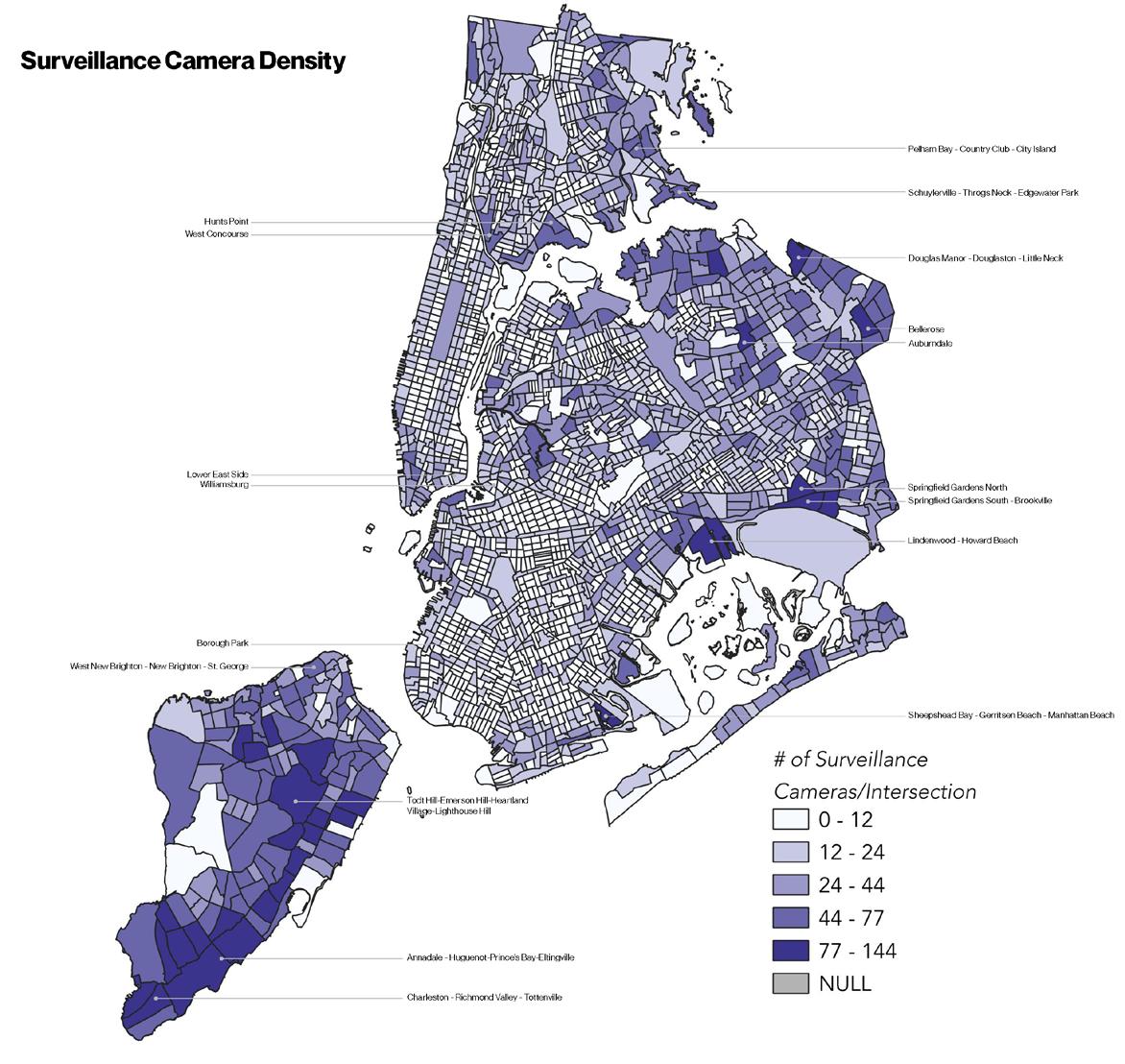
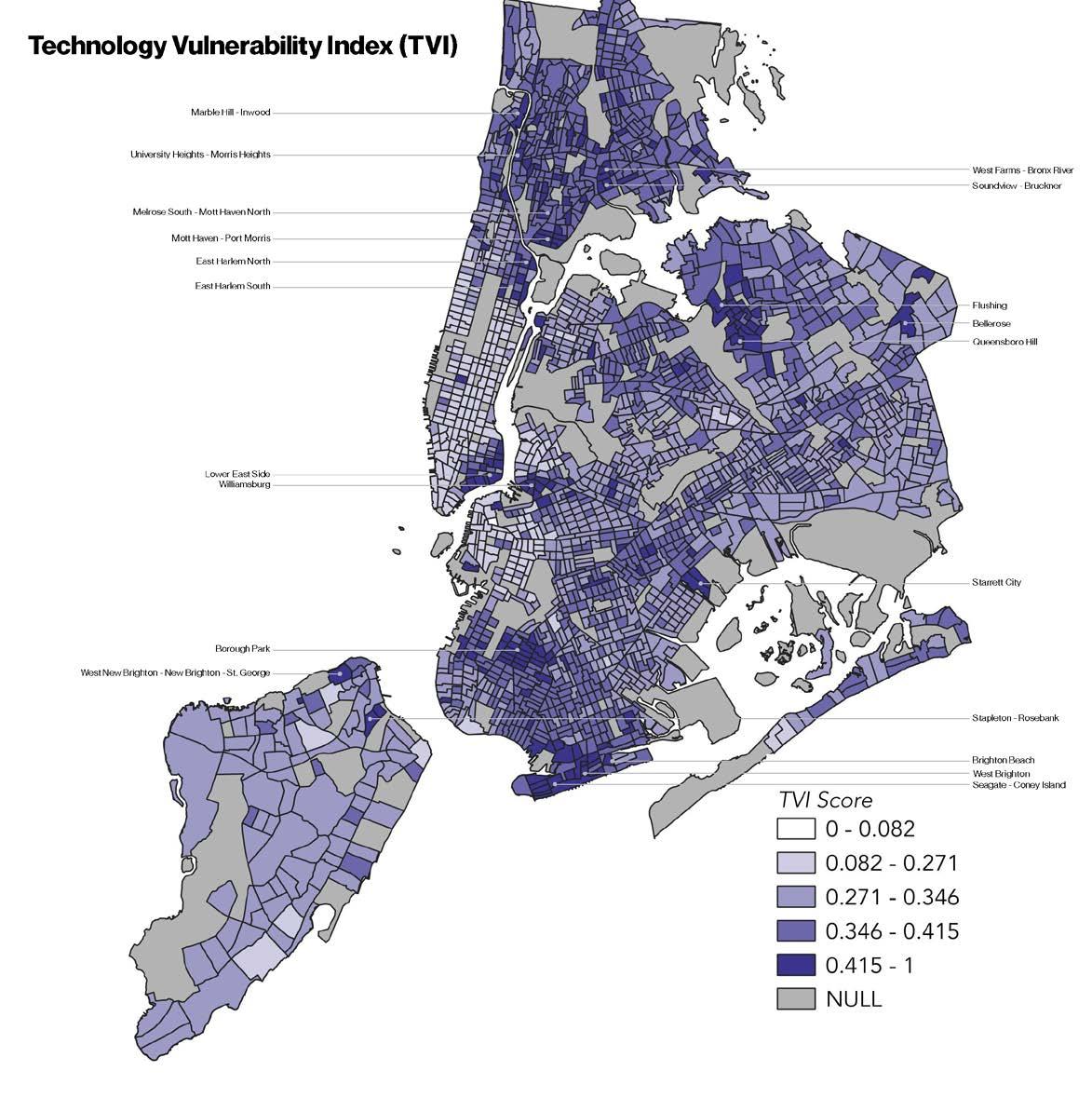
The Right to Disconnect addresses these tensions through the creation of a Digital Privacy Toolkit, a modular, accessible resource designed to help individuals and communities understand, protect, and reclaim their digital selves. Rather than assuming technology is automatically empowering, the project frames digital participation as a negotiation of power requiring critical awareness and collective action. To map the broader landscape of digital inequity, a Technology Vulnerability Index (TVI) was developed for New York City. The TVI aggregates spatial data at the census tract level, incorporating variables such as public WiFi hotspot density, households without computers or internet, language barriers, aging populations, disabilities, educational attainment, and income. It reveals how systemic barriers to digital access and autonomy disproportionately affect marginalized communities. A separate surveillance camera density map was produced, though surveillance metrics were not included in the TVI score, recognizing the varying perceptions of surveillance. The TVI served to highlight patterns of vulnerability rather than determine the choice of a community partner.
The decision to partner with Community Tech Lab NY, based within El Puente in Williamsburg, stemmed from shared recognition of the urgent and evolving nature of digital privacy concerns. Williamsburg reflected many of the TVI’s findings: uneven broadband access, heightened digital vulnerability, and tensions tied to rapid technological development. Events like a DiscoTech illustrated how digital privacy is not a fixed destination but a shifting terrain requiring adaptable, community-rooted tools. Community Tech Lab NY’s interest in a comprehensive toolkit reflected a broader commitment to building resources that address current challenges and prepare communities for an uncertain digital future. Rooting the toolkit in these conversations ensures it is grounded in lived experience while remaining adaptable beyond Williamsburg.
The Digital Privacy Toolkit, titled Understanding Your Digital Self, organizes aspects of digital life around parts of the human body to make abstract systems tangible: Digital Literacy is the “brain”; Digital Footprint, “what you leave behind”; Digital Surveillance, the “eyes watching you”; Digital Presence, your “outer layer and visibility”; and Digital Advocacy, “the hands that protect and act.” Each section offers foundational knowledge and actionable strategies to help individuals and communities reclaim their digital spaces.
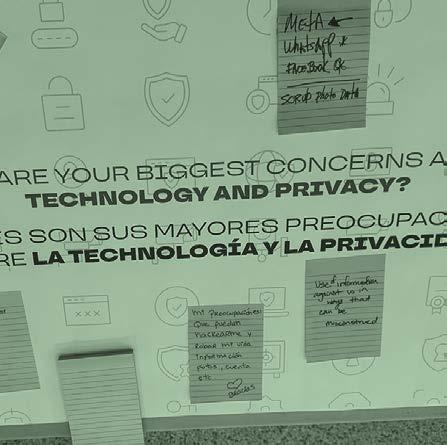
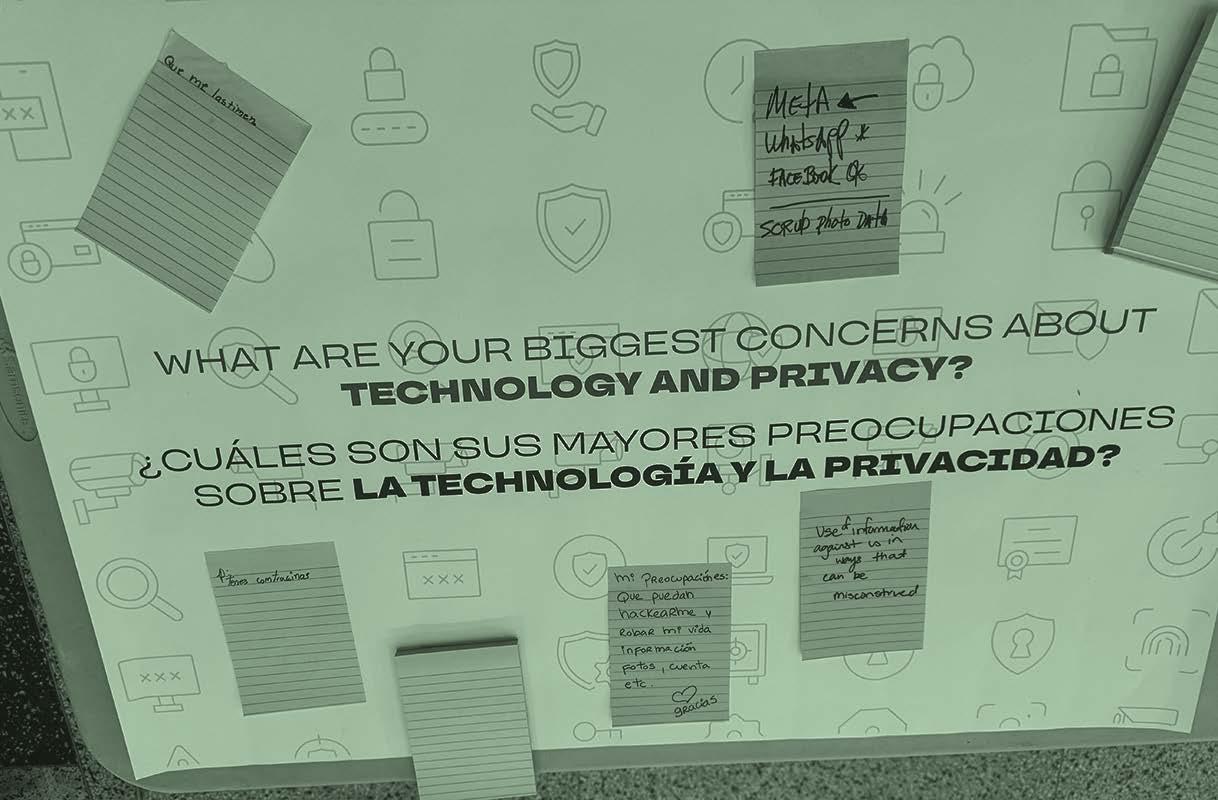
Through workshops, community conversations, digital privacy events, and dialogue with advocacy leaders like the Communications Director of the Surveillance Technology Oversight Project (S.T.O.P.), the project uncovered a persistent tension: technologies marketed as empowering often act as infrastructures of extraction and control. Community members raised concerns about platform surveillance, algorithmic profiling, and a systemic lack of transparency — issues that echoed the structural patterns surfaced by the TVI.
Two accompanying maps — the TVI Score Map and a Surveillance Camera Density Map — provide visual context, revealing how digital infrastructure, absent community governance, reinforces racial, economic, and spatial inequalities. Alongside these, an Ecosystem of Resistance visual emphasizes that digital resilience is not individual but collective, rooted in networks of knowledge, trust, and mutual protection.
Ultimately, The Right to Disconnect draws on frameworks of vulnerability, surveillance capitalism, and community technology to argue that digital equity must be reimagined beyond mere access or infrastructure. True equity demands transparency, autonomy, collective governance, and the reclamation of digital spaces from systems of control. Grounded in real community concerns and designed to scale beyond one neighborhood, the project imagines a digital future where connection is inseparable from protection, and resistance is sustained through networks of care.
Looking ahead, Understanding Your Digital Self will be a publicly accessible online resource, evolving with shifting digital realities. It aims to support communities across the U.S. — and eventually globally — in confronting digital vulnerability, surveillance, and data autonomy. Designed to be adaptable, the toolkit offers a structure for workshops, safety strategies, and tailored protections. It is not a static guide but a living ecosystem — growing through collective empowerment and care.
Kinship and Community: Exploring Queer Socio-Spatial Networks through Black Kinship Ties
RHAY LLOYD
Inspired by both my family and home community, I noticed the blurred relationship between these two concepts in Black neighborhoods. In this thesis the notion of family is used to outline how African kinship ties have transversed through slavery and post Reconstruction into urban, BIPOC queer communities. These kinship ties largely depend on the connection of the core family to its extended family, which is in direct contrast to the insular white-nuclear family model that isolates the core family from both its extended family and surrounding community. This extension of family duties offers three main functions: socialization, social control, and social security. By extending these aspects of kinship to the surrounding community, this means those within close proximity are all involved in the same system of care. This concept of family outside of bloodline instills a system of communal care that challenges current ideas of community and space making.
This thesis is grounded in Black marxist thought which acknowledges the connection between the emergence of capitalism and racist ideology. By excluding race from discourse on capitalism, white Marxist fail to see the continuation of feudalism through colonization and the western enslavement of Africans in the Americas. They view capitalism as what came after feudalism, and argue whether feudalism played a role, whereas Black Marxist acknowledge that feudalism did not end, and that capitalism emerged from the continuation of European feudalism through imperialist means of production. This practice of production and accumulation within the urban context is further elaborated using the frameworks of american/urban apartheid and segrenomics, which refers to the state sanctioned extraction of resources from minority communities, leading to their eventual displacement. Black and queer communities have managed to show resilience through these spatial challenges by creating constellations of socio-spatial networks as an act of resource sharing, mutual aid, and communal care.
By posing Black kinship ties as an anti-capitalist and radical form of rebellion, as they directly push against bureaucratic socialization and control, this thesis observes these ties at the intersection of Blackness, queerness, and urban space. By asking the question- how do these southern kinship patterns present themselves in communities where there is limited access to land ownership and space, I explore how the change in landscape challenges the idea of community when geographic proximity, social networks, and capital are more often than not mutually exclusive to each other.
Through The Great Migration these southern kinship dynamics traveled from the rural south to the urban north and are woven into Black and Black, Indigenous and people of color (BIPOC) queer communities of New York City. These kinship dynamics became the foundation of ballroom culture, social clubs, rent parties, and queer social networks that have emerged from the Harlem Renaissance to now. The objective of this project is to understand the cultural framework that produces self-sustaining, resilient communities through a lens that centers the intersection of Black and queer identities. This is where the system of kinship pervades through the challenges of urban space to create resilient communities grounded in mutual aid, communal networks and social security.
Residents of urban spaces suffer from a limitation of movement imposed by the privatization of the land and commons, which is coupled with the lack of infrastructural and economic resources available to BIPOC queer communities. By forming spatial networks that prioritize social connections versus physical space, queer communities show resilience by finding access to resources through blurring the lines between public and private space. This is done through the utilization and reclamation of both public and private third spaces, and by directly contrasting the insular nuclear family by offering the notion of “‘family” and the “private home” as a community resource.
Through interviews and collaboration with queer community leaders and performers, a cultural toolkit was formed by exploring concepts of family, community, movement, space, and visibility. This collective consciousness redefines the relationship between community and space that bypasses the need for proximity, capital, and ownership.
Towards a radical practice of repair: codesigned approaches to caring for public infrastructure
AQDAS FATIMA
What if we reimagined our cities not as sites of endless innovation and growth, but as spaces for ongoing care and repair? In a world where the built environment is continually under strain from climate change, socio-economic inequality, and neglect, repair practices must shift from being reactive measures to proactive, community-centered endeavors. This thesis seeks to examine how repair, maintenance, and critical care can be understood as integral components of urban resilience and equity. By exploring repair through the lenses of social justice and participatory design, this work challenges prevailing narratives of urban development and posits repair as a transformative practice that sustains, rather than merely fixes, urban life.
The core premise of this thesis lies in the proposition that repair is not simply about mending what is broken, but about reenvisioning urban spaces as collaborative and dynamic ecosystems where care work, often invisible, is made central to urban governance. Urban infrastructures, particularly in cities like New York, are in a constant state of repair—an ongoing process of maintenance and renewal that often goes unnoticed. What is typically deemed “maintenance” or “repair” is in fact a political, economic, and social process. In marginalized communities, where the burden of repair work disproportionately falls on local residents, this work becomes both an act of resilience and a form of resistance against the forces of systemic inequality and environmental precarity.
In this context, repair is framed not as a peripheral activity, but as a central, transformative urban practice. Drawing on the work of scholars such as Shannon Mattern, Stephen Graham, and Sarah Knuth, this thesis posits that repair must be understood as part of a triadic relationship with maintenance and critical care. These three interconnected practices provide a framework for rethinking urban sustainability, not as a process of technological advancement, but as an ongoing, collective responsibility grounded in social and environmental justice. As cities face growing challenges due to climate change and systemic inequality, the need for repair goes beyond the repair of physical structures; it demands a radical rethinking of the social and ecological systems that sustain them.
This thesis also acknowledges the complexities of repair practices within a deeply unequal urban landscape. In New York City, for instance, the responsibility for maintaining
public infrastructure is often decentralized, with significant portions of the labor falling to informal, community-driven efforts. These informal repair practices, while frequently overlooked by both the public and policymakers, represent a vital form of care that directly addresses the failures of formal infrastructure systems. By focusing on these grassroots efforts, this research not only highlights the critical role of repair in sustaining urban life, but also questions the inequities inherent in the distribution of repair labor. The invisibility of this labor, often carried out by marginalized groups without formal recognition or compensation, becomes a key point of inquiry in this work. Repair, as explored in this thesis, must also be viewed as a communal endeavor. By engaging in repair, communities are not simply restoring physical infrastructures, but are reclaiming their agency within the urban environment. Through a participatory, co-design approach, the research explores how communities can be empowered to document, address, and ultimately transform their own environments. The tools proposed in this thesis—a crowdsourced digital map, a community repair guidebook, and a workshop facilitation guide—are designed to facilitate this process. They offer frameworks for communities to actively participate in urban repair efforts, enabling them to become co-creators of their urban futures. This approach moves away from traditional top-down methods of urban development and places the responsibility for repair into the hands of the very people whose lives are most affected by neglect and decay. The ultimate goal of this research is to position repair as an essential practice for fostering more just and resilient cities. In doing so, the thesis calls for a reimagining of the role of repair in urban governance, one that recognizes it not as an afterthought, but as a crucial practice that sustains the social and ecological fabric of the city. It further dovetails how repair practices can be harnessed to address the systemic inequities in urban infrastructure, while also empowering communities to take ownership of their environments.
Repair must be seen as a radical, transformative practice—one that moves beyond the notion of fixing what is broken and instead envisions urban environments as sites of mutual care and collective responsibility. Only in moving towards a modality of repair-thinking can we achieve a paradigm shift in how we think about cities, infrastructure, and the labor that sustains them.
Reframing the Narrative: Centering Women in Carceral Discourse
NATALIE TEMPLE
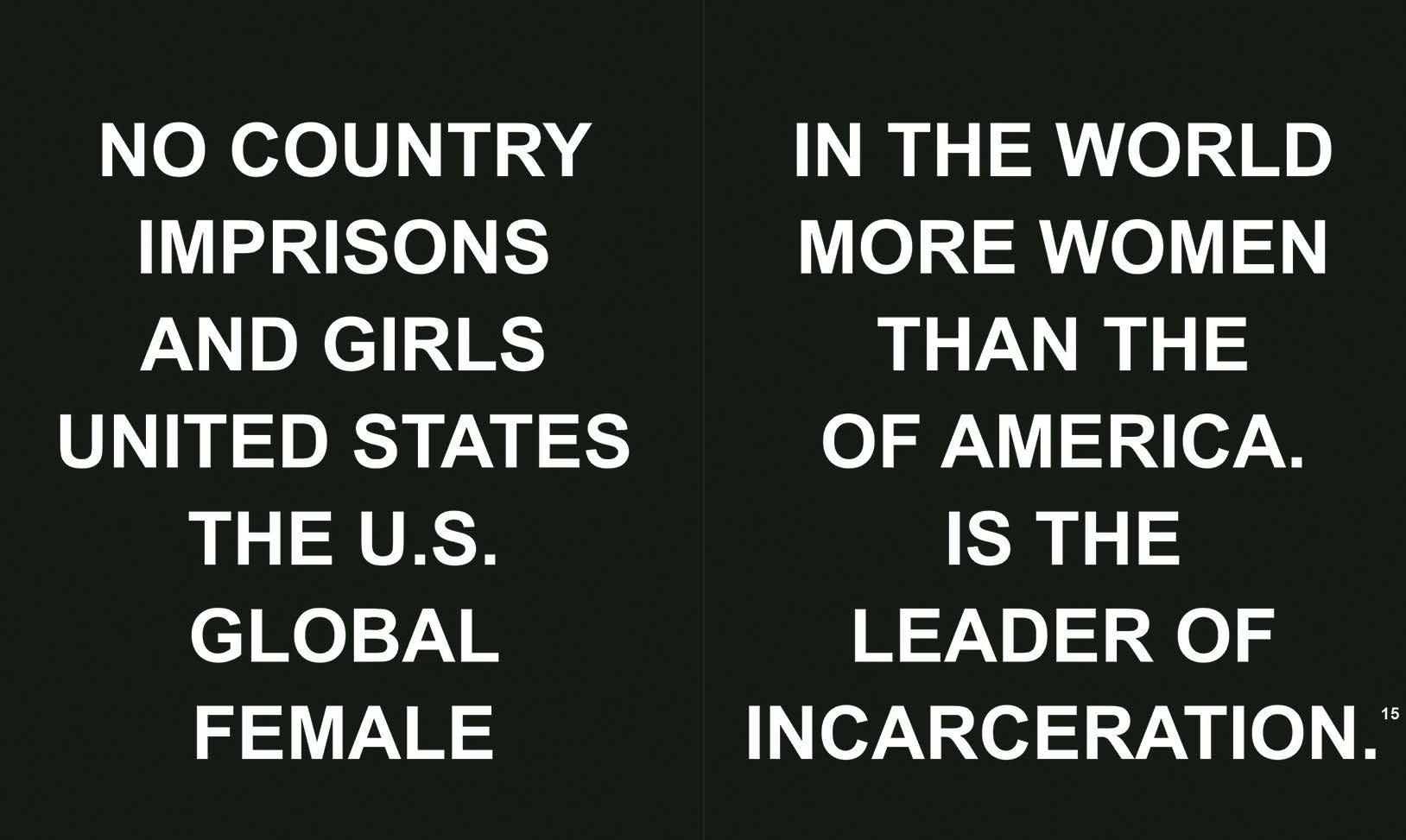
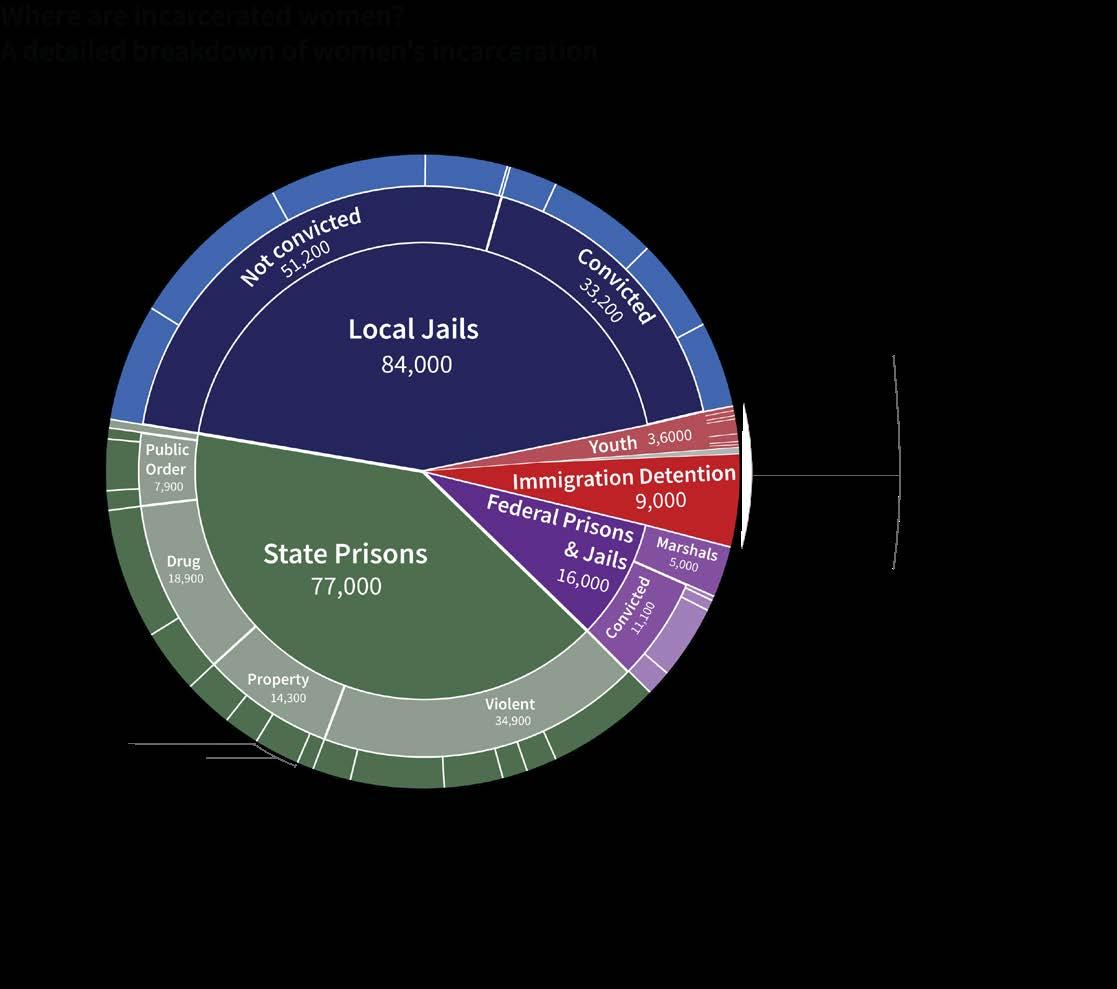
Mass incarceration in the United States represents one of the most pressing and complex social issues of our time. However, the phenomenon of mass incarceration is often discussed through a lens that centers male experiences, marginalizing and obscuring the distinct realities faced by women and gender expansive individuals under carceral control. While men comprise an overwhelming share of the carcerally controlled population, women represent the fastest-growing segment of the incarcerated population, and their experiences reveal systemic failures not only within the criminal legal system but across urban environments, social services, and public policy.
Despite the recent growth of women’s share of the carceral population, gaps in research and literature resulting from the historical lack of interest in this population persist, leaving much of the realities and struggles of women’s incarceration overlooked in mainstream discourse around incarceration. This thesis argues that women’s incarceration must be understood and addressed as a distinct phenomenon — not simply as a smaller subset of male incarceration — to meaningfully confront the structural inequalities and harm perpetuated by the system. It emphasizes the urgent need to center the distinct experiences of women under carceral control in discourse around incarceration in order to properly address the unique, often neglected needs of women and gender expansive individuals impacted by the criminal legal system.
The historical lack of attention to women’s carceral populations, the state of mass incarceration today, and the criminal legal system itself are investigated through a theoretical framework of Pathways Theory, Data Feminism, and Narrative Power. Drawing on spatial analysis, demographic data, policy reviews, case studies, and narrative interviews, this research illuminates how the criminal legal system, at its core, was not designed with women’s realities in mind. It identifies critical ways in which systemic structures, from risk assessment tools to reentry programs, disproportionately fail women. These failures are not incidental but are baked into the very architecture of the carceral state, resulting in women’s needs being routinely sidelined at every stage of the criminal legal process, from arrest and pretrial detention to sentencing, incarceration, and post-release support.
These systemic failures and their impacts often remain hidden within “big picture” conversations about mass incarceration that are numerically dominated by men’s experiences. Importantly, essential gaps in data collection and analysis persist. These data gaps not only obscure women’s realities but also inhibit the development of
effective, evidence-based decarceration efforts. Without disaggregated, gender-responsive data, the experiences of incarcerated women remain under-examined and poorly addressed by policymakers and criminal legal practitioners alike. In fact, the effects of these data gaps can be seen in the lack of gender-focused educational and training materials for criminal legal system practitioners, such as judges and lawyers. Although calls for gender-responsive policies and practices ring out and are even answered in some states or jurisdictions, one determining factor in how well these policies actually work is the quality of training those in positions of power in the criminal legal system have received when it comes to gender- and trauma-responsive policies and practices.
Recognizing this crucial gap, this thesis moves beyond diagnosis toward actionable intervention. It proposes the development of educational materials designed for graduate-level law students. By centering storytelling and increasing visibility on the experiences of incarceration from women’s perspectives, Shifting Visibility: a closer look at the complexities of women’s incarceration, a visual primer for future legal practitioners seeks to introduce a gendered lens into the way future legal practitioners understand mass incarceration and the criminal legal system as a whole. It aims to shift visibility towards the experiences of women in the era of mass incarceration, urging a deeper engagement with the lived realities of women under carceral control. The visual primer is merely one output representing what could be a host of educational materials aimed at bringing more visibility and meaningful action to women’s incarceration, and a starting point for reframing how legal practitioners in training think about their role in the systems of incarceration in general.
The visual primer is designed to intervene at a critical point in professional formation, equipping future criminal legal practitioners with the knowledge, empathy, and analytical tools necessary to advocate for gender-responsive, trauma-informed approaches. Goals include challenging entrenched biases, expanding the frameworks through which practitioners approach their work, and laying the groundwork for more meaningful, systemic change. By building this critical awareness early in their careers, the hope is to foster a new generation of professionals who see women’s experiences not as peripheral but as central to any serious effort to decarcerate.
Stormwater, Stewardship and Systemic Challenges: A Study of Flood Equity and Rain Garden Maintenance in New York City
This research investigates the effectiveness of New York City’s governmental response to urban flooding, with a focus on green infrastructure initiatives as part of broader resiliency planning efforts. By utilizing a mixed-methods approach and spatial analysis of income and flood data, this study assesses both the implementation and maintenance challenges of green infrastructure across different boroughs in New York city.
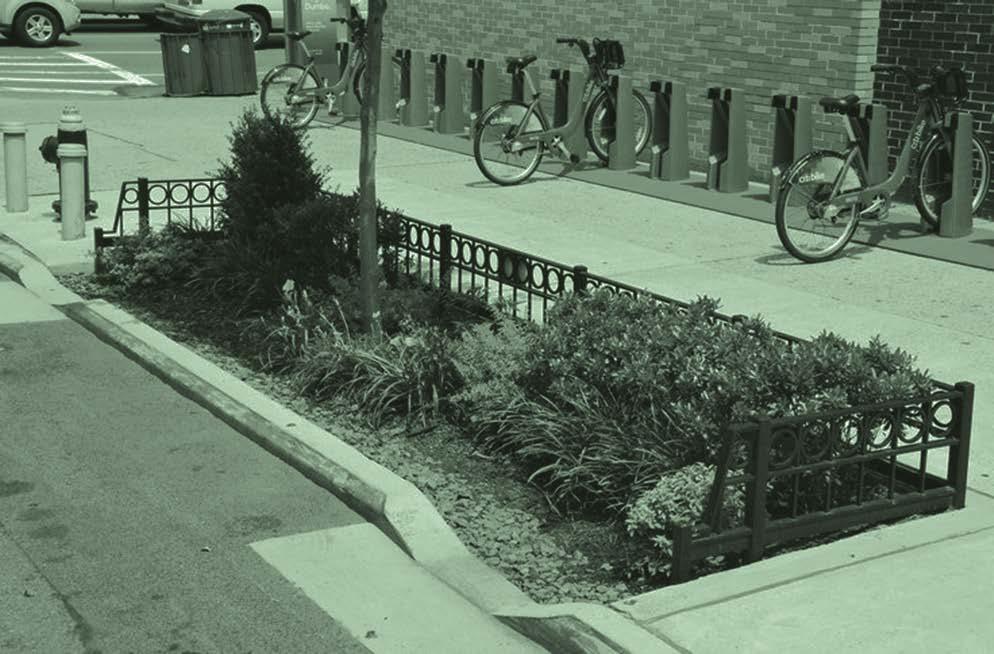
Rain gardens are one of the primary flood reduction strategies among other types of green infrastructure that New York city has been implementing over the last two decades. They not only help with infiltrating the rainwater from heavy’s rainstorm but also help with beautifying the neighborhood and reducing urban heat. Despite all the advantages of this asset type , rain gardens also require constant maintenance including weeding, and sediment and trash removal to keep them healthy for proper function. Currently there are over 2,500 rain gardens citywide, and the NYC Department of Environmental Protection (DEP) has been struggling to manage the maintenance work to their own standard. There have been limited staff and lack of communal maintenance platforms to effectively manage the upkeep works across the five boroughs. Audit inspections show that the majority of these gardens fail to meet the city’s standards for healthy green infrastructure. This has led the public to question the efficiency of their initiatives in combating urban flood through the installation of rain gardens and other resiliency works. DEP also acknowledges the absence of a centralized maintenance platform which hinders their efforts to track, assess, and maintain those assets. Additionally, there is no publicly available data on maintenance frequency or real-time condition monitoring.
This lack of a central management platform and inefficient maintenance framework has shown that the investment in green infrastructure, particularly rain gardens, has not been the most effective strategy to solve urban flood issues in New York City. There are gaps in the resiliency planning that needs to be improved in order to increase the efficiency of the capital planning initiative. This study found that rain gardens are mostly located in low income and flood prone neighborhoods which are the priority area that city agencies aim to help vulnerable populations from the devastating impact of flood. However, their strategies need to be more incentivised and properly managed in order to increase the benefits to communities that reside around their project areas.
SOCHEATA CHEY
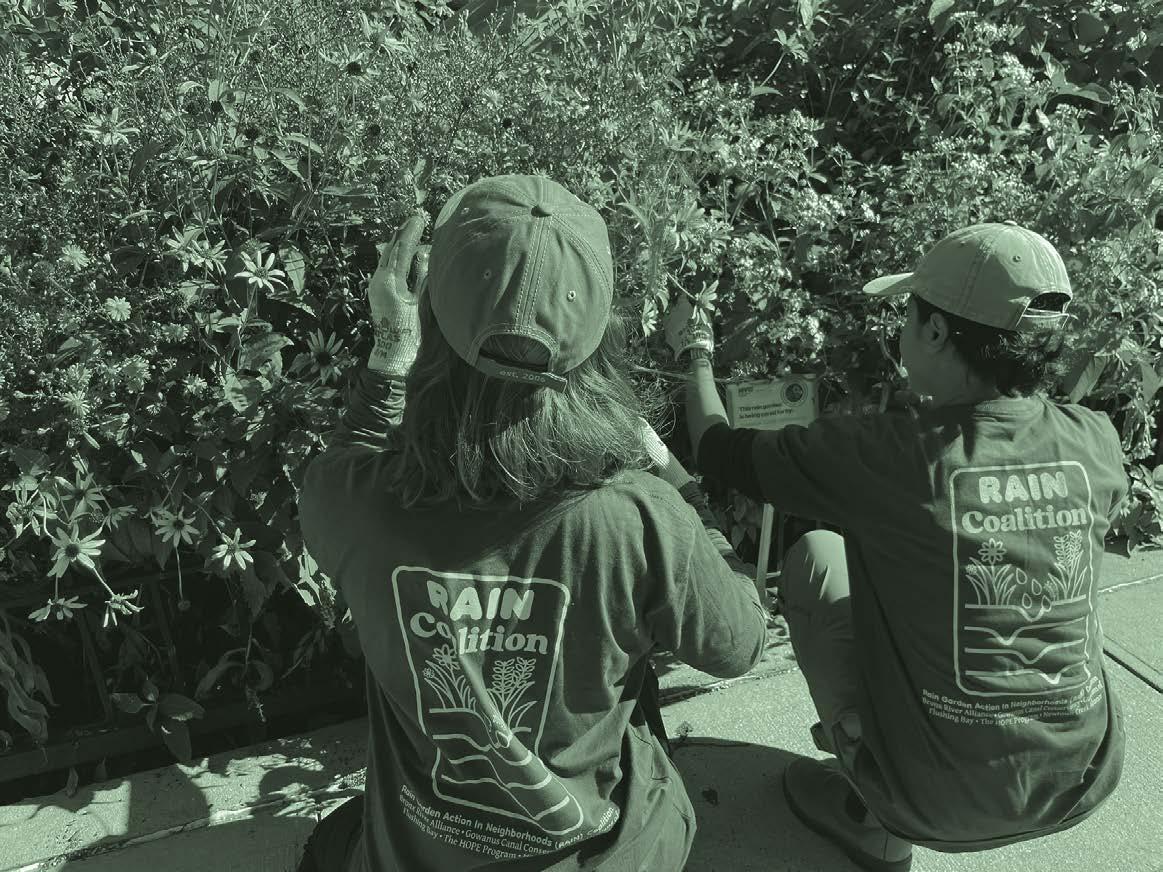
To address these shortcomings, this study proposed a three-pronged strategy centered on technology, education and incentives, to improve the overall management , maintenance system and public engagement. By looking at the existing framework from other organizations and case study, this recommendation will highlight the following: First, the development of a communal digital platform for integrating maintenance tasks, data input and monitoring systems between staff, field workers and any other stakeholders. This will improve work coordination between onsite and office workers. In addition, it will also allow a more transparent record of site maintenance’s works and enable green infrastructure planners to view which asset receives more maintenance than the other. Second, rain gardens require community education through partnerships with local schools or non-profit organizations. Workshops or onsite volunteering activities will help raise awareness about the importance of rain gardens and its maintenance. Furthermore, this will bridge the communication and interaction gap between local residents and public officials through the engagement activities. The community and elected officials will get the chance to interact and understand each other’s concerns and future expectations in their neighbourhood. Third, implementing incentive-based programs can also increase stewardship in the neighbourhood. Research has shown that areas that have been prioritized to build rain gardens are in a lower income range which means that by volunteering to take care of city infrastructure would add more burden to residents more than helping them. Therefore, by incentivising stewardship in rewards systems like points that can be exchanged for gift card or subway fare, could be more appealing to the community to participate and receive some compensation for their efforts.
Brick by Brick: Poughkeepsie, Privatization, and Public Housing LAUREN
LEIKER
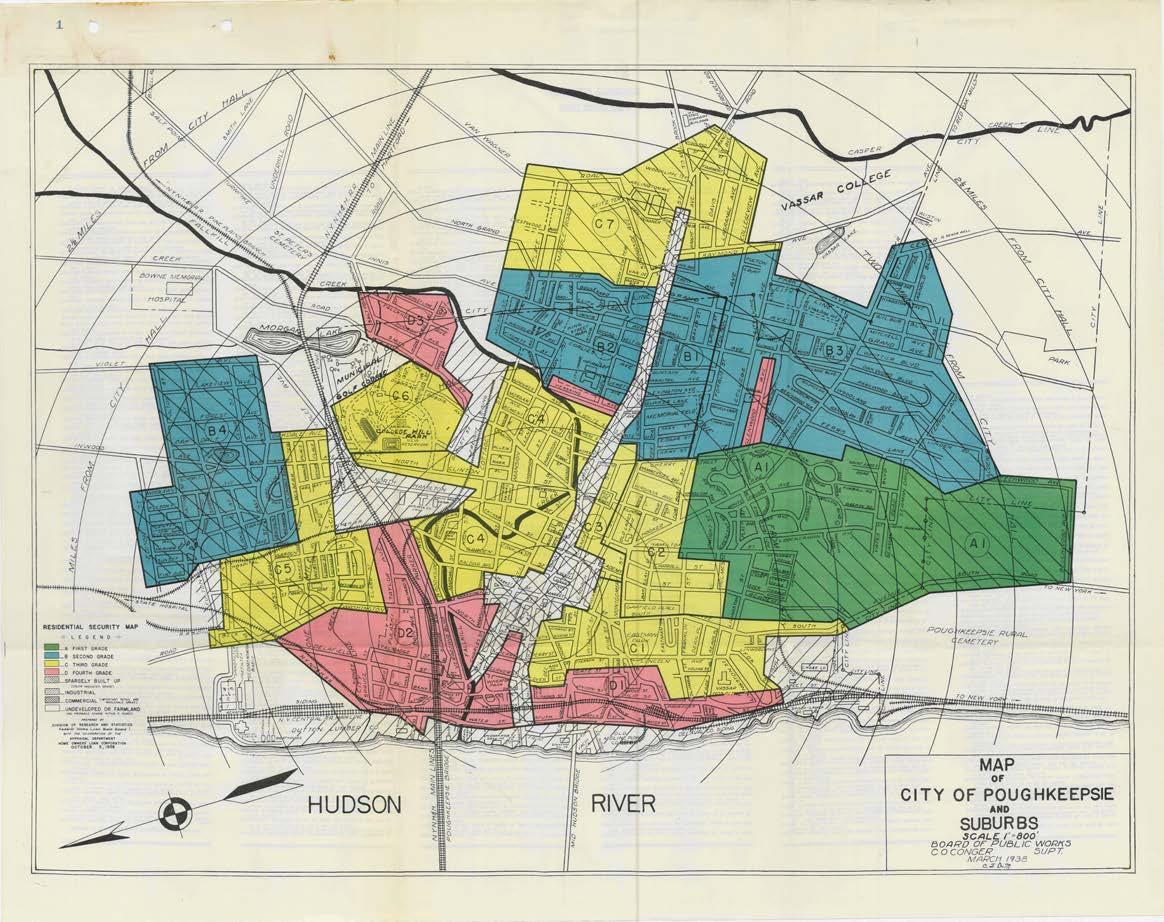
Since its conception, the public housing program in the United States has ignited criticism and controversy in the long evolution of its policy, governance, and its generations of residents. Within the broad category of social housing and within subsidized affordable housing policy, there has been a substantial movement towards privatization and a reliance on market-based programming to disappear the traditional model of public housing and with it, the responsibility of the state in owning and managing low-income housing and supporting the residents in such projects. The Rental Assistance Demonstration (RAD) program, which first began in 2012, is a federal program out of the Department of Housing and Urban Development (HUD), which incentivizes public housing authorities to transition projects from Section 9 public housing subsidies towards project-based Section 8 vouchers. This ultimately incentivizes privatising these projects in order to receive funds for capital projects, repair, and maintenance funding. This work aims to understand the local, regional, and global context in which policy decisions such as these are made through a case study in Poughkeepsie, NY, and then analyzing the ranges of intent and impact of these policy changes. I place the adoption of the RAD policy in Poughkeepsie City within a multitude of scales in order to both situate public housing, and the site itself, in the larger picture of global urbanism under neoliberal capitalism, but not without neglecting the essential local context wherein choices like these are made. The decision to adopt one policy change in one public housing project in one city is not made in isolation, and its impact will extend far beyond city limits. Within the site of the case study, in collaboration with local partner organizations, and as a result of this research and its findings, my design preposition aims to provide information on housing and tenant rights to the residents of Poughkeepsie at this critical juncture in time. This project is conducted in the context of the long-term strategy of policy-makers, especially on the federal level, to shirk the responsibility of housing low-income households and managing affordable housing projects, by transitioning subsidies towards the private real estate market and during a cost-of-living crisis that ha deeply impacted the ability of households to afford their housing, The history of Poughkeepsie reveals a city that has been undermined and underserved. By understanding the evolution of public housing policy and how and why a program such as RAD would be adopted by housing authorities, and what the implications of this policy would be in a post-industrial city like Poughkeepsie, we can better understand
what is at stake for residents both in and out of the public housing system. The theoretical framework used for this project employs at a multiple of scales in order to understand the trends of urbanism as a whole, with their connection to this region, and their impacts on the housing crisis, and the national shift towards the neoliberalization of social welfare, and the purpose and power of navigating towards spatial justice as an overarching goal. By analyzing current policy practices, the history of public housing policy in the United States, as well as exploring a range of alternatives, I give context to the RAD program and its impact. In examining my case study through a range of theoretical lenses, this project is then situated in the broader context of urban development and the evolving housing crisis. In Poughkeepsie, I conducted interviews with individuals on the property to gain insight on how residents and workers understood the implications of the policy change, as well as accessing housing as a whole in the region, in order to both confirm the critiques I make of the RAD program adoption and to inform the content of my design proposition. The design element of this project is a booklet that contains information on housing, and specifically rental tenants’ rights, that will be housed at local family support centers in Poughkeepsie. These materials aim to serve as a piece of political education on critical housing rights during an ongoing housing crisis and tenant disenfranchisement occurring both regionally and nationally. This thesis project contributes to the larger conversation surrounding the realities of the housing crisis and the effort and abilities of advocates to ameliorate the dangerous legacy of disempowerment and move towards a vision of accessible, affordable,and collaborative housing for all.
DUE Class of 2025
soraya barar
Soraya Barar received her undergraduate degree from the University of Washington in Human Centered Design & Engineering, and a minor in Digital Art and Experimental Media. Her academic work centers on reimagining the kitchen as a prefigurative public space, exploring how public infrastructure can be redesigned to foster `community-led investment.
ISABELLE GROENEWEGEN
Isabelle (Izzy) holds a BA in Comparative Literature from Georgetown University. After graduating in 2020, she worked for National Geographic photojournalist Gerd Ludwig in Los Angeles. She then returned to London, England to work at the Ellen MacArthur Foundation as a Programme Coordinator, where she facilitated workshops in Rwanda and South Africa to bring together circular economy practitioners from across the African continent.
RHAY LLOYD
Rhay Lloyd recieved their BA in Urban Studies, concentrating in Poverty Studies and Africana Studies, at Furman University in Greenville, South Carolina. Their academic focus centers on Black families as a prefigurative model for community building, focusing their research on the ideas of Black urbanism, Black familial patterns, and Afro- futurism. Rhay enjoys blending art, storytelling, and academia to explore these ideas.
SOCHEATA CHEY
Socheata is a designer who is passionate in humanitarian architecture, sustainable neighborhoods and inclusive urbanism. She holds a BA in Architectural Studies at Limkokwing University Cambodia. She is a former Cambodian Youth Ambassador of Goodwill at the 43rd Ship of Southeast Asian and Japanese Youth Program and a fellow at Young Southeast Asian Leader Initiatives (YSEALI).
LEAH ROY
Leah graduated with a degree in Architecture from Chennai, India, where she developed a deep interest in the intersections of urbanism, design, and social justice. For her, design is more than just a creative outlet—it’s a tool for addressing complex societal issues and fostering community empowerment. This perspective has been shaped by her roots in both India and the UAE, where she developed a strong appreciation for the diverse structures that shape cities.
AVERY CROWER AQDAS FATIMA
Avery Crower is born and raised in San Diego, California. She received her BS in City & Regional Planning from Cal Poly, San Luis Obispo. Avery’s interests lie at the intersection of planning, technology, and sustainability, where she examines how cities evolve to meet the challenges and opportunities of the digital age.
LAUREN LEIKER
Lauren is from the Wasatch Front. She graduated with a BA in Urban Studies from Vassar College in 2022. Lauren has completed a fellowship and served as an AmeriCorps member in Poughkeepsie, New York, working at the local school district in the community schools department. This work solidified her interests centering the values of equity, justice, and community building within cities and urban places, especially within the realms of public space, education, and in accessible design.
Originally from Karachi, Pakistan, Aqdas Fatima holds a BSc in Anthropology from the University of Kent, UK. Her academic interests lie at the intersection of environmental justice, critical care practices, and repair and maintenance in urban spaces. She is especially interested in tying her background in ethnographic and visual work with design practices that are geared towards just and accessible urban ecologies.
NATALIE TEMPLE
Natalie received her BA from the University of Arizona in Psychology. Having grown up in the D.C. area and Kansas City before living in Tucson for college, exposure to several environments fueled an interest in the design of urban spaces as well as the myriad of forces that shape them. Her academic interests have always centered around the use of storytelling as a tool for change and justice, and her current studies seek to apply this in the realm of women’s incarceration.