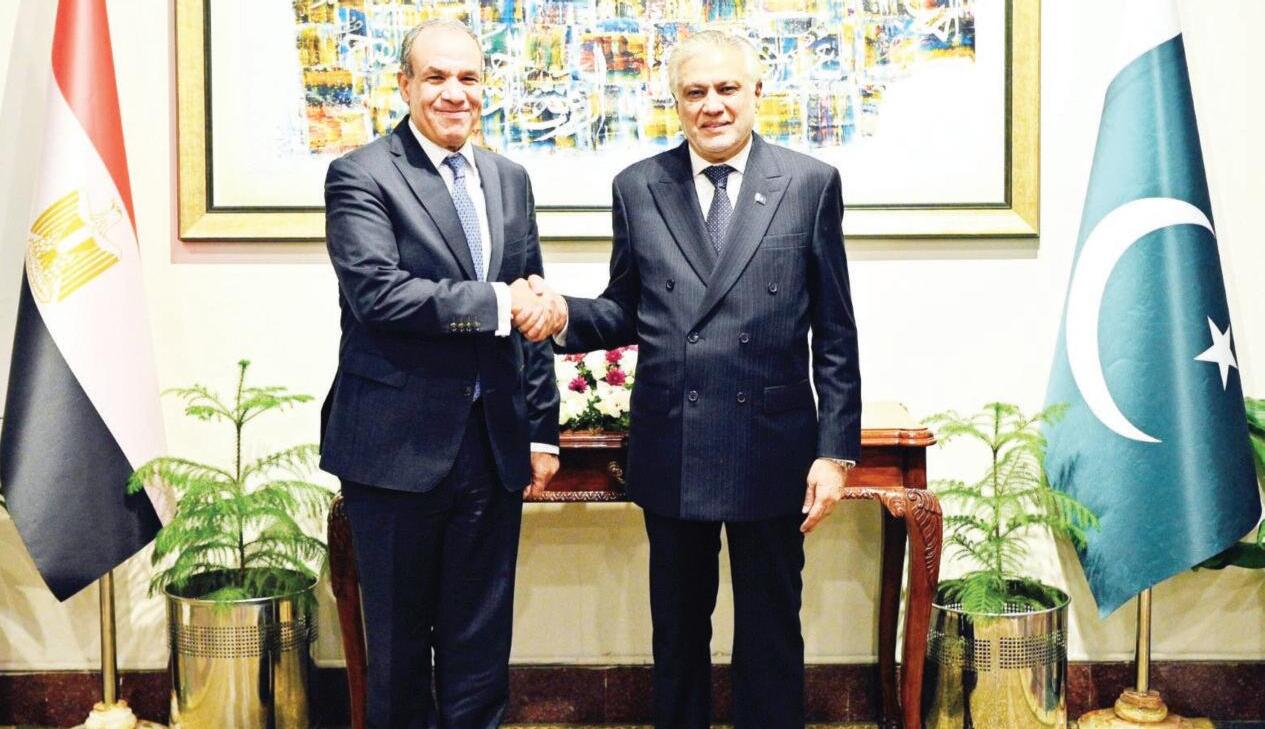
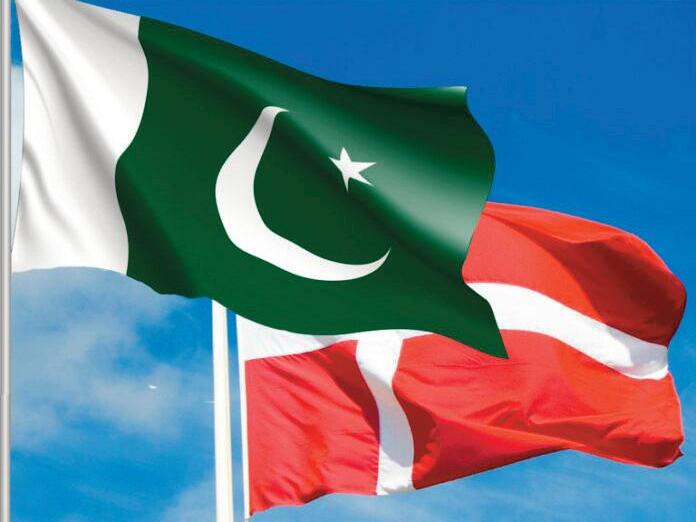
PAKISTAN, EGYPT L AUNCH MA JOR PUSH TO RESET ECONOMIC TIES WITH NEW BUSINESS COUNCIL , FORUM
g DAR, ABDELATTY UNVEIL TWIN PLATFORMS TO ENERGISE TRADE AND INVESTMENT WITH ISLAMABAD TO SHORTLIST 250-500 TOP FIRMS FOR B2B ENGAGEMENTS
g DAR SAYS BOTH NATIONS VOW ‘ CONCRETE, SOLID STEPS ’ TO BOOST CONNECTIVITY AND ECONOMIC COOPERATION
g TWO FMS REAFFIRM COMMITMENT TO BRING BUSINESS, TRADE AND INVESTMENT TIES IN LINE WITH LONGSTANDING POLITICAL GOODWILL BETWEEN TWO COUNTRIES
g FIRST PAKISTAN–EGYPT BUSINESS FORUM MEETING SET FOR CAIRO IN Q2-2026 WHILE JOINT MINISTERIAL PROCESS REVIVED AFTER 14-YEAR HIATUS
g EGYPT TO MIRROR PAKISTAN’S BUSINESS WHITELISTING PROCESS, EA SE VISA S, BESIDES CAIRO DOUBLES SCHOLARSHIPS FOR PAKISTANI STUDENTS IN RELIGIOUS STUDIES
KP CM Sohaill Afridii should fall on his sword Not figuratively, the way his predecessor Ali Amin Gandapur did when he resigned, but literally He might have to search for a sword, but surely he can find one in Abbottabad which is both where the recent by-election to NA-18 was held and where the Pakistan Military Academy is located The tradition was started by Roman commanders when defeated It is recorded by Brutus, Caesar s assassin, that when he lost the Battle of Pharsalus to Octavian Caesar (later to be Augustus) he fell on his sword For Roman commanders losing was unthinkable And losing not just meant one wasn t worthy of one s command but one was not fit to live The same applies to CMs who lose by-elections, even if the seat vacated had been held by the Opposition It isn’t really a duty of the CM to see that his party win the by-elections in his province during his tenure but a prerogative of office It goes with the territory But there is a flipside If you lose, it means that you have
price being CM? So the best thing to do is to get a sword make sure the point is upwards and then throw yourself onto the point Another method is the Japanese harakiri, or seppuku, which is a ritual disembowelment with a special knife (or short sword) which the samurai concerned has kept with him his entire life The disembowelment is carried out while seated To one side is a friend, who bears a naked samurai sword capable of cutting off your head, which he will use to dispatch his principal if his courage fails him or if he is in too much pain The problem with disembowelment is that if one fails to cut the celiac trunk artery and just cuts the intestinal blood vessels, one will die, yes, but not quickly; in fact, it might take days I would suspect that our CMs trying to seek a friend for the task would find no takers I mean who wants to do anything for someone who is no longer going to be CM and has no chance of coming back to office? And then have a murder charge hung on one, and that too of a CM It was a relief to both Maryam Nawaz and Ali Amin Gandapur to know that she
had not lost a single by-election and that he was not CM He was to have supervised this by-election but he resigned first Going by what he did in the Kashmir elections, he would probably have fulminated against the PPP or maybe the PML(N) in the by-election inviting the wrath of the Election Commission That wrath has descended on Sohail Afridi who has not just let a safe seat be lost but has lost the national seat of the PTI leader in the KP Assembly, Akbar Ayub Khan So Sohail Afridi lives to fight another day There will probably
Pakistan, Egypt launch major push to reset economic ties with new Business
Council, Forum
CONTINUED FR OM PAGE 01
and reaffirmed
in its
against
solidarity with
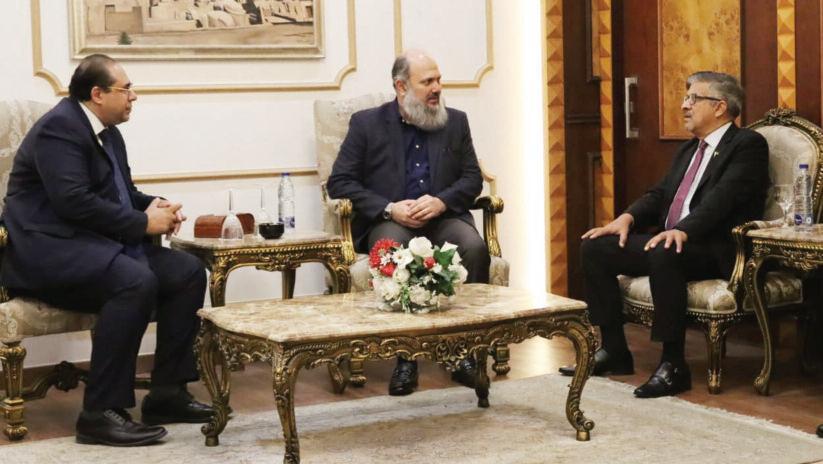
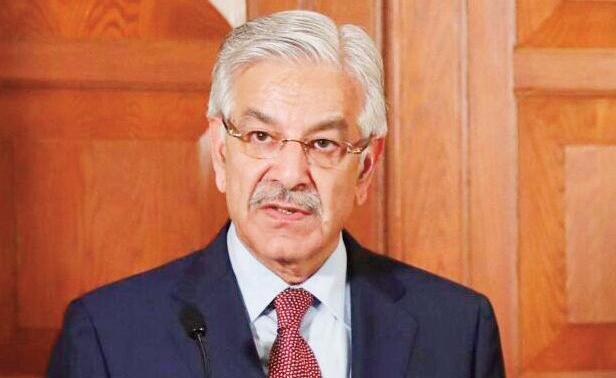
He described Egypt–Pakistan ties as rooted in shared culture, religion, friendship and mutual respect, noting that the relationship had only strengthened with time Abdelatty said the talks focused on expanding cooperation across multiple sectors for the mutual benefit of the two peoples He highlighted strong convergence of views on regional and international issues and appreciated Pakistan s consistent support at multilateral forums Egypt, he reiterated, remained committed to a two-state solution to the Palestine issue and valued Pakistan’s support for its diplomatic efforts Inviting Pakistani companies to explore investment opportunities the Egyptian minister said both sides were committed to taking concrete and solid steps to boost trade investment and business cooperation
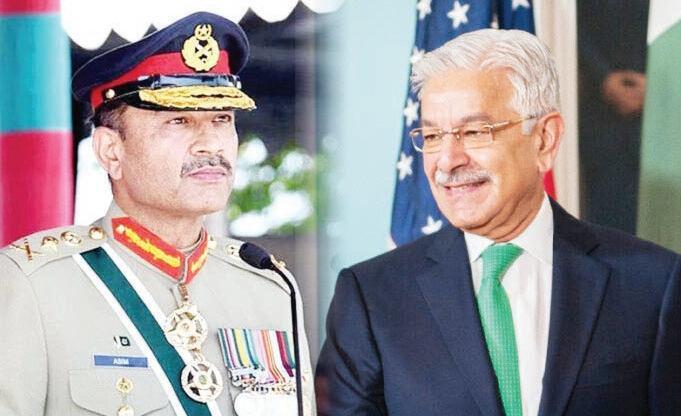
s tenure from three to five years Even so there is broad consensus among legal and security officials that the creation of the CDF post being a new assignment and not a continuation of an existing office requires a formal notification Under the 27th Amendment and related amendments to the Army Act the army chief will simultaneously serve as the CDF for a full five-year term Security officials contacted earlier by Dawn insisted the government must issue a new public notification formally assigning Field Marshal Munir to the new role
President Zardari pays tribute to Shaheed Z AB, Benazir on PPP Day
ISLAMABAD
S ta f f r e p o r t President Asif Ali Zardari on Sunday paid tribute to Shaheed Zulfikar Ali Bhutto and former Prime Minister Benazir Bhutto, highlighting the Pakistan Peoples Party s (PPP) role in strengthening democracy in the country In a message on the 58th Foundation Day of the PPP, the president said the party’s historic struggle against dictatorship and its efforts to restore public rights were key achievements The unanimously adopted Constitution of 1973 was a historic gift from Shaheed Bhutto, a press release from the President Secretariat quoted him as saying He added that
KP GOVERNOR DENIES REPORTS OF POSSIBLE REPL ACEMENT
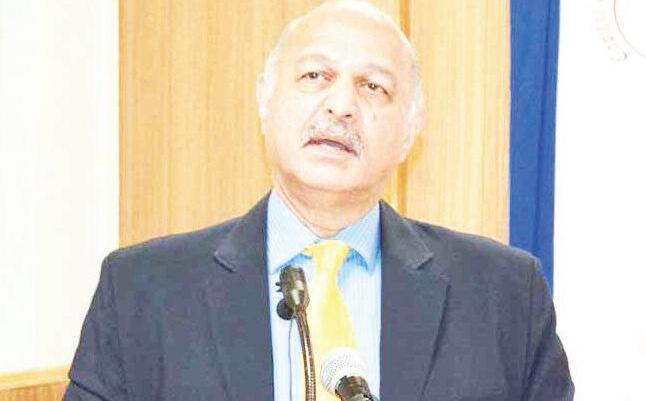
Senator Mushahid Hussain elected Chairman AEPF, focuses in promoting Eurasian connectivity
S ta f f r e p o r t Senator Mushahid Hussain Sayed was unanimously elected as Chairman of the Asia-Europe Political Forum (AEPF), at the annual conference of this bi-continental organization held in Budapest the capital of Hungary which concluded yesterday The conference, which was held under the theme, Peace and Democracy in Eurasia’, was hosted by the ruling party of Hungary Fidesz Zsolt Nemeth former deputy Foreign Minister of Hungary was elected Co-Chairman of the Asia-Europe Political Forum (AEPF) representing Europe, said a press release received here on Sunday The conference was attended by 35 parliamentarians political and think tank representatives from 25 countries 15 from Asia and 10 from Europe In his acceptance speech Senator Mushahid Hussain, who is also Co-Chairman of the International Conference of Asian Political Parties (ICAPP) thanked the participants for electing him Chairman of the unique Forum for a two-year term since the Asia-Europe Political Forum is the only non-governmental institution which links political representatives, public intellectuals and think tanks of Europe with their Asian counterparts meeting alternately in Asia and Europe Mushahid spoked of the role of Pakistan in promoting connectivity
in Asia between South Asia and Central Asia and beyond as well in Eurasia, especially given the emerging dynamics of geoeconomics and geopolitics He termed Pakistan as the ‘ideal bridge between the East and the West’ Senator Mushahid Hussain urged the need to promote connectivity through such mechanisms as the Belt and Road Initiative (BRI) of China, with CPEC playing a key role, plus other organisations like the Shanghai Cooperation Organisation (SCO)
He rejected the notion of a new Cold War or the politics of confrontation Senator Mushahid Hussain welcomed the 28- point plan of US President Donald Trump to end the Ukraine War saying this needless unwarranted conflict must end through dialogue
He also stressed the need for
inter-faith harmony adding that Asian values upheld the importance of family, religion, faith and harmony as pillars of stability in society Senator Mushahid Hussain also spoked of Pakistan’s connections with Europe in the field of trade investment economy education and science and technology adding that as a member of the UN Security Council, Pakistan was playing a responsible and important role to preserve and protect the rule of law and the United Nations Charter He also criticised Western double standards on human rights and said the world was moving towards a new global order that was no longer dominated by
their commitment to activate institutional mechanisms and hold senior official-level consultations in the first quarter of next year In the field of education Dr Abdelatty announced the decision to double Al-Azhar University scholarships for Pakistani students, further strengthening people-topeople and academic ties The two ministers also exchanged views on regional and international developments Pakistan appreciated Egypt’s pivotal diplomatic and humanitarian role in Gaza including efforts toward ceasefire arrangements and the facilitation of humanitarian assistance Both sides reiterated their support for the establishment of an independent, sovereign, and contiguous Palestinian state based on pre-1967 borders with Al-Quds Al-Sharif as
and 338 are females while among the injured the average age of 356 individuals is below 18 years the average age of 818 individuals is between 18 and 40 years, while the average age of 462 injured individuals is above 40 years Most of these traffic accidents involve
Young Pakistani siblings challenge world’s silence on Gaza’s dying-alive children
Revenue shor tfall
No targets for phasing out fossil fuels The revenue shor tfall for November is another sign the economy isn;t picking up
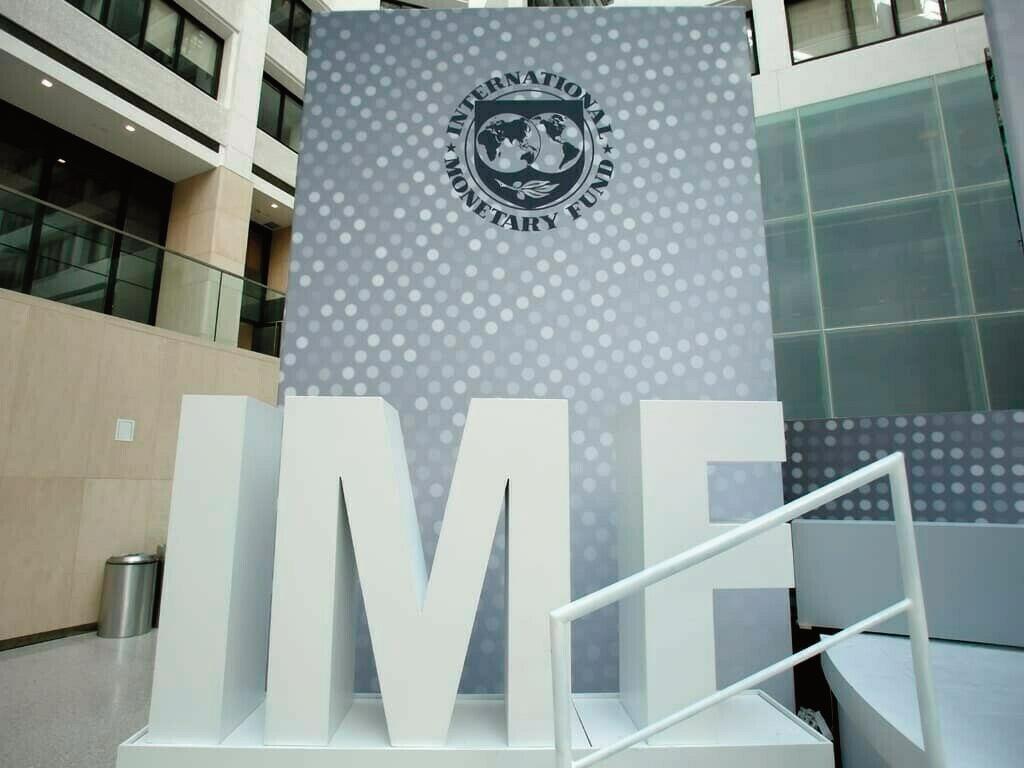
THE revenue shortfall in November is bad news For a start, it means that the government is going to face difficulties meeting its commitments to the IMF Though the recent review resulted in a staff-level agreement with final approval by the IMF Board due later in the month, the agreement also contained the provision that there would be a mini-Budget if the Federal Board of Revenue failed to collect as much as it had committed Secondly, it meant that the economy has not been picking up, because the failure to increase revenue, or rather the failure to increase it as fast as it expected to implies that the growth the government expected, did not take place The FBR and IMF may argue about who is responsible for the overestimation of GDP growth, but it does not change the reality that the FBR cannot really squeeze blood out of a brick
It should be realized that the FBR does not have all that much control over its collection A lot of the collection is virtually automatic depending on sales of the particular product Large-scale manufacturing s recent increase should translate into increased revenues, but there is a time lag as well as some question marks about how long the increase will last Going by the figures for exports to North America, not very long The FBR is supposed to prevent evasion and theft, but there is only so much it can do Its officials do not have nearly as much ability to influence taxation as they think True, there are vast leakages still to be plugged, but the performance of the economy will always be central to the taxation effort
There are certain implications that become harder to avoid The first is that the IMF and the government don’t know their economics; especially the IMF because the solutions it has applied are not working Then there is the danger that the government will not be able to maintain the primary surplus mandated by the IMF and which it has been managing so far Instead of revenue-raising efforts alone, on which it will focus, it needs to look more closely at expenditures, to ensure that it can reduce the revenue it needs to collect The IMF will almost certainly use these shortfalls as a stick to beat PAkistan with, so it must prepare for the IMF to lsy down even harder conditions
Dedicated to the legac y of late Hameed Nizami Arif Nizami (Late) Founding Editor
M A Niazi Editor Pakistan Today Babar Nizami Editor Profit
content without notifying the user You still post you still speak but your voice is buried under invisible weight Algorithms deliberately reduce visibility making your words invisible to others And nowhere has this tactic been more systematically used than against Palestinian content How Shadow Banning Works: Platforms like Meta (which owns Facebook and Instagram) argue that shadow banning is just “content moderation In reality it is censorship outsourced to algorithms This silence is not accidental According to a report by BBC Facebook has greatly restricted the news from Palestinian news outlets to reach the outside world during the genocidal operations by Israel Certain hashtags are flagged posts are quietly removed from feeds and accounts are restricted from trending What s surprising is that the user is never warned about this Access Now and Human Rights Watch both documented patterns of disproportionate censorship targeting Palestinian content, while pro-Israeli narratives remained untouched According to HRW it reviewed 1050 cases of content removal related to Israel and Palestine 1049 suppressed content was in peaceful support of Palestine while only one case involved removal of content in support of Palestine Systematic Censorship of Palestine: The evidence is overwhelming A 2021 Human Rights Watch report concluded that Meta had “systematically suppressed” pro-Palestinian content including peaceful speech and documentation of human rights abuses Similarly 7amleh, the Arab Center for the Advancement of Social Media, recorded more than 20 documented testimonies of Palestinian content suppression Hashtags like #GazaUnderAttack or #FreePalestine were blocked or limited More
TWO years ago at COP28 in Dubai consensus was reached among countries that there was a need to move away from fossil fuel usage but nothing came out in terms of a phasing out timeline in this regard since, including in COP29 last year Hence, it was hoped, given it had been around two years since this consensus was reached and also because global average annual temperature had crossed the threshold of 1 5 C that a timeline would be reached in the consensus document of this year s COP meetings in Belem, Brazil Having said that, what to talk of consensus, the very words ‘fossil fuel’ were not even mentioned in the ‘Draft decision -/CMA 7’; reportedly at the back of strong lobbying by countries with a vested interest in hurdling the progress towards non-fossil fuel sources of energy which apparently was too strong for the efforts made by
ing
One
importantly, according to the report, around 15 million inciting posts in Hebrew against Palestinian were also documented across multiple social media platforms since October 2023 These weren t isolated glitches It is a pattern of silencing one struggle while amplifying another In practice, the same platforms that claim to connect the world are deciding which lives deserve visibility The Double Standards: Ukraine vs Palestine: After Russia’s invasion of Ukraine in 2022 this hypocrisy became clear Meta openly adjusted its policies to allow violent speech against Russian soldiers and pro-Ukrainian war content This is something it had never done for Palestinians Ukrainian flags flooded feeds, solidarity campaigns trended globally and fundraisers spread unhindered Meanwhile Palestinian accounts continued to be shadow-banned for posting images of bombed homes or mourning children It is
Western struggles receive amplification and struggles in the Global South are muted This
power weaponized algorithms not to uphold neutrality but to align with Western geopolitical interests The Psychological Impact of Digital Erasure: Shadow banning is not just technical censorship It is more of a psychological warfare for people raising awareness Just imagine you are in a warzone where you are documenting the bombing of your neighbourhood only for you to realize your posts are invisible to the world The silence creates despair and exhaustion, convincing many that are oppressed that speaking out is pointless People scrolling their social media feeds subconsciously absorb the message that if a war is not trending perhaps it is not important and perhaps that there s not much going over there Over time, this causes normalization of violence and creates apathy among people Digital censorship doesn’t just hide suffering; it reshapes how the world feels about suffering It convinces millions that some lives are not worth mourning The Geopolitics of Algorithms: If you think these biases are accidental you are unwise They are geopolitical Very often tech companies have close relationships with Western governments, lobbying in Washington and Brussels Consequently, they end
up shaping policies that align with Western strategic interests Meta and Google executives meet regularly with policymakers, and their moderation policies often mirror foreign policy priorities This has been reported in a paper by Johns Hopkins SAIS Kissinger Center, titled "How Private Tech Companies Are Reshaping Great Power Competition Cases in which Gaza content is flagged but Ukraine content is promoted reflects more than algorithmic quirk It reflects power Silicon Valley is not a neutral space, but an extension of Western hegemony, where the values of capital and politics dictate which narratives dominate In this sense algorithms have become tools of empire erasing inconvenient struggles while amplifying preferred ones
Why Silence Is Political: Silence is not absence, it is strategic Tech giants actively shape global opinion by suppression of Palestinian narratives The whole world sees Ukraine as a story of courage and a nation resisting occupation but Gaza as a story too inconvenient to tell This silence justifies state violence by erasing its victims from public consciousness It transforms suffering into invisibility, and invisibility into indifference
This is not just about social media quirks; it is geopolitics coded into algorithms It is the digital continuation of an old hierarchy where some lives are broadcast and others buried Conclusion: Who Controls the Feed Controls the Story: Shadow banning may seem like a technical glitch, but in fact, it is a weapon of narrative warfare By amplifying some voices and muting others, algorithms create a global hierarchy of empathy Ukraine’s war is made hyper-visible Gaza s is shadowed into silence If control of territory once defined geopolitics today control of narratives does And as long as corporations like Meta serve as invisible editors of truth, wars will not only be fought on the ground but
The first casualty as always is the truth But in this case truth is buried not by bullets but by silence
Deadly habit
Jobless nation
dr Omer JAved
A Mirror We Can No Longer Look Away From
be new in format, but not in substance For years, Article IV consultations, staff reports, and governance reviews have identified nearly identical deficiencies The repetition of these diagnoses should not merely reflect persistence of problems it should raise deeper questions about why implementation consistently fails Pakistan has developed a political culture where reform is proclaimed but rarely enacted, where compliance is delayed, and where institutional strengthening is discussed but seldom practised Power struggles turf battles and selective enforcement often eclipse genuine governance improvement This is an internal critique we must own, irrespective of IMF commentary And this is where my vantage diverges slightly from the IMF’s tone While the Fund correctly identifies weak oversight, low transparency and politicized institutions it tends to situate solutions in technical upgrades capacity building and procedural reforms But Pakistan s governance crisis is not primarily technical It is structural and political It is about incentives specifically, the incentives for those in power to resist change Without rebalancing incentives toward institutional compliance and away from political convenience no reform package however well drafted will take root This is not a cynicism; it is an observable truth across multiple cycles of reform fatigue For example, most anti-corruption bodies are periodically energized only to be later undercut or used for partisan purposes The GCDA rightly calls out these
vulnerabilities, but the deeper challenge is ensuring reforms do not become instruments of political vendetta Recommendations on strengthening audit offices enhancing autonomy of regulatory authorities, improving procurement data, and enforcing asset declarations are meaningful only when applied impartially Pakistan has repeatedly seen governance rhetoric convert into selective accountability an outcome that defeats the very purpose of reforms This is why legal safeguards transparent procedures, and independent oversight mechanisms must accompany any institutional strengthening At the same time, the GCDA’s emphasis on fiscal governance particularly procurement transparency SOE reforms and AML enforcement is not new From energy sector leakages to non-competitive contracting many of these problems are well known What is needed now is not another reiteration, but a shift from descriptive analysis to enforceable progress Yet enforcing progress does not have to be framed in aggressive externally imposed terms Without inviting domestic backlash or appearing to advocate external pressure, one can reasonably argue that reforms gain credibility when linked with visible, measurable demonstrations of improvement Instead of explicitly tying financial tranches to strict conditions Pakistan can
publicly commit to transparent benchmarks such as publishing procurement data in machine-readable form disclosing SOE board appointments with merit-based criteria or issuing periodic summaries of high-value corruption cases Such actions strengthen sovereignty rather than undermine it because they build domestic trust and reduce the discretionary space in which corruption thrives A subtler but equally important point that the IMF only partially captures is that many governance distortions in Pakistan are engineered through opacity deliberate or
allies undermined the formation of robust economic institutions When the 1997 Asian financial crisis struck the economy crumbled social unrest spread and the regime collapsed
proclaimed independence in 1945 and became Indonesia’s first president he steered not a unified nation but a patchwork of Dutch colonial outposts with uneven infrastructure and competing loyalties His task was monumental: to build a functioning national government and econ-
omy that could bind these disparate regions together
As a charismatic leader steeped in anticolonial ideals Sukarno did not initially envision a highly centralized state With his socialist worldview he adopted liberal democracy and sought to develop local administrations and councils in Java and other islands But the challenges overwhelmed the young republic Weak domestic capital limited governance capacity and a lack of information about islands beyond Java fueled disputes over resource distribution and revenue control between Jakarta and the regions Without a capable central government, islands such as Sumatra and Sulawesi grew increasingly dissatisfied with Jakarta, paving the way for rebellions and separatist movements Darul Islam uprisings in Aceh Java South Kalimantan and South Sulawesi and the PRRI/Permesta revolts in Sumatra and Sulawesi became defining symbols of distrust and vulnerability of the country in its early years
By the late 1950s the Sukarno administration was deep in a fiscal crisis Revenue stagnated while military spending skyrocketed to quell rebellions In 1959 he instituted Guided Democracy , dissolving parliament based on allegations that some political parties had been involved in the rebellions He strengthened his alliance with the army that had helped him crush the revolts and the Indonesian Communist Party (PKI) then the largest party in Java that supplied him with grassroots support Yet Guided Democracy delivered little improvement Sukarno increasingly leaned
on hawkish foreign policy and campaigned for self-reliance He cofounded the NonAligned Movement, but later grew hostile over the country’s borders and began military operations in Papua (then-West Irian) and against Malaysia Despite praise for Indonesia s growing international standing as an emerging country, critics have accused these moves as manipulation to create a perpetual sense of crisis at home Indonesia’s hardline stance culminated in its withdrawal from the United Nations
This period was also marked by Indonesia s most hostile stance toward foreign capital Anti-Western sentiment translated into restrictive regulations and a wave of nationalizations of Dutch businesses Foreign investors fled, leaving only the United States in oil and gas and foreign aid from the Communist bloc China and the USSR and Japan which sought to mend relations after its brief occupation of Indonesia By 1965, amid Sukarno s declining health and political polarization, inflation soared above 650 percent Tensions between the army and PKI erupted into open conflict after the assassinations of six generals leading to the violent purge of communists and ultimately Sukarno s downfall
Soeharto assumed power amid the ruins of economic collapse and political chaos Building on the authoritarian centralization begun under Guided Democracy, he restored political stability and security through increased military dominance Under the pretext of eliminating communism his regime persecuted anyone associated with the PKI resulting in the deaths of hundreds of thousands
C an AI be A sia’s nex t growth engine?
more conservative estimates Moreover gains from AI are likely to be concentrated among a few leading firms and sectors at first Broader productivity gains often take time to emerge, and productivity might even decline in the short term as firms bear the high costs of adoption training and integration – a pattern known as the productivity J-curve
As with previous technological revolutions, AI s impact will ultimately depend on countries’ capacity to absorb and apply it effectively For now this capacity varies widely across Asia According to the IMF’s AI Preparedness Index advanced economies such as Australia Japan and Singapore, rank above their peers elsewhere, based on indicators like digital infrastructure, economic integration, regulation, and labor-market policies The region’s large emerging economies including China India and Indonesia also perform better than their peers But low-income economies like Bangladesh and Cambodia, are lagging
e s t m e n t B e t w e e n 1 9 6 7 a n d 1 9 8 1 , I n d o n e s i a s e c o n o m y g r e w a v e ra g e l y a t 8 p e r c e n t a n n u a l l y, d u b b e d a s t h e f a s t e s t g r o w t h t r e n d i n t h e c o u n t r y ’s h i s t o r y B u t t h e s e a c h i e v e m e n t s c a r r i e d h e a v y c o s t s S o e h a r t o e x p a n d e d p r e s i -
In the realm of politics and security, the Operational Command for the Restoration of Security and Order (Kopkamtib) conducted surveillance detention and repression of political activists students and critics Initially created to combat communism it became a weapon to silence Soeharto s opponents
The military, already embedded in economic activities since they secured control over the Guided Democracy period further consolidated its role under Soeharto Army generals led strategic businesses through state-owned enterprises Ibnu Sutowo, for instance, a military doctor turned regional commander, was put in charge of oil and gas company Pertamina Achmad Tirtosudiro, an army logistics chief, controlled food distribution through Bulog and Berdikari
The military presence accelerated economic recovery but also entrenched corruption and inefficiency Corruption was rampant among the military-led businesses, notably by Ibnu, who was dismissed from Pertamina after a decade Poor corporate management limited capital accumulation and a lack of innovation left Soeharto s regime fragile once easy money from oil, gas and mining dried up in the 1990s Cronyism, patronage and the concentration of wealth among Soeharto’s family and
Given the speed and scale of the transition ahead and the gathering growth headwinds all Asian economies should be working to strengthen their ability to harness AI To understand what must be done it is worth revisiting the Nobel Prize-winning research of Philippe Aghion, Peter Howitt, and Joel Mokyr Aghion and Howitt formalised Joseph Schumpeter ’s idea of creative destruction the process by which new technologies replace old ones while Mokyr drawing on history found that lasting progress also requires openness to new ideas and a commitment to scientific inquiry Together, they show that sustained prosperity depends on continuous technological progress supported by an enabling culture and institutional framework For Asian countries the lesson is twofold First they must foster the skills people need to make use of AI Investment in digital literacy and STEM education (science,
Under Soeharto the centralized authoritarian model also fueled regional insurgencies in resource-rich Aceh and Papua, driven by grievances over inequitable revenue sharing and lopsided development
The fall of the two leaders showed that centralization especially under authoritarian rule may be effective in crisis management and early state-building But it cannot sustain growth in a maturing nation Indonesia is no longer a fledgling republic struggling to define its borders, nor a nation in economic or political crisis It is a middle-income democracy whose thriving private sector holds large untapped potential Decentralization and regional autonomy have strengthened local administrations Regional leaders, directly elected by the people, are no longer isolated from national politics Many are now influential players in shaping the country’s direction
The challenges of the early days of the republic no longer define Indonesia s present But the danger remains that leaders, confronted with contemporary pressures, may resort to old solutions unsuited to the country’s current condition Centralization which is prone to authoritarianism may serve as an emergency structure in moments of collapse but it cannot drive innovation productivity or global competitiveness Indonesia s central task today is not survival, but advancement And advancement requires a
The
THE JAKARTA POST
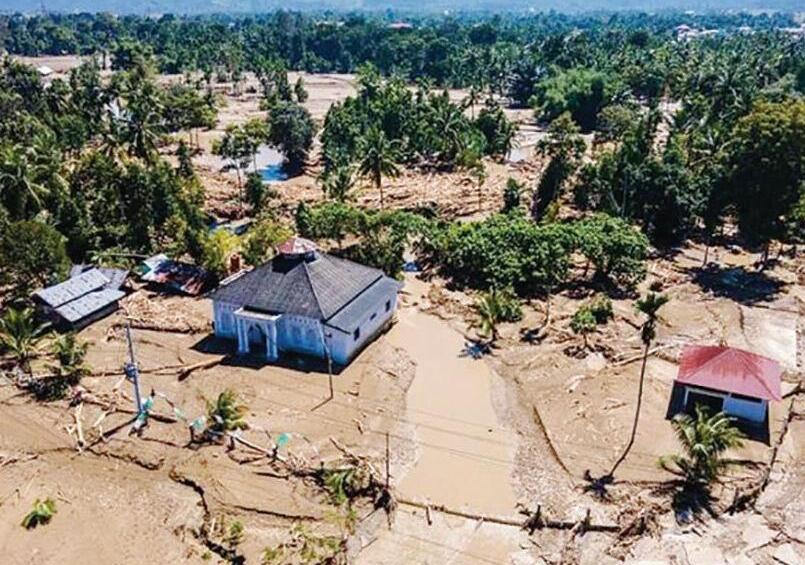
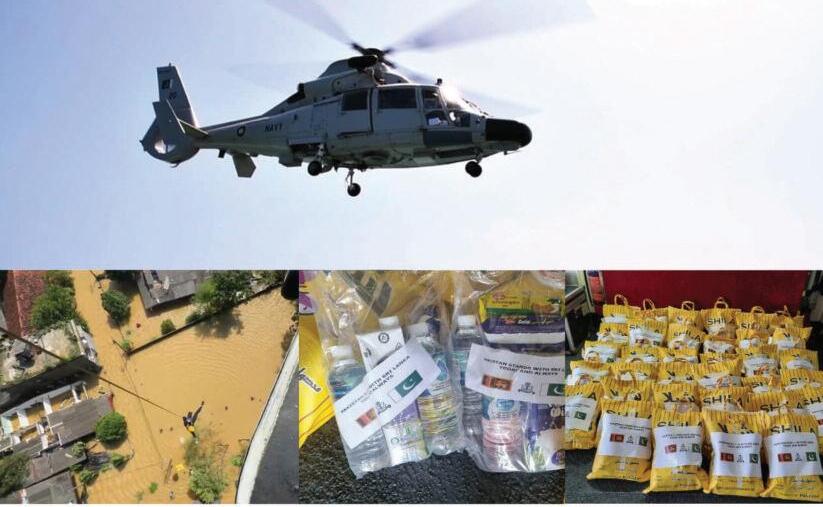
INDONESIA , THAIL AND RACE TO FIND MISSING AS FLOODING TOLL TOPS 600 ACROSS SOUTHEAST ASIA
B et ween Ares and Athena: Pak istan's S earch for a Divine Spark in a Hostile Neighborhood
MUHAMMAD BILAL IFTIKHAR KHAN
The word “strategy” comes from “strategos”, meaning a “divine spark” a higher form of thinking that allows a person to outwit an opponent This spark is cultivated through experience wisdom and discipline The ancient Greeks understood this distinction Before battle they went not to the temple of Ares, the god of war, but to the temple of Athena, the goddess of wisdom They knew that victory depended not on brute force but on the clarity of mind behind it My fascination with this began early Growing up with the novels of Naseem Hijazi a line stayed with me: The use of force is the biggest weakness of the powerful Years later, studying Sun Tzu, his teaching that the supreme art of war is to subdue the enemy without fighting connected with that insight This captures the very essence of “strategos”: victory through wisdom, not destruction In the real world however the realist paradigm dominates an anarchic international system Power interests and insecurity drive state behavior and attrition often becomes the preferred method This theoretical insight helps us understand the tragic trajectory of Pakistan s relations with Afghanistan and India, where historical grievances and structural mistrust produce repeated crises Afghanistan and Pakistan share religion culture and folklore yet their relationship has remained hostage to a colonial border: the Durand Line Afghanistan opposed Pakistan s entry into the UN and supported Pashtunistan, largely with Indian encouragement It forgot that the world s largest Pashtun population lives on Pakistan’s side and rejected the Afghan narrative, defending Pakistan’s territorial integrity
Through the decades successive Afghan governments interfered in Pakistan s western provinces Pakistan meanwhile received Afghan refugees offered shelter during the Soviet invasion and carried the economic and social burden of a war not its own After 9/11, Afghan soil became a platform for Indian proxies tar-
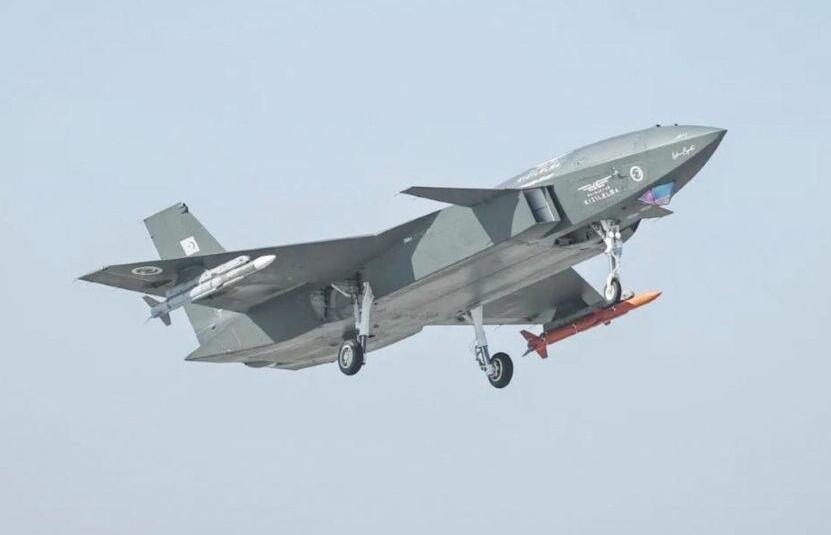
Turkish unmanned jet becomes world’s 1st to fire air-to-air missile at air target
ANKARA a n a d o l u ag e n c y Türkiye s first uncrewed fighter jet, Bayraktar KIZILELMA, made aviation history by becoming the world’s first UAV to successfully fire a beyond-visual-
geting Pakistan Despite over 80 000 casualties Pakistan hosted millions of Afghans while Western-backed Kabul governments reciprocated with hostility
By 2021, when the US withdrew and the Islamic Emirate of Afghanistan (IEA) rose, Pakistan hoped for a reset A Pashtun-dominated government free from Indian influence seemed an opportunity for stability Instead the opposite happened The IEA turned hostile allowing anti-Pakistan militants to regroup Tensions escalated and after recent clashes and a tragic attack on the FC Headquarters involving Afghan militants, relations deteriorated further The IEA now engages in information warfare, accusing Pakistan of aggression while Afghan social media amplified by Indian platforms constructs an anti-Pakistan narrative
While Pakistan struggled with its western frontier the eastern border witnessed a dangerous escalation Unable to digest the outcome of recent clashes, India embarked on a campaign of military signaling, NAVAREA warnings, and provocative statements by serving generals The aggressive tone of India’s military officers reflects political hysteria and a sense of defeat rather than strategic maturity Rajnath Singh s irresponsible remarks about Sindh further exposed India s political bankruptcy
Thus Pakistan finds itself encircled not by coincidence but by design On the west, the IEA, proud of defeating superpowers through guerrilla tactics, behaves as if Pakistan were another occupying force On the east, India nurtures dreams of “Sindoor-02 ” hoping the IEA will keep Pakistan militarily stretched For the first time both adversaries Hindutva India and the Islamist IEA align in sentiment and behavior Both misread Pakistan s internal dynamics and are driven by utopian fantasies
This creates the heart of Pakistan s dilemma: a twofront entanglement The IEA hopes to bleed Pakistan through prolonged sub-conventional attrition, while India waits to exploit any weakness The IEA finds that anti-Pakistan rhetoric wins local support and India sees an opportunity to revive its strategic depth in
Afghanistan The result is a coordinated mutually reinforcing challenge At this juncture, returning to Sun Tzu is essential Pakistan must avoid the battlefield chosen by its adversaries As a nuclear state with established deterrence, it has no reason to fight a war on others' terms Instead, it should embrace the indirect Athenian way The IEA suffers from severe legitimacy issues Supporting groups like the NRF for calibrated political pressure would undercut the IEA without inflaming Afghan public sentiment Likewise, after Rajnath Singh s threats, Pakistan has every right to mirror Indian interference, but selectively and intelligently Moreover Afghanistan’s internal ethnic mosaic provides natural leverage The IEA’s refusal to accept the Durand Line threatens the demographic balance inside Afghanistan where Tajiks Uzbeks and Hazaras fear Pashtun domination All regional players, China, Iran, Russia, and Central Asian states, are concerned about the IEA’s destabilizing approach This creates a strategic opening for Pakistan to build a consensus for a representative Afghan government that reflects all ethnicities Stability in Afghanistan benefits every neighbor Sun Tzu said the highest form of warfare is attacking the enemy s strategy not their forces If Pakistan understands the India-IEA plan is extended exhaustion, then countering it becomes easier Expose the nexus, deny them propaganda space, avoid direct attrition, strengthen internal unity and work with regional partners for a long-term political settlement in Afghanistan Victory will not come from Ares anger but from Athena s wisdom Pakistan s strategic success lies in embracing strategos the divine spark of foresight, patience, and indirect power The path is challenging, but the opportunities are many Nations that endure combine strength with wisdom Pakistan must do the same Writer is Former Journalist University Lecturer and currently a PhD Scholar at UMT Lahore He can be reached at mbikhan14@gmail com
US and Ukraine talks begin as Trump pushes to bring war to an
WASHINGTON ag e n c i e s
American and Ukrainian officials are engaged in talks aimed at creating reliable security guarantees for Ukraine as part of a US-backed peace plan ahead of a critical visit to Moscow by United States special envoy Steve Witkoff At the meeting in Florida on Sunday a Ukrainian delegation led by Rustem Umerov head of Ukraine s National Security and Defence Council sat down with Witkoff and US Secretary of State Marco Rubio, who said the talks are aimed at “creating a pathway” for a sovereign Ukraine
“We have clear directives and priorities: safeguarding Ukrainian interests ensuring substantive dialogue, and advancing on the basis of the progress achieved in Geneva,” Umerov wrote on X
He added negotiators want to “secure real peace for Ukraine and reliable long-term security guarantees The talks come a week after Rubio and Ukrainian negotiators
met in Geneva Switzerland to revise US President Donald
Trump s peace plan, which initially was criticized as a Russian wish list The sit-down sets the stage for Witkoff ’s planned meeting with Russian President Vladimir Putin which Trump earlier signalled would take place this week
Putin said the US draft which has not yet been published could serve as a “basis for future agreements ” adding his talks with Witkoff should focus on the Russia-controlled Donbas and Crimea regions
Trump s son-in-law Jared Kushner, who is participating in the Florida talks, may also be present in Moscow
“This is about ending a war in a way that creates a mechanism for a way forward that will allow them [Ukraine] to be independent and sovereign and never have another war again, and create tremendous prosperity for its people not just rebuild the country but to enter an era of extraordinary economic progress ” said Rubio
Talks between US and Ukrainian officials got off to a good start and are taking place in a warm atmosphere conducive to a potential progressive outcome,” said Ukraine’s first deputy Foreign Minister Sergiy Kyslytsya on X Important days
The negotiations come at a sensitive moment for Ukraine as it continues to push back against Russian forces that invaded in 2022, with Ukrainian President Volodymyr Zelenskyy reeling from a corruption scandal that led to the resignation of his chief of staff Andriy Yermak this week
Get instant alerts and updates based on your interests Be the first to know when big stories happen Yes, keep me updated It was Yermak who sat down with Rubio in Geneva last week to make amendments to Trump s original 28-point plan which initially envisioned Ukraine ceding the entire eastern region of the Donbas to Russia, limiting the size of its military and giving up on joining NATO
Kamal arrives in Cairo for 4th D-8 Trade Ministers Council
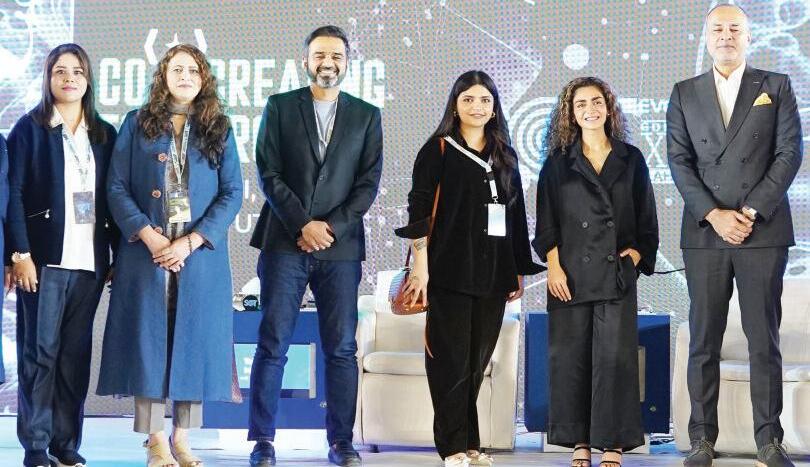
The second day of SOT Events Edition XIX opened with the Beaconhouse Distinguished Alumni Awards, presented by the Beaconhouse Old Students Society (BOSS) This annual celebration recognises the outstanding achievements of Beaconites across diverse fields Ata Tarar, Federal Minister of Information & Broadcasting and Mian Mujtaba Shuja-ur-Rehman Finance Minister Punjab presented the awards honouring Beaconhouse alumni who have made remarkable contributions to their professions, communities, and beyond The day also featured a compelling line-up of speakers, including Sarah Ahmad, MPA Punjab & Chairperson Child Protection & Welfare Bureau Government of Punjab who lauded Beaconhouse for consistently providing a national platform where social issues are addressed with honesty and a commitment to positive change She noted that SOT creates a rare space where young people, experts, and policymakers come together to confront challenges and imagine better futures Other prominent speakers included Ali Azmat Mekaal Hassan Tahira
among many others
its
7th Commencement Ceremony
KARACHI
S ta f f r e p o r t
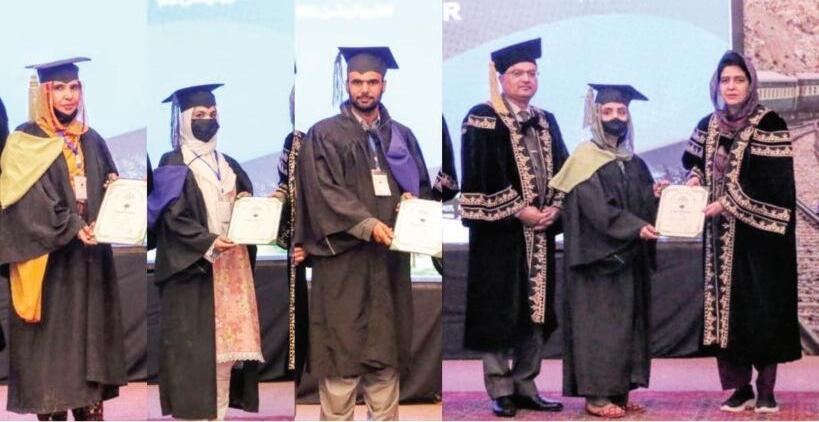
KSBL held its 7th Commencement Ceremony, celebrating graduates from MBA EMBA MSBA BS Management & Entrepreneurship and BS IT & Systems Chief Guest Irfan Siddiqui urged students to lead with character and purpose Rector Dr Ahmad Junaid highlighted resilience and KSBL s growing role in research and industry dialogue Founding Chairman Hussain Dawood emphasized learning from mistakes and valuedriven leadership Medals were awarded for outstanding academic performance KSBL congratulated all graduates on their achievements
y sealed KSBL hosts
Ac tion Against Tax Thef t in Tobacco S ec tor; Another fac
nel have been deployed at Green Leaf Threshing (GLT) units across the country to assist in monitoring and securing the premises against illicit manufacturing activities
Minister of Pakistan has issued clear directions to decisively curb the illicit cigarette trade and ensure strict enforcement of tax laws In compliance with these directions of the Prime Minister of Pakistan the Federal Board of Revenue (FBR) formulated a comprehensive and multi-layered enforcement plan aimed at eliminating non-duty-paid cigarette production, strengthening monitoring mechanisms and disrupting illegal supply chains This national effort received broad support from all stakeholders most notably the Pakistan Army, which has extended full cooperation to reinforce enforcement operations As part of the coordinated strategy, approximately 120 Pakistan Rangers person-
Simultaneously FBR has also posted more than 200 dedicated monitors under Section 40B of the Sales Tax Act, 1990, and Section 45 of the Federal Excise Act, 2005, to oversee production ensure lawful removal of goods and verify tax compliance at manufacturing facilities
Following the directions of the Prime Minister and in strict compliance with FBR s enforcement plan, the Directorate of Intelligence and Investigation-IR Peshawar after obtaining warrant from area Magistrate conducted a successful raid on an undeclared godown in the area of Jabbar Police Station District Mardan KP on 03 11 2025 During the search a total of 200 cartons of nonduty paid/non-TTS cigarettes with brand names Business Class Red and Crown were recovered The mentioned cigarettes are registered brands of M/S Indus Tobacco Company (Pvt) Ltd Accordingly the Directorate of I&I-IR Peshawar
forwarded a Contravention Report on 21 11 2025 to Regional Tax Office Peshawar Acting upon the contravention report and after completing the codal formalities and necessary approvals the manufacturing machinery of M/s Indus Tobacco Company was sealed under Rule 28A(6) of the Federal Excise Rules, 2005 by the officers of RTO Peshawar on 29 11 2025 The operation was executed by DC(IR) Arsalan Ali under the supervision of the Chief Commissioner RTO Peshawar Further proceedings under sections 21, 22, 19(3), 19(10), and 27 of the
eral Excise Act, 2005 are underway During and after the search proceedings the Officers and officials of I&I-IR Peshawar faced stiff resistance from armed personnel including the Director/owner of the Company Despite immense pressure armed resistance, both I&I-IR and the Chief Commissioner-IR RTO Peshawar and his enforcement team successfully carried out the action without succumbing to any influence demonstrating FBR s unwavering commitment to upholding the rule of law and protecting the national revenue
President Zardari, Egyptian FM discuss boosting historic brotherly ties
The
Tarar accuses PTI of colluding
LAHORE
S ta f f R e p o R t Federal Minister for Information and Broadcasting Attaullah Tarar on Sunday launched a strong broadside against Pakistan Tehreek-e-Insaf (PTI) accusing the party of colluding with anti-state elements in a failed bid to undermine national security as he warned that those involved in maligning state institutions and orchestrating the May 9 violence would be held to account
Speaking to the media the minister said the Khyber Pakhtunkhwa (KP) government s administrative and governance failures had fuelled a surge in terrorism, while drug smuggling was allegedly flourishing under its supervision He
stressed that the Pakistan Army remained fully capable of responding to any act of aggression and continued to play an essential role in maintaining internal peace
“No one will be allowed to destroy the peace of the country,” he asserted Tarar underscored the Army’s longstanding sacrifices in the fight against terrorism saying infiltration attempts from Afghanistan were being effectively countered However, he blamed KP s collapsed prosecution system for enabling terrorists to reorganize and find safe havens in the province He revealed that the province had failed to establish an efficient prosecution system for over 12 years Despite more than 4,000 cases being registered during the last three years, the conviction rate, he
said remained extremely low He criticized the KP Chief Minister for being consumed by political theatrics instead of strengthening law-and-order institutions Citing the DG ISPR’s recent statement, he pointed to thousands of terrorism-related cases pending trial due to the provincial government s lack of follow-up a lapse he termed a major setback to national counterterrorism efforts Tarar went on to accuse the KP government of colluding with criminal networks, saying thousands of non-custom-paid vehicles were operating freely across the province costing the national exchequer billions and having previously been used in terrorist acts including the Bisham attack He alleged that illegal mining and drug trafficking in KP were providing financial lifelines to extremist groups He expressed regret that PTI leadership continued to act as a spokesperson for Afghanistan despite attacks on
weaken the
deliberate attempt to
and growing business confidence External and internal propagandists will not be allowed to harm the country he concluded