April is Autism Acceptance Month, a time to reflect on the importance of understanding and supporting individuals on the autism spectrum. This month reminds us of the unique challenges that many individuals face and the vital role that a supportive community plays in their lives. When we support those with autism, we provide them with the foundation to reach their full potential, whether at school, in the workplace, or in their communities.
At PACE, we are committed to fostering a more accepting and supportive world for individuals with autism, not just in April, but every day. Your continued support and dedication are what make a meaningful difference in the lives of those on the spectrum.
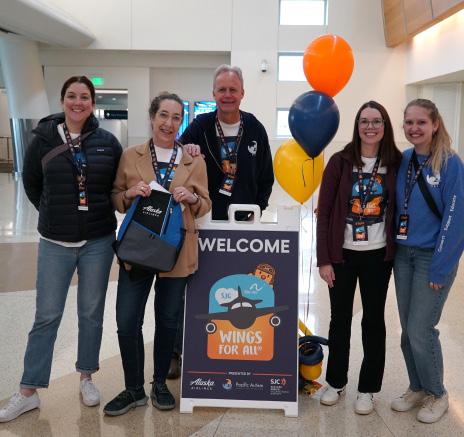
Spring is already off to an exciting start. At the beginning of March, PACE, in partnership with The Arc, Alaska Airlines, and the San Jose Airport held its first Wings for All Event. This event was a wonderful opportunity for our families to experience what it is like to air travel. Participants recieved boarding passes, navigated through security, checked in at the gate and taxied around in the plane. It was an great expereince for our families and we are thankful for our incredible partners. At the end of March, we held our annual PACE Art + Community Exhibition and fundraiser. It was a wonderful night showcasing student artwork and special performances. The event raised more than $3,000 towards our mission!
We invite you to celebrate Autism Acceptance Month with us at the Sharks Autism Acceptance Group Night on April 16, 2025. To learn more about our upcoming events, we encourage you to visit www.pacificautism.org. We hope to see you there, and we thank you for your continued support!
sJ sharks autism night returns!
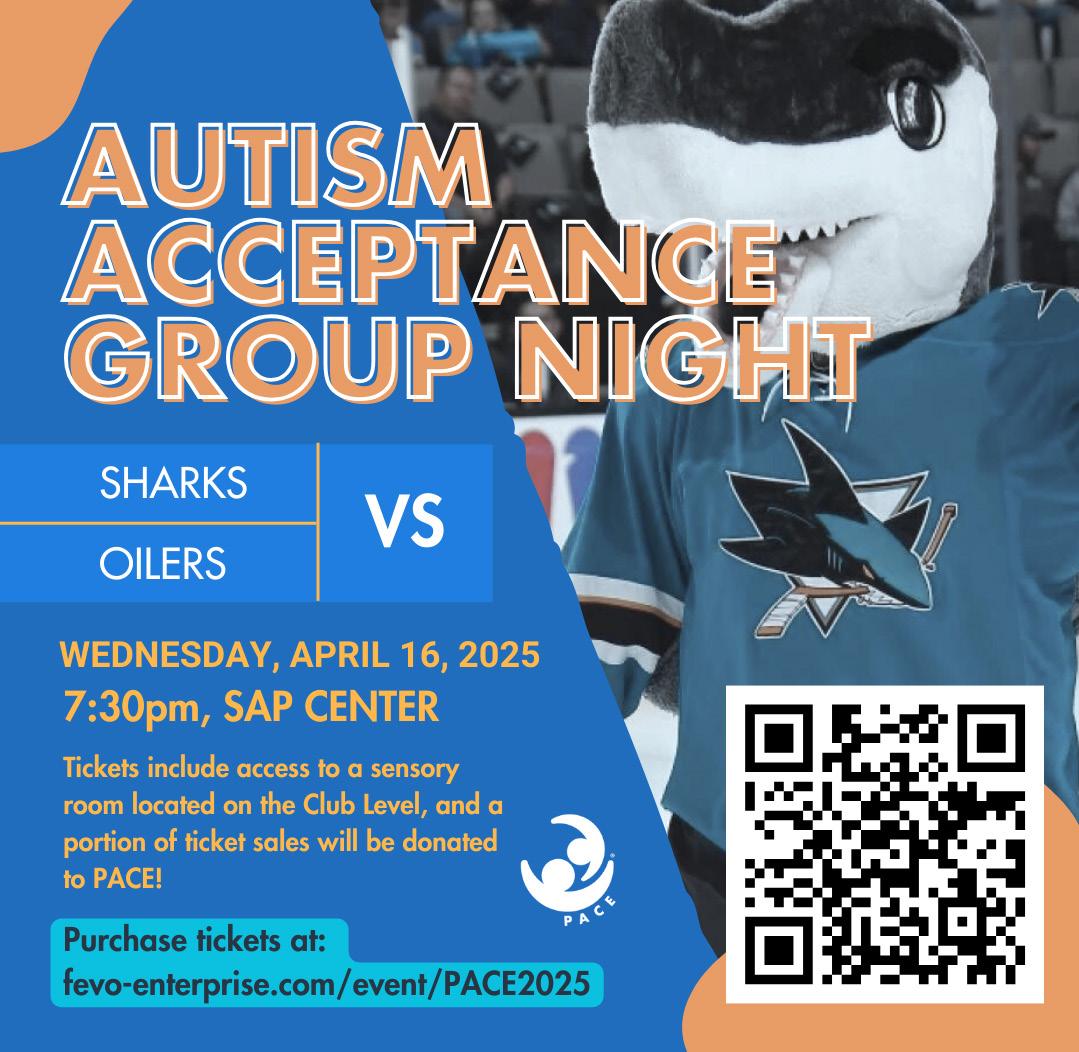
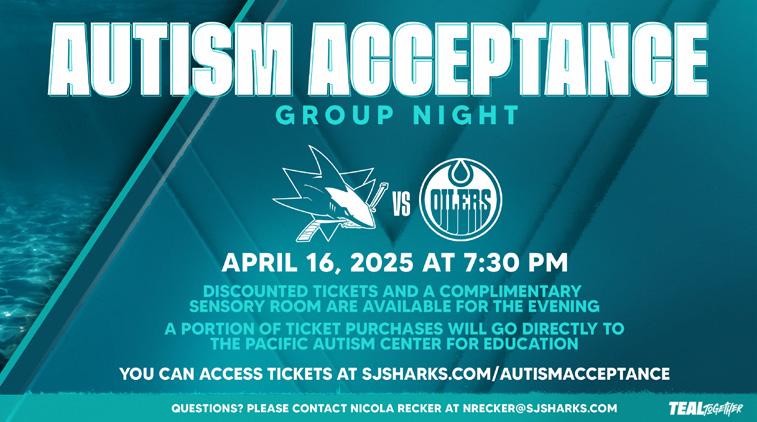
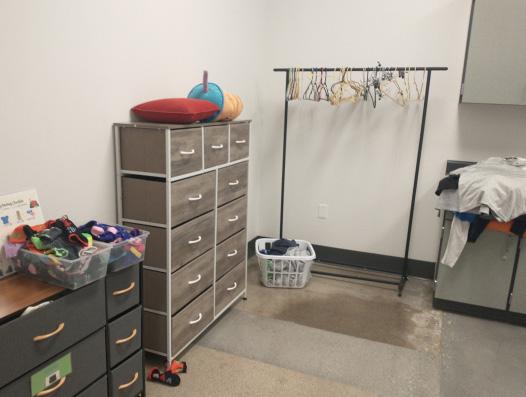
The San Jose Sharks, in partnership with PACE, will host the 3rd annual Autism Acceptance Night during its last home game of the season at SAP Center on Wednesday, April 16, 2025, against the Edmonton Oilers. As part of this special evening, a sensory room thoughtfully designed by PACE will be available for families on the Club Level. PACE is proud to partner with the San Jose Sharks for this important occasion to highlight the significance of inclusion and accessibility, ensuring professional sports can be enjoyed by our neurodiverse community.
Tickets are $30, with a portion from each ticket benefiting PACE. All tickets include access to the sensory room on the Club Level. Additionally, sensory kits will be available for families at SAP Center Info Booths. To purchase tickets, scan the QR code below or visit fevo-enterprise. com/event/PACE2025.
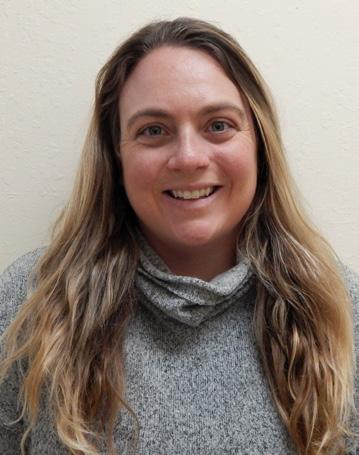
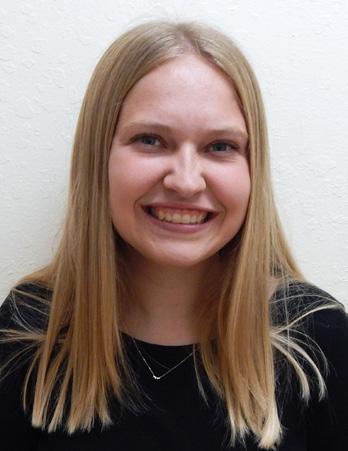
PACE welcomed two members to the marketing and development team to support PACE’s marketing and development fiscal year strategic plan, budget, and events.
Sarah Zetlmeisl joined PACE as the Marketing and Development Resource Manager in March 2025, and Sydney Zitzer joined the team as the Marketing and Community Engagement Coordinator in January 2024.
Sarah has over nine years of experience in marketing and communications for nonprofits and higher education institutions. She has managed fundraising events and developed communications and marketing strategies to bring awareness and meet fundraising goals.
To learn more about working at PACE, visit
Sydney graduated from San Jose State University in 2023 with a degree in marketing. In her role, she supports PACE’s marketing efforts and manages our volunteers, interns, and community partnerships. She brings valuable internship experience from several Bay Area startups and was a STEAM Leader at Union School District.
careers at pace-Join our team! We’re hiring! At PACE, our employees work together to help our students, clients, and residents reach their full potential.
the importance of gratitude
In this edition of “Ask a Therapist,” Amelia Lalley, MA, BCBA, Clinical Director of Faces ABA Behavioral Services, discusses the behavioral importance of gratitude.
Gratitude is more than just a social nicety—it is a behavior that can enhance well-being, strengthen relationships, and promote lasting positive change. From an Applied Behavior Analysis (ABA) perspective, gratitude can be analyzed and cultivated to reinforce prosocial behavior and improve quality of life.
Gratitude as a Reinforcer: Gratitude often functions as a natural reinforcer. When individuals express or receive gratitude, it increases the likelihood of repeating positive behaviors. For example, researchers have shown that expressing appreciation strengthens prosocial actions in both the giver and the recipient, creating reciprocal reinforcement (Sivaraman et al., 2020). In essence, gratitude helps maintain and shape socially significant behaviors.
Gratitude and Self-Management: In ABA, self-management strategies can be used to promote gratitude. Keeping a gratitude journal serves as a behavior chain that begins with a prompt (e.g., writing about positive events) and ends with the reinforcing act of reflection. This process not only builds a habit but also reduces problem behaviors by focusing attention on positive stimuli. Studies in behavior analysis have linked such practices to improved emotional regulation and resilience (Dixon et al., 2016).
Practical Applications: Use visual prompts to encourage gratitude and provide immediate positive reinforcement for expressions of appreciation.
Modeling: Demonstrate gratitude as part of social skills training, fostering generalized prosocial behavior.
Gratitude is a powerful, actionable behavior that aligns with the goals of ABA to create meaningful change and can help individuals foster stronger relationships and a greater sense of well-being.
References Dixon, M. R., Rehfeldt, R. A., & Randich, L. (2016). Self-management and mindfulness: Applications in behavior analysis. Behavior Analysis in Practice, 9(1), 50-60. Sivaraman, M., Fahmie, T. A., & Borrero, C. S. (2020). Analyzing prosocial behavior: Reinforcement and the role of gratitude. Journal of Applied Behavior Analysis, 53(4), 1882-1895.
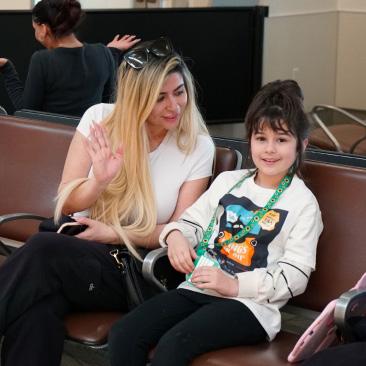
On March 1, 2025, PACE, in partnership with The Arc, Alaska Airlines, San Jose Airport, and TSA, provided a truly special opportunity for more than 40 families of children with special needs to experience the excitement of air travel — without ever leaving the ground!
Participants, ranging from preschoolers to young adults, arrived at 7 a.m. to begin their journey. Families received event t-shirts, sensory-friendly bags, and boarding passes before heading to the check-in counter. After practicing the TSA security screening process, everyone made their way to the gate to wait for their boarding group to be called.
The Alaska Airlines crew gave each family a warm welcome as they boarded the plane and
found their seats. The 20-minute taxi ride around the tarmac gave participants a hands-on glimpse into what flying feels like.
Air travel can present unique challenges for individuals with autism and other intellectual and developmental disabilities (IDDs).
The Arc’s Wings for Autism®/Wings for All® program helps bridge that gap by offering airport “rehearsals” that empower families and airline staff with the skills and confidence to navigate air travel together.
This event was the result of months of thoughtful planning by PACE’s development team, The Arc, and our incredible partners. Every detail was carefully designed to create a sensory-friendly, accessible experience for all participants.
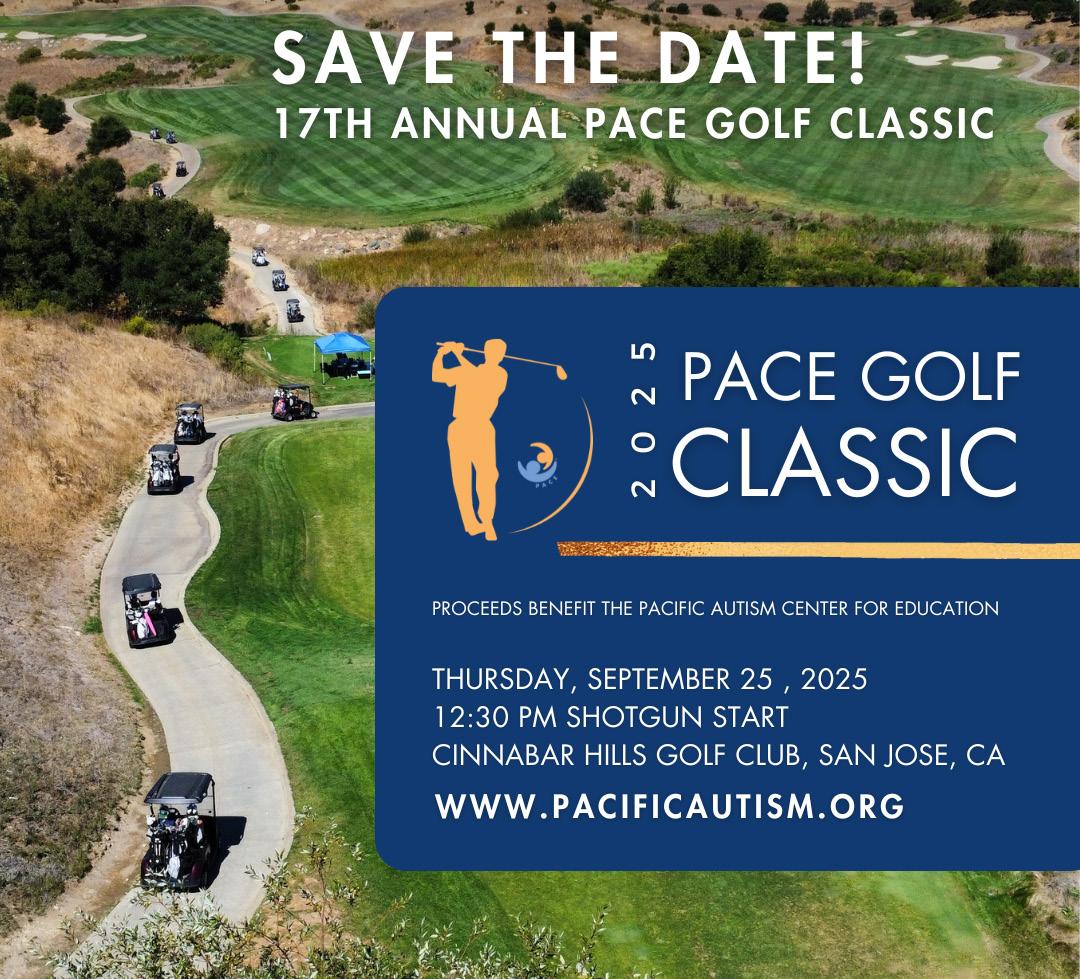
save the date! 2025 pace golf classic
Thursday, September 25, 2025, 12:30 PM SHOTGUN TOURNAMENT Cinnabar Hills Golf Club, San Jose, CA
The 17th Annual PACE Golf Classic will be held on Thursday, September 25, 2025, at the beautiful Cinnabar Hills Golf Club in San Jose. The annual Golf Classic is one of PACE’s largest and most successful fundraisers. Proceeds from the event will support our programs and a variety of ongoing residential enhancement projects. We are looking forward to a successful and fun day out on the green to support our mission!
For more information about sponsorships and player registration, visit pacificautism.org/events.
celeBrate autism acceptance month with us!
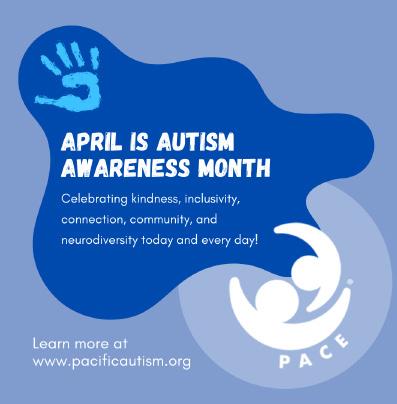
April is Autism Acceptance/Awareness Month, a time to amplify the experiences of individuals on the autism spectrum and foster a culture of acceptance, kindness, and inclusion in our community. At PACE, we are committed to empowering individuals with autism and their families and strive to break down barriers that individuals with autism often face through education,compassion, and support. Throughout the month of April, we celebrate our neurodiverse community and uphold the importance of diversity, equity, and inclusion. We invite you to support our efforts by participating in our events and campaign below
are you ready to make an impact?
Are you a working or retired professional looking to use your time and talents for a good cause? Do you want to grow your professional expertise, expand your network, and make a difference in the community? The PACE Board of Directors is interested in meeting you! As a PACE Board Member, you will make a tangible impact on current and future initiatives of the agency. PACE Board members are responsible for all fiduciary decisions, strategic direction, policy, and leadership, and are encouraged to participate in agency events, such as the PACE Annual Golf Classic, Autism Awareness Month, and PACE School graduation ceremony.
Serving on non-profit Board offers many benefits! According to Boardsource.org, “Each year, millions of individuals dedicate their time and expertise to shape the future of nonprofit organizations when they serve on a board. Board members provide critical intellectual capital and strategic resources to power nonprofit success and strengthen communities. For many people, serving on a board allows them to make a difference in their community and support a cause that they care about.” If you’re ready to grow your professional background and support an important cause, apply to join the PACE Board of Directors today!
How to Apply: Please send an email with a copy of your resume to board@pacificautism.org
PACE Board Requirements:
Active members commit to attend quarterly meetings via Zoom. Additional meetings may be required as needed. No prior Board experience is required. Board Members are acknowledged on our website, and in print and digital marketing materials.
youth leadership in action
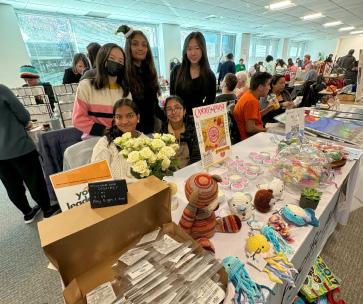
In the fall of 2024, we welcomed over 30 new members to the PACE Youth Leadership Committee (YLC), a dedicated group of high school volunteers committed to raising awareness and supporting PACE through fundraising initiatives. Each month, YLC members come together to actively contribute to our mission. In November 2024, they participated in the San Andreas Regional Center’s Annual Holiday Craft Fair, successfully raising over $600 to support PACE programs.
Throughout the month of April, the YLC is excited to celebrate Autism Awareness Month by highlighting a different theme each week. This month-long campaign aims to promote kindness, acceptance, and inclusion while celebrating our community. Join us as we learn, grow, and advocate together in support of a more inclusive and empathetic world.
april events calendar
SJ Sharks + PACE Autism Acceptance Group Night Thursday, April 16, 2025 | 7:30PM | SAP CENTER, San Jose, CA
PACE is partnering with the San Jose Sharks for their 3rd Annual Autism Acceptance Night, Thursday, April 16, 2025, 7:30PM versus the Edmonton Oilers. Event ticket includes access to a sensory room located on the Club Level. A limited number of complimentary sensory kits courtesy of the San Jose Sharks are available in the sensory room and at the information kiosks.
To purchase your ticket, visit: fevo-enterprise.com/event/2025PACE
Throughout April, the PACE Youth Leadership Committee aims to increase autism acceptance, spread kindness, and raise important funds for PACE. The YLC is excited to share its “Kindness Matters” campaign to encourage kindness, acceptance, uniqueness, and empathy throughout our community.
Engage with us throughout the month on social media! Follow us on Instagram and Facebook for updates throughout the month! : Pacific Autism Center for Education pacificautismce
Secure online donations can be made at www.pacificautism.org/donate.
vocational program at pace school
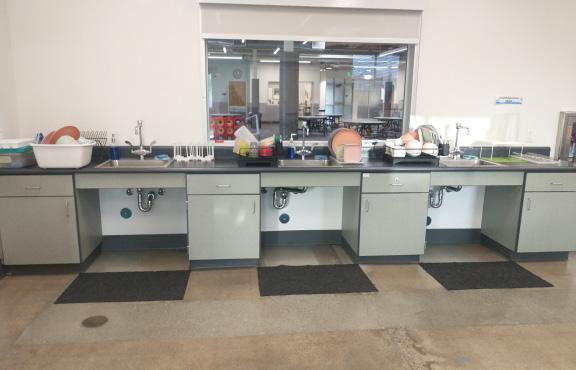
The vocational program at PACE is dedicated to helping students develop essential life skills and apply them in real-world environments. Over time, the program has evolved. Its focus has expanded to provide a wider range of practical learning opportunities that promote personal growth. Students engage in Activities of Daily Living (ADLs) such as laundry, bed making, and dishes. In addition, the program includes job-related training, such as restocking, bouquet building, and pizza box making. These activities are designed to simulate work experiences, allowing students to build confidence in both domestic and workplace tasks.
A key part of the program’s success is the involvement of Jocelyn Malkenhorst, our School Resource Coordinator. Jocelyn has played an integral role in facilitating and expanding these vocational efforts, ensuring that each student receives the support and guidance they need to succeed. Her hands-on approach has been instrumental in connecting students with community-based
opportunities, giving them a chance to practice their skills outside the classroom. Whether it’s coordinating volunteer efforts at local businesses such as Cicero’s Pizza, arranging partnerships with Sunnyvale Community Services, or organizing visits with Animal Assisted Happiness, Jocelyn plays a big role in all of these endevors. Jocelyn’s efforts extend beyond vocational training; she also ensures that students have access to recreational and communitybuilding activities. Trips to parks, museums, and libraries are integrated into the program to enhance social-emotional learning (SEL) and promote independent living skills. These outings allow students to engage with their community, fostering social interaction and personal growth in a supportive environment. The growth of the vocational program has been very successful and we are excited for it to continue expanding. PACE received a grant from the San Jose Mercury News Wish Book last fall, and the funds will help support the growth of the vocational program.
PACE Youth Leadership Committee’s Online Fundraiser
PACIFIC AUTISM CENTER for EDUCATION
Connect • Support • Educate
PACE Setter
1880 Pruneridge Avenue Santa Clara, CA 95050
408.245.3400
Editors: Sarah Zetlmeisl and Sydney Zitzer
Executive Director: Kurt Ohlfs
Contributors: Karen Kennan, Kurt Ohlfs, Amelia Lalley, Lori Strickland, Melissa Watkins, Sydney Zitzer, Sarah Zetlmeisl, Emily Swope
Mission: To enhance the lives of people impacted by autism, through innovation, exceptional education, and compassionate care. Vision: A world in which people of all abilities live fulfilled lives.
2024-2025 pace Board of directors
Debbie McCarroll, President
Mark Peper, Vice President
Nancy Brown, Treasurer
Kurt Ohlfs, Secretary Joe Dermer
support our mission
Marina Djordjevic
Mark Gilfix
Lisa Grisalin
Dave Setti
Donate: by mail at 1880 Pruneridge Avenue, Santa Clara, CA 95050, online at www.pacificautism.org/donate, or by phone 408.625.6174. Double your gift! Make a matching gift contribution at your workplace.
Please contact development@pacificautism.org for giving options.
PACE is a 501(c)3 nonprofit organization. Our TAX EIN# is 77-0259858. Contributions made to PACE are tax deductible as specified by the current tax law.
great givers
At PACE, our “Great Givers” come in many varieties. Some volunteer their talents and ideas, some volunteer their time, and some make generous financial contributions to support our mission. In this edition of the PACESetter, we are pleased to honor an individual who supported PACE through volunteerism and philanthropy, Zach Yoon. We are honored to share Zach’s story and experience with PACE:
“I am a recent graduate of Santa Clara University with a deep passion for supporting individuals impacted by autism. My motivation comes from both my personal connection, having family members with autism, and my aspiration to become a pediatrician. During my time at SCU, I sought out opportunities to volunteer at a school dedicated to uplifting and empowering these individuals. While searching for meaningful volunteer experiences, I came across PACE through a
Google search of schools in the Santa Clara area. After reaching out via email, my journey with PACE began and from January 2023 to June 2024, I had the privilege of assisting Teacher Emily [Gogas] and her staff. My role included supporting students in their learning goals, whether it was helping them clean a window, read a story, or purchase a snack from the student store. Beyond the classroom, I enjoyed spending time with students during recess, on walks, and on community field trips.
Among the many relationships I built, one student in particular stood out. We bonded over countless games of Uno, solving puzzles, and playing pickleball. His positivity and his kindness and compassion for his peers left a lasting impression on me. The laughter, joy, and connections I experienced there are memories I will cherish for years to come. I am incredibly grateful to Teacher Emily and her classroom for welcoming me into their community.”
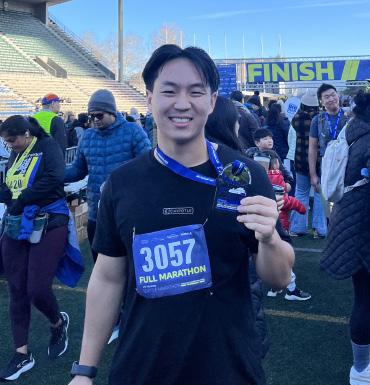
In November 2024, Zach completed the Seattle Marathon, his first marathon. His experiences at PACE motivated him, he said, to transform something he disliked (running) into a meaningful accomplishment. Not only did he run the marathon successfully, but he raised over $2,500 for PACE along the way. We are inspired by Zach’s compassion and dedication to give back. Thank you, Zach, for being a part of our PACE community!
(Photo c/o Zach Yoon)
In October 2024, the PACE School San Aleso campus welcomed Emily Swope, BCBA (Board Certified Behavior Analyst) to its team.
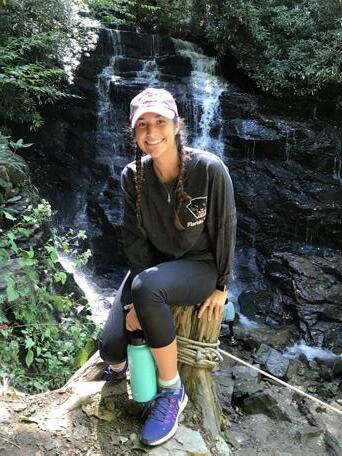
Welcome to PACE, Emily! Tell us a little bit about yourself: I was born and raised in southwest Florida and played competitive soccer for 10 years. While attending the Florida Institute of Technology, I discovered behavior analysis and knew it was the field I wanted to dedicate my life to. I received my bachelor’s and master’s degrees and after graduation, I moved to the Bay Area. In my free time, I enjoy golfing, hiking, reading, spending quality time with my family, and exploring the Bay!
Tell us how you became a BCBA. What ignited your passion?
I appreciate the extensive science of Behavior Analysis and its datadriven approach. After graduation, I had the chance to provide clinic and in-home services to caregivers and their children diagnosed with autism. When accruing my supervision hours, I had the opportunity to work in a school similar to PACE. That was when I recognized the importance
of behavior support within the educational setting. I’m very proud to serve a community that is constantly evolving and learning. My favorite aspect of the work that I do is helping our learners to identify and utilize their preferred communication modality and encouraging them to explore the world around them.
What excites you the most about working at PACE?
The collaboration between the educational staff, speech therapists, occupational therapists, and the behavior team at PACE. It is clear that every team member is passionate about providing a supportive learning environment for our students. I connect with PACE’s mission in that enhancing our learners’ lives can be accomplished with evidence-based practices and compassion for all learners.
Any advice for someone who is interested in becoming a BCBA?
I advise anyone wanting to become a BCBA to read as much of the literature as possible. Our field has brilliant minds contribute to the science. However, the science is young; it is constantly updating as more research is conducted. Behavior is all around us; the more we learn about how it works, the better we can utilize tools and strategies to help our learners, caregivers, educators, and ourselves strive toward a more meaningful and fulfilling life that celebrates and promotes individuality and uniqueness.