
Year Four
Curriculum NewsletterAutumn 2025
Year Four
Curriculum NewsletterAutumn 2025
"Those who sow with tears will reap with songs of joy. Those who go out weeping carrying seed to sow, will return with songs of joy, carrying sheaves with them.“
Psalm 126:5-6


Throughout this year, children will learn more about people whose lives have been transformed by faith. In the first half term, children will study Abraham and consider how he changed through acting on his faith and entered into a covenantal relationship with God. Children will learn about how Christianity, Judaism and Islam all trace their belief in one God back to Abraham. After half term, children will learn more about prophets, focussing on Elijah and John the Baptist. They will make links with the words of Isiah and the actions and beliefs shown during the season of Advent.

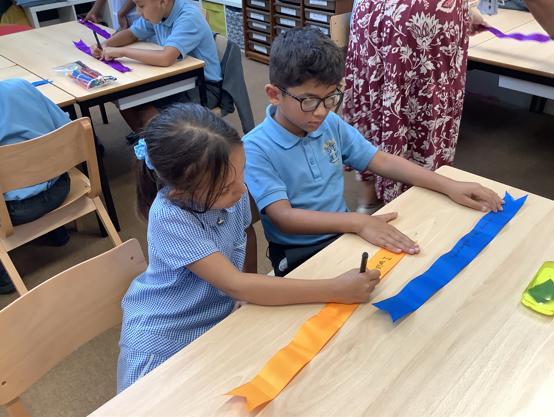
In Year Four, we will hear and experience the Gospel story of Jesus healing Jairus’ daughter. Through this story, the children will learn that they are created by God out of love and for love: they were designed for this purpose. We will start to explore how this knowledge should inform how they live their lives and decisions they will make. Children will recognise how human life is precious and begin to think about what they can do to show respect for each other.
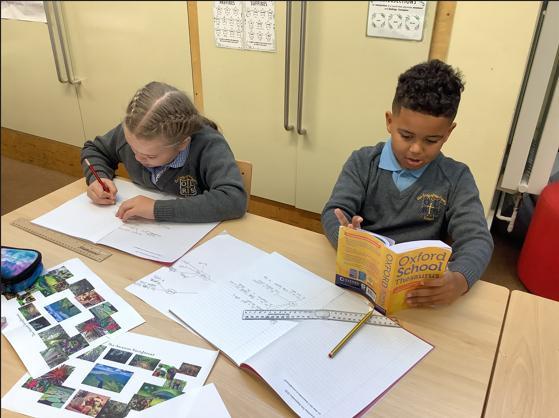
Children will enjoy a variety of texts and authors within our English lessons. We will write using a range of genres linked to our key texts whilst learning and applying a range of spelling, punctuation and grammatical skills. Using our first class text, The Great Kapok Tree, we will continue to develop planning and editing skills. Children will focus on descriptive writing and creating explanation texts. Using our next text, Tales from the Caribbean we will look at poetry and narrative writing. ln addition, children will read a range of extracts linked to our class topics. They will analyse the texts using and continue to develop the skills needed to answer word meaning, retrieval and inference questions.
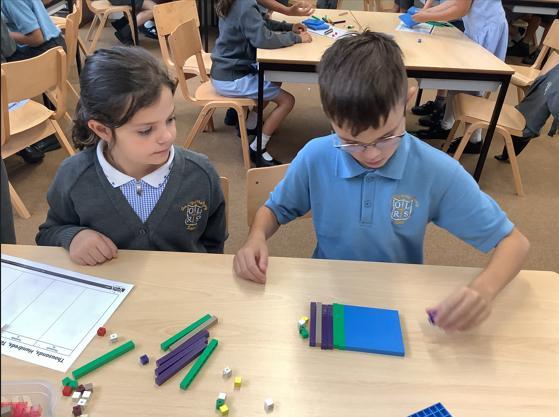
During the Autumn term, Year Four will be exploring place value, where they will be comparing, ordering and rounding numbers. They will also look at counting back from zero using negative numbers and representing Roman Numerals to 100. They will also be developing their skills in addition and subtraction, exploring the area of different shapes and focusing on multiplication and division. They will be developing their fluency, reasoning and problem solving skills by making links to real life situations. Learning times tables and related division facts will be a huge focus this year, and starting early in the Autumn term will support children’s understanding across the maths curriculum.
Year Four's first science topic will be states of matter.
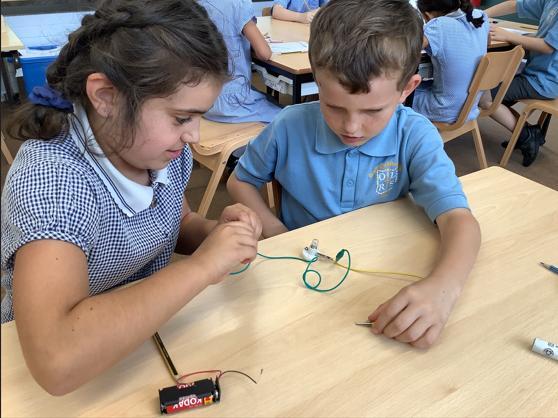
During this topic, they will learn that everything is made from particles and investigate how materials can be divided into solids, liquids and gases. Children will look at how and why materials can change when heated or cooled. They will also explore the four main stages of the water cycle. After half term, children learning about electricity. They will learn to recognise electrical appliances in the home and at school and will find out how a simple circuit works. Children will discover how a switch works and design their own. They will also discover what materials conduct and insulate electricity.
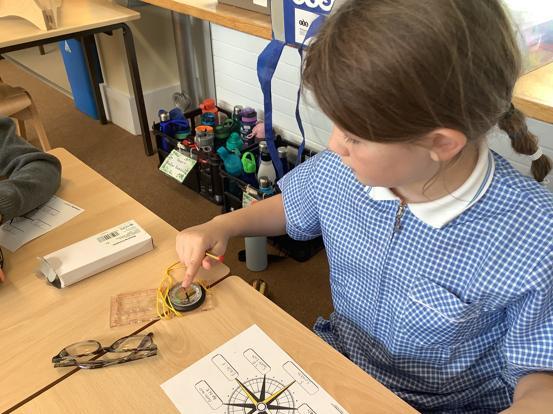
Through learning about Brazil and its rainforests, Year Four will develop their map reading skills, use compasses and grid references to describe locations and make comparisons between Brazil and the UK. They will learn about the structure of a rain forest and its environmental importance. We will then explore extreme climates including deserts and polar deserts. The children will refine their map drawing skills and will explore the physical features of these areas and how they affect human life.

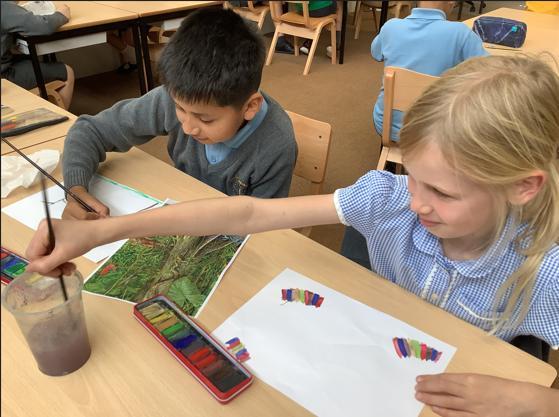
We will be learning about sculpture this term, shape, pattern and colour. The children will explore the effects that can be created with colour, light and repetition and they will learn to make a structure for an installation. The children will look closely at the work of Yayoi Kusama. Taking inspiration from her work, children will have the opportunity to explore different styles and techniques whilst creating their own work.
In Design and Technology, children will be building on their understanding of coding to programme a sequence of lights that can be used in their own Christmas decorations.
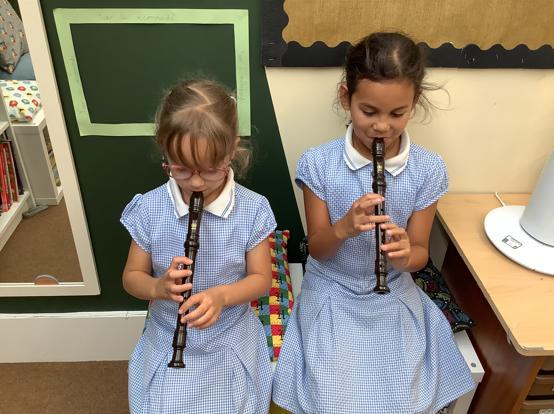
In the first half term, the children will be learning about the different musical structures that help form a piece of music or a song. They will look for patterns and repetition in the sections of music they experience. They will also explore how music brings people together. In the second half term, the children will explore how music makes them feel when they play and how music can highlight words that are sung or how music can communicate specific moods. Children in their half term will explore how music can connect people with the past, considering their own communities and relationships with others.

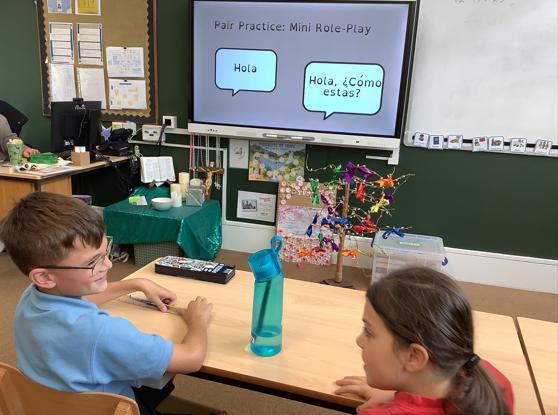
This year, the children will be learning Spanish during their language lessons. In the Autumn term, the children will revise how to greet and say goodbye to each other, as well as counting and recognising numbers. Through the use of songs, games, spoken and written work, the children will learn how to construct spoken sentences with more than one noun and will start to construct simple written sentences. They will learn the different colours in Spanish and begin to use these as adjectives within their sentences.

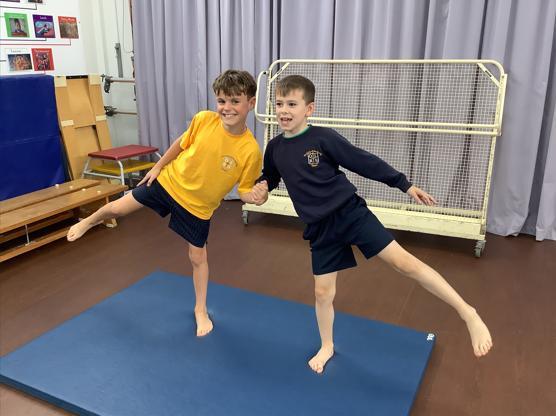
In the Autumn term, the children will be focusing on coordination and static balances in their gymnastics sessions. The children will be encouraged the challenge themselves to improve their performance and begin to recognise their strengths and areas for improvement. The children will develop these skills through a range of activities focusing on foot work. During their outdoor PE lessons, children will be taking part in outdoor athletics and orienteering.

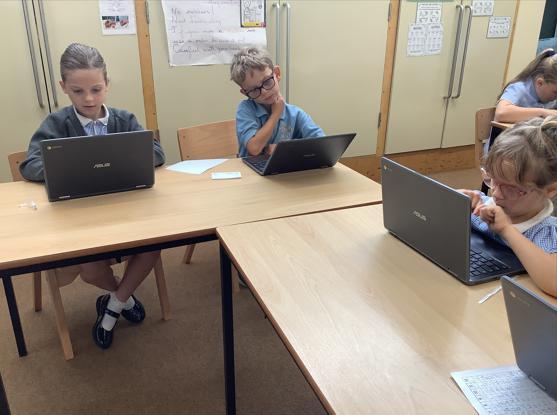
During this term, the children will learn about storyboards are using in film making. They will break down the script of a film into main scenes and will take still images of the scenes. They will use these to create their own storyboard, presenting these as stories to tell others. After half term, the class will learn about functions in coding, reusable blocks of code that perform tasks. They learn about the benefits of these in creating infinite and count- controlled loops and will create and modify loops of their own in code.