Our Lady of the Rosary School Reception Induction
Evening 2nd July 2025
Let us start our meeting with our prayer
Dear Father, As a parent, You are the perfect example Of love and how it gives. You gave your one and only son Because you love the world. The depth of your love cannot be measured. The largeness of it cannot be sized. Will you help the one you’ve gifted to me
To know the gift of your love?
Will you help this child of mine Know just how much they are loved?
May each opportunity to share your love
Be embraced to the fullest possibility.
Who are we?
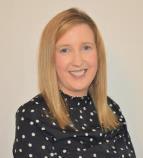
• Ms. McNicholas – Headteacher
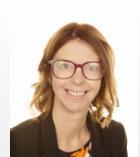
• Mrs. McCarthy – Deputy Headteacher/SENCo
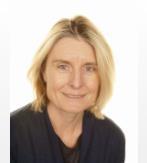
• Mrs. Evans– EYFS/KS1 lead

• Mrs. Morris – KS2 lead





Who are we?
• Mrs. Beard– Class teacher
• Mrs. Hawkes – Support staff
• Ms. Lathrope – Support staff
• Mrs. Mallia – Support staff
• Mrs. Webb – Support staff
Our Aims
At Our Lady of the Rosary, we pride ourselves on our Gospel values, and these are at the heart of everything we do. We strive to provide a safe, happy, secure and stimulating environment for your child.
We work continually to enable all children to develop their capabilities as successful learners and confident individuals.
We are committed to moulding responsible citizens who contribute positively to society.
What is the Early Years Foundation Stage?
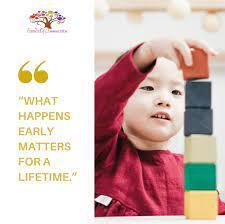
The Early Years Foundation Stage(EYFS) sets standards for the learning, development and care of your child from birth to 5 years old.
At Our Lady of the Rosary, both the Nursery and Reception classes are part of this extremely important stage of your child’s educational journey.
“Children learn and develop more from birth to five years old than at any other time in their lives. When we give every child the best start in their early years, we give them what they need today. We also set them up with every chance of success tomorrow.”
Development Matters 2020, Department for Education
The EYFS encompasses seven areas of learning.
The three prime areas are:
Communication and Language
Personal, Social and Emotional Development
Physical Development
The four specific areas are: Literacy Mathematics Understanding the World Expressive Arts and Design
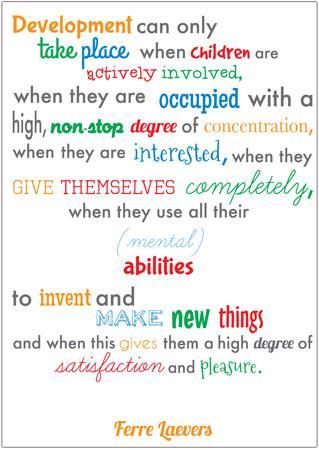
What are the Characteristics of Effective Teaching and Learning?
The EYFS is based on three fundamental characteristics of effective teaching and learning. These are:
• playing and exploring - I investigate and experience things, and ‘have a go’.
• active learning – I concentrate and keep on trying even when I encounter difficulties. I enjoy achieving.
• creating and thinking critically – I am learning to develop my own ideas, make links between ideas, and develop strategies for doing things.
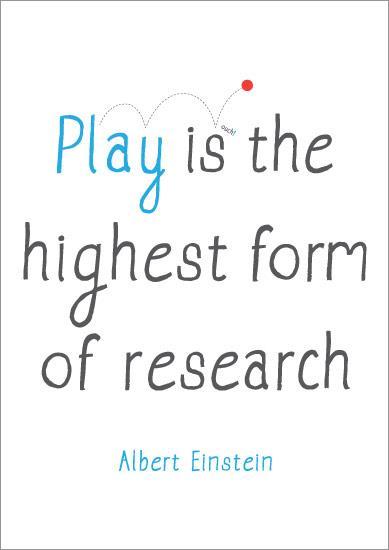
Why is play so important?
At Our Lady of the Rosary, our EYFS curriculum is carefully structured.
Children learn through play and are given opportunities to engage in activities planned by adults and also those that they plan or initiate themselves.
Play allows children to use their creativity while developing their imagination, dexterity, and physical, cognitive, and emotional strength. Play is important to healthy brain development. It is through play that children at a very early age engage and interact in the world around them.
What is the role of the adults in Reception?
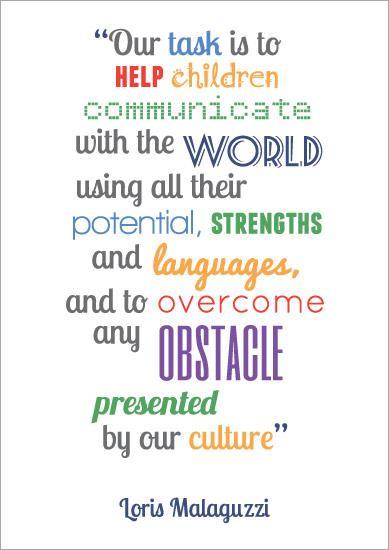
Teaching in Reception encompasses a range of different approaches.
Children learn through play, by adults modelling, by observing each other, and through guided learning and direct teaching. They also need adults to ‘scaffold’ their learning by giving them just enough help to achieve something they could not do independently. Helping children to think, discuss and plan ahead is important.
Adults carefully organise enabling environments for high-quality play. Sometimes, they make time and space available for children to invent their own play. Sometimes, they join in to sensitively support and extend children’s learning.
Children in the early years also learn through group work, when adults guide their learning.
OP&L Assessment
In the EYFS, we use a form of assessment which identifies whether a child is developing typically for their age.
This means we can make judgements about a child’s progress and devise their next steps depending on when their birthday falls during the year.
This form of assessment allows us to recognise the children’s key strengths and areas for development. The assessments that we do are distributed across the year, meaning we can balance the need to assess with our ethos of engaging with the children as much as we possibly can.
“We believe that if we are spending time capturing the moment, we cannot be part of the moment.”
As we are assessing the children in spotlight months related to the month of their birth, we will be meeting with parents twice a year but this will be specific to your child.
Phonics
Children are taught phonics through daily whole class and small group sessions. Phonics is the main strategy that supports the development of reading, writing and spelling. In phonics sessions, the children are taught to connect letters of the alphabet to the sounds they make (phonemes) and to link this to the corresponding letter shapes (graphemes).
They then move on to blending these sounds together to read words. To write words, children are taught to listen to the whole word and to segment it into the different sounds they can hear.
We are using a phonics scheme that is validated by the government called “Little Wandle”.
https://www.littlewandlelettersandsounds.org.uk/resources/forparents/
How do we begin to teach reading?
In Reception, we will be sending home wordless books with your child to support them develop early reading skills in the first instance.
A wordless book is a book that tells a story purely through the illustrations.
Wordless picture books are invaluable tools for literacy development as they engage children, regardless of reading level, in prediction, critical thinking, making meaning and storytelling. Guiding a child’s interaction with a wordless book can also develop a richer vocabulary and greater understanding of story structure.
Once your child is ready, they will start to bring home books that are linked to the phonic phases. The books the children are reading at home should be phonetically decodable for them. Reading at home will be an opportunity for your child to demonstrate their phonic skills. The time they spend reading with you should be a celebration of how well they can access this text.
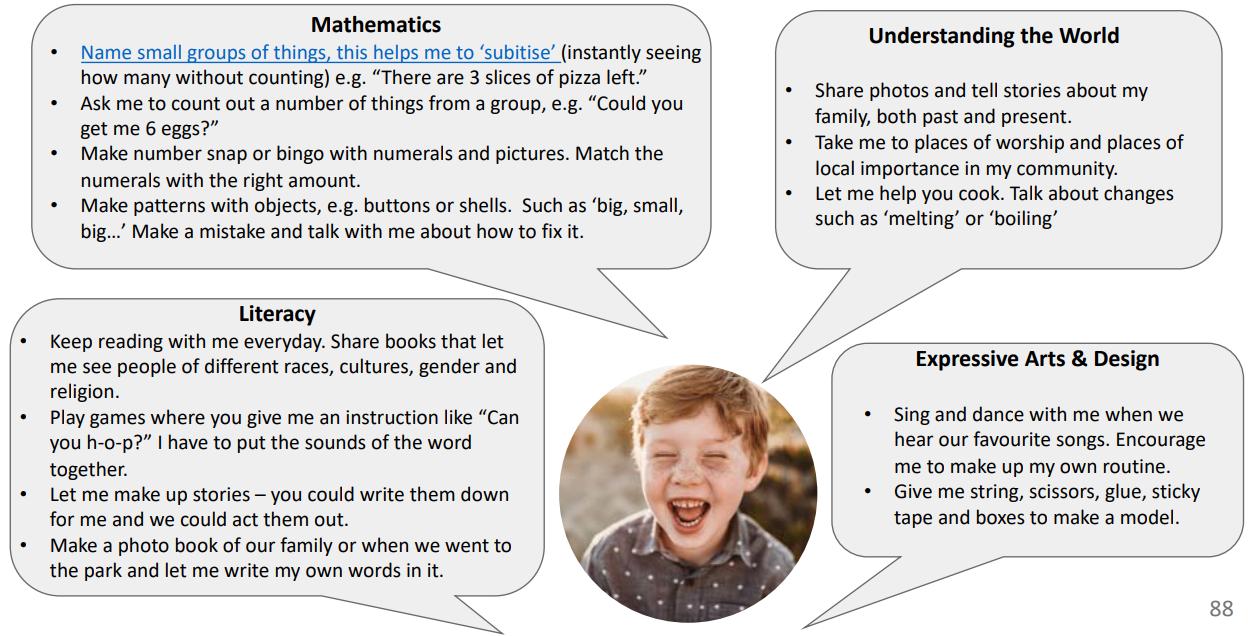
What can you do to support your child?
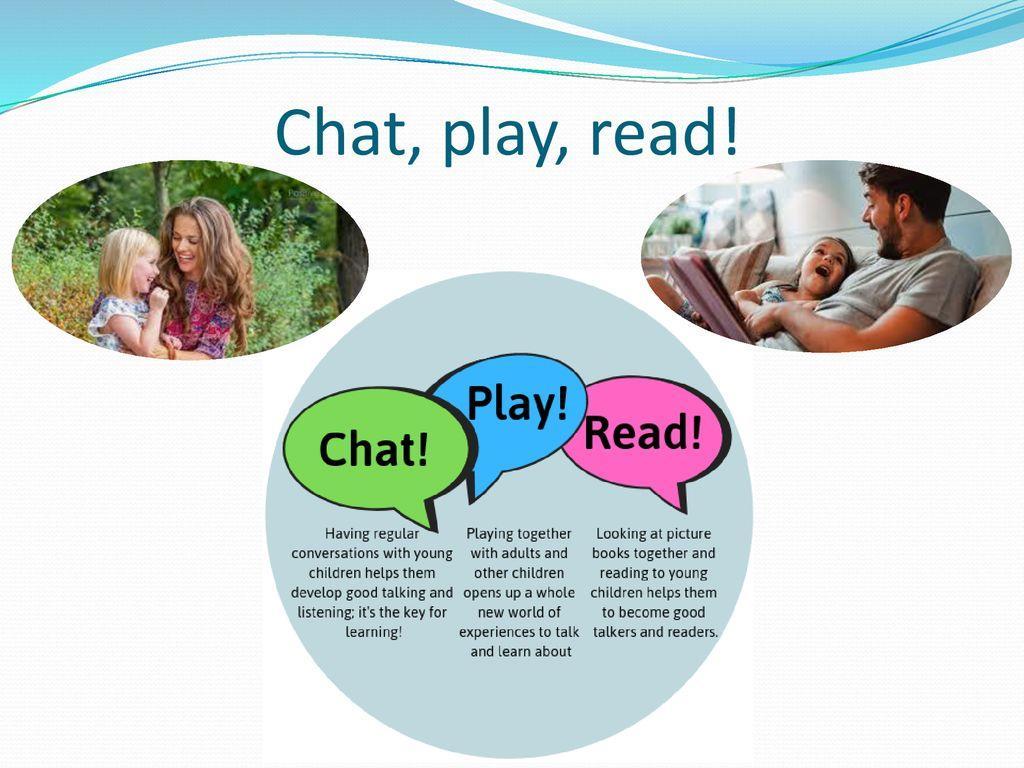
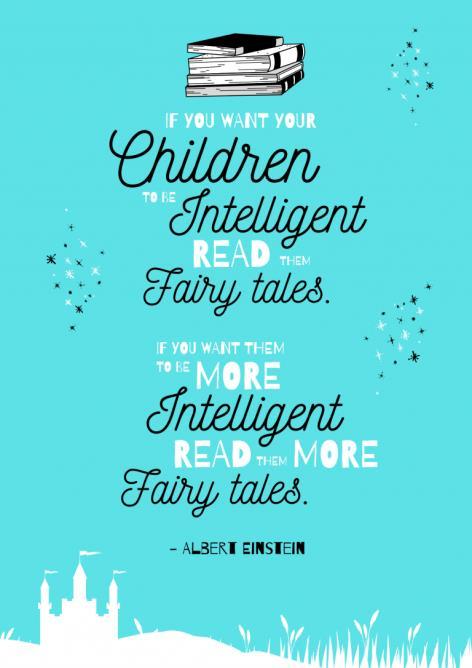
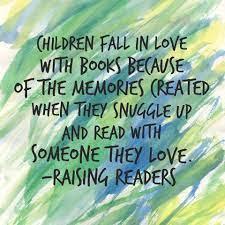
What can you do to support your child?
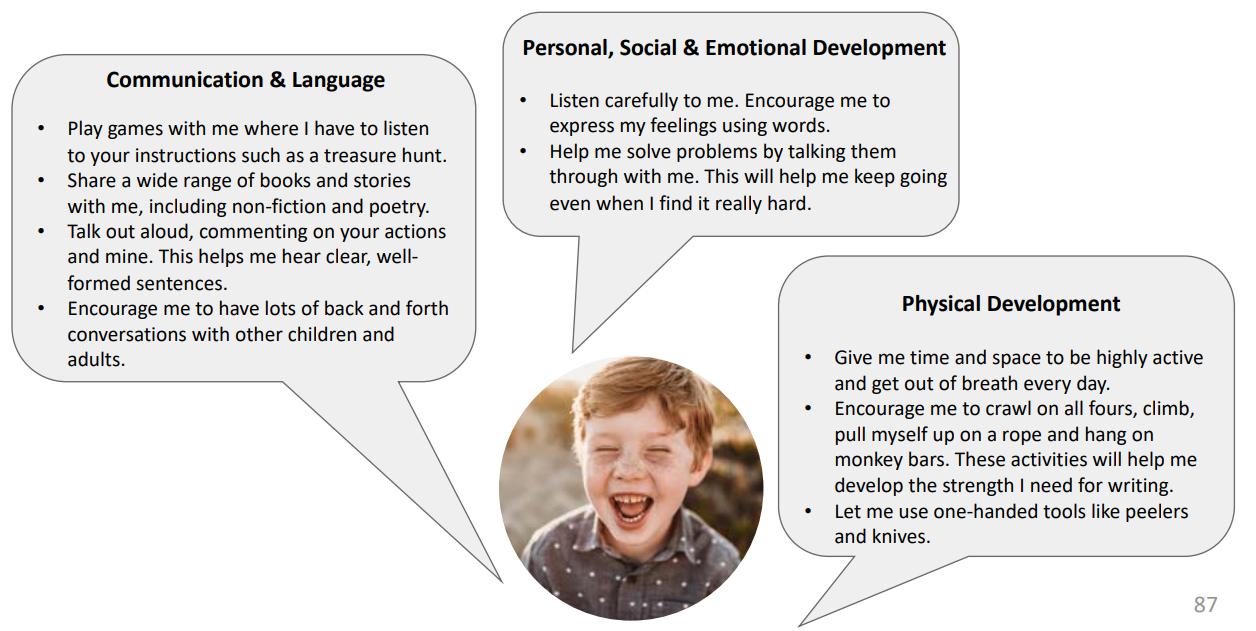
What can you do to support your child?
General information

Uniform
Medical needs

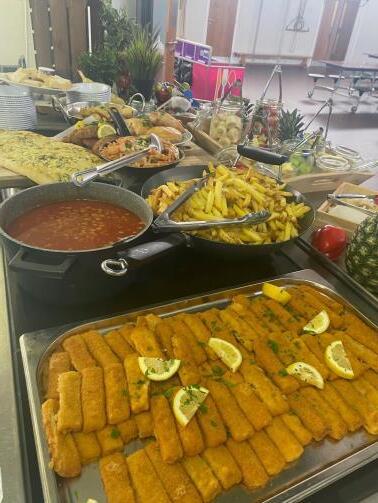
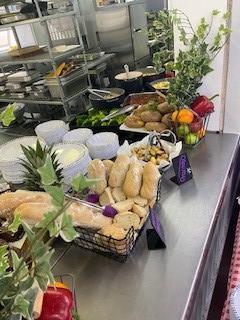
Lunch
Google Classroom