
Year Six Curriculum NewsletterAutumn 2025
Year Six Curriculum NewsletterAutumn 2025
"Those who sow with tears will reap with songs of joy. Those who go out weeping carrying seed to sow, will return with songs of joy, carrying sheaves with them."
Psalm 126:5-6


In our first term of Year 6 at Our Lady of the Rosary, pupils will reflect upon and link scripture to our school mission statement of Joy, Excellence and Service. They will learn about our class saint ‘St Maximilian Kolbe’. We are invited to attend a retreat led by Fr Philip to enhance our relationship with God. The children will explore the second Creation story from Genesis and will learn about the Fall and the Christian belief in original sin. They will explore how sin damages relationships with God, with others and with creation, linking this to Pope Francis’ teaching in Laudato Si’ on stewardship and care for the earth. The children will go onto learn that in Jesus a new covenant is made and through him the relationship between humanity and God can be restored, making links with John’s Prologue (“In the beginning was the Word”) and the Nicene Creed. They will explore the sacrament of Baptism as the first sacrament of forgiveness, uniting Christians with Christ and giving new life through the Holy Spirit.


In Year 6, we will use story sessions guided by reflections on ‘Calming the storm’ to drive our conversations and explore the power of ‘yet’ through discussion around 'growth mindset’. We will discuss changes to our bodies during puberty and reflect on the gifts and talents that God has given to each of us.
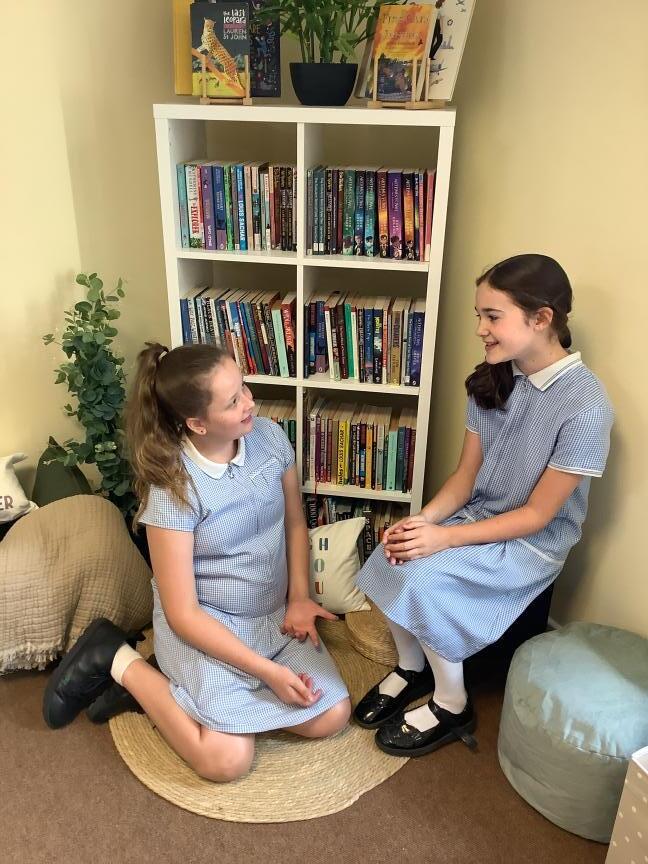

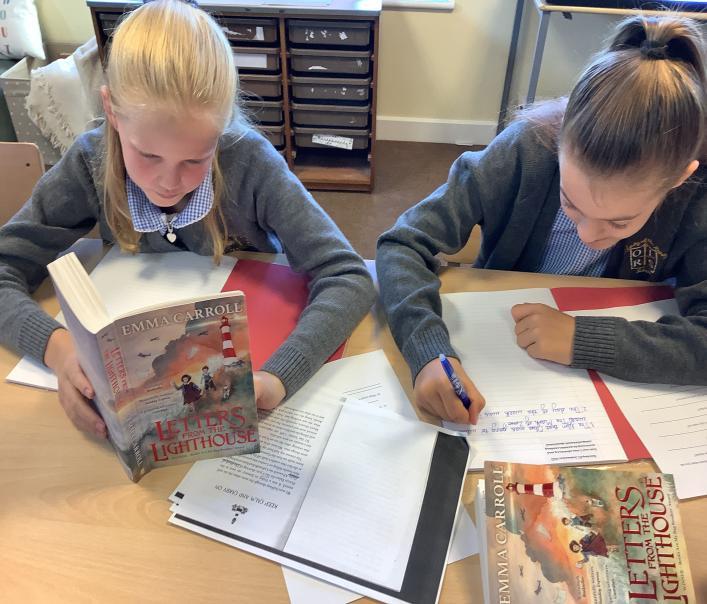
Pupils will continue to enjoy a variety of texts and authors. Our focus text is ‘Letters From The Lighthouse’ by Emma Carroll. We will compose writing linked to our key text including a descriptive piece of writing, an explanation, poetry and writing a narrative whilst applying key spelling, punctuation and grammar skills. We will develop our editing skills and work on producing effective writing for a range of audiences. As a whole class, pupils will read a range of extracts and literature relating to our topics. We will continue to analyse texts with a particular focus on skills pertaining to word meaning, retrieval, summary, interference and prediction.

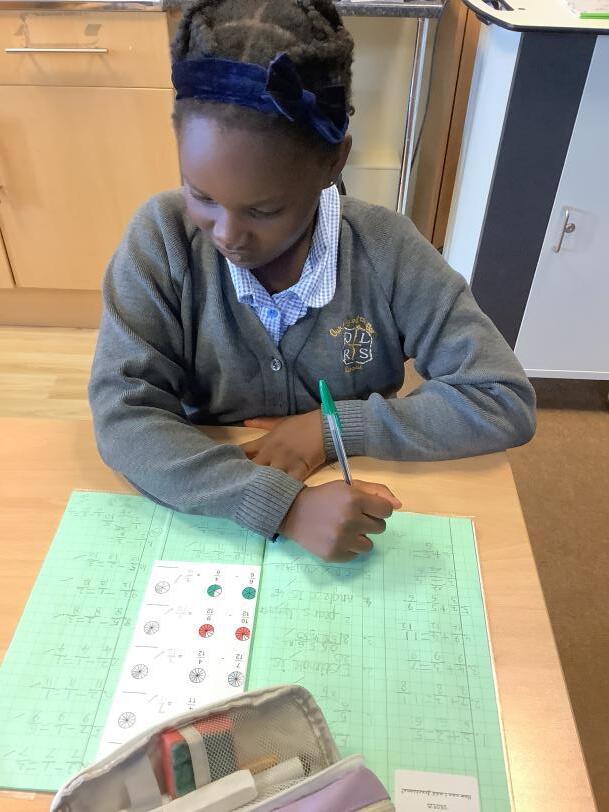
Our maths learning will consist of arithmetic, key skills and problem solving sessions. We will cover a wide range of topics in the Autumn term whilst revisiting and reviewing prior learning. These topics include numbers to 10,000,000, decimals, rounding, multiplication, division, column addition and subtraction, long formal methods, ‘BODMAS’, fractions, decimals and percentages.

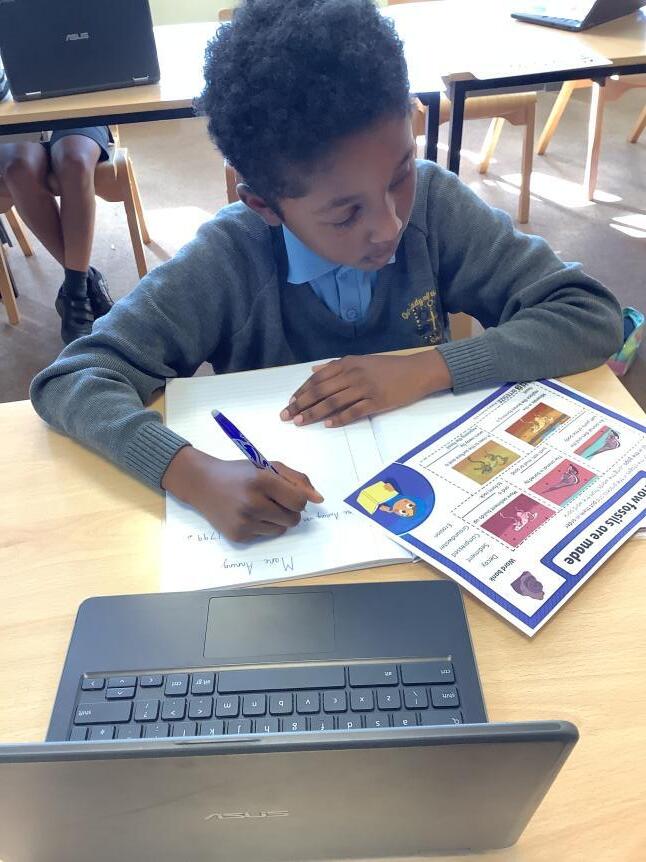
During the first half of the Autumn term, pupils will learn about adaptation, evolution and inheritance. We will explore themes of natural selection, fossils, adaptive traits and inherited traits. This will include learning about how different species have adapted physically or behaviourally to survive in a particular type of habitat. In the second half of the Autumn term, we will explore the topic of ‘Animals including Humans.’ We will learn about how the heart pumps the blood around the body, the function of blood and the impact of diet and exercise on our bodies.

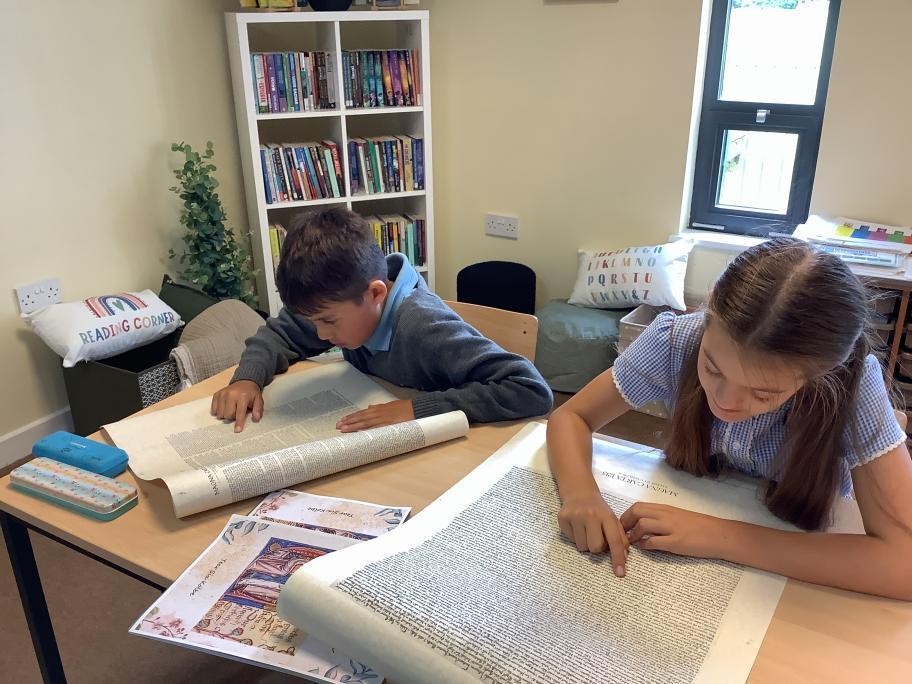
In the first half of the Autumn term, The pupils will be learning about the significance of ‘The Magna Carta’, meaning "Great Charter" in Latin. The children will take part in a local study of The Magna Carta and will learn that it is a charter of rights agreed to by King John of England in 1215. During the second half of the Autumn term, we will delve into the history of WW2 including gaining an understanding of the reasons for WW2, key figures of WW2 and the experiences of children who were evacuated during WW2.

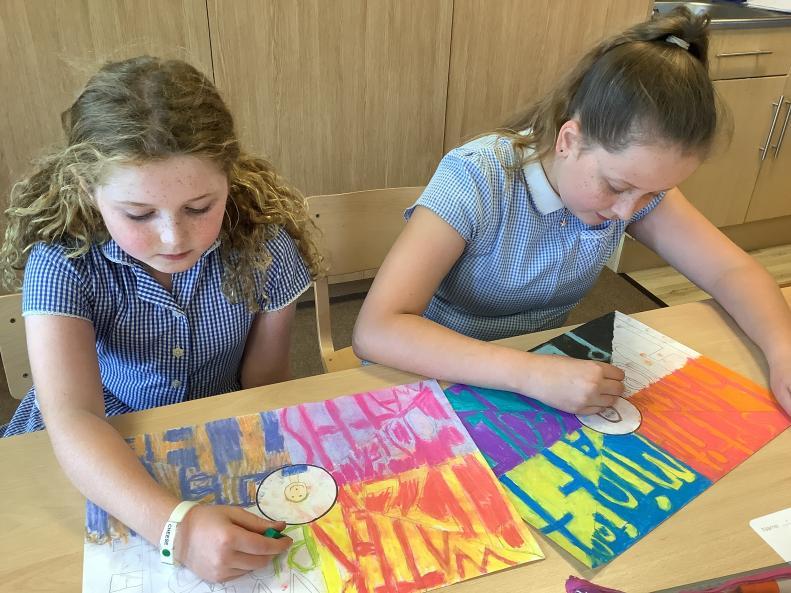
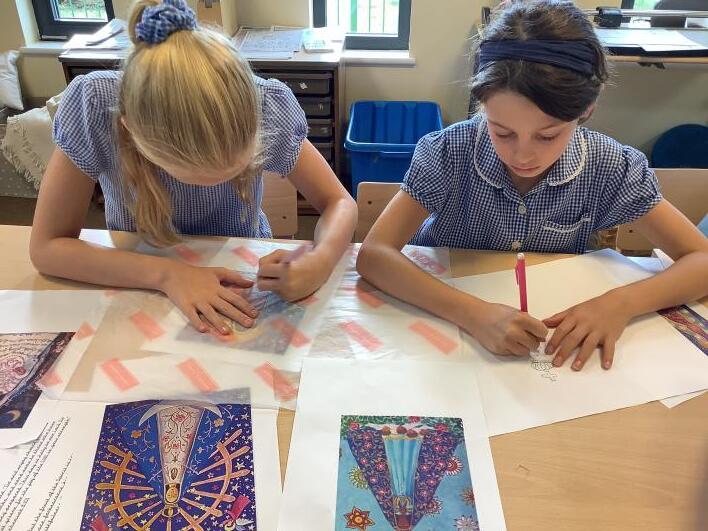
In Art, we will learn how to communicate movement in sculpture, manipulate wire to create images of figures and solve problems as they occur. We will study the work of Giacommetti and Calder. We will use these artists to inspire our sculptures. In Design and Technology, our topic is ‘Frame Structures’. Through this unit of work, we will develop, model, and communicate ideas through discussion on how to create an Anderson shelter. We will use annotated sketches, cross-sectional and exploded diagrams and finally create our model. We will apply our knowledge of materials in order to understand how to strengthen, stiffen and reinforce 3D frameworks.
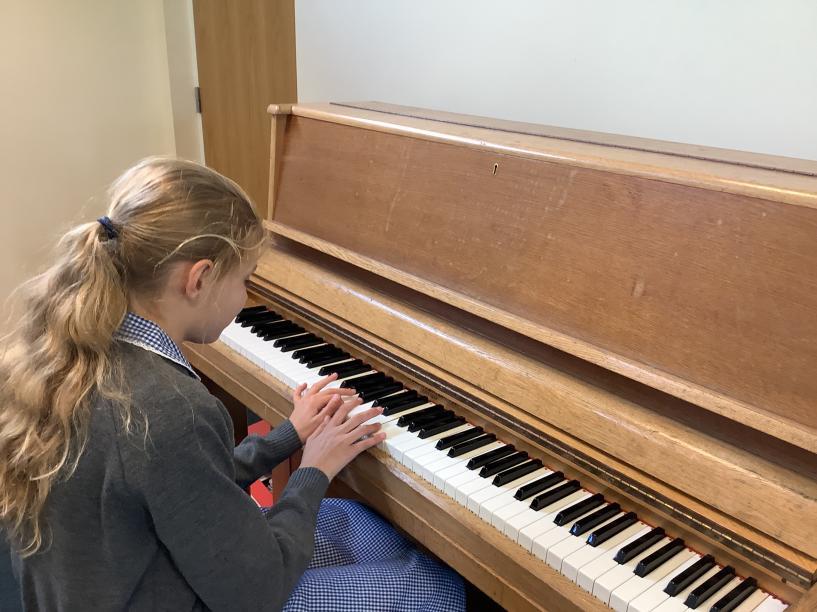
Our first topic ‘Music and Technology’ will focus on listening, singing, playing, improvising and composing with twentieth century orchestral, pop and soul music. Our second topic ‘Developing Ensemble Skills’ will focus on singing and playing in a group to develop ensemble music. The pupils will also reflect on the question, ‘How does music connect us to our past?’

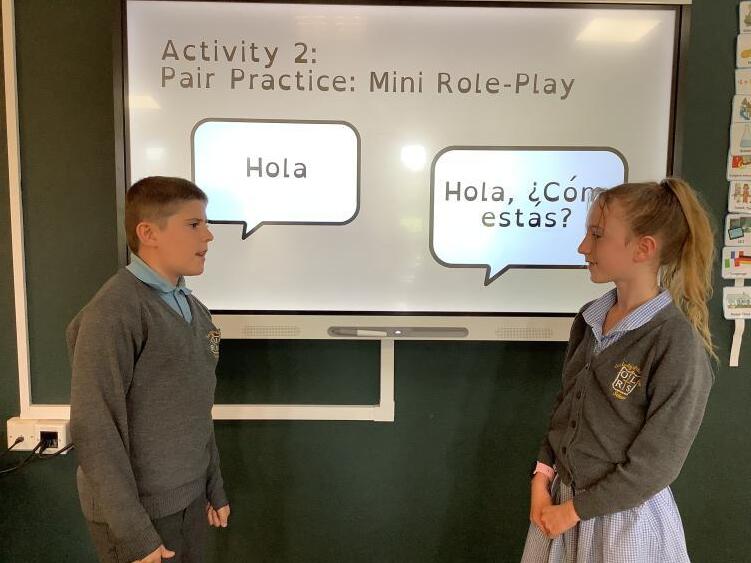
This term we will be learning about the location of Spain by asking “¿Dónde está España?” and discovering which other countries around the world speak Spanish. We will talk about where we live, using the question “¿Dónde vives?”. As part of developing our language skills, we will practise asking and answering simple questions in Spanish.
The pupils will learn to count from 1 to 100, which will support us in games, classroom activities, and everyday conversations. Later in the term, we will explore vocabulary related to Christmas, learning how this festive season is celebrated in Spanish-speaking countries.
Throughout the term, we will continue to improve our pronunciation and build confidence in speaking Spanish through fun, interactive activities that develop our conversational skills.

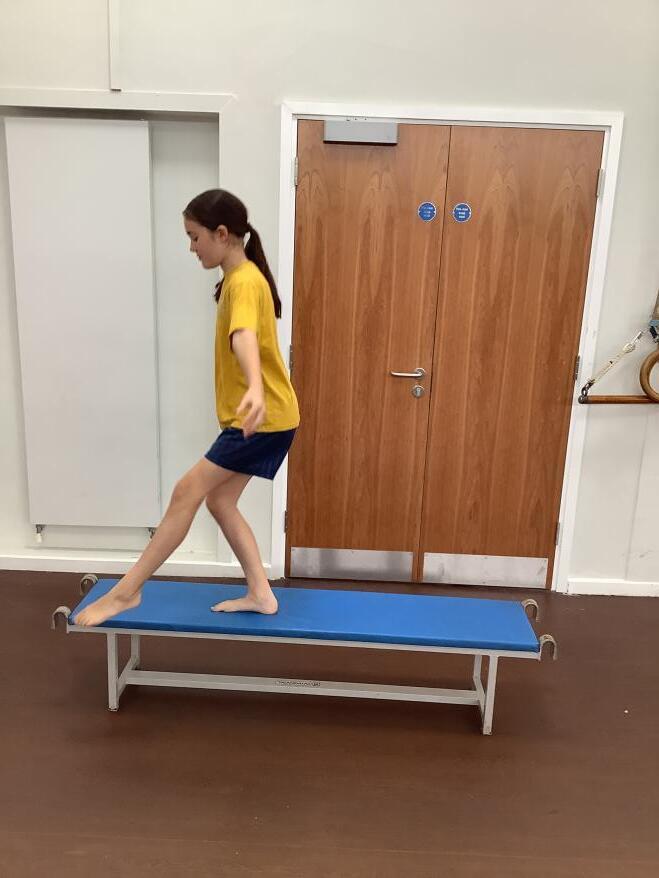
In our indoor dance unit, we will focus on the skills of artistry, partnering, circles and shapes. We will then move onto develop and apply dynamic balances on a line and practise our counter balances with a partner through focused skill development, games, sports and healthy competition. Throughout the Autumn term, we will work on the skills needed for outdoor athletics and outdoor and adventurous activities alongside orienteering.

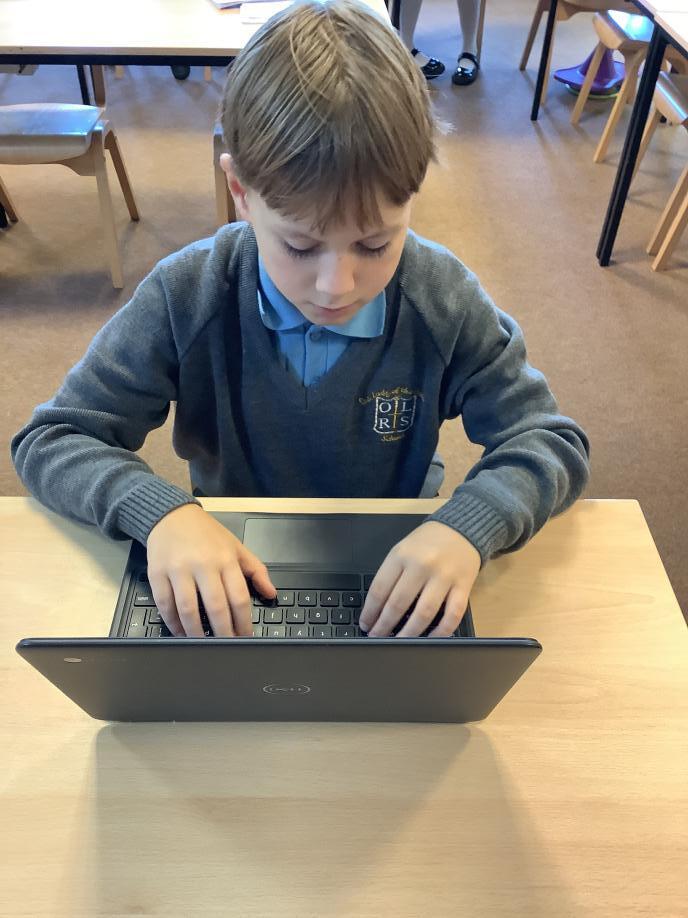
In Autumn, we begin by reminding pupils about online safety. Pupils will then go onto use the iPads to create their own short film. They will create a storyboard for their film and experiment with different filming techniques and camera angles to bring their film to life. They will then make improvements to their film by reshooting and editing.
In the second half of the Autumn term, pupils will learn to write code. They will learn to identify and explain what a variable is and why it is used in a program. They will choose how to improve a game using variables. Moving onto designing and creating their own project.