Annual Report
2024-2025
LETTER FROM THE EXECUTIVE DIRECTOR
Dear Friends of the Octet Collaborative,
As I reflect on 2025, I am struck by a profound sense of gratitude for your partnership, for the goodwill of our community, and for the extraordinary discoveries that have unfolded this year at MIT.
Universities like MIT are facing alarming challenges, and the headlines from news and social media only fuel perceptions of a crisis in academia Yet on the ground, our Octet team is experiencing something quite different Where others see division, we witness genuine conversation As complex ethical issues like AI prompt existential despair, we engage new efforts that insist on truth-seeking hope and wisdom Where silos separate disciplines and people, we see collaboration across schools
This year, we have gathered faculty, students, and staff across departments and worldviews for conversations that simply do not happen elsewhere on campus dialogues about the role and work of the university, faith’s role in science, and how we stay human in the face of AI. We have grappled with ethical questions of innovation in our for-credit classes, retreats, and colloquia, asking not only what we can create, but what we should create These conversations have been characterized not by performance or posturing, but by genuine curiosity and intellectual humility
What gives me hope is what we have seen the Holy Spirit awaken in our community: a thirst for existential conversations, a hunger for ethical engagement to match technical excellence, and a longing for the kind of wonder that reminds us why we pursue knowledge in the first place.
None of this would be possible without you. Your generosity has created rare opportunities. You have invested not merely in programs, but in people.
As we look toward the coming year, we strive for change with a hope for what God can do through us For the next two years, we will be pursuing the question,
“What does it mean to be human?”
The MIT community is poised to engage this question with openness and commitment The challenges facing us will not disappear, but neither will our deep human need for meaning, for ethical clarity, and for communities that can hold both truth and grace. The Octet Collaborative is positioned to meet this moment not with easy answers, but with better questions
With deep gratitude and excitement for what lies ahead,

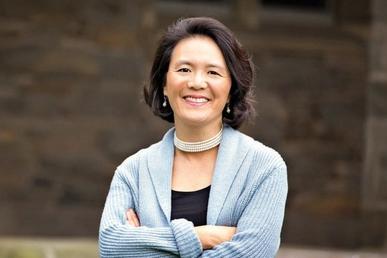
Mia Chung-Yee Executive Director
MISSION
The Octet Collaborative is a community of students, faculty, and staff at MIT, dedicated to human flourishing, formed by the historic Christian faith. It is a hub for Christian learning that embodies a holistic vision of what it means to be human within the academic vocation.
VISION
The Octet Collaborative envisions MIT as a place where Christ-centered wisdom and practices equip faculty, staff, and alumni to promote a holistic view of self and other, exercise intellectual hospitality, engage science and ethics, and pursue sabbath rest
BOARD OF DIRECTORS
Ruth Chang, Board Chair
David Chan, Vice Chair & Treasurer
Nathan Barczi
Paul Burke
Mia Chung-Yee
Ehi Nosakhare
David Williamson
Danny Yamashiro
FACULTY ADVISORS
Daniel Hastings
Interim Vice Chancellor for Undergraduate and Graduate Education, Professor of Aeronautics & Astronautics
Ian Hutchinson
Emeritus Professor of Nuclear Science & Engineering
Anne McCants
Professor of History, Margaret MacVicar Faculty Fellow
Rosalind Picard
Founder & Director of the Affective Computing Research Group at the MIT Media Laboratory, Professor of Media Arts & Sciences
Troy Van Voorhis
Robert T. Haslam & Bradley Dewey Professor, Department Head of Chemistry
2024-25 PRIORITIES
ADVANCING HOSPITALITY
In a context of isolation and anxiety, Octet serves MIT with hospitality and fellowship. Students, faculty, and staff gather for Diálogos dinners to engage with the questions that divide us. During IAP, the “Disagreeing Well” lab helps us put intellectual hospitality into practice And every week, friends from around MIT gather for lunch, prayer, and Scripture
ADVANCING WISDOM
As MIT seeks to generate and disseminate knowledge, Octet serves the community by gathering voices of wisdom. In the spring, we sponsor the Media Lab’s “What is a Better Future?” course to encourage students in aligning their innovative work with their deeply held values. In the winter and summer, we gather faculty from both MIT and Gordon-Conwell to consider overlapping questions in theology, philosophy, science, and technology. And during IAP, Octet gathers students to learn from industry leaders in “Science, Technology, and Ethics in the Real World.”
ADVANCING WONDER
In a context of intellectual curiosity and delight, Octet serves MIT by convening experiences of awe and wonder In January, we offered two new IAP courses focused on awe: “Music & Neuroscience,” engaging the science of human interaction with music, and “Rembrandt and the Schooling of Desire,” drawing our attention to a great artist of the past. This year, we also began production of a five-part film series, spearheaded by Sam Lee, exploring wonder at the intersection of the sciences and the arts.
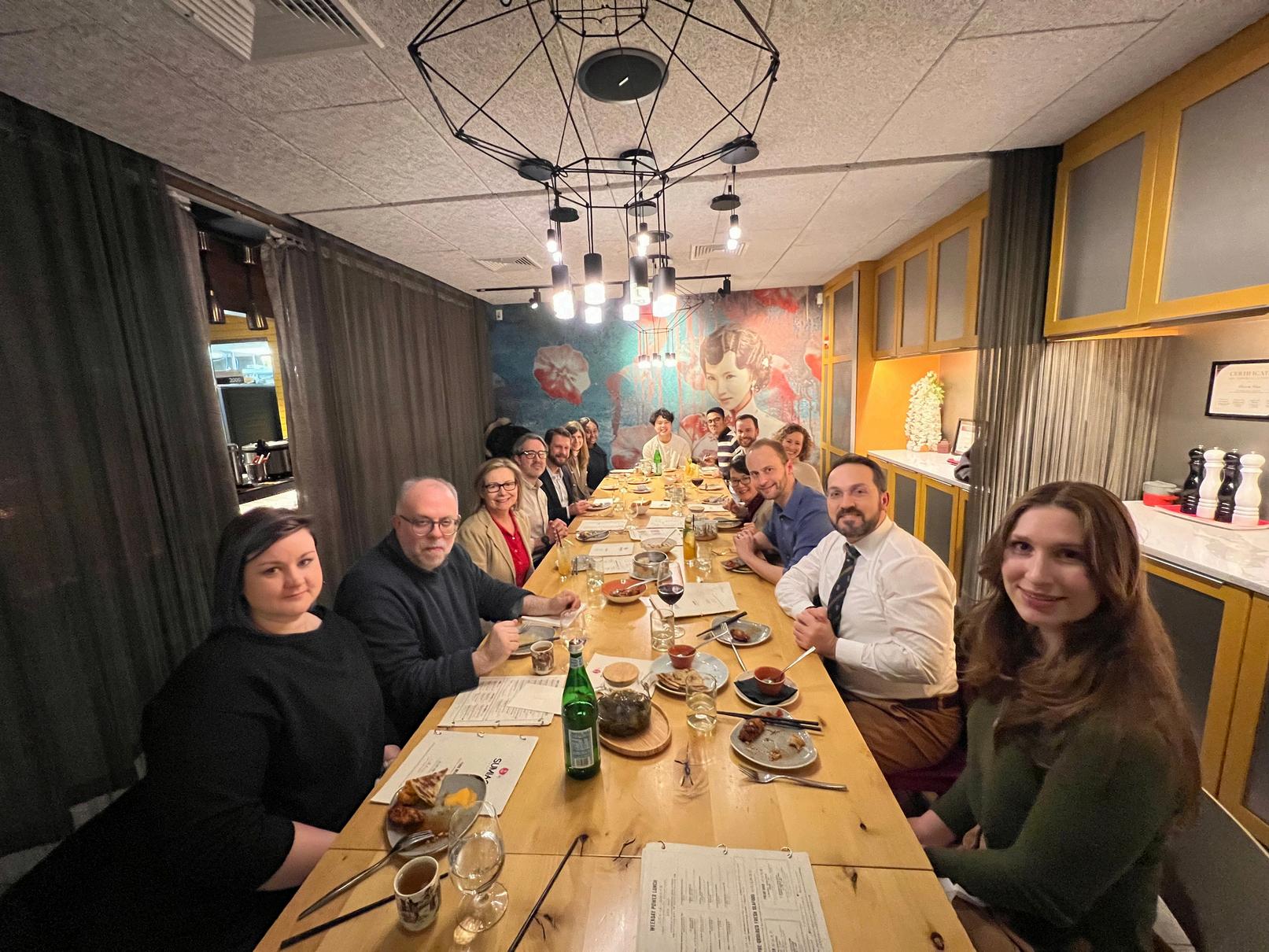
Diálogos: dinner & discussion
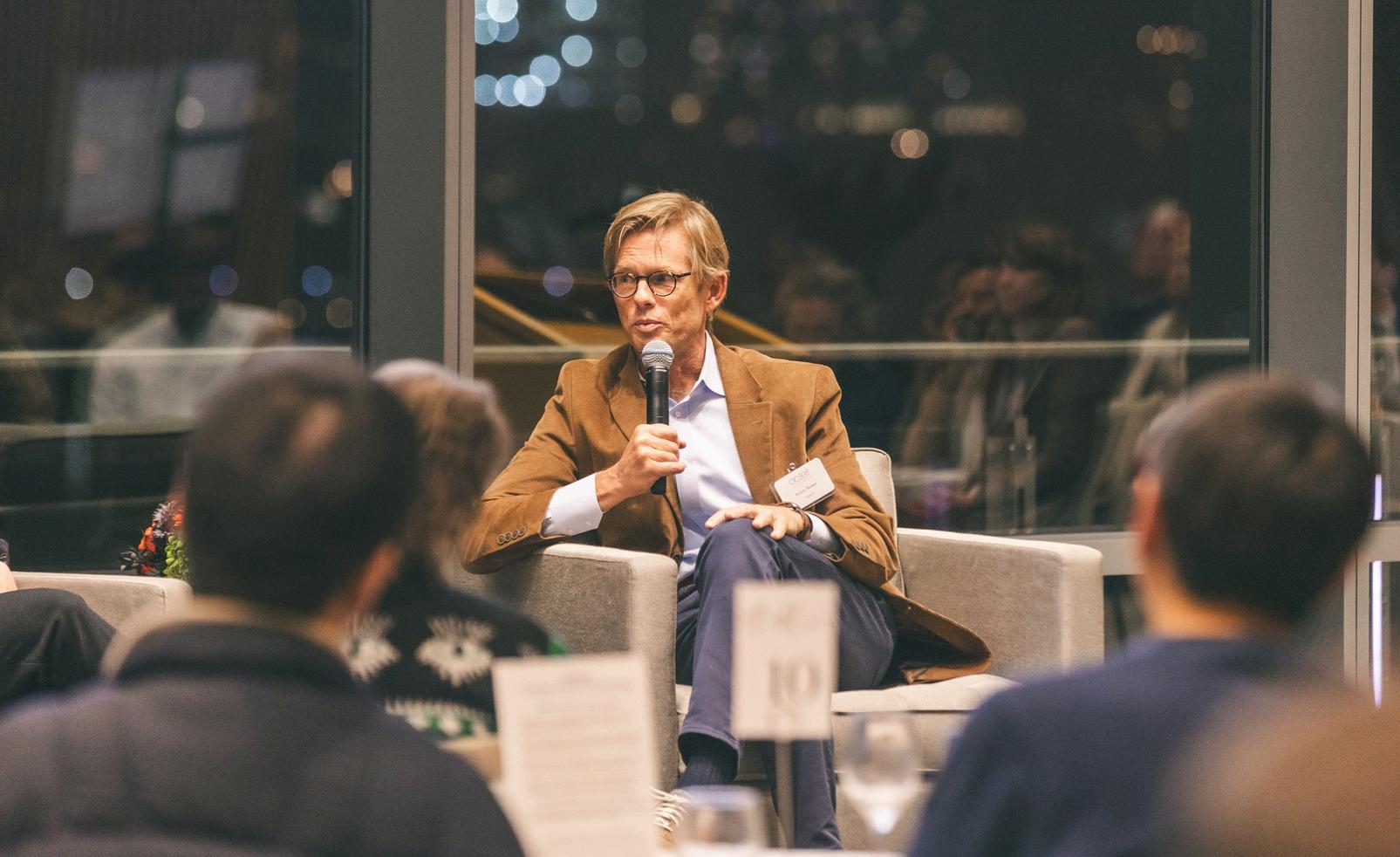
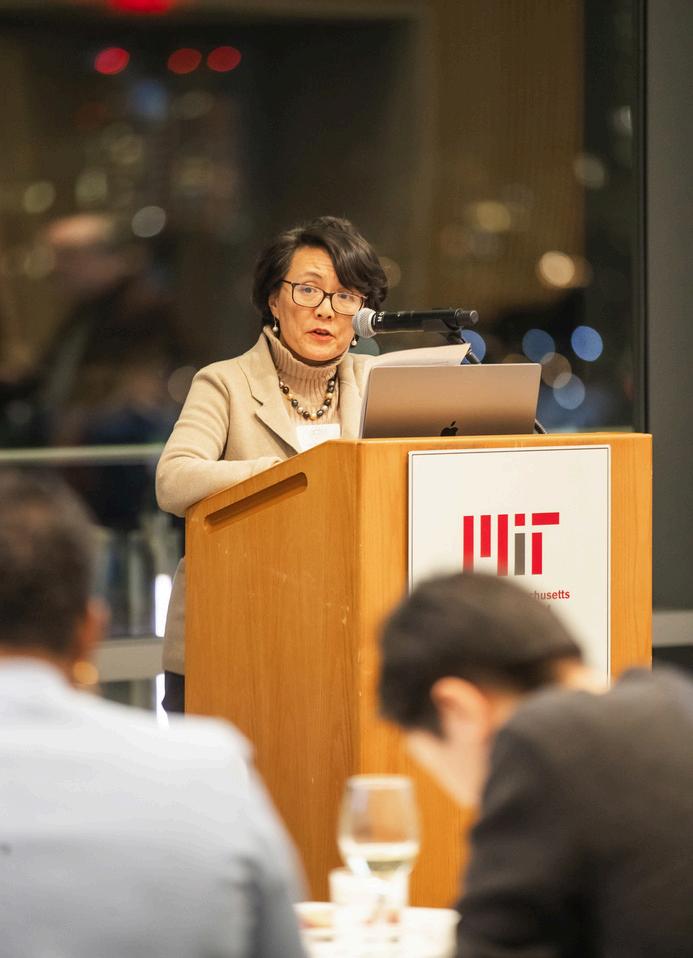
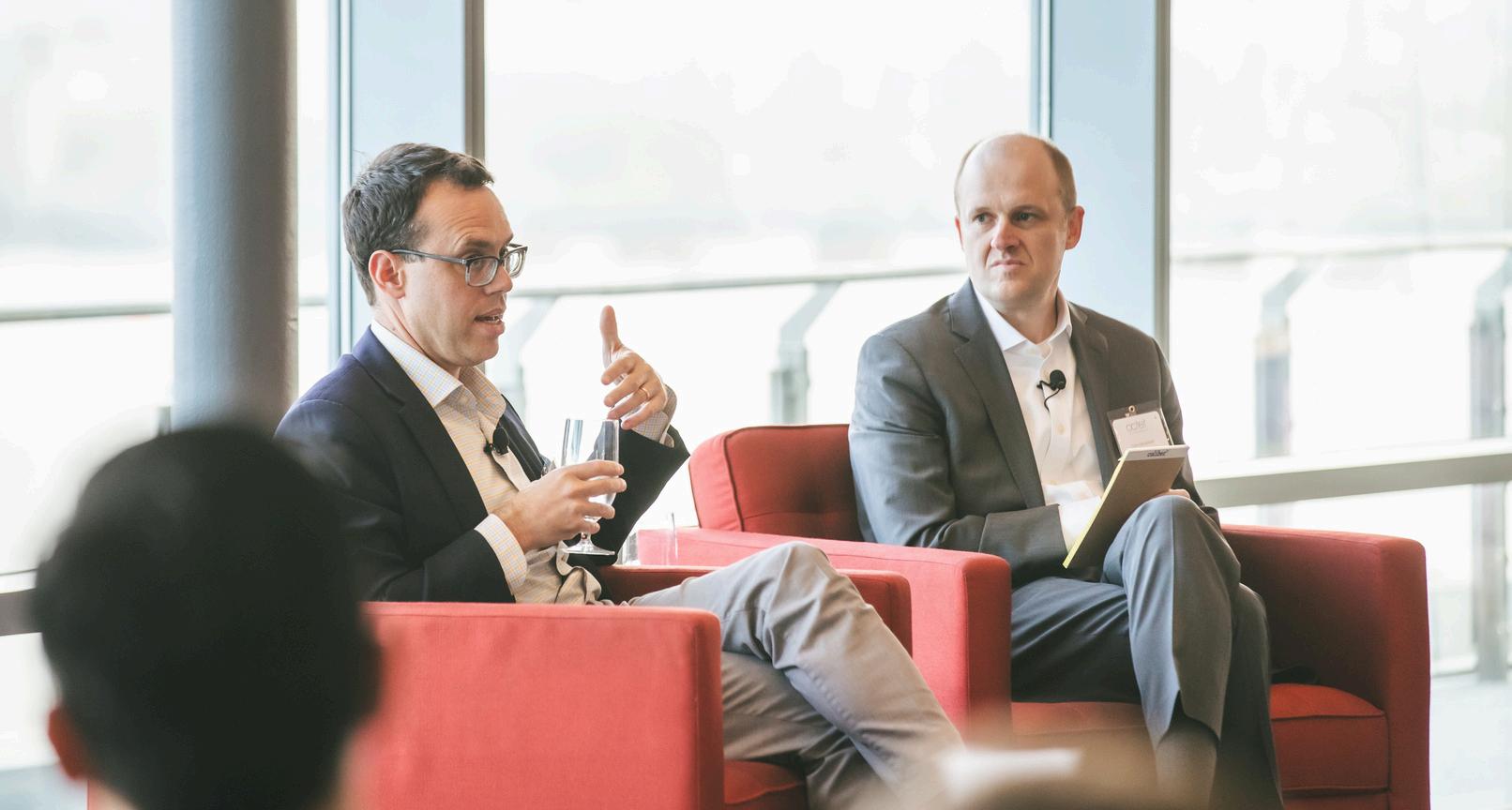
Diálogos dinners bring the university community together for shared curiosity, humility, and engagement. At these invite-only events, we gather faculty, students, staff, and alumni from both Christian and non-Christian backgrounds. Together, we listen to thoughtful perspectives, discuss over a shared meal, and experience music together. These dinners form a rare space that feels at once safe and brave: exploring the challenges of the world side-by-side, rather than pitted against one another.
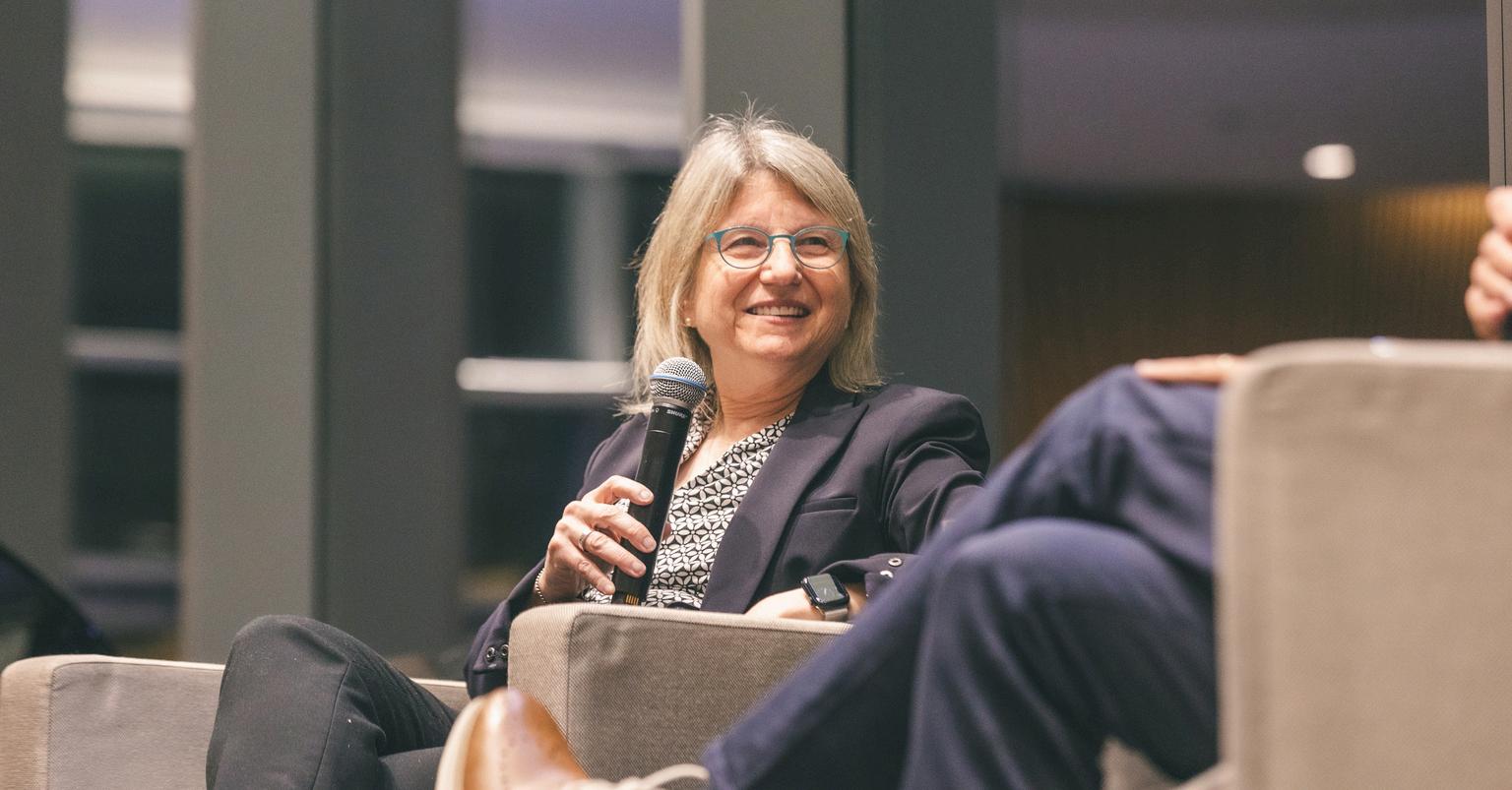
11.4.2024:
THE ROLE & WORK OF THE UNIVERSITY
Sally Kornbluth, MIT president Kavin Rowe, Duke Divinity School, professor of New Testament attendees
2.18.2025: THE
ROLE OF FAITH IN THE UNIVERSITY
Praveen Sethupathy, Cornell University, professor of physiological genomics
4.22.2025: HOW SHOULD WE BUILD GENERATIVE AI?
David Robinson, OpenAI, head of safety systems
Chris Meserole, Frontier Policy Forums, executive director

110 attendees attendees
FACULTY RETREATS
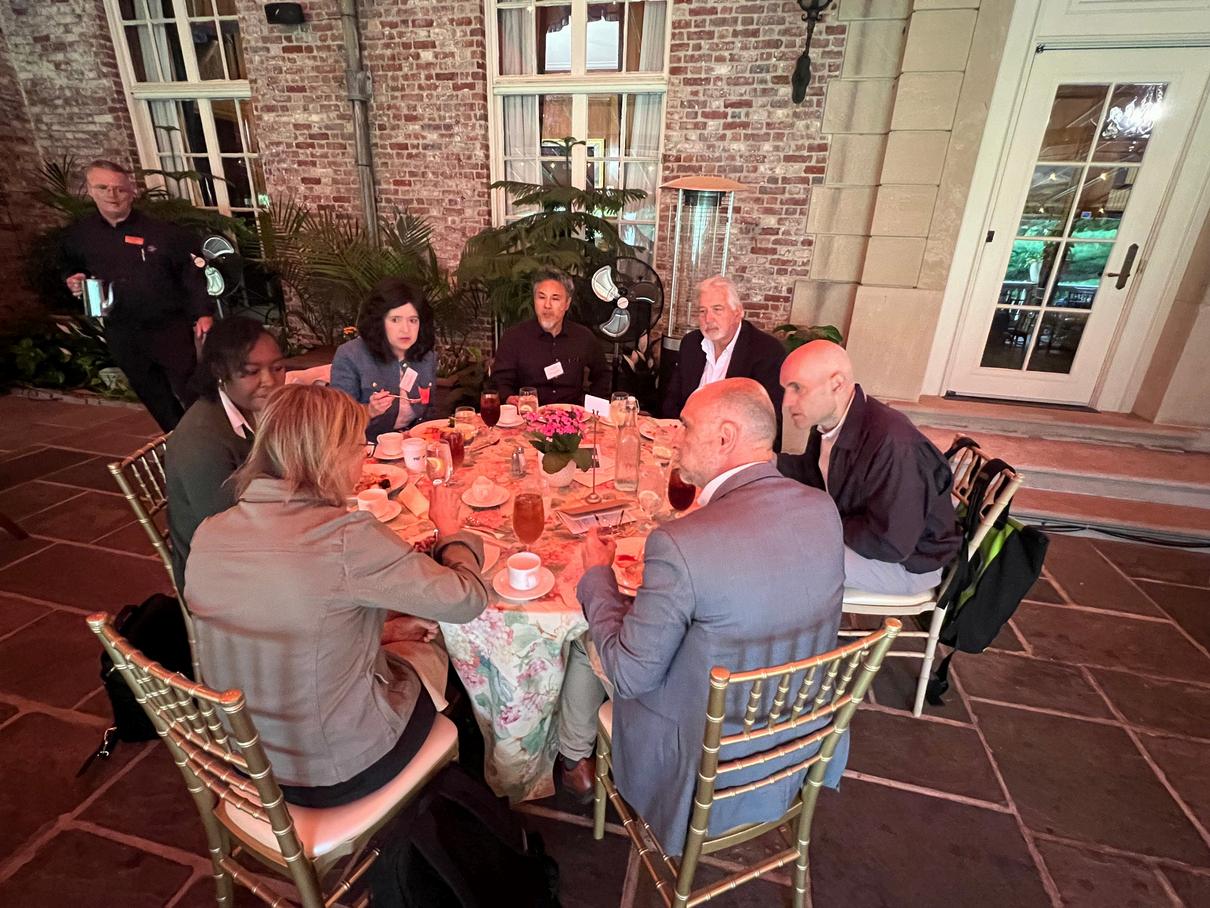
As the Octet Collaborative seeks to break down the silos of modern academia, we build interdisciplinary communities Twice each year, Octet gathers about ten scholars from MIT with ten more from Gordon-Conwell Theological Seminary at MIT’s Endicott House, for a retreat that feeds both the intellect and the spirit
This year, faculty engaged in working sessions aimed at reaching a common understanding, informed by diverse areas of expertise across science, engineering, and biblically informed theology, of how we might faithfully build and live in a world with artificial intelligence without sacrificing our humanity.
JANUARY RETREAT
Roz Picard (MIT) and Autumn Ridenour (GCTS) led us in a discussion about AI and human flourishing.
JUNE RETREAT
Chris Meserole (Frontier Model Forum) and Sean McDonough (GCTS) led us in an exploration of the
10 MIT Faculty Members
10 Gordon-Conwell Faculty Members
COLLOQUIUM
In March of 2025, the Octet Collaborative gathered fifteen scholars from around the world, covering disciplines of science, engineering, policy, philosophy, theology, the arts, and entrepreneurship, to engage a complex question:
What will we become with AI?
doom, choosing n a world with AI ptuous closing scholars’ day r Microsoft han Barczi.
Three conversations (short paper presentations and open dialogue) followed: What will AI form in people? How will AI impact human formation? And who is responsible for safeguarding and guiding AI’s impact on human formation?
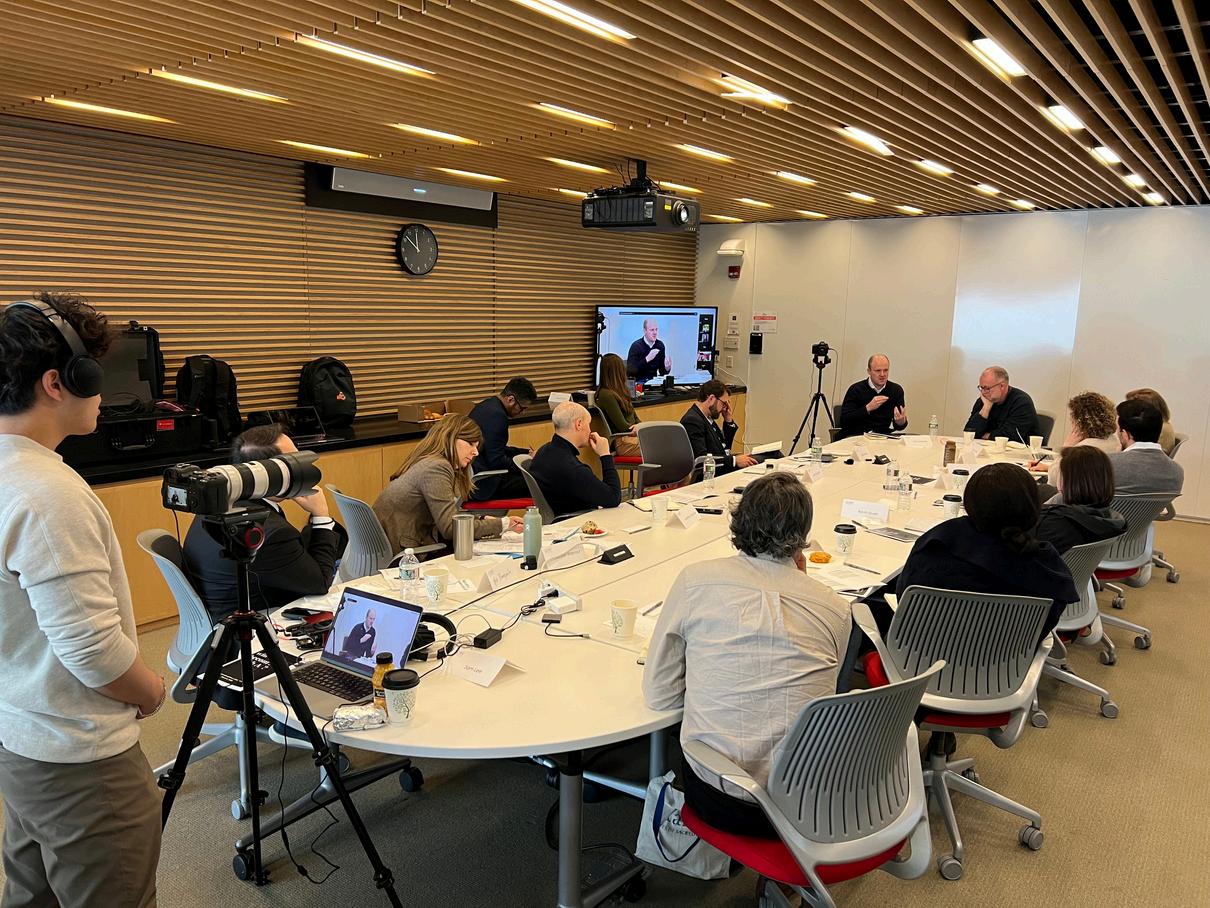
AsdauntingasthechallengeisofbuildingandmanagingAI,ourscholarscalledusto attendtoanevenmoresignificantchallenge:formingandcultivatingwisdominthose whodevelopandusethesedynamicandpowerfultechnologies.
for-credit
WHAT IS A BETTER FUTURE?
A Better Future is a multi-year initiative to advance wisdom within the practice of science and engineering by opening space for MIT students, faculty, and staff to step back and ask what kind of future is truly worth building, and what it means to orient research and innovation within questions of ultimate meaning and purpose. A for-credit seminar, co-taught by Professor Rosalind Picard and Nathan Barczi of the Octet Collaborative, What Is A Better Future? explores multiple philosophical and faith traditions to probe ultimate questions, followed by case studies of how to apply such questions within specific areas of science and engineering
Class Profile of For-Credit Students:
3
Harvard GSD
10 1
Urban Studies & Planning
1 2
Electrical Engineering & Computer Sciences Media Lab
Auditors: postdocs, research fellows, and more
What students said:
“I'm relieved so many scholars think about future issues. Now I'm thinking about solutions and practical options to safeguard our future.”
“What will stay with me is the approach of trying to be responsible and accountable as a builder of technology.”
“I absolutely loved this class.”
& IAP courses
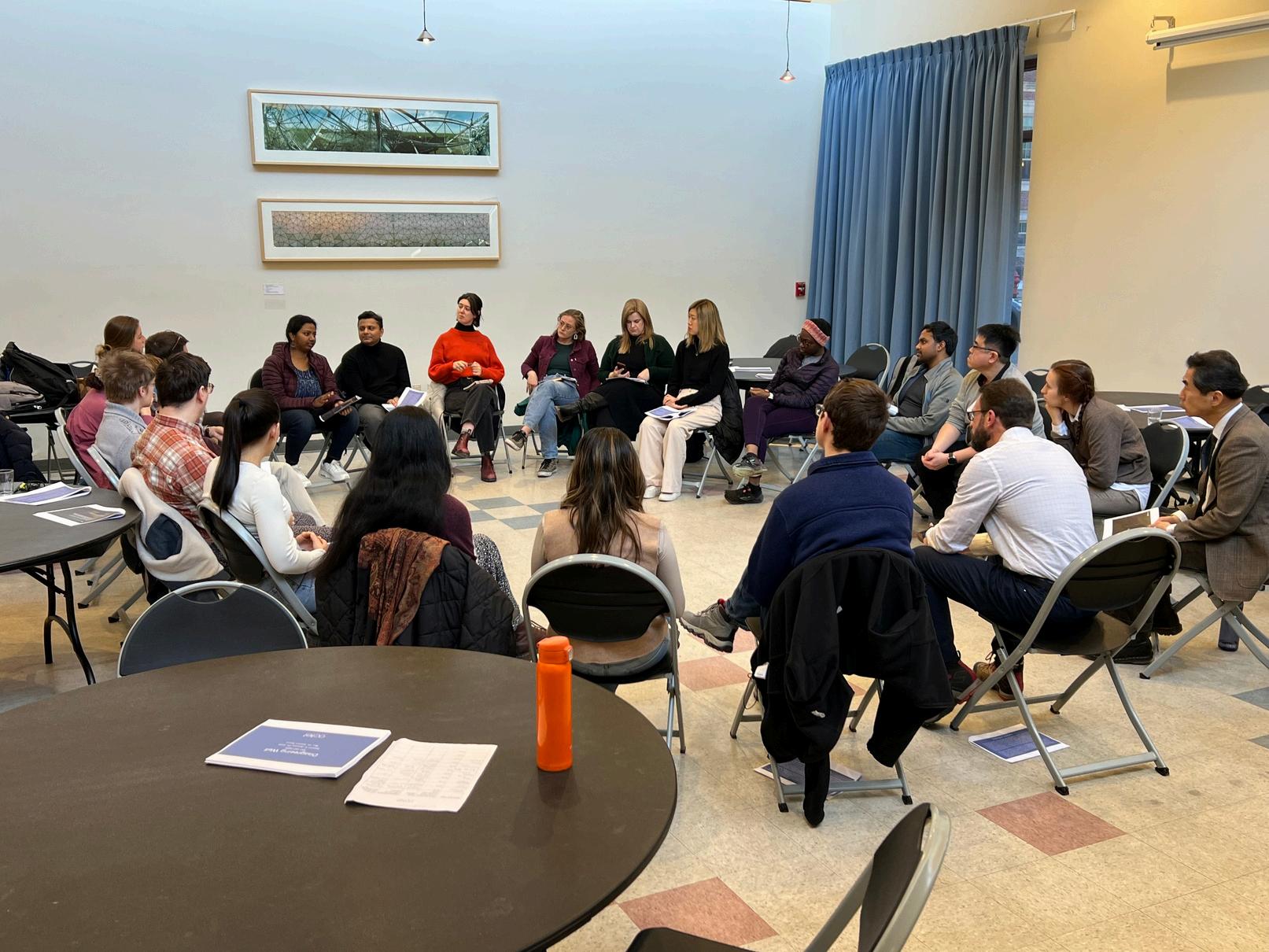
DISAGREEING WELL
Each Wednesday in January, thirty members of the MIT community (students, faculty, staff, and a few alumni and outside guests) gathered for an interactive workshop dedicated to the idea that disagreeing well is possible.
Engaging one another in discussions, activities, and over lunch, participants not only learned but experienced methods of overcoming our tendencies toward tribalism The capstone session was a breathtakingly honest and vulnerable conversation about the proper role of religion in the life of a university like MIT.
SCIENCE, TECHNOLOGY & ETHICS IN THE REAL WORLD
MIT is a literally world-changing institution, equipping its students, faculty, and alumni to innovate in science and technology for a better future. But what sort of future should we be building? In this January-term mini-course, participants examined frameworks for thinking about what sorts of technologies we should be building, asking questions of meaning, purpose, and ultimate goals.
AWE & WONDER
How do creativity and artistry affect our minds? In our first Awe & Wonder session, classical pianist Mia Chung-Yee and neuroscientist Larry Sherman taught the ordinary and extraordinary ways that music literally rewires our brains And in our second session, Dr Karen E Bohlin guided students to glean practical wisdom everyday tools for discernment and growth through the extraordinary paintings of Rembrandt van Rijn
S a b b a t h
M i d w e e k
It’s the simplest Octet program: faculty, staff, and students gather on Wednesdays for free lunch and half an hour of contemplative prayer and Scripture
“The food is a big part of why I come, to be honest, because it's often hard to be a student and find lunch. But once I'm in the door, I've often surprised myself by how much peace I feel when I leave. I've come to Sabbath Midweek on very stressful weeks and left feeling a lot better and more connected to God I have also found that the passages always feel relevant and tend to come up later in the week It's a great reminder during stressful times of who I should be turning to, and it has helped grow my faith ”
“Octet's Sabbath Midweek manages to fill my entire week with rest. The rhythm of pausing during the day, listening to others and God's Word, and enjoying food provides a template for the rest of my life. Through the fellowship and peace afforded by Sabbath Midweek, I am often able to renew my mind and re-attune my attention to God. The contemplative prayer is a major part of this as I find the emphasis on stillness and listening spilling out into my personal quiet time throughout the week “
“It is a nutritional (spiritually and physically!) anchor of my week.”
COMMUNICATIONS AND MEDIA
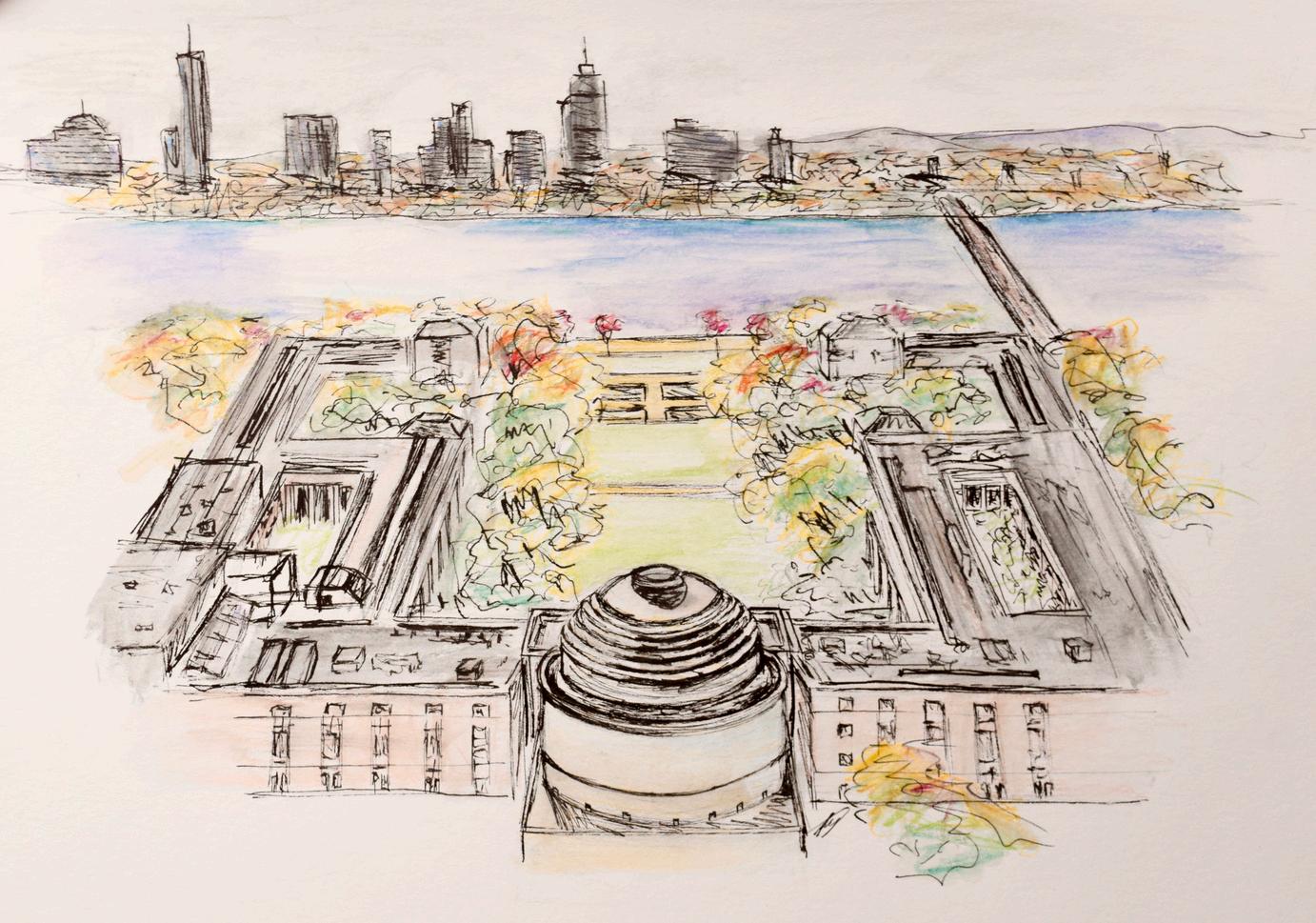
A View from the Dome
The monthly e-newsletter serves as Octet’s digital home, connecting partners around the world to the kingdom-building work taking place on MIT’s campus. The newsletter features a monthly essay; updates on Octet’s programming and events; conversations on faith with faculty and staff; and scholarly, Institute, and ministry news.
Infinite Corridor Podcast
Octet released three podcast episodes during the fall of 2024, sharing stories of faith and discovery from the halls of MIT and beyond FEATURED PODCAST GUESTS:
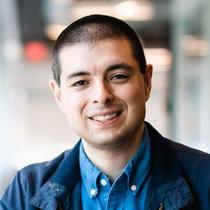
Nathan Matias (MIT Ph.D ‘17), Assistant Professor of Communications at Cornell University and founder of the Citizens and Technology Lab
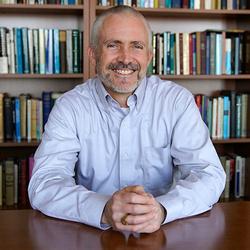
Alan Love (MIT B.S. ‘95), Professor of Philosophy at the University of Minnesota; Director of the Minnesota Center for the Philosophy of Science
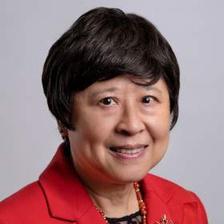
Deborah Chung (MIT Ph.D '77), Professor of Mechanical and Aerospace Engineering at the University of Buffalo
to $349,420 from $272,618 the previous year.
Assets at the end of the 2025 fiscal year totaled $387,612
Financials
INCOME
*Miscellaneous Revenue of $1545.00 not included in pie chart.
The 2025 fiscal year budget grew 62% from the previous year to $303,385, in a significant expansion of Octet’s programming and team. With the hiring of two new team members, people costs drove the bulk of the increase The programming budget also expanded due to multiple new initiatives
EXPENSES
What 2025-26 holds ...
Intellectual hospitality:
Three more Diálogos events, ranging from the ethics of social media, to the debate over assisted dying, to the cost of ambition
The return of Disagreeing Well (IAP)
And Sabbath Midweek, every Wednesday
Wisdom:
Our second colloquium. We’ll explore the question, “What is Life?”
Two more faculty retreats to articulate a Christian perspective on issues of tech ethics.
The return of A Better Future with Roz Picard, Sherry Turkle, and Nathan Barczi.
The launch of the “Big Questions” IAP with Cullen Buie.
Wonder:
The release of a five-part film series exploring glimmers of awe and wonder at the intersection of the sciences and the arts.
IAP session on art and psychology: “Van Gogh Had a Broken Heart.”
Octet’s very first concert, a chamber performance of Messiaen’s Quartet for the End of Time
Thank you for joining this adventure.