2025 Impact Report
Sabbath Midweek
Weekly Lunch & Scripture Meditation Sessions
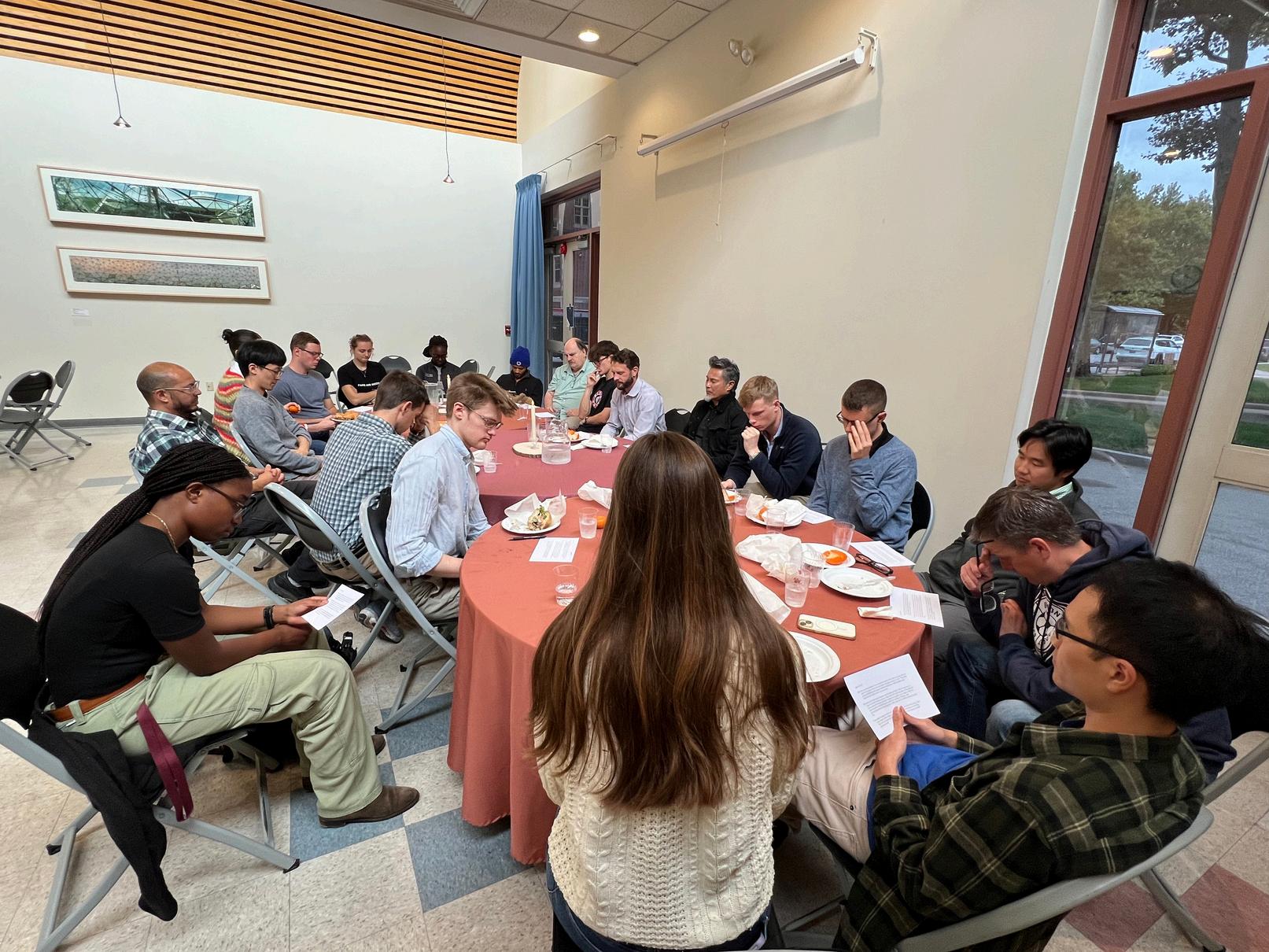
“Octet's Sabbath Midweek manages to fill my entire week with rest. The rhythm of pausing during the day, listening to others and God's Word, and enjoying food provides a template for the rest of my life. Through the fellowship and peace afforded by Sabbath Midweek, I am often able to renew my mind and re-attune my attention to God. The contemplative prayer is a major part of this as I find the emphasis on stillness and listening spilling out into my personal quiet time throughout the week.”
“I love Sabbath Midweek and have found it to be a very precious and needed form of rest!”
17-21
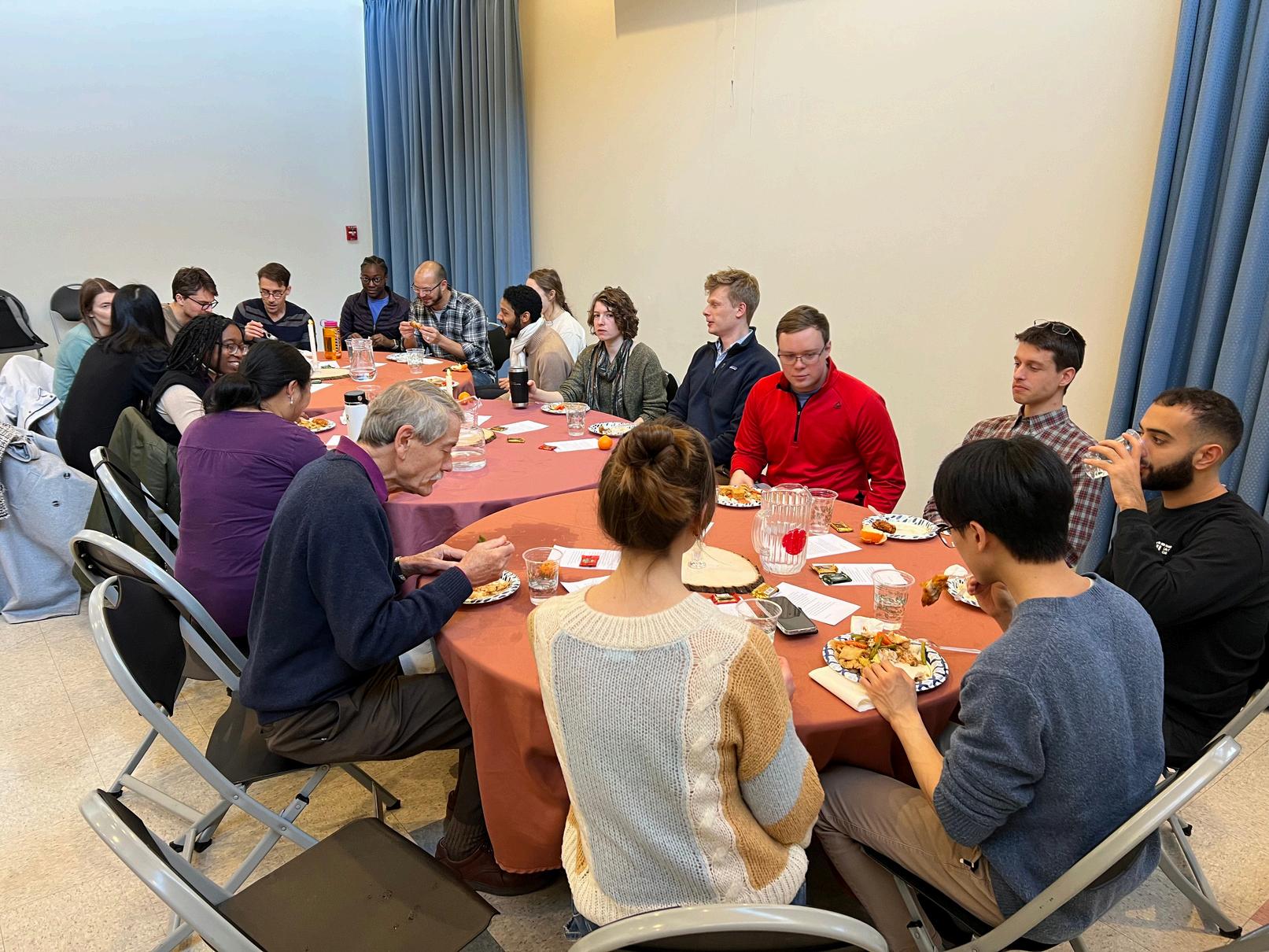
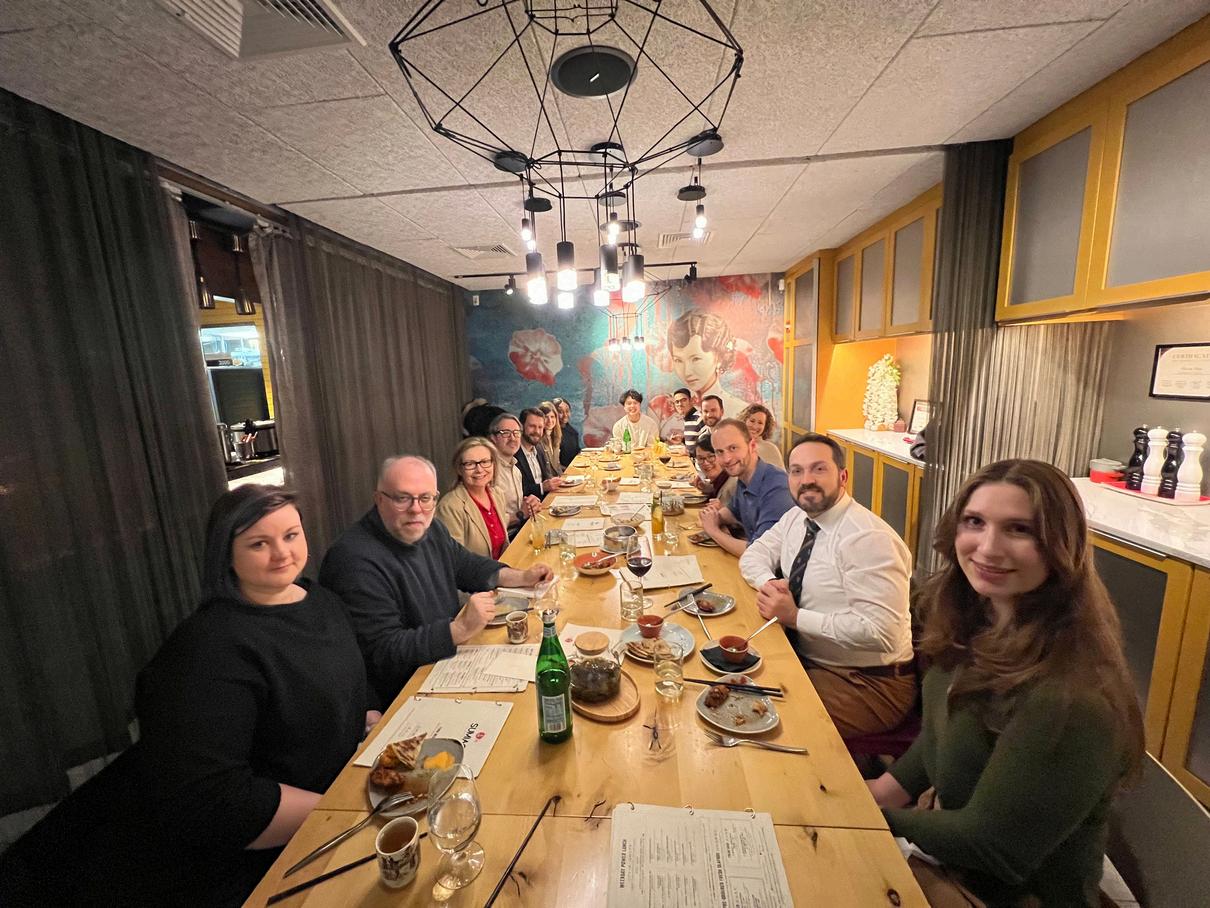
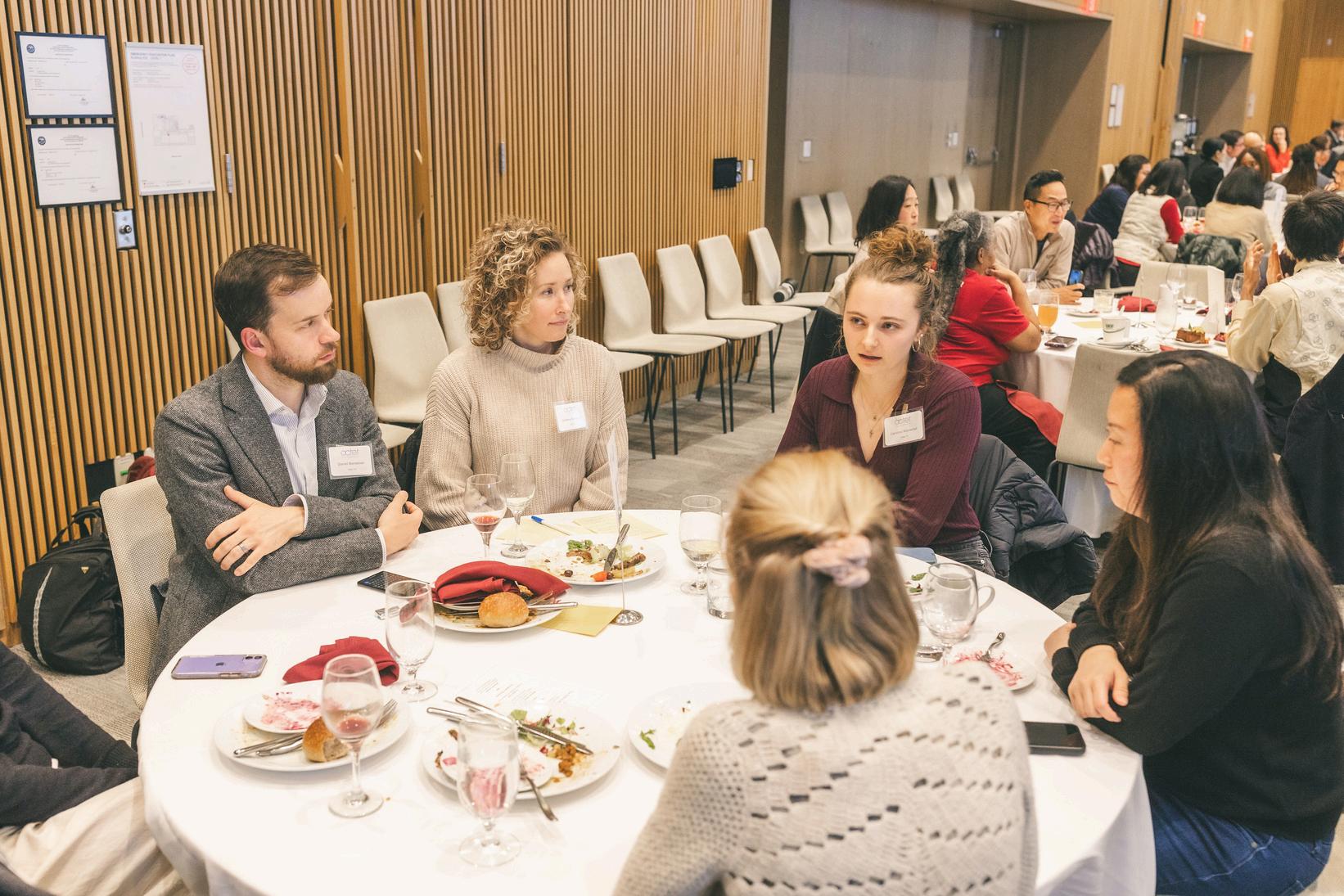
Students, faculty and staff gathered every week, on average, to share a meal and meditate on Scripture.
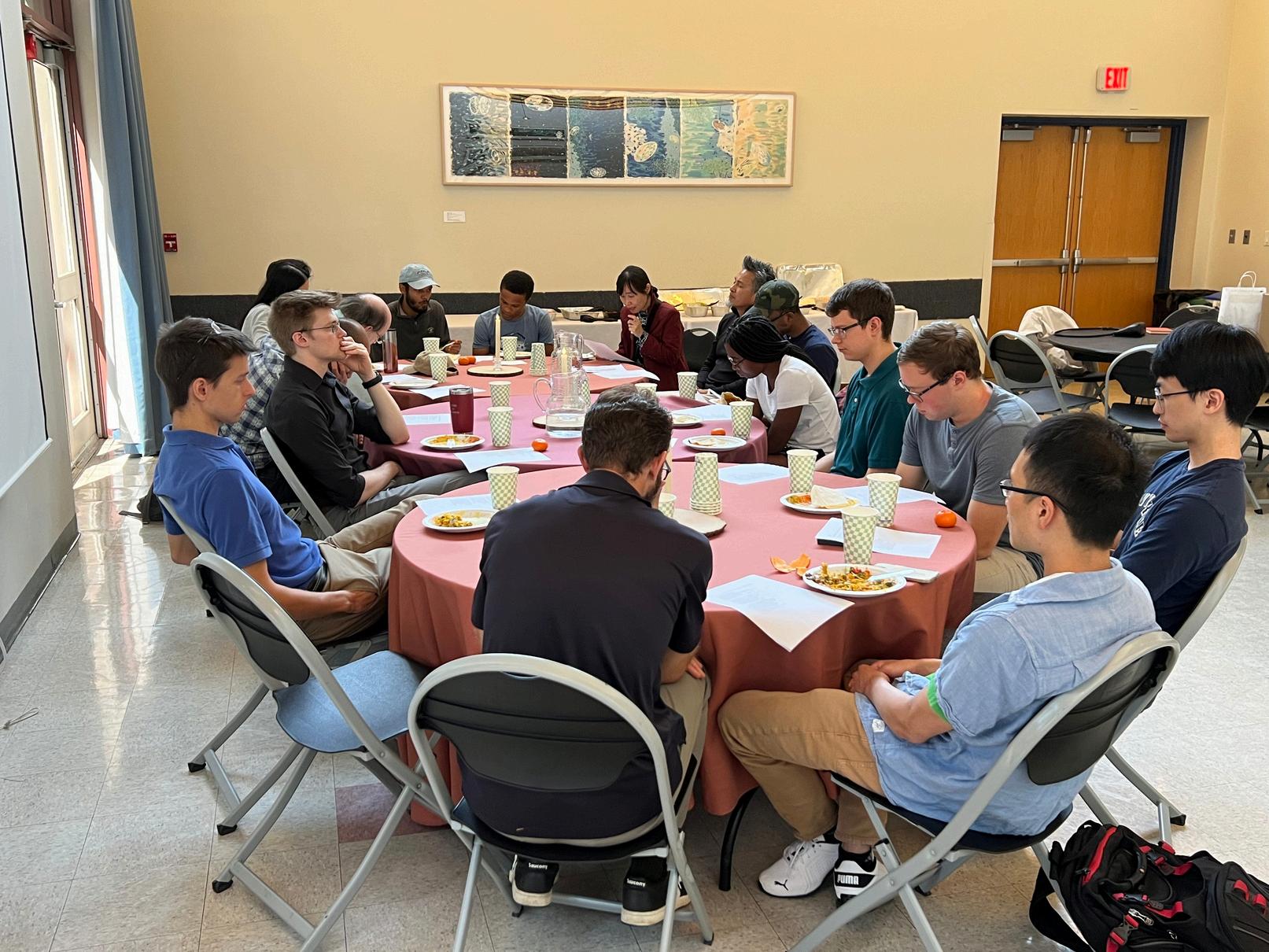
“Thank you. This is a brilliant project and the highlight of my work week.”
“It's a good way to engage (grad) students.”
Sabbath Midweek
“It has been a nutritional (spiritually and physically!) anchor of the week.”
“Sabbath Midweek is a wonderful program. I'm so grateful to the funders for providing us with this chance for food and fellowship. The food is a big part of why I come, to be honest, because it's often hard to be a student and find lunch. But once I'm in the door, I've often surprised myself by how much peace I feel when I leave. I've come to Sabbath Midweek on very stressful weeks and left feeling a lot better and more connected to God. I have also found that the passages always feel relevant and tend to come up later in the week. It's a great reminder during stressful times of who I should be turning to, and it has helped grow my faith.”
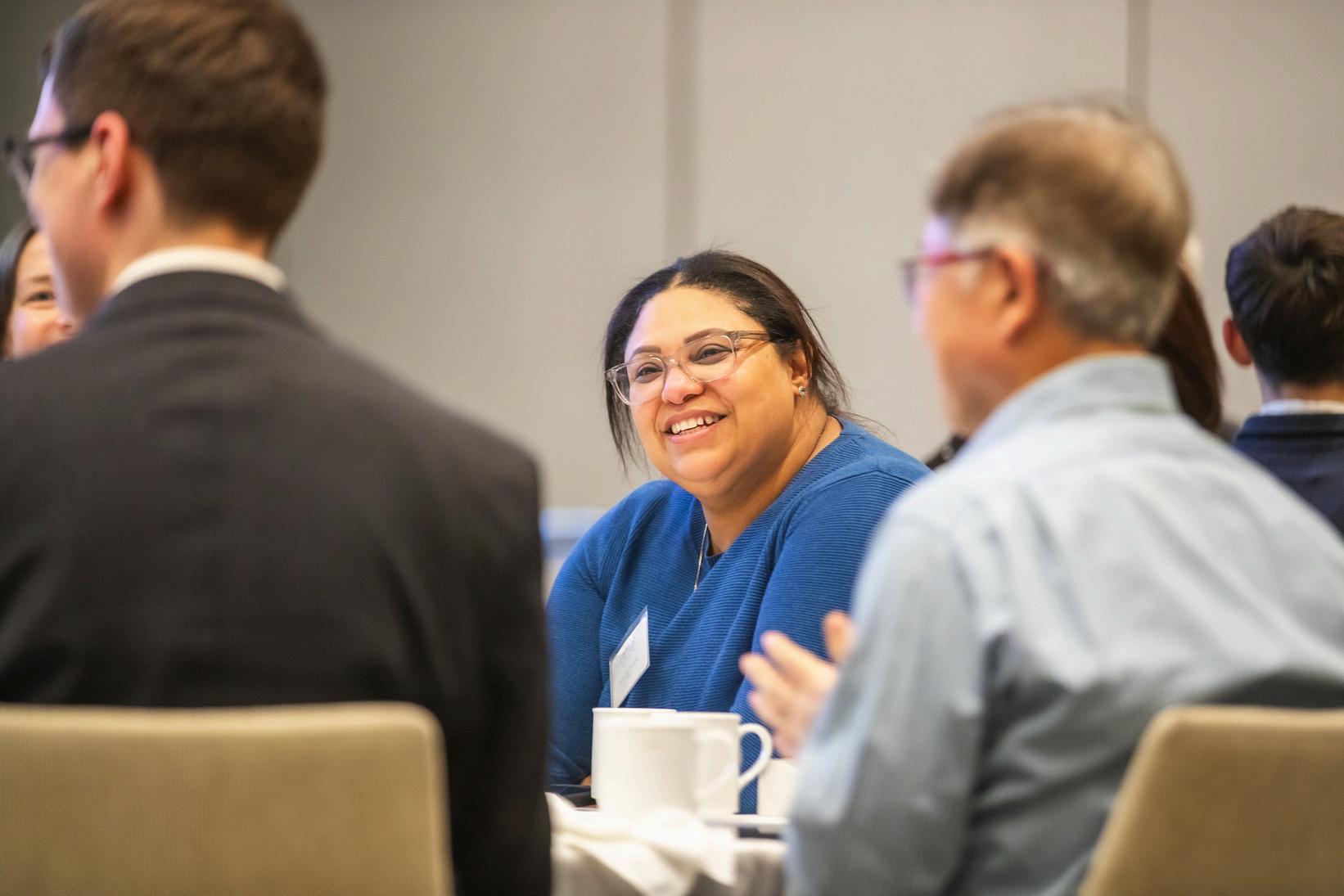
“It's provided a brilliant space to meet many other members of MIT from all walks of life instead of just graduate students. The food and discussion are edifying and fruitful for my faith.”
Diálogos
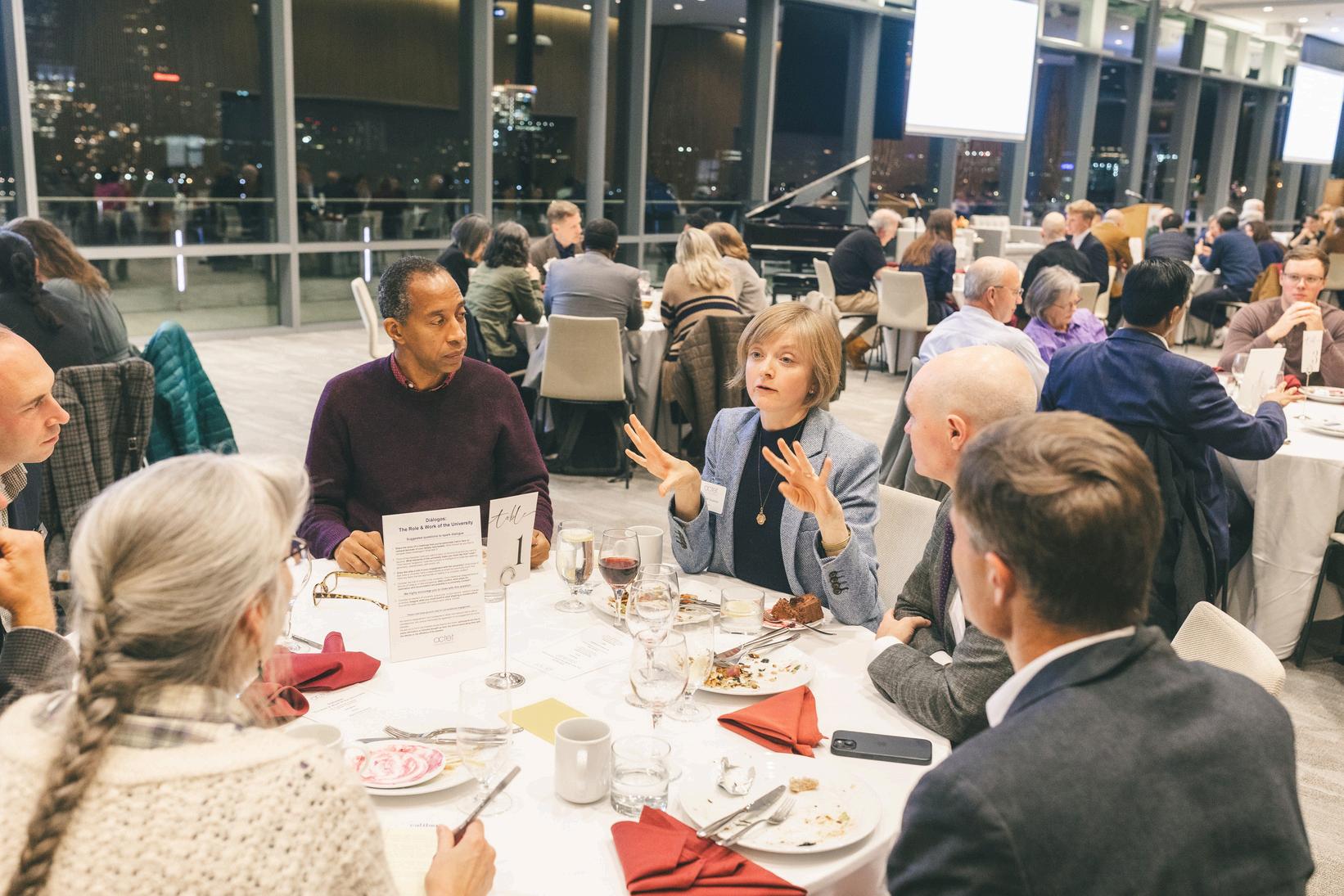
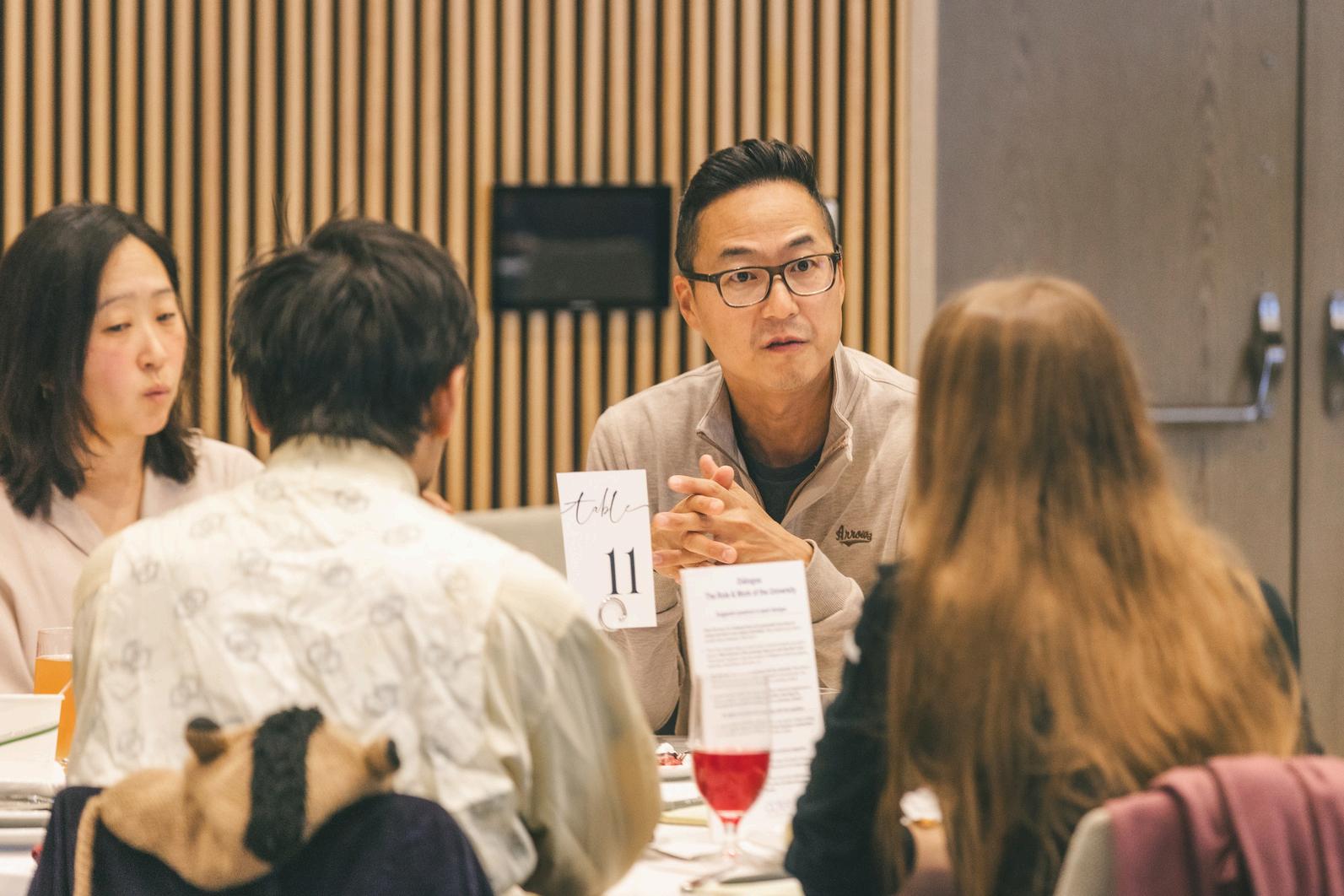
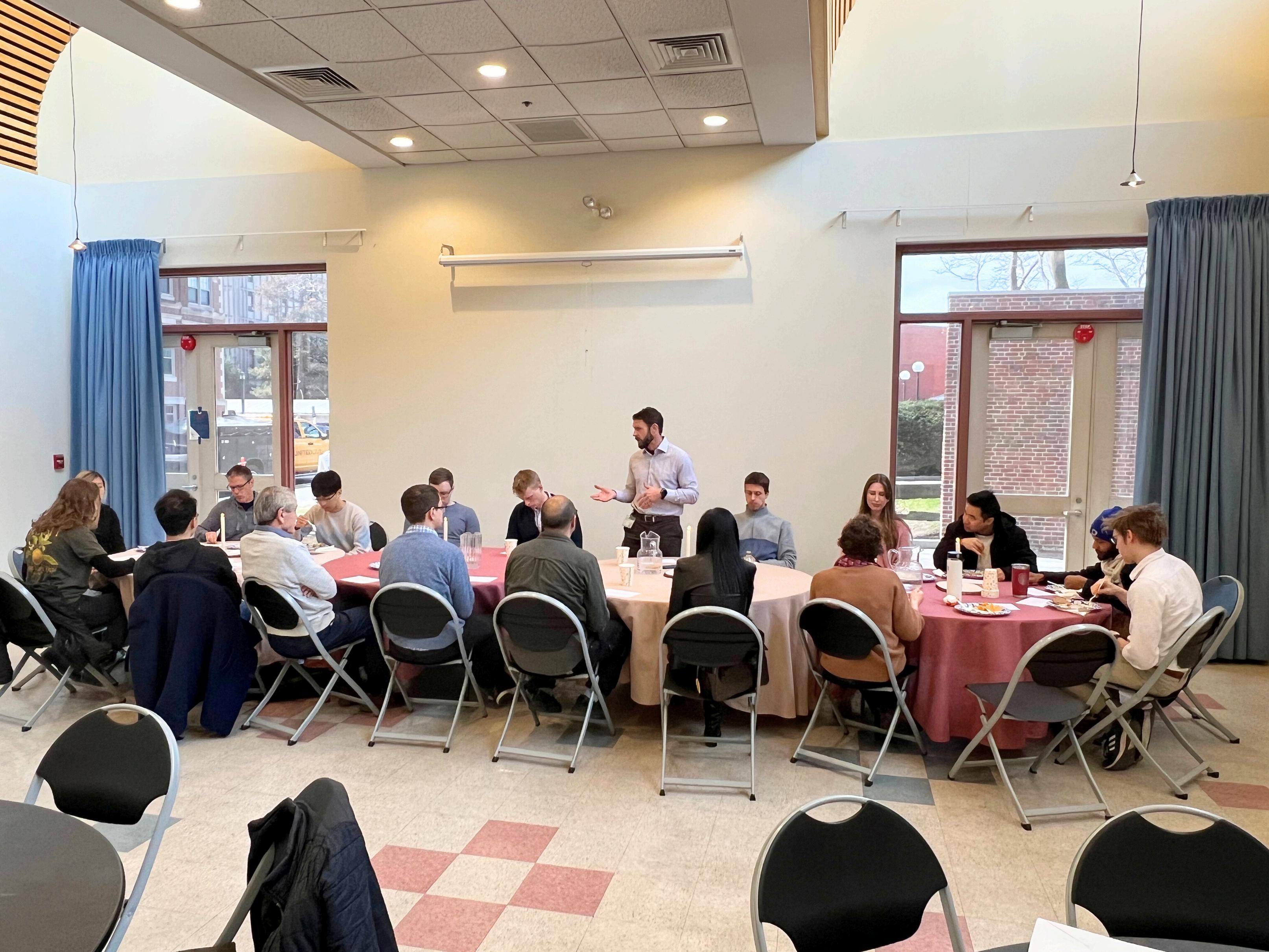
Intellectual Hospitality Events that Advance Civil Discourse
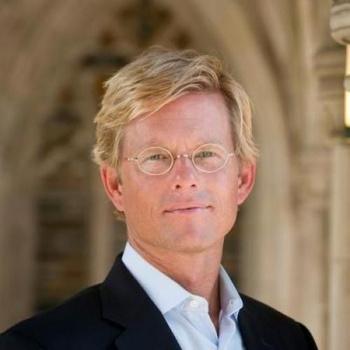
November 2024
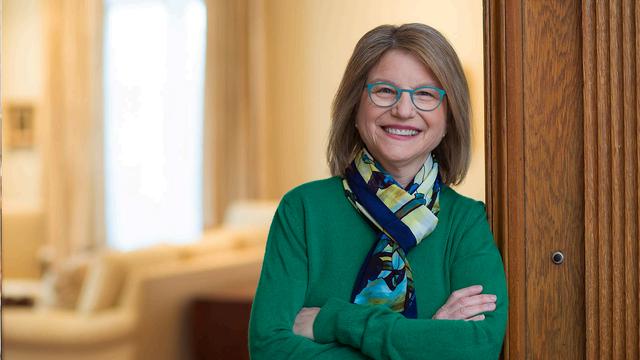
The Role and Work of the University
Sally Kornbluth, MIT President Kavin Rowe, Duke University Professor of New Testament
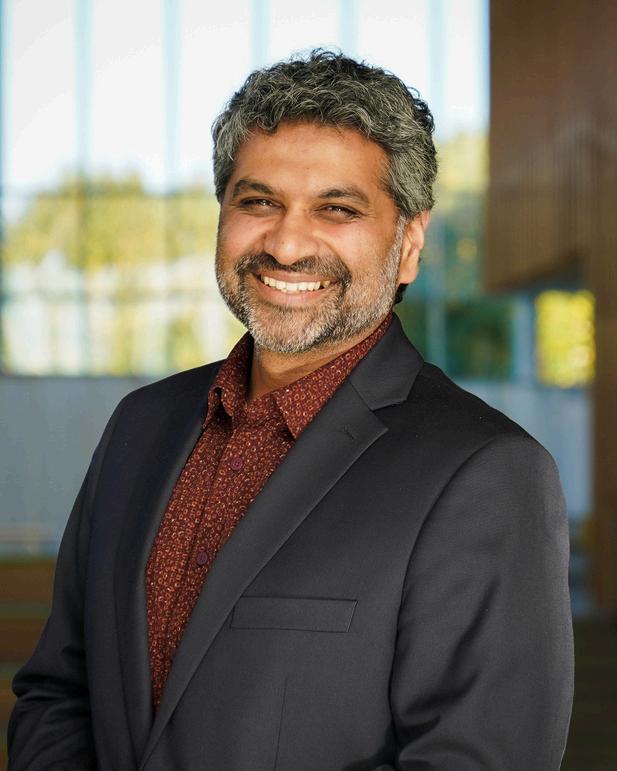
February 2025
Faith and Scholarship
Praveen Sethupathy, Cornell University Professor of Physiological Genomics
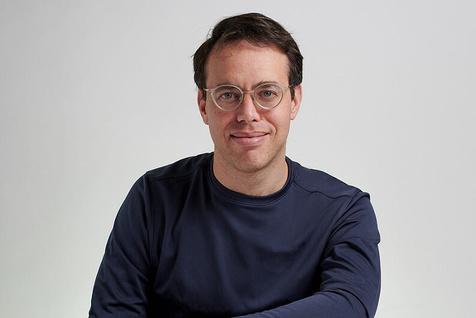
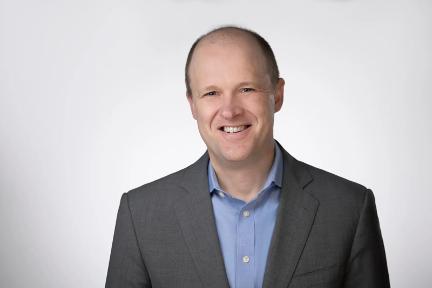
April 2025
How Should We Use – and Build –Artificial Intelligence?
David Robinson, OpenAI Chris Meserole, Frontier Model Forum
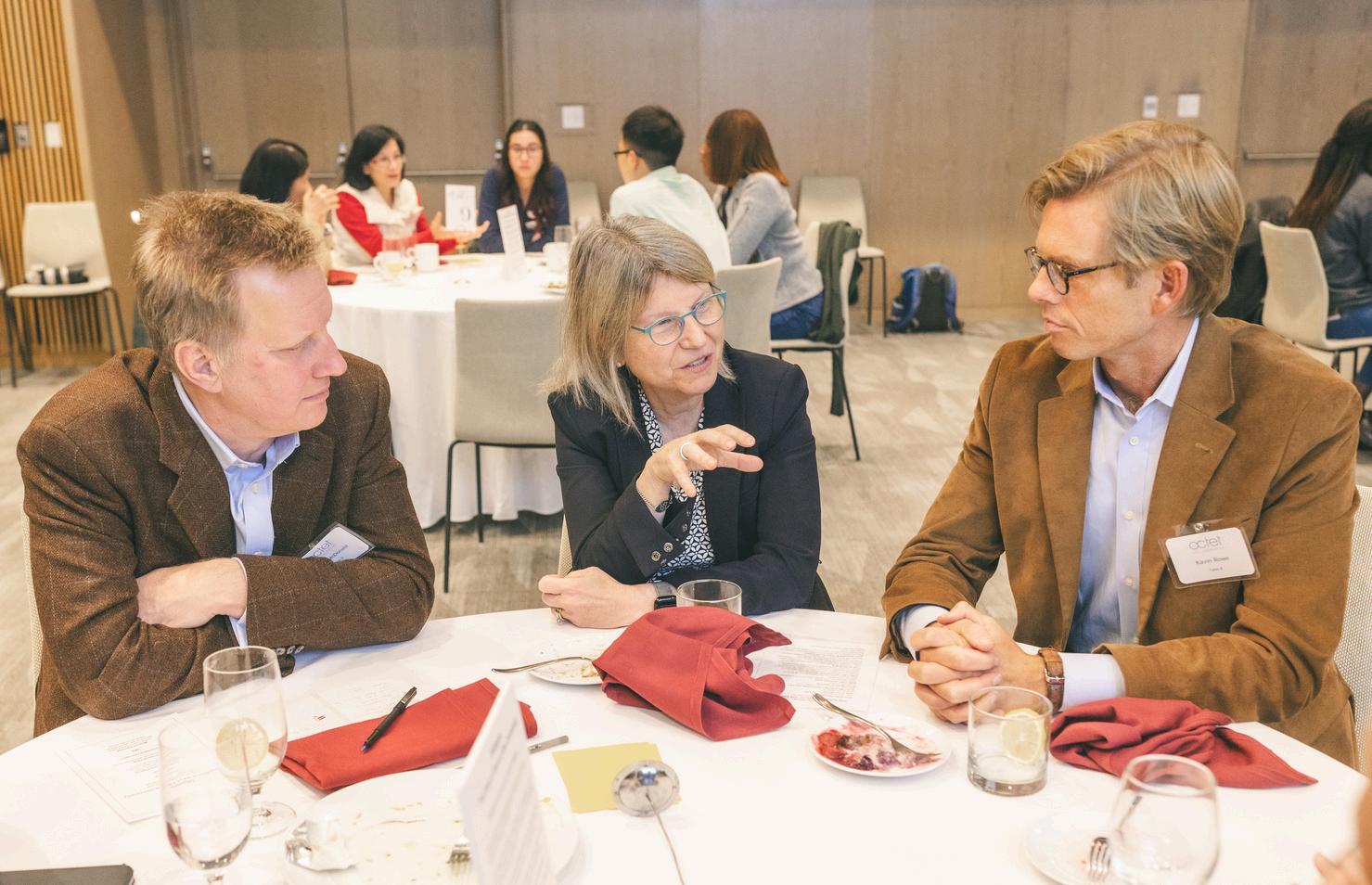
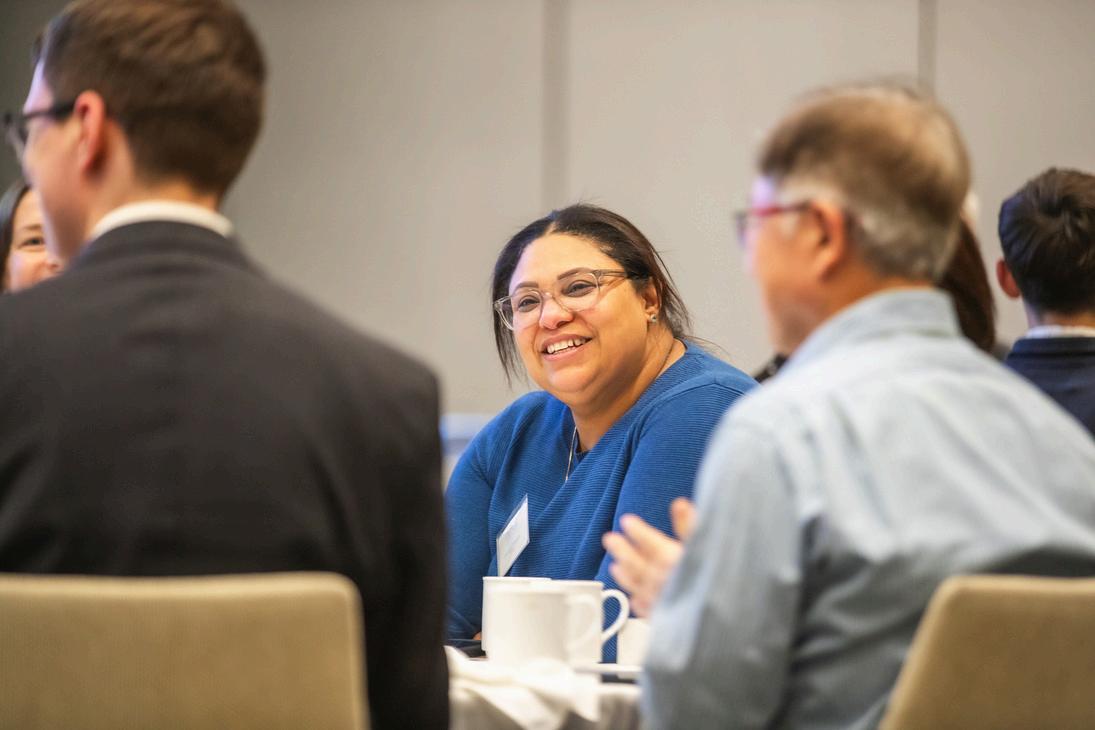
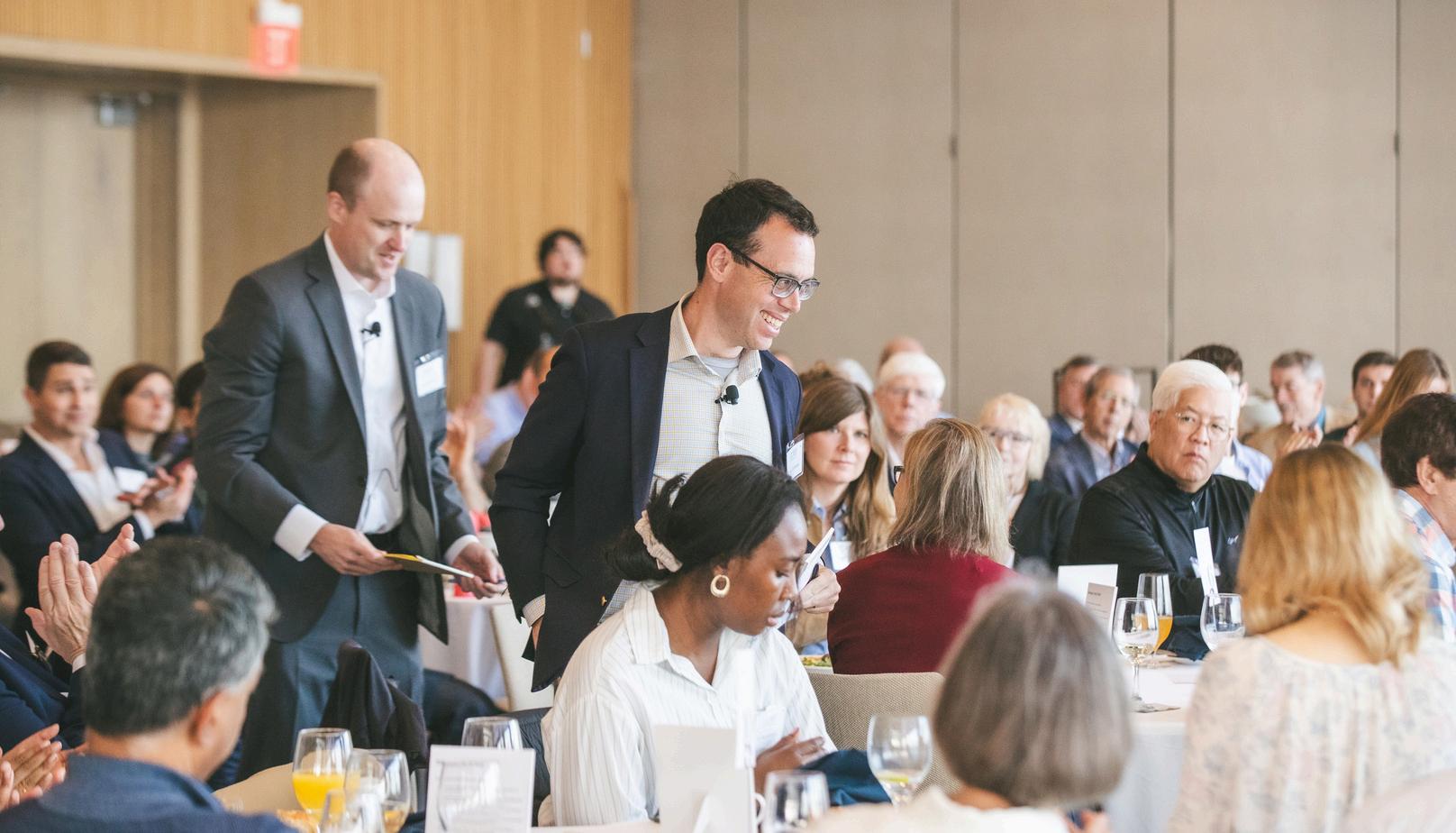
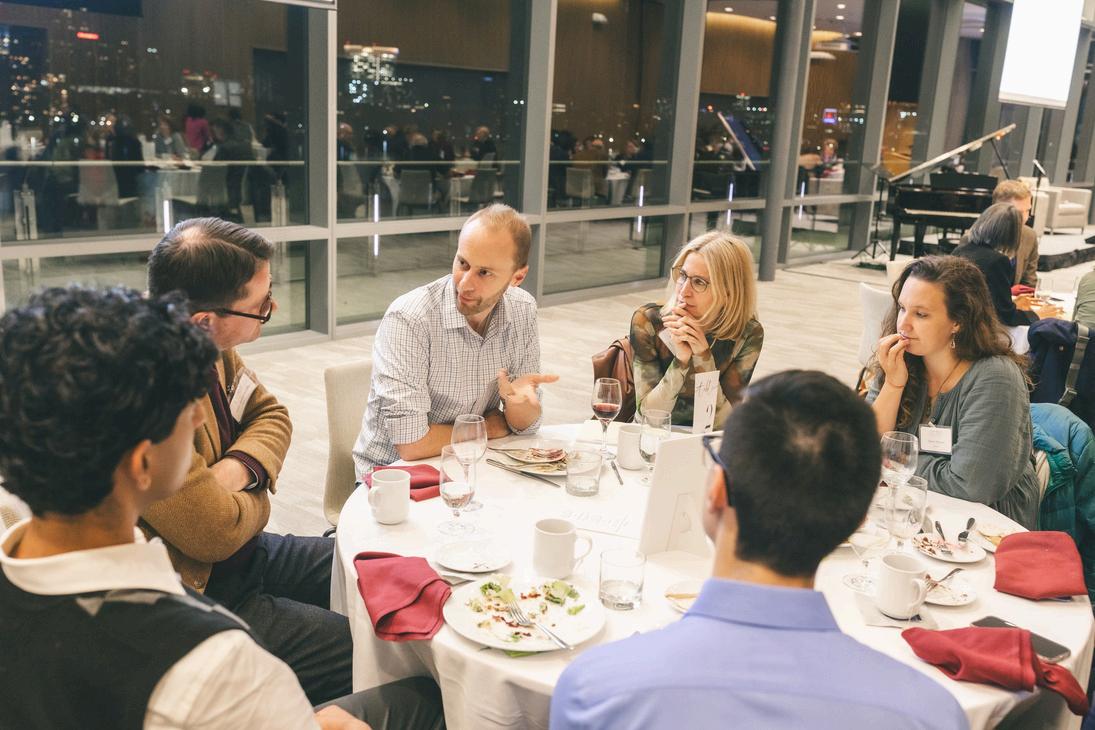
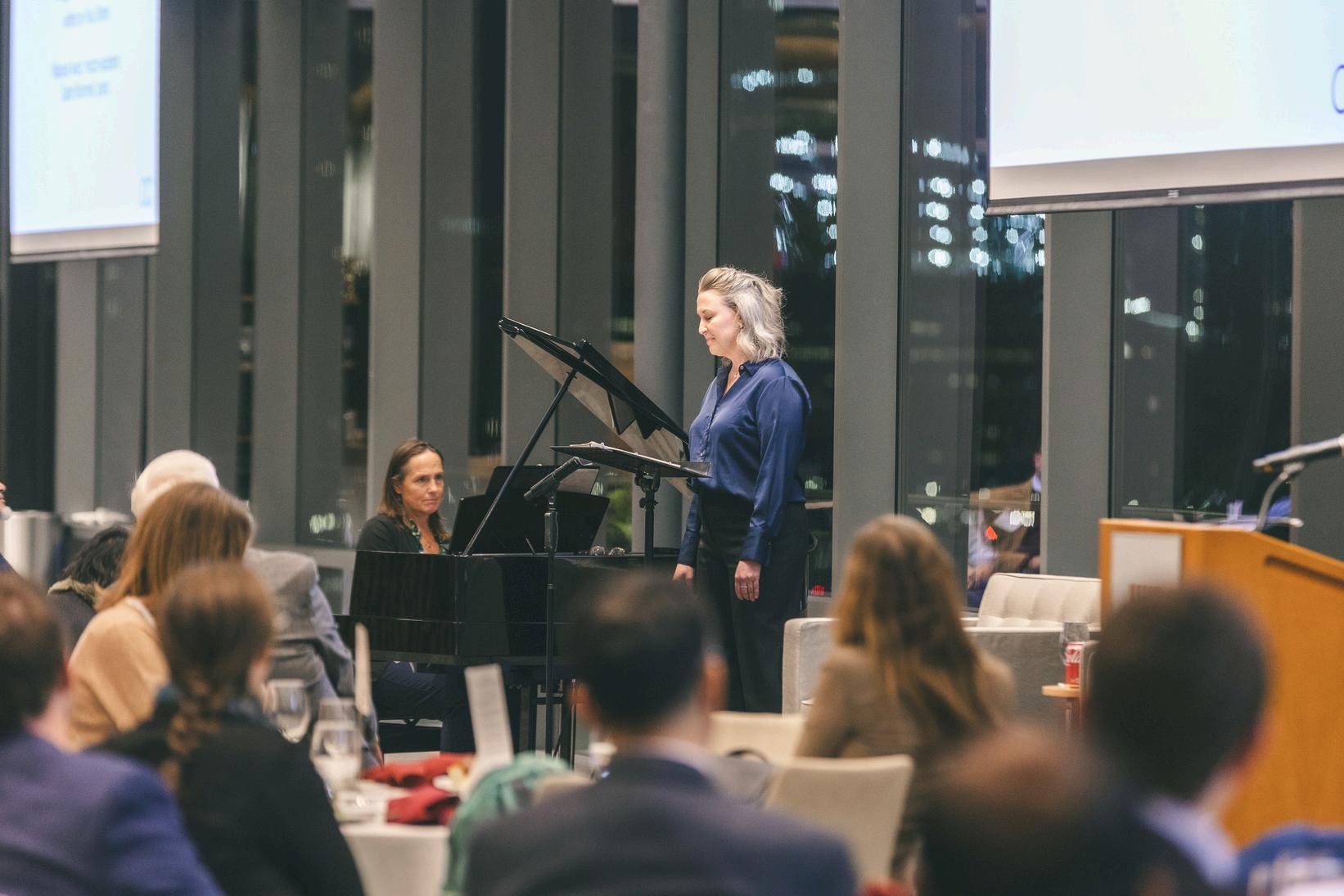
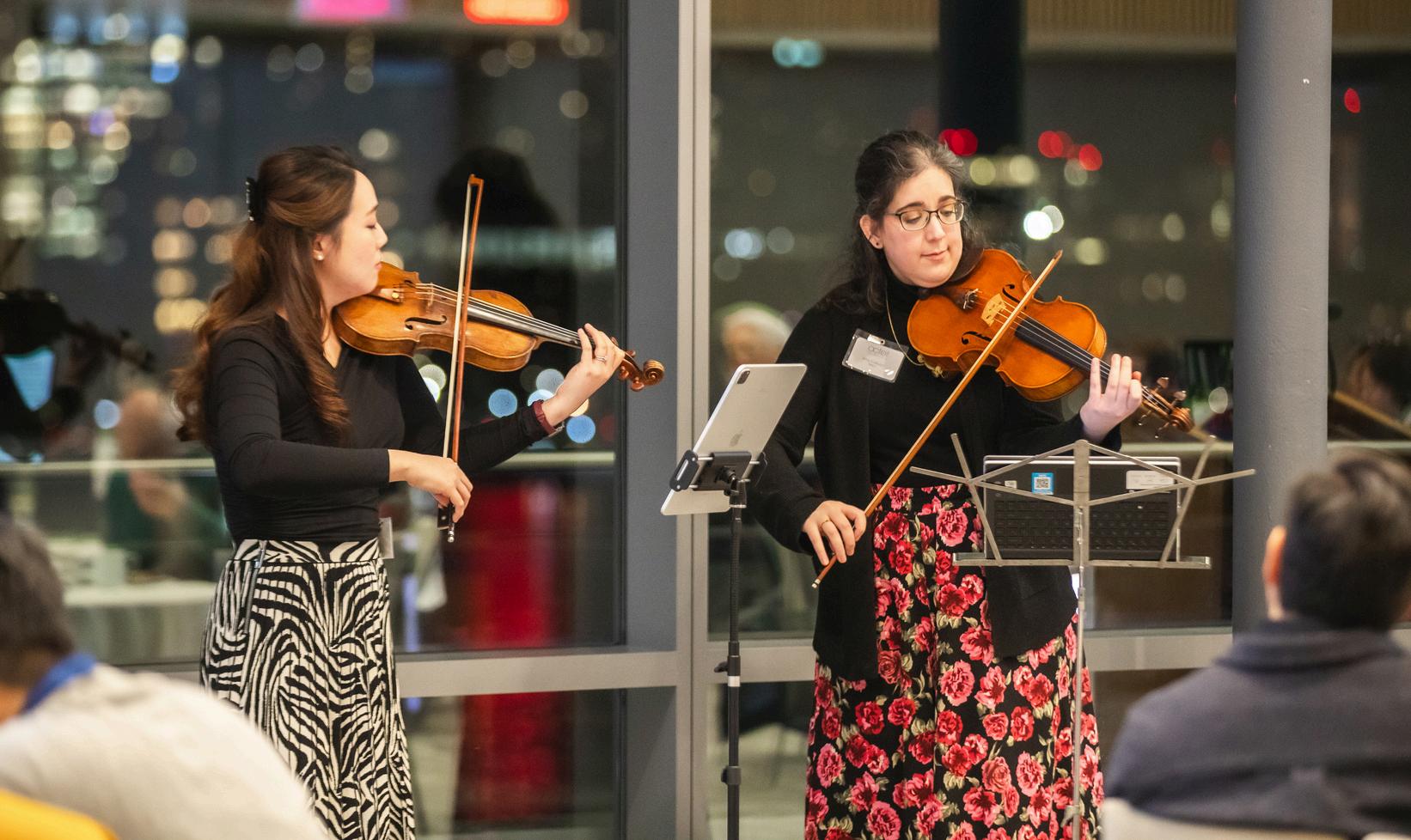
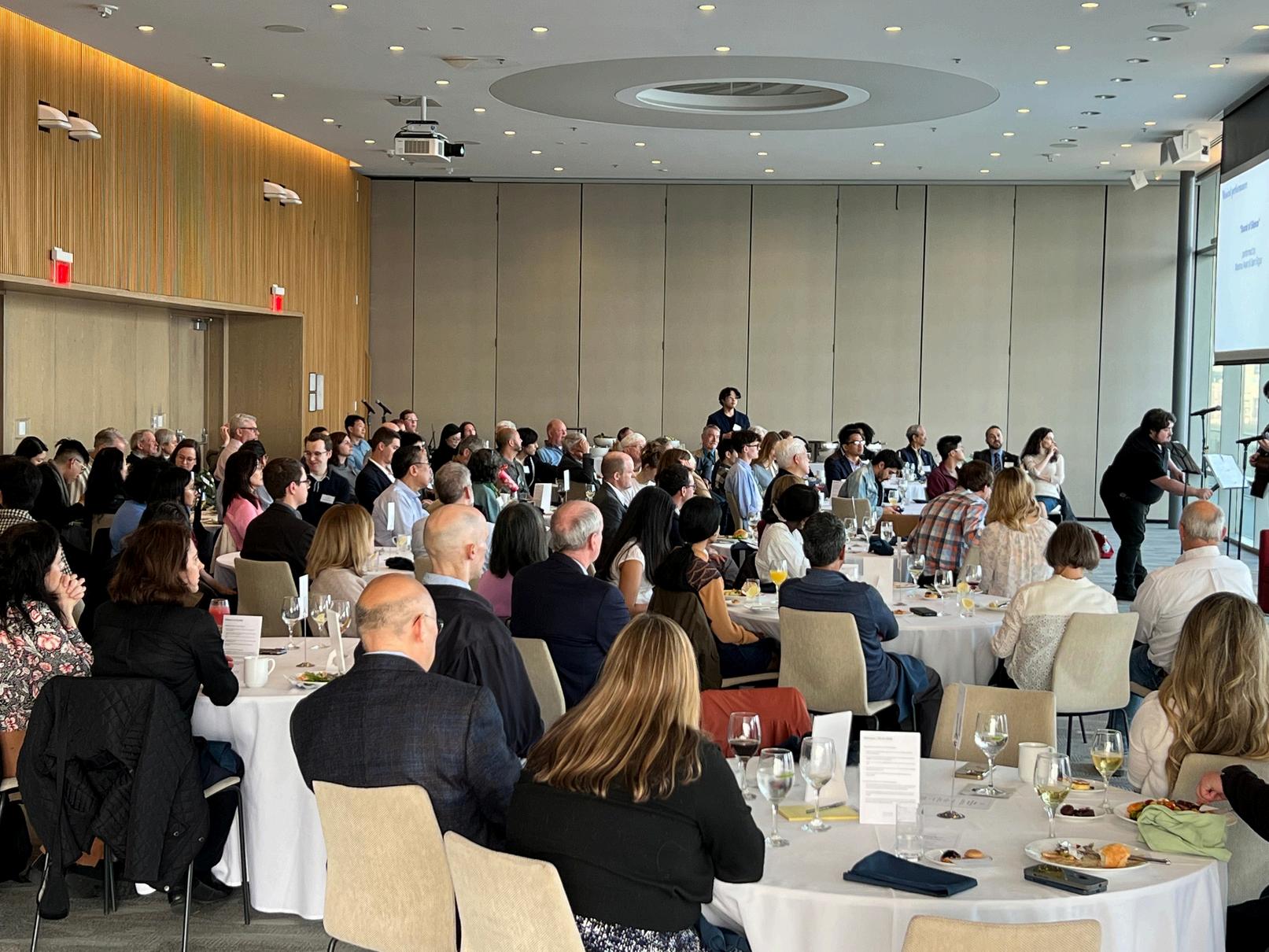
“I appreciate that there is a space to discuss potentially contentious topics in an environment that feels intentional in how welcoming it is. ”
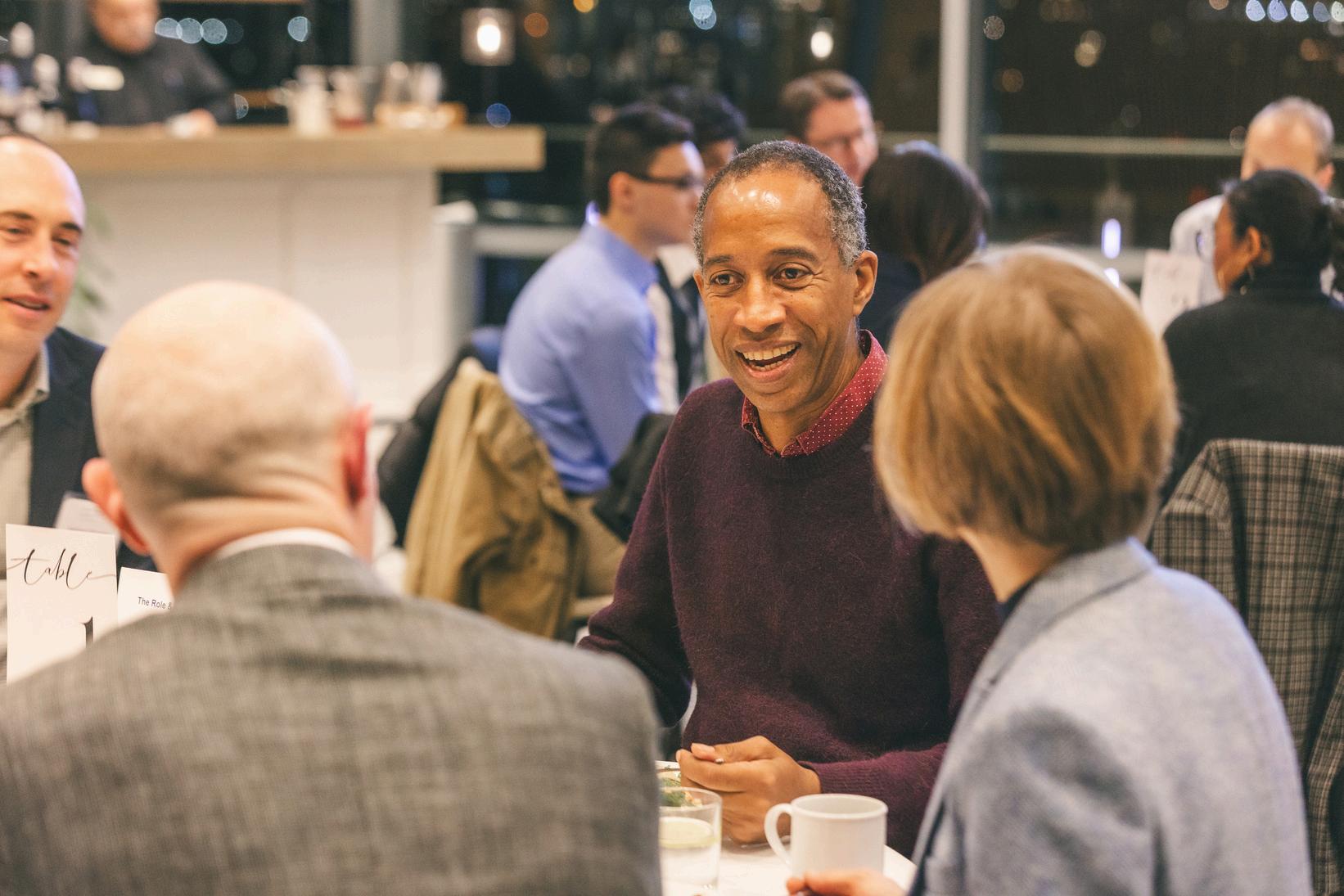
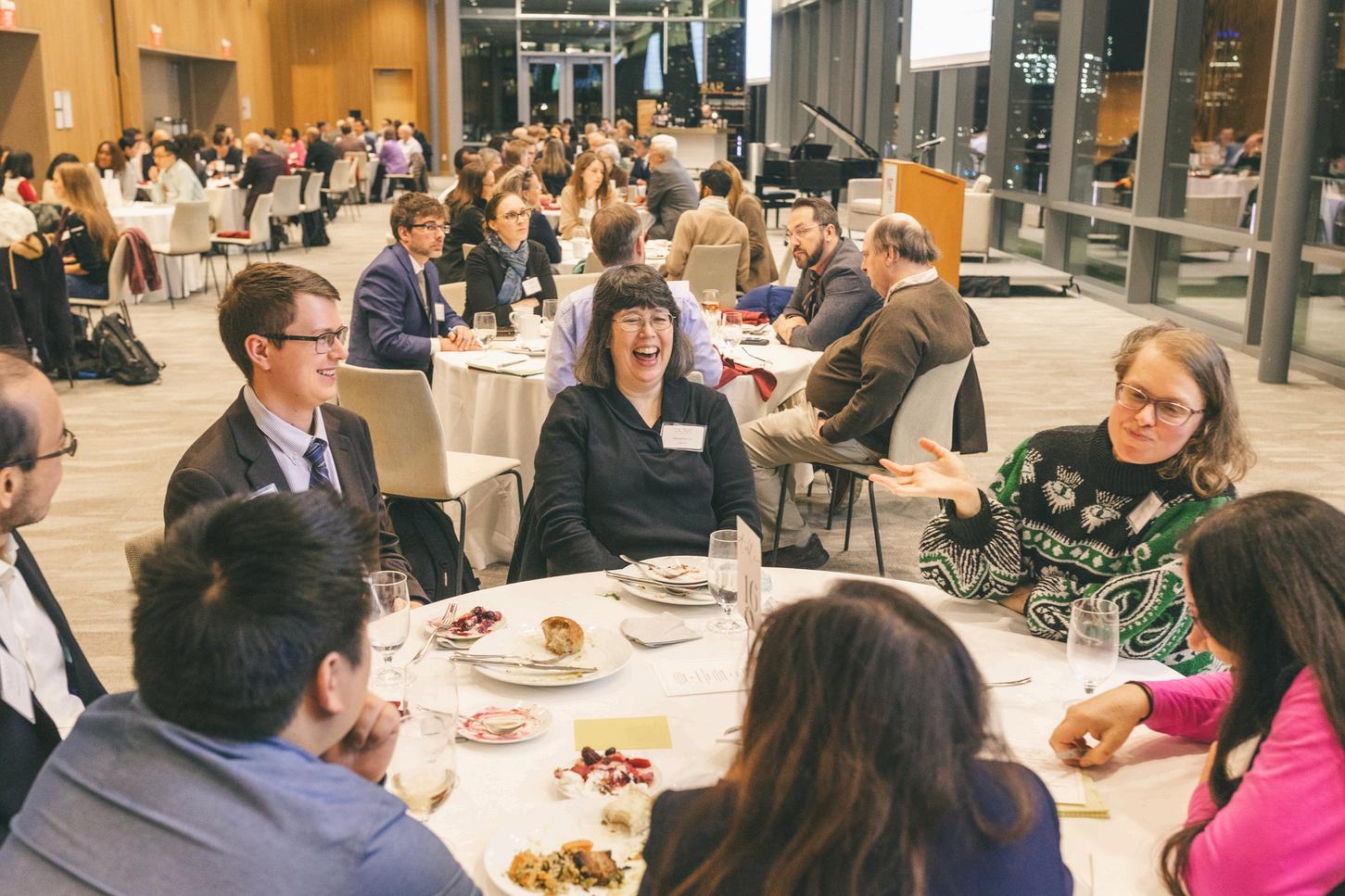
“I thought it was a fabulous night. The music, food, company, conversation and presentation were all magnificent.”
“I always leave these events feeling refreshed and like I have some interesting ideas to unpack... ”
“This was my first Diálogos, and I found it inspiring, hopeful and engaging. ”
“Very relevant topic to explore in this climate of fear in academic discourse.”
“This event definitely meets its goals and creates a space for important conversations. I enjoy spending time with people from across the MIT institution, especially those with different backgrounds and experiences to my own.”
“We enjoyed wide-ranging and incisive discussion that left me with a lot to think about and grateful for the opportunity to sit down with such a bevy of interesting people. The music was also delightful, as always, and so was the food.”
“We always leave the Diálogos event uplifted and encouraged great conversations and thoughtful program topics. The music makes us grateful for artistic excellence. ”
“I appreciated the openness and dialogue across the disciplines. The interdisciplinary nature of the event and conversation was what I enjoyed most.”
“It was fabulous... And so substantive!”
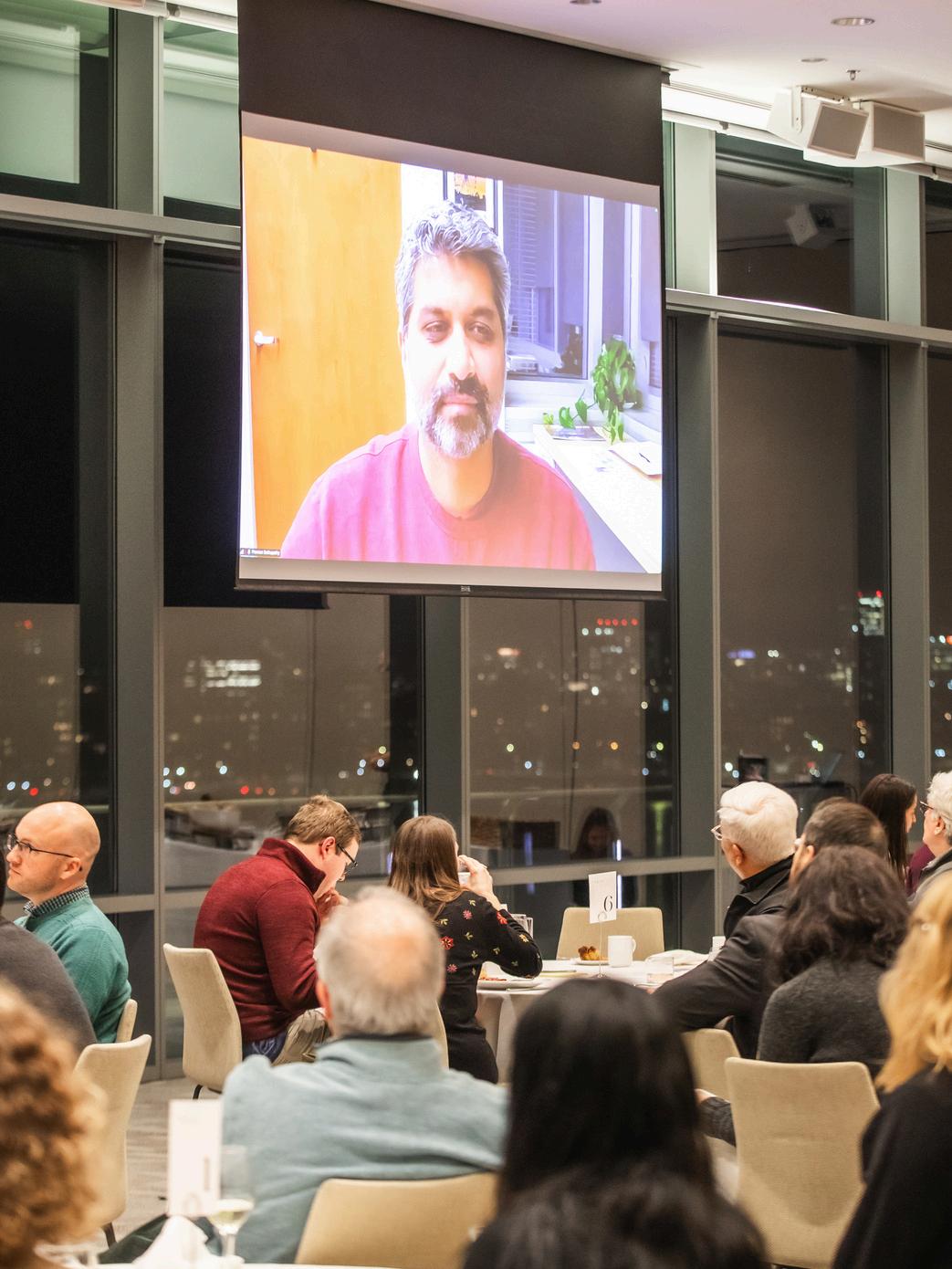
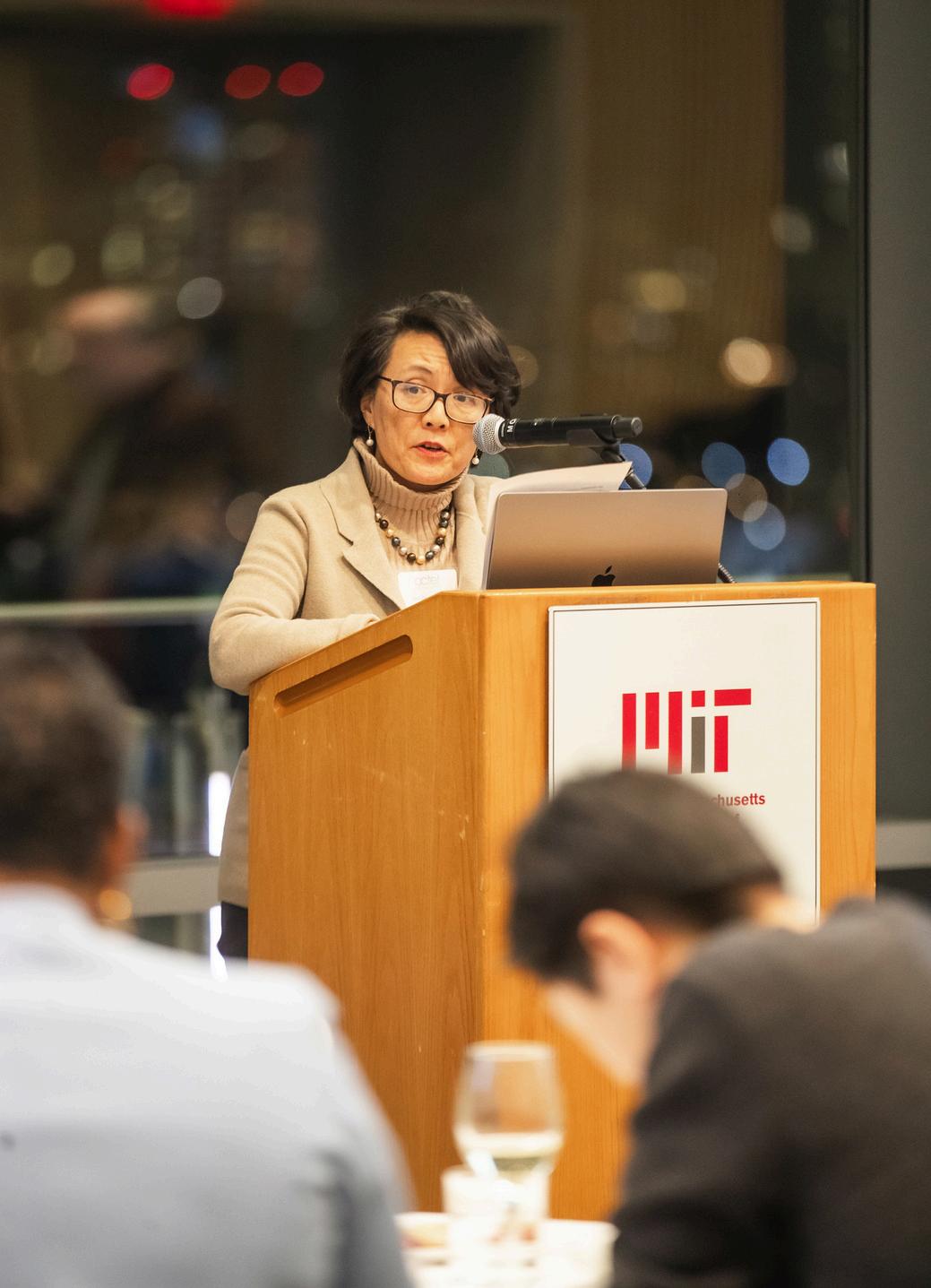
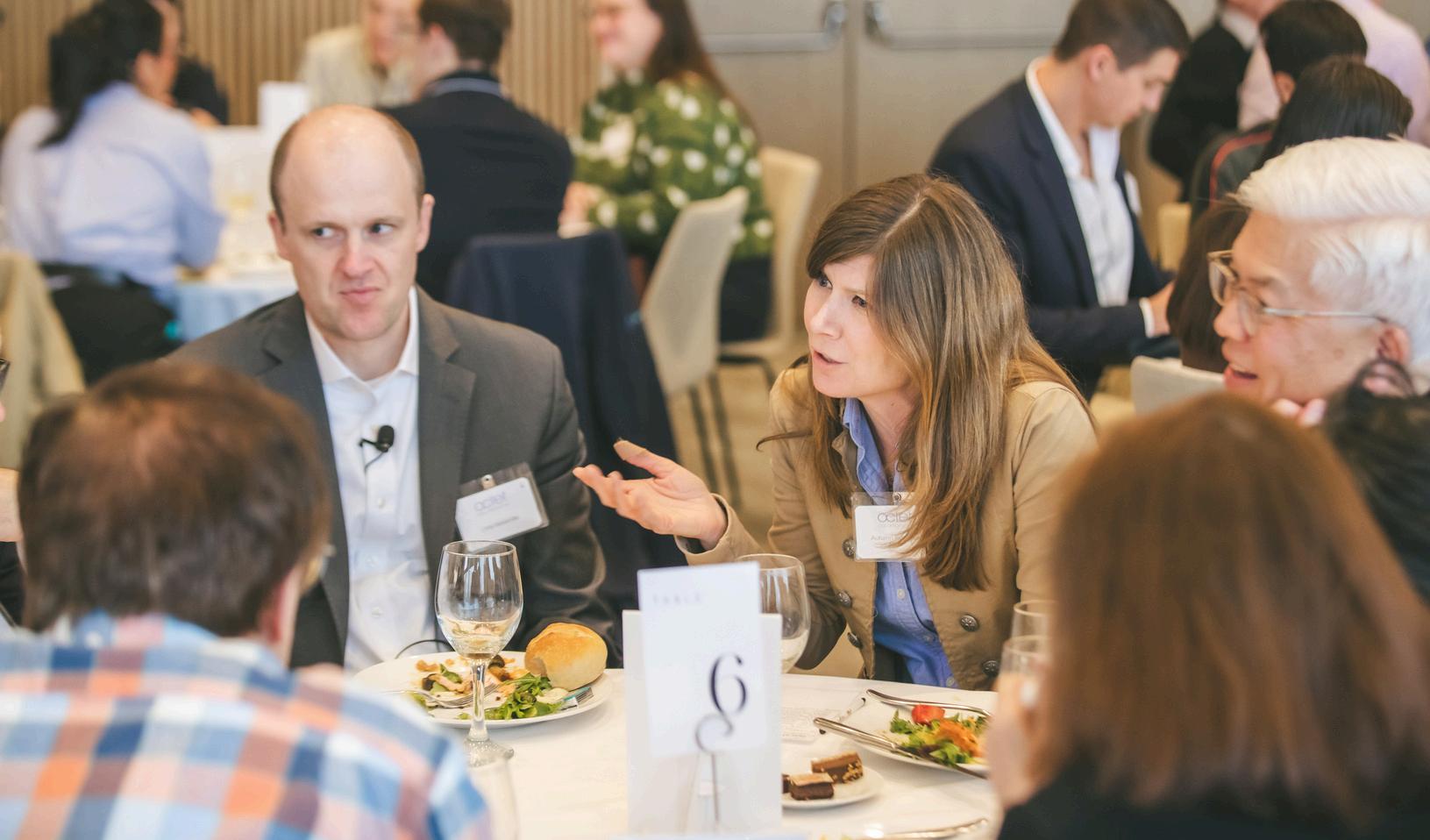
“Thank you for this opportunity and the inclusive range of audience/participants. This was a spectacularly executed event in terms of agenda, the food, the gratitude expressed to the serving staff (love that!), and having predetermined tables.”
Independent Activities Period (IAP)
January-term Courses for Students, Faculty, Staff, MIT and Boston-area Community Members
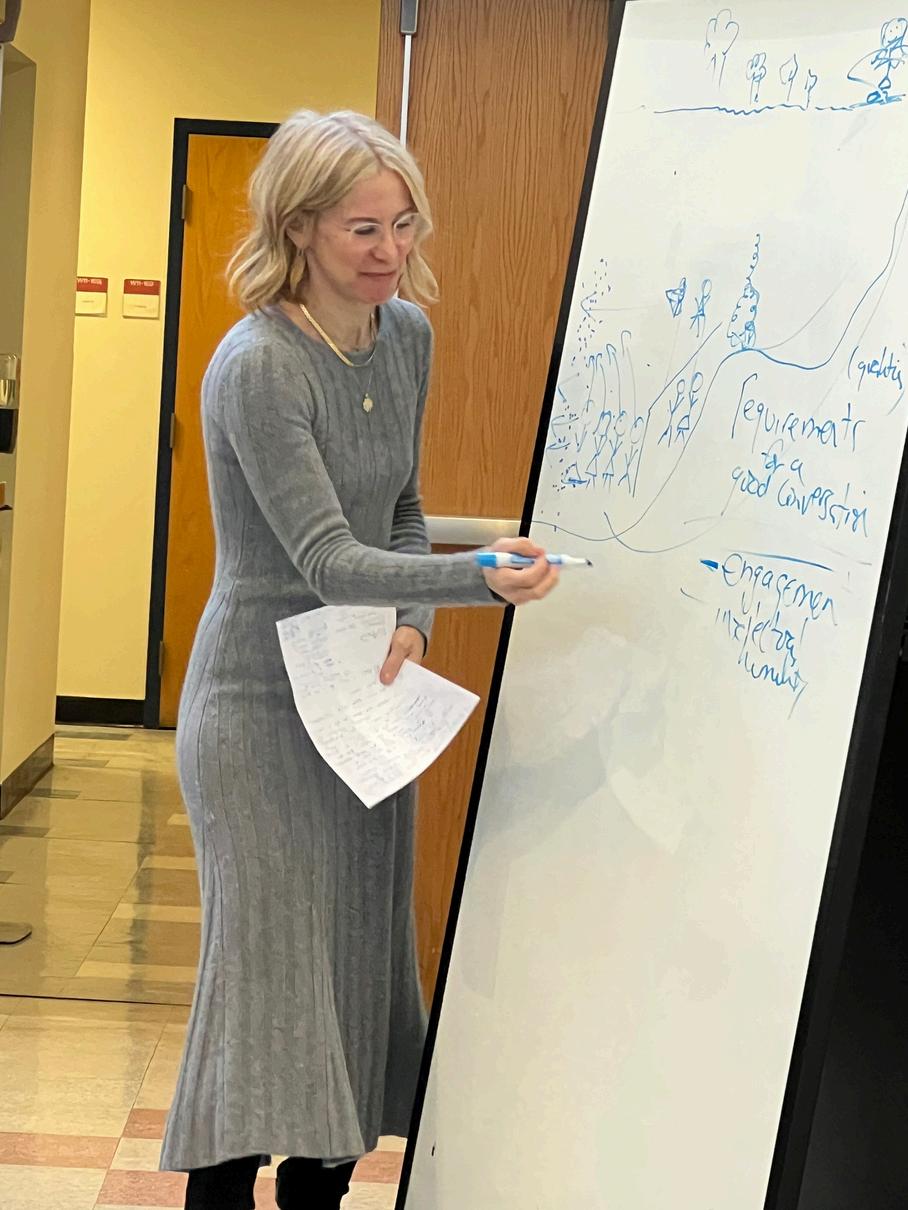
Disagreeing Well
In these polarized times, what does it mean to disagree well? Students participated in a workshop that equipped them with skills of empathic intelligence and enabled them to pursue meaningful dialogue across difference.
Science, Tech & Ethics
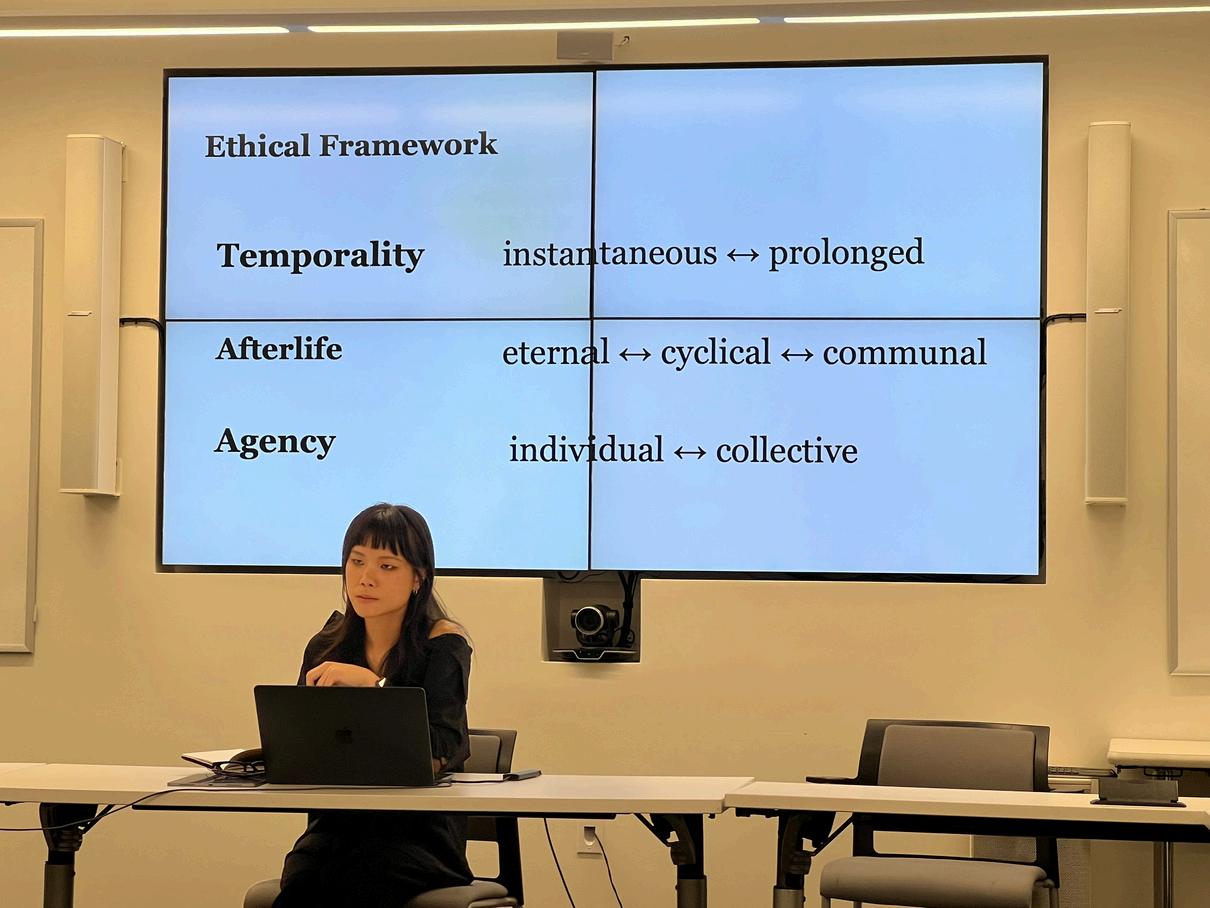
Participants explored case studies for thinking about what sorts of technologies we should be building, asking questions of meaning, purpose, and ultimate goals. In addition to learning about both religious and secular ethical frameworks, participants discussed real-world case studies of ethical dilemmas faced by the MIT community.
Music & Neuroscience Rembrandt & the Schooling of Desire
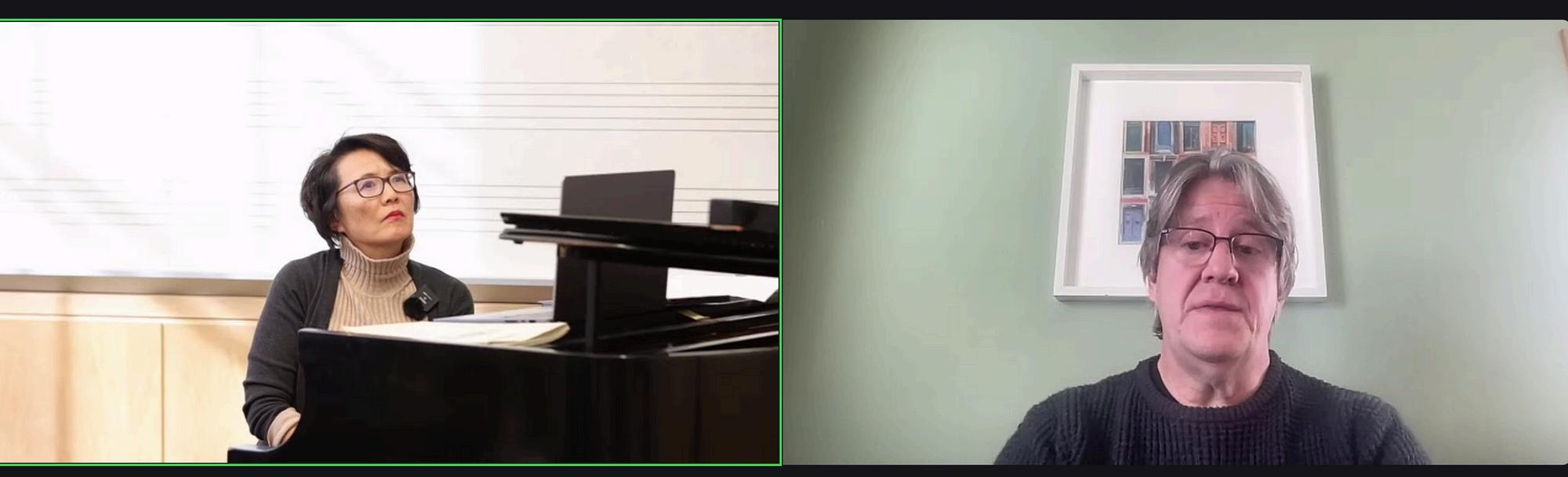
How do creativity and artistry affect our minds? In this session, classical pianist Mia Chung-Yee and neuroscientist Larry Sherman taught the ordinary and extraordinary ways that music literally rewires our brains.
For MIT students in 2025, a seventeenth-century Dutch painter may be an unexpected source of wisdom. Abigail Adams Institute Director Karen E. Bohlin guided students to glean practical wisdom everyday tools for discernment and growth through the lens of Rembrandt’s extraordinary paintings.

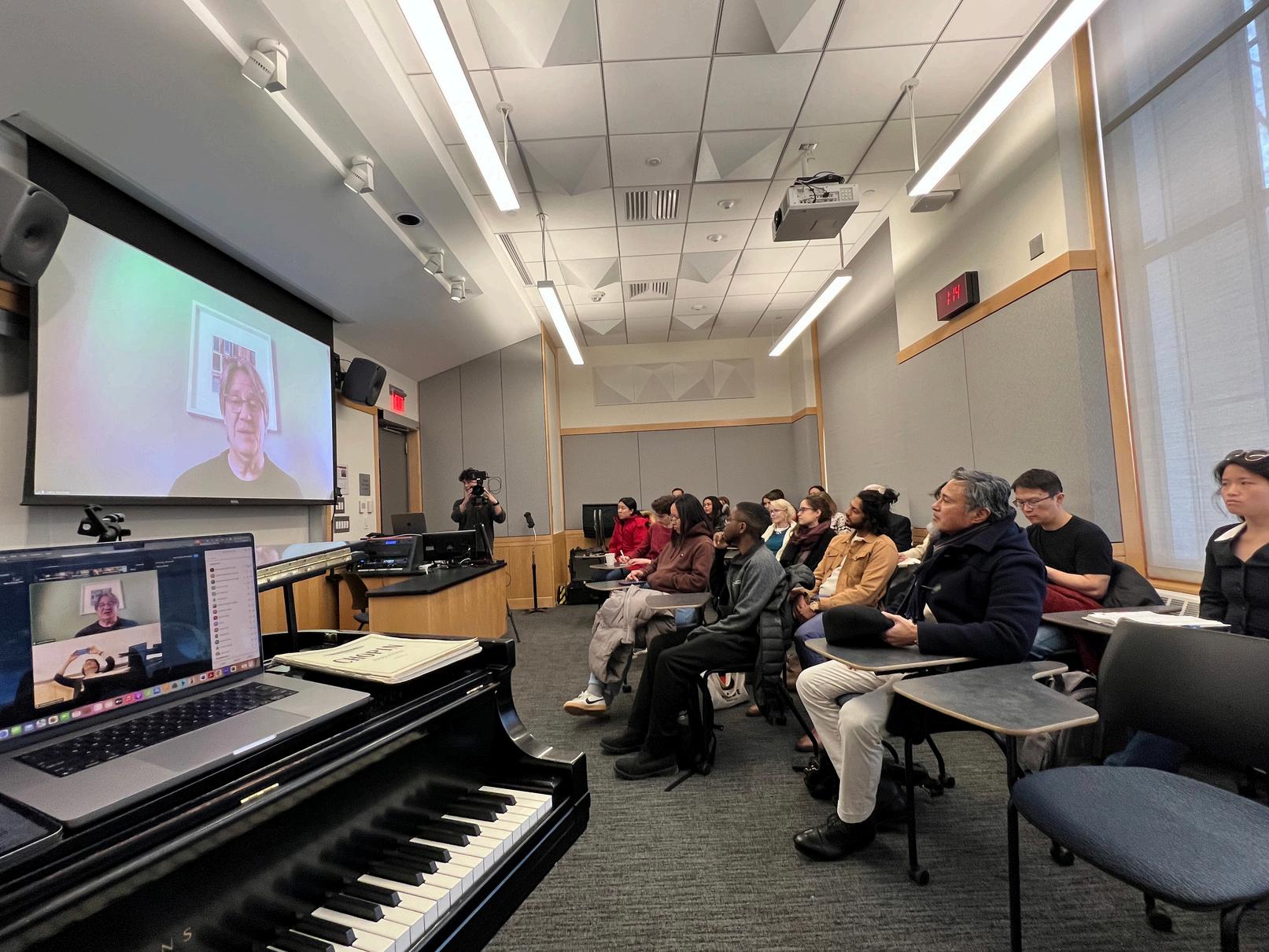
Faculty Retreats
Cross-disciplinary Retreats for MIT and Gordon-Conwell Theological Seminary Faculty
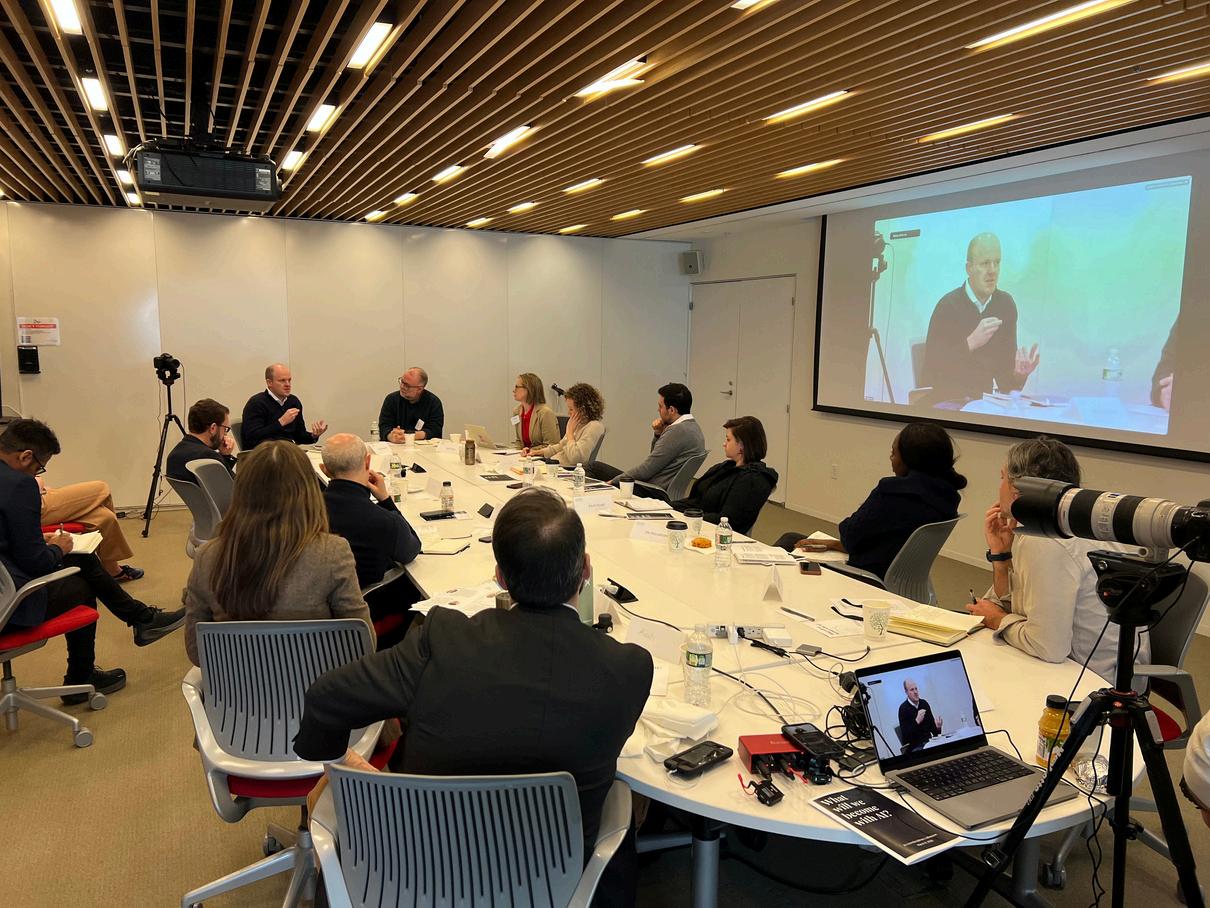
Building on 2024 faculty retreat discussions, MIT and GCTS scholars gathered to discuss emerging AI technologies, how to equip Christian scholars and professionals on questions of AI and faith, and explored the meaning and definition of the soul in technological contexts.
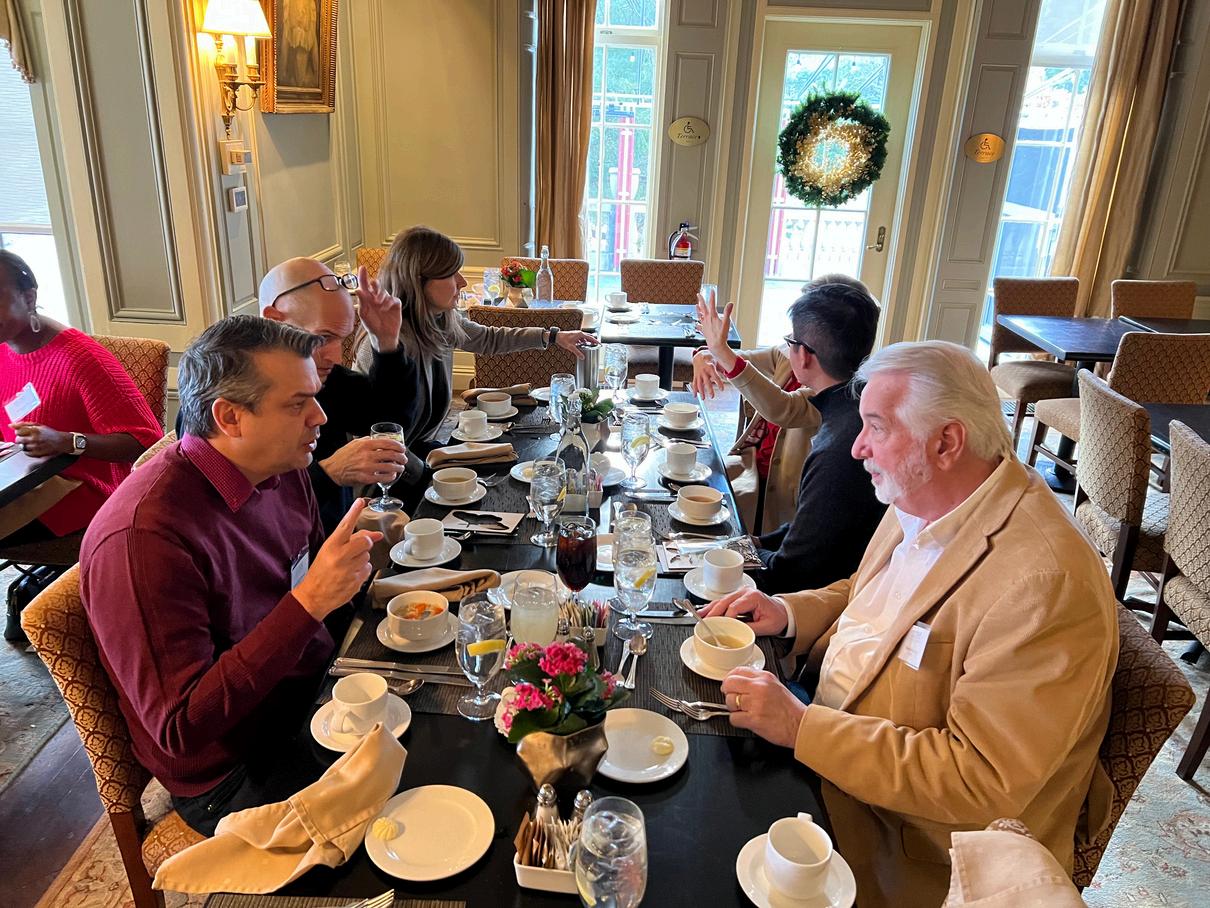
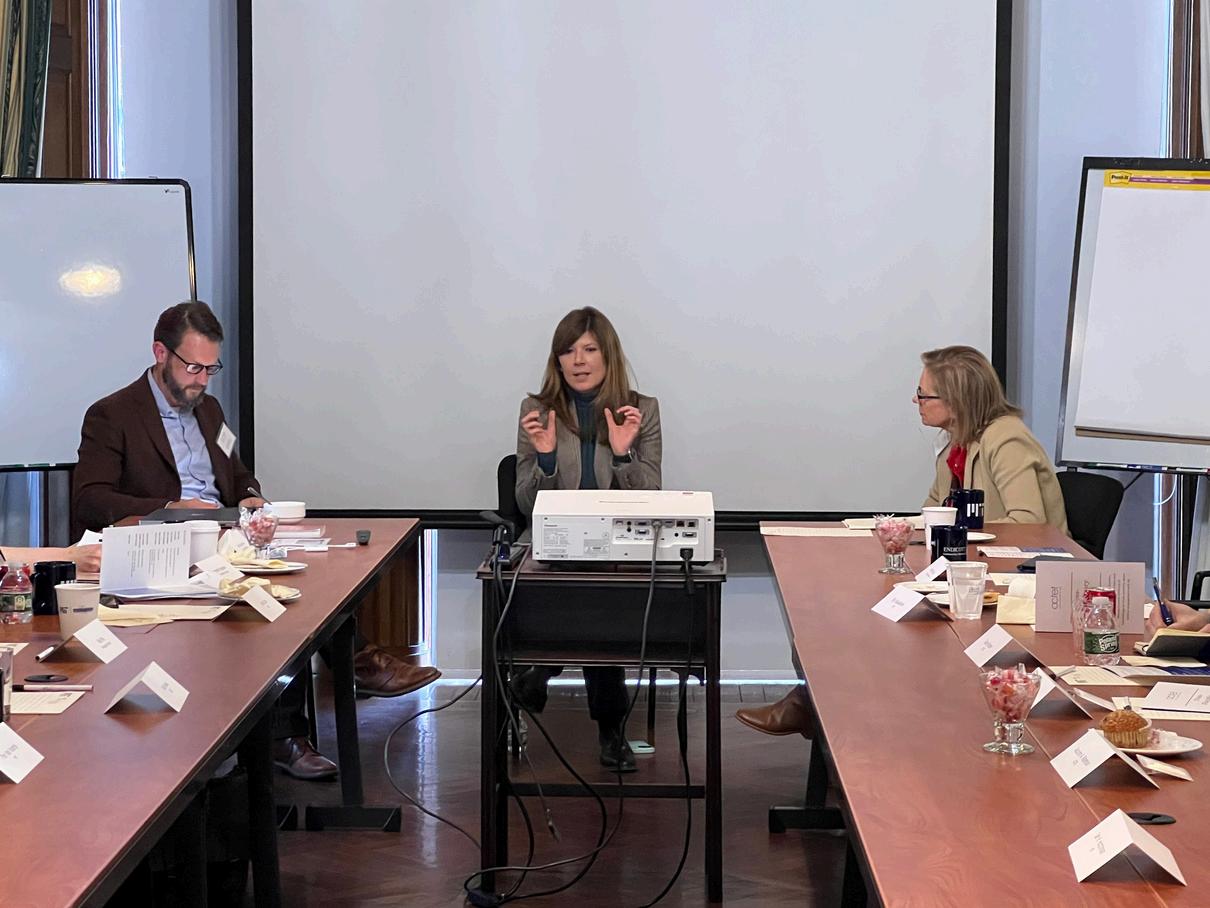
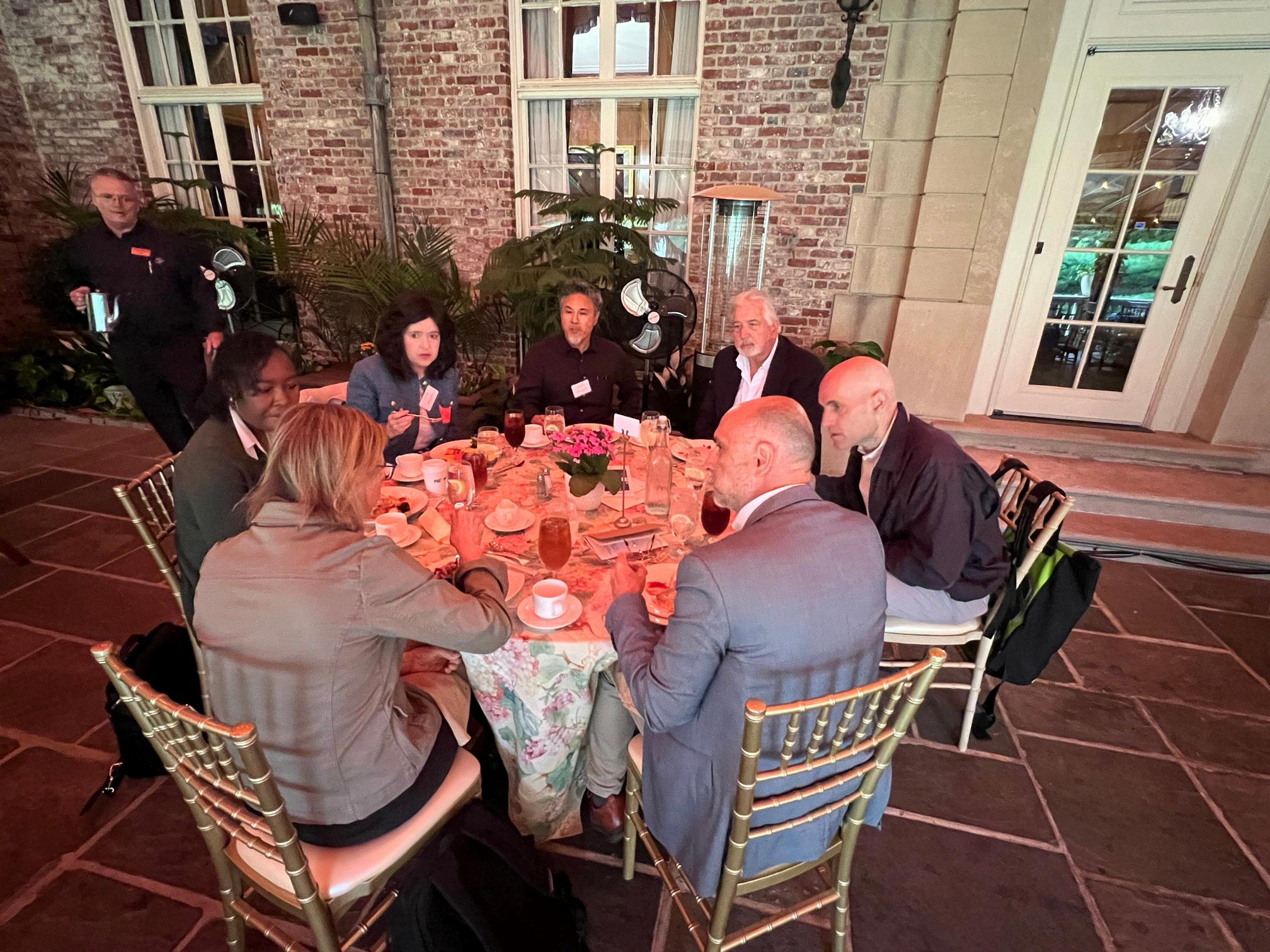
“Tremendous time together. I think Chris Meserole's expertise and pastoral sensitivity made for a perfect balance of technical instruction and theological reflection. The presence of many multiple-time attenders gave a nice comfort level for open sharing. It also struck the right tone of informality, which was appropriate for a retreat setting, with good preparation, organization, and clear communication.”
“Grateful for this collection of scholars and thinkers. ”
“Very valuable deep thought about a topical, technological, and also spiritual subject.”
“I wonder how faculty members at MIT might be able to speak to the GCTS community, and how GCTS faculty in turn might speak to folks at MIT. I would love to see us build on the momentum of the retreats and the enthusiasm of participants to be of mutual service.”
What is a Better Future?
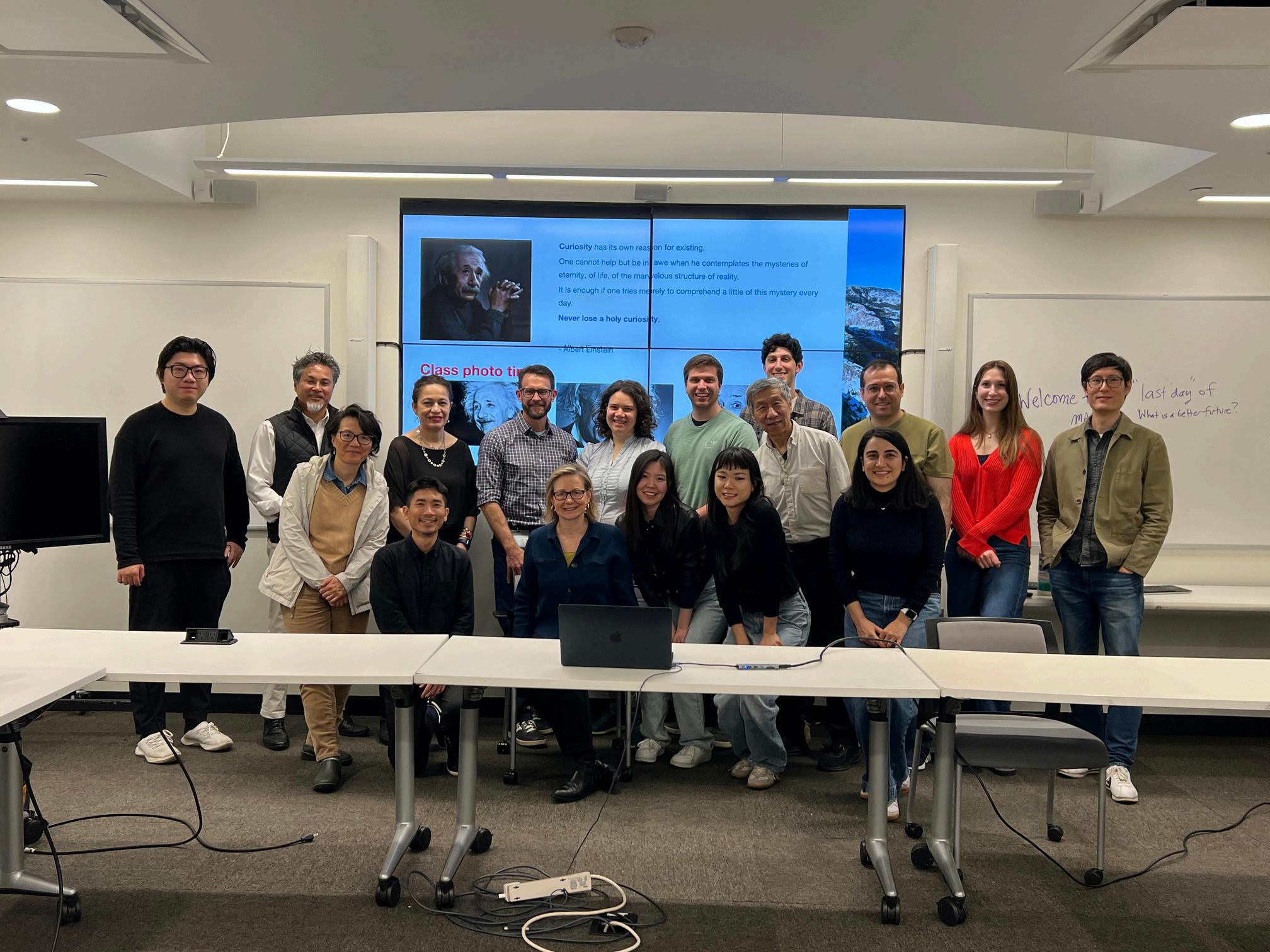
A For-credit Course Offered Through the MIT Media Lab
“Techno-optimists also think about mitigating negative consequences of their products/services. I'm relieved so many scholars think about future issues. Now I'm thinking about solutions and practical options to safeguard our future. It's a complex task.”
“I greatly enjoyed the conversations with students and others.”
6 For-credit students; 12 Auditors
This course provides undergraduate and graduate students in the MIT Media Lab the opportunity to step back and ask how technology can promote aims, such as human rights, dignity, and justice, from the perspective of multiple ethical frameworks. The class invites multiple subject experts, representing both technical fields that raise ethical questions, and ethical frameworks of both secular and religious varieties, to address the question: what does it mean to build a better future?
“The general approach of trying to be responsible and accountable as builders of technology. Forcing ourselves to ask the really important questions of 'why' ”
“I'm glad that I was able to push my project in my preferred direction and be fully supported by the instructors in doing so.”
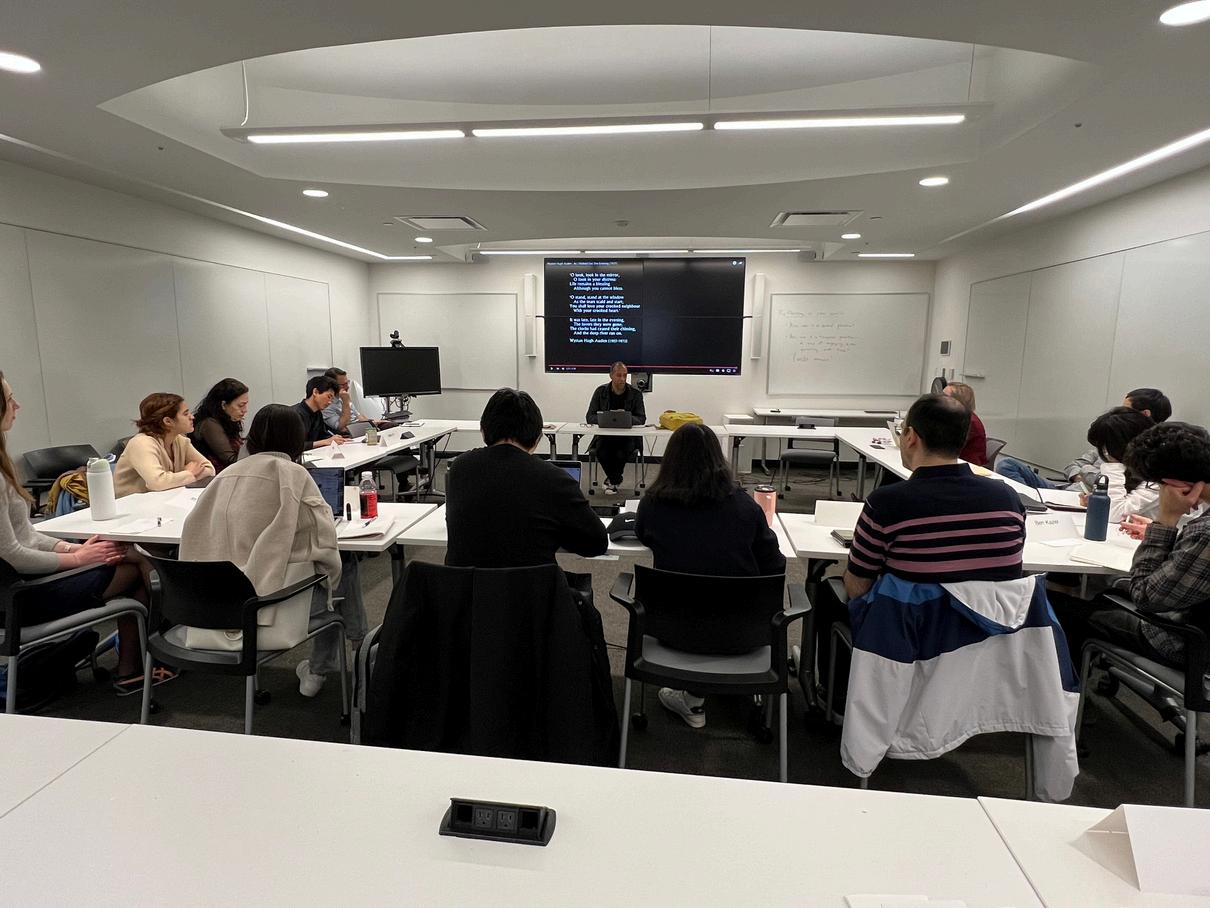
Artificial Intelligence Colloquium
During this colloquium, scholars engaged this overarching question — what will we become with AI? — through three lenses:
First, what does AI form in us? Do increasingly advanced AI tools threaten to degrade human dignity, or demand their own? What can AI teach us about what it means to be human, and vice versa?
Second, how does AI form us? How ought we develop our characters as persons, and how much control can we exercise over this process?
Third, who is responsible for AI’s formative powers? There is no single locus of power to govern the development of AI. Which powers are ascendant, and what kinds of changes are they undergoing?
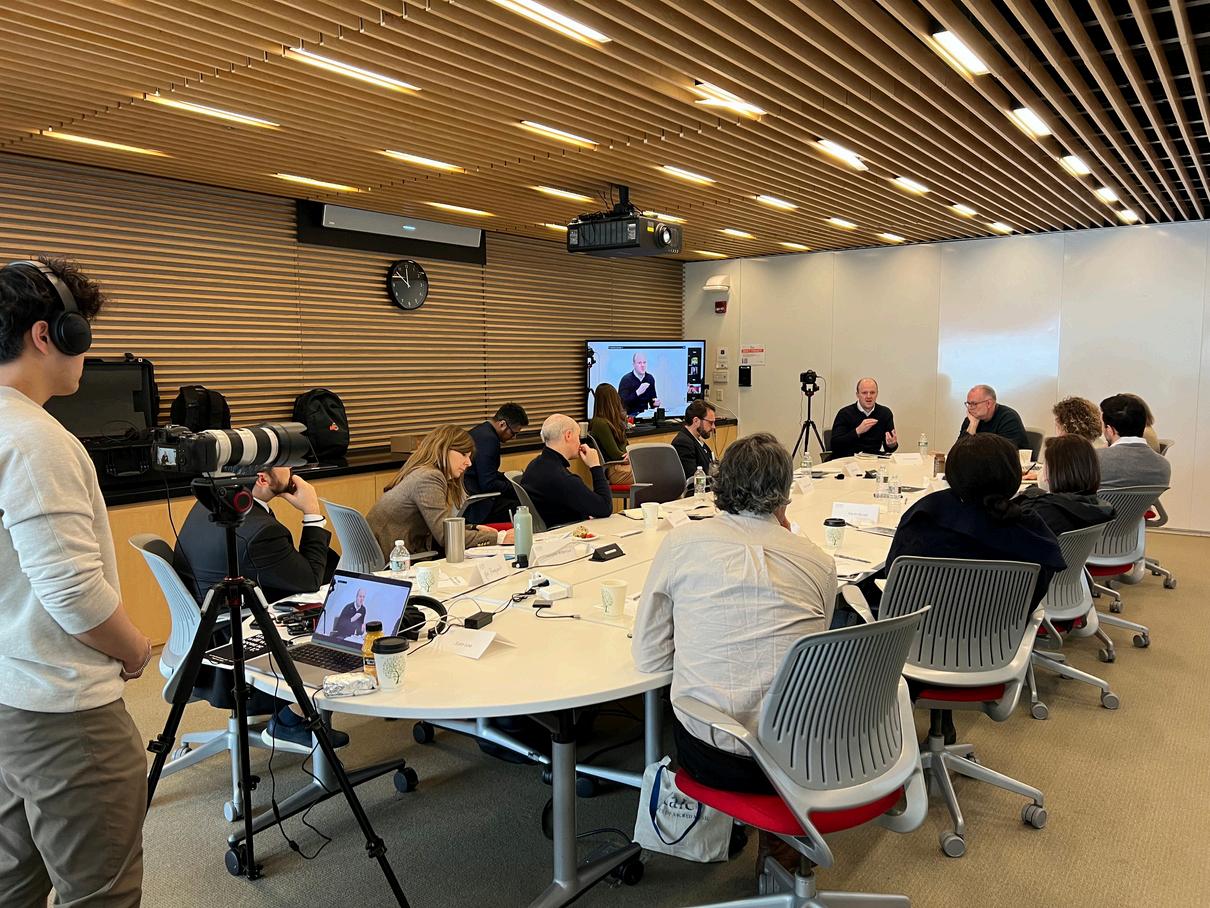
“The most meaningful part of the conversation was the diverse voices in the room. What will stick with me is the shared interest in understanding the upcoming impact of AI and the expressed need for more Christian voices in that sphere.”
“I heard some points of view that were unfamiliar to me and ended up coming away with much more rounded views than I came in with.”
“It was such a rich time, one I will remember for a long time!”
“I appreciated the wide range of speakers and topics and thought that the session groupings were effective. Despite not being there in person, I listened intently throughout the day and felt that I learned quite a lot from the conversation ”
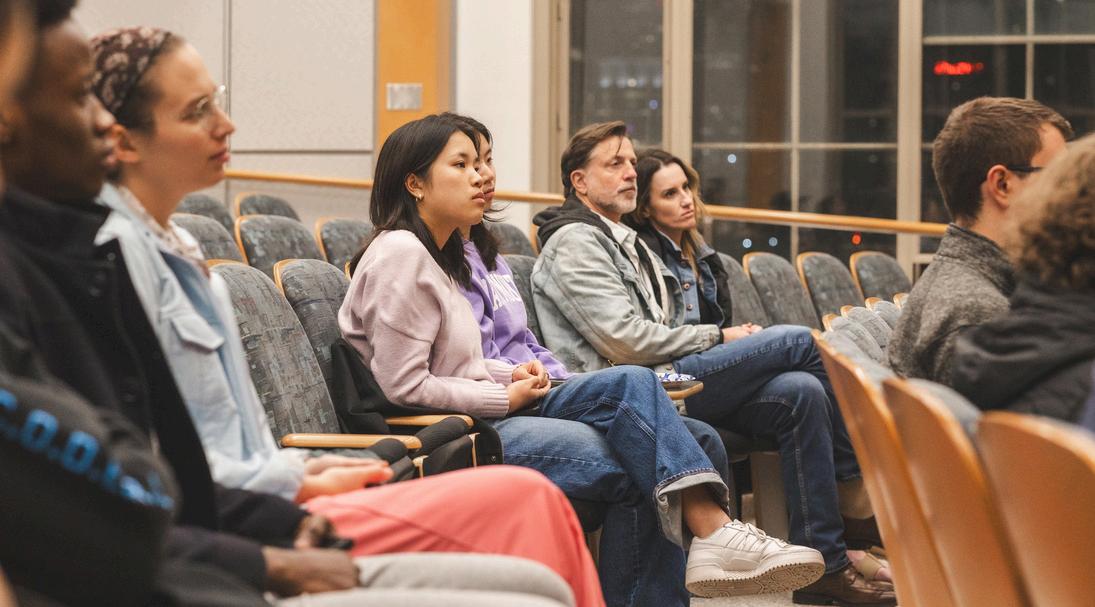
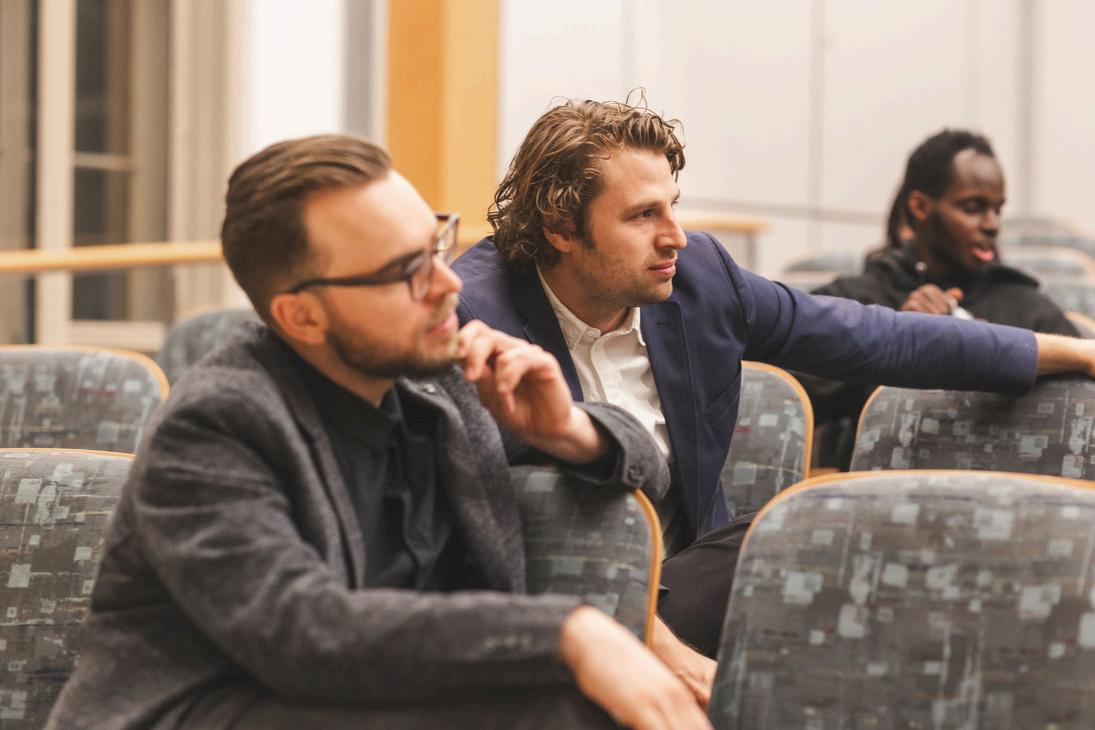
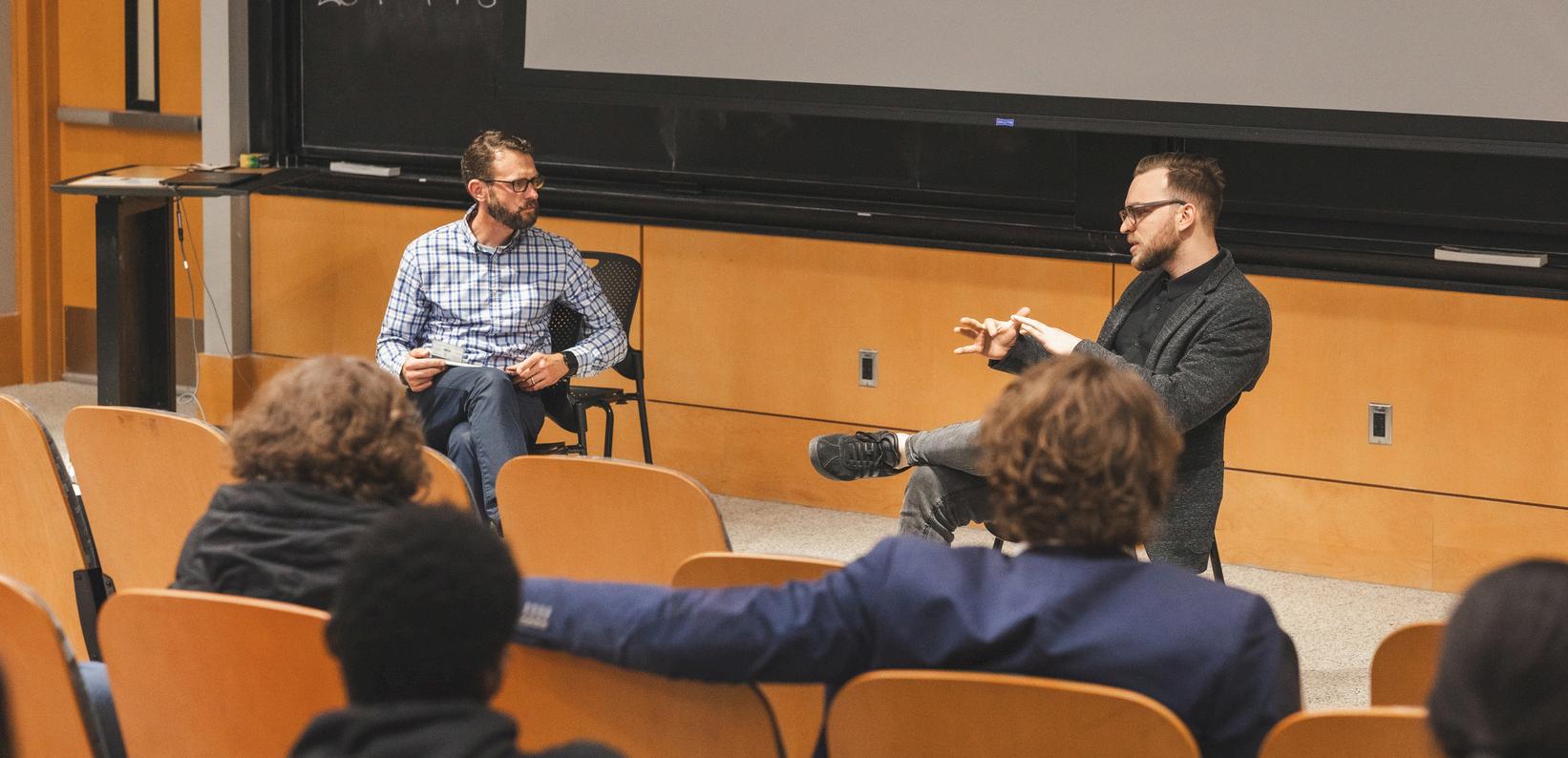
The End of Humanity Documentary with Theologian Oliver Dürr
Film Screening and Discussion on the Meaning of Humanity and AI
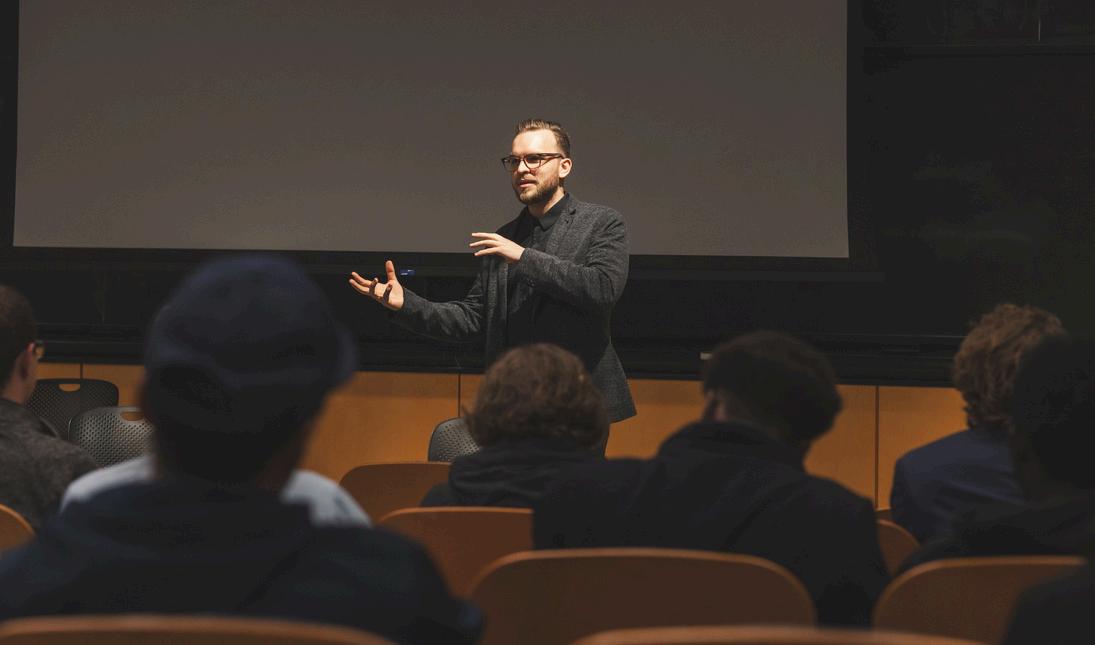
Infinite Corridor Podcast
Stories of Faith at MIT
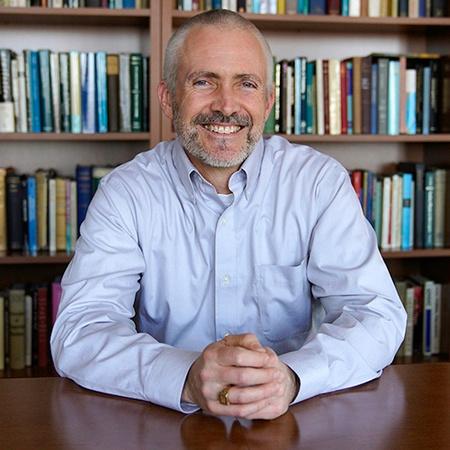
MIT ‘95, Professor of Philosophy at the University of Minnesota
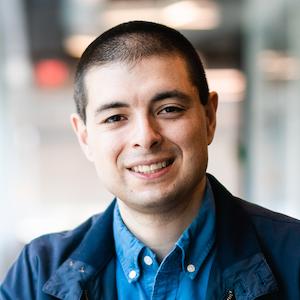
MIT PhD ‘17, Professor at Cornell University in the Departments of Communication and Information Science
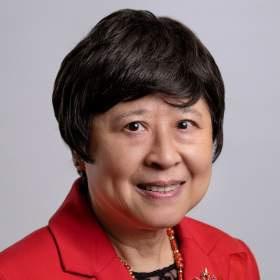
MIT PhD ‘77, Professor at the University of Buffalo in the Department of Mechanical and Aerospace Engineering
Downloads during the 2024-25 academic year
Rating on Apple Podcasts
Audio from the AI Colloquium will be released on the Infinite Corridor podcast in fall 2025!
We are deeply grateful for your support.