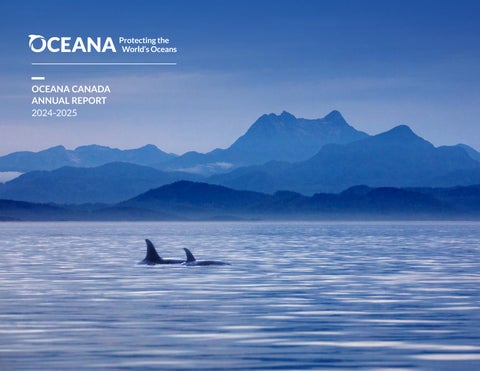
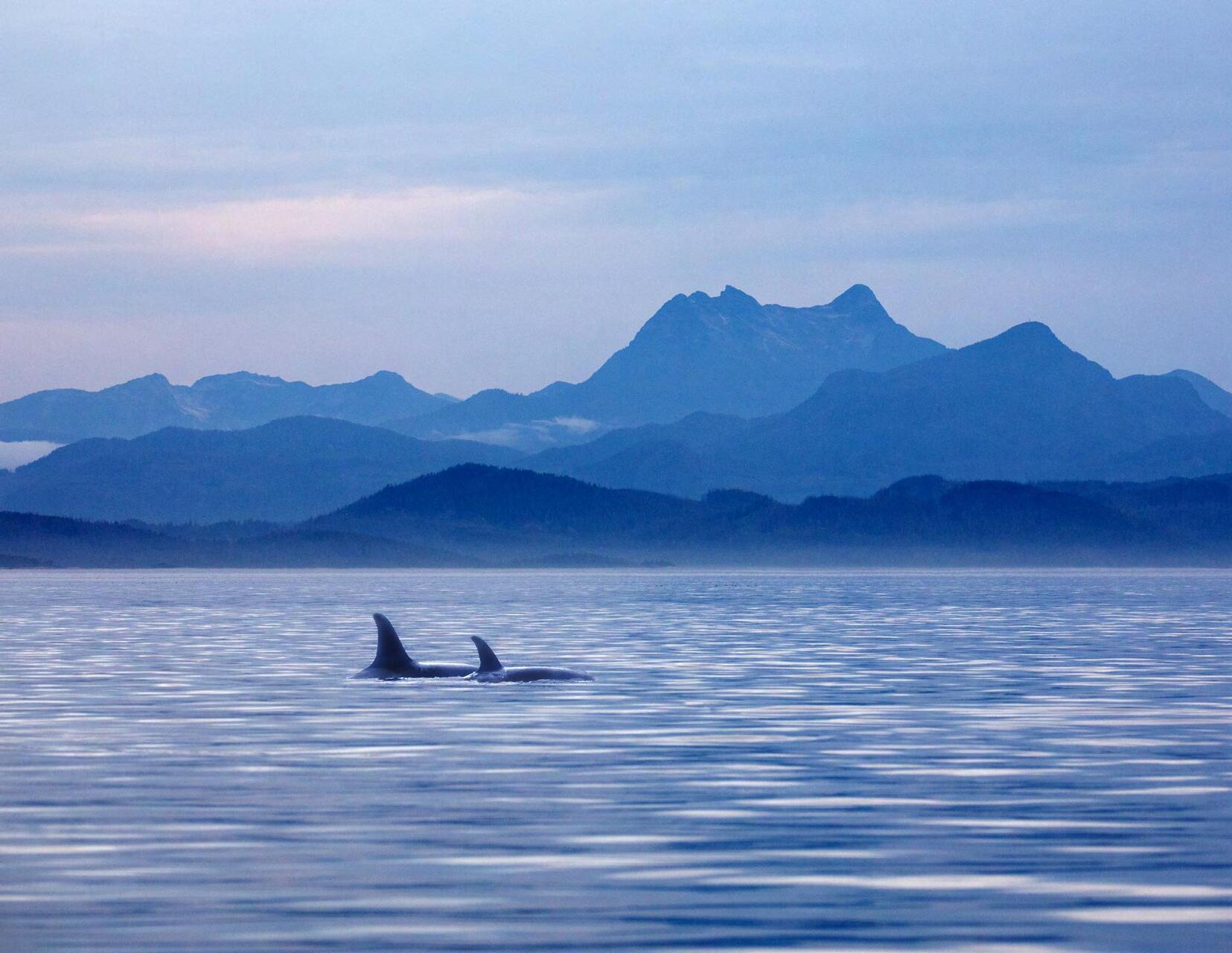
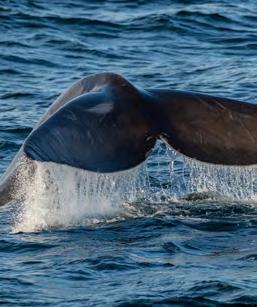
Cover picture caption: Orca whales, Johnstone Strait near Telegraph Cove, Vancouver Island, British Columbia.
Oceana Canada
Oceana Canada was established as an independent charity in 2015 and is part of the largest international advocacy group dedicated solely to ocean conservation. Canada has the longest coastline in the world, with an ocean surface of 7.1 million square kilometres, or 70% of its landmass.
We believe Canada has both a national and global responsibility to manage oceans sustainably and ensure a reliable source of protein for the world’s growing population.
Since its founding, Oceana Canada has successfully campaigned to ban unnecessary single-use plastics, end the shark fin trade, make rebuilding depleted fish populations a legal requirement, improve fisheries management, and protect marine habitats.
ocean
academics, fishers, Indigenous Peoples, and the federal government to restore Canada’s oncevibrant oceans to health and abundance. By doing so, we can strengthen coastal communities, secure economic and nutritional benefits, and protect our future.
Oceana Canada operates in many regions across the country. From coast to coast to coast, we acknowledge the ancestral and unceded territories of Inuit, Métis, and First Nations communities that call this land home, and we strive to carry out our work in a spirit of collaboration and reconciliation.
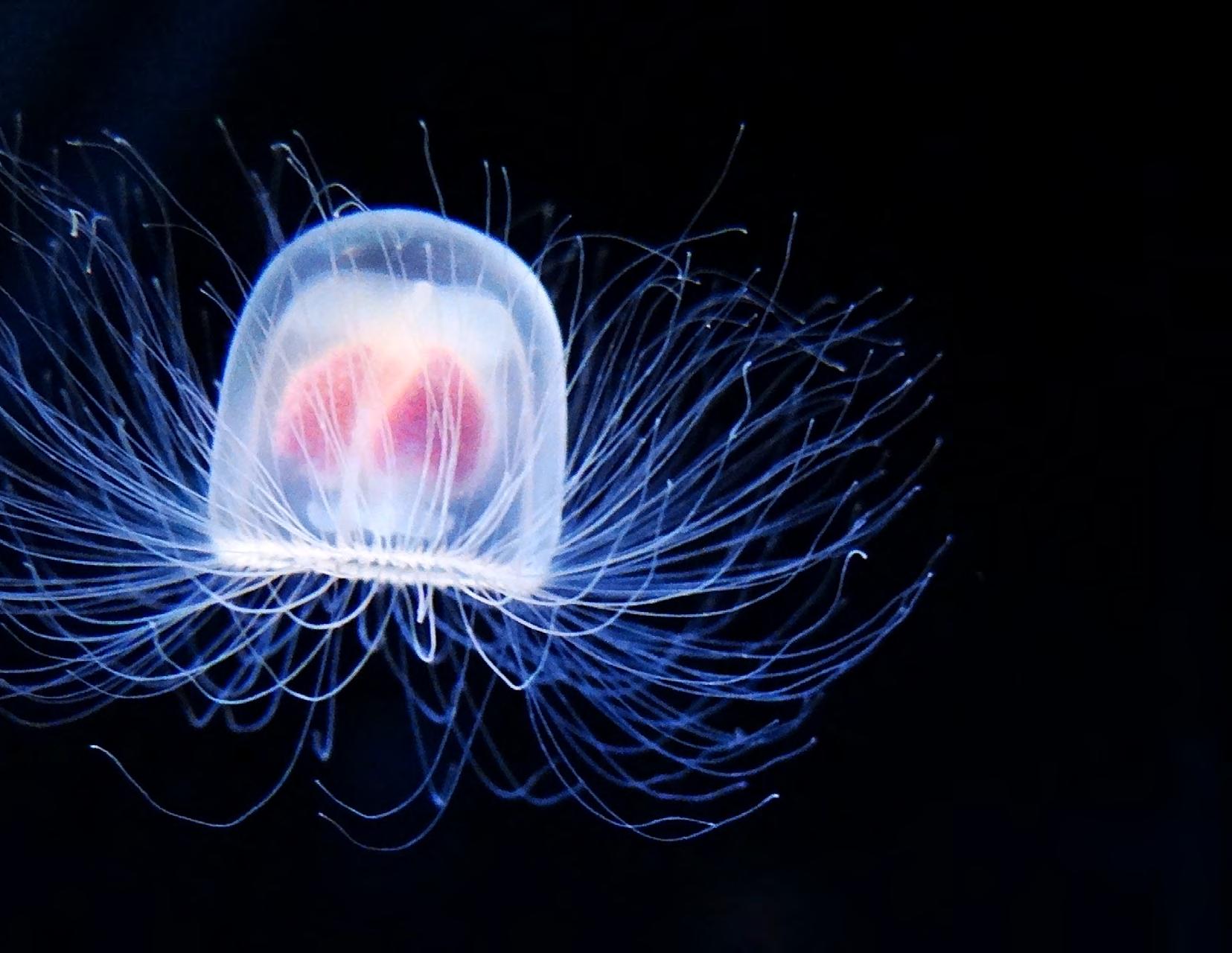
Turritopsis nutricula
Letter from the Executive Director
10 Years of Impact; A Decade of Abundance Ahead
Ten years ago, when I first stepped into this role, Canada’s oceans were at a crossroads. Overfished populations, threatened habitats, plastic pollution, and wildlife on the brink painted a stark picture. But I also saw a path forward: the awesome regenerative capacity of the oceans meant that with science, persistence, and collective will, we could turn the tide.
A decade later, I am proud to say we have made great progress. Together, we have won hardfought victories that are reshaping the future of Canada’s oceans. From securing the first-ever science-based rebuilding requirements in the Fisheries Act, to ending Canada’s role in the global shark fin trade, and co-creating the country’s largest marine protected area with Indigenous partners, our progress shows what’s possible when people unite behind bold, science-based action for the oceans.
These wins belong to all of us: the passionate staff who give their best every day, the scientists and advocates who challenge the status quo, Indigenous, community, and industry leaders whose stewardship shapes lasting solutions, and the donors and supporters who put their trust in Oceana Canada. This anniversary is not just a milestone — it is proof that determined advocacy, rooted in science and partnerships, delivers results.
Recent years brought milestones that point the way forward: permanent protection for more than 133,000 km² of underwater mountains off British Columbia; no known right whale deaths in Canadian waters since 2020, thanks to stronger protections; and 12 science-based rebuilding plans released for depleted fisheries such as cod, mackerel, and herring. These are not just policy changes — they are lifelines for species, ecosystems, and communities.
The Next 10 Years
Our work is far from finished, and time is not on our side. Too many fish populations remain depleted, pollution from unnecessary single-use plastic is accumulating, and climate change is accelerating. Communities that once depended on healthy oceans are still waiting for abundance to return. The next decade will be decisive. With the right choices, we can restore 80% of Canada’s fisheries to health within 10 years, strengthen coastal economies, and secure sustainable, affordable seafood for generations.
This is the vision we will advance together: abundance, resilience, and sustainability.
In the decade, ahead we will focus on core priorities: rebuilding depleted fish populations, safeguarding forage fish, protecting critical
habitats, saving North Atlantic right whales from extinction, and reducing plastic pollution at the source. These are the pillars of abundance — the foundation for resilient oceans, thriving communities, and a stronger Canada.
As we mark this anniversary, we also honour our colleague, Alex Ivankine, who passed away on March 8, 2025. His quiet strength and expertise helped build the organization we are today, and his legacy will guide us into the decade ahead.
Our oceans are resilient — and so are we. Here’s to the next 10 years of impact, and to the bigger waves we will make together.
Oceana Canada campaigns to win policy changes that restore abundance and biodiversity in the world’s oceans, which cover twothirds of our planet and play a key role in mitigating climate change.
Healthy marine ecosystems full of wildlife support fisheries that can feed more than a billion people a healthy seafood meal every day, forever. By protecting the oceans, we can safeguard a critical food source — wild seafood — that requires no fresh water or arable land, generates minimal greenhouse gas emissions, and provides affordable, healthy protein to people around the world.
Just 29 countries and the European Union are responsible for nearly 90% of the global fish catch. By securing policy reforms country by country, we can protect and restore oceans worldwide. As one of the world’s top fishing nations, Canada has both the opportunity and responsibility to lead in saving the oceans and feeding the world. And we know it is possible: evidence from around the globe shows that when strong measures are put in place, fish populations rebound.
Oceana Canada advocates for science-based policies, grounded by five proven strategies to restore healthy oceans.
The good news is that we can restore the oceans to their former abundance. For more than 20 years, Oceana Canada and our allies around the world have won more than 325 policy victories, and we have the tools to continue winning on behalf of our oceans. We are:
1. Campaign Driven
We design campaigns that make measurable progress toward restoring ocean abundance. Each campaign is specific, targeted, and designed to be won within three to five years.
2. Fact Based
Our advocacy is grounded in science. We commission and conduct research into issues such as overfishing, destructive fishing practices, and plastic pollution to identify practical, effective solutions.
3. Expedition Powered
Getting on the water with scientists, divers, storytellers, fishers, and campaigners allows us to showcase marine ecosystems and strengthen the case for their protection. Expeditions have powered our campaigns and contributed to victories around the globe.
4. Multidisciplinary
Our scientists, campaigners, communicators, advocates, and grassroots organizers work together, combining their expertise to achieve tangible results for the oceans.
5. Supported by Allies
Oceana’s global network includes more than 8.2 million supporters, including 1.5 million Wavemakers. In Canada, we work with ocean advocates, academics, fishers, Indigenous Peoples, and the federal government to return our oceans to health and abundance.
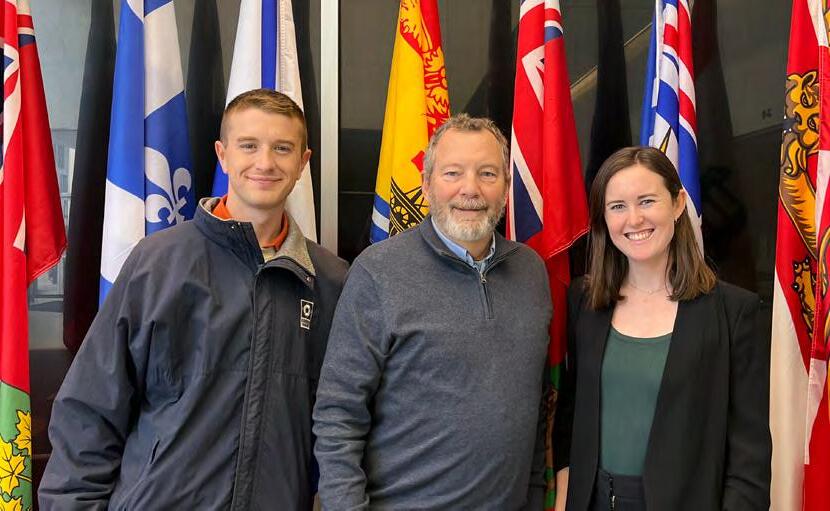
Oceana Canada scientists meet with federal officials in Ottawa to discuss the findings of the 2024 Fishery Audit and the urgent need to rebuild abundance in Canada’s fisheries.
Rebecca Schijns, Fishery Scientist; Jack Daly, Marine Scientist; Robert Rangeley, Director of Science, Oceana Canada, October 25, 2024, Ottawa.
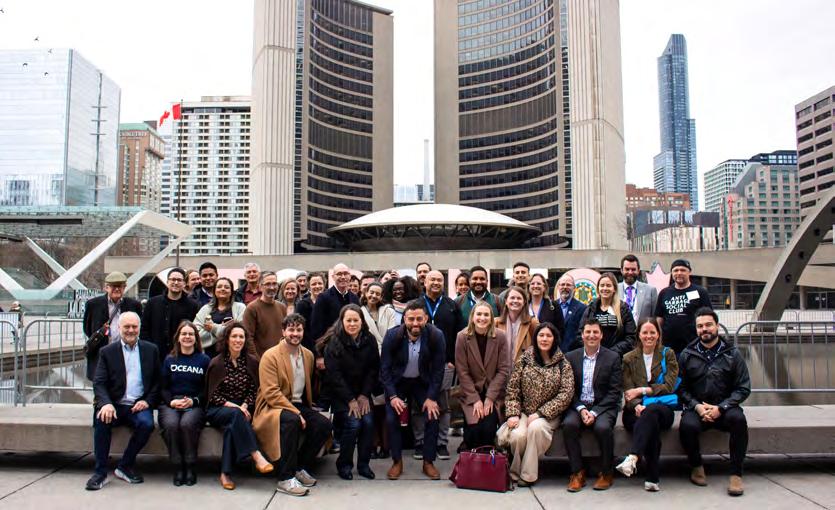
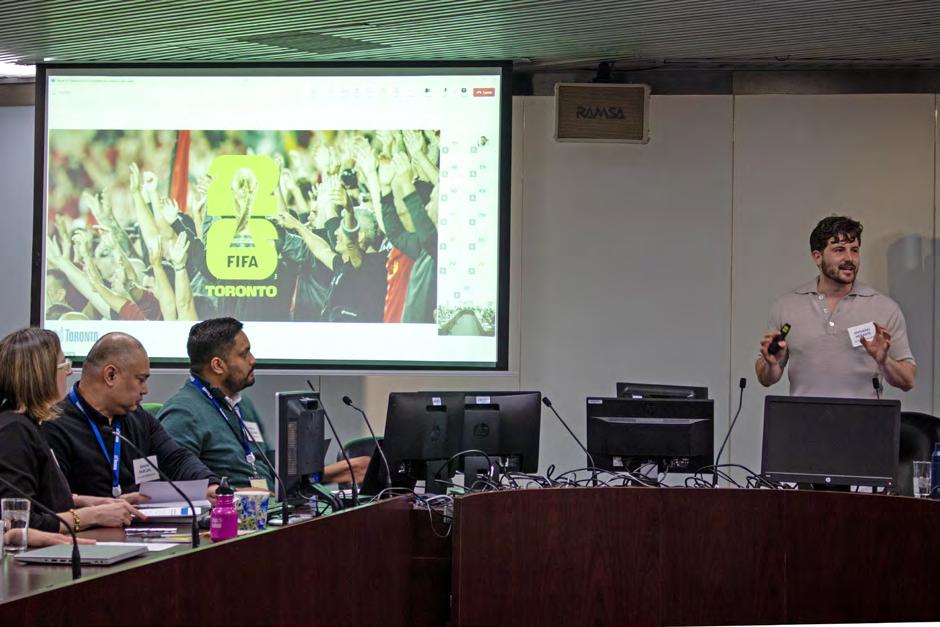
Oceana Canada and the City of Toronto’s FIFA World Cup 26™ Secretariat co-hosted a workshop focused on advancing reuse and refill systems at Canadian FIFA World Cup 26™ venues, bringing together venue operators, governments, beverage companies, civil society organizations, and reuse innovators to discuss opportunities to replace single-use packaging with reusable solutions.
Rebuild Ocean Abundance STRATEGIC COMMUNICATIONS
Globe and Mail: Return of commercial cod fishery fuels dreams of economic resurgence in Newfoundland
CBC Broadcast: Did DFO ignore its own rules on stock management when it reopened northern cod fishery?
Hill Times: Rebuilding Canada’s fisheries for climate and economic security
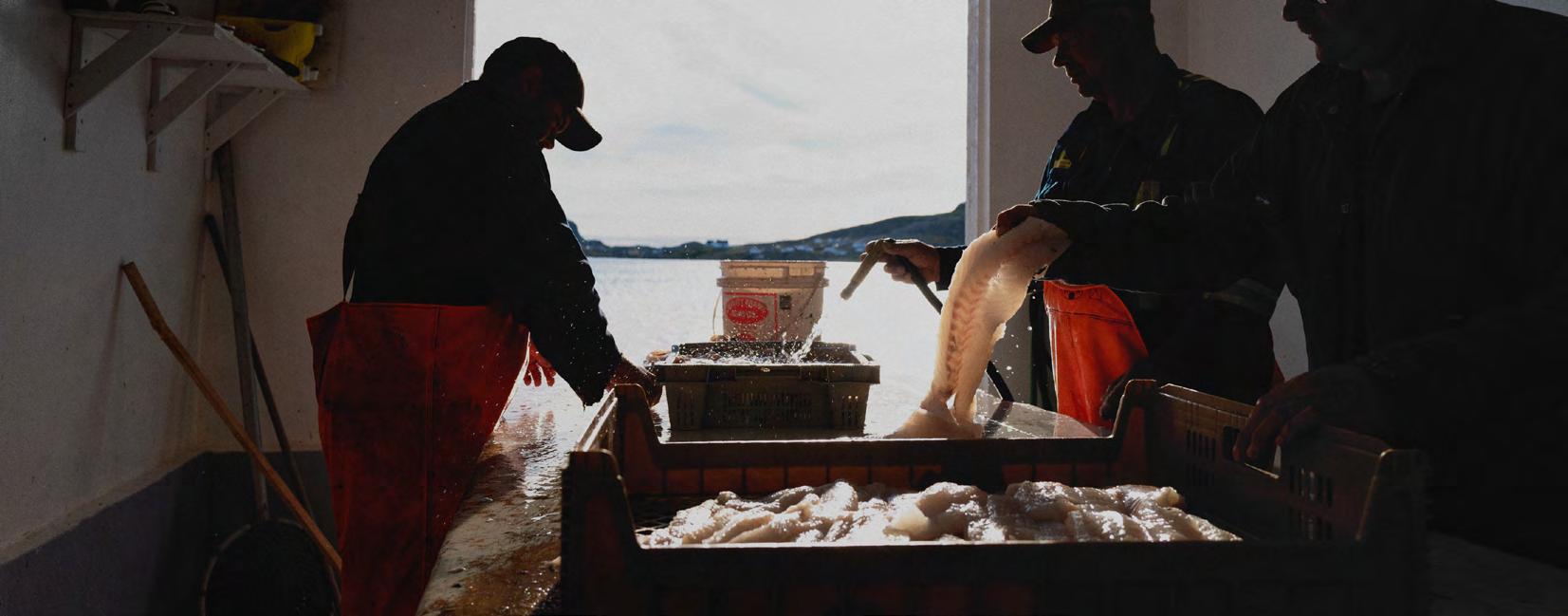
Fish populations in Canada’s oceans are struggling. Fewer than one in three commercial populations are considered healthy, and nearly 35% of fisheries lack enough data to assess their status for effective management. Years of overfishing and mismanagement have taken a toll — putting jobs, communities, and a critical source of sustainable protein at risk.
But there is hope. Oceana Canada’s research shows that with better management, 80% of wild fisheries could recover within a decade. That means more fish in the water, stronger coastal economies, and greater resilience to threats such as climate change.
Oceana Canada is advocating for modern, science-based fisheries management that safeguards fish populations — along with the communities and economies that depend on them — now and into the future.
Learn more at oceana.ca/RebuildAbundance.
PNI Atlantic: Canada needs a reality check on northern cod ‘recovery’
Saltwire: Rebuilding fisheries is about more than fish — it’s about our future
A 2019 report from Oceana Canada found that a healthy, rebuilt northern cod fishery could provide 16 times more jobs and have a net value five times more than today’s industry, supporting $233 million of economic activity. However, getting to that level depends on low fishing pressure.
We’ve had decades to plan for this. And the decision this year is once again short-sighted and shortchanging coastal communities in Canada.”
Fishery Audit 2024: Unlocking Canada’s Potential for Abundant Oceans
Oceana Canada’s annual Fishery Audit evaluates the health and management of Canada’s wild fisheries, assesses government adherence to its own laws and policies, and provides recommendations for fulfilling federal commitments aimed at rebuilding populations. After eight years of audits, Oceana Canada’s reports show that while some improvements have been made, inconsistent management continues to stall recovery.
Oceana Canada published two reports as part of the Fishery Audit:
• Fisheries Act Progress Report
• Quality of Rebuilding Plans
Other Reports
• Recommendations for Northern Cod Management 2025-2026
• Recommendations for Unit 1+2 Redfish Management 2025-2026
• Recommendations for Gulf Groundfish Management 2025-2026
• Recommendations for Southern Gulf of St. Lawrence Herring Spring Commercial Fishery 2025
• Brief to the Standing Committee on Fisheries and Oceans: Review of the Fisheries Act 2025
GRASSROOTS AND ADVOCACY
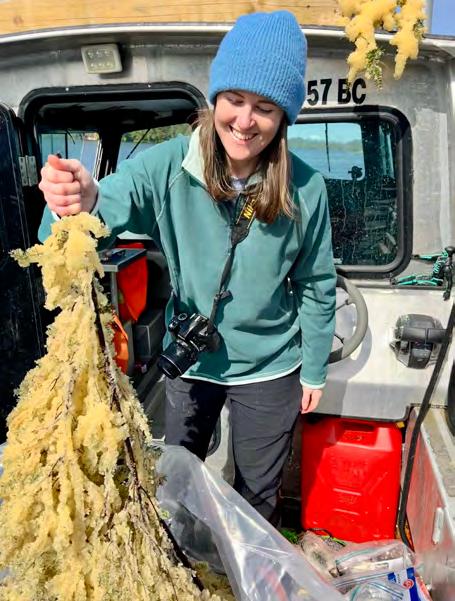
During the herring spawning season in April 2025, Oceana Canada scientist Rebecca Schijns travelled to the Central Coast of British Columbia to continue collaborative work with First Nations partners, academics, and Fisheries and Oceans Canada scientists.
Building on earlier engagement, the team deepened their understanding of the Nations’ relationship with herring by spending time both on the water and in the community — listening, learning, and participating in culturally significant sustainable harvesting activities.
Together, they advanced shared project goals to pair Indigenous Knowledge Systems with Western science in support of sustainable fisheries management and rebuilding efforts.
Fishery Scientist Rebecca Schijns, holding a freshly harvested hemlock bough covered in herring eggs in the Central Coast of British Columbia in April 2025.
CTV: Marine scientist discusses impact of climate change on Maritime fisheries
Saltwire: Stock concerns: Environmental groups say increasing northern cod quotas will harm species growth
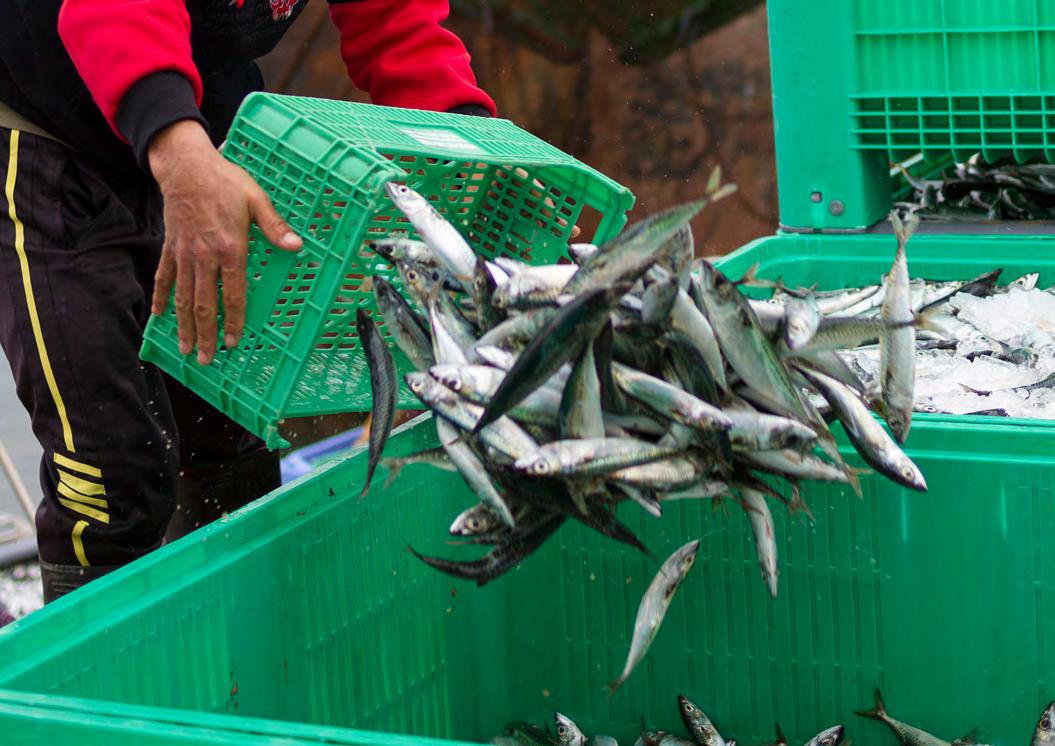
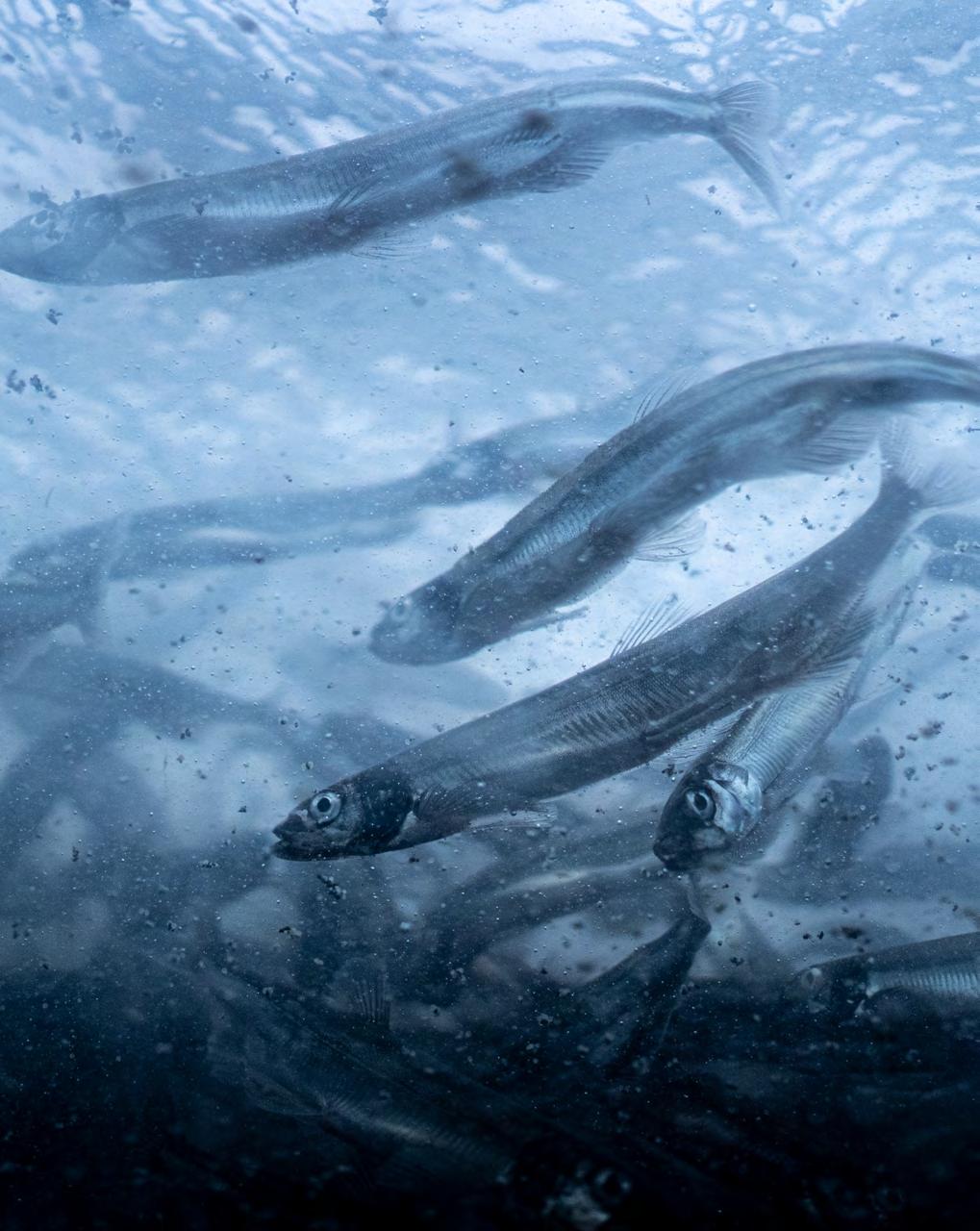
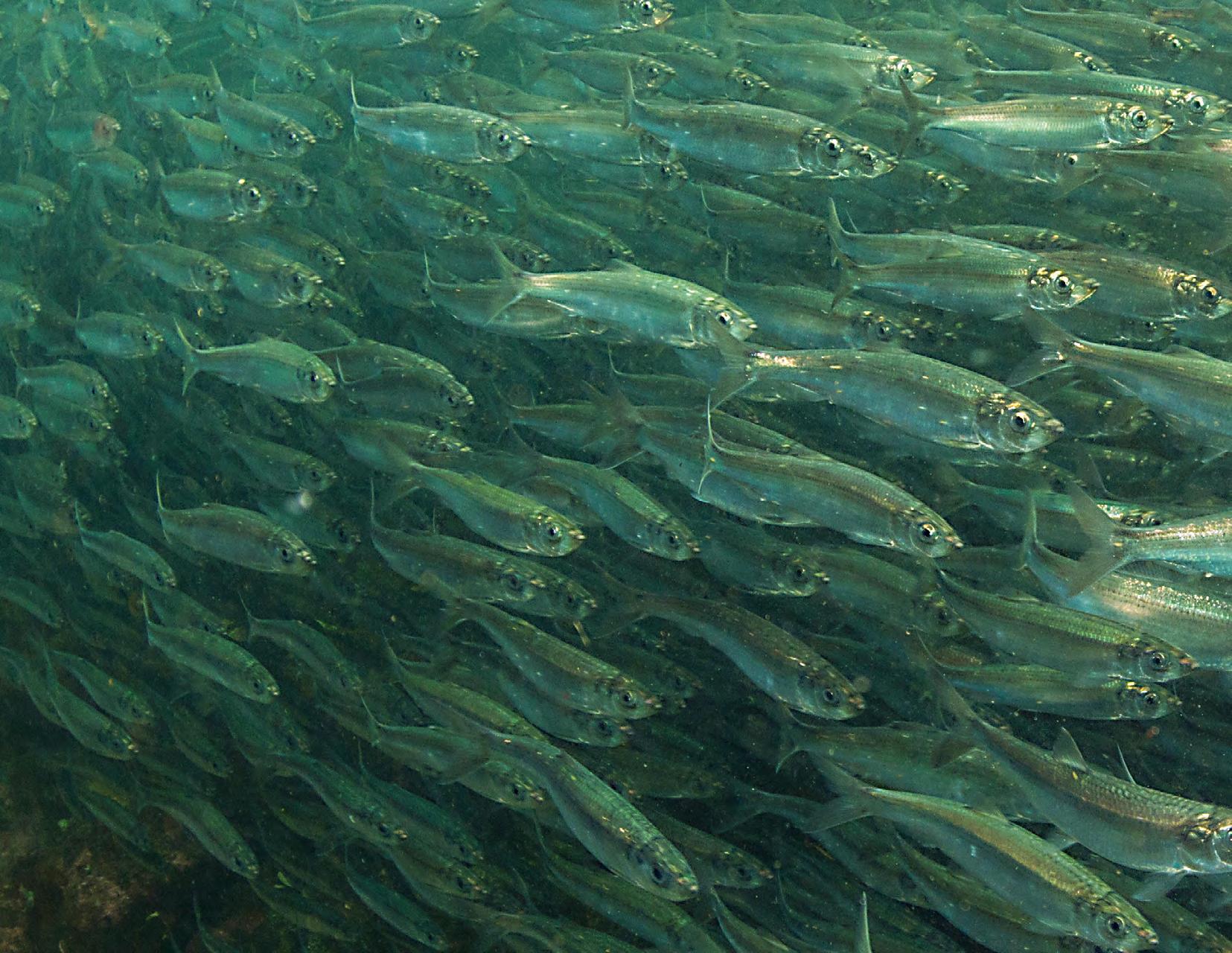
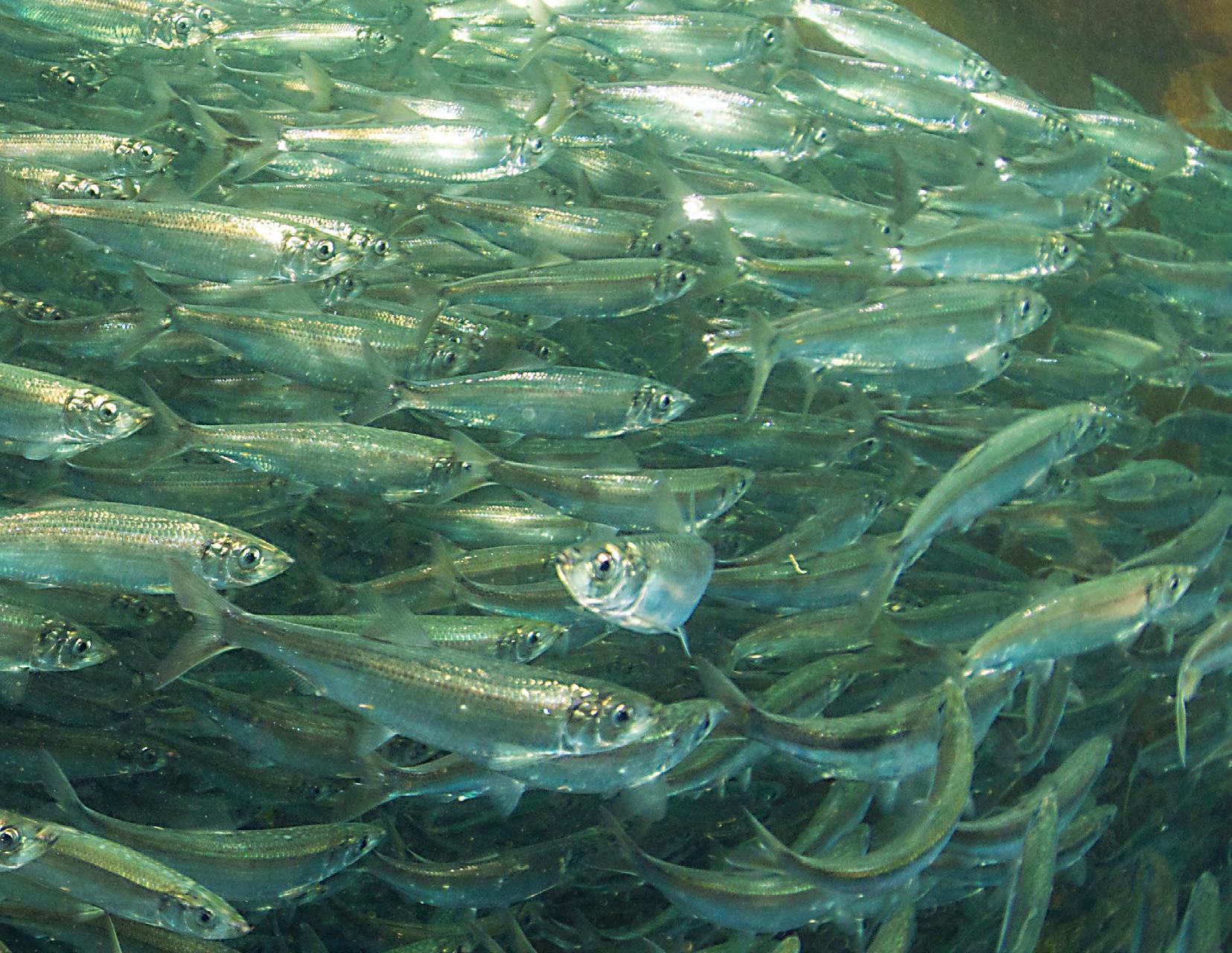
Canada manages 16 major forage fish stocks, also known as prey fish or bait fish, many of which lack health status assessments, and only three are considered healthy. Forage fish — such as herring in the Bay of Fundy and capelin off Newfoundland and Labrador — have been depleted for decades yet continue to be commercially fished, with implications reverberating across marine ecosystems.
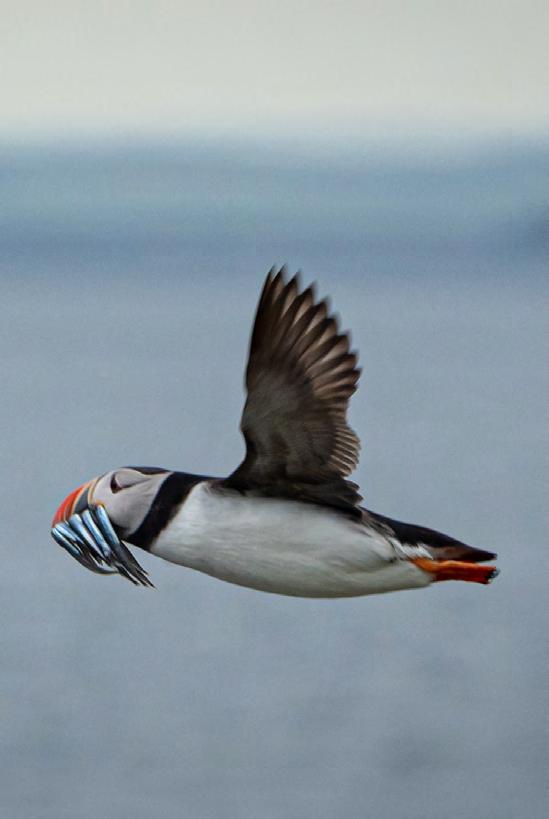
Forage fish play a vital role, transferring energy through the food web and supporting species such as whales, seabirds, and commercially important fish like salmon and cod. Beyond their ecological significance, they are also a key source of bait for fisheries and hold cultural and food security importance for coastal communities, particularly Indigenous Peoples.
Oceana Canada is advocating for modern management plans that require enough forage fish be left in the water to restore productivity and abundance.
Learn more at oceana.ca/ForageFish.
The northern cod quota hike and the capelin rollover show that Fisheries and Oceans Canada is still bowing to industry pressure, instead of rebuilding for the future.
Capelin remain at only 16% of their pre-collapse population and are the primary reason cited for the lack of recovery of northern cod. Yet, the minister even referenced the 2025 decline in capelin as a justification for a quota rollover, ignoring the science, the reality in the water, and basic ecology.”
Oceana Canada/Nicholas Hiscock
— Jack Daly, Marine Scientist, Oceana Canada
SCIENCE & POLICY
REPORTS
• Recommendations for Southern Gulf of St. Lawrence Herring Spring Commercial Fishery 2025
• Recommendations to the 4RST Capelin Advisory Committee 2025
• Recommendations to the Atlantic Mackerel Advisory Committee 2025
• Recommendations to the 2J3KL Capelin Advisory Committee 2025
GRASSROOTS AND ADVOCACY
In 2025 — the first year of this campaign — Oceana Canada engaged the tourism industry, commercial fishers, birders, seabird ecologists, conservationists, and First Nations partners to highlight the importance of forage fish and the major threats they face.
Building on the years of advocacy to protect capelin, an important forage fish in Atlantic Canada. Oceana Canada expanded capacity to
engage on additional forage species and secured membership on key advisory committees, including those for Atlantic mackerel, Gulf of St. Lawrence herring, and both capelin stocks in the Northwest Atlantic.
Oceana Canada is working to ensure fisheries management decisions reflect Indigenous knowledge, local perspectives, and the best available science.
Oceana Canada’s Jack Daly, Dr. Robert Rangeley, and Rebecca Schijns met with First Nations, academic, and government scientist partners in Nanaimo, British Columbia, from May 6-8, 2025. The meetings focused on advancing pairing science and Indigenous Knowledge Systems in Pacific herring management.
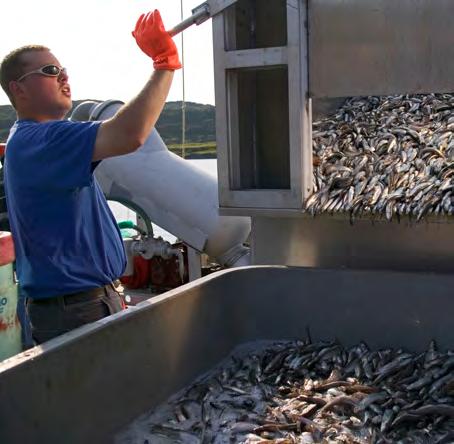
Commercial capelin fishing boat in Atlantic Canada.
Protect Marine Habitat
STRATEGIC COMMUNICATIONS
Canadian Geographic: Six of Canada’s most fascinating deep-sea creatures
The glass sponge is slow growing, meaning it takes centuries for a reef to grow. If they get damaged by fishing gear or drilling or mining, those reefs are effectively gone. It would take them many, many years to come close to recovering.”
Essential marine habitats must be safeguarded from threats such as climate change, oil and gas exploration and extraction, pollution, and destructive fishing practices.
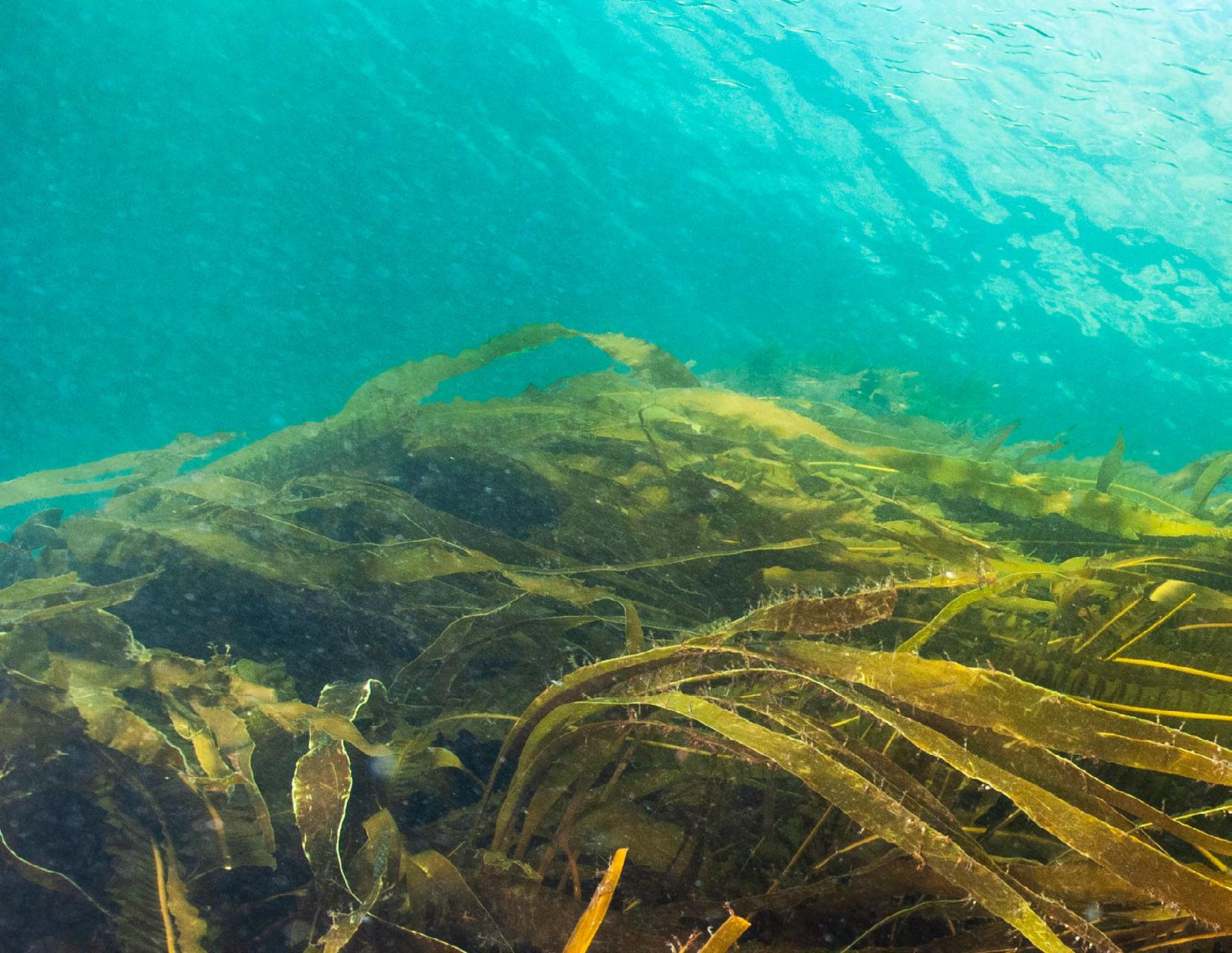
Canada’s Atlantic, Arctic, and Pacific oceans are home to ecosystems that sustain life. Seamounts and submarine canyons — natural features of the ocean landscape — provide vital habitats for a diversity of marine species.
Protecting these areas, along with other ecologically significant and fragile zones, is crucial for the health of the ocean and the survival of corals, whales, fish, sharks, and sea turtles.
Oceana Canada is advancing scientific understanding of the ocean and how best to protect it through research, collaborative expeditions, advocacy, and community engagement.
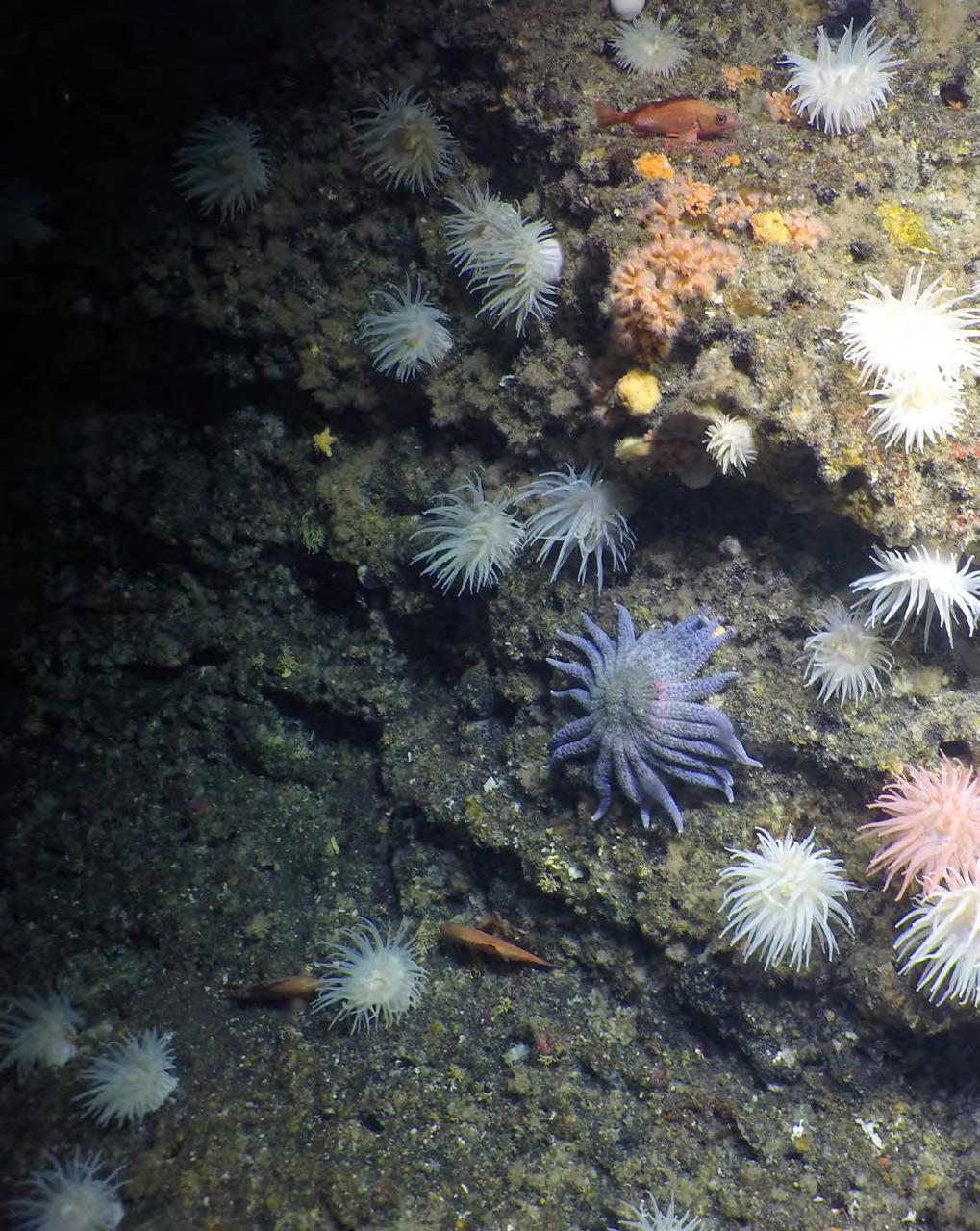
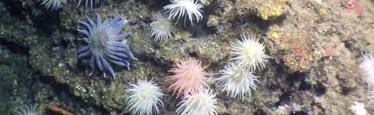
(Left picture): Sea anemones, sponges, rockfish and a star on a seamount during the Northeast Pacific Seamount Expedition, July 2018.
GRASSROOTS AND ADVOCACY
Around the world, Oceana expeditions bring to life essential underwater areas in need of protection. In Canada, we partner with Indigenous Peoples and the federal government to deepen our understanding of unique habitats. Using visual storytelling, community engagement, and scientific data, Oceana Canada makes the case for protecting these fragile ecosystems.
Since 2017, Oceana Canada has launched five expeditions documenting seafloor life in the Atlantic, Pacific, and Arctic. These expeditions foster meaningful partnerships with coastal communities, Indigenous Peoples, government, and academics. In 2024, we continued consultations with First Nations in British Columbia to support the creation of a marine protected area (MPA) encompassing nearly all known seamounts in Canadian waters.
In July 2024, Oceana Canada, alongside allies and supporters, celebrated the protection of 133,017 km2 of underwater mountains off the
West Coast of Vancouver Island. Named Tang. ɢwan · ḥačxʷiqak · Tsigis (TḥT), it is Canada’s newest and largest MPA. Co-managed by Haida, Nuu-chah-nulth, Pacheedaht, and Quatsino First Nations, TḥT will safeguard marine life and ecosystems from harmful fishing practices and other industrial activities. It will help rebuild abundant wild populations of fish and provide essential habitat for whales, seabirds and sharks. This protection contributes to Canada’s commitment to conserve 30% of its land and ocean by 2030, with ocean protection increasing from less than 1% in 2015 to more than 15.54% today.
This year, Oceana Canada is leading collaborative efforts to identify and explore areas of conservation interest in Newfoundland and Labrador. By exploring and documenting marine habitats, we are gathering critical data to inform marine conservation policies and ensure the health of Canada’s oceans for generations to come.
In July 2024, Oceana Canada, alongside allies and supporters, celebrated the protection of 133,017 km2 of underwater mountains off the West Coast of Vancouver Island.
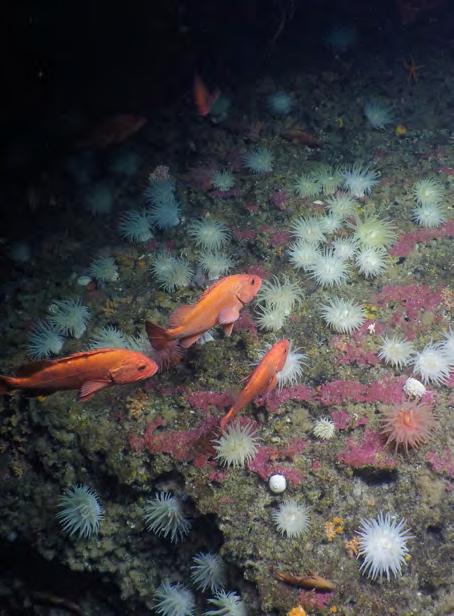
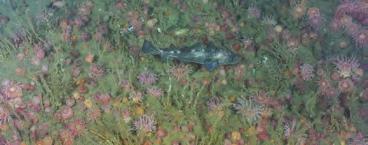
Rockfish and sea anemones on a seamount during the Northeast Pacific Seamount Expedition, July 2018.
Toronto Star: North Atlantic right whale population grew in 2023, but still vulnerable to humans
CTV News: Endangered right whale spotted entangled in fishing gear in Gulf of St. Lawrence
With only about 370 critically endangered North Atlantic right whales remaining, every death or serious injury from an entanglement in fishing gear or vessel strike has a devastating impact on this fragile population. Current measures include mandatory and voluntary seasonal fishing closures and vessel speed restrictions.
Ropeless, or “on-demand,” fishing gear removes vertical ropes from the water, preventing whale entanglements while allowing fisheries to operate safely and sustainably. Oceana Canada is calling on the federal government to release a ropeless gear strategy and implement it urgently in fishing areas where whales face the greatest entanglement risk. We are also urging that all vessel slowdowns be made mandatory and that a permanent regulatory structure be established.
Learn more at oceana.ca/RightWhaleToSave.
CTV News: Calving season ends for North Atlantic right whales as conservationists hope for population recovery
CBC: As U.S. veers away from protecting environment, alarm sounds for East Coast marine life
“Scientists and others worry that further U.S. policy changes will hurt efforts to protect the endangered North Atlantic right whale. This is a species, like any wild animal, that doesn’t recognize borders, so what happens in the U.S. can impact in Canada. Rolling back or changing measures in the U.S. could hasten this species decline and potential extinction.”
— Kim Elmslie, Campaign Director, Oceana Canada.
SCIENCE & POLICY
REPORTS
• Recommendations for the Whalesafe Fishing Gear Strategy 2025
NOAA Fisheries, taken under NOAA permit #27066
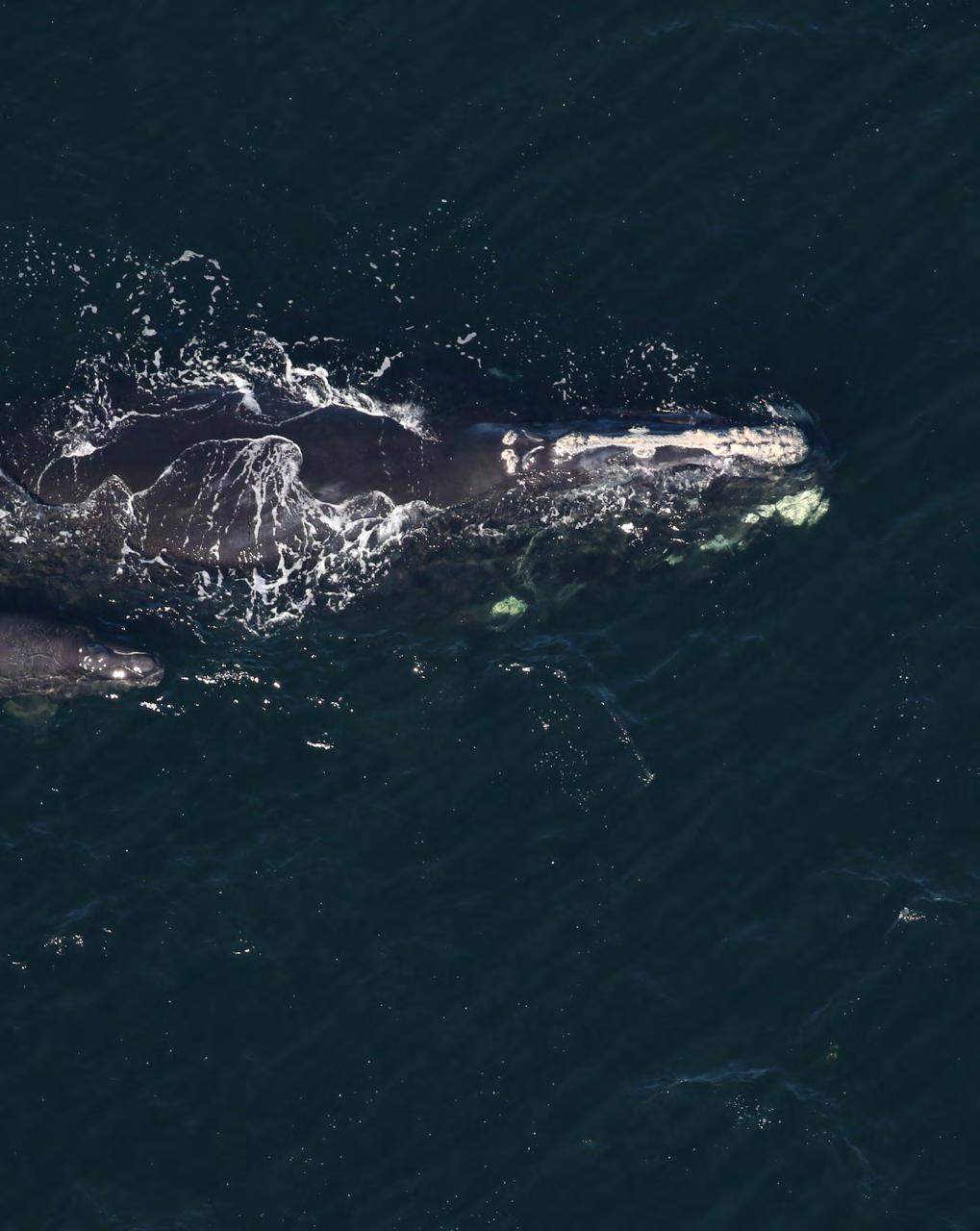
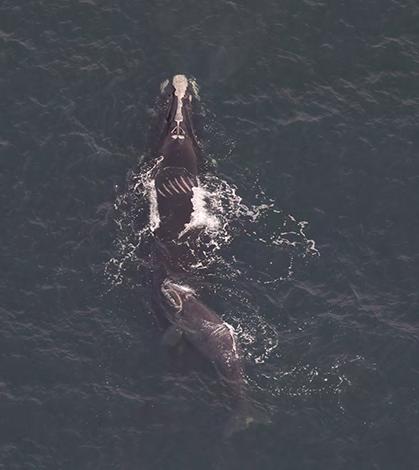
North Atlantic right whale #4150 (Accordion) and her first calf swimming close to the shipping lanes at the entrance to the Port Authority of New York and New Jersey.
GRASSROOTS AND ADVOCACY
Since 2017, 157 North Atlantic right whales have died, been seriously injured, or are in poor health in Canadian and U.S. waters due to entanglements and vessel strikes — pushing this species closer to extinction. Oceana Canada continues to call for strong, permanent protections, participating in government-led technical and advisory committees alongside fishers, scientists, shippers, and other environmental groups. Through these forums, we press for science-based measures that can ensure the species’ survival.
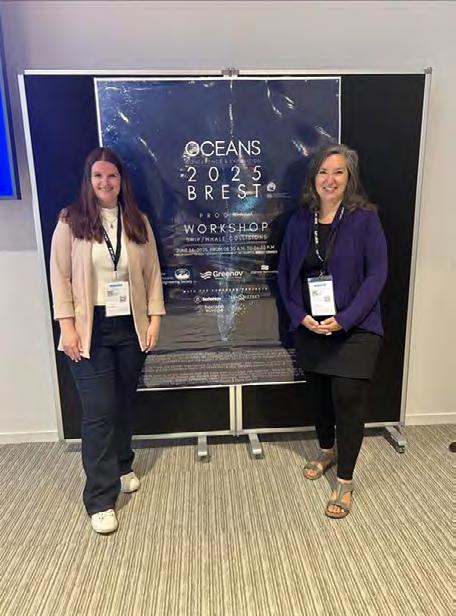
In June 2025, Oceana Canada attended the first international workshop on whale collisions in Brest, France, as part of the Oceans 2025 conference. The workshop brought together global experts working to advance technological solutions to reduce ship strikes threatening whale populations.
Hanna Vatcher, Right Whale Campaigner, and Kim Elmslie, Senior Campaign Director, attended the first International Workshop on Whale Collisions in Brest, France, on June 16, 2025. Hosted as part of the Oceans 2025 conference. The focus was on exploring how technology can be used to develop effective, collaborative solutions to reduce these deadly incidents worldwide.
Hill Times: Canada must lead the fight against plastic pollution
Yahoo Finance: New Oceana Canada poll shows support for ban on single-use plastics
National Observer: A new campaign fights for zero waste at FIFA World Cup 2026
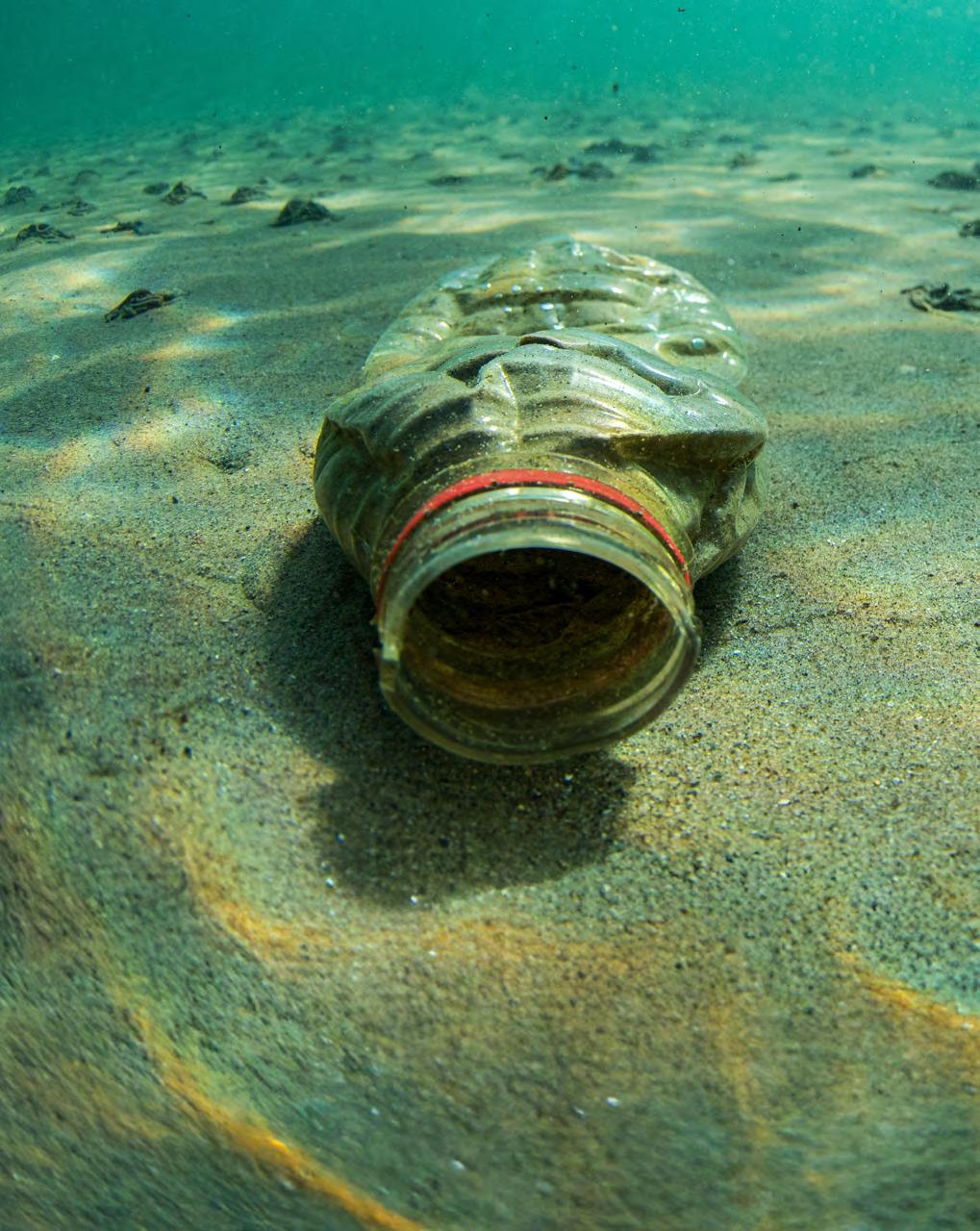
Plastic pollution is a growing crisis. Canada produces more than four million tonnes of plastic waste each year, and only 8% is recycled. Most ends up in landfill, incinerators, or the environment, where it harms wildlife and ecosystems.
Oceana Canada campaigns for strong regulations to reduce singleuse plastics working with Canada’s largest cities and venues. Over the past year, we have called on the federal government, and event venues to reduce production, phase out unnecessary plastics, and adopt science-based solutions like reuse and refill. System level changes are needed for impact, and Oceana Canada is working to achieve this through intergovernmental cooperation, industry innovation, and rallying Canadians.
Learn more at oceana.ca/Plastics.
“We’re asking the question: do you want a legacy of trash coming out of the venues, or do you want upgraded stadiums that set the new global sustainability sports standard?
With Toronto’s landfill nearing capacity, the abundance of single-use items is daunting. Incorporating reusable food and beverage container systems turns off the tap of overflowing waste, puts less trash in the landfill, and reduces costs for waste management, taxpayers, and the city. If we don’t make the garbage in the first place, we don’t pay to clean it up.”
— Anthony Merante, Senior Plastics Campaigner, Oceana Canada.
SCIENCE & POLICY
REPORTS
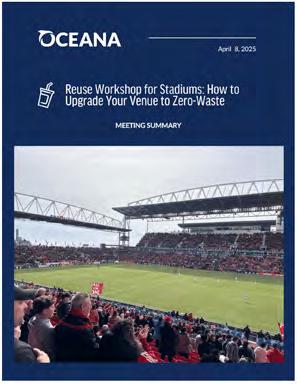
Reuse Workshop for Stadiums: How to Upgrade Your Venue to Zero-Waste
This workshop report includes the summary discussion and recommendations from a halfday event co-hosted by Oceana Canada and the City of Toronto’s FIFA Secretariat. The workshop focused on integrating reuse and refill systems at Canadian FIFA World Cup 26™ venues. It brought together stadium and concert venue operators, governments, beverage companies, civil society organizations, and reuse companies to explore opportunities to replace single-use, throwaway packaging with scalable, reusable solutions.
GRASSROOTS AND ADVOCACY
With the FIFA World Cup 26™ coming to Toronto, Oceana Canada mobilized people across the city to demand a waste-free event. Through our #ReuseForTheWin campaign, we are urging Toronto to replace millions of single-use containers with reusable alternatives — a move that could set a global standard for sustainability in sport.
More than 90% of Canada’s plastic waste ends up in landfill, is incinerated, or pollutes waterways. By engaging citizens to demand strong action in Toronto’s Single-Use and Takeaway Items Reduction Strategy, we are working to protect lakes, rivers, and oceans while building a cleaner, healthier future for communities.
Anthony Merante presented at the Oceana Canada and City of Toronto FIFA World Cup 26™ Secretariat’s workshop at Toronto City Hall, explaining the benefits of refill and reuse.
Oceana leverages law, science, grassroots activism, advocacy, and strategic communications to win policy change around the world. With the help of our allies, Oceana Canada is securing policy successes that restore ocean abundance. Here’s what we accomplished from July 2024 to June 2025.
Canada Begins Rebuilding 12 Depleted Fisheries with New Science-Based Plans
The Canadian government has published 12 comprehensive rebuilding plans for some of the country’s most depleted fish populations — including Atlantic cod, Atlantic mackerel, Pacific herring, and others that have suffered from decades of overfishing and mismanagement. These are the first rebuilding plans released under Canada’s 2022 Fisheries Act rebuilding regulations, a major policy win for Oceana Canada’s campaign to rebuild abundance. The regulations require high-quality plans for depleted populations within 24 to 36 months of being listed under the Act.
Each plan outlines science-based, measurable objectives, timelines, and actions to restore fish populations. Many also reflect ecosystem-based management and Indigenous collaboration, such as the Haida Gwaii herring plan, where recovery will support ecosystem health and the Haida Nation’s cultural and economic needs.
Scientific models show that with these plans in place, essential forage fish like mackerel could recover in as little as six to seven years, while cod in the northern Gulf of St. Lawrence
and off Newfoundland’s south coast could rebound within eight to 12 years. This marks a fundamental shift from short-term, politically driven crisis management to long-term recovery grounded in science and, increasingly, Indigenous leadership.
Rebuilding plans help move fisheries abundance from promise to practice — restoring depleted populations, strengthening ocean ecosystems, and sustaining coastal and Indigenous communities for generations to come.
From protecting vast underwater mountains off B.C. to securing stronger safeguards for North Atlantic right whales, Oceana Canada’s first decade has been filled with hard-fought wins. Together, we championed a national ban on harmful single-use plastics, ended Canada’s role in the global shark fin trade, secured Canada’s first legally binding requirements to rebuild depleted fish populations, and turned science into action that delivers lasting change.
This milestone is a celebration of all we have achieved — and the people who made it possible. Here’s to 10 years of impact, and to the even bigger waves we will make in the next decade.
“I think Canada is in a unique position. You are set up to be leaders in the world. You have one of the longest coastlines. You’ve come back from the brink of overfishing. You have the best marine scientists in the world. So you have the opportunity.”
–Ted Danson, actor and Oceana Board Member
Launch
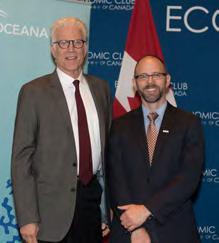
Oceana Canada launched on World Oceans Day, June 8, with Oceana board member Ted Danson and Oceana Canada executive director, Josh Laughren. This marked a new chapter for Canada’s oceans: dedicated, science-based advocacy to rebuild abundance.
Gulf Expedition
A week-long expedition explored ecologically significant areas of the Gulf of St. Lawrence. Scientists and storytellers documented seafloor life and broadcast it live, giving Canadians a rare window into underwater ecosystems and the urgent need for protection.
2015 2016 2017 2018
Science & Transparency
We hosted our first national science symposium on rebuilding fisheries, bringing Indigenous leaders, MPs, scientists, and NGOs together. That same year, Minister Dominic LeBlanc released the first public Sustainability Survey for Fisheries, boosting transparency on 159 fish populations and committing $24 million annually to strengthen science.
B.C. Fjords Expedition
the Honourable Dominic LeBlanc, Oceana Senior Advisor Alexandra Cousteau, Oceana Board Member Sam Waterston and Oceana Canada Executive Director Josh Laughren.
In partnership with Heiltsuk and Kitasoo/Xai’xais Nations, we documented fragile corals and sponges in B.C.’s fjords. Livestreamed footage narrated by Hereditary Chief Mel Innes connected Canadians nationwide to the hidden seafloor, building momentum for habitat protection.
Picture from 2016 annual report From left: Oceana Canada Science Director Dr. Robert Rangeley, Oceana Board Member Diana Thomson, Oceana Chief Science and Strategy Officer Mike Hirshfield, Oceana Board Member Dr. Daniel Pauly, Minister of Fisheries, Oceans and the Canadian Coast Guard,
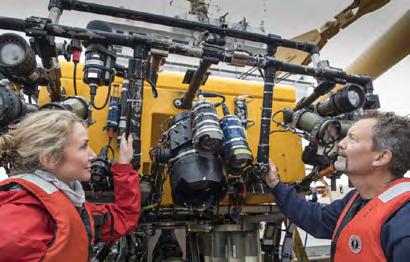
Alexandra Cousteau, Oceana Senior Advisor and Dr. Robert Rangeley, Science Director, Oceana Canada
After four years of advocacy, Parliament passed a modernized Fisheries Act, legally requiring depleted fish populations to be rebuilt based on science. That same year, Canada became the first G20 country to ban the shark fin trade, after more than 300,000 Canadians demanded action. These victories marked a watershed shift toward long-term recovery and protection.
Looking Forward: 10 Years to Abundance
The first decade proved what’s possible. The next decade will define our legacy. By 2035, we aim to restore 80% of Canada’s fisheries to health, secure resilient coastal communities, and ensure affordable, sustainable seafood for future generations. Together, we can lead the world in rebuilding ocean abundance.
Beaches-East
Closures, Plastics & Right Whales
Fisheries and Oceans Canada closed Atlantic mackerel and Southern Gulf spring herring fisheries, following Oceana’s calls to protect forage fish. Canada adopted a national ban on six categories of single-use plastics, with production and export ending by 2025. Stronger emergency measures also helped prevent right whale deaths in Canadian waters.
2019 2022 2024 2025
Banc-des-Américains MPA
The federal government established the Banc-desAméricains marine protected area in the Gulf of St. Lawrence, conserving habitat for cod, herring, crab, shrimp, corals, and critically endangered North Atlantic right whales. Oceana Canada’s 2017 expedition provided the scientific evidence to support this designation.
Tang.ɢwan · ḥačxʷiqak · Tsigis MPA
Canada designated its largest Marine Protected Area: Tang.ɢwan · ḥačxʷiqak · Tsigis, safeguarding 133,017 km² of seamounts off Vancouver Island. Co-managed with Haida, Nuu-chah-nulth, Pacheedaht, and Quatsino First Nations, the MPA protects fragile corals, sponges, and marine life, contributing to Canada’s 30x30 commitment.
Rebuilding Plans
The federal government released 12 science-based rebuilding plans for depleted fish populations, including cod, mackerel, and Pacific herring. For the first time, Canada now has measurable objectives, timelines, and actions to restore abundance — a fundamental shift toward long-term recovery grounded in science and Indigenous leadership.
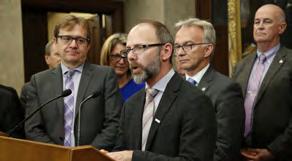
Josh Laughren, Executive Director, Oceana Canada, addresses the media about the passage of a modernized Fisheries Act that requires rebuilding depleted fish populations.
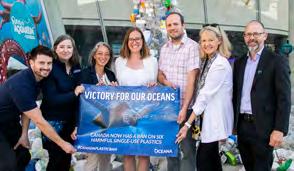
Oceana Plastics Campaigners, Anthony Merante, Kim Elmslie, Julie Dabrusin (MP Toronto-Danforth, at the time of photo she was Parliamentary Secretary for Environment, she is currently Minister of Environment and Climate Change), Karina Gould (MP Burlington, at the time of photo she was Minister of Families), Nate Erskine-Smith (MP
York, no change), and Taylor Roy (at the time of photo MP Aurora—Oak Ridge, she is not an MP anymore) and Josh Laughren, Executive Director, Oceana Canada.
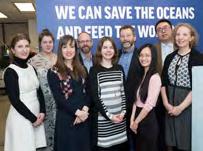
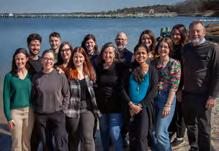
Oceana Canada team in 2016 Oceana Canada team in 2025
Support Oceana Canada
Donate to Oceana Canada
You have the power to help save the oceans and feed the world. Your support enables Oceana Canada to run targeted campaigns that rebuild ocean abundance, protect habitat, stop plastic pollution and safeguard North Atlantic right whales. By donating, you join a growing community of ocean advocates working to restore ocean health and biodiversity for future generations.
Ways to Give Online: Visit oceana.ca/Donate.
Phone or Mail: Oceana Canada
Attn: Operations Department 18 King Street East, Suite 505 Toronto, ON M5C 1C4
Phone: 1.416.583.2350
Toll-free: 1.844.362.3262
Email: info@oceana.ca
Donations of Stock:
Maximize your impact with a gift of stock. You’ll receive a tax receipt for the full market value of the securities on the date of transfer. For details, contact Lesley Wilmot at lwilmot@oceana.ca.
Planned Giving:
Leave a legacy by designating Oceana Canada in your estate plan. Your gift ensures we can continue our science-based campaigns to protect the ocean’s splendor for generations. For more information, contact Lesley Wilmot at lwilmot@oceana.ca.
Tax Deduction for Donations
All donations to Oceana Canada receive a charitable tax receipt.
Follow Oceana Canada on social media for the latest campaign news and research updates.
oceana.ca
Oceana Canada
OceanaCAN
Take Action
Join Oceana Canada’s Wavemaker community and unite with supporters across the country committed to saving our oceans. As a Wavemaker, you’ll help protect endangered marine life and fight for sustainable fisheries. Your involvement powers Oceana Canada’s campaigns.
Take action today by visiting oceana.ca/Support.
Social Media Followers: 129,401
Wavemakers: 55,385
oceana_canada
Supporter actions: 60,364 (Petition actions: 4,978 and social engagement: 55,386)
Oceana Canada
DONORS, FINANCIAL SUMMARY, BOARD
OF DIRECTORS AND STAFF
Donors July 2024-June 2025
2024 DONOR LIST
$1 million +
Gordon and Betty Moore Foundation†
The Nikita Foundation
$250,000 – 999,999
The Wyss Foundation*
$100,000 – 249,999
Acuitas Therapeutics
The Donner Canadian Foundation
Oceans Collaborative — An initiative of Environment Funders Canada
Power Corporation of Canada
$50,000 – 99,999
The Echo Foundation
$10,000 – 49,999
Airlie Foundation
Alan and Patricia Koval Foundation
The Chene Foundation
Estate of Don McCrady
Runciman Family Foundation
Young Foundation
$1,000 – 9,999
Anonymous (4)
Linda Andersen
ATCO Electric Epic
Donald Beattie
Anais Belanger
Judith Blonski
April Childs
En Tse Chow
Elayne Clarke
Conway Family Charitable Fund
Anya Codack
Ulf Von Dehn
Michael and Honor de Pencier
Jason Drysdale
Escapes.ca
Farley Temple Family Fund at Calgary Foundation
Murray and Patricia Hamilton Fund at Benefaction
Timothy and Michele Hayman
The George Kostiuk Family Private Foundation
Langar Foundation
Locher Family Fund
M1 Innovations Inc.
Mark Marfoglia
Silvia Pontuschka
Steven Price
Mathieu Raynault
The Rossy Foundation
Robert and Jennifer Sadée Fund at Calgary Foundation
Anthony and Nancy Yurkovich, held at Vancouver Foundation
†Contribution was made to support activities for 2024-2029.
*Contribution was made to Oceana, Inc.
Financial Summary
Oceana Canada benefits from significant multi-year grant commitments.
In 2024, total revenue was $4,397,687 and total expenses were $4,049,853. Oceana Canada used these funds to advance its campaigns to rebuild ocean abundance, safeguard forage fish, protect marine habitat, stop plastic pollution, and protect North Atlantic right whales.
Financial data is derived from audited financial statements, copies of which are available at oceana.ca/Financials or by contacting info@oceana.ca.
Board of Directors
Diana Thomson, Chair
Diana is Chair of The Nikita Foundation, a Torontobased charity she co-founded in 2012. The Nikita Foundation supports charitable initiatives in the areas of health, education, and environmental protection.
Valarie Van Cleave
Valarie’s business career encompasses work in mergers and acquisitions, sales and marketing, and new business development. She has spearheaded successful fundraising efforts for political campaigns and conservation advocacy. She co-founded and co-chairs SeaChange, a record-breaking benefit for Oceana.
David Delagran
David is a senior partner at Beard Winter LLP in Toronto. With more than 25 years as a litigator, he has appeared and argued cases on behalf of his clients before all levels of court in Ontario and has extensive trial and appellate court experience. David’s practice encompasses a full range of commercial litigation matters, as well as estates, trusts, and capacity litigation.
Steven Price
Steven has a life-long fascination with the outdoors and natural history. He recently retired from a 40-year career in conservation, first with World Wildlife Fund Canada and later with Birds Canada, where he served as President and continues as President Emeritus. Among other campaigns, Steven advised Canada’s leading grocer on the adoption and implementation of sustainable seafood procurement, which set precedents across the sector in North America.
Staff Toronto
Josh Laughren, Executive Director
Lauren Abecassis-Kandravy, Development and Partnerships Senior Manager
Vaishali Dassani, Communications and Media Relations Manager
Melinda Hung, Senior Finance and Administration Analyst
Alex Ivankine, Director of Finance and Administration
Uzezi Odharo, Social Media Specialist
Carolyn Seabrook, Executive Assistant
Yunxue Shen, Finance and Administration Coordinator
Jennifer Whyte, Director of Digital and Campaign Communications
Lesley Wilmot, Senior Director of Communications and Development
Halifax
Jack Daly, Marine Scientist
Isabelle Jubinville, Marine Scientist
Lauren McLennan, Fisheries Analyst
Rachelle Naddaf, Communications and Engagement Manager
Robert Rangeley, Director of Science
Hanna Vatcher, North Atlantic Right Whale Campaigner
Ottawa
Meghan Dubeau, Digital Engagement and Marketing Manager
Kim Elmslie, Campaign Director
Vancouver
Rebecca Schijns, Fishery Scientist
Montreal
Anthony Merante, Senior Campaigner, Plastics
Olivia Ward, Communications and Digital Marketing Coordinator
We remember with gratitude our colleague and friend, Alex Ivankine, Director of Finance and Administration, who passed away on March 8, 2025. His dedication, professionalism, and kindness helped build Oceana Canada’s strong foundation. He is deeply missed.