
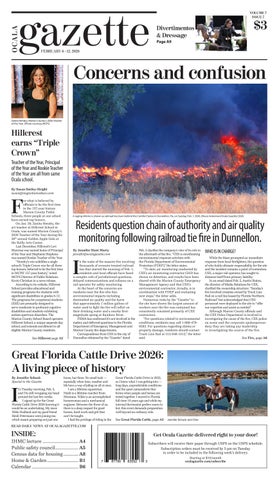
Teacher of the Year, Principal of the Year and Rookie Teacher of the Year are all from same Ocala school.
By Susan Smiley-Height susan@magnoliamediaco.com
For what is believed by officials to be the first time in the 157-year history Marion County Public Schools, three people at one school have earned top honors.
On Jan. 30, Zanita Hendry, the art teacher at Hillcrest School in Ocala, was named Marion County’s 2026 Teacher of the Year during the 36th annual Golden Apple Gala at the Reilly Arts Center.
Last December, Hillcrest’s Lori Manresa was named home of Principal of the Year and Stephanie Stephens was named Rookie Teacher of the Year.
“Hendry’s win solidifies a single school’s Triple Crown win for all three top honors, believed to be the first time in MCPS’ 157-year history,” noted MCPS Director of Public Relations Kevin Christian in a news release.
According to its website, Hillcrest School provides educational and training programs for students with significant disabilities in grades 6-12. The programs for exceptional students (ESE) are primarily designed to serve moderate to profound cognitive disabilities and students exhibiting autism spectrum disorders. The Marion County School Board operates Hillcrest School, a unique separate day school, and extends enrollment to all eligible Marion County residents.
See Hillcrest page A2
By Jennifer Hunt Murty jennifer@ocalagazette.com
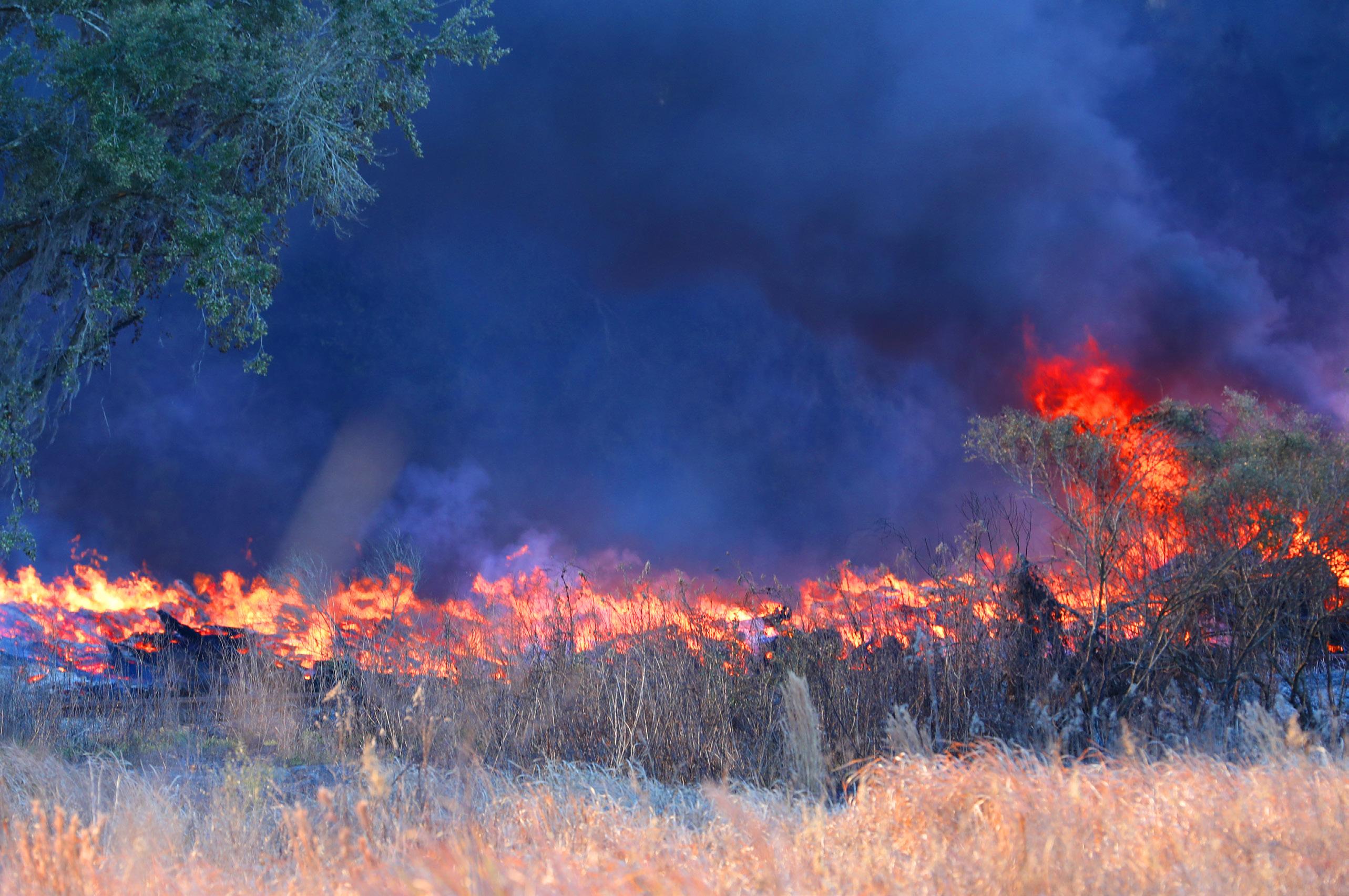
In the wake of the massive fire involving thousands of creosote-treated railroad ties that started the morning of Feb. 1, residents and local officials have faced a complex web of jurisdictional questions, delayed communications and reliance on a rail operator for safety monitoring.
At the heart of the concerns are residents near the fire who face environmental impacts including diminished air quality and the harm that approximately 1 million gallons of water used to fight the fire will inflict on their drinking water and a nearby firstmagnitude spring at Rainbow River.
FEMA has confirmed it’s not involved in the matter, and deferred questions to the Florida Department of Emergency Management and Marion County fire departments.
Correspondence from CSX to the city of Dunnellon obtained by the “Gazette” dated
Feb. 3 clarifies the company’s view of its role in the aftermath of the fire. “CSX is coordinating environmental response activities with the Florida Department of Environmental Protection (FDEP),” the letter states.
“To date, air monitoring conducted by CSX’s air monitoring contractor GHD has shown no detection, and results have been shared with the Marion County Emergency Management Agency and that CSX’s environmental contractor, Arcadis, is in coordination with FDEP and evaluating next steps,” the letter adds.
Numerous visits by the “Gazette” to the site have shown the largest amount of workers once the fire was contained has consistently consisted primarily of CSX contractors.
“For questions related to environmental conditions, residents may call 1-888-4796583. For questions regarding claims or property damage, residents should contact Track Line Rail at 312-848-1812,” the letter said.
By Jennifer Schuck Special to the Gazette
It’s Tuesday morning, Feb. 3, and I’m still wrapping my head around the last few weeks.
While the blaze prompted an immediate response from local firefighters, the question of who holds ultimate responsibility for the site and the incident remains a point of contention. CSX, a major rail operator, has sought to distance itself from primary liability.
In an email dated Feb. 2, Austin Staton, the director of Media Relations for CSX, clarified the ownership structure: “Sunday’s fire involved crossties owned by Track Line Rail on a rail line leased by Florida Northern Railroad” but acknowledged that CSX personnel were deployed to the site to “offer our expertise and assist as needed.”
Although Marion County officials said the CSX Police Department is involved in investigating the cause of the fire, CSX police on scene and the corporate spokesperson deny they are taking any leadership in investigating the source of the fire.
See Fire, page A6
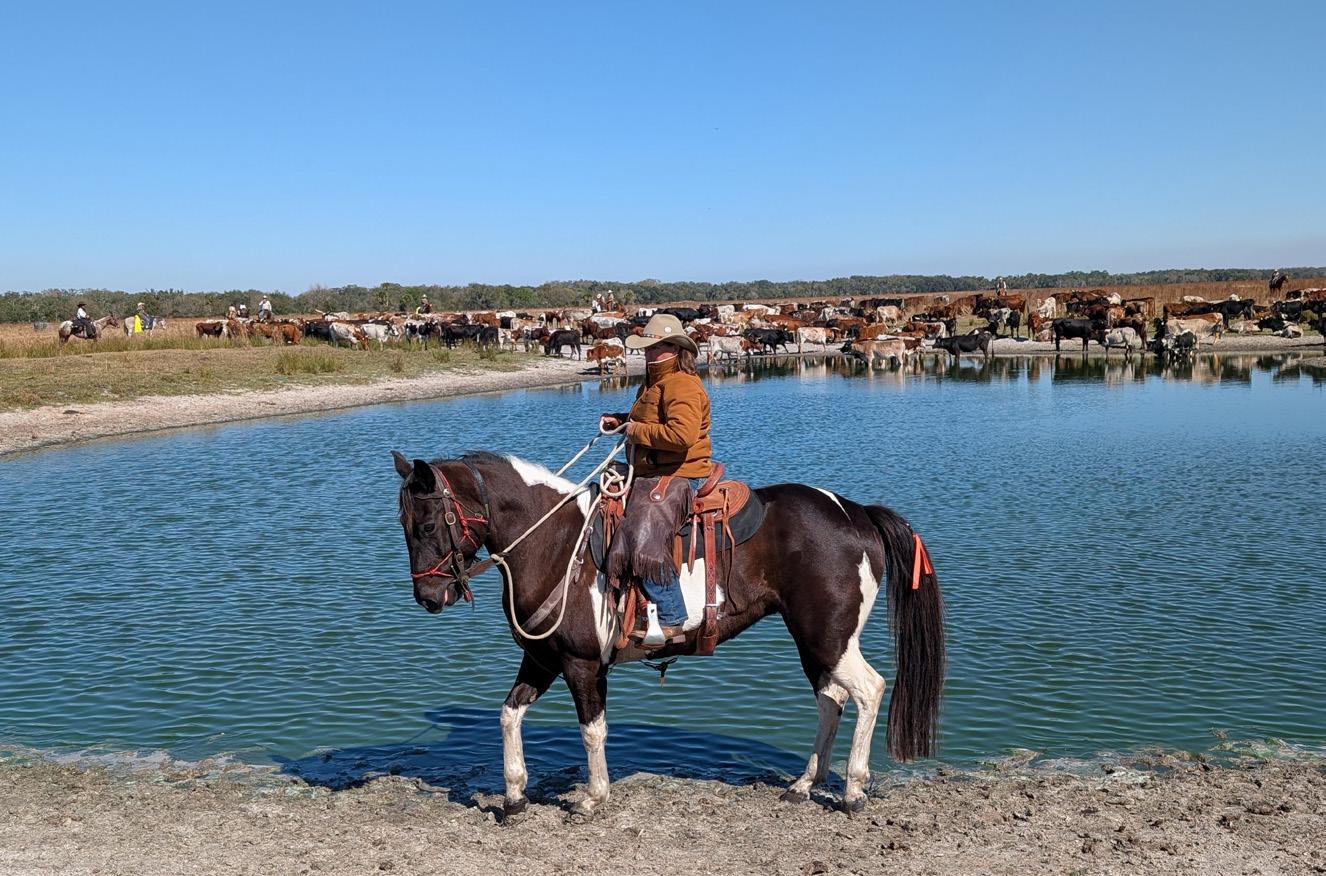
I am a lifetime equestrian. Heidi is a lifetime rancher from Montana. Nikki is an accomplished horsewoman and a mechanical engineer. Between the three of us, there is a deep respect for good horses, hard work and grit that can’t be taught. I had the privilege of riding in the
I signed up for the Great Florida Cattle Drive 2026 knowing it would be an undertaking. My niece Nikki Nodland and my good friend Heidi Petermann were joining me, which meant preparing not just one horse, but three. No small task — especially when time, weather and life have a way of piling on all at once.
Great Florida Cattle Drive in 2022, so I knew what I was getting into — long days, unpredictable conditions and the quiet camaraderie that forms when people and horses are tested together. I moved to Florida full-time 10 years ago and while my internal thermostat prefers warm to hot, this event demands preparation well beyond an ordinary ride.
See Great Florida Cattle, page A3


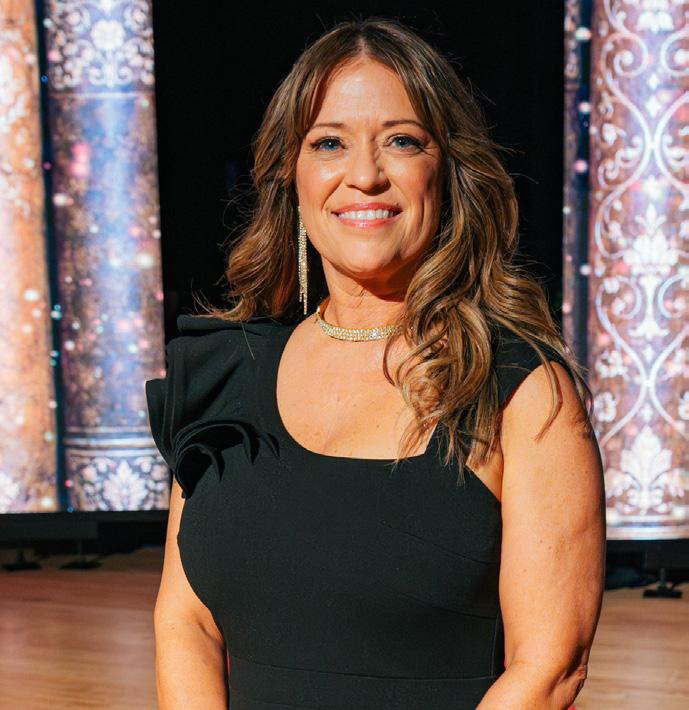
Hendry is a graduate of Dunnellon High School and holds a bachelor’s degree in interdisciplinary studies in education and social/behavioral science from the University of Central Florida. She was the 2023 Florida Adaptive Arts Educator of the Year.
“I am still in shock and elated over all that Hillcrest has accomplished. I’m incredibly honored to be named Teacher of the Year for our district, especially alongside the remarkable recognition of our school as the ‘Triple Crown’ winner. Standing with our principal of the year, Lori Manresa, and our Rookie Teacher of the Year, Stephanie Stephens, is a night I will cherish for the rest of my life,” Hendry wrote to the “Gazette” via email.
“This achievement reflects the passion, dedication and creativity of our entire Hillcrest team. I’m lucky to have an amazingly supportive paraprofessional and together we strive to empower our students with special needs through the arts, fostering an inclusive and fun learning environment where every student knows their creative contributions matter. The resilience and creativity displayed by my students motivate and inspire me daily, reminding me that, ‘To try is everything.’ I am grateful for the opportunity to work alongside such talented and caring individuals who are committed to making a difference in the lives of our students. Here’s to many more successful years ahead, filled with growth, increased opportunities and continued advocacy for our incredible students,” Hendry wrote.
“Winning Principal of the Year alongside both Stephanie Stephens, Rookie Teacher of the Year, and Zanita Hendry, Teacher of the Year, is an incredible honor, but not just for us. This honor is for our entire school community,” Manresa wrote, also via email.
“I have been blessed to serve as an administrator at Hillcrest for 25 years, with a total of 36 years in education. Working with special needs students has always been a
personal calling for me, and I am so fortunate to work with a team that shares that same passion and belief. This recognition belongs to an extraordinary team that believes in putting students first ALWAYS! Together, we brought our students to the forefront and showcased their abilities in ways others may not have thought possible. My philosophy of education is simple… if you love children, I can teach you to do the rest,” Manresa stated.
“I am beyond proud to serve alongside such a dedicated team of educators and to celebrate what can happen when students are seen, valued and believed in. This team is truly a family, and we share this Triple Crown victory with each and every one of them. Hillcrest is my heart!” she continued.
Stephens also replied to the “Gazette” via email.
“I will always remember how special this year’s Golden Apple Gala was. I am incredibly honored to be named our district’s Rookie Teacher of the Year and to stand alongside our outstanding Principal of the Year and Teacher of the Year. To have all three of us recognized in the same year is not a coincidence — it is a reflection of the culture at Hillcrest. When leadership, teachers and support staff work together with a shared vision, incredible things happen for students. I view this recognition as a reflection of the incredible school community I am fortunate to be part of,” Stephens wrote.
“I am especially grateful that this moment helps bring greater awareness to the students we serve at Hillcrest. I do not take the opportunity to shine a light on our students lightly. Our work is centered on seeing each student for who they are, honoring their abilities and helping them build independence and confidence in meaningful ways. This work matters because when we invest in our students, we invest in a stronger, more compassionate community,” Stephens offered.
“My everyday mission is to celebrate progress, meet students where they are and guide them

toward becoming the best version of themselves — one meaningful step at a time. Our students remind me daily that progress comes in many forms and each step forward is worth celebrating. It is a privilege to be part of their journey, and I am proud to represent Hillcrest and the incredible students who inspire us every single day,” she shared.
In mid-December 2025, Hendry was recognized during the annual Golden Apple caravan, along with several others.
The Public Education Foundation of Marion County orchestrates the Golden Apple Teacher Recognition Program and honors one new teacher as the Rookie Teacher of the Year and another worker as the District’s School-Related Employee of the Year. An entourage that included Interim Superintendent of Schools Danielle Brewer, Marion County School Board members, foundation Executive Director Meghan Magamoll and others surprised the recipients during the caravan.
The other teacher honorees were Phyllis Hodges, Maplewood Elementary; William Lockley, North Marion Middle School; Adjahnae Piner, Vanguard High School; and Jamesha Gilliam, West Port High; along with Stephanie Bulla, Anthony Elementary, the SchoolRelated Employee of the Year.
As the Golden Apple Teacher of the Year, Hendry, an 11-year veteran of MCPS, received a threeyear pre-paid lease on a new 2026 Genesis G70 automobile from Jenkins Auto Group, the presenting sponsor of the event.
This year’s Golden Apple Gala showcased all-star choir of musical students at all grade levels from 18 MCPS schools who performed “Unwritten” as a tribute to local educators. A “chapters” theme tied different program portions together, culminating with a mindset of “the best is still unwritten.” Saturday night’s event was sold out and record-breaking in terms of attendance, Christian noted.
To learn more, go to pefmc.org


“The press was to serve the governed, not the governors.”
- U.S. Supreme Court Justice Hugo Black in New York Times Co. v. United States (1971)
Publisher Jennifer Hunt Murty jennifer@ocalagazette.com
Bruce Ackerman Photography Editor bruce@ocalagazette.com
Dani Eskridge Director of Operations & Sales dani@magnoliamediaco.com
Andy Fillmore Reporter andy@ocalagazette.com
Caroline Brauchler Reporter caroline@ocalagazette.com
Greg Hamilton Editor greg@magnoliamediaco.com
Susan Smiley-Height Editor susan@magnoliamediaco.com
Belea Keeney Reporter belea@magnoliamediaco.com
Jamie Berube Reporter jamie@ocalagazette.com
Lauren Morrish Reporter lauren@ocalagazette.com
News tips tips@ocalagazette.com
Distribution Inquiries info@ocalagazette.com
Follow us @ocalagazette
Our mission is to inform and uplift our readers by reporting on the events, issues and stories that shape Ocala with accuracy, fairness and passion. We also strive to serve as a forum where all voices can be heard and to chronicle our community’s history.
ocalagazette.com
©2024 Ocala Gazette, LLC
Ocala Gazette (USPS# 25590) (ISSN 27711595) is published weekly by Magnolia Media Company, LLC, PO BOX 188, OCALA, FL 34478. Periodicals postage paid at Ocala, FL. POSTMASTER: Send address changes to: Ocala Gazette, PO Box 188, Ocala, FL 34478.
Share your news
The Ocala Gazette invites you to share your important news events with the community. Email your submissions to info@ocalagazette.com. Please include your name and contact information on the submission.
• Letters to the editor: 200 words or less.
• Honorable Mentions: 150 words or less about an individual or organization accomplishment in the business, education, community service, athletics or other area of endeavor. Attach a photo of the individual or group being honored, if available.
• Upcoming events: Are you holding a charitable or community event that is open to the public? Include the organization hosting the event as well as the time, date and a brief description of the event, along with registration information or other important instructions.
News tips: Include whatever information you consider relevant.
I grew up riding three-day eventing, foxhunting and dressage, the latter being my forte. But if I’m honest, I always wanted to be a cowgirl.
I’m grateful to be a woman of this era. I can’t imagine what it must have been like to live and work before women’s rights were recognized. The women who endured the early history of this country, and this region, had to possess extraordinary grit and resolve. The Great Florida Cattle Drive honors not only cattle and horses, but the people — men and women — who built a way of life from the ground up.
This cattle drive commemorates Florida’s deep ranching roots, tracing back to the first cattle and horses brought by Ponce de León in 1521 and reenacts the great cattle drives of the 1800s. To ride in it is to step briefly into living history.
On Jan. 22, the excitement became real. Nikki flew in from Austin, Texas, and Heidi from Wibaux, Montana. Both had long travel days and having them here meant everything to me. This wasn’t just another ride — this was something shared.
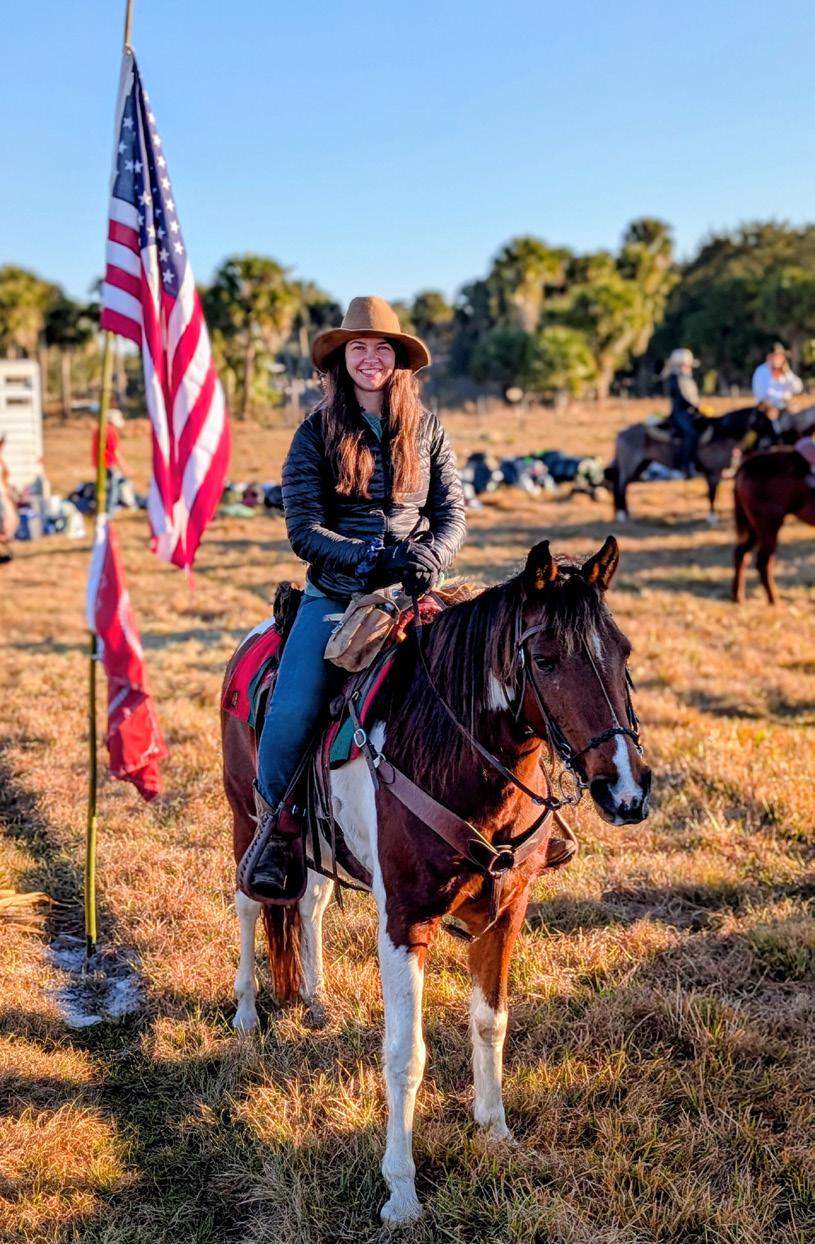
Jan. 23 was a full day. Nikki met her horse, Behr, a sassy little bay tobiano gaited horse I believe has Cracker horse lineage. Heidi was reunited with Cher, a large blackand-white tobiano I bought from her eight years ago as an unbroken 3-year-old — and depending on the day, Cher still qualifies as “unbroken.” Cher is special, with very definite opinions. I was riding Doc, a sweet little palomino Quarter Horse… well, sweet until he fell in love with Cher. We spent the day fitting saddles to both humans and horses, packing for primitive camping and trying to meet the strict 60-pound gear limit per person, for both riders and horses. That’s no easy task, especially if you’re me.
On Jan. 24, we loaded up and headed to the IFAS DeLuca Preserve outside Yeehaw Junction. The drive from northeast Ocala took just under three hours.
Arriving at the Great Florida Cattle Drive 2026 felt like coming home. In 2022, I knew no one. I was told I would meet people who would become lifelong friends, and that has proven true. Seeing familiar faces and meeting new riders was incredibly meaningful.
At check-in, I was greeted with a big hug from Lynn Henshew, whose family has deep roots in Florida’s cattle industry and helped organize the first drive in 1995. We learned our assigned circle was Rust, received our scarves and mess kits, had our horses’ Coggins checked and headed off to set up camp.
Our circle boss was Wayne Wall, with Rebecca Hurm as assistant. Their job is no small task. Each morning feels like moving a village — breaking camp in the dark, feeding and saddling horses, eating breakfast and getting everyone safely on the trail.
Riding abilities ranged from very experienced to first timers on rented horses, adding another layer of responsibility. I felt the weight of offering my horses to my niece and my friend. I trusted their riding but still prayed our horses could handle the excitement.
The morning of Jan. 25 began with excitement of a different kind. I woke to Heidi saying, “Loose horses.”

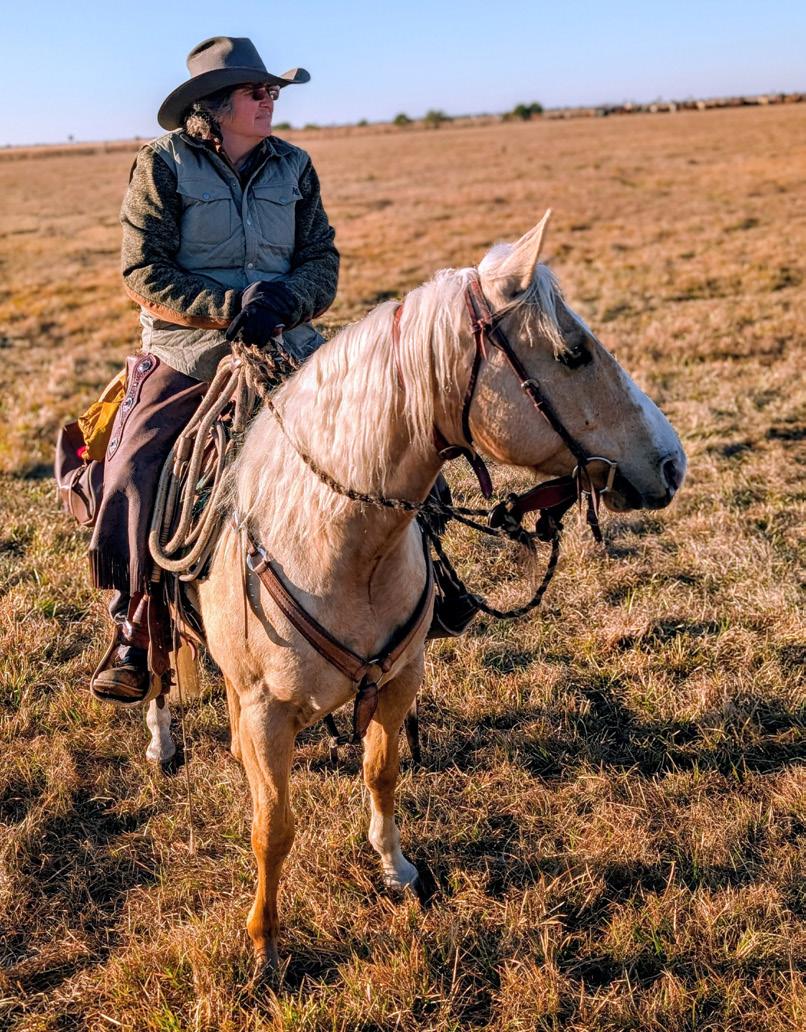
Behr and Doc had taken down fencing and enjoyed a victory lap through camp before being caught in front of our tent. We regrouped, combined corrals, and that decision marked the beginning of Doc’s unreciprocated love affair with Cher.
Sunday itself was joyful, reconnecting with friends, a relaxed ride and our first dinner cooked from authentic chuck wagons. It was seriously cool.
Jan. 26 was a long day. Clouds rolled in, winds picked up and then came sideways rain. Horses stopped, turned their backs to the storm and waited it out. We were soaked, but it wasn’t cold. When the sun returned, we moved on. Florida has been in drought, but low ground held water. For over an hour, we sloshed through it, horses working hard with every step. Doc finally forgot about Cher long enough to focus on his job.
Jan. 27 brought a “loose horse” galloping past us with a flapping slicker, followed by a Wild West performance from Cher and Heidi. Cher bucked; Heidi stayed centered and rode it out flawlessly. Cheers erupted. It became the story of the day.
The morning of Jan. 28 brought frost and ice. Cher’s back was tight and safety became our priority. I offered Doc to Heidi. It was my turn to trust the foundation I had built with Cher.
I asked her to the mounting block. She stood. I mounted. She accepted me. My heart was full —with gratitude, and pride in trusting myself. The ride wasn’t easy, but it was honest. Heidi and Nikki rode close, helping manage space and energy. That night we shared a fire and stories under cold stars.
Jan. 29 brought a 10-mile day through the Okeechobee-Kissimmee River Valley. Cher felt better than ever; settled, confident. That night we reached a two-night camp, giving horses and riders a much-needed

break.
Jan. 30 was restful. Horses were groomed and hand walked. We listened to legendary horseman Craig Cameron speak; wisdom earned over a lifetime. That afternoon, we heard about the filming of “A Land Remembered.” It felt especially meaningful to hear that story while living a piece of it ourselves.
That evening, the Seminole Tribe of Florida shared cultural dances and history, reminding us that this land’s story long predates cattle drives. The night also included recognition, camaraderie and fundraising. The drive supports veterans through Operation Outdoor Freedom, at-risk youth through Florida Sheriffs Youth Ranches and preserves agricultural heritage through the Florida Cow Culture
Preservation Committee. The enrichment this provides is truly heartwarming.
On Jan. 31, we woke to a warm sunrise. We struck camp for the last time, saddled up and lined up for the final ride to the Okeechobee Cattleman’s Arena.
The American flag led the way, followed by cattle, veterans, covered wagons and the riding circles. We rode onto Highway 441, crowds cheering, waving, calling out “Welcome home” and “You made it.” Traffic slowed, horns honked, phones recorded.
The horses were incredible. Cher hesitated at road markings, then figured it out. What a good girl.
At the arena, the End of the Trail Heritage Festival awaited. We entered proudly behind our circle boss and assistant. It was exhilarating — and emotionally draining.
I remembered the words spoken in 2022: You’ll get to the end and not want it to stop. That was true.
Nothing in life comes easy. Progress takes dreamers, doers, hard work, faith and love — of self, of community, and of something greater than ourselves.
To every participant, especially firsttimers, be proud. This was no small undertaking.
And to everyone who organized and supported this extraordinary event: thank you. I pray we all get to ride this trail together again.
To learn more, go to greatfloridacattledrive.com
To see Schuck’s comments from the 2022 drive, go to ocalagazette.com/livinghistory-lesson
By Susan Smiley-Height susan@magnoliamediaco.com
If you are near downtown Ocala on the evening of Feb. 12, you may want to consider walking over to the Institute for Human & Machine Cognition campus to hear guest lecturer Dr. Nicole Rendos speak about that very thing — walking.
Rendos will continue the IHMC Ocala Evening Lecture Series with a talk titled, “We All Start Walking The Same – So Why Don’t We End That Way?”
According to materials provided by IHMC, walking is one of the first skills we learn in life, and one of the most important for maintaining independence, health and quality of life. Yet as we age or develop chronic conditions, the way we walk often changes in subtle ways long before problems become obvious.
Rendos will explore how walking develops across a lifespan and why aging and chronic diseases affect the way we move and how small changes in walking mechanics can have major consequences for balance, mobility, fall risk and long-term independence.
“Drawing from biomechanics research and clinical studies, this talk will highlight why walking is not just an automatic movement, but a skill that can be protected, improved and preserved at any age,” IHMC noted.
Rendos is a research scientist at the institute and assistant professor in the department of Movement Sciences and Health at the University of West Florida. Her research focuses on biomechanics and rehabilitation medicine, with a long-term goal of
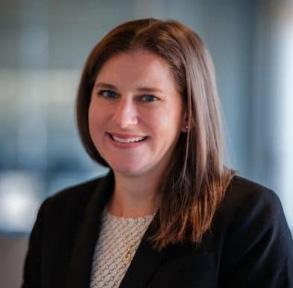
improving functional mobility and quality of life for individuals living with chronic disease, primarily diabetes and diabetes-related complications. She is the principal investigator of a National Institutes of Health funded clinical trial examining the use of audiovisual biofeedback to improve walking mechanics in individuals with diabetic peripheral neuropathy. Rendos earned a bachelor’s degree from West Virginia University and a post-professional master’s degree from the University of Virginia, both in athletic training. She completed her Ph.D. in biomechanics and exercise physiology at the University of Miami, followed by two post-doctoral fellowships in neurophysiology and rehabilitation medicine biomechanics. She holds professional certifications in sports medicine and human performance as a certified athletic trainer, certified strength and conditioning specialist and fellow of the American College of Sports Medicine. She is presidentelect of the Southeast Chapter of












the American College of Sports Medicine. Prior to joining IHMC, she served as an assistant professor in the School of Medicine at Emory University in Atlanta, where she maintains an academic affiliation.
The doctor was born in Westchester County, New York, and raised between Westchester and neighboring Rockland County.
“Both of my parents commuted into New York City each day for work, but I grew up in the suburbs just outside of the city,” she shared via an email exchange.
When we asked about her life as a child/young adult, Rendos noted that she was “both studious and athletic growing up, and I also spent a significant part of my childhood and teenage years playing musical instruments.”
“I graduated from both high school and college with a 4.0 GPA. In high school, I was a competitive athlete, swimming backstroke in the fall and participating in indoor (winter) and outdoor (spring) track and field as a pole vaulter. When I entered college, my interest in sports and health naturally led me to study athletic training, which allowed me to work closely with athletes in a healthcare setting. The demands of that program required more than 20 hours per week of hands-on clinical work with sports teams on top of my classes, making it difficult to continue competing in track and field beyond my freshman year. Instead, I transitioned to endurance sports, including marathon running and triathlons, activities that I continue to pursue today,” she noted.
Rendos said that before she went
Rendos speaking about walking.
to college, she wasn’t sure if she wanted to pursue a career in forensic science, music or healthcare.
“That changed during my senior year of high school, when I sustained a significant elbow injury while pole vaulting. During my recovery, I was introduced to the field of athletic training and quickly realized it combined many of my interests — science, movement and helping people. I pursued that path through a post-professional master’s degree in athletic training, which included completing a master’s thesis. That research experience became a turning point and sparked my interest in scientific investigation. It ultimately led to a career in research that has continued through my Ph.D. training, postdoctoral fellowships and current role as a research scientist. I have now pursued this work for more than 15 years,” she explained.
She offered that her research career initially focused on endurance athletes and sports-related injuries, drawing from her background in athletic training and sports medicine.
“A colleague who held a joint appointment with Georgia Tech and IHMC introduced me to several members of the IHMC research team. Through these early conversations, I realized IHMC would allow me to expand my research in new and meaningful ways, including exploring prosthetic technologies and better understanding how chronic disease affects the body over the course of a lifetime. While this type of work would have been possible at Emory, it would have been more difficult and slower to pursue,” Rendos shared. “What ultimately drew me to IHMC was its highly collaborative environment. Being surrounded by scientists who are leaders in their fields, and working alongside them on a daily basis created an opportunity to grow my research and help people in more impactful ways. That combination made IHMC the right place for the next chapter of my career.”
The IHMC Ocala campus is located at 15 SE Osceola Ave. Each evening lecture begins with a reception at 5:30 p.m., followed by the talk at 6 p.m. The lectures are free to attend but registration is encouraged as seating is limited. To RSVP, go to https://ihmc-20260212. eventbrite.com
“This focus began to shift after a conversation with my husband while he was in his first year of medical residency as a foot and ankle surgeon. At that time, he was frequently performing partial-foot amputations due to complications from diabetes. During that conversation, I learned that while the standard of care prioritized wound healing, patients were often not referred to rehabilitation to relearn how to walk and function after the amputation. That realization was where my research focus shifted from studying injuries in endurance athletes to helping individuals with chronic disease walk more effectively and reduce risk for further complications,” Rendos stated. She became connected with IHMC during her fifth year as an assistant professor in the School of Medicine at Emory University.
To learn more, go to ihmc.us























































By Susan Smiley-Height susan@magnoliamediaco.com
The Florida Press Club, first known as the Florida Women’s Press Club, was founded in the early 1960s to support female journalists who were excluded from existing press organizations. The club’s name changed and its mission has evolved, but its commitment to promoting excellence in journalism remains the same.
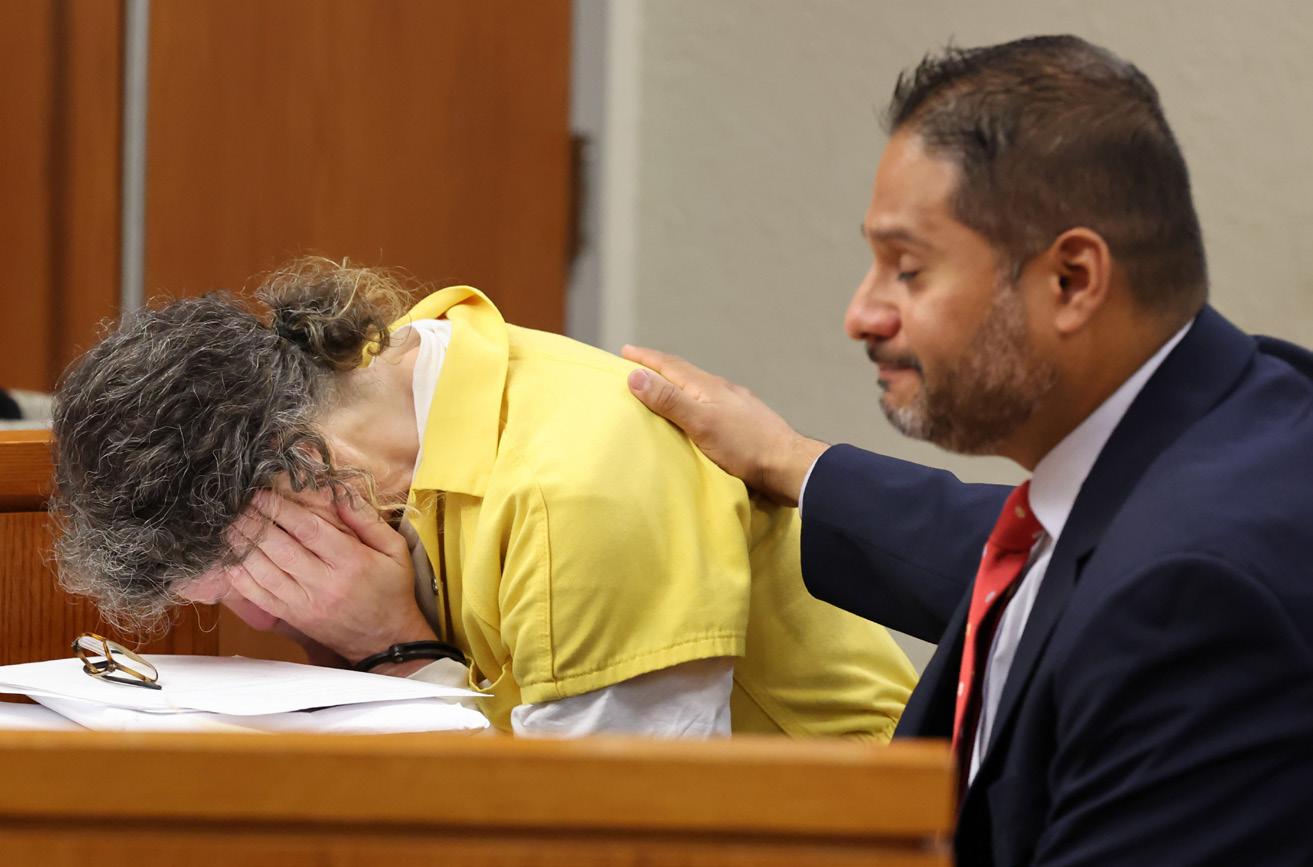
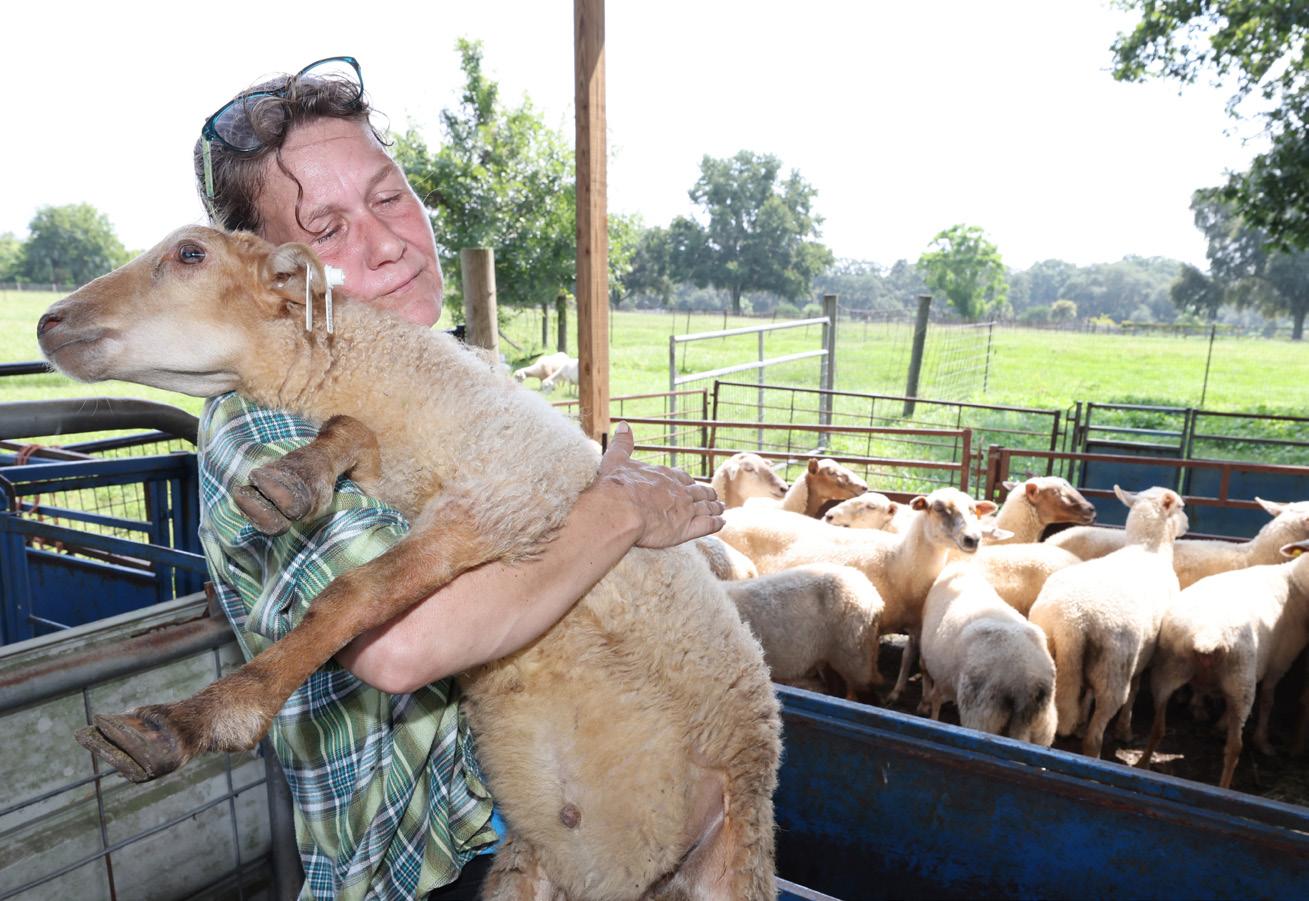
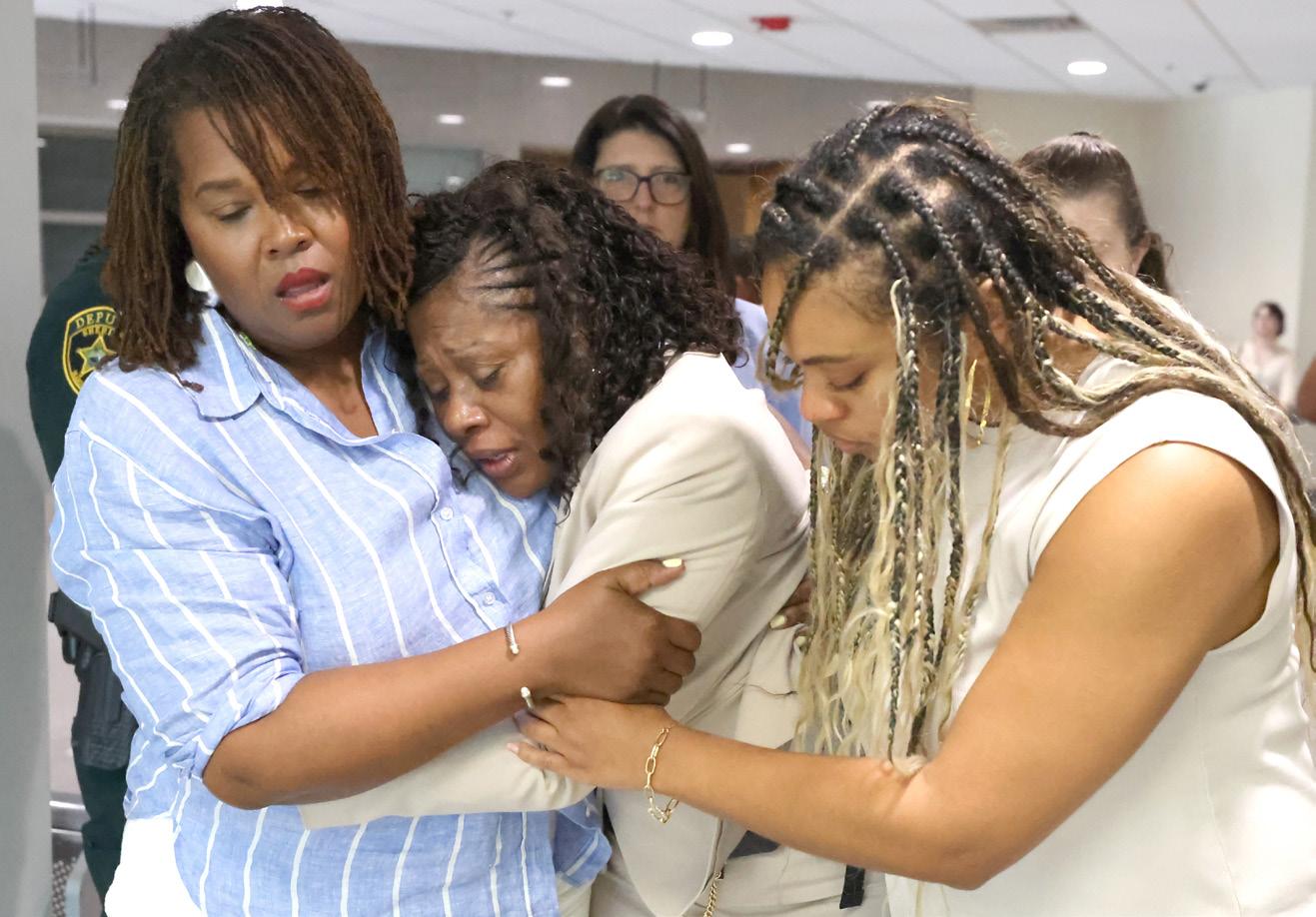
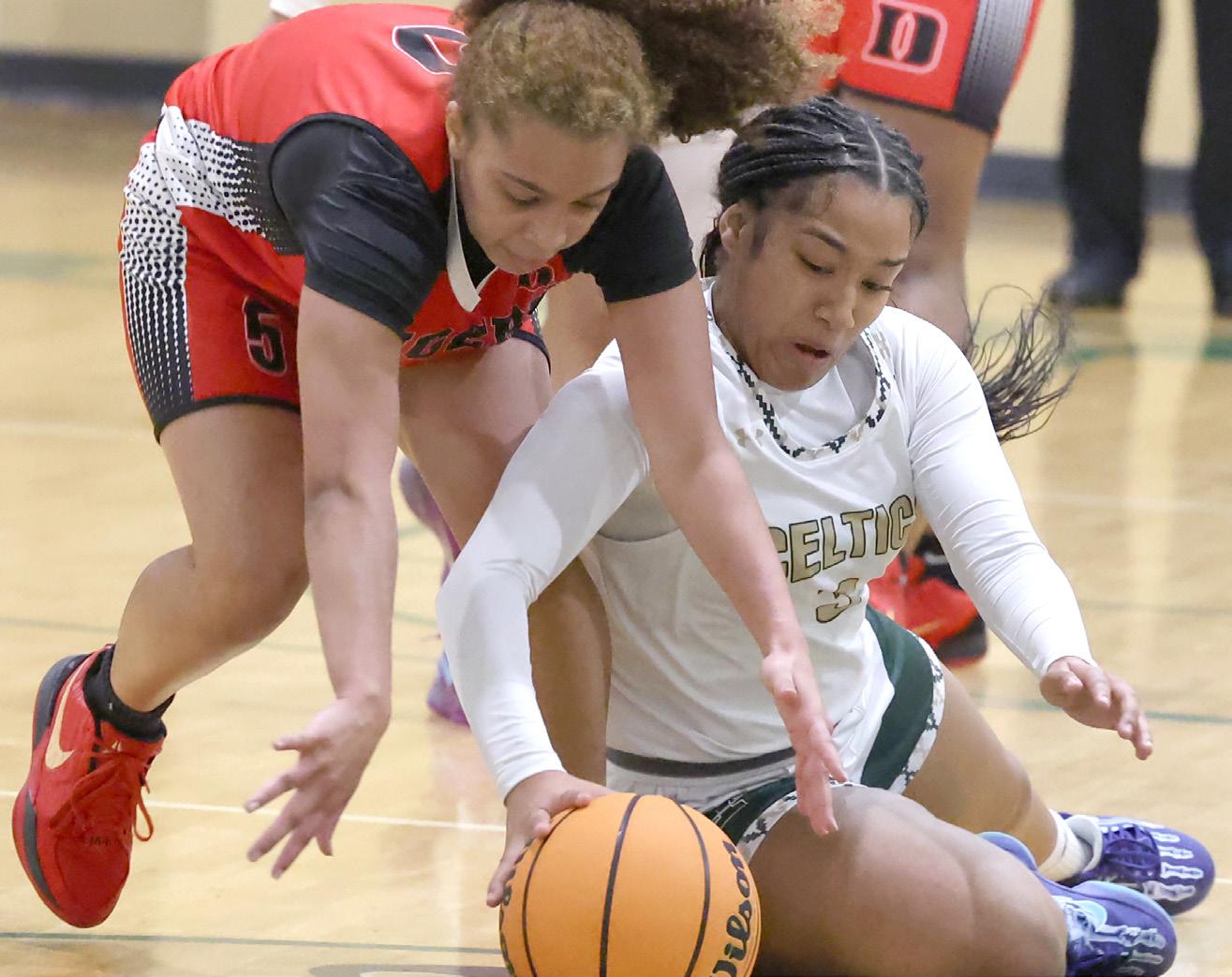
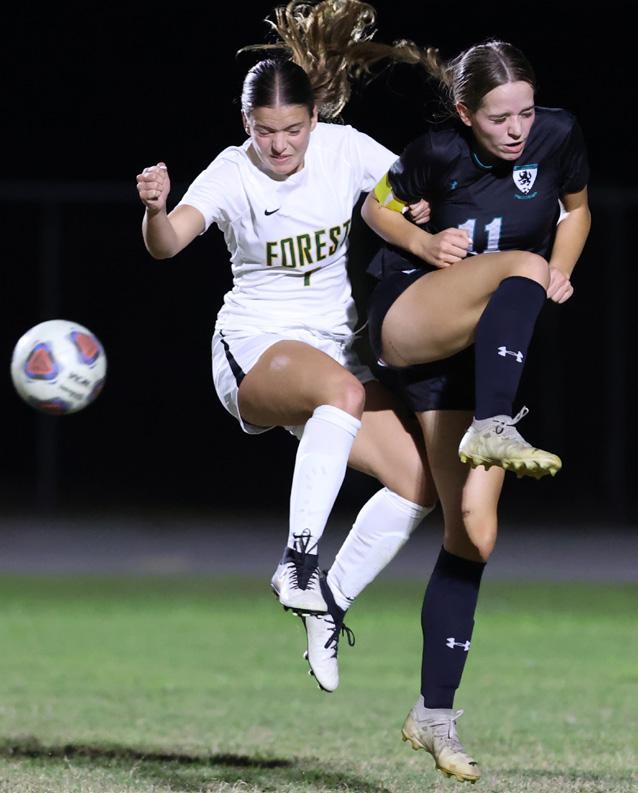
Club activities, such as regional journalism seminars and the annual Excellence in Journalism contest, continue to honor and celebrate the achievements of Florida’s journalists. On Jan. 31, during the Excellence In Journalism Awards 2025 event in West Palm Beach, the “Ocala Gazette’s” staff photographer Bruce Ackerman received six awards, including three first-place honors. His entries were submitted according to criteria for these circulation classes:
Class A: Daily newspapers with more than 50,000 daily interactions.
Class B: Daily newspapers with more than 30,000 daily interactions.
Class C: Daily newspapers, non-daily newspapers, community, tribal and college newspapers and website-only publications with less than 30,000 daily interactions.
The awards were based on multiple submissions in each category:
General News: First Place, Class C
Feature Photo Essay: First


those who can’t
Place, Class C
• Sports Feature: First Place, Class B-C
Sports Action: Second Place, Class B-C
Breaking News: Second Place, Class A-C
Portrait/Personality: Third Place, Class C
“Ackerman has been professionally capturing and documenting Ocala and Marion County’s history for more than 30 years — and he still gets excited when he gets a great shot,” said “Gazette” publisher Jennifer Hunt Murty. “Our team is grateful for the enthusiasm and professionalism he brings to work every day.”
To see the full slate of awards, go to floridapressclub.org
The intersection of mental health and criminal justice has been the focal point of recent Public Safety Coordinating Council meetings.
By Jennifer Hunt Murty
jennifer@ocalagazette.com
National data underscores the growing urgency of local discussions about the need for mental health resources to serve a growing population, who, if left untreated, could become a threat to the public.
According to the 2023 National Survey on Drug Use and Health, approximately 58.7 million adults — nearly one in four of the adult U.S. population — experienced some form of mental illness in 2023. Of those, an estimated 14.6 million adults suffered from a serious mental illness (SMI) that substantially limited major life activities.
The intersection of mental health and criminal justice has become the focal point of recent Public Safety Coordinating Council (PSCC) meetings, as local officials grapple with a lack of state hospital beds, rising costs and concerns regarding the treatment of mentally ill detainees.
The PSCC is tasked under Fla. Stat. 951.26 with assessing the county’s jail population, coordinating public safety initiatives between agencies
and overseeing criminal justice reinvestment grants. The board has spent its last two quarterly meetings acknowledging something needs to be done to address the challenges faced by the Marion County jail from becoming a holding facility for individuals who require psychiatric care rather than incarceration. The group meets quarterly in publicly noticed meetings and is subject to the state’s Sunshine Law.
During the council’s October 2025 meeting, Marion County jail officials reported a downward trend in the overall inmate population, attributed largely to the court system processing cases more efficiently. However, a specific segment of that population remains stuck in a “revolving door,” officials said.
Maj. Charles McIntosh of the Marion County Sheriff’s Office highlighted the strain caused by the lack of state resources. As of October, 33 inmates were in the jail waiting for a bed at a state hospital.
“The state has no beds. So unfortunately, they stay with us
until a bed becomes available,” McIntosh said.
While the jail provides medical services, McIntosh emphasized that a county jail lacks the capacity to provide the level of care found in a state mental health facility. McIntosh noted that some of the mentally ill are in jail for “petty crimes.”
Although the county does have a mental health diversion court program, it is very limited in its capacity and most individuals charged with resisting officers with violence due to a confused mental state don’t qualify.
Commissioner Kathy Bryant, who has served as the board’s chair since its inception, said during an October meeting that the county may need to build a special facility, possibly near the jail, to house that population so their unique needs could be met. Bryant asked Alina Stoothoff, Senior Court Operations Consultant for the Fifth Circuit Problem Solving Courts, to provide information at the January meeting about some options that could be considered.
At the Jan. 26 meeting, Stoothoff told the council there were potential legislative solutions, specifically Senate
Bill 168, known as the “Tristin Murphy Act.” Signed into law in June 2025, the act aims to expand mental health diversion programs and is named after a man who died by suicide in a Florida prison.
Public Defender Mike Graves, who also sits on the council, called the act “the best kept secret anywhere in the state because few people are doing anything about it,” noting that it earmarks grant money to assist counties in creating mental health diversion programs. The act encourages communities to establish misdemeanor and felony mental health diversion programs to move clinically appropriate defendants from jails to treatment.
Stoothoff also explained state officials are watching the “Miami Model,” a reference to the Miami Center for Mental Health and Recovery. This “one-stop shop” facility acts as a diversion center to keep the mentally ill out of the criminal justice system entirely. While acknowledging the high cost of such a facility, Stoothoff noted that the cost of housing this population in jail—due to medication and special housing requirements—is already high.
Stoothoff expressed deep concern for the mentally ill
in the system in her January presentation to the council describing the population as “marginalized.”
“When they hit the criminal justice system it’s just so difficult for that population to navigate the system to get out of jail they cause more problems for the jail law enforcement officers who are at higher risk because of a nonviolent population… they’re not getting any better,” she told the council.
Stoothoff noted the necessity of community support: “It’s a population that that can’t always fend for themselves.”
Robin Lanier, vice president of SMA Marion County Services, echoed Stoothoff’s concern about the availability of proper treatment of the mentally ill at the jail.
The PSCC meeting on Jan. 26 was the last one chaired by Bryant, and Commissioner Matt McClain has agreed to chair it next. Additionally, Stoothoff, who has played a vital role in the court’s local diversion courts, is set to retire this week.
The meeting ended with no actionable plan for how the group could work towards a plan to face the continued challenge. The council’s next meeting is April 20.
In a telephone call on Sunday with Staton, he clarified to the “Gazette” that their police department was not doing an investigation into the source of the fire.
County officials also pointed to the Florida Forest Service as being involved in the investigation, but that agency has not confirmed any role at the time of publication.
This fracturing of authority was highlighted during public comments at the Dunnellon City Council meeting on Feb. 2, where dozens of residents expressed frustration over the lack of a unified command and with a text message from the county telling them to contact CSX with concerns.
Compounding the confusion is the handling of environmental safety monitoring. After the fire was contained Sunday afternoon, residents concerned about the thick smoke were directed to a phone hotline that connected them not to county health officials but to a toxicology contractor working on behalf of CSX.
A call to this hotline on Monday revealed that air monitoring is being conducted by “third-party consultants” who compile data and present it to CSX. The rail company then shares that information with incident command and agencies.
The toxicologist on the line told the “Gazette” that “We are not … posting that anywhere” for the public to view directly, adding, “All our readings for the chemicals of concern that would be in the smoke had been below… any levels of concern.”
The “Gazette” has asked the county, city and sheriff’s office to immediately release air quality testing results either taken by the county or received from CSX’s contractor but has not received any
of those public records.
During Monday’s meeting, Dunnellon Mayor Walter Green announced a shift in this protocol. He relayed a communication from Marion County Fire Chief Jamie Banta, stating that the county would begin regular “independent air quality test[ing]… starting in the morning,” or Tuesday.
The timeline of the government response highlights a disparity between the city and county’s actions. Dunnellon declared a state of emergency while the fire was still raging. In contrast, Marion County Commissioners waited to address the issue during their regularly scheduled board meeting on Tuesday.
Records requests submitted to the county are pending and there has been little to no information released about the amount of risk considered by the county and city and their communications with state and federal authorities.
“The railroads are controlled by the federal government and by the state. The city of Dunnellon has very little control over it,” one Dunnellon resident noted, asking, “Why isn’t the state… here and have a command center in place right now?”
There were no state or county officials at the Dunnellon meeting to explain to the residents what testing had been done and whether or not their fears were warranted.
The city of Dunnellon website does not provide any information under “Current Emergency Directives” and at the top of the page it tells residents to “link to the MCFR Facebook page for information regarding the railroad tie fire.” But the MCFR Facebook page has not provided any additional information about the fire since Feb. 1.
However, Preston Bowlin, Emergency Management director for the Marion County Sheriff’s Office, told the county commissioners on Tuesday that a representative
of the Florida Department of Environmental Protection had been on scene, and he expected them to follow up and communicate their remediation plans.
Bowlin added the MCSO has notified the state watch office, which he said notifies “like 350 agencies” or “anybody who would have interest in these events, from DEP to EPA, to the governor’s office to Kevin Guthrie, our state director.”
According to a timeline presented by Green on Monday and county attorneys on Tuesday, the city and county had been attempting to address the environmental hazards posed by the railroad ties for months using code enforcement threats.
Additionally, Florida State Rep. JJ Grow told Dunnellon residents in November that he was in direct contact with CSX and expected the railroad ties would be removed in a timely manner.
Green reported approximately 16,500 ties had already been taken out of the city via rail cars, with another 1,200 moved by tractortrailer at the end of December.
However, after that initial trip no other rail cars appeared and the loader that had been on site was not seen there for several weeks. On Jan. 9, the state DEP approved Track Lines’ request to grind the ties on the site, despite residents’ objections.
The city’s efforts to coordinate enforcement and request compliance included scheduling a Jan. 13 hearing before a special magistrate. Green said no representatives of Track Line or CSX appeared. The magistrate found CSX in violation and granted the company 30 days to comply.
According to the U.S. Environmental Protection Agency (EPA):


Creosote is a pesticide-grade wood preservative used on railroad ties and utility poles.
It contains polycyclic aromatic hydrocarbons (PAHs), many of which are carcinogenic.
Creosote-treated structures near water can threaten fish and aquatic invertebrates.
Creosote-treated wood should never be burned in residential settings.
Businesses disposing of creosotetreated wood must comply with the Resource Conservation and Recovery Act (RCRA), including hazardous-waste determinations.
The EPA emphasizes that grinding and shredding creosotetreated wood is not standard practice outside industrial facilities designed to contain airborne toxins.
According to “2018 Railroad Tie Survey” (Journal of Transportation Technologies, 2019), “All railroads seek to manage their worn ties in ways that minimize cost and long-term liability. Often, railroads have contractors pick up all ties from a project or simply complete the whole project such that the contractor makes decisions about used tie management. The contractor seeks to maximize value, or at least minimize cost, by sorting ties by quality and potential for other uses. Better quality ties are sorted to be marketed for landscape or agricultural uses and may be sold to middlemen or retail building supply companies.
“Some railroads do not allow used ties to be used for agricultural, commercial, or residential reuse due to the long-term liability. Ties unsuitable for reuse will generally be used as fuel for energy recovery or process heat boilers.
“Processing of such ties into fuel involves metal removal and grinding. Processing may be completed by the same contractor or may involve transfer to another company that grinds and markets the fuel to end users. Processing ties
can be expensive and may require a tipping fee for ties accepted. Railroads or contractors that cannot cost effectively utilize the fuel alternative generally must dispose of remaining ties in landfills, for which a tipping fee will be required.”
That survey indicated that 66% of used ties are recycled for energy through controlled combustion systems designed to handle creosote. Grinding is used primarily to create fuel chips for energy facilities, not for open-air operations in populated or environmentally sensitive areas.
The study underscores that the kind of shredding proposed by Track Line Rail generally occurs in enclosed, regulated facilities, not beside residential neighborhoods or spring-fed waters.
CSX contractors have been moving debris at the site since Sunday after the fire was contained.
Green told the more than 100 city residents at the council meeting that the next code enforcement meeting for the city was scheduled for Feb. 10.
Bowlin told the county commissioners on Tuesday he expected CSX to deliver more rail cars and start loading the remaining railroad ties and to get a plan from the DEP to remediate the contaminated ground once the ties were moved.
County Attorney Matthew Minter told commissioners the county had written enough letters and he suggested they ask Dunnellon to join the county in filing a lawsuit against Track Line, LLC, which brought the ties to the parcel owned by CSX but leased to Florida Northern Railroad, which operates 104 miles of track on two separate branch lines with one CSXT interchange at Ocala and the other at Newberry.
The commission unanimously passed a motion to file a request for an injunction.

This is the fourth in a series of five articles examining key debates that will unfold in the nation’s statehouses this year.
By Page Forrest and Jad Maayah Pew Charitable Trusts
As the frequency and cost of natural disasters has increased nationwide, states’ approaches to budgeting for catastrophic events has heavily relied on the ready availability of federal funding. But now there is growing uncertainty around the entire disaster assistance system, which funds activities before, during and after disasters occur.
States are already adjusting to recent shifts in how these federal funds are distributed, even as they navigate growing uncertainty around potential changes to the structure and workings of the Federal Emergency Management Agency (FEMA), which has delivered the bulk of the aid. Historically, the cost of disasters has been borne by a combination of the federal government, state and local governments, individuals such as homeowners and business owners, and the private insurance market. And, while efforts to shift relative responsibilities among those parties are not new, states are now confronting significant changes in federal policy at the same time as their budgets are tightening.
“States are now bracing because they don’t know what will be expected of them in the disaster realm, capacity-wise,” said Nicole Ezeh, legislative director for state-federal affairs at the National Conference of State Legislatures. “That part of FEMA is really important to states because they don’t have the buying power to do that on their own.”
The federal changes come at a time when states’ capacity to cover rising disaster costs is already being tested by a new era of budget pressures characterized by uncertainty and a decline in revenue collections from record highs. The broader strain is driven by widespread deficits; decreasing tax revenue, whether from phased-in cuts or economic shifts; reductions in funding for Medicaid and the Supplemental Nutrition Assistance Program (SNAP); and increased demands on spending.
One of those growing demands is the rising cost of disasters. To handle these needs, states rely on a variety of funding mechanisms, including tapping rainy day funds when disaster strikes. North Carolina, for example, dipped into its then-record-high reserves in fiscal year 2025 to respond to the widespread effects of Hurricane Helene. Nationwide, however, rainy day fund capacity is falling and most general reserves are not structured to serve as a recurring funding source for disaster relief and would be insufficient to replace lost federal disaster aid if that funding shifted substantially.
In response to this growing budget pressure, some states have recently bolstered specific disaster-aid funds. Lawmakers in Minnesota passed a law in 2024 that automatically transfers money from the state’s general fund during budget surpluses to a state disasterassistance contingency account. Massachusetts established a statewide disaster account in the fiscal 2025 budget as a financial guardrail against back-to-back disasters. Policymakers in the state are considering funding the account with a dedicated revenue stream.
Both of these mechanisms can position states well to weather a disaster but are also contingent on the state having a surplus or the

revenue available. Increasing fiscal instability, however, might make those conditions harder to meet and potentially reduce how much states can set aside. Together, this means that it’s getting harder for states to cover the rising costs of disasters at a time when shifting federal aid might make state reserves more crucial than ever.
As states wait for more information on new policy proposals from the federal executive and legislative branches, funds at every stage of the disaster assistance process are already facing delays, denials or cancellations. Citing slower and smaller FEMA reimbursements, New Mexico passed a bill during its 2025 special session allocating an additional $30 million to the state’s Appropriation Contingency Fund for rapid disaster response.
Current funding changes are also affecting grants intended to help states and local governments reduce the impact of and be better prepared for future disasters. For instance, states have not received allocations of Hazard Mitigation and Grant Program dollars, which help them fund disaster risk reduction projects, since the spring of 2025. Another mitigation program, the Building Resilient Infrastructure and Communities program, was canceled in April 2025, putting projects such as stormwater infrastructure in Louisiana and New Jersey on hold until legal challenges to the cancellation are resolved. And in October, FEMA halted payment of Emergency Management Performance Grants for states and imposed new requirements on state population counts to calculate distribution of the funds. States will not receive the funding, which they use to support emergency management operations and preparedness activities, until FEMA has reviewed and approved the new population certifications. The timeline for that is unclear.
Such funding delays and changes are highlighting the challenges that can arise when federal assistance, upon which states have long relied, becomes uncertain. With more changes to come, state policymakers are beginning to contemplate how to fill the gap.
The federal funding shifts in 2025 likely herald bigger changes to come. For example, President Donald Trump’s administration established the FEMA Review Council last January, which is tasked with reenvisioning the
federal role in disaster management. Members of Congress also have a major reform plan in the works, the bipartisan Fixing Emergency Management for Americans (FEMA) Act of 2025 (H.R. 4669). The bill passed out of committee and would next head to the House floor.
A reduction in federal aid and the transfer of disaster funding responsibility to states would have major fiscal implications for states. Though these changes are still being debated, emerging proposals from the Review Council and the FEMA Act point to a fundamental reshaping of disaster assistance, altering when states qualify for public assistance dollars and how funds are delivered, as well as the amount of federal support provided more broadly.
One notable proposal would increase the amount of disaster damage that states must meet before qualifying for federal aid. Previous initiatives to do this have not been implemented, but in April 2025, the Trump administration released a memo suggesting raising the threshold for federal public assistance to four times the current figure.
Doing so would result in state and local governments footing much larger bills for disaster recovery. In fact, an Urban Institute study found that Arizona, Maine, Michigan, Nevada, Ohio and Pennsylvania would have received no post-disaster public assistance between 2008 and 2024 under this scenario. Other states would have faced dramatic reductions in federal assistance during that same period. Virginia would have lost $534 million (representing 88% of total funding received) and Iowa would have lost $497 million, or $155 per capita.
But another proposal under consideration by the FEMA Review Council and outlined in the FEMA Act could alleviate some administrative burdens for state and local disaster response by replacing the current reimbursement-based structure of FEMA’s public assistance funds with an advance funding model. Instead of requiring extensive documentation and lengthy reviews before reimbursing actual costs, the new model would establish grant amounts based on damage estimates and pay out those funds to states upfront.
Advocates of up-front cash grants argue that it would enable faster, more flexible disaster assistance by allowing states to allocate funds based on local recovery needs, rather than waiting for federal approval of itemized expenses. A 2024 analysis of the counties that experienced a presidentially declared disaster during the previous 10 years found that nearly 73% still had outstanding reimbursement claims more than two years old totaling
anywhere between $237 million and $665 million. Because local governments are typically the first to respond to disasters, they often bear the up-front costs, requiring them to resort to using bonds or other short-term financing to maintain cash flow.
Brett Mattson, legislative director for justice and public safety at the National Association of Counties, said that up-front grants from the federal government would “really alleviate one of the biggest concerns that counties face after a disaster, which is cash flow.”
But even with possible benefits, an advance funding model still has potential drawbacks. Notably, such an approach would not automatically adjust as the full costs of a disaster become clear, which can take months or years. This lack of flexibility could be problematic in the face of time-variable disaster costs, where initial damage assessments underestimate long-term recovery needs. If these changes take effect, states will need to strike a balance between quickly distributing funds and ensuring that they account for the full scope of long-term recovery costs.
As natural disasters grow more frequent and severe, states face a host of near- and longterm challenges as they prepare for evolving federal guidance. Amid funding shifts, stalled mitigation projects, and strained emergency operations, the potential impact of these policy changes is becoming more clear. And without consistent federal support, disaster resilience will increasingly hinge on state action, an uneven safeguard considering the current strains that state budgets are facing.
Although states are still awaiting more definitive guidance from the federal government, it is clear that states will have to navigate these policy shifts within the context of tightening budgets and rising disaster costs. FEMA changes present potential opportunities to reexamine how disasters are paid for, but they also add another layer of uncertainty and stress for 2026 statehouse sessions.
“When you’ve administered programs for the last 20-something years, and then you want to completely remove a program and pick it up and put it somewhere else at the federal level, there are going to be major impacts,” said Christine Emminger, administrator for the Wyoming Grants Management Office.
Page Forrest is an associate manager with The Pew Charitable Trusts’ Fiscal 50 team and Jad Maayah is a senior associate with the managing fiscal risks team. To learn more, go to pew.org


By Jamie Berube jamie@ocalagazette.com
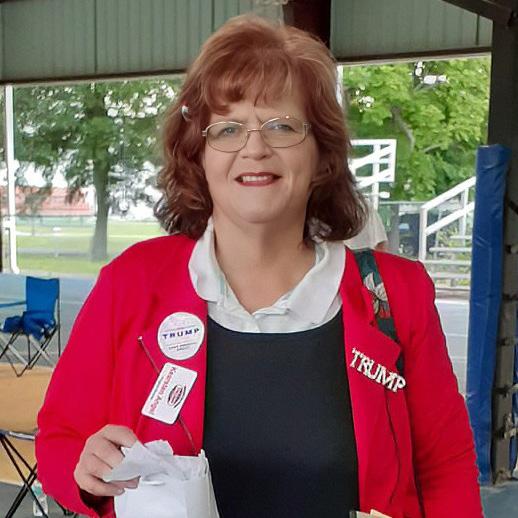
Kearsten C. Angel, a former victim’s advocate for the State Attorney’s Office dedicated to protecting vulnerable children and a key figure in Marion County’s Republican community, passed away on Jan. 30 at age 57.
According to Angel’s sister, Heather Perez, it was after many years of battling serious medical conditions that Angel, who was a woman of great faith, met her lord and savior as she was surrounded by family members.
Born Nov. 2, 1968, in Ocala, Angel grew up in her hometown and graduated from Forest High School in 1986. She earned a Bachelor of Arts in political science from Rhodes College in 1990 and went on to receive her juris doctor from the Cumberland School of Law at Samford University.
Angel began her career in the State Attorney’s Office for Florida’s Fifth Judicial Circuit, where she specialized in the sex crimes and child abuse unit. In this role, she advocated for young victims and prosecuted offenders in Marion, Lake, Citrus, Hernando and Sumter counties.
After her time as a victim’s advocate, Angel transitioned into other pursuits, including work with Melaleuca: The Wellness Company, while channeling her energies increasingly toward civic and political engagement in her home county.
In Marion County, Angel emerged as a cornerstone of Republican grassroots activism. She progressed from volunteerism to key leadership roles, serving as an elected state committeewoman for the Marion County Republican Executive Committee (MCREC).
Brigitte Smith, who worked closely with her for over 12 years and knew her well, described her indelible presence.
“Kearsten shows up! No matter what, Kearsten would always show up,” Smith said.
“The most valuable and dependable person was Kearsten.”
Smith emphasized Kearsten’s reliability and selflessness in the political arena.
“Kearsten was always there for me, as the chair of the Marion County Republican Executive Committee, that one single person that I did not need to ask [to be there for me], was always Kearsten,” Smith added.
Smith shared that Angel was “a staple” in Marion County politics.
“There was never an event where Kearsten did not attend. Kearsten was always the ‘go-to’ person if anyone ever needed to know anything. She signified the true meaning of what it meant to be a precinct committee member,” Smith said.
“Kearsten cared deeply about our students’ education. While she attended city and county government meetings, the school board meetings were definitely where she shared her utmost concern,” Smith added.
“She will always be remembered for being a staunch advocate for residential interests, attending city council, county commission and school board meetings, and always standing in the gap between community needs and policy implementation,” she continued.
Retired State Senator Dennis Baxley highlighted Angel’s essential behind-the-scenes role in the Republican ecosystem.
“Kearsten Angel was an angel,” Baxley said.
“She was an essential connection as state
committeewoman between candidates for office and the Republican party structure, and she did that locally, between organizations here, as well as with state organizations,” Baxley said.
“She was a very essential information gatherer and putting together people to participate in the election cycle in the Republican world for this area of the state,” he continued.
Baxley praised her interpersonal skills and patience in a high-emotion environment.
“She had a great capacity to deal with a variety of people and types of people, and she was always in that assistance role of helping connect the dots for people who care about public office and are trying to support a candidate or be a candidate,” Baxley said.
He described her as “really quite subdued.”
“She was a good listener, and that’s what it takes in public service, is people that help you listen to what matters and what the concerns are, and how to approach them, and also the qualities of a good candidate and how to identify good prospects, and helpful to those that need that connection of understanding what public policy world is all about,” Baxley said.
“I put about 20 years in, and so I really treasured people like her because they do the hard work, the heavy lifting every day of carrying on these communications between parts of the system, and without them, it’s hard to be a part of public service,” he continued.
He noted that he had served as Marco Rubio’s first pro tempore in the Florida House and remains the only Floridian to have held a leadership pro tempore position in both the House and, later, the Senate. Even with that background, he said it made him truly value someone like Angel. According to Baxley, she helped people recognize the importance of public service and inspired them to get involved, even when they didn’t understand how to navigate the political process.
“Her role is a thankless job of talking to many, many people and helping them find their place and working with one another, and she will be sorely missed,” Baxley said.
Angel’s faith was central to her life. Baxley, a fellow believer, said Angel “loved her country, faith, family and freedom.”
“That’s what she cared about, and that’s what she touched,” he said.
“She understood, too, that she served something greater—her creator. And so, she was very strong on faith, family and freedom, and how to participate in keeping that alive, the American experiment,” he continued.
For Baxley, the phrase that best captured her is “a ready warrior.”
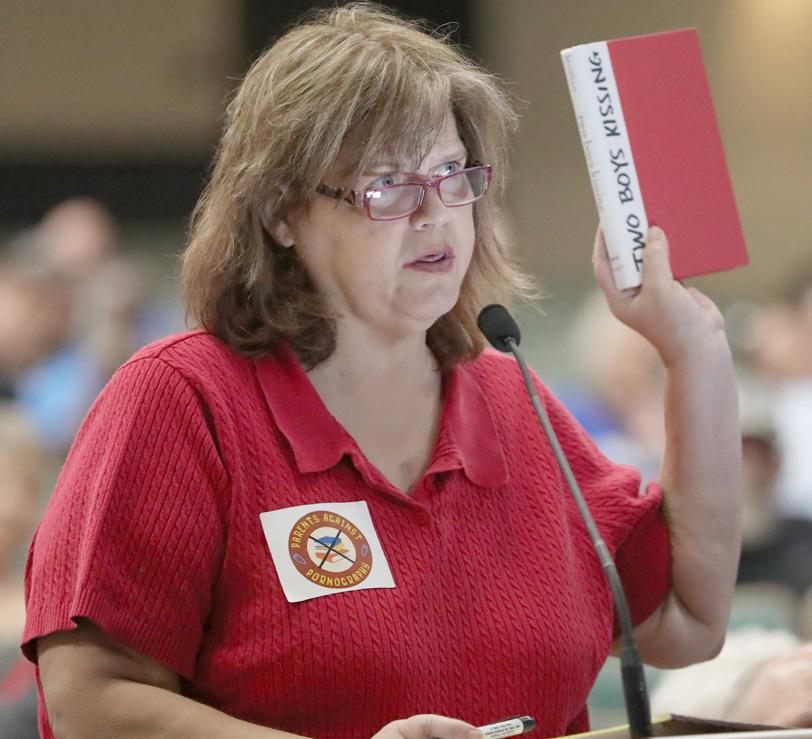
“I have known Kearsten since we worked on the 2012 election together and I joined the Republican Executive Committee after that election and have served on the committee with her since that time. She became state committee woman in 2020 and served until 2024. With her blessing, I took over as a state committee woman in 2024 and have very big shoes to fill,” Schafer said.
Marion County Tax Collector George Albright said he worked closely with Angel. “Our relationship ebbed and flowed. And sometimes, I’d go a year and not talk to her, and then sometimes I talk to her all the time. I was actually intimidated by her. She had a big personality. She was very smart, and she was very driven in whatever the subject matter we were dealing with at the time, and so as a result, you had to be on your toes, because she would call foul on you if you were off on your assessment of whatever the situation was,” Albright said.
“When she was around me, it was not that she was standoffish about me, to the tune of somebody else, but her persona was all business. She was on a mission, and that was to secure Republican or secure conservative, not necessarily even Republican politics, but conservative principles across the board, at every level of government. She wanted conservative school board members; she wanted conservative county commissioners,” Albright said.
“I’ve got a saying that I think is original to me: There’s no such thing as a moderate activist, which means you’re driven by your passions, and that includes hobbies as well. And Kearsten was very passionate about what she did, and there were years when she started out that we were very much in the minority, and we had to claw, scream and scratch our way to the next level on anything involving Republican politics. And that never deterred her. She was in it to win it,” Albright said.
On the political impact left behind by Angel, Albright said she was very much involved as an activist.
“Marion County had always been a conservative bastion of voters, but they were Yellow Dog Democrats and Southern Democrats, and it was very hard to break free of what they had been doing for 100 years.
More directly, Kearsten was very much involved in that as an activist. When Republicans, people like her, were more like mercenaries and activists.
Because, you know, a mercenary to something, there might be five of them, and that’s all you got to try to overturn the other side,” he continued.
“She was very comfortable with retail politics, or you can call it hand-to-hand combat. Meaning going door-to-door or person-toperson at a social function and talking about the virtues of why you should be a Republican,” he said.
“She was tenacious. She was universally loved, occasionally feared, and will be sorely missed,” he said.
Marion County Republican State Committeewoman Patricia “PG” Schafer said she is Angel’s successor .
By Jennifer Hunt Murty jennifer@ocalagazette.com
While a new federal report shows housing costs for many American homeowners remained flat over the last five-plus years, data for Marion County reflects a steeper climb.
New data released Jan. 29 by the U.S. Census Bureau reveal Marion County housing costs are outpacing national trends, driven by upward home values, a sharp drop in vacancies and rent hikes that are nearly double the national increase. The American Community Survey, comparing the 2020-2024 period to 2015-2019, paints a picture
of a tightening local market where demand is outstripping supply.
Nationally, the narrative is one of rising equity, with median home values increasing by $65,000. However, Marion County surpassed that growth in both dollar amount and percentage.
The median home value in Marion County jumped by $70,900, rising from $172,200 in the previous five-year period to $243,100. This represents a 41% increase in value, significantly higher than the national percentage increase indicated by the Census data.
Tenants in Marion County are feeling the pressure more acutely than the typical American renter.
According to the Census Bureau report, renters nationwide paid about $100 more a month during the 2020-2024 period. In Marion County, the median gross rent jumped by $175, rising from $1,102 to $1,277 per month.
The percentage of local renters spending 35% or more of their household income on rent — a metric often used to define severe cost burden — rose from 40.6% to 43.4%.
“If there’s anything I have to say about Kearsten, it would be that she loved this community like no other and wanted the very best people for every elected position, whether it was the city of Ocala or Marion County. She always worked very hard to find people to run for any seat up for election. Most elected officials in the city or the county owe Kearsten a debt of gratitude for all of her hard work for them. Despite whatever her challenges were, she was always the first to raise her hand for a job that needed to be done. She was always the first to arrive, and I mean WAY the first to arrive. And always one of the last to leave any event. Her loss leaves a very big hole and she will be very missed,” Schafer continued.
Representative Ryan Chamberlin met Angel when he first ran for office in 2020.
“She will be remembered by me as encouraging, kind, hard-working and sold out for the conservative movement,” Chamberlain said.
“I will miss seeing her at local events and conversing with her on various topics. Her influence had a positive influence not only in Ocala, but around the State. She made a difference.”
“I first met Kearsten in 2001 on the campaign trail, when I was running for office and she was assisting her father, Carvin Angel, in his judicial campaign. We became fast friends, bonded by our shared political passions,” offered Sue Mosley. “Throughout the years, we worked closely together to support many candidates in their efforts to serve our community. We later became neighbors. Kearsten was a dedicated and tireless worker, a wonderful friend and a truly dear person. I will miss her deeply, and her impact on this community will be felt for a long time to come.”
Shelia Arnett, a close friend of Angel, described her as a woman of strong faith whose beliefs provided comfort and perspective in Angel’s passing. In a recent Facebook memorial post, Arnett highlighted Angel’s journey toward peace.
“While her healing didn’t take place in the way we expected, she saw Jesus face to face,” Arnett wrote.
According to Perez, beyond her professional and political life, Angel played a mean game of Rook, held family close to her heart and treasured her dear friends. Her strong faith sustained her and she looked forward to her eternal restoration.
Angel was preceded in death by her parents, Carven and Marsha Angel of Ocala.
She is survived by anothersister, Ashley (Tim) Raymond; nieces, Evie (Liam) Reagan, Shannen Raymond, Macy Raymond; stepmom, Gloria Angel; stepsisters, Marj (Scott) Neal, Heather Lenemier; and stepbrothers, Mike (Dana) Alsop, Fran (Kathy) Alsop.
The family will celebrate Angel’s life at 2 p.m., Feb, 15, at Central Christian Church, 3010 NE 14th St., Ocala. The family will welcome friends from 1:30 p.m. until the service begins and invites guests to stay for refreshment and fellowship afterward.
In lieu of flowers, donations may be made to the American Kidney Fund or to the Marion County Republican Executive Committee, in care of Len Racioppi, treasurer, 5288 SW 85th St., Ocala, FL 34476.
Perhaps the most distinct divergence from the national data concerns homeowners. The Census Bureau notes that nationally, “mortgages stayed flat,” with median monthly costs for mortgaged households remaining unchanged at $1,963. Although Marion County’s median monthly costs are not as high as those elsewhere around the nation, local residents did not enjoy the same stability – monthly costs for mortgaged households went from $1,352 to $1,406. Even residents who own their homes free of a mortgage are paying more, likely due to rising insurance premiums and property taxes. The median monthly cost for owners without a mortgage rose from $460 to $499. Consequently, the share of mortgage-free owners spending 35% or more of their income on housing spiked from 7.9% to 12.1%.
Driving these prices is a tightening of availability. The residential vacancy rate in Marion County plummeted from 17.6% in the 2015-2019 period to 12.4% in the most recent data. While developers are building — 4.5% of the county’s housing stock was built in 2020 or later — the composition of local housing is shifting. Mobile homes, traditionally a source of affordable housing in the area, are becoming less common. The percentage of county housing units classified as mobile homes dropped from 20.6% to 18.2%. Meanwhile, larger homes are on the rise. Homes with nine or more rooms increased from 5% to 6.2% of the housing stock, suggesting a shift toward higherend inventory.

By Susan Smiley-Height susan@magnoliamediaco.com
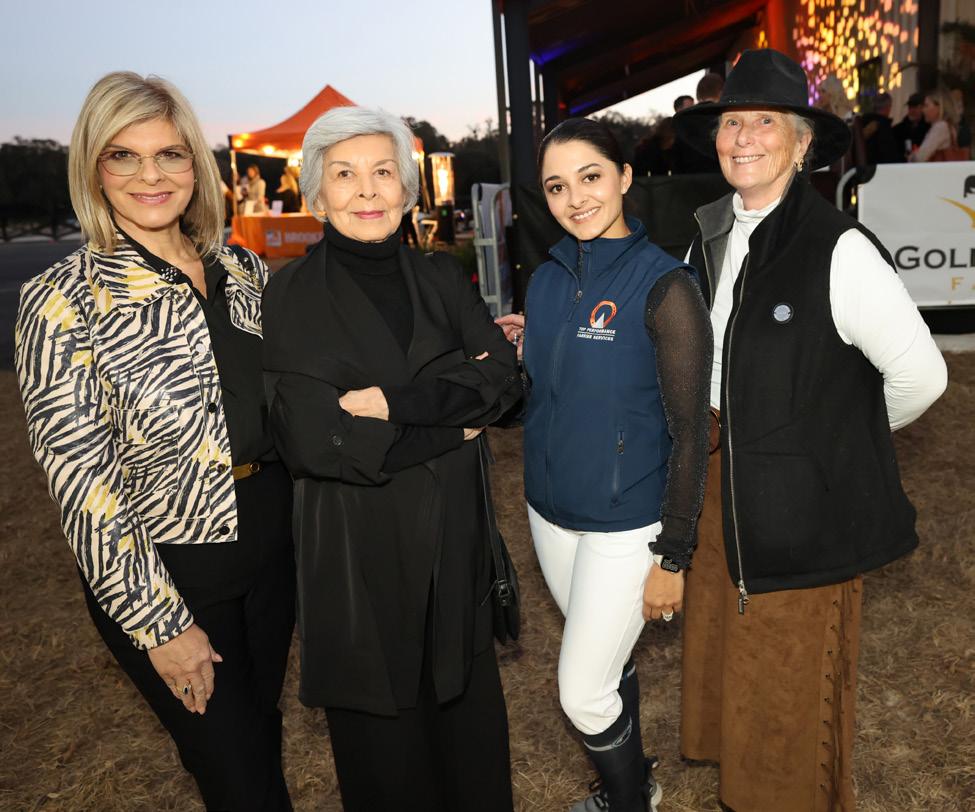
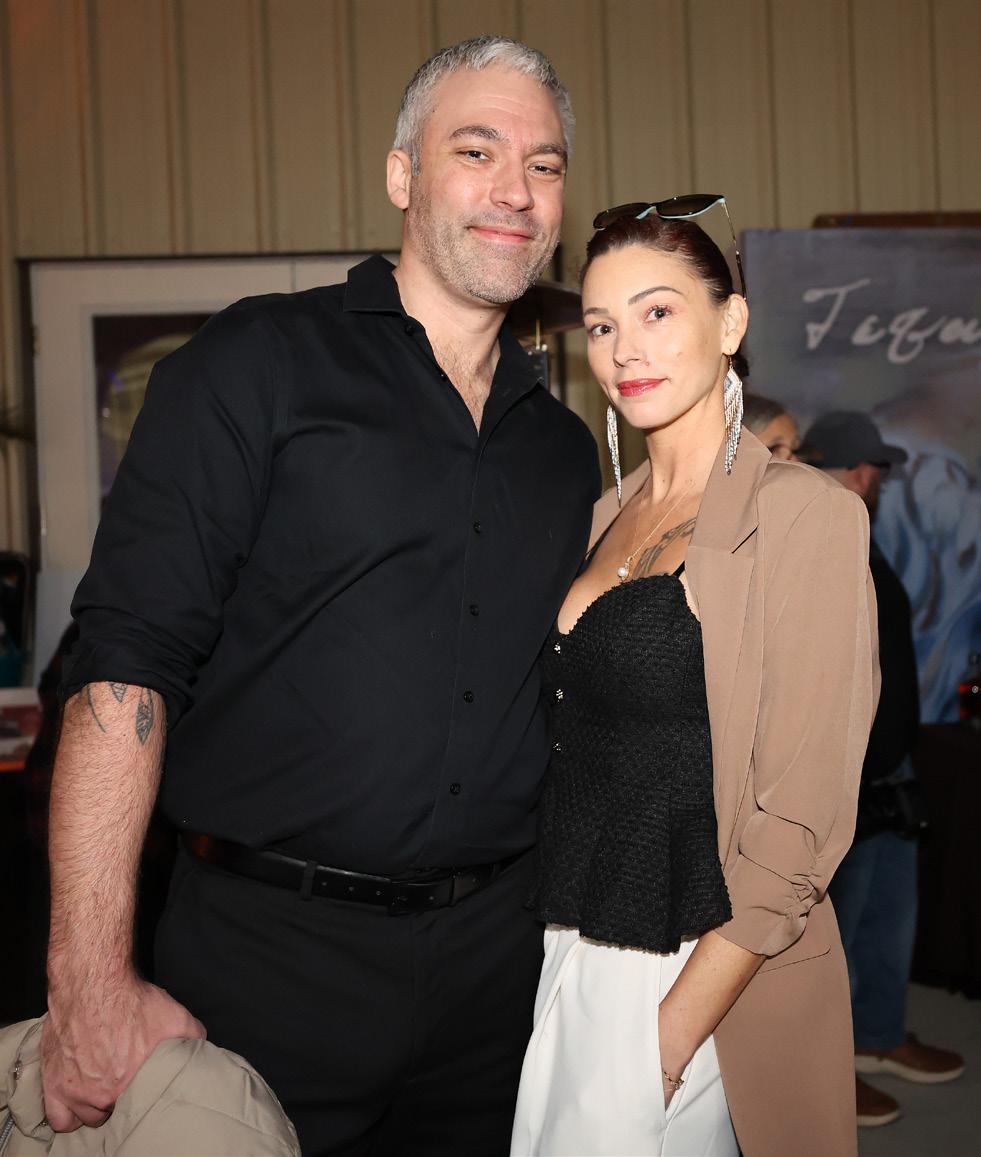
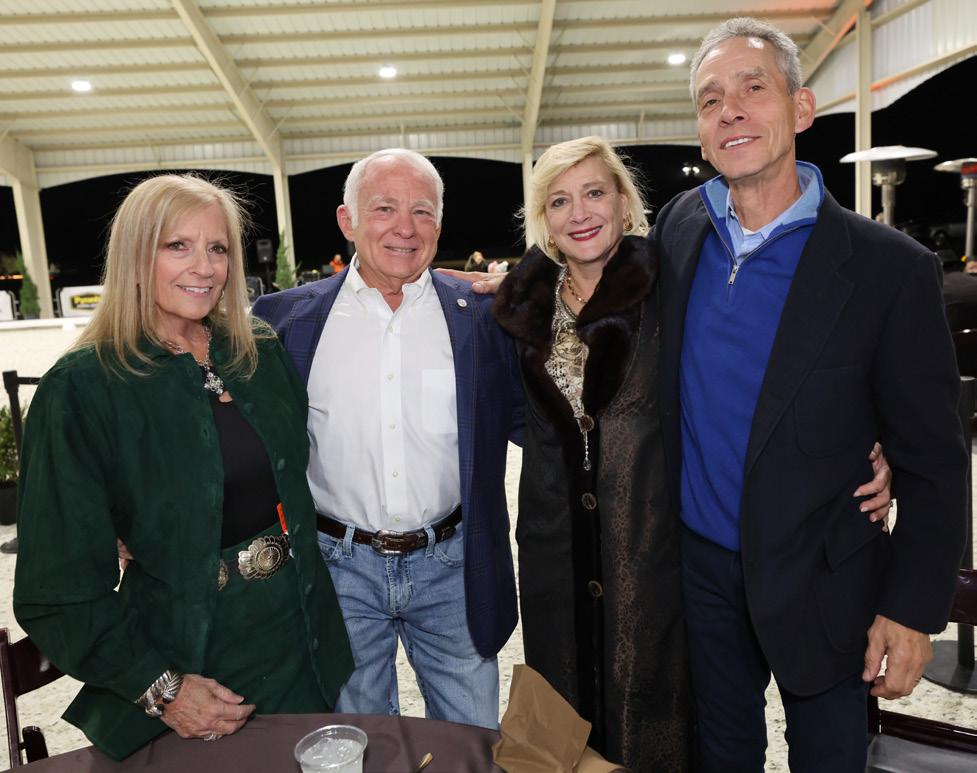
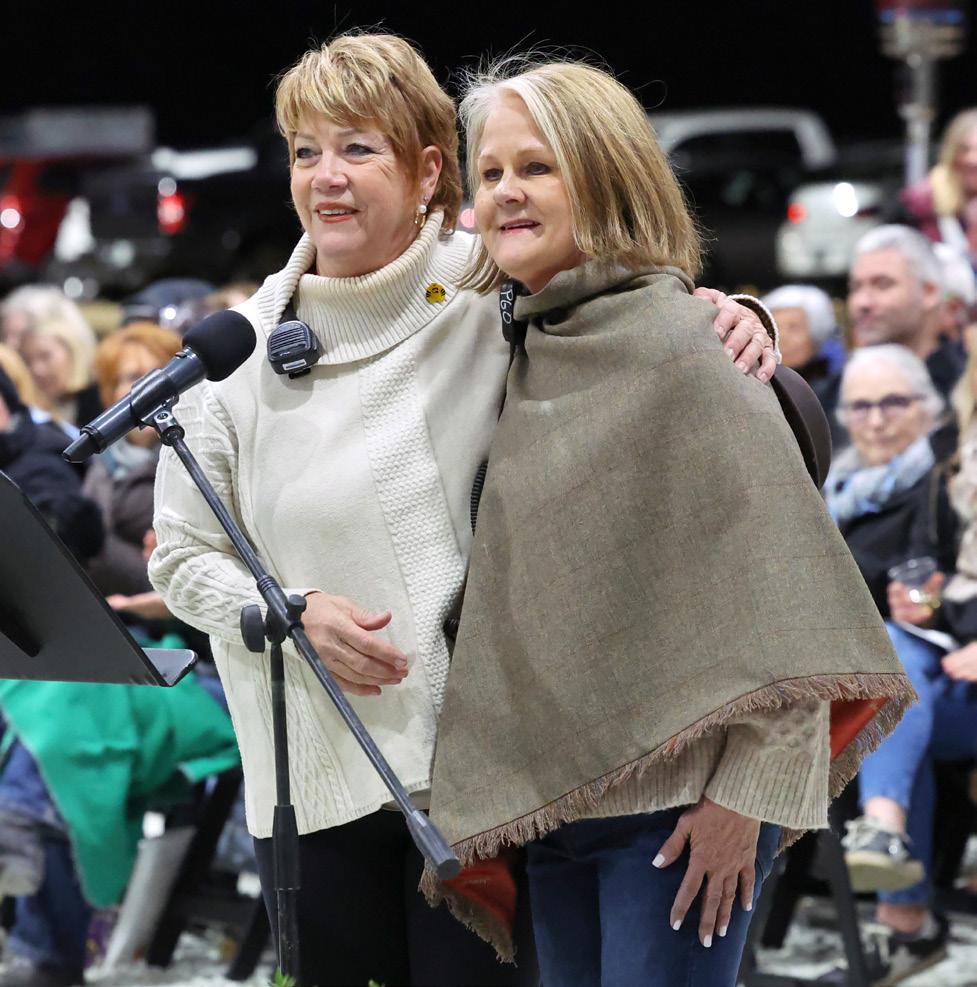
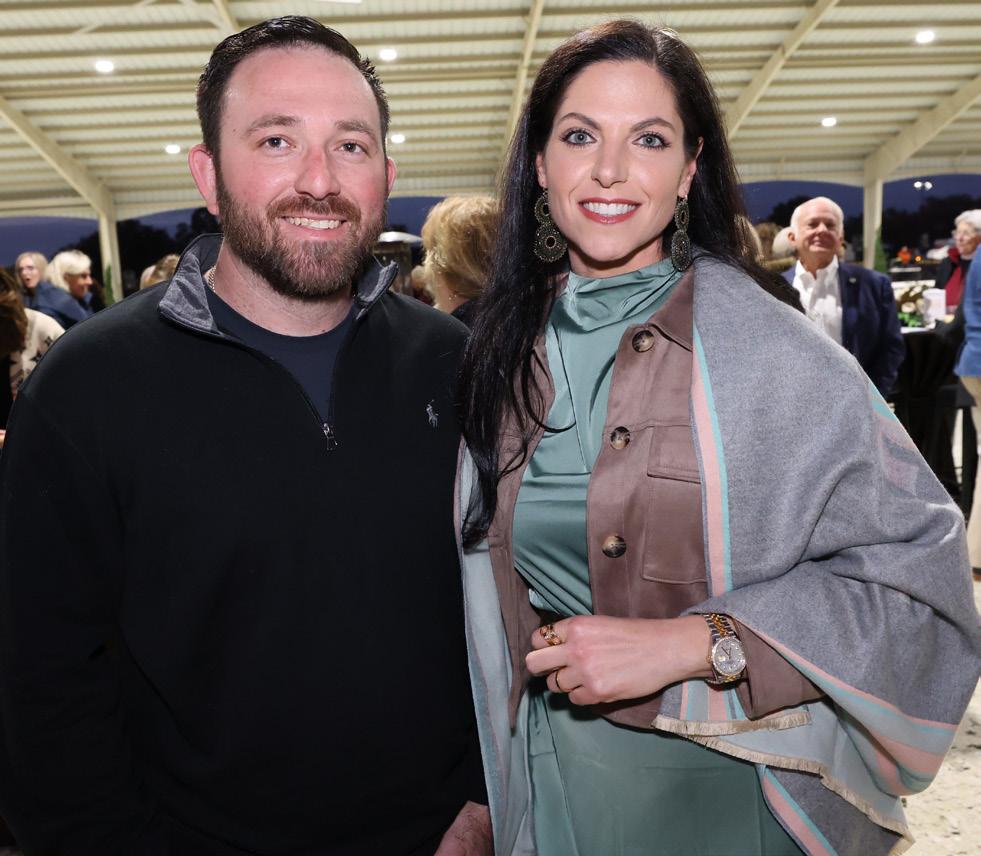
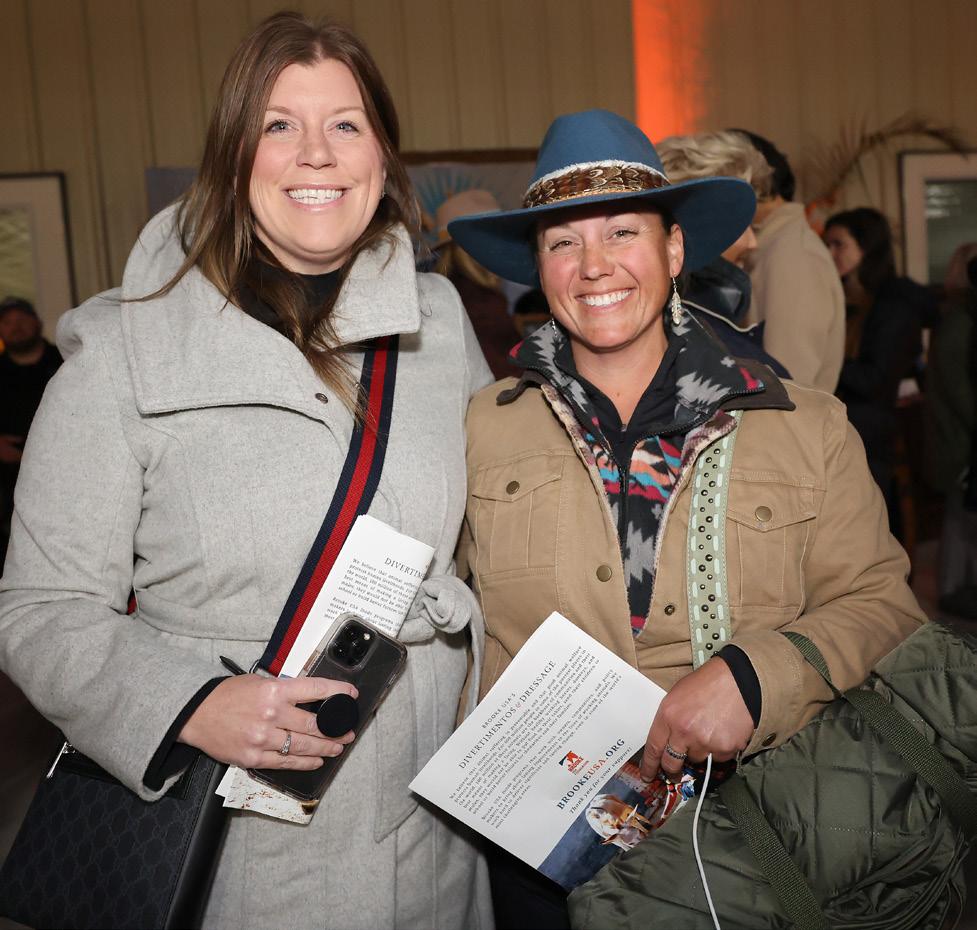
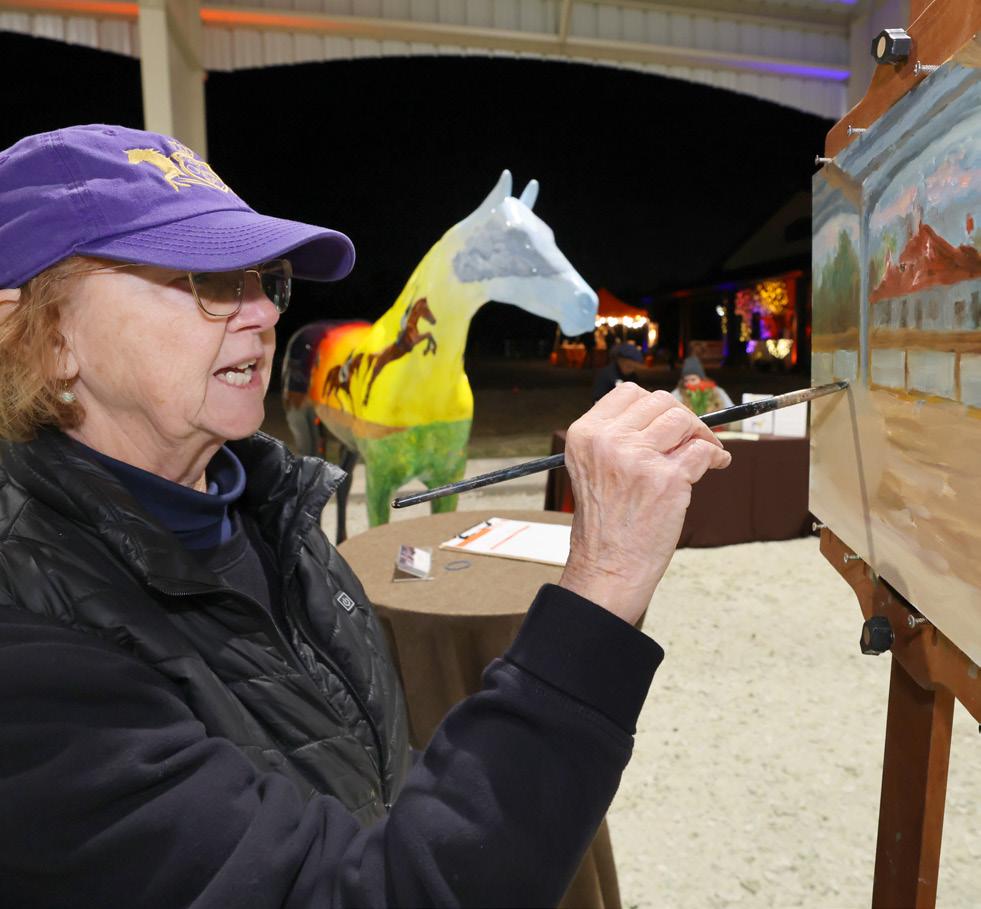
The famed GoldMark Farm in northwest Marion County was the setting on Jan. 29 for the Brooke USA Divertimentos & Dressage Ocala evening of elegance
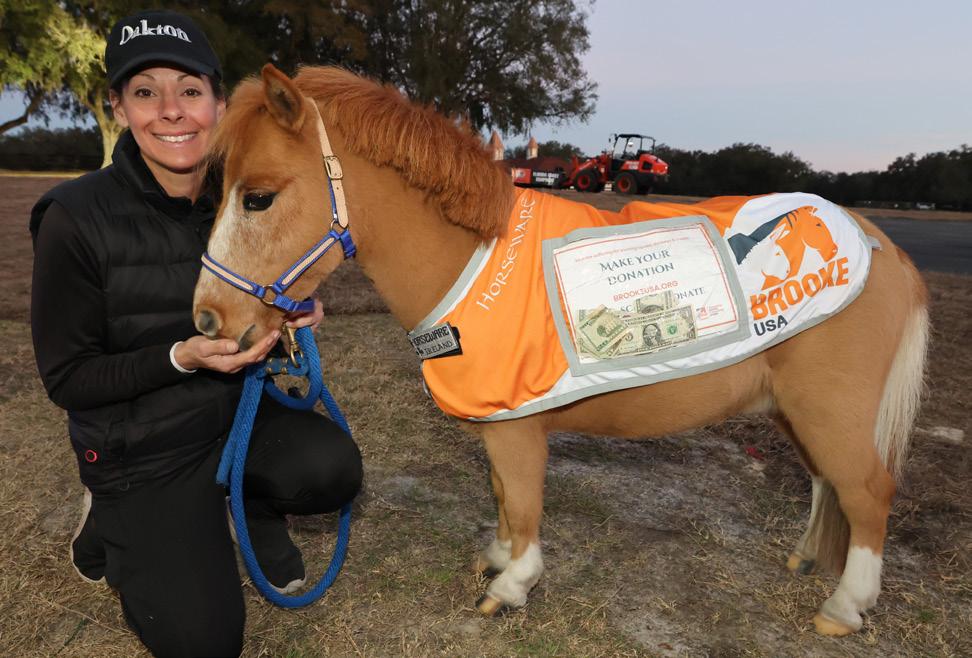
The mission of the nonprofit Brooke USA is protecting and improving the lives of working horses, donkeys and mules, and the people who depend on them, around the world.
The event in Ocala included a concert performance featuring freestyle dressage choreographed to music by the Ocala Symphony Orchestra. Given the recent cold snap, OSO maestro Matt Wardell posted on social media that night that he had fun conducting and supporting Brooke USA and the incredible work they do, and adding, “The chilly, but very excited, Ocala Symphony musicians sounded great!”
“Brooke USA’s Divertimentos & Dressage returned to Ocala for its second year as an unforgettable celebration of artistry, community and purpose. With 450 guests, the evening was a powerful reminder of what can happen when equestrian excellence and the performing arts unite in service of a mission,” noted Brooke USA Chief Executive Officer Emily Marquez-Dulin in an email message.
“Close to $100,000 was raised to build awareness for the plight of working horses, donkeys and mules in some of the poorest communities on earth – 600 million people depend on the work of 100 million of these animals for survival, Marquez-Dulin stated.
“Dressage is seldom performed to live music, making the seamless collaboration between horse, rider and orchestra all the more breathtaking. Under the direction of conductor Matthew Wardell, the orchestra’s performance flowed effortlessly with the choreography in the arena, creating a shared rhythm that elevated every movement and every note. This rare fusion transformed the arena into a living, breathing work of art,” she continued.
The riders and performances were:
Czech Suite, V. Finale (Furiant)
- Antonin Dvořák, featuring Anna Merritt and Fox Creek’s Censational (owned by Diana Orona)
Symphony No. 40 in G Minor, I. - Wolfgang Amadeus Mozart, featuring Eline Eckroth and Key To Be Fabulous (owned by Connie Wise)
• Petite Suite, II. Cortège- Claude Debussy, featuring Marta Renilla and Donosti M.R. (owned by Marta Renilla)
Czech Suite, II. Polka - Antonin

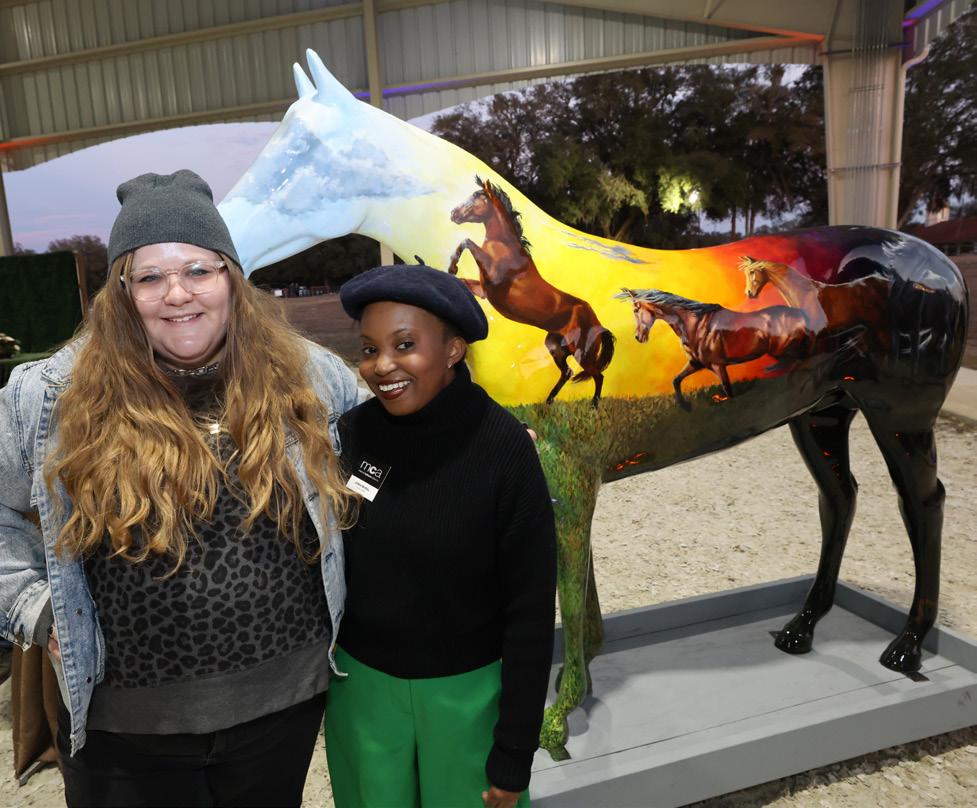
Dvořák, featuring Jim Kofford and Secret Royal 3 (owned by Emily Brollier Curtis), and Rebecca Vick and Hype (owned by Jennifer Fulmer)
Symphony No. 4 in A Major, IV. Saltarello - Felix Mendelssohn, featuring Alexandra Mulholland and Etanga (owned by Alexandra Mulholland)
• Petite Suite, IV. Ballet - Claude Debussy, featuring Kerrigan Gluch and Mejorano HGF (owned by Hampton Green Farm)
Wind Beneath My WingsJeff Silbar & Larry Henley (arrangement by Steven L. Rosenhaus), featuring Amina Bursese and Fiti AL (owned by Amina Bursese)
Divertimentos & Dressage is
Brooke USA’s signature event and is presented in three equestrian markets — Ocala and Wellington in Florida, and Tryon, North Carolina.
“While each event shares the same artistic foundation, every location reflects the character and spirit of its local community. In Ocala, the evening felt deeply rooted in the region’s passion for horses, culture and philanthropy, reinforcing the event’s place as a hallmark on the local social and equestrian calendar,” Marquez-Dulin said.
“The performances are my favorite part of the evening — the harmony between horse, rider and live orchestra is simply extraordinary. Equally meaningful, however, is the opportunity to meet so many members of the Ocala community who show immense support for Brooke USA’s mission.
Ocala is a generous, kind and welcoming community, and the enthusiasm and warmth extended to our organization made this event especially memorable. The collective commitment to improving the lives of working equines and strengthening the communities that rely on them was felt throughout the evening,” she shared.
Marquez-Dulin extended thanks to GoldMark Farm owner Janelle Bulmahn as well as event co-chairs Sally Lewis and Laurie Zink and their committee.
“Every detail was thoughtfully considered — from the elegant décor and exceptional cuisine to the natural flow of the evening — resulting in an atmosphere that felt both refined and inviting. Their vision and care elevated the experience for every guest and added a layer of beauty that extended well beyond the arena,” she said.
To learn more, visit goldmarkfarm.com and brookeusa.org




By Mark Bailey UF/IFAS Marion County
The threat of freezing temperatures in North Central Florida presents a real risk to coldsensitive plants. We have recently experienced significant freezing temperatures and many people have lost plants or have found them severely damaged. Postfreeze recovery can be costly both in time and money. New plants need to be purchased, dead plants removed and damaged plants pruned.
Fortunately, there is a way to prevent this from happening again in the future. Rather than plant the same cold-sensitive plants, consider the kinds of plants that are not only coldtolerant, but in fact need the cold to be productive later in the year.
If you have plants that were damaged by the freezing temperatures but did not die, wait until the end of winter before removing the dead vegetation. The dead vegetation acts as an insulator, however unsightly it may be, and can reduce the severity of plant damage from subsequent freeze events this winter. If you are unsure about whether a plant is dead or alive or the extent of freeze damage a plant has experienced, do a “scratch test.” Use the edge of a knife or fingernail to scrape the tissue of a branch and if it’s bright green, the tissue is alive and the plant may recover.
If your prized mango or avocado tree is completely dead and you want to replace it with another fruit-bearing tree that’s not cold-sensitive, and there are many options available. When selecting a cold-hardy fruit tree, carefully consider the right plant for your specific location, soil type, sunlight, etc. Each plant will have particular needs, so it is essential to choose a fruit tree that’s naturally adapted to the conditions you are placing them in. In general, if a plant originates from the deep tropics, it is unlikely to be well-adapted to freezing temperatures.


The best time to plant coldhardy trees is in the spring, when they can become established and grow in warm weather. Providing your trees with adequate water throughout spring, summer and fall cannot be overemphasized. Maintaining consistent soil moisture, though not excessive, will dramatically improve your trees’ growth.
The best cold-hardy fruitbearing trees include loquats, mulberries, persimmons, rabbiteye blueberries, muscadine grapes and specific citrus varieties. Each of these plants is tolerant of cold down to at least 15°F.
Loquats are extremely well adapted to North Central Florida. They are evergreen, medium-sized trees that produce
pear-like fruit from late March into early April.
Mulberries include several different species, and they are one of the fastest growing trees you can plant. They are deciduous and produce fruit from late March through early summer, depending on species or variety.
Persimmons are more productive when they experience cold winters, so this tree is especially cold-tolerant. They are medium-sized trees that produce bright orange fruit from late September through November.
Rabbiteye blueberries are native to Florida and the Southeast and produce flowers and fruit much later than the far less cold-hardy southern highbush blueberries. Rabbiteye blueberries grow best in



very acidic soil, such as pine bark mulch, and benefit from very cold temperatures. They need to be planted with at least two different varieties within the same species to produce a good crop.
Muscadine grapes are a Floridanative grape vine that can produce an abundance of fruit. The grape variety you choose to plant will need to be either self-compatible or planted next to compatible varieties to ensure high-quality pollination. Muscadine grapes come into season from August through September.
The most cold-hardy citrus varieties include Satsuma mandarins, kumquats, calamondins and Sugar Belle. Coincidently, most of these varieties are also very tolerant
to citrus greening disease. Citrus grown in slight shade will further increase their tolerance to citrus greening disease. Most mandarin varieties produce ripe fruit from November through January.
After the cold winter gives way to warm spring weather, take an assessment of your plants and carefully consider what you plant next.
For gardening questions or inquiries about upcoming classes, feel free to reach out to the UF/IFAS Marion County Extension office at (352) 6718400 or email ironhill@ufl.edu
courtesy Mark Bailey UF/IFAS Marion County

November median sale price for single-family homes was $286,350.
The Florida Realtors Association has released its most recent market report, which shows that statewide the median singlefamily home sale price stayed at $415,000, a duplicate of the median in November of 2024. Townhouses and condo median sales price were reported at $310,000, a 1.6% year over year decrease from last November.
The statewide active listing inventory for single-family homes was 98,638, a small increase of .2% over last year. Statewide inventory for condos and townhomes was reported at 65,462, a 1.8% increase from last November.
Brad O’Connor, senior economist for the Florida Realtors, a statewide agents’ reporting and professional trade association, said, “December marked the fifth straight month where new pending sales of single-family homes increased on a year over year basis, with nearly 5.5% more homes going under contract than in the same month the previous year. That’s easily the longest streak we’ve seen since the 11-month streak that began in February of 2021, at the height of the pandemic housing boom.”
Single-family market
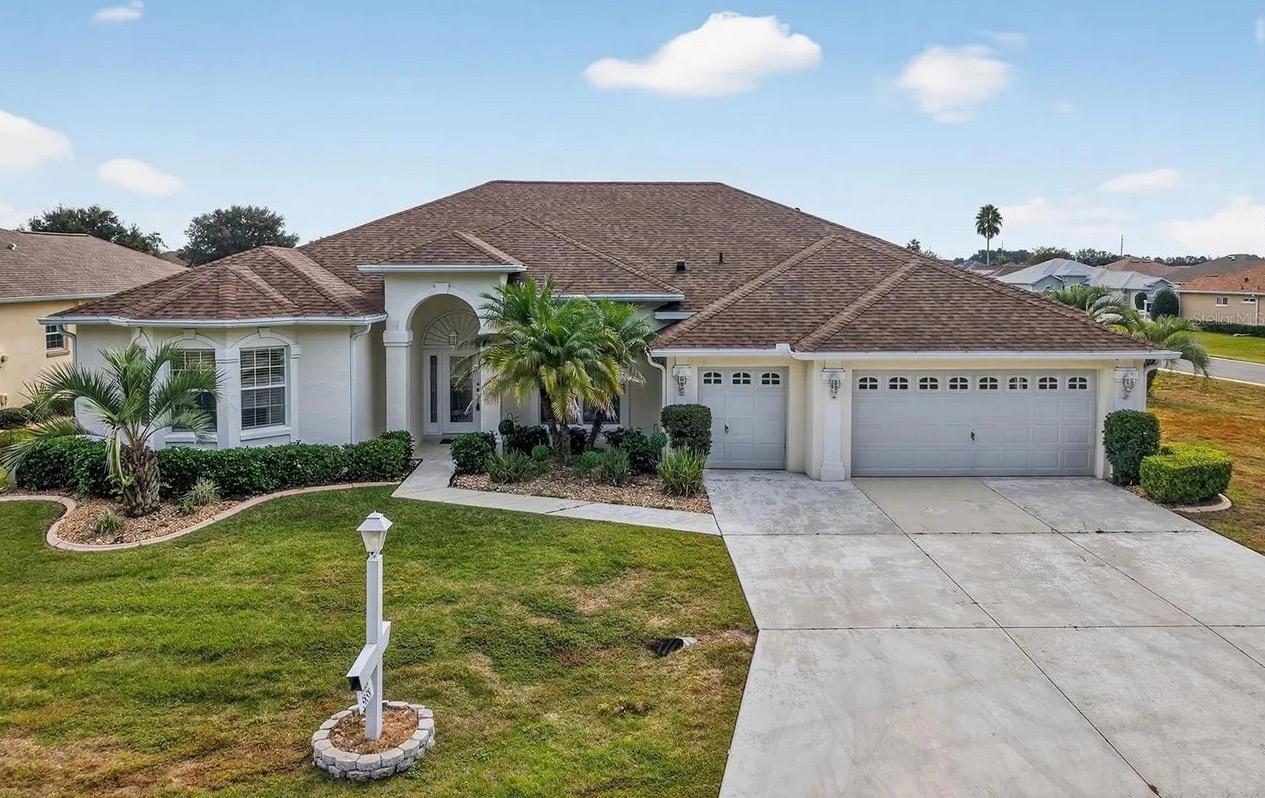
Ocala/Marion County’s November median sale price reported for singlefamily homes was $286,350, a 1.1% decrease from 2024.
“In December, closed sales in this
property type category were up nearly 6% year over year. The second half of the year recovery in sales, including what we saw in December, was just enough to lead to what might be one of the biggest surprises of 2025,” O’Connor said. “Closed sales of Florida single family homes were actually up for the year overall, compared to 2024. The difference was modest, just under 1%, but few people would have predicted at the beginning of 2025 or even halfway through 2025…. Growth was particularly strong in the Central Panhandle, the Nature Coast and east into The Villages and also in much of southwest Florida.”
The association reported the supply of single-family existing homes statewide stood at 4.6-months’ supply, a 2.1% decrease over last November.
“Months’ supply inventory is a useful indicator of market conditions,” the report stated. “The benchmark for a balanced market (favoring neither buyer nor seller) is 5.5 months of inventory. Anything higher is traditionally a buyers’ market, and anything lower is a sellers’ market.”
Statewide, the number of cash sales for single-family homes increased by 4.3% with a total of 6,105 throughout Florida, which was just under 28% of all sales.
“Cash sales can be a useful indicator,” the report stated, “of the extent to which investors are participating in the market. Investors are far more likely to have the funds to purchase a home available up front, whereas the typical homebuyer requires a mortgage or some other form of financing.”
Ocala/Marion County reported 815 single-family home closings, a 17.3% increase from last November.
Townhouses and condos
Ocala/Marion County townhouses and condos median sales prices came in at $205,000, a 9.7% decrease from last November. A total of 47 closed sales were reported.
“In the condo and townhouse category, sales declines have been steeper than in the single-family category in recent years, particularly due to the gradual introduction of safety regulations and reserve requirements beginning in 2022. While these regulations improve the safety of condo buildings, like any regulations, they do come at a cost and in this case, the cost of manifested in the form of special assessments and higher condo association fees,” O’Connor said.
Statewide, existing condo-townhouse properties were at an 8.8-months’ supply in November, an increase of 7.3% from November of 2024 and reported total active listings of 65,462. For the sector, the number of cash sales increased by 20.1% to 4,210 and represented over 53% of the market.
The Ocala/Marion County housing market closed 2025 with more than 700 sales.
The Ocala/Marion County housing market closed out 2025 with steady home prices, a balanced level of inventory and continued buyer and seller activity, according to the latest data released by the Ocala/Marion County Association of Realtors.
In December 2025, there were 732 closed sales, reflecting a modest yearover-year decline, while the median sale price held steady at $299,995, unchanged from December 2024. The market continued to show stability despite shifting economic conditions.
“Price stability is a key takeaway as we close out the year,” said OMCAR President Jeanne Ritt in the news release. “Even with fluctuations in sales activity, home values in our community have remained resilient, which is encouraging for both homeowners and prospective buyers.”
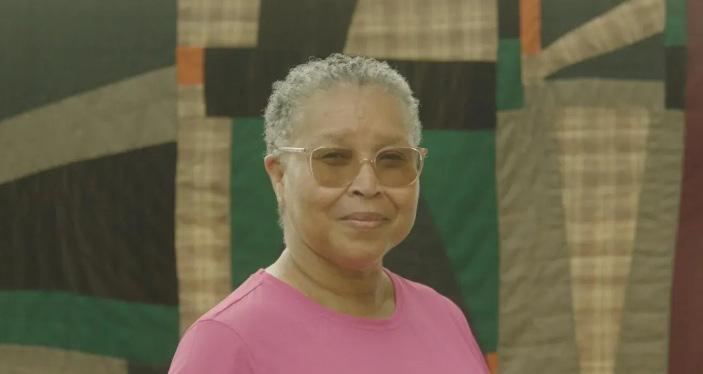

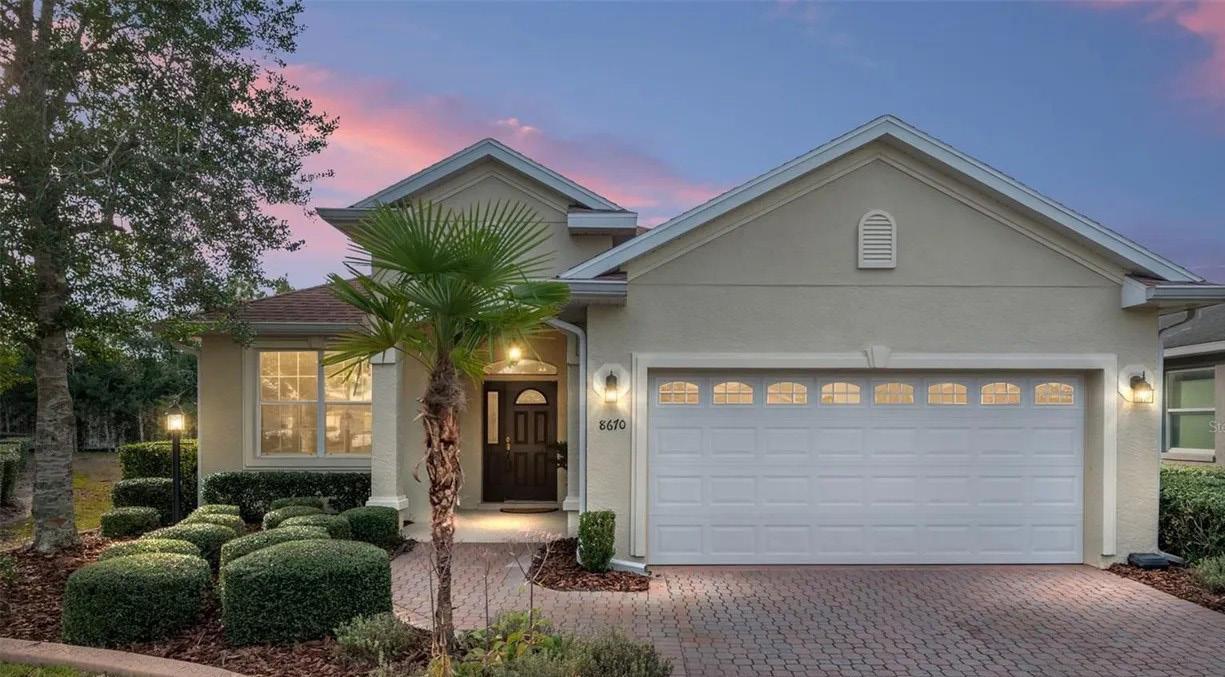
The

Saturday, February 7
sellers to compete effectively,” said Ritt. “This type of market environment supports thoughtful decision-making on both sides of the transaction.”
Homes continued to move at a measured pace, with a median time to contract of 76 days and a median time to sale of 112 days. The median percent of original list price received was 94.9 percent, indicating sellers are still achieving strong outcomes.
Total dollar volume for December reached $265.7 million, a 23.1 percent increase year over year, underscoring the overall value of real estate activity in Ocala/Marion County, according to the OMCAR release.
“As we move into 2026, consumers should work closely with a Realtor to understand how these trends affect their individual goals,” added Ritt. “Local expertise remains essential in navigating today’s evolving housing market.”
To learn more, go to omcar.com

Staff report
“
Gladys Shafran Kashdin’s Garden of Ideas” is on view at the Appleton Museum of Art, College of Central Florida, through Aug. 23. The exhibit features five paintings and nearly a dozen prints.
Blending organic elements of nature with other recurring themes from throughout her life, Kashdin (1921–2014) created an opus of expressive art,
complemented by a legacy of thoughtful philanthropy, the news release noted.
Born in Ohio in 1921 and raised during the Great Depression, Kashdin learned early about hard work and selfreliance. Rigorous study culminated in a Ph.D. in humanities and aesthetics and a career teaching at the University of South Florida. In her personal work, she explored depictions of plant life and natural formations, seamlessly infusing these images with ideas of spirituality,


mythology and womanhood. Using mixed media, abstract techniques and skillful expression, she blended the natural world through the lens of her personal aesthetic, according to CF.
Kashdin’s impact and accomplishments extend beyond her creations. While in Tampa, she was a key figure in the creation of the Tampa Museum of Science and Industry (MOSI). A cornerstone figure in Florida’s art community, her collaboration with Kenneth Colen in the
Members of the Ocala/Marion County Association of REALTORS® traveled to Tallahassee to take part in Great American REALTOR® Day, joining REALTORS® from across Florida to meet with state legislators and advocate for policies that support homeownership, housing affordability, and strong communities. During meetings with lawmakers, REALTORS® highlighted key legislative priorities, including:
• Expanding funding for the Hometown Heroes Housing Program to help essential workforce members achieve homeownership.
• Supporting legislation to expand Accessory Dwelling Units (ADUs) as a tool for attainable housing.
• Reducing the property tax burden on Florida homeowners while protecting essential local services.
• Preserving the core provisions of the Live Local Act to expand attainable workforce housing.
• Continuing funding for My Safe Florida Home and My Safe Florida Condo programs to strengthen homes and lower insurance costs.
• Sustaining investments in water quality, Everglades restoration, and coastal resilience.
• Monitoring property insurance reforms and pursuing additional relief for homeowners.
Great American REALTOR® Day ensures lawmakers hear directly from real estate professionals who work closely with Florida homeowners and communities every day.
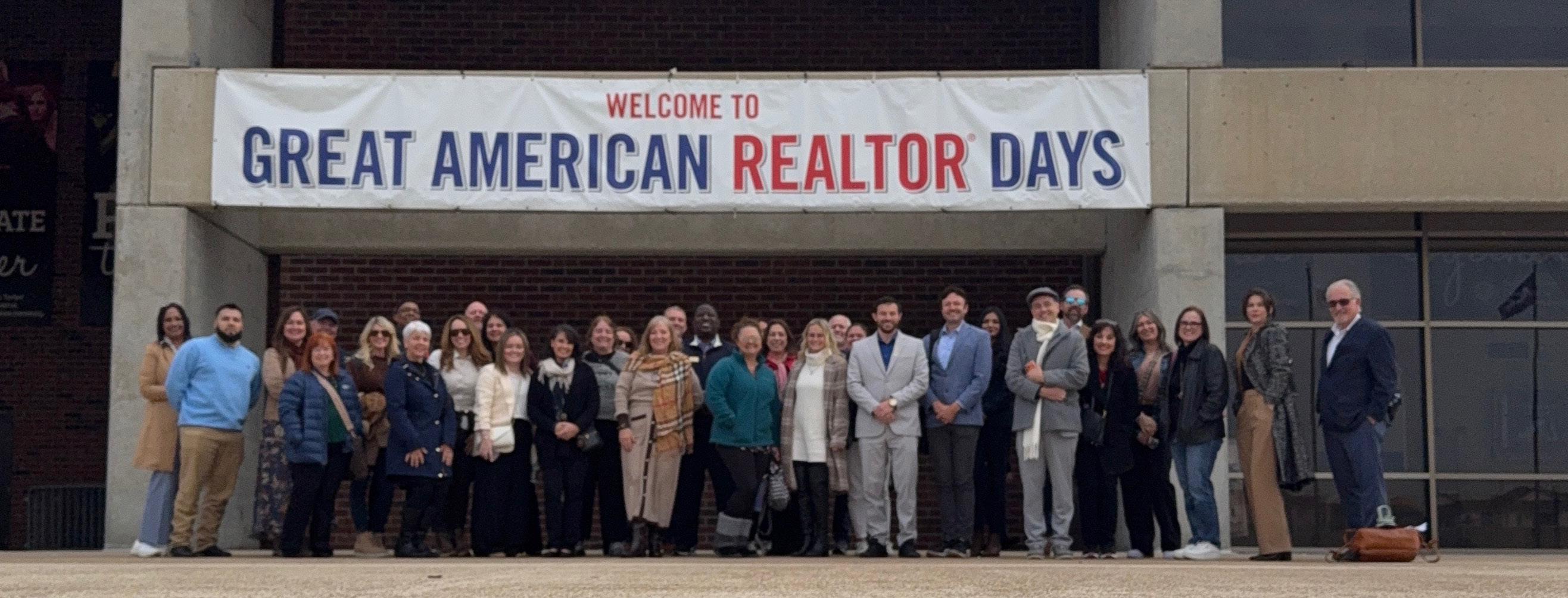
formation of the Appleton’s Ina GotlerColen and Gladys Shafran Kashdin Endowed Fund for Florida Artists has significantly aided in the institution’s ability to acquire works by Florida artists, the release stated.
The museum is located at 4333 E. Silver Springs Blvd., Ocala, Parking is free. Admission is free on the first Saturday of each month.
To learn more, go to appletonmuseum.org
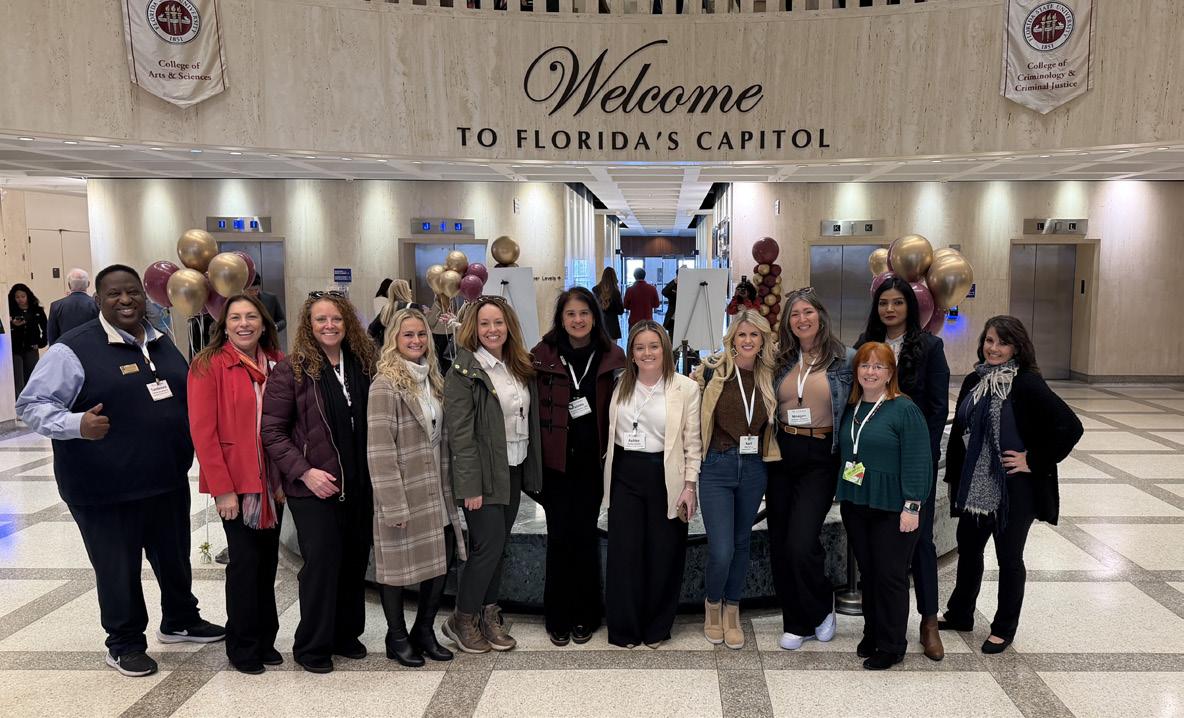
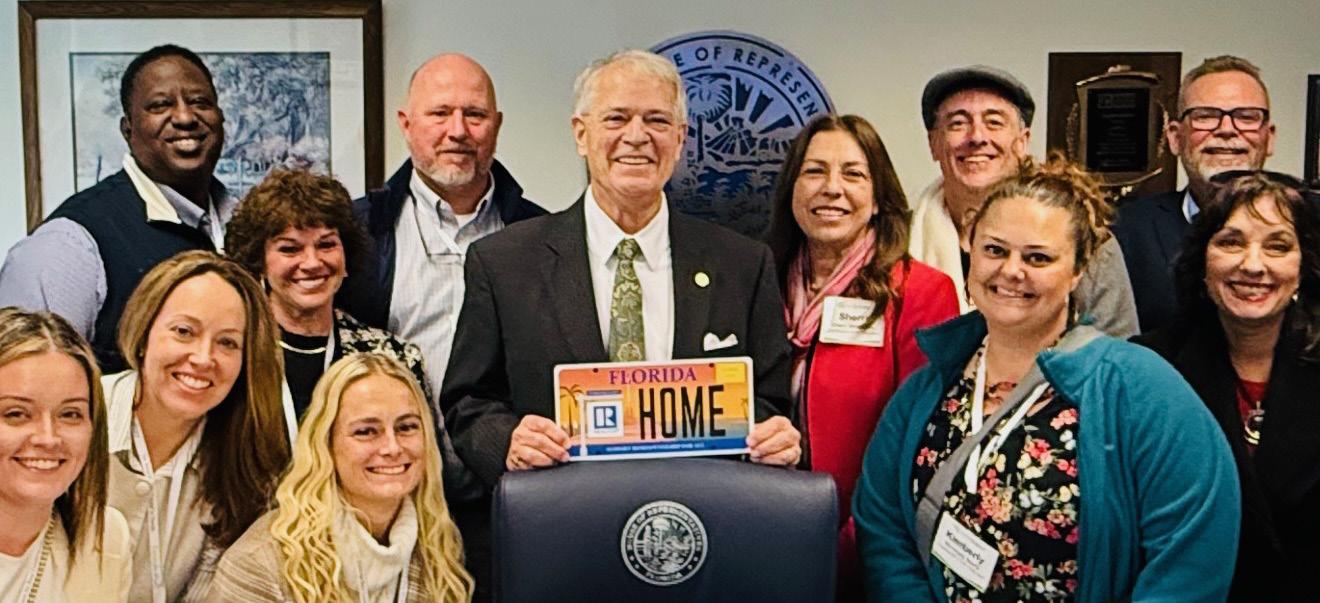
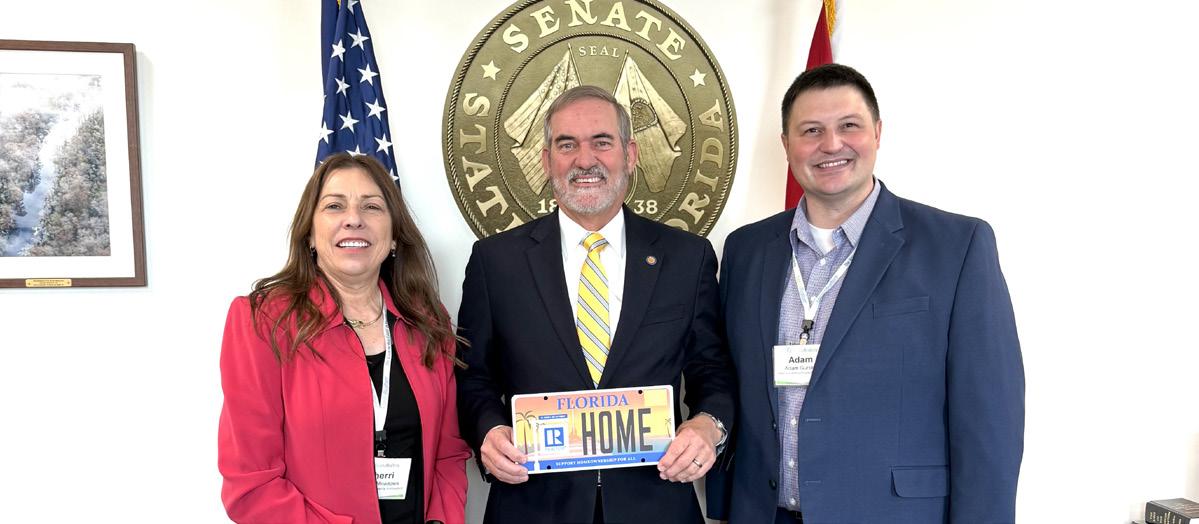
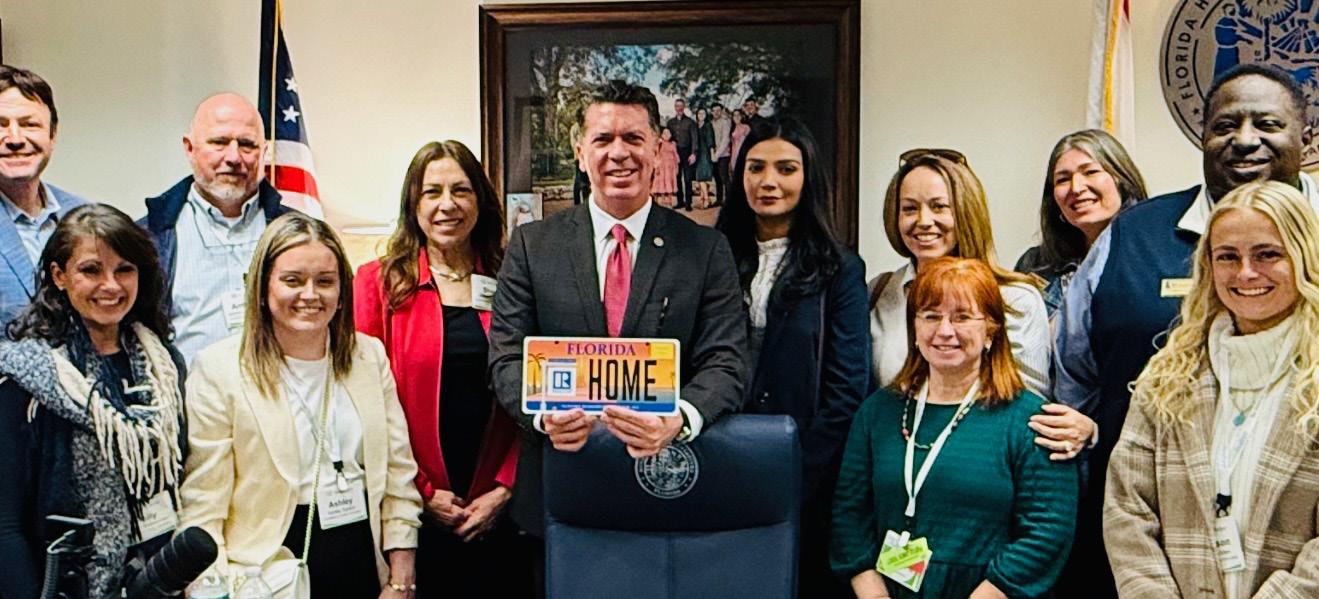

helps shape a better future for Marion County — one home, one family, one act of service at a time. For more information, visit www.omcar.com.

Consider special lighting, adding art and creating an eye-catching centerpiece.
The kitchen may be the heart of a home, but when it comes to entertaining, a dining room — if one is present in a house — tends to be the prime gathering spot for meals.
Dining rooms may not be on top of the list of spaces to renovate, as they tend to be used infrequently, but a dining room makeover may still be a worthy endeavor. Here are some simple ways to make the dining room more elegant and functional.
Clear out the clutter. The first step toward improving a dining room eating area is to remove any extraneous items from the space. If the dining room table is not used very often, it likely has become a catch-all for other items, such as bills, newspapers or kids’ homework. Rather than using the dining space as a makeshift office or homework station, invest in a rolling cart to store those papers and other items. Simply roll it into a closet or another room when it’s time to host a party.

the aesthetic of a home. The light will be a focal point and instantly make the dining area more elegant. Install the light on a dimmer to adjust the illumination as needed to set the mood.
• Invest in new linens. Purchase coordinating table linens that will be used for special occasions. A decorative tablecloth or table runner coupled with cloth napkins and placemats helps to set the scene of the dinner party.
• Add a piece of artwork. Many modern homeowners have eschewed the China cabinet that once was standard in dining rooms. Rather than a bulky piece of furniture, a large piece of statementmaking artwork or framed photos over a more minimalistic buffet table or small service bar is preferable. Choose artwork that complements the colors in the space.
• Include a centerpiece. Centerpieces add sophistication to the table and tie into the event. Floral arrangements, a bowl or basket of fruit, pinecones or greens from outdoors, or collectibles like shells in a tall canister, can serve as centerpieces.
The USDA defines processed foods as any raw agricultural commodity that has been altered from its original state.
Staff report
Anyone looking to eat right undoubtedly knows there’s no shortage of advice in relation to dietary habits. Fad diets and nutritional trends are shared on social media platforms and websites every day. While access to such information is more available than ever, the volume of data can be overwhelming, especially for people looking to make simple and healthy tweaks.
One trending topic among advocates for improved nutrition concerns processed foods. Various health concerns, from the obesity epidemic to increased rates of high blood pressure, have been traced to processed foods. Such associations merit consideration and that begins with answering some common questions surrounding processed foods.
WHAT ARE PROCESSED FOODS?
The United States Department of Agriculture defines processed foods as any raw agricultural commodity that has been altered from its original state. Such alterations occur when foods are

subjected to various processes, including pasteurization, blanching, freezing, dehydrating or fermenting, among others. Fortification is another means to processing foods. IS PROCESSING ALWAYS UNHEALTHY?
Processing food is not always bad for human beings. For example, milk is pasteurized
and commercial milk products are fortified with vitamin D. In regard to fortified milk, adding vitamin D ensures milk drinkers receive sufficient amounts of a nutrient that helps strengthen bones.
SO WHY THE FEAR OF PROCESSED FOODS?
The negative characterizations of processed foods arises mainly
from foods that are considered ultra-processed. The Academy of Nutrition and Dietetics uses a spectrum to differentiate between various types of processed foods. Minimally processed foods include washed fresh spinach, while heavily processed foods include ready-to-eat foods like cereal and crackers. The negative attributes often associated with processed foods typically refers to heavily processed foods, which may also be referred to as ultraprocessed foods.
WHAT ARE SOME EXAMPLES OF MINIMALLY PROCESSED AND ULTRA-PROCESSED FOODS?
Potatoes are perhaps the simplest example of how a single food item can sometimes be healthy and other times lack nutrition, even though it’s the same item. A baked potato is minimally processed because it’s been altered from its original state after being washed and baked. But the nutritional profile remains largely the same after these minimal adjustments to
the potato. French fries are made from potatoes, but they’re often greatly altered from their original state after being fried in oil. French fries also tend to be heavily salted, furthering altering them from their original state and thus lowering their nutritional profile.
WHAT CAN I DO TO AVOID EATING HEAVILY PROCESSED FOODS?
The Mayo Clinic Health System advises reading food labels to analyze items in relation to how processed they may or may not be. Foods that contain additives and preservatives like high fructose corn syrup, hydrogenated oils, food dyes, sodium nitrates, sodium nitrites, monosodium glutamate (MSG) and sulfites are best avoided or consumed in low amounts.
The debate around processed foods is complicated. People seeking to bolster the nutritional profile of their diets are urged to avoid ultra-processed foods and work with a physician or dietitian to ensure they’re making healthy choices.
The Big Springs Regional STEM Fair, a longstanding Marion County tradition promoting inquiry and innovation since 1958, will return to Ocala on Feb. 11. The event will feature more than 100 student research projects created by middle and high school students from across Marion County.
As part of the fair, Big Springs STEM will host a STEM Expo that will be open to the public from noon to 3 p.m., inviting families, educators and community members to explore student research and connect with local STEM professionals. The Expo will provide an opportunity to see how students in grades 6 through
12 are engaging in scientific inquiry, engineering design and innovative problem solving, the news release noted.
The fair supports eligible Marion County students by encouraging hands-on research and real-world application of science, technology, engineering and mathematics through competitive and educational experiences. Exhibitors at the expo will include local STEM organizations and community partners dedicated to fostering the next generation of innovators.
The fair will take place at the Circle Square Cultural Center, 8395 SW 80th St. Admission to the expo is free and open to the public.
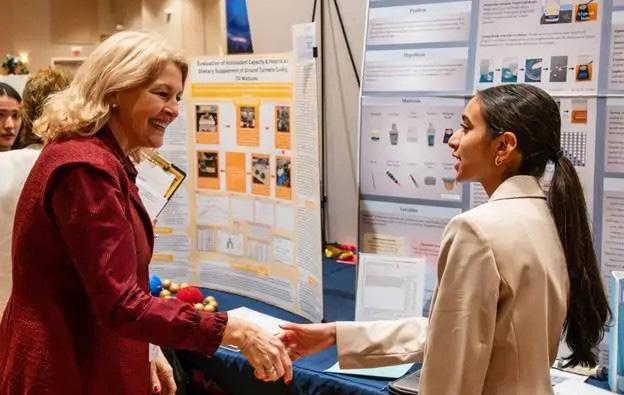
Ihave a confession: I'm in love with the Matterhorn. There's just something about this triangular peak of Disneyland fame – the most recognizable mountain on the planet. Just seeing it is one of the great experiences in Switzerland. And hiking with that iconic summit as a background is even better.
The 14,690-foot Matterhorn towers above Zermatt, a tiny-buttouristy town of roughly 6,000 people nestled at the dead-end of a long valley in Switzerland's remote southwest. While it’s barely two hours from Bern and Interlaken by train (or about three hours from Zürich or Lausanne), it’s not really on the way to anywhere. Especially considering its inconvenient location, many travelers find it overrated. If you make the trek and are met with only cloudy weather, you may end up with a T-shirt that reads, “I went all the way to Zermatt and didn’t even see the Matterhorn.” (This isn’t
rare; it took me multiple trips before I caught a clear glimpse of it.)
But in sunny weather, riding the high-mountain lifts, poking through lost-in-time farm hamlets, and ambling along on scenic hikes – all with that famous pointy mountain nodding its white head in the background – make the trip worthwhile. And Zermatt itself also has pockets of traditional charm, with streets lined with chalet after chalet and overflowing flower boxes.
There are no gas-engine vehicles in Zermatt – only electric buses and taxis that slalom between the pedestrians like four-wheeled Vespas. (Drivers must park down in the valley and ride the train into town.)
Strolling up the town's main street, Bahnhofstrasse, is a joy. Even bikes are forbidden on the main drag; the street is reserved for people and, in summer, a twice-daily parade of goats. Sure, the town hosts plenty of fabulously wealthy visitors, but

locals like to say that the "trafficfree" nature of the town is a great equalizer. Zermatt strives to be a high-class mountain resort, but for active guests.
Once upon a time, Zermatt was a humble village of farmers, but with the first ascent of the Matterhorn in 1865 and the arrival of trains in 1891, it found itself on the Grand Tour of Europe. Over time, its residents learned it was easier to milk the tourists than the goats, and mountain tourism became the focus. Aside from the stone quarries that you’ll pass on the way into town, tourism is Zermatt’s only industry.
This little town is capable of entertaining about two million guests each year, hosting more than a hundred modern chalet-
style hotels and a well-organized and groomed infrastructure for summer and winter sports. From town, countless lifts head to all sorts of hikes, ski slopes, and incredible views. But really it all comes back to the star of the show: the Matterhorn. High summer into early fall is the best time to come to Zermatt. Visiting in spring is generally a bad idea, because most trails, lifts, and restaurants are closed. (Although, on the plus side, there are no crowds.) Early fall also works, as most lifts and trails remain open until the snow returns. (In winter, skiers take over the town, and prices jump even higher than in summer.) Zermatt has earned its reputation for untrustworthy weather – the valley can get completely socked in at any time
DEAR MAYO CLINIC: I’ve been experiencing sharp pain under my rib cage and my reading tells me it could be gallstones. What exactly are gallstones? What causes them? How do you treat them?
ANSWER: Gallstones are hardened deposits of bile that form in the gallbladder. Bile is a digestive fluid produced by the liver that is released from the gallbladder and enters your small intestine as you eat. The bile stored in the gallbladder can become solidified and form hard balls ranging in size from a grain of sand to a golf ball.
Many things can cause gallstones. It is often diet-related such as too much fat or too little fat in a diet. Other factors are hereditary. Native American and Hispanic populations are more at risk of getting gallstones. Women are more likely to develop gallstones than men, especially as they age. Women over 40 experience the most gallbladder-related problems. Diseases such as sickle cell anemia, liver disease and others can predispose you to developing gallstones. Symptoms of gallstones include:
Sudden intense pain in the upper right part of your abdomen or center of your abdomen, especially after meals containing fatty foods.
• Upper back pain between your shoulder
blades. This can be caused by pain radiating from the abdomen. Pain in your right shoulder. This is caused by the phrenic nerve.
Nausea or vomiting. Gallstones that don’t cause symptoms usually don’t require treatment. Small gallstones can pass on their own through bowel movements.
Some patients ask, “How can I prevent getting gallstones?” The best way to prevent them is to stay hydrated, maintain a healthy weight and eat a balanced diet. Unfortunately, in certain patients, gallstones are going to happen regardless of their diet.
When you have gallstones that aren’t going away, the treatment for that is surgery. There are multiple ways of removing them. The most common forms of surgery are laparoscopic or robotic, and they are performed in 95% or more of gallbladder surgeries in the U.S. These types of surgeries are minimally invasive, provide a quicker recovery for the patient and avoid long-term complications of open surgery.
There are pills that help dissolve gallstones, but they only work about 50% of the time. They have a lot of side effects and are expensive, so we don’t use them regularly.
If the patient still has symptoms after surgery, we know that there is a risk that their gallbladder will become a problem at some point, and therefore we want to remove it. Although the gallbladder is there to help release bile when needed, it is an organ that can be lived without. We remove the gallbladder not just because it has stones, but it’s because it’s where most stones are formed. Once the gallbladder is removed, there is a low chance of developing new stones, but there is a small percentage of patients who can develop stones within the bile ducts themselves.
Gallstones increase the risk of gallbladder cancer, depending on the size of the stone. Stones that are larger than 2 centimeters, especially larger than 3 centimeters, cause a much higher risk of developing gallbladder cancer than somebody without stones. These are certain cases where the gallbladder should be removed regardless of symptoms or with stones larger than 2 centimeters. There are certain diseases that are not related to gallstones, called biliary hypokinesia and biliary dyskinesia, where we also would recommend having the gallbladder removed.
Issues with gallstones can vary. Talk openly with your healthcare team to live as pain-free as possible.
of year. While two good-weather days are enough to experience the highlights, add at least one buffer day to your itinerary as insurance against rain.
The Zermatt region has three high-mountain summit stations linked by lifts and hikes: Matterhorn Glacier Paradise (closest to the Matterhorn), Gornergrat (with a historic cogwheel train that goes to 10,000 feet), and Rothorn (farthest up the valley from the Matterhorn). While prices are steep, the community has invested hundreds of millions of dollars in their mountain lifts in recent years. They’re absolutely state-of-the-art, and experiencing them is unforgettable.
Gornergrat is my pick if you can fit in only one high-mountain excursion, simply because it's a best-of-all-worlds experience. It features sweeping views from the top station and my favorite hike in the region, between the Rotenboden and Riffelberg train stops. Whichever excursion you opt for, pay close attention to the weather – the lifts aren’t cheap, and none of them is worth the cost if the Matterhorn is shrouded by clouds.
That said, don’t wait for perfectly clear skies to head into the hills – even in bright, sunny weather, the Matterhorn loves playing peek-a-boo behind the clouds. If it’s at least sunny-ish, get up the mountainside. Like me, you may find love at first sight of the Matterhorn.



FEB. 9, 16 AND 23
Marion County Development Review Office of County Engineer, 412 SE 25th Ave., Building 1, Ocala
9am
The committee meets each Monday to review and vote on waiver requests to the Land Development Code, major site plans and subdivision plans. See marion.fl.legistar.com/ calendar.aspx for agenda and minutes.
FEB. 17
Marion County Board of County Commissioners
McPherson Governmental Campus Auditorium, 601 SE 25th Ave., Ocala
9am
The commission meets the first and third Tuesday of the month. Agendas, minutes and video are available at marionfl.legistar.com/ calendar.aspx
Ocala City Council
Ocala City Hall, 110 SE Watula Ave., Ocala
4pm
The council meets each first and third Tuesday of the month. Agendas and minutes are available at ocala.legistar.com/calendar.aspx
Belleview City Commission
Belleview City Hall, 5343 SE Abshier Blvd., Belleview
6pm
The commission meets the first and third Tuesday of the month. Agendas, minutes and video available at belleviewfl.org/200/ agendas-minutes
FEB. 10 AND 24
Marion County School Board 1614 E Fort King St., Ocala
5:30pm The board meets on the second and fourth Tuesdays of the month. Agendas and minutes are available at go.boarddocs.com/fl/marion/ Board.nsf/Public
FEB. 11
Dunnellon City Council
Dunnellon City Hall, 20750 River Dr., Dunnellon
5:30pm
The council generally meets the second Wednesday of the month. Agendas, minutes and video are available at dunnellon.granicus. com/ViewPublisher.php?view_id=1
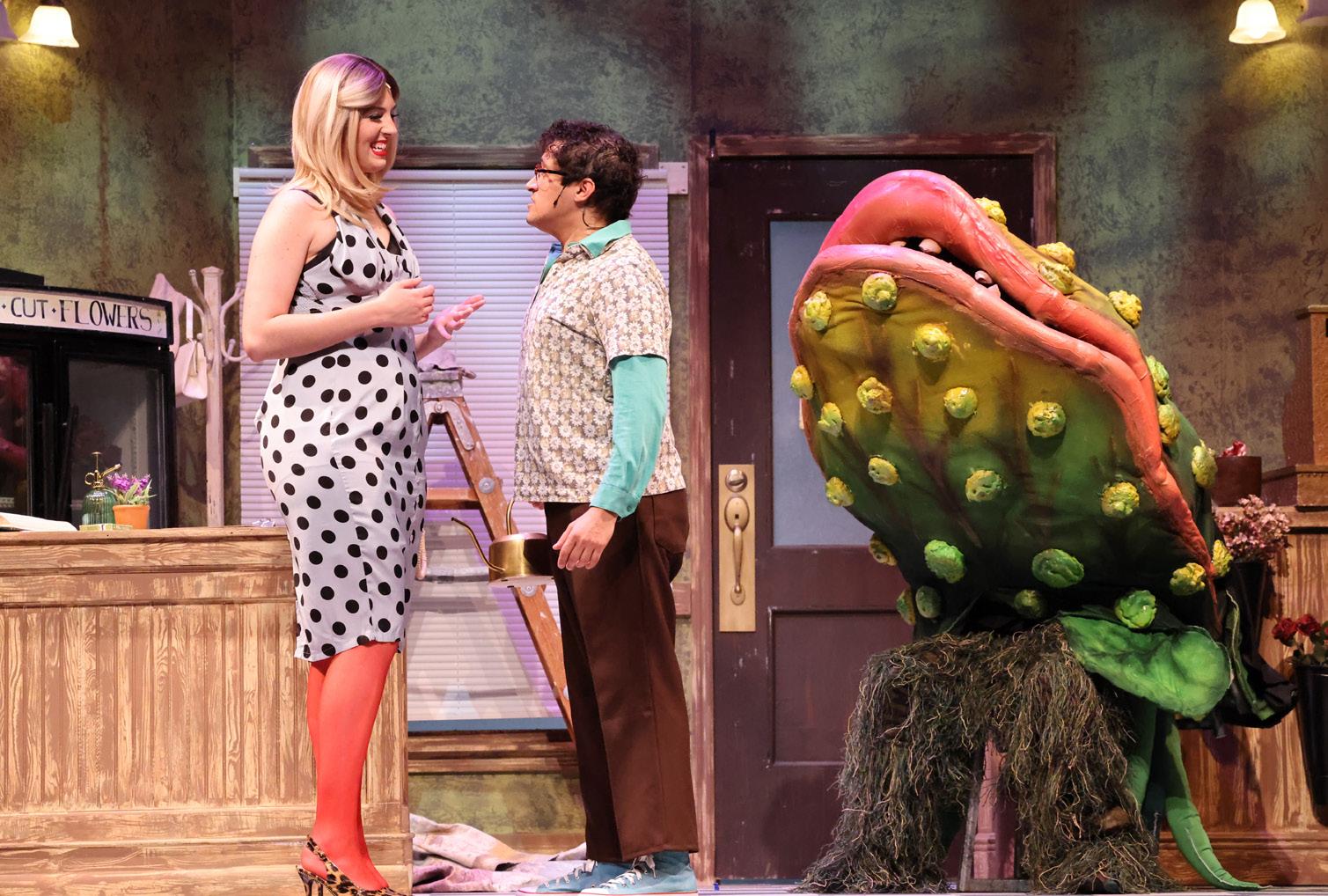
THROUGH FEB. 15
“Little Shop of Horrors”
Ocala Civic Theatre, 4337 E Silver Springs Blvd., Ocala Times vary There will be 15 performances: Thursdays and Fridays at 7:30 p.m., Saturdays at 2 p.m. and 7:30 p.m., and Sundays at 2 p.m. The show is rated PG. For tickets and to learn more, go to ocalacivictheatre.com
FEB. 6
“Reunite the Rivers: Art of the Ocklawaha & Silver Springs”
Brick City Center for the Arts, 23 SW Broadway St., Ocala
5-7pm opening reception (exhibit on display all month) Florida Defenders of the Environment, with the Marion Cultural Alliance, offers a juried art exhibit to celebrate the beauty, history and ecological significance of the Ocklawaha River and Silver Springs. Many of the works are inspired by recent reservoir drawdowns that revealed submerged springs, river channels and forests. Learn more at mcaocala.org
FEB. 6
Preservation Hall Jazz Band
Reilly Arts Center, 500 NE Ninth St., Ocala
7:30pm Celebrate the sound of New Orleans with the torchbearers of the city’s legendary music for over 60 years. The band bridges the past and present, drawing from AfroCuban roots, Afrobeat and Fire Music while connecting with modern icons. Get details at reillyartscenter.com
Never Give Up On Country
Benefit Concert
Sheltair Aviation 1770 SW 60th Ave. Ocala
4-11pm
The Travis Mills Foundation will bring back multi-platinum country music artist Chris Janson as the headliner. Proceeds benefit programs that support post-9/11 veterans injured during service. Get details at travismillsfoundation.org/event/never-giveup-on-country-benefit-concert-2/
First Friday Art Walk
1 SE Broadway St. Ocala
6-9pm The First Friday Art Walk takes place the first Friday of each month, October through May. Event festivities include artist displays, live entertainment, free family art activities and extended shopping hours. Learn more at ocalafl.gov
FEB. 7
Free First Saturday Appleton Museum of Art, 4333 E. Silver Springs Blvd., Ocala
10am-5pm
Admission to the museum is free. Explore the permanent collection, special exhibitions and enjoy family-friendly artmaking activities in the Artspace. Documentaries will be shown, at 11am and 2pm, both in connection with the exhibition “Under the Cover of Knowledge: Betty Ford-Smith’s Pinecone Quilts.” Food trucks will be on site. Learn more at appletonmuseum.org
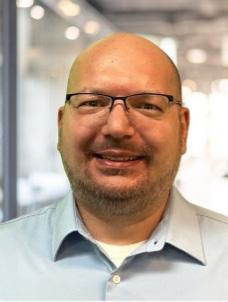
FEB. 6
Healthy Aging Expo
Mary Sue Rich Community Center at Reed Place, 1821 NW 21st Ave., Ocala
10am-2pm
The Florida Department of Health in Marion County invites the public to the expo, hosted in partnership with AdventHealth Ocala, with 36 community partners offering free resources, hands-on demonstrations and expert advice. To learn more, call (352) 629-0137.
FEB. 7-25
African American Read-In
Marion County Public Libraries Times vary Celebrate a rich heritage of literature, film, music and art at the 36th National African American Read-In. Readers, performers and listeners of all ages are welcome. Take part in any or all of the events: Feb. 7, 2 p.m., Dunnellon Public Library; Feb. 9, 11:30 a.m., Reddick Public Library; Feb. 10, 11 a.m., Fort McCoy Public Library; Feb. 16, 2 p.m., Belleview Public Library and Sankofa Public Library; Feb. 17, 10:30 a.m., Forest Public Library; Feb. 18, 1 p.m., Marion Oaks Public Library; Feb. 21, 1 p.m., Headquarters-Ocala Public Library; Feb. 25, 3:30 p.m., Freedom Public Library.
FEB. 10
Internet Safety Presentation
Florida Department of Health in Marion County, 1801 SE 32nd Ave., Ocala
6-8pm
DOH-Marion offers an internet safety presentation for parents, guardians and trusted adults. Attendees will learn strategies for recognizing unsafe online behavior, supporting safe digital habits and helping young people make informed, healthy choices while using the internet and social media. Call (352) 644-2687 to learn more.
FEB. 13
Interfaith Emergency Service Legacies of Love luncheon College of Central Florida Klein Conference Center 11am The annual luncheon fundraiser is hosted by Interfaith Emergency Services to honor men and women who have made a significant impact in the community. This year’s honorees are Dr. Tina Chandra and Casius “Cash” Pealer, Ph.D. Proceeds support services provided by Interfaith Emergency Services. For tickets, go to iesmarion.org/legacies-of-love
FEB. 12, 19, 26 AND MARCH 3
America 250 programming
Master the Possibilities, 8415 SW 80th St., Ocala Times vary Master the Possibilities (MTP) invites the community
FEB. 7
The Sixties Show
Reilly Arts Center, 500 NE Ninth St., Ocala
7:30pm
Featuring former members of legendary bands and powered by immersive multimedia, vintage gear, mod costumes and note-for-note performances, this unforgettable concert-theater experience brings the sights, sounds and spirit of the ’60s. Learn more at reillyartscenter.com
Brick City Bluegrass Festival
Citizens’ Circle, 151 SE Osceola Ave., Ocala
1-7pm
The event will include performances by Bronwyn KeithHynes featuring Jason Carter, Lonesome River Band, Authentic Unlimited – Bringing, Becky Buller with Ned Luberecki and The Flattlanders. Food trucks, beer and wine. Kids 8 and under get in free and veterans receive discounted admission. Bring lawn chairs or blankets. Get details at ocalafl.gov/brickcitycluegrass

FEB. 12
Golden Anniversary Gala
Reilly Arts Center, 500 NE Ninth St., Ocala
6pm This fundraiser in celebration of the Ocala Symphony Orchestra’s 50th anniversary will include dinner, drinks and entertainment. Learn more at reillyartscenter.com
FEB. 14-15
Film Music Spectacular
Reilly Arts Center, 500 NE Ninth St., Ocala
7:30pm Saturday, 3pm Sunday
Experience the magic of Hollywood with an evening of film music from the Ocala Symphony Orchestra.
From the sweeping romance of “Tara’s Theme” from “Gone With the Wind” to the thrilling adventure of “Pirates of the Caribbean,” this program celebrates the power of the silver screen. Learn more at reillyartscenter.com
to explore history, culture, innovation and the arts through visiting speakers and special events. Many of these one-day programs are part of MTP’s America 250: Exploring 250 Years of America theme, which recognizes the nation’s upcoming 250th anniversary. For more information or to register, visit masterthepossibilities.org or (352) 861-9751.
FEB. 14
Book launch
Indigo East Community Center, 8385 SW 84th St., Ocala 1pm
Phyllis M. McNeal, an author, business coach who provides self-esteem workshops for women, will discuss her book “Step Into Your Power: Sassy, Classy & Smart – The Path to Total Self-Confidence.” Free admission, but registration is required at eventbrite. com/e/author-book-launch-phyllis-m-mcneal-sassyclassy-smart-tickets-1980768128794)
FEB. 26
HUGS fundraiser
Ocala Downtown Market at 360 SE Third Ave. 6pm
HUGS Charities of Ocala is a nonprofit that raises funds and through the HUGS Patient Assistance Program helps cancer patients in Marion County with things such as rent, utilities, auto repairs, gas for travel to cancer treatments and more. HUGS hosts a signature fundraiser every year and its 16th annual event will honor cancer survivor Whitney Batsel Griffith and the College of Central Florida Nursing Program. It will include heavy hors d’oeuvres, beer and wine, live music and a silent auction. To learn more and get tickets, go to hugscharities.org
FEB. 28
Run for the Springs 5K Silver Springs State Park, 5656 E Silver Springs Blvd., Ocala 8am The family-friendly “run for fun” event proceeds will go toward grant funding for Marion County residents and businesses to receive septic tank pump-outs and inspections, as well as rebates for septic repair permits. Learn more at marionfl.org/runforthesprings
THROUGH MAY 9
Forever Forest exhibit
Discovery Science Center, 701 NE Sanchez Ave., Ocala Tuesday – Saturday, 10am-4pm The Omaha Children’s Museum exhibit includes hands-on activities focused on forest life and sustainable harvesting; lumber transportation with a realistic kid-sized replica of a Union Pacific engine and mini grapple skidders that children can operate, a tree-top climber and a mini home under construction in which children can help finish by adding siding, molding and other details. Get details at mydiscoverycenter.org
FEB. 20
Marty Stuart and His Fabulous Superlatives
Reilly Arts Center, 500 NE Ninth St., Ocala
7:30pm
Join the five-time Grammy winner and Country Music Hall of Famer and his group as they bring their new album “Space Junk” to life, blending surf-soaked guitar, soulful steel and high-octane artistry. With support from the Hogslop String Band and an optional VIP experience featuring a private mini-performance, Q&A and exclusive merch, this is a one-of-a-kind celebration. Details at reillyartscenter.com
THROUGH FEB. 22
“Under the Cover of Knowledge: Betty Ford-Smith’s Pinecone Quilts” Appleton Museum of Art, 4333 E Silver Springs Blvd., Ocala Ford-Smith’s quilts are striking, contemporary interpretations of the traditional pinecone quilt, a form rooted in African American quilting practices dating back to the late 19th and early 20th centuries. To learn more, go to appletonmuseum.org
THROUGH MARCH 5
“Manifest” exhibition CF Webber Gallery, 3001 S.W. College Road, Ocala Monday-Thursday, 10am-4pm The collaborative exhibition features works by artists Craig Hawkins and Matt Armstrong, who channel their shared southern upbringing into finding common ground to express their pursuit of a deeply personal faith, imagining how the supernatural may manifest. For more information, call (352) 854-2322, ext. 1664.
THROUGH JUNE 21
‘Portraits in Passing: Contemporary Chinese Brush Painting by A.E. Kozeliski’
Appleton Museum of Art, 4333 E. Silver Springs Blvd., Ocala Times vary Rooted in the ancient traditions of Chinese brush painting, Kozeliski’s process draws on the discipline’s four foundational strokes, techniques that require mastery of brush pressure, water-ink balance and handmade paper selection. For more information, call (352) 291-4455 or visit appletonmuseum.org.
Sudoku is played on a grid of 9 x 9 spaces. Within the rows and columns are 9 “squares” (made up of 3 x 3 spaces). Each row, column and square (9 spaces each) needs to be filled out with the numbers 1-9, without repeating any numbers within the same row, column or square.


By The News Service of Florida
Businesses could round cash sales up or down to the nearest nickel, to account for the discontinuation of the penny, under a bill that is moving in both legislative chambers.
The House Ways & Means Committee unanimously backed a measure (HB 951) on Feb. 2 that establishes rounding procedures when the business is unable to provide exact change to those paying by cash.
“This bill just makes sense,” said bill sponsor Rep. Fiona McFarland, R-Sarasota.
The U.S. Mint suspended production of the penny on Nov. 12, 2025, due to production costs.
Under McFarland’s proposal, purchases could be rounded down to the nearest nickel involving cash sales that end in 1, 2, 6 or 7, and rounded up to the nearest nickel when the sale ends in 3, 4, 8 or 9.
McFarland’s bill must still go before the Insurance & Banking Subcommittee and the Commerce Committee before it can be considered by the full House.
A similar measure in the Senate (SB 1074) was unanimously backed by the Commerce and Tourism Committee on Jan. 21. The Senate bill also has two more committee stops.
State lawmakers hope Florida will play a major role in efforts to develop new technologies for air transportation, as a key state legislative committee advanced a proposal on Feb. 2 to help those efforts take off in the state.
The House Ways & Means Committee unanimously approved an incentive package for “advanced air mobility” projects around the state aimed at developing a network of battery-powered aircraft that take off and land vertically.
Carrying a handful of people like a family car, the aircraft have inspired many joking references to the flying cars in the Jetsons animated show of a high-tech future. The electric vertical take-off and landing (eVTOL) aircraft typically have a range of 60 to 100 miles on a single charge, although some are designed
for longer trips.
The incentives advanced on Monday include tax breaks on aircraft, batteries, training equipment and electricity used for the new type of aircraft. It allows the Florida Department of Transportation to fund infrastructure improvements, streamlines regulations for the building of “vertiports” and allows publicprivate partnerships to be used to construct the new facilities.
Rep. Leonard Spencer, a Gotha Democrat, said the measure was intended to make sure “Florida leads in this next phase of aviation.”
“Advanced air mobility is moving from testing to deployment, and states that put the right policies in place now will capture the jobs, capital, investment and innovation that come along with it,” he said. “This bill ensures Florida is leading other states in this growing industry.” He said the new technologies could be used to provide many different services, including air taxis, medical transport, disaster response and cargo delivery.
Spencer said the development of new kinds of aircraft could also help rural airports and general aviation airports for private aircraft attract new business.
Rep. Doug Bankson, R-Apopka, was the only lawmaker to express any hesitation about the new proposal, although he ultimately voted for it.
Bankson said he worried about legislators jumping in now would be “premature” when the industry is rapidly changing.
“It’s not that there’s not some good things here that I disagree with wholeheartedly. [But] is it time at this point?” said Bankson, who is a pilot. “When I’m flying in the plane, we’re real clear between left seat and right seat, who has the airplane. It felt like someone grabbing that other yoke at the same time. FDOT is already moving a lot of the things you’re saying.”
But Bankson said he was encouraged in conversation with state transportation department officials that the agency could work in tandem with Spencer to promote the industry.
Transportation Secretary Jared Perdue has championed advanced air mobility for years. He and Gov. Ron DeSantis saw prototypes of the VTOLs last June at the Paris Air Show, an international aerospace trade fair and air show. In October, the two announced plans for an aerial test bed at the department’s SunTrax facility in Polk County.
The proposal must still pass two more committees before going before the full House.
IN THE CIRCUIT COURT OF THE FIFTH JUDICIAL CIRCUIT
IN THE CIRCUIT COURT FOR MARION COUNTY, FLORIDA Probate Division File NO. 2025-CP-002214
In Re: Estate of CAROLYN D. REAVIS (A/K/A DIANNE OCCHETTI), Deceased NOTICE TO CREDITORS
The administration of the estate of CAROLYN D. REAVIS (A/K/A DIANNE OCCHETTI), deceased, whose date of death was June 21, 2025, File Number 2025-CP-002214 is pending in the Circuit Court for Marion County, Florida, Probate Division, the address of which is 110 N.W. 1st Avenue, Ocala, FL 34475.
The names and addresses of the personal representative and the personal representative's attorney are set forth below.
All creditors of the decedent and other persons having claims or demands against decedent's estate on whom a copy of this notice is required to be served must file their claims with this court WITHIN THE LATER OF 3 MONTHS AFTER THE TIME OF THE FIRST PUBLICATION OF THIS NOTICE OR 30 DAYS AFTER THE DATE OF SERVICE OF A COPY OF THIS NOTICE ON THEM.
All other creditors of the decedent and other persons having claims or demands against decedent's estate must file their claims with this court WITHIN 3 MONTHS AFTER THE DATE OF THE FIRST PUBLICATION OF THIS NOTICE.
ALL CLAIMS NOT FILED WITHIN THE TIME PERIODS SET FORTH IN SECTION 733.702 OF THE FLORIDA PROBATE CODE WILL BE FOREVER BARRED.
NOTWITHSTANDING THE TIME PERIODS SET FORTH ABOVE, ANY CLAIM FILED TWO (2) YEARS OR MORE AFTER THE DECEDENT'S DATE OF DEATH IS BARRED. The date of first publication of this notice is September 12, 2025..
Attorney for Personal Representative: PAUL DEAN REAVIS 3636 Caddington Terrace Midlothian, Virginia 23113
Personal Representative: PENNY LYNN ROBINSON KECA 324 Woods Landing Drive Lady Lake, Florida 32159
NOTICE OF SCHOOL CAPITAL OUTLAY SURTAX OVERSIGHT COMMITTEE MEETING
The Marion County School Board announces a public meeting of the School Capital Outlay Surtax Oversight Committee (SCOSOC) members on September 24, 2025, at 4:00 p.m. The meeting will be held at the MTI Auditorium, at 1614 E. Ft. King Street, Ocala, Florida 34471. An agenda for the meeting is available at the School Board Office, 1614 E. Ft. King Street, Ocala, Florida 34471.
NOTICE OF SCHOOL BOARD MEETING
Notice is hereby given that the School Board of Marion County, Florida, will meet on September 23, 2025, at 5:30 p.m., at the School Board Administration Office, 1614 E. Ft. King Street, Ocala, Florida, 34471. An agenda will be published seven days prior to the meeting. The agenda may be obtained at the Administration Office between the hours of 8:00 a.m. and 5:00 p.m. The agenda is also available from a link on the District’s website: www. marion.k12.fl.us.
Persons wishing to address the Board should register with the Chairman prior to 5:40 p.m.
Any person deciding to appeal any decision made by the Board at the meeting will need a record of the proceedings and, for such purpose, may need to ensure that a verbatim record of the proceedings is made, which record includes the testimony and evidence on which the appeal is to be based.
Practice Closing Announcement After 34 wonderful years serving Ocala, Dr. Jose A. Gaudier, MD, will retire and close Jose A. Gaudier, MD, PA effective Dec. 24, 2025.
Patients may request medical records by calling 352-732-8630 or emailing Admin@gaudierneuro.com.
Dr. Gaudier thanks the community for its trust and support.
IN THE 5 th JUDICIAL CIRCUIT COURT IN AND FOR MARION COUNTY, FLORIDA.
IN RE: The Estate of PROBATE DIVISION
MARC L. ALOUIDOR, CASE NO.: 2025-CP001969 Deceased.
/ NOTICE TO CREDITORS (Formal Administration)
TO ALL PERSONS HAVING CLAIMS OR DEMANDS AGAINST THE ABOVE
ESTATE: The administration of the Estate of MARC L. ALOUIDOR, deceased, whose date of death was June 17, 2024, and whose social security number is ***-**-6372, is pending in the Circuit Court for Marion County, Florida, Probate Division, the address of which is 110 NW First Avenue, Ocala, Florida 34475. The names and addresses of the Personal Representative and the Personal Representative’s attorney are set forth below. All creditors of the decedent and other persons having claims or demands against decedent’s estate on whom a copy of this notice is required to be served must file their claims with this court WITHIN THE LATER OF THREE (3) MONTHS AFTER THE TIME OF THE FIRST PUBLICATION OF THIS NOTICE OR THIRTY (30) DAYS AFTER THE DATE OF SERVICE OF A COPY OF THIS NOTICE ON THEM.
All other creditors of the decedent and other persons having claims or demands against decedent’s estate must file their claims with this court WITHIN THREE (3) MONTHS AFTER THE DATE OF THE FIRST PUBLICATION OF THIS NOTICE. ALL CLAIMS NOT FILED WITH THE TIME PERIODS SET FORTH IN SECTION 733.702 OF THE FLORIDA PROBATE CODE WILL BE FOREVER BARRED. NOTWITHSTANDING THE TIME PERIODS SET FORTH ABOVE, ANY CLAIM FILED TWO (2) YEARS OR MORE AFTER THE DECEDENT’S DATE OF DEATH IS BARRED.
A Personal Representative or curator has no duty to discover whether any property held at the time of the decedent’s death by the decedent or the decedent’s surviving spouse is property to which the Florida Uniform Disposition of Community Property Rights at Death Act as described in ss. 732.216-732.228, applies, or may apply, unless a written demand is made by a creditor as specified under s. 732.2211. The date of first publication of this Notice is September 5, 2025.
Attorney and Personal Representative Giving Notice:
/s/ Steven E. Gurian . STEVEN E. GURIAN, ESQ.,
Attorney for Personal Representative EASY ESTATE PROBATE, PLLC 2601 South Bayshore Drive, 18th Floor Coconut Grove, Florida 33133
Tel: 1-833-973-3279 Fax: 1-833-927-3279
E-mail: SG@EasyEstateProbate.com
Florida Bar No. 101511
/s/ Marie Elsie Benjamin MARIE ELSIE BENJAMIN, As Personal Representative
NOTICE OF SCHOOL BOARD MEETING
Notice is hereby given that the School Board of Marion County, Florida, will meet on September 23, 2025, at 5:30 p.m., at the School Board Administration Office, 1614 E. Ft. King Street, Ocala, Florida, 34471. An agenda will be published seven days prior to the meeting. The agenda may be obtained at the Administration Office between the hours of 8:00 a.m. and 5:00 p.m. The agenda is also available from a link on the District’s website: www. marion.k12.fl.us.
Persons wishing to address the Board should register with the Chairman prior to 5:40 p.m.
Any person deciding to appeal any decision made by the Board at the meeting will need a record of the proceedings and, for such purpose, may need to ensure that a verbatim record of the proceedings is made, which record includes the testimony and evidence on which the appeal is to be based.
IN THE CIRCUIT COURT FOR MARION COUNTY, FLORIDA PROBATE DIVISION File No. 25CP002083AX
IN RE: ESTATE OF RUTH E. EGGING NOTICE TO CREDITORS
The administration of the estate of RUTH E. EGGING, deceased, whose date of death was February 5, 2025, is pending in the Circuit Court for MARION County, Florida, Probate Division, the address of which is 110 NW 1st Ave, Ocala, FL 34475. The names and addresses of the personal representative and the personal representative's attorney are set forth below. All creditors of the decedent and other persons having claims or demands against decedent's estate on whom a copy of this notice is required to be served must file their claims with this court ON OR BEFORE THE LATER OF 3 MONTHS AFTER THE TIME OF THE FIRST PUBLICATION OF THIS NOTICE OR 30 DAYS AFTER THE DATE OF SERVICE OF A COPY OF THIS NOTICE ON THEM.
The personal representative has no duty to discover whether any property held at the time of the decedent's death by the decedent or the decedent's surviving spouse is property to which the Florida Uniform Disposition of Community Property Rights at Death Act as described in ss. 732.216-732.228, Florida Statutes, applies, or may apply, unless a written demand is made by a creditor as specified under s. 732.2211, Florida Statutes. The written demand must be filed with the clerk. All other creditors of the decedent and other persons having claims or demands against decedent's estate must file their claims with this court WITHIN 3 MONTHS AFTER THE DATE OF THE FIRST PUBLICATION OF THIS NOTICE. ALL CLAIMS NOT FILED WITHIN THE TIME PERIODS SET FORTH IN FLORIDA STATUTES SECTION 733.702 WILL BE FOREVER BARRED. NOTWITHSTANDING THE TIME PERIODS SET FORTH ABOVE, ANY CLAIM FILED TWO (2) YEARS OR MORE AFTER THE DECEDENT'S DATE OF DEATH IS BARRED.
The date of first publication of this notice is September 12, 2025.
Attorney for Personal Representative: JACQUELINE R. BOWDEN GOLD
Attorney Florida Bar Number: 109399
RARICK & BOWDEN GOLD, PA 6500 Cow Pen Road, Suite 204 Miami Lakes, FL 33014
Telephone: (305) 556-5209
Fax: (305) 362-9525
E-Mail: jbowden@raricklaw.com
Secondary E-Mail: service@ raricklaw.com
Personal Representative: MARY LYNCH 11742 Galapago Court Northglenn, Colorado 80234
Extra Space Storage will hold a public auction to sell personal property described below belonging to those individuals listed below at the
IN THE CIRCUIT COURT OF THE FIFTH JUDICIAL CIRCUIT IN AND FOR MARION COUNTY, FLORIDA
Case No.: 2025-2144-CP
IN RE: THE ESTATE OF GERALD ALBERT MATHIS, Deceased./
NOTICE TO CREDITORS
The administration of the estate of GERALD ALBERT MATHIS, deceased, whose date of death was July 27 , 2025, is pending in the Circuit Court for Marion County, Florida, Probate Division, the address of which is 110 Northwest First Avenue, Ocala, Florida 34475. The names and addresses of the personal representative and the personal representative’s attorney are set forth below. The personal representative has no duty to discover whether any property held at the time of the decedent’s death by the decedent or the decedent’s surviving spouse is property to which the Florida Uniform Disposition of Community Property Rights at Death Act as described in sections 732.216-732.228, Florida Statutes, applies, or may apply, unless a written demand is made by a creditor as specified under section 732.2211, Florida Statutes. All creditors of the decedent, and other persons having claims or demands against decedent’s estate on whom a copy of this notice is required to be served must file their claims with this court ON OR BEFORE THE LATER OF THREE (3) MONTHS AFTER THE TIME OF THE FIRST PUBLICATION OF THIS NOTICE OR THIRTY (30) DAYS AFTER THE DATE OF SERVICE OF A COPY OF THIS NOTICE ON THEM. All other creditors of the decedent and other persons having claims or demands against decedent’s estate must file their claims with this court WITHIN THREE (3) MONTHS AFTER THE DATE OF THE FIRST PUBLICATION OF THIS NOTICE. ALL CLAIMS AND DEMANDS NOT FILED WITHIN THE TIME PERIODS SET FORTH IN SECTION 733.702 OF THE FLORIDA PROBATE CODE WILL BE FOREVER BARRED. NOTWITHSTANDING THE TIME PERIODS SET FORTH ABOVE, ANY CLAIM FILED TWO (2) YEARS OR MORE AFTER THE DECEDENT’S DATE OF DEATH IS BARRED.
V. Smith, Esquire The Florida Legal Advocacy Group, P.A. 445 NE 8th Ave., Ocala, Florida 34470 FL Bar No.: 1008368 Tel:352-732-8030 Fax: 888-399-3129 cs@FlagOcala.com Personal Representative, Leslie Thorn, 4755 SE 146th Place Ocala, FL 34491
The date of the first publication of this Notice is September 12, 2025
Personal Representative: WENDY KATHERINE MATHIS NEWMAN 971 Village Drive Brooksville, FL 34601
Attorney for Personal Representative: JANET W. BEHNKE Florida Bar No. 135969 Janet W. Behnke, P.A. 500 NE 8 th Avenue Ocala, FL 34470 Phone: (352) 732-6464 janet@behnkelaw.net
NOTICE UNDER FICTITIOUS NAME TO WHOM IT MAY CONCERN: Notice is hereby given that the under signed pursuant to the "Fictitious Name Statute, Chapter 865.09, Florida Statutes, will register with the Division of Corporations, Department of State, State of Florida upon receipt of this notice. The fictitious name, towit: AdventHealth Pediatric Rehab MTRA Ocala under which (we are) engaged in business at 6850 SE 41st Ct in Ocala, FL 34480. That the (party) (parties) interested in said business enterprise is as follows: Florida Hospital Ocala, Inc. at Ocala, Marion County, Florida, on 9/09/2025, Marion County, Ocala, Florida.



ANSWERS FOR PAGE B7
855-927-4104 Discover a variety of beautifully designed and quality-built homes to suit every need
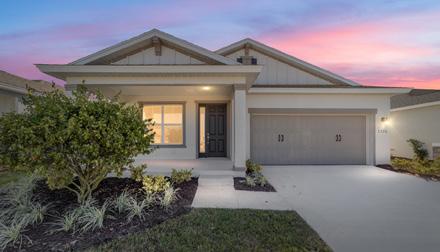






Sable – Inventory Home Available Now!
7276 SW 58th Place Road, Ocala, FL 34474
2,420 a/c sq. ft. single family home priced at $422,725.
Featuring 4 bedrooms, 2.5 baths, 2 car garage, great room, living room, game room, breakfast area, laundry suite, and patio.
Sable - Inventory Home Available Now!
5689 SW 72nd Court, Ocala, FL 34474
2,420 a/c sq. ft. single family home priced at $428,535. Featuring 4 bedrooms, 2.5 baths, 2 car garage, great room, living room, game room, breakfast area, laundry suite, and patio.
Garnet Model – 6416 SW 78th Court Ocala, FL 34474
1,921 a/c sq. ft. single family home starting at $355,990. Featuring 4 bedrooms, 2 baths, 2 car garage, great room, breakfast area, laundry suite, and patio.
Sable Model – 6428 SW 78th Court Ocala, FL 34474
2,420 a/c sq. ft. single family home starting at $372,990. Featuring 4 bedrooms, 2.5 baths, 2 car garage, great room, living room, game room, breakfast area, laundry suite, and patio.
Gardenia Model – 6440 SW 78th Court Ocala, FL 34474
2,671 a/c sq. ft. single family home starting at $429,990. Featuring 4 bedrooms, 3 baths, 3 car tandem garage, great room, dining room, nest, laundry suite, and covered lanai.
Larkspur Model – 6464 SW 78th Court Ocala, FL 34474
3,089 a/c sq. ft. single family home starting at $449,990. Featuring 4 bedrooms, 3 baths, 3 car tandem garage, great room, dining room, flex room, nest, laundry suite, and covered lanai.
Marigold Model – 6476 SW 78th Court Ocala, FL 34474
3,374 a/c sq. ft. single family home starting at $465,990. Featuring 5 bedrooms, 3.5 baths, 3 car tandem garage, great room, dining room, nest, loft, laundry suite, and covered lanai.

3 baths, 3 car garage, great room, flex room, breakfast area, workshop, covered porch and lanai.

Beatrix - Inventory Home Available Now! 10880 SW 101st Loop Ocala, FL 34481
2,142 a/c sq. ft. single family home priced at $391,000 featuring 2 bedrooms, 2 baths, 2 car garage plus golf cart space, living room, flex room, and laundry suite.

Sunflower Model - 8891 SW 75th Loop, Ocala, FL 34481
1,967 a/c sq. ft., single-family home starting at $334,990 featuring 3 bedrooms, 2 baths, 2 car garage, great room, breakfast nook, laundry suite, and covered lanai.

Wisteria Model - 8895 SW 75th Loop, Ocala, FL 34481
2,126 a/c sq. ft., single-family home starting at $348,990 featuring 3 bedrooms, 2 baths, 2 car garage, great room, laundry suite, and covered lanai.

Beaumont Model - 10458 SW 96th Loop, Ocala, FL 34481
2,202 a/c sq. ft., single-family home starting at $397,490 featuring 2 bedrooms, 2 baths, 2 car garage with workshop space, great room, breakfast area, flex room, laundry suite, and covered lanai.

Magnolia Model - 10446 SW 96th Loop, Ocala, FL 34481
2,493 a/c sq. ft., single-family home starting at $418,490 featuring 2 bedrooms, 2.5 baths, 2 car garage with golf cart space, great room, breakfast area, flex room, den, laundry suite, and covered lanai.

Arlington Model - 9584 SW 82nd Street Road, Ocala, FL 34481
2,211 a/c sq. ft., single-family home starting at $464,490 featuring 3 bedrooms, 3 baths, 3 car garage, great room, breakfast area, workshop space, laundry suite, and a covered lanai.

Aberdeen Model - 9564 SW 82nd Street Road, Ocala, FL 34481
2,907 a/c sq. ft., single-family home starting at $501,490 featuring 3 bedrooms, 3 baths, 3 car garage, great room, 2nd master suite, breakfast area, flex room, laundry suite, and a covered lanai.

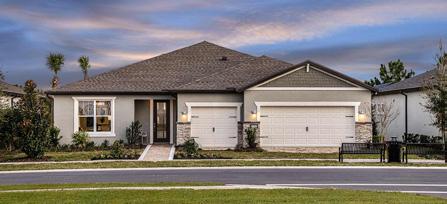





Marion Ranch Bloomfield Model - 8316 SW 46th Ave, Ocala, FL 34476 • 352-677-2262 2,503 a/c Sq. Ft. Single-family home starting at $391,990 featuring 4 bedrooms, 3
Model - 8322 SW 46th Ave, Ocala, FL 34476 •