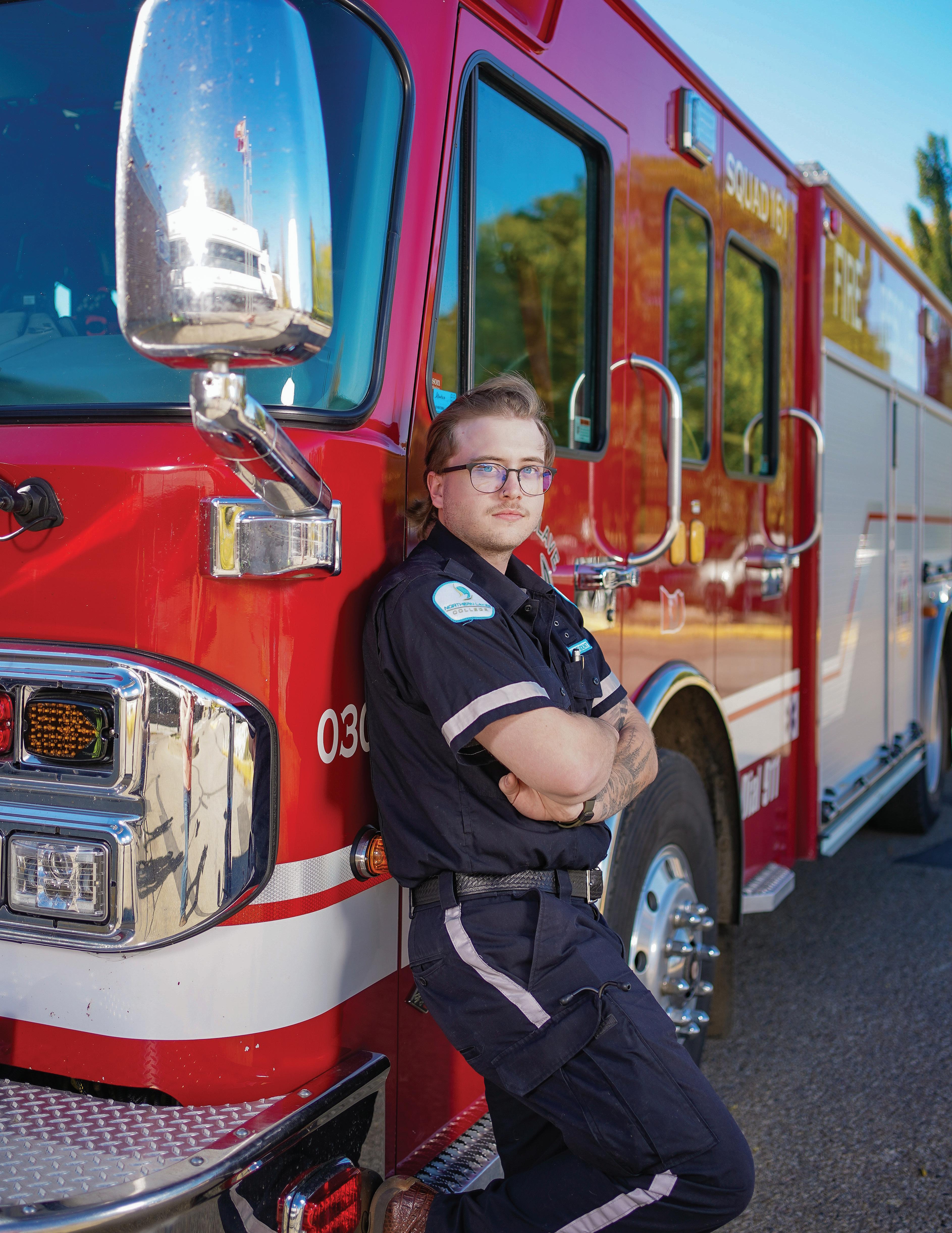
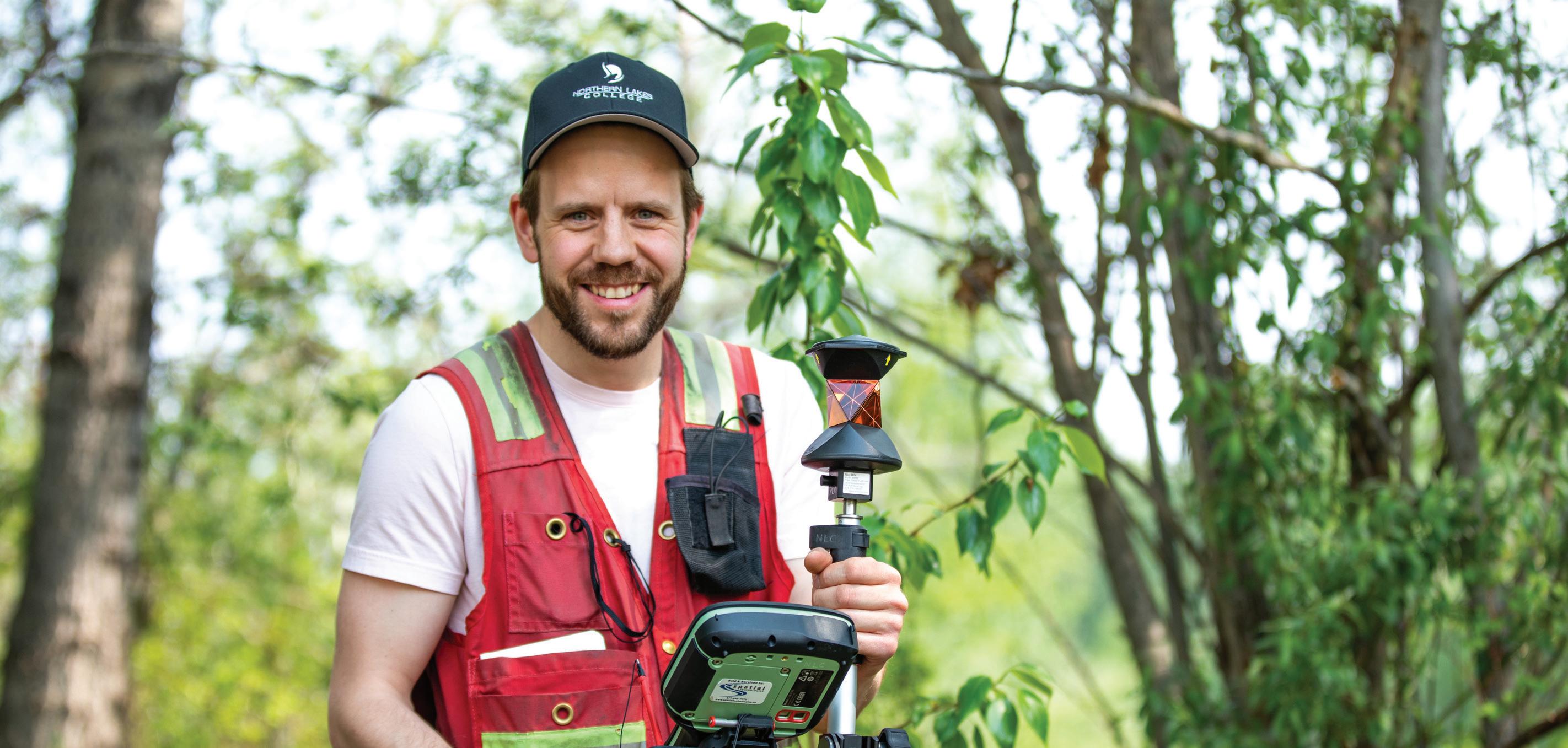
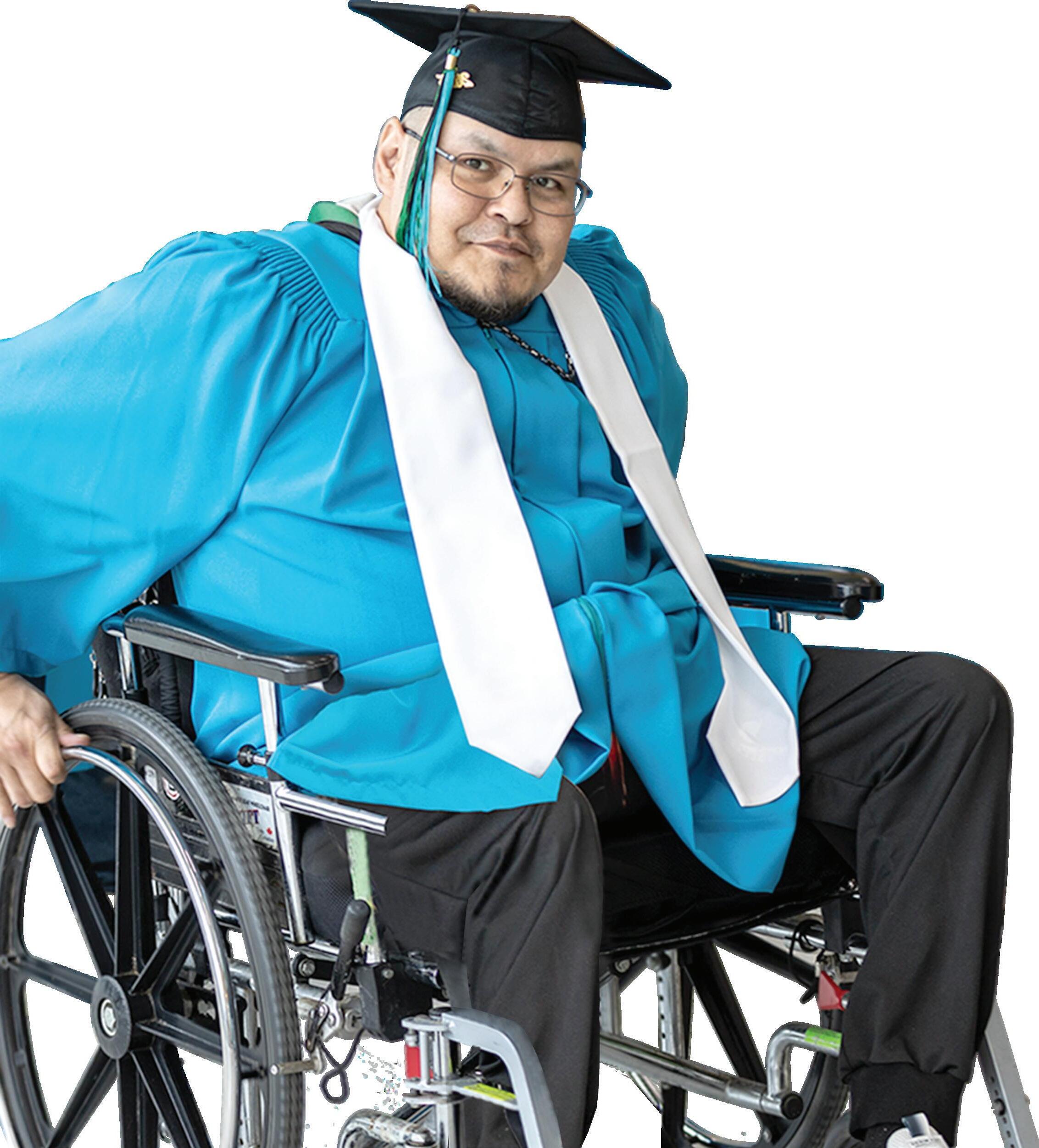
at northern lakes college, we count our success one student at a time. we believe you should get the education you want with the flexibility you deserve. we have the vision to provide the most accessible educational opportunities, so we are everywhere you need us to be. let us inspire your new beginnings and help create your endless possibilities. What’s stopping you?
Northern Lakes College respectfully acknowledges that we are located on Treaty 8 territory and Métis Nation of Alberta Districts 13 - 15 and 20 - 22, traditional lands of First Nations and Métis Peoples. We recognize the 15 First Nations and four Métis Settlements located throughout our service region.
The Northern Lakes College Annual Report for the year ended June 30, 2025 was prepared under the Board’s direction in accordance with the Sustainable Fiscal Planning and Reporting Act and ministerial guidelines established pursuant to the Post-Secondary Learning Act. All material economic, environmental, or fiscal implications of which we are aware have been considered in the preparation of this report.
[Original signed by Mr. Barry Sharkawi, Chair, Board of Governors]
Management’s
Responsibility for Reporting Accountability Statement
[Original signed by Dr. Glenn Mitchell, President & CEO]
Northern Lakes College management is responsible for the preparation, accuracy, objectivity, and integrity of the information contained in the Annual Report. Systems of internal control are designed and maintained by management to produce reliable information to meet reporting requirements. The system is designed to provide management with reasonable assurance that transactions are properly authorized, are executed in accordance with all relevant legislation, regulations and policies, reliable financial records are maintained, and assets are properly accounted for and safeguarded.
The Annual Report has been developed under the oversight of the institution audit committee, as well as approved by the Board of Governors and is prepared in accordance with the Sustainable Fiscal Planning and Reporting Act and the Post-Secondary Learning Act.
The Auditor General of Alberta, the institution’s external auditor appointed under the Post-Secondary Learning Act, performs an annual independent audit of the consolidated financial statements which are prepared in accordance with Canadian public sector accounting standards.
[Original signed by Mr. Barry Sharkawi, Chair, Board of Governors]
[Original signed by Dr. Glenn Mitchell, President & CEO]
Board of Governors
Barry Sharkawi, Public Member (Chair)
Lana Daniels, Public Member (Vice Chair)
Dr. Glenn Mitchell, President & CEO
Adele Suderman, Public Member
Barb Hatch, Public Member
Darrell Ghostkeeper, Public Member
Lucille Labrecque, Public Member
Treena Ward, Public Member
Leanna Durdle, Academic Member
Kyle Paulson, Non-Academic Member
Terry-Lynn Harding, Student Member
Vanessa Ledger, Student Member
Senior Leadership Team
Dr. Glenn Mitchell, President & CEO
Brad Onofrychuk, Vice President, Academic
Dana Hynes, Executive Director, Human Resources and Health & Safety
Mo Azim, Vice President, Finance and Administration
Message from the Board Chair and President & CEO
Northern Lakes College remains dedicated to making postsecondary education accessible to learners everywhere, no matter how rural or remote their location may be. NLC focuses on removing barriers to education so that all Albertans have the opportunity to learn and grow.
Accessibility is at the foundation of everything NLC does. The Supported Distance Learning (SDL) model allows students to study from their own communities while maintaining employment, family responsibilities, and local connections. For those who wish to visit a physical site, NLC’s network of 31 campuses, CAP Sites, and partnership locations provides convenient access to technology, resources, and in-person support.
From 2020-2021 to 2024-2025, NLC achieved a 37.4% increase in Full Load Equivalents (FLEs) and a 35.7% rise in headcount, reflecting sustained growth and continued demand for accessible education across Alberta.
Collaboration plays an important role in expanding educational pathways. Through a partnership with the University of Calgary, NLC supports the development of northern Alberta’s future teachers. A partnership with Athabasca University provides NLC’s Practical Nurse
graduates with a direct path to a Bachelor of Nursing, helping to address the ongoing need for nurses across rural Alberta. The College also operates eight Community Adult Learning Programs (CALPs), enhancing access to foundational learning and skills development across the region.
NLC’s stewardship area spans four Métis Settlements and 15 First Nations, and the College remains deeply committed to supporting Indigenous learners. Through partnerships with advisory bodies, such as the Community Education Committees (CECs) and their Council, NLC works directly with local representatives to identify training priorities and ensure that programs reflect regional needs. Together, these collaborations strengthen both individual opportunity and community growth.
With the vision of being recognized as a first-choice, community-based college with the most accessible programs and services in Alberta, Northern Lakes College continues to offer some of the most flexible and inclusive educational options in the province. At Northern Lakes College, we count our success one student at a time.
Dr. Glenn Mitchell President & CEO
Barry Sharkawi
Campuses, Community Access Points, and CampusAlberta Partnerships
College Campuses Community Access Point (CAP) Sites CampusAlberta Partnerships
(McLennan)
Stony Point (Wabasca)
Taber
Celebrating CONVOCATION 2025
“The world is in front of you. It needs your vision, your voice, your curiosity. Only time will reveal what is next, so it’s imperative that you keep learning, keep moving, keep caring, pushing, trying, and striving; keep doing those things that will move you forward. Never stop. And, for those of you listening to me wishing you were sitting in these [graduates’] chairs today… what’s stopping you?”
– Dr. Glenn Mitchell, President & CEO
Northern Lakes College proudly celebrated a remarkable milestone at Convocation 2025, held on June 6 at the Multi Recreation Centre in Slave Lake. With 1,000 graduates crossing the stage, this year marks the largest graduating class in the College’s history — an impressive 9% increase from 2024 and an inspiring 38% increase since 2023.
The celebration began with a heartfelt prayer led by Charlie Orr, Chair of the Peerless Lake Community Education Committee, setting a tone of reflection and gratitude. President & CEO, Dr. Glenn Mitchell, and Board of Governors’ Chair, Barry Sharkawi, led the graduate procession with pride, while Master of Ceremonies, Dr. Michelle Mitchell, warmly welcomed graduates, families, and guests, introducing the platform party, board members, and dignitaries in attendance.
Dr. Glenn Mitchell delivered an uplifting congratulatory address, honouring the dedication and achievements of the graduates on this momentous occasion.
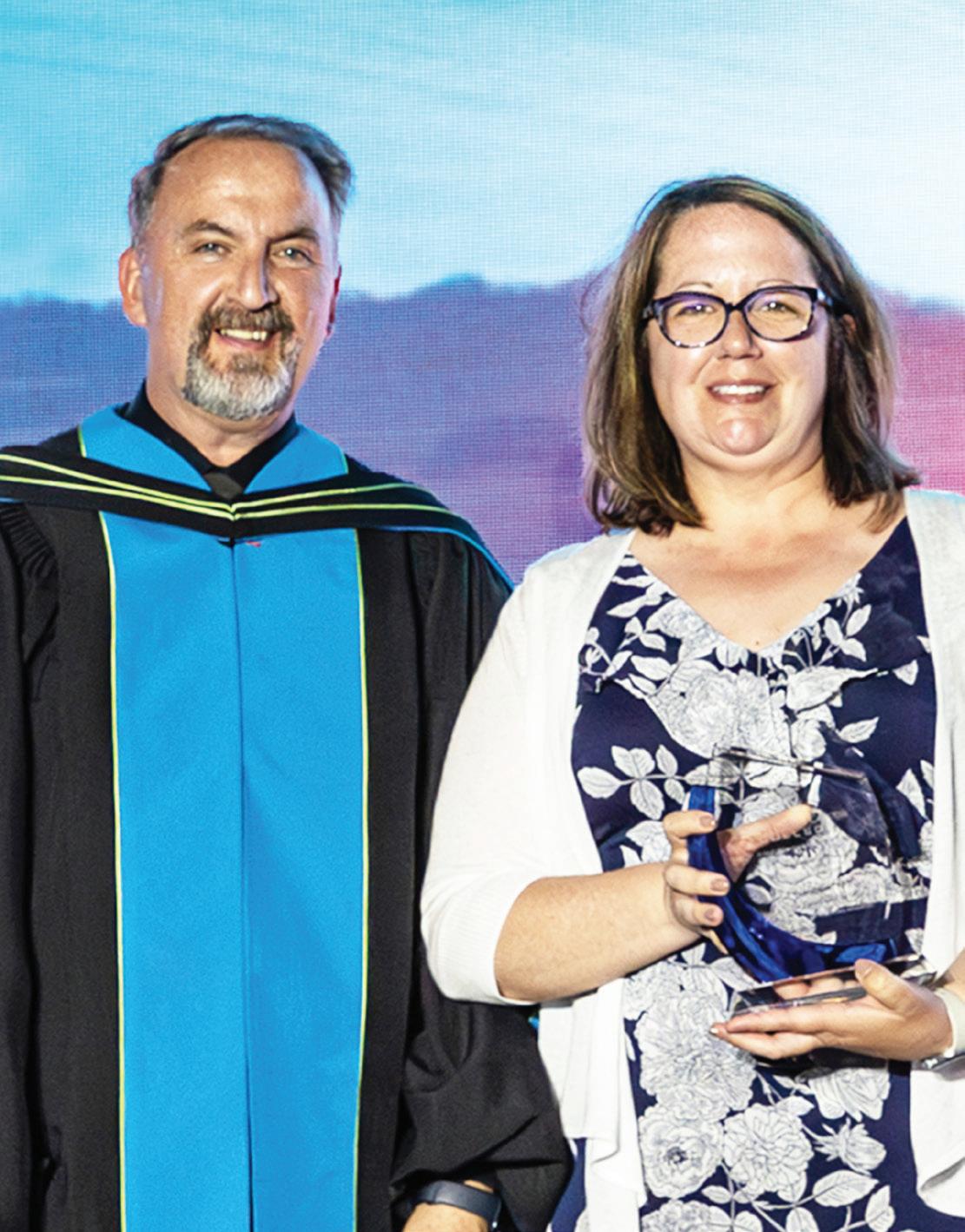
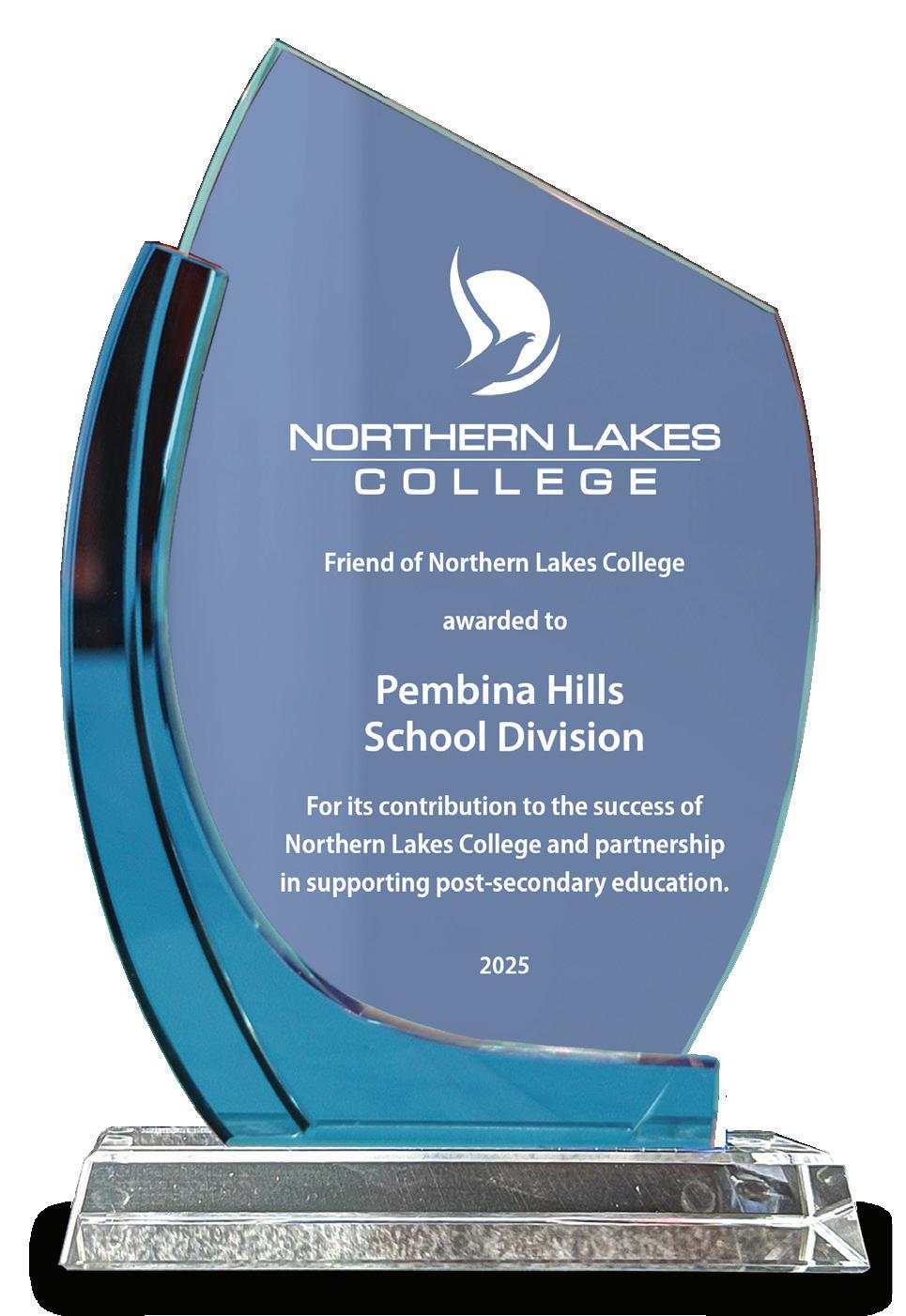
A highlight of the ceremony was the presentation of the 2025 Friend of Northern Lakes College Award to Pembina Hills School Division, in recognition of their innovative and collaborative partnership in delivering College programming to staff and students.
Valedictorian Rechelle Ramsay inspired the audience with a heartfelt student address, and Jennifer Sharron, President of the NLC Students’ Association, brought warm greetings on behalf of the NLCSA.
The celebrations began the evening before, on June 5, with a moving traditional capping and pinning ceremony for the Practical Nurse program. Fifty-six graduates from across the service region were honoured in a candlelight ceremony, each receiving a nursing cap and pin to mark the completion of their journey and the beginning of their careers in compassionate care.
Mandate
Type of Institution, Sector, and Governance
Northern Lakes College is a board-governed public post-secondary institution operating in Alberta as a comprehensive community college under the authority of the Post-secondary Learning Act (PSLA).
Outcomes
Northern Lakes College provides distance learning access to students in rural and remote regions of Alberta through our Supported Distance Learning and Supported Distance Teaching models enabling students to participate in postsecondary education regardless of their location. Northern Lakes College places a high value on collaboration with Campus Alberta partners to ensure we are providing accessible programs and services to all students. Northern Lakes College embraces dual credit programming and has numerous partnerships with School Boards throughout the province. The College also values our working relationship with Community Adult Learning Programs to ensure we are working together to provide pathways for students into post-secondary programs.
Clients/Students
Northern Lakes College students are adult learners, lifelong learners, and dual credit learners. The College has a mandate region that encompasses four Métis Settlements and 15 First Nations and the majority of our students are of Indigenous heritage. Northern Lakes College is committed to providing incremental educational opportunities enabling students to progress through all levels of the learning continuum, to seek employment opportunities, and to improve their quality of life.
Many students are not able to relocate to pursue their post-secondary goals. The ability to pursue learning in their home communities is key to being able to serve such a broad geographic region of the province. Northern Lakes College accepts students from across Alberta.
Geographic Service Area and Type of Delivery
Northern Lakes College serves a vast region of Northwestern Alberta with 25 campuses and Community Access Points in communities, First Nations Reserves and
Métis Settlements. To ensure students have access to a wide variety of programs, and understanding the difficulty of adult learners to relocate to pursue educational goals, Northern Lakes College has developed Supported Distance Learning and Supported Distance Teaching models that ensure our students have access to all programs offered regardless of their location. Our Supported Distance Learning model accompanied by local supports for students has proven to be effective and efficient in providing access to programs and services for the purpose of upskilling, re-skilling or pursuing further education without compromising on quality.
Program Mandates and Credentials Offering
Northern Lakes College offers Foundational programming including literacy and numeracy, Career Preparation programs, post-secondary certificates and diplomas in a range of Health Science programs, Human Service programs, Business, Administrative, and Technology programs, Resource Technology Programs, and Journeyman certificates in a number of trades, and various upskilling and reskilling opportunities. Northern Lakes College also provides access to collaborative degree opportunities within our University Studies department.
Northern Lakes College enjoys a proud history of collaboration and has numerous agreements with other Campus Alberta institutions, an active collaboration with the Woodland Operations Learning Foundation, transfer agreements for degree or diploma completion with Campus Alberta institutions, active dual credit agreements with School Boards throughout the province, and numerous collaborations with business, industry, and other entities.
Northern Lakes College actively collaborates with Community Adult Learning Programs in our region, operating eight and hosting five on our campuses.
Northern Lakes College also offers programming at the Peace River Correctional Centre and partners with the Rupertsland Institute, the Alberta Rural Development Network, the Northern Alberta Development Council and our regional Economic Development Committees.
Northern Lakes College also provides access to non-credit programming through our Continuing Education and Corporate Training Department.
Special Program Areas/Areas of Specialization
Northern Lakes College offers a broad range of programming that is reflective of the employment opportunities and needs of our communities. Adult Basic Education, including literacy and numeracy, and High School (Academic Upgrading) are key program areas for our service region as they provide accessible pathways. All of our programs are accessible throughout Alberta via our Supported Distance Learning and Supported Distance Teaching models ensuring students across the province have access to a variety of current, relevant programming opportunities from within the supportive structure of their home community.
System Collaboration and Partnerships
Northern Lakes College has a long history of collaboration that is encouraged by our Board of Governors. Existing agreements enable the College to deliver programs in other regions and other institutions to deliver programming in our region. Many of these collaborative agreements have been long standing, some are new, while others are in development. The College continues to provide and enhance student accessibility to programs and services through collaborative partnerships.
Northern Lakes College has numerous partnerships with School Boards to offer a broad range of access to high school students to obtain dual credits. Longstanding partnerships continue with CAREERS: The Next Generation, the Rupertsland Institute, economic development groups, First Nations and Métis Settlements and our Community Education Committees to support the educational needs of their communities.
Northern Lakes College has co-located with Campus Alberta institutions offering a variety of programs including locations external to our service region with full support received from our sister institutions. A longstanding partnership with Woodland Operations Learning Foundation continues to provide forestry related programming throughout the province. Northern Lakes College shares facilities with several partners including First Nations and School Divisions.
Northern Lakes College is actively engaged in regional stewardship through a number of initiatives and innovations. An active Community Education Committee in every campus community enables the success of students within their communities. The Chairs of each Committee comprise the Council of Community Education Committees which meets regularly with our Board of Governors. Active and engaged partnerships with our Community Adult Learning Programs ensure College initiatives assist learners to achieve their goals.
The College meets with municipal councils, Chiefs and Chairpersons and their respective councils, and other key stakeholders in our service region providing information on the College and encouraging feedback related to community needs.
Research and Scholarly Activities
Northern Lakes College is not actively engaged in discovery research however, we have undertaken research initiatives that focus on our model of teaching and learning specifically to provide insight into how to better serve students through active engagement in a distance-learning environment.
We have assisted a number of other institutions in their research endeavours.
System Mandate
Northern Lakes College region is geographically large and comprised of mostly small rural and remote communities. The College provides access to programs and service to many students across Alberta. Northern Lakes College has a profound impact on communities and students. The social impact is significant, as many of students would not have the opportunity to pursue an education if programs were not accessible. Enrolment growth continues and is testament to the demand for accessible programs. In collaboration with Campus Alberta partners, Northern Lakes College services communities outside of our service region at their request.
Northern Lakes College has a significant economic impact and increases graduates’ opportunity to find employment in their communities without relocating. Many of our graduates are employed within our region and throughout Alberta.
Mission, Vision, Values
Our Missi O n
With respect for cultures and the needs of communities, Northern Lakes College provides quality educational programs and services which enable adults to continue their education, to improve their employment opportunities, and to enhance their quality of life.
Our Visi O n Northern Lakes College will be recognized as a first-choice community-based college with the most accessible programs and services in Alberta.
Our Values
To achieve our mission and vision, we share values that guide our practices and behaviors. We value Accessibility, Collaboration, Community, Excellence, Lifelong Learning, and Respect.
Public Interest Disclosure (Whistleblower
Protection) Act
The Board of Governors for Northern Lakes College originally approved the Safe Disclosure Policy in October 2014. In October 2018, a review of the Safe Disclosure Policy was performed and changes were made to meet recent legislative changes. The Safe Disclosure Policy was reviewed and reaffirmed by the Board of Governors in April 2020 and October 2022.
The goal of this policy is to make it the responsibility of all College community members to report concerns about violations of Northern Lakes College governing policies, procedures, regulations, or suspected violations of laws that govern College operations. This policy fosters an environment where all members of the College community can report wrongdoings or suspected wrongdoings without reprisal. The Safe Disclosure Policy has been communicated to all employees and is available on the Northern Lakes College website.
In fiscal year 2024-2025, the College received 0 (zero) safe disclosure policy complaints.
Campus Free Speech
The Board of Governors for Northern Lakes College approved the Free Speech Policy in October 2019.
This policy’s purpose is to support and protect freedom of expression as essential to discovery, critical assessment, effective dissemination of knowledge and ideas and social and economic advancement. This applies to the entire College community as well as guests and all others present at Northern Lakes College. The Free Speech Policy is available on the Northern Lakes College website.
In fiscal year 2024-2025, the College canceled 0 (zero) events for reasons related to free speech.
In fiscal year 2024-2025, the College received 0 (zero) free speech-related complaints.
Board of Governors’ Training on For-Profit Ventures
There was no requirement for formal training in fiscal year 2024-2025. The Board of Governors does not receive formal training in for-profit ventures; however, they are consistently provided with detailed briefings and comprehensive information, including key updates and all associated risks, to ensure thorough consideration and enable informed decision making in the best interest of the College.
Revitalizing Language and Strengthening Community Through Education
Tia Isadore-Badger recently completed her Bachelor of Education at the University of Calgary after finishing her last practicum in Driftpile Cree Nation. Her educational journey began at Northern Lakes College (NLC), where she enrolled in Academic Upgrading before transitioning into University Studies. Studying virtually during the COVID-19 pandemic allowed her to remain close to home while caring for her grandmother, and it also gave her time to reflect on the type of educator she wanted to become.
Tia’s motivation to teach was rooted in her own school experiences. “When I was younger, I realized there was a lack of Indigenous teachers, or teachers that understood Indigenous perspectives and family lifestyles,” she says.
Determined to change that, Tia majored in Revitalization of Indigenous Languages as part of her degree, aiming to bring Cree language and cultural knowledge into the classroom. “I want to not only provide language, but also more understanding to other teachers and people in my school community for Indigenous education.”
You can grow beyond that. You can go further than you ever imagined.”
Tia’s academic path was shaped by the guidance and support she received at NLC. She credits NLC staff member, Paula, as a significant mentor who encouraged her to apply for the University of Calgary’s Community-Based Bachelor of Education program. “She gave me a couple of choices, and she saw my potential before I even saw it myself.”
Beyond academics, Tia faced significant personal challenges, including the loss of her sister and the lasting effects of intergenerational trauma. When she first began post-secondary studies at another institution, she struggled so much with these factors that she eventually withdrew herself from the program. “When I came home, I didn’t know if I was going to continue with my education, but Paula and the rest of my family and community encouraged me to keep going.”
Tia now envisions a future in educational leadership, helping to bridge the gap between schools and Indigenous communities. “I want to bring more connections from the community into the school,” she says. “I want to close that disconnect.”
Tia Isadore-Badger Bachelor of education
For young Indigenous students, Tia offers words of empowerment. “Recognize intergenerational traumas from residential schools, but also understand that’s not your fault,” she says. “You can grow beyond that. You can go further than you ever imagined.”
Now that she has graduated, Tia is looking ahead to the impact she hopes to make. From reclaiming her language to empowering future generations, she is proving that education is not just about personal success, but about strengthening an entire community.
Building a Future in Carpentry
At just 17 years old, Liam Van Roon has already laid the foundation for a promising career in carpentry. As a graduate of the Pre-Employment Carpenter program at Northern Lakes College, he has leveraged his early education into a full-time position with Biggs and Little Contracting.
Growing up in a family of tradespeople, Liam always had a passion for using his skills to create something new. When Liam learned about the Dual Credit program at Northern Lakes College, he saw an opportunity to get a head start on his career while still earning high school credits. “A lot of people don’t realize it’s an option,” he reports. “But it’s great because you get knowledge from the College while working toward your high school diploma. It helped me finish the last credits I needed to graduate.”
Liam officially graduated high school early and is now working full-time as a carpenter. “I did the first semester at the College, and now I’m in the workforce full time. It’s been a smooth transition.”
His time at Northern Lakes College gave him a strong foundation, both in technical skills and in professional confidence. “I really liked the College experience,” Liam says. “The small class sizes and one-on-one instruction made it easier to learn. It was a great environment.”
Liam’s pre-employment training has proven invaluable on the job site and gave him an edge when applying for work. “Having the program on my resume made a huge difference,” he says. “It shows you’ve taken the initiative to learn the trade rather than coming in with no experience.”
He encourages other high school students to take advantage of the Dual Credit and Pre-Employment programs at Northern Lakes College. “I’d tell them to try it out and follow through. Even if you decide later that carpentry isn’t for you, you’ll always have that knowledge and experience to fall back on. It’s a win-win - you get high school credits and career training at the same time.”
I did the first semester at the College, and now I’m in the workforce full time. It’s been a smooth transition.”
Liam Van Roon
Pre-employment Carpenter
This program is an important offering. Child and Youth Care professionals are essential in Alberta’s care network — providing hands-on, relational support to young people navigating some of life’s most difficult challenges. Their presence in schools, group homes, shelters, and community programs are critical. They increasingly play a vital role in supporting the emotional, psychological, and social development of children and youth, particularly those facing challenges such as trauma, abuse, neglect, mental health concerns, or involvement in the welfare or justice systems. At Northern Lakes College, we are proud to offer a program that combines academic excellence with real-world practicum experience, ensuring our graduates are not only job-ready but community-ready, especially in northern and rural Alberta, where these services are most needed.”
– Dr. Dean Vanvelzer, Associate Dean, Health, Human Services & University Studies
Program Expansion at Northern Lakes College
Child and Youth Care Diploma
Northern Lakes College introduced the Child and Youth Care Diploma in September 2024, expanding its Human Service Careers offerings. Delivered through Supported Distance Learning, the two-year program prepares students to work with children, youth, families, and communities across a variety of settings.
The Child and Youth Care Diploma is designed using an Integrated Learning Model, combining 720 hours of theory with 750 hours of practical experience. The curriculum emphasizes mental health, trauma-informed care, assessment, intervention, advocacy, and ethical practice. Students gain real-world experience through three supervised practicums in professional agency settings.
Graduates will have the opportunity to be recognized as Child and Youth Workers and will be prepared for careers in therapeutic care, schools, justice and mental health services, community programs, foster care, shelters, youth centers, treatment facilities, and government organizations. They will possess the knowledge to provide trauma-informed support, advocate for social justice, and make a meaningful impact in the lives of young people and their families.
Class 1 Commercial Truck Driver Training
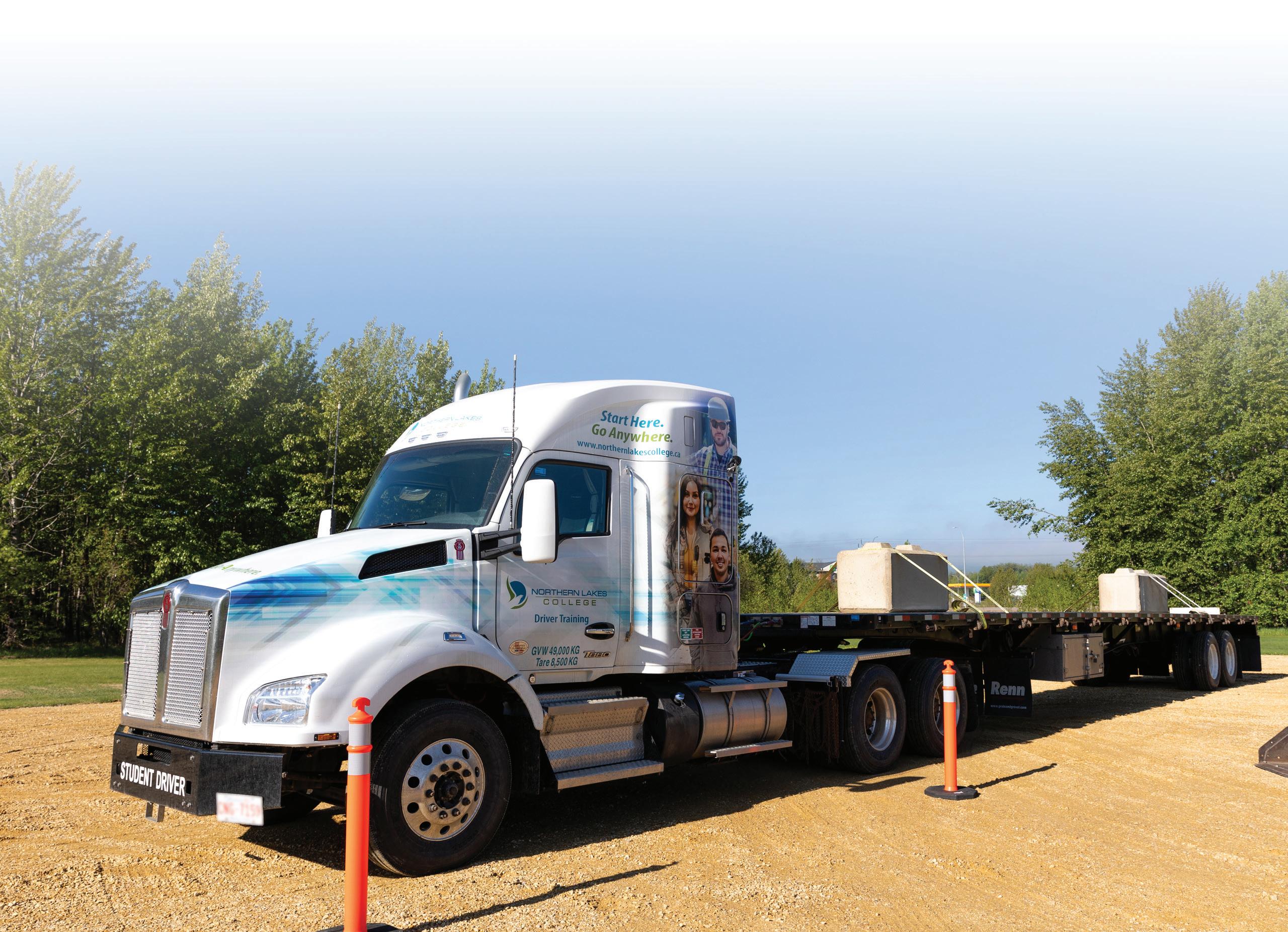
Northern Lakes College launched the Class 1 Learning Pathway in April 2025, a new program designed to strengthen the attraction and retention of commercial drivers in Alberta. The pathway offers a flexible, step-by-step approach that supports both entry into the industry and ongoing skill development throughout a driver’s career.
Developed following a review of Alberta’s Class 1 Mandatory Entry Level Training (MELT) program, the pathway provides multiple learning options, including self-paced online courses, and allows drivers to tailor their training to individual career goals. Emphasis is placed on professional driving skills, enhanced road safety, increased hands-on driving hours, and strong accountability measures involving government, training schools, carriers, and drivers.
The pathway begins with the Entry program, which must be completed before attempting the Class 1 knowledge test. Drivers can complete the knowledge test while continuing with the Core Learning program, but the program must be finished before the Class 1 road test. Successful completion of both the knowledge and road tests leads to a Class 1 operator’s licence with a provincial restriction, allowing immediate employment in Alberta. To lift this restriction and work outside the province, drivers must complete an additional 17-25 hours in the Competence Building program.
Northern Lakes College is keen to support the province’s mandated safety training for all new Class 1 drivers. There is a persistent need for Class 1 drivers in our region and across the province, and these drivers are an integral aspect of the economy. Ensuring the availability of this training in our region means increased accessibility for students.”
University of Calgary Community-Based Bachelor of Education
University Studies Certificate
University Studies Diploma
Note. Certificate programs typically consist of one year of full-time study; diploma programs typically consist of two years of full-time study.
Operational Overview
Student Enrolment
From 2020-2021 to 2024-2025, the College increased FLEs by 37.4% and headcount by 35.7%.
Full Load Equivalent
Full Load Equivalent (FLE): A measure of enrolment in which one FLE represents one student for a year of study taking a full course load.
FLEs and unique headcount showed little overall change from 2023-2024 to 2024-2025, reflecting increases in some program areas and decreases in others.
Unique Headcount
Unique Headcount: A measurement of enrolment referring to the number of unique students registered at and attending an institution.
A slight increase in both full-time and part-time students was experienced from 2023-2024 to 2024-2025.
Source of data on these two pages: Advanced Education Data Collection and Reporting - LERS
Health Careers
Human Services Careers
Source: Advanced Education Data Collection and Reporting - LERS
Enrolment Trends by Program Area and Key Changes to Enrolment
From 2020-2021 to 2024-2025, Northern Lakes College increased FLEs by 37.4% and headcount by 35.7%, reflecting sustained long-term growth. While enrolment held steady between 2023-2024 and 2024-2025, these overall gains demonstrate the continued impact of NLC’s accessible Supported Distance Learning model.
Basic and Preparatory / Foundational Learning
After a period of growth, Academic Upgrading enrolments have declined in recent years, with a 31.6% decrease in 2024-2025. This decrease is linked to a 40% reduction in funding for learners in foundational programs due to changes in Foundational Learning Assistance (FLA).
Business and Administrative Studies
Business and Administrative Studies programming grew by 5.6% in 2024-2025, primarily fueled by the Office Administration program, which saw a 23.8% increase in FLEs. The Computer Network Specialist and Human Resource Management programs remained stable, while Business Administration decreased by 8.5 FLEs.
Health Careers
Health Careers programming held steady in 2024-2025. While Advanced Care Paramedic decreased by 7.7 FLEs, Primary Care Paramedic experienced substantial growth of 86.5%. Health Care Aide and Practical Nurse enrolments decreased by 9.0% and 6.8%, respectively.
Human Services Careers
Human Services programming saw FLE growth of 23.3% in 2024-2025. This growth continues to be driven by the Early Learning Child Care Certificate and Diploma programs, which saw increases of 46.6% and 32.6%, respectively. Social Work enrolments increased by 3.2%, Addictions Counselling remained stable, and Educational Assistant decreased by 8.4 FLEs.
Trades and Resource Technology
Trades and Resource Technology programming increased FLEs by 8.6%, driven in part by higher participation from Dual Credit students, particularly in Pre-Employment programs. The Pre-Employment program category grew by 27.5%, and Survey Theory and Calculations and Power Engineering increased by 11.9% and 6.7%, respectively. FLEs remained stable in the Apprenticeship program category and Introduction to Surveying.
University Studies
Total FLEs in the University Studies program category decreased slightly by 3.9% in 2024-2025. Within this category, the University Studies Certificate and Diploma programs decreased by 12.7%, while College and Career Preparation and Open Studies grew by 1.8 and 8.5 FLEs, respectively.
VALUES - BASED S TRATEGIC D IRECTION
The Northern Lakes College strategic direction is valuesbased and established using our six institutional values as guideposts.
Our Values
To achieve our mission and vision, we share values that guide our practices and behaviours.
Accessibility
Students and employees will succeed in their learning, employment, and personal endeavours when provided with accessible and effective educational services and supports.
Collaboration
Working together with community, business, and educational partners is fundamental to the success of our learners and our College.
Community
Students and the College receive support from the community. Community capacity grows from the success of students. Engagement with community stakeholders contributes to increased access, quality, and sustainability.
Excellence
Learners will participate and succeed through fair, reliable services and relevant, timely, and credible programs.
Lifelong Learning
Lifelong learning is essential to the growth of students, employees, families, communities, and organizations.
Respect
Adults are entitled to learning services that respect their culture, abilities, and circumstances. Northern Lakes College celebrates diversity and values the celebration of Indigenous history, cultures, and languages.
Northern Lakes College will increase access to programs and services via Supported Distance Learning. GOAL
Accessible, community-based learning opportunities will be inherent in the design of Northern Lakes College programs and services.
Initiative
Maximize accessibility for rural, remote, and underrepresented learners, ensuring equitable access to educational, reskilling, and upskilling opportunities through Supported Distance Learning.
Achievements and Measures
Supported Distance Learning (SDL) ensures Northern Lakes College programs and services are accessible to learners wherever they may be. SDL removes the geographic barriers that challenge many rural, remote, and underrepresented learners.
• Most NLC programs were offered online so that students could study from home using the SDL model.
• In 2024-2025, 1,027 unique students self-identified as Indigenous to Canada.
• Of our Alberta-based students, 61% were from a rural area, when reviewed against the Government of Alberta list of urban and rural communities.1 Alberta-based students comprised 96% of the student body.
• Health Careers labs were located at five sites in the service region, allowing students to travel to the location closest to their home communities to fulfil their onsite requirements.
• For programs with an onsite requirement in Slave Lake, students had the option to stay in Mouallem Student Residence.
Onsite Distance Blended
Source: Northern Lakes College Student Information System
(Ministry of Advanced Education priority A.)2
1 Alberta List of Urban and Rural Communities (2016 Census), Open Alberta, https://open.alberta.ca/ dataset/899c9cca-8ce7-40d2-8d2d-c9c369884d9a/resource/035d1e0d-595b-43aa-8d57-d7e3f7e11625/download/ listofurbanandruralcommunitiesinalberta.pdf
2 Northern Lakes College has identified the initiatives which support the Ministry of Advanced Education priorities, as outlined in the Annual Report Guidelines of August 2025, in regards to institutional goals and measures: A. student supports and services and their responsiveness to the evolving needs of students; B. strategic research priorities, applied research, and scholarly activities; and C. collaborations with other learning providers.
Innovative and flexible delivery modes will complement Supported Distance Learning and provide enhanced access to our learners.
Initiative
Enhance access through Mobile Training Labs (MTL) and program offerings to specific cohorts of students.
Achievements and Measures
• In partnership with Fort Vermilion School Division, Pre-Employment Carpenter was offered in the MTL in High Level.
• There were six new partnerships that provided access to programming in communities in our region and across the province, particularly in the Early Learning and Child Care and Educational Assistant programs.
(Ministry of Advanced Education priorities A and C.)
Student-centred services will be easily accessible to Northern Lakes College students.
Initiative
Provide access to library services, awards, tutoring, learning accommodations and support, home-based placement testing, wellness initiatives, educational counselling, and a Multi-Faith program.
Achievements and Measures
Whether a student is home-based or attends a campus, our Supported Distance Learning ensures equitable access.
• Library Services: The NEOS Library Consortium provided access to government, health, college, and university library collections. The Library provided access to books, DVDs, and audiobooks from both the NLC collection and NEOS system and access to over 400,000 online resources, including eBooks, journal articles, newspaper articles, etc. The Library also launched a new website to improve access to online resources.
• Student Awards: The Student Awards Program distributed a total of 532 awards totaling $275,582. Community Education Committees distributed 537 student bursaries/awards totaling $68,844.
• Tutoring Services: Tutors provided support to students across the College, offering one-to-one sessions, workshops, and online resources. These services were provided online to ensure access for all students. There were 433 sessions provided throughout the academic year. The Writing Centre provided additional academic writing support.
• Learning Accommodations: Accommodation Services supported 98 students with one or more documented disabilities.
• Placement Testing: The College administered 772 tests for applicants unable to provide a transcript to meet program entry requirements. The majority of placement tests were administered remotely allowing applicants to complete the test conveniently from their homes.
• Student Wellness: Initiatives to support students included multiple sessions and workshops through Student Success, the Multi-Faith program, and the Elder-in-Residence program; a wellness newsletter that reached 7,515 students between September and June; and wellness challenges, including the Winter Wellness Challenge and the Walk 100 KM in 100 Days Challenge.
• Educational Counselling Services: There were 523 appointments and 340 touchpoints provided to students through NLC’s educational counselling services.
Accessibility Satisfaction at Northern Lakes College
Source: Northern Lakes College Student Satisfaction Survey 2024-2025
(Ministry of Advanced Education priority A.)
Foundational
Learning opportunities, which are a cornerstone to equitable and inclusive access to higher education and meaningful participation in the province’s economic future, will be accessible to all those who seek them.
Initiative
Expand Foundational Learning opportunities, including Academic Upgrading, Adult Basic Education, Community Adult Learning Program support, College and Career Preparation, English as an Additional Language and English Language Learning, Integrated Foundational Pathways, and Life Skills.
Achievements and Measures
Foundational Learning opportunities are critical to ensuring all Albertans can cultivate the knowledge, skills, and abilities to participate in post-secondary programming. Foundational Learning includes Academic Upgrading (Adult Basic Education and Adult High School), Career Investigations, College and Career Preparation, Community Adult Learning Programs, Dual Credit, and Life Skills.
• Foundational Learning opportunities were delivered via Supported Distance Learning, ensuring accessibility throughout the service region and beyond.
• The Inmate Education Program at the Peace River Learning Centre provided learning opportunities. Scanning reader pens were purchased to assist those with lower literacy levels.
• Academic Upgrading was available to residents of Lloydminster and surrounding area through our CampusAlberta partnership with Lakeland College.
• College and Career Preparation courses were offered online to increase access to programming needed to meet academic prerequisites for our programs. From 2023-2024 to 2024-2025, College and Career Preparation increased FLEs by 25.7%.
• Northern Lakes College offered Canadian Adult Education Credential (CAEC) testing in Athabasca, High Level, High Prairie, Peace River, Slave Lake, Valleyview, and Wabasca.
(Ministry of Advanced Education priorities A and C.)
New programs will be delivered or existing programming expanded to meet the emerging needs of the economy and provide upskilling opportunities.
Initiative
Add relevant certificates, diplomas, micro-credentials, bridging programs, apprenticeships, pre-employment programs, and continuing education & corporate training opportunities.
Achievements and Measures
• Human Service Careers launched the Child and Youth Care diploma program, with 19 registered students throughout the academic year.
• Business & Administrative Studies developed and received ministry approval for a Business Administration Management Studies diploma program.
• Business & Administrative Studies restructured the existing Human Resource Management diploma program from two one-year programs into a single two-year program, expanding student funding opportunities and positioning the College for future international cohorts.
• Continuing Education & Corporate Training launched a new Class 1 Commercial Truck Driver Training program in April 2025, which was developed following a review of Alberta’s Class 1 Mandatory Entry Level Training (MELT) program. Class 1 training ran at full capacity, with all 12 seats filled throughout the academic year.
• Partnerships with communities led to enhanced training for Educational Assistants in Pembina Hills School Division and Northland School Division.
• The Early Learning and Child Care certificate program was offered to the Tsuu T’ina First Nation.
• Apprenticeship programs were expanded to offer 1st year seats in any location offering Pre-Employment Carpenter, Electrician, and Welder programs.
Employment Rate of Northern Lakes College Program Completers
Program completers are defined according to Alberta Advanced Education criteria and are reported annually through Alberta’s Learner and Enrolment Reporting System (LERS). To be included in the Employment Outcomes Interviews, the student must be eligible for an academic credential recognizable in the labour market (i.e., certificate, diploma, or journeyperson). The survey is conducted six months after graduation.
Source: Northern Lakes College Graduate Employment Outcomes Survey (Ministry of Advanced Education priorities A and C.)
STUDENT SUCCESS Supporting
We understand that life doesn’t hit pause when you become a student. Being successful means finding balance, navigating challenges along your educational journey, and having access to the support you need when you need it. As part of NLC’s unique Supported Distance Learning model, we offer a variety of both distance-based and self-directed resources and services to support students on their path to success.
Road Trip to Success
The Student Success team visited numerous campuses in September for the inaugural Road Trip to Success! This gave the Student Success team an opportunity to meet students and provide fun wellness events. Participants received a wellness kit and learned about upcoming Student Success initiatives.
Walk 100 KM in 100 Days Challenge
The annual Walk 100 KM in 100 Days Challenge encourages students, employees, and their families to develop the habit of walking at least one kilometer a day as a form of exercise. This year the college community walked over 22,000 km collectively between January and May. This is equivalent to almost two trips to the moon!
De-Stress Fest
Three days of wellness activities were offered just before mid-term exams began in October. De-Stress Fest provided opportunities to de-stress, including colouring sessions, guided mindfulness meditation, storytelling, and exam preparation and anxiety workshops.
Mental Health Week 2025
During the week of May 5-11, Student Success offered a variety of sessions designed to meet the theme of Unmasking Mental Health. Our feature session was a guided Medicine Walk in the Peace River area with Elder-inResidence, Priscilla Lalonde.
Workshops and Sessions
The Student Success team offered a variety of sessions throughout the year designed to engage students and staff in healthy activities based on our 8 Dimensions of Wellness. Examples of these sessions include:
• Wellness Wednesdays
• Monthly Multi-Faith sessions
• Beading activities with an Elder
• Grounding activities
LEARN MORE about Student Services at Northern Lakes College.
“We understand that many of our students have family responsibilities and may be working while studying. Finding the time to balance it all can be a challenge. Northern Lakes College recognizes the importance of providing mental health and wellness activities to assist students as they juggle all the demands they face.”
– Tammy Purchase, Dean, Student Success and Registrar
GOAL
NLC will collaborate with CampusAlberta partners, Community Adult Learning Programs, and other organizations to enhance access to programs.
Through CampusAlberta partnerships, Northern Lakes College offers programs to meet labour market demand, including innovative programs and pathways, and we are offering programming in new locations: Drayton Valley, Hinton, Taber, and Whitecourt.
Initiative
Offer the Community-Based Bachelor of Education through a partnership with the University of Calgary. Offer Academic Upgrading and Practical Nurse to communities served by Lakeland College, and offer access to our programming in Drayton Valley, Hinton, Taber, and Whitecourt. Continue partnerships to offer the Social Work Degree with the University of Calgary and a Registered Nurse pathway to our Licensed Practical Nurse graduates through Athabasca University.
Achievements and Measures
• NLC’s partnership with UCalgary’s Werklund School of Education to offer the Community-Based Bachelor of Education is currently in effect until 2029.
• In partnership with Lakeland College, NLC offered Academic Upgrading to 14 students and Practical Nurse to 70 students in Lloydminster.
• Integrated Fire & EMS (PCP) continued to be offered in collaboration with Lakeland College and the Lesser Slave Lake Regional Fire Service.
• The partnership with UCalgary’s Bachelor of Social Work resulted in 13 NLC Social Work diploma graduates completing their bachelor’s degree.
• There were 33 NLC Practical Nurse diploma graduates enrolled in Athabasca University’s Post-Licensed Practical Nurse Bachelor of Nursing program.
• Enrolments through CampusAlberta partnership sites in Drayton Valley, Hinton, Taber, and Whitecourt totaled 84.
(Ministry of Advanced Education priorities A and C.)
Accessibility to Community Adult Learning Programs.
Initiative
Operate Community Adult Learning Programs (CALPs) in underserved locations, provide space for other CALPs within campuses where requested, and partner with CALPs to offer programs such as Life Skills.
Achievements and Measures
• The College operated eight CALP locations: Cadotte Lake, Chateh, Driftpile, Grouard, High Level, Loon River, Peerless Lake, and Wabasca.
• A total of 1982 hours of instruction was provided to CALP students.
• Five Career Investigations sessions were offered to provide adults with information on a variety of career fields, the jobs available within those fields, and what the jobs entail.
• Six Prep for Work and Learning sessions were offered to develop and strengthen the necessary skills required for learning and personal management.
• The College hosted external CALPs at the High Prairie, Slave Lake, and Valleyview campuses.
2024-2025 Northern Lakes College CALP Enrolment
Source: Northern Lakes College Student Information System (Ministry of Advanced Education priorities A and C.)
Access to industry-specific training will be secured through partnerships with industry-based organizations.
Initiative
Partner with the Woodland Operations Learning Foundation (WOLF) for forestry-related training, PEMAC (Plant Engineering and Maintenance Association of Canada) for asset and maintenance management training, and Lesser Slave Regional Fire Service and Lakeland College for Integrated Fire & EMS (PCP) training.
Achievements and Measures
• WOLF courses saw 84 enrolments.
• In partnership with PEMAC, Maintenance Management Professional programming saw 931 enrolments, Asset Management Professional programming saw 300 enrolments, and Certified Asset Management Assessor programming saw 21 enrolments.
• Integrated Fire & EMS (PCP), in partnership with the Lesser Slave River Regional Fire Service and Lakeland College, was offered for its second year.
• The College participated in organizations such as the Peace Region Economic Development Alliance (PREDA), the Rural Economic Development Initiative (REDI), Wabasca & Region Atoske Action Group, and multiple Chambers of Commerce.
• The College participated in LEARN (Labour Education Applied Research North), a joint initiative with Keyano College, Northwestern Polytechnic, and Portage College focused on labour force and economic research.
(Ministry of Advanced Education priorities A, B, and C.)
The College will seek opportunities to engage with secondary school learners to ease the transition from high school to college, and to ensure students are focused on and ready for higher learning and the workforce, supporting the Alberta 2030: Building Skills for Jobs initiative to develop a skilled and competitive workforce.
Initiative
Offer Dual Credit opportunities in Business, Health, Human Service Careers, Pre-Employment, and University Studies.
Achievements and Measures
• In 2024-2025, Northern Lakes College had Dual Credits Agreements with 35 school divisions.
• New Dual Credit Agreements were signed with Grasslands Public Schools, Hillcrest Christian School, and St. Thomas Aquinas Roman Catholic Separate School Division.
• From 2023-2024 to 2024-2025, Dual Credit headcount increased by 33.9%.
• Dual Credit students enrolled in 16 different post-secondary programs.
• Power Engineering, Educational Assistant, and Health Care Aide were the most popular Dual Credit programs.
• The Pre-Employment program category experienced a 120% increase in Dual Credit students, with Carpenter and Welder seeing the most growth.
• Pre-Employment offerings were available in High Level, High Prairie, La Crete, Slave Lake, and Wabasca.
• The College released a new Dual Credit Guidebook for the 2025-2026 program year, along with a streamlined application form and updated internal processes.
• The College offered youth carpentry, culinary, electrical, information technology, power engineering, robotics, and welding camps.
• The College attended 109 recruitment events, including career days, job fairs, and Skills Canada events.
Source: Northern Lakes College Student Information System
(Ministry of Advanced Education priorities A and C.)
GOAL
The College will strengthen community, business, and industry partnerships to ensure programs and services support the labour market.
Northern Lakes College will support Community Education Committees.
Initiative
Assist Community Education Committees (CECs) to identify educational needs in their communities and increase access to non-credit programming in order to increase employability and build community capacity.
Achievements and Measures
• The Council of Community Education Committees (CCEC) sponsored on-demand webinars, individual courses from the Crisis and Trauma Research Institute (CTRI) and the ACHIEVE Centre for Leadership, and partnered with CPA Alberta to provide financial literacy training.
• Community Education Committees (CECs) sponsored a variety of courses, allowing them to be offered at reduced cost or for free. Topics included safety certification, mental health and wellness, driver education, and cultural awareness.
• CCEC and CEC-sponsored programs saw 181 enrolments.
• CECs distributed 537 student bursaries/awards.
(Ministry of Advanced Education priorities A and C.)
Customized training opportunities will be identified through engaged regional stewardship, relationships, and partnerships with local business and industry.
Initiative
Offer targeted safety training through Creative Sentencing funds in eligible communities and Pre-Employment training opportunities.
Achievements and Measures
• Safety training opportunities were offered through Coulee Creek Safety Training and Continuing Education & Corporate Training.
• Pre-Employment programs were offered in multiple locations: Carpenter in High Level, Slave Lake, and Wabasca; Electrician in Slave Lake; Heavy Equipment Technician in La Crete; Industrial Mechanic in High Prairie; and Welder in High Level and Slave Lake.
• Safety tickets were tailored to suit each trade. In 2024-2025, Electrician and Carpenter programs included fall protection safety training, and Welder program included confined space safety training.
(Ministry of Advanced Education priorities A and C.)
Program Advisory Committees (PACs) will ensure program content aligns with current business and industry labour market needs.
Initiative
Active engagement of PACs in all Business, Health Careers, and Human Service Careers programs, and the establishment of a PAC for Pre-Employment programs.
Achievements and Measures
• The first Pre-Employment PAC meeting took place in fall 2024.
• Program Advisory Committees for Health Careers and Human Service Careers met in spring 2025.
(Ministry of Advanced Education priority A.)
Strengthening Education Through Community Engagement
The Community Education Committees (CECs) and their Council believe that:
• The residents of northern Alberta have the right to access the breadth and quality of adult education services afforded to other Albertans;
• The College is composed of students, communities, and staff;
• Each partner has the right and responsibility to participate in determining, providing, and evaluating the endeavours of the College.
Throughout the academic year, the NLC Council of Community Education Committees (CCEC), composed of the Chairs from each CEC, facilitated a variety of free online workshops and training opportunities for community members across the Northern Lakes College service region. In response to regional priorities, the CCEC sponsored ondemand webinars, individual courses from CTRI/Achieve, and offerings from NLC’s Continuing Education and Corporate Training. Additionally, the Council partnered with CPA Alberta to provide financial literacy training through three targeted courses: A Six Point Plan for Financial Freedom, Financial Myths That Will Ruin Your Retirement Dreams, and How to Retire in 10 Years or Less.
To further support student success, the CCEC provided travel bursaries to students enrolled in programs requiring practicum-related travel.
Local CECs addressed specific training needs within their communities by sponsoring courses. These courses, offered either for free or at reduced cost, covered topics such as safety certification, mental health and wellness, driver education, and cultural awareness. In total, CCEC and CECsponsored programs saw 181 enrolments, and the CECs distributed 537 student bursaries/awards.
Each of the 18 CECs meets four times a year to collaborate with College representatives on identifying and addressing local education and training needs. The CCEC also meets four times annually to share insights, coordinate initiatives, and engage in dialogue on community educational priorities with the College’s President & CEO. Northern Lakes
College’s unique public advisory model ensures that postsecondary education remains responsive and reflective of community voices. This valued partnership between the CECs, the CCEC, and the College fosters meaningful engagement and reinforces the shared commitment to enhancing educational opportunities across the region.
LEARN MORE about the Council and Community Education Committees or email cec@northernlakescollege.ca
“The strength of Northern Lakes College lies in its deep connection to the communities we serve, and our relationship with the CECs and CCEC is integral to that connection. Together, we ensure that education and training opportunities are both accessible and aligned with the unique needs and priorities of northern Alberta residents.”
– Joshua de Vries, Dean, Business, Academics, Trades and Regional Stewardship
NLC will enhance learner experiences through quality academic programs and services.
The student experience and quality of service will be enhanced to meet the learning needs of all learners.
Initiative
Offer courses and sessions to provide students with the skills and knowledge to be successful online learners and opportunities to develop proficiency in test-taking, use of technology, citations, etc. Provide assistive technology and support for students who require learning accommodation. Recognize and respond to the needs of at-risk students, support program referrals of at-risk students to Student Success for support, and provide specific support for success to home-based Foundational Learning students.
Achievements and Measures
• The Writing Centre provided resources on successful writing and the academic writing process.
• Student tutors provided one-to-one support and offered workshops.
• Library staff and student tutors offered various sessions at program orientations, specifically on writing, the research process, and academic integrity.
• Home-based learners in Foundational Learning programs received regular contact with faculty and program coordinators, including phone calls, emails, Learner Progress Review meetings, attendance reports, and individual tutor sessions.
• Learning accommodations were provided to 98 students through Accessibility Services.
• A research project was conducted with former NLC students to determine factors associated with program completion at our institution. A summary of the project is available on page 51 of this report.
Student Satisfaction Survey
Source: Northern Lakes College Student Satisfaction Survey 2024-2025
95% Student Satisfaction
(Ministry of Advanced Education priorities A and B.)
Work Integrated Learning (WIL) opportunities will be available. Initiative
New programs will include WIL opportunities, where appropriate. Business, Health Careers, and Human Service Careers programs include practical elements. WIL opportunities will be added to Pre-Employment programs.
Achievements and Measures
• All Health Careers and Human Service Careers included mandatory practical placements.
• Work Integrated Learning was an option for students in Business & Administration programs.
• With the addition of Work Integrated Learning to the Pre-Employment Industrial Mechanic program, all Pre-Employment programs included a WIL component in 2024-2025.
Programs with Work Integrated Learning
Programs with WIL
Excluded program types: Academic Upgrading, Adult Basic Education, MELT Driver training, and Open Studies.
Source: PAPRS submission
(Ministry of Advanced Education priority A.)
NLC will maintain effective and efficient processes with controls to generate timely and accurate reporting.
Initiative
Timely and accurate financial, facility, enrolment, and health and safety reporting.
Achievements and Measures
• Finance Services provided leadership and guidance to key College personnel, ensuring that all internal budget submissions, forecasting, and reporting timelines were met. The College achieved an unqualified auditor’s report, demonstrating its commitment to high standards of financial reporting and accountability. Ongoing enhancements to reporting systems helped streamline processes, further supporting the College’s operational efficiency.
• Facilities & Ancillary Services continued the implementation of a comprehensive workflow management software, with full deployment anticipated by March 2026. This system is designed to improve how college assets are managed and maintained by streamlining preventative maintenance, enhancing lifecycle tracking, and enabling more efficient work scheduling. Field-level hazard assessments and deficiency reporting are now being completed using mobile tools, which support faster response times and improved safety. Additionally, the software’s centralized room reservation feature is helping optimize space usage and reduce duplicate bookings across campuses.
• Facilities & Ancillary Services continued monitoring and data entry into Voluntary Framework of Accountability (VFA), allowing NLC to develop and manage a real time deferred maintenance program and to review facilities through a lens of proactive maintenance.
• A new Student Information System and Customer Relationship Management software is expected to be fully implemented by December 2026.
• The Occupational Health & Safety (OH&S) committee, consisting of staff, faculty, and management, met monthly to address all health and safety concerns.
• OH&S software was utilized to maintain reporting for incidents, inspections, and hazards.
• Hazards assessments of all positions were reviewed.
(Ministry of Advanced Education priority A.)
Northern Lakes College will ensure relevant and robust academic quality assurance of all curriculum.
Initiative
Regularly-scheduled reviews of curriculum to ensure adherence to academic quality standards; regular curriculum development, redesign, and revision; and working with accreditation and regulatory bodies.
Achievements and Measures
• The Centre for Teaching, Learning, and Research redesigned four courses and developed 12 new courses.
• The Program Evaluation procedure was updated in November. The updated procedure established two types of reviews: Annual Reviews and Comprehensive Program Evaluations.
o Annual Reviews were completed for all programs for the purpose of assessing and comparing trends and issues.
o Comprehensive Program Evaluations, designed to thoroughly evaluate the quality and effectiveness of programs and program supports, were completed for Advanced Care Paramedic, Computer Network Specialist, Introduction to Surveying, Primary Care Paramedic, and Survey Theory and Calculations.
• The College participated on provincial regulatory bodies and committees, including Alberta College of Paramedics, Alberta College of Social Workers, Apprenticeship Education Program working group, and College of Licensed Practical Nurses of Alberta.
(Ministry of Advanced Education priorities A and C.)
Program Completion Survey
Student success in post-secondary education is influenced by a wide range of factors. A survey was conducted during the winter term to examine which factors are most relevant for students at Northern Lakes College.
The survey, conducted with former students enrolled between July 1, 2019, and June 30, 2024, focused on demographics and aspects of students’ home lives, such as employment, income, and support systems. Unlike more abstract traits (e.g., personality), these factors offer valuable insights that institutions can harness through strategies such as flexible learning options or affordable programs.
A total of 657 former students participated, including 173 (26%) who did not complete their programs.
Graduation rates were higher among students who were employed while studying, educated outside Canada, spoke a first language other than English, had no reported disabilities, and had not experienced violence. Completion was also more likely among students with higher levels of prior education, higher household incomes, and stronger support from family, friends, the community, and NLC.
These patterns may reflect lower financial stress among employed or higher-income students; greater challenges faced by students with disabilities or trauma; strong motivation among immigrant and international students to obtain Canadian credentials; and the benefits of social support networks.
While these associations are meaningful, no single factor guarantees success. Some students graduated despite significant barriers, while others with strong supports did not. Outcomes reflect a complex mix of individual circumstances. Still, identifying factors linked to completion is valuable: strengthening support networks can raise overall success rates, even if they do not ensure success for every student.
This survey reminds us that student success is shaped by more than academics – it’s about life circumstances, community, and the supports available along the way.”
Most of these factors are outside NLC’s direct control, but recognizing them allows the College to make informed decisions about where to focus resources. Expanding academic, financial, and social supports can provide more students with the conditions they need to succeed. Number
– Dr. Michelle Mitchell, Dean, Health, Human Services & University Studies
The College will provide opportunities throughout the learning continuum for students, employees, and community members.
NLC will offer access to a comprehensive menu of programming.
Initiative
Offer a spectrum of Foundational Learning programs, along with opportunities to engage in certificate and diploma-granting programs, continuing education and corporate training, and access to degrees through CampusAlberta partnerships.
Achievements and Measures
• Northern Lakes College offered 10 certificates, eight diplomas, three partnership degrees, three apprenticeships, five pre-employment programs, and six non-credential programs, including Foundational Learning, Open Studies, and University Studies.
• Degree partnerships included the Post-Licensed Practical Nurse Bachelor of Nursing with Athabasca University and the Community-Based Bachelor of Education and Bachelor of Social Work with UCalgary.
• Foundational Learning offerings included Academic Upgrading (Adult Basic Education and Adult High School), College and Career Preparation, Community Adult Learning Programs, and Prep for Work and Learning.
• Dual Credit programming provided 146 high school students with access to post-secondary programs.
• Continuing Education & Corporate Training offered a variety of courses, certificates, and professional designations.
• The College hosted adult carpentry, culinary, electrical, and welding camps.
• The College hosted youth carpentry, culinary, electrical, information technology, power engineering, robotics, and welding camps.
(Ministry of Advanced Education priorities A and C.)
NLC will enhance employee professional development opportunities. Initiative
Offer informal sessions such as Education Talks and Coffee Shop, the Instructional Skills Workshop, and online courses on teaching and learning. Host training and courses such as Respect in the Workplace and Inclusion at Work.
Achievements and Measures
• The Centre for Teaching, Learning, and Research (CTLR) offered a variety of College-wide professional development sessions, including 26 Education Talks, three Coffee Shop sessions, and four Tiny Toastmaster sessions.
• The Library hosted two LibLearn sessions.
• The CTLR hosted the annual Instructional Skills Workshop, which is designed to improve teaching and learning and is mandatory for new faculty. Fourteen faculty attended the workshop in August 2024.
• Human Resources Services and employee associations supported 195 professional development applications for credit, non-credit, and work-related conferences and sessions.
• All new employees completed Engaging Indigenous Learners, Inclusion at Work, and Respect in the Workplace training as a part of their onboarding.
(Ministry of Advanced Education priority A.)
The College will provide mental health and wellness initiatives. Initiative
Provide student and employee opportunities to participate in mental health and wellness sessions and initiatives.
Achievements and Measures
• Student Success provided a variety of mental health and wellness initiatives and services to students and employees, including:
o Workshops
o De-Stress Fest
o Multi-Faith Program
o Wellness newsletter
o Wellness Wednesdays
o Wellness kits
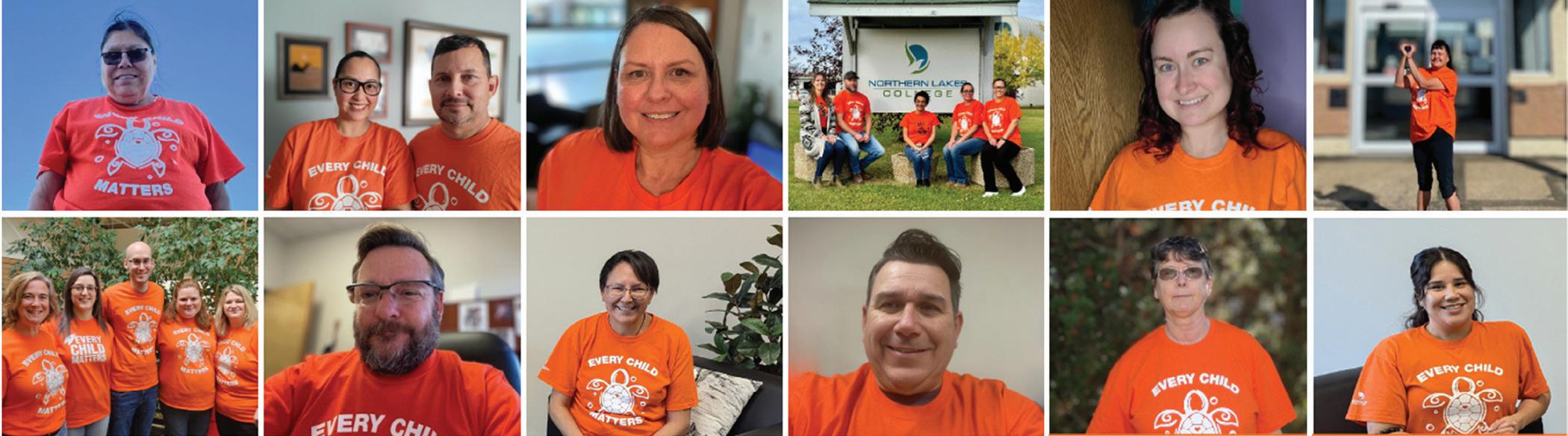
o National Day for Truth and Reconciliation orange t-shirts
o Seed packs for Earth Day
o Emergency preparedness kits
o Road Trip to Success
o Winter Wellness Challenge
o Ice Cream Social for pride month
o Walk 100 KM in 100 Days Challenge
• The Employee Assistance Program (EAP) is available to all employees and their families. Employees have access to the EAP newsletter and TELUS Health website with options for support with mental, financial, physical, and emotional well-being.
• All students enrolled in the Advanced Care Paramedic, Educational Assistant, Primary Care Paramedic, and Social Work programs completed a mandatory 20-hour Mental Health and Resiliency module.
(Ministry of Advanced Education priority A.)
NLC Continuing Education & Corporate Training will offer courses and certificates to meet the needs of the business and industry labour market.
Initiative
Offer Continuing Education & Corporate Training courses and certificates providing upskilling, reskilling, and skill development for career enhancement.
Achievements and Measures
•
Continuing Education & Corporate Training (CECT) offered courses, certificates, and professional designations, including the following categories:
o Asset and Maintenance Management
o Driver Training
o Essential Workforce Training
o General Interest Training
o Information Technology Security
o Land and Environment Training
o Leadership Training
o Safety Training
• Certificate programs offered through CECT included:
o Advanced Forest Stewardship
o Asset Management Professional
o Essential Skills for Administrative Professionals
o Essential Skills for Supervisors
o Forest Stewardship
o Indigenous Administration Certificate
o Maintenance Management Professional
• The College partnered with a variety of organizations, including PEMAC for the delivery of asset and maintenance management training; EC-Council for information technology and cybersecurity training; Ed2go and UGotClass for general interest training; and multiple organizations such as We Know Training, Energy Safety Canada, BuildForce Canada, and Food Safety Training Canada for safety training.
(Ministry of Advanced Education priorities A and C.)
GOAL
Northern Lakes College will celebrate equity, diversity, and inclusion and increase cultural awareness through College programs and services.
Northern Lakes College will engage in learning and celebrating culture.
Initiative
Observe Métis Week and National Day for Truth & Reconciliation. Maintain an Indigenous Advisory Council to work toward implementation of the Truth and Reconciliation Commission of Canada: Calls to Action relevant to post-secondary institutions. Host an Elders-in-Residence program. Provide opportunities for employees to train and engage in diversity, inclusivity, and sensitivity. Offer opportunities to learn and understand equity, diversity, and inclusion through educational events and offerings.
Achievements and Measures
• Northern Lakes College maintained the Indigenous Advisory Council, a standing committee focused on developing opportunities to implement the Truth and Reconciliation Commission of Canada: Calls to Action relevant to post-secondary institutions. The Indigenous Advisory Council supports mamawapowin, NLC’s Virtual Indigenous Student Centre, in the selection of content and knowledge keepers.
• The College recognized National Truth and Reconciliation Week and hosted several learning opportunities and resources.
• The College observed Orange Shirt Day to recognize the experiences of children placed in residential schools.
• The Learn About Truth & Reconciliation webpage was maintained with the purpose of increasing awareness about truth and reconciliation and the legacy of residential schools.
• The College observed Métis Week, offering students, employees, and community members the opportunity to engage and learn through free virtual sessions.
• New faculty completed Engaging Indigenous Learners, a course designed to assist faculty to work effectively with Indigenous learners, with an emphasis on awareness, trust, and different ways of learning.
• The Elders-in-Residence program provided services to students seeking personal or professional cultural advice or guidance on Indigenous protocol or languages. Elders also offered multiple sessions, including online beading workshops and a guided medicine walk in Peace River.
(Ministry of Advanced Education priority A.)
NLC
will ensure access to Indigenous learning resources and language programming, integration of Indigenous topics into curricula, and culturally relevant content in programs.
Initiative
Inclusion of culturally relevant content in programs and Indigenous Days in the Social Work Diploma, an Indigenous Studies specialization in University Studies, an Indigenous Administration micro-credential, Indigenous Studies certificate and diploma, and Cree Language course in the Adult Basic Education program. Availability of culturally relevant physical and digital library resources.
Achievements
and Measures
• University Studies offered six Indigenous Studies courses, including two Cree Language courses, in a variety of post-secondary programs.
• A specialization in Revitalization of Indigenous Languages was offered through our partnership with UCalgary.
• Continuing Education & Corporate Training offered the Indigenous Administration Certificate, focused on Indigenous government administration in Canada.
• Academic Upgrading offered three Aboriginal Studies and two Cree Language courses.
• Aboriginal arts and design courses were offered as part of the Inmate Education Program at the Peace River Learning Centre.
• The Child and Youth Care diploma program was launched, featuring a strong emphasis on Indigenous history and practice.
• A new course was launched focusing on Indigenous topics relevant to Early Learning and Child Care.
• A new diversity course was developed to be offered in the Advanced Care Paramedic program.
• Through the NLC Library, students had access to an extensive collection of Indigenous resources, including three dedicated databases: Bibliography of Indigenous Peoples in North America; Indigenous Peoples: North America; and Indigenous Studies Portal Research Tool (iPortal), University of Saskatchewan.
Indigenous Student Population
Source: Advanced Education Data Collection and Reporting – LERS
NLC will increase international student enrolment.
Initiative
With a commitment to equity, diversity, and inclusion, and to assist with the labour shortage, the number of international students attending NLC will grow and Internationalism will be accessible to all students.
Achievements and Measures
• Although international student numbers decreased from 21 in 2023-2024 to 16 in 2024-2025, the five-year trend in international enrolment remains positive. The decrease in 2024-2025 is directly attributable to changes implemented by Immigration, Refugees and Citizenship Canada (IRCC) across the country. With fewer study permits being issued, the number of incoming international students has naturally decreased. It is important to note that international enrolment at Northern Lakes College remains relatively small, so even modest changes in student numbers can appear as significant percentage shifts. Despite these challenges, Northern Lakes College continued to provide comprehensive support to all international students, both throughout their academic journey and through the increasingly complex application process.
Truth and Reconciliation Week
National Day for Truth & Reconciliation
Northern Lakes College recognized Truth and Reconciliation Week 2024 from September 23 to 27, and the National Day for Truth and Reconciliation on September 30. The College hosted learning opportunities and shared resources to support an increased understanding of Indigenous history and culture.
To encourage reconciliation, Northern Lakes College hosted free, online sessions open to the public. Presented by NLC’s indigenous administration Certificate program instructor, Jason Bigcharles, participants learned how to actively promote and practice reconciliation in daily life.
Session one explored what truth and reconciliation mean in terms of Indigenous Peoples in Canada. Through an introduction to the Truth and Reconciliation Commission of Canada and the 94 Calls to Action, participants had the opportunity to reflect on meaningful questions, such as “What does reconciliation mean to me?” and “How can I actively promote and practice reconciliation in my daily life?”
Session two provided a deeper dive into truth and reconciliation, including the meaning of Orange Shirt Day, gaining an understanding of intergenerational trauma and its present-day effects, and exploring how it affects our interactions with Indigenous Peoples today. Participants explored how we can become allies in recognizing and accommodating intergenerational trauma in our everyday lives.
Orange Shirt Day
“Truth and Reconciliation Week and Métis Week remind us to reflect on the histories, resilience, and experiences of Indigenous Peoples. By creating space for learning and dialogue, Northern Lakes College supports reconciliation and the strengthening of relationships in our communities.”
– Brad Onofrychuk, Vice President, Academic
Students and staff wore Orange Shirts to recognize the experiences of children who were taken from their families and placed in residential schools.
White Horse (Jason Bigcharles), Instructor
Métis Week
The Métis Nation of Alberta has declared the week surrounding November 16, which is the date of The Right Honourable Louis Riel’s death, as Métis Week. Métis people pay tribute to Riel and his visions. These visions include recognition of Métis people as a distinct group and nation, along with fairness and equality for all.
NLC observed Métis Week, November 14 to 17, offering students, employees, and community members the virtual opportunity to engage and learn. A temporary webpage
Visit mamawapowin, NLC’s Virtual Indigenous Student Centre. Learn more about Truth & Reconciliation at Northern Lakes College.
provided access to resources featuring Métis culture and history and the NLC Library featured books by Métis authors.
Free public online sessions, hosted by Jason Bigcharles, provided an opportunity to learn about Métis history, culture, and traditions. Session one, Métis History and Legislation, provided insight into the historical and contemporary legislation relating to Métis Peoples in Canada. Session 2, Métis Hunting and Gathering, explored Métis hunting and gathering rights in Alberta.
Northern Lakes College respectfully acknowledges that we are located on Treaty 8 territory and Métis Nation of Alberta Districts 13 - 15 and 20 - 22, traditional lands of First Nations and Métis Peoples. We recognize the 15 First Nations and four Métis Settlements located throughout our service region.
The NLC Library featured Indigenous authors and their works regarding residential school experiences and truth and reconciliation.
Did You See Us? Reunion, Remembrance, and Reclamation at an Urban Indian Residential School by Survivors of the Assiniboia Indian Residential School
Picking Up the Pieces: Residential School Memories and the Making of the Witness Blanket by Carey
Genocidal Love: A Life After Residential School by Bevann Fox
Newman and Kirstie Hudson
From Bear Rock Mountain: The Life and Times of a Dene Residential School Survivor by Antoine Bear Rock Mountain
The Education of Augie Merasty: A Residential School Memoir by Joseph Auguste Merasty with David Carpenter
A Knock on the Door: The Essential History of Residential Schools by Truth and Reconciliation Commission of Canada
LEARN MORE about
Friend
OF NORTHERN LAKES COLLEGE AWARD
Pembina Hills School Division
Northern Lakes College was pleased to present the 2025 Friend of Northern Lakes College Award to Pembina Hills School Division.
Pembina Hills School Division has 16 schools across several communities, including Barrhead, Swan Hills, Westlock, and the Village of Clyde, as well as the counties of Barrhead, Westlock, Woodlands, Big Lakes County, and the MD of Lesser Slave River.
Since 2018, Pembina Hills School Division has partnered with Northern Lakes College through the Dual Credit program, allowing students to earn both high school and college-level credits – an opportunity that opens doors to post-secondary education.
In 2024, Pembina Hills School Division took a bold and thoughtful step forward. They extended dual credit opportunities beyond high school students, inviting their educational assistants to participate in the Northern Lakes College Educational Assistant Certificate program. This vision brought together staff and students in a truly innovative and shared learning experience.
Much of the program was delivered online, with in-person sessions thoughtfully integrated throughout. Courses were taught by division leaders, creating not only educational connections, but also meaningful relationships.
This partnership has truly been collaborative. While any new initiative brings challenges, Pembina Hills School Division consistently approached each one with a solution-oriented mindset and a spirit of teamwork. Their dedication to improving access to education in rural communities aligns seamlessly with the Northern Lakes College mission and our Supported Distance Learning model. Together, we are breaking down barriers and building brighter futures.
Candidates for the Friend of Northern Lakes College Award (Organization) have demonstrated a commitment to the success and advancement of Northern Lakes College, its students, and communities. This organization is active in its support of, and partnership with, Northern Lakes College and in supporting post-secondary education.
Dr. Glenn Mitchell presents the award to Raime Drake of Pembina Hills School Division.
Financial Results
1. Overview (in 000’s)
The College concluded the fiscal year with an operating surplus of $1,712. This result was driven by a combination of factors beyond routine operational activities. Notably, the College realized $2,963 in payroll savings relative to budget, primarily due to unfilled staff positions. Additionally, investment income exceeded expectations by $526, reflecting strong market performance and higher-than-anticipated returns.
These positive variances were partially offset by a $1,569 reduction in student tuition and fee revenues, stemming from a decrease in Foundational Learning Assistance funding during fiscal 2025.
There were no new accounting standards adopted in fiscal 2025.
2. Revenue (in 000’s)
Total revenue increased by $478 (1.1%) from $44,042 in 2024 to $44,520 in 2025. The distribution of total revenue between revenue sources for the 2025 fiscal year is presented in the chart below. A comparative percentage for the previous year is also shown.
0.3%
Donations and other charitable contributions (2024: 0.7%)
23.8%
Student tuition and fees (2024: 23.3%)
2.1% Sales of services and products (2024: 2.0%)
4.5%
Investment income (2024: 3.3%)
69.2%
Government of Alberta grants (2024: 70.6%)
2. Revenue (in 000’s) (continued)
Government of Alberta grants (GoA) represent the College’s single largest source of funding for College activities. GOA revenue was not materially different from budget and decreased slightly by $267 or 0.8% from $31,075 in 2024 to $30,808 in 2025.
Federal and other government grants were not different from prior year actuals. The College receives a limited number of grants funded by the federal government.
Sales of services and products are generated by Ancillary Services. In providing services to the communities, students, and staff, the College continued to develop funding for College operations and strategic initiatives. Sales of services and products was not materially different, from $893 in 2024 to $954 in 2025.
Student tuition and fees. Revenue from tuition and fees of $10,591 was $339 higher than the prior year. The increase is primarily driven by tuition revenue from credit programs, non-credit offerings and third-party contracts. Actual results are lower than budgeted targets by $1,569, mainly due to reduced Foundational Learning Assistance funding.
Donations and other contributions support many College activities. Donations and other contributions totaled $132, a decrease from the prior year, primarily due to the one-time Occupational Health and Safety contribution recognized in fiscal 2024.
Investment income totaled $1,982, exceeding the budget by $526 and the prior year by $530. This increase is attributable to the portfolio’s composition, trading activity, and fair market value adjustments resulting from market fluctuations.
3. Expenses (in 000’s)
Overall expenses were below budget but increased compared to the prior year, totaling $42,808 in 2025 versus $40,529 in 2024. The year-over year increase is primarily attributable to initial implementation costs for the new Student Information System ($1,040) and higher payroll expenses resulting from increased FTEs ($1,622). The variance from budgeted expenses is mainly due to payroll savings associated with vacant positions.
The distribution of total expenses for the 2024-25 fiscal year is presented in the following two charts.
Expense by Function
22.7% 1.6%
Facility operations and maintenance (2024: 22.2%)
23.4%
Institutional support (2024: 22.0%)
Expense by Object
0.7%
Maintenance and repairs (2024: 1.0%)
0.6%
Scholarships and bursaries (2024: 0.8%)
24.4%
Materials, supplies and services (2024: 23.8%)
Ancillary services (2024: 1.0%)
32.7%
Instruction (2024: 34.2%)
19.6%
Academic and student support (2024: 20.6%)
Utilities (2024: 3.1%)
2.9% 7.0%
Amortization of capital assets (2024: 7.4%)
64.4%
Salaries and benefits (2024: 63.9%)
3. Expenses (in 000’s) (continued)
EXPENSES
Salaries and benefits totaled $27,535, up $1,622 from the prior year due to increased FTEs, and $2,963 below budget primarily because of position vacancies throughout the year as well as reduced Foundational Learning Assistance which resulted in lower than anticipated positions required and associated salary costs.
Materials, supplies and services totaled $10,453, $803 higher than the prior year primarily due to increased IT expenses for the new Student Information System Implementation, and $287 below budget mainly because of lower spending on professional services.
Other remaining expenses were not materially different from the prior year actuals and budget.
4. Net Assets (in 000’s)
The increase in total net assets occurred as a result of changes in the following:
NET ASSETS
Further details regarding net assets can be found in Note 13 of the Consolidated Financial Statements.
3.3%
Remeasurement gains (losses) (2024: 0.9%)
Endowments (2024: 5.2%)
25.8% 5.1%
Internally restricted 2024: 32.0%)
36.7%
Unrestricted (2024: 35.8%)
29.1%
Investment in tangible capital assets (2024: 26.1%)
5. Net Financial Assets (in 000’s)
The College’s liquidity needs are met primarily through operating cash flows, working capital balances and capital expansion funding received through grants. Net financial assets is a measure of an organization’s ability to use its’ financial assets to cover liabilities and fund future operations. The College presents the net financial assets indicator as directed by the Controller of the Province of Alberta.
The College’s presentation of net financial assets includes $3,754 of portfolio investments that are restricted for endowments. Endowment restricted investments represent contributions from donors that are required to be maintained intact in perpetuity, as well as capitalized investment income that is also required to be maintained in perpetuity to protect the economic value of the endowment. Therefore these investments cannot be used to pay for liabilities or future operating or capital purchases. As a result, College management also monitors an adjusted indicator, which management believes is important in evaluating the assets the College has available for future spending.
NET FINANCIAL ASSETS
Net Financial Assets (as presented in the consolidated statement of financial position)
portfolio investments - restricted for endowments
The College continues to have sufficient positive Adjusted Net Financial Assets, demonstrating financial strength and commitment to managing the College’s financial position.
6. Area of significant financial risk
From 2020 to 2024, enrollment increased by nearly 45%, marking a period of sustained growth. Although 2025 recorded a small decrease, largely due to the reduced Foundational Learning Assistance funding, the trend over the five year period continues to demonstrate substantial progress. During this period, our FLE grew by 42.7%. However, this growth has not been matched by funding support. In fact, our operating grant funding decreased by 8.4% over the same timeframe. While the Statement of Operations shows an operating surplus of $1,712, this figure can be misleading. The surplus largely resulted from payroll savings due to vacant positions rather than excess resources. Looking ahead, the College faces a complex set of challenges, including stagnant or declining government funding, including a infrastructure investment decline, inflationary cost pressures, hiring difficulties, and continued institutional growth that demands additional resources. Together, these factors pose a significant threat to the College’s ability to sustain high-quality program and service delivery for students.
*For comprehensive information regarding the 2025 financial results of Northern Lakes College, please refer to the Consolidated Financial Statements.
Self-generated Revenue (in 000’s)
Capital Report (in 000’s)
Top Three Priority Projects
Note. The financial information on this page is unaudited.