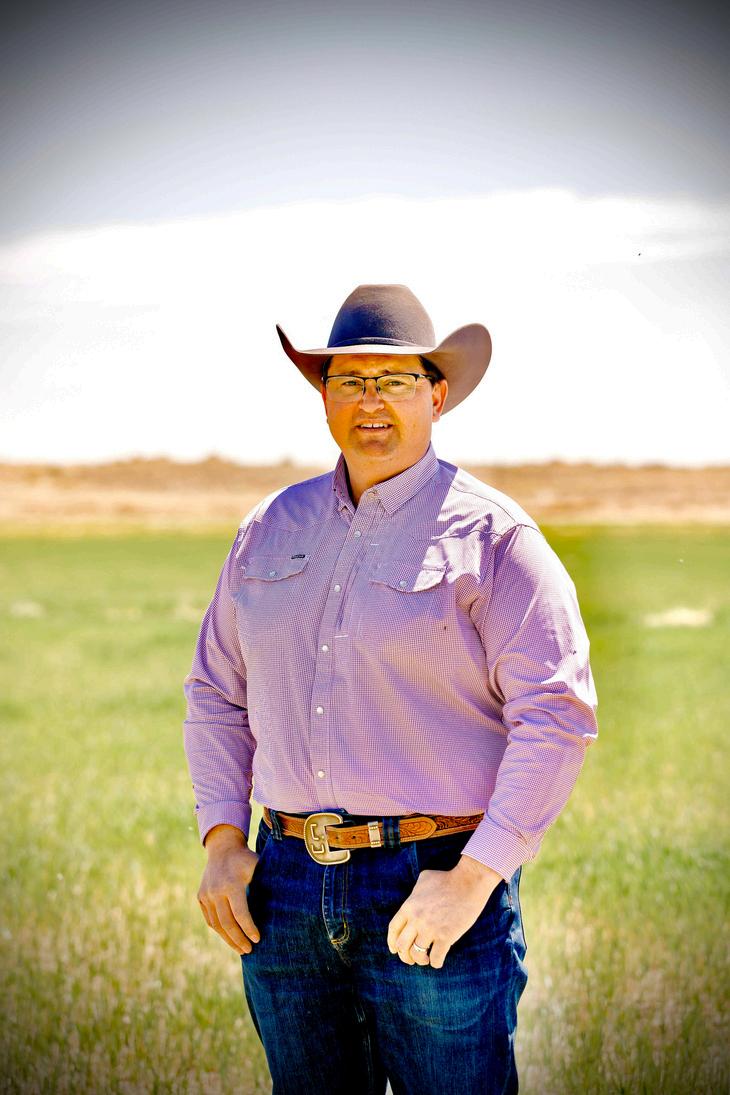
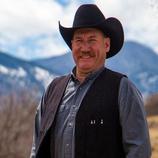
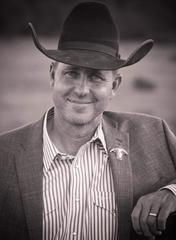
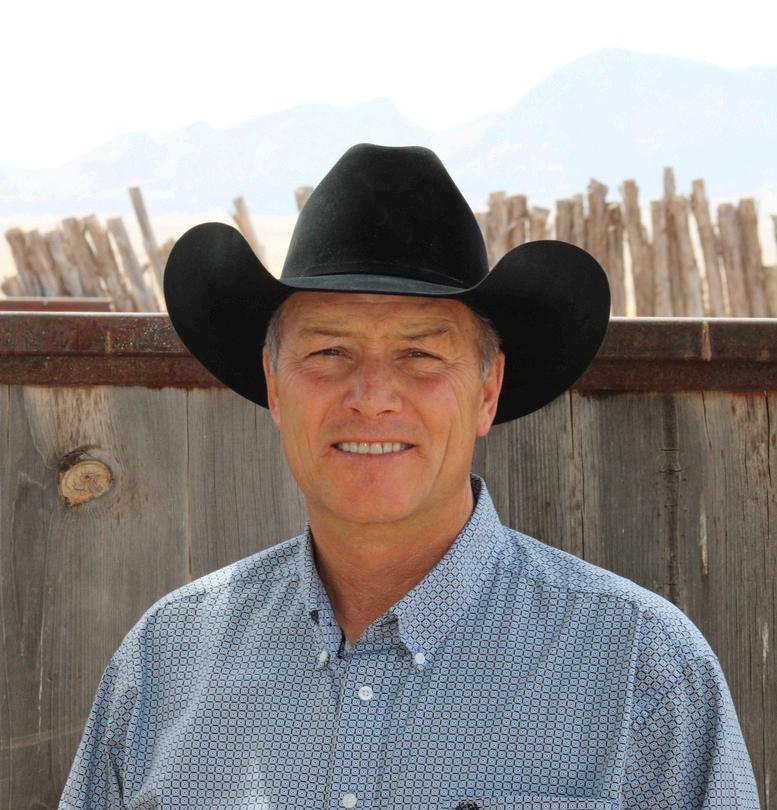
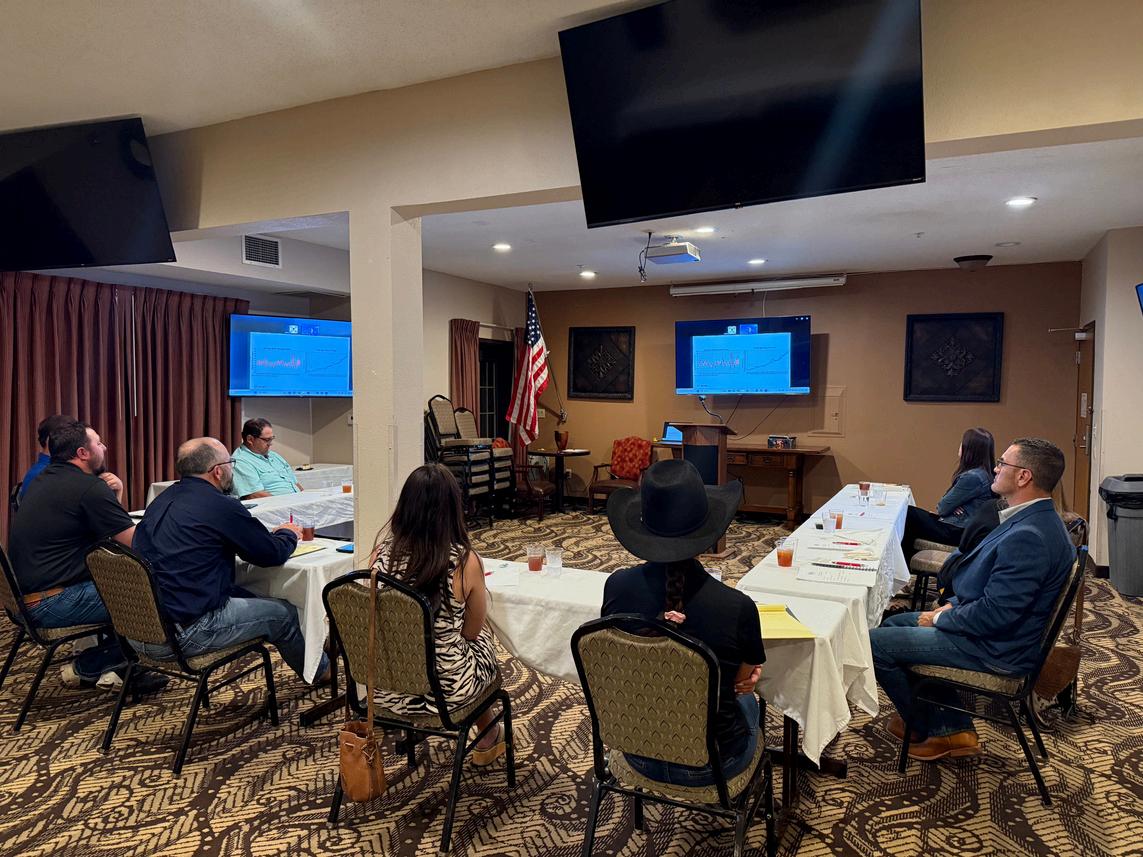
What a summer so far! We are on a roller coaster that is one of the wildest rides I’ve ever been on! Some parts of the state are not getting enough moisture, and parts of our state are getting more than they ever have. But the one thing that is working for us all are the
calf prices! Sheesh this is nuts! Look at the bright side, if you’re forced to sell, at least they are worth a bunch of money! We are in uncharted territory currently, and frankly there are so many options for us to pursue to accomplish things that we’ve only dreamed about NIETC is currently still the monster in the corner, the lack of communication is still very concerning! We have had several conversations with DOE in the last couple of months, we should have an answer from them in September (I hope) if they plan to continue on with this plan I remain optimistic that our voices have been heard, and the current administration will not pursue this project. I pray that God Blesses each and everyone of you with what you need for you and your family! Our God has a plan, just be patient and trust that He’s got your best interest at heart!
“Ya’ll Have A Good’en”
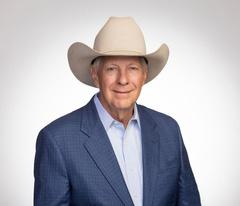
MESSAGE FROM THE President-Elect
Dear Cattle Growers, Good news We’re seeing results from our recent legislative work The 2025 state appropriations we helped secure to fund agricultural water resilience and meat processor waste technology were rolled out during July and significantly oversubscribed
Looking ahead we’ve continued to refine our state priorities for the 2026 legislative session Those lf damages; a program to move towards veterinary services in rural areas; meat RT veterinarians, and completion of the we’ve continued to monitor and help ecember. We’re seeing progress on that eing rescinded The endangered species so making progress on common-sense eam Thank you for your support and
NMCGA UPDATE
We are thrilled to announce the upcoming 2025 Joint Stockmen’s Convention, a celebration of industry innovation and education taking place on December 1013 Our leadership and staff are dedicated to ensuring that this year’s event is not only informative but also engaging for all attendees
This year’s Cattlemen’s College will feature a mustattend session titled “The Healthy Herd: What Is It? What’s It Take? How to Protect or Reclaim It?” Convention General Session participants will have the opportunity to learn from an exceptional lineup of speakers, including John Sachse from Ranch Fit, Jason Isaac from American Energy Works, and Chanel Mikel from Mountain States Legal. These experts will share invaluable insights into industry issues, ensuring that cattle producers leave equipped with the knowledge they need to succeed
In addition to the educational offers, attendees can look forward to our highly anticipated NFR Watch Party, where fun and food will abound This social gathering promises to be a highlight of the convention, bringing together cattlemen and women to celebrate our shared passion for agriculture
The Joint Stockmen’s Convention would not be possible without the generous support of our Allied Industry partners We are grateful for their sponsorship and trade show participation, which has allowed us to welcome over 55 vendors this year Attendees are encouraged to explore the trade show and discover a wealth of products and services tailored to meet their needs. Furthermore, the success of the convention is bolstered by the contributions of our Allied Industry Mentorship (AIM) participants and communications students from New Mexico State University (NMSU). These young leaders play a vital role in orchestrating various elements of the event, often working behind the scenes to ensure smooth operations and a rewarding experience for all attendees
Michelle Frost-Maynard NMCGA DEPUTY DIRECTOR
ROUNDUP CLUB
The Roundup Club is the New Mexico Cattle Growers’ Association member recruitment program that recognizes the work of members that show diligence and commitment to building a stronger organization.
How do you become a member?
By recruiting a new NMCGA Member by December 1, 2025. New Member must mention your name when paying dues
Grand Prizes
Grand prize drawing will be held once a year at the Joint Stockmen’s Convention For every new member you recruit, an additional entry will be put into the drawing.
NMCGA Store Discounts
1-4 members recruited 5 or more members recruited
2025 Roundup Club Members
Cliff Copeland - 4, Patrick Riley - 1, Deborah Tigner -1, Tom Paterson - 3, Ryan McCauley - 1
ACCESS ALL YOUR MEMBER BENEFITS IN YOUR MEMBER PORTAL
EXECUTIVE COMMITTEE UPDATES
BECKY SPINDLE - VICE PRESIDENT AT LARGE
Happy fall! This is my favorite time of year, he youth get to show off have worked on all year, celebrate the heritage
f the offspring your cow to start thinking about make for next year’s calf d if you should cull older cows
n each county It’s time the delisting of the lesser prairie chicken as an endangered species Our state is ahead of the curve with offering student loan repayment for veterinary students who are willing to work in underserved areas The United States Secretary of Agriculture has named this as a priority for the rest of the nation as well. And, beef demand remains strong despite higher costs to consumers, and inflation, which is why we are all here.
Our industry has had several successes as of late, the death tax exemption has been made permanent which can save many family farmers and ranchers from having to sell out Also, a big wildlife and environmental win with
CLIFF COPELAND - NORTHEAST VICE PRESIDENT
The northeast has continued to have good moisture all the way to September There are always a few dry spots but most have had a tremendous summer Grasshoppers have been problematic for
l as some really bad hail storms The cattle market continues to be unbelievable. We continue to work on the NIETC corridor issue, and trying to leave no rock unturned in trying to find every avenue to get this withdrawn I would like to thank
JEFF DECKER - SOUTHEAST VICE PRESIDENT
Dear Friends and Members,
I hope this letter finds you with green grass and fat cattle to take to market Many ranchers here in the southeast part of the state have had more rain than
I know the Executive board and staff will continue to strive to make our voices heard on matters that pertain to beef producers, and I am optimistic for the coming year as a beef producer, I hope you all can be too Vice President at Large Becky King-Spindle
everyone who has contributed in any way to support this effort There is hardly a day goes by we don’t address the NIETC in one way or another
I hope everyone is planning on attending the annual meeting in Albuquerque in December We need everyone to be active and help fend off all of the things facing our industry.
Everybody have safe cow works this fall
Until next time
Cliff Copeland
Southeast Regional Meeting during the Eastern NM State Fair in Roswell I hope to see you all there to visit and catch up on current issues We are continuing to watch issues on “NIETC” as well as other issues affecting our interests I look forward to getting together with you all at upcoming events.
Adios, Jeff Decker be expected There are still many the clouds have missed. I am currently making arrangements for the
ROY FARR - SOUTHWEST VICE PRESIDENT
The Southwest has had a rather dry summer
NMCGA has been able to make strides regarding the Mexican wolf debacle. Recently, President-Elect Tom Paterson stifying on a bill to delist the wolf from the
endangered species list We are anxiously watching as this bill travels through congress
I look forward to seeing you all at Joint Stockmen’s Convention in December and hope you all have a good fall season.
DAVE KENNEKE - NORTHWEST VICE PRESIDENT
As you read this, another summer has gone by and most of us are in the midst or looking to wrap up fall works Not sure if it’s just me, but the hint of fall started early this year, and I am hoping that means a
good winter with moisture at the right times for all of us---(I’m not superstitious, but I did just knock on the desk to help that along)!
The region was all over the board this past season with some folks getting pretty good precipitation and some of our partners in the business seeing the other end of the spectrum We have all been on both ends of that cycle and know that everyday gets us closer to the next good moisture!
We had some good representation for our Heritage Buckle program across the counties in our region at fair time, but several were absent We should all be proud of the youth that are thinking about the future of our farms and ranches I encourage all of our members to help promote this program that gets our youth actively thinking about the future of agriculture and our business
The days sure getting shorter and the nights a lot cooler. As we move into that Fall and Winter season it means our Joint Stockmen’s meeting is just around the corner Please make plans now to attend and bring some ideas and location possibilities for our next Regional Meeting Look forward to seeing and visiting with you soon!
LOREN PATTERSON - IMMEDIATE PAST PRESIDENT
A few months ago I was contacted by an NMCGA member and a lifelong friend that I grew up with in the Bingham, NM area She was asking what I knew about Conservation Easements and if I knew legal council that
might help her as they were approached to consider one. I hate Conservation Easements with a passion and we had a great discussion about what to be on the lookout for, as well as, my recommendation for a lawyer that I would trust with advising them Fast-forward to September and my distrust of Conservation Easements has multiplied by a factor of 10! My friend was moving forward with negotiations through 3 different drafts of the contract, everything was upfront and normal but when the fourth and final draft arrived, on the last page unmarked as a change;
RANDELL MAJOR - PAST PRESIDENT
As I write this letter as of late August, the monsoons/summer rains on the west side of New Mexico have been very disappointing to say the least The lack of rain has caused ranchers to ship their
calves earlier than usual The drought has also caused most ranchers to not only cull deep, but to fully liquidate their cow herds
We are very grateful that we are experiencing a strong cattle market. We know that drought comes in New Mexico. It is rare that droughts and good markets hit in the same year If we must cull deep, at least we are getting top dollar for our cattle
NMCGA
“Use
of Property Inconsistent With Conservation Purpose
Should XXXXX Trust allow the Property to be used for any purpose inconsistent with its terms, restrictions or conditions, The Secretary of the Department of the Army, at his option, shall have the right to demand transfer of the Deed to the United States.”
Luckily my friend immediately cancelled negotiations of the conservation easement and tossed the contract in the appropriate trash container It did make me wonder how many people didn’t do their due diligence with their contract and at what minor infraction will the Secretary of Army take possession of their ranch without even the due process of eminent domain.
Please approach these options with complete knowledge that someone at some future date might own your ranch at the bargain price of the conservation easement!
Pray your neighbor gets rain!
Luckily, some ranchers have found leases on the eastern side of the state. They have received above average rain over there and are helping their fellow ranchers. This allows some people to keep their herds they have worked for years to build up
Fire season is unseasonably long this year, and we also continue to fight the wolves I would not trade this way of life, and we face these challenges head on with the help of NMCGA. It beats an office job any day and when you see your cattle flourishing due to your efforts, it makes it all worth it.
Ranching is always a challenge, and I am so grateful to be a part of this industry and way of life God Bless you all
October 2025
reflecting a growing commitment to the cattle industry and rural communities across New Mexico.
In addition to the surge in membership, NMCGA has successfully secured several grants, including funding from Promote New Mexico, American AgCredit Rural Roots Endowment, and the Cattlegrowers Foundation, Inc
These resources will enhance our programming and support for the agricultural sector.
NMCGA has upgraded its office technology by acquiring
NEW MEXICO CATTLE GROWERS’ ASSOCIATION
Your organization’s finances are in excellent condition, bolstered by a notable increase in membership dues Since the Midyear Meeting in June, NMCGA has welcomed over 28 new members, 2 0 2 5
LINDA DAVIS YOUNG CATTLEMEN’S
LEADERSHIP ACADEMY
three new computers and monitors. This investment will support our staff in their ongoing efforts to serve our members better and address challenges facing the agriculture industry
Bottom Line: Our balance sheet remains strong Assets and total equity continue to rise year over year Our staff excels at managing costs, and leadership and staff are united in serving you efficiently and effectively.
Class I Fall Field Day
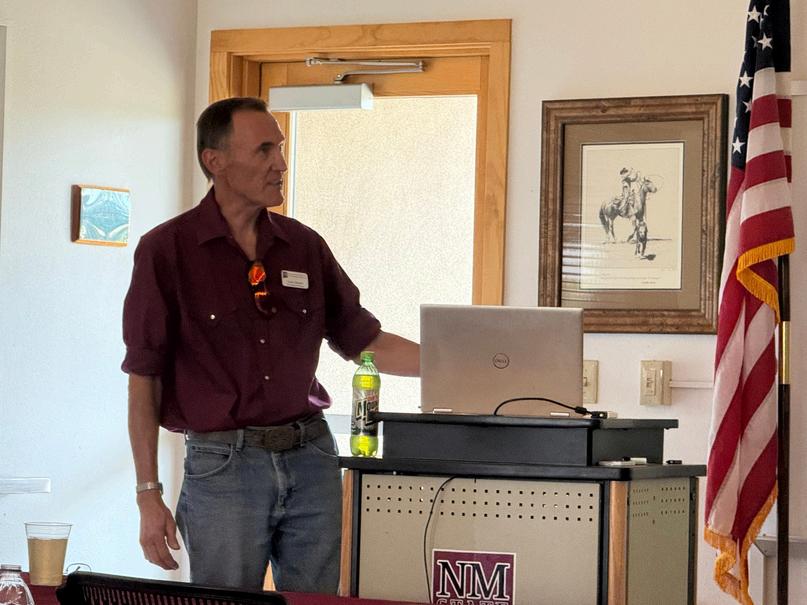
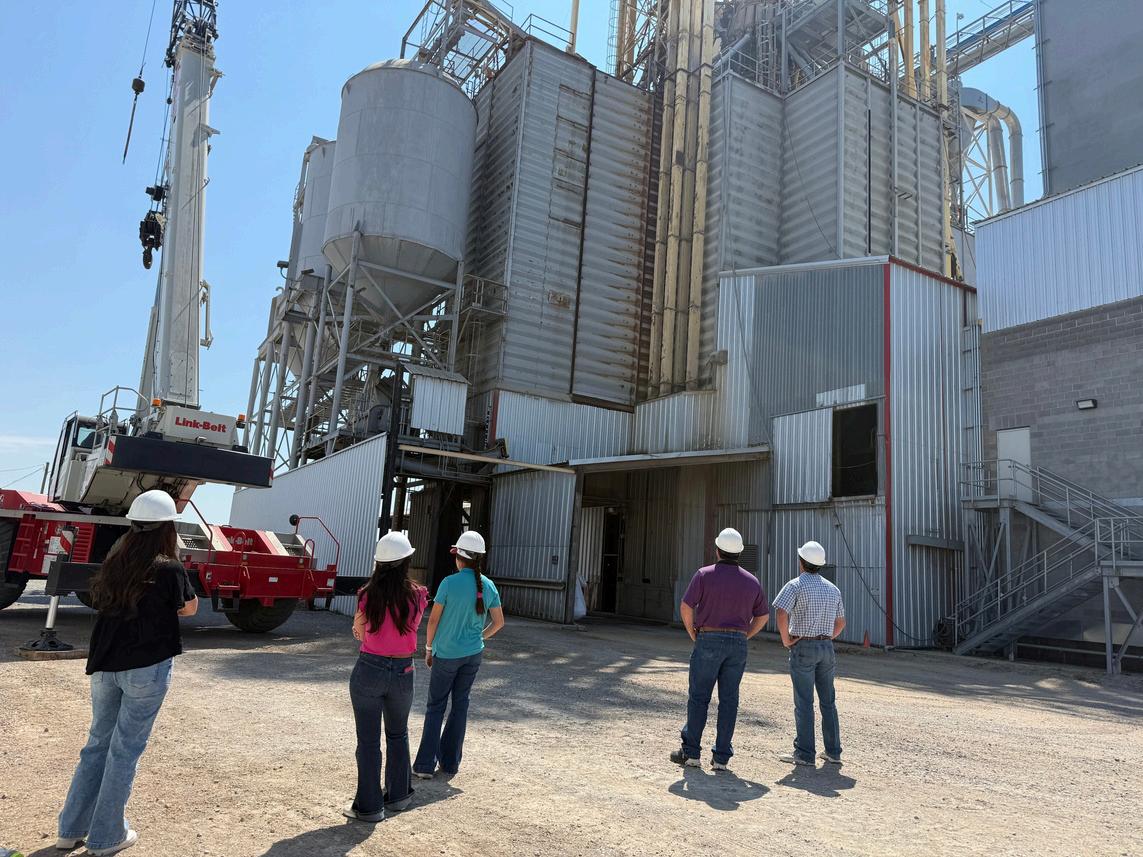
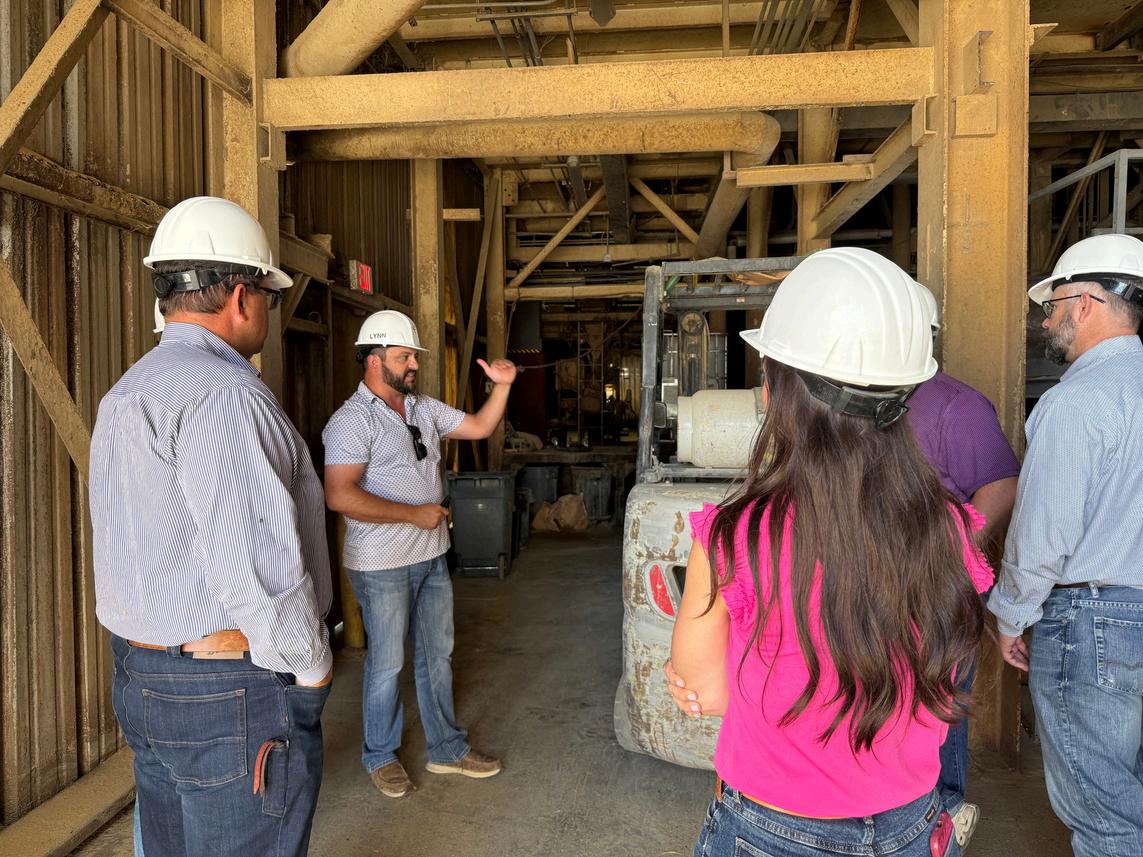
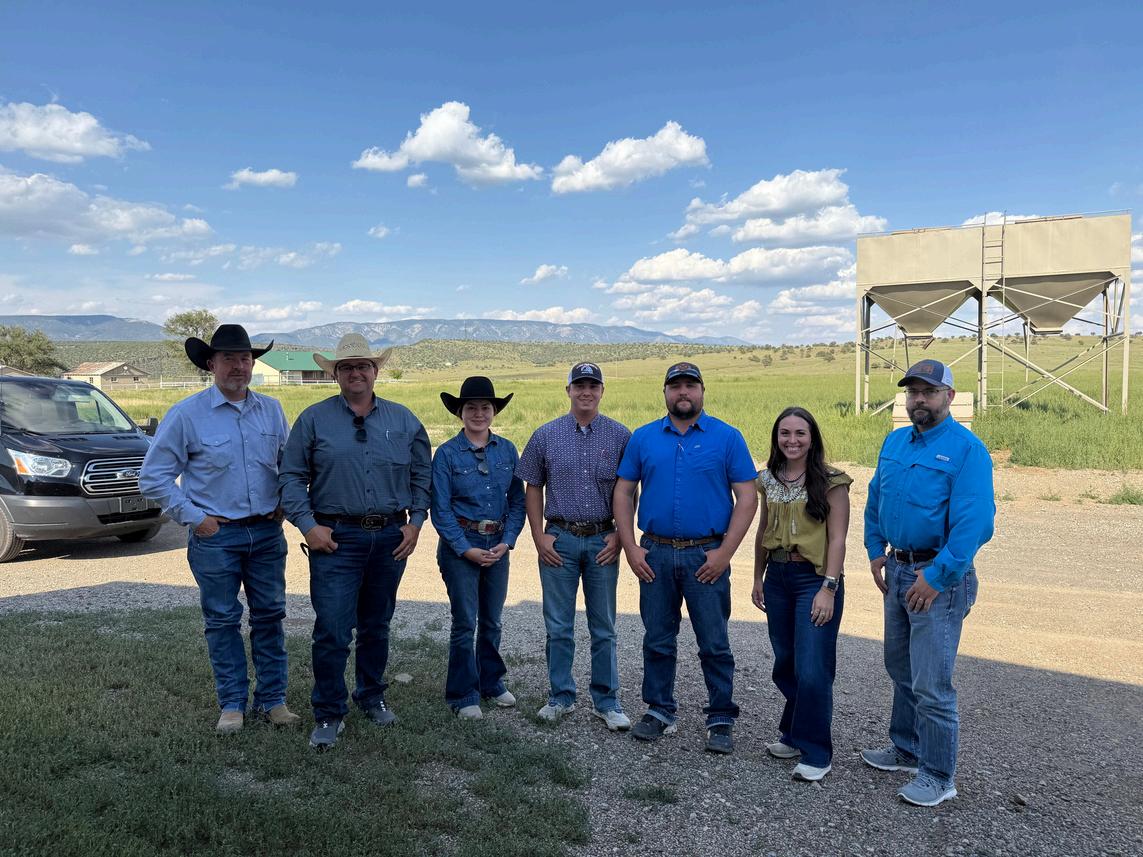
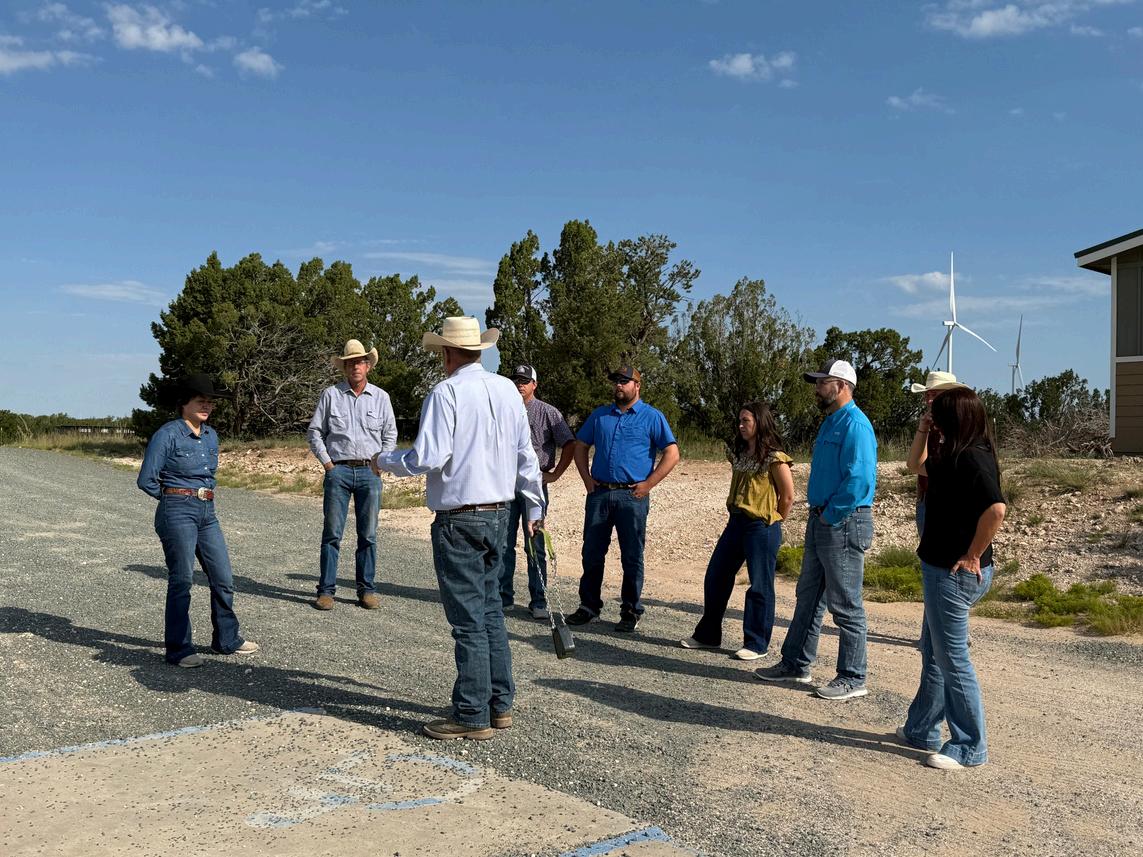
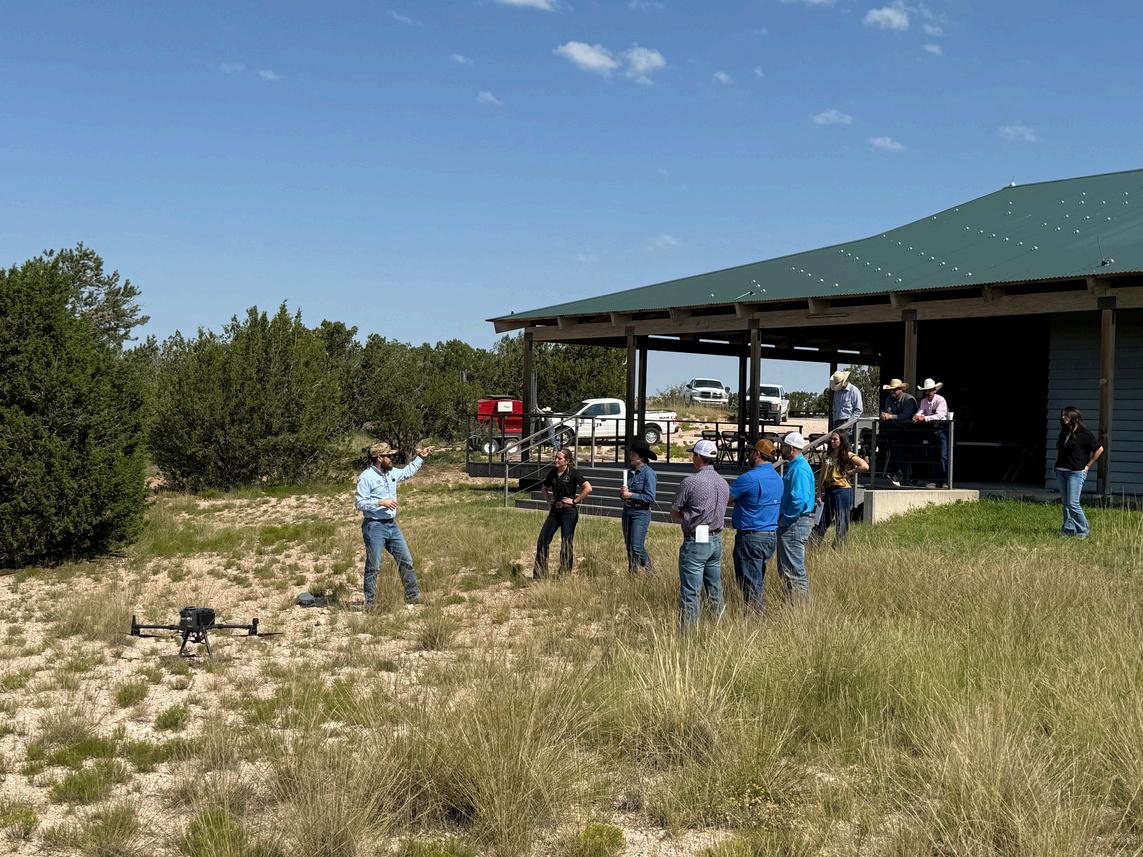
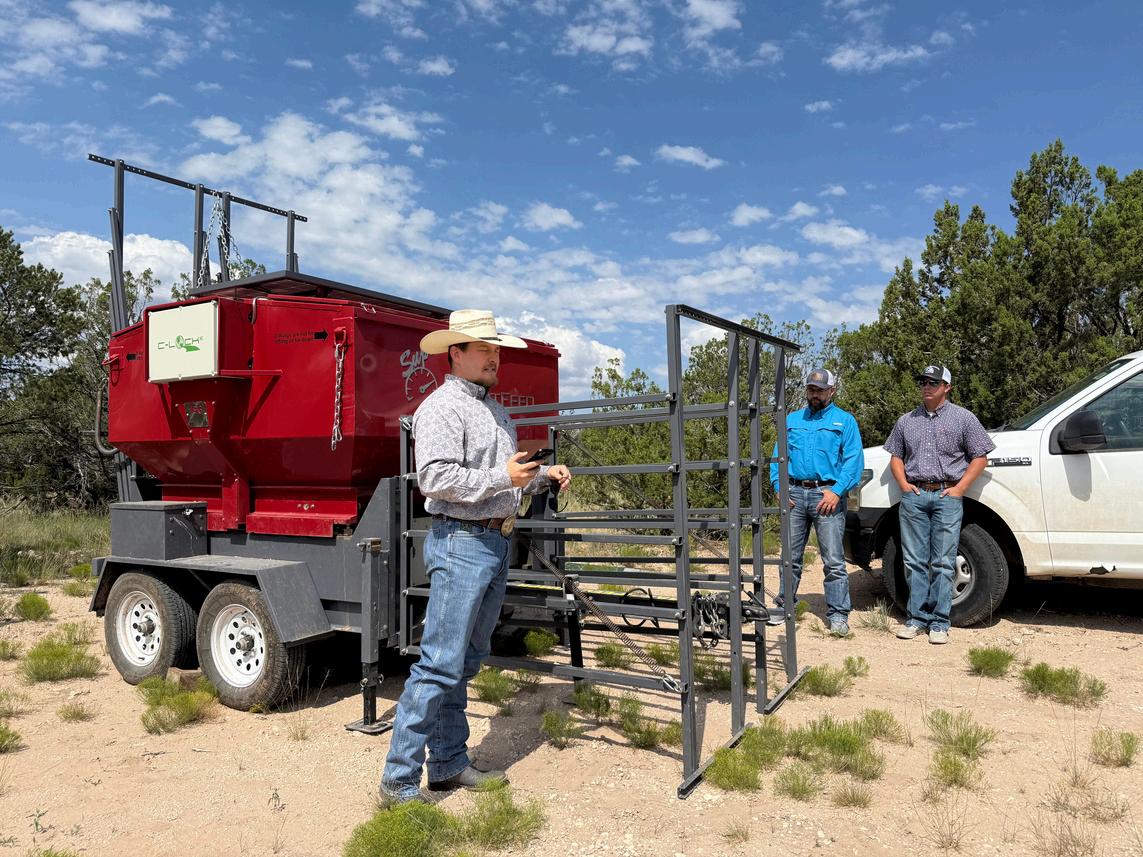
Attendees toured the Lyssy and Eckel Feeds mill, NMSU Corona Range & Livestock Research Center, and Stone
Land and Cattle and heard from speakers on the newest technologies, the cattle market, and advice from long time ranchers.
Apply today to be a part of Class II: www.nmagriculture.org
This ER nurse and dairy farmer’s wife shares that the difference between an accident and a tragedy is truly milliseconds
By Karen Bohnert
Living and working on a farm brings a unique blend of beauty and danger As both an ER nurse and a dairy farmer’s wife, Katie Hammock has witnessed the stark realities of what can happen when farm accidents occur The tight-knit agricultural community feels every tragedy deeply, and with the right tools and training, some of these outcomes could be different, she says This realization led her to a mission to educate, equip and empower farm families and agriculture businesses to prioritize safety and be ready before disaster strikes.
A Blend of Nursing and Farming
Hammock didn’t grow up on a farm Instead, she was raised in the suburbs of Ottawa, Canada, with family ties to dairy farming in Pennsylvania and New York, which sparked her passion for agriculture Eventually, she found herself in Southern Virginia for college, where she met her husband, a third-generation dairy farmer Today, her husband and his family milk 900 cows and farm 1,000 acres while she continues to work as an ER nurse in one of Virginia’s Level 1 trauma centers. This unique combination of experiences fuels her drive to advocate for farm safety
“I’ve spent my career as an ER nurse, treating the worst of the worst life-threatening injuries, trauma cases and far too many farm accidents,” she says “After seeing too many preventable tragedies and realizing there wasn’t a farm emergency kit that met our needs, I decided to do something about it I created my own. And from there, my mission grew to educate, equip and empower farm families and agriculture businesses to be ready before disaster strikes ”
Building the Ultimate Farm First Aid Kit
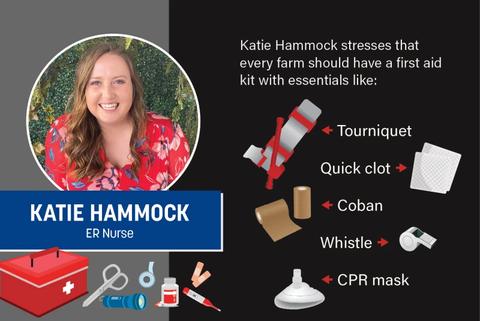
Farm accidents are often sudden and severe, and emergency response times in rural areas can be delayed One lifesaving tool Hammock advocates for is the tourniquet, which can stop critical bleeding in case of severe injuries It’s inexpensive, easily applicable, and can be critical in the precious minutes before professional help arrives Having tourniquets and other emergency medical supplies readily available can mean the difference between life and death
“If it’s a serious enough accident, it can take fewer than five minutes to bleed out,” Hammock says, underscoring the importance of every farm having a first aid kit that incorporates essential items such as:
1 Tourniquet: Stops critical bleeding
2 Quick Clot: Clots blood rapidly in areas where a tourniquet can’t be applied
3 Coban: Maintains pressure on injuries Similar to vet wrap
4 Whistle: Helps call for help when phone service is unavailable
5. CPR Mask: Facilitates safe CPR in case of medical emergencies
Common Farm Injuries and the Need for Safety Protocols
Farm work involves many hazards that can lead to injuries, such as tractor rollovers, chainsaw accidents and animal-related injuries. While safety protocols and slowing down can prevent some accidents, awareness and preparation for when accidents occur are equally crucial It’s essential not to become complacent with routine tasks and always maintain vigilance
Encouraging
a Preparedness Mindset
When Hammock speaks to farm communities, the feedback is overwhelmingly appreciative Many people haven’t considered farm safety from the perspective of an ER nurse who sees the aftermath of these accidents. Emphasizing preparedness, having a farm emergency kit and maintaining open communication about farm safety rules are vital steps
“The difference between an accident and a tragedy is truly milliseconds,” she says, acknowledging that injuries happen regardless of how careful someone is “So being prepared for when those accidents happen is very important ”
Safety and Boundaries for Children on Farms
Children’s safety on farms is a particularly sensitive and crucial topic Each family must establish non-negotiable rules to prevent tragedies On Hammock’s farm, for instance, their 2year-old son has strict boundaries regarding riding on open cab tractors and lawnmowers Such rules are grounded in the firsthand knowledge of what can go wrong
While prevention remains the best strategy, being prepared for accidents is vital. Hammock urges all farm families and workers to invest in the knowledge, tools and protocols necessary for farm safety Understanding the possible injuries and having a response plan can ultimately save lives For resources like a free farm address organizer, visit: thedairywife.com.
(Photo Provided by Katie Hammock)
Weather Forecast
Brian Bledsoe, Meteorologist
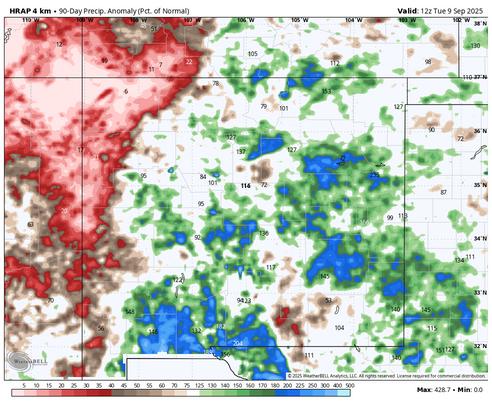
Before we dive into the forecast, let’s take a look at what the past three months have meant for the state The map below shows the % of “normal” rainfall since June 9th The green and blue shading represent wetter than “normal” and the red and brown shading represents drier than “normal”
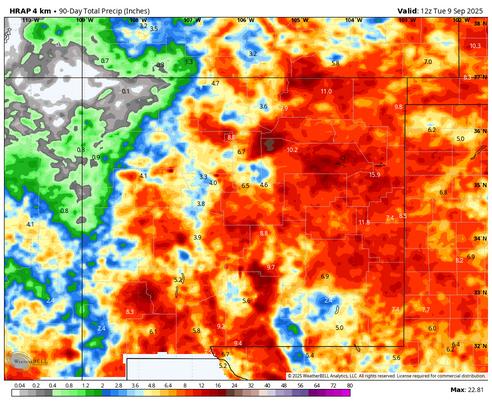
While much of the state is doing ok, and some of the state has been quite wet, the far west and northwest parts of the state have been absolutely parched There are also a few “dry holes” over the southeast part of the state. We are rapidly approaching the end of monsoon season, and it has been a complete failure for those extremely dry areas In fact, the map below shows the actual total rainfall that has occurred since early June
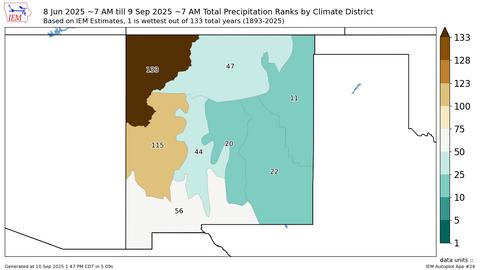
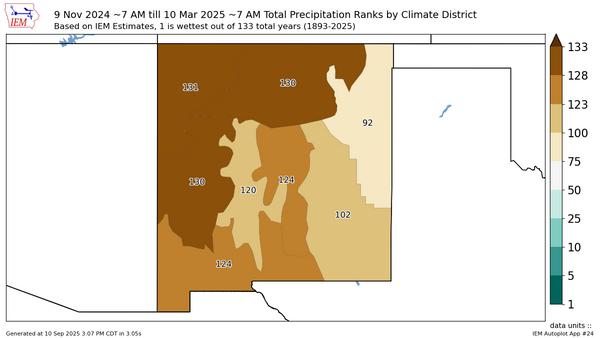
To put this into proper context, the map below shows that out of the past 133 years from June 9th to September 9th, there hasn’t been one that has been drier than what we’ve just experienced in the northwest corner of the state. Conversely, much of the eastern part of the state has had a top 20 wettest June 9th through September 9th
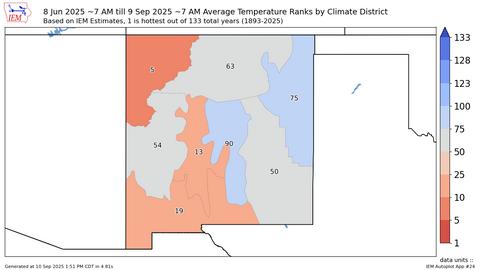
Temperature-wise, it has been hot in the northwest and southwest portion of the state The northwest corner just had a top 5 hottest June 9th through September 9th period Other parts of the state were cooler, especially where rain was more prevalent.
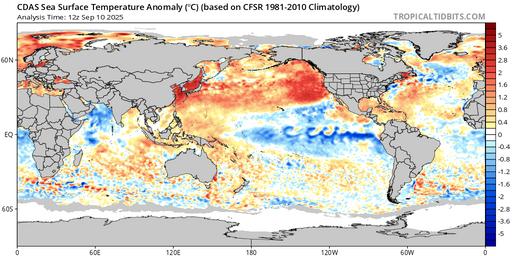
So, what lies ahead? Well, for 5 out of the past 6 fall/winter seasons, La Niña is likely going to be a significant player in the forecast The graphic below shows the sea surface temperature anomalies as of September 10th
You can see the blue shading along the equator to the west of South America While this is happening, the northern Pacific Ocean is much warmer than “normal” These two oceanic anomalies work in tandem to hinder the weather pattern for
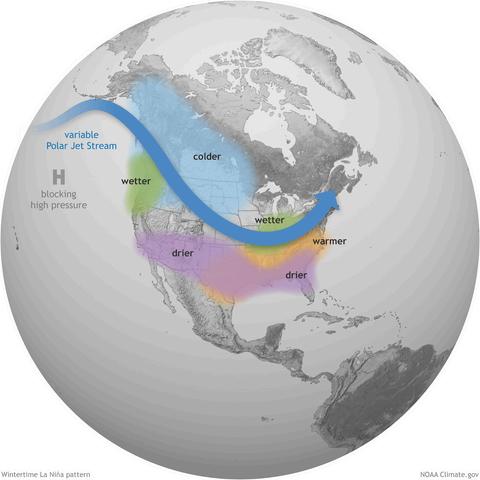
New Mexico The graphic below shows the prevailing weather pattern that occurs during La Niña episodes
There is rarely ever an active southern branch of the jet stream, and a blocking ridge of high pressure can often form where the north/northeast Pacific is the warmest These two things work to keep the southern tier of the country drier and warmer than average Obviously, this includes New Mexico If you remember from late 2024 into early 2025 when this pattern prevailed, we had one significant storm of consequence for the state That storm occurred in early November, but not much happened after that The map below shows total precipitation rankings out of the past 133 years, from November 10th, 2024 through March 10th, 2025 133 is the driest and 1 is the wettest
Clearly, you can see why I am concerned that the same type of pattern may set up This also adds insult to injury for those that have been so dry and missed out on any monsoon
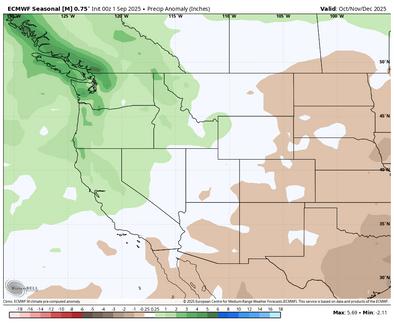
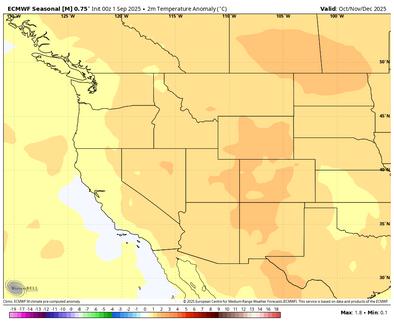
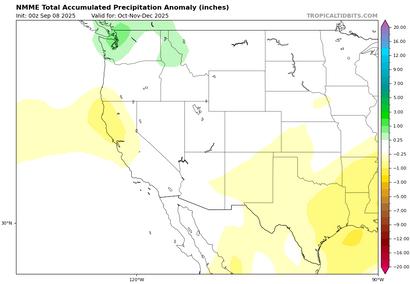
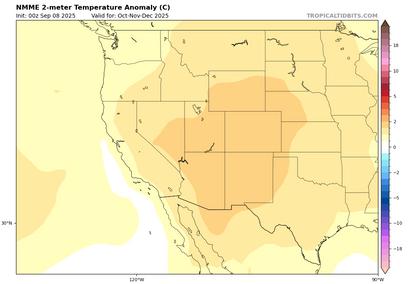
The latest seasonal computer models are on the same page too, with a warmer than average and drier than average flavor from October through December See the maps below
EURO Seasonal Model Temperature Anomaly Forecast OctoberDecember
EURO Seasonal Model Precipitation Anomaly Forecast October-December
NMME Model Temperature Anomaly Forecast OctoberDecember
NMME Model Precipitation Anomaly Forecast October-December
While every La Niña event is different, and there can always be patterns that buck what happens historically, the main message is plan for drier than average and warmer than average for the next 3 months Will there be storms? Yes Could there be a big storm like what happened last November? Sure However, the likelihood of frequent moisture producing storms is lower with this setup It is also possible that we’ll have to plan for that type of pattern for the first couple months of 2026 too A lot of that simply depends on how quickly La Niña loosens its grip on us, and the spring seasonal change can kick into gear and give us some moisture. That is something that I will certainly be watching in the coming weeks and months
Heifer Economics: Calculating Replacement Costs in Today’s Market
OSU’s Mark Johnson says an excellent metric to consider when purchasing bred heifers is the number of calves it takes to pay for the purchase.
By Angie Stump Denton
As beef producers consider expansion, key expenses to consider are the cost of buying versus the price of developing your own replacements
Oklahoma State University’s Mark Z Johnson says there is evidence of an increase in heifer retention with improved drought conditions across much of the Central Plains and summer video auctions reporting a smaller percentage of heifer calves
“Retention does not appear to be aggressive,” says Johnson, Extension beef cattle specialist, in a recent Cow-Calf Corner newsletter “With the calf market on pace for another year of record prices providing incentive, herd rebuilding remains sluggish compared to past cycles ”
Lingering drought continues to limit forage availability in key regions while high interest rates and the substantial capital required to develop or purchase bred females further suppresses expansion Many producers also remain wary of a repeat of the post-2014 market correction, adding a layer of caution to long-term decision-making
“Even with bred female values at record highs, relative to calf prices, breds may still be undervalued, a sign of producer hesitation rather than a lack of economic feasibility,” Johnson explains
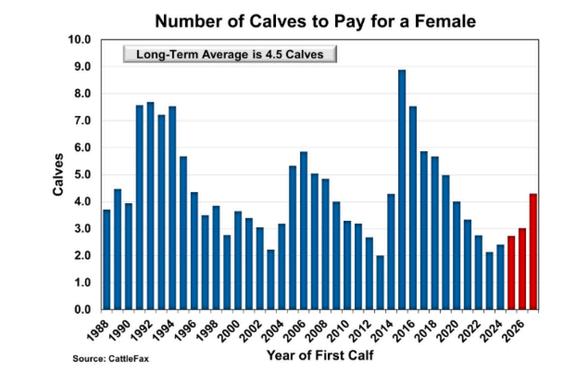
He says an excellent metric to consider when purchasing bred heifers is the number of calves it takes to pay for the purchase. CattleFax recently reported in 2025 that figure is projected to average just 2 75 calves, well below the longterm average of 4 5 and far beneath the 2015 peak of 9 calves
“This ratio is likely to rise over time, driven by higher bred female prices, moderating calf values, or a combination of both,” he explains “If feed resources allow, this dynamic suggests that adding females to the herd today may be the best time from a breakeven perspective to expand.”
Keeping Replacements vs. Buying Bred Heifers
Johnson stresses replacement heifers are expensive; not only with respect to dollars invested but also the expenditure of time and labor involved
“Recent market reports indicate 550-lb. weaned heifer calves selling for well more than $2,000 per head Those heifers calves are still two years away from weaning their first calf if all goes according to plan,” he explains
“Accordingly, operations looking to add inventory may find a better option of purchasing bred heifers in the current market ”
What Should Bred Heifers Be Worth?
Johnson says assuming weaned calves remain at a value of $2,000 to $2,500 per head over the next few years, your annual cost of running a cow will largely determine what you should invest in a bred heifer
“The annual cost of maintaining a beef cow is highly variable and has increased tremendously over the past five years,” he explains “Variable costs such as fuel, fertilizer and herbicides have been blamed as the primary culprits; however, fixed costs such as equipment, hired labor and land have increased as well ”
Total economic costs associated with U S cow-calf production for 2018 were estimated to range from $910 per cow for operations with 500 or more cows to $2,099 per cow for operations with 20 to 49 cows
“These results show significant economies of scale, with costs per cow declining with increased herd size,” Johnson says.
Kansas Farm Management Association estimates the annual cost of running a cow to be approximately $1,551 according to data collected in 2024
Johnson says it is noteworthy that pasture and feed only account for $684 of that total Visit AgManager info for a detailed breakdown of the other actual expenses
Market fundamentals are strong for a continued robust cattle market until cow inventories start to climb.
“There is currently not much indication of that happening anytime soon,” Johnson summarizes “That being said, what bred heifers are worth to your operation, and how many calves a female needs to raise in order recapture your initial purchase price, will depend on how much profit she nets each year per calf rather than on the gross value of each calf she produces ”
Promotion & Marketing Committee, Theft & Health Committee, Research & Improvement Committee
11:00a - 12:00p Youth Beef Feeder Contest Awards
11:45a- 1:15p Family Luncheon
1:00p – 5:00p Tucumcari Bull Test Meeting
1:30p - 3:30p PROPERTY RIGHTS GENERAL
SESSION
3:40p– 5:00p POLICY & RESOLUTION SESSION
Private Property Committee, Joint Federal & Trust Lands, Tax & Special Issues Committee
3:45p - 4:40p Allied Industries Committee
4:00p – 5:00p Cross Cultural Committee
SCHEDULE CONTINUED...
4:00p – 5:30p NM CowBelles Past President's Reception
5:00p - 6:30p NM Hereford Assn Meeting
6:00p – 7:00p Ag Leadership Alumni Reception
6:30p – 10:00p NFR Watch Party
FRIDAY, DECEMBER 12, 2025
6:30a - 8:00a NMCGA Nominating Committee
7:00a - 5:00p Children’s Lounge
7:00a - 11:30a NM CowBelles General Membership Meeting, Awards
& Officer Installation
8:00a - 5:00p Registration
8:00a- 12:00p Trade Show
8:00a - 10:00a NATURAL RESOURCES GENERAL
SESSION
9:00a – 11:00a Silent Auction
9:00a – 11:00a Cattlegrowers’ Foundation
Meeting
9:45a – 11:00a NMCGA Young Cattlemen’s Leadership Committee
10:10a - 11:40a POLICY & RESOLUTION
SESSION
Wildlife Committee, Oil & Gas Committee, Water Committee
10:30a – 11:15a Feeder Committee
11:00a – 11:45a Legislative Committee
11:45a - 12:00p Resolutions Committee
11:45a - 1:00p Stockmen’s Award Luncheon
2:15p - 3:00p NMCGA Board Meeting
3:15p - 5:00p General Membership Meeting
5:00p - 5:30p NMCGA 2025 Board Meeting
6:00p - 7:00p Attitude Adjustment
7:00p - 12:00a Legacy Awards Dinner & Dance
SATURDAY, DECEMBER 13, 2025
7:30a - 9:00a Worship Service
CATTLE SUPPLIES
The cattle-on-feed on August 1, 2025, was 10 922 million head and that is down 2% from the year prior Placements during the May to July period were down 386,000 head of cattle. The border from Mexico into the USA which remains closes is keeping placements running well below year ago levels
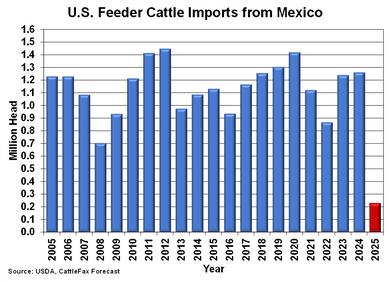
The market response to the lack of imports is to ration the fed cattle supply, which has resulted in a large decline in fed cattle slaughter Fed cattle slaughter during the May to July period was down 447,000 head of cattle compared to last year. Year to date through July fed slaughter is down 621,000 head Again, the rationing of the fed cattle supply is a reflection that in 2025 the number of cattle imported from Mexico is on track to be down 1 million head compared to 2024.
Non-fed cattle slaughter continues to run below year ago levels as it was down 145, 000 head compared to the year prior for the May to July period. The year-to-year declines are projected to be in place for the fall and into the end of the year West of the continental divide continues to face drought challenges; however, east of the divide is in great shape. This along with record profits for the cow-calf sector and expansion is happening
Record corn production will result in ration costs at the feedyard being at or below year ago levels into the fall period
Fed cattle carcass weights, both steer and heifers, remain above year ago levels The feeding industry can feed cattle longer, due to the widespread between cost of gains and fed cattle values
CATTLE PRICES
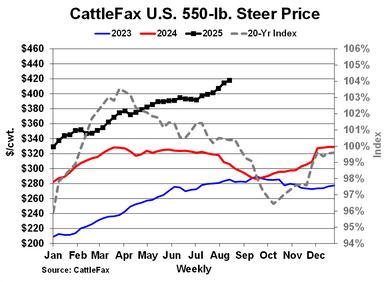
The action to the fed cattle market through the months of July and August reflected the market trading higher due to the market rationing supply, which was instigated by the Mexican border remaining closed. In addition, the lack of beef imports from Brazil, due to the 76 4% tariff has supported beef values and ultimately fed cattle values The market is poised to be sustainable as supply rationing continues There will be volatility, but a fed market will find strong support near $220/cwt with resistance near $250/cwt into the fall and end of the year
The Live is the Drive, and the explosive fed cattle market has spilled into the feeder cattle, with the CME feeder index trading on top of $365/cwt
The calf market has more than exceeded the forecast of a 10% price increase from last year’s values through the summer videos As the fall run develops look for calf values to hold near levels that were achieved during the summer video season, assuming the fed market holds together
The cull cow market will weaken some into the fall, but if there is a 76 4% tariff against Brazil, cull cow values will show limited softness from how they traded during the summer. Utility cows will trade on top of $2000/head. And high-quality bred heifers or young bred cows will trade for $4,000/head, if not higher in some cases
FACTORS TO WATCH
There is still no access to ship beef to China with November being the next important date to monitor New world screwworm in Mexico, continues to keep the border closed of cattle entering the US
The “Big Beautiful Bill” had a lot of positives for the agriculture industry
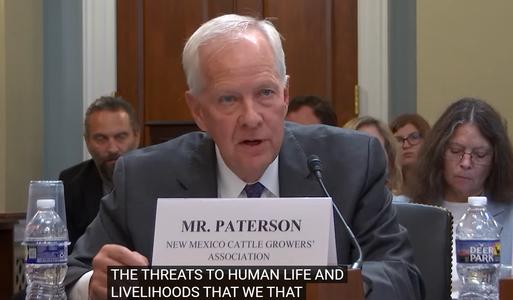
Paterson Testifies in Washington
On September 3, 2025, NMCGA President-Elect, Tom Paterson testified in front of the House Natural Resources Subcommittee on Water, Wildlife and Fisheries on H R 4255, "Enhancing Safety for Animals Act of 2025 "
“Rural communities are currently facing the grave consequences from an apex predator that should be delisted Due to past management focused principally on population numbers, we no longer just have a livestock crisis with Mexican wolves Mexican wolves now stalk local kids and the elderly, snatch and kill cats and dogs off front porches in town and even kill our kids’ horses Wolves are a constant presence around our homes and school yards Our residents are reluctant to walk in the woods because of wolves,” said Paterson
On June 30, 2025, Congressman Gosar introduced H R 4255, "Enhancing Safety for Animals Act of 2025" If passed, the bill will delist the Mexican wolf from the endangered species list and delink its population in the United States from that in Mexico Currently, Mexican wolves are listed under the Endangered Species Act as a 10(J) experimental population New Mexico cattle producers are no strangers to the hardships of ranching with wolves
“Millions of taxpayer dollars have been spent to recover a species that is wreaking havoc on communities that already have to deal with intense weather conditions and other natural resource challenges. The problem is worsening. There were more confirmed depredations in Arizona and New Mexico during the
first six months of 2025 than there were in all of 2024 We need to pass H R 4255 to give local law enforcement and ranchers the tools they need to properly manage around overpopulated wolf packs, without endless government red tape,” said NCBA Executive Director of Natural Resources and PLC Executive Director Kaitlynn Glover “The U S government has better uses for tax dollars than feeding recovered wolves from food caches and then shooing them away Ranchers across the West commend this Subcommittee and Rep Gosar for standing with them and working to bring relief to these impacted communities ”
Groups that support passage of the bill include the National Cattlemen’s Beef Association (NCBA), Arizona Cattle Growers' Association (ACGA), New Mexico Cattle Growers’ Association (NMCGA), and Public Lands Council (PLC).
CowBelles’ Corner
Hello y’all! I hope this finds everyone with enough rain and if not, I pray you get it soon.
July took me to San Diego, California for ANCW Summer Meeting. So many great women in attendance. The meetings were productive, and we got a lot accomplished. We attended a San Diego Padres vs.
Arizona Diamondbacks Baseball game as a group and we had a ton of fun. Go Diamondbacks, even though they lost. New Mexico CowBelles received the Honorary 4H Member Award and Michelle Greeman accepted it for us. What an honor that was.
I hope y’all are rocking and rolling with your Associate Member sign ups, the contest ends October 1, so go get em’! If you would like to join us as an Associate member, please see your local CowBelle or visit our website.
County Fair and State Fair are keeping most of y’all busy I am sure. Blessings in the show ring and in all you and your kiddos do. I sure appreciate all of you and am blessed to be able to represent our organization and state.
See y’all down the trail.
Blessings,
Corrina Casler New Mexico CowBelles President
Combatting New World Screwworm
in October, while educating and advocating on Capitol Hill Securing $300 million to build or convert a U S -based sterile fly production facility remains a top priority NCBA is actively pursuing every avenue to obtain this funding, so we have a sufficient supply of sterile flies to combat the pest
Treatment Options
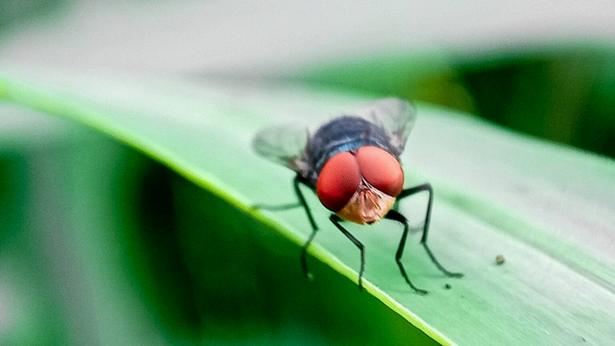
Nearly 60 years after New World screwworm (NWS) was eradicated from the United States, this pest is once again an animal health threat to American cattle producers For months, NCBA has been collaborating closely with its state partners and the U S Department of Agriculture’s (USDA) Animal and Plant Health Inspection Service (APHIS) to protect the nation’s cow herd, but the situation remains far from resolved
Screwworm Status in the United States
Currently, no cases have been detected in the United States The northernmost cases in Mexico are roughly 370 miles south of the border Mexico is dealing with roughly 3,800 cases total, mostly in cattle, but also some equines, dogs and humans The outbreak in Mexico is a continuation of the spike in cases that began in Panama in 2023 and quickly spread through the rest of Central America Screwworm was endemic in the United States from the 1930s1960s. After decades of work by producers and APHIS, it was officially declared eradicated from the U S in 1966 In total, from the 1930s-1960s, the effort to eradicate screwworm in the United States cost more than $52 million Adjusted to today’s value, that’s closer to $675 million In 1996 (around the time sterile insect efforts began in Panama), screwworm eradication was estimated to save American producers $796 million a year
USDA’s Response
USDA’s strategy to combat NWS centers on stopping its spread in Mexico, improving early detection of infected animals before they reach our border, strengthening U S disease response plans and treatment tools, boosting sterile fly production, and advancing research and producer education USDA has also begun converting a facility at Moore Air Base in Texas so we can better disperse sterile flies in northern Mexico (and U S border states, if necessary ) That facility will not produce sterile insects yet, so the flies will still be coming from Panama Although all these steps are helpful, we urgently need a sterile fly production facility in the United States
NCBA’s Work
NCBA has remained in constant contact with USDA-APHIS staff on this issue since cases started gaining momentum in Central America
If NWS is suspected, a veterinarian should be consulted for treatment of affected animals Currently, there are no animal drugs approved by the U S Food & Drug Administration (FDA) Center for Veterinary Medicine (CVM) for the treatment or prevention of NWS myiasis in animals CVM is working with drug sponsors, federal and state partners and international regulators to understand options for U.S. veterinarians to treat NWS effectively and safely. Veterinarians may prescribe the use of FDA-approved products for uses that are not on the label, in accordance with the existing regulations with a valid veterinary/client/patient relationship NCBA has also been working to reduce hurdles at USDA, EPA and FDA that could slow down new drug approvals or indications for screwworm For guidance on how to prevent and treat a potential NWS infestation, refer to www aphis usda gov/livestock-poultrydisease/cattle/ticks/screwworm for official resources
How to Prepare
As pupae, NWS cannot survive soil temperatures that are consistently below 46 degrees For perspective, last year soil temperatures stayed above 46 degrees from mid-April to lateOctober in Pullman, Washington; Grand Island, Nebraska; Minot, North Dakota; and Brookville, Pennsylvania From spring to the early fall, there was almost no part of the United States that was completely inhospitable to this pest that means all American producers need to be prepared and stay vigilant for screwworm When screwworm was endemic in the United States, the response for farmers and ranchers was time and labor intensive Start planning now, especially if you are in a border state, on how you will effectively monitor your herd for signs of screwworm Familiarize yourself with the signs of a screwworm infection and talk to your vet about treatment options Closely watch your state animal health offices and departments of agriculture for information on any emergency response plans they might be updating If you suspect a screwworm case, report it to your state veterinarian for proper testing and confirmation Sharing unverified information online can cause unnecessary alarm and negatively impact the livestock industry Accurate reporting helps protect both animal health and our agricultural community
Additional information and resources are also available at ncba org
Pipe Freezing
Another season is changing and who likes frozen busted water lines Please make sure to insulate these water lines and prepare for the cold freezes that we will receive Securing and maintaining your property to prevent further damage is an investment
ATV’s
If you have ATV’s please add these to your ranch insurance policy for liability If you desire to place physical damage (comprehensive and collision) you can add this to the policy The cost ot insure ATV’s for liability is minimal We have had multiple accidents and litigation claims in the past several years that that has limited the insurance policy out ATV’s are a good work tool, but please be safe of driving them and those that you allow to drive them There are safety courses that you can take online.
Fire Prevention
Always have a plan for fire prevention Look to have an evacuation plan for your home or the ranch operation should a fire occur A simple walk-through discussion on how you will need to evacuate in case of a fire A good idea is to video your home of the contents inside the home to keep a record of what you have and send it to you in a text message or keep it in the cloud When working outside on equipment have a preparation in case of a fire to prevent damages or evacuation Some of our accounts bale hay and a baler does catch fire Have a plan ready to extinguish the fire or better yet, call 911 A good fire prevention plan will save property and lives
Insurance Cost is Tax Deductible
Check with your tax consultant to see on all your ranch insurance cost that is tax deductible in your agriculture business I am not a tax consultant, but I am an agricultural producer too that takes advantage of these deductions
Autos and Trailers
Any autos or trailers that you own need to be registered / licensed to be on New Mexico highways or county dirt roads I know there are some operations that have a feed pickup and do not license it If you drive it on the highways you are required to have it registered and licensed with New Mexico Motor Vehicle department and insured for auto liability Auto liability is required by New Mexico law These feed pickups do not cost much to insure for auto liability Trailers over 2,000 pounds are required to be on your ranch auto insurance policy (business auto insurance policy) for auto liability If these trailers are being towed by a pickup or truck then they are required to be on the insurance policy in case of auto liability bodily injury or property damage that may cause an auto accident
Should you place auto insurance on your feed pickups or water trucks that stay on the ranch? New Mexico Mandatory Financial Responsibility Act, chapter 66, section 66 5-205 law for auto liability is if you own a motorized vehicle and it is on public roads you are required to carry “auto liability insurance coverage” Usually, these vehicles are older and are seldom used in the operation The premiums are not much per year for auto liability insurance coverage
About Us:
Since 1980, Insurance Services of New Mexico has been proudly serving New Mexico's ranching and farming communities Our experienced staff, combined with a commitment to providing toptier insurance coverage, has earned the trust of our customers and the New Mexico Cattle Growers Association We work for you Call us today and let us show you the difference. Come by our booth at Joint Stockman’s Convention December 2025!
Sincerely,
-Jim Lyssy, President, Insurance Services of NM
October 15th – December 7th
Health Plans: November 1st – December 15th
miss your chance to review and enroll in the best coverage for 2026!
Send
Sales Digest Sales Digest
LEGISLATIVE SESSION JAN. 20- FEB. 19, 2025
SANTA FE BOARD FEB. 9-10, 2025 MEETING
4G Mountain Angus
A Lazy 6 Ranch
B&H Herefords
Bar J Bar Hereford Ranch
Bill King Ranch
Bradley 3 Ranch
Brennand Ranch
Clavel Ranch LLC
Copeland & Sons
Corn Herefords
Cornerstone Ranch
Cox Ranch Herefords
Grau Charolais
915-490-1817 Las Vegas, NM
Ribera, NM
Mesilla, NM
El Paso, TX
Moriarty, NM
Memphis, TX
Pinon, NM
Roy, NM
575-421-1809
575-644-6925
915-549-2534
505-220-9909
806-888-1062
575-687-2185
505-485-2591
575-403-8123 Nara Visa, NM
Roswell, NM
Fort Sumner, NM
Winston, NM
Grady, NM
575-420-3630
575-355-2803
575-743-6904
575-760-6336
Henard Partnership 575-649-5268 Tatum, NM
Hubbell Livestock Co.
Int Brangus Breeders Assn
Hartzog Angus Cattle
J-C Angus Ranch
Lack Morrison Brangus
Las Madres Ranch
Lavender Brangus
Manzano Angus
McKenzie Angus
Miller Angus
Perez Cattle Co
Red Doc Farm
Slash 3C Ranch
T-4 Cattle Co
Tequesquite Ranch
Townsend Brangus
USA Ranch
Westall Ranches
Wesley Grau Ranch
NEW MEXICO SALE BARNS
Roswell Livestock Auction
Cattlemen’s Livestock Auction
Valley Livestock Auction
Santa Teresa Livestock Auction
Clovis Livestock Auction
Five States Livestock
Cow House Auction
Dexter Livestock Commission
Quemado, NM
Adkin, TX
505-469-1215
210-696-8231
806-825-2711 Farwell, TX
Moriarty, NM
505-379-8212
575-482-3254 Clovis, NM
575-472-5864 Santa Rosa, NM
Melrose, NM
Estancia, NM
Ft Stockton, TX
Floyd, NM
Nara Visa, NM
Belen, NM
Las Cruces, NM Tucumcari, NM
Albert, NM
Milburn, OK
575-714-3094
505-705-2856
915-637-3845
575-478-2398
575-633-2222
505-980-5093
575-649-5268
575-868-2475
575-673-2208
505-347-2550
575-638-5435
575-316-2071 Albq, NM Carlsbad, NM
575-357-8265 Grady, NM
Roswell, NM
575-622-5580
Belen, NM 505-864-7451
Albuquerque, NM 505-877-0723
Santa Teresa, NM 915-843-0132
Clovis, NM 575-762-4422
Clayton, NM 575-374-2505
Kirkland, NM 505-801-8393
Dexter, NM 575-624-2697
Mesquite, NM 575-635-4173 DO YOU HAVE A SALE COMING
Landmark Livestock Auction
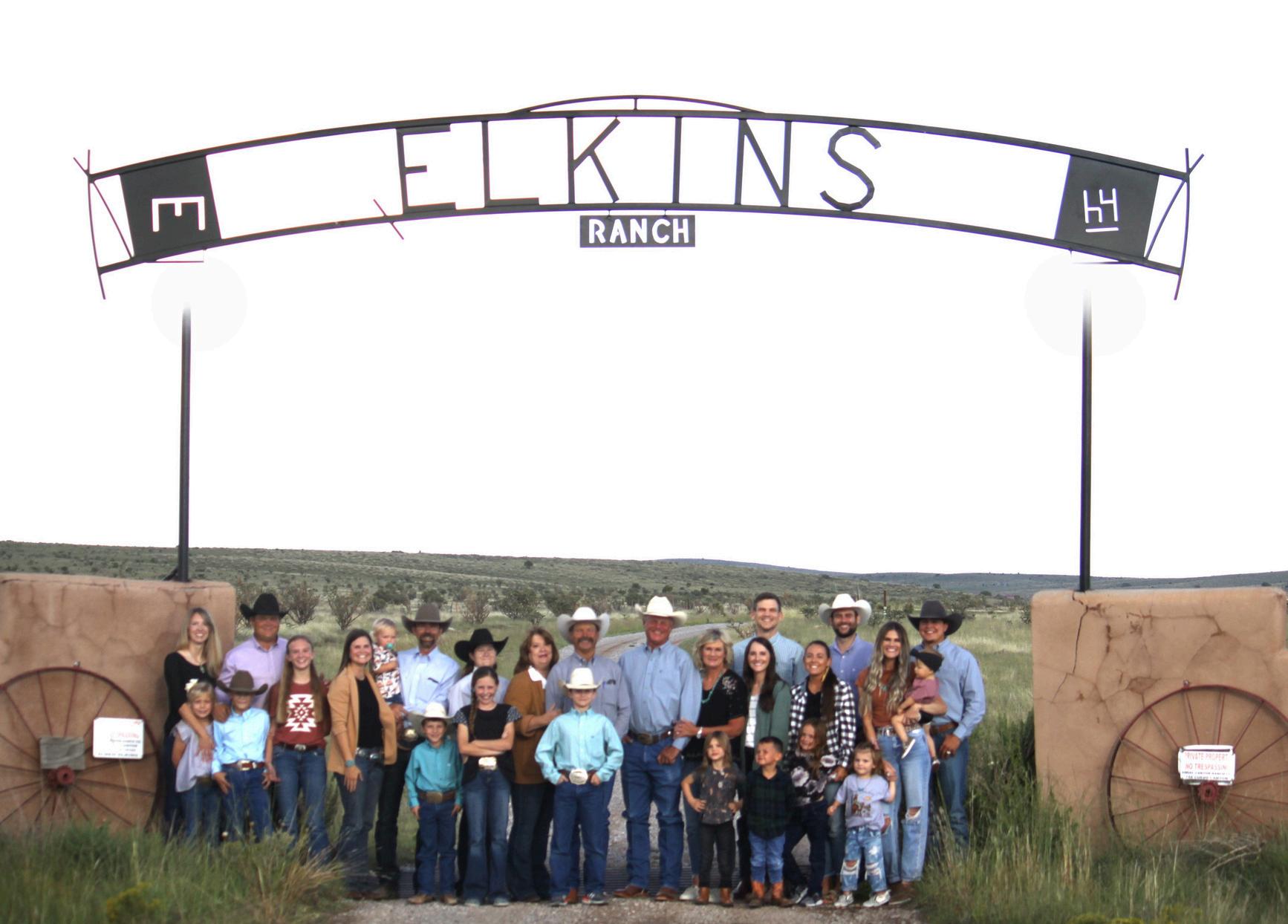
2025 Ranch Family of the Year 2025 Ranch Family of the Year
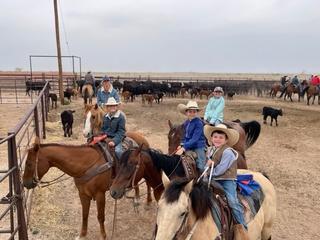
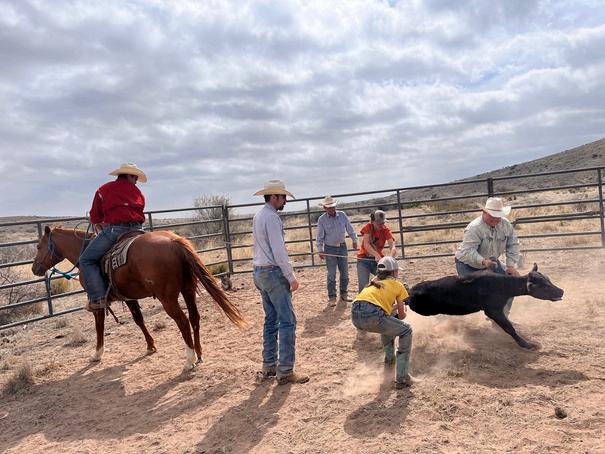
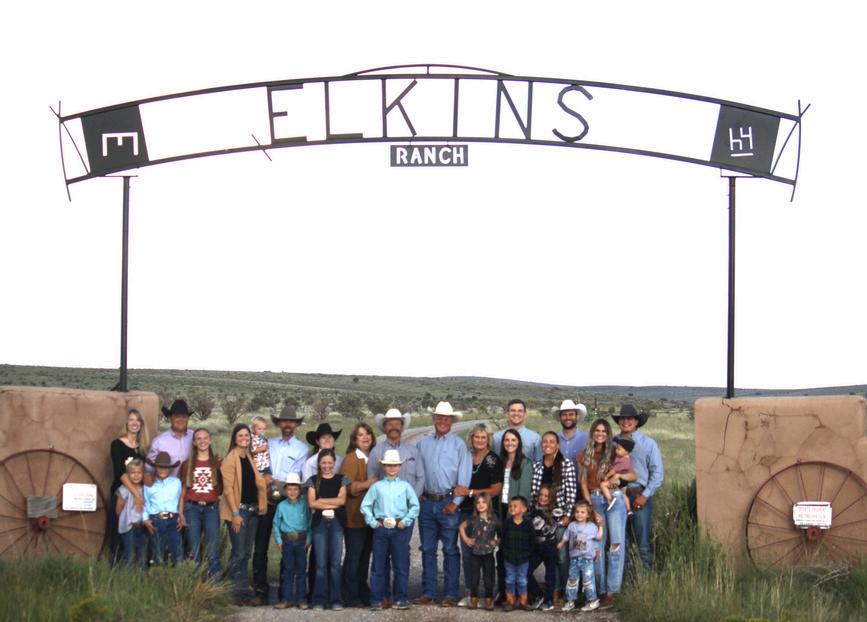
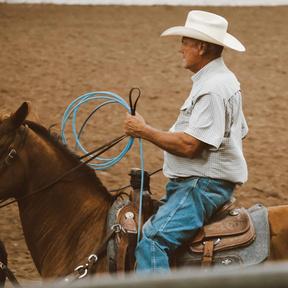
The Elkins family established their roots in the NM ranching industry in 1917 when their grandfather, Mark Elkins, came from Texas with a herd of cattle and homesteaded land in the Grants/Mt Taylor area The many Elkins brothers expanded operations into various states with the Sam Elkins family eventually settling in the southeast part of the state at Dunken, NM Sam’s sons, Alden and Randy Elkins, continued to expand the family’s ranch holdings with ranches of their own as well as keeping the original ranch in tact and thriving Today, the family runs cow/calf operations in three counties in southeast NM including Otero, Chaves, and Eddy counties Alden and his wife Tami operate ranches to the west in the Sacramento Mountains along with the help of lifelong friend, Sam Wilson, who is an irreplaceable component to the Elkins family business Alden’s children each have their own cattle operations, with son, Stetson and wife Judy on the original ranch at Dunken, daughter Sherida and husband Denny ranching nearby, and daughter, Shana who just completed her agricultural degree at West Texas A&M and is launching a cattle venture of her own. Randy and his wife Tracy, along with their son, Ryan and wife Vanessa, run cattle in Eddy County at Hope and Artesia, NM with the involvement of their other children. As the family has grown, the Elkins have continued to work together, and even as they have expanded separately, they market their cattle together and support one another as a unit. This value of family and being a good neighbor in the community is an integral part of their ranching history and is helping secure the future of their involvement in the industry through their children and grandchildren