
An Explanation of Groove Flanges
When it comes to pipe joining, various options are available. Among the different techniques, the groove flange method has been gaining popularity lately.
For piping systems, groove flanges are a preferred alternative to welding or threading.
What are Groove Flanges?
Groove Flanges are designed to connect different piping systems without welding or threading. They consist of a gasket and body, incorporating shallow grooves on the surface to hold the gasket in place.
The gasket seals the gap between the two flanges and provides a watertight seal. Groove flanges are engineered to withstand high pressure and temperature, making them suitable for industrial
Applications of Groove Flanges
Groove flanges are widely used across multiple industries, including food and beverage, petrochemicals, marine, and HVAC.
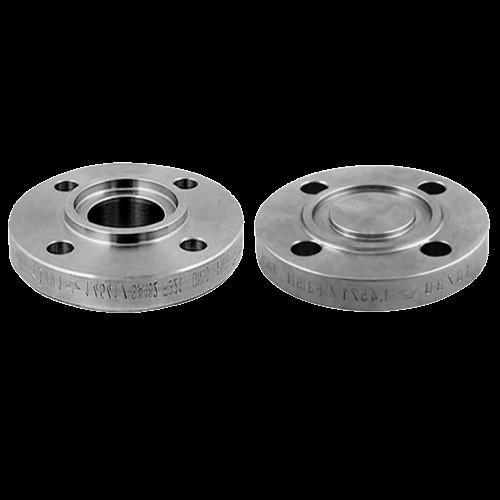
They are ideal for pipelines, tanks, and vessels requiring frequent maintenance or inspection. Additionally, groove flanges can be used for above-ground and underground pipelines, adding to their versatility.
Characteristics of Groove Flanges
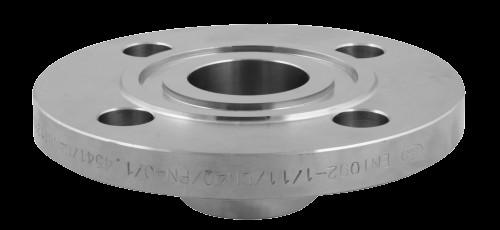
Groove flanges come with some inherent characteristics that make them highly reliable. Thanks to their design, they offer exceptional strength and durability, which allows for pipe expansion/contraction without compromising the connection.
Groove flanges also have a modular design, allowing for easy removal and replacement of components. Additionally, they require minimal tools and fewer workers to install, making them a time and cost-efficient solution.
Advantages of Using Groove Flanges
The benefits of using groove flanges over other methods of connecting pipes are convincing. They save time and money on installation, reduce maintenance costs, and provide versatility for future modifications.
Groove flanges also eliminate the risk of fire, explosion, and other hazards associated with welding or threading. Their modular design makes them a perfect solution for temporary piping systems where disassembly is necessary.
Types of Groove Flanges
Manufacturers offer different types of groove flanges designed to meet specific requirements. These include standard flanges, angle-type flanges, concentric reducers, eccentric reducers, and blind flanges.
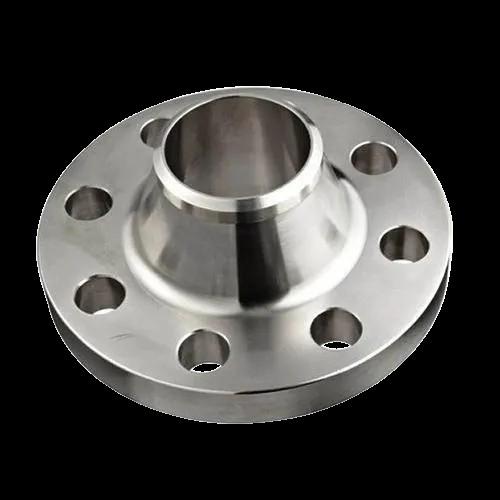
The choice of flange type depends mainly on the piping system's design, the materials used, and the environmental conditions.
Thus, selecting the appropriate type of groove flange that aligns with the project requirements is essential
Conclusion
In summary, groove flanges are versatile, cost-effective, and reliable solutions for pipe joining.
They are used in various industries and offer numerous advantages over traditional methods.
Groove flanges have distinct characteristics that make them highly desirable, such as their modular design, ease of use, and watertight seal. With different types of groove flanges on the market, selecting the right type should be simple.
In short, groove flanges are an excellent choice for piping system designers seeking an optimal balance of performance, cost, and adaptability.