
All You Need to Know About Brass Pipes
When it comes to piping systems, materials matter. Pipes are the veins of any plumbing and gas system. They play a vital role in the efficient functioning of a building or infrastructure.
Nowadays, brass pipes are popular among engineers and builders due to their reliable mechanical properties and intriguing aesthetics.
What are Brass Pipes?
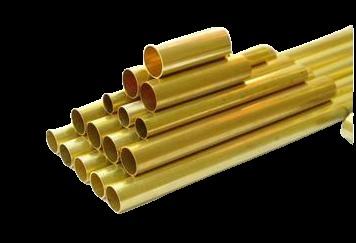
Brass is an alloy of copper and zinc with a unique golden colour that makes it strikingly appealing. Its malleability and ductility make it easy to design and adjust. Brass pipes are made from various types of brass alloys that differ in composition, depending on the intended application.
These alloys include Alpha brass, Beta brass, and Alpha-beta brass. They are available in different shapes, sizes, and thicknesses.
Applications of Brass Pipes
Brass pipes find practical use in various industries due to their high corrosion resistance, excellent thermal conductivity, and ability to withstand high pressure and heat.
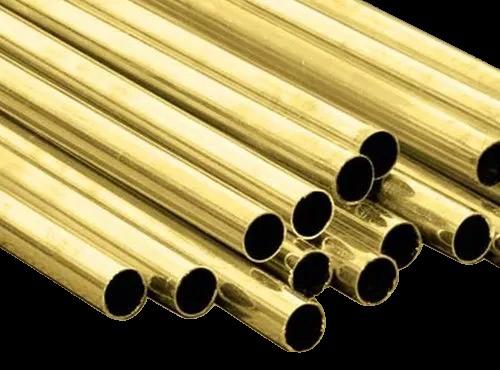
They are ideal for plumbing, gas, and heating systems since they can last long without rusting, cracking, or leaking. Brass pipes are commonly used to manufacture valves, instruments, faucets, and electrical components. They also transport potable water, natural gas, and some chemicals.
Characteristics of Brass Pipes
Unlike other metals, brass pipes have unique characteristics. They are antimicrobial, meaning they can fight bacteria and fungi, thus making them a better option for potable water systems.
Brass has an excellent thermal conductivity rate, making it ideal for heating and cooling systems, and it is rust-resistant.
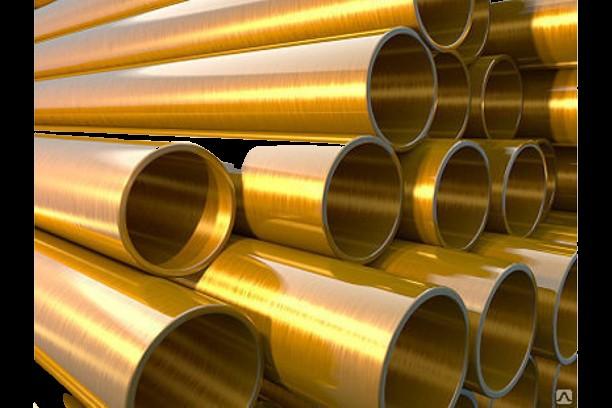
Also, brass pipes have high ductility and malleability, making them flexible and easily customizable to the user's preference.
Benefits of Brass Pipes
Brass pipes have various benefits. They are easy to install, have low friction loss, and require low maintenance.
They also don't affect the taste and odour of the water or gas transported, making them a healthy option. Also, brass pipes can withstand high temperatures and pressures, are corrosion-resistant, and have a longer lifespan than other piping materials, making it a cost-efficient choice.
Types of Brass Pipes
Brass pipes come in different types, which dictate their strength, weight, and price. The most common types include seamless brass pipes, welded brass pipes, and drawn brass pipes.
The seamless pipes are made with no joints, making them stronger and more durable. Welded brass pipes are less expensive but still have excellent quality. On the other hand, Drawn brass pipes are the thinnest, lightest, and least expensive.
In conclusion, brass pipes are strikingly beautiful, strong, and durable. Their unique characteristics make them a perfect choice for various applications, such as potable water systems, gas, heating, and plumbing systems.
They are easy to install, require low maintenance, and have numerous benefits, such as low friction loss, corrosion resistance, and high thermal conductivity.
Different brass pipes dictate their strength, weight, and prices, giving customers various choices depending on their needs. In all, brass pipes are a reliable and lasting solution for any piping system.