MasterthesisinSustainableDevelopment
Author:NinadeJonge
Supervisor:NunoMarques
Reviewer:CeciliaÅsberg
Photograhps: © ArnoRafaelMinkkinen
22/07/2024
Copyrighttext©NinadeJongeandtheDepartmentofEarthSciences,UppsalaUniversity.Published atDepartmentofEarthSciences,UppsalaUniversity(www.geo.uu.se),Uppsala,2024.
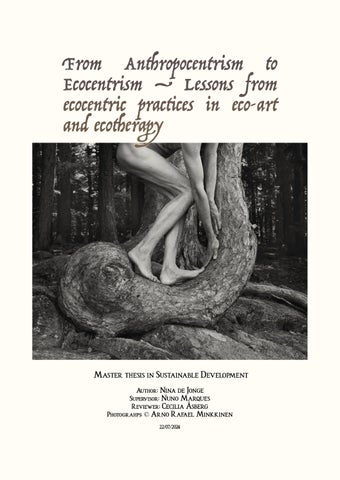
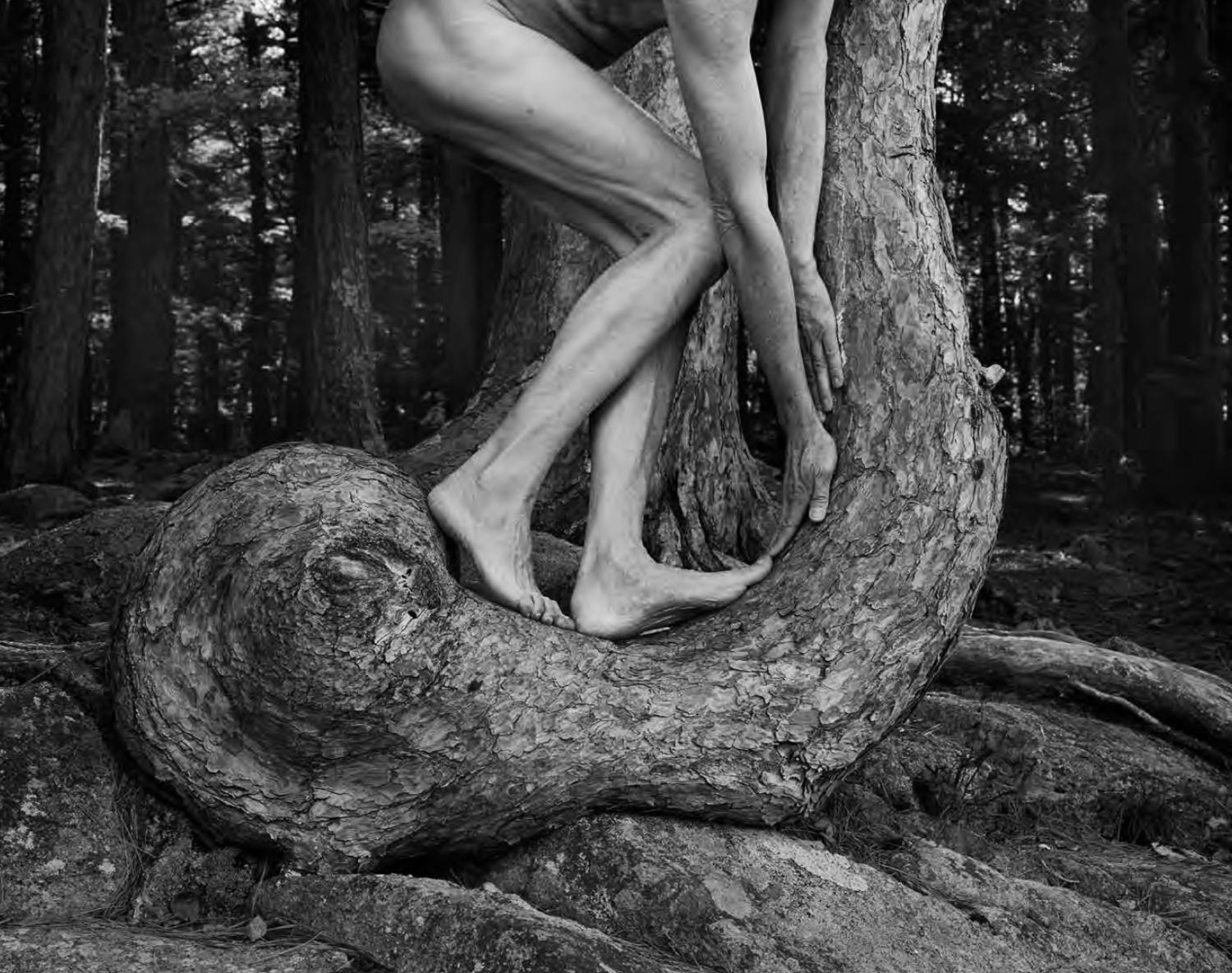
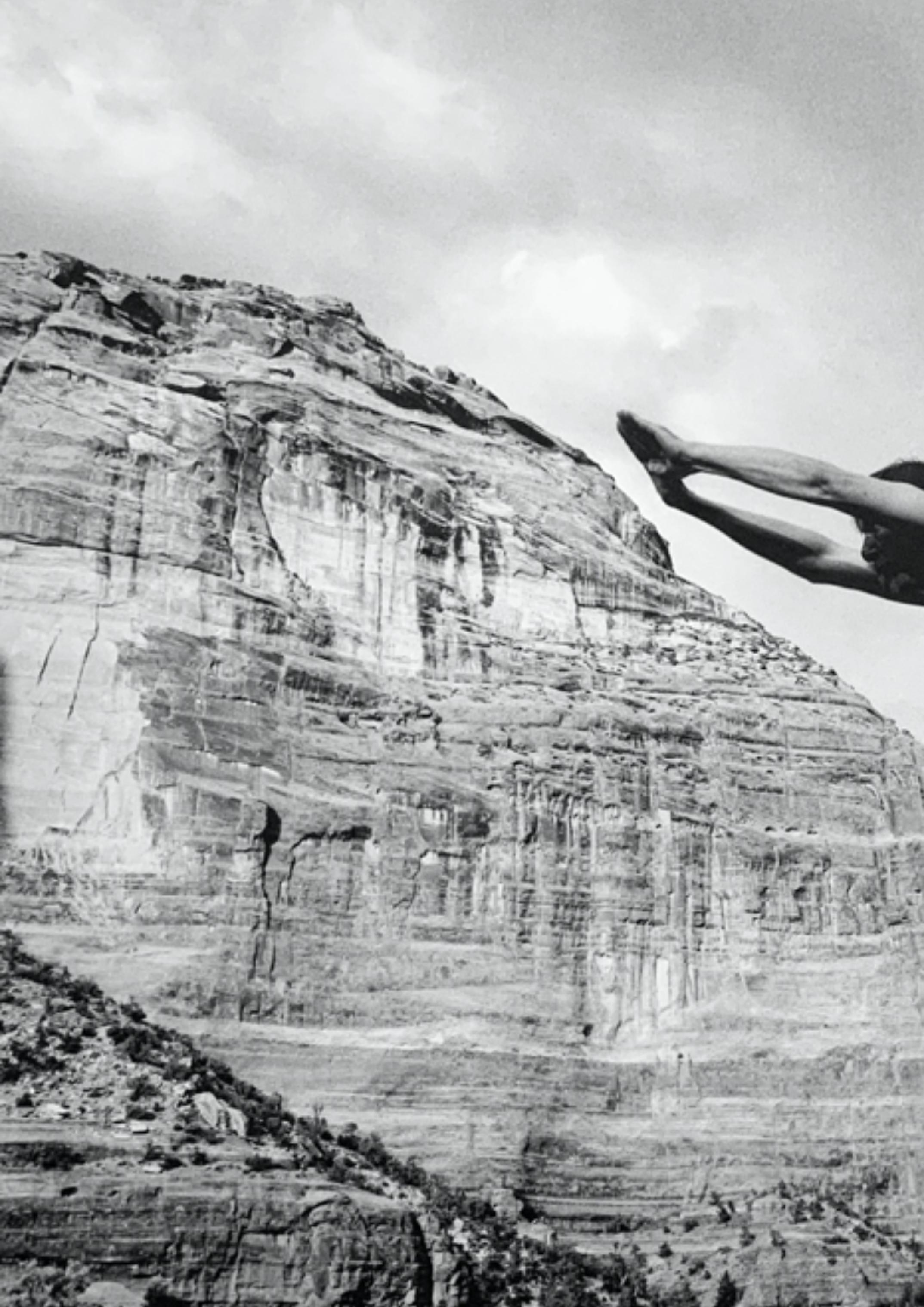
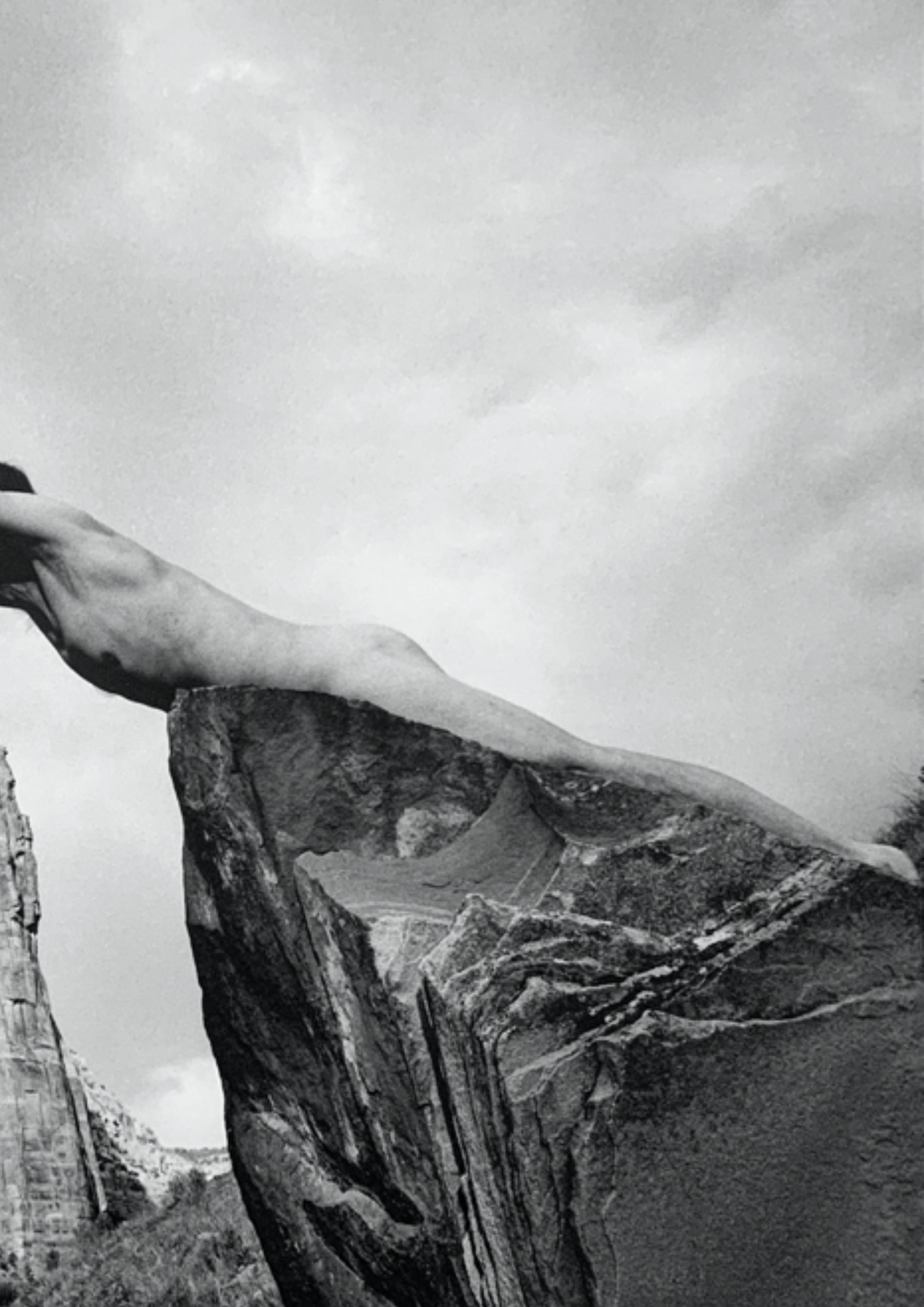
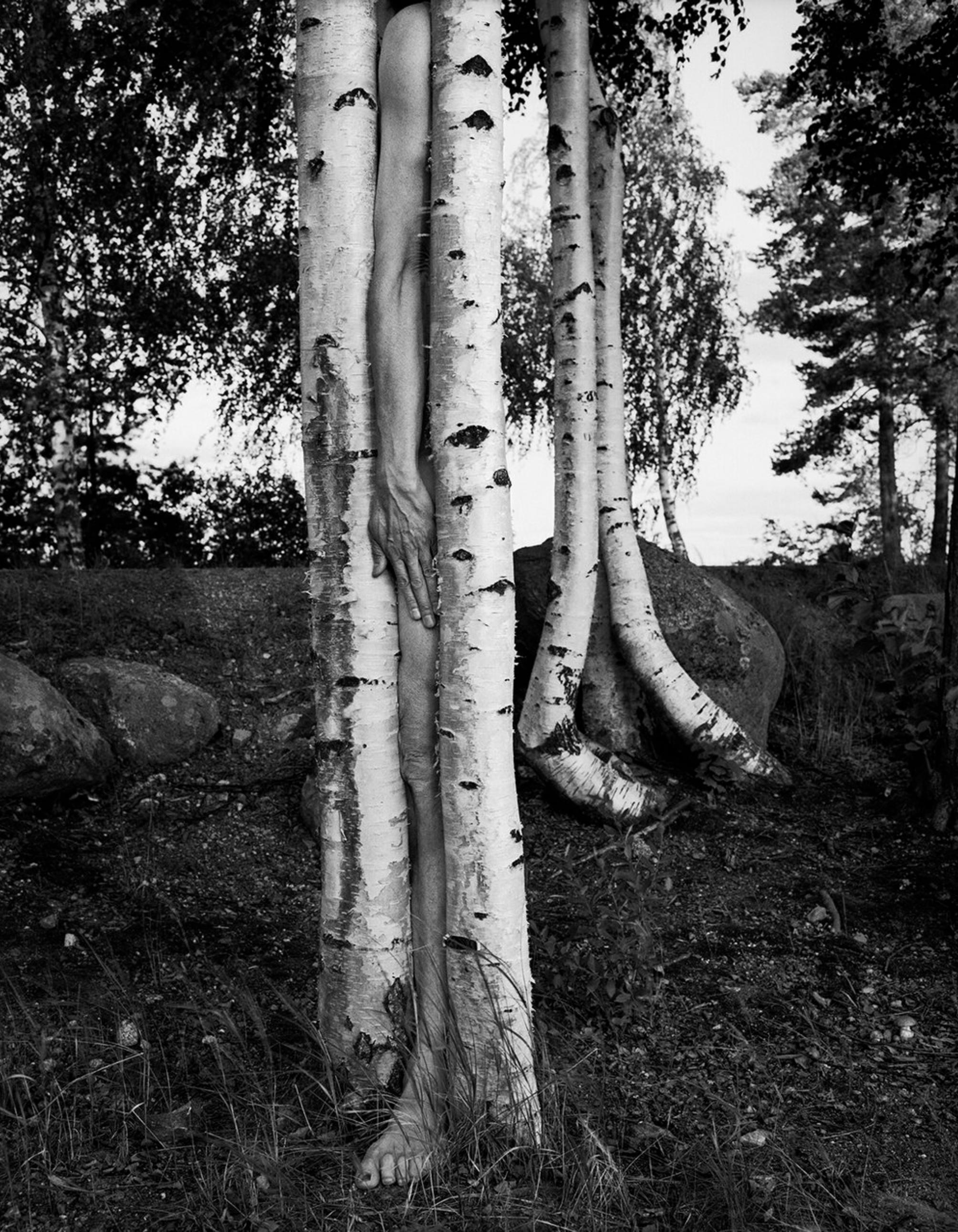
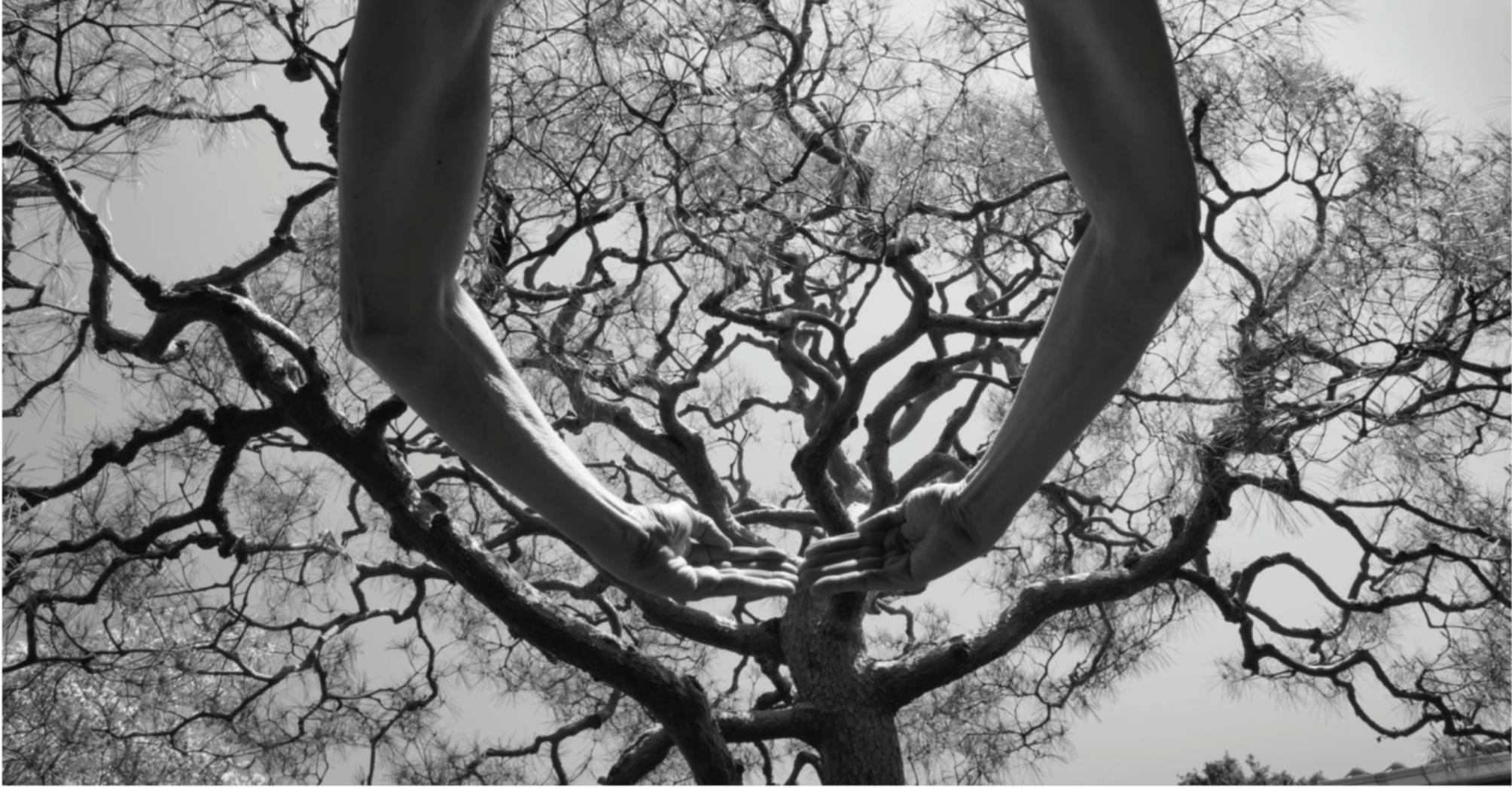
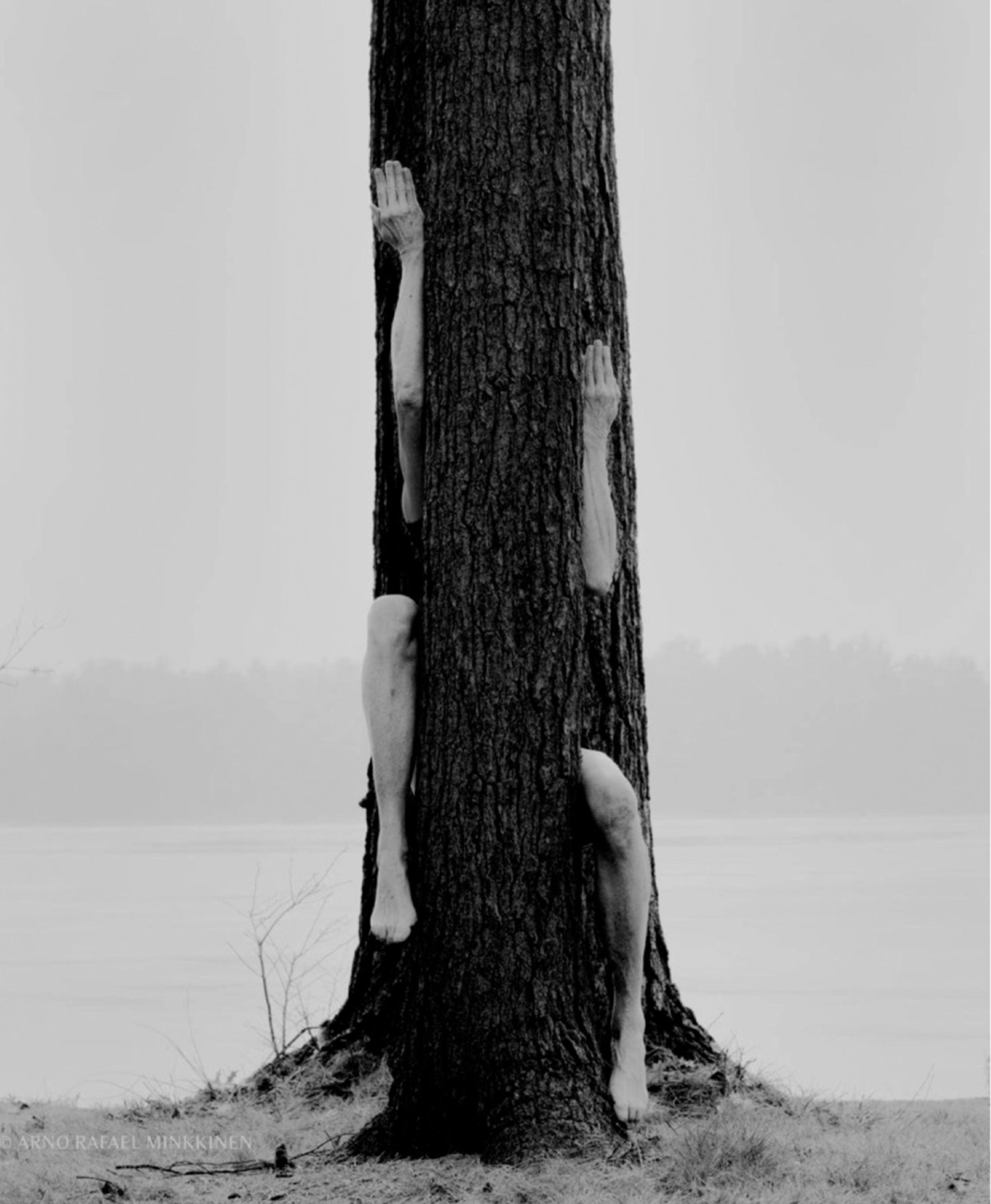
AbouttheArt Aspecialthanksto ArnoRafaelMinkkinen forhistranscendentalartthatIusedinthis versionofmythesispublication.Iwasfirstintroducedtohisphotographyduringthe CEMUScourse‘PerspectivesonClimateChange:Ecopsychology,Art&Narratives’.I continuetobestunnedbyArno’sworkandwillkeepreferringtohimwherepossible.The wayheeffortlesslyreintegratesthehumanbodyinnaturalenvironmentsmakesit unthinkablethatmanyhumanslivethatperceivedriftthathasbeenestablishedbetween them.Hisphotographyplayfullyhonoursourbeingnature.
AllworksbyMinkkinenareself-portraits,freeofanydigitalmanipulation.Heworks alone.Onlytheviewfinderknowswhathappenedatthemomentofexposure.
Coverimage: WellingtonStatePark,NewHampshire,2008
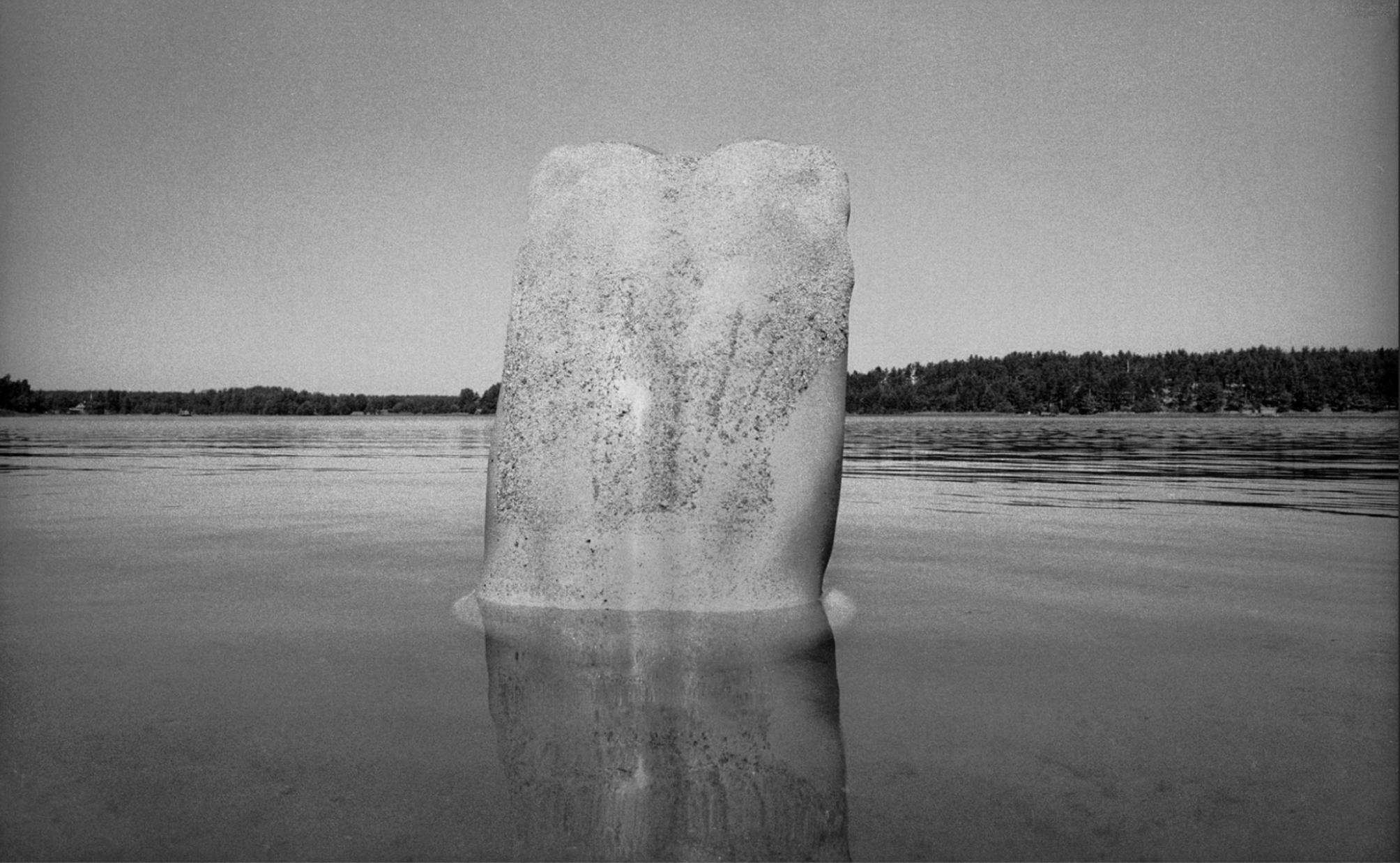
Nauvo,Finland,1973
FromanessayArnowroteinhis2008booktitled Homework:TheFinnishPhotographsofArnoRafaelMinkkinen:1973to2008 “MyfirstphotographsinFinland,takenin1973inNauvo,confirmedformethe sanctityofhumannudity.Theessentialbarenessthatsurroundseverythingin naturesurroundsusaswell.InFinland,wherenaturecanbeatitsmost glorious,tobenudeandaloneintheforestoronsomeshorelinevistamaybethe closestonewillevergettotheexperienceofcreation.Ilovediggingmytoesinto theforestfloorornavigatingthebouldersalongthelakeshoresbarefootand bareasslikeamonkeyinheaven.”
Summary Thisthesisresearchesmainvaluesandperspectivesofecocentrism,whichisanaturecentredworldviewthatseeshumansaspartof—anddeeplyinterconnectedwith—nature. Interviewswitheco-artistsandecotherapyfacilitatorsabouttheirbeliefsandpractices offerexamplesofhowtheycanpromoteecocentricperspectivesabouttherelation betweenhumans,otherbeingsandtheplanet.Itstartswithanoverviewof anthropocentrism,whichisahuman-centredperspectiveofhumansandnaturethatsees themasseparate,andbelieveshumanstohavemoreintrinsicvaluethannatureandother beings.Themore-than-humanworldisseenasresourcecapitalforhumanuse,enabling harmfulpracticeslikeecocideandover-extraction.Beliefsthatformtherootsofthisrift areaperceivedWesternhumansuperiorityandpoweroverhumanandnon-humanbeings thatareseenasinferior;andaworldlyunderstandingbasedonsimplification,separation anddualisms.Historically,thisperceivedsuperioritybecamesymptomaticinharmful practiceslikecolonisationandslavery.Inmoderndays,neocolonialistpracticescanstill beidentifiedtoexistininsidiouswaysthataredeeplyingrainedinsocietalsystems, whereEurocentricwaysofbeingareimposedontootherculturesandthemore-thanhumanworld,keepingcapitaldrivenextractivistpracticesalive.
Thethesisthenmovesontoexploreecocentricperspectivesandnature-centredvalues thatstressequalintrinsicvalueofhumansandotherbeings.Sixmainecocentricthemes areidentified:humansarenature;theimportanceofpluriversality;presenceand connection;cyclicalchangeanddynamictransformation;co-creationandautonomy;and lifeasasubjectiveexperiencethatvaluesotherwaysofknowing.Theseecocentric perspectivesareilluminatedanddiscussedthroughinterviewswitheco-artistsand ecotherapyfacilitators.Besidesinterviewsandconversationswithecocentric practitioners,acomplementaryresearchmethodhasbeenobservatoryparticipation, whichbothdeepensandcoloursthefindingsofthisresearch.Activitiesrangefromsonic meditations,playfulactivities,sensorynaturetreasurehunts,non-verbalconversations withthemore-than-humanworld,varioussomaticexercises,thetellingofmyths,nature art,outdoorlearning,andmoreimmersiveactivitiesthatencouragesignificantamounts oftimespentinnaturalareas.
Toconcludethisthesis,anargumentismadefortheimportanceofpersonaland subjectivelyfeltexperiencesthatcansteerhumanstowardsshapingtheirownlived understandingoftheirrelationtoplanetEarth.Inmovingawayfromamonistic worldviewinabiodiverseworlditisimportanttocreatespacetohonourandworkwith themanywaysoflearning,knowing,andlivingonplanetEarth.Thereisnoonerightway tolivewellandbesustainable.Diverseecotherapyandeco-artpracticesofferexamples ofhownatureconnectioncanbeestablishedinrelativelysimpleways,yetcausea profoundshiftinworldlyperception,whichisessentialinacknowledginghowhuman beingsaredependentonahealthy,biodiversenaturalenvironment.
Contents Introduction
Researchscopeandquestions
Positionality
Delimitations
Location,expertsandpractices
Methodsforgatheringdata
Methodsforanalysingdata
Chapter1|Whyareecocentricperspectivesneeded?
1.1Humansversusnature—DoesalienationfromnatureinWesterncultures explainunsustainablebehaviour?
1.1.1Historicalnotionsonwhatitmeanstobehuman
1.1.2ColonialhumansandthebirthofaninferiorOther
1.1.3Enabling‘powerover’throughsimplification,separationand subjugation
1.2WhatcomesaftertheAnthropocene?
1.2.1ImplicationsoftheAnthropocene
1.2.2Thepost-Anthropocene
1.2.3Rootsofecocentrism—Othernature-centredvisions
Chapter2|Howcanwemovefromananthropocentricto ecocentricworldview?
2.1HowareecocentricthemespractisedbyUK-basedeco-artistsand ecotherapyfacilitators?
2.1.1Belonging—Humansarenature
2.1.2Spaceforpluriversality
2.1.3Openinguptopresenceandconnection
2.1.4Cyclicalchangeanddynamictransformation
2.1.5Thevalueofco-creationandautonomy
2.1.6Otherwaysofknowing—Lifeasasubjectiveexperience
Chapter3|WhatlessonscanWesterncultureslearnfrom ecocentricpracticesandperspectives?
3.1Ecocentriclessons
3.2Limitationsandpracticalconstraints
3.3Goingforward
Introduction Thisthesisresearcheswhatthemainecocentricvaluesandprinciplesarefromeco-artistsand ecotherapyfacilitators,andhowtheycanpromoteecocentricperspectivesabouttherelationbetween humans,otherbeingsandtheplanet.Itisdedicatedtoourinherentconnectionandco-existencewith nature.Itstartswithanoverviewofanthropocentrism,whichisahuman-centredperspectiveof humansandnaturethatseesthemasseparate,andbelieveshumanstohavemoreintrinsicvaluethan natureandotherbeings,whichareseenasresources.Itthenmovesontoexploreecocentric perspectivesandnature-centredvaluesthatstressequalintrinsicvalueofhumansandotherbeings. Ecocentricperspectivesareilluminatedanddiscussedbyinterviewswitheco-artistsandecotherapy facilitators.Myaimistoresearchwhatbroughtthisriftbetweenhumansandnatureintobeing,and then,ultimately,toproposeecocentricvaluesandpracticesthatcansteerhumanstowardsshaping theirownlivedunderstandingoftheirrelationtoplanetEarth.
Theinterdisciplinarityoftheplanetarycrisisshowshowknowledgesystemsthatarebasedon separationsanddividesneedtomovebeyondbinaries,suchasnatureversusculture,sincemost ‘things’or‘beings’existashybridsandcantakeondifferentrolesunderdifferentcircumstances (Latour,1993;Code,2006).Thesedivideslieattherootofunsustainabilityandareingrainedin Westerncultures.Theunderstandingofhumanrelationshipstonature,andalsotoeachother,is informedbyideologiesthatidentifynatureandnon-humanbeingsaspassive,andwiththatrender themavailableforexploitationanddomination(Plumwood,2001).Culturalpracticeslike colonialism,over-extractionandecocide,havefurtherincreasedtheperceivedriftbetweennatureas resourceandcultureashumanagentiality—whichiswhatBrunoLatourcallsthemoderndivide. Accordingly,inordertodealwiththecomplexityofclimatechange,anecocentricperspectiveis needed:onethatsituateshumansandnatureinmutualcodependencyandinterrelation,andopposes over-extraction,andecocide.Inthisthesis,Iworkwitheco-artistsandecotherapyfacilitatorsthat practiseandpromotesuchperspectivesasexamplesofhowtodothingsdifferently.Iturntooutliers; thinker-doersthathaveoptedforadifferentspiritualandintellectualview,andshapedtheirpractices thereafter.Althoughscienceonnature-basedsolutionstooisdoingimportantworkthatwillhavea world-changingimpact,Ihavechosentoturntoartistsandtherapyfacilitatorsbecausetheybring embodied,situatedknowledgesandpracticesthatcancompletementhardscientificdevelopments. Suchembodiedknowledgesandpracticesaremostlyabsentfromdiscussionsaboutenvironmental policies.Accordingly,centraltobothmymethodsandmyfindingsaresubjectiveandpersonfocussedexperientialapproaches,whichishowadeep,embodiedunderstandingofthetopicis reached.Withoutasubjectivelyexperiencedrememberingofhumansbeingnature,arationalised superiorityovernaturewillpreventtherecognitionofalsoourowndependenceonhealthynatural ecosystems(Plumwood,2001,p.118).
Inthisintroduction,anoverviewoftheprojectscopeisgiven.Decisionsthatweremadebeforeand duringtheresearcharesubstantiated,aswellasdelimitationsthatcarveouttheareaofthisthesis research.Finally,themethodsforconductingresearchandanalysingmyfindingsareexplained.
Researchscopeandquestions Theaimofthisstudyistoexploretheseparationthatexistsbetweenhumansandnaturein anthropocentricWesternsocieties,aswellasidentifyecocentricvaluesandhowtheyarepractisedby ecocentricexperts.Exploringthehuman-naturedivideincludesliteratureresearchoncolonialhistory andadeepdiveintotherootsofdominantvaluesandbeliefsthatinformWesternsocietiesand societalsystems—likeforexamplehealthcare,economicandscientificones.Theresearchinto ecocentricthemesandpracticesincludesfieldworkconductedintheUK,specificallyaround EdinburghandBrighton,whicharethefocusareastoacquireamorelocalandsituatedunderstanding ofecocentrism.Aqualitative,personalandpracticalapproachistakentocomplementlargely
theoreticalknowledgethatalreadyexistsonnature-basedconcepts,environmentalphilosophies,and ecocentriccritiquesonanthropocentrismasfoundinthefieldofEnvironmentalHumanities.Atthe startofthisresearchIhadbroadguidingquestionswhichhelpedshapethestructureofthisthesis— whyareecocentricperspectivesneeded,andhowcanwemovefromananthropocentrictoecocentric worldview?Thesequestionsultimatelyevolvedtobecomethefollowingthreeresearchquestionsthat areansweredintheirrespectivechapters:
1.DoesalienationfromnatureinWesternculturesexplainunsustainablebehaviour?
2.HowareecocentricthemespractisedbyUK-basedeco-artistsandecotherapyfacilitators?
3.WhatlessonscanWesterncultureslearnfromecocentricpracticesandperspectives?
Positionality Mystandingpointforthisresearchisthatofamiddle-classbiracialbutpassingwhiteEuropean youngwoman,withplentyofaccesstoconnecttonatureandopportunitiestolearnaboutnonanthropocentricperspectivesaboutnature.Mypositionalityhasinfluencedmyinitialperspectives aboutecocentrismandtheartistsandtherapistsIwastointerview.Iimaginedecocentrismasaform oflivinginterconnectedlywithbiodiversity,awayfrommonoculturalwaysofexistingand‘being well’inaworldbuiltonseparations.Iwasexcitedlyplanningmyfieldworkabroadtoattend activitiesimmersedinnatureandinterviewpeoplethathadecocentricperspectivesguidingtheir artisticandecotherapypractices.Aftermysecondweekoftravellingthroughandawayfromthecity toventuretonaturespaces,bothlargeandsmall,Irealisedthatmyresearchexpandedfarbeyond thesetimedexcursions.Sittinginanoisy,smelly,overcrowdedbus,allmysensesheightenedbya sonicmeditation,IrealisedhowdisgustinglyconnectedIfelttoeverythingandeveryonearoundme sharingalatenightbusridethroughLondon.Ourcombinedbreathwasdrippingoffthecold windows:airandwaterexpelledthroughmouthsandpores.Hownaivetothinkthatmyownwayof beingintheworld—everypartofit!—wouldn’tfundamentallychange.Ihad,essentially,madean experimentoutofmyself.
Ihadalsonotimaginedthematerialandbudgetconstraintswithwhichecoartistsandecotherapists dealandthatstructurepartsoftheirwork.Myfieldworkapproachwaspartiallyshapedbyalow budget,whichmademedependentonpeopleinvitingmetojointheirpracticesandeventsforasmall fee,orevenforfree.Iinterviewedpeopleinsettingsthatallowedformultipleperspectives,critical questions—alsoaimedatme—andchangingconclusions.Presentinmyselfwasthedesiretonotbe perceivedasinherently‘anthropocentric’,or‘Western’,or‘modern’,butItriedtoacceptthatthisis notacrime.ItiswhereIcomefrom;myoriginsandtheircritiqueformbothmybiasandpositionality. OnlyjustbeforeanalysingmyresultsdidIfindoutthatIhadadoptedadualistic‘anthropocentric versusecocentric’approachinordertounderstandtheseworldviews.Itriedtomoveawayfromthis andacquirewhatDonnaHarawaycallsembodiedobjectivityinasituatedknowledge(Haraway, 1988).Icannotandwillnotclaimtobeentirelyobjectiveinmyresearch,andmyinterpretationis alwayspartialandbiassed.Thisiswhyconversationandengagementaresoimportant.And, ultimately,gettingtoknowthesituatedknowledgesthatexistinandaroundthepeoplethatI interviewedandthepracticesthatIobserved.Whatinformstheirknowledge?Howawarearetheyof theirownandotherperspectivespresent?Howismyownbiaspresentinunderstandingwhatissaid anddone?
Interviewingpeopleandplacingmyselfinvarioussituationsasbothobserverandparticipant(arewe evernotparticipating?)hastransformedmyviewofnature-centredness.Mysearchisnowdedicated toshowinghowecocentricwaysofperceivingandsense-makingarenotlimitedtonatureretreatsand artists,ortomiddle-classwell-offpeople,andthatconnectioncanbefoundanywhere.Whichhas beenextremelydifficultpartiallybecausethisjourneyhasbeenasensuousandexperientialone,often non-verbal,whereasformyacademicresearchIamlimitedtowrittenverballanguage.Ihopetohave foundabalancebetweenappropriateacademicframingandworkingfromanoccasionally(and openly,andhumanly)subjectivepointofview.Ialwaysfeelasthoughanythingthatisnotdeemed conventionalbyEurocentricstandardsneedsavalidreasonforbeing‘different’.Whichisexactlynot
thepointofthisresearch.
Likementionedbefore,somethingIhavenoticedisthatItendtomakesenseoftheworldexactlyby thinkinginextremes,ordualisms,whereasecocentrismturnsawayfromthis.Itwasdifficultnotto getstuckinthe‘anthropocentricversusecocentric’trap.WhatIdidnotwantthisresearchtobeisan academicfingerwaggingandcondemnation.Instead,Ihopeitcanbeamindandheartexpanding guideonhowtoreplacevaluesthatareharmfultolifeonEarthwithonesthataremorenurturing. OneofthemainthingsIhavelearnedthesepastmonthsishowmuchofadifferenceweallmakein theworld,andoftheworld,andthattogethertheseverysubjectiveexperiencesweavean interconnectedrealitythatperhapsknowsnoperfectlyobjectivetruthweshouldallstrivefor.
Writingthisattheendofmyresearchprocess,afterhavingmetpeoplewhostriveforsimilarvalues throughdiversepractices,Ihavecometoakaleidoscopicunderstandingofecocentrism.Onethatis groundedbyawarenessofthematerialconditionsinwhichartistsandeco-therapistsworkandto differentformsofpromotingecocentricperspectives.
Delimitations Myinitialcontactwithecocentrismhappenedbeforeworkinginthisthesisduringacoursethat introducedecocentricworldviewsthrougheco-artandecopsychology. WherePsycheMeetsGaia by TheodoreRoszak(1995)formedmybaseunderstandingoftheinterlinkedpersonalandplanetary, andhowsuchanunderstandingisnecessaryinordertoengageintrulysustainableenvironmental actionthatleavesnonebehind.Arguingforthisnecessaryunderstandingoftheconnectionbetween humansandthenaturalworldimmediatelyhighlightedtheexistingseparationofthetwothatIthen wantedtoresearchfurther—Roszakisbyfarnottheonlyoneidentifyingthisrift.Thisinitial introductionandfamiliaritywithecocentrisminformedhowIshapedmyresearch,asIknewtolook forexpertswhosepracticesareopenlybasedonthisinterconnectedworldview.Ithelpedme distinguishbetweenpeopleororganisationsthatcloselyworkwithnatureyetstillfromahumancentredandsometimessuperiorview,versuspeoplewhorespectandactivelyworkwiththishumanand-natureinterconnectedness.Ithereforefeltsafesttosearchforpractitionersthathadnotprimarily commercialisedincentives.
Thereismuchscholarlyworkonnature-centredworldviews,aswellascritiquesofanthropocentric waysofliving.Chapteroneofthisthesisisanoverviewofsuchpreviousresearch,andshowshow whatInowresearchedasecocentrismhasevolvedfromotherenvironmentalphilosophies.
Eco-artandecotherapyareverydifferentpracticesthatwillbeelaboratedoninthenextsection,but theyarebothfoundedonaninterconnectedandsometimesanimatedviewofnature.Differences betweenpracticesandpractitioners,andthedifferenceintheunderstandingofecocentrism,format oncethelimitsandtherichnessofmyresearch.Accordingly,ecocentricvaluesfoundarerelatively open-endedtoallowforsuchdiversityinpracticeandunderstanding,asthepracticesofecotherapists andecoartistsIinterviewedshow.
ThelimitsoffieldworkdoneintheUK—semi-structuredinterviewsandobservatoryparticipation— areshapedbymyinitialbiasanddualisticapproachtoecocentrism‘versus’anthropocentrism.Inmy analysisIsucceededtomovefurtherawayfromthis,butitformstheoriginalintentandthought behindmyquestions.WhendoingtheinterviewsitbecameapparentthattermsIthoughtwereself explanatory,likeecocentric‘themes’and‘tools’topractisethem,neededclarification.The understandingoftheseterms,andtheunderstandingofecocentrismitselfwhenevermentioned(it wasnotpartofmypre-formulatedquestions),makeforfindingsthatareinformedbypersonalbiases oftheintervieweesthatIcouldnotalwaysbeawareof.
WhenmentioningWesternsocieties,culturesandcivilisationsImeantheglobalNorth—andeven morespecificallyWesternEurope,theUKandtheUS.Thisisbecausetheseareasarementionedand presentintherelevantliteratureidentifyingharmfulpowerdynamics:amongsthumans;andbetween
humansandnature.Thesearelargely,ifnotonly,countriesthathavehistoricallycolonisedother lands.Literatureresearchoccasionallycoversmaterialoriginatingfromormentioningboththeland ofthe‘colonisers’andthe‘colonised’,asbothareimportantinunderstandinghistoricallyestablished powerdynamicsthataresotakenforgrantedinWesternsocieties.
Abarrierthroughoutthisresearchhasbeendigitalcommunicationandtechnology,becausemost peopleIinitiallyapproachedaspartofmyfieldworkarenotfanaticsubscriberstodigitalwaysof communicating.MostpeopleIeventuallyconnectedwiththroughword-of-mouthandpersonalleads uponfirstmeetinginperson.Agreatstartwasmyparticipationinanimmersiveecotherapyweekend inScotland,whereImetpeoplethatwerealsotrainingtobecomeecotherapyfacilitatorsthemselves. Otherleadsoriginatedwithinmypersonalnetworkthroughdirectreferrals,andtryingtolocate peopleintheirlocalitiessuchascommunitygardens.Thiswaslargelyinvain,andpossiblyduetoit stillbeingwinter.
Location,expertsandpractices MyfieldworkwasconductedintheUnitedKingdom,specificallyScotlandandEngland,sincethatis whereIplantoliveandworkwithecocentrismonaverylocalandcommunallevel,andtherefore relevantinshapinga‘local’understandingofecocentrism.LocalstillmeansinScotlandandEngland, butinnichecommunitiesthatappeartoknowpractitionersontheotherendoftheislandworking withsimilarecocentricvalues.InlateFebruarythisyearIspentfivedaysinScotland,inandaround Edinburgh;andthenalmostfourweeksinandaroundBrighton,whereIknewmanyenvironmentally consciouscommunitiesexistasIhavelivedtherepreviously.Ecocentricpracticesseemtobelocated aroundlargercities,which,Ireasoned,iswherenatureconnectionisnotalwaysself-evidentbutstill desired.AnotherreasonforthislocationisthattheUKisaplacewheremanysubcultures, marginalisedpeopleandidentitygroupsexistalongsideadominantlyanthropocentricculture. Environmentalists,activists,queers,punks,hippiesandpaganshaveestablishedthemselvesatthe perimetersofsociety,andfoundwaystodefyclassistandcapitalistlifestylesinessentiallymaking theirwayoflifeanactofprotest.Itriedtoonlyincludenon-commercialorganisationsandexpertsin thisresearch,andwhenthisproveddifficultthenatleasttoincludepeopleforwhichaprimaryaim isnotprofitrelated.Thankfully,thiscomesasapackagedealwhenfindingpeoplelivingandworking fromecocentricvalues.Ofcourseevenindividualsprovidingnaturetherapyorcreating environmentalartforcommunalpurposesneedfundingfromeitherthepublicorgovernmentto survive.Thisiselaboratedoninchapterthree,whereIdiscussmyfindings.
Peopleinterviewedaremainlyecotherapyfacilitators.StephenMcCabewasmyfirstcontactperson, whoworksasanecotherapyfacilitatorathisownpractice.Healsotrainsaspiringecotherapy facilitatorsaspartoftheTenDirectionscourseattheTarikiTrust—abuddhistcommunitycentrein Scotland.StephenkindlyinvitedmetoparticipateduringhisecotherapysessionsinanEdinburgh citypark,andatanimmersiveecotherapyweekendinTemple,nearEdinburgh.Here,ImetCaroline McIntoshandEvanna(forwhomanaliasisused).Theyare,respectively,ayogaandmindfulness teacherworkingwithsomatics;andapsychotherapistreestablishingalostconnectionwithnature.
MarinaRobbwastheonlyoneofmanypeoplewhorespondedtomyemailinvitinghertoadigital conversation.Sheisanoutdoorteacherwithover30yearsexperienceinoutdoorlearningandnature connection,providingnatureeducationatalllevelsforpeopleofallagesandbackgrounds.Marina hasalsowrittenbooksonpedagogyandnaturelearning,createdTheWildMindsPodcast(which helpedmestayinthe‘ecocentricmindset’betweenfieldtrips),andfoundedCircleofLife Rediscoverywhichtrainsotherstodeliverforestschoolandnaturebasedpractice.
VeryinsightfulhavebeenmyvisitstoandconversationswithLondonbasedartistduoBlancSceol, consistingofStephenShiellandHannahWhite.Theyexpandandtranscendtheselfthroughdeep listeningandsoundartperformancesthatinvolveparticipatoryactions,improvisation,composition, deeplisteningfacilitation,somaticandritualgatherings.Itwasatsuchagathering—anoutdoorfull
moonsonicmeditation—thatwefirstmet.Theyhavealsointroducedmetootherecoartistsandart platforms,andIhaveseenthemperformontheirself-madeinstrumentTheOrbit.Upontheirrequest theywillfurtherbereferencedasBlancSceol,astheirpracticeandthinkingoriginatesfromtheir partnership.
ThepracticesIwitnessedandexperiencedareeco-artandecotherapy.Bothareexpressionsof ecocentricvaluesthataredefinedintheirpracticeandthroughappliedunderstandingsofthis worldview.Ecopsychologyisinvaryingdegreesintermixedwithecotherapy,moresowhen facilitatorsarealsotrainedpsychotherapists,whichseemstobequitecommon.Ecotherapyisamore encompassingtermthatalsoincludessomaticapproachesfocussingonthebody-mindrelation, insteadoftargetingsolelythehumanpsyche.Ididnotgettoexperienceoutdoorlearningformyself, butitappearstoincorporateelementsofbotheco-artandecotherapy,andwillcomplementmy researchinhavinginterviewedoutdoorteacherMarina.Thesamegoesfortheseotherpractices:they allinformeachother,andareoverlappinginvaluesandmethods.Eco-artandecotherapyappeared tobethemostvaryinginapproach:eco-artworkswithandstrengthensanecologicalsensibilityin humans,turningawayfromtraditionalnotionsofart,materialvalueandelitism(Patrizio,2019);and ecotherapyworkswithautonomous,dynamicandengagedrolesinhuman-and-planetaryhealing processes,makinguseofthetherapeutictherapist-client-naturetriangle(Berger,2016).Bothwork withbodilyexperiencesandembodiedknowledges.Together,theycoveralargespectrumof practicesworthinvestigating.Togetherthisgivesarich,complexandinterconnectedecocentricfield todiveinto.
Ecocentrismstructurestheworkofallthesepractitionersandartiststovaryingdegreesandfor variousreasons.Aftertheinterviewsitbecameclearthattheseartistsandpractitionerspointoutthat Westerncultureislackinginprovidingbothpersonal,worldly,andcosmicunderstanding;andin providingcare,safetyandsupporttheyneeded.Theirphysicalandmentalhealthappearstobenefit fromfindingnature-centredwaysofpractisingandexperiencinglife,andasalsoformyself, ecocentrismseemstoofferafeelingof‘findinghome’onEarth.
Methodsforgatheringdata Myresearchhasbeenqualitativeanddrivenbyapersonalinterestinthetopic.Iconducted literature research intocritiquesonanthropocentrism,andtheoriesfromenvironmentalhumanities,ecocentric andeco-feministresearchers,presentedinthefirstchapter.Theaiminthischapteristofindoutwhy ecocentricperspectivesareneededthroughidentifyingharmfulvaluesintegratedinWestern societies.Mostofthesevaluesareinherentlyanthropocentricandbasedonadividebetweenhumans andnature,whereespeciallyWesternsocietiesareseenassuperior,imposingpotentially unsustainablepracticesontoothersocieties.Thisliteratureresearchessentiallyanswersresearch questionone(DoesalienationfromnatureinWesternculturesexplainunsustainablebehaviour?)and wasconductedpriortostartingmyin-personfieldworkintheUK.Ithelpedmeformulateinterview questions.
Semi-structuredinterviews offeramiddlegroundbetweenstructuredandunstructuredinterviews (Kanazawa,2018,318).Theyplayamajorpartinfindinganswersonhowwecanmovefroman anthropocentrictoecocentricworldview.Havingthesamequestionsforeachintervieweehelpedme formulateanswerstomyresearchquestions,yethowandwhenIintroducedthesequestionswasleft openformetodecidespontaneously.People’sdetailedanswersareinterwovenandoverlap throughoutentireconversations.Thesesemi-structuredinterviewssuitaqualitativedrivenapproach tofindouthowpractitionersrealisetheirecocentricbeliefsthroughpractices.Theinterviewswere conductedintheformofconversationsthatwereaspersonalaspossibletogatherdetailed information“thatspeakstotheideas,attitudes,andbeliefsofindividualsintheirinteractionswiththe environment”;andtobeabletocatchthemoresubtlenon-verbalcommunicationthatcouldhelp informhowtointerpretwhatwassaid(Kanazawa,2018,p.313).Interviewswereimmediately transcribedtolateranalyseandrefertowhatwassaid.Allinterviewswerelooselystructuredaround
thefollowingfiveinterviewquestions:
•Whatmadeyougetinto[eco~]?Wasitmainlyinternallyorexternallymotivated?
•Whatdistinguishes[eco~]fromothermorehuman-centredpractices?
•Whatareprominentthemesyouencounterorworkwithinyour[eco~]practice?
•Whatarethemainmethodsortoolsyouuseinyour[eco~]practice?
•Wouldyousaythat[eco~]isforeveryone?Whatarelessonstointegrateinto“mainstream” society?
ThesequestionswerecomposedjustbeforeleavingfortheUKandwereinformedbymyresearch questionsaswellasbytheconcludedliteratureresearch.Mostimportantwastoanswerresearch questiontwo(HowareecocentricthemespractisedbyUK-basedeco-artistsandecotherapy facilitators?)throughthefollowingsubquestions:whatarethemesthatinformtheirpractice;and whatarethetoolsusedtotranslatethesethemesintopractice,suchasstorytellingorsensory meditations.Otherinterviewquestionsofferedadditionalcontextandinsightintotheinterviewees’ motivationforturningfromhuman-centredtonature-centredworldviews.
Invaluableandcomplementarytoliteratureresearchandtheinterviewswasmy observation participation (Moeran,2007).Thismethoddiffersfromparticipationobservationbytakingamore activerolewhenparticipating,allowingme,asthefieldworker,tobetterandquicker“separatefact fromfiction,gossipfrominformation”andbemorereflexiveinstrategisingmyapproach(Moeran, 2007,p.14).Anotherreasontoparticipateinecotherapyandeco-artpracticeswastoturnawayfrom findinganswersthatwerelargelytheoretical,andultimatelyreachadeeperunderstandingof ecocentrism.Observationparticipationenrichedanddeepenedmyresearch,andunderlinedthe importanceofexperientialknowledge,whichisanecocentrictheme.Occasionallyimmersingmyself inecocentricenvironmentsandsurroundingmyselfwithexpertsdoesnotqualifyformyfieldworkto becalledethnographicresearch,butasimilarprincipleapplies:tooverdetermineoroverlystructure myobservatoryfieldworkunderminestheverystrengthofitsopen-endedandunanticipated discoveries(Amit,2000).
TheecotherapyweekendwithStephenMcCabefromtheTarikiTrusthasshownmethedifferent waysofpractisingecotherapy.Aseveryonepresentwastrainingtobecomeafacilitatorthemselves, anafternoonwasreservedtopractisefacilitatorskills.TheMondayafterthisweekendItaggedalong foranothershorterecotherapysessionthatStephenfacilitatedforBipolarEdinburgh.
IvisitedtwoecoarteventsandparticipatedinthesonicfullmoonmeditationhostedbyBlancSceol. ThefirstarteventwasadeeplisteningeventhostedbyenvironmentalsoundartistJulianWeaver, wheremeandotherparticipantslistenedtomultiplefieldrecordingsfromallovertheworld.This transportedusfarawayfromthelocalpubinBrighton,andsparkedinterestingconversationsaround ethicsandtheprivilegetosafelywitnessenvironmentaloccurrencesandevenclimatechangeeffects fromacomfortableplace.ThesecondartperformancewasoneinwhichBlancSceolperformedwith theirselfmadeinstrumentTheOrbit.Otherperformancesthissameeveningweremainlysoundand videoinstallations.IntotalIhavespentjustoveroneweekoutoffourvisitingpeopleandimmersing myselfinecocentricpracticesandevents—therestofthistimewasspentpreparingandconducting digitalinterviews;transcribingtheseinterviews;tryingtolocateadditionalinterviewees;goingoutto connectwithnatureinmyowntimeandonmyownpace;andcontinuingtoreadandlistento ecocentricmedia.Thishaspermanentlyshiftedmyperceptionoftheworldandheightenedmy senses.Ihopethatthisresearchwilldojusticetotheimportanceoffeltexperiences.
AlongsidetheseparticipatoryexperiencesIalsovisitedmyown‘sitspot’atleastonceeveryweek uponreturningtoSweden.Visitswereusuallybetween30-60minutes.SomeweeksIreturnedtothis spotmorefrequentlywheneverIfeltinneedofgrounding.Thishasintotalbeenafulltwomonths untilfinalisingthisresearch,andisalsousedascomplementaryandenrichingresearchmaterial.
Methodsforanalysingdata Afterconductingtheinterviewsandmyobservatoryparticipation,Iwasleftwithtranscripts,a fieldworklogbook,andmemoriesofrichexperiences.ToanalysemyfindingsIfirstturnedto spontaneouscoding (Bergin,2018;Gläser&Laudel,2013).Inqualitativedataanalysistheaimisto identifypatternsingathereddata.Chosenmethodsareextractinginformationfromrawdatathrough reducingnoisethatcanultimatelybeusedforfurtheranalysisandinterpretation.(Gläser&Laudel, 2013).Asthisthesisaimstoidentifyanthropocentricandecocentricthemesandpractices,nopredefinedtheorycouldbeused,andgathereddatashouldprovidetheseanswersinitself.Toanalyseand structuremyrawdataIuseddeductive—orspontaneous—codingsimilartothethree-stepprocess presentedbyBergin(2018):openorinitialcodingdonethroughmarkinganswerstomyquestionsin interviewtranscripts;identifyingcategoriesthatsprungouttomeintheseanswers(forexample mentionedthemesandtools);andultimatelyfindingaredthreadandmergingoverlappingcategories intotheresultspresentedinchapter2.Thisdata-drivenapproachishowIestablishedsixecocentric categoriesthatarepresentedasthemes.Itwasoccasionallydifficulttodistinguishbetweenwhat peoplementionedasthemes,whichIapproachedasmoreimmaterialvalues,principlesandbeliefs; andtools,whicharebothmaterialandimmaterialmethodsandwaystopractisethesethemes. Answerscouldsometimesbecategorisedasboth,whichiswhatinfluencedmypresentationand substantiationofthethemestobemergedwithpracticalexamplesandexperiences.
Thesefindingsthatemergedthroughdeductivecodingcouldthenbefurthersubstantiatedthrough describingexercisesandpracticesIloggedduringmyparticipations.Iessentiallyused creative writing (Richardson&St.Pierre,2005)asamethodinnotjusttellingorpresentingresults,but analysingmyfindingsincludingtheirdeepermeaningsandinterconnections.Iaspiredto‘show’as wellas‘tell’,hopingtotakereadersthroughajourneythatnotonlyengagestheintellectualmind,but perhapsalsotheimaginationandtheemotionalbody.Toestablishvalidity,Ihavemadeuseofwhat Richardson&St.Pierre(2005)describeas‘crystallisation’.Mythesisisframedasa‘researchstory’ thatfairlyandsincerelyreflectshowmyresearchexperienceshavebeen(Richardson&St.Pierre, 2005,p.935).Thiswayofestablishingvalidityisdifferentfromtraditionalapproaches:“wefeelhow thereisnosingletruth,weseehowtextsvalidatethemselves”(Richardson&St.Pierre,2005,p. 934).Insteadoftwo-dimensionalorflatapproachestopresentingmyfindingsIhavemixed perspectivesandwaysof(re)tellinglessons,storiesandexperiencesthattogetherofferreadersa multidimensionalviewandunderstandingofecocentrism.
Ultimately,ecocentrismisdefinedbythinker-doersthatthroughtheirtherapeuticandartistic practicesreachanembodiedunderstandingandtogethershapethefield.Thismakesforapluriversal nature-centredrealitythatcreatesspaceforemotional,nurturingandimaginativehuman-and-nature relationships.
ArnoRafaelMinkkinen, MouthoftheRiver, FostersPond,2014
Chapter1|Whyareecocentricperspectivesneeded? Thischapterprovidesbackgroundinformationon,andfurtheridentifies,theriftbetweenhumansand nature,aswellaswhatthisriftimplies.Thechapterfinisheswithecocentric‘predecessors’andother nature-centredconcepts,formingabridgebeforestartingchapter2.
AnthropocentricvaluesandbeliefsofWesterncultureslieatthebaseofunsustainableandharmful practiceslikecolonisation,over-extractionandecocide.Thesevaluesaremainlyhuman-centred,or anthropocentric,andbuiltonthebeliefthathumansexistapartfromnature.Critiquesofthesevalues arepresentinenvironmentalhistory,environmentalhumanitiesandeco-feministthought,andinclude alternativetheoriesandconcepts—suchasDonnaHaraway’sChthulucene(2016)orArneNaess’ deepecology(1986).Thisresearchmakesapparentnotonlyariftbetweenhumansandthenatural world,butalsoimbalanceandinequalityamongstourownhumanspecies.Theseriftsandimbalances formthemainproblematisationatthestartofthisresearch,castingatermlike‘anthropocentric’ina differentlight.
1.1Humansversusnature—DoesalienationfromnatureinWestern culturesexplainunsustainablebehaviour?
1.1.1Historicalnotionsonwhatitmeanstobehuman SearchingfororiginsoftheriftbetweenhumansandnatureinWesternculturestookmebackasfar asearlyGreekphilosophers—likeSocrates,PlatoandAristoteles—thatformthehistorical foundationofWesternphilosophyandmodernscience.Thishasbeendaunting,butperhapstobe expectedwhenessentiallyresearchingworldviewsthatshapetheunderstandingoftheenvironment andourrelationtoit.Worldviewsarehistoricallyshapedbycreationstories,likethoseinreligions, butalsobyourupbringing,education,andaculture’sdominantsciencesandphilosophies.They informwhatweasindividuals,communitiesandsocietiesperceiveasnormal.Theyalsoofferamoral compassthathelpsnavigatetheworldandjudgewhatis‘right’or‘wrong’.And,finally,creation storiesmayofferusanunderstandingofwhatitmeanstobe,ortobehumanandaliveonplanetEarth.
Theunderstandingofwhatitmeanstobehumanisusuallysoughtthroughresearchingand scrutinisingdifferences—betweenhumansandnon-humans—insteadofsimilarities.Philosophers haveresearchedandquestionedthehuman/animaldistinction,whichisrelevantwhentryingto understandthehuman/naturedivideasanimalsareoftenusedasasynonymtonature.Therefore, similaritiesbetweenhumansandanimalswouldimplysimilaritiesbetweenhumansandnature.A longstandingtendencyinWesternphilosophicaltraditionistodenyfundamentalsimilaritiesamong humanbeingsandanimals.Instead,aradicalbreakdownofahuman/animaldistinctioniskeptin place,eventhoughscientificevidencenowexistsonsimilarbehavioursandotherparallelsthathave thepotentialtoshowotherwise.Asphilosophy’shistoricalreputationistobealeadingvoicein questioningdogmasandprejudice,Westernphilosophyisuniqueinkeepingrigidethicaldogmasin placeconcerninganimals(Calarco,2015,p.7).Suchunderlyingbiasandprejudiceneedtobelooked attoenableradicalchange.
Beforethemodernera‘science’didnotexistasasingulardiscipline,butinsteadexistedasvarious philosophies.Naturalandmoralphilosophywereunified,meaningthatthestudyofnatureandthe studyofallthingshumancoexistedandsynthesisedeachother.Naturalphilosophywasregardedas thephilosophyof‘being’andthereforeshapedahumanunderstandingofmoralvalue(Callicott, 2014,p.135).Themoderndaydistinctionbetweenphilosophersandscientistsmakesapparenthow thesestudieshavesplittobecomeisolateddisciplines.Itcouldbesaidthatnaturalphilosophyhas evolvedintocutting-edgescience;andmoralphilosophyhascontinuedtobeanisolatedfieldthat
includesthehumanities(Callicott,2014,p.136).Aristotlewasearlytoinsistthatalackofrationality inanimalspreventsthemfrombeinggenuinelypolitical.And,morerecently,Descartesarguedthat aliveandsentientanimalsessentiallystillfunctionasmachineswhosebehaviourcanbefully explainedwithoutreferringto‘mind'or‘self-awareness’.Animalsarereferredtoascomplex automatathatlacktheabilityto know (Calarco,2015,p.8-9).Suchnotionsenabletheexperimenting, harmingandkillingofanimalswithoutposingethicalproblems.Ithashistoricallybeenarguedthat thecapacitytoknow,think,reflectandbeself-awareisreservedforhumansonly,andthis understandingcomeswithasenseofsuperioritywherenatureandanimalsexistforhumanuseonly (Calarco,2015;Merchant,2013).
Religionisamajordeterminingfactorininformingaculture’sworldviewanditsvalues.Creation stories,likementionedbefore,offermeaning,purposeandrelationality.Amoderncreationstoryof ecologicallymindedpeoplecouldbesaidtobeRobinWallKimmerer’s BraidingSweetgrass (2013) onindigenouswisdom,scientificknowledgeandtheteachingsofplants.Acoremessagethatis woventhroughthebookisaneedtoawakenourecologicalconsciousness,whichcannothappen unlessweacknowledgeandappreciateourreciprocalrelationshipwiththemore-than-humanworld. Kimmereralsomakesacomparisonbetweencreationstoriesthatshowushowourinherentvalues andbeliefsinformushowtotreatotherlife.ThefollowingparagraphcomparesthestoryofEve,as writteninthebible;andthatofSkywoman,anoraltalesharedbythePotawatomi,nativepeoplesof Wisconsin.Kimmererwritesthefollowing:
“Samespecies,sameearth,differentstories.LikeCreationstorieseverywhere,cosmologies areasourceofidentityandorientationtotheworld.Theytelluswhoweare.Weareinevitably shapedbythemnomatterhowdistanttheymaybefromourconsciousness.Onestoryleads tothegenerousembraceofthelivingworld,theothertobanishment.Onewomanisour ancestralgardener,acocreatorofthegoodgreenworldthatwouldbethehomeofher descendants.Theotherwasanexile,justpassingthroughanalienworldonaroughroadto herrealhomeinheaven.Andthentheymet—theoffspringofSkywomanandthechildrenof Eve—andthelandaroundusbearsthescarsofthatmeeting,theechoesofourstories.”
Inbiblicaltalesgenderplaysamajorroleinestablishingpowerdynamicsbetweenhumansand nature,butalsobetweenhumangenders.IntheChristiantraditionGodisbelievedtobemale;asis Adam,victimofthefallfromEden’sgarden,andlatertheherothatrestoresthegardenthrough inventingtoolsandtechnologies.Eve,ontheotherhand,isnotonlysubordinatetoAdam,butthe directcauseofthebanishmentfromEdenandsymbolicofawildnaturethatneedstobetamedand controlled(Merchant,2013,p.20).Inbeingcomparedtonature,Eveappearsinthreeforms.Original Eveisapurevirgin,likeuntouchedlandthathasthepotentialfordevelopment.Then,adisorderly andchaoticfallenEveistemptedbysin,andportrayedlikeawildernesswastelandrequiring improvement.Ultimately,wehavemotherEve,animprovedandmaturegarden,ornurturingEarth motherbearingrichfruits.ThisisapassiverolecomparedtoAdam,whohasamoreactiverolein transformingtheEarthandredeemingthefallenland.ThispaintsapictureoffatherAdaminthe imageofGod,inspiringthepatriarch,lawandruleasamodelforkingdomandstate(Merchant,2013, p.20-21).Theportrayal—thatequalsnatureasfemale;andactiveagencyasmale—falselyrepresent dualisticcharacteristicsthat,inreality,arenotessentialtobeingeitherfemaleormale.These meaningsandinterpretationsdatebacktooriginstoriesofEuropeansettlersandthepracticesand beliefstheytransportedtotheNewWorldincolonialtimes.Inexposingsuchgendersymbolsand classificationstheycanbechanged—whichisessentialinworldviewremediation(Merchant,2013, p.21).
1.1.2ColonialhumansandthebirthofaninferiorOther Travellingforwardintimetothecolonialerarevealshowharmfulpowerdynamicsbetweenhumans andnon-humanshavehistoricallybeenrealisedinpractice.Averydistinct‘Other’isbornand constructedthroughrace:onethatcanbesubjectedtodominationandmastery,exploitedandeven eradicated.SlaveryandtheplantationshowhowcolonialprojectsofWesternsocietieshave
historicallydominatedbothotherhumansandnon-humansthroughotheringandextractivism.The colonialerastartedaboutfivecenturiesago,whenWesternEuropeancountriesstartedventuring overseastobeginaquestforspatialexpansionof‘commodityfrontiers’.Thisisaclinicaltermfound inEuropeanenvironmentalhistorybooks,relatingtolandtransformedintoprofitablecropplantations bycolonialsettlers.Transformationwasdonebymeansofdeforestation,whichcompletely eradicatedexistingecosystemsliketrees,plants,andanimals.Theintensecultivationofcropswould drainthesoil,afterwhichsettlerswouldhavetomoveontonewarableland.Theseventuresfor spatialexpansionoftenmeantrobbinglandandresourcesfromnativepeoplesthatwereseenas primitive.Incomparingthemtowildanimalsor,likeEve,tonatureitself,theyweredeemedtobeof lesservalue.Europeansettlersjustifieddominationthroughtheirvaluesandreligionthatwere imposedoncolonisedlandandpeoples(Moore,2010;Nixon,2011),enforcingownershipand superiorityoverthecolonised—humansandnon-humans.
WhentheRenaissancespreadthroughoutEurope,thisrevivedclassicalphilosophyanddeepenedthe perceptionofhumanityanditsimportance.Theearlymodern/colonialperiodgaverisetoanew categoryofhumans:‘Man’wasborn,transformingtheunderstandingofwhatitmeanttobehuman. ManwasdefinedbybeingEuropeanandChristian,andwasbelievedtoculturallyrepresentall humansacrosstimeandspace.Throughthisdefinition,besidesMan,an‘Other’wasalsocreatedand castindarkness.NotbeingEuropean,butblack,orbrown,andprimitive;andnotbeingChristian,but paganenemiesofChrist,itwaslawfullypermittedandevenconsiderednaturaltoenslave,harmor killtheseOthers(Mignolo,1995;Wynter,2003).
Becauseofthishistory,imperialismandcolonisationareinmanywaysidentifiedasformingthe extractivesystemsthatareatthebasisoftheenvironmentalcrisis.Thecolonialityofgenderhasfused withthecolonialityofraceandpower:allclassificationsthathavebeenimposedontonon-European culturesandincreasedclassdivideswithinEuropeancultures(Lugones,2016;Mignolo,1995). Imposedgendernormscouldoverthrowexistingrelationsbetweennativesocietiesthathad establishedlow-intensitypatriarchies,ormatriarchies,andwhoharbouredcloserelationstotheland theylivedon.Thecolonialunderstandingofwhatitmeanttobe‘woman’portrayedcolonisedwomen asprimitive,sexualandsinfulwildbeingscomparedtothesexualchastityofEuropeancolonial women.Atthesametime,colonisedmenwereeitherperceivedasfemininefortheirlackofexercised poweroverwomenornon-humans;ortheywerepresentedasaggressiveanimalsandthreatswhen portrayinganunwantedsenseofagency(Lugones,2016).Thisisaconcreteexampleofhow classificationscanformadoubleconstraintinwhichfallingoneithersideofanimaginarydrawnline isregardedaslosing.Suchcontradictoryimplicationsandinterpretationsofculturalandgender normsarepresentthroughoutcolonialhistory.Ascolonialwomenandlandcanbothberegardedas fertilegroundstobeconqueredandravished,andassomethinginherentlyfeminine,raceandgender arecloselyentwinedandbothusedastoolsformasteryanddomination(McClintock,1995).
Allthesehistoricaleventsandevolutionsinfluencedeachother.Together,theyshapethemodern culturalandpoliticallandscapesthatweknowtoday.Theprevioustwosubchaptersmakeapparent howthecolonisationoflandgoeshandinhandwiththecolonisationofpeopleandtheircultures.A crucialbutconcealedrelationexistsbetweengender,race,classandimperialism.Colonialagentsof theempiremanningtheships,wieldingtherifles,overseeingmines,plantations,andcapitalflows werewhitemen,intotalowningandmanaging85percentofEarth’ssurfacebythelatenineteenth century(McClintock,1995,p.5).Andyet,non-Europeanculturesthatpreviouslypractisedtheirown wayofbeing—throughtheirownhierarchies,theirownrelationswiththeland,andtheirown religions—havebeenantagonisedbyEuropeancultures.TheywerealienatedandlabelledasOther: asfalse,wild,primitive,evil,orallofthese,eventhoughtheyharbourednotionsofnurturingthe Earthratherthanexertingdominion(Merchant,2013).Besidescausingsocialinjustice,thishasalso hadharmfulenvironmentalconsequencesinnotonlyimposingdomineeringextractivistvaluesonto colonisedpeople,butintakingawaytheirmorenurturingandprotectiveroletowardsthenatural world.IncreasedprivatisationandownershipofEarth’ssurfacesareformsofmodern-dayimperial practicesthatcontinuetothreatenbiodiversecommunities.Conclusively,thereisaneedto decolonisethelandanditsmore-than-humancommunitiestoallowthemtothriveandlivefreely (Nixon,2011).
1.1.3Enabling‘powerover’throughsimplification,separationandsubjugation
Eurocentricperspectivesofhumans—definedaswhiteandmale,exercisingpowerovernature— followfromthishistoryofcolonialism,thatinpracticaltermscombinedtheplantationsystem,slave labour,andcorporatecapitalismwithdetrimentaleffectsbothonpopulationsandareasofcolonised lands.Inasimilarway,currentenvironmentalanddevelopmentdiscourses,stemmingfromtheWest, areusedtoimposeEurocentricperspectivesonhumanandnaturalcommunitieswithother worldviews(Escobar,1995;Klein,1970).Whatarenowclassifiedasdevelopednationsriskharming Indigenouscommunitiesandgenerallynon-Westerncultures,allthewhilebelievingtohelpthrough whatarethoughttobemorallyjustpractices(Giraud,2019).Eurocentricdevelopmentthriveson powerdynamicsyetisdependentonacontinuousstreamofresourceandenergyinput.Thisis worrying,astherealreadyaren’tenoughresourcestofuelapartoftheworldchasingdreamsof capitalexpansionifglobalclimatetargetsaretobetakenseriously.Aresultinallofthisissocialand environmentalinjustice,andalsoresourceinjustice,givingtheclimatejusticemovementfirmground toputtheirfeetdown.
Previouschaptersidentifiedtheestablishmentofthedistinctionmadebetweenhumanversusnature, maleversusfemale,whiteversusblack,developedversusundeveloped,andsoforth.Such separationsarepresentedasdualisms,ordichotomies,thattypicallyassignvalueonlytooneendof thebinary.Insimilarways,complexhumanandnaturalsystemshavehistoricallybeensimplifiedand mechanised(Moore,2010).InEuropeanliteratureonglobalenvironmentalhistory,landandlabour aredescribedasthefoundationofcapitalaccumulation.Thisisasimplificationwhichundermines bothhumanandnaturalfoundationsofthesystem(Moore,2010),reducingthemtoresourceinputfor mechanisedworldsystemslikeglobalcapitalism.Inmosthistoricalcasesfocusingoncolonial frontiers,labourmeantslavelabour.Leavingthisoutofhistoricaltextsisinitselfaharmful normalisationofWesternhumansuperiority.
Thedisastrousenvironmentalconsequencesofcolonialism,withitsanthropocentricsystemofvalues leadingtoextractivismandexploitationofhumansandnon-humans,areevidentintheenvironmental crisis.Westerneconomieshavegrowntobecomeatoolforexertingcontrolovercountriesthat previouslyoperatedautonomously,yetaremadedependableonpredatorysocio-economicsystems likeglobalcapitalisation(Escobar,1995).Neoliberalcapitalismhasessentiallycometobemorethan justaneconomicsystem,butshouldberegardedasaninstitutionwhereproduction,powerand significationaremadeintoculturalformsthroughwhich“humanbeingsaremadeintoproducing subjects”.Thiscategorisation—orreduction—ofhumansintosubjectsenablesarigidhierarchical ordertobekeptinplace(Escobar,1995,p.59):ahierarchicalorderwhichensuresthathumans owningthemostfinancialresourcespossessandmaintainthemostpower.Thisissimplification throughcapitalisation,wherevalueisdiminishedintofinancialorcapitalvalueonly.
Simplificationcanbearguedtoenableunsustainablepracticesandecologicaldestruction.Andthis canbeanysimplificationofthenaturalecologicalorderandinterrelationsbetweensocietaland naturalcomponents—forexamplethenature-cultureorhuman-versus-naturedichotomy.Forany governingormanagementsystemtowork,someextentofabstractificationisneededtobringkey interrelationsandfeedbackcyclesinplace.Thedangerinthis,however,liesinforgettingthat humans,otheranimalsandnaturalelementsdon’toriginallyexistas‘objects’and‘subjects’,orparts ofasystem,butareoftencompletesystemsoftheirown,possiblytakingondifferentrolesindifferent environments(Code,2006).
Shiftingdynamicsandcomplexinterrelationsaresomethingthatadominantlyempiricistworldview doesnotallowfor.Instead,efficiencyandcontrolofmodernsciencearereveredandenabledby “reducingobjectsofknowledgetoputativelybasicunits,oftenintheformof'observationalsimples' abstractedfromtheirsurroundings”(Code,2006,p.6).Again,simplification,separationand reductionismareidentifiedastoolsusedformastery.Suchasciencedominatedworldviewpromotes conditionalvalue,meaninganythingthatcannotbevaluedorunderstoodintheempiricalsensewill beseenaslesserorirrelevant.Additionally,exercisingpowerorbeingappointedagencyarereserved forhumansonly(Alaimo,2010).Theyareconsideredsolelyfromarationalviewpoint,whichisan
inherentlyhumantrait,whereasinstinctandmoresensoryorbodilyperceptionsareascribedtononhumananimalsorprimitivehumans.Thiscategorisationoftraitsisnotonlyfalse,butworksonthe beliefthatsomeofthesetraitshavelesservalue.Suchdualismscanturnintohyperseparationsand deeplyrooteddivisionsthatenabledominationandmasteryofwhatisdeemedinferior(Plumwood, 1993).
Intryingtomoveawayfromunbalancedhyperdualisms,itistreacherouslyeasytofallintoareverse instead.Anexampleisturningfromhypermasculinetohyperfeminine;orthedesiretoturnfroma totalitarianpatriarchytoatotalitarianmatriarchy.Thenotionthatwomen—andmatriarchal cultures—havehistoricallyhadamorebodilyandspiritualconnectiontothenaturalworldcaneither turnintopositivevalidationofnurturingrelationshipsinnature,orformintoanevenstronger exclusionwherevarioustraitsandvaluesarebyruledeniedtomen(Merchant,2013).Ifwereally wanttobreakoutofthesystemsthatgotusstuck,weneedtoturnawayfromdualismsthatcategorise andsimplifycomplexworldlyphenomena.
Thesehistoricalframesofreferenceforwhatitmeanstobe—initself,butalsospecificallyhuman— areperhapsoutdated,anddefinitelynotapplicabletoalleightbillionhumansonEarth.Fairlyrecently inthespanofallhumanhistory,let’ssaythelastoneortwocenturies,thenarrativeofwhatitmeans tobehumanonEarthhastakenonanewshape.Theemergenceandevolutionofthehumanspecies intimerequiresnewformsofnarratives,andforthatweneedtorethink“our”roleinmoving forward.Arolethatperhapsdoesnothavetobeashuman-centredasbeingeitherastewardor dominatoroftheEarth,orgender-focussedinbeingeithermaleorfemale(Colebrook,2017).By placingaworldlyunderstandingingeologicaltimeandspace,theAnthropoceneisnounexpected event,butaprocess.Oldvaluesregardingpower,agencyanda‘righttoexist’arestilldeeply ingrainedinpresentdaysystemsthatwethinkofasnormal.Intheemergenceofnewworldviews,to whichthisthesisaimstocontribute,are-mergingofnaturalandhumanphilosophyareneeded.The imaginative,connectiveandcreativelanguageofthehumanitiescanenrichhardscientificknowledge towriteanewstorythatweavestogetherintoonebattleagainstseparationandsubordination:against agencyandvaluebeingtakenaway(Callicott,2014;Colebrook,2017;LaFauci&Åsberg,2020; Merchant,2013;Plumwood,1993;2001).
BlancSceol,theartistduoIinterviewedforthisproject,hasactivelyestablishedtheirowncreative practicethatturnsawayfromclassist,colonialideology,andcapitalistart.Wheninquiringabouttheir driveforturningtoeco-art,oneofthefirstthingsmentionedwasthattheartsceneisverycontrived andcontrolled.Ontheirsearchforsomethingthatfeelsgenuine,theartisticpairendedupin communalandco-creativesettings.Creativecollaborationsoccurwiththeirsurroundings,bothurban andnatural,oreventhroughtheparticipationofpeople.Linesblurbetweentheart,theartistandthe audience.Creatingacommunalratherthancommercialexperienceisoneoftheirmainvalues. Throughtheirart,BlancSceolessentiallypractisetheircritiqueonanthropocentricanduniversalistic waysofperceivingtheworld.
1.2WhatcomesaftertheAnthropocene? WhileresearchingecocriticismandthetoxicvaluesofWesternsocieties,mostofmyfindingswere focussedonEurocentricanthropocentrism.Thesetermsappeartobeintrinsicallylinked—ifnot synonymous—withthehuman/naturedividerealisedthroughmostWesternsocietalsystems.Sowhat aretheimplicationsofthishuman-centredepoch?Andwhatwilltakeitsplace?
1.2.1ImplicationsoftheAnthropocene Sincethepreviouseleven-or-somillennia,humanshavebenefited—andprofited—fromarelatively stableclimateduringthegeologicalepochcalledtheHolocene.Researcherssuggestthatwearenow livinginanepochcalledtheAnthropocene,markingatimewherehumankindispushingnaturepast
itsregenerativeboundariesyetisincrediblyslowtorecognisethathumanhealthisentirelydependent onplanetaryhealth(Crutzen,2002;Rockström&Mattias,2015).GeologistJanZalasiewicz(2017) comparesthistimetohistoricalmass-extinctioneventsthatarecharacterisedbyhighspecies extinctionrates,sedimentationratesandgreenhousegaslevels.Yettherearealsomanynew phenomenathatmakeitincreasinglydifficulttomakeadistinctionbetweenwhatishumanmadeand whatisnatural.Wehaveenormousurbancitystructures,newmaterialslikeplasticsandaluminium mergingwithorganicmatter,andrapidlydiversifyingfossilfuels.Allthesenoveltiesaredeveloping inunpredictablespeedanddirections.Totrack,analyseandpotentiallysteerthesedevelopments, previouslyseparatedisciplinesareforcedtoexpandtheirboundaries,orevencomeupwithnew frameworkstoresearchandanalyseby(Zalasiewicz,2017).Thenaturalworldhasaremarkableway ofevolvingalongsidechange—whetherhumaninducedornot.Thismakesthequestionastowhatis consideredtobeecologicallysustainableaparadoxicalone,whereourcurrentwaysofunderstanding cannolongergiveusclearanswersonthematter.
Anthropocentrism,andtheuseoftheterm Anthropos,isofWesternoriginandconglomeratesthe entirehumanspeciesintoonebeing,asthoughitbehavesandlivesassuchovertheentireglobe.In reality,oneofthefewexperiencesweshareisthatofarapidlychangingworldclimateandthe bendingofournaturalsystemsunderaderegulatedcapitalistsystem,althoughhumansare disproportionatelyaffectedbythisandonlypartofusisdirectlyresponsibleforthat.Thetermhas potentialtobebothinclusiveandexclusivetoafault,asitoverrideshumandiversityandinequality, andatthesametimeexcludesallthatisnothumanonEarth.Ourtroublingtimesareoftenanalysed inawayasthoughslowandlonghistoricalevolutionshavenothingtodowithwherewearenow. And‘now’isatimewherewehavebecome—throughevolutionandrevolution—anexceptional species(Colebrook,2017;Latour1993).AswiththeecocentricperspectiveIdiscussinthisthesis, de-centeringfromthe Anthropos allowsustorethinkformsofengagingwithnatureandwithclimate changethatcanpromotetransformationandchangetowardsmoresustainablefutures.Thisdoesnot meanthatecocentricworldviewsignorethefundamentalentanglementbetweencultureandnature thatisreflectedintheAnthropocene.
Humansacrosstheglobeliveinincreasinglyurbanisedenvironments(Coxetal.,2018),andlandthat wouldotherwisebeunclaimedorcommonlandisreplacedbylandthatisprivatelyownedandoften fencedoff.Bothresultinnatureaccessbecominglessself-evident.Theorientationtowardsnaturein itsmanyshapes,andgenerallyadeeperconnectiontothenaturalworld,playsanimportantfactorin generallifesatisfactionandhappiness(Capaldietal.,2014),butalsoinunderstandingthatourown healthisdependentonhealthyecosystemsandbiodiversity(Rockström&Mattias,2015;Roszak, 1992;1995).Toachievesuchaconnection,peopleneedtobeabletophysicallybesurroundedby nature,orbetteryet,completelyimmersed.Proximitytonatureandregular‘natureexposure’benefits physicalandmentalwell-being,andevensocialcohesion.Wewillseethatinmostecocentric practices,practitionersdonotdiscriminatebetweennaturalareasorelements—or‘wild’versus ‘planted’nature.Itbecomesincreasinglydifficulttodefinewhatishumanmadeandwhatisnatural, asperceivedboundariesareblurringandourfootprintsareliterally and figurativelyeverywhere.
1.2.2Thepost-Anthropocene AlternativeconceptstotheAnthropoceneinspireotherwaysofliving,knowingandsense-making.A proposedalternativenameoftheepochwecurrentlyliveinisDonnaHaraway’sChthulucene(2016). Thisepochischaracterisedbymovingawayfromglobaliseduniversalism,ormonocultures,and insteadencompassesallspeciesonEarthandtheirstories.AsHarawaypointedlyremarksitis importanttobeandbecome with theprecarioustimeswelivethrough,as“theworldisnotfinished andtheskyhasnotfallen—yet”.Human-centredperspectivesliketheAnthropoceneand Capitaloceneportrayhumanbeingsastheonlydominantactors,whereotherbeingscanonlyreactto andbeaffectedbyus.IntheChthulucene,allbeingsareimportantandasmuchpartofthestoryas humans.“Humanbeingsarewithandoftheearth”(Haraway,2016,p.55).Thisisco-creationinthe weboflife.
AnothertermforwhatcomesaftertheAnthropoceneistheSymbiocene.GlennAlbrechtcoinedthis nameforanewepochthatturnsawayfromdestruction.Thiserawillbecharacterisedbyhuman intelligencereplicatinga“symbioticandmutuallyreinforcinglife-reproducingformsandprocesses foundinlivingsystems”.Insteadofdestroyingpreciouslife,itistobeapositiveaffirmationoflife, offeringpossibilitiesofthe“completere-integrationofthehumanbody,psycheandculturewiththe restoflife”(Albrecht,2019,p.102).Althoughthisideologyturnsawayfromdestructive anthropocentrismandfocusesonmorenurturingandcreativeendeavoursofhumanintelligence,itis inessencestillveryhumancentred.
Similar,also,isLynnMargulis’ideasonsymbiosisin SymbioticPlanet (1998).Whilenotpromoting anewgeologicaleraperse,theevolutionarybiologistoffersanewviewofourlivinghomeplanet. Theevolutionofourownandotherspecieshappenedbylivinginclosephysicalproximity,or symbiosis.Thesesymbioticoriginsformthefabricofallearthlyexistence,andconnectusthrough sharedcellsandatomsthathavebeenaroundsincethebeginningoflifeonEarth.JamesLovelock (2016[1979])buildsonthissymbioticunderstandingofEarthinhisGaiahypothesis:theEarthand itsbiologicalsystems—fromtheairtothesurfacerocks—behaveasonesingularentitythatkeeps planetaryconditionswithinlife-enablingboundaries.
WhenIaskBlancSceolaboutwhethertheyseeecocentriclessonsorvaluesbeingadoptedintoour dominantWesterncultures,theymentionbeingfearfuloftheideaofadominantculture,regardless ofwhetheritpromotessustainablevaluesornot.Theysayitstemsfromcolonialideology.Their counterquestion—“wouldyouwishallpeopletofeellikeyou?”—stillhauntsme.Theirphilosophy andcreativepracticeisaboutcreatingspacesandexperiencestoactuallyfindinyourselfwhatitis thatyouwanttoexperienceandrelatetointheworld;andthenfindingothersthatwilldothatwith you.Somethinglikeadominantcultureisallbuthelpfultothisexpressionofpluriversality. “Biodiversity,really.”Yetanotherremarkthathasstayedwithme,partlybecausethisissuchan importantwordinenvironmentalandecologicaldiscourse,butmoresoevenbecauseitsreachand implicationgoesbeyondspeciesdiversity:italsoinvolvesinterspeciesdiversity.
1.2.3Rootsofecocentrism—Othernature-centredvisions Whatthenextchapterresearchesasecocentrismdidnotsuddenlysproutfrombarrensoil.Before ecocentrism,manyothernature-centredphilosophieshavebeencreatedbyecologicallyminded people,essentiallysettingthestageformodernpractices.Thesephilosophiesrangedfromoffering alternativeunderstandingsofplanetEarthasalivingentitytoconcretemoralcodestoliveby.Many seethe‘eco’prefixattachedtoalreadyestablishedfieldsofstudy,whichisperhapsaconcrete symptomofaneedtoapplyanecologicalunderstandingtoallhumansciencesandphilosophies.
Inhis LandEthic,AldoLeopold(1989[1949])arguesforanecologicalconsciencethatseesvaluein thenaturallandanditscommunitiesregardlessofthemhavingeconomicalorcommercialvalue.His ethicsrestuponthepremisethattheindividualisamemberofacommunityofinterdependentparts; andthatthesecommunitiesextendbeyondthehumantoincludesoils,waters,plantsandanimals— or,collectively:theland.Theextensionofethicsisnotonlyreservedforphilosophersasitisa processinecologicalrevolution.All‘things’and‘beings’haveatendencytoestablishcommunity andevolvemodesofco-operationthatecologistscallsymbioses.Sinceevolutionarybiologyand ecologyhaveundergoneparadigmshiftsinthedecades,Leopold’slandethicshavebeenadaptedby J.B.Callicott(2014)intoan EarthEthic toremaintheoreticallyviableandpracticallyapplicable.A mainargumentthatalsoreturnsinotherenvironmentalphilosophiesisthatoftheintrinsicvalueof nature,whichisinherentlyphilosophicalasitcanonlyexistifthereisa‘valuer’thatacknowledges this.(Canthisbeanon-human?)BothlandandEarthethicshavereceivedcriticismforbearing ecofascistnotions.Theadvocatedbalancing,andthereforekilling,ofspeciescan,forexample,be understoodtoalsoincludehumans.CallicottrevisedhisEarthEthictoincludeasetofguiding second-orderprinciplesstatingthatverypersonalandintimaterelationsandobligationstakepriority overmoreimpersonalrelationstobioticcommunities.Additionally,bothethicsarethoughttobear monisticoruniversalviewsonenvironmentalethicsratherthanpluriversal.Tome,bothethicsstrike
measbeinginherentlyhuman-orienteddespitetheirarguingforbioticmultispeciescommunities;and perhapsdictatestaticperceptionsofforexample‘balance’and‘beauty’ofthesecommunities,instead ofrecognisingdynamicperceptionsthatwillbedifferentandsubjectivetoeveryindividual.
Variousothervoiceshavecalledfortheawakeningofanecologicalunconscious(Roszak,1992)and anecologicalconscious(Kimmerer,2013).Thefirstimpliesacollectivesubconsciousthatisshared withothers;asharedmindthatconsistsofthe“livingrecordofcosmicevolution,tracingbackto distantinitialconditionsinthehistoryoftime”.ThisformsthebaseofwhatRoszakcalls Ecopsychology.Eightprinciplesareformulatedthatofferaguideinuncoveringthisecological unconsciousasonewouldthehumanunconsciousinconventionalpsychotherapy,thusmergingthe personalandtheplanetary(Roszak,1992;1995).Anecologicalconsciousnessasimpliedby Kimmerer(2013)pledgesfortheacknowledgementofthereciprocalrelationshipbetweenhumans andotherbeingsinthisworld.
Inmovingfurtherawayfromanthropocentrism,beyondzoocentricandevenbiocentricviews,we reachmoreradicalenvironmentalphilosophieslikedeepecologythatformthefoundationof ecocentricperspectivesasresearchedinthisthesis.ArneNaessisaNorwegianphilosopherwhotried tobringhislifetobeascloselyentwinedwiththenaturalworldaspossible,ashisphilosophywas centredaroundtheimportanceforhumanstoremainconnectedtonature.Naesscriticised“shallow ecology”(1973)forbeingonlysuperficiallyconcernedwithitsexternalimage,andatthemost fightingsymptomaticproblemsthatarereallythefruitofadeephumandisconnectfromnature. Examplesaregreenwashing,orfinding“green”solutionsthatdonothingtoreducelevelsof consumption;butalsodevelopmentprojectsinwhatare—fromaEurocentricperspective— undevelopedcountries;and‘man’remainingsuperiorovernaturewhiledoingthebareminimumto createconditionsforalllifeonEarthtoflourish.Deepecology,ontheotherhand,recogniseshumans aspartofnature,seesintrinsicvalueinthenaturalworldwhetherornotithasanyusetohumans,and promotesmoreradicalactionstopreservebothhumanandmore-than-humanlife.
In1986,ArneNaessandGeorgeSessionsformulatedeightfundamentalvaluesofdeepecology (Naess&Sessions,1986).Theyarebothontologicalprinciplesandmoreconcretecallsforaction, althougheventheseareopenforone’sowninterpretationinhowandtowhatextentpractisethese principles.AspreviouslymentionedandsimilartotheLandandEarthEthics,intrinsicvalueisa primaryprinciple,acknowledgingthewell-beingandflourishingofbothhumanandnon-humanlife tohavevalueinthemselves,andareindependentofusefulnessforhumanpurposes.Otherprinciples specifytheneedforbiodiversityandonlytakingfromnaturewhatisneededtosatisfyvitalneeds, justlikeotheranimals.Deepecologystatesthattheflourishingofnon-humanliferequiresadecrease ofhumanpopulation,whichhasbeenthecauseofcriticismandacomparisonofdeepecologywith ecofascismandecoterrorism.Theeightdeepecologyprinciple,statingan‘obligationofaction’,has beensaidtopromptradicalenvironmentalistaction.Radicalisminitself,however,doesnotequal violence,andthedeepecologyphilosophyisoriginallyinspiredoutofGandhi'spacifistbeliefs. Socialandfeministecologistshavepointedoutthelackofacknowledgementofprivilegedwhite humans,evenspecificallymen,toberesponsibleformostecologicaldestruction.Thesecritiqueson deepecologyareusefulinpointingoutessentialargumentsthatcaninformpresentday environmentalphilosophieslikeecocentrism.
Twonatureinspiredandpluriversaletymologiesworthmentioningaretherhizomaticapproach— originallydevelopedbyFrenchphilosophersGillesDeleuzeandFélixGuattari(2013)asateaching method—andLorraineCode’secologicalthinking(2006).Therhizomaticapproachencourages multiplelearningopportunitiesandperspectives,matchinghumandiversityandvariouswaysof learning.Whereasmostpedagogicalteachingsimposestrictstructuresandmorepaternalistic teachingstyles,therhizomaticmodelallowsforpeopletocreatetheirownframeworkandnavigate theirlearningsinawaythatmakessensetothem.Itinspirescriticalthinking,autonomy,formulating ownthoughtsandperspectives,teamwork,collaboration,andthesharingofknowledge.Similarly, Code’secologicalthinkingturnsawayfromscience-dominatedworldviews.Learningfromthe diverseandcomplexworldwelivein,Codearguesforaninterconnectedapproachtowhatitmeans ‘toknow’something.Boththe‘knowledge’andthe‘knower’areinterdependentandsocially
constructedsubjectsandobjects:theydonotexistasseparatefromtheirenvironment;andtheyare notradicallyautonomousindividuals(Code,2006,p.38).
Towardstheendofherlife,thephilosopherValPlumwood(2012)turnedtowardsphilosophical animism,specificallyhowitstheoreticalideascouldbelivedandexperiencedbyforexample Indigenouscultures.Inturningawayfromthemind/matterdualism,shearguedforanenriched materialisminwhichmindandmatteraremutuallyinforming.Albeitoutsidethehumanoperational spectrum:transcendingbinaryvaluesopensoneuptothepossibilitythatthemore-than-humanworld issentient.Thisisalsopresentinecocentrism.
Allthesenature-centredconceptsandphilosophiesformasolidbasistoleadusintonextchapterson ecocentrismthatisevolvingtobeanew—orindeedveryold—wayofbeing.
Chapter2|Howcanwemovefromananthropocentricto ecocentricworldview? Inthischapterweenterecocentricterrain.Ianalysemyfieldworkfindingsgatheredmainlythrough interviewsandobservations,andnowpresentsixmainecocentricthemesthatareapparentinall practicesofthepeopleImet.Thischapterproposesvaluesthatwouldnurtureanecocentric worldviewthatdoesnotputhumansatthecentreofthecosmos.Thisdoesnotbyruleexcludeother values,asweaimtomoveawayfromdualisms,andinsteadargueforpluriversalityandconscious decisionmaking.EcocentricthemesIencounteredareexplainedbyhoweco-artistsandecotherapy facilitatorspractisethem.Thistranslationof‘theory’into‘practise’givesadeeperunderstandingof ecocentrism.
2.1HowareecocentricthemespractisedbyUK-basedeco-artistsand ecotherapyfacilitators?
“Wedon'tneedtoknow,always,howeverythingworkstoconnectwithit.It'senough.It's enoughthatwe'rebothalive.” —StephenMcCabe
“Whetherweunderstanditornot,wearepartofthenaturalworld.Weareentirelyconnected tothenaturalworld.AndIwouldsaythat,again,ourcultureisveryimmatureintermsof understandingthat.” —MarinaRobb
2.1.1Belonging—Humansarenature ThestartofmyfieldworkbringsmebacktoScotland,whereIhadtravelledtwoyearsbefore,notyet knowingthatIwassoontobeadmittedtothismasterprogramme.InsteadofinarattyvanIstayina hostelwithanamazingviewofthesummitssurroundingthestonystructuresofEdinburgh.Ifeelat homeinoldcitieslikethese.TomysurpriseI’mnotfeelingnervousatall,onlyeagertospendtime innatureandseewhatitisthatpeoplecallecotherapy.Thenextmorning,Igetonthetrainto Gorebridge,whereIampickedupbycartoventurefurtheroutfromthecity.Wemeetwithasmall groupintheTemplecommunityhall.Theatmosphereiswelcoming,warmandcalm.Tea,coffeeand cookiesareoffered.Allvegan.Wehaveachancetobrieflyintroduceourselves,andIlearnthat Caroline,Mo,HannahandEvannaarestudentsoftheTarikiTrustandpartoftheTenDirections ecotherapytraining.ChrisandIaretheonlyonesnotpartofthetraining,butwesharecuriosity,and bothfeelacalltolearnmoreandsomehowgetinvolved.IamcurioustoseehowStephenfacilitates theweekend,andwonderwhatthemeswillcomeupduringconversationsthroughouttheweekend.
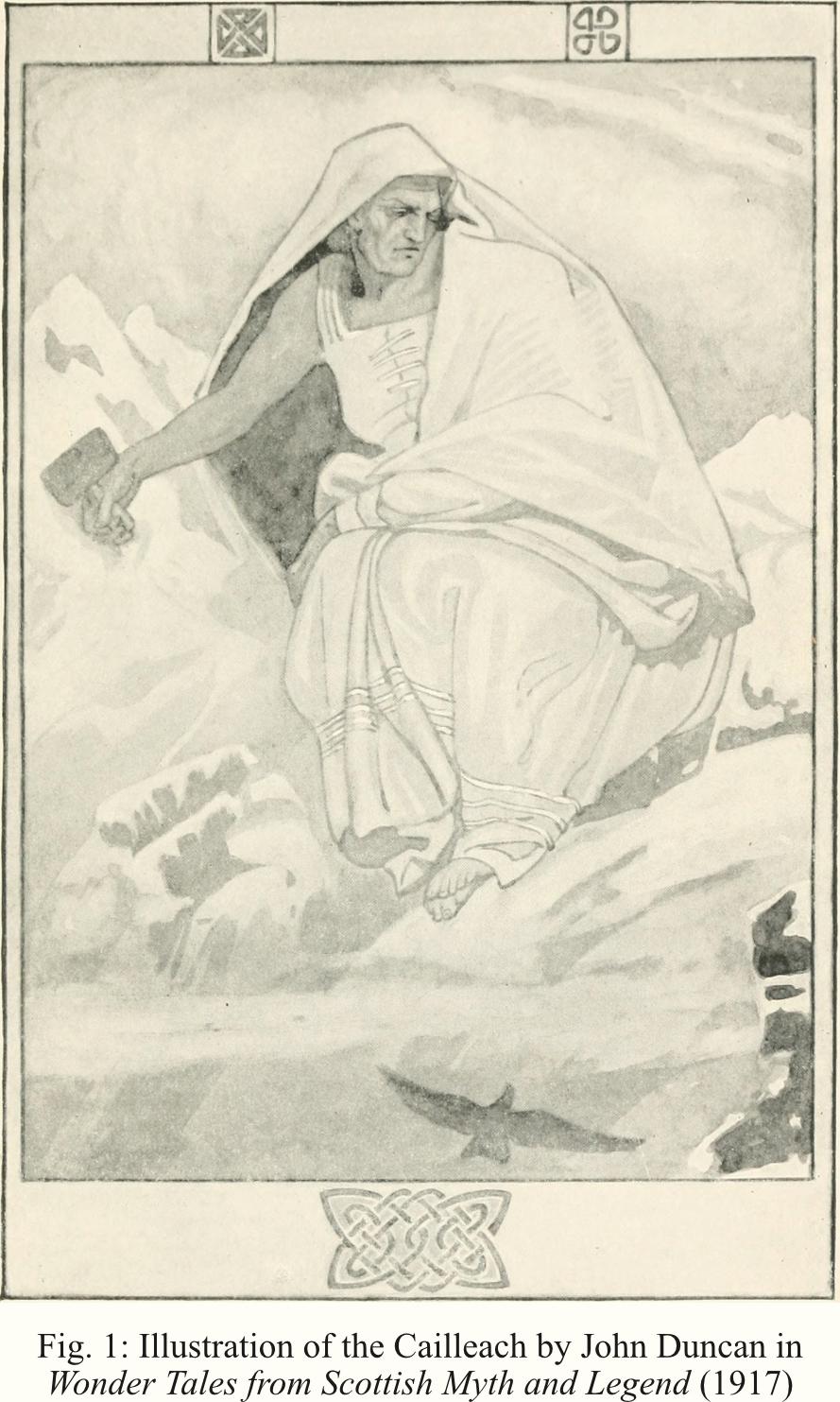
Stephenopensthedaywithagroundingmeditation,offeringamomenttocheckinwithourselves. HethentellsusthemythicalstoryoftheCailleach,meaning‘oldwoman’or‘hag’inGaelic.The Cailleachistheone-eyedwinterqueen,herblueskincoveredbyawarmcloakasshetravelsthelands withahammertoshapehillsandmountainsasshegoes.Afterhavinglivedthroughyetanother winter,herstockoffirewoodisrunninglow,andonasunnywinterdayinFebruarysheventuresout togathermore.Asshewalksbarefootthroughthewoodsthatareherhome,flowerssproutwhereshe plantsherfeet.Shocked,shereturnshome,onlytoseethatsheisgrowingyounger.Notknowinghow tofeelaboutthischange,andfearingshewillloseherwisdom,aperiodofuncertaintyfollows.The changeableweatherbetweenwinterandspringsymbolisestheCailleach’sinternalconflictandthe inevitablechangingofcycles—oflifeanddeathbeinginvolvedinaneternaldance.Whenwesilently walkintotheforest,theCailleach’sicybreathuponourcheeksremindsusthatsheisherewithus.
BeingimmersedinnatureInoticeIfeelathomehere,too.Theforestyspotwherewestayfortheday soonbecomesfamiliar,shelteredbygiantSequoiatreesthathaveapparentlybeenadoptedbya previouswealthyownerofthenaturearea.Thelandisstillprivatelyownedbutopenedupentirely forthepublictoenjoy.ThestoryoftheCailleachtravelswithusandgrowstohaveitsownmeaning foreveryonepresent.Ican’thelpbutnoticethepatchesofsnowdropsandknowthattheCailleach musthavewalkedherebeforeus.Weareaskedtogooffbyourselvesforanhourandsettleinaspot thatcallstous.Wecanmakeanofferingofnaturearttothewinterqueenbutareremindedtobe carefulsoasnottodestroyordisturbsurroundinglocallife.Iclimbupwards,beckonedbythebirds, andperchontopofahillbelowanoaktree.MyofferingtotheCailleacharefoursequoiacones,all indifferentstagesofdecay,symbolisingthefourseasons.Ibuildanestofleavesandtwigsandplace theconesinsideasiftheyareeggs.
Whenthehourisover,wegatherbackandarepairedup.Takingturnsinbeing‘facilitator’and ‘patient’,IwalkwithEvanna,andshetellsmethatshehasrecentlybeenoccupiedwithageing, sicknessanddeath.Hertwoteenagesonsaregrowingmoreindependentanddon’tneedherasmuch anymore.Besidestimetoreconnectwithnature,thegriefthatcomeswiththischangealsoappearsto bepresentanddemandingofattention.Wearriveatthespotwhereshebuilthershrine.Adeerskull liesontheground,surroundedbyashaperesemblingacape,halfmadeupoutofnaturefindsthat symbolisedeath,orwinter;andhalfoutoffindsthatrepresentlife,orspring.ItisEvanna's interpretationofthecloakedCailleach.Theskullwasfoundlikethisatthespot,togetherwithother bones.ShesharesthattheCailleach’sstoryhasgivenherasenseofwhatmaybeacceptance.She understandsthatalldeathanddecayisnecessarytomakespacefor,andevenfeed,newlife.Perhaps sherecogniseshowherroleasamotherchanges,andhowitalsocomeswithnewnessinherown relationtoherselfandtonature.
OnethingthathasbeenmentionedbyallthepeopleImetandinterviewedduringmyfieldworkis that wearenotseparatefromnature.Wemightliveasthoughweare:physicallyremovedfrom naturalspaces;andwithouranimalsensesinactiveanddisengaged.Wemightevenforgetthatweare, besideshuman,alsobornasnatureandanimal.Andalthoughsomeofushumanshavelabelledour
intelligenceandrationalthoughttobeasuperiorcharacteristic,wedopossessqualitiesthatenableus toconnectandcommunicatewiththemore-than-humanworld.Whichisexactlywhateco-artistsand ecotherapyfacilitatorsworkwith.Inourinterview,outdoorteacherMarinaRobbespeciallymentions howindigenouspeoplesandotherculturesthatlivecloselywithnaturearemuchmoreexpertsinthe relationshiptothenaturalworld.Forthemthisisnormal,passedonnaturallythroughoutgenerations, whereaswewhohavegrownupWesternsocietieshaveturnedsofarawayfromnature-centeredness thatweneedtorelearnitthrough,forexample,ecocentricpractices.
WhenStephenshareswithmehowhegotintotherapy,hesaiditwasparalleltomanychangesinhis life.Herecognisedthathewasnotlivinginthepresent,alwaysplanningaheadandbeingstressed becauseofthat.Buddhismandmindfulnesspracticesofferedhimtoolsfornecessarychange.Seeing anopportunitytotryoutamindfulnesspractice and walkhisdogatthesametime,heendedupina citypark.Thisshapedhisexperienceinaprofoundway,ashesuddenlynoticedtreesandbirdsina wayhehadnotsincehewasachild.Hischangeofperspectivewasabrupt.Makingahabitoutof this—goingoutside,sittingsomewhere,orjustgoingforawalk,butdoingsomindfully—essentially hadhimpractisingecotherapy,butitwasnotuntillaterthathecameacrossthatspecifictermwhen lookingforwaystocombinetherapywithnature.Stephenwasworkingasamentalhealthcounsellor before,andhisinsightsonthevariouswaysofhowmentalhealthcanbeapproachedarevaluable.I askhimabouttherelevanceofconnectingwithoursurroundingstodealwithinternalthemesor struggles.Hisimmediatereply—“Imean,we’renotseparate”—makessensetomeonanemotional level.“Wearenotseparatefromnatureandso,what—that'stheinterestingthing,thatwhenwecome outofourselves,wealsobegintoheal,andwebegintosharemorefreely.”
Marinaworkscloselywithchildreninthenaturalworld,andspeaksofhowthisaffectsusinasimilar tone.Beingoutsideaffectsus—thelight,thesmell,thewind—andwetendtofeellessstressed.She mentionsthatpeoplefeellessdefensiveoutside,andthereforesharemorefreelywhattheyare feeling.Marinaalsoemphasisestheresponsibilityfacilitatorshaveinembodyingacloserelationand acceptanceofthenaturalworld,andforexampleitschangeableweather,iftheymeantoconveya senseofsafetyandcreateawelcomingspace.Somethingthatisgreataboutworkingoutdoorsisthe abilitytouseyourfullphysicality.Bigways,bignoises,bigexpressions:thereisroomforitall, whereasinsidetherearemorerisksofdisturbanceorevenhazards.Marinamentionstherebeinga substantialdifferencebetweenhavingconventionaltherapysituatedoutdoors,andworkingwith ecotherapythatengagestheoutdoors.
SimilarlytoStephen’sintroductiontoecotherapy,andmyownhabitsofgroundingthrough mindfulnessnatureconnection,Marinaspecificallymentionsanessentialpracticecalleda‘sitspot’. Thisisaplaceinnaturewhereyoucanspendtimeonyourown,startingoutwithmaybetwenty minutes.Withtimethiscangrowtobecomemoreimmersive,likespendinganightonyourown,then perhapsdaysonyourown.Andindoingsoyouwillcometorecognisethatyouarenot really onyour own—justawayfromhumans.Evenwhenvisitingthesamespotfrequentlyyouwillneverhavethe sameexperiencetwice,asthelivingworldconstantlyexpressesitselfdifferentlyandisfully dynamic.Establishingaconnectiontoaspotinnature—withitsplants,trees,animals,critters, sounds,smellsandtextures—canhelpusrecognisethatthedynamicsandnaturalflowsofnaturealso existwithinourselves.
Evannatellsmehowherrelationshiptonaturehasbeeninthebackgroundforthelargestpartofher adultlife.Nowthatherchildrenhavegrownup,shehasmoretime,whichisanessentialresourcethat connectingwiththenaturalworldrequires.Time,andpresence.Livinginacity,physicallyremoved fromnature,Evannanoticedhowtheoutdoorsmovedtothebackofhermind.Therewasanideaof ‘Iamhere,andnatureisoutsidethere’.Thebiggestdifferenceinre-establishingthatconnectionnow shesaystobetherealisationthatsheisnatureandexperiencingaspiritualsenseofconnectionand oneness.
BlancSceolexploresthisonenessthroughinnergazingandsoundmakingpractices,whichthey describetobeexpansive—andforthatIcanvouch.AnexamplepracticethatIgettosampleis PaulineOliveros’sonicmeditation.AftermyinitialmeetingandinterviewwithBlancSceol,roughly
anhourisdedicatedtotuningintooursensesandsurroundings.InaLondoncitypark,underthe Februaryfullmoon,westartbygroundingwiththeEarthandcenteringwithinourselves.Eyesclosed wetuneintoourphysicalbodiesfirst.Wethenstartadeeplisteningpracticepromptedbythesentence “walksosilentlythatthebottomsofyourfeetbecomeears”.Thiskeepsusoccupiedfortwenty minutesorso,allfanningoutinourseparatedirections,duringwhichmypersonalunderstandingof thispromptchangeseveryfewminutes.Initially,Iattempttowalkwithoutsound.Uponnoticingthis isimpossible,Iadjustmyapproachtodeliberatelymakesound,sothatIwillbeabletohear somethingwithmyear-feet.Afterwards,weallshareonewordthathascomeup,andindoingso composeadeeplisteningpoemtogether.
“Broadsquishy, Shadowsquelchy.” Afterthiswedoasoundmakingpractice.Eachofuspicksawordthatwethensayoutloud,drawing outallsoundsaslongaspossible,sayingthewordexaggeratedlyslowly.Wewouldthengradually speedthisup,untilwearesayingthewordasfastaspossible.Thismakesaregularhumanwordfeel surrealyetintimateonmytongue.Isoonregretmywordchoice,asIneedtostretchitoutfor impossibleamountsoftimetomatchtheother’space.
“Imperceptible,attainableKiplingleaf.”
EcocentricexercisesIambeingintroducedtorangefrommoreserioustoplayfulandmakeuseofour human-and-animalqualities.Iwitnesshowpeopleboldlyembracesidesthatothersmaycall childlike.Buttheyareadultsandprovetostillbeverycapableofusingtheirimaginationand expressingtheiremotions.Allittakesisbeingoutsideandgivingthemselvespermissiontoletgo. Theirvulnerabilityinspiresme.Interviewsandexperienceshelpmeseehowtheessential remembranceofusbeingnaturecanhelpusconnecttoeverythingelsethatisalsonature.In recognisingsimilarities,wemayeventuallyreachasenseofkinshipwiththemore-than-human world.
2.1.2Spaceforpluriversality Ecocentricpracticesappeartocoverawiderange.Whenitcomestoecotherapy,Ihavemetpeople whofollowamorespiritualapproach,wheresomepracticesandvaluesareevenreligiously informed.TheTarikiTrustandtheirTenDirectionsecotherapytrainingisrootedinBuddhistbeliefs andpractices.Othersexperienceandworkwithspiritualitywithoutbeingparticularlyboundtoa religion.Theregenerallyseemstobeasenseofeverythingandeveryonearoundusbeinganimated bysomethingmorethanjustphysicsandchemistry.Eventhepeoplewhodon’tspecificallyor verballymentionspiritualityseemtounderstandthattherearemanyphenomena,flowsandforces thatthehumaneyecannotperceive.Andalthoughecocentricexpertsactfromthesameintegral valuesandbeliefs—thathumansareintrinsicallyconnectedtonature;andthatcareisareciprocal thing—specificexpressionsandpracticesvaryperperson.Weallconnecttoeachother,andtonature, inadifferentway.Differentthingsspeaktous;whatresonateswithonepersonmaynotresonatewith another.Thisisexactlywhydiversityissoimportant.
Thesmallbutsometimesfoundationaldifferencesbetweenpeople’sperceptionsbecomeapparent whendoingthesameexercisewithinasmallgroup.DuringtheecotherapyweekendinScotland,all participants(includingme!)gettheopportunitytopractiseourfacilitatorskills.Chrisguidesus throughavisualisationmeditationwiththehelpofaroundedwhitebeachpebble.Wefirstpickone ofmanypebblesfromajarhefilledjustthatmorning.Thenheinvitesustocloseoureyesashe guidesusthroughthe(a?)lifecycleofapebble.Itstartsoutaspartofthebedrock,untilovertimeit getstornloosebyoceanforces.Onceloose,thispieceofrockisstillveryrawandjagged,andgets draggedbackandforthbythewavesandflowsofthedarkseabottom.Overtheyearsitwears smooth,losingitssharpedges,andiseffortlesslytransportedbycurrentstowardsfarawayplaces.It eventuallygetsdepositedonadistantshorewhereitbasksinthesun,israinedon,driesoffagain,
untiloneday—months,years,orperhapsdecadeslater—ahumanbeachvisitorfeelscalledtopick upthepebble.Exploringitwithhishandsandfingertips,hefeelshecanrelatetothesmoothstone. Onitssurfaceheseescountlesstearsandcracks.Thepebbleseemstobemadeupoutofmanysmaller partsthathaveallbeencompressedundertimeandpressure.‘Whatisyourstory?’hewonders.
Afterwards,weshareourexperiences.Chrishasleftspecificinterpretationsofhismeditationupto us,andwealltelladifferentstorybecauseofit.Werelatetoourownbeachpebblethroughindividual emotionsandexperiences.Becausewealllivedifferentlives,eventhestoryofabeachpebbletakes onadifferentmeaningforeachofus.Ecocentrismrecognisesandevenhonourssuchdiversity,which isasignofhealthylife.BecauseofBlancSceolIhavestartedtocallthis‘biodiversity’,asessentially itistheverynaturaldiversitythatexistsamongstnaturallife.Itneedsnoothername,althoughIfelt like‘pluriversality’alsoencompassesnon-materialdiversity.Likeforexampledreams,beliefs, thoughtsandideologies.ThefirsttimeIencounteredthewordwasinthebook Pluriverse:APostdevelopmentDictionary byKotharietal.(2019).Specificallyaboutdevelopmentconceptsand discourse,thebooktakesreadersthroughnon-Westernvisionsofsustainability,climatechangeand climatejusticesolutions.Itmakesapparenthowdifferentapproachesareseenasweliveindifferent countrieswithdifferentcultures,differentclimates,anddifferentspecies.Howcanonesystemwork foranentireworld?Andifnot,thenwhatistherightscaletoestablishefficientandjustresource governanceandsustainabilitysolutions?
TotheabovequestionsIhavenotfoundoneconcreteanswer,butdecentralisationandlocalisationare closelylinkedtonotionslikepluriversality,aswellasmovingawayfromsimplifyingdualisms.The globalising,dominatingforcesstemmingfromEurope—ortheWest,oreventheentireglobal North—arepushingEarth’ssystemspastitsregenerativeboundariesandintoextinction.Itshouldbe commonsensethattheveryapproachthatbroughtusherecannotbethesamethingtogetusallout ofplanetarycrises.Intheirinterview,BlancSceolsaysthefollowingaboutthepracticeofperception; orlocalandpersonalexperiencesversusthenotionofadominantculture:
“Theideaofwantingtohaveotherwaysofperceptionandperceivingthingsmeansthatthe mainstreamordomineeringcultureactuallyhasn’thaveastandpoint.Because[in]the multiplewaysofperceiving[it]becomesapparentthatnotoneisright.”
Andwhatmadethe‘dominantculture’sointhefirstplace?Insteadofarguingforothersolutions being‘thecorrectway’,turningawayfromsuchuniversal,globalising,andsimplifyingapproaches wouldbetorecognisethattheremaybemanythings—people,solutions,policies,futures—thatcan getusoutofourprecarioussituation.Thecallforbiodiversityincreaseshouldextendbeyondthe material.Thisalsomeansthatonenation,orideology,orfuture,cannotcontrolallothersandthat culturaldiversityistobevalued.
Therecognitionoftherebeingsomanyotherlivesand‘truths’outsideourselvescanleadintothe recognitionthatweourselvesarenotstaticinourbeliefsandpracticeseither.Ecocentrismembraces thediversewaythatlifeonEarthexpressesandtransformsitself—fromthemicrotothemacroscale; fromthepersonaltotheplanetary—andthisdynamicdiversityisexactlywhatcreatesaresilient multispeciescommunity.Thereisnoonerightsolution,andweallbringsomethingtothetable. WhenIrelatethisbacktoecotherapy,IrecallthatmyfirstinterviewwithStephentoucheduponthe diversityofthepracticetoo,whenIaskedhimifhethoughtitwasforeveryone.
“Ecotherapy?DoyouknowI'mactuallygoingto—I'mgoingtosay,yeah,Ido.Idothinkit's foreverybody.Ithinknatureconnectionisforeverybody.MaybethewayIdoitisn'tfor everybody.Andmaybethewaythatsomebodyyouknow,anotherperson,approaches ecotherapyisnotforeverybody.Butconnectingwithnaturecanbedonethroughart,andit canbedonethroughstorytelling,itcanbedonethroughpsychotherapy,movement.Youknow, itcanbedonethroughmeditation,yoga.[...]So,howcanrecognisingourlifeandwhat's happeningaroundusnotbeforeveryone?”
Inourconversation,healsoemphasisestheimportanceofbeingawareofquestionsofaccessibility.
Itcanbedifficultforpeopletogetoutside.Accesstonatureisnotalwaysagiven,andtheremaybe physicalormentalbarriersthatpreventpeoplefromjoiningcommunaltherapysessionsorventuring awayfromsafespaces.Inhisownecotherapypractice,Stephenimplementsplatformsthatincrease accessibility.Theseinclude,amongothers,havingonlinesessionswherepeoplestillgetacheck-in andsenseoftogetherness,albeitsafelyintheirownspace,andcanthengoandengageindailynature connectionpracticesintheirowntime.Hesaysitisimportantforanecotherapyfacilitatortobe perceptive,groundedandawareduringasession.Peoplemightshowtovariousextentsiftheyare anxious,depressedorshy,andperhapsbequietbecauseofit.Insuchmomentsitisimportantnotto over-askpeople,andduringhisone-hoursessionintheEdinburghcityparkhedemonstrateshowthis isdonecarefully.
OntheMondayaftertheimmersiveecotherapyweekend,IjoinoneofStephen’secotherapysessions hostedspecificallyforbi-polarpeople.Throughouttheentiresessionthisisnotverballymentioned, andhelaterexplainstohaveadjustedtopeople’spaceashealwaysdoes.Hiswayissubtleand perceptive.Heopensthesessionbyaskingustoshareanencounterwithnaturewe’verecentlyhad. Leadingbyexample,hestartshimself,sharingthathenoticedthecomingofSpringbeingannounced bybuddingplantsandbirdsong.OtherssharedsignsofSpringaswell,fromfloweringdaffodilsto thesuncomingoutmoreoftentocaressafacesittingbehindakitchenwindow.Peopleareshyatfirst, butmostcanrelatetothehappinessthatexistsinthesesimpleexperiences.Afterthissharingwehave ashortgroundingmeditationbeforeengagingonanaturetreasurehunt,goingaroundthebotanical gardenstolookforsomethingthatmatchessensoryclueswrittendownonapieceofpaper.“Find somethingthatsmellssweet”promptsmetohuntforsmellsallafternoon.Thefirstsmellreachingmy noseisthatofdugupsoilaroundwherethegardenersareworking.InoticeImissedthissmell, havingtravelledfromSwedenwherethegroundhasbeenfrozenoverformonths.Fragrantsage leaves,jasmineflowers,andaverysweet-smellingflowerthatIdon'tknowthenameofpullmeinto themoment.Awomaninmyvicinitygetspromptedbymeputtingmyfaceclosetotheplants,and, curiously,shefollowsmylead.Whenwecomebacktothegroupitshowsthatpeopleendedup focussingondifferentsensesaltogether.WithvisualsnotbeingtoorichinlateFebruary,peoplehave usednosesandtentativefingerstoexploretheirsurroundings.Beingoutsideandnoticingthesigns ofnewlifearoundusplaceshappyseedsinsideus.Stephenmentionshavingtobecarefulaboutwhat hehimselfsharesaswell.Hewantstoremindpeoplethatnatureisaccessibleandthatitis everywhere.“Thepigeoncountsasmuchasthedeerdo.”Whenweshiftourgazewecanfindthat thereismagictobefoundinseeminglymundanethings,butwehavetobewillingtoconnecttoit.
2.1.3Openinguptopresenceandconnection Amainthemethatisrepeatedlycomingupis‘connection’,definedandfeltinamultitudeofways. Relationships,beinginrelation,gatheringandbeinginphysicalcloseproximityareallrelatedto connection.Andbesidesexternalconnectionsthereexistsalsoastrongerconnectionto,orpresence in,ourinternalworldandsensations.EcotherapyfacilitatorsandartistsImeetarecombiningforms ofinnergazingwithconnectingtotheirsurroundings.Ifyouarecomfortablewithabstractions,Ihave beencallingthisan‘insideout/outsidein’approach,whereworkingwithexternalthemesor phenomenawillalsoaffecttheworkingsofyourinternalworld,andviceversa.Inholistictermsthis isperhapsthemanifestationofeverythingbeingconnected.Weareandshapeourenvironmentas muchasitshapesus.Marinamentions‘relationships’asamajorecocentrictheme,whichshedefines asfeelingaconnectionwithortosomething.Andthisdoesnotequalavaluejudgementbutpoints outamutualknowing.Shecomparesrelationshipswithgettingtoknowsomething,orsomeone,on alevelthattranscendsjustrationalthinkingknowledge,butextendingtoexperiential,habitualand sensoryknowing.
Connectiontotheenvironmentis,ofcourse,anessentialaspecttoallecocentricpracticesandbeliefs. Whateverlocalityischosenforanecotherapyoreco-artevent,timeisusuallydedicatedtoground andtuneintothesurroundingswithhelpofourbodiesandsenses.Sounds,smells,sightsandtextures thatarepresentplayanimportantroleinshapingactivitiesandexperiencesonthespot.Andthisisa reciprocalthing.Whereweareperceivingoursurroundings,oursurroundingsaresimilarly
perceivingusbeingtemporarilypartoftheirecosystem.Evannaspecificallymentionsherconnection tonature,andhowitcanhelpgetasenseoffeelingheldbytheEarth.Thenaturalenvironmentis, amongstmanyotherthings,animportantspaceholderforecotherapy.Withallitscyclesofdeathand decayintonewlifesprouting,itisanhonestandrawexpressionoflifeonEarth:whichweareas well.Recognisingexternalcyclestoalsoexistwithinuscanhelpremindusofthis,andeventeachus byexample.Marinasharesthatspendingtimetoconnectwiththenaturalworldisanecessary ingredientforhealthyculture—andnature-culturerelationships.
Anotherformofconnectionishowconnectedwefeelwithouremotions,orinternalworld,singled out.Participantsinecotherapygroupshavesharedtobegrapplingwithheavythemes,likeageingand death.Itwasincrediblypowerfultoseethatwithoutintellectuallypickingaparttheirbrains,people wereabletoexpressandprocesscomplexemotions.Thetellingofoldmythsandstoriesoffered lessonsthatweresubjectivelyinterpretedandappliedtotheirpersonalsituation.Searchingfornatural elementsthatforpeoplesymbolisedsimilarthemescouldhelpplacetheirproblemsinperspectiveto thebroaderschemeoflife,andrecognisethattheyarenotreallyalone,butalwaysheldbynature.
Duringthecommunaleco-artandtherapyexperiencesthereseemstobeadeepenedsenseof connectionbetweeneveryonepresentaswell.Sharingcompleteopennesswithoutexpectationscan beanallowingorevenhealingexperience.Learningtositwithyourfeelings,howevertheycome,is somethingnotmanypeoplearegoodat.Wetendtofinditdifficulttoshareemotionslikegrief,fear orguilt,andifwecould,wewouldmagicthemawaywithoutinquiringintowhattheymaybeable totellus.Thereisresiliencetobebuiltwhenwelearntoallowourselvestofeelandshareboth upliftinganddifficultemotions,whichisimportantforbothmentalhealthandsocialconnection.
Andthen,inallthis,therealsoexistsastrongconnectiontothepresent.Whichiswhereallchange— orhealing—happens.Mindfulnessandconsciousactivitiesanchorusnotonlytooursurroundings, butalsotothepresentmoment.Again,thebreathandsensesplayahugepartinthis.Itisonlyour mindthatcanliveinatimeoutsideofthepresentmoment,busyingitselfwithpastandprospective events.Tuningintootherpartsofourselvesallowsthemindsomerest,andtrainsittobecomea guidingservantinsteadofourmainoperatingchamber.Thereismuchinlifethatbeckonstobe sensedandwitnessed.
BlancSceolcomparedtheirartisticanddeeplisteningpracticetoanattempttogetabitcloserto something;perhapssomethingmore-than-human.Therapidchangingofourclimatewillbring newness,possiblyunexpectedbeauty,butalsoalotofdiscomfort.Insteadoftuningout,ortryingto escapeourfast-changingreality,theyemphasiseaneedtostayconnectedtothehereandnow:
“Ifyouthinkofwhatwe’reallgoingtoencounterinthenextten,twentyyears,intermsof environmentaldevastation,whichweknowisgonnahappen,it’sverymuchakindofmoving towardsacceptingandbeing—howtobe with that,ratherthananykindoftuningout.”
Theytellmethatbeingpresentandlearningtoconnectwithourselvesandoursurroundings—which primarilyhappensthroughthebodyandthesenses—ismovingawayfromperformingwellness.The ideathatweconstantlymustbe‘okay’isasortofbeautyidealthatdoesnotaccountfortherealities oflife.Becausewheredoesthatleaveuswhenthingsaren’twell?Howcanwebepresentwith difficultiesanddiscomfortifweneverallowourselvestofeelwhatthatreallymeans?Areweperhaps underestimatingwhatwecanbear?Itseemstomeasifthereisalotofresiliencetobebuiltwithin ourselves,andamongstourselves.AsWesternhumansweareusedtobeingveryshieldedand disconnectedfromanyharmthatbefallsfellowhumansandthemore-than-humanworld.Working towardsahealthierrelationshipwithEarth,weneedtoworkonourconnectiontoit,andcannotallow ourselvestocensorwhatwewitness.
2.1.4Cyclicalchangeanddynamictransformation “Theonlyconstantinlifeischange”—whetheritwasGreekphilosopherHeraclitusthatfirstsaidthis
ornot,thiscosmiclawisomnipresent.Andwithanychangecomesnotjustnewness,butalso discomfort,andsometimesunexpectedbeauty.AnnaTsing’sstoryof TheMushroomAtTheEndOf TheWorld (2015)remainsoneofmyfavouriteworkstoexplainthepossibilitiesthisbrings.The protagonistofthestoryistheprizedmatsutakemushroomthatonlyfruitsatlanddisturbedbyhuman activity.Itisanexampleoflifealwayscontinuing,andhumans—despitehavingamajorimpacton Earth—notexistinginavacuum.Withourandotherspecies’survivalbecomingincreasingly precarious,weneedtoacceptthepaceofchangeaswellasthefactthatwearenot,andneverwere, incontrol.ThisisaquotefromTsing’sbook:
“Precarityistheconditionofbeingvulnerabletoothers.Unpredictableencounterstransform us;wearenotincontrol,evenofourselves.Unabletorelyonastablestructureofcommunity, wearethrownintoshiftingassemblages,whichremakeusaswellasourothers.Wecan’trely onthestatusquo;everythingisinflux,includingourabilitytosurvive.Thinkingthrough precaritychangessocialanalysis.Aprecariousworldisaworldwithoutteleology. Indeterminacy,theunplannednatureoftime,isfrightening,butthinkingthroughprecarity makesitevidentthatindeterminacyalsomakeslifepossible.”
Tome,thissymboliseshumanssteppingoutofthatperceivedcentrestage,andshowsthatweare creatingourlifeexperiencestogetherwithotherlifeandspecies.Importantistonoticethatthrough indeterminacyandprecarity,newlifeandpossibilitiessprout.Itisincreasinglydifficultforhumans topredictsocietalandnaturalpatterns,butthefactthatwecannotvisualiseanoutcomeorsolution withincurrentsystemswaysofthinkingdoesnotmeanthattheydonotexist.Whileitcanbe frighteningnottoknowwhatfutureswillbring,thishasformebecomeasourceofhope,asI—as wellasmostenvironmentallyconcernedpeople—havelostbeliefinexistingsystemsandstructures tooffersustainablesolutions.
TheecotherapyweekendcentredaroundImbolcinScotland,andlaterthefullmoonmeditationwith BlancSceol,areperfectexamplesofhowecocentricpracticesworkwithcyclicalchange.Imbolcis aGaelictraditionalfestival.ItmarksthebeginningofSpringandiscelebratedabouthalfwaybetween thewintersolsticeandspringequinox,usuallyatthebeginningofFebruary.EarlyIrishpagan traditionscelebratedthelambingseasonandgoddessBrigid,andwickercrossesanddollswould protectpeoplefromevilspiritsastheyreceivedtheblessingsofthegoddess.Likeotherpagan traditions,festivitiesareoftenheldduringtheturningoverofcycles,whichcanbecalledliminal phases:attheendofWinterbutnotyetSpring;onthevergeofbeingbornyetstillcoveredby darkness.Historically,humanslivingclosetothelandhavebeendependenton,andthereforevery perceptiveof,thechangingofseasons.Suchexternalchangesareevenlinkedtointernalones.For example,Springisoftenseenasthestartofanewyearlycycle,wherephysical and mentaloreven spiritualseedscanbeplantedandnurtured,untilcircumstancesarerighttosproutandreturntothe light.DuringtheweekendintheScottishforest,welookedforsignsofbotholdandnewlife.Itfeels importanttometowitnessthesecyclesinnature,andIfelttherewasasharedsenseofgriefmixed withnewfoundhope.AfterhalfayearofgrapplingwiththelongSwedishwintermyself,Iwas extremelygratefultobeabletosenseeventhesmellierandmurkiersignsoflifearoundme.
Stephensaysthathehasbroughtinnature-centredcheck-instostaffmeetingsoftheworkhewas doingbeforegettingecotherapy.Workingwiththedynamicandchangeablestateofournatures,he wouldaskcolleaguestojustgooutandfindsomethinginterestinginnature—thentocomebackand sharehowitrepresentshowtheyfeeltoday.Everyonealwaysfindssomething,andeveryonealways feelssomething.Inasubtleway,thesecheck-inscreateapersonalacknowledgementaswellassense ofgroupcohesion.Peoplearefreetoshareasmuchoraslittleastheywant,butcreatinganopen spacetojustfeelandgreetwhateverispresentonthedayisasimplewaytomakepeoplefeel welcome.
The‘sitspot’exercisementionedandpractisedbymultiplepeoplealsodirectlyincreasesone’s awarenessofnature’scyclicality.AfterIcamebackfrommyfieldworkintheUK,Istartedvisiting oneofmyfavouritenaturespotseverySundaymorningforabout30minutes.Whiledoingsomething likethisonafrequentbasis,itsoonbecomesapparenthowoftenandfastonelocalitycanchange
evenbytheminute.Personally,IalsofeltdifferentlyeverytimeIvisited.Marinashareshowbeing outdoorsinadynamic,sensory-richenvironmentcanbehelpfulwhen,forexample,havingtotalk aboutdifficultsubjectswithchildren.FromwhatIhaveheardandwitnessedIcansaythisworksfor adultsaswell.Evenwalking,sittingonaswing,ordiggingintheclaycanhelpkeepfeelingsflowing withoutthemgettingstuckorbecomingtoooverwhelming.Non-Westernsocietiesusethe understandingthatemotionsare‘energyinmotion’andalwayscorrespondwithphysicalsensations andexpressions.Itisimportanttohavehealthychannelsforalloftheemotionsonemayexperience. Somaticworkers—likeyogateacherCarolinewhomIinterviewed—makeuseofthisknowledgeand willusepostures,activitiesandbreathingexercisestomovethroughsensations.
Onthelastdayoftheecotherapyweekend,Carolinehostsasomaticmorningsession.All participants,includingme,findthemselvesonhandsandkneesamidsttheforest.Aftermoving throughasequenceofmovementandbreathingexercisesweareaskedtogooffbyourselvesandfind naturalelementstosomaticallyconnectwith.Thiscanbedancing,breathing,swaying—whateverwe feelinvitedto.EventhoughIamanaturallyplayfulandenergeticperson,onthisdayIfeelfar removedfromthesepartsofmyself.HavingconstantlybeenwithpeoplesincearrivinginScotland hasmademesomewhatgrumpyandwantingtoretreatbymyself.SothatiswhatIdo:backtothe largeoaktreetoleanagainsttheroughlytexturedbark. ThanksforhavingmeeventhoughIamin suchafoulmood. Whenwelatershareinthegroupwhathasmovedthroughus,Imentionthis internalblockage,whichfeltlikeachildish‘no’uponbeingaskedtoplay,butwhichwassomething Icouldnotsimplyignore.Itisagreedthatthisisagoodexampleoflisteningtowhatlivesinusand respectingit.
Movingbeyondrecognitionoflife’scycles—fromthepersonaltotheplanetary—comesacceptance andlearningtoworkwitheachcycle.DuringaconversationIhavewithEvannawhileinScotland,I witnessthesephasesprogresswithinher.Workingwithwhatcouldbeperceivedastheendofa cycle—whichinhercasemaybeearlymotherhood—couldbeunderstandinghowtotakeonanew roleandtakewisdomoutofalltheexperiencesshehashaduntilthen.Itcouldbemovingwithher sons’increasedindependence,andusingthetimeandspacethiscreatestonurtureothergrowth,like thatofherpersonalandspiritualconnectiontonature.Ageingingeneralisoftenregardedas somethingtopityandpushbackaslongaspossible,especiallyinWesternsocieties.Thisis somethingthatBlancSceolexpressestodisagreewithregardingcultural‘beautyideals’—likethe desiretoalwaysbeyouryoungestandhealthiestself—thatdonotaccountfortherealitiesoflife.Our perceptionchanges.Ourwisdomchanges.Ourexperiencesalwaysmakeusquestionandevolve,and itiscounter-intuitivetowanttopinourselvesdownbecausewearealwaysinflux.Oldagebringsthe wisdomofhavinglivedthroughmanysuchcycles.Andthiswisdomissomethingthatcanbepassed ontoyounggenerations.Moreso,even,ifweallowtheseinevitablenaturalprocessestotransform andevolveus.Weallbloomunderdifferentcircumstances.
Incombiningmindfulnesspracticewithnatureconnection,ecotherapycanhelpusanchorinthe presentmomentandnoticehowevertheworldexpressesitself here and now.Besidesdeathand destruction,signsofnewlifeandtransformationcanbefoundanywhere,sometimeswejustneedto learntolookbetter.Ecocentricmindfulnessandsensorypracticescanhelpwithlooking.Duringboth eco-artandecotherapyevents,facilitatorsandartistsarelikelytoplayintothesenses.Combinedwith mindfulnesspracticesthishelpsturnofftheever-thinkingandanalysingbrain.Insteadofjudgingyou willswitchtoperceiving,experiencing,andsensing.BlancSceolhasforeverchangedmylifesince theyspokeaboutbeingwithchange,andhowtheirartisticworkispartofcreatingexperiencesthat allowforchangetobewitnessed;fordiscomforttobeexperienced;fortransformationand transcendencetotakeplace.
“Thepointoftheworkisactuallytoacceptwhatis,tofacethings,tobuildresiliencefor difficultthings.[...]Thereisafreedomofnotjustthrowingitallin,like‘oh,we’realldoomed andthisisgoingdown’.Actually,there’smoreforus,muchmorewecanexperience,much morewecando,muchmorewecanunderstand.”
ThelastpersontointerviewformyresearchisCaroline,whoisayogateacherandmother,bothof
whicharerelevanttoherjourneyintoecotherapy.Afterhavinghersecondchildfouryearsago, Carolinesufferedfrommentalandphysicalillness.Tryingtoreduceherbody’sinflammatory responsesshecameacross‘earthing’,orgrounding,whichsynchronisesthebodytoEarth’selectrical charge.Havingherhandsandfeetinthesoilevolvedintoherhavingyogaandsomaticpractices outside,aswellasgardeningandgenerallyspendingmoretimeoutdoorswithherchildren.Asshe startedtofeelbetter,Carolinewantedtofindwaystosharethisexperiencewithothermomsthatare strugglingwithpostpartumdepression,anxiety,orotherhealthissues.Shefeltlikeconnectingwith theEarthneededtobepartofthemotherhoodjourney,asMotherNaturewasholdingandnurturing her.Herhealinghasbeenareciprocalthingfromthestart:betweenherselfandnature;butalso betweenherselfandherchildren.Carolinementionsanimportanttoolbeingritualandsymbolism, whichareinterwoven.Havingaspecificthemetoworkwithmayevokeastrongersenseof connectionto—andperhapshonouringof—anychangesortransitionthatyouarelivingthrough. Thisthemecanmindfullyinformanydecisionsthataremaderegardingactivities,artthatisshared, andfoodthatiseaten.Suchritualsandsymbolismcanturnintoceremonies,whichremindsmeofthe ritesofpassagebetweenthestagesofone’slife,ascelebratedinnon-Westerncultures.
Thecyclicalnatureoflifebringsaboutmanyrecurringlessonsandmomentsofsynchronisingtoa newrhythm.Conversationsandobservationsduringmyfieldworkhelpedmeseethateventhough weconnecttothepresent,thisexistsasfarfromastaticmoment,aslifeisforevertransformingand becoming.
2.1.5Thevalueofco-creationandautonomy Theendofthefirstchapterofthisthesisalreadymentionedconceptsforthepost-Anthropocene.One ofthemwasGlennAlbrecht’s‘Symbiocene’(Albrecht,2019),offeringthepossibilitytocompletely re-integratethehumanbody,psycheandculturewithintherestoflife.Iremembercomingacrossthis termalmosttwoyearsago,andthinkingitwasn’tsufficientlydescriptiveastherearemultipletypes ofsymbioticrelationships:mutualism,commensalism,parasitismandcompetition;notall collaborativeandpositivelyreinforcing.AlthoughAlbrecht’stextseemstoaimforamore collaborativeunderstandingoftheterm,IhavecometoappreciatetheopennessSymbiocenecarries. Indecreasingtheperceivedseparationbetweenhumansandnature,weshouldperhapsaspireto primarilyengageincaringandnurturingrelationships.However,realisticallyseen,Earth’snatural ecosystemsdonotonlyharbourcollaborativeandharmlessrelationships.Hierarchiesexistinnature aswell—albeitmoredynamiconesinwhichspeciescanbeprey,predator,orboth.AlthoughIama firmbelieverinactingfromaplaceoflove,careandkindness,movingawayfromacolonialand controllingapproachwillmeanthatwhateverrelationsareestablishedinlivingmorecloselywiththe Eartharevalid.Thisisessentiallywhy,insteadof‘collaboration’,Idecidedon‘co-creation’tobea moretruthfulecocentrictheme.Itiscloselylinkedtospeciesorlocalcommunitiesbeingabletolive andactautonomously,andindoingsoshapeeachotherandthelandtheyliveon.
DuringtheecotherapyweekendinScotlandIwalkinonaninterestingdiscussionduringlunchtime. Thetopicistherolepeopletakeonduringtheirownhealingjourney,andtherearevarious approachestothetopic.Safetyismentionedasanimportantfactor.Specifically,thereneedingtobe abaselevelofsafetyforpeopletoperhapsdivedeepintonewexperiencesandsurrendertothefull intensityoftheirfeelingstoprocessthem.Autonomyisalsomentioned,andtheactiveroleone shouldhaveintheirownhealing—evenifthatcomeswith“fallingflatonyourface”duringthe process.Anargumentismadeforthisprocessbeingessentialtodevelopingasenseofwhatisright andwrongforoneself,andputtingthepowerandresponsibilityofhealingbackinthehandsof people.Itoccurstomethatecotherapyfacilitatorsareoftennotreferringtothemselvesastherapists. Thishasatleasttworeasons:oneisthatconcludingtraininginecotherapydoesnotqualifyinthe samewayapsychotherapistdoesfortreatingspecificdiseasesanddisorders;anotheristhatan ecotherapyapproachtendstobelesshierarchical.
Alesslinearlyhierarchicalapproachshowsinchangingdynamics.Patientscanoccasionallytakeon theroleoftherapistthemselves,astheyaresupportedtoconnectmoredeeplywiththemselvesandin
thosemomentsoftenknowwhatisbestforthem.Facilitatorsaretrainedtocreateasafespaceandto groundthemselvesandotherparticipantstobecalmandpresent.Theyaretherapistsinthesensethat theyareperceptiveandintuitivetoshiftingmoodsandneedswithinapersonorgroup,andcanact accordinglythroughintroducingfittingactivitiesandquestions.Boundariesareextremelyimportant, especiallyinacommunalsetting.Natureisanimportantspaceholderandteacherduringecotherapy. Insteadofpassive,natureisseenasanactivepartnerthatcaninfluencethetherapeuticprocessin dynamicways—averyconcreteonebeingthesetting.Together,thepatient,thefacilitatorandnature formatherapeutictriangle.Suchexperiencesareco-creativeanddependonacertainlevelof autonomyfromallpartiesinvolved.
Duringourinterview,Evannamentionshowwearecreatingwiththetreesandtheplantsallthetime, theygiveusmuchandarealwaysprotectingandholdingus.WhenIaskaboutwhethershethinks thisworkstheotherwayaroundaswell,shesaysthatweprobably should trytomakeconditionsso thatthereisspaceforeverythingelsetobeheldbynatureaswell.Aclearexampleofhowweare alreadyco-existingandlivingwiththenaturalworldisbreathing:webreatheoutcarbondioxide whichthetreesbreathein;thetreesbreatheoutoxygenandweinhaleoxygen.Anditisthisvery simplecyclethatseemstolieattheessenceofeverythingIhaverecentlylearned.ThebreathingEarth bodyisthesolutiontoairpollutionandincreasingtemperatures;ourbreathisusedtotuneintoour bodiesinthehereandnow.
ForCaroline,turningawayfromWesternmedicineandhealthstandardscameoutofafeelingof interconnectedness.Weareinclosecollaborationwithourenvironmentandcancometofeelnurtured andempoweredbynature,whichcaninturnpromptustotakecareofnature.Regardingthehealing ofmental,physicaloremotionaldisease,CarolinementionsthatitisnormalisedforWesternsocieties toapproachhealingasa‘fix’whichsomethingorsomeonecandoforyou.Shebelieveswehavea responsibilityourselvestofindthosepracticesthatwillhelpus.Thereisnothingmorelonelythanthe ideathatweareseparate—frompartsofourselves;fromeachother;fromnature—andtappinginto themultidimensionalconnectionswehavewithoursurroundingscanbeextremelypowerfuland supporting.
Inmovingawayfromdualismsandanthropocentricvaluejudgments,aco-creationalapproach recogniseshowspeciesinfluenceeachotherandshapehabitatstogetherwithoutonlyfocussingonit havingeitherpositiveornegativeeffects.Ecosystemsexistascomplexandoverlappingsystemsthat arereducedbytryingtocapturetheiressenceindirecttransactionalrelationshipsandrigid hierarchies.Andthecomplexityofthisco-creativelifealsoextendstoourhumansystemsand societies.Theattempttoconformtoasocietalstandardcanbeharmfultothosewhooperate differently.Inherwork,Marinaworksestablishingasenseofrelationshipwithpeopleandthenatural world.Andnatureisourbestteacherinshowinghoweverythingworkscooperativelyunlessitisout ofbalance.
Anexampleofco-creationexistsinBlancSceol’swork.Theirself-madeinstrumenttheOrbit requirestwoplayerstocreatesound:oneregulatestherotationalspeed;theotheroneplaysthestrings thatareplacedallaroundtheinstrument.Theenvironmentalsohasanactiveroleindeterminingwhat soundsarebeingheard,asthesoundingchamberreverberatessoundwavesdifferentlyindifferent surroundings.Astheduoengagesin‘conversations’throughlisteningandsoundrecordingsinnatural areasthatarebeingpolluted,theirartisticworkmergeswithenvironmentalactivism.Insteadofbeing invasive,theyblendintotheirsurroundingsandinviteotherparticipantstojointheminconversations orjustlistening.Theseexperiencesareco-creative,andplayanimportantfactorinestablishing relationshipsandasenseofconnectiontotheirenvironment.Thefollowingquotefromtheir interviewcapturestheimportanceofhavingmultispeciesinteractions:
“That’swhereyou’relearning,theedgeiswhereyou’relearningthroughthisparticipatory, interactions,andhappenings.[...]Andthat’swhythegroupissoimportant.Becausewehave tolearn,Ithink,torelatetoeachotherbetterifwe’regonnarelatetoeverythingbetter.”
2.1.6Otherwaysofknowing—Lifeasasubjectiveexperience Thereismuchvalueinusbeingabletoengagewiththeworldonadeeplypersonallevel.Weallmake senseoftheworlddifferently.Evenduringsmallgroupexperiencesduringmyfieldworkithas becomeapparentinthesharingafterwardshowdifferentweallperceivethings.Andthebeautiful thingisthatwecanwork with that.ReachingtheunderstandingofecocentrismthatIhaveatthe momentofwritingisinitselfnotaheadyorintellectualthing:itissomethingIhaveexperienced, sensedandfelt.Thereareotherwaysofknowingthatallowustobecomemoreintimatelyconnected withoursurroundings;thatwillallowustogetabroaderanddeeperunderstandingoftheworldwe livein.
Duringourinterview,thefirstthingEvannamentionswhenIaskheraboutmethodsortoolstorealise ecocentricbeliefsistheimportanceofexperiencingnatureconnectionforyourself,whichshealso believesleadstoadifferentkindofunderstanding.Notjustreadingaboutitinbooks,orlisteningto someonetellingyouaboutecotherapyordifferentpractices,butjustdoingityourself:“gotonature andexperience”.Thisdifferenceinperceptionandexperiencealsorelatesbacktowhetherornot ecotherapyisforeveryone.Peoplecanunderstand—andpractice—itdifferently,butshebelievesthat theconnectiontooneselfandtoallnatureisforeveryone.
Animportantreasontohavesensoryandbodilyexperiencesinnature,orperhapsanywhere,isthat itgetsusoutofourheads.Weoftenforgetthatourbodypossessesawealthofintelligence,whichis whyenhancingtheconnectiontoourbodyissoimportant.Carolinementionsthatwhensheworks withpeoplethereisalotof‘Ishouldn’tbefeelingthis’wherepeoplejudgetheiremotionsand thereforepreventthemselvesfromfeelingandmoving through them.Insteadofpretendingtoalways befine,allowingthoselayersofemotionstounfoldinasafespacecanhelppeopletoslowdownand letgo.Breath,movementandmindfulnessarehertoolstohelppeoplesurrenderintorelease.Weare switchedonallthetime—ourheads;ourdevices—andalwaysfeellikewehavegoalstomeetor expectationstoliveupto.Thisishowwemovefarawayfromnotjustnature,butourselvesaswell.
WhenIaskCarolineifshehaswitnessedthechangeinpeoplewhentheyfinallyallowthemselvesto letgo,herimmediateresponseis“yes—andwithoutthestory.”Carolineisnottrainedasacounsellor orpsychotherapist,butsheisabletohelppeoplethroughthebodyinasomaticrelease.Stressand tensionfromthemindworksintothebody,andviceversa.Whereascounsellingorpsychotherapy willtargetthemindanditsthoughtsandbehaviours,havingabodilyapproachcanachievesimilar resultsinadifferentway.Anditcanbeempoweringforpeopletoexperiencethattheycanenable themselvestoreachapointofreleasewithguidancefromafacilitatorinclosecollaborationwith nature.Toevenaskourselves“howamItoday?”Andanimportantlessonthatnaturewillteachusis thatnaturedoesn’tholdon.Everythingflows,andweallgothroughlighteranddarkerseasons.
GoingbacktothefirstinterviewIhadwithStephen,inthelittlecafenexttoanEdinburghcitypark whereheholdshisweeklyecotherapysessions,hementionedtheessentialexperienceofnoticing whatishappeningoutsideofourminds.Conventionaltherapymighthaveyousittinginsidearoom, andthewholeoutsideworlddoesn’treallyexist.Thisisimportantandvalidinhelpingpeoplegetthe helptheyneed.Important,also,istheoccasionalliberationfromourmindsandperceivedconnection tosomethingbigger.Whenyoujoinanecotherapysessionyougettheopportunitytonoticeotherlife forms,whichisapowerfulandliberatingthingforustorecognise:wemaybeatthecentreofour ownworld,butwecanstilllistentowhatishappeningaroundus.
BlancSceolusetheirsoundmakingpracticestocreatecommunally,tomakemusictogether,toteach eachotherhowtohavestrengthandbuildresiliencetogetherduringdifficulttimes.Marinausesthe naturalworldasbothaclassroomandateacher.Stepheninspireshowaccessibleandsimpleyet profoundnatureconnectioncanbeforeveryone.“Openthewindowandlookatthesky—that’sstill thewind.”Eventhoughtheynowsharetheirknowledgeandexperiencewithotherpeople,every singlepersonIhaveinterviewedturnedtotheirecocentricpracticesprimarilyoutofaninternaldrive todigdeeper—toconnectmorefully.Theycouldnothavedonesowithouthavingexperienced firsthandhowitenrichestheirlives.And,notunimportantly, it’stotallyfree
Throughcreatingspaceforoursubjectivelyexperiencedrealities,wealsocreatespacefordifferent kindsofknowledgetobecomeknown.Whenweallowpeopletoconnectwiththemselvesmore intimately,theycanlearntolistentowhattheirbodiesandemotionsmaybetellingthem,andthrough thatlearnwhattheyneedandhowtocareforthemselves.Whenpeopleconnectwiththeir surroundingsmoreintimately,theywilllearnaboutthecreatures,plants,cyclesandflowsthatmake themup,andlearnhowtonurturethoseaswell.Thisknowingtranscendsintellectandtherational mind,andinspiresloveandcarefromadeeperplace.Itisdifficulttotranslatethisintowords,but peopleImetandinterviewedunanimouslyagreethatconnectingwithnaturehasaprofoundimpact. Themoststraightforwardexplanationmaybethatweourselves are nature,andwearebornwith sensesandinnatelanguagetoconnect to nature.Ecocentricpracticesmayhelpusengagetheseskills tocommunicate—non-verballybutphysically,emotionally,energetically,spiritually—withthe more-than-humanworld.
ArnoRafaelMinkkinen, JesusinJapan, Kyoto,Japan,2016
Chapter3|WhatlessonscanWesterncultureslearnfrom ecocentricpracticesandperspectives? Afterdiscussingformsofpractisingecocentrism,Inowmoveontothefinalquestionofthisthesis: howcantheseperspectivesandpracticesbeintegratedinWesterncultures?Ianalyseanddiscussif andhowtheselessonsasfoundinchapter2couldbeimplementedonvariousscales,andindoingso imaginewhatmoreecocentricfuturesmaylooklike.Iwilldiscusssomecurrentlyexistingbarriers thathavebeenmentionedbyintervieweesandthosethatIencounteredmyselfthatmakeitdifficult topractiseecocentrismwithincurrentWesternsocieties.
3.1Ecocentriclessons Whereaspreviousresearchandformulatedethicsaimfortheintellectualandcarefullyarticulated communicationofanature-centredworldview,thisthesisarguesforanexperientialmodeof understandingandknowing.Thesixecocentricthemesaspresentedinchaptertwoallowforadeeply personalunderstandingofecocentrismthatisreachedthroughpracticeandembodiment.In comparisontotheprinciplesofdeepecology(Naess&Sessions,1986),ecopsychology(Roszak, 1992)andLand&EarthEthics(Leopold,1989[1949];Callicott,2014),thesevalue-driventhemes arerelativelyopen-endedanddonotmeantodictatespecificactionsandbeliefs.Instead,they advocateforanunderstandingthattranscendsanintellectualdefinition,andmaycometohave varyinginterpretationsandexpressionsfordifferentpeople.Still,whenimaginingotherstoengage insimilarlyimmersiveactivitiesanddeeplyconnectwithnature,Idonotthinkitfar-fetchedto assumethatnotionslikeintrinsicvalueandcodependencyareembeddedinallthesethemes.
Thefirstconcretelessonismoreofarememberingofthehumanspeciesbeingnature:wearebornas natureandwillonedayreturntobepartofEarth’scycles,howeverwespendourlivesandregardless ofifweforgetourinterrelatednesswithnature.Thisisanessentialaspect,aschapter1haspointed outthatthereisaclearperceivedandpractiseddividebetweenhumansandnature,whichallowsand enablesharmful,unsustainablebehaviour.Engaginginnature-orientedactivitiescanbenefitphysical, emotionalandmentalwell-beingandevenincreasesocialcohesion(Capaldietal.,2014;Rockström &Mattias,2015;Roszak,1992).Inrememberingthatweourselvesarenature,wemaynotice similaritiesexistingintheflows,communicationsandconnectivitiesthatexistoutsideofourselves toalsoexistwithinus.Wemaycometofeelanenhancedsenseofbelongingandkinshipwiththe more-than-humanworld.
Pluriversalityallowsformultipletruthsandbeliefstoco-existalongsideeachother.Ascolonisation andthedominationofasingularworldviewareidentifiedtocauseunsustainablepracticesand relations,theecocentriclessonsasuncoveredinthisthesisallowforapluriversalexistenceinwhich notoneviewisdeemedassuperior.Ideologicallyspeaking,iftheentireworldwastoreachan understandingofallsixthemes,itwouldbeunthinkableforonepersonorculturetofeeljustifiedin imposingtheirworldviewandmoralcompassontoothers.Ifpeopledeeplybelievethattheirown worldviewisvalid,andthatothersholdsimilarlyvalidworldviewsthatmaydiffer,thisautomatically de-validatesmonisticnotions.
Connectioncanbefoundinamultitudeofways,whichcanalleviateasenseofisolation,andincrease afeelingofbeingheldbyourhomeplanet.Inestablishingrelationswithexternalandinternal environmentsaswellasmultispeciescommunities,wecandevelopenhancedawarenessofcycles, changesandtransformationsthatoccur.Forexampleinchangingseasonsandclimate,butalsoinour emotionsandotherinternalprocesses.Ecocentricpracticesawakenoursensesandotherinnate abilities—likeintuitionandkineticawareness—thatallallowustolookandperceivebetter.AsBlanc Sceolsays:“Youseethroughyourbody”.
InrecognisingthatlifeonEarthisneverstatic,butalwayschanging,transforming,andbecoming, thismakeslinearnotionsofgrowthanddevelopmentsimplisticandlimiting.Noticinghow transformationoccurs,wecanhonourchangeandtakelessonsoutofpotentiallydifficultsituations. Thisisessentiallyrealisingthathumans,despitehavingamajorimpactonEarth’ssystems,donot existinavacuumandarenotasmuchincontrolasideologicalcolonialthoughtisbasedon.
Insteadoffixatingoncollaborationandbeneficialsymbiosis,whichofcourseareimportant,the ecocentricthemeofco-creationhonourshowweshapetheworldthroughsimplypartakinginit.Itis impossibleandunrealisticforourentiremore-than-humanworldtoliveinharmoniousandnurturing relationships.Pairedwithautonomy,thisecocentriclessonopensuppossibilitiestotakeonamore activeroleinnotonlyourownwell-being,butalsothatoftheplanetthroughnon-linearreciprocal relationships.Additionally,acceptingthatstronginclusionsleadtostrongexclusions(andviceversa) allowsaworkingaroundthatwithoutgettingstuckonhavingeveryoneandeverythingonboardwith one’sbeliefsandvisions.
And,finally,anecocentricvaluethatliesatthefoundationofthisthesisisthatlifeisasubjectively feltanddeeplypersonalexperience.Whereasscience—pairedwithourintellectandrational thought—isessentialinunderstandingourhumanandplanetarysystems,theappreciationofhowour deeplypersonalperceptionsandexperiencesare always presentcarriesthepotentialtodeepenand enrichourlivesinanyarea.Thisalsovaluesotherwaysofknowingthattranscendthemindand involveentirebodilysystems.
Italreadyfeelsrelevanttoacknowledgethatwithoutthecritiques,theoriesandconceptsformulated byotherscholarsthisresearchcouldnothaveexisted,andIwillcontinuetobeinspiredbythem. Similarly,withouthistoricalmovements,evolutionsandanthropocentricnotionsthisthesismight neverhavebeenmade,but,thenagain,itmaynothavebeenasnecessaryeither.
3.2Limitationsandpracticalconstraints TheecocentricworldIhavebeenintroducedtoexistsasanichealongsidedominantly anthropocentricWesterncultures.Itisasmallbuttightlyknitnetworkofpeopleworkingfromtheir deepestvalues,andtheirheartliesintheworktheydo.Oneofthefirstfactorstoinfluence accessibilitytoecotherapy,eco-artoroutdoorlearningthatbecameapparentatanearlypointduring myresearchhasbeenfunding.Theeco-therapistsIinterviewedeitherworkforthemselvesona freelancebasis,oraredependentonworkingforanorganisationthatreceivesfundingfromeitherthe publicorthegovernment.InScotland,thehealthcareandsocialcaresystemsseemtobebetterand moreinclusivethanthoseinEngland.
Stephenisaperfectexampleofmakingecotherapywork:hehashisownbusinesswhichissomewhat broaderfocussedonnaturetherapy,counselling,mythandstorytelling;butheisalsoemployedto facilitateecotherapysessionsforcharitiesandorganisationslocatedaroundEdinburgh.Marina’s CircleofLifeRediscoveryappearsreliantonhealthypartnershipstoprovidenature-basedlearning andactivitiesforfamilies,children,youngadultsandvulnerableadults;andotherwise,forits courses,onpeople’sprivateinvestment.NoneofthepeopleIinterviewedareinthisnicheforthe money,andittakeshealthynetworksandpartnershipstobringeco-art,ecotherapyandnature learningtothepeople.
InhindsightIwouldhavelikedtospecificallyaskaboutmatterslikeresourcesandfundinginmy interviews.Itwilltakemoreresearchintospecifictrustfunds,legalandhealthcaresystemstodraw anyconclusionsaboutaccessibilityintermsofprojectfunding.
Forpeoplewantingtoreceiveecotherapyorothernature-basedcare,theyseemtobereliantonGP referralstoparticipateinlocalinitiatives.Choiceisn’tabundant,butespeciallyaroundlargercitiesin EnglandandScotlandthereseemtobeecotherapyoptions.Formorespecificneedsorwishespeople aredependentontheirowntimeandmoney.Eco-artispractisedinvariousformsbyindependent
artists,butBlancSceolistheonlyartistduoIinterviewedandgottoknowpersonallyduringmytime intheUK.Ithasgenerallybeendifficulttofindpeoplethatwerewillingtospendtimetalkingtome. WheneverIreceivedareplytoanemailitwasusuallysomethingindicatingthattime,staffandother resourceswereshort,puttingtheecocentricprojectinquestionunderstrainwhichaltogethermadeit difficultforpeopletosparetimeandenergyinmeetingwithme.Especiallysincethatwasofnodirect benefittothepeopleinquestion.Thisinitselfhighlightedabarrier—resourceshortage—forme.
Stephen,MarinaandBlancSceolwereexceptionstothe‘digital’barrier,andkindenoughtorespond tomyrequeststodedicatesomeoftheirtimetomeetwithme.ItwasthroughStephenthatIinitially metCarolineandEvanna.BlancSceolinvitedmetomoreecosoundarteventsaftermeetingthem. Thismakesapparenthowthis(orperhapsany?)networkworks:organicallyandinterpersonally. Thankfullyforme,thisisalsohowIenjoyworking,butbeingtimebound and largelyhavingto conductmyfieldworkinwinterhascertainlycausedsomestrain.Evenin-personvisitstocommunal gardeningplotsinSouthEnglandhavebeeninvain,asIvisitedonrainywinterdaysandoutsideof thesmalltimeslotsthatpeopleweremostlikelytobepresent.
SomethingthatIhavebecomefairlygoodattonavigatearoundbutthatcertainlyformsabarrierto otherpeoplelookingtobecomemoreecocentricisgreenwashingandshallow,seemingly“ecocentric lifestyles”.Assustainabilityisahottopicinmanyways,itcanbeturnedintoaprofitscheme,andin doingsoalmostperdefinitionalreadylosingsomeofthemostessentialecocentricvalues.Unlike deepecology,thesixecocentricthemesIhaveidentifieddonotspecificallydictatehowtoassign ‘value’—andwhetherornotthatcanincludecapital—buttheintrinsicallylinkedthemestogether formaworldlyperspectivethatIcannotseeco-existwithprofit-orientedschemes.Notwhentakento heart;experiencedandpractisedinaday-to-daylife.
Andyet,thisresearchhastaughtmethateventheinterpretationofverypreciselyandspecifically formulatedprinciplesvariesamongstpeople.Which,Isuppose,isexactlywhatIwantthisresearch toallowfor.Movingawayfromuniversalisedviewson‘right’or‘wrong’waystopractise ecocentrism,andinsteadmotivatingdeeplypersonalexperiencesandconnectionwithnature.Ihope thatthisthesiscansteerpeopletowardsshapingtheirownlivedunderstandingofthemselvesin relationtotheirhomeplanet.Infeelingmoreconnectedtonature,andingettingtoknownaturein morethanintellectualways,relationshipscangrowtobecomemorerespectfulandnurturing. Reciprocitymaylookdifferentforeveryindividual,andatleastasessentialasturning towards sustainablepracticesisturning away fromharmfulones.Thebeliefthatwealwaysneedtodo somethingwith—orto—natureisexactlywhathaspressurednaturallifebeyonditsregenerative boundaries.Ifwecaninterferelesswithnaturalsystems,learntoworkwithnaturallyexistingflows andcycles,onlyharvestwhatweneedforourdirectsurvival,andjustletthenaturalworldbecome, thenthatwillbeahugesteptowardsco-creatingwithplanetEarth.
3.3Goingforward Havingwitnessedtransformationinothers,andhavinglivedthroughmultipletransformations myself,Ibelievethatnature-centredperspectivescanbeacquiredbyanyoneuponestablishinga deeperconnectiontothenaturalworld.Thequestionofhowexactlythiscanbedoneisstillleft somewhatopen-ended.
Thisresearchhasshownhowonalocallevelecocentriceventsandactivitiesalreadywork.Despite existingasanicheandthereforebeingvulnerabletobarrierslikefundingandresources,Iamstill amazedbyhowmanyecocentricinitiativesalreadyexistintheUK,andquitefranklyinspiredbyhow collaborationsmakethemhappen.Itshowspeoplepower,aswellasnaturepower.Connectionisan essentialelement,whichhasproventoencompassmorethandirecthuman-to-naturerelationships. Everyhumanneedstofeelconnectedtosomethingbiggerthanthemselves.Participatingin ecocentricactivitiesmyselfhasbroughtmeasenseofconnectionthatIwillcontinuetostriveforand canhopefullysharewithothers.Itisnothardtoenvisiontheestablishmentofmoreecocentric initiativesonapersonal,localandcommunallevel.
Iimaginethegrowthofecocentricnichesintolargersubculturesthroughafrom-the-ground-up approach—whichisexactlyhowtheyhaveemergedinthefirstplace.Aslocalincentivesarealready establishedandexisting,thereissufficientproofforsimilarprojectstoalsoworkinotherregions, perhapsevenforbroaderpurposes.Ecotherapyandnaturelearningarelargelybeingappliedas alternativeapproaches,oftentopeoplewithdisabilitiesormentalhealthproblems.Althoughthisis extremelyimportant,andinsomeinstancestheonlywaytogetpeoplethatwouldotherwisebe isolatedoutandhealthilyfunctioningincommunalsettings,Ithinkthattheseapproacheshave potentialtobenefitmanypeoplethathavelessurgentneeds.Acquiringabroadervision—namelythat ofestablishingsustainableandnurturingrelationsbetweenhumansandthenaturalworld— ecocentricactivitiescanandshouldbeavailableforanyone.Inestablishingpartnershipswithlocal organisationslikeschools,clubsorcommunityhubs,nature-basedactivitiescanbeintegratedin people’sday-to-daylives.Thisresearchhasshownhownatureconnectioncanbemadeaccessibleto anyone.Evenconnectingto,caringfor,andperhapsrestoringlocalnatureareas,parksorgardenscan helppeopleengagewiththeirimmediatesurroundingsandacquireasenseofpurposeandbelonging. Activitiescanbecreativeandplayful.And,again,Ibelievethisisimportantforeveryone,butI especiallythinkthatthiscanbringmuchtoyoungpeopleastheyaretheoneswhowillgettocarefor ourplanetthelongest.
Itisdifficultformetovisualisehowecocentricperspectivescanbeintegratedon—andbeyond—a nationalscale,astheverynatureofecocentricapproachesarelocallyorientedandpractised. Ecocentrismwilllookdifferenteverywhere,asareasacrosstheglobeare(andshouldbe!)diverse. Thereisperhapsmosttogaininregionsthatrequiremostnaturecareorconservation.Through engagingpeopletocarefortheirlivingenvironment,whereverthatmaybe,thiscanperhapsgrowto becomecommunityconservationprojects.Projectscanbeshapeddifferentlyacrossdifferentregions. Perhapsariskinapproachingecocentrismfromtoobroadalens,orevenatop-down-approach,isthat itmayagainresultinarigidanduniversalisingframeworkthatistoogeneralisedtobetrulycreative orsustainable.
Whatcouldhavebeendonedifferentlyduringthisresearchisperhapsadoptingamorefocussed approach.Wantingtodoeverythingeverywhere,includingadeepdiveintoenvironmentalhistory andthehumanities—whichwasentirelynewtome—Ifeelasthoughthisresearchinsomewaysis leftabitsuperficial.Icouldhavemadethisfocussedmoreoncasestudies,researchingthe circumstancesofecocentricthinker-doersandhowtheyestablishedtheirpractices.Itmighthave shownmoreclearlyhowtheorytranslatesintopractice,andbetterhonourthediversityofthe ecocentricfield.Alternatively,Icouldhavefocussedmoreonliteratureandhistoricalresearch,butas thevariousrabbitholesshowhowtheremightalreadybeplentyoftextonnature-centredness,I believethatmydecisiontofocusonpracticeandembodiedapproachestoecocentrismhasbeena wiseone.InthefutureIwillperhapsbelesshesitanttodivedeeplyintoexistingliterature,whereas nowIwassomewhatintimidatedandthereforeconductedalargepartofadditionalresearchafter conductingmyfieldwork.Thegradualtrial-and-errorapproachhasshapedmythesisinwhatitis now,whichisperhapshowitismeanttobe.
Personally,Icanseehowventuringintoecocentrismwillrequireclosecommunicationand connectionwithmultispeciescommunities.Exciting!AttimesIhavefeltlikethisresearchisonlythe startofunderstandingecocentrism.Anunderstandingthatcanperhapsgrowintodiscoveringmore waysofincludingnature-centredworldviewsinmanycornersandareasofsociety.Iwillcontinue beinginconversationwithothers,tolearnfromandbeinspiredbythemanywaysinwhichwecan connecttoourenvironment.
ArnoRafaelMinkkinen, HalfCircleofLife, Kyoto,Japan,2016
Acknowledgements FirstandforemostIwanttothankNunoforbeinganamazinglysupportiveandencouraging supervisor.Iamhisfirsteverstudenttosuperviseforamasterthesis,andfrankly,Ithinkhehasset thebar very highforanyfuturesupervisorsormentorsIwillhave.Nunohasbeenreliable,available andcommunicativewheneverIneededtobrainstorm,relaysomethoughtsorneededguidance.We havespentagoodamountofhoursgoingthroughstructuresandsubstanceinadetailedmanner,and hehasspenthisowntimerevisingwrittentextinthefinalstageofthewritingprocesssothatmy thoughtscouldbecomeevenclearer.Hisexperiencewithcreativeandcommunicativewritinghas beeninvaluable.Nunohasnotbeenafraidtoposecriticalquestionsandpushmeforward,aswellas offeringpraisewhendue(andneeded),andIatoncedeeplyrespectandenjoyedthewaythatwe couldworktogether.
Secondly,IwanttothankCeciliaforfindingthetimeinherbusyscheduletodeliververydetailed, structuredandessentialfeedbackonmyresearchprocessandfindings,allowingthesetodeepen substantially.BecauseofherIhavebeenproperlyintroducedtotheenvironmentalhumanities. Ceciliahasbeenverywarmandkindinherapproachfromtheverystart,whichmotivatedmetowork hardtoimplementhercommentsandsuggestions.
Essential,also,hasbeenGosia,incoordinatingthecourseandalwaysbeingfasttorespondtoany andwhateverquestions.Sheformsthefoundationalbackboneineveryone’sthesisprocess,andhas atthesametimebeenflexibleinallowingmyownresearchprojecttobeshapedintowhatitistoday.
Theresearchitselfisshapedaroundsharedencounters,experiencesandconversationswiththe intervieweesandotherecocentricexpertswhomIamgratefultohavemet.Stephenhasopenedthe doortoecotherapyforme,andhasbeenincrediblyhelpful,inclusiveandwelcomingwheneverI mentionedpersonal-and-researchinterestorcuriosityintohisecotherapypractices.Thewayhe workshardtomakeecotherapyaccessibleisinspirational.BlancSceolhavebeensimilarlyinviting andopentosharingtheirviewsandexperiencesthattransformedmymind.IhavehadfunduringecoarteventsthatmademeforgetIwasdoingresearch.IamthankfultoMarina,whowastheonly personwhoagreedtomydigitalrequestforadigitalinterview,andfoundtimeinherscheduletohave aconversation.Sheisveryknowledgeable.And,ofcourse,thankyouCarolineandEvanna,for allowingmetointerviewyouandpickyourbrainsonallthingsecotherapy.Ithasbeenapleasureto meetyouduringtheecotherapyweekendwithStephen,andtoexperienceallofyouinperson.
IamthankfulforDaniel,whoofferedhiscriticalinsightsonhowtostrengthenandbackupmy research,andwhoisalwayshonestandgenuineinofferingpraise.Iam,ofcourse,thankfulto Madeleinewhohasreadandhelpedmerevisethisthesistoenablemetograduate.Andthen,anyone whohasshowninterestinwhatIhavebeen(andwillbe!)doinghasofferedencouragement.Iam thankfultotheCEMUScourseinEcopsychology,Art&Narrativesthatintroducedmetoecocentrism inthefirstplace,andtoRianneforpersonallypointingthiscourseouttome,essentiallysymbolising thestartofthisjourney.
Thankyou,momanddad,forenablingmetostudyandpursuemypassionsandinterests.Ican alwaysrelyonyoutoofferalisteningear.Thisalsogoesformybrother,sister,andfriendsthathave stayedintouchwithmetheselastmonths.Andthosethatparticipatedinstrangeearthyactivitieswith me,allowingmetopractisemyfacilitatorskillsandgainconfidence.
Asalreadymentioned,Iwanttoacknowledgeallresearchersandactivistscontributingtobattles againstsubordinationandinjusticethathaveshapedthegroundformetonowbeabletolearnabout andpracticeecocentrismfreely.Andtoconcludethisthesis,Iwanttothankmyselfforstartingthis venturedownanoccasionallymuddyandbeatentrack,andfornotbeingscaredoffbyobstacles appearingonthispath.Itrytokeepanopenheart.
References Albrecht,G.A.(2019).‘ThePsychoterraticintheSymbiocene:PositiveEarthEmotions’. EarthEmotions,byGlenn A.Albrecht,CornellUniversityPress,2019,pp.91–130.[https://doi.org/10.7591/cornell/9781501715228.003.0005]
Alaimo,S.(2010).‘BodilyNatures:Science,Environment,andtheMaterialSelf’.IndianaUniversityPress,2010.
Amit,V.(2000).‘Introduction:Constructingthefield’. ConstructingtheField:Ethnographicfieldworkinthe contemporaryworld.London&NewYork:Routledge,pp.1-18.
Berger,R.(2016).‘Renewedbynature:NatureTherapyasaframeworktohelppeopledealwithcrises,traumaand loss’.In:Jordan,M.&Hinds,J.(Ed). Ecotherapy–Theory,Research&Practice.London.Palgrave.177-185.
Bergin,T.(2018)‘Anintroductiontodataanalysis:Quantitative,qualitativeandmixedmethods’.LosAngeles,Sage. Calarco,M.(2015).‘Identity’. ThinkingThroughAnimals:Identity,Difference,Indistinction. Stanford,Stanford UniversityPress,2015,pp.1-27.[https://rwrudnicki.com/wp-content/uploads/2017/07/thinking-through-animals.pdf]
Callicott,J.B.(2014).‘ThinkingLikeaPlanet:TheLandEthicandtheEarthEthic’.NewYork,2014;onlineedn, OxfordAcademic,23Jan.2014.[https://doi.org/10.1093/acprof:oso/9780199324880.001.0001]
Capaldi,C.A.,etal.(2014).‘TheRelationshipbetweenNatureConnectednessandHappiness:AMeta-Analysis’. FrontiersinPsychology,vol.5,Sept.[https://doi.org/10.3389/fpsyg.2014.00976]
Code,L.(2006).‘EcologicalThinking:ThePoliticsofEpistemicLocation’.OxfordUniversityPress,Incorporated, 2006.
Colebrook,C.(2017).‘WeHaveAlwaysBeenPost-Anthropocene:TheAnthropoceneCounterfactual’.InR.Grusin (Ed.), AnthropoceneFeminism (pp.1–20).UniversityofMinnesotaPress.[http://www.jstor.org/stable/10.5749/ j.ctt1m3p3bx.4]
Cox,D.T.C.,etal.(2018).‘TheImpactofUrbanisationonNatureDoseandtheImplicationsforHumanHealth’. LandscapeandUrbanPlanning, vol.179,Nov.2018,pp.72–80.[https://doi.org/10.1016/j.landurbplan.2018.07.013]
Crutzen,P.J.(2002).‘GeologyofMankind’. Nature,vol.415,no.6867,Jan.2002,pp.23–23.[https://doi.org/ 10.1038/415023a]
Deleuze,G.,&Guattari,F.(2013).‘AThousandPlateaus:CapitalismandSchizophrenia’.BloomsburyAcademic. Escobar,A.(1995).‘EncounteringDevelopment:TheMakingandUnmakingoftheThirdWorld’(STU-Student edition).PrincetonUniversityPress.[http://www.jstor.org/stable/j.ctt7rtgw]
Giraud,E.H.(2019).‘WhatComesafterEntanglement?Activism,Anthropocentrism,andanEthicsofExclusion’. DukeUniversityPress,2019.
Gläser,J.andLaudel,G.(2013)'LifeWithandWithoutCoding:TwoMethodsforEarly-StageDataAnalysisin QualitativeResearchAimingatCausalExplanations'.Forum:QualitativeSocialResearch,2013.
Haraway,D.J.(1988).‘SituatedKnowledges:TheScienceQuestioninFeminismandthePrivilegeofPartial Perspective’. FeministStudies,Vol.14,No.3(Autumn,1988),pp.575-599.[https://doi.org/10.2307/3178066]
Haraway,D.J.(2016).‘StayingwiththeTrouble:MakingKinintheChthulucene’.DukeUniversityPress,2016.
Kanazawa,M.(2018).‘DatacollectionII:Interviewing’. ResearchMethodsforEnvironmentalStudies:ASocial ScienceApproach.Abingdon,Oxon;Routledge,pp.313-332.
Kimmerer,R.W.(2013).‘BraidingSweetgrass’.Firstedition,MilkweedEditions,2013. Klein,N.(1970).‘ThisChangesEverything:Capitalismvs.theClimate’.NewYork,Simon&Schuster,2014.
Kothari,Ashish,etal.,editors(2019).‘Pluriverse:APost-DevelopmentDictionary’.TulikaBooksandAuthorsupfront, 2019.
Latour,B.(1993).‘WeHaveNeverBeenModern’.HarvardUniversityPress,1993.[https://monoskop.org/images/e/ e4/Latour_Bruno_We_Have_Never_Been_Modern.pdf]
LaFauci,L.,Åsberg,C.(2020).‘IsallEnvironmentalHumanitiesFeministEnvironmentalHumanities?’. Seeingthe Woods, 6july2020.[https://seeingthewoods.org/2020/07/06/is-all-environmental-humanities-feminist-environmentalhumanities/]
Leopold,A.(1989).‘TheLandEthic’. ASandCountyAlmanac,pp.201–227.Oxford,UK:OxfordUniversityPress CommemorativeEdition,1989[1949].
Lovelock,J.(2016).‘Gaia:ANewLookatLifeonEarth’.OxfordUniversityPress,2016[1979].[http:// ebookcentral.proquest.com/lib/uu/detail.action?docID=746701].
Lugones,M.(2016).‘TheColonialityofGender’. ThePalgraveHandbookofGenderandDevelopment, editedby WendyHarcourt,PalgraveMacmillanUK,2016,pp.13–33.[https://doi.org/10.1007/978-1-137-38273-3_2]
Margulis,L.(1998).‘TheSymbioticPlanet:ANewLookatEvolution’.BasicBooks,1998.
McClintock,A.(1995).‘ImperialLeather:Race,Gender,andSexualityintheColonialContest’.Routledge,1995. [https://doi.org/10.4324/9780203699546]
Merchant,C.(2013).‘ReinventingEden:TheFateofNatureinWesternCulture’.Taylor&FrancisGroup,2013. [https://ebookcentral.proquest.com/lib/uu/reader.action?docID=1154281]
Mignolo,W.D.(1995).‘TheDarkerSideoftheRenaissance:Literacy,Territoriality,andColonisation’.Michigan,The UniversityofMichiganPress,1995.
Moeran,B.(2007).‘FromParticipantObservationtoObservantParticipation:Anthropology, FieldworkandOrganizationalEthnography’.CopenhagenBusinessSchool,Vol.1,(2007),pp1-25.
Moore,J.W.(2010).‘Madeira,Sugar,andtheConquestofNatureinthe“First”SixteenthCentury,PartII:From RegionalCrisistoCommodityFrontier,1506—1530’. Review (FernandBraudelCenter),33(1),1–24.[http:// www.jstor.org/stable/41427556]
Naess,A.(1973).‘TheShallowandtheDeep,Long-rangeEcologyMovement.ASummary∗’. Inquiry,vol.16,no.1–4,Jan.1973,pp.95–100.[https://doi.org/10.1080/00201747308601682]
Naess,A.,Sessions,G.(1986).‘TheBasicPrinciplesofDeepEcology’. TheTrumpeter, 3(4).[https:// trumpeter.athabascau.ca/index.php/trumpet/article/view/579]
Nixon,R.(2011).‘SlowViolenceandtheEnvironmentalismofthePoor’.HarvardUniversityPress,2011.
Patrizio,A.(2019).‘TheEcologicalEye:AssemblinganEcocriticalArtHistory’.ManchesterUniversityPress,2019. Plumwood,V.(1993).‘FeminismandtheMasteryofNature’.Taylor&FrancisGroup,1994. Plumwood,V.(2001).‘EnvironmentalCulture:TheEcologicalCrisisofReason’.Routledge,London.[https://doiorg.ezproxy.its.uu.se/10.4324/9780203996430]
Plumwood,V.(2012).‘TheEyeoftheCrocodile’.ANUEPress,Canberra. Richardson,L.,&St.Pierre,E.A.(2005).‘Writing:AMethodofInquiry’.InN.K.Denzin&Y.S.Lincoln(Eds.), The SageHandbookofQualitativeResearch (3rded.,pp.959–978).SagePublicationsLtd. Rockström,J.&Mattias,K.(2015).‘BigWorld,SmallPlanet:AbundanceWithinPlanetaryBoundaries’.Yale UniversityPress,2015.
Roszak,T.(1992).‘TheVoiceoftheEarth’.FirstTouchstoneEdition,Simon&Schuster,1993.
Roszak,T.(1995).‘WherePsycheMeetsGaia’. Ecopsychology:RestoringtheEarth,HealingtheMind, Theodore Roszak,MaryE.GomesandAllenD.Kanner,editors.SierraClub,1995.
Tsing,A.L.(2015).‘TheMushroomattheEndoftheWorld:OnthePossibilityofLifeinCapitalistRuins’.Economics Books,PrincetonUniversityPress,firstedition.
Wynter,S.(2003).‘UnsettlingtheColonialityofBeing/Power/Truth/Freedom:TowardstheHuman,AfterMan,Its Overrepresentation—AnArgument’. CR:TheNewCentennialReview,Volume3,Number3,Fall2003,pp.257-337. [https://doi.org/10.1353/ncr.2004.0015]
Zalasiewicz,J.(2017).‘TheExtraordinaryStrataoftheAnthropocene’.In EnvironmentalHumanities:Voicesfromthe Anthropocene,Oppermann,SerpilandSerenellaIovino,editors.RowmanandLittlefieldInternational,2017.