Architectural Portfolio
Nicholas W. Clark
Resume
Experience
KGD Architecture, Washington D.C. - Architectural Intern
MAY 2023 - AUGUST 2023
At KGD Architecture in Washington D.C. I had the privilege of being involved in design work on Academic, Affordable Multifamily, and Science & Technology projects. I obtained skills and experience from the Programming and Analysis phase of Project Work, all the way to completing a Punch-walk for the Construction Administration phase.
APDesign Dean’s Office, Manhattan KS, - Assistant
AUGUST 2022 - MAY 2023
Working in the Dean’s Office for the College of Architecture, Planning, and Design at K-State, taught me a lot about the inner-workings and concerns of higher education administration. The job also provided me with plenty of opportunities to better my graphic design skills by creating posters and publications for the college to educate the student body on the initiatives coming down the pipeline from the administration and what events to watch out for.
BNIM, Kansas City KS, - Architectural Intern
MAY 2021 - AUGUST 2021
At BNIM, Myself and 5 other interns spent the summer studying the Housing Crisis in Kansas City endeavoring to come up with business innovation that would enable a hypothetical firm to better tackle the crisis. The firm we came up with utilized vertical integration, pre-fab construction, and need based design strategies.
Education
Kansas State University, Manhattan KS
AUGUST 2021 - PRESENT
At K-State, I am majoring in Architecture and have been challenging myself with 2 minors in Business and Leadership Studies. As of the Spring 2024 Semester, I have obtained my Leadership Studies Minor, and am in taking my final 2 Business Minor classes. Additionally I am involved in extracurriculars such as founding and operating a project material store with our AIAS chapter. I now serve as the chapter’s president and facilitate operations, advertising, and events planning for the chapter. I plan to graduate in May of 2026 with my M. Arch and two minors.
6108 Cortez St, Merriam KS 66203, Apt
Nicholaswclark@ksu.edu
Skills
Design-based thinking skills
Revit 2023
Rhino 7
The Google, Windows, and Adobe Suites
Rendering Software such as Enscape, Twinmotion, and V-Ray
Collegiate Involvement
CRIT 92 Writer I AIAS National 2024
For the 92nd Edition of the National AIAS publication CRIT Journal titled ‘Paracosm’, I will be contributing a 1200 word article providing a metaanalysis of the Housing Crisis and it’s existential implications on the idealism of western society at-large.
President I AIAS KSU 2024
I am continuing my work to develop the AIAS K-State Chapter’s identity, engagement and voice within the College of APDesign through the facilitation of social events and professional development opportunities.
President-Elect I AIAS KSU 2023
I worked to develop the AIAS here at K-State to increase its prominence, efficiency, and ability to improve the experience of the general student body of APDesign.
Ethics Committee Member/Chair
I AIAS National 2022-2024
I have been serving the National AIAS Board of Directors as a member and later chair of the Ethics Committee hearing cases of member misconduct and upholding the values of the organization at universities across the country.
Material Store Chair I AIAS KSU 2022
During my 1st and 2nd years at K-State I worked with the AIAS to develop a Material Store as a fully operational storefront providing model-making material to students at affordable prices.
The Hanging Theatre
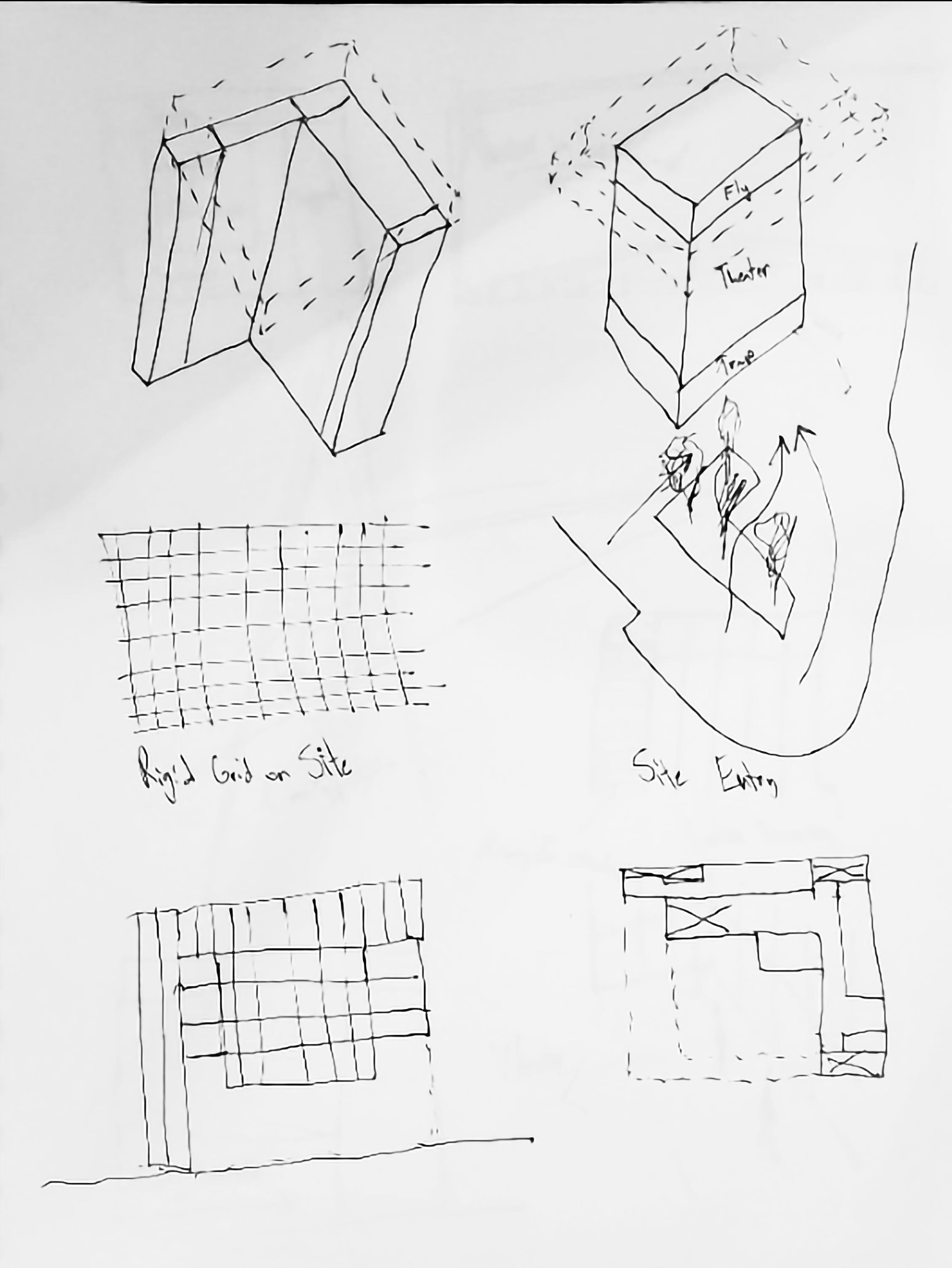
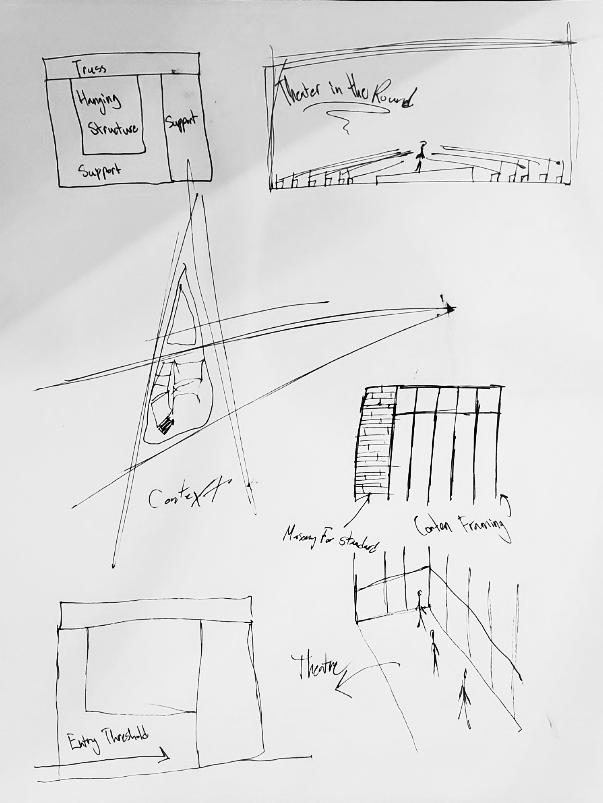
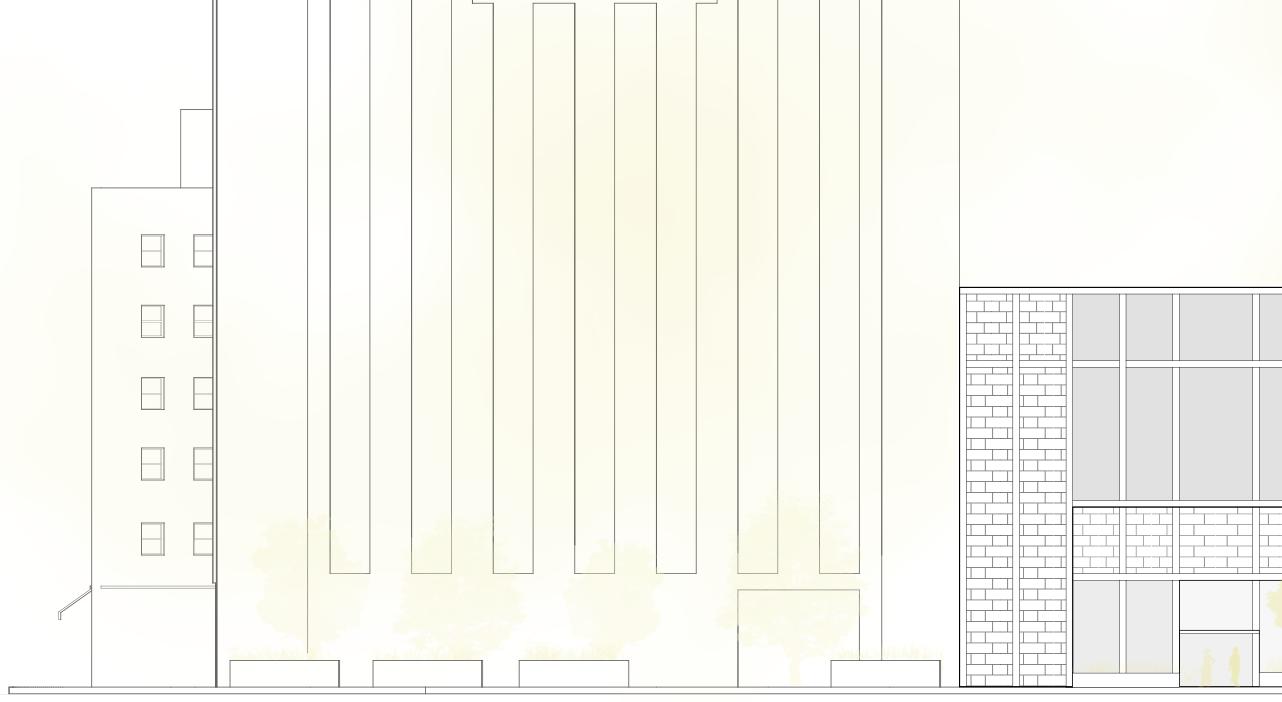
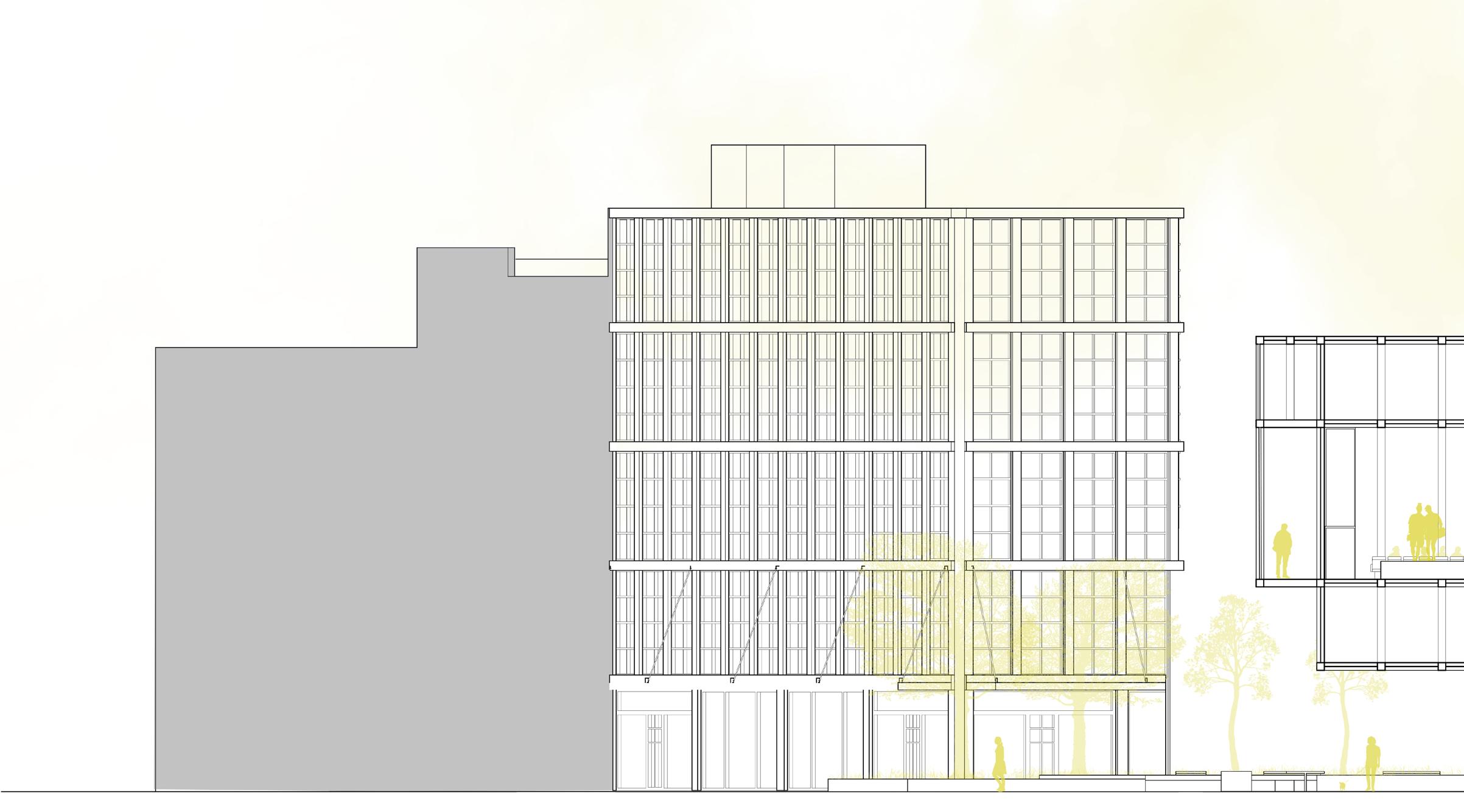
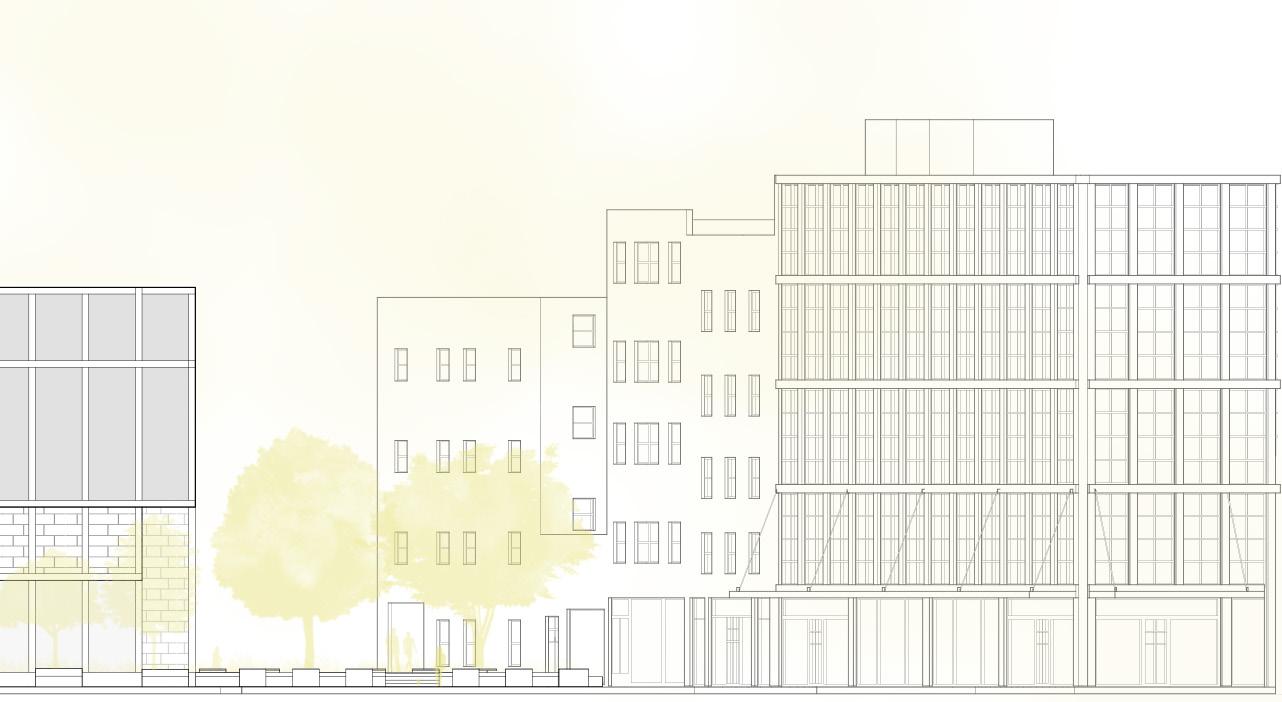
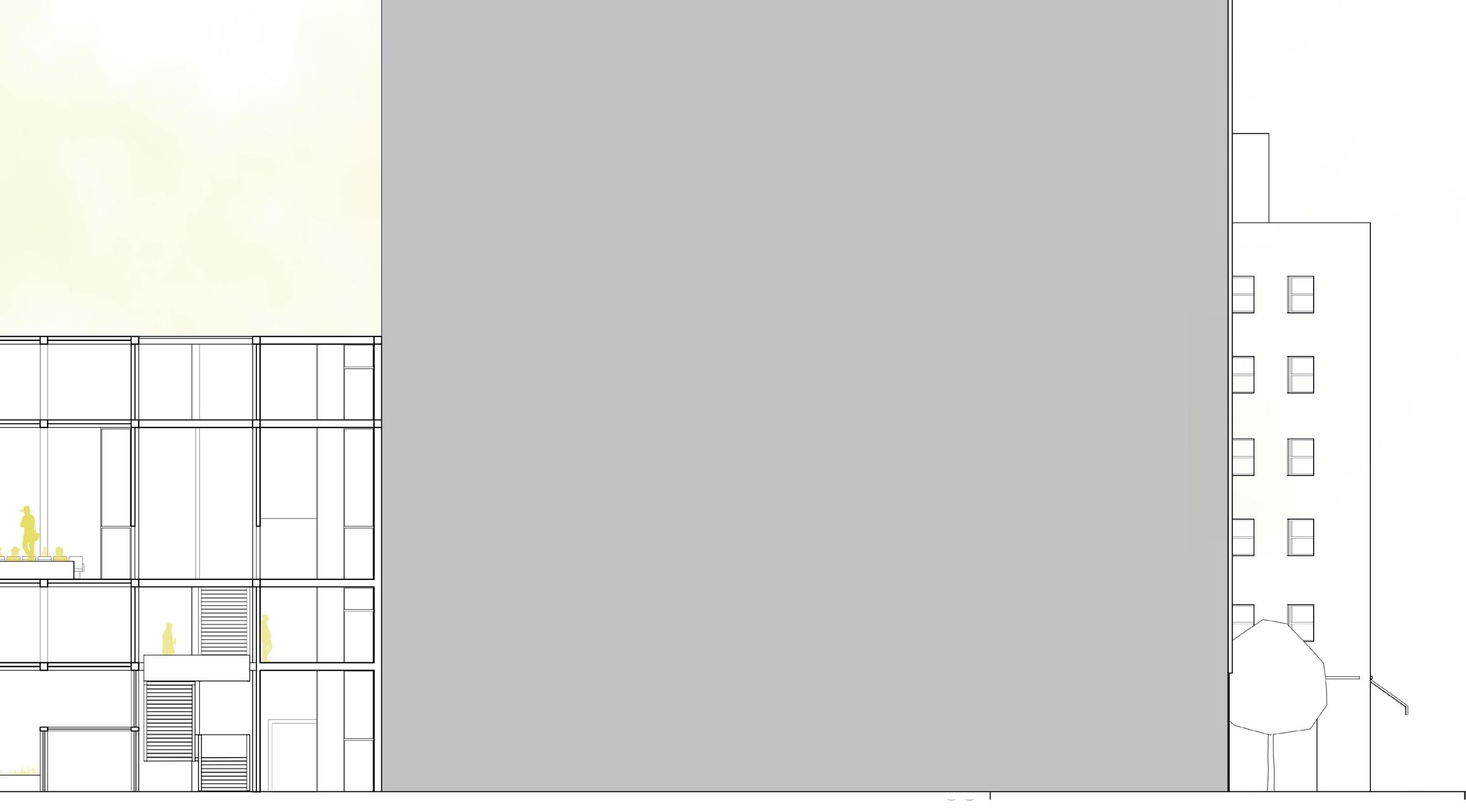
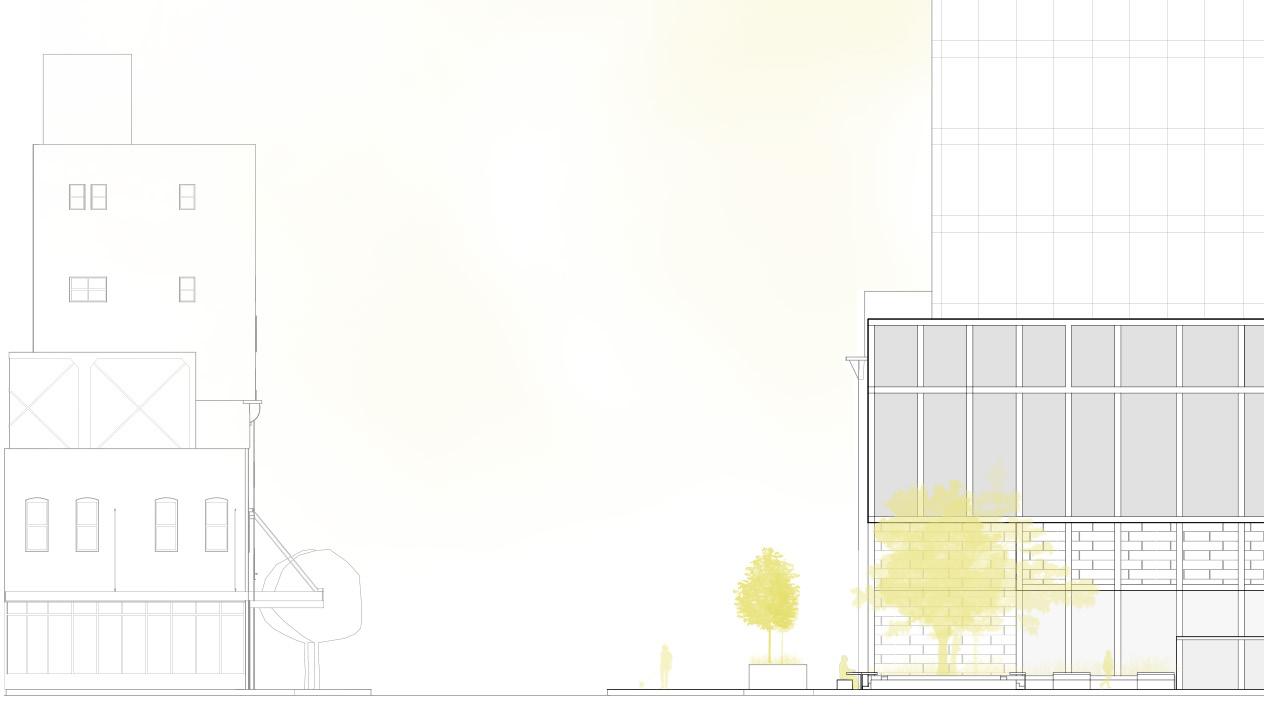
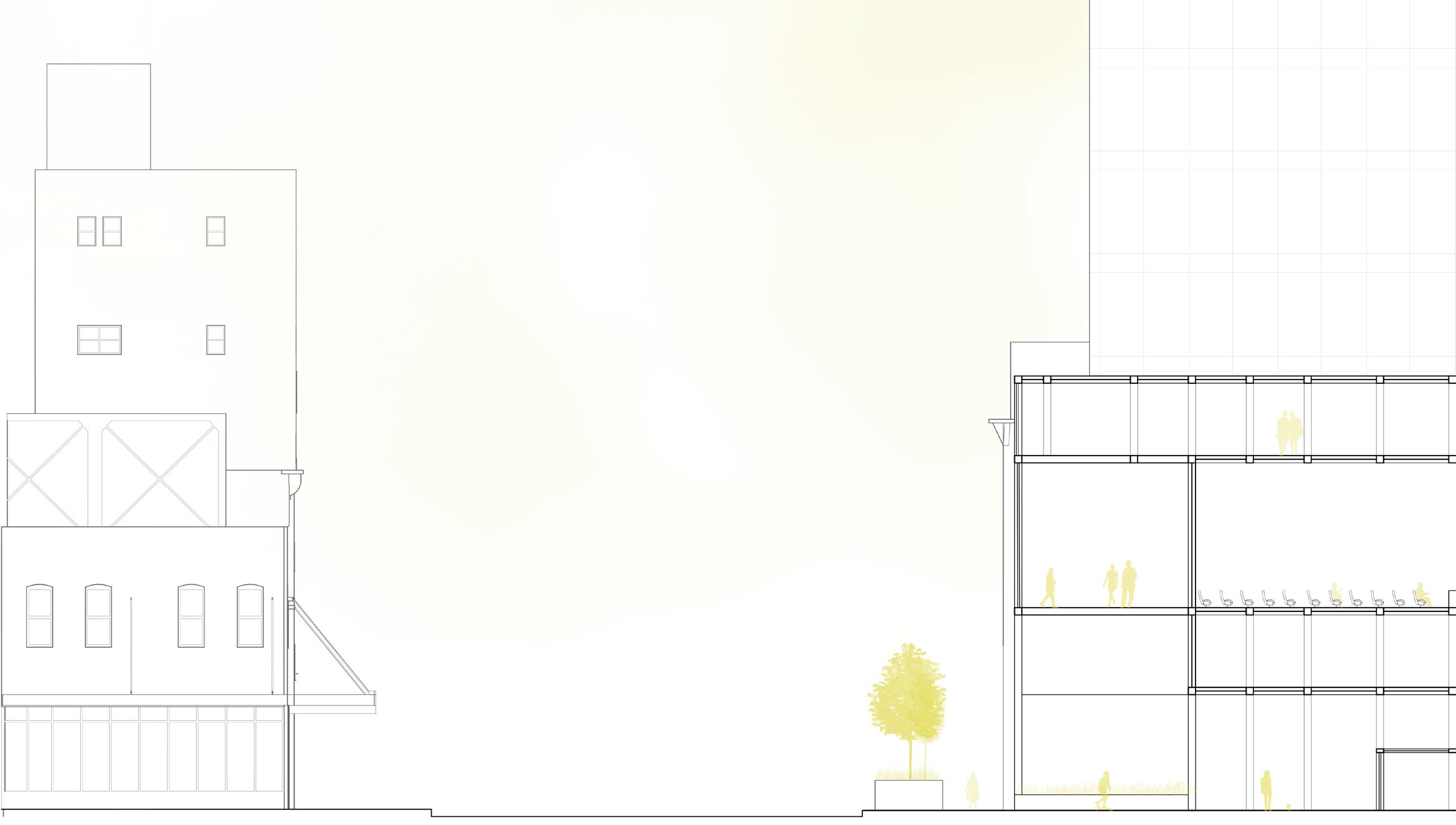
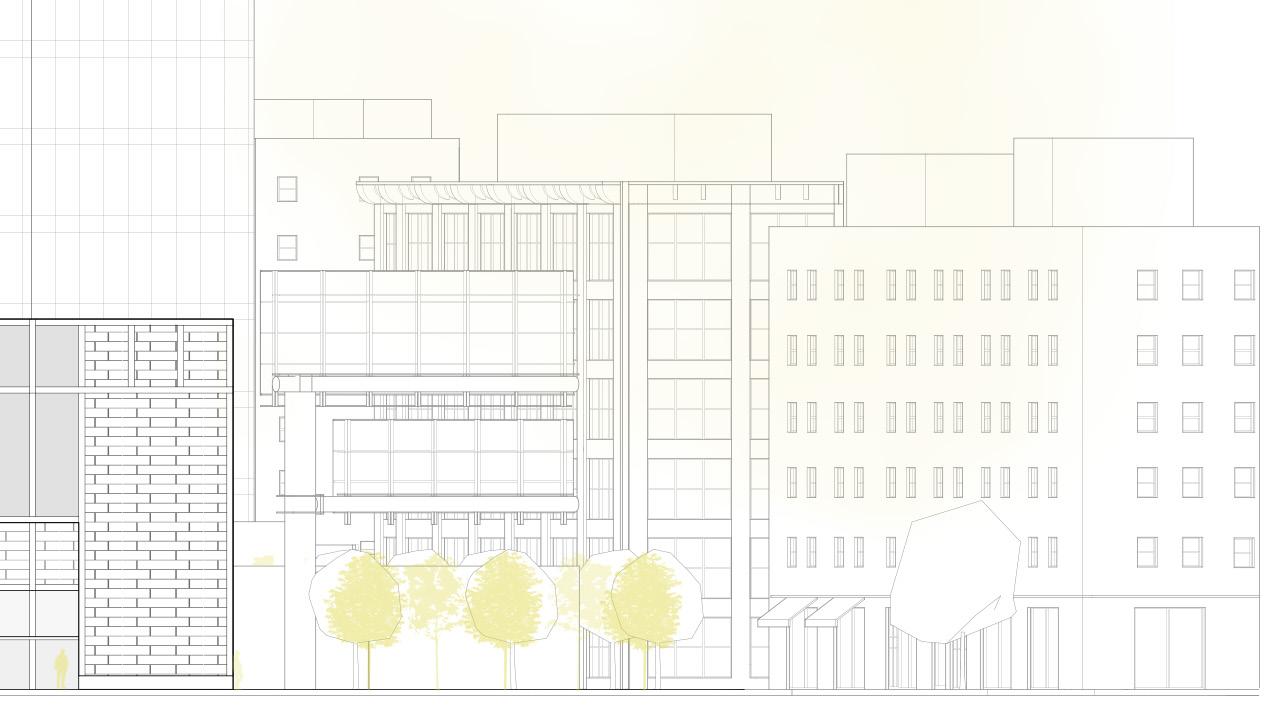
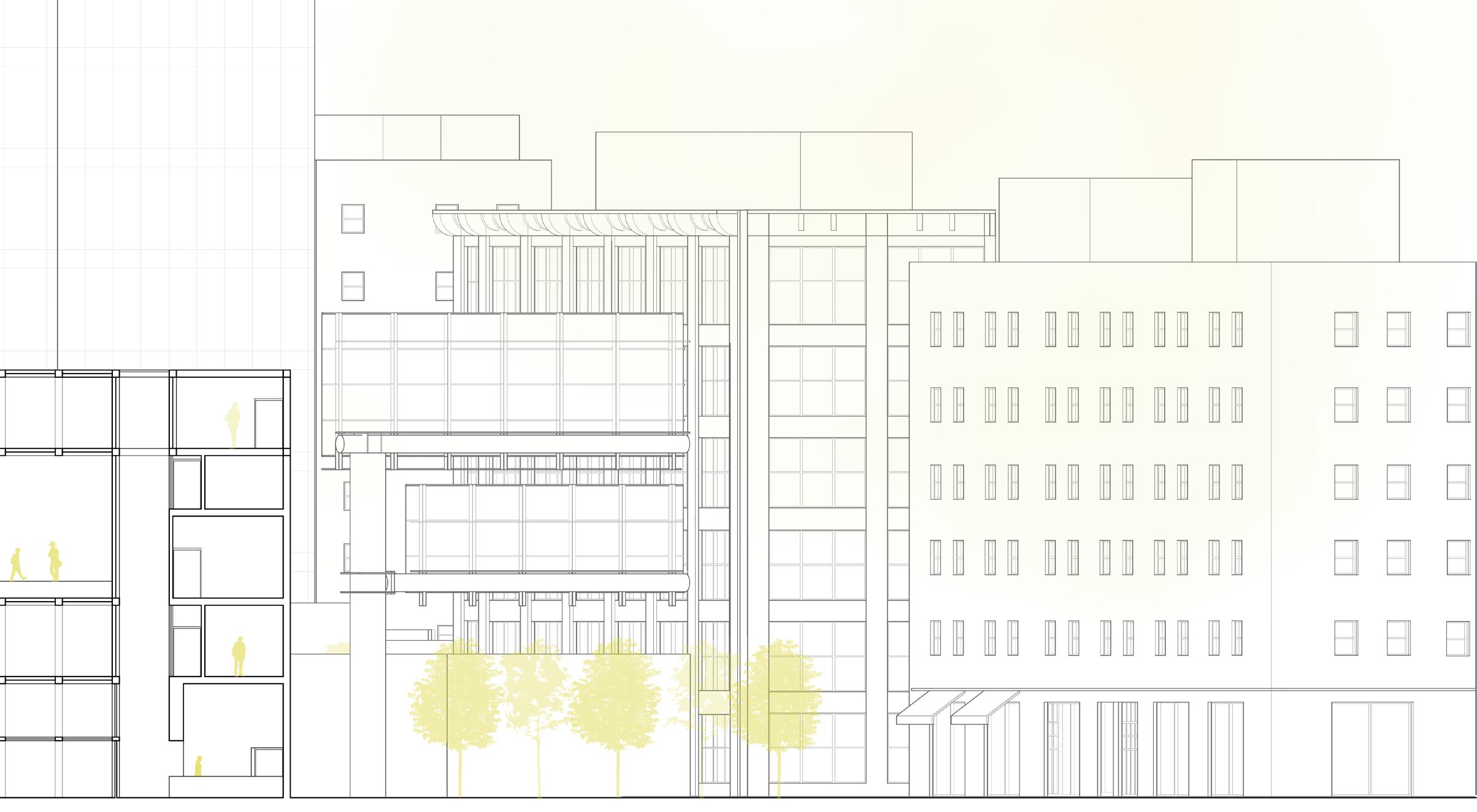
The Hanging Theatre, sited where the competing street grids of Chelsea and The West Village meet in the Meatpacking District, is an architectural composition which balances contextual influence, and a diagram which hangs the public space as the most celebrated area of the project.
The Vierendeel Truss which makes up the entire floor plate on the 5th floor of the building is supported by the pedestrian framing of the program bars at the two party wall conditions of the site. This, coupled with the unique characteristics of the truss itself, allow the mezzanine lobby and black box theatre to hang down into the central core of the buildings mass.
The Lobby and theatre then define a prominent tiered cantilever that helps to define the entry conditions indicated by the plantings in the plaza. Corten steel is used for
all structural and framing members in complement to dark brown stone and glazing, all of which are reminiscent of materials common to New York while keeping the building distinct among its immediate context.
The major circulation cores of the project are pulled to the edges of the building where their enclosure can serve as additional support to the truss. The service and smaller patron spaces are packed into the L shaped program bar that hug the two party wall conditions in order to maximize the opportunities for the public and theater space.
Finally, the urban plaza bring much needed greenery to area while calling back to the nearby context of the high-line through its use of integrated stone seating and walk through elements. This serves to both define gathering space as well as the major and minor entry paths into the building as mentioned above.
Theater Variations
Theater in the Round Procennium
Theater in the Round Procennium
Theater in the Round Procennium
Theater in the Round Procennium
Second Floor
Third Floor
Fourth Floor
Fifth Floor
Trap Floor
Hanging Theater / Lobby
Vierendeel Truss
Section B-B’
Interwoven Lives
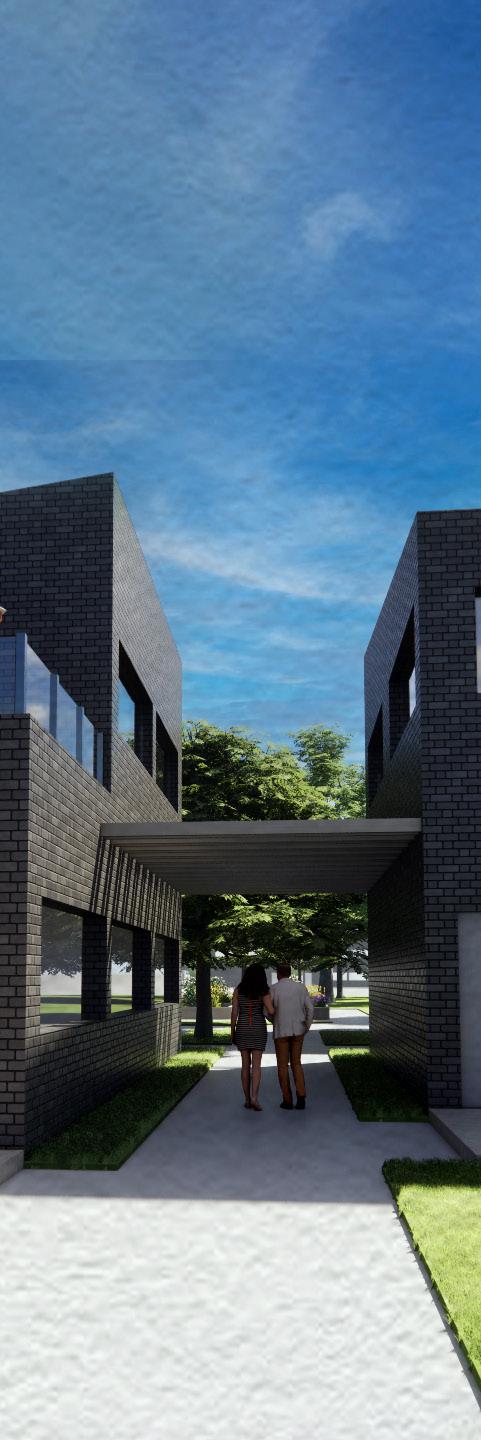
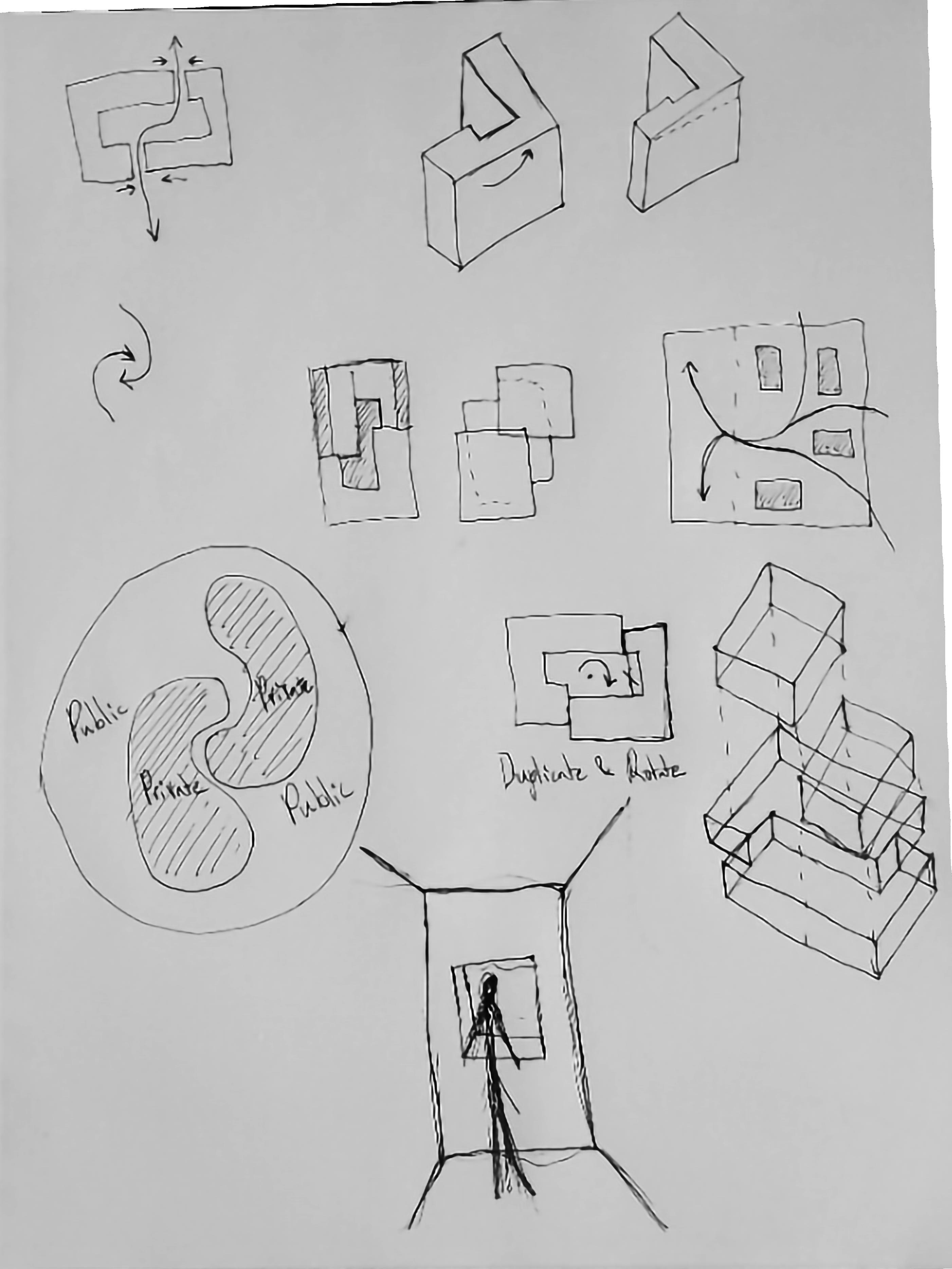
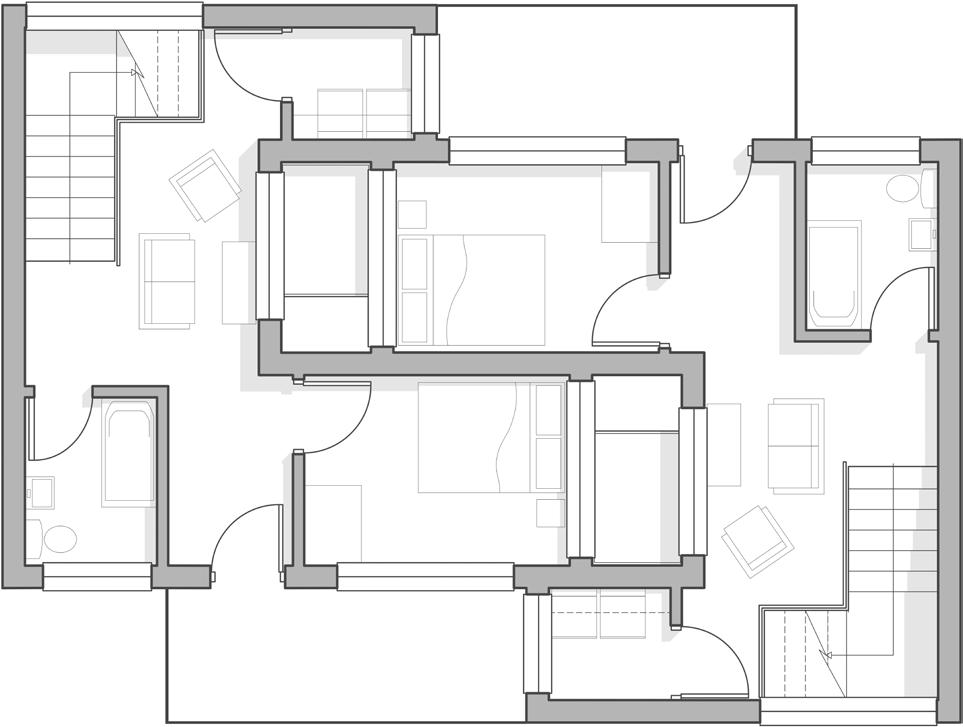
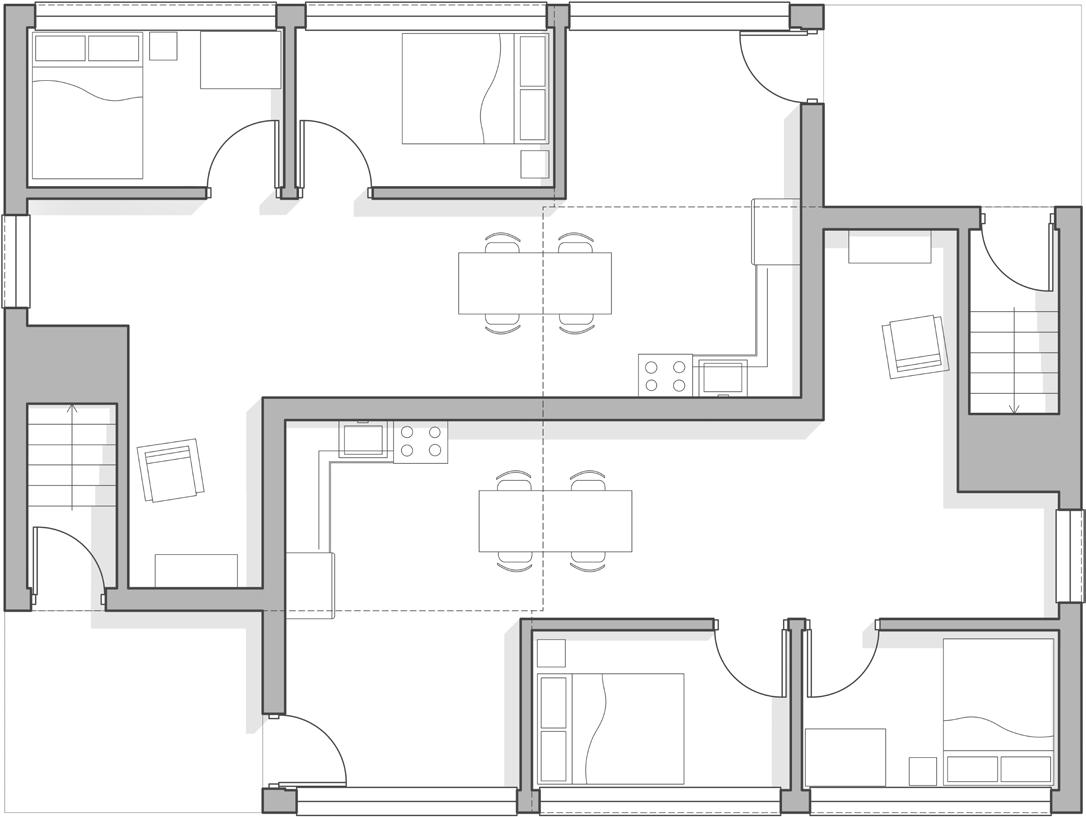
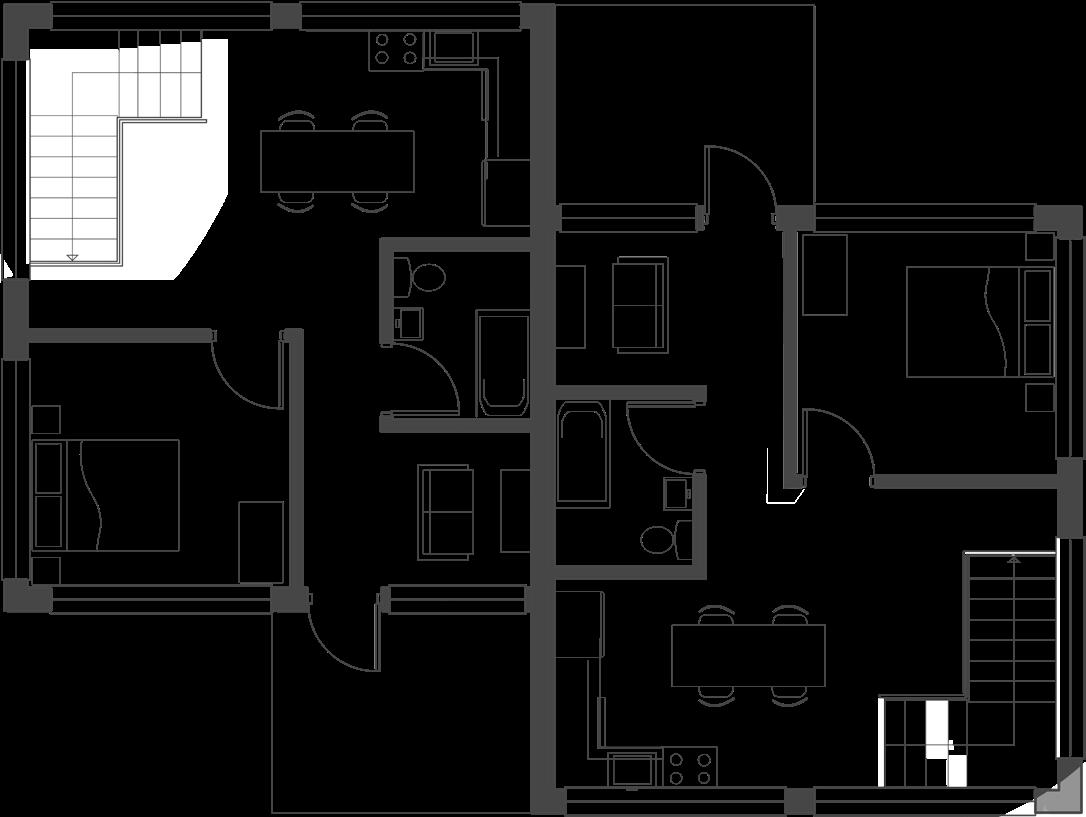
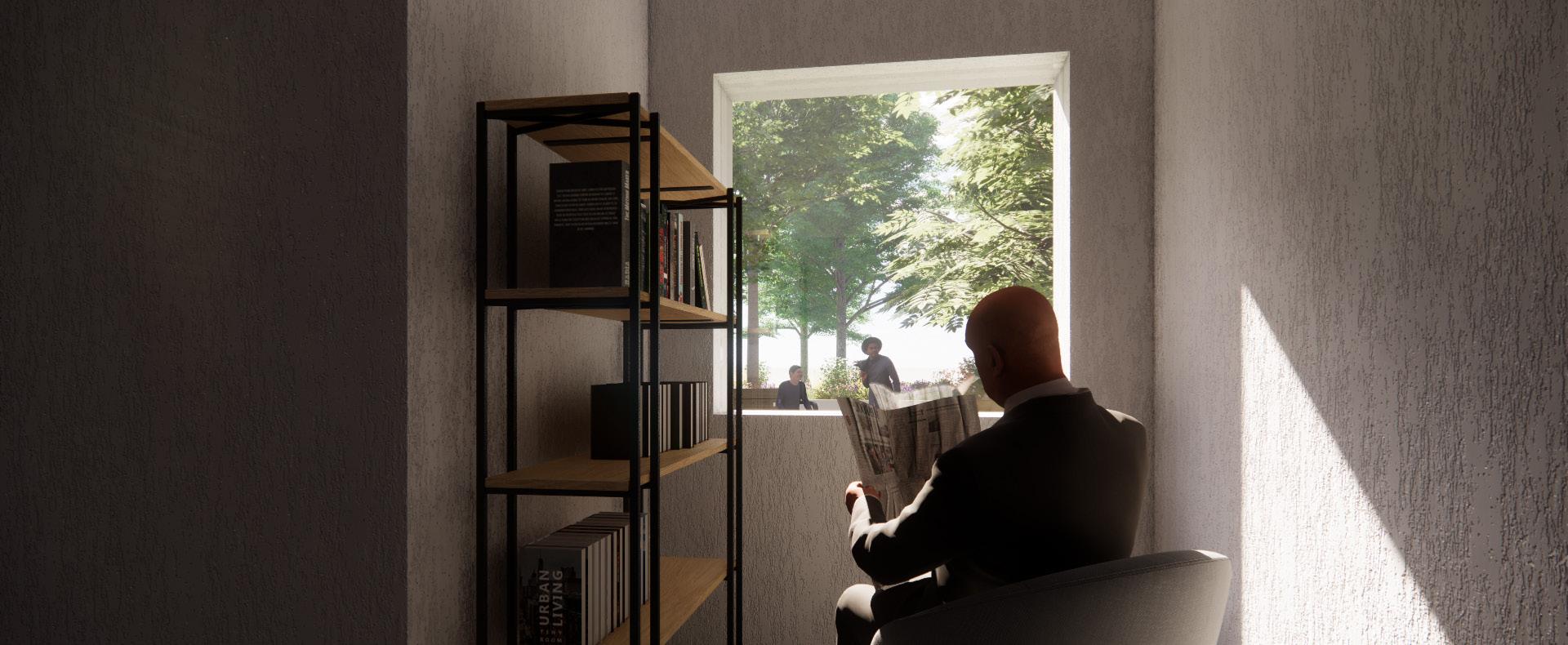
Deriving its formal geometry from the existing social connectivity of Eureka, Interwoven Lives creates a space for that same form of interconnected community between residents. With a patio or balcony afforded to all 12 units on the property as well as shared views of the several courtyards and community garden on the site, there are multitudes of opportunities for the residents to grow closer and live happier within their community. Each of the four unit block structures aggregate two-four units together in such a way as to create shared and private spaces for dynamic use by the residents. Additionally, wooden trellises are placed in just below the top of the first story of the unit blocks to drive circulation between courtyards and through entry corridors into the property. All in all, the project balances privacy and connectivity within a tight-knit rural community in dire need of reinvestment.
Pathways of Travel Interlocking Spaces
Unit Distribution
3-4 Occupant Unit Interlock
Dual 3-4 Occupant Unit Mass
1 & 2-3 Occupant Unit Interlock
Dual 1 & 2-3 Occupant Unit Mass
Sashimono Timber House
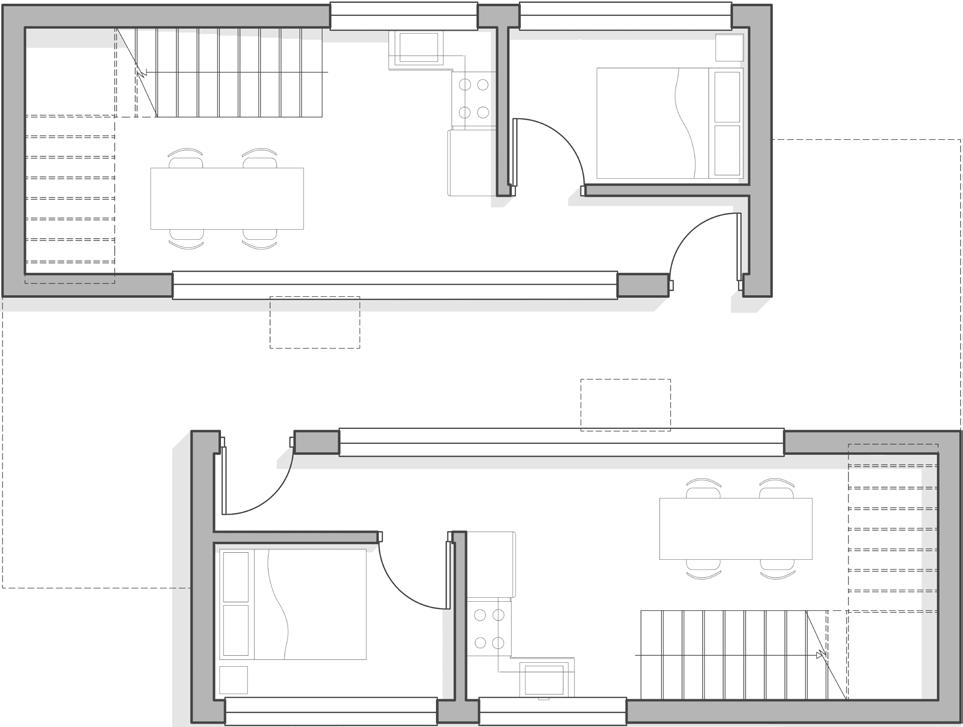
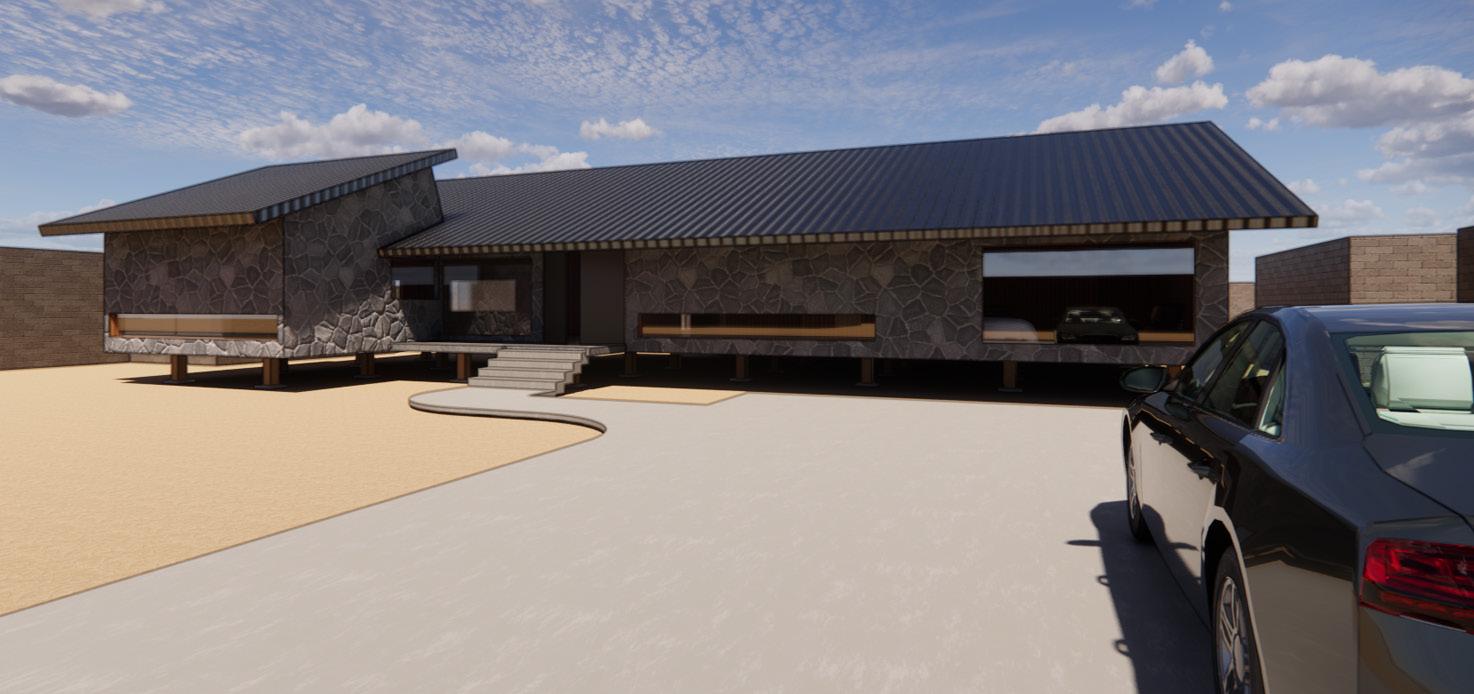
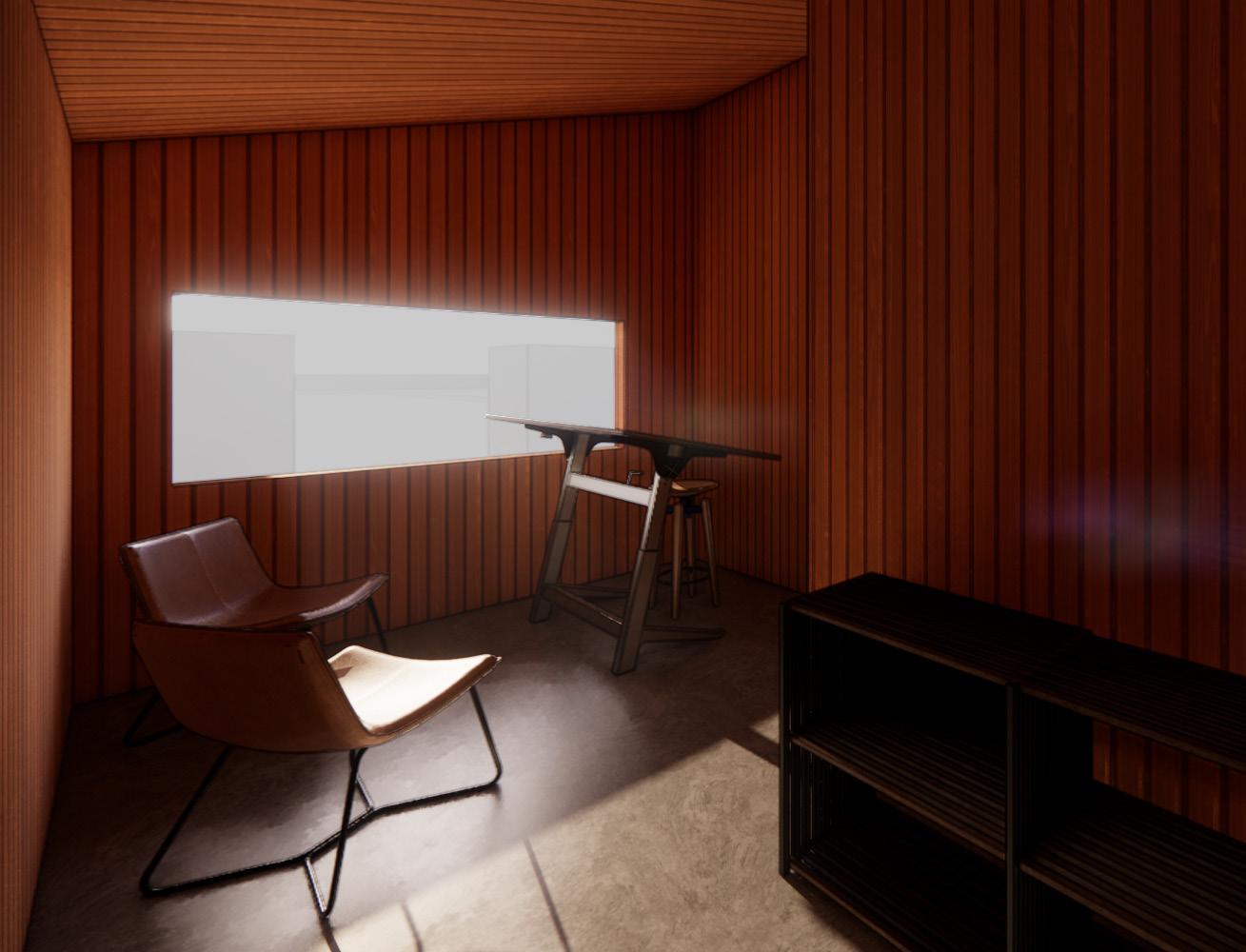
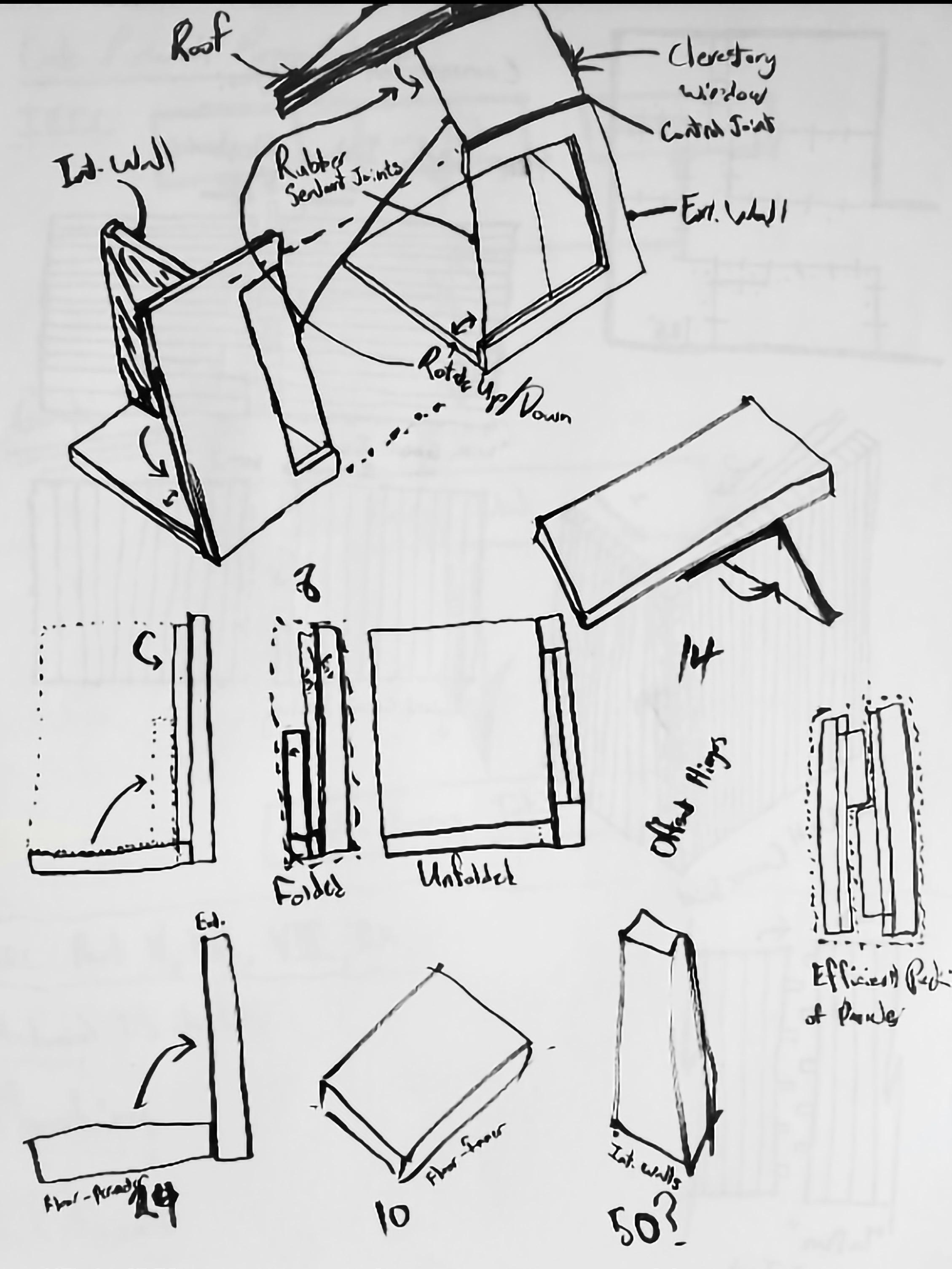
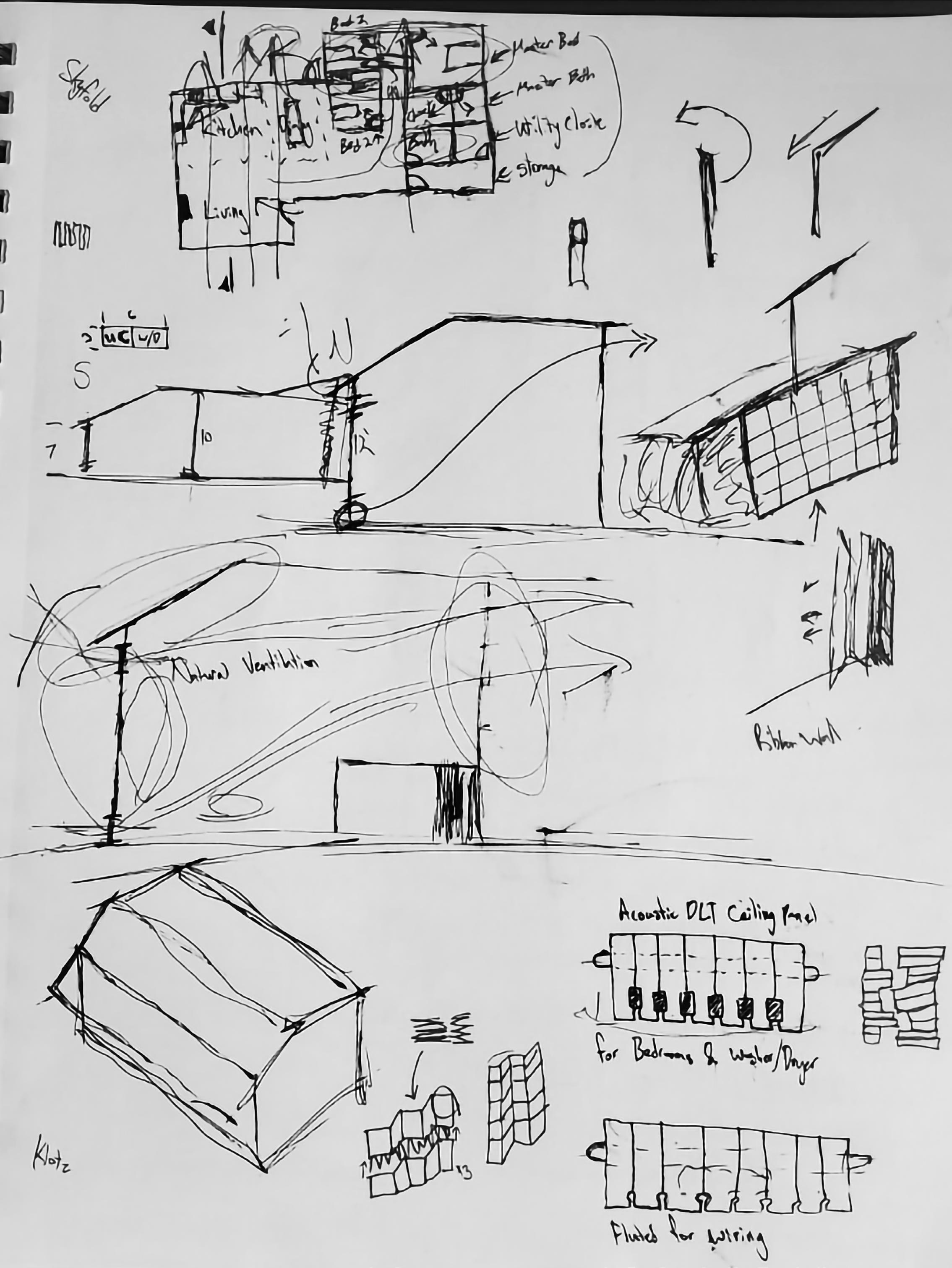
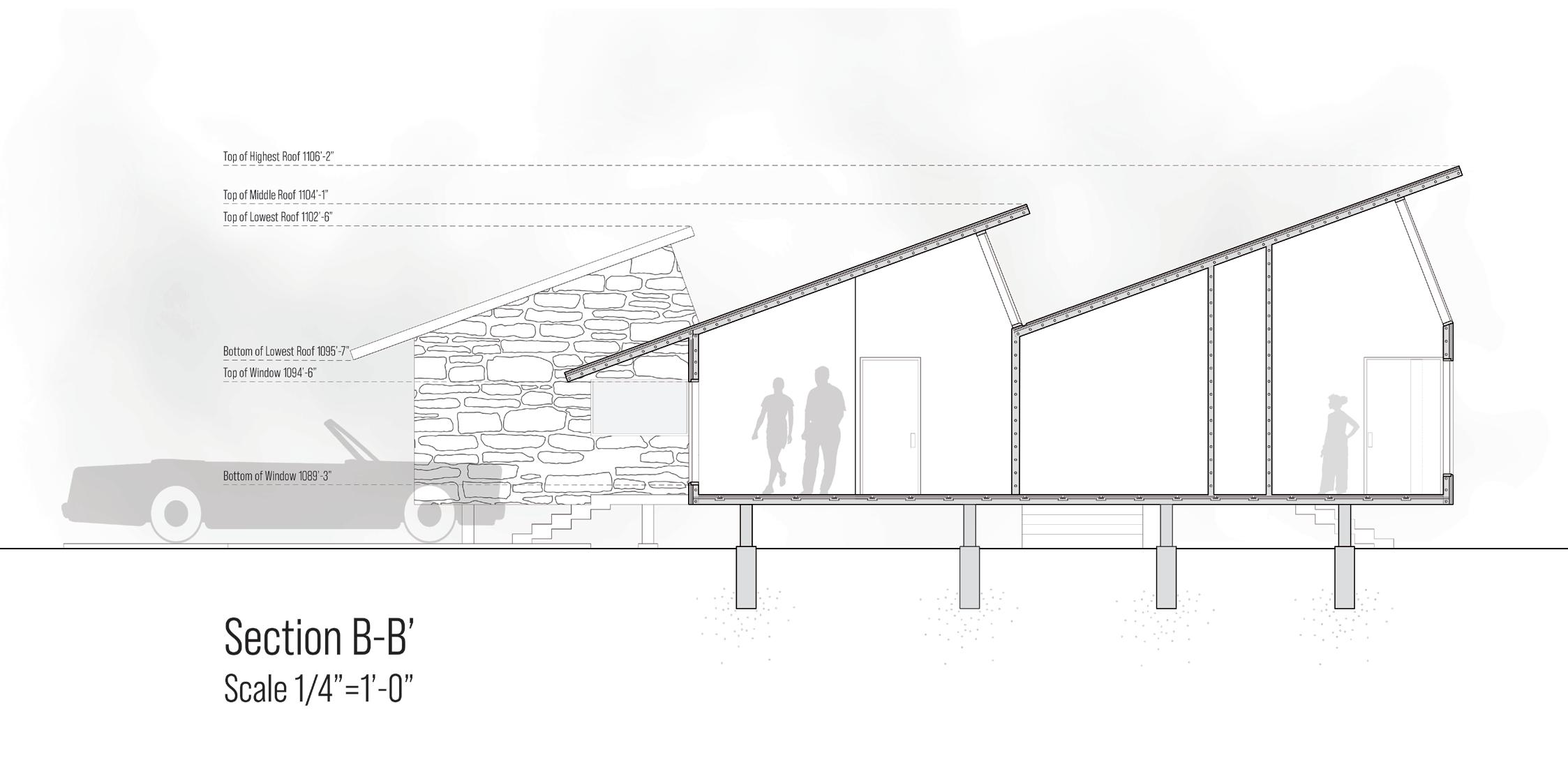
The Sashimono Timber House located at 1424 E Almeria Rd, Phoenix AZ, 85006. is designed to be a categorical innovation on the prefabrication and affordability modules that exists in the single family residential market today. “Sashimono” is a technique for assembling furniture and other wooden items without nails, using both simple and highly complex wood joints. This building technique is magnified at the building scale through the use of dowel-laminated timber (DLT), a structural system that does not use any glue for it’s construction. The design of the home is at once modular and flexible in it’s shipping and assembly techniques, yet maintains a sense of place among the context of it’s fundamental climate region. The entire home other than the wooden foundation piers, is pre-assembled off-site into 9 composite folding structures and remaining supplementary interior wall, decking, and roof panels. These parts of the whole, are able to be efficiently
stored and shipped onto a single 8’6” x 53” x 9.6” shipping container, shipped to site, and then assembled within 3 days onsite via a contractor and construction team. The primary structure and detailing of the home relies on the integration of systems within dowel-laminated timber panels. On the product market today there are ready to manufacture strategies for inlaying electrical, plumbing, and HVAC systems into cavities machine cut in the assembly profile, while maintaining the solidity, structural capabilities, and workability of DLT as a material. Additionally high R-Value wall, floor, and ceiling assemblies are composed with the DLT acting as primary structural layer and efficient insulations and siding taking care of environmental response and protection that DLT is not solely capable of. Through and through, the Sashimono Timber House accounts for each of shipping and construction in a new way, responds to it’s unique climate region, all while maintaining a high quality of spatial and living experience for its residents.
June Solstice: 12:00 pm
Azimuth 144 ° Elevation 78 °
June Solstice: 6:00 am
Azimuth 66° Elevation 6°
December Solstice: 12:00 pm
Azimuth 172° Elevation 32°
December Solstice: 8:00 am
Azimuth 122° Elevation 4°
Sun Shading and Thermal Mass
Sun Path and Thermal Mass
Organization of Spaces
/ Zones
Circulation
Circulation
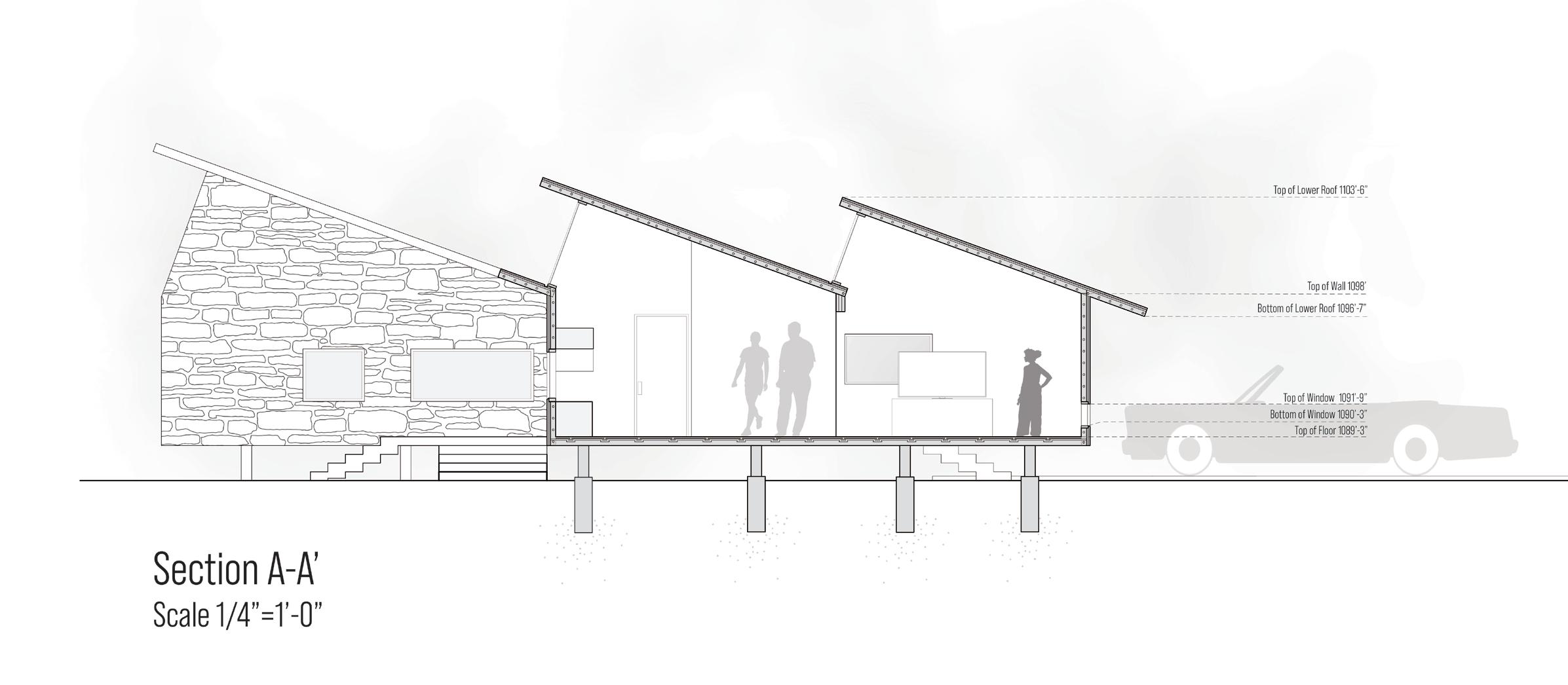
Section A-A’
Scale 1/16” = 1’ - 0”
Section B-B’
Scale 1/16” = 1’ - 0”
Accesible Service Channels
Routing for Service Runs
Accesible Service
Acoustic Profile (NRC = 0.70)
Routing for Service
Critical Technical Section
Critical Technical Section
Clerestory to Roof Detail
Detail
Wall to Clerestory Detail
Assembly of Basic Parts into Composite Parts
Assembly (Unfolding Living Room)
Assembly of Composite Parts into Whole
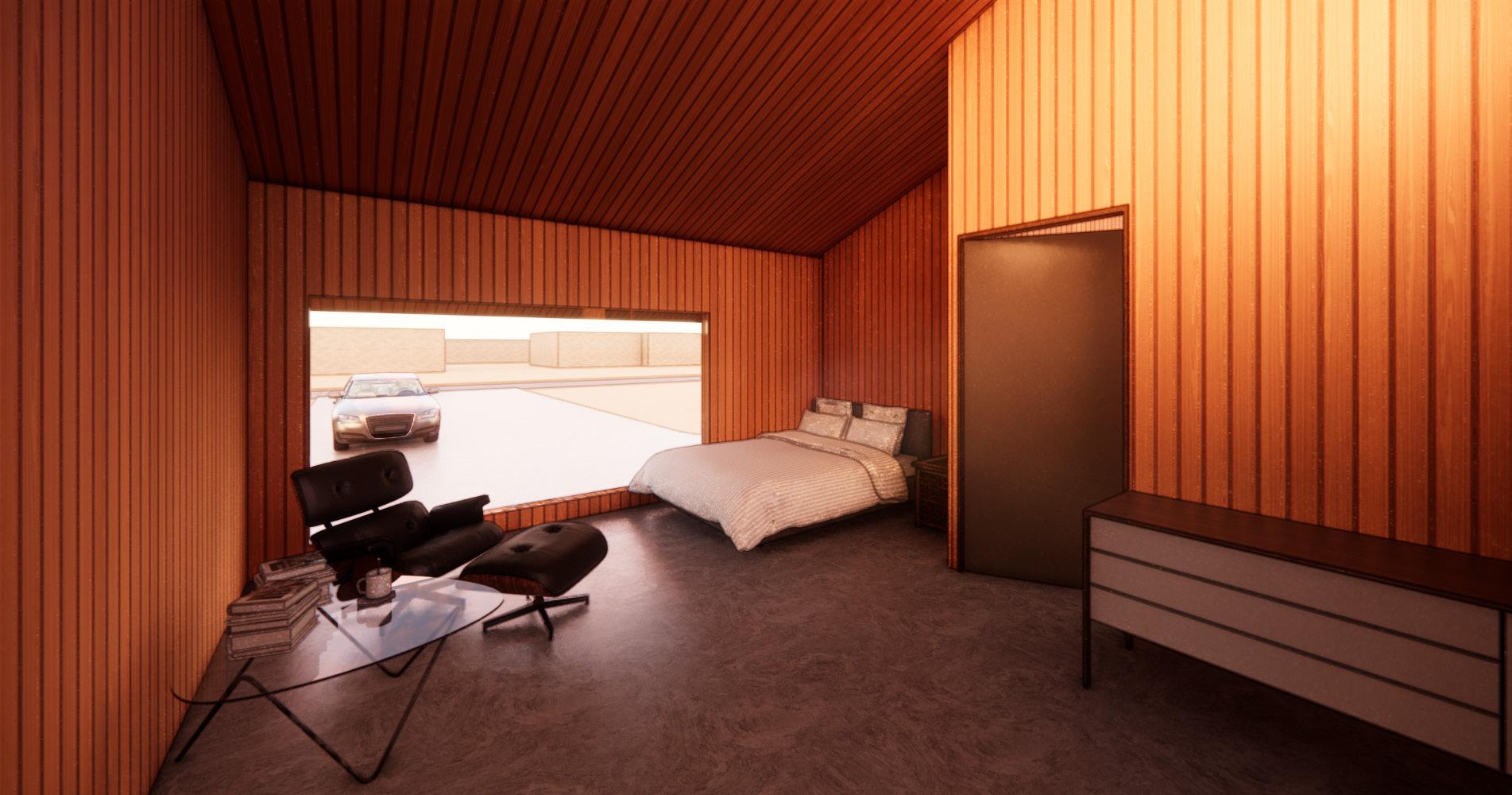
Master Bedroom
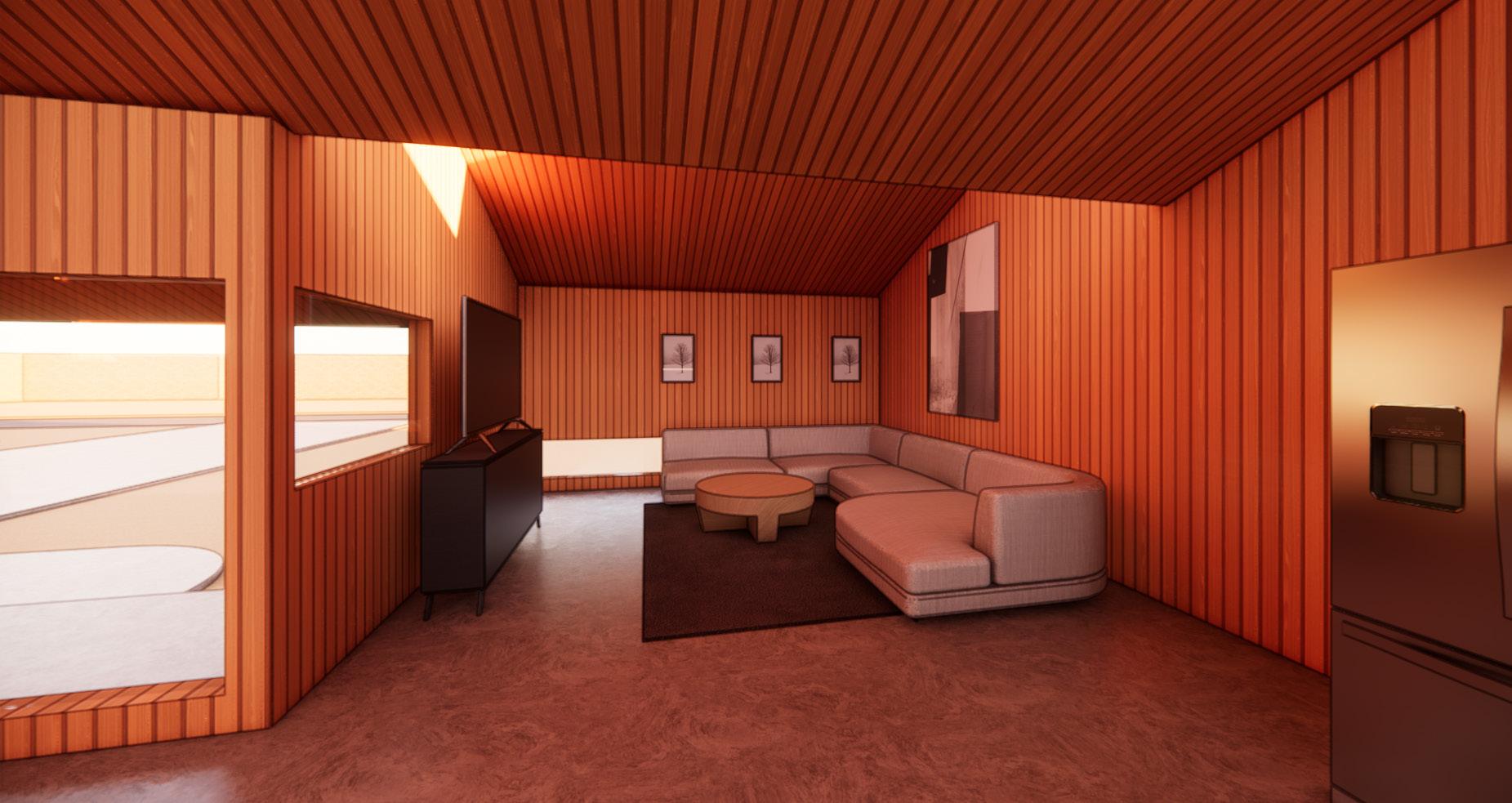
Living Room
Internship Experience
KGD Architecture : Washington, D.C.
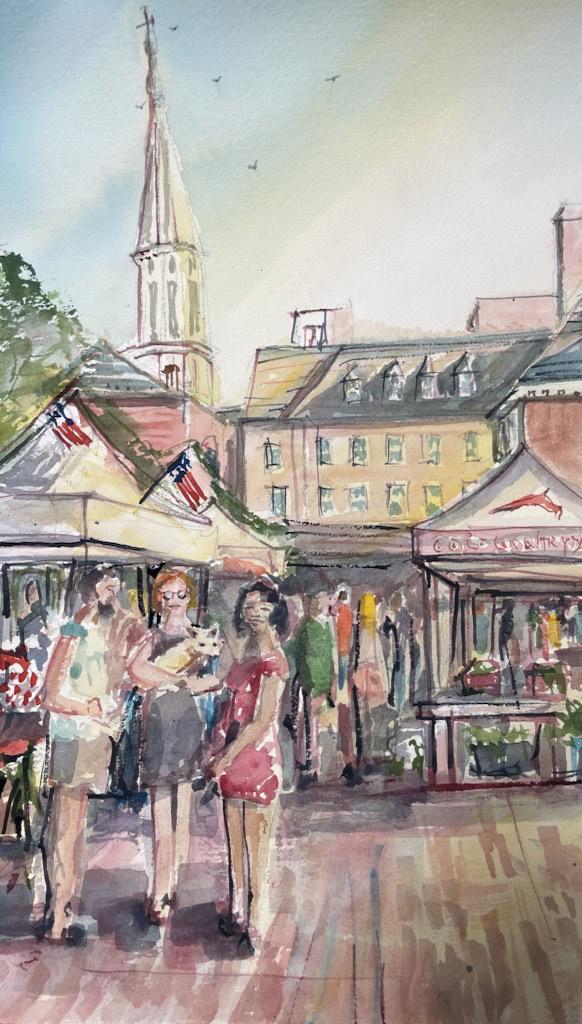
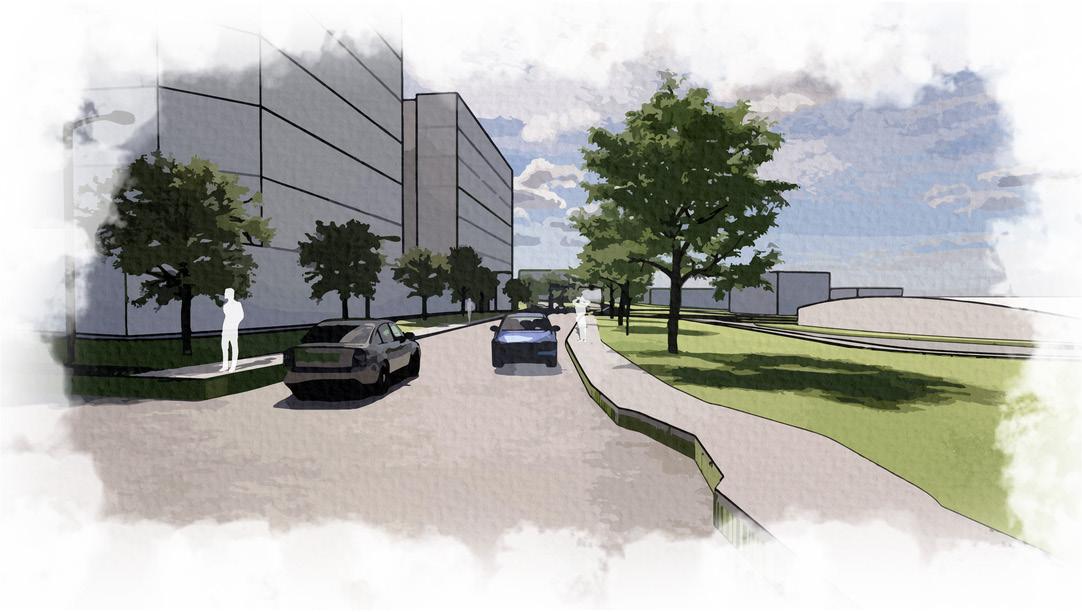
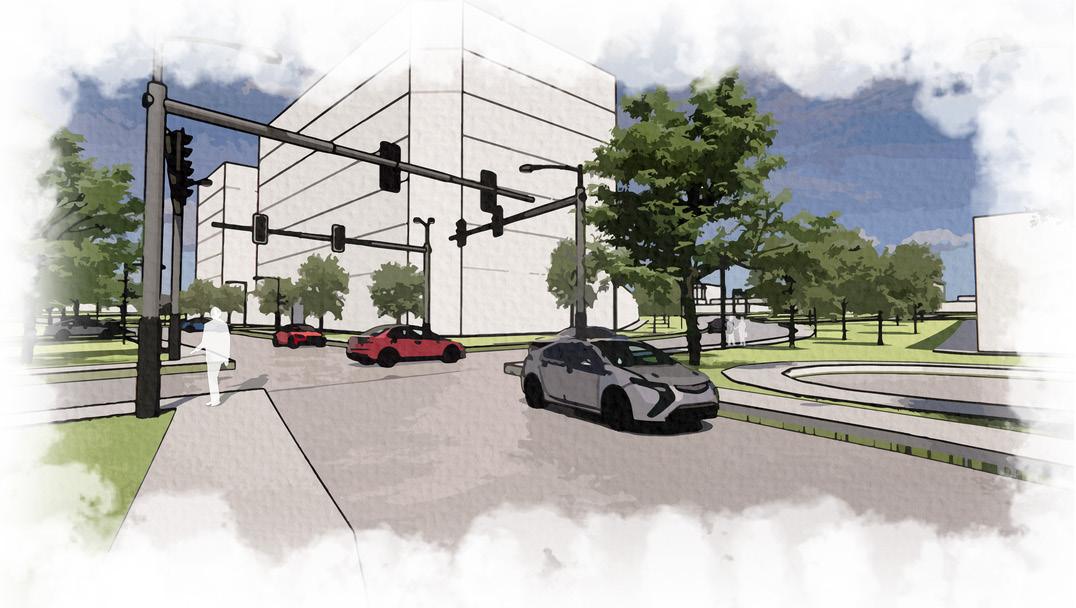
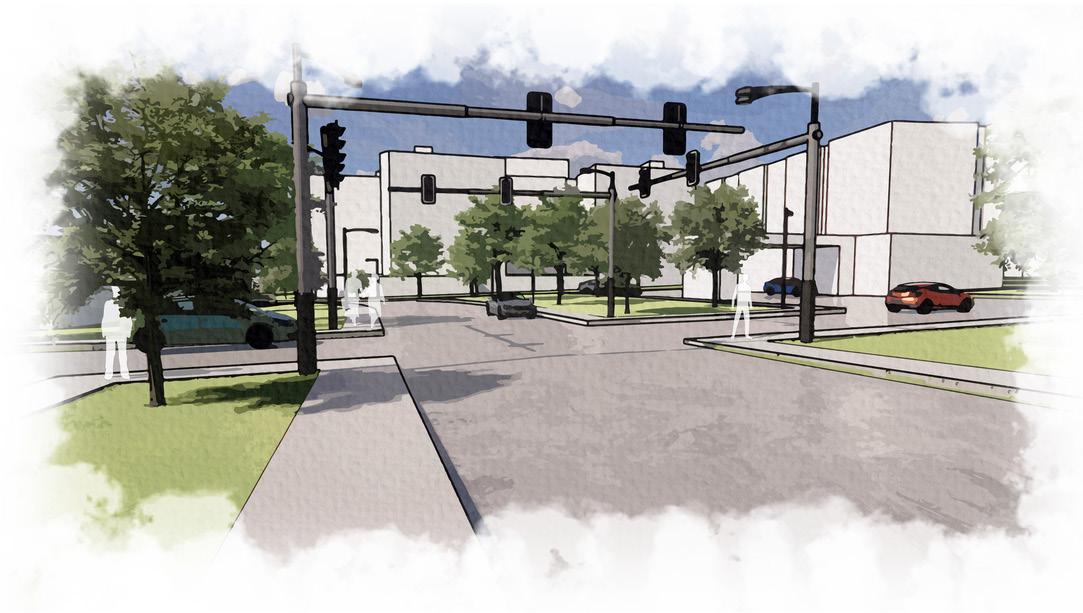
In the Summer of 2023, I moved to Washington D.C. to be a summer intern for KGD Architecture. While there I gained invaluable experience in the architectural profession. From working on the earlier programming and analysis phase of cutting edge housing projects, to punch-walking near complete renovation projects, I couldn’t be happier about my time at KGD. Pictured to the right is a watercolor painting of myself, my intern supervisor, and a fellow intern made by one of the founding partners Manoj Dalaya commemorating a day we spent in Alexandria, VA. On the second page are rendering I prepared for a project in Fairfax, VA.
Academic Research
As a further investigation spurred on by my fervent interest in affordable housing, policy, and philosophy, I contributed an article to CRIT journal. CRIT is the journal of the AIAS and the premier publication of student’s in architecture, design, and associated fields. My article titled “The Metaphysical Contradictions of the Housing Crisis: The Impicit Dissonance Between Western Idealism and the Reality of the Housing Crisis” explores the inhrenent contradiction present between claims of egalitarian societal structures in western culrue and prepetuated nature of the plight of the unhoused.