ARCHITECUTRE
PORTFOLIO
NGUYỄN LÊ MINH SELECTED WORK FROM 2022 - 2024

Hi,
My name is Ng. Le Minh. Welcome to my portfolio, where you’ll find selected works from my five years of study. My projects reflect a mix of styles, including industrial, modernism, and vintage. What I take pride in is the refinement and my willingness to explore innovative approaches in my architecture.
Education
Language
Name:
Address: Nguyen Le Minh 23/09/2001 0931823046 minh.arch23@gmail.com Thu Duc city, Ho Chi Minh city
Work Experience
Jun 2020Apr 2021
Mia Design studio
Internship: model concept research, final model making, documentation, event and exhibition plan.
Jun 2021Sep 2021 Sep 2022May 2023
Freelance model making Work and research on model projects from simple to detailed.
Xuong Xep studio
Internship: model concept research, data analysis, concept research, concept design and documentation
Activities
Architecture Festival 2021
First Prize winner - individual sketch Special Selected 3x3 module
Architecture Festival 2022 Third Prize winner 3x3 module
IAUTE - Creative Archi - participant
Club president of “Urban sketcher Vanlang” - sketching tutor at Dalat workshop for special class K27
Van Lang “Kien-Xay 2023” Organizing committee - content lead Construction committee member First prize Logo designer KX23
2023
Van Lang “Kien-Xay 2023” Construction committee member




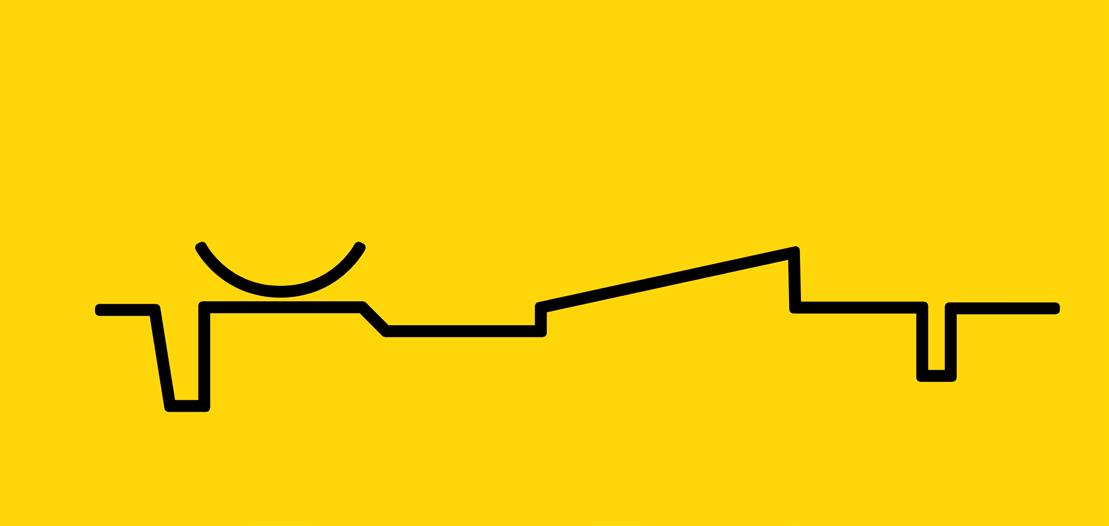

SAIGON METRO
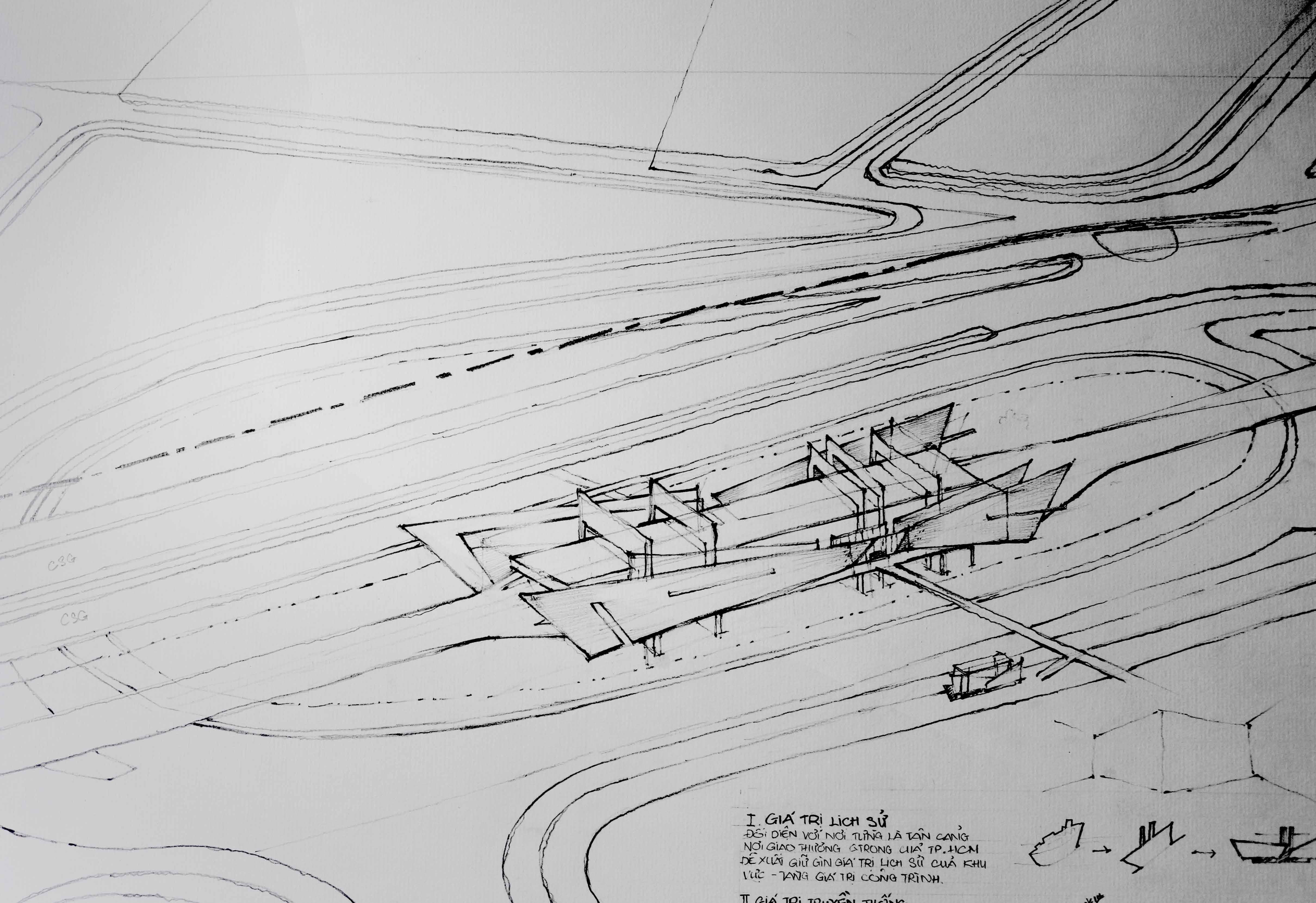
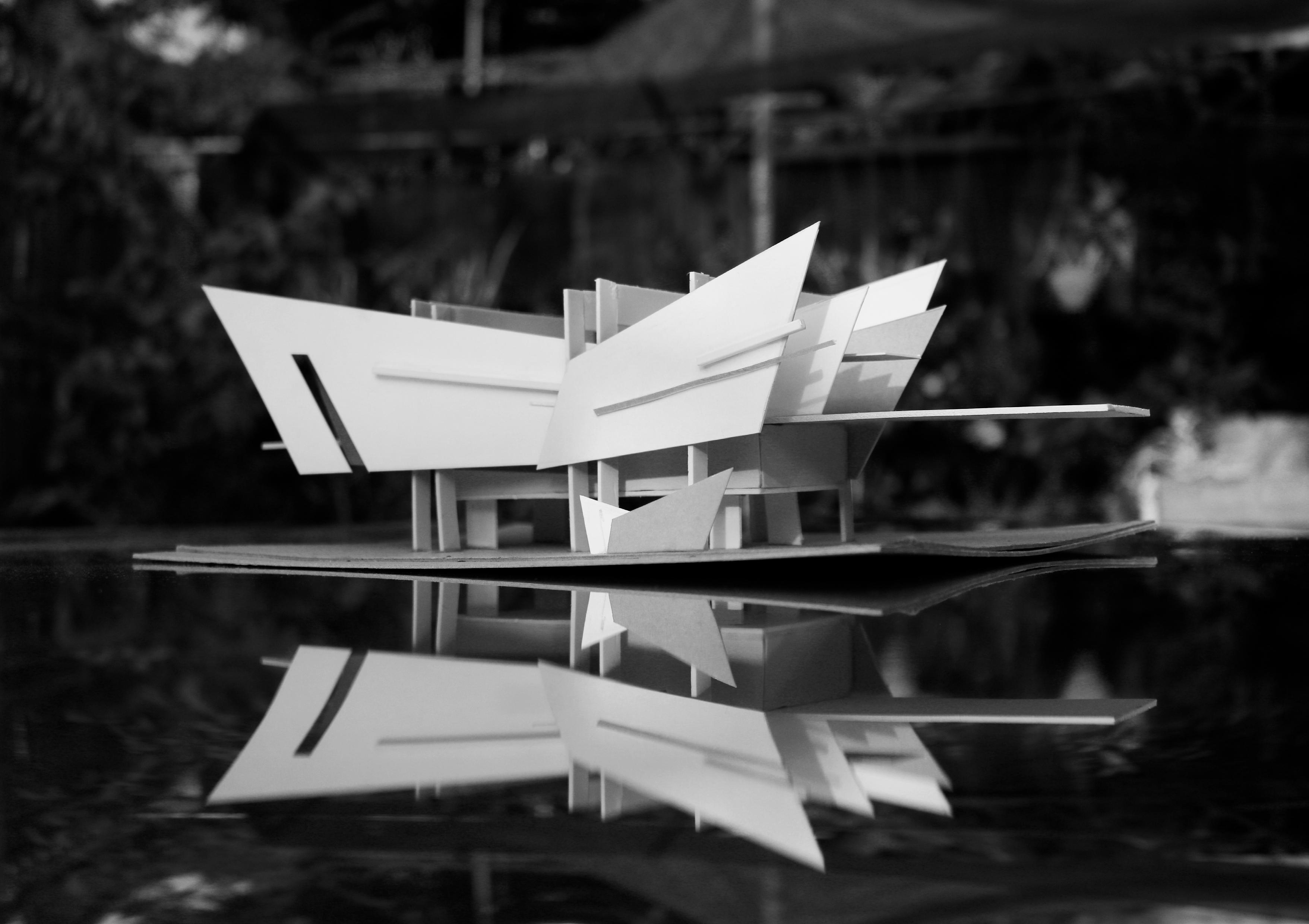
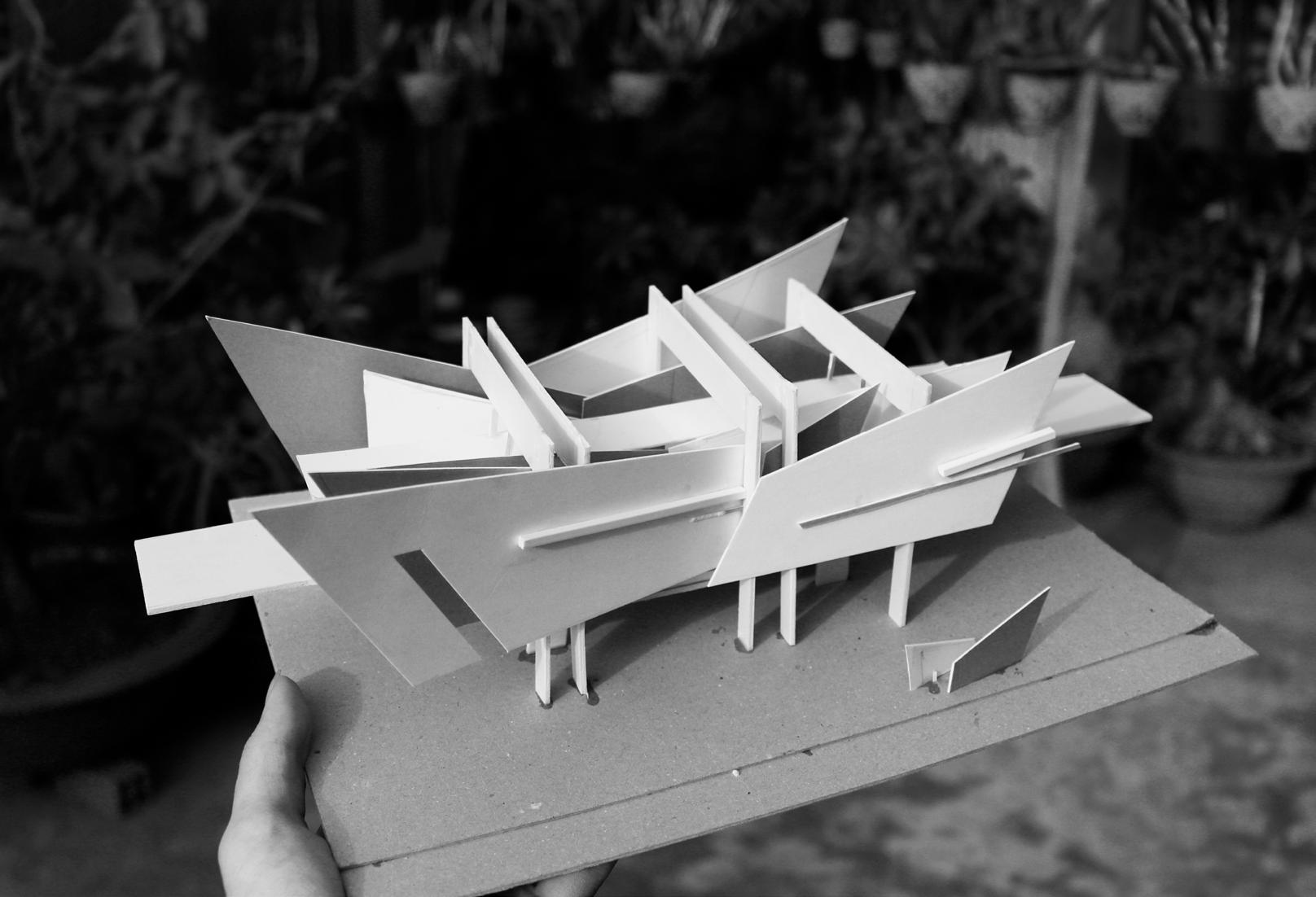
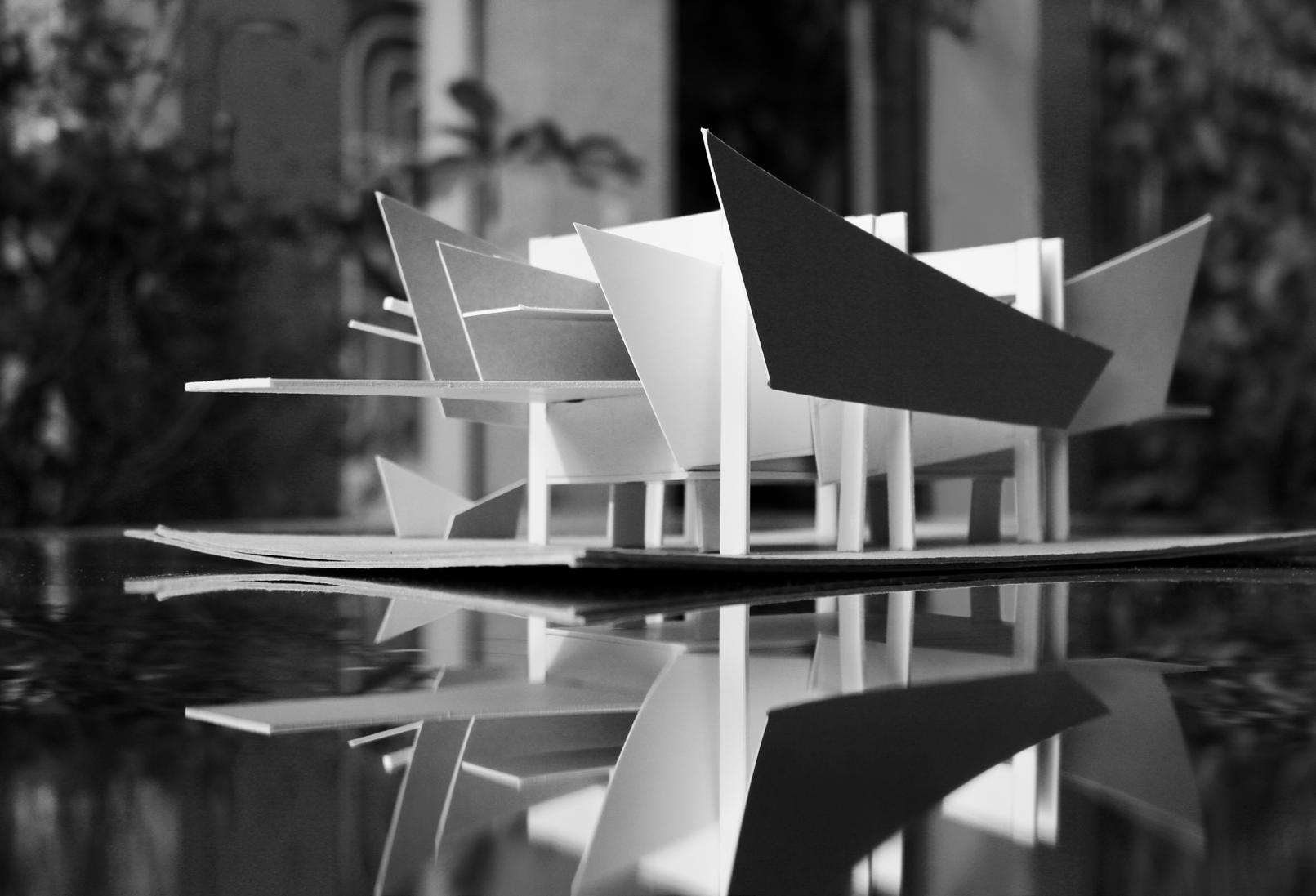
The redesign of Tan Cang metro station
ARCHITECT FESTIVAL 2022 ENTRY PROJECT
Top selected entry project quick-design A Fes 2022 SITE: Tan Cang Metro station, HO CHI MINH CITY YEAR: 2022 - PROGRAM: SKETCH, MODELING
Recognizing the need to emphasize heritage and planning in the area, the proposal suggests a more modest, enclosed space underground. The strength of this approach lies in preserving surface landmarks while addressing regional issues. It allows the area to retain its historical value while integrating with future developments, such as pedestrian streets, central axes, and metro stations. This design facilitates a transition from the past (surface) to the future (underground) Although the design adopts a modern aesthetic, it retains elements of the old iron house area, including hundred years of old station and well, the bobo trail, and the architecture of the old station.
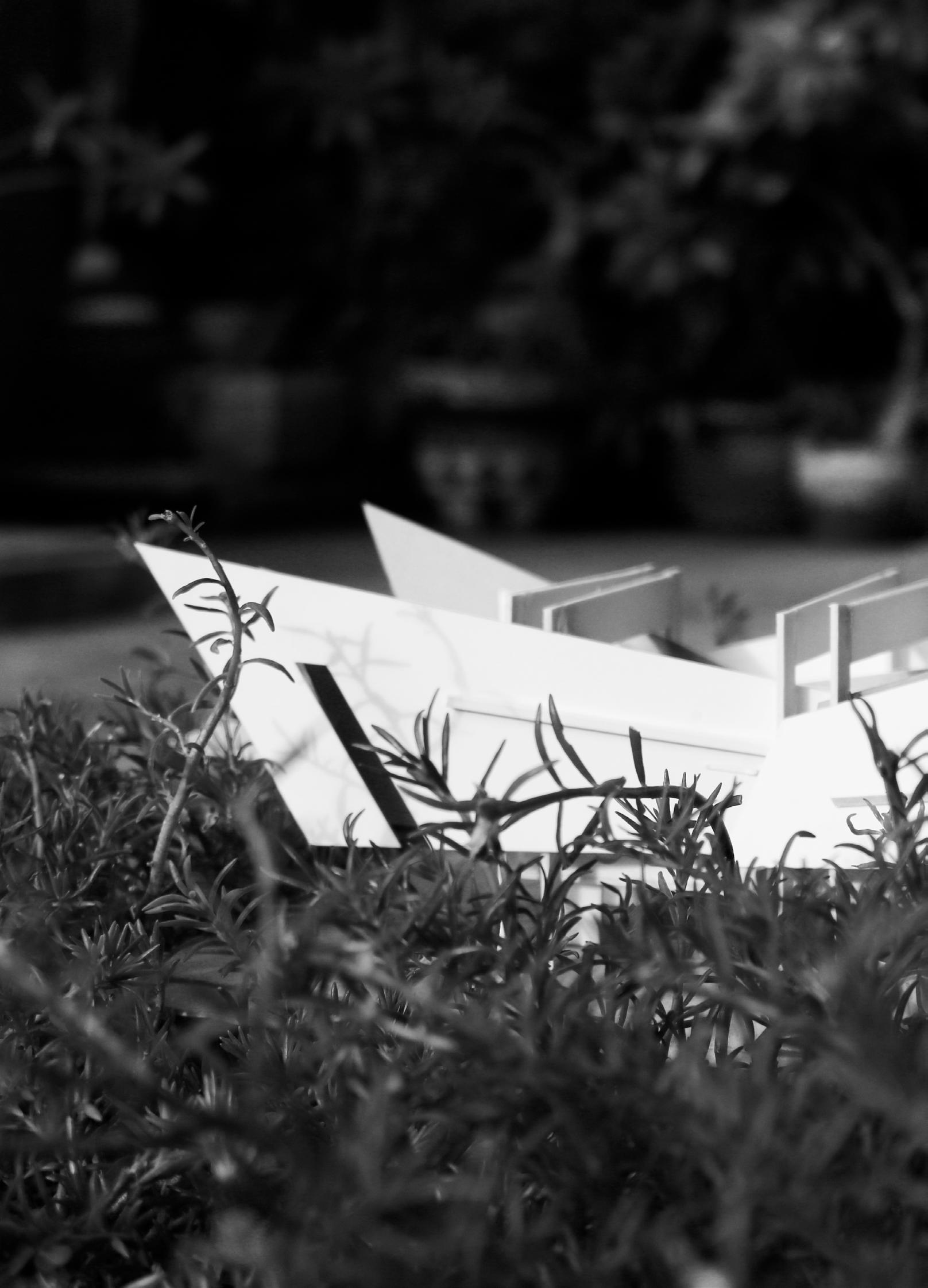
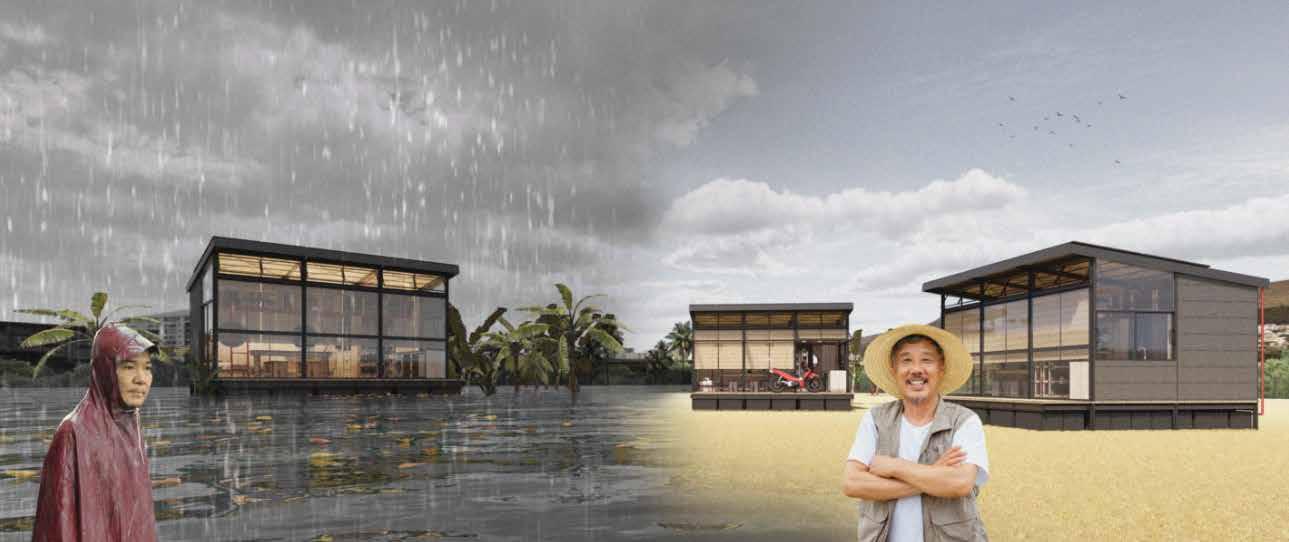

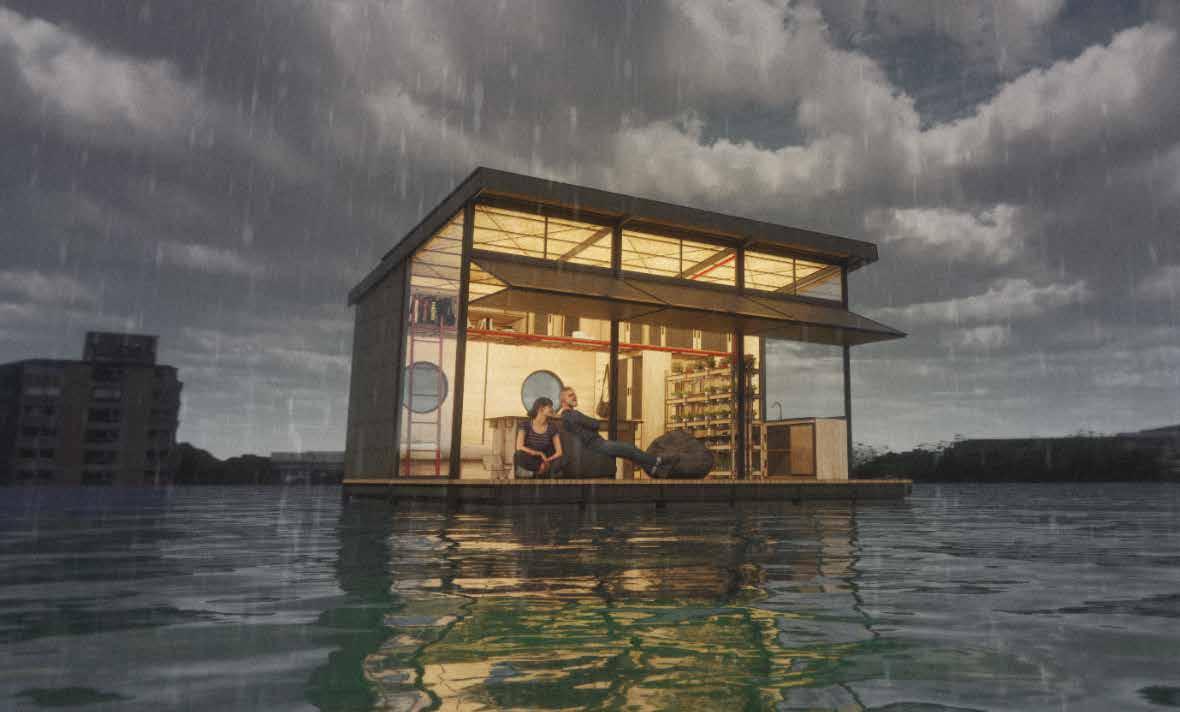
“THE FLOAT-WOOD MICROHOME”
central vietnam is an area that often suffers from natural disasters annually, such as storms and floods. these catastrophes have caused horrendous losses including damage to infrastructure, agricultural land, and livestock, as well as significant bereavements. the lives of people are seriously affected, leading to very slow social and economic development. people continue to work and accumulate assets, yet when the storm arrives, all income is used for disaster damage restoration. this repair work becomes a repetitive cycle, with people always living in a state of precaution, preparing for any disaster that occurs.
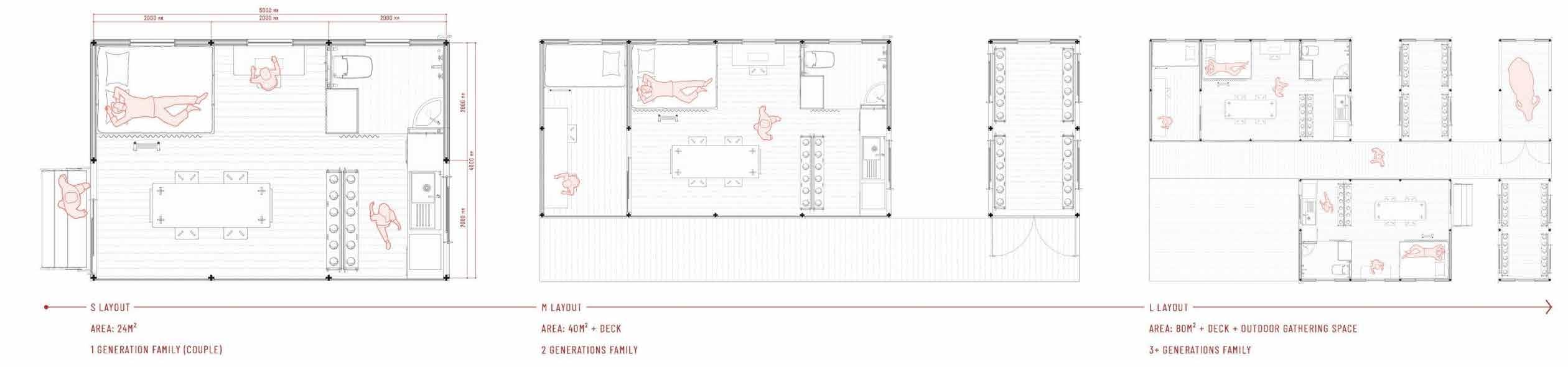
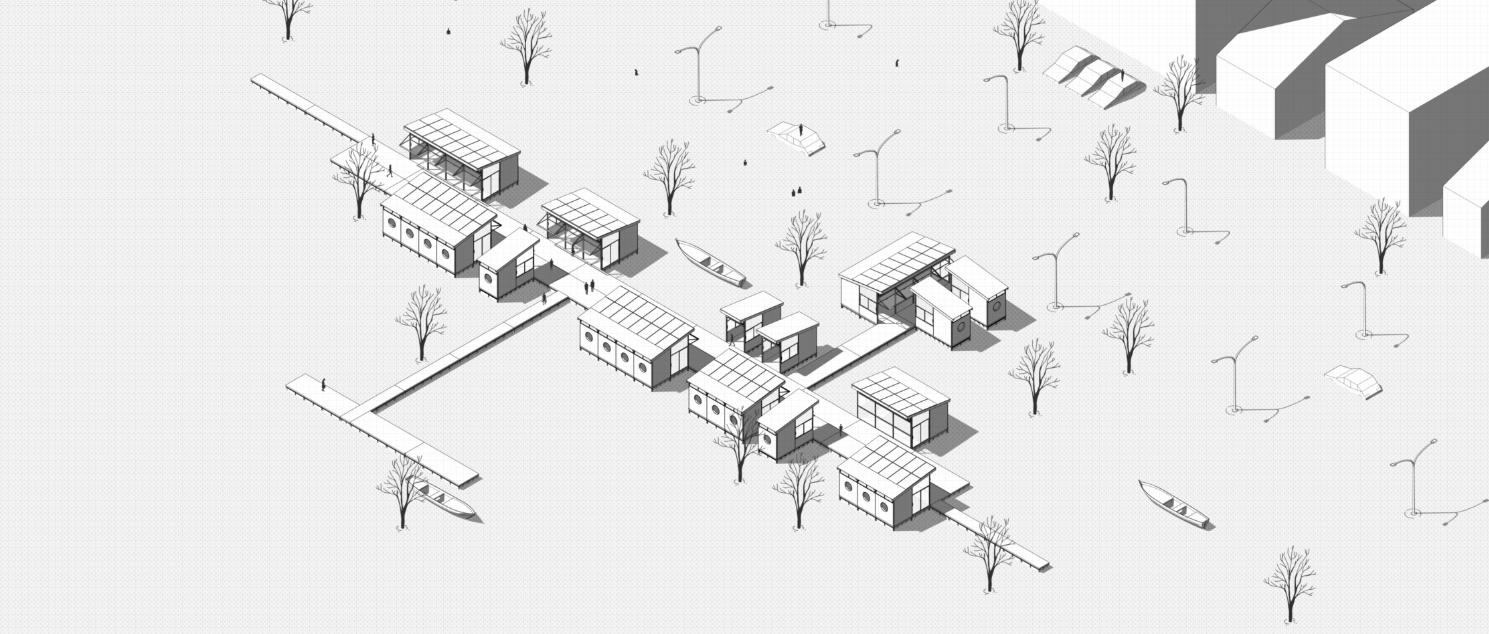
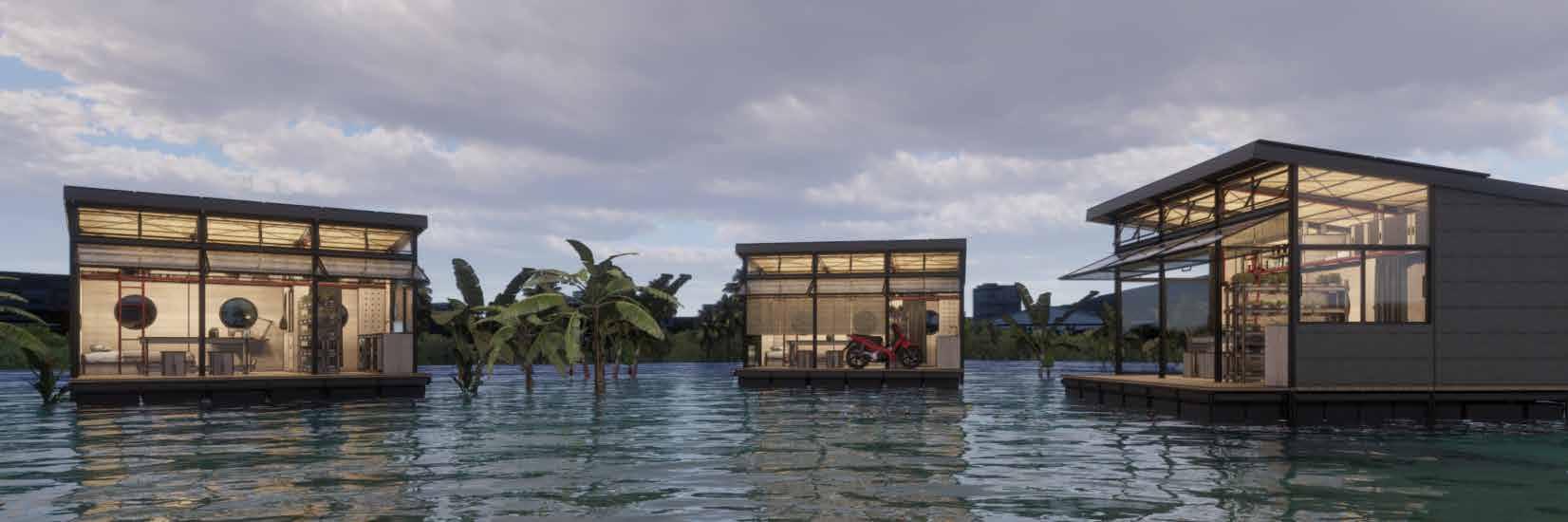
the strategy of the project is to develop a microhome that has good adaptability to regional weather conditions, with the ability to function in both flooded and non-flooded modes. the design aims to break the storm-flood cycle of the area, as well as create utilities to adapt to the catastrophe and minimize storm damage. this will stabilize people’s lives and create opportunities for future development, especially in line with the typical asian trend of multi-generational housing development.
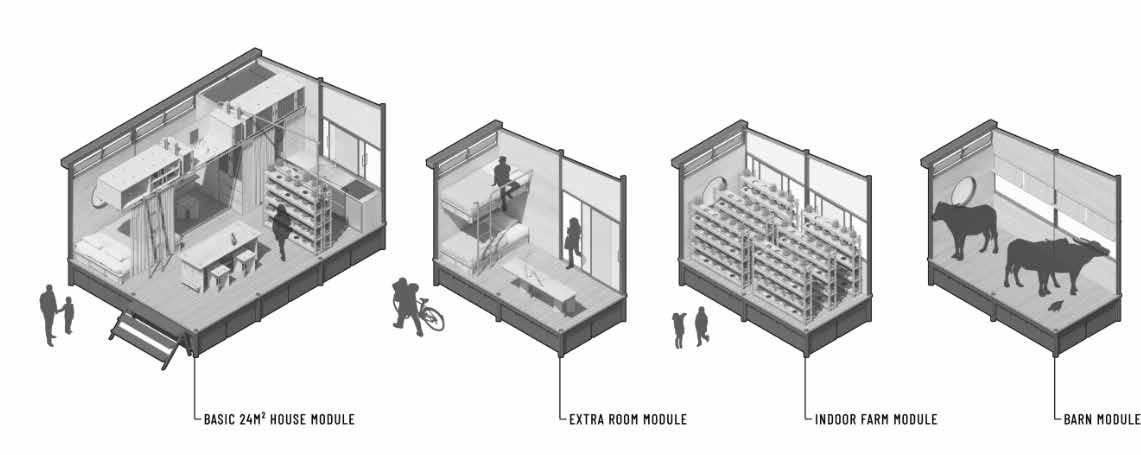
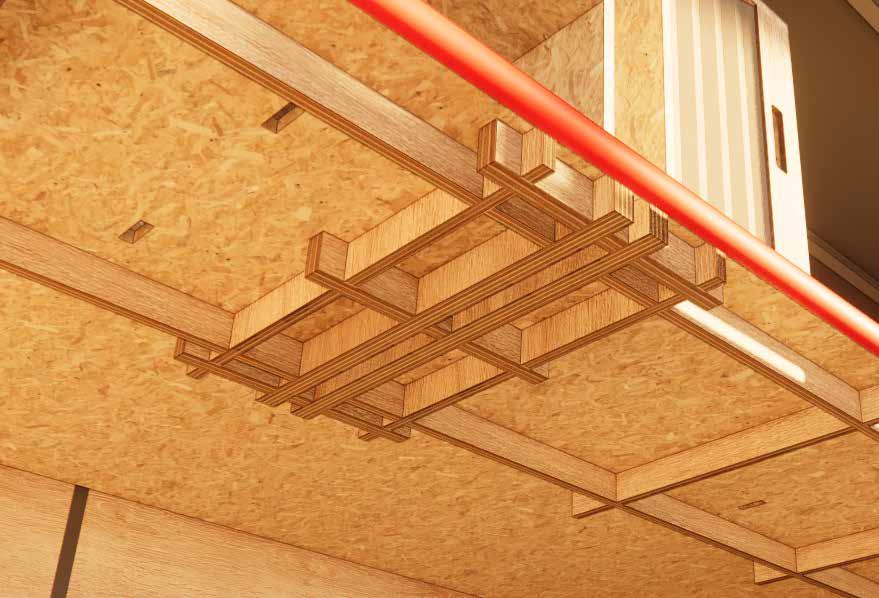
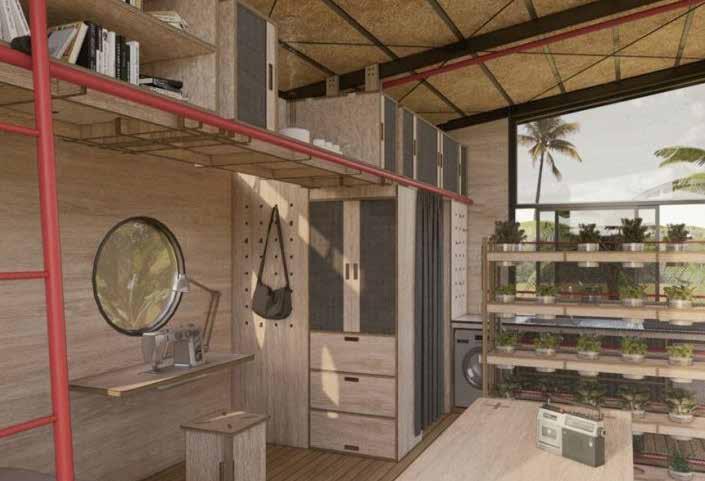
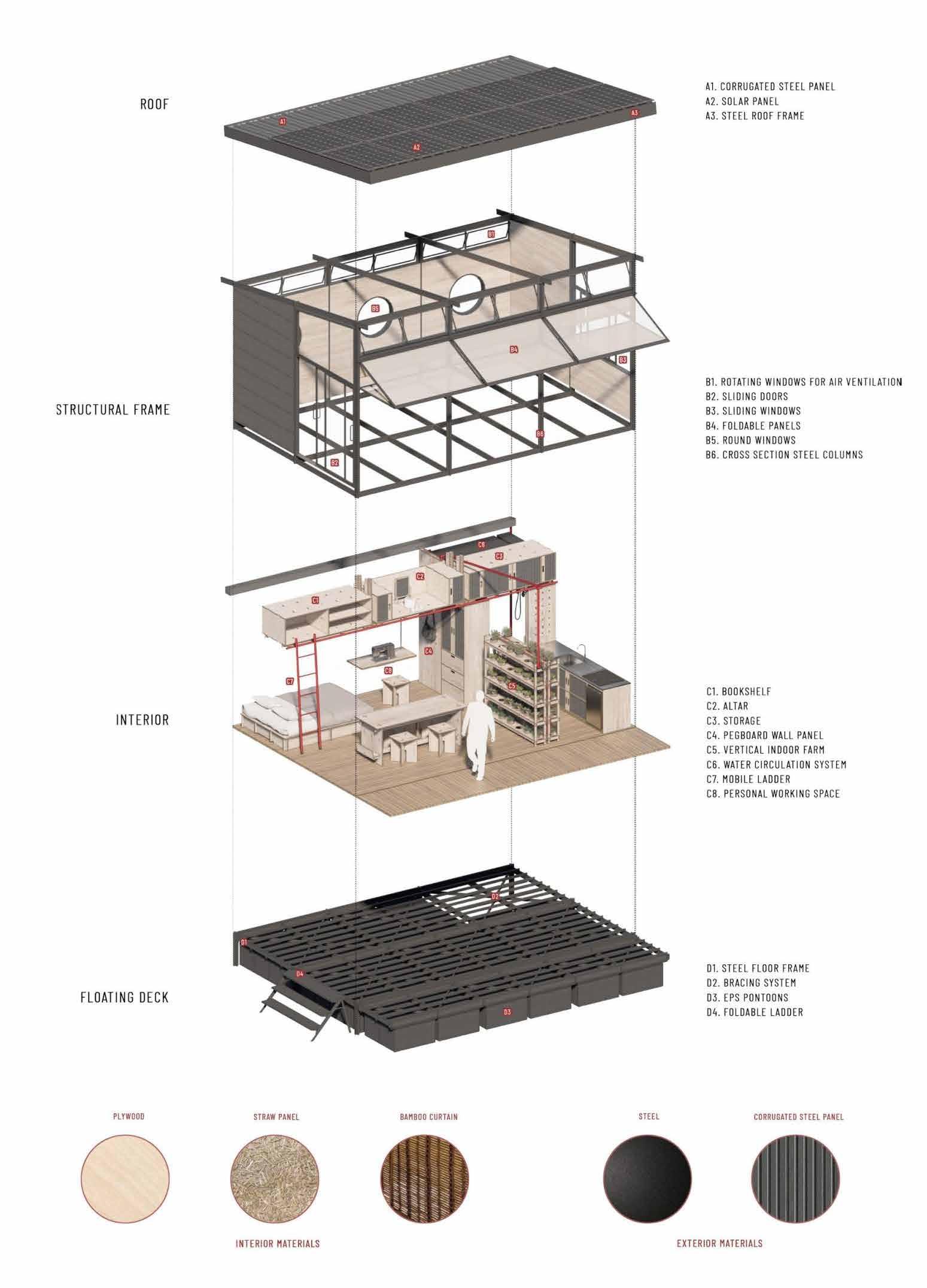
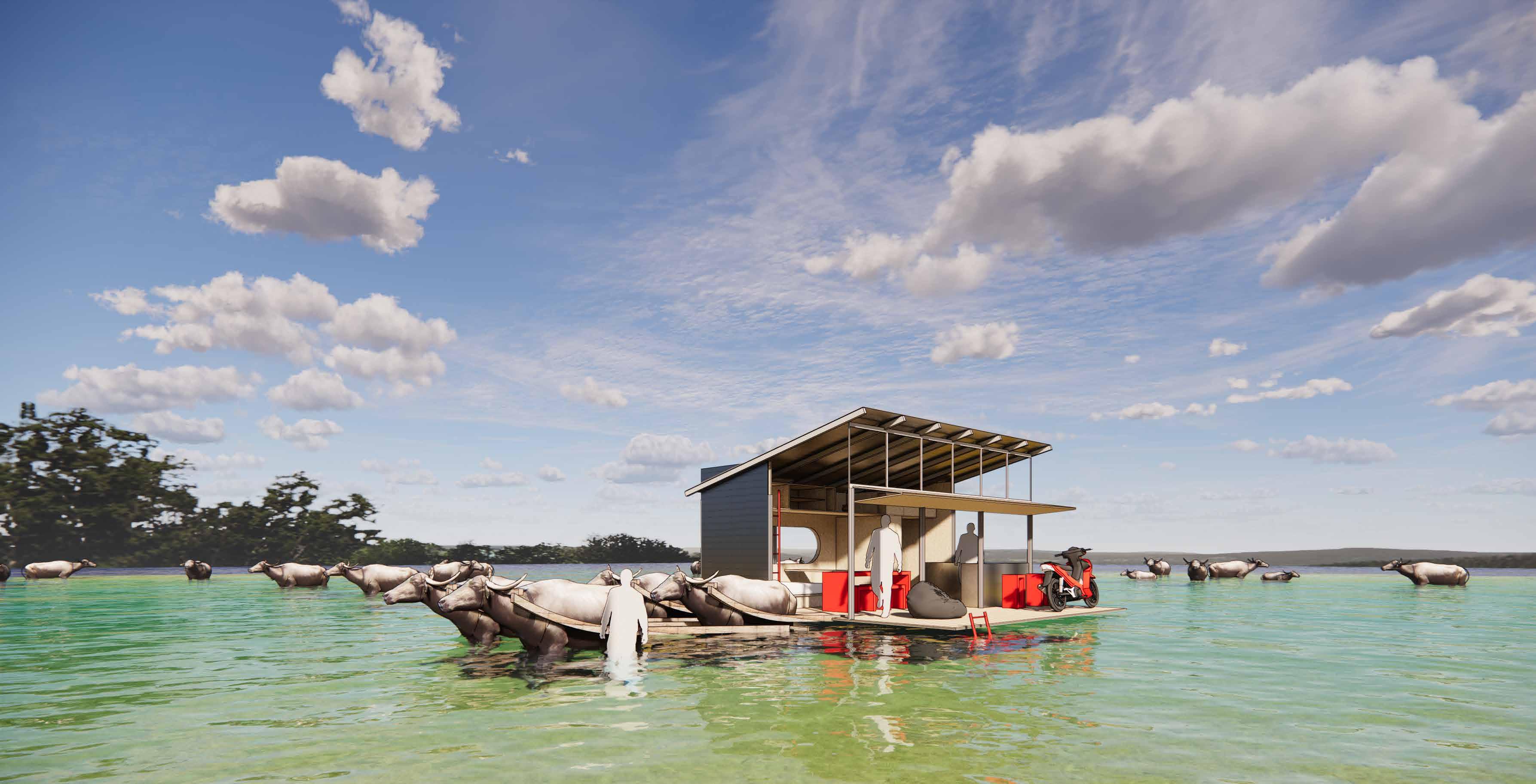
Module design brief
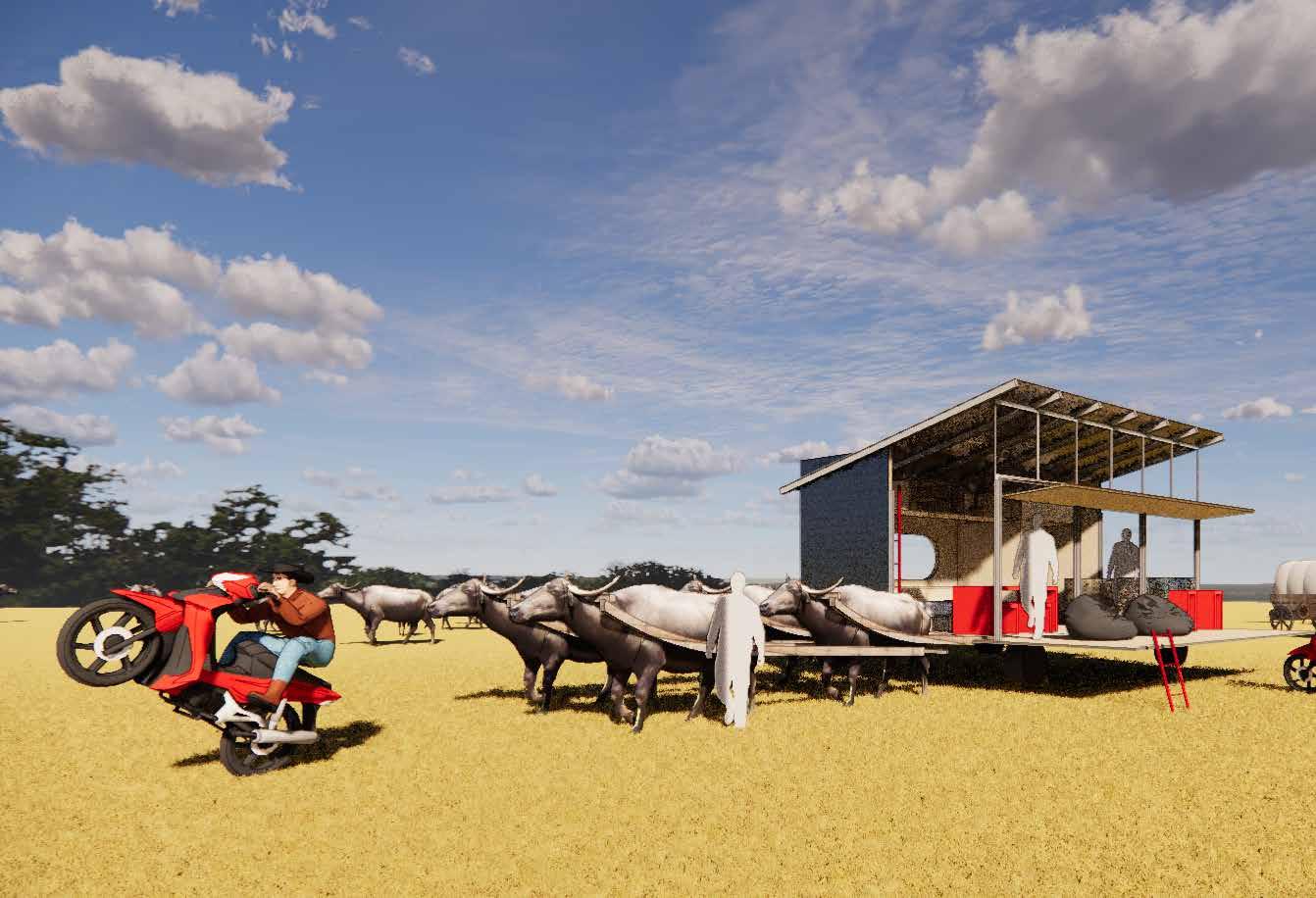
The design module aims to cater to the living patterns of local people in rural areas, particularly in the plains and rice fields. the design options are flexible and adaptable to various needs such as hosting ceremonies, drying rice, raising livestock, keeping poultry, and providing shelter for pets. additionally, the mobile design makes relocation and installation convenient.
Water collecting sys
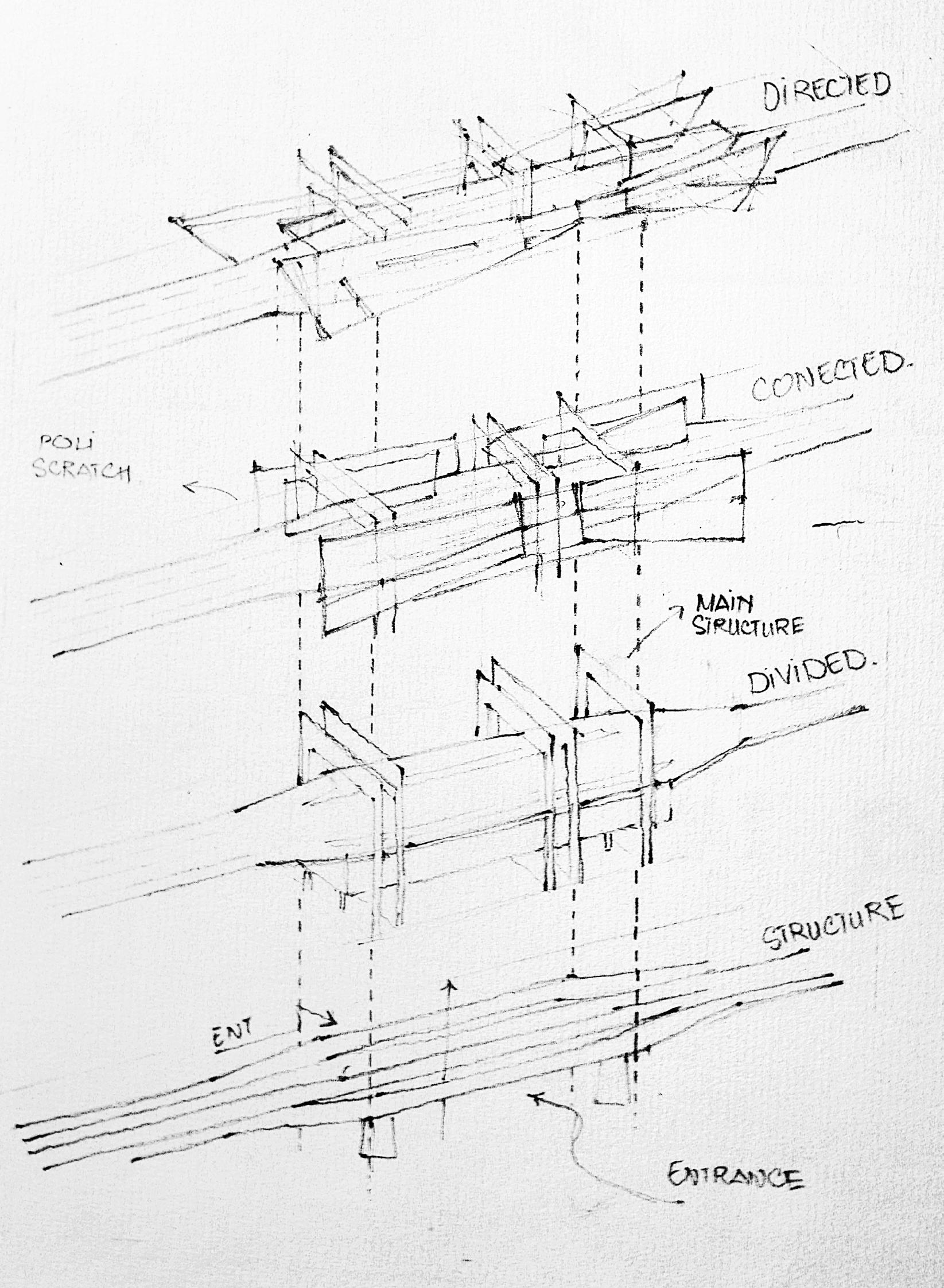
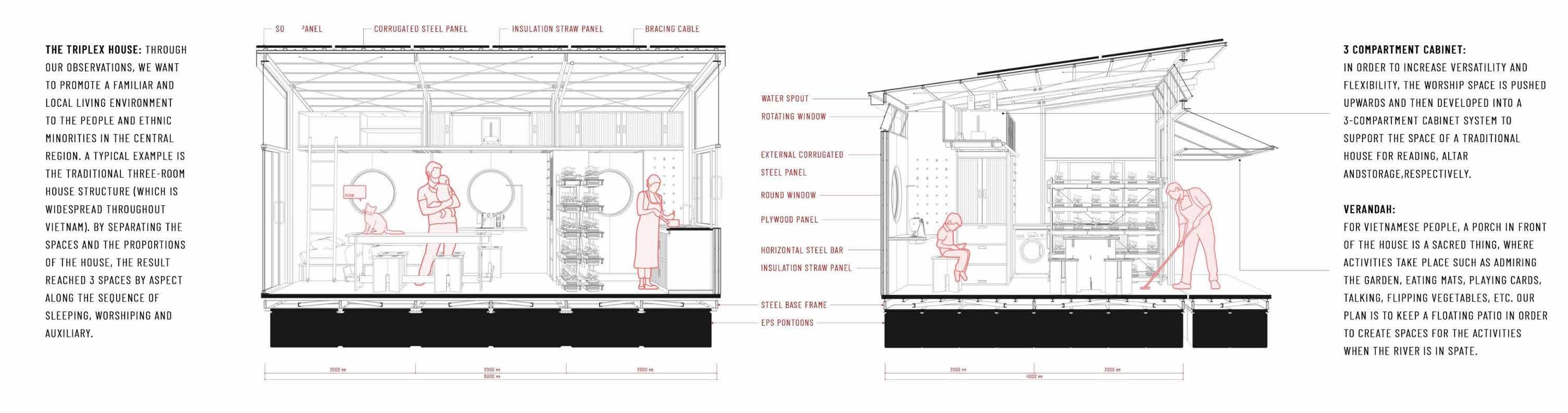
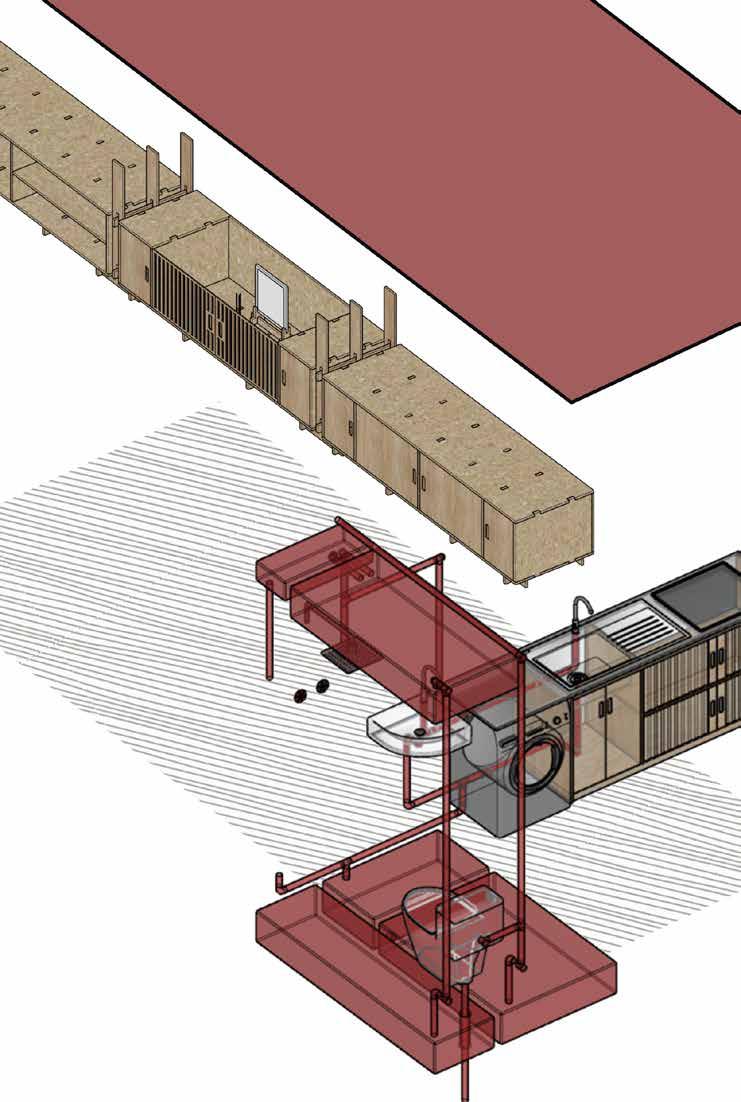
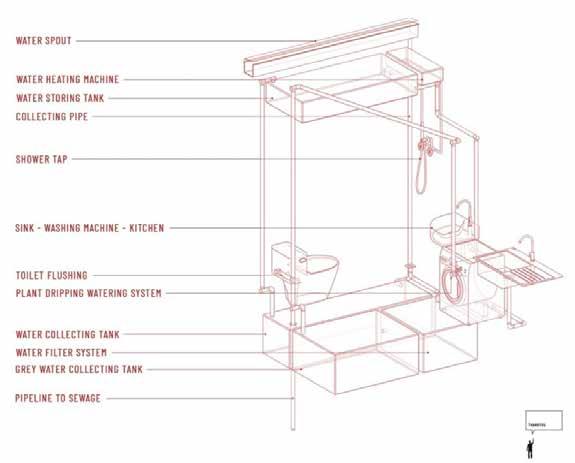
The special system in the house, originating from the technical and interior areas, is arranged in a stacked configuration. it starts with a rainwater collection system and storage tank on the roof. the collected water is then converted into gray water and stored in the tank. from here, it is divided into two pipelines: one leading to a filter for use in the kitchen, and the other going to the sanitation and drainage system. finally, waste is stored below a floating float.
these designs enable the house to adapt to prolonged flooding conditions in central vietnam. at the same time, they make it convenient for local people to install and use by employing lightweight and assembleable materials such as plywood and pp plastic.

FOOD CENTER
Case studies of vietnamese market design
STUDY PROJECT
SITE: NHA-BE, HO CHI MINH CITY YEAR: 2023 - PROGRAM: SKETCHUP, ENSCAPE, PHOTOSHOP, REVIT, CAD
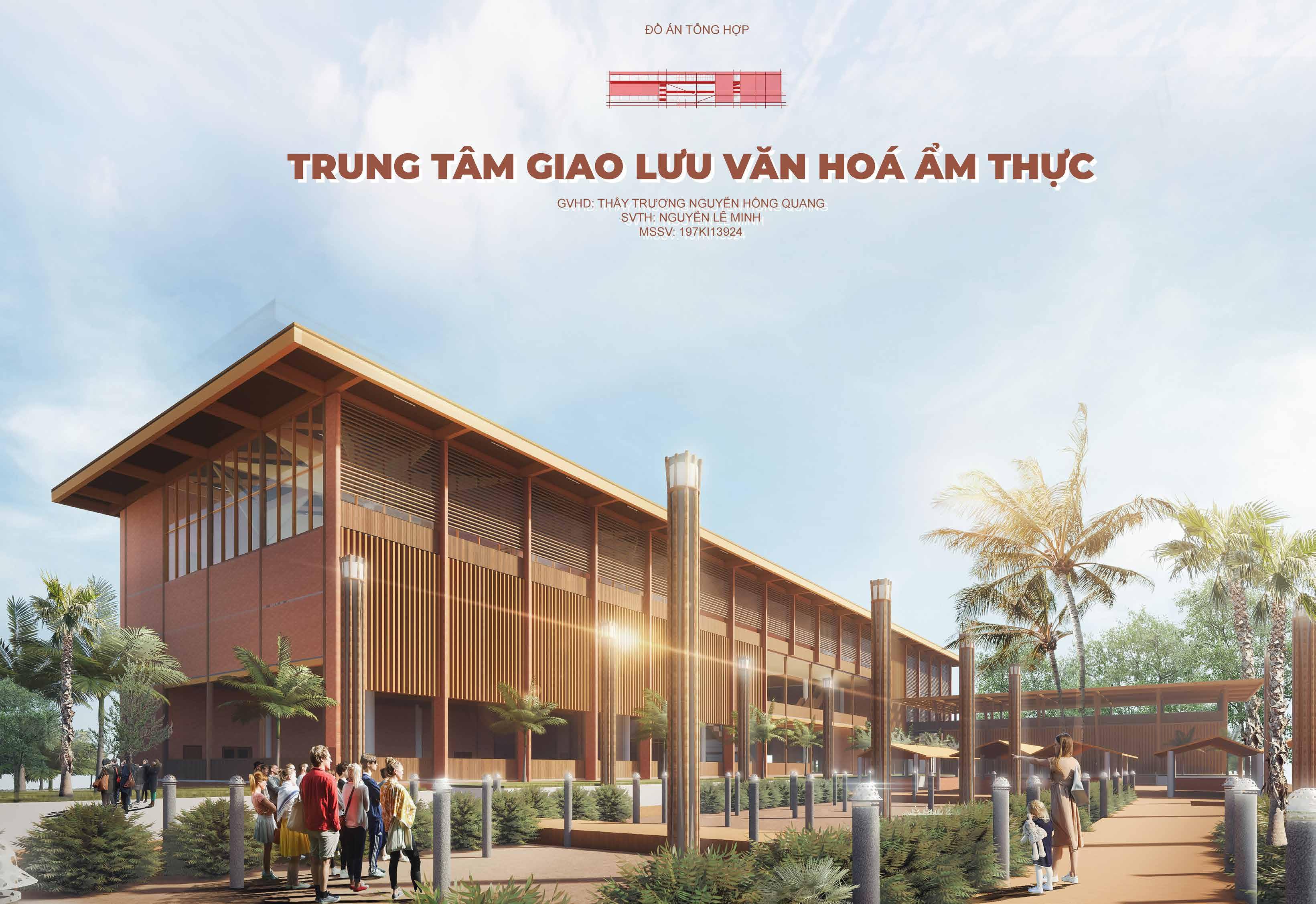
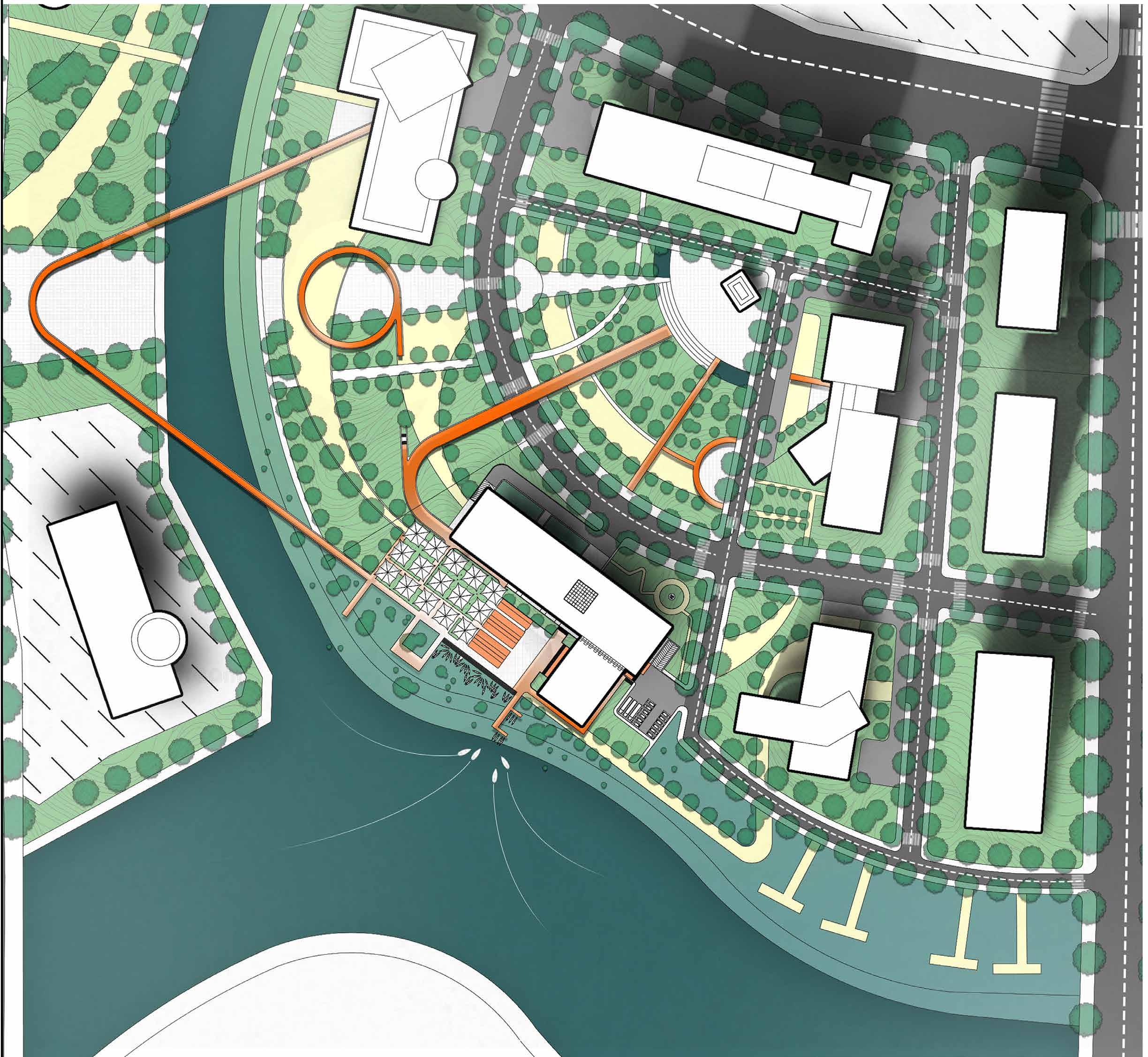
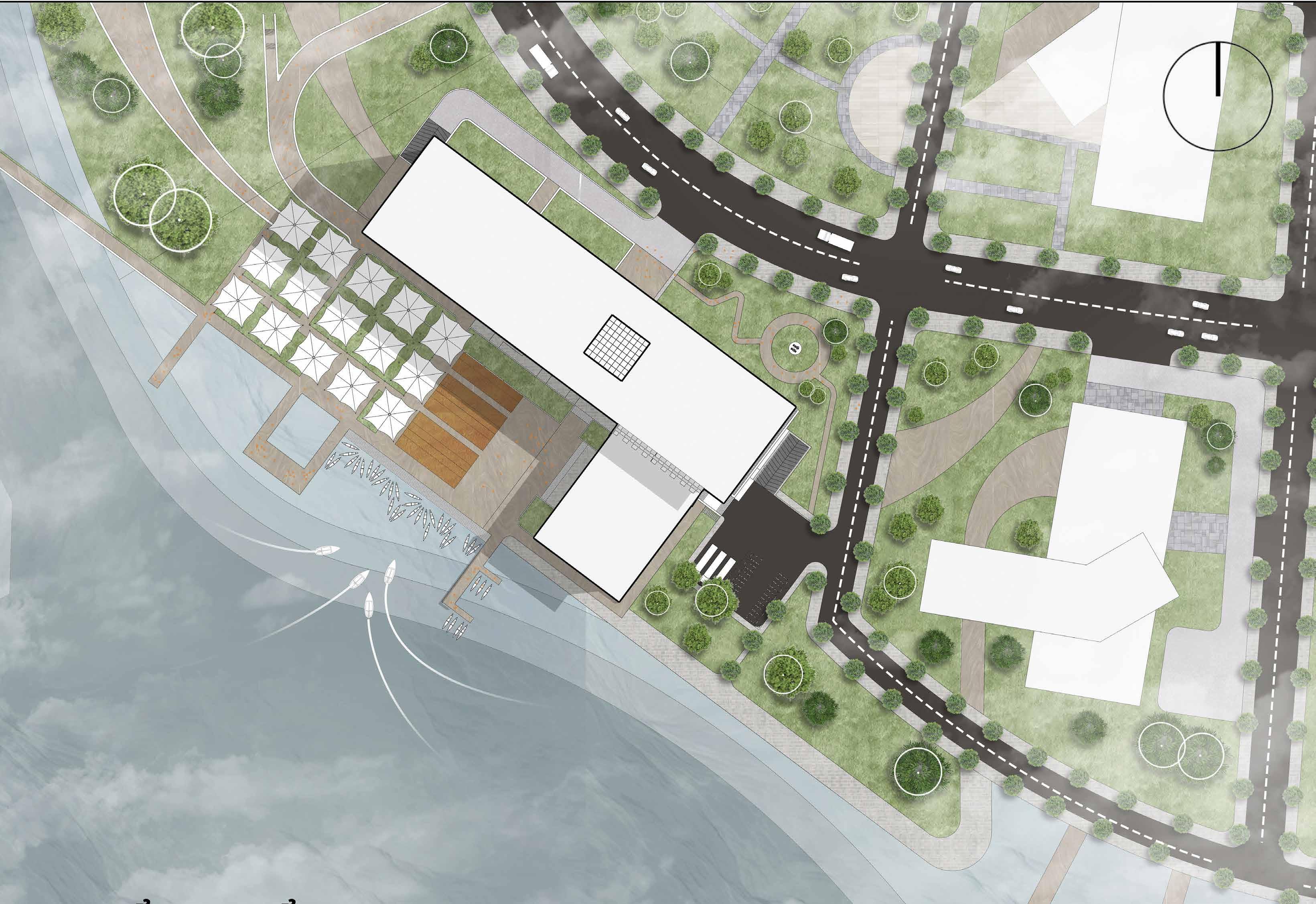
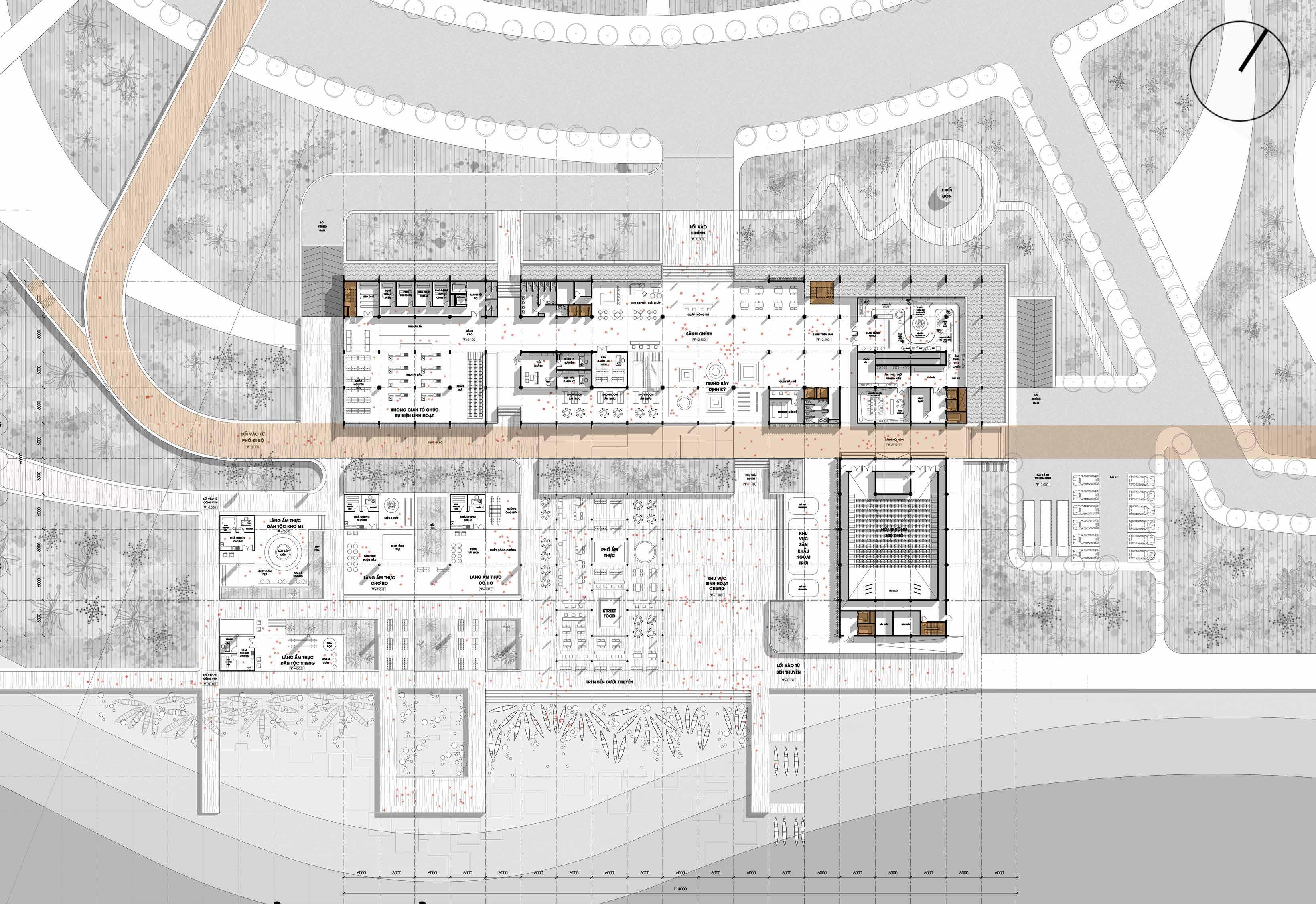
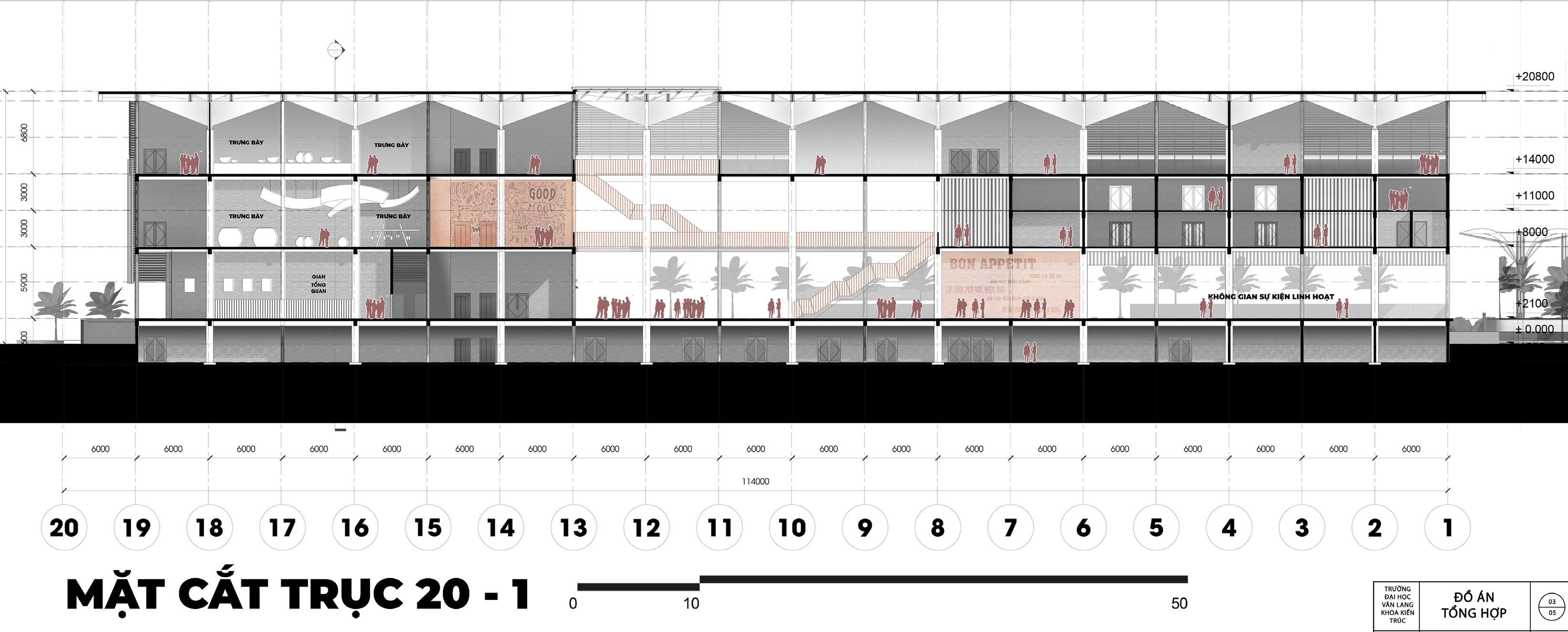
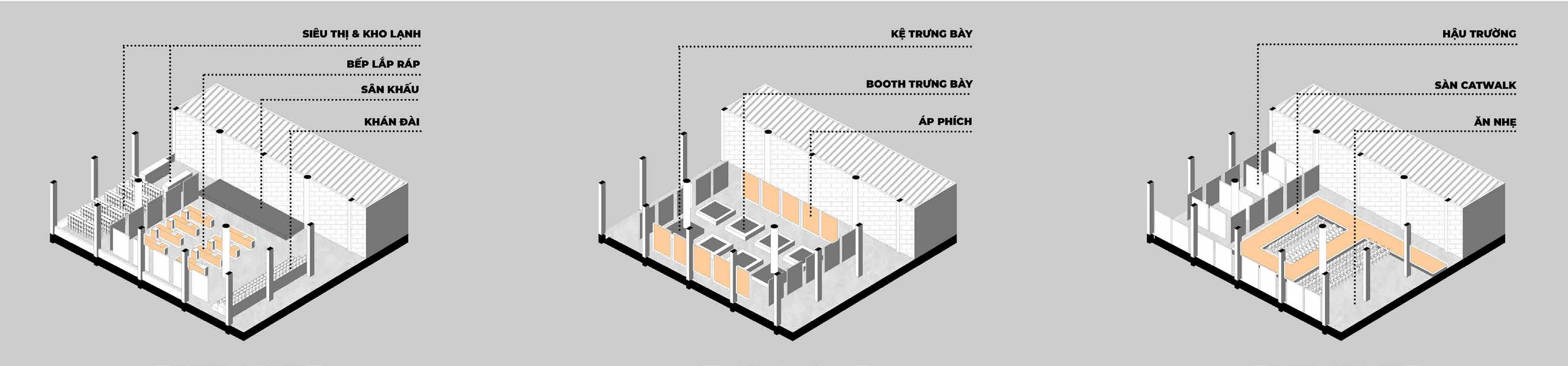
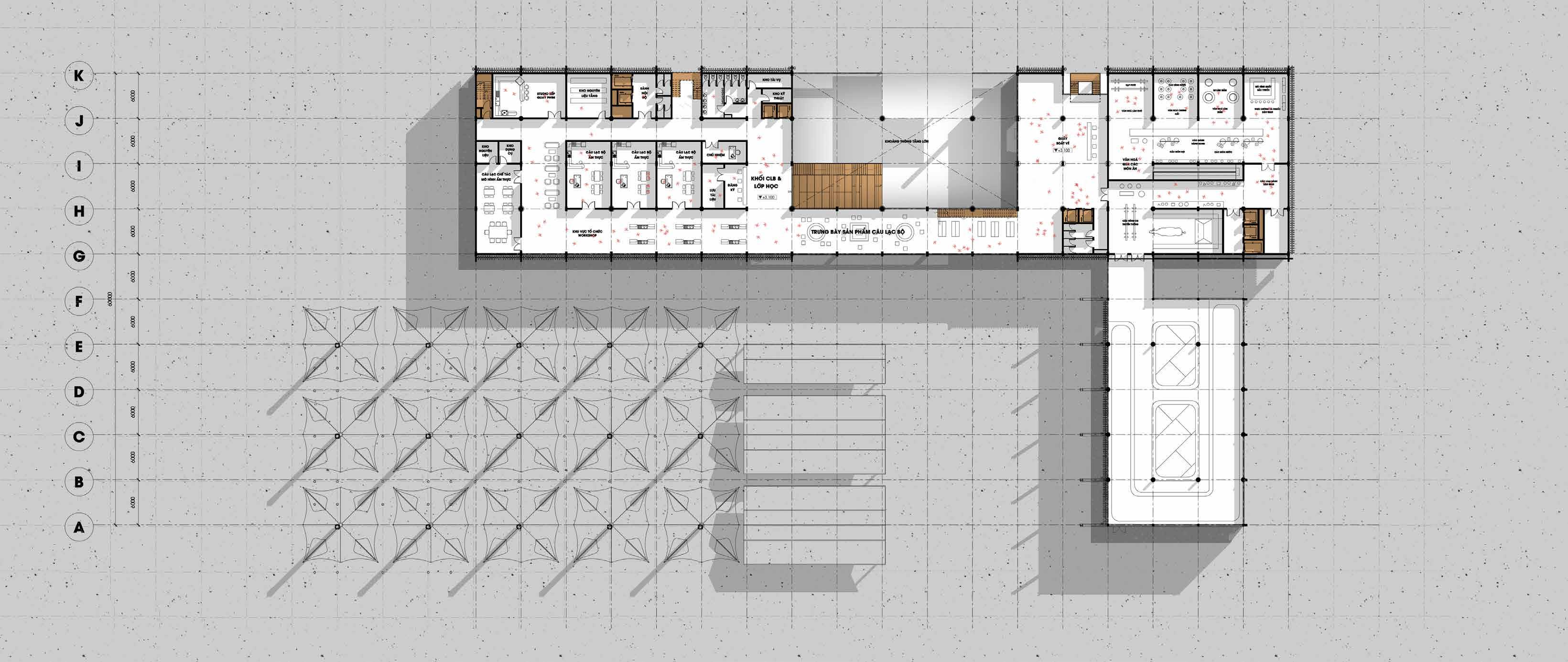
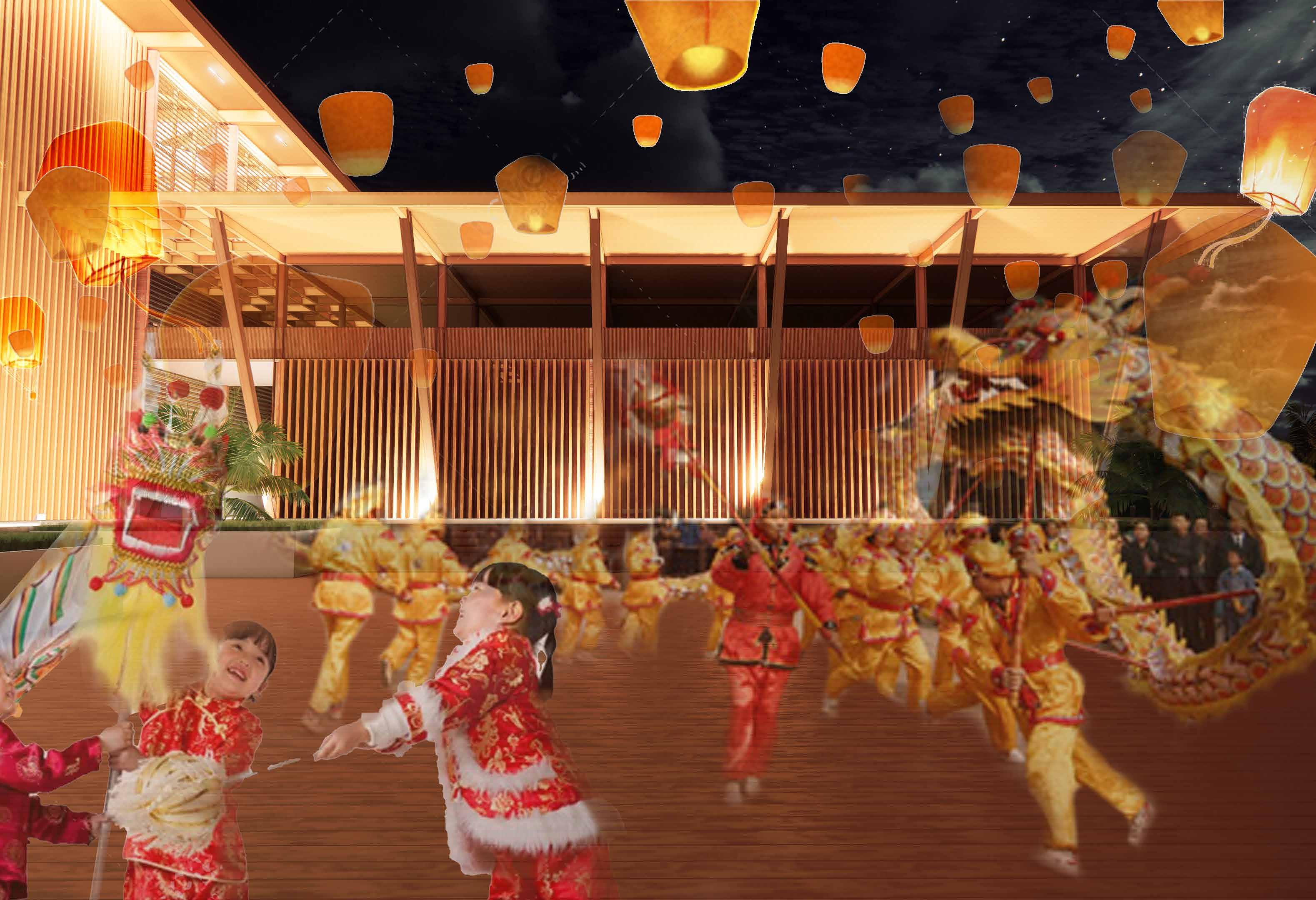
The Southern Cuisine and Culture Center is a place dedicated to showcasing and preserving the rich culinary traditions and cultural heritage of Southern Vietnam. Here, visitors can explore a diverse array of Southern Vietnamese dishes, experience traditional cooking techniques, and learn about local ingredients and flavors. The center often features cooking demonstrations, food tastings, and cultural events that highlight the region’s vibrant food culture and communal traditions.
THE VIETNAMESE
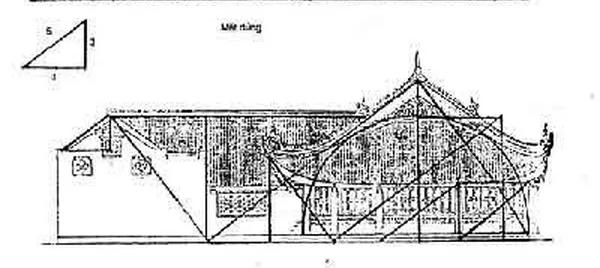
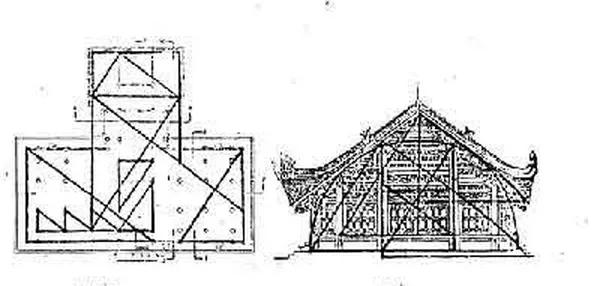
TRADITIONAL RATIO STRUCTURE
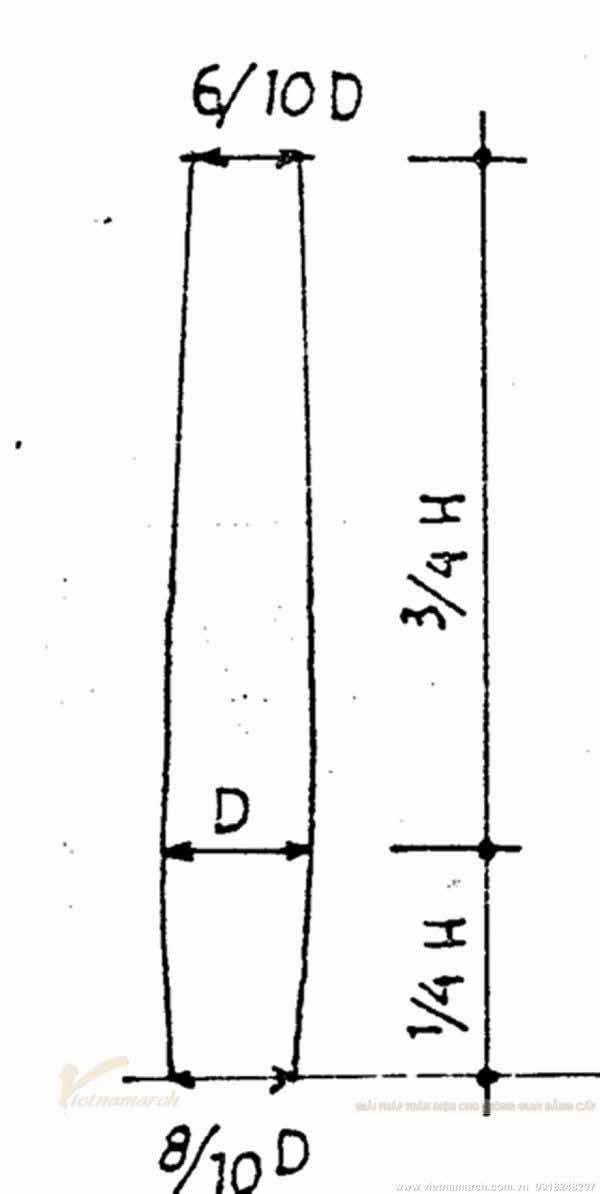
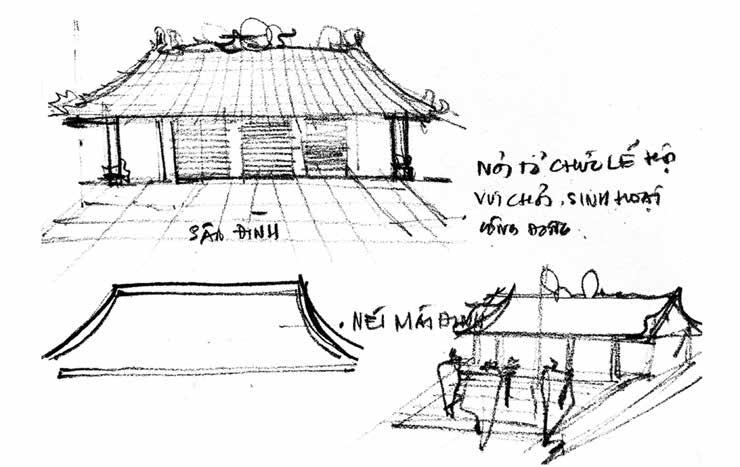
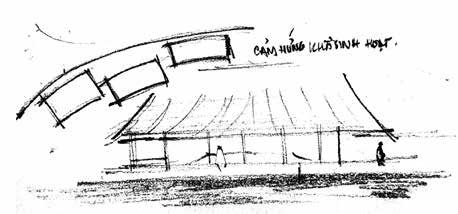
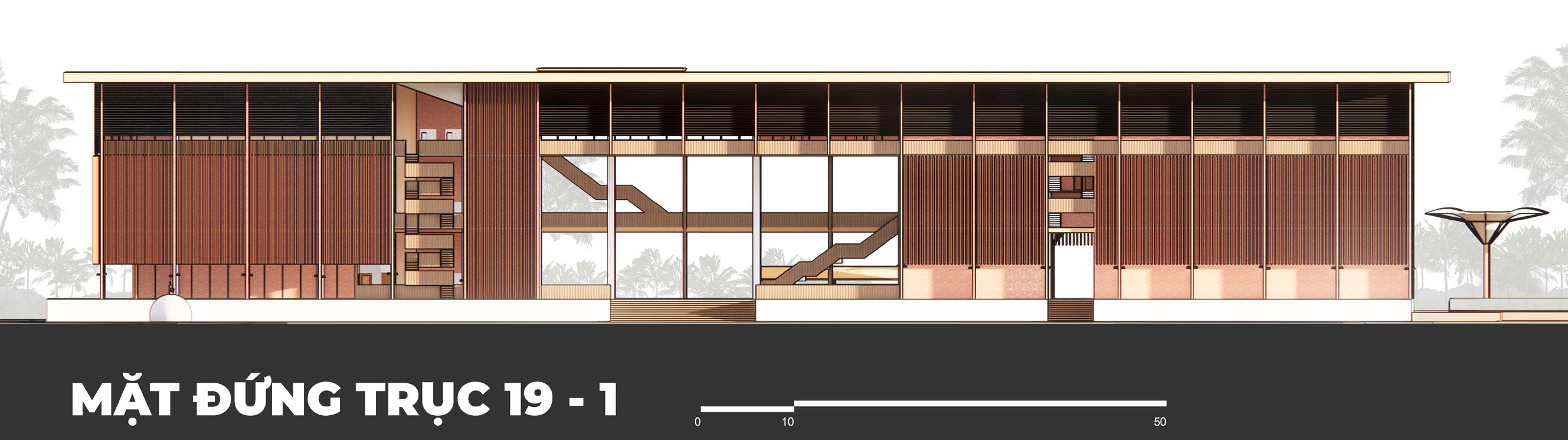
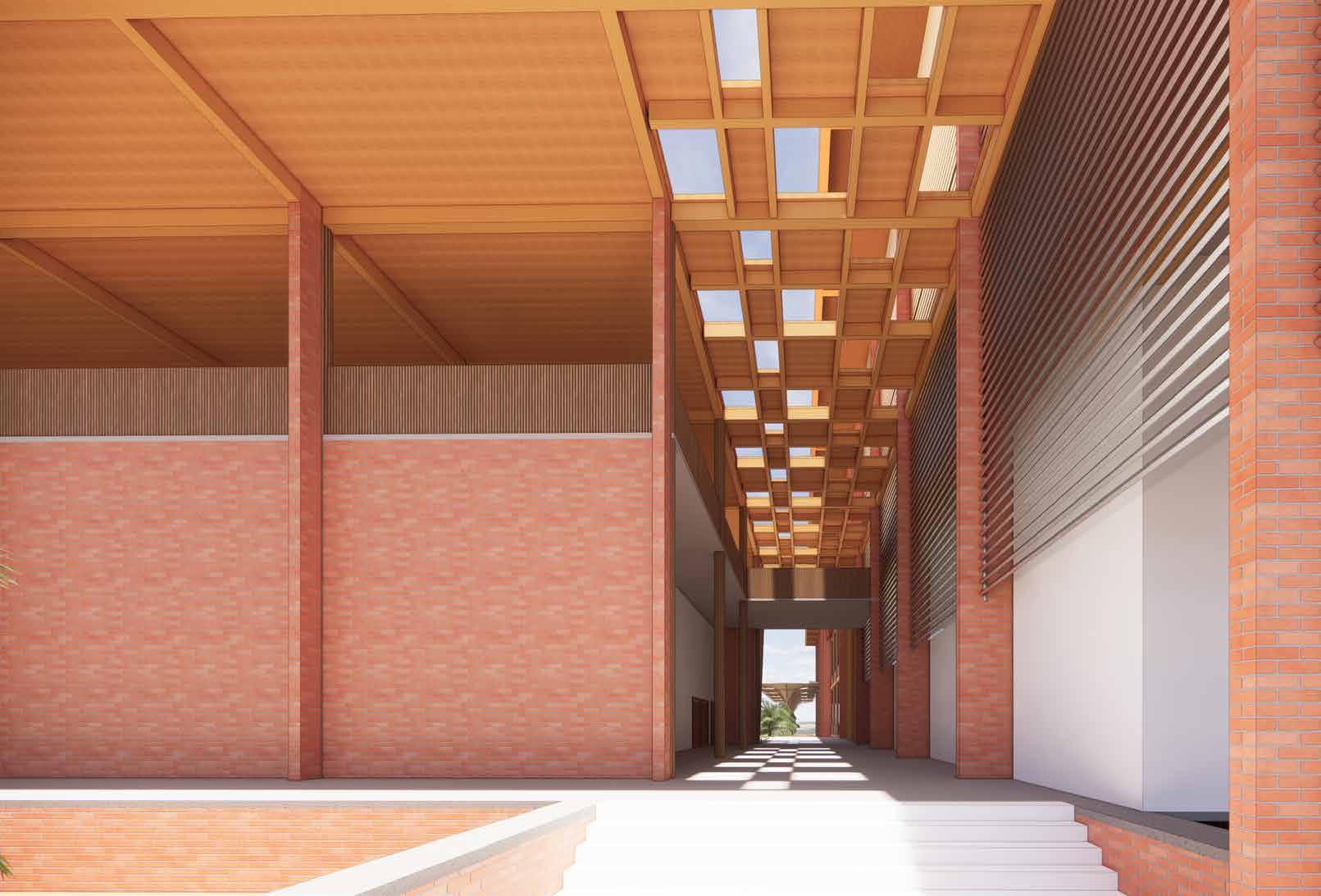
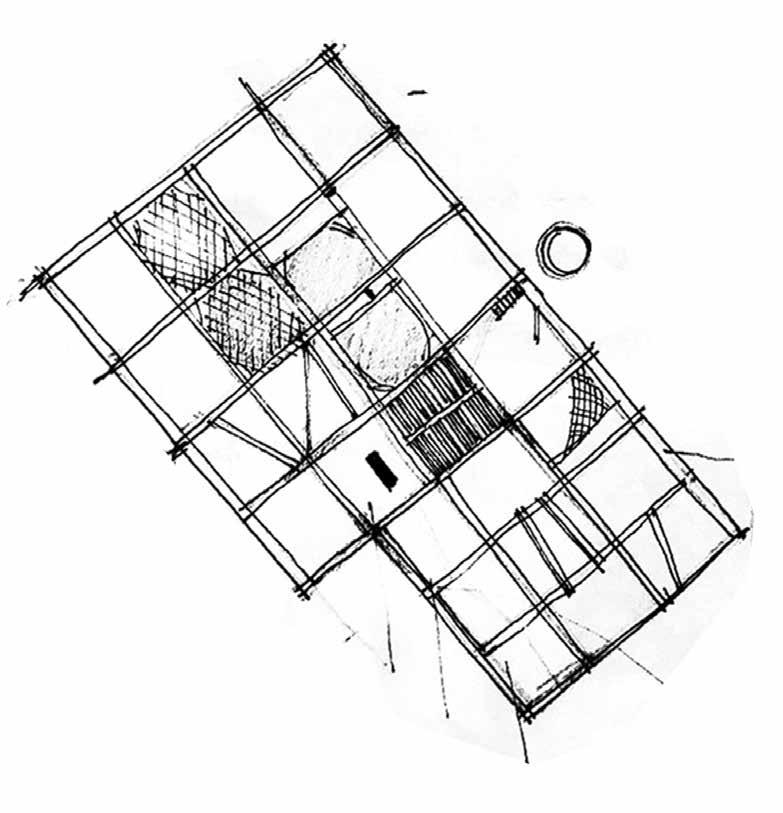
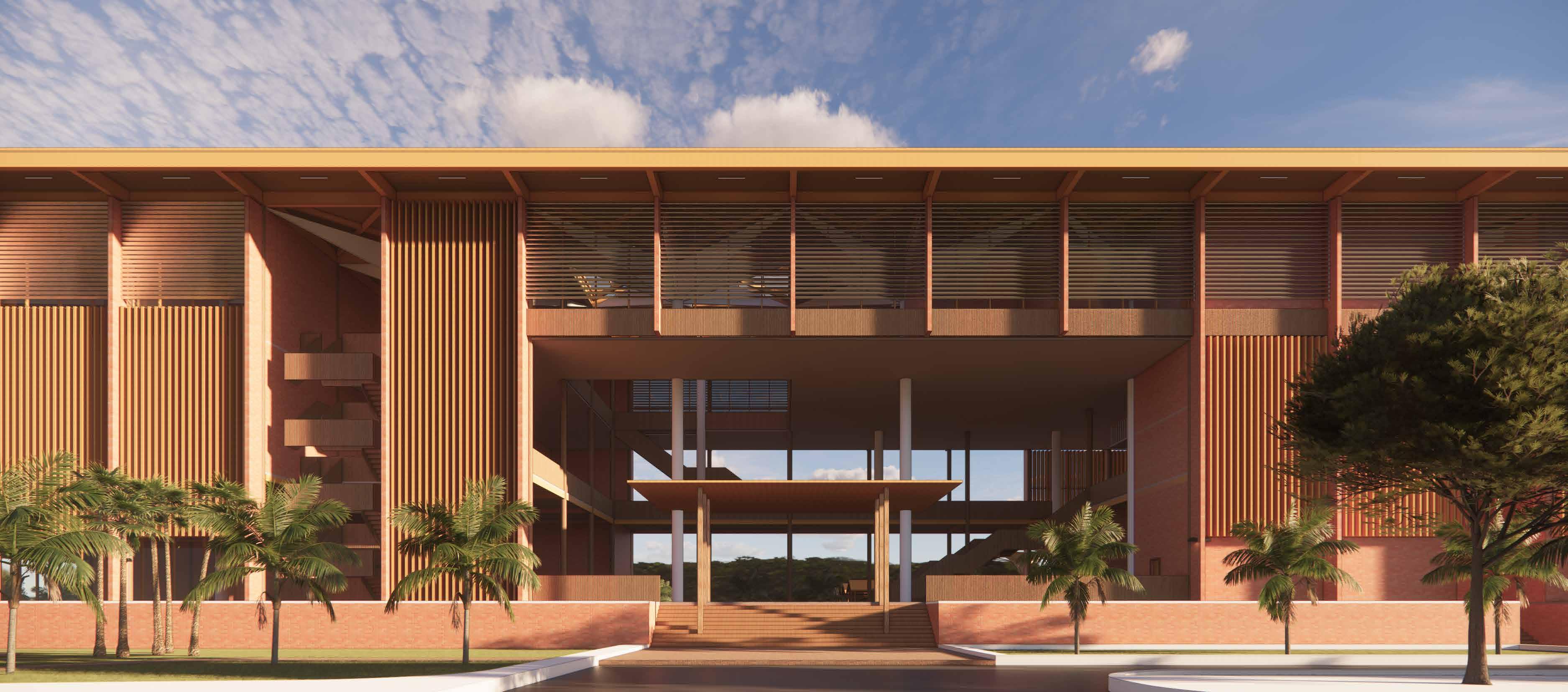
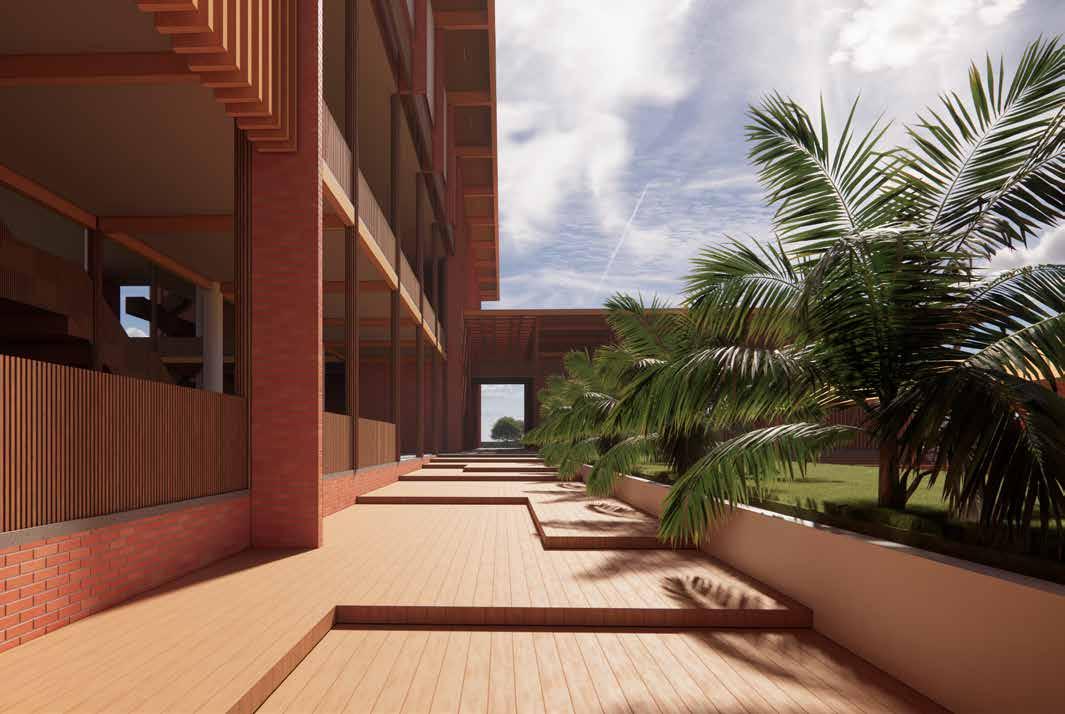
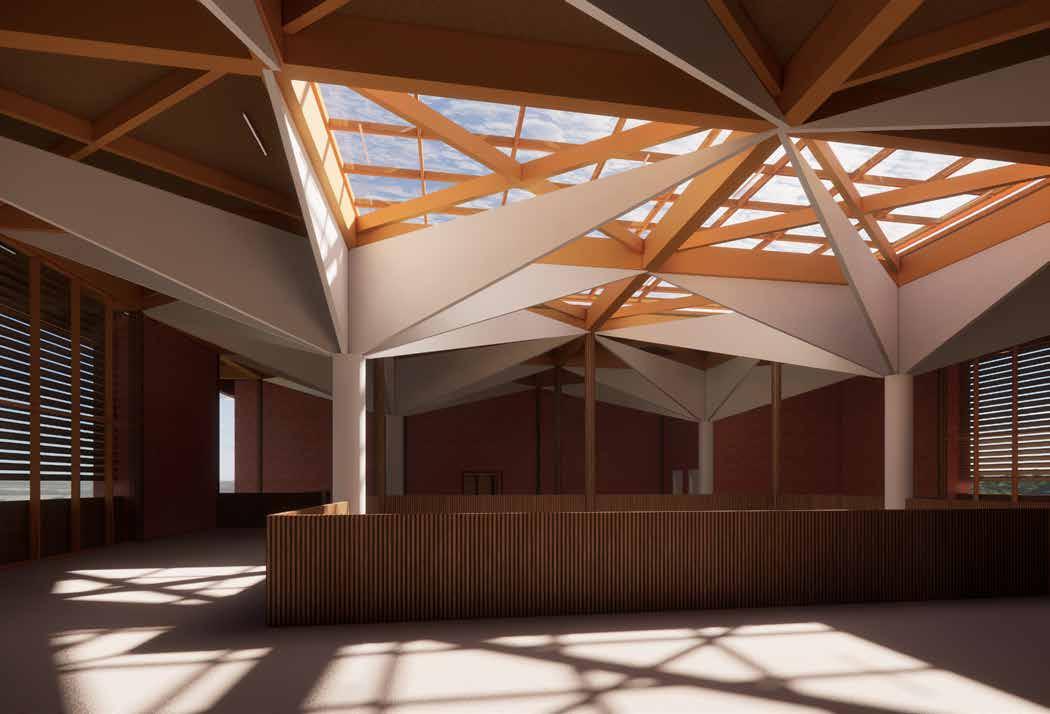
The distinctive feature of the building is its proportions, which are derived from the ratios found in traditional Vietnamese communal structures, such as village temples. These places are used for gatherings, festivals, and village activities...
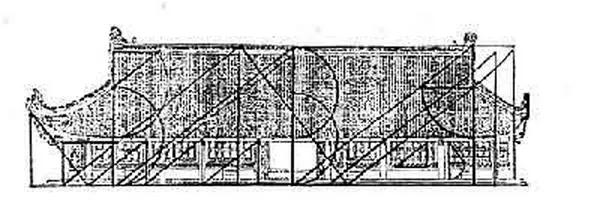
The proportions are calculated based on percentages relating to the ratio of columns to the roof, creating an architectural system that, while contemporary, still preserves the values and emotions of the past.
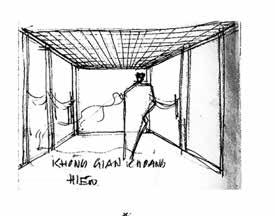
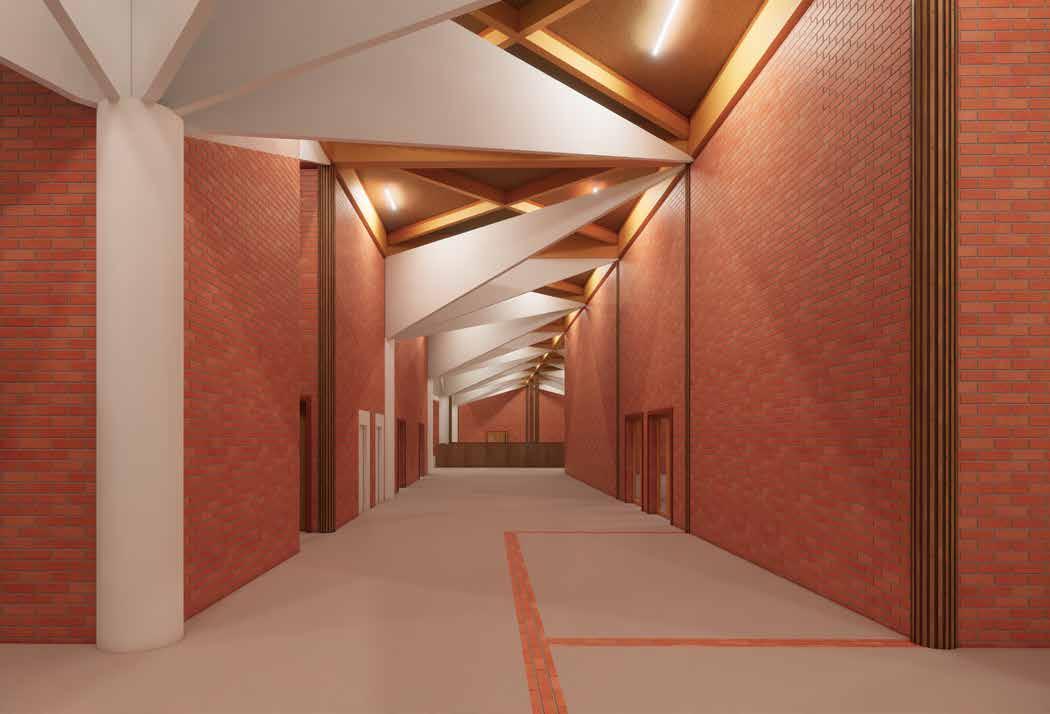
The space is divided into two halves. The upper area employs flared steel and triangular patterns to evoke the roof structure, while the lower space is opened up with a ratio of 1/3, based on the traditional architecture of the three-bay house.


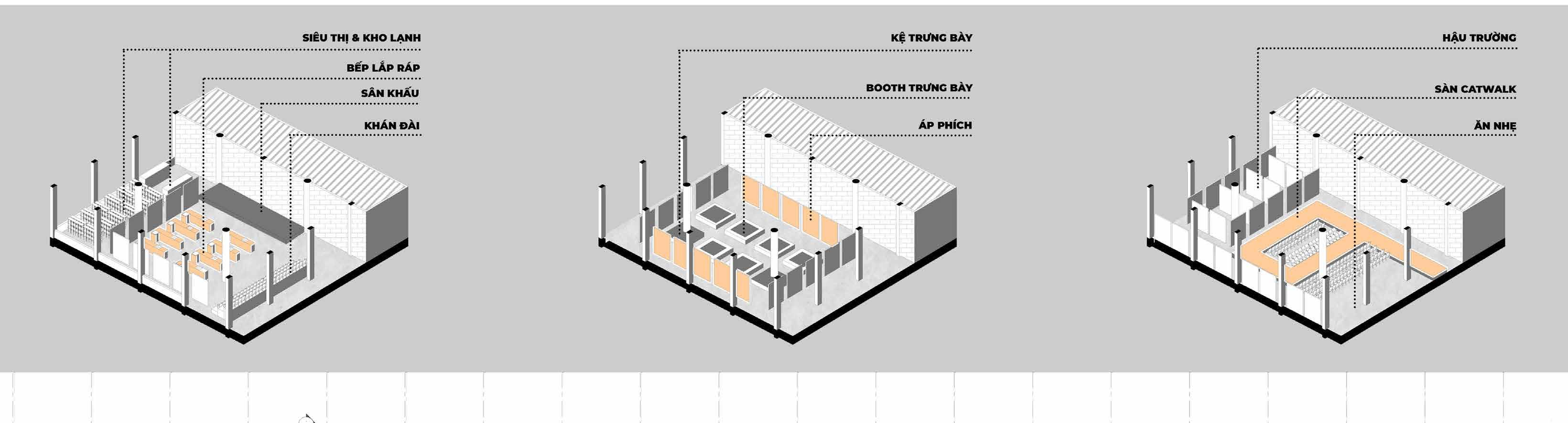
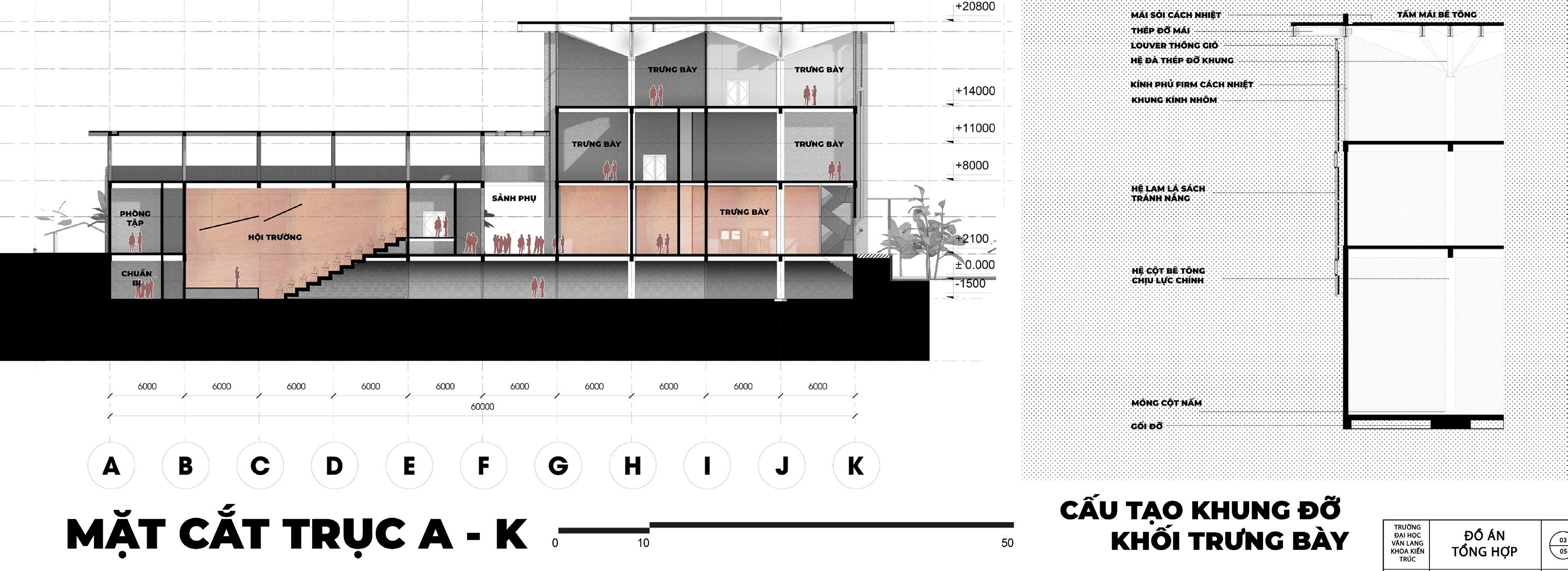
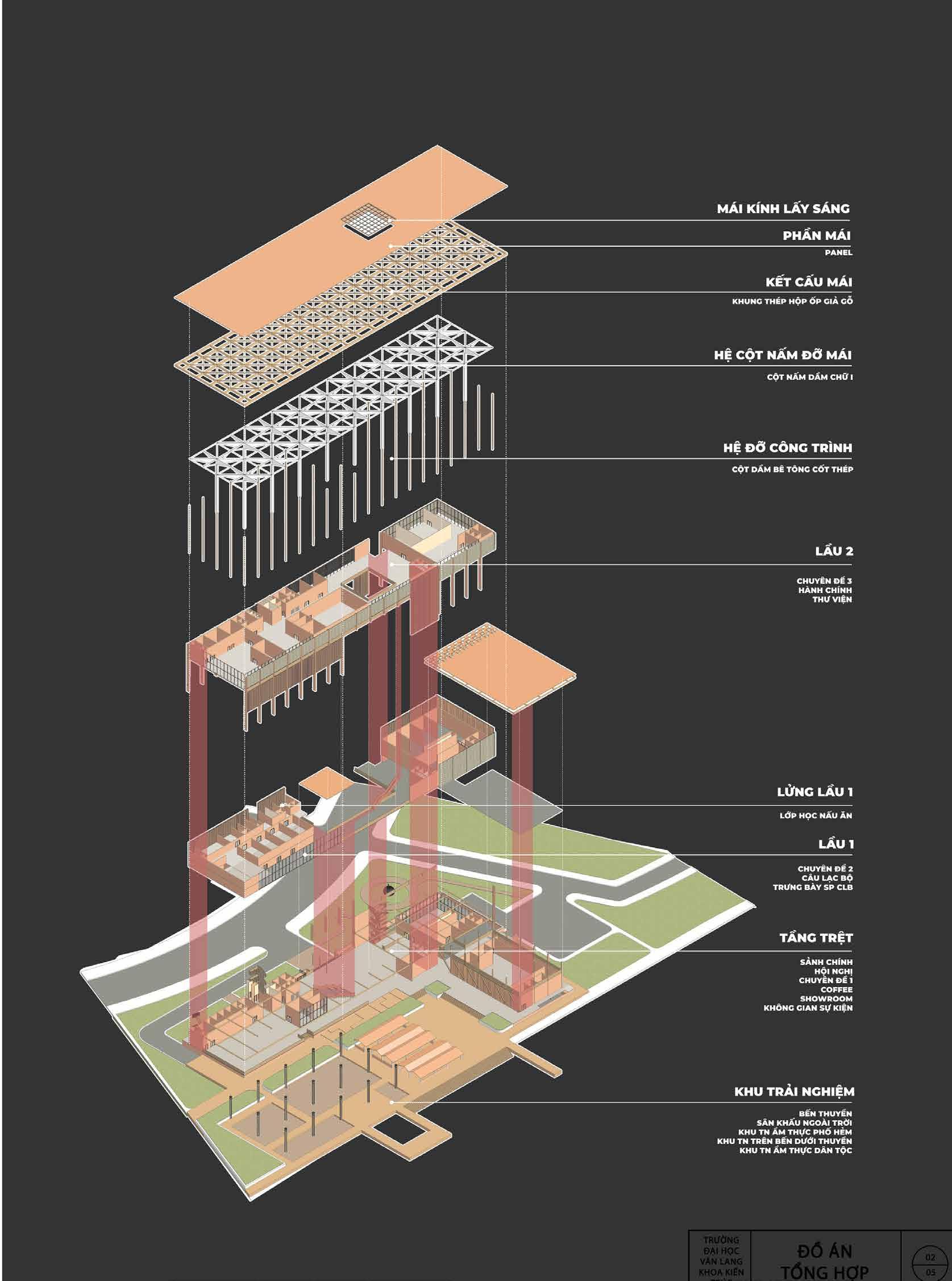
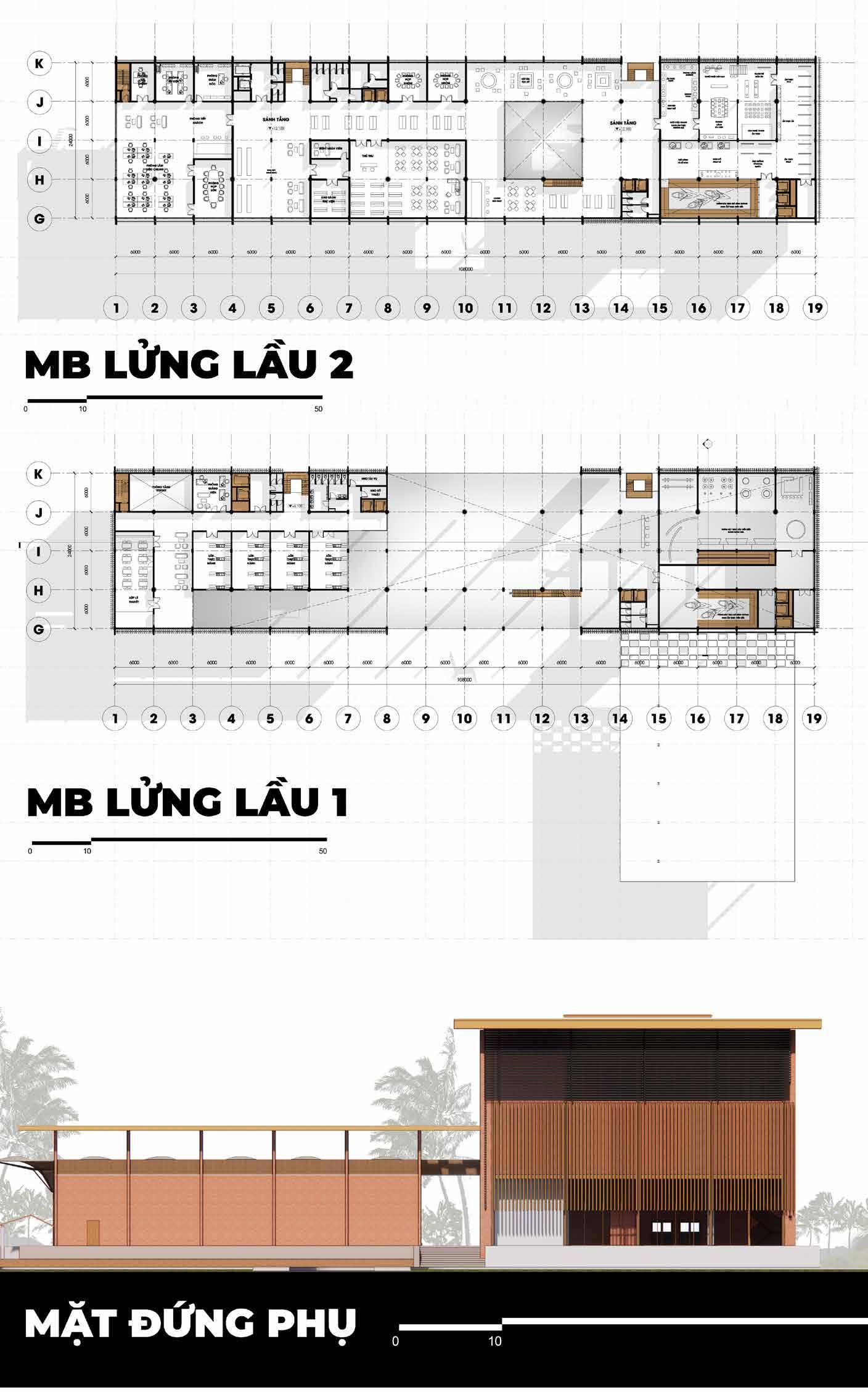
THE VIETNAMESE MARKET PLACE
The distinctive feature of the building is its proportions, which are derived from the ratios found in traditional Vietnamese communal structures, such as village temples. These places are used for gatherings, festivals, and village activities...
The proportions are calculated based on percentages relating to the ratio of columns to the roof, creating an architectural system that, while contemporary, still preserves the values and emotions of the past.
The space is divided into two halves. The upper area employs flared steel and triangular patterns to evoke the roof structure, while the lower space is opened up with a ratio of 1/3, based on the traditional architecture of the three-bay house.
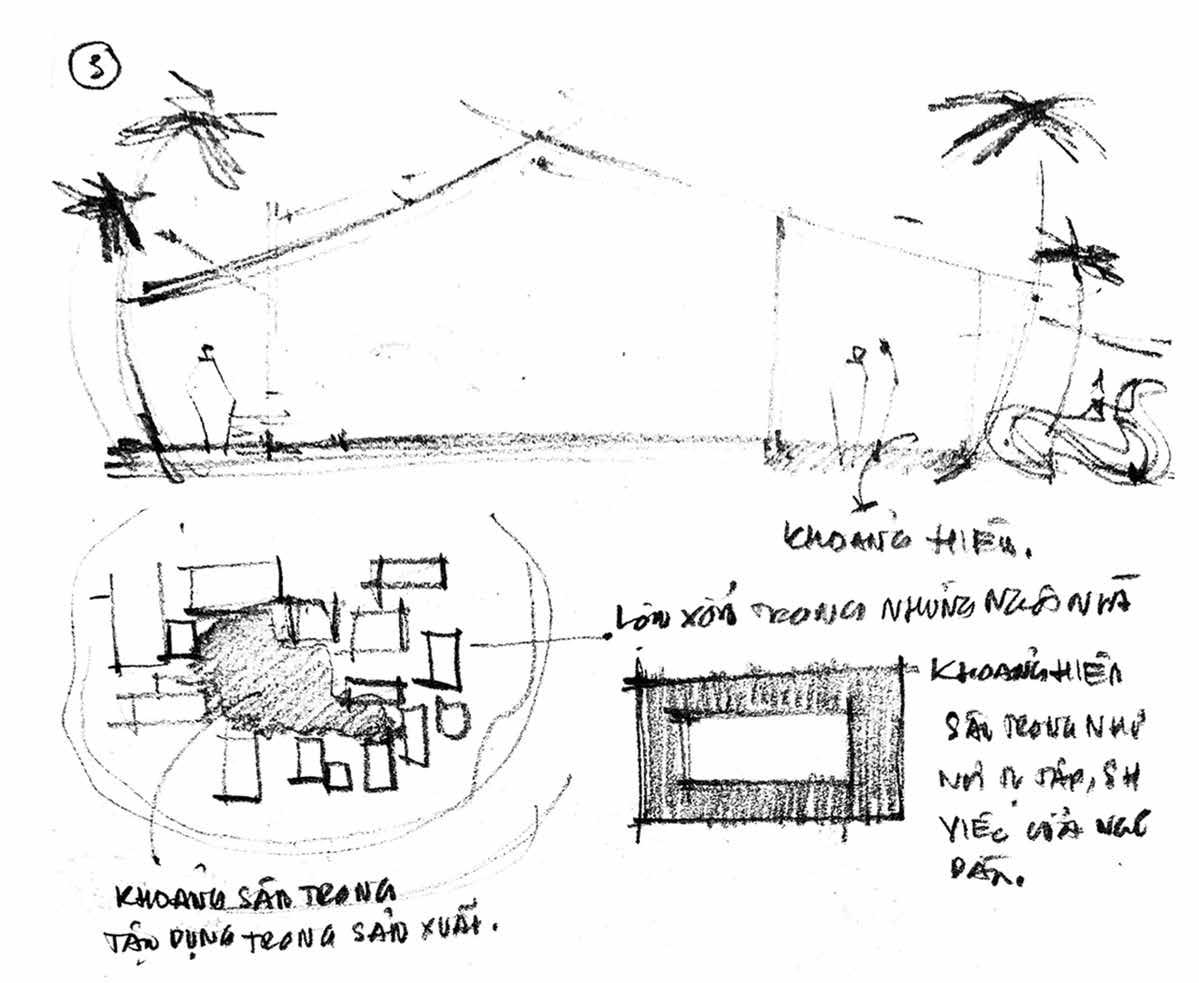
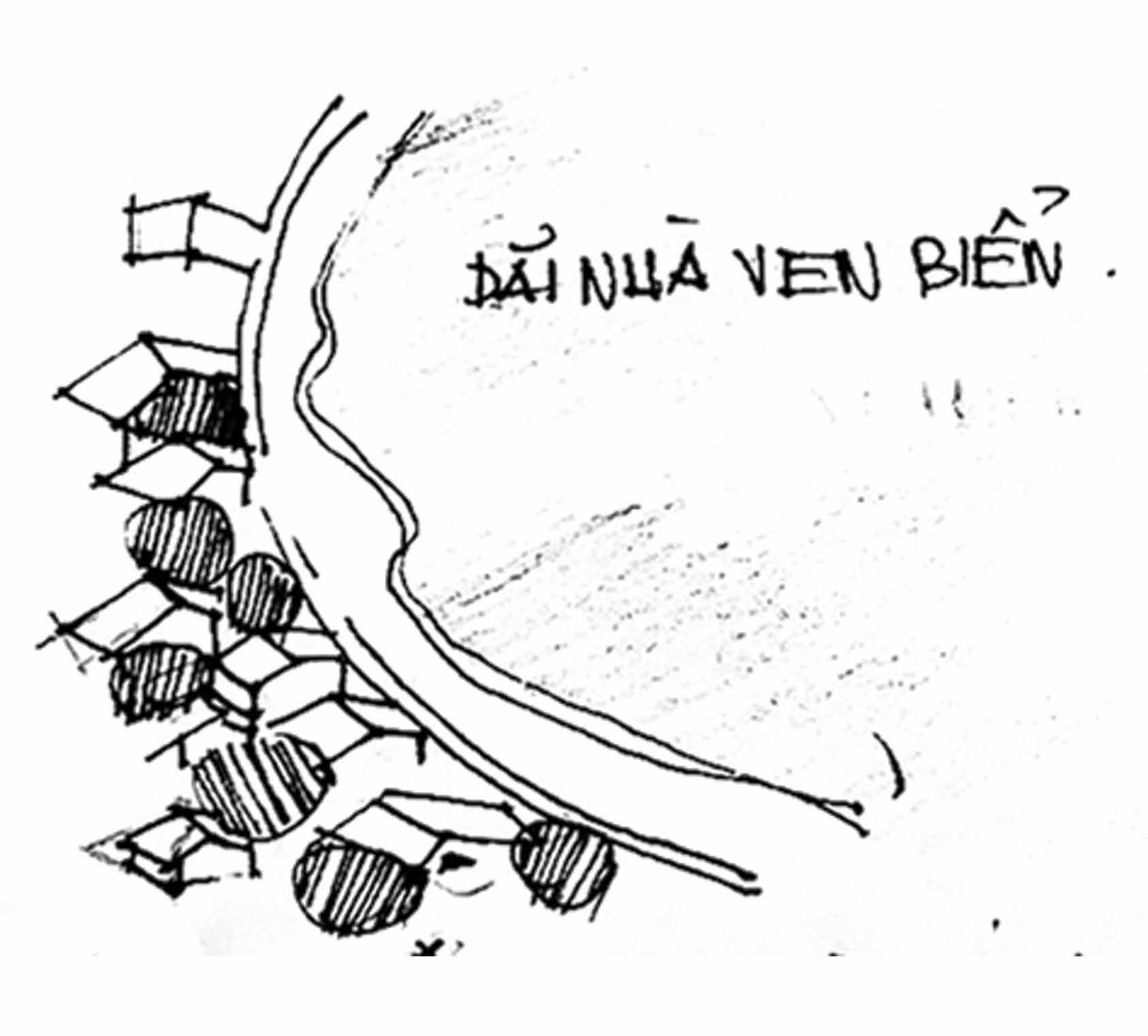
HOUSES PATTERN GROWTH - LIVING BESIDE THE RIVER
THE VIETNAMESE MARKET PLACE
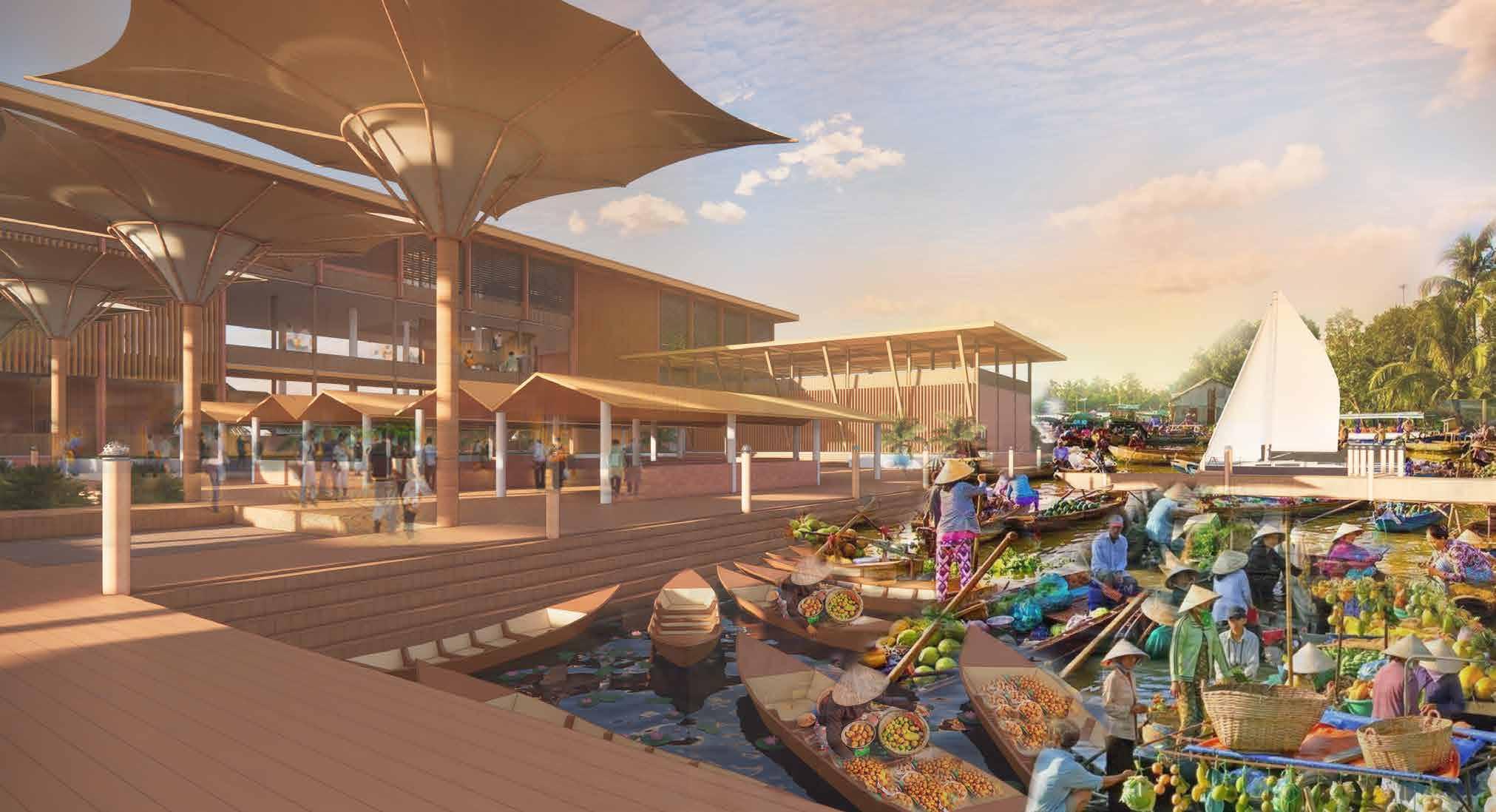
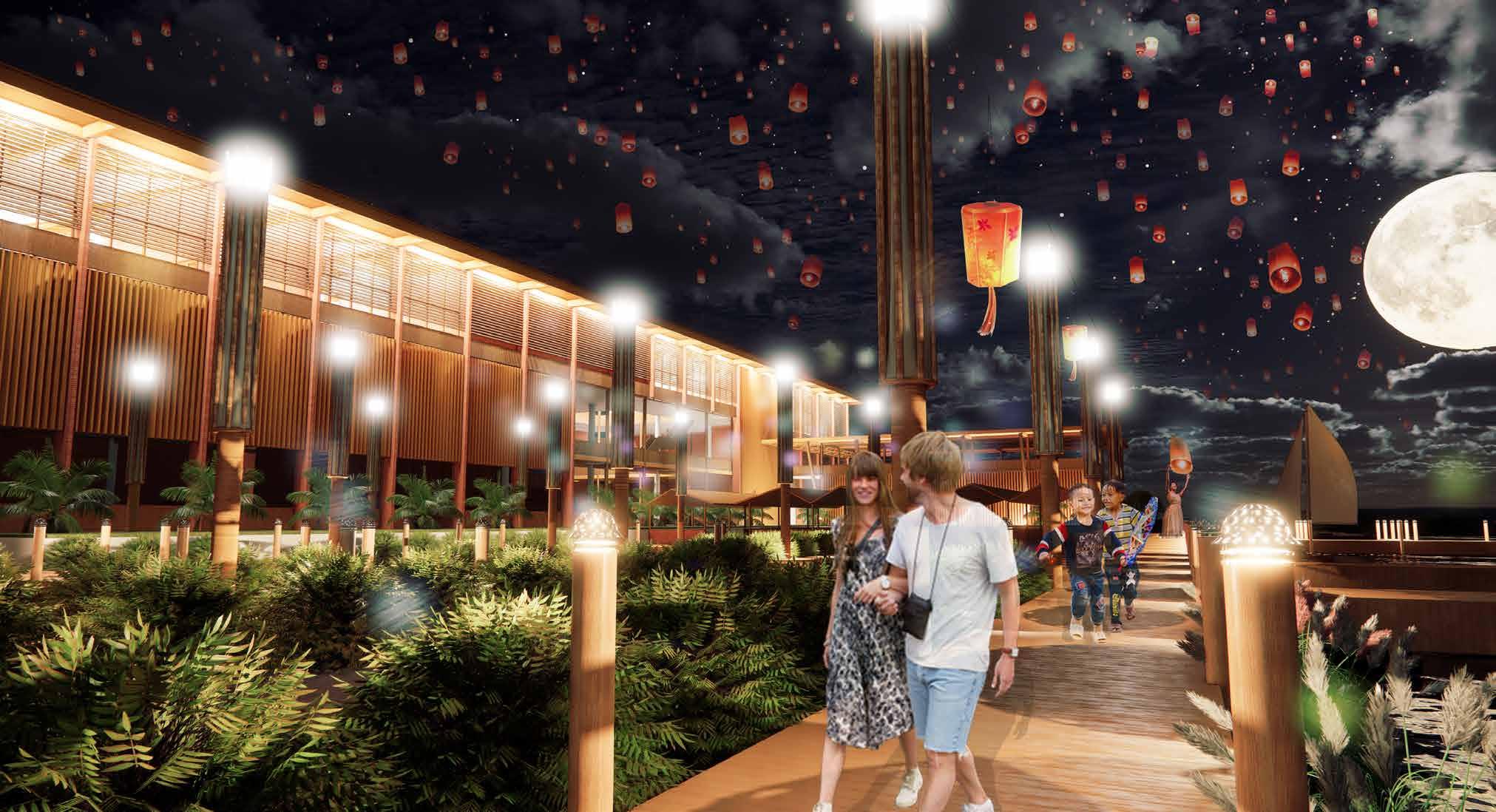
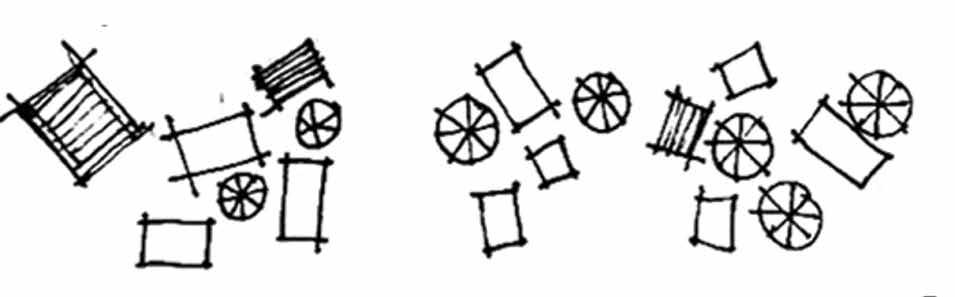
Traditional Vietnamese markets are renowned for their dynamic layout and diversity. Typically organized in a bustling, open-air format, these markets feature a labyrinth of stalls and vendors, each offering a wide range of goods. The layout often includes sections dedicated to fresh produce, meats, seafood, spices, and handcrafted items, creating a sensory-rich experience.
The diversity of these markets reflects the variety of local products and cultural influences. You’ll find vibrant displays of fruits and vegetables, aromatic herbs, traditional snacks, and artisanal crafts. Each market is unique, shaped by regional specialties and the character of the community it serves. This variety not only caters to a broad array of needs but also showcases the rich cultural tapestry and everyday life of Vietnam.
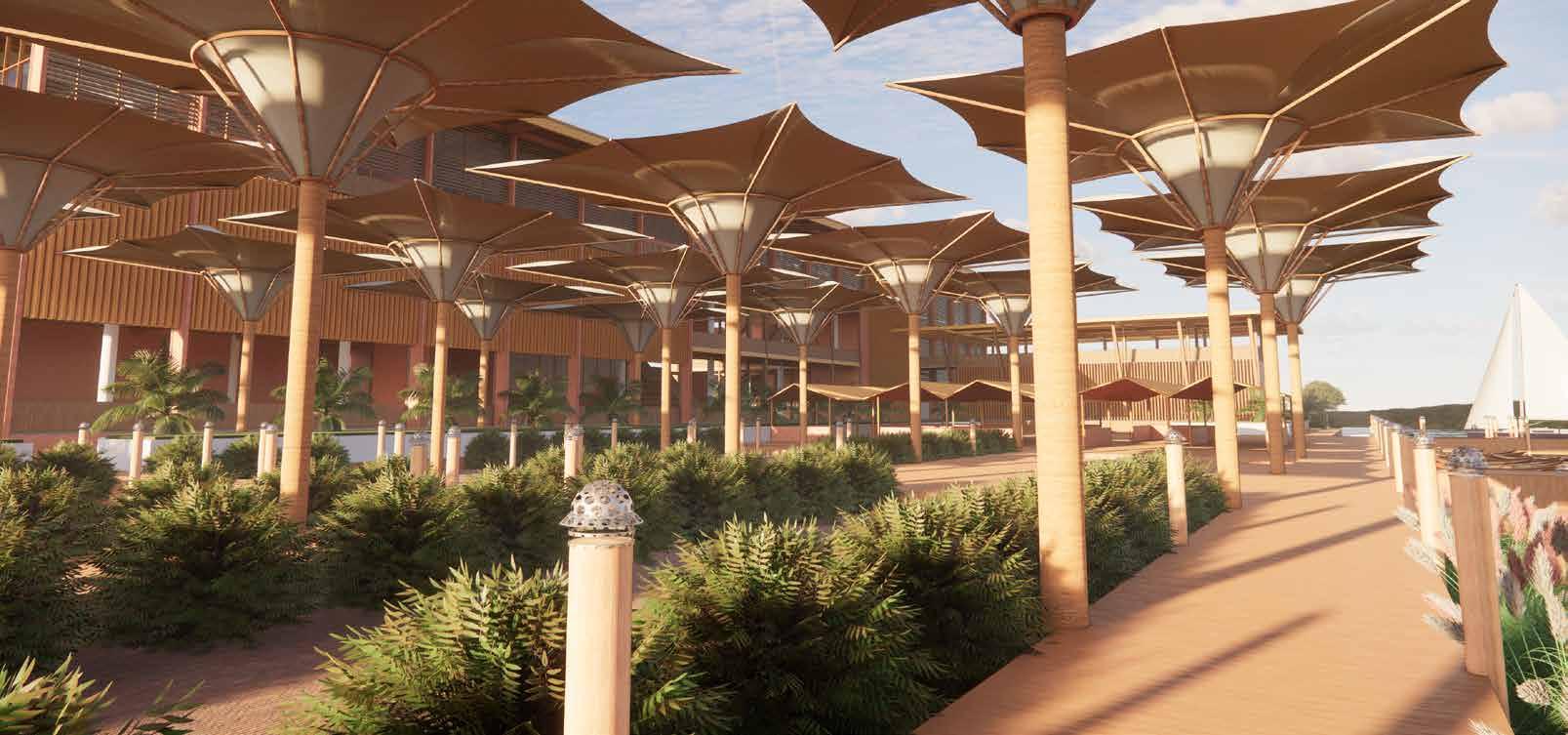
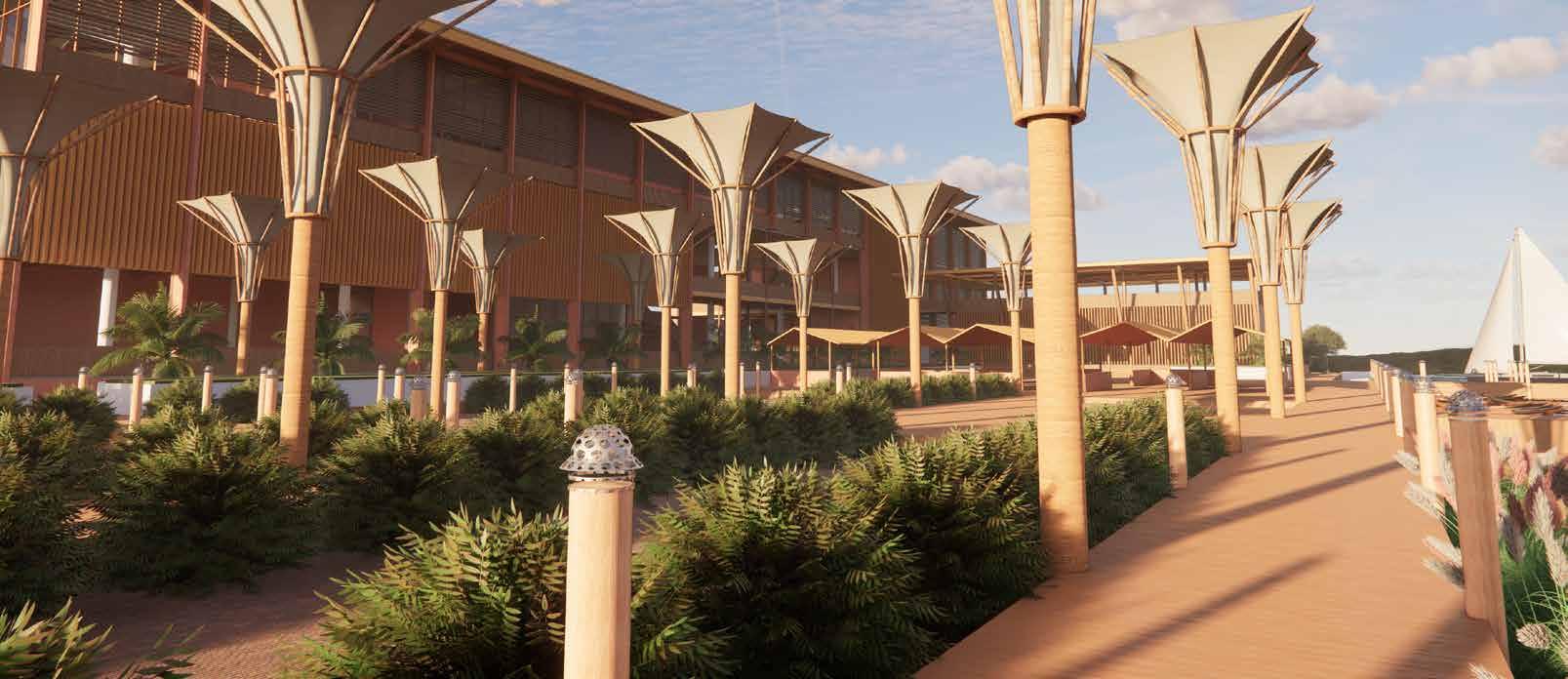
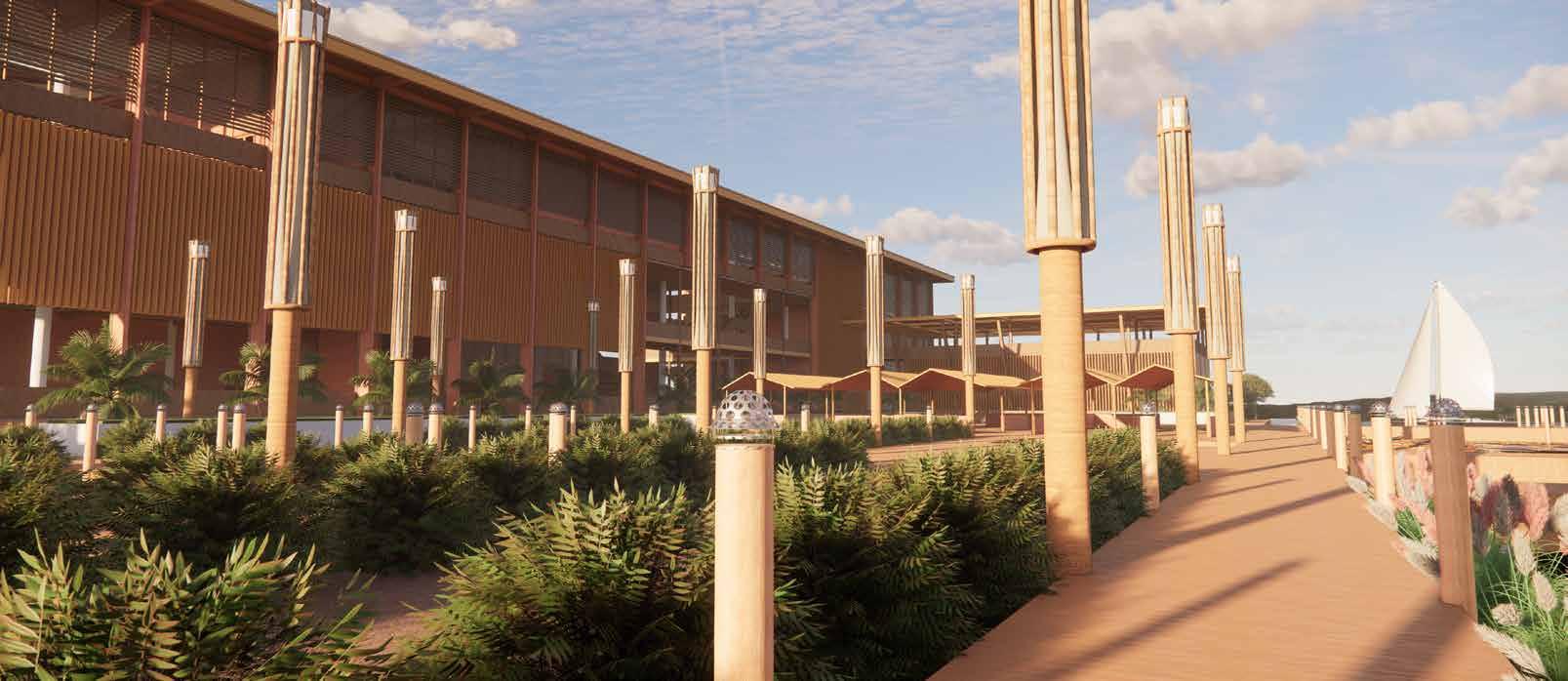
The value of a traditional Vietnamese market under a hundred of umbrellas lies in its rich cultural heritage and social significance. It serves as a vibrant community hub, blending traditional practices with modern convenience, while offering a sensory-rich experience that highlights the essence of Vietnamese life and local commerce.
hydraulic umbrellas
HOẢ XA MUSSÉE
The revival of industrial herritage in the Ho Chi Minh city
GRADUATION PROJECT
TAMAYOUZ COMPETITION 2024 - pending SITE: 2309 PARK, HO CHI MINH CITY YEAR: 2024 - PROGRAM: SKETCHUP, ENSCAPE, PHOTOSHOP RHINO, INDESIGN, REVIT
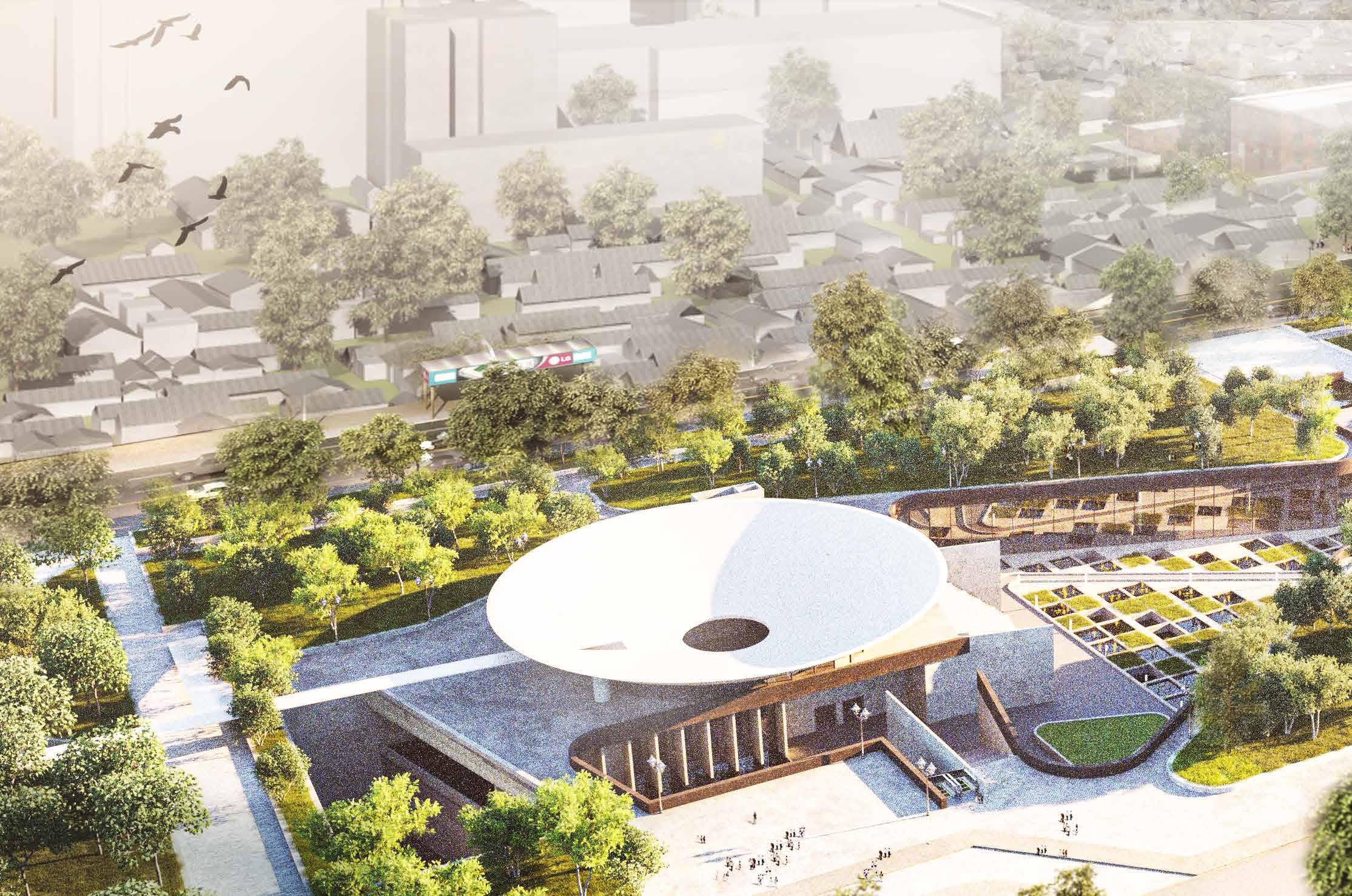
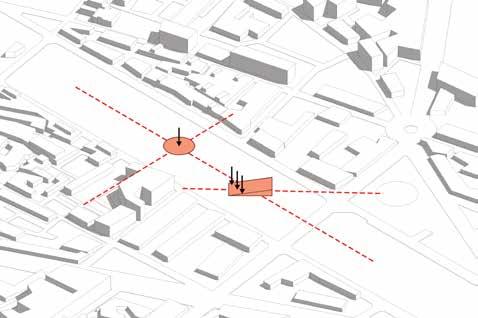
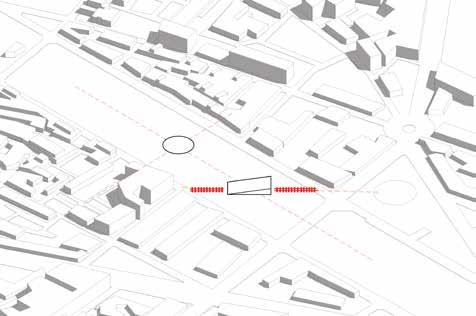
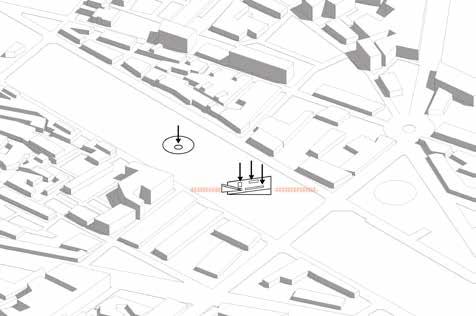
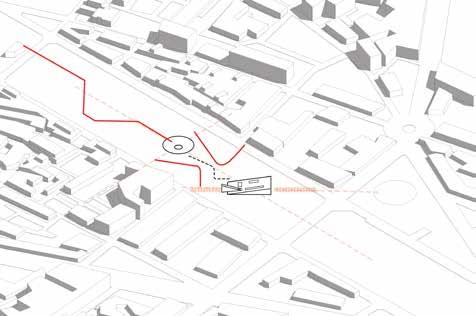
Recognizing the need to emphasize heritage and planning in the area, the proposal suggests a more modest, enclosed space underground. The strength of this approach lies in preserving surface landmarks while addressing regional issues. It allows the area to retain its historical value while integrating with future developments, such as pedestrian streets, central axes, and metro stations. This design facilitates a transition from the past (surface) to the future (underground) Although the design adopts a modern aesthetic, it retains elements of the old iron house area, including hundred years of old station and well, the bobo trail, and the architecture of the old station.
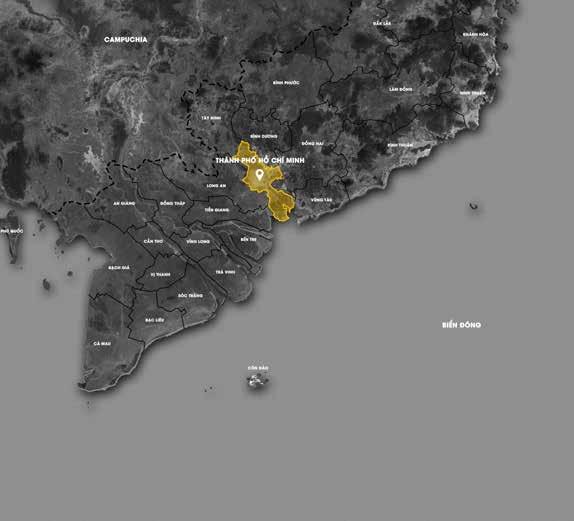
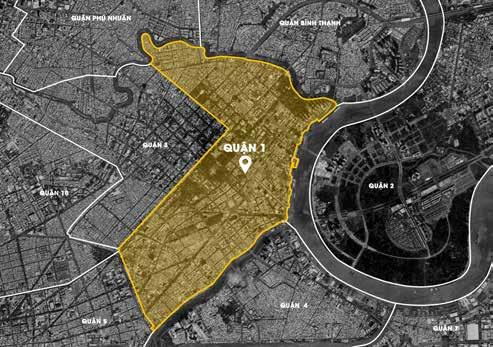
HO CHI MINH CITY
Ho Chi Minh City, formerly known as “Saigon”, is a vibrant metropolis in southern Vietnam, renowned for its eclectic blend of architectural styles that reflect its rich history and rapid modernization. The city’s architectural landscape is a fascinating tapestry where French colonial, traditional Vietnamese, and contemporary influences converge.
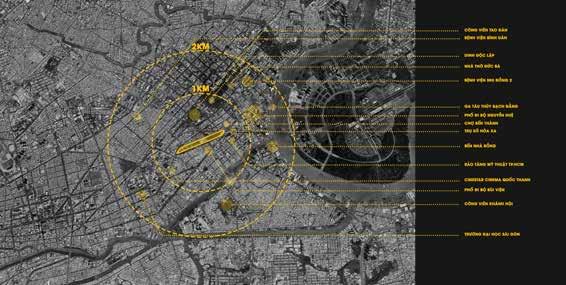
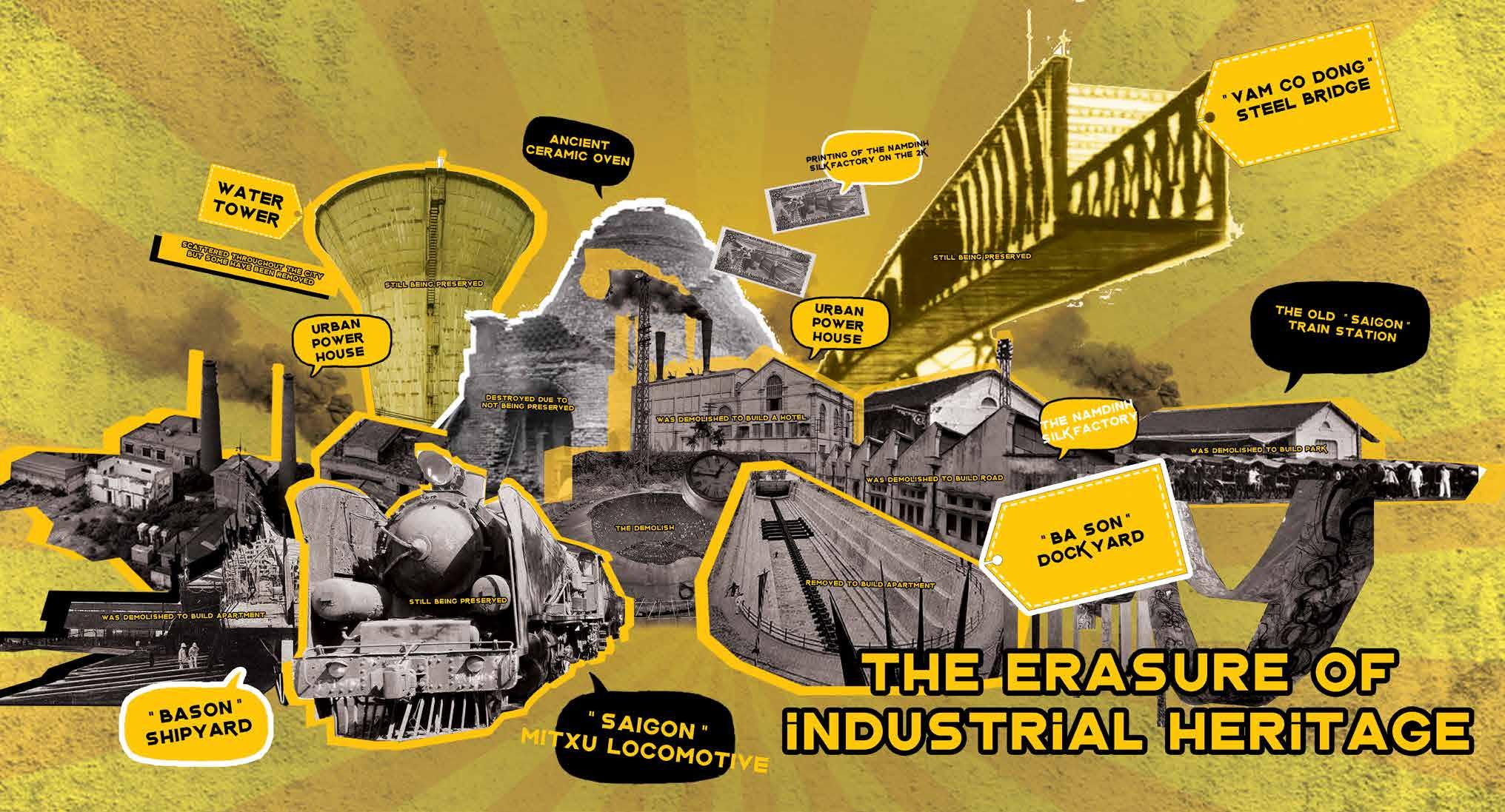
THE CITY PROBLEM
the erasure of industrial buildings in the Ho Chi
The rapid urban development of Vietnam in recent years has led to the disappearance of numerous early industrial production facilities, along with their associated tangible and intangible values. Many industrial structures with heritage significance are also facing precarious futures, as they are not included in any state classification or preservation lists. The industrialization process, starting during the French colonial era, marked a shift from traditional to industrial production and symbolized a cultural exchange between East and West, alongside the struggle for national independence. Industrial heritage in Asia thus holds significant historical and symbolic value, deeply embedded in local culture, reflected in folk songs, poems, and everyday life, including old furniture and roadside cafés.
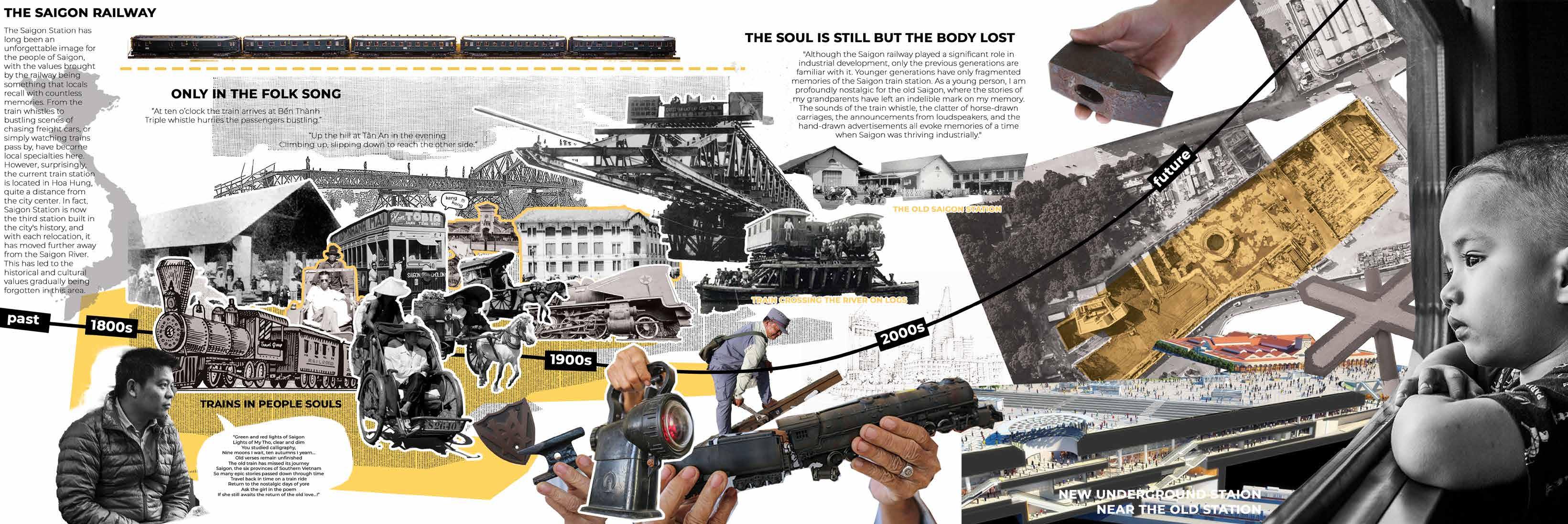
Minh city
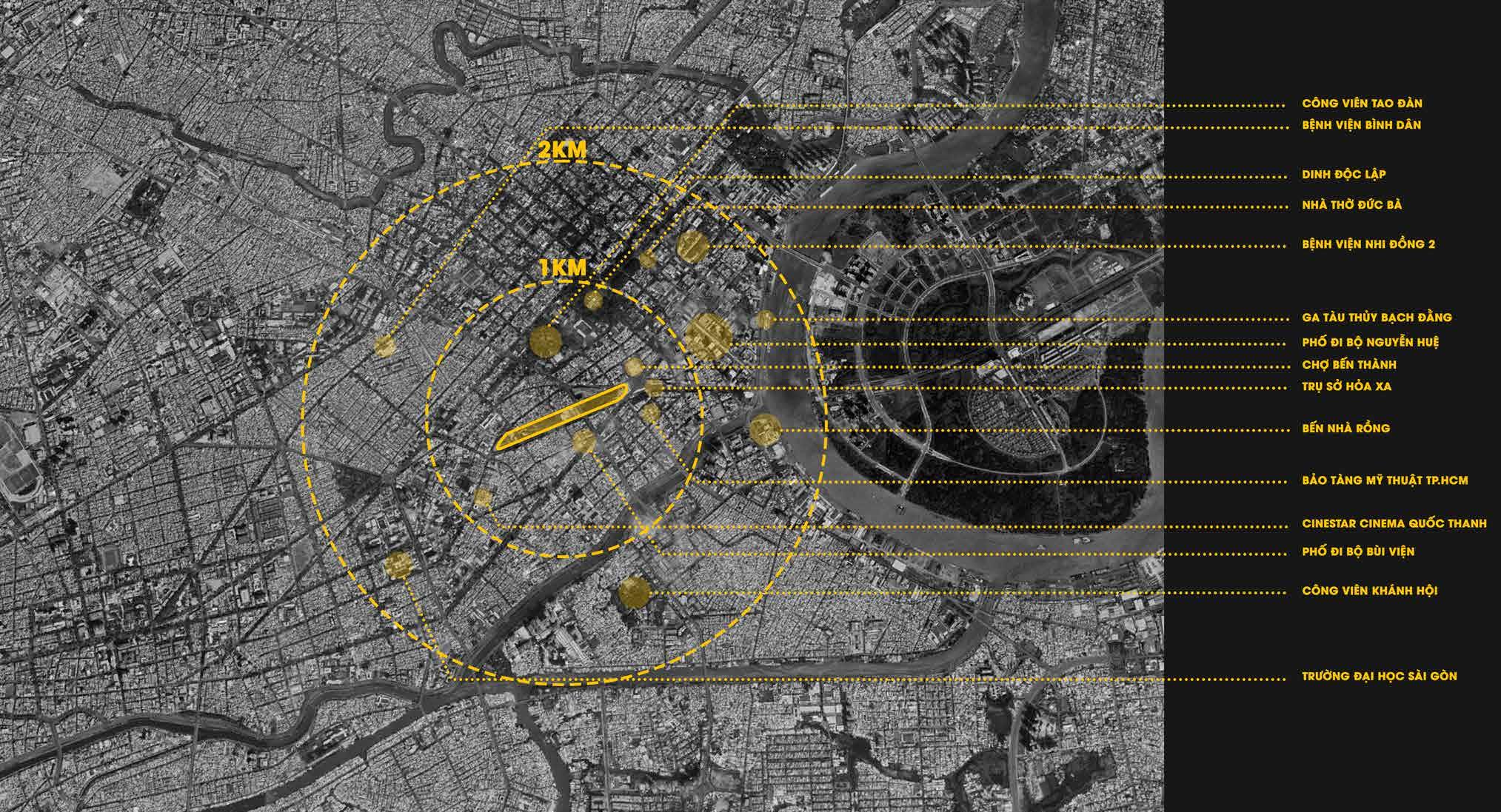
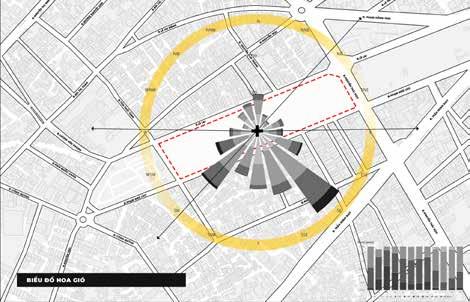
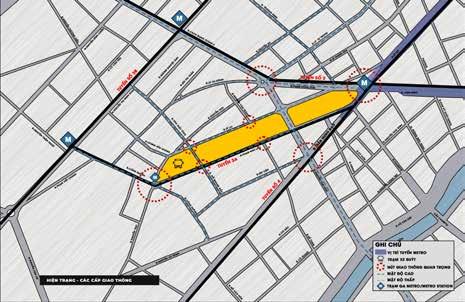
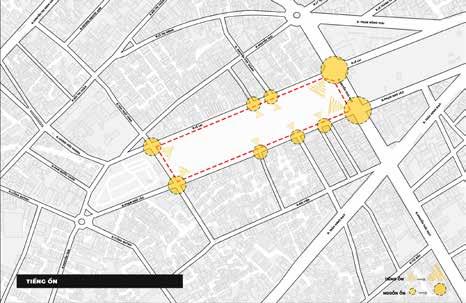
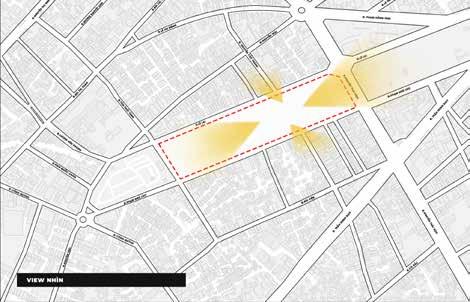
THE PAST
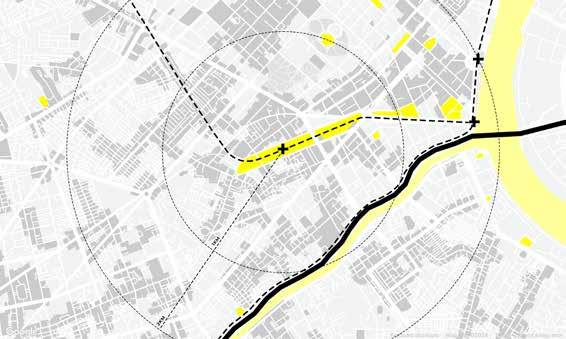
THE PRESENT
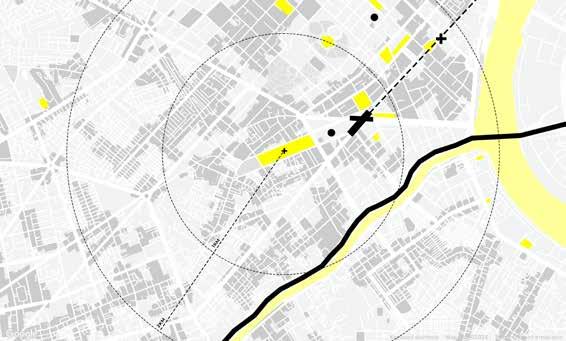
THE FUTURE
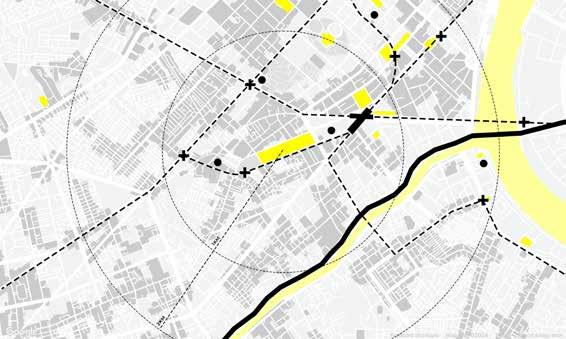
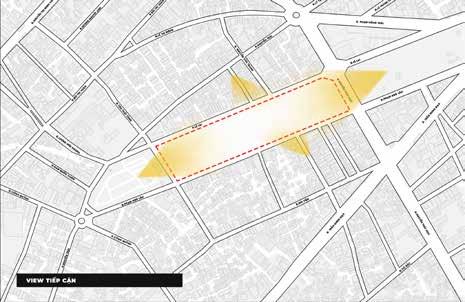
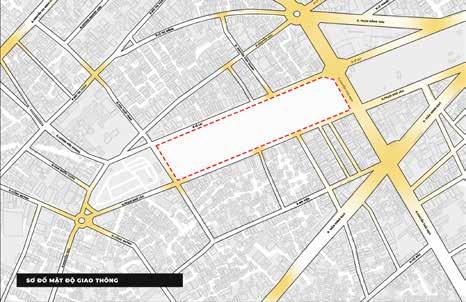
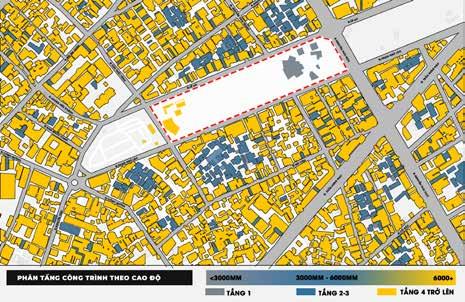
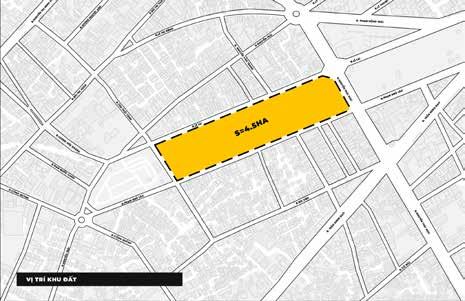
Morphological changes over decades diagram
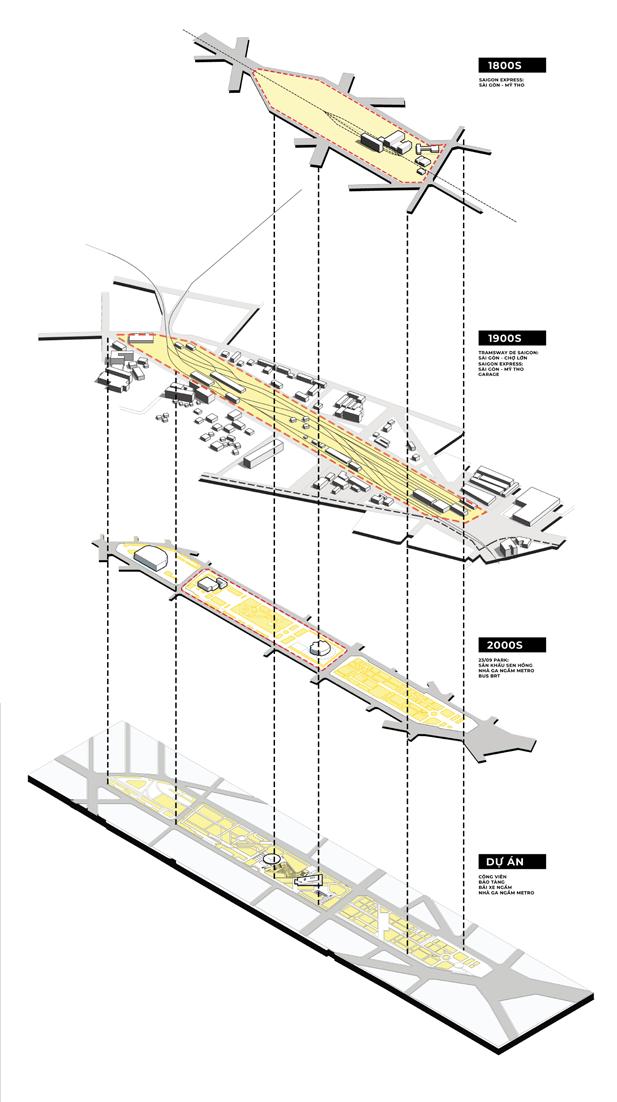
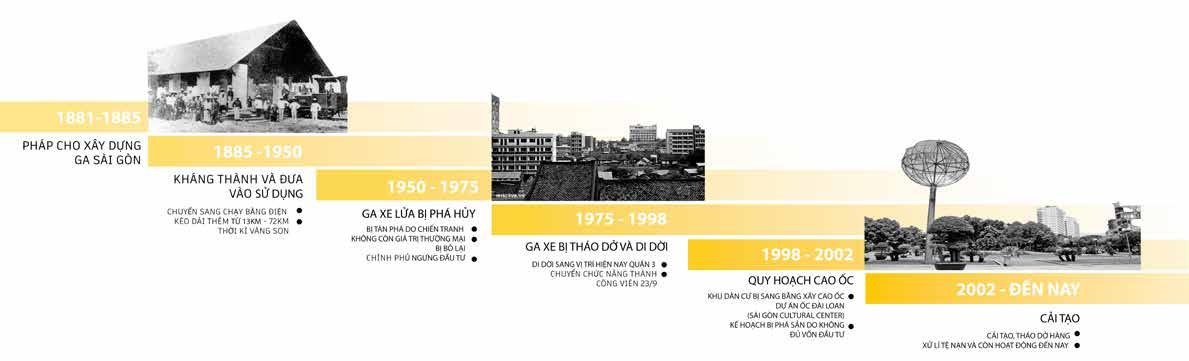
THE CHALLENGE
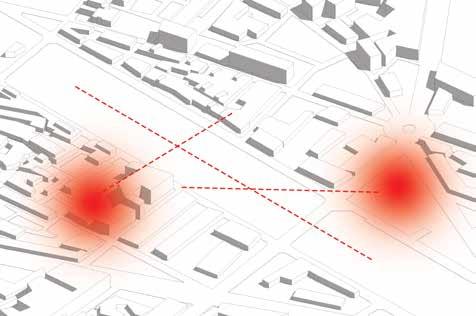
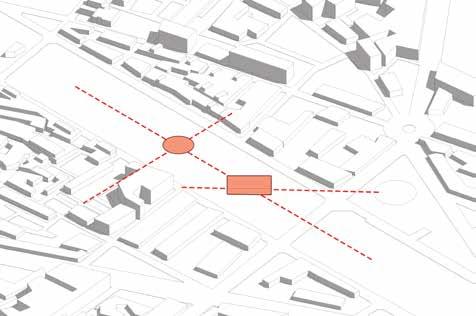
The challenge for the project is to create a space that revives the historical values of Saigon without disrupting the city’s urban facade. At the same time, the design must connect with future developments and the city’s evolving needs.
So, how can we design a space that functions as a park, a metro station, and a museum all at once?
THE MUSEUM OF “SAIGON” RAILWAY IND
THA VALUE
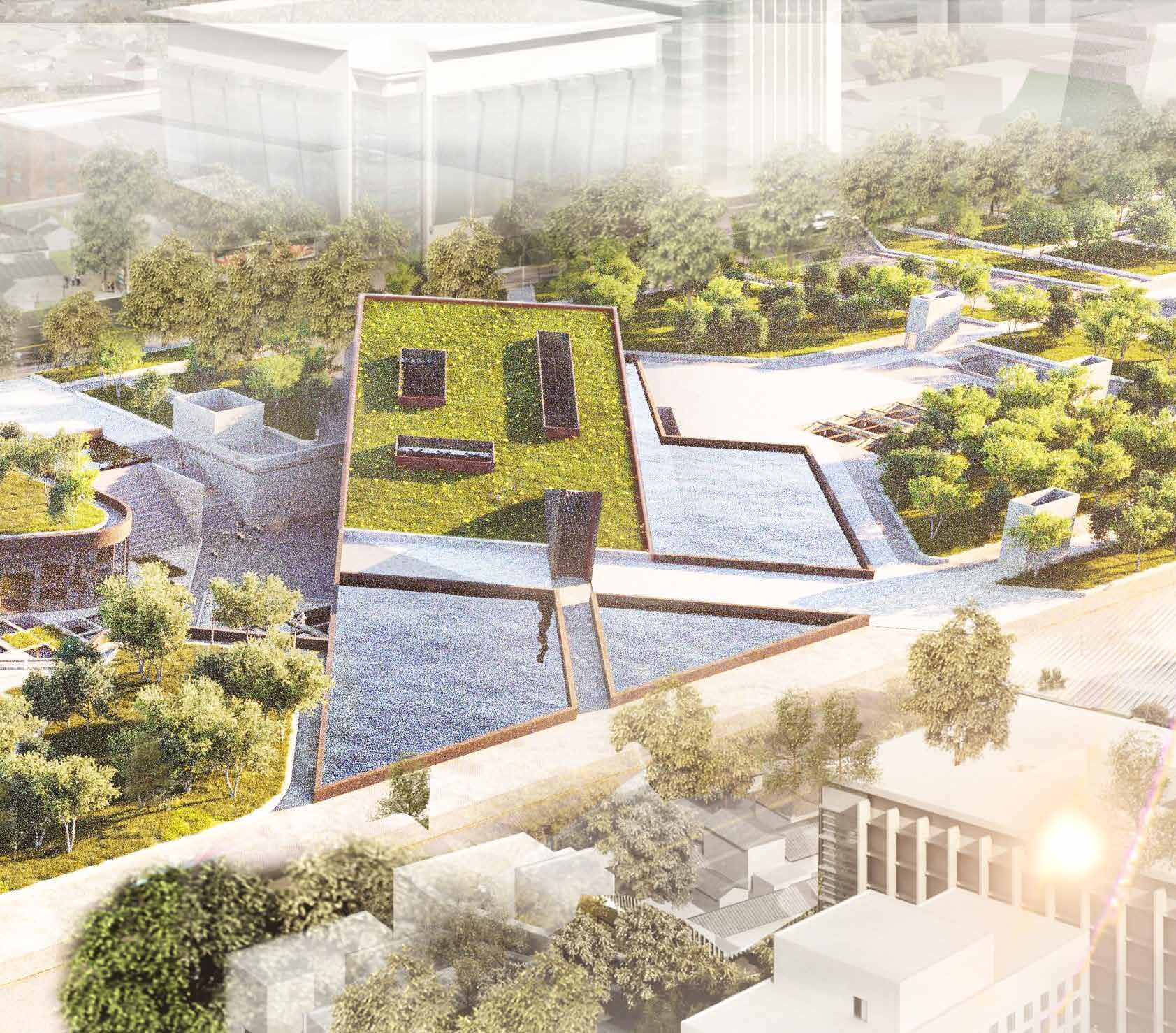
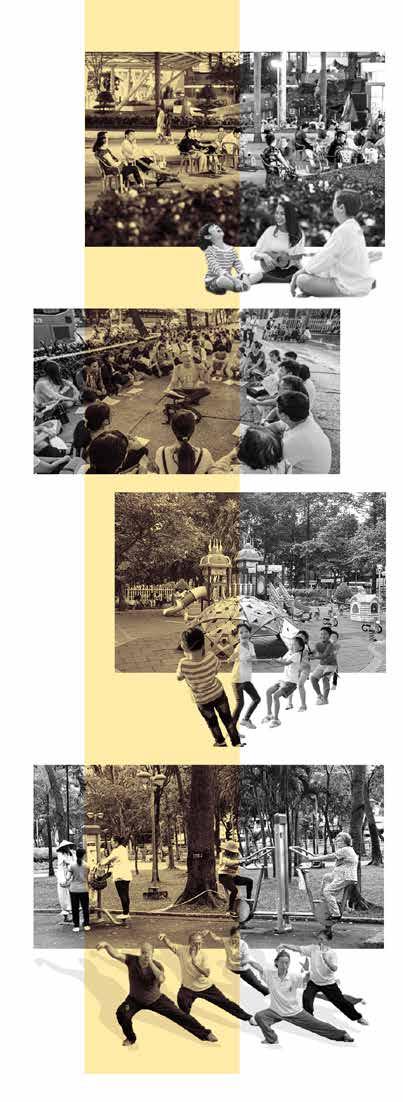
The value mentioned here is reflected in the enhancement of surface diversity and the various cultural and historical spaces that the project brings. From small perspectives to the broader efforts of renewal and development of the city in the future.
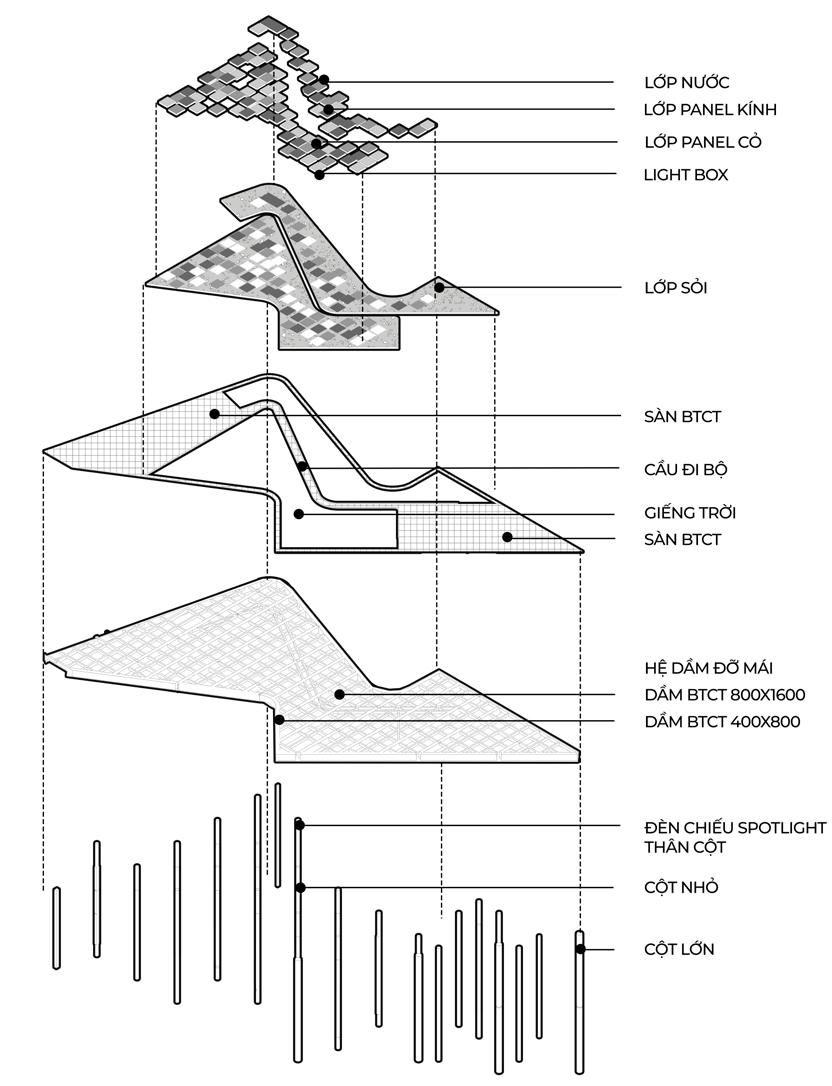
the “SAIGON”

The new “bobo” road railway crossed rice fields
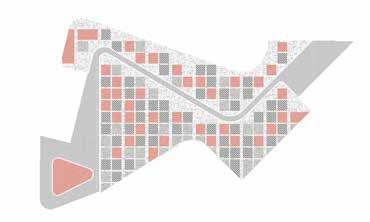
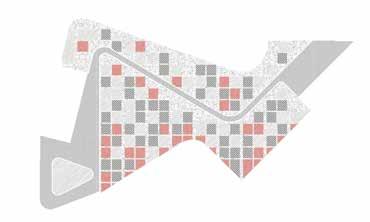
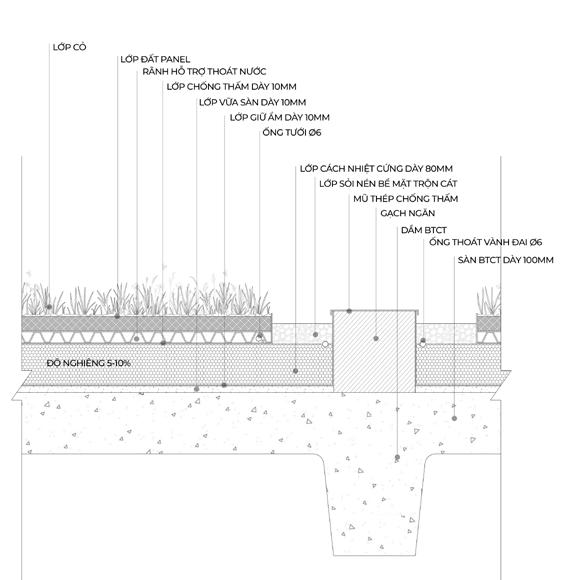
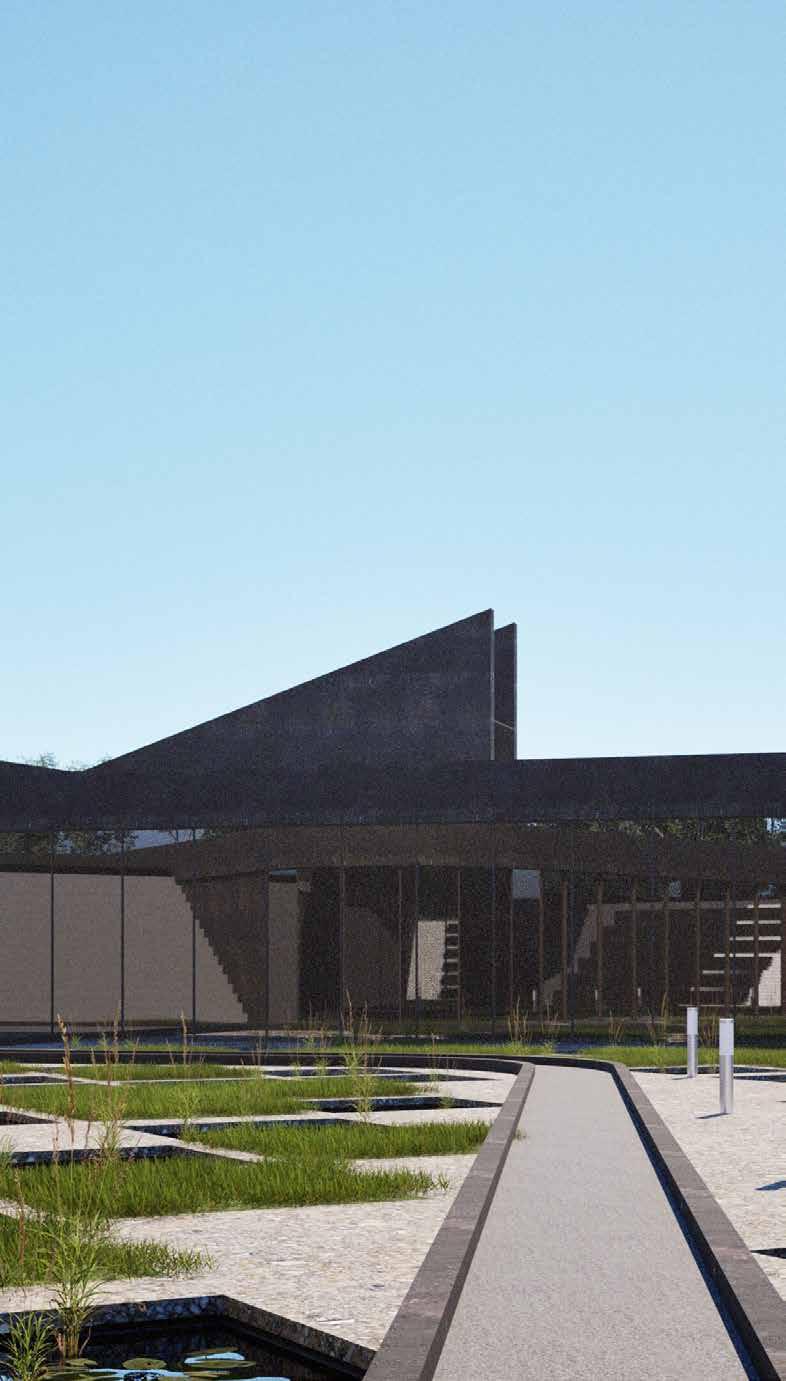
The grass layer - simulated the rice field
The glass panel - the skylight systems for underground spaces
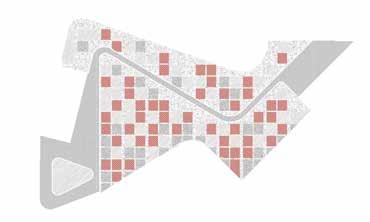
The water layer - irrigation systems
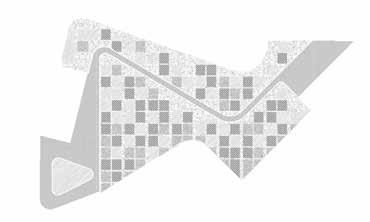
The soil layer - better water drainage
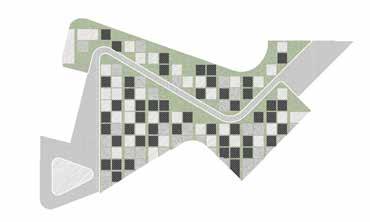
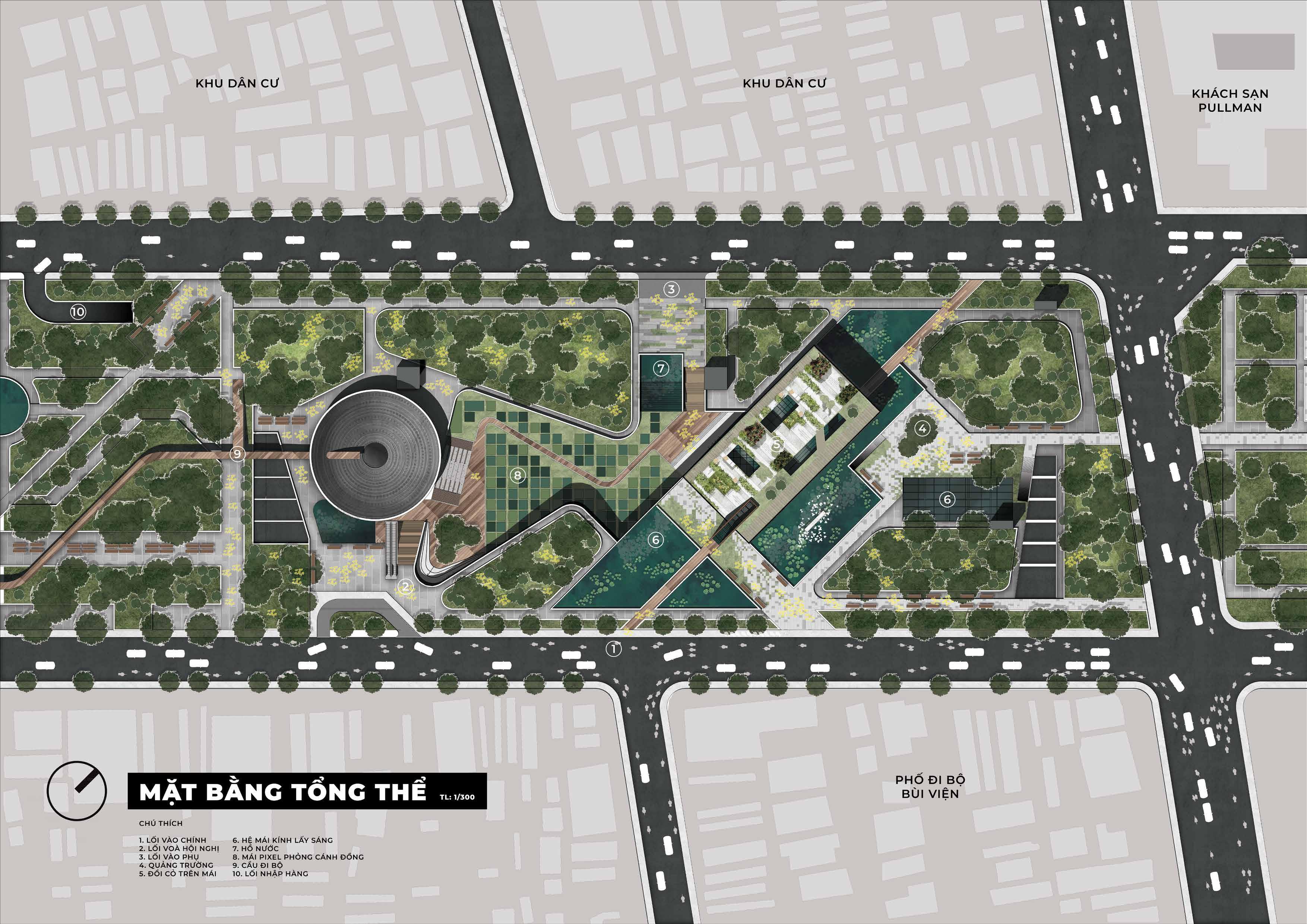
Roofing system = skylight + landscape + pedestrians
THE OLD “BOBO” ROAD
During the period, due to economic hardship, many poor individuals would hop onto trains without paying for tickets to travel for free. This practice resulted in their traveling along the railway lines without oversight. As a result, this railway line came to be known as the “bobo line,” with “bobo” describing the behavior of those who used the train service without paying.
The term “bobo” was used to describe something that was free or avoided payment, and in this context, it became associated with the building designed to seamlessly integrate with the existing park, allowing for free use of the space.
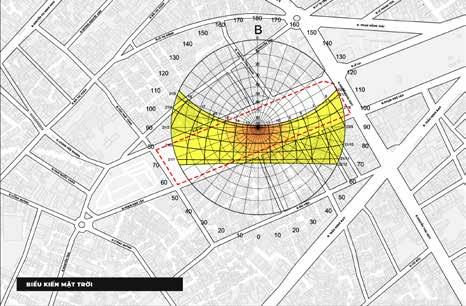
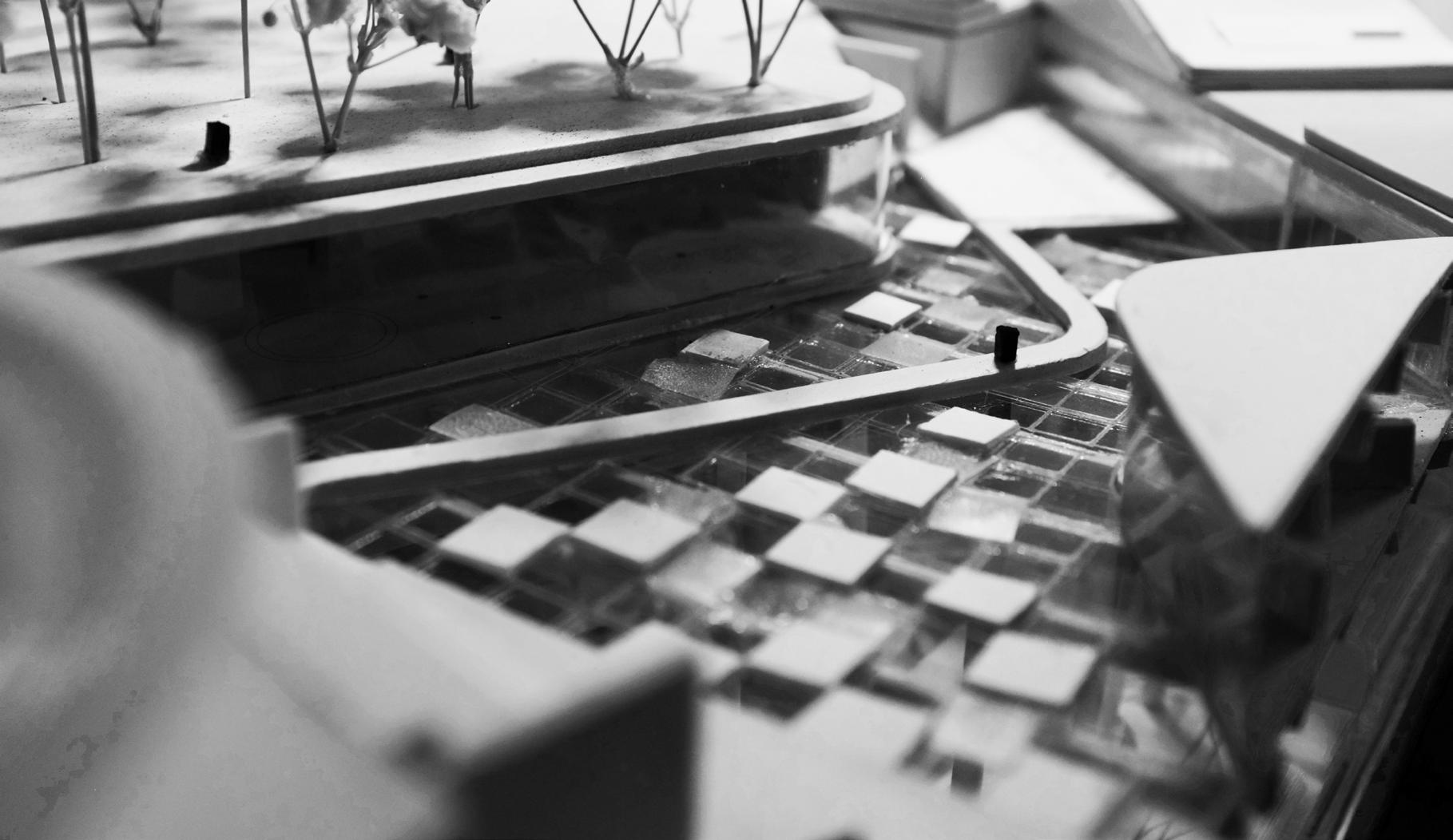
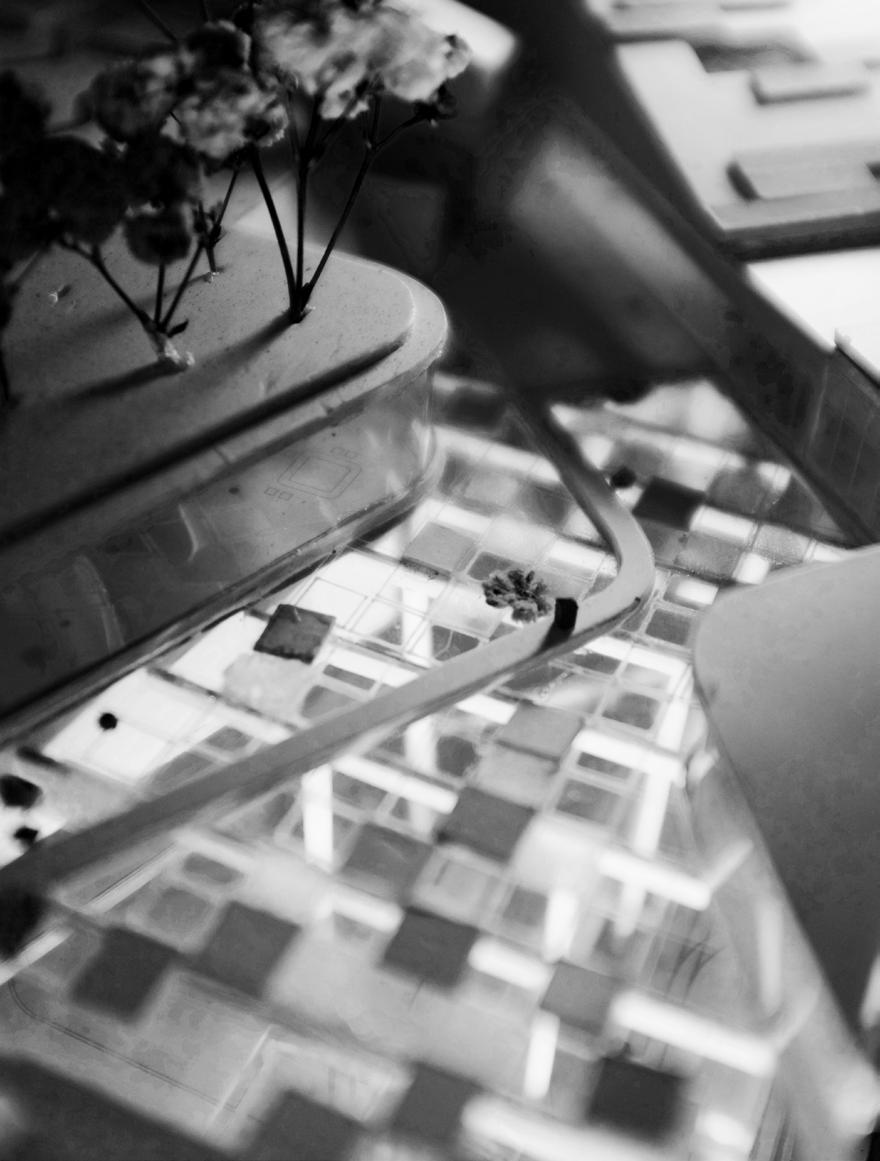
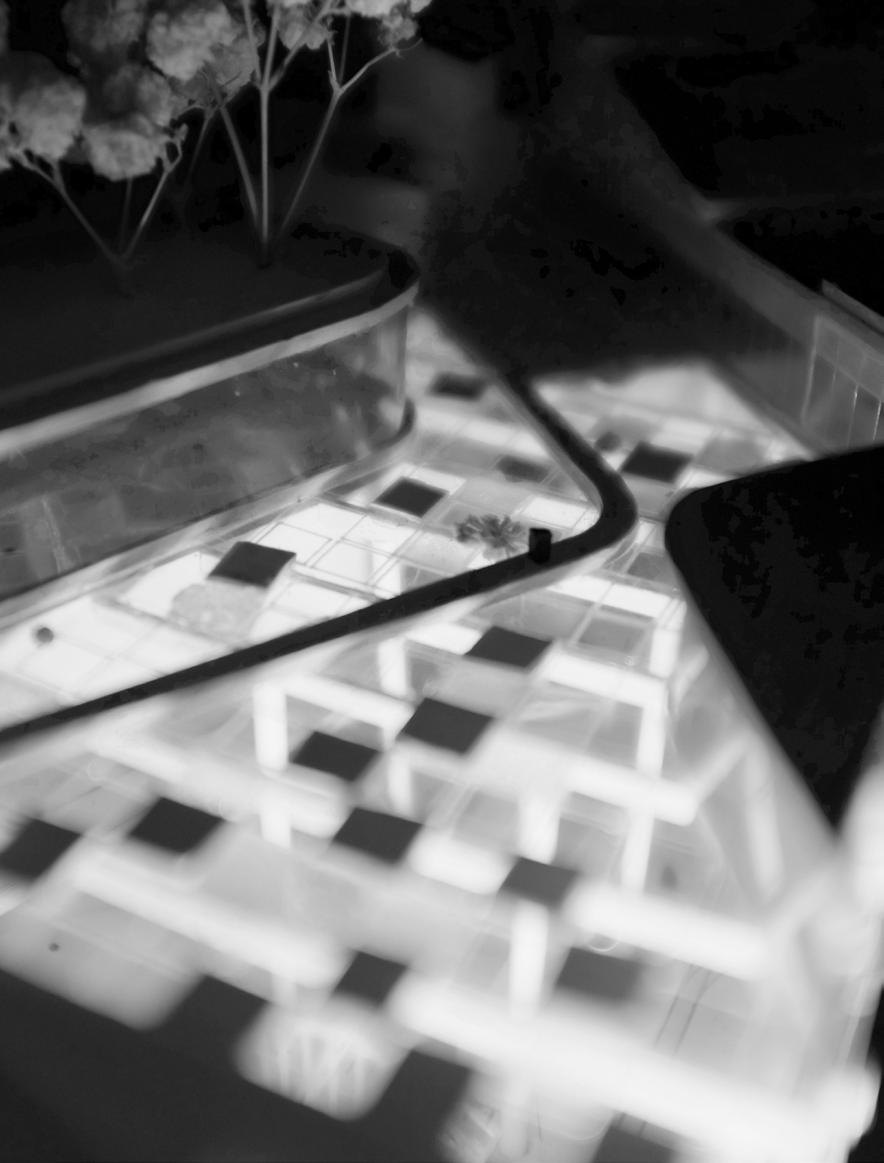
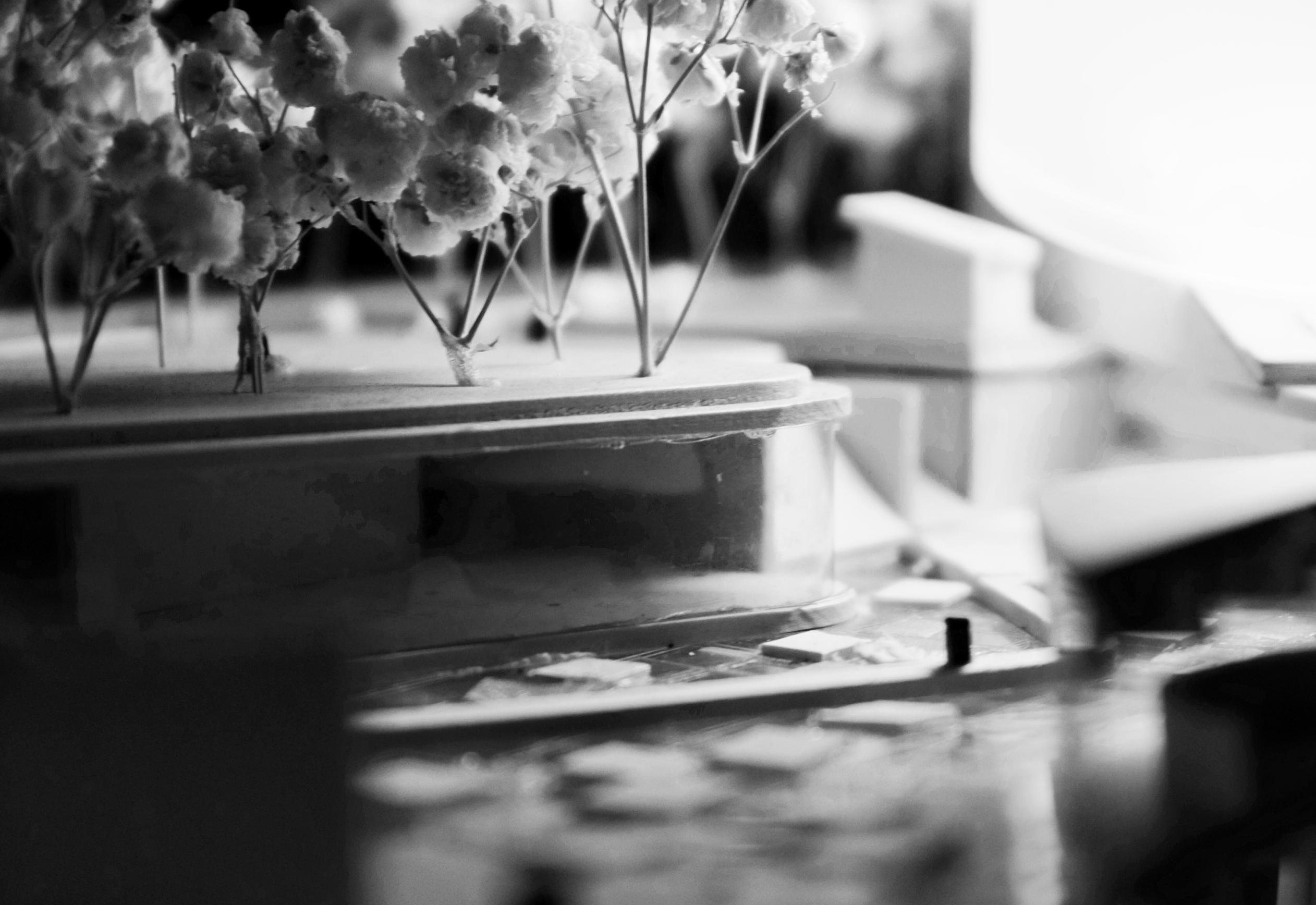
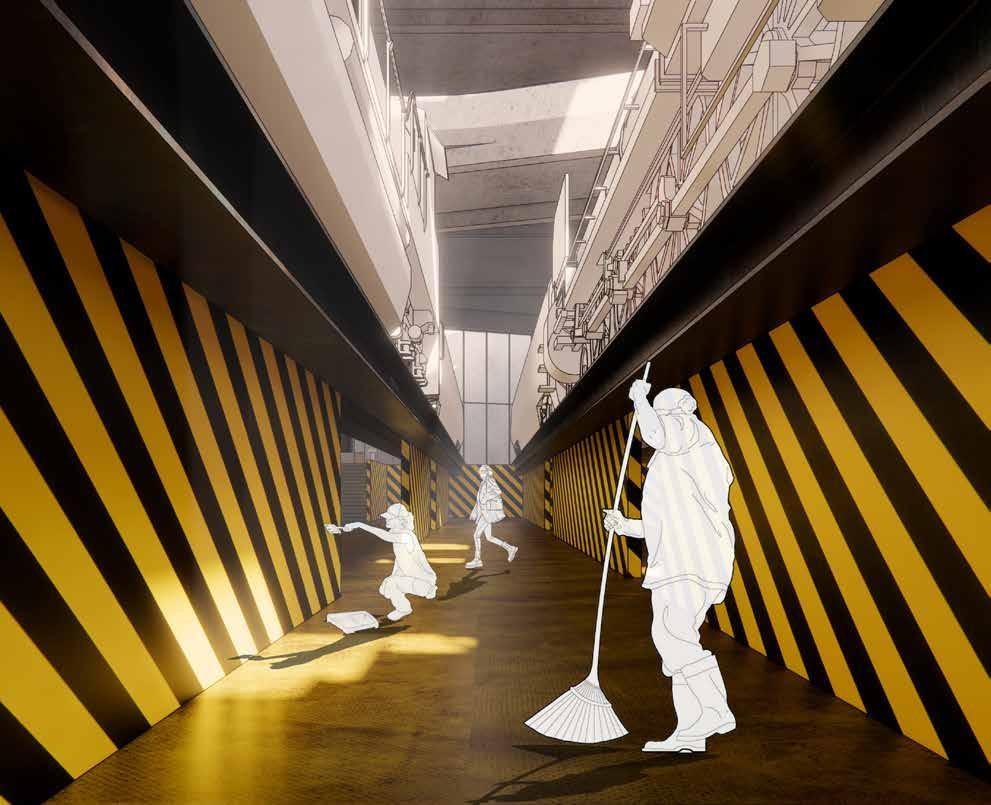
The design incorporates natural light throughout the day and night, featuring a simple structure that combines a pixelated landscape with glass panels. This design allows people to observe the station below, satisfying their curiosity while maintaining an open and engaging environment.
The solitary figures along rail tracks
The profession of rail track maintenance evokes a poignant image of solitary dedication. Picture a seasoned rail worker, alone on the endless stretch of track, surrounded by the vast expanse of the landscape. The sky above might be vast and open, or perhaps heavy with the weight of impending rain. In this solitary figure, there is both a profound sense of isolation and an extraordinary sense of responsibility.
As the worker moves along the tracks, each step echoes the silence of their environment, a stark contrast to the busy, bustling trains that rely on their diligent care. Their days are spent in quiet reflection, their only company the rhythmic clatter of their tools and the hum of the distant trains. The solitude of their work is palpable, yet it carries with it a weighty purpose.
Their solitary presence on the tracks embodies a dedication that goes beyond mere maintenance—it is a commitment to ensuring that each train journey is safe, smooth, and reliable. In their solitary vigil, the track worker’s role is both simple and profound: they stand as the silent sentinel, the keeper of an essential lifeline, taking on a responsibility that few fully appreciate but all depend upon. The loneliness of their work is counterbalanced by the significance of their task, making their role a unique blend of isolation and essential duty.
NGUYEN LE MINH - HOAXA MUSSEE
HUNDRED YEARS OF STATION AND WELL
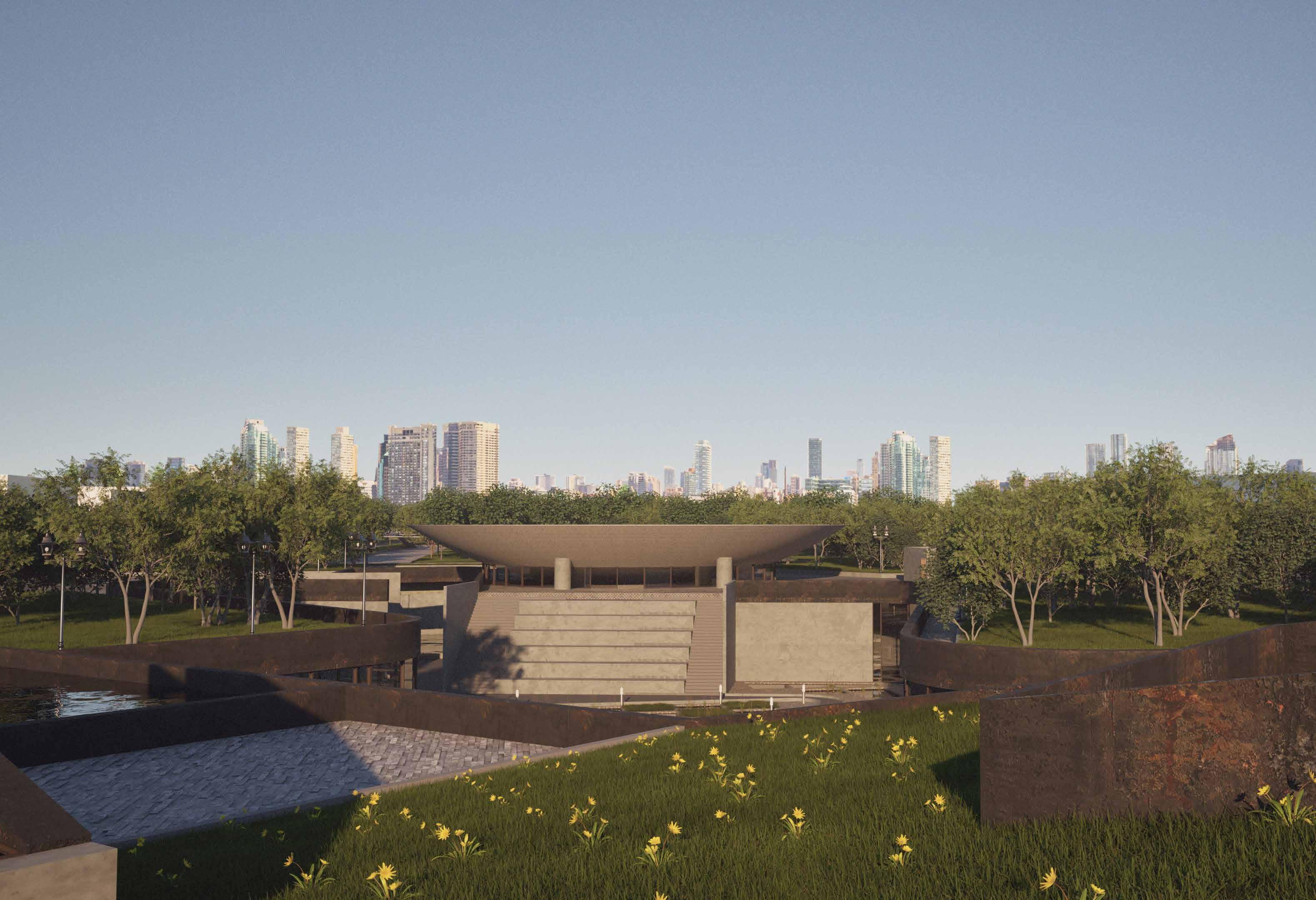
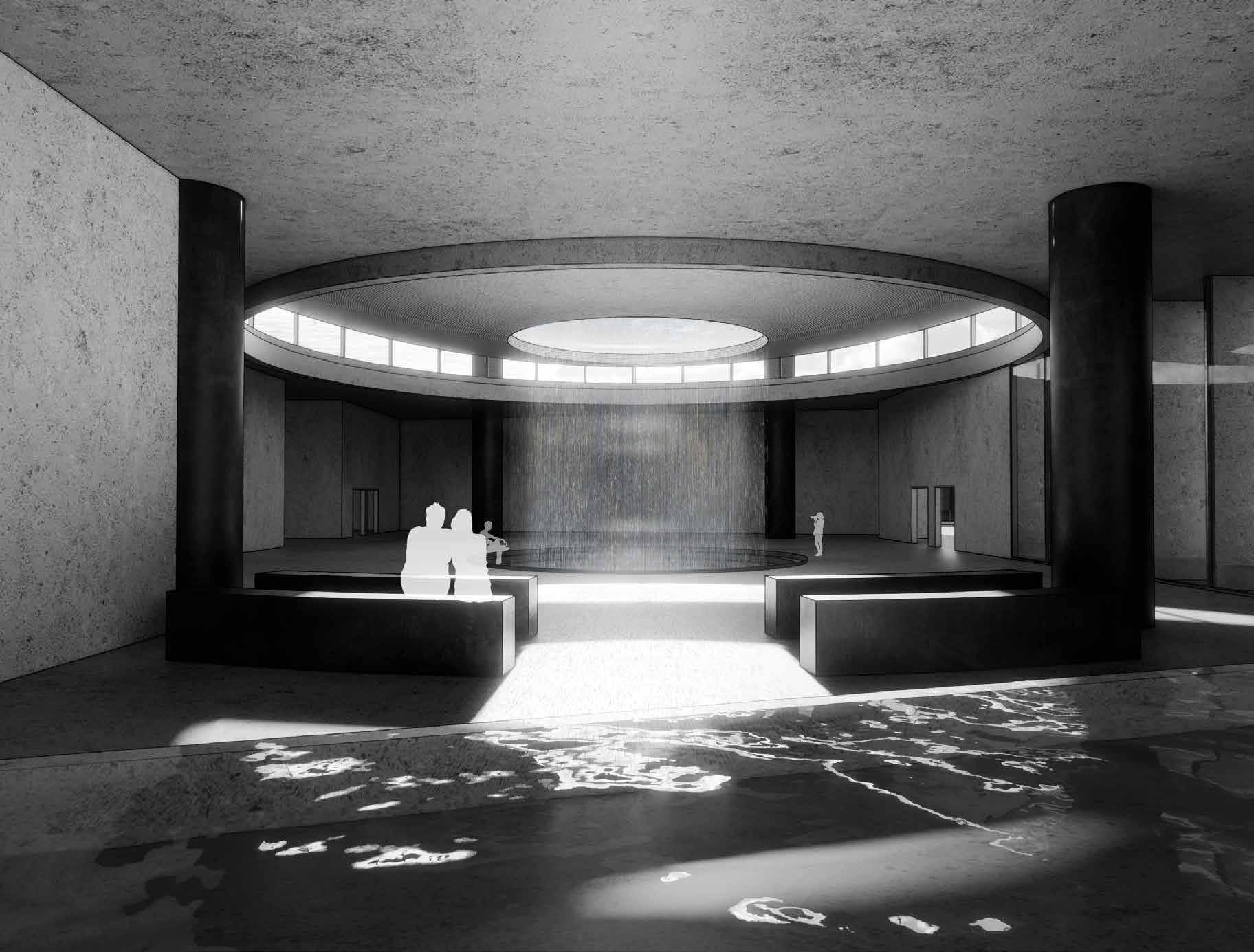
The wells are a familiar feature for the local people, with their presence still visible in many scattered homes. The project aims to reflect the serene and contemplative nature of these wells, serving as a resting and reflective point for visitors.
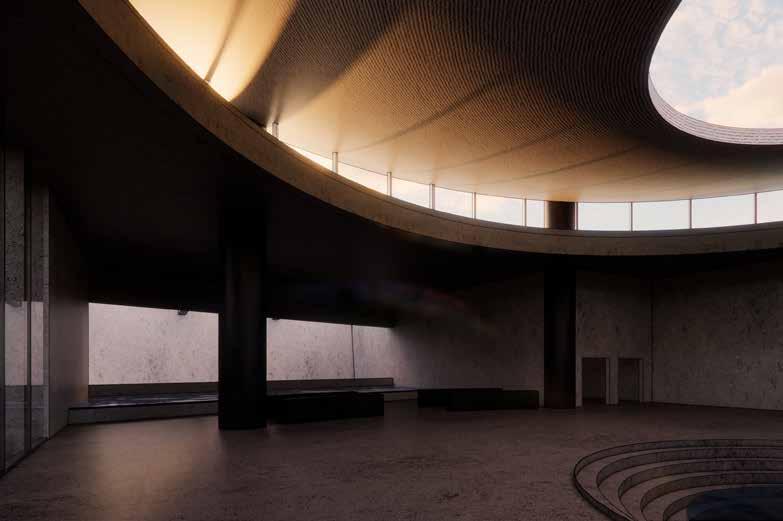
“Rain Well”: This element serves as the central focus and symbol of the park’s layout. It includes conference rooms, small community clubs, restrooms, and a space for reflecting on the imagery of falling rain. The concept draws on the traditional well imagery found at old stations, which has long symbolized coolness and sustenance in the local culture. This well design becomes both the centerpiece and a landscape icon for the park, with conference and event spaces located below.
BUILDING ACESS
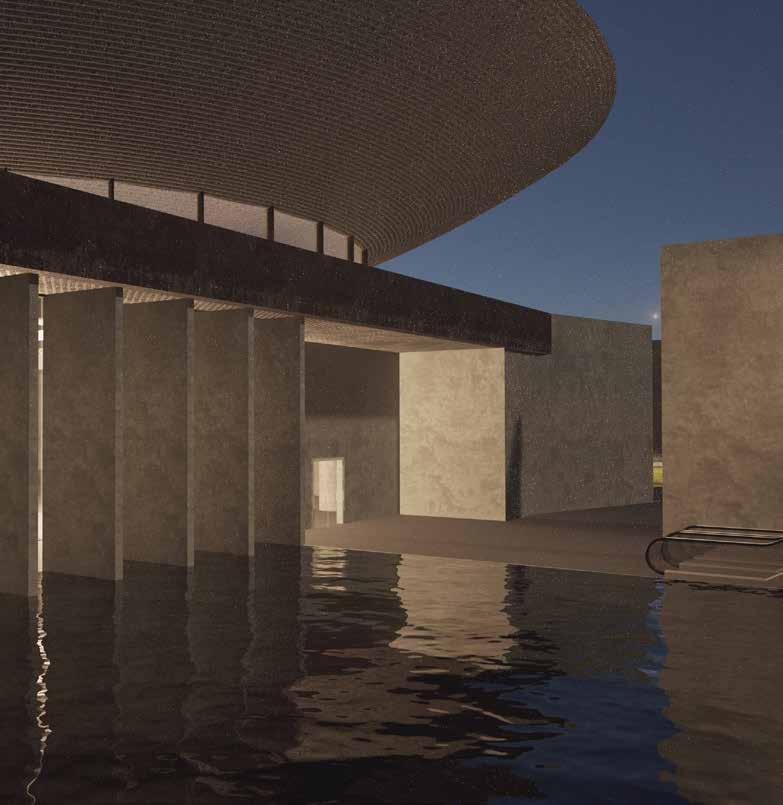
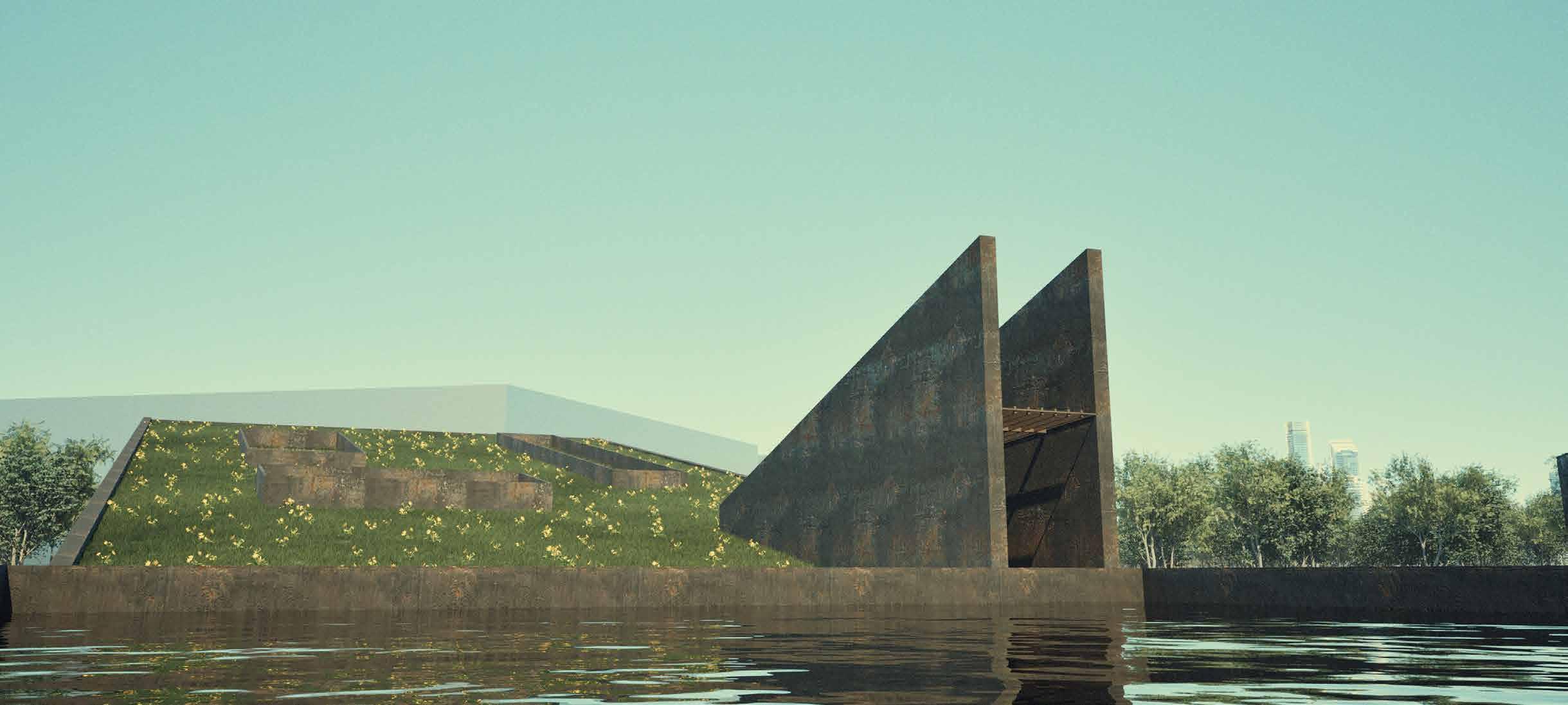
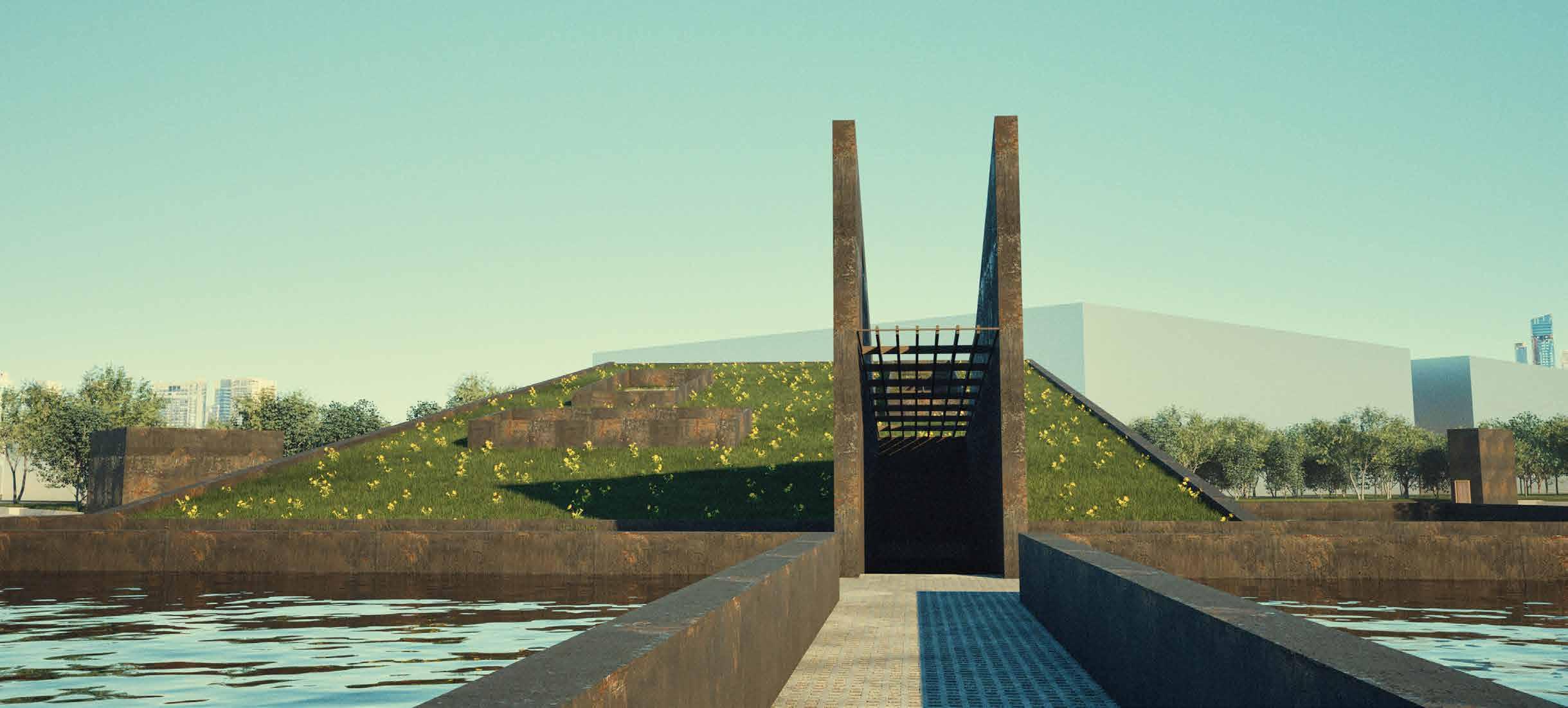
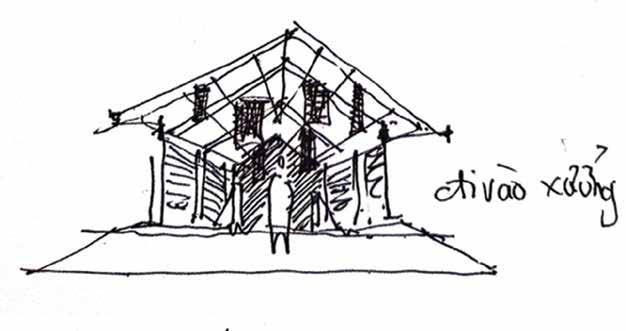
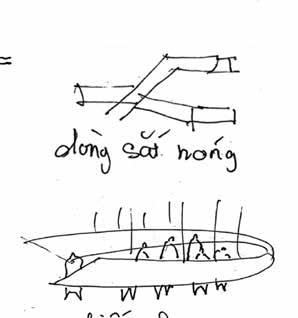
The entrance is designed to resemble a train emerging from the water, creating an experience where visitors first disconnect from the noisy outside world and are welcomed into the historical values showcased within the museum. Moreove, visitors of the park can usr the shape as a restin and observe hill.
“Scenic Hill”: This space functions as a grand entrance, linking people with heritage. It features the main lobby, service areas, and a ticket counter for the museum, where artifacts are preserved and maintained. The design merges old and new, represented by a structure that is partially above ground and partially underground, symbolizing the transition from the old station on the surface to the new one below ground. A notable feature of this area is a train emerging from the structure, creating the visual effect of a train floating on water, providing visitors with a sense of detachment from modern life.

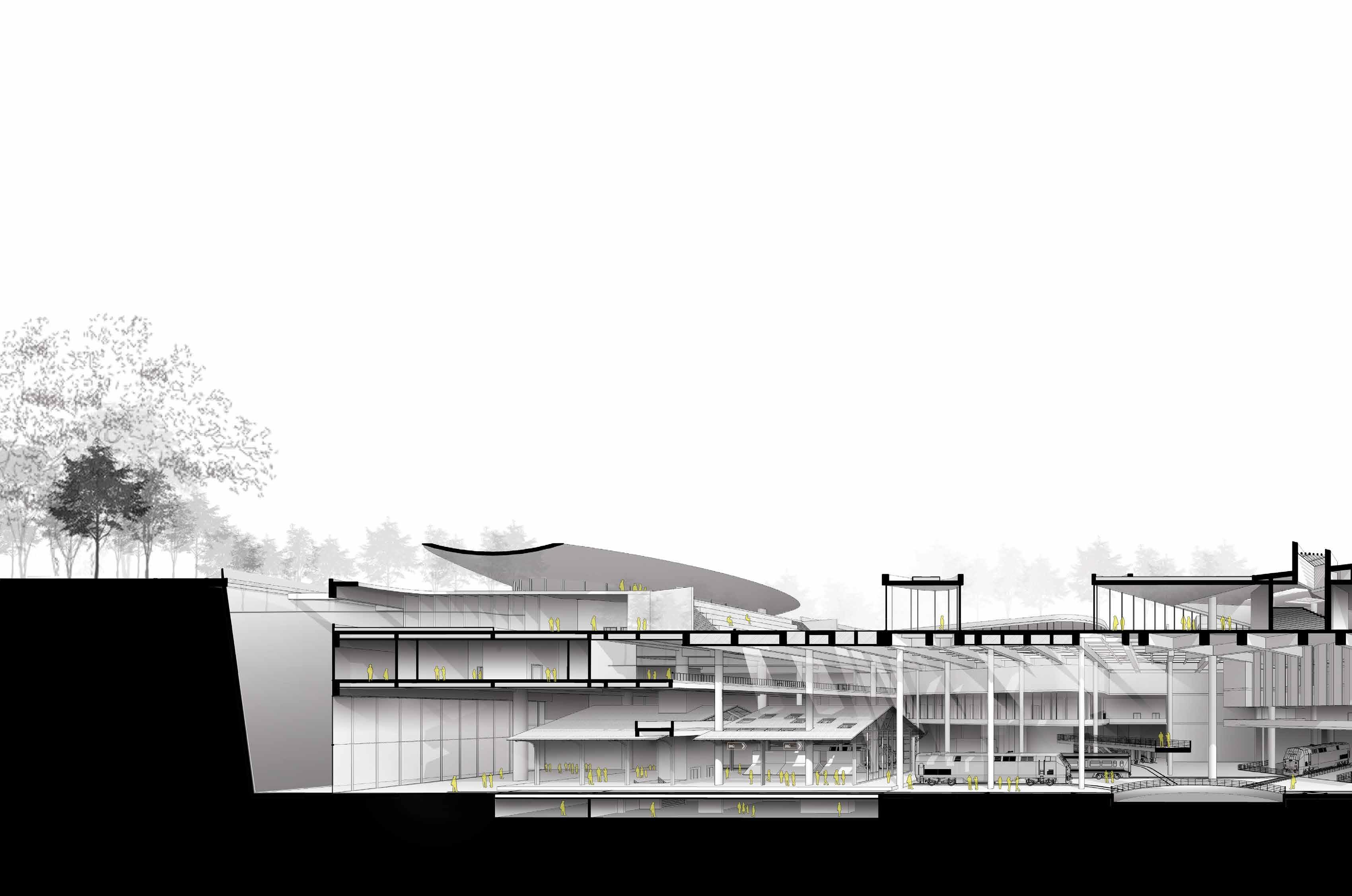
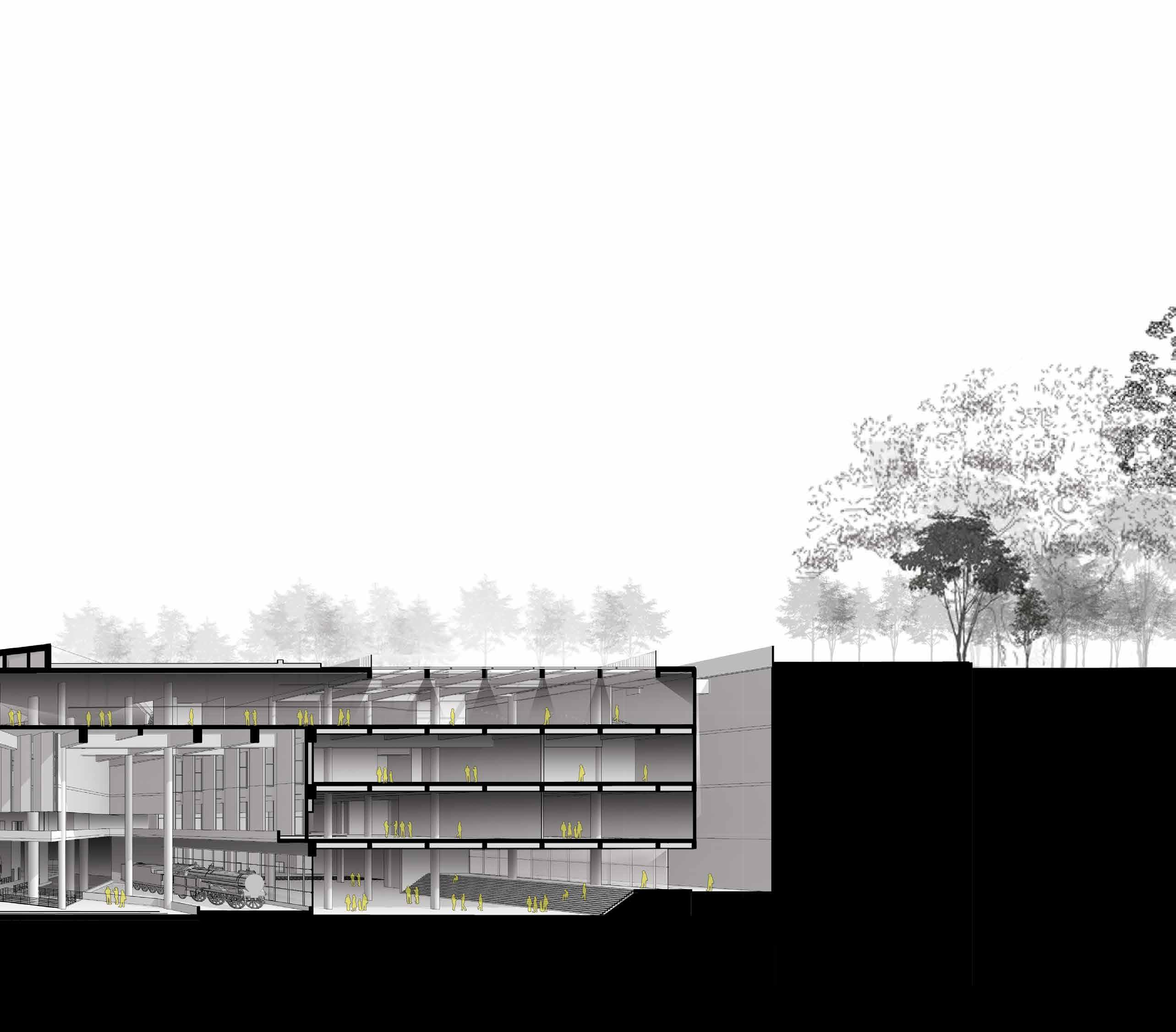
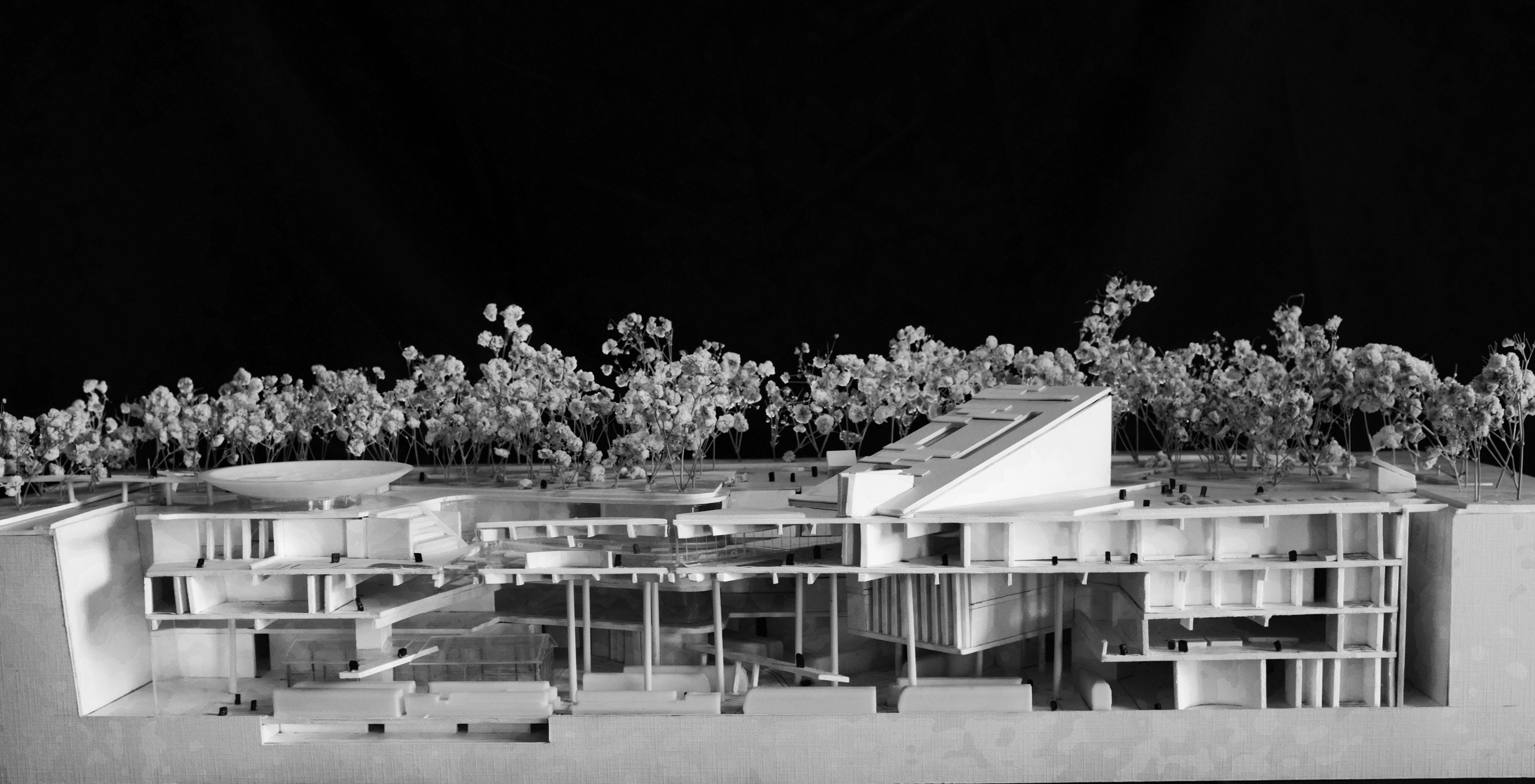
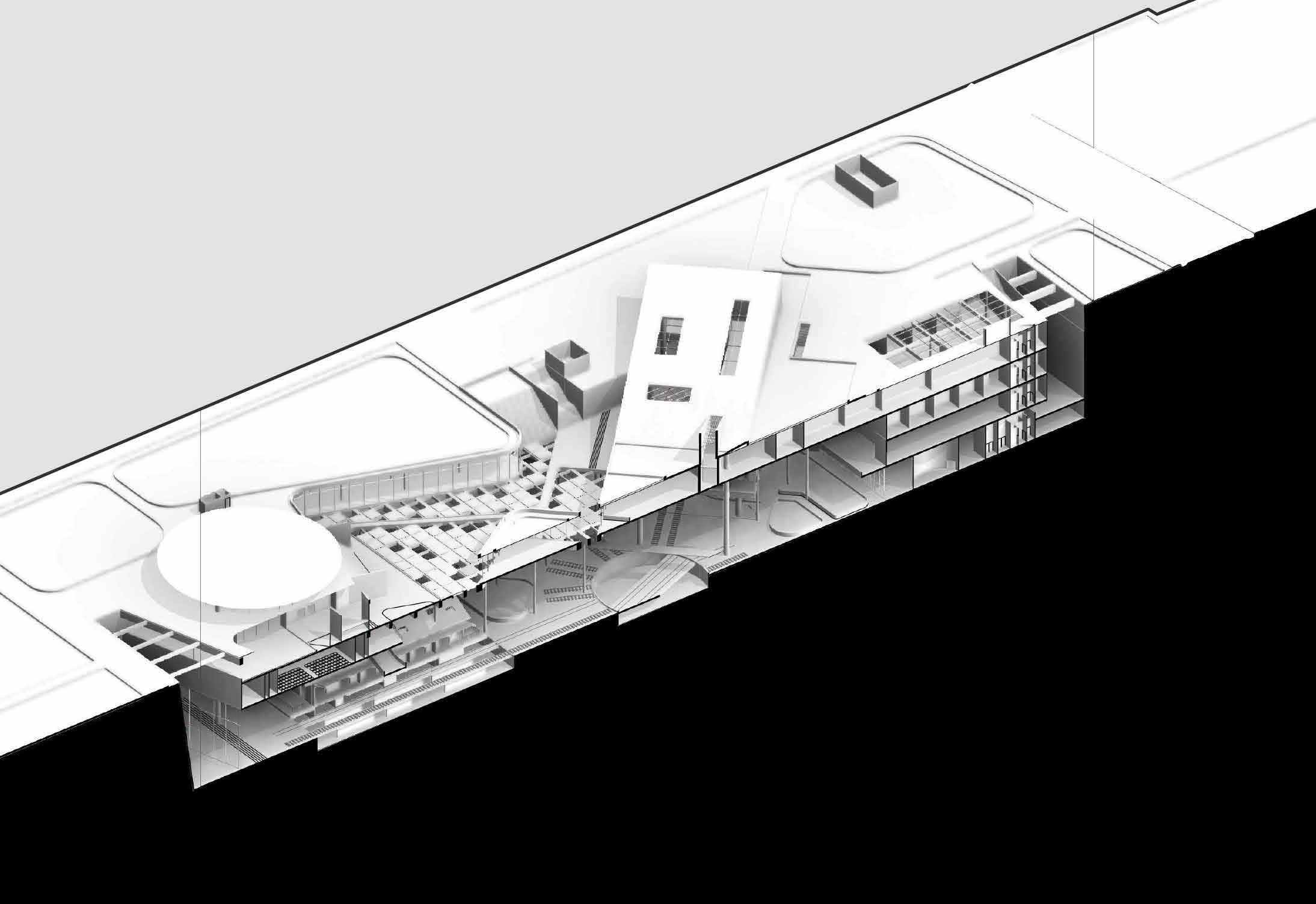
THE SECTION
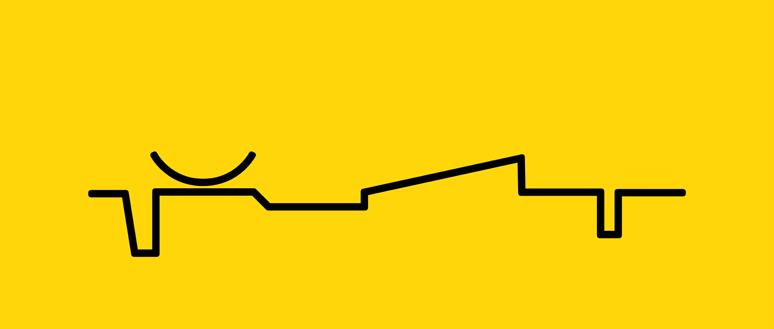
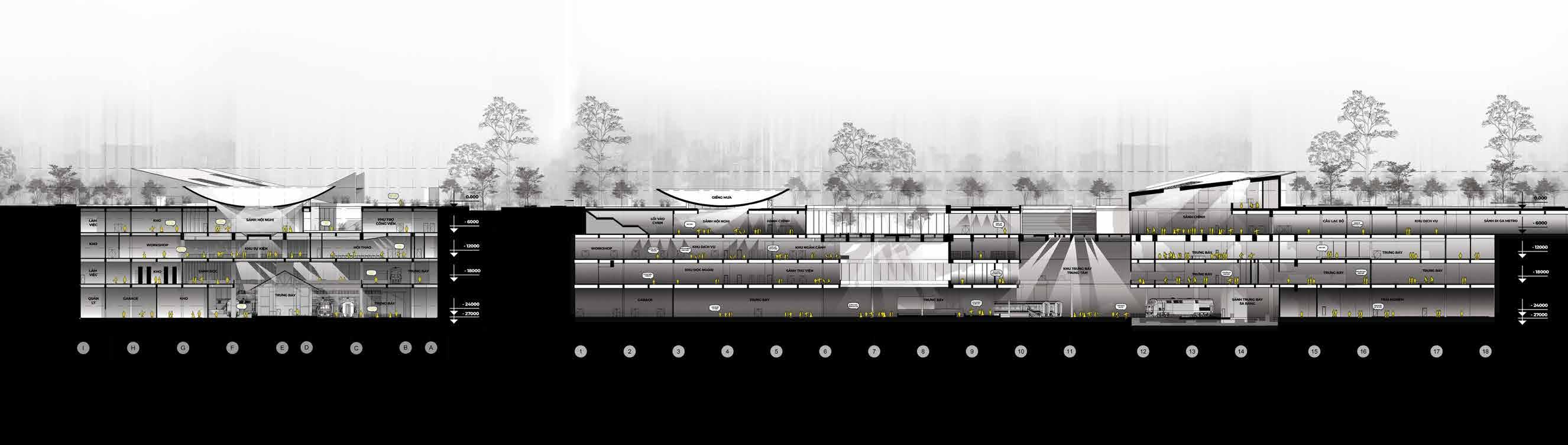
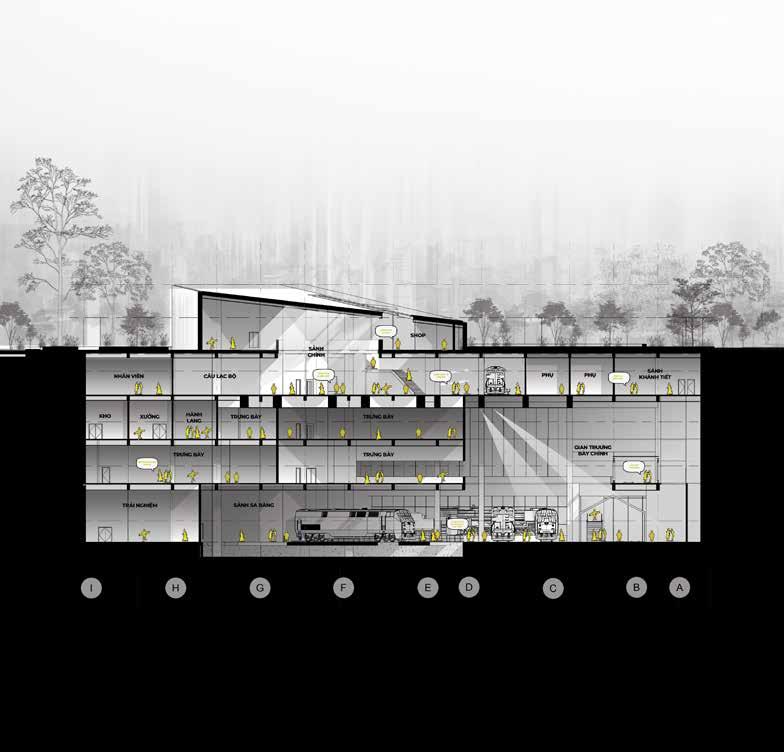
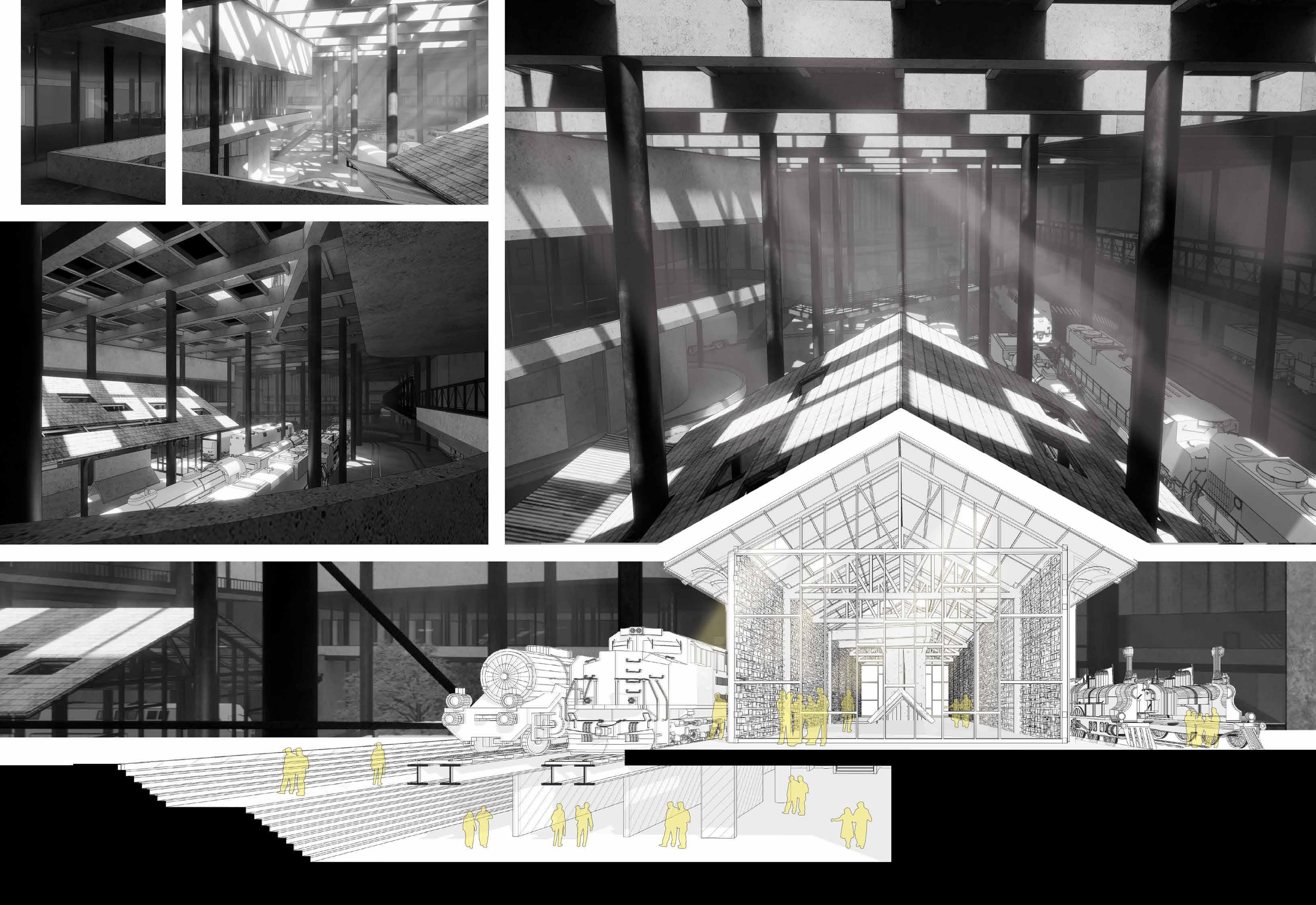
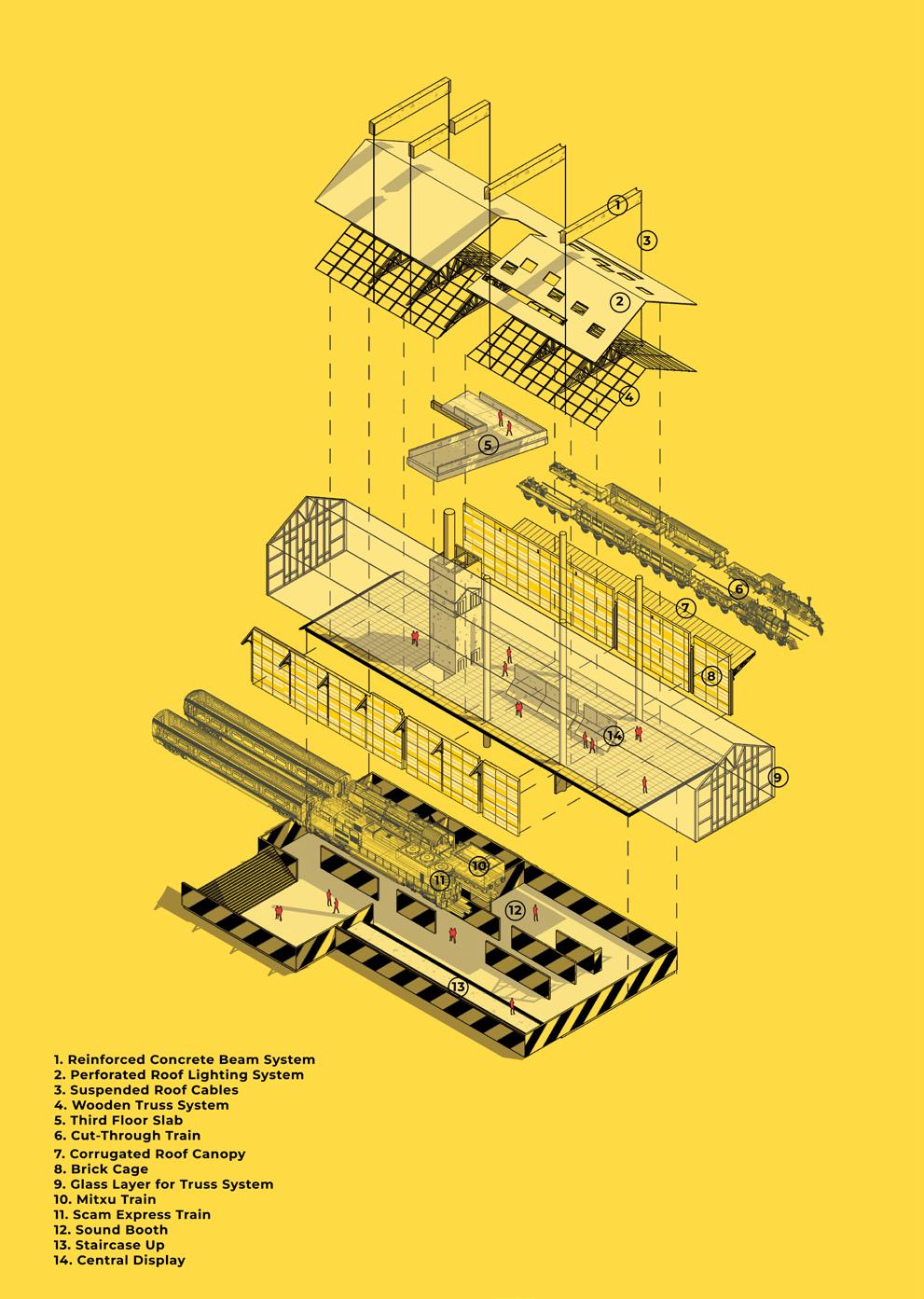
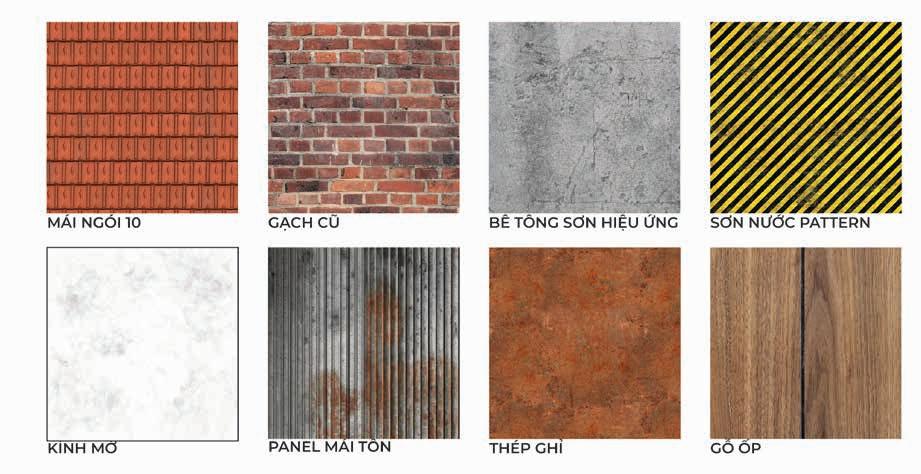
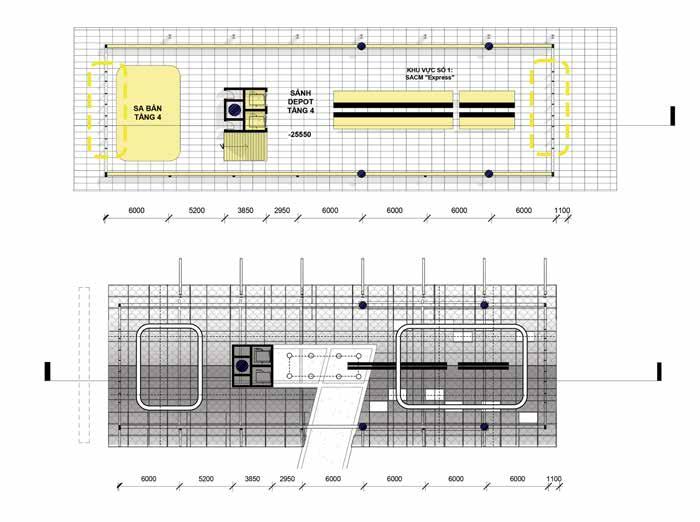
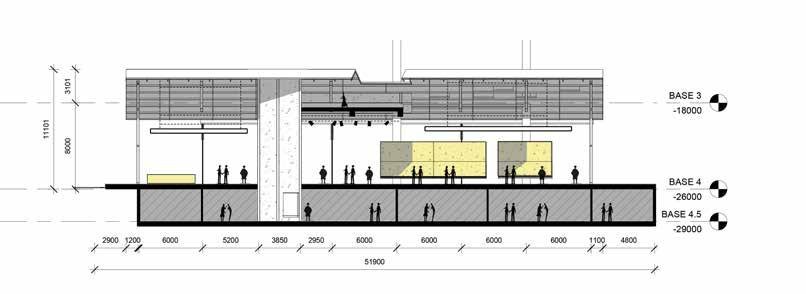
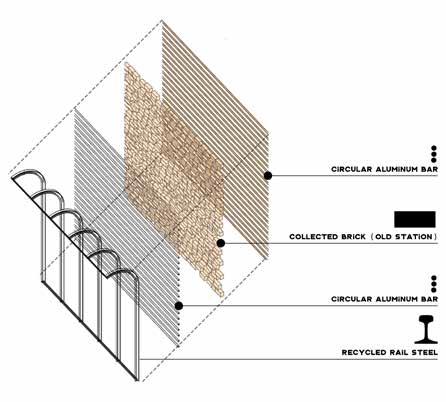
The cross-section has been meticulously studied, resulting in a structure characterized by various rhythms of elevation and interaction between the surface and the ground. This transformation makes the spaces diverse and adds multiple layers to the environment, enriching the structure. The designs focus on the use of concrete and its light-reflecting properties, incorporating everything from striped patterns to raw concrete. The highest percentage of finished surfaces is found in the daylight-capturing beam system, as well as in the technical systems and the surrounding walls of the project.