TE PANUI RUNAKA
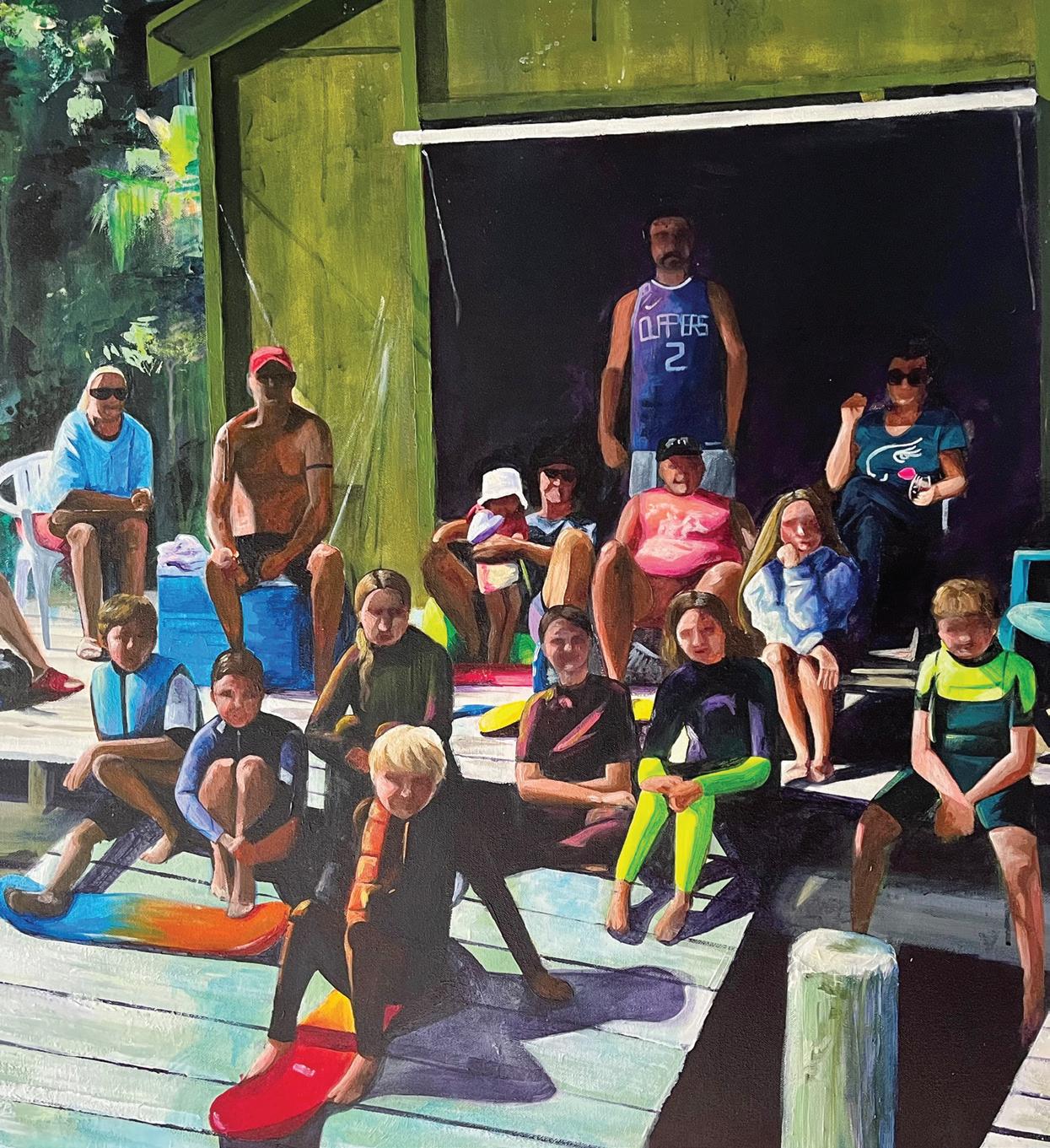
Te Pānui Rūnaka will be using what we know to be the Kāi Tahu names for the months of the year on the front of our publication. This change reflects our ongoing commitment to uphold and celebrate Kāi Tahu reo, mātauraka, and identity.
The names of the months in te reo Māori vary across iwi and the Kāi Tahu dialect carries unique expressions that connect deeply to our whenua, our seasonal rhythms and our stories. By using these kupu, we honour the richness of our reo and the distinctiveness of our takiwā.
Ngā Marama o te Tau – Kāi Tahu Month Names
Gregorian Month Kāi Tahu Name
January Iwa
Gregorian Month Kāi Tahu Name
July Toru
February Kahuru August Whā
March
Kahuru-kai-paeka
September Rima
April Kai-te-haere October Ono
May
Mātahi-ā-te-tau November Whitu
June Maruaroa December Waru
Kia ora e te whānau, if you would like your artwork to be featured on the cover of Te Pānui Rūnaka, please submit it via email to: tpr@ngaitahu.iwi.nz
nā Harley McVicar (Ngāi Tahu – Kaikōura)
My name is Harley McVicar and I am a decendant of Ngai Tahu, specifically Kaikoura runanga. I am a 19 year old artist who has been accepted into and received a partial scholarships to Parsons School of Design in New York City. Fall 2026 intake. My art has won many awards and even been a part of a few exhibitions such as Art Start and NZQA’s Top Art Exhibition of 2025.
My art is typically inspired by the ocean and the nature that surrounds us in Aotearoa. I love the calm and
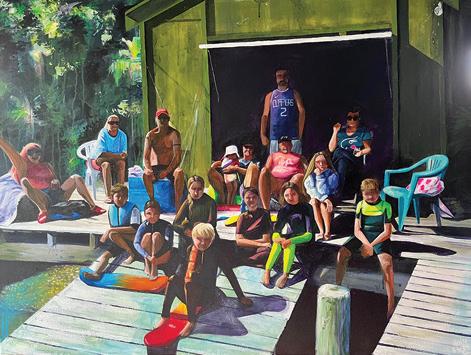
positive feelings that I get when surrounded by nature and the ocean, so I try to reflect that in my art.
Te Pānui Rūnaka uses vegetable based inks and environmentally responsible paper produced from Forest Stewardship Council® (FSC®) certified, Mixed Source pulp from Responsible Sources.
Printed by Blue Star NZ who are Toitū enviromark gold and a Toitū carbon reduce certified organisation, actively managing their impact on the environment.
Whakahaerehia e Ruruku Ltd (Ngāi Tahu Pakihi Whānau).
Kāi kā uri o Tahu Pōtiki, tēnā koutou.
Takihia ka mate o te wā, haere, okioki mai rā.
Ko te akaaka o te raki ki a rātau te huka mate.
Ko te akaaka o te whenua ki a tātau te huka ora.
Tēnā koutou
E pupuhi nei te hau o mihi ki kā pā, ki ka kāika, oti rā ki kā hau e whā o te ao.
Tēnā tātau katoa
First things first, Waihao rakatira, Waihao takata — e rere tonu ana te tai o mihi ki a koutou i te kaha o te manaaki i rakona ai i tō tātau Hui ā Tau i tērā marama, ka mau te wehi!
As the year draws to a close and the Christmas break approaches, it is a good time to pause and reflect on what has been a significant year for Ngāi Tahu.
2025 brought its share of challenges. The political climate has been tense, and next year’s election will only amplify that. There will be plenty of noise and, at times, unpleasantness. Through it all, the focus has remained on what matters most: protecting the integrity of the Settlement, advancing the aspirations of our people, and showing up as Kāi Tahu wherever it counts.
This year has seen strong action on issues that go to the heart of our rakatirataka. Early in the year, our statement of claim on freshwater was heard in the High Court over an eight-week period. This was the culmination of many years of strategic work, research, and evidence gathering. The case seeks recognition that Kāi Tahu holds enduring authority and obligations to ensure
freshwater is managed sustainably across our takiwā, which contains two thirds of New Zealand’s surface water and over 70% of the country’s ground water. The hearing highlighted the consequences of decades of policy failure: overallocated waterways, declining water quality, and the impact on ecosystems, communities, and the economy. Our position is clear. This is not about ownership of water or challenging the Crown’s right to govern. It is about a modern Treaty partnership working together towards a better system that protects the environment, supports community wellbeing, and enables economic prosperity. We are expecting a decision to come out any time now, and our team stands at the ready to respond when that occurs.
More recently, we have taken legal action to defend our Settlement against proposed changes to the Conservation Act. These changes would concentrate decision-making power in the hands of the Minister, diminish the role of local knowledge, and risk undermining the application of Treaty principles. Two-thirds of the conservation estate lies within our takiwā, encompassing sites and taonga of immense significance to us as Kāi Tahu, and our Settlement is therefore intimately linked to the Conservation Act. Our settlement redress was negotiated in good faith, and with a promise of moving forward together with the Crown in partnership and co-operation. If those commitments can now be overridden decades later, what message does that send? Seven generations fought for the Crown to honour its promises. We will not stand by while those promises are eroded.
To be clear, our conservation work, including the significant work that many Papatipu Rūnaka and whānau do with the Department of Conservation on the ground, can continue uninterrupted as we progress our claim in the High Court. This litigation is about challenging the Crown at a national level to uphold its honour and commitments, and to ensure the integrity of our Settlement remains intact in the face of proposed changes to the conservation system.
These two cases on freshwater and conservation are connected by a single principle: upholding the integrity of our Settlement and the enduring nature of our rakatirataka. They are about ensuring that Kāi Tahu can continue to exercise rakatirataka, not for short-term gain, but for the long-term health and prosperity of our communities and our country. They are about keeping faith with commitments made and building systems that work for everyone.
Looking ahead, local government reform and resource management reform will be priorities for Kāi Tahu in the new year. The Government has signalled the most significant changes to local government since 1989, alongside a complete overhaul of the Resource Management Act. These proposals are interconnected. They will reshape how planning decisions are made, how infrastructure is delivered, and how environmental management is governed. For Ngāi Tahu, these reforms go to the heart of rakatirataka. They will determine whether the frameworks that underpin our Settlement are upheld or eroded. Just as with freshwater and conservation, the principle is the same: commitments made must be honoured, and systems must work for everyone. We will engage constructively, but we will be clear and firm. Any new planning and governance arrangements must reflect the unique statutory context of the Kāi Tahu takiwā, enable direct participation, and protect the integrity of our Settlement. These reforms will shape the future of our takiwā for generations. Getting them right matters for housing and infrastructure,
for environmental health, and for the prosperity of our communities.
Beyond these external priorities, our attention has also been on strengthening the internal foundations that enable us to deliver for our people. The transition from Ngāi Tahu 2025 to Mō Kā Uri – Kāi Tahu 2050 is not just a change in strategy; it is a fundamental shift in how we think and operate. Mō Kā Uri calls us to operate as an interconnected system, where decisions are guided by tikaka and where organisational components work in synergy rather than isolation. This is a significant evolution, and it requires clarity, consistency, and deliberate investment. The work we have done this year lays the foundation for that transformation, and in 2026 we will continue to embed these changes so that our iwi infrastructure is fit for purpose for the next 25 years.
I want to acknowledge the many people whose leadership and commitment have driven our progress this year. From kaimahi and executive leadership to Te Rūnanga representatives, subcommittee chairs, and our Deputy Kaiwhakahaere, your efforts have been critical. To Papatipu Rūnaka, tribal leaders, and Kāi Tahu Whānui, your guidance and engagement have ensured that our decisions remain grounded in the aspirations of our people. Every contribution has strengthened our ability to deliver on our vision and positioned us to move confidently into the next phase under Mō Kā Uri.
As we wrap up the year, I hope you find time to slow down, enjoy the summer, and spend it with the people who matter most. Rest well, recharge, and make the most of the break. Take time for whānau and the connections that keep us grounded. 2026 will bring new challenges and opportunities, and we’ll need fresh energy and focus to make the most of them.
Justin Tipa Kaiwhakahaere, Te Rūnanga o Ngāi Tahu
From September onwards, we’re updating how we distribute Te Pānui Rūnaka (TPR) and TE KARAKA (TK). Printed copies will continue to be posted to subscribers aged 60 and over
All other subscribers will now receive their editions digitally and can access them online.
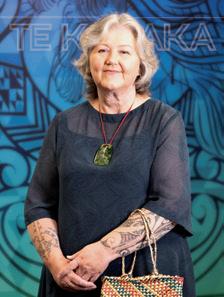
Rūnaka offices will continue to receive hard copies for all whānau to access.


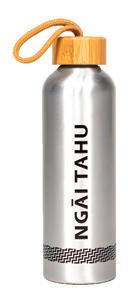
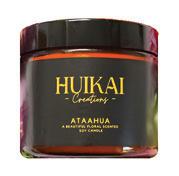
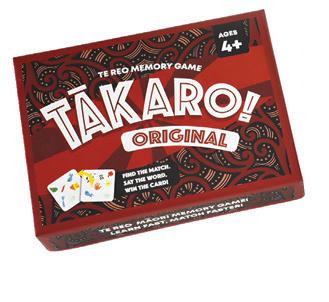
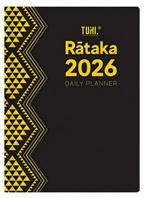
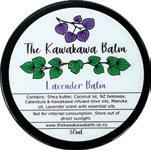
EVERY ELIGIBLE MEMBER WHO CONTRIBUTES TO THEIR WHAI RAWA ACCOUNT IN 2025 WILL GO INTO THE DRAW TO WIN A KETE OF ITEMS FROM PAKIHI MĀORI! FROM KAWAKAWA BALM TO A PRINT FROM POTENE DESIGNS.
Entries close 31st December 2025, winners drawn and announced Wednesday 7th January 2026.
Currently, for every $1 adult members (aged 16-64) contribute in a calendar year, Te Rūnanga o Ngāi Tahu will contribute another $1 (up to a maximum of $200* per member). For tamariki members (aged under 16 years old as at the end of the relevant calendar year), Te Rūnanga o Ngāi Tahu will contribute $4 for every $1 contributed (up to a maximum of $200* per member).
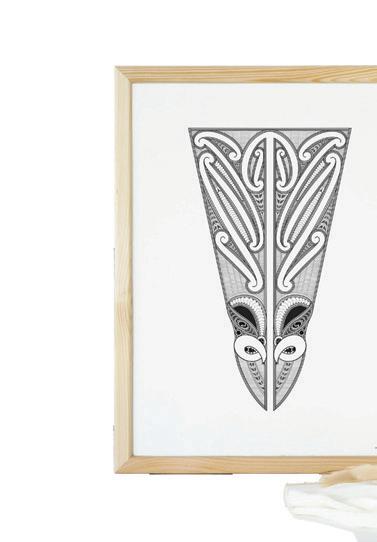

For more information visit – www.whairawa.com/ms
THERE ARE FIVE BONUS MATCHED SAVINGS PRIZES TO BE WON AS WELL!
For every $1 you contribute
Te Rūnanga will contribute another $1 (or $4 for tamariki), up to $200* per member = PLUS
Te Ora Haumanu
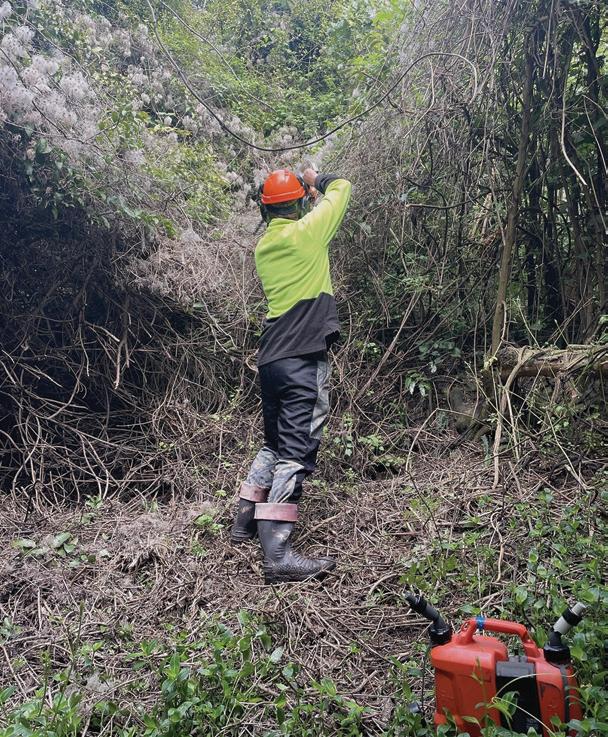
Our ecological restoration team is hard at work tackling vine and woody weed species. The team is enjoying seeing the benefits of their mahi when returning to previously controlled sites. We are involved in some plant trial sites with Lincoln University, another great opportunity to understand how important our restoration efforts can be.
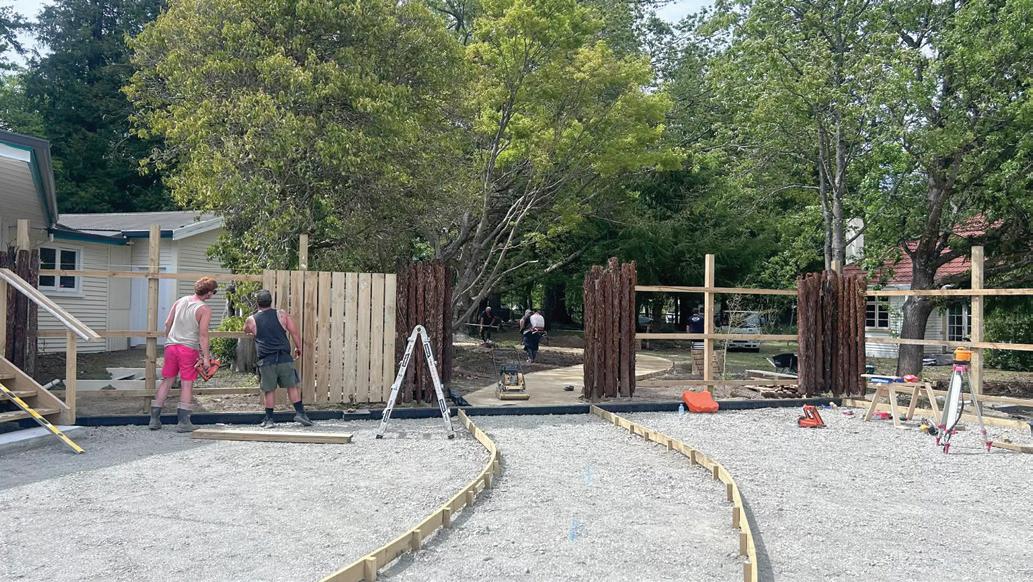
It has been all hands on deck in Hanmer as our whare comes to completion. This project is part of the restoration of the Soldiers Block at Queen Mary Reserve.
We are hitting the road, literally, as a new partnership agreement sees two excited kaimahi getting familiar with civil works while acquiring their Class 4 licence. If you see a 25T roller coming, maybe get out of the way lol.
A big mihi to everyone celebrating their birthdays in the months below! If your birthday isn’t listed, please reach out to the office and we’ll make sure to add you to the list.
December
Santana Tainui, Aroha Blacktopp, Caroline Parker, Chela Mason, Natasha Beams, Jarad Lang, Shane Lang, Quinn Johnsen, Tauwera Weepu, Dane Tumahai, Francois Tumahai, Honey Tauwhare, Huck Tainui, Helena Mason, Jamie Whittle, Judith Turanga, Kaleb Mason, Kim Mason, Missy Campbell, Ned Tauwhare, Santana Tainui, Shaquelle Culling, Tahlay Meihana Eiffe, Tenaya Meihana Eiffe.
January
Katrina Lang, Adrian Tainui, Troy Tauwhare, Rikihana Hutana, Ashlee Wickett, Josh Tamainu, Aaron Tauwhare, Summer Lilley, Rauhine Coakley, Charlie Downs, Liam Mulholland, Ella Duff, Violet Curtis, Paul Tūhuru.
He Aituā – Shirley Gardiner
It is with great sadness and a heavy heart we acknowledge the passing of Shirley Gardiner.
Shirley was an integral part of Pōkeka Poutini Ngāi Tahu, providing dedicated business support, management and administration, as well as contributing to Arahura Holdings Ltd. We extend our sincere condolences to the whānau pani at this difficult time. A service to celebrate Shirley’s life was held in the Westland High School Hall on Saturday 25 October.
E te taonga o te mate, haere ki ō Tūpuna o te ārai e, tangihia mai, moe mai rā.
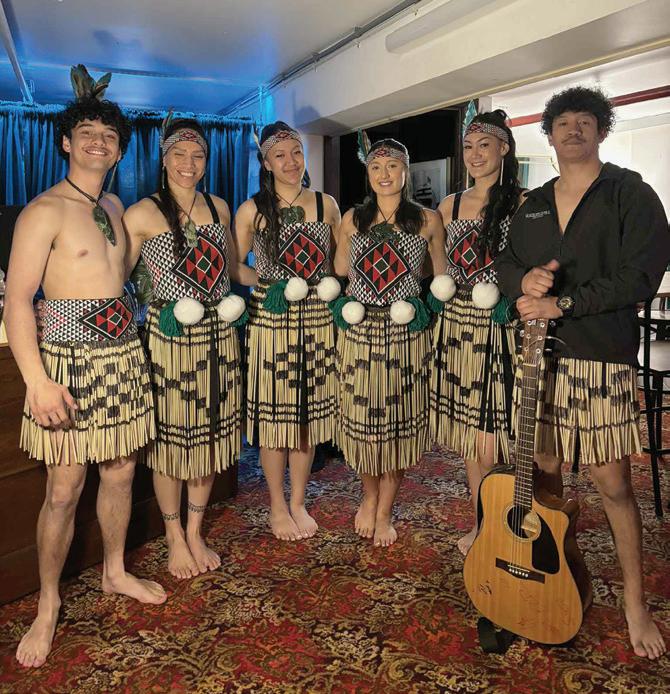
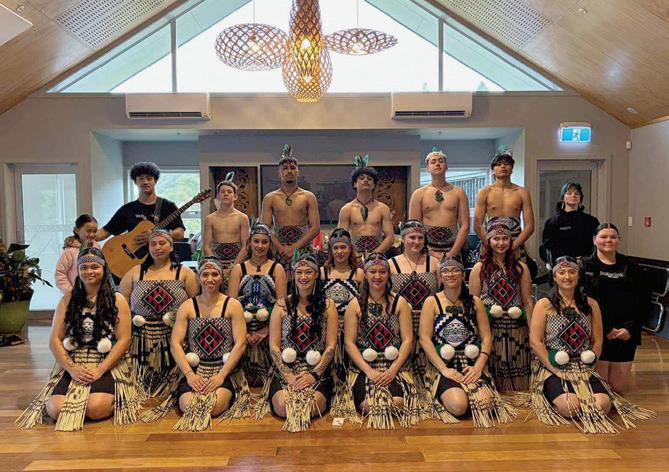
On 18 October, the Hokitika community came together to support the newly created West Coast rangatahi kapa haka rōpū at their very first dress rehearsal fundraiser, helping them get to Ōtautahi to compete in their first ever competition!
Despite expecting only around 20 people on such a wet West Coast day, more than 200 people showed up, completely packing out the Hokitika Regent Theatre!
Formed by members of the Ngāti Waewae Rangatahi Komiti –Aleigha Ngaamo, Whakataerangi White, Ani Mason, Henare Mason, Te Amo Tamainu and Jonlee Weepū, this talented group of rangatahi hope to ensure that the practice of kapa haka continues to thrive for future generations living on Te Tai o Poutini.
Following the success of our previous Māori Land Court clinics, we are pleased to announce that a new round of clinics will soon be available at Arahura Marae.
A range of services will be offered, with the following representatives available for appointments:
• Māori Land Court: Olly Crawford
• Ngāi Tahu Māori Law Centre: Mia Brookes
• Inland Revenue: Stacey Boys
• Development West Coast –Māori Business Support: Sam Henry
• Ministry for Primary Industries –Māori Agribusiness: Brittani Halba
• Te Puni Kōkiri will also be in attendance.

Appointments will be scheduled in one-hour slots (which may be shortened to 30 minutes), with follow-up support available where needed.
This clinic is a valuable opportunity for anyone seeking guidance with succession, partition, occupation orders, trusts, or any other matters.
To book your appointment, please contact Aleigha on 027 304 0599.
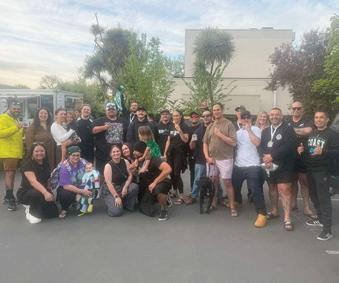
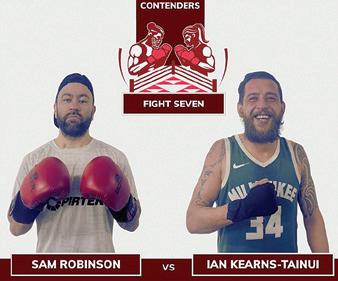
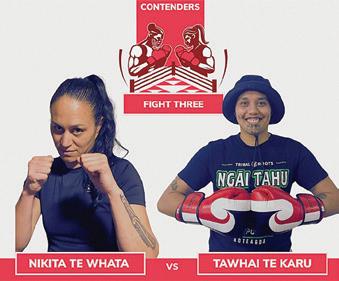
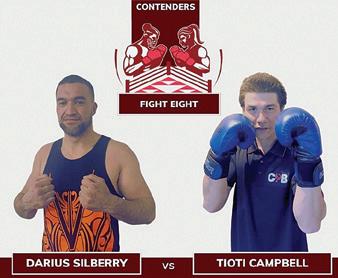
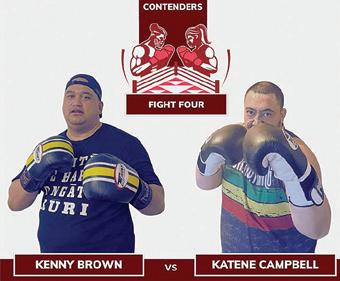
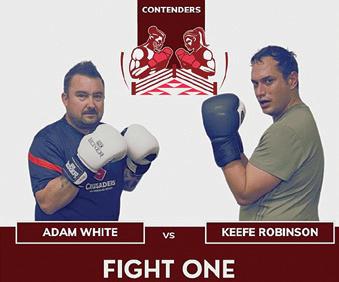
What an unforgettable night! We are blown away by our amazingly talented Poutini Ngāi Tahu whānau who stepped in the ring. Nikita, Kahu, Katene, Ian, Tioti and Keefe, we couldn’t be prouder. Meeeeeeeaan mahi e te whānau!
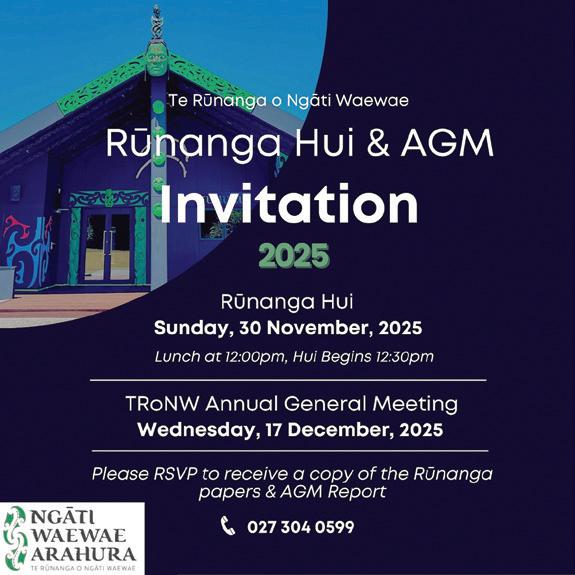
We warmly invite you to our annual general meeting to be held on 17 December at Arahura Marae at 12:00 PM. For catering and environmental purposes, we kindly ask that you RSVP with your name if you plan to attend the kai and hui.
Rūnanga Business
If you have any rūnanga business queries including whakapapa registration forms, please contact our rūnanga administrator: Aleigha – Aleigha.Ngaamo@ngaitahu .iwi.nz or 027 755 6451
If you have any marae bookings or queries, please contact our marae manager: Miriama – Events@ngatiwaewae.org.nz or 027 755 6451
Keep in the Loop
You can keep in the loop with our upcoming wānanga and events by:
• Joining the Poutini Ngāi Tahu and Arahura Rūnanga pages on Facebook
• Registering at: www.ngatiwaewae .org.nz for access to our whānau portal with resources, updates and upcoming events
• Providing your email address and/ or phone number to Aleigha for rūnanga communications.
Kia ora e te whānau,
As the year draws to a close, our whānau and partners continue to put mahi into action, caring for our environment, strengthening community connections, and celebrating achievements big and small. Here’s a round-up of what’s been happening across our takiwā and what is ahead for the summer months.
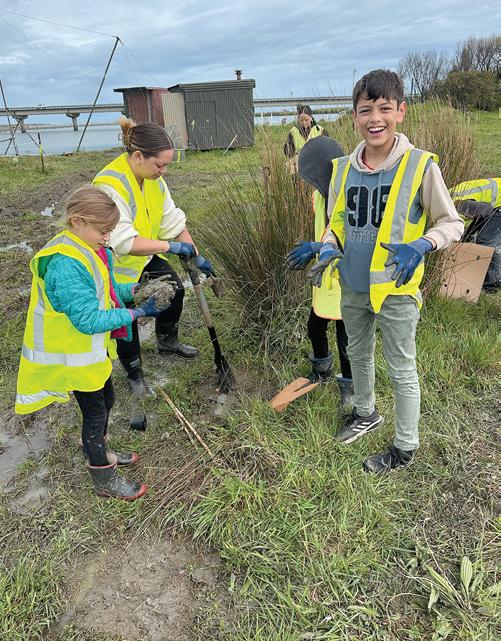
Pōkeka Environmental has partnered with the Wadeson Island restoration project to support replanting and habitat restoration along the Hokitika River.
A planting day on 4 October brought together local volunteers, community members, and our own Makaawhio whānau to help re-establish native vegetation and encourage the return of manu to the area. The partnership is a practical expression of our shared commitment to kaitiakitanga and restoring the health of our waterways.
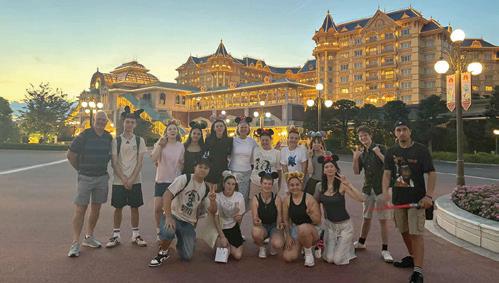
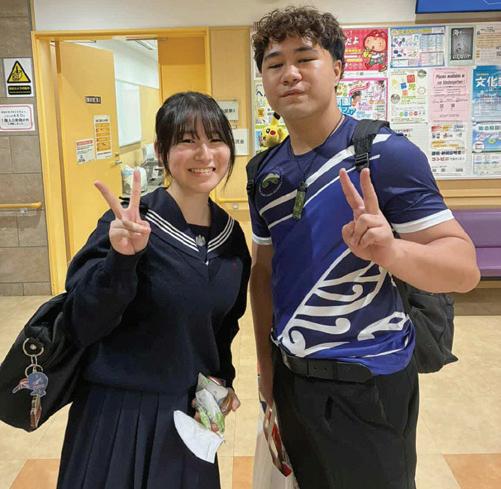
From 15–24 September, Westland High School students, including our own Rishjarn Hereaka and Kingston Fanselow, travelled to Edogawa City, Japan as cultural ambassadors.
The trip marked more than 20 years of sister city ties between Hokitika and Edogawa. Students shared haka, waiata and kōrero with local schools, visited significant sites such as Meiji Jingū Shrine and Shibuya, and took part in traditional tea, art and martial arts classes.
Staying with host families was both challenging and rewarding. Our students made us proud, showcasing their culture with confidence and mana throughout the visit.
Our rūnanga website has been given a fresh new look, making it easier for whānau to find information, connect with kaupapa, and stay up-to-date.
Visit www.makaawhio.co.nz to explore the updates and let us know what you think. Your feedback will help us continue improving how we share news, opportunities, and resources.
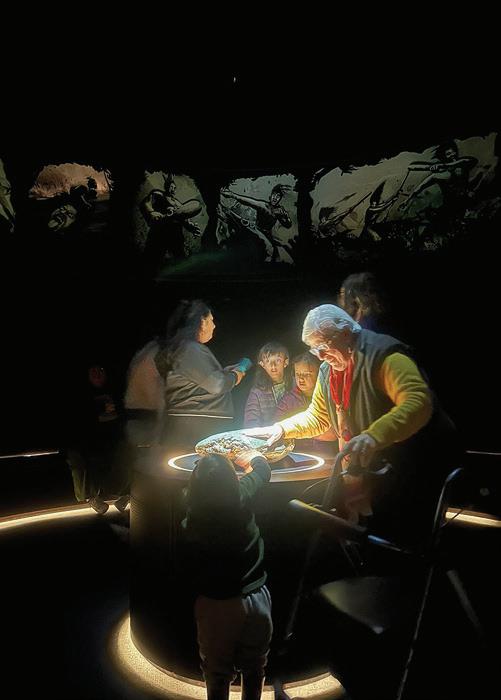
On Friday 3 October, a pounamu taonga originally from Ōkahu/Jackson Bay was formally returned to Makaawhio during a small ceremony at Tūhura Otago Museum in Ōtepoti.
The taonga had been with a Dunedin whānau since the 1930s, and its return represents a meaningful reconnection between our people and place. Kara Edwards received the taonga on behalf of the rūnanga, with gratitude to all those who helped bring it home.
The long-awaited update to Westland Greenstone’s frontage is now complete, marking the first step in the company’s wider rebrand.
The refreshed design reflects both our cultural identity and the evolving story of pounamu on Te Tai o Poutini. More changes will roll out in the coming months — keep an eye out for what’s next.
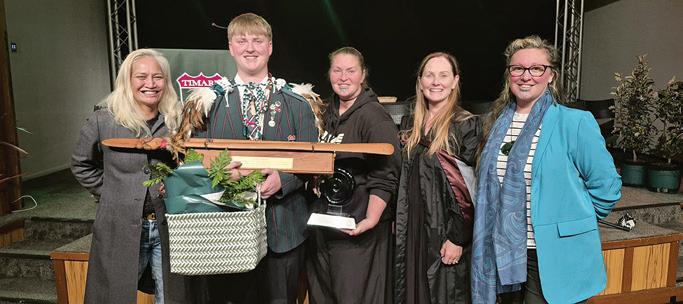
Nico Cook of Shirley Boys’ High School has been recognised with the Webb Holmes Award for excellence in technology and AI programming. Nico writes his own code and designs AI systems, showcasing impressive creativity and curiosity. His mum, Katrina Coutts, and our whole rūnanga couldn’t be prouder.
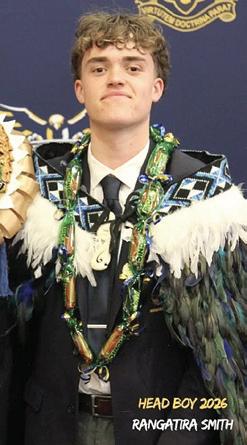
A big mihi also to Rangatira (Tira) Smith, who has been appointed Head Boy of Te Rei Puta o te Hau – Marlborough Boys’ College for 2026. His whānau, led by Tineka Smith, share their gratitude for the support of Makaawhio along their kura journey. He tino whakamihi atu ki a koe, e tama — your leadership journey is just beginning.
Our October pulse wave testing sessions were a success with 45 people participating over several days at the Makaawhio office.
Pulse wave testing can help identify early signs of cardiovascular issues by measuring how blood flows through the arteries — an important step in preventative care, particularly given the higher rates of heart disease among Māori.
Ngā mihi nui to everyone who took part. If you’d like to register for the next round, please contact the rūnanga office.
Jaxon Friend represented with pride at the New Zealand National Wrestling Championships, securing a silver medal (U17 65kg) and bronze (U20 65kg). Ka rawe e tama — we’re proud of your dedication and discipline.
Meanwhile, Ōtautahi hosted Punch Up at the Pā, a boxing event featuring several of our Poutini Ngāi Tahu whānau, including Kahurangi Mahuika, who headlined the main card. The bout ended in a draw, but the event was a knockout success — encouraging hauora, strength, and whanaungatanga across the motu.
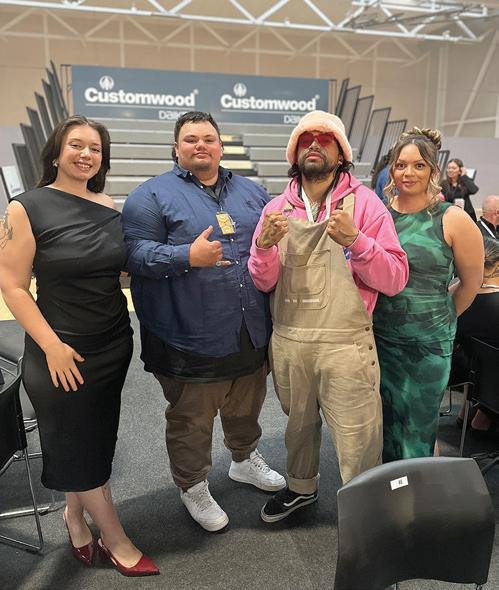
Tourism CEO Karl Burrowes joined Maya Mahuika on a hīkoi along the Tiaki Trail, where they shared kōrero on conservation, tourism, and upholding the Tiaki Promise.
The visit highlighted the ongoing work of Franz Josef Glacier Guides in embedding sustainable practices and cultural storytelling into the visitor experience — ensuring manuhiri leave with a deeper understanding of our taiao and its guardians.
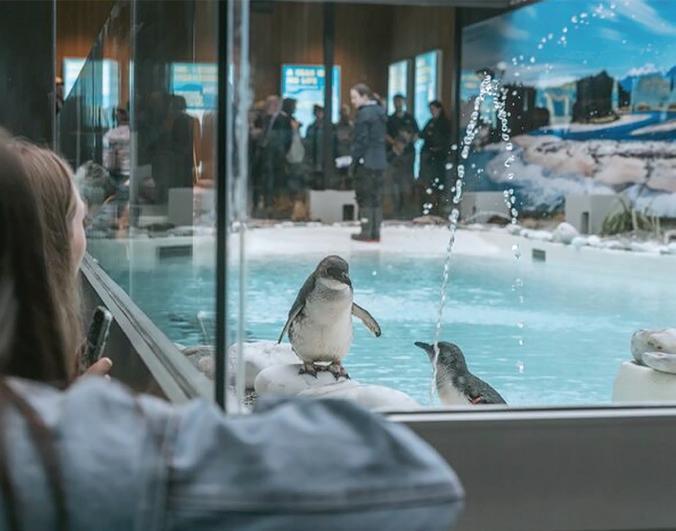
The West Coast Wildlife Centre in Franz Josef officially opened its new penguin habitat on 17 October, with support from Makaawhio whānau.
The enclosure enhances existing kiwi and tuatara programmes run in partnership with DOC and Te Rūnanga o Makaawhio. Visitors can now learn about the world’s smallest penguin, the kororā, and how to protect them from threats such as predators, pollution, and coastal development.
The project reflects years of collaboration and a shared commitment to protecting our taonga species for future generations.
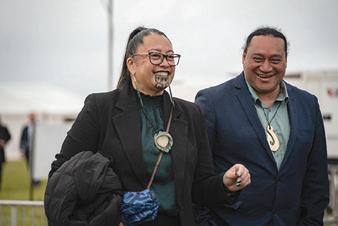
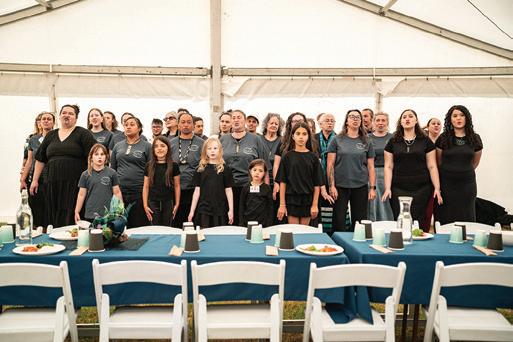
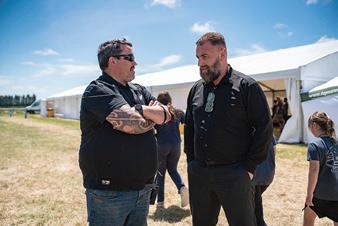
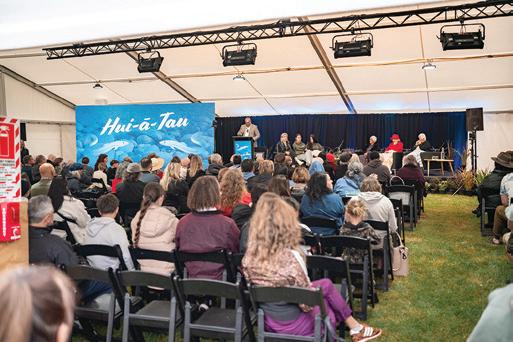
Our Hui-ā-Tau was held recently at Te Tauraka Waka a Māui Marae in stunning Mahitahi.
While the turnout was smaller than in previous years, it was heartening to see whānau continuing to return — especially our emerging rangatahi, who are stepping forward and growing in participation each year.
An earlier-than-usual finish allowed for some wonderful whānaungatanga by the awa Makaawhio, a fitting way to round off the day’s kōrero.
Our Executive Committee remains unchanged this year, with both Steve McLaren and Kathleen Scott Langi re-standing unopposed. Congratulations kōrua!
Te Rūnanga o Makaawhio Executive Committee 2025–26:
Paul Madgwick – Chairperson
Fayne Robinson – Deputy Chair
Kahurangi Wilson-Mahuika
Kara Edwards
Kathleen Scott Langi
Rachael Forsyth
Steve McLaren
Susan Wallace
Toihi Wright
Seasonal Reo Māori Wānaka – Save the Dates!
12–14 December 2025
Te Tauraka Waka a Māui Marae, Bruce Bay
Te Rūnanga o Makaawhio will continue its seasonal reo Māori wānaka — open to learners at all levels.
21st Anniversary Celebration –
Te Tauraka Waka a Māui Marae
24–25 January 2026
Te Tauraka Waka a Māui Marae, Bruce Bay
Nau mai, haere mai — register your interest here.
Nā Te Rūnanga o Makaawhio
Ngā mihi maioha to all who continue to contribute to the wellbeing of our whānau, whenua, and wairua.
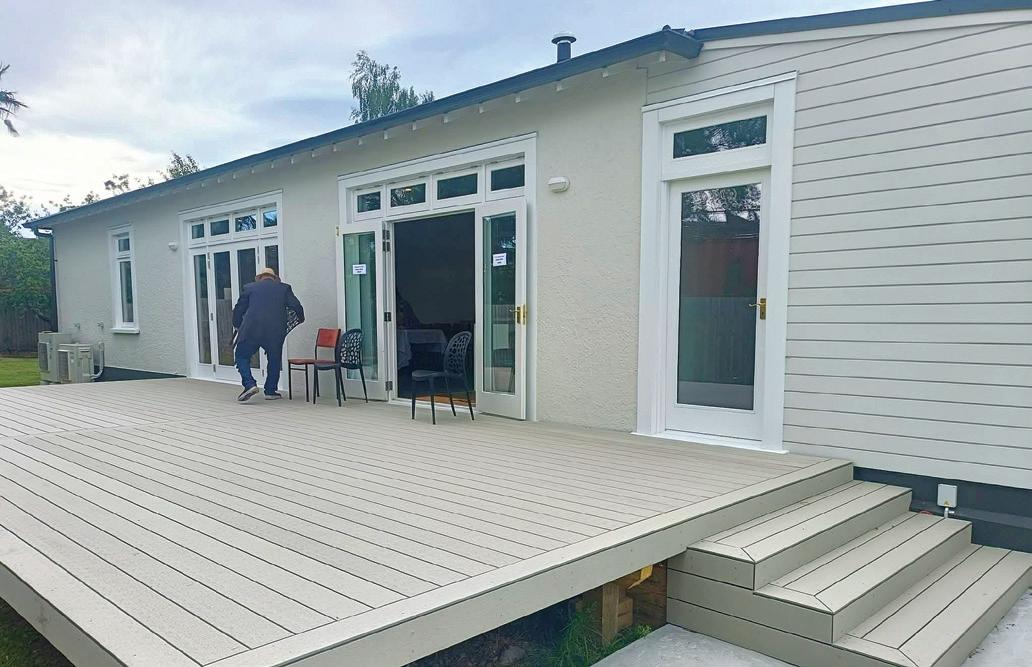
Wahoo! We finally had the house blessing for Whitireia, across the road from Tuahiwi Marae. This home was originally the vicarage for St Stephens Anglican Church.
It was later purchased by Mr Wiremu Pitama and his wife Mere Heeni (Karaitiana), then passed on to Tasman and Nolene Pitama. The final owner was Toni Karaitiana Te Korou Pitama, who sadly passed away exactly one week before the opening of the house.
Whitireia is the oldest standing house in Tuahiwi, and the rūnanga has practically rebuilt and refurbished it to how it was 130 years ago.
It will now be a place for our taonga to be displayed and for our living taonga, our kaumātua, to enjoy for their meetings and other social gatherings. The blessing was a beautiful and enjoyable occasion for all who attended.
Nā mihi, Aunty Joan Burgman
Whiria Te Muka Tākata
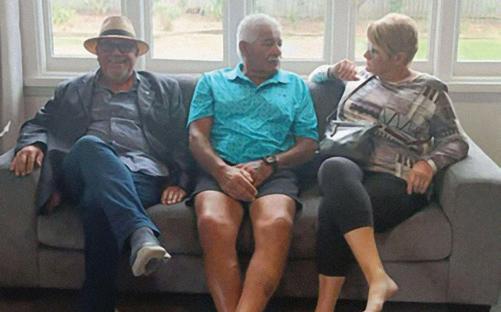
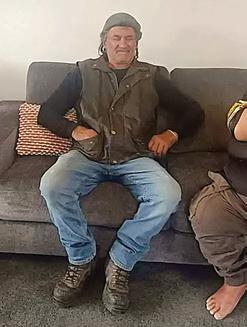
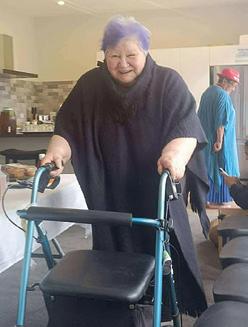
The Return of Uri Takawaenga to Rāpaki Ngāti Wheke uri gathered from around Aotearoa and as far as Australia to reconnect three sibling lines of a takawaenga (peace marriage) arranged during the turbulent 1840s.
The nohonga at Rāpaki (17–20 October) brought together close to 70 members of the wider Calman, Gray and Davis whānau to honour our parents and grandparents Ena (Karoraina) Calman, Hannah Gray and Joe (Hoani Piripi) Davis. Most travelled down from Taranaki and the lower North Island, where many of our whānau still live. We welcome you to share in this life-changing journey of ours back to Ngāi Tahu.
The peace marriage was arranged in the aftermath of the Wairau Affray of 1843 when Te Rauparaha of Ngāti Toa sat opposite Te Mātenga Taiaroa of Ngāi Tahu at Taupō Pā, near present-day Plimmerton, to cement peace — if not a formal alliance — between the two iwi.
Te Rauparaha’s mokopuna Ria Te Uira and Peneta Nohoa, an uri of all the eminent whakapapa lines of Ngāi Tahu, were offered in marriage to each other. It was one of a number of marriages between the adversarial iwi, which have bound us together ever since. Peneta was the Ngāi Tahu great-grandfather of Ena, Hannah and Joe.
The pōwhiri at Rāpaki was the most significant gathering of our whānui (extended family) in Ngāi Tahu for 145 years, since Peneta’s tangihanga in the winter of 1880. From the karanga to the mana-inspiring whaikōrero, being welcomed into the loving embrace of Wheke stirred the emotions of all who attended. Uri Richard Davis said of the significance of the weekend:
“It was a very special whānau wānanga. I don’t normally show emotion like I did over the weekend, but how could you not with the wairua that we all felt, especially knowing Peneta had been waiting five generations for his whānau to return.”
The gathering was primarily organised by Ōtautahibased cousins Matt and Ross Calman, with the support of key Davis and Gray whānau members. The mahi of Matt as our whānau ringa-manaaki (host) and Ross as our primary knowledge expert was critical to the success of the wānanga. The noho was supported with a grant from the Ngāi Tahu Fund, which is designed to support uri reconnecting to their Ngāi Tahu marae and in growing Ngāi Tahutanga. Two significant excursions were organised along with several facilitated sessions on iwi whakapapa and history, whānau pū-kōrero, and sharing of whānau taonga.
Following the pōwhiri, whānau were given a deeply moving kōrero hītori of Rāpaki by its kaiwhakahaere Isaac Fahey. To walk the whenua and learn of Ngāti Wheke’s strong connections to Parihaka brought tears to those of us who also whakapapa to Taranaki. Walking down to the water’s edge of Whakaraupō to whakawātea (cleanse) in the hot pools at Rāpaki beach was humbling and healing. Trish and Rob Shaw of Kiinaki Catering provided days of delicious kai during our stay.
On Saturday, a chartered Black Cat boat took whānau around Whakaraupō (Lyttelton Harbour) to hear local history of the area from historian Ross and his hoa rakatira Ariana Tikao. We didn’t quite make it to Koukourārata (Port Levy) as the sea swell kicked up and forced our return to Lyttelton. Uri Janine Davis later remarked from the North Island:
“You fellas would have been hopeless traversing around the world on a waka!”
Returning to the marae, we were blessed with an awe-inspiring, detailed presentation on whakapapa and Ngāi Tahu’s migration story from Joseph Hullen of the Ngāi Tahu Whakapapa Unit.
On Sunday, we boarded a Bentley Coachlines bus to the ara tunaheke (tuna paths) at Te Mata Hāpuku (Birdlings Flat) where Roy Tikao gave an entertaining kōrero about eeling. We also visited a spot overlooking Akaroa Harbour to hear about the terrible events at Ōnawe Pā and Takapūneke during the Ngāti Toa raids of the early 1830s. It was here whānau learnt more of the heartwrenching truth of our Ngāi Tahu and Toa whakapapa. Again, Ross and Ariana wisely guided much of this sensitive kōrero.
In the evenings each whānau shared taonga and family history, and on the last afternoon Sharlene Maoate-Davis and Ariana offered a rongoā and taonga puoro sound healing session. Sharlene said:
“Ariana embodied the mana of our tūpuna. She was simply magnificent. I feel extremely honoured and humbled to have been able to offer our whānau the gift of rongoā, under the tāhuhu of their whare tūpuna.”
In the weeks following this session so much has positively shifted in the lives of our whānau, sparking kōrero at many family gatherings. The growth in knowledge of our Ngāi Tahutanga, the reconnection to Rāpaki, and the strengthening of our whānau hononga (bonds) was remarkable. Ross said of the weekend: “I’ve been down here for a long time, half my adult life living down here, and I haven’t felt more Ngāi Tahu than this weekend.”
The architect of the nohonga, Matt, added of its significance:
“I’ve been searching for my purpose all of my life and I’ve found it through bringing my whānau back to Rāpaki.”
We are already looking forward to organising the next gathering in the lower North Island and, one day, to a much-anticipated return to Rāpaki.
Arohanui nā te whānau Calman, te whānau Davis, me te whānau Gray. Tihei mauriora!
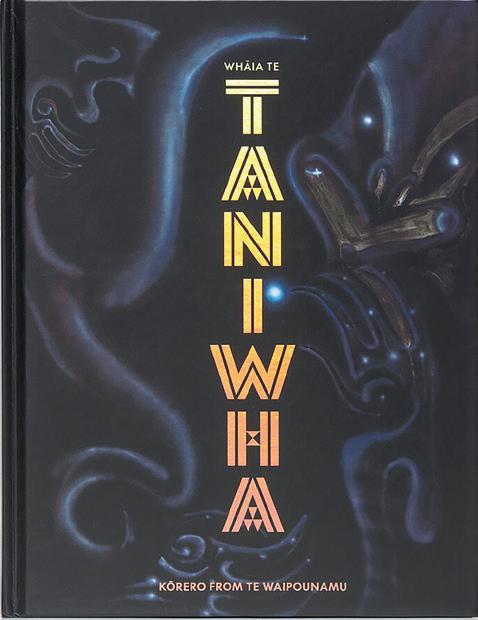
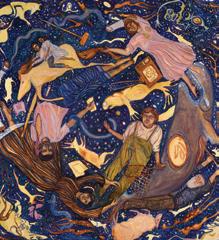
Mai Te Tai Poutini ki Waihōpai, this pukapuka looks at gifting our taonga back to all, ki a tātou katoa, where we celebrate some of the different taniwha here within Te Waipounamu!
This pukapuka was dreamt to be alongside the exhibition ‘Te Pō Taniwha’ where our kōrero enhances and encapsulates taniwha ā kōrero, ā tinana, ā kanohi, ā wairua hoki. We were lucky to take part in reawakening our kōrero about the Taniwha Tūterakiwhānoa here in Taumutu, as well as reintroducing what we know our modern-day taniwha to be — which are the tuna.
Follow the flow of te pūrākau and feel the waiata that builds within as you read our kōrero ‘What Lives Beyond Te Wai’ and lose yourself within the realm of imagination with pictures that capture our world here at Taumutu. To us all and for us all, it is a way for us to showcase our pukenga within our own hapū and how alive our kōrero truly is.
Me mihi ka tika ki te kaituhi ko Justice me te kaipikitia ko Jayda mō ō kōrua nei mahi whakahirahira ki a mātou kei Taumutu. Nāia nei he ara hou mō ngā tamariki me ngā mokopuna mō te pānui pukapuka me te whai whakaaro he aha ai te take me tuhituhi i ngā pūrākau, ka ora tonu ērā kōrero! He wero mō a tātou katoa, tukua ōu kōrero ki te pepa, ahakoa te taumaha o te mahi nei, mēnā tē taea e koe i tuku iho ngā kōrero ki ngā uri ka heke mai, kua ngaro, patua te whakamā, Whāia te taniwha!
Taumutu Hīkoi to Pounamu Pathway
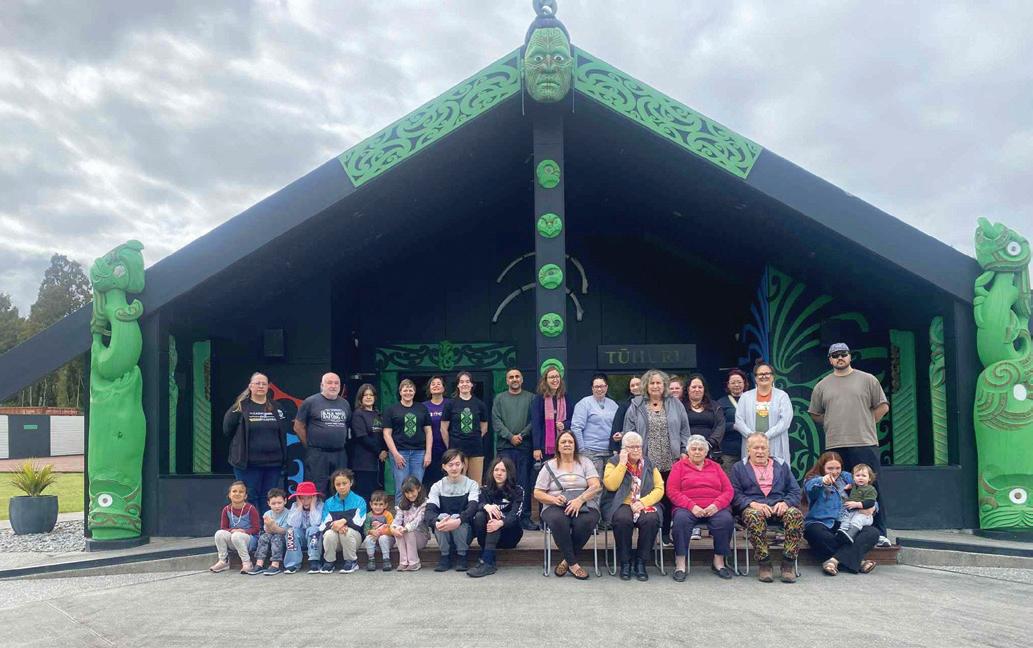
This year, Taumutu whānau set out on a special hīkoi from Ōtautahi to Māwhera, with an exciting visit to the Pounamu Pathway and Arahura Marae.
It was more than just a tour — it was a journey to connect with whakapapa, whenua, and each other.
Along the way, we uncovered the stories of our tūpuna and learnt about the deep cultural meaning of pounamu, exploring the connections our whānau have with Te Tai Poutini.
At Arahura Marae, we shared our ‘Taumututanga’ through waiata and kōrero whilst learning the kawa and tikanga of another Ngāi Tahu region.
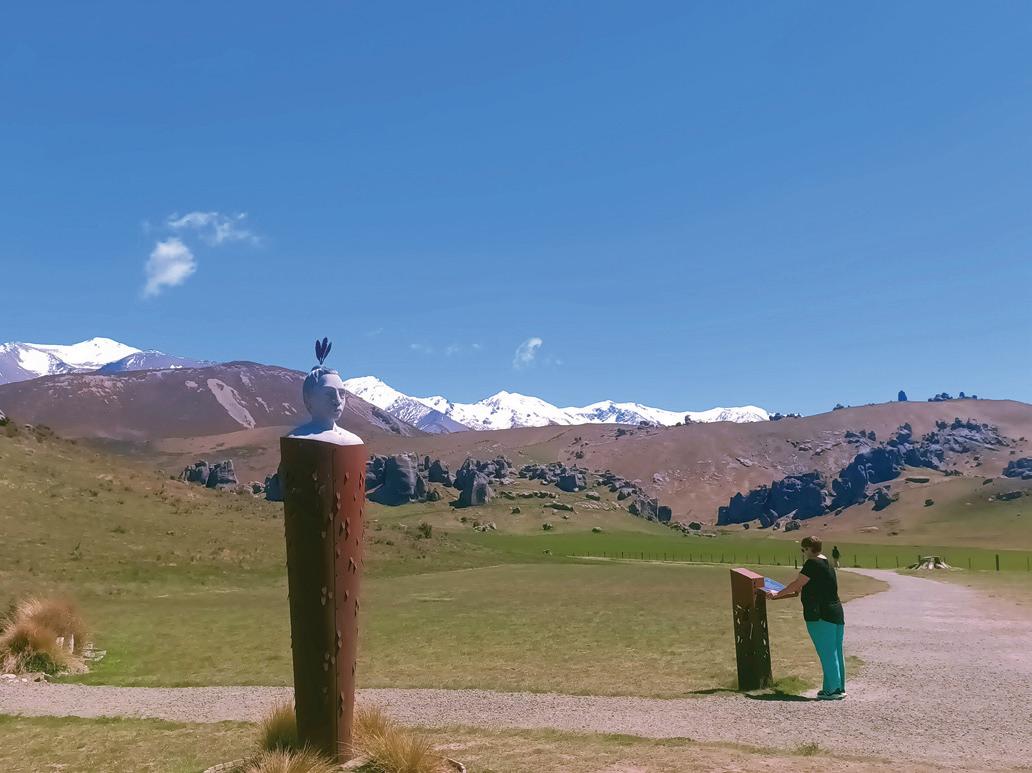
The hīkoi took us through the Taumutu takiwā and into Te Tai Poutini whenua, helping us understand the lands and places that shaped our tūpuna and continue to shape who we are as whānau today.
It was a time to come together, strengthen our whānau bonds, and meet others from Te Tai Poutini, building relationships that stretch across our Ngāi Tahu communities. Throughout the journey, everyone had the opportunity to build deeper connections, grow in confidence, and experience the power of mana, whanaungatanga, and self-determination in action.
As part of our Te Reo me ōna Tikanga 2024 Plan, this haerenga created a space for whānau to embrace and strengthen their te reo Māori. From kōrero at Kura Tāwhiti (Castle Hill) to everyday conversations at Arahura Marae, te reo flowed naturally, flourishing in every part of the hīkoi.
Special mihi to our Ngāti Waewae cousins for hosting us. This was more than a journey; it was an opportunity to learn, share, and celebrate who we are as Taumutu whānau, together.
Above: Kura Tāwhiti (Castle Hill). Right: Aunty Daph at Pounamu Pathway.
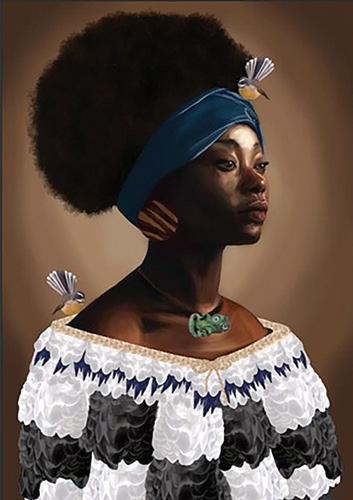
Jayda Siyakurima (Teihoka whānau) took part in the E Tu Whānau poster competition, with the kaupapa Ko Wai Au? – Who Am I?
The theme encouraged artists from across Aotearoa to explore their identity, culture and personal journey through art. Jayda’s work wove together her Māori and Zimbabwean heritage in a powerful digital piece that earned her first place in the over-19-year category. Using her iPad as a modern canvas, she combined traditional inspiration with contemporary creativity to bring her vision to life.
“I am a creator of art, stories, and life, blending the beauty of my Māori and Zimbabwean whakapapa. Like the korowai woven with the wisdom of our tūpuna, my work reflects connection and legacy.
The beauty of a woman of colour is both judged and admired.
As a mother who still mourns the loss of my twin babies, two fantails visit me often – a constant reminder that their spirit remains with me.
I chose the tiki because it embodies creation and protection, as my story continues with my two-year-old daughter and pēpi on the way.”
Jayda’s artwork is a celebration of identity, resilience and whakapapa – showing how art can heal, empower, and connect generations. Through her creativity, she honours her tūpuna while embracing the future with strength and aroha, inspiring others to share their own stories through art.
Taumutu Rūnanga Ltd will be closed from Friday, 19 December to Monday, 5 January 2026.
E-pānui is circulated bi-monthly, and other important communications are sent to whānau via our whānau emailing list. If you would like to be added to the list, please email us at Taumutu@ngaitahu.iwi.nz
What an incredible year it’s been for Wairewa –filled with connection, kaupapa, and so many moments that reminded us just how strong our whānau truly are. From wānanga and big community events to the quiet mahi happening behind the scenes, we’ve continued to grow, learn and support one another every step of the way. As we wrap up 2025 and look ahead to a fresh new year, our hearts are full.
Wishing all our whānau a very Merry Christmas and Happy New Year! May your holidays be safe, restful, and surrounded by aroha.
Our office will be closing 18 December and reopening 12 January.
• Sunday 15 February
• Sunday 19 April
• Sunday 28 June
• Sunday 30 August
• Sunday 13 December
We’re excited to welcome our new Manahautū –Kym Hamilton (Ngāti Kahungunu, Ngāti Raukawa, Ngā Rauru). Kym brings a wealth of experience in governance, management, and kaupapa Māori leadership across iwi, community, and public sector spaces – both here in Aotearoa and internationally. She’s passionate about Te Tiriti-led practice, whānau outcomes, and building strong partnerships that deliver real results for our people.
Kym’s husband is James Morrison (Ngāi Tahu, Ngāti Irakehu) – a familiar face to many, having previously served in the executive roles for Wairewa and Tāwhaki. Together they have three sons – Atarau, Tamaterangi, and Pōtiki, all making their own marks in mahi, study, and sport. Outside of mahi, Kym’s a self-confessed coffee snob and music lover, who’s just as likely to be cooking up a storm in her kitchen as she is out tending to her rongoā and kamokamo plants. We’re stoked to have her with us and can’t wait to see her energy and experience shine through her mahi!
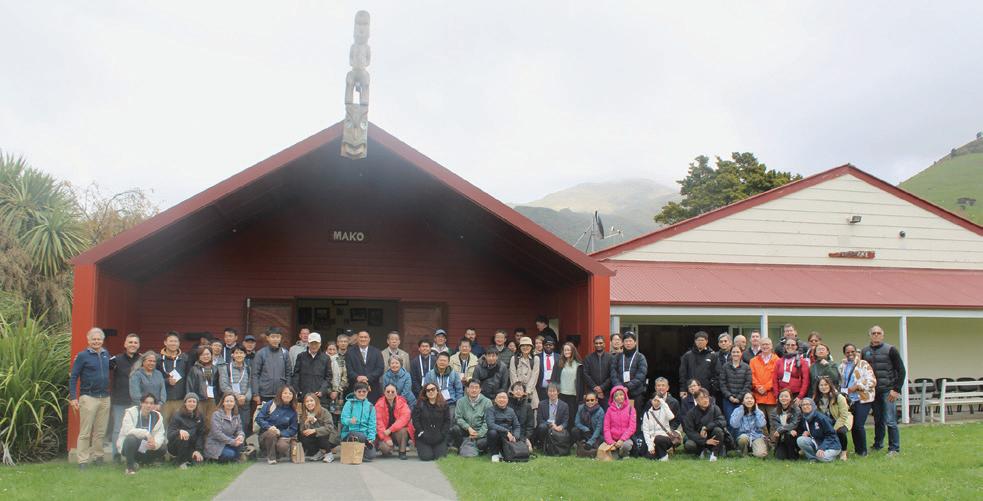
On 3 October, we were proud to host a field trip through our Wairewa takiwā as part of the IWA Aspire/Water NZ Conference. This provided an incredible opportunity to share our story and showcase the mahi taking place within our marae. Throughout the visit, we shared kōrero about the significance of Te Roto o Wairewa, the installation of our onsite wastewater management system, and the innovative approaches we’re taking to protect and restore our taiao. It was a privilege to connect with attendees from all over the world, highlight our commitment to kaitiakitanga, and inspire meaningful conversations about how we care for our environment for future generations.
Field trip to Wairewa Marae.
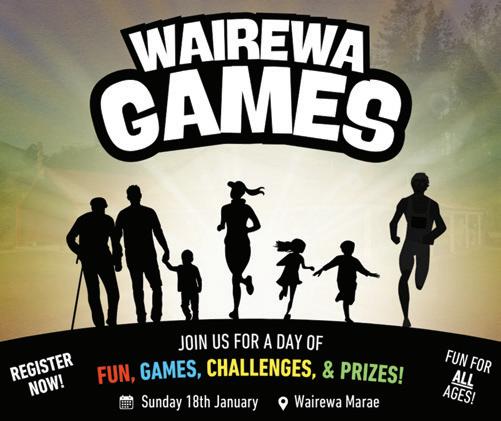
Get ready! It’s time for some friendly competition, heaps of laughs, and all-around good vibes at our Wairewa Games Day!
• Sunday 18 January
• 10am
• Wairewa Marae
Come along for a fun-filled day of relays, challenges, and team games for all ages – from tamariki to kaumātua! Bring the energy, whanaungatanga, and team spirit (plus your loudest cheer voice). There’ll be kai, prizes, and plenty of laughs, so bring the whānau and let’s make it an unforgettable way to start the new year on our whenua!
Please email Wairewa.comms@ngaitahu.iwi.nz for more info!
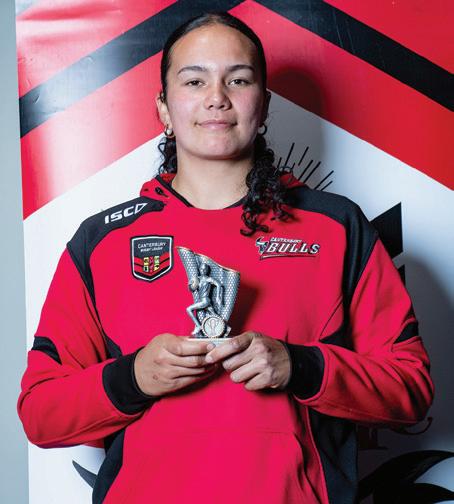
POHO KERERŪ! Congratulations to two of our incredible wāhine. Metua Cranwell, awarded Canterbury Bulls 18s Girls Most Valuable Player, and Kyla Lynch-Brown, winner of the Canterbury Rugby League Trophy for most tries in the Women’s Premiership!
Massive achievement kōrua! Proud to see you smashing it on the field!
Our financial support initiative is dedicated to easing the burden of financial hardship among Wairewa registered whānau. We aim to provide essential assistance to help with kaumātua health and education related costs. All details, including criteria and application forms can be found in the whānau space on our website.
Please note that our office will be closed over the Christmas and New Year period. During this time there may be a delay in processing grants. Thank you for your patience and understanding.
Pēpi hou
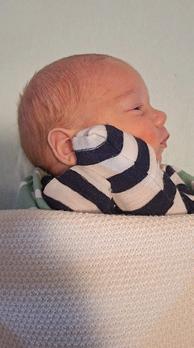
Jessica Head and partner Phil Andrews welcomed their son Leo Sidney Andrews, born 9 September 2025, arriving eight weeks early and showing his strength from day one. After a six-week stay in NICU, Leo finally made his way home on 24 October, where he’s surrounded by endless aroha. Nau mai ki te ao mārama tēnei pēpi!
Congratulations to Jess and Phil, and new Taua Nicky Head.
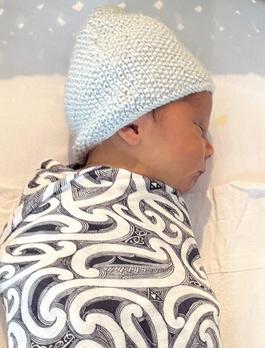
Nau mai e te pēpi ki te ao mārama
Eli Aaron Lahmert was born on 15 September 2025 to proud parents Aaron Lahmert and Tayla Reti. He makes Ezra a big brother, and is the moko of Dean, Sue, Ryan and Sandy.
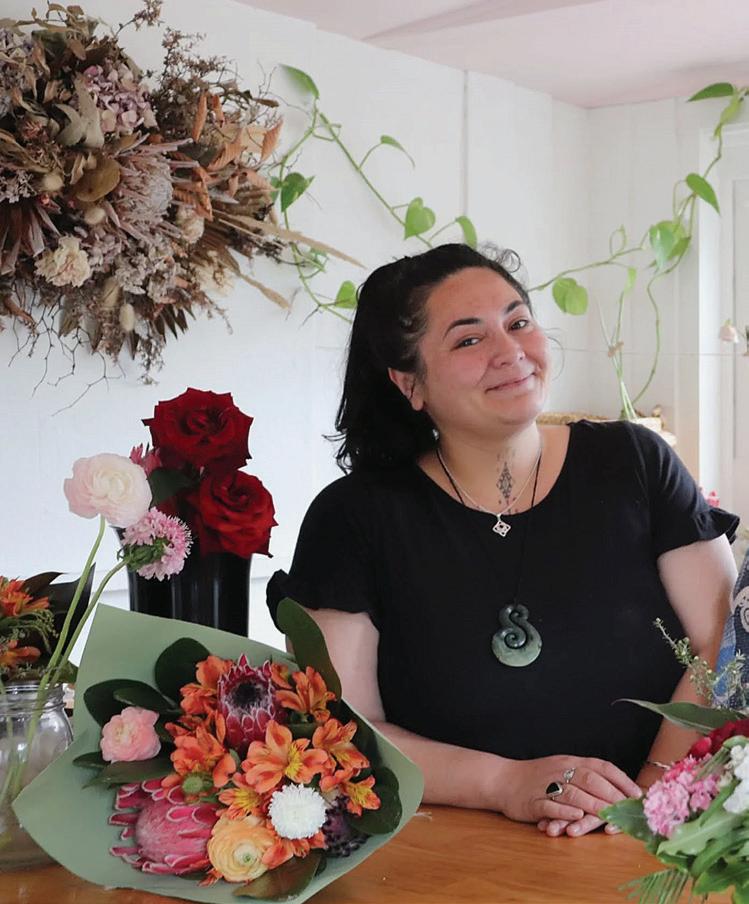
We’re proud to celebrate one of our own, Bonnie Garner, returning home to Te Pātaka to share her creativity and aroha through her new venture, Nuku Manaakitanga & Floral Design.
With 15 years experience in the floral industry and a deep connection to both Ōnuku and Wairewa, Bonnie brings together mātauranga Māori and modern floral artistry, creating stunning arrangements that tell stories of aroha, whenua and whānau.
Pop in and visit her beautiful new space in Akaroa!
Wednesday-Sunday, 10.30am-4pm 16 Rue Lavaud, Akaroa
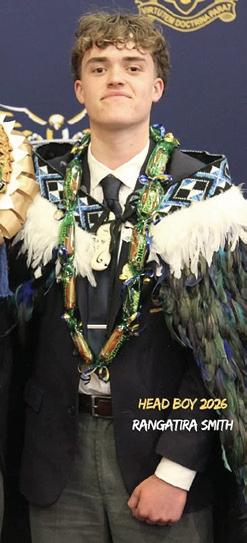
We’re proud to share that Rangatira (Tira) Smith, son of Tineka Smith (née Wallace), has been appointed Head Boy of Te Rei Puta o Te Hau, Marlborough Boys’ College for 2026!
What an incredible achievement, e tama! Your Wairewa whānau are proud and can’t wait to see all the amazing things you’ll do in the year ahead.
Whakapā mai
0800 WAIREWA (924 7392) PO Box 10020, Christchurch, 8145
wairewa@ngaitahu.iwi.nz
Email Wairewa.comms@ngaitahu.iwi.nz to sign up to our monthly newsletter. Like and follow us on Facebook to keep up-to-date with Wairewa! Facebook.com/Wairewa

Scan the QR code to take you to the Wairewa FB page.
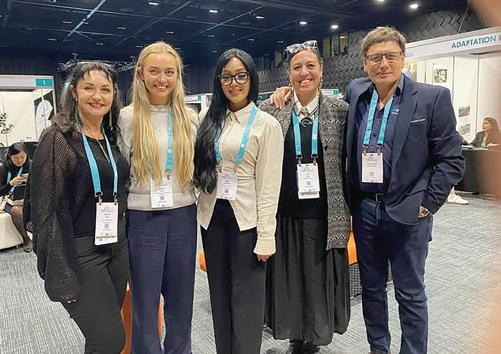
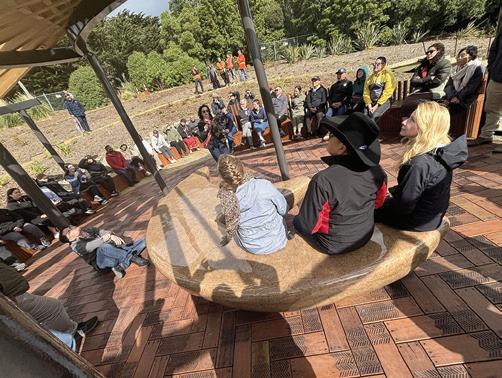
Ōnuku Rūnanga was honoured to have had the opportunity to participate in the Adaptations Futures Conference. For our part, we hosted a Living Lab Day on Thursday, 16 October.
We had 70 plus delegates from here and around the globe, plus representatives from MfE, our local community, and whānau, who came to hear about our approach to climate change adaptation planning and see our work in action. The day was interactive, thought-provoking, and enabled a global conversation and sharing of ideas about community and whānau empowerment and climate action.
We took everyone to Takapūneke to experience how the stories of place have been told through the landscape and how Ōnuku Rūnanga, with the support of Christchurch City Council and the wider community, have been re-cloaking this whenua to restore mauri and mana to people and place.
We felt very proud to demonstrate how powerful the interface between climate change adaptation, protection, and restoration of a sacred site, and the reclaiming of Indigenous identity through storytelling and art can be.
Presenters for the day were Rik, Keefe, Debbie, and Amiria. The day was incredibly special. So, a massive thank you to all those who made it happen.
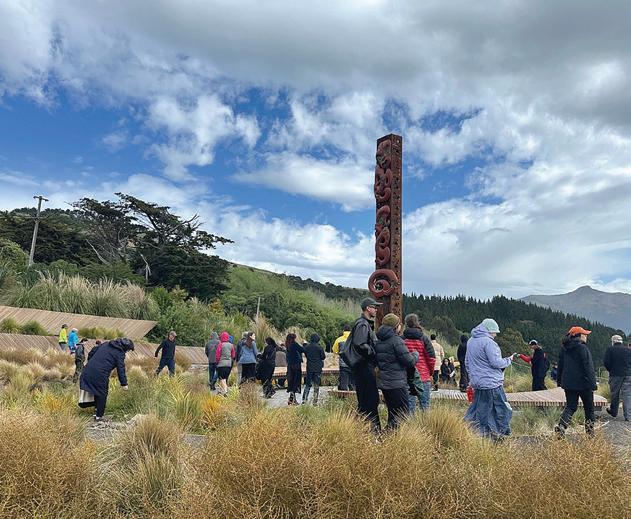
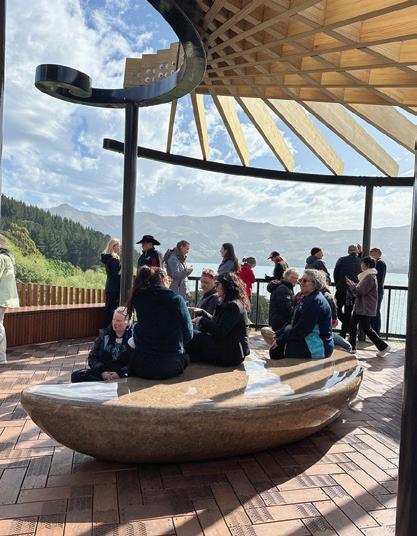
Te Kura Ki Uta Ki Tai Trust (Te Kura) is a Māori charity that supports Ngāi Tahu rangatahi into high-value land and sea pathways, with a focus on regeneration.
In 2025, we have been proud to support two Ōnuku boys — Branson Nielson and Tahu Rhodes — who aspire to become divers and gatherers of māhinga kai for Ōnuku. Through scholarships, Te Kura enabled the purchase of dive equipment and, with the generous support of our industry partner Greenwave Aotearoa, funded their Open Water, Advanced, and Rescue Diver training qualifications.
Te Rūnanga o Ngāi Tahu is going to support the boys to advance into research diving should they choose to progress this. We shared Branson and Tahu’s videos (made by Sirene Millar) at the Ōnuku AGM on 19 October.
This year, Te Kura raised $808.00 through the Z Energy Good in the Hood annual charity campaign. We have also secured a grant from DIA (+$40K) to contract a Māori connect who will work with Akaroa Area School rangatahi. We intend to bring on Sirene Millar to help with this mahi.
Te Kura has also been invited to submit an application to the Rātā Foundation for a rangatahi carving programme. We will be working with the rangatahi, Jess Rogers and her dad Simon, to design a custom programme.
On Tuesday, 7 October, Juliet Tainui-Hernandez was formally admitted to the Waitangi Tribunal.
This was an incredibly proud moment for her whānau — especially her dad, Rik Tainui, who, along with her aunties, travelled to be there in support of Juliet at this special occasion.
After the ceremony, the whānau took the opportunity to come together and celebrate before heading home that evening. A special acknowledgement and heartfelt thanks go to Jymal Morgan for his outstanding and deeply moving whaikōrero, which made the occasion even more meaningful.
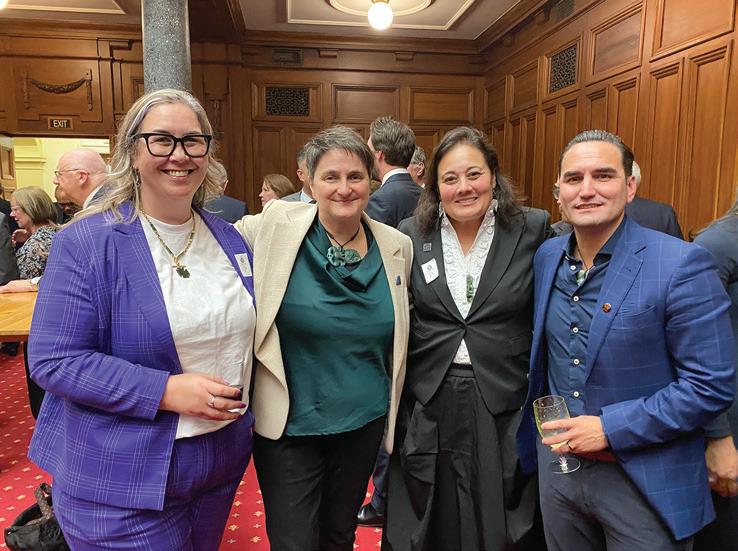
Te Kura Trustees are Juliet Tainui-Hernandez, Aaron Endacott (GM, Ngāi Tahu Seafood), Rāwiri Manawatu (Te Rūnanga o Kaikōura Ltd), Dr Jay Whitehead (Ōraka Aparima), and Carmelle Riley (Ngāti Tūwharetoa).
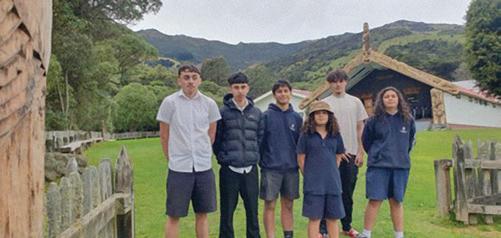
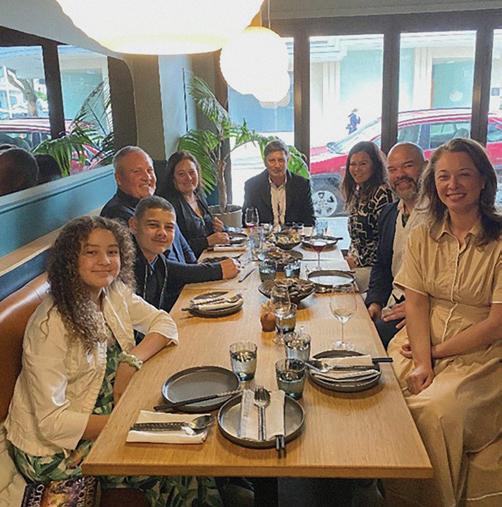
For over 20 years, Waihao leaders have been working to return Te Kai ā Te Atua, one of our original pā, into our whānau ownership. The Fletcher whānau have been kaitiaki of this whenua since the land was Europeanised and we are pleased to announce that we have an agreement on the purchase of Te Kai ā Te Atua.
We welcomed Ed Fletcher and his whānau to Waihao, plus a number of manuhiri who have supported us over the decades to enable ownership of Te Kai ā Te Atua to return to our whānau.
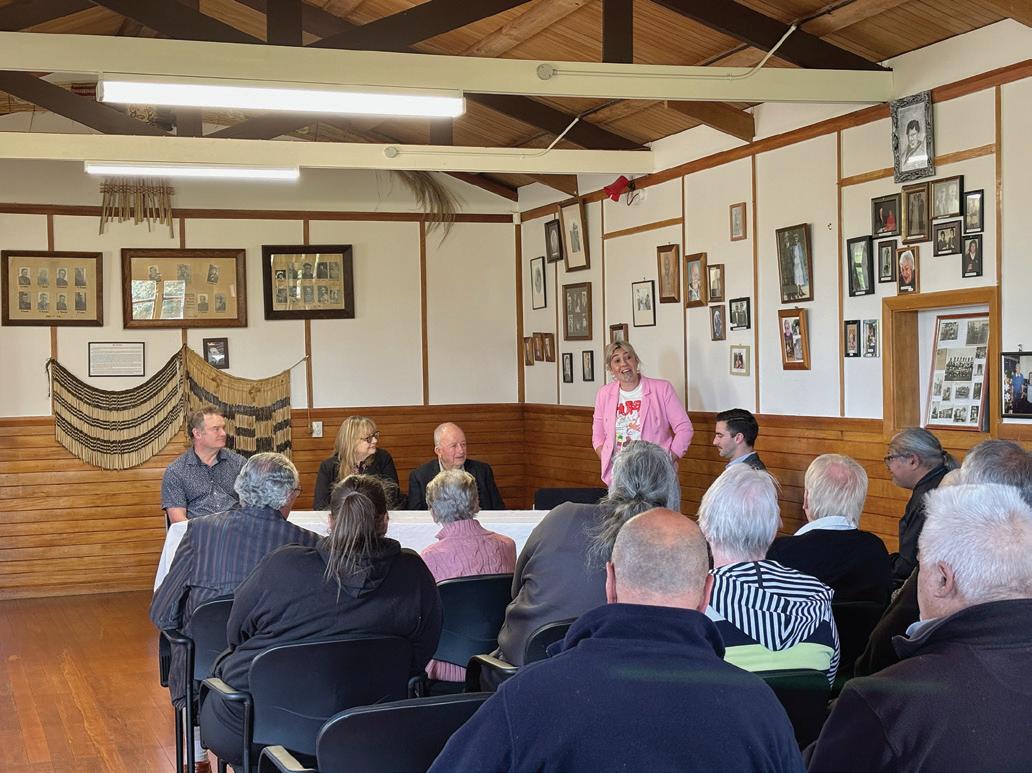
The deputy chair position for a three-year term (until 2028 AGM) was voted on by whānau, and Karyn Reid has been returned for a second term. Karyn has led our ranger programme for Te Rūnanga o Waihao over the last 10 months and is also our representative on Te Arawaru.
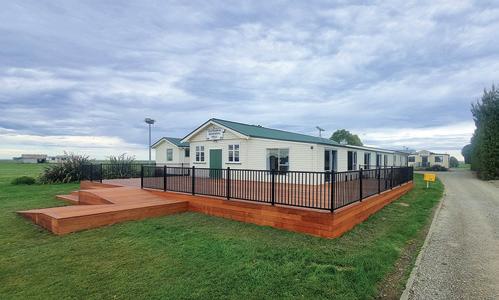
We have had extensive construction work completed at the marae. A new front deck has been completed, with a ramp for kaumātua to use. There is a wraparound which now has access to a sliding door to the whare kai, allowing whānau and manuhiri to sit outside on sunny days to have kai, a coffee, or just enjoy this new space.
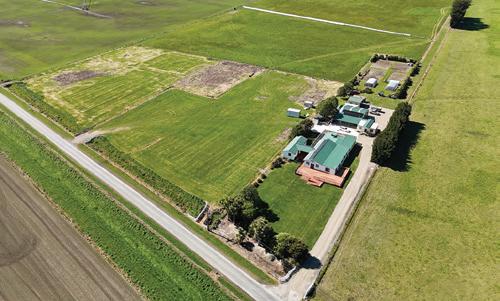
On 14 Whiringa-ā-nuku, our Upoko, Te Wera, led karakia to bless the whare tawhito before demolition. These whare have been a part of our history for over 100 years. Our kaimahi and kaumātua were in attendance before the houses were demolished. We pay tribute to all the tūpuna and whānau connected to these kāinga noho.
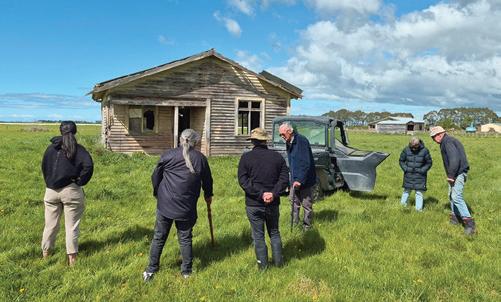
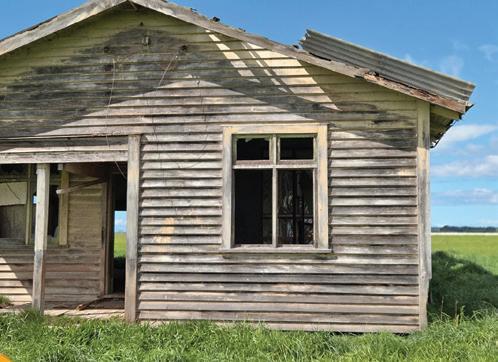
Haerenga ki Japan – My Cultural Trip to Japan
nā Neo Hammond, Kia ora whānau!
At the start of 2025 I started learning Japanese at school. Through that I was offered the chance to go to Japan for three weeks to take part in a cultural exchange programme — I simply couldn’t pass up the opportunity. I spent this year working hard to save the required pūtea, and I attended many orientation meetings with the other six students joining the trip. At the end of September I was finally off to Japan for 21 days.
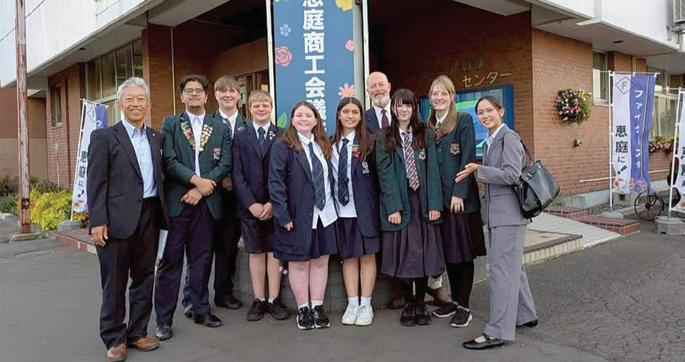
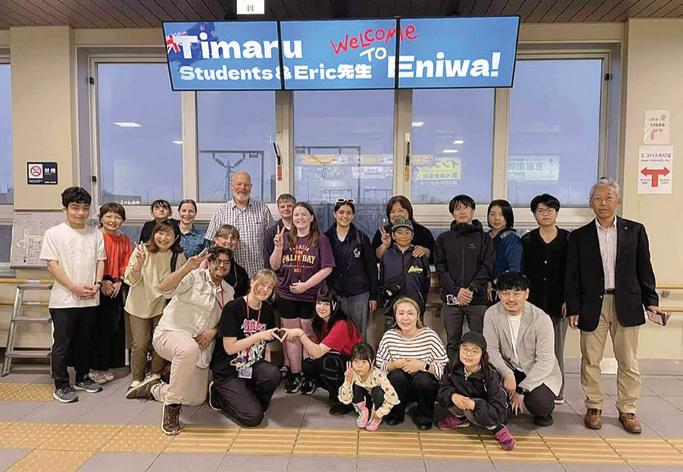
We landed in Tokyo at Haneda Airport and took the JR Rail to the Nippori Prefecture in Tokyo where we stayed at our hotel. We spent the next couple of days being tourists, travelling to places like Shibuya — where we visited one of the busiest crossings in the world; Harajuku — where we visited one of the most popular shopping streets in Tokyo; and visited the Yokohama Landmark Tower of 69 floors standing 296m high! I had a fantastic time in Japan, learning about their tikanga.
Left: Exchange students meeting their host whānau in Japan.
Neo has worked hard, and his achievements have been recognised by the many awards he received from Mountainview High School prize giving. We look forward to Neo’s future mahi for the hapū.
Left: Waihao whānau support: Kalinia Te Rahui, Neo, Rynee (proud Mum), Marie Donaldson (Kaiako, Mountainview) and Nicole Solomon.
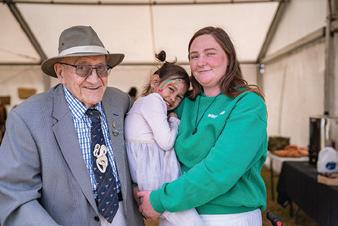
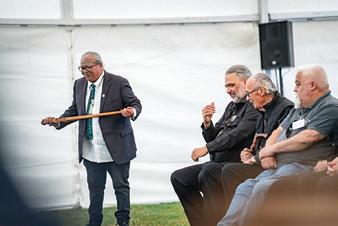
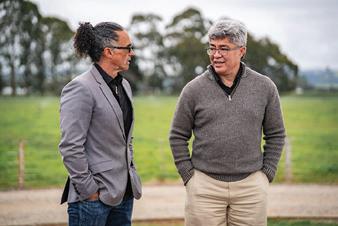
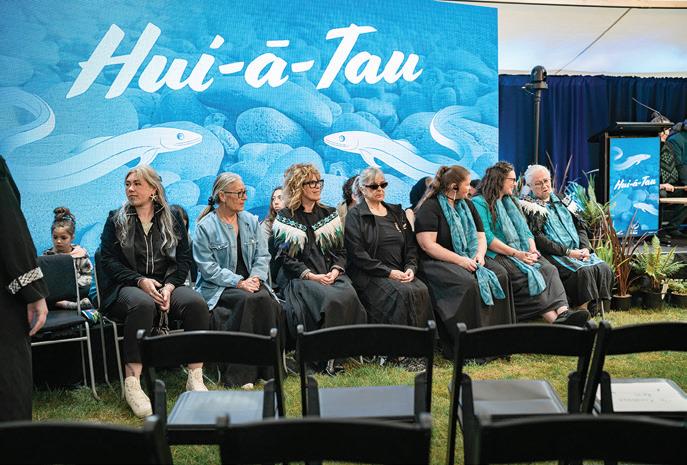
Hui-ā-Tau
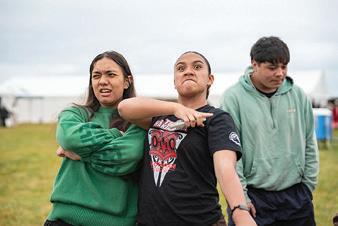
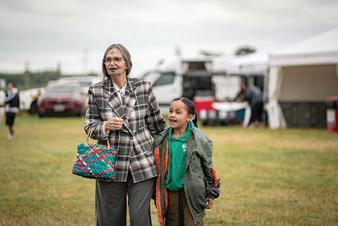
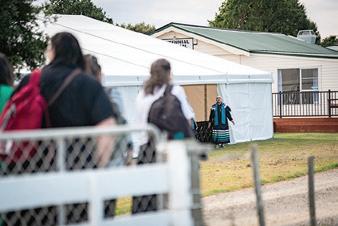
Kia ora e te whānau
All has been ticking along on the pā at Moeraki and in the Te Rūnanga o Moeraki office. We had our AGM and our annual Christmas at the Pā event taking place on the weekend of 29 November 2025.
On the weekend of 4–5 October, whānau gathered to continue development of our te reo Māori strategy being led by Hana O’Regan and Kare Tipa. Having this strategy completed will be momentous and will set forward a new course of action to ensure that our language thrives on Moeraki Pā and beyond. Moeraki whānau are grateful to have our own te reo Māori stalwarts available to lead this kaupapa for the whānau.
Alongside our te reo strategy mahi, we also held a waiata composition wānaka facilitated by our super talented whānau, Mara TK, Marlon Williams and Hana O’Regan. During this time, we composed four waiata that we look forward to sharing with whānau in due course.
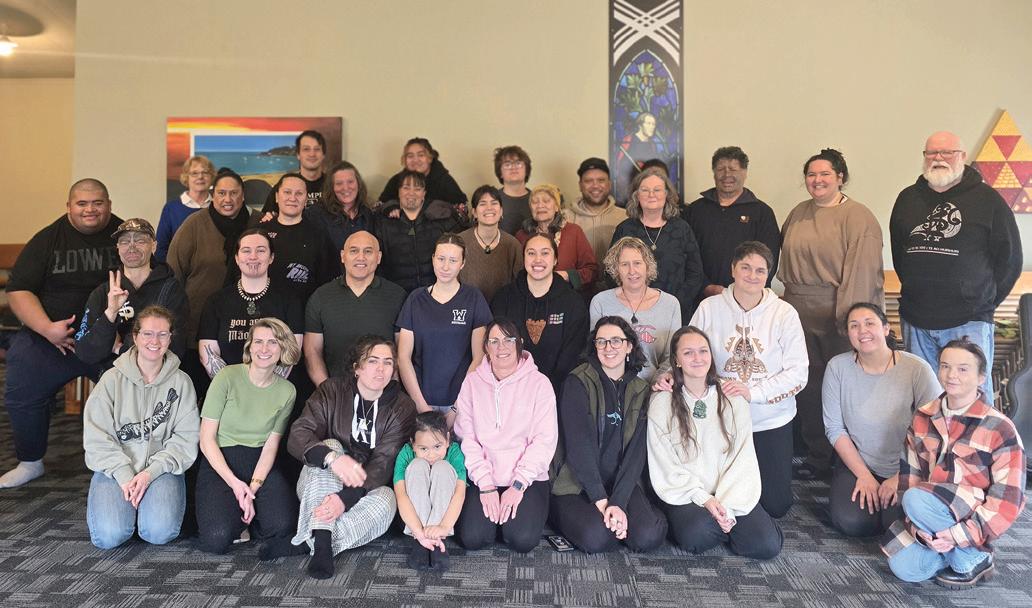
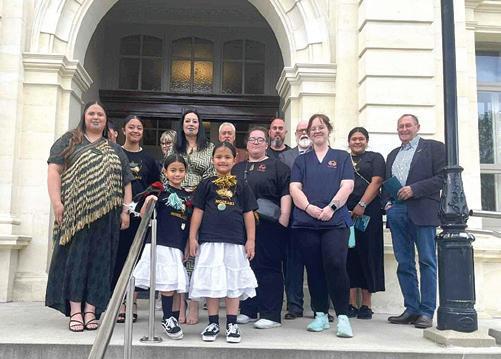
Whānau recently gathered with the incoming mayor and councillors at the Waitaki District Council Inauguration Ceremony.
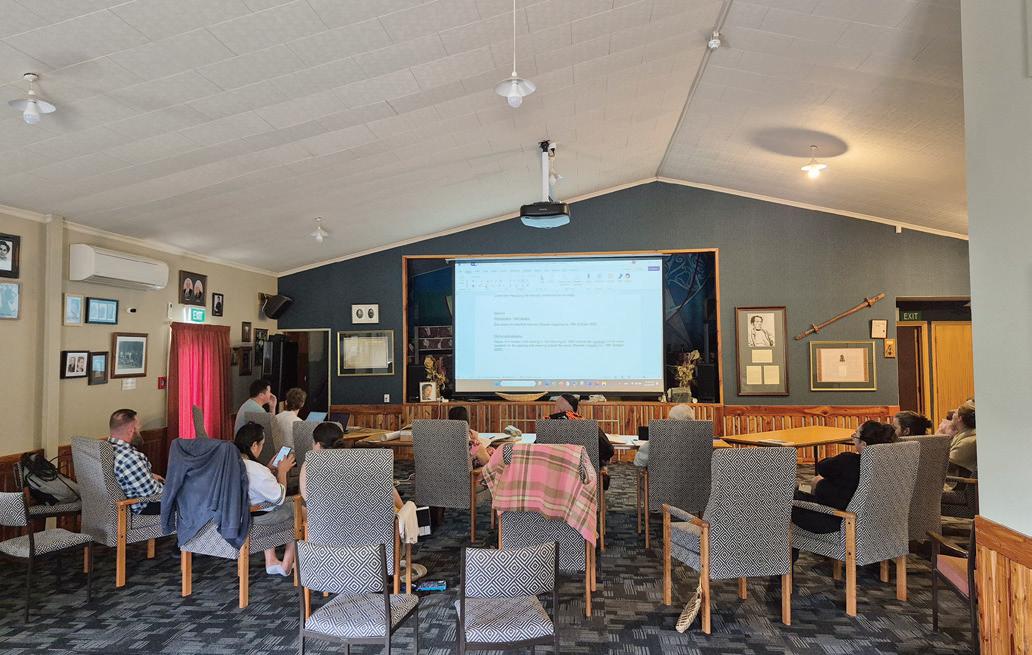
Moeraki whānau were invited to participate in a Kā Huru Manu cultural mapping project, focusing on traditional place names across the Moeraki takiwā, facilitated by Takerei Norton. The hui, held on 18–19 October, concentrated on the Moeraki Peninsula and surrounding areas. Whānau explored ancestral connections to whenua and place names, learned more about kōrero tuku iho and how digital tools can be used to preserve and facilitate access to our culture and hapū knowledge.
Below: Whānau in the wharenui gather for cultural mapping wānaka facilitated by Takerei.
E te whānau, just a reminder that it is never too late to get connected. We remain committed to enrolling whānau and keeping our current whānau contact list updated. If you have moved and need to update your details, or wish to enrol or update your details, please find our contact details below.
Te Rūnanga o Moeraki
43 Tenby street Moeraki 9482
Phone: (03) 439 4816
Email: Moeraki.runanga@ngaitahu.iwi.nz
Website: www.terunangaomoeraki.org
If you have a whānau story you want to celebrate in Te Pānui Rūnaka, please send it to us: Moeraki.runanga@ngaitahu.iwi.nz

Hui Whakawhanaukataka
Nā Rauhina Kohuwai-Banks
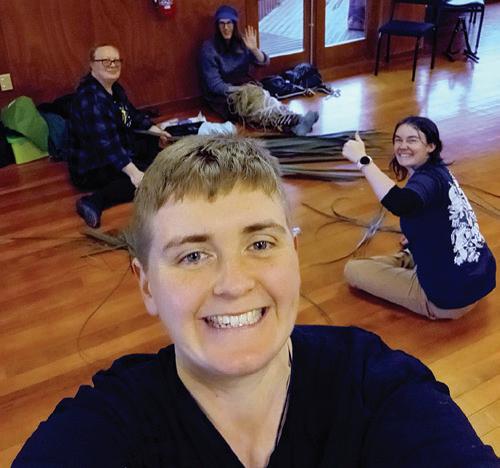
Puketeraki whānau takatāpui* gathered together for a day of whakawhanaukataka on Saturday, 4 October 2025. Despite the wind and rain outside, we were kept warm by the manaaki of our tipuna whare, Huirapa and Maririhau.
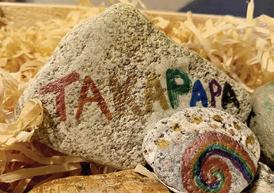
We shared laughter, kai and kōrero; learnt about our history, whakapapa (and takapapa) connections, and initiatives we can learn from such as Mana Tipua, Kahukura Pounamu and Hui Takatāpui.
A huge mihi to the team who made the day happen including Adam Keane, Luella Wheeler, Chad SteinerMitchell, Maire Kipa and Amber Kalinowski, and to the whānau and whānau tautoko who attended.
Get in touch with the rūnaka office if you would like to stay informed of activities and gatherings planned for 2026. Nau mai, tauti mai! admin@puketeraki.nz
* Takatāpui is a kupu which historically meant ‘intimate partner of the same sex,’ that has been reclaimed by Māori who identify with diverse genders and sexualities, including gay, lesbian, transgender, bisexual, and intersex identities.
Karitāne Māori Tours
Nā Amy Parata
We have begun our busy season with an array of groups, from schools to international tourists and some locals.
This summer we are collaborating with Iconic Tours to bring tourists from the cruise ships out to Karitāne for our tours.
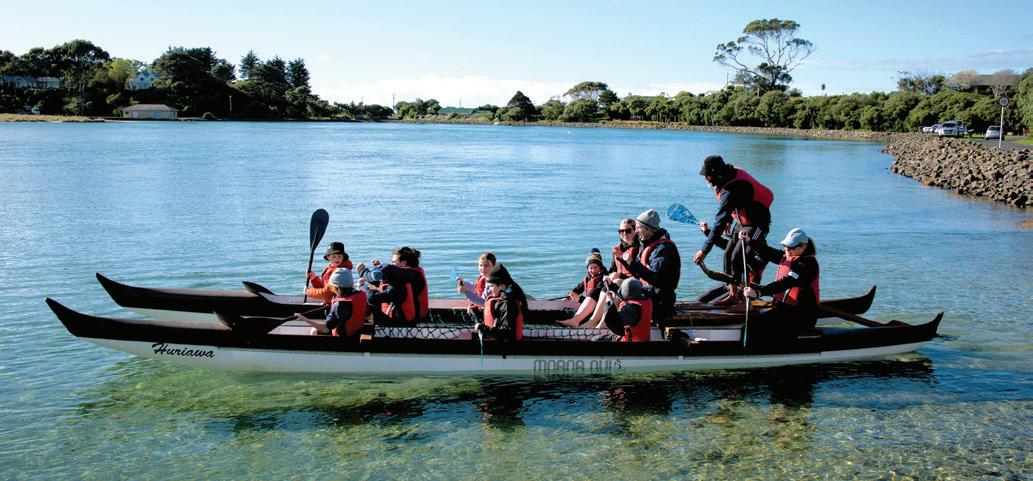
We had staff from the Puketeraki Rūnaka Nursery come for a look at the planting we have been doing on the Ohinepouwera Spit for the 200-year restoration plan where lots of progress has been made by our Karitāne Māori Tours customers.
We are in the midst of creating our self-guided cycle (or walking) tour, so watch this space!
We want to give a heartfelt shout-out to Irie Ross, Tau Pomare, and Kane Holmes — your dedication and excellence never go unnoticed. We consistently receive glowing feedback and it’s all thanks to your hard work,
Puketeraki Office Closure Dates
professionalism, and positive energy that make our team shine so brightly! We’re proud to have you on board!
A recent French whānau reported, ‘This was the best tour we have done in NZ!’ Feedback from international customers has been about our connection with our culture, history and environment and how it has inspired them to reconnect with their own back home.
We always have a whānau discount of 30 percent available. Please get in touch if you would like to make a booking: karitanemaoritours@gmail.com
The office will be closed from Wednesday, 24 December 2025 – Friday, 9 January 2026 (inclusive).
Tēnā koutou katoa
E rere ana ngā mihi o te wā Raumati ki a koutou katoa i roto i ngā āhuatanga o te wā. E aku rau rangatira nei rā ngā kaupapa o te wā ki Te Rūnanga o Ōtākou
KUMA Māori Business Award 2025
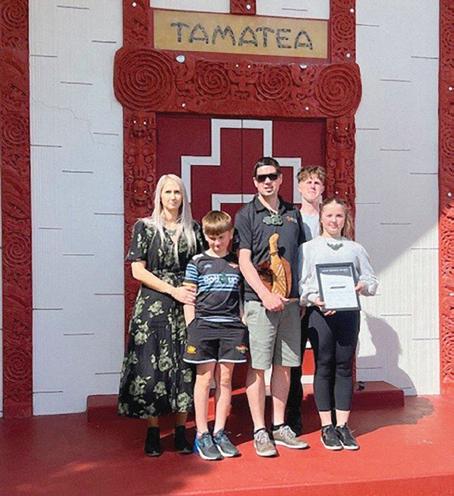
We wish to extend our warm congratulations to Bragg Building and Design, led by Shahn and Lorenna Bragg, recipients of the Te Rūnanga o Ngāi Tahu Recognition of Achievement Award at the KUMA Māori Business Awards 2025.
Their commitment, innovation, and excellence in business exemplify the strength and ingenuity within our Māori enterprise sector. We acknowledge their outstanding contribution and the positive impact they continue to make within their community and industry.
Right: Bragg whānau celebrating in front of Tamatea.
Māori Early Career Award –Ōtākou Whakaihu Waka
This year, two wāhine from Health Sciences have been recognised in the Otago Research Awards for making a significant impact, not only through their kaupapa Māori research, but also through their leadership within the University, including mentoring and supporting Māori students.
Dr Megan Leask (Department of Physiology) and Katrina Pōtiki Bryant (School of Physiotherapy) were both awarded the Māori Early Career Award for Distinction in Research 2025. We recognise and celebrate their achievements and the passion they bring to their mahi.
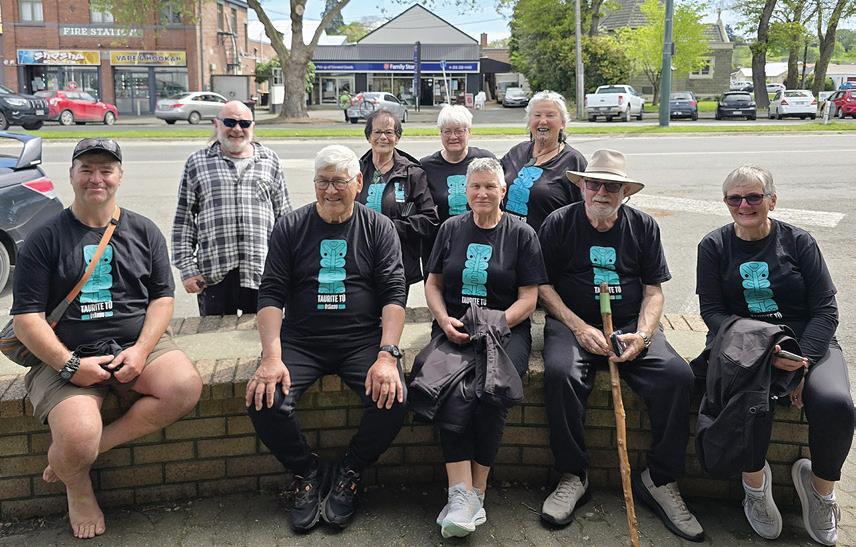
Our Ōtākou Taurite Tū kapa recently travelled to Hokonui to attend the Regional Kaumātua Hui. The hui was a wonderful occasion, filled with enthusiasm and a strong sense of whakawhanaukataka. There was much excitement as we shared and learned new exercises, and it was a pleasure to reconnect with members from the other southern kapa, with even a little t-shirt swapping adding to the fun.
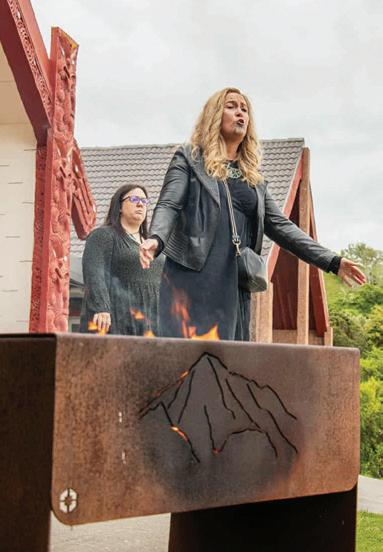
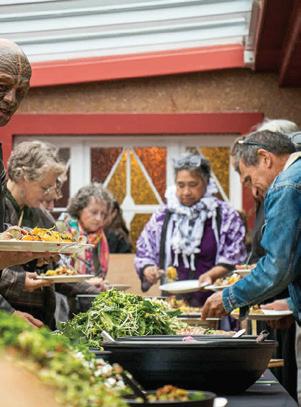
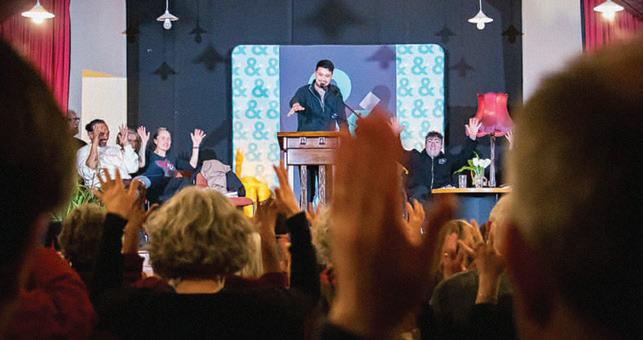
Ōtākou Marae had the privilege of hosting the artists and organisers of the Dunedin Readers and Writers Festival 2025. The evening was a beautiful expression of manaakitaka, filled with warmth, laughter, and a deep sense of connection as stories, experiences, and inspiration were shared.
The kai, expertly prepared by Julz and our dedicated kaimahi, was enjoyed by all and set the perfect tone for an evening of rich kōrero and storytelling. Hearing the reflections and voices of our manuhiri after dinner was truly special, marking a memorable and fitting opening to the Dunedin Readers and Writers Festival 2025.
The kai and manaaki provided by our Hokonui whānau was exceptional, and our kaumātua returned home with full hearts.
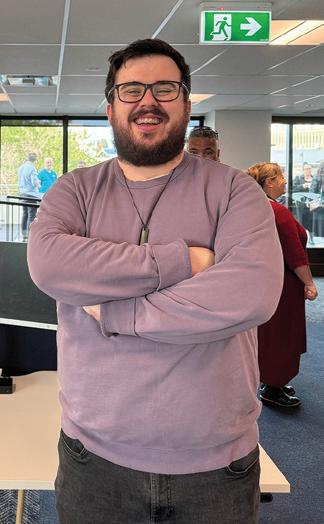
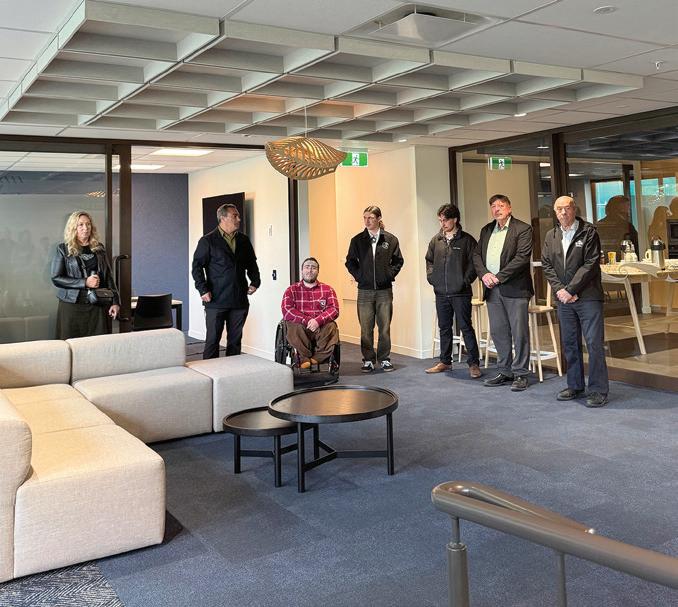
Dunedin City Council, Civic Centre Level 2 – Whānau gathered in the early morning to tautoko the whakawātea of the refurbished DCC Civic Centre on Level 2. We wish to acknowledge the mahi provided by the Aukaha Mana Ahurea team.
It is truly amazing to witness the embedding of our own stories and values in regional development. Moments like these remind us of the importance of connection, heritage, and the collective effort to shape spaces that reflect and honour our identity.
Feel free to browse our Facebook page and our Ōtākou Rūnaka website. Information to register as a hapū member or to book the marae for functions can be done online. Bookings are subject to any health and safety restrictions in place at the time, including if a tangi becomes apparent which takes precedence: http://www.otakourunaka. co.nz/#home-image or email office@tro.org.nz or phone (03) 478 0352.
Kā mihi o te wā o Raumati ki a koutou katoa.
Whānau and our beautiful kaumātua opened up the Physiotherapy New Zealand conference here at Tūhura Otago Museum.
Rangatahi Holiday Programme
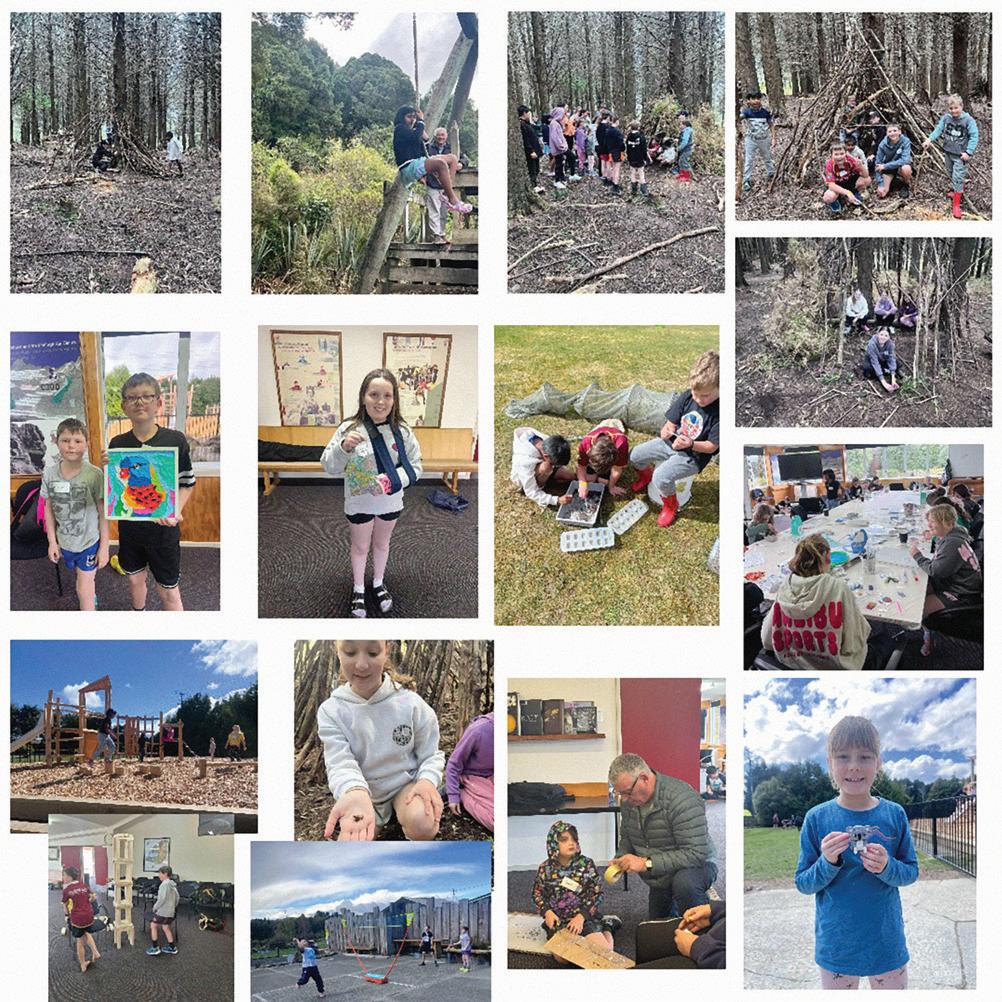
Whakamana Rangatahi | Holiday Programme Highlights
Our latest Rangatahi Holiday Programme was filled with excitement, creativity, and connection as tamariki and rangatahi came together for two weeks of fun and learning. From craft sessions and sports to movie days and group activities, the programme provided a safe and positive space for our young people to grow, explore, and make new friendships.
A huge mihi to our staff and whānau who supported the kaupapa – your dedication ensures our rangatahi feel valued, confident, and connected to their community.
Strengthening Wellbeing Through the Murihiku Health Hub
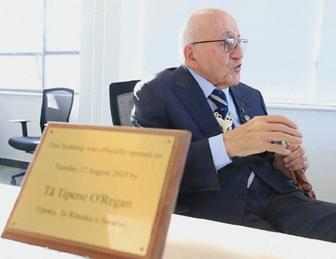
The Murihiku Health Hub continues to play an essential role in supporting the hauora of our whānau across the region. By providing accessible, culturally aligned services and a welcoming environment, the hub ensures our people can receive the care they need close to home.
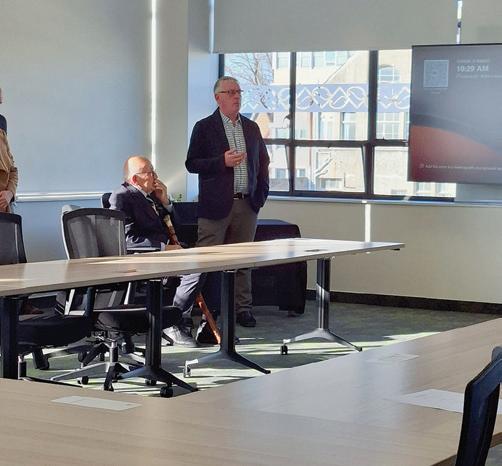
Guided by the vision and leadership of Tā Tipene O’Regan, the hub reflects a commitment to strengthening community wellbeing and culturally grounded care.
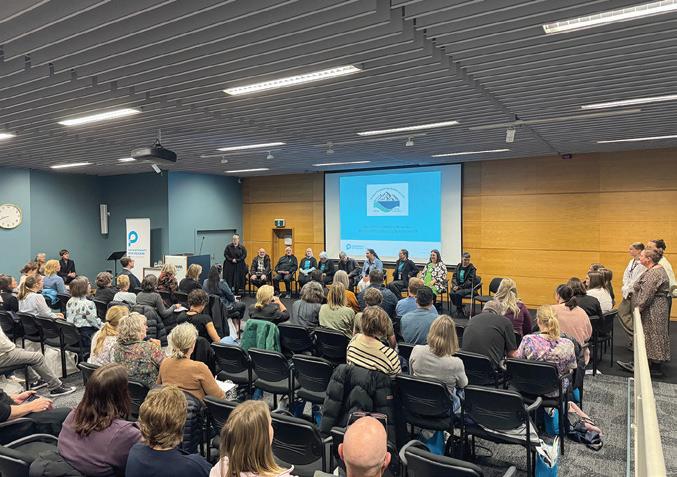
The collaborative approach between providers, community groups, and rūnanga representatives is helping to remove barriers,
improve access, and bring health services into the heart of our community.
Our whānau are making their voices heard through Hokonui community-led health, shaping the care that serves us best. With local input guiding priorities, we’re moving towards services that reflect our values, our people, and our place.
Thanks to everyone who has shared feedback, attended wānanga, or helped plan the path forward –together we’re bringing health and wellbeing closer to home.
Caring for Our Taonga Species and Landscapes
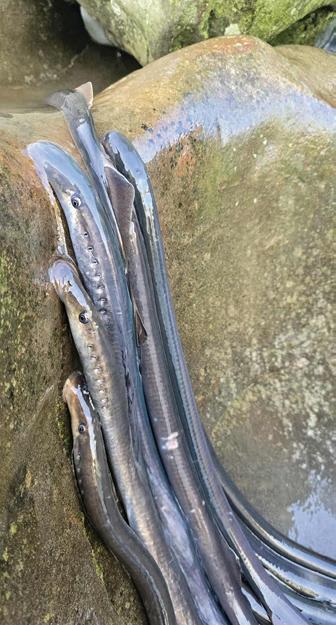
Our taonga research team has been progressing important mahi that blends mātauranga Māori and scientific knowledge to protect the species and environments that are precious to our people. Recent workshops, surveys, and cultural assessments have helped identify wāhi tapu, monitor habitats, and shape forward planning for species protection.
This work reflects our ongoing responsibility as kaitiaki — to honour our past, protect our taonga, and ensure the wellbeing of our whenua and wai for generations to come.
Kā mihi o te Kirihimete me te Tau Hou
As the year draws to a close, we would like to express our sincere appreciation to everyone who has supported and contributed to our rūnaka throughout the past year. Your commitment, participation, and generosity to our rūnaka is greatly appreciated. We acknowledge the collective efforts of our whānau, staff and committees who have worked tirelessly to ensure the continued growth and success of Waihōpai Rūnaka.
On behalf of Waihōpai Rūnaka, we extend our warmest wishes for a joyful and restful holiday season. May this time bring peace, renewal, and happiness to you and your whānau. We also wish safe travels to all those journeying over the break and look forward to reconnecting in the new year.
Kā mihi o te Kirihimete me te Tau Hou.
Te Rā Nui Hauora
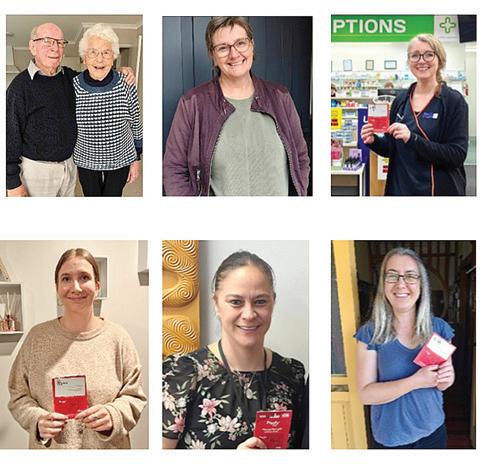
On 6 October, Waihōpai Rūnaka, in partnership with WellSouth and Te Whatu Ora, welcomed the Waihōpai community to the marae for Te Rā Nui Hauora. The event provided an excellent opportunity for whānau to access free health checks and advice, including kidney (CKD) testing, diabetes screening, heart and bowel health assessments, medication reviews, breast cancer screening, smoking and vaping cessation support, and healthy nutrition guidance.
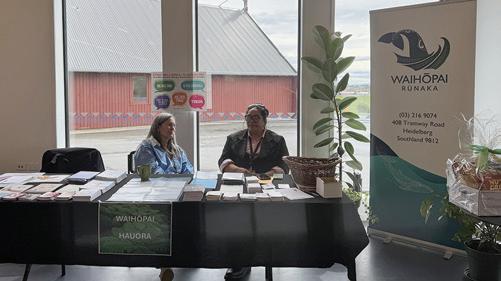
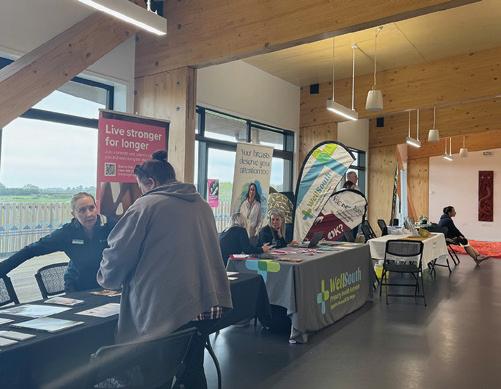
The day was a great success, with many whānau engaging in positive kōrero about their health and wellbeing.
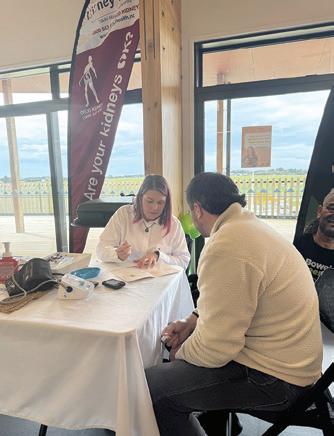
Waihōpai Rūnaka extends its gratitude to all who attended and to the providers and volunteers who supported this important kaupapa.
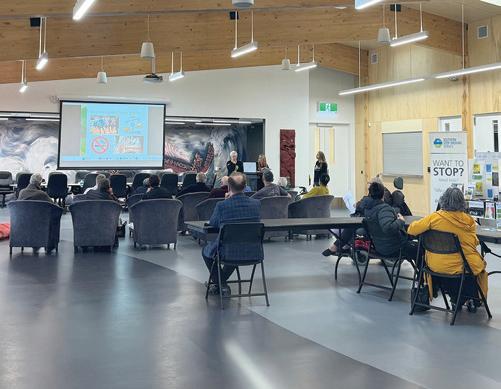
Te Pōhā Mātauraka o Murihiku Whānau Hui
Te Pōhā Mātauraka o Murihiku is an education initiative established by Awarua, Waihōpai, and Ōraka Aparima Rūnaka, dedicated to enhancing mātauraka Māori in Murihiku kura.
On 14 October, Te Pōhā Mātauraka o Murihiku hosted a hui to keep Kāi Tahu whānau informed about the mahi and content of the Te Pōhā programme. It was a valuable opportunity for whānau to learn how our pūrākau are being taught in schools and to ask questions about the kaupapa. Whānau or kura wishing to find out more are encouraged to connect with Te Pōhā by emailing antonia@tepoha.nz
Nā Renata Gill
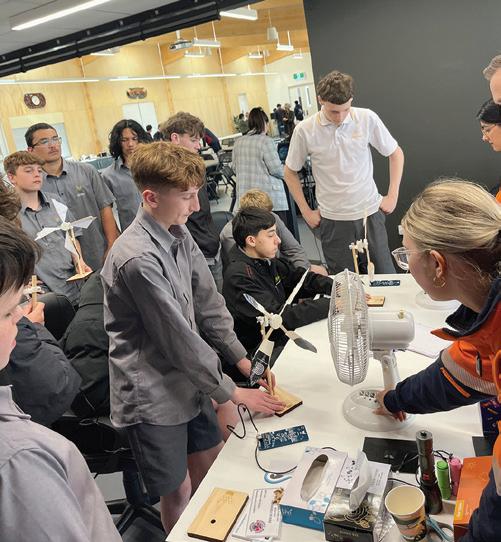
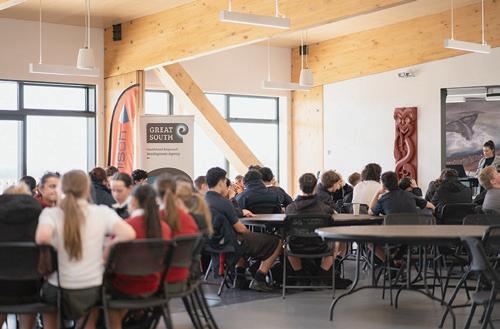
On Thursday, 16 October, 75 Māori and Pasifika students from across Southland gathered at Murihiku Marae for Ngā Ara ki te Mahi Kaipūkaha, a hands-on day exploring professional engineering as a career.
Organised by Great South as part of the Matatā initiative (supported by Engineering New Zealand and funded by Professors Dick and Mary Earle), the event brought together a fantastic lineup of local partners (Murihiku Marae, Houkura Projects, Bonisch, NZAS, PowerNet, WSP, Southland District Council, SIT, and UC Māori) to inspire the next generation of engineers.
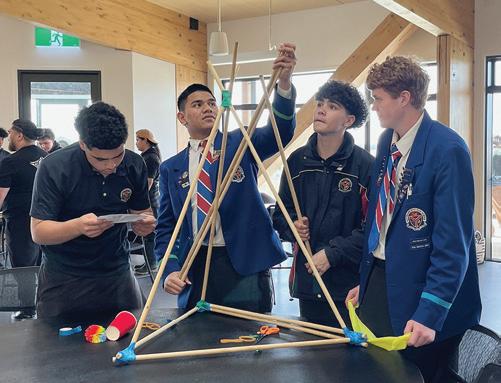
Held on the marae, the day gave students a special chance to explore engineering in a way that brought together culture and career. The programme included inspiring speakers such as:
• Cyril Gilroy (Waihōpai Rūnaka) who shared the story behind the marae’s design and build.
• Jeremy Rees (Bonisch) who spoke about the Stead Street Stopbank project.
• Ratu Mataira (OpenStar) who sent a video message about his journey in innovation.
Students also took part in three fun, hands-on activities:
• Marae Tour and Planning – learning about cultural design and future ideas.
• Wind Turbine Challenge – building and testing mini turbines.
• Catapult Competition – designing and launching catapults (with lots of laughs!).
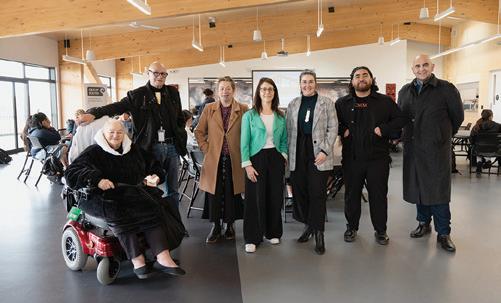
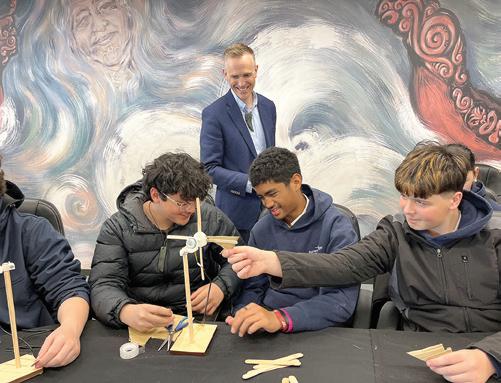
The day wrapped up with a kōrero from Suayd Hakaria (University of Canterbury), who spoke about scholarships and support for Māori students.
Students said they learned a lot, from how water systems work, to how many types of engineering there are, to how cool it was to build something with their own hands. Many said it helped them see engineering as fun and something they could possibly do in the future.
If you have high school-aged tamariki interested in science, technology, engineering or maths (STEM), or just want to know more, get in touch. We’d love to help support their journey.
Contact Renata Gill: renata@greatsouth.nz
On 19 October, another tāne hui was held, providing an important opportunity for the tāne within our rūnaka to further develop their knowledge of the marae and to explore the roles and responsibilities of tāne both within the marae and on the paepae. Kā mihi nui to Matua Joe Wakefield and Matua Cyril Gilroy for their invaluable support and guidance in this kaupapa. Tāne who are interested in participating in future sessions are invited to contact the rūnaka office for further information.
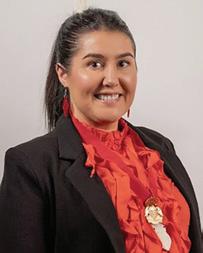
On 6 November, Waihōpai Rūnaka and Awarua Rūnaka had the privilege of welcoming the newly elected councillors of the Invercargill City Council. This was supported by kōrero from Te Ao Marama Inc and Te Kura Taka Pini. It was a special occasion that allowed both rūnaka to share their aspirations for the future and express their hopes for a strong, collaborative relationship with the new council.
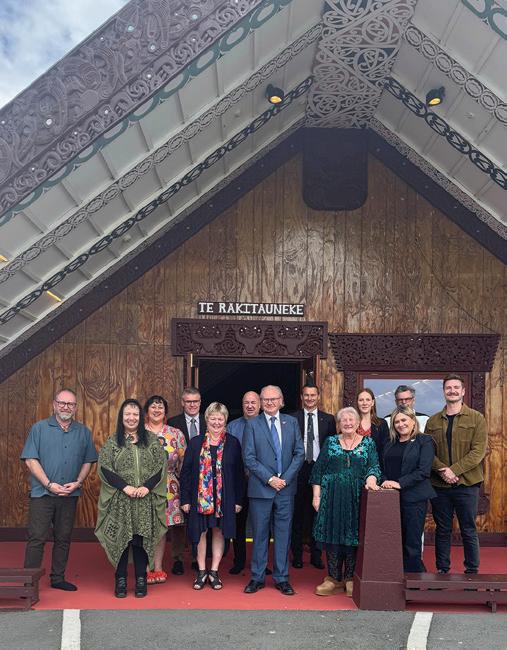
He uri o Joseph Davis rātou ko Tapuku Davis, ko Kirihauka, ko Paree Moss, ko Kurukuru, ko Mariri, ko Pi Ackers.
A special congratulations to Andrea De Vries for her appointment as a new councillor on the Invercargill City Council. We wish you all the best.
Please be advised that our office will be closed from Wednesday, 23 December 2025 and will reopen on Monday, 12 January 2026. Waihōpai Rūnaka extends warm wishes to all for a safe and joyful holiday period, and we look forward to coming together again in the new year.
Are you or someone in your whānau considering tertiary study in 2026?
Applications for the Ōraka-Aparima Rūnaka Holdings Company, Kā Pūtea Tertiary Education Scholarships are now open! Grants of up to $2000 are available to cover course fees at either a recognised NZQA institution, or an overseas institution that meets the NZQA equivalent standard and is recognised as a qualification in New Zealand.
Please note: the grants are available to registered Ōraka-Aparima Rūnaka members only. Applications close 5pm Friday, 27 February 2026.
Visit: www.orakaaparimarunaka.co.nz (Opportunities page) for an application form, or email us: office@orakaaparima.org.nz and well send one to you.
The rūnaka has sponsored a new award for Aparima College, designed by James York.
The Ōraka-Aparima Rūnaka Te Manaaki o te Kāika Award recognises a student who consistently demonstrates ngākau pono and ngākau manaaki in Māori spaces.
It is in addition to the Wiremu Davis Shield, which is already part of the school awards, recognising contribution to te reo and tikanga Māori.
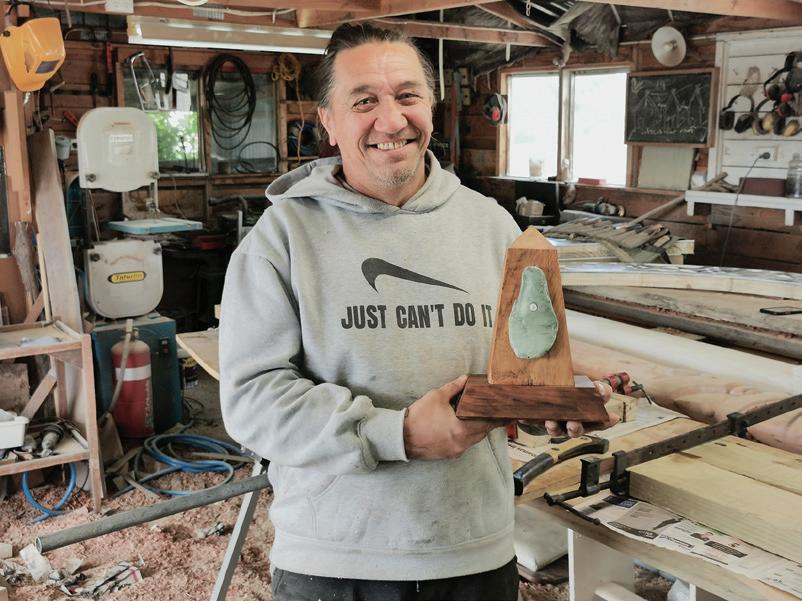
Registered Ōraka-Aparima Rūnaka members are welcome to book our whānau property in Te Anau. It’s a lovely place to be over the summer, close to the lake and with plenty of room for families to stay.
There are four bedrooms, each with an ensuite. The Christmas and New Year period is fully booked but there is space available in January. Get in touch with the office to book before we close down for the holidays on 22 December.
Note: Up until Sunday, 25 January, bookings are for a maximum of three nights stay. Contact the office directly about bookings. Email: office@orakaaparima.org.nz
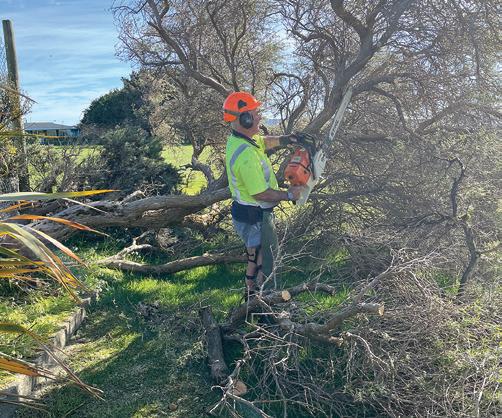
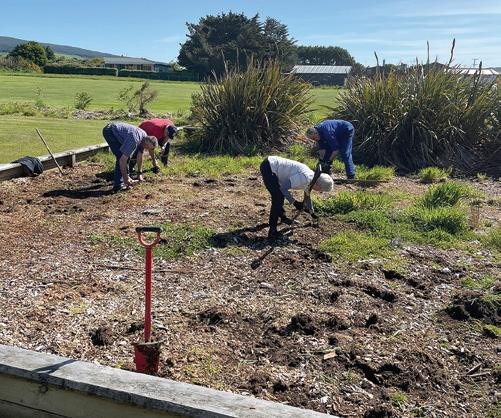
About 15 whānau members helped out with our working bee at Takutai o te Tītī on a perfect southern day. There was much to do between cleaning, assembling new tables, and tidying up after the recent storm damage, but made all the sweeter with whitebait patties for lunch.
It was wonderful to see so many helpers come together in early October to uplift and replant the pā harakeke at the arae. The mahi was organised by Rūnraka member Vanessa Horwell from Te Waiau Mahika Kai Trust, with funding from the Murihiku Rūnaka and Rio Tinto Community Development Fund.
The idea came from our kaumātua Rangimāria Suddaby, who oversaw the mahi alongside Joan and Phil Fluerty. Jobs on the day included separating and trimming the pū, labelling varieties, replanting, and tidying the area.
Before planting began, Joan and Phil did an incredible job levelling and preparing the new pā site, spreading mulch, and helping to dig up the harakeke for replanting — mahi that made the whole process much easier for everyone involved.
The existing pā was carefully lifted and moved to a more sheltered spot, away from sea breezes and salt spray. The new site has been mulched to help suppress weeds and retain moisture, ensuring a healthy start for the plants. The pā is also being supplemented with new varieties, including Paoa, which Rangimāria sourced from a friend.
Whānau came from across Murihiku for the working bee, joined by helpers from Fiordland College, Aparima College, and the local community. Cuttings from the harakeke will also be planted at Fiordland College and Te Kōawa Tūroa o Takitimu, helping to strengthen raranga resources and connections across the region.
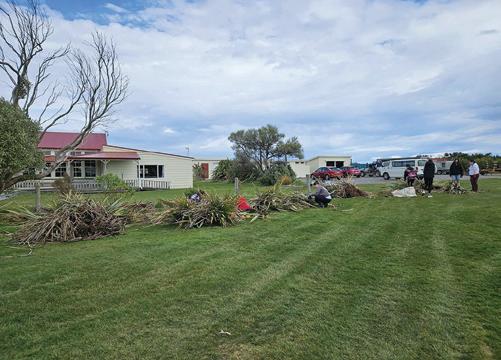
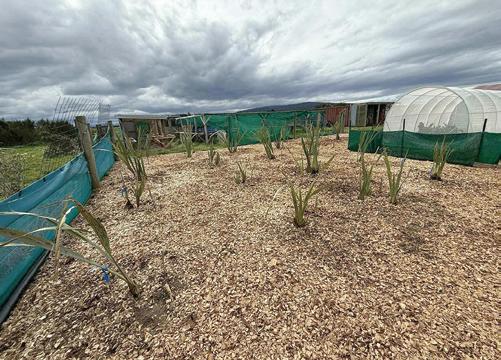
A huge thank you to everyone who contributed their time and energy. This revitalised pā harakeke will be a valuable taoka and resource for raranga in the years to come.
The rūnaka is no longer managing bookings for Te Koawa Lodge at Blackmount. Bookings can now be made directly with Te Waiau Mahika Kai Trust via their website: tewaiaumahikakaitrust.co.nz
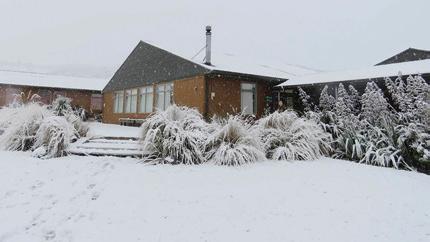
Wānanga with University of Canterbury
Freshwater researchers from the University of Canterbury joined us at Takutai o te Tītī for a wānanga under the Freshwater Partnership project on 1 November. The purpose of this hui was to begin building a meaningful relationship to support the rūnaka freshwater needs and aspirations.
Whānau and manuhiri came together to kōrero about what wai māori means to us, how we assess its health, and what indicators we use. We asked:
• When is wai māori healthy or unhealthy?
• What does wai māori need to thrive?
• How have things changed over time?
The kōrero was rich and heartfelt. Whānau shared experiences and voiced concerns about the declining state of our waterways. Among the kōrero was:
“Thirty years ago, there was no toxic algae.”
“Our mokopuna can’t swim where we used to.”
“Where are the koura and watercress now?”
“I can’t catch the number of pātiki I used to.”
Despite these challenges, the wānanga was full of hope, with exciting options explored for collaborative action and Indigenous-led restoration of our wai taonga.
To close the day, Professor Angus McIntosh shared a stunning underwater photography presentation, offering a glimpse into the hidden world beneath the surface.
We look forward to continuing this kaupapa and strengthening the partnership.
Development of our rūnaka reo strategy with Hana O’Regan is well underway. More than 60 whānau contributed to the strategy across the three development sessions, either in person or online. More exciting details to be shared in the new year!
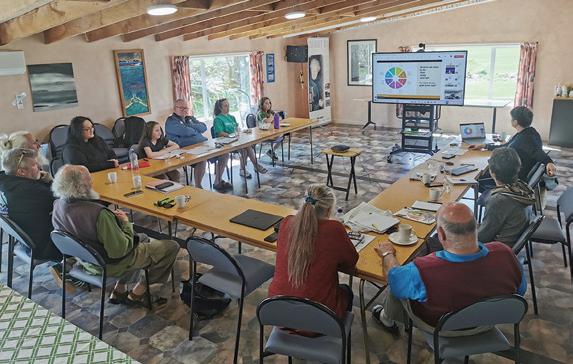
We have lots of great opportunities for our registered members. Even if you’re registered with Ngāi Tahu and you whakapapa to Ōraka-Aparima, that doesn’t mean you are automatically a member of our rūnaka, so it could be a good time to check with us! Our registration process is easy. You can download a registration form from our website or email the office and we’ll send you one. Email office@orakaaparima.org.nz
The rūnaka office will be closed from 4pm Monday, 22 December and will re-open 9am Monday, 12 January. We would like to wish all of our wider whānui a very happy summer holiday season!
Te Kahu Ariki Slipway Working Bee – 8 Whiringa-ā-Rangi 2025
He kaupapa whakahīhī tēnei nā Awarua Rūnaka, e anga whakamua ana ki te whakahou i tētahi wāhi tuku iho i te ūpoko o te harua o Awarua.
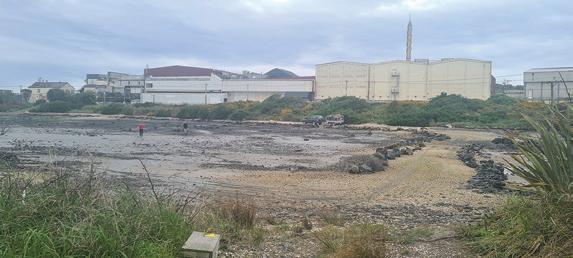
Awarua Rūnaka recently held a working bee at the old Te Kahu Ariki slipway, a historic site recognised as one of the waka landings at the head of Bluff Harbour, opposite Ocean Beach at Te Kaika o Te Wera. The slipway and adjoining boatshed are in a state of significant disrepair and require considerable mahi to restore them to a usable condition.
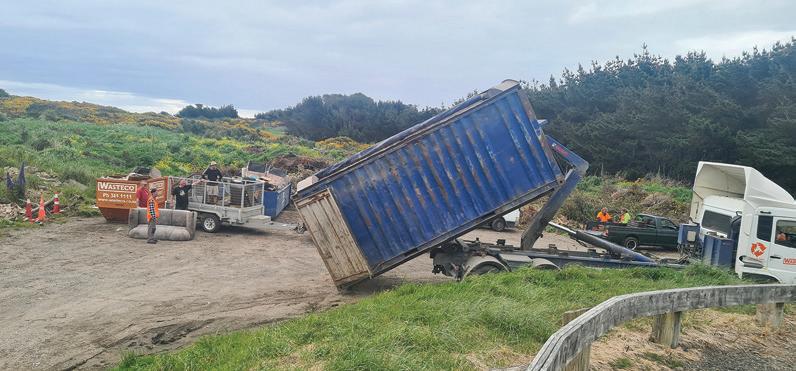
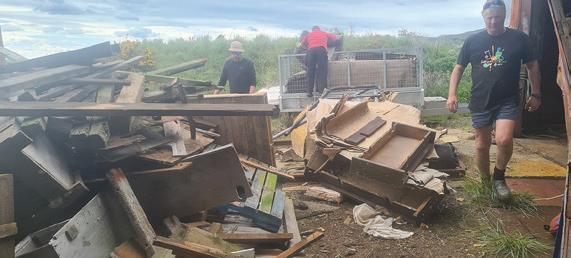
A small but determined rōpū of tuaodedicated several hours on Saturday to removing a substantial amount of waste from inside the boatshed and around the surrounding island. In total, approximately four tonnes of industrial and household waste were cleared, so much that additional bins had to be brought in from the Bluff Transfer Station to transport the rubbish to Invercargill.
Among the discarded materials were mattresses, couches, and household items left behind by squatters. Following the cleanup, the shed was almost unrecognisable — a remarkable transformation achieved through collective effort and dedication.
The rūnaka are now exploring several options for the site, including repairing the shed and reinstating the slipway, or utilising the area for the storage of Awarua’s own waka ama in the future. Plans also include restoring the surrounding motu through replanting ecosourced native species and continuing predator control to protect the diverse range of manu and other taonga species that nest in and around the island.
He mihi nui ki te rōpū iti o ngā tuao i whakapau kaha i tō rātou Rāhoroi mō tēnei kaupapa whakahirahira. To those who were unable to join on the day, please keep an eye out for future opportunities to support the ongoing repair work on the boatshed and planting efforts on the motu.
Awarua Rūnaka Inc.
Nō tērā marama tou, i kopoua a Andria Cross, uri o Kāi Tahu, o Te Whakatōhea, o Ngāti Ruanui ki te tūraka tumu arataki mō Te Rūnaka o Awarua. Ko roa ia e hāpai ana i kā haepapa maha o ruka i tō tātau marae, i Te Rau Aroha, waihoki, e rikarika ana ia ki te mahi i kā mahi hai paika mō te hapū, mō te iwi, me kā uri whakaheke.
Te Rūnaka o Awarua is delighted to announce the appointment of Andria Cross as our new General Manager. Of Kāi Tahu, Te Whakatōhea and Ngāti Ruanui descent, Andria has been part of Te Rau Aroha since its inception, bringing a deep connection to our people and our many kaupapa.
For the past 13 years, Andria has led Te Rourou Whakatipuranga o Awarua, where she has shown strong leadership and a steadfast commitment to the growth and wellbeing of our tamariki. She now takes on this new role with the same passion and dedication, guiding Te Rūnaka o Awarua forward as we continue to uphold the vision of our tīpuna and serve the aspirations of our whānau.
Ko Takatimu tōku maunga; Ko Aparima tōku awa; Ko Te Ara a Kiwa tōku moana; Ko Takihepa tōku mōtu tītī; Ko Tapuku Davis tōku tupuna; Ko Stephanie Dijkstra ahau.
I was privileged to attend the Rio Tinto Agreements and Cultural Heritage Symposium held at the University of British Columbia, Vancouver, Canada from 16–18 September on behalf of the Tiwai Remediation Advisory Working Group and the Awarua Advisory Group. I was accompanied by Dion Williams in his role as Manager Communities and Social Performance for New Zealand Aluminium Smelters (NZAS). The purpose of the symposium was to connect Rio Tinto leaders and indigenous partners from across the globe to help Rio Tinto improve protection of cultural heritage and agreement-making practices.
The symposium was held on the unceded lands of the Musqueam People in Vancouver and we were warmly welcomed through ceremony, sharing of their traditional stories and other taonga tuku iho. It felt very special to then be able to tautoko their manaakitanga through kaikōrero and waiata.
Common themes included connection between land and cultural practices, environmental protection, wai ora, wai tangata, and the enduring relationships Indigenous people have with the land. For me these themes highlighted similar roles all Indigenous people have as tangata tiaki.
Cultural heritage protection examples were also discussed, including cultural flow monitoring, cultural history collection and preservation, restoration of cultural practices and ceremony, co-design of mine establishment and closure, consideration of mahinga kai practices and monitoring (including the preservation of caribou migration paths over a mine stockpile), and pest management initiatives.
For me the highlight of the symposium was the connection with other Indigenous people working with and within Rio Tinto and how their learnings and stories may support the remediation of Tiwai Peninsula and the improvement of operational outcomes. Thank you to Rio Tinto New Zealand Aluminium Smelters and Awarua Rūnaka for this opportunity.
Discussions and topics focused on the current context of relationships and challenges, agreementmaking, and cultural heritage. Rio Tinto opened by reaffirming their commitment to Indigenous relationships and cultural heritage preservation.
Case studies were shared on what good looks like from an indigenous perspective, including from Puutu Kunti Kurrama and Pinikura Aboriginal Corporation, Squamish Nation, the First Nations Major Project Coalition, Indigenous communities from the Salta Province in Argentina, Squiala First Nation, Pueblo of Laguna, and the Cheslatta Carrier Nation.
In October 2022, Murihiku Rūnaka, Ngāi Tahu, NZAS and Rio Tinto signed three Memorandum of Understandings covering the overarching relationship, remediation co-design, and community funding. An advisory group made up of Awarua Rūnaka, NZAS and Rio Tinto members oversees the MoU implementation.
The Tiwai Remediation Advisory Working Group (RAWG) is guided by the advisory group and ensures a social, cultural, and environmental lens is applied to any environmental remediation of Tiwai Point, with current and future generations in mind. Stephanie is a member of RAWG as a whānau member and chair of the Ngāi Tahu HSNO Komiti.
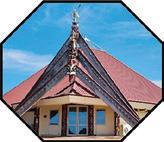
During the year whānau members have had opportunities to learn some of the kōrero and pūrākau within our wharekai, Te Rau Aroha, and wharerau, Tahu Pōtiki. Four-week sessions for both whare have been held twice.
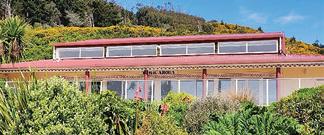
The first four-week sessions for the wharekai was held in March and April, followed by the wharerau four-week sessions in May and June. These were facilitated by Corey Bragg and Maania Niha-Dobson. Maania also did a wharekai kōrero session in April with kaumātua after one of their Taurite Tū sessions.
Whānau who attended these sessions enjoyed learning some history of the marae and Awarua Rūnaka, kōrero and pūrākau within each whare, and other resources they could access to learn more about things connected to our takiwā, Awarua Rūnaka, and Kāi Tahu. These included Kā Huru Manu, Kareao, and pukapuka by Bubba Thomson and others, including Kā Roimata, Te Pakanga Manu, Tama Rereti, and Tunaroa.
With the positive feedback and whānau asking for more opportunities to connect with the marae and rūnaka, another round of four-week kōrero sessions was organised. The wharekai kōrero sessions were held in September and October, and the wharerau kōrero sessions were held in October and November. These sessions were facilitated by Maania Niha-Dobson.
With the support of funding from Te Mātāwai for te reo strategy development, Awarua Rūnaka had the privilege of having Dr Hana O’Regan facilitate three wānaka over three months, August to October, at Te Rau Aroha Marae, where Rūnaka and whānau members were able to attend in person and online.
All wānaka demonstrated remarkable enthusiasm and commitment from participants, with strong attendance and substantive contributions both in person and online. Despite some technical challenges, having both in-person and online attendees ultimately enabled broader participation than would have been possible with an in-person-only format.
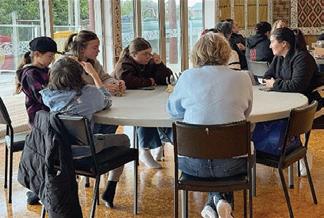
Having participation, from young people to elders sharing their family histories, created a rich environment for knowledge sharing and relationship building. The intergenerational approach, emphasising youth leadership and kaumātua guidance, also emerged as a central theme across all working groups. The recognition of vulnerability as strength in learning environments represents a mature approach to community engagement that could significantly enhance participation rates.
Online participants also expressed strong interest in visiting Awarua for future wānaka, indicating the potential for building stronger connections between local and diaspora communities through the language strategy process.
Each wānaka represented a different phase, with the first highlighting the importance of addressing historical trauma while celebrating resilience and survival. Participants showed remarkable openness in sharing personal and whānau stories about language loss, creating a foundation of trust and understanding that will be essential for ongoing strategy development. This wānaka also successfully balanced acknowledgement of challenges with focus on strengths and possibilities.
The historical analysis during the second wānaka provided valuable context for understanding both the challenges and opportunities facing language revitalisation efforts within the hapū. This session also successfully balanced aspiration with realism, acknowledging the significant challenges inherent in language revitalisation whilst identifying concrete steps and resources that can support meaningful progress.
The emphasis on research-informed approaches and learning from both local and international experience positions the strategy for greater success than previous efforts.
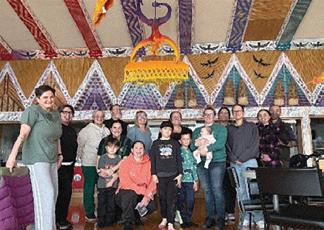
The third wānaka demonstrated significant community enthusiasm and commitment to te reo Māori revitalisation at Awarua. Participants showed sophisticated understanding of both cultural aspirations and practical implementation challenges, drawing on successful models from other iwi whilst acknowledging local specificities.
The integration strategy with existing services offers efficient resource utilisation whilst normalising te reo Māori across all community activities rather than treating it as a separate initiative. This approach aligns with contemporary best practice in Indigenous language revitalisation.
With the kōrero and information collated during these wānaka, the next steps involve developing a comprehensive strategy document incorporating all working group visions and implementation plans. This will then be presented to the governance structures for approval and resource allocation. The timeline for this remains realistic based on previous iwi experiences, with participants understanding that sustained advocacy and demonstration of community support will be essential for securing necessary backing.
Awarua Rūnaka would like to thank and acknowledge Te Mātāwai and Hana for their support with this kaupapa and mahi.
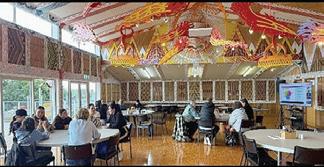
We had a great turnout for our October whānau hui, with some people coming from as far as Rotorua. Our hui focused on funding and whakapapa, and we were lucky to have Ngāi Tahu Iwi Engagement Officer, Patsy Perenara-Connell, Tahu Russell from Ngāi Tahu Funds, and the Whakapapa team, Arapata and Moira, there with us. Their knowledge and support really helped shape the discussions. We also took the chance to say goodbye to one of our committee members, Amber McNicol, and thanked her for her contribution to our rōpū.
Funding
Tahu Russell (from Ngāi Tahu Funds ) shared some useful information about the different types of funding available to support our Ngāi Tahu whānau. He broke things down in a way that was easy to understand, explaining who can apply, what the funding can be used for, and how to go about accessing it. It was awesome to hear about the opportunities out there, and I think a lot of us came away feeling more knowledgeable about how we might be able to use that support for our whānau and different kaupapa.
Right: Tahu sharing funding information with Rebekah Stuart. Behind her and beside her is Colton Lambert and Robert Lambert. Far right is Derrin Richards.
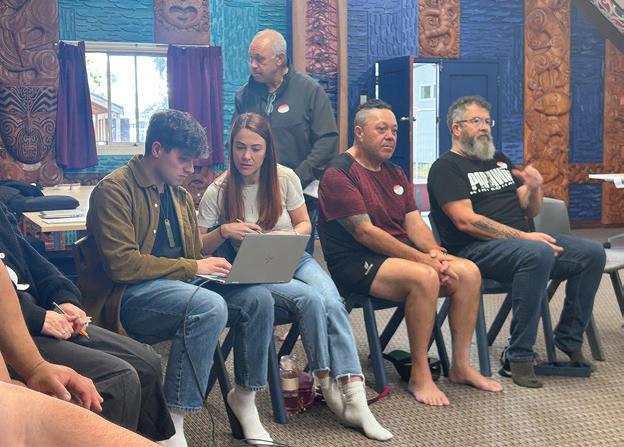
Whakapapa
Arapata shared interesting kōrero about the whakapapa and pūrākau of Ngāi Tahu. This included stories of our tūpuna before 1848 and the interesting events that took place leading up to that time.
We spent time getting to know each other, strengthening our connections, and discovering the many links that bind us together. We’re looking forward to continuing these hui and growing our whānau connections even further. Ngā mihi nui to everyone who attended and contributed to such a meaningful day.
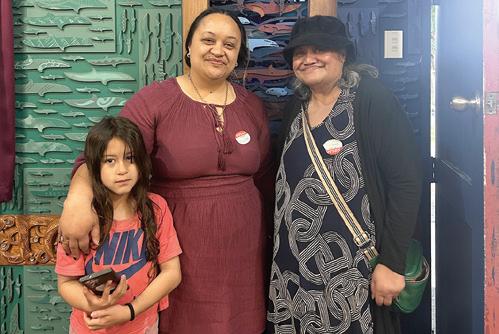
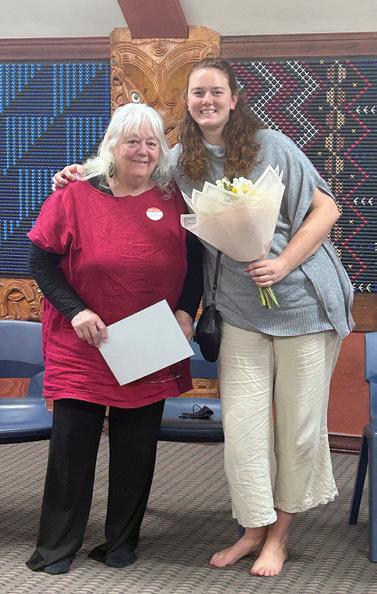
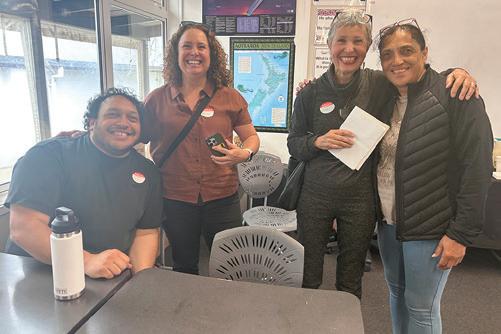
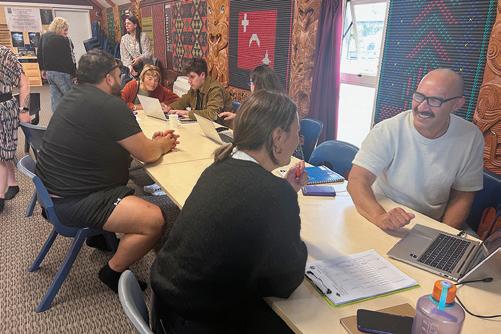
We also farewelled our lovely committee member, Amber McNicol. Amber has been such an asset to our rōpū, bringing her communications skills to the table and helping run our Instagram and Facebook pages. Amber heads off to Melbourne, and while we are sad to see her go, we are excited for what is ahead for her.
Celebrating Whānau within Ngāi Tahu ki Tauranga Moana Bayi James was recently honoured with an award from the University of Waikato in the Ngā Tohu Toi Hau 2025 –He Rākau Taumata category, recognising her dedication, talent, and contributions. She is currently studying Psychology at the University of Waikato in Tauranga and continues to show strong commitment to her learning.
Bayi is the granddaughter of Reg and Areta Waipapa, and the great-granddaughter of Moke and Harriet Couch of Rāpaki (Ngāti Wheke).
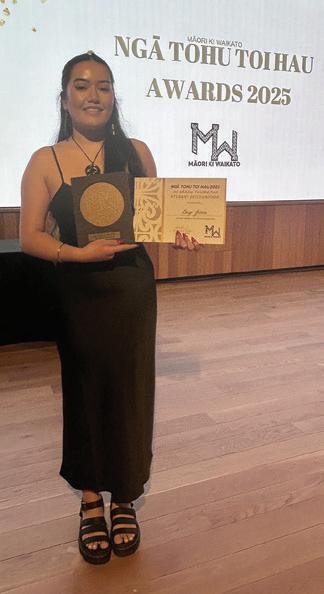
Kāi Tahu ki Tāmaki Makaurau
Our Epic Journey to Ōtautahi and Wairewa Nā Erana Foster
He manawa tahi, he manawa ora, he manawa toa, te manawa Kāi Tahu –A united heart, a vibrant heart, a determined heart, this is the heart of Kāi Tahu.
The dream came again, vivid and real. My name is Ruby Foster, and the face of my Taua Taua Olly, my great-grandmother Olive (Te Orewa Hine Wanoa née Robinson), swam into focus. Her voice, a gentle whisper, beckoned me towards towering mountains capped with snow, shimmering greenstone, and a river teeming with eels.
I woke with a start, tears already tracking down my cheeks.
“Mummy, I miss Taua Taua Olly,” I sobbed, running to my mother, Erana.
She wrapped me in a comforting hug. “I know, precious. Taua Taua is in a better place now, and she loved you very much.”
From that dream began an incredible journey of whakapapa, aroha, and discovery. Our whānau travelled to Ōtautahi and Wairewa Marae, fulfilling a promise and reconnecting with the whenua and our tīpuna.
At Wairewa Marae, we were welcomed with warmth and manaakitanga that will stay with us forever. We learned tikanga, whakapapa, and the stories of our marae and whenua. We visited Birdling Flat, Akaroa, and journeyed to Hokitika to gather pounamu at the Arahura River, guided by Uncle Tangi Weepu.
We also visited Ngāi Tahu HQ, where our tamariki performed and were treated to tuna and whitebait. Every moment was rich with learning and connection –from karanga and waiata to kōrero about our history and taonga.
This trip was more than a visit; it was a homecoming. It strengthened our ties to Kāi Tahu and gave our tamariki an unforgettable experience of culture, language, and belonging.
From the bottom of our hearts, thank you to Wairewa Marae and whānau for your incredible hospitality. Your kindness and generosity made this journey truly special.
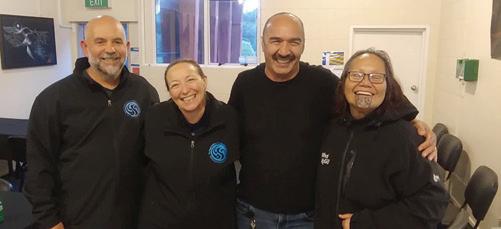
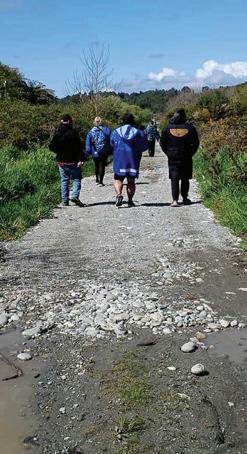
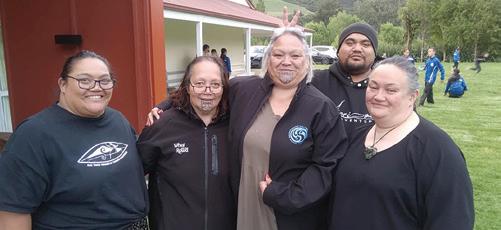
Acknowledgements
A huge thank you to our hosts and whānau: Wikitoria Martin, Rata Brown, Sarah Jane, Eugene, Te Aroha Thompson, Stephanie, Nui Robinson, Kenny Brown, Tangi Weepu, Jaleesa, Parekura, Anita, Arapata, Fiona, Rebecca from Ngāi Tahu, Tahu FM, and Ngāi Tahu HQ.
Also, heartfelt thanks to Rutherford Primary School and Te Pā o te Kōtuku Māori Unit – Principal Amanda Bennett, Paul O’Leary-Ryan, Michelle Kelly, Jeff Ruha, Erana Foster, Natalie Cullen, and Qdane Kingi-Falwasser – for all your hard mahi organising, fundraising, and supporting our tamariki.
To all the parents, grandparents, and guardians who entrusted their tamariki with us, and to our whānau who supported this kaupapa – kia ora rawa atu!
Ngā mihi nui, Erana Foster (daughter of Rebecca and Ringo Rissetto) and Rebecca Rissetto (daughter of Parry Wanoa and Olive Wanoa née Robinson, granddaughter of Paua Tom and Taua Molly Robinson).
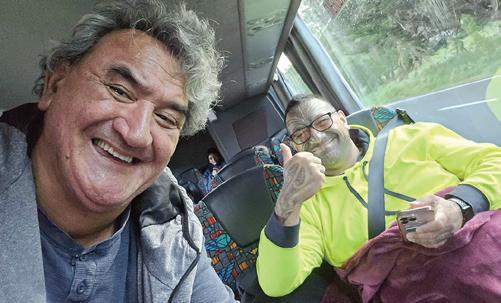
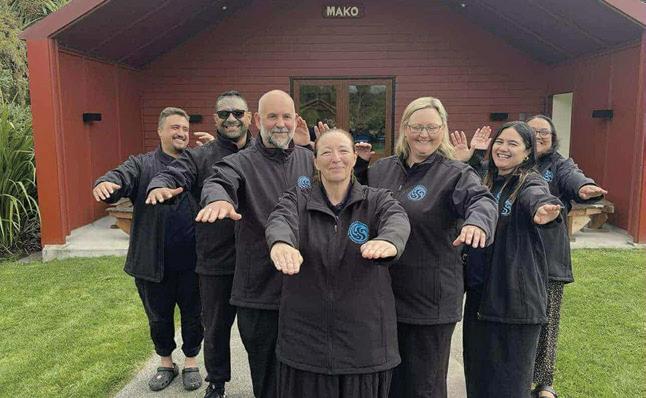
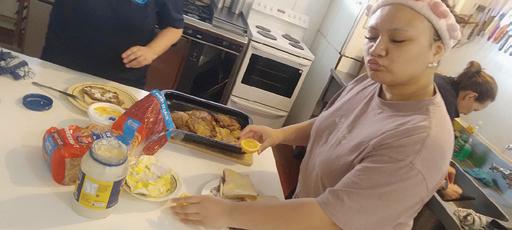
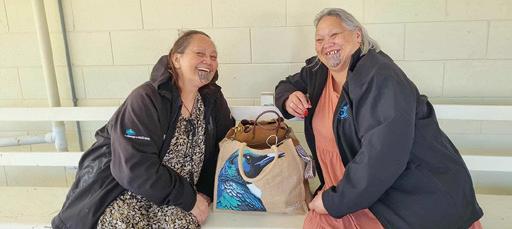
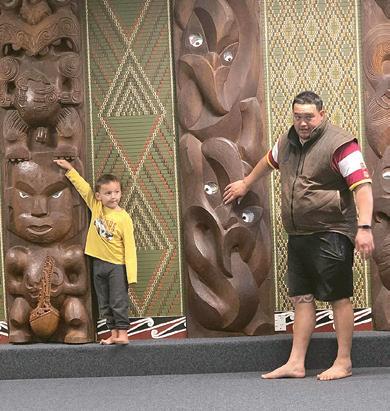
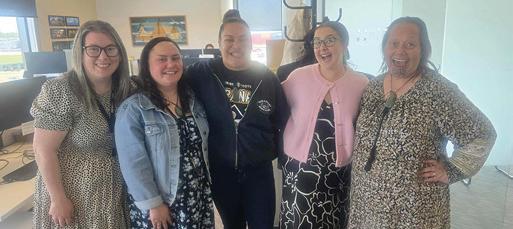

Te Tauraki has confirmed providers for 97 Whānau Ora Kaitūwhana services across Te Waipounamu from 1 January 2026. Following a comprehensive evaluation process, we are directing resources strategically to ensure maximum impact for whānau.
Understanding Kaitūwhana
You may have noticed the term Kaitūwhana being used instead of Navigator. This reflects our commissioning approach, Whiria te Tuamaka, which draws on the wisdom of our tīpuna. When facing flooded rivers across Te Waipounamu, they used tūwhana – poles created to help cross the rapids safely.
Kaitūwhana were those who crafted, positioned, and used these essential tools, working collectively to ensure everyone reached safe ground.
Those who provide Kaitūwhana services embody this same spirit. They work alongside whānau, helping them navigate challenges – economic pressures, system barriers, and societal obstacles. They act as connectors and advocates while reinforcing links to hapū and whenua.
Resource allocation
Our contract with Te Puni Kōkiri required us to design a new allocation model to identify areas with the highest levels of social deprivation. The location of each Kaitūwhana position has been carefully placed to ensure whānau in priority areas receive quality support.
takahē update
Kia ora koutou,
The takahē breeding season is in full swing across the Whakatipu!
Greenstone
In mid-October, we discovered our first nests, with five pairs sitting on eggs. Unfortunately, this coincided with the big storm and three nests were lost. The good news is that two of those pairs have already re-nested. The remaining two nests successfully hatched chicks.
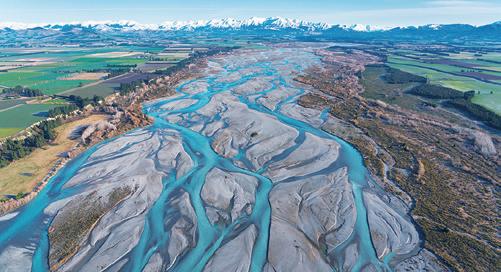
Decisions were made through a rigorous evaluation process led by independent procurement specialists, with all proposals assessed against criteria that included capability, sustainability, data management, and health and safety.
Working with Papatipu Rūnanga and whānau
We deeply value our relationships with Papatipu Rūnanga and your connection to whānau wellbeing in your rohe. Our evaluation considered mana whenua relationships alongside service delivery criteria, with our board directing decisions to be made that to prioritise what serves whānau best.
We acknowledge there will be mixed views on the decisions that have been made, with some rūnangasupported providers disappointed. We remain committed to working with all rūnanga for the goal of whānau wellbeing
Whānau remain at the centre of everything we do. We are committed to smooth transitions for anyone currently receiving support, who may be affected by the new allocations.
Contract negotiations with successful providers are now under way. Updated service provider maps will be published on our website: tetauraki.co.nz
Kia ora, e te whānau,
We are descendants of Ann Parera Holmes and William Palmer, and over recent years we have been working together to reconnect and unite our whānau as one collective.
Since August 2021, we have shared a monthly whānau newsletter – beginning with 76 subscribers and now growing to over 260 whānau members who receive regular updates and kōrero.
There is a growing interest in our shared whenua, and we have already completed several meaningful whānau visits. In 2022, a group of 20 travelled to our Rowallan Block, and in 2024, 31 whānau members visited our lands on Rakiura. These haerenga have been incredibly special, strengthening connections and deepening our sense of whanaungatanga.
Many of our whānau have also come together to attend Hui-ā-Iwi, Hui-ā-Tau, and Waitangi celebrations at Ōtākou and Ōkains Bay in recent years.
We meet monthly via Zoom and face-to-face in Christchurch, where we discuss matters important to our whānau. Our group represents almost all family lines descending from Ann and William, including:
• William Junior
• Harriet
• James
• George
• Beatrice
• Frederick
One chick was still in the nest when we checked, and Takahē Ranger Lisa captured some very cute photos. The second egg in that nest was candled and found to be infertile. This pair: Rarangi and Braemar, are a new match after both lost their previous partners to a stoat earlier this year.
There have been a few wandering Greenstone takahē in recent months. While dispersal is natural for wild takahē, and we usually don’t intervene, these birds were heading into the planned Hollyford 1080 operational area. To be on the safe side, they were relocated:
• July: Tucker was moved from the Hollyford and reunited with his old partner Tahu (of Mavora wandering fame) in the Rees Valley.
• August: Rau Kumara was relocated from below Lake Howden and released with a young female, Terinita, in the lower Greenstone in the hope they’d pair up.
However, we currently do not have representation from the John Edwin Palmer line, and one of our key goals is to ensure every family line is represented
John Edwin Palmer was married twice:
1. Margaret Menzies
2. Cora Emily Beatson
We understand he had one daughter with Margaret Menzies – Mary Anne (Annie) Flutey (née Palmer)
If you are a Flutey, or descend from John Edwin Palmer, we would love to hear from you and warmly welcome you into our whānau.
In fact, if you descend from any of the above family lines of William and Ann, we encourage you to get in touch and become part of our growing extended whānau network.
Contact Alison Symons: Wāea: whanaukotahitanga@outlook.co.nz
Īmera: 027-425 2295
We are on a journey together, all at different ages and stages. By coming together, we can become strong as a whānau, to share our knowledge and pass on our dreams to future generations!
He waka eke noa – we are all in this together. We look forward to reconnecting with you and continuing this journey as whānau.
• October: Orepuki turned up at Howden Shelter and was moved to the Rees to prevent further solo wandering. Hopefully, he’ll find a mate there!
We have been unable to pick up signals for four of the birds in the Greenstone in recent times: Drummond, Ripeka, Rau Kumara, and Terinita. They may have crossed south into the Mararoa, as their last signals were from the southern Greenstone. We doublechecked Howden Shelter just in case.
Apart from these wanderers, there are currently 14 resident takahē in the Greenstone Valley.




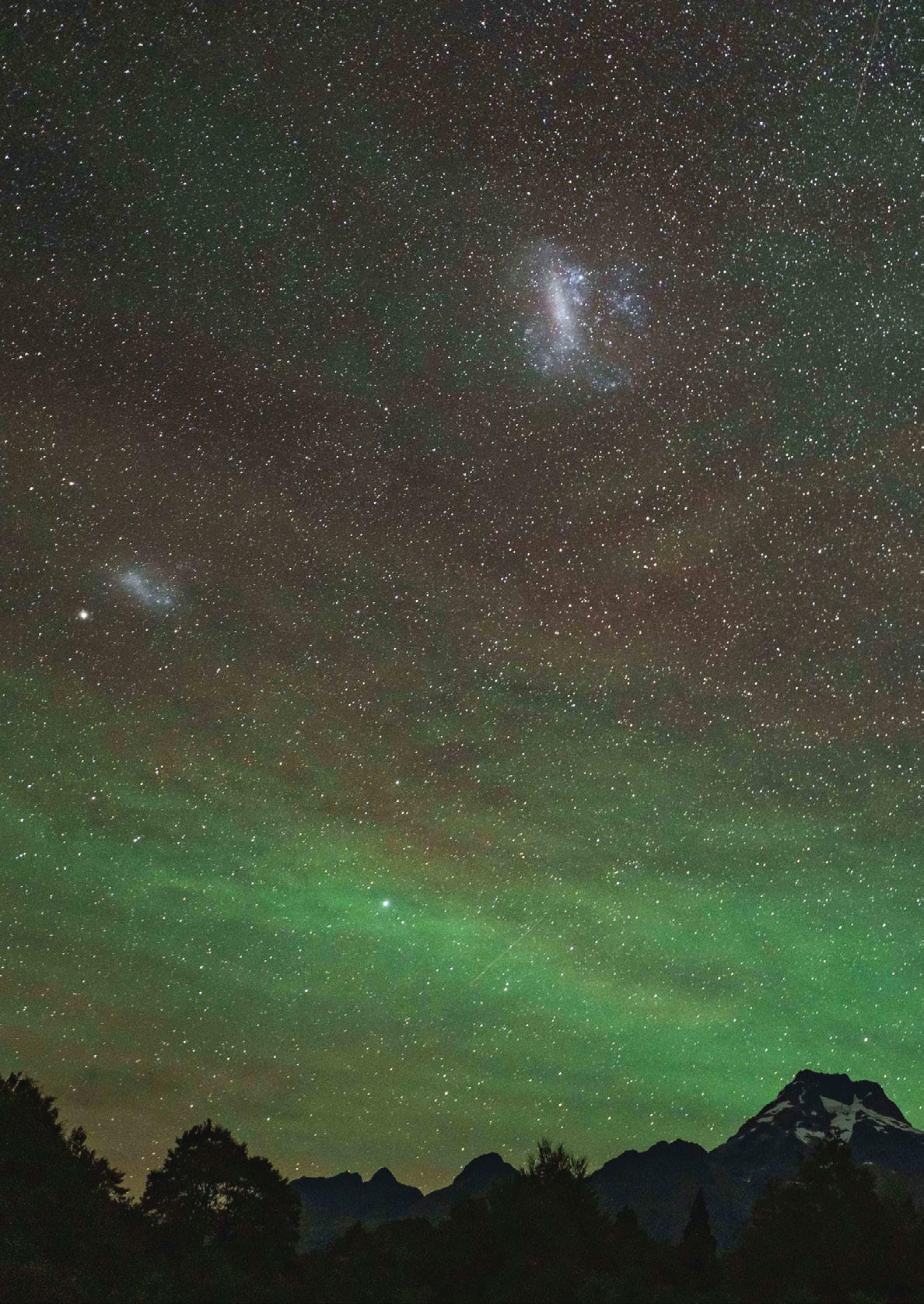
Te Taumutu Rūnanga
Ph: 03 371 2660
E: taumutu@ngaitahu.iwi.nz
Te Hapū o Ngāti Wheke
Ph: 03 328 9415
E: rapaki@ngaitahu.iwi.nz
Te Rūnanga o Koukourarata
Ph: 03 339 8308
E: koukourarata@ngaitahu.iwi.nz
Wairewa Rūnanga
Ph: 03 377 1513
E: wairewa@ngaitahu.iwi.nz
Ōnuku Rūnanga
Ph: 03 381 2082
E: onuku@ngaitahu.iwi.nz
Te Rūnanga o Makaawhio Ph: 03 755 7885 E: makaawhio.admin@ngaitahu.iwi.nz
Ōraka Aparima Rūnaka
Ph: 03 234 8192 E: office@orakaaparima.org.nz
Awarua Rūnanga Ph: 03 212 8652 E: office@awaruarūnaka.iwi.nz
Ngāi Tahu ki Te Taitokerau
Janet Hetaraka
Ph: 09 438 6203
E: janet@hihiaua.org.nz
Ngāi Tahu ki Tāmaki Makaurau
Briar Meads
Ph: 027 929 9992
E: ngaitahutamakimakaurau@gmail. com
Ngāi Tahu ki Rotorua
Anita Smith
Ph: 07 345 8375
E: Anita17smith@gmail.com
Ngāi Tahu ki Tauranga Moana
Rachel Chaney
Ph: 021 129 3665
E: ngaitahukitaurangamoana@ gmail.com
Ngāi Tahu ki Te Matau a Māui
Lisa Walker
Ph: 021 196 3009
E: lisa1.walker31@gmail.com
Kāti Huirapa Rūnaka ki Puketeraki Ph: 03 465 7300 E: admin@puketeraki.nz
Hokonui Rūnanga Ph: 03 208 7954 E: hokonui.office@ngaitahu.iwi.nz
Ngāi Tahu ki Whanganui
Aroha Beckham
Ph: 021 687 6332 E: aroha.beckham@xtra.co.nz
Ngāi Tahu ki Horowhenua –Kapiti Coast Raureka Cook E: raureka.cook@twor-otaki.ac.nz
Ngāi Tahu ki Taranaki
Virginia Hina
Ph: 021 135 3493
E: gin_1_98@live.com
Ngāi Tahu ki Whakatāne
Phil Kemp Ph: 027 478 2919 E: ptkemp@xtra.co.nz
For contributions to Te Pānui Rūnaka, email:
tpr@ngaitahu.iwi.nz or phone: 0800 524 8248
For photographs and graphics please send to: Te Rūnanga o Ngāi Tahu PO Box 13-046, CHRISTCHURCH ISSN 1175-2483 (Online: ISSN 2357-2051) Opinions expressed in Te Pānui Rūnaka are those of the writers and not necessarily endorsed by Te Rūnanga o Ngāi Tahu.
Kaikōura Rūnanga Ph: 03 319 6523 E: takahanga.office@ngaitahu.iwi.nz
Ngāti Waewae Rūnanga Ph/fax: 03 755 6451 E: admin@ngatiwaewae.org.nz
Te Ngāi Tūāhuriri Rūnanga Ph: 03 313 5543 E: tuahiwi.marae@ngaitahu.iwi.nz
Te Rūnanga o Arowhenua Ph: 03 615 9646 E: arowhenua.admin@ngaitahu.iwi.nz
Te Rūnanga o Waihao Ph: 03 689 4726 E: waihao.manager@ngaitahu.iwi.nz
Te Rūnanga o Moeraki Ph: 03 439 4816 E: moeraki.rūnanga@ngaitahu.iwi.nz
Te Rūnanga o Ōtākou Ph: 03 478 0352 E: office@tro.org.nz
Waihōpai Rūnaka Ph: 03 216 9074 E: info@waihopai.org.nz
Ngāi Tahu ki Whanganui-a-Tara
Karen Coutts Ph: 027 365 3993 E: karen.coutts@xtra.co.nz
Ngāi Tahu ki Wairau
Ana Topi Patuki Ph: 022 369 1024 E: ruapuke@hotmail.com
Ngāi Tahu ki Te Tairāwhiti Vernice Waata-Amai Ph: 027 263 6921 E: vernice.w.amai@xtra.co.nz
Kāi Tahu ki Te Urupū (Perth) E: ngaitahuinperth@gmail.com Facebook: Ngāi Tahu ki Perth
Ngāi Tahu ki Melbourne Haileigh Russell-Wright Ph: (04) 5820 2227 E: ladyhailz@gmail.com
Ngāi Tahu ki Waikato
Hinga Whiu Ph: 0211811009 E: hinga.whiu@tainui.co.nz
Ngāi Tahu ki Wairarapa
Karen Bast Ph: 06 378 8737 E: maungateitei_hikurangi_ aorangi@yahoo.co.nz
Ngāi Tahu ki Waikawa
Marama Burgess Ph: 03 5736142 or 0276591840 E: mr.burgess@hotmail.com
Te Kupeka a Tahu (Brisbane) Ph: 0488666610 (+61) E: tekupekaatahu@gmail.com
Ngāi Tahu iwi i Poihākena Angeleau Simpson Ph: 04 20333568 E: angeleanlivs@y7mail.com
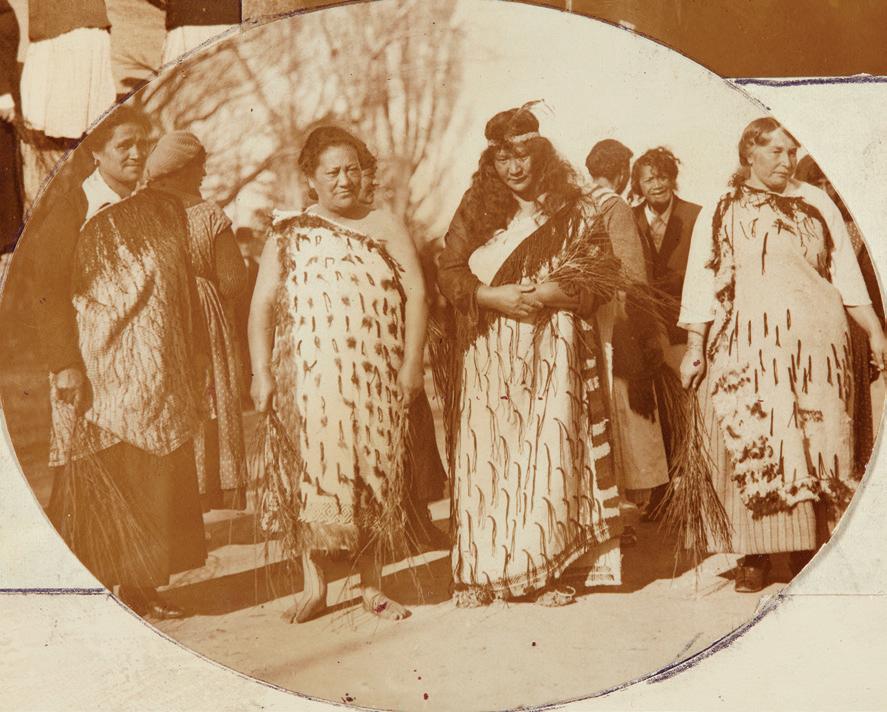
This image is from the Joseph Lowthian Wilson collection at the Alexander Turnbull Library. It shows four wāhine at the opening of the whare rūnanga Maahunui at Tuahiwi on 3 August 1922. From left: Unidentified, Hutika Hakete Crofts (nee Huria), (Mrs Murray Crofts), Taua Ginny (Mrs Te Uki nee Tau), unidentified.
If you are able to name the two unidentified wāhine in this photograph please contact Robyn Walsh in the Ngāi Tahu Archives unit on 0800 Kāi Tahu (0800 524 8248), we would love to hear from you.