TE PANUI RUNAKA
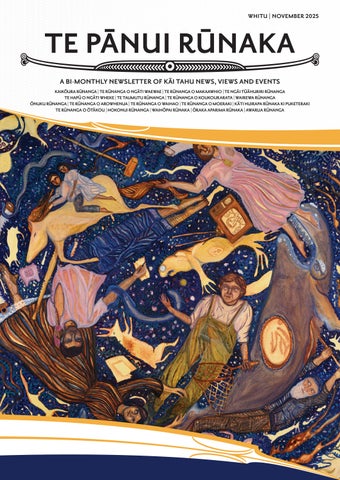
Te Pānui Rūnaka will be using what we know to be the Kāi Tahu names for the months of the year on the front of our publication. This change reflects our ongoing commitment to uphold and celebrate Kāi Tahu reo, mātauraka, and identity.
The names of the months in te reo Māori vary across iwi and the Kāi Tahu dialect carries unique expressions that connect deeply to our whenua, our seasonal rhythms and our stories. By using these kupu, we honour the richness of our reo and the distinctiveness of our takiwā.
Ngā Marama o te Tau – Kāi Tahu Month Names
Gregorian Month Kāi Tahu Name
January
Iwa
February Kahuru
March
Kahuru-kai-paeka
April Kai-te-haere
May Mātahi-ā-te-tau
June Maruaroa
Gregorian Month Kāi Tahu Name
July Toru
August Whā
September Rima
October Ono
November Whitu
December Waru
Kia ora e te whānau, if you would like your artwork to be featured on the cover of Te Pānui Rūnaka, please submit it via email to: tpr@ngaitahu.iwi.nz
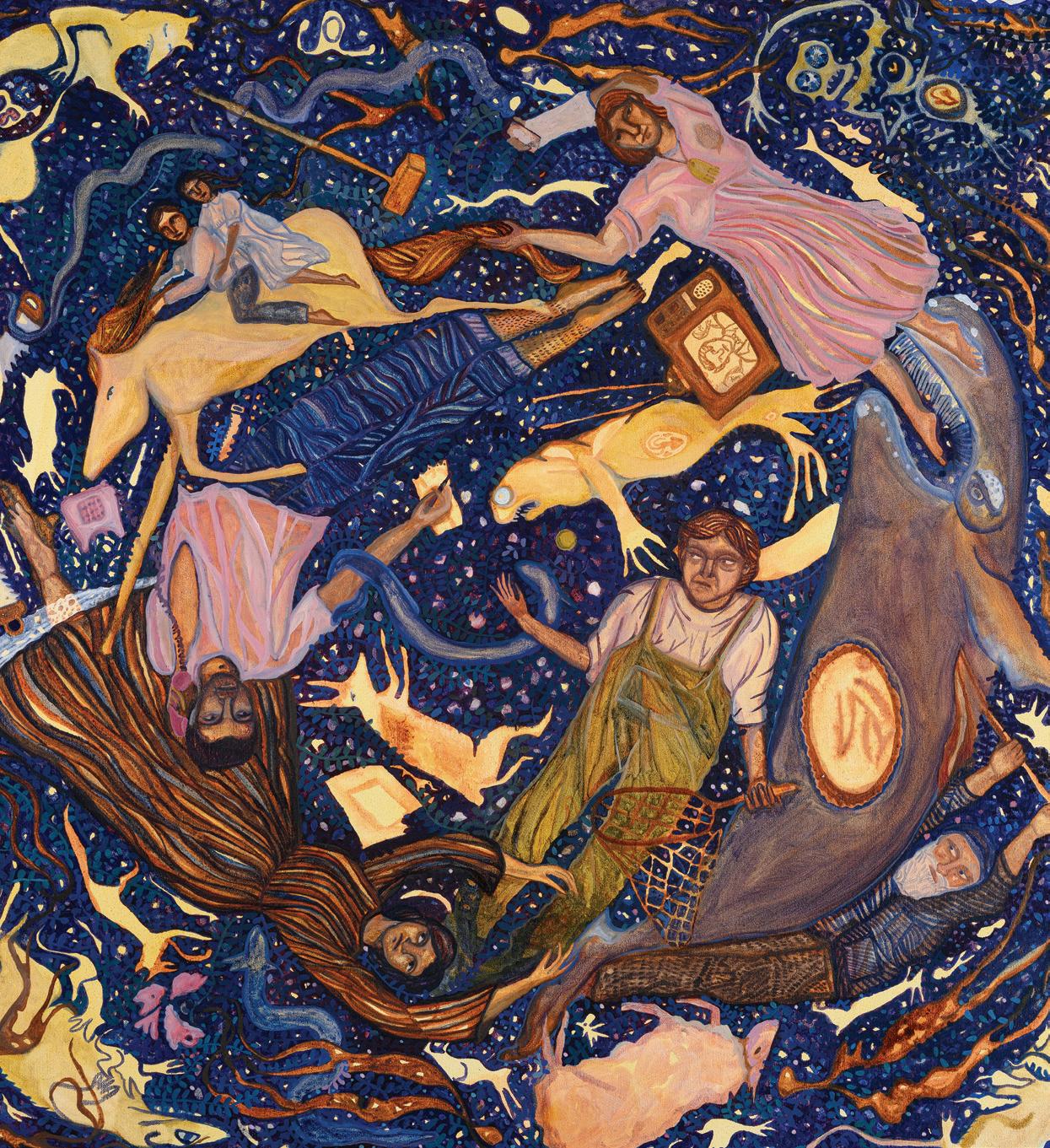
2025, oil on board, 400 x 400 mm nā Kate Stevens West (Kāi Tahu, Pākehā)
It is part of Kate Stevens West’s solo exhibition ‘Holdfast,’ at Bowen Galleries in Pōneke.
‘The holdfast of Rimurapa (bull kelp) binds it to rock, so the tipu (stalk) can move with the current. But if it breaks free, it has another strategy: it floats, in rafts that drift with winds and water, carrying itself and many other forms of life over oceans, to distant shores.
Hold fast to your children, your grandchildren, your stories, your rock. And if, and when, you must let go,
let it be to drift in the spectacular flow of whakapapa: mammalian, botanical, ancient, slippery, wet, and unknowable.’
Te Pānui Rūnaka uses vegetable based inks and environmentally responsible paper produced from Forest Stewardship Council® (FSC®) certified, Mixed Source pulp from Responsible Sources.
Kate Stevens West is a painter whose work explores family, emotion, and intergenerational stories. Her recent practice engages with Kāi Tahutaka through historical research, traditional pigments, and material culture. She is represented by Bowen Galleries (Wellington) and has exhibited in Huikaau Where Currents Meet (DPAG), Kia Ora Whaea (CoCA), Dirty Laundry (Toi Pōneke), Paemanu: Tauraka Toi (DPAG) and ‘Holdfast,’ at Bowen Galleries in Pōneke.
Printed by Blue Star NZ who are Toitū enviromark gold and a Toitū carbon reduce certified organisation, actively managing their impact on the environment.
Whakahaerehia e Ruruku Ltd (Ngāi Tahu Pakihi Whānau).
E iwa oti kā pou o te riri
Ko kā mahi tāhae whenua
Ko te mana o te mahika kai
Kauraka tātau e whakaaro wawe
Ko mutu noa nei te mahi o Te Kerēme
Heoti anō tā tātau he whakatinana
I kā wawata o tāua mā, o pōua mā
I ruka i te huanui ‘i waihakatia e ō tīpuna
Hai tūraka mōhou i te ao tū nei’
Kia Kāi Tahu noa nei te tū ‘Tohuka ki te manaaki, Tohuka ki te whakatikatika i te hē’
Tēnā tātau e kā uri.
It has been a busy couple of months for Te Ao Māori.
At the beginning of September, the first Koroneihana commemoration of the reign of Te Arikinui Kuini Nga wai hono i te po was held at Tūrangawaewae Marae. Shortly after, news broke of the passing of Te Ariki Tā Tumu Te Heuheu, and this saw Te Ao Māori descend upon Ngāti Tūwharetoa to farewell their great leader.
Politically too, we have seen some interesting developments over the past few weeks. Internal conflicts within Te Pāti Māori have disrupted their planned reset and their relationship with Toitū Te Tiriti. And all of this has unfolded while the Government continues to advance its legislative agenda and reforms, many of which represent significant regressions in terms of the Treaty and rangatiratanga rights of Te Iwi Māori.
There is a lot happening.
A bright spot for me among all the developments of the last couple of months was the first public speech by Te Arikinui Kuini Nga wai hono i te po at Koroneihana. She delivered her speech entirely in Māori, offering some home truths and reminders that, I believe, Te Iwi Māori needed to hear in that moment. A few lines really stuck with me:
Speaking about Kotahitanga, she said:
“Te āhua nei, ki te kore tātau e ara, e hāmama, e hāpai rākau, e whakarere haki, haka rānei, kua pōhēhē tātau he koretake tātau; anō me whai hoariri tātau e Māori ai tātau. Kāo.”
And:
“Kua hōhā ahau i te kōrero mō te whawhai me te ake ake i roto i tērā wairua tohe. Āhea tātau angitu ai mō ake ake? Āhea tātau hauora ai mō ake ake?”
I won’t attempt an exact translation to English. I don’t want to put words in her mouth. However, my takeaway from what she said is that, as Māori, we need to resist the temptation to define ourselves by the things we stand against, and focus instead on the things we stand for. This perspective centres the agency of Te Iwi Māori to be the authors of our own destiny, rather than passive recipients of historical events beyond our control.
In a political environment like the one at present, this is easier said than done. Faced with Government actions like choosing to legislate across the Takutai Moana Act to make it significantly harder for claimant groups to establish customary marine title, I will admit to sometimes being drawn into the all-consuming fire of political combat.
To be clear, my point is not to question the worthiness of the causes we fight for. Te Rūnanga o Ngāi Tahu will absolutely enter the fray to fight for kaupapa that are important to our people – the Takutai Moana Act issue is a case in point. However, perhaps the message from Te Arikinui is that we should be careful not to lose ourselves entirely in the fervour of the battle. We have to remain focused on our future and the incremental gains we might make to secure a better future for our descendants, even as we bear the costs of past injustices and present struggles.
These are mature reflections for a young Ariki. They resonated with me, I think, because they hint at the kind of principled, political pragmatism that generations of Ngāi Tahu leaders have employed in our dealings with the Crown and in the development of the modern institutional infrastructure of our iwi.
I think of the tone of tribal discussions leading up to the decision to accept the Crown’s Settlement Offer. An excerpt from the Kaiwhakahaere at the time, Uncle Charlie Crofts, in his foreword to the November 1998
From September onwards, we’re updating how we distribute Te Pānui Rūnaka (TPR) and TE KARAKA (TK). Printed copies will continue to be posted to subscribers aged 60 and over.
All other subscribers will now receive their editions digitally and can access them online.
Rūnaka offices will continue to receive hard copies for all whānau to access.
Special Edition of TE KARAKA illustrates the point: ‘Should Te Rūnanga o Ngāi Tahu decide to accept the Crown’s Settlement Offer we will liberate future generations from carrying the heavy burden that has for so long been borne by ourselves and our tīpuna. The Crown’s Settlement Offer gives us the opportunity to reaffirm our mana and to rebuild our asset base so as to further develop ourselves as a people.’
Here, Uncle Charlie centres the ability of our people to take control of our own destiny and bring about a more prosperous future for generations of Ngāi Tahu to come. As Kaiwhakahaere, and as a member of the ‘A-Team’, he was on the front line of Te Kerēme, and yet he never lost sight of the ultimate goal – “Āhea tātau angitu ai mō ake ake? Āhea tātau Hauora ai mō ake ake?”
More than two and a half decades on, we are still growing into the vision that our tīpuna fought for. The news, views, and events showcased in Te Pānui Rūnaka are a great example of that. The growing capability and capacity of Papatipu Rūnaka and whānau to serve and uphold the mana of our people and takiwā exemplifies the way Ngāi Tahu continues to take control of our own destiny, taking practical steps forward to make things better – mō tātau, ā, mō kā uri ā muri ake nei.
Ngā mihi nui,
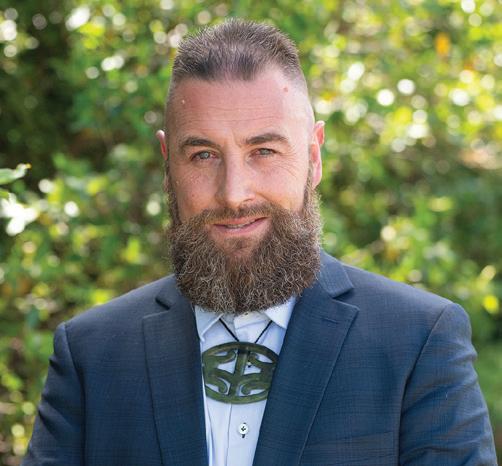
Justin Tipa Kaiwhakahaere, Te Rūnanga o Ngāi Tahu
Whai
Whai


Te Ora Haumanu
We’ve made it through another planting season – all the hard mahi, sore backs and muddy boots has paid off! From prepping the whenua to getting every plant in the ground, it’s been a huge effort. The rows are in, roots are down, and the plants only go up from here. As we move into the warmer months, we say mā te wā to planting season, and we shift our focus towards the next phase in our growing cycle – weed control!
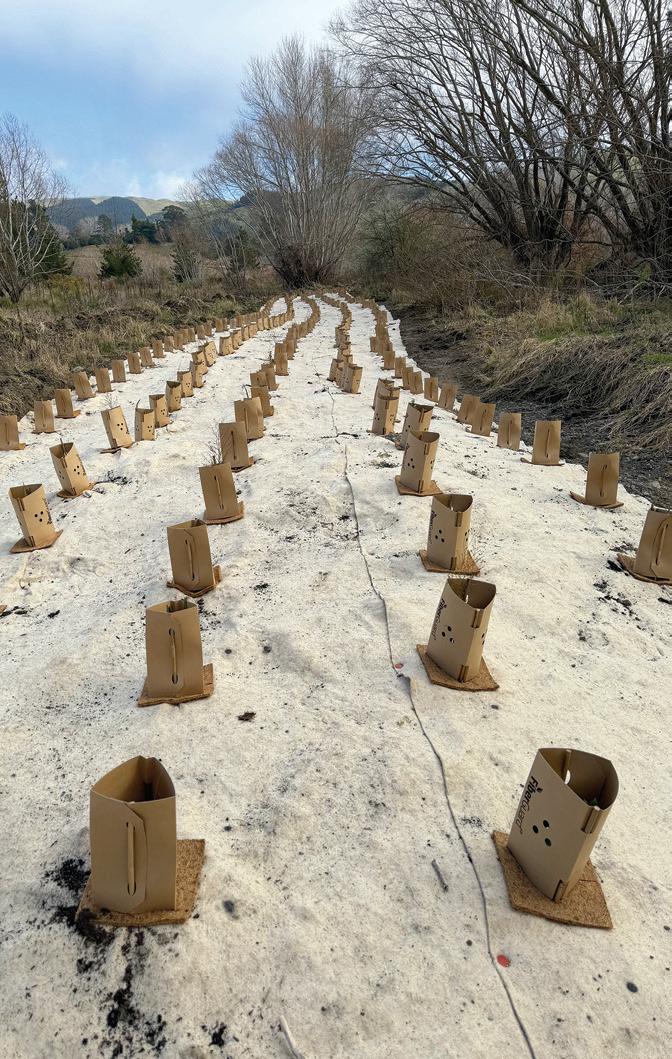
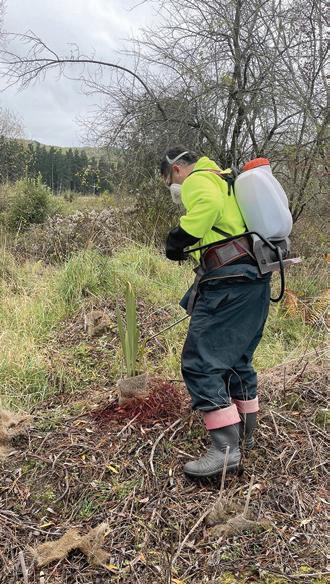
Weeds thrive in the warm weather and if left unchecked, they’ll happily take over, so it’s essential to stay on top of them now. Over the next few months our tīma will be heading to some familiar sites to do some plant maintenance to ensure our natives don’t have any unwanted visitors trying to outgrow them – it’s about protecting the time and energy we’ve already invested and making sure we set ourselves up for a thriving season ahead! The crew will also be doing our normal weed control in more established areas. We’ve had a great couple of months, the sites are looking great, and we can’t wait to watch the young natives settle in, stand tall and start growing.
A big mihi to everyone celebrating their birthdays in the months below! If your birthday isn’t listed, please reach out to the office and we’ll make sure to add you to the list.
November
Rahera Tainui, Tayejana Coulston, Shiana Meihana, Tonihi Paewhenua, Katene Campbell, Tama Coulston, Arama Weepu, Aroha Tainui, Lawrence Price, Eldon Wilson, Darcy Stokes, Fiona Lang, Anaru Lang, Lilly Treadgold, Helena McLaughlin.
December
Santana Tainui, Aroha Blacktopp, Caroline Parker, Chela Mason, Natasha Beams, Jarad Lang, Shane Lang, Quinn Johnsen, Tauwera Weepu, Dane Tumahai, Francois Tumahai, Honey Tauwhare, Huck Tainui, Helena Mason, Jamie Whittle, Judith Turanga, Kaleb Mason, Kim Mason, Missy Campbell, Ned Tauwhare, Santana Tainui, Shaquelle Culling, Tahlay Meihana Eiffe, Tenaya Meihana Eiffe.
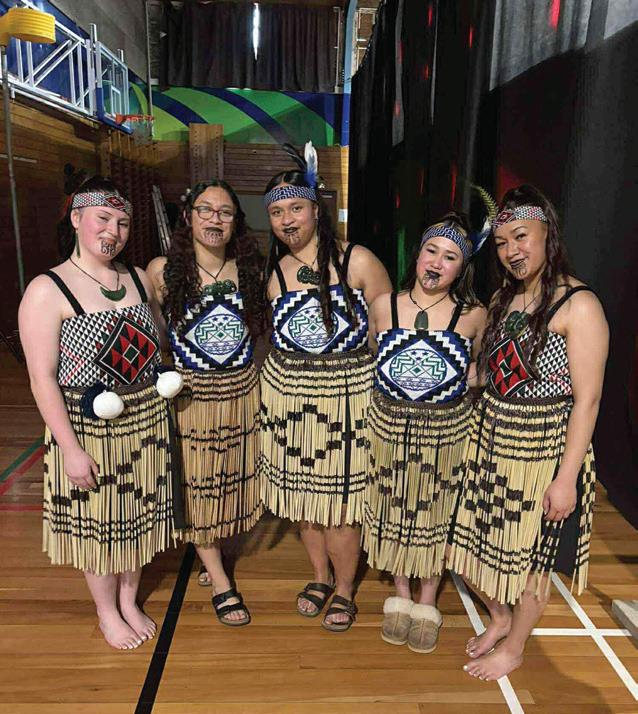
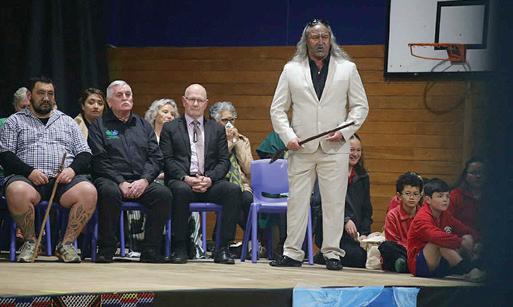
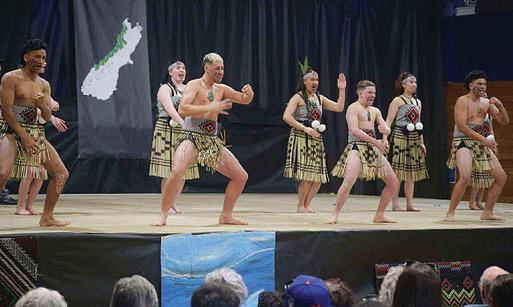
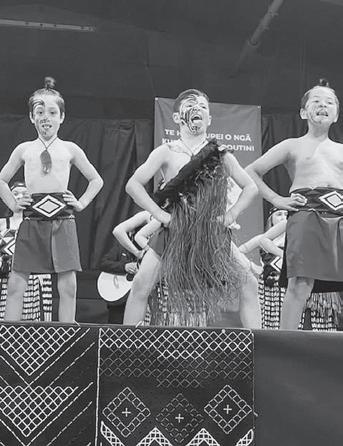
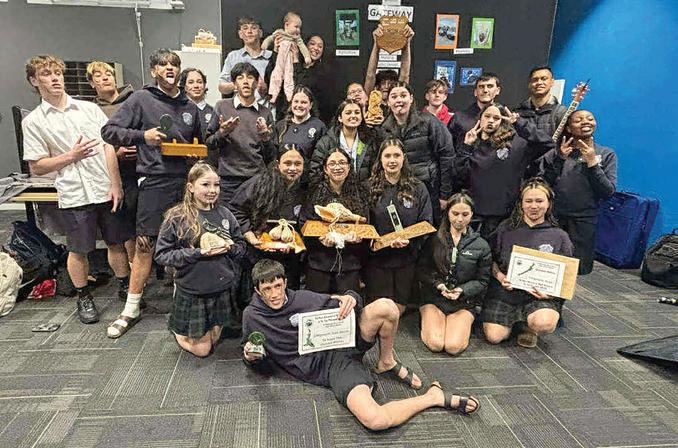
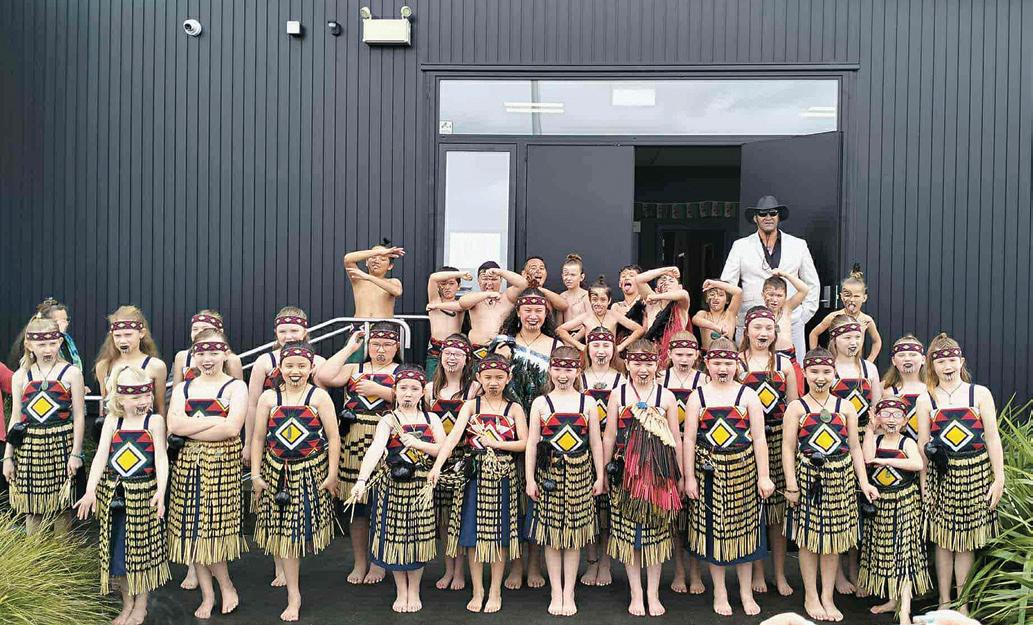
This year, Ngāti Waewae Rangatahi Komiti helped facilitate the annual West Coast Kapa Haka Competition and performed a mini showcase with our Te Hau-ā-Uru West Coast kapa haka group.
A big mihi to Whakataerangi White and Ani Mason for tutoring Westland High School and St Mary’s Primary School, and congratulations to our cousins at Greymouth High School for taking the top spot!
Thanks to all kura who shared their talent and celebrated our ahurea Māori!
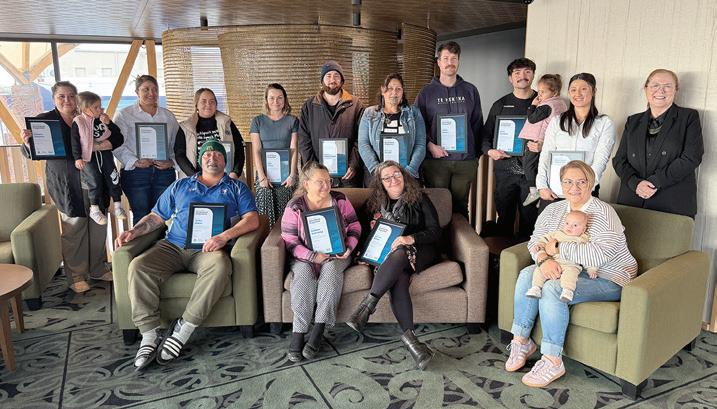
In September, rūnanga representatives from Ngāti Waewae and Ngāti Mahaki attended three governance sessions facilitated by Jane Huria. The sessions were an invaluable opportunity to strengthen our governance knowledge and skills, with plans to run annual training and involve our rangatahi to support succession planning.
Right: Governance training session with Jane Huria.
Wānanga
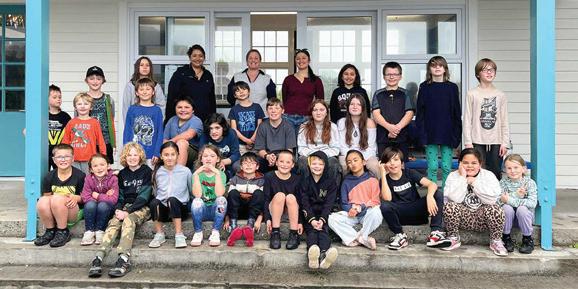
Our tamariki were based at the marae for this Fusion Wānanga and met some amazing people who taught them about nutrition, oral health, and fire health and safety. Then our whānau came in to teach them how to prepare and cook hāngī, make fry bread, practice mau rākau, learn new kapa haka waiata, understand pōwhiri processes, and make their very own poi.
We can’t wait to see them again next school holidays!
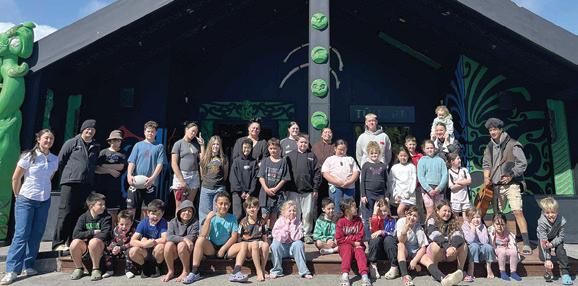
The Waewae Rangatahi Komiti had a special opportunity to create a haka for Granity School, near Westport. The school now has its very own haka to perform with pride — ka rawe!
Rūnanga Hui and AGM 2025 –Save the Dates!
Te Rūnanga o Ngāti Waewae warmly invites you to our rūnanga hui on 30 November at 12:30pm at Arahura Marae. Join us for kai at 12:00pm, with hui to follow.
We also warmly invite you to our annual general meeting to be held on 17 December at Arahura Marae at 12:00pm. For catering and environmental purposes, we kindly ask that you RSVP with your name if you plan to attend the kai and hui.
Rūnanga Business
If you have any rūnanga business queries including whakapapa registration forms, please contact our Rūnanga Administrator: Aleigha – Aleigha.Ngaamo@ngaitahu. iwi.nz or 027 755 6451
If you have any marae bookings or queries, please contact our Marae Manager: Miriama – Events@ngatiwaewae.org.nz or 03 755 6451
Stay Up-to-date
You can stay updated with regards our upcoming wānanga and events by:
• Joining the Poutini Ngāi Tahu and Arahura Rūnanga pages on Facebook
• Registering at: www.ngatiwaewae. org.nz for access to our whānau portal with resources, updates and upcoming events
• Providing your email address and/ or phone number to Aleigha for rūnanga communications.
Kia ora e te whānau,
Spring has brought with it a season of connection, celebration, and reflection across our rohe. From ministerial visits to kapa haka festivals, it’s been a busy and rewarding time for Kāti Māhaki and our wider Poutini Ngāi Tahu whānui. Here’s a round-up of recent kaupapa and upcoming events to keep in your calendars.
He Kōrero Nui – Minister of Tourism Visits Māwhera Pā
We recently welcomed Minister of Tourism Louise Upson and West Coast–Tasman MP Maureen Pugh to the Pounamu Pathway experience at Māwhera Pā. After a guided tour, the Minister met with rūnanga leaders including our Chairperson Paul Madgwick and Te Rūnanga o Ngāti Waewae Chair Francois Tumahai to discuss both opportunities and challenges facing the tourism sector on the West Coast.
Also pictured was Pounamu Pathway marketing officer Keefe Robinson-Gore, representing the next generation of Ngāi Tahu leadership in the regional tourism space. It was a valuable kōrero about how we can collectively strengthen cultural tourism while upholding our mana and kaitiakitanga.
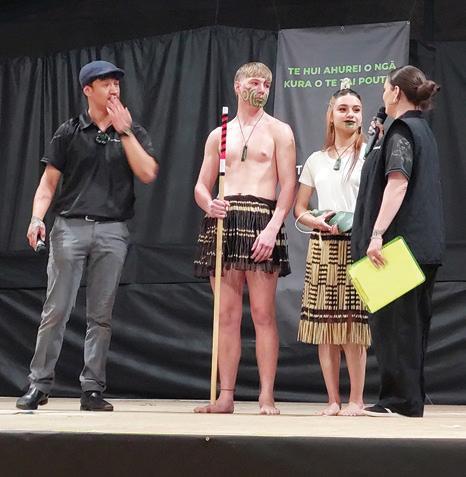
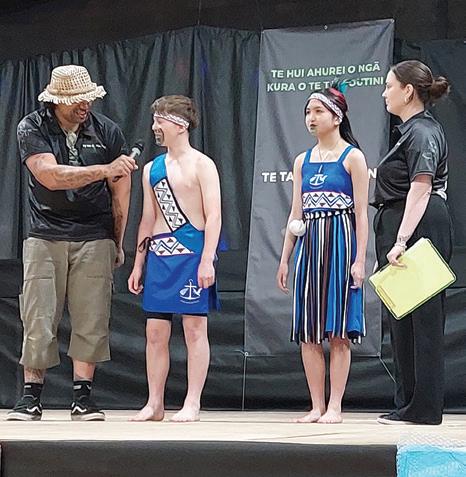
Ahurei – Kapa Haka on the West Coast Ahurei, the West Coast kapa haka festival, returned this year to Westland High School, bringing together tamariki and rangatahi from primary and secondary schools throughout South Westland and Buller. We were especially proud to see two of our own—Kahurangi Wilson-Mahuika and Toihi Mahuika—take the stage as MCs. Ka rawe kōrua!
The festival was a celebration of reo, haka, and pride in our unique West Coast identity. It’s events like this that help embed te ao Māori in our communities and inspire our rangatahi to lead with confidence.
Whānau Whitebait Livelihoods Case Study – Update from Pōkeka Environmental
On 22 September, Pōkeka Environmental hosted an information evening at the Makaawhio office to share updates with Makaawhio and Waewae whānau on the Whānau Whitebait Livelihoods – Te Tai o Poutini case study.
This kaupapa is part of a national research programme led by Dr Erica Williams (NIWA) under ‘Toitū ngā Taonga Waimāori: Cultural Keystone Species, Māori Livelihoods and Climate Change.’ Our local case study focuses on inaka (whitebait) and explores how climate change may affect both the species and our whānau mahika kai practices.
The evening was a chance to present early findings, hear feedback, and give space for further suggestions. We were joined by Dr Gail Tipa and Dr Mike Hickford, who supported kōrero with their research insights.
Ngā mihi to everyone who attended and to our collaborating partners: Te Rūnanga o Makaawhio, Ngāti Waewae, Pōkeka
Below:
Poutini Ngāi Tahu Ltd, Gail Tipa & Associates, and NIWA. Together, we are building capacity for Māori-led climate adaptation and the protection of our taoka species.
Nā, Maya Mahuika, Kairangahau – Assistant Researcher
Te Tauraka Waka a Māui Marae –21 Years Strong
This January, our whare tūpuna celebrates a significant milestone: 21 years since the opening of Te Tauraka Waka a Māui Marae. Planning is underway for a special weekend of events on 24–25 January 2026. We’ll be sharing more details in the coming pānui, but please save the date and start spreading the word amongst your whānau!
Hui-ā-Tau (Annual General Meeting)
Saturday 1 November 2025
9.45am mihi whakatau | 10.00am start
Te Tauraka Waka ā Māui Marae
Positions up for election: Kaiwhakahaere (Chair) and two Executive Members. Nominations close 17 October.
Kawe Mate & South Westland Whenua Māori Hui
Sunday 2 November 2025
Te Tauraka Waka ā Māui Marae
21st Anniversary Celebration – Marae 24–25 January 2026
Te Tauraka Waka ā Māui Marae
Waiata Sessions – Come Sing With Us!
Kia ora e te whānau,
Wowee – a massive thank you to everyone who has shown up to our waiata sessions, both in person and online. It’s been beautiful to see so many smiling faces and hear the sounds of our reo and waiata filling the space. E mihi ana ki a koutou katoa.
To make it easier for everyone to plan around busy schedules, we’ll continue releasing waiata session dates in blocks.
Thursday 20 November | 5.30pm – 7.00pm
Thursday 11 December | 5.30pm – 7.00pm
We’ve shifted to a slightly later start time based on your feedback, so you have time to wrap up mahi, sort the tamariki, and settle in.
These upcoming sessions will be especially useful if you’re planning to attend the 21st Anniversary of Te Tauraka Waka a Māui Marae – we’ll be going over waiata that are likely to be sung at the celebration, so now’s the perfect time to get familiar!
Zoom links will be shared closer to each date on our Facebook page.
Te Rūnanga o Makaawhio are committed to hosting seasonal reo Māori wānaka at Te Tauraka Waka a Māui marae over the next year. These are aimed at all our Kāti Māhaki whānau wanting to engage with our hapū and pursue their reo Māori and connection to our whenua. Whether you’re an absolute beginner at te reo, or an advanced speaker looking to become more fluent, there is a place for you here.
Nau mai, hoki mai ki tō tātou marae kia haruru anō te reo Māori ki Makaawhio.
• Raumati: 12–14 December 2025
• Kahuru: 13–15 March 2026
• Hōtoke: 12–14 June 2026
• Kana: 21–23 August 2026
Registrations for the first wānaka in December are open now: https://forms.office.com/r/YZnRkVpW64
It is with great sadness that we acknowledge the recent passing of several beloved whānau members:
• Scott Madgwick – 5 June 2025, son of Des and Karen
• Kurtis Wilson – 14 June 2025, son of Kelly Wilson and Vi
• Barbara Vaea (née Tainui) – 22 July 2025
• Garry Paki-Titi – 22 July 2025
• Kay Wilson – 1 August 2025
Our aroha and thoughts are with all of their whānau during this time. Haere atu rā, moe mai rā i te rangimārie.
Planning is underway for our next kaumātua outing and gathering. Keep an eye on your inbox for confirmed dates and details, or contact the rūnanga office if you’d like to be added to the kaumātua contact list.
We’re building a directory of Māori-owned businesses across our rohe. If you run a pākihi Māori—whether in kai, toi, mātauranga, or services—we’d love to tautoko you. Please email the rūnanga or contact Kara Edwards to be included in the database or to be featured in an upcoming edition.
Congratulations to Susan Wallace and Kara Edwards on their reappointments to their positions. We look forward to them representing Te Rūnanga o Makaawhio for the next three years.
It’s been a busy few months with a wide range of projects continuing to progress.
Ownership and management of the urupā at Pūrau has been returned to Te Hapū o Ngāti Wheke. While the full story will be told elsewhere, for now it is important to acknowledge the tireless efforts of all who have gone before to ensure this return and to look forward to Ngāti Wheke being able to properly care for our tūpuna buried there.
A block of around 30 hectares that was part of MR 875 until the early 20th century has recently been purchased by the Rūnanga, growing our footprint on the whenua and enabling consideration of a range of initiatives. A whānau hīkoi to the site will be held Sunday 16 November (contact the Office for more details).
Good progress continues on the build of the Rāpaki Office and Conference Centre, which is still on track for completion January 2026. Staff have been based in portacoms since January and are looking forward to moving in and sharing the Conference facilities with all.
Over the last few months, whānau have gathered for a series of paepae wānanga, strengthening our collective capacity and capability for the future.
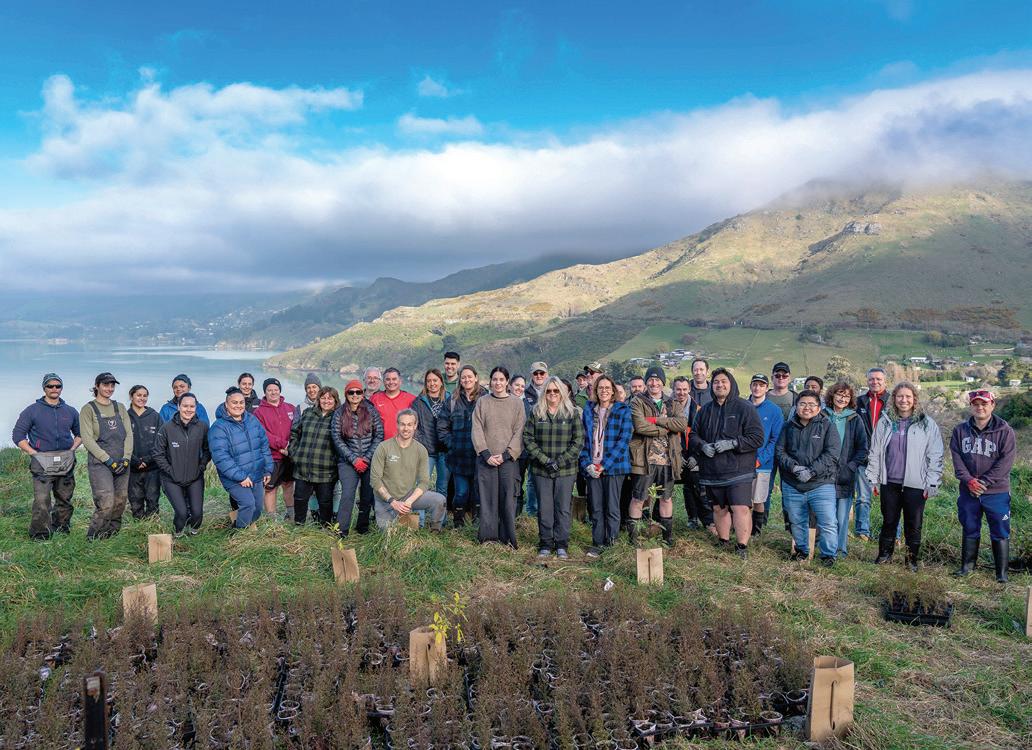
The planting season has now finished with over 25,000 plants across 7 projects throughout the takiwā. Many corporate and community groups assisted our Tiaki Taiao team with planting. The net effect of the past five years of planting and trapping is clear, with the manu and te aitanga pepeke becoming much more common.
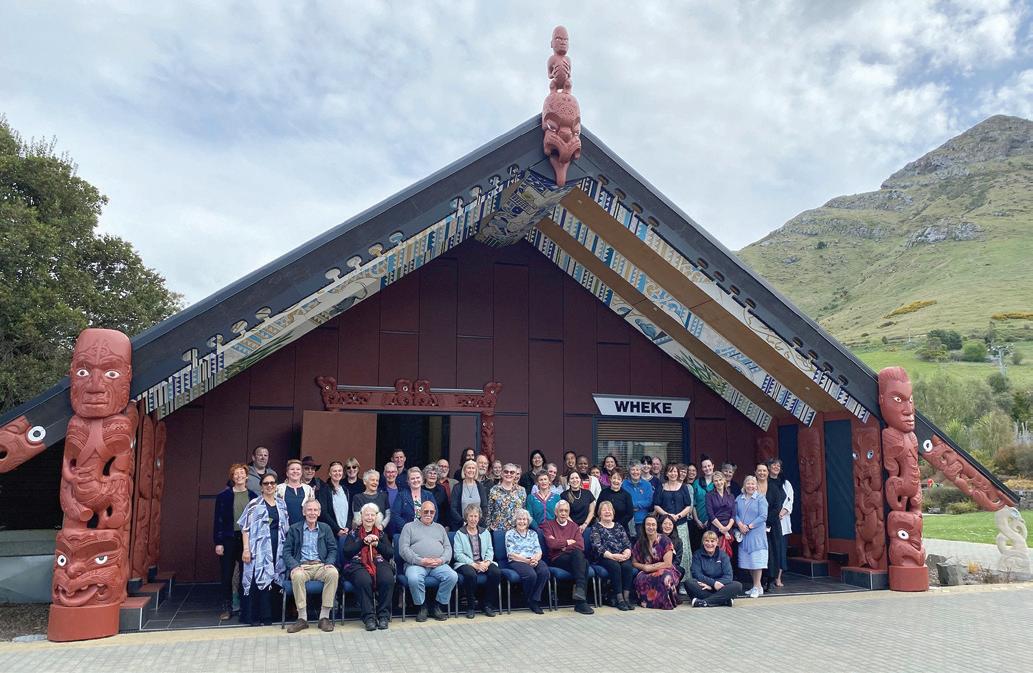
Community Day at the Marae
As always, the marae is busy with whānau and manuhiri here most days. A recent highlight was two Community Days with manuhiri from a range of locations and community organisations within
For Ava Barlow (Tikao), working outdoors to remove rubbish left behind by humans has optimised her wellbeing and capabilities, while growing her environmental knowledge base in connection to the places her ancestors knew.
Based by Whakaraupō moana, Ava works with Sea Cleaners from Monday to Friday, 6:30am to 2:30pm, rain and shine throughout the year. Each day the team heads out to clear the harbour, ocean and beaches of debris.
The results are both confronting and motivating. The Sea Cleaners boat is filled daily with waste, exposing the ongoing impact of plastic pollution on the environment and the species that depend on it. This hands-on mahi is vital for the wellbeing of marine wildlife and the protection of ecosystems that generate half of the earth’s oxygen.
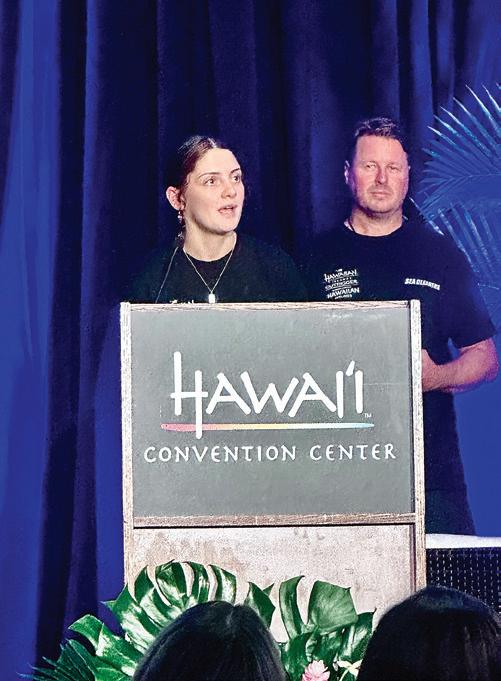
Ava speaks with clarity and conviction about her experiences, driven by a strong sense of purpose to improve ocean health. Her commitment was recognised when she was chosen as a Youth Ambassador for Sea Cleaners at a recent event in Maui, Hawai’i. There, she spoke at a local high school and to an audience of around 200 people at the Hawaiian Tourism Conference.
Right: Ava Barlow presenting at the Hawaiian Tourism Conference with Hayden Smith, 2025.
the takiwā, many of whom had never been to Rāpaki before, coming to learn about Ngāti Wheke and our takiwā and aspirations.
“Stepping out of my comfort zone, speaking in front of all those people, getting to know new people, and being away from home was a big thing for me. I’m very glad I did it. It was an amazing experience.”
She credits Captain Hayden Smith (Puketeraki) and his wife Amy for encouraging the growth of her confidence and skills. The development of strong maritime experience has created future possibilities. Opportunities to be an educator and advocate for improving the health of the ocean have been well supported.
“If anyone wants to get involved, watch what you’re buying and how you’re disposing of your rubbish. If you’re out and see one piece, picking that up and disposing of it makes a difference. Keep an eye out for the smaller things. Those smaller things are what the animals are ingesting and break into microplastics which get into everything and are so hard to get rid of.”
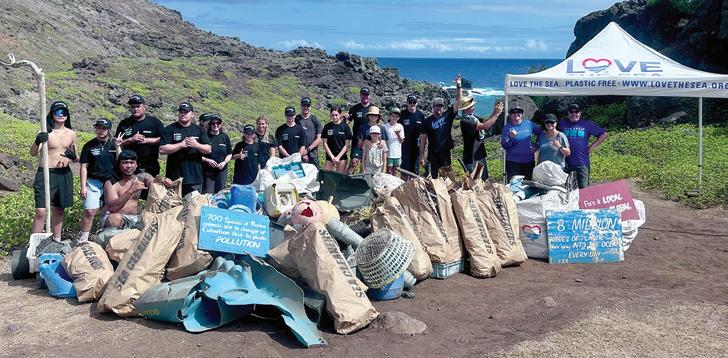
To contribute or learn more visit seacleaners.com
Over the past eight years, Taumutu Rūnanga has been steadily reshaping how we work to meet the needs of our whānau and our long-term vision. This journey reached a milestone in 2025 with the adoption of a new governance and operating model. The aim is to strengthen sustainability, improve the way decisions are made, and bring more clarity to roles and responsibilities.
One of the biggest changes has been the move from an Incorporated Society to a Company structure. In practice, this new structure means we can deliver on our strategic priorities more effectively and respond to the many requests we receive from agencies and partners.
On 22 September, we welcomed the newest members of our team with a pōwhiri at the marae. With the full crew now in place, we are ready to push ahead with the mahi. The demand for our involvement has never been higher — more kaupapa, more partnerships, more requests for advice and support. This new way of working positions us to meet that demand while keeping whānau at the centre.
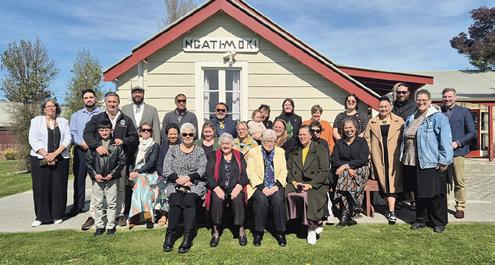
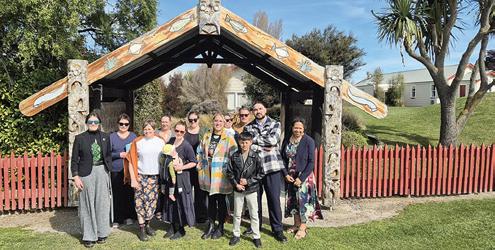
We’ll keep sharing updates about these changes. You can also check in with our webpage for the latest news: https://tetaumuturunanga.iwi.nz/about-us/nga-pou-o-taumutu/
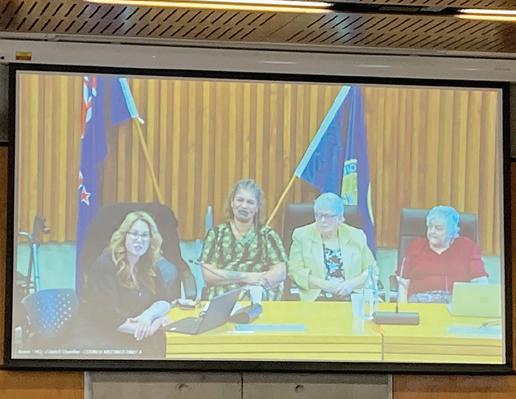
After two years in the role, Megan McKay has now completed her time as Te Taumutu Mana Whenua Representative on the Selwyn District Council. It has been a significant and busy period, with Megan leading important kaupapa such as helping to secure significant funding for water connections to our new marae and strengthening the Taumutu voice in council decisions about the environment and district development.
We were proud to stand alongside Megan at her poroporoaki, acknowledging her service and the many outcomes achieved for our hapū during her term. Representing Taumutu at this level is demanding and highly visible, and Megan carried the role with care, tikaka and commitment.
Our thanks go to Megan for her mahi, and we look forward to continuing to build on the strong foundations she has laid.
Jake really enjoyed the TUIA wānaka over the course of the year, seeing parts of the country for the first time and hearing about the cool kaupapa happening on the ground. At each wānaka, we are exposed to heaps of kōrero on the history of the place right up to the challenges faced by the people living there today.
At the second wānaka in Rotorua, the rōpū learnt about and helped with the hau kāika, invasive catfish control efforts in Lake Rotoiti. They visited Huka Falls and Maketū, where the Te Arawa waka made landfall. Unfortunately, Jake was unable to attend the third wānaka in Te Tau Ihu as it was postponed
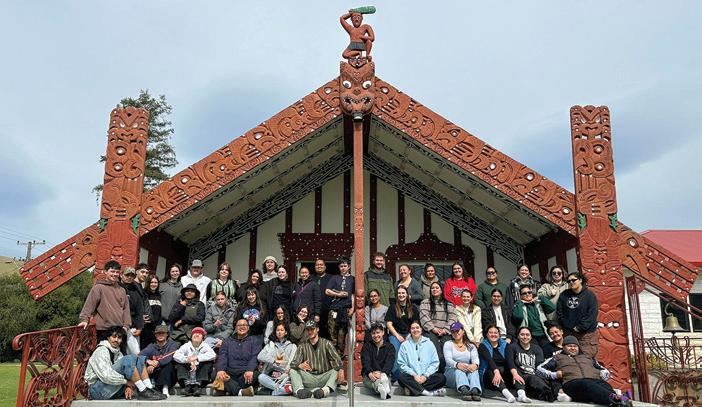
due to flooding, and the backup date was the same weekend that he was at the Hōri Kerei Taiaroa exhibition opening in Ōtepoti.
The H.K. Taiaroa exhibition opening was a special day for Jake and his descendants, with around
300 whānau attending. Jake was fortunate enough to spend a week helping at the exhibition and was involved with making it happen.
At the last wānaka in Heretaunga, highlights for Jake included helping with their hue revitalisation and
hearing about the crucial mahi happening to ensure the next generation has access to the traditional wāhi ingoa within their takiwā. You can see threatened taoka species like the Kiwi thriving once again.
Whakaora Te Waikēkēwai wins top honour for conservation excellence
The Whakaora Te Waikēkēwai project, a flagship initiative of the Te Waihora Co-Governance Group, has been awarded the prestigious Te Waka o Aoraki trophy at the Canterbury Aoraki Conservation Board awards – the highest accolade recognising outstanding conservation efforts in the Waitaha Canterbury region.
This award celebrates years of mana whenua-led ecological restoration, acknowledging the project’s progress towards a long-term vision of a landscape that’s rich in mahinga kai and cultural values.
Taumutu Rūnanga Ltd project manager, Sophie McGregor, says the award reflects the strength of the relationships behind the mahi.
“It’s not just Te Taumutu – it’s landowners, councils, funders, catchment groups and whānau all working together, guided by our rūnanga and the whenua.
“The wetland design was shaped by whānau input and aspirations. Every step of this project has been rūnangaled, ensuring that mana whenua values are embedded, from the ground level up,” Sophie said.
Environment Canterbury’s partnership programmes lead and project co-manager, David Murphy, says Whakaora Te Waikēkēwai is helping shape a new model for restoration work in Aotearoa.
“This project is distinguished by the leadership of mana whenua across all levels, from governance and decision-making through to delivery on the ground. Te Waka o Aoraki trophy is a meaningful recognition of
years of commitment to Te Tiriti-based co-governance in ecological and cultural restoration here in Waitaha,” David said.
“We hope this approach becomes the blueprint for future restoration projects across Aotearoa.”
Restoring cultural and ecological values
Led by Taumutu Rūnanga Ltd, Whakaora Te Waikēkēwai is a long-term restoration project supported by Canterbury Regional Council (Environment Canterbury) through the Te Waihora Co-Governance Group, and the Ministry for the Environment’s Freshwater Improvement Fund
The project focuses on improving water quality, restoring mahinga kai values and enhancing biodiversity along Te Waikēkēwai/Waikēkēwai Stream.
The stream signifies an important whakapapa for the rūnanga, flowing through ancestral sites tied to tīpuna, Te Ruahikihiki, and his son Moki, whose legacies continue to shape the identity and aspirations of Ngāi Te Ruahikihiki hapū.
Once a thriving source of mahinga kai, the landscape has suffered from generations of land use change, resulting in degraded water quality, loss of cultural values and declining biodiversity.
The Whakaora Te Waikēkēwai project aims to address three key issues including poor water quality in Te Waikēkēwai/Waikēkēwai Stream, the loss of mahinga kai and cultural values from the Te Waikēkēwai landscape, and the loss of aquatic and terrestrial biodiversity, resulting from a degradation of the stream, wetland and riparian habitats.
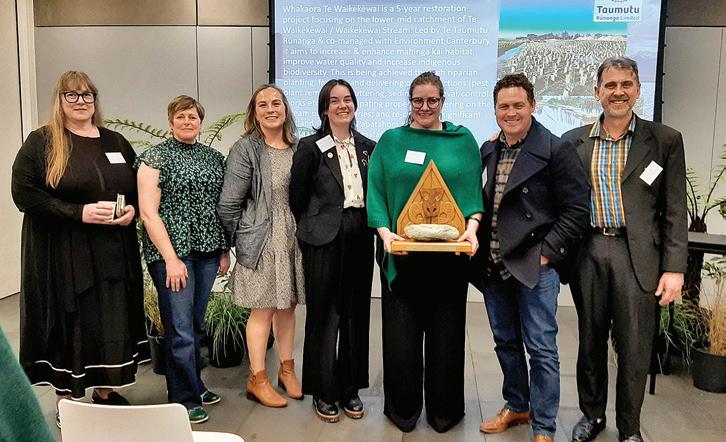
Rūnanga Kaitohutohu Kanorau Koiora/Biodiversity Advisor; Sophie McGregor, Te Taumutu Rūnanga Kaiwhakahaere Kaupapa/Project Manager Whakaora Te Waikēkēwai; Craig Pauling, Environment Canterbury Chair and Co-Chair of Te Waihora Co-Governance Group; David Murphy, Environment Canterbury partnership programmes lead and Whakaora Te Waikēkēwai co-manager.
2025: A milestone year for restoration
This year marked significant progress for the project team of five, led by Taumutu Rūnanga Ltd project manager, Sophie McGregor.
After years of mahi restoring the lower reaches of the awa/stream between Ngāti Moki marae and Te Waihora Lake Ellesmere, the rūnanga expanded their focus upstream, partnering with neighbouring landowners to extend the restoration efforts.
In February, construction began on the restoration
of Te Repo o Papatahora, a traditional wetland on whānau land adjacent to the marae. For years, the area had been a dry paddock, however, the removal of 118 eucalyptus trees saw the land begin to return itself to its natural wet landscape.
Pest plant control was also undertaken, and a boardwalk funded by the Rātā Foundation was constructed to enable whānau to connect with the repo (swamp).
In parallel, the project team worked with landowners to plant and fence the riparian margins along both sides of Te Waikēkēwai/Waikēkēwai Stream and its tributary Papatahora Stream, complimenting existing native plantings and enhancing biodiversity.
A vision for Te Waihora Whakaora Te Waikēkēwai is part of the wider the Whakaora Te Waihora programme, directed by the Te Waihora Co-Governance Group. Established in 2012, this partnership is one of the most significant voluntary iwi/Crown collaborations in Aotearoa, working to restore
and rejuvenate the mana, mauri, and ecosystem of Te Waihora and its catchment.
The co-governance partners – Te Rūnanga o Ngāi Tahu, Environment Canterbury, Selwyn District Council, Christchurch City Council, and the Department of Conservation – are delivering a bold cultural and ecological programme to rejuvenate the lake and realise the catchment’s full potential.
Mā whero, mā pako; ka oti ai te mahi
The task shall be achieved through unity
Te Waihora Lake Ellesmere is one of Aotearoa’s most important wetland habitats – and also one of its most polluted.
To continue this vital mahi, we need your support. We’re seeking investment in new and ongoing initiatives that will enhance the health of Te Waihora and its surrounding environment.
What a beautiful weekend we had at Wairewa Marae for the Wānanga Tuku Iho Ahurea 22-23 August. On the Friday, whānau gathered for a powerful day of kōrero and connection with archaeologists, professors, curators, and experts, exploring the significance of our wāhi taonga at Te Kaio. Taonga were brought onto the marae, giving us the special opportunity to hold them, ask questions, and learn more about the stories they carry.
On the Saturday, Scotty Morrison and his crew joined whānau at Te Kaio, where they did some filming and explored the whenua. It was a stunning day, with more taonga revealed – a real sense of connection to our whenua and history.
Ngā mihi nunui to everyone who came along and contributed. An awesome weekend of learning, discovery and whakawhanaungatanga. A special shout out to Matiu Prebble and Ana Gray for their leadership and mahi in bringing this wānanga together.
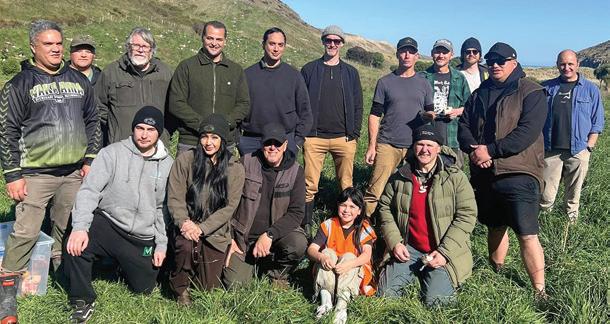
From 19–21 September, our kaumātua gathered at the marae for a special reconnection weekend, and what an amazing time it was!
We kicked things off on the Friday evening with a trip down memory lane, as Tania Nutira from Ngāi Tahu Archives shared old photos that sparked plenty of reminiscing and storytelling.
Saturday morning the wharekai came alive with kōrero and laughter before we headed out to the farm for the Tautoru Mautai planting day, spending time together surrounded by whenua and whānau. We rounded off the evening with a kai at the Little River Inn.
On Sunday, there was more laughter, more kōrero, and plenty of smiles as we packed up and made our way home –hearts full and memories made.
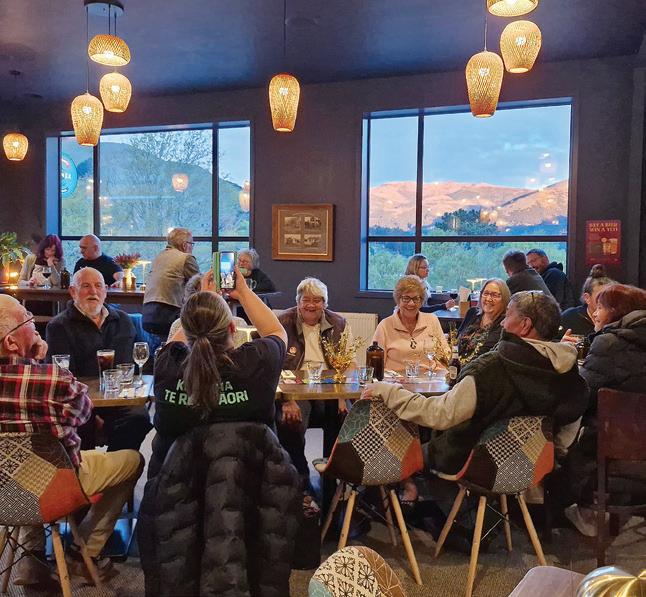
Plans are already underway for the next weekend of reconnection, we can’t wait to create more memories together.
We had an awesome day at Te Kaio for our Tautoru Mautai planting day on 20 September. Kā mihi nui to our Wairewa and Orion whānau for coming over and mucking in.
Thank you also to AJ and the Fulton Hogan team and Paul Devlin and Alison Evans from Christchurch City Council for supporting the kaupapa. Also to Max and Charlotte for sharing their expertise. Special mention to SJ Terekia and our Wairewa kaumātua for putting on lunch.
0800 WAIREWA (924 7392) PO Box 10020, Christchurch, 8145 wairewa@ngaitahu.iwi.nz Email Wairewa.comms@ngaitahu.iwi.nz to sign up to our monthly newsletter. Like and follow us on Facebook to keep up-to-date with Wairewa! Facebook.com/Wairewa

Scan the QR code to take you to the Wairewa FB page.
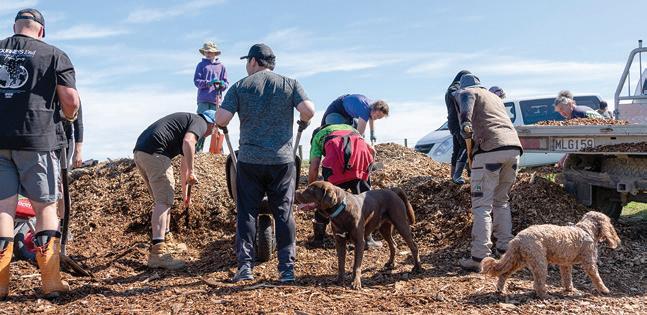
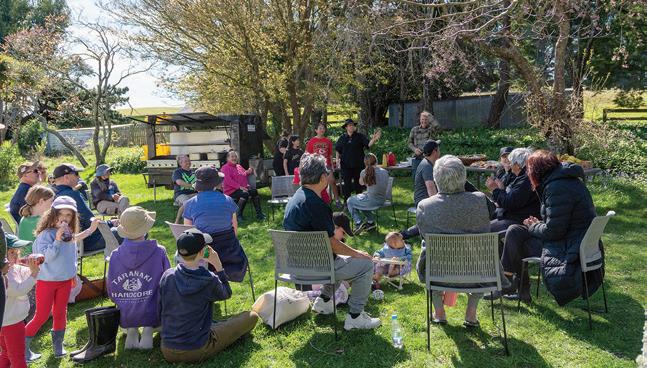
Over the weekend of 26–28 September, we welcomed whānau back for another reconnection wānanga – a kaupapa designed to support those who may not have been home in a while, providing space to strengthen connections with whakapapa and whenua. The weekend was filled with kōrero and exploring our takiwā.
It was a special time of learning, laughter, and whanaungatanga, reminding us of the importance of knowing who we are and where we come from. Ngā mihi to Kenny Brown for leading another meaningful wānanga, and to all our whānau who joined in and made it such a success.
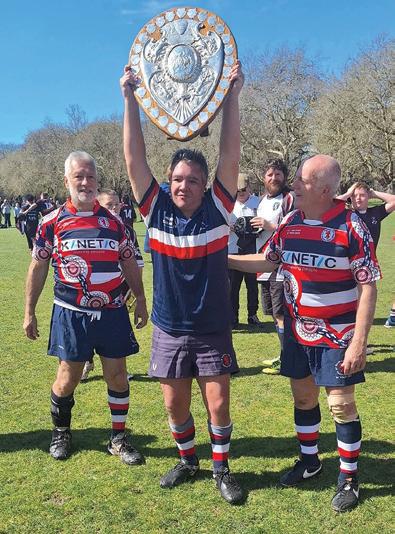
Nikora Robinson has never let anything stand between him and the game he loves. Blind since he was a teenager, Nikora has spent the past seven years playing for the Southern Lions All Abilities team in Perth, Western Australia.
This year, Nikora returned home to Aotearoa and proudly took the field in New Zealand’s inaugural All Abilities Rugby tournament, held in Christchurch. The event marked a historic moment: the first international fixtures for an All Abilities rugby team in Aotearoa. Hosted by the All Abilities team based out of High School Old Boys’ Club, the tournament brought together players in a two-match trans-Tasman series.
Nikora represented the Southern Lions in the tournament but will join the Old Boys team next season. For Nikora, the tournament was a great opportunity to play for the Southern Lions one final time before the beginning of a new chapter in his rugby journey.
During their visit, the Southern Lions and their supporters travelled to Akaroa and made a visit to Ōnuku to learn more about the rich history of the marae. For Nikora, it was a chance to share his whakapapa with his Australian teammates.
Nikora lives in Le Bons Bay with his parents, Dawson and Karen Robinson. He is a grandson of the late Buck and Molly Robinson.
Nā Juliet Tainui-Hernandez
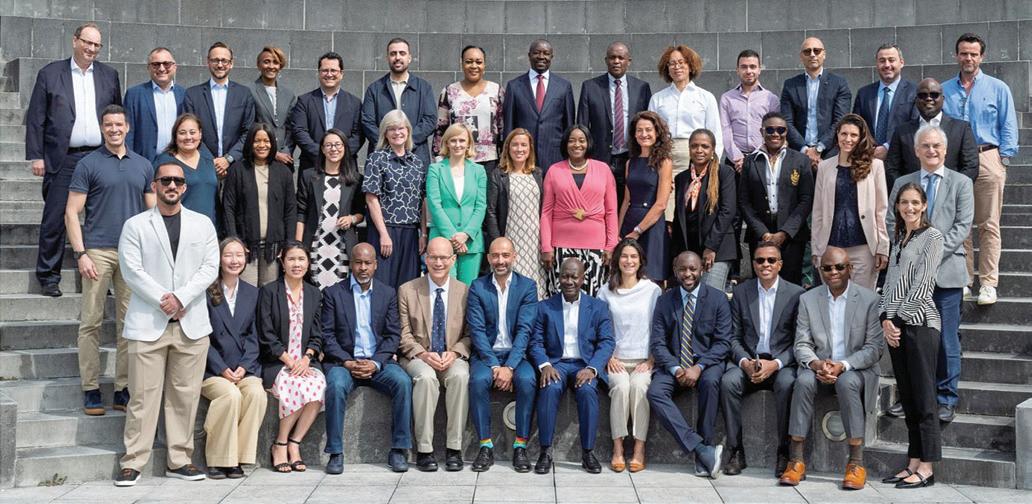
In June, I joined financial leaders from across the world at the Oxford Saïd Business School for their International Executive Programme on Bank Governance. It was a week of deep learning and reflection, held in the heart of one of the world’s oldest centres of knowledge.
The kōrero was sharp and real — from analysing bank collapses and capital resilience, to confronting the risks and responsibilities of AI, to exploring how mergers, climate shocks, and geopolitics are reshaping finance. Time and again, four pou stood out as critical for today’s governance: capital, conduct, climate, and culture. These are not abstract concepts; they are the foundations that keep institutions, and the people they serve, safe and thriving.
Oxford also reinforced that culture is structural. Decisions made in the boardroom — or even the design of a CEO’s office — send powerful signals about what is truly valued. Equally, the conversations on climate reminded us that finance and governance cannot sit apart from environmental stewardship — they must be woven together if we are to serve people and planet. Net zero is not an end point but a waypoint.
Our cohort of leaders came from over 30 countries, stretching my thinking and sparking global debate. Yet what resonated most was how our own values from te ao Māori are not just cultural heritage but governance strengths: kaitiakitanga, whakapapa, and whanaungatanga. These values guide us to act not just for today, but mō tātou, ā, mō kā uri ā muri ake nei — for us, and for our children after us.
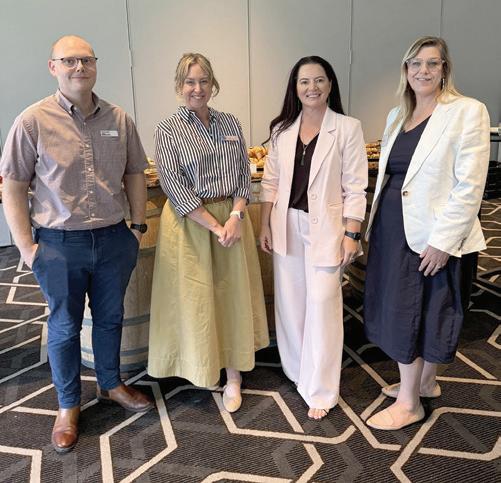
Kylie Mason is an experienced facilitator and a senior leader in community services at Ngala in Western Australia. As a mother of four neurodiverse children, she brings a unique perspective to her work, focusing on making environments more accessible and inclusive for all families. With her blend of professional expertise, advocacy, and hands-on community work, Kylie continues to make a meaningful impact in the lives of children, families, and individuals seeking greater access and inclusivity.
Kylie’s speech at the recent ‘2025 Pathways for Parents of Children with Disability’ conference
Kaya Wanjoo / Hello, welcome
This morning, we are exploring pathways for parents of children with disability with the guidance of our experts from across the disability sector.
As many of you know, navigating the system can be overwhelming, confusing, frustrating, and often leaving parents awake at 2am wondering, “What does this mean for my child? For our family?”
(continues on next page...)
Mā te huruhuru, ka rere te manu. I returned home bringing fresh feathers: insights, international networks, expertise in cutting-edge governance, and a renewed sense of purpose. Oxford may be on the other side of the world from our Kāika, but the lessons align closely with the kaupapa we already know: good governance is about service, responsibility, and building prosperity for the generations to come.
The first hurdle is often diagnosis. It is a life-changing word no one expects to hear. When it’s not part of your immediate world, it can feel like something that only happens to other people. But once it enters your life, everything shifts: what you worry about, what you celebrate, what truly matters.
Families then face questions with no easy answers. Where do we go? Who can help? Why is there such a long waitlist? The journey feels like a maze, with barriers at every turn and closed doors instead of open ones. It is isolating. It is lonely.
The old “rulebook” of parenting no longer applies. Families are forced into impossible choices, like whether to prioritise another therapy session or protect precious family time. For many, early intervention becomes a new world, filled with appointments, therapies, and constant learning.
The recent announcements from the NDIS have only deepened uncertainty. The impact is not abstract. It is lived daily, in our communities, our homes, and in the decisions parents make as they try to get the help their children need.
Let me be clear: raising a child with disability brings immense love and joy. The exhaustion parents speak of is not because of their child, but because of the systems meant to support them. Too often, families encounter rigid structures, unconscious bias, and approaches that see children as something to be “fixed” rather than celebrated.
Our society still leans heavily toward certain ways of thinking and doing, leaving families to navigate a world that wasn’t designed with their child in mind. In many cases, the support system is simply not fit for purpose. That is why conversations like today’s are so important.
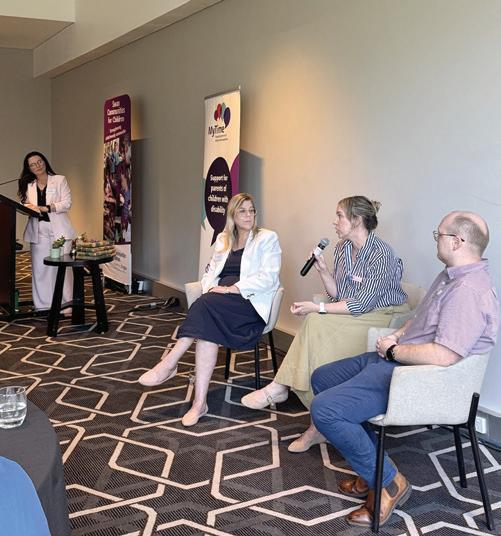
Because while the systems matter, it is you: community leaders, advocates, and connectors – who make the greatest difference.
Parents in this room know too well that the journey is relentless, mentally, physically, and emotionally. We are always in fight-or-flight mode, juggling our children’s needs with our own well-being, advocating in the community, and pushing for inclusion in education. From my own experience, I wish more people understood how exhausting it can be, and took a moment to imagine what it might feel like if they were in our shoes.
Along the way, friends may drift, but other parents of children with disability will welcome you with open arms, diagnosis or not, judgment or not. That peer connection offers something powerful: validation.
And we must never forget, children with disability bring extraordinary strengths to society. Creativity. Innovation. Analytical brilliance. Unique expertise in their areas of interest. When we nurture these strengths, everyone benefits.
One of the most meaningful ways to drive positive change is by sharing voices and advocating for inclusion, creating communities that value who our children are and provide the support they need.
That is why you are here today. You are community connectors. Please, be curious. Ask the questions that matter. And take what you learn back to the families you support. Together, we can build pathways that make the journey less overwhelming, less isolating, and far more hopeful.
Nā, Kylie Mason
FLAVA Festival 2025
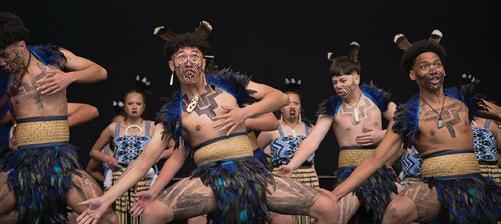
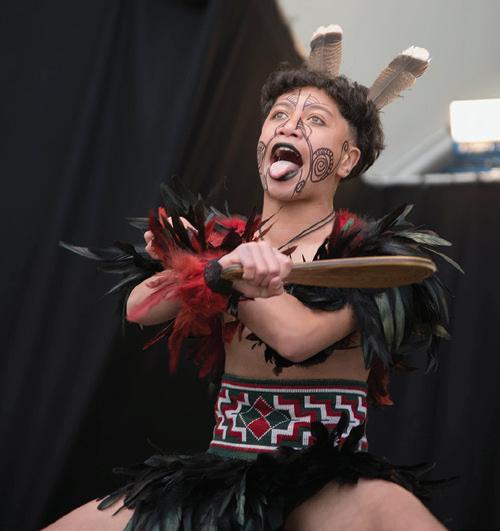
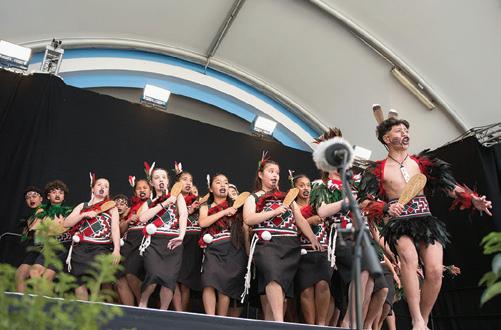
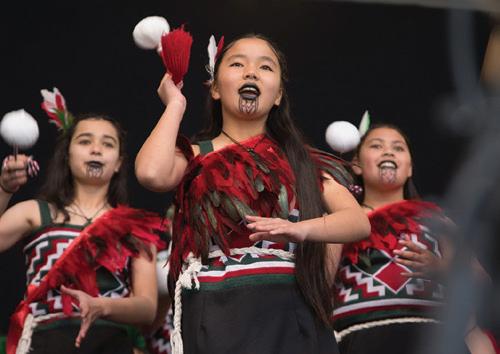
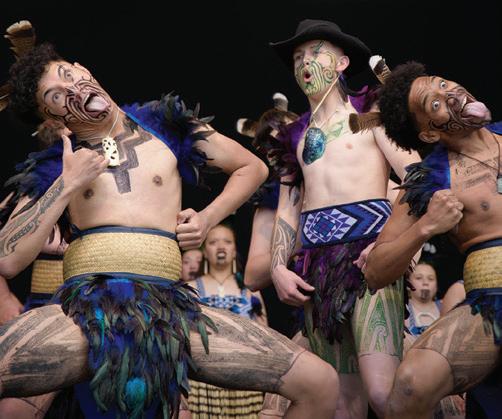
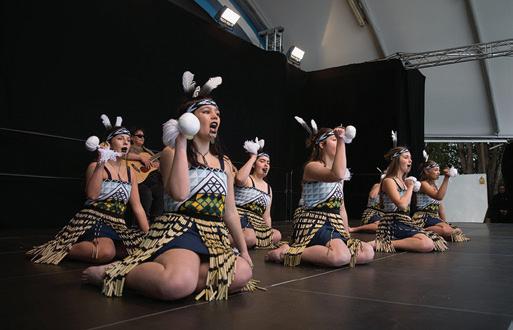
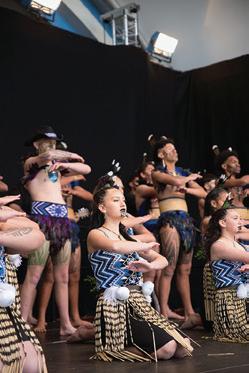
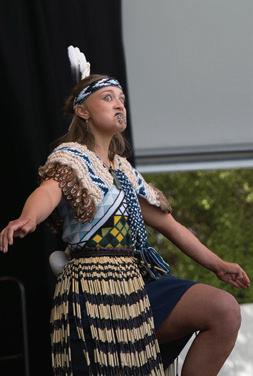
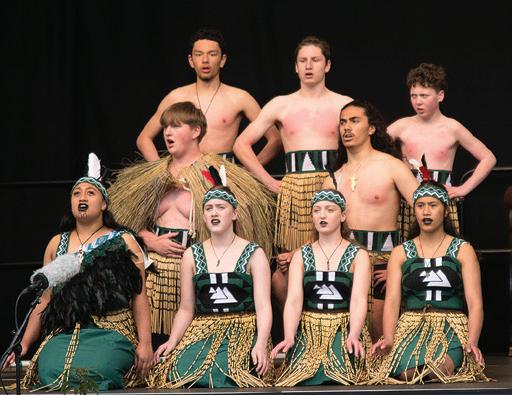
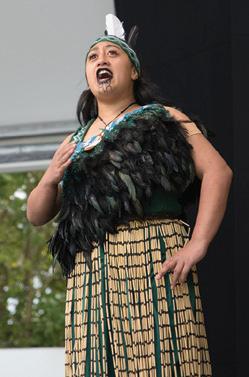
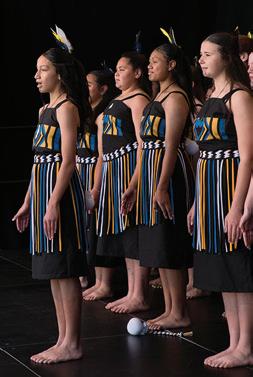
Te Rūnanga o Arowhenua proudly hosted the 2025 FLAVA Festival on 12–13 September at the Caroline Bay Soundshell, Timaru. This two-day annual cultural event celebrates kapa haka, visual arts, and performing arts, bringing together more than 900 tamariki and rangatahi from 10 early childhood centres and 25 schools across Mid and South Canterbury.
Congratulations to all who participated and showcased their incredible talent. Special acknowledgements to our award recipients:
• Visual Arts Teina Award – Bluestone School
• Te Rito Visual Arts Primary Award – Winner: Highfield School, Runner-Up: Ashburton Intermediate School
• Kaea Teina Award – Meliama Manufetoa (Oceanview Heights School) and Thomas Stephen-Tahuri (Ashburton Intermediate School)
• Teina Kapa Haka Award –Ashburton Intermediate School
• Visual Arts Tuakana Award –Craighead Diocesan School
• Te Rito Visual Arts Secondary Award –Craighead Diocesan School
• Performing Arts Tuakana Award –Craighead Diocesan School
• Kaea Tuakana Award – First Equal: Kera Donaldson (Craighead Diocesan School) and Rongomai Heke (Ashburton College); Isaiah Cuthers (Ashburton College)
• Tuakana Kapa Haka Award – Ashburton College
• Kākahu Award – Ashburton Intermediate School
• The Innovation Award – Bluestone School
• Te Reo Rangatira Award –Ashburton Intermediate School
• Aggregate Overall Award –Ashburton Intermediate School
Rūnanga Registrations
If you whakapapa to Arowhenua and haven’t registered yet, get in touch with us via email: arowhenua.admin@ngaitahu.iwi.nz
Find Us on Facebook
Facebook Group: Te Rūnanga o Arowhenua
Upcoming Dates
• 7 December – Arowhenua Strategic Plan Presentation and Rūnaka Christmas Party
We are hosting Hui-ā-Tau 2025 in November, and we are on the lookout for whānau to support hosting our iwi for the annual general meeting and report back. If you are interested in supporting the kaupapa, please register using the QR code below.

For whānau who want to keep up-to-date with all Hui-ā-Tau preparations, the central location for all information is in the whānau login section of our website. Please contact the office for the login information by emailing: waihao@ngaitahu.iwi.nz
Hui Schedule 2025
Date
Sunday 19 October – Annual General Meeting
Friday 21 November – Saturday 22 November – Hui-ā-Tau
Sunday 7 November – Whānau Hui
Lexi Sandall – London International Youth Science Forum
Kia ora e te whānau
Ko Lexi Sandall tōku ingoa. I’m the tamāhine of Mel Elliott and JJ Sandall and mokopuna of John and Tina Elliott.
I recently had the amazing chance to attend the 66th London International Youth Science Forum at the London Imperial College. It was a life-changing experience, and I’m excited to share it with you.
The London International Youth Science Forum, a UNESCO-recognised programme, brings together young scientists from all over the world to explore advanced scientific concepts and engage with esteemed STEM (Science, Technology, Engineering & Mathematics) professionals. Being selected to represent our country at this forum was a significant achievement for me, and I am immensely grateful for the opportunity.
During the forum, I had the chance to interact with distinguished professors and Nobel prize winners, exploring cutting-edge scientific research, and gaining hands-on experience at state-of-the-art research facilities.
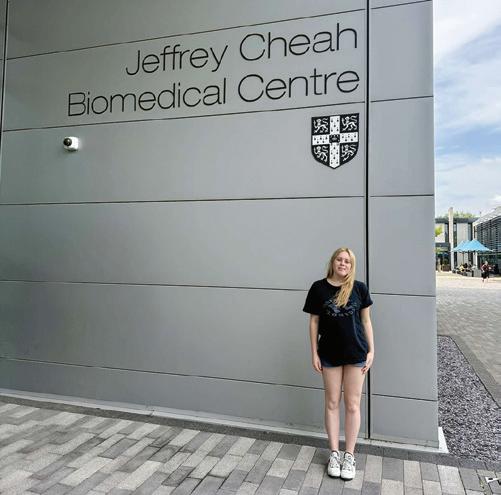
One of the highlights was attending a lecture by Professor Sir David MacMillan on asymmetric organocatalysis. Professor MacMillan, a Nobel laureate, revolutionised chemistry by developing a method that uses small organic catalysts instead of toxic metals. It was inspiring to learn how his method is being used to create cleaner, cheaper, and more environmentally friendly treatments for viruses, inflammation, and cancer.
Another unforgettable experience was visiting the University of Nottingham’s School of Chemistry. This visit opened my eyes to the incredible research happening in sustainable chemistry and the various pathways one can pursue within the field. I learned about the latest research in electrochemical energy storage and conversion for battery development, as well as the application of enzymes in biofuel production. Experiencing a modern undergraduate teaching laboratory and visiting research facilities on the two campuses was truly enlightening.
The forum was not just about science; it celebrated cultural diversity. I made lifelong friends with people from around the world and participated in various cultural events. Sharing my culture and learning about others was deeply moving. The opening ceremony, with flag bearers representing each country, highlighted the forum’s international nature. The “Traditions of Home” evening was a wonderful opportunity to showcase Māori culture, explaining the significance of our traditional attire, the korowai, and the taonga we wear, as well as the powerful haka and its importance in expressing strength, unity, and identity. It was heartwarming to see the interest
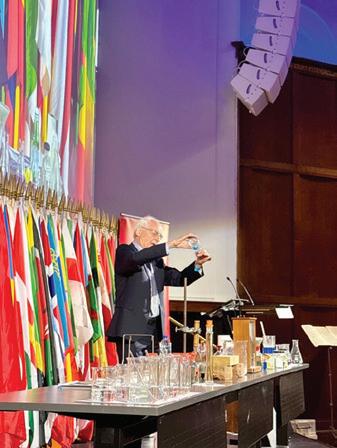
and respect from other participants as they learned about our customs.
The international cabaret was another highlight, where we performed in front of nearly 500 people. I joined fellow participants in a cultural showcase, celebrating the diversity of our backgrounds through music, dance, and storytelling. It was a night filled with joy, laughter, and a deep appreciation for the richness of our global community.
Attending the London International Youth Science Forum was an invaluable experience that boosted my confidence, knowledge, and analytical thinking skills. It broadened my scientific horizons, deepened my appreciation for the global scientific community, and encouraged me to pursue a career in medicinal chemistry next year at university. The friendships I formed enriched my understanding of different cultures and fostered a sense of global citizenship.
I am extremely grateful for the opportunity to attend this transformative event, which has shaped my aspirations and left me excited for what the future holds.
I want to say a huge thank you to Waihao Rūnanga and everyone who supported me. Your generosity and encouragement made this journey possible. I’ll carry this experience with me always, and I’m excited for what the future holds.
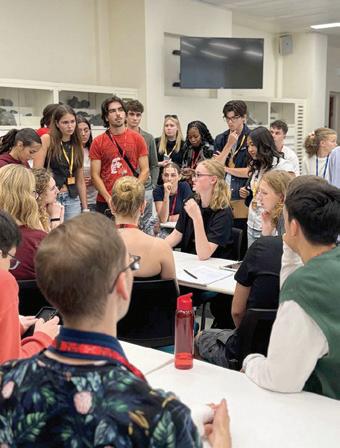
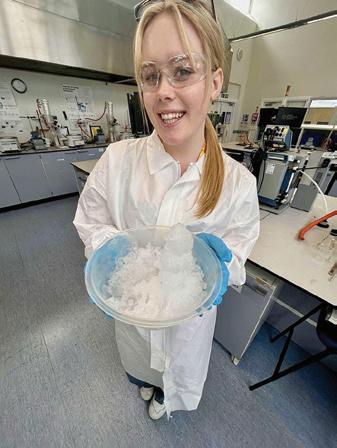
We are excited to welcome our new kaimahi to the Waihao whānau! These team members will play a key role in supporting the ongoing needs of Waihao Marae and our wider community. The new team commenced mahi on 8 September.
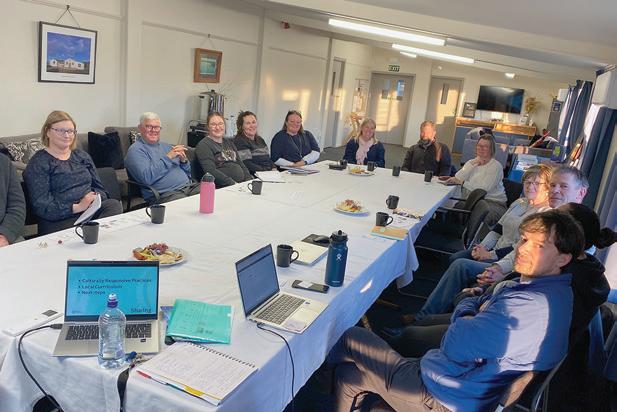
Te Komiti Mātauraka o Waihao proudly hosted our termly Hui-ā-Kura, welcoming principals and mātauraka Māori leads from local ECE, primary, and secondary schools to Waihao. These hui play a vital role in strengthening relationships between kura and hapū, sharing resources and ideas, and supporting culturally responsive practices across our education community. It is always a powerful reminder of the collective commitment to ensuring our tamariki and rangatahi thrive in learning environments that reflect and uplift their identity.
If you or your whānau need support with anything related to school – such as academic testing, accessing scholarships, transition planning, or having an advocate by your side – we encourage you to reach out. Our dedicated team of educators, Dave Thomas, Deborah Solomon, Lana Williams, Marlene McDonald, and Nicole Solomon, are here to help.
Contact us at education.waihao@gmail.com
Iwi Affiliations: Ngāi Tahu
He Rā Whakahirahira –Our First Mokopapa at Waihao Marae
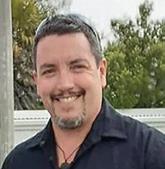
Damien brings extensive operational leadership experience, with a focus on people development, strategic planning, and process improvement. In his most recent role as operations manager for a civil contractor, Damien is community-minded first and values-led. He lives in Ōamaru with his wife and whānau and affiliates to Puketeraki, Moeraki, and Waihao through the Tipa line.
Iwi Affiliations: Ngāi Tahu, Ngāti Māmoe, Huirapa, Taoka, Ngāti Maniapoto, Ngāti Rereahu, Ngāti Kahungunu, Ngāti Whatuiapiti, Ngāti Tarāwhai, Ngāti Rongheikume
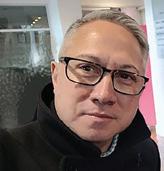
Brenden brings over 20 years’ experience in administration, information management, and customer service, having held roles with respected organisations including Frontier Economics, National Australia Bank, the State Library of Victoria, and Macquarie Bank. Fluent in te reo Māori and wellversed in tikanga, Brenden offers strong cultural competency alongside proven skills in systems, analysis, and organisational efficiency. He is relocating to Waimate to take up this position.
On the last weekend of July, Waihao Marae was filled with wairua, whakapapa, and aroha as we held our very first mokopapa – a powerful kaupapa honouring identity, connection, and the sacred art of tā moko.
Five incredible whānau members received their moko kanohi: four wāhine received their kauae moko at the marae, and one tāne received his mataora in his own home. Each moko was a deeply personal expression of whakapapa, resilience, and pride. It was an honour to stand beside them on this sacred journey.
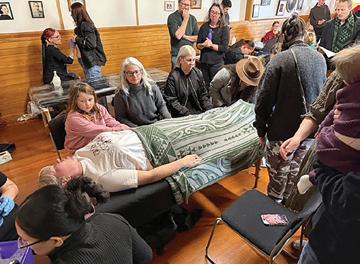
Many others sat with our talented kaitā to receive their tā moko – for some, it was their very first. The atmosphere was electric with emotion, pride, and unity.
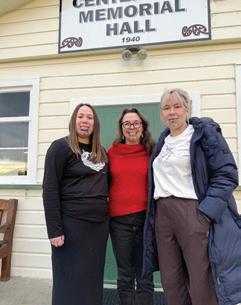
Below:
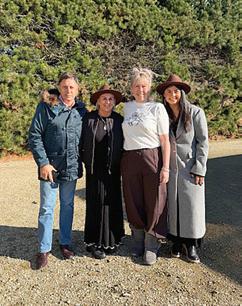
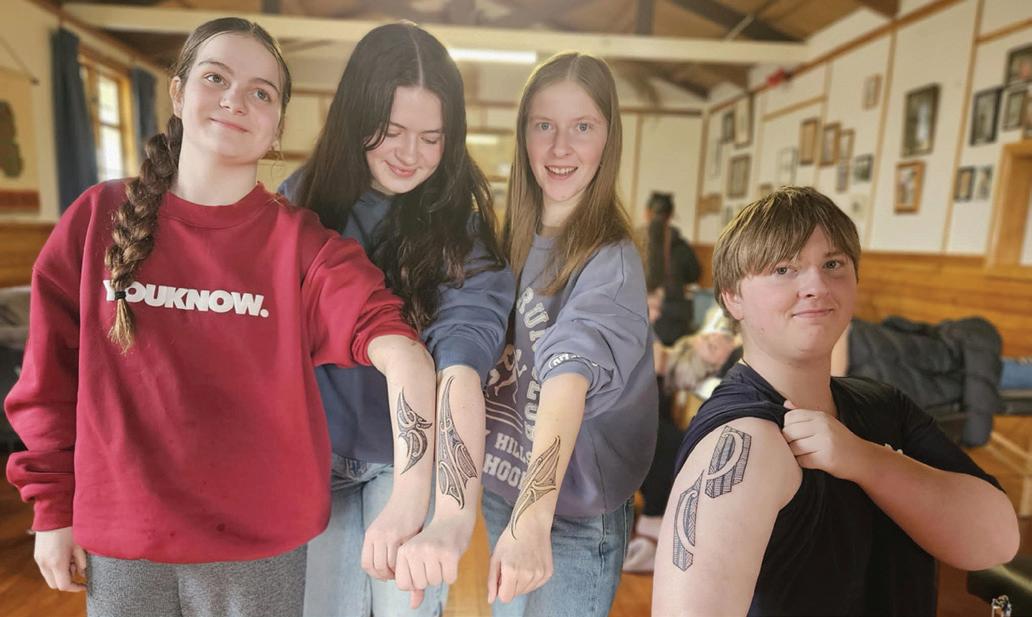
A special highlight was the powerful presentation by Christine, who shared the history of tā moko and the decolonisation of moko kauae. Her kōrero uplifted and inspired everyone present, reminding us of the strength and beauty of reclaiming our stories.
Ngā mihi nui to our incredible kaitā for their artistry and care, and to every whānau member who came to support the kaupapa. Your presence, your kōrero, and your aroha made this weekend unforgettable.
These are just a few snapshots from a weekend that will live in our hearts for years to come.
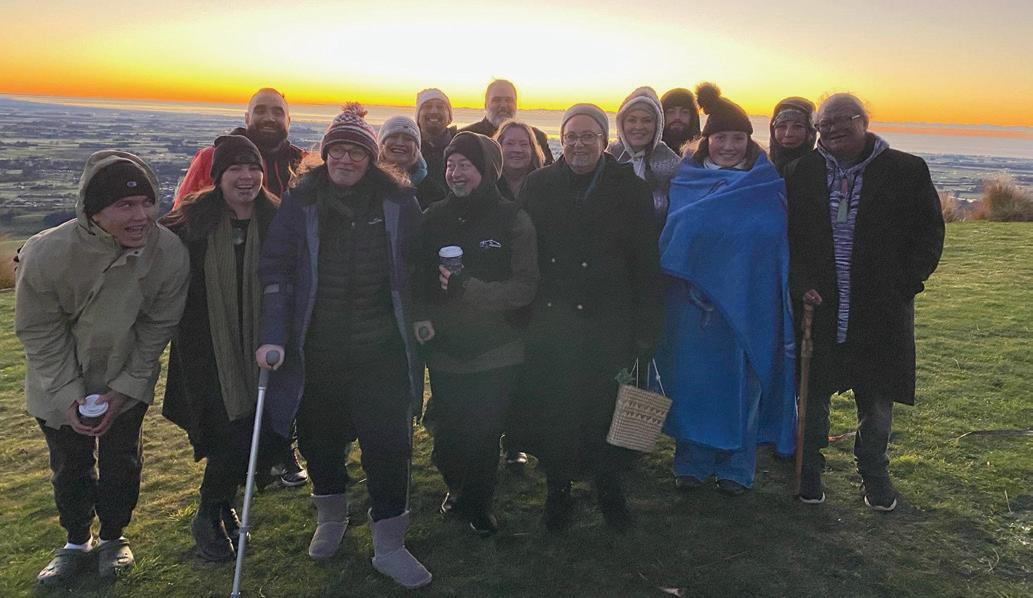
In the early hours of Saturday, 14 June Te Rūnanga o Waihao held our second Waimate Matariki celebration, beginning with a beautiful and moving Hautapu ceremony at the White Horse Monument.
Although the weather had been less than ideal earlier in the week, we were fortunate to wake on Friday to clear skies. The conditions couldn’t have been better for whānau and the wider community to safely gather and take part in this special ceremony to welcome the Māori New Year.
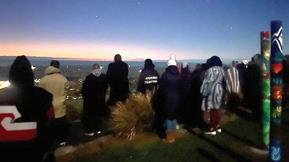
Whānau gathered for Matariki.
Following the conclusion of the Hautapu, we were lucky to be nourished by the generosity of Vanessa from
Waitaki Beans and the Waimate Rotary Club, who provided delicious coffee, soup, and bacon butties –the perfect way to warm up and come together after the dawn service.
We also want to express our heartfelt thanks to Darren Solomon, Karuna Thurlow, Tewera King, and Wendy Heath for their leadership and guidance. Their role in leading the rōpū of whānau who stood on our behalf as kaikaranga and kaikarakia helped to shape the Hautapu into the powerful and meaningful experience it was.
We look forward to continuing this tradition together. Our Matariki 2026 date will be confirmed in December 2025, so whānau can mark their calendars early.
Mānawatia a Matariki – let us honour and celebrate the Māori New Year together.
Matariki 2025: Hautapu Ceremony at White Horse Monument.
Te Moana Nui a Kiwa Whakapukahatanga Ihi –SPPEEx Awards 2025
South Pacific Professional Engineering Excellence (SPPEEx) is pleased to announce the recipients of their inaugural Te Mana Kiwi SPPEEx Awards.
The Tētēkura Award honours a distinguished leader, engineer or group who has navigated a long and impactful career within an ocean of experience that remains largely uncharted by Māori.
Tētēkura refers to a young shoot or frond and is often used to acknowledge emerging leadership. It is also the name given to a carved figurehead at the bow of a waka, which cleaves through ocean waves – symbolising the forging of new paths, overcoming challenges and creating possibilities.
Award recipient:
Gerald Lynn Te Kapa (Gerry) Coates MNZM (Ngāi Tahu)
Gerry Te Kapa Coates has been a trailblazer in engineering leadership and cultural advocacy for more than five decades. His career reflects a rare combination of technical excellence, visionary leadership and unwavering commitment to advancing Māori representation in the profession – while consistently championing ethical practice and environmental stewardship.
As the first Māori President of IPENZ (now Engineering New Zealand Te Ao Rangahau) from 2003 to 2004, Gerry broke new ground, opening doors for Māori engineers and embedding te te ao Māori into the organisation’s cultural fabric, with a transformative focus on sustainability.
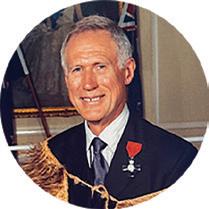
Gerry’s pioneering spirit extended beyond representation to fundamental questions of professional responsibility. In 1983, he founded Engineers for Social Responsibility (ESR), the first organisation of its kind in the world. Born from his conviction that engineers have “a special obligation to the public at large,” ESR continues to challenge the profession to consider the broader implications of technology and engineering decisions.
His governance expertise spans multiple sectors, including director of Ngāi Tahu Holdings Corporation and Chair of the NZ Wind Energy Association. Beyond engineering, Gerry’s impact reaches into literature, education, and cultural advocacy. He has mentored countless professionals and inspired others to pursue excellence while remaining grounded in identity and values.
Gerry’s enduring legacy is one of courage, integrity and transformation – qualities that embody the spirit of Tētēkura.
More info: https://www.engineeringnz.org/programmes/ kimihia-rangahaua
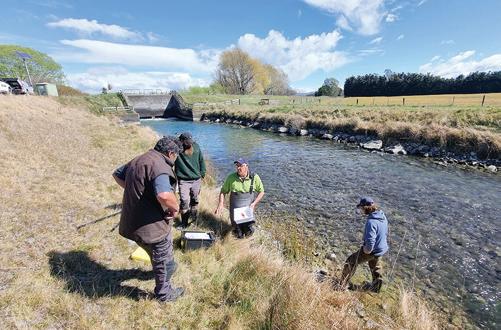
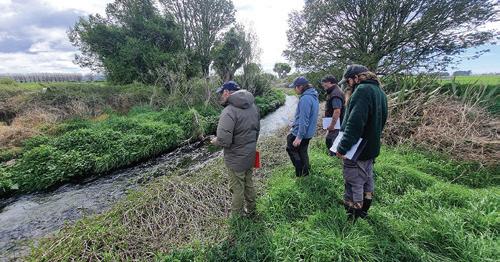
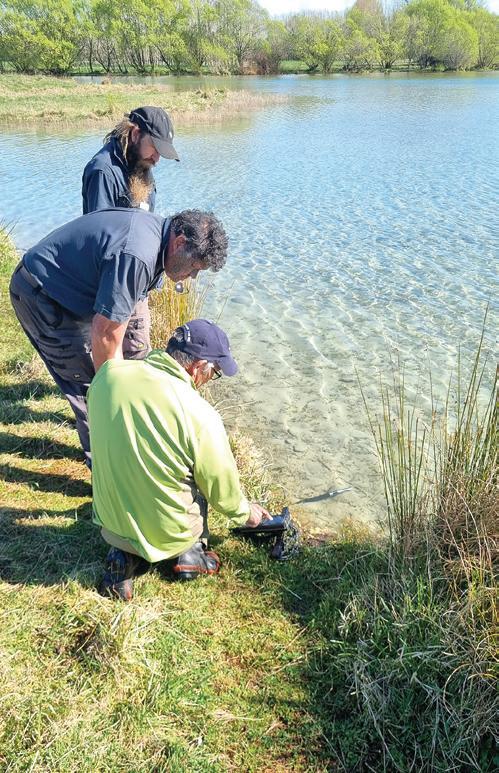
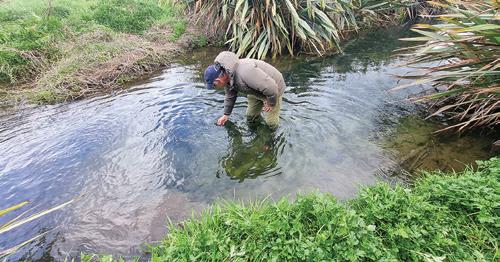
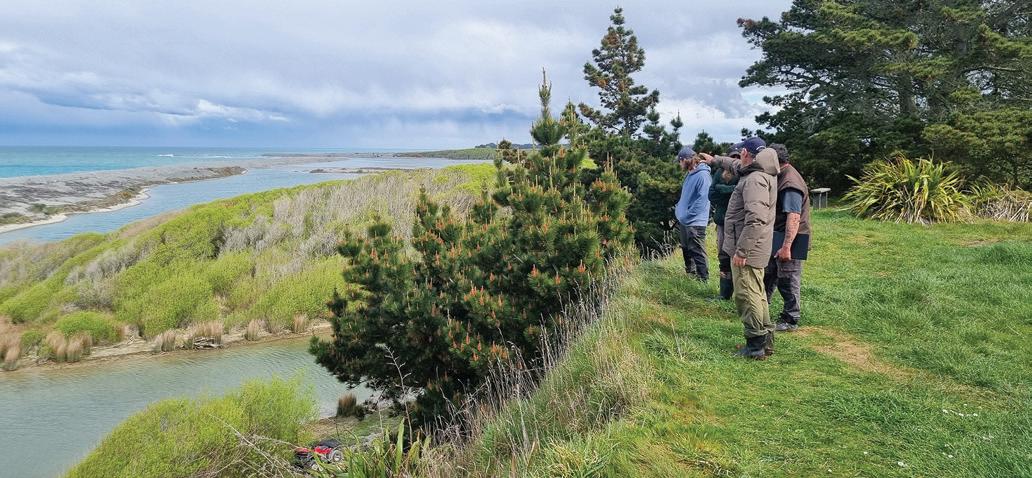
The kaitiaki taiao rangers spent two days in the field with DOC Rangers, learning about the upcoming cultural monitoring work. Brad and Aydan from DOC were a wealth of knowledge and guided the team through everything they need to know when assessing sites.
Day 1 – The team spent the day at Bells Pond, learning how to complete pressure, condition, and perimeter assessments using DOC’s standard forms. They also explored rapid habitat assessments and discussed cultural stream health.
Day 2 – The team returned to Bells Pond before moving on to Waikakahi Stream and the Waitaki River mouth.
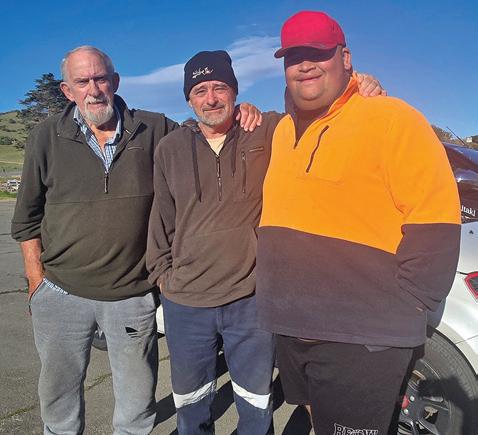
We’ve recently farewelled our wonderful colleague Jac Te Maiharoa, who has stepped into an exciting new role as a mental health navigator with Te Hā o Maru. We’re incredibly proud of Jac and wish her all the best in this important mahi.
Meanwhile, Uncle Ross, who has long been the heart and hands of our caretaking team, has scaled back to a 10-hour week. His presence remains a treasured part of our space.
With these shifts, we’re thrilled to welcome Jason Te Raki to the team! Jason will be picking up some of Ross’s responsibilities and we’re excited to have his energy and skills onboard.
We’re also delighted to have Rangi McGlinchey joining us in a voluntary administration role. Rangi will be supporting the office while we undertake a review of staffing needs. We are grateful for the extra awhi during this time.
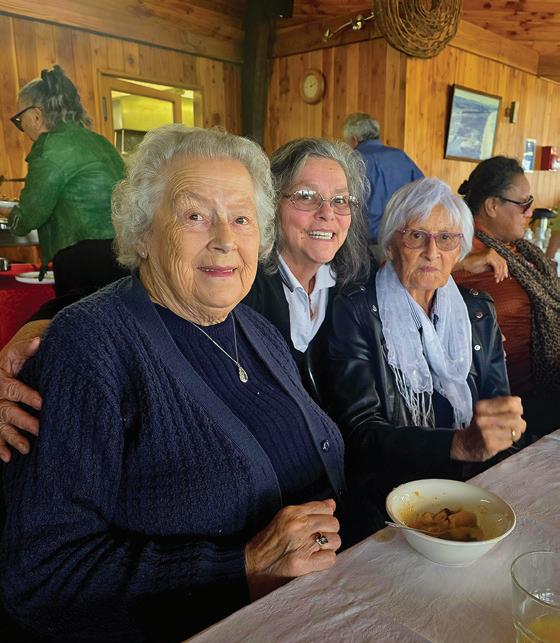
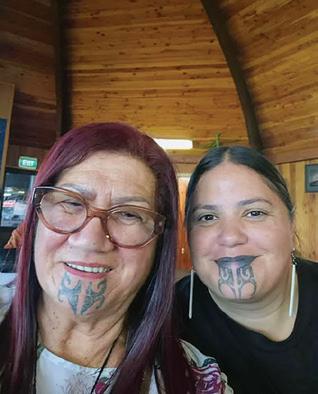
Left: Marcia Te Au-Thompson, Ana
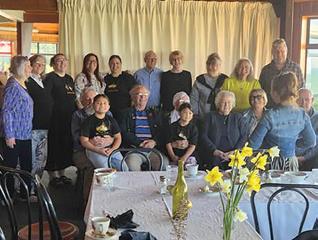
Below: Back row
(Left to right): Wendi Raumati, Myra Tipa, Jamie Carroll, Marcia Te Au-Thompson, Ana Faau, Cliff Ralston, Di Ralston, Pamela Manning, Tina Barlow, Ross Barlow.
Front row
(Left to right): Jeff Paterson, Maia Faau, Faau, Des Tipa, Anne Te MaiharoaDodds, Ta’apega Faau, Gloria Colloty, Ora Te Au-Baron, Ken Baron.
Moeraki kaumātua gathered at Moeraki Boulders Restaurant and Café on 24 September, a chance to get together for whanaungatanga. It was a great day shared by all, topped off with terrific kai beautifully made by the restaurant and waiata provided by our very own Ana Faau and Jamie Carroll.
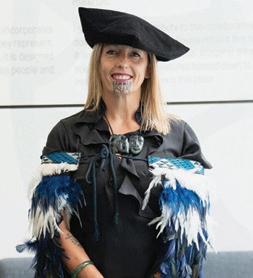
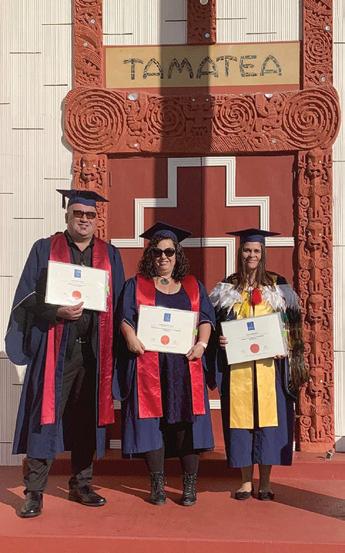
Do you have years of work and community experience, but no qualification to show for it? Then this may be the personal and professional development opportunity you’ve been looking for.
This Kāi Tahu-led, culturally responsive online degree programme has over a decade of proven success for whānau wanting to achieve a Bachelor of Applied Management, Bachelor of Social Services, or postgraduate studies.
Capable Māori offers a kaupapa Māori learning pathway, where you learn collectively as part of a Kāi Tahu whānau with the support of experienced Kāi Tahu kaiako. Your mātauraka, skills, and experience are measured against a Bachelor or postgraduate qualification, showcasing your individual uniqueness and shared Māori worldview.
Upcoming Dates at the Marae
• 29 November –Christmas at the Pā
• 30 November –AGM hui at Moeraki Marae (unless a requisition hui is held beforehand).
If this sounds like something you might be interested in, check out the experiences of Kāi Tahu whānui: https://ngaitahu.iwi.nz/ opportunities-and-resources/publications/ te-karaka/when-life-is-the-learning-tk82/
Email Kaihautu Professor Kelli Te Maihāroa to request further information about our April 1, 2026 start.
Get Connected, Stay Connected E te whānau, just a reminder that it is never too late to get connected. We remain committed to enrolling whānau and keeping our current whānau contact list updated. If you have moved and need to update your details, or wish to enrol or update your details, please find our contact details below:
Te Rūnanga o Moeraki
43 Tenby Street, Moeraki 9482 (03) 439 4816
Moeraki.runanga@ngaitahu.iwi.nz www.terunangaomoeraki.org
If you have a whānau story you want to celebrate in Te Pānui Rūnaka, please send it to us at Moeraki.runanga@ngaitahu.iwi.nz
Nā Suzanne Ellison
Photos by Suzi Flack
A gathering to express our appreciation for the longstanding representation and service of Matapura Ellison on behalf of our rūnaka with Te Rūnanga o Ngāi Tahu (Te Rūnanga) was held at Puketeraki Marae on 13 September. The evening was billed as one to sparkle and shine which some people embraced with glamour and gusto while others missed that part of the pānui! However, everyone embraced the main injunction to celebrate Matapura’s service and enjoy the occasion. The evening was one of humour, thanks, waiata, excellent kai and surprises.
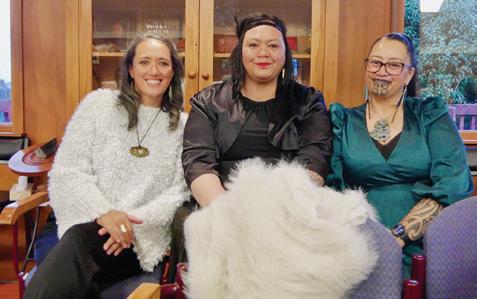
The surprises started with our adjudicator for the tautohetohe, Cindy Diver, who led the teams and our very able timekeepers through their roles so very ably. You could have been forgiven for thinking Cindy had missed her calling as a judge of the law or that perhaps she was obviously in the right profession as an actor, playwright and director. Nāia te mihi ki a koe e Cindy.
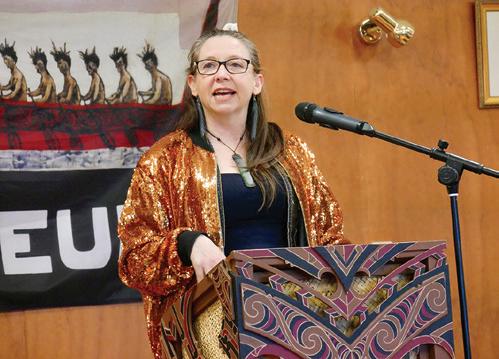
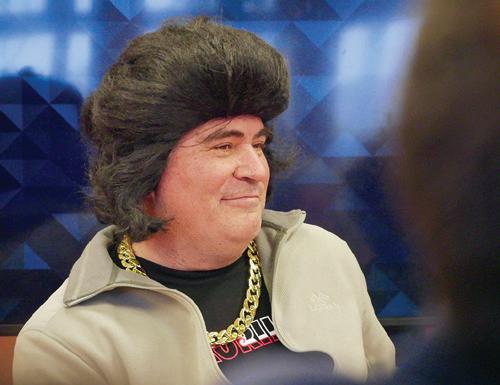
Our debating teams rose to the occasion very ably to debate the moot “that kaumātua are leaving a great legacy for the next generations” with Team Tipa – led by Kaiwhakahaere Justin arguing the negative and Team Rakatahi arguing the affirmative. The rakatahi were not overawed by the occasion with their preparation carrying them through the late pulling out of a team member due to whānau illness. Team Tipa brought home the laughs in spades even if the finely tuned ‘applause-ometer’ told a different story with Team Rakatahi coming out as the winners.
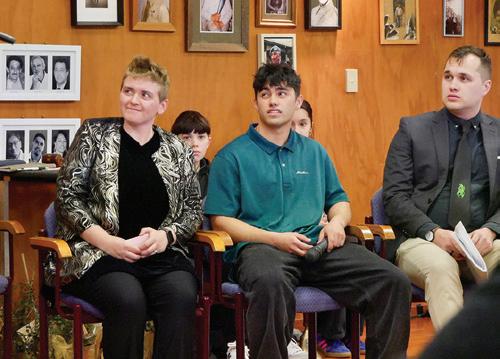
When it came to the speeches Matapura was suitably uncomfortable and moved by the words and presentations directed at him. As whānau it was good
for us to hear of the regard with which he is held by members of Te Rūnanga and the wider iwi as sometimes we take our own for granted. Kaiwhakahaere Tuarua, Tania Wati, leant into her Kaikōura connections to present a special taoka on behalf of Kāti Kuri, a magnificent niho paroa. From Te Rūnanga , Matapura was the recipient of a stunning mere pounamu made from takutahi.
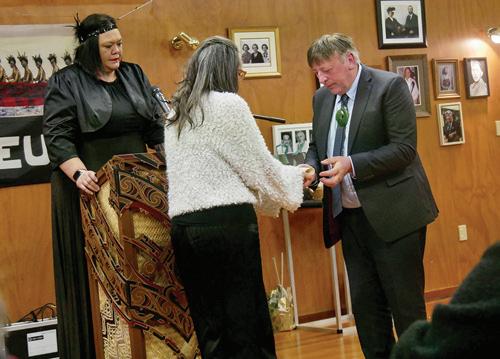
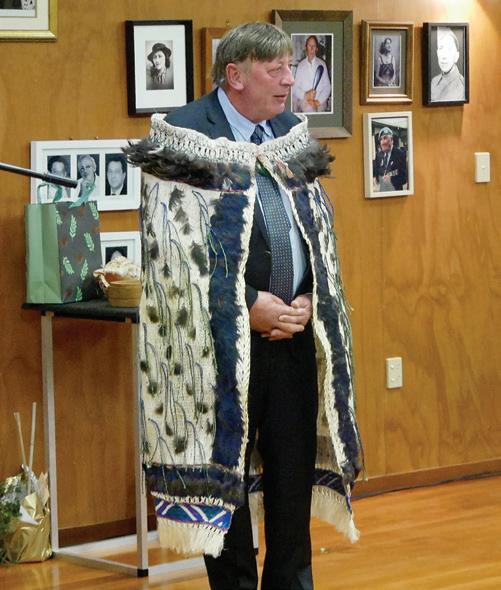
He also received koha of appreciation from our rūnaka but the biggest surprise of the evening for Matapura was being cloaked in a newly finished korowai that was a labour of skill, dedication and respect woven for Matapura over seven years by Robyn Ashton. Being draped in ‘Pakihiwitahi’ by Robyn was a poignant time in the proceedings.
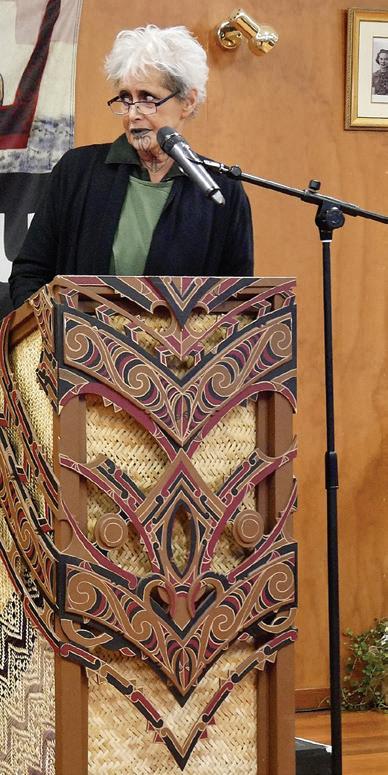
Though the evening was to express our appreciation to Matapura there was also time to congratulate whānau member Robert Sullivan who was recently named New Zealand’s Poet Laureate. Khyla Russell addressed Robert on our behalf and maintained the high standard of laughs and surprises in her kōrero.
It will be no surprise to know that a sumptuous hākari brought the evening to a very pleasant conclusion. In due course a record of the evening will be available on the rūnaka website.
He mihi nunui ki a koutou
To all those who helped to make this a memorable and enjoyable evening. All the kaimahi were generous with their time and efforts, everyone ‘stepped it up’ to ensure a good time was had by all. Special thanks to the team from the Office of Te Rūnanga o Ngāi Tahu and for the support of Te Rūnanga.
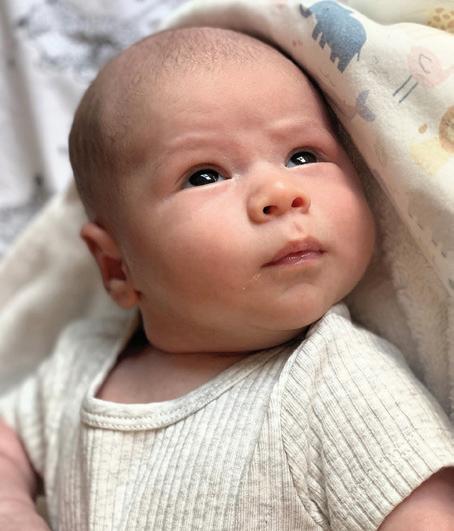
I whānau mai a Hakumanu Tahitahi i te 31 o Hūrae ki Ōtepoti. Ko Tāwini White (nō te whānau Te Raki) rāua ko Kelly Ann Tahitahi ōnā Māmā. He tama tirotiro haere, he tama menemene ia. Ka nui te aroha o Matawera ki tōnā taina.
Hakumanu Tahitahi was born to Tāwini White (Te Raki whānau) and Kelly Ann Tahitahi on 31 July. He is an inquisitive, smiley boy and Matawera is a loving tuakana to his baby brother.
Nā Suzi Flack
Saturday is waka day, mana moana.
The call from DOC comes mid-morning to takata tiaki. Someone has sighted a whale in Blueskin Bay, close to shore. Details are light, maybe stranded. Wetsuits, buckets and sheets chucked in the back, we set off. Whale stranding protocols, once learnt, seem a distant memory now.
We arrive at Dr’s Point and sight a Paikea on the sandbar. Breakers, beached, breathing.
Not safe to wade, we stand in the water. Our voices reach the whale.
Kaitiaki, karaka, karakia.
Stuck but breathing. Surrounded with support and an incoming tide. On both sides of the bar stand mana whenua, takata tiaki, DOC, NZSLS, Project Jonah, marine mammal scientists, and concerned locals.
Around the corner, further up the river to the estuary, lies the whale.
Back to Dr’s Point.
No breath. Karaka, karakia.
A gift, he taoka.
Daylight arrives with an even bigger crowd and their kurī. Emotions are high and crowd control is challenging.
“Burial will be difficult in an archaeological site.”
The irony of it. We will take her home. Her final location is a tohu. Retrieval is possible.
The tide is high, but not for long. Phones ring red hot authorising a contractor, a digger and a truck. Their professionalism ensures a seamless transition to Te Māra Kai o Āraiteuru nohoaka. Kā mihi Fred of Cargills Contracting.
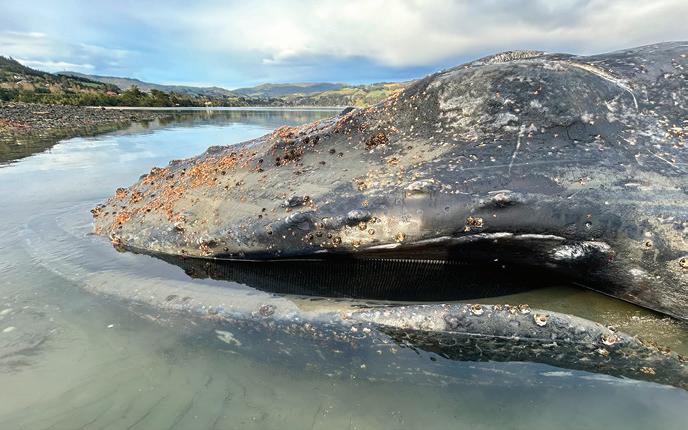
The tide controls the movements. Fin and fluke flail in the swell but escape to the open ocean stalls. Even the annoying coaxing of a NZSLS jet ski doesn’t send our Paikea away. They observe sea lice and likely malnutrition, which doesn’t bode well.
More and more people gather, along with the number of opinions on how to rescue this beautiful creature. This, along with the frustration of minimal cell phone reception, makes communications across the tai interesting.
The one thing we can’t control is the tide, racing out now, alone.
Too large to float, to euthanise or to wait? We decide, one more high tide at 2.30am.
People stay on till dark, no-one wants to leave, but some stay overnight.
Sunday predawn, we walk the length of Warrington Beach. We see no whale, hope beginning to rise, briefly.
Karaka, karakia. Nō wai? Ko Mutuwhenua.
More communications. Experts invited. Mahi tahi ō kā whānau.
Monday starts with a mihiwhakatau and setting the tikaka o te kaupapa. A new kaupapa for this site.
Sophie de Witte, Kane Fluery, Moyna Mueller, Tom Brough, Jim Fyfe, DOC and others bring their expertise, PPE and tools. We have minimal gear but whānau full of willingness to learn and honour our taoka. Our whānauka from Ōtākou and Moeraki come to tautoko and share their mātauraka. Kia ora Tumai, Rachel and Patrick. Also Ōtākou Whakaihu Waka and Tūhura Otago Museum.
School holidays mean major whakawhānaukataka ō kā tamariki.
Ka pai tamariki.
Stations get set up. Disinfectant, detergent, handwash, bootwash, knife wash, hooks, hinu pot, overalls, double gloves, tape, aprons.
Kauae, baleen, hinu, vertebrae, skull, sinew, ribs.
Skull cracked. Bone infected. Opposite jaw cracked. Lymph node enlarged and infected. Bruising below and behind eye. Malnutrition because of inability to feed, secondary infections.
She arrived māuiui. She waited. She heard us. She is our gift. We see your injuries, feel your māmae.
E mihi ana ki Mutuwhenua kua āhei ā mātou kā mātauraka, whānaukataka, rakatirataka me manaaki.
Moe mai rā tō tauraka whakamutaka i ā mātou.
Ōtākou TPR October – November 2025
Aue te mamae nei!
Kua hinga te māreikura o Ōtākou, ko Puketeraki hoki
Kua mū te manu tioriori o Te Wao Nui o Tāne
Kua ngaro te pou o te whānau Russell me Kāi Tahu hoki.
Tākū mamae e kokopa nei
Aue te pōuri,
Aue te mamae nei!
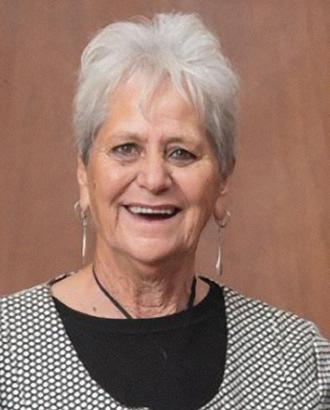
On Thursday 31 July, Raewyn moved peacefully from this life on to her journey to Poutūteraki, ki te whare o Pōhutukawa.
Moi mai rā e te Taua Raewyn.
Raewyn Ann Harris 2 February 1951 –31 July 2025
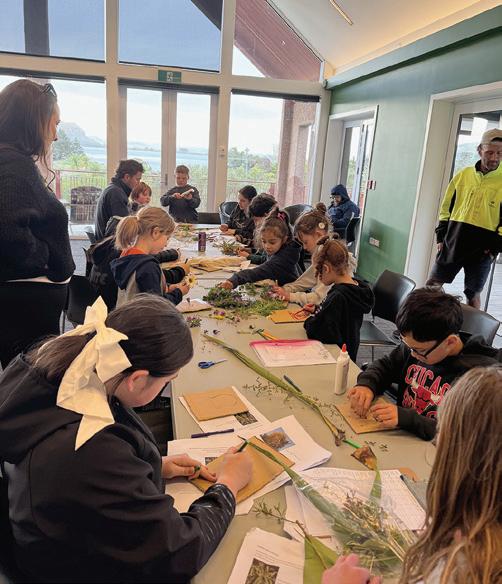
Recently we held the Ōtākou Tamariki Holiday Programme for our tamariki aged 5–12 years, a special kaupapa designed to ground and reconnect our tamariki to their marae, supported by whānau. Over two days they took part in raraka, waiata, a hīkoi to Te Umu Kurī, a plant scavenger hunt with Aukaha, and a tour of The OPERA. These activities created space not only for fun and learning, but also for strengthening identity, building confidence, and nurturing the connections that will carry our tamariki forward. We sincerely acknowledge the relationships built and the support shown through these connections. A huge mihi and heartfelt thanks to all our whānau, kaimahi and rakatahi who contributed to making this programme such a special and memorable time for our tamariki.
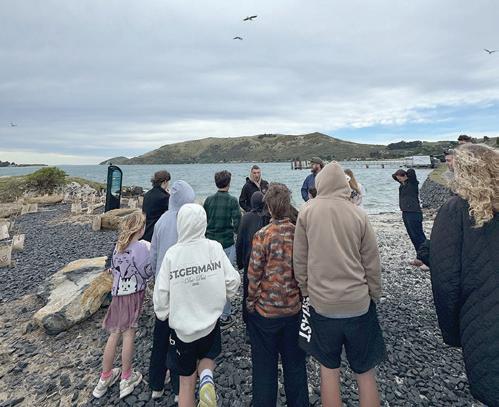
On Thursday 25 September we rang the Ōtākou church bell to acknowledge the return of the toroa to Ōtepoti. This is a significant and special time, marking the seasonal cycle of our taoka species and reminding us of the deep connections between our people, our whenua, and taiao.
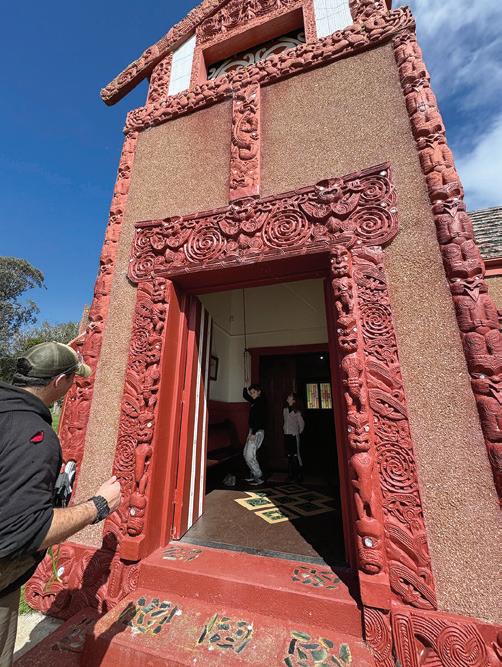
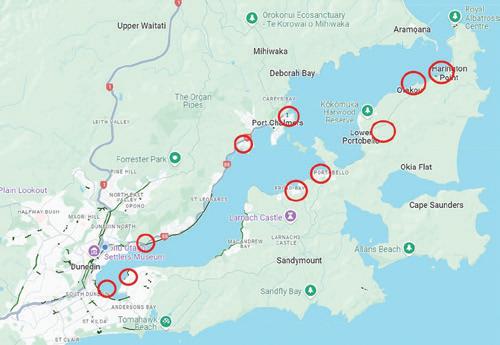
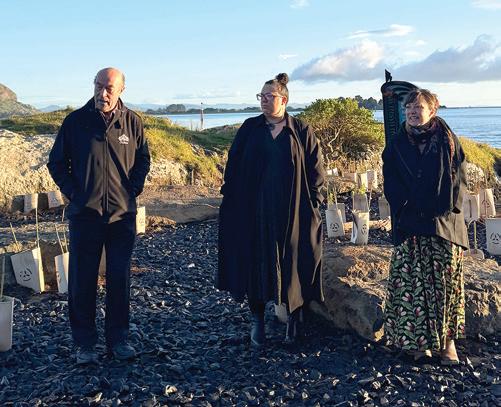
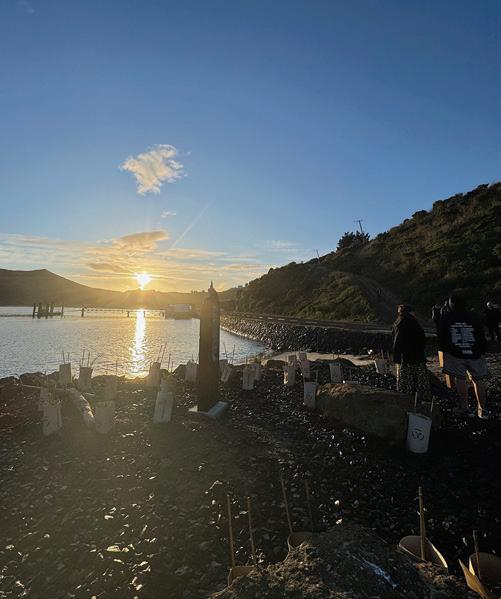
Te Aka Ōtākou has recently been adorned with tohu whenua at 10 sites along the walking and cycling trail, created to honour and share Kāi Tahu narratives and histories. These pou, designed in collaboration with mana whenua and crafted locally, speak of waka travel, waterways, place names, ancestral stories, and the layered histories embedded in the whenua. They offer people the chance to engage with these kōrero not just in books, but in the very places where they unfolded, deepening connection to Ōtākou, the harbour, and Kāi Tahu heritage. On the morning of 10 September, Ōtākou marked this kaupapa with a whakawātea and blessing of the tohu whenua pou at Te Umu Kurī.
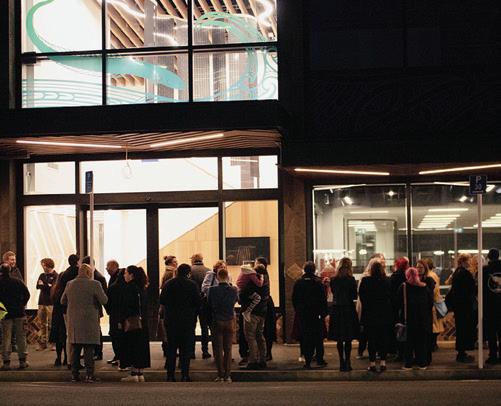
Te Whata o Kaituna carries deep meaning for South Dunedin and the wider Ōtepoti community. The name, gifted by mana whenua, reflects the traditional name Kaituna, a place where tuna once flourished in the estuarine waterways, sustaining generations through mahika kai. The word whata refers to a raised storage platform for kai; in naming the new library Te Whata o Kaituna, the building is honoured as a “storehouse of knowledge” – a place to nurture, preserve, and share our collective wisdom. Its design and storytelling articulate connections to the whenua, waterways, and whakapapa, inviting whānau, tamariki, and the public to engage with our histories in a living, breathing way. We recently opened this site for whānau to enjoy, with design work led by Aukaha. It truly stands as a special place to visit and celebrate together.
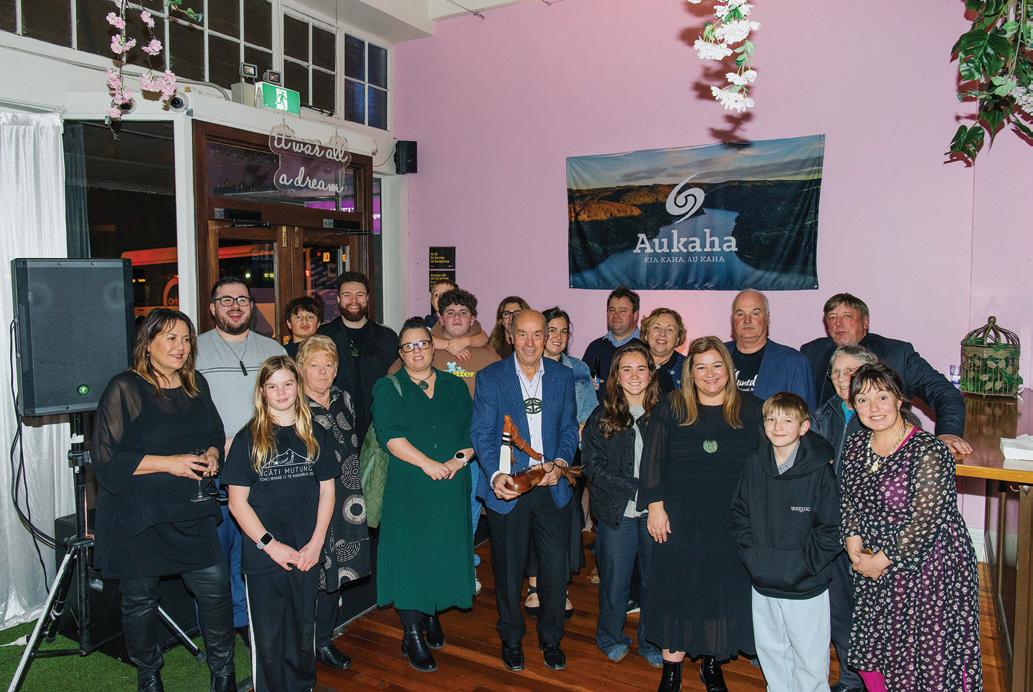
Aukaha recently hosted a celebration of their former chair Edward Ellison, acknowledging him for his dedication to the kaupapa of Aukaha and the vision of our Papatipu Rūnaka shareholders for 27 years.
Edward stood down as chair in November 2024, to encourage other representatives to come forward, participate and provide governance direction, following his appointment as chair of the Māori Heritage Council and deputy chair of the Heritage New Zealand Pouhere Taonga Board, both significant national governance roles.
During his tenure of Kāi Tahu ki Otago and then Aukaha, Edward made an incredible contribution to policy, advocating for mana whenua values, increasing the understanding of te ao Māori among councils and actively working to build partnerships with councils and government agencies for the benefit of Kāi Tahu.
Ōtākou will be hosting its annual general meeting on Sunday 9 November. We welcome all whānau to come along – kai will be provided. Please keep an eye out on all platforms for further information.
Feel free to browse our Facebook page and our Ōtākou Rūnaka website. Information for registering as a hapū member or to book the marae for functions can be done online. Bookings are subject to any health and safety restrictions in place at the time including if a tangi becomes apparent which takes precedence.
Email: office@tro.org.nz
Phone: 03 478 0352
Kā mihi o te wā o Raumati ki a koutou katoa.
Kaumātua Haereka
On 26 August, our Waihōpai kaumātua visited the Waitā Pou in Curio Bay , followed by a lovely kai at Tokonui Tavern before heading back to town.
All our kaumātua have thoroughly enjoyed visiting all the Matariki Pou and are looking forward to their next haereka.
Te Rau Puawai (Massey University)
Written by Byron Perkins
Tēnā rawa atu koe – what a wonderful reception our rōpū Te Rau Puawai / Massey University received! You treated us with the utmost kindness, patience, and understanding. You welcomed us in without a thought.

What we attained was significant, deeply infused with a particular quality thoroughly saturated with whakapapa and tikanga.
The accommodation was immaculate. The food was top-notch. If this were a Google review, one might assume I was talking about a recent stay at an upscale hotel or resort. But no – it was your marae/whare!
Ngā mihi for creating such a wonderful stay.
Ngā mihi,
Byron Perkins – Te Rau Puawai Programme Manager Michelle Hubble – Te Rau Puawai Administration
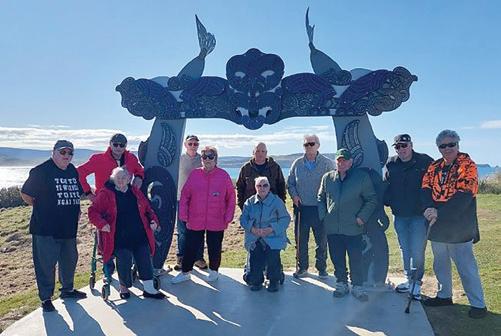
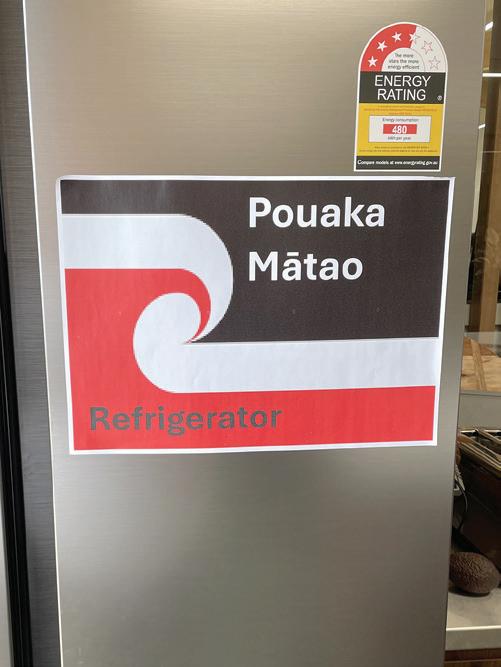
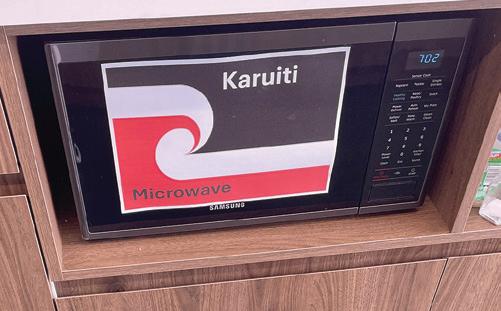
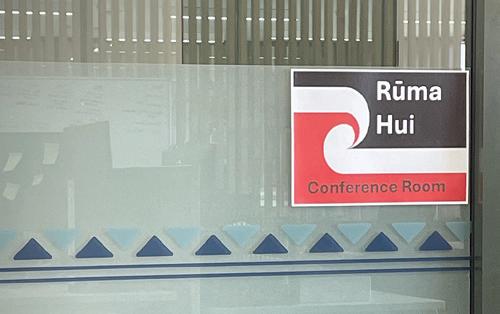
Encouraging reo Māori in the workplace.
We are coming to the end of the initial stage of the mana whenua contribution to the Te Unua Museum of Southland permanent exhibition space. A series of wānaka and targeted discussions have defined key kaupapa and histories to highlight.
We would like to acknowledge the hard mahi that our rūnaka whānau have done over this year to get the project to this stage, and the guidance of the TUIA group that was established to oversee this project.
We are excited for our pūrākau and whānau stories to be shared within the Te Unua Museum of Southland. Gibson International will be working with our stories and integrating them into the permanent exhibition space from September 2025 onwards.
Our kaimahi celebrated 50 years of Te Wiki o te Reo Māori by learning our Kāi Tahu reo. We posted Kāi Tahu kupu around our tari to encourage the use of te reo Māori throughout the week.
We hosted MoreFM on Friday morning, who did their breakfast radio show from our wharekai and interviewed members of our rūnaka. We finished the day with a BBQ for our Waihōpai Rūnaka and Waihōpai Hauora kaimahi. Tracy and Kawa led a kemu for the tamariki at the BBQ.
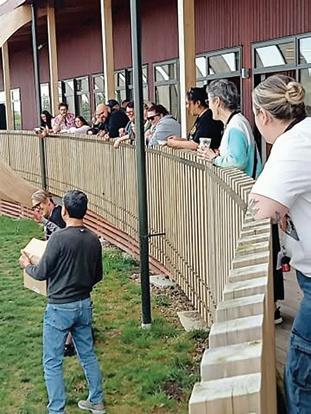
Please keep an eye out for our rūnaka end-of-year celebrations. A pānui will be sent out in early December via our whānau email list. If you are not on our email list, please contact us: admin@waihopai.org.nz to be added.
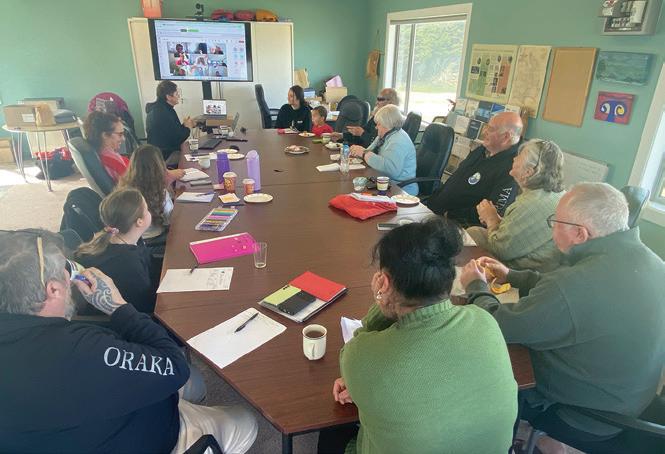
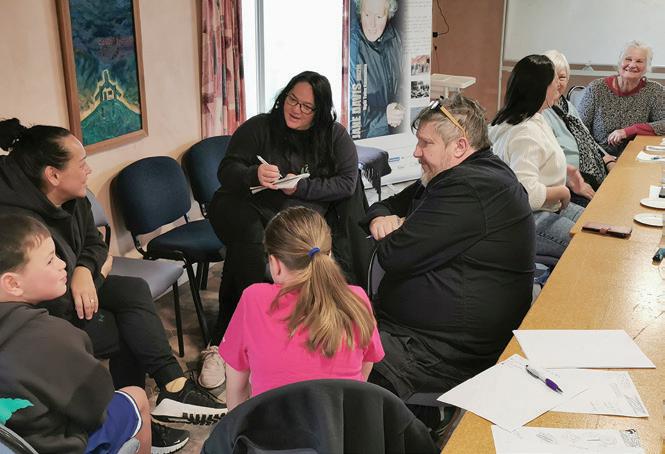
Our rūnaka has been lucky to have Hana O’Regan supporting us to develop a reo strategy. At the time of writing, two of three strategy sessions have been held, with around 40 whānau taking part either in person or online. It has been great to see engagement in the process from tamariki through to kaumātua with some fantastic ideas coming to the fore. Keep an eye out form some new initiatives coming next year!
The reo strategy development was made possible with funding from Te Mātāwai. The final strategy is due to be presented to whānau in November.
Right top: Reo strategy session one at Takutai o te Tītī.
Right: Reo strategy session two at Te Tauraka Waka.
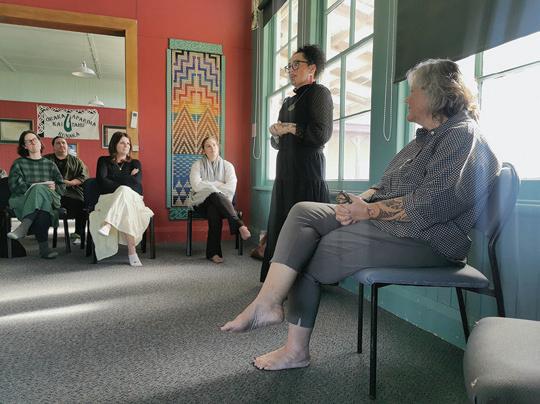
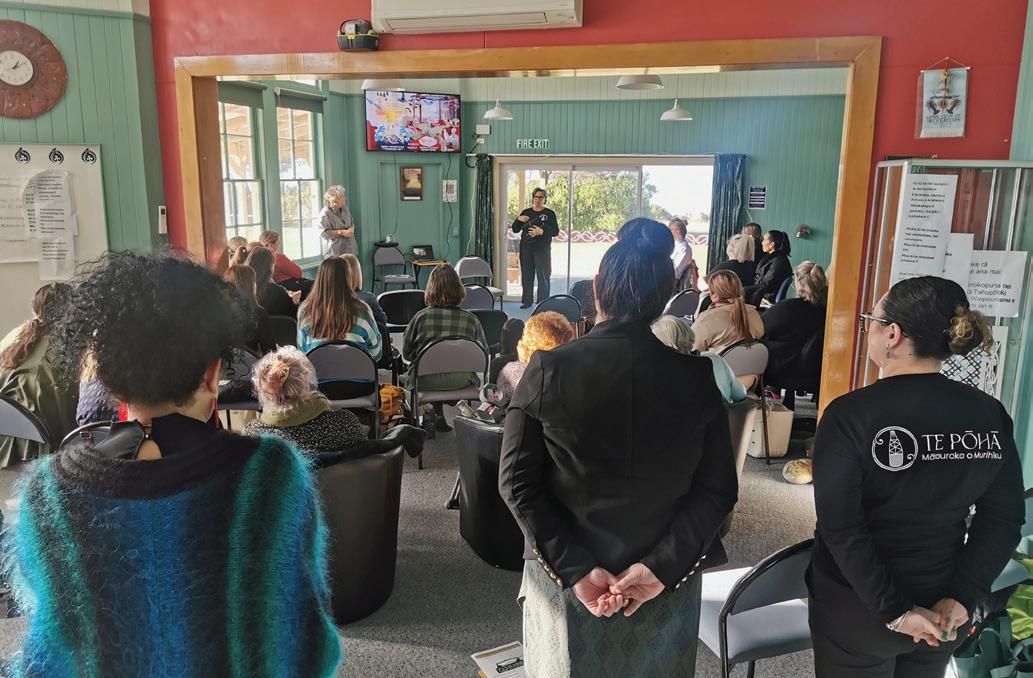
Around 60 kaiako from kura across Murihiku came to Takutai o te Tītī to learn pūrākau from our takiwā, as part of the Te Pōhā programme. The day was packed with information for kaiako to take back to their schools and incorporate into their teaching. Karina Davis-Marsden had everyone captivated with pūrākau of her whānau trips to the tītī islands, our chair Tracey Wright-Tawha spoke about Ngā Kete Matauranga Pounamu Trust, Jane Kitson spoke about the mahika kai and nohoaka sites and Gary Davis shared an overview of Kāi Tahu land loss over time and the consequences of that.
Te Pōhā is a rūnaka-led collaboration between Waihōpai, Awarua and Ōraka-Aparima Rūnaka, providing authentic, accurate and culturally relevant education resources for localised mātauraka.
Right: Karina Davis-Marsden sharing pūrakau from her whānau experience of mutton birding.
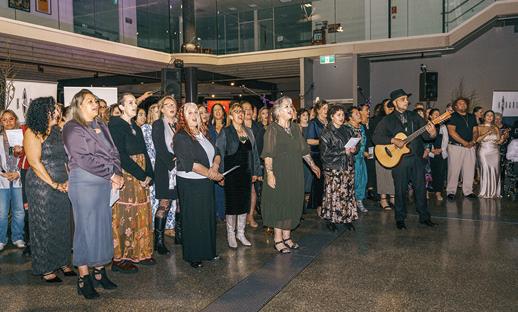
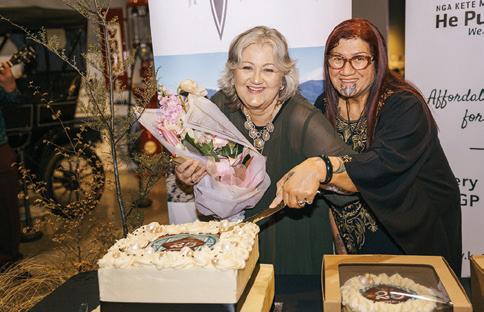
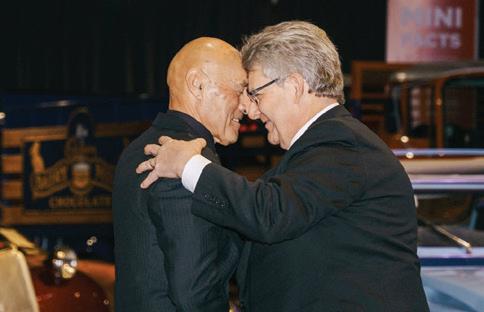
Our mandated health and social services provider Ngā Kete Matauranga Pounamu Trust celebrated a significant milestone in September – 25 years of operation.
From humble beginnings, the organisation, led by our Rūnaka Chair Tracey Wright-Tawha, has grown significantly,now employing 125 kaimahi and offering a wide range of programmes.
A celebration was held at Transport World Invercargill on 27 September –a great opportunity for whānau and kaimahi to connect.
The rūnaka has a four-bedroom whānau property in Te Anau available for members to book. There is still some availability over the summer period.
Please note from Friday 19 December to Sunday 25 January bookings will be for a maximum of three nights.
Contact the office about bookings.
Email: office@orakaaparima.org.nz
Phone: 0800 234 8192
Whānau are invited to attend our annual Christmas BBQ at Takutai o te Tītī on Sunday 14 December. We will send out more details by email.
We expect to be offering further trips for whānau to experience the motu in the next few months. Keep an eye on the emails for this special opportunity. Please note these trips are available to Ōraka-Aparima Rūnaka registered members who whakapapa to Whenua Hou only.
We are still taking applications for a one-off grant available to support kaumātua with essential everyday living expenses and one-off costs. We also have grants for healthy outcomes, sport and culture, and hardship. These grants are in addition to those available from Ngāi Tahu.
Visit our website: orakaaparimarunaka.co.nz
Email: office@orakaaparima.org.nz
We send out regular emails with news and opportunities. If you’re not receiving messages from us, and would like to, please get in touch and we will check we have your up-to-date details.
Email: office@orakaaparima.org.nz
Phone: 0800 234 8192
Ivah Karaka Wanders
Ngāi Tahu, Ngāti Porou, Ngāti Toa Rangatira
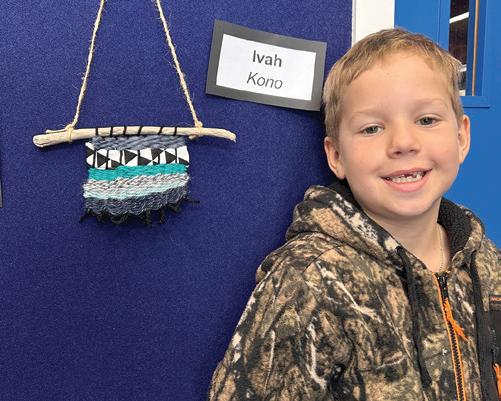
Ivah Wanders recently moved to a bilingual kura in Ōtaki to support his Māoritanga. After a hard couple of weeks adjusting, he is now really enjoying his new class kono and even wishes he could still go in the holidays. Here he is proudly displaying his first artwork at the kura – weaving with different materials: wool, fabric, and driftwood from the beach.
Right: Ivah proudly holding his first weaving artwork at kura.
Rangatahi Zone was another huge success for our rangatahi! On 25- 26 September 2025, we were able to create a vibrant space for our rangatahi to connect, explore, and celebrate their talents.
The event offered over 50 activities across seven interactive zones, including:
• Action and sports – games, challenges, and physical activities
• Kai Zone – cooking and food experiences
• Beauty and career – workshops in hair, beauty, and career guidance
• Arts and crafts / mahitoi – painting, crafts, and creative expression
• Wellbeing / wairua / te ao Māori – healing, rongoā, cultural practices
• Tech zone – gaming, 3D printing, and digital innovation
Rangatahi had the chance to discover new skills, connect with peers, and explore their creativity and culture. Every part of the event was alive with mana and aroha.
A huge mihi nui to our sponsors, our dedicated zone leaders, and all the volunteers whose aroha and commitment made this kaupapa possible. Your support helped create an unforgettable experience for our rangatahi.
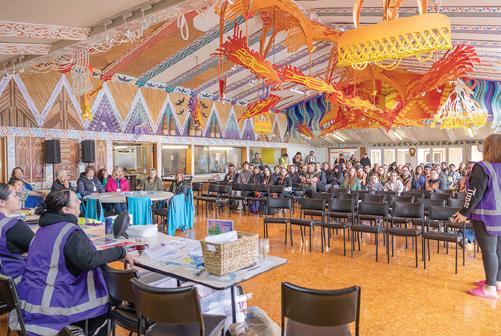
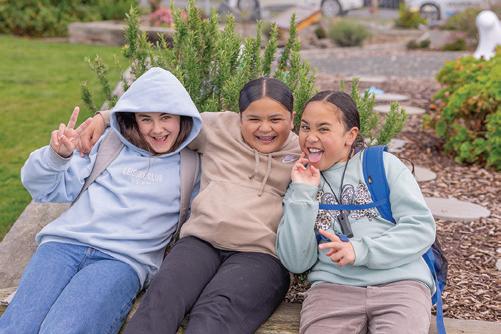
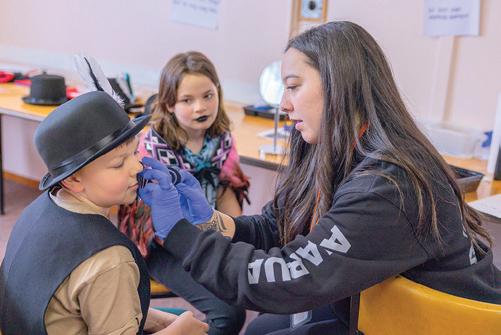
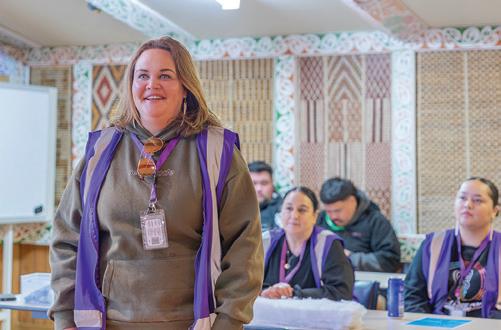
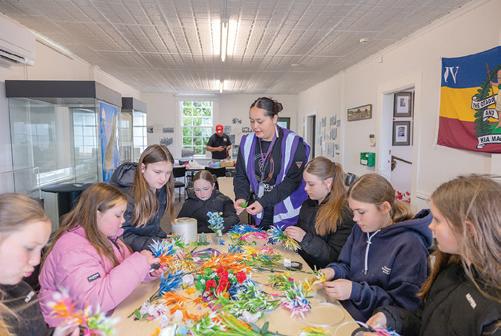
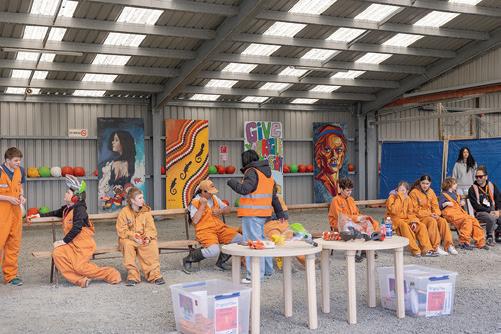
Ngāi Tahu ki Tauranga Moana – Raraka Wānaka
We had such a lovely day of raraka, filled with laughter, learning, and connection. We spent a couple of hours weaving, practising material preparation, and learning how to use it to make a small whāriki. It was so special to sit together, share stories, and weave alongside one another. A big thank you to our kaiako Rebekah Manley, for guiding us with such generosity, and to everyone who came along and added their own strand to the whāriki of our kaupapa. Days like these remind us that weaving is not just about harakeke, but about weaving people, knowledge, and future generations together.
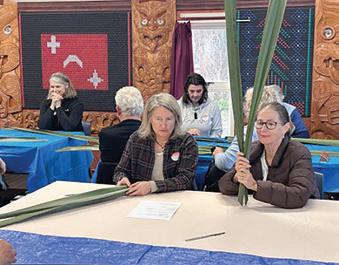
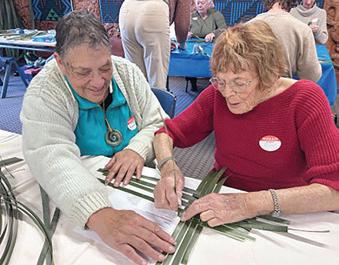
Kua raraka tahi tātou he whāriki mō apōpō – together we weave the mat for future generations.
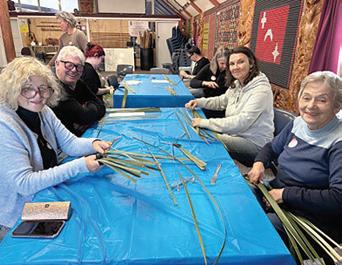
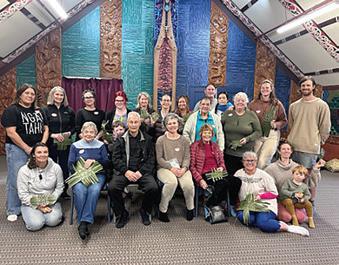
Front row – Andrea Bennett, Jean Bennett, Lachlan Vevers, Ross Hemera, Rebekah Manley, Ollie Irving, Nichola Edwards, Tish Mexted, Bodhi Mexted.
Kāi Tahu ki Otaki
Pua kowhai ki uta
Inaka ki tai
Ka mahiti te rima i te mahi kai
Tūhakerekere i te ono
Hei ō mō te whitu
Mā te iwi e
Ngā mihi o te koaka ki a koutou katoa
Our Kāi Tahu ki Ōtaki whānau whānui met at the beginning of June for kaitahi and waiata after a break for a few months. It was a great start to the Puaka and Matariki phase. Hui have since been held in August and September. We plan to hold hui the first Thursday of each month at Tū Roa kōhanga, starting at 5pm with a shared kai and followed by waiata and whakawhanaukataka.
Nau mai haramai ngā uri o Tahu.
Aoraki matatū!
The Trustees of the Rakiura Māori Lands Trust (RMLT) invite all beneficial owners to the 2026 RMLT Annual General Meeting.
Date: Sunday 15 March 2026
Time: Registration from 10am, meeting 11am–3pm
Venue: Te Rau Aroha Marae, Bluff
Agenda
1. Minutes from previous AGM
2. Presentation trustees report
3. Presentation financial statements
4. General business
5. Election of trustees
Contact Secretary Eliza Snelgar
Email: ess@rmlt.co.nz



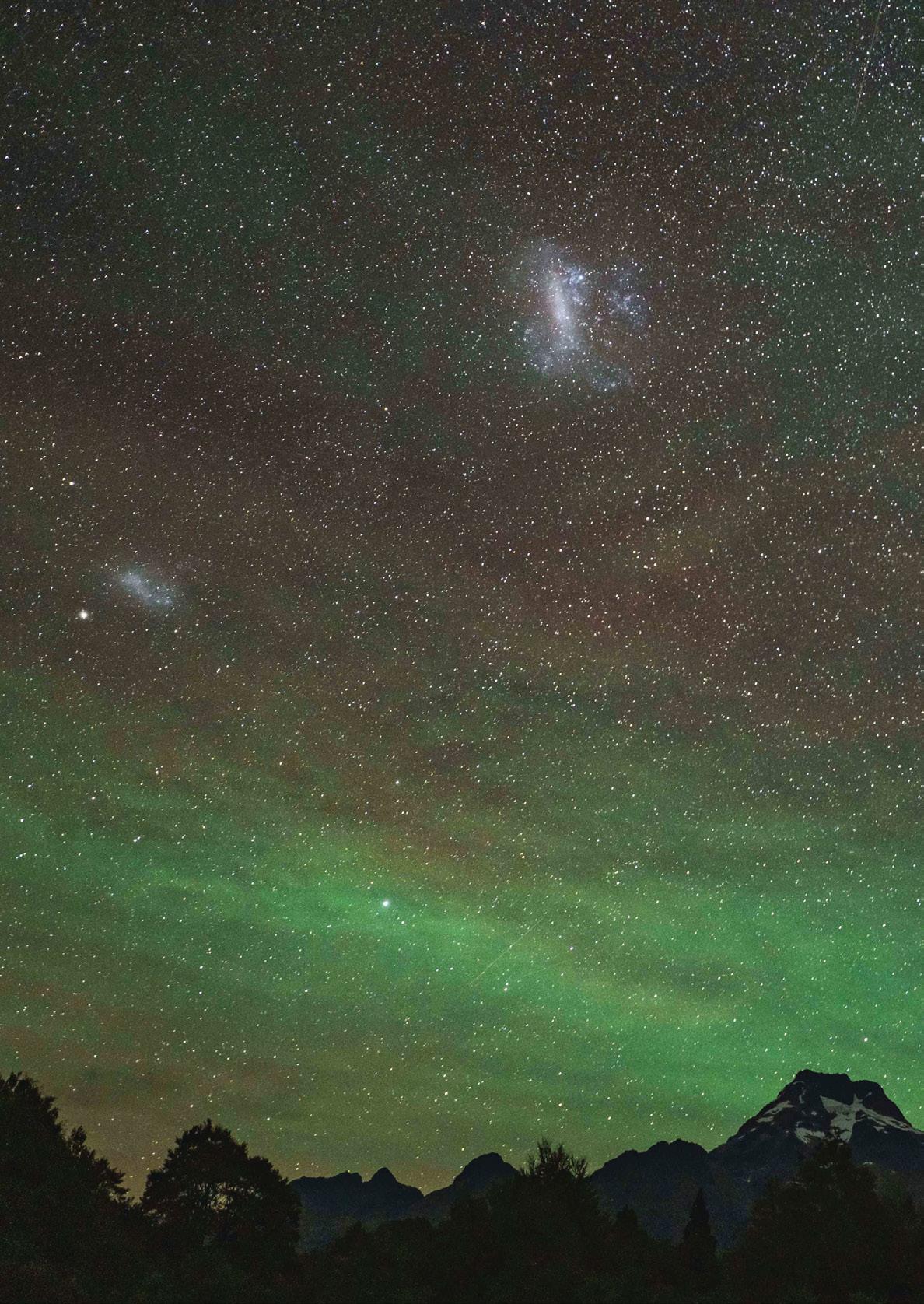
Te Taumutu Rūnanga
Ph: 03 371 2660
E: taumutu@ngaitahu.iwi.nz
Te Hapū o Ngāti Wheke
Ph: 03 328 9415
E: rapaki@ngaitahu.iwi.nz
Te Rūnanga o Koukourarata
Ph: 03 339 8308
E: koukourarata@ngaitahu.iwi.nz
Wairewa Rūnanga
Ph: 03 377 1513
E: wairewa@ngaitahu.iwi.nz
Ōnuku Rūnanga
Ph: 03 381 2082
E: onuku@ngaitahu.iwi.nz
Te Rūnanga o Makaawhio Ph: 03 755 7885 E: makaawhio.admin@ngaitahu.iwi.nz
Ōraka Aparima Rūnaka
Ph: 03 234 8192 E: office@orakaaparima.org.nz
Awarua Rūnanga Ph: 03 212 8652 E: office@awaruarūnaka.iwi.nz
Ngāi Tahu ki Te Taitokerau
Janet Hetaraka
Ph: 09 438 6203
E: janet@hihiaua.org.nz
Ngāi Tahu ki Tāmaki Makaurau
Briar Meads
Ph: 027 929 9992
E: ngaitahutamakimakaurau@gmail. com
Ngāi Tahu ki Rotorua
Anita Smith
Ph: 07 345 8375
E: Anita17smith@gmail.com
Ngāi Tahu ki Tauranga Moana
Rachel Chaney
Ph: 021 129 3665
E: ngaitahukitaurangamoana@ gmail.com
Ngāi Tahu ki Te Matau a Māui
Lisa Walker
Ph: 021 196 3009
E: lisa1.walker31@gmail.com
Kāti Huirapa Rūnaka ki Puketeraki Ph: 03 465 7300 E: admin@puketeraki.nz
Hokonui Rūnanga Ph: 03 208 7954 E: hokonui.office@ngaitahu.iwi.nz
Ngāi Tahu ki Whanganui
Aroha Beckham
Ph: 021 687 6332 E: aroha.beckham@xtra.co.nz
Ngāi Tahu ki Horowhenua –Kapiti Coast Raureka Cook E: raureka.cook@twor-otaki.ac.nz
Ngāi Tahu ki Taranaki
Virginia Hina
Ph: 021 135 3493
E: gin_1_98@live.com
Ngāi Tahu ki Whakatāne
Phil Kemp Ph: 027 478 2919 E: ptkemp@xtra.co.nz
For contributions to Te Pānui Rūnaka, email:
tpr@ngaitahu.iwi.nz or phone: 0800 524 8248
For photographs and graphics please send to: Te Rūnanga o Ngāi Tahu PO Box 13-046, CHRISTCHURCH ISSN 1175-2483 (Online: ISSN 2357-2051) Opinions expressed in Te Pānui Rūnaka are those of the writers and not necessarily endorsed by Te Rūnanga o Ngāi Tahu.
Kaikōura Rūnanga Ph: 03 319 6523 E: takahanga.office@ngaitahu.iwi.nz
Ngāti Waewae Rūnanga Ph/fax: 03 755 6451 E: admin@ngatiwaewae.org.nz
Te Ngāi Tūāhuriri Rūnanga Ph: 03 313 5543 E: tuahiwi.marae@ngaitahu.iwi.nz
Te Rūnanga o Arowhenua Ph: 03 615 9646 E: arowhenua.admin@ngaitahu.iwi.nz
Te Rūnanga o Waihao Ph: 03 689 4726 E: waihao.manager@ngaitahu.iwi.nz
Te Rūnanga o Moeraki Ph: 03 439 4816 E: moeraki.rūnanga@ngaitahu.iwi.nz
Te Rūnanga o Ōtākou Ph: 03 478 0352 E: office@tro.org.nz
Waihōpai Rūnaka Ph: 03 216 9074 E: info@waihopai.org.nz
Ngāi Tahu ki Whanganui-a-Tara
Karen Coutts Ph: 027 365 3993 E: karen.coutts@xtra.co.nz
Ngāi Tahu ki Wairau
Ana Topi Patuki Ph: 022 369 1024 E: ruapuke@hotmail.com
Ngāi Tahu ki Te Tairāwhiti Vernice Waata-Amai Ph: 027 263 6921 E: vernice.w.amai@xtra.co.nz
Kāi Tahu ki Te Urupū (Perth) E: ngaitahuinperth@gmail.com Facebook: Ngāi Tahu ki Perth
Ngāi Tahu ki Melbourne Haileigh Russell-Wright Ph: (04) 5820 2227 E: ladyhailz@gmail.com
Ngāi Tahu ki Waikato
Hinga Whiu Ph: 0211811009 E: hinga.whiu@tainui.co.nz
Ngāi Tahu ki Wairarapa
Karen Bast Ph: 06 378 8737 E: maungateitei_hikurangi_ aorangi@yahoo.co.nz
Ngāi Tahu ki Waikawa
Marama Burgess Ph: 03 5736142 or 0276591840 E: mr.burgess@hotmail.com
Te Kupeka a Tahu (Brisbane) Ph: 0488666610 (+61) E: tekupekaatahu@gmail.com
Ngāi Tahu iwi i Poihākena Angeleau Simpson Ph: 04 20333568 E: angeleanlivs@y7mail.com
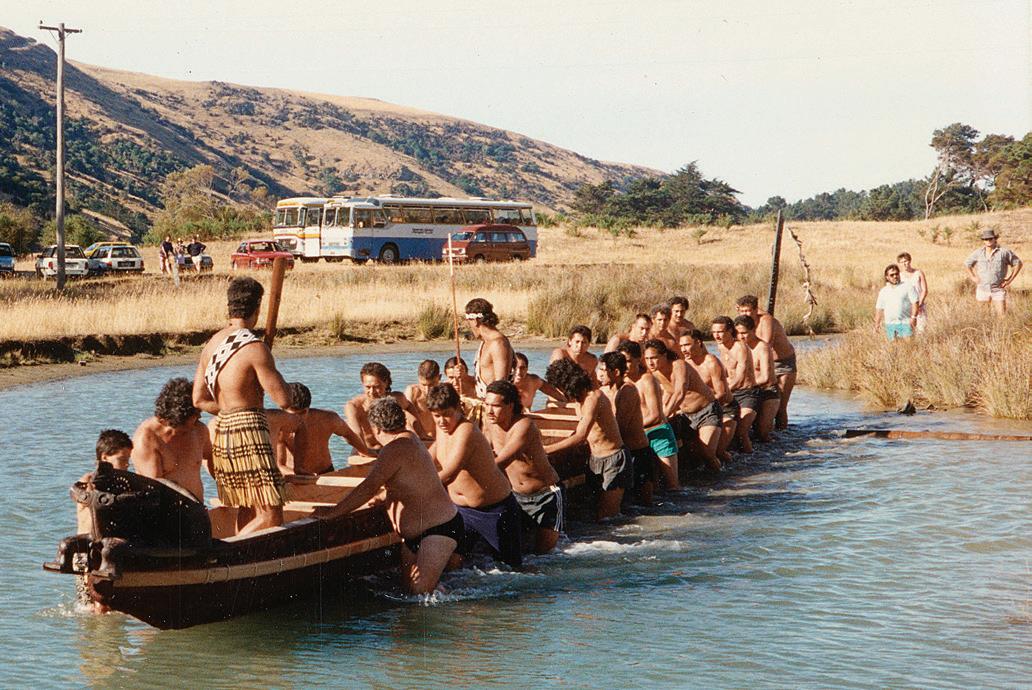
This image comes to us from the Okains Bay Museum collection. It shows the waka Kahukākā being launched into the Ōpara river at Okains Bay on Waitangi Day, 1989. Kelly Davis and David Higgins are identified as being on the shore to the right. If you able to identify anyone in the waka, please contact Robyn Walsh in the Ngāi Tahu Archives unit on 0800 Kāi Tahu (0800 524 8248), we would love to hear from you.