
Turn Holiday Spending into the Gift That Gives Back
The season of giving just got more rewarding
The holidays bring plenty of joy and just as many receipts. Between gift-giving, hosting and travel plans, the season of cheer can quickly turn into a season of spending.
According to the National Retail Federation, American shoppers spent thousands of dollars during the season last year, including approximately $902 per person on holiday gifts, food, decorations and other items that make the season bright. However, savvy shoppers are finding ways to make their holiday spending go further. One way to do this is by choosing a credit card that rewards your purchases with meaningful perks. Consider a travel credit card like the World of Hyatt Credit Card from Chase, which offers opportunities to unlock benefits including free hotel nights, elite status and points on every purchase.
To maximize spending and reward yourself this season, those who apply
for the credit card by Nov. 20 and get approved can earn up to 60,000 Bonus Points - earning 30,000 Bonus Points after spending $3,000 in your first three months from account opening, plus another 30,000 Bonus Points by earning two Bonus Points per $1 spent in your first six months on everyday purchases (up to $15,000). You’ll also enjoy double the progress toward elite status receiving two tier-qualifying night credits per night instead of one through Jan. 31, 2026, plus complimentary Discoverist status with perks like preferred rooms and late checkout.
It’s the ultimate gift that gives back, long after the holidays are over as 60,000 points can go a long way, from 5 nights at a countryside retreat to a weekend beachside getaway. If you’re looking to get the most out of your spending this season, consider these tips to maximize your rewards.
The Joy of Dining Out
Holiday meals aren’t just a break from the chaos; they’re an opportunity to earn your next escape. From brunch with visiting friends to lunch breaks between shopping and festive nights out, every bite can bring you closer to your next getaway. Use the credit card to earn 2X Bonus Points per eligible $1 spent on dining and turn your seasonal celebrations into unforgettable rewards.
Take Advantage of Holiday Trips
If you’re heading home for the holidays or using the season to plan an escape, transportation costs can be just as rewarding as the travel itself. The credit card lets you earn 2X Bonus Points per eligible $1 spent on airline tickets purchased directly from the airline, as well as local transit. Plus, extended benefits like auto rental coverage, extended warranty protection and travel assistance allow you to focus on what matters this season: making memo-

Content courtesy of Chase and World of Hyatt.
Credit Cards are issued by JPMorgan Chase Bank, N.A. Member FDIC.
ries, not managing mishaps. Turn Holiday Stays into Future Getaways
Your holiday hotel stay can help offset future excursions and reach elite status, too. With the credit card, cardmembers can earn up to 9X Bonus Points total per eligible $1 spent on qualifying purchases at more than 1,450 hotels and resorts around the world, including


















participating restaurants and spas. Points can then be redeemed for upgraded accommodations and free nights in standard rooms at hotels like The Venetian Resort Las Vegas for a winter escape or Grand Hyatt Vail for a ski-in, skiout getaway for the whole family.
Give Yourself the Gift of Future Travel
Holiday shopping doesn’t have to be all about giving. As you check off wish lists for family and friends, every purchase made with the credit card can bring you closer to your own dream getaway by earning Bonus Points on everyday spending.






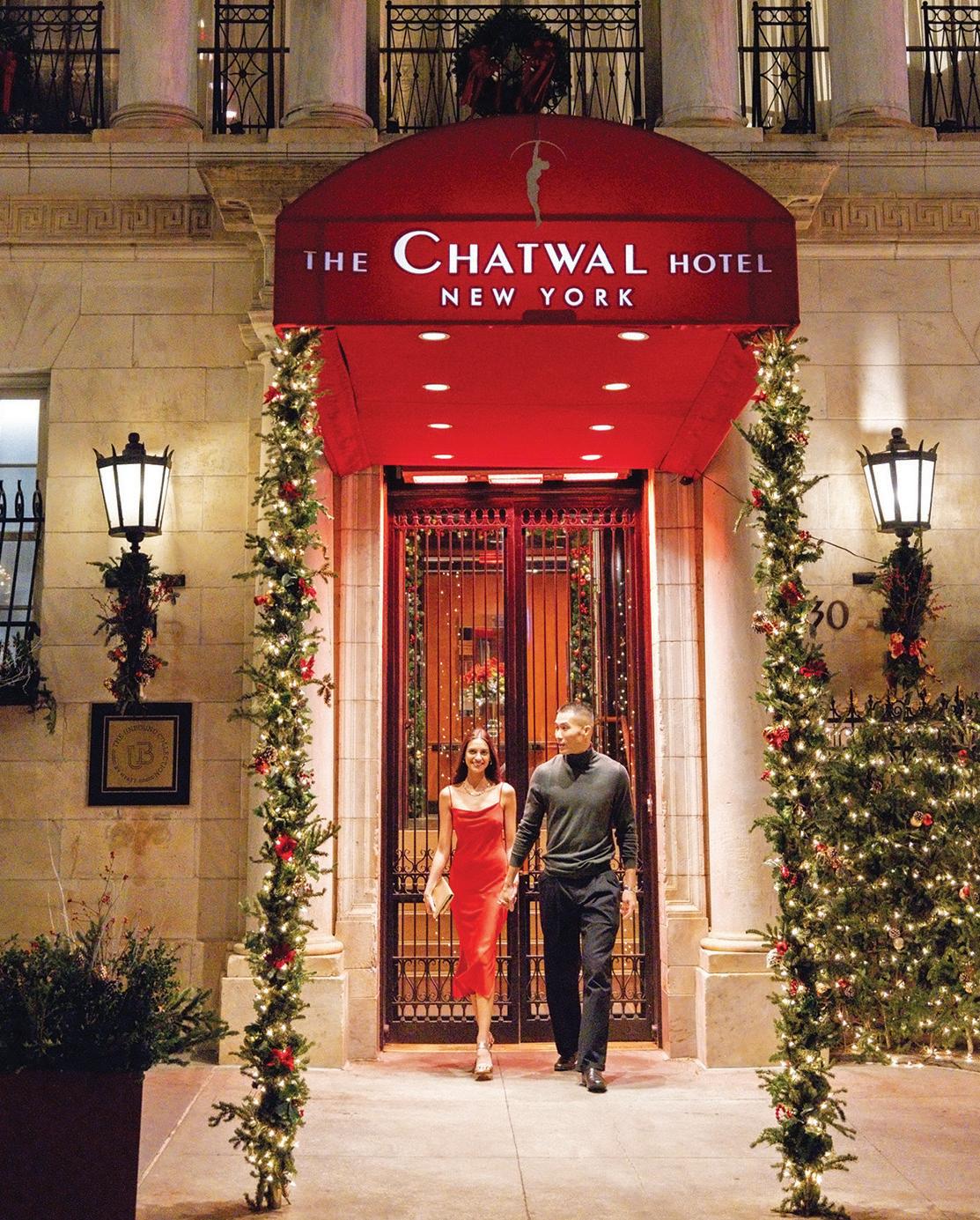
Plus, receive one free night at any Category 1-4 hotel each year after your cardmember anniversary, including beachfront destinations like Hyatt Regency Kotor Bay Resort.
Learn more about maximizing your holiday
Ave. in Bloomingdale.
spending at chase.com/ gethyattcard.
Family Features

Pictured: Mayor John D’Amato, owners Byron Santizo and Carlos Salmeron, accompanied by
Dave Bronkhurst, John Graziano, and Evelyn Schubert, the









As the days grow shorter and the air turns crisp, many believe that the vibrant world of backyard bird feeding fades with the last leaves of autumn. But for those in the know, the arrival of winter does quite the opposite. It introduces a whole new dynamic to the joy of birding in your own backyard.
Winter bird feeding can be a lifeline for our feathered friends, providing them with the essentials they need to survive a harsh winter environment. The three basic essentials for backyard birds don’t change with the seasons: food, water and shelter are critical, and even more so as the temperatures drop and natural resources grow more scarce.
Winter is also a time

The Joy of Backyard Birding Doesn’t End with Summer
to say goodbye to some of our summer avian visitors, as well as hello to those who return for another winter. Hummingbirds, vireos, house wrens, swifts and swallows all head for warmer climates, while dark-eyed juncos, white-throated sparrows and red-breasted nuthatches return to our backyards for a winter respite.
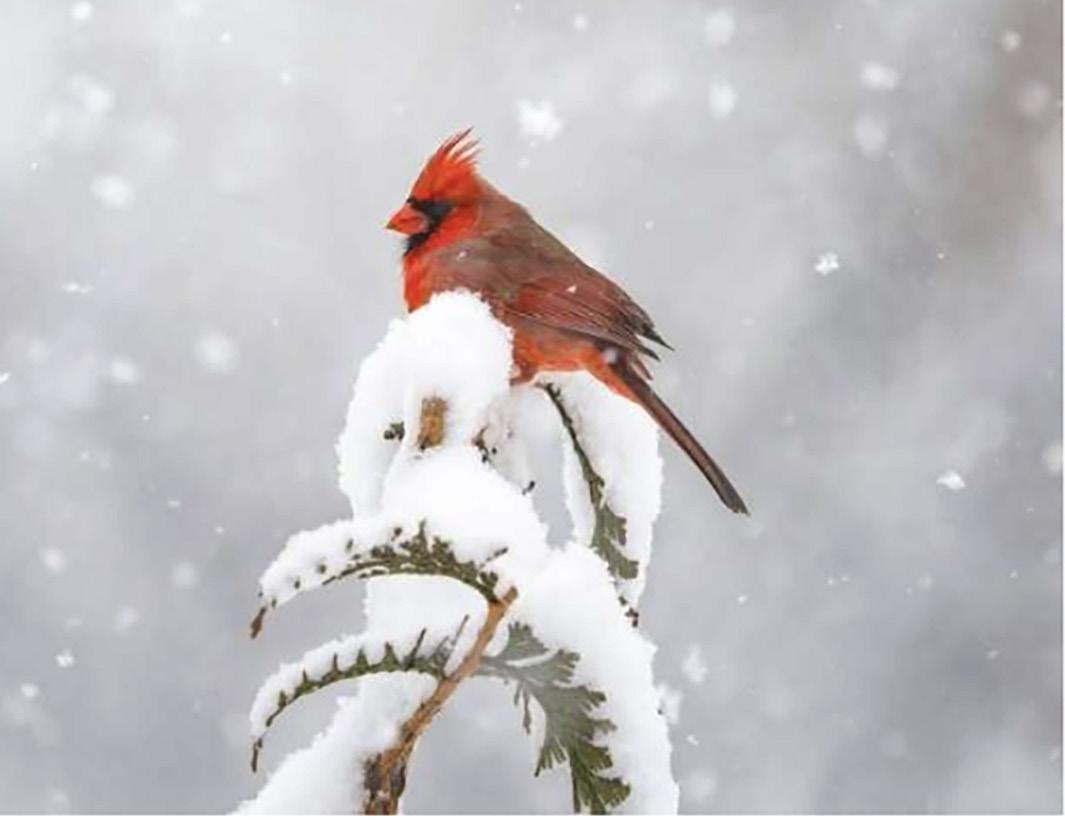
Some of our yearround visitors continue to frequent our gardens but with new wonderment. Watching a brilliant red male cardinal against a blanket of pristine white snow is a sight that never gets old. One of the most important aspects of winter feeding is offering high-energy foods. Sunflower seeds are a favorite among many birds due to their high fat content. Suet – cakes, nug-
gets or balls – are another essential, providing additional fat that helps birds maintain their body temperature on cold winter days and nights.
While food is crucial, fresh water is just as vital. Birds need to drink and preen their feathers, and in freezing temperatures, natural water sources are often unavailable. A heated bird bath is an absolute game-changer, providing a constant source of liquid water, attracting birds for both drinking and bathing.
Birding experts have long recommended that we keep our yards a little less tidy, allowing leaves, brush and spent flower heads to linger through the season. What might seem messy to humans are actually vital mini-ecosystems, provid-
cont. on page 5
For the Holiday Season
Speak No Evil
In Search of our Self-esteem, Self-worth, Self-empowerment, and...True Love Second Edition
Dr. Frank Plateroti earned his Doctorate Degree in Education Research, with a concentration in psychology. He also earned a Master’s Degree in Communication, with a concentration in television and film production. For over twenty years, Dr. Plateroti had taught in the communication department at William Paterson University. Prior to his teaching. he was an international television producer, writer, and director working with network and cable news companies and formed his own international production company.
In 2024, Dr. Plateroti republished an updated and expanded Second Edition of the first book of his trilogy, East Clifton Avenue, while simultaneously launching Book 2. Book 3, which completes the trilogy, is due to be launched early winter 2026. Negotiations for a cable series are underway. The 2025 Launching of a Second Edition of Speak No Evil, and the East Clifton Avenue trilogy are all under Plateroti Publishing.





”It’s
Personal, familial, and romantic relationships are the most important facets of our lives, and at the same time relationships are the most abused facet of the human condition. For anyone looking to improve relationships, especially with the relationship with ourself, Speak No Evil is an important resource.
Parents agree that this book is a must read to help children navigate through these most challenging times.
With the upcoming holiday season and relationship challenges, Speak No Evil would make the perfect gift for others and yourself.


In Search of Our Self-esteem, Self-worth, Self-empowerment, and . . .True Love Second Edition
Photo Credit: Cheryl’s Birds. The brilliant Northern Cardinal against a snowy backdrop.

ing birds shelter, protection and natural food sources in the form of leftover seeds as well as protein-rich insects and other invertebrates.
The Backyard Birding Store, a specialty Nature and Gift shop that opened earlier this year in Pompton Plains, New Jersey, offers all the essentials you need for winter birding, as well as friendly advice to help you get the most out of your backyard oasis. You’ll
also find a huge selection of special and unique holiday gifts – many made in the USA – perfect for the naturelover in your life. So, instead of hanging up your binoculars and packing away the feeders, embrace the changing seasons. Put out some food and water and experience the joy of birding in your own backyard… even in the heart of winter.
If you are a beginner bird-feeder, experienced
birder, or just thinking about starting out, visiting The Backyard Birding Store should be at the top of your list. Quality products, friendly advice and a place you’ll enjoy coming back to often, The Backyard Birding Store is located at 679A Route 23 South, directly across from the Pompton Queen Diner. Visit them online at www.thebackyardbirdingstore.com as well as on Instagram and Facebook.








Winter birding products in ample supply. Andrew Marino, Owner of The Backyard Birding Store.
holiday gifts at The Backyard Birding Store.
Hanukkah, also known as the Festival of Lights, is an eightday Jewish holiday commemorating the rededication of the Second Temple in Jerusalem. Its origins lie in the events surrounding the Maccabean Revolt (167–160 BCE) and the Jewish fight for religious freedom. Celebrated on the 25th day of Kislev in the Hebrew calendar, Hanukkah holds significant historical and cultural meaning for Jews worldwide.
The Historical Context
In the 2nd century BCE, the region of Judea was under the control of the Seleucid Empire, led by King Antiochus IV Epiphanes. Antiochus sought to unify his empire by imposing Hellenistic culture and religion upon the diverse
peoples he ruled. For the Jews of Judea, this meant prohibitions against practicing Judaism, desecration of the holy Temple, and forced participation in pagan rituals.
In 167 BCE, Antiochus ordered the erection of a statue of Zeus in the Jewish Temple and the sacrifice of pigs on its altar. These actions profoundly violated Jewish religious laws and provoked widespread outrage. This led to the Maccabean Revolt, spearheaded by the Hasmonean family, particularly Judah Maccabee and his brothers.
The Maccabean Revolt
The Maccabees, a small band of Jewish rebels, waged a guerrilla war against the Seleucid forces. Despite being vastly out-

The History of Hanukkah

numbered and outmatched in weaponry, their determination and tactical ingenuity led to a series of victories. By 164 BCE, the Maccabees successfully recaptured Jerusalem and reclaimed the desecrated Temple.
Upon entering the Temple, they found it in ruins, with the sacred menorah extinguished and the oil supplies contaminated.
They sought to rededicate the Temple and relight the menorah, which symbolized God’s presence. However, only a small jar of pure oil was found—enough to keep the menorah burning for just one day.
The Miracle of the Oil
According to Jewish tradition, the small amount of oil miraculously lasted for eight days, giving the

Maccabees enough time to prepare more consecrated oil. This event was seen as a divine sign of support for their struggle and became central to the Hanukkah story.
The Evolution of Hanukkah
The celebration of Hanukkah was established to commemorate both the military victory and the miracle of the oil. Unlike major Jewish holidays rooted in the Torah, Hanukkah’s origins are recorded in later texts, such as the Books of Maccabees and the Talmud.
Over the centuries, Hanukkah has evolved into a joyous festival marked by specific traditions. Lighting the hanukkiah, a ninebranched candelabrum, is the holiday’s most icon-
ic ritual, symbolizing the miracle of the oil. Other customs include playing dreidel, eating foods fried in oil (like latkes and sufganiyot), and giving gifts.
Hanukkah’s Modern Significance
Hanukkah represents themes of religious freedom, perseverance, and hope. While it is a relatively minor holiday in terms of religious observance, its proximity to Christmas in Western cultures has amplified its cultural visibility. Today, Hanukkah serves as a time for Jewish families to come together, celebrate their heritage, and reflect on the enduring struggle for faith and identity in the face of adversity.

Amelia’s Last Flight
By Henry M. Holden
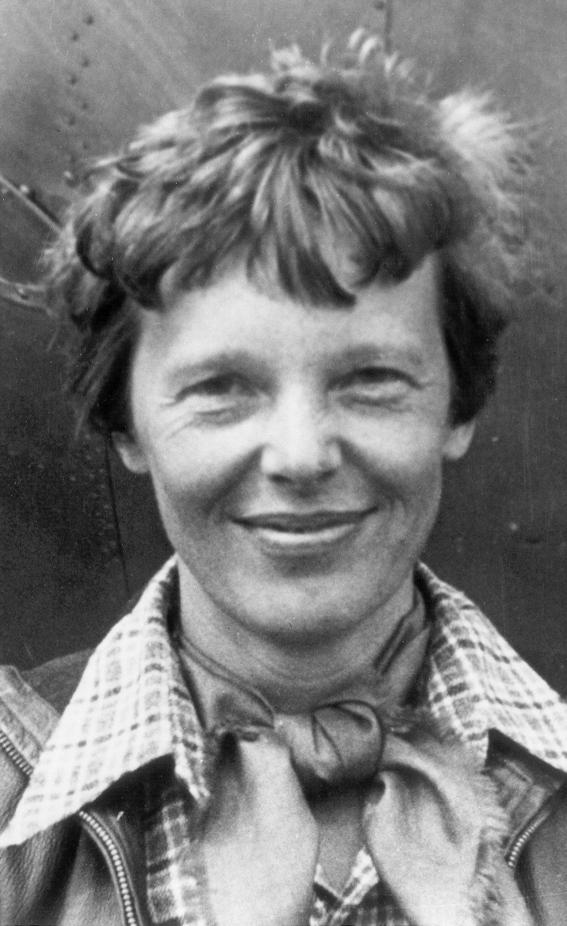
There were dozens of giants among women pilots in the 1930s who showed skill and endurance equal to and better than many men. The most popular and the most controversial figure was Amelia Earhart. No history of women in aviation would be complete without her Earhart’s involvement. She lasted only 10 years, but she created a legend to which her death added an unsolved and mysterious element.
At twenty she had worked as a nurse in a Toronto, Canada hospital. There she developed a strong pacifist attitude. She left nursing after the war saying that only positive outcome of the war was the inevitability of flying.
By the time she started flying at the age of 23, she had developed strong convictions on the independence of women in aviation, and an aversion to alcohol and believed that women's place was not always in the home.
Researchers from Purdue University will join an Archaeological Legacy Institute expedition to the South Pacific this month. They will be investigating a visual anomaly in Nikumaroro Island's lagoon that could be Amelia Earhart's Lockheed Electra 10E aircraft piloted by Amelia Earhart during her attempt to circumnavigate the globe as the first female aviator.
Amelia Earhart was a pioneer in aviation whose achievements opened doors for women in flight and leadership.
Earhart was a major figure in aviation, achieving key milestones and paving the way for future women in flight and leadership. Her legacy is often cited as an example of perseverance and progress.
Earhart broke aviation records and challenged early views about women's abilities, inspiring others to follow their goals regardless of gender or background. Her disappearance remains a well-known unsolved mystery in aviation, attracting ongoing interest from historians and the public.
The question of what happened to Earhart and her navigator Fred Noonan remains unresolved. Although technology has improved and several searches have been conducted, there is no definitive evidence regarding the aircraft or their last known position.
Earhart and Noonan's aircraft disappeared over the Pacific on July 2, 1937, with no further contact. The absence of clear evidence continues to fuel investigation and specu-
lation.
Ongoing interest in Earhart's disappearance has prompted multiple research efforts, including a current collaboration between Purdue University and the Archaeological Legacy Institute.
For almost ninety years, different theories have been proposed regarding the disappearance, but none have been conclusively validated.
Amelia Mary Earhart was born July 24, 1897; and disappeared July 2, 1937. She was declared dead January 5, 1939. She would have been forty . The search for Earhart and Noonan has engaged both professionals and amateurs internationally. New theories or search activities regularly renew interest in the case.
She accomplished several milestones, such as being the first female pilot to complete a











Happy Holidays from Our Family to Yours




Amelia's Last Flight..
cont. from page 7
solo nonstop transatlantic flight, writing books on aviation, and contributing to the establishment of the Ninety-Nines, an organization for women pilots.
Amelia Earhart, originally from Atchison, Kansas, demonstrated an early interest in adventure and aviation. In 1928, she gained recognition as the first female passenger to cross the Atlantic by airplane. She further distinguished herself in 1932 by completing a nonstop solo transatlantic flight, for which she received the Distinguished Flying Cross. In 1935, Earhart joined Purdue University, serving as an advisor in aeronautical engineering and a counselor to female students. Committed to advancing women's rights, she was actively involved with organizations such as the National Woman’s Party and advocated for the Equal Rights Amend-

ment.
In 1937, Amelia Earhart and her navigator Fred Noonan disappeared near Howland Island in the central Pacific Ocean while attempting a worldwide flight aboard the Lockheed Model 10-E Electra. Their final confirmed stop was Lae, New Guinea. It is widely accepted that the aircraft likely exhausted its fuel supply prior to reaching Howland Island and subsequently crashed in the vicinity.
Her disappearance led to speculation and many tributes, including posthumous honors and memorials. Earhart has inspired films, documentaries, books, and is recognized as a prominent figure in aviation. But, she had a life before aviation.
In December 1917, Earhart volunteered as a nurse’s aide in Toronto after seeing World War I soldiers return and became interested in
On December 28, 1920, after attending an aerial event in Long Beach, California, and taking a short passenger flight with Frank Hawks, Earhart began flying lessons. In the following month, she engaged Neta Snook as her instructor and completed twelve hours of instruction.
ground-looped, collapsing the landing gear. The exact cause is unclear; some witnesses reported a blown tire, while others cited pilot error. With the aircraft badly damaged, the attempt was abandoned, and the plane was shipped to Lockheed in California for repairs.
aviation through pilots' stories. Her fascination grew after attending an air show in the early 1920s, leading her to consider flying herself. On December 28, 1920, after experiencing a passenger flight in Long Beach, California, she decided to start lessons with instructor Neta Snook. She completed twelve hours of instruction.
Throughout her life, Earhart was involved in celebrity culture and advocated for women's rights; since her disappearance, she has remained a topic of international interest. Earhart was also among the early aviators to promote commercial air travel, authored books about her flying experiences.
Her involvement with aviation increased in the early 1920s after attending an air show in Toronto and observing a demonstration by a World War I pilot.
Earhart was born and raised in Atchison, Kansas, where she developed an interest in exploration from an early age and gradually accumulated flying experience during her twenties. In 1928, she came to public attention as the first female passenger to cross the Atlantic by airplane. In 1932, she became the first woman to complete a nonstop solo transatlantic flight. She received the Distinguished Flying Cross for her achievement. In 1935, she joined Purdue University as a visiting faculty member, serving as an advisor in aeronautical engineering and a career counselor to female students. She was affiliated with the National Woman's Party and supported the Equal Rights Amendment. Her career is often compared with those of early aviator Charles Lindbergh and First Lady Eleanor Roosevelt, reflecting her association and influence within women's advocacy.
On March 17, 1937, Earhart and her navigator set out on the first leg of her round-the-world flight, but they abandoned this attempt after a non-fatal crash. On the second attempt, the propeller hubs' variable pitch mechanisms had problems, so the aircraft was taken to the U.S. Navy's Luke Field facility at Pearl Harbor to repair the damage.
The cause of the crash is not known; some witnesses at Luke Field, including an Associated Press journalist, said they saw a tire blow.
Three days after arriving at Luke Field, Earhart, Noonan, attempted to take off for Howland Island. During takeoff, the plane
Earhart welcomes a new partne, publisher George Palmer Putnam (September 7, 1887 – January 4, 1950) an American publisher, writer, and explorer. Known for his marriage to (and being the widower of) Amelia Earhart, he also achieved fame as one of the most successful promoters in the United States during the 1930s.
A significant event in Putnam's personal and business life occurred in 1928. Because of his reputation for working with Lindbergh, he was contacted by Amy Phipps Guest, a wealthy American living in Londen who wanted to sponsor the first-ever flight by a woman across the Atlantic Ocean.
Guest asked Putnam to find a suitable candidate, and he eventually came up with the then-unknown aviator, Amelia Earhart. As it turned out, they shared many common interests: hiking, swimming, camping, riding, tennis and golf. After she completed her flight across the Atlantic, Putnam offered to help Earhart write a book about it, following the formula he had established with Lindbergh in the writing of "WE". The resulting Earhart book was 20 Hrs. 40 Min. (1928).
The trip started out well, for 40 days and over 22,000 miles until the longest and most dangerous leg a 2,556 mile hop from Lae, New Guinea to Howland Island which was a one mile by two-mile strip of sand near the equator. To ensure her safety the US Navy had ships along the route with the radio latest radio device direction finding equipment. President Roosevelt ordered a massive 60,000 square mile area search costing
over $4 million but failed to turn up the plane or the pilots. On October 23rd, the US Navy declared Noon and Earhart Noonan lost at sea. The subsequent investigation found that carelessness had led to the tragedy. Earhart had left emergency flares in a hangar and had removed some radio equipment to reduce the plane’s weight. In doing so, she had reduced the range of the equipment. The aircraft also lacked emergency portable radio equipment, and the official report said the combination was that the crew’s lack of expert knowledge in radio. No one appears to have told Earhart about another radio frequencies available, or the high frequency radio direction finding equipment on Howland Island.
Yet, her mysterious disappearance still generates speculation. Many rumors persist, the strongest being that she was a spy for the United States and executed by the Japanese because she had discovered the military buildup in the Pacific. While that rumor persists, it is unlikely since Earhart was an ardent pacifist and not trained in spy activities. As for spy equipment all she carried was a tourist type camera.
Let us say Earhart was a spy. It made more interesting reading then to say she and Noonan simply ran out of gas and were lost at sea.
Celebrating America’s Sesquicentennial
By Henry M. Holden
America's Sesquicentennial commemorates 250 years since the United States of America declared its independence. Commonly referred to as Independence Day, July 4 marks the anniversary of the approval of the Declaration of Independence in 1776, which established the nation as the United States of America.
The founding of the United States resulted in a significant geopolitical change and contributed to the adoption of Enlightenment principles such as democracy, human rights, free speech, and representative government.
The American Revolution was a significant, world-changing event that took place in the British Colonies in North America from 1763 to 1774.
Over the following two-and-a-half centuries, the United States became a highly influential and powerful country. The American Founding is viewed as an important historical event with considerable impact on global history, both in political and other contexts.
As Americans from the Revolutionary War era faded into history, they established traditions of celebrating and welcoming immigrants, fostering social and economic growth. Global conflicts became common ways to resolve differences, with America involved in many such disputes. Some critics of the Revolution may acknowledge these aspects but struggle to accept its significance. The rebels themselves were passionate about issues like taxes and trade—interests often seen as unconventional, much like those who celebrate the founding today.
Many history books reference events and celebrations planned for the Declaration's 50th Independence Day anniversary on July 4, 2026.
Most people, including critics of the American Revolution, agree on certain points but struggle to accept its necessity. Western culture often views rebellion and revolution as heroic or romantic, even though advocacy for violent change was once heavily censored.
In 2025, President Donald Trump established the White House Task Force on Celebrating America's 250th Birthday to promote and coordinate related events. The Fourth of July is traditionally associated with activities such as fireworks, parades, barbecues, carnivals, fairs, picnics, concerts, baseball games, family reunions, and political speeches. Independence Day is recognized as a national holiday due to its significance in American history.
Historically, American colonists wore powdered wigs and various types of clothing and spoke with regional accents; discussions often focused on topics like taxes and trade. Today, these historical elements are less central in mainstream celebrations, and some individuals commemorate the American Founding in different ways.
The official planning for commemorating 91,250 days of independence began in 2015 with the creation of the non-partisan United States Semi Quincentennial Commission by Congress. While the United States was founded upon democratic principles, initially only a minority of the population—specifically white landowning males over the age of 21—had the right to vote.
The resolution of conflict within the United States required a devastating civil war that claimed up to 750,000 lives, as estimated by some historians. Subsequently, four Constitutional Amendments were enacted to secure universal freedom for all individuals in the country.
The 13th Amendment to the United States Constitution abolished slavery and involuntary servitude, except as punishment for a crime. Ratified on December 8, 1865, it granted Congress the authority to enforce this abolition, ensuring that slavery would no longer be legally permissible in the United States. In effect, this amendment prohibited the ownership of slaves or compelling individuals to work against their will, unless convicted of a crime.
The 14th Amendment, ratified on July 28, 1868, conferred citizenship upon all persons born or naturalized in the United States once it received approval from three-quarters of the states.
The 15th Amendment, ratified in 1870, barred federal and state governments from denying citizens the right to vote based on race, color, or previous condition of servitude. While this gave African American men the right to vote, various suppressive measures such as poll taxes and literacy tests continued to restrict suffrage in the South for many years.
The 19th Amendment established the fundamental legal principle that all citizens, regardless of sex, have an equal right to participate in elections. This constitutional provision removed a major barrier to political participation and broadened the definition of eligible voters under federal law. Its passage ensured that women could exercise their right to vote, although the struggle for voting rights persisted for many African Americans, particularly in southern states.
During the American Revolution, the formal separation of the thirteen colonies from
HOLIDAY CRAFT SHOW
SUNDAY DECEMBER 7th 10am to 5pm

Great Britain occurred on July 2, 1776, when the Second Continental Congress approved a resolution of independence proposed in June. Following the vote for independence, Congress focused on drafting the Declaration of Independence, a document explaining the decision, which was prepared by the Committee of Five with Thomas Jefferson as its principal author.
Tensions between the American Colonies and Great Britain escalated in 1774 after Parliament enacted the Intolerable Acts, designed to punish Massachusetts for the Boston Tea Party and to curb unrest by closing the port and imposing martial law. In response, the colonies organized the First Continental Congress and formed the Continental Association, instituting a colony-wide boycott of British goods—one of several actions that precipitated armed conflict between Great Britain and the colonists.
These measures reflected a broad socio-political reaction against British taxation and policies, ultimately leading to the Revolutionary War, the Declaration of Independence, and the creation of the United States as an independent nation.
Throughout North America, colonists expressed solidarity with Massachusetts, sending aid from places as distant as Georgia. By late spring 1774, nine colonies had called for a continental congress, with Virginia’s Committee of Correspondence initiating the invitation and Connecticut being the first to respond. Colonial legislatures empowered delegates to participate, electing representatives through legislative bodies or committees of correspondence.
The First Continental Congress convened at Carpenters’ Hall in Philadelphia, Pennsylvania on September 5, 1774, with delegates from all thirteen colonies except Georgia, which abstained due to ongoing conflict with Native American tribes and a reluctance to compromise British assistance.
On October 14, 1774, the Congress adopted the Declaration & Resolves, expressing opposition to the Coercive Acts, affirming colonial rights, and detailing grievances concerning British governance beyond the Intolerable Acts. The document asserted that colonists were “entitled to life, liberty, and property,” and emphasized that “the foundation of English liberty, and of all free government, is a right in the people to participate in their legislative council.”
At the conclusion of the First Continental Congress, delegates submitted a Petition to "The King's Most Excellent Majesty" on October 26, 1774.
Many delegates expressed skepticism regarding the likelihood of altering the king’s stance towards the colonies but also agreed that all avenues should be explored to deescalate the conflict before considering more drastic measures. When Congress reconvened, hostilities had commenced; consequently, the Second Continental Congress established the Continental Army and appointed George Washington as its commander.
There is a misconception among some today that oversimplifies the American Revolution, reducing it either to tax disputes or dismissing it as an insincere quest for freedom and equality.
Holt’s Journal noted, “The synod of New York and Philadelphia, at their recent meeting in the former city, designated the last Thursday in June as a day for fasting and prayer across all congregations under their care due to the grave condition of public affairs.” The initial response from the colonists was through the Continental Congress, which urged congregations to “spend the afternoon of the last Thursday in every month in public prayer during the continuation of current troubles.”
The principal tasks included drafting a letter of grievances to Parliament and organizing a colonial boycott. Another significant achievement was the development of an alarm syscont. on page 10

Computer Repair Expert
New Customers Only
Expires December 31, 2025

Celebrating...
cont. from page 9
tem to quickly disseminate news of key events throughout the colonies.
Samuel Adams of Boston played a crucial role in establishing the Massachusetts Committee on Correspondence in 1772, aimed at facilitating communication across towns. Express riders would travel between communities to mobilize local militia leaders as needed, with provisions for fresh horses to support their journeys. Signals such as ringing bells and firing muskets were used to alert
militias to assemble at prearranged locations.
The first use of this alarm system occurred in September 1774 when General Gage dispatched 250 troops from Boston to Cambridge to remove 250 barrels of gunpowder stored for both British and Militia use. This event, known as The Powder Alarm, was notable because the Parliamentary decree had prohibited the import and sale of gunpowder to colonists.
In December 1774, Paul Revere was sent by the Mas-
sachusetts Provincial Government on a 66-mile journey to Portsmouth to warn of similar actions planned at Fort William and Mary, located at the mouth of the Piscataqua River (now New Castle Island). These actions led local militia to seize the fort and confiscate cannons and gunpowder, later employed at the Battle of Bunker Hill.
June 17, 1775: Battle of Bunker Hill
British forces under Generals Howe and Pigot engaged American troops at
Breed’s Hill. Though Americans repelled two assaults, they exhausted their ammunition and lost the position on the third attack. Despite their victory, the British incurred substantial casualties, underscoring the determination present on both sides.
A major test of the alarm system came in April when General Gage ordered Colonel Francis Smith and 1,000 troops to “seize and destroy all artillery, ammunition, provisions, tents, small arms, and military stores” on April 18th. Riders including Revere, William Dawes, and Samuel Prescott set out to warn local militia and alert Sam Adams and John Hancock about imminent arrest and deportation for trial on charges of treason. Only Prescott reached Concord; Revere and Dawes were detained and released without horses.
Israel Bissell, another rider, carried urgent messages from General Joseph Palmer, reporting British reinforcements. Bissell traveled a considerable distance, stopping at Worcester, Hart-
ford, and according to legend, as far as Philadelphia, where messengers relayed updates southward. News was published in newspapers in Baltimore, Annapolis, Williamsburg, New Bern, and, by May, Charlestown, South Carolina.
The rapid dissemination facilitated by The Lexington Alarm enabled militia forces to respond swiftly, surprising British troops. According to the American Battlefield Trust, colonial militia outnumbered the Redcoats nearly 4,000 to 1,500, with 300 British casualties compared to 93 Colonial wounded or killed.
By 1775, approximately 7,000 British soldiers were stationed in America, with 4,000 in Massachusetts alone. Governor Thomas Gage had received expanded powers, and unrest prevailed. Based on intelligence regarding militia armaments, Gage instructed Lieutenant-Colonel Francis Smith to march to Concord for seizure operations. Intelligence networks suggested an additional objective: the capture of Samuel Adams
Charles Augustus Lindbergh - Lucky Lindey
By Hennry M. Holden
Charles Augustus Lindbergh, known to the world as "Lucky Lindy," was a pioneering aviator whose feats captivated the public imagination and changed the course of aviation history. His solo transatlantic flight from New York to Paris on May 21, 1927 propelled him to international fame, making him one of the most celebrated figures of his era. Lindbergh's accomplishments not only advanced the field of aviation but also inspired a generation to dream beyond the horizon.
This remarkable achievement is a significant chapter in the history of aviation that unites two countries. At the time, France and the United States are the two pioneering nations of aviation.
Lindbergh’s achievement in crossing the Atlantic solo not only demonstrated remarkable skill and courage, but also highlighted the potential for aviation to bridge continents and connect cultures. The public’s fascination with his journey sparked a surge of interest in air travel, leading to rapid advancements in airplane technology and commercial aviation during the following decades. His legacy endures as a symbol of innovation and perseverance in the face of daunting challenges.
Lindbergh's groundbreaking flight in the Spirit of St.
Louis not only captured headlines but also earned him the Orteig Prize, ($25,000) awarded for the first nonstop flight between New York and Paris. The feat required immense preparation, including custom aircraft modifications and meticulous planning to ensure the journey's success. Upon landing at Le Bourget Field near Paris, Lindbergh was greeted by an ecstatic crowd, solidifying his reputation as a global hero.
Both nations had contributed significant advancements to the field, fostering an environment of healthy competition and collaboration. Lindbergh's daring flight further solidified the transatlantic bond and underscored the spirit of innovation shared by France and the United States.
From an early age, Charles Lindbergh had exhibited an interest in the mechanics of motorized transportation, including his family's Saxon Six automobile, and later his Excelsior motorbike.
Before his legendary flight, Lindbergh had shown an early fascination with mechanics and flight, often tinkering with engines and dreaming of the skies. This passion led him to seek opportunities that would pave the way for his future in aviation, even as he faced financial and practical obstacles along the way.
When Lindbergh began college as a mechanical engi-
and John Hancock. However, the size of the British force implied broader intentions. Both forces converged on Lexington Green at sunrise on April 19, where Captain John Parker led 80 militiamen—primarily farmers and tradesmen—armed with diverse firearms.
After order was restored, British troops advanced to Concord. Casualties totaled 95 Americans and 273 British. The Battles of Lexington and Concord galvanized New Englanders to initiate the Siege of Boston, culminating in the British withdrawal the following March. These confrontations strengthened American resolve, demonstrated the viability of citizen soldiers against professional troops, and marked a pivotal moment in the formation of the United States of America.
Originally titled Yankee Doodle, this is one of several versions painted by A. M. Willard. The first appeared in 1876, the centennial of 1776.
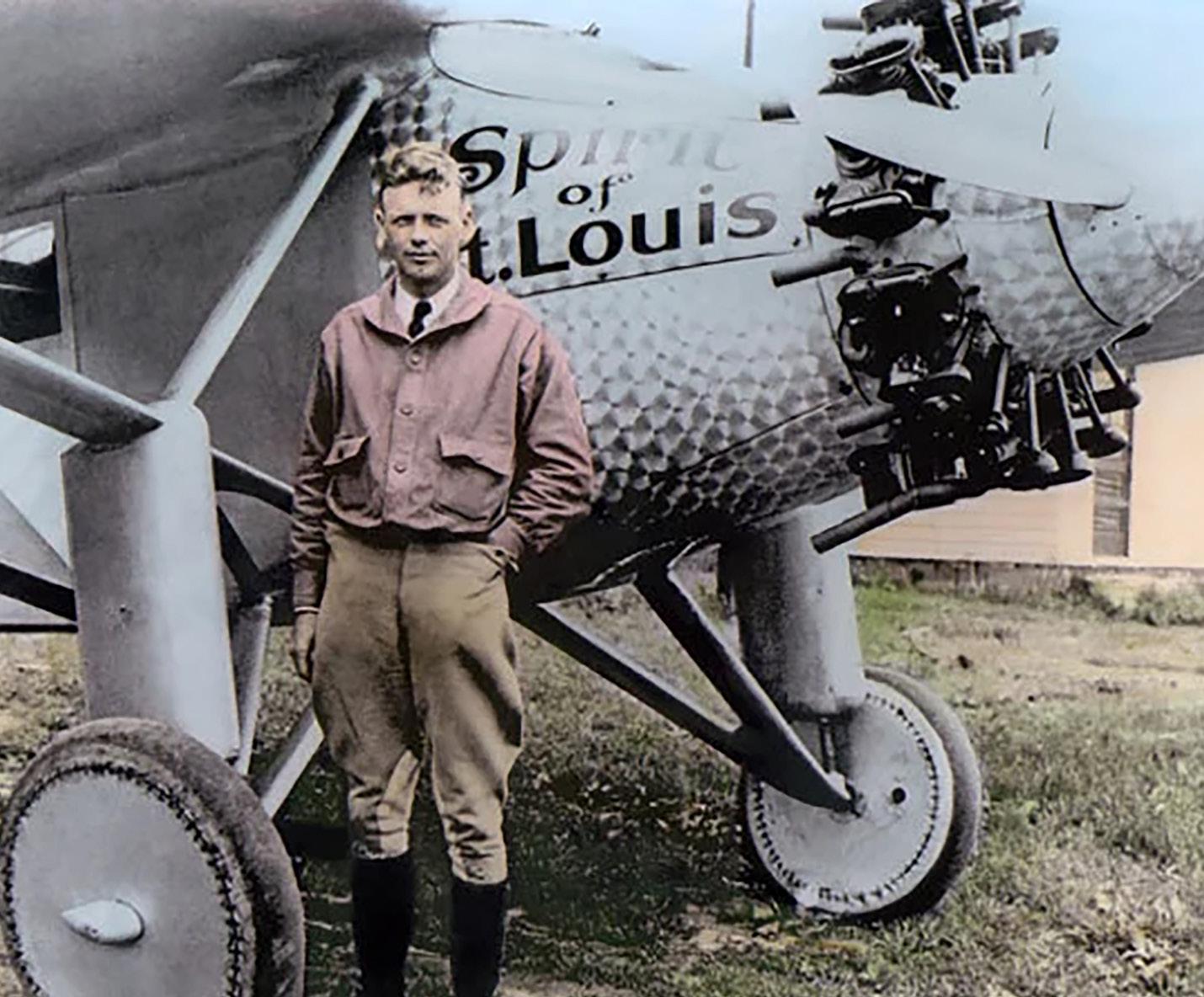
neering student, he was already interested in flying, despite never having touched an airplane.
His determination and innovative spirit kept him moving forward despite setbacks, and he soon found himself immersed in the world of aviation. Lindbergh's journey from
Shepherd’s Haven: Senior Social Club

Young or old, most of us benefit from having friends and maintaining an active lifestyle. As we age, it’s important to be around others who understand our challenges and can help us to live our best lives. That possibility is not far out of reach.
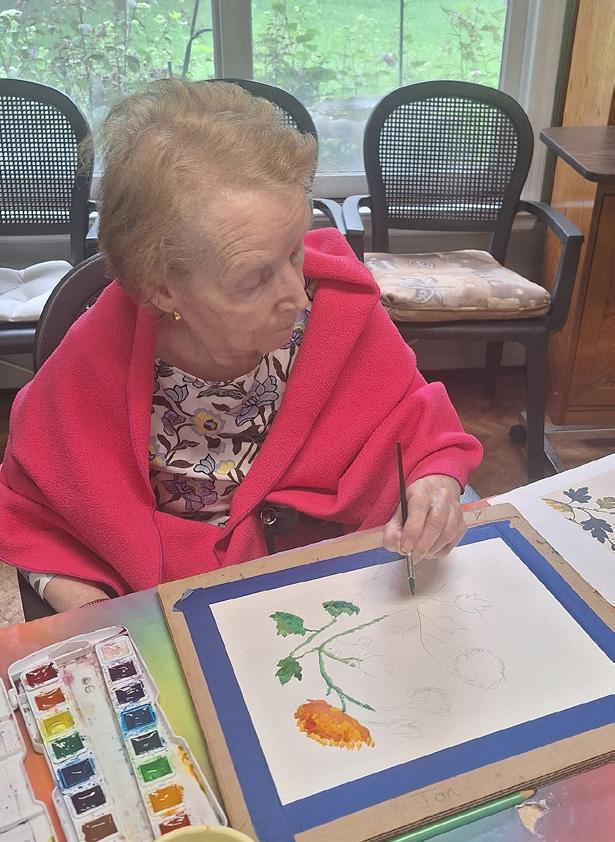
Shepherd’s Haven is a senior adult day center located In Pompton Lakes. We are a non-medical facility that fosters social interaction through music, art, trivia games, puzzles, light exercise, and other activities designed to promote memory and cognitive skills.
Founded in 2007, Shepherd’s Haven offers small group activities in a home-like
Charles Augustus... cont. from page 10
a curious young enthusiast to a trailblazing pilot serves as a testament to the power of persistence and the allure of flight.
He didn’t appreciate the place in society for a would-be engineer so he quit college in February 1922.
Lindbergh's path to becoming an aviator was shaped by both his resourcefulness and his willingness to take risks. After observing airplanes from a distance and pursuing his mechanical studies, he finally had the chance to fly as a passenger, an experience that solidified his resolve to become a pilot. To finance his training, he eagerly accepted odd jobs and saved every dollar, demonstrating the same determination that would later define his historic achievements.
He enrolled at the Nebraska Aircraft Corporation's flying school in Lincoln. Lindbergh's unwavering commitment to his dream led him to Lincoln, Nebraska, where he finally began his formal flight training. Although financial constraints prevented him from immediately soloing, his experiences during this period laid the groundwork for his future accomplishments in aviation. The challenges he faced only fueled his determination to succeed, and he continued to seek every opportunity to learn and advance his skills as a pilot.
He experienced his first flight as a passenger on April 9, riding in a two-seat Lincoln Standard "Tourabout" biplane trainer. Shortly after, Lindbergh began his initial formal flying lessons using that same plane, but he was unable to solo because he lacked the funds for the required damage bond. To build his flying experience and earn money for further training, Lindbergh left Lincoln in June and spent time barnstorming across Nebraska, Kansas, Colorado, Wyoming, and Montana as a wing walker and parachutist. He also briefly held a position as an airplane mechanic at the municipal airport in Billings, Montana.
Charles Augustus Lindbergh Jr., the son of Charles Lindbergh and Anne Morrow Lindbergh (an aviator and author), was born on June 22, 1930. When he was 20 months old, he was tragically murdered after being abducted from his crib on the upper floor of the family's home in East Amwell, New Jersey.
Around 9:00 p.m. on March 1, 1932, the Lindberghs' nurse, Betty Gow, discovered that cont. on page 25

atmosphere. Daily, a light breakfast and home-cooked lunch are served. The small group size allows clients to form close bonds with other clients and staff. New clients are offered a free day to experience what our program is like, and to see if it is a good fit for them.
Transportation to and from Shepherd’s Haven can be arranged through Dial-ARide or Passaic County Paratransit. We are open weekdays from 9AM to 3PM. For more information, or to set up an appointment to tour the facility or arrange your free trial day, please contact us at 973-835-4747, or via email at shepherdshavennj@gmail.com.
Shepherd’s Haven Adult Day Center

Us for a FREE Day
• Small group meets in a home-like setting
• A well-needed respite for caregivers
• Daily: Light breakfast & home-cooked lunch served with dessert
• Light exercise, tons of trivia, word games, socialization, music and lots of fun!
Our Daily Activities promote:
• Laughter through entertainment & jokes
• Encouragement through games & social interaction
• Memory recall through trivia & word games
• Conversation through lively topics & discussion
• Expression & Creativity with crafts & painting
• Socialization, which improves quality of life
event for new clients.

Take the Stress Out of Winter Travel
While there's plenty to appreciate about winter travel, including picturesque scenery and festive moments with loved ones, the season brings a unique set of challenges, too. However, you can take steps to manage potential stress as you prepare for a seasonal journey.
For example, as flight delays and cancellations seem to become more common, travel insurance is one way vacationers can ease the burden of common travel issues that arise during crazy winter weather.
Consider these tips to reduce the stress of winter vacationing from the experts at World Nomads, which has protected, connected and inspired global travelers for more than 20 years. Designed to meet the needs of modern travelers, their flexible protection plans provide coverage to more than 100 countries with benefits including trip cancellation, emergency medical expenses, baggage cover and more to help you travel bravely.
Set realistic expectations. Some destinations are better when the weather gets blustery, but winter conditions can affect your ability to enjoy certain attractions in other locations. Planning ahead for weather-appropriate activities ensures you can make the most of your visit, whether it's a prime winter destination or not.
Anticipate delays and cancellations. Unpredictable weather can hinder winter travel, so it's a good idea to build extra time into your itinerary so you can roll with any potential delays. Especially if you're traveling with children, have entertainment and backup plans ready so you can avoid adding tired, cranky kids to the mix.
Invest in travel insurance. To prepare for the unexpected, reduce your financial risk of unforeseen events

Photo courtesy of Shutterstock
with travel insurance. A leading travel insurance provider, World Nomads offers flexible travel protection plans for U.S. residents, including an Annual Plan that allows travelers to cover multiple trips (up to 45 days in length) over a 12-month period. Designed for frequent travelers, it includes travel insurance benefits for emergency medical expenses, baggage and baggage delay, rental car damage, trip cancellation, trip delay and more for international and domestic trips that are over 100 miles from your home. What's more, all plans also cover some of your favorite winter activities like skiing, snowboarding, bobsledding and beyond for added peace of mind (exclusions may apply). If something unexpected happens, your plan may provide reimbursement for emergency medical expenses, trip interruption coverage and medical evacuation cover-
age in certain circumstances.
Pack with care. If you're headed to a sunny spot, sunscreen is (hopefully) a given, but remember sunscreen is essential for cold destinations, too. Reflections off the snow can create sunburn as bad as those from a day on the water. Also be mindful that the air tends to be drier in many locations during the winter months; keeping your skin and body well moisturized can help protect and nourish you.
Maximize luggage space. When traveling to colder climates, the bulkier clothing you need to stay warm and comfortable naturally takes more space than a summer wardrobe. Fitting everything you need into your luggage may be a challenge, but you can boost your chances by getting extra organized. Compression bags and packing cubes can help save space, and rolling garments, rather than folding, is recommended.
Prioritize function over fashion. When luggage space is at a premium, choose every item with purpose. That might mean forgoing an extra pair of shoes and selecting tops that mix and match with other articles of clothing for a more versatile wardrobe. Also be conscious of packing outfits that layer easily so you can add or drop layers to stay comfortable.
Find more resources for a successful winter getaway at WorldNomads.com.
Source: World Nomads Family Features

Food figures prominently in many holiday celebrations, and Chanukah is no exception. Latkes are considered a must-have in many households celebrating Chanukah, and there’s no shortage of recipes to try this holiday season. Those who want to take a more unique approach to latkes can consider air frying, which is a method of preparing popular fried foods that is credited with being healthier than traditional frying. Chanukah celebrants who find that appealing can try this recipe for “Potato Latkes” courtesy of Lines+Angles.
Potato Latkes
Makes 4 servings
3 large russet potatoes, peeled
2 eggs
1 teaspoon kosher salt
3 tablespoons matzo meal
1 tablespoon cornstarch or potato starch, plus extra for dusting
Cooking spray


Sour cream, to serve 1 tablespoon chives, snipped Salt
Freshly ground black pepper
1. Coarsely grate potatoes on a box grater; alternatively, use grater attachment on a food processor for uniform pieces.
2. Submerge potatoes in a bowl of cold water. Drain well and wring out in a clean dish towel to extract as much moisture as possible.
3. Beat eggs in a large mixing bowl with half the salt. Whisk in matzo meal and cornstarch or potato starch.
4. Add dried potato to egg mixture, stirring thoroughly to combine. Divide and shape into four large latkes, approximately 1/4-inch thick.
5. Dust with more cornstarch (or potato starch, whichever using), gently shaking or brushing off excess. Season with remaining salt.
6. Preheat air fryer to 380 F. Spritz basket with cooking spray before carefully ar-

ranging latkes in it.
7. Cook for 8 minutes. Turn and cook for a further 4 to 6 minutes until golden brown all over.
8. Remove from air fryer and let cool briefly before serving with a garnish of sour cream and chives.





Note: Alternatively you can fry in a greased frying pan for about 3 to 4 minutes per side till golden and crispy





`Tis the season for toasting. New Year’s Eve celebrations tend to be raucous, and it’s not uncommon to hoist a glass in the air when ushering in a new year at the stroke of midnight.
Revelers looking to add a little extra flavor to their New Year’s toast can consider this recipe for a “Strawberry Champagne Cocktail” courtesy of Lines+Angles.
Strawberry Champagne Cocktail Makes 1 serving
1 strawberry
1 wooden skewer
1 small egg white 13⁄4 ounces gin
1⁄2 ounce strawberry liqueur
1 teaspoon fresh lemon
juice
1 teaspoon simple syrup Chilled champagne or sparkling wine
1. Remove top from strawberry with a paring knife. Thread strawberry onto a wooden skewer.
2. Combine egg white, gin, strawberry liqueur, lemon juice, and simple syrup in a cocktail shaker. Cover and shake vigorously until outside of shaker is frosty, about 30 seconds.
3. Fine-strain into a chilled champagne coupe and top up with chilled champagne. Garnish with prepared strawberry skewer across rim of glass.

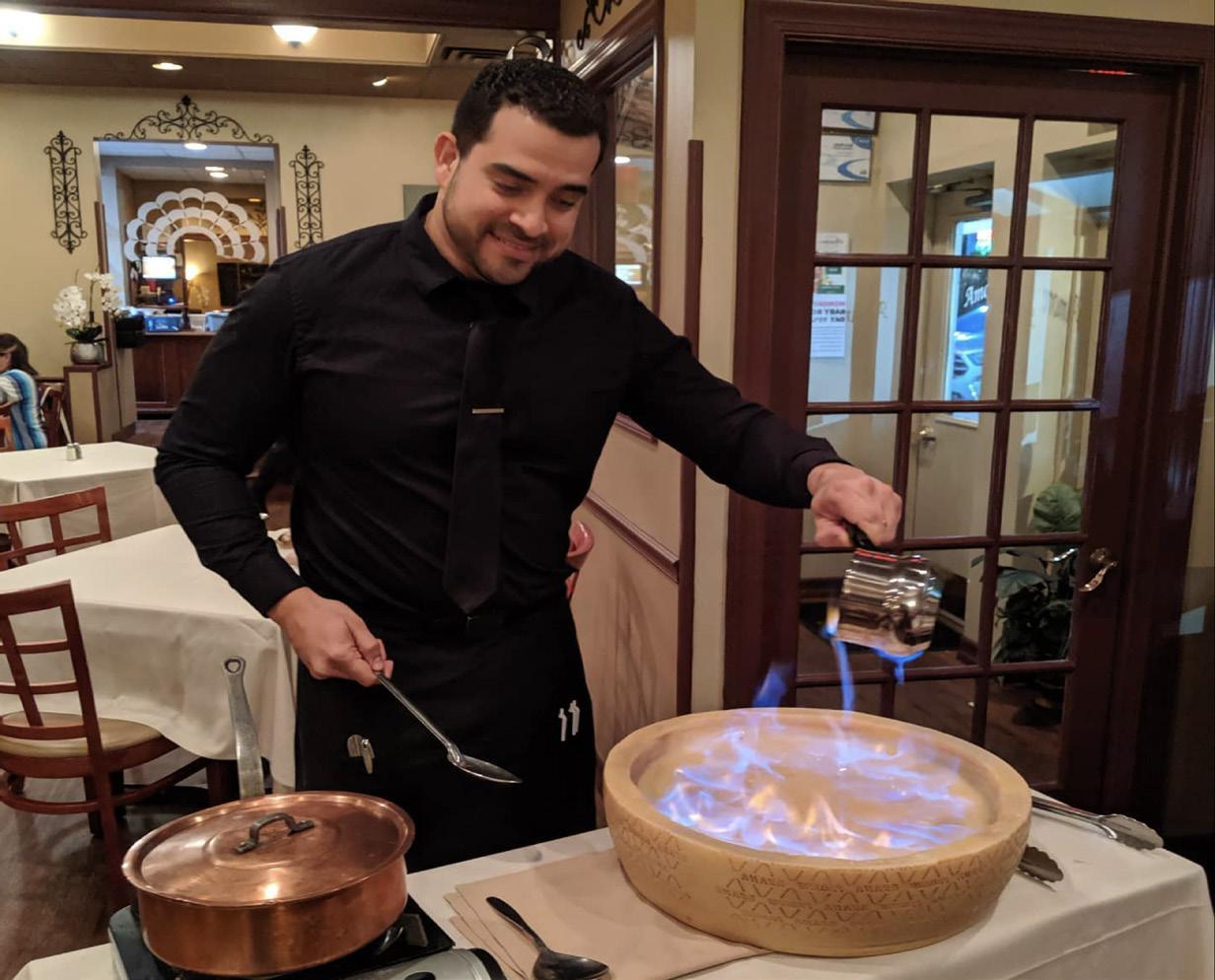
Versatile risotto is an ideal option for busy holiday hosts
Risotto is a versatile dish that can be prepared with a wide range of ingredients. That versatility makes risotto a particularly useful option to consider when hosting loved ones during the often hectic holiday season. Because risotto can be made with just about any add-ins, hosts won’t have to worry about coming home empty-handed during a last-minute trip to the grocery store. With that in mind, hosts can look to this recipe for “Risotto With Sweet Potatoes, Peas and Green Beans” from Lines+Angles when the need to whip up something flavorful in a flash arises.
Recipe on page 15





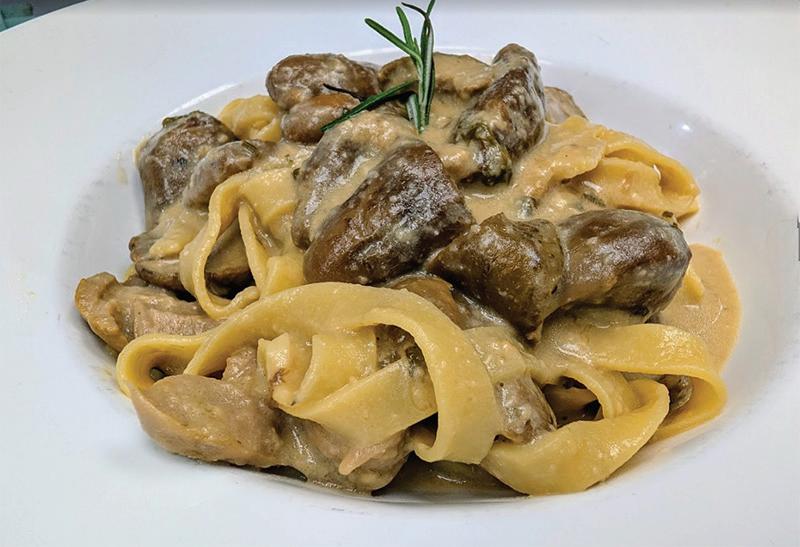
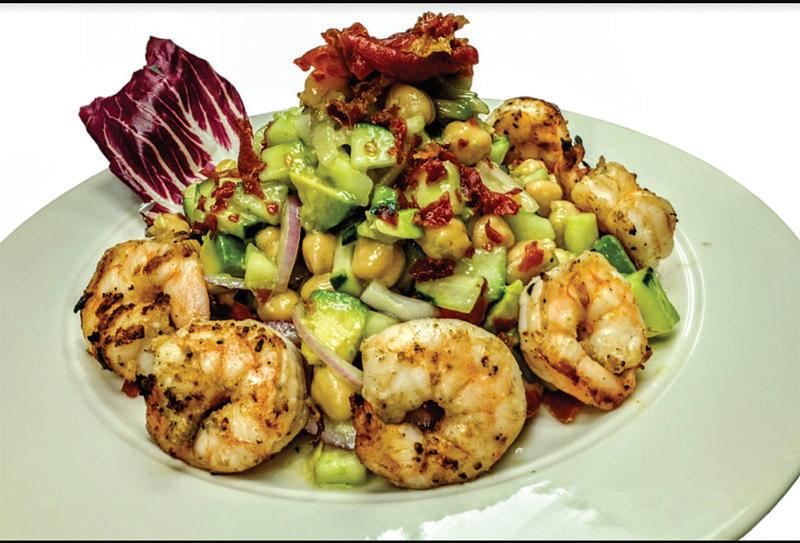
Risotto With Sweet
2





1. Heat olive oil in a large saucepan over medium heat. Add the onion and saute until slightly translucent, about 3 minutes. Add the garlic and cook another minute, stirring.
2. Add the rice to the pan and stir well to coat with the oil. Cook until slightly toasted, about 3 minutes.
3. Stir in 3⁄4 of the broth and the wine. Bring to a boil and then cover. Reduce heat to low and cook for about 5 minutes.
4. Add the sweet potato, brown sugar and salt and simmer for about 15 minutes, until the rice is tender. Stir about every five minutes, adding more broth, if necessary.
5. Add the peas and green beans and the remaining broth and stir gently. Serve hot.





















Home cooking for the holiday season
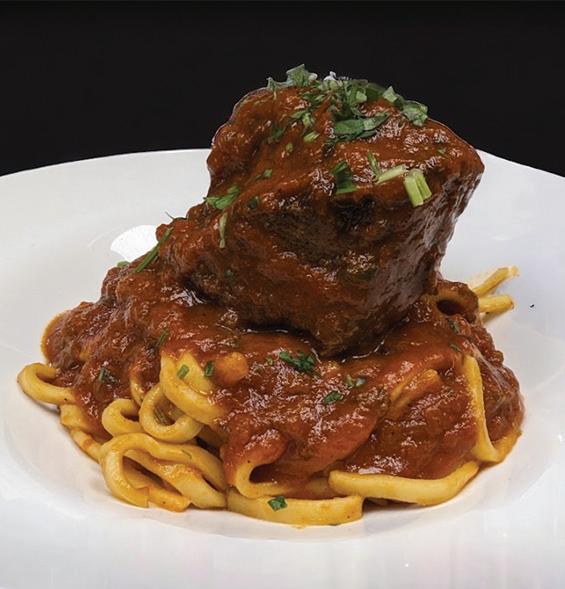
Home cooking is a big part of the holiday season, when families and friends gather around the dinner table with greater frequency than they might at other times of year. The convivial nature of holiday gatherings is made even warmer when families and friends break bread together, and this recipe for “Ossobuco con la Gremolata” from Lines+Angles is a delicious take on a classic dish from the Italian region of Lombardy.
recipe on page 18













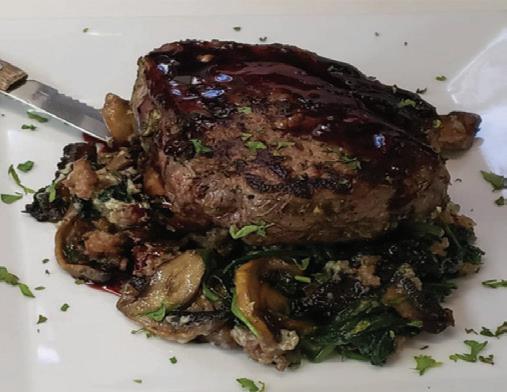




Ossobuco con la Gremolata
Makes 6 servings
6 veal shanks, 2 inches thick, sawed through, including the bone marrow
Salt, to taste
Pepper, to taste
1⁄2 cup unbleached all-purpose flour
2 tablespoons olive oil
4 tablespoons butter
1 large onion, finely chopped
1 rib of celery, finely chopped
2 carrots, finely chopped
2 cloves of garlic, chopped
4 sprigs fresh thyme
1 cup dry white wine
28 ounces crushed Italian tomatoes
1 bay leaf
1 cup veal or beef stock
For Gremolata:
2 tablespoons flat Italian parsley, minced
1 tablespoon lemon zest
2 cloves of garlic, minced
1 pinch saffron
1. Season the veal with salt and pepper. Dust the veal pieces with flour, shaking off any excess. Heat olive oil and butter in a Dutch oven. Increase the heat to medium-high and brown the veal in the oil and butter for about 5 minutes on each side
or until well browned. Transfer the veal shanks to a plate; set aside.
2. Add the onion, celery and carrots to the Dutch oven. Cook the mixture, stirring frequently, until the onions are soft and translucent, about 5 minutes. Add the garlic and thyme. Continue cooking until the vegetables begin to brown, an additional 5 to 10 minutes.
3. Place the veal shanks back in the pan. Add the wine, tomatoes, bay leaf, and stock. Cover and bring to a simmer; cook until the meat is fork tender, about 60 to 90 minutes.
For Gremolata:
Combine all ingredients in a small bowl.
To serve: Divide veal shanks among plates. Sprinkle with gremolata.
Christmas cupcakes make a perfect holiday treat

Alittle indulgence is par for the course come the holiday season.
That’s especially true in relation to baked goods, which find their way into entertaining areas at office parties, family gatherings and school functions.

Treats are indeed part of what makes the holiday season a special time of year. This year, families can whip up this Lines+Angles recipe for “Chocolate Christmas Cupcakes” to make the holiday season a little more flavorful.
Chocolate Christmas Cupcakes Makes 12 cupcakes
For the cakes:
8 tablespoons butter
1⁄3 cup caster sugar
2 tablespoons light brown sugar
2 eggs
1 cup flour
1 teaspoon baking powder
1⁄3 cup cocoa powder
1⁄2 cup milk
1 cup chocolate chips
For the chocolate topping:
2⁄3 cup heavy cream
1 cup chopped plain dark chocolate, 70 percent
To decorate:
Icing sugar
8 ounces white sugarpaste
8 ounces green sugarpaste
4 ounces red sugarpaste
1. For the cupcakes: Preheat the oven to 375 F. Place 12 cupcake liners in a muffin tin.
2. Beat the butter in a mixing bowl until soft and light. Beat in both sugars and beat until light and fluffy.
3. Beat in the eggs, one at a time until well blended. Sift in the flour, baking powder and cocoa and fold in gently until incorporated. Stir in the milk and chocolate chips.
4. Spoon into the paper cases and bake for 25 minutes until firm to the touch. Leave in the tins for 5 minutes, then place on a wire rack to cool completely.
5. For the chocolate topping: Put the cream and chocolate in a pan over a low heat until melted. Remove from the heat and allow to cool and thicken slightly.
6. Spoon onto the cupcakes and leave until almost set.
7. Roll out the white sugarpaste on a surface dusted with icing sugar. Cut out shapes to resemble snow and place on the cakes.
8. Roll out the green sugarpaste on a surface lightly dusted with icing sugar. Cut out 2 holly leaves for each cake with a holly shaped cutter or card template. Brush lightly with water and attach to the white sugarpaste.
9. Roll pieces of red sugarpaste into small balls for the “berries” and place on the cakes, as in the photo, attaching with a little water.
Christmas is an important date on the calendar for faithful Christians across the globe. Given the fanfare around Christmas, it would seem that all Christians celebrate the holiday. However, some Christians do not celebrate Christmas. Denominations such as Jehovah’s Witnesses and certain branches of the Churches of Christ do not observe Christmas. Their reasoning may be a lack of explicit biblical instruction to celebrate the holiday. The Bible does not command or even mention the early church celebrating the birth of Jesus. Others have concerns about the pagan origins of some Christmas traditions, such as mistletoe, holly, the yule log, and even Christmas trees. So they simply opt out entirely.
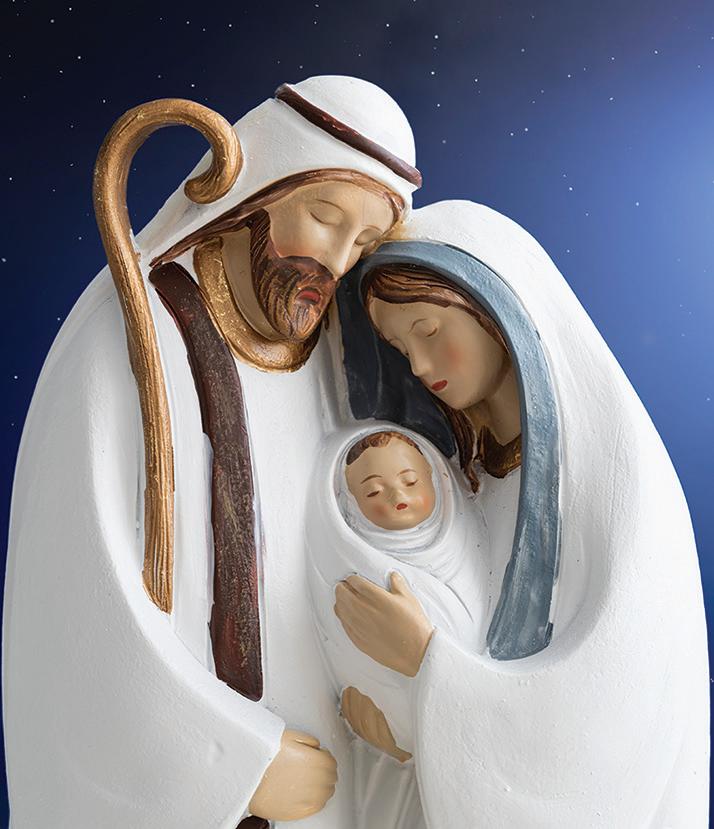
The month of December has been home to many historical events over the years. Here’s a look at some that helped to shape the world in December 1925.
• The Farmer-Labour Party is dissolved just two hours after its formation in Japan on December 1. The dissolution was ordered by the Japanese government, which accused the party of harboring a secret communist agenda.
• The border delineating Northern Ireland and Ireland is established on December 3 when representatives of both countries sign the Northern Irish Border Agreement.
• The George Gershwin composition “Concerto in F” is performed for the first time on December 3. The performance in New York’s Carnegie Hall is conducted by Walter Damrosch and features Gershwin on piano.
• A counterfeiting scheme is uncovered by the Banco de Portugal on December 4. An alert bank teller tips off the bank, which ultimately discovers that wealthy entrepreneur Arthur Virgílio Alves Reis is the mastermind behind the scheme. Reis was eventually sentenced to 20 years in prison.

• The Pottsville Maroons defeat the Chicago Cardinals in front of 6,000 fans on December 6 in a game the press depicted as the championship of the National Football League.
• Russian Orthodox bishop Peter of Krutitsy is arrested on December 9. Peter is charged with conspiring with Russian emigres in the west. Peter is ultimately executed by shooting on October 10, 1937.
• George Bernard Shaw is awarded the Nobel Prize for Literature on December 10.
• Karam Chand and Kartari Chand tie the knot in India on December 11. The Chand’s marriage lasts 90 years and 291 days, and is the longest marriage recorded. Karam Chand passed away in 2016 and Kartari in 2019.
• Communist politician Benjamin Gitlow is pardoned by New York Governor Al Smith on December 11. Gitlow was convicted for publishing a manifesto calling for the overthrow of the U.S. government, which Governor Smith characterized as a “political crime” upon issuing his pardon.


100 Years Ago This Month: Historical events from December 1925
December 23 at the age of 68. Taylor was the first African American presidential candidate, running for the highest office in the United States as nominee of the National Negro Liberty Party in 1904.
• Law No. 2263 is passed by the Italian parliament on December 24. The law states that the decisions of Prime Minister Benito Mussolini and his government were not subject to legislative review and could only be overruled by order of King Victor Emmanuel III.
• The Qaja dynasty, which had ruled Iran since 1789, comes to an end on December 12 when the country’s Parliament declares General Reza Khan Pahlavi Prime Minister and installs him as Shah of Iran.
• The Fascist government in Italy signs a secret pact with Britain on December 14. The pact is designed to reinforce Italian dominance in Ethiopia.
• The national service fraternity Alpha Phi Omega is founded at Lafayette College in Pennsylvania on December 16.
• U.S. Army Colonel Billy Mitchell is convicted on eight charges of insubordination on December 17. Mitchell was critical of military leaders for investing in battleships and had argued for greater investment in air-based defenses.
• Reichstag President Paul Löbe speaks out in favor of partial prohibition in Germany on December 19.
• George Edwin Taylor passes away on
• A Christmas story published in the London newspaper The Evening News on December 24 identifies a children’s character as “Winnie-the-Pooh” for the first time. The character had previously been referred to as “Edward” in a poem published in Punch magazine in 1924.
• The Turkish government passes a law identifying the Gregorian calendar as the official calendar for all government affairs on December 26. The use of the Islamic calendar in government affairs also is banned.
• The Japan Sumo Association is founded on December 28.
• The first attempt at a global New Year’s celebration is made via international radio on December 31. Musical entertainment and greetings from various consuls general from an assortment of foreign countries are sent from New York.



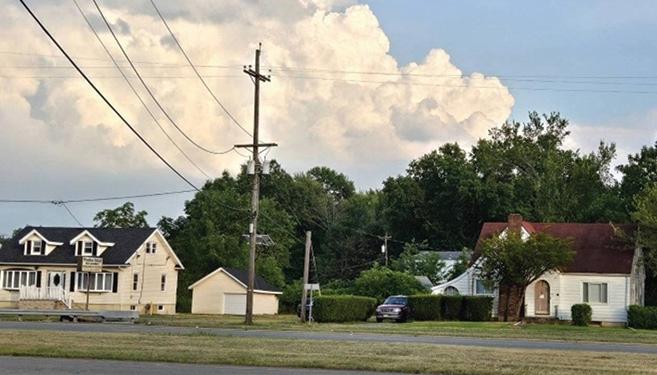


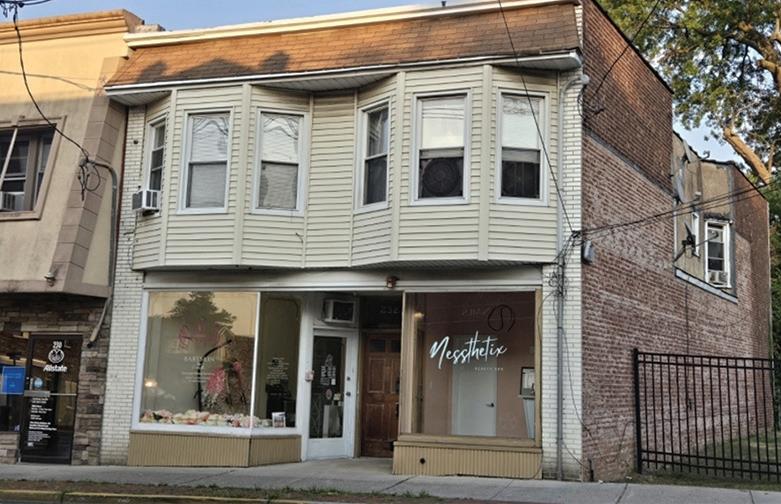



























Brand-new septic;
30
300 Windsor Rd., Englewood, NJ
Bank-owned;
126 Route 303, Congers, NY
Three-floor

WINTER HOME IMPROVEMENT WINTER HOME IMPROVEMENT
What to expect of in-law suites
The modern real estate market has led millions of aspiring home buyers to reconsider their approach to buying a home. Low inventory has led to high home prices. When paired with mortgage interest rates that have remained north of 6 percent for years, the high sticker price of homes has made many buyers wonder if homeownership is simply beyond their means.
It’s impossible to know if or when home prices will come down, but some buyers have chosen to seek homes that can accommodate multiple generations. According to the Pew Research Center, the share of multigenerational homes rose from 7 percent in 1971 to 18 percent in 2021. A multitude of factors have contributed to that increase, and housing affordability is one such variable. In 2024, researchers studying multigenerational households at the Wharton School at the University of Pennsylvania noted that housing affordability declined considerably in recent years but also had been on the decline for decades. As homes become less affordable, the number of multigenerational households tends to increase, and that’s something modern buyers can keep in mind as they look for a home.
In-law suites that accommodate multigenerational households can provide a pathway to homeownership for buyers who otherwise may be priced out of the market. Buyers considering homes with an in-law suite or those who want to add one to their existing homes

can familiarize themselves with these convenient and potentially cost-saving features.
• Note the significance of a separate entrance. Whether you’re looking for a home with an in-law suite or hoping to add one on to your existing home, a separate entrance for suite residents can allow them to come and go as they please. That sense of independence is significant. In addition, a separate entrance can make a home seem less like a multigenerational residence, which at times can feel crowded, and more like a single-generation home. That can afford all residents a little more peace and quiet in a typical day.
• Expect an increase in taxes if you’re adding on. As with any addition to a home, adding an inlaw suite to an existing


kitchenette. If everyone in a multigenerational household is forced to use the same bathrooms, washers and dryers, and kitchens, then the home might begin to feel cramped rather quickly.
• Try to secure off-street parking. Though it might
not affect the ambiance within the in-law suite itself, an off-street parking spot is a convenience residents will appreciate. Such a space will allow residents to come and go as they please and save them the headache of moving their vehicles for snow plows and street cleaners. In-law suites could be an in-demand feature as more homeowners and aspiring buyers seek to reduce housing costs by embracing multigenerational living arrangements.
home is likely to result in an increase in homeowners’ property taxes. The amount of that increase is contingent upon variables unique to each residence, like location and the size of the addition. When shopping for homes with existing in-law suites, buyers can request existing tax information so they are not surprised by the number like they might be if they add on to an existing home. Despite that, it might still be in prospective buyers’ best interest to add on to an existing property and pay the additional taxes than it would to buy a new home.
• Try to include features residents have come to expect when living independently. An in-law suite should include its own private bathroom, a washroom for a washer and dryer and a kitchen or





A private bathroom can make an in-law suite feel more like home.
The longer a person resides in a particular home, the greater the likelihood that various components of that residence will need to be replaced. Driveways, roofs, HVAC systems, and even appliances all have expiration dates.
Although siding on a home can be quite durable, there may be specific reasons why homeowners choose to or need to replace it at some point. Understanding what’s to come of the job can help homeowners prepare. No two siding jobs are exactly the same, and each project will be dictated by a host of variables, including which type of siding homeowners choose. However, these general steps are commonplace during siding replacement projects.
• Choose siding: Homeowners are urged to consult with various siding installation companies about which products are available and ask each for an estimate. Budget, climate and other factors will narrow down siding materials. The Home Depot says popular siding types include vinyl, wood, fiber cement, metal, and stone. Siding can have almost any color or texture as well.
• Remove and relocate: Outdoor items close to the perimeter of the home will have to be moved out of the way so workers can access the siding. The job will re-
Explaining the siding replacement process
quire a dumpster to be dropped in front of the home or in the driveway to collect debris, so homeowners should be prepared to leave space for it.
• Siding delivery: The new siding should be delivered prior to the installation start day. These materials will take up a lot of room and space should be made available so the installation team can access them without difficulty.
• Interior decor: Siding installation will include hammering, which can disrupt items on interior walls. It is best to have all wall hangings taken down to prevent damage.
• Old siding removal: On the first day of installation, removal of the old siding will happen first, according to Smart Exteriors. Siding, insulation and trim will be removed. In the event that older, asbestos-based siding is on a home, contractors may safely remove and discard it, or go over that type of siding. Homeowners should inquire about this step during the company vetting process.
• Home inspection: Once all old material is gone, the exterior sheathing will be inspected to ensure it is in good shape. Signs of rot or loose boards will be considered and repaired, if necessary.

• New siding install: First workers will put on house wrap or some sort of insulation/ water barrier product. Afterwards, siding boards are layered on in the design chosen. Nails or screws are used to attach the siding and seams will be caulked to prevent moisture penetration. If the homeowner has chosen to have gutters and downspouts installed during the siding job, those will be fitted and installed as well.
• Clean up: The installation team will begin the process of thoroughly cleaning
up the property. All tools will be removed and the property will be swept or blown to clean away debris. Crews typically use powerful magnets to grab stray nails and screws that have fallen into the lawn and elsewhere. The dumpster will be taken away shortly after the work is completed.
Siding replacement is a big job but one that can offer immediate curb appeal once completed. It typically is not a do-it-yourself project since it requires specific skills to ensure durability.

that young Charles Jr. was missing after Anne Morrow Lindbergh had finished her bath. Gow informed Charles Lindbergh, who then checked his son's room and found a poorly written ransom note on the windowsill. Armed, Lindbergh searched the property with their butler, Olly Whateley. They discovered marks in the ground under the baby's window, parts of a broken wooden ladder, and the child's blanket. Whateley contacted the Hopewell police department.
After midnight, a fingerprint expert examined the ransom note and ladder but found no usable prints or footprints, suggesting the kidnapper(s) wore gloves and covered their shoes. No adult fingerprints appeared in the baby's room, even where witnesses said they touched. The baby's fingerprints were unusable. The ransom note, brief and full of errors, helped identify a suspect. .
On May 12, the child's body was discovered by a truck driver by the side of a nearby road in adjacent Hopewell Township.
A German immigrant carpenter named Bruno Richard Hauptmann was taken into custody for the crime in September 1934. Following a trial conducted between January 2 and February 13, 1935, he was convicted of first-degree murder and received a death sentence. Although Hauptmann maintained his claim of innocence, all subsequent appeals were unsuccessful. He was executed in the electric chair at the New Jersey State Prison on April 3, 1936.
Nearly a century later, Hauptmann's guilt remains debated. Journalist H. L. Mencken dubbed the trial "the biggest story since the “Resurrection," while American media called it the "crime of the century." Legal scholars have also labeled it a "trial of the century."
The crime prompted the United States Congress to enact the Federal Kidnapping Act, commonly known as the "Little Lindbergh Law," which classified the transportation of a kidnapping victim across state boundaries as a federal offense. Lindbergh, having demonstrated exceptional skill as an aviator, gave serious consideration to participating
Charles Augustus... cont. from page 11 cont. on page 27








Charles Augustus... cont. from page 25
in the non-stop New York to Europe air race, with the winner eligible for a $25,000 prize funded by a prominent hotelier.
“The morning fog was as thick as pea soup,” Lindbergh recalled. His fuel-heavy plane barely cleared the runway and telephone wires at Roosevelt Field. Once airborne, the Spirit of St. Louis quickly disappeared from view as it climbed out of sight.
Despite varying weather, Lindbergh landed at La Bourget Airport near Paris on May 21, just over 23 hours after leaving New York, instantly becoming a global hero. His solo feat captivated the world; even Wright engine company workers in Patterson were given a day off to celebrate. A Time Magazine article described his mindset: entering the cockpit felt like a death sentence, but arriving in Paris felt like a pardon. While other contestants requested large meals and disappeared, Lindbergh brought only four sandwiches, emergency rations, and water for his journey.
In 1927, Charles Lindbergh sudden fame opened doors to influence in America, but also brought unwanted attention, leading to personal tragedy and eventually causing him to withdraw from public life.
Charles Lindbergh, a private citizen, flew over 50 combat missions in the South Pacific, including bombing runs and one confirmed aerial victory against a Japanese plane. As a civilian, he joined US forces to assist with engine performance and ended up actively participating in combat.
Lindbergh recorded in his diary the day he downed an enemy fighter. He was flying with four P-38 "Lightning" fighters to attack a Japanese airfield near New Guinea, where they spotted two enemy aircraft below and began their assault.
We drop our fuel tanks, ready our guns, and dive to attack. One enemy plane turns for cover near the airstrip, while the other disappears into the clouds. Captain Danforth his wingman fired, with little impact. As I shoot at the turning plane, my rounds hit, but it straightens out and heads toward me.
“I held the trigger down and my sight on his engine as we approach head on. My tracers and my 20's spatter on his plane. We are close - too close - hurtling at each other at more than 500 miles an hour. I pull back on the controls. His plane zooms suddenly upward with extraordinary sharpness.
I pull back hard—are we about to collide? The plane looms larger, and in seconds, I can see its engine fins. He rushes past behind me, missing by maybe ten feet. Instinctively, I climb, start banking left toward enemy fire, then quickly switch right—all within moments.
I scan the sky for aircraft—just P-38s and the one I shot down. It spirals out of control, nose-first, gaining speed toward the sea. The impact creates a splash and foam that quickly blend into the waves, leaving the surface unchanged.
Following his son's death and the high-profile trial, media scrutiny of the "Lone Eagle" intensified. To avoid constant attention, the Lindberghs left the United States for England in December 1935. After six months, they visited Germany, where Charles observed military aviation developments and Anne received a warm welcome in Berlin.
Charles Lindbergh flew over 50 combat missions in the South Pacific, including bombing runs and strafing attacks, and shot down one Japanese aircraft despite being authorized to fire only in self-defense. After this incident, General George C. Kenney ordered him to cease combat missions.
Postwar, Lindbergh became a consultant for the US Air Force and Pan American World Airways and continued to travel regularly.
Charles Lindbergh passed away from lymphoma at his Maui, Hawaii home on August 26, 1974, aged 72, with his family by his side.
Diagnosed with lymphoma two years before his death, Lindbergh only shared the seriousness of his illness with his family shortly before he died. During the summer of 1974, as his condition worsened, he chose to leave the hospital and return to Maui, a place that meant a great deal to him. According to his wife, Anne Morrow Lindbergh, he wished to spend his final moments in a beloved location, surrounded by family and the beauty of the ocean.
“I would rather live one day in Maui than one month in New York” he said..
Looking to hit Fairways & Greens? Looking














Great Grandma’s Last Thanksgiving
By Richard Mabey Jr.
My great grandmother, Dora Dolson Mabey was born on the fourteenth of October of 1873. As a little boy, I was very close to Great Grandma Mabey. She was, in a very real way, the link to my family heritage. I would often sit upon the porch floor of the old Mabey Homestead and play with an old set of Lincoln Logs, while Great Grandma would sit upon her rocking chair and knit, or snap green beans, or simply hum an old hymn.
I was only four years old, when Great Grandma would talk to me about her son, Earl, who was killed in action during World War I. I remember there were times, when Great Grandma would often break down in tears as she told me her remembrances of my brave Great Uncle Earl. I was five years old upon the Thanksgiving of 1958. I still remember how grand and glorious Thanksgivings were at the old Mabey Homestead. There was the dining room table and then along the foyer by the front door, and into the formal living room, plywood boards were placed upon wooden saw horses. There would often be 30 to 40 guests, uncles and aunts, cousins, grandparents and family friends, who would sit down for the big turkey feast.
Great Grandma would always sit at the head of the dining room table. She would always say grace. Great Grandma’s blessing would be spoken with a most wonderful poetic cadence.
Great Grandma Mabey was married to William H. Mabey. Great Grandpa Mabey was born in 1868 and went Home to be with the Lord in 1936. I distinctly
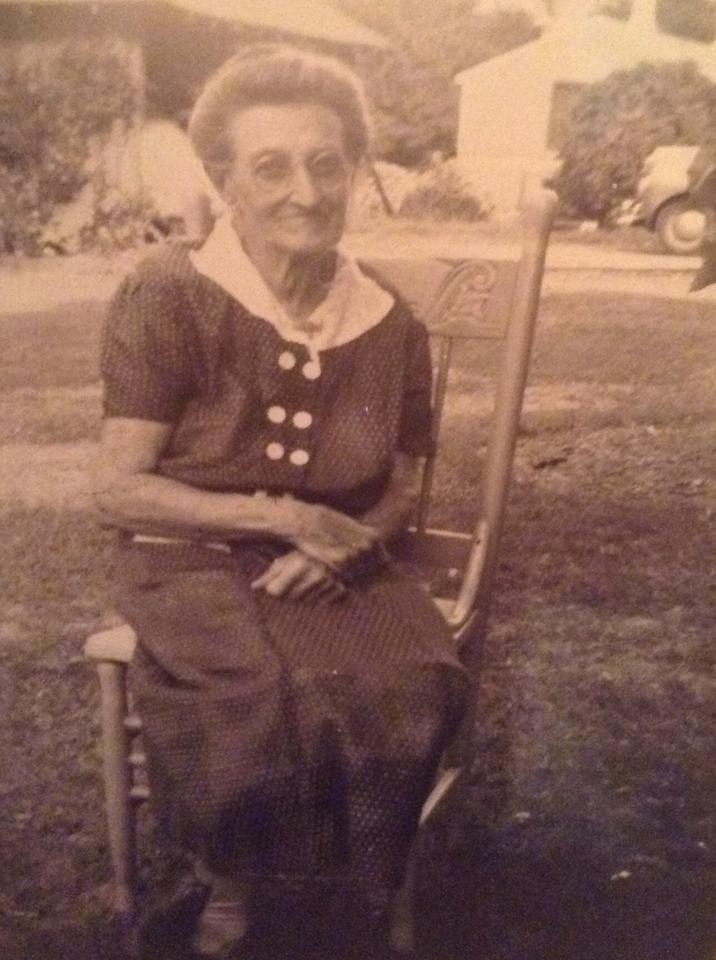
most wonderful photograph of my
remember how often Great Grandma Mabey spoke about her late husband. Because I was a very sensitive child, I could sense on that Thanksgiving Day of 1958 that Great Grandma knew in her heart and soul, that this would be her last Thanksgiving. In the midst of the talking and the laughter and all the story telling that my uncles and aunts clumsily shared with each other, I could see a certain sadness in Great Grandma’s eyes.
I remember that before we left to drive home to our home in Clifton, Great Grandma Mabey gave me a little ceramic pilgrim. When I got home, I remember placing it atop my bureau in my bedroom. I dearly cherished that little pilgrim figurine.
In early May of 1959, Great Grandma Mabey went Home to be with the Lord. I often think of my dear great grandmother. I loved her very much.
She had a profound affect upon my early childhood. She taught me to be proud to be a Mabey. Even at a very young age, I learned how dearly and deeply she mourned for her son Earl, who gave the ultimate sacrifice for his country.
Each and every one of us have a family heritage. It truly is something to guard, to cherish and to pass on to younger family members. And truly, love is the thread that holds together the story squares of a family quilt.
Richard Mabey Jr. is a freelance writer. He has recently had two books published. He currently has a YouTube Channel entitled, “Richard Mabey Presents.” Richard may be contacted at richardmabeyjr@gmail. com.
A
beloved, late great grandmother, Dora Dolson Mabey.










By Richard Mabey Jr.
In early September of 2019, my late mother (Janet Kemmerer Mabey) asked me to help her bake some oatmeal cookies. I was rather honored. My mom was an incredible baker. For many years, Mom served as the Bakery Manager at the A&P in Boonton, before she married my father. And, while my dad was stationed at Hickam Air Field, during World Wat II, Mom sent oatmeal cookies to Dad, every week.
Dad’s brother Earl, lived across the street from the Kemmerer Homestead, with his lovely bride, Eleanor. It was Aunt Eleanor who encouraged Mom to send cookies to her shy and homesick brother-in-law, stationed in Hawaii. The tie
cont. on page 31
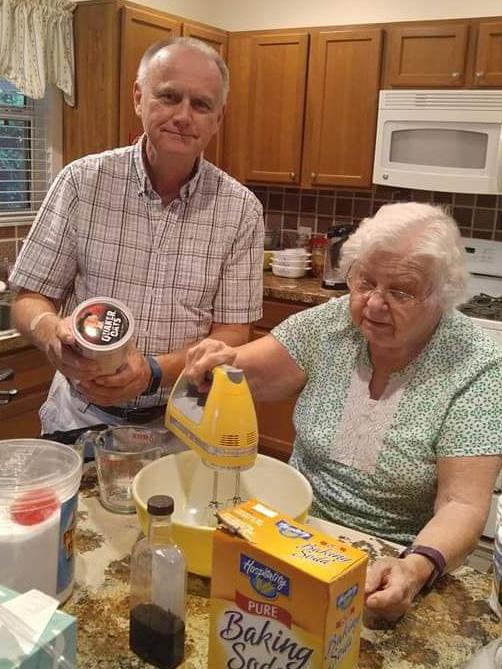


My mom (Janet Kemmerer Mabey) and I baking oatmeal cookies.
Mom's Last Batch... cont. from page 30
of oatmeal cookies was a connection that Mom and Dad had all throughout their marreage. You see, Mom would bake several batches of oatmeal cookies every week. When she packed Dad’s lunch for work, the night before, Mom would always include three oatmeal cookies in his paper sack.
It was a most strange and bewildering thing for me, as Mom and I baked oatmeal cookies, that fateful day in early September of 2019. As Mom was mixing the dough, with her electric mixer, she whispered to me that Dad was going to love these cookies when he came home from work. It was a moment. Just an odd moment. Wiothin a few seconds, Mom looked up to me as simply said, “I know your dad is in Heaven. I just had a moment.”

I told Mom that I understood. A solemn quiet fell between us.
A couple of weeks later, in mid September, Mom had terrible chest pains. My sister called the ambulance. Within a very short time, Mom was in the hospital. Sadly, the doctors told us Mom definitely needed to have her Aortic Valve replaced.
On the nineteenth of November, Mom had surgery and had her Aortic Valve replaced. Sadly, the surgery was not a complete success and Mom went Home to be with the Lord on the night of the twenty-third of December. Life is painfully short. This Christmas will mark six years since Mom passed away. I miss her very much. In all so many ways, love is the most powerful force in the universe. Looking back, I wonder if Mom knew her
time left upon this earth was short, that fateful day when Mom and I made oatmeal cookies for the very last time. I wonder if she deeply know that soon she would be with Dad once again.
Richard Mabey Jr. is a freelance writer. He has recently had two books published. He currently hosts a YouTube Channel entitled, “Richard Mabey Presents.” Richard may be contacted at richardmabeyjr@gmail. com.
Hold Dear To Heart This Precious Truth:
God Loves You More Than You Will Ever Know
By Richard Mabey Jr.
No matter what it is happening in your life right now. No matter how bleak things may look. Please know that God loves you with an immense and intense love that reaches beyond human comprehension. God loves you more than you will ever know.
Perhaps you’ve just lost your job. Or, a romantic relationship has fallen apart. Or, you suffered the betrayal of a dear and close personal friend. Or, perhaps a close relative or dear friend has recently passed away. Whatever the thing is that you are enduring right now, please know that God loves you more than you will ever know.
When I was first diagnosed with Hypertrophic Cardiomyopathy, about
two years ago, I was crushed. I cried. I felt all was hopeless. I was emotionally broken. I cried myself to sleep, every night, for about two or three months. Then it came to me, in a most illuminating realization, God loves me more than I will ever know.
I then began a very serious regiment of prayer.
Four or five times a day, I would intensely pray for God to heal me. And, at the same time, I prayed for God to heal the sick, help the poor and for the homeless to find shelter.
I read the Bible with laser beam focus. I concentrated on the Book of John. I read and reread and reread the Book of John. Reading this sacred writing, so many times that it became, not an intellectual process, but a very real and deep way of
communicating with God’s holy scripture.
In the side of my yard, where I am now living in Florida, stands a shed. I affectionately refer to it as my clubhouse. I have filled the walls with pictures, that my dad had taken over the years, of forests, babbling brooks, landmarks along the Appalachian Trail, perspectives of the Jersey Shore and the flower gardens that once graced the landscape of the old Mabey Homestead.
I look to my clubhouse as being my retreat, my little place to read the Bible, to pray, to contemplate and to research cutting edge treatments for HCM. I earnestly study about vitamins, minerals and herbs. I diligently research which of these vitamins, minerals cont. on page 32



Hold Dear... cont. from page 31
and herbs have had success in healing heart conditions. I refuse, absolutely refusse, to spend one second feeling sorry for myself.
Please, please, please know that God loves you more than you will ever know. Pray, with all your heart and inner being, for God to help you rise above your present situation. Stay true to the straight and narrow path. Take time to sit down, be still, clear your mind, pray and feel the immense flow of God’s infinite love flowing through the chambers of your heart.
I just cannot stress it enough. No matter what mountain lies in front of you. No matter what life struggle you are presently enduring. Please deeply contemplate on this concept, God loves you more than you will ever know.
Richard Mabey Jr. is a freelance writer. He has re-

cently had two books published. He currently hosts a YouTube Channel entitled, “Richard Mabey Presents.”
Richard may be contacted at richardmabeyjr@gmail. com.
The History of Christmas
Christmas, celebrated annually on December 25, is one of the most widely observed holidays in the world, commemorating the birth of Jesus Christ. While its origins lie in Christian theology, the holiday’s history is a blend of religious tradition, pagan customs, and cultural evolution.
Early Christian Roots
The celebration of Christmas as a Christian holiday began in the 4th century CE. The Gospels of Matthew and Luke in the New Testament describe the birth of Jesus in Bethlehem, heralded by angels and marked by the visit of shepherds and wise men. However, the Bible does not specify a date for Jesus’ birth, and early Christians did not celebrate it. December 25 was chosen for Christmas in 336 CE during the reign of Emperor Constantine, the first Roman emperor to convert to Christianity. Scholars believe this date was selected to coincide with existing pagan festivals, particularly the Roman Saturnalia and the celebration of Sol Invictus (“The Unconquered Sun”), which marked the winter solstice. By aligning Christmas with these festivities, the Church sought to facilitate the acceptance of Christianity within the Roman Empire.
Pagan Influences
Many Christmas traditions have roots in pre-Christian winter festivals. Saturnalia, celebrated from December 17 to 23, was a time of feasting, gift-giving, and social reversal. Similarly, Yule, a Germanic pagan festival, honored the winter solstice with bonfires, feasts, and the use of evergreens, which symbolized life during the darkest days of the year. The Yule log, later adapted into Christmas customs, originates from this tradition. The incorporation of these pagan elements helped Christmas evolve into a more inclusive holiday. Practices such as decorating trees, exchanging gifts, and caroling all have links to pre-Christian customs.
The Medieval Celebration of Christmas
During the Middle Ages, Christmas became a major feast day in Europe, combining religious observance with festive merriment. Churches held nativity plays and midnight
cont. on page 33




History of... cont. from page 32
masses, while communities celebrated with feasts, music, and dancing. The season of Christmastide, which lasted from December 25 to January 6 (Epiphany), was marked by various festivities, including “The Lord of Misrule,” where societal roles were temporarily inverted.
However, Christmas was not universally celebrated. In Puritan England and colonial America, it was banned in the 17th century for being too indulgent and pagan. It wasn’t until the 19th century that Christmas began to take on its modern form.
The Modern Christmas
The Victorian era redefined Christmas, emphasizing family, generosity, and goodwill. Writers like Charles Dickens, whose novella A Christmas Carol (1843) popularized themes of compassion and redemption, played a key role in this transformation.
The introduction of Christmas trees, inspired by German traditions, became widespread after Queen Victoria and Prince Albert popularized them in the 1840s. Gift-giving, once associated with St. Nicholas, also became central to Christmas.
Santa Claus, derived from St. Nicholas, evolved into a cheerful, red-suited figure through 19th and 20th-century advertising and literature. His modern image was cemented by companies like Coca-Cola in the 1930s.
Christmas Today
Today, Christmas is celebrated worldwide, blending religious and secular traditions. For Christians, it remains a sacred holiday honoring the birth of Jesus. For others, it is a cultural event centered on family, generosity, and joy.
The history of Christmas reflects a dynamic interplay of faith, culture, and adaptation, making it a uniquely universal celebration.
Home Town Life is 100% mailed to local residents and businesses
We offer local news, informative articles, community happenings and online advertising
No long term commitments, free artwork and personal marketing guidance
Servicing Morris, Passaic, Essex and Warren Counties
Lisa Buniewski Marketing Sales Associate 973-851-2346 cell lisa@mylifepublications.com
Call, email or text Lisa for more information

National Fire Radio: Sharing the Stories That Keep the Fire Service Strong
By Megan Roche
Around every firehouse kitchen table, stories are told. They’re stories of long nights, close calls, lifelong friendships, and the kind of teamwork that defines the fire service. For Jeremy Donch, a New Jersey firefighter and entrepreneur, those stories were too important to stay within four walls. In 2018, he turned that idea into National Fire Radio, a podcast and media platform dedicated to capturing the heart of firefighting culture.
What began as a small side project quickly caught fire—figuratively speaking. Today, National Fire Radio has built a loyal following across the country, giving firefighters a place to share their experiences, learn from each other, and celebrate the traditions that make their profession so unique.
When Donch launched National Fire Radio, his goal was simple: to preserve the heritage and camaraderie that have always been the backbone of the fire service. With microphones set up and stories to tell, he and his team began interviewing firefighters, chiefs, and instructors from across the nation.
“The mission has always been about passion for the job,” Donch has said in past interviews. “We want to remind people why they joined the fire service in the first place and keep that enthusiasm alive.”
Episodes of the National Fire Radio Podcast feature unfiltered conversations about everything from fireground tactics to leadership challenges and mental health. Guests speak candidly about their experiences—the highs, the heartbreaks, and the brotherhood that holds it all together. The show’s relaxed, conversational style makes listeners feel like they’ve pulled up a chair at the station kitchen table.
What started as a podcast soon became much more. National Fire Radio expanded into YouTube, producing videos that spotlight the tools, trucks, and training that firefighters rely on. Their “Apparatus Innovations” series, for ex-

ample, takes viewers inside fire trucks from departments around the country, highlighting creative designs and practical modifications made by firefighters for firefighters.
National Fire..
cont. from page 33
On social media, the brand connects with thousands of followers daily, sharing short clips, motivational posts, and glimpses into firehouse life. Donch and his team have also traveled to events and conferences nationwide, interviewing firefighters on location and helping departments share their stories with a broader audience.
Through it all, the focus remains the same—honoring tradition while embracing progress. “We want to educate, entertain, and inspire,” Donch says. “If a story helps one firefighter feel more connected to the job, then it’s worth telling.”
National Fire Radio’s success lies in its authenticity. In a time when the fire service continues to evolve with new technology and modern challenges, the platform keeps the focus on people—the men and women who put on the gear, answer the calls, and sup-
port one another through it all.
Donch believes preserving the culture of the fire service is just as important as mastering the latest equipment. “We can’t lose the kitchen table conversations,” he says. “That’s where you learn the most—not just about firefighting, but about life, teamwork, and humility.”
For many listeners, that message hits home. National Fire Radio has become a reminder of why firefighters do what they do and how the lessons of one generation can continue to guide the next.
Beyond the firehouse, National Fire Radio has built a bridge between firefighters and the communities they serve. By offering an inside look at the dedication, humor, and humanity of the fire service, the platform helps the public see the faces behind the helmets.
Local departments have even used the podcast and videos as
training tools or morale boosters, playing episodes during downtime or using clips to spark discussions about leadership and communication. It’s storytelling with purpose—strengthening bonds within the ranks while helping residents understand what firefighting truly entails.
As National Fire Radio continues to grow, Donch and his team show no signs of slowing down. They’re developing new series, forming partnerships with fire service organizations, and exploring ways to reach even more listeners.
Yet no matter how big it gets, the mission remains rooted in that original idea: to celebrate the fire service, one story at a time.
“Every firefighter has something to share,” Donch says. “Whether you’ve been on the job for thirty years or three months, your story matters—and it deserves to be heard.”
From its humble beginnings in
a New Jersey firehouse to its widespread following across the country, National Fire Radio proves that the brotherhood of the fire service doesn’t end when the shift does. It lives on in the stories told, the lessons passed down, and the unwavering pride in a job unlike any other.
To learn more, visit www.nationalfireradio.com.
















REALTOR®, ABR® SFR
REALTOR®, ABR®, SFR
REALTOR®, ABR®, SFR TOP PRODUCER

NJ REALTOR® Circle of Excellence 2006-2024
NJ REALTOR® Circle of Excellence Award 2006-2022
DOUBLE CENTURION® Award 2020, 2021
NJ REALTOR® Circle of Excellence Award 2006-2023
Masters Diamond Award 2023
President’s Producer and CENTURION® Award 2012-2022, 2024
Masters Diamond Award 2023
President’s Producer and CENTURION® Award 2012-2022
President’s Producer and CENTURION® Award 2012-2022
Quality Service Pinnacle Producer 2011-2023
Quality Service Pinnacle Producer 2011-2024
Quality Service Pinnacle Producer 2011-2022