
EAST HANOVER
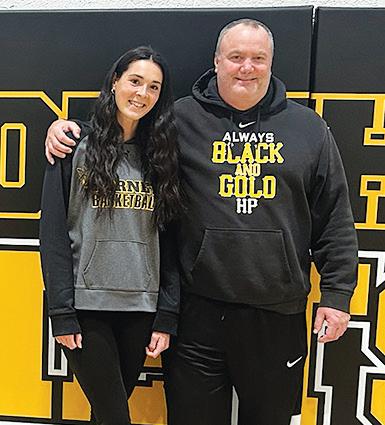
HANOVER PARK - Perhaps when Hanover Park High School head girls’ basketball coach Doug Wear retires, the Hornets’ second all-time leading rebounder will assume the helm.
But for now, Meghan Macaluso is content in her second season as Wear’s assistant coach, and both are fine with that.
“She’s very smart. She understands the game of basketball very well,” Wear, now in his 21st season as head coach, said of Macaluso. “She’s always been around the game, and she would always come to our games all the time.”
And when a spot for an assistant coach opened, Wear knew who to call. “I reached out to her and asked her if she would be interested in coming over here,
and she was. I am very grateful that she did. She is somebody that obviously I know very well, somebody I trust, somebody that is great with the kids. It was a perfect fit for me, and hopefully for her, too.”
During her playing days as a Hornet on the hardwood, Macaluso had 599 career points and 145 assists, but also snared 937 total career rebounds and had 225 steals.
“She pulled down every rebound possible and usually kicked it right back out to the shooter,” Ware said. “She was more of a defensive minded kid.”
After her 2019 Hanover Park High School graduation, Macaluso attended The College of New Jersey, and now teaches Spanish at Somerville High School. She spent a sea-
son as an assistant basketball coach at Somerville and still is an assistant girls’ soccer coach at the school, while also coaching track at Hanover Park High School.
Macaluso said, “Somerville was nice, and I definfely learned a lot from the kids and coaches there, but being at Hanover Park and coaching with Doug is always an opportunity to learn.
When I let him know I was not going to continue at Somerville, he asked me to come on board with him, and I was more than happy to do that. I learned as a player, and he is still pushing me out of my comfort zone now, so I am still learning. I was excited to have that opportunity.”
Wear cites Macaluso’s active demeanor in drills as a huge key, as is her presence to players just a few years her junior.
Wear said, “She is doing a great job. Having her come here every day and being around the program, being around the kids and understanding the program, is so beneficial.”
In an earlier article, Macaluso said Wear had taught her much, especially about adversity. It is advice ingrained in her to this very day.
Macaluso recalled, “‘There are two things you can do with adversity,’ Doug said to me. ‘You can face it head on or run from it.’ And that was way beyond the basketball court. And he is a big quote guy; he is always sending quotes to his players. I think that is why a lot of his players respect him a lot. He connects with them, is meaningful to them. He always has something for everybody.”
Crossroads of the Revolution: The War of Independence in New Jersey
FLORHAM PARK - The Historical Society of Florham Park is celebrating the 250th Anniversary of the United States Declaration of Independence. Their first presentation of 2026 is “Crossroads of the Revolution: The War of Independence in New Jersey”.
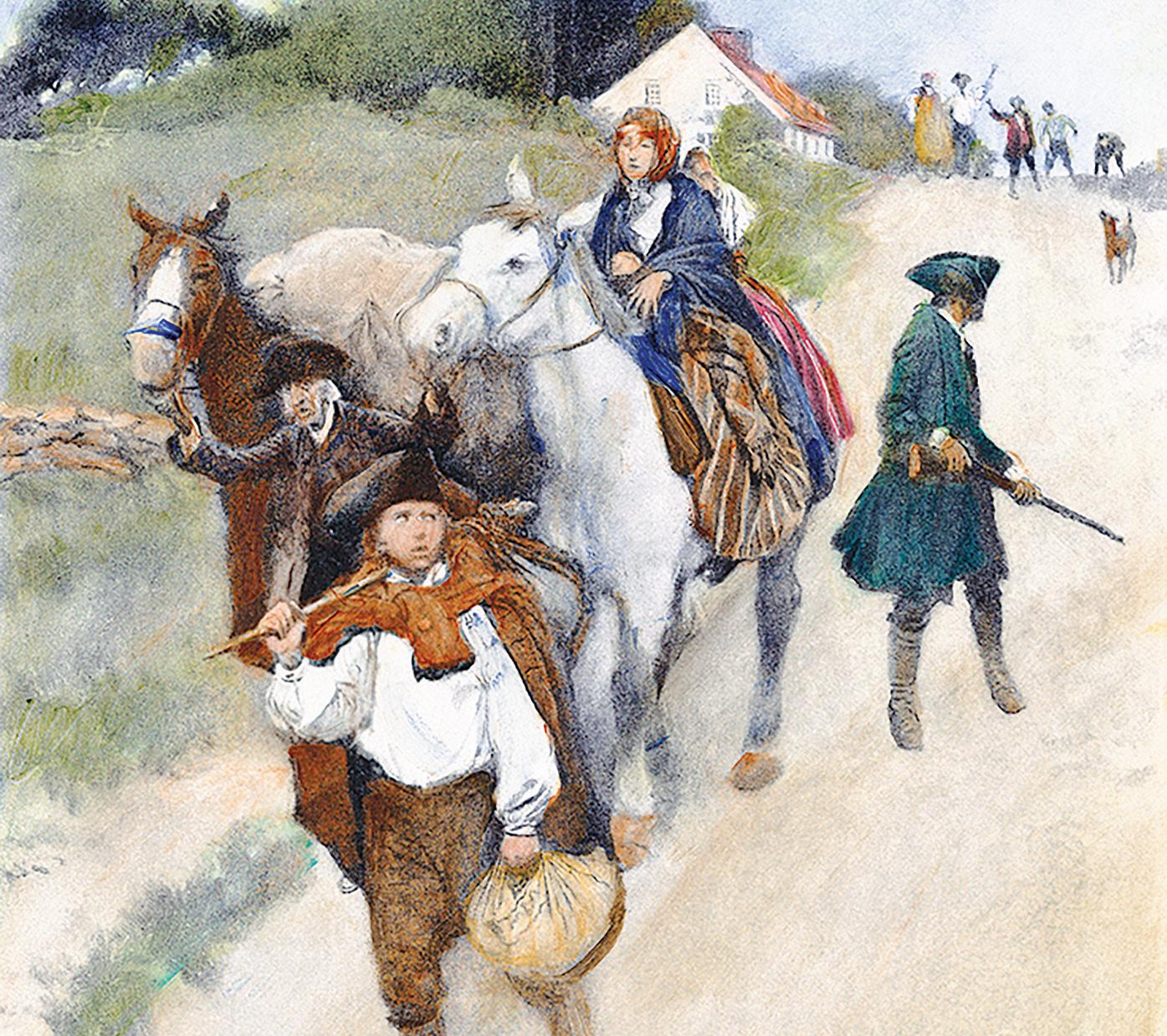
From 1775 to 1781, the War of Independence was often fought in New Jersey. Militias, Continentals, Red Coats, and Hessians: sometimes they encamped here, sometimes they fought here, sometimes they were just passing through. From north to south, all of New Jersey experienced the Revolution whether soldier or civilian, Patriot, Loyalist, or neutral. You›ll enjoy learning about New Jersey›s essential role in the War of Independence and how it affected every resident.
The Historical Society of Florham Park is very pleased that the program will be presented by Patricia Wells. Ms. Wells is the vice president of the Chatham Township Historical Society, and an amateur historian, researcher and speaker. She takes great pleasure in sharing her love of history. Pat has delivered three
well-received presentations for our Historical Society. In 2022 “History of the White House”, then 2023 “Stories of the Mayflower: What Were They Thinking?”, and last year “Mrs Bennett Follows the Continental Army”.
The public is most welcome to attend this March 10 free program.
Sponsored by The Historical Society of Florham Park, it is supported by Kristen Jankowski of OneCare Harmony Home Health Care www.onecareharmony.com .
Refreshments available at 6:30pm are sponsored by Delaney at the Green (https://delaneyatthegreen.com/).
The program is scheduled from 7:00-8:00pm at the Florham Park Library. It is also offered via Zoom. Please register at the Library website at florhamparklib.org/ events or by calling the library at (973) 377-2694. Indicate if you will be attending in person or via Zoom.
A confirmation email will be sent to registrants.
About The Historical Society of Florham Park
Many know the Historical
Society from the informative free presentations such as this offered for all local residents. Many are familiar with books sponsored by the Historical Society such as SAGA OF A CROSSROADS (per John T. Cunningham, “a first-rate history, … one of the best local histories every written in New Jersey”.”) and FONDLY FROM FLORHAM (as written by a girl growing up in Florham Park more than 100 years ago (1917-1921). Both are now also available digitally on the Florham Park Library website. Hard copies can be purchased from the Historical Society.
Still more know the Historical Society of Florham Park from the decades of providing tours of the Little Red Schoolhouse. The Historical Society looks forward to once again offering tours in the museum soon on the first Sunday of each month.
To learn more about The Historical Society of Florham Park visit its Facebook page at- https://www.facebook.com/ groups/875453746446134/permalink/1603054383686063 or contact Peter Nicolas at pnicolas@optimum.net or call at 973-520-8654.
National Breast Cancer Expert to Lead Breast Surgery Program at Rutgers Cancer Institute and RWJBarnabas Health Southern Region
AREA - After a national search, RWJBarnabas Health and Rutgers Cancer Institute, the state’s only National Cancer Institute-designated Comprehensive Cancer Center, have appointed Kathie-Ann Joseph, MD, MPH, FACS as Chief of Breast Surgery and Co-Director of the multidisciplinary breast program at Rutgers Cancer Institute and the Jack & Sheryl Morris Cancer Center. She will also serve as Associate Chief Surgical Officer for System Integration and Quality, RWJBarnabas Health, as well as Director of Breast Surgical Services for the RWJBarnabas Health Southern
Winner from January’s “Find Hank the Hornet Mascot” Contest
Region.
In her role, Dr. Joseph will co-lead a renowned team of breast cancer oncologists and will oversee all operational and programmatic aspects of breast surgical oncology, including clinical practice, clinical research activities, and mentorship of researchers and providers. She also holds an appointment as Professor in PLEASE SEE BREAST CANCER, PAGE 2





A Legendary Coach and His Former Player are a Formidable Hanover Park Coaching Duo






Second Donation Effort Underway for Hurricane Victims in Jamaica

BY PETER NICOLAS GUEST WRITER
FLORHAM PARK - Category 5 Hurricane Melissa, struck Jamaica in late October causing catastrophic damage. Hurricanes in the Caribbean are not unusual, but this one had with winds of 185 miles per hour, and was the third-most intense Atlantic hurricane in 90 years. Dozens of people were killed in the Caribbean. Florham Park Rotarians invited Calleecia Myers to their weekly breakfast meeting to learn more so we could consider helping with the recovery. Calleecia is a VP Senior Branch Manager of M&T Bank in Gillette and had already made several trips to Jamaica bringing supplies and encouragement. She was introduced to the Florham Park Rotary by member Damion Bernard, VP Sr. Branch Manager of M&T Bank in Florham Park. Calleecia’s next trip to Jamaica in late December will bring a cash donation from the Florham Park Rotary. The donation will help with food and clothes, as well as building supplies. In the meantime, Rotarian Simone Campbell is coordinating a second donation effort between the Florham Park Rotary and the Kingston Jamaica Rotary club. The Florham Park club is known locally for donating to causes that bene�it Florham Park students in general and to larger community causes like those for the Interfaith Food Pantry. “Being a part of Rotary International with clubs in 200 countries worldwide dedicated to humanitarian services, high ethical standards, and goodwill and peace around the world, this is our most recent opportunity to help elsewhere, “ said Florham Park Rotary club president, Dave Kramer.
Calleecia Myers joined by Rotarians Dave Kramer and Bob Feid.
Meghan Macaluso and Doug Wear (credit: Tara Setzer)
Kathie-Ann Joseph, MD, MPH, FACS
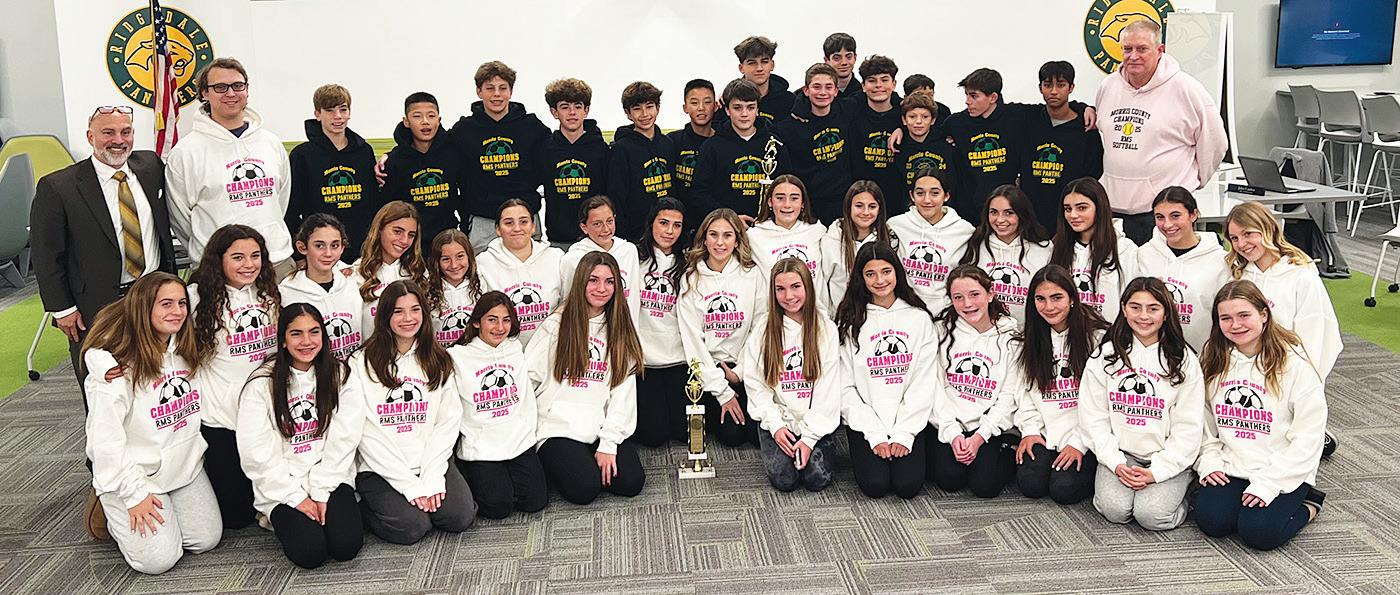
Ridgedale Middle School Boys’ and Girls’ Soccer Teams
BY STEVE SEARS STAFF WRITER
FLORHAM PARK - The Ridgedale Middle School boys’ and girls’ soccer teams recently won dual Group II Morris County titles. The boys were crowned 2025 Bob Leary Memorial Boys Soccer Tournament co-champions with Chester, while the girls defeated East Hanover for the 2025 Bob Ciurczak Memorial Girls Soccer Tournament title.
Brian McParland, who originally coached the girls’ team, has now been coaching the boys’ team for nine seasons. A Ridgedale Middle School math teacher for 22 years, he has coached in the soccer program overall for 21 years. Meade Eggelston has been coaching the girls’ squad for two seasons and served as an assistant coach for a season prior to that. He has been teaching Science at the school for three years.
“It is rare,” McParland said
Breast Cancer...
FROM FRONT PAGE
the Department of Surgery at Rutgers Robert Wood Johnson Medical School.
Dr. Joseph joins Rutgers Cancer Institute and RWJBarnabas Health from NYU Langone Medical Center, where she co-directed the Beatrice W. Welters Breast Health Outreach & Navigation Program at NYU Langone’s Perlmutter Cancer Center. She also served as Professor of Surgery and Population Health at the NYU Grossman School of Medicine.
Both Capture County Titles
of both teams winning county titles. “I have been here since 2003 and this is the second time it has happened, but it is rare.”
Eggelston said of the aftermath of the dual titles, “There was a lot of excitement. The teams were strong, and the kids were pumped up for the playoffs.”
Ridgedale Middle School’s soccer team has players from grades 6 through 8 participating.
Eggelston said, “They are coming as sixth graders, and they have not had too much high-level organizational sports in general, whether it be soccer or anything else. It is just getting them physically up to speed with people that are eighth graders. With such a massive difference of that age, we are just getting them mentally and physically up to the task, just creating a culture
In addition to Dr. Joseph’s expertise in advanced breast surgery techniques, she is a national leader in reducing healthcare disparities and inequities in cancer care. She focuses on improving access to breast cancer screening and care for underserved populations, helping thousands of women access necessary cancer screenings and support services.
“We are thrilled to welcome Dr. Joseph to Rutgers Cancer Institute, the Jack & Sheryl Morris Cancer Center
where everyone is working together. It is not individualized, and they are just in it together.”
McParland said about both teams, “We are, in Florham Park very blessed with a very involved community in terms of soccer and getting the kids started, almost as early as kindergarten or first grade here. We have a lot of parent
and RWJBarnabas Health,” says Steven K. Libutti, MD, FACS, the William N. Hait Director of Rutgers Cancer Institute and Senior Vice President of Oncology Services at RWJBarnabas Health. “With a specialization in breast surgical oncology and a strong commitment to patient-centered care, Dr. Joseph exemplifies our health system’s mission to provide the most advanced care for the communities we serve.”
“I am privileged to join a skilled and passionate team
Livingston Teen Publishes Book on Artificial Intelligence
AREA - Seventeen-year-old Sophia Guild, a senior at The Pingry School, has published her first book, The AI Equation: Balancing Innovation, Ethics, and Humanity.
Sophia, who grew up in Livingston, wanted to share her passion for Artificial Intelligence in a way that would resonate with people outside the tech world. “With Artificial Intelligence being of such high interest at the moment, I wanted to demystify AI for the general audience, and highlight its life-changing potential, while addressing the ethical concerns around its rapid development,” she said.
The book introduces readers to the basics of AI, breaking down complex ideas into approachable language. It also explores how AI is already shaping everyday life, and what responsibilities come with such powerful technology. For Guild, writing the book was more than just an academic project. It was about giving back to the community where

she grew up. She hopes her work will spark curiosity and conversation among readers of all ages in New Jersey and beyond.
The AI Equation: Balanc-
ing Innovation, Ethics, and Humanity is now available on Amazon. More information can be found at www.theaiequation.com

involvement, a lot of training being done on the outside, and that is the talent that we get at the middle school level consistently, year in and year out. It is pretty high quality, so we can compete with Group IV schools even though we are a Group II school. We are blessed by having a major feeder program.”
of specialists at New Jersey’s only National Cancer Institute-designated Comprehensive Cancer Center,” says Kathie-Ann Joseph, MD, MPH, FACS. “I look forward to working together to tackle a disease that impacts so many.”
“Dr. Joseph is a fantastic addition to the Breast Surgery team at the Jack & Sheryl Morris Cancer Center and the RWJBarnabas Health Southern Region” said H. Richard Alexander, Jr., MD, FACS, Chief Surgical Officer and Chief of Surgical Oncology, Rutgers Cancer Institute, Surgeon-in-Chief of the Jack & Sheryl Morris Cancer Center, and System Director of Surgical Oncology, RWJBarnabas Health. “She is a distinguished leader in the field of breast surgery, with an impressive track record of addressing healthcare disparities and inequities for all women fighting breast cancer.”
Dr. Joseph received her medical degree from Columbia University College of Physicians and Surgeons and her MPH from Columbia University Mailman School of Public Health. She completed a residency and internship at New York University Langone Health, Bellevue Hospital, and VA Medical Center and a breast surgical fellowship at Columbia-Presbyterian Medical Center. Dr. Joseph has been a co-investigator on several NIH studies, has published






The boys’ program has developed over time, and the youngsters look forward to heading to Ridgedale Middle School and having a competitive team.
McParland said, “We won three of the last four more county titles in Group II and have had very good teams more recently. There are parents who put together the town teams and bring them up on the boys’ side; we definitely have the support there. That is really what makes these teams good or great, the community or parent involvement to get the kids where they need to be and get them the training they need.”
extensively and presents her findings at national meetings. She holds membership in several national medical organizations, and currently serves as the Vice Chair, American College of Surgeons, Committee to Advance Surgical Excellence and Inclusion, an examination consultant for the American Board of Surgery Complex General Surgery Continuous Assessment, and serves on the editorial boards of Annals of Surgical Oncology and American Journal of Surgery. She is also the Chair of the Society of Black Academic Surgeons, Research and Education Committee.
About Rutgers Cancer Institute As New Jersey’s only National Cancer Institute-designated Comprehensive Cancer Center, Rutgers Cancer Institute, together with RWJBarnabas Health, provides patients access to the most advanced treatment options including clinical trials close to home at our facilities throughout the state. Our groundbreaking cancer research is the engine that drives access to the most advanced cancer treatments, where our discoveries become your care. This has been enhanced with the opening of the state’s first and only freestanding cancer hospital, the Jack and Sheryl Morris Cancer Center. Visit: www.cinj.org.
About RWJBarnabas Health
RWJBarnabas Health is




New Jersey’s largest and most comprehensive academic health system, caring for more than five million people annually. Nationally renowned for quality and safety, the system includes 14 hospitals and 9,000 affiliated physicians integrated to provide care at more than 700 patient care locations.
RWJBarnabas Health’s commitment to enhancing access to care includes a transformative partnership with Rutgers University, including the Rutgers Cancer Institute — the state’s only NCI-designated Comprehensive Cancer Center, and Rutgers Robert Wood Johnson Medical School.
RWJBarnabas Health partners with its communities to build and sustain a healthier New Jersey. It provides patient-centered care in a compassionate manner and is the state’s largest safety-net provider and leader in addressing the social determinants of health. RWJBarnabas Health provides food to the hungry, housing for the homeless and economic opportunities to those most vulnerable.
RWJBarnabas Health is among New Jersey’s largest private employers, with more than 45,000 employees, contributing more than $7 billion to the state economy every year. For more information, visit www.RWJBH.org.


































The Life and Legacy of Elizabeth Cady Stanton
BY HENRY M. HOLDEN
WRITER
AREA - In November 1880, Elizabeth Cady Stanton (18151902) resided in Tenafly, New Jersey. Stanton was renowned as one of the leading figures of the early women’s rights, or Suffrage movement, in the United States. She is best known for penning the Declaration of Sentiments for the Seneca Falls Convention and for her pivotal role in organizing the women’s suffrage movement across the nation.
On Election Day in November 1880, Stanton decided to cast a ballot, powerfully demonstrating her sincere belief in the right of all women to vote. Throughout her life, Stanton passionately sought to elevate the status of women by demanding equal rights and rallying the somewhat disorganized Suffrage movement. While other women attempted to advance the cause, few were as strong-willed as Stanton. The challenge remained how to spark nationwide change and draw attention to the cause.
Women’s suffrage refers to the right of women to vote in national or local elections, a right denied to women in societies as far back as ancient Greece and republican Rome, as well as in the early democracies that emerged in Europe during the 18th century. Even when the voting franchise was expanded in the United Kingdom in 1832, women continued to be excluded from all voting rights.
Stanton’s commitment to women’s rights began in her childhood, influenced by evenings spent with her father, who would often read to her. In addition to this informal education, Stanton attended the co-educational Johnstown Academy in her hometown of Johnstown, New York, until age 16. She then continued her studies at the Troy Female Seminary, later known as the Emma Willard School after its founder.
Although Stanton aspired to attend Union College, following in the footsteps of her male
classmates from Johnstown Academy, she was barred from entry solely because of her sex. Reflecting on these formative experiences with discrimination, Stanton wrote with deep regret about her inability to compete academically on equal footing: “When those with whom I had studied and contended for prizes for five years came to bid me good-by, and I learned of the barrier that prevented me from following in their footsteps–‘no girls admitted here’–my displeasure and indignity knew no bounds. … Again I felt more keenly than ever the humiliation of the distinctions made on the grounds of sex.”
Before focusing entirely on women’s rights, Stanton was active in the temperance and abolition movements. Through these causes, she met her future husband, Henry Brewster Stanton. When they married in 1840, she insisted that the word “obey” be omitted from their marriage ceremony, as she “ob-
stinately refused to obey one with whom I supposed I was entering into an equal relation.”
During their honeymoon in London, Stanton and her husband attended the World’s Antislavery Convention. There, she met Lucretia Mott, another prominent women’s rights advocate. After male delegates at the convention voted to exclude women from participation and relegated them to a section hidden from view, Stanton became resolutely committed to the cause of women’s rights and resolved to organize a women’s rights convention.
Stanton went on to organize the landmark Women’s Rights Convention at Seneca Falls, New York, in 1848. At this historic gathering, she presented her Declaration of Sentiments—.”When, in the course of human events, it becomes necessary for one portion of the family of man to assume among the people of the earth a position different from that which they have hitherto occu-
Thank You Sergeant Robert Vitale, For Saving My Life
BY RICHARD MABEY JR. STAFF WRITER
AREA - It was in the middle of July of 1965 that Boy Scout Troop 170 had begun an ambitious hike to take a week-long walk on the Appalachian Trail. We began the long hike in Upstate New York. The goal was to make it to Virginia.
I was 11 years old at the time and had just finished the sixth grade. My dad had just become the Scoutmaster of Troop 170. It was a magical time. It was a wonderful time.
Robert Vitale was our scout troop’s Senior Patrol Leader. Bob was a very dedicated scout. He had a very good insight into nature. He was well adept at scouting skills.
It was shortly after we crossed the Delaware River and began hiking in Pennsylvania that a most incredible moment in time occurred. It was a moment, a matter of a few seconds that would change my life, in all so many ways.
Bob and I were bringing up the rear of the long line of scouts of Troop 170, carrying backpacks and canteens, along the mystical Appalachian Trail. In one split second, I heard the rattle. It was the unmistakable rattle of a rattle snake.
“Richie, don’t move!” Senior Patrol Leader Vitale shouted at me. I froze.
Then Bob drew a long knife from his sheath and in one quick, powerful swoop, cut the head off of the rattle snake. I was mesmerized. Senior Patrol

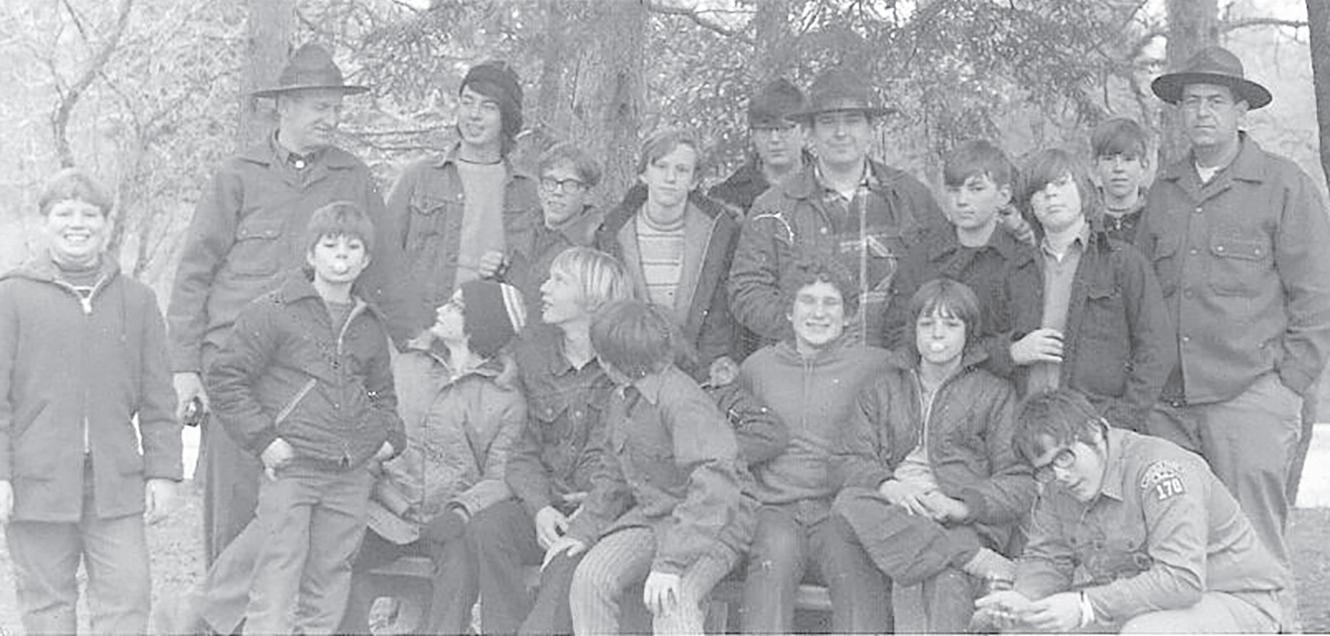
three scout leaders are wearing
Leader Vitale had saved my life. In what was all of about five seconds, Bob had saved me life!
When Robert Vitale turned 18, he joined the United States Army. He was advanced to the rank of Sergeant. During his service, in his time in Vietnam, Robert was awarded many prestigious awards of heroism.
You see, Sergeant Vitale had selflessly saved an entire patrol of his fellow soldiers. Sergeant Vitale had chosen to step forward, putting himself in grave danger of being in harm’s way, to save the lives of his fellow soldiers.
When Sergeant Vitale came back home to Lincoln Park, after serving in the U. S. Army, he rejoined Boy Scout Troop 170, as an Assistant Scoutmaster. A role that he served in for well over a decade.
Sergeant Robert Vitale is
one of the bravest individuals whom I have ever known.
Now, at 72 and fighting Hypertrophic Cardiomyopathy, I have become acutely aware of the people who have helped me along life’s way. Lately, I have been thinking a lot about that moment in time, back in July of 1965, when Robert Vitale pulled his long knife from its sheath and cut off the head of the rattle snake. The very snake that was coiled up, only about two feet from where I stood.
So, with all the gratitude that I can muster in my heart, thank you Sergeant Robert Vitale for your service to our country. Thank you, Bob, for saving my life, all those years ago.
Richard Mabey Jr. is a freelance writer. He has recently had two books published. He currently hosts a YouTube Channel entitled, “Richard Mabey Presents.” Richard may


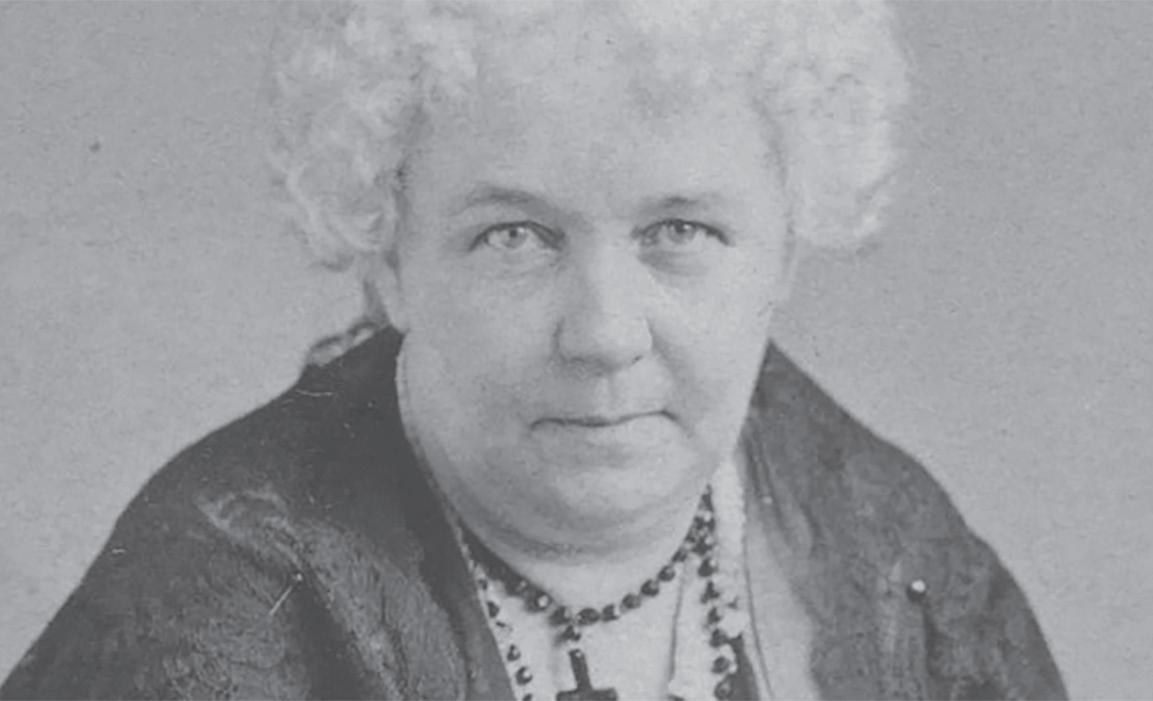
Elizabeth Cady Stanton pied, but one to which the laws of nature and of nature’s God entitle them, a decent respect to the opinions of mankind requires that they should declare the causes that impel them to such a course..”
She wrote this document, modeled after the Declaration of Independence, to detail women’s inferior status and demand sweeping reforms, including the right to vote. a rewriting of the Declaration of Independence that demanded voting rights for women and proclaimed that all men and women are created equal.
Following the Seneca Falls Convention, Stanton met Susan B. Anthony. The two formed a lifelong friendship grounded in their shared dedication to women’s rights. As a mother of seven children, Stanton’s domestic responsibilities often prevented her from traveling to participate in the movement alongside Anthony. Nevertheless, for decades she partnered with Anthony. She was a prolific writer and composed many of Anthony’s speeches.
to the Legislature of New York helped influence the passage of the Married Women’s Property Law of 1860, which granted married women the right to own property, conduct business, and serve as joint guardians of their children.
Elizabeth Cady Stanton’s main point in The Woman’s Bible was to challenge the patriarchal interpretations of scripture that subjugated women, arguing that the Bible, when read critically, revealed a divine message of equality, not inferiority, and that religious tradition had distorted God’s true, liberating spirit for women. She sought to reinterpret sexist passages, highlighting positive female figures and advocating for women’s autonomy, self-development, and spiritual liberation from oppressive religious orthodoxy.
be contacted at richardmabeyjr@gmail.com.
Stanton’s advocacy for women’s rights extended well beyond the right to vote. She campaigned for liberalized divorce laws, reproductive self-determination, and expanded legal rights for women. Although these positions sometimes alienated her from other activists and met with only limited success during her lifetime, her efforts left a lasting impact. Stanton’s 1854 Address





Elizabeth Cady Stanton is among the honored figures in the Women’s movement. A quote from Stanton that resonates deeply with this work is: “To make laws that man cannot and will not obey, serves to bring all law into contempt.” This physical reminder connects today’s advocates to Stanton’s legacy of striving for societal improvement. Stanton passed away 18 years before women in the United States were granted the right to vote. Nevertheless, her revolutionary ideas and unwavering commitment continue to inspire those who work toward equality and justice.



From 1972, a photo of Boy Scout Troop 170 taking a break from a hike. My dad is on the far left. Assistant Scoutmaster Robert Vitale is center stage. And, Assistant Scoutmaster Charles Behnke is standing, far right. All
Smokey Bear hats.
BY HENRY M. HOLDEN
AREA - The Salem Witch Trials of 1692, include a famous and bloody chapter in American history. A good deal more obscure and a good deal less harmful was a witch trial that took place in Mount Holly, then a Burlington County village in 1730.
An account of this witch trial first appeared in the Pennsylvania Gazzett on October 22, 1730.The villagers that day found the news of ship arrivals, merchandise for sale and an article entitled; “A Witch Trial in Mount Holly.”
It was assumed that the young Benjamin Franklin wrote it. He said that all has been found; so. Smyth (the editor of the Gazette ) printed it without questioning as did later editors and biographers. Records of the Court of Quarter Sessions of Burlington County, N.J., for 1730, which might write down how much fact there was in the Gazette account, no longer exist.
So, as the story goes that on Oct. 12, at Mount-Holly, over 300 very nervous and anxious people were gathered to see an experiment or two, tried on some people accused of Witchcraft.
According to the article, it
A Witch Trial at Mount Holly
seems that a man and woman in the village had had been suspected of practicing witchcraft and had been charged with making their neighbor’s sheep dance in an uncommon manner, causing hogs to speak, and sing psalms, and to the great terror and amazement of the King’s good and peaceable subjects in this province; and the accusers being very positive that if they (the) accused were weighed on scales against a Bible. (The assumption being that someone in a league with Satan would not weigh, as much as the word of God since Baptism is the foundation of their beliefs .) The Bible would prove too heavy for them; or that, if they were bound and put into the river, they would swim.
The male suspect was the first to be placed on the scale. A Hugh great Bible was placed on the other side. To the dismay of the villagers, he ought to weigh the Scriptures and so did the other three.
The Accusers being very positive that if the accused were weighed in Scales against a Bible, the Bible would prove too heavy for them; or that, if they were bound and put into the riv-



er, they would swim; the said Accused desirous to make their innocence appear, voluntarily offered to undergo the trials, if two of the most violent of their accusers would be tried with them.
So, the time and place were agreed on and advertised about the Country; The accusers were one Man and one Woman; and the accused the same. The parties being met, and the people got together, a grand consultation was held, before they went ahead to trial; in which it was agreed to use the scales first. and a committee of men were appointed to search the men, and a committee of women to search the women, to see if they had anything of weight about them, particularly pins. After the scrutiny was over, a huge great Bible belonging to the Justice of the Place was provided, and a lane through the villagers was made from the Justices house to the scales, which were fixed on a gallows erected for that purpose opposite to the house, that the justice’s wife and the rest of the ladies might see the trial, without coming amongst the mob; then came out of the house a grave tall Man

carrying the Holy Writ before the supposed wizard, (as solemnly as the Sword-bearer of London before the Lord Mayor) the wizard was first put in the scale, and over him was read a chapter out of the Books of Moses, and then the Bible was put in the other scale, (which being kept down before) was immediately let go; but to the great surprise of the spectators, flesh and bones came down plump, and outweighed that great good Book by abundance. After the same manner, the others were served, and their lumps of mortality severally were too heavy for Moses and all the Prophets and Apostles.
This being over, then accusers and the rest of the mob, not satisfied with this experiment, would have the trial by water; accordingly a most solemn procession was made to the millpond; where both accused and accusers being stripped (saving only to the women their shifts) were bound hand and foot, and severally placed in the water, lengthways, from the side of a barge or flat, having for security only a rope about the middle of each, which was held by some in the flat.
A Sailor in the flat jumped out upon the back of the man accused, thinking to drive him down to the bottom, but the person bound, without any help, came up some time before the other. The woman accuser, being told that she did not sink, would be dunked a second time, when she swam again as light as before. Upon which she declared that she believed the accused had bewitched her to make her so light, and that she would be dunked again a hundred times, but she would dunk the Devil out of her.
The accused Man, being surprised at his own swimming, was not so confident of his innocence as before, but said, If I am a Witch, it is more than I know. (unless they were mere Skin and Bones) would swim till their

breath was gone, and their lungs filled with water. But it being the general belief of the villagers that the woman’s shifts, and the garters with which they were bound helped to support them; it is said they are to be tried again the next warm weather, naked.
There is no further mention of the story in the Gazette fueling doubt about its verisimilitude.
However, this story, if true, is a historical sign of folk beliefs in eighteenth-century New Jersey.
Legends of witches and their persecution may still persist in Mount Holly and other areas to this day. Are these modern folklore of witch trials merely a lingering vestige of a fraud enacted by Ben Franklin in 1730? Or do we believe too much when we suggest these stories to a presumably bogus article? Perhaps it was an honest to God account of events and actions which occurred that are still inspiring stories and rumors this day.
This story may stem from an article appeared on October 22, 1730, in the Pennsylvania Gazette, which allegedly chronicled a witch trial that took place in Mount Holly.
The story ends open-endedly, without suggesting of any final decisions made or actions taken about the guilt or innocence of those accused.
Since the publication of
the story, some have guessed that it was merely a joke. This seems to be based simply on the fact that a young, well-known prankster named 24-year 0ld Benjamin Franklin wrote the piece. It should be noted that Franklin wrote most of the copy for the Gazette.
According to those who doubt the validity of the story, it was a way for Franklin, an enlightened thinker of his day, to poke fun at folk beliefs which persisted, as well as to have a joke at the expense of Burlington County villagers, whom Philadelphians saw as rustic, rural jokes.
One reason the account accepted was a contemporary publication the Gentleman’s Gazettet reported the story to its readers as fact. In the nineteen and early 20th century people were
Though the Mount Holly was probably fraud it is not without importance. It shows that by the 1730s, an educated man like Franklin could attack the belief in witches as seemingly old fashion and not get hung for his posture on the whole subject. We have come a long way since the Salem Witch Trials of 1692, where twenty-two people were executed. This story has a bit of humor and pours scorn on for those who can’t take a joke.



BY HENRY M. HOLDEN STAFF WRITER
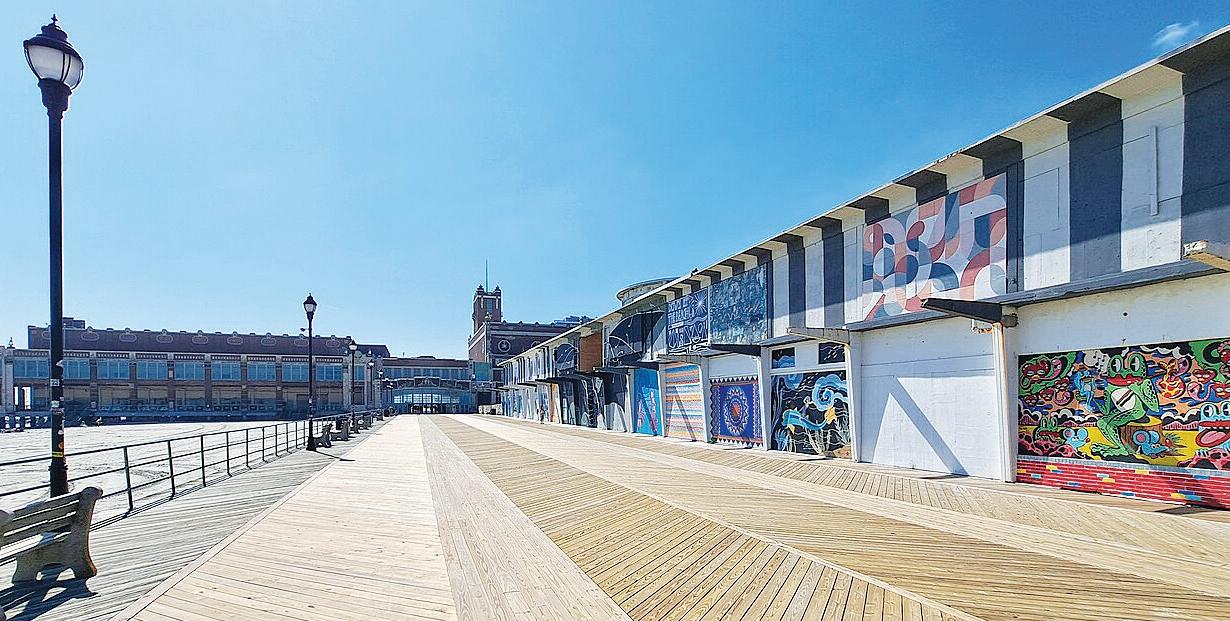
AREA - If you are reading this you have probably been to Atlantic City, New Jersey and strolled at least part of the 120 mile – boardwalk.
The Atlantic City Boardwalk, opened in 1870, is the first boardwalk in the United States and has evolved into a major tourist attraction with a rich history spanning over 150 years.
A wooded 5.75 -mile strip has been the temporary home for hundreds of conventions, .engineers, teachers, historians, families’ plumbers ,carpenters, beauty pageants, shops, restaurants and more. All flock to “AC” for the warming sun in the summer months, its renowned “saltwater “ toffee and legal gambling casinos in which most hope to strike it rich.
But did you know that back in the 1930s , the boardwalk served some of the most reviled gangsters of the day including Frank Nitti, Dutch Schults, Al Capone, Henryk Wojciechowski (Hymie Weiss,) hit men, bootleggers, racketeers etc. So where are they now, and what did they leave behind ?
Atlantic City’s story as a gambling stop in began in the mid-19th century when developers recognized the potential of the island’s beaches. The city was incorporated in 1854, and by the 1870s, it had begun to establish itself as a health
Atlantic City Boardwalk
resort. Physicians of the era prescribed seaside visits for patients, believing the salt air offered therapeutic benefits.
However, early visitors encountered a significant inconvenience: sand. Guests would track beach sand into hotel lobbies and train cars, creating a persistent nuisance. This problem led to a revolutionary solution that would change Atlantic City’s destiny.
In 1870, Alexander Boardman, a railroad conductor, and Jacob Keim, a hotel owner, proposed the creation of a wooden walkway that would allow beachgoers to enjoy the shore without getting sand in their shoes. On June 16, 1870, Atlantic City’s first Boardwalk was opened to the public.
The history of Atlantic City’s Boardwalk has been marked by cycles of destruction and renewal. The original structure, designed to be temporary, was replaced in 1880 with a larger, improved version. This second iteration was wider, longer, and built higher above the beach.
Over the decades, the Boardwalk faced numerous challenges from Mother Nature, including:
1. The Great Atlantic Hurricane of 1944, which destroyed large sections of the Boardwalk.
2. The Ash Wednesday Storm of 1962 again caused
extensive damage.
3. Hurricane Belle in 1976, required significant repairs.
4. Hurricane Gloria in 1985, washed away portions of the Boardwalk.
5. The infamous Hurricane Sandy in 2012, destroying the northern section.
After each disaster, Atlantic City rebuilt its beloved Boardwalk, often expanding and improving it. By the early 20th century, the structure had grown to approximately 60 feet wide and extended for miles along the oceanfront. These rebuilding efforts demonstrated the city’s resilience and commitment to maintaining its most famous landmark.
While the Boardwalk began as a practical solution to a sandy problem, it quickly evolved into the centerpiece of Atlantic City’s tourism industry. The 1920s and early 1930s—during the Prohibition era—marked the Boardwalk’s golden age. Despite nationwide alcohol restraints, Atlantic City became known as “The World’s Playground,” where Prohibition laws were loosely enforced, if at all. (In fact, there was no legal gambling in Atlantic City until 1976.)
The Saint Valentine’s Day Massacre, (Feb. 14, 1929) in which seven men from rival gangs were murdered in broad daylight, damaged the public image of Chicago and Capone,
Museum Spotlight: Leonardo State Marina Nature Center
BY STEVE SEARS STAFF WRITER
AREA - Saylor Whiteman, Seasonal Naturalist at the Leonardo State Marina Nature Center (Office of Nature and Interpretive Programming) in Leonardo, has a perfect view.
A peek out the window of his Middlesex County workplace provides a view of the beautiful Sandy Hook Bay.
Whiteman, a student at Brookdale Community College in Lincroft, holds programs for both youngsters and adults at the Nature Center, but also occasionally does the same at the Twin Lights National Historic Site in Highlands or on the tiny beach in Leonardo. Indeed, much of what he does connects with the sea and the species that live there. Inside the facility, Whiteman cares for two female, Red-eared slider turtles named Bobo and Rocky.
“They are an invasive species,” Whiteman said. “They are not native to New Jersey. They were donated to us by someone who couldn’t take care of them anymore, so now we have them here for education. They have a lot in common with our native species, like our painted turtle in particular, but they are not New Jersey natives. But they can live very well in New Jersey.” Bobo and Rocky are roughly 13 years old, and actively swim in their own 75-gallon tanks, both enjoying a permanent home on the Jersey shore. Whiteman knows both very
well. “Rocky is sassy, and Bobo is a little more passive, and kids love looking at turtles.
I’ll feed the turtles in front of kids, and they’ll ask me questions.”
A Common Pleco catfish, soon perhaps to be named Chocolate, first shared a tank with Bobo, but due to his aggressiveness he bought himself his own tank. On this day he hides beneath a rock formation, but according to Whiteman, he’ll surface when the lights go out later in the day.
A tiny shelf to the left holds artifacts like skate and whelk egg cases, horseshoe crab and turtle shells, and driftwood, and in a second room of the Nature Center, many craft-based programs are held, such as making paper flowers, or sea glass art or jewelry.
On prominent display following a recent winter beach clean-up are objects taped to a poster board like popsicle sticks and plastic straws, items that get into the waters and poison the environment and pose danger for aquatic wildlife.
“The community is such a huge part of this,” Whiteman said. “I love it. Most of the people who come here live in Leonardo, and most of the people that come here will see kids from their classes, and the moms and parents will know each other, and they will recognize me, and it is really just a lovely thing to have everybody coming together, especially

the Floorman’s

leading influential citizens to demand government action and newspapers to dub Capone “Public Enemy No. 1”.
One of more than 12-15 high level gangsters who made money on the illegal aspects of gambling was Al Capone. Unlike some of the gangsters Capone apparently reveled in attention, such as the cheers from spectators when he appeared at baseball games. He made donations to various charities and was viewed by many as a “modern-day “Robin Hood”.
During this period, the Boardwalk flourished with entertainment options. Elaborate hotels, theaters, and amusement piers extended from the Boardwalk out over the ocean.
The Steel Pier, opened in 1898 but reaching its heyday in the 1920s, became one of the most famous attractions, offering everything from big bands to diving horses.
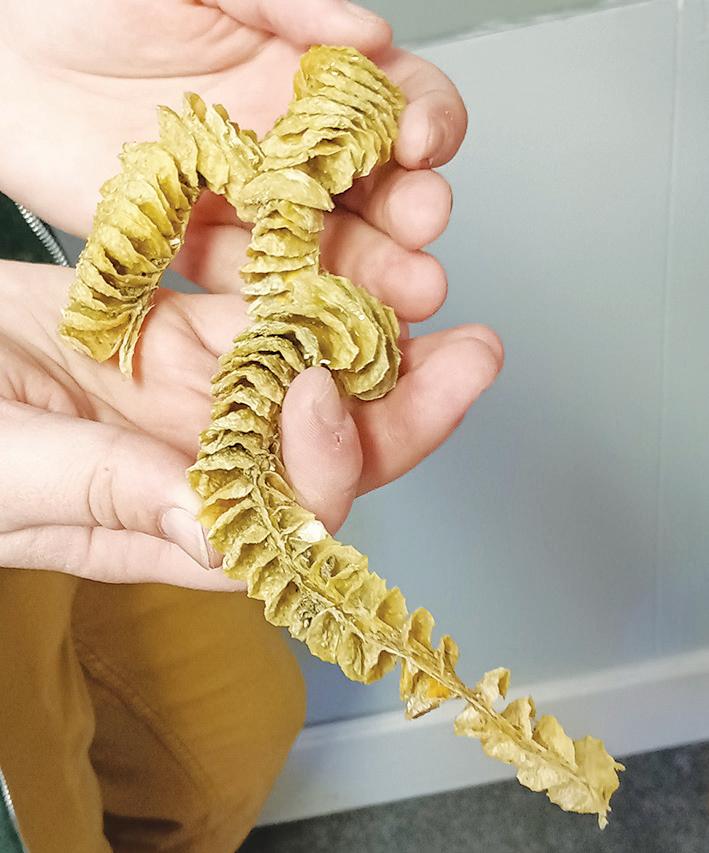
Whelk egg cases (credit: Steve Sears)
when we do things like these beach clean ups.”
Another poster explains why you don’t ever walk on dunes (“It is a big problem,” Whiteman said), and a neighboring miniature sandbox, which the kids love, is equipped with a tiny shovel for unearthing tiny shells therein, which they can match with a like-image displayed shell on a nearby poster, learning more about the species.
In the summer, there is also a lovely pollinator garden that flourishes outside the Nature Center’s entrance.
Open year round, the Leonardo State Marina Nature Center is located at 102 Concord Avenue in Leonardo, and is open to the public from 2:30 p.m. to 6:30 p.m. on Wednesdays, and 10 a.m. to 4 p.m. on Saturdays. Visit the facility’s Facebook page for winter hours and special events throughout the year.
Alphonse Capone sometimes known as “Scarface”, attained notoriety during the Prohibition era as the co-founder and boss of a Speakeasy and gambling outlet to relieve the Chicago Outfit from 1925 to 1931. His seven-year reign as a crime boss ended when he was imprisoned at the age of 33 for the federal crime related to tax evasion for undeclared income.
Capone showed signs of neuroyphilis early in his sentence and became increasingly debilitated before being re-
leased after almost eight years of incarceration. Neurosyphilis is a complication of syphilis. It can cause serious neurological issues, such as stroke and paralysis. In 1947, Capone died of cardiac arrest after a stroke.
The Miss America Pageant, which began in 1921 to extend the summer tourist season past Labor Day, featured contestants parading down the Boardwalk in what became an iconic American tradition.
This era also saw the rise of the rolling chair—a wicker chair on wheels pushed by an attendant—as the preferred method of Boardwalk transportation for those who could afford it. Originally introduced as a service for invalids and elderly visitors, rolling chairs quickly became a status symbol among some gangsters on the boardwalk and remains an iconic part of the Boardwalk experience today (minus the cold-blooded killers.)
The Boardwalk’s cultural significance received a permanent boost in 1935 when Parker Brothers released the board game Monopoly. The game’s creator, Charles Darrow, was inspired by Atlantic City’s streets and landmarks, with the Boardwalk securing the most expensive property on the board. This placement forever cemented the Boardwalk’s reputation as a symbol of luxury and aspiration in American popular culture.
Beyond board games, the
Boardwalk has featured prominently in literature, film, and television. From the 1980 film “Atlantic City” starring Burt Lancaster and Susan Sarandon to HBO’s critically acclaimed series “Boardwalk Empire” (2010-2014), which chronicled the Prohibition era through the fictional character of Enoch “Nucky” Thompson, the Boardwalk has maintained its place in the American imagination. By the mid-20th century, Atlantic City was facing significant challenges. The rise of affordable air travel meant that wealthy East Coast tourists could easily vacation in Florida or the Caribbean rather than the Jersey Shore. The city’s once-grand hotels had become outdated, and the Boardwalk’s amusements lost their luster as newer entertainment options emerged elsewhere. In a bid to revitalize the struggling economy, New Jersey voters approved casino gambling for Atlantic City in 1976. On May 26, 1978, Resorts International opened as the first legal casino on the East Coast outside of Nevada. This watershed moment launched a new era for the Boardwalk. When the casino doors opened at 10 AM, a queue of well-dressed people waited on the AC Boardwalk. Resorts’ acceptance of that first wager changed everything in AC forever.

What Really Happened Aboard the USS Princeton?
BY HENRY M. HOLDEN
AREA - On February 28, 1844, a long line of carriages drew up to the wharf at the Washington Navy Yard. It dropped off the city’s social elite, nearly 400 ladies and gentlemen in sophisticated attire ready to celebrate. Captain Robert F. Stockton of Princeton, New Jersey, had assembled the movers and shakers, the very cream of the capital, including President John Tyler, for a demonstration cruise on board the pride of the United States Navy, the steam frigate USS Princeton. USS Princeton was to be inaugurated with an excursion from Alexandria, Virginia to Mount Vernon.
In attendance was former first lady Dolley Madison, then 76, topped the guest list. Several members of Tyler’s cabinet and several congressional leaders were on hand as well. Launches ferried the guests out to the 164-foot Princeton, at anchor off Alexandria.
While visiting England in 1937, Stockton met a steam pioneer, Swedish-born engineer John Ericsson, who had built a steam tugboat driven by a screw propeller. Stockton had a stroke of luck. The British navy had rejected the boat and the concept. Stockton was fascinated by Ericsson’s work. His next step was to get Ericsson’s buy-in to his idea. The two men had found common ground. Their next step was to build a screw propelled war ship.
Once back in the United States, Stockton successfully lobbied the government to produce such a vessel. Stockton was awarded the contract to build a protype with Ericksson as the designer.
To no one’s surprise, Stockton was awarded the rank of captain. Stockton had friends in high places including the president famous for “Tippecanoe and Tyler too.”
Princeton was a marvel of modern engineering. Stockton, whose grandfather was
a signer of the Declaration of Independence, had enticed Swedish-born John Ericsson, later famous for the Civil Warera Monitor, to come to the United States to design the first steam-powered warship driven by a screw propeller instead of a paddlewheel. She carried the largest gun in the U.S. Navy: the “Oregon” fired 12-inch cannonballs and had been built in England to Ericsson’s design; an even larger 12-inch cannon called the “Peacemaker” weighed more than 27,000 pounds and had been cast in the United States under Stockton’s supervision. Stockton guided construction of the Princeton, using some of his family’s wealth to help finance the project when it cost more than the Navy was willing to spend.
Stockton had already taken several senators, members of the House of Representatives, and newspaper reporters out to show off his new warship. But the cruise down the Potomac was to be one of the crowning days in the Navy’s history. George Sykes, a congressman from Pennsylvania, described the festive mood on the day of this excursion down the Potomac.a
The festive voyage, however, did not go as planned. In a flash the cruise became the setting for one of the Navy’s worst peacetime disasters. It was a calamity that claimed the lives of six of the passengers—including two members of President Tyler’s cabinet.
As the members of the Cabinet passed over the side of the ship on a plank from the hurricane deck of the steamboat the sailors and Marines in on board removed their hats and gave three cheers.
According to Virginia Congressman W.C. Rives “Never in the mysterious ordinance of God has a day on earth been marked in its progress by such startling and astounding contrasts — opening and ad-
vancing with hilarity and joy, mutual congratulation and patriotic pride, and closing in scenes of death, and disaster, of lamentation and unutterable woe.”’
The explosion on board the Princeton killed more top US government officials in one day than any other tragedy in American history to that date. President John Tyler, who was aboard but below decks, was not injured.
Rather than ascribe responsibility for the explosion to individuals, Tyler wrote to Congress the next day that the disaster “must be set down as one of the casualties which, to a greater or lesser degree, attend upon every service, and which are invariably incident to the temporal affairs of mankind”. He said it should not affect lawmakers’ positive assessment of Stockton and his improvements in ship construction.
One of the flaws in the government was President John Tyler had become president after the death of William Henry Harrison, and there would be no Constitutional relief to fill an intra-term vacancy in the position of vice-president until the Twenty-Fifth Amendment was ratified in 1967; therefore, he had no vice-president. If Tyler had been killed in the incident, under the terms of the Presidential line of succession the current President pro tempore of the Senate Willie P. Mangum would have become Acting President.
At the time, President John Tyler’s heart was heavy, with grief and he had a lot on his mind, both political and romantic. Tyler became President in 1841, following the death of President Harrison after 31 days in office. His chief political goal was the annexation of Texas: a firm believer in Manifest Destiny, and Tyler sought to facilitate American expansion from sea to sea. His Secretary of State,

Abel Upshur, hoped that the annexation of Texas would perpetuate American slavery by offering more land for the cultivation of crops. In the winter of 1844, Upshur and Tyler were preparing a treaty that would join the Republic of Texas with the United States. Princeton was a wellbuilt ship but Stockon wanted something more impressive. The new ship would have powerful high-pressure engines that could move the ship at twelve knots per hour. Unlike other ships of that era, with their churning paddle wheels and belching smokestacks with Princeton’s screw propellers and steam mechanism the ship could out-cruise any ship afloat with its engines below the water line and not be dependent the fickle winds.
The gun, a smooth bore muzzleloader made of wrought iron, It could fire a 225-pound 12-inch shot 5 miles using a 50-pound charge. Its revolutionary design used “built-up construction”, placing red-hot iron hops around the backside of the weapon, which pre-tensioned the gun and greatly increased the charge the breech could withstand. Originally named “The Orator” by Ericsson, Stockton renamed it the “Oregon gun.”
It was shipped to the United States in 1841, where it was tested, and reinforced to prevent cracks, and proof-fired more than 150 times.
Captain Stockton wanted his ship to carry two long guns, so he designed and directed the construction of “Peacemaker”, another 12-in muzzleloader. “Peacemaker” was built with older forging technology, creating a larger gun and more impressive appearance, but less strength. Many have said that Stockton rushed construction of “Peacemaker” and mounted it without much testing. According to one lawmaker, “Peacemaker” was “fired only five times before certifying it as accurate and fully proofed.
House, leaving him a widower deep in mourning. Five months after his wife’s death, Tyler met Julia Gardiner, a beautiful young woman from a wealthy Long Island family whom Tyler’s son had invited to visit the White House.
During all this, the affluent and well-connected Stockton had convinced President Tyler into letting him construct a new model vessel for the U.S. Navy. USS Princeton was a marvel of modern engineering and had been produced by means of a partnership between Stockton and John Ericsson. This innovation was crucial for nineteenth-century naval warfare, as a screw propeller located beneath the surface meant that the ship’s machinery would be out of reach of enemy cannon fire. Ericsson would later design the U.S. Navy›s first ironclad vessel, the USS Monitor.
The festive voyage, however, did not go as planned. In a demonstration of the USS Princeston, on the Potomac River, there was an explosion. It killed six high-profile government officials, including the Secretary of State, Secretary of the Navy, and injuring many others. The cast-iron gun, designed by Captain Robert F. Stockton, failed under repeated test firing s and exploded sending deadly iron fragments into guests, highlighting naval innovation dangers and impacting American politics and history.
A navel Court of Inquire absolved Stockon of any blame. He had built the Peacemaker according to the latest scientific standards. The Court found that the gun in question had been fired with normal procedures. The Court even commended Stockon for his quick response after the explosion.
Stockon went on to earn a distinguished record in the Mexican War when he captured Los Angeles and became the military governor of the territory of California; Stockton, California, was named in his honor.
the accident was so devastating the ship, Princeton earned a bad reputation and was decommissioned in 1849 and broken up for scrap.
But the USS Princeton’s bad name did not follow it. The second USS Princeton, an armed transport and training ship, was commissioned in 1852 and remained in service until 1866.
The third USS Princeton, a composite gunboat (made of both wood and steel), was commissioned in 1898, served in the Far East and Nicaragua and in the aftermath of the 1906 San Francisco earthquake, and was decommissioned in 1919.
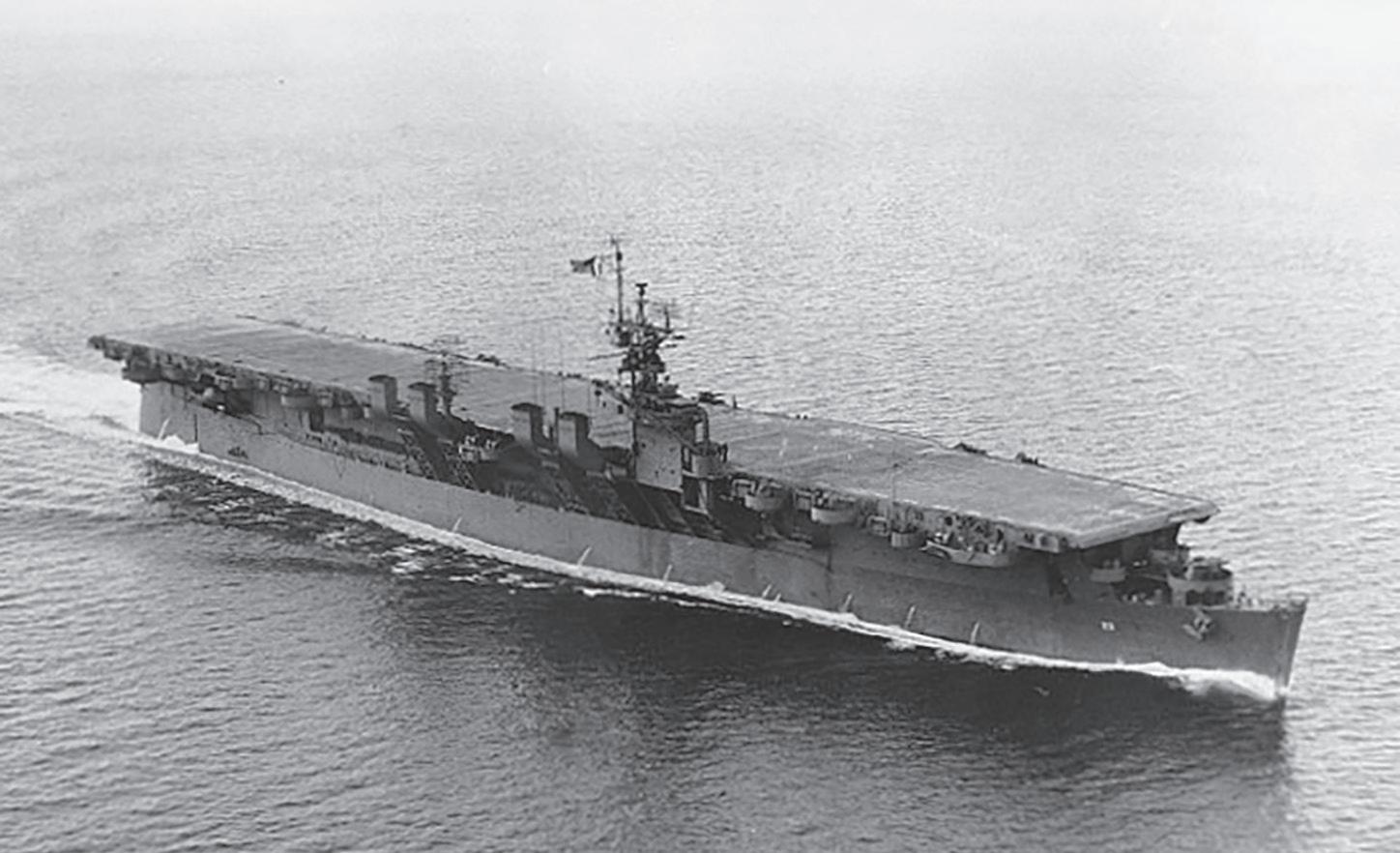
The fourth USS Princeton was an Independence-class light aircraft carrier active in the Pacific Ocean during World War II. It was launched in 1942, sponsored by Margaret Dodds (the wife of Princeton University President Harold Dodds), and commissioned in 1943. In October 1944 it sank in a fierce battle off the Surigao Strait; it was awarded the Asiatic-Pacific Area Campaign Ribbon with nine battle stars and the Republic of the Philippines Presidential Unit Citation.
The fifth USS Princeton, an Essex-class carrier, was commissioned in 1945 and decommissioned in 1970. It was awarded the Navy Unit Commendation, eight battle stars during the Korean War, and a Meritorious Unit Commendation for support of the Marines during the Vietnam War. It later served as the primary recovery ship for the Apollo 10 lunar mission.
The sixth and current USS Princeton, a Ticonderoga-class missile cruiser, was commissioned in 1989 and damaged in a mine attack in 1991. It won two consecutive Battle Efficiency Awards in 1992–93 and was deployed to the Arabian Gulf for Operation Enduring Freedom.










On that moderate winter day, Tyler was also occupied by thoughts more personal than political. Tyler’s wife of 29 years, Letitia Christian Tyler, died in 1842 at the White



Stockon returned to New Jersey where he became a state senator and president of his family’s Delaware and Raritan Canal Company. Because of
Star Trek devotees will note a seventh, future USS Princeton — a Federation starship launched in the year 2366 (Episode 1, Season 4 of “Star The New Generation,” September 1990).








BY HENRY M. HOLDEN STAFF WRITER
AREA - Jersey City has a long history of professional boxing and has been host to several high-profile boxing matches over the years. The city’s first recorded a professional boxing match took place on July 25, 1885.,
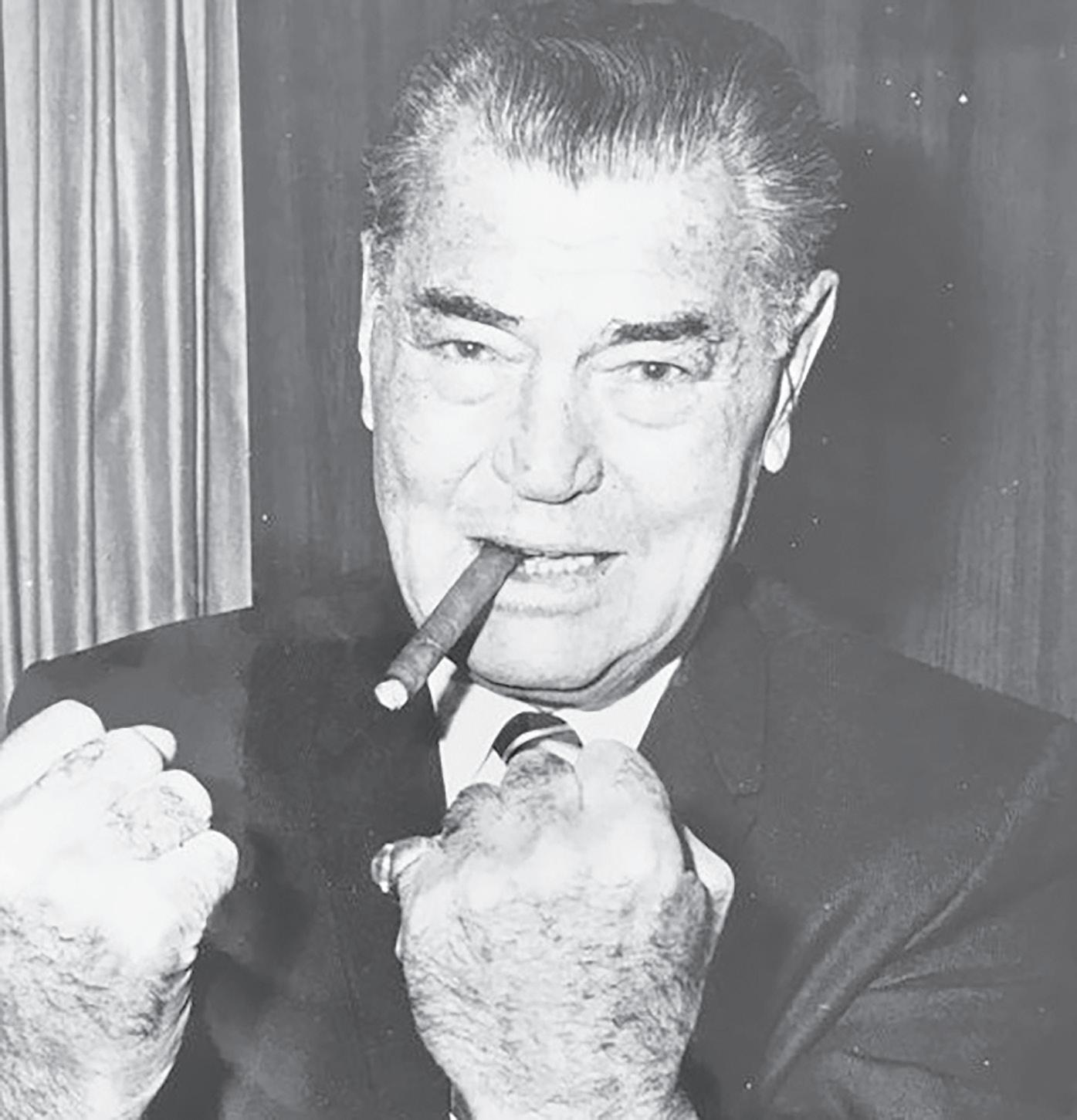
But what is the greatest day in the history of Jersey City? Without a doubt, July 2, 1921. On that day, fight fans came from all parts of the country to see the American Jack Dempsy fight Frenchman Georges Carpentier for the heavyweight title of the world.
Americans are used to celebrity events like Elvis Presley, Madonna, , Cher , Mike Tyson, and Rocky Marciano to name a few. We have seen them up close and personal on trashy TV shows, supermarket celebrity tabloids, court fights and present in a live boxing ring. But back in 1921 these methods of collecting money and power were virtuality unheard of in Jack Dempsy’s day.
In the words of boxing historian Randy Roberts: “The publicity ground out in advance of the fight depicted Carpentier as a rosy-cheeked clear complexioned Lancelot to cheer, and Dempsy as “a thick-bearded, scouring Simon Legree to boo and jeer.”
The Dempsey vs. Carpentier fight was a landmark event in sports history, dubbed the “Battle of the Century.” Dempsey outweighed Carpentier by 20 pounds, weighing in at 188 to the French challenger’s 168 Held at Boyle’s Thirty Acres in Jersey City, it was the first boxing match to attract a record crowd of thousands of spectators. The event was also the first world title fight to be broadcast nationwide via radio, marking a major step in sports broadcasting the largest U.S. sports crowd at the time. Promoted by Tex Rickard, it was the first boxing match to earn over $1 million. Dempsey’s fourth-round knockout left a lasting cultural and economic impact on sports.
The heavyweight clash between Jack Dempsey and Georges Carpentier wasn’t just another prizefight, it helped shape modern sports entertainment. Known as “The Fight of the Century,” the bout took place at Boyle’s Thirty Acres in Jersey City, a wooden arena built specifically to host the event. The promoter, Tex Rickard, recognized the growing power of sports as mass entertainment and pushed the
The Battle of the Century
fight as a clash of cultures: Dempsey, the rugged American brawler, versus Carpentier, the French war hero and gentleman boxer. The hype worked. Over 91,000 spectators filled the stands, making it the largest sporting audience in U.S. history at that point. Radio broadcasts carried the fight to thousands more, ushering in a new era where sports and mass media converged.
In the ring, Carpentier put up a valiant fight, but Dempsey’s power and weight proved overwhelming, ending the contest with a knockout in the fourth round. Beyond the punches thrown, the fight marked the moment boxing became mainstream, laying the foundation for the million-dollar gates, and pay-perview Carpentier was the world Light-Heavyweight champion, having beaten Battling Levinsky by a fourth-round knockout in his previous bout to win the title at Westside Ballpark in Jersey City.
Despite the fact the bout was held in the United States, Dempsey, the American defending champion, was cast as an anti-hero to Carpentier, the French challenger, who was seen as a hero by fans. During World War I Carpentier was decorated for bravery in battle with the Croix de Guerre and the Médaille Militaire, while in the United States Dempsey went on trial accused of draft evasion. At the same time Dempsey also went through a divorce from his first wife, Maxine.
As for the draft evasion charge, the public perception that he was a “slacker” stemmed from a publicity photo of him wearing shipyard worker attire but with dress shoes, which led to a public trial, even though evidence showed he had tried to enlist and supported war relief efforts. Despite being found not guilty in court, the negative label stuck with him throughout his career. Tex Rickard, Dempsey’s promoter, built up the fight, using the public’s view of both fighters to promote the bout. Rickard operated out of the Madison Square Garden in New York, but at the time he was having trouble with authorities at the New York State Boxing Commission and Tammany Hall. In addition, New York governor Nathan L. Miller opposed having the fight take place in

his state.[11] Also, Rickard
envisioned a larger crowd than Madison Square Garden could fit coming to this fight, and he preferred boxing fights to be held at outside arenas so he built Boyle›s Thirty Acres in Jersey City, with a capacity for 80,000 paying customers. Rickard borrowed $250,000 (in 1921 money) to make the arena. Boyle›s Thirty Acres was a large wooden bowl-shaped arena in Jersey City. It was built specifically for the world heavyweight championship bout between Jack Dempsey of the United States and Georges Carpentier of France. It held approximately 80,000 fans and was built at a cost of $250,000. It was situated around Montgomery Street and Cornelison Avenue, on a plot of marshland owned by John F. Boyle.
After a number of offers from other promoters, Rickard settled on a proposal from Frank Hague, the mayor of Jersey City. Hague obtained a parcel of land owned by John P. Boyle, a paper box manufacturer. The site was once the home of the Jersey City baseball team. The actual size of Boyle’s land was 34 acres. The octagonal structure was built using 2,250,000 feet of lumber. The arena covered 300,000 square feet and during construction had the services of 5oo carpenters and 400 laborers. Construction started on April 28, 1921, and was completed just before the fight. The arena was initially due to hold 50,000 fans. However, the demand for the international extravaganza was so enormous that Rickard had to expand the arena to hold a capacity of around 80,000 to 90,000 fans. It had the greatest seating capacity of any amphitheater ever built.
In the contest between Dempsey and Carpentier, the strength and power of Dempsey was too much for the Frenchman, who was knocked out in the fourth round.
The Wireless Age, a technology magazine of the era, had held a convention in New York City from March 16 to the 19th. Julius Hopp was a concert organizer at the Madison Square Garden, and he asked Rickard for permission to broadcast the fight live on radio. Hopp then attended the convention and met local radio enthusiasts. In addition, several radio stations had begun broadcasting in New York Cit-


ty, including Westinghouse’s KDKA. John Ringling, Rickard’s Madison Square Garden partner, opposed live transmission of the bout, but he relented once a compromise was reached to have radio equipment located outside instead of inside the arena. AT&T also protested, refusing to connect a ringside telephone line to a transmitter.]
The transmitter used was said to be the largest ever built up to that time. It was built by General Electric and set up at the Lackawanna train terminal in Hoboken, from where the bout was transmitted by a temporary station, WJY, operated by the Radio Corporation of America, to theaters, halls and auditoriums in 61 other cities across the United States. The fight became the first world title fight to be carried over radio, ushering in an era of boxing radiocasts that lasted until the accessibility and popularity of televised boxing.
On the afternoon of July 2, 1921, the first fight to take place before the main event was between boxers Frankie Burns and Packey O’Gatty. Burns won that fight on points in eight rounds. The last preliminary bout before the main event featured Gene Tunney defeating Soldier Jones in seven rounds. Tunney would eventually beat both Dempsey and Carpentier in later years.
Predictably, Dempsey was clearly a heavier puncher throughout the fight, though Carpentier landed his share of punches in the early rounds, before eventually succumbing to the powerful right hand of Dempsey .
In round two, a solid right to the jaw had Dempsey groggy. But Dempsey recovered and controlled the bout in round three. Less than a minute into the fourth round, Dempsey’s relentless pressure resulted in Carpentier being decked with a solid left-right combination from the champion. It looked like Carpentier could not beat the count, but he rose to his feet suddenly at referee’s count of nine. However, the fight ended shortly afterward, at one minute and 16 seconds of round four, when Dempsey knocked out Carpentier with another combination that included a hard right hook to the body.
The Jack Dempsey versus Georges Carpentier bout was the first boxing fight to produce a “million dollar gate” at a then record of $1,789,238.
It was also the first heavyweight championship fight where women attended in substantial numbers. This was the favorable pre-fight press Carpentier had received in many
twelve more times. One of those bouts was a fifteenth-round knockout defeat at the hands of Tunney. Carpentier retired from boxing and became an actor in France, participating in eight feature films. Carpentier died in 1975. Both men are in the Boxing Hall of Fame Boyle’s Thirty Acres was demolished in 1927, and is now the site of the Mill Creek Gardens Public Housing development.






















New York City newspapers that portrayed him as a dashing, handsome musketeer, and modern French war hero. Dempsey kept the heavyweight title until 1926 but lost it to Gene Tunney on points after ten rounds. In 1927, Dempsey attempted to regain the title from Tunney in what became as The Long Count Fight but again lost by ten rounds decision. He retired after that fight and operated a successful restaurant in the heart of New York City, dying in 1983 at age 87. Carpentier fought
BY DANA JACKSON
Q: Who plays the woman who ended her engagement to the sheriff on the new show “Best Medicine”? Was she on “Schitt’s Creek”? -- D.D.
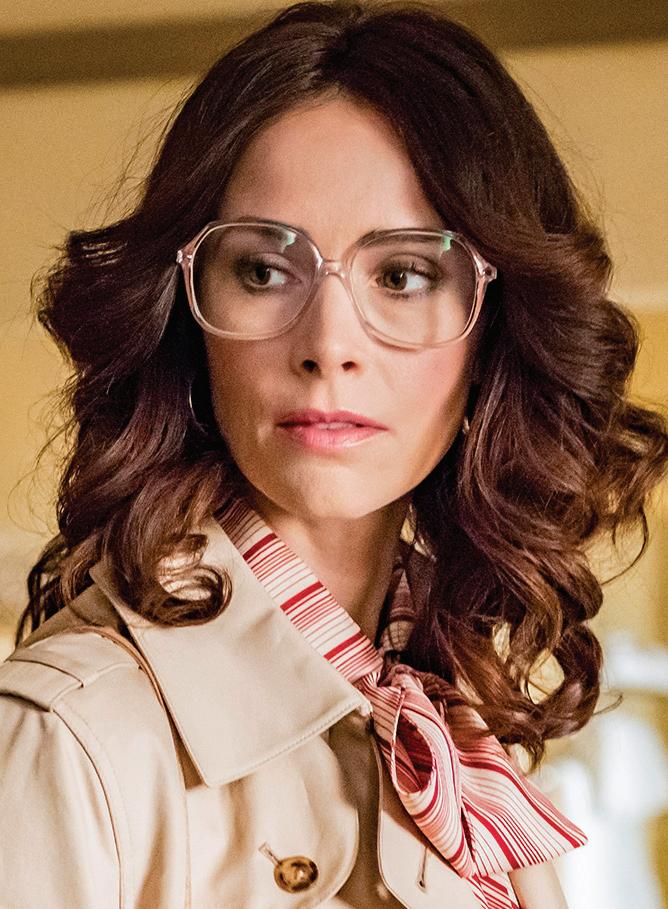
A:Abigail Spencer plays Louisa Gavin on the new Fox series “Best Medicine,” which is based on the long-running British comedy “Doc Martin.” She’s been a regular on many shows over the years. Her first television role was as Becca on the daytime soap “All My Children.”
She also played a young Sally Draper’s schoolteacher on season three of “Mad Men” before landing main character roles on shows like “Rectify” and “Timeless.” In addition, Spencer has recurred on “Suits” and “Grey’s Anatomy” and co-starred alongside Jon Cryer in the short-lived NBC sitcom “Extended Family.”
*** Q: Is there going to be a sequel to the movie “Sinners”?
Celebrity Extra Couch Theater ENTERTAINMENT
BY DEMI TAVERAS
“Heated Rivalry” (TV-MA)
-- There’s a large chance that you’ve already heard of this new sports-romance series starring Hudson Williams (“Tracker”) and Connor Storrie (“Joker: Folie a Deux”); it’s making huge waves among critics and fans of the novels on which it is adapted. Williams plays Canadian hockey player Shane Hollander, a strong, silent type who is the complete opposite of his Russian rival Ilya Rozanov. Ilya, on the other hand, is boisterous, cocky and seasoned in the spoils of life, but when the two hit the ice, they are both unstoppable. But the real story between Shane and Ilya happens in moments off the ice, when their attraction to each other sparks a heated ro-
I heard there wasn’t, but I can imagine that the studio would want to make more money. -F.B.
A: Never say never, but the film’s writer-director Ryan Coogler states that he has no interest in making a sequel to “Sinners.” In fact, he made the movie in order to get away from directing franchise films. He achieved huge box-office success with Marvel’s “Black Panther” and its sequel, as well as all three “Creed” films. He told Ebony magazine last year that with “Sinners,” he was “looking forward to working on a film that felt original, focusing on originality rather than building a series.”
“Sinners” recently won a Golden Globe for Best Cinematic and Box Office Achievement, a newer award category that recognizes popular films. The unique period drama/hor-
mance that can melt all the ice that a hockey rink has to offer. All six episodes are out now; just make sure that no little ones are around when you’re watching this spicy show. (HBO Max)
“Agatha Christie’s Seven Dials” (TV-14) -- This new mystery series, based on Agatha Christie’s 1929 novel, is led by rising star Mia McKenna-Bruce (“The Lady”), who is set to play Maureen Starkey (first wife of Ringo Starr) in the upcoming Beatles biopic. This series follows Lady Bundle Brent (McKenna-Bruce), a young aristocrat who is drawn to sleuthing after her friend, Gerry Wade (Corey Mylchreest), is found dead at a country house party. Because Gerry usually oversleeps, eight
ror film earned over $360 million at box offices worldwide. Undoubtedly, Warner Bros. Pictures is pro-sequel, but it’s ultimately up to Coogler. According to MSN, Coogler secured the rights to his movie, “meaning that ownership of the film will revert back to him 25 years in the future.”
***
Q:When is “NCIS” coming back with new episodes? It seems like these holiday breaks are getting longer and longer. -- S.D.
A:According to TVLine, “NCIS,” “NCIS: Origins” and “NCIS: Sydney” will all return to CBS with new episodes beginning Tuesday, March 3. They were supposed to resume their current seasons a week earlier but have been postponed due to President Trump’s State of the Union address to Congress in February.
alarm clocks were set to wake him up, but Lady Brent realizes that one clock is missing upon finding his body. With a hunch that these clocks have something to do with his death, she teams up with Lady Caterham (Helena Bonham-Carter) and Superintendent Battle (Martin Freeman) to solve the mystery. All three episodes are out now, so it’s an easy binge! (Netflix)
“Steal” (TV-MA) -- Sophie Turner, best known for playing Sansa Stark in “Game of Thrones,” is back in another leading role for television -- but this time, it’s a contemporary thriller series with a gripping story that spans six episodes. Premiering Jan. 21, “Steal” follows Zara, one of many ordinary


Emily Wickersham will return to “NCIS” as Ellie Bishop -- but just for one episode. The actress has been taking a sabbatical from Hollywood since she left “NCIS” eight years ago -- that is, until she popped up on the winter finale in December. Since her departure in 2018, she wed actor James Badge Dale (“Hightown”) and welcomed two children, both boys, into their family.
Showrunner Steven D. Binder told TVLine that Ellie is not the same person she was years prior, and she’s been away on a dangerous mission that has affected her deeply. Look for her brief return to kick off a new story arc for “NCIS” this spring. Send me your questions at NewCelebrityExtra@gmail. com.
(c) 2026 King Features Synd., Inc.

office workers who coincidentally get caught up in the biggest armed robbery in British history. At first, Zara thinks that the robbers spared her life for the price of transferring the money, but even after billions have
been stolen from people’s pensions, the robbers are still hot on her tracks to make sure that she doesn’t utter a single word to intelligence officers. Archie Madekwe (“Saltburn”) plays another office worker named Luke







in the series, while Jacob Fortune-Lloyd (“Midas Man”) portrays intelligence officer Rhys. (Amazon Prime Video) (c) 2026 King Features Synd., Inc.
Abigail Spencer in “Timeless” Photo Credit: Courtesy of Sony Pictures.
Mia McKenna-Bruce, left, and Helena Bonham-Carter star in “Agatha Christie’s Seven Dials.” Photo Credit: Courtesy of Netflix.
GAME TIME






AREA -
“The Perfect Game” - Remembered
HERE”, I shouted
“What’s going on,” he retorted.
“We’ve got to get home, the World Series game is on T.V. and it looks like a good one,” I explained
as if it occurred just yesterday. Years later, and improbable as it may sound, that moment in time occurred again. The following is a true story and one that I profoundly remember.
Growing up in Netcong, New Jersey, a small community predominately of Italian heritage, you quickly come to appreciate the kindness, compassion, and unity of its residents, especially, when it came to issues that impacted their lives. A unifying force that galvanized this community was their love for baseball. Back in the fifties either you were a New York Yankee, a Brooklyn Dodger, or a New York Giant fan. No other teams mattered!!!! The great debate among the adults and children, revolved around one question: Who was the better ballplayer, Mickey Mantle, Duke Snider, or Willie Mays?
It was October 8, 1956, about ten minutes before dismissal, Mrs. Kyle, our eighthgrade teacher, escorted our class to the basement of the Netcong Elementary School to watch a few innings of Game 5 of the World Series between the New York Yankees and the Brooklyn Dodgers. As I sat there, suddenly I felt an unusual sense of urgency, as if I needed to be exactly where I was at that moment. The dismissal bell rang, and I raced outside to wait for my younger brother Joey.
“HEY JOEY, OVER
As we entered the house, my mother was occupying our two-year-old brother, Anthony, “Is Dad home”? I inquired.
“He is in the living room watching the game”. She said, while little Anthony was bouncing on her lap.
We dropped our books on the floor and sat against the lower part of the sofa. There’s Dad perched in his favorite chair watching the game, his eyes intently locked on the screen. Moments later, Mom peeked in from the kitchen, baby Anthony on her hip, we three –me, Joey, and Dad were beyond reach, beyond time. Dad’s love for the game ran deep---so deep that baseball wasn’t just a sport in our home: it was a way of life. He could recite stats from memory, re-enact legendary plays, and analyze games like a seasoned broadcaster. Talk about an avid Yankee fan! He grew up in Netcong during the era of Babe Ruth, Lou Gehrig, Joe DiMaggio among others. He turned out to be quite a baseball player himself when playing for Netcong High School. He played shortstop but possessed a unique skill, he was ambidextrous. He used his left arm as efficiently as his right arm. In fact, when they needed a left-handed pitcher in relief, they brought him from shortstop!!! After dinner, when Joey, Dad, and I played catch in the front of our home, Dad would throw curveballs and forkballs using both hands which totally “blew our minds”.

As we were engrossed in the game, every pitch, every ground ball, every fly ball to the outfield became an electrifying tension filled event. Then came the fourth inning, Mickey Mantle hit an explosive home run for the first run of the game. Score, Yankees 1, Dodgers 0. However, in the top of the fifth inning Mickey Mantle made a spectacular catch of a hard-hit ball off the bat of Gil Hodges. He swerved to his right and with speed of a track and field sprinter made a back-handed catch for an out, a catch that ultimately saved the possible inevitable result of the game. Outcome, a scoreless fifth. Then, Hank Bauer got an RBI single in the sixth. Score Yankees 2, Dodgers 0. Scoreless seventh. By the eighth inning, the tension was palpable. Suddenly, my dad exclaimed, “Guys, this game may turn out to be something special”. The same thought I had when I was watching the game in school! A scoreless eighth had built the tension. Then, came the top of the ninth. The first two Dodger batters made outs. Then Dale Mitchell confidently stepped up to the plate. Strike one! -- Dad flinched. Strike two! –Joey grabbed my arm and then Strike three! It happened; Don Larsen had just pitched the only perfect game in World Series history. Twenty-seven batters up, twenty-seven batters out!!!! Our living room erupted with cheers as we watched Yogi Berra jump into Larsen’s arms and Yankee Stadium exploding in celebration. The energy was electric, even though it was a television screen. As you can imagine, the topic of discussion at the dinner table that evening was the PERFECT GAME.
Fast forward the calendar to 2002, I had the fortunate opportunity to participate in the Yankee Fantasy Camp “Heroes in Pinstripes” alongside my very close friend and fellow diehard Yankee fan, Bob Forte. Our intention was simple, we wanted to register as a second base/shortstop duo and play together on the same team, just like the great Yankee infielders of the past. However, as fate would have it, things didn’t go quite as planned.
We arrived in Fort Lauderdale, Florida around eleven in the morning from a flight from Newark. By two p.m. we were required to attend an introductory greeting and practice session on the old Yankee spring training grounds in the Fort Lauderdale Sports Complex. Hank Bauer and Bill Skowron, members of the “Perfect Game” team, delivered the greeting and welcoming remarks, setting the tone for an unforgettable experience. The practice session that followed was nothing short of exhilarating—it included batting practice, shagging fly balls in the outfield, fielding ground balls, and running the bases at full speed. When the session was over, Hank called me over and informed me that I had been traded from the Bucky Dent team to the Mickey Rivers team. Our intentions of Bob and I playing together were shattered!!!! Though initially disappointing, it turned out to be a fortuitous twist of fate--I ended up playing center field in every inning of all ten games that were scheduled that week. What started as a setback became an incredible opportunity!
The following morning at breakfast, Bob and I were sitting facing the beautiful center lobby of the hotel where we were staying. Suddenly two gentlemen approached and asked if they could dine at our
table. Looking up in shock and almost choking on a mouth of eggs, there they were!!!! Don Larsen and Yogi Berra, in the flesh. The two heroes who had etched their names in history of the Perfect Game!!!! Immediately a thought rushed to my head,” IF ONLY MY DAD COULD BE HERE”. Ultimately, the conversation focused on the Game, they were very contrite, patient, and delightful answering the questions we had about the game. It appeared as if they wanted to talk about their thoughts and actions, in addition to the odd behavior of some of members of the Yankee team as the game was continuing into the late innings, which made the conversation more fascinating. Unfortunately, time was not on our side. Our games were set to begin at 9:30 and we had to leave for the field. As we expressed our heartfelt gratitude for their time and stories, I couldn’t help but think back to that unforgettable day in 1956 when I rushed home from school, gathered with game with my family, and witnessed history unfold before my eyes. Driving to the field, Bob and I agreed that breakfast session was worth the entire trip! The camp was a dream come, playing center field, getting hit off Goose Gossage, and being a member of the Mickey Rivers’ team that went undefeated and won the Camp Championship was truly a wonderful experience. Sadly, Bob passed away on September 23, 2015—just one day after Yogi Berra passed. I lost a cherished friend, while the world lost a baseball legend. The timing of their passing felt almost poetic, as if the game of life had drawn another connection between my dear friend and the baseball legend. Though time moves forward, certain memories remain vivid, etched into our hearts like the
final score of an unforgettable game. Baseball has always been more than just a sport to me. It has been a thread weaving together friendships, family, and cherished moments. Although the loss of Bob and Yogi a day apart, their presence, their memories, their love of the game continues to unite us. Even, as time moves forward, baseball has a way of bringing the past into the present, connecting generations through shared passion and experience. It is in these moments, whether on or off the field or in conversation, that we find ourselves reliving the magic of the game and the people who made it special. As we age, life seems to provide, again, opportunities or circumstances where one can recall some memorable moments in one’s life. Now, I am in my eighties and still involved in senior softball at all levels, local, state, national, and international.
During the fall, as a member of the Classics softball team, a team-mate of mine is Larry Berra, Yogi’s oldest son. During games when we are on the bench waiting for our turn at bat, Larry entertains us with stories growing up in the Berra family in the 50’s and 60’s. One day, between double-header games, Larry started to describe the details and actions of his father during that unforgettable day in 1956. The excitement of his voice described his dad’s perspective of the game as if the game was unfolding. Instantaneously, I was immediately brought back into our living room with my family sitting in front of the television totally engrossed watching the PERFECT GAME.
Written by Gene Stracco, resident of Randolph Township, retired Principal Roxbury High and Senior Softball Player.









BY STEVE SEARS STAFF WRITER
NJStarz
NJ Starz: Heidi Bohay Hometown: South Bound Brook
AREA - Maybe you can take the girl out of New Jersey, but you cannot take the New Jersey – those Seaside Heights summer vacations, hanging out on your hometown’s Main Street, etc. - out of the girl.
“Oh, goodness, yes!” actress Heidi Bohay responds when thanked by this writer for the opportunity to write her story and asked whether she is still a Jersey girl. “I am in touch with so many of my friends from Bound Brook and South Bound Brook. I have not let go of the majority of my friends, and whenever I get something from someone in New Jersey, I know it is real. I can tell. It is just a Jersey thing. I have Jersey still in my bones. The Jersey people, my friends - my elementary and high school friends - they are just the truest humans on the planet.”
“When I was a senior in high school,” Bohay said when reminiscing about her acting career, “I had no idea what I wanted to do. I said to myself, ‘I cannot make up my mind. Do I want to go to college? Do I want to take a year off?”
Soon thereafter a brochure magazine for night school courses arrived at her South Bound Brook doorstep, and one of the offerings was “Respect for Acting” which was being taught by a native New Jerseyan and character actor, Remo Pisani.
“I will never forget that name - Remo Pisani,” Bohay said. “And it was a night school class, it was once a week, and I thought, ‘That sounds like fun.’ I took that class, and I was just in love. I knew what I wanted to do. I wanted to be an actress.”
For Bohay, a Bound Brook High School 1977 graduate, the impressive career list of roles includes appearances on Happy Days, Buck Rogers in the 25th Century, Quincy M.D., The Love Boat, and Murder She Wrote. In addition to appearing on a host of game shows and informercials, Bohay also hosted a Fox TV Q&A show with celebrities called After Hours, and she and husband Michael Spound also did a show together in the 1990s called Better Homes & Gardens.
Bohay, however, may best known as the lovely and perky St. Gregory Hotel check-in receptionist, Megan Kendall, on ABC television’s popular Ho-
tel, which aired from 1983 to 1988.
Bohay, born on December 15, 1959, from kindergarten up until the fifth grade attended Saint Mary’s Elementary School in Bound Brook, and afterwards transferred to Robert Morris Elementary School in South Bound Brook. After eighth grade, she moved on to Bound Brook High School, and while there was a cheerleader and was elected senior Homecoming Queen.
Harry, her dad, passed away in 2015, her mom Arlene in 2014, and her sister Tammy in 2023. The latter often mentioned that she was her older sister’s biggest fan, but Bohay said, “I want to switch that around. I was her biggest fan. She had a lot of special needs, and she taught me more than any human has taught me in my entire life. I miss them all so much every day.”
And no article about Bohay would be complete minus the mention of Hi-Tams Soft Ice Cream, a popular grill and ice cream shop owned by her family.
“My dad built that ice cream store with his own hands in 1952,” Bohay said. “And before that in the 50’s and 60’s it was my mom’s beauty parlor. It was called Arlene’s Beauty Salon, and someone rented one side and kept it a beauty shop, and my dad split it in half and created Hi-Tams in 1972. He said, ‘I want to make ice cream. I want something for the people for this town and the surrounding towns – and everybody likes ice cream!’ It was a safe place for me and my friends, and such a feeling of comfort and love and just safety and joy. It brought so much pleasure to me, my family and friends, and the town.”
Before taking the class run by Pisani, Bohay as a junior took part in one Bound Brook High School musical, as a dancer in a “Put On a Happy Face” scene of Bye Bye Birdie. Her teacher was Victor Saginario, who also directed the school musicals.
“He (Saginario) cast me in the musical,” Bohay said, “and prior to that I had no interest in doing anything like that. He was my first introduction and inspiration to theatre.”
Next year there was Pisani’s night school class, and he introduced her to Brianna Ben-

best value
transportation
jamin, a New York City talent who only represented young actors. Bohay graduated from Bound Brook High School at age 17 in 1977, and her first acting role was for a Colgate toothpaste commercial that same year. Her mom and dad wanted their eldest daughter to consider a college education, and she registered at Lawrenceville’s Rider University. However, after Bohay added another national three commercials to her credit, college was no longer a thought.
Bohay’s first movie roll was in 1979’s Voices, and although she was cast in just one scene, it was monumental for her. She said, “I remember it so specifically because it was such a surreal moment. I will never forget just looking around at the set – the cameras, cameramen, and the lighting guys. I said to myself, ‘Oh my gosh - I am in a movie!’ This little girl from South Bound Brook was in a movie!’
She had now appeared in a feature film, and stayed in New York City until 1979, but would in two years move to California, where Hotel happened. While working on the show, she met her co-star (and future husband in real life) Spound, who played Dave Kendall. In 1983, when learning they might be cast as husband and wife on the show, both exchanged their phone numbers through their agents so they could rehearse prior to reading their lines for the Producer, Aaron Spelling
“Everything went wrong,” Bohay said of the duo’s scene time in front of Spelling. “I had a set of keys I was supposed to be handing in, and I dropped and tripped over the keys. It was a nightmare. But it worked, because we both got the part.”
And in the movie pilot for Hotel, she and Spound, celebrating anniversary #1 as Mr. and Mrs. Kendall, were spending time in a St. Gregory hotel room they assumed was vacant – but to which the King of Portugal (played by Alejandro Rey) had been transferred without them knowing it. Embarrassingly found, the couple had to face the hotel’s General Manager, Peter McDermott, and the hotel owner, Mrs. Laura Trent, played respectively by James Brolin and screen legend, Bette Davis.
“We were petrified,” Bo-

hay said of the scene, “I do not know why. Bette Davis was not a particularly scary person, but we were scared to death that we would do something wrong or give her the wrong look. But she was lovely, absolutely lovely.”
Bohay and Spound both dated other people at that time, and even double dated together. From 1983 through 1986, they were best friends. But during season three of Hotel everything changed.
Bohay said, “Our characters had to kiss a lot because we were married on the show. And in season three we were in the Kendall’s apartment doing a scene and we had a kiss. I will never forget it. Normally the kisses were nothing unusual because we were actors, but this was different. It was just different - he felt it, and I felt it! It was scary because I still had a boyfriend, and he had broken up with his girlfriend, so he was not with anyone at the time, but I still was. I was freaked out, and asked myself, ‘Now what am I going to do?’ I had to listen to my heart. One thing led to another, and eventually I ended up breaking up with my boyfriend, and that December a few months later we just decided, ‘We cannot deny this. We love each other.”
The couple married in 1988 at the Hotel Bel-Air in Los Angeles. Her girlfriends from Bound Brook High School were in her wedding party, and her family from both Bound Brook and South Bound Brook attended, as did most of the Hotel cast. The couple are proud parents of three sons, Zachary, Jonah, and Gabriel.
The owner of a gratifying career, marriage, and family life, Bohay reached back for the one lesson each she learned from Harry, Arlene, and Tammy Bohay.
“What I learned the most from my dad was treating everyone with the exact same amount of respect,” Bohay said. “I remember he told me after Michael and I met Ronald Reagan, ‘Heidi, do not forget this: never feel like you are better than everyone else, and treat everyone with the same amount of respect. You treat Ronald Reagan the same way you treat our postman.’ He was really instrumental in making sure I never changed, and that I stayed the same per-


son I was when I was growing up. My mom, always a really big support for me, always told me to follow my heart and my dreams, and never pay attention to what other people say about you. She would say, ‘You know who you are in your heart and at your core. Just be confident in who you are and never let anyone’s opinion of you change who you are.’ And with my sister - having a sister with special needs, I was her mom and dad and best friend. I was
everything to my sister - confidant, caretaker - but she was the greatest teacher in life. She taught me the meaning of the word compassion, she taught me to love people for who they are, and that there is no such word as ‘can’t.’ She taught me that accomplishments mean different things to different people, she taught me strength, and not to accept anything less than kindness and understanding from human beings.”

Heidi Bohay in 1977 is named Bound Brook High School Homecoming Queen (credit: 1977 Bound Brook High School Yearbook)
The Night the Sky Learned to Count Down:
The Origin of New York City’s New Year’s Eve Ball Drop
AREA - On the final night of every year, when millions of eyes tilt upward and a collective voice begins to count— ten, nine, eight—time itself seems to slow. The glowing sphere descending in Times Square has become one of the most recognized rituals on Earth, a shared moment where strangers become companions and hope is given a countdown. Yet this tradition did not begin as a global spectacle or a televised extravaganza. Its origins are rooted in ambition, invention, civic pride, and a newspaper publisher’s determination to make a statement loud enough for the world to hear.
This is the story of how New York City, at the dawn of the twentieth century, created a new way to mark time—and in doing so, reinvented how the world welcomes a new year.
Before the Ball: New Year’s Eve in Old New York
Long before crowds gathered shoulder to shoulder in Times Square, New Year’s Eve in New York was a quieter, more scattered affair. In the nineteenth century, celebrations were largely private: elegant dinners in drawing rooms, church services that reflected on the year past, and modest public gatherings that lacked a single focal point. The city itself was still finding its rhythm, growing upward and outward as immigrants poured in and industry transformed streets once lit by gas lamps into corridors of electric promise. Public celebrations did exist, but they were decentralized. Fireworks were common, though loosely regulated and sometimes dangerous. Church bells rang at midnight, a tradition carried over from Europe, and ship horns in the harbor sometimes joined the chorus.
The idea of a single, centralized, symbolic moment—a visual marker shared by the entire city—had not yet taken shape.
That would change at the turn of the century, when New York was eager to announce itself not merely as an American city, but as a global capital.
The Birth of Times Square
To understand the ball drop, one must first understand the place that made it possible.
In the early 1900s, the area now known as Times Square was called Longacre Square. It was a bustling but unremarkable district, home to carriage manufacturers, stables, and small businesses. Its transformation began in 1904, when Adolph S. Ochs, the visionary publisher of The New York
Times, decided to relocate the newspaper’s headquarters to a brand-new skyscraper at the intersection of Broadway and Seventh Avenue.
The building—eventually known as One Times Square— was modern, tall, and symbolic of the paper’s growing influence. Ochs didn’t merely move his newspaper; he rebranded the neighborhood. Persuading city officials to rename Longacre Square as Times Square was a masterstroke of marketing and civic influence.
But Ochs wanted more. He wanted the world to notice.
A Party for a New Century
To celebrate the opening of the new Times Tower, Ochs organized a massive New Year’s Eve celebration on December 31, 1904. It was a bold idea: close off streets, invite the public, and usher in the new year with unprecedented spectacle.
That first celebration was a roaring success. Over 200,000 people packed into the streets surrounding the tower, marveling at fireworks launched from the building itself. Newspapers the next day reported scenes of jubilation unlike anything the city had seen before. Times Square had announced itself as the place where the year would turn.
The celebration instantly became an annual tradition.
For the next two years, fireworks continued to light up the sky, and crowds grew larger with each passing December 31st. But in 1907, the city banned fireworks due to safety concerns. For Ochs, this was not a setback—it was an opportunity.
If fireworks were no longer allowed, he would invent something better. The Idea That Changed Everything The solution came from an unexpected place: timekeeping.
For centuries, ports around the world had used a visual signal known as a “time ball” to help ships set their chronometers accurately. These balls, mounted on tall poles or buildings, would drop at a precise moment—usually noon—allowing sailors to synchronize their instruments. The practice was practical, not celebratory, but it carried a powerful symbolic weight: the visible marking of time itself.
Ochs saw the potential immediately. What if New York could adapt this practical device into a ceremonial moment? What if, instead of a noon drop for sailors, there was a midnight drop for the city—and eventually, the world?
Thus, the New Year’s Eve ball drop was born. Crafting the First Ball
The first New Year’s Eve ball was far humbler than today’s glittering spectacle, but it was revolutionary for its time.
Constructed in 1907, the ball was made of iron and wood, measuring five feet in diameter and weighing approximately 700 pounds. It was fitted with 100 incandescent light bulbs—state-of-theart technology at the time— and mounted atop the Times Tower.
On the night of December 31, 1907, tens of thousands of people gathered once again in Times Square. As midnight approached, anticipation rippled through the crowd. There were no fireworks, no explosions—only the glowing sphere perched high above.
At precisely 11:59 p.m., the ball began its descent.
As it reached the bottom at midnight, cheers erupted. Hats flew into the air. Strangers hugged. The year 1908 had arrived, not with a bang, but with a quiet, elegant drop that captured the imagination of a city. A tradition had been born.
A Ritual Takes Hold
What made the ball drop so powerful was its simplicity.
Unlike fireworks, which dazzled but vanished in seconds, the ball created a shared countdown. It gave people time to reflect, to anticipate, to join their voices together.
The ritual quickly embedded itself in New York’s cultural fabric. Each year, improvements were made to the ball’s design, incorporating new materials and lighting technologies. The iron-andwood structure gave way to lighter metals. The number of bulbs increased. The mechanism became smoother, more precise.
The ball drop endured through world-changing events. It continued during World War I, offering a moment of unity during uncertain times. It persisted through the Roaring Twenties, when Times Square became synonymous with glamour, excess, and modernity. Even during the Great Depression, when celebrations were subdued, the ball still dropped—an understated reminder that time, and hope, moved forward.
Radio, Television, and the Global Stage
The next major transformation came not from engineering, but from media.
As radio broadcasts became widespread in the 1920s and 1930s, the New Year’s Eve

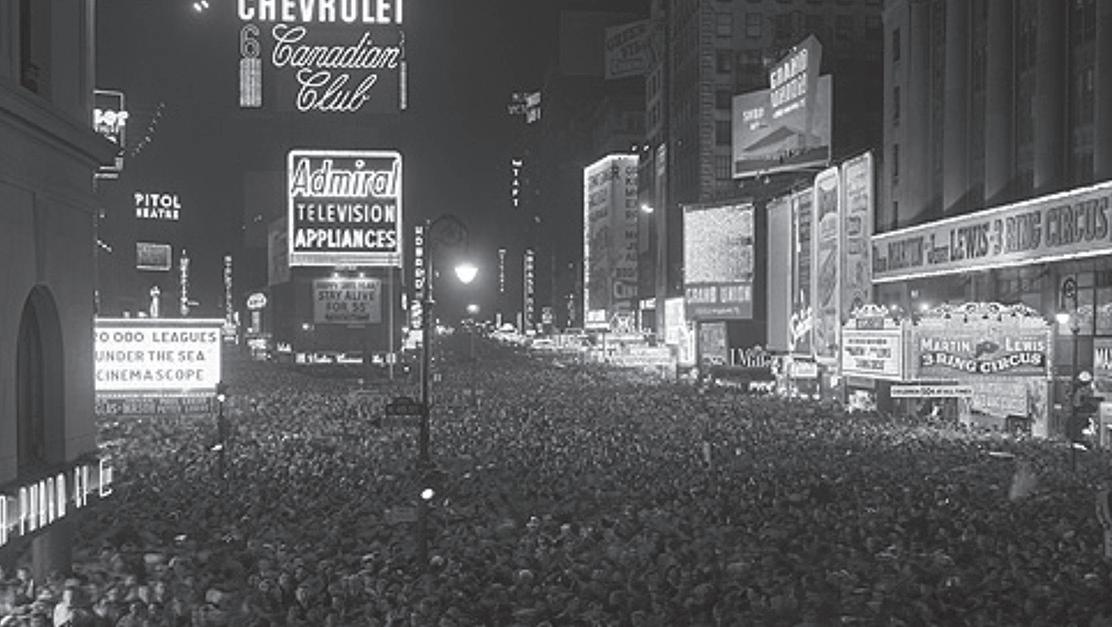
ball drop reached listeners far beyond New York City. Families gathered around radios across the country, counting down alongside the crowd in Times Square. The ritual was no longer local—it was national.
Television cemented its global status. By the mid-twentieth century, millions of viewers worldwide watched the ball descend, synchronizing their own celebrations with New York’s midnight. Times Square became the unofficial clock of the world, a place where the old year ended for everyone, regardless of time zone.
The ball itself evolved into a symbol not just of a new year, but of renewal, resilience, and continuity.
Reinvention Without Losing the Soul
Over the decades, the ball has been redesigned multiple times, reflecting advances in technology and changing aesthetic tastes. From aluminum to crystal, from incandescent bulbs to LEDs, each iteration has pushed the boundaries of what the ball could represent.

Yet the core ritual remains unchanged. A ball descends. A crowd counts down. A new year begins.
This balance—innovation without erasing tradition—is perhaps the ball drop’s greatest achievement. It evolves, but it never forgets its origins as a practical idea transformed into a civic ritual.
Why It Endures
The New Year’s Eve ball drop endures because it satisfies something deeply human: the need to mark time together. In a city defined by constant motion, the ball creates a pause. For sixty seconds, everyone looks in the same direction, shares the same anticipation, and participates in the same moment. It is democratic, inclusive, and universal. No ticket is required. No invitation is needed. All you have to do is look up—or tune in.
It is also a reminder of New York City’s unique ability to turn necessity into spectacle, and practicality into poetry.
What began as a workaround for a fireworks ban became a global ritual watched by hundreds of millions.

The Legacy of a Drop More than a century after that first iron-and-wood sphere descended from the Times Tower, the New Year’s Eve ball drop remains one of the world’s most enduring traditions. It has survived wars, economic downturns, technological revolutions, and cultural shifts, adapting without losing its essence. At its heart, the ball drop is not about lights or crowds or television ratings. It is about a shared belief that time can be marked with meaning—that the end of one year and the beginning of another deserves ceremony, reflection, and hope. Every December 31st, as the ball begins its descent and the countdown echoes through Times Square and beyond, we are participating in a tradition born of imagination, ingenuity, and a simple desire to make a moment unforgettable.
And when the final number is called and the new year arrives, we are reminded that sometimes, the most powerful way to move forward is simply to let the past drop away—one second at a time.