




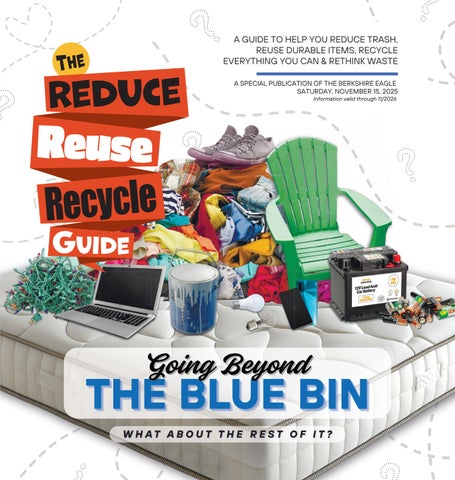







A GUIDE TO HELP YOU REDUCE TRASH, REUSE DURABLE ITEMS, RECYCLE EVERYTHING YOU CAN & RETHINK WASTE
A SPECIAL PUBLICATION OF THE BERKSHIRE EAGLE SATURDAY, NOVEMBER 15, 2025
A SPECIAL PUBLICATION OF THE BERKSHIRE EAGLE SATURDAY, NOVEMBER 15, 2025
A GUIDE TO HELP YOU REDUCE TRASH, REUSE DURABLE ITEMS, RECYCLE EVERYTHING YOU CAN & RETHINK WASTE valid through 11/2026
Information
Information valid through 11/2026





































































WHAT ABOUT THE REST OF IT? WHAT ABOUT THE REST OF IT?








The Springfield Materials Recycling Facility (Springfield MRF) Advisory Board is thrilled to partner with the Berkshire Eagle for our third annual Reduce, Reuse, Recycle, Guide. Our collaboration with the Berkshire Eagle, along with the Berkshire business owners who advertise within this Guide, is what makes this guide possible. Recycling markets, like most markets, can fluctuate from year to year. Still, our message remains the same: reducing, reusing, and recycling are critical practices to ensure the longevity of our planet and its resources. Not only is the conservation of these resources important, but these methods work. Our recyclable materials continue to be sold to manufacturers who use the raw material- the very material you place into your recycling bins each day- to create
new products.
This year’s Guide not only highlights what is recyclable in your recycling bin, but it also goes into an exploration beyond the bin of how you can handle other common items, such as hazardous waste, mattresses, light bulbs, and more. Continue reading to learn more about textile recycling, microplastics, and common unwanted materials found in the recycling bin. Simply saying ‘no’ to a plastic bag can have a profound effect, as well as remembering what materials can contaminate the recycling that you have already worked to separate. We hope that you’ll use this information as a springboard for rethinking your approach to recycling and waste as a whole. I hope you fi nd this year’s Guide as useful as my family does, and I encourage you to put a copy in
a safe place so you can refer to it all year long.
Sincerely,
Arlene C. Mi er
Arlene C. Miller Chair, MRF Advisory Board
WESTERN MASSACHUSETTS REGIONAL RECYCLING PROGRAM
This guide is the third collaboration between The Berkshire Eagle and the Springfield Materials Recycling Facility (Springfield MRF) Advisory Board, with support from local leaders and advertisers. The Guide is produced in celebration of America Recycles Day on November 15. A browsable online version is available for the next 12 months via the Berkshire Eagle and at springfieldmrf.org.
These Springfi eld MRF Advisory Board members provided and reviewed content:
Mary Summers (Berkshire County Representative, Owner of Tommy’s Compost Service)
Amy Donovan (Franklin County Representative, Franklin County Solid Waste Management District)
Ruby Chang (Berkshire County Representative)

Linda Cernick (Hilltown Resource Management Cooperative Representative, North Berkshire Solid Waste Management District)
Susan Waite (MassDEP Municipal Assistance Coordinator, Western Region)
Abbey Massaro (Hampshire County Representative, MassRecycle)
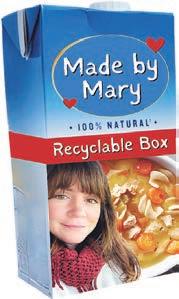



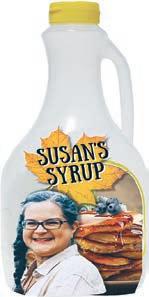

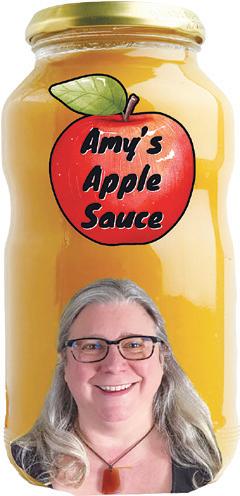


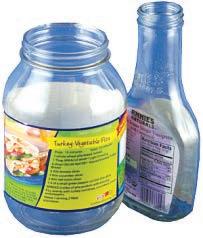
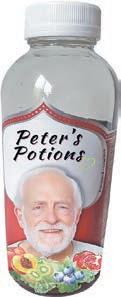
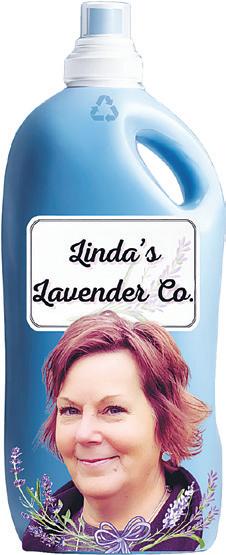
Bottles, jugs, tubs, and cans that residents put in recycling programs are recycled...even the ones with novelty labels such as these! Pictured above are key contributors to this publication who are members of the Springfield Materials Recycling Facility Advisory Board or are local leaders in the Berkshires: Peter Hofman, Mary Summers, Linda Cernik, Abbey Massaro, Rene Wood, Ruby Chang, Susan Waite, and Amy Donovan.



The following Berkshire County waste reduction leaders were also important contributors:
Peter Hofman (Chair of the Lee Greener Gateway Committee)
Rene Wood (Berkshire Resident and Volunteer) RecycleSmartMA.gov, a program of the Massachusetts Department of Environmental Protection, also contributed valuable content to this publication.
We are grateful to the following Springfi eld MRF Advisory Board members who provided content development assistance:
Arlene Miller (Hampden County Representative, Town of Longmeadow)
A special thank you to the Berkshire Eagle Advertising Team.
Please support our advertisers and tell them you saw their ad in the Berkshire Reduce, Reuse, Recycle Guide!

We focus this year on the materials that don’t belong in your household recycling bin, or what we like to call the good, the bad, and the bulky.
Imagine that you are an avid collector of vinyl record albums, and your Aunt Matilda sends you her collection of musical compact discs (CDs). How do you feel? It’s easy to understand how she made the leap—they are both round, store music, and are made of rigid plastic—but they are also entirely different. Disappointed, you now must figure out what to do with the CDs. The organizations that collect household re- cyclables have a similar experience when well-meaning people assume that all items made of paper, plastic or metal are welcome in their recycling bin, when only bottles, cans, jars, jugs, tubs, paper, and cardboard are welcomed.
In gifting you CD’s, Aunt Matilda was either mistaken about what you collected, or she was hoping they were similar enough to your collection to please you. When people put undesir- able material in their household recy- cling bin, either they don’t understand what belongs in the bin, or they think that an item is “close enough” to what belongs in the bin. This hopeful “close enough” decisionmaking is known as “wish-cycling,” and while its generous spirit is appreciated, putting undesir- able material in a recycling bin is prob- lematic. Considerable resources are required to remove and dispose of un- wanted material, which makes the pur- chase of used material more expensive and less attractive to manufacturers. In some cases, adding undesirable material to your recycling bin can endanger recycling plant employees, such as when plastic bags clog and strangle sorting machinery and must be cut away with knives (see photo, page 4).
DISPOSAL BEST PRACTICES
While items like textiles, food waste, plastic bags, batteries, and some hazardous items can be reused in some way, they will not get reused if they are placed in a household recycling bin. Their reuse is only possible when they are collected separately from household recycling. The articles that follow will explain how to handle discarded materials that are not appropriate for your household recycling
CONTINUED ON PAGE 5
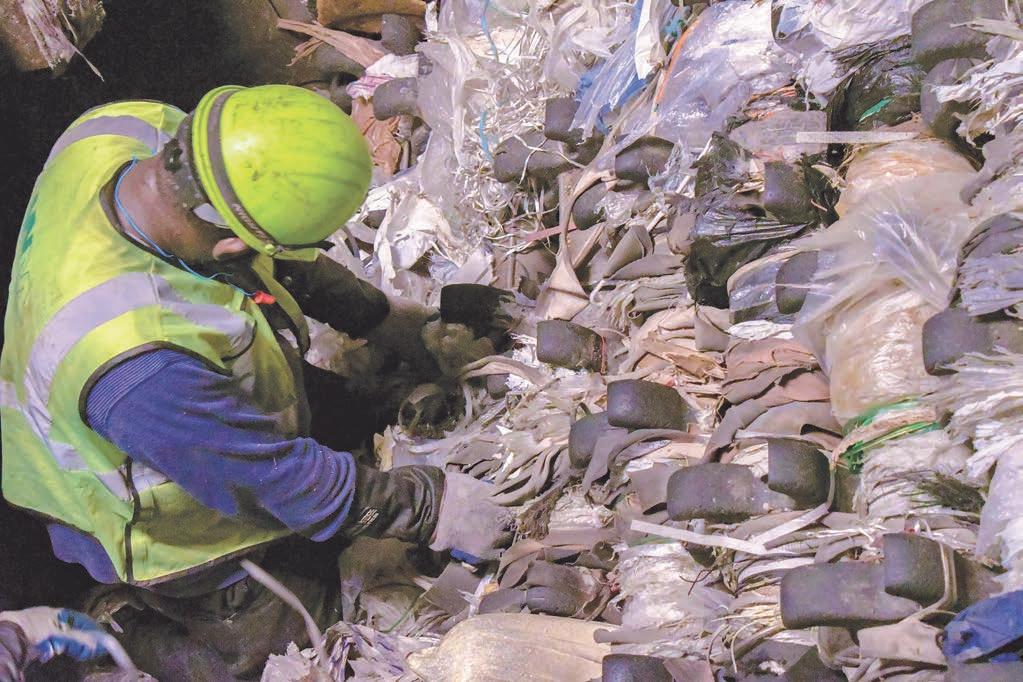
This photo demonstrates one of the problems recycling facilities face when people put undesirable materials in their household recycling bin. In this case, plastic bags, straps, and clothing (referred to as “tanglers”) have wrapped around processing machinery, rendering it inoperable. Employees must climb onto the machinery to remove the material. Only bottles, cans, jars, jugs, tubs, paper, and cardboard belong in your recycling bins. See the resource table on page 5 to learn about other recycling and waste-related educational resources.
Beyond the Bin search engine (MassDEP) recyclesmartma.org/beyondthe-bin-search
What Do I Do With A-Z disposal information Inside this guide (see page x)
Videos about household recycling (available in five languages) springfieldmrf.org/videos
Downloadable household recycling guides (available in five languages) springfieldmrf.org/whatsrecyclable-at-the-mrf
Downloadable household recycling guide (available in 12 languages) recyclesmartma.org/smartrecycling-guide
Online “Recyclopedia”recyclesmartma.org
RecyclingWorksMArecyclingworksma.com
Massachusetts residents can reduce the financial and environmental coast of moving our trash if we divert reusable material locally. Up to 2/3 of our waste is composed of compostable, or otherwise reusable material, and it’s not waste until it’s wasted.
Spartanburg, South Carolina
898 miles
Franklin County, MA
Removing recyclable and reusable material from trash is the smart thing to do before we pay to ship it far away for disposal, but putting anything other than bottles, cans, jars, jugs, tubs, paper, and cardboard into your household recycling bin is the wrong way to go about it. This year’s guide will help you learn how to deal with discarded material that doesn’t belong in your recycling bin.
bin. On page 6 we focus on common items people mistakenly put into their household recycling bin (like clothing and textiles, food waste, and styrofoam). On page 7 we spotlight batteries and explain which ones can be safely put in your household trash, and which types require special handling. Finally, on page 10 we offer disposal in- formation for large or bulky items. In addition to information provided in this guide (see “What Do I Do With...? on page 14), there are other useful, free resources for improving your recycling discard game (see table, page 4). One popular resource is the Beyond the Bin search directory. Managed by the Massachusetts De- partment of Environmental Protec- tion, the crowd-sourced directory helps people find outlets for items that can’t go in your household recycling bin but are too good (or too bad) to trash. Please note that crowd-sourced resources are most useful when popu- lated with local information. If you are aware of a western Massachusetts or- ganization or business that accepts specific materials for recycling or dis- posal, please encourage them to sub- mit a Beyond the Bin directory entry. Refer to the resource table on page 4 for more information.
The primary reasons recycling and other forms of waste reduc- tion are important have to do with capacity, cost, and conservation.
Years ago, communities took care of their own waste by placing it in the local “dump.” As waste toxicity awareness grew, dumps were lined with special material to protect water and land from contaminants, and became sani-
tary landfills. Growing populations pro- duced more waste, especially as single use plastic goods and packaging be- came more common, and those landfills started filling up. Property values, pop- ulation density, and environmental con- tamination concerns now make it hard to find sites for new sanitary landfills. In the state of Massachusetts we also em- ploy incinerators which generate en- ergy by burning waste, but even with their help, Massachusetts is no longer able to accommodate all of the trash we produce. Without local landfills and the two local waste-to-energy incineration facilities that closed in 2022, most trash generated in western Massachusetts is now shipped out of state for disposal.
In 2023, 44% of the waste generated in the state of Massachusetts was exported to landfills and incinerators in other U.S. states. That waste is delivered by tractor trailers and railcars to places like New Hampshire, New York, Alabama, and South Carolina, which makes Massachusetts municipalities more vulnerable to transportationre- lated fuel and labor costs, rail and trucking strikes, and to the per ton disposal cost charged by distant trash facilities. We can reduce the cur- rent— and future—cost of trash dis- posal (which we pay via taxes and other fees) by diverting reusable and recy- clable material from our trash. Regu- larly conducted waste characterization studies demonstrate that approxi- mately two thirds (by weight) of the trash discarded by Massachusetts resi- dents can be recycled or composted.
produce aluminum) it makes sense to reuse the resources that we’ve already extracted as many times as possible. Both alu- minum and the mineral gypsum (used to produce drywall panels) are endlessly recyclable. Why spend the time and en- ergy mining more when reusable mate- rial is accessible? In addition to preserv- ing our supply of minerals, ores, and petroleum, the energy saved by reusing the aluminum that already exists reduces the generation of climate-chang- ing greenhouse
gases. Don’t throw that aluminum can in the trash!
What’s in our trash? Learn more about the composition of waste gener- ated in Massachusetts: www. mass.gov/ guides/solid-waste-master-plan#-waste- characterization-&capacity-studies
What is the State’s Waste Reduction Strategy? Familiarize yourself with the State’s 2030 Solid Waste Master Plan: www.mass.gov/guides/solidwaste- master-plan

Because our planet does not have an endless supply of natural resources (like the bauxite ore which is used to






















































































BY: RENE WOOD
Concerns about microplastics are growing more significant by the day, and they directly impact you every day while you breathe, eat, or drink. Microplastics are small plastic particles less than 3/16 of an inch in size and come from plastic debris. These microscopic pieces of plastic break apart from larger manufactured plastic products such as plastic water bottles, plastic wrap and bags, plastic containers and cups, industrial products, etc. There are two operative words here: plastic and ubiquitous. And many of the items that are cause for concern are single-use.
Plastics are ubiquitous in everyday items like paint, toiletries, and cosmetics. If you were to search for the phrase “the problem with microplastics” online, you’d generate about 4,520,000 search results to explore. The truth about plastics is becoming more common knowledge, including
the fact that plastics do not decay like food into soil, but instead they break into smaller and smaller pieces, such as microplastics and even smaller nanoplastics. These small plastic pieces currently contaminate every part of our earth and are found inside most humans, animals, and insects. These tiny particles are receiving new scrutiny from medical professionals, thought to be contributors for increases in certain cancers, types of inflammation, impacts on endocrine functions, and other serious health issues.
WHAT CAN WE DO TO LIMIT EXPOSURE TO MICRO- AND NANOPLASTICS?
The consensus among scientists and medical professionals is that an impactful first step to reducing exposure to plastics is to avoid them as often as possible, especially single-use plastics. A secondary tip for reducing harmful exposure is to avoid heating plastics, especially those in contact with foods for consumption, which worsens one’s exposure significantly. The key is to focus on the plastic exposure you can control, especially for children. Making small adjustments over time will result in sustainable, long-lasting impacts for reducing health risks associated with plastics. Reducing day-to-day plastic exposures is within our control, and the following list provides some useful tips for doing so:
bies and small children
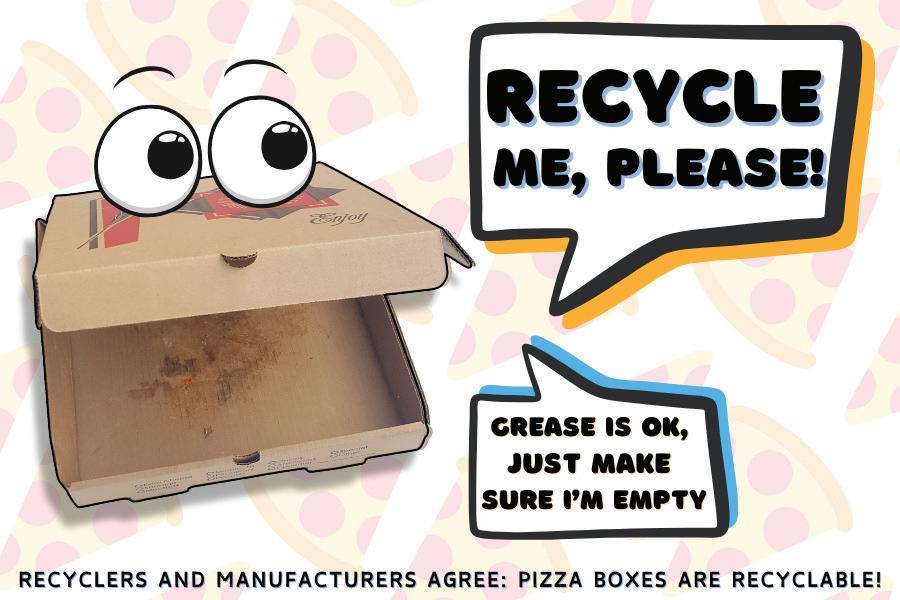
For years we were told to put pizza boxes in the trash, but things have changed! In 2019 a major U.S. cardboard mill that manufactures new boxes from recycled paper—including pizza boxes—conducted a study. They found that greasy portions of pizza boxes comprise a small percentage of the total cardboard volume generated by pizza boxes…small enough that the quality and printability of the products made from the recycled boxes were not impaired (as was previously thought). The study concluded: “Pizza boxes DO belong in the recycling bin,” and that position was adopted by the American Forest & Paper Association, a trade group representing hundreds of paper and cardboard recyclers nationwide. The key to recycling pizza boxes is to put only completely empty boxes in the bin. Everything should be removed from the box—food, tin foil, waxed paper, and the plastic pizza-savers that prevent box collapse. To learn more, read this 2020 blog post from RecycleSmartMA.org: https://recyclesmartma.org/2020/09/no-matter-how-youslice-it-newsletter/ The new rule: Eat pizza. Recycle the box. Repeat.
• Avoid heating or eating hot food packaged in plastic- this includes hot coffee cups, plastic containers, and single-use takeout containers. Reusing plastic containers for projects or other uses is a safer way to reduce your plastic waste while avoiding consuming microplastics.
• Avoid most nonstick, silicone, and other plastic-containing cookware.
• Buy and wear clothing made of natural fabrics, such as cotton and linen
• Switch to glass food storage containers; if using plastic containers, use them for cold food storage only and wash them by hand in cold water
• Replace plastic wrap with foil, waxed paper, or parchment paper
• Refuse the single-use plastic bag, bottle, or cup and instead, bring your own paper bag and glass or ceramic beverage container. This switch pays off the more you practice it!
• Bring your own glass containers when you get take-out
• Select metal or wooden toys for ba-
• Avoid items wrapped in plastic when grocery shopping
• Avoid the purchase and use of plastic bags, containers, and items when possible, and dispose of/recycle plastic items in a responsible manner
These changes will create substantial changes for your personal exposure to microplastics, while systemic improvements are proposed and considered for governmental action. Write to state and federal representatives demanding action on plastic pollution and plastic products, or talk to your local grocery or other food provider about the use of plastics (especially single-use plastics) in their business. Many local merchants have made changes based on their commitments to sustainability, pairedd with customer input.
At the end of the day, plastics, microplastics, and nanoplastics are ever-present, however, our individual actions are effective in reducing exposure and protecting ourselves.
You’ve already completed the first step- reading this article and this Guide has brought awareness to this issue. You may just start to notice each time a plastic item crosses your path, and next, you may learn how to substitute that item for a more sustainable alternative. Some changes are easier and less expensive than others, but any change will help to make you and your family healthier.















BY: THE RECYCLE SMART MA TEAM AT MASSDEP
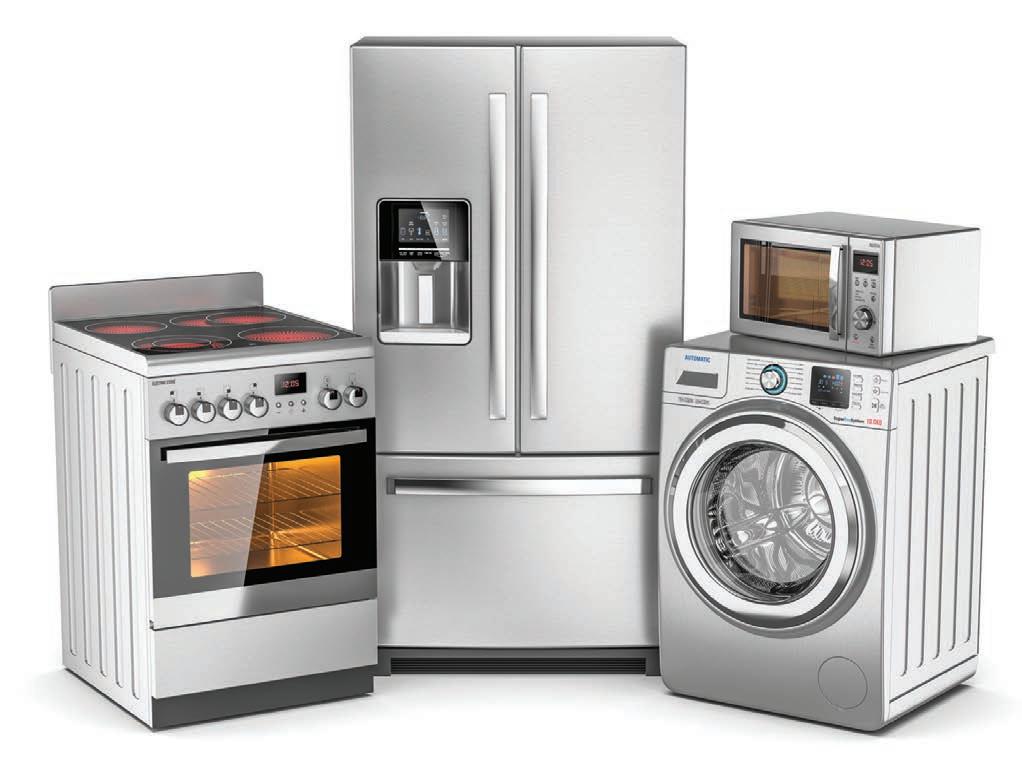
Let’s start with terminology. “White goods,” more commonly described as “large appliances,” are things like washers, dryers, air conditioners, refrigerators, ovens, dishwashers – basically any machine that uses electricity or fuel to cool or heat air or water and isn’t easily portable. But why are they called “white goods”? Because old habits (and jargon) die hard! Appliances used to be predominantly white, so categorizing them this way made a lot of sense. Times have changed, and now large home appliances are all sorts of colors… but we still call them white goods.
WHY ARE WHITE GOODS COLLECTED SEPARATELY?
Simply put, white goods can’t go in the trash. It’s not because they are heavy and too big to fit in a trash can, it’s because it’s against the law. The state of Massachusetts formally banned them from disposal or incineration as part of the waste bans back in 1991. That’s why no matter what city or town you live in, large appliances require special collection and are not picked up with the trash. Appliances are both too good and too bad for the trash - some parts are too good to waste, and others are really bad for the environment.
According to the Environmental Protection Agency (EPA), depending on when an appliance was manufactured, it may contain a number of hazardous components such as oil and lubricants, mercury switches, capacitors containing polychlorinated biphenyls (PCBs) (only in appliances manufactured before 1979), ozonedepleting refrigerants, and/or foam blowing agents. Fortunately, newer appliances don’t use refrigerants that damage the ozone layer, but they do contain potent greenhouse gases, which stick around in the atmosphere for a long time, trap heat, and warm the planet. As you can see, there’s a lot of bad stuff in white goods that we don’t want in the environment, so it’s important to dispose of them cor-
rectly.
Once white goods are collected, those containing refrigerants are sent to specialized facilities where the refrigerant is extracted. Refrigerants and how they are handled are regulated under the Clean Air Act. They can either be:
• Recovered – Safely removed from the appliance and stored in a container until they are either properly disposed, recycled, or reclaimed.
• Recycled – Run through devices that filter out moisture, acidity, and particulate matter. Recycled refrigerants can be reused in equipment of the same owner, but they don’t meet all the requirements for “reclaimed” refrigerants.
• Reclaimed − Reprocessed refrigerant that meets or exceeds purity standards for new refrigerant gases.
After the refrigerants and other hazardous materials have been re-
moved, these white goods end up at scrap metal sites with the rest of our more innocuous large appliances. Most large appliances are made from steel and contain copper and aluminum components that can be disassembled and sold for recycling. Recycled steel is used in car parts, building materials, and bridges. Recycled copper is found in electrical wiring, new appliances, and plumbing fixtures, and recycled aluminum becomes car parts, electronics, and construction materials.
First things first, consider repair before disposal. There are repair options that can save you money and keep your appliance in use for as long as possible. YouTube has a world of repair tutorials, and local repair shops still exist. Check them out! If your appliance has died, the best
way to figure out how to responsibly get rid of it is to check your city/town website (search “[city/town name] white good collection,” or “[city/town name] appliance collection”). There, you will find what types of appliances are allowed, how to set up an appointment for collection, where to take them for drop-off, and/or if there are any associated fees. Remember, most white goods cost money to dispose of due to the extra handling involved, so fees are standard in many municipalities.
If you are buying a new appliance, make sure to ask the company if they will take the old one when they deliver your new unit. Most do! And of course, if you are just upgrading and have a working unit, consider selling it secondhand on sites like Craigslist or Facebook Marketplace. You can also donate it! Post it on Freecycle or a local gifting group page.
We designed this A-Z disposal guide to provide reuse, recycling, and disposal options for items not accepted in municipal recycling, and to provide more information for some that are. For information on what can be recycled and what can’t be, see the Community Recycling Information table and springfieldmrf.org/docs/postcard-mar23. pdf. Note that we don’t have the space in the table to list everything that transfer stations accept, but it does have contact info, so if you’re unsure, call first. If you use a private hauler, please check with it for its best practices. Please help us to improve the guide for the next edition! If you find errors or have suggestions for changes or additions, please contact us at (413) 755-2239. Thank you!
For information on what can and can’t be recycled, see the Community Recycling Information table and springfieldmrf.org/docs/postcard-mar23.pdf.
= Items that are hazardous or require special handling.
Empty aerosol cans belong in the trash. If they contain hazardous material (e.g. paint, insecticide), treat them as household hazardous waste (see the Household Hazardous Waste Event page). Some transfer stations/recycling centers accept completely empty, non-hazardous aerosol cans in scrap metal dumpsters (empty cans are silent when pushing the button). See the Community Recycling Information table for local disposal information. More info: mass.gov/info-details/ safely-manage-hazardous-household-products.
turer take-back programs. Several online resources offer step-by-step information; search for how to recycle air conditioners.
ALUMINUM FOIL, CANS AND “DISPOSABLE” PANS
Rinse clean and recycle with bottles and cans. Acceptable items include aluminum pie pans and takeout containers, disposable roasting pans, and clean aluminum foil (ball it up). Do not include “foil” lids from yogurt containers, as they contain a layer of plastic that causes issues during recycling.
ALUMINUM SIDING (see “Scrap Metal”)
AMMUNITION, EXPLOSIVES
Call your Police Department for proper disposal instructions.
ANTIFREEZE (see “Automotive Products”)
APPLIANCES (see “Scrap Metal”)
ARTS, CRAFTS AND HOBBY ITEMS
Air conditioners contain harmful refrigerants as well as potentially valuable resources like steel and copper. Therefore, it’s important to dispose of them properly. When seeking locations where you can take smaller air conditioners, it might be useful to know its size, type, and condition. For larger units, you might need professional help. Disposal options include certified e-waste recycling centers, municipal household hazardous waste collection events (call first), retailer take-back programs, and manufac-
Some paints, solvents, and related materials are hazardous and should be brought to a hazardous waste collection. Always check the label before trashing. See the Household Hazardous Waste Event page for information on local hazardous waste collections. Crazycrayons.com offers a crayon recycling program and TerraCycle offers mail-in programs for many art supplies, markers, and pens for a fee. The Town
of Sheffield accepts these items in its library. The Crayon Initiative (thecrayoninitiative.org) collects crayons and gives them to children in hospitals, check with your local Staples for local drop-off options.
ASBESTOS
Asbestos has strict removal and disposal requirements. Contact the Western Region of the Mass Department of Environmental Protection: John Moriarty, john.moriarty@ mass.gov. To find licensed asbestos contractors, go to mass.gov and type “Asbestos Contractors” into the search bar.
AUTOMOBILES (see “Vehicles”)
AUTOMOTIVE PRODUCTS
Automotive products contain hazardous materials and must be handled with care. Do not dispose of them in the trash, on the ground, or down the drain. Empty plastic automotive product jugs belong in the trash (replace caps first). Do not recycle them. Many towns accept automotive products at transfer stations or hazardous waste collections. See the Community Recycling Information table and Household Hazardous Waste Event pages.
• Motor oil
Even a small amount of improperly disposed motor oil will contaminate water and soil. Retailers that sell motor oil are required by
law to accept up to two gallons of used oil at no charge with an original sales receipt. Many auto supply stores, auto repair shops, and quick oil change chains will accept used oil even if you didn’t buy it from them. Many towns accept motor oil at transfer stations or hazardous waste collections. For assistance, call the MassDEP Used Oil Hotline at 617-556-1022.
• Motor oil filters
Some auto supply stores (e.g. AutoZone), auto repair shops, and municipal transfer stations accept oil filters for free recycling. Some municipal transfer stations accept motor oil filters. Oil filters may be thrown in the trash or recycled in scrap metal collections only when the oil has been completely drained (while the filter is still warm, puncture the dome top and drain into a collection container. Collect oil drips and dispose of properly as used motor oil; see above entry).
• Antifreeze
Antifreeze is hazardous; and its deceiving color and sweet taste may attract children, pets, and wild animals. Have your vehicle’s radiator flushed at a service station to ensure the antifreeze is properly disposed of. Some auto supply stores accept antifreeze for free recycling. Antifreeze should be brought to a household hazardous waste collection; see the Household Hazardous Waste Event page.
• Brake fluid
Brake fluid is hazardous and must be brought to a household hazardous waste collection.
• Car parts
Search online or in the Yellow Pages for used auto/truck parts. Call ahead. George Mielke Used Auto Parts in Sheffield and Drake’s Auto Parks in Lee are two examples.
• Tires
Some auto repair and tire shops accept tires for a small fee. Many towns accept tires at transfer stations.
BABY FOOD POUCHES (see “Plastic Pouches”)
BAGS (see “Plastics”)
BALLASTS (see “Mercury and Mercury-containing Products”)
BATTERIES
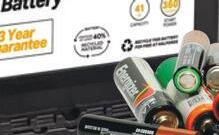
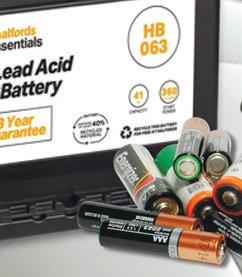
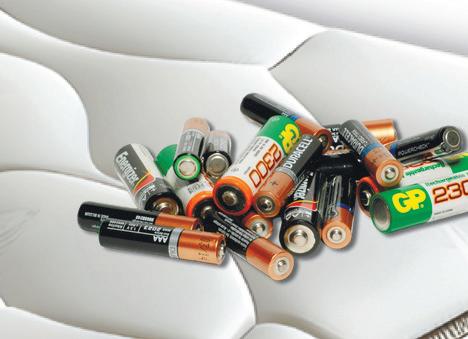
Never put batteries of any type in a regular recycling bin. Common single-use household batteries (alkaline, carbon zinc, and zinc chloride in sizes A, AA, AAA, C and D, 9-Volt, lantern size) manufactured after 1996 that do not contain mercury or other hazard
ous/recyclable materials can be thrown away as trash. Before disposal or storage, put plastic packing or electrical tape on the contacts of 9-volt and lantern batteries. Check labels carefully; some batteries that require special handling resemble alkaline batteries. ALL other battery varieties contain hazardous materials and require special disposal. Never put these batteries in recycling or trash bins. There are many convenient drop-off options for batteries, such as municipal transfer stations, Staples, Home Depot, and Berkshire Environmental Action Team (thebeatnews.org). See the Community Recycling Information table in this guide or search online with your zip code at earth911. com/. Some hazardous waste collections, such as the ones managed by the Tri-Town Health Department for 13 south county communities, accept button and rechargeable batteries; see the Household Hazardous Waste Event page. Here are more options for specific batteries:
• Button batteries (found in watches, hearing aids, electronics, and some toys) might be accepted free of charge at watch/jewelry shops or audiologist offices (call first).
vehicles, boats, motorcycles, kids’ ride-on toys, and lawnmowers) will be accepted by the retailer from whom you buy a new one (they are required to take one back at no charge). Scrap metal recyclers typically pay for lead acid batteries. Some transfer stations accept them (call first).
• Lithium batteries (single use often used for cameras) can resemble alkaline batteries, but these should be recycled properly: some municipalities accept them. Check all batteries carefully before disposal; look for “Lithium” on the label.
for rechargeable batteries, as do Home Depot and Staples. Rechargeable battery chemistries are Nickel Cadmium (Ni-Cd), Nickel Metal Hydride (Ni-MH), Lithium Ion (Liion), Nickel-Zinc (Ni-Zn), and small Sealed Lead Acid (Pb) batteries (up to 11 pounds). A label on a battery that has “mAh” or “RECYCLERBRC” in a circle indicates it’s rechargeable. For more information and recycling options, go to call2recycle.org/. Lithium batteries pose a fire risk: if a lithium battery becomes swollen or damaged, handle carefully and bag separately, then place the battery in a metal canister or glass jar surrounded by clay kitty litter or speedy dry. Bring to your town’s transfer station or hazardous waste collection site.
• Lead acid batteries (found in





• Rechargeable batteries contain heavy metals and can start fires; they should never be put in trash or recycling bins. Rechargeable batteries are found in rechargeable electronics such as cell phones; cordless phones; power tools; laptops; tablets; digital cameras; camcorders; UPS battery back-ups; rechargeable toys; baby monitors; robotic vacuum cleaners; emergency medical equipment; e-bikes; rechargeable devices such as toothbrushes, razors, flashlights and hand-held vacuum cleaners; and batteries that can be recharged with a battery charger. Most transfer stations have special pails or boxes
Beer and soda cartons or cases contain plastic or bonding chemicals to stay strong when wet. Plastic and chemicals contaminate
















recyclable paper, so all “paper” beer and soda packaging should be placed in the trash.
Plastic six-pack rings and fourpack “snap top” can carriers are not accepted in household recycling. The rings wrap around sorting equipment at recycling facilities and pose a danger to wildlife. Cut up rings and put them in the trash or collect and mail six-pack rings to the RingRecycleMe program (ringrecycleme.com/).
“Snap top” six or four-pack can carriers are often made with 100% recycled plastic. However, snap tops are not recyclable because they are difficult to sort at recycling facilities. Mass Brew Bros (can-carrierrecycling/) has established a can carrier reuse program; save your snap tops and find a drop-off location near you. PakTech (paktechopi.com/) also has a recycling program, but has just one drop-off location in the county, in North Adams.
Working bicycles in good condition may be gifted to individuals via an online sharing group (e.g. a “Buy Nothing” Facebook group or freecycle.org/), or offered to charities and other organizations (search online using “bicycle donation”). The Old Stone Mill Center (oldstonemillcenter.org/) in Adams accepts bicycles and bicycle parts. For recycling options, see “scrap metal.”
See disposal suggestions under “Vehicles.” Metal boats are accepted at scrap metal dealers, while other varieties are sometimes accepted as bulky waste at municipal transfer stations (call first, the Community Recycling Information table has local contact information). All engine-type fluids must first be drained and properly disposed of.
Books in good condition may be sold (used bookstores, tag sales), donated (public libraries, senior centers, fundraising sales, drop boxes at transfer stations), or shared (book exchanges, swap shops). “Little free libraries” have grown in popularity; find one near you at littlefreelibrary.org/map/.
Paperback books and phonebooks are recyclable in small quantities, as are only the pages of hardback books. Rip pages out and recycle those. Covers and spines from hardcover books must be placed in the trash.
Plastic caps and lids are recyclable only when fastened to a plastic bottle/jar/jug/tub, so you can keep the lid on! Loose plastic tops should be trashed, as they can create safety hazards and mechanical issues at recycling facilities. Metal screw-top lids from glass jars (e.g. pasta sauce, pickle jar) should be attached to the container. Loose metal food can lids are acceptable, but it is best to push them inside the can prior to recycling.
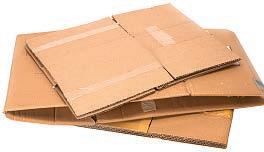
Clean cardboard, boxboard, and paperboard boxes are recyclable (e.g., boxes from cereal, crackers, tissues, shoes, gifts, etc.). Attached plastic windows may stay but discard all plastic liners. Flatten. Pizza Boxes are recyclable, as long as they are empty. A 2020 study found that greasy pizza boxes do NOT cause problems for recycled paper manufacturers. It is now okay to put the entire empty pizza box into recycling (remove all crusts, food, foil, plastic, or waxed paper). Link to the study: tinyurl.com/pizzaboxes2020
Boxes from frozen food, and ice cream, cases from soda or beer, and kitty litter boxes should be trashed. These boxes are made with “wet strength paper,” which contains plastic or bonding chemicals that contaminate recyclable paper.
BUBBLE WRAP AND INFLATED PLASTIC PACKAGING (Air pillows) (see “Plastics”)
BUILDING AND REMODELING MATERIALS
Construction and demolition (“C&D”) waste includes asphalt, asphalt shingles, bricks, cement, cinder blocks, clapboards, concrete, doors, flooring, insulation, lumber, mortar, plaster, plywood, roof-
ing, sheetrock, tiles, windows, and wood. Fee-based disposal options are available at many recycling/ transfer stations (call first). Vehicles with a capacity greater than 5 cubic yards are subject to strict disposal requirements for C&D wastes in MA. For more information go to mass.gov/lists/managing-construction-demolition-cd-wastes.
Used building materials in good condition may be recycled/donated. Habitat for Humanities has a donation site called ReStore where they will take donations. The nearest is in Hudson NY. You can contact them via email: donations@HudsonReStore.org. Options might be found at RecyclingWorksMA’s Find a Recycler Tool (recyclingworksma. com/find-a-recycler), Freeycle.org, Buy Nothing groups on Facebook; and the Nextdoor app.
Wooden pallets can be reused or recycled as “clean wood waste”(e.g. used for mulch). One regional disposal option for large quantities is 360 Recycling (Westfield: 413-5620193).
Note: pressure-treated wood should only be disposed of in a landfill. Do not put it in a backyard compost pile, a brush, or a chipping pile; do not burn it or send it to a waste incinerator for disposal. For bulky waste disposal at local transfer stations, see the Community Recycling Information table.
CAMERAS
Staples and many electronic waste (ewaste) recycling programs accept digital cameras for free recycling. Digital and non-digital cameras may be accepted as donations to schools or other organizations.
Canning jars (e.g. mason jars) are not recyclable because of the thick, heat-resistant glass. Reuse, give to a friend who can use them, put in a tag sale or swap shop at a transfer station, or place in the trash.
Flor® offers a free mail-back recycling program for carpet squares (flor.com/recycle). Some nonprofit organizations accept
relatively clean carpets for reuse. For local disposal information, see the Community Recycling Information table.
Car seats are not accepted in household recycling programs. For safety reasons, used car seats should not be accepted (or purchased) for reuse at second-hand stores or swap shops at municipal transfer stations.
Once a year (typically in April) Target hosts a car seat trade-in event (target.com/c/car-seat-tradein-event). Target accepts all types of car seats for recycling, including: infant car seats, convertible car seats, car seat bases, harness or booster car seats, as well as car seats that are expired or damaged. Materials from the old car seats are recycled by Waste Management (WM) to create new products. Target often provides a 20% off coupon for a new car seat, travel system, or similar items when utilizing this program.
This category includes “gable top” refrigerated cartons used for milk and orange juice, plus shelfstable “aseptic packaging” for almond milk, soup, and juice boxes. Cartons are acceptable in recycling programs in Western Mass. In recycling programs where paper is separated, cartons should be recycled along with bottles, cans, and containers. Rinse cartons, and discard straws; plastic caps and spouts may remain on cartons. Do not flatten. Ice cream cartons are not accepted in recycling. Don’t include foil drink pouches (e.g., Capri Sun, Honest Kids) in municipal recycling. See “Plastic Pouches” below for recycling options.
CARTRIDGES (see “Ink, Printer and Toner Cartridges”)
CD’S/DVD’S (See “Electronic Media”)
CONTINUED ON PAGE 13
Cell phones should not be put in the trash due to their reuse value and hazardous/flammable components. Never put cell phones in recycling bins. Numerous charitable and for-profit organizations accept cell phone donations. Search online using “cell phone donation.”



Stores that sell cell phones also accept them for free recycling, and many cell phone manufacturers and other companies offer buy-back programs through the mail. Many municipal transfer stations also accept them for special recycling programs (check first – contact information is in the Community Recycling Information table), as well as Staples and Berkshire Environmental Action Team (thebeatnews.org)For other locations, search with your zip code at call2recycle.org or earth911.com.
CHRISTMAS TREES (also see “Yard Waste”)
Some organizations collect holiday greens (NO tinsel, wire, or sprayed items) and bring them to local farms.
The Lee Lions Club does this annually for Lee residents. Check Lee’s Town website during the holidays. Stanton Homes Farm in Great Barrington will take compost and leaves along with Christmas Trees for their goats.
CIGARETTE BUTTS
Terracycle’s Free Cigarette Waste Recycling Program (terracycle.com) accepts extinguished cigarettes, filters, loose tobacco pouches, and outer plastic and inner foil packaging for recycling.
CLAMSHELLS AND CLEAR MOLDED PLASTICS (see “Plastics”)
CLEANERS (see “Household Hazardous Waste”)
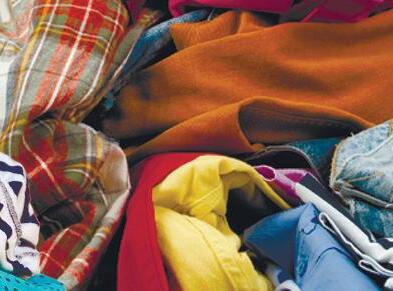
CLOTHING AND TEXTILES
Textiles have been banned from the trash in Massachusetts since
2022 (see mass.gov/ guides/ clothing-andtextile-recovery). Deliver CLEAN AND DRY textiles and clothing to your local transfer station, donation center or store, or a drop-off box. Find textile collection sites with MassDEP’s Beyond the Bin search tool (beyond-the-binsearch).
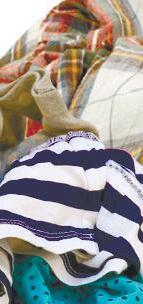
Acceptable items include socks, shoes, and gloves; clothing and accessories including belts, ties, undergarments, and purses; and linens such as curtains, toss pillows, light comforters, sheets, towels, and stuffed animals in any condition. Even worn, torn, mismatched, and stained textiles can be donated if they are clean and dry. Some animal shelters also accept old sheets, blankets, pillowcases, bedspreads, throw rugs, stuffed animals and towels for reuse (call first). Before recycling try to be creative so you can reuse or repurpose these items; online searches might uncover practical options. You might also be able to donate some items, for example to animal shelters.
Non-profit organizations often target specific clothing items to benefit those in need, such as professional clothing (western mass. dress for success.org). New and gently used bras can be mailed to The Bra Recyclers for distribution to women in transition around the world: brarecycling.com; They also accept new underwear for men and women.
The Berkshire area is home to many consignment stores. Search the internet for “clothing consignment Berkshire County” or “clothing consignment near me” for local options. Online options include thredup.com, swap.com, poshmark. com, and wornwear.patagonia.com.
Some textile collection organizations will pick up curbside. CMRK (www.cmrkne.com; 508.466.4590), serves a number of Berkshire County municipalities, and The Hartsprings Foundation (hartsprings.org), serves Great Barrington, Lee, Lenox, and Pittsfield.
Do not put hangers of any type in recycling bins: hangers get caught
in machinery at recycling facilities. Metal hangers are accepted for reuse by some dry cleaners and are also accepted in scrap metal recycling dumpsters at most recycling/ transfer stations. Unfortunately, plastic hangers are not recyclable and should be put in the trash when they are no longer usable. Hangers are reusable; offer them via an online sharing group (e.g. Freecycle.org, “Buy Nothing” Facebook group). Some charitable organizations accept hangers for reuse or resale. Do not take the hangers when you buy clothes unless you are planning on using them. Some stores (Target, Walmart, etc.) will take them.
These are not accepted in household recycling bins. Empty Nespresso pods can be recycled with the company’s mail-in program (nespresso.com). Terracycle sells boxes for recycling hundreds of pods from all brands plus related items (terracycle.com). Many creative ways also exist to reuse pods.
COMPACT FLUORESCENT LAMPS (CFLS) (“see Mercury and Mercury-containing Products”)
COMPUTERS AND TVS (see “Electronics”)
CONSTRUCTION AND DEMOLITION WASTE (see “Building And Remodeling Materials”)
COOKING OIL
Never pour cooking oil down the drain, nor put it in trash, recycling, or municipal compost bins. Some local food waste services may collect certain types of oil. Call your local transfer station or waste hauler for relevant information.
CORKS
Corks should never be put in recycling bins, carts, or dumpsters; remove corks from bottles before recycling. Natural corks can be composted via local/ municipal/commercial composting programs or chopped up for backyard composting. ReCORK (recork. org) recycles natural wine and champagne corks (no plastic corks); multiple local drop-off sites are listed. There are no local recycling options for plastic corks. Reuse is an
option; wine corks can be reused in many creative ways (search online for “cork art”).
COSMETICS CONTAINERS
Not recyclable in municipal recycling programs. Mail-in recycling programs for empty M-A-C cosmetics containers can be found at maccosmetics.com.
CREDIT CARDS
Plastic credit/debit/gift cards must be trashed. For metal cards, try returning them to your financial institution. Several financial institutions and card-issuing banks take back their own cards, including American Express, Chase, Citibank, Capital One, and Wells Fargo. Check with yours.
CUPS
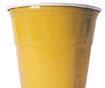
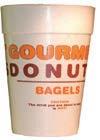
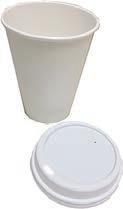
Clear plastic cups are the only type of cups accepted in household recycling (rinse; lids and straws go in the trash). Other types of plastic cups, including “Styrofoam”/polystyrene (#6 plastic), colored keg cups, and opaque plastic cups are NOT recyclable. Cups labeled “compostable” should NOT go in recycling. Compostable cups are accepted in some municipal or local compost programs, but are not designed to compost at home.
Paper cups, including traditional paper coffee cups, are not recyclable. Plastic coffee cup lids are too small to be recycled. Cardboard sleeves are recyclable. If paper coffee cups (and some lids) are compostable in municipal/commercial compost programs, they will have a label that says “BPI certified” or “compostable.”
DVD’S/CD’S (See “Electronic Media”)
Clear plastic egg cartons are recyclable. Paper and Styrofoam™ egg cartons are not recyclable, but are often reused by backyard chicken farmers. Paper cartons may be composted in municipal compost collections or in home compost bins, if ripped into pieces.
CONTINUED ON PAGE 14
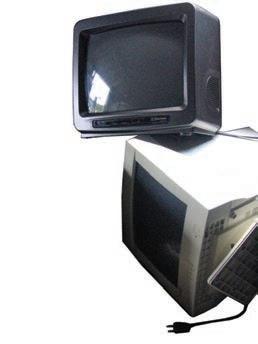
State regulations prohibit disposal of screen-based electronics such as laptops, tablets, iPads, Kindles, flat screen TVs, monitors and CRTs (cathode ray tubes) in the trash. Most municipal transfer stations offer electronics recycling programs, although disposal fees may apply; see the Community Recycling Information table or your town’s website or call for pricing. Electronics that are mostly metal, such as computer towers, DVD players, and stereo components can also go in scrap metal recycling at transfer stations and recycling centers.

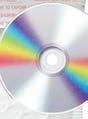
terracycle.com (enter “media” into search bar) offer fee-based, mail-in recycling options. VHS tapes have toxic metals and should be sent to commercial recyclers such as Green Citizen (greencitizen.com/) for recycling (see the site for preparation and shipping).
EPIPENS AND SINGLE-USE INJECTABLE MEDICATION DEVICES
The Berkshire Environmental Action Team in Pittsfield (thebeatnews.org) accepts batteries, cell phones, tablets, charging cords and cables (anything electronic that’s a laptop or smaller). The Casella Lenox Transfer Station accepts most TVs for a fee based on size. The EPA lists Call2Recycle (batteries and cell phones) and Earth911 as sites where you can search for disposal locations. Several retail stores and online companies accept electronics for recycling, including Staples, Best Buy, and Walmart (all of which handle items from multiple companies), and manufacturers like Apple, Amazon, HP, and others have recycling programs for their own products. Call ahead to be sure. Search online for electronics recycling. Some computer retailers offer recycling with a new purchase. Various charities and nonprofits accept donations of working electronics. Call ahead before donating
ELECTRONIC MEDIA (CDs, DVDs, VHS, Cassette Tapes) Put electronic media and their cases in the trash. CD cases shatter and their glass-like shards are hazardous for recycling workers. If selling or donating used media is not an option (some communities accept certain types via book donation programs), greendisk.com and
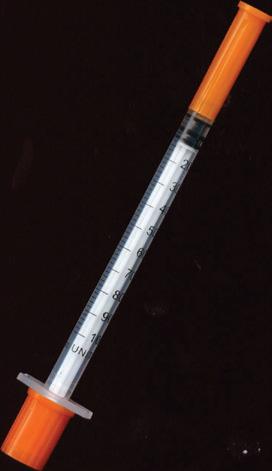
It is illegal to trash sharps/syringers in Massachusetts. They include plastic, metal, and electronics, so recycling or disposing of them takes effort. Some health or police departments have sharps disposal containers.The Southern Berkshire Public Health Collaborative (southernberkshirehealth.com) has 13 locations for sharps disposal. Check with local municipal or private waste haulers/transfer stations and household hazardous waste collections. Check with the pharmaceutical company/manufacturer or pharmacy that dispensed it. Hospital pharmacies might accept them, and Walgreens and CVS sell boxes you can return for disposal. SafeNeedleDisposal.org lists locations in/near Berkshire County where you can drop them off. Several entities have mail in programs, including free ones. Search online.
EYEGLASSES
Contact your local Lion’s Club (lionsclubs.org) for the nearest collection box or mail eyeglass frames and prescription lenses to: Lions Clubs International Headquarters, 300 W. 22nd Street, Oak Brook, IL 60523. In addition, eyeglasses may be dropped in a collection box at a participating Walmart Vision Center. Other local optometrists may also accept old glasses. The Lee Public Library collects them and other libraries might also. Bausch and Lomb will recycle contact lenses for free through terracycle.com. ReSpectacle (respectacle.org) collects glasses and matches them to people through an online database. If eyeglasses can’t be reused, put in the household trash, as they are not recyclable
Fire extinguishers are considered
hazardous because their contents are under pressure, and units manufactured prior to 1984 may contain dangerous chemicals. For disposal and recycling, businesses and property managers can contact their fire control service provider; some municipal transfer stations accept newer fire extinguishers for special recycling along with propane tanks (call yours to confirm), some municipal hazardous waste collections may accept older fire extinguishers (check in advance), and Massachusetts Fire Technologies , 49 Haywood Ave, West Springfield accepts them for a fee (7:30am-4:00pm, M-F). Contact your Fire Department for local disposal and transportation options.
Live fireworks are extremely dangerous and must be disposed of with great caution; call your local Fire Department. Do not throw unused fireworks in the trash or household recycling.
To properly dispose of U.S. flags no longer in usable condition, contact the American Legion, the Veterans of Foreign Wars (VFW), your town hall, or scout troops. Other flags may be recycled in textile recycling programs.
FLUORESCENT BULBS AND LAMPS (see “Mercury and Mercurycontaining Products”)
FOOD WASTE (also see “Cooking Oil”)
Food waste (including scraps and leftovers) contributes to the climate crisis when decomposing in landfills. Composting food waste locally makes better environmental and economic sense. Local options include home composting, curbside pick-up by a private compost service, municipal transfer station compost programs (in Williamstown, Cheshire, New Marlborough, Sheffield, and Egremont), and special local programs (such
as Meadow Farm in Lee and Stanton Home in Great Barrington). To find a private compost service or local farm accepting food waste, visit recyclingworksma.com. Many municipalities offer discounted prices for countertop collection pails and home compost bins. For home composting instructions, visit mass.gov and search for “home compost.”
Since November 2022, Massachusetts businesses, organizations and institutions that create ½ ton of food waste per week are required to keep it out of the trash and instead reduce it, donate it, or send it out for animal feed, composting, or anaerobic digestion. RecyclingWorks provides free assistance, food waste estimation tools, hauler lists, and more.
These typically consist of a mix of paper, plastic, and metal. Try reusing them first. See if your local recycling program accepts coated paperboard, #1 plastic, and metal. If it does, clean the container, separate the metal lid and plastic, and recycle. If it doesn’t, trash it. Terracycle. com offers a paid recycling box for coated paperboard containers.
FRUIT SNACK POUCHES (see “Plastic Pouches”)
FURNITURE
Furniture in good condition can be sold, donated for reuse, or offered via an online sharing group (e.g. Freecycle.org, Craigslist, or a “Buy Nothing” Facebook group).








Consignment shops for certain children’s furniture is also a viable option, such as Bloom Kids Consignment and Kidding Around Consignment. If not reusable, see the Community Recycling Information table for disposal information (“bulky waste”). As of November 2022, mattresses and box springs may no longer go in the trash. See “Mattresses” for more information. Habitat for Humanities has a donation site called ReStore where they will take furniture donations. The nearest is in Hudson NY. You can contact them via email: donations@HudsonReStore.org.
CONTINUED ON PAGE 15
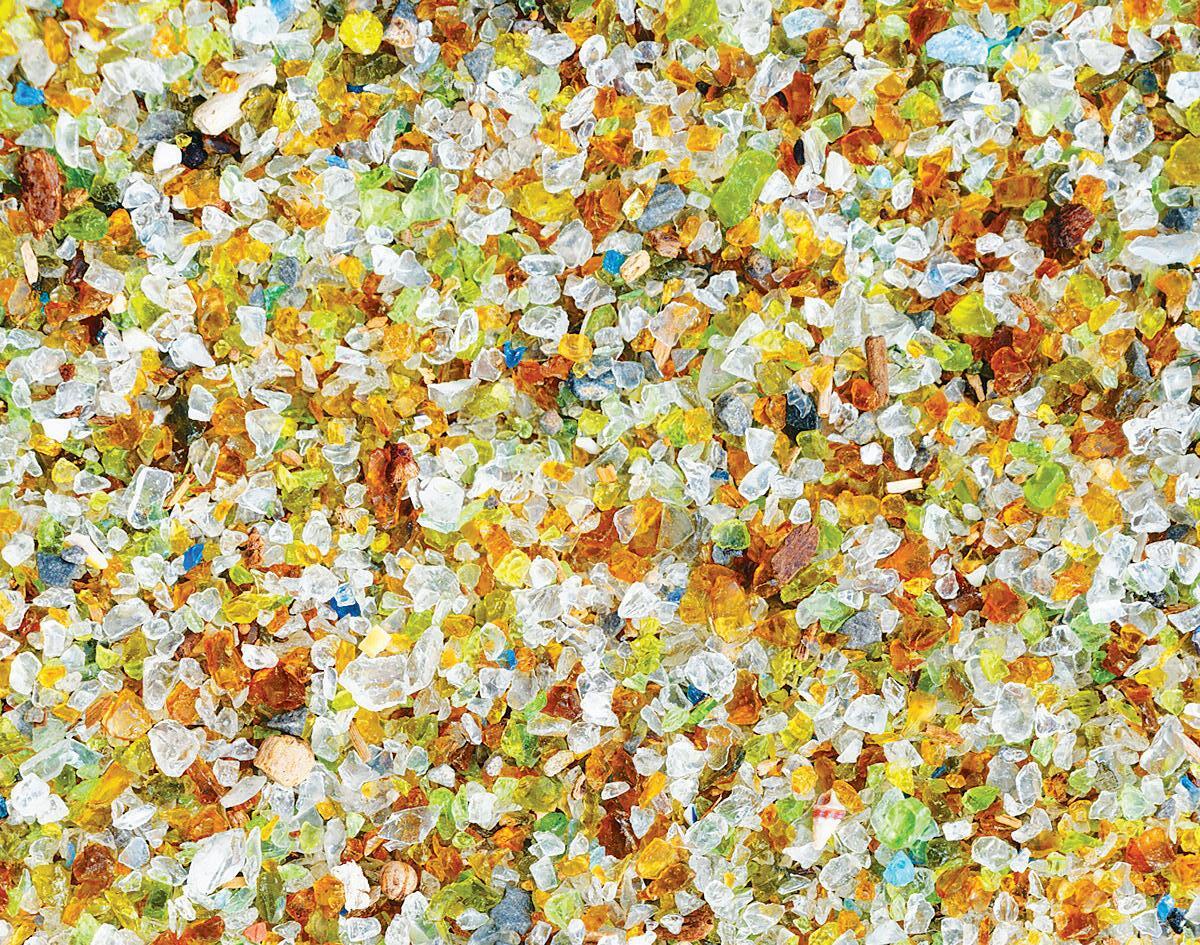
Acceptable items include glass bottles and jars from food and beverage, household cleaning, or personal care products. Rinse and recycle containers. Lids should be placed back on items. (Loose lids fall through the sorting machinery.) Do not include corks. Labels need not be removed. These glass items are NOT accepted in recycling: drinking glasses, mugs, plates, vases, candle jars, light bulbs, window glass, mirrors, or Pyrex. Broken glass is also not accepted; wrap and place in trash. Bottle pumps (hand soap, etc.) should go in the trash.
Golf balls can’t be recycled, but they may be reused. Contact local golf courses or driving ranges to see if they will accept them. Or donate them, along with clubs, to First TeeMassachusetts programs to empower kids and teens through golf (firstteemass.org; click on “donate”). Some thrift stores will accept clubs for resale. Instant Replay in Pitts-
field is an example of a sports equipment consignment shop that may accept these items in-season.
The most widely recommended method for disposing of used GLP-1 syringes is placing them immediately after use into an FDA-cleared sharps disposal container. For more information, see “Epipens and Single-Use Injectable Medication Devices” above.
Cards are recyclable with paper if they do not contain metallic inks, glitter, foil, or batteries. Remove electronics from singing greeting cards and recycle button batteries in battery recycling programs (see “Batteries”). St. Jude’s Ranch for Children runs a mail-in greeting card reuse program; note restrictions on certain brands: stjudesranch.org/ recycled-card-program.
HANGERS (see “Coat Hangers”)
The National Hearing Aid Project (hearingaiddonations.org/; 816-8952410) accepts used hearing aids for refurbishment and distribution to those that need them. Also check with your hearing aid specialist for reuse options. If your hearing aid is not worth salvaging, remove the battery and recycle it in accordance with instructions provided under “Batteries”, then place the hearing aid in the trash. There is a list of recycling opportunities on www. mass.gov (enter “recycling programs for hearing aids and assistive technology” in the search bar.
Options to blow up balloons include using non-balloon decorations, buying inflated balloons from a commercial outlet, using a reusable helium tank, or using a disposable tank. Disposable tanks can be recycled as scrap metal and some communities may accept them (call first). The process includes emptying the tank and marking it empty,
removing the nozzle/valve and any other non-metallic parts (which might be recyclable), then searching for a location that will accept it. Several online resources describe the process step-by-step, which is important to follow; simply search online for “How to recycle helium tanks.”
HERBICIDES AND PESTICIDES
(see “Household Hazardous Waste”)
HOUSEHOLD HAZARDOUS WASTE
First, consider using up the product according to package directions, or giving it away to someone who will. Products with label warnings and words like caustic, toxic, corrosive, poison, flammable, danger and “keep out of reach of children” all require special handling. See the Household Hazardous Waste page for information about local household hazardous waste collection opportunities. New England Disposal Technologies (Westfield, MA) accepts many household hazardous wastes year-round for modest fees (nedt.org; 866-769-1621). Empty containers that once contained hazCONTINUED ON PAGE 16
ardous wastes are NOT accepted in recycling; replace caps and put empty containers in trash. For safer alternatives to hazardous household products visit: lesstoxicguide. ca, or turi.org/Our_Work/Community.
The canisters are pressurized hydrofluoroalkane propellant, which is better than older propellants but still has high global warming potential, so they cannot be recycled or put in the trash. The best disposal option is through take-back programs. Most Walgreens and CVS pharmacies accept inhalers through their disposal programs. Waste Medication Kiosks can be located via mass.gov (enter Waste Medication Kiosk in the search bar).
Staples and Target stores accept used cartridges for reuse or recycling. Other options may be found
via a search on earth911.com or elsewhere online using the term “cartridge donations.” Many manufacturers have their own takeback programs with free mailing labels. Search online for “(name of manufacturer) cartridge recycling program.” As one example, Planet Green Injects (pginkjets.com; 800.377.1093) pays for used ink cartridges and remanufactures them.
JUNK MAIL AND CATALOGS
Unwanted mail and catalogs are recyclable, but it makes more sense to reduce them at the source. Here are four free services to do so:
• Remove your name from commercial mailing lists: directmail.com/mail_preference;
• Stop delivery of unwanted catalogs, enter catalog name at catalogchoice.org;
• End pre-approved credit card and insurance offers: optoutprescreen.com;
(also see “Plastics”)
Online purchasing has increased the amount of packaging in the residential waste stream. Most of these materials are reusable; some are also recyclable:
• Cardboard boxes can be reused or recycled in municipal recycling programs; flatten when possible.
• Packing paper is reusable as well as recyclable.
• Amazon’s paper mailer that says “Recycle this mailer just like a box” is recyclable in municipal recycling programs.
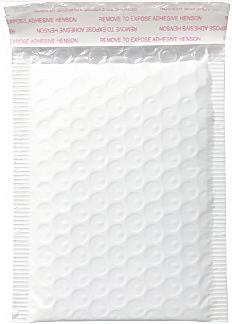
• Plastic envelope mailers (single layer or bubble wrap) used by online retailers such as Amazon are recyclable with plastic bags (see “plastics”) in grocery/ retail store recycling programs only. Do not put plastic mailers, bags, films, or other “soft plastics” in household recycling.
• Plastic-sealed air packaging and bubble wrap are reusable and are accepted for reuse by some pack-and-ship stores. Deflated air pillows and bubble wrap can be recycled with plastic bags (see “plastics”) in grocery store recycling programs. Do not put in household recycling.
• Paper envelopes with bubble wrap on the inside are not accepted in recycling programs. Reuse or put in the trash.
• Meal delivery kits use thermal box liners (e.g. “Renewliner,” “QLiner,” “Climacell”) to keep food fresh. This packaging might claim recyclability, but it is not accepted in household recycling programs. Reuse, refuse (send back to the company), or put in the trash.
• Styrofoam™ blocks and shapes are not accepted in recycling (see “Plastics”).
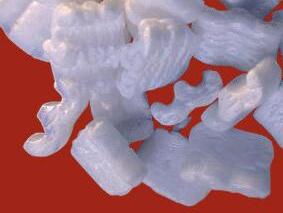
• Foam peanuts are not accepted in recycling; check local shipping centers for reuse (see “Plastics”).
• Cornstarch peanuts may be composted in a backyard bin, reused, or placed in the trash. However, these are not accepted by commercial composting facilities or at packing shipping stores.
• Take your name off phonebook mailing lists: yellowpagesoptout. com.
KEYS
Unwanted keys can be recycled via a scrap metal dumpster at a municipal transfer station (see the Community Recycling Information table) or brought to a local scrap metal dealer.
LATEX PAINT (see “Paint and Paint-related Products”)
LIGHT BULBS
Light bulbs of all types should be kept out of recycling bins. Fluorescent bulbs, including “CFLs” should be kept out of trash. Call your Public Health Department for safe handling instructions and local disposal sites.
• Fluorescent bulbs, including compact fluorescent bulbs (“CFLs”) and the green-tipped “low mercury” type contain mercury vapor and require special disposal. See “mercury and mercury-containing products” for more information. Household Hazardous Waste collection events managed by the TriTown Health Department for 17 communities in south county now accept these bulbs. Handle carefully to avoid breakage.
• LED light bulbs can go in the trash, but they contain valuable materials and may be recycled with CFLs if a collection site accepts them (see “mercury and mercurycontaining products” below). Call first.
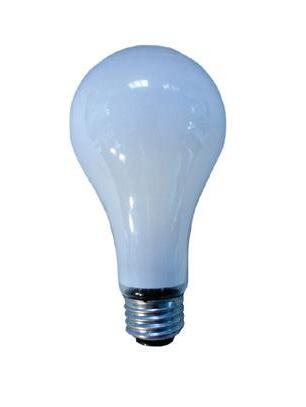
• Incandescent light bulbs and halogen light bulbs are not recyclable. Wrap incandescent light bulbs in used paper or plastic before placing them in the trash.
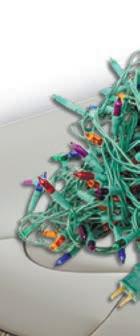
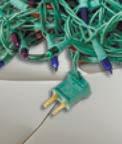
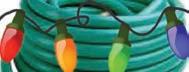
Holiday light strings are NOT accepted in municipal recycling programs because they get wrapped around sorting equipment at recycling facilities, causing hazards for workers. Light strings are often accepted at scrap metal dealers and in scrap metal dumpsters or specialty containers at transfer stations. Broken string lights can be mailed to Holiday
LEDs (holidayleds.com/free-lightrecycling) for a discount on a future order.
Mail unwanted Mardi Gras beads and trinkets to the Arc of Greater New Orleans’ reuse program: ArcGNO, 925 Labarre Road, Metairie, LA 70001 (arcgno.org; 504-369-4033).
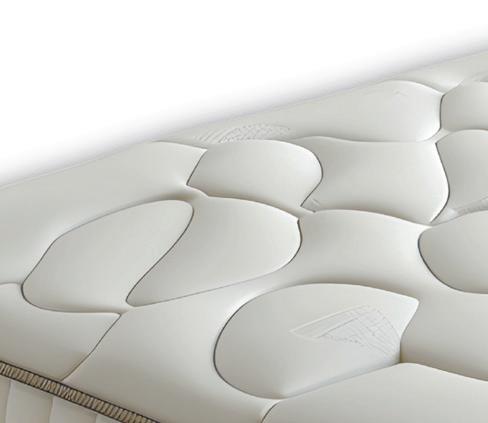
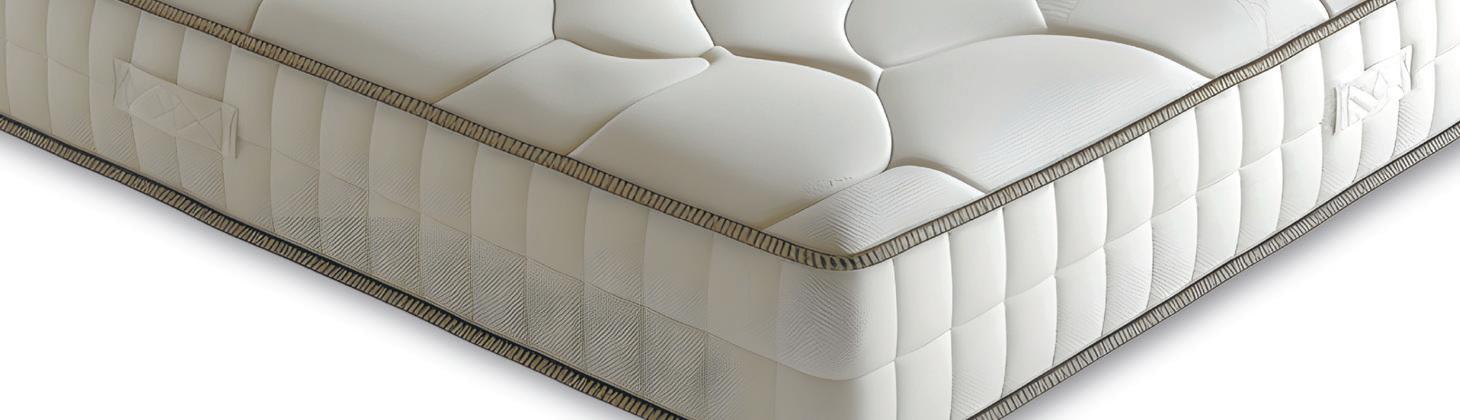
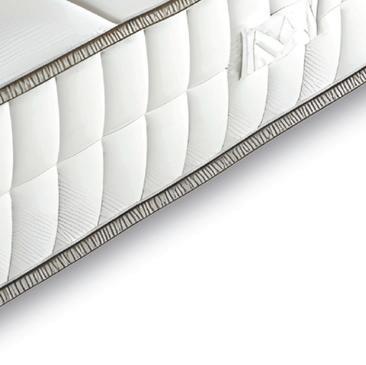
As of 2022, mattresses and box springs may no longer go in trash or Bulky Waste. Mattress recycling is now mandatory in MA, except for mattresses that are contaminated. Some charities will accept mattresses and box springs in very good condition; call first. When you purchase a new mattress, ask the retailer to take back and recycle the old one. Some transfer stations in the Berkshires accept mattresses for recycling (such as the Town of Dalton), as does Casella at its Lenoxdale facility; fees apply. For local recycling information, search on your town’s website or call your town’s contact number in the Community Recycling Information table. If your municipality does not have a collection program, call a private junk hauler to pick up your mattress.. For information on other options, visit mass.gov and search for “mattress.”
Disposal of unwanted medication must be done carefully for several important reasons. Medications should NOT be poured down the drain or flushed down the toilet. Wastewater treatment plants and septic systems are not designed to remove pharmaceuticals from wastewater. In addition, to protect animals and prevent drug misuse and abuse, medications should not be thrown in the trash. Several options exist to properly dispose of unwanted, expired, or unused medications:
• Many area police departments offer permanent drop-off boxes for free disposal of prescription and nonprescription drugs, vitamins,
CONTINUED ON PAGE 17
and veterinary medications. You do not need to be a resident to use these drop boxes. Liquids, syringes (see ”Needles and Sharps” below), IV equipment, or chemotherapy drugs are NOT accepted.. For more information visit https://www. northwesternda.org/1254/DrugDrop-Off-Boxes.
• National chain pharmacies host free drop boxes for prescription medications. Call your local store for availability or search a DEA listing of disposal sites at tinyurl. com/deadisp. For acceptable items, see signage on the drop boxes, call stores, or visit pharmacy websites. Some stores that do not have drop boxes offer the DisposeRX program: disposerx.com.
• National Prescription Drug Take-Back Day events are scheduled twice annually (April and October). Find dates and local collection locations at: deadiversion. usdoj.gov/drug_disposal/takeback/takeback.html. Additionally, visit mass.gov/info-details/fi nd-awaste-medication-kiosk for a map of permanent collection kiosks in MA.
If you are unable to deliver medications to a drop box or a take-back day, as a last resort small amounts of medications may be safely disposed of in the following manner: 1) Remove any personal info from labels that could be used to obtain refi lls; 2) Render medications unattractive to children, pets and thieves by dissolving pills or tablets in a small amount of water or rubbing alcohol (pour liquid medication into a container of kitty litter or sand); 3) Place in two sealed plastic bags; and 4) Conceal the package in your trash.
Due to their small size and other factors, empty pill bottles are not recyclable. Animal shelters may collect washed, empty pill bottles to send medicines home with adoptees. Berkshire Amistad (berkshireamistad.org/), a 501(c)(3) nonprofit located in the Berkshires, accepts empty pill bottles and a wide range of medical supplies, which are then trucked to Honduras to fi ll critical needs there. The Berkshire Environmental Action Team in Pittsfield (thebeatnews. org) also accepts empty prescription bottles.
MERCURY AND MERCURYCONTAINING PRODUCTS
Mercury is highly toxic and requires special disposal. It is not
hazardous when contained in a sealed device. Reduce exposure by placing items in sealed plastic bags and handling them carefully to avoid breakage. Never put mercury (or items containing mercury) in the trash or recycling bins, on the ground, or down a drain. Don’t vacuum even the smallest spill. Instructions for handling mercury exposure can be found at: mass.gov; enter “mercury” in the search bar or search the web for “broken CFL” or “mercury spill.” If a mercury spill does occur, follow the MassDEP’s guide on safely cleaning it up: mass.gov/guides/massdep-mercury-information. Call the Mass DEP Mercury Hotline if you have questions about mercury or managing it safely: 866-9MERCURY (866963-7287).
For local disposal information for the following mercury items, see the Community Recycling Information table and the Western Mass Household Hazardous Waste
Event pages. Note that the Household Hazardous Waste Collections hosted by the Tri-Town Health Department for 17 south county communities accept fluorescent light bulbs, thermometers, and thermostats.
• Fluorescent light bulbs
All fluorescent light bulbs (even the lowmercury bulbs with green tips) contain mercury vapor; never put fluorescent light bulbs in trash or recycling. Handle carefully to avoid breakage; do not tape bulbs together. There are two primary fluorescent bulb categories:
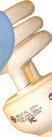
o Compact fluorescent lamps (CFLs) fit in standard screw-type light sockets. They come in a variety of shapes and styles and are sometimes encased with a glass bulb.
o Fluorescent tube lamps do not
fit in standard screw-type sockets. These include the standard straight, circular or U-shaped tubes, as well as tanning bed lamps, High-Intensity Discharge lamps (HIDs), and neon light tubing.
Both varieties may be accepted at municipal transfer stations and Hazardous Waste Collections; see the Community Recycling Information table for local disposal information. Straight lamps may be accepted at the Pittsfield Home Depot. New England Disposal Technologies (Westfield, MA) accepts CFL and fluorescent tubes year-round for various fees (nedt.org; 866-769-1621).
In addition:
o Businesses can see a list of vendors who can pick up larger quantities at recyclingworksma.com.
o Residents can refer to the MassDEP’s Mercury Drop-off List: tinyurl.com/mercurydrop
o For additional assistance, leave a message in MassDEP’s Mercury
CONTINUED ON PAGE 18
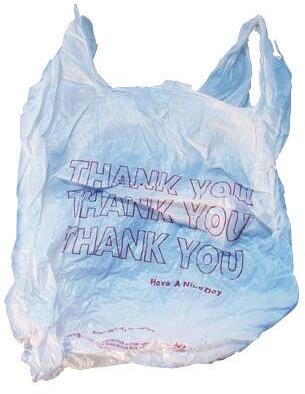
Never place plastic bags of any type in household or mixed recycling bins, as they get tangled around sorting equipment and can become litter.
Bags MUST be empty, clean and dry without receipts, coins, or trash
Clean, dry plastic bags labeled:
#2 “HDPE,” “PE-HD”
#4: “LDPE,” “LLDPE”


Including:
Grocery bags, produce bags
Newspaper bags
Dry cleaning bags (no receipts or staples)
Plastic cereal bags (if it tears like paper do not include)
Sandwich/Ziploc bags and bread bags: no crumbs, oils, food (remove large zippers)
Retail bags (#2 or #4) with string/hard plastic handles removed
Plastic outer wrap from packages of toilet paper, paper napkins, paper towels, diapers, sanitary products
Plastic shipping envelopes
Bubble wrap, air pillows (deflate air pillows)
Case wrap from cases of water, canned pet food, soda, etc.
Stretch wrap from furniture, electronics, etc.
X NO bag with a recycling resin code other than #2 (HDPE) or #4 (LDPE)
X NO crinkly grape bags, Lego bags, apple bags (often marked #5)
X NO bags with receipts, coins, trash
X NO bags with food or moisture
X NO food or cling wrap (e.g. Saran)
X NO prepackaged food bags (frozen food or prewashed salad)
X NO pet food, animal feed, bird seed bags
X NO co ee bags
X NO chip bags, granola bar wrappers, candy wrappers
X NO bags with paint or glue
X NO compostable plastic bags
X NO Tyvek™ envelopes
What about pellet stove fuel bags? See “Pellet Bags” in this guide.
To view pictures of acceptable items and get a list of drop o locations, nextrex.com/view/ educate#materials1
Trex is the major buyer of plastic film; more resources at: nextrex.com
Clip and hang this sign over your plastic bag recycling collection at home, in the workplace, at school, or other locations.
Program Mailbox: (866) 963-7287.
• Thermometers
Many older household thermometers (fever, candy, meat, deep fry, oven, temperature) contain liquid mercury. A mercury thermometer can be identified by the presence of a silver bulb at the end of a glass tube. They are accepted in special programs at many municipal transfer stations (see the Community Recycling Information table) and some Hazardous Waste Collections (call first). Handle carefully and seal in a plastic bag. If the thermometer liquid and bulb are red, blue, purple, or green, it is not a mercury thermometer and it can go in the trash.
• Thermostats
Updating to a programmable thermostat? Don’t throw away your old wall-mounted thermostats: they contain a significant amount of liquid mercury. Leave thermostats in one piece, place them in a sealed
plastic bag, and handle carefully to avoid breakage. In addition to special municipal collection programs (see the Community Recycling Information table), mercury thermostats are accepted for free recycling by some plumbers and plumbing retail stores. For local drop-off locations, go to thermostat-recycle.org.
• Ballasts
Most fluorescent light fixtures produced before 1979 contained ballasts with PCBs (polychlorinated biphenyls), a highly toxic substance. PCB-free ballasts are marked “No PCBs.” PCB ballasts are typically collected in special programs at transfer stations (check with your community) or other sites that collect larger fluorescent tube-type bulbs. Electronic and other nonPCB ballasts are safe to go into trash or bulky waste, but are often not accepted in scrap metal recycling bins.
(see “Scrap Metal”)
Some plastic items cause mechanical problems at recycling facilities, cost too much to recycle, are unwanted by manufacturers, or are recyclable only through separate recycling programs. Please do not add these to your household or municipal recycling mix:
X Plastic bags, plastic wraps and other “soft plastics”
X Black plastic (prepared food, to-go containers, microwave trays) (Some facilities are starting to accept black plastics.)
X Forks, spoons, knives & serving utensils
X Plastic items that are smaller than a credit card (e.g. loose caps, straws, condiment cups, Rx bottles)
X Plastic containers larger than 2.5 gallons in size
X Plastic plates
X Colored/opaque plastic cups (clear cups are OKsee the “Cups” entry)
X “Compostable” or “Biodegradable” containers and cups
X Foam (aka Styrofoam)
MOTH BALLS (see “Household Hazardous Waste”)
MOTOR OIL AND FILTERS (see “Automotive Products”)
MUSICAL INSTRUMENTS
The Albany Fund for Education (albanyfundforeducation.org/ instrument-program) accepts used musical instruments. Buy reused instruments locally by searching online. Reach out to Hungry for Music (hungryformusic. org) and the Gift of Music (giftofmusicinstruments. com) for shipping most types of instruments for donation.
NEEDLES AND SHARPS
types of paint year-round for modest fees (nedt.org; 866-769-1621).
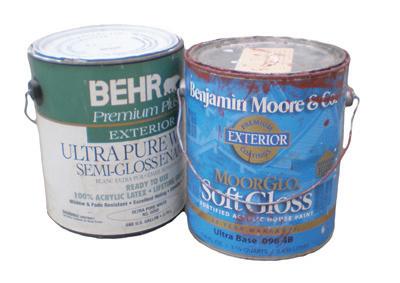
• Latex paint and water-based stains can be put in the trash when completely dried and hardened. Leave the lid slightly ajar to allow it to dry, or speed up the process by adding latex paint hardener (available in hardware stores) or by stirring in clean kitty litter. When the contents are no longer liquid, you can put the open paint can , lid removed, in your household trash.
PALLETS (see wood under “Building and Remodeling Materials”)
PANTYHOSE
items (cups, egg cartons, food containers/trays, & packing material)
X Tubes (e.g. toothpaste, cosmetics, hair products)
X Plastic containers which once held toxic substances (e.g. motor oil)
X Molded plastic packaging (the sti type that requires a sharp object to open)
X Binders, plastic folders
X CDs, DVDs and cases, video & audio tapes
X Plant pots & garden trays
X Six-pack rings (see “Beer & Soda Packaging”)
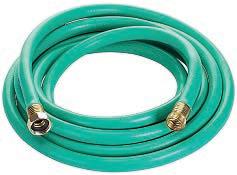
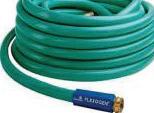
X Hoses, light strings, cords, pet leashes
X Plexiglass
X PVC products (pipes, siding, etc.)
X Manufactured plastic wood (decking material)
MA Sanitary Code states that it is illegal to dispose of sharps (hypodermic needles, syringes, lancets, and all other medical “sharps”) as trash. Never put a container of sharps in your recycling bin. Collection programs are available in many towns; call your Health Department, or to see a listing of all the sharps programs in the state, go to mass.gov, and type “needle disposal” in the search bar. Sharps containers are available for purchase at pharmacies, and they often include disposal options. Several mail-in disposal programs are available; search online for “sharps mail-in programs.” Stericycle (stericycle.com or 866-783-7422) is an example of a company that picks up sharps for safe disposal from businesses that generate sharps.
If your unwanted paint was purchased recently and it’s in good condition, consider donating it for reuse. Many school or community theater groups will accept quality paint products. You may also offer usable paint via an online sharing group (e.g. Freecycle.org or a “Buy Nothing” Facebook group).
• Petroleum (oil-based) paints, stains, thinners, and varnishes are considered hazardous materials, requiring proper disposal. See the Community Recycling Information table and Household Hazardous Waste Event section.
• New England Disposal Technologies (Westfield, MA) accepts all
Recycled Crafts (savemyhosiery. yolasite.com) recycles pantyhose, nylon knee-highs, and tights into pet toys, rugs, placemats, and table runners. They accept clean hosiery in any condition, even those with rips and snags. Hosiery is also accepted in textile recycling programs (see “Clothing and Textiles”).
Place clean and dry cardboard boxes, newspaper, office paper, school papers, magazines and junk mail, cereal boxes, and empty pizza boxes in your recycling bin. Avoid items with material that is not wood based, such as greeting cards with glitter, embellishments, metallic ink, or batteries; or items mixed/coated with plastic or glued to plastic (e.g. paper shipping envelopes lined with bubble wrap).
Details about paper items that cannot be recycled are provided as individual entries elsewhere in this section, including shredded paper, hardcover books (see “Books”) and items coated/mixed with plastic. Examples include paper cups (see “Cups”), beer/soda packaging, and frozen/refrigerated food boxes (see “Boxes”). In dual stream recycling, milk cartons and soup/almond milk boxes should be recycled with containers (see “Cartons”).
Plastic bags should never go into municipal recycling programs. Some retail and grocery stores will accept EMPTY pellet bags in their CONTINUED ON PAGE 19
plastic bag recycling programs (call first). Pellet bags must be dry and completely EMPTY. Turn inside out, shake out, flatten and stack empty bags, roll up the stack and place the roll in an empty pellet bag. Ask your pellet supplier about bulk delivery (avoids bags), recycling programs, or bag-take-back programs.
AND HERBICIDES (see “Household Hazardous Waste”)

manufacturers. It is OK to put the ENTIRE pizza box into recycling… but it MUST be empty (no crusts, food, foil, plastic, or waxed paper). Link to the study: tinyurl.com/pizzaboxes2020. If you wish to compost a brown pizza box, you can shred it and add it to your compost pile, or contact your local compost service for more information.
Plastic bags from pet food, animal feed, or bird seed are not recyclable in municipal recycling or in plastic bag recycling programs at retail stores. This is also true for paper feed bags because they are lined with plastic to keep moisture out. Terracycle (terracycle.com) offers a few pet food bag recycling programs (type “pet food bags” in the search bar). The Bag Share Project (thebagshare.org), a local group, may accept certain types of feed bags for reuse, and provides instructions on how to make bags.

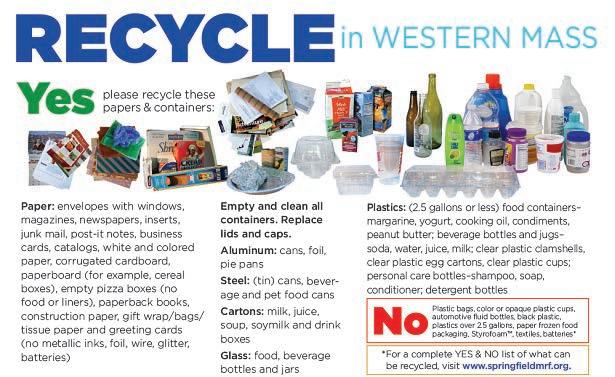
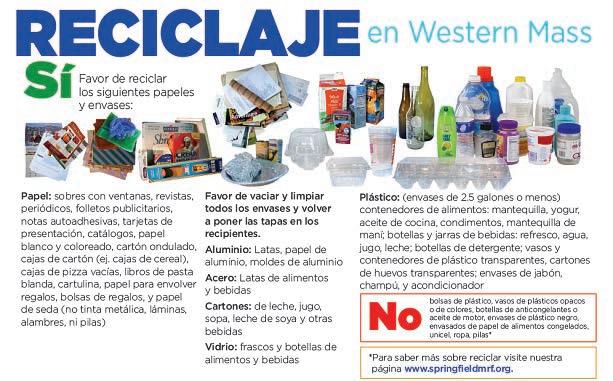
Many people assume that all plastic items are accepted in recycling, but recycling is demand-based; only those plastics that can be made costeffectively into new products are on the “yes” list. Please note that plastic containers from food, beverage, soap, and personal care products are the ONLY type of plastic suitable for your household recycling bin. All other forms of plastic must go in the trash or, when available, to a separate special recycling program..For additional details see the box “Keep These Plastics out of the Recycling Bin”.
Containers from food, beverages, soap, and personal products
functions, and environmental problems at recycling facilities. Some of these materials are accepted in retail and grocery store collection programs (e.g. Big Y, Stop & Shop, Target, Walmart, Staples). In general, clean and dry plastic bags and wraps are recyclable if they are: 1) clear or translucent; 2) moderately stretchy; 3) marked #2 or #4; and 4) empty and free of food residue. Two important exceptions are household food or “cling” wrap, which must be placed in the trash, and bags labeled “Compostable,” which can be placed in commercial or municipal composting or trash. See the accompanying table, “Plastic Bag Recycling” or visit plasticmakers. org/ for additional details. Also, ask your hauler or visit springfieldmrf. org.
Bulky, rigid plastic objects (Do NOT place in household recycling bin)
sheets: Clean and dry pieces of foam packing materials and coolers are only recyclable through a separate collection. Some communities collect this foam at municipal transfer stations or at special collection events and transport it to a foam recycling facility.
• Foam cups, plates, and trays: Even if they have a recycling symbol, food-related Styrofoam™ materials are not currently accepted at any recycling facilities. Place in trash.
PLASTIC POUCHES
Traditional, glossy photographs are not acceptable in recycling because of the photographic chemical coatings in the paper. Old photographs are safe to throw in the trash. More modern photographs may or may not be recyclable depending on the printing process and the type of paper used. Homeprinted photographs that are printed on regular paper are acceptable in recycling.
P3 Cares (p3pbcares.org/) offers recycling programs for local institutions and courts to host a recycling bin for pickleballs.
A 2020 study by West Rock (a major US corrugated cardboard manufacturer) found that grease on pizza boxes does NOT cause problems for recycled paper
The following items are welcome in your household recycling bin: plastic containers from food, beverage, soap or personal care products in the form of bottles, jars, jugs, and tubs. Plastic bottle caps and plastic tub lids are recyclable, if attached to the container (not loose). Plastic items that are smaller than a credit card or larger than 2.5 gallons are not acceptable because they cannot be sorted effectively. Bottle pumps should go in the trash. Please note that black plastics are not accepted because they can’t be sorted with optical sorting technology. Other items on the recycling “yes” list are clear plastic cups, clear plastic clamshells, and clear plastic egg cartons. Clear cups should ideally be rinsed before recycling; put lids and straws in the trash. If a clear cup is labeled compostable, do not put it in a recycling bin. Ask your hauler or visit springfieldmrf. org for details and graphics about household container recycling. Bags and wrap (Do NOT place in household recycling bin)
Plastic bags, plastic films, and plastic wrap (“soft plastics”) create safety hazards, machinery mal-
Many rigid plastic items are reusable until broken or damaged; offer them for free on an online sharing group (e.g. Freecycle.org or a “Buy Nothing” Facebook group). Some communities offer specialized bulky rigid plastic (BRP) collection programs. Ask your community contact (listed in the Community Recycling Information table) about opportunities near you. BRP collections are highly selective and accept only clean, molded, rigid plastic pails, bins, crates, baskets, totes, barrels, wheeled trash toters (metal and wheels removed), and plastic lawn furniture. Also, ask your hauler or visit springfieldmrf.org.
Foam (Do NOT place in household recycling bin)
The recycling market for rigid foam material (aka Styrofoam™ or expanded polystyrene/EPS) is growing, but only certain blocky foams are accepted for special recycling programs. Rigid foam products may be divided into the general categories of shipping peanuts, blocky packing material, and foodrelated serve ware (cups, plates, trays). Also, ask your hauler or visit springfieldmrf.org.
• Foam shipping peanuts: Foam peanuts are not recyclable, but they are highly reusable. Some local retail shipping outlets accept clean and dry peanuts (call first; search for a store near you at theupsstore. com). Or offer them for local reuse via an online sharing group such as Freecycle.org or a “Buy Nothing” Facebook group.
• Large, rigid foam blocks and
Flexible plastic pouches that contained applesauce, fruit, kids’ drinks, yogurt, baby food, and health/beauty products, are NOT recyclable in municipal recycling programs. Terracycle (terracycle.com) has several different mail-in recycling programs for pouches and caps; type “pouches” in the search bar. Please remove all residual food and liquid.
(see “Building and Remodeling Materials”)
Most propane tanks can be refilled. Many businesses that sell propane will accept tanks for reuse under specific conditions. Do not put tanks in household recycling, trash, or scrap metal dumpsters. Tanks are recyclable in special, separate programs at transfer stations or recycling centers. Do not puncture. Close the valves on barbeque grill size tanks. Some recyclers also accept small camping type tanks. Local municipal recycling info is found in the Community Recycling Information table; find more options at earth911.com.
Offer for reuse. Not accepted in recycling; dispose of in the trash (wrap up broken pieces). Colorful ceramic/porcelain items (even broCONTINUED ON PAGE 20
ken ones) are sometimes used by local arts centers or craftspeople, so a phone call or a post to an online sharing group (e.g. Freecycle.org or a local “Buy Nothing” Facebook group) may help extend their usefulness.
REFRIGERATORS / FREEZERS
MassSave offers free pickup paired with a rebate for recycling qualifying refrigerators and freezers, up to two per household per year. Visit the MassSave website (tinyurl.com/masaveappliance) to learn about this process. If your unit does not qualify, see the next section.
Do not trash or recycle. These may be accepted at your local Hazardous Waste Collection events or at your local transfer station. Check your community’s website for local recyclers and resources.
SCRAP METAL
Many metal items (like bicycles or BBQ grills) can be repaired, sold or donated to extend their useful lives. Because of the usefulness and value of metal, state regulations prohibit throwing aluminum, steel, iron, lead, stainless steel, copper, brass, or bronze scrap in the trash. Some metal items require special handling due to toxic or pressurized materials and should not be put directly into scrap metal dumpsters. This includes lead acid batteries, propane tanks, helium tanks, fluorescent light ballasts, air conditioners, refrigerators, and automotive parts (See each item’s section). Many municipal transfer stations and recycling centers have scrap metal recycling dumpsters; see the Community Recycling Information table. Some scrap metal dealers will pay for metal items. Search online under “metal recycling” for the scrap yard nearest you and its requirements. Suitable scrap items should be mostly metal by weight; if possible, remove plastic parts.
Shoes, along
with other textiles, are a banned waste item in MA trash. Bring CLEAN AND DRY textiles and shoes to drop-off boxes serviced by your community or local organizations such as the Salvation Army (salvationarmyusa.org/) and or Goodwill Industries (goodwill.org). Many municipal transfer stations host textile drop boxes; the Clothing and Textiles item above cites potentially useful resources. DO include clean and dry shoes that are well worn or with missing mates.
In addition, several organizations, such as One World Running (oneworldrunning.com), specialize in shoe reuse. Rerun Shoes (rerunshoes.com) is a Massachusettsbased shoe donation organization. Soles4souls (soles4souls.org) has a program and boxes.
You can reuse old shower curtains in myriad ways (e.g. drop cloth, tarp, etc). TerraCycle (terracycle.com) offers recycling of shower curtains and other hard-to-recycle bathroom items through its Bathroom Separation Zero Waste Box.
Shredded paper is no longer accepted in household/municipal recycling programs. To have confidential documents shredded and recycled, bring them to area businesses (e.g. copy shops, office supply, and shipping stores). Local banks often sponsor free shredding events in the spring and fall. The material that is shredded in these programs is delivered directly to paper mills, which avoids the scattering and contamination that ensues at a household recycling facility. Otherwise, dispose of shredded paper as trash. Paper shreds that are free of plastic, receipts, and colored ink can go in municipal compost programs where allowed.
SMOKE AND CARBON MONOXIDE DETECTORS


Clothing and textile products make up 6% of all material entering U.S. landfills and incinerators That’s 230,000 tons/year in MA alone!




2




"Textiles" include: clothing, footwear, bedding, towels curtains, fabric, and similar products.




Remove all non-alkaline batteries and CONTINUED ON PAGE 21
3

Textile disposal is now banned in MA! Residents must bag unwanted clothing, towels, and bedding and bring to a textile drop-off site.



4
Reuse Spotlight:
5
Most municipal transfer stations host textile drop boxes (see the Community Recycling Info page in this guide) or visit MassDEP’s Beyond the Bin tool: RecycleSmartMA.org/beyond -the-bin). Businesses can use RecyclingWorksMA.com to find a textile recycler.
also:
dispose of them appropriately (see “Batteries”). Most household smoke detectors contain a small amount of a radioactive element, Americium-241. The quantity in each unit is considered harmless, but its presence is worrisome enough that retailer and manufacturer take-back programs exist. Search the manufacturer’s name online with “smoke detector recycling” for program and shipping details.
Curie Environmental Services (curieservices.com) offers a fee-based, mail-in smoke alarm recycling program. Some communities allow smoke detectors to be thrown away in the bulky waste container at a recycling/transfer station; call the contact listed in the Community Recycling Information table.
Carbon monoxide detectors are not considered hazardous and can be safely disposed of in the trash after removing (and recycling) all non-alkaline batteries.
Sporting equipment exchange/ donation options are found locally via charitable organizations such as Goodwill (goodwill-berkshires. org/), schools, Scout troops, or the Lion’s Club. Instant Replay in Pittsfield is an example of a sports equipment consignment store. Consider sharing via online groups (e.g. Freecycle.org or a “Buy Nothing” Facebook group).
Rinse and recycle with containers. Acceptable items include cans from food and beverages (e.g. soup, beans, pet food, etc.), and household and personal products. Detached lids can be placed inside rinsed cans. Labels need not be removed. Empty tin containers (e.g. popcorn, cookies, tea, mints, etc.) are also accepted in recycling.
STYROFOAM™ (see “Plastics: Foam”)
TELEVISIONS (see “Electronics”)
TENNIS BALLS
Check with your local animal shelter or elementary school to see if they accept tennis ball donations (schools use them on chair/desk feet). A mail-in recycling program is available at tennisballrecycling.com.
TEXTILES (see “Clothing and Textiles”)
THERMOMETERS AND THERMOSTATS (see “Mercury and Mercury-containing Products”)
TOOTHPASTE TUBES, TOOTHBRUSHES
These items are not accepted in household recycling. Terracycle (terracycle.com/) has mail-in recycling programs for oral care items. Preserve® brand toothbrushes (preserve.eco) can be mailed for recycling.
TROPHIES
Contact your local trophy shop to see if it can reuse your old trophies. Total Awards & Promotions (awardsmall. com) offers a fee-based, mail-in reuse program; search for “recycling.” Sports Medal Recycling (sportsmedalrecycling.com/), a Massachusetts company, accepts metal sports or academic medals/medallions for recycling.
TYVEK™ ENVELOPES
Tyvek™ envelopes (large, white envelopes that won’t rip, often from express shipments) are not accepted in municipal/household recycling, or in the plastic bag recycling programs at grocery and retail stores. Trash them.
VASES
Glass vases are not recyclable. Donate to a local garden club, swap shop, Goodwill (goodwill-berkshires.org/), or local florist(s) for reuse (call first).
VEGETABLE OIL (see “Cooking Oil”)
VEHICLES
Old vehicles, even inoperable ones, are valued for spare parts and metal. Consider donating them to a charitable organization (might be tax deductible) such as public radio stations. Good-
NewsGarage (goodnewsgarage. org/) may accept your vehicle, van, or camper for repair or salvage,, and may provide a donation receipt. Alternatively, contact your favorite charity or search online for “auto (or vehicle/truck/motorcycle/boat) donation.” or “Auto Wreckers and Salvage.”
WOOD (see “Building and Remodeling Materials”)
X-RAY FILM
There are no special disposal requirements, but X-rays do contain a small amount of silver. Some hospital radiology departments will accept them for recycling.
WASTE (Leaves, grass, brush, Christmas trees)
Throwing away leaf and yard waste as trash is prohibited by state waste bans. Some communities collect yard waste seasonally for wood chip production or composting; for local information, see the Community Recycling Information table. Some landscaping services offer leaf removal services. For information on Christmas Trees, refer to the section “Christmas Trees”. Local farms (e.g.. Square Roots Farm in Lanesborough and Stanton Homes Farm in Great Barrington) may accept leaves dropped off for
free, call ahead before visiting. Visit mass.gov/composting-organics to learn about composting yard waste in your backyard.
YOGA MATS
Yoga mats are not recyclable in municipal programs, but can be repurposed. Terracycle (terracycle. com/) offers recycling through its Sporting Goods Zero Waste Box for a fee. Homeless or pet shelters may accept them, call before trying to donate. Search online for “yoga mat reuse,” or offer via an online sharing group (e.g. Freecycle. org or a “Buy Nothing” Facebook group).
Looking for something that is not on this list? You can find more information on the Springfield MRF’s “What’s Recyclable” page: springfieldmrf.org/ and at MassDEP’s Recycle Smart Recyclopedia: recyclesmartma.org
Once again, please help us to improve the guide for the next edition! If you find errors or have suggestions for changes or additions, please contact us at (413) 755-2239. Thank you!
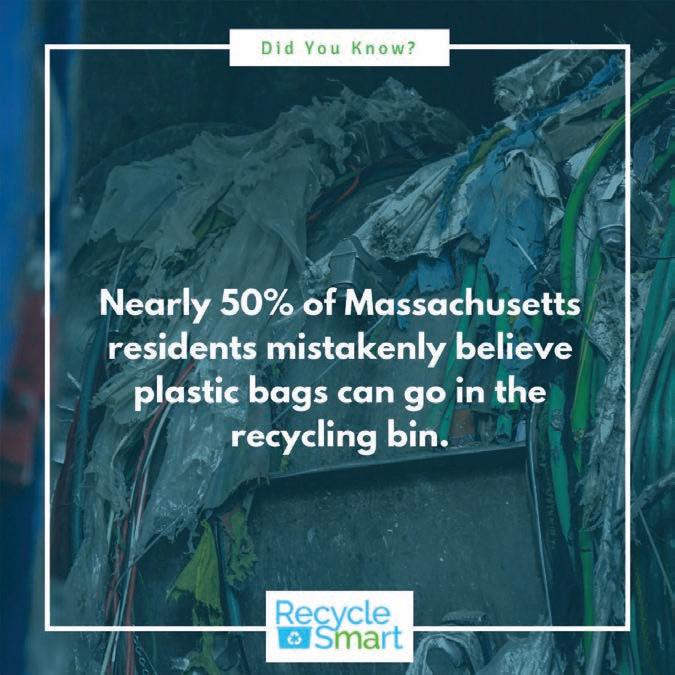
BY: LINDA CERNIK, Program Director of NBSWMD
Northern Berkshire Solid Waste Management District (NBSWMD) is proud to offer food waste composting services to help our residents reduce waste and protect the environment. By composting your food scraps instead of throwing them away, you’re keeping valuable nutrients out of landfills and creating healthy soil for our community.
RESIDENTIAL COMPOSTING SERVICES AVAILABLE NOW IN CHESHIRE, DALTON, WILLIAMSTOWN, AND WINDSOR
If you are a resident of and have a transfer station sticker in Cheshire, Dalton, Williamstown, or Windsor, you can drop off food scraps at your transfer station for free or for a nominal charge during regular operating hours. It’s easy to get started!
WHAT CAN YOU COMPOST?
• Fruits and vegetables (peels, cores, rinds)
• Meat, poultry, fish, and bones
• Dairy products, cheese, and eggs
• Bread, pasta, rice, and cereal
• Coffee grounds, filters, and tea bags
• Plate scrapings and leftovers
• Spoiled or expired food
WHAT SHOULD YOU AVOID?
• Plastic, including plastic bags (beware of “green” bags that are not BPI Certified!)
• Fruit stickers, snack wrappers, food packaging
• Non-food items such as yard waste and debris
HOW TO GET STARTED
1. Collect your food scraps in a container
2. Store in your refrigerator or freezer between trips if desired.
3. Drop off at your town’s transfer

station during normal hours
If you are using a bag to keep them contained, make sure to use BPI Certified compostable bags - NOT PLASTIC!
QUESTIONS ABOUT OUR RESIDENTIAL PROGRAM?
Contact your local transfer station for:
• Operating hours and directions
• Specific drop-off guidelines
• Answers to your composting questions
WORKING TOGETHER ACROSS OUR 14 MEMBER TOWNS TO BUILD A MORE SUSTAINABLE FUTURE.
This year alone, residents have diverted over 28,500 pounds of food waste from landfills through our transfer station composting programs. This achievement represents:
• 3,782 gallons of gasoline equivalent
• $4,500+ in avoided disposal costs
• Nutrient-rich compost created for local use
Thank you to all residents who participate in making our communities more sustainable!
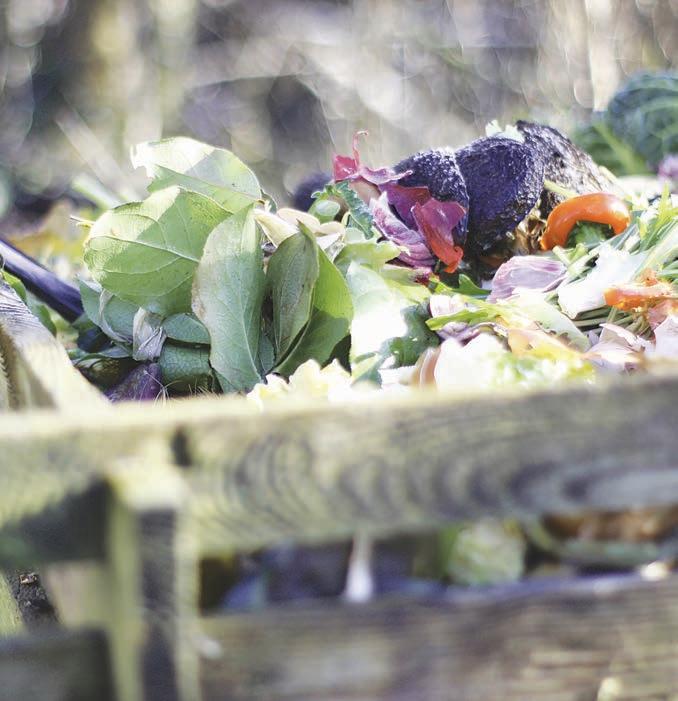
BY: RECYCLESMARTMA.ORG
Massachusetts residents can expect a blizzard of boxes this holiday season with the U.S. Postal Service estimating it will deliver a mindboggling 910 million packages between Thanksgiving and Christmas this year.
There can be plenty of things to stress about during the holiday season, but considering what to do with all the holiday packages arriving at your home doesn’t have to be one of them. Most of the packaging from your online shopping can be reused or recycled, and Recycle Smart MA makes it easy to figure out what goes where.
Old cardboard boxes can be recycled up to seven times and are used to create a wide range of products like cereal boxes, shoe boxes, new cardboard boxes or even furniture.
According to the American Forest and Paper Association, cardboard boxes are the most-recycled packaging material, with nearly half of the material used to make new boxes coming from recycled paper. So that box you recycled last year may actually be helping to deliver another present to your house this year.
To ensure your cardboard boxes make it to next year’s Cyber Monday – simply remove any plastic air pillows, packing peanuts or Styrofoam inserts before placing them in your recycling bin. It’s also important to keep your recycling bin dry and free of food and liquids which can attract pests, impact the recyclability of the paper and cardboard, and make a mess for the recycling facility workers who sort the material. Pro Tip: flatten cardboard boxes so you can close the lid
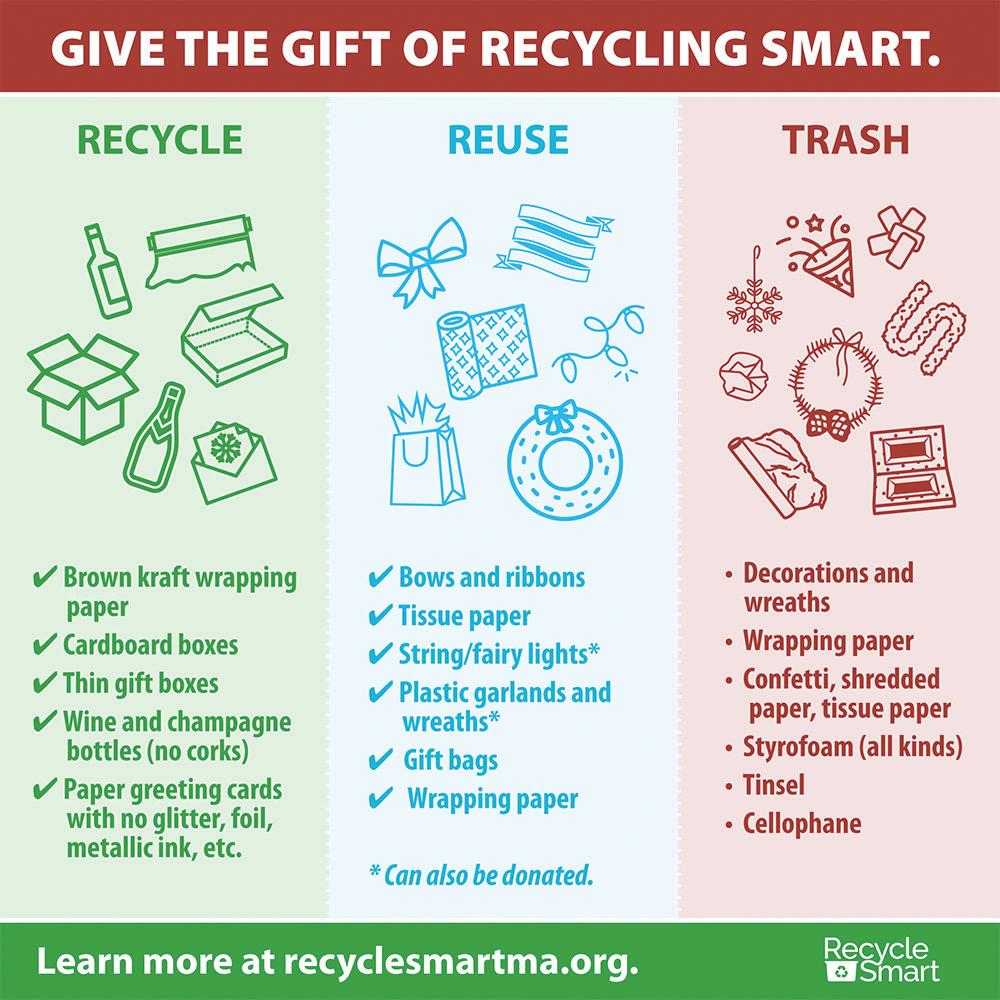
on your recycling bin or wait to put them out if the weather looks bad.
Another great option for dealing with the avalanche of boxes is to reuse them. Cardboard boxes are strong and durable; they can be reused for online shopping returns, storage, regifting, or arts and crafts.
What about all the other packaging materials you receive during the holiday shopping season? Let’s break it down! Here is what packaging is recyclable (and what isn’t) from your online shopping orders:
• Cardboard box – flatten and recycle
• Paper filler – recycle
• Plastic air pillows & bubble wrap –these don’t belong in your recycling bin, but you can save and reuse or bundle with other plastic bags, wrap, and bring them to a collection bin at your local supermar-
ket
• Plastic shipping bag – plastic bags of any kind do not belong in your recycling bin, but you can remove the labels and return them with your other plastic bags to the collection bin at your local supermarket, or place them in the trash
• Bubble-lined paper mailers – mailers made with both paper and plastic should be placed in the trash if you can’t reuse them.
• Packaging peanuts – these do not belong in your recycling bin, but you can keep and reuse the peanuts or take them to a pack-andship store (FedEx, UPS, Kinkos, etc.)
Still have recycling questions? Check out the Recyclopedia at RecycleSmartMA.org to search for hundreds of items (from paper bags to pizza boxes) to find out what to do with them.
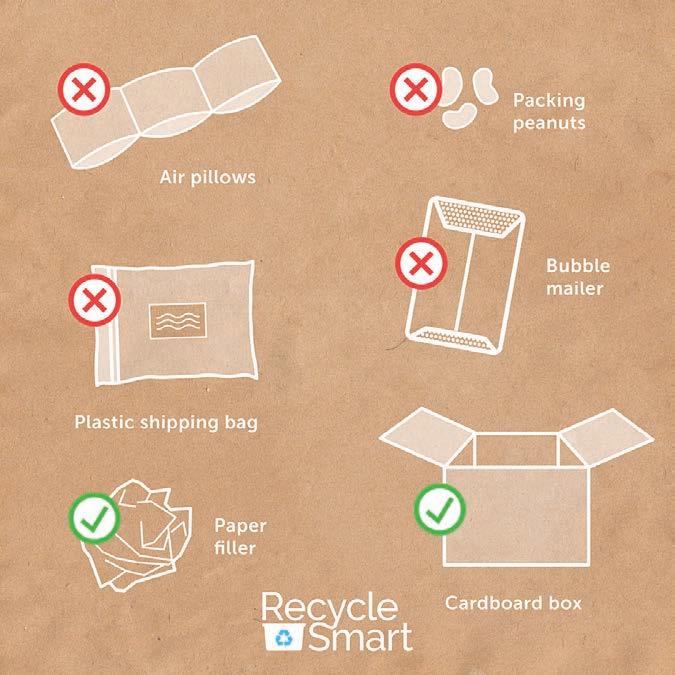
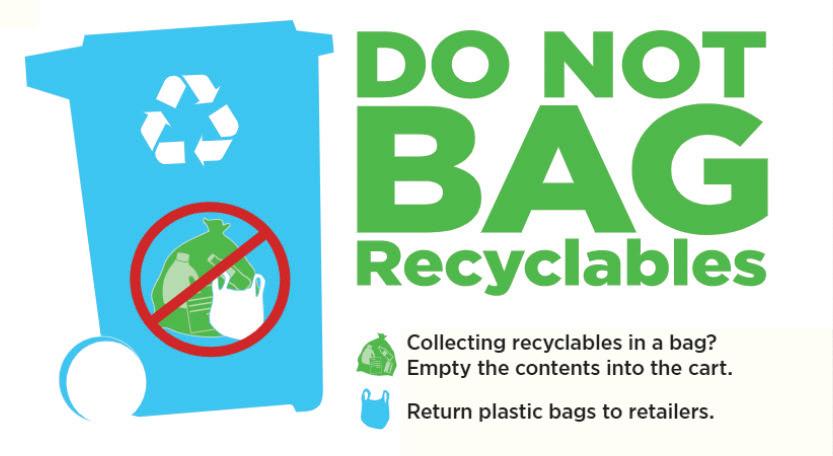
Su referencia para el reciclaje en Massachusetts
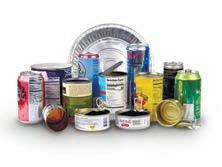
Latas de comida y bebida vaciar y enjuagar
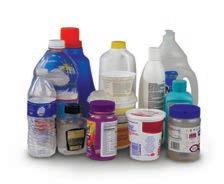
Botellas, frascos, jarras y tarrinas vaciar y reemplazar la tapa
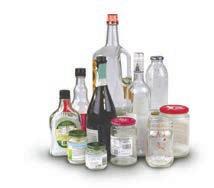
Botellas y frascos vaciar y enjuagar


AN INITIATIVE OF THE MASSACHUSETTS DEPARTMENT OF ENVIRONMENTAL PROTECTION
Papel y cartón
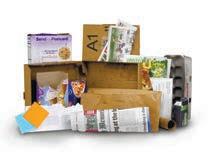
Papel mixto, papel periódico, revistas, cajas vaciar y aplastar





No bolsas de plástico
No meter los materiales reciclables en bolsas



No ropa ni sábanas usar programas de donación
Recyclopedia: ¿Puedo reciclarlo?
Escribir el nombre del artículo (p.ej. botella) Buscar
Usar nuestro buscador en línea en: RecycleSmartMA.org




No objetos peligrosos no tanques de propano, pilas, jeringas y agujas, ni productos químicos



No enredadores no mangueras, cables, cadenas, o electrónicos


No comida ni líquidos vaciar todos los contenedores
Todos los programas de reciclaje en Massachusetts aceptan los artículos que se muestran arriba.
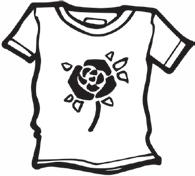









Can you find them all?
These items do not belong in the trash, but can be reused, recycled, or upcycled! Can you find them all in this picture? (Fun Tip: Color them in!)












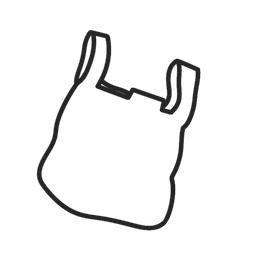


What other items do you think can be recycled, donated, or reused? Answers: Homework, glass bottle, boots, grill, carton, clock, luggage, soccer ball, sunglasses, pants







Municipal Transfer Stations and other drop-off locations may only be open to residents of that community; some require annual permits and “Pay As You Throw” trash bags. Fees may apply for some items. For more information, call your town’s contact number below. For definitions of abbreviations, see glossary below. For more information and materials listed below, see the “What Do I Do With … ? disposal listing in this guide.
413-743-8208106 Plunkett Reservoir Rd T
she eldma.gov/recycling-and-solid-waste
Station 413-717-89091 W. Stockbridge Rd M - F 7:30 - 3:30, Sat 7:30 - 2:30 Dropo
TYRINGHAM(413) 243-1749 X108 27 Monterey RdW 12 - 4, Sat & Sun 8 - 12Dropo
WASHINGTONTown Hall 413-623-8878443 S. Washington State Rd.Sat 8 - 4, W 5 - 8Dropo
WEST STOCKBRIDGETransfer Station 413-232-0307Day Farm Rd T &10-6, Sat 8-6Dropo
WILLIAMSTOWNNBSWMD 413-743-8208 671 Simonds RdT thru F 7:30 - 3:30, Sat 7 - 3Dropo
WINDSORNBSWMD 413-743-8208 1890 Route 9W 6 - 7:45 pm, Sat 8 - 12:45Dropo
Key/Glossary of Terms:
NBSWMD Residents may participate in collection events organized by the Northern Berkshire Solid Waste Management District (contact the District for details)
Tri-Town Municipality has arranged for residents to participate in the Tri-Town Health Department’s hazardous waste collection events (held twice annually)
B Municipality has arranged for curbside mattress collection
B+ Municipality has arranged for curbside mattress collection AND accepts mattresses at the transfer station
C Contact your municipality or District (via website, email, or phone) for details
E Safe disposal available for residents via annual collection event(s) (contact municipality for details)
S Disposal services have been arranged for residents at a neighboring facility (shared--contact municipality for details)
Household products with labels warning Danger, Flammable, Poison, Toxic, Caution, and “Keep out of reach of children and pets” require special handling and disposal. Safe disposal options available to Berkshire residents are listed below. Never pour hazardous products on the ground, down a drain or toilet, or place a partially full container of material in a trash or recycling bin. The products can create chemical reactions, toxic fumes, and harm pets, wildlife, water sources, and the environment, and need to be disposed of by professionals who understand their chemical properties. Completely empty hazardous material containers may be placed in the trash; do not recycle them.
WHAT KINDS OF THINGS REQUIRE SPECIAL DISPOSAL?
See the table below for a list of household hazardous waste (HHW) products commonly accepted during collection events. Always review participation instructions carefully, as some hazardous products are not accepted at HHW collection events. Typically excluded are latex paint, motor oil, medicine and medical waste (including needles), batteries,
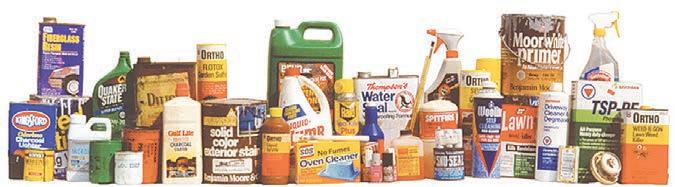
asbestos, fireworks & explosives, ammunition, construction debris, propane/gas tanks, smoke detectors, radioactive material, fire extinguishers, PCBs, and electronics. Fluorescent lamps are also often excluded. Contact your municipality’s Public Health or Fire Department If you need disposal assistance with these materials.
Access to HHW collection events in Berkshire County varies based on the municipality. Please note that (unfortunately) some area HHW collections occurred immediately before the publication date of this annual guide.
• The Tri-Town Health Department coordinates two regional household hazardous waste collections
FROM YOUR YARD
Flea powder
Fungicides
Herbicides
Insect sprays
Lighter fluid
Muriatic acid
No-pest strips
Pesticides
Pool chemicals
Rodent killers
Root killers
FROM YOUR GARAGE
Antifreeze
Asphalt sealer
Brake fluid
Carburetor cleaner
Creosote sealer
Engine degreaser
Gas treatment
Gasoline
Kerosine
Radiator flusher
Refrigerants
Solvents
Transmission Fluid
Used motor oil
FROM YOUR WORKSHOP
Aerosol paint cans
Degreasers
Lead & oil-based paints
Paint thinners
Photo chemicals
Roofing tar
Rust inhibitors
Sealants
Solvents
Stains
Wood preservatives
Wood strippers
FROM YOUR HOME
Arts & crafts supplies
Batteries: button, lithium, & rechargeable
Chemistry kits
Drain cleaners
Fluorescent light bulbs
Furniture polish
Mercury thermometers
Mercury thermostats
Metal polish
Mothballs
Oven cleaners
Spot remover
Toilet cleaners
Upholstery cleaner
annually (autumn and spring). Residents of area municipalities that contribute to the cost of holding the event may participate free of charge. The list of participating municipalities varies, so make sure that your municipality is a participant. Visit the Tri-Town website (lee.ma.us/ tri-town-health-department) and navigate to the Household Hazardous Waste webpage for more information. The 2024 autumn event was held on November 9.
• The North Berkshire Solid Waste
Management District holds an annual Household Hazardous Waste collection event for residents of its member municipalities each year in April. Advance registration is required. Visit the District’s website (nbswmd.com) to learn whether your municipality is a member.
• The City of Pittsfield holds an annual Household Hazardous Waste collection event for residents in October or November. Advance registration is required. Pittsfield’s 2024 event was held on November 2.
• There is a year-round hazardous materials collection site located in Westfield Massachusetts that is open to the public. Disposal fees are based on weight or quantity. Visit Northeast Disposal Technologies’ (NEDT) website (NEDT. org) for more information.
Oil-based paint and other coatings requiring a solvent for cleanup must be taken to a Household Hazardous Waste (HHW) collection for safe disposal, but latex paints and other water-based coatings that can be cleaned up with soap and water are rarely accepted at HHW collection events. Latex and acrylic paints can be placed in regular household trash only when all the paint in the can is completely dried. All home paint-hardening methods require drying time in a ventilated, covered, warm (over 60°F degree) location, out of reach of children and animals.
1) Purchase a packet of powdered paint hardener from your local hardware or paint store, and add the recommended amount into the container per instructions. Mix thoroughly with a paint stir stick. Approximate drying time = a few hours.
2) Thoroughly mix in clean kitty litter or Speedi-Dri® type granular absorbent until the consistency resembles thick oatmeal. Approximate drying
time = 3-7 days.
3) (Small quantities of paint only) Place a small, shallow, cardboard or shoe box with a tight bottom seal (no holes) on top of a thick layer of newspaper. Empty the paint into the box and let it dry completely. Approximate drying time = 3-7 days. Once the water=based paint is completely dry (not just a thick surface layer), you may place the uncovered container in your household trash. Metal lids and empty water-based paint cans may be added to a scrap metal recycling pile once residual paint has completely dried.