
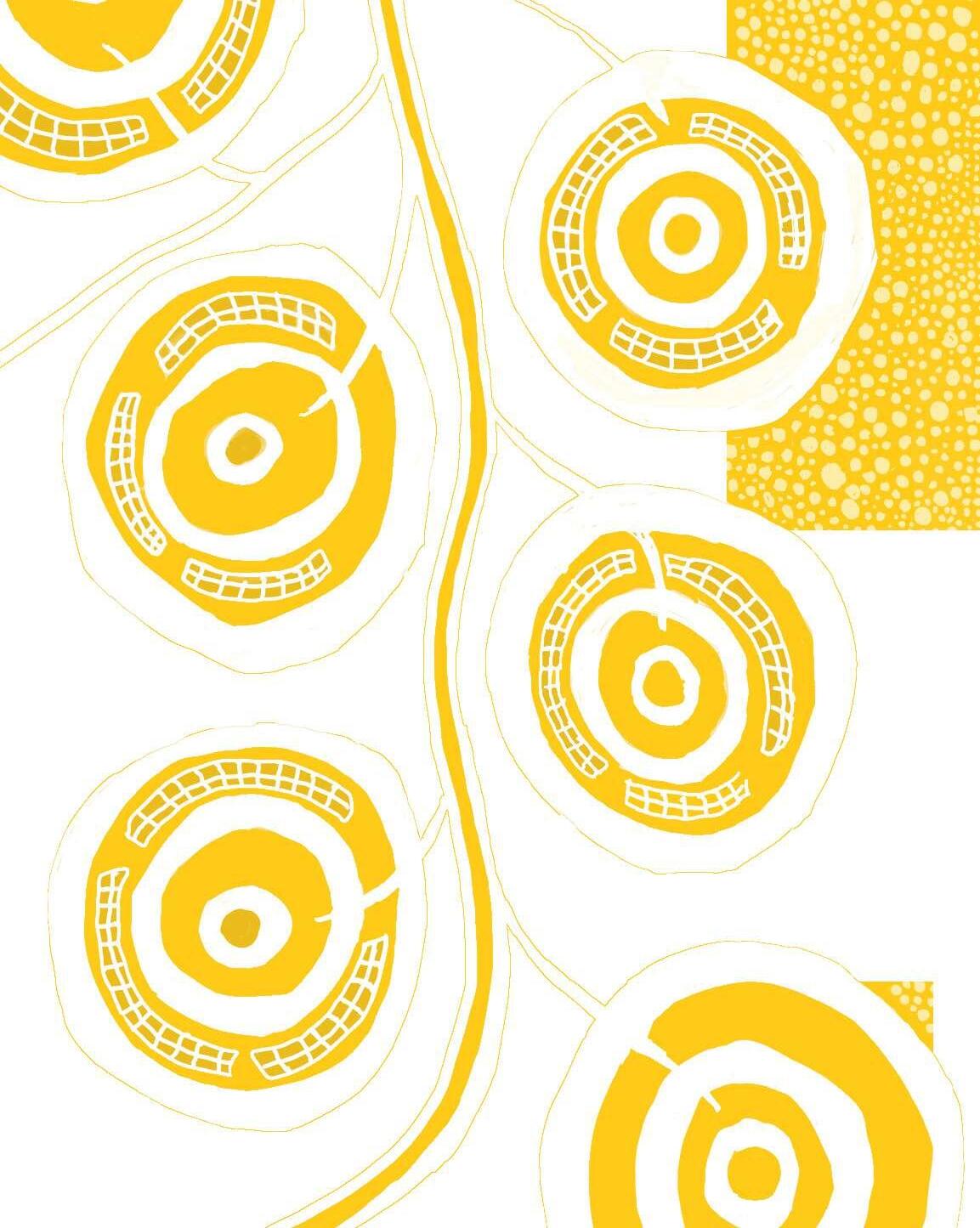
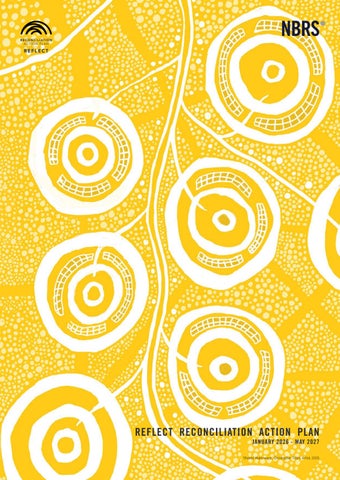
‘Shared Waterways’, Christopher Tobin, Artist, 2025
NBRS acknowledges the Traditional Owners of the Land on which we work on.
We pay our deepest respect to the Aboriginal and Torres Strait Islander
NBRS acknowledges the Traditional Owners of the Land on which we work on.
We pay our deepest respect to the Aboriginal and Torres Strait Islander
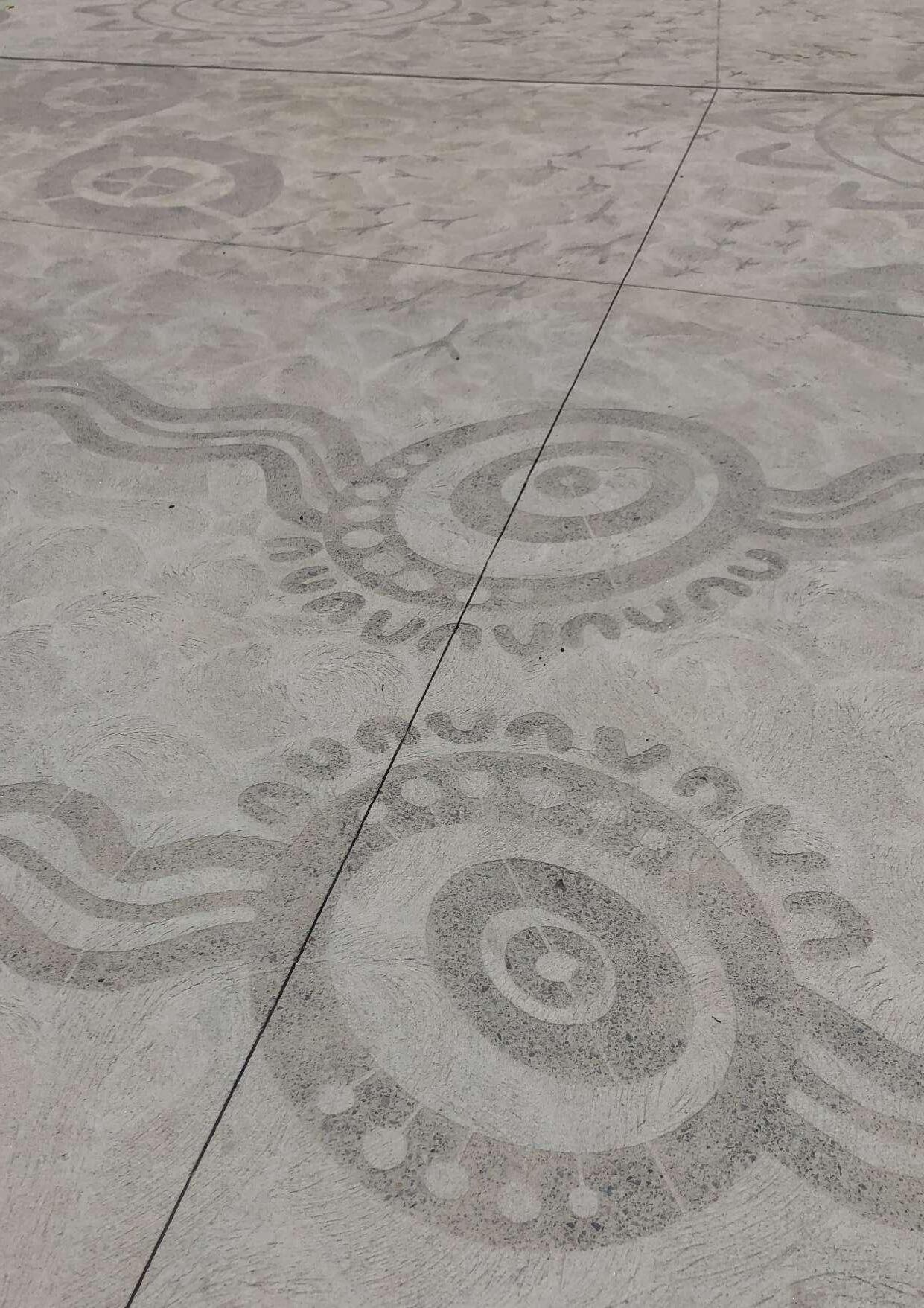
“THE GRID FIGURES REPRESENT THE MODERN APPROACH OF DIVVYNG OR SECTIONING OF THE COUNTRY INTO INDIVIDUAL LOTS, BUT WITHIN THE ‘SHAPE’ OF ABORIGINAL UNDERSTANDINGS OF COUNTRY”

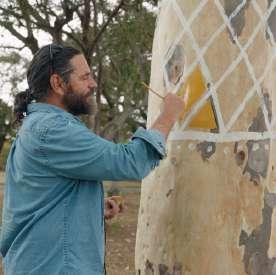
Chris is a Dharug man from Western Sydney. His people are the traditional custodians over much of the Greater Sydney area and descend from the original clans who lived in and enjoyed belonging to this Country when the British first arrived in 1788.
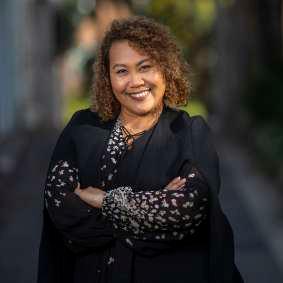

Reconciliation Australia welcomes NBRS+ Partners Pty Ltd to the Reconciliation Action Plan (RAP) program with the formal endorsement of its inaugural Reflect RAP.
NBRS+ Partners Pty Ltd joins a network of more than 3,000 corporate, government, and not-for-profit organisations that have made a formal commitment to reconciliation through the RAP program.
This artwork ‘Shared Waterways’ envisages modern practices of settlement formed around Aboriginal values and understandings of Country. The shared waterways acknowledging our connection and collective responsibilities. The artwork represents the aspirations of many Aboriginal and non-Aboriginal people who work for the health and wellbeing of Country (which includes us), for contemporary living and development to start to take their cue from Country and that future developments begin to listen to Country first and work around or within what she needs to keep healthy.

Since 2006, RAPs have provided a framework for organisations to leverage their structures and diverse spheres of influence to support the national reconciliation movement. The program’s potential for impact is greater than ever, with close to 3 million people now working or studying in an organisation with a RAP.
The four RAP types — Reflect, Innovate, Stretch and Elevate — allow RAP partners to continuously develop and strengthen reconciliation commitments in new ways.
This Reflect RAP will lay the foundations, priming the workplace for future RAPs and reconciliation initiatives.
The RAP program’s strength is its framework of relationships, respect, and opportunities, allowing
an organisation to strategically set its reconciliation commitments in line with its own business objectives, for the most effective outcomes.
These outcomes contribute towards the five dimensions of reconciliation: race relations; equality and equity; institutional integrity; unity; and historical acceptance.
It is critical to not only uphold all five dimensions of reconciliation, but also increase awareness of Aboriginal and Torres Strait Islander cultures, histories, knowledge, and leadership across all sectors of Australian society.
This Reflect RAP enables NBRS+ Partners Pty Ltd to deepen its understanding of its sphere of influence and the unique contribution it can make to lead progress across the five dimensions. Getting these first steps right will ensure the sustainability of future RAPs and reconciliation initiatives, and provide meaningful impact toward Australia’s reconciliation journey.
Congratulations NBRS+ Partners Pty Ltd, welcome to
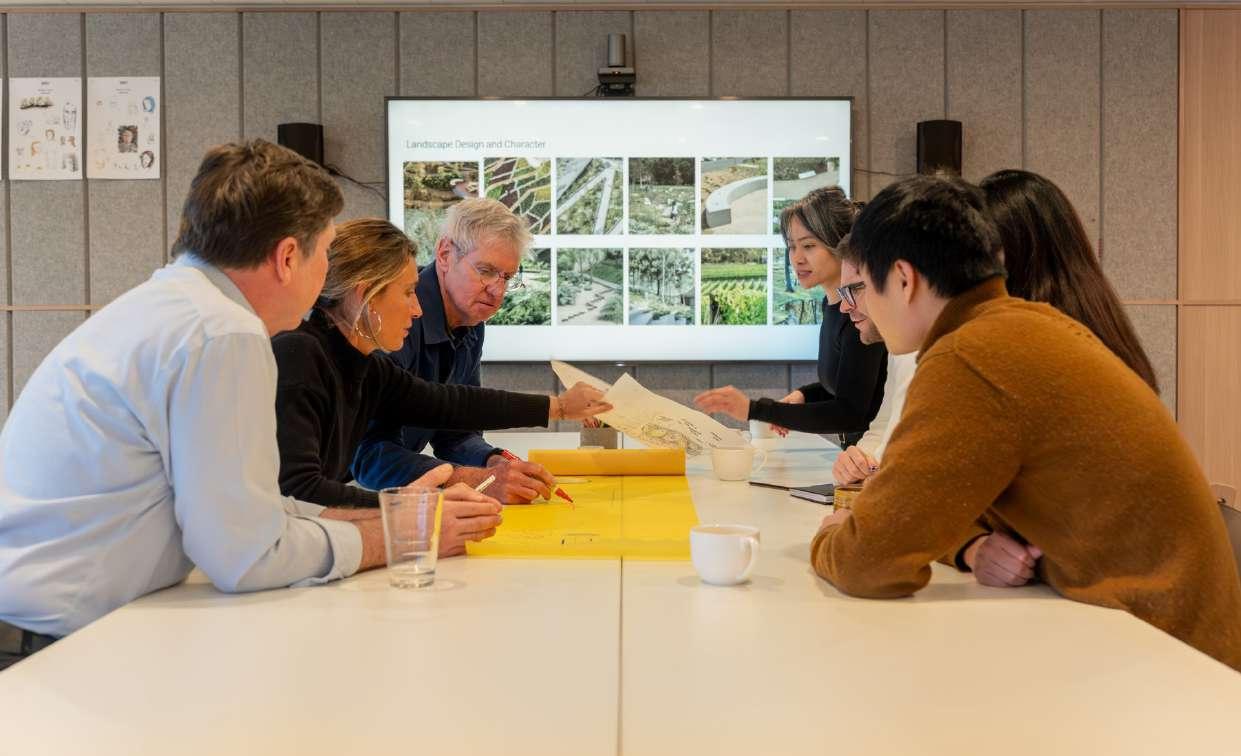
Established in 1968, NBRS is a multi-disciplinary design practice of approximately 80 people, working across studios on Cammeraygal Country (Sydney); and Wurundjeri Woi-wurrung Country (Melbourne); for clients throughout Australia. As a practice, we aim to improve the lives of communities we work with.
Designing places which aim to positively impact people’s lives comes with an inherent social & environmental responsibility. This manifests itself through a process of consultation and community engagement for each of our projects, enabling us to deeply understand and respect the places and Country of our projects.
Our studios span the disciplines of Architecture, Heritage, Landscape Architecture, and Interior Design, across the expertise areas of Education, Community, Secure Spaces and Wellness. The diversity of our expertise and disciplines has enabled us to provide holistic design services for both public and private sector clients, working with complex project teams to develop award winning facilities.



At NBRS we create life-changing environments for the people, communities and institutions we serve. Our user-centric, social architecture design skills help us to explore and positively transform the social and cultural forces which shape people’s lives.
For NBRS, design is the core of our practice. Our focus on thought leadership is an intentional journey to discover real insights; To do this we are committed to investing in the discovery of new concepts and applying these insights to guide our design thinking and solutions.
Through our ongoing investment in thought leadership, we believe that NBRS contributes to long-term and meaningful creative partnerships with clients, consultants and stakeholders. It is these creative partnerships which help to shape our communities and create life-changing environments.

change, and that we have a responsibility to use our skills and expertise to contribute to the ongoing process of reconciliation in Australia. By developing a Reconciliation Action Plan (RAP), we aim to embed reconciliation into our design processes, and to ensure that our work is respectful, inclusive, and reflective of the needs and aspirations of Aboriginal and Torres Strait Islander peoples.
NBRS is committed to ensuring that our Reconciliation Action Plan (RAP) is implemented to support the company and its clients on its reconciliation journey. To achieve our goals, we intend to take a comprehensive and collaborative approach that involves all levels of our organisation and engages with external cultural knowledge holders and communities. Currently, NBRS has no known staff that identify as Aboriginal and Torres Strait Islander peoples, however, we will work within this RAP to understand how we can collaborate with Aboriginal and Torres Strait Islander organisations and embed a First Nations perspectives in our organisation.


A dedicated RAP Working Group, championed by Andrew Duffin, Director of Design will oversee the development, implementation, and monitoring of the RAP, and provide guidance and support to staff.
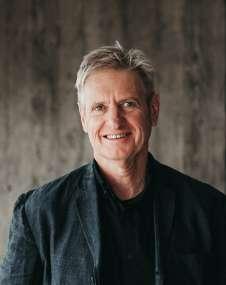
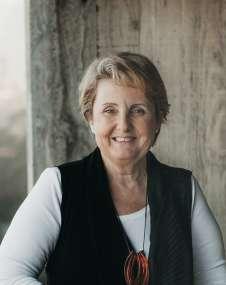



Our approach to implementing the RAP will include the following key elements:
• Providing cultural competency training and awareness programs to our staff to increase their understanding of Aboriginal and Torres Strait Islander cultures, histories, and perspectives.
• Embedding reconciliation principles and practices into our design processes and project delivery, including the use of First Nations design principles where appropriate, and ensuring that our projects are culturally responsive and respectful.
(Government Architect NSW (GANSW) Connecting with Country Framework)
• Developing partnerships and collaborations with Aboriginal and Torres Strait Islander organisations and businesses and exploring opportunities for joint ventures and community-led projects.
• Regular monitoring and reporting on the progress of our RAP, and ongoing review and evaluation to ensure that it remains relevant and effective.
By implementing these actions, we aim to foster a workplace culture that values and respects Aboriginal and Torres Strait Islander peoples and cultures, and to contribute to the wider community’s efforts to promote reconciliation and social justice in Australia. We believe that by embedding reconciliation into our design processes and engaging with Traditional Owners and stakeholders, we can create spaces that are more meaningful, sustainable, and inclusive. Through our partnerships and collaborations with First Nations businesses, we hope to promote economic development and social empowerment, and to build lasting relationships based on mutual respect and understanding.
NBRS have always been dedicated to promoting social justice and sustainability through our work, we recognise that there is still more that can be done to acknowledge and support the goals of Aboriginal and Torres Strait Islander peoples.
In recent years, we have taken steps to deepen our understanding of First Nations cultures and histories, and we have increased our collaboration with First Nations communities and organisations through our projects. NBRS currently use the GANSW Connecting with Country Framework in our projects to incorporate towards Traditional Owners and Knowledge Holders, leading to the creation of spaces that are more meaningful and inclusive.
NBRS is committed to ongoing collaborations, to continue to improve our understanding of and communication with Aboriginal and Torres Strait Islander Knowledge Holders, stakeholders, Clients and Communities as part of our design process.
As NBRS has been working closely with communities using the GANSW Framework over many projects, private and public, in a range of sectors from Education, Health and Communities, we have a good understanding on the process. We have a number of projects that have been reviewed to discover lessons learnt for future projects and have stated sharing that knowledge within our organisation, as formal internal CPD training opportunities, meaning, as we continue to work with this framework, we will be able to work through the process more efficiently & create more meaningful spaces.
NBRS recognises that as a business, we are only just commencing our reconciliation journey. Part of that is educating our people on Australia’s rich cultural history. NBRS is committed to ongoing cultural competency and awareness training through First Nations organisations.

mutually beneficial relationships with Aboriginal and Torres Strait Islander Stakeholders and Organisations within our local office areas or sphere of influence.
2. Build relationships through celebrating National Reconciliation Week (NRW)
• Research best practice and principles that support partnerships with Aboriginal and Torres Strait Islander stakeholders and organisations.
• Meet with local Community members and organisations to explore opportunities for collaborative partnerships towards reconciliation January 2026
• Circulate Reconciliation Australia’s NRW resources and reconciliation materials to our staff.
• RAP Working Group members to participate in an external NRW event.
• Encourage staff and senior leaders to participate in at least one external event to recognise and celebrate NRW.
3. Promote reconciliation through our sphere of influence.
• Communicate our commitment to reconciliation to all staff through regular updates on policies, and actions at practice meetings and events
May 2026
Landscape Architect
Interior Designer
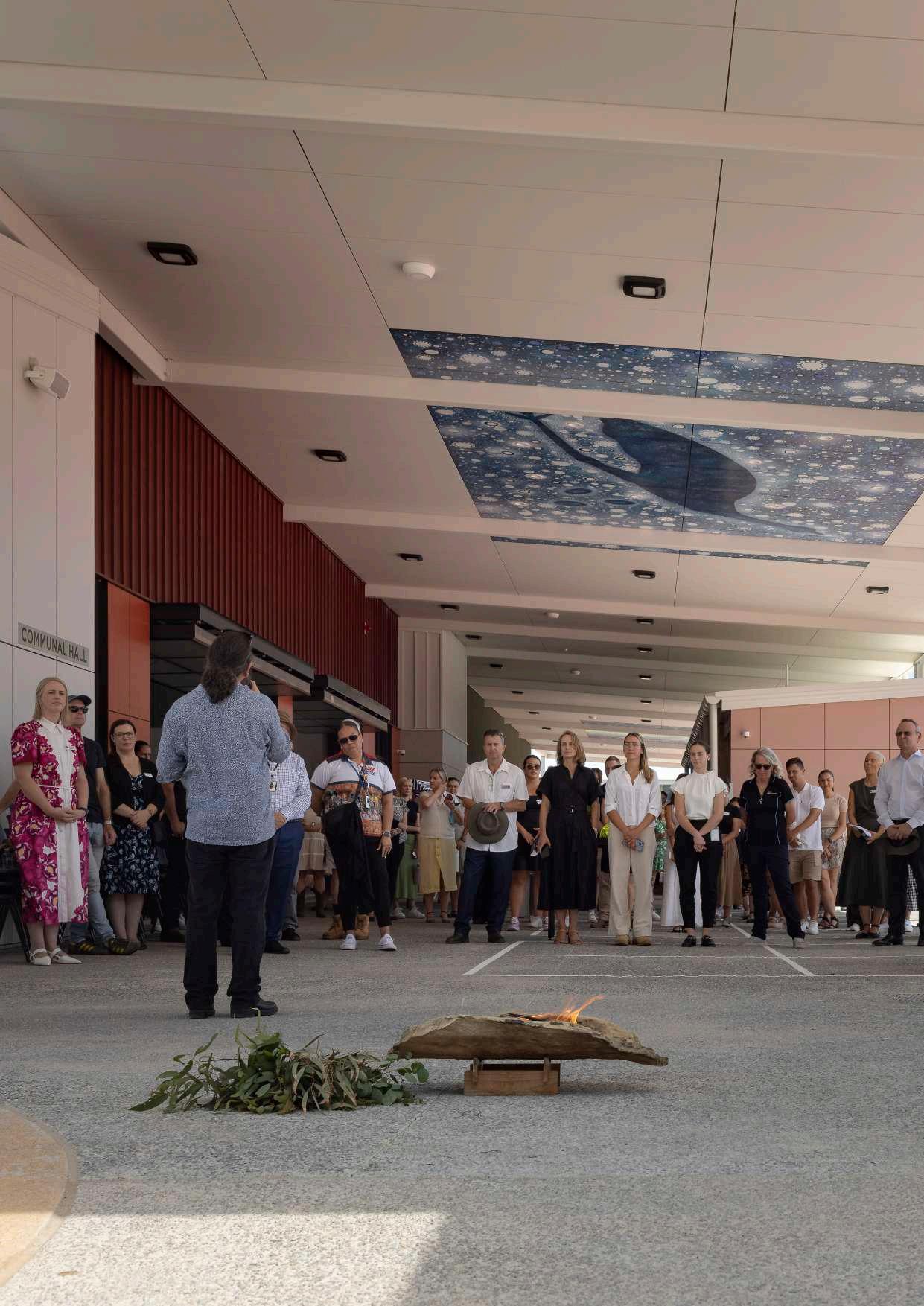
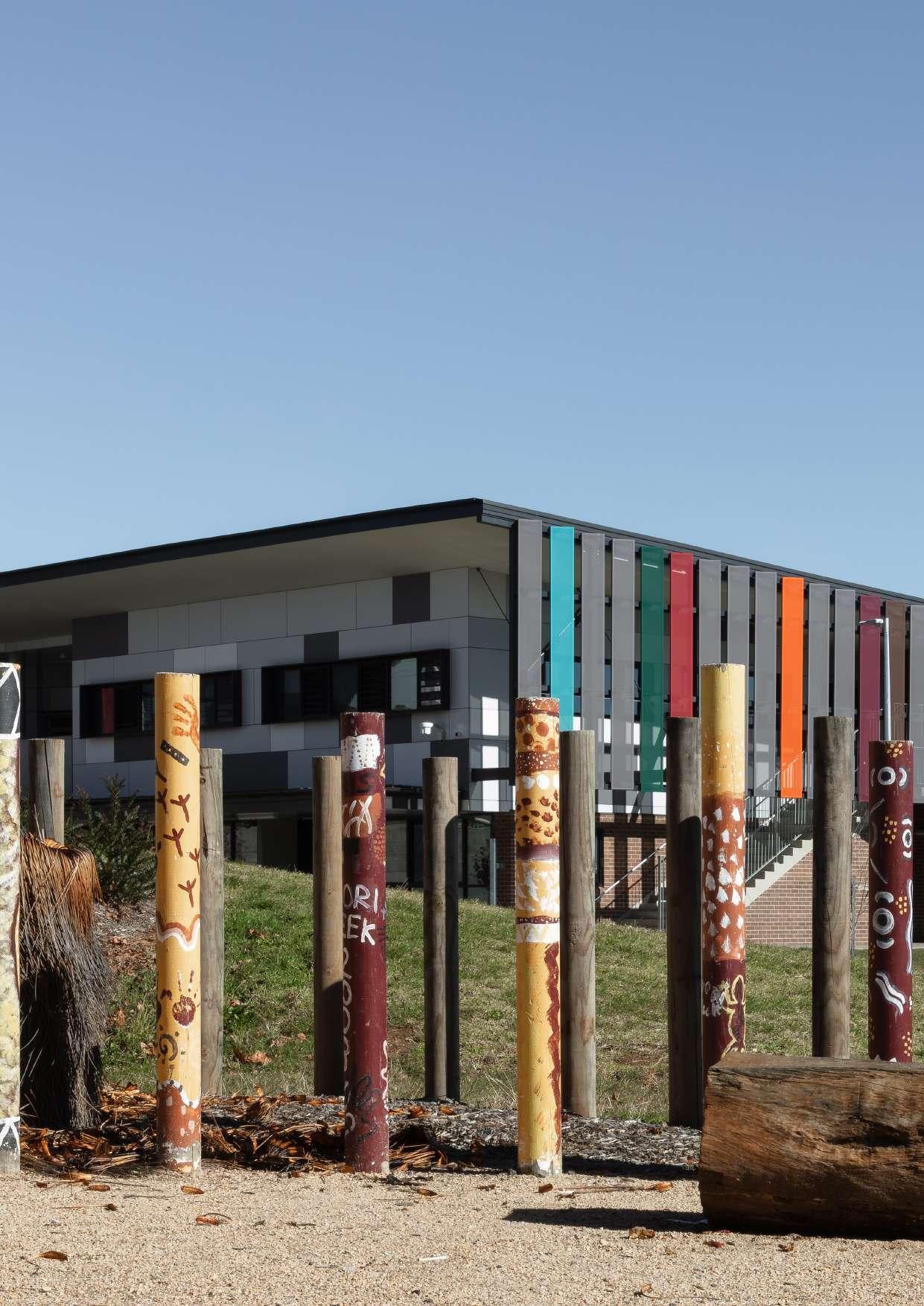
SMOKING CEREMONY BY LOCAL ELDER, CHRISTOPHER TOBIN ATTENDED BY COMMUNITY, CLIENT, CONSTRUCTION & DESIGN TEAM FOR THE OPENING OF THE SCHOOL.
4. Promote positive race relations through antidiscrimination strategies.
27 May3 June 2026
Landscape Architect
Interior Designer
RAP Working Group - ALL
27 May3 June 2026 Director of Design
Landscape Architect
Architect
January 2026 Director of Design
Board Chair
• Identify external stakeholders that our organisation can engage with on our reconciliation journey January 2026
• Identify other like-minded organisations that we could approach to collaborate with who are at the same stage of their reconciliation journey.
• Research best practice and policies in areas of race relations and antidiscrimination.
• Conduct a review of HR policies and procedures to identify existing antidiscrimination provisions, and future needs to ensure our policies reflect best practice strategies for anti- discrimination.
Landscape Architect
Interior Designer
February 2026 Landscape Architect
Interior Designer
February 2026 Director of Practice
recognition of Aboriginal and Torres Strait Islander cultures, histories, knowledge and rights through cultural learning.
6. Demonstrate respect to Aboriginal and Torres Strait Islander peoples by observing cultural protocols.
of Aboriginal and Torres Strait Islander cultures, histories, knowledge and rights within our organisation.
• Conduct a review of cultural learning needs within our organisation that can underpin future planning for training and development programs across the organisation.
• Develop an understanding of the local Traditional Owners or Custodians of the lands and waters within our organisation’s operational area
• Increase staff’s understanding of the purpose and significance behind cultural protocols, including Acknowledgement of Country and Welcome to Country protocols.
7. Build respect for Aboriginal and Torres Strait Islander cultures and histories by celebrating NAIDOC Week.
• Raise awareness and share information amongst our staff about the meaning of NAIDOC Week.
February 2026 Architect
Landscape Architect
Interior Designer
May 2026
Architect
Landscape Architect
January 2026
Architect
Landscape Architect
July 2026
Architect
Landscape Architect
• Introduce our staff to NAIDOC Week by promoting external events in our local area. July 2026
• RAP Working Group to participate in an external NAIDOC Week event.
Landscape Architect
outcomes by increasing Aboriginal and Torres Strait Islander recruitment, retention and professional development. organisation.
9. Increase Aboriginal and Torres Strait Islander supplier diversity to support improved economic and social outcomes.
10. Improve design outcomes through better processes for Country focused or Connecting with Country research and Consultation.
• Build understanding of current Aboriginal and Torres Strait Islander staffing to inform future employment and professional development opportunities. April 2026
• Develop a guideline for procurement from Aboriginal and Torres Strait Islander owned businesses.
August 2026
• Investigate Supply Nation membership. December 2026
• Develop a guideline for design development process to ensure best practice in Connecting with Country and Country-centred design is embedded in all NBRS projects.
April 2026
Working Group (RWG) to drive governance of the RAP.
12. Provide appropriate support for effective implementation of RAP commitments.
• Draft a Terms of Reference for the RWG. January 2026
• Define resource needs for RAP implementation.
• Engage senior leaders in the delivery of RAP commitments.
of Design
January 2026
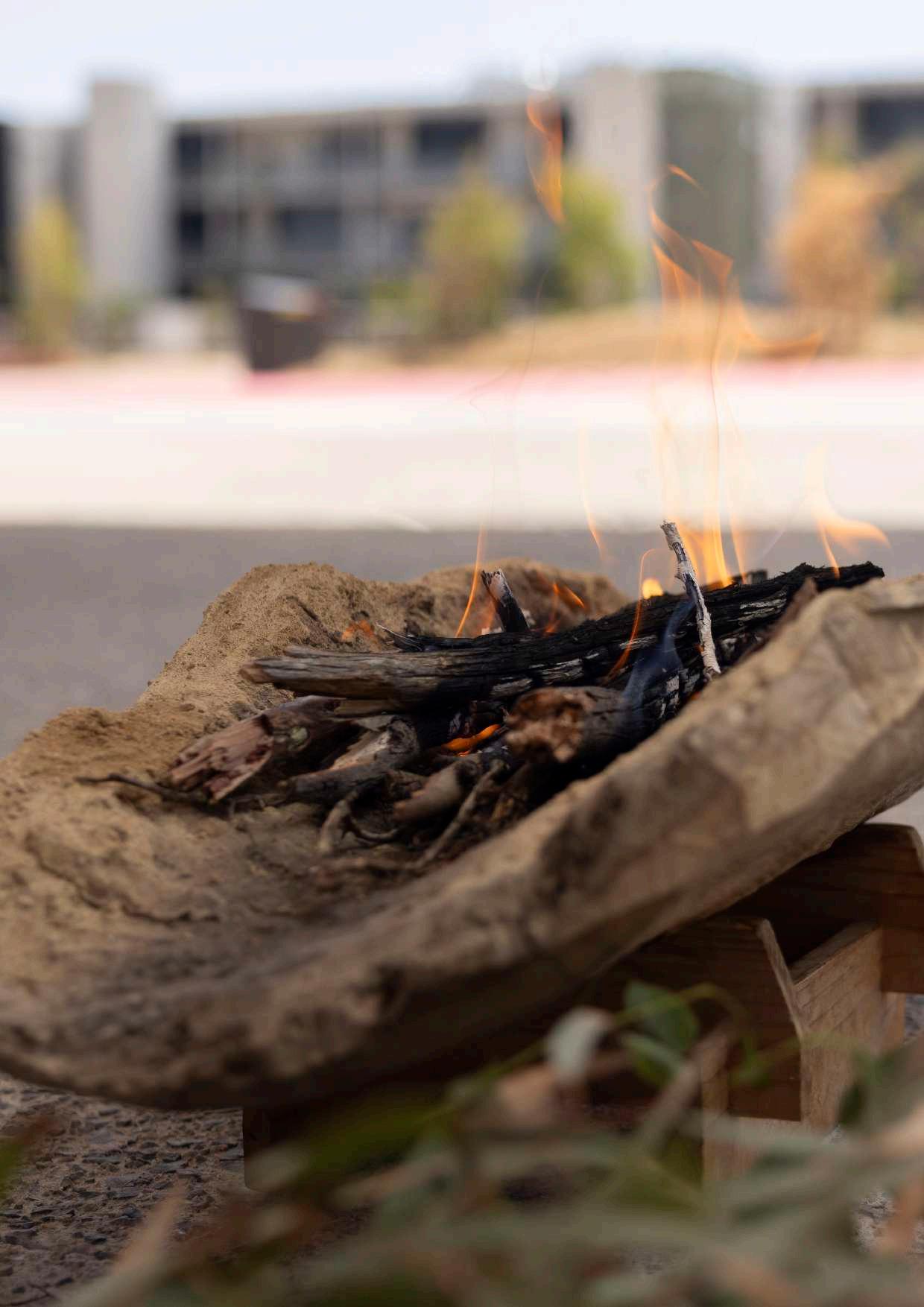
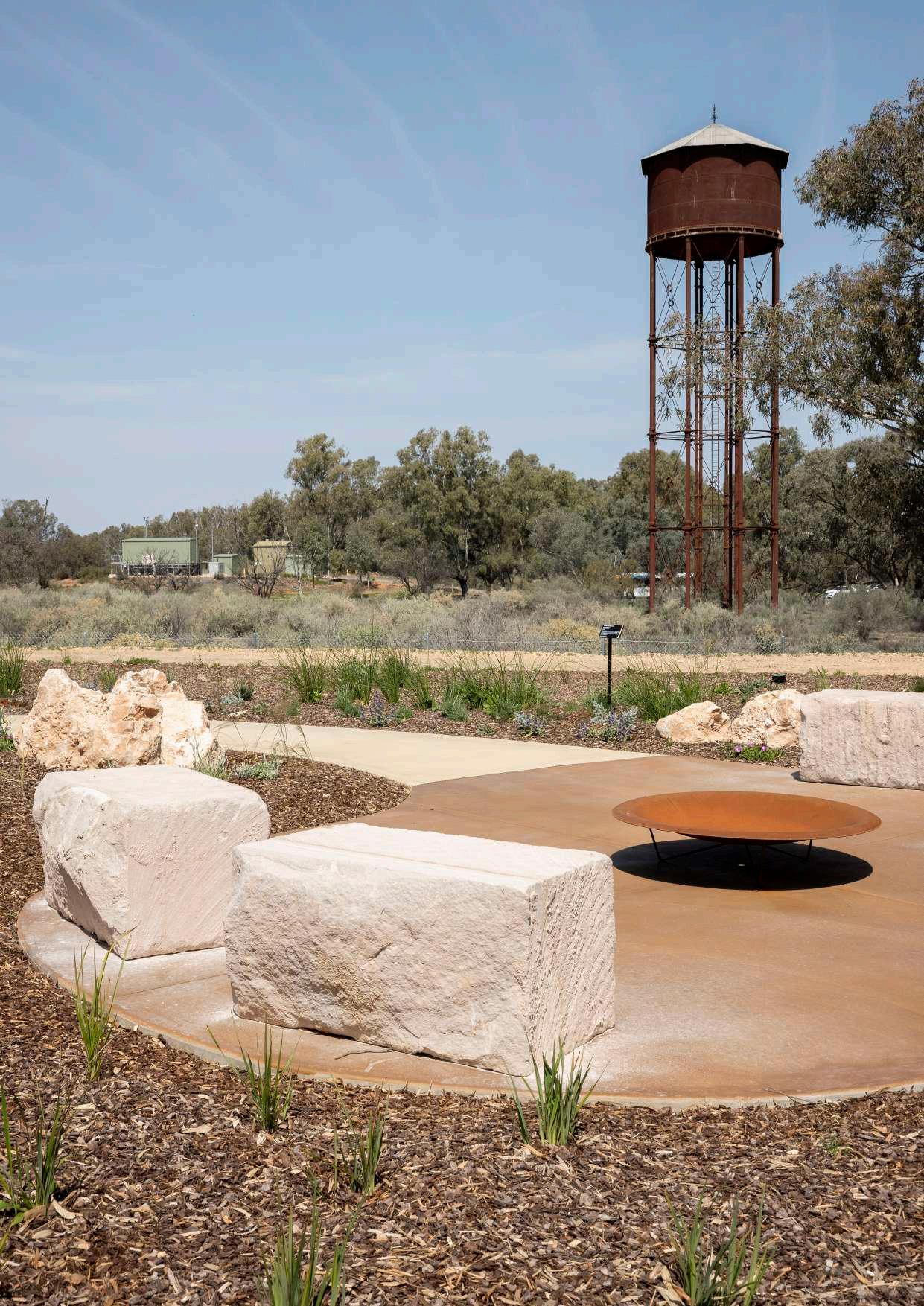
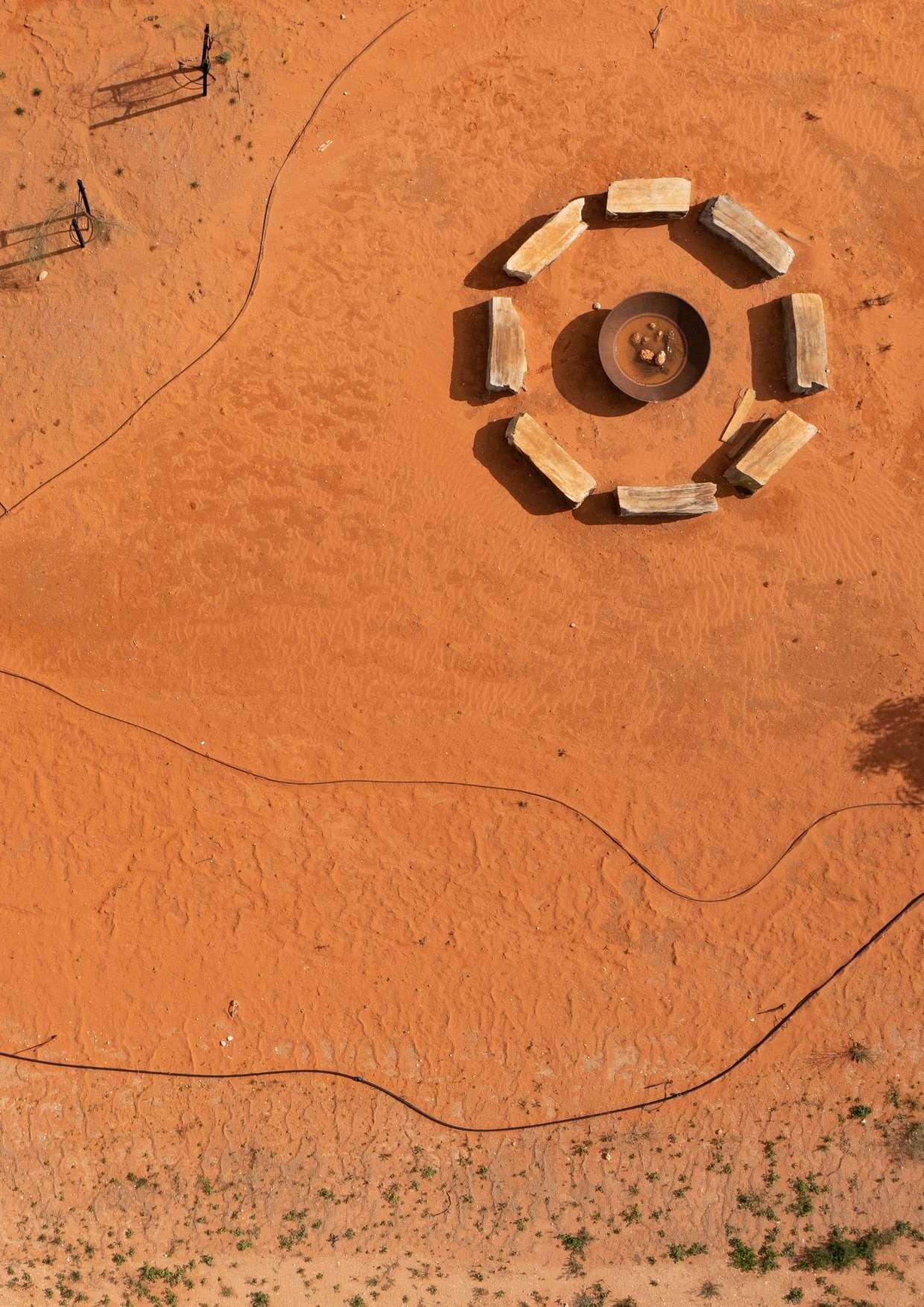
NBRS DESIGNED LANDSCAPE AFTER CONNECTING WITH COUNTRY (CWC) INPUT. YARNING CIRCLES AROUND THE FIRE PIT AFTER CONSULTATION WITH THE LOCAL COMMUNITY THROUGHOUT THE DESIGN PROCESS.
13. Build accountability and transparency through reporting RAP achievements, challenges and learnings both internally and externally.
June 2026
• Appoint a senior leader to champion our RAP internally. January 2026
• Define appropriate systems and capability to track, measure and report on RAP commitments. June 2026
• Contact Reconciliation Australia to verify that our primary and secondary contact details are up to date, to ensure we do not miss out on important RAP correspondence.
June 2026
Chair Director of Design RAP Working Group
of Design
of Design
14. Continue our reconciliation journey by developing our next RAP.
• Contact Reconciliation Australia to request our unique link, to access the online RAP Impact Survey. July 2026
• Complete and submit the annual RAP Impact Survey to Reconciliation Australia.
• Register via Reconciliation Australia’s website to begin developing our next RAP.
2026
May 2027
of Design Board Chair
of Design
Sydney | Gadigal peoples of the Eora Nation 4 Glen Street, Milsons Point NSW 2061 +61 2 9922 2344
Melbourne | Wurundjeri Woi-Wurrung peoples of the Kulin Nation Suite 401, 325 Flinders Lane, Melbourne VIC 3000 +61 3 9118 0000
ABN
16 002 247 565
Nominated Architect
Andrew Duffin FRAIA | NSW 5602
CONTACT
DETAILS :
RAP WORKING GROUP CONVENER
Melanie Karaca
Melanie.Karaca@nbrs.com.au
architects@nbrs.com.au
RAP WORKING GROUP : DIRECTOR OF DESIGN
Andrew Duffin FRAIA
DIRECTOR | CHAIR | HERITAGE
Samantha Polkinghorne
ARCHITECT | ASSOCIATE
Melanie Karaca
LANDSCAPE ARCHITECT | ASSOCIATE
Mengling Fu