

164
Survey responses (45% of all faith-based organisations in Tasmania)
284
C ommunity service activities
(addressing 13 of the greatest social needs)
209,057
People served in the past year (equivalent to 38% of the population of Tasmania)
$70,841,878
Social impact value (to the State of Tasmania each year)

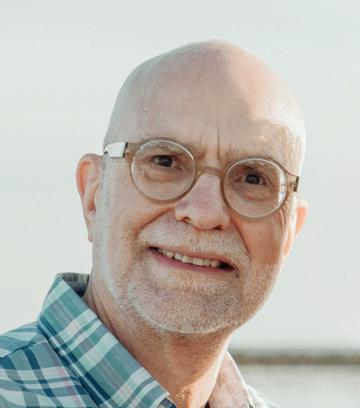
STEPHEN L BAXTER | Chair, Tasmanian Parliamentary Prayer Breakfast
“I believe this NAYBA Impact Audit is a gift to the people of our wonderful island. Together, the Tasmanian faith community has sought to measure its collective social impact for the first time in history. With a scope that includes the entire state, not just the major population centres, this report puts a monetary value on the time and resources given by those dedicated to serving people in need. What it reveals is the significant and critical work done by thousands of volunteers and staff; demonstrating how, in very practical ways, a life of faith can indeed be a force for good for all.”
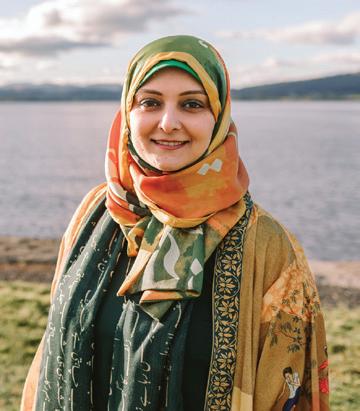
AIMEN JAFRI | Chair, Multicultural Council of Tasmania
“Faith-based organisations serve as a dynamic force within numerous communities, particularly in the multicultural and migrant space. They act as a cohesive elementestablishing communal spaces where individuals can gather, fostering a sense of unity, and providing a haven where people from diverse backgrounds can feel secure. This report highlights the significant impact and commendable work of people of faith, whose efforts extend beyond religious activities to address social issues and support vulnerable populations. It underscores the crucial role that faith-based organisations play as catalysts for positive change across our state.”

JOHN KAMARA | 2023 TAS Australian of the Year
“Faith-based groups serve with humility and selflessness. They value everyone for who they are, seek to meet people’s basic physical needs and help give individuals a sense of safety and belonging. They do this as an expression of their faith and the belief that God loves every person, regardless of race, language, culture, gender, age or religion. As the 2023 Tasmania Australian of the Year, I fully support the efforts of everyone invested spiritually and practically in the lives of all Tasmanians. I thank them for making a difference to so many and I also congratulate the NAYBA team for this outstanding report.”

DERRICK CLACK | C hair, Olive Road
“Communities of faith believe that God intended all people to live abundant and dignified lives, and to be treated as people of immense value. Too many Tasmanians are confronted daily by barriers that prevent them and their families from living healthy, whole and productive lives. Faith communities play a significant and ever-present role in addressing these barriers. The tireless work of faith communities and faith-based organisations to provide genuine concern, hope and assistance to vulnerable Tasmanians and families should be celebrated. The NAYBA Impact Audit, as a deeper expression of the value of this care, provides the centrepiece for such a celebration.”

ANDREW SYPKES | Chair, Tasmanian Christian Fund
“The church in Tasmania is alive and active! This report showcases just how impressively active, with a diverse contribution across a myriad of local communities. This work often goes unnoticed – except by those who directly experience it – and so it’s a landmark occasion to see it celebrated collectively. Jesus modelled service and sacrifice for others, especially for the vulnerable, the disadvantaged and the overlooked, and I’m personally very encouraged to see His church in Tasmania following His example each and every day.”
It’s with the greatest delight that we present the results of the NAYBA Impact Audit for Tasmania – the first statewide audit of its kind to ever be conducted in Australia.
We acknowledge the Aboriginal people of lutruwita / trouwunna as the traditional owners and custodians of the land, waters, and sea that comprise what is now known as Tasmania. We pay our respects to the Elders past, present and emerging. We also recognise the severe mistreatment that has characterised much of the historical relationship with Indigenous peoples in this part of the nation, and express our hope and belief that the faith community can play a significant role in the journey to reconciliation in Tassie and beyond.
Over the past year, the NAYBA team has been privileged to spend significant time on the ground in various parts of the state. We’ve witnessed the rolling hills and glistening waters of the North West Coast; the winding roads and towering trees of the North East; the iconic sight of kunanyi/Mt Wellington as it pierces through the clouds, watching over Hobart like a sentinel.
Yet, for all its natural beauty, Tasmania’s greatest asset is its people. We’ve met countless faith and civic leaders who share a deep love for this island and a genuine desire to see all of its inhabitants flourish. We’ve spoken with individuals who have overcome enormous challenges and are now selflessly seeking to help those in similar situations. We’ve heard stories of people doing it tough – some who’ve experienced the love and provision of others in their hour of need, and some who are still in need.
We believe the role of the faith community in Tasmania is absolutely critical. From small churches and places of worship in remote parts of the state through to large faith-based agencies and ministries in the major cities and towns, faith groups can and should serve to strengthen the ties that bind us, lift up those who are struggling, and offer hope to all.
The data herein represents the collective efforts of the Tassie faith community and includes the following impressive results:
• 164 survey responses, representing nearly half of all faith-based organisations in Tasmania
• 284 community services addressing 13 of the greatest social issues
• 200,000+ unique beneficiaries over the last year – equivalent to 38% of the Tasmanian population
• Over $70 million in social impact value to the State of Tasmania in the past 12 months alone
This report rightly offers the chance to reflect on and celebrate all of the wonderful work being done by people of faith. More importantly, however, it provides an opportunity for churches and faith groups to: come together in unity, combining the strength of their efforts and addressing gaps in service areas; open new conversations with government and other key stakeholders about what it looks like to positively transform local communities; and help lead the way in bringing love and hope to those who need it most.
We pray God’s blessing on every single Tasmanian and over all that is to come.
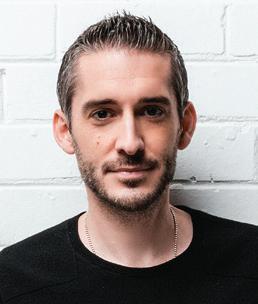
NIC MACKAY National Director NAYBA Australia
68,401 Square Kilometers

(45% of all faith-based organisations in Tasmania)
RESPONDENTS BY ORGANISATION TYPE
70% Places of worship (e.g. local church, mosque, synagogue)
6% Community care organisations (linked to places of worship)
10% Faith-based agencies
14% Other faith-based organisations
RESPONDENTS BY FAITH GROUP
97% Christian
15% Anglican
9% Baptist
2% Brethren
4% Catholic
3% Churches of Christ
1% Eastern Orthodox
13% Non-Denominational
2% Other/ Multi-Denominational
18% Pentecostal
9% Presbyterian & Reformed
3% Seventh Day Adventist
1% Salvation Army
18% Uniting Church
1% Buddhism
2% Other Religions / Multifaith
Sometimes dismissed as harmless banter, Tasmania’s northsouth divide has revealed itself to hold genuine consequences for many Tasmanians. This geographical rift, dating back to the earliest years of colonisation, has also been present within the faith community.
But one faith-based partnership is challenging the status quo and breaking down the barriers of division.
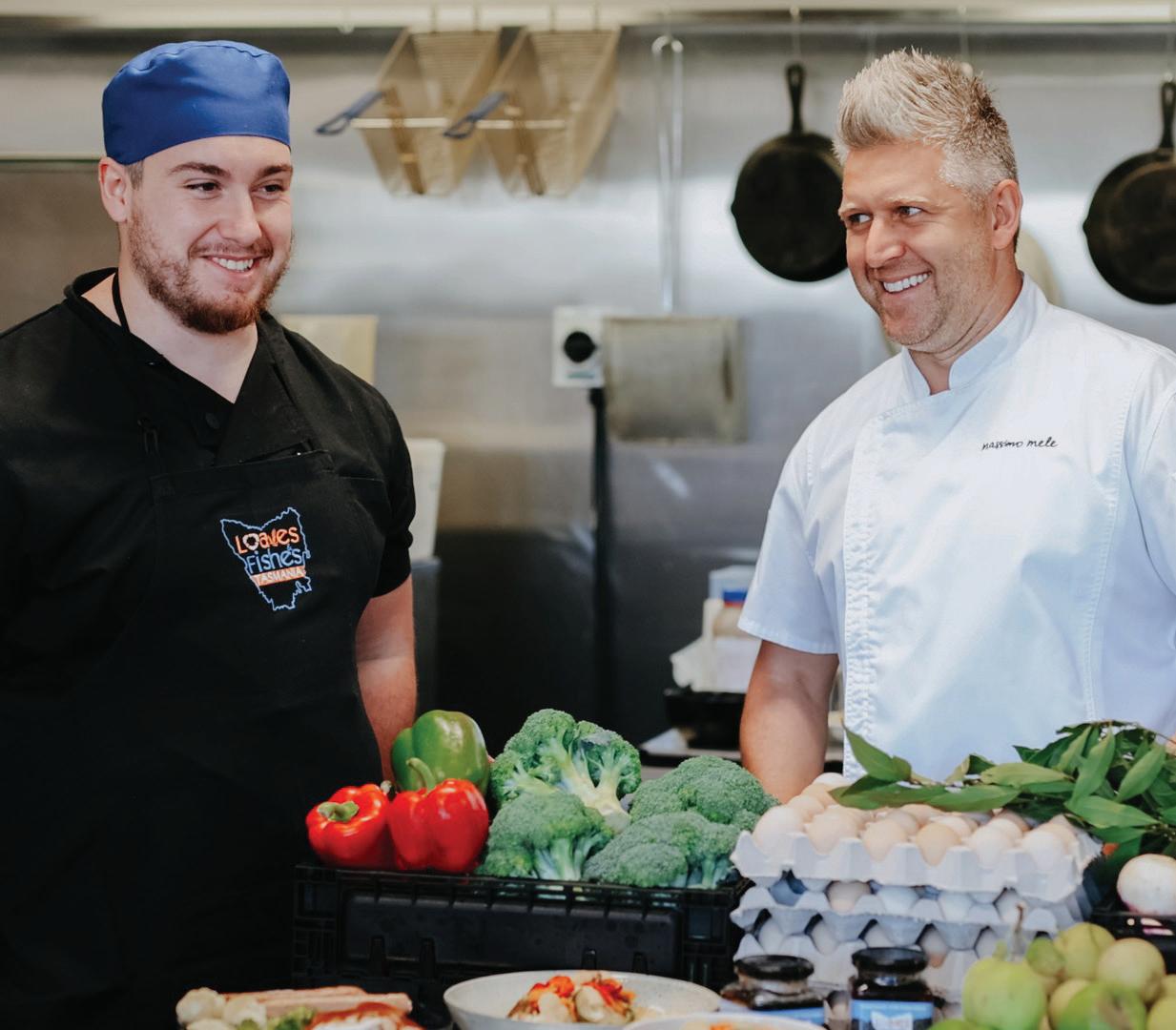
First established in Devonport, Loaves & Fishes has become a stalwart of the Tasmanian community services sector, providing essential food for people in need across the North and, increasingly, along the East and West Coast. Meanwhile, in the area of Clarence Plains, 15 minutes from Hobart CBD, Grace Church is a diverse community of believers who pride themselves on loving others – so much so that they purchased and refurbished the old Rokeby Tavern purely for the benefit of the wider community.
Recognising Loaves & Fishes’ need for additional space as well as the growing issue of food insecurity in Greater Hobart and beyond, these two ministries seized the opportunity to join forces, creating a bridge that now spans from the North to the South of the state.
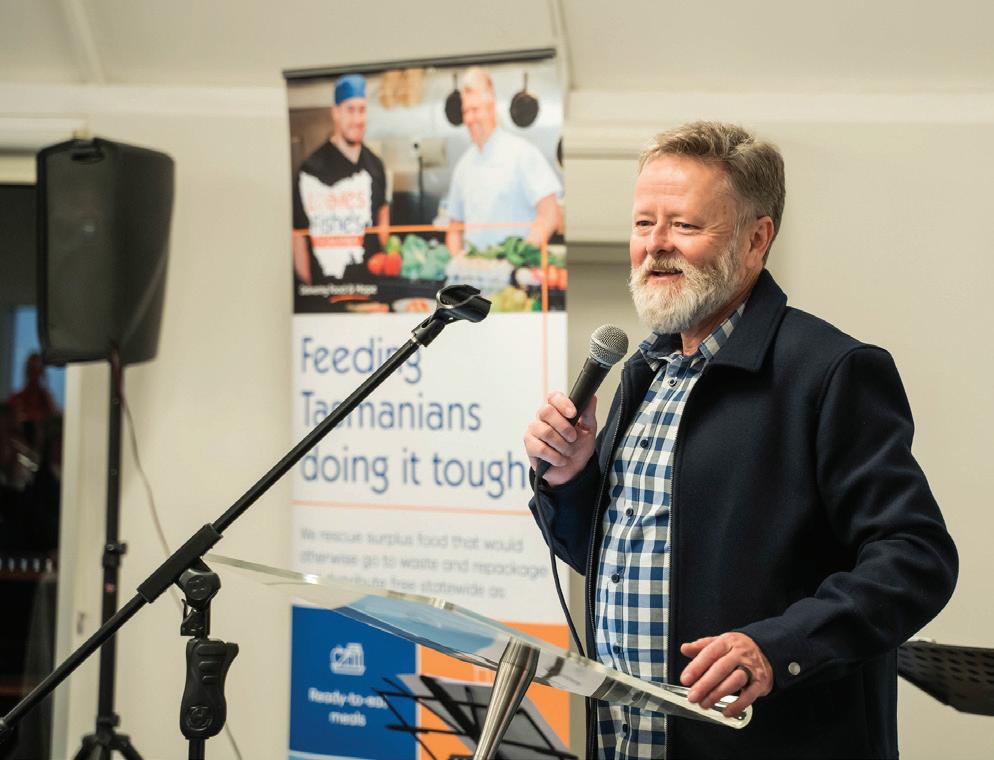
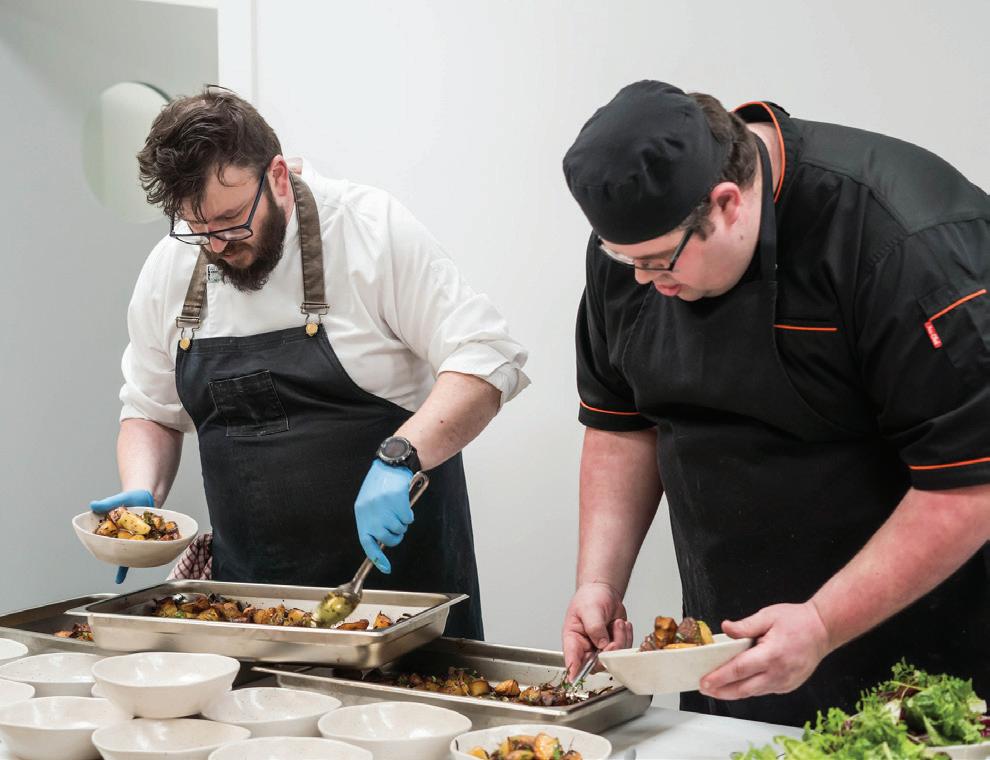
With funding from a range of Christian and secular sources, a full-scale commercial kitchen was built in what has become known as the “Grace Centre”. The Loaves & Fishes team are now using the kitchen to produce upwards of 2,000 meals a week for those doing it tough, as well as providing place-based traineeships for young people looking to get a start in the food production and hospitality industries.
Though still in its early stages, this partnership looks set to redefine what is possible when people and organisations come together across perceived boundaries and put the collective wellbeing of all Tasmanians at the forefront.
Ps. Dermot Cottuli, Senior Minister at Grace Church, believes that’s exactly what Christians are supposed to do:
“We want it to be about the people. We’re called to feed the hungry, give water to the thirsty, invite people into homes who need it. Love isn’t transactional, it’s free. The love of God is free.”
Embarking on a journey to a new land in pursuit of better opportunities can be a daunting experience, especially when it means leaving behind the familiar embrace of community.
For one young couple from Venezuela, their quest for a brighter future led them to Tasmania’s North West Coast, where the husband began his fly-in-fly-out (FIFO) career, leaving his wife alone with their newborn child. Isolated and without the support of friends or family, the wife grappled with loneliness. However, amidst the challenges, a warm invitation to Boat Harbour Church provided the ultimate opportunity for connection.
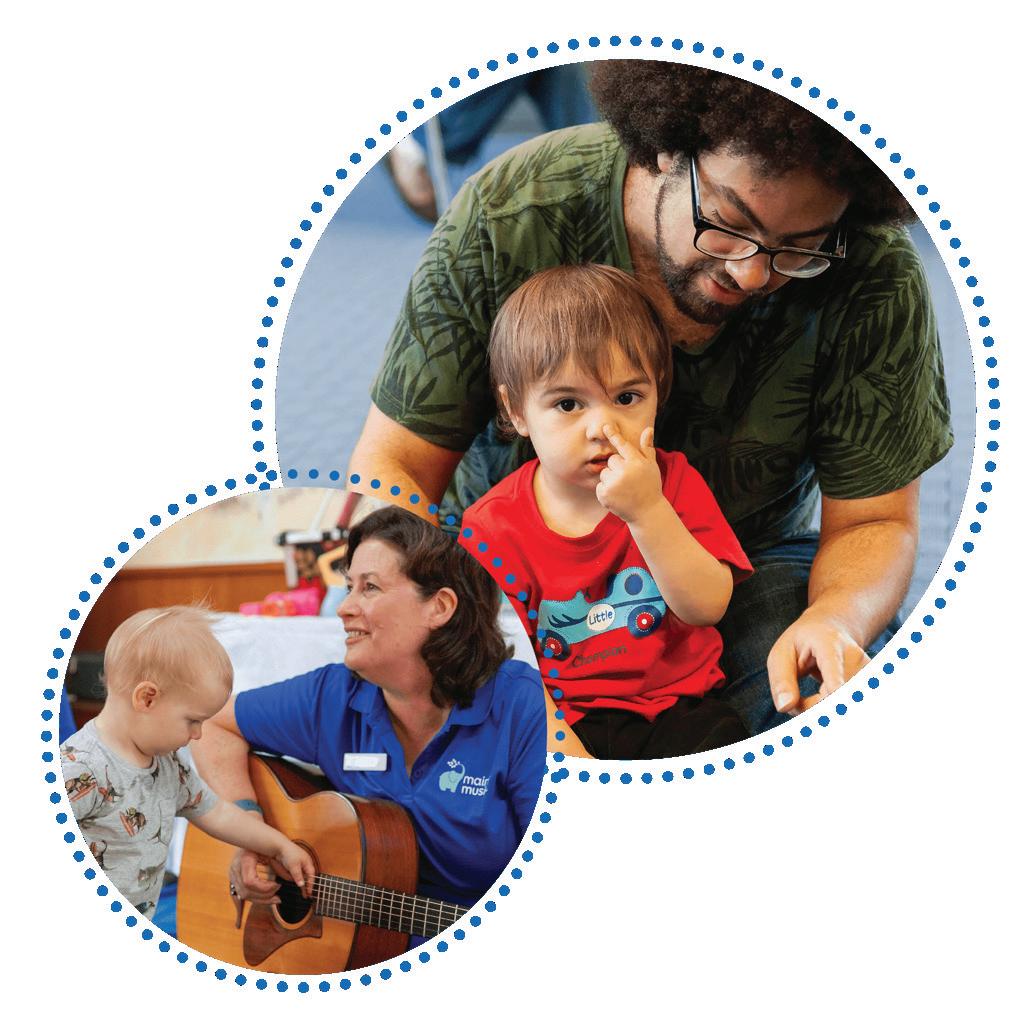
Like many churches across Tasmania, Boat Harbour delivers mainly music – a faith-based community initiative that offers a weekly playgroup for parents with young children, using music as a source of fun and development, whilst also fostering connection and relationship between families from across the wider community.
As Jo Hood, mainly music CEO & Founder puts it:
“Many young families crave engagement and a community of belonging. They want to spend time with others who understand what this crazy life is all about with its busyness and pressures! Above all, they’re looking for joy.”
As for hundreds of other women (and some men!) throughout Tassie, the opportunity to participate in mainly music became a turning point for the young mother in Boat Harbour, paving the way for meaningful friendships and a robust support network of other mums.
Through mainly music and initiatives like it, local churches can be places of hope for families in need –demonstrating God’s love for all people within a joy-filled community of belonging.
209,057
Unique beneficiaries in the last year ( equivalent to 38% of the Tasmanian population )
1,901,479
Total beneficiary interactions in the last year
One of Tasmania’s greatest assets is its increasingly diverse community, with people from various backgrounds, faiths, and cultures who now call Tassie ‘home’. This diversity brings huge opportunities and new vibrancy in cities and towns across the island. But so too, there are challenges.
Many Tasmanians have embraced those from diverse communities, recognising all that they contribute to building a better Tasmania, both culturally and economically. And yet, the state continues to witness frequent and targeted attacks on minorities, suggesting that the broader societal journey towards acceptance is far from complete.
Into this tension, organisations like Religions for Peace Tasmania have stepped forward, collaborating with the diversity of faith traditions and amplifying voices for change.
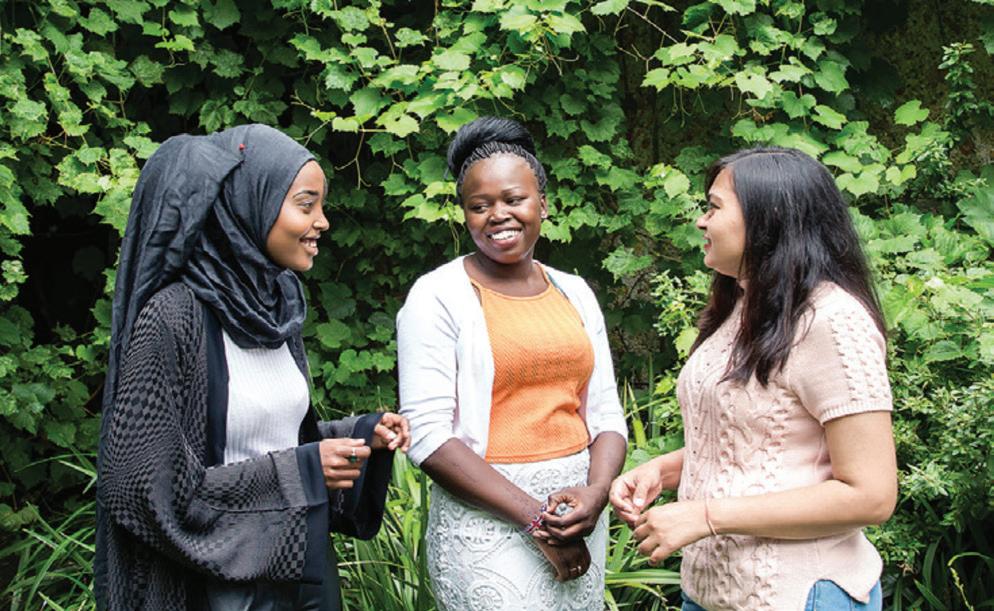
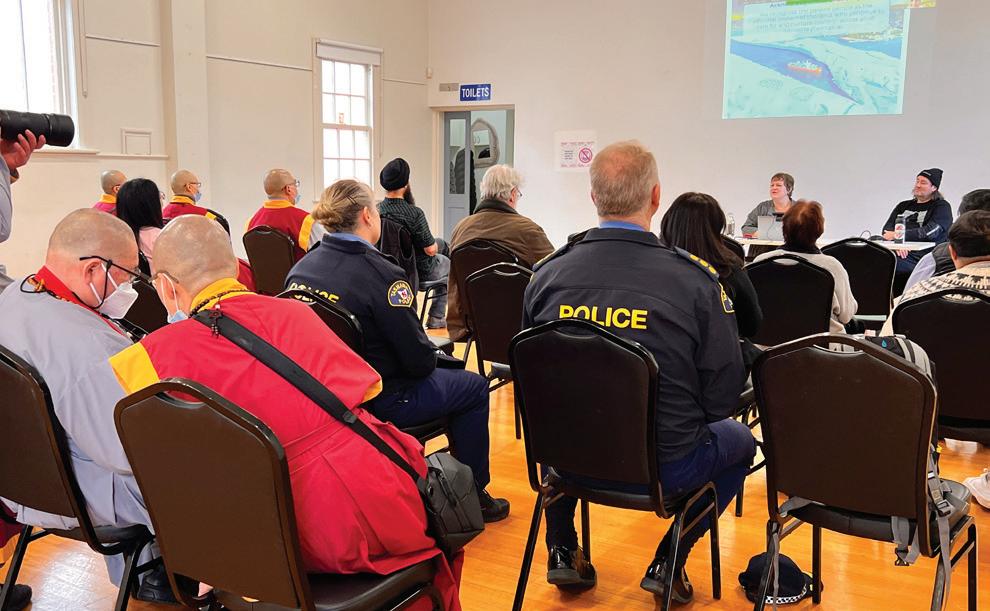
The mandate of Religions for Peace is broad – from fostering unity across faith groups, to addressing service gaps, organising inter-faith events, and maintaining regular communication with minority faith leaders.
One particularly powerful initiative is the Reporting Prejudice-Related Violence Workshop , a collaborative effort with Tasmania Police, the Australian Hate Crime Network, and the Multicultural Council of Tasmania. Funded by the Tasmanian Peace Trust, the program empowers faith communities to report targeted attacks, which in turn equips law enforcement to address this type of violence more effectively.
The impact of this initiative goes well beyond an increase in reporting rates; it is also helping reaffirm the common humanity of all people. Said one participant:
“It’s like someone has understood a little of what we are facing day-to-day and is trying to do something to make a difference for us.”
Religions for Peace’s Tasmanian Convenor, Terry Sussmilch, recognises that their work isn’t just about standing up against prejudice and discrimination – it’s also about speaking out about the positive aspects of spirituality, and advocating for peace, justice, and human dignity. When this work is carried out in collaboration with local authorities and the broader community, such efforts have the potential to create a more caring and unified Tasmania, in which all people can flourish.
2,089,475

Total paid hours per annum



$17,247,979
$70,841,878
Total social impact value to the State of Tasmania
SOCIAL IMPACT VALUE BY SERVICE TYPE
$12,969,591
$12,561,600
$9,772,798
$7,439,765
$6,282,452
$4,407,589
$4,216,563
$3,750,468
$3,615,681
$2,223,976
$1,649,808
$677,189
$527,078
$410,725
$325,464
$11,131
Accommodation
Food & material assistance
Unemployment support
Disability support
Counselling
Community connection
Health & wellbeing
Family services
Aged care
Chaplaincy services
Children & youth
Migrant support
Other
Visiting support
Education
Disaster relief
resources
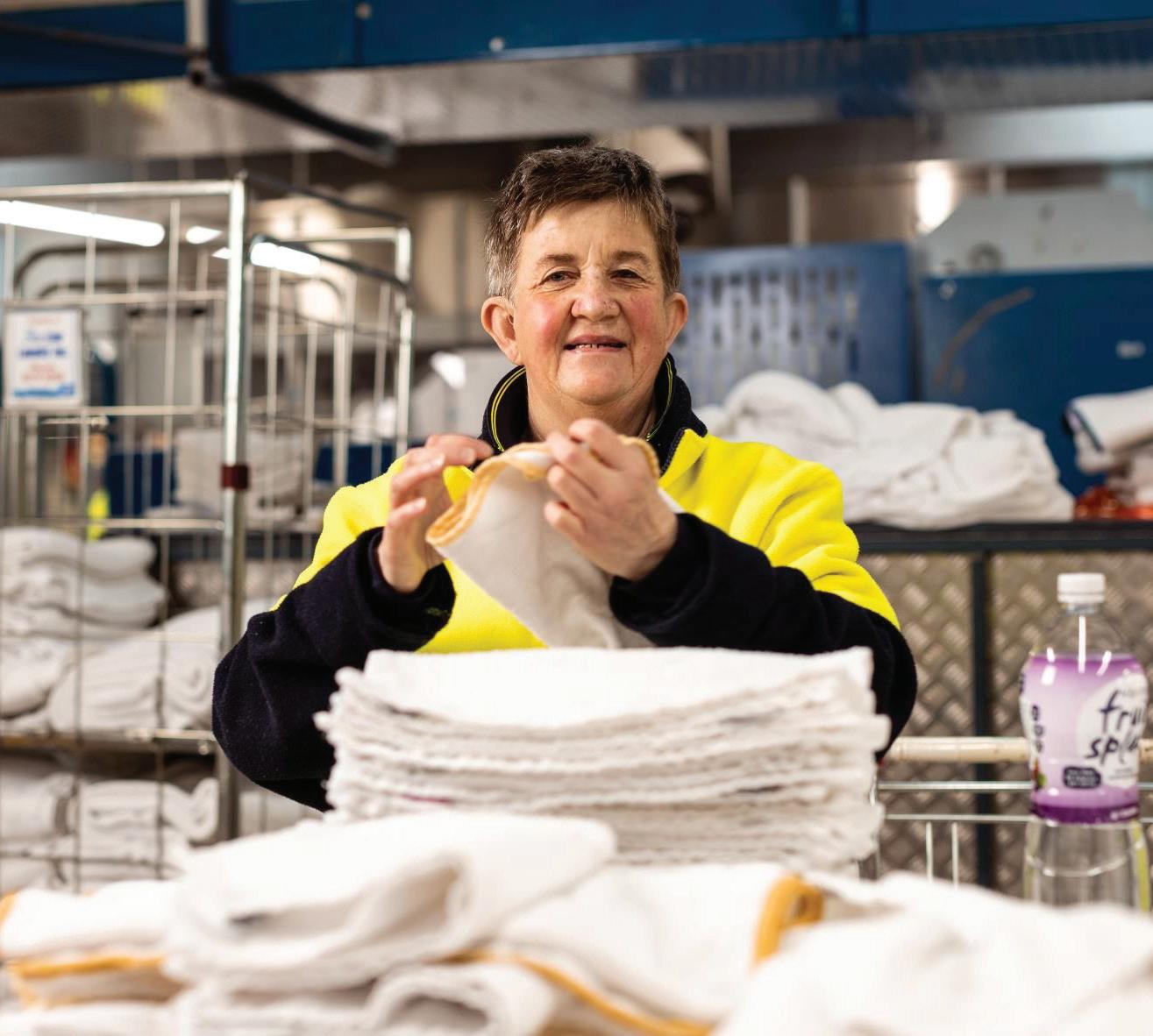
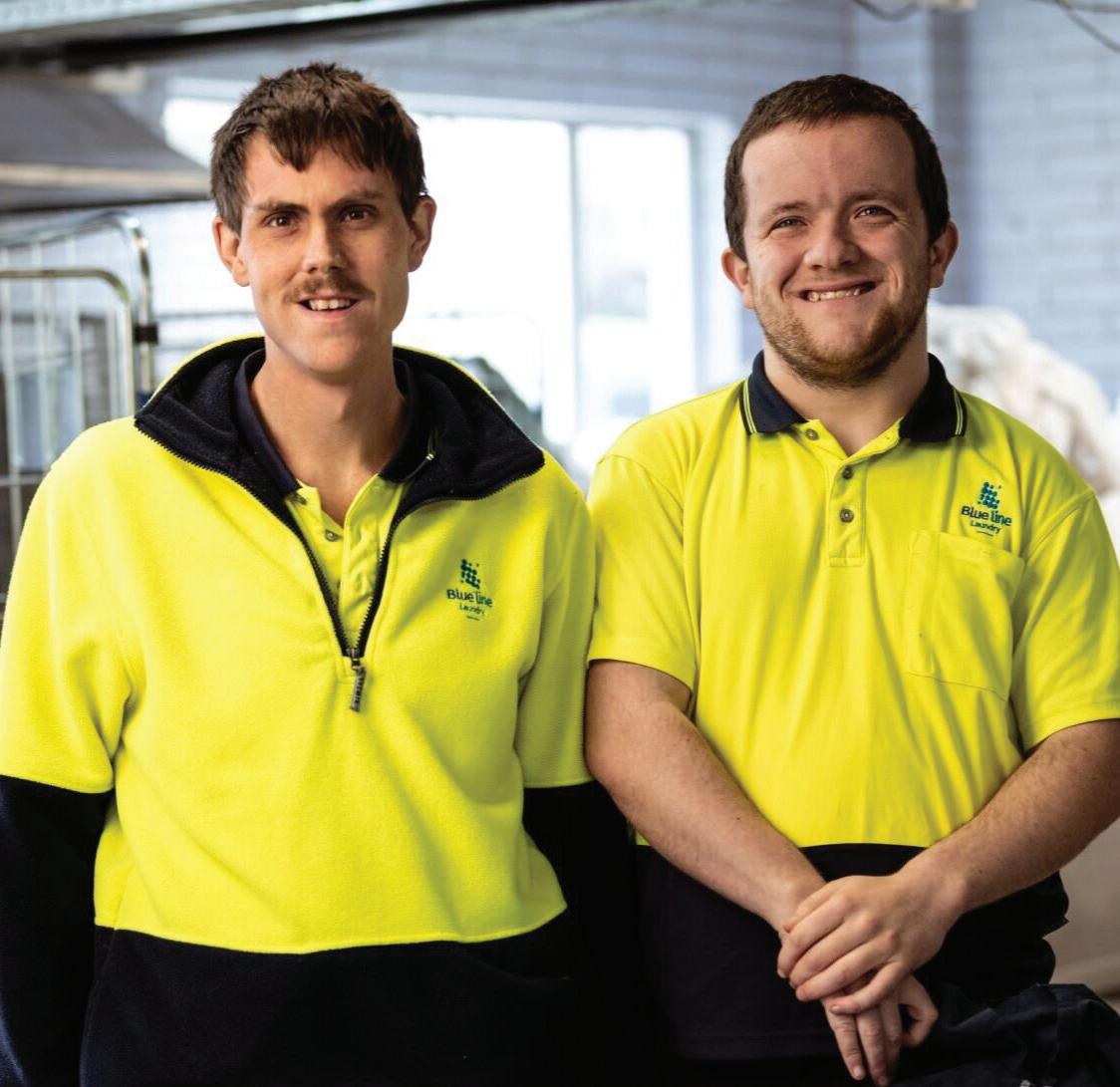
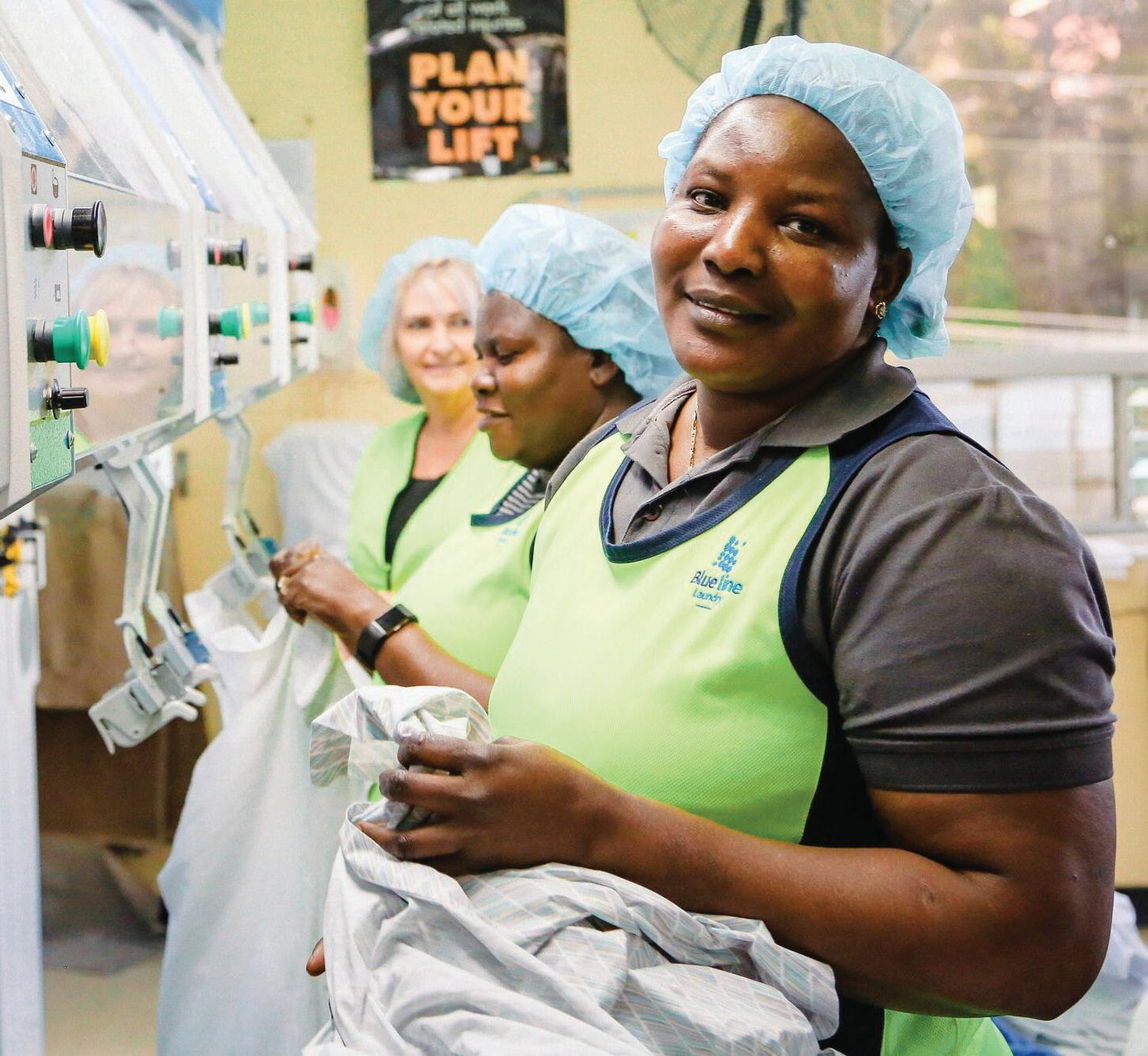
For Alanna, a 57-year-old living with cerebral palsy and an intellectual disability, Blueline Laundry isn’t just a workplace –it’s a source of personal fulfilment and social interaction.
With a Catholic legacy dating back to 1893, Blueline has become Tasmania’s premier commercial laundry, with facilities in Hobart and Launceston offering high-volume, quick-turnaround services for businesses of all types. Intentionally diverse and inclusive, their workforce comprises 35% individuals with disabilities and 35% culturally diverse staff from 26 different nationalities.
Alanna is one of Blueline’s proudest team members, relishing an environment where colleagues work side-by-side and transcend their differences:
“I like everything I do at work. We work alongside each other regardless of disability, and I like the social side and meeting other people.”
Formerly isolated while caring for her elderly parents, Alanna’s life has been transformed thanks to NDIS support and Blueline’s commitment to expanding her capacity and boosting her confidence. She now handles tasks that she once deemed too challenging and has a dream to travel across the country.
“I’m saving up as I’d like to go on the Ghan from Adelaide to Darwin. I feel really positive about myself, and I feel I can achieve my goals.”
Looking to the future, Blueline is focused on its mission to build a commercially successful business that can lead and respond to new trends and opportunities, while simultaneously creating meaningful employment opportunities that positively impact the lives of some of Tasmania’s most remarkable individuals.
Partnering with other faith-based organisations
Partnering with local government/council/authority
Partnering with other non-faith-based organisations
Partnering with medical or health services
Partnering with police or law enforcement
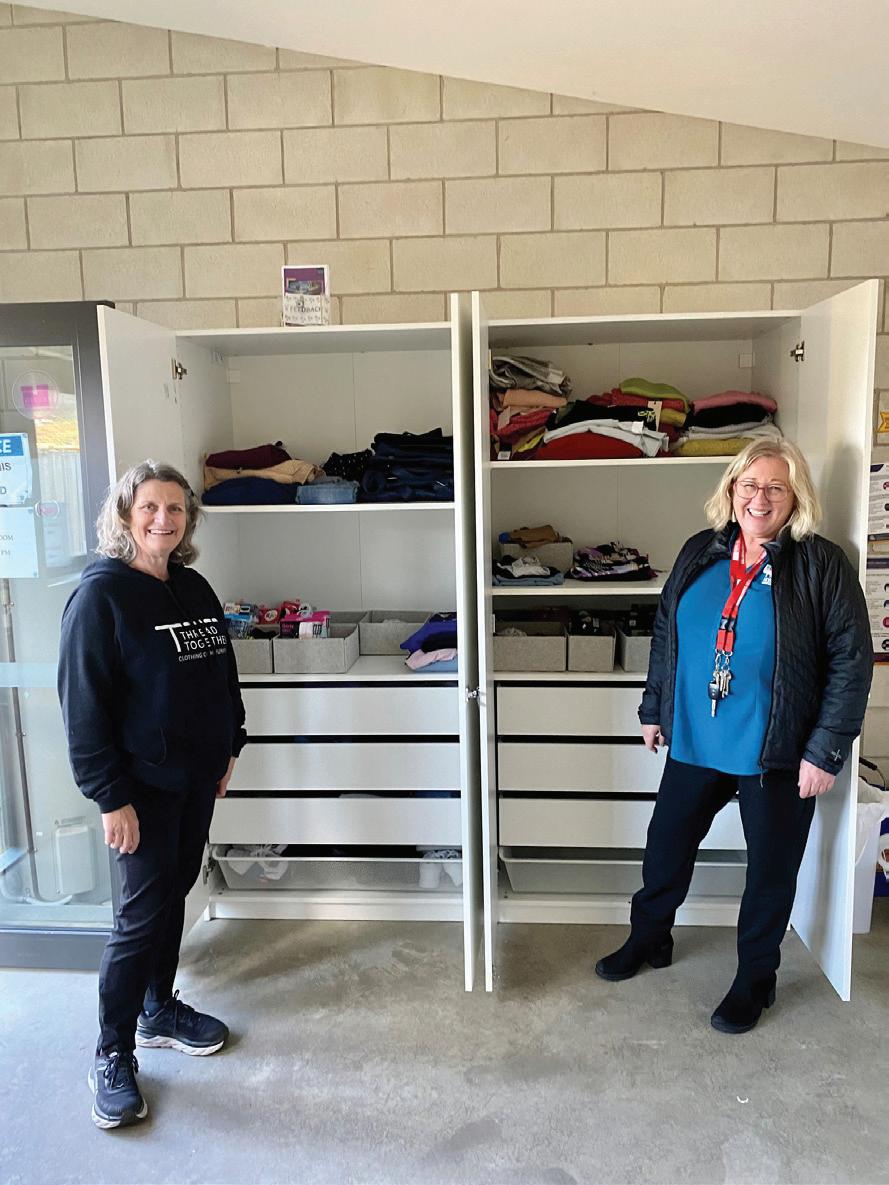
In the centre of Hobart, four men covered with tattoos and piercings make their way through the biting cold, drawing unwanted looks from passers by. Together, they walk through the doors of the Thread Together hub that adjoins Hobart City Church of Christ .
To say they are sceptical is an understatement. Originally from Queensland and now participants in a drug rehab program, they arrive expecting hidden agendas and conditional assistance.
Reverend Simon Clemow gets it. He knows there can be deep suspicions in the community regarding church motives, rooted in historical perceptions:
“We have to acknowledge that some of the suspicion stems from way back in our convict history, where the church acted as disciplinarian six days a week but somehow preached love and grace on Sundays.”
For Hobart City Church, addressing negative perceptions has led them back to their original mission: to impact the city. So, when a congregant suggested they partner with Thread Together – a national initiative to address clothing insecurity by repurposing brand new, unsold items destined for landfill and redistributing them to those in need – the church seized the opportunity.
In opening their own Thread Together hub, the church has been guided by a simple mandate to empower people with their own choice of clothing, spark a conversation, and be a tangible expression of the love Jesus calls us to show others in Matthew 25:36.
This love shattered the expectations of the four tattooed men on that cold Hobart day. They were met by smiling members of the church community who insisted on finding them the best wardrobe essentials and took a real interest in their lives – no strings attached.
As they left the hub, warm and well-dressed, one of the men with full facial tattoos, who was often misjudged on his appearance, couldn’t hold back his tears. The offer of clothing wasn’t a ploy to get them into a church but a genuine act of kindness designed to restore dignity.
The NAYBA Impact Audit measures the collective social impact of the faith community in a geographic region – in this case, the State of Tasmania.
This NAYBA Impact Audit represents the first ever statewide audit of its kind. Many months were invested in extensive outreach to key stakeholders across the faith community. A dual strategy of engaging denominational leaders from the top-down and local unity networks from the bottom-up was used to maximise the identification of and connection with as many faith-based organisations as possible. The result was a comprehensive database of 367 contacts that included all known places of worship, faithbased community care organisations, agencies and ministries across the state.
All were invited to complete the online audit survey. The survey took approximately 15 minutes to complete, plus time to gather the necessary information, and was open for four weeks from mid-September 2023. Follow up emails and calls were made to ensure contacts had received the survey link and to address any questions or concerns.
For the purpose of the survey, ‘community service’ was defined as something that is:
• genuinely accessible by people of any faith or no faith; and
• primarily aimed at people experiencing vulnerability, isolation or disadvantage; and
• provided at no (or minimal) cost to the beneficiaries
The survey asked respondents to report on up to five (5) of their most significant types of community service over the past 12 months (i.e. 1 August 2022 - 31 July 2023) from a list of 18 options.
Excluded from the audit were primarily religious activities such as weekly worship services, prayer/ scripture study groups, and Special Religious Education.
For each community service type, respondents were asked to provide information about: the main social issue(s) the service seeks to address; the local government area(s) in which this service was delivered; how often they provided the service over the past 12 months; the beneficiaries of the service (numbers and demographics); and the resources dedicated to the service (number of staff/volunteers, staff/volunteer hours, value of other resources).
While every effort was made to avoid doublecounting beneficiaries, there is likely to be some overlap between the various services (i.e. individuals who were served by more than one program or organisation). Any reference to beneficiaries as a percentage of the total population is based on 2021 Census data for the State of Tasmania of 557,571.
Finally, it is worth noting that there were many faith organisations across the state that were unable or chose not to participate. Moreover, the component of social impact value that came from human capital (i.e. hours worked or volunteered) was based on an hourly rate of $21.38, which was the national minimum hourly wage during the reportable period.
In other words, this report offers an intentionally conservative, yet deeply inspiring snapshot of the work being done by people of faith across Tasmania.
NAYBA Australia extends our deepest appreciation to all those who made this report possible.
To the funders who helped cover the expenses of the audit, thus allowing faith groups of any type to participate at no cost.
To the local church, denominational, and other ministry leaders who provided sage advice, countless introductions, and every possible encouragement.
To the community and civic leaders who caught the vision for this audit before it even began, and saw the potential for the results to positively impact the wider community.
To those who took the time to complete the audit survey and share their community service efforts, both in numbers and in stories.
And to the volunteers, staff, and supporters whose efforts underpin all of the good work that appears in this document.
May this report affirm the desire among people of faith to help address some of the greatest social needs in Tasmania.
May it inspire new partnerships and initiatives, both within and beyond the faith community, that contribute to a shared vision for the state and its people.
And, above all, may it lead to even more efforts to offer tangible love, genuine hope and new life to those who need it most.