
TASMANIA, AUSTRALIA

Survey responses (14% of all faith-based organisations in Tasmania)
117
C ommunity service activities
(addressing 13 of the greatest social needs)

27,095
People served in the past year (equivalent to 18% of the population of the Launceston Region)
$13,713,492
Social impact value (to the Launceston Region each year)

It’s with great delight that we present the results of the NAYBA Impact Audit for the Launceston Region –part of the first statewide audit of its kind to ever be conducted in Australia.
We acknowledge the Aboriginal people of lutruwita / trouwunna as the traditional owners and custodians of the land, waters, and sea that comprise what is now known as Tasmania. We pay our respect to the Elders past, present and emerging. We also recognise the severe mistreatment that has characterised much of the historical relationship with Indigenous peoples in this part of the nation, and express our hope and belief that the faith community can play a significant role in the journey to reconciliation in Tassie and beyond.
Over the past year, the NAYBA team has been privileged to spend significant time on the ground in various parts of the state. We’ve witnessed the rolling hills and glistening waters of the North West Coast; the winding roads and towering trees of the North East; the iconic sight of kunanyi/Mt Wellington as it pierces through the clouds, watching over Hobart like a sentinel.
Yet, for all its natural beauty, Tasmania’s greatest asset is its people. We’ve met countless faith and civic leaders who share a deep love for this island and a genuine desire to see all of its inhabitants flourish. We’ve spoken with individuals who have overcome enormous challenges and are now selflessly seeking to help those in similar situations. We’ve heard stories of people doing it tough – some who’ve experienced the love and provision of others in their hour of need, and some who are still in need.
As in every part of the state, we believe the role of the faith community in the Launceston Region is absolutely critical. From small churches and places of worship to large faith-based agencies and ministries, faith groups can and should serve to strengthen the ties that bind us, lift up those who are struggling, and offer hope to all.
The data herein represents the collective efforts of the Launceston faith community and includes the following impressive results:
• 53 survey responses, representing 14% of all faith-based organisations in Tasmania
• 117 community services addressing 13 of the greatest social issues
• 27,095 unique beneficiaries over the last year – equivalent to 18% of the Launceston Region population
• Almost $14 million in social impact value to the Launceston Region in the past 12 months alone
This report rightly offers the chance to reflect on and celebrate all of the wonderful work being done by people of faith. More importantly, however, it provides an opportunity for churches and faith groups to: come together in unity, combining the strength of their efforts and addressing gaps in service areas; open new conversations with Councils and other key stakeholders about what it looks like to positively transform our local communities; and help lead the way in bringing love and hope to those who need it most.
We pray God’s blessing on every single Tasmanian and over all that is to come.
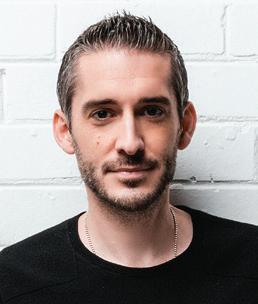

NIC MACKAY National Director NAYBA Australia
Launceston Region
14,840 Square Kilometers
(14% of all faith-based organisations in Tasmania)
RESPONDENTS BY ORGANISATION TYPE
55% Places of worship (e.g. local church, mosque, synagogue)
7% Community care organisations (linked to places of worship)
15% Faith-based agencies
23% Other faith-based organisations
RESPONDENTS BY FAITH GROUP
96% Christian
12% Anglican
13% Baptist
2% Brethren
4% Catholic
2% Churches of Christ
6% Multi-denominational
19% Non-denominational
13% Pentecostal
6% Presbyterian & Reformed
2% Seventh Day Adventist
17% Uniting Church
2% Buddhism
2% Other Religions / Multifaith
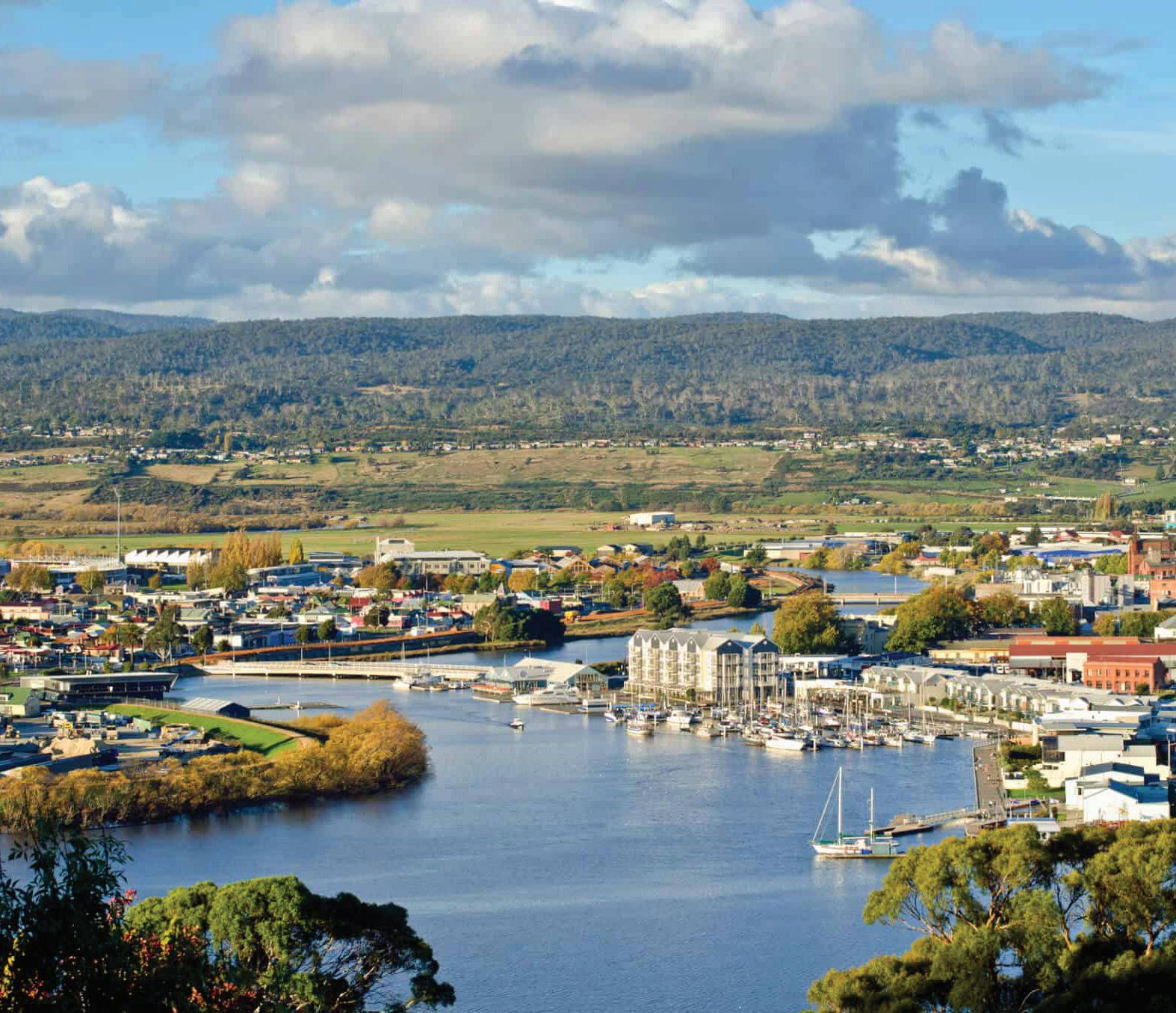
Launceston is the second largest city in Tasmania, the third oldest in Australia, and a gourmet hub of international renown. But, like any city, it can also be a place of loneliness and isolation. That was certainly the case for Doug, a man known as a rough character, but who was really just seeking connection and companionship.
Newstead Baptist , located just outside the city centre, may have less resources than other larger churches but its congregation has always had a big heart for the community. With this in mind, their approach has been to keep it simple; developing a series of small but significant programs that help to address some of the greatest social needs in the Launceston region.
Doug first crossed paths with the Newstead team when he visited the church’s Drop-In Centre, a multi-generational gathering place to help combat loneliness. Finding a sense of belonging in the space, he became a regular and even began inviting others in the community to join him.
“It’s the best place to celebrate birthdays. Why pay a membership elsewhere with the slight chance they may celebrate you? At the Drop-in Centre, they don’t just celebrate you – they share cake and make you feel loved.”
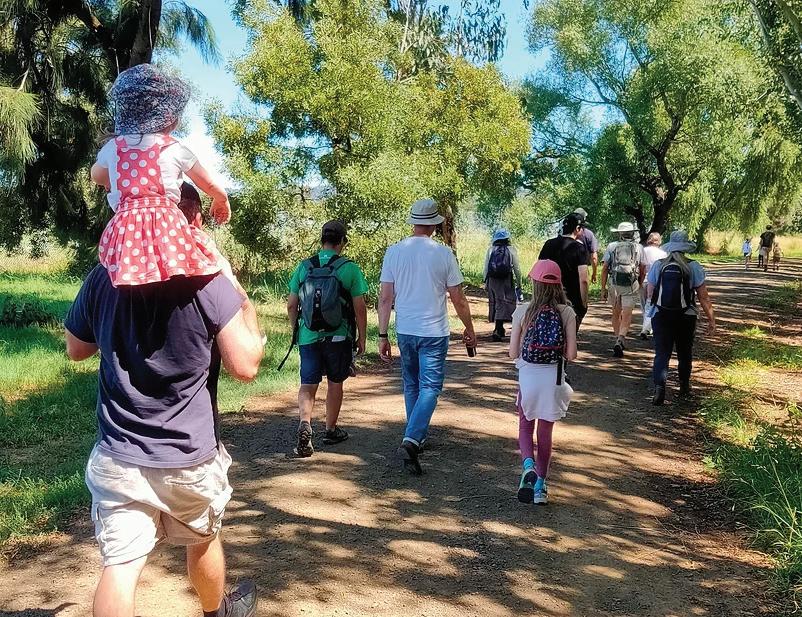

Since then, Doug has discovered Newstead’s “Men in the Shed” program, which helps to connect otherwise isolated men through meaningful interactions and activities. The church has also launched an initiative called “Walk this Way” in collaboration with Scripture Union, which brings together diverse groups of people for nature walks, providing opportunities for deep conversation and creating bonds that transcend age and background.
Newstead Baptist offers a powerful example of how community impact can often be straightforward, and Doug’s journey from loneliness to belonging shows what’s possible when people of faith seek to embody the gospel of love and cultivate spaces that are infused with hope.


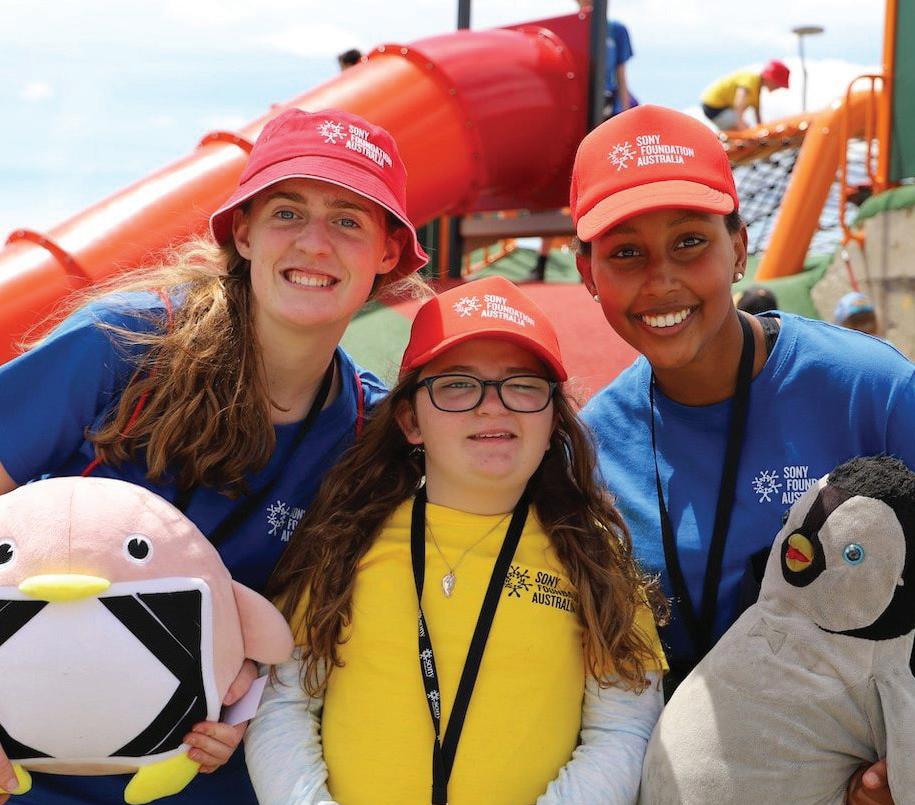
Tailrace Community Church , based in Launceston, exists to bridge the gap between the church and the wider community. They offer their building as a public event centre and have an on-site playground and cafe, with a diverse staff – Christian and non-Christian alike – that includes migrants, individuals with disabilities, and young people with limited social skills.
As Pastor Sharon O’Neill puts it: “We didn’t just want a church building; we were intentional to build a community centre that the church would share with others. Our mission is always ‘how can we love, show Jesus, and serve people over the long term?’”
Tailrace’s mission goes well beyond the building itself. Recognising that sporting clubs engage over 75% of the community, the church decided to offer a chaplaincy service to the Launceston Football Club. Over the past five years, 1 in 4 players have accessed their help.
One of those players, Josiah, faced a life-altering moment when his mother received a 3-month cancer prognosis. During a pre-season ‘everyone has a story’ exercise, Josiah shared his struggle, after which Head Chaplain, Jonathon O’Neill, took him for a walk that sparked a friendship and frequent talks.
Says Josiah, who is now part of the club’s leadership team:
“That beach walk saved me. Now I’m the one taking someone for a walk, because I know that no one deserves to go through something alone. It’s impossible to walk through that kind of hardship by yourself.”
Senior Coach, Mitch Thorp, also acknowledges the impact of chaplains at the club: “The boys see them as an extension to the coaching group; they’ve created friendships. The stigma around vulnerability has been broken down. The young people know they have someone to talk to.”
27,095
Unique beneficiaries in the last year ( equivalent to 18% of the population of the Launceston Region )
249,516
Total beneficiary interactions in the last year
Where a service is delivered across multiple LGAs, the key beneficiaries will be counted once for each of those LGAs.
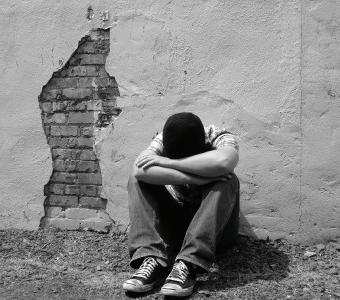
Navigating adolescence is tough; add fatherlessness, anger, academic struggles, and drug use, and the journey becomes even more daunting. But the simple act of having a mentor helped to turn one young man’s trajectory from pain to purpose.
J* first found out about Teen Challenge ’s Connections Mentoring Program when he was in high school. Assigned a mentor called Jamie, J was initially sceptical. Over time, however, Jamie earned his respect, helping him navigate school and remaining a constant positive figure as J progressed to university.
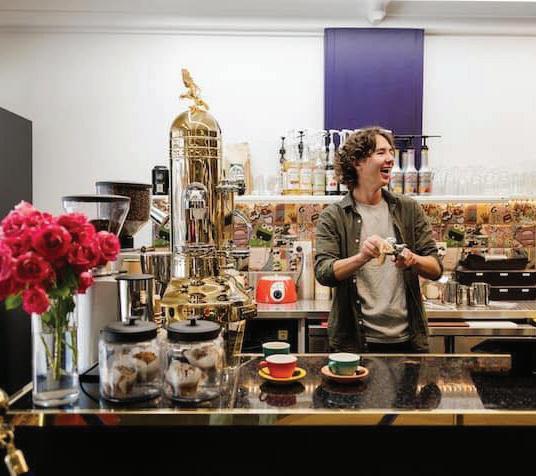
When J began to struggle with substance abuse, he turned to Jamie; now not just a mentor, but a trusted friend. Jamie connected him with Hope Thrift Store and Hope Cafe – Teen Challenge’s adjoining social enterprises in the Mall, Launceston that provide real-life retail training and experience for young people.
Through his work at the thrift store, J discovered a positive environment that built up his confidence and fuelled his desire for change:
“I was looking at the people around me [at work] and the positive environment I was in… I started to want to change. Being around these people that cared for me got me off the drugs. I don’t do drugs anymore and I’ve changed a lot. I’m so thankful for having Teen Challenge in my life.”
Today, J is part of the regular team in the cafe and passes on what he’s learned to the new young people who come on board. He’s also pursuing higher education and working towards getting his driver’s licence.
J’s story serves as a testament to the impact of walking alongside an individual through the hills and valleys of life. Just as Jesus did.
*name withheld to respect privacy
369,014

Total paid hours per annum



$3,587,182
$13,713,492
Total social impact value to the Launceston Region
SOCIAL IMPACT VALUE BY SERVICE TYPE
$3,277,874
$1,992,983
$1,369,595
$1,099,951
$1,063,386
$1,042,434
$901,247
$808,468
$807,964
$565,353
$289,079
$194,079
$124,390
$103,738
$61,818
$11,131
Accommodation
Food & material assistance
Unemployment support
Counselling
Community connection
Family services
Disability support
Health & wellbeing
Aged care
Youth services
Chaplaincy
Education
Migrant support
Other
Visiting services
Disaster relief
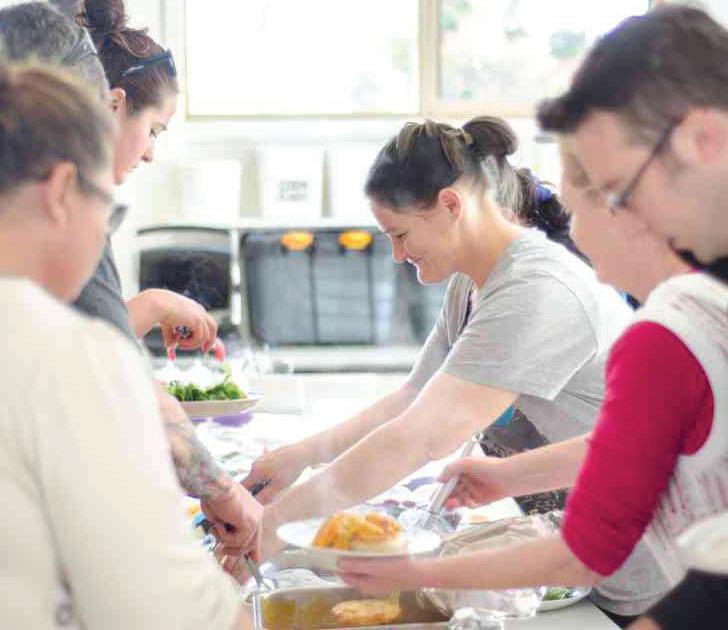
In 1854, City Mission began its compassionate pursuit to demonstrate God’s love in action by extending a caring hand to vulnerable people in the community. Almost 170 years later, it is still going strong, now reaching over 10,000 Northern Tasmanians each year.
In the Launceston region, where City Mission was first established, three key sites act as a network for crisis accommodation and drug & alcohol recovery.
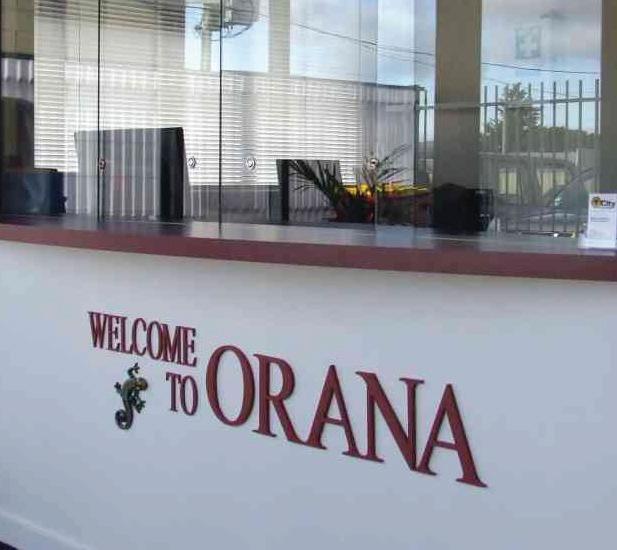
Safe Space, supported by Housing Tasmania, provides a temporary place to sleep for those who need it and includes hot meals, laundry facilities and more. Those requiring something longer can stay for up to 6 weeks at Orana House — a place for men experiencing homelessness and the health issues related to life without a permanent home. Finally, the Missiondale Therapeutic Community is a 34 bed residential facility on a rural property near Evandale, where those seeking relief from longterm substance misuse can live in community for up to 6 months, with access to a range of services and specialists.
While all three sites provide shelter, their transformative power lies in being a haven – for rest, recovery and renewal.
As Jack, who spent several months at Missiondale put it: “Missiondale wasn’t just about kicking bad habits; it was about finding purpose again. It’s like hitting the reset button on life.”
John, who found a sense of stability at Safe Space, captured his experience in a single line:
“This is more than just a roof; this is a chance to breathe.”
Stories like Jack and John’s form part of City Mission’s legacy in Northern Tasmania. They also reinforce the importance of a holistic approach to care that is physical, emotional, social, and spiritual.
NAYBA Australia extends our deepest appreciation to all those who made this report possible.
To the funders who helped to cover the expenses of the audit, thus allowing faith groups of any type to participate at no cost.
To the local church, denominational, and other ministry leaders who took the time to meet with our team, offered countless introductions, and provided every possible encouragement.
To the community and civic leaders who caught the vision for this audit before it even began, and saw the potential for the results to positively impact the wider community.
To those who took the time to complete the audit survey and share their community service efforts, both in numbers and in stories.
And to the volunteers, staff, and supporters whose efforts underpin all of the good work that appears in this document.
May this report affirm the desire among people of faith to help address some of the greatest social needs in Tasmania.
May it inspire new partnerships and initiatives, both within and beyond the faith community, that contribute to a shared vision for the state and its people.
And, above all, may it lead to even more efforts to offer tangible love, genuine hope and new life to those who need it most.
The NAYBA Impact Audit measures the collective social impact of the faith community in a geographic region – in this case, the Launceston Region.
This particular report is part of the first statewide audit of its kind to ever be conducted in Australia. The data from the whole of Tasmania has been segmented to show the specific contribution to the Launceston Region, which includes the Local Government Areas of City of Launceston, George Town, Meander Valley, Northern Midlands and West Tamar.
Many months were invested in extensive outreach to key stakeholders across the faith community, resulting in a comprehensive database of 367 contacts that included all known places of worship, faithbased community care organisations, agencies and ministries across the state.
All were invited to complete the online audit survey. The survey took approximately 15 minutes to complete and was open for four weeks from mid-September. Follow up emails and calls were made to ensure contacts had received the survey link and to address any questions or concerns.
The survey asked respondents to report on up to five (5) of their most significant types of community service over the past 12 months (i.e. 1 August 202231 July 2023) from a list of 18 options. Excluded from the audit were primarily religious activities such as weekly worship services, prayer/scripture study groups, and Special Religious Education.
For each community service type, respondents were asked to provide information about: the main social issue(s) the service seeks to address; the local government area in which this service operated; how often they provided the service over the past 12 months; the beneficiaries of the service (numbers and
For the purpose of the survey, ‘community service’ was defined as something that is:
• genuinely accessible by people of any faith or no faith; and
• primarily aimed at people experiencing vulnerability, isolation or disadvantage; and
• provided at no (or minimal) cost to the beneficiaries
demographics); and the resources dedicated to the service (number of staff/volunteers, staff/volunteer hours, value of other resources).
While every effort was made to avoid double-counting beneficiaries, it is likely there is some overlap between the various services (i.e. individuals who were served by more than one program or organisation). Any reference to beneficiaries as a percentage of the total population is based on 2021 Census data for the Launceston Region of 151,195.
Finally, it’s worth noting that there were many faith organisations across the state that were unable or chose not to participate. Moreover, the component of social impact value that came from human capital (i.e. hours worked or volunteered) was based on an hourly rate of $21.38, which was the national minimum hourly wage during the reportable period.
In other words, this report offers an intentionally conservative, yet deeply inspiring, snapshot of the work being done by people of faith all across the Launceston Region.