Intriguing Issue

We’re bullish on your future. When we work together, you get personalized guidance, insights and financial planning — all designed to connect your life with your finances and to help make the path toward your goals even clearer.
Let’s have a conversation.
The Gonzales Group
Eric F. Gonzales
Merrill Lynch Wealth Management
Senior Vice President
Senior Resident Director-Wealth Management Advisor
707.254.4606
eric_gonzales@ml.com fa.ml.com/gonzales_group




David Yarrow, Testarossa, 2023

masters and rising talents, the gallery invites gue sts to enjoy art and wine together for a truly memorable experience.

www.CalistogaContemporary.com RUSHA - HOCKNEY - YARROW - PROCACCIO - PEDERSON - YOCUM 1255 LINCOLN AVE
Napa Valley’s newest premier fine art gallery, offe rs a fresh vision in the heart of Wine Country. Featuring a cu rated mix of modern and contemporary works from celebrate d masters and rising talents, the gallery invites gue sts to enjoy art and wine together for a truly memorable experience.
cu rated mix of modern and contemporary works from celebrate d masters and rising talents, the gallery invites gue sts to enjoy art and wine together for a truly memorable experience. www.CalistogaContemporary.com
Napa Valley’s newest premier fine art gallery, offe rs a fresh vision in the heart of Wine Country. Featuring a cu rated mix of modern and contemporary works from celebrate d masters and rising talents, the gallery invites gue sts to enjoy art and wine together for a truly memorable experience. www.CalistogaContemporary.com





Chimney Rock
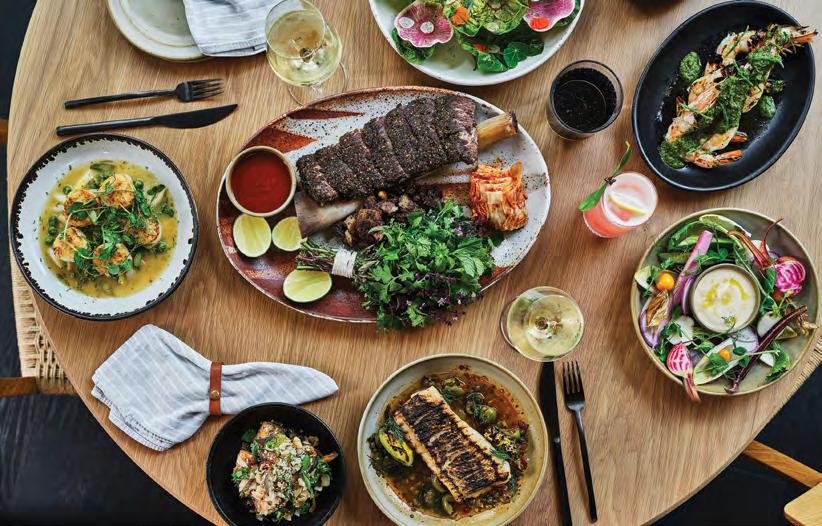
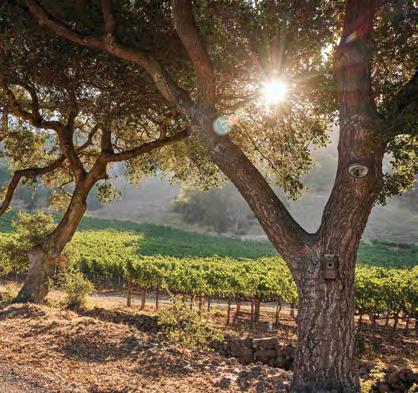
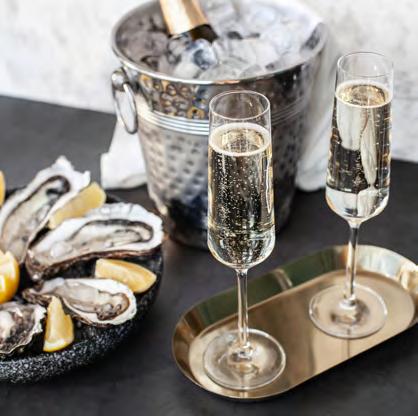
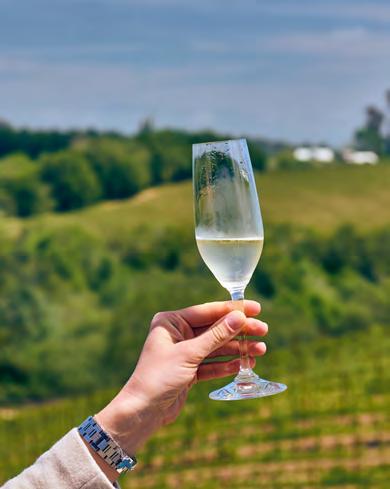
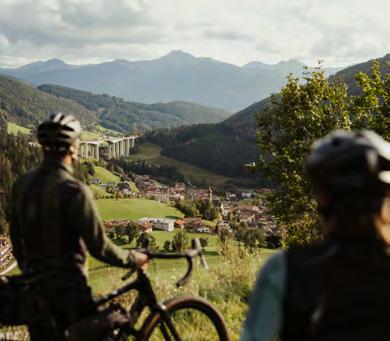


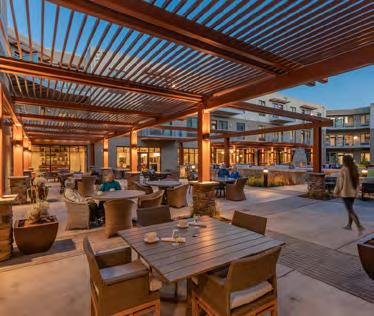
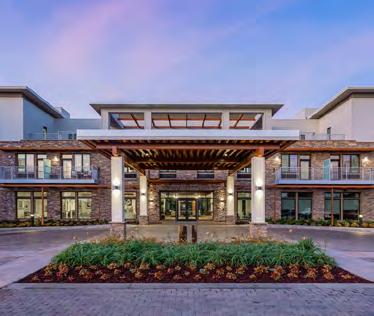
Calligraphy Napa Valley isn’t just a place to live. It’s where the inspired come to keep writing through laughter, learning, and later-in-life plot twists worthy of a Pulitzer-winning memoir. VivaLife EnrichmentSM is our signature invitation to stay sharp, stay curious, and stay connected to the rhythm of the world.
Here, your neighbors might include a Fortune 500 executive, a venture capitalist turned philanthropist, or the former editor of a major publication. Together, you’ll exchange ideas over local theater performances, attend art installations and exhibitions, or enjoy peaceful wellness walks. This is not your second act. It’s your ensemble cast. Contact us today at 707.304.5014 to schedule your personal tour.
CHIEF EXECUTIVE OFFICER
Derek Wright
PRESIDENT Kevin Evans
VICE PRESIDENT OF OPERATIONS
Nicole Branning
INTERIM EDITOR
Kevin Evans
CREATIVE DIRECTOR
Erin Hayden Seal
ADVERTISING SALES
Doris Hobbs doris.hobbs@napavalleylife.com
CONTRIBUTING WRITERS
Fran Miller
Layne Randolph
Jillian Dara
Melissa Vogt
Laurie Jo Miller Farr
Karen Crouse
CONTRIBUTING PHOTOGRAPHERS
Art & Clarity – Lowell Downey
Matthew Morgan Photography
ABOUT THE COVER
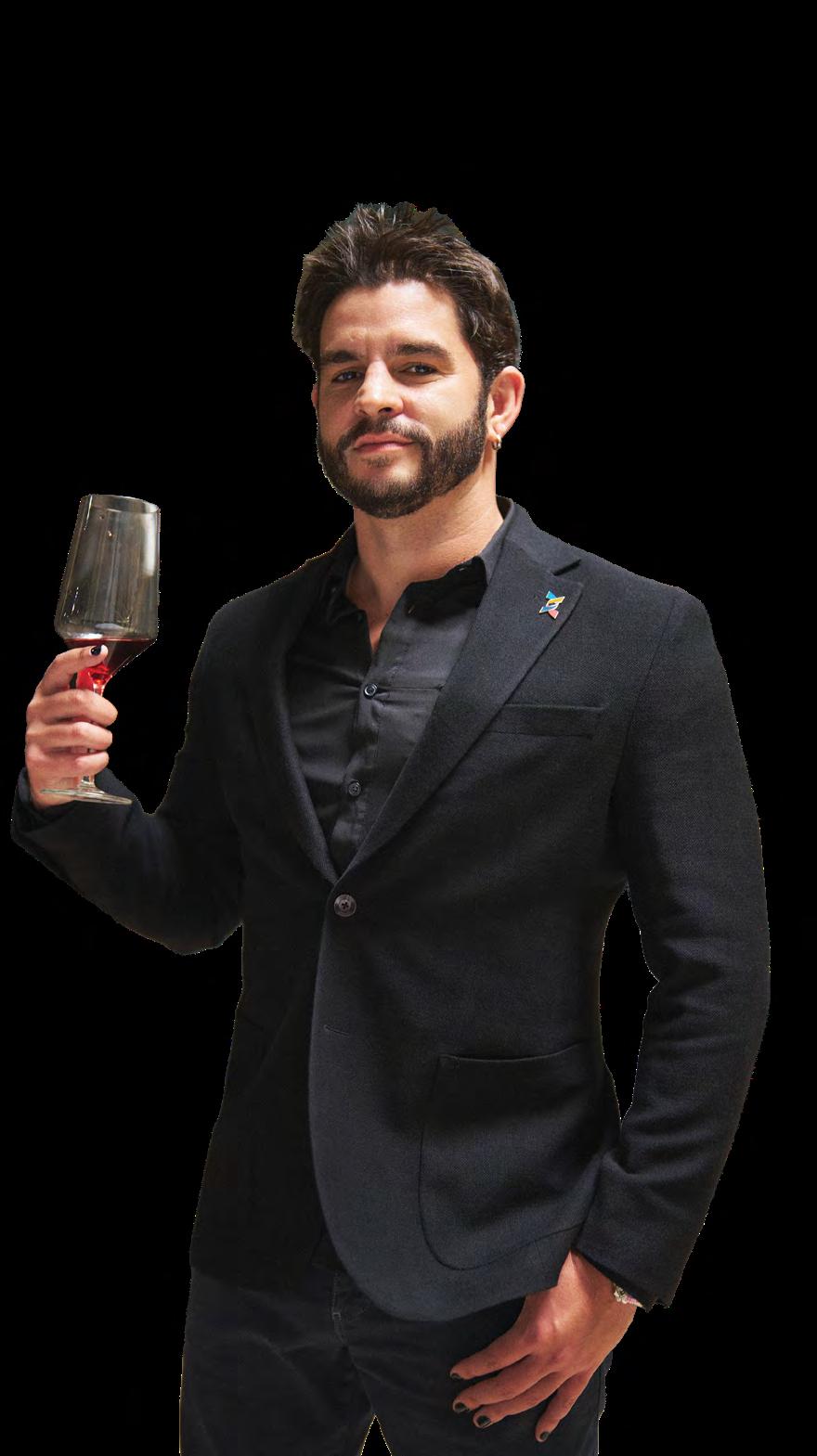
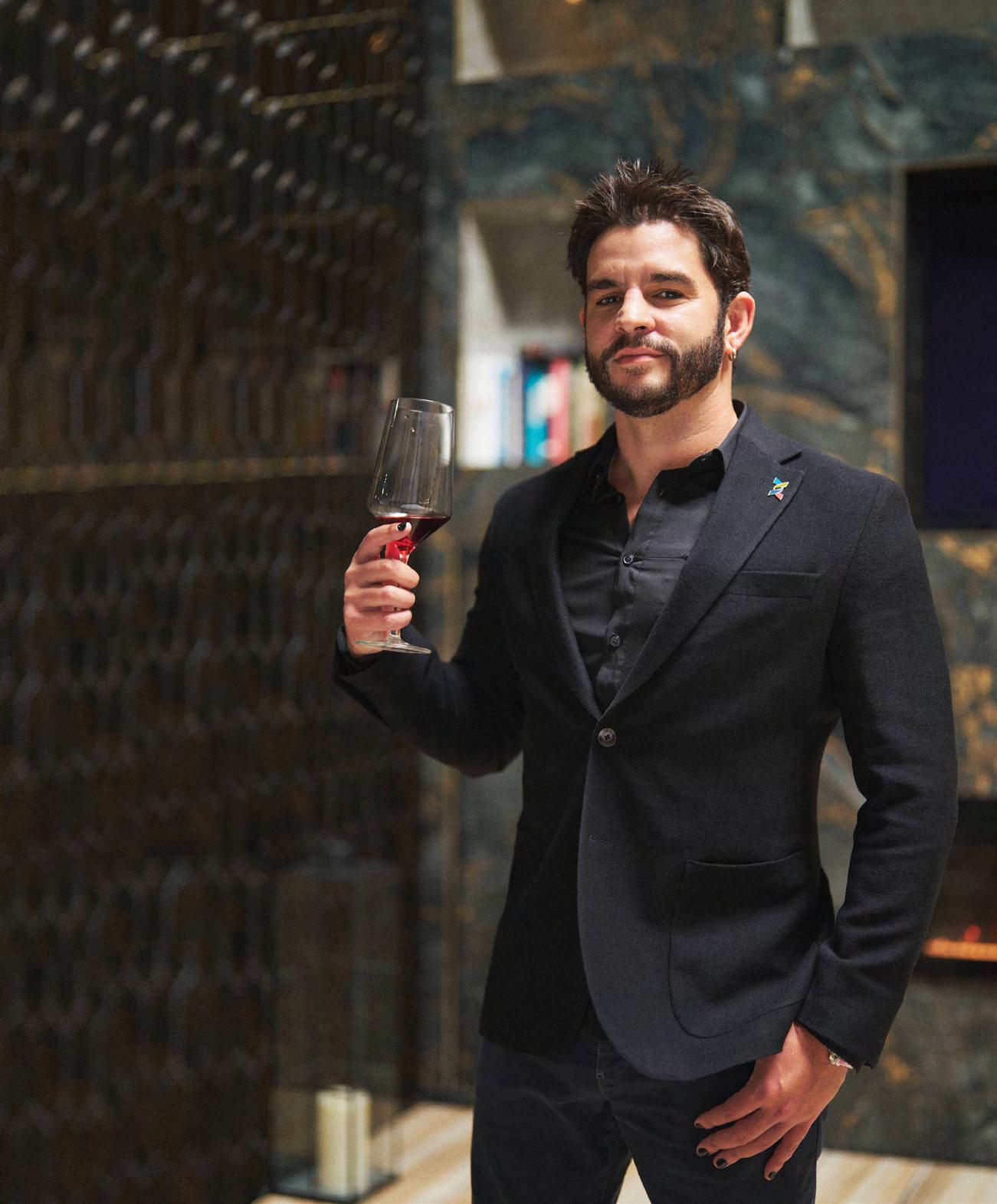
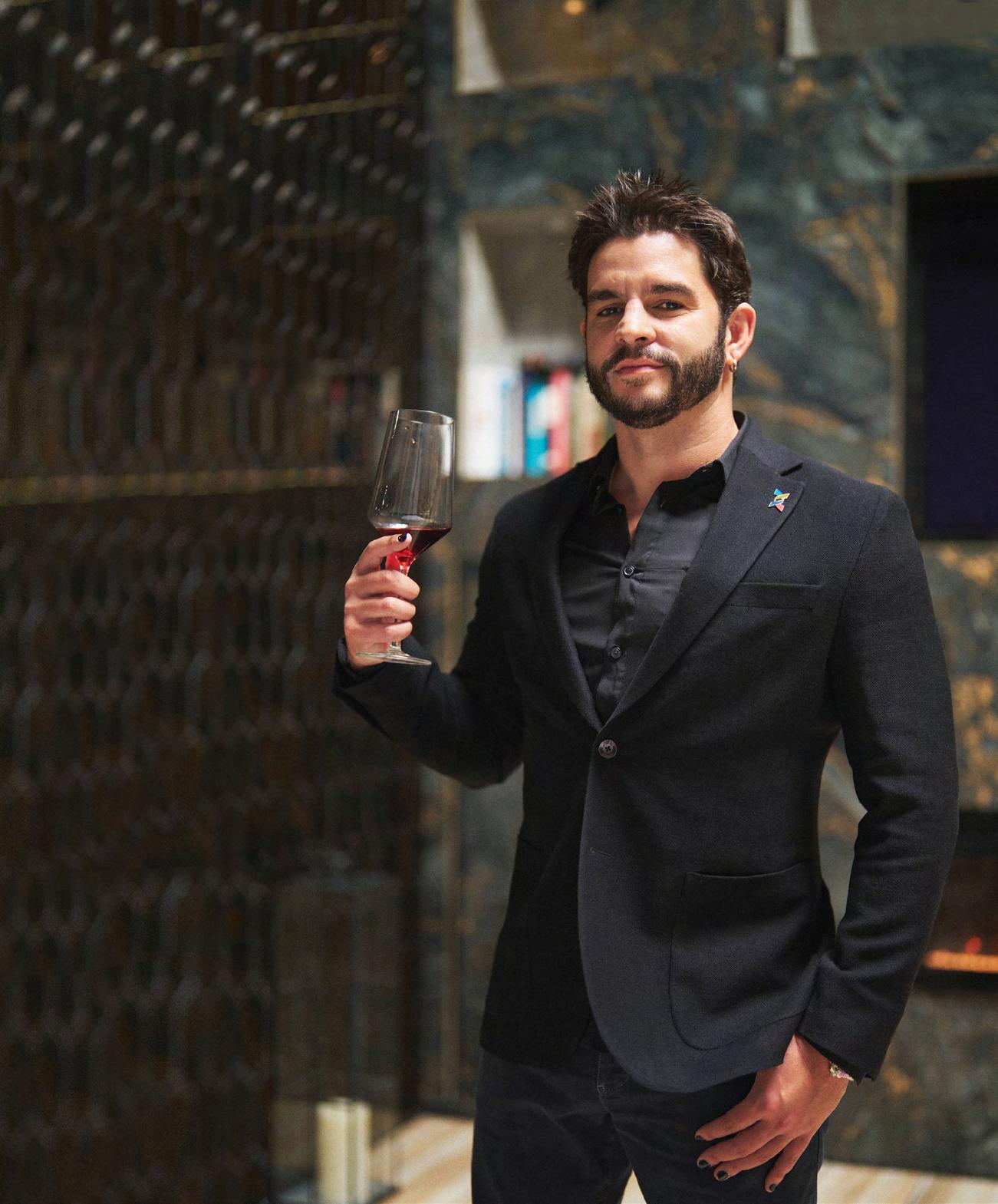
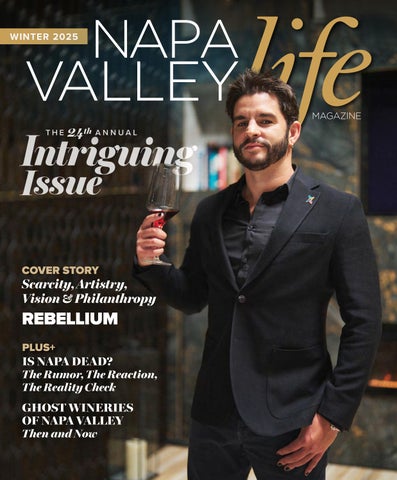
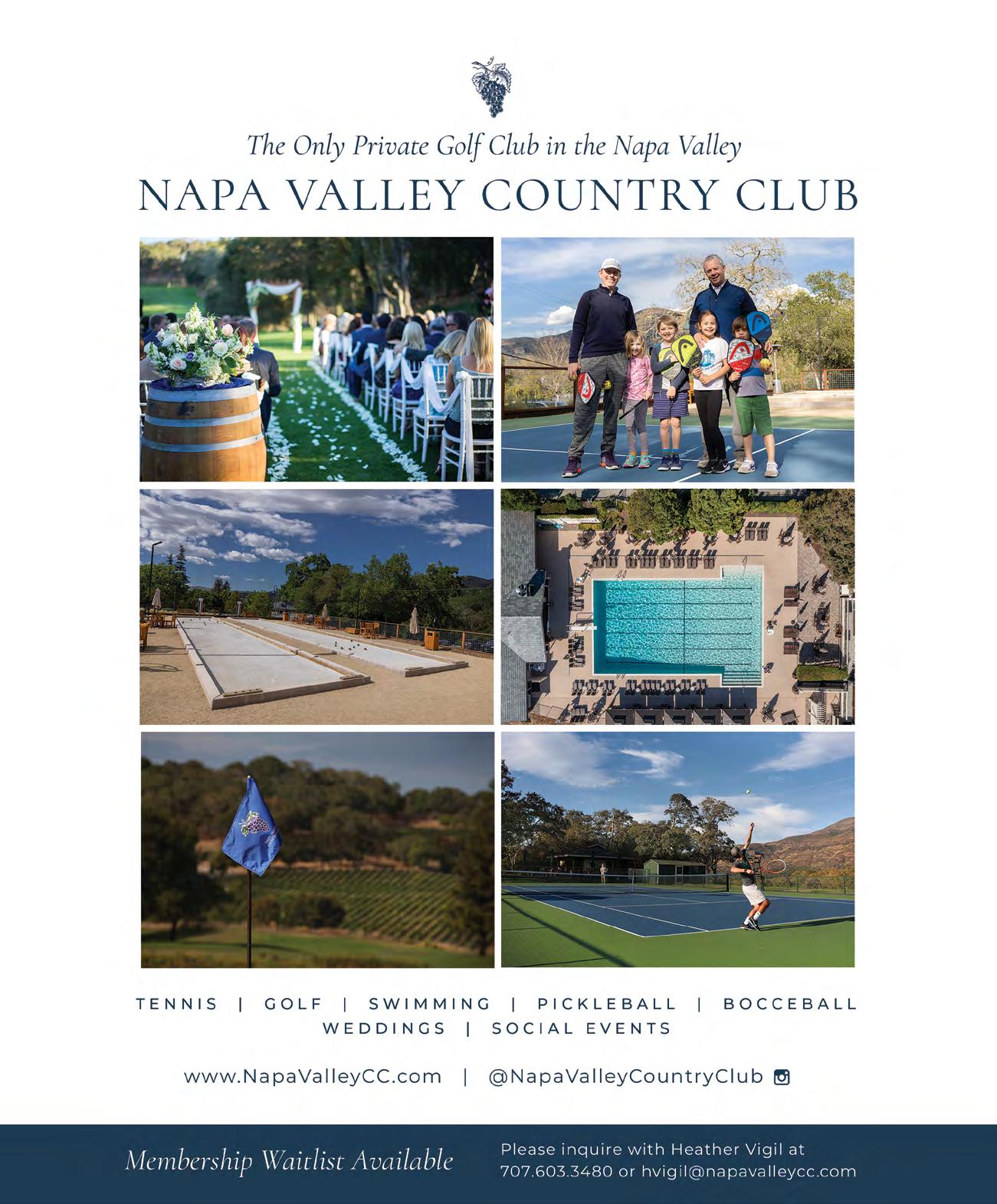
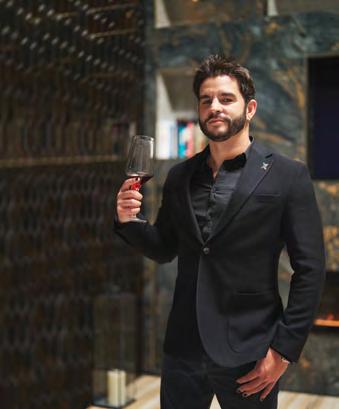
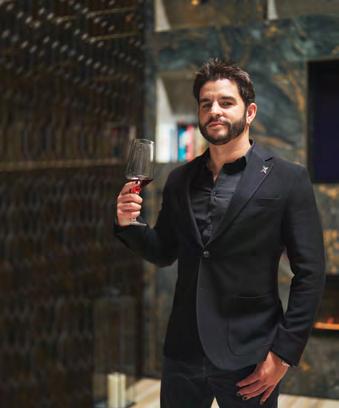
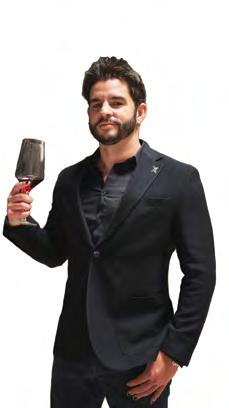
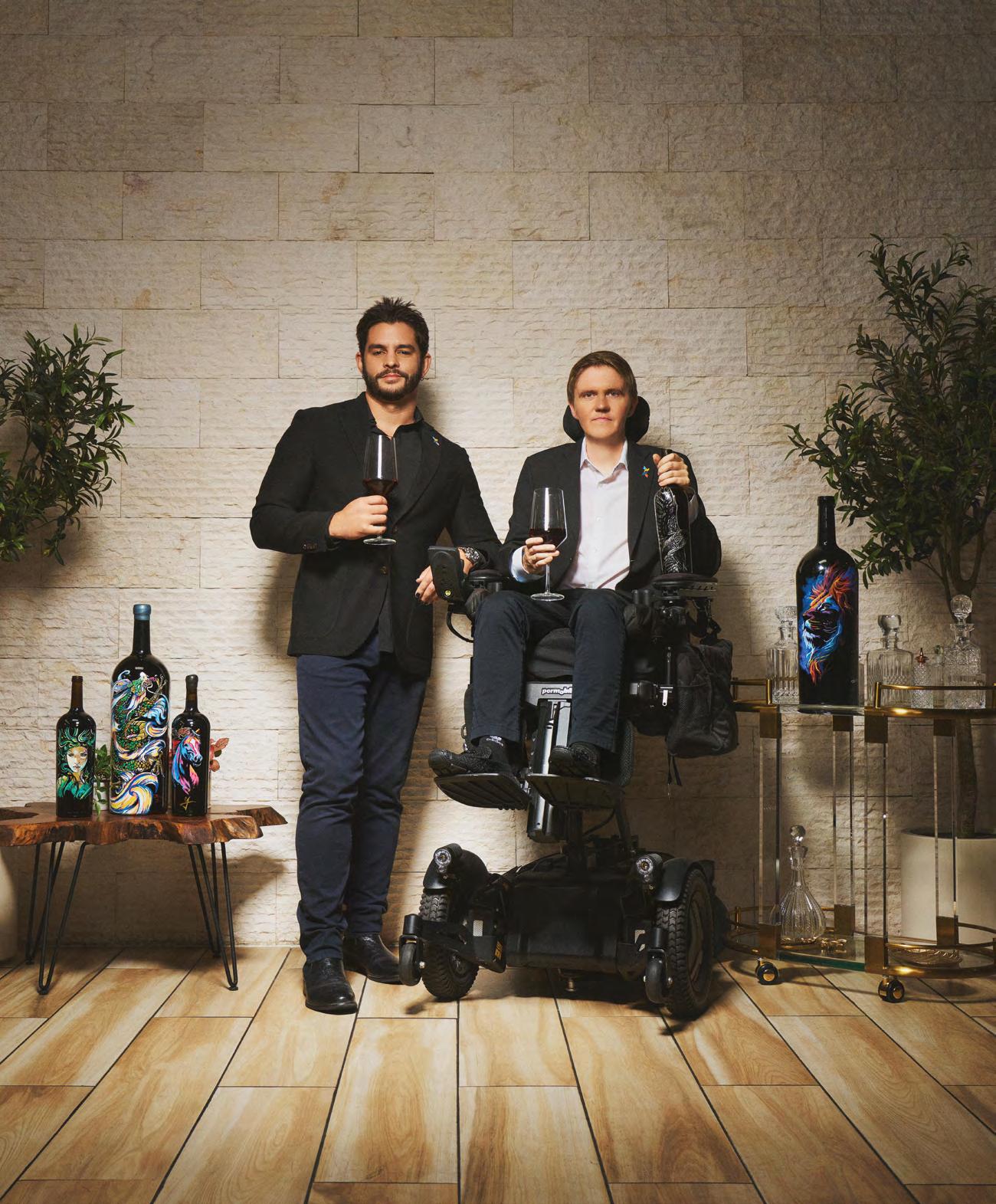
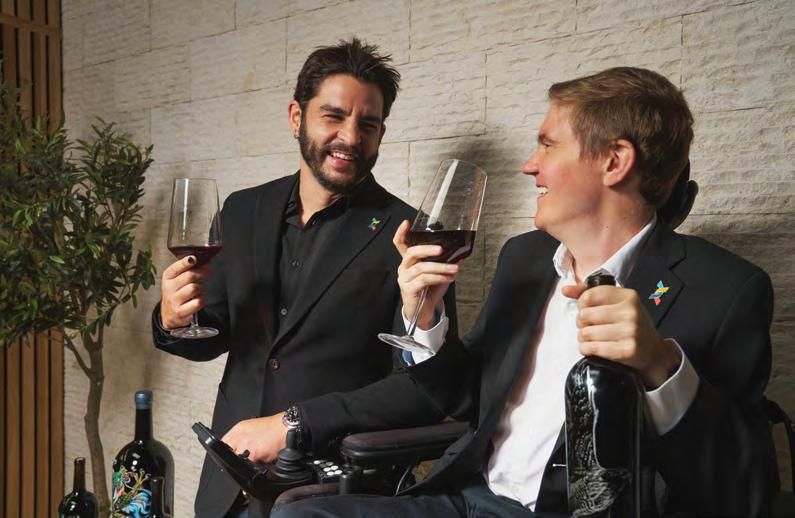
Blake Barrios of Rebellium Wines with a glass of Cabernet Sauvignon from the Imperial Artist Series.
Photo by Matthew Morgan Photography
Napa Valley Life Magazine is published six times a year. We have four quarterly publications and two annual publications. Copyright 2025 by Napa Valley Life Magazine. All rights reserved. No part of this publication may be reproduced without the written permission of the publisher. Subscriptions are available for $12/year by visiting napavalleylife.com and clicking on subscriptions at the top.
Corporate Headquarters: 314 E. Highland Mall Blvd., Suite 125, Austin, TX 78752 /NVLife @napavalleylifemag


































# PHOTOS COURTESY OF ART & CLARITY
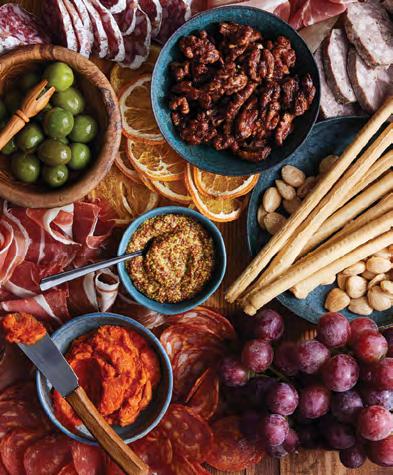
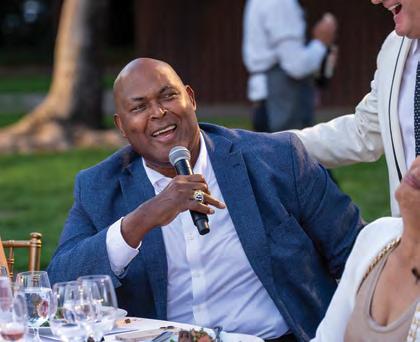
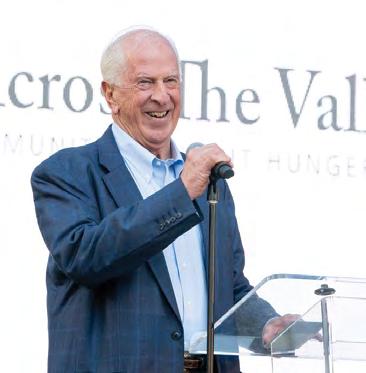
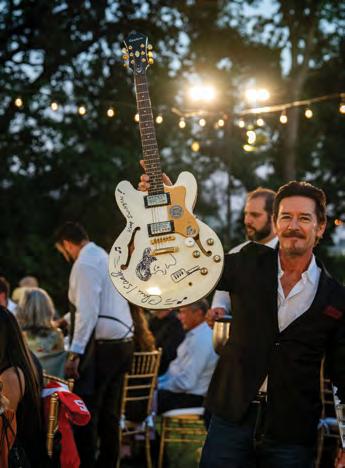
September’s 33rd annual Hands Across the Valley fundraiser, benefiting Napa County’s safety-net food programs, drew 390 guests to Charles Krug Winery for an evening of food, wine, and dancing. The gala, co-emceed by KTVU Channel 2 anchor Heather Holmes and former KTVU sports director Mark Ibanez, raised more than $350,000 for its beneficiaries, including fund-a-need recipient Napa’s Society of St. Vincent de Paul. Special guests included former San Francisco Giants J.T. Snow and Shawn Estes, and former San Francisco 49er Bubba Paris, who collectively helped raise $27,000 for the organization that evening. Congressman Mike Thompson delivered an impassioned speech from the stage, stressing the importance of fighting food insecurity in Napa County and beyond. // www.handsacrossthevalley.com


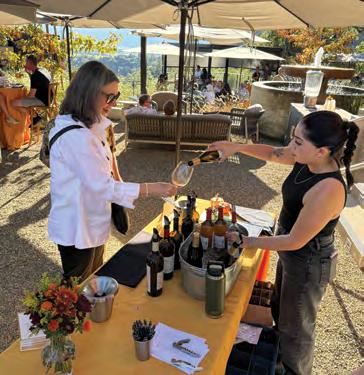
# PHOTOS COURTESY OF RUTHERFORD HILL WINERY
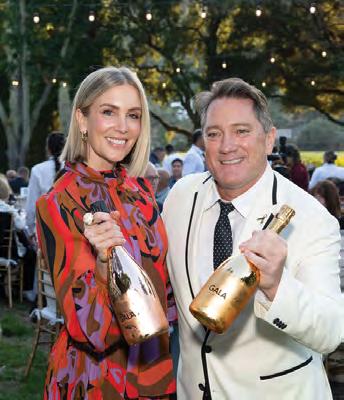
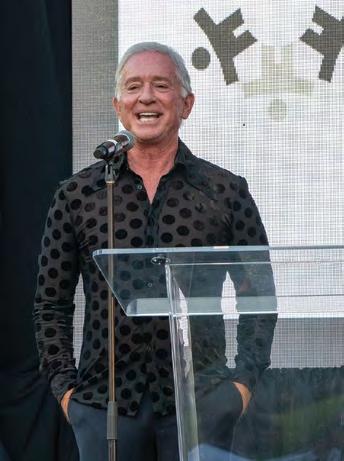
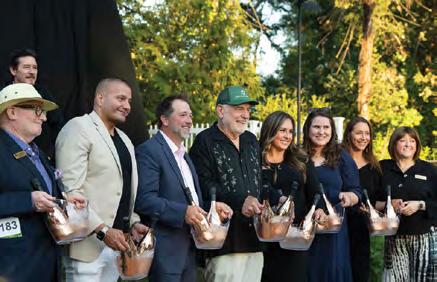
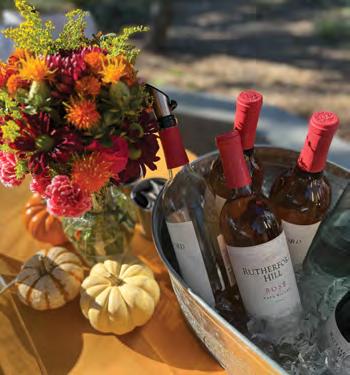
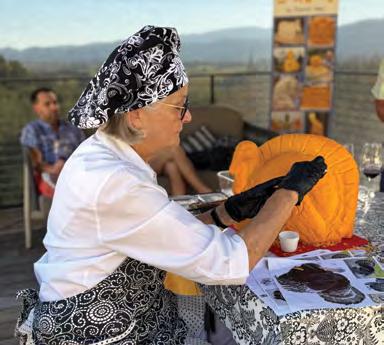
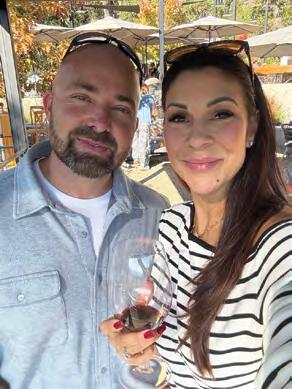
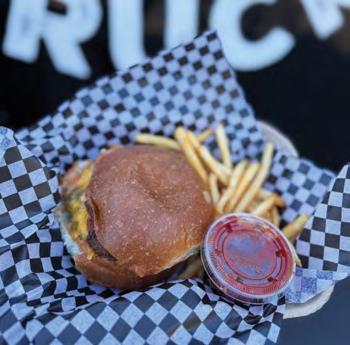
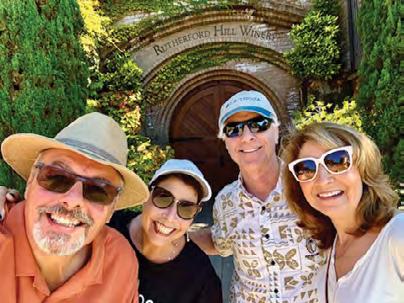
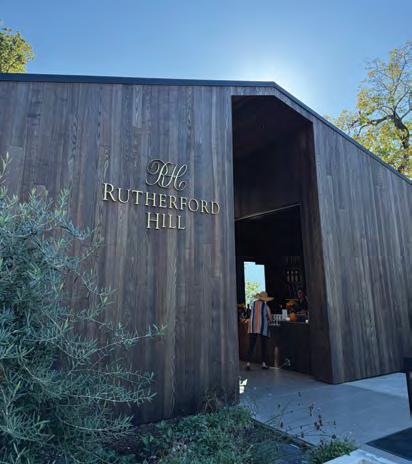
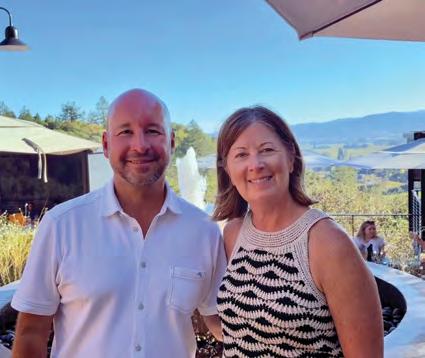
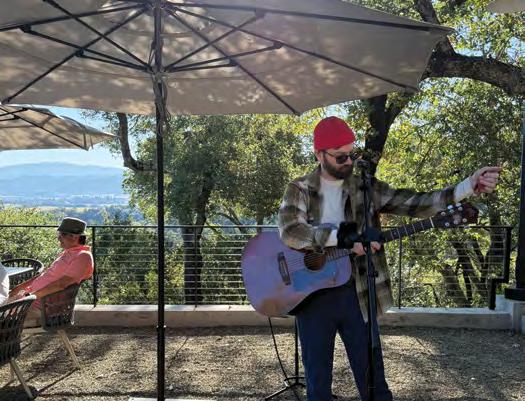
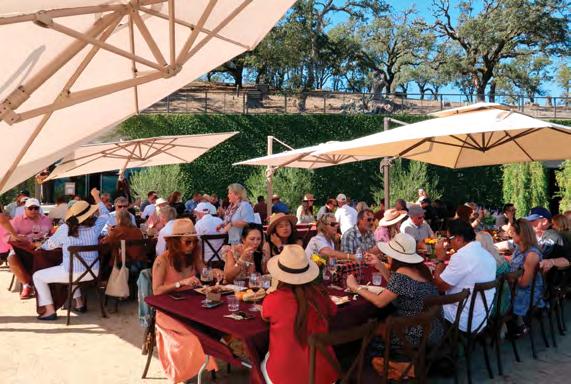
On November 2, Rutherford Hill Winery hosted an exclusive seasonal tasting for Wine Club members on its newly constructed Valley Vista Terrace. Guests savored the winery’s latest releases while enjoying a unique, interactive experience: cheese carver Sarah Nep etched a turkey and the winery’s name into a 40-lb wheel of cheese, giving members the chance to watch the process and sample the freshly carved portions. The event offered an afternoon of celebration, conversation, and the perfect pairing of wine, food, and community, underscoring the winery’s continued commitment to craftsmanship and memorable member experiences. // www.rutherfordhill.com
# PHOTOS COURTESY OF SHADYBROOK ESTATE WINERY
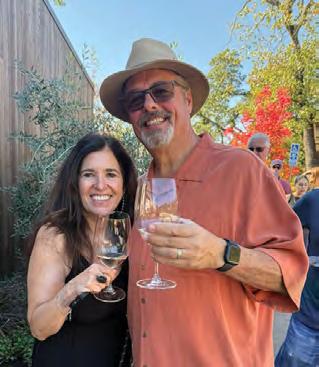
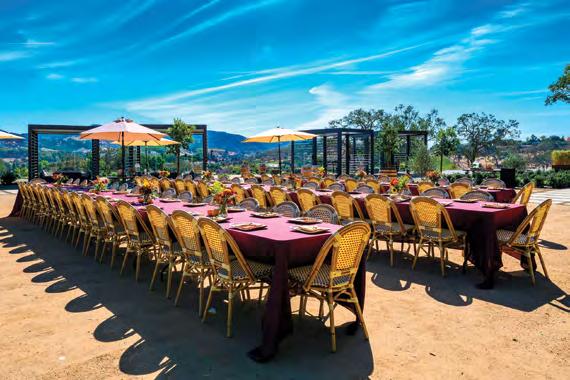
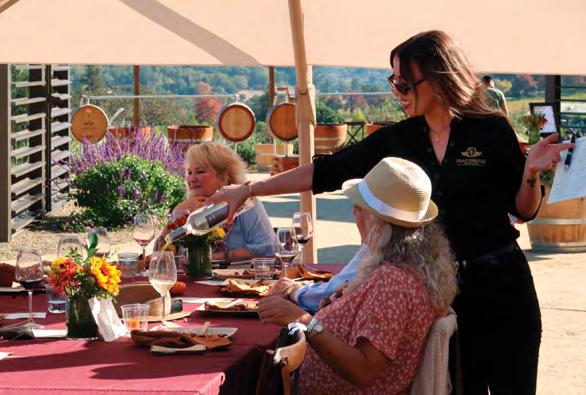
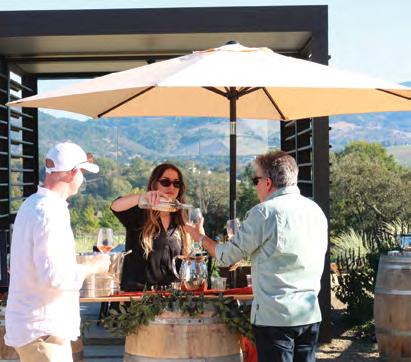
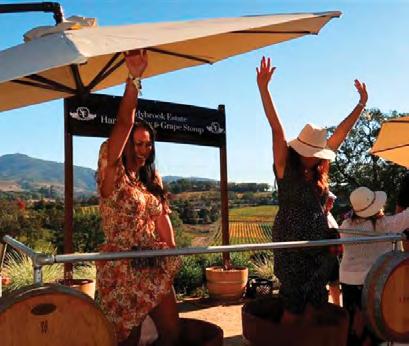
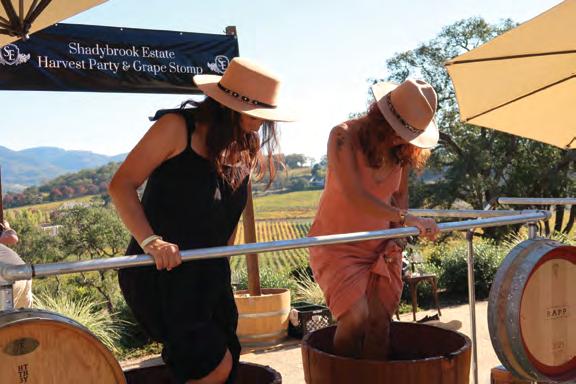
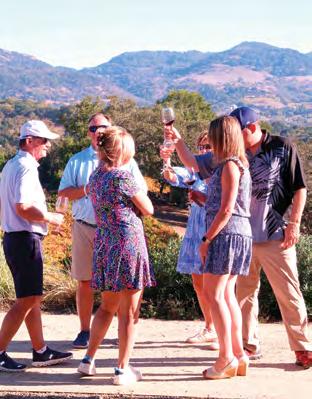
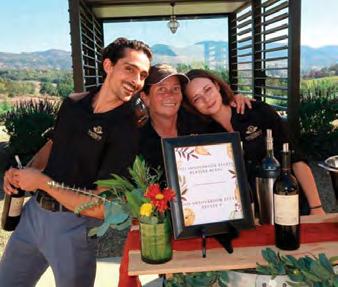
On October 19, Shadybrook Estate Winery welcomed Wine Club members and guests to its 2025 Annual Harvest Party, a festive afternoon celebrating the close of another successful harvest season. Guests gathered on The Overlook to enjoy newly released wines, a mouthwatering barbecue feast prepared by Chef Dave James of Deep Smoke, and the vibrant warmth of fall in Napa Valley. The celebration featured live music by Journey Day and a Grape Stomp competition on its custom-built stages. The atmosphere was filled with laughter, toasts, and heartfelt appreciation for the vineyard’s bounty—marking another memorable chapter in Shadybrook Estate’s story of craftsmanship and community. // www.shadybrookestate.com
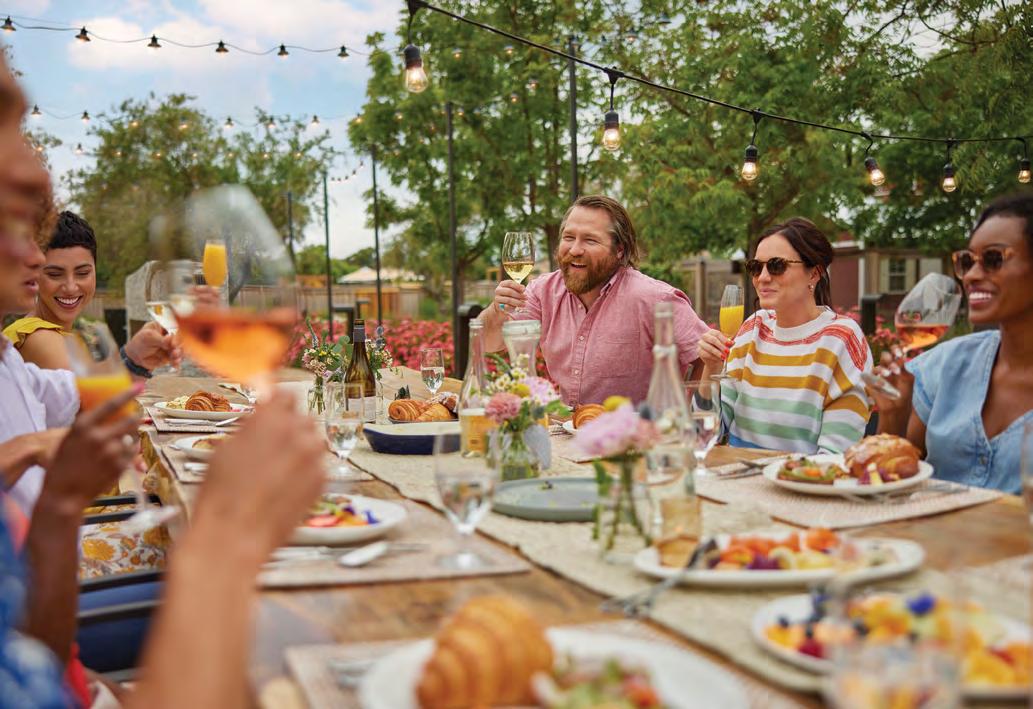
For 31 delicious days this January, Napa Valley Restaurant Month™ invites you to savor exclusive deals, creative menus, and unforgettable dining experiences crafted by the region’s top chefs. Revisit the places you love, discover something new just down the road, and enjoy the flavors of all five towns — right here in your own backyard.
As if that’s not enough, California residents can also enjoy insider perks at over 150 wineries through the Napa Neighbor program. Simply make a reservation and bring a valid state ID to indulge.
View participating restaurants and wineries at NapaNalleyRestaurantMonth.com & NapaNeighbor.com
Event dates subject to change. Please check event websites for current schedules.
December to March, 2026
WINTER CLASSES AND DEMOS AT CIA AT COPIA
Copia’s winter lineup offers hands-on culinary classes ranging from pasta and pastry to butchery and wine education. Small class sizes and expert instruction create an immersive experience suited for home cooks and food enthusiasts alike. Ideal for gifting, date nights, or skills-building, with take-home recipes and techniques that elevate everyday cooking. www.ciaatcopia.com
December 13 & 14
HOLIDAY MARKET AND WINTER WONDERLAND
Celebrate the holidays at St. Helena’s Winter Market & Holiday Dinner, a two-day festive event set within a magical “Winter Wonderland” theme. Enjoy shopping from local vendors, seasonal cuisine, and a grand holiday dinner. With community activities and charming holiday decorations, this event offers the perfect mix of
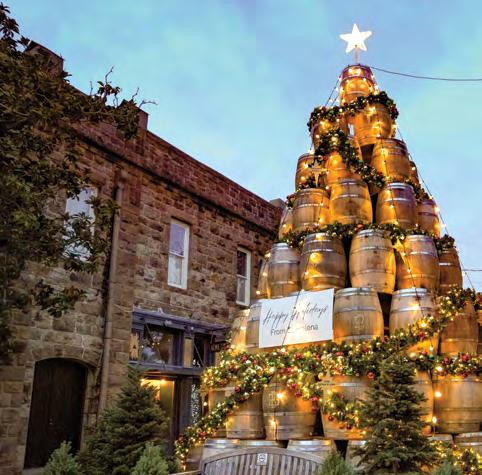
shopping, dining, and celebration for families, friends, and visitors seeking a memorable seasonal experience. www.sthelenawintermarket.com
December 15 – January 5, 2026
OXBOW PUBLIC MARKET HOLIDAY AND WINTER MAKERS POP-UPS
Oxbow’s annual pop-up series showcases rotating local artisans, seasonal treats, handmade goods, and festive cocktails all under one lively roof. It’s an easy add-on after downtown errands, perfect for spontaneous browsing or picking up last-minute host gifts. A vibrant community hub offering holiday spirit and one-of-akind finds from regional makers. www.oxbowpublicmarket.com
December 20 – February 29, 2026
CALISTOGA WINTER IN THE WINERIES PASSPORT
The seasonal passport grants access to multiple seated tastings at participating wineries, complemented
by merchant discounts around town. It’s a relaxed way to experience Calistoga during its quieter months, with cozy fireplaces, mineral pools, and slower-paced hospitality. Ideal for locals and return visitors who want to savor the valley’s northernmost charm without the high-season bustle. visitcalistoga.com/winter-in-thewineries-passport/
January to March, 2026
VINEYARDS OF NAPA VALLEY
Experience the breathtaking beauty of Napa Valley during Mustard Season, when vineyards are blanketed in brilliant yellow blooms. This seasonal phenomenon creates stunning scenery perfect for scenic drives, photography, and wine tasting. Visitors can enjoy a picturesque backdrop for exploring the valley’s wineries, capturing memorable moments, and celebrating the natural beauty of Napa Valley as winter turns to spring. www.visitnapavalley.com/events/ wild-mustard-season
Select Saturdays,
January – March, 2026
AMERICAN CANYON WETLANDS: RANGER-LED BIRD WALKS
Guided winter walks explore the serene wetlands filled with waterfowl, raptors, and migratory species. Rangers highlight seasonal behavior, habitat features, and conservation efforts as guests enjoy calm bay light and wide-open views. Participants should bring binoculars, layers, and waterproof shoes. Dogs are typically not permitted on guided programs to protect wildlife. americancanyon.gov/Live/CommunityCalendar/Beginners-Bird-Walk
Select Evenings
January – March, 2026
MEADOWOOD WINTER WINE DINNERS
Meadowood hosts an elegant series of wine dinners featuring library selections, producer spotlights, and multi-course menus crafted with precision. With limited seating and white-glove service, the evenings appeal to collectors, connoisseurs, and anyone seeking a refined winter indulgence. Jackets are recommended, and reservations should be secured early due to high demand. www.meadowood.com
January 1, 2026 | 10am – 3pm
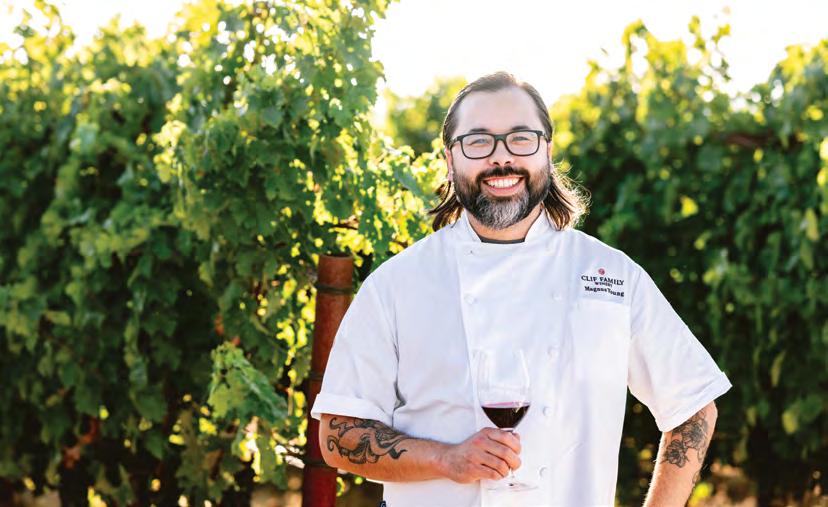
ANNUAL RejuVINation BRUNCH AT CLIF FAMILY
Start 2026 in style with Clif Family’s celebrated RejuVINation Brunch, pairing a special wine flight with a limited-time menu from the Clif Family Food Truck. Seasonal, farm-fresh dishes include Hoppin’ John, Chicken Biscuit with Gravy, and Chilaquiles. Wine Club Members enjoy complimentary tastings and additional discounts. Perfect for family and friends to gather and celebrate the new year. Reservations recommended. www.cliffamily.com/pages/events/ annual-reju-vi-nation-brunch-atclif-family
January 17 – February 15, 2026
NAPA LIGHTED ART FESTIVAL
Downtown Napa transforms into a vibrant illuminated wonderland during the month-long Napa Lighted Art Festival. Featuring walkable
outdoor installations by local and international artists, the festival offers an immersive cultural experience. Visitors can explore unique artwork, attend community events, and enjoy the lively, illuminated streetscape after dark. This free, family-friendly festival highlights Napa’s creativity and brings the city to life during winter evenings. www.cityofnapa.org/689/NapaLighted-Art-Festival
February 6 – 9, 2026
This thoughtfully curated festival brings international short films to Yountville’s intimate venues, blending art and wine in a polished, small-town setting. Expect filmmaker Q&As, themed blocks, and screenings paired with local pours. It’s a cultured, conversational weekend that attracts cinephiles, industry guests, and those looking for a refined cultural escape between tastings and excellent dining. www.yisff.com
February 1 – March 29, 2026
Celebrate Mustard Season at St. Supéry with a unique tasting experience featuring mustardinspired cuisine paired with wine flights. Highlighting Napa Valley’s culinary and viticultural excellence, this seasonal event combines farm-fresh ingredients, creative pairings, and elegant
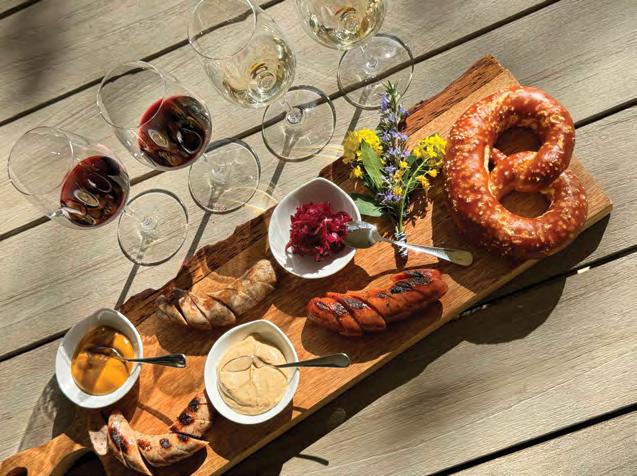
presentation. Guests can enjoy a distinctive sensory experience that blends flavors of the season with award-winning wines, perfect for foodies, wine lovers, and visitors seeking something uniquely Napa. www.stsupery.com/mustardsausage-wine-flight-2025
February 21, 2026
Join Grgich Hills Estate for the Legacy Library Dinner, an exclusive evening pairing exceptional, aged vintages with a carefully curated multi-course menu. This acclaimed dinner series showcases culinary excellence alongside world-class wines, creating a luxurious and intimate experience. Spaces are limited for this highly sought-after event. www.grgich.com/event/legacylibrary-dinner-february-2026/
March 1, 2026
A scenic, point-to-point course running along the iconic Silverado Trail, known for cool temperatures, vineyard views, and strong local support. Spectators have excellent vantage points to cheer runners on, while volunteers help elevate the community energy. Participants can explore expo vendors, secure charity bibs, and enjoy one of Northern California’s most picturesque endurance events. www.napavalleymarathon.org
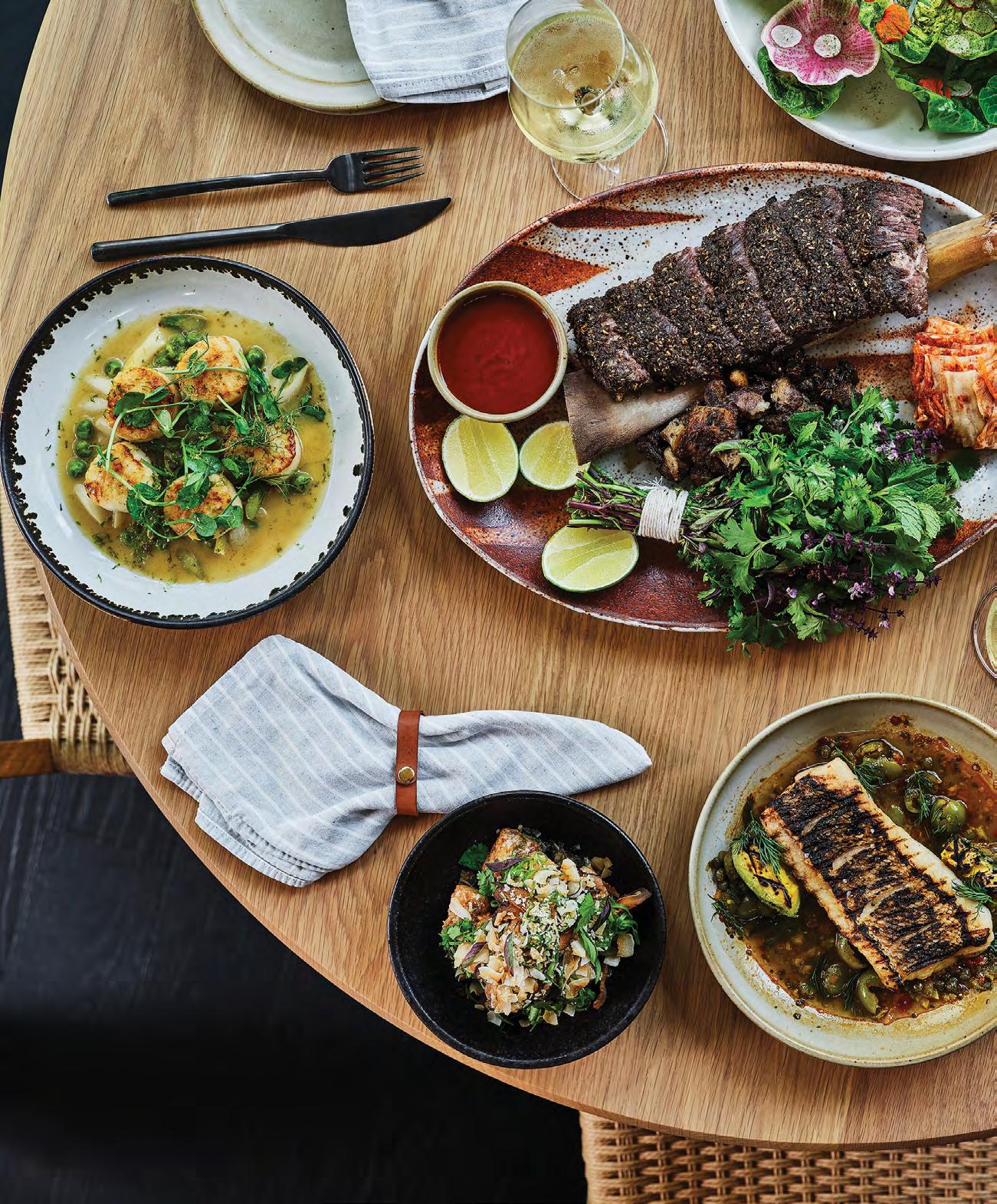
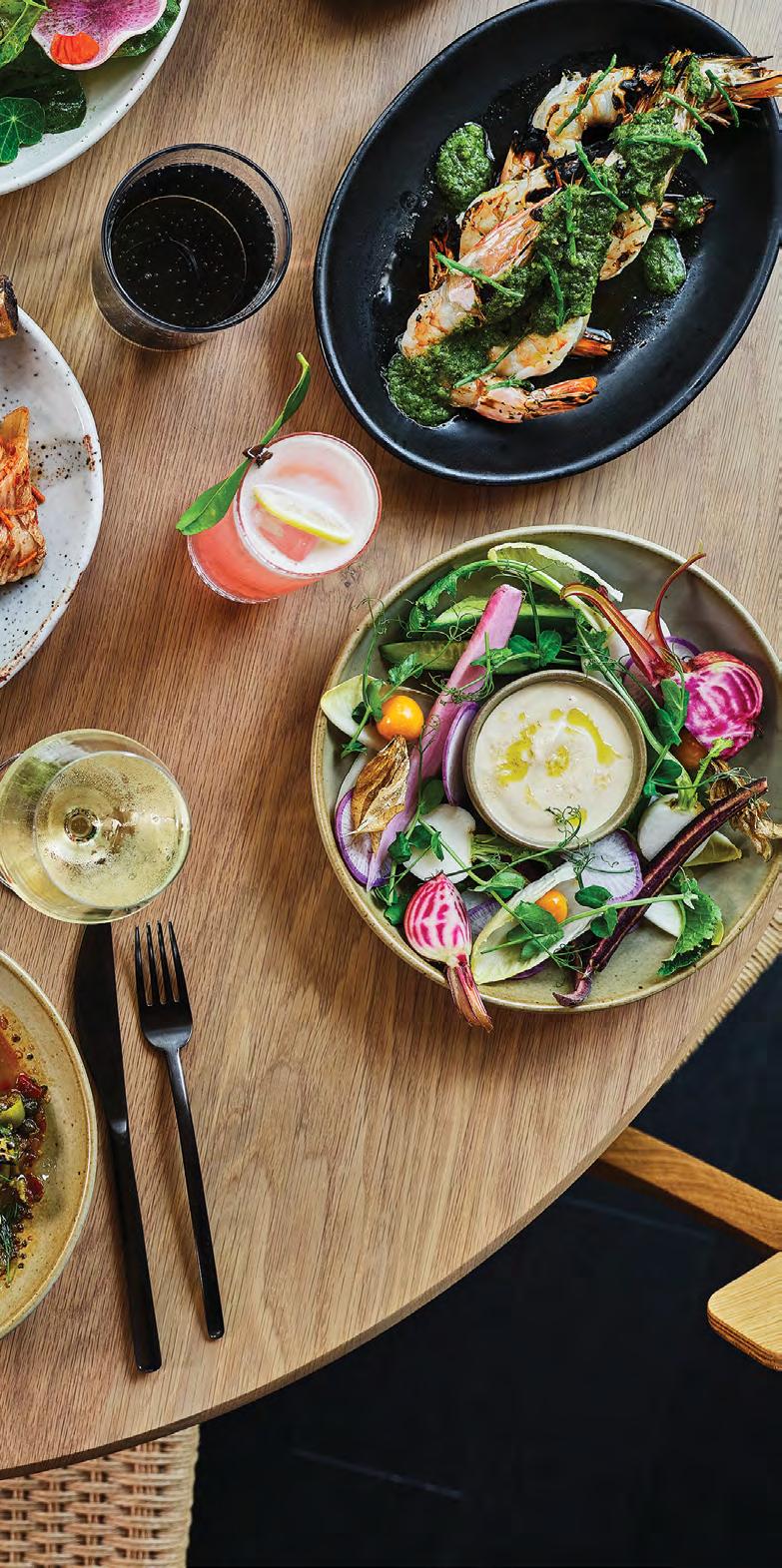
For some, January is the gloomiest month of the year. Post-holiday blues, winter dragging on, New Year’s resolutions looming—but here in Napa Valley, we’re having none of that.
January is the perfect time to experience Napa Valley at its most flavorful. From January 1 through January 31, acclaimed restaurants across the region open their doors with exclusive offers and creative tasting menus celebrating the best of wine country cuisine as part of Visit Napa Valley’s Restaurant Month. Whether this is your first visit or your fiftieth, you’ll enjoy Napa Valley in a whole new light.
Whether you’re looking for Michelinstarred dining rooms, tucked-away neighborhood bistros, grab-and-go sandwich spots, or anything in between, we’ve got you covered. Restaurant Month is the best time to try them all—after all, when else will you get the chance to take advantage of such exclusive deals? Show your appreciation for the valley’s local businesses all month long and enjoy a true culinary celebration that captures the essence of wine country.
For locals, January is a chance to claim Napa’s often-reserved winter days as your own, with restaurants offering inventive prix fixe menus and a variety of special pairings. For visitors, it’s an ideal moment to discover the true soul of Napa Valley: fewer crowds, a more relaxed ambiance, and a lineup of top-flight restaurants participating in a shared celebration of food, wine, and culture.
Of course, restaurants take center stage this month, but that’s not all Napa Valley has to offer. This is Napa Valley, where you can indulge in the best of everything. January also brings a month-long spotlight on the Napa Valley Vintners Napa Neighbor Program. Typically offering perks to Napa County residents, this year the program is extended to include California residents statewide: show your California ID at participating wineries and enjoy two-forone tastings, complimentary experiences,
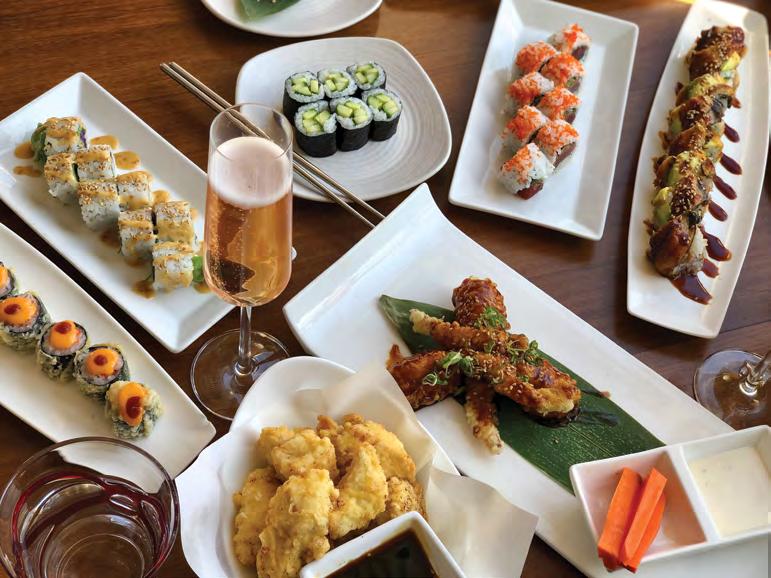
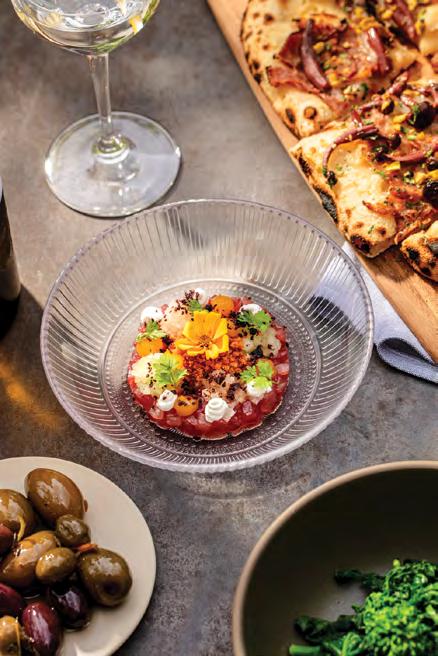
upgraded tours, and VIP treatment at many of Napa Valley’s celebrated wineries.
This January, Visit Napa Valley invites you to dine, taste, and explore. It’s the perfect time to move beyond the familiar and treat yourself to something brand-new, no matter who you are or where you come from. We’ll be waiting to toast your arrival!
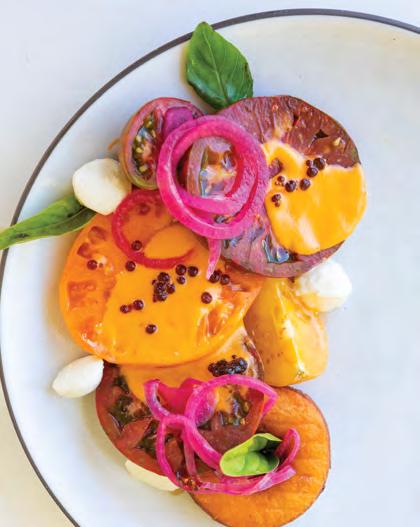
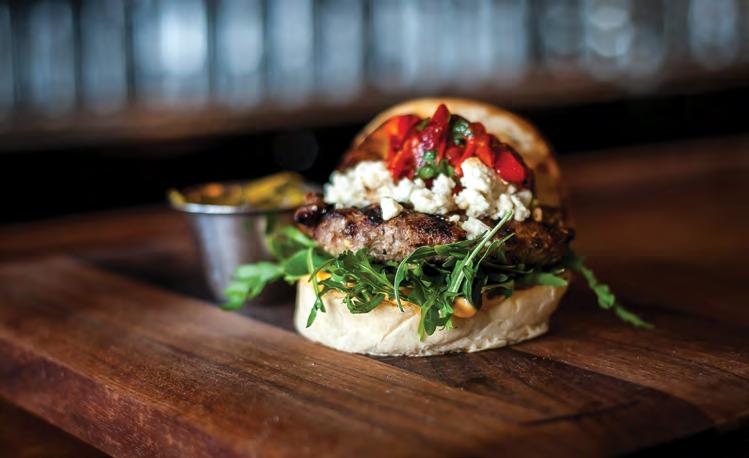
With five towns encompassing more than a hundred restaurants—each offering seasonal ingredients and thoughtful, unexpected menus—Napa Valley is a treasure trove of foodie fun. And this Restaurant Month, it’s all yours to explore.
At every meal, you’ll find chefs leaning into the local harvest: winter vegetables, fresh-caught fish from nearby coasts, savory cuts from regional farms, and wines from across the valley.
Many restaurants design special menus just for this month, combining value, creativity, and the kind of experience that makes Napa Valley so special.
If you’re a local, perhaps you’ll visit a restaurant you’ve always meant to try, or head back to a beloved spot and discover a
new dish crafted for this occasion. If you’re visiting, consider building your getaway around Restaurant Month: book a tasting in the early afternoon, stroll Main Street in Yountville or the Oxbow District in Napa, then settle in for an elevated dinner before waking the next day to an unhurried walk through vineyards or a second culinary stop. Rinse and repeat.
Even though you won’t be heading out during peak season, don’t assume you’ll be the only one there. Reservations are the key to success around the valley. Because many restaurants participate in this one-month event, tables fill sooner than usual. Browse the participating lists, peruse the menus, and make your plans ahead. Your January dining calendar should include not just the “what,” but the “where” and “when.”
While the focus may be on dining, don’t forget—this is wine country. The Napa Valley Vintners Napa Neighbor Program adds the wine back into your Restaurant Month experience, one winery at a time. Enjoy an unhurried tasting experience and thinner crowds, perfect for savoring each sip at your own pace.
For the first time in many years, the Napa Neighbor Program has widened its options to include more than just Napa locals. Now, California residents (21+ with valid ID) are invited to join in. Participating wineries are offering perks such as complimentary or upgraded tastings, two-for-one flights, discounts on wine purchases, and more.
focus on creativity, seasonal transitions, and taking it slow.
The result is an experience that feels more gracious, more connected, more true to this place. You’ll notice the mindful pacing, the welcoming touch of service, the attention to pairing. Whether you’re pulling up a seat at a renowned chef’s table or enjoying a casual bite at a local bistro, you’ll feel the valley’s rhythm in every moment.
Beyond the platters and pours, this month is also an invitation to reflect on what Napa Valley stands for: terroir, craftsmanship, and community. When chefs source from local farms and vintners open their doors
Whether you’re looking for Michelin-starred dining rooms, tucked-away neighborhood bistros, grab-and-go sandwich spots, or anything in between, we’ve got you covered. Restaurant Month is the best time to try them all.
So what does that mean for you? If you live in the valley, you’ve got all the more reason to explore your own backyard. Locals too often fall into the trap of only patronizing their regular spots, so this January, branch out. Book an appointment at a winery you’ve never visited, or revisit one you haven’t seen in a while. If you’re visiting, simply ask your concierge if they’re part of the Napa Neighbor Program, and they can point you in the right direction.
So why is January a great time to visit Napa Valley? (Any time is a great time to visit Napa Valley, but let’s set that aside.) Some think of these gray late-winter months as the off-season of any destination—but that’s the point. Here in California’s wine country, the late-winter season isn’t dreary; it’s what we refer to as “Cabernet Season”. You’ll find fewer crowds, giving you plenty of space to explore and bask in pale winter sunlight. The morning mist turns the vineyards otherworldly, and everything glows with that New Year’s hopefulness.
From the industry side, January offers a unique kind of freedom. Restaurants and wineries aren’t constrained by summer crowds or holiday madness, so they can
with special welcome, it’s a reminder of the interwoven tapestry of food, wine, land, and people that make this region truly special.
For residents, it’s a chance to reconnect with the places you call home, with local teams and talent, and with the rich bounty of the season. For visitors, it’s a chance to step beyond the bucket-list wine tour and into the daily life and culture of Napa Valley.
Whether you’re a Napa Valley local or coming in from elsewhere in California— or beyond—January is your moment. The Tastiest Time of Year has returned for Napa Valley Restaurant Month, and the Napa Neighbor Program has opened its doors wider than ever. Bring your appetite, your curiosity, and your sense of discovery.
Walk the vineyards in the morning. Taste a crisp wine in the early afternoon. Take in the magic of the Lighted Art Festival in downtown Napa, soak in the scenery of the Napa Valley Mustard Festival, and settle into a beautiful dinner. Savor the season where the vines meet the table.
So plan your month. Make the reservations. Pack a sense of adventure—and a bit of appetite. Napa Valley is waiting for you.
Waxing poetic aside, let’s talk practicality. To make the most of this month, follow a few tips ahead of your trip:
Book early . Many restaurants and wineries have reserved slots for the special month. If you’re inviting guests or planning a special evening, secure your reservation ahead.
Mix it up . Plan a casual lunch at a lesser-known spot and save the extravagant dinner for one of the standards of wine-country dining—or vice versa.
Pair your experiences . Plan a mid-afternoon tasting at a participating winery (show your ID for the Neighbor perk), then hop over for a special dinner menu at a participating restaurant.
Ask the questions. At the winery tasting room: “Are you participating in the Napa Neighbor Program for January?” At the restaurant: “Is this a special menu for Restaurant Month?”
Stay local or discover anew . Locals: this is your window to revisit and explore. Visitors: this is your chance to tap into the heart of the valley with fewer crowds and less stress.
Make the most of the valley. Don’t stay anchored in one spot. Move between Napa, Yountville, St. Helena, Calistoga, and American Canyon. Each town has its own character, and Restaurant Month spans them all.
Relish the full experience Don’t just count the dishes or tastings—feel the valley. Walk the streets, talk to the chefs or tasting room hosts, notice the light dipping on the vines at twilight, enjoy the calm that comes when the rush of peak season has folded.
JANUARY 16-19, 2026
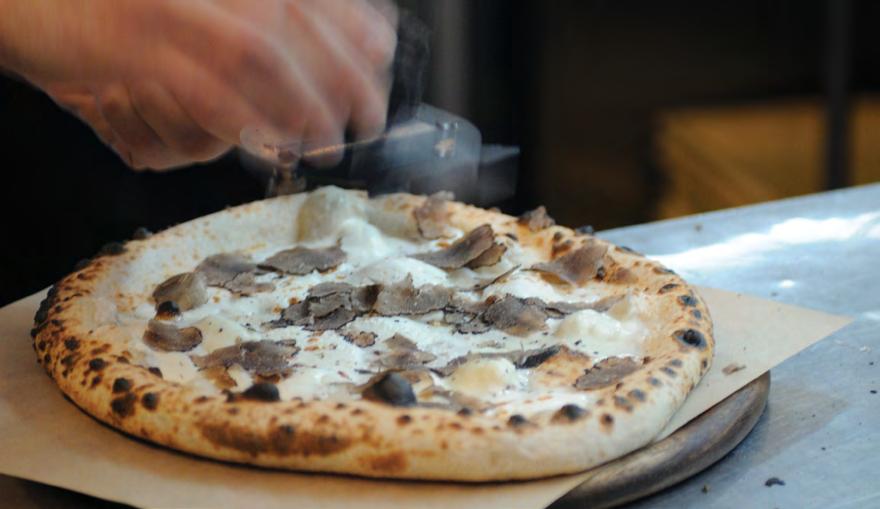

Napa Truffle Festival delivers ultra-fresh American Périgord truffles, plus truffle dogs, a truffle film and one big free Marketplace.
Get them while you can. Truffles are a seasonal delicacy, and the Périgord black (winter) truffle, the most sought-after black truffle in the world, is at the center of the annual Napa Truffle Festival. These ‘black diamonds’, plucked from the ground between December through March, will be harvested domestically and offered ultra-fresh within hours throughout the festival weekend, rather than the days it takes to ship from Europe.
“Freshness is the holy grail of quality and flavor with truffles,” says Chef Ken Frank of the highly acclaimed La Toque restaurant in Napa Valley, and one of the country’s foremost culinary experts on truffles.
Most of the festival programs are sold out, but you will be able to purchase fresh truffles at the free Truffle Festival Marketplace throughout the festival weekend, where you can also sample the incredible flavors of the black truffle prepared in every fabulous way by the merchants of Oxbow Public Market. And, lucky you, truffle dogs will be making appearances (petting encouraged!).
For the ultimate culinary truffle experience, seats are still available for the Truffles & Wine Dinner at La Toque,
featuring truffle dishes prepared by Michelin-star and master chefs from around the world. Each course will showcase the elegant flavors of black truffles, elevated by the chefs’ distinct styles and global influences, and perfectly paired with exquisite wines.
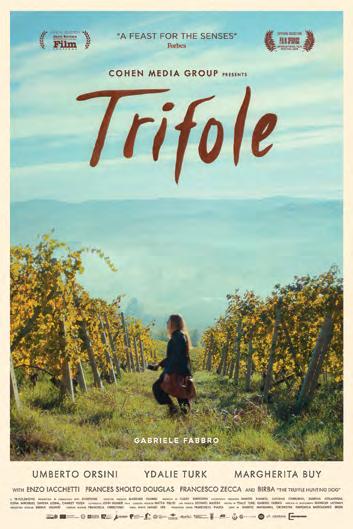
New this year is La Dolce Trifole: A Night of Film, Flavor and Furry Friends, which features an exclusive screening of Trifole, a soulful, visually rich film that follows a young woman who sets out with her aging grandfather’s loyal truffle dog to search for a legendary truffle while encountering mystical and authentic adventures along the way. Presented at the CIA-Copia and featuring truffle pizza, wine and everybody’s favorite truffle dogs.
Why dogs? Dogs are used for truffle hunting for their extremely acute sense of smell, which allows them to find the aromatic, underground fungi. They are also more controllable, less destructive to the environment (than pigs), and easier to train to locate ripe truffles.
Foodies can taste and learn more about truffles at the Napa Truffle Festival, January 16–19, 2026. The weekend includes experiential truffle programs, extraordinary truffle meals, truffle dog demos, and one big free Truffle Marketplace at the Oxbow Public Market, featuring ultra-fresh American Périgord truffles and exciting new truffle products for sale. FOR MORE INFORMATION: www.napatrufflefestival.com
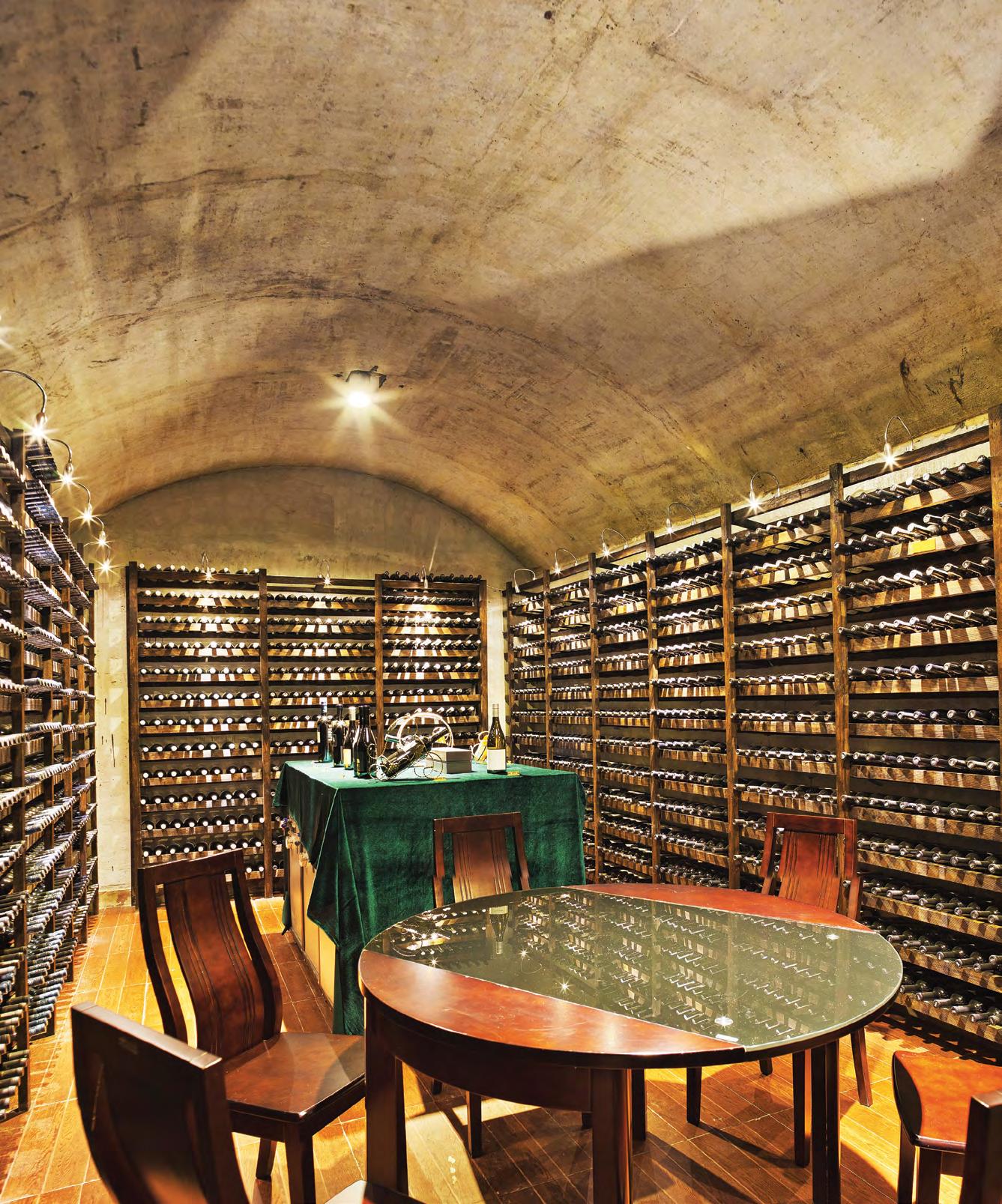
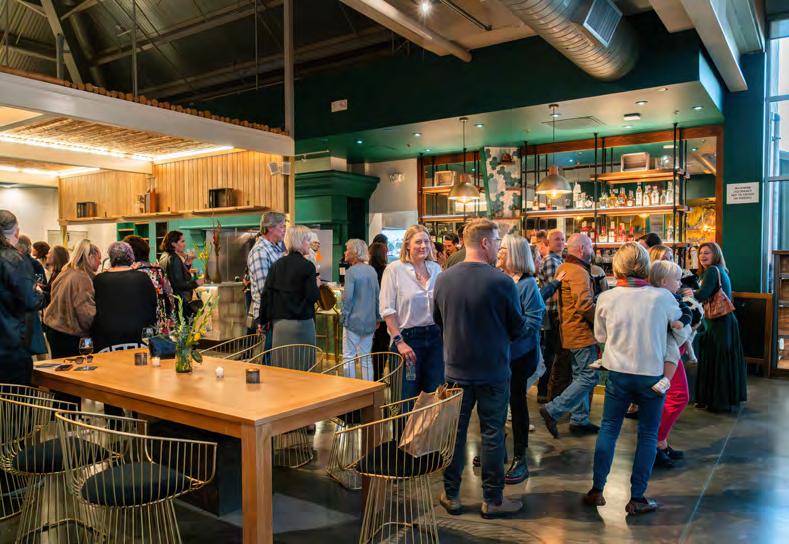
Rotation by Feast It Forward is Napa Valley’s newest culinary destination—founded by creative entrepreneur Katie Hamilton Shaffer—a global chef residency and experiential restaurant blending food, wine, music, and storytelling. Presented in partnership with Visit Napa Valley, Rotation is designed to drive tourism and elevate the region’s culinary scene. Powered by Toast POS, this innovative space rotates acclaimed chefs and beverage talent from around the world, offering guests an ever-evolving dining experience that celebrates creativity, community, and connection in the heart of downtown Napa.
FOR MORE INFORMATION 610 1st Street, Napa // www.rotationnapa.com
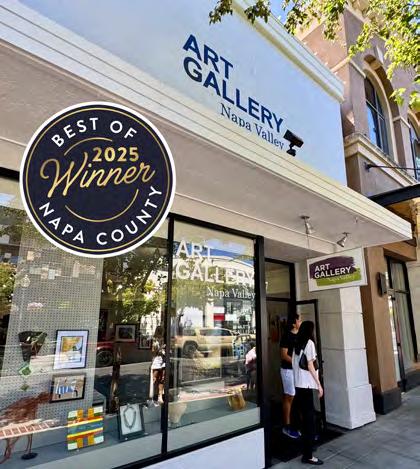
Art Gallery Napa Valley is thrilled and honored to win the Best of Napa County Gold Award for the second year in a row. Located in the heart of downtown Napa, Art Gallery Napa Valley (AGNV) showcases more than 50 local artists working across diverse media—oil, acrylic, watercolor, photography, ceramics, jewelry, glass, mosaics, and more. The gallery is filled with unique choices at every price point. A portion of all sales goes to the AANV Napa Student Scholarship Program. Open daily from 10am to 6pm.
FOR MORE INFORMATION www.artgallerynapavalley.org
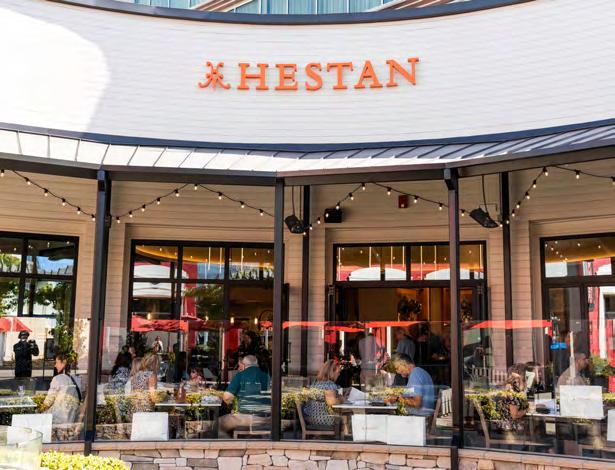
An extraordinary new destination to sip, savor, and shop has arrived in downtown Napa. Discover Hestan Napa, a first-of-itskind flagship where world-class dining, award-winning wines, and the pinnacle of culinary innovation come together. In a beautiful new setting, savor Michelin-starred chef Mark Dommen’s creative menu, indulge in Hestan Vineyard wines, and experience the artistry behind the cookware and appliances trusted in the world’s top kitchens. Hestan Napa is open Thursday–Monday for shopping, dining, and tastings in downtown Napa.
FOR MORE INFORMATION www.hestanculinary.com // 1300 First Street, Suite 291, Napa
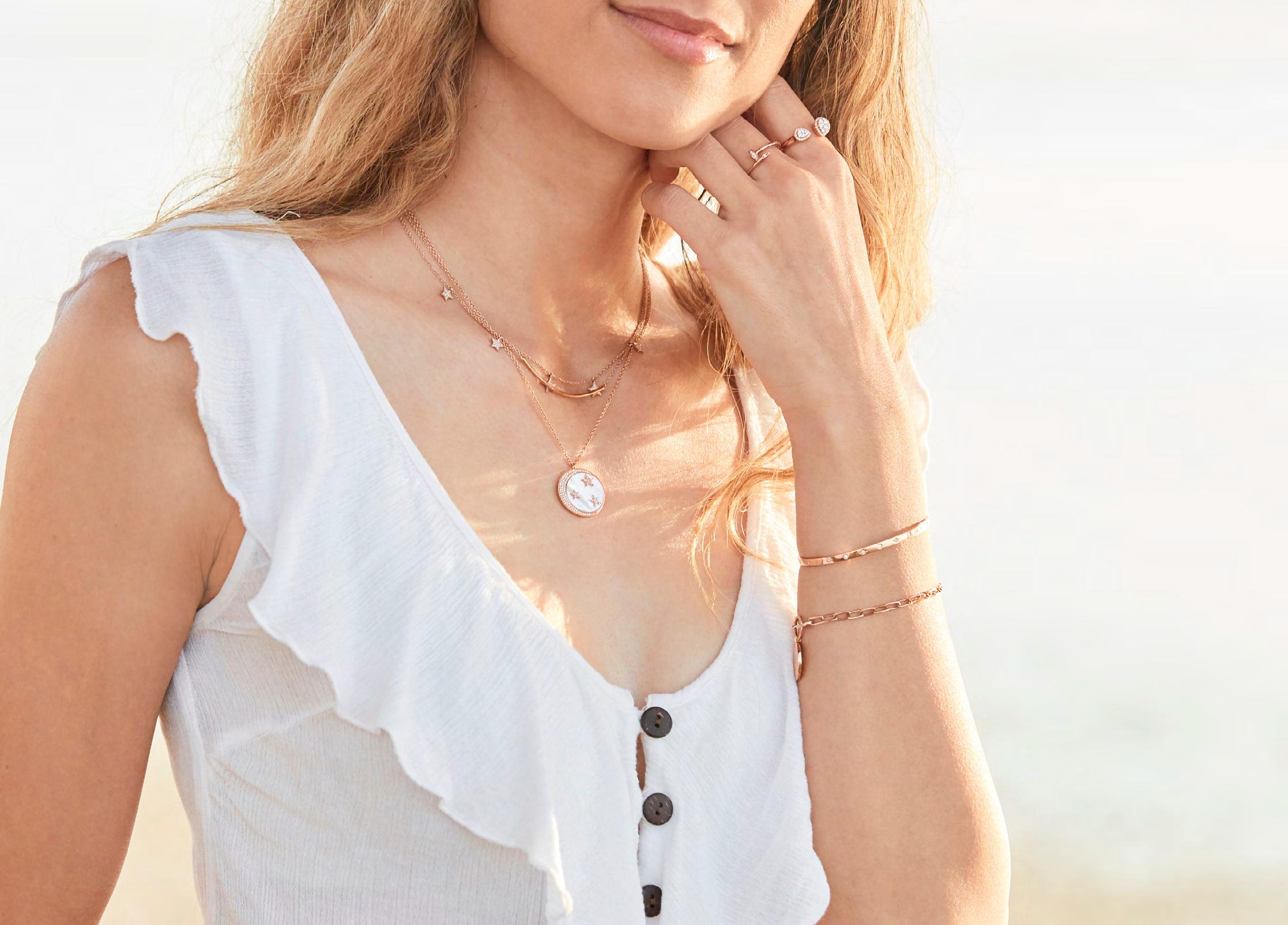
Discover our collection of unique pieces and popular styles.
Bring an inspiration photo or explore our showroom to begin your design journey.
Professional cleaning, inspection, and repair services by our in-store experts, available to everyone.
Whether parting with cherished pieces or discovering new treasures, our jewelers provide free appraisals and generous offers.
1300 1s t St. Suite 365 Napa Valley, California, 94559
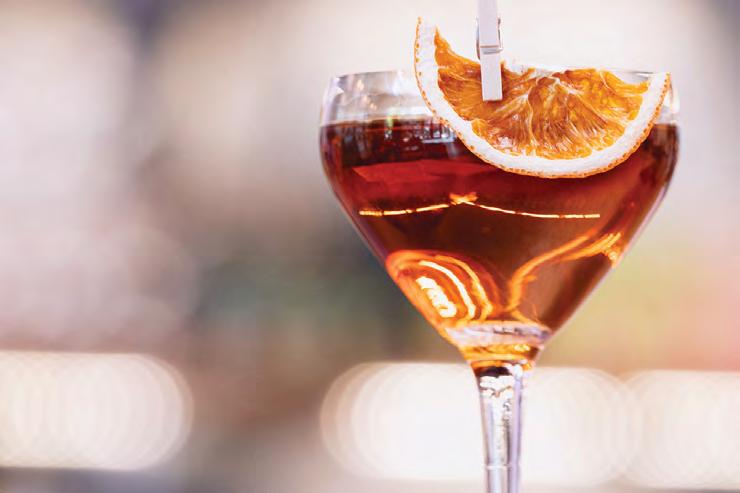
Downtown Napa has a new destination for craft spirits enthusiasts: The Club Room, a pop-up lounge from Napa Valley Distillery. Guests can explore an elevated tasting experience, sampling a curated selection of locally crafted spirits and innovative cocktails designed by expert mixologists. The space also features an array of barware and accessories, perfect for both collectors and casual fans. With its stylish, intimate setting, The Club Room offers a modern, sophisticated take on Napa’s rich craft spirits scene— ideal for evenings out, small gatherings, or discovering something new in the heart of the city.
FOR MORE INFORMATION 1300 1ST ST. #309, Napa // www.napadistillery.com/the-club-room
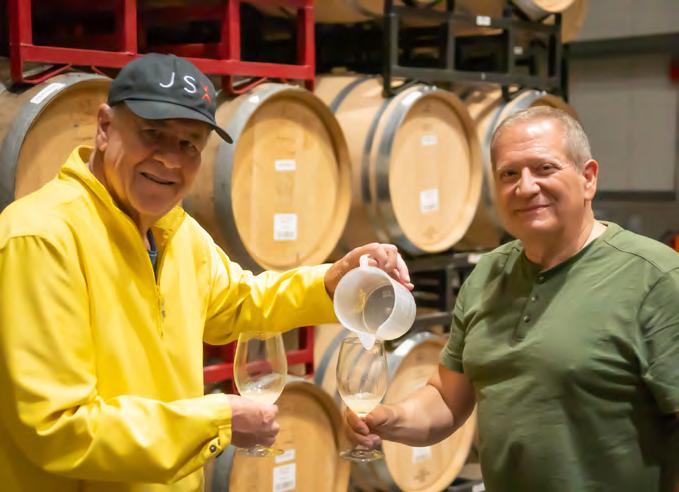
Petit Soleil, a local breakfast-and-lunch café, is relocating from Clay Street to Imola Avenue in Napa, taking over the former Huckleberry’s space at the Best Western Plus Inn at the Vines. Owner Trena Madrigal says the team will take full control of the space on December 1, with plans to vacate the current location by February 2026. Customers can expect the same menu favorites, including pancakes, omelets, Eggs Benedict, sandwiches, salads, burgers, and a full coffee and espresso program.
FOR MORE INFORMATION 1000 Imola Avenue, Napa www.petitsoleilonclay.com
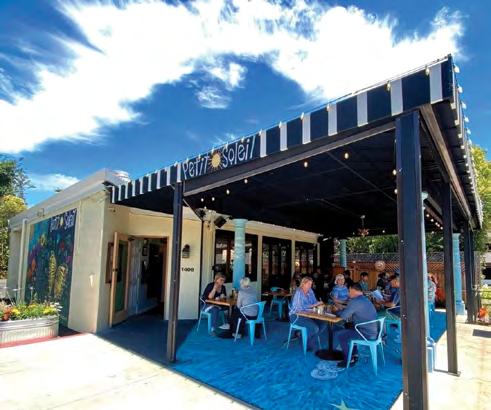
A new chapter has begun at Newton Vineyard under the ownership of Napa residents Nick Livanos and Eric Bryan Seuthe. Vine by vine, their team is reestablishing the historic Spring Mountain property—completely lost in the 2020 fires—revitalizing its caves, and investing in sustainable farming to bring the vineyard back to its former glory. The first wines from the renewed estate will come from the 2025 harvest.
FOR MORE INFORMATION 2555 Madrona Avenue, St. Helena // www.newtonvineyard.com
BY FRAN MILLER | PHOTOS BY MATTHEW MORGAN
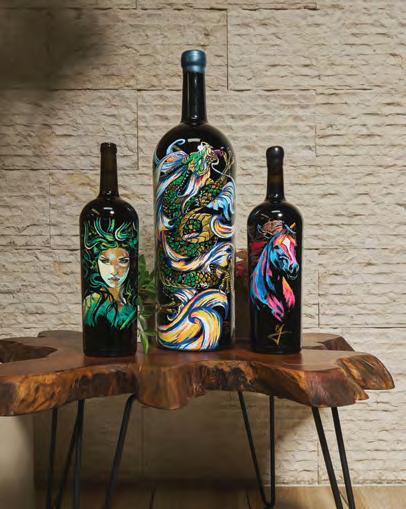
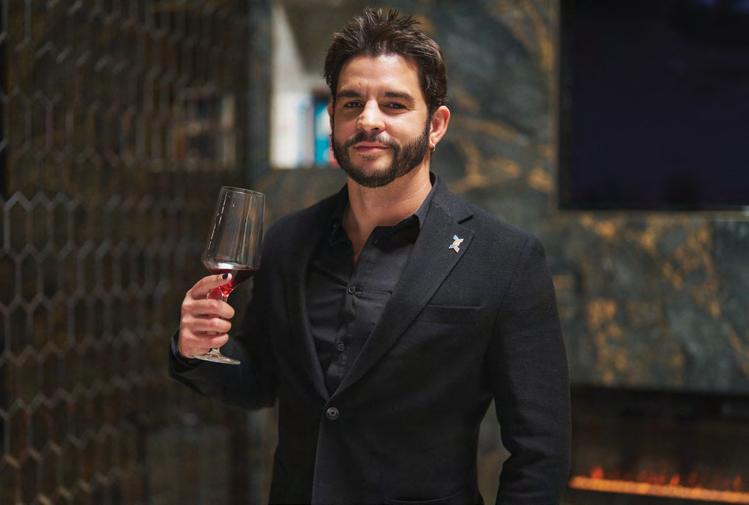
At Rebellium Wines, bottles are never just vessels of Cabernet; they are canvases. Each hand-painted magnum tells a story, bridging the Napa Valley’s obsession with fine wine and the art world’s love of singular expression. Founded in 2017, Rebellium is the brainchild of Napa native Blake Barrios, whose appearance and sensibility challenge every cliché of the Valley vintner. With his black nail polish, creative edge, and painter’s eye, Barrios hardly looks like someone who spent 18 years in the wine industry—much of it in sales. But his vision was shaped by that insider knowledge: he knew how the business worked, and he knew what it lacked.
Barrios doesn’t see bottles as packaging; he sees them as canvases. What began as a side project—donating hand-painted bottles of wine to charity auctions—evolved into a fullfledged brand with its own following. Today, Rebellium produces wines in tiny quantities, often in magnum format, each hand-painted by Barrios in painstaking layers of oil-based DecoColor paints. A single bottle can take days or even weeks to complete, with each design tailored to a theme or, in private commissions, to a client’s interests.
His personal style—edgy, creative, with a touch of the rebellious—infuses the brand. “I was born and raised in Napa,
but I’ve always seen the world through the eyes of an artist,” he says. “Wine was my industry, art was my calling. Rebellium let me merge the two.”
While Barrios paints the exterior, he entrusts the contents to a pair of seasoned Napa winemakers. Jon Keyes, a UC Santa Barbara chemistry graduate, brings an eclectic résumé: stints at cult producer Sine Qua Non, a vintage at Two Hands in Australia, cellar master at Outpost Wines under Thomas Rivers Brown, collaborations with Mark Herold, and projects like Dwyane Wade’s Wade Cellars. At Rebellium, Keyes embraces a no-intervention philosophy, coaxing expressiveness from fruit sourced in Oakville.
Renowned winemaker Julien Fayard, in collaboration with Barrios, crafted the Imperial Artist Series—a philanthropic project consisting of just ten six-liter bottles of Cabernet Sauvignon blends. Each Imperial is a monumental piece of glass art, painted by Barrios and filled by Fayard, then released to support charitable causes. Though Cabernet Sauvignon remains the signature varietal for both Rebellium and the Imperial Artist Series, both winemakers have freedom to explore. Their choices shape the limited runs, underscoring the brand’s philosophy: art outside, artistry inside.

From its earliest days, Rebellium has built philanthropy into its DNA. The message is consistent: Rebellium bottles are not just collectibles, but conduits for change. And Barrios walks the walk. He is currently an active mentor for the Scars Foundation, supports the Teen Wild Recology Center, and partners with a rotating roster of nonprofits through Rebellium Studio. He regularly volunteers, teaching art therapy to youth groups, special needs adults, and the elderly.
One of his most poignant projects is his ongoing collaboration with Hawken Miller
“I instantly knew that Blake was different when he kneeled down to greet me,” says Miller. “He did it unintentionally, but it showed me a lot. To make an effort to get on my eye level to introduce himself made me feel like anyone else. I didn’t have to strain my neck to look up—it was a human-to-human interaction. Blake has a compassionate heart, and working with him on this wine project has made that clear. He valued my insight and opinion as if my disability didn’t matter. That’s how it should be, and it was refreshing. Giving someone like me a platform to share my story and raise awareness for Duchenne muscular dystrophy through wine is something I’ll be eternally grateful for.”
Adds Barrios, “I am honored to collaborate with Hawken and CureDuchenne. From the moment we met, I was struck by his passion and recognized that we share a vision always be a dreamer. Hawken’s role as
“I am honored to collaborate with Hawken and CureDuchenne. From the moment we met, I was struck by his passion and recognized that we share a vision to always be a dreamer.” –Blake Barrios
and CureDuchenne, the only nonprofit devoted exclusively to muscular dystrophy research. Through this work, Barrios has partnered with Miller—one of the most visible young voices in the fight against Duchenne muscular dystrophy. Diagnosed as a child and now in his late twenties, Miller has outlived early medical expectations and turned that experience into advocacy, journalism, and storytelling.
A USC-trained journalist and current content strategist for CureDuchenne (the nonprofit founded by his parents), Miller writes and speaks with authority on living with Duchenne, pushing for broader clinical trial access, and humanizing a disease often spoken of only in medical terms. His mix of resilience, articulate perspective, and public visibility has made him an influential figure not just within the Duchenne community, but across raredisease advocacy more broadly.
Together, Barrios and Miller are creating a special label for 24 cases of wine made by Keyes, with 100% of proceeds funding Miller’s nonprofit events. Upon meeting, their connection was immediate.
a dedicated advocate for Duchenne and his community is both inspiring and impactful. I am grateful for his support in amplifying my work as an artist, and together, we are proud to contribute to raising awareness and making a difference.”
Word of mouth has led to some of Rebellium’s most dazzling projects. Barrios has created bottles for Snoop Dogg, Carlos Santana, Lenny Kravitz, Paul McCartney, Thomas Keller, Emeril Lagasse, Masaharu Morimoto, Godsmack, and Brad Whitford of Aerosmith. Each commission is a conversation—a client’s passion or persona distilled into imagery, then painted across glass. For some, it’s music. For others, food. For all, it’s individuality. “We make everything about the user,” Barrios says. “The sky is the limit.”
Unlike most boutique wineries bottling thousands of cases, Rebellium works in microscopic volumes. Some series have produced
just 150 magnums, while the Imperial Artist Series is measured in single digits. The format itself adds allure; magnums and Imperials age differently—more gracefully—becoming not just wines but time capsules.
Collectors have noticed. These collector bottles sell on an allocated waitlist from $2,000 to $7,000 each. Scarcity drives prestige, and Rebellium is an object lesson in how art and wine converge to create cultural capital. And yet, the strategy was never purely commercial.
“It all spread by word of mouth,” says Barrios, whose artwork is on display at Hope & Grace Wines in Yountville and at Maison Fayard in downtown Napa. “From one collector to the next, from one artist or musician to another.”
will remain controlled. Rebellium thrives on its intimate scale. Each bottle is meant to feel personal—touched by an artist’s hand, crafted by a winemaker who experiments like a scientist, and connected to causes that matter.
Rebellium Wines is less about resisting Napa tradition than expanding it. The region has always thrived on innovation, from pioneering vineyard plantings to architect-designed wineries. What Barrios, Keyes, and Fayard add is a new dimension: the wine bottle as art object, auction lot, and philanthropic engine.
Though Rebellium feels novel, it sits within a long Napa tradition of defiance. Robert Mondavi once rejected generic “chablis” and “burgundy” in favor of varietal wines. Warren Winiarski and Mike Grgich upended French supremacy at the 1976 Judgment of Paris. Today, Barrios, Keyes, and Fayard rebel differently—merging fine art, luxury scarcity, and social purpose.
Looking ahead, Barrios envisions more collaborations—both artistic and philanthropic. Future series may involve additional musicians and chefs, expanding the Imperial Artist concept and continuing to tie each bottle to a cause. But growth, he insists,
Open a Rebellium bottle and you’ll encounter two stories. One lies within the glass—a rich Cabernet crafted by a winemaker with a résumé that spans cult producers and international icons. The other lies on the glass—brushstrokes layered by an artist who believes wine should serve community as much as collectors. And that’s a rebellion worth toasting to.

FOR MORE INFORMATION www.rebelliumwines.com


The following pages contain Napa Valley Life’s 24th annual list of Napa Valley’s most Intriguing People—residents whose interesting backgrounds and stories have made them stand out in the community and who are worth getting to know. INTRIGUING PROFILES



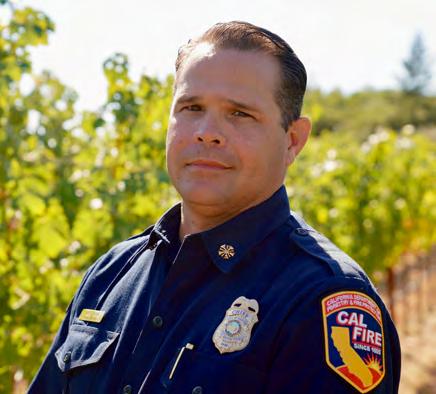

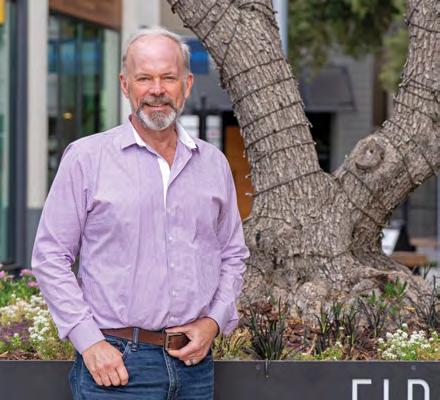

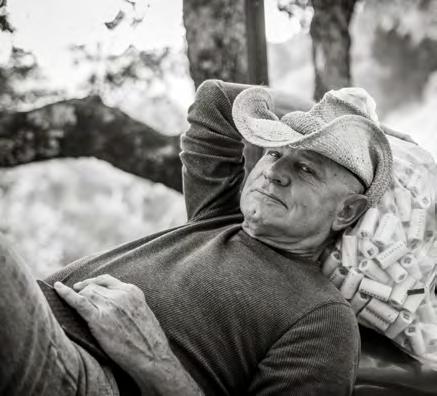
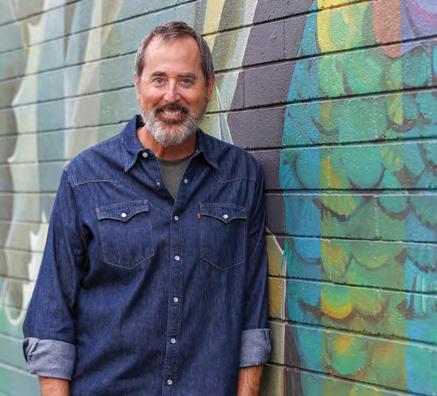

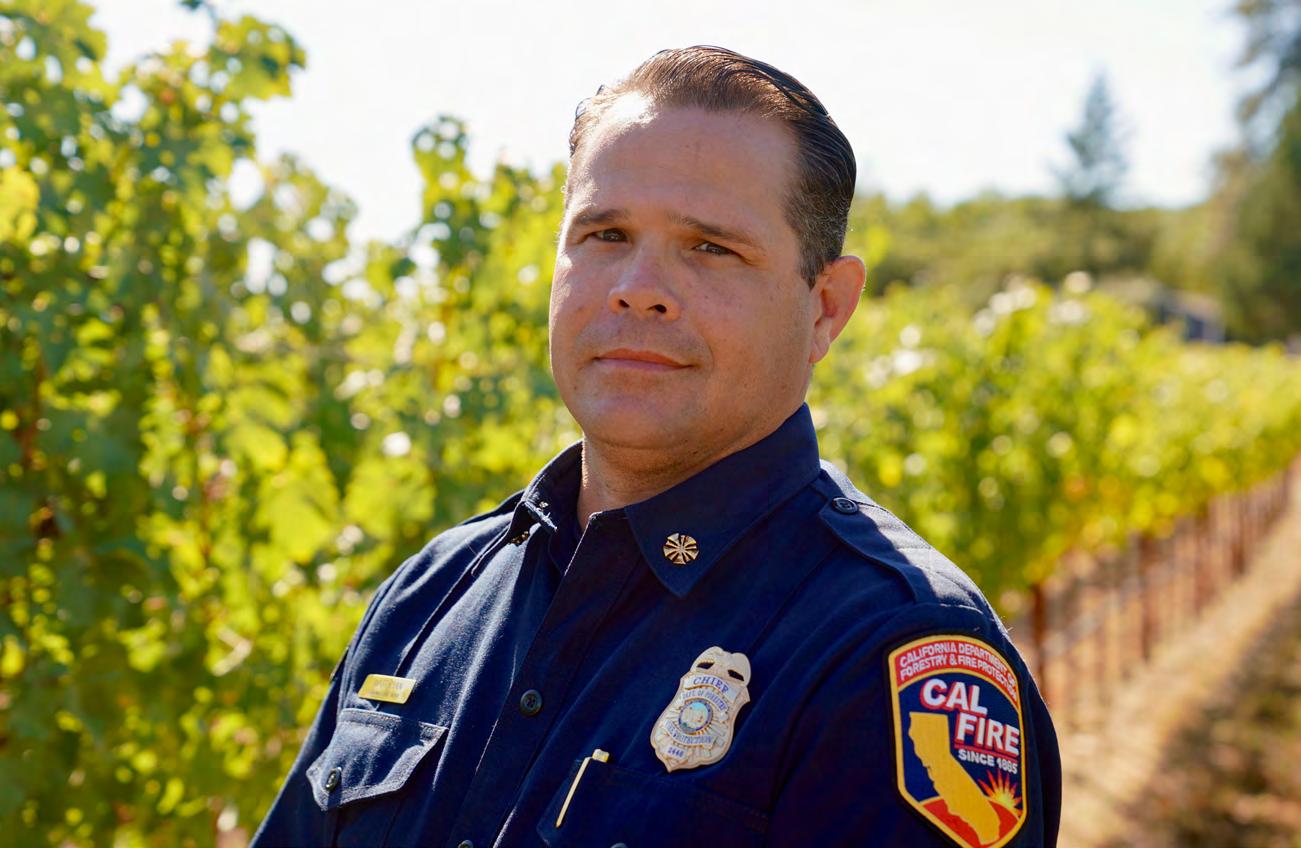
CAL FIRE LEADERSHIP IN THE NAPA VALLEY
Steady resilience, reinforced preparedness, and year-round readiness
Alifelongresident of Wine Country, Chief Matt Ryan’s connection to the region runs deep. As Napa County Fire Chief within CAL FIRE’s Sonoma-Lake-Napa Unit (LNU), he oversees the state’s largest unit—a landscape of rugged terrain, agriculture, and heavy tourism. “Preparedness in Napa Valley is a shared responsibility. Our firefighters, partners, and residents all play a role in keeping this community safe—because readiness isn’t seasonal, it’s year-round.”
He began his 24-year CAL FIRE career in 2001 as a Firefighter I in Napa’s eastern hills before transferring to Boggs Mountain Helitack. In 2007, he became a Fire Apparatus Engineer in Yountville, joining the Napa County Technical Rescue Team and mentoring through the Napa Fire Explorer Program. He rose through the ranks—Fire Captain, Battalion Chief of Training and EMS, Assistant Chief of Central Division Operations, and Deputy Chief of State Operations—before assuming command of the unit in July 2024. He also serves as Fire Chief for the Napa County Fire Department and the South Lake County Fire Protection District.
Forged by the 2017 North Bay wildfires and the 2020 Glass Fire, Ryan’s leadership reshaped readiness across LNU: enhanced
Red Flag messaging, tighter evacuation coordination with law enforcement and public works, and expanded use of wildfire cameras and advanced modeling. He places equal emphasis on long-term prevention—defensible space, home hardening, and fuels treatments around at-risk communities and agricultural lands. He’s also leveraging AI-assisted detection and high-resolution forecasting for earlier warnings and sharper situational awareness.
Candid about wildfire complexities, Ryan stresses tight coordination between aviation assets and the ground power of dozers, hand crews, and engines, along with balancing readiness in a county where public safety and a thriving visitor economy go hand in hand.
“It is an incredible honor to serve as Fire Chief in the communities I grew up in and have dedicated my career to. Every step of my journey with CAL FIRE has been rooted in the North Bay, and I’m committed to protecting the people, property, and resources that make this home,” Ryan said. From rookie firefighter to leading California’s largest CAL FIRE unit, his career reflects steady commitment to lives, communities, and resilience amid unprecedented wildfire risk.

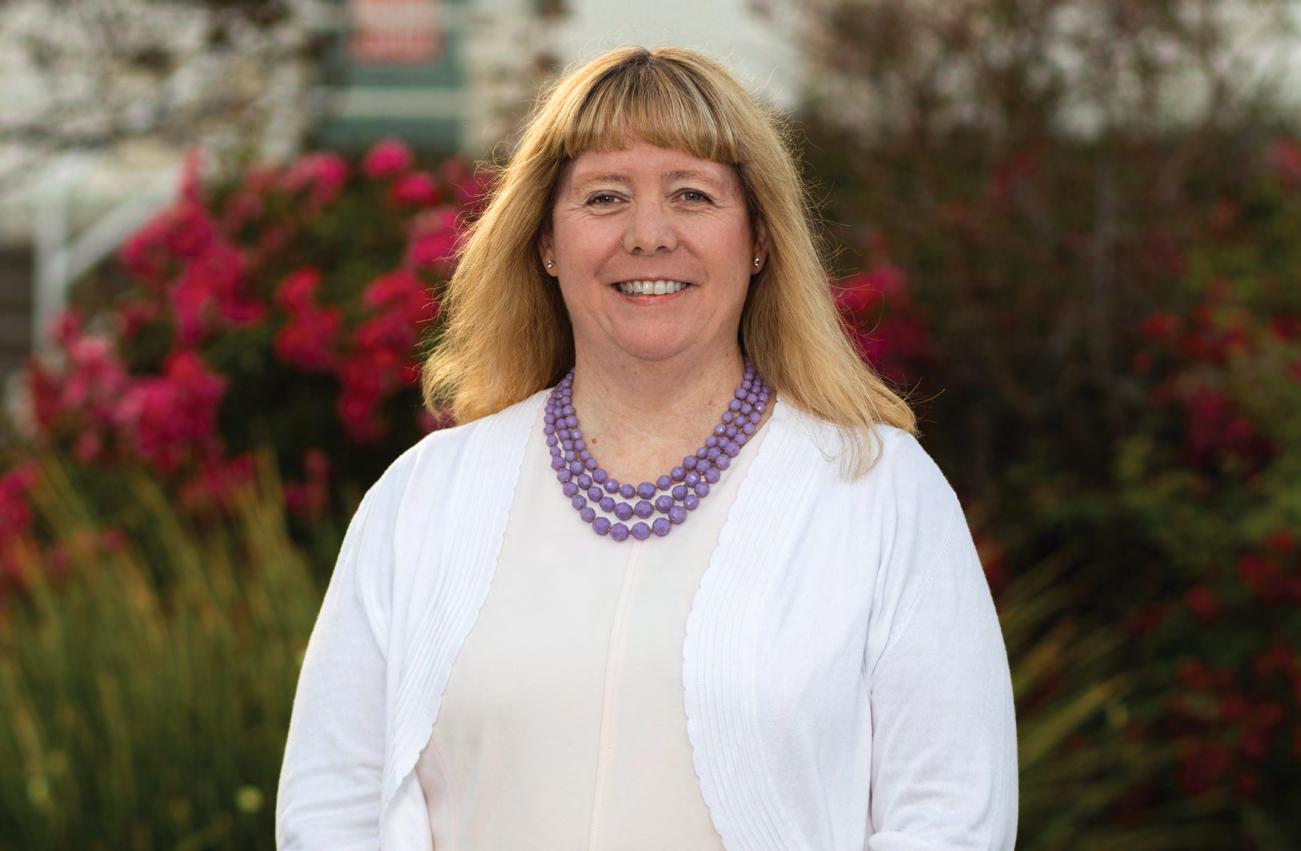
EXECUTIVE DIRECTOR OF SPECIAL EDUCATION, NAPA VALLEY UNIFIED SCHOOL DISTRICT
A passion built upon relationships produces immeasurable joy and trust
The role encompasses aligning services for students from early intervention through transition to adulthood. Ricetti coordinates a complex ecosystem—teachers, paraprofessionals, psychologists, and speech and occupational therapists—while ensuring IEP quality, compliance, and family communication. Post-pandemic learning regression, staffing shortages in high-cost regions, and the need for inclusive culture are daily realities. Ricetti’s approach stresses coaching, evidence-based practice, and community partnerships.
Her story humanizes special education—how the district scales individualized supports, integrates students in general classrooms, and measures progress beyond test scores—while also addressing funding constraints, credential pipelines, and why allied health collaboration (OT, PT, behavioral) is central to success.
In 2022, Ricetti was named the Association of California School Administrators’ Special Education Administrator of

the Year for California. The peer recognition was especially meaningful as education was reimagined post-COVID.
Ricetti, a Napa High School graduate, has spent most of her career in Napa Valley Unified, serving as special education teacher, supervisor, and coordinator before becoming executive director. In this role, she has reconnected with teachers who inspired her—now colleagues—to help the children of her classmates access their education, and worked alongside her niece and nephews as teachers. “The joy and trust in the relationships that you build is amazing,” Ricetti shared.
Supporting Napa Valley has been a passion built on relationships with students, families, and staff. Reflecting on work with families from entry into the district to young adult transition, Ricetti noted, “The rewards of watching students grow over these years are immeasurable. There is nothing more rewarding than seeing students accomplish goals or meeting them later as young adults. It is the connectedness of this community that makes it truly wonderful.”
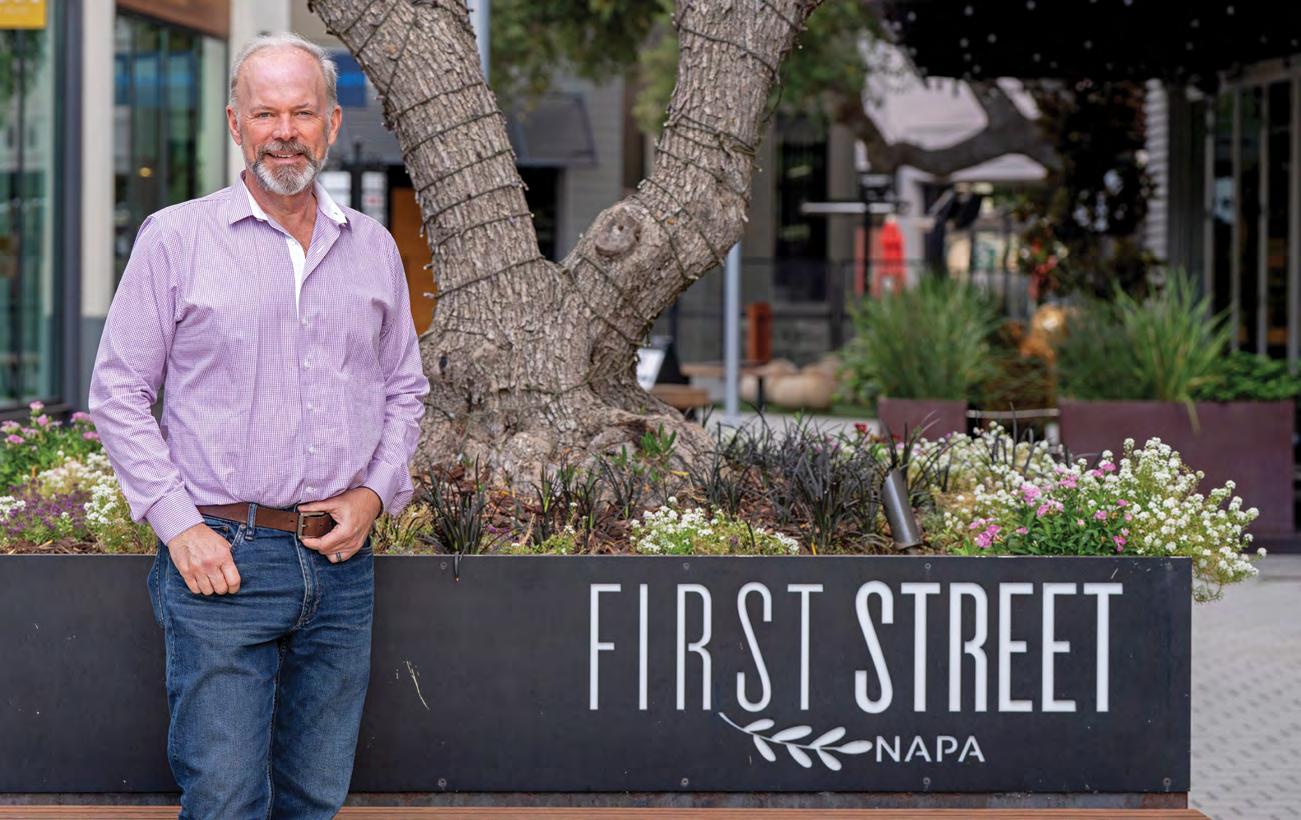
MANAGING MEMBER, ZAPOLSKI REAL ESTATE (FIRST STREET NAPA)
Bringing a balanced, dynamic, people-centered vision to life
Todd Zapolski led the reinvention of First Street Napa, curating a downtown district that stitches together fashion, tasting rooms, public art, and independent restaurants. He talks in pragmatic terms about small-city revitalization: tenant mix, storefront design standards, seasonal programming, and the math of bringing national brands alongside beloved locals.
“Most of my real estate career has been to lead change and create value,” said Zapolski, describing a mindset that’s been put to the test in downtown Napa. Since taking on the First Street Napa project, he’s faced a series of extraordinary hurdles: an earthquake, flooding, two historic wildfires, a global pandemic, and a tripling of interest rates. “The project has been a test of resilience,” he reflects.
Still, the vision has held. Today, First Street Napa is more than a commercial development—it’s a dynamic, peoplecentered district designed to invite exploration. Zapolski has prioritized flexible spaces that can adapt to evolving retail and hospitality trends, creating opportunities for pop-ups, seasonal activations, and community gatherings. The tenant mix is just as intentional: a curated blend of independent
boutiques, art galleries, locally loved restaurants, and national brands—all tailored to reflect the spirit of Napa while appealing to a broader audience.
“First Street Napa has had as a goal to be a diverse collective of tenants that serve the local community and are an attraction for the visitor,” he explains. That balance—between local charm and broader appeal—is core to his strategy. For Zapolski, success isn’t measured just by how many people show up but by who stays, who returns, and how well the space supports both commerce and community.
Zapolski also sees First Street Napa as a vital part of a broader ecosystem helping to make downtown Napa as memorable and dynamic as the region itself. “Being based in Raleigh on the East Coast and Napa on the West Coast gives us a unique perspective to balance markets and trends,” he says. That bi-coastal view shapes both tenant mix and long-term strategy, blending national insight with Napa-specific nuance.
For city leaders and developers, Zapolski’s approach offers a compelling case study in how placemaking and patient capital can transform a downtown through vision, adaptability, and long-term commitment.


PRESIDENT & CEO, VISIT NAPA VALLEY
Linsey Gallagher leads the region’s official destination marketing organization with a mission that extends well beyond attracting visitors. Under her leadership, Visit Napa Valley works to balance economic vitality with community well-being—ensuring that tourism continues to enhance, rather than strain, this special place residents and visitors love.
Gallagher’s approach to destination marketing blends creativity, strategy, and stewardship. She oversees global brand campaigns, research on traveler behavior, and partnerships that support local businesses throughout all five Napa Valley towns. By focusing on responsible growth, she champions initiatives that encourage carlight travel, promote the valley’s arts and cultural experiences, and inspire visitation during shoulder seasons to sustain year-round vitality.
“Tourism is the heartbeat of Napa Valley’s economy,” Gallagher says, “but our work is ultimately about quality of life—for residents, employees, and guests alike.”
Her data-driven outlook measures success in more than visitor counts: metrics like length of stay, guest spend, and visitor sentiment help paint a full picture of the valley’s tourism health. She’s also a strong advocate for workforce and housing solutions, recognizing that a thriving hospitality community depends on accessible transportation and affordable living options.
Before joining Visit Napa Valley in 2019, Gallagher served as Vice President of International Marketing at the California Wine Institute, promoting the state’s wines in more than 30 countries. Her deep understanding of the intersection between wine, place, and experience continues to inform Visit Napa Valley’s storytelling—connecting travelers with the people, landscapes, and flavors that define the region.
Outside of her professional role, Gallagher is passionate about celebrating Napa Valley’s creative spirit and close-knit community. Whether attending one of her children’s sporting events, supporting sustainability initiatives, or simply enjoying a bike ride along the Napa Valley Vine Trail, she embodies the balance between professional dedication and personal appreciation for the valley’s beauty and culture.


Embodying a blend of vision and heart that makes philanthropy thrive
Napa Valley Community Foundation is the hub that channels local generosity into measurable impact. From the 2014 earthquake through wildfire and flood cycles, NVCF has built rapid-response muscle while funding long-term needs including scholarships, housing, immigrant legal services, and poverty reduction.
Since taking the helm in 2004, Terence Mulligan has grown NVCF from a $6 million foundation with three staff into a $100 million philanthropic leader with a team of 12.
“I’ve watched Napa Valley evolve in many ways,” he reflects. “What hasn’t changed is how deeply we care for one another. For a small community, we punch above our weight in generosity.”
Mulligan champions data-driven philanthropy, donor-advised funds, and public-private partnerships—and makes the work feel practical and inspiring. “You can’t ignore hard realities… But when you give people a way to help, they step up. That keeps me inspired.”
Launched in 2013, the One Napa Valley Initiative has enabled nearly 2,700 residents to obtain U.S. citizenship, strengthening opportunity and community ties. Another hallmark is the Sato Family Nonprofit Center, which houses NVCF and more than a dozen nonprofits; its Community Conference Center is free to local groups, fostering daily collaboration.
Outside work, Mulligan and his wife, Stephanie, are raising two children. He recharges with long walks through Alston Park and sidelines duty at his daughter’s soccer matches.
After 21 years at NVCF, Terence Mulligan continues to blend vision with heart, helping demystify how giving becomes outcomes—and reminding Napa Valley that generosity, channeled with purpose, can transform a community.
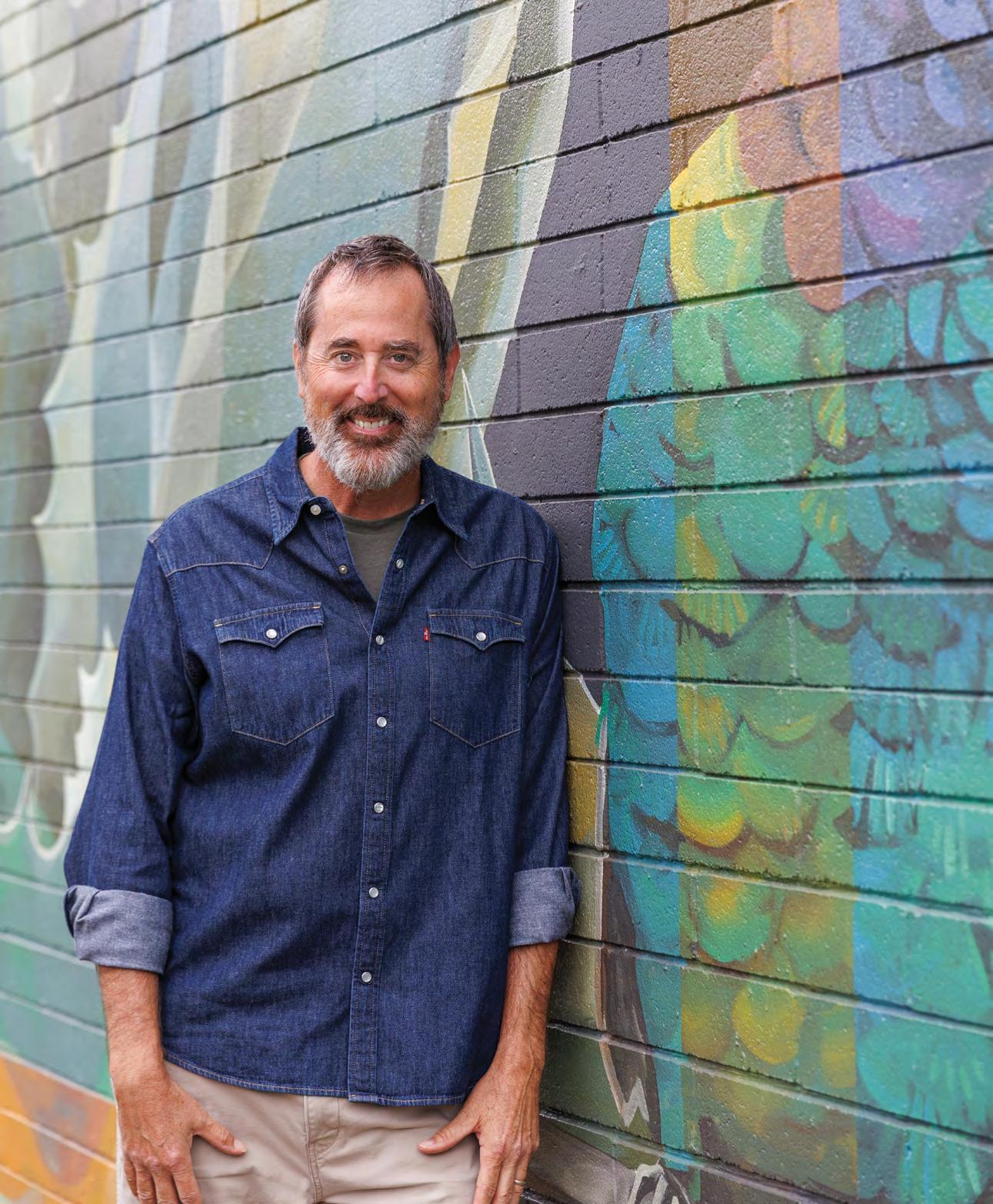

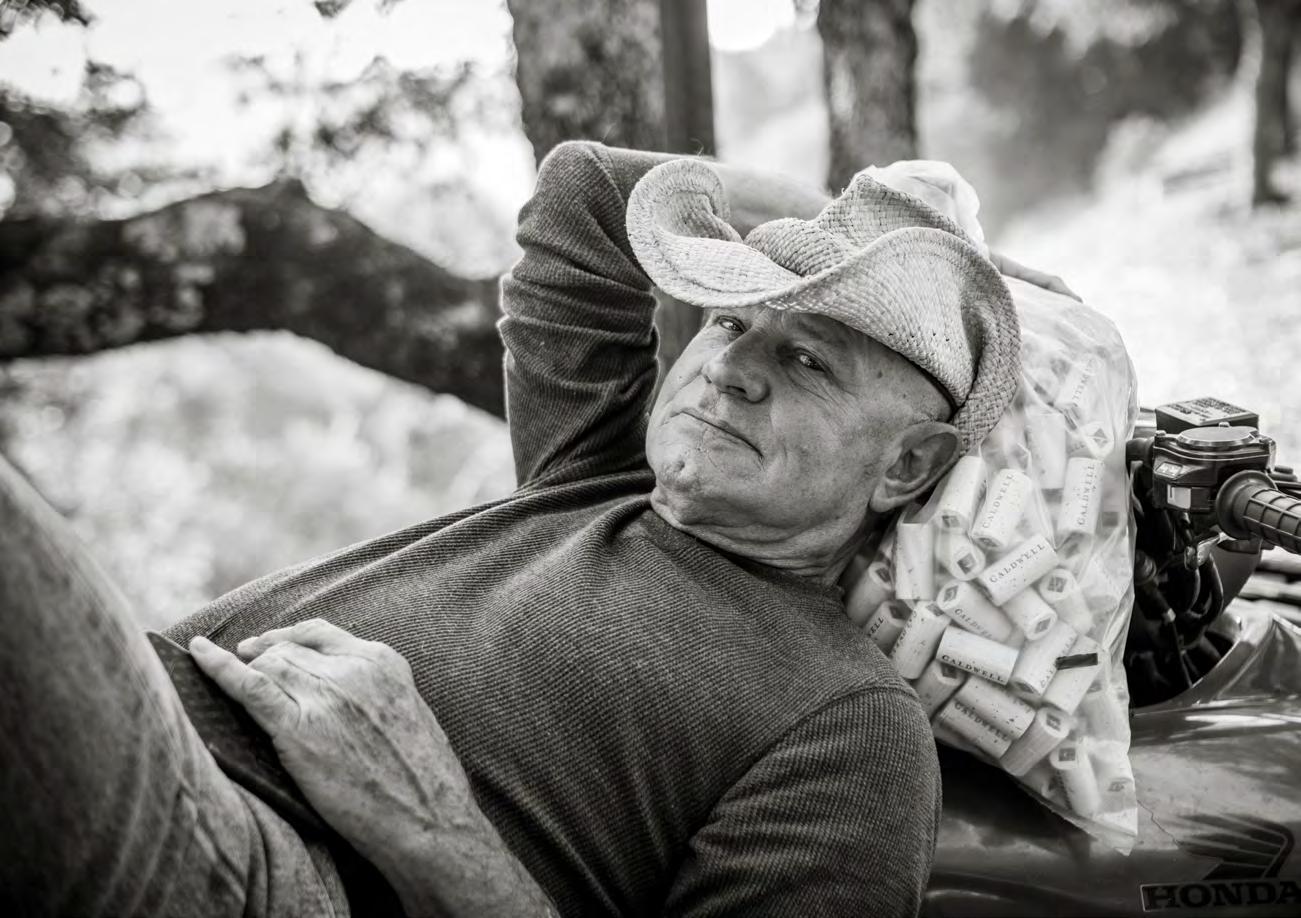
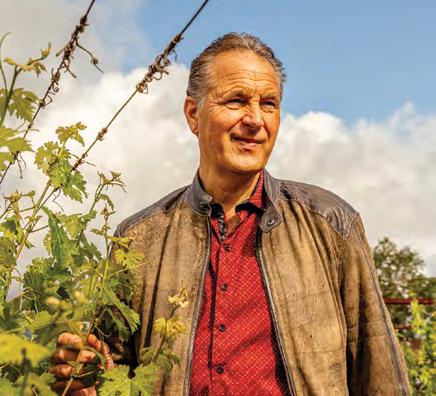
FOUNDER, WINEGROWER, CALDWELL VINEYARD
Displaying depth and breadth in an exceptional terroir
John Caldwell is a Napa original—part vintner, part raconteur—whose estate is defined by meticulous farming, inhouse cooperage, and unapologetically characterful hospitality.
“Stop at nothing in the name of making great wine…” That’s the mantra John Caldwell has lived by for almost 45 years since planting the first vines in the virgin, volcanic soil of Caldwell Vineyard in 1981. This kind of history and provenance alone places Caldwell squarely in the ranks of Napa Valley legacy, but the real intrigue of John’s life’s work is the legendary story of clones, cops, and Cabernet that, in the end, helped revolutionize the foundation of modern winemaking in North America. An estate vineyard planted to 28 clone-specific Bordeaux grape varieties, Caldwell is among the most diverse vineyards in North America, with over two dozen estate wines crafted by a 100-point winemaker and an in-house barrel cooperage.
The best way to understand the breadth and depth of Caldwell’s work is to book a visit to the winery, where one gets a sense of the exceptional terroir on the sweeping hillsides of an ancient volcanic caldera at the southernmost end of Napa Valley that defines Caldwell Vineyard. In addition, there’s the opportunity to taste a selection of Caldwell’s 12 different singlevineyard, single-variety wines side by side in a 20,000-squarefoot cave carved from solid rock. A visit to Caldwell Vineyard is akin to a master class in wine, told through a story more suited to Hollywood than wine country—the likes of which is being made into a feature-length documentary called The Wine Smuggler.
“This place is my life’s work… I’m a winegrower, and that’s what I’ll do ’til the day I die. It made life more fun when I got into the wine.”

AUTHOR, THE WINE BIBLE AND FOUNDER, WINESPEED
Educating through storytelling to change the narrative around wine
Karen MacNeil is the only American to have won every major wine award, and is among wine’s most authoritative voices. Author of the best-selling book The Wine Bible, she bridges knowledge with accessibility and has a relentless journalist’s curiosity.
Based in St. Helena, MacNeil teaches masterclasses, consults, and is in high demand as a keynote speaker and moderator. She also publishes WineSpeed, the go-to digital wine newsletter for both wine pros and consumers alike. To date, The Wine Bible has sold more than a million copies, making MacNeil an expert voice in the industry globally.
For Napa, she’s a mirror and a megaphone—able to explain why the valley still matters and where it needs to stretch. A feature might follow her process: tasting rigor, interviews, and the storytelling choices behind engaging wine education and activation. MacNeil is known for her creativity and content.
MacNeil is the creator of the international movement “Come Over October,” which has reached two billion consumers and is now active in more than 1,400 retail stores nationwide. Come Over October has changed the narrative around wine, reminding all of us of wine’s positive role in society as a beverage that, for 8,000 years, has fostered togetherness and friendship.
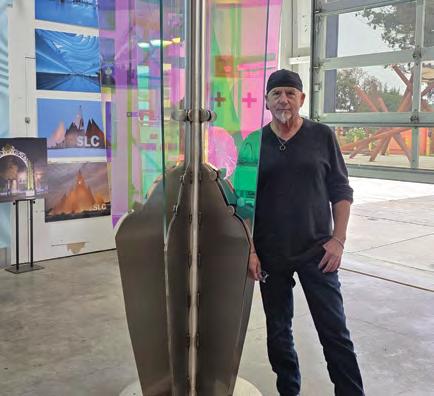
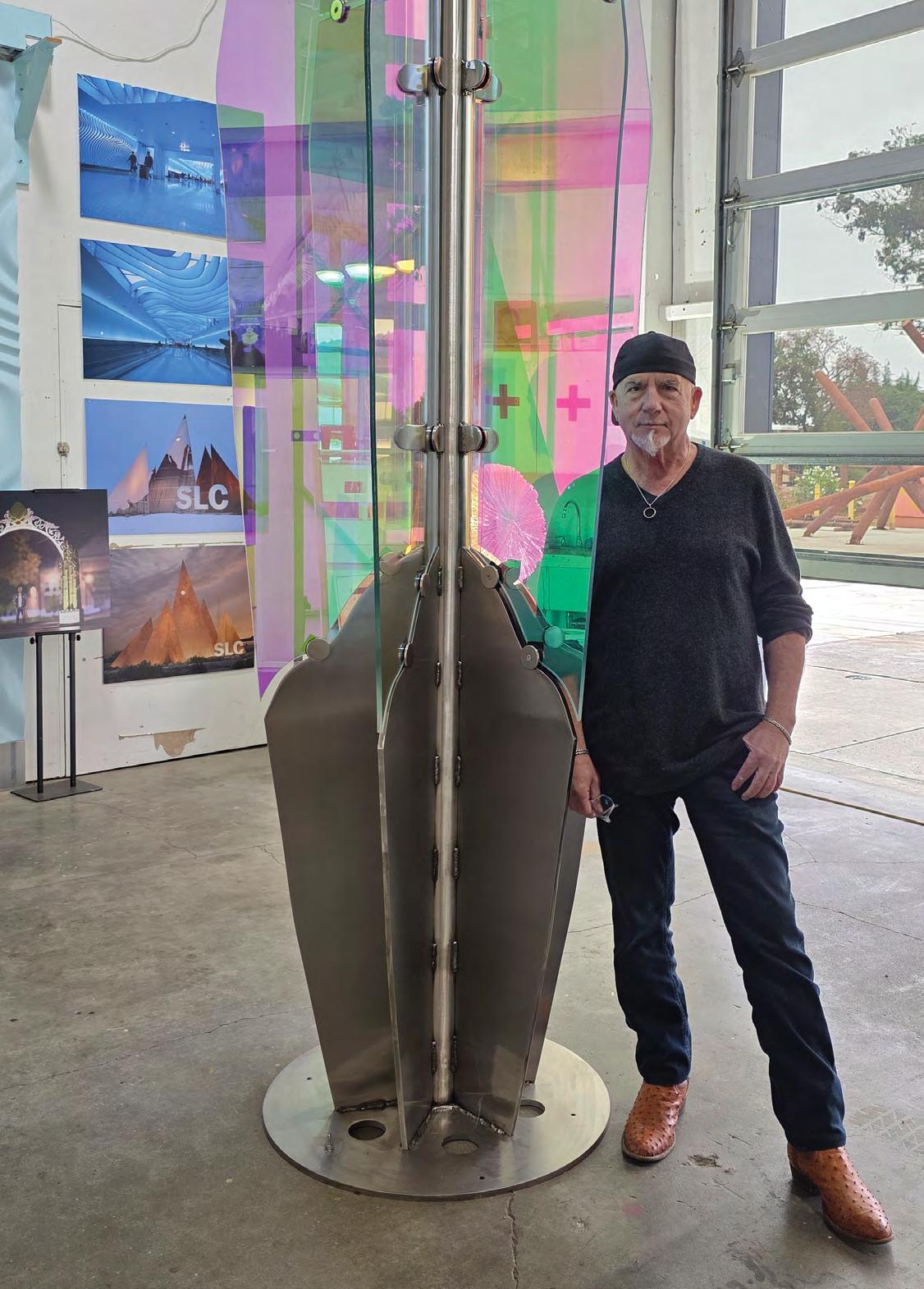
PUBLIC ARTIST AND FOUNDER, GORDON HUETHER STUDIO
Creative expression ties craft to community identity
Seen throughout the world, Gordon Huether’s monumental works shape how visitors experience places—from airports and hospitals to Napa’s own gateways. His studio reveals the whole pipeline: concept, materials R&D (glass, metal, light), fabrication, installation, and maintenance.
Locally, his artistic impact surrounds us. More than 20 installations in downtown Napa and wine country form a self-guided tour. Huether’s evocative 9/11 Memorial Garden, made of steel beams from the actual World Trade Center site, is illuminated by night at Fifth & Main streets. At Copia, the whimsical Bob and Margrit Mondavi rooftop sculpture titled “Is That Bob & Margrit?” salutes the legacy of great winemakers, and an 18-foot-tall stainless-steel sculpture created from 8,500 forks is a tribute to Napa’s culinary traditions. Three miles from the start of Napa’s bike trail sits Huether’s indoor/outdoor working studio for the artist’s large-scale creative expressions, open to the public.
Huether talks clearly about public art’s ROI: placemaking, wayfinding, photo moments, and civic pride. He’s also frank about commissioning processes—budgets, timelines, and stakeholder input—and how to integrate art into hospitality spaces so it elevates the guest journey rather than distracts. For a luxury audience, his story ties craft to community identity and underscores why art investment pays back in loyalty and memory.
FOUNDER, TOR WINES, AND AUTHOR
Wine, stories, and seasonal wisdom from a lifetime in Napa Valley
Tor Kenward spent decades helping to shape Napa luxury at Beringer before founding TOR Wines, a small terroirfirst house sourced from benchmark vineyards including Beckstoffer To Kalon, Dr. Crane, Vine Hill Ranch Vineyard, Hyde Vineyard, Melanson, and Martha’s Vineyard. His perspective weaves history and craft: why cellar choices really matter, why single-vineyard bottlings endure, and how to maintain intimacy while serving a global collector base.
Kenward is articulate about mentorship—crediting growers and winemakers who influenced him—and about protecting site expression amid market pressure for uniformity. He notes, “Susan and I founded TOR Wines in 2001. We are 100% family-owned, as are all the vineyards we work with today.”
Reflections of a Vintner is Tor Kenward’s book recounting the lessons learned, relationships forged, and observations made from an insider’s nearly 50-year journey through the burgeoning wine industry in Napa Valley. It spans the mid-1970s,
when there were fewer than 50 wineries, to the present, with about 475 physical wineries and over 1,000 wine brands.
Two key historical tastings involving Napa Valley frame the timeline of the book: the Paris Tasting of 1976 and the Judgment of Napa in 2021 to commemorate it, conceived and produced by the same organizers of the famous original event—Steven Spurrier and Patricia Gallagher—with local expert Angela Duerr.
In both blind tastings, a Napa Valley Cabernet placed number one, above red wines representing some of the world’s best. These were Stag’s Leap Wine Cellars in 1976 and a TOR Beckstoffer To Kalon in 2021. Kenward notes, “We are very proud of this, and it shaped the epilogue of the book.”
For a luxury-focused readership, he offers candor, context, and a clear case for Napa’s continuing relevance: great sites, experienced hands, and demanding customers meeting at the right moment.

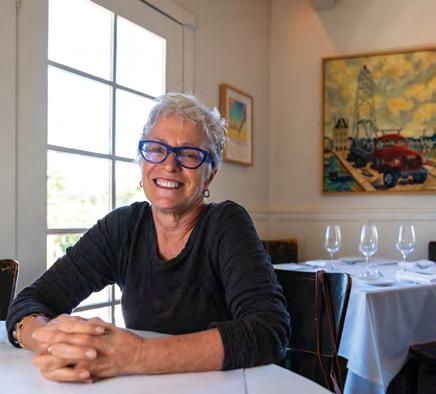
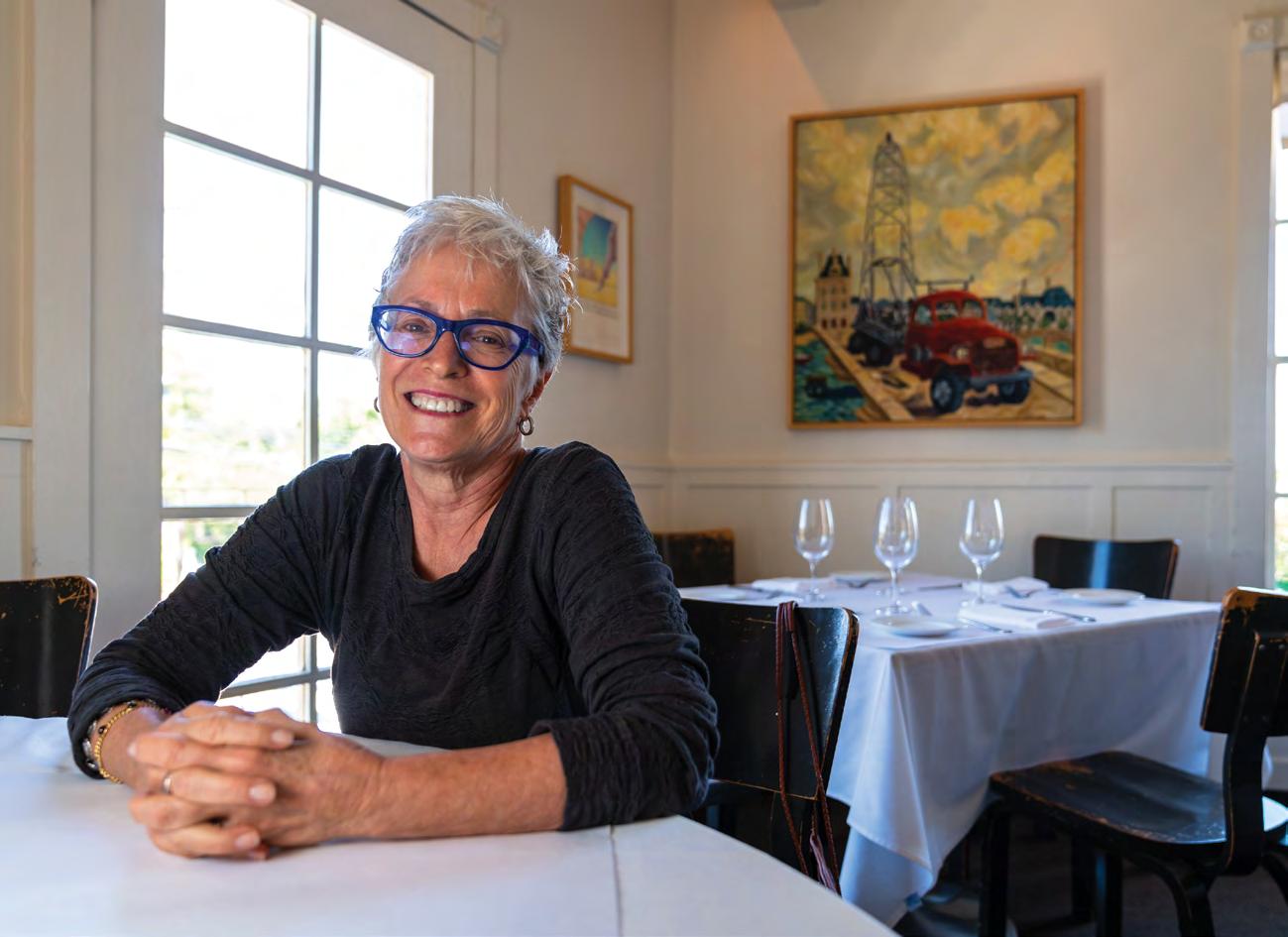
CHEF/OWNER, MUSTARDS GRILL
Cindy Pawlcyn helped write the blueprint for wine-country cuisine: seasonal, globally informed comfort food with serious wine lists and genuine hospitality. Mustards Grill remains a living institution—winemakers at the bar, families enjoying meals together, and dishes that defy fads while evolving at the edges.
Pawlcyn sums up her philosophy: “Only enough time in life for really good food,” she says. A mentor and a connector, she speaks compellingly about building supplier relationships, nurturing young cooks, and
keeping a classic vibrant across decades of change. For followers, Pawlcyn offers continuity and warmth; for industry pros, tactical insight into menu development, cost discipline, and staff culture.
There’s a garden and tiny vineyard alongside the restaurant where Pawlcyn’s granddaughter is occasionally found wandering. Her personal story is also a love letter to Napa Valley’s roots: great food that welcomes everyone, paired thoughtfully with what the valley grows best.

VP OF WINEMAKING & VITICULTURE, GRGICH HILLS ESTATE
I vo Jeramaz, nephew of Mike Grgich, is the technical and philosophical engine at Grgich Hills Estate, overseeing regenerative farming across the winery’s estate vineyards and guiding a classic, age-worthy house style. Born in Croatia and trained under Grgich, Jeramaz is a thoughtful voice on soil health, canopy management, and fermentation choices that privilege balance over brawn. He can unpack why dry farming matters in Napa, how biodiversity benefits resilience, and what ripeness means in a warming climate. For readers, Jeramaz offers a grounded blueprint for sustainable excellence that’s neither dogma nor marketing—it’s decades of observation and iterative practice applied to one of Napa’s most storied estates.
Jeramaz says, “Regenerative farming is an homage to our family’s way of farming in Croatia—we did so without pesticides and worked in harmony with nature rather than in defiance of it. In this age of climate crisis, it’s more important than ever before to embrace routines that promote biodiversity, carbon sequestration, and social equity, which is why I’m such a passionate advocate for regenerative agriculture. Our style of low-intervention, natural winemaking allows us to create wines that are the truest expressions of the land they come from. My goal as a winemaker is to allow the grapes to speak for themselves, and in doing so, convey the uniqueness of their origins through aroma and flavor.”
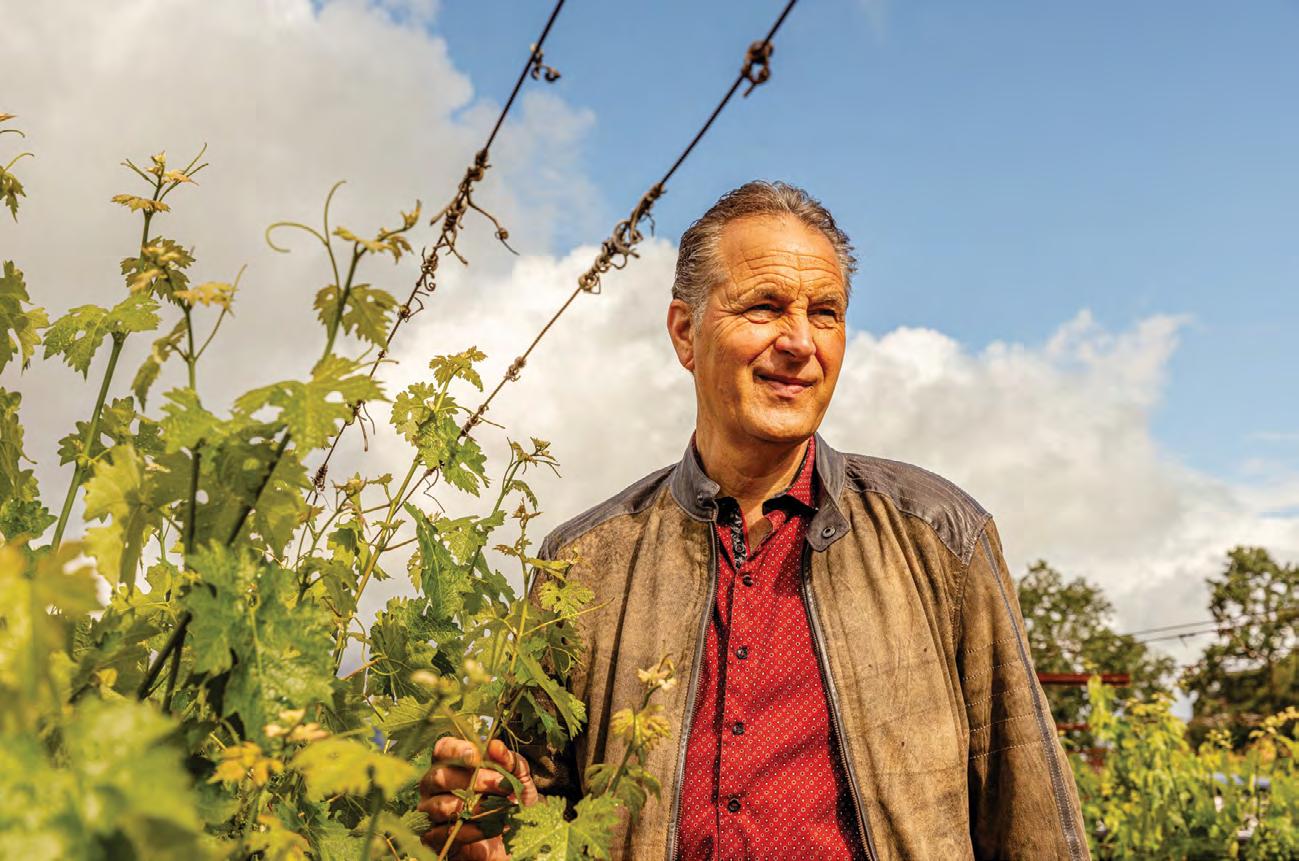

AUTHOR AND DIRECTOR OF EDUCATION, THE WINE CENTER AT MEADOWOOD
Critical thinking about wine and Napa Valley’s next chapter
Kelli A. White bridges roles as historian, critic, and educator. Her book Napa Valley, Then & Now , which is prized by collectors and sommeliers, remains the most ambitious single-region study of Napa’s vineyards, producers, and styles. Its pages chronicle the rise of Napa’s wine industry from its earliest days to its current glory, examining triumphs and failures along the way.
Her writing has appeared in World of Fine Wine, GuildSomm, Robb Report, Sommelier Journal, Le Pan, and Vinous, among others. In 2021, she was named a member of the Bay Area chapter of Les Dames
d’Escoffier, and she currently sits on the board of directors for the Wine Writers’ Symposium.
As Director of Education at The Wine Center at Meadowood, White designs programs that help enthusiasts deepen their understanding of place, the art of winemaking, the physical enjoyment of wine, and cellar strategy. As evidenced by her latest book, Wine Confident , White is a lucid voice on the many ways a working knowledge of wine can improve one’s life. She also champions respectful, evidence-based discourse—inviting readers to taste broadly and think critically about Napa Valley’s next chapter.


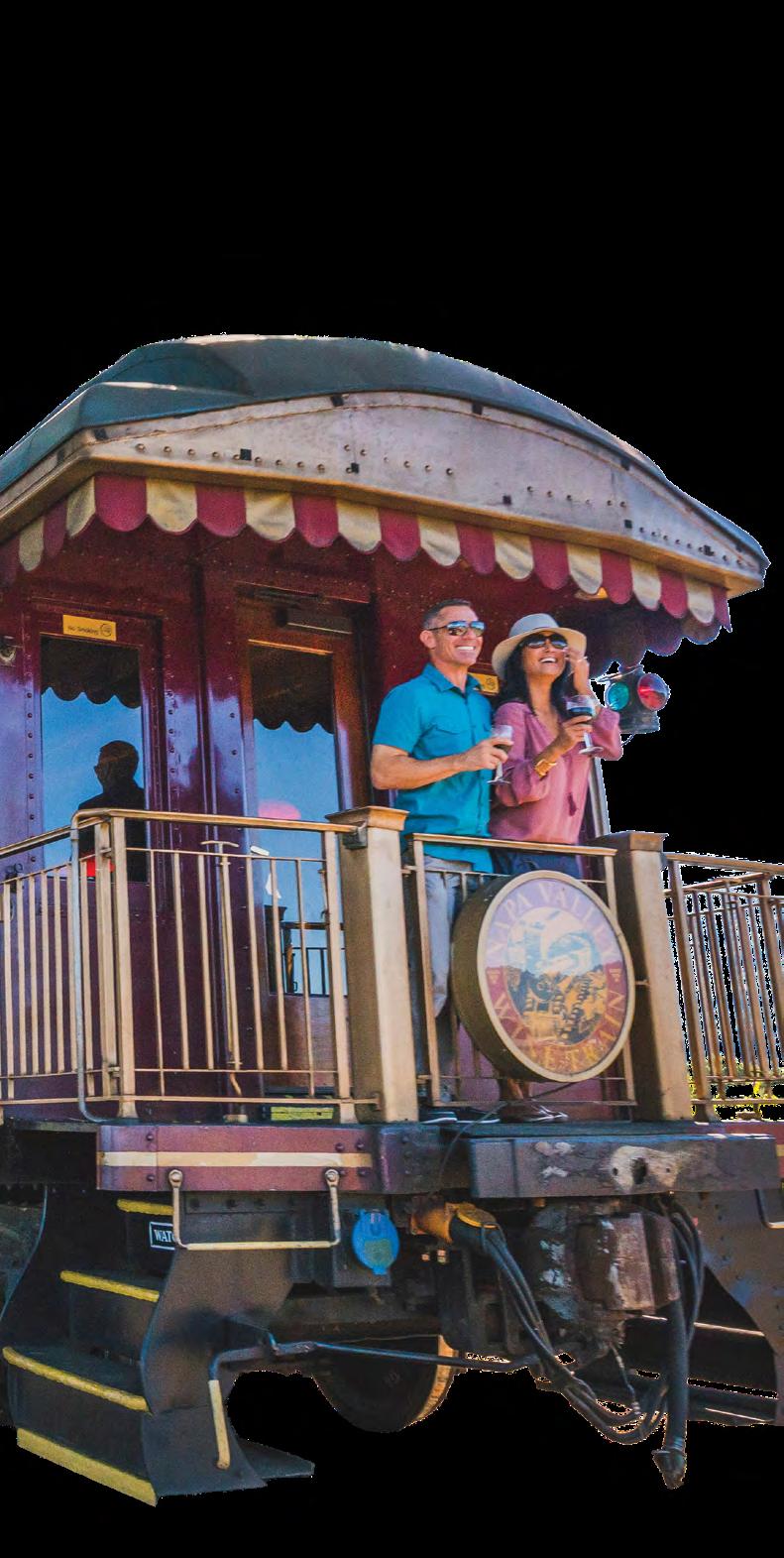
The obituary has been written—at least in headlines. Global wine consumption is at a sixtyyear low. Vineyard values in once-unshakable regions, including Napa Valley, have slipped from their pandemic peaks. Fires cast smoke across California skies with unnerving regularity. On paper, Napa looks vulnerable, even passé. And so, the question circulates in trade publications and cocktail-party conversations:
Like Bordeaux, Burgundy, or Champagne—regions that have weathered centuries of shifting tastes and market crises—Napa’s story is not so easily reduced. To walk its vineyards, dine in its restaurants, or step into its tasting rooms is to realize the opposite: Napa is not dead, but alive, adapting, and perhaps more relevant than ever.
The skeptics have plenty of material to work with. Globally, wine is in retreat. According to the International Organisation of Vine and Wine, the world’s vineyards shrank again in 2024, slipping to about 17.5 million acres—the smallest footprint in decades. Global wine production dropped to roughly 6 billion gallons, down nearly five percent from the year before, while worldwide consumption slid to about 5.6 billion gallons. In other words, the decline is global, not regional. In the United States, per-capita wine consumption has softened, particularly among younger drinkers who increasingly reach for craft cocktails, hard seltzers, or alcohol-free alternatives.
Some of the slowdown in wine sales and visitation can be traced to forces well beyond Napa itself. The pandemic
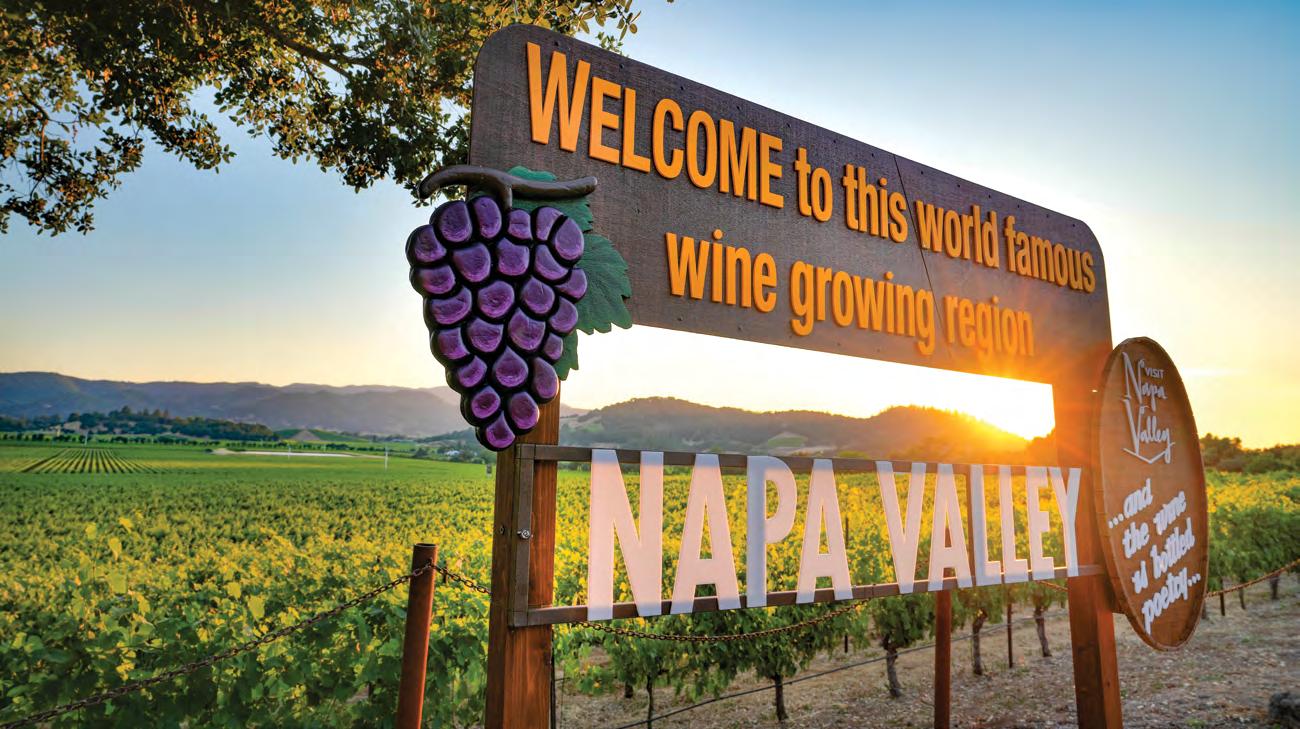
reshaped travel patterns and consumer behavior in lasting ways—from smaller group travel to shorter booking windows. Added to this are broader headwinds: economic uncertainty, evolving consumer habits, and even the national political climate, all of which influence discretionary travel and luxury spending. For Napa, that sometimes means fewer visitors booking hotel rooms and tastings or shipping cases home—not due to any lack
Silver Oak’s Twomey brand closed its Calistoga tasting room after more than two decades, citing shrinking visitation and economic headwinds. Smaller players have also bowed out: Brian Arden Wines sold its Calistoga property to Aubert Wines, while downtown tasting rooms like Brendel and Tarpon Cellars shuttered after just a few years in business.
Meanwhile, land prices—long a source of wealth and security for vineyard
The Financial Times reported in 2024 that vineyard values from Bordeaux to Napa were “tumbling” as investors recalibrated expectations for returns.
of appeal, but because external pressures shape how people choose to spend.
Cynics point to a spate of recent closures as proof that Napa’s golden age is fading. Newton Vineyard, once a pioneering estate owned by LVMH, announced in 2025 that it would shut down permanently after years of struggling to recover from wildfire damage. Around the same time,
owners—have begun to show cracks. The Financial Times reported in 2024 that vineyard values from Bordeaux to Napa were “tumbling” as investors recalibrated expectations for returns.
And then there is climate. Rising temperatures and unpredictable weather continue to exert pressure. Wildfires— now a recurring threat in California—are
one symptom. The Glass Fire and LNU Lightning Complex of 2020 scorched thousands of acres in Napa County, causing millions in agricultural losses and leaving a lasting psychological toll on residents and growers. Smoke taint has become a nearannual worry, threatening grape quality before harvest.
Beyond fire damage, climate change has introduced a more insidious challenge. In Napa, the growing season now starts nearly a month earlier than it did in the late 1950s, and the final ripening weeks are more than three degrees hotter. That shift compresses vineyard work, accelerates sugar accumulation, and jeopardizes the delicate balance of acidity and flavor that defines great wine. Nighttime temperatures have also climbed, giving vines less opportunity to recover from daytime heat. The result? Red grapes can lose color and aromatic nuance; whites can become flabby rather than fresh. For a region built on Cabernet Sauvignon’s power and longevity, these shifts raise an uncomfortable question: How long can Napa’s signature style withstand the pressure of a warming climate?
When declining demand, shifting preferences, and climate volatility are considered together, the fatalistic narrative is easy to
understand. And yet, declaring Napa finished is as shortsighted as predicting Bordeaux’s irrelevance after phylloxera.
For all the talk of decline, Napa remains synonymous with American wine excellence. Its name still carries weight in global markets, and its Cabernet Sauvignons anchor cellars from New York to Tokyo. The ultra-premium tier of Napa wines exists in a different economic realm—its buyers often insulated from broader economic cycles, much like Bordeaux’s first growths. Yet Napa is no longer defined by wine alone. It’s a full-fledged cultural brand. Hospitality, design, food, and wellness have become integral to its modern identity, giving the valley resilience even as drinking patterns evolve.
Just down the road, UC Davis’s renowned Department of Viticulture and Enology equips growers to meet these challenges. From breeding drought-tolerant rootstocks to pioneering smoke-taint research in its Oakville Experimental Vineyard, the university provides practical tools to safeguard vines and wines. This interplay of tradition, innovation, and scientific support is one of Napa’s great strengths.
That commitment extends to the next generation. In 2025, Wine Spectator underscored its belief in Napa’s future with a $10 million gift to Napa Valley College’s Viticulture, Wine, and Technology program—the largest in the Foundation’s history. The funds will create the Wine Spectator Wine Education Complex, featuring a state-of-the-art sensory classroom, modern lab, and public tasting room. With nearly 1,000 students already training in viticulture, enology, and wine marketing, the facilities will ensure Napa’s next generation is even better prepared.
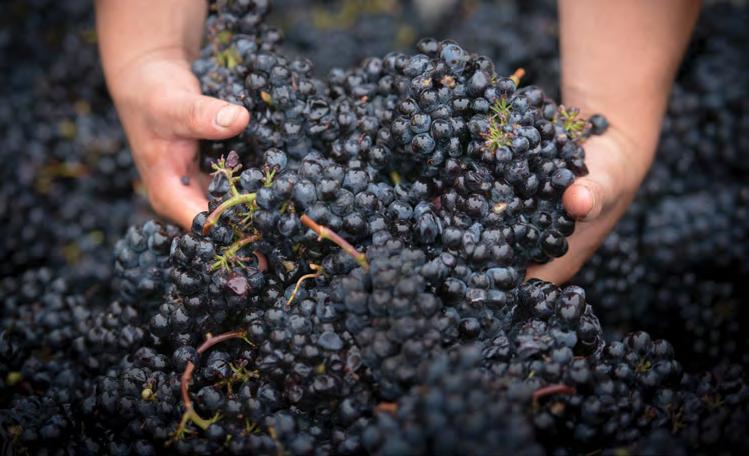
Napa’s resilience is perhaps most evident on the ground, where vintners are meeting challenges head-on. “In various increments, we have been farming and reacting to climate change for at least ten years,” says Ron Haber, proprietor of Howell Mountain’s Haber Family Vineyards. “That resilience speaks to the strength of the Napa Valley farming community, backed by science and research. Like many other owners, we’re traveling and creating events in other cities, bringing new customers to our brand rather than simply hoping visitation will pick up. This is a major phenomenon.”
Tourism is a powerful counterpoint to the “Napa is dead” narrative. According to Visit Napa Valley’s latest report, the region welcomed nearly 3.7 million visitors in 2023, generating over $2.5 billion in spending.
Hotels continue to evolve. Yountville’s Bardessono Hotel & Spa reports steady bookings and rising interest. “Our brand-new Olive Suite has been very well received,” says Alain Negueloua, the hotel’s Vice President. Restaurants are flourishing, too. Among standout newcomers: Carabao, Napa’s first Filipino restaurant, helmed by Michelintrained Chef Jade Cunningham; Clementine
in Yountville, led by Chef Rebecca Weitzman; and Capo29 in St. Helena, which is already energizing Main Street with a lively pop-up ahead of its official launch.
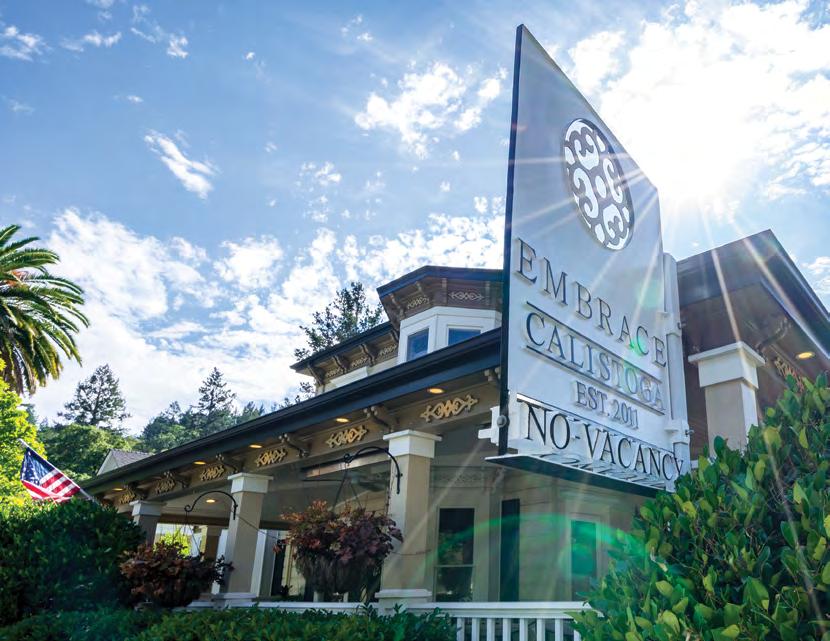
Calistoga is quietly becoming a hotspot. Sleek new tasting rooms—like Realm North and Maria Concetto Winery—are drawing crowds. The historic Calistoga Depot has been reimagined as a vibrant hub, while Rosewood Hotels & Resorts recently announced Rosewood Calistoga, a 118-acre resort slated for a 2027 debut.
Wineries are investing forward. Del Dotto is expanding. Robert Mondavi Winery is undergoing a full rebuild, set to reopen in 2026. Opus One is remodeling its guest spaces. That same sense of momentum extends beyond Napa’s most well-known names. Over the past year, Whitehall Lane Winery’s Wine Club membership has increased by 3% and visitation has remained virtually even year-over-year, underscoring the winery’s ability to grow as consumer behavior evolves in Napa Valley.
Second-generation proprietor and managing member Katie Leonardini credits this resilience to the winery’s flexible, relationshipdriven approach, from allowing members to swap bottles in their club shipments to fostering a welcoming, family-like tasting room culture that prioritizes genuine connection over hard sales.
City developments echo Napa’s momentum. The City of Napa’s latest economic report highlights major initiatives—from the launch of the Napa Makes business accelerator to the transformation of the First Street II site into a dynamic new riverfront district with condos, restaurants, public spaces, and a hotel set to open by 2027.
According to Visit Napa Valley’s latest report, the region welcomed nearly 3.7 million visitors in 2023, generating over $2.5 billion in spending.
“When you see cranes rising over First and Main, what you’re really seeing is confidence,” says Jeri Hansen, President and CEO of the Napa Chamber of Commerce. “This community adapts, reinvents, and endures.”
She continues: “This is a pivotal moment. Napa’s story is one of evolution—not repetition. Wine and tourism are still the heart of our economy, but we’re also growing new sectors: wellness, startups, creative industries. We’re building within what defines us, not replacing it.”
Today, Napa thrives on immersive experiences. Wineries are leaning into curated, reservation-only tastings that pair wine with food, art, or wellness.
Cakebread Cellars, for example, partners with Stanly Ranch to offer Wellness and Wine—vineyard strolls, yoga sessions, and curated tastings. Sequoia Grove’s A Taste for Cabernet delivers multi-course meals
paired with single-vineyard and reserve wines. HALL Wines combines wine with contemporary art, offering guided tours of its impressive collection alongside tastings.
“It’s great to see guests eager to explore our history and connect with the winemaking process,” says Juan Muñoz-Oca of Stag’s Leap Wine Cellars. “They’re not just tasting—they’re learning, engaging, and rediscovering what makes Napa special.”
Walk downtown on a Friday evening and Napa buzzes with energy. Restaurants overflow,
and social equity. Wineries are embracing regenerative practices that resonate with younger, values-driven consumers seeking authenticity and environmental responsibility.
Bordeaux, long pronounced “in crisis,” faced overproduction, climate stress, and waning interest among younger drinkers. Yet it remains the gold standard. Like Bordeaux, Napa benefits from a reputation that doesn’t easily fade. Reinvention—not decline—is the theme.
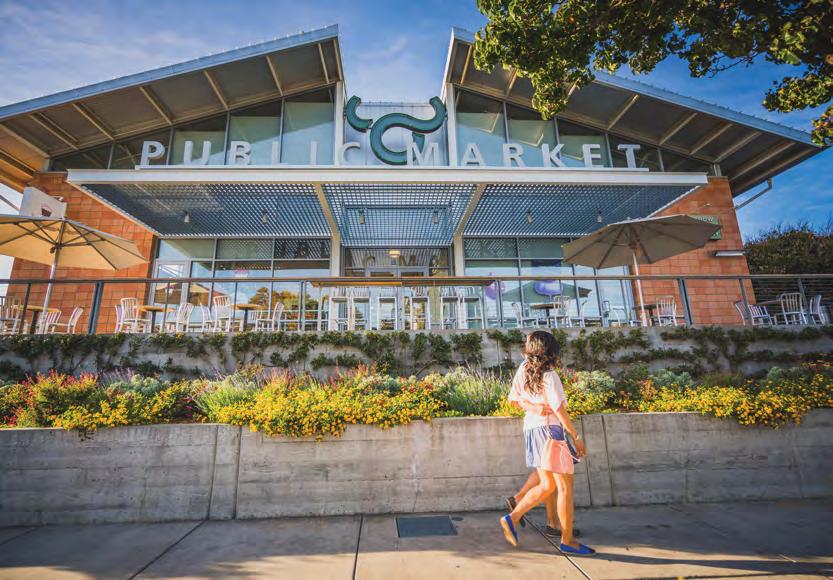
the Oxbow Market hums, and the Uptown Theatre hosts major events. Upvalley, resorts and Michelin-starred restaurants remain full. Community events—from art festivals to farmers markets—continue to draw locals and tourists alike.
“For decades, Napa has rebuilt itself— after floods, fires, earthquakes, the pandemic,” says Hansen. “We’ve come back stronger each time. Today, we’re growing new branches from strong roots.”
Napa is also leading in sustainability. Over half of its vineyard acreage is now Napa Green certified—a standard that includes carbon reduction, water conservation,
So, is Napa dead? Hardly. The valley faces real challenges, but recalibration is not demise. It’s evolution. Napa is diversifying, not retreating—building an ecosystem where wine, food, culture, and hospitality coexist and thrive.
The obituary is premature. Napa isn’t dying; it’s simply evolving.
BY MELISSA VOGT
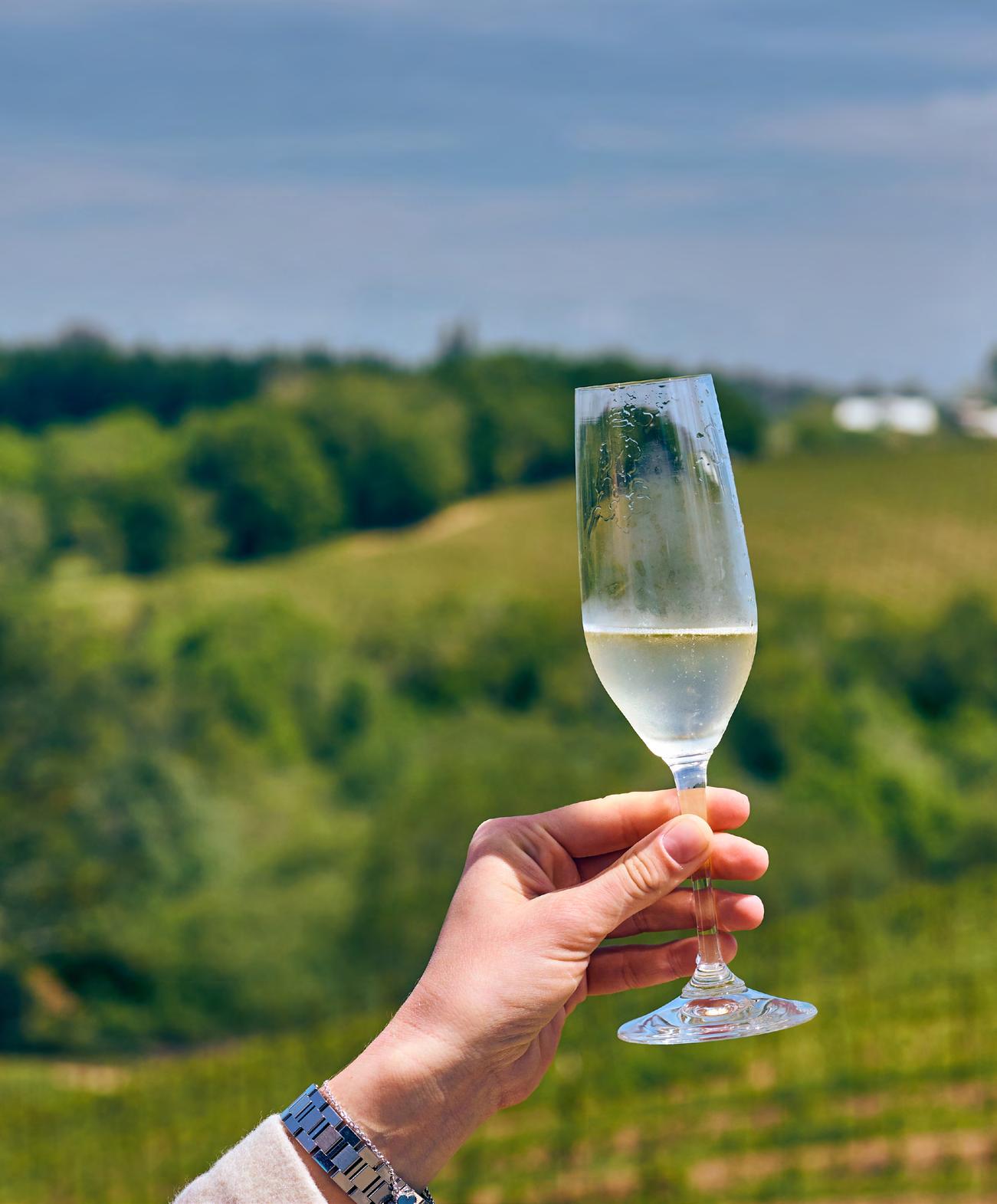

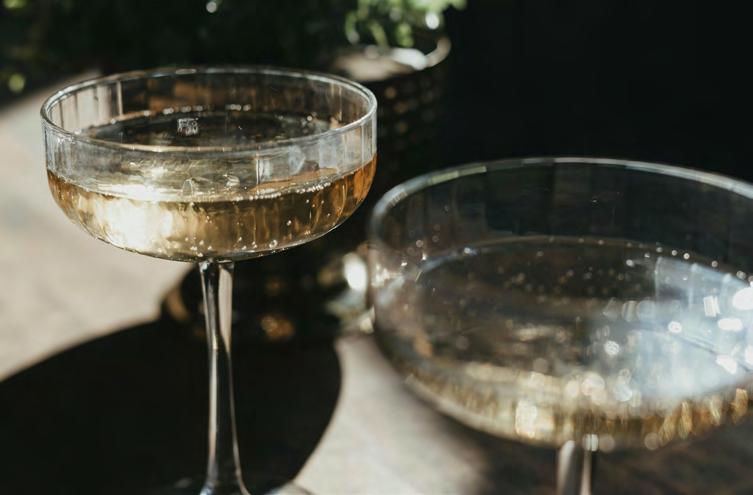
When a bottle of sparkling wine is ceremoniously popped, it carries with it not only effervescent joy but an intricate tapestry of grape varieties, production methods, and regional distinctions.
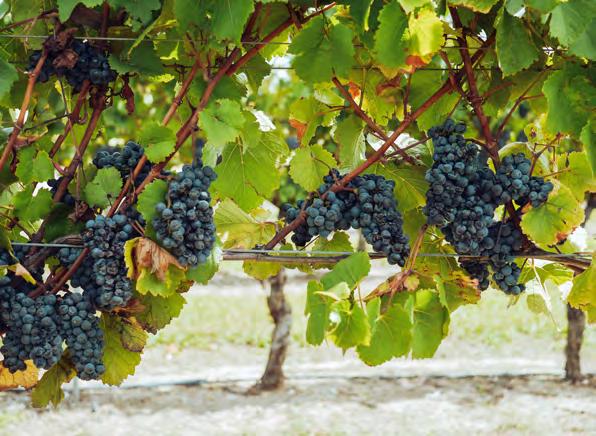
Much like a Napa Cabernet or Sauvignon Blanc, fine sparkling wines rely on specific grape varieties chosen for their acidity, flavor, and structure. In the famed Champagne region of France, tradition holds sway with three principal grapes: Chardonnay, Pinot Noir, and (less often) Pinot Meunier. These are blended or used in various combinations to yield the elegance and complexity for which Champagne is celebrated.
Around the globe, other grapes enter the scene. For example, in Spain’s Penedès region—home to Cava—the white grapes Macabeo, Xarel·lo, and Parellada dominate.
In California, winemakers often mirror the classic Champagne varieties to create distinct sparkling expressions. What these varietals share is vibrant acidity, crispness, and bright fruit flavors that allow the sparkle and secondary fermentation to shine.


The hallmark of sparkling wine is its carbon dioxide, generated during a second fermentation. But the method by which that second fermentation occurs makes a distinct difference in style:
Traditional Method (Méthode Champenoise or Méthode Traditionnelle)
Using the classic Champagne method, the base wine is bottled, and a mixture of yeast and sugar (tirage) is added. The second fermentation occurs inside the bottle. The wine then ages on its lees (spent yeast cells) for a period of time—the longer the aging, the finer the mousse and the more complex
region of France, using defined methods, may bear that name. Sparkling wines made elsewhere—whether from California, Spain, Italy, or another winegrowing country—may use the traditional method but must use terms like “sparkling wine” or region-specific designations such as Cava or Prosecco
In Spain, Cava is made via the traditional method using indigenous grapes. In Italy, the much-loved Prosecco—made from the Glera grape—is typically produced via the tank method, making it lighter, fresher, and ideal for drinking young.
Within any region, sparkling wine styles range from Brut Nature (no added sugar after disgorgement) to Extra Brut, Brut,
the character, often yielding lovely notes of brioche and toasted nuts. After riddling (inverting the bottle to collect lees in the neck) and disgorging (removing the lees), a dosage (wine + sugar) may be added before recorking.
Method (Charmat)
In the Charmat method, the second fermentation happens in large, pressurized tanks. The wine is then filtered and bottled under pressure. This is a less costly method and tends to produce fresher, fruit-forward styles of sparkling wine with less time on lees.
The word Champagne is legally protected: only sparkling wine made in the Champagne
Extra Dry, Sec, and even sweeter categories. The amount of residual sugar and the length of aging both influence texture, flavor, and longevity.
For wine collectors and casual enthusiasts alike, understanding sparkling wine helps guide enjoyment, food pairing, and aging potential. A Napa-made méthode traditionnelle sparkling wine may benefit from cellar time and reveal brioche and toasty complexity, while a tank-method sparkler might be perfect for immediate pleasure and casual celebration.
Ultimately, the choice of grape, vineyard origin, and production method each tell a part of the story—one that fizzes to life with every glass.
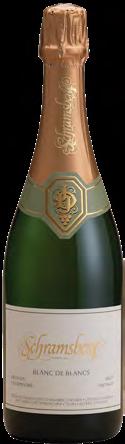
Schramsberg Vineyards, celebrating its 60th anniversary in 2025, is located near the town of St. Helena in Napa County. Widely regarded as one of the top sparkling wine producers in the United States, Schramsberg crafts traditional-method sparkling wines from Chardonnay and Pinot Noir grapes. Sourcing from a diverse range of cool-climate vineyard sites across California’s North Coast, the winery produces a variety of styles—from the well-known Blanc de Blancs, Blanc de Noirs, and Brut Rosé to the prestigious J. Schram tier. Each bottle reflects decades of craftsmanship, making Schramsberg a cornerstone of American sparkling wine excellence. With aging programs that rival top Champagne houses and a commitment to quality that spans generations, Schramsberg offers wines of remarkable depth, elegance, and finesse—perfect for collectors and celebrations alike.
Price: $44 • Available at www.schramsberg.com
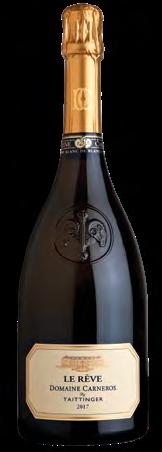
Le Rêve (French for "the dream") embodies the Taittinger family's vision to create the finest blanc de blancs in the United States. As Domaine Carneros' esteemed tête de cuvée, this wine represents founding winemaker Eileen Crane's pursuit of excellence and the pinnacle of the estate. Crafted from the most prized blocks of 100% estate-grown Chardonnay using exacting méthode traditionnelle, the 2017 vintage aged six years en tirage, developing finesse and complexity. Meyer lemon, ginger, and orange blossom captivate the nose, while the palate unfolds with lychee, poached pear, toasted hazelnut, and fresh lemon meringue pie. The depth and purity lead to a lively, extended finish. Named Best of Show and Best of Class Sparkling at the American Fine Wine Competition, this vintage is destined for evolution—delicious now, extraordinary with time.
Price: $128 • Available at www.domainecarneros.com
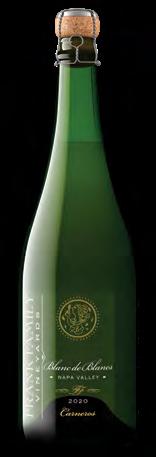
Sparkling wine is in the genetic makeup of Frank Family Vineyards. Their historic winery, originally built in 1884, was home to one of California’s earliest sparkling wine producers. Decades later, Frank Family continues to honor the heritage of their iconic winery by handcrafting four distinctive sparkling wines in a range of styles, from their classic Chardonnay-based Blanc de Blancs and popular Brut Rosé to their unique Pinot Noir–based Rouge and late disgorged tête de cuvée, named Lady Edythe. Produced using the méthode champenoise and aged extensively on the lees, these wines showcase a remarkable balance of richness and precision. The Blanc de Blancs in particular offers a bright, refined profile—crisp and elegant, with vibrant citrus and just-baked bread notes — making it a standout choice for connoisseurs of New World sparkling wine.
Price: $60 • Available at www.frankfamilyvineyards.com
BY FRAN MILLER
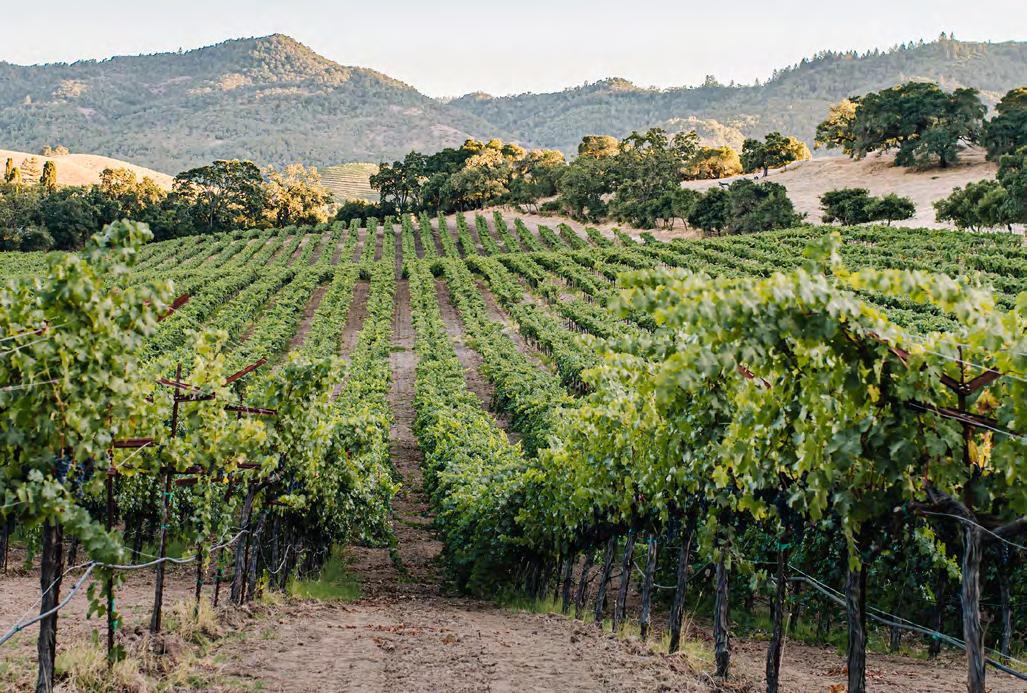
Nearly 125 years ago, Joseph Pelissa arrived in Napa Valley from Italy with little more than determination and a dream. In 1903, he planted his first vineyard—never imagining that his descendants would still be farming the same land more than a century later. Yet that’s exactly what the Pelissa–Hoxsey family has done. For generations, they’ve preserved their vineyards, quietly supplied grapes to some of Napa Valley’s most esteemed wineries, and nurtured their own family labels—all with grace, humility, and respect for the land.
Today, Joseph’s great-grandson, Andrew “Andy” Hoxsey, oversees more than 1,000 acres in Oakville and Yountville—600 of which are certified organic. Andy began converting the family’s vineyards to organic farming in the mid-1980s, long before it became a mainstream practice. Known for letting the land speak first, Andy prefers to keep the spotlight on the vineyards rather than himself. His younger daughter, Morgaen Hoxsey, Director of Sales and Marketing, shares, “His focus is making sure the vineyards are passed to the next generation stronger than when he inherited them.”
A cornerstone of the family’s legacy is the Napa Wine Company, their custom-crush
facility in Oakville. For decades, it has built trust among Napa’s top producers—growing grapes, crafting wines, and helping shape the region’s reputation. Many acclaimed wineries have used its services over the years. This behind-the-scenes support has long operated under the radar, quietly empowering both small and established brands to bring their wines to life.
In the mid-2000s, the family stepped into a more public spotlight by launching three estate-driven labels:
• Ghost Block: Estate-grown and award-winning, this label features Cabernet Sauvignon and Zinfandel sourced from vineyards that proudly carry the Pelissa name.
• Oakville Winery: Honoring their Oakville property, this label showcases Cabernet Sauvignon and Zinfandel that reflect the district’s distinct terroir.
• Elizabeth Rose: Named for Andy’s elder daughter, Kendall Elizabeth, President of Yount Mill Vineyards, these approachable, fruit-forward wines highlight multiple varietals and express a modern, vibrant spirit.
Throughout it all, the family continues to sell most of their grapes to other producers while reserving select parcels for their
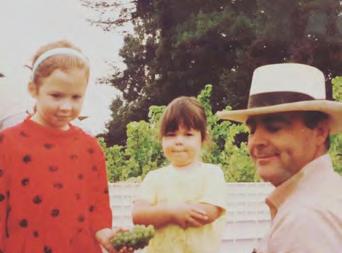
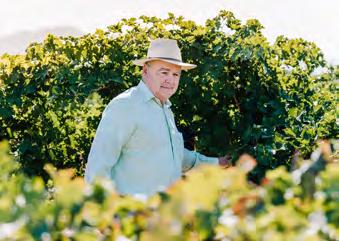
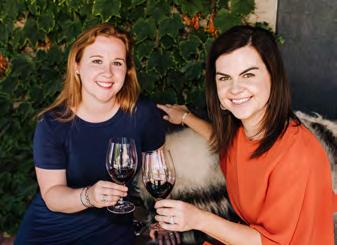
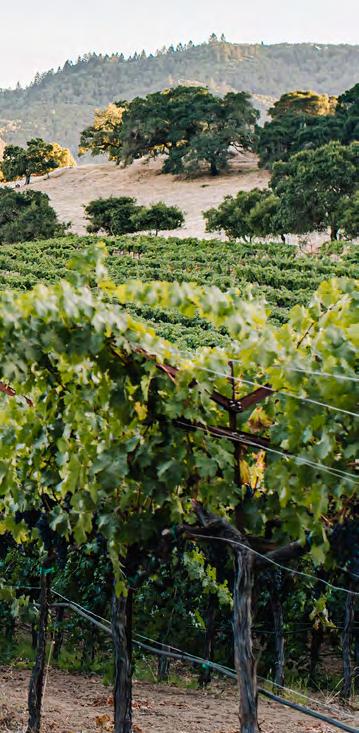
own wines—a balance that enables them to support the broader Napa Valley while crafting bottles that speak authentically of their land and legacy.
Today, sisters Morgaen and Kendall are gradually assuming leadership of the business, fostering relationships and expanding sales with the same consistency and integrity that have always defined the family. Their approach remains steadfast: humble, grounded, and centered on quality. They pride themselves on the quiet, steady work done in both vineyard and winery.
As the family approaches its 125th anniversary since Joseph Pelissa first planted his vines, Ghost Block Estate Wines and Napa Wine Company stand as enduring proof that devotion to the land and service to others can build a legacy that lasts for generations.
This feature only begins to tell the Pelissa family story. In upcoming issues, we’ll explore more of their vineyards, wines, and the generations who continue shaping Napa Valley from the ground up.




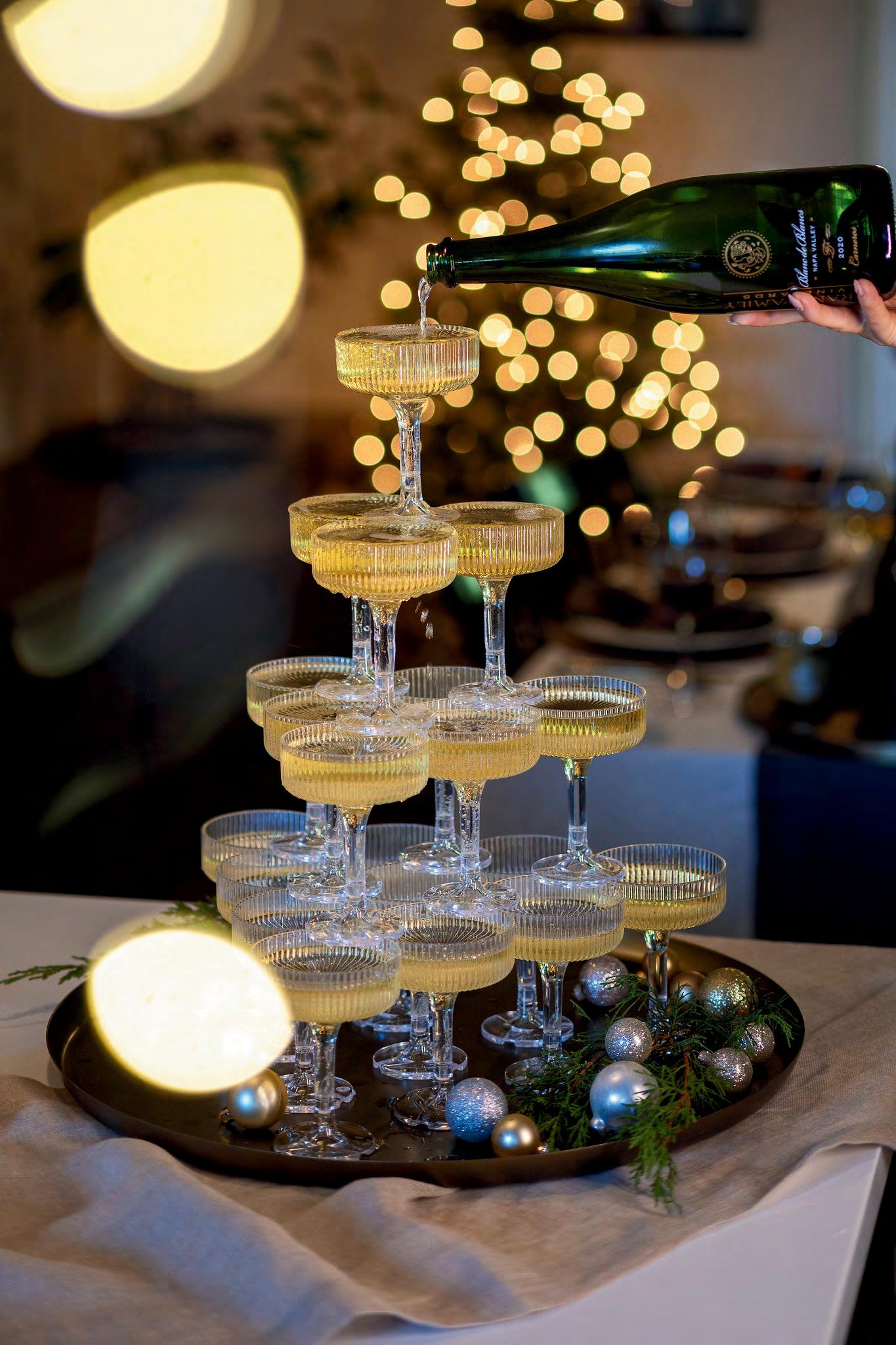

BY MELISSA VOGT
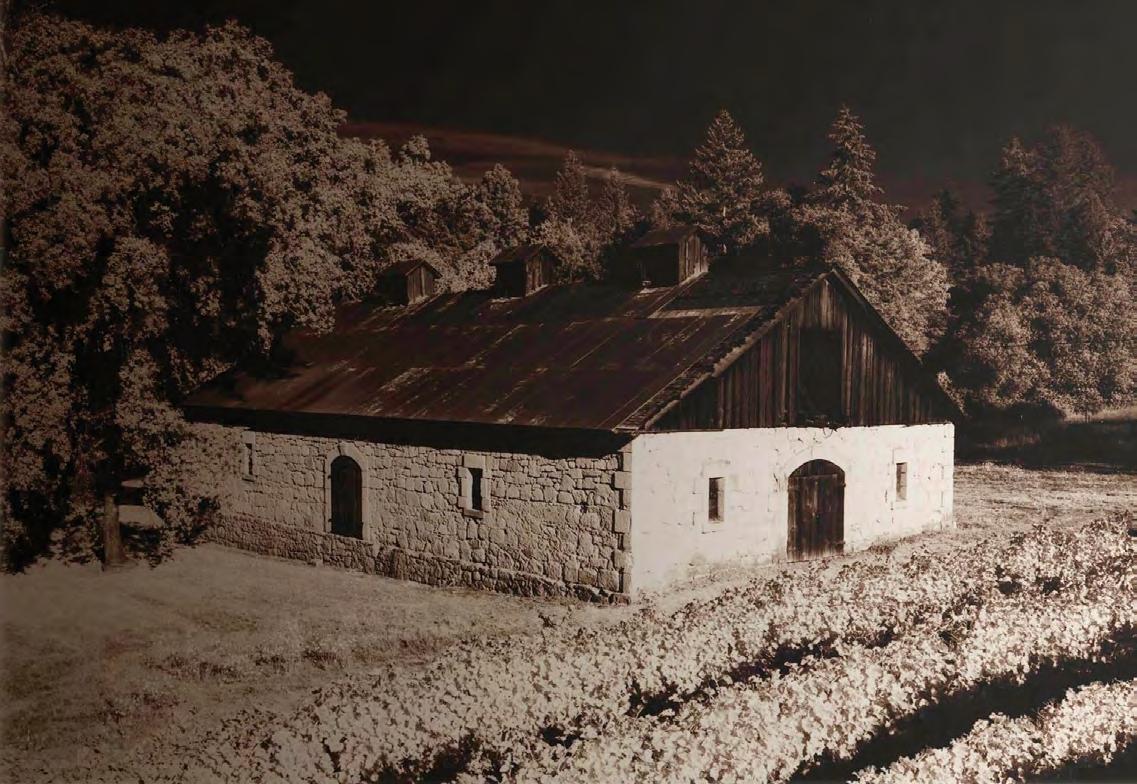
Before modern architecture, Michelinstarred restaurants, and international acclaim, Napa Valley was home to a gritty, ambitious wine frontier. In the late 19th century, pioneering vintners—many of them European immigrants—carved their dreams into the land. They built stone châteaux, gravity-flow wineries, and handdug caves across the valley, giving rise to a booming wine industry. By the 1890s, over 140 bonded wineries operated in Napa, each with its own story etched into stone and soil. But progress came to a halt.
“Ghost wineries” are pre-Prohibition-era wineries—primarily built between the 1860s and 1890s—that went dormant or were repurposed due to a series of historical disruptions: the phylloxera epidemic, Prohibition, the Great Depression, and two world wars. These estates, once lively hubs of viticulture and commerce, were abandoned, fell into ruin, or were adapted for other uses. Many vanished from maps entirely.
What makes them “ghosts” isn’t supernatural lore, but their near-erasure followed by revival. These wineries were silenced for decades, then rediscovered and resurrected—some lovingly restored stone by stone, others preserved as historic ruins or reimagined for modern winemaking.
Today, Napa’s ghost wineries are the soul of the valley—living archives of ambition, survival, and transformation. Here are some of the most iconic.
Sitting on the site of the former Nouveau Médoc/Brun & Chaix winery, originally bonded in 1886, this Howell Mountain property was revived after decades of dormancy. Now known as CADE’s 13th Vineyard, it continues to honor its ghostera roots in a mountain setting.
Built between 1883 and 1887, this site served as a winery, roadhouse, and saloon. Revived first as V Madrone and now as AXR, it showcases original stonework and historic vineyard blocks in a quiet corner of St. Helena.
Chateau Montelena
Built in 1882, the A. L. Tubbs Winery was largely dormant for much of the 20th century. Its resurrection in the early 1970s led to one of Napa’s most pivotal moments: the 1973 Chardonnay that won the Judgment of Paris, elevating both the winery and the valley to global prominence.
Conn Valley (Franco-Swiss Winery ruins)
Founded in 1876, this now-ruined stone winery east of St. Helena stands as one of Napa’s last unrestored ghost properties. Though inaccessible to the public, its remains offer a haunting reminder of Napa’s lost architecture.
Culinary Institute of America at Greystone
Originally built in 1889 as a massive cooperative winery, Greystone endured economic downturns and long dormancy. After serving as the Christian Brothers Winery, it became a culinary campus that now celebrates both food and the valley’s winemaking heritage.
DANA Estates (Helms Vineyard)
This 1883 Rutherford site fell into ruin postProhibition. In the 2000s, DANA Estates revitalized the original stone walls and created a minimalist winery that respects the past while embracing sleek, modern design.
Del Dotto Historic Winery & Caves
Hand-dug in 1885, the stone caves of the original Hedgeside Winery were rediscovered and restored by the Del Dotto family. Today, they offer a rare underground glimpse into Napa’s pre-Prohibition winemaking infrastructure.
Built by Bernard Ehlers in 1886, this stone winery faded from memory before being revived with a philanthropic mission.
The restored structure remains true to its original design, showcasing timeless 19thcentury symmetry.
Far Niente
Designed by famed architect Hamden McIntyre in 1885, Far Niente operated until Prohibition shuttered its doors in 1919. The estate sat abandoned for sixty years until a meticulous restoration in 1979 brought it back to life. Today, it stands as a benchmark for elegance, legacy, and Napa’s architectural revival.
Originally founded as Tychson Cellars in 1886 by Josephine Tychson—Napa’s first female winery owner—this estate changed hands and names before reemerging as
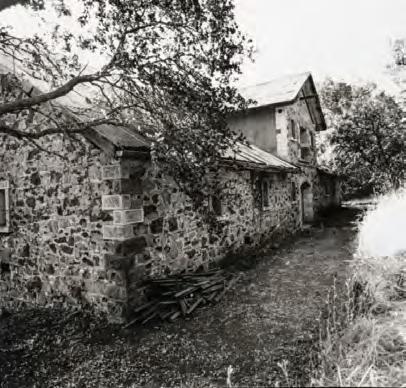
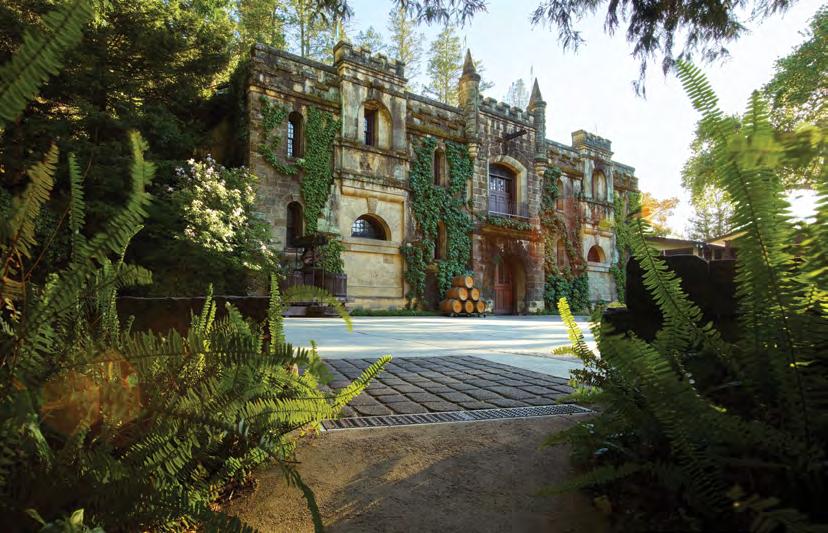
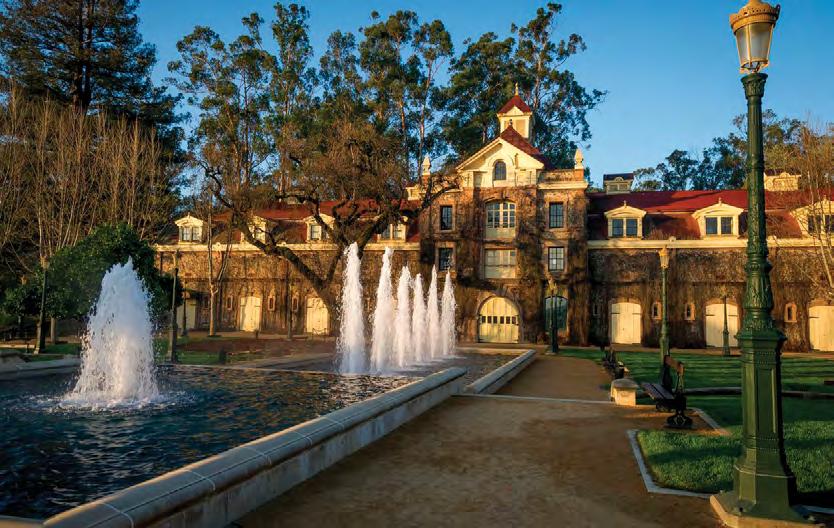
Freemark Abbey in 1939. Its wines gained international acclaim in the 1976 Judgment of Paris, marking a triumphant return from ghost status.
Frog’s Leap (Red Barn)
The Red Barn, part of the original Adamson Winery estate built in 1884, reflects a revival of pre-Prohibition charm. Abandoned and repurposed over time, it was transformed by Frog’s Leap in the 1990s into a symbol of sustainable winemaking and historical stewardship.
HALL St. Helena (Bergfeld)
Built in 1885, the original Bergfeld stone winery languished after Prohibition but was later restored as part of HALL’s modern estate. The historic building now anchors a property where 19th-century craftsmanship meets contemporary winemaking innovation.
Inglenook
Founded in 1879 by sea captain Gustave Niebaum, Inglenook was a model of innovation in early Napa winemaking. After years of fragmentation, the Coppola family restored the estate, returning it to its original name and prestige.
La Jota
Founded in 1898 atop Howell Mountain, La Jota’s rugged stone winery endured decades of inactivity before its revival. The estate now produces bold, age-worthy Cabernet Sauvignon that reflects the legacy of mountain viticulture.
Napa
Built on the site of the early Oakville winery operated by Brun & Chaix, this estate retains
by wildfire, it remains a symbol of Spring Mountain’s layered wine heritage.
First developed in the 1890s as a luxury estate and winery, Stags’ Leap fell silent during Prohibition. Later owners revived both the vineyards and the grand stone architecture, offering a glimpse into the valley’s early ambitions.
Housed in a rare 19th-century wooden gravity-flow winery built in 1886, the Trefethen estate was revived in the late 1960s. The family’s commitment to preserving original architecture and producing elegant wines turned a forgotten structure into a beacon of Napa restoration.
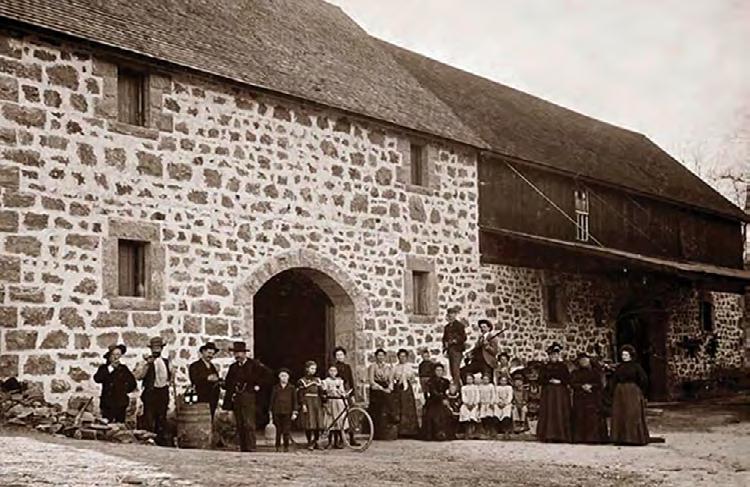
its original footprint. Though now functioning primarily as a custom-crush and production facility, its legacy as one of the region’s earliest wine operations lives on.
Dating back to 1878, this stone winery on the historic Grigsby Ranch sat dormant for decades before being revived by the Regusci family. The restored building and vineyards offer a window into Stags Leap District’s earliest agricultural heritage.
This historic property combines three 19thcentury wineries—La Perla, Miravalle, and Chevalier—into one estate. Dormant for much of the 20th century and damaged
This hillside estate began in 1870 but was abandoned after Prohibition. In 1977, the Vandendriessche family brought it back to life, preserving its stone cellar and focusing on small-lot winemaking rooted in volcanic soils.
Ghost wineries are more than relics—they are the bones of Napa Valley’s identity. These weathered châteaux, caves, and cellars tell stories of ambition, adversity, and rebirth. In sipping their wines, visitors taste more than terroir—they taste the enduring spirit of a region built on second chances.
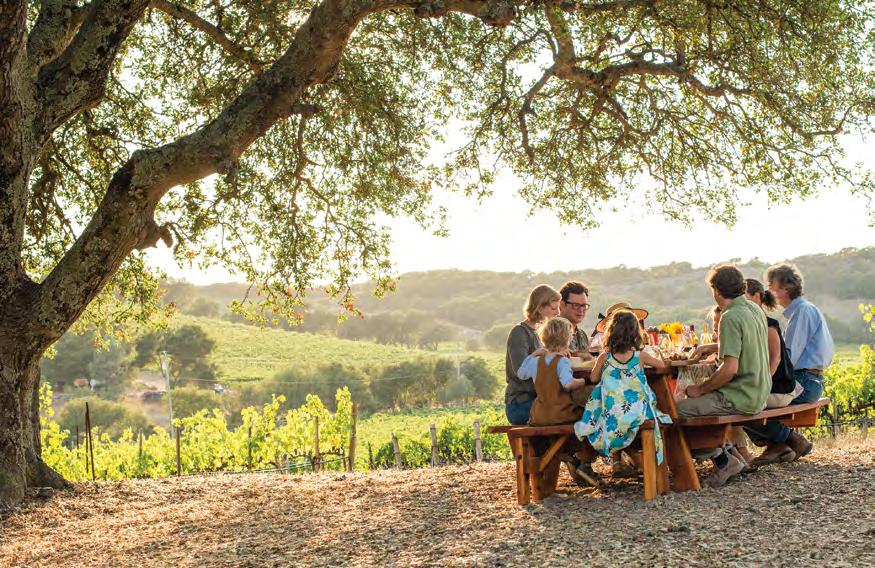
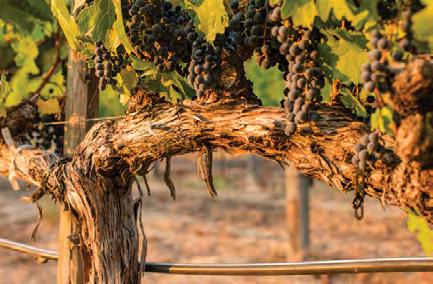
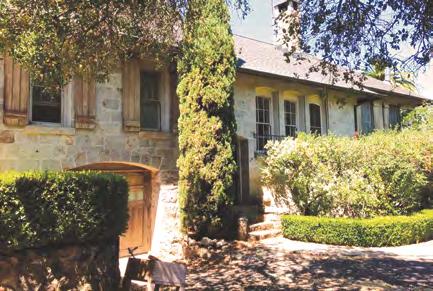
BY FRAN MILLER | PHOTOS COURTESY OF WHITE ROCK VINEYARDS
At the foot of Napa’s Stags Leap Range, White Rock Vineyards endures as one of the valley’s great “ghost wineries”—a historic estate that tells the story of Napa’s winemaking past while thriving in the present. Established in 1870 by Dr. John Pettingill, who constructed the winery using striking white volcanic stone quarried directly from the property, the estate was revived a century later by the Vandendriessche family. At 36 acres, it remains family-run, intimate, and devoted to quality over quantity.
Here, vines that are 30 to 40 years old grow in white volcanic ash soils that, as winemaker Christopher Vandendriessche notes, “produce small berries that make wines of great concentration and complexity.” This quality process yields a mere 3,000 cases of estate-grown wine each year—including a classic Napa Valley Cabernet Sauvignon, a Bordeaux-style Claret, and a Chardonnay noted for its refined mineralty—all crafted with precision by Christopher, son of founders Henri and Claire. After studying physics at UCSC and enology at the University of Bordeaux, Christopher refined his winemaking skills in Bordeaux, Burgundy, Spain, and Argentina. Today, White Rock’s wines are primarily allocated to loyal club members, though discerning diners may spot the estate’s
“We’re a bit of a throwback. Intimate, personal, approachable. Guests often tell us this is what Napa wine tasting used to be like in the ’70s.”
–Christopher Vandendriessche
Chardonnay on the wine lists at The French Laundry and Chicago’s famed Alinea Michael Vandendriessche, Christopher’s brother, oversees the vineyard. Sustainability informs his every decision: the vines are organically farmed, and all practices are designed to care for both vineyard and land. This commitment ensures that White Rock wines are not only elegant and expressive but also a genuine reflection of their Napa Valley home. Together, the brothers embody a rare balance of heritage, expertise, and passion—making White Rock’s wines both personal and enduring.
A visit to White Rock feels less like a tasting and more like a private immersion. Tastings are by appointment only, one group
at a time, and last between 90 minutes and two hours. A member of the small estate team leads guests through the historic vineyards and hand-dug caves before settling beneath an old-growth oak for a seated tasting, weather permitting. Charcuterie and cheese boards from Napa’s Fatted Calf can be arranged upon request—a perfect complement to the estate’s elegant, structured wines.
The experience is unhurried and deeply connected to the land. “We’re a bit of a throwback,” says Vandendriessche. “Intimate, personal, approachable. Guests often tell us this is what Napa wine tasting used to be like in the ’70s.”
That sense of timelessness is especially poignant considering the estate’s resilience. When the 2017 wildfires swept through the property, flames destroyed most of the buildings—but much of the wine was saved, thanks to the production facilities being safely housed in the caves. Today, White Rock is rebuilding its tasting room, continuing a family legacy guided by heritage and heart. Each bottle tells the story of land that has weathered time and fire—yet continues to yield wines of remarkable beauty.
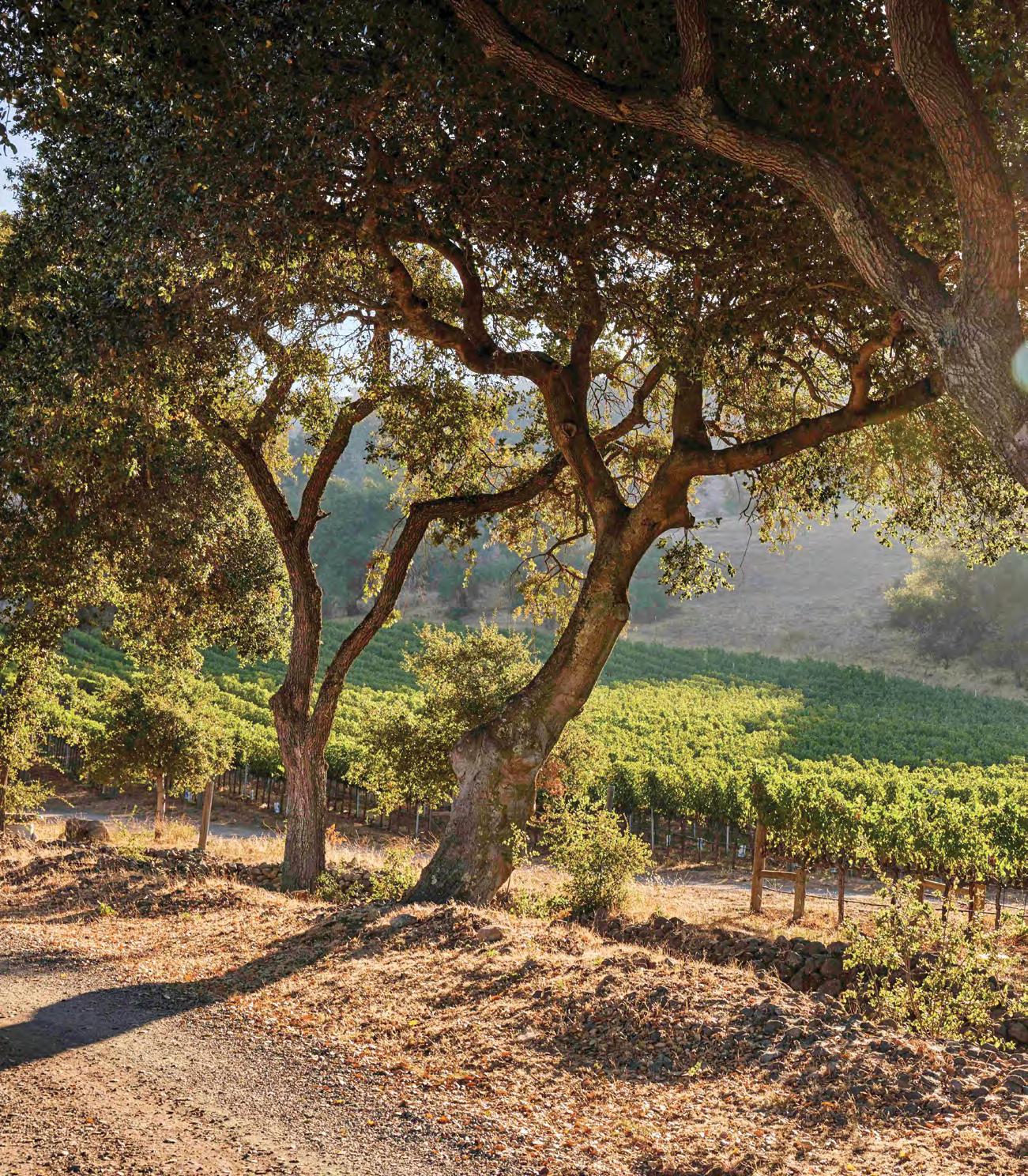
BY MELISSA VOGT
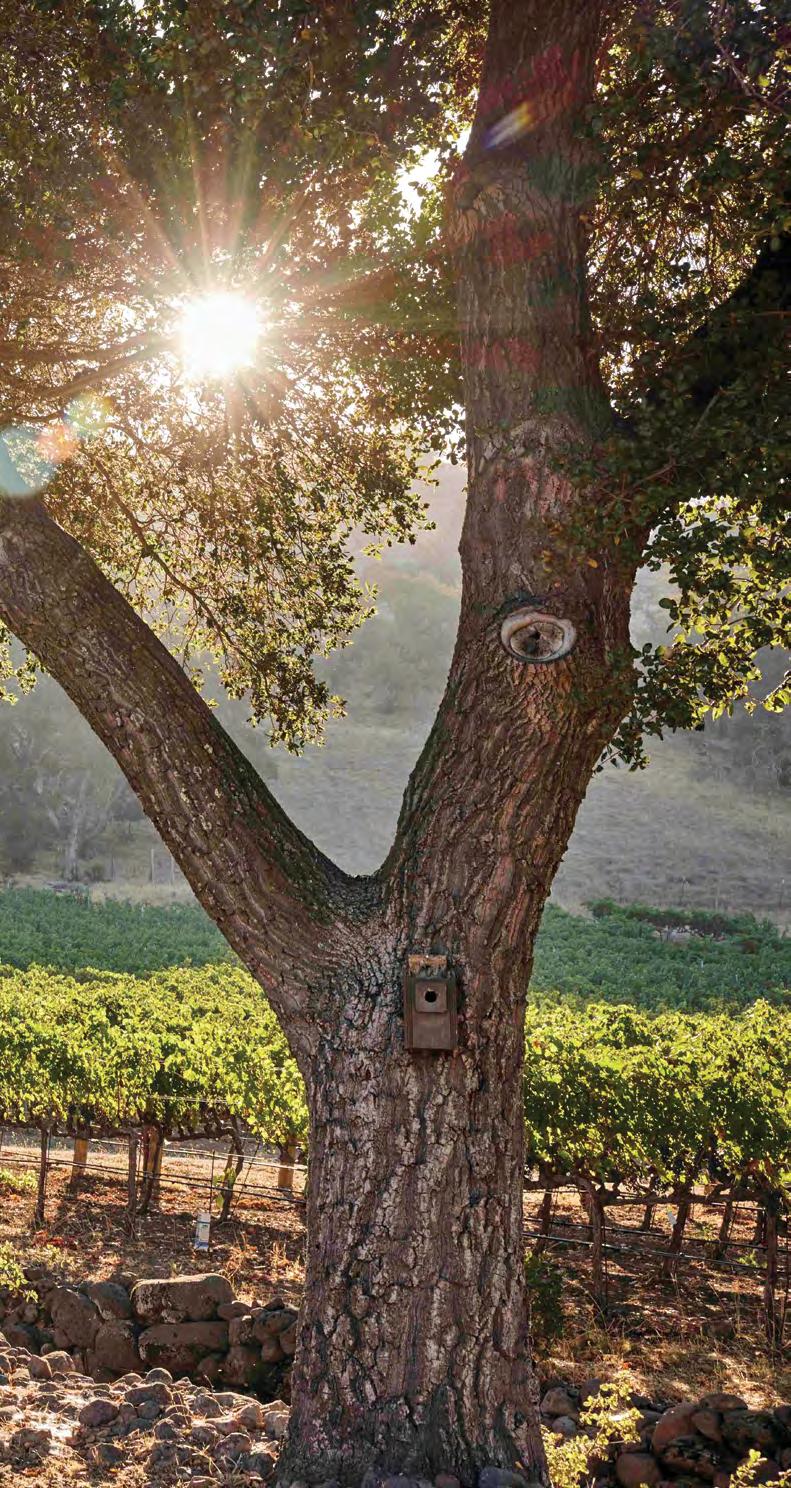
Nestled quietly between the cobalt span of the Stags Leap Palisades and the winding embrace of the Napa River lies one of the most singular corners of California viticulture: the Stags Leap District AVA. With origins deeply rooted in pioneer-era plantings and a modern reputation anchored in winemaking excellence, this appellation tells a story of terroir meeting tenacity.
The soils of the Stags Leap District are as intriguing as the wines they produce. On the eastern slopes of the Palisades, volcanic eruptions millions of years ago left pockets of volcanic gravel and fractured shale, while the lowland valley floor holds ancient river sediments and clay-loam deposits. These coarser, well-draining soils limit vine vigor and force roots to dig deep, concentrating flavor—what locals often describe as the appellation’s “rock-soft” footprint. The result is fruit with both intensity and finesse, reflecting its rigorous upbringing beneath the sun.
Here the environment plays its own score. The bare rock walls of the Palisades absorb the afternoon warmth, raising ambient temperatures in the vineyards, while late-day breezes funneling north from San Pablo Bay usher in cooling that lingers through the night. This diurnal swing—warm days and cool nights—elongates the growing season, allowing late-maturing varieties like Cabernet Sauvignon to ripen with grace. Vineyards in the Stags Leap District often reach mid-ninety-degree daytime highs yet benefit from night temperatures cool enough to preserve acidity and elegance.
The Stags Leap District AVA covers just three miles long by one mile wide—some 2,700 acres, over half of which are planted to vines. It is, in effect, a valley within a valley. The Palisades rise on one side, while the Napa River traces the other. In 1989, Stags Leap became the first American Viticultural Area (AVA) founded on a soilbased premise—its appellation identity shaped by terrain more than proximity to town or tradition. Within that modest footprint, vineyard variation is dramatic: elevations from near sea level to approximately 400 feet; an array of gravelly loams,
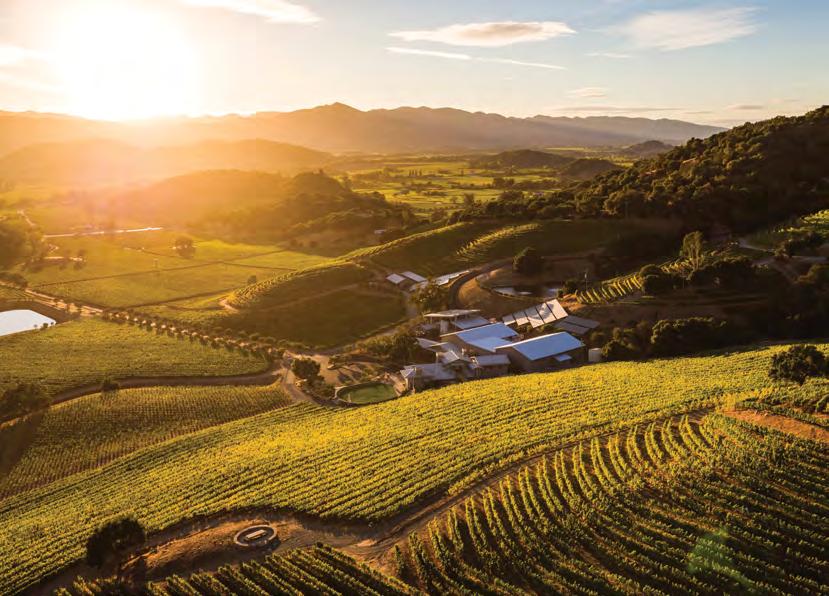
Cliff Lede 2022 Poetry
Cabernet Sauvignon
Deep, volcanic hillside berries drive this Cabernet—a bold mélange of cassis and blackberry with an undercurrent of lilac. Tannins are firm yet polished, laced with graphite and dark chocolate. This wine honors the Poetry Vineyard’s steep, rocky soils and makes a lasting statement about Stags Leap terrain.
Select Cabernet Sauvignon
Lush black cherry, crème de cassis, and a hint of violet define the profile. The texture is sumptuous, the finish long and refined—a masterclass in hillside Cabernet that showcases the richness and density the District’s dry, rugged slopes can deliver.
FAY Cabernet Sauvignon
This FAY bottling reveals boysenberry, black cherry, and fig marmalade aromas. On the palate, it offers a silky mouthfeel, polished tannins, and a deep-berry finish accented by subtle cigar-box and earthy spice. From the vineyard that launched the appellation’s Cabernet story, it stands as both tribute and testament to the land.
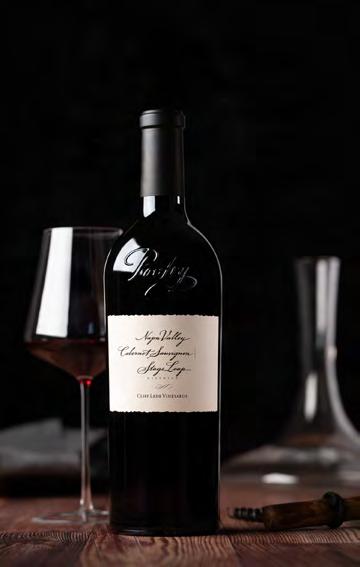
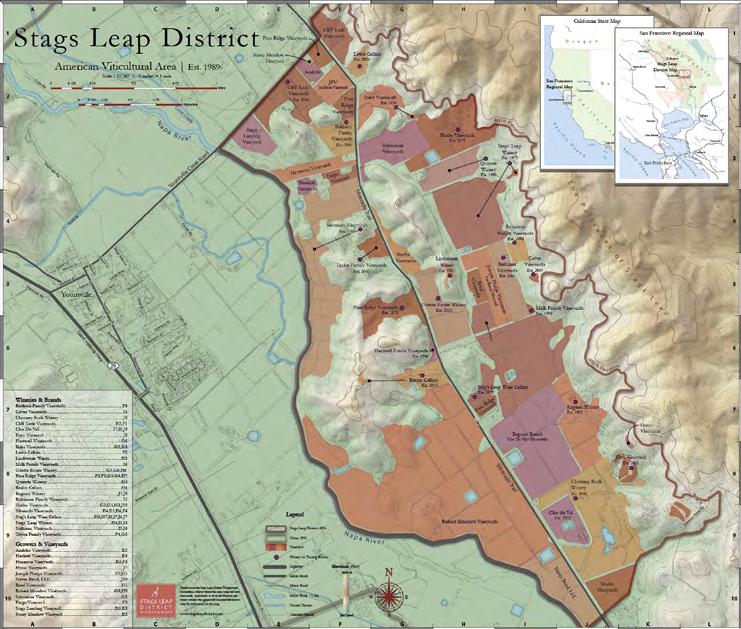
volcanic substrates, and clay subsoils—all contributing their part.
In the Stags Leap District, Cabernet Sauvignon reigns supreme—and for good reason. The late-ripening, thick-skinned nature of the grape matches beautifully
with the long, warm growing season and the coarse soils that limit yields and concentrate flavor. The result is the signature “iron fist in a velvet glove” expression of the appellation: plush, ripe fruit and refined tannins, underpinned by graceful acidity and minerality. Alongside Cabernet Sauvignon, Merlot, Petit Verdot, Malbec, and Cabernet Franc form Bordeaux-style
blends, while Sauvignon Blanc and Sémillon add brightness and counterpoint. Still, Cabernet is the grape that defined the region’s identity, shaped its sense of place, and anchored the reputations of iconic wineries such as Stag’s Leap Wine Cellars and others.
With a bold name and a modern vision, Cliff Lede Vineyards planted its flag in the Stags Leap District in 2002 when Canadian wine enthusiast Cliff Lede purchased sixty acres of land. From the start, the estate embraced a fusion of art, music, and winemaking—a nod to rock-and-roll energy reflected in vineyard block names such as “Poetry” and “Rhythm.”
The estate is divided between the steep hillside terraces of the Poetry Vineyard— planted on shallow volcanic soils above fractured shale—and the Rhythm Vineyard on the valley floor, where gravelly loam prevails. Cabernet Sauvignon is planted alongside Merlot, Cabernet Franc, Petit Verdot, and Malbec, all farmed with precision and low yields to maximize concentration.
For visitors, Cliff Lede offers an experience that balances spectacle with substance: a state-of-the-art winery designed by the late Howard Backen, sculpture gardens, and a tasting lounge aptly named “Backstage.” When planning a visit, book the “Poetry Experience” for an immersive exploration of the estate’s dialogue between art, music, and Cabernet—a sensorial journey through the District’s terroir.
At Shafer Vineyards, the story of Stags Leap District Cabernet carries historic resonance. The family-founded estate, rooted here since the late 1970s, farms approximately 250 acres across Napa Valley, including prime hillside sites in Stags Leap. Their signature wine, Hillside Select Cabernet Sauvignon, is widely regarded as a quintessential expression of the appellation’s plush power and disciplined elegance.
Here, the sense of place matters most: hillside vineyards of dry, rugged terrain, where vines are stressed, yields are low, and fruit is intensely concentrated. The result is wines alive with depth, richness, and the supple texture that defines the finest Stags Leap Cabernets. For wine travelers, Shafer remains a touchstone—tasting here offers not only a view of the vines but a glimpse into the soul of the appellation itself.
No discussion of the Stags Leap District would be complete without mentioning its most storied pioneer. Founded by Warren Winiarski in 1970, Stag’s Leap Wine Cellars vaulted to international fame when its 1973 Cabernet Sauvignon triumphed at the 1976 Judgment of Paris, besting some of Bordeaux’s most esteemed wines. That landmark moment placed Napa Valley—and this appellation—firmly on the world stage.
Today, the estate remains anchored in its historic vineyards: S.L.V. (Stag’s Leap Vineyard) and FAY Vineyard, the latter established by Nathan Fay in the early 1960s as the first Cabernet Sauvignon planting in what would become the Stags Leap District. The 2022 FAY Cabernet Sauvignon reveals vibrant aromas of boysenberry, black cherry, and fig marmalade, with a silky texture, polished tannins, and a dark-fruit finish—an eloquent expression of Stags Leap’s soil and climate. Visitors to the estate can relish its timeless charm, where history meets the land and the glass echoes the geology.
Whether planning a leisurely weekend among the vines or embarking on a collector’s pilgrimage, the Stags Leap District
In the Stags Leap District, the land matters, the climate shapes character, and the people—winemakers and growers alike—respond with elegance and respect. Though compact, the AVA encapsulates everything that defines great Napa wine: volcanic rock, ancient riverbeds, marine breezes, and hillside exposures that bask in the afternoon sun. Within this unique confluence, Cabernet Sauvignon finds its most articulate voice—plush yet structured, generous yet nuanced.
For the Napa-bound traveler, Stags Leap offers a compelling destination. The district’s wineries embrace education and terroir-driven storytelling, illuminating how geography, geology, and climate converge to create wines of depth and grace. Whether planning a leisurely weekend among the vines or embarking on a collector’s pilgrimage, the Stags Leap District rewards close attention— and, always, another sip.
FOR MORE INFORMATION www.stagsleapdistrict.com
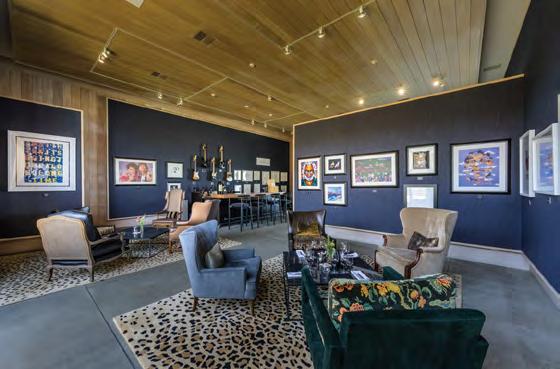

Established in 2002 on sixty acres in the famous Stags Leap District, Cli Lede Vineyards brings together the best Napa Valley has to o er. Critically acclaimed wines, gorgeous vineyard views, and excellent music make this a favorite visit for those looking for a fun and memorable wine tasting experience.

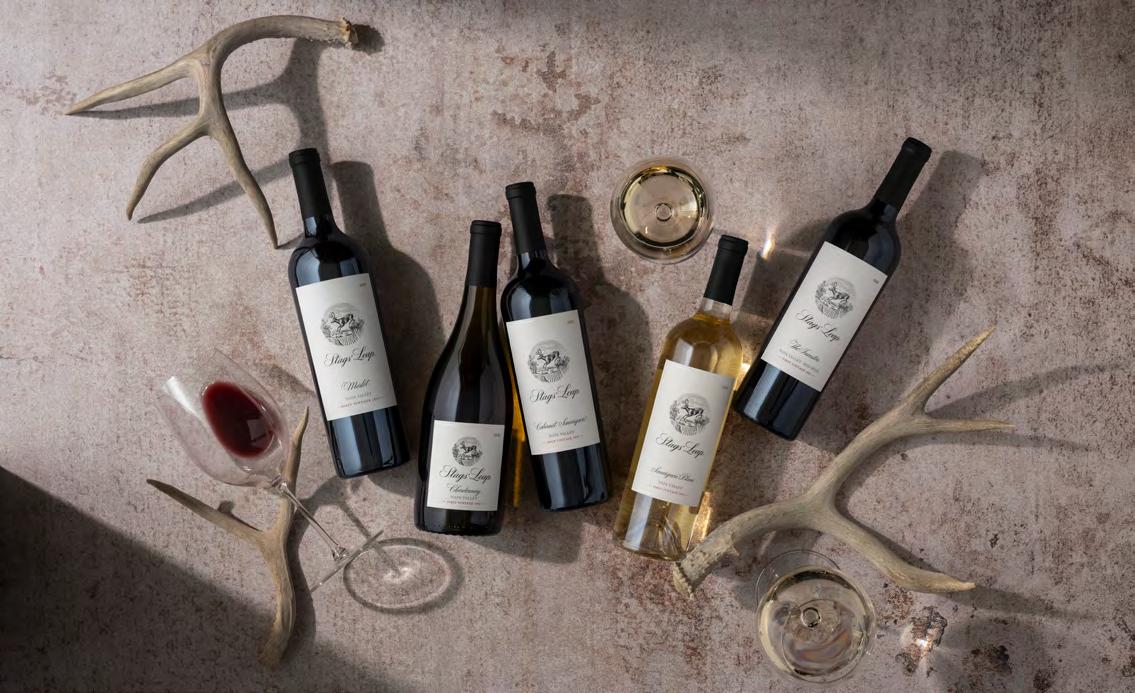
BY FRAN MILLER | PHOTO COURTESY OF STAGS' LEAP WINERY
Just a short turn off the Silverado Trail, Stags’ Leap Winery reveals itself as a hidden valley framed by the craggy Palisades. “We are just moments off the Silverado Trail… but a world away,” says Jim Foster, Hospitality Manager. “It’s like our own Shangri-La.”
One of Napa Valley’s most historic estates, Stags’ Leap is as much about heritage as it is about wine. The property dates back to 1888, and the winery was established in 1893. Its centerpiece, the grand Manor House, still feels like a portal to another era. Originally built as a family home, it continues to symbolize Gilded Age refinement. Guests are often struck by its craftsmanship: soaring 15-foot ceilings, old-growth California redwood fireplace hearths, hand-carved banisters, and stained-glass windows that glow in the afternoon light. “As stewards of this storied estate, we invite our guests to step back in time and experience a slower, more graceful era,” Foster explains. “We continually refresh the Manor House to reflect the seasons, update furnishings, and introduce new hosting spaces. It ensures each visit feels both familiar and new.”
Visitors can choose from three signature tastings, each offering a distinct lens into the estate and its wines. The Porch Tasting is a relaxed introduction, featuring six estate-grown wines enjoyed from the sweeping veranda overlooking the grounds. For those seeking a deeper dive, the Manor House Experience includes a guided tour of the historic home—complete with a stop in the hidden Speakeasy in the basement—followed by a tasting across all three tiers of the winery’s portfolio. The most immersive option, the Take the Leap Experience, features winery-exclusive bottlings crafted from estate fruit and select local vineyards.
Among the estate’s collection, one wine in particular tends to spark conversation: Ne Cede Malis Petite Sirah. The name comes from the Latin motto inscribed in the stained-glass windows of the Manor House dining room: Do not yield to misfortunes, but go against them more boldly than your fortune allows. “This wine embodies
resilience and legacy,” says Foster. The vineyard itself, planted in 1929, is now certified as historic and contains a fascinating mix of 17 grape varieties.
Foster, who brings more than 40 years of hospitality experience, says his guiding principle is simple: respect. “Respect for each other, respect for our guests, and respect for the legacy of the estate,” he explains. That philosophy shapes the way his team hosts, creating a space where visitors connect, celebrate, and savor wines responsibly. “There are countless memorable stories, but my favorites are the smiles from first-time visitors—when the history, beauty, and wines of Stags’ Leap come together to create something truly unforgettable.”
Napa is filled with world-class wineries, yet Stags’ Leap stands apart as both a destination and a legacy. To visit is to experience Napa Valley’s past—while tasting its future.
CHIMNEY ROCK AT 40
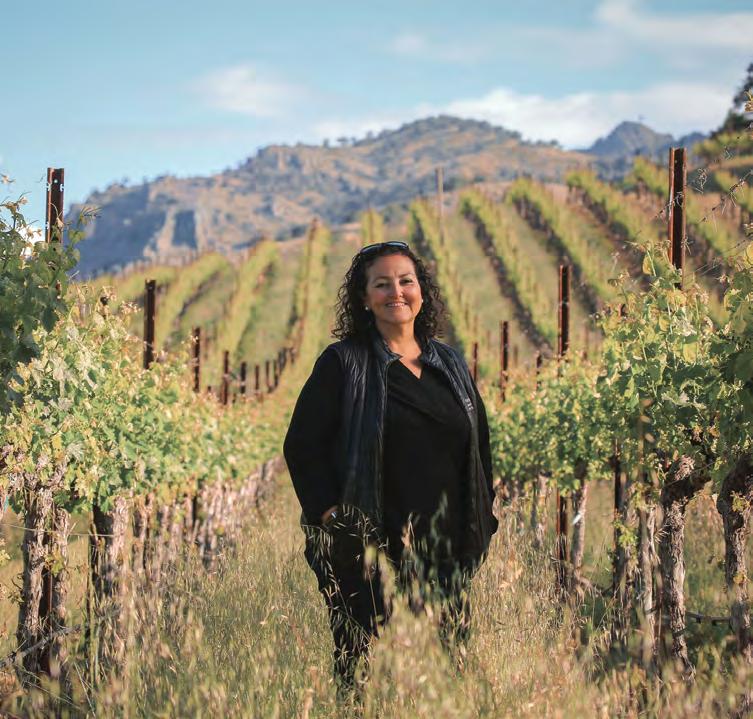
This year marks a milestone for Chimney Rock: the winery’s 40th anniversary. For Winemaker and General Manager Elizabeth Vianna, the occasion is both personal and profound.
“I’ve made wine here for 23 of those vintages,” she reflects. “To watch this estate fulfill its potential has been an incredible privilege.”
To commemorate the anniversary, the winery is releasing a special 2023 bottling— its 40th vintage of Stags Leap District Estate Cabernet Sauvignon—a wine that embodies four decades of dedication to
the land, the vines, and the team that has shepherded it forward.
Chimney Rock’s evolution is a story of vision and reinvention. The Wilson family first planted the estate in 1980, experimenting with Sauvignon Blanc, Chardonnay, and Cabernet. In the 1990s, Winemaker Doug Fletcher led a replanting effort that elevated the estate’s quality.
“He planted clonal diversity, matched rootstock to every piece of soil, and really
had a long-term vision for how to optimize quality,” says Vianna.
The next chapter began when the Terlato family purchased the property. Their investment provided a state-of-the-art winery and expanded Cabernet plantings.
“They gave Chimney Rock wings,” Vianna notes. “They built us a brand-new winemaking facility and planted an additional 50 acres of Cabernet Sauvignon. It’s been this incredible journey of investment and commitment to quality.”
The commemorative 2023 Estate Cabernet Sauvignon captures the full diversity of the property, from hillside blocks to valley floor plantings.
“This wine is the estate ambassador,” says Vianna. “It’s a symphonic representation of time and place, and it will always carry the signature marks of quintessential Stags Leap District—black fruit, expressive aromatics, savory notes, and that balance of finesse and power.”
Texture is equally defining. “The tannins are silky but structured, with beautiful length and freshness of acid,” she explains. “It’s that interplay that defines who we are.”
The release is made even more significant by the season itself. The 2023 harvest has already been hailed as another Napa Valley “vintage of a lifetime.” Chimney Rock’s pairing of its 40th vintage with such an extraordinary growing season makes this wine a true crowning moment.
For Vianna, the 40th vintage is also a celebration of collaboration.
“Six pairs of hands make these wines year after year,” she says. “Half of our team has been here for a decade or longer. That continuity, that shared journey of learning the vineyards and working together, is what makes this anniversary so special.”
The celebration comes on the heels of a major accolade: Chimney Rock’s 2021 Cabernet was named the #5 Wine in the World by Wine Spectator
“It confirmed for us that we’re on the right path,” says Vianna.
As the winery raises a glass to 40 vintages, Vianna hopes fans will join in a toast.
“Here’s to the past four decades,” she says, “and to the many still to come.”
BY FRAN MILLER
Wine lovers know the landmarks: Tuscany, with its rolling Chianti vineyards and storied Brunellos; Piedmont, home to regal Barolo and Barbaresco; Veneto, where Amarone and Prosecco flow; and even Sicily, where volcanic slopes produce some of Italy’s most exciting wines.
These names dominate the itineraries of travelers seeking Italian wine pilgrimages. Yet tucked against the Austrian border lies Alto Adige, a region far less traveled but equally—if not more— captivating. It’s an alpine enclave where the Dolomites frame the horizon, the culture is a mosaic of Italian and Austrian influences, and the wines shimmer with freshness.
The first impression of Alto Adige is vertical. Vineyards climb to elevations exceeding 3,280 feet above sea level, creating one of Europe’s most dramatic viticultural backdrops. This is a place where Alpine crispness meets Mediterranean warmth. Sunlight streams in from the south, while cool mountain air slips down from the north at night, creating a diurnal swing that locks freshness into every grape.
The Adige River valley, running south from Bolzano, provides the broad artery of viticulture, but it’s the side valleys and terraced hillsides that reveal the region’s true character. Here, stone-walled vineyards perch above medieval towns, while the jagged peaks of the Dolomites frame the view. Even for seasoned travelers, Alto Adige feels like a revelation: unmistakably Italian in its warmth, yet distinctly Alpine in culture, architecture, and pace.
Despite covering only about 14,500 acres of vineyard land—making it Italy’s smallest major wine region—Alto Adige produces an amazing diversity of wines. Roughly 20 grape varieties are grown here, each finding its niche in different elevations and soils. About 5,000 small growers tend these vineyards, many contributing fruit to cooperatives that account for nearly 70 percent of the region’s production. The result is a patchwork of tradition and innovation, where centuries-old practices meet cutting-edge technique in the cellar.
If there is one calling card for Alto Adige, it is its white wines. Pinot Grigio here sheds its supermarket stereotype, gaining alpine lift, stony minerality, and a surprising depth that reflects its high-altitude origins. Sauvignon Blanc crackles with citrus and herbal intensity, while Chardonnay often takes on a Burgundian elegance, equally at home as a crisp aperitivo or a structured, oak-aged cuvée. Gewürztraminer—whose name alone hints at the region’s Germanic heritage—achieves aromatic heights here
that few other regions can rival, perfumed with rose, lychee, and spice. Riesling and Kerner thrive in cooler pockets, delivering wines that are racy yet layered. And Pinot Bianco, often overlooked elsewhere, commands great attention in Alto Adige for its subtlety and textural charm. These are wines that sommeliers adore for their food-pairing versatility. They slice cleanly through rich Alpine cheeses, play well with cured meats like speck, and elevate seafood dishes drawn from Italy’s Adriatic coast.
While whites dominate in volume and reputation, Alto Adige’s reds are equally compelling. Schiava (also known as Vernatsch) is the most traditional, once ubiquitous in local taverns and now undergoing a renaissance. Pale in color and low in tannin, it’s a red that drinks almost like a white; vivid, refreshing, and made for casual enjoyment.
At the other end of the spectrum lies Lagrein, a dark, muscular grape native to the region. Its inky wines offer flavors of blackberry, cocoa, and spice, balanced by
As compelling as the wines are, Alto Adige is not just a region to taste—it’s a region to experience.
the acidity that is Alto Adige’s signature. Pinot Noir, grown in select higher sites, has steadily gained acclaim for its elegance, often drawing comparisons to Burgundy. Together, these reds showcase the region’s remarkable ability to balance power and finesse, tradition and modernity.
A Cultural Mosaic in Every Glass
Part of what makes Alto Adige unique is its blend of cultures. Known as Südtirol in German and Alto Adige in Italian, the region has belonged to both Austria and Italy over the past century, and its dual heritage is
ever-present. Towns bear names in both languages; menus feature knödel dumplings alongside polenta; and vintners speak German, Italian, and often Ladin—a local Romance language.
That cultural mosaic shows up on the table. Wines are served with cured speck, mountain cheeses, or a plate of Schlutzkrapfen—ravioli-like pasta stuffed with spinach and ricotta. Dining here is a reminder that wine is not just a beverage, but a bridge between histories and traditions.
As compelling as the wines are, Alto Adige is not just a region to taste—it’s a region to experience. The Dolomites, a UNESCO World Heritage site, dominate the skyline, offering hiking trails in summer, ski slopes and Christmas markets in winter, and
golden larch forests in autumn. Cyclists can follow winding vineyard roads or tackle alpine passes, while spa seekers retreat to wellness hotels where mineral pools look out onto snow-capped peaks.
Cultural highlights abound: the frescoed Abbey of Novacella, dating back to the 12th century; the medieval streets of Bolzano, with their open-air markets and AustroItalian charm; and the wine road itself—a 44-mile ribbon threading through 15 picturesque towns, each with its own festivals, flavors, and cellars to explore.
For American consumers, Alto Adige wines are easier to find today than even a decade ago. Labels may be listed under “Alto Adige” or “South Tyrol,” and grape names often appear in German (look for Weißburgunder rather than Pinot Bianco, or Lagrein rather than a generic “red blend”). Well-known cooperatives such as Cantina Terlano or Kellerei Cantina Kurtatsch produce bottles with wide distribution, while smaller estates increasingly export limited cuvées to the U.S.
What unites them all is quality. Alto Adige is recognized for some of the strictest standards in Italy, with DOC regulations covering nearly all of its production. For American wine lovers accustomed to the boldness of California Chardonnay or the richness of Tuscan reds, these wines offer a refreshing counterpoint—reflective of mountain terroir.
Italy is a country of wine pilgrimages, where each region tells its own story. And for travelers accustomed to Italy’s more famous wine routes, Alto Adige offers something
rare: authenticity without crowds, and sophistication without pretense.
What sets it apart is the way its wines and landscapes mirror each other: crisp, pure, and dramatic, with layers of complexity that reward exploration. For those who already know Chianti’s rustic warmth or Barolo’s aristocratic structure, Alto Adige provides a fresh perspective—an alpine voice in Italy’s vinous symphony. And for travelers seeking a destination that combines outdoor adventure, cultural richness, and world-class wine, few places rival this northern frontier.
The next time you uncork a bottle from this remarkable corner of Italy—or better yet, plan a trip to its valleys and peaks— you’ll understand why those in the know speak of Alto Adige with quiet reverence.
At Cantina Terlano, considered the “grand cru” of Alto Adige, tastings reveal why the cooperative’s whites are among Italy’s most revered. The estate is celebrated for its longaging Pinot Bianco—especially the singlevineyard Vorberg—along with structured Sauvignon Blancs and the classic Terlaner cuvée of Pinot Bianco, Chardonnay, and Sauvignon.
At Cantina Girlan, founded in 1923 in a converted farmhouse, tastings often span from crisp Pinot Bianco and mineral-driven Chardonnay to supple Schiava and elegant Pinot Noir—reds that thrive in the warmer vineyards around the village of Cornaiano.
At Kellerei Cantina Kurtatsch, the modern glass-and-stone structure rises against sheer Dolomite cliffs. Tastings often spotlight the estate’s slope-specific bottlings: Pinot Bianco and Sauvignon Blanc from higher altitudes, Lagrein from the valley floor—each illustrating the precision of site that defines the winery.
The family estate of Kornell traces its roots back to Roman times. Wines are poured with easy generosity in a rustic courtyard shaded by cypress and palms, the lineup ranging from supple Merlot blends to Schiava with a playful freshness.
At Tenuta Tiefenbrunner, history sets the stage. The estate is housed in the 800year-old Turmhof Castle and tastings take place on their picturesque patio. Here, the revered Feldmarschall Müller-Thurgau—a high-altitude white grown among Europe’s loftiest vineyards—remains the signature, joined by crisp Sauvignon Blancs and elegant Pinot Noirs. Be sure to order the charcuterie board accompaniment—an artistic, visual delight.
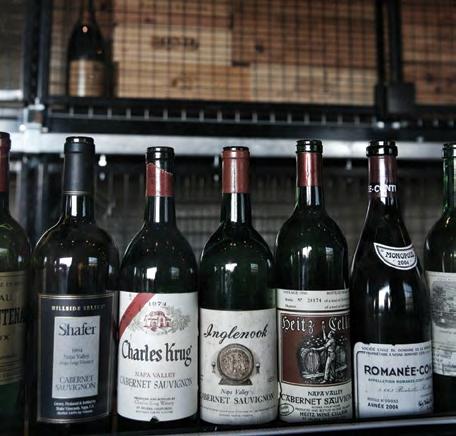
Discover the finest and most unique wine storage facility serving Napa, Sonoma, and the greater San Francisco Bay Area. Rutherford Wine Vault is located in the historic Beaulieu Vineyard champagne department - a meticulously transformed 110 year-old space. The vault features storage solutions for individual wine collectors and small vintners. Each locker is equipped with custom designed seismically independent racking systems, lockable private steel storage enclosures, redundant temperature and humidity controls, and more than five layers of state-of-the-art security systems.
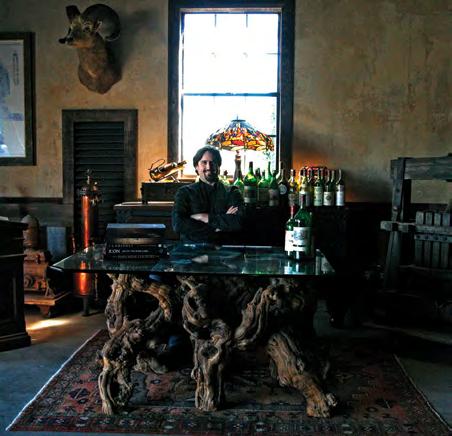
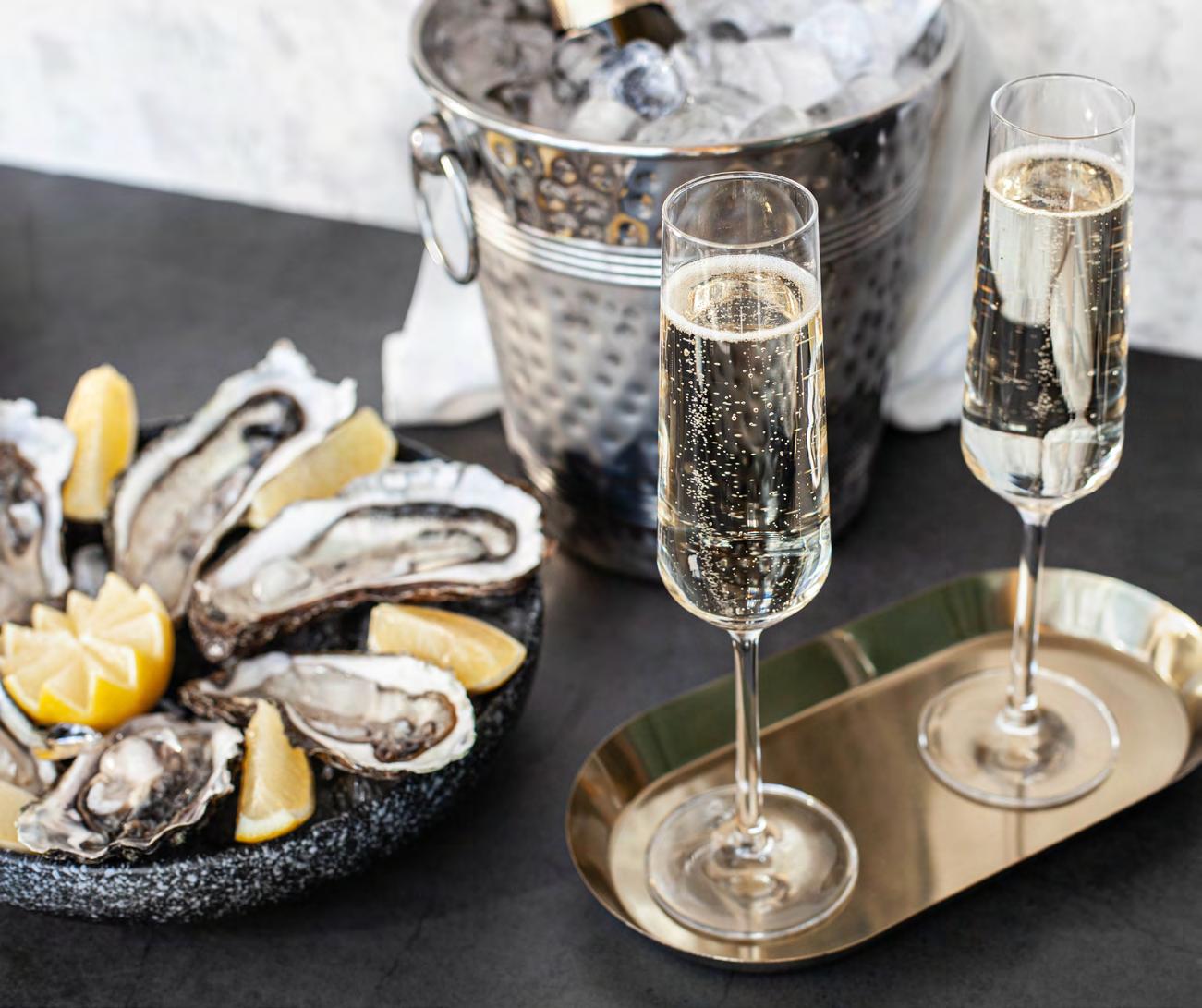



BY KAREN CROUSE





There’s that moment right before the cork releases—a small pause, almost like the air takes a breath with you. Then the soft pop, the rise of bubbles, that faint perfume of toast and fruit. It’s not something I just see or smell; I feel it. The sound, the shimmer, the scent—they wash over the senses at once, the way sunlight suddenly fills a room. Champagne doesn’t just celebrate. It transforms. It lifts a meal, a moment, a mood. The bubbles carry conversation, brighten flavors, and make simple food taste somehow more complete. It isn’t about luxury or occasion; it’s about connection— that easy harmony between what’s poured and what’s shared around the table.
Inside every bottle is a kind of living energy. The streams of bubbles that rise in steady rhythm do more than decorate a glass— they carry scent and story. Carbon dioxide moves the aromas upward, so the first inhale is as layered as the first taste.
The wine makes the richness feel lighter, fresher, alive again.
Salt brings the fruit forward, and anything caramelized—browned butter, roasted nuts, a golden crust—mirrors Champagne’s toasty, time-earned notes. It’s why even something as humble as a potato crisp or a handful of salted almonds feels special when the bubbles start to rise.
Every style of Champagne has its own personality—and once you know them, pairing becomes play.
Blanc de Blancs, made from Chardonnay, feels like morning light: crisp, citrus-driven, and full of lift. It flatters seafood, crab, and delicate lemon or herb dishes.
doesn’t just celebrate. It transforms. It lifts a meal, a moment, a mood.
Brut Non-Vintage is the great multitasker. It loves salt, texture, and crunch— fried foods, charcuterie, or anything with a savory edge. Blanc de Noirs, from dark-skinned grapes, brings warmth and fruit depth. Its notes of red berries and spice are beautiful with roast duck, mushrooms, or a perfectly seared steak.
Rosé Champagne bridges elegance and heartiness. Its subtle berry tone pairs naturally with salmon, glazed ham, or dishes touched by tomato or pomegranate.

When the bubbles reach your tongue, they bring a quick spark—the same little awakening you get from mint or ginger. It stirs the senses. Beneath that sparkle is the quiet balance of acidity. As the gas dissolves, it creates a soft brush of carbonic acid that clears the richness from your palate and makes the next bite feel new again.
That’s Champagne’s secret: it's energy wrapped in grace, freshness meeting depth.

There’s a reason Champagne belongs at the table. It’s not just for celebration; it’s for contrast. Fat, salt, and acid are the instruments of flavor, and Champagne plays all three beautifully.
Rich, buttery, or fried foods are where it truly shines. The acidity cuts through oil and cream, while the bubbles sweep the palate clean, leaving only the memory of texture and flavor. Fried chicken, truffle fries, or a spoonful of velvety risotto— they all find balance beside a sip of Brut.
And when sweetness or spice enters the mix— roasted squash, blue cheese, pear tart—a Sec or Demi-Sec Champagne softens the edges and rounds out the flavors.
There are no strict rules here. Champagne isn’t fussy; it simply finds what tastes good and makes it better.
Serve Champagne cool—about 45°F—but never icy. Too cold, and it hides its voice. A tulip or white wine glass gives the bubbles space to bloom. Pour gently down the side and take in the first fragrance, that fresh brightness before the deeper notes reveal themselves.
Let vintage bottles warm a little as you sip. With air, the wine opens—pastry, roasted nuts, sometimes spice—a quiet evolution with each taste.
And don’t wait for big occasions. Champagne loves a Tuesday night just as
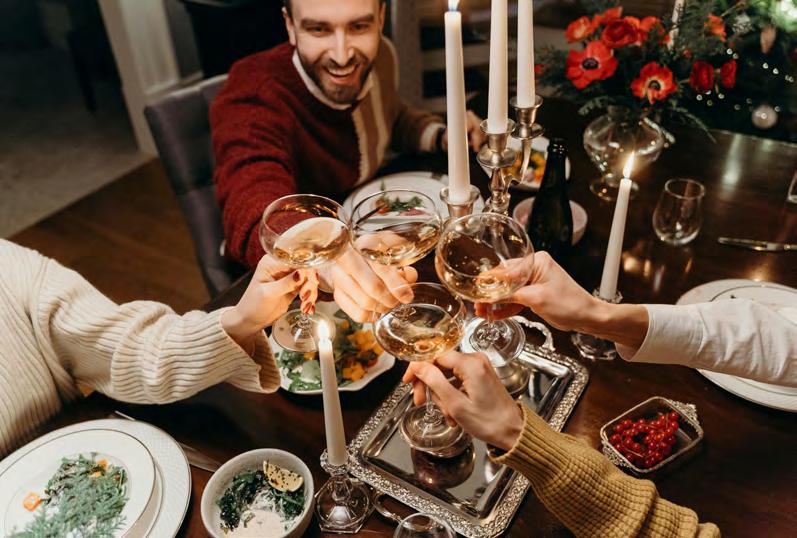
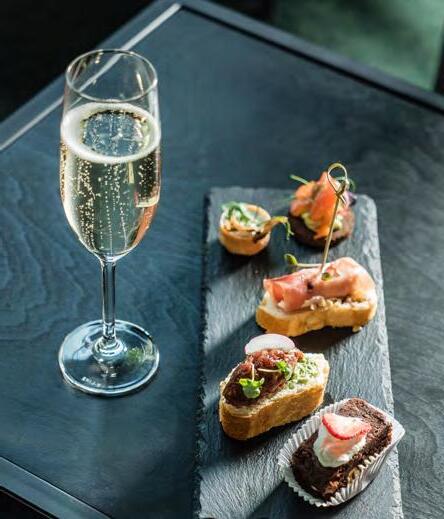
much as a wedding. It’s perfect with sushi, roast chicken, or even grilled cheese. What matters most isn’t the menu; it’s the moment.
If there’s ever a season made for bubbles, it’s December. Candlelight and cold nights call for sparkle. Dungeness crab with Blanc de Blancs. Prime rib or mushrooms with Blanc de Noirs. Glazed ham or roasted vegetables with a lightly sweet Sec. Latkes with Brut NV. Blue cheese melting softly beside a glass of Demi-Sec.
For dessert, match sweetness to sweetness. Panettone, poached pears, or a rustic
of minerality remain on the palate. These are the details that stay with you after the glasses are empty.
Champagne doesn’t need grandeur; it brings its own kind of grace.
The holidays have a way of slowing the world just enough for us to notice what matters. Champagne fits that spirit—light in hand, bright on the tongue, alive with possibility. It refreshes, it uplifts, and it reminds us that joy can be as simple as the taste that lingers after a sip.
Pour it freely. Let the bubbles rise, the glasses clink, and the laughter find its way across the table. Serve something
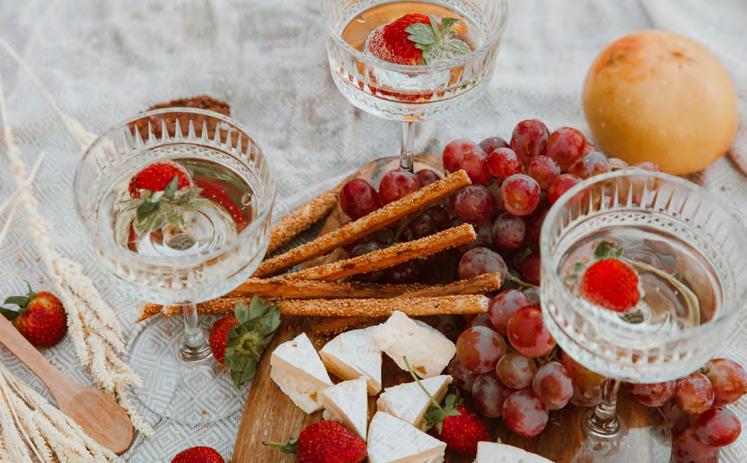
tart pair best with an off-dry style, something with a hint of honeyed weight to balance the sugar.
And for a playful touch, try a Kir Royale—Champagne’s flirtation with cassis. It’s simple, festive, and a little unexpected. You can find the recipe and serving notes at KarenCrouseNapaValley. com/KirRoyale.
Some of the best Champagne moments are the unplanned ones. A chilled bottle. A shared plate of something salty. A handful of friends leaning in as glasses clink. There’s an easy delight in the sound, the sparkle in the air before the first sip.
The cork, the bubbles, the soft hum of conversation come together in a kind of rhythm. Pear, toasted brioche, and a trace
golden and warm. Let the scent of toast and bright fruit drift between courses, and notice the way people lean closer, the conversation loosens, and the evening takes on a softer glow.
Because when flavor meets sparkle, something remarkable happens. Food feels brighter. The night softens. And somehow, everyone seems a little more connected.
That’s the magic of December—not the rush or the noise, but the way Champagne reminds us how good it feels to taste, to gather, to share.
Cheers to what’s poured—and to the people who share it. Merry Holidays!

“My mission is to inspire, entertain, and have fun with you—while always setting you up for success.”
Karen Crouse
My Secret House Cocktail
The holidays in Napa Valley have their own sparkle. The air is crisp, the light softens, and evenings invite friends to linger. I reach for what’s simple and seasonal: rosemary from the garden, late apples, the last Meyer lemons. I like to start every gathering with one signature sip. It’s easy to pour, pretty in the glass, and welcoming without fuss. My formula is simple: a base you love, something tart, a touch of sweet, a seasonal accent; choose bubbles or smooth, then finish with an aromatic detail.
This approach keeps hosting easy. When it all comes together, the glass
looks inviting, smells fresh, and tastes just right for the holidays. One thoughtful drink shortens the shopping list, simplifies prep, and gives your table a signature that feels intentional.
This holiday season, my glass holds the Rosemary Reverie Cocktail. It nods to seasonal ingredients and the pleasure of a winter evening with friends: rosemary that’s herbal and bright, apple that’s crisp and tart, and a lift of bubbles that feels quietly festive. It’s simple to batch ahead, beautiful in the glass, and ready the moment the door opens.
Makes 1 serving
INGREDIENTS:
2 oz vodka
¾ oz fresh Meyer lemon juice
⅛ oz maple or spiced honey syrup (about ¾ tsp)
½ oz fresh apple juice
2 oz dry sparkling wine or club soda
GARNISH:
Fresh rosemary sprig, thin apple slice
TIP: Clap the rosemary once in your palm to release its oils and aroma.
METHOD:
Shake the first four with ice. Strain into a chilled coupe or flute. Top with sparkling wine or club soda. Garnish.
Discover Cart Confidential on my website for bar cart essentials and useful tips behind every great cocktail.
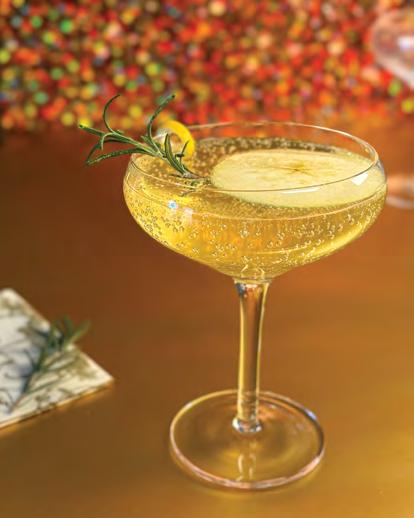
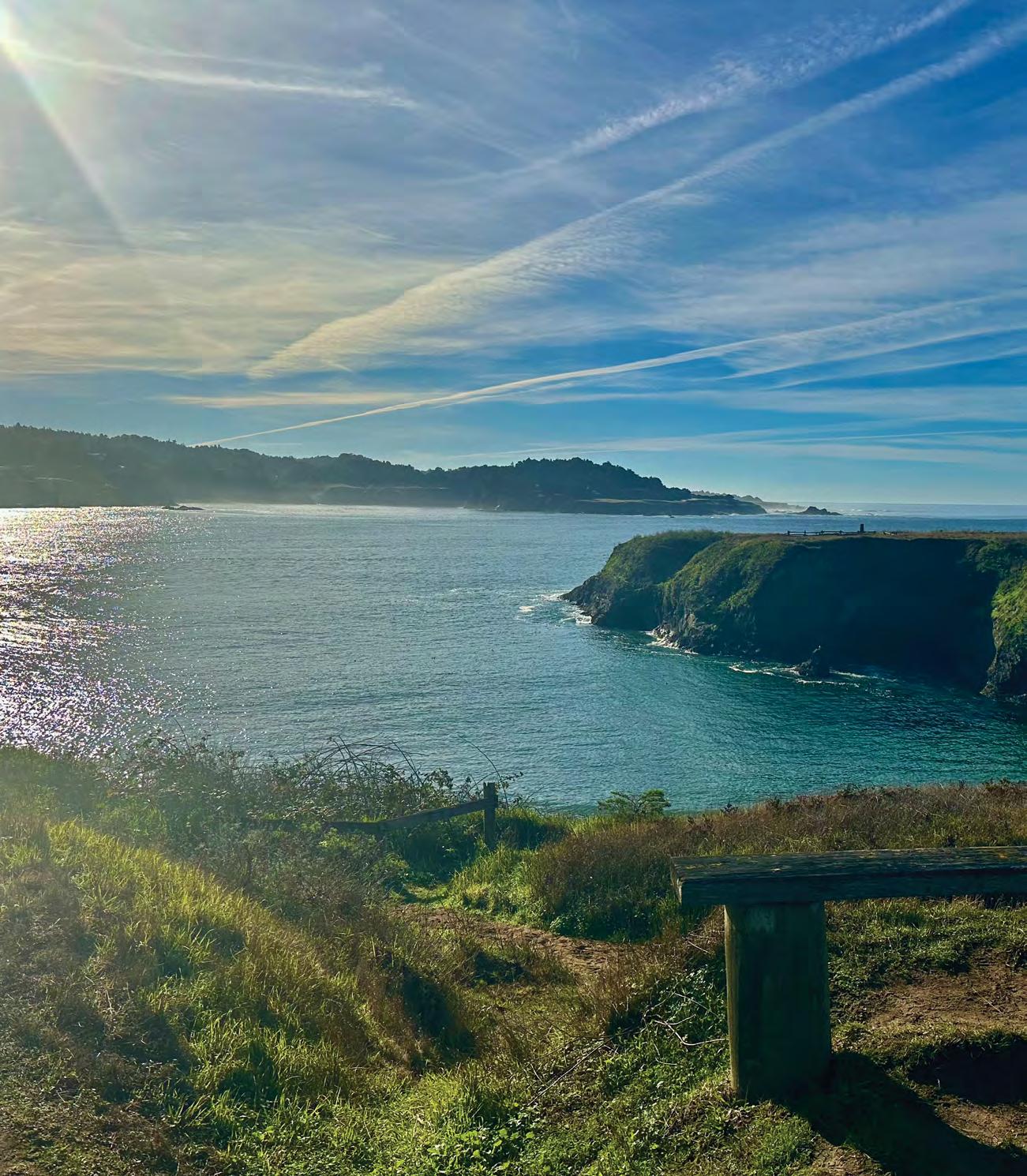

Some destinations win you over immediately, while others reveal their charm gradually with each visit. Mendocino manages to do both. Perched above the Pacific on a rugged stretch of Northern California coastline, this Victorian-era village has long been a favorite for travelers drawn by ocean air, thoughtful hospitality, and unspoiled natural landscapes.
The journey itself is part of the magic. Highway 128 winds through redwood forests and vineyard-lined hills before merging with Highway 1, where the coastline unfolds in sweeping, cinematic views. By the time Mendocino’s collection of weathered cottages and cliffside gardens comes into view, you’ve eased into California’s most relaxed state of mind— one defined by sea spray, quiet mornings, and a timeless, easygoing charm.
Mendocino’s compact village center is ideal for a leisurely afternoon of browsing. Gallery Bookshop is a cornerstone, offering everything from coastal histories to cookbooks to novels suited for foggy evenings. The staff recommendations alone are worth a stop.
Just around the corner, Mendocino Jams & Preserves perfumes the air with the scent of simmering fruit. This family-run shop has produced small-batch marionberry, olallieberry, and huckleberry jams since 1970—each jar capturing the essence of the Northern California coast.
Style-seekers will gravitate to The Study Club, a boutique that feels more urban than seaside. Its racks showcase cashmere, sculptural jewelry, and modern home goods—all curated by the owner, who scours the globe for the best of the best.
Also worth visiting is Out of This World, a science-and-gadget shop that’s been delighting visitors since 1988. A refreshing counterpoint to Mendocino’s coastal-cottage aesthetic, it stocks telescopes, robotics kits, and hands-on science tools and games for both kids and adults. It’s playful, and a little unexpected in this bohemian enclave.
Art galleries, craft shops, and specialty boutiques fill the spaces in between, making it easy to spend an afternoon uncovering new finds around every corner.
An emblem of Mendocino County since 1885, the Skunk Train once carried lumber through dense forests and along the Noyo River. Today, it offers one of the region’s most nostalgic excursions. The seven-mile journey from Fort Bragg to Glen Blair Junction passes through second-growth redwoods, with the train’s classic red cars offering open views of towering trunks and dappled sunlight.
At Glen Blair Junction, passengers enjoy about 45 minutes to explore—ample time to wander forest trails, snap photos, or settle in for a picnic before the return trip. For a more elevated experience, the Presidential Class Car offers plush velvet armchairs, two handcrafted cocktails per guest, and an appetizer plate—turning the ride into a celebration.
For something more active, try the Railbikes: pedal-powered, open-air cars that follow the same track, gliding gently through the redwoods. Part exercise, part sightseeing, and entirely delightful.
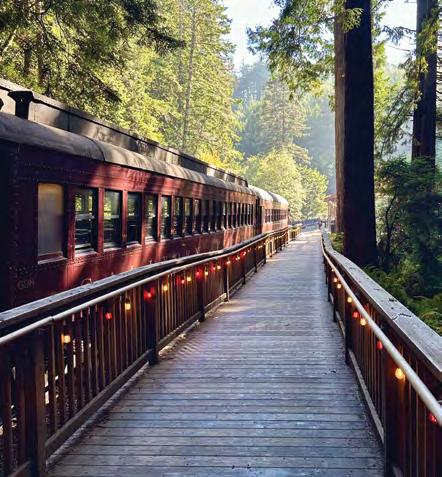
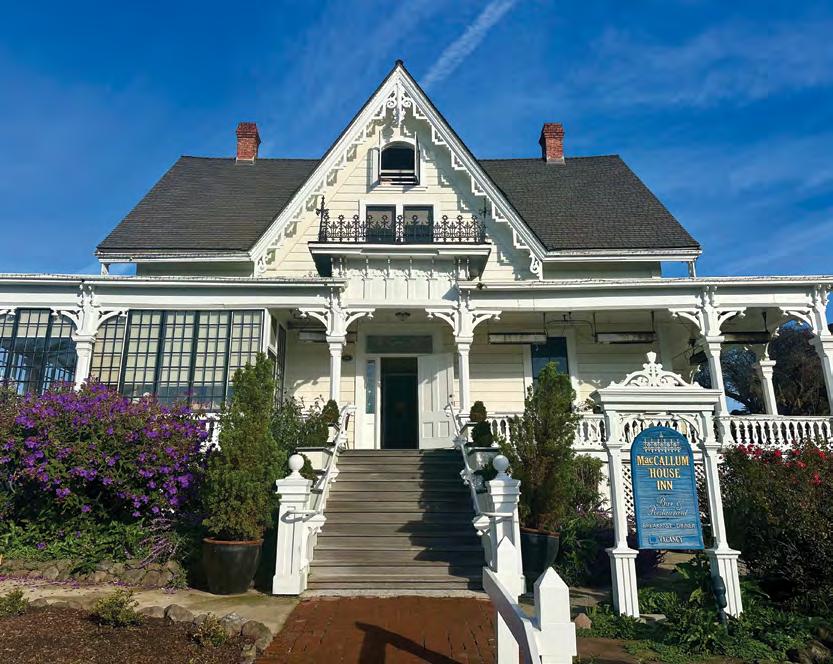
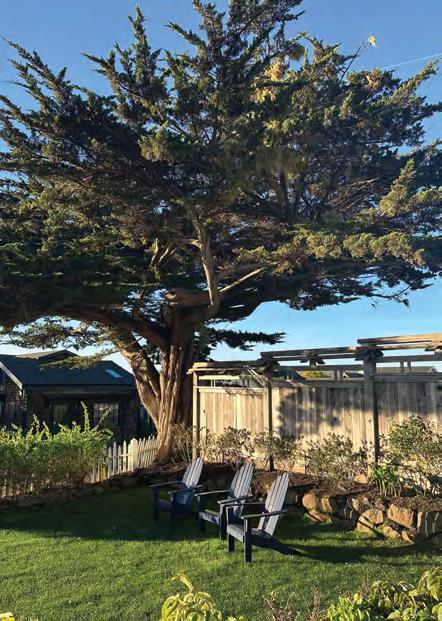
Few places capture the region’s natural beauty as completely as the Mendocino Coast Botanical Gardens. Stretching from Highway 1 to the ocean bluffs, the gardens blend cultivated landscapes with wild coastal terrain. Visitors meander through dahlias, succulents, vegetable plots, and
No two rooms are alike. Some feature clawfoot tubs and wood-burning fireplaces; others boast saunas, private decks, and ocean views that change throughout the day. Inside the main house, original floors creak underfoot and period woodwork frames each doorway, evoking a lived-in chapter of Mendocino’s past. Still, the experience remains contemporary—with plush king beds, soft linens, ShiKai bath products, and cozy robes.
Breakfast, complimentary for guests, is one of the inn’s simple luxuries. Enjoy it on the sunlit front porch or in the intimate, fireplace-warmed dining room. Local Thanksgiving Coffee is served alongside dishes like cornmeal pancakes with huckleberry syrup, or the signature Mac Benedict with Niman Ranch ham and chive hollandaise—a perennial favorite.
Just a mile south of town, Brewery Gulch Inn offers its own take on Mendocino hospitality. Constructed entirely from reclaimed
By the time Mendocino’s collection of weathered cottages and cliffside gardens comes into view, you’ve eased into California’s most relaxed state of mind—one defined by sea spray, quiet mornings, and a timeless, easygoing charm.
shaded pine groves before reaching panoramic ocean views. Dramatic and endlessly photogenic, the setting is serene and sensory-rich—ideal whether you stay an hour or an entire afternoon.
Mendocino is a town rich with stories, and MacCallum House is one of its most enduring narrators. Built in 1882 for Daisy MacCallum, this stately white Victorian still feels like the village’s informal living room. Spread across the main residence, a renovated barn, and several cottage suites, the property combines historic charm with a relaxed, residential feel.
“sinker” redwood salvaged from the Big River, the inn blends seamlessly into the landscape. From its common areas, guests enjoy views of meadows, forests, and Smuggler’s Cove—ever-shifting with the coastal fog.
The 11 guest rooms are designed for rest. Feather beds wrapped in fine linens and gas fireplaces set the tone for cozy evenings. Soaking tubs stocked with Le Labo amenities offer a welcome indulgence after a day of coastal adventure.
Each morning begins with a made-to-order breakfast. In the evening, the inn’s “Mendo Box”—modeled after a bento—provides a hearty, seasonal dinner. On the night of my stay, Asian-style ribs and potato salad were paired with both red and white wine.
The spa adds yet another layer of calm. Treatments, led by local practitioners, are shaped by the area’s grounding energy. My Holistic Bodywork session began with a tea ceremony—an intentional, reflective moment that set the tone for a deeply restorative, intuitive massage.
A Mendocino tradition enjoyed by locals and visitors alike, MacCallum House Restaurant showcases Chef Alan Kantor’s long-standing commitment to local farms. His fall menu celebrates regional bounty: Niman Ranch Pork Chop atop pumpernickel spaetzle; Wild Mushroom Risotto
Ten minutes north in Fort Bragg, HarborView Bistro & Bar brings a different flavor of coastal charm, one rooted in the town’s working harbor. Fishing boats deliver the daily catch, gulls circle above, and the scent of briny air drifts across the deck.
The food reflects its setting: dishes like crab ravioli and prosciutto- and mozzarella-stuffed chicken breast offer both comfort and a sense of place. The bar program, led by Laura Spradlin, is inventive and locally inspired. Known for her house-made bitters and infusions, Spradlin is something of a local celebrity. Her Candy Cap mushroom bitters sweet, earthy, and surprisingly perfect in an Old Fashioned—is iconic.
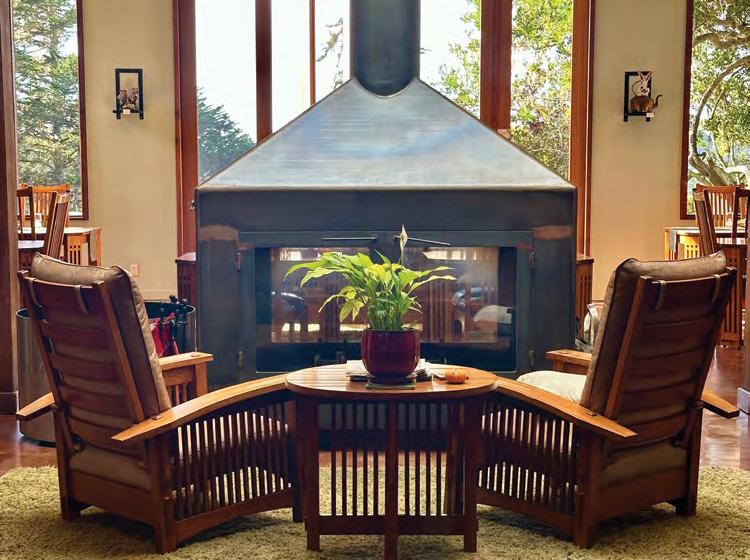
with kale and brown butter; and PanSeared Scallops over chanterelle duxelles and puff pastry.
The Chef’s Tasting Menu includes optional wine or whiskey pairings, while the cocktail list is thoughtfully executed. The Holy Molé—a bourbon-based drink brightened with pomegranate and lifted by mole bitters—is a standout.
Desserts are indulgent, especially the aptly named Chocolate Extravaganza: an ever-changing dessert featuring a rich chocolate base, mousse, truffle, and housemade ice cream. It feels celebratory in the best way.
Mendocino’s magic lies in its contrasts: rugged cliffs softened by fog, historic homes above restless waves, and a village that’s quietly elevated yet deeply lived-in. It’s a place that invites you to slow down, breathe deeply, and discover something new—even if you’ve been here before.
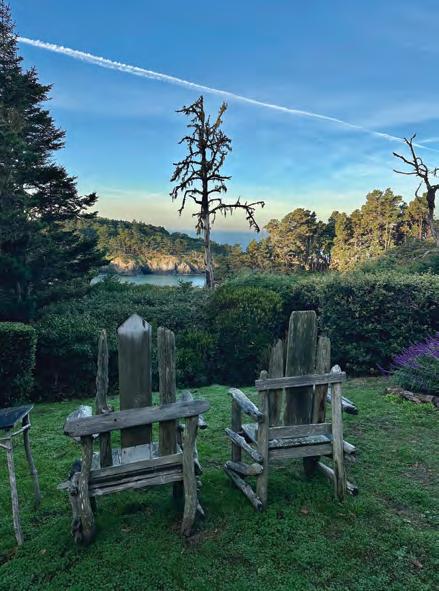
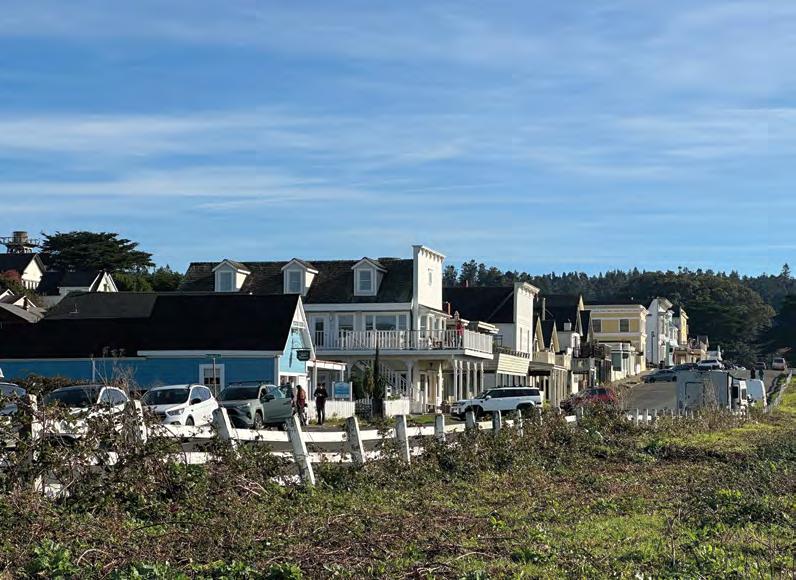
As the last grapes are pressed and the valley exhales after another abundant harvest, Napa shifts gears. The roads quiet, the air cools, and a sense of calm settles over the vineyards. Locals linger longer over dinner, fireplaces crackle, and the valley takes on a different kind of beauty, slower, more intimate, deeply Napa.
While many see winter as a season of rest, seasoned real estate professionals know it can also be a season of opportunity.
Conventional wisdom says spring and summer are the “busy” real estate seasons, but Napa doesn’t always follow national trends. Homes show beautifully that time of year, with fresh blooms and golden light accentuating every view, but that also means sellers face far more competition.
Here in the valley, our real estate rhythm truly begins to pick up in February and March if the weather cooperates. When the rain holds off, listings blossom right alongside the mustard flowers. That makes the quieter winter months the ideal window to get a head start.

With fewer homes on the market, sellers capture more attention from serious buyers. Properties don’t get lost in the crowd, and agents have time to craft tailored marketing that highlights a home’s unique lifestyle appeal. For buyers, it’s a chance to engage with motivated sellers and make thoughtful decisions without the frenzy of the spring market or multiple-offer situations.
Another benefit to the winter market?
Most buyers and sellers this time of year are serious. Many need to close before the end of the year for tax or investment purposes, which creates a sense of focus and momentum. These transactions tend to move efficiently, guided by purpose rather than pressure.
Whether it’s a local couple downsizing after harvest or a new buyer planning a relocation to wine country, the winter season attracts people who are ready to act.
There’s also something undeniably special about showcasing a Napa Valley home in
winter. Soft lighting, a roaring fire, and a glass of Cab on the counter create a sense of warmth and welcome that resonates deeply with buyers. With the right photography, staging, and attention to detail, this season can highlight a property’s comfort and authenticity in ways that spring’s brightness sometimes can’t.
As 2025 approaches, Napa Valley’s market remains steady and balanced. Inventory is still limited, but demand for well-presented, lifestyle-rich properties continues to hold strong, especially among those drawn to the valley’s slower pace and connection to nature.
So whether you’re preparing to sell or simply considering your next move, winter is the perfect time to plan thoughtfully, prepare intentionally, and position yourself ahead of the spring rush.
Because here in Napa Valley, beyond the harvest, there’s more than one kind of season worth savoring.
My mother was a REALTOR®, I’m a REALTOR®, and my daughter is a REALTOR®, so you could say that real estate is in our blood. Having pursued this profession for more than 17 years, my passion for the Napa Valley began in 1985, when I bought my restaurant in Calistoga. While food and beverage hospitality allowed me to share my love of our Valley with visitors and locals, I have found that helping people sell and buy real property affords me the best opportunity to get more folks to fulfill their dreams experience their own Napa Valley passions



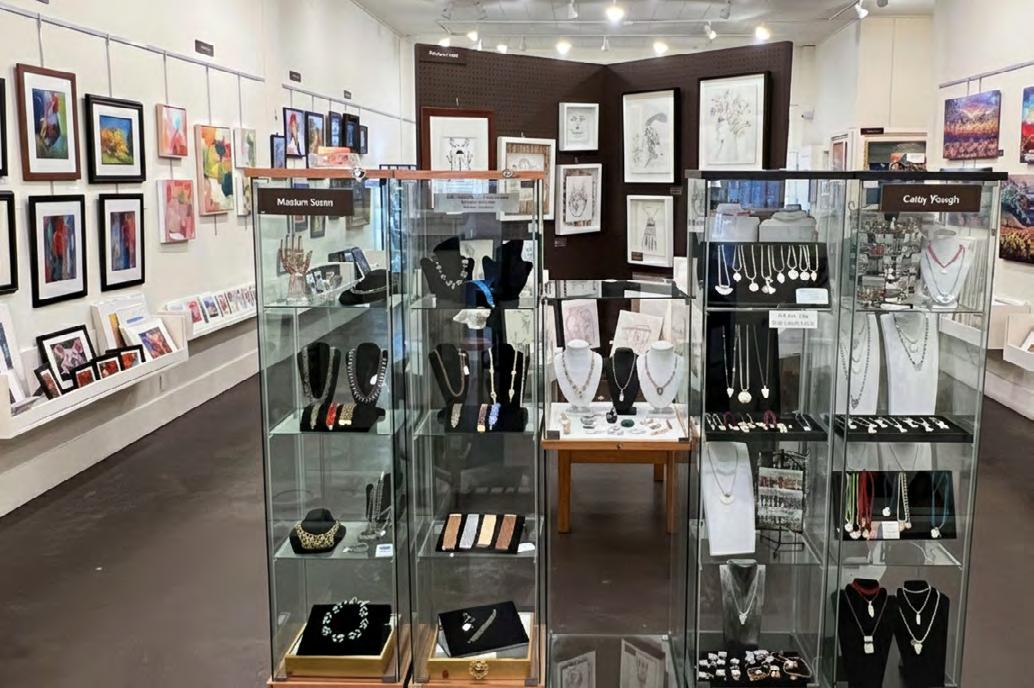
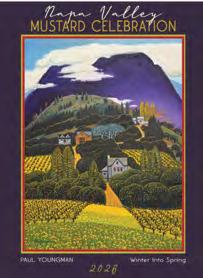
Have you ever seen the hashtag #supportlocalartists and wondered where to find them or how to get involved? The Art Association Napa Valley (AANV) is here to help. Now in its 77th year, AANV is the largest private nonprofit arts organization in Napa County, dedicated to enriching the region’s cultural life by supporting arts and artists across the valley.
One of its most visible and vibrant programs is Art Gallery Napa Valley (AGNV), located in the heart of downtown Napa at 1307 First Street. This dynamic gallery features the work of more than 50 local artists working across a wide range of mediums, including oil, acrylic, watercolor, photography, ceramics, jewelry, fused glass, textiles, mosaics, and more. With a beautifully curated space and artworks at every price point, AGNV offers visitors the opportunity to shop the
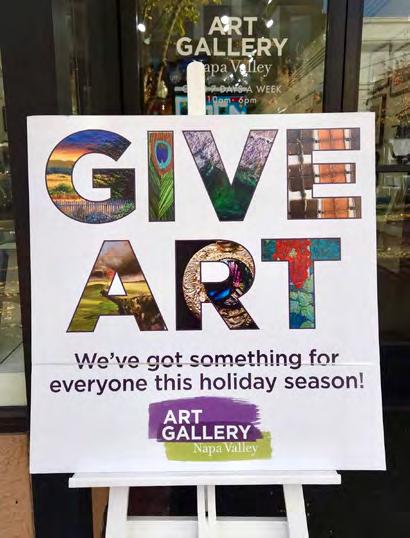
largest collection of local artists in Napa Valley—all in one location.
Even better, a portion of all sales goes directly to the AANV Napa County Student Scholarships Program, helping to foster the next generation of artistic talent. The gallery is open daily from 10am to 6pm, welcoming both residents and visitors to explore and take home a piece of Napa’s creative spirit.
AGNV continues to thrive, posting strong monthly art sales and ensuring that local art finds its way into homes near and far. The gallery was recently honored with the Best of Napa County Gold Award for the second year in a row, a testament to its quality, community impact, and growing reputation.
Whether you’re a collector, a gift-giver, or simply someone who loves beautiful things, supporting local artists has never been easier—or more rewarding.
THE MUSTARD CELEBRATION: CELEBRATE NAPA VALLEY’S MOST COLORFUL SEASON
From January through March, Napa Valley springs to life with a vibrant burst of wild mustard blooms, transforming vineyard rows into a golden carpet of color and heralding the start of a new growing season. It’s a brilliant time of year—and a perfect reason to celebrate.
Alongside partners like Visit Napa Valley, EPPICHarts, the Downtown Napa Association, countywide Chambers of Commerce, and numerous local businesses, the Art Association Napa Valley (AANV) is a proud supporter of the annual Napa Valley Mustard Celebration.
Now in its fifth year since its reimagining, the celebration has become a beloved tradition that unites communities across the valley. Jessel Miller, founder and executive director, shares: “It’s been heartwarming to see each community growing its own events and supporting many businesses with their offerings. Both locals and
Opening Celebration
Saturday, January 17 | 3–6pm
Silverado Resort hosts the inaugural Napa Valley Mustard Celebration Opening Event, kicking off the season in style.
Photography Exhibit
Exhibit Opening: January 22 | 5:30–7pm
The popular PHOTO FINALE photography showcase returns with an opening reception at the Steve Rogers Gallery in Yountville. The exhibit runs through March 26.
Mustard Celebration Finale: A Festival of Wine, Food & Art
Friday–Saturday, March 27–28
The Downtown Napa Association presents this grand finale at CIA at Copia, highlighting the best in local wine, food, and visual arts.
2026 Weekends
September 19 & 20 | 10am–5pm
September 26 & 27 | 10am–5pm
visitors are treated to brilliant happenings, and our dream is to keep getting bigger and better each year.”
The 2026 celebration is already shaping up to be the most exciting yet, with featured events scheduled throughout the season, and that’s just the beginning. Dozens of additional events are planned throughout the valley during this magical season, offering unforgettable experiences for both locals and visitors.
Open Studios Napa Valley, another AANV program, happens annually on the last two weekends of September. OSNV is a free, self-guided, art discovery tour through the creative art spaces of over 60 local artists all throughout the Napa Valley.
The map and artist catalog will be available in August 2026 at the Open Studios Napa Valley website. Be sure to save the date for the 2026 dates.
FOR MORE INFORMATION
www.artgallerynapavalley.org // napavalleymustardcelebration.com/events // www.openstudiosnapavalley.org

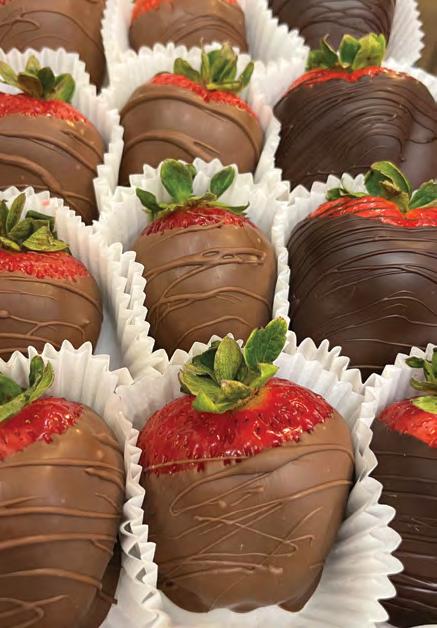
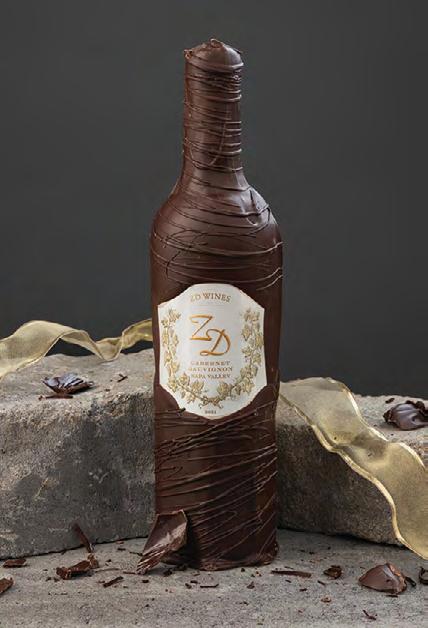
|
Anniversaries in Napa Valley often involve vineyards and vintages. This year, one of downtown Napa’s most enduring names is raising a toast with chocolate instead of wine. Vintage Sweet Shoppe, a beloved local institution, is celebrating 30 years in business.
Debbie Dever opened her shop in 1995—long before downtown Napa had the dining and retail scene it enjoys today. “When I started, there wasn’t much here,” she recalls. Her storefront quickly became an anchor, a place both locals and visitors could count on. “I never imagined it would become part of the community in the way it has.”
Among the shop’s most popular offerings are the chocolate-covered wine bottles, a signature item that’s been featured on The Today Show, The Travel Channel, Bay Area Backroads, and The Food Network. Playful yet elegant, these bottles have become go-to gifts for celebrations, weddings, and milestones. “The idea came from wanting to create something that really represented Napa,” Dever says. “Wine is such a big part of life here, and wrapping it in chocolate just made sense. People are always delighted when they see them.”
“The valley has changed so much, but for me, the focus has always been on quality and connection. That doesn’t change.”
–Debbie Dever
But Vintage Sweet Shoppe is also about meticulously crafted truffles, barks, and clusters, all inspired by Dever’s mother, who grew up in Newfoundland and, at 94, remains a steady source of support. “She was the first person I called when we decided to buy the store,” Dever says. “She helped me develop some of our recipes, using a French style of candy making with more fruits and nuts and less sugar. That foundation has shaped everything we do.”
Every piece reflects Dever’s belief that chocolate deserves the same respect as the region’s wines. “Chocolate has layers of flavor, just like wine,” she explains. “When you use the best ingredients and take the time to make it right, people can taste the difference.”
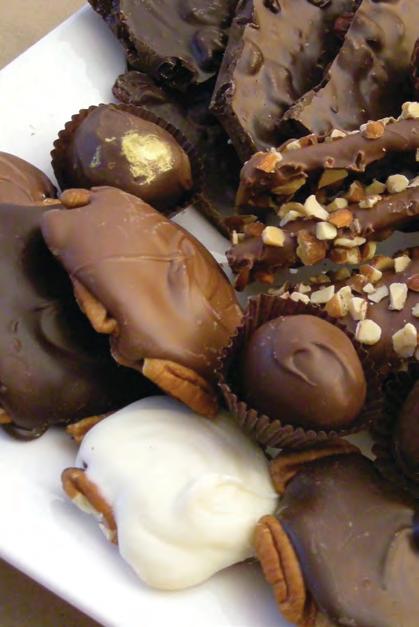
Thirty years of longevity in Napa is no small achievement. Restaurants, boutiques, and even wineries come and go. Dever’s ability to sustain her shop speaks to both her creativity and resilience. Locals stop in for a treat on their way home from work; visitors discover it while wandering Napa’s vibrant downtown.
The 30th anniversary is both a celebration and a moment of reflection. Dever has watched Napa transform from a primarily agricultural valley to a globally recognized lifestyle destination. Through it all, her shop has adapted without losing its essence. “The valley has changed so much,” she says. “But for me, the focus has always been on quality and connection. That doesn’t change.”
Looking ahead, Dever is exploring new flavors and collaborations—always with an eye on maintaining the integrity that built her reputation. For her, chocolate is not a sideline to Napa’s wine; it is a companion. As Vintage Sweet Shoppe turns 30, it stands as a reminder that Napa’s story is not only about grapes. It is also about artisans who shape the culture. And Dever’s achievement is sweet in every sense.

BY FRAN MILLER | PHOTOS BY ALEXANDER RUBIN

Napa Valley is world-renowned for its vineyards and rolling hills, but beyond the wine and food scene, wellness has become part of everyday life. At the heart of that movement is BodyGlam—a modern studio offering advanced, non-invasive treatments for body contouring, detox, and skin rejuvenation.
Founded by Anya Tatarenko, BodyGlam is the only studio in Napa to feature two of Europe’s most innovative technologies: Endosphères Therapy and the T-Shape 2 system. Located near Queen of the Valley Medical Center, BodyGlam has quickly become a local destination for those seeking results without surgery or downtime.
“I’ve always been passionate about health and wellness,” says Anya. “After two decades in San Francisco’s tech industry, I wanted to create something closer to home that directly serves people. My vision was to bring world-class treatments to Napa so clients don’t need to travel to San Francisco or Los Angeles for this level of care.”
That vision has become reality. Today, Napa residents and visitors alike are enjoying the benefits of treatments once


reserved for major metropolitan centers. Only a handful of T-Shape 2 machines exist in Northern California, and BodyGlam is proud to host one of them.
This breakthrough system combines three proven therapies in a single session: Laser lipolysis to gently target fat cells, Radio frequency to tighten and lift the skin, and Vacuum massage to smooth and sculpt.
The result? Visible improvement in areas like the stomach, thighs, arms, and even the face—without surgery, needles, or recovery time.
Equally powerful is Endosphères Therapy, an award-winning treatment designed in Italy. Using micro-vibration technology, it stimulates muscle tone, enhances circulation, reduces cellulite, and encourages natural collagen production. Clients often describe it as a deep tissue massage that leaves them feeling lighter, energized, and refreshed.
Together, these treatments create a holistic approach: Endosphères detoxifies and resets the body, while T-Shape 2 provides targeted fat reduction and skin firming. Many clients notice a boost in energy after the very first session, while
long-term benefits typically appear within 6–12 treatments. Beyond cosmetic results, people also report reduced inflammation, improved muscle recovery, and a more balanced sense of well-being.
What sets BodyGlam apart is not only its technology but also the personal touch of Anya and her dedicated team. Every client is welcomed with warmth, guided through options, and supported with a customized plan tailored to their goals—whether it’s preparing for a special event, enhancing everyday confidence, or simply feeling more comfortable in their own skin.
“People are amazed they don’t have to leave Napa to access treatments like this,” Anya says. “It’s rewarding to see clients walk out looking brighter, moving easier, and feeling like the best version of themselves.”
BodyGlam is more than a beauty studio— it’s a place where cutting-edge science meets personal care, helping Napa shine both inside and out.






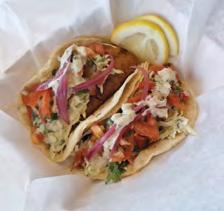






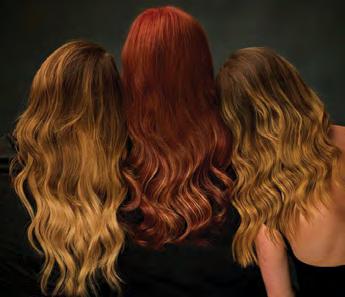




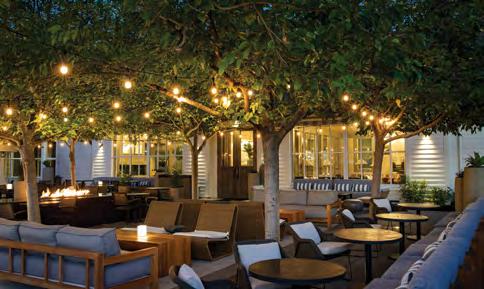
SOLBAR RESTAURANT Solbar divides its menu into light, delicate flavors to stimulate your palate and bold, savory dishes, all with ingredients that showcase the best of what’s fresh and seasonal in the Napa Valley. Enjoy outdoor dining on the sunlit Solbar patio, or the new Picobar, for dining al fresco or relaxing by the firepits overlooking the landmark pool.
755 SILVERADO TRL, CALISTOGA // 707- 226-0860 // AUBERGERESORTS.COM

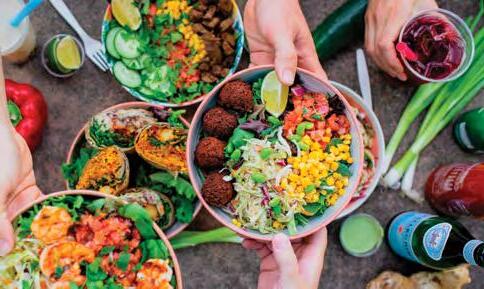
HERITAGE EATS Heritage Eats offers a fast-casual, globally-inspired menu that thinks and acts locally. The popular restaurant serves up tacos, wraps, baos, rice and salad bowls made-to-order with choice of protein, toppings and sauces with unique flavor profiles from all over the world. The Dirty Fries, Papa K’s Burger and Haven Wings are local favorites.
3824 BEL AIRE PLAZA, NAPA // 707-226-3287 // WWW.HERITAGEEATS.COM
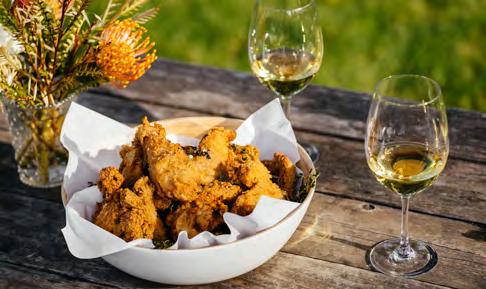

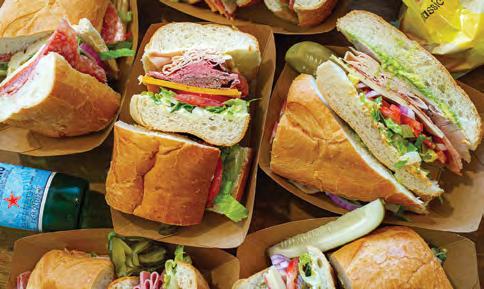
FIRST & FRANKLIN Downtown Napa’s newest Marketplace and Deli features the best of the Napa Valley. The Marketplace offers a full-service deli and a specialty Grocery Store selling local wine and craft beer. The store is filled with grab-and-go or made-to-order sandwiches, salads, and picnic side salads for you to take home or enjoy on either of their two patios.

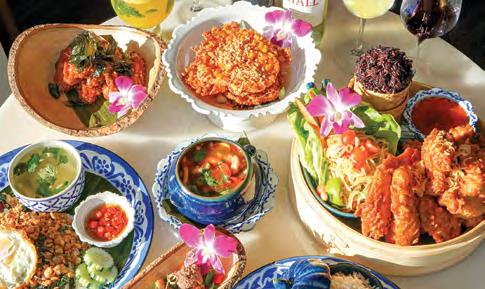
OSHA THAI Led by renowned Chef Lalita Souksamlane, the menu highlights her award-winning flavors and showcases dishes never before tasted at her other restaurants. Sourced with ingredients grown in her own personal garden and partnering with local vendors, Osha Thai provides an authentic farm-totable experience with quintessential wine country flair.
1142 MAIN STREET, NAPA // 707-253-8880 // WWW.OSHATHAI.COM/NAPA
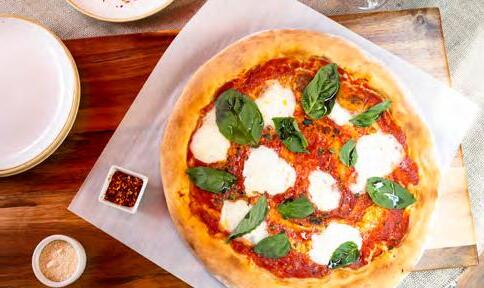
PIZZERIA TRA VIGNE For the past 25 years, Pizzeria Tra Vigne reigns one of St. Helena’s local treasures. Guests of all ages enjoy the pasta, pizza, or a fresh daily special to go at this vibrant, family restaurant. Their pizzas are a crowd favorite to eat in or carry out. There’s plenty of seating outdoors on the beautiful patio, complete with a bocce court, or inside with family and friends.
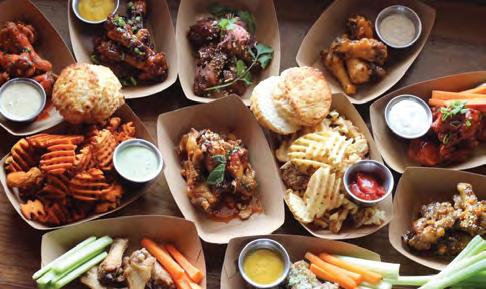
NAPA PALISADES SALOON Located in downtown Napa, Napa Palisades is a local gourmet grub pub serving American comfort food with a twist. Their full bar serves up their own Napa Palisades Beer Company house brews, over 30 local craft beers and many guest taps. They boast 16 big screen TV’s, weekend brunch and a popular happy hour.
1000 MAIN ST, NAPA // 707-492-3399 // WWW.NAPAPALISADES.COM

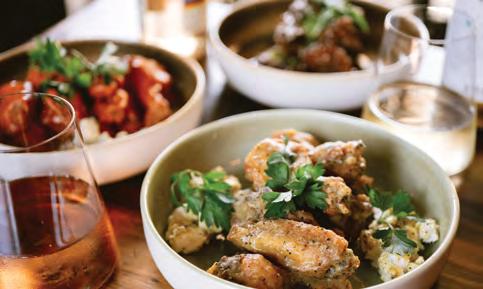
THE LINCOLN AT ACE & VINE This is where good times and great games come together. From Blackjack and Baccarat to lively monthly events, The Lincoln at Ace & Vine is Napa’s go-to destination for high-energy entertainment in a stylish, welcoming space with craveable bites and craft cocktails served until 2am.
505 LINCOLN AVE., NAPA // 707-699-2276 // WWW.THELINCOLNNAPA.COM
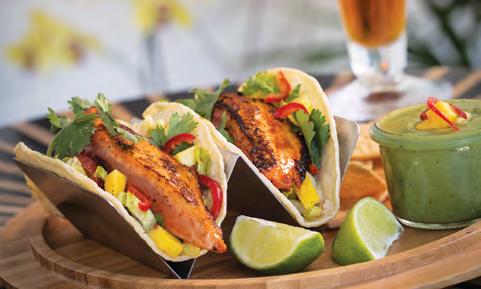
THE GRILL AT SILVERADO A one-of-a-kind Napa Valley restaurant, serving breakfast, lunch, dinner and bar appetizers, The Grill at Silverado features Wine Country Cuisine, emphasizing fresh and sustainable products. Just minutes from downtown Napa, the Grill overlooks one of the most beautiful golf courses on earth and offers a respite from the daily routine for everyone who visits. 1600 ATLAS PEAK RD, NAPA // 707-257-5400 // WWW.SILVERADORESORT.COM
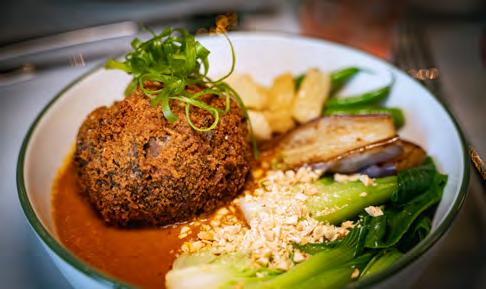
CARABAO Located in downtown Napa, Carabao is a modern Filipino restaurant offering bold, seasonal dishes inspired by traditional flavors and locally sourced ingredients. With a vibrant, welcoming setting and thoughtfully crafted cocktails, Carabao delivers an authentic, elevated dining experience that celebrates Filipino heritage with a contemporary twist.
145 C GASSER DRIVE, NAPA // 707-699-1220 // WWW.CARABAONAPA.COM

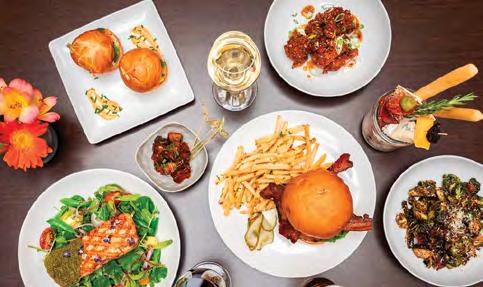
GRILLE 29 Nestled in Embassy Suites Napa Valley, Grille 29 offers a casual, friendly space ideal for a business lunch, after work drinks or dinner with the family. The tall rustic ceiling with chandeliers, sofa seating and beautiful oak bar add an old-world charm to the intimate dining room and lounge. Enjoy delightful entrees using fresh products and herbs grown from its very own garden! 1075 CALIFORNIA BLVD., NAPA // 707-320-9520
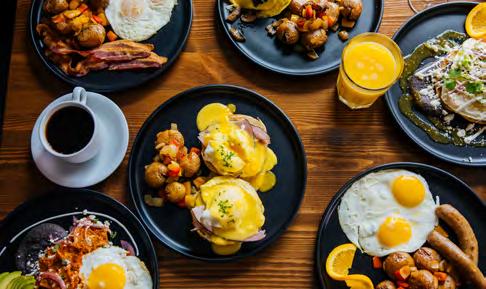
CROCCANTE ARTISAN PIZZA Along with its made-from-scratch Detroit and Chicago-style pizzas and other delectable menu items made from locally sourced, fresh ingredients–family-owned Croccante serves up a warm, family-friendly atmosphere, earning their loyal following. NEW! Now serving breakfast and brunch Thu-Sun from 8am–1pm! Come hungry. Leave happy. 976 PEARL ST, NAPA // 707-222-5017 // WWW.CROCCANTEPIZZA.COM


•••
We would not be here without our wonderful readers and the support of our valued partners.
We so appreciate your loyalty and partnership through the years.
•••
Cheers to the next 25!