Art as Education Education as Art a"casestudy"oftheNafasiAcademy forContemporaryArt&Expression 2020
Art as Education Education as Art

Aisha Mohamed
Capher Simba
George Emmanuel
Gertrude Malizana
Hedwiga Tairo
Hussein Juma
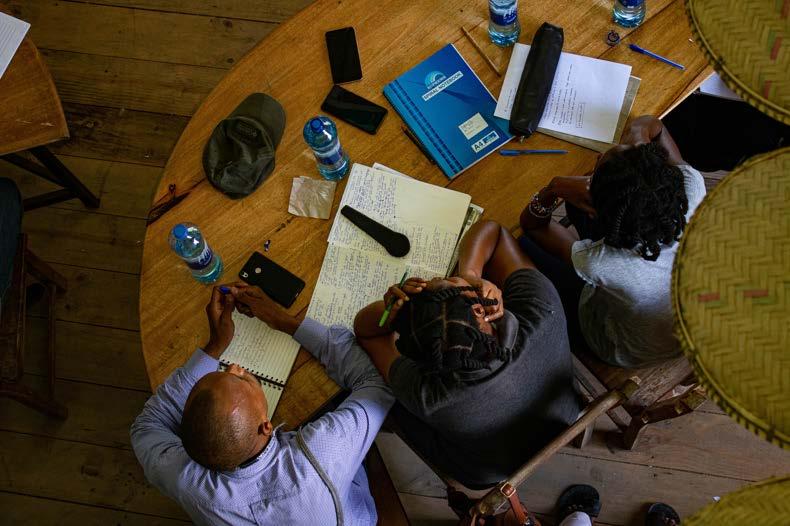
Ismir Ra
Jennifer Msekwa
Liberatha Alibalio
Magreth Liwembe
Martin Wendo
Mihayo Kallaye
Shiija Masele
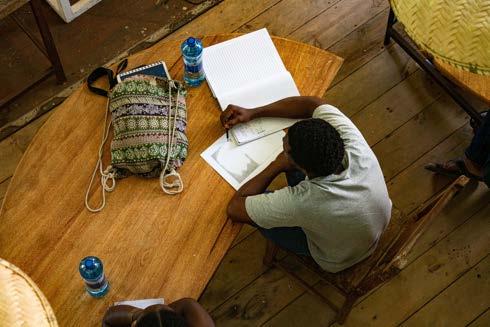
who have likely taught us more than we've taught them
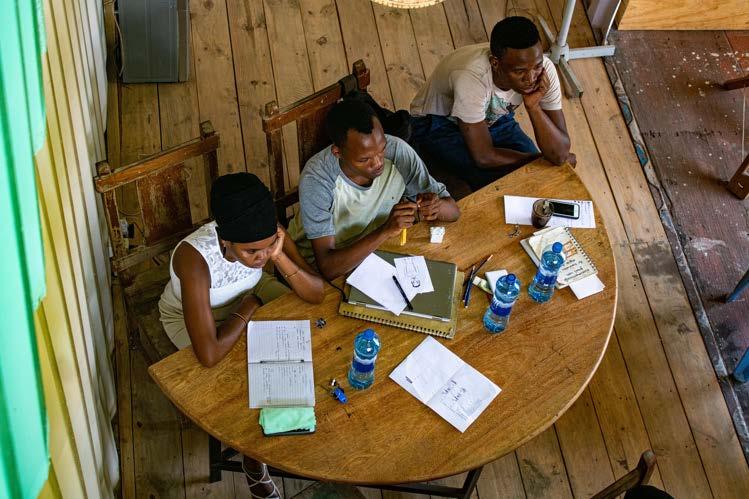
for
acknowledgements
RebeccaYeongAeCorey
JesseGerard
DarraghAmelia
MariaKessi
KwameMchauru
IbrahimMkude
PeterLukumayi
GadiRamadhani
ValerieAmani
Agnes-SengaTupper
PaulNdunguru
AmaniAbeid
SafinaKimbokota
NicholasCalvin
TadhiAlawi
AsteriaMalinzi
ShabaniKisala
LaurenMarshall
AriSnow
LilianMagari
SabrinaYegela
MoritzZimber
ShemaIsaac
RajabLawaliya
EliasJengo
DavieKitururu
LouiseKamin
MadelineKimei
BarakaMtunga
JoshuaNaiman
AbdallahMambia
EvaristChikawe
JanvanEsch
MasoudKibwana
RobinoNtila
LuenaWinifred
JohnKitime
KiaghoKilonzo
IsackAbeneko

CelynBricker
MaxwellMatunda
vaBene
MejahMbuya
ThobiasMinzi
VitaliMaembe
BigMama(Mwandale)
SekoShamte
ChiTemu
NgairaMandara
DanielMsirikale
GraceMatolvwa
AidaMulokozi
AyetaWangusa
LaurenTateBaeza
VitshoisBondo
JuliaTaongaKaseka withsupportfrom
National Museum
Kingo Magazine
City Lab Dar
ARK Tanzania
UDSM
DARCH
Lilanga Studio
Ajabu Ajabu
Modzi Arts
Kin ArtStudio
DTP Printing & the entire arts community of Dar es
Salaam
documentdesignedby

DarraghAmelia
&editedby
DarraghAmelia
RebeccaYeongAeCorey
JesseGerard
bestphotostakenby AriSnow
DeoSpackle
2
4 introduction 7 thebuild 9 thespace 11 theacademy 14 module1 26 module2 39 module3 55 module4 66 module5 91 conclusion(?) 92 apagewithnumbersonit tableofcontents 3
introduction
Nafasi Academy is
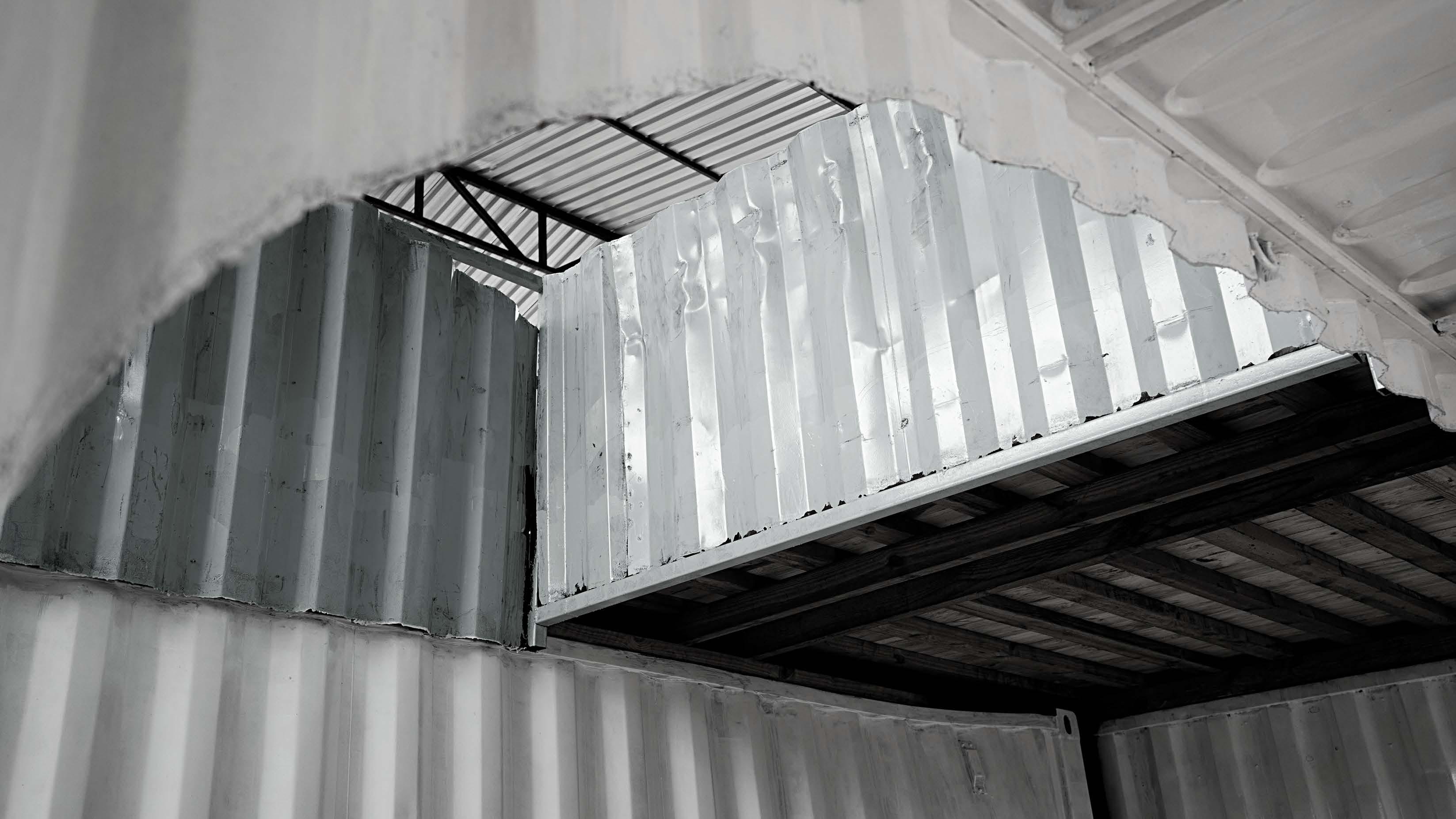
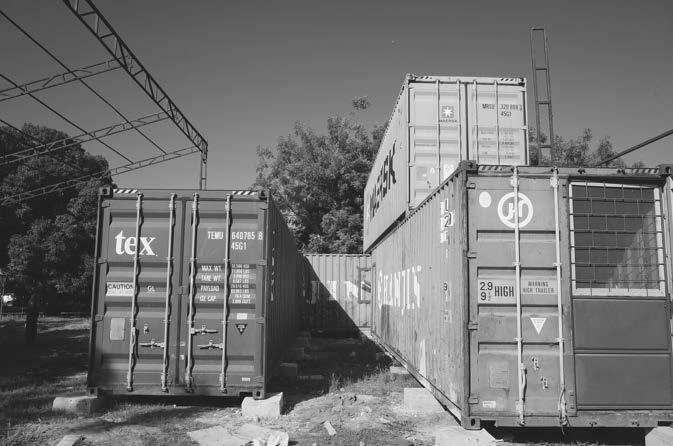
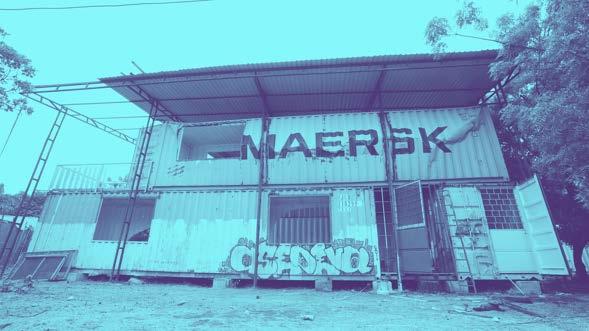
For over 11 years, Nafasi Art Space has been a creative harbour for artists and art lovers in Dar es Salaam. The sprawling compound on a rough industrial plot filled with shipping containers-turned artist studios and a warehouseas-exhibition gallery may not immediately appear to be a national art space, but this unassuming place contains multitudes.
Here, art is an ongoing inquiry and a dialogue with experience and expression, requiring conceptual originality, independent voices speaking to alternative systems, and the ongoing building of artistic community, not only between artists and each other, but also between artists and the public who experience their work.
As an art space, Nafasi manifests: transformational artistic growth in form and content // the formation and preservation of diverse cultural identities // the deconstruction & dismantling of obstacles to radical expression // bridges between disciplines & connections across borders
The relationship between art and society, between utopian ideals and complex realities, demands that we continuously critique the inherent contradictions that arise in the work. In the search to further and enrich human potential through the arts, Nafasi strives to be inclusive and equitable – and yet we face an undeniable lack of representation within the arts scene, a challenge are eager to address.
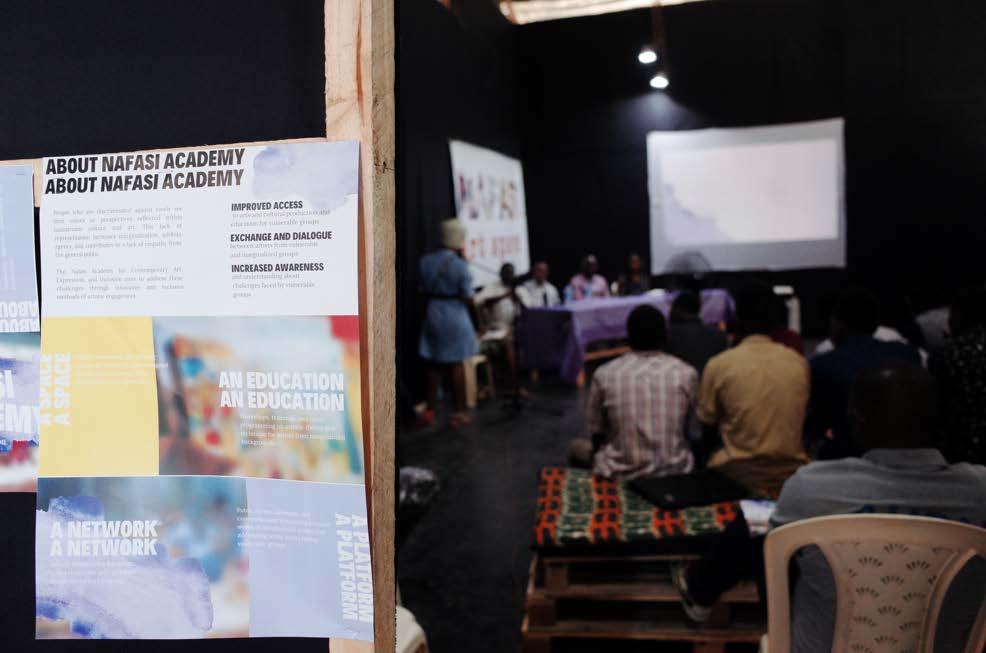
In 2018, we set out to critique our own history and praxis, and do better to extend our support to all who seek it, especially those who have struggled to find a place within the densely networked artistic community of the city. The idea of initiating a home-grown arts academy with a focus on advancing contemporary art, expression, and inclusion was distilled from many conversations and debates.
During intensive community dialogues we posed the question:
Whatmakesanart
inclusive?
education exchange platform
space
4
a practical, question-based arts education that encourages artistic growth, experimentation, conceptual engagement, collaboration & art as vitalcommunitypractice
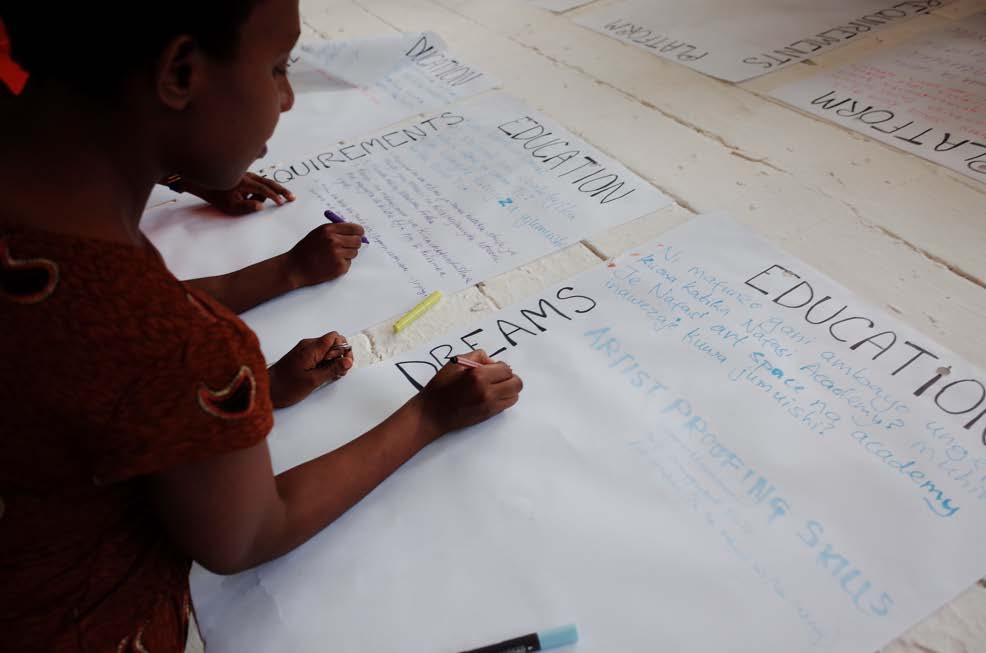
What followed was a co-creative, cocollaborative, co-everything design process that turned community inputs into a vision for an inclusive, creative educational hub

5

6
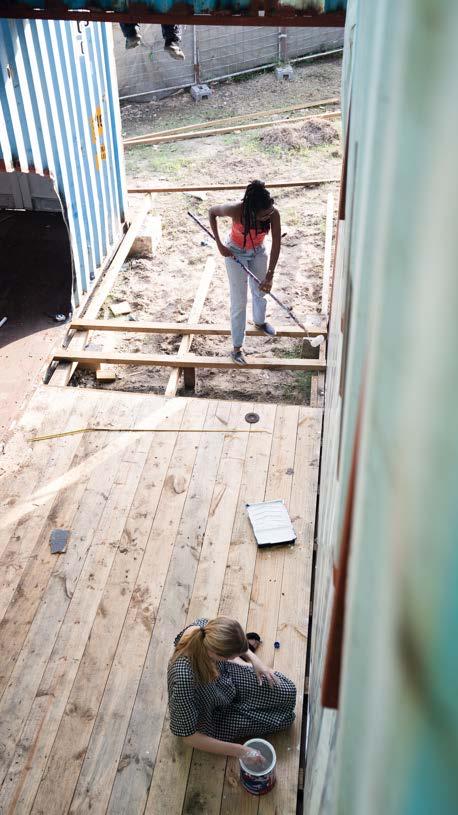
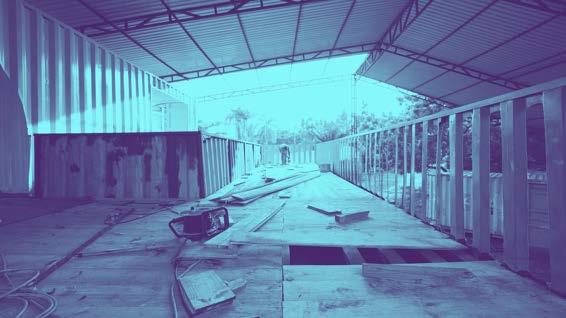
thebuild


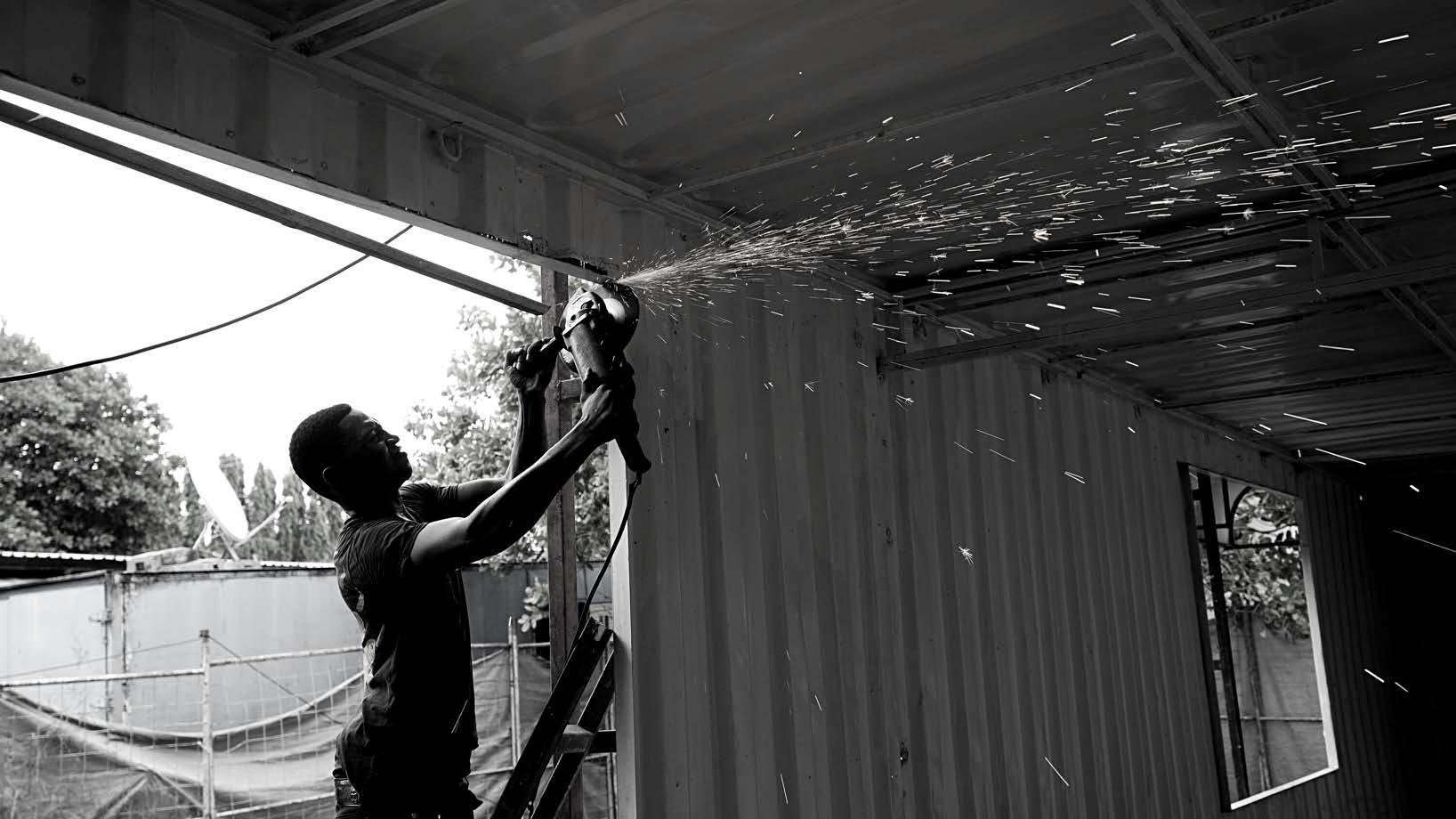
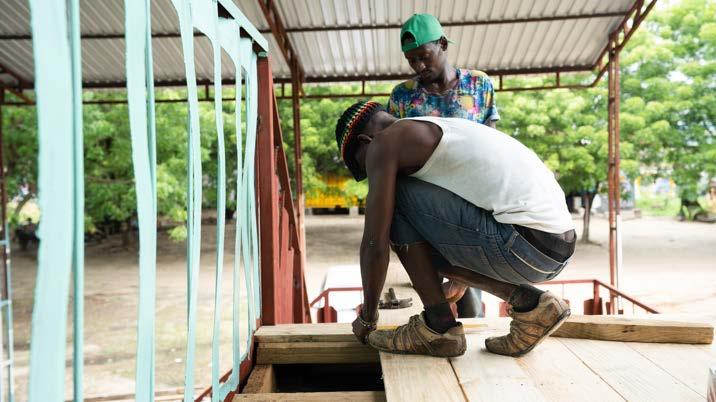
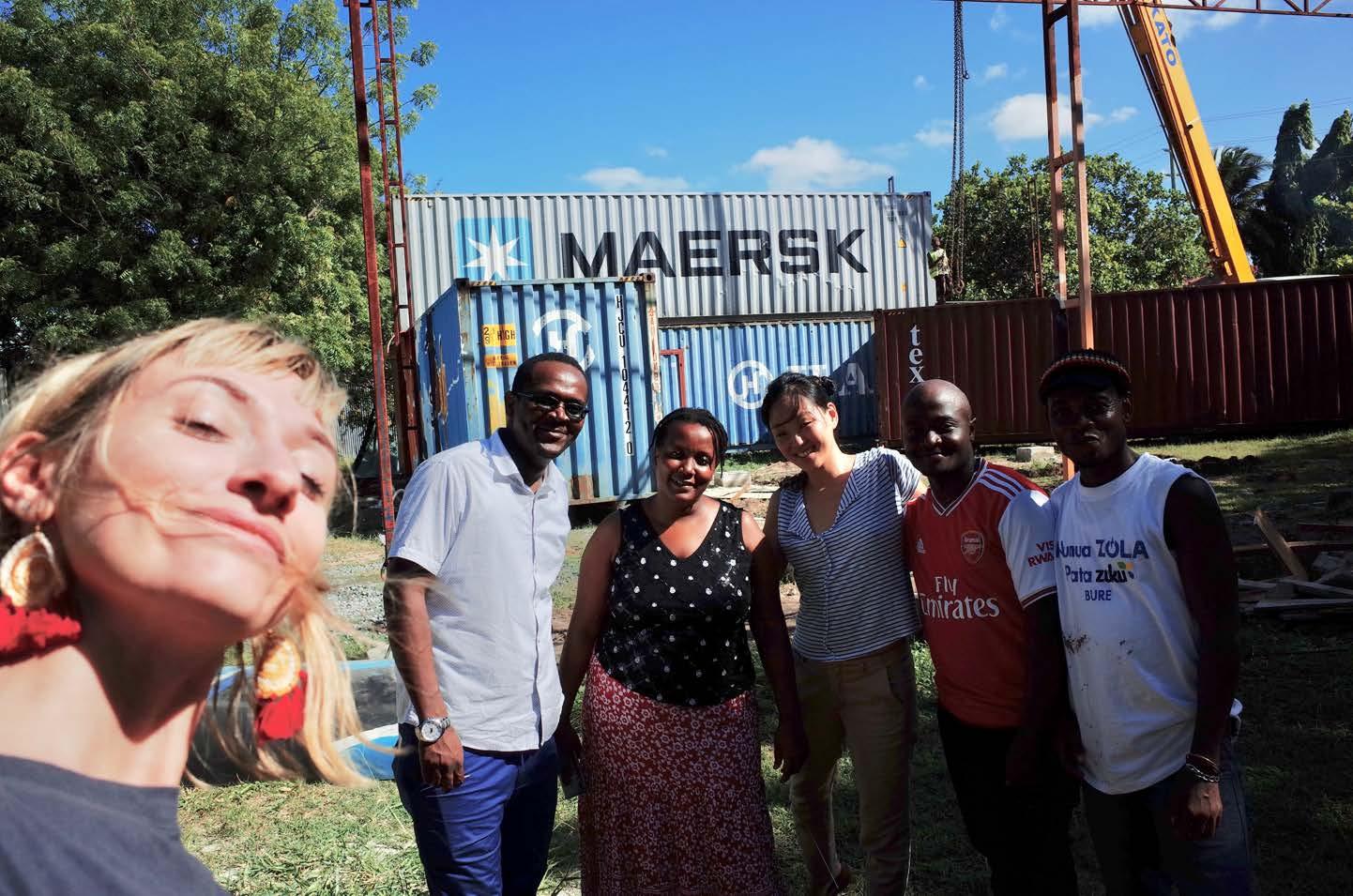
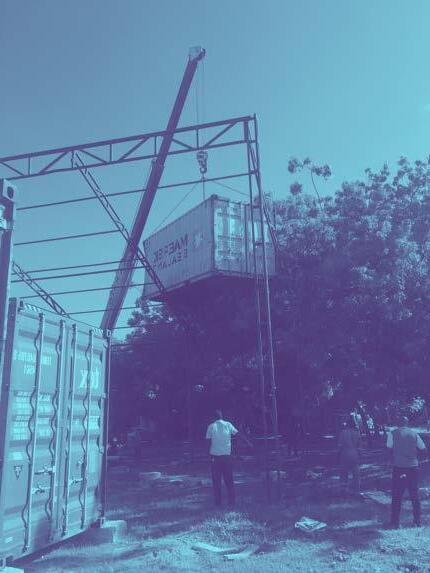
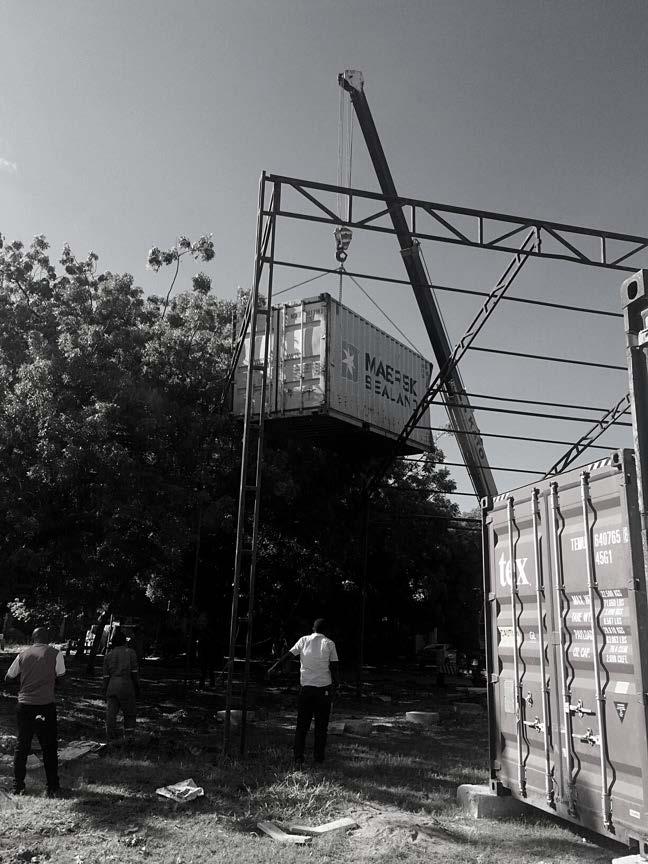
with the generous support of this woman
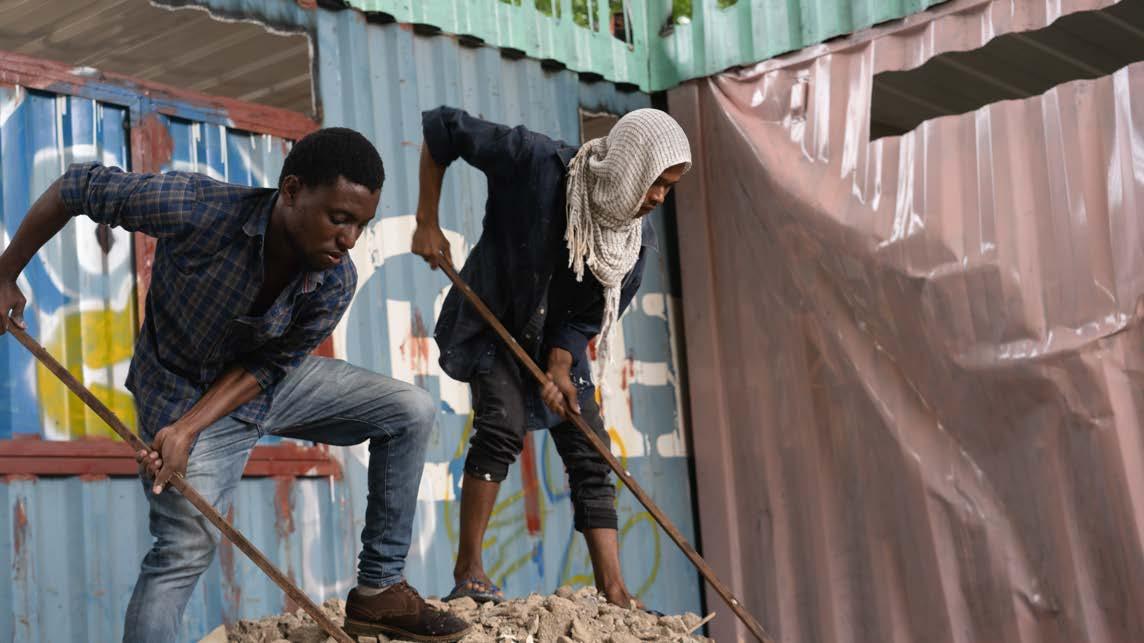
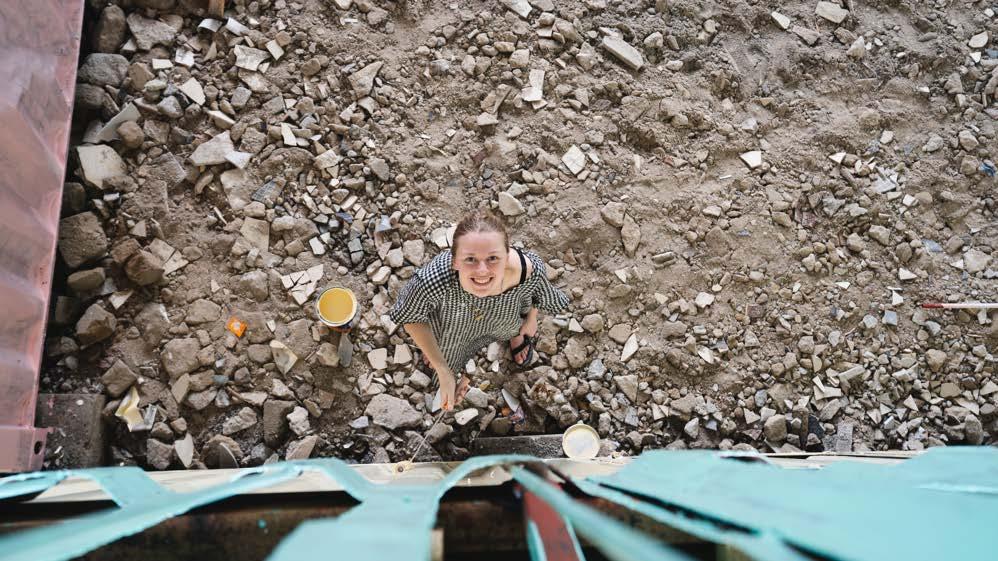
5months (and a lot of sweat) later
that vision turned into reality..
& this man Lauren Marshall Designer (now architect?) Shabani Kisala Engineer, Builder & Emotional Support7
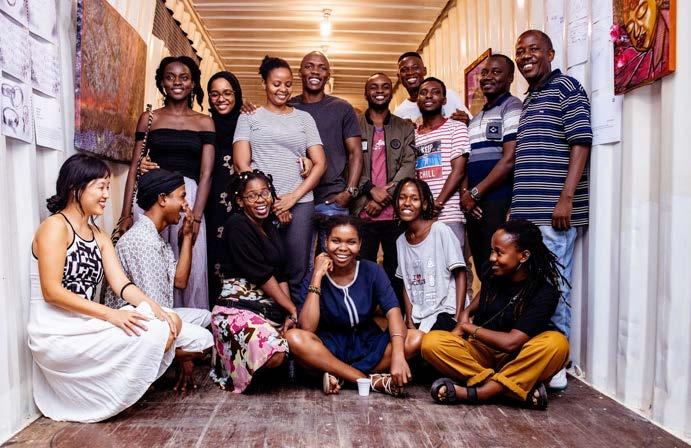
the Nafasi team & Academy student members
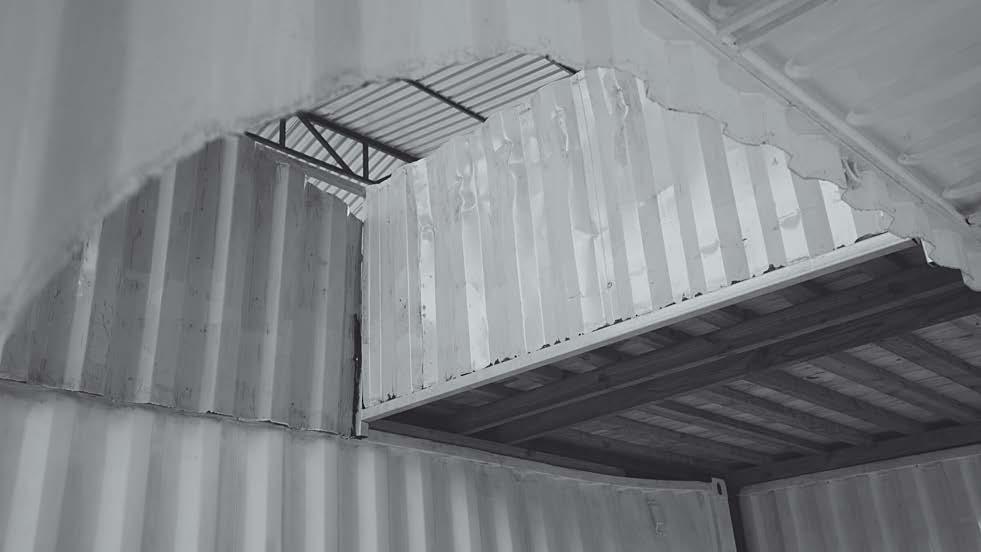
a space that looks like this:
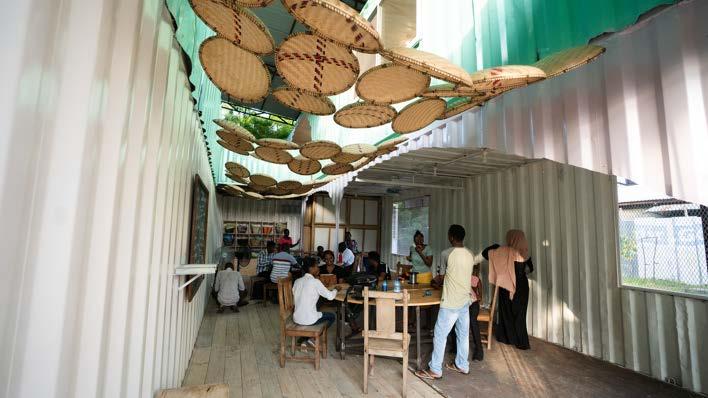
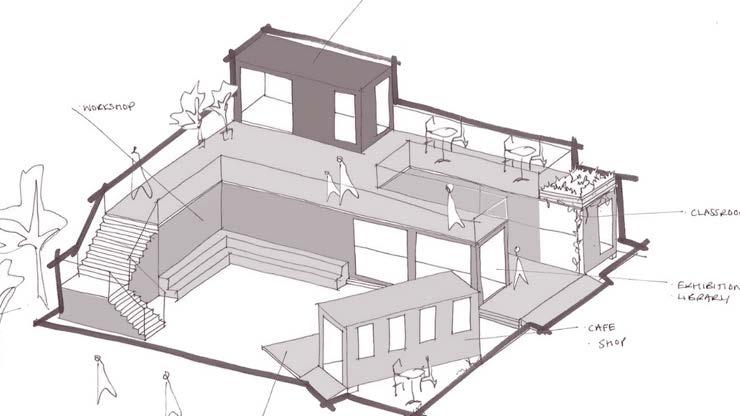
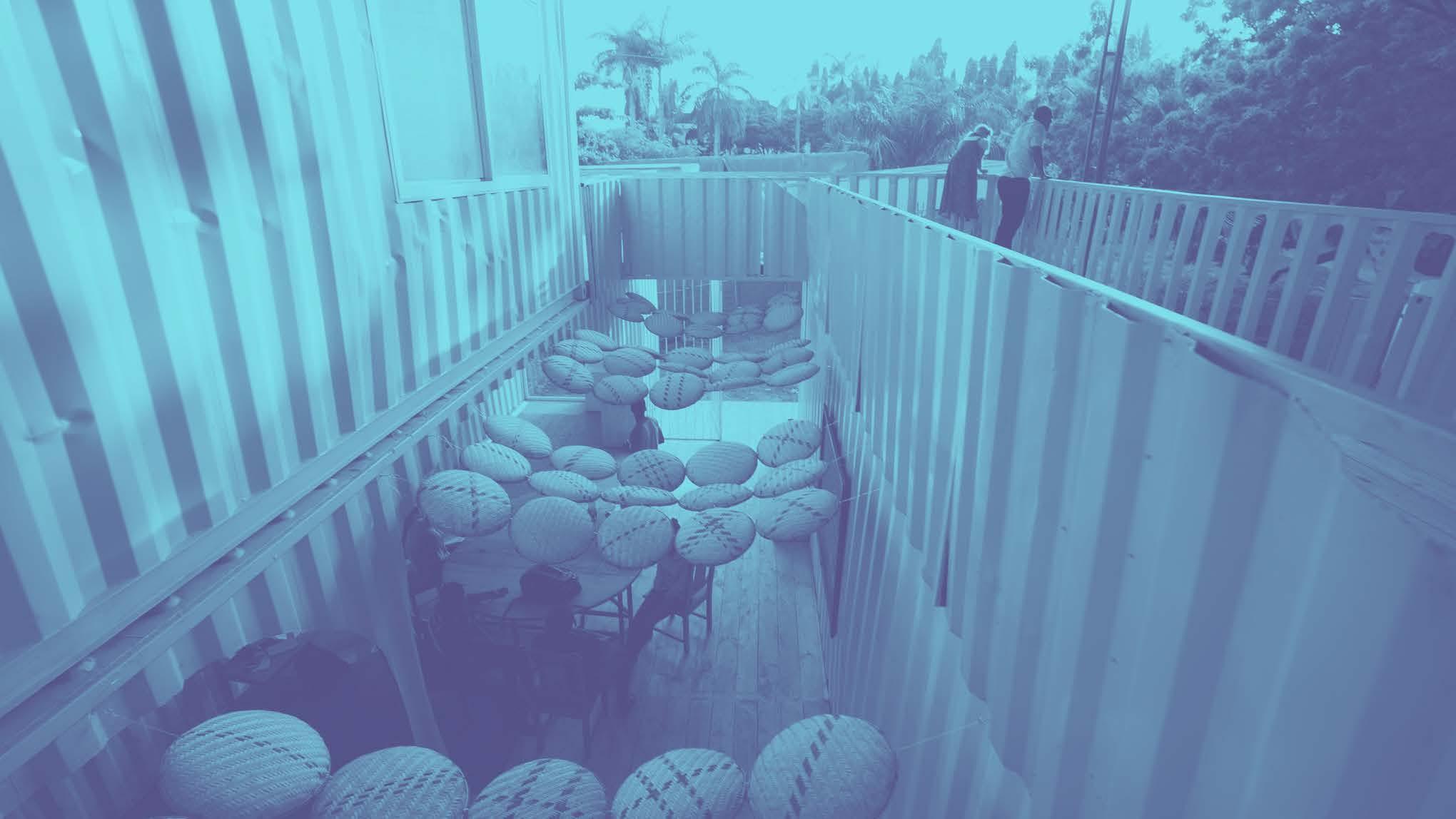
and feels like this:
verb informal to become euphoric or unaware of one's surroundings
“To become euphoric or unaware of one’s surroundings”. The feeling of space. The feeling of existence without the physical and mental barriers that too often hinder creative growth.
A dream-like state. Achieved through some blissful combination of internal and external forces that puts us right where we need to be, when we need to be there.
That feeling of everything aligning within and around you to help you engage, uninhibitedly, with the world. To reach your ‘fullest potential’ as defined by your soul.
Nafasi is Kiswahili for space, but, unlike in English, this word also denotes ‘potential’, ‘opportunity’, and 'chance'.
We suppose, as with every human concept, it is impossible to fully define ‘space’ through language -
But it is a concept that has guided the development of Nafasi Academy - the space, or lack thereof, as a noun, for creative freedom of expression to be felt and practiced as a verb.
8
thespace
"a culmination of months of building, a year of intense planning, several years of learning, and overadecadeofdreaming"-JesseGerard
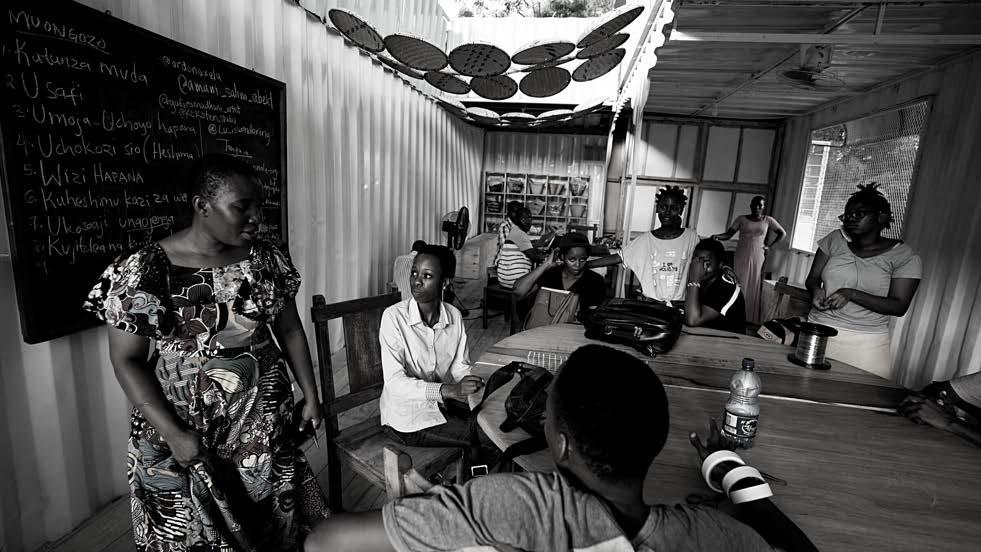
Nafasi Academy is an intentional extension of Nafasi Art Space - dedicated to serving underrepresented communities through the delivery of an experiential learning programme and the devotion of studios and exhibition platforms for the artistic development of its participants.
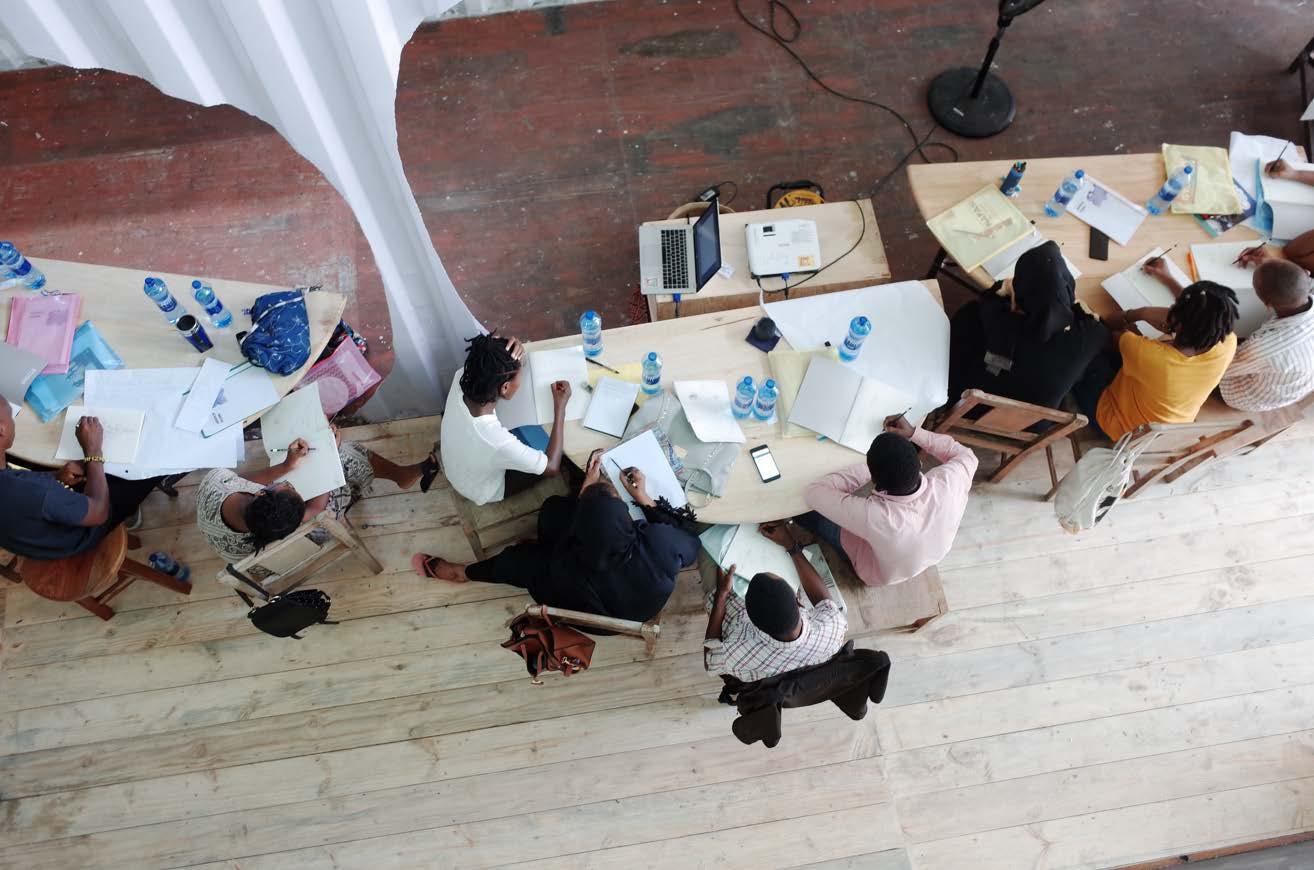
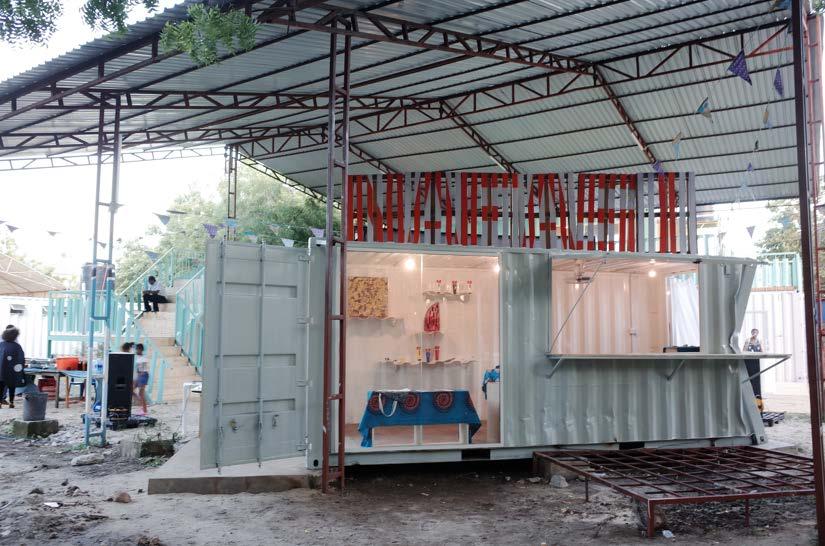
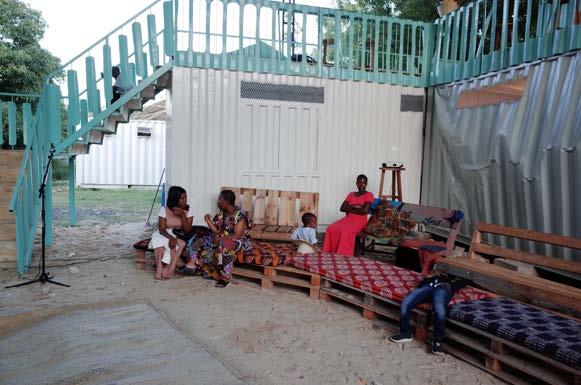
Toexpandingourcocoonforallwhoneedit. To promoting the voices that are too rarely heard.
NafasiAcademy currentlyincludes:
&willcontinuetoevolvewiththe inputsofitsinhabitants
aclassroom
anartlibrary
anexhibitionspace anartsupplyshop afilmamphitheatre 3artiststudios
aworkshopspace openmeetingspaces
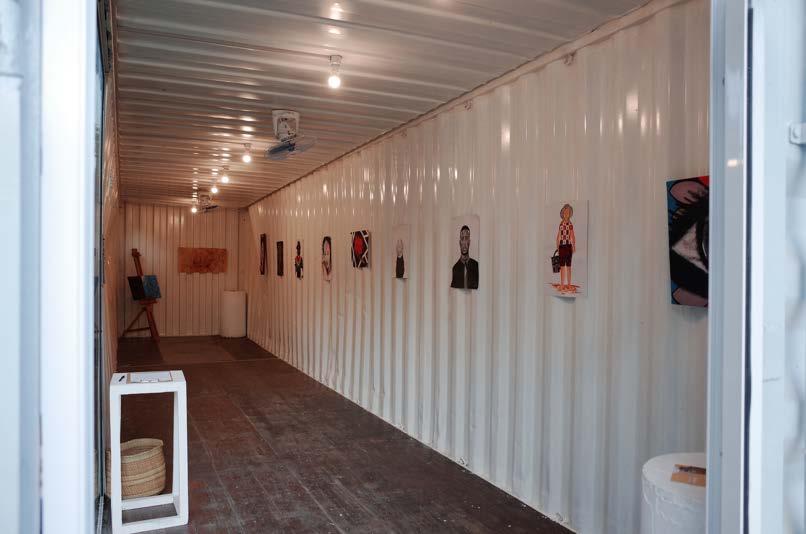
9
A Word from Mama Nafasi
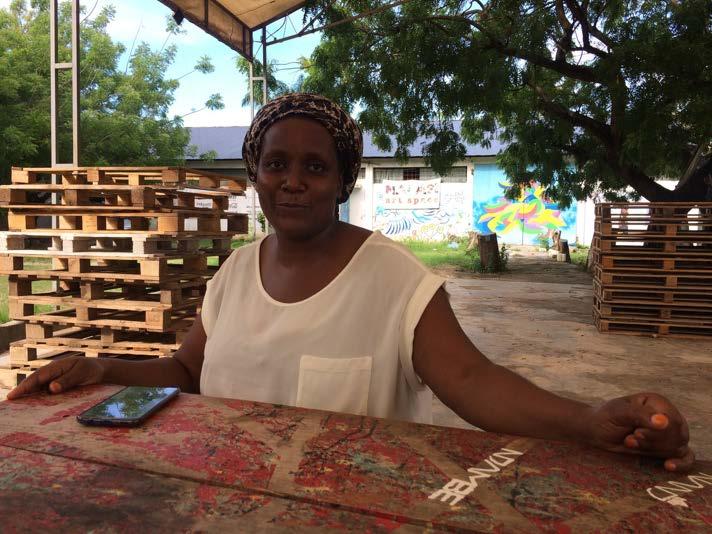
ThereisnewenergyatNafasi.
New spaces. New opportunities. We are happy. I am happy. I can see the achievements. You look at the people. Lazaro, Joseph, Jimmy - they grew up here, they developed here. Nafasi changed them.Nafasichangesyou.
Weareworkingforthesepeople,forallpeople. We work together as a team, and everyone here is a part of that team. We support everyone. We do not choose who to support andwhonottosupport.Everyoneiswelcomehere.
If you are there to serve people, you have to serve them. There may be challenges along the way - but as soon as anyone leaves the space, this space that helped to form them, they realize its impact. It’s like leaving your family home…when you go, you realize how much your family did for you. But a family will keep doingit.Itwillalwaysmakespaceforyou.AndsowillNafasi.
For a space to thrive, you just can’t give up on it. You have to have the time for it.
10
theacademy
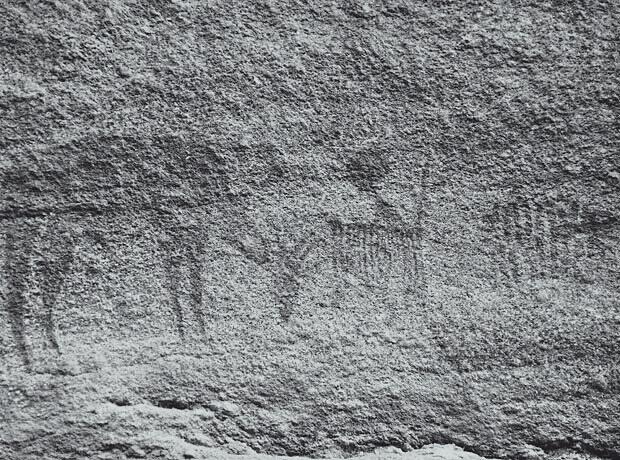
In Tanzania, art is an essential part of the fabric of society - and has been forover7,000yearswithproofintheformofrockpaintings.
These paintings tell us about the history of humanity. A critical record of existenceandphysicalexpressionof emotionalandsocialrelations.
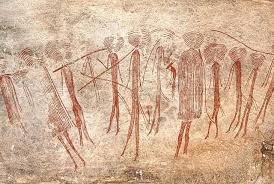
Yet we seem to have forgotten this important role that art plays. A means to communicate, to commemorate. We’ve lost the creative ability to subvert,andtoreimaginethesocialconstructionofsociety.
Increasingly overlooked by most formal art education systems, individuals and collectives must seek out art education on their own - often selfguidedviadigitalplatforms.
Nafasi Academy is an exploratory endeavour that aims to examine alternative formats of art education and establish a curriculum that will equip aspiring and emerging contemporary artists with the tools and the confidencetopracticeartwithpurpose.
Focussing on concepts as well as technique & encouraging free, creative thinking - expressed through visual languages at the edge of contemporaryexpression.
As the first programme of its kind, the Nafasi Academy curriculum has quite literally been guided by the collective inquiries of practicing artists and arts administrators at Nafasi… each module, directed by questions aroundassociatedtopics.
Module1|Whatiscontemporaryartandwhydoesitmatter?
Module2|Whatisthehistoryandevolutionofart?
Module3|Whatisthenatureoftheartisticprocess?
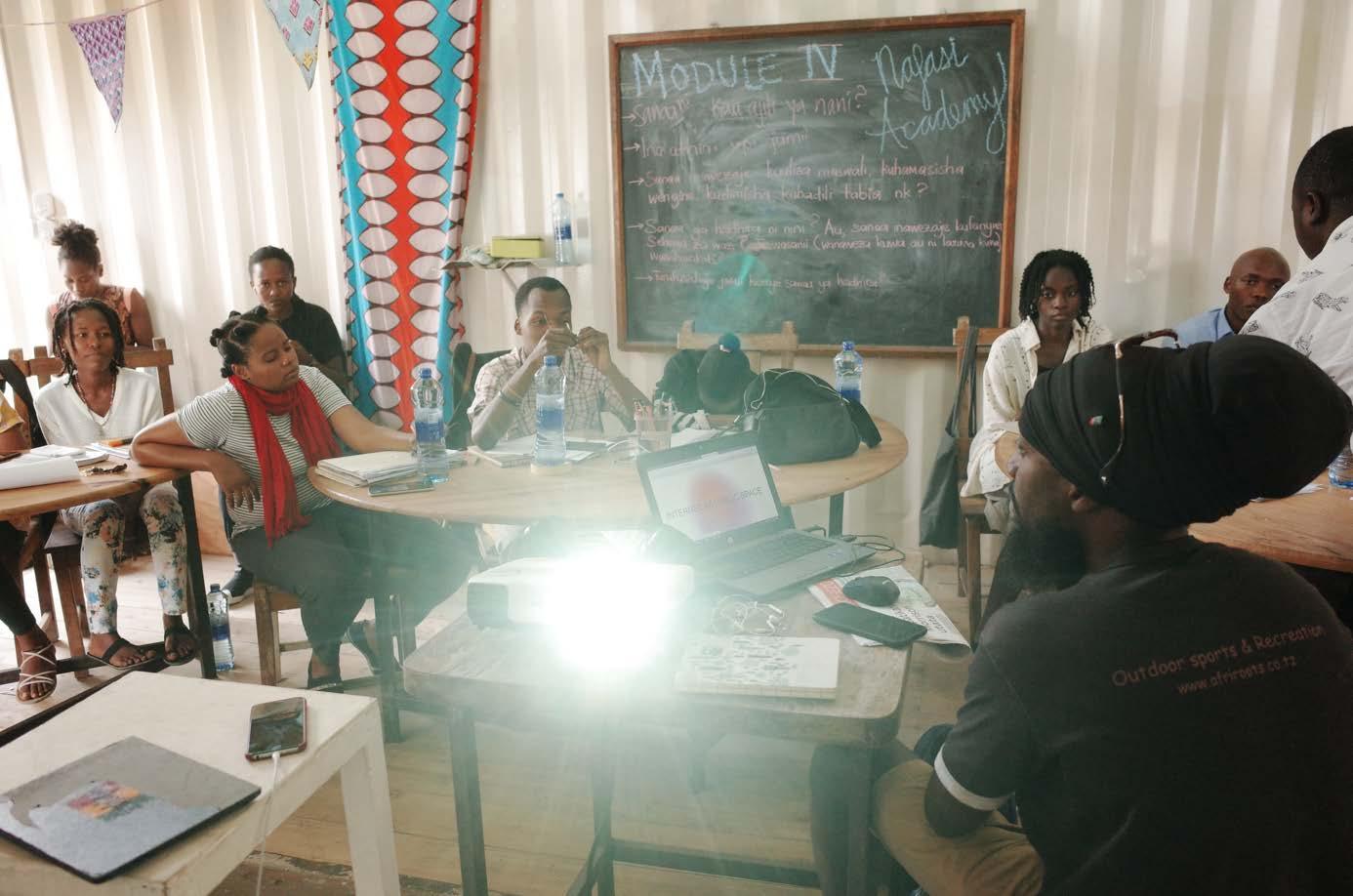
Module4|Whoisartfor?Whatistheresponsibilityoftheartist?
Module5|Howcananartistmakeacareeroutofart?
Because what is art if not an ongoing dialogue withpast,present,andfuture?
What is society without the capacity to creatively reimagineitself,overandoveragain?
Whatisaworldwithoutart?
Itisafailureofeducationtoundervalueart. Educationisartandartiseducation.
11
In art as in life, what you see is often only the outer layer, the visible surface of a much deeper and more layered reality. By the time it isexhibited,anartworkhasoftengonethrough many revisions and adjustments both in the mind of the artist and on the canvas. Similarly, the Nafasi Academy format and curriculum went through countless versions and drafts, starting two years before the students ever steppedfootintheclassroom.
Before the Academy, Dar es Salaam did not have an art school with a contemporary art orientation. The development of the curriculum therefore required both a strong foundation in visual art, including a survey of historical and contemporary African expressions and techniques, as well as content tochallengeandsubvertthebasicassumptions aboutwhatanarteducationcanandshouldbe.
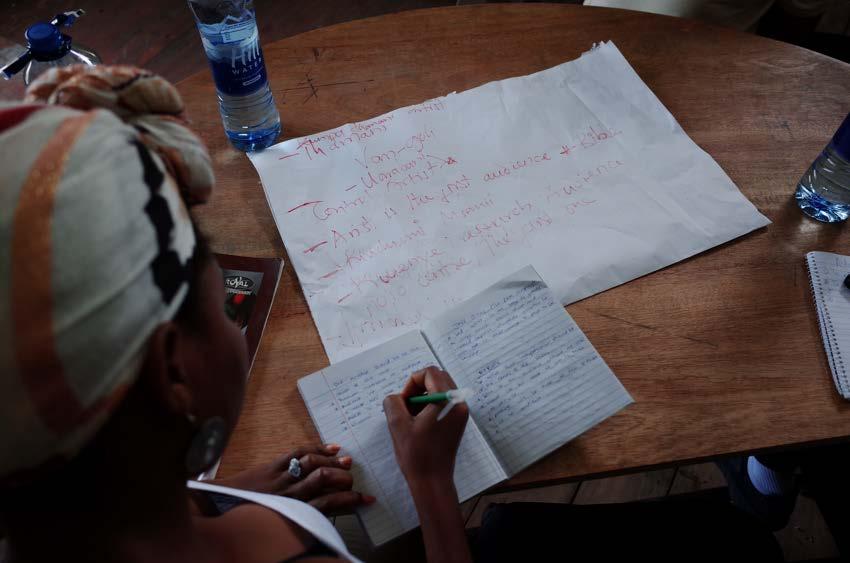
One major rebellion of the curriculum design was to build the course not around timeperiods, geographies, techniques and media, or even topics, but rather to create clusters of interrelated, perhaps unanswerable questions, emphasising the role of art in envisioning new realities and ways of thinkingandbeing.

A second innovation was to shape the learning journey around these clusters of interrogation as thematic modules, each of which lasted approximately 2 months and included a wide range of formats, including intensive week-long theoretical workshops, long-form mentorships around technique, artistic exchanges, written and oral assignments, group work, site visits, community contributions, and studio production leading to public exhibitions or performances.
10 months of training & studio time
5 intensive theory masterclasses
9 technical mentorships
6 workshops and exchanges
4 exhibitions and 1 public performance
1 Graduation Show & Art Conference
12
"Art is not being taught in schools - and it is not beingrecognizedasaprofession...andthereareso many people being left behind when and where it isbeingsupported.
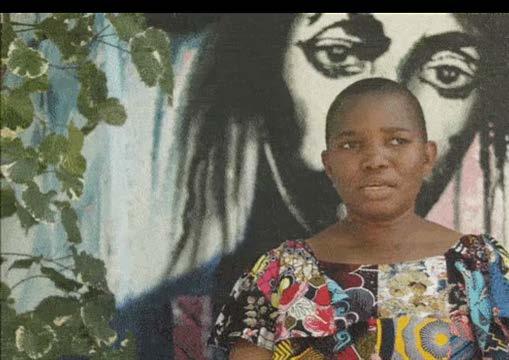
Most people believe that art is for men.
"
13
- Safina Kimbokota
module 1
What is Nafasi? Why does it exist? What is Contemporary Art? Why does itmatter?Whydoyouwanttobecome an artist? What is the role of art in society? What is the goal of Nafasi Academy,andwhatdowehopewillbe the outcomes at the end of this year for students, the Academy, and Nafasi asawhole?
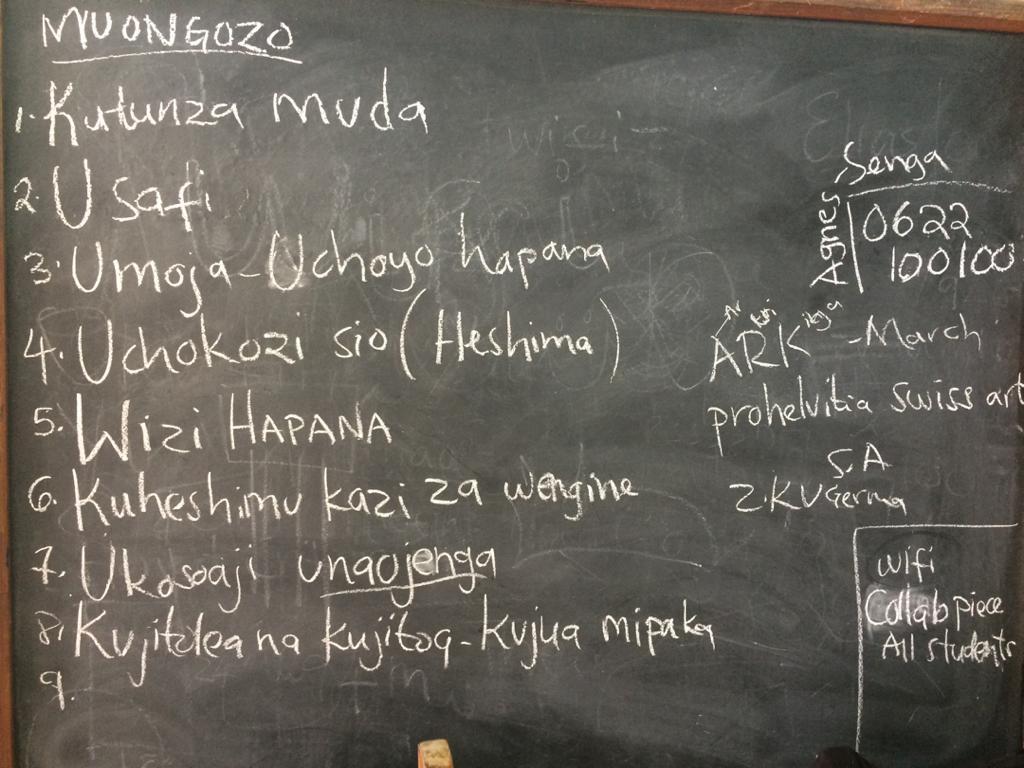
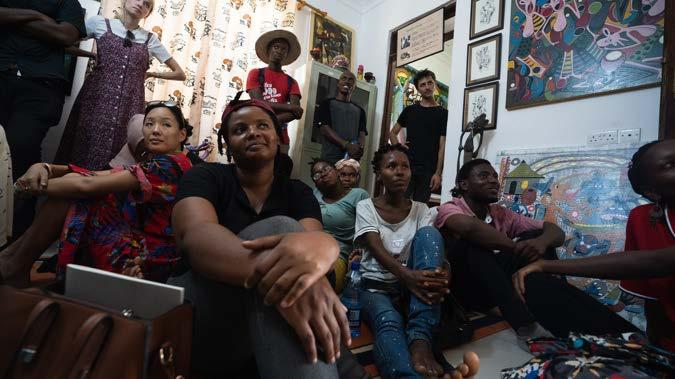
The first week spent within the blank canvas of the Nafasi Academy space. Strangerstoeachother-thestudents exchanged greetings and became familiar through exercises and icebreakers, facilitated by AgnesSenga Tupper and Gadi Ramadhani. Tours of Nafasi were conducted and introductions to the wider arts communityweremade.
introduction to nafasi artspaceand contemporary art
It was a week of shared discoveries, internal awakenings, and artistic inspiration that culminated in an exhibition of Self-Portraits created by thestudentswithinthespanofthe5dayintensive.
Monday, February 3- Introduction to Nafasi Art Space
IntroductionandTeam-Building
TourofNafasiArtSpace
IntrotoArtisticDiscourse
AlumniArtistTalk
Basket-PaintingExercise
Tuesday, February 4 - Introduction to Contemporary Art Histories
VisualJournallingActivity
AlumniArtistTalk
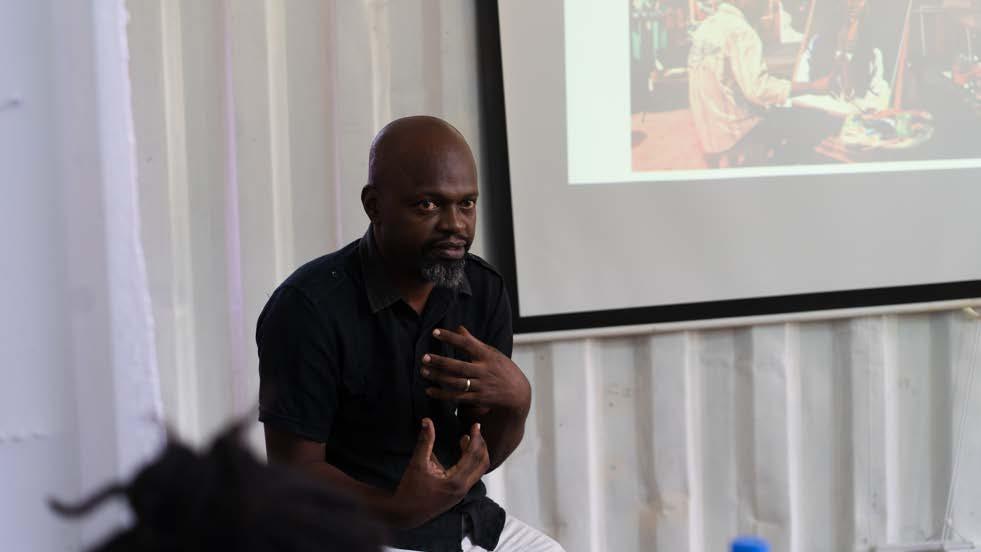
IntrotoContemporaryArt:anAfricanPerspective
TheTanzanianArtStory

ArtistCollectivesandGrassrootsArtsInstitutions
Wednesday, February 5 - Introduction to Artistic Process
ArtisticProcess
AlternativeViewpointsandInclusion
MentorArtistTalk
TheInternationalArtScene
WorkshoponSelf-PortraitAssignment
Thursday, February 6 - Administration and Professionalization
MemberPolicyandCodeofConduct
SigningofMembershipAgreements
StudioAssignments
CurrentMemberArtistTalk
ProfessionalizingYourPractice
Friday, February 7 - Community Field Trip
FieldTriptotheNationalMuseum
LilangaStudioVisit
StudentProfilePhotos
WelcomeEventandSelf-PortraitExhibition
15
16
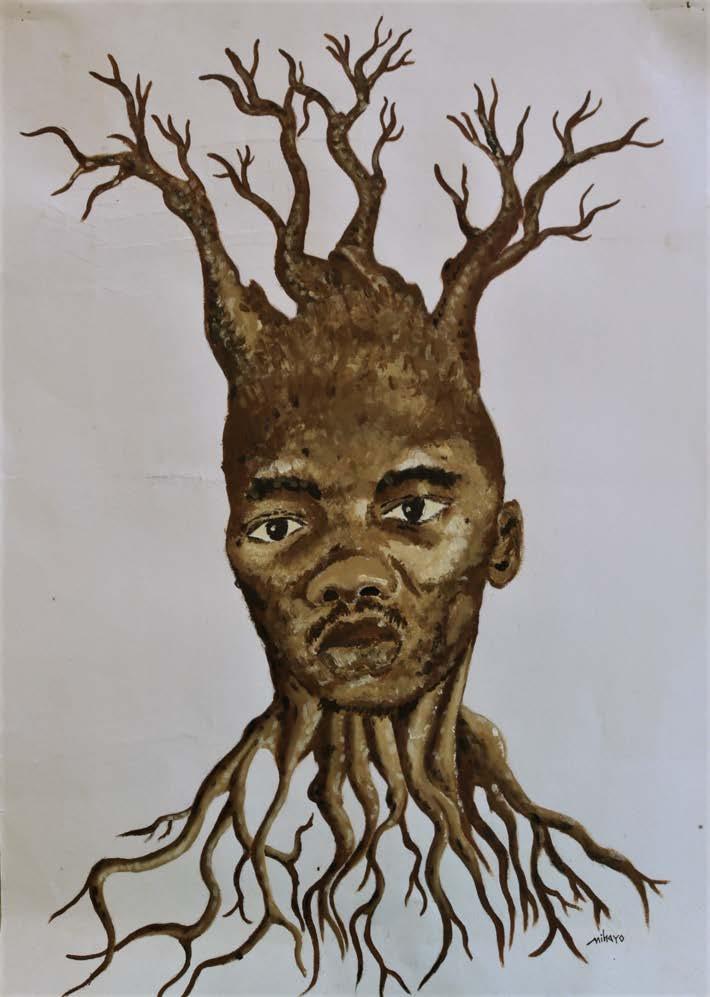
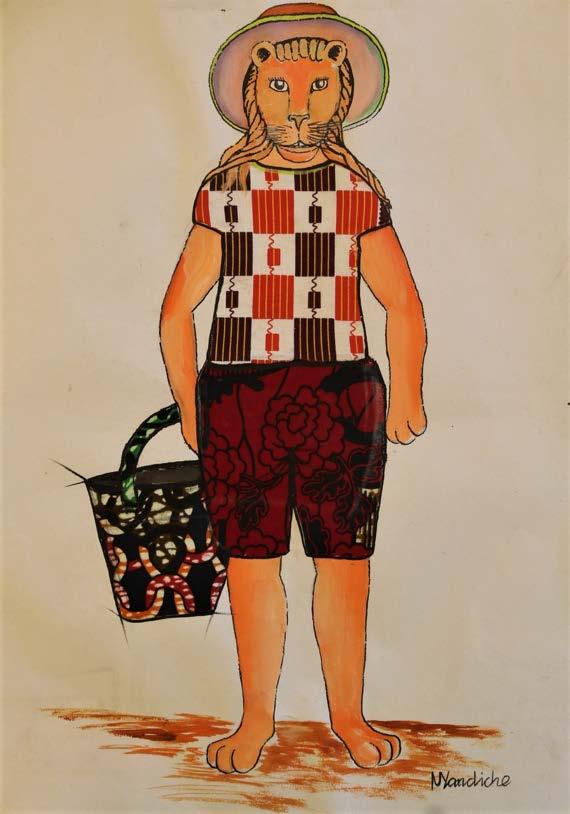
SelfPortrait exhibition
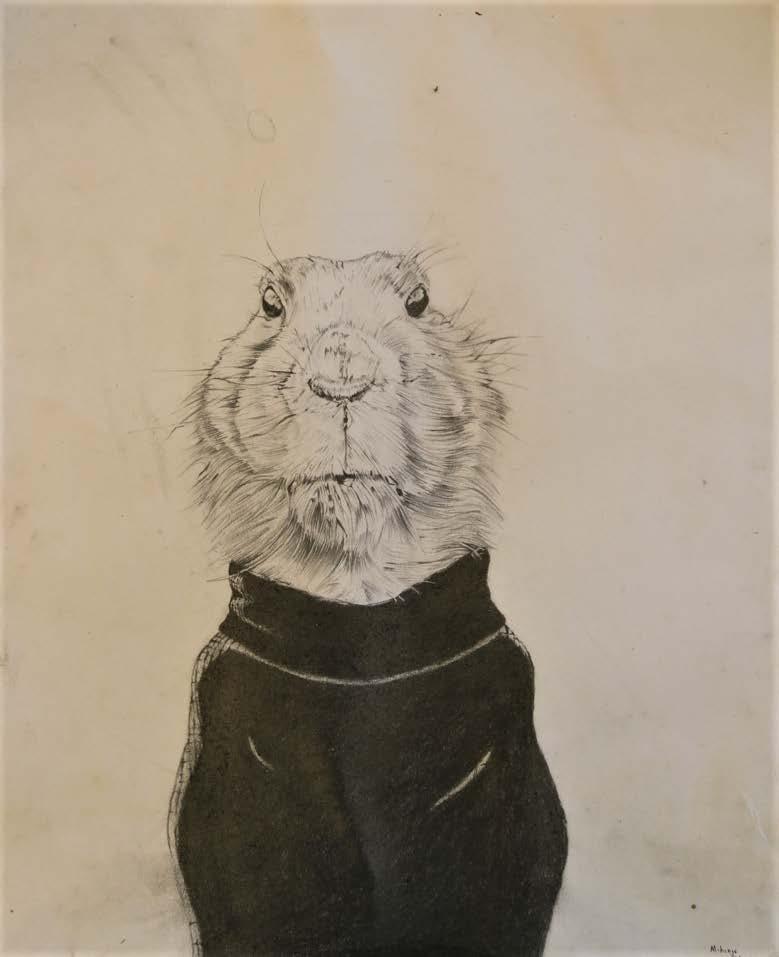
Kallaye 17
Mihayo
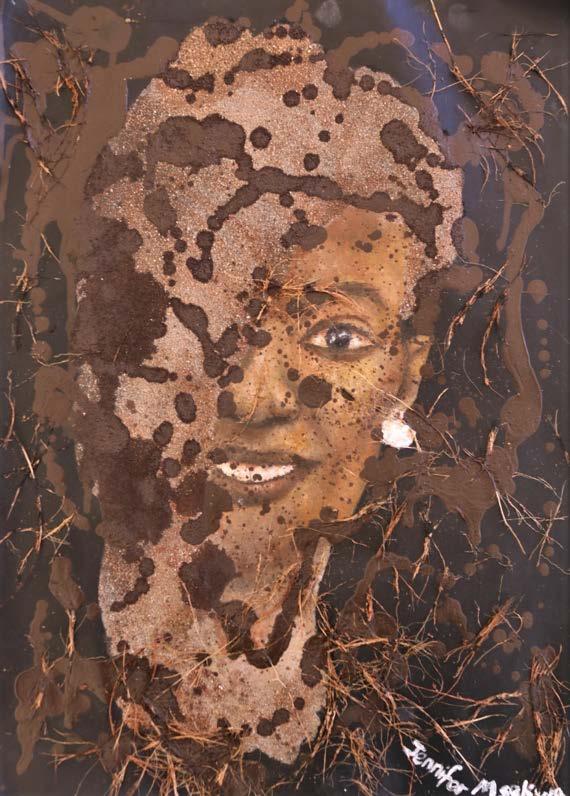
 Jennifer Msekwa
18
George Emmanuel
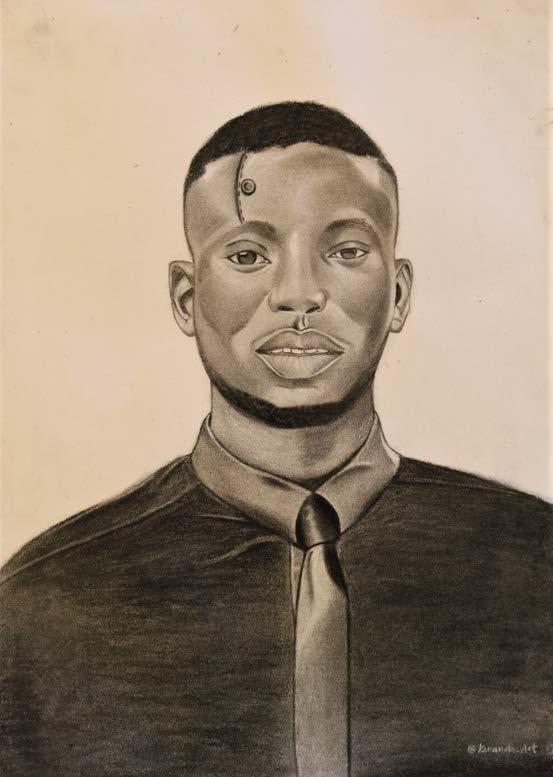
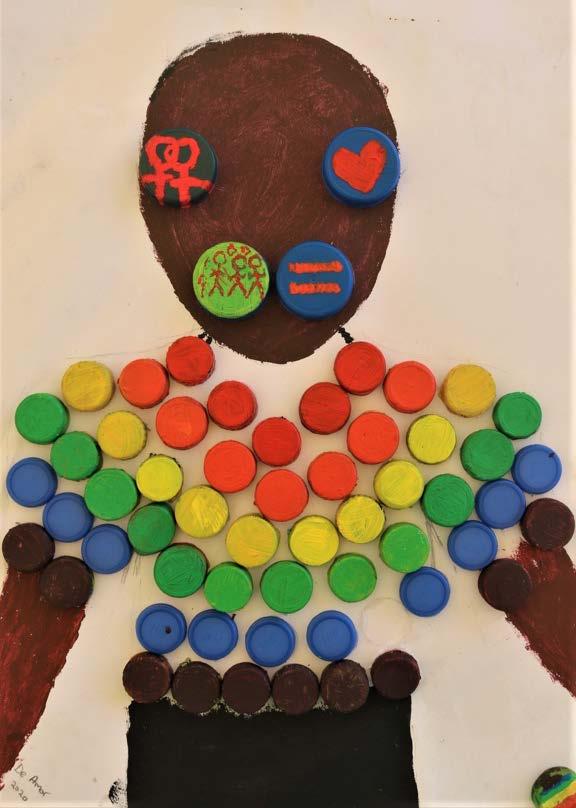
Hussein Juma Happy Geas 19
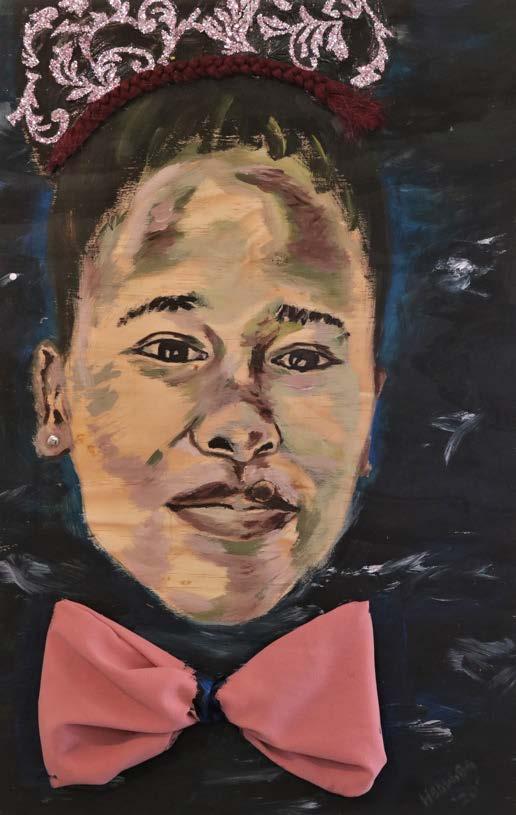
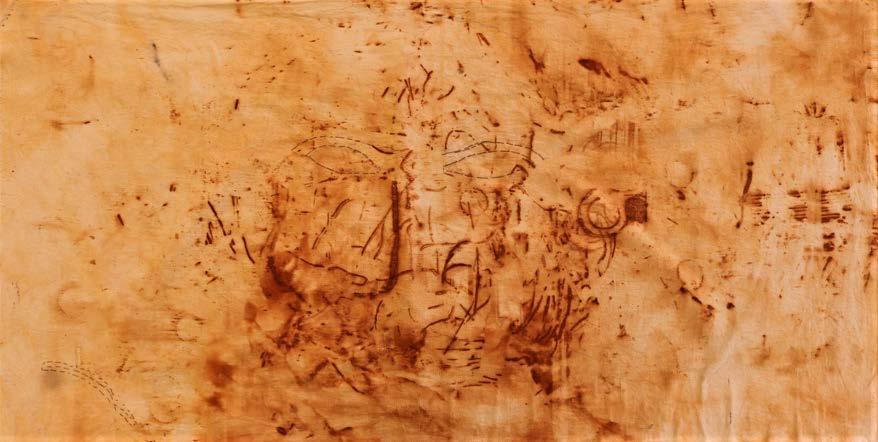
LiberathaAlibalio Hedwiga Tairo 20
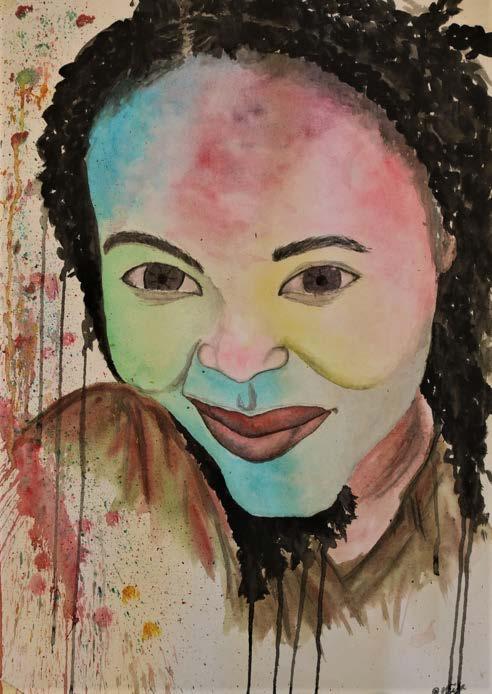
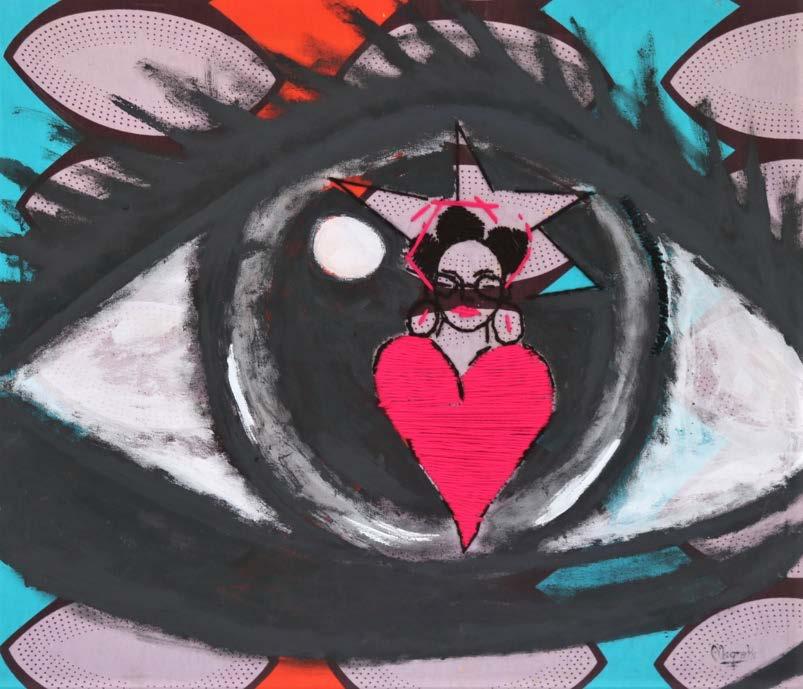
MagrethLiwembe
21
ShiijaMasele
"who you are today is not who you will be tomorrow."
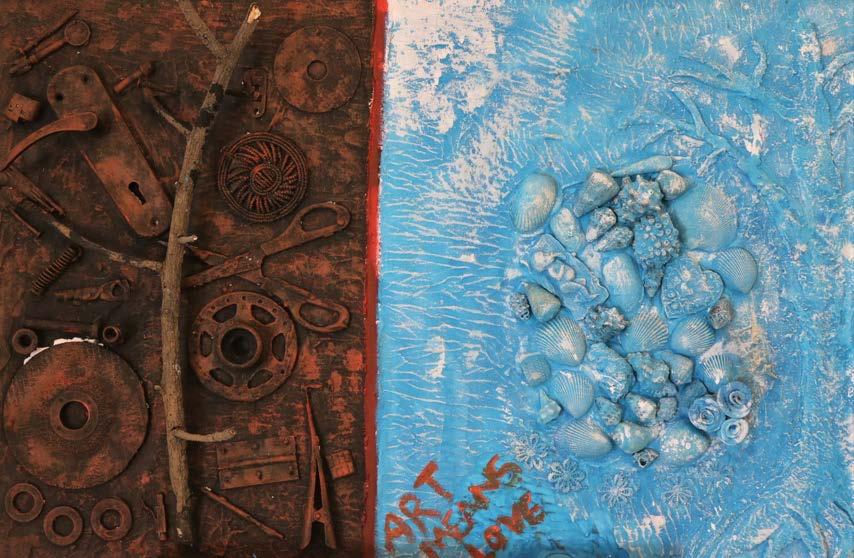
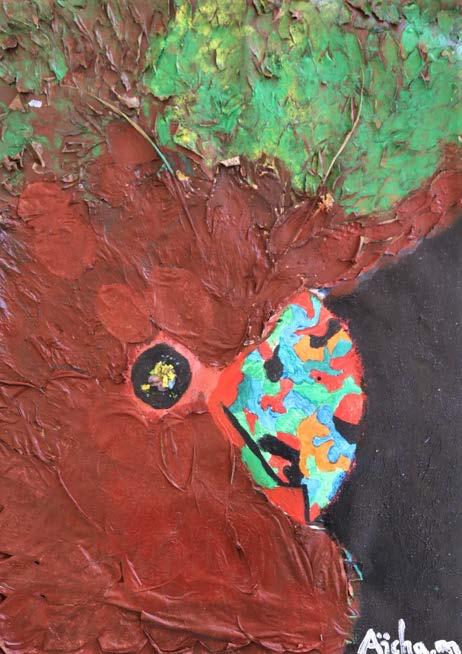
CapherSimba AishaMohamed 22
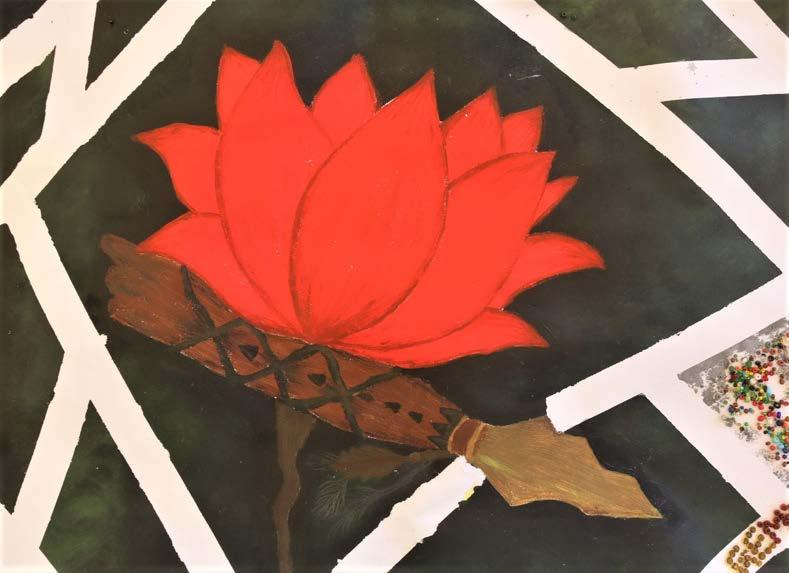
GertudeMalizana
23
Martin Wendo
“Life without movies, boring. Life without music, boring. Life without art is boring. Art, it's like everything now.
- Martin Wendo
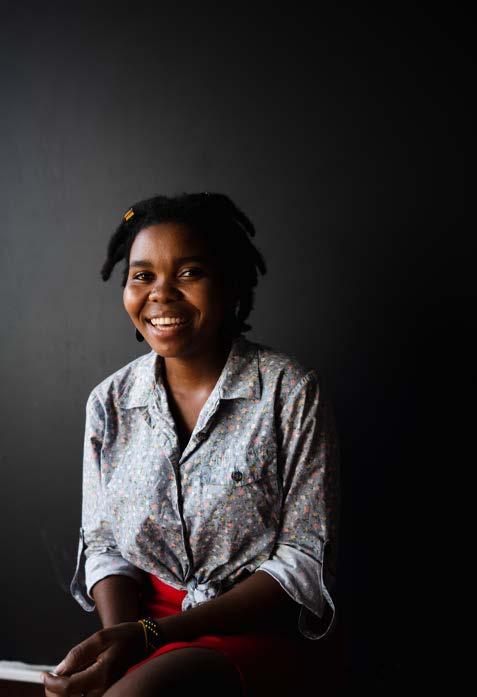
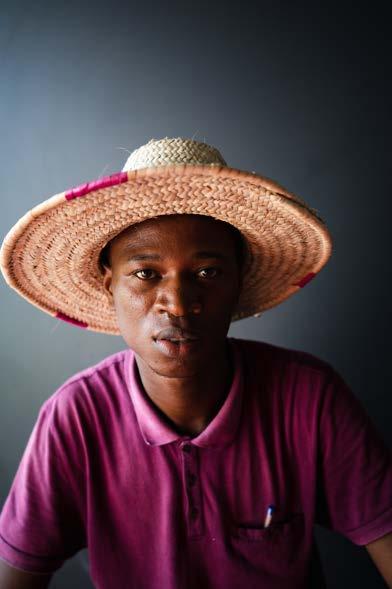
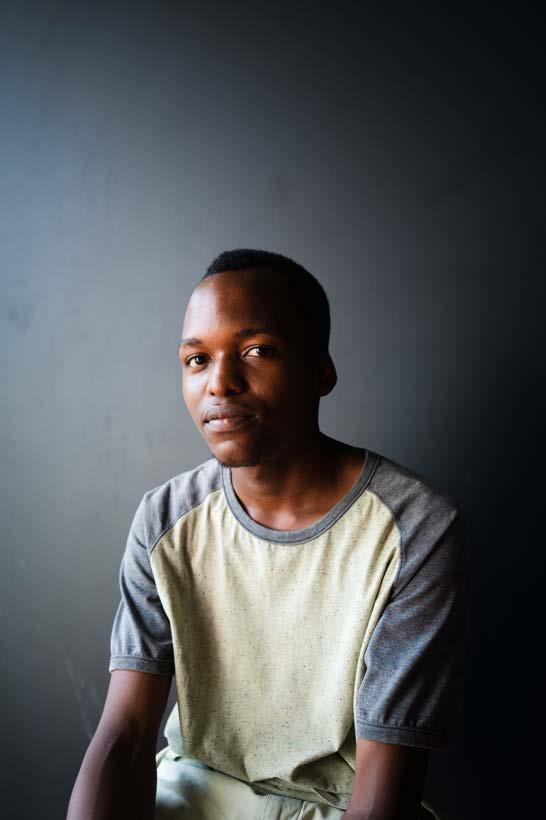
Art is important to me because I can communicate intentionally with an audience what's in my heart. Art teaches me.
- George EmmanuelSanaa, ni kama dawa.
- Gertrude Malizana
24
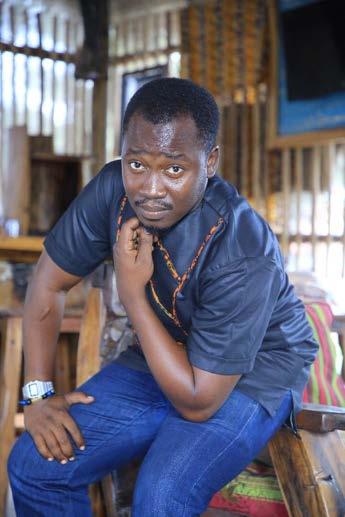
A lot of people, especially in Tanzania, have known me for my craft as an artist ... but the secret to my success is that I have been mentored with great people in global art scenes&
25
I mentor to continue my learning and to give back to the next generation.”
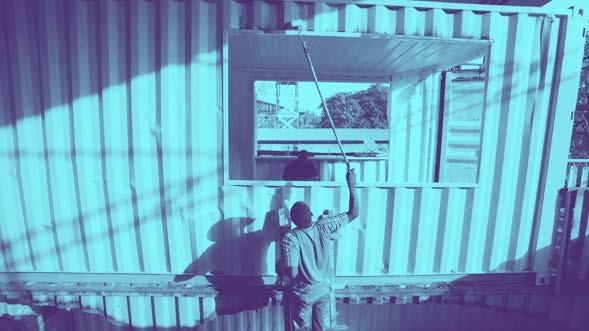
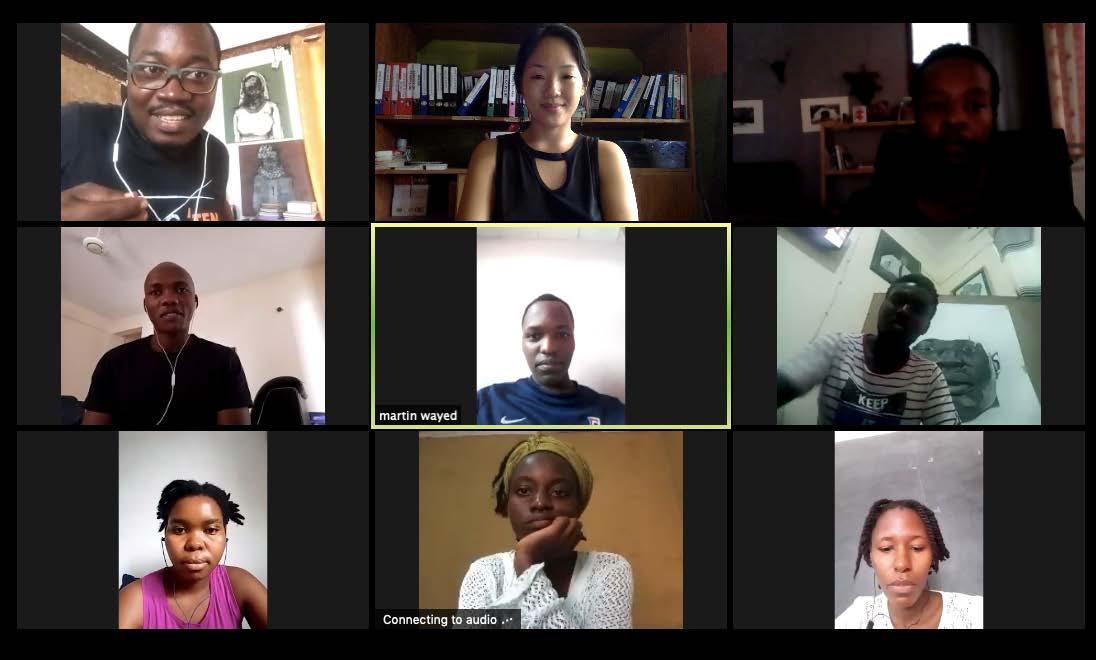
inAprilof2020.Ourmodeofartistic connection and exchange shifted to some sort of experimental digital format. & as the student members grappled with this uniquely challenging moment in history - we lookedtothepast,andtotheartthat preservesitssignificance.
globalandafricanart history,theory,and practice
Wewerejoinedinthisendeavourby aselectionofartspractitionersfrom acrossthecontinent-embracingthe benefits of our new Zoom-dominant reality and its potential for facilitatingcriticalglobaldialogue.
Monday, May 4 -Tanzanian Art History
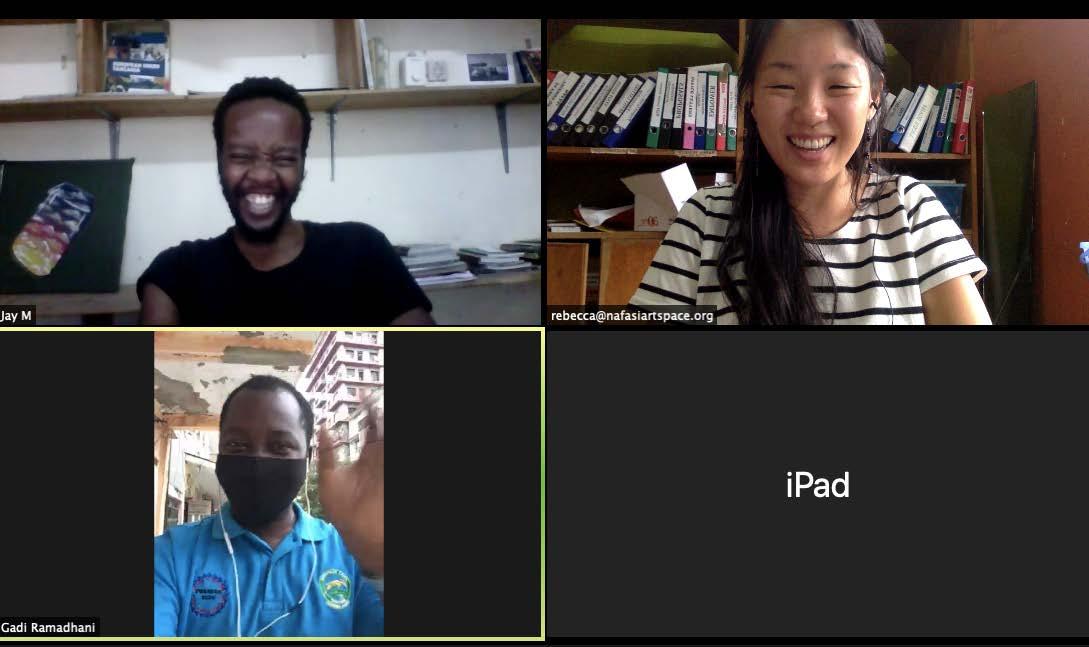
Reflections
CavePaintingsandTraditionalArtsinTanzania
DailyDiscussiononModuleQuestions
Tuesday, May 5 - Global Art History
AnOverviewofModernandContemporaryAfricanArt
DailyDiscussiononModuleQuestions
Wednesday, May 6 - Tanzanian Art Movements and Institutions
VipajiArtStudios-aCaseStudy
MawazoGallery-aCaseStudy
DailyDiscussiononModuleQuestions
Thursday, May 7 - Decolonising Art
BriefHistoryonColonialism,CulturalAppropriation,andthe LootingofAfricanArt
DecolonizingMuseums:TheVinyagoProject
DailyDiscussiononModuleQuestions
Friday, May 8 - Exhibition
PresentationsofWork
VirtualExhibitionOpening
27
*karibunewreality
Decolonizing Museums: The Vinyago Project
The German colonial empire occupied mainland Tanzania (then calledTanganyika) fromthe1880sto 1919 (after which the colonial administration was transferred to Britain).
Between1905and1907,thousandsof people from multiple tribes fought in the Maji Maji War against the German occupying forces. During the conflict, around 10,000 objects were looted from the region. The systematic theft of cultural objects continued until the end of the colonial period in 1961, and an unquantifiable number of these historical artefacts are now locked awayinmuseumsacrossEurope.
The Vinyago project is a collaborative initiative critically investigating the looting of art objects from Tanzania by German colonizers and highlighting the lack of repatriation (and reparation) that hasbeenmade.
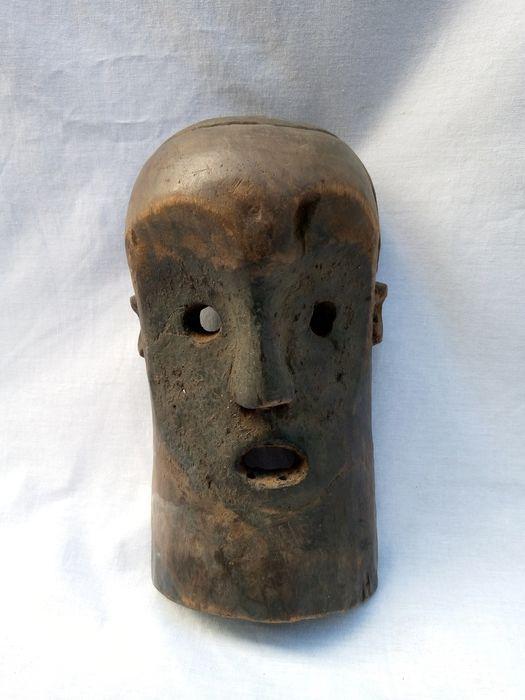
Isack Abeneko (TZ), Nicholas Calvin (TZ), and Gita Shriadmi (DE) bring dance, photography, and visual art together to tell this story in a compelling way that demandsvisibilityfortheissue.
The History module of Nafasi Academy featured a presentation by the Vinyago collective of artists, which inspired the works ofmanystudentmembers.

28
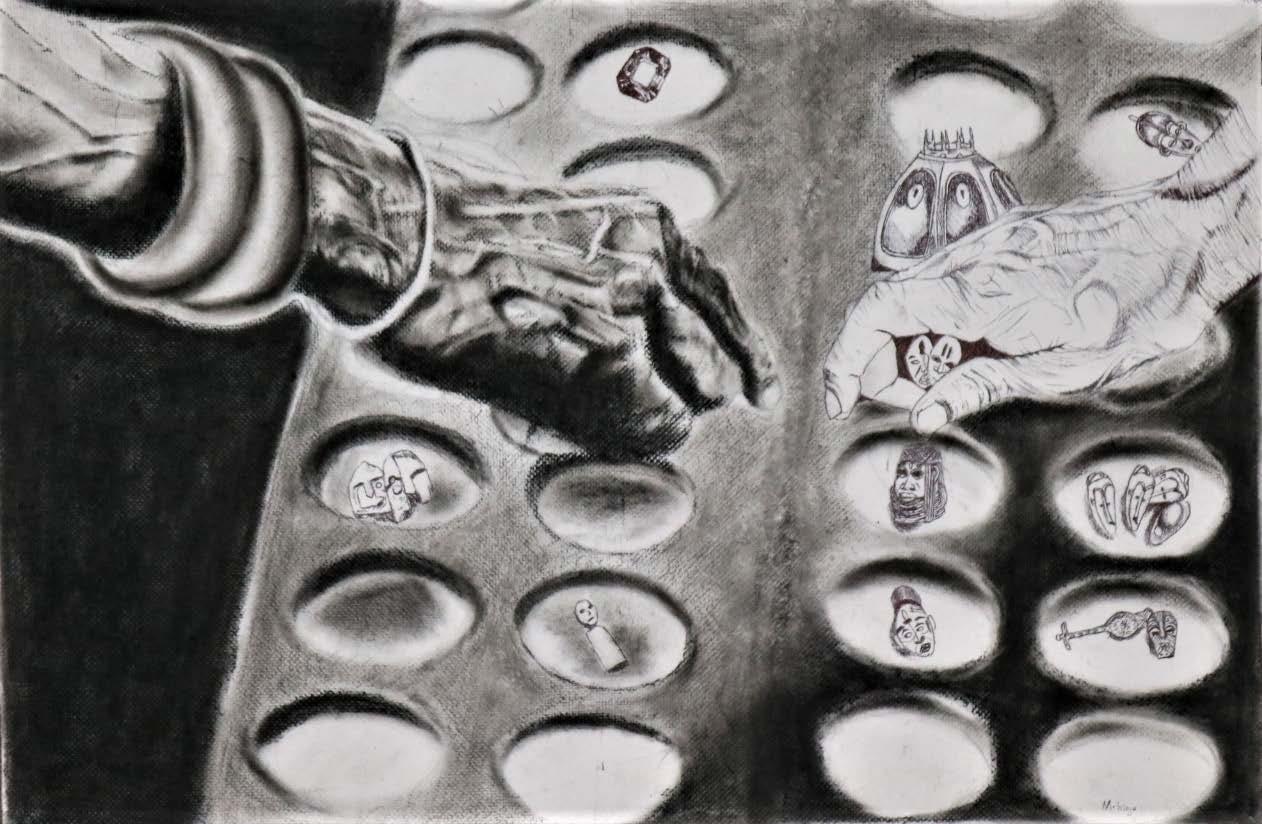
exhibition
29
re-told
MartinWendo
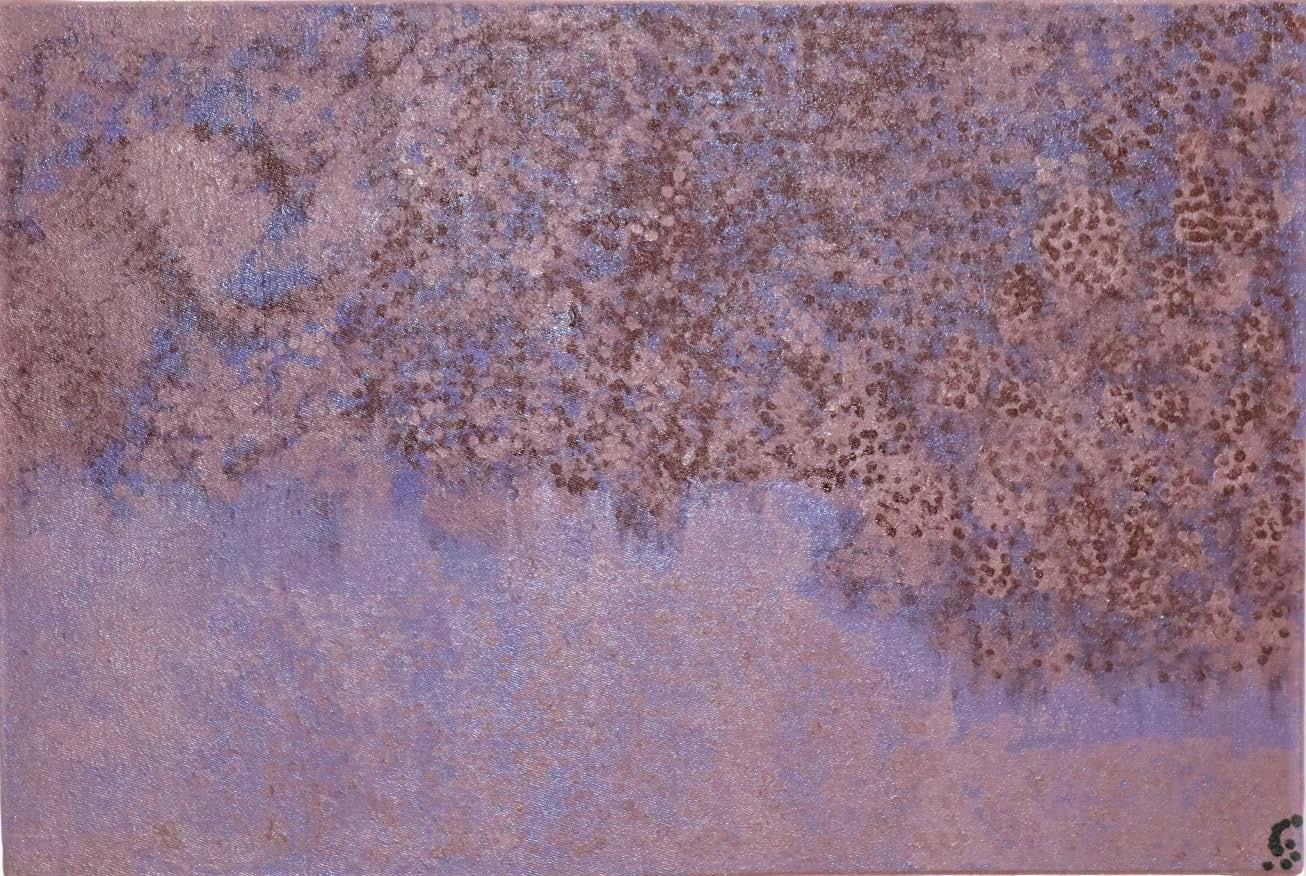
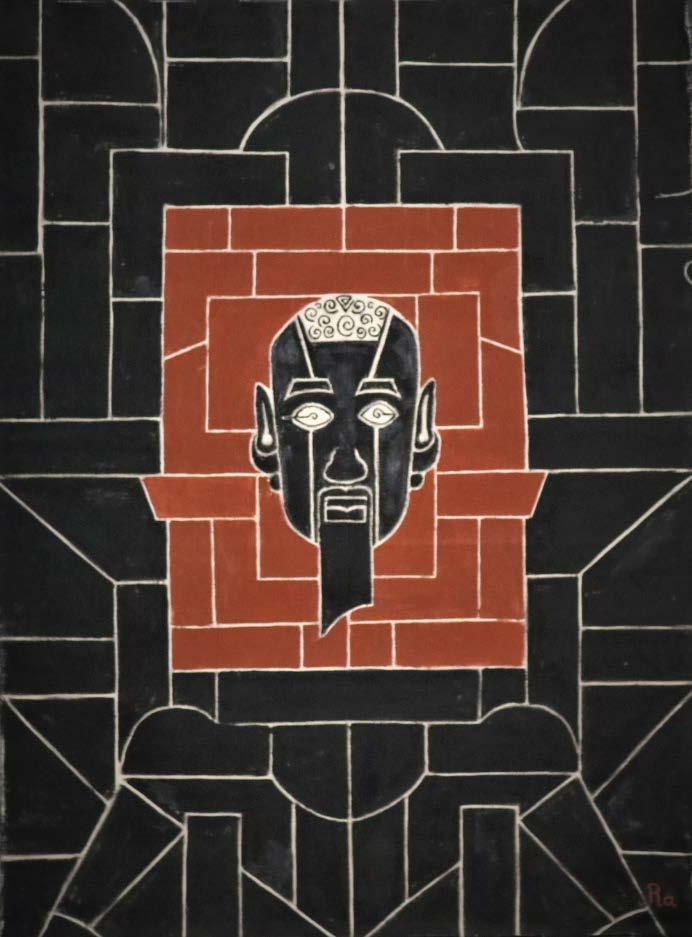
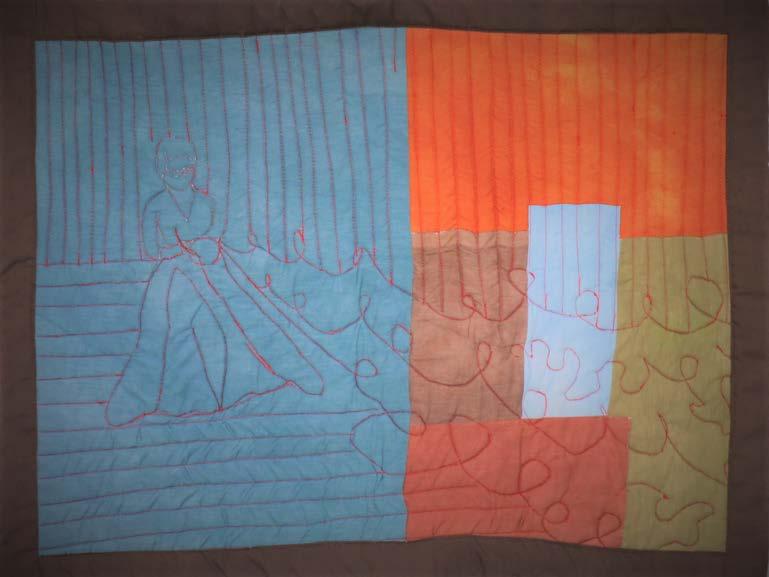
AishaMohamed Ismir Ra 30
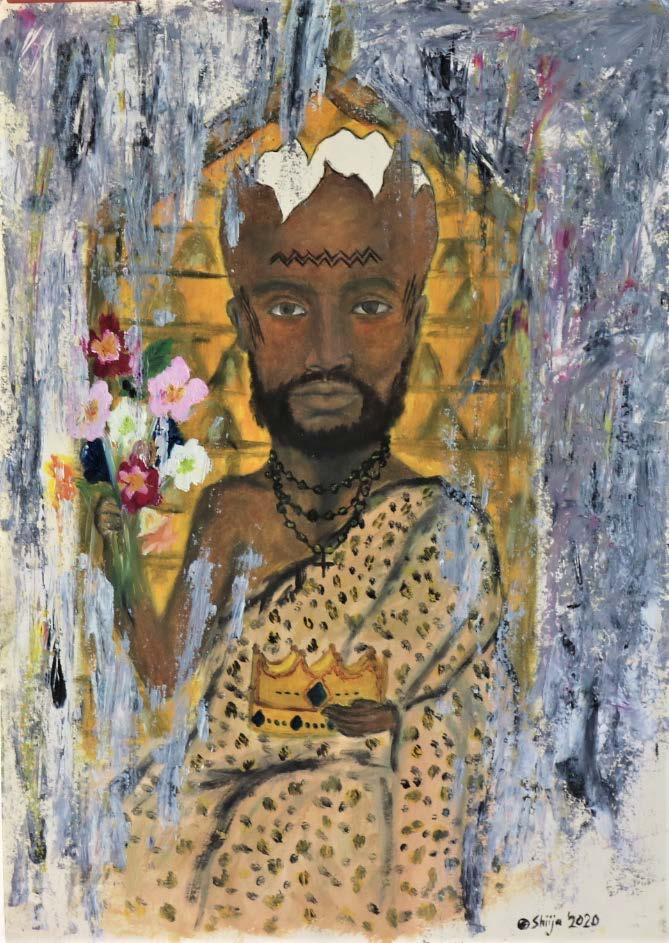
 Shiija Masele
31
LiberathaAlibalio
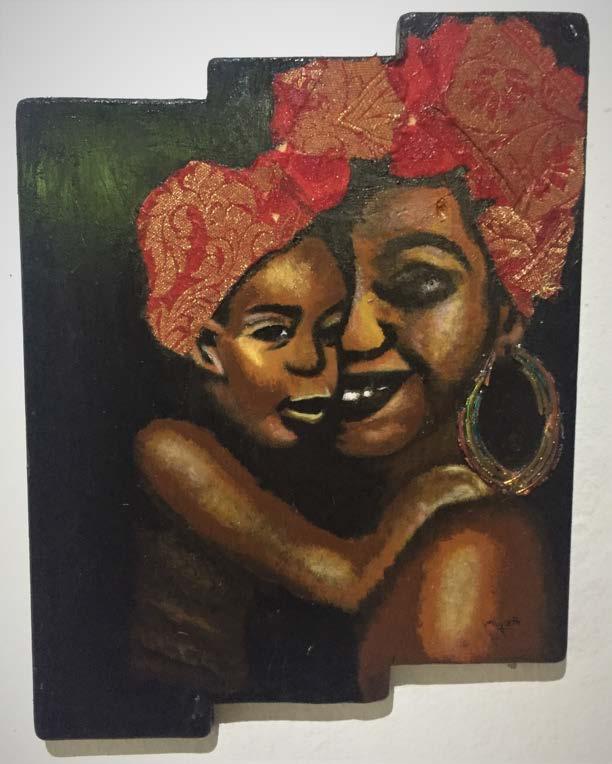
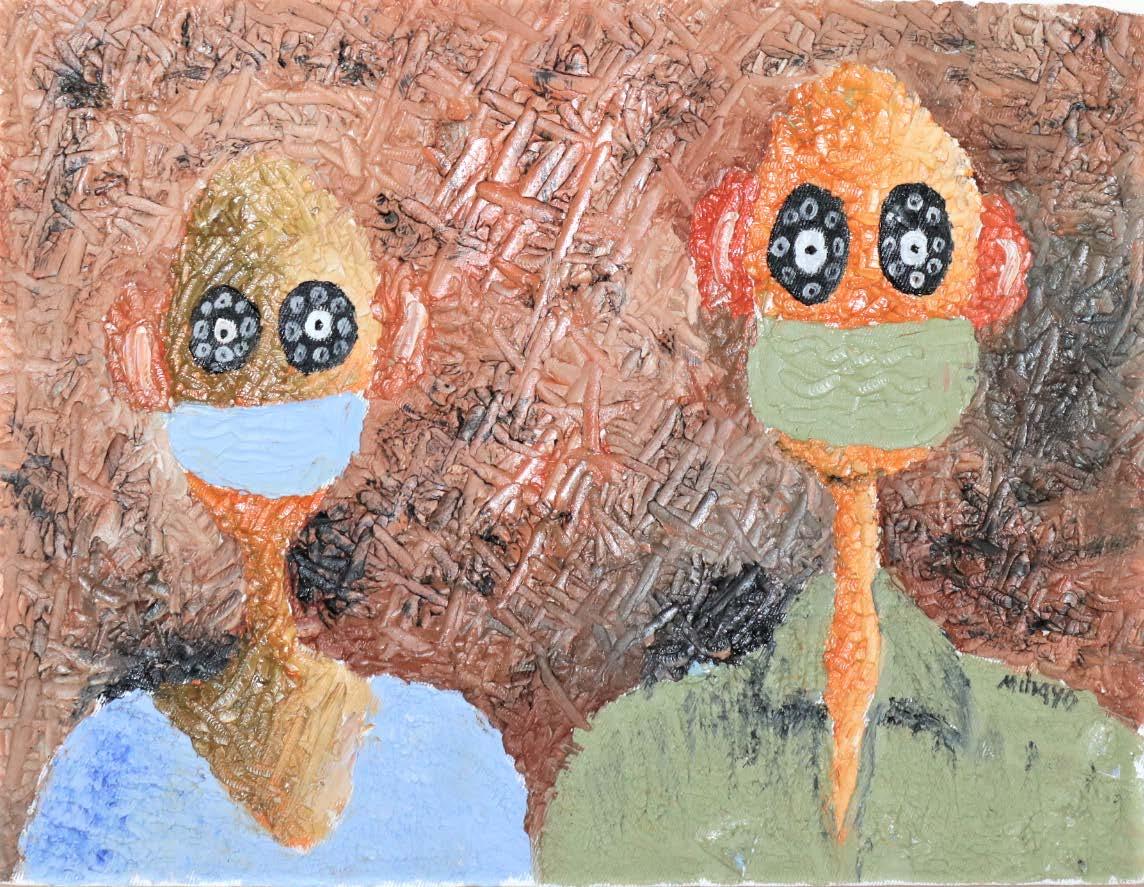
MagrethLiwembe MihayoKallaye 32
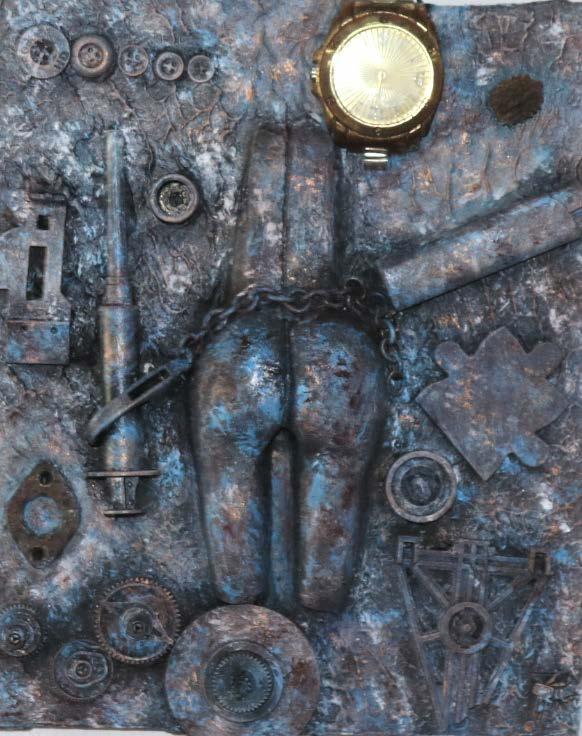
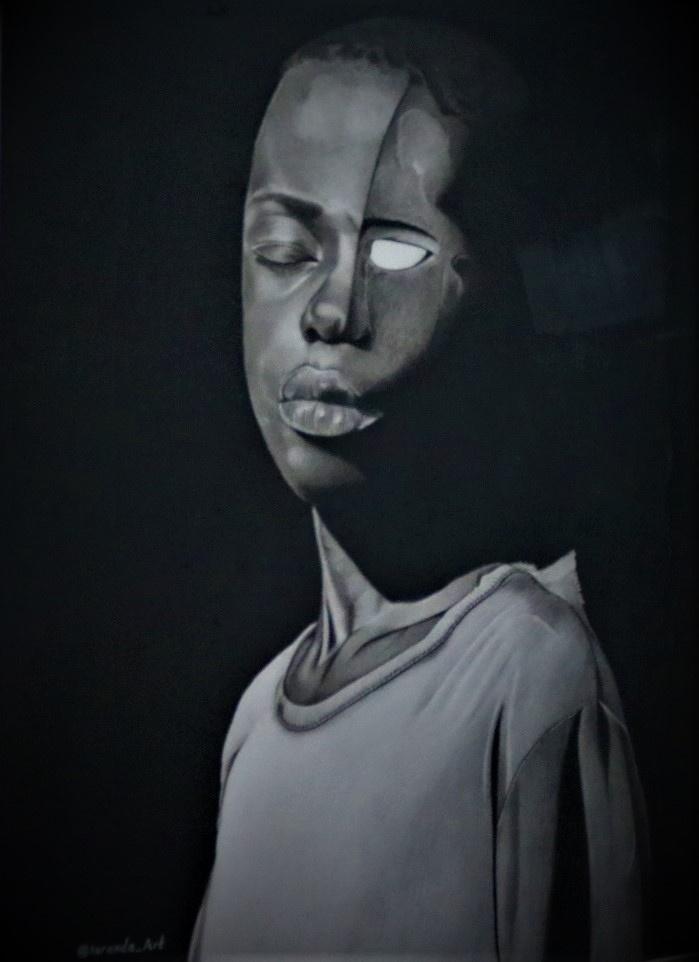
CapherSimba
Hussein Juma
33
arecloser "objectsinthemirror than they appear"
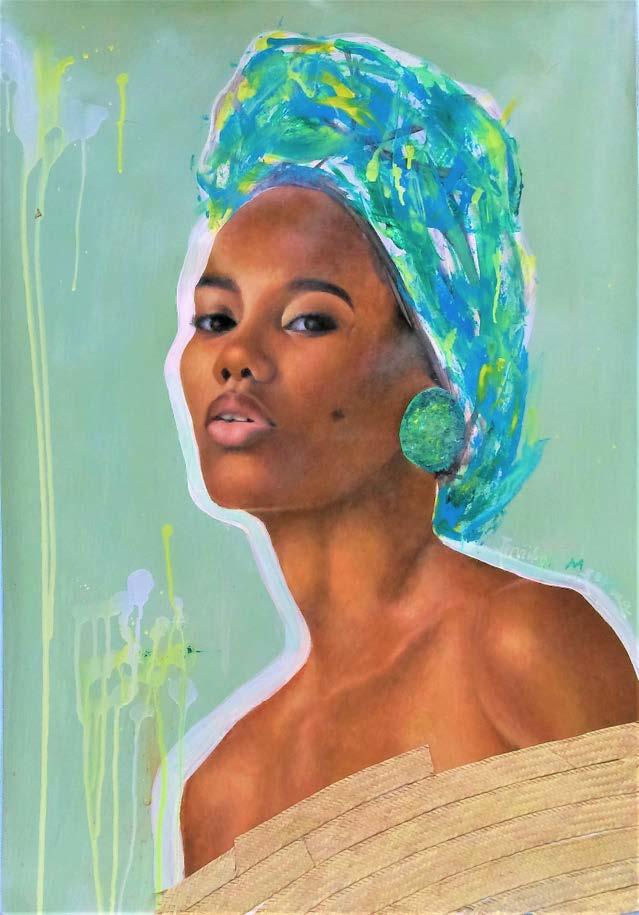
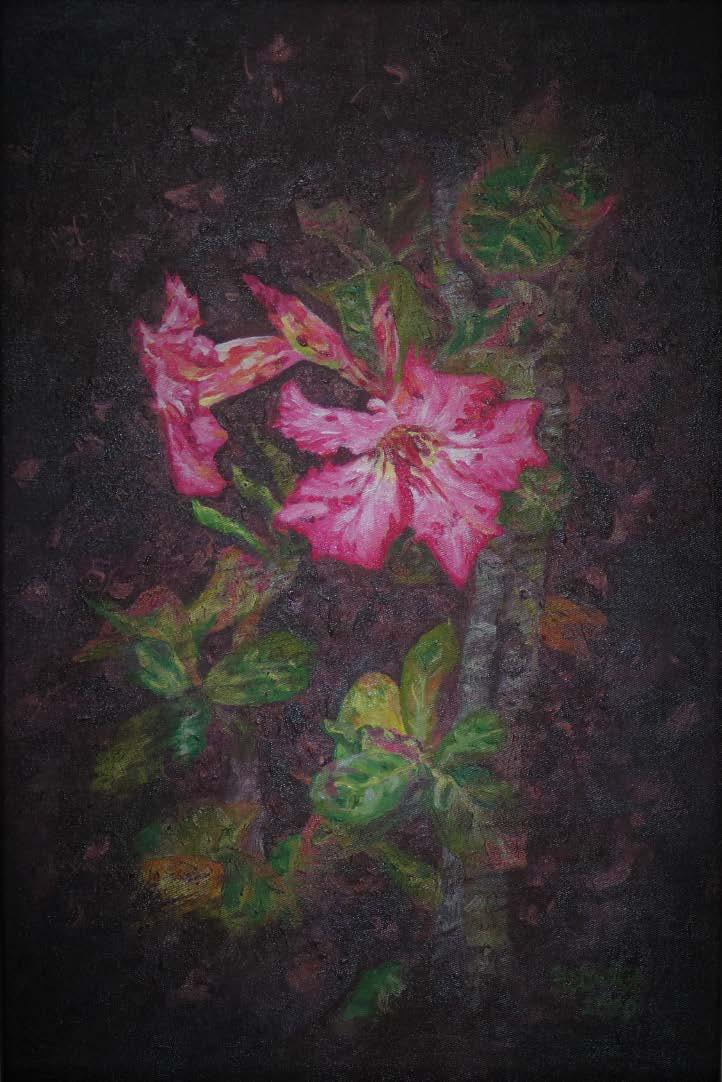
34
Jennifer Msekwa
HedwigaTairo
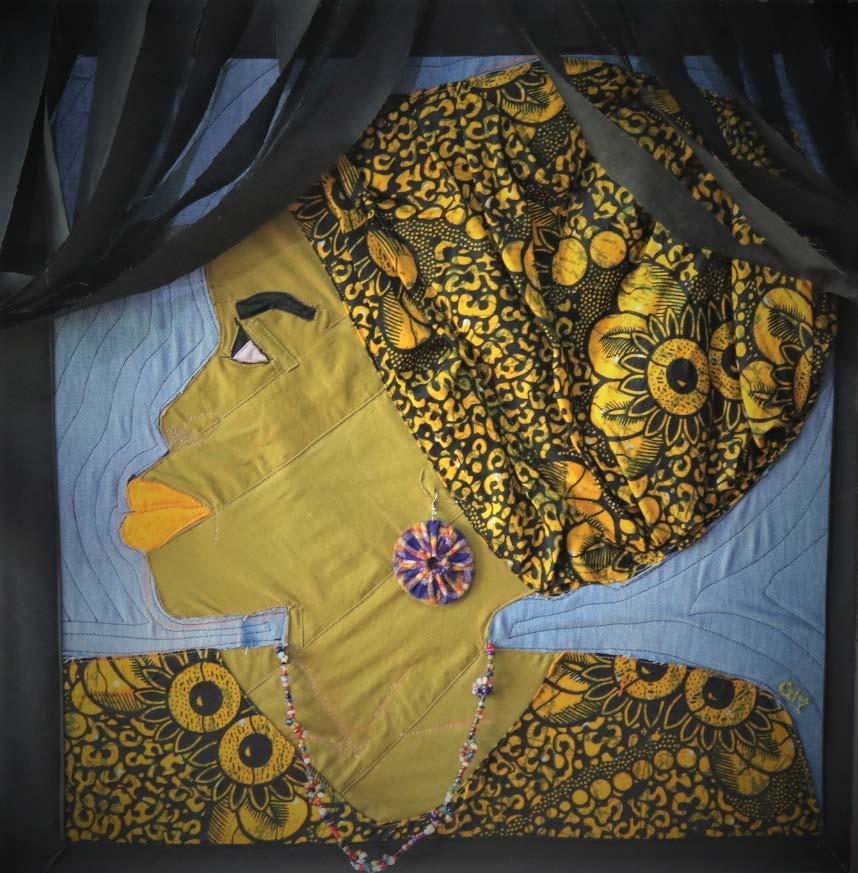
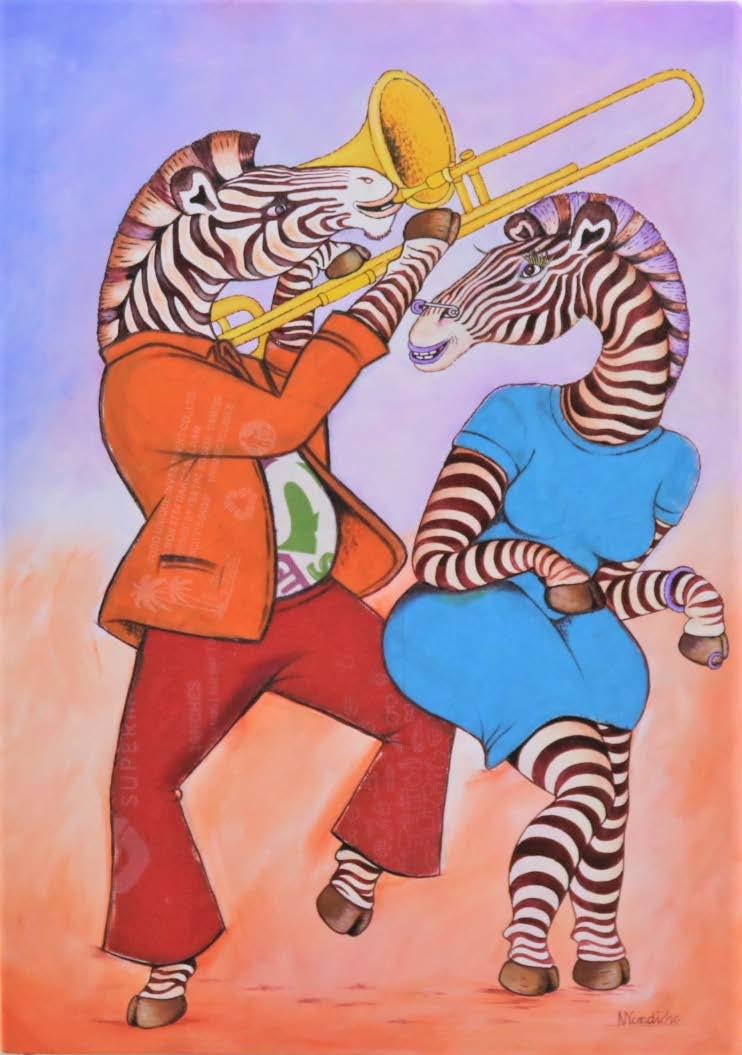
GertrudeMalizana
35
George Emmanuel
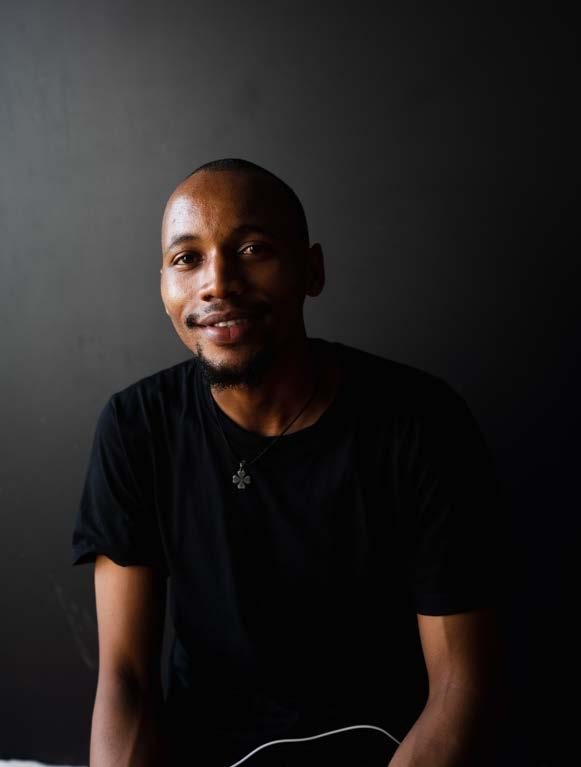
Itisimportanttoknowfirstwhatisyour culture,whatkindofartusedtorepresent yourculture.Itiseasiertospeakyourown languagethanitistospeaksomeoneelse's.”
- Hussein Juma
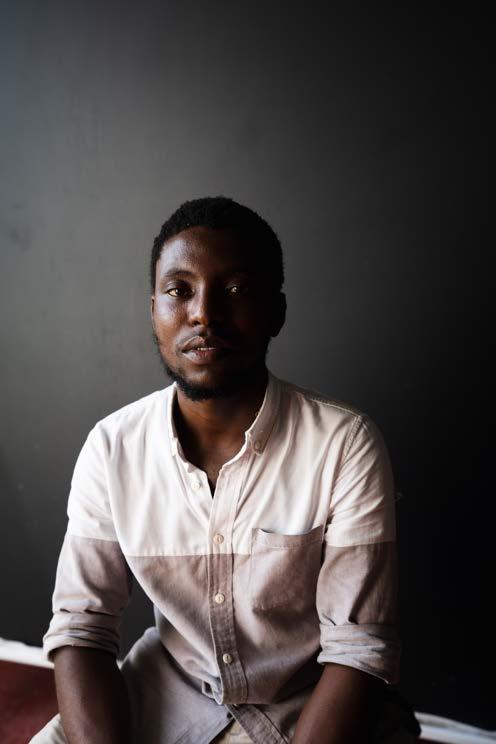
"Niwajibuwetusasakuanza kuitafutahistoriayetuna kuanzakuitunzakwa manufaayetuwenyewe”
- Capher Simba
37
 - Jesse Gerard
38
& not for those that are just heard of."
before,andhowdoyousayitinanew way? What different processes and media are possible and how do you choose which one(s) to pursue? What isthenatureoftheartisticprocess?
Module 3 was the second intensive to take place during the lockdown & had tobedeliveredviaZoom. Althoughthe online format changed the structure and content of the programme, students remained very engaged by a strong selection of both local and international facilitators and speakers with unique perspectives on and approaches to their work. It was a transformative week of artistic development as the students transitionedfromprimarilytechnicalto increasinglyconceptualpractice.
The week concluded with a physical exhibition titled 'In Process', which examined the art of creating, from concept to practice - honouring the labourofanartist.
Mentorships continued via the online format and students received invaluabletrainingfromPaulNdunguru andGadiRamadhani.
researchandconcept developmentinartistic practice
Monday, June 15- The Artistic Process (Between Theory and Practice)
FindingYourArtisticVoice
DailyDiscussiononModuleQuestions
Tuesday, June 16 - Artistic Research and Referencing
TheRoleofResearchinArt
DailyDiscussiononModuleQuestions
Wednesday, June 17 - Concept Development
Ideavs.Form-aCaseforConceptualArt
DailyDiscussiononModuleQuestions
Thursday, June 18 - Materiality in Contemporary Art
FormasConcept-aCaseforMateriality
DailyDiscussiononModuleQuestions
Friday, June 19 - Art and Social Critique
ArtasSocialCommentary
DailyDiscussiononModuleQuestions
"moduli yangu nilipenda sana ilikuwa moduli ya tatu"-saidliterallyallstudents
40
Art as Social Critique: Va-Bene
vaBene aka @crazinist_artist lives and breathes their art. They joined us for Module 3 - facilitated by Valerie Amani - to talk about process & the power of authenticity.
"Before any of my live performances there are several "dead performances" you may havemissed...

1. I first perform in my "mind", challenging myownimaginationsandourrealities
.2. Print my imaginations into drawings, sketches, word play, text corruption and languagesubversion...
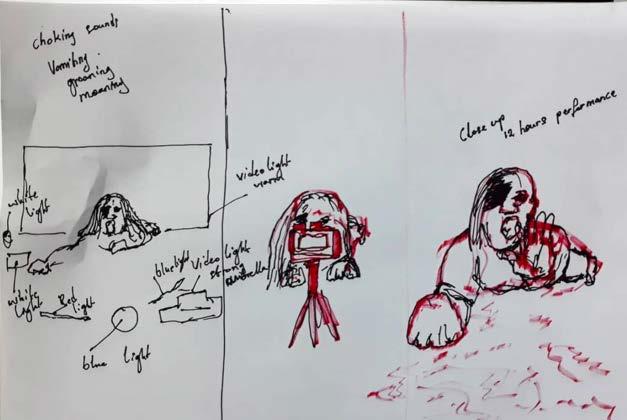
3. Investigate the relevance of the materials, mybody(tobenudeor clothed), improvisations, and the site for the performance.
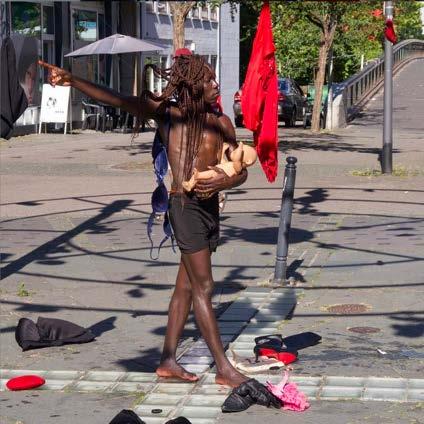
4. Evaluate the state of my body, spirit and mind; healthy? weak? wounded? depressed? ready?etc
5. Weigh the risk factors, willingness to die if worthitandpotential spontaneity or chances that may occur during the performance 6. Last but not least, contemplate on time, duration, climate and audienceencounter...
Theentireprocessismypriority..."
41
in process exhibition
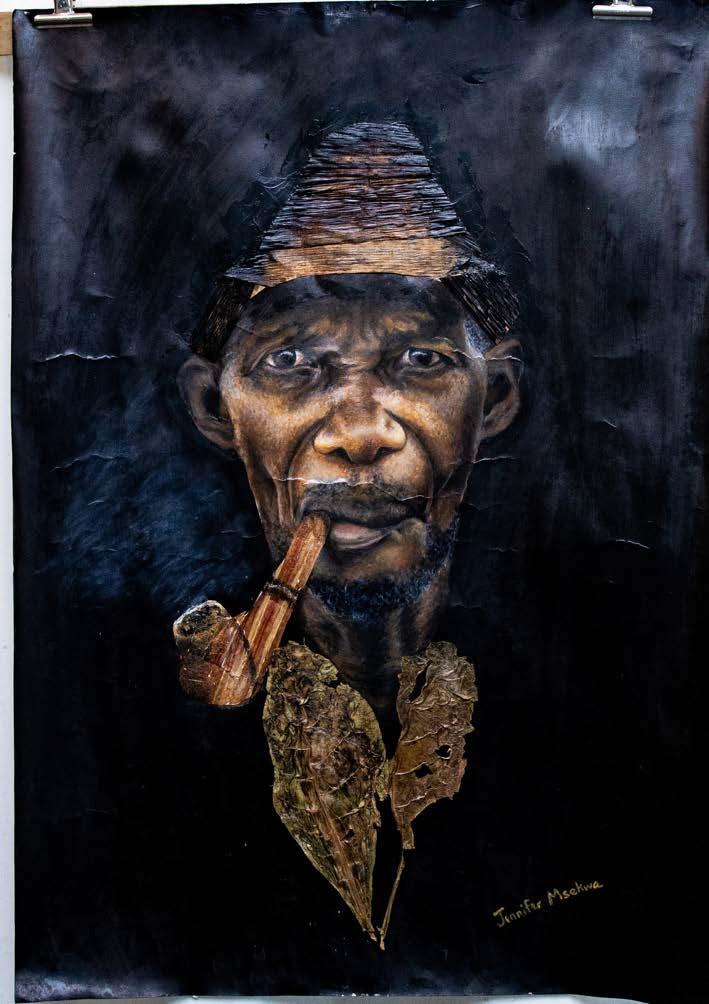
42
Jennifer Msekwa
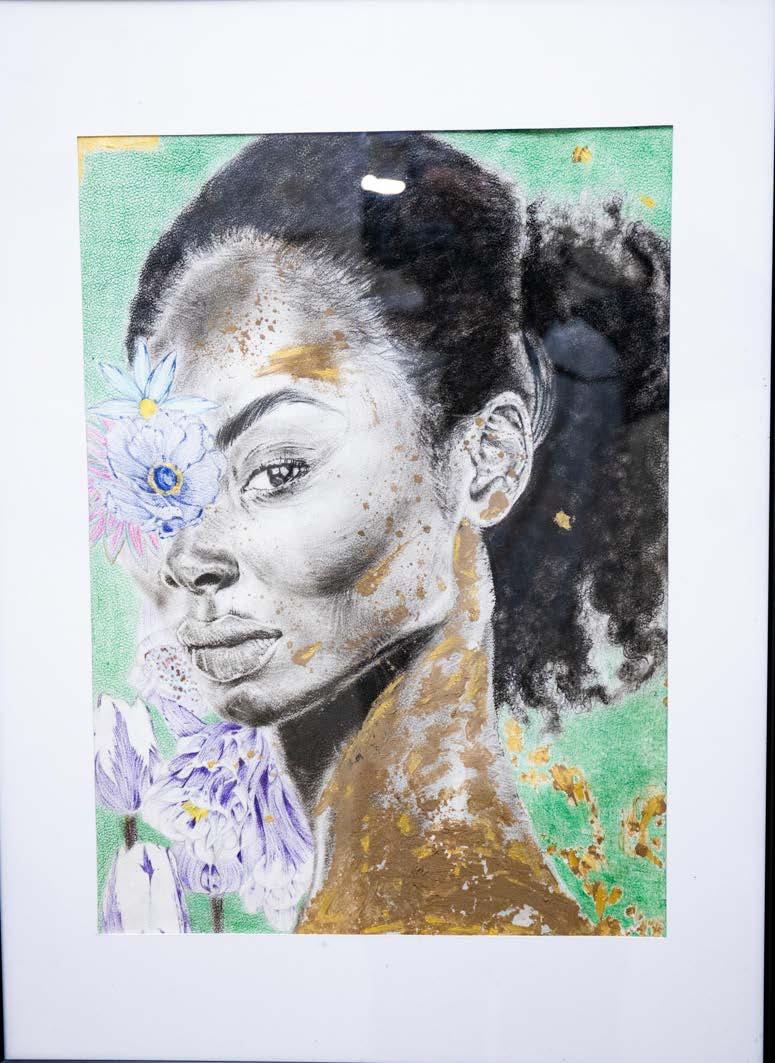
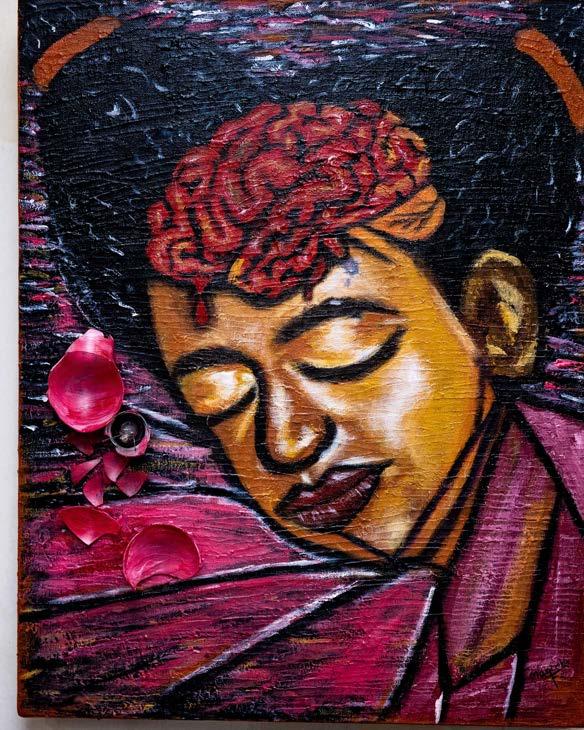
Magreth Liwembe
43
Martin Wendo
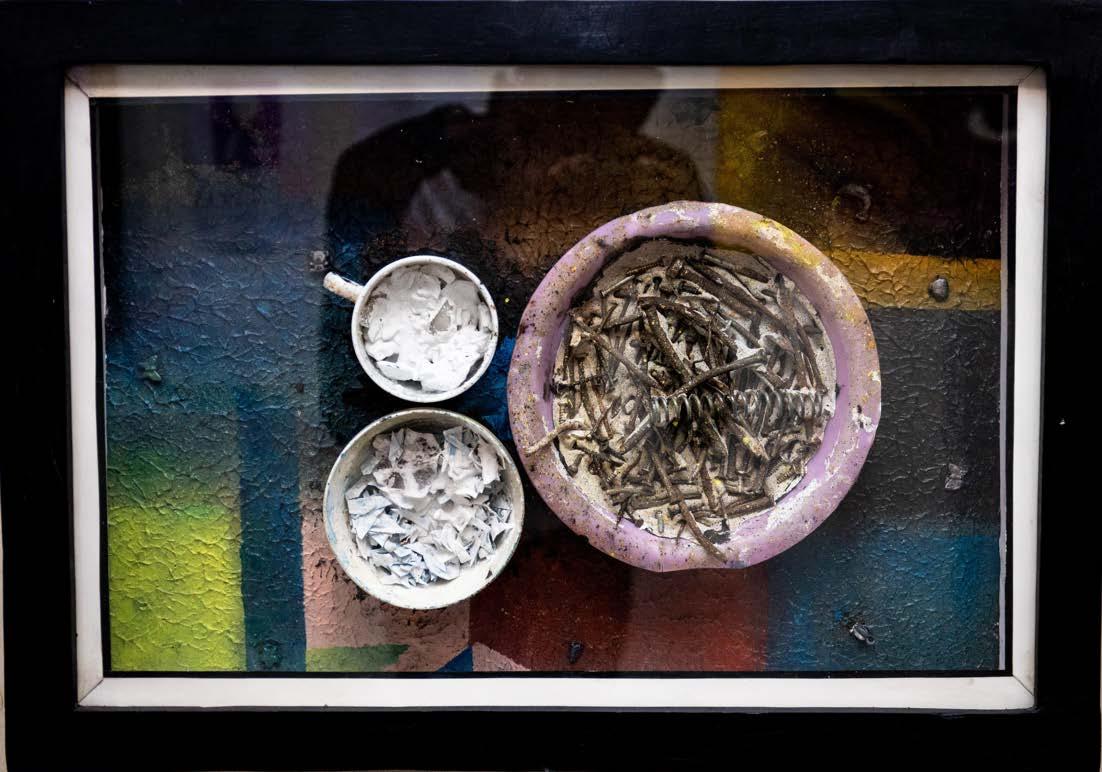
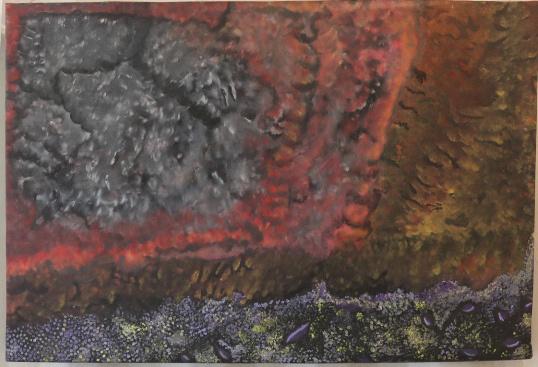 CapherSimba
44
AishaMohamed
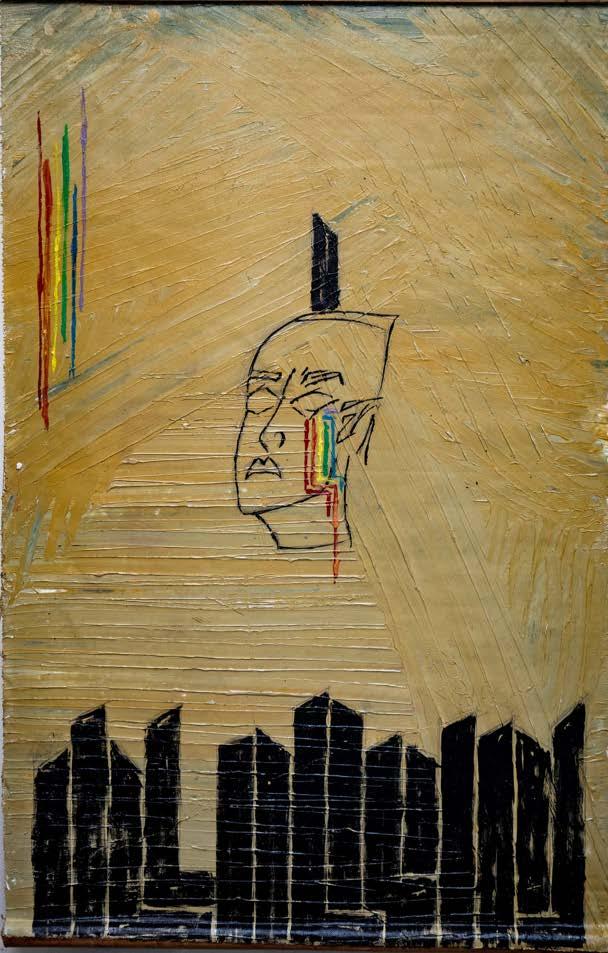
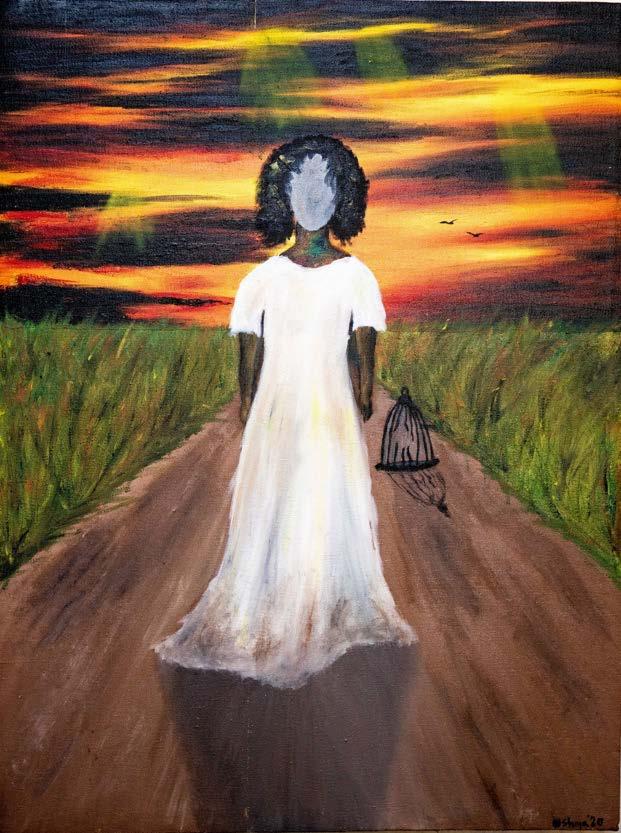
Ismir Ra ShiijaMasele 45
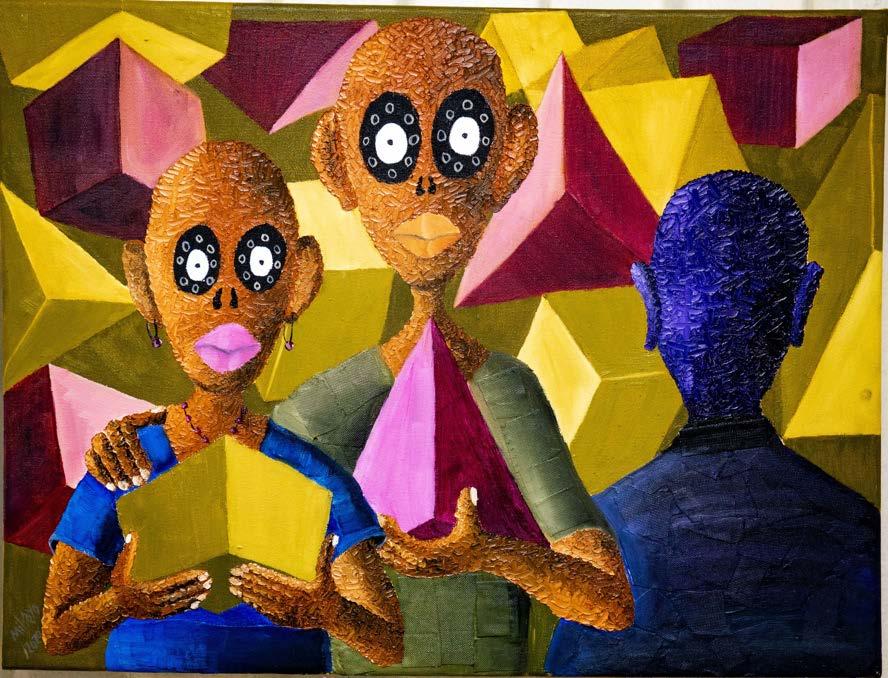
MihayoKallaye 46
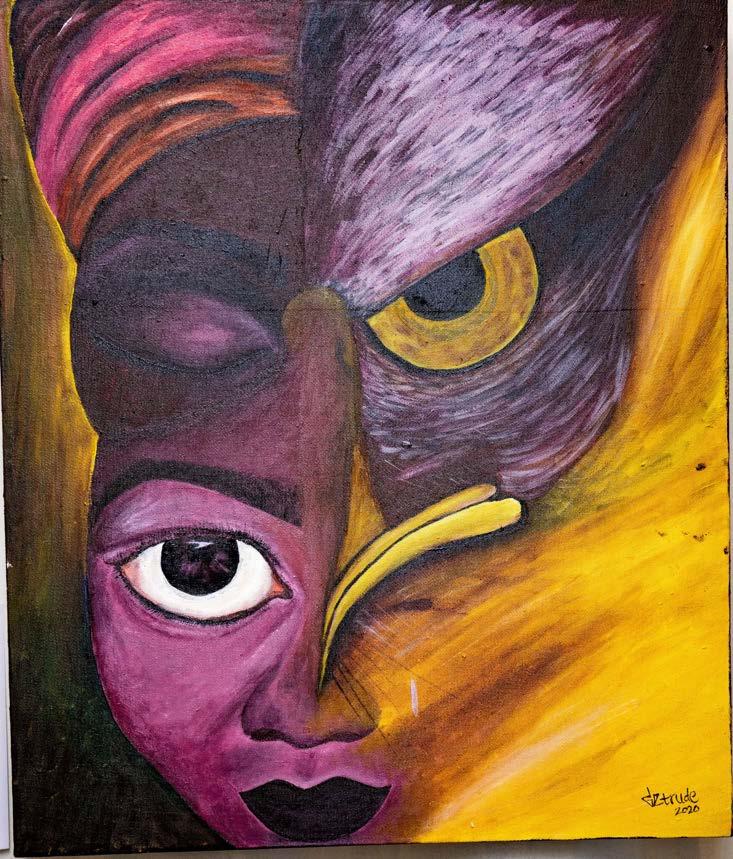
Gertrude Malizana
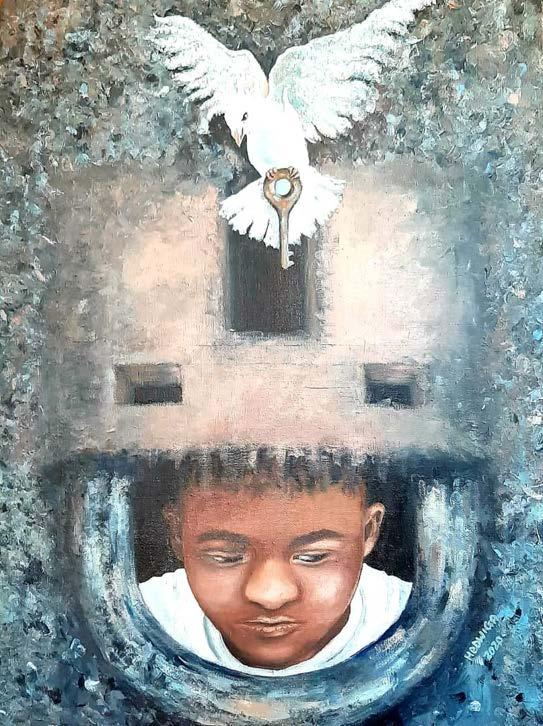
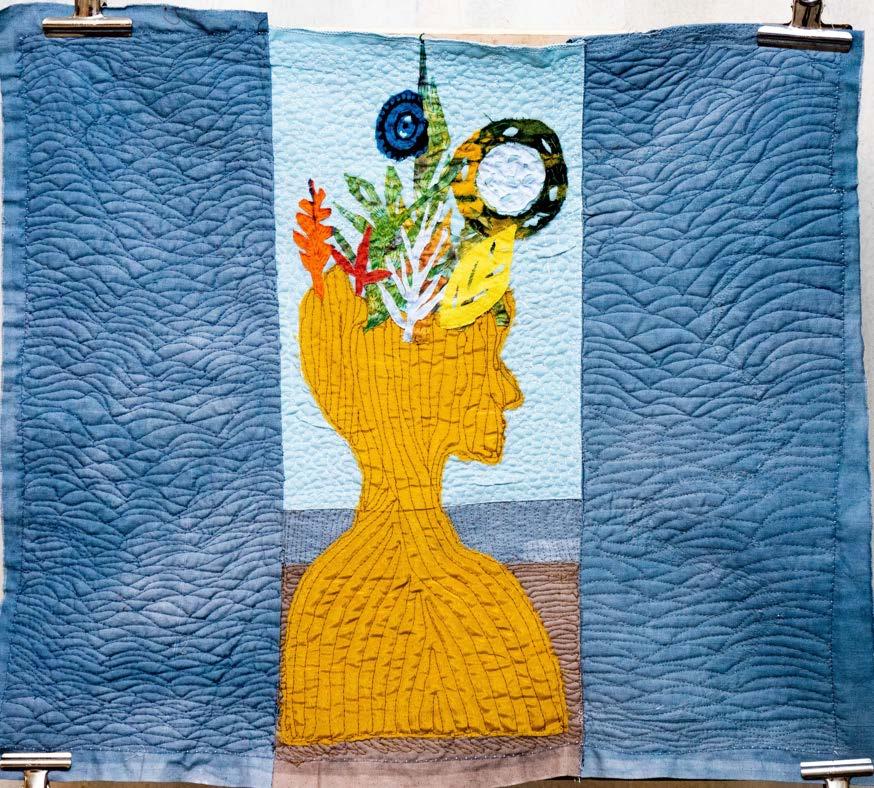
Hedwiga Tairo LiberathaAlibalio
47
"the art of creating"
48
Hussein Juma
George Emmanuel
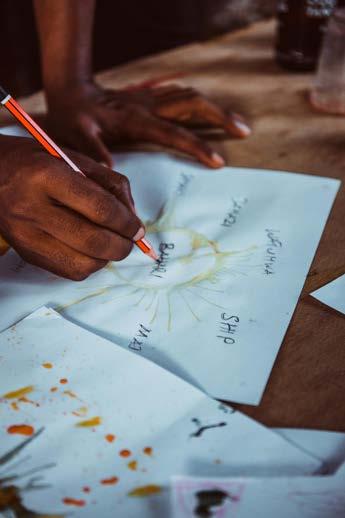
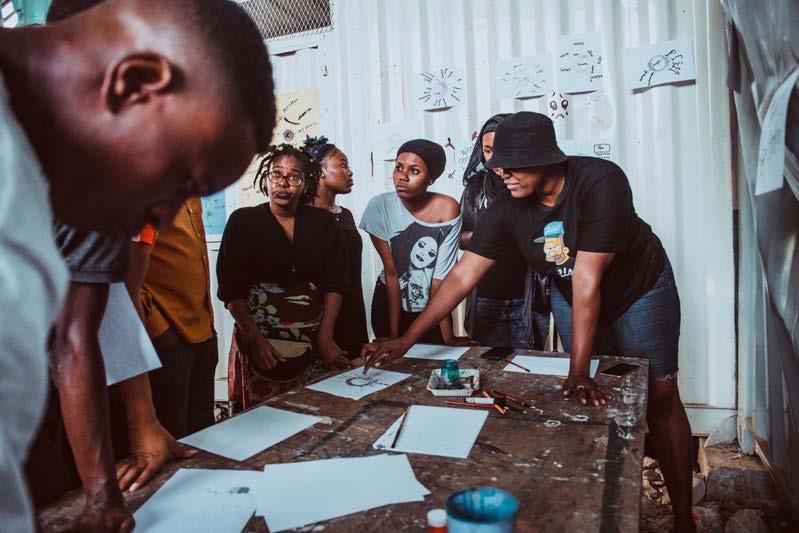
At the public event "The Art of Creating", the Nafasi Academy students facilitated a "chap chap" public art workshop on artistic concept development - using the mind-mapping technique introduced to them by guest-trainer Asteria Malinzi during the intensive workshop. Live music performances and the In Process exhibition followed the participatory communityworkshop.
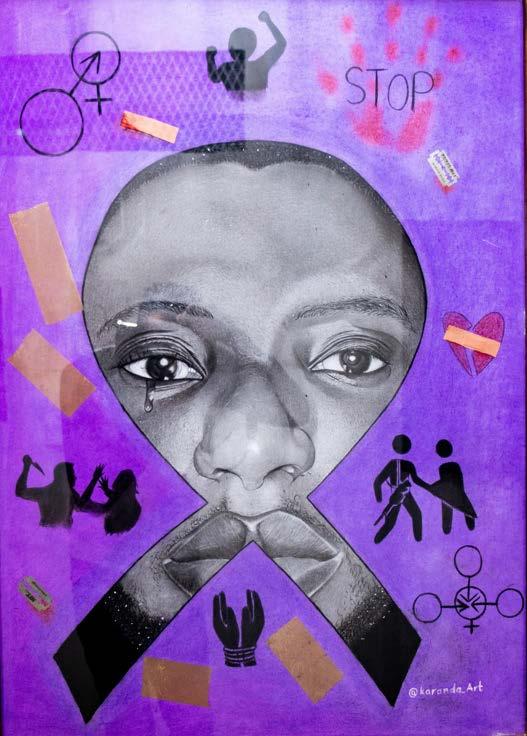
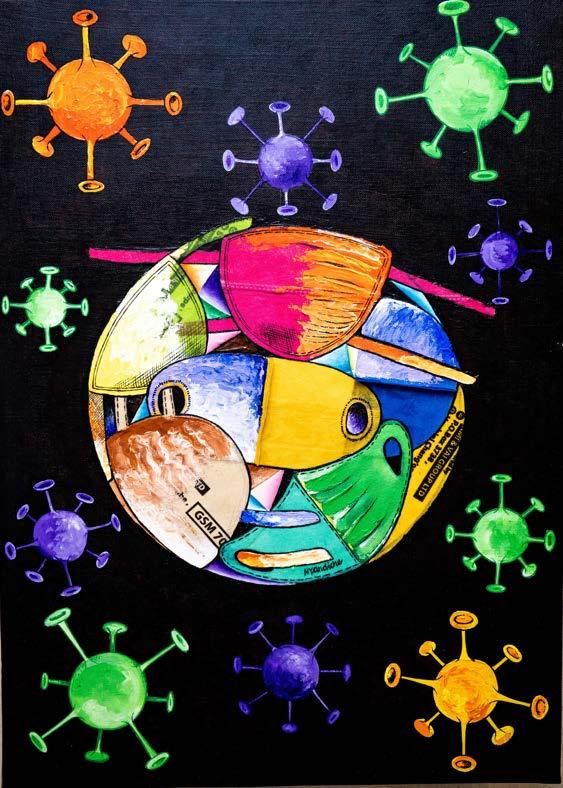
Picturedarethefinalpiecessubmittedtotheexhibition.Unpicturedarethe researchnotesandcountlessdraftsthataccompaniedthemintheexhibition hall in an effort to make visible the connection between the products and theprocess.
&artistsresponded 49
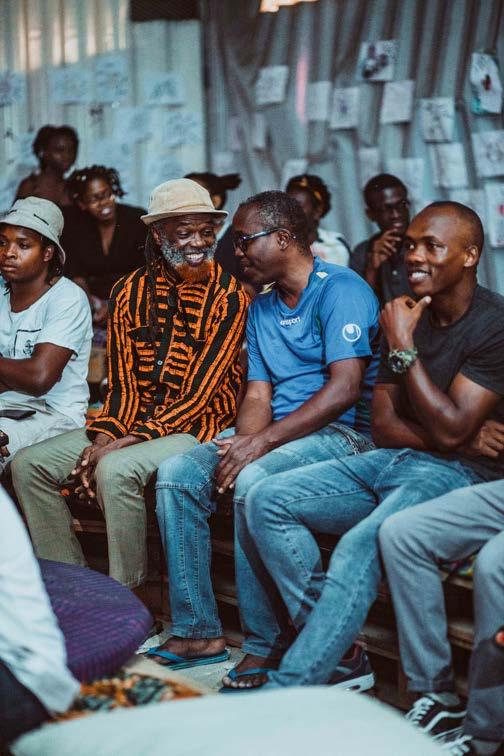
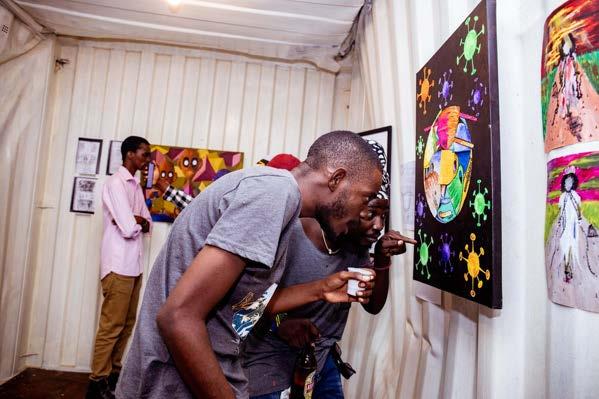
InProcess asked'whatistheartist'swork?'
50
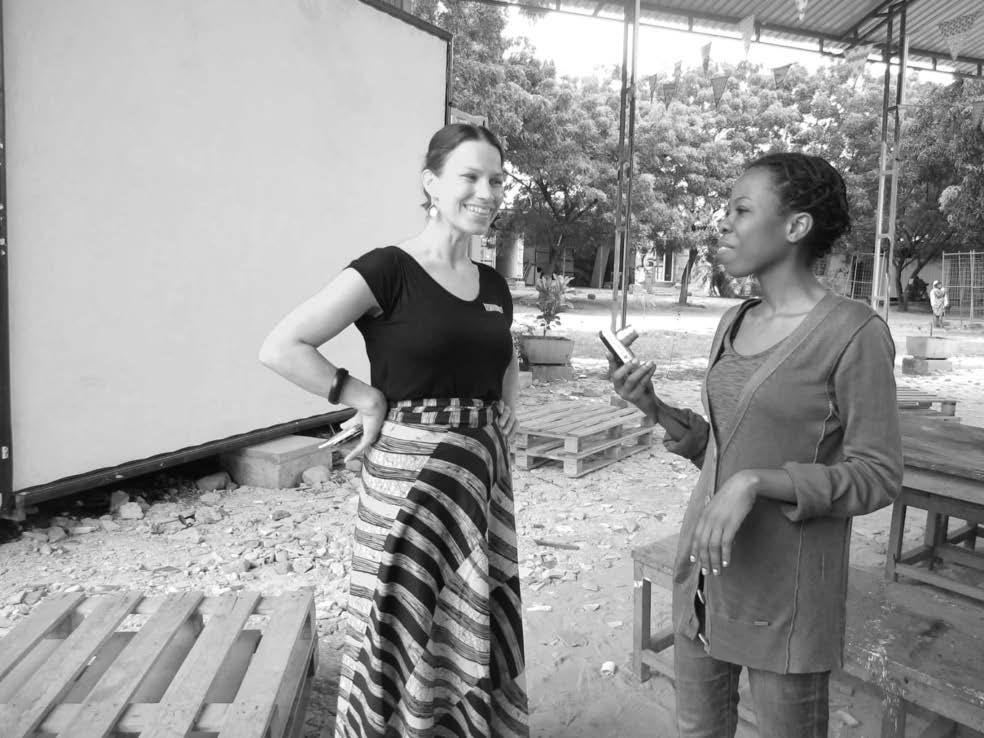
VILMA PIMENOFF (FINLAND) an exchange with
a visual artist passionately curious about life and its phenomena. More specifically, she's interested in the semiotics of the everyday, that is - how we understand the worldaroundusthroughsignsandsymbols.
Vilma got stuck with us over the COVID-19 lockdown which enabled a deeper (though much more challenging) artisticexchange.
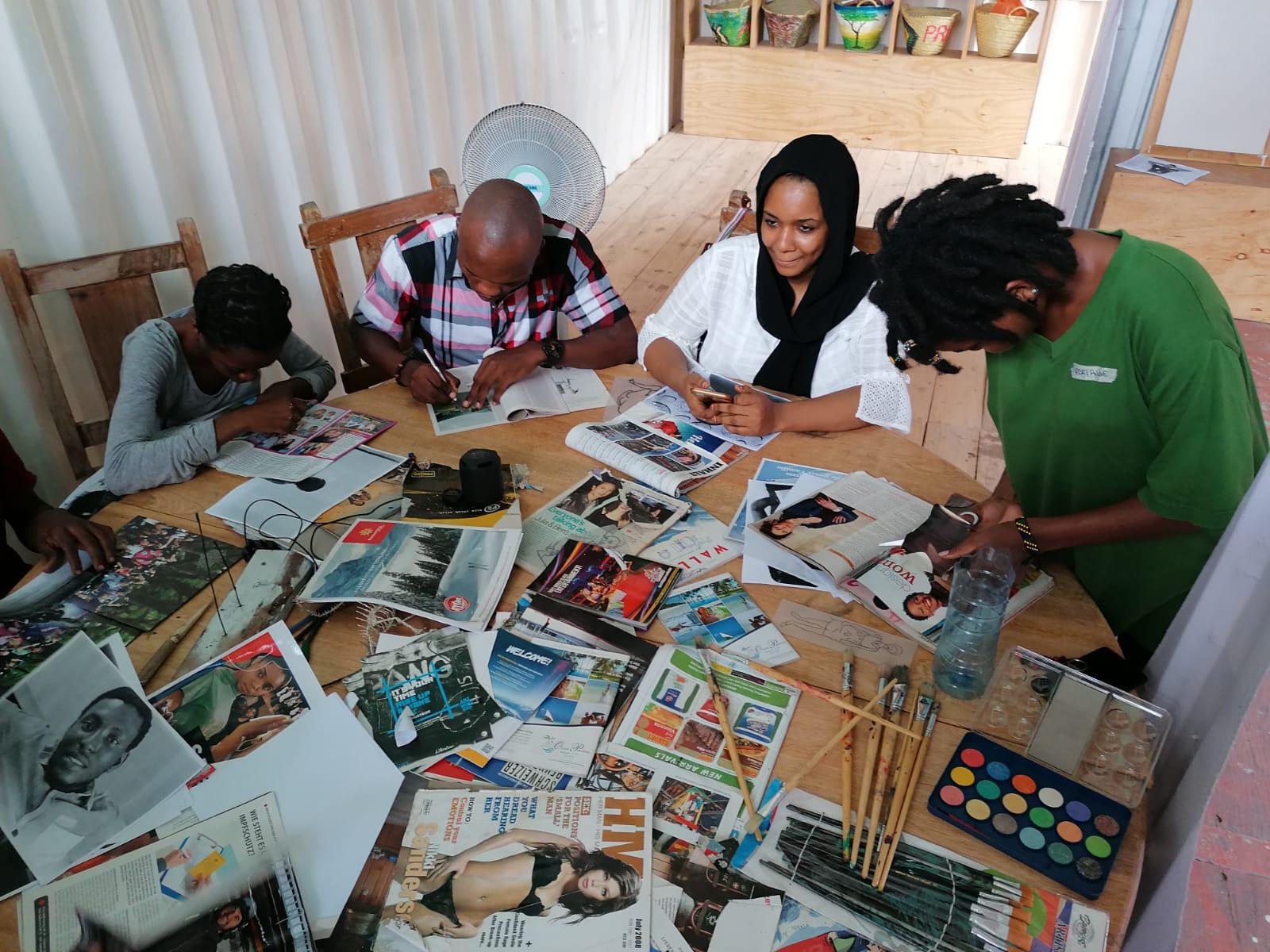
As part of her engagement with module 3, she trained the Academy cohort on research practice and served as a technicalmentorforphotography.
Shealsoheld..

1workshoponcollage&contemporaryphotography
1openstudio
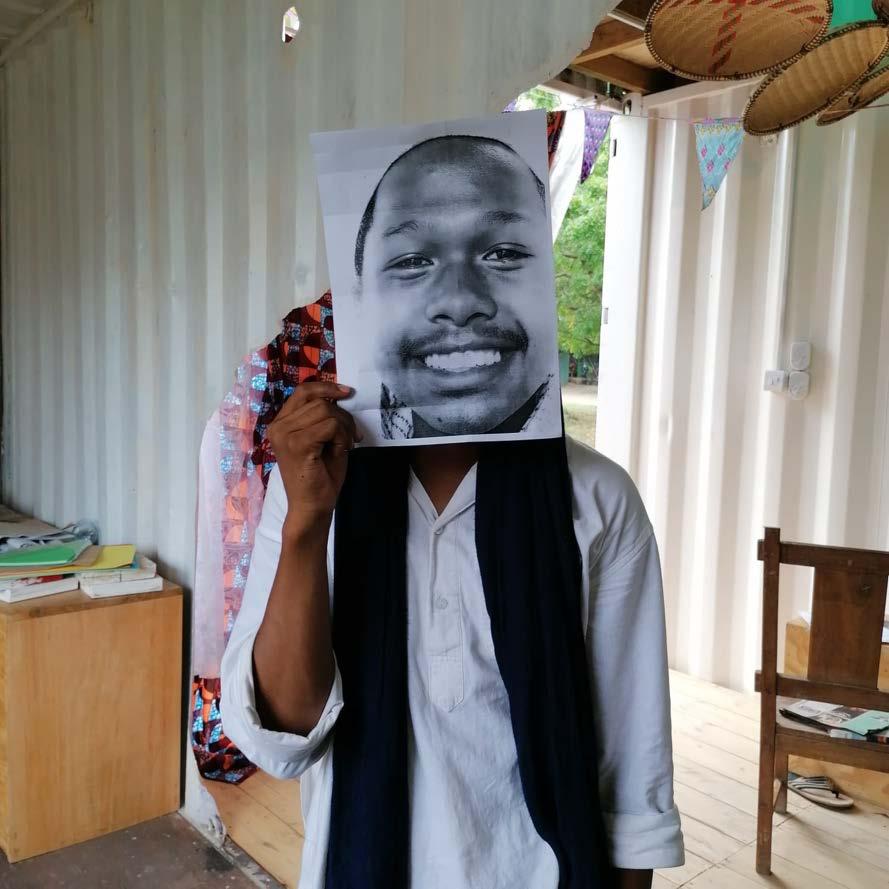
51
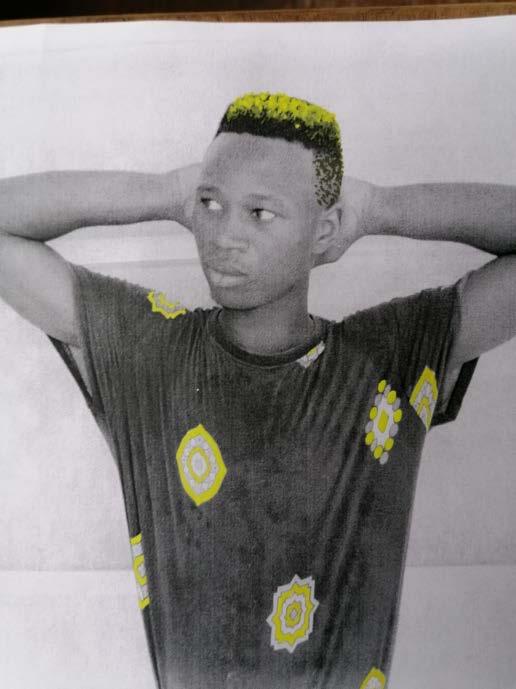
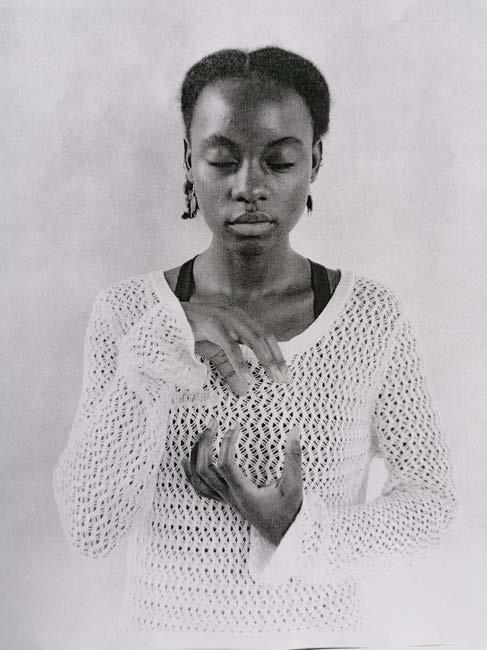
This is what it looked like through her lens...…
"WhatImostenjoyedasaresidentartistatNafasi wastheexchangeofopinions,ideas,andvisual insightswiththestudents"

52
"When you find something you like and you work on it its easy for you to push yourself and make yourself better while enjoying the process”
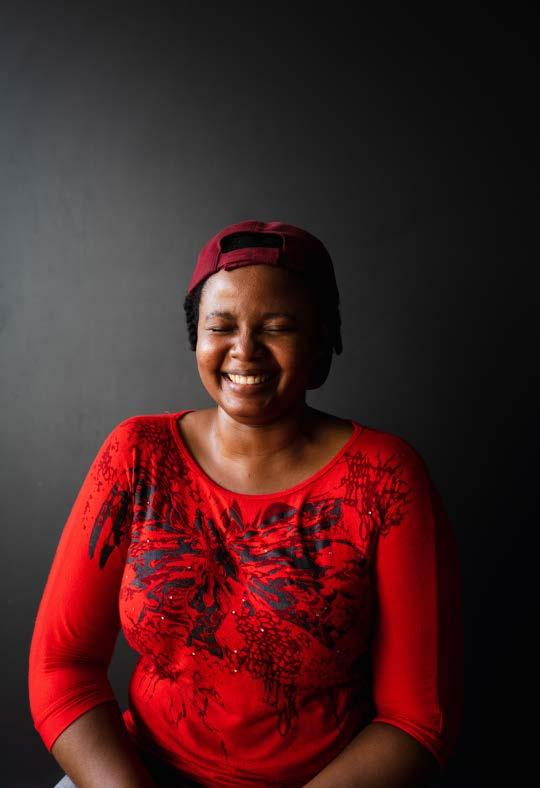
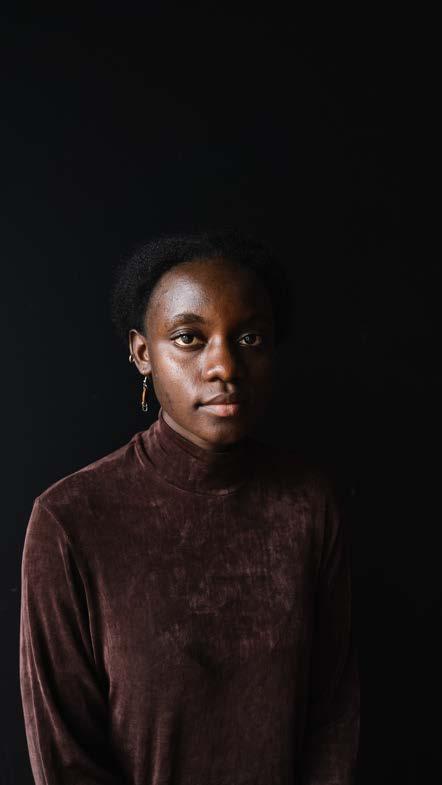
"I'm learning to loosen up a bit with technical perfectionism - my current focus is to be more explorative with the concept and balance the two, technique and concept rather than concentrating on the technique”
- Liberatha Alibalio
53
- Shiija Masele
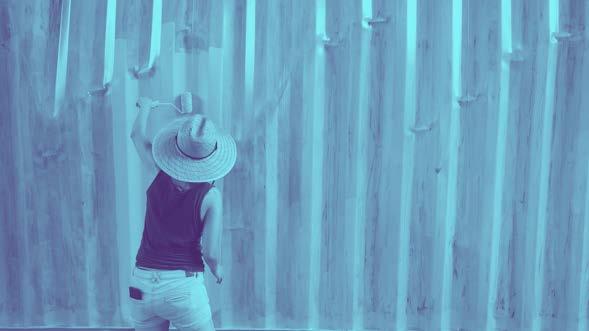
"ZimbabweanartistKresiahMukwahziadvises,"Asanartist,itis important to take a position." Note that this is not just to have an opinion, or to think that the inside of one’s own head is a position,butto realise that you and your work exist in a complex & multitudinous reality
and you must be aware of your position, and chooseitwisely,foryourself,ifyoucan."
54
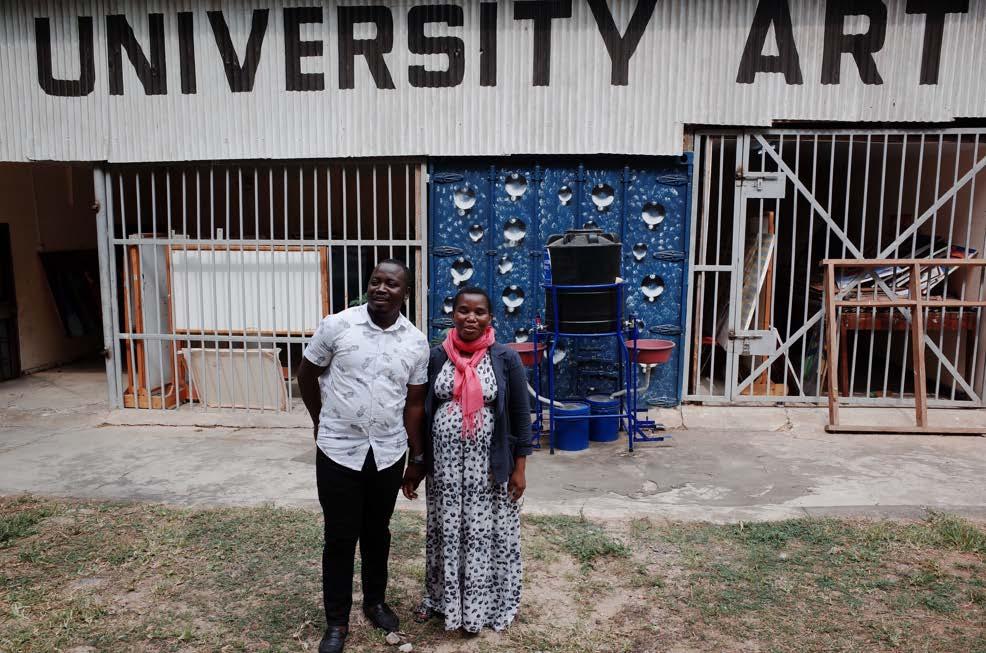
delivered in-person, post-pandemic, and it addressed the subject of Art, Audience, and Action (or Activism). It was a week of vibrant dialogue and debate - featuring several local and international artists working at this intersection, including Vitali Maembe (Tanzania), Enas Satir (Sudan), Thobias Minzi (Tanzania), and Mejah Mbuya (Tanzania). Embracing our newfound 'freedom'fromlockdown, weembarked a field trip to the studio of James Gayo (Tanzania), a prolific political cartoonist - where students learned about artfully embedding social commentary within theirwork.
publicart,activism,and artascommunity engagement
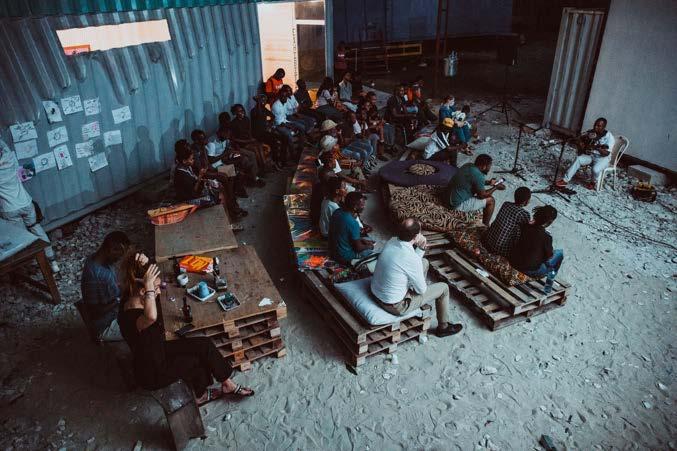
Theweekalsomarkedthestudents'first excursion into 'public art' through a groupassignmentofperformanceworks on Coco Beach. A showcase of these experimental performances took place at Nafasi the week following as part of 'Meeting Points' an event on art, audience, and action. It was Nafasi’s secondpubliceventpost-lockdownand, here,thepowerof'theartofgathering' wasfelt.

Monday, August 10 - Thinking about Audience
OpeningRemarks+ReflectionsonModule3
OverviewofIntensiveWeek-ScheduleandObjectives
WhyArtNeedsAudience-Discussion+Debate ParticipatoryEngagement
CollaborationforImpact
Tuesday, August 11 - Making Art Public
The(MANY)PurposesofPublicArt
PoliticsofPublicSpaceandArtisticAutonomy
TheNewPublic: InternetasPublicSpace
HistoryofGraffiti
FieldTriptoUDSMandCityLabDar
Wednesday, August 12 - Art + Community Development
Critiqueing'Development'ArtInitiatives
PublicArtandSocialEngagement
IndividualExpressiontoCommunityTransformation
StudioVisitofPoliticalCartoonist
AssignmentCritiqueSession
Thursday, August 13 - History of Art as Activism + Protest
ArtasPoliticalToolvs.ArtasActivism
ProtestasArt/ArtasProtest
ArtActivismintheworkofMwandaleMwanyekwa ArtActivismintheworkofVitaliMaembe
RoleofArtinSudanUprising
Friday, August 14 - Performing Art in Public PlanningandPrepatNafasi
TraveltoCocoBeach
Performance/PublicArtisticIntervention
ReturntoNafasiforDebrief
CuratingDocumentation
Friday, August 21 - Meeting Points: On Art, Audience, + Action Publiceventft.music,dance,poetry,andvisualart
56
57
The Subversive Power of the Comic Strip
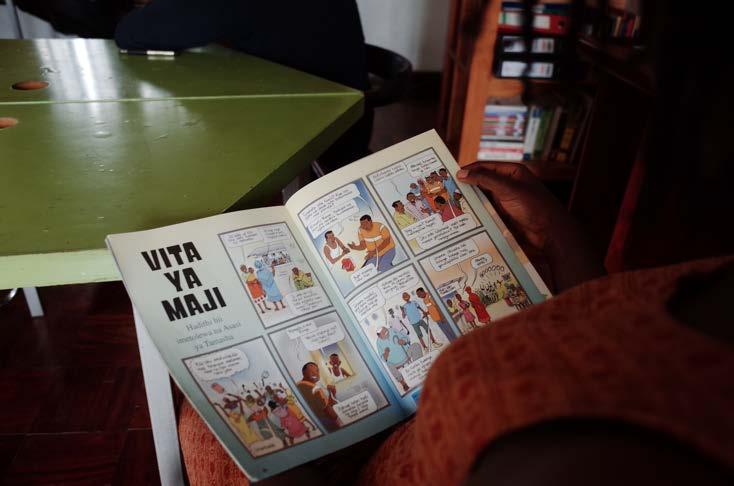
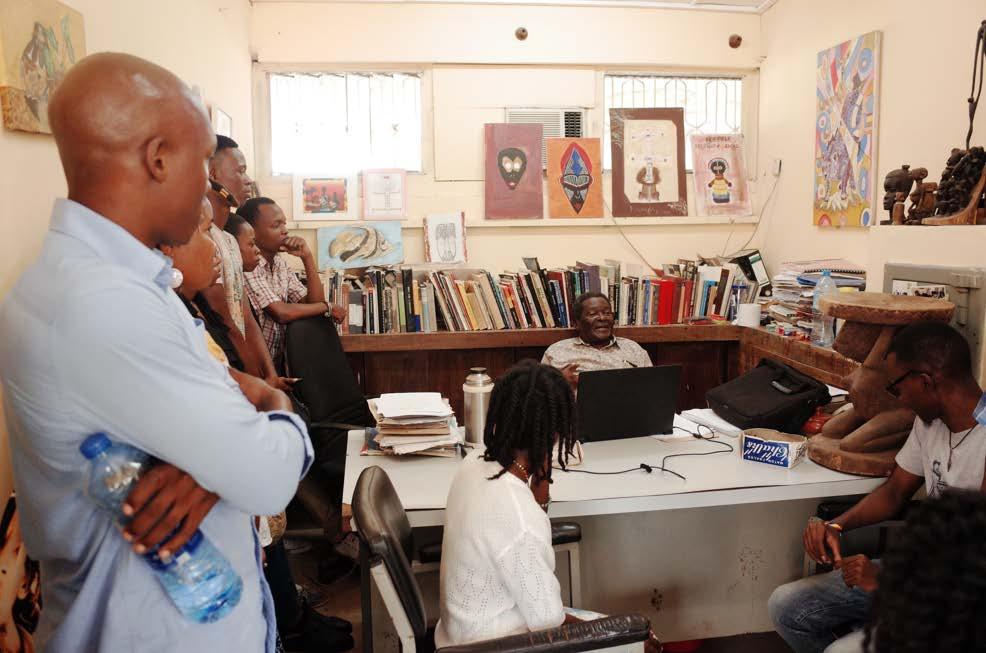
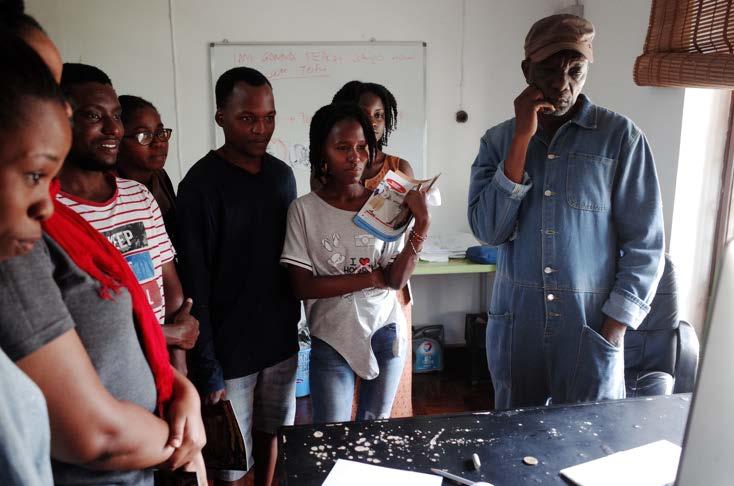
Studio and Site Visits were highlights of the Nafasi Academy programme. James Gayo of Kingo Magazine welcomed the students to his home studio as part of Module4.
Kingo is a unique publication and broadcasting platform that provides engaging and critical commentaryonrelevantpoliticalandsocialissues.
58
Untitled
Beach Life Matters
Untitled
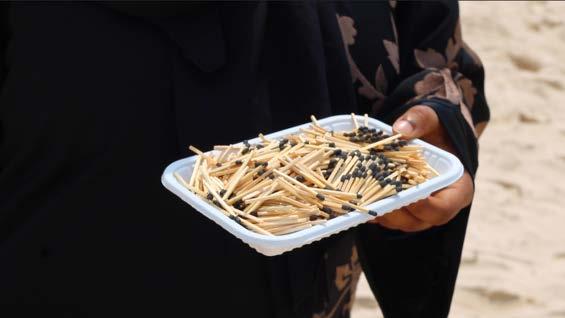

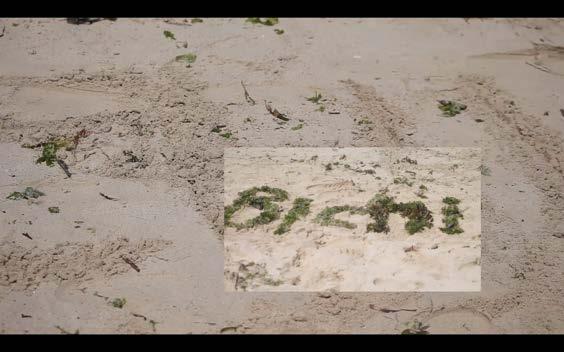
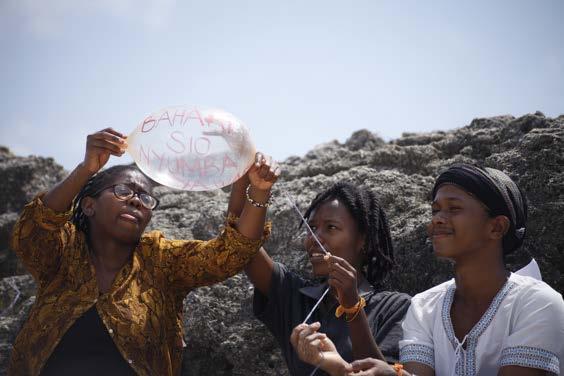
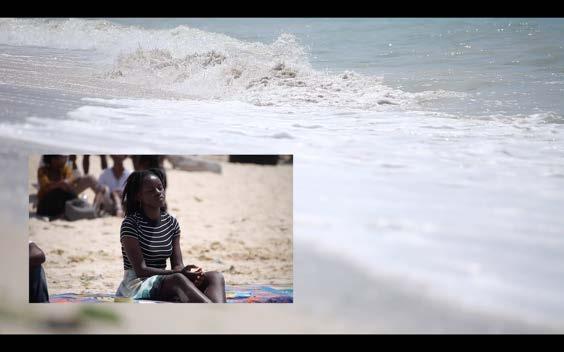
CocoBeach performance art on Bichi Boi
LiberathaAlibalio MartinWendoHinjuson HusseinJuma IsmirRa MagrethLiwembe HedwigaTairo AishaMohamed GeorgeEmmanuel GertrudeMalizana MihayoKallaye ShiijaMasele JenniferMsekwa 59
"An artist may start a conversation - but that conversation cannot happen without an audience. An audience gives purpose to the artist's artistic language.
- Mihayo Kallaye"Art can be can be used both in a secretive and open language to share matters in society - and it can be translated to shift mindsets of people”
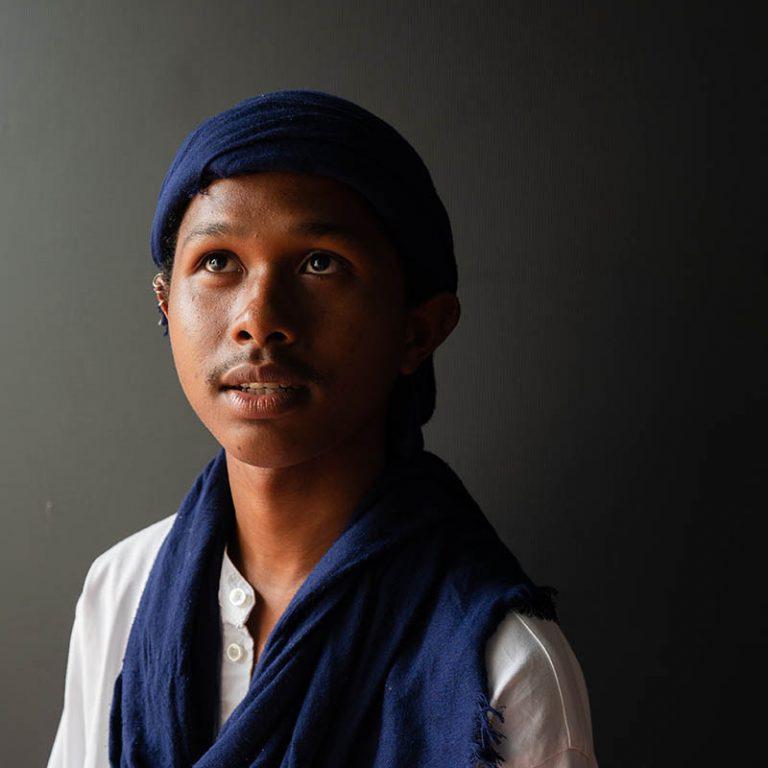 - Ismir Ra
“In so many countries, the governments oppress, control and limit what people say about them… and that is where the importance of art is… in helping to address the truth to people or the government, even when it won't change anything for that time.
It is better that at least art can say something or protest when people can’t.”
- Jennifer Msekwa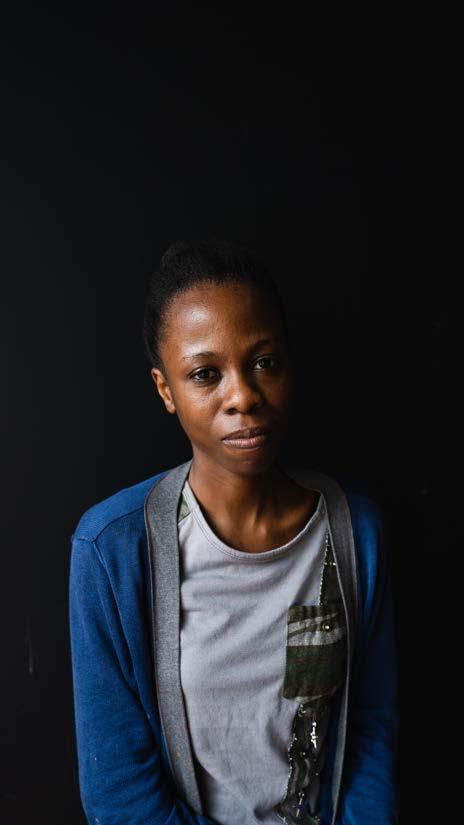
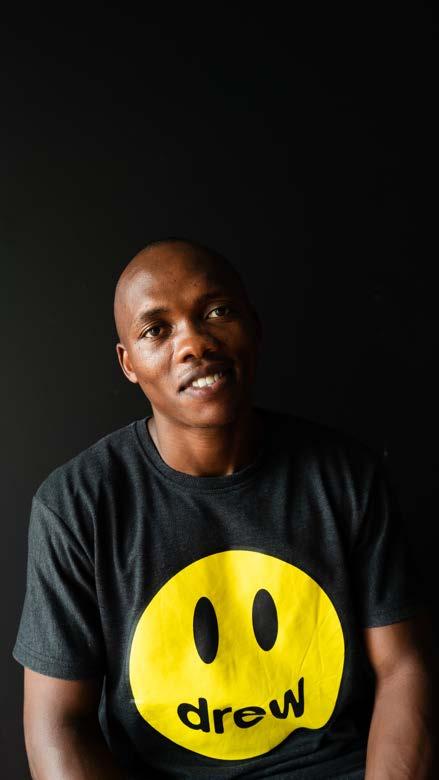
31
At Meeting Points, artists and activists came together to contemplate the power of art to mobilize - to inspire actionwiththepotentialtoigniteprofoundchange.
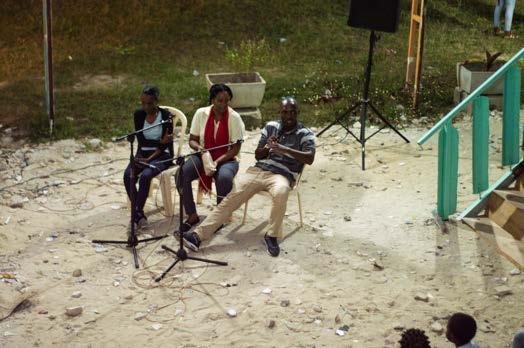
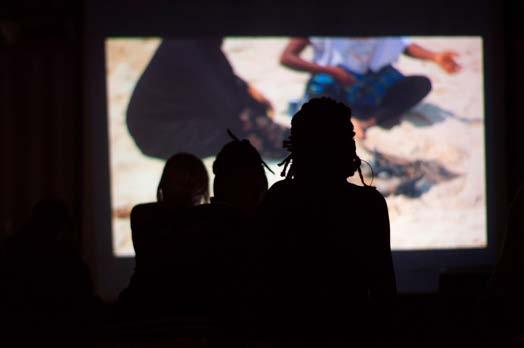
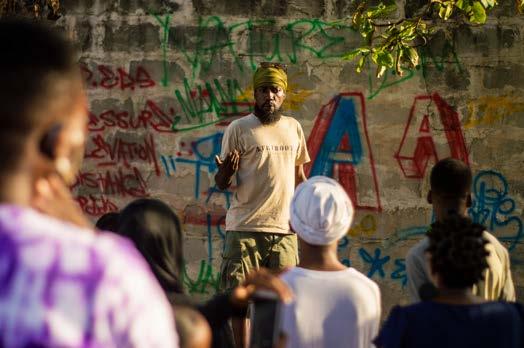
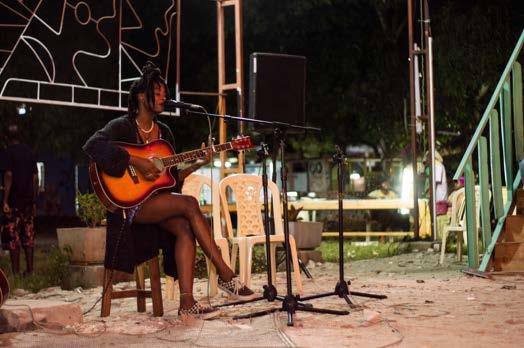
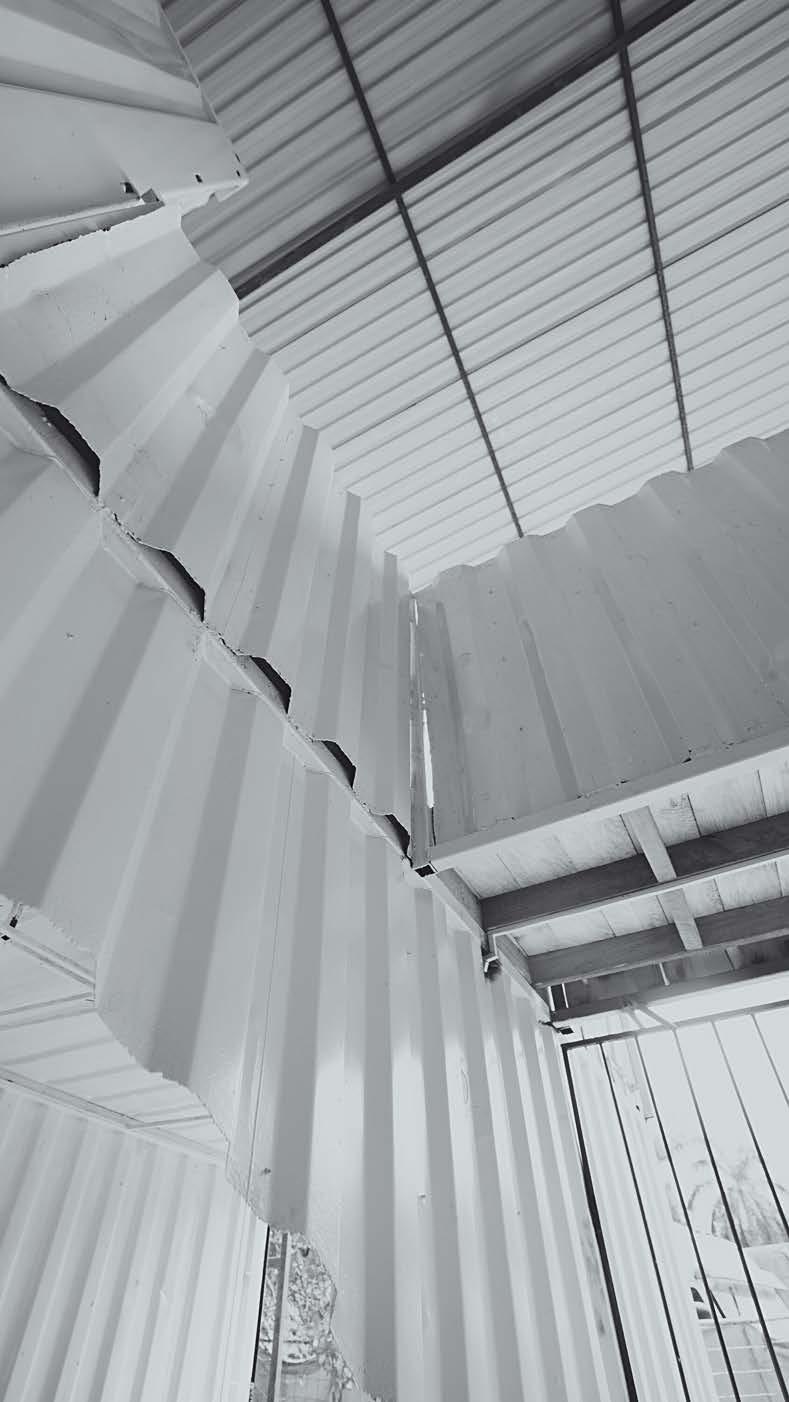
the resposibility that artists have as designers and architects ofthematerial(andimmaterial)worldaroundus.
61
WAJIKI is an organization that fights for the rights of women and vulnerable populations in Dar es Salaam and surrounding regions. In their fight, they often take to the streets in informal settlementsandusetheirvoicesthrough the power of song to demand an end to violenceagainstwomen.
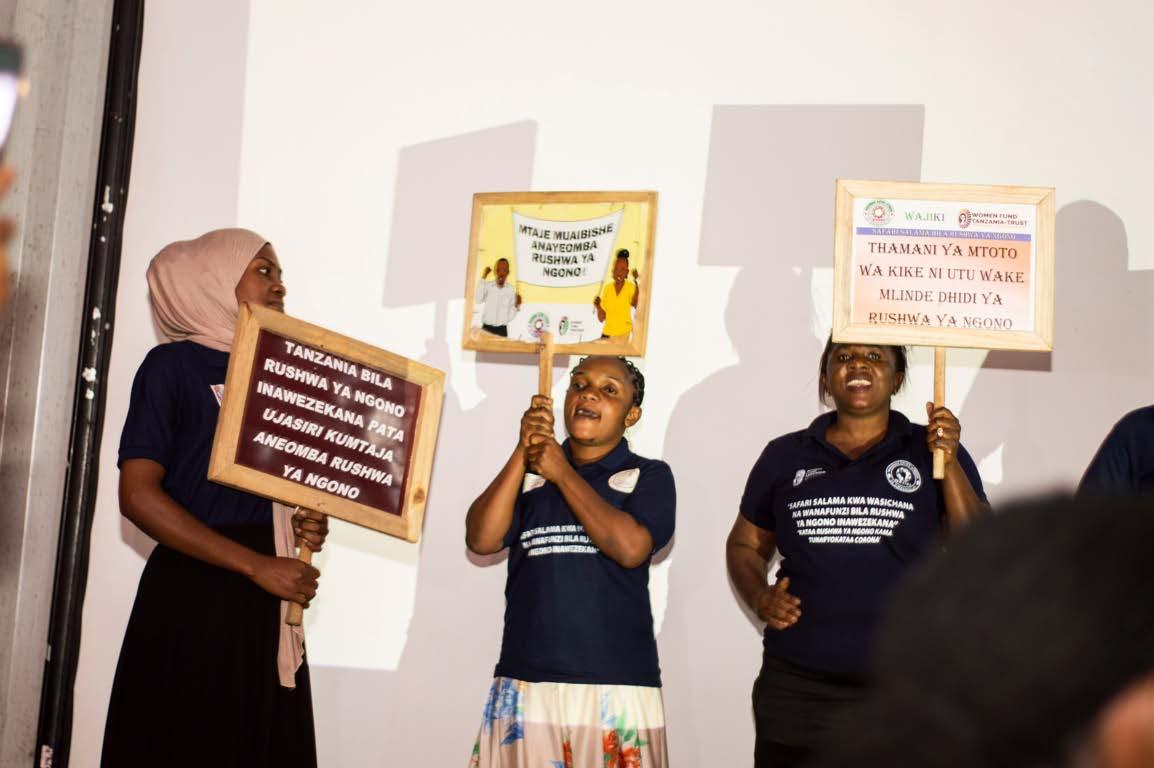
They also work with local musicians tocreativelyco-optpopularmelodies for the mobilization of communities aroundtheircause.
"we integrate music into all that we dobecause it is through music that we can understand each other"
- JanethMawinza,WAJIKITanzania
62
63
an exchange with
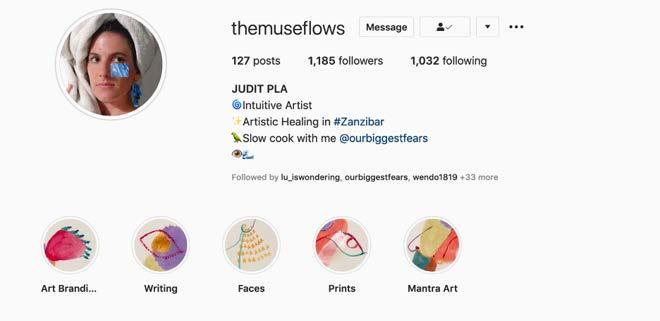
JUDITPLA (SPAIN)
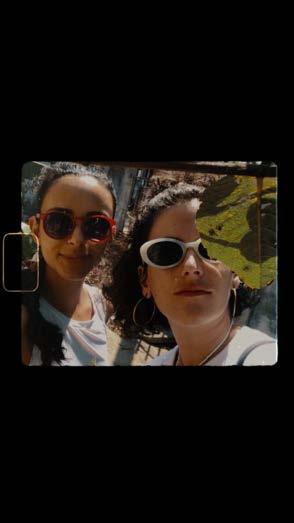
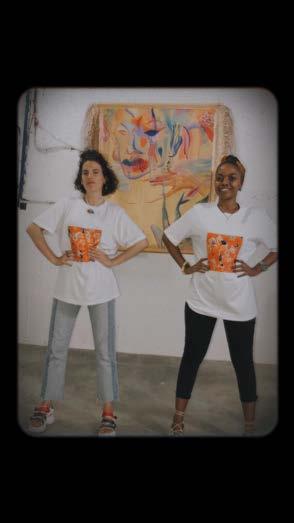
is a creative collaborator specialised in branding and art direction, currently exploring her career as an artist. From Barcelona, based now between Zanzibar and Dar es Salaam, her preferred means of expression are colourful paintings and intimate writing that philosophizes about human experience and personal contemplations about life. Her style is raw, poetic and eclectic. In her last paintings she is exploring the technique free-painting, were she lets the paint flow in the canvas with a very little or non existent previous image in mind. She has also co-curated several exhibitions and she is passionate about rising collaborative art projects that involve expression, being one of them @ourbiggestfearsforwomen
She joined us while the world was on hold and her creative energy was serendipitously floating around Zanzibar. As part of the ‘Art, Audience, and Action’ Module – she imparted her experience embracingfearforthebenefitofbothartisticandpersonalgrowth.
Shealsoheld…
1technicaltrainingonwatercolourpainting
1collaborativeworkshoponperformanceart
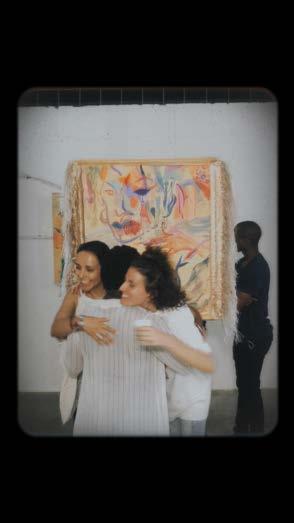
1‘atelier’onfabricpainting
1openstudioexhibition
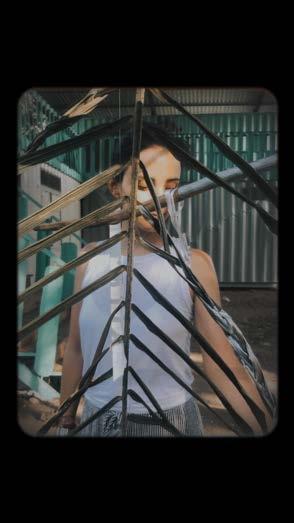
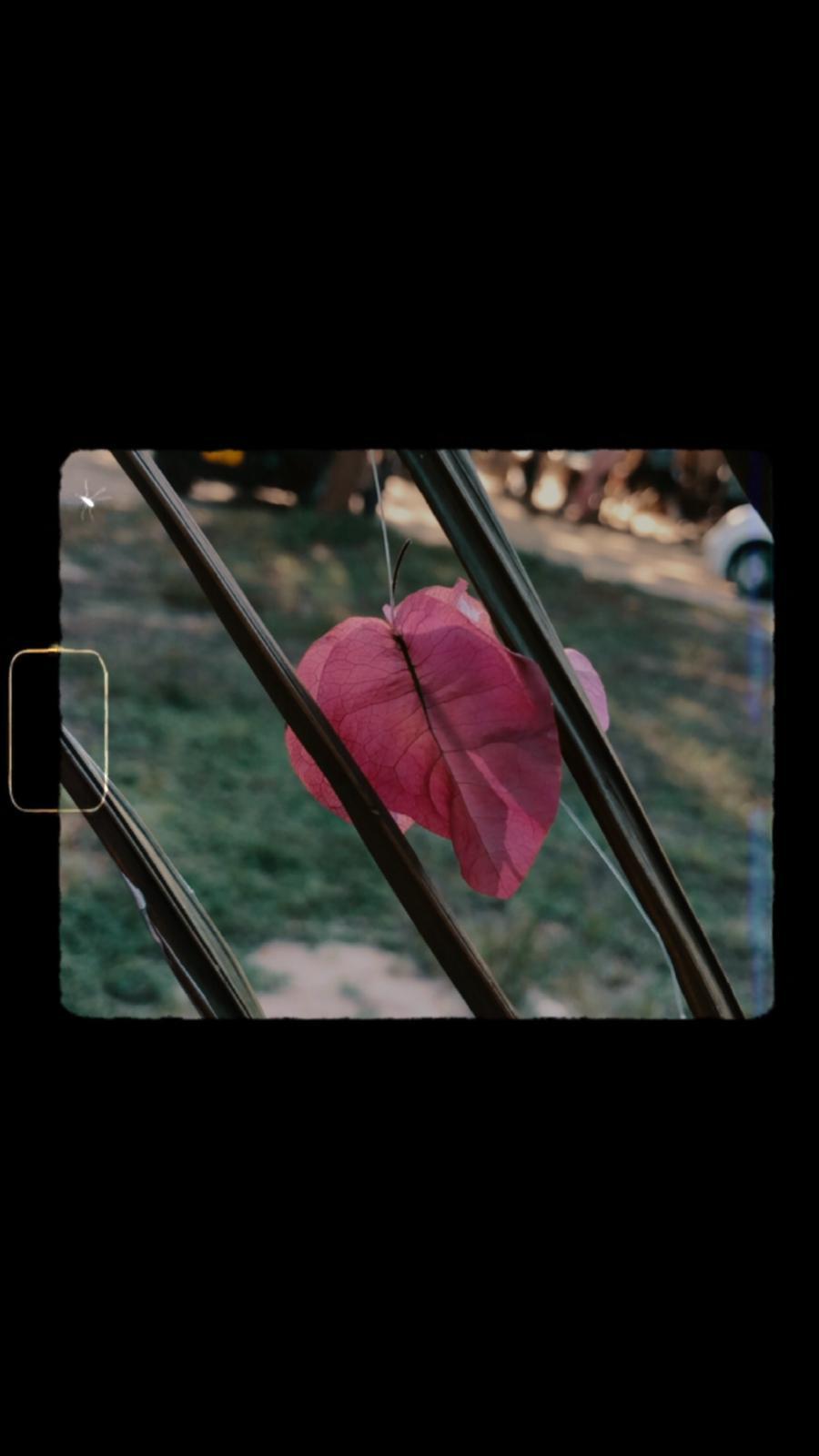
This is what it looked like through her lens…
65
"the space between the artist and her/his art is called Nafasi. It acts as a nutrient, a breath, a seed, a memory, a lung. It is your favourite playground in the middle of the urban jungle."
Throughout the first four modules, you have thought about what art is, why you want to be an artist, how you want to createyourwork,andhowyoucanshareit with the public. But how do you turn this knowledge into a professional career? What does it mean to be a professional artist, and what opportunities and challenges will you face? How can you connectyourarttothelocal,regional,and internationalartscene?Whatarethebasic tools you need to apply for residencies, exhibitionopportunities,etc?
The 5th and final module of Nafasi Academy aimed to compile all that the students had learned and produced over the course of the year, and 'package' it professionally. Presentations and practical training sessions were delivered by artists from different disciplines who have been exceptionallysuccessfulinmakingaliving withintheculturalindustries.
professional developmentand entrepreneurship
Whiletomanythismaycomeacrossasdry - Module 5 was one of the most valued intensives for the students who, by this point, were eager to start seeking opportunities outside of the cocoon of Nafasi.
The week was co-facilitated by Asteria Malinzi of Artist Residency of Kigamboni who critiqued the students from the perspective of a provider of such opportunities.
Monday, October 5 - Defining Yourself
ArtistTalk-BigMama
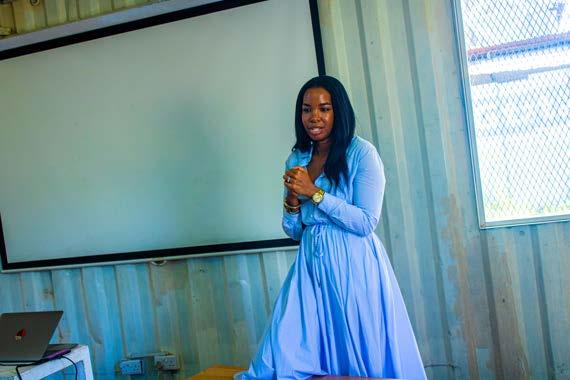
PositioningYourselfasaProfessionalArtist
WritinganArtisticBio/Statement
PortfolioBuilding/CuratingWork
Workshop-TheArtofanArtisticCV
Tuesday, October 6 - Art Marketing 101
ArtistTalk-SekoShamte
BasicsofMarketing
ChoosingyourPlatforms
GraphicDesignToolsandPrinciples
Workshop-TheArtofOnlineBranding
Wednesday, October 7 - Self-Management for Artists
ArtistTalk-ChiTemu
CreatinganArtisticInventory
BasicsofBudgeting
PricingWork
Workshop-TheArtofEntrepreneurship
Thursday, October 8 - Seeking & Attaining Opportunities
ArtistTalk-DanielMsirikale
CommunicatingasanArtist
NetworkingasanArtist
CollaboratingasanArtist
Workshop-TheArtofanArtisticApplication
Friday, October 9 - Field Trip to ARK Residency
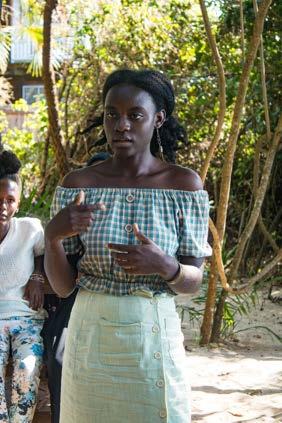
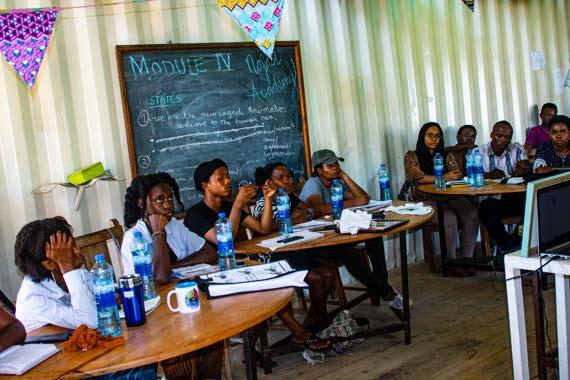
DepartforARK
ArriveatARK
OverviewandTour
Assignment-PresentationsonProposedResidencies
ReturntoNafasi
67
“As a female artist, I am intrigued to learn more, practice and embrace art despite all challenges encountered from the surrounding society. This experience has taught me to love and engage more in the art field as it is all a beautiful adventure.”
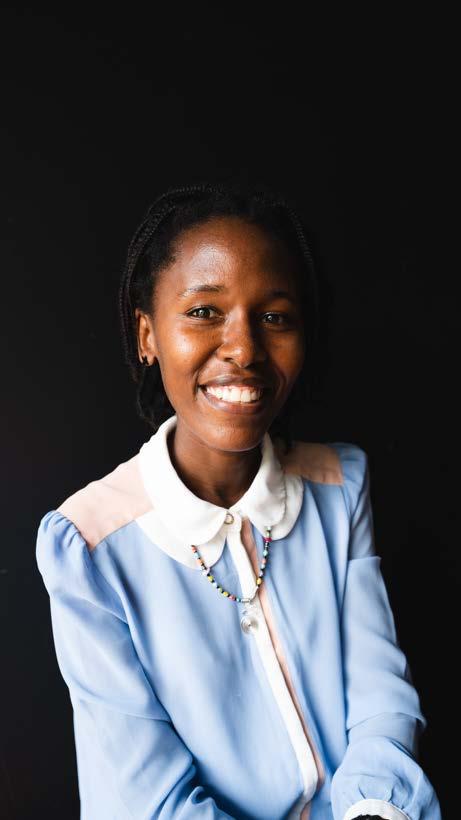
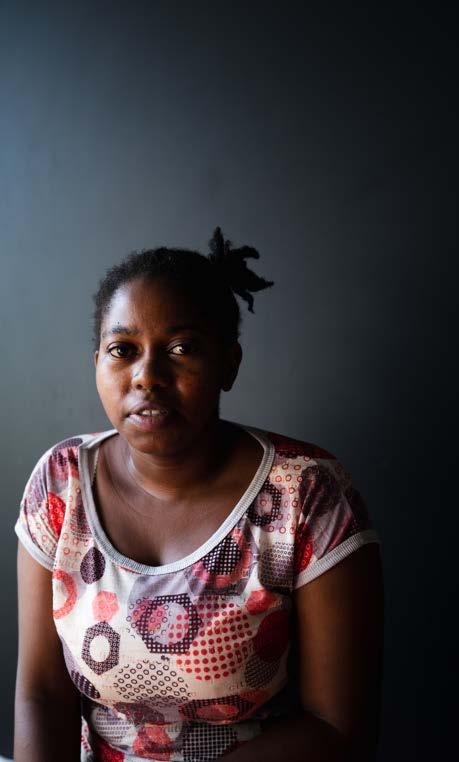
"As an artist, I don't feel as shy anymore. I can ask questions and feel like people are actually listening."
- Magreth Liwembe
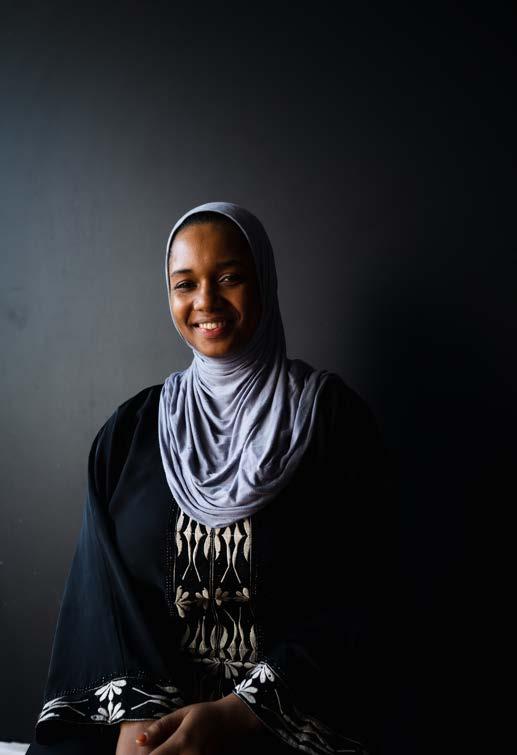
“I am still learning and excited for what's next to learn in and out of Nafasi, as it has open doors not only to me but to anyone around me. I get to teach them what I've learned and pass it on.”
- Aisha Mohamed
- Hedwiga
Tairo
"Onmyjourney,ittookgreatfaithofbelieving thatartiswhatIwanttodofortherestofmy life.Thatfaithhastobegreat.Thevisionhas
69
an exchange with
CAROLINA
ARANIBAR(BOLIVIA)
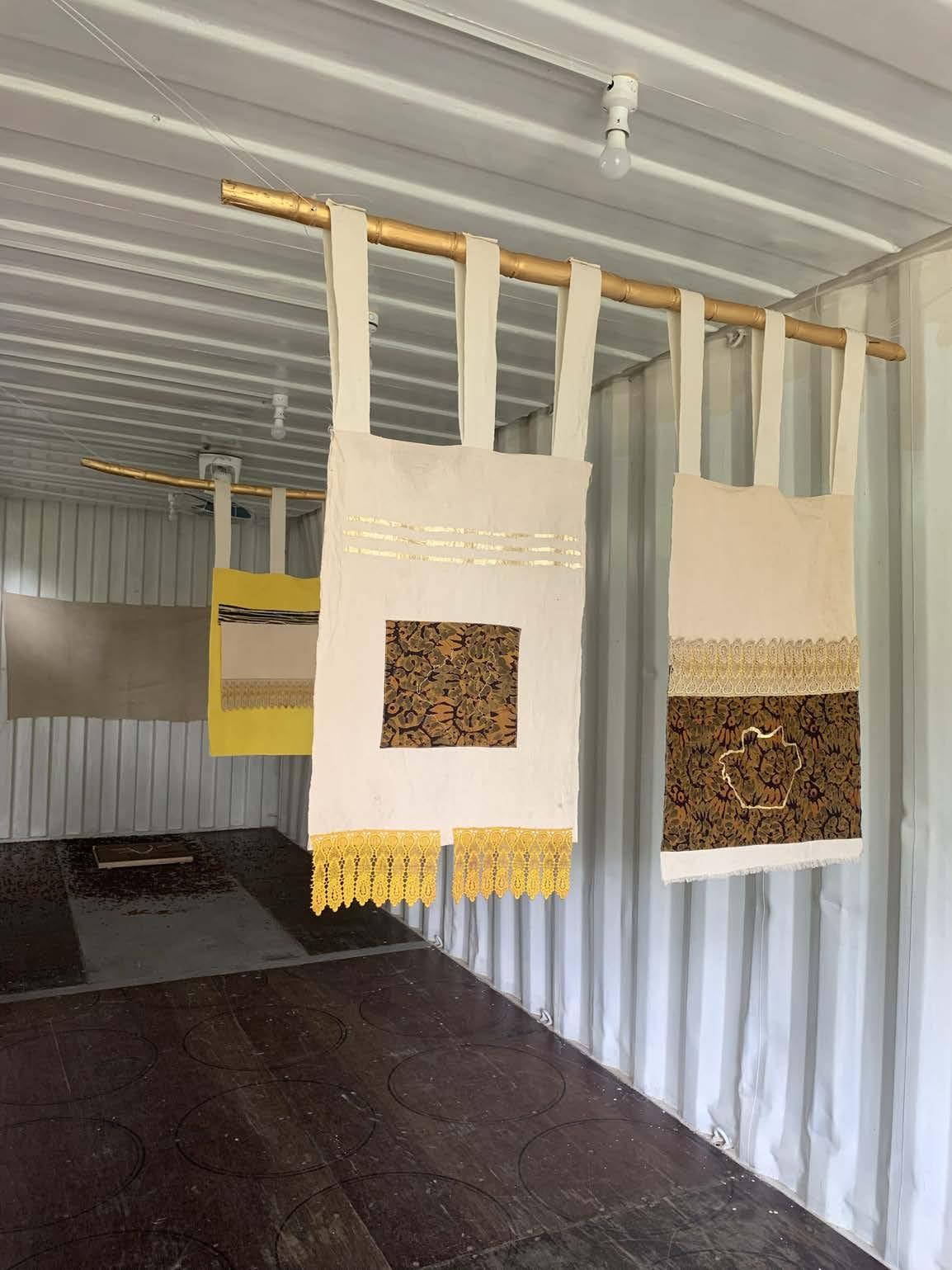
a Bolivian-born multi-media artist. Her artistic practice fuses video installation and oral storytelling with fiber and craft techniques. Her work traces flows of capital–cartography, maritime trade, cash crops, and industrial metals– across bodies-of-water from the perspectives of the native, gendered, and racialized bodies that move it. That is, she reembodies capital exposing how contemporary markets insidiously hide historical oppression. Imperialism to colonialism, and now capitalism. Her installations are minted, projected, gilded, casted, woven, beaded, filmed, stepped-on, and crushed, but always spoken-for and register at various levelsofaction&passivity,andvisibility&representation.
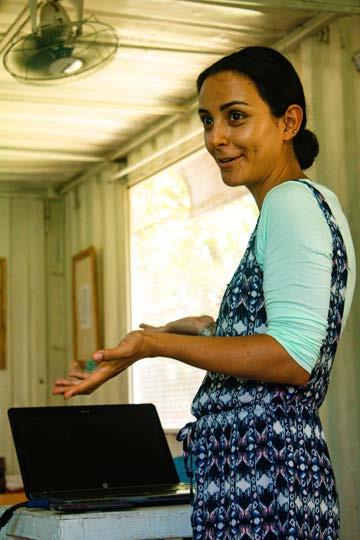
She joined us virtually from COVID-19 lockdown in Bolivia during Module 3 to exchange knowledge with the students on the art of the artistic process. She walked them through the steps she takes in her research, concept development, and implementation of her installation projects, and challenged them to follow a similar process to produce creative outputs intheirhomespaces.
During her time, physically, post-lockdown at Nafasi, she devoted her hours to research and practice around the subject of the spice trade along the Swahili coast and the oppressionthatithistoricallyreliedon.
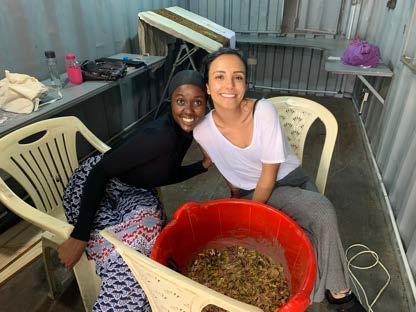
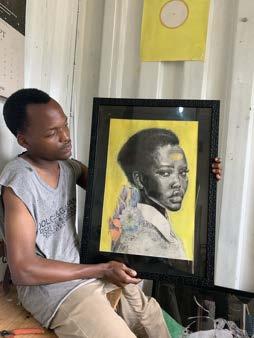
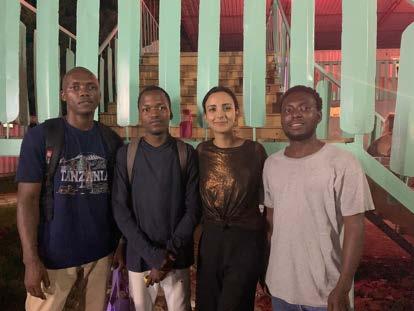
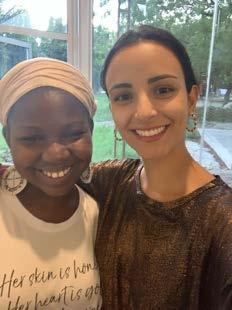
Shealsoheld…
1workshoponSeekingandAttainingArtisticOpportunities
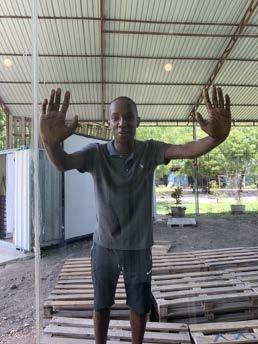
1on1sessionswitheachstudentonportfoliodevelopment
1openstudio/exhibition
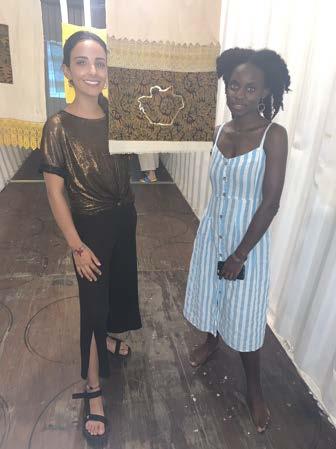
This is what it looked like through her lens…
71
"My time at Nafasi Art Space was filled with nourishment from the wonderful community and with medicine from all the trees around it— especially theNeemtrees."
72
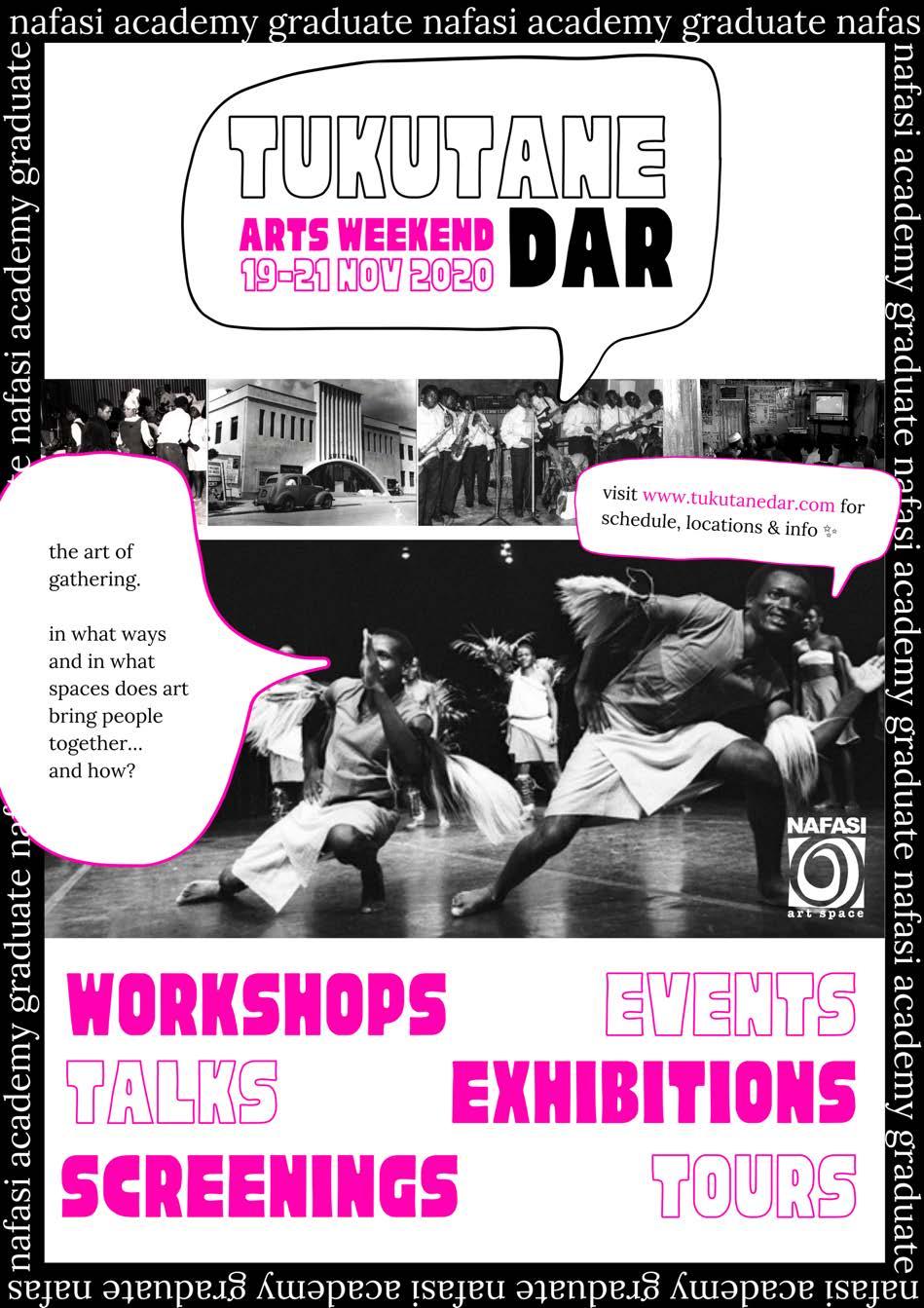
2020 was a challenging one. Particularly challenging for the arts - for artists, arts organisations, and arts spaces. We were forced to shut our doors and function in isolation - disconnected from the communities that bring us purpose. This had us thinking about the art of gathering. And the vital role that the arts play in bringing communities together. After many (informal) conversations had on this topic between artists, arts managers, and arts advocates - Nafasi (& Nafasi Academy) introduced a collective engagement to bridge the gaps forged betweenusandpromoteartsandculturaldialogue.
“Tukutane Dar” - an Arts Weekend - examined "in what ways and in whatspacesartbringspeopletogether…andhow?"
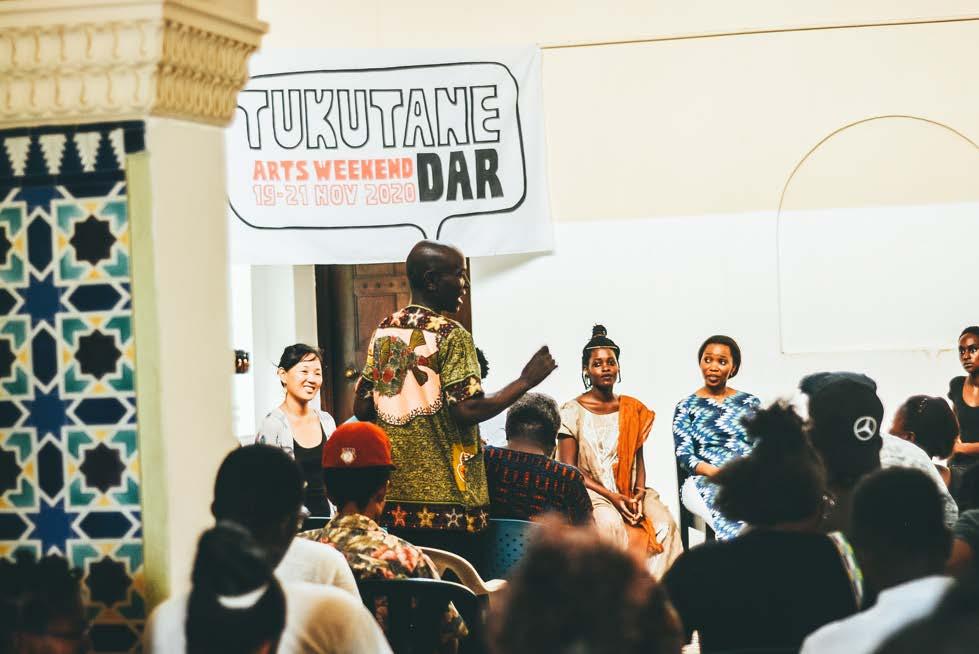
Part conference, part graduation party - this gathering offered Nafasi Academy students the opportunity to connect with members of the local and international arts communities. A "send-off" into their professionalpractice.
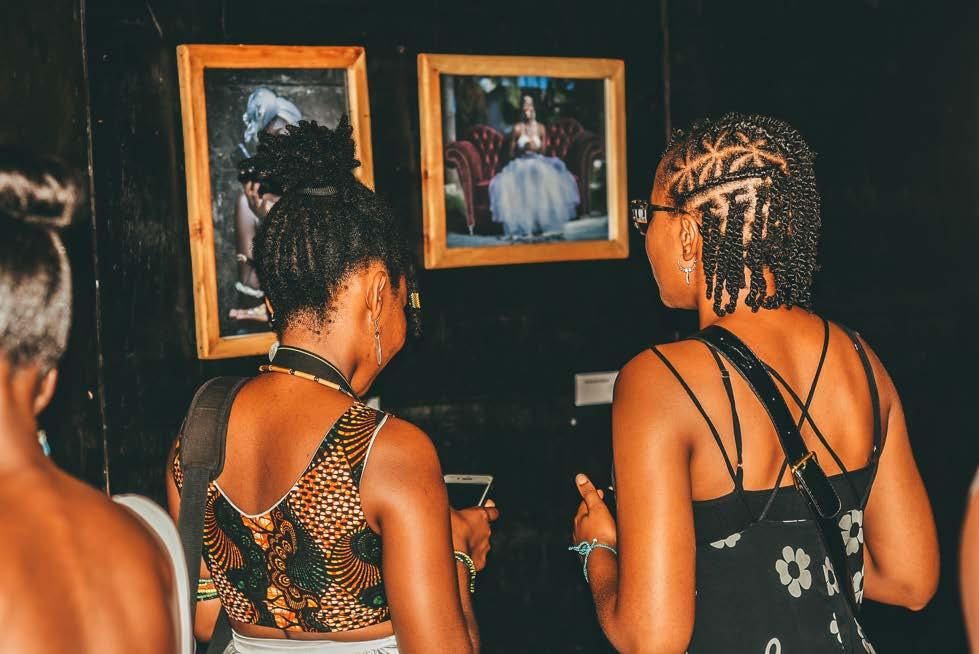
Over 3 days and multiple locations, we came together for a curated selection of arttalks-titled"TheArtofGathering"
19nov2020
73
the art of gatheringnurturing artistic expression inwhatwaysand inwhatspacesis creativityborn?
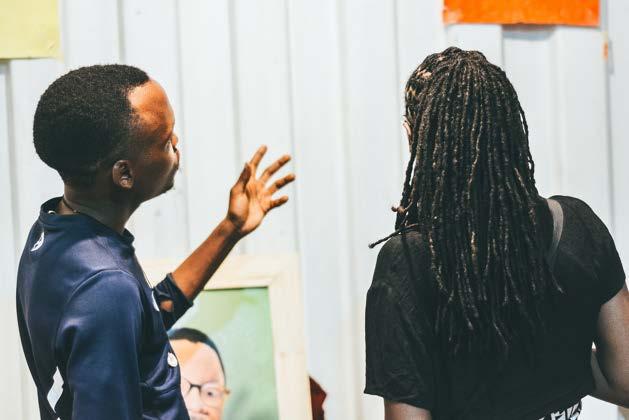
the art of gatheringEndangered arts & spaces
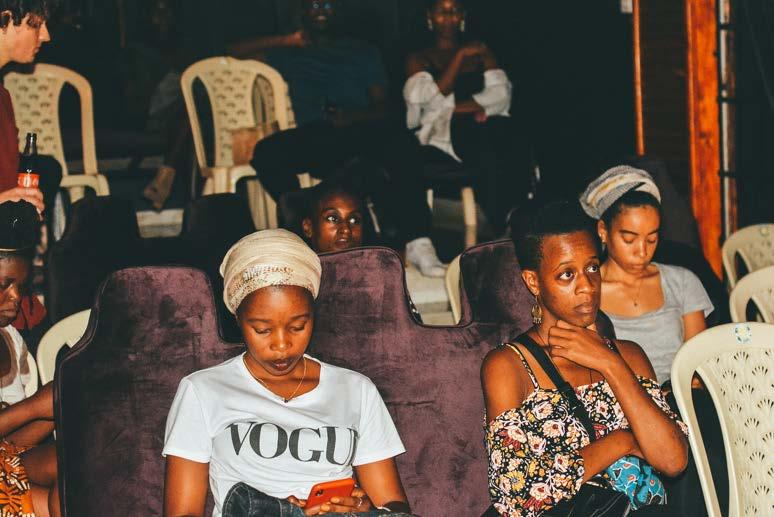
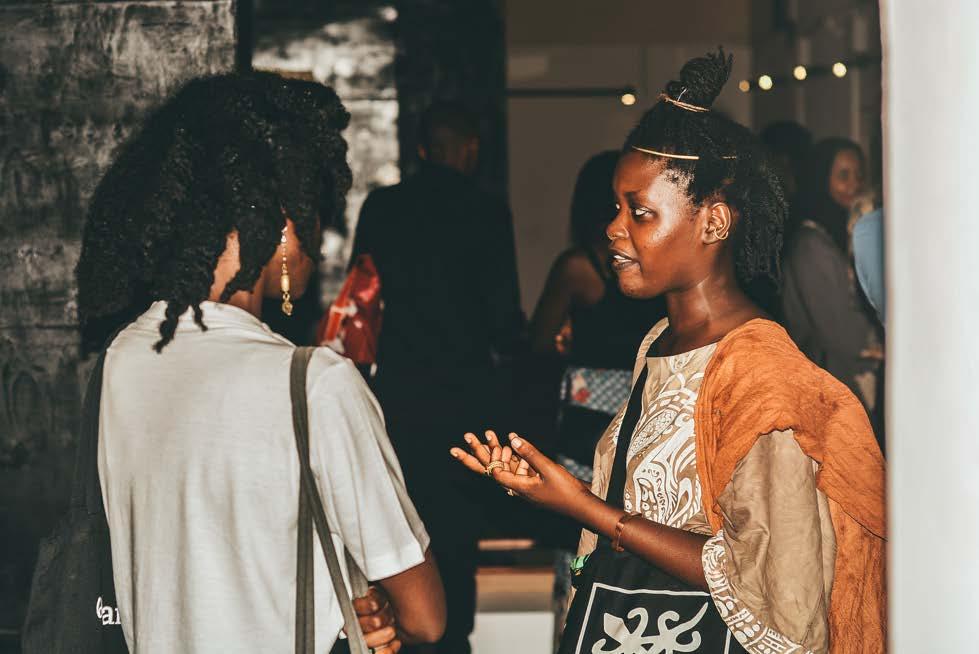
inwhatwaysandin whatspacescanwe protect,preserve,and promoteartspastand present
the art of gatheringmaking art visible inwhatwaysandin whatspacescanwe improvethevisibility andreachof contemporaryart?
Inner Visions | Maoni ya Ndani
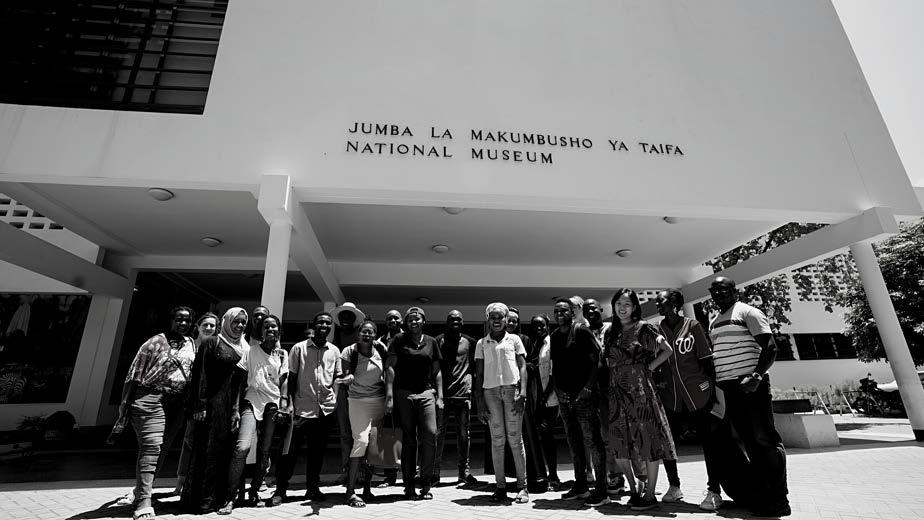
the Nafasi Academy Graduation Show held at the National Museum of Tanzania on 21 November 2020
When the Nafasi Academy opened in February 2020, we told the students that contrary to what they might expect, we would not be teaching them answers, but questions. We were met with a few bemused stares. Why would anyone join a course to be taught questions? Isn’t it the answers that everyoneisseeking?
But what makes art important and meaningful is that it not only reflects the world, but also interprets it. Art allows us to express our own subjective experiences and the specificities of our lives. It encourages us to challenge generalizations and stereotypes that we may have internalized, beliefs imposed but taken for granted. But in order to do this, we must ask difficult questionsoftheworldandourplaceinit.

What is art? Why does it matter? Who does it benefit? When it comes to Tanzanianart,wheredowecomefrom,andwherearewegoing?
These are a few of the major questions the artists learned to ask and explore through their work. Now, with their graduation exhibition, they share the visions they have encountered on this journey of questioning. By invitingtheaudienceintotheirinterrogations,theypassthiscuriosityonto others -- to inspire conversation and perhaps to find that the answers are inthequestionsafterall.
- Rebecca Corey75
exhibition
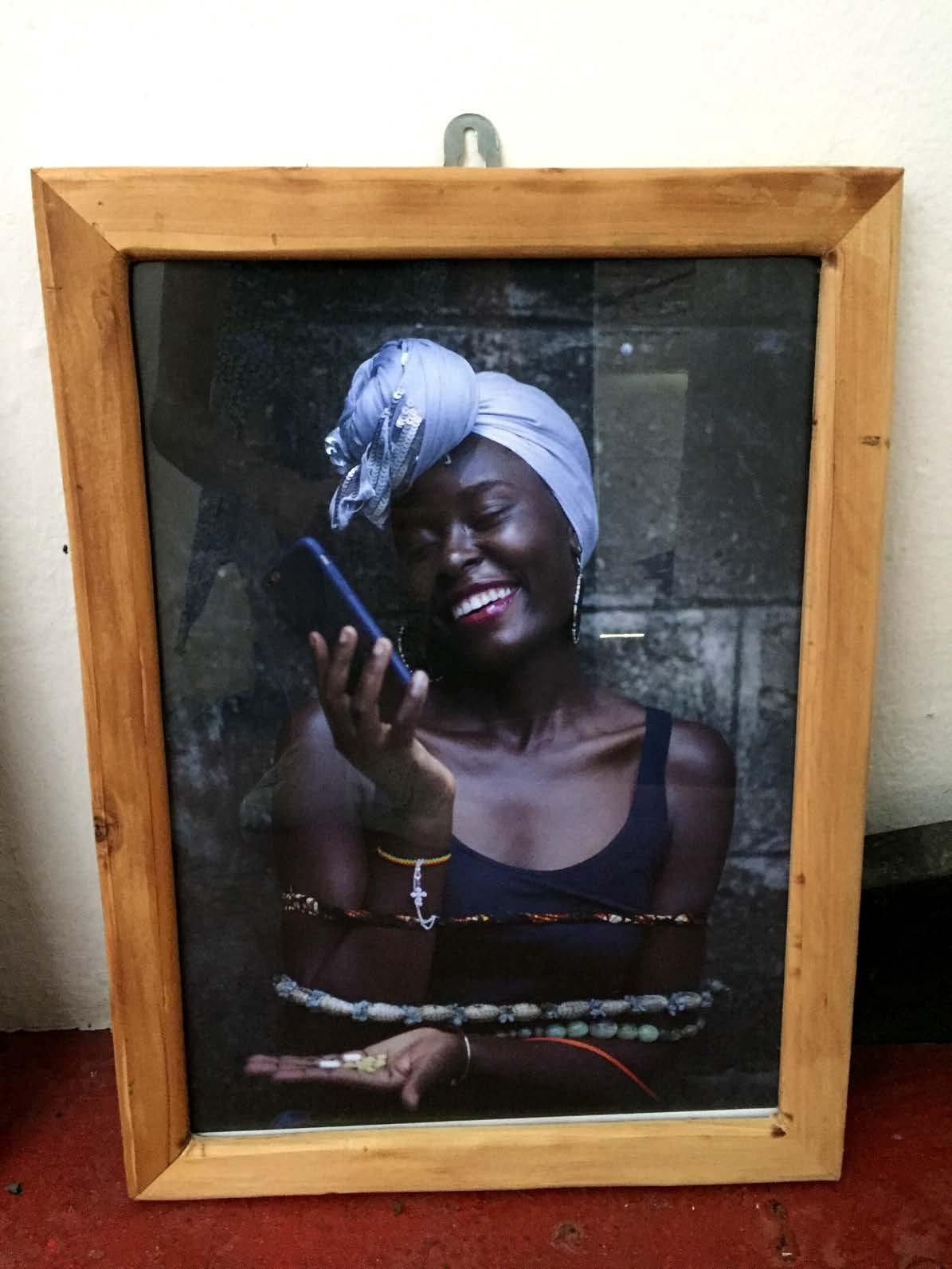

UnderHerSmile Photograph A3 2020
76
Gertrude Malizana

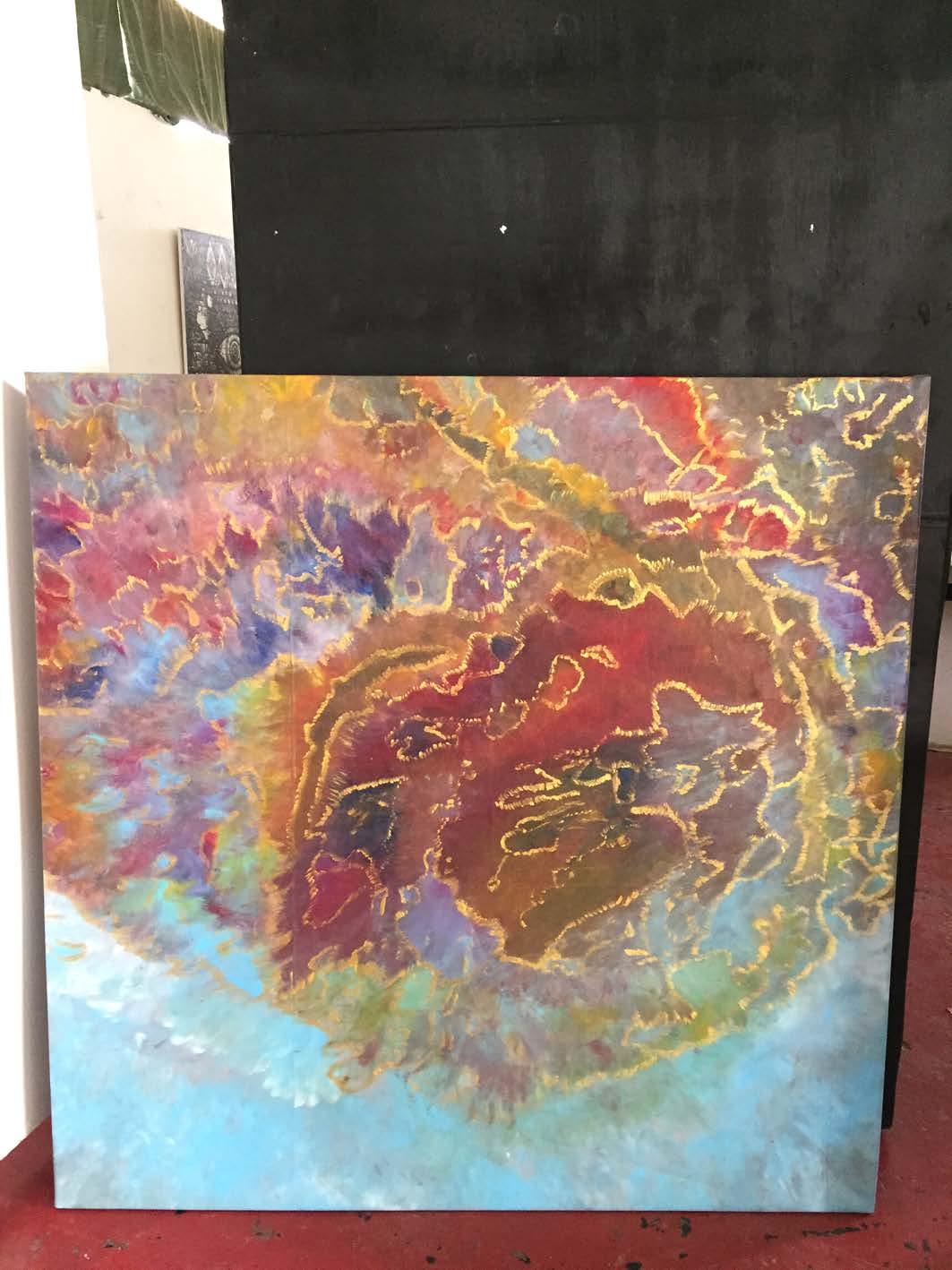
Precious AcrylicandOil onCanvas 148x148cm 2020
77
Aisha Mohamed
George Emmanuel

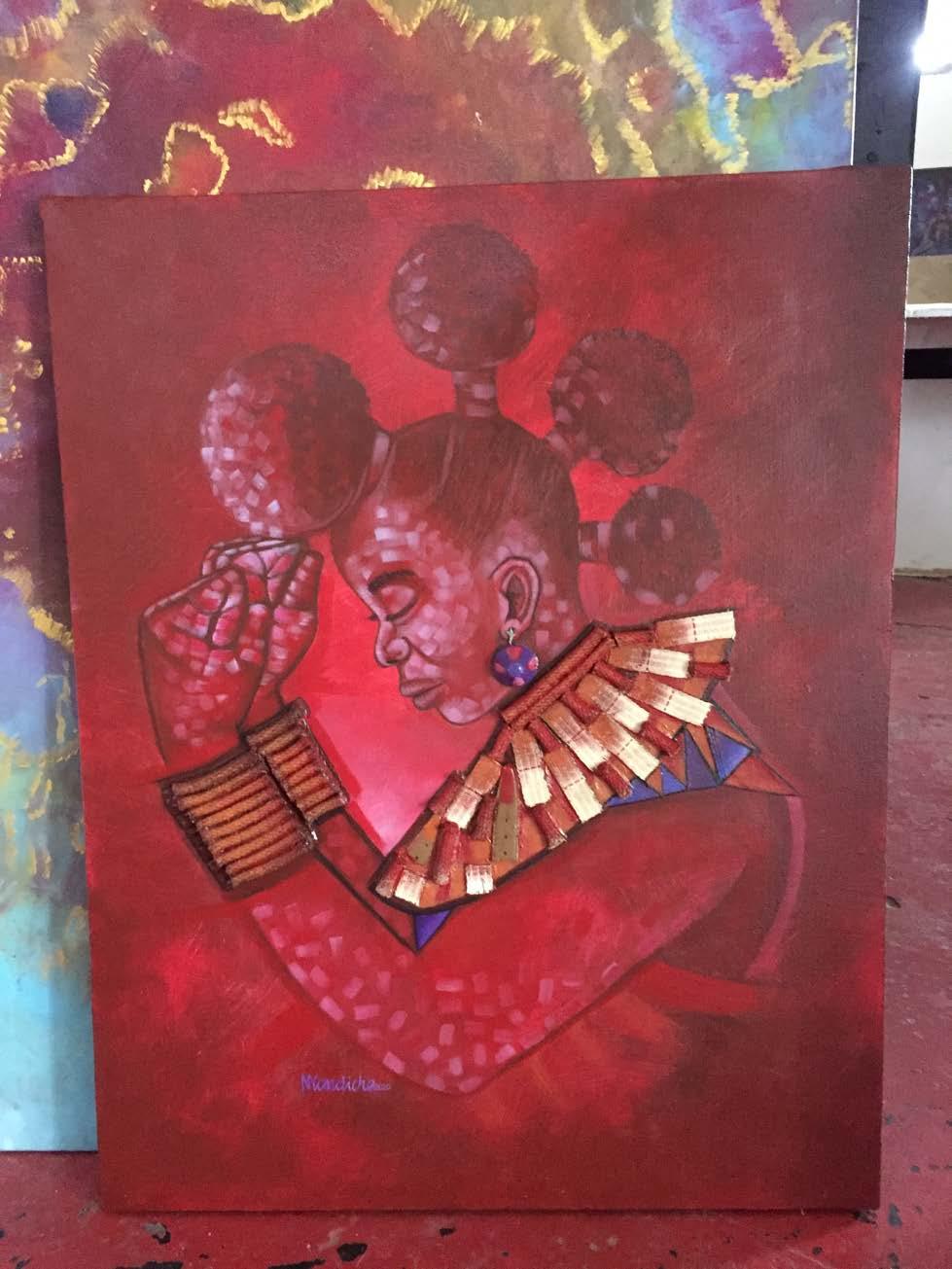
MixedMedia
2020
WomeninPower
75x90cm
78
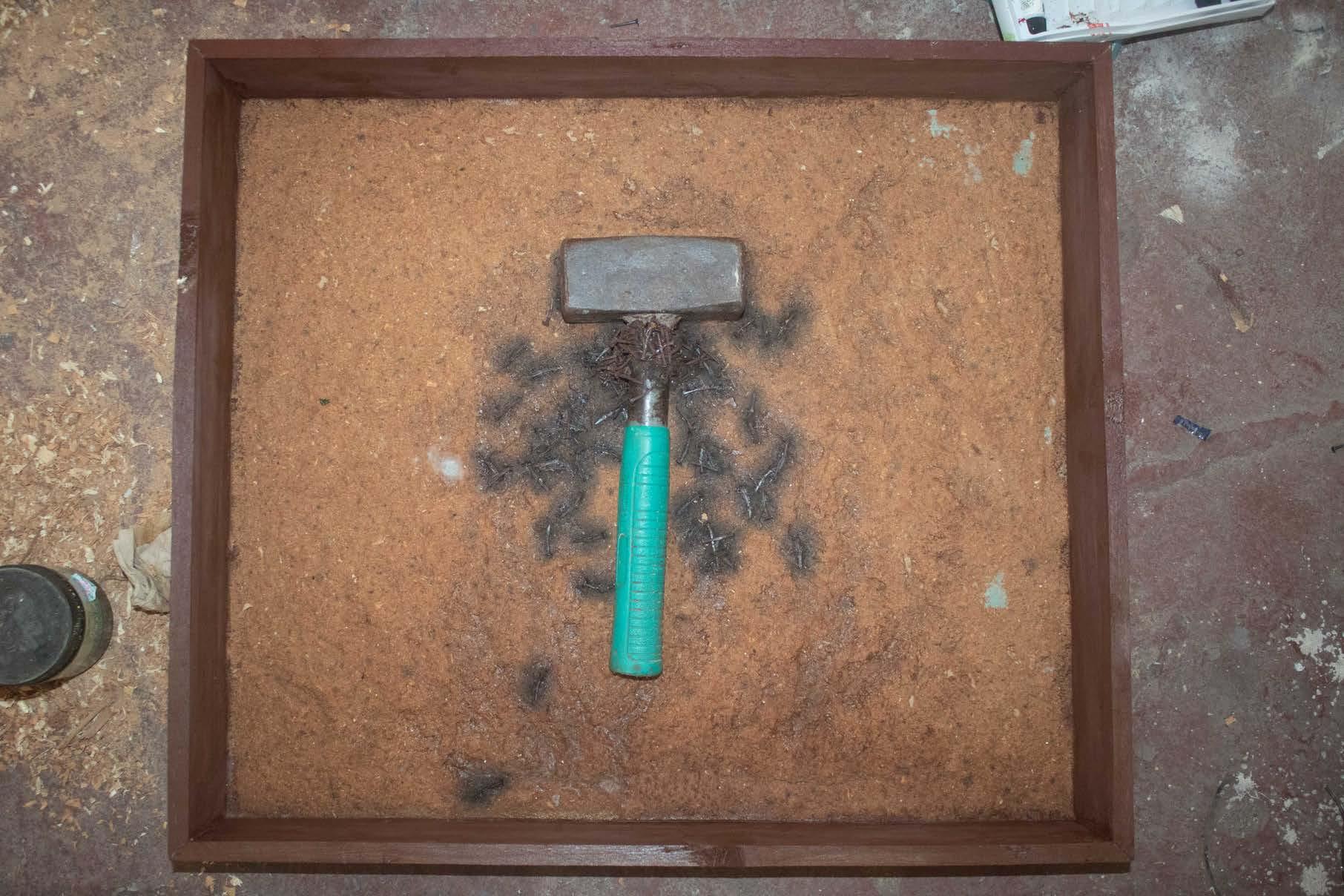

Power MixedMedia 56x49cm 2020 Capher Simba 79

andMarriage AcryliconCanvas 60x80cm 2020 Hedwiga Tairo 80
Love,Relationships,
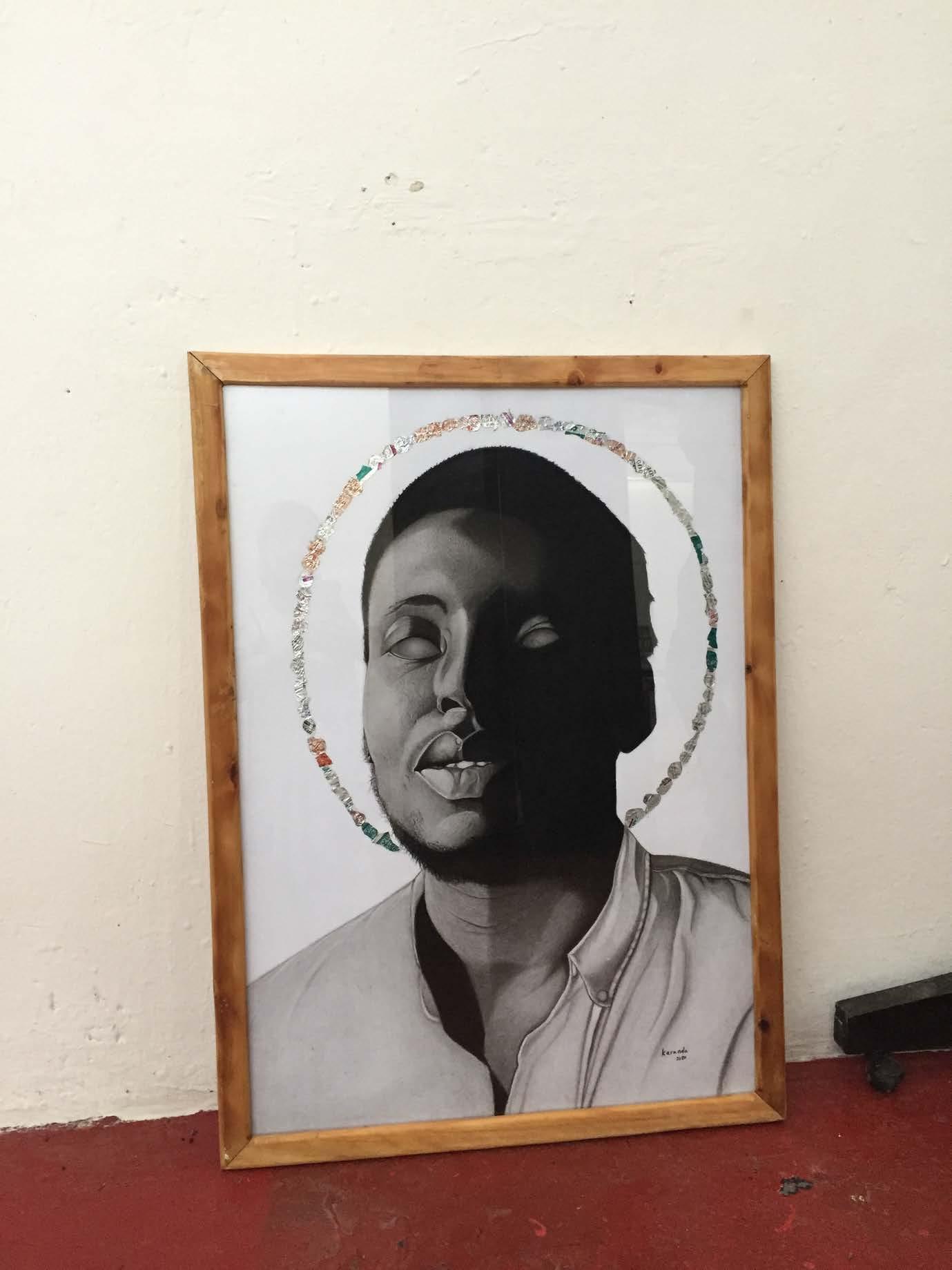

TensionI MixedMedia 86x61cm 2020
81
Hussein Juma
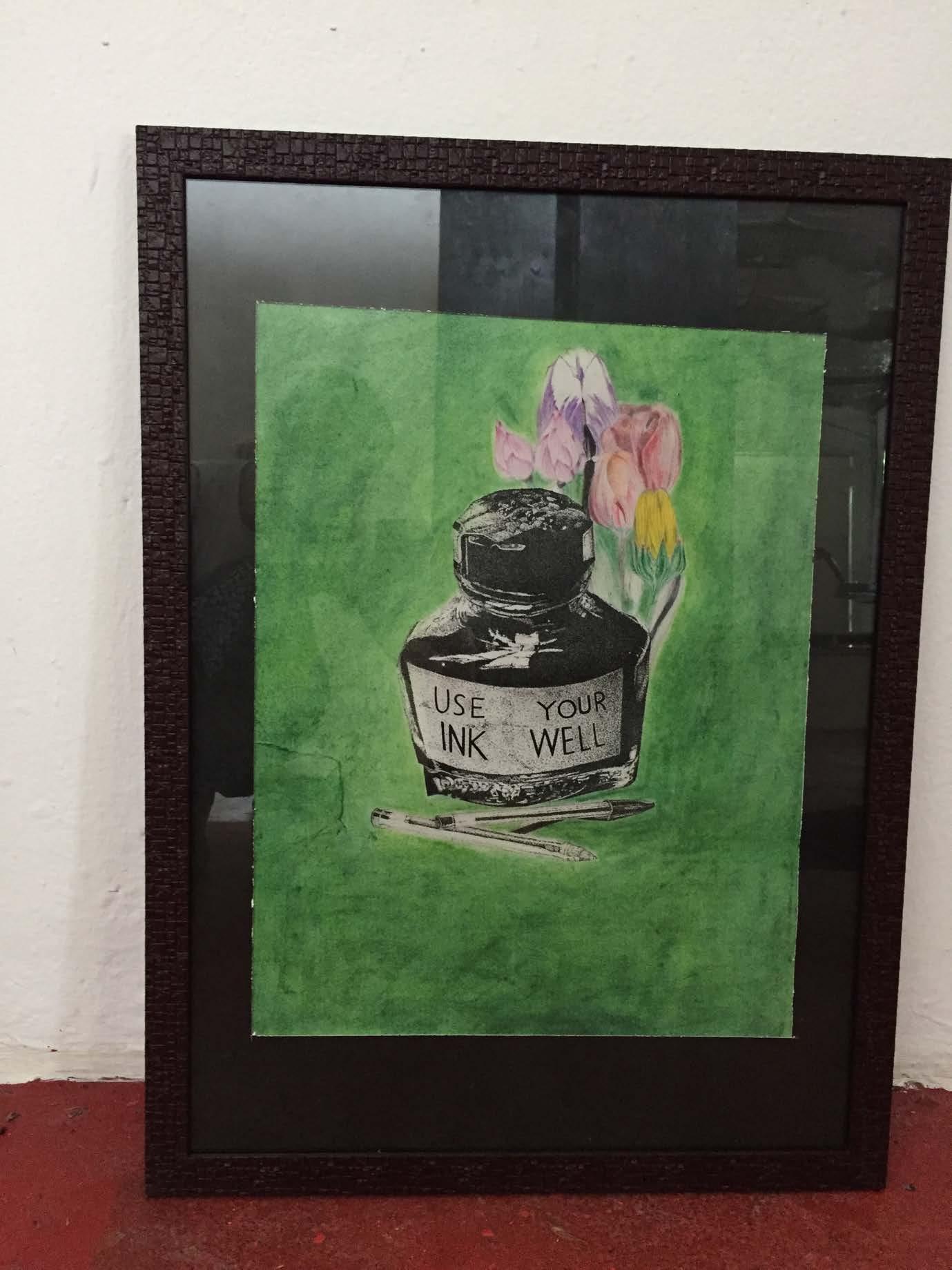

Aguyoncesaid PencilandPastelon Paper 42x49.5cm 2020
82
Martin Wendo Hinjuson
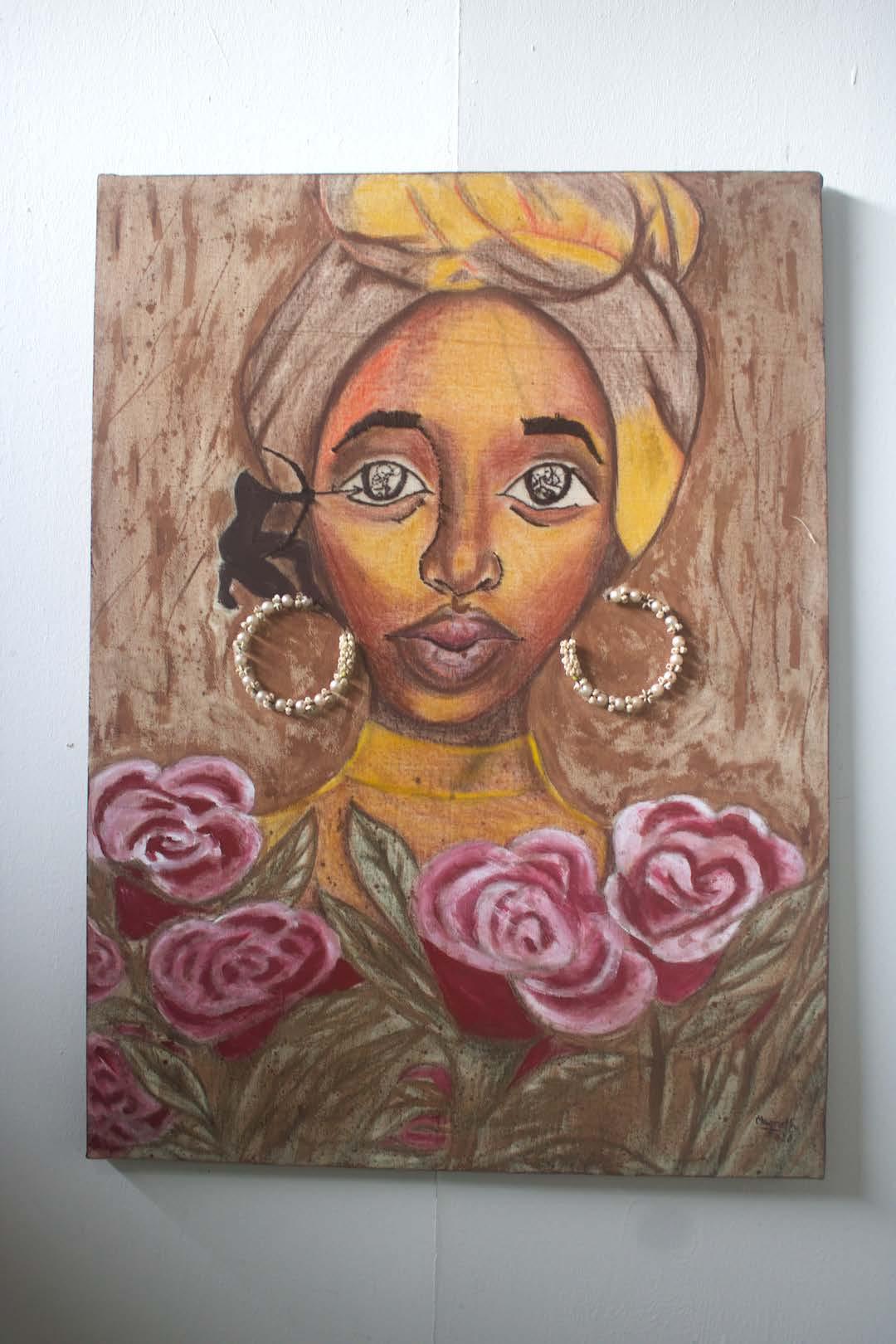
Untitled MixedMedia 113x83cm 2020 Magreth Liwembe 83

MixedMedia 114×185cm 2020
84
Scissors
Mihayo Kallaye
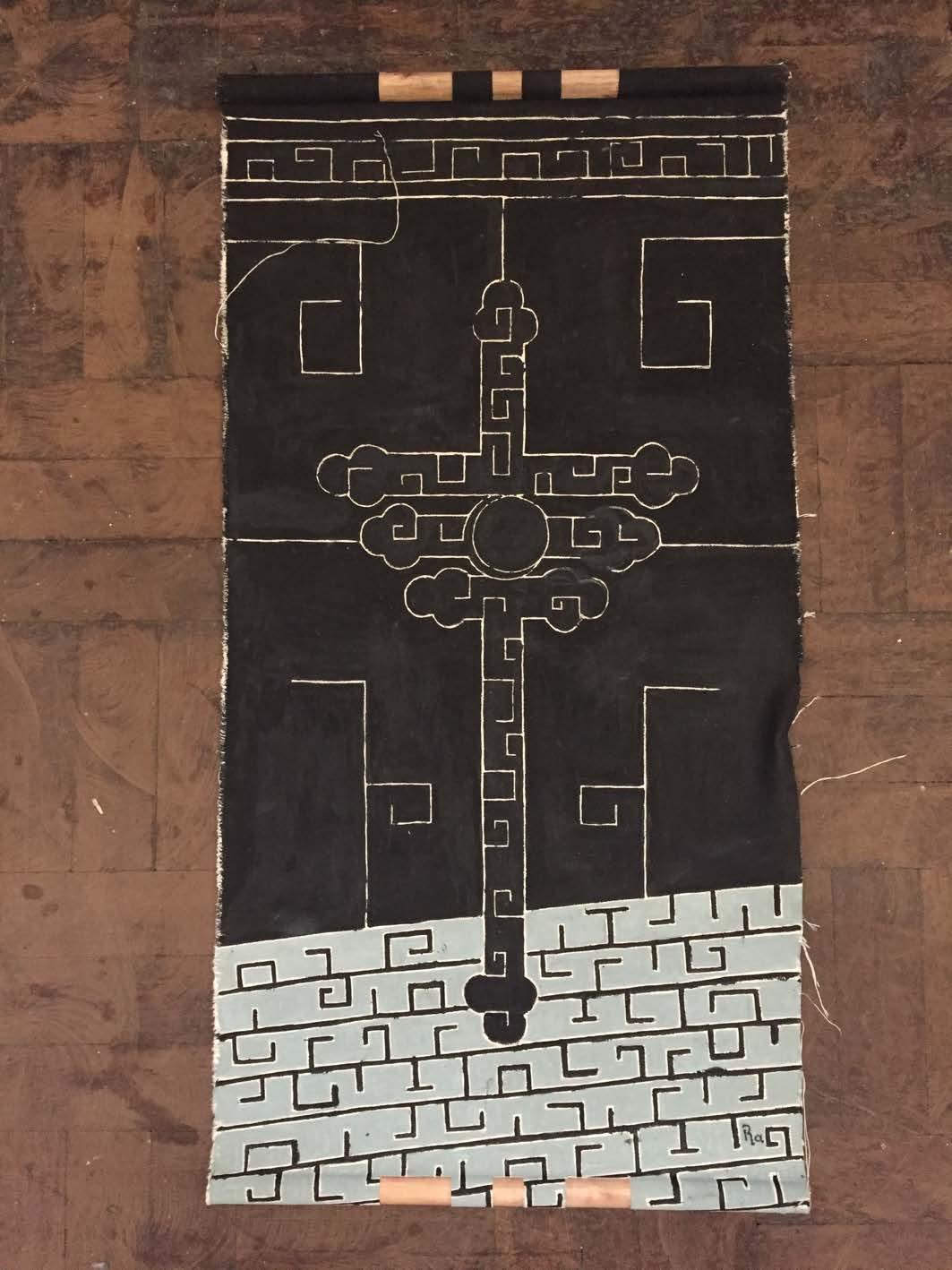
Religion&Humanity AcryliconCanvasScroll 96×49cm 2020 Ismir Ra 85

MixedMedia 60x80cm 2020
86
Chair2
Shiija Masele

DearAfricans MixedMedia 75x90cm 2020
87
Jennifer Msekwa

ReflectionII Textile 137x91cm 2020
88
Liberatha Alibalio
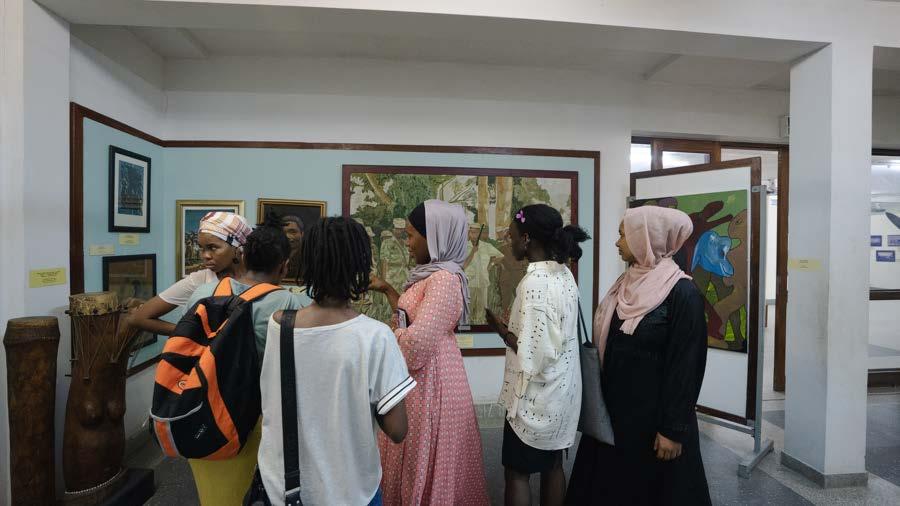
Inner Visions was attended by several international artists and curators from across the continent and wider diaspora.
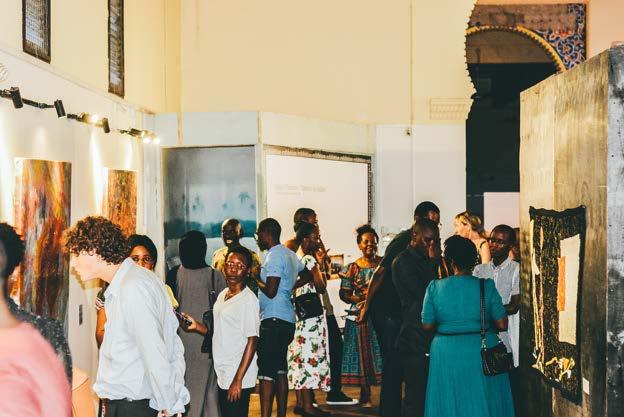
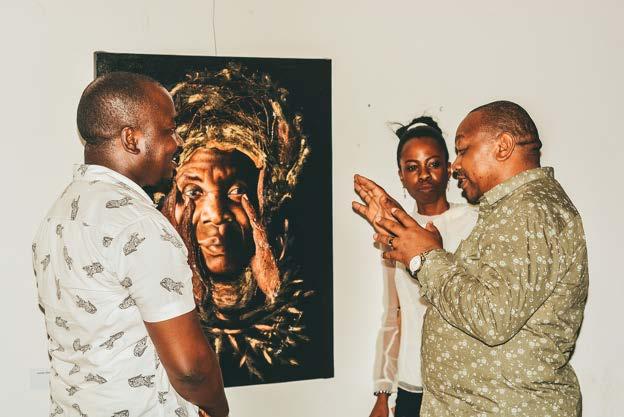

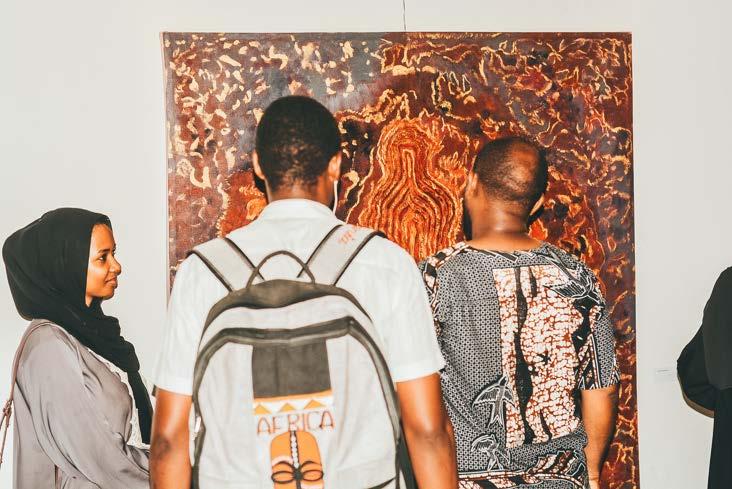
Lauren Tate Baeza (USA), Taonga Julia Kaseka (ZM), and Vitshois Mwilambwe Bondo (DRC) generously provided the graduating artists with critical feedback on their works from diverse, professional perspectives.
and on a more local level - Nafasi's engagement with the National Museum on this event set in motion an exciting partnership that will elevate the visibility of contemporary art in Tanzania
89
Since 2018, Modzi Arts and Nafasi have partnered through multiple artist and staff visits, talks and workshops aimed at promoting mobility and knowledge sharing within Africa, via Pro Helvetia's strategic regional network and the NafasiAcademy.
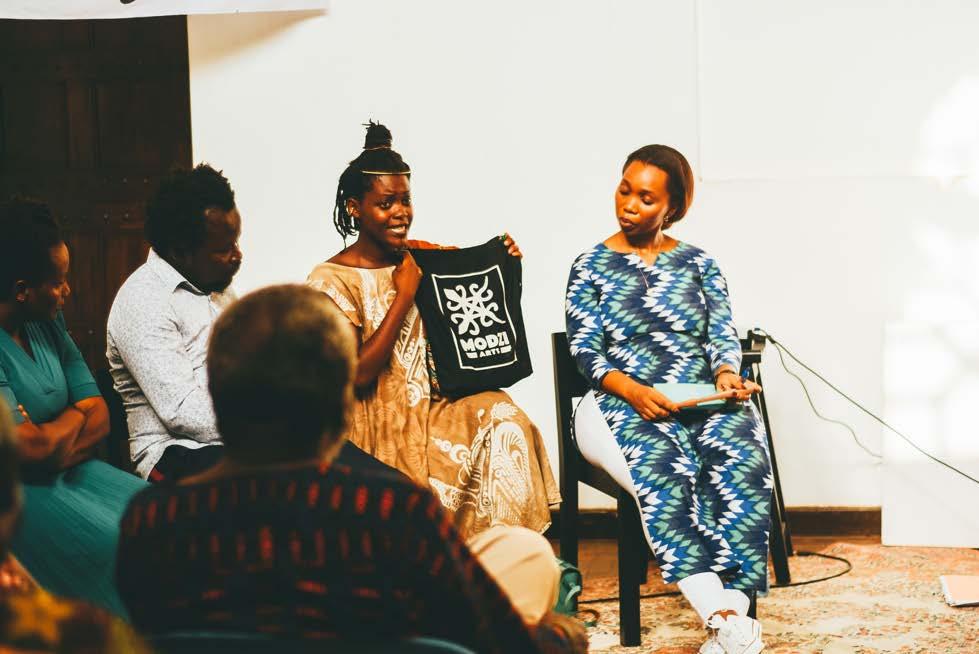
TheseexchangeswithModzihavereimaginedpathwaysandestablished connectionsthatsuggestneworbits forartisticgrowth.
90
"For me, in the process of using culture and all the sacred information we hold, we have to be respectful & mindful of how we use it. What information do we want to tell and what information should be kept? Not everything shouldbegivenawayortoldtotheworld."
- Taonga Julia Kaseka, Curator & Director of Modzi Arts (Zambia)
conclusion(?)
Circles end where they began, and within the enclosure lies new knowledge, new experience, new space, holding possibilities - and an invitationforwhatevermanifestsnext.
The Nafasi Academy affirmed that the source of creativity is a deep well that replenishes itself through its own yearning to flow and fulfill. But while artistic expression may be impossible to control or suppress, itmustbenourished.Asaspace,anexchange,aneducation,aplatform - the Academy and the ongoing dialogue it encompasses does not concludebutrathercontinuestounfold.
The first cohort of Nafasi Academy students graduates in December 2020.
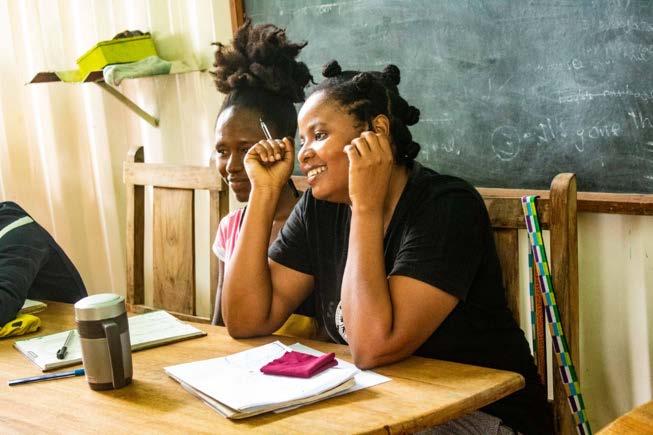
Whatwillcomenext?
Thefutureisourstocreate.
91
apagewithnumberson it(inanattemptto quantifyimpact) 7studio&sitevisits 5intensivemodules 200+lunches 6internationalartist exchanges 4exhibitions 13*students *7female6male 3monthsinquarantine 2online-3IRL 12studiomonths 9mentors&trainers 27guestspeakers 10trainingmonths undefinednumberofhours listeningtoWendo'smusic 1publicperformance 40assignments 92

Forover11years,NafasiArtSpacehasbeenacreativeharbour forartistsandartloversinDaresSalaam.
In2018,wesetouttocritiqueourownhistoryandpraxis,and dobettertoextendoursupporttoallwhoseekit,especially those who have struggled to find a place within the densely networked artistic community of the city. The idea of initiating a home-grown arts academy with a focus on advancing contemporary art, expression, and inclusion was distilledfrommanyconversationsanddebates.
Nafasi Academy was born as an intentional extension of Nafasi Art Space - dedicated to serving underrepresented communitiesthroughthedeliveryofanexperientiallearning programme and the devotion of studios and exhibition platformsfortheartisticdevelopmentofitsparticipants.