Connecting the Community Since 1957



Illinois Secretary of State Alexi Giannoulias is launching a statewide advocacy campaign aimed at preventing insurance companies from using socio-economic data – such as credit scores, zip codes and age – to charge Illinoisans higher auto insurance rates.
As part of his “Driving Change” campaign, Giannoulias is seeking input from Illinoisans, asking them to share their stories about unfair and discriminatory ratemaking practices employed by auto insurance companies. Giannoulias launched the campaign today in Chicago’s Bronzeville neighborhood, joined by supporters including AARP Illinois and legislative sponsors State Senator Ram Villivalam (8th District – Chicago) and State Representative Rita Mayfield (60th District – Waukegan).
“As Secretary of State, I strongly believe that an individual’s driving record should serve as the primary factor that’s analyzed when setting auto insurance rate.” Giannoulias said.
“Older drivers in Illinois are the safest drivers, and their auto insurance rates should reflect this,” said Philippe Largent, State Director for AARP Illinois. “On behalf of our 1.7 million members across the state, we applaud Secretary

Giannoulias for his interest in finding a ratemaking process that does not discriminate against drivers for their age. And we look forward to working with his office, the insurance industry and the General Assembly to develop criteria that ensures Illinois’ safe drivers are not penalized for non-driving related factors. They deserve rates that are as low and fair as possible.”
A new Secretary of State website – www.ilsos.gov/ drivingchange – enables Illinoisans to learn more about the issue and easily share their stories about unfair and discriminatory ratemaking practices by insurance companies. The site also allows users to email their State Representative and Senator and urge them to support reforming the current system.
Over the next several weeks, the Secretary of State’s office is also conducting a series of Town Hall meetings across the state to gather local input and help inform legislation to be filed in the next general assembly session. Locations and times of the Town Hall meetings will be posted on www.ilsos.gov/ drivingchange.
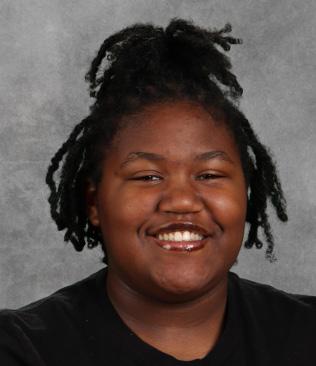
by Kaidence Nichols
Kaidence is a student at Unity Christian Academy. Kaidence loves dancing, listening to music and spending time with her family and friends.
In the 21st century, why are African American women dying from breast cancer? According to the American Cancer Society, “ breast cancer is the leading cause for death in African American women.” Due to the historical mistrust African American women have for physicians, they don’t receive annual screenings for breast cancer. This contributes to the high mortality rate in African American women. The lack of education and access to proper health care contribute to these statistics. I believe a federally funded free mammogram program would help increase the survival rate.
Breast cancer is very important to me, because my great grandmother is a breast cancer survivor. My Granny was diagnosed with stage 4 breast cancer. At the time of her diagnosis she was 60 years old, working full time and enjoyed her bowling league. They had even won several championship trophies. After her annual mammogram, she received news of abnormal test results. For my Granny, doctors recommended a mastectomy. After the surgery she was not allowed to stay in the hospital to recover. She was sent home with drain tubes and minimal post op care. Life after breast cancer for my Granny was challenging. She received physical and occupational therapy to regain her strength and mobility. Unfortunately, my “Granny” was not able to return to the bowling alley. Since she was not able to bowl, she felt alone and separated from her friends.
According to Britannica, breast cancer is a disease that grows in the cells in the mammary glands. Breast cancer can affect both genders, although women are more likely to develop the disease than men. In the 20th and 21st centuries, breast cancer was the leading cause for death in women across the world. This is still true for less developed countries, African American and Hispanic women.
The cause of breast cancer is unknown, however, research suggests environment and genetics play significant roles. Early detection of breast cancer improves the survival rate. Breast cancer can be identified through a self-breast examination or a routine exam called a mammogram. During a mammogram a medical professional uses a special X-ray machine to look at a woman’s breast tissue. If an abnormal growth is found, additional tests are
usually done to see if cancer is present. Early detection allows for more treatment options and possibly surviving breast cancer.
After being diagnosed with breast cancer, doctors start the staging process. Breast cancer has 4 stages. The stage number explains how much cancer is in the body. The lower the stage number means it is less likely the cancer has spread. Identifying the breast cancer stage allows doctors to explore the best treatment option. Treatment options include surgery, chemotherapy or radiation therapy.
Historically, African Americans have a mistrust for the medical community. African American women and their medical concerns have been ignored and dismissed. For decades, African American women have been seen as less than and their bodies viewed as objects. As a result, African American women have grown to mistrust medical professionals.
As a young African American woman, I value my health. After completing research on this topic, I am concerned about the quality of health care I would receive. I don’t want my medical concerns to be ignored and dismissed. It is my hope, when I become of age for breast cancer screenings, this frame of mind among physicians will no longer exist.
The Illinois Breast and Cervical Cancer Program (IBCCP) offers free mammograms, breast exams, pelvic exams and pap tests to those women who qualify. These services are only eligible to women who are uninsured, live in Illinois and are between the ages of 35 and 64.
Making programs like IBCCP federally mandated throughout the United States and staffed by providers with specialized training is a better opinion. This might help establish trust between African American women and their doctors. Providers with specialized care will hopefully be aware of the patient’s needs.
In conclusion, African American women do not have to die from this treatable disease. With specialized training, African American women may begin to feel seen and heard by the medical community. With patient centered care, doctors will be required to listen and respond to the patients needs. Access to free mammograms can give African American Women a fighting chance.
This essay is part of a series of perspectives written by students at Unity Christian Academy in South Holland. The topics cover some of the most pressing issues of our times and the opinions are of the writers themselves. We are grateful to UCA English Educator Hannah Morgan for organizing this partnership.







An independent newspaper serving this area since 1957. ©The Shopper 924 E. 162nd Street • South Holland, IL 60473
HOW TO REACH US
Phone: 708-271-8971 • www.myshopper.biz • Email: general@myshopper.biz
Published every week covering the towns of South Holland/Thornton, Lansing, Dolton/Calumet City, Munster, Highland, and Schererville. Our circulation is independently audited by CAC.
We proofread all Classified ads. However, should a mistake occur, it can easily be corrected, provided it is brought to our attention. Call 708-271-8971 to rectify an error. We cannot be responsible for more than one incorrect insertion. Adjustment for error is limited to republication. In any event, adjustment for errors or omissions is limited to the cost of the space occupied.
The Shopper offers FREE non-business Classified Ads (20 word maximum). Business Classifieds are $25 for 20 words, $1.00 per word over. Place ads online at www.myshopper.biz
NEWS
Email news items to general@myshopper.biz
Some content courtesy of Family Features and Capital News Illinois.
DEADLINE
Friday 4:00 pm for the following week’s issue.
PUBLISHER’S NOTICE
The Shopper reserves the right to edit any content supplied for publication as it sees fit, including but not limited to clarity, grammatical and factual accuracy, and to accommodate available space. All real estate advertising in this newspaper is subject to Fair Housing Laws which makes it illegal to advertise “any preference, limitation or discrimination based on race, color, religion, sex, national origin, familial status, sexual orientation, marital status, military status, age, ancestry, parental status, source of income, military discharge status or housing status,” no matter how large or small the property. This newspaper will not knowingly accept any advertising for real estate which is in violation of the law. Our readers are hereby informed that all dwellings advertised in this newspaper are available on an equal opportunity basis. To complain of discrimination call HUD toll-free at 1-800-669-9777.
The toll-free telephone number for the hearing impaired is 1-800-927-9275.

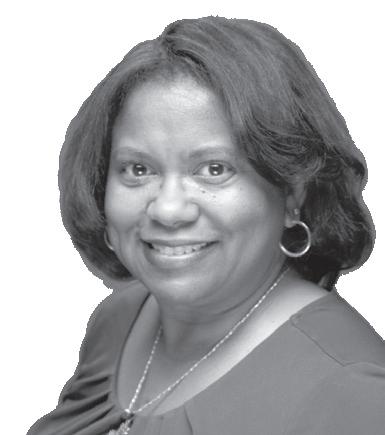
by Janice R Newman
I wrote this article over two years ago, and it still reigns true. I always joke that procrastination is my middle name, and my photo is in the dictionary next to the word procrastinator. It’s probably the same photo as in the paper since I’ve been procrastinating taking an updated photo. I’m unfortunately keeping it to real for myself and others who don’t want to admit that we suffer from procrastination or just would prefer to admit it next week. So, I urge you to read this article now and not procrastinate until next week.
Procrastination killed the cat! A catchy title that makes you think. But procrastination can kill the cat, your dreams, your opportunities, and everything else that you waited to feed. I’m positive that if you wait to feed a cat for 30 days or a year, you will most likely kill the cat. It’s the same when we don’t work on (feed) our goals, dreams, and opportunities by procrastinating. They tend to fade away or die. Procrastination delays and kills our goals, and even the day-to-day things-to-do list. Why Not do those tasks today?
Procrastination is a common behavior that affects everyone by delaying or postponing a task for another reason, typically for one that’s more pleasurable or doing nothing or avoiding it. Procrastination can hold you back and lead to missed deadlines, incomplete work, and decreased productivity.
The four biggest reasons why we procrastinate include fear of failure or making a mistake, lack of motivation, time management, and distractions. People tend to put off things for tomorrow because of fear of failure or making a mistake. We hope that with more time, we can prepare more or have less anxiety. They lack the motivation to get started so they don’t start. People with poor time management skills tend to prioritize by spending time on less important easier tasks. Distractions are all around us vying for our attention as we are constantly drawn away from the important task at hand.
Why do something today, when you can do it tomorrow?
Ecclesiastes 11:4 Whoever watches the
wind will not plant; whoever looks at the clouds will not reap. (NIV). God instructs us not to be idle but to sow so we shall reap. Procrastination keeps putting off the inevitable, which only makes it worse. We only have limited time so use your time wisely. Scripture reminds us of the importance of being diligent and doing work with a sense of purpose and urgency. Proverbs 10:4 “Lazy hands made for poverty, but diligent hands bring wealth.” (NIV).
To overcome procrastination, you need to identify the root causes of your behavior to postpone or avoid tasks and develop effective strategies against it. It’s important to develop certain personality characteristics. Three key characteristics are self-discipline, perseverance, and responsibility. Self-discipline allows you to control your emotions, actions, and thoughts. Perseverance provides mental toughness, resilience, and ability to continue working on a goal, even when faced with obstacles, setbacks, and failures. Responsibility requires taking ownership and being accountable for your actions and the resulting outcome.
Here are some effective ways to kill procrastination:
1. Create a to-do list. Get a notes app or paper and write down all the things you must do regardless of significance. Then prioritize them in order of importance with deadlines. Go through the list from urgent to least.
2. Set a timer or alarm. Using a timer breaks down your work into manageable chunks of time which provides a deadline to motivate you and makes you more productive.
3. Eliminate distractions. Turn off the television, podcast, and phone, get off the internet and social media, and stop trying to find something else to do besides your urgent and need-to-do tasks. Create a work environment that is free from distractions.
What things in your life do you keep procrastinating on and waiting until “tomorrow”? Kill procrastination today by starting a task now. Y? Why Not! YouTube bit.ly/ywhynotshow
Calumet City Public Librar y
Address: 660 S Manistee Ave, Calumet City, IL 60409
Phone: (708) 862-6220
Email: info@calumetcitypl.org
Website: http://www calumetcitypl.org/index.html
Dolton Public Libr ar y
Address: 14037 Lincoln Ave, Dolton, IL
Phone: 708-849-2385
Email: lincoln@doltonpubliclibrary.org
Website: www.doltonpubliclibrary.org
ONGOING PROGRAMS
EVERY MONDAY: STAY FIT with SHEENA STINSON: In-house workout program from 9:30-10:30 am. Register by calling 708-849-2385.
EVERY THIRD SATURDAY OF THE MONTH: BETWEEN THE PAGES: A VIRTUAL STORY TIME!Register by calling 708-849-2385 the link will be emailed to you.
EVERY SECOND TUESDAY OF THE MONTH: TODDLER TIME with Ms. Brooks: 10:45-11:45 AM. No registration is necessary. Daycares are welcome!
EVERY THIRD WEDNESDAY OF THE MONTH, SIMON SAYS..GET UP AND MOVE with Ms. Lottie Maria: 11:30-12 PM. Jump, Clap, and Dance. Toddlers and Daycares are welcome! Call to register at 708-849-2385 ext 4.
HOMEWORK HELP: Call 708-849-2385 ext. 4 to make an appointment with Ms. Brooks on Fridays or Saturdays. Ages 5-12.
EVERY MONDAY: LINE DANCING WITH DAWN THE DANCING DEVA: From 1-2 pm. Call 708-849-2385 ext 3 to register.
EVERY WEDNESDAY: LINE DANCING WITH DAWN THE DANCING DEVA: BECAUSE IT WAS SO GOOD THEY ASKED FOR TWO! From 3-4 pm. Call to register at 708-849-2385 ext 4
Hammond Public Librar y
Address: 564 State St., Hammond
Phone: (219) 931-5100, ext. 310 or 307
Email: swishl@hammond.lib.in.us
Website: www.hammond.lib.in.us
Har vey Public Libr ar y
Address: 15441 Turlington, Harvey, IL 60426
Phone: 708-331-0757x3200
Email: has@harvey.lib.il.us
Website:www.harvey.lib.il.us
FREE online Line Dancing with Dawn the Diva, Tuesdays at 6:30pm
Join Us For Vir tual Programs : Each day at 4:00 pm, “stop” in for online family-fun at the Harvey Library Tuesday: Craft Wednesday: Story Time Thursday: Bacon Bits & Cooking Tips Monthly Virtual Music Class (Friday, check calendar each month)

Homewood Public Librar y
Address: 17917 Dixie Hwy, Homewood, IL 60430
Phone: (708) 798-0121
Email: hplhelp@homewoodlibrary.org
Website: www.homewoodlibrary.org/
PARK STORYTIME
Tuesdays, starting June 3 10:30 AM | Ages 0-8
Registration Required
SUMMER READING
June 7 - July 31 | All Ages
Summer Reading starts June 7! Sign up at https://bit.ly/beanstacksignuphere
Riverdale Public Librar y
Address: 208 W 144th St
Riverdale, IL 60827
Phone: (708) 841-3311
Email: library@rpld.org
Website: www.rpld.org
FALL FLEA MARKET
Saturday, September 13 | 9 AM - 3 PM
Join us for our annual community fall flea market. This event is free and open to the public. For more info or to reserve vendor space(s), registration forms are available on our website or at the library. We look forward to seeing you there!
Riverdale Public Library District Food Pantry
Our food pantry is open to everyone and is located in the entryway of library. Donations are also welcome and can be dropped off at the Circulation Desk. Please ensure that food items are non-perishable, non-glass containers and not expired.
Weekly Walking Group
9 – 10 am Ages: Adults/Seniors This walking program is for everyone interested in achieving a healthier lifestyle. What better way to start your path to better physical and emotional health, than on your feet making strides to help your heart and improve your general health.
Lansing Public Libr ar y
Address: 2750 Indiana Ave., Lansing IL
Phone: 708-474-2447
Email: shari@lansingpl.org
Website: www.lansingpl.org
South Holland Public Librar y
Address: 16250 Wausau Ave., South Holland IL
Phone: 708-527-3160 or 708-580-6161
Email: library@southhollandlibrary.org
Website: shlibrary.org/events-calendar
Thor nton Public Librar y
Address: 115 E. Margaret St. Thornton, IL.
Email: library@thorntonil us
Website: https://www thorntonlibrary org/
CHRIST
1151
708-331-8389
PASTOR
COVENANT UNITED CHURCH OF CHRIST 1130 East 154th St., South Holland
708-333-5955
www.covucc.org
PASTOR REV. DR. PATRICK L. DAYMOND
FIRST CHURCH (PCA) 3134 Ridge Rd, Lansing
708-474-9610
www.firstchurchpca.org
FIRST ORTHODOX PRESBYTERIAN CHURCH OF SOUTH HOLLAND 16248 South Park Ave., South Holland
708-333-8211
www.firstchurchsh.org
PASTOR REV. DANIEL SVENDSEN WORSHIP SERVICES Sunday 9:30 a.m. & 5:30 p.m. Sunday School 11:00 a.m.
GRACE LUTHERAN CHURCH, LCMS 8303 Sheffield Avenue Dyer, IN 46311 (219) 865-1137 gracedyer.org
PASTOR REV. DALE HETHERINGTON
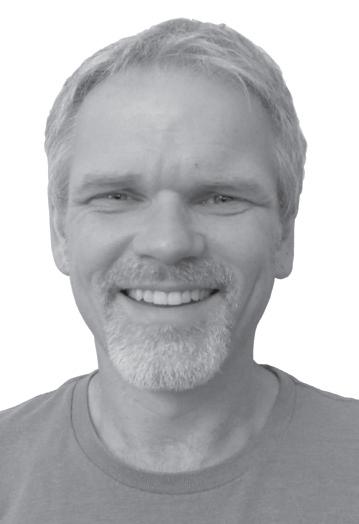
This Saturday, August 9, 2025, we will celebrate the 10th birthday of our church, Covenant Fellowship Church of South Holland. A creative team of volunteers is planning a birthday party to remember. I can’t wait!
Speaking of ‘remember’, I recently wrote a ten-year history of our church. In the process, I was astonished at how much I had forgotten. The intentional activity of researching and writing has caused me to remember much. Or to clarify memories that had grown fuzzy over time.
This exercise reminded me that memories of the past move us to feel and do things in the present. As I wrote and remembered, I felt rekindled gratitude for specific people. I felt rekindled resolve to learn from and avoid past mistakes. I felt rekindled desire to press on with unfinished business in our life together. Above all, I felt rekindled admiration and appreciation for the faithful love of our heavenly Father,
RECONCILIATION CHURCH
833 East 168th St., South Holland
708-331-7755
www.reconciliationchurch.org
PASTOR GLEN MCCARTHY
WORSHIP SERVICES Sunday Worship 10:00 a.m. Wednesday Bible Study 7:00 p.m.
REDEEMER LUTHERAN CHURCH
651 East 166th St., South Holland
708-331-4100
redeemer-lutheran@sbcglobal.net
WORSHIP SERVICES Sunday 9:30 a.m. Sunday School 10:45 a.m. Channel 6 Tues. 10:00 a.m.
ST. PAUL’S EVANGELICAL LUTHERAN CHURCH & SCHOOL
8601 Harrison Avenue, Munster, In. 46321 219-838-6720 stplmunster.com
Pastors: Peter Speckhard, Adrian Krebs
WORSHIP SERVICES: Monday: ..........................................6:30 p.m. Sunday: .....................8:00 a.m. & 10:15 a.m.
Bible Study: Sundays at ........9:15am (Sunday school at this time too)
2nd & 4th Tuesdays of the month (Ladies’ Bible Study) Wednesdays at 10am Thursdays at 10am (Nursery available for Sunday morning services)
ESPIRITU DE DIOS
16400 S. State St., South Holland
708-439-1220 sogfchurch.com
PASTORES Jose & Paula Lopez
SERVICIOS: Grupo de Oracion de Hombres Jueves ........................................... 7:30 p.m.
Sabado Alabanza y Predicacion.....6:00 p.m.
UNITY OF NORTHWEST INDIANA
Plum Creek Center
2138 Moeller Street Dyer, IN 46311 (219) 931-5284 www.unitynwi.org ALL WELCOME MINISTER: REV. GERALDINE COLVIN SUNDAY SERVICE.......................10:00 AM
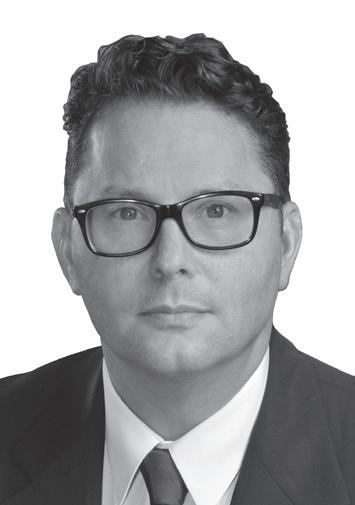
BY PATRICK ZAMKIN
In life, balance is everything — whether it’s finding time between work and family or maintaining a healthy diet. The same goes for your investments. Keeping your financial portfolio balanced is a smart way to stay on track toward your long-term goals, even as the markets shift.
That’s where portfolio rebalancing comes in. Rebalancing is the process of adjusting your investments — like stocks, bonds and cash — so they stay in the right mix for your needs. This mix, known as your asset allocation, is designed to reflect your comfort with risk, your investment goals and how long you have until you’ll need to use the money for a major life event like retirement or the purchase of a new home.
For example, let’s say your target portfolio is made up of 60% stocks, 30% bonds and 10% cash. Over time, as the value of each investment changes, your portfolio may become unbalanced. If stocks have a great year and rise in value, they could end up making up 70% of your portfolio. That means you’re taking on more risk than you originally intended.
To get back to your 60/30/10 target, you would sell some stocks and possibly buy more bonds or cash investments. This helps bring your portfolio back in line with your goals.
Markets go up and down. That’s normal — but it also means your portfolio can shift without your even touching it. If you don’t rebalance regularly, you might be taking on too much (or too little) risk.
Rebalancing offers several benefits. It helps keep your investment plan on track and manages your exposure to risk. It also encourages disciplined decision-making, rather than chasing trends.
It might feel strange to sell investments that have been doing well and buy ones
that haven’t. But this strategy can help you “buy low and sell high,” which is one of the key ideas behind successful investing.
You may be wondering how often you should rebalance your portfolio. There really is no one-size-fits-all answer. Some people rebalance once a year. Others do it more frequently based on how far their investments drift from their target percentages.
What’s important is that you check your portfolio regularly — at least annually — and make adjustments when needed. After big market movements, whether up or down, it’s a good idea to take a closer look.
Keep in mind that if you rebalance by selling investments in a taxable account, you might owe capital gains taxes. Also, some brokers charge fees for trades. But if you own similar investments in a retirement account like an IRA or 401(k), you can often rebalance without triggering taxes. A financial advisor can help you choose the best approach — and may even be able to help you avoid or reduce costs.
Your ideal investment mix will probably change as your life changes. Younger investors might favor stocks for growth. As you near retirement, you may want to focus more on income and stability. Rebalancing helps you adjust as your goals evolve.
Think of your portfolio like a car on a road trip — regular check-ins and small course corrections will help you stay on the right path. A financial advisor can help you design a strategy that keeps your investments aligned with your goals every step of the way.
This article was written by Edward Jones for use by your local Edward Jones Financial Advisor, Patrick Zamkin, located at 18735 Dixie Hwy, Homewood, IL 60430. Contact us at (708) 798-9066. Edward Jones. Member SIPC.
our Lord and Savior Jesus Christ, and the Holy Spirit, who get all the credit for the blessings of these past ten years. Each of these feelings is an invitation to act, to take next steps in fellowship with God and others. Yes, memories of the past move us to feel and do things in the present.
That’s why God so often utters the command “Remember!” in the Bible. He calls us to remember who he is and what he has done in redemptive history for us fallen, sinful humans.
“Remember the wondrous works that he has done” (Psalm 105:5a, ESV).
“Remember Jesus Christ, risen from the dead” (2 Timothy 2:8a, ESV). This kind of remembering is an act, not an accident. Such remembering will move us to feel and do. It will move us to believe and obey.
Richard Zekveld


Elsie P. Stevens, nee Herman, age 95, of Dyer, IN, passed away Tuesday, July 29, 2025. Loving mother of the late Kenneth Edward (Janice) Tomky, Kevin Gene Tomky, Karl Jay (Sue) Tomky, Diane Gail (James) Bowers, and Kirt Herman Tomky. Cherished grandmother of Bryan, Bradley, Brett, late Karla, Alyssa, Kelsie, and ten great grandchildren. Dear sister of the late Edward (Doris) Herman and the late Helen (late Herb) Schreiber. Preceded in death by her husband the late Robert Stevens, her former husband Gene Tomky, and by her parents Jacob and Margaret Herman.
A memorial service will be held at a later date at Smits Funeral Home, 2121 Pleasant Springs Lane, Dyer, IN.
Memorial contributions may be given to Treasured Friends Animal Rescue, P.O. Box 9234, Highland, IN 46322 (www. treasuredfriendsrescue. org), Humane Society –Calumet Area, 421 45th Ave., Munster, IN 46321 (www.humaneindiana. org) or Leukemia Research Foundation (www. leukemiarf.org).
For further information, please contact 219-3227300 or visit our online obituary and guestbook at www.SMITSFH.com
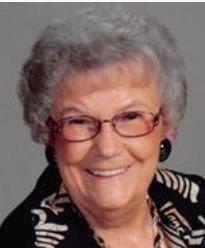
Margaret Nimon, nee Taylor, age 94, of Sauk Village, IL, went home to her Lord and Savior on Thursday, July 31, 2025. Beloved wife of the late Jack Nimon. Devoted mother of Jack Taylor (Marianne) Nimon, John Steven (Marie) Nimon, Frederick Wayne Nimon, and the late Michael (Gloria) Nimon. Cherished grandmother of 5; greatgrandmother of 8. Kind aunt of several nieces and nephews. Preceded in death by her parents John and Fayner Taylor, and her brothers and sisters. Margaret was loved by her family, and friends, and will be dearly missed.
Visitation Wednesday, August 6, 2025 from 10:00 a.m. until the time of the funeral service at 11:00 a.m. at Lake Hills Baptist Church (9209 W. 85th Ave. Schererville, IN 46375), with Mr. Willie Carr and
Pastor Adam Landkrohn officiating. A church luncheon immediately following the service. Interment Fairmont Willow Hills Cemetery –9100 Archer Ave, Willow Springs, IL.
In lieu of flowers, memorial donations to Baptist Children’s Home 354 West St. Valparaiso, IN 46383, appreciated.
Arrangements entrusted to Smits Funeral Home 2121 Pleasant Springs Lane (Rt.30/Pleasant Springs

Infant Milo Thomas Hall-Penaflorida passed away July 27, 2025. Precious son of Rylee Hall and Jericho Penaflorida. Cherished grandchild of Casey and Kelly Hall and Joy Hernandez and Jonathan Penaflorida. Dear nephew of Macy Hall, Ethan Hall, J.J. Penaflorida, and Jennylyn Penaflorida.
Though his time with us was brief, Milo’s fight was nothing short of remarkable. His strength and resilience touched us deeply. Rest peacefully little one, you fought with everything you had and that will never be forgotten.
A private family service will be held at a later date.
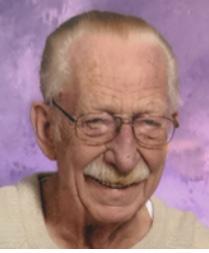
Martin J. Den Hartog, age 83, of Crete, IL, passed away peacefully Monday, July 28, 2025. Loving husband of Judith A. Den Hartog, nee Joyce. Devoted father of Kenneth (Kimberly) Den Hartog, Cheryl (James) Schoonover, Sandy Den Hartog, and Steven (Jody) Den Hartog. Cherished grandfather of Jessica (Jeff Blandford) Den Hartog, Megan (David Bixeman) Den Hartog, Joe (Amanda Winkler) Schoonover, Ryan Schoonover, Robert (Kendall) Schoonover, and Mallory Paige Den Hartog; great-grandfather of Adrianna, Nathaniel, Sophie, Tyler, Kinsley, Landon, Addison, Norah, Archer, and baby on the way. Dear brother of the late Jerry (Pat) Den Hartog, late Pete (Sue) Den Hartog, and late Warren (Karen) Den Hartog. Kind uncle of several nieces and nephews. Martin worked at Marie’s
Salad Dressing for over 35 years. He loved spending time with family at his cottage on the lake in Michigan. He was dedicated to taking care of his daughter Sandy after her accident. He was truly loved by his family, and many friends, and will be dearly missed.
Visitation Sunday, August 3, 2025 from 3:00 –8:00 p.m. Funeral service Monday, August 4, 2025 at 11:00 a.m. at Smits Funeral Home, 2121 Pleasant Springs Lane (Rt.30/Pleasant Springs Ln.), Dyer, IN, with Rev. Jim Hollendoner officiating. Interment Oak Ridge Cemetery –Lansing, IL.
In lieu of flowers, memorial donations may be given to the Humane Society.
For further information, please contact 219-3227300 or visit our online obituary and guestbook at www.SMITSFH.com
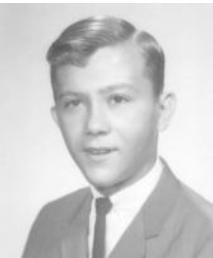
Robert C. Huisman, “Bob”, age 75, of Manteno, IL, passed away Monday, July 28, 2025 at Manteno Veterans Home under the care of Uplifted Hospice Care.
Bob was the beloved husband of the late Paula Huisman (nee Miarecki). He is survived by his siblings; Gary (Sharon) Huisman, Sherry Huisman, Denis Huisman, and Tim Huisman. Also survived by his sister-in-law Bonnie (Juergen) Jackert and Nancy (late Leonard) Miarecki, brother-inlaw John Miarecki and Godsons Charles (Jamie) Huisman, Sr. and Drew (late Kim) Huisman. Also survived by many nieces, nephews, great nieces, great nephews, cousins and many many friends.
Preceded in death by his wife Paula Huisman, his parents Robert and Christine Huisman, his in-laws, Henry & Betty Miarecki, sister-in-laws, Karen Miarecki, Jackie Fry, nephews Brad Fry, Steve Anderson and niece Kimberly Huisman. He was an Air Force Veteran, serving in radio intelligence from 1968 through 1972. He loved spending time with his nieces and nephews and friends. He will be dearly missed.
Memorial visitation Saturday, August 2, 2025, from 1:00 p.m. until time of the memorial service at 3:00 p.m. at Smits Funeral Home, 2121 Pleasant Springs Lane, Dyer, IN. Interment to be held at a later date at Abraham Lincoln National Cemetery—Elwood, IL.
Memorial contributions may be given to the Veterans’ Home at Manteno (www.veterans. illinois.gov), Uplifted Care (www.upliftedcare. org), or to the family. For further information, please contact 219-3227300 or visit our online obituary and guestbook at www.SMITSFH.com Ln.), Dyer, IN. For further information, please contact 219-3227300 or visit our online obituary and guestbook at www.SMITSFH.com
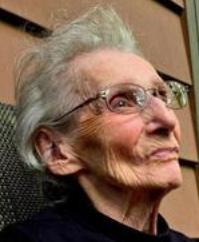
Barbara E. Walton, nee Pender, age 95, of Crown Point, IN, formerly of Barnum, MN, passed away peacefully at her home surrounded by family Thursday, July 31, 2025. Loving wife of the late Bruce W. Walton. Devoted mother of Gary Walton, Deborah (Tony) Konieska, Douglas Walton, Stacey (James) Vadas, Barbara (David) Stranko, and Robert (Melissa) Walton. Cherished grandmother of Tymon (Nicole), Matthew, Krysta, Anna (Brandon) Leavitt, Thomas (fiancée Sierra Offerson), Jocelyn (Dan) Axtell, Christine (fiancé Kyle Tiikenen), Bryant (Lacy), Jeffrey, Kevin (Amanda), Shauna (fiancé Christopher T. Peterson), Spencer, and Brianna; greatgrandmother of 14. Dearest sister of David (Beverly) Pender, the late Douglas (late Turnice) Pender, late Frances (Marshall) Evans, and late Daniel Pender. Also survived by her watchful companion Zelda, her Italian Greyhound. Kind aunt and great-aunt of many nieces, nephews, and beloved cousins. Preceded in death by her parents Rolf and Alma Pender. Barbara was an avid gardener, embroiderer, baker, and loved reading. She was also a school volunteer for many years, Barbara was loved by her family and friends and will be dearly missed.
Memorial service Saturday, August 2, 2025 at 6:00 p.m. at Immanuel Presbyterian Church (140 W. US Highway 30 Schererville, IN) with Rev. Laurel B. Hamilton officiating. An inurnment will take place in Minnesota at a later date.
Arrangements entrusted to Smits Funeral Home 2121 Pleasant Springs Lane (Rt.30/Pleasant Springs Ln.), Dyer, IN. For further information, please contact 219-3227300 or visit our online obituary and guest book at www.SMITSFH.com



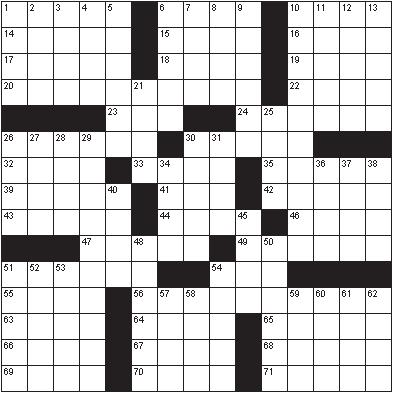


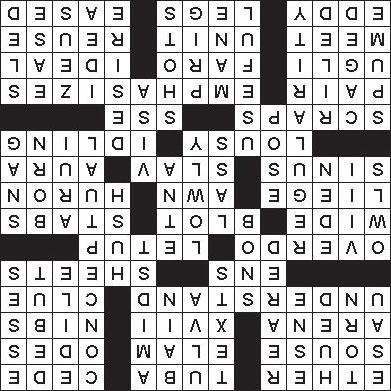
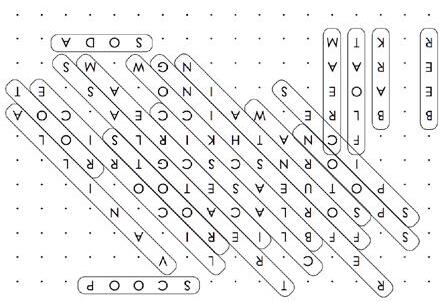
Jacob’s brother
Ripped
Color
Anglo-Saxon slave
Nurtured
Schoolbooks 7. Green seaweed 8. French for “Bath” 9. Among 10. Abstract 11. Magistrate
12. Beginning
13. S S S S 21. Prig
25. A call for quiet
26. Wise birds
27. Eight in Roman numerals
28. Biblical garden
29. Invariability
30. Inferior in rank
31. Anagram of “Neat” 34. Young girl
36. Wild African sheep
37. Brought into existence
38. Catch
40. Employee Stock Option Program
45. Passport
48. Practical 50. Lust 51. Froth
52. Imprisoned 53. Angered
Tosses into a basketball net
Horse’s hair 58. Snob
59. Concept
60. Supreme god (Greek mythology)
61. Lack of difficulty 62. Sleigh
Also known as the “Black Cow,” the root beer float got its start in Colorado in a mining camp. Frank J. Wisner of Cripple Creek, Colorado, gets the credit for inventing the “Black Cow” way back in August of 1893.
Source: nationaldaycalendar.com

Be prepared before the next power outage.
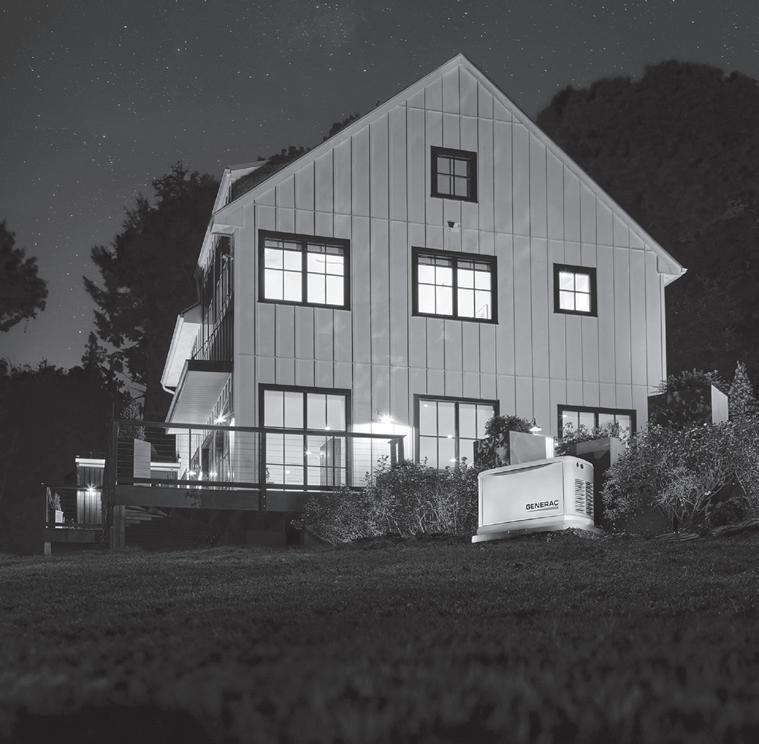
Receive a free 5-year warranty with qualifying purchase* - valued at $535.
Call 708-659-1730 to schedule your free quote!

Question: I’m in the process of purchasing a home offered for sale by owner. What questions should I ask the seller that will provide me with pertinent information about the property? Also, what questions should I ask that will give me information that most sellers don’t want buyers to know?
Answer: This isn’t going to work. There are a universe of potential questions and the odds are overwhelming that you will miss one or more -- and maybe pay thousands of dollars in excess costs as a result.
For instance, is the sale subject to a home inspection? Must the inspection be “satisfactory” to you? If the inspection is not satisfactory to you will you get your deposit back if the owner does not make repairs? Must the repairs be satisfactory to you? Can the seller limit repair obligations to a given dollar amount? Are you getting good, marketable and insurable title? How do you know? Please, get a Realtor before you sign anything.
Question: I bought a house in October. We were told the heat was electric and on the listing it says the heat is electric. After we closed and started moving in we discovered the heat is really gas. I do
IF YOU ARE THE MORTGAGOR (HOMEOWNER), YOU HAVE THE RIGHT TO REMAIN IN POSSESSION FOR 30 DAYS AFTER ENTRY OF AN ORDER OF POSSESSION, IN ACCORDANCE WITH SECTION 15-1701(C) OF THE ILLINOIS MORTGAGE FORECLOSURE LAW.
You will need a photo identification issued by a government agency (driver’s license, passport, etc.) in order to gain entry into our building and the foreclosure sale room in Cook County and the same identification for sales held at other county venues where The Judicial Sales Corporation conducts foreclosure sales.
For information, contact JOHNSON, BLUMBERG & ASSOCIATES, LLC Plaintiff’s Attorneys, 30 N. LASALLE STREET, SUITE 3650, Chicago, IL, 60602 (312) 541-9710. Please refer to file number 22 0062.
THE JUDICIAL SALES CORPORATION
One South Wacker Drive, 24th Floor, Chicago, IL 60606-4650 (312) 236-SALE
You can also visit The Judicial Sales Corporation at www.tjsc.com for a 7 day status report of pending sales.
JOHNSON, BLUMBERG & ASSOCIATES, LLC 30 N. LASALLE STREET, SUITE 3650 Chicago IL, 60602 312-541-9710
E-Mail: ilpleadings@johnsonblumberg.com
Attorney File No. 22 0062
Attorney Code. 40342
Case Number: 2022 CH 11782
TJSC#: 45-1551
NOTE: Pursuant to the Fair Debt Collection Practices Act, you are advised that Plaintiff’s
not like gas and am afraid of it. What are my options, if any, in getting this resolved? Can I request they convert the gas to electric?
Answer: Gas is both safe and efficient -- many people prefer it to electric heat.
The real problem here is not the source of heat; rather it’s your personal preference, an error in the listing form and a failure to see the problem long before closing. This could have been avoided with a professional home inspection, a check of the furnace or a look at the utility bills.
It may be that the listing broker did little more than check the wrong box on a form -- a matter that a buyer could easily detect and correct with minimal due diligence. You or your attorney can certainly speak with the sellers and their broker -- but I doubt that you’ll get a new heating and cooking system from the past owners.
E-mail us your Real Estate questions at Cathyah@aol.com. Thinking of selling your home? Call Cathy & Jim Higgins, Licensed Broker/Realtors in Indiana & Illinois. IN: 219-865-4361 IL: 708-8283304. McColly Real Estate. Website: www.Cathyhiggins.com. Personal Real Estate Journal: www.Higginshousechat. blogspot.com

AC/HEATING
SERVICES: Summer
Special! Furnaces or A/C’s , Clean & check $59.95. Furnaces, A/C’s, Boilers, water heaters, sump pumps, humidifiers, installations, repairs, furnaces installed from $1495.00 R/D Heating & Cooling. IL. and IN. 219-616-3281
SMITH PAINTING 30
YRS EXP - FREE
ESTIMATES Mention Sherry, get 5% off job. Call Mike 2197429867
MOVING SERVICES:
Pick up/ Delivery Service. Small moves; in-house move; store-to-home.
Assembly: Furniture & exercise equipment (Ikea, Office Depot, etc.) Call Rob daily until 9pm
708-898-8668
JUNK REMOVAL Time to make space! Cleanouts (garage attic, basement, shed). Hauling away appliances, furniture, trash. WE RECYCLE! Call ‘til 8pm. 708-8988668
CAR / TRUCK
TROUBLE?
Vehicle shopping?
On-location diagnosis: Will find needed repairs / maintenance. Uncertain of mechanic estimate? 32 years exper. Any day! 708-898-8668
Garage Sales
ONE DAY ONLY
-YARD/MOVING SALE
1378 Hirsh Ave, Calumet City. August 7th, 8am to 3pm. Furniture, Tools, Housewares, Toys, Clothes, something for everytone!
For Rent
APARTMENT FOR RENT- 2 BEDROOMS
2ND FLOOR.
CALUMET CITY IL.
$1200 RENT and one month security. No smoking, no pets and no section 8. Street parking. Serious inquiries only. Call 708 466-7272
BEAUTIFUL SOUTH
HOLLAND ROOM FOR RENT IN A SINGLE FAMILY
HOME. King size bed, semi private bathroom with Jacuzzi tub. No cooking, full size refrigerator and microwave in room. Free lights, free gas. Only $225 a week, $500 move in fee. Background check required. Call 708-8433932 for more info.
APARTMENT FOR
RENT- Available Now
- $900 a month. - 2 beds, 1 bath, live-in kitchen. Private parking. No pets. One month security and rent required. 17701 Commercial Ave in Lansing. Apartment 2W on second floor. Seniors welcome. Call Winston - 708-251-8266

SPACIOUS AND QUIET
2-BEDROOM, 2-BATH CONDO AVAILABLE IN A 55+ BUILDING LOCATED AT 18855 BURNHAM AVE #135, LANSING, IL 60438. This well-maintained unit features a patio off the living room, an ample dining area, and a master bedroom with two closets and a private bath. The building offers convenient elevator access, a heated underground garage with storage, and a peaceful living environment. Rent is $1,600 per month with a $1,600 move-in fee. Don’t miss out on this great opportunity! For more information or to schedule a viewing, contact Wyomia Ellison at 708-250-2228 or Samuel Ellison at 708-915-9466.
NEWLY RENOVATED
2 BEDROOM, 1 BATHROOM IN CALUMET CITY.
$1,350/MONTH, one month security deposit, background check required. Owner pays gas, tenant pays electric. Laundry onsite, parking offsite. Quiet building. Call 708-288-5358 for more information
Looking for room to rent with own bathroom. NW Indiana/Lansing area. Elderly care experience. 40+ Non-drinking/ smoking male w/ maintnenance skills. Prefer kitchenette & garage space. 708-898-8668
In search of a Vintage Cobra Cb Radio Company Wall Clock. it would be square framed in black with white background and the iconic blue snake and lettering. Cobra used to give these to local Cb shops selling their products back in the day. Call Dan 312-7200844
Looking for Older Chevy or Ford Truck in good condition, Low Miles and Price from ‘99-2004. Also older Toyota Car, in good condition, Low Miles and Price from ‘95-2000. Also in search of a Wringer Washer in working condition. Call 219-801-0955
Health/Personals/ Miscellaneous
IF YOU HAD KNEE OR HIP REPLACEMENT SURGERY AND SUFFERED AN INFECTION between 2020 and the present time, you may be entitled to compensation. Call Attorney Charles H. Johnson 1-800-535-5727
Sale
EGO 21” Self-Propelled Variable Speed Electric Lawn Mower. Four years old and in excellent condition. Includes brand new 5AH battery valued at $329. Total price is only $375. Call Bert at 219-718-8732.
Used Kenmore 5 Burner gas stove. Model #79073433314. Stainless steel and black in color. $225 or reasonable offer. Used Frigidaire Double Clean Dishwasher. Model # FFCD2413UB2A. $225 or reasonable offer. Brand New! Rheem 29 gallon, 60,000 BTU power vent water heater. $700 or reasonable offer. Call 312-339-7716
TWO BURIAL PLOTS IN CEDAR PARK CEMETERY, Calumet Park. Call 708-567-4475 for details.
7” Portable DVD Player craftsman weed trimmer 2 cycle (gas& oil mix) needs tune up comes with spool of extra line $20craftsman 1/2 hp garage door motor (no rail) needs worm gear inside comes with doorbell switch,visor remote, door safety sensors with wiring $20 layer AC/DC Power Car
Carrying Case New $20.00. Coffee Maker New W/2 Stainless Steel Travel Cups from Penny’s $20.00. Beverage Set Insulated Server Set Hot or Cold w/2 glasses & Tray. $10.00 - 708-4749568
Little Tykes basketball rim and stand. 6 feet tall. Unassembled for easy transport. Excellent







Conduit. 708-877-6088
Office Chair New--In Box--Modway EEI-757
$95. Mathching Buffet Lamps --New $30. 2 movie projectors, a movie screen and tripod. Beleek China Plate--New in Box $20 708-448-5672
Fisher-Price Power Wheels Barbie Jeep. In original box. Excellent condition. Needs battery and charger. $50 Call or text 708-673-9361
Black and Decker electric lawn mower. Great condition. $110 Call or text 708-673-9361
For sale, TKO five piece drum set, A1 condition, high hat, cymbals, etc. All hardware included. $300 O.B.O. Call 708-598-5136